The last full week of June saw a developing weather pattern known as an “omega block”, locking in a mammoth Heat Dome and developing an excessive heat wave directly over the continent and, ultimately, the UK. Northamptonshire endured consistently high temperatures, peaking at 36°C at the period’s end.
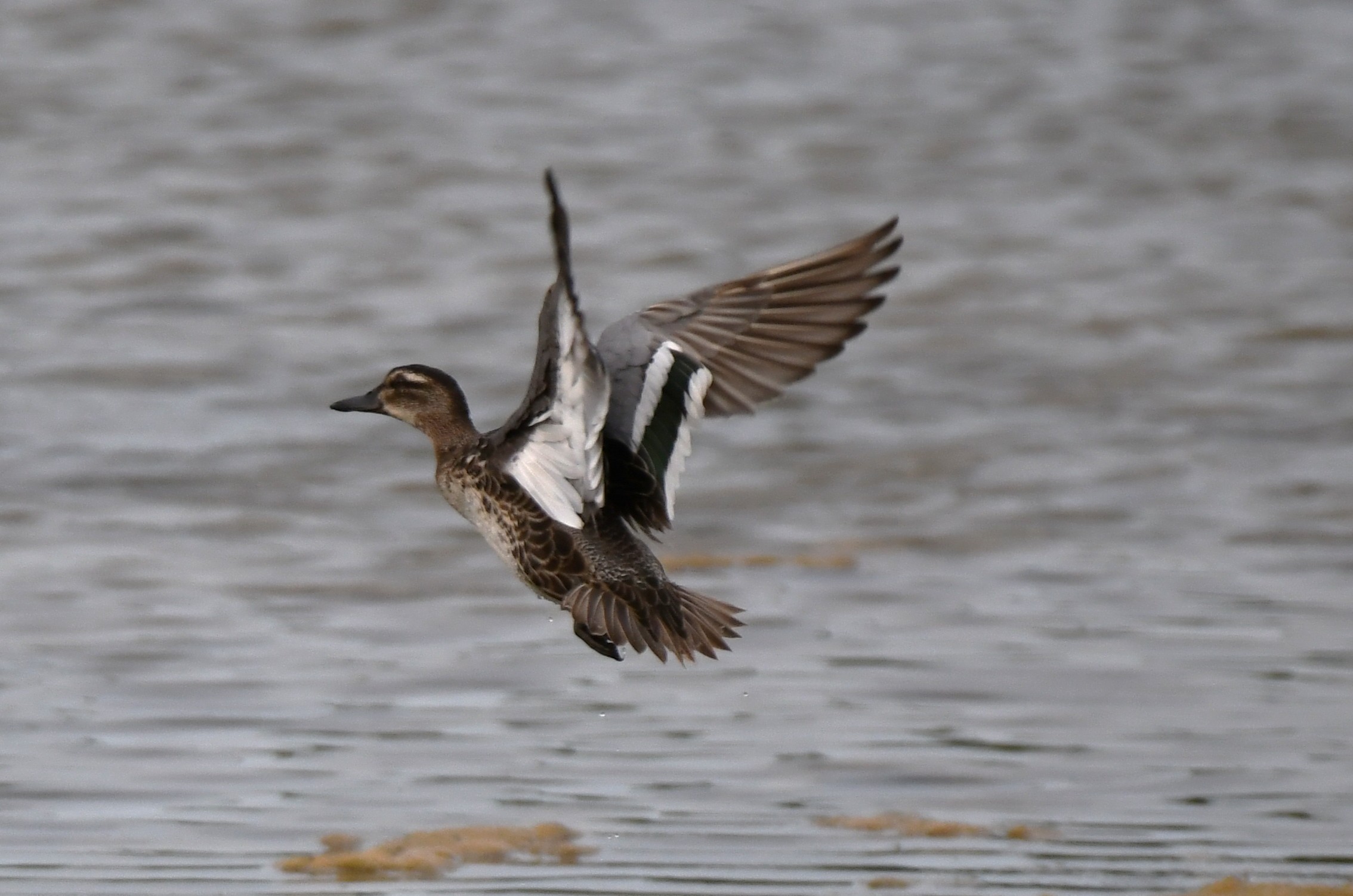
While there was no ducking out from the heat this week, the 22nd saw the arrival of two Garganeys at Summer Leys LNR, where they remained until the end of the period.

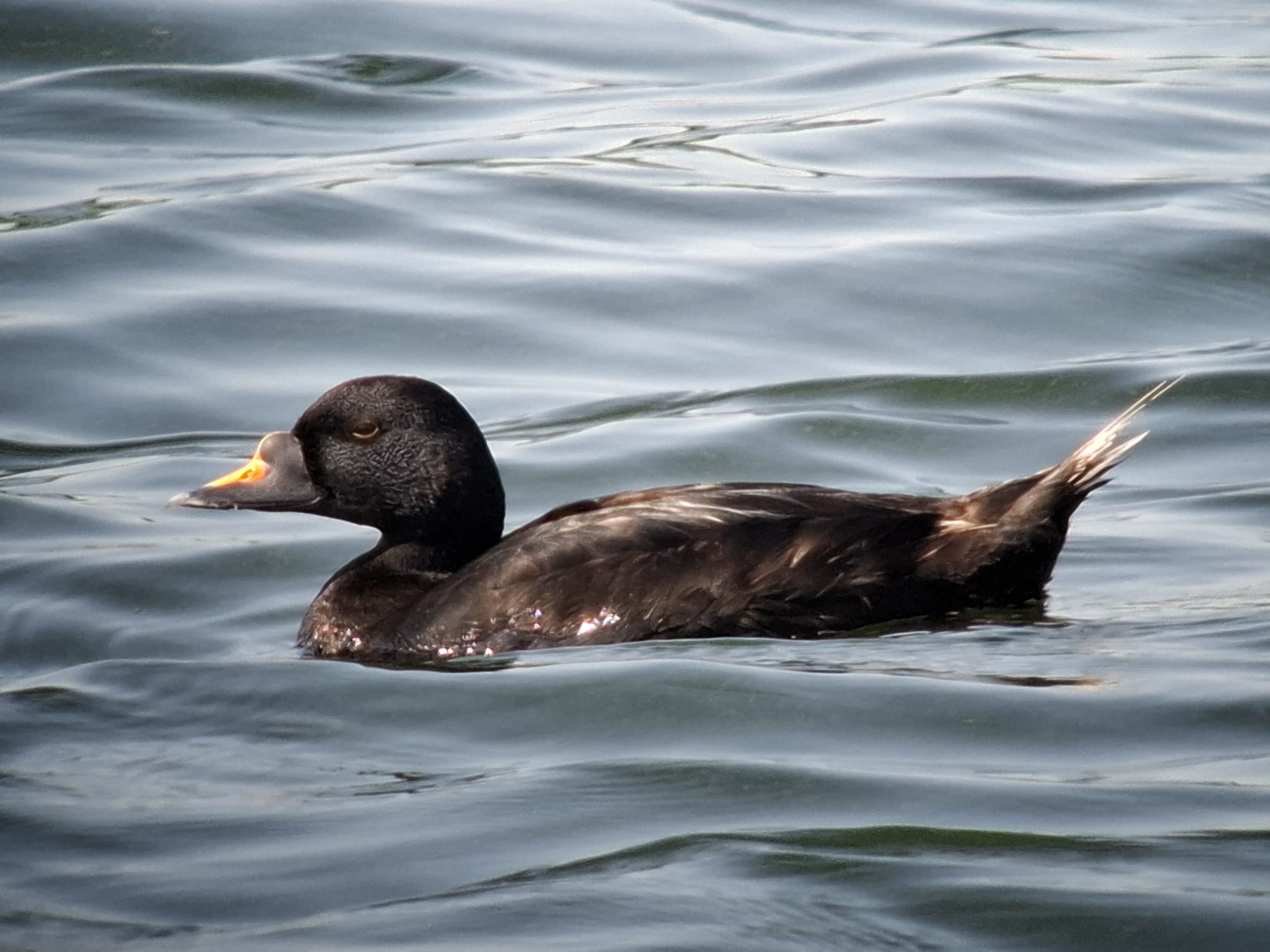
The last day of the week also produced a drake Common Scoter at Daventry CP.
And continuing the run of Quail records this year, numbers built further when one was recorded on nocturnal migration over Kettering on 20th and singing males were heard near Little Houghton on the latter date, at Blueberry Farm, Maidwell on 22nd and 25th, between Pitsford Res and Scaldwell on 24th and in the Brampton Valley between Cottesbrooke and Hanging Houghton on 25th.
A Whimbrel in flight over Stanford Res on 22nd was the sole representative of its clan this week.
Gulls where better represented, though, with Summer Leys delivering a first-summer Little Gull and an adult Mediterranean Gull, both of them on 20th.
The only Bittern of the week was at Thrapston GP’s Titchmarsh NR, while there was a climbdown in Cattle Egret numbers at the point in time that their breeding site was checked – just one adult and six juveniles on 21st.