Newsround 18th to 24th April 2026

The Birdscape changed considerably this week, shaped largely by a sustained easterly airstream off the near continent, giving rise to a surge of wetland migrants passing through the county.

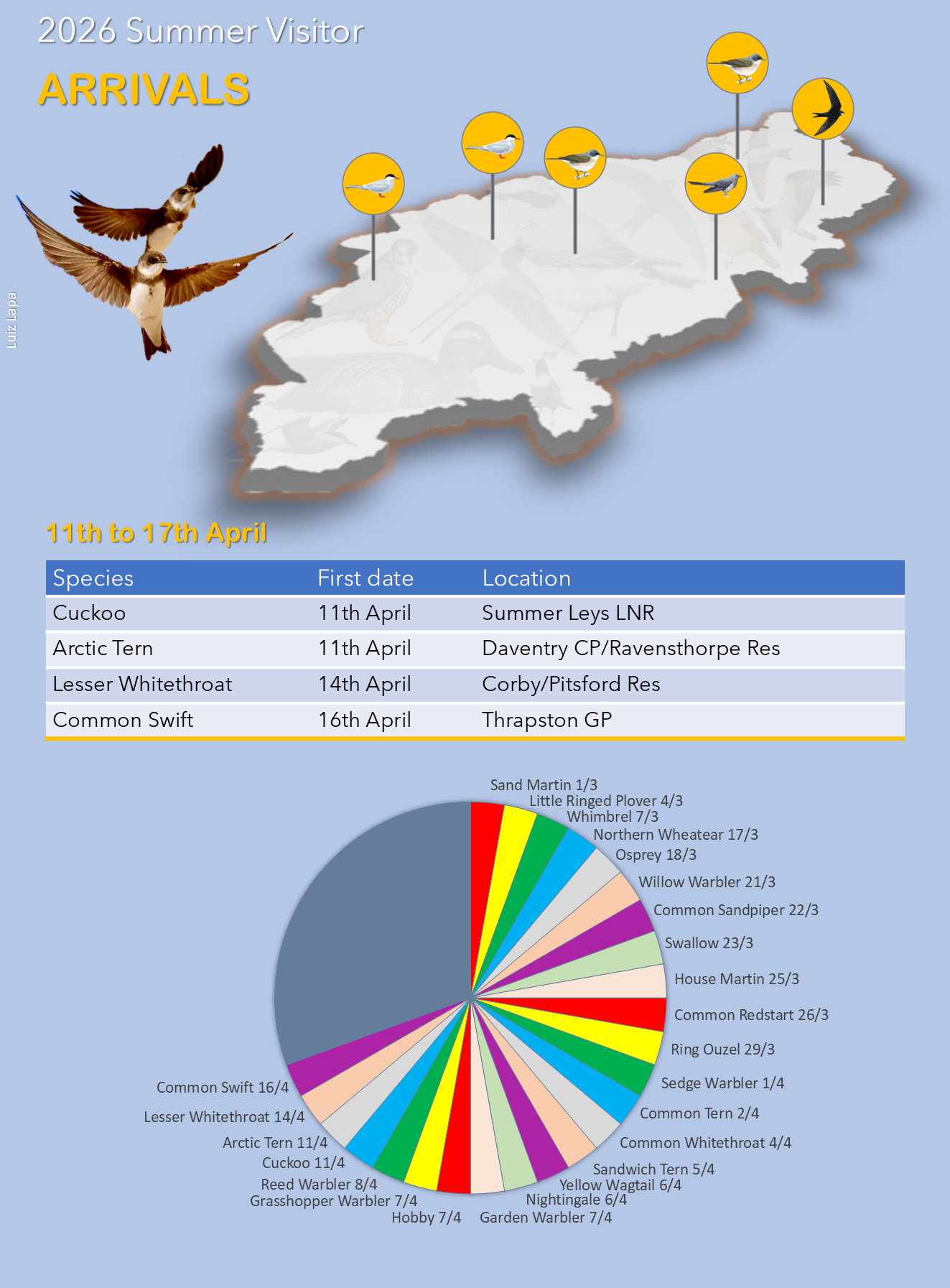
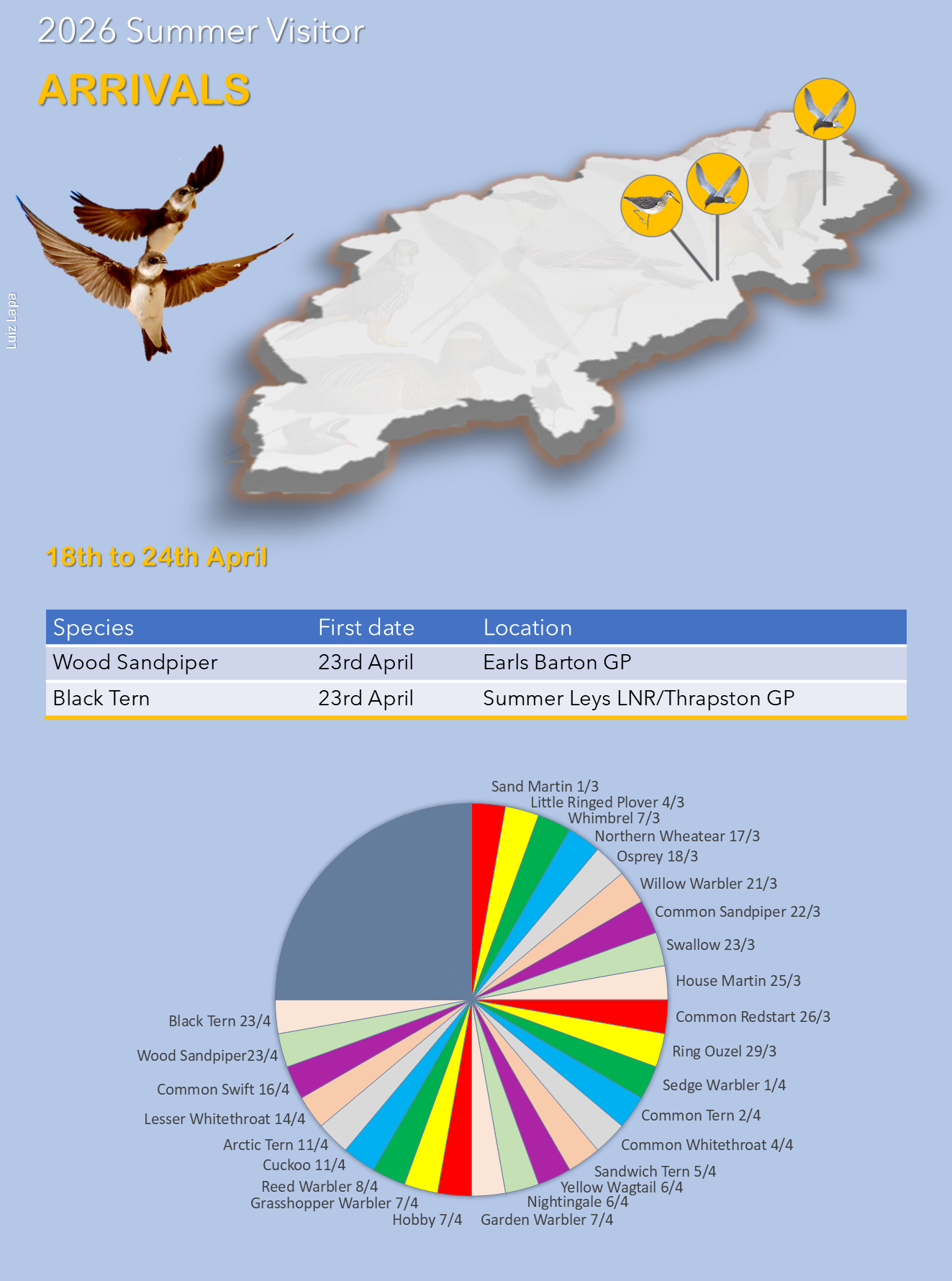
Just two new summer visitors arrived, although no new records were set in terms of early arrival dates.
Unsurprisingly, the number of wildfowl hit rock bottom this week, the sole representative being the drake Red-crested Pochard remaining at Earls Barton GP’s New Workings (South) until at least 22nd.

Following single flyovers in the east of the county on 23rd February and 20th March, the third Common Crane of the year flew east over the Brampton Valley, between Cottesbrooke and Hanging Houghton, on 19th. One on the ground would, no doubt, be much appreciated …

Looking at the Nene Valley flyway and focussing on waders specifically, there was undoubtedly competition between the wetland localities with the easybirdin’ site of Summer Leys upstaged this week by Earls Barton GP’s New Workings (South), which dished up rich pickings for local birders.

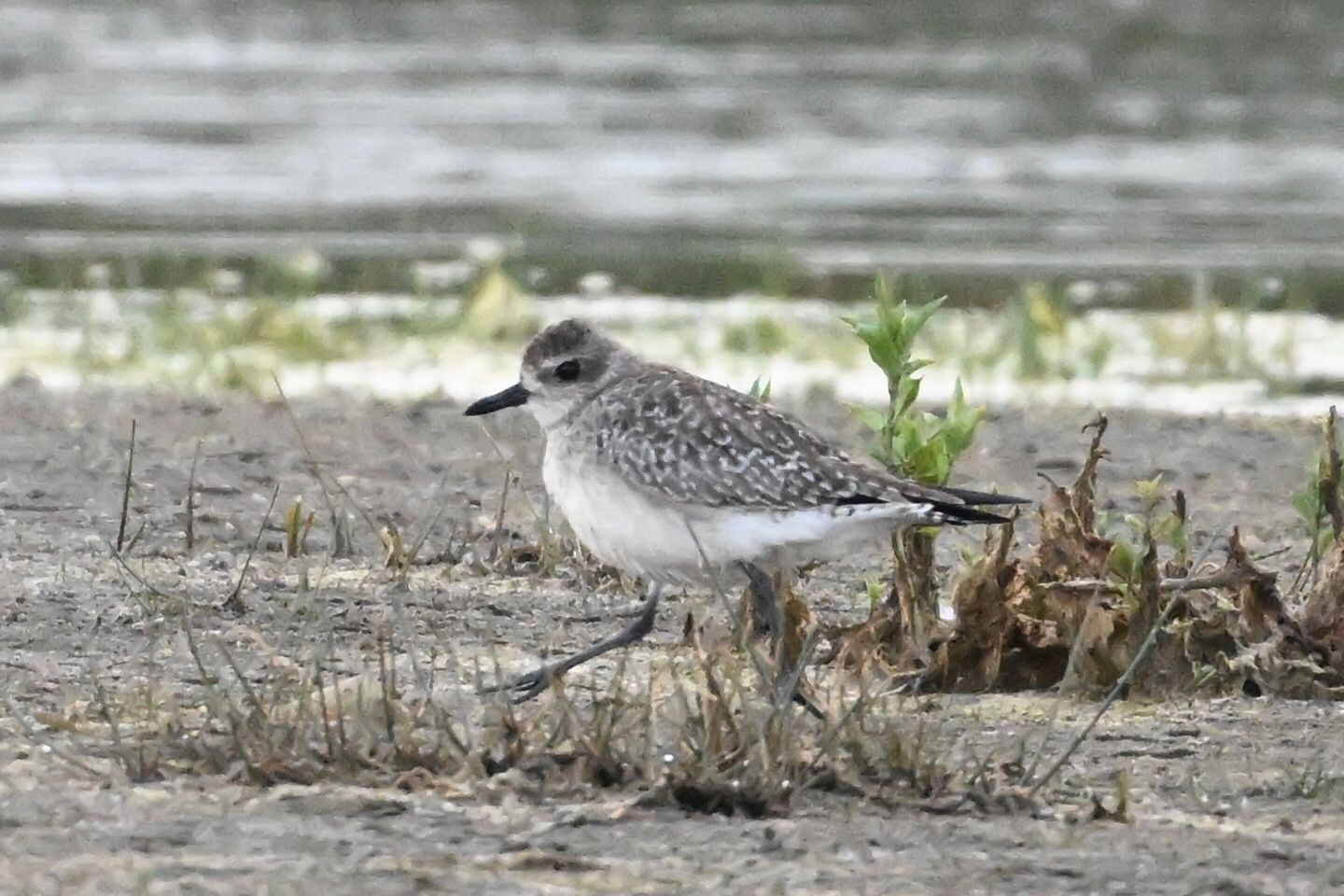
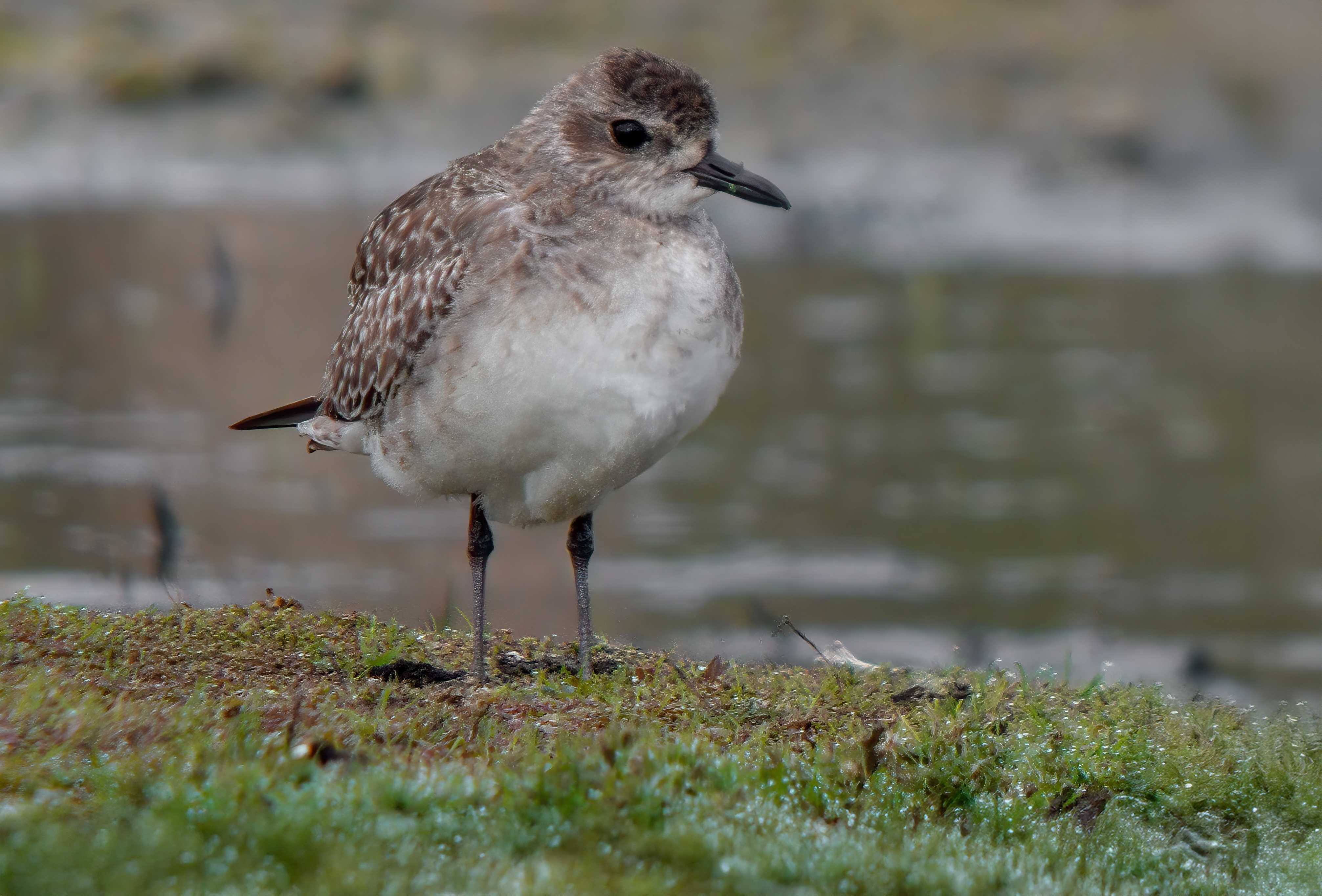
Now a weekly part of the spring furniture, it seems, the former locality kicked off with two Avocets on 18th, while two arrived for a short stay at Clifford Hill GP on 22nd and two were even briefer in their visit to Pitsford Res, where they circled fleetingly before heading high south, on 24th. Away from the Nene Valley waders are notoriously hard to come by at this time of the year, so for Lilbourne Meadows NR to dish up the year’s first Grey Plover on 23rd was a feather in its cap, so to speak.
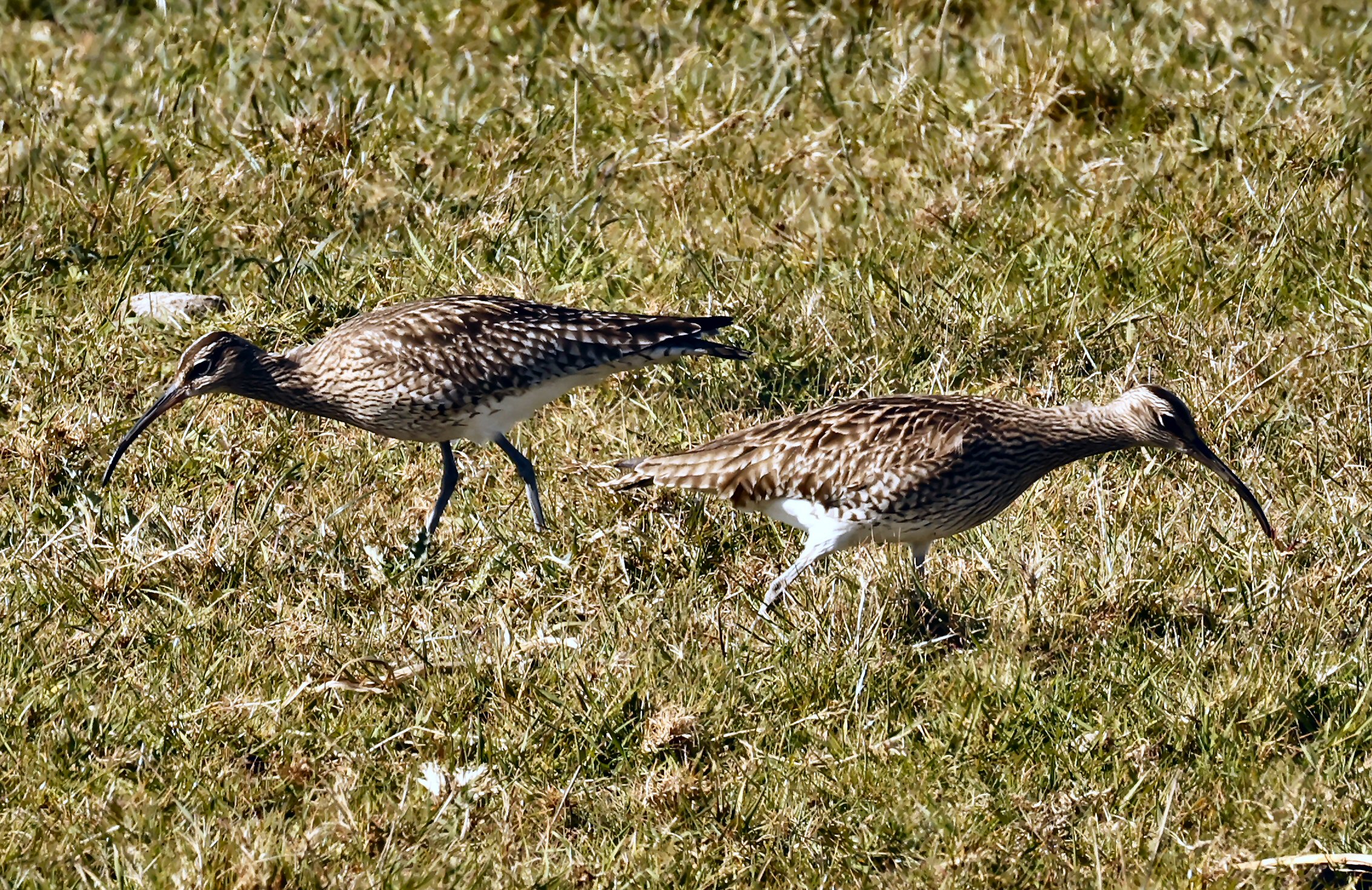
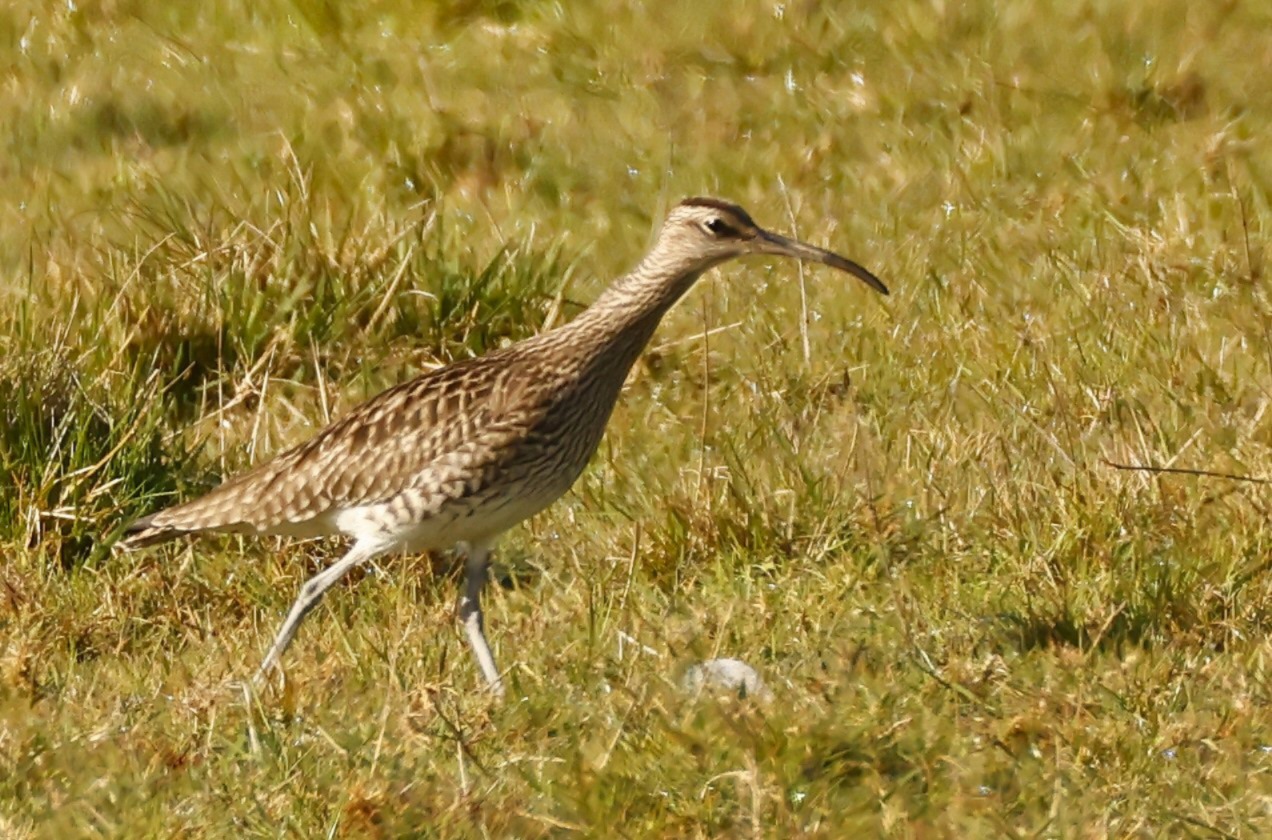
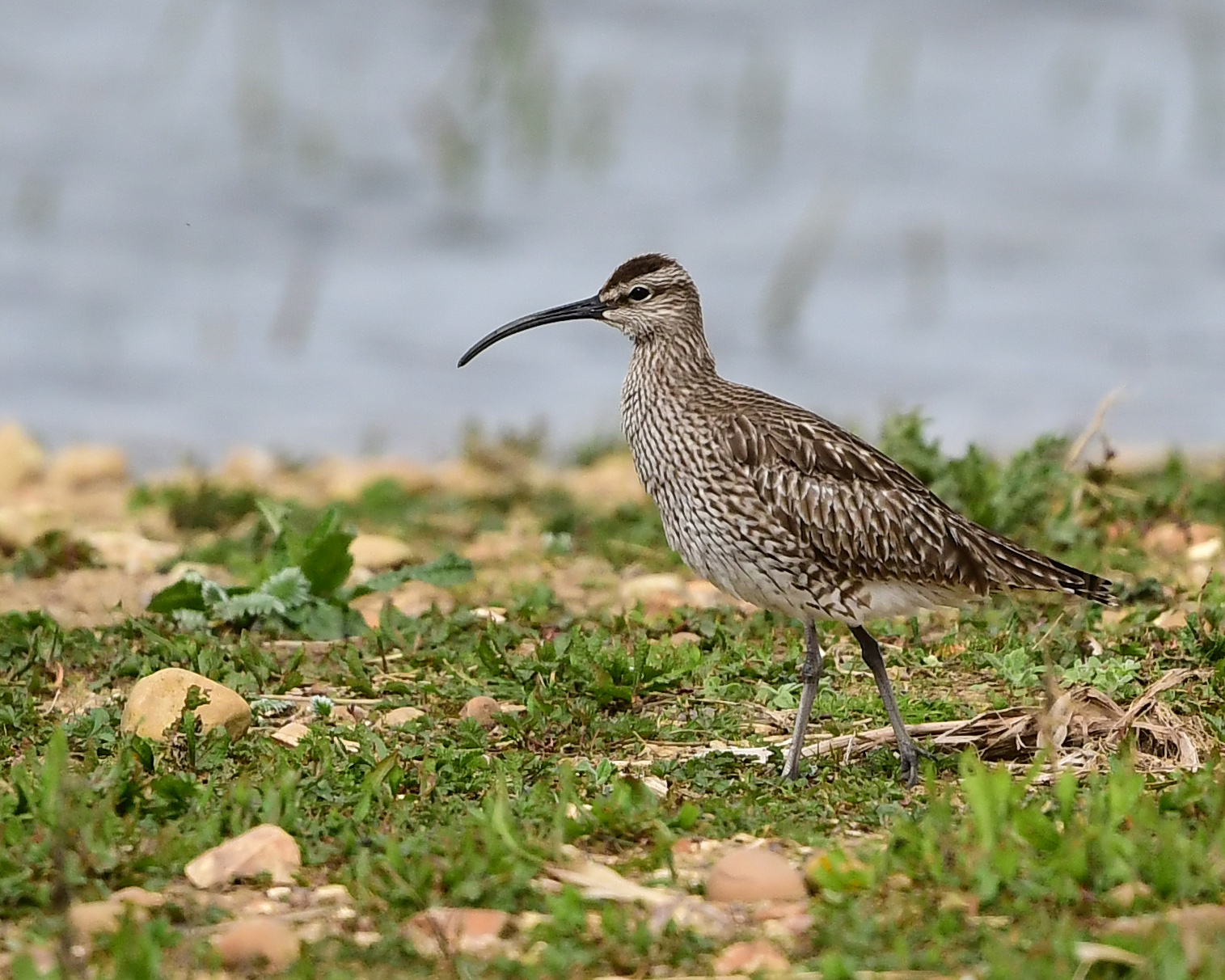
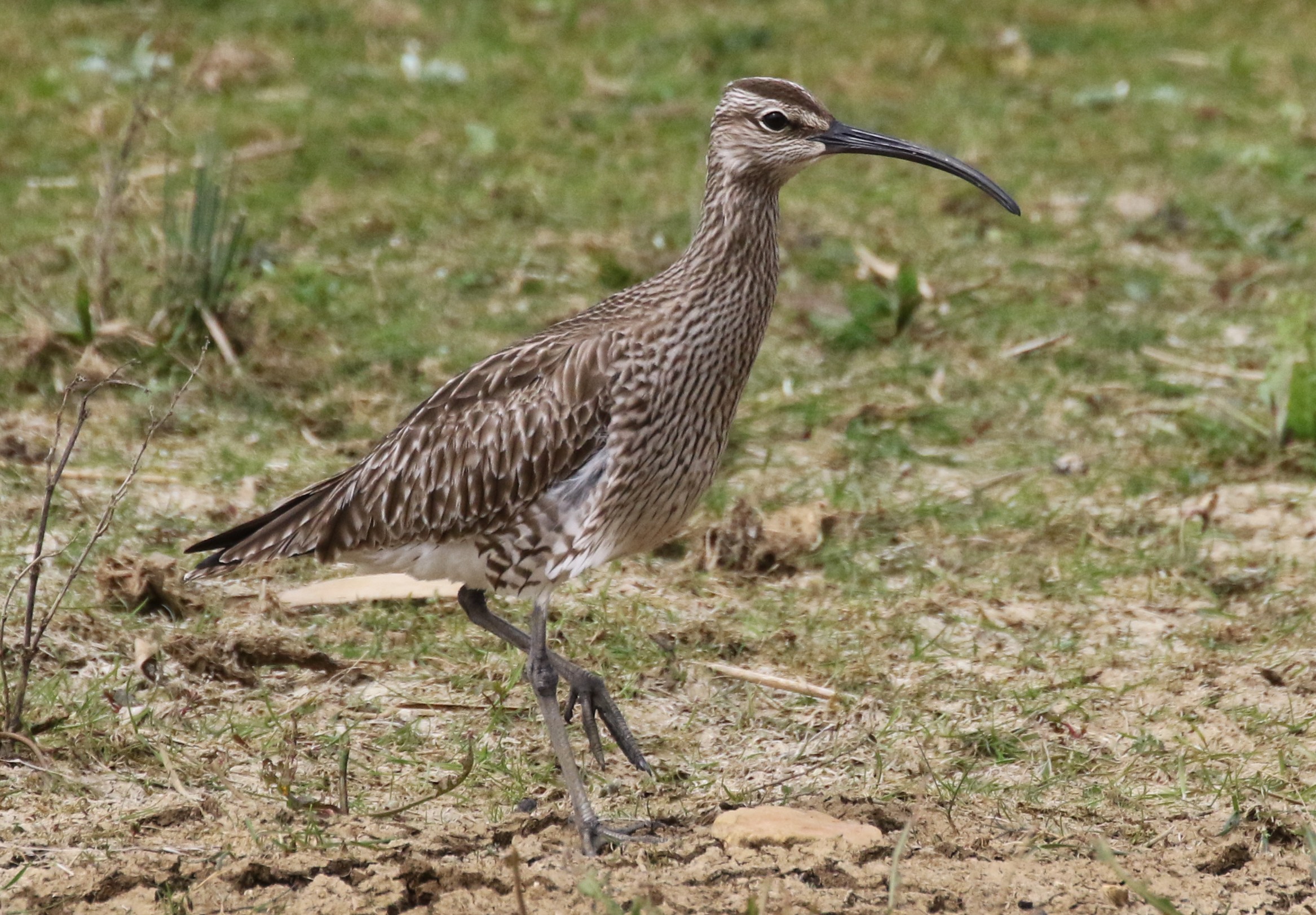
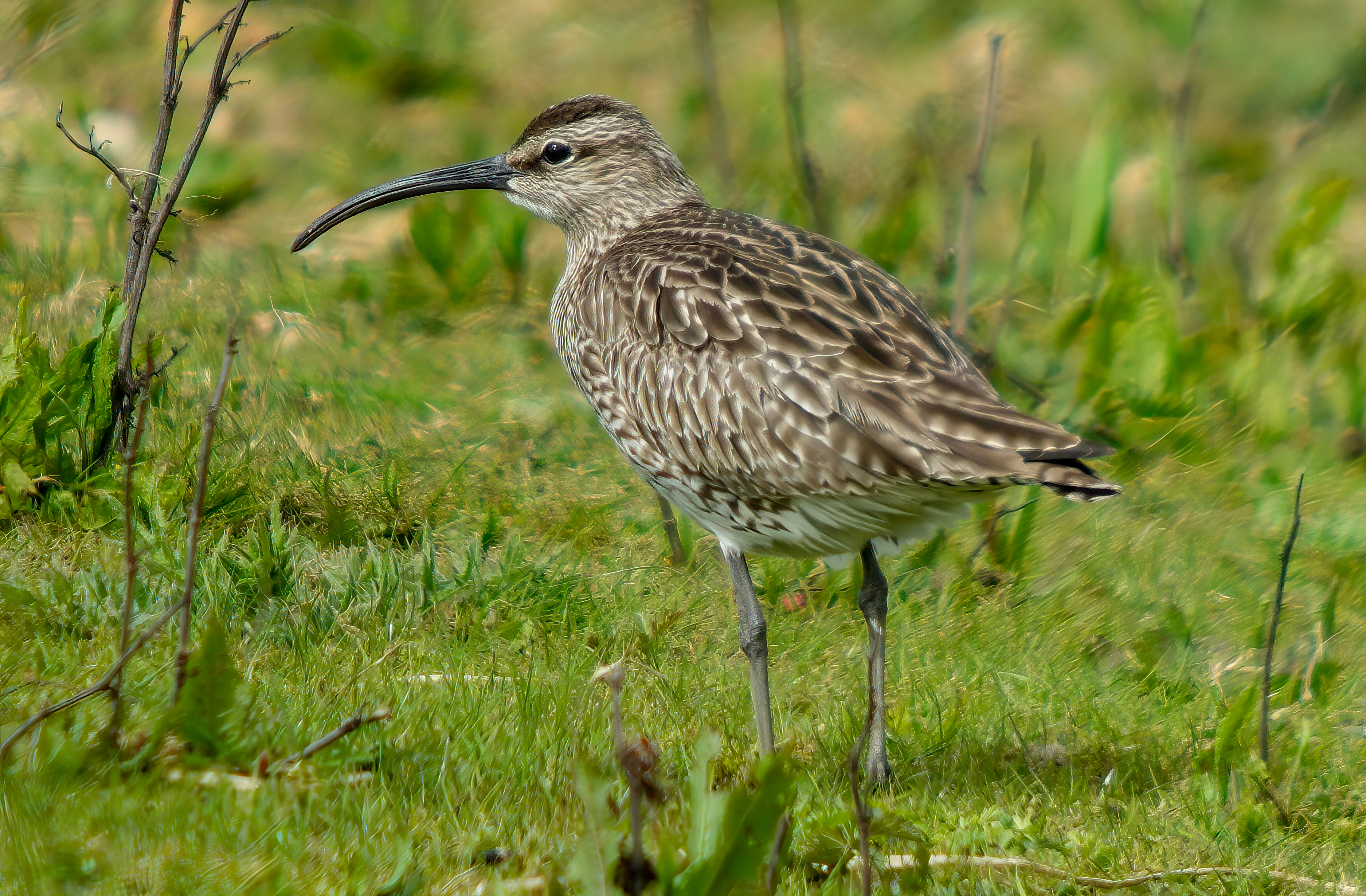
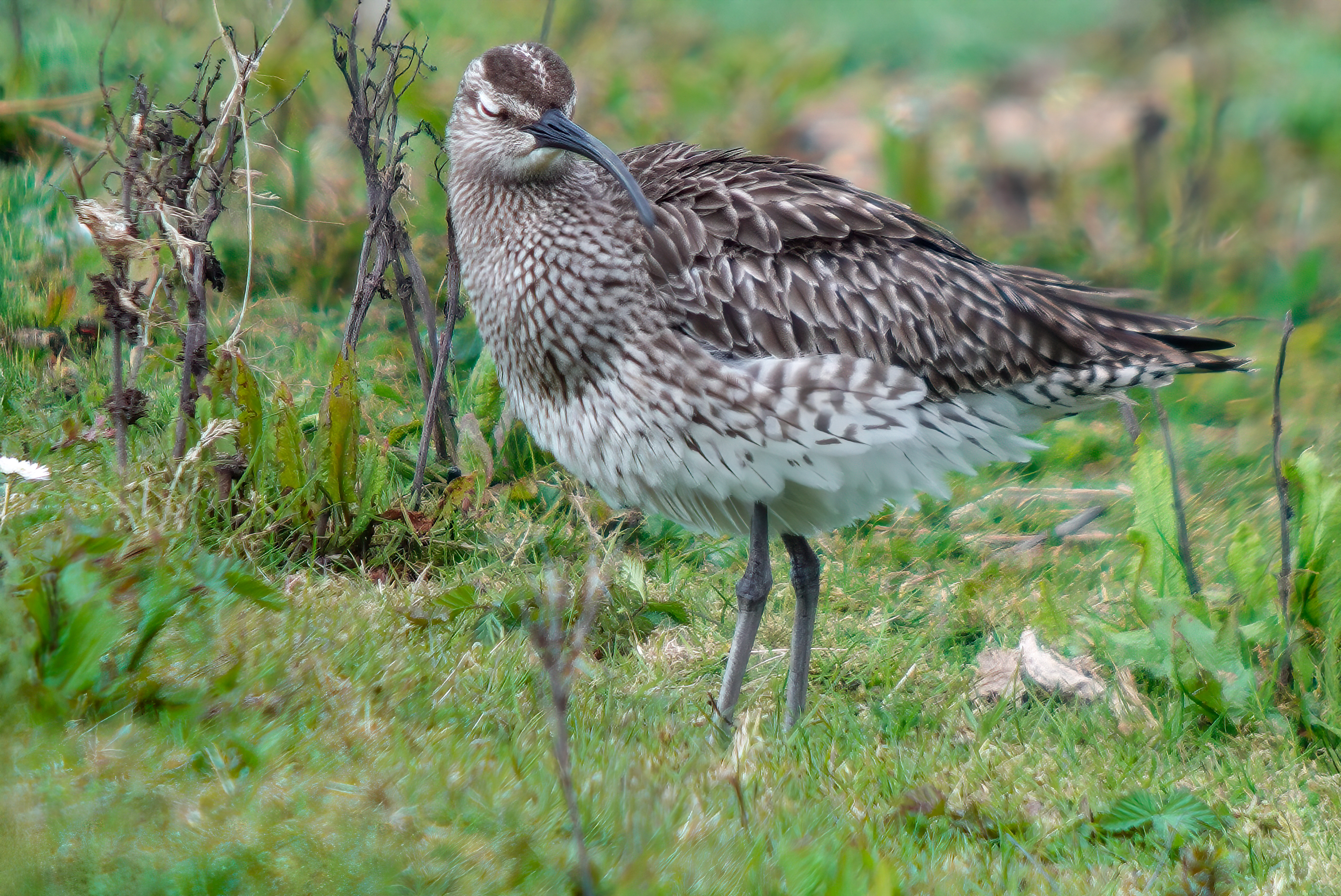
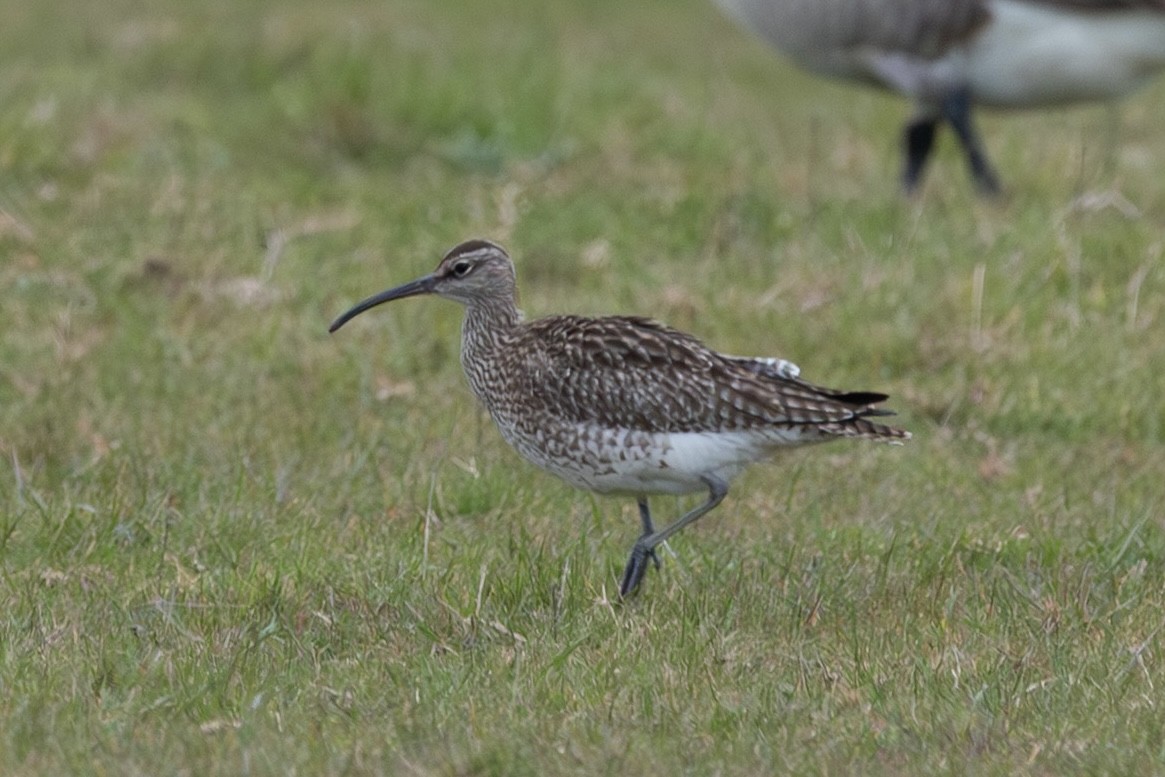
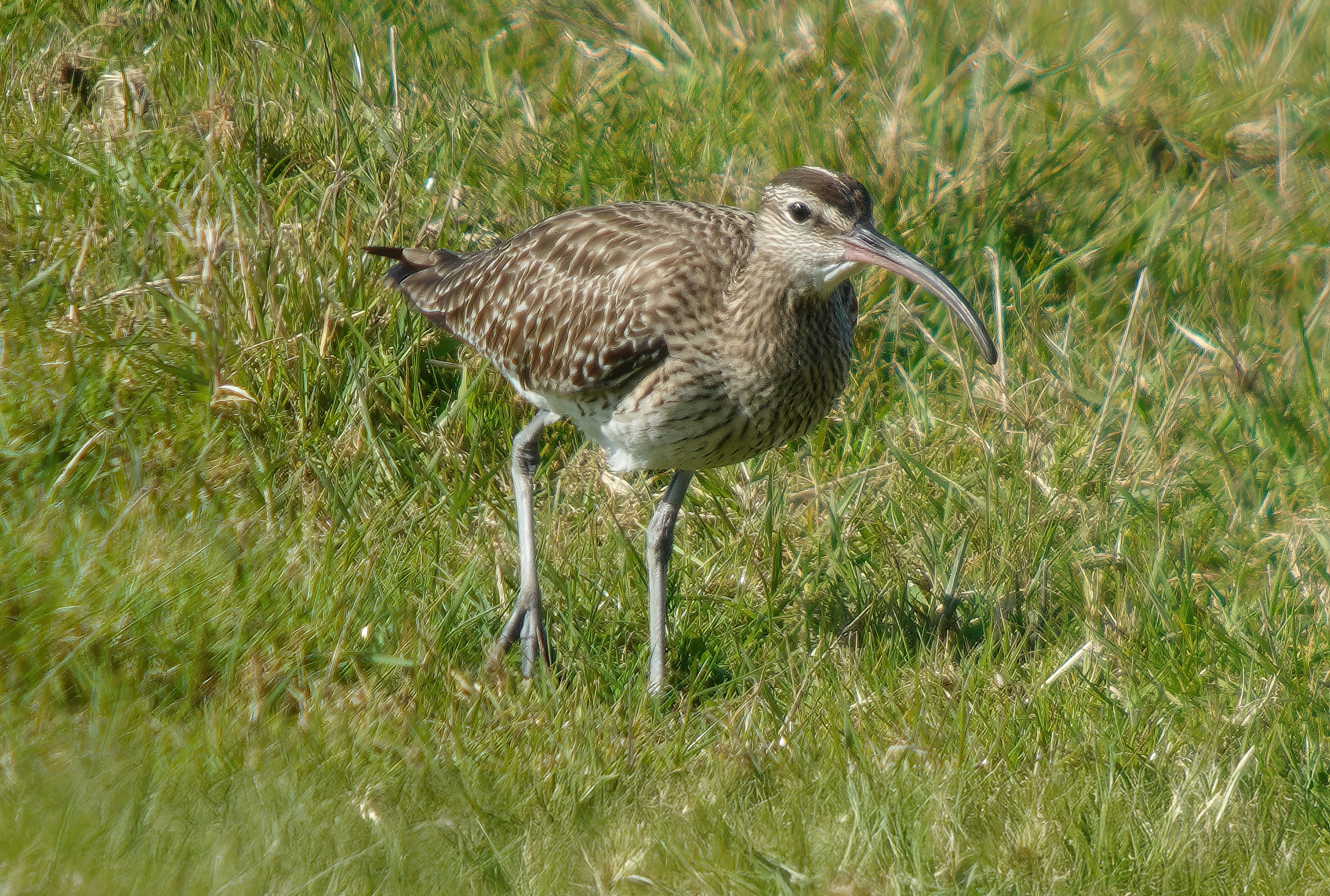
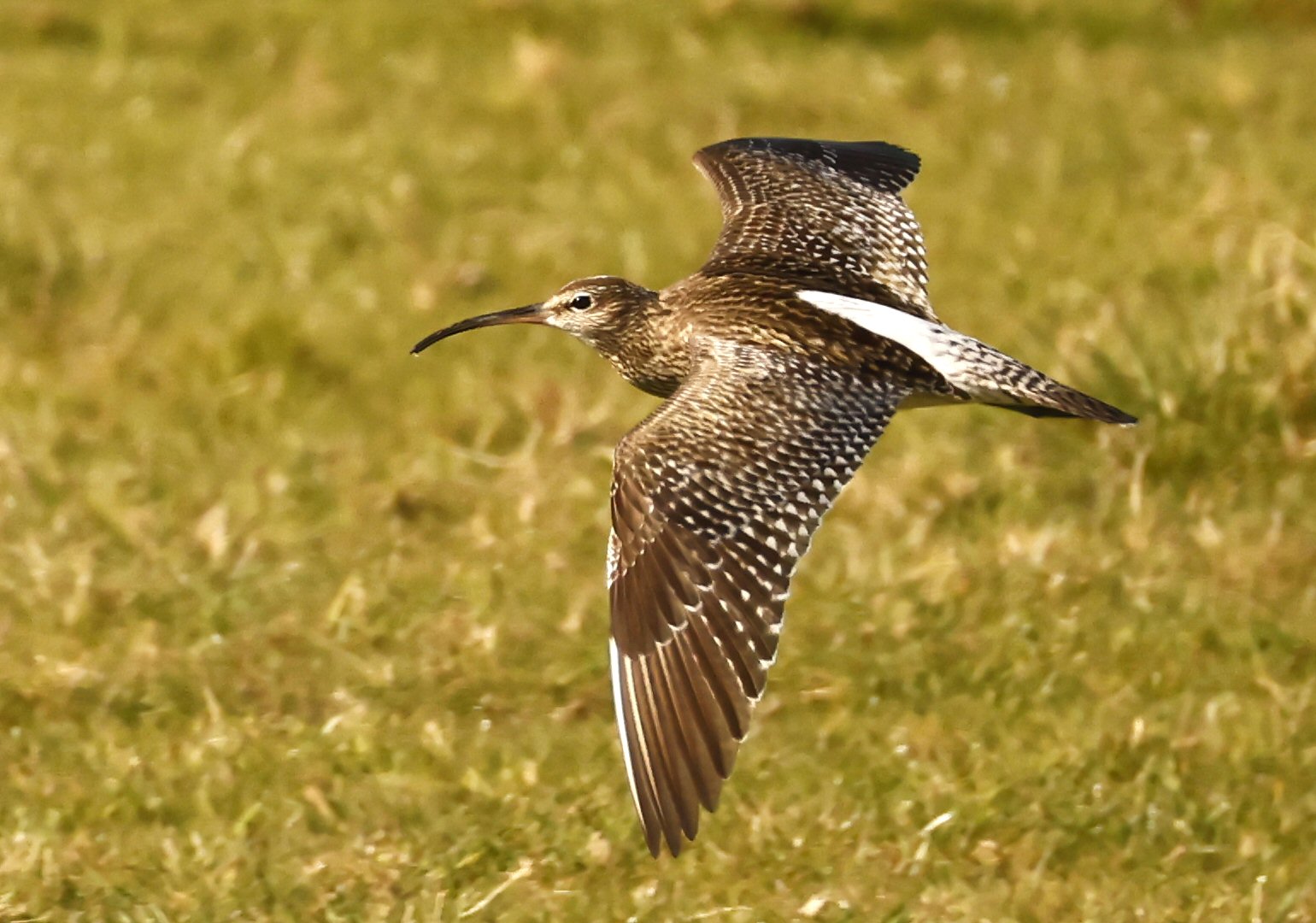
The wader rush continued with the presence of Whimbrels expanding to five localities as well as an uptick in numbers. Clifford Hill was the place to be, with last week’s single bird being joined by another from 18th to 20th, a third on 21st-22nd and the number increasing to six on 23rd before falling back to three on the last day of the period. Smaller numbers elsewhere included three on 21st at Summer Leys, where there was also one on 24th, while single birds were also at Earls Barton GP’s Hardwater Lake on 20th and 24th, New Workings (South) on 21st-23rd, Thrapston GP’s Titchmarsh NR on 21st and 23rd and on floodwater by the canal at Braunston on 22nd.
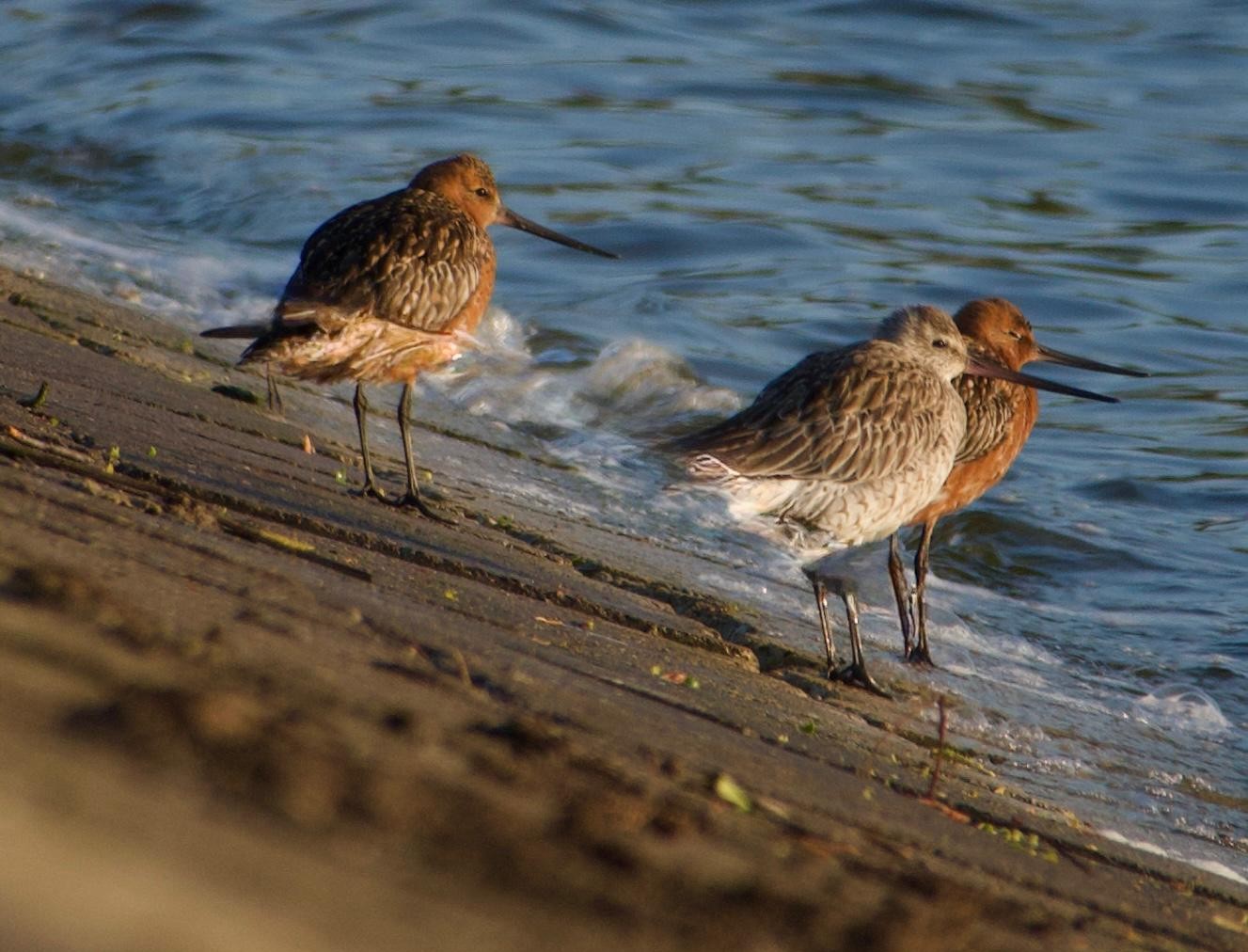
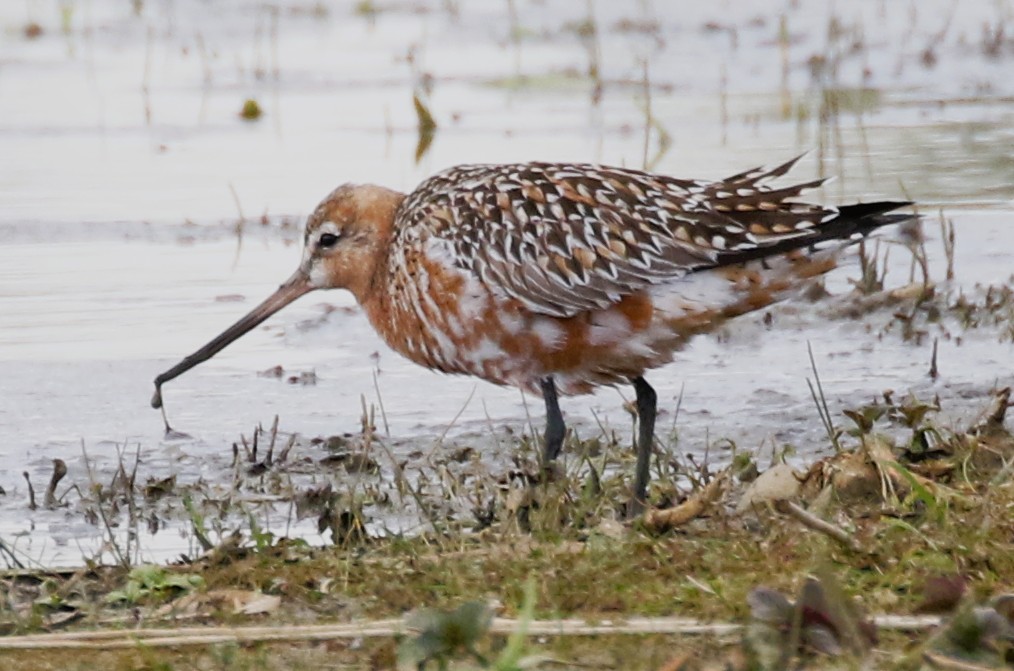
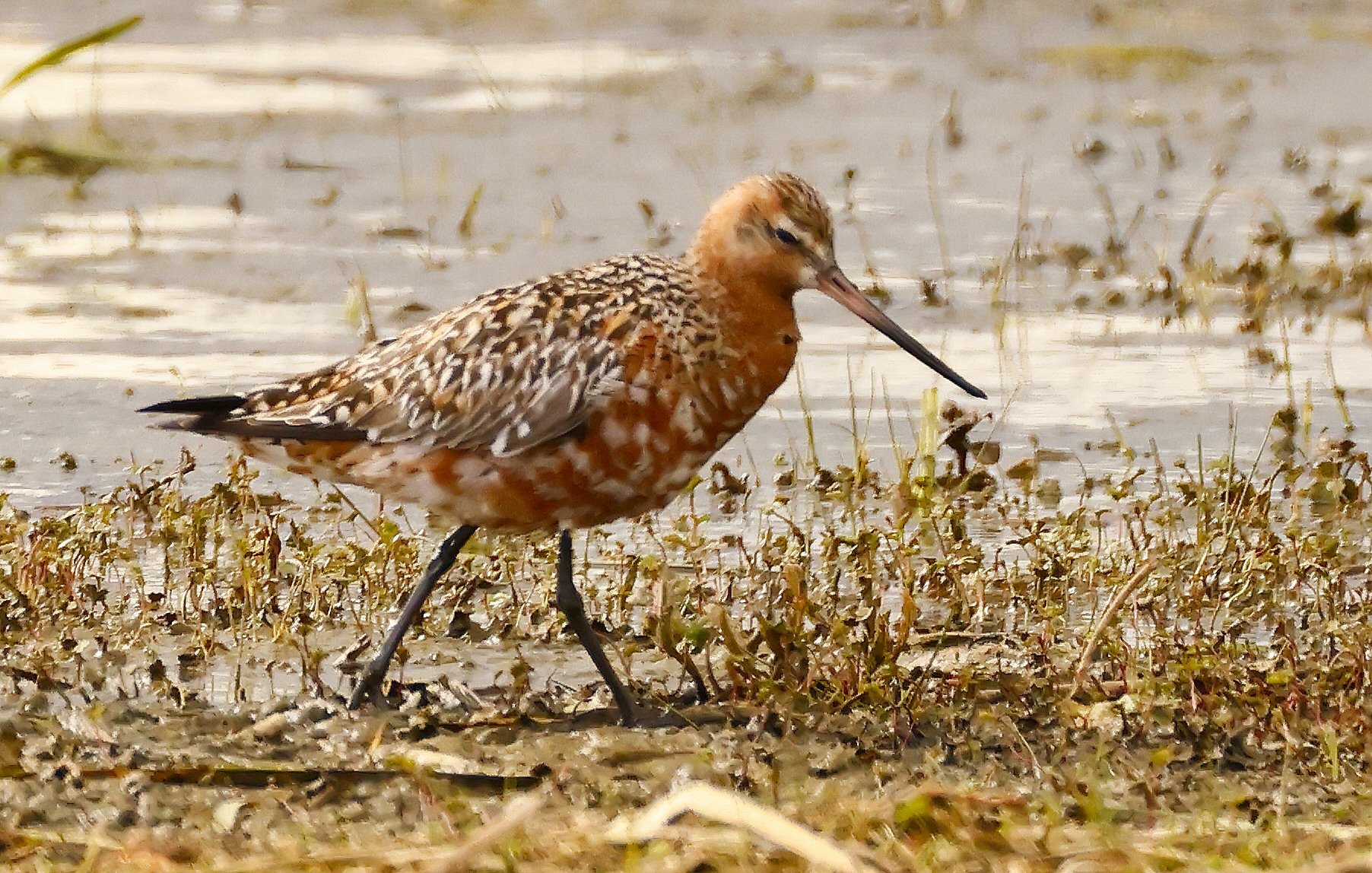
Bar-tailed Godwits joined the procession with numbers peaking at six at New Workings (South) on 22nd – following one there on 21st – and five at Clifford Hill GP on the first of these two dates. One remained at Summer Leys from 20th until 24th, two lingered at Stanwick GP from 21st until 24th with two more flying over there on 22nd, one was at Titchmarsh NR on 21st, followed by two flying over there on 23rd and three paid a brief visit to Stanford Res on 22nd.
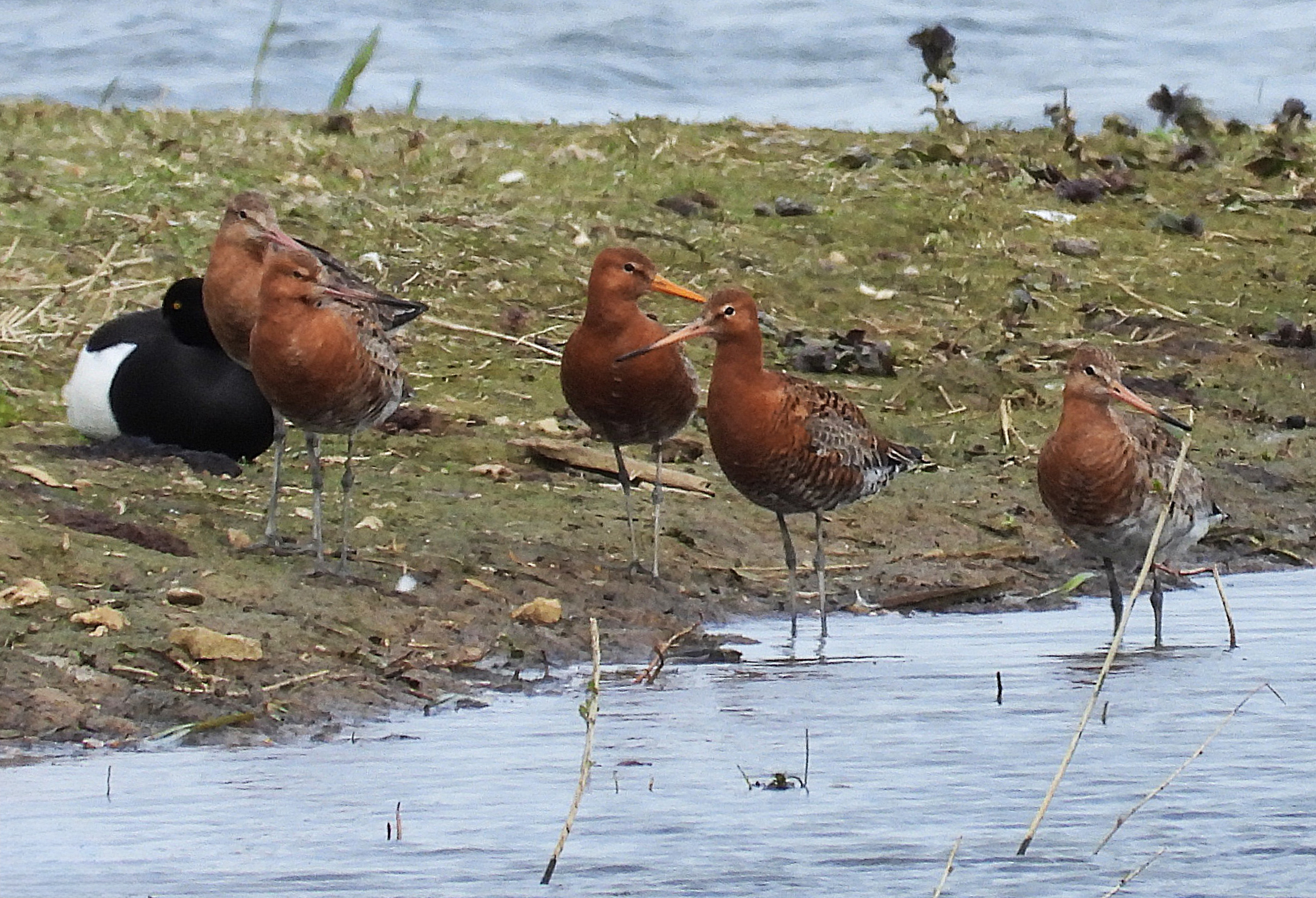
By stark contrast, four Black-tailed Godwits were at New Workings (South) on 23rd with likely the same four appearing at Summer Leys the following day. Two Ruffs also visited New Workings (South) on 23rd-24th. The latter site also accounted for the first Wood Sandpiper of the year, on 22nd, while further singles were found at both Clifford Hill GP and Summer Leys on 24th.

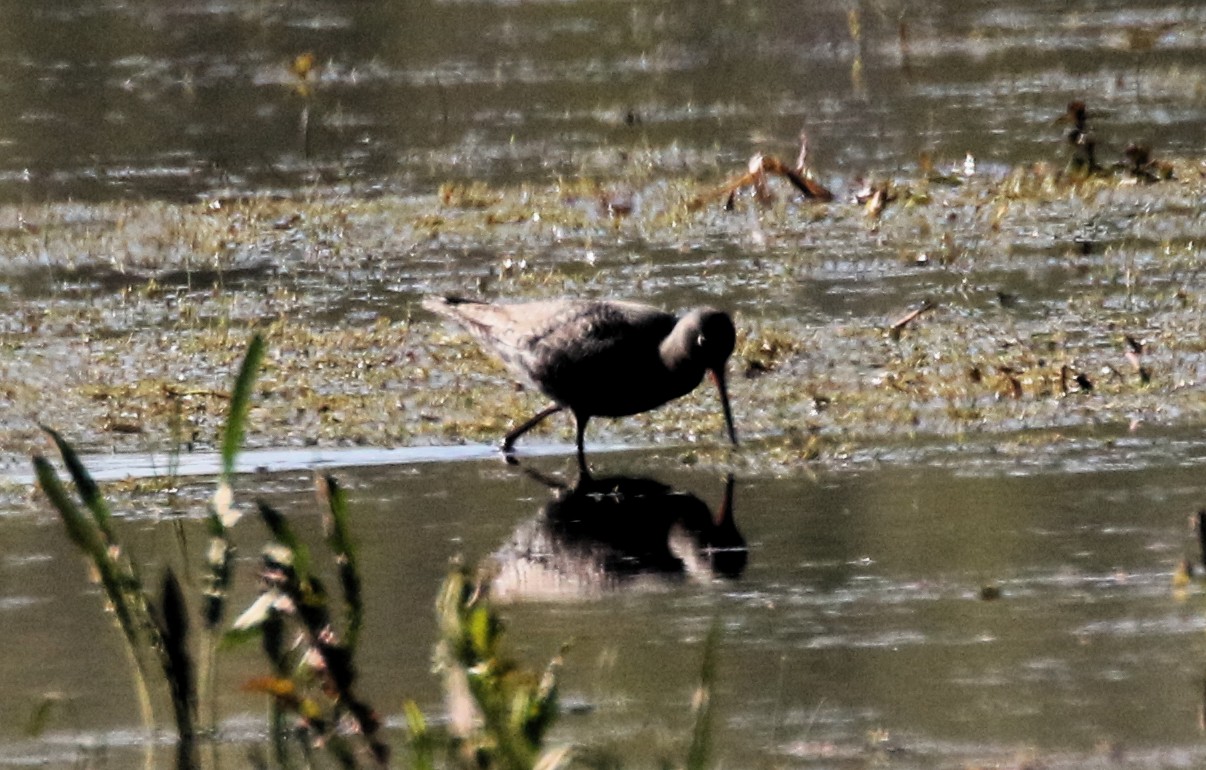
And New Workings (South) dished up a fine, summer plumaged Spotted Redshank on 23rd and 24th, which then moved only a stone’s throw to nearby Hardwater Lake on the latter date. Now considered a local delicacy, long gone are the days when numbers of Spotted Redshanks reached double figures persisting into late autumn in the outstanding wader-filled Scaldwell Bay at Pitsford Res …
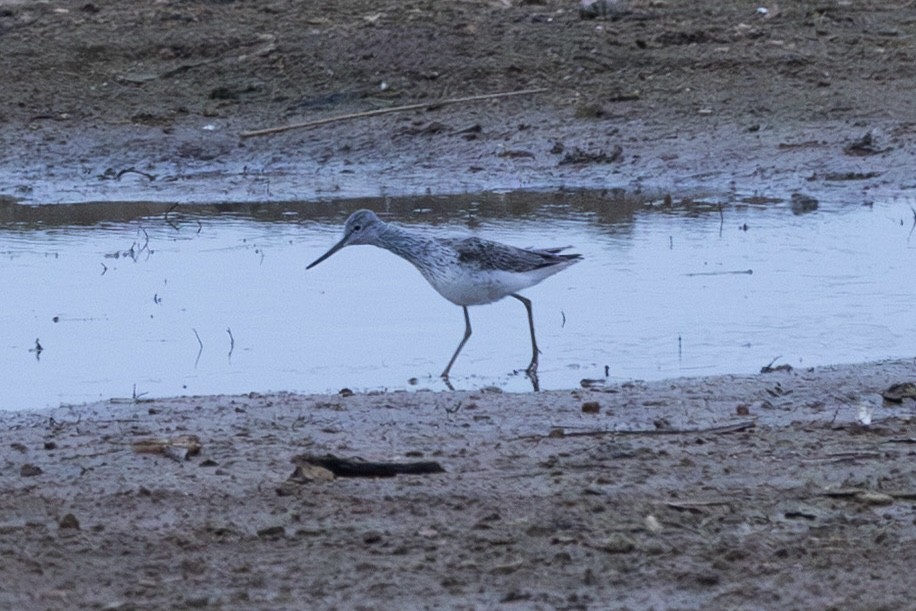
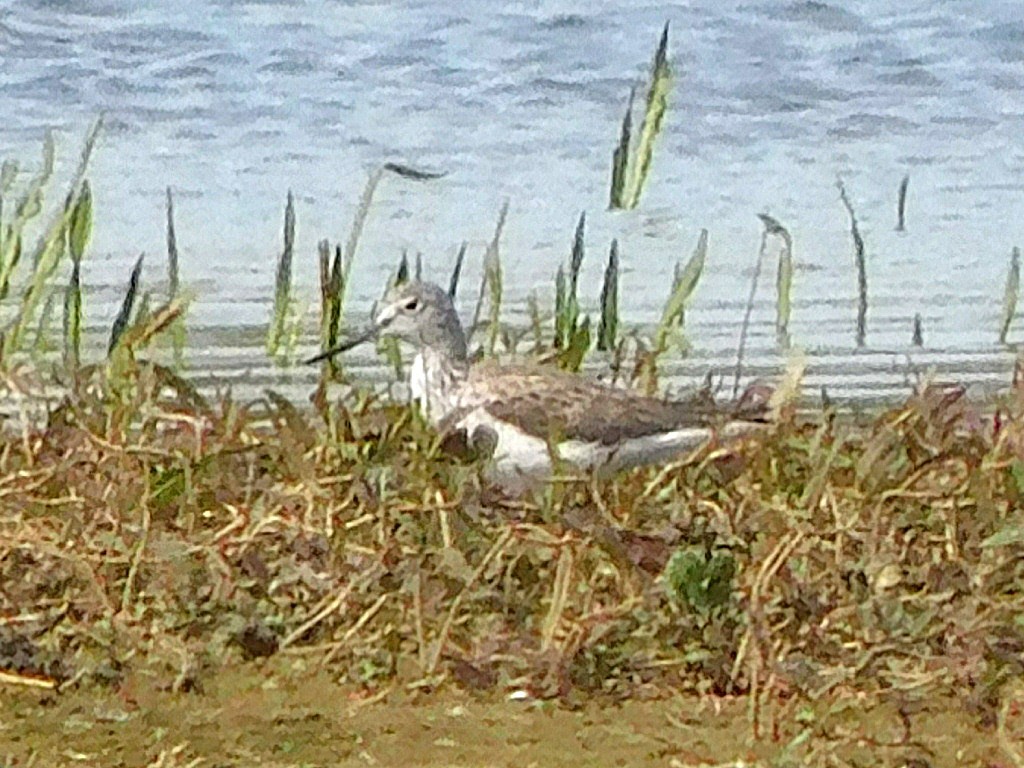
Numbers of Greenshanks also ramped up, Summer Leys producing five on 24th, Stanwick held on to two on 23rd-24th, while singles were found at Titchmarsh NR on 18th-19th and 23rd, floodwater near Oundle on 19th, New Workings (South) from 21st to 24th, Lilbourne Meadows on 22nd and Clifford Hill on 24th.

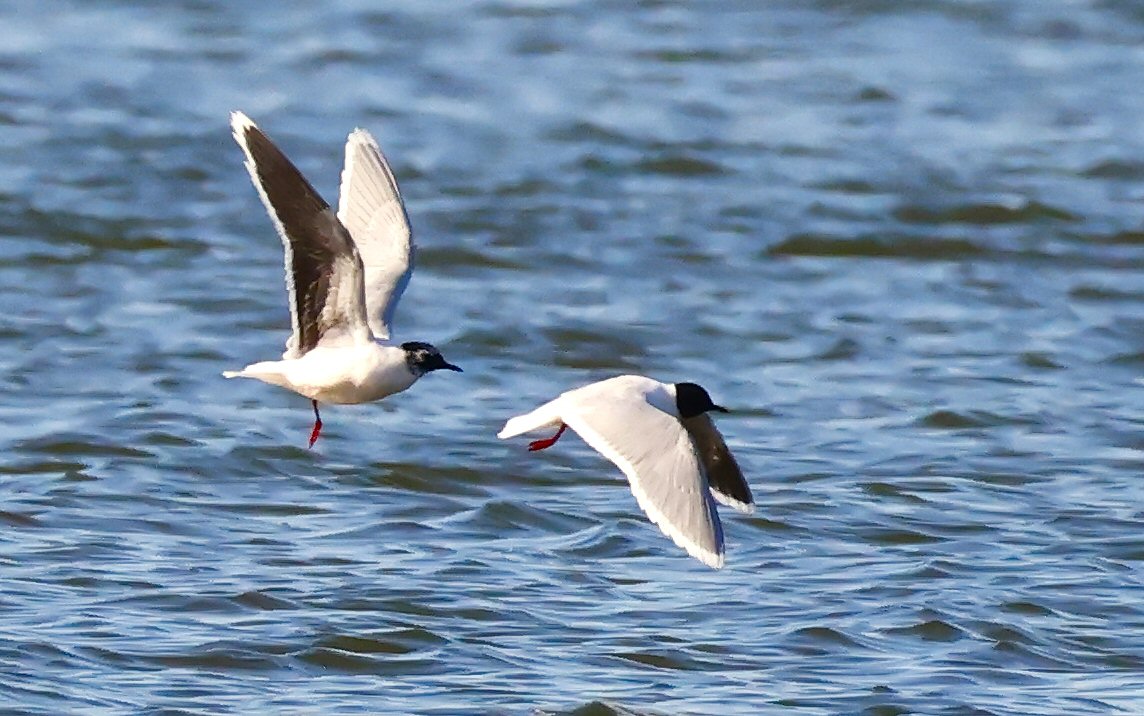
Not restricted to the chain of Nene Valley wetlands and a classic feature of spring is the passage of iconic Little Gulls through the county. We got our first taste of the year this week on 21st, when a first-summer appeared at Titchmarsh NR, followed the next day by at least five at Pitsford, five at Ravensthorpe Res, two at Daventry CP and two at Stanford. More to come, no doubt.
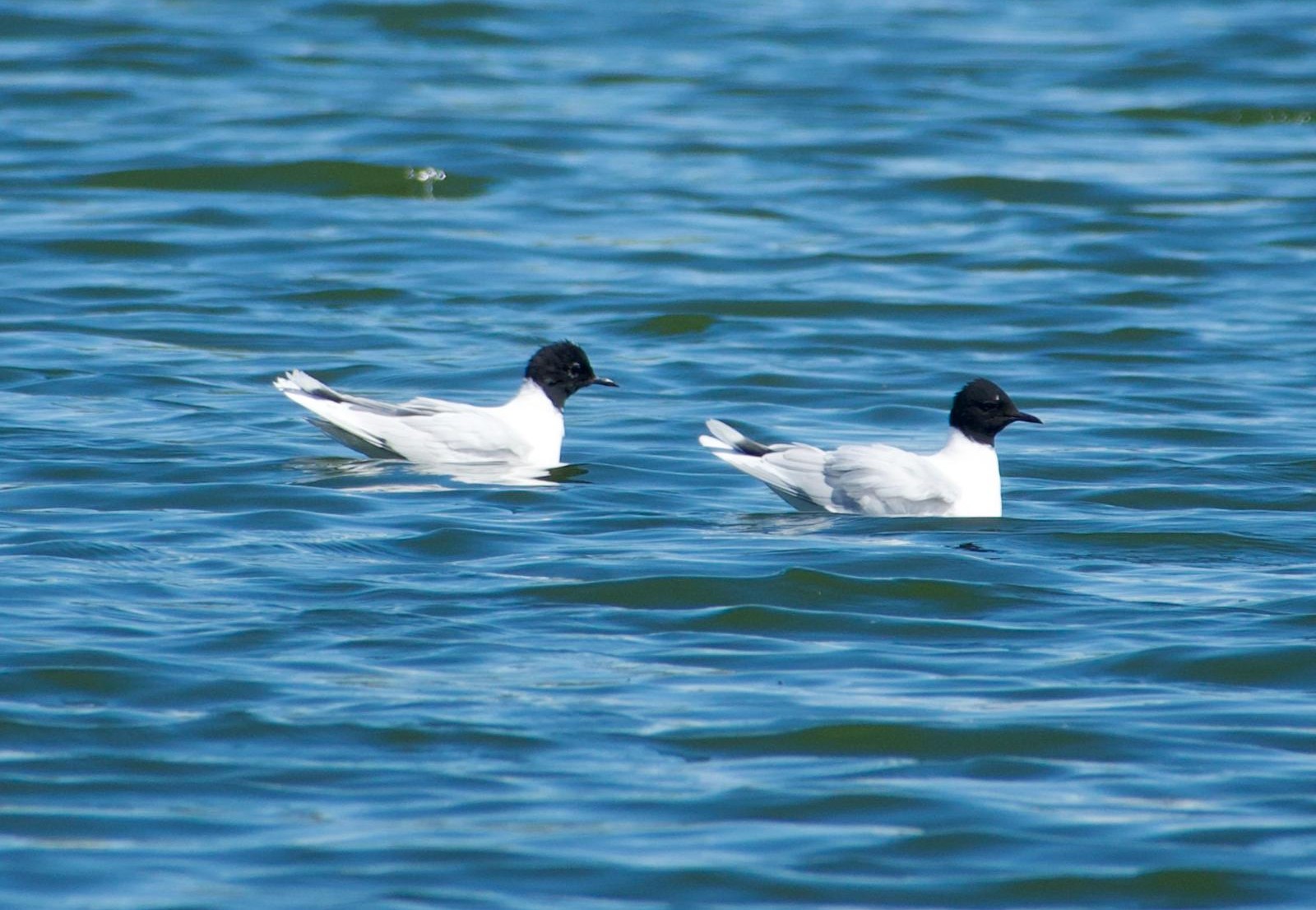
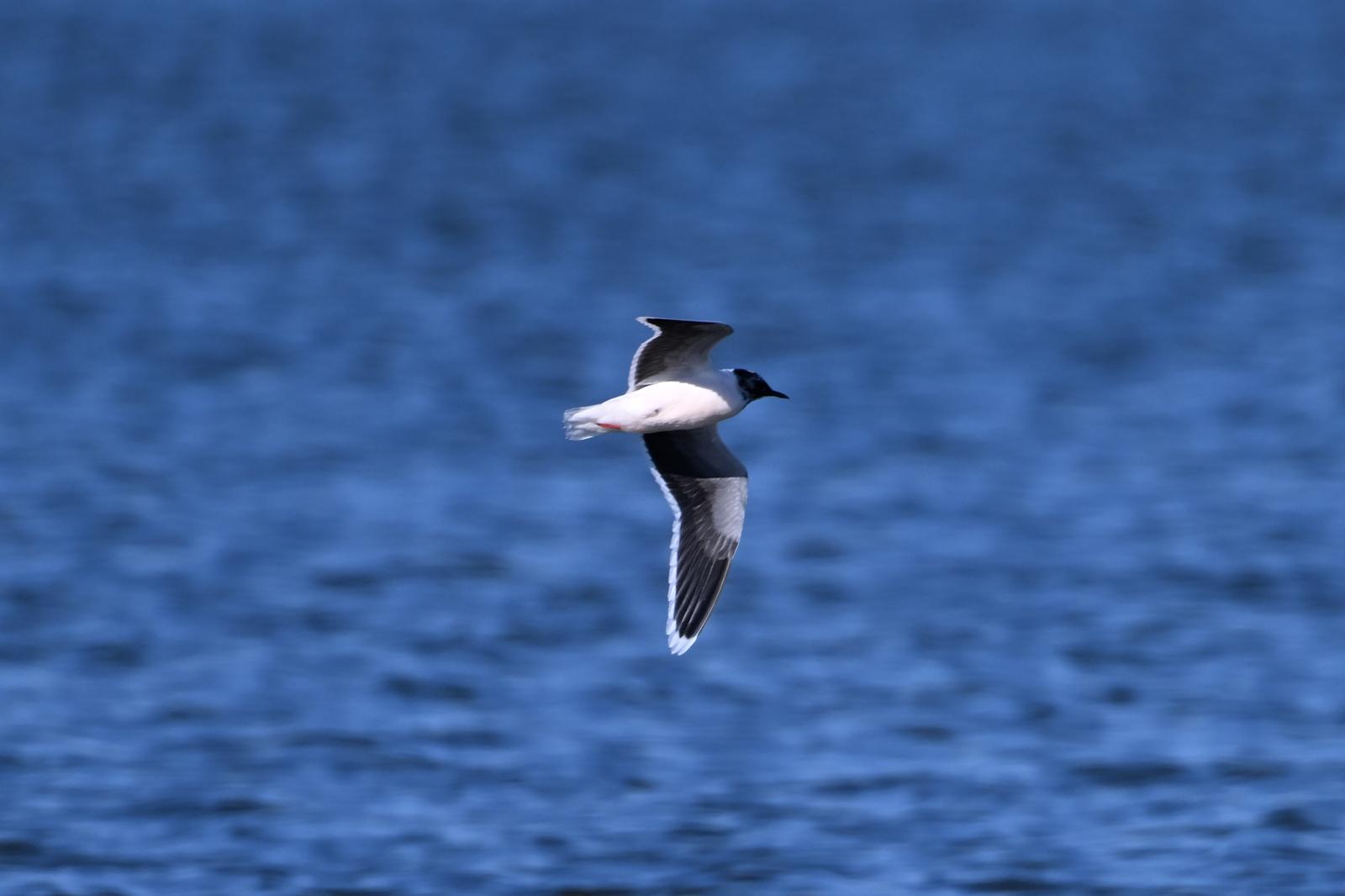
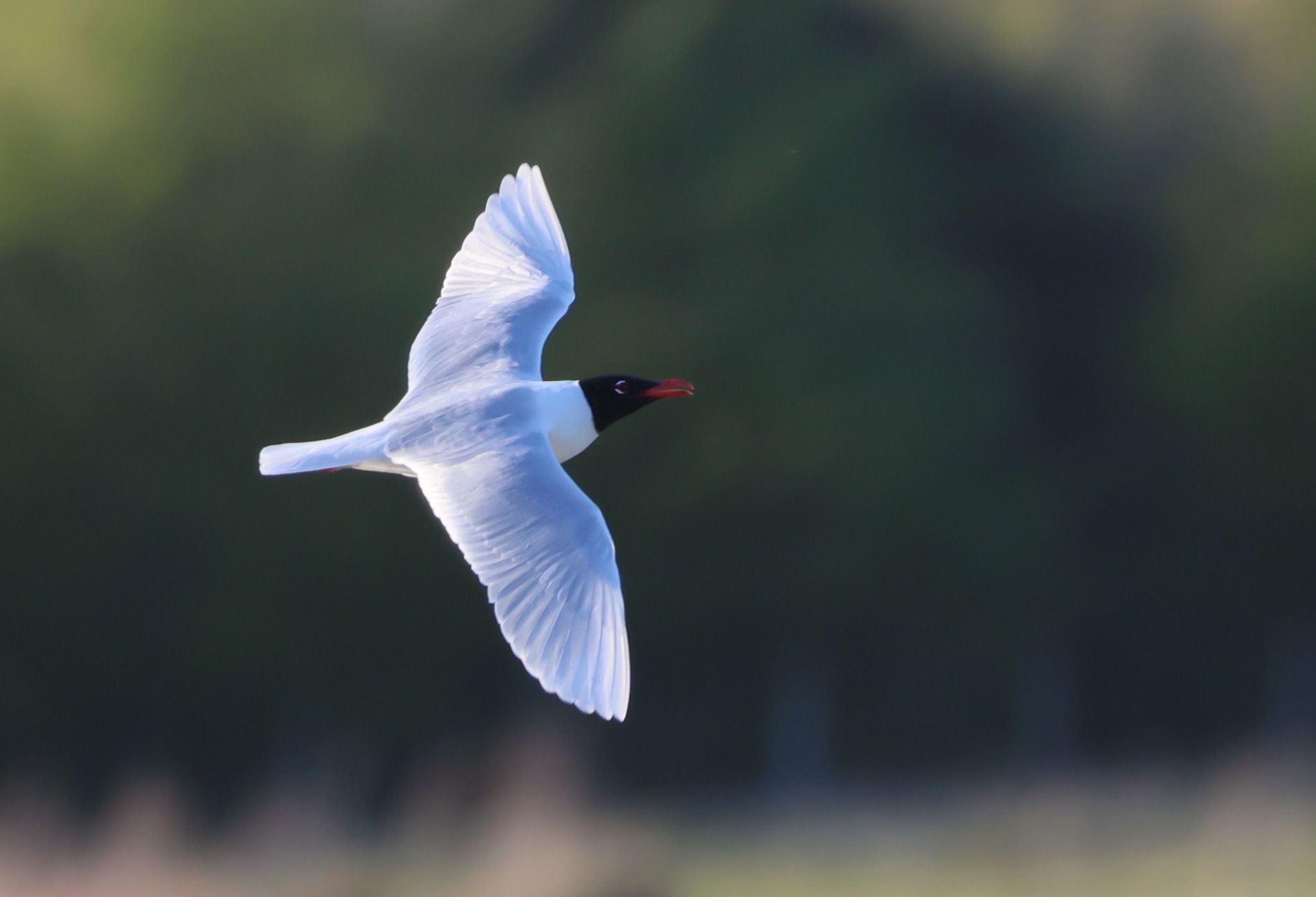
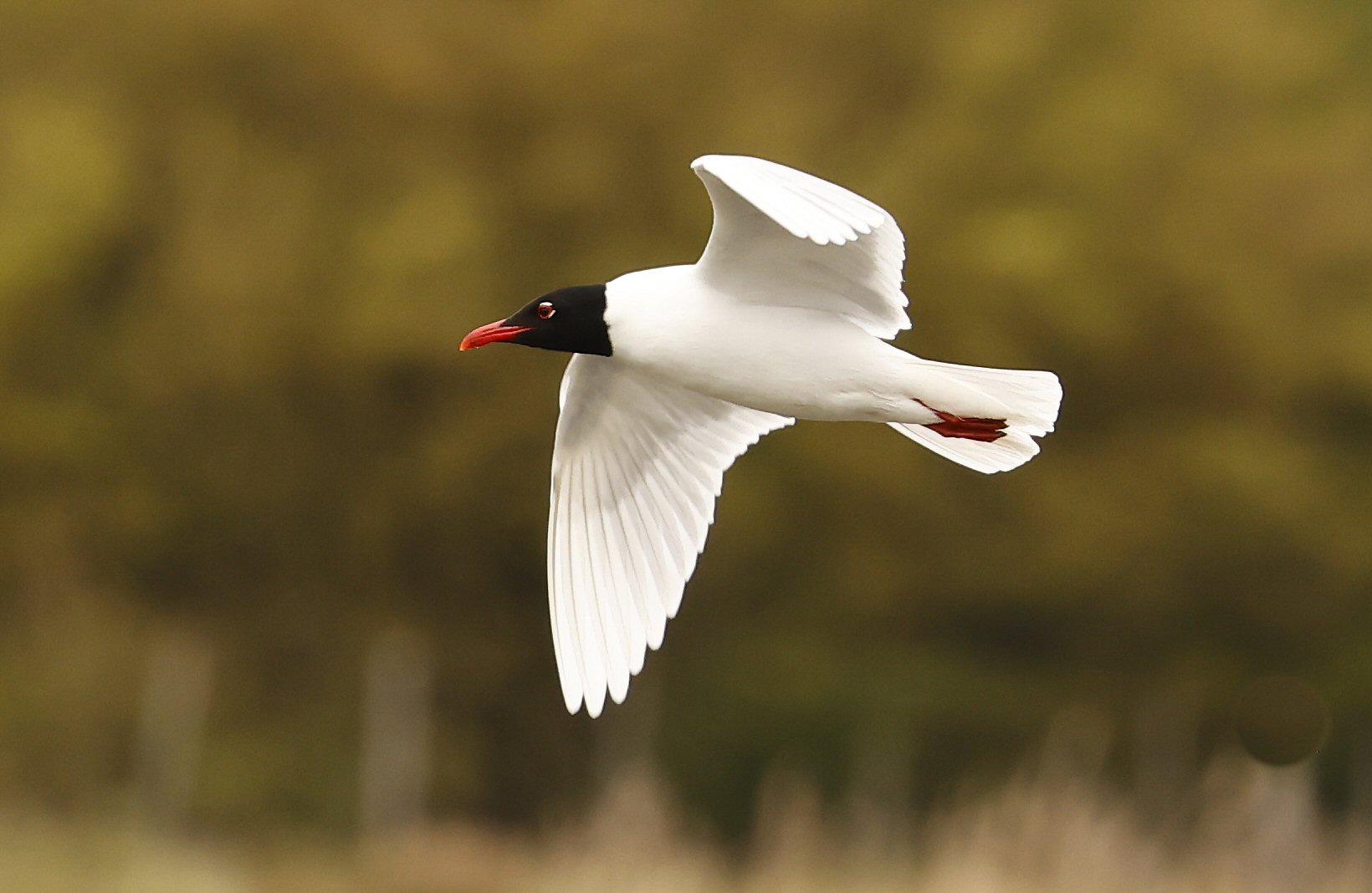
Mediterranean Gulls continued to be found, with two adults at Titchmarsh NR on 18th, two at Summer Leys on 19th, followed by one at the latter locality on 22nd. A ‘second-year’ Caspian Gull continued to be reported from Clifford Hill from 20th until 24th, while a first-summer visited Summer Leys on the last of these two dates.

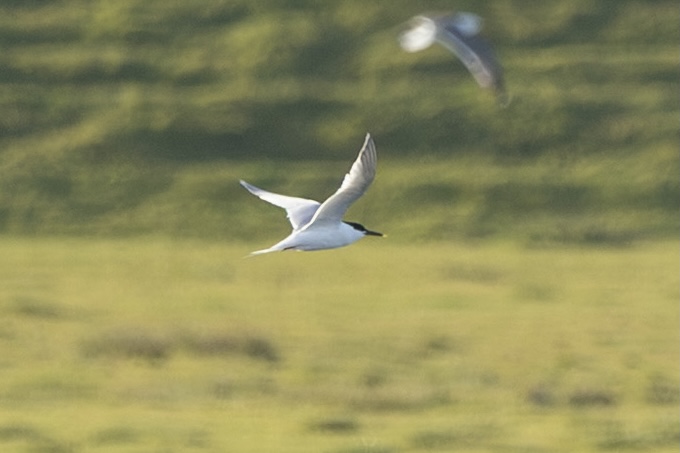
The number of Arctic Terns this week was notably down on the week before with just two flying east at Clifford Hill on 19th and two at Summer Leys on 24th.

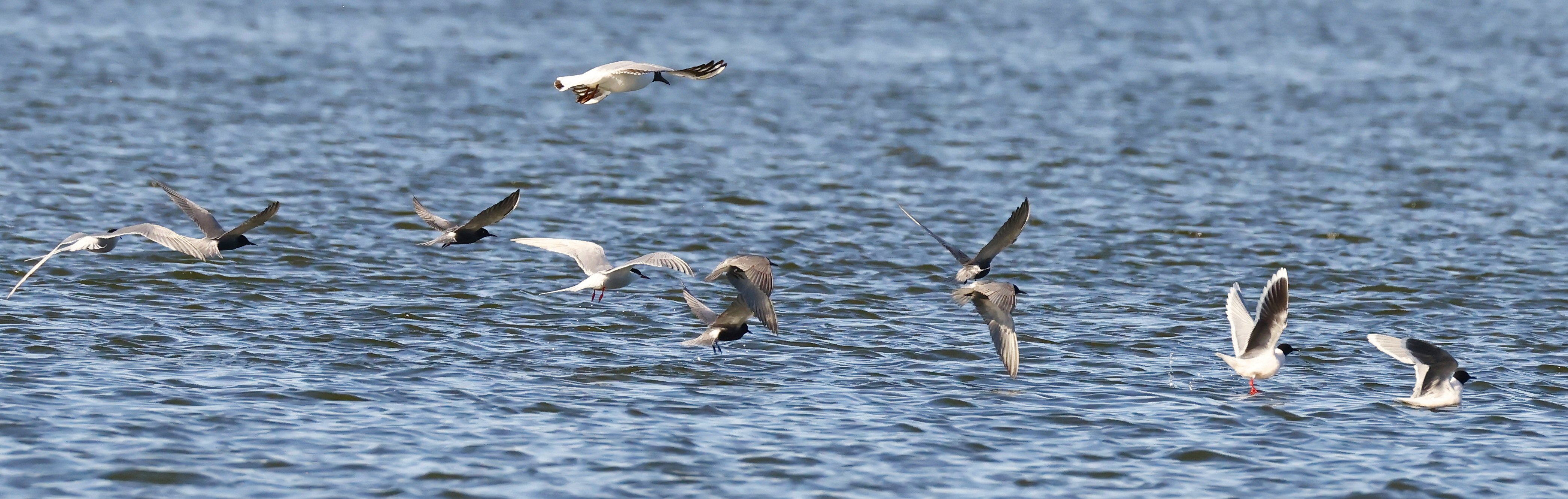
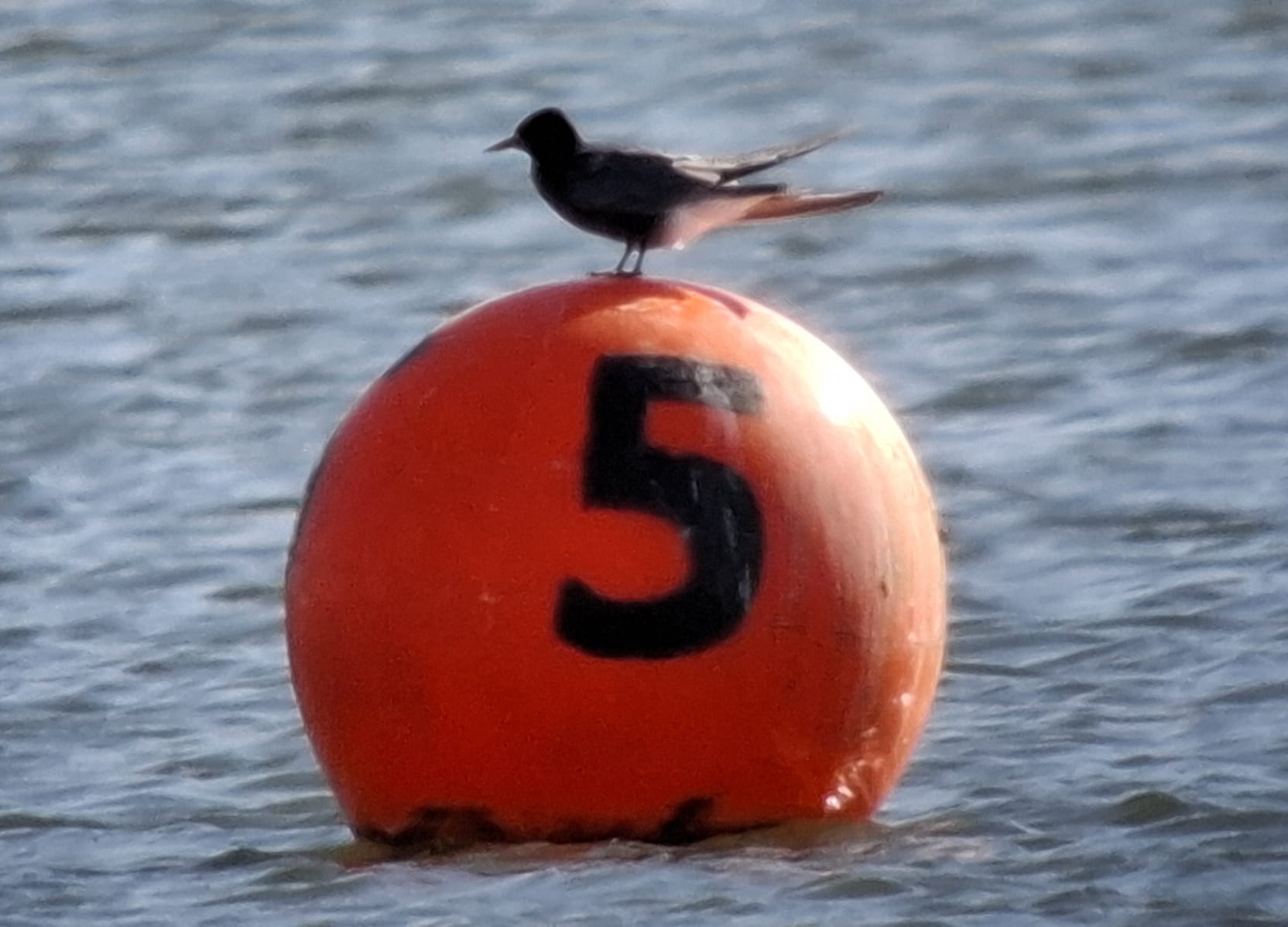
And following the aforementioned first arrivals on 23rd, numbers of Black Terns were set to quickly ramp up the next day when seventeen were together at Pitsford, two separate flocks of ten and eight, divided in time, at Ravensthorpe, twelve were at Boddington Res and four visited Summer Leys.
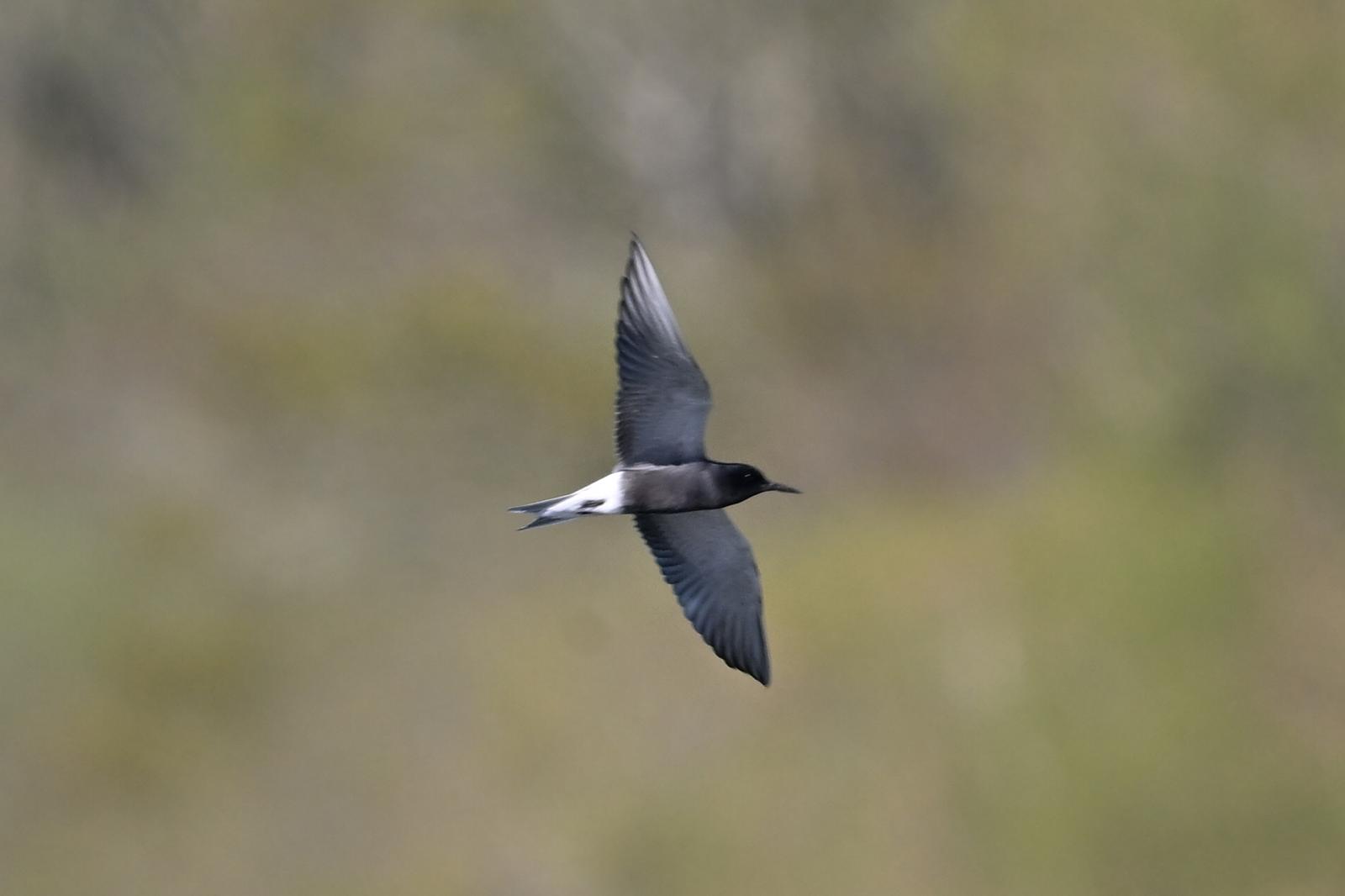
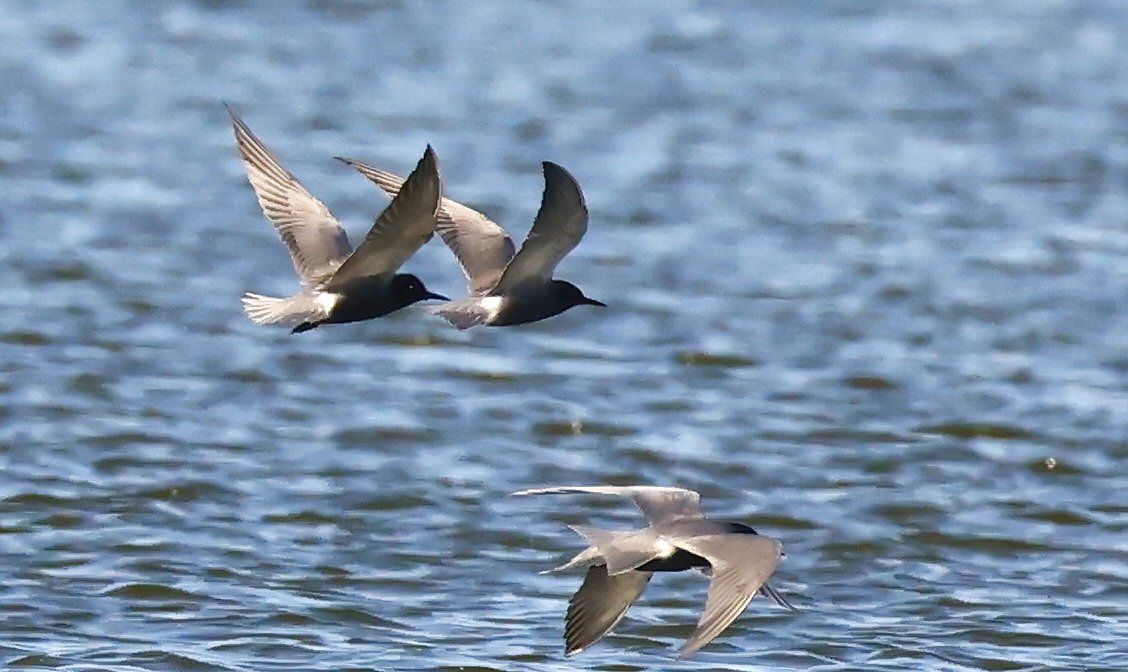
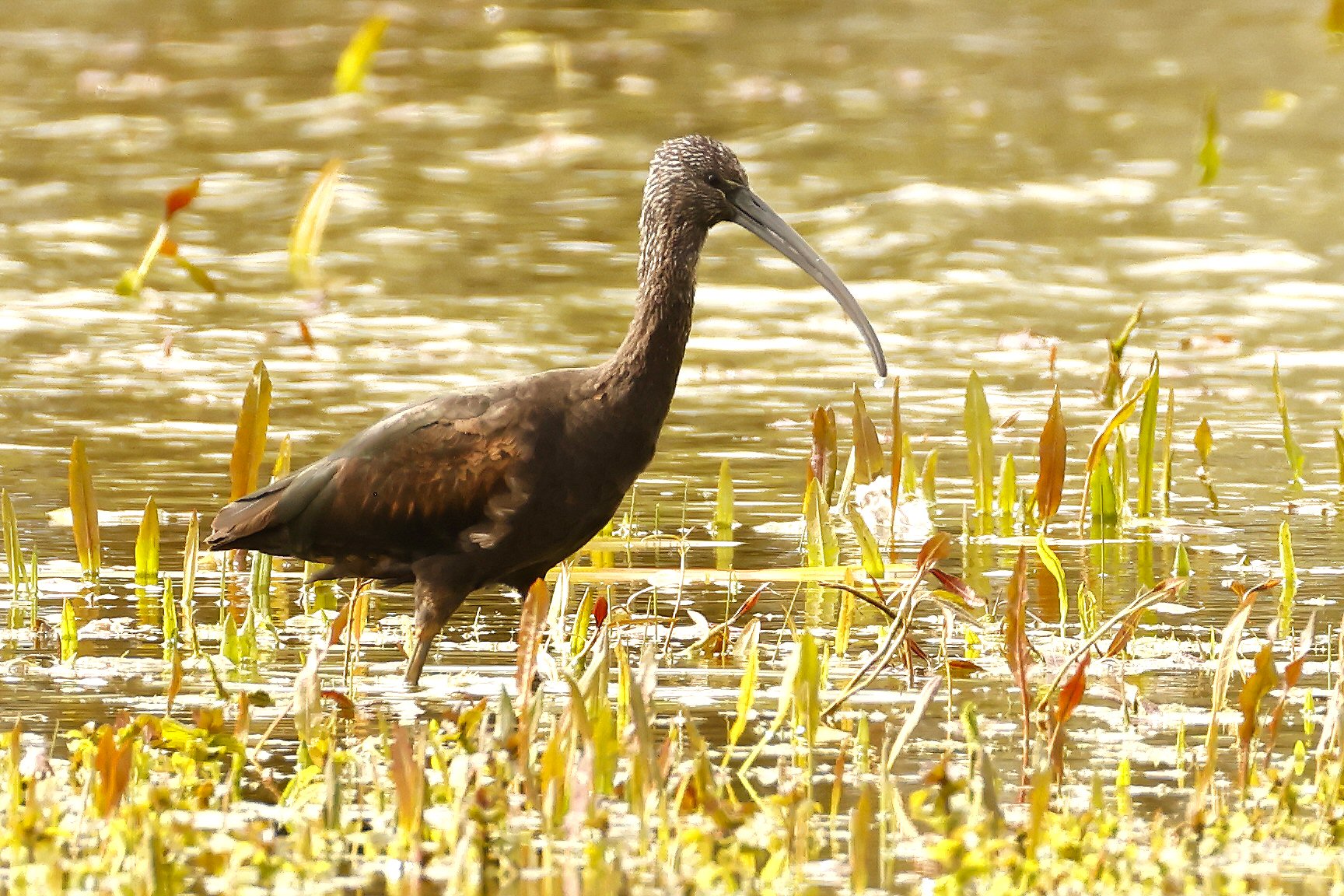
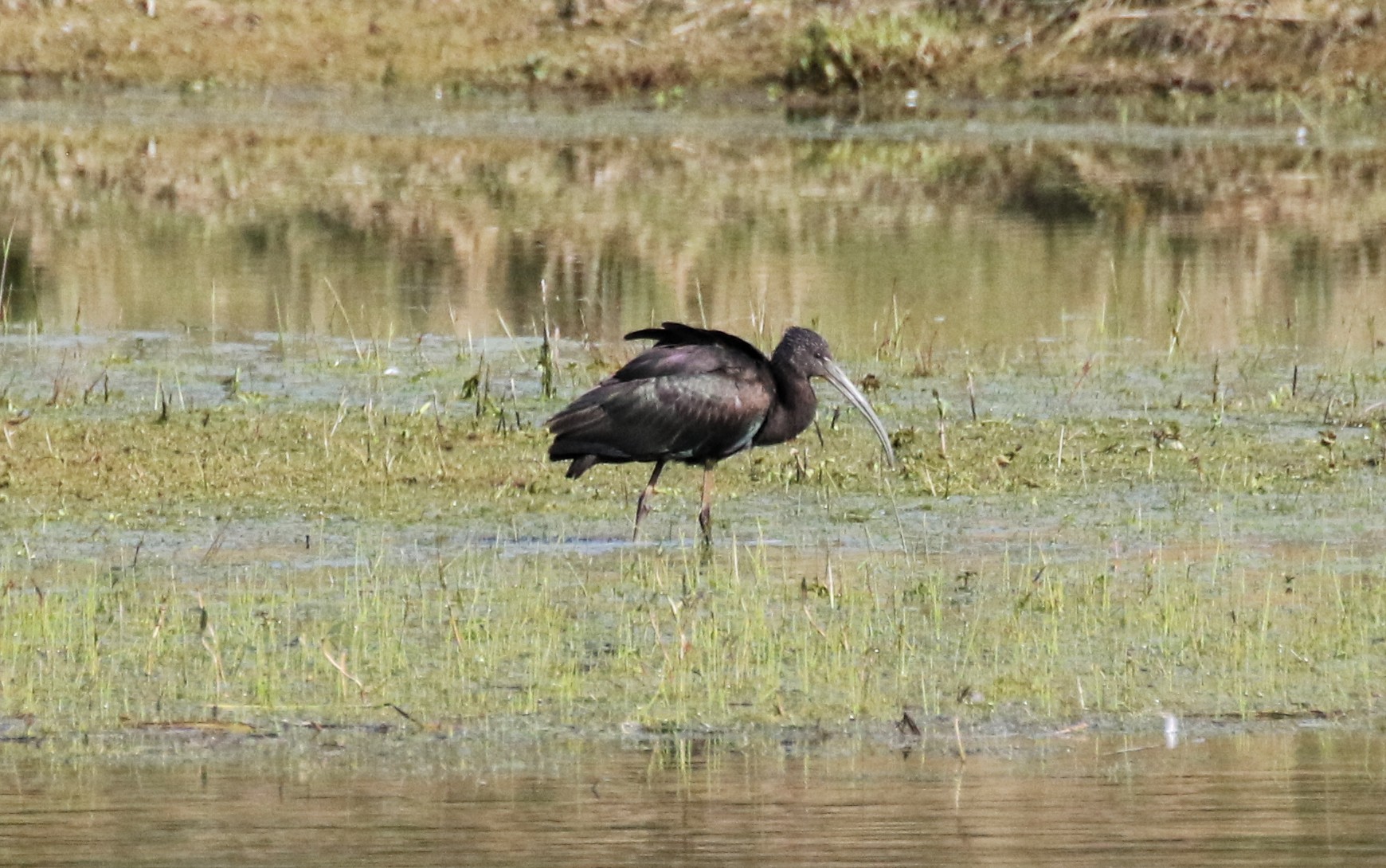
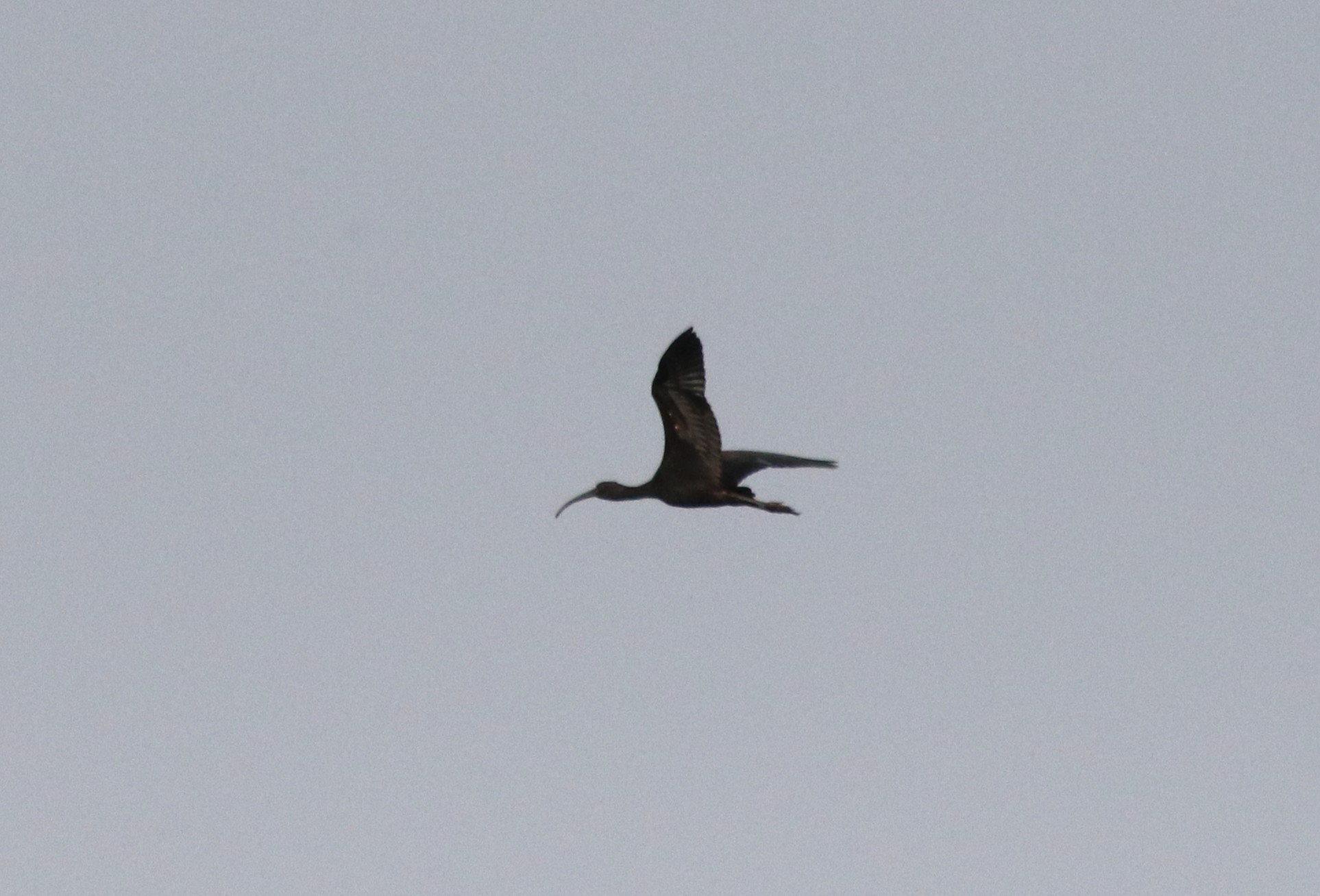
Vying for resident status, the Glossy Ibis remained in the immediate area of Summer Leys throughout.

With up to two at Titchmarsh during the week and one at New Workings (South) on 23rd, Bitterns were again in evidence during the period and, with numbers appreciably up on last week, three Cattle Egrets visited Summer Leys on 19th and seven were at Stanwick on 21st.

On the raptor front, two Ospreys flew north-west over New Workings (South) on 18th, while singles were seen over Islip also on 18th, Pitsford and Earls Barton on 21st, Titchmarsh on 23rd and at Hollowell Res on 23rd-24th. Just one Marsh Harrier made it into the week’s proceedings when one flew west over Stortons GP on 19th.

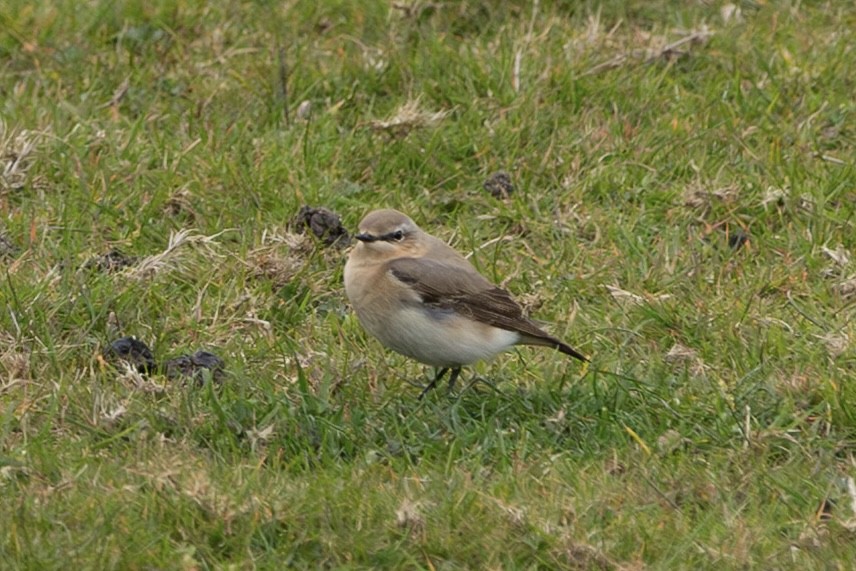
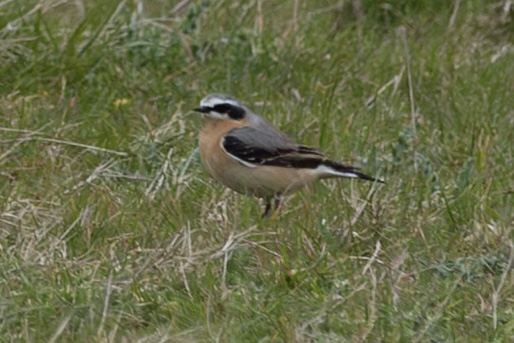
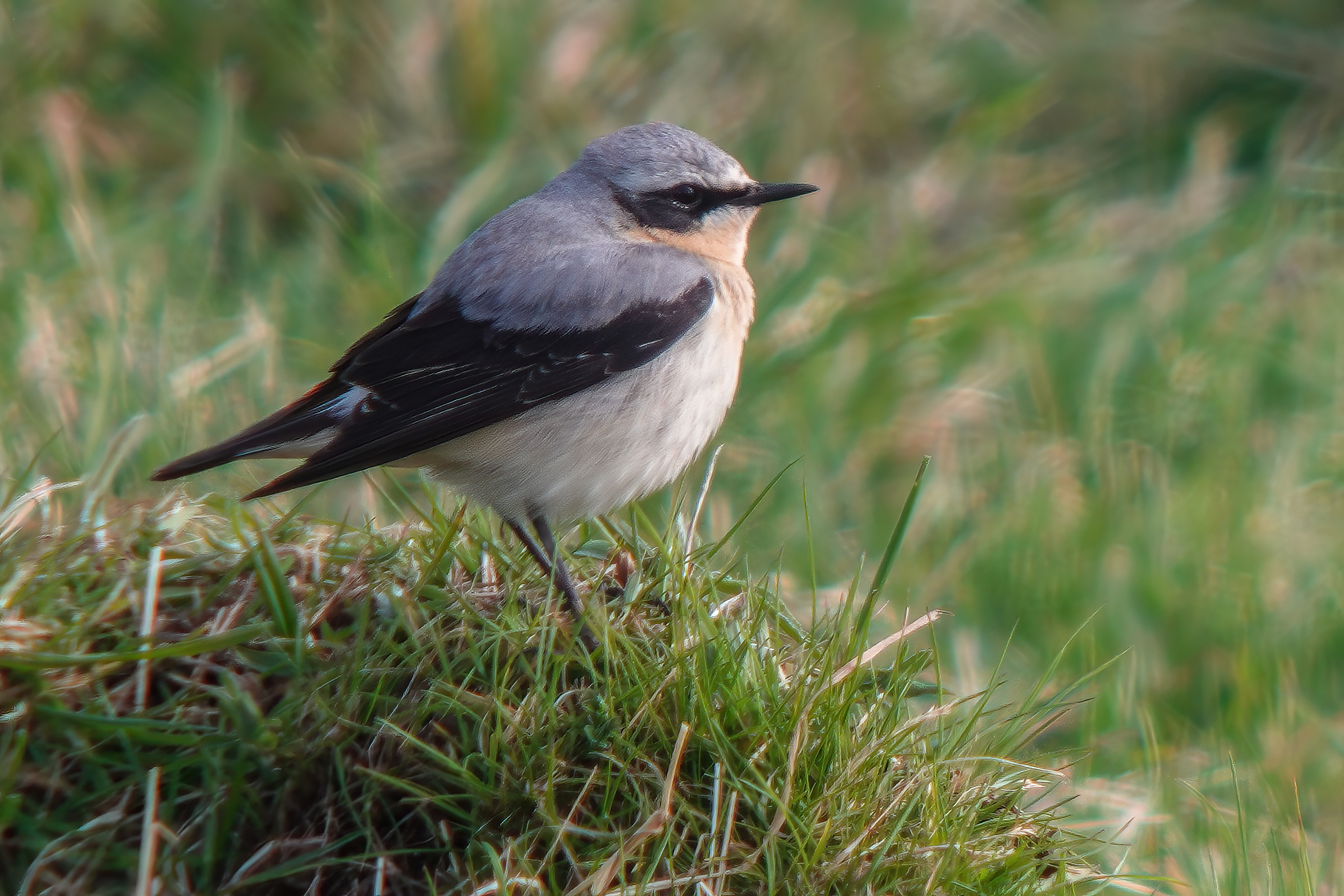
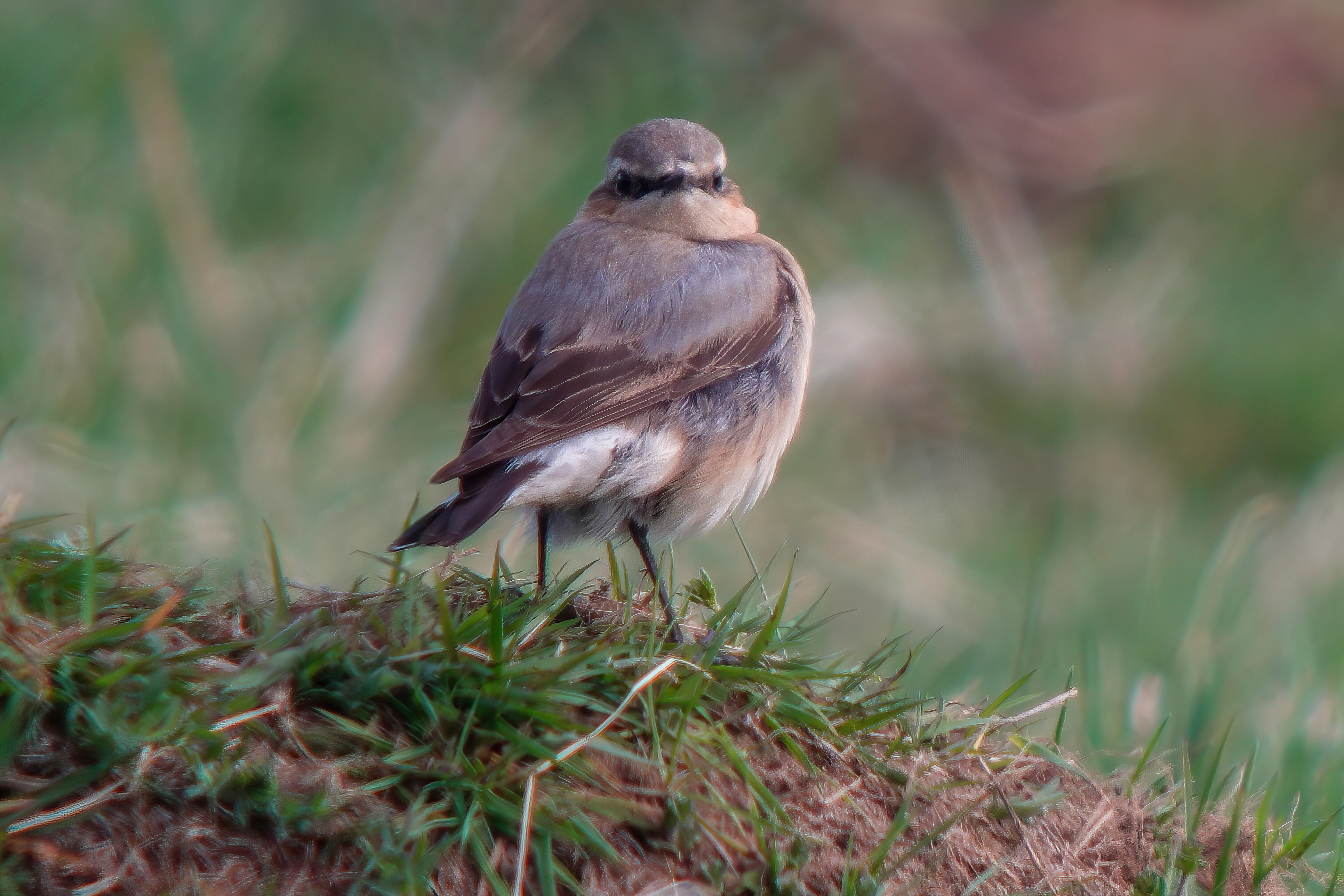
And passerines? In what has turned out to be a spring of plenty, Northern Wheatears were on a roll with reports from seven localities, the highest counts from which were ten in the Brampton Valley on 20th, eight at Clifford Hill, seven at Harrington AF and four at Blueberry Farm, Maidwell on 19th, and twos at Earls Barton GP on 18th, between Earls Barton and Ecton on 19th and at Thrapston GP on 20th.
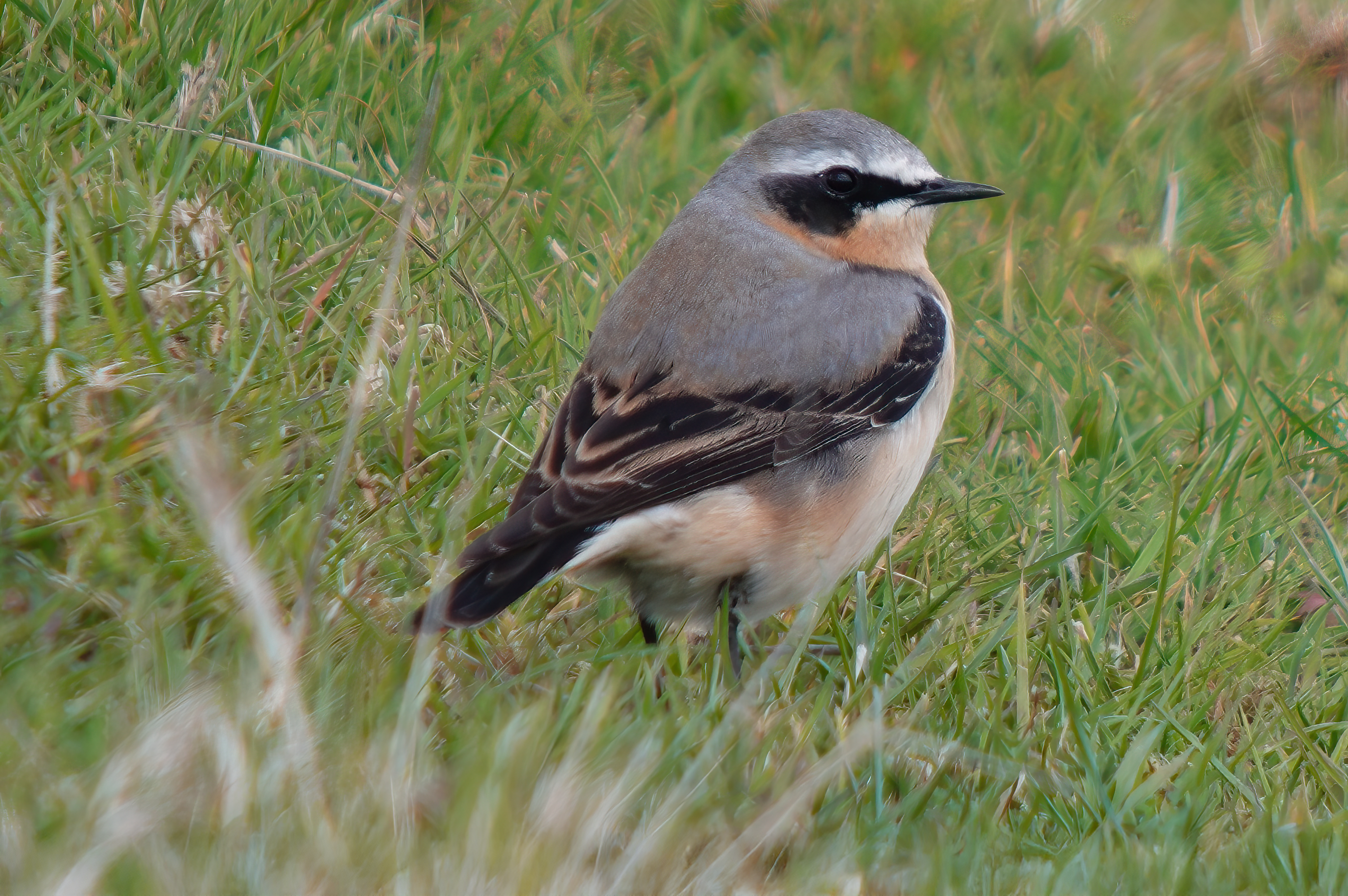
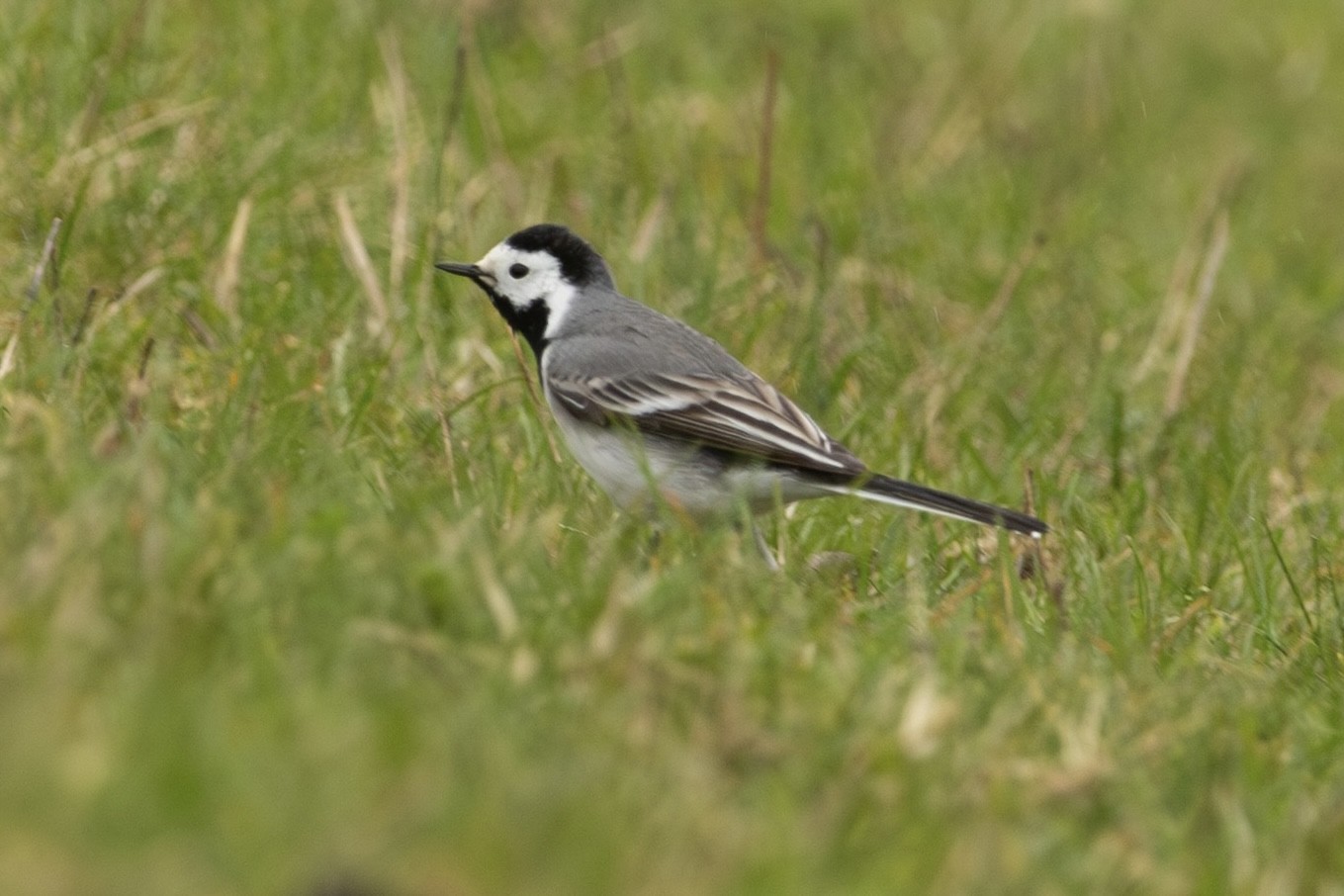
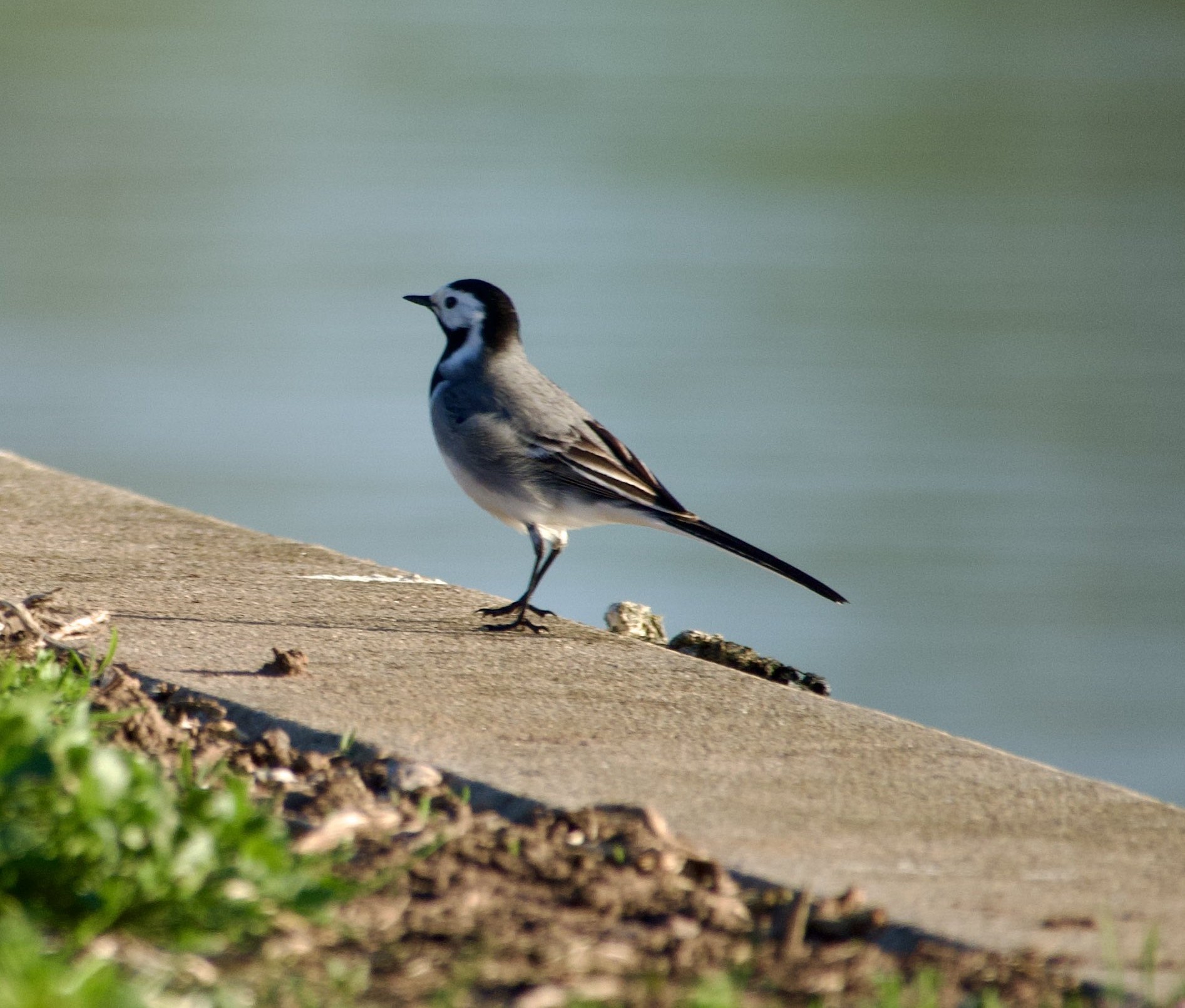
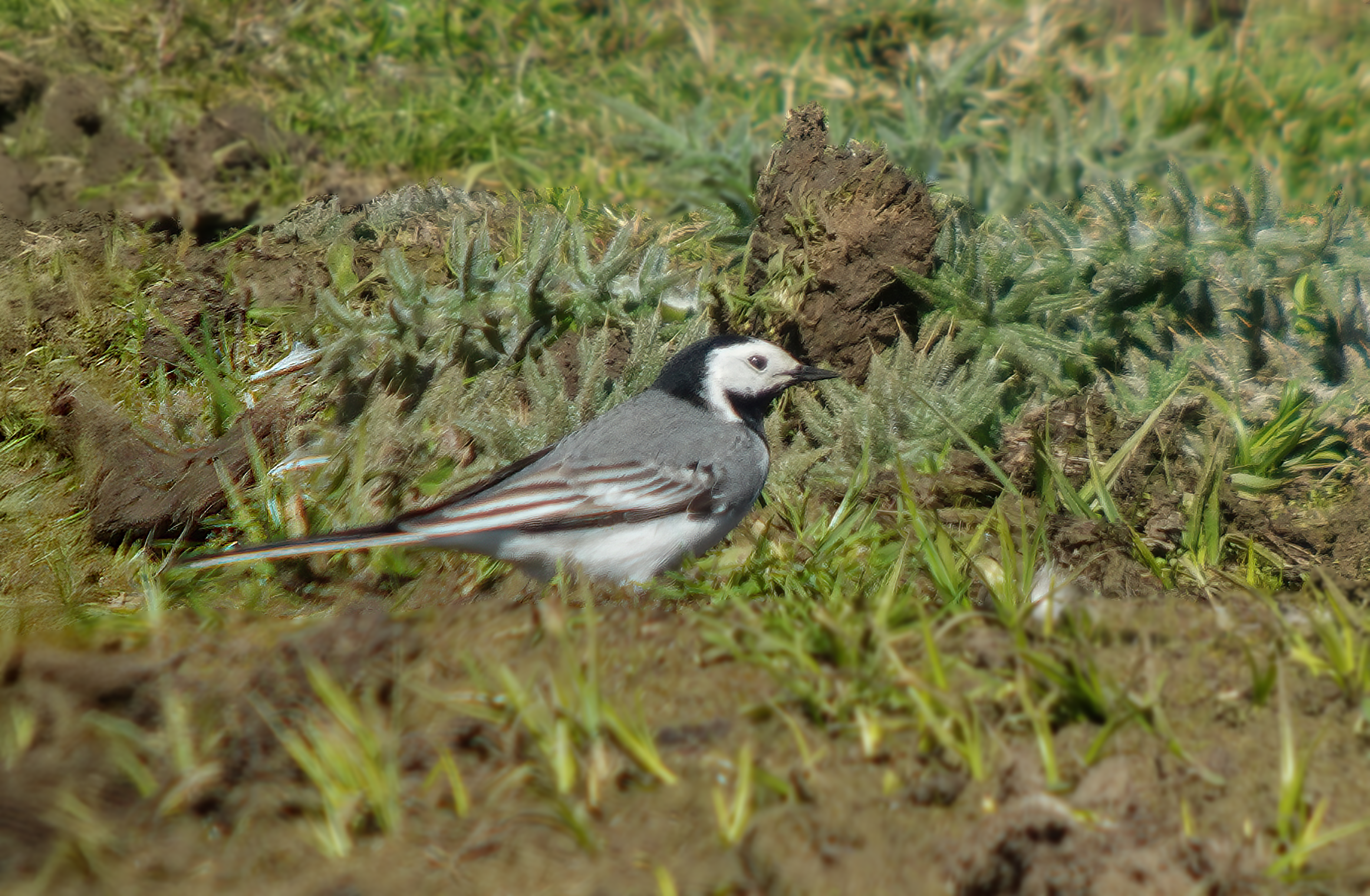
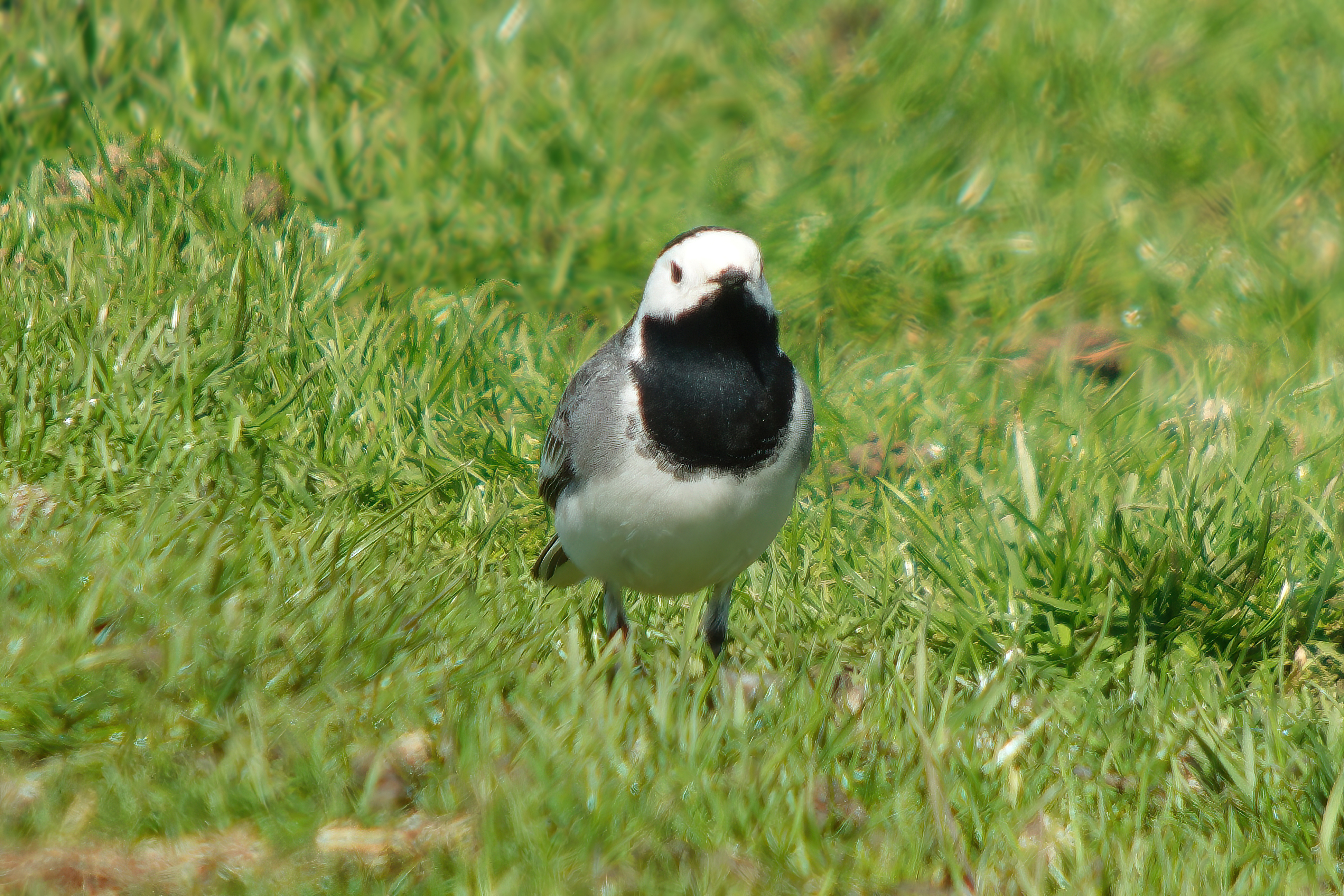
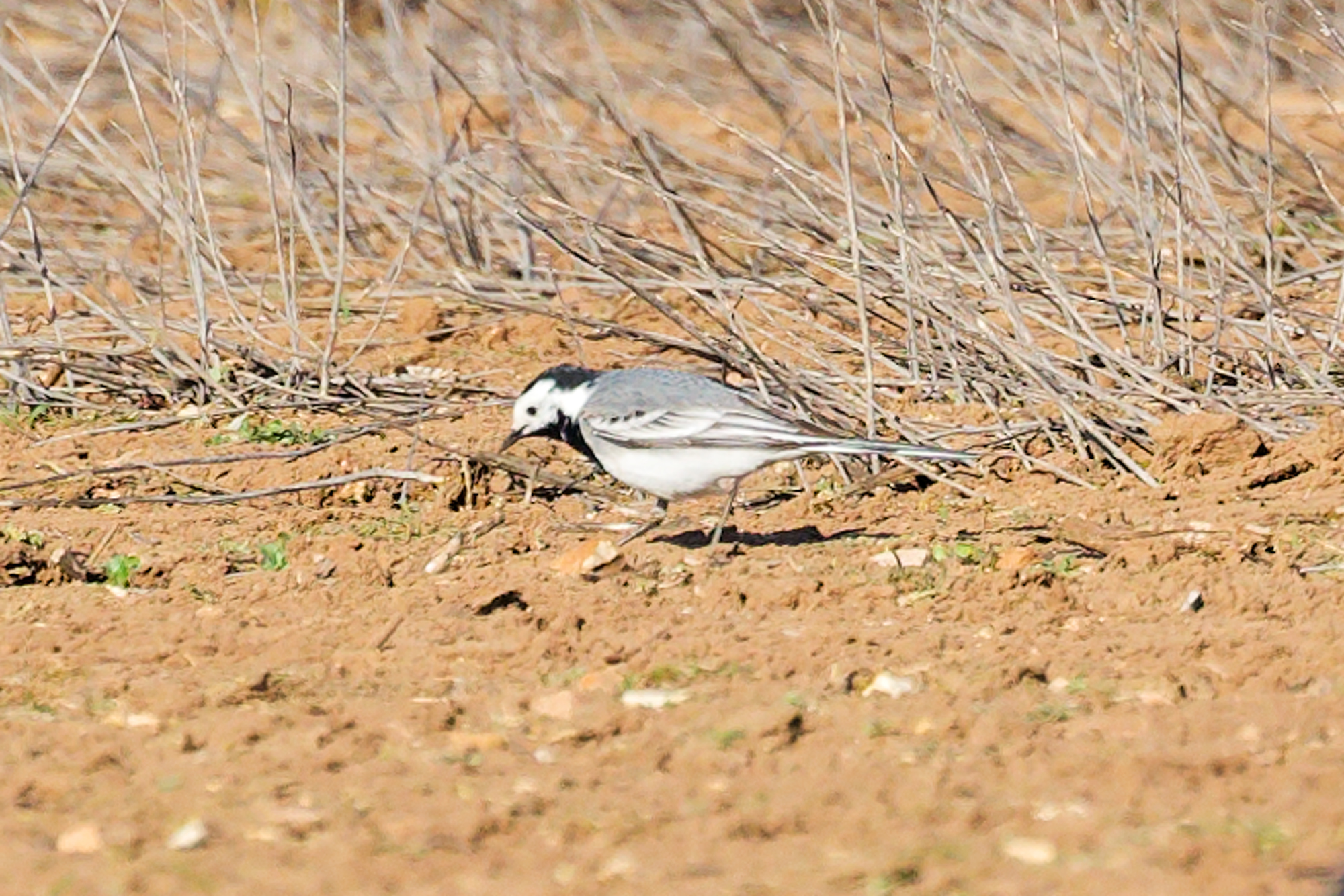
Clifford Hill produced the week’s White Wagtails with five there on 19th and one on 21st.

And a male Crossbill was at Gamboro Plantation in the Brampton Valley on 19th.

Newsround 11th to 17th April 2026

Another week and another set of summer visitors which, along with a sprinkling of scarcer migrants, moved us another step along the road toward the spring peak … and further high expectations of what might shortly be in the offing.  

A modest four new summer visitors clocked in during the period and the total number of species in this respect is exactly the same as it was to this date in 2025.

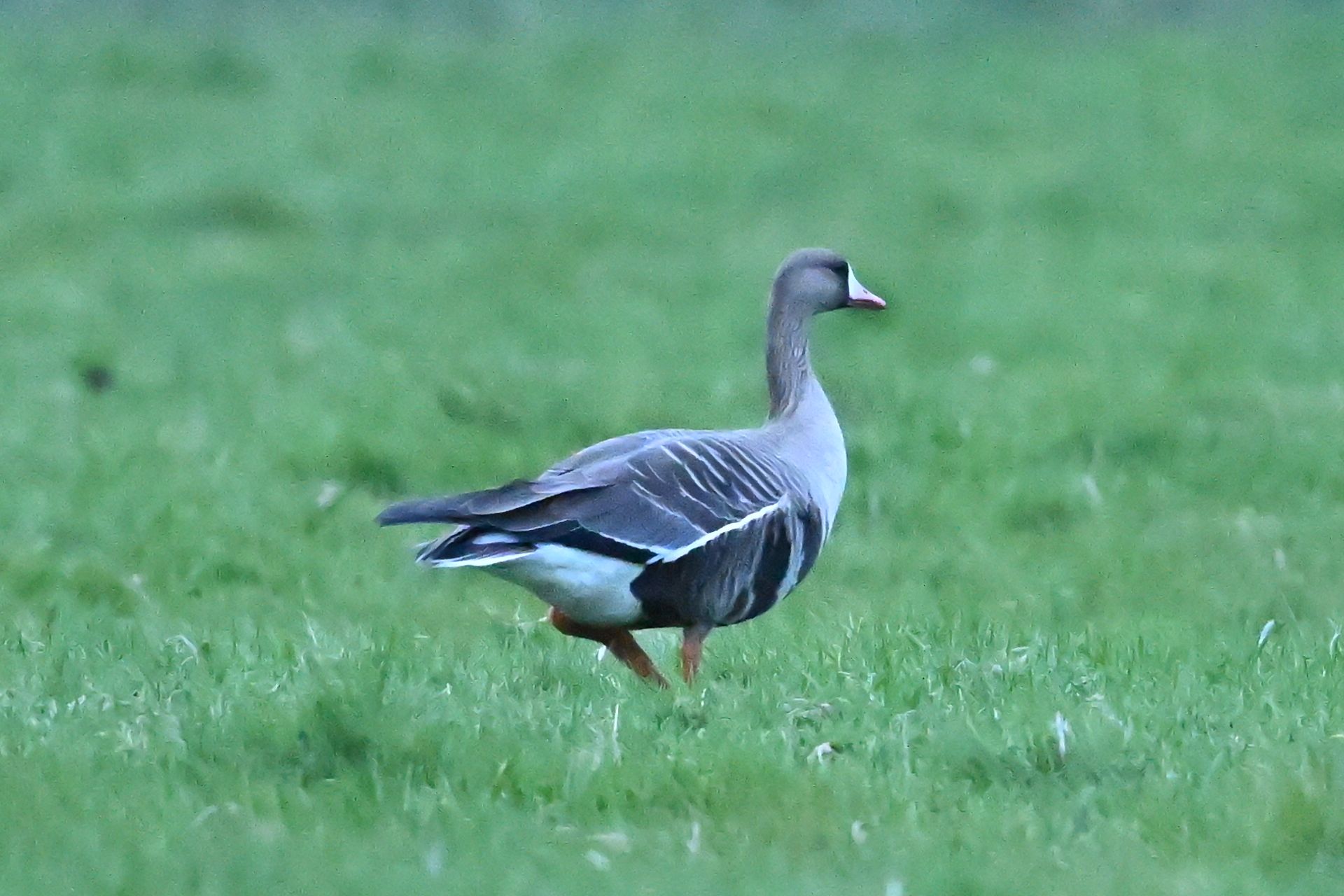
Remnants of winter were still with us, however, with a White-fronted Goose putting in a brief appearance at Lilbourne Meadows NR on 11th and a Whooper Swan flying north-east over Stanwick GP on the same date, followed by two more of the latter over the Brampton Valley on 17th.
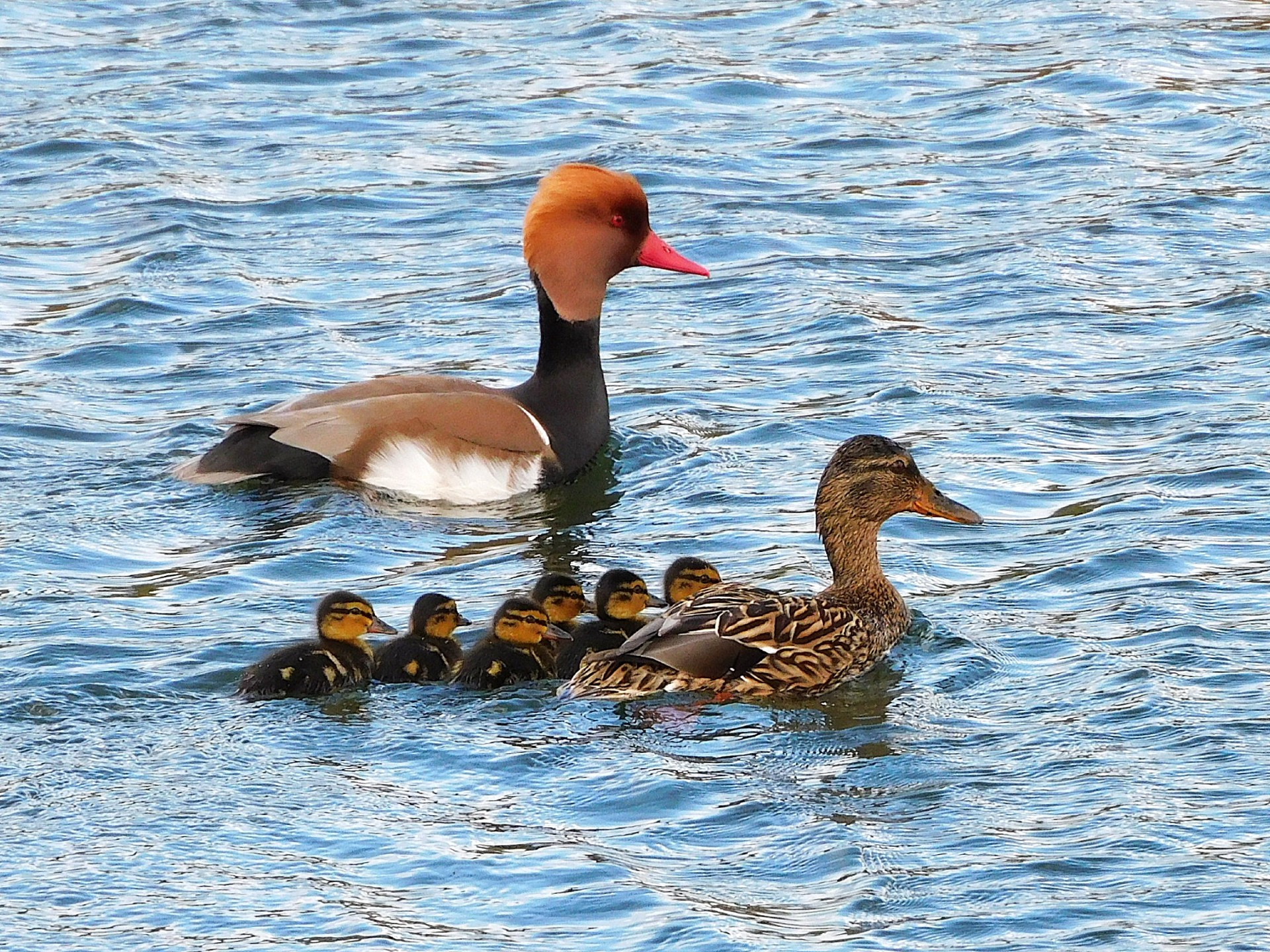
The drake Red-crested Pochard remained at Earls Barton GP’s New Workings (South) until at least 13th, while the long-staying, though mobile, drake Ring-necked Duck was still to be seen at the Thrapston GP complex throughout the period.

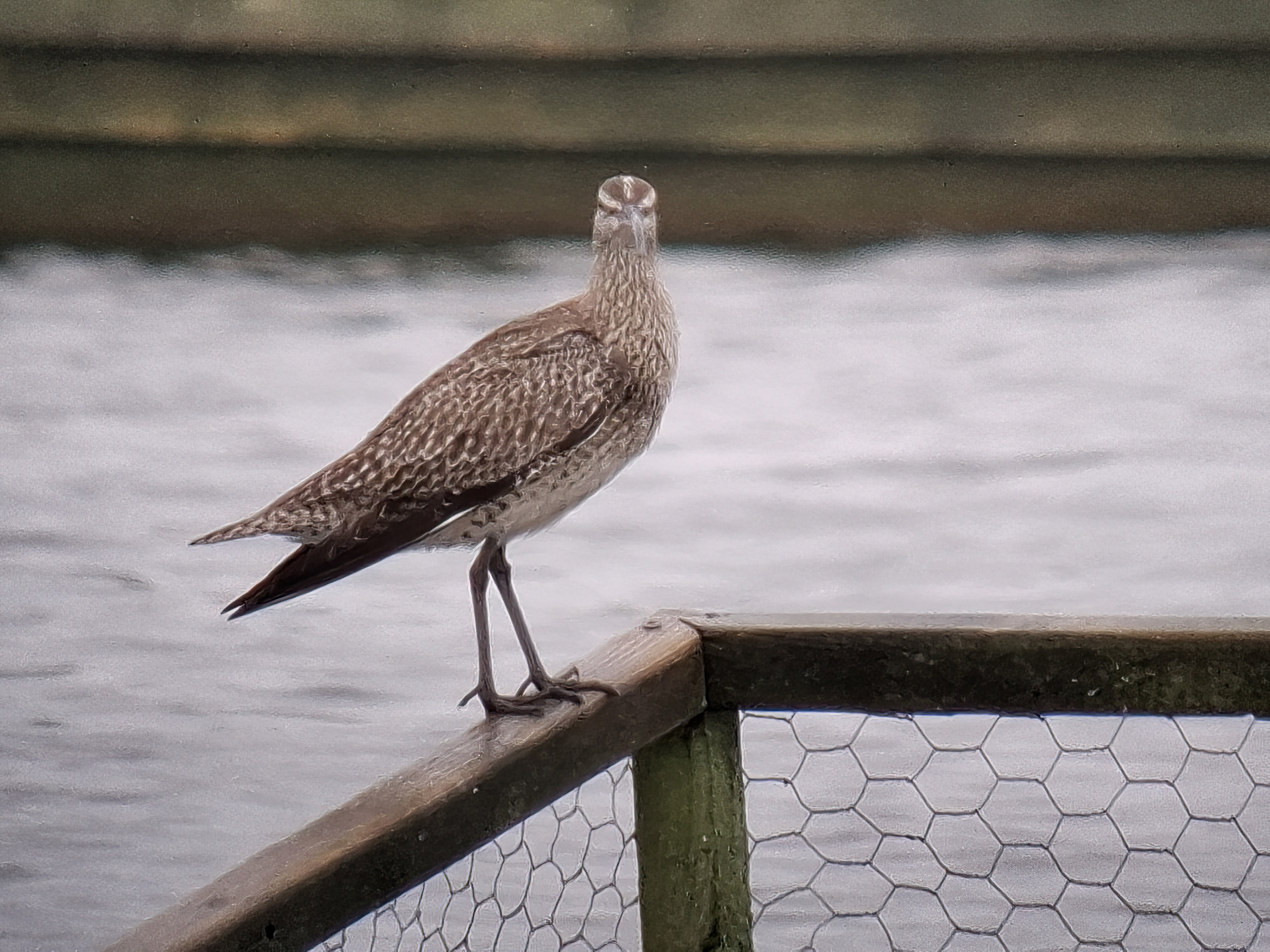
This week’s top waders begin with twos of Avocets – all in the Nene Valley – at Clifford Hill GP on 13th, Summer Leys LNR on 15th and Thrapston GP’s Titchmarsh NR on 17th. Proving particularly popular, however, were Whimbrels, kicking off with one at Daventry CP on 11th, followed by another being remarkably accommodating at Clifford Hill from 12th until the week’s end. One dropping in to Summer Leys on 16th put on an outstandingly decent show from the Screen Hide there, becoming the very essence of photographic low-hanging fruit …
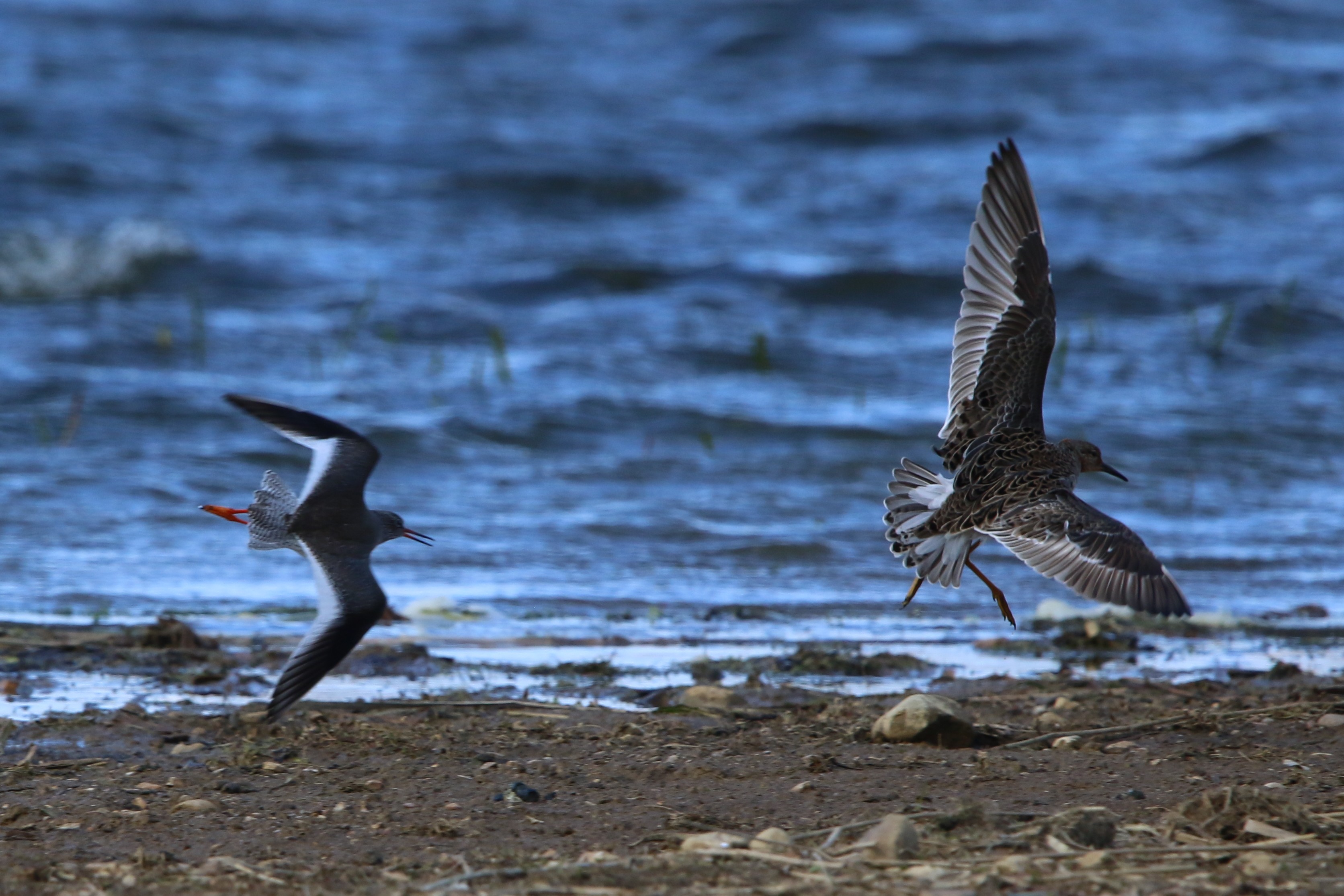
Summer Leys also produced five Icelandic Black-tailed Godwits on 11th and one, a potential candidate for the continental race limosa, visited Earls Barton’s New Workings (South) on 16th.

Left over from last week, a lingering Ruff at Summer Leys was present up until 13th, while more Greenshanks adding to the year’s tally comprised single birds at Clifford Hill on 11th, Summer Leys on 14th and Ditchford GP’s Irthlingborough Lakes & Meadows NR on 14th and 16th.

Back at Summer Leys, the pick of the period’s gulls were two adult Mediterranean Gulls on 13th, ahead of a single adult on 14th-15th and a Caspian Gull on 11th. Pitsford Res continued to host an adult Yellow-legged Gull until at least 12th, while another visited Clifford Hill the following day.

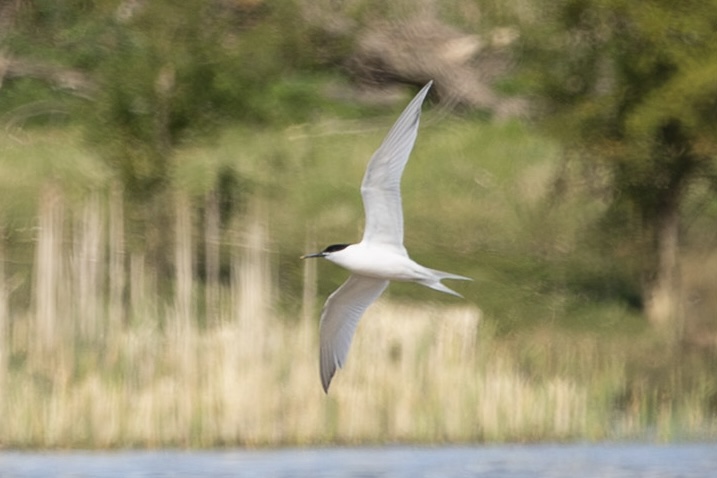
Hot on the heels of last week’s fly-through at the latter locality, more Sandwich Terns arrived – three putting in an appearance at Summer Leys on 11th, followed by three at Irthlingborough Lakes & Meadows on 14th.

In addition to the aforementioned Arctic Terns on 11th, there were more to come. One at Pitsford on 14th preceded twos at Ravensthorpe on 15th and Clifford Hill on 16th, plus four at Summer Leys on the latter date and one at Stanford on the final day of the week.

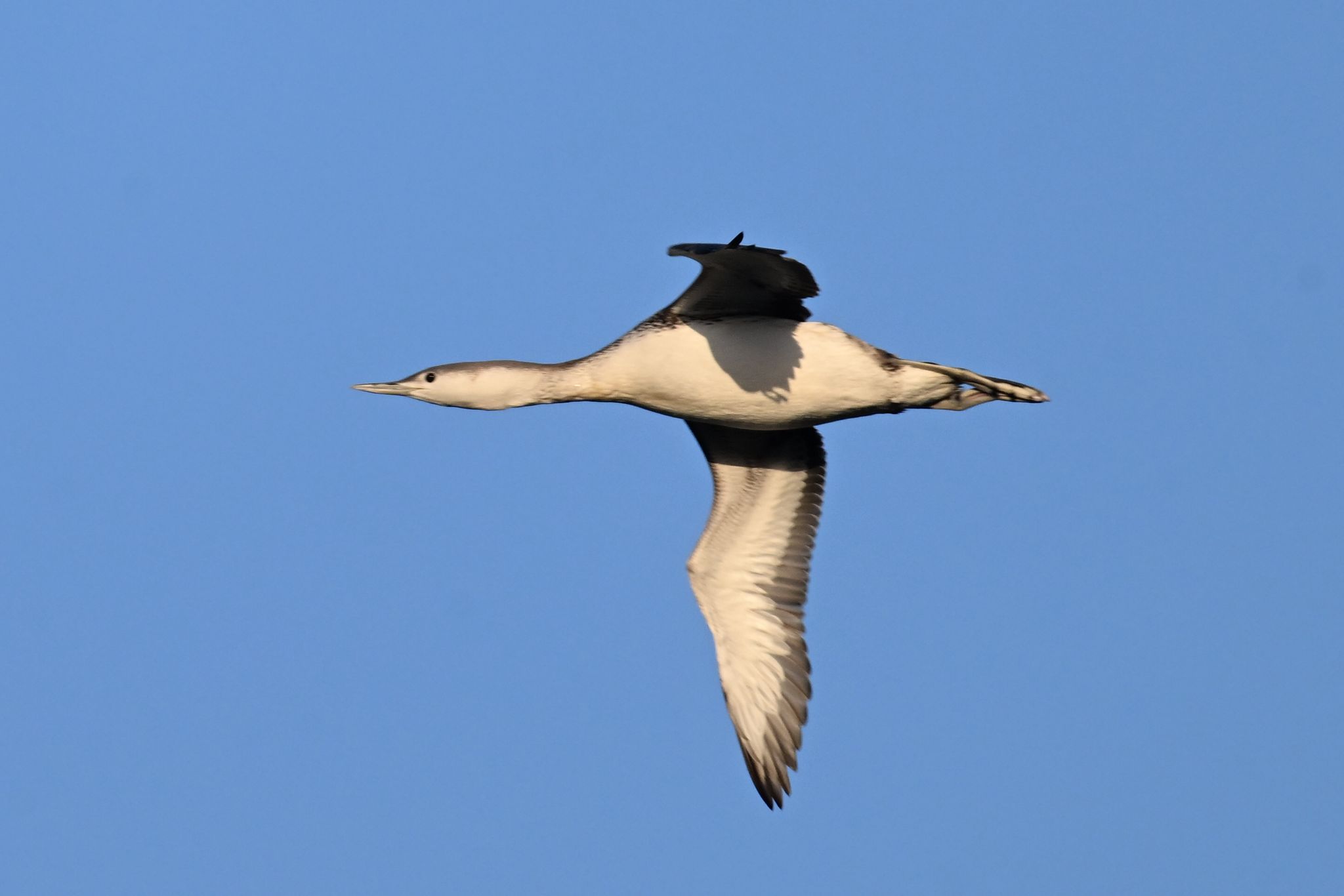
And the departure gate finally opened for Hollowell’s Red-throated Diver. It was nowhere to be seen after the 12th …

Not so for the Glossy Ibis which, seemingly more settled than last week, remained in the immediate vicinity of Summer Leys throughout.

Single Bitterns were again located at Summer Leys on 13th and at Titchmarsh on 16th-17th, while the weekly Cattle Egret scraped in at Stanwick GP on 11th.

On the raptor front, single Ospreys were seen at five localities which included Hollowell on 12th and 14th, with the individual on the latter date being identified as a male bearing a blue ring ‘T3’. This bird fledged at Rutland Water in 2016 and has been a regular visitor to Hollowell in recent years. Sightings elsewhere came from Pitsford on 12th, both Rothwell and Oundle on 14th and over Earls Barton’s New Workings (South) on 17th.

At the same time, Marsh Harriers were down to just singles at Summer Leys on 11th and Thrapston on 13th, while a ‘ringtail’ Hen Harrier was found at Kingsthorpe Meadows, Northampton before drifting off north-west toward Brampton Heath Golf Centre on 16th.

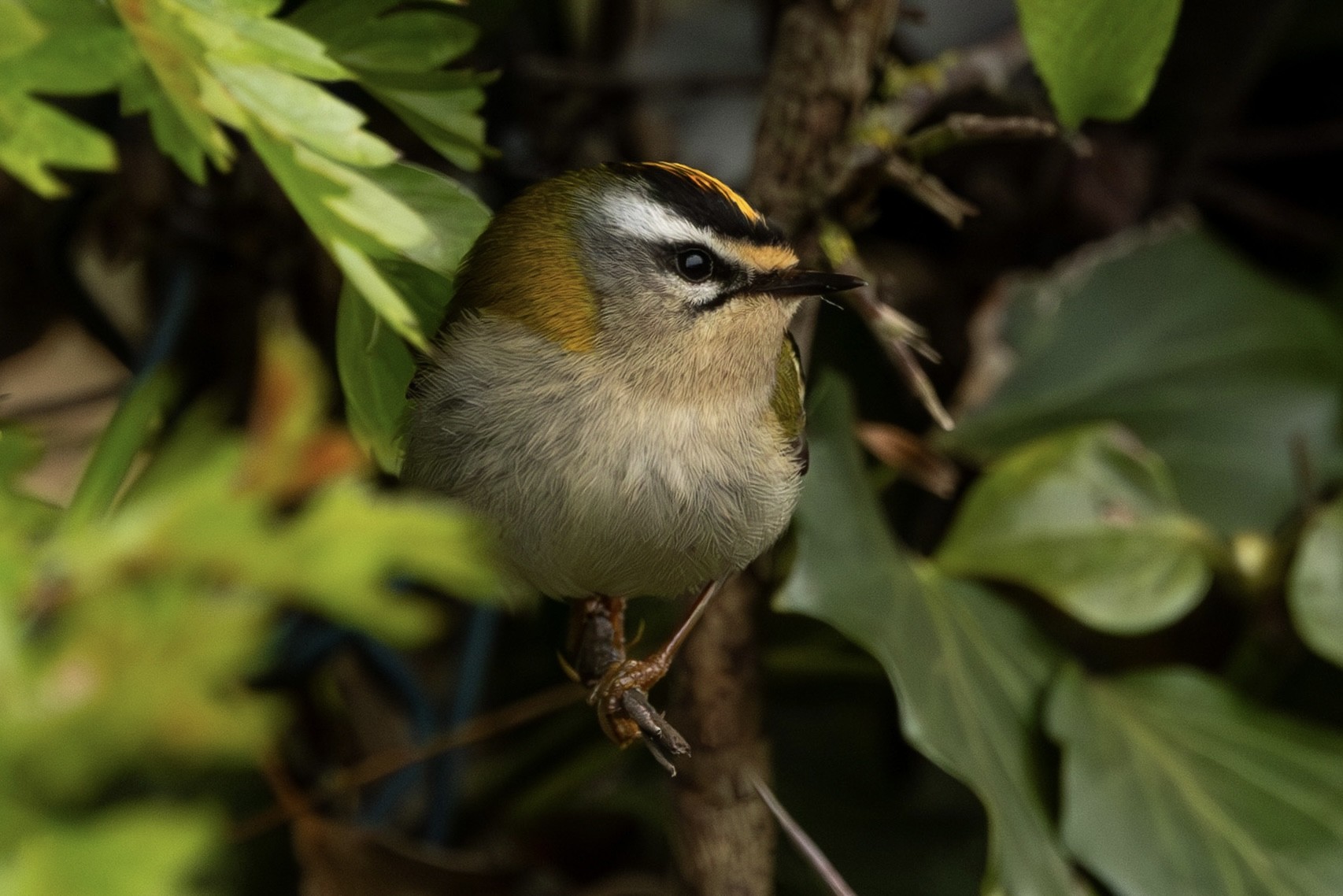
There were passerines aplenty as more migrants continued to move through and, safely away from any breeding locality, a Firecrest joined the ivy league along the fencing by Weston Mill Lock at Clifford Hill as the week opened on 11th.

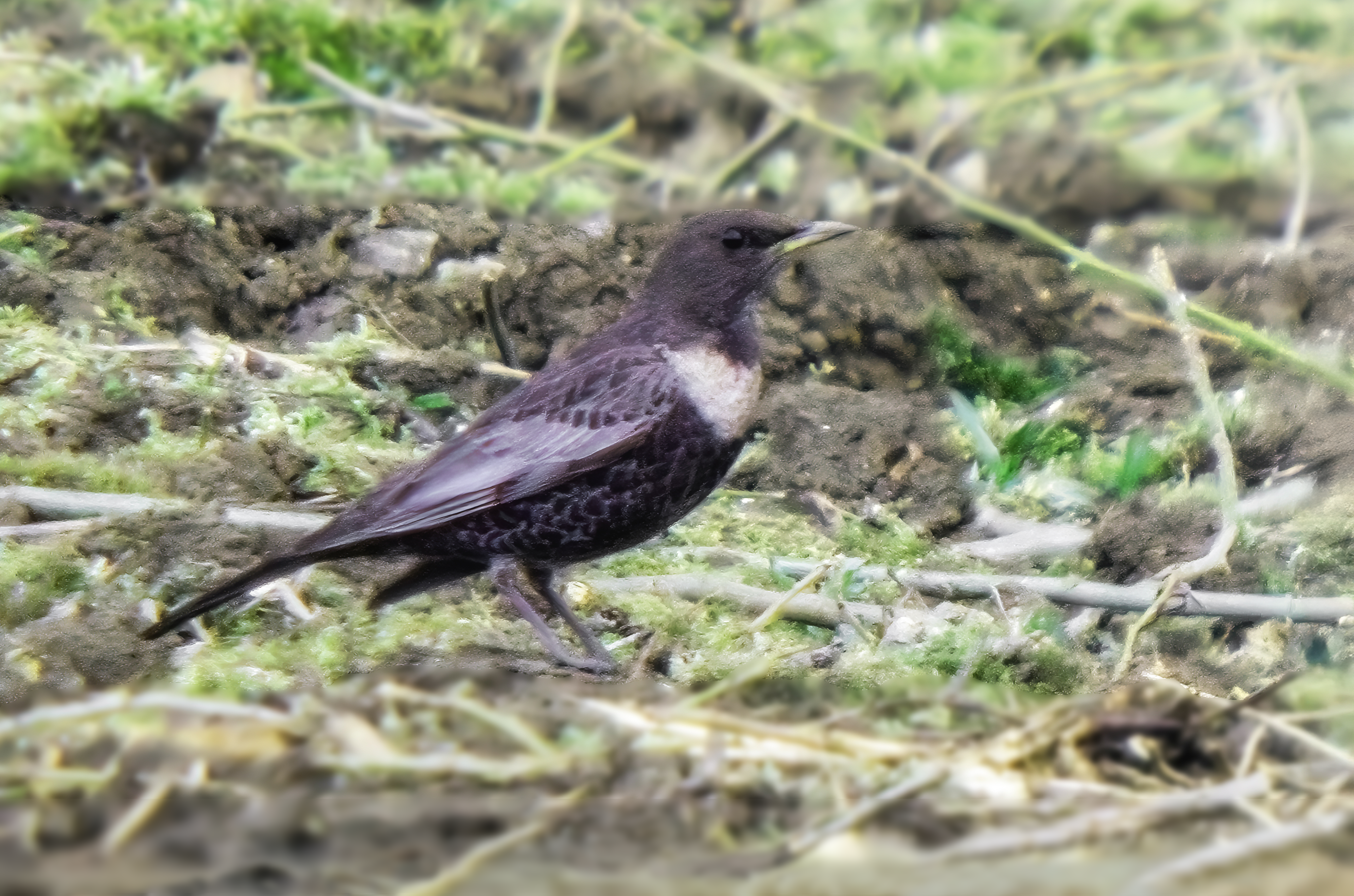
And, favouring a recently-tilled field immediately east of Summer Leys, a female Ring Ouzel drew in a steady procession of local observers over the four days 12th-15th. The fifth of the year, it was the only one so far which has been obligingly easy to connect with. A male was also seen at Harrington AF on 14th.

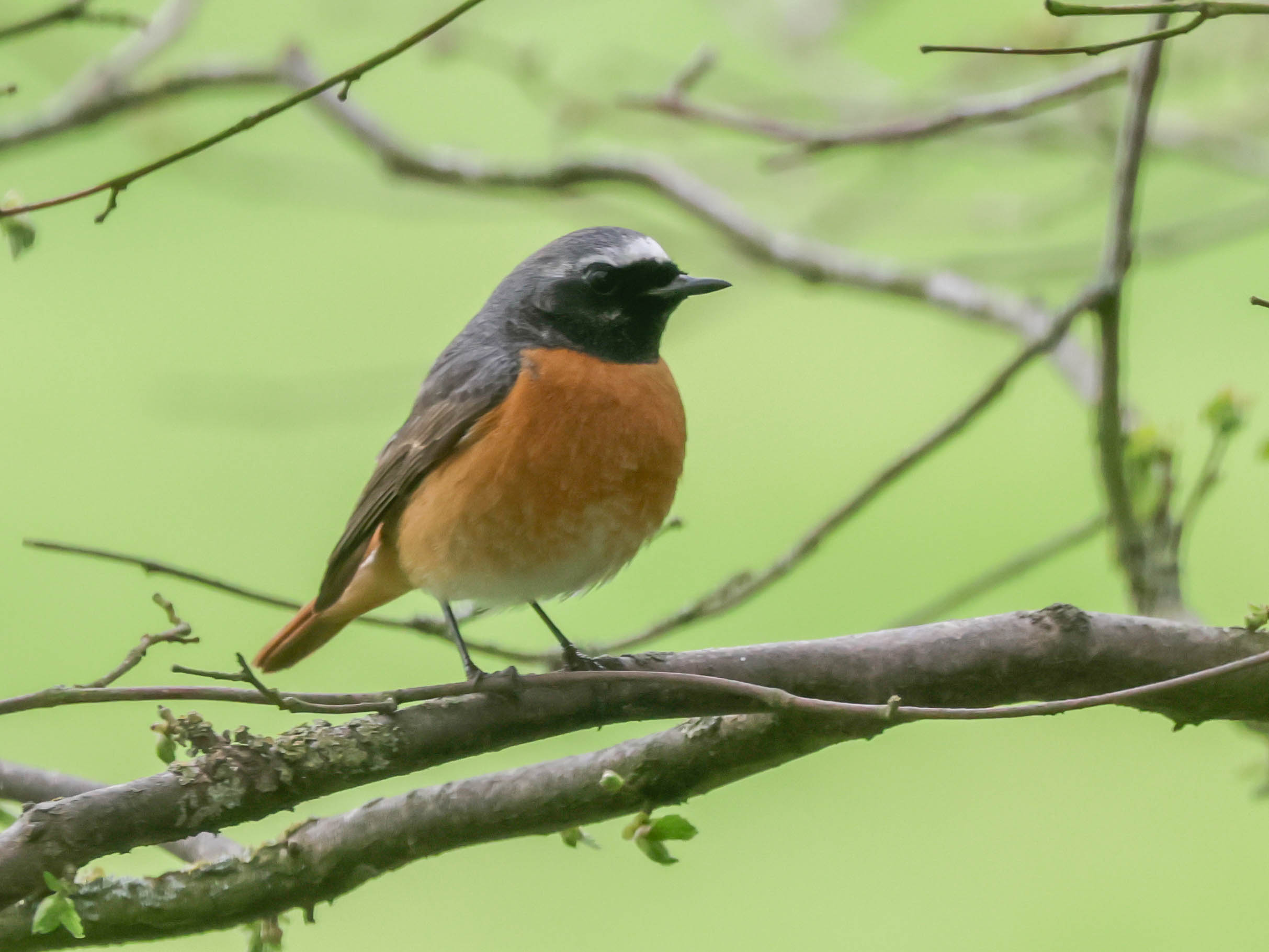
Alongside last week’s leftovers, more Common Redstarts made landfall during the period. Ravensthorpe held on to its male on 11th, another male appeared at Pitsford on 12th, the same date seeing further singles at Harrington and Summer Leys. Other sightings came from Blueberry Farm, Maidwell on 13th, Harrington on 14th and Summer Leys on 15th.

Locally unseasonal, single Stonechats were found at Oundle on 15th and Desborough AF on 16th.

And the recent flood of Northern Wheatears continued this week with reports from eleven localities, maximum single site totals being eight at Clifford Hill on 16th, seven between Bythorn and Clopton on 14th, five at both Harrington and Lilbourne Meadows on 13th and four at Polebrook AF on 17th. A male at Clifford Hill on the latter date was a potential candidate for the Greenland race leucorhoa.

More White Wagtails were also in evidence, including up to three at Clifford Hill throughout the period and singles at Stanford on 12th and in two different areas of the Earls Barton GP complex on 13th and 15th.

Newsround 4th to 10th April 2026

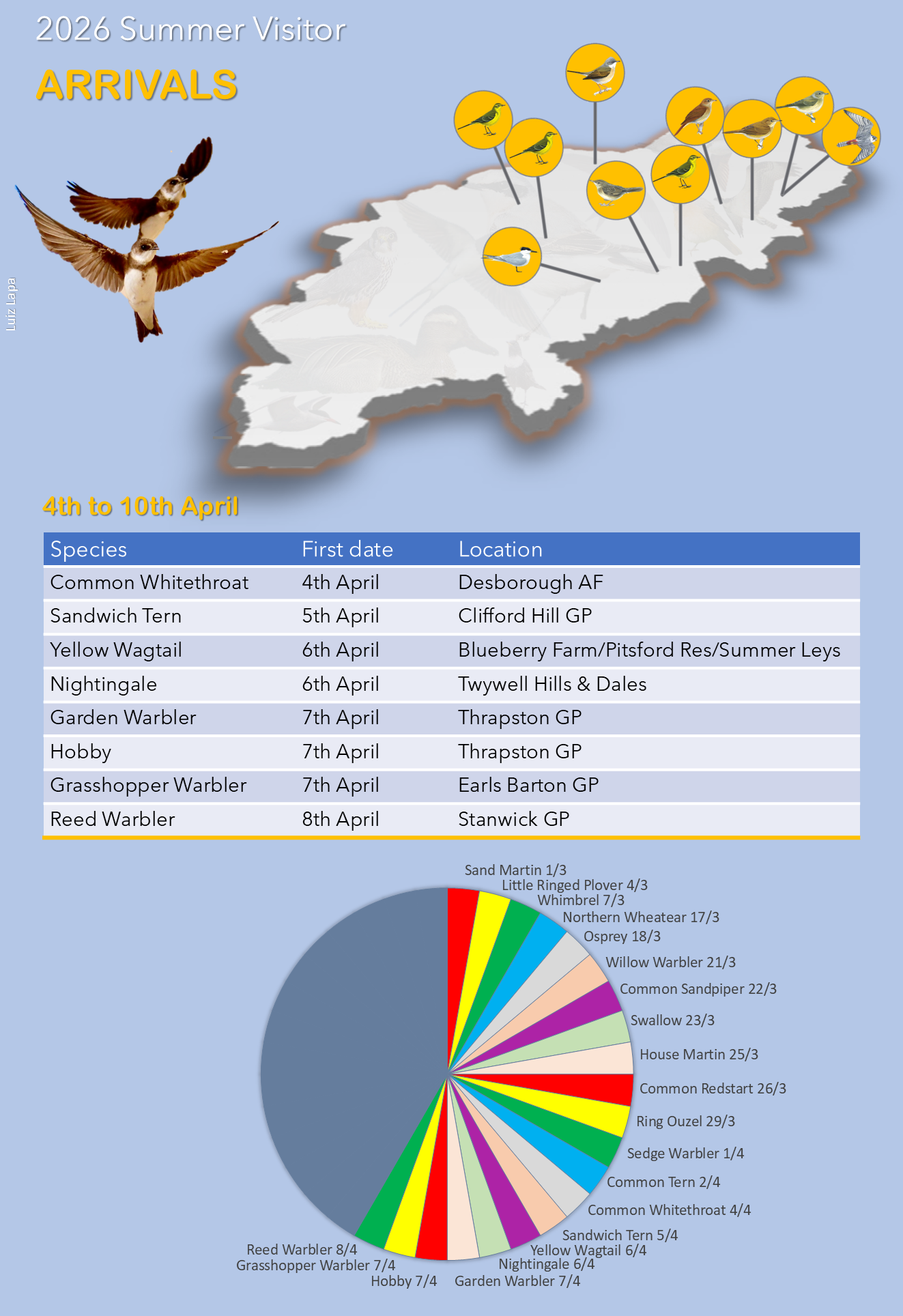
In the aftermath of ‘Storm Dave’, a high pressure system building over eastern Europe opened the gates for a sizeable summer visitor rush – and in they came, thick and fast. Other scarce migrants were also on offer and the appearance of a Spoonbill in the Nene Valley caused a bit of a stir, albeit short-lived …          

Along with a wave of increasing numbers of those which had previously arrived, eight more summer visitors made it onto the clock this week.

Of those runners and riders, Nightingale was the earliest ever, by three days – the previous earliest being on 9th April in 1999 and, on 7th April, Garden Warbler matched the earliest record holders in 2020, 2021 and 2025.

The week’s wildfowl were restricted to the drake Red-crested Pochard chaperoning the female Mallard and her brood of young, on the River Nene, between Earls Barton GP’s New Workings (North) and (South), throughout the period and the drake Ring-necked Duck moving down said river from Ringstead GP to Thrapston GP, where it was present between 7th and 10th.

The second Whimbrel of the year paid a brief, early morning visit to Earls Barton GP (NWS) on 9th, the same site also having produced a Black-tailed Godwit on 5th. Another of the latter species visited Summer Leys LNR on 7th and the same two sites held single Ruffs on 9th and 10th, respectively. Adding to the 2026 wader tally was a Greenshank, also at Summer Leys on 10th.

Another Kittiwake – the sixth record for the year, so far – appeared at Pitsford Res on 5th, followed by a Mediterranean Gull there the following day. Other gulls during the period were limited to an adult and first-winter Caspian Gull at Summer Leys on 4th and what was presumably the latter individual there again on 6th, while two adults were present at Ravensthorpe Res on 5th. The regular adult Yellow-legged Gull was at Pitsford on 6th and 9th and one was reported at Summer Leys on 7th.

The first Sandwich Tern of the year put in a brief appearance at Clifford Hill GP before quickly moving off on 5th.

And, once again, the Red-throated Diver extended the length of its stay at Hollowell Res by another week.

Developing increasingly itchy feet, the long staying Glossy Ibis branched out from Summer Leys on 8th to visit Ditchford GP on 9th and Earls Barton (NWS) on 10th, before returning to Summer Leys on the latter date.

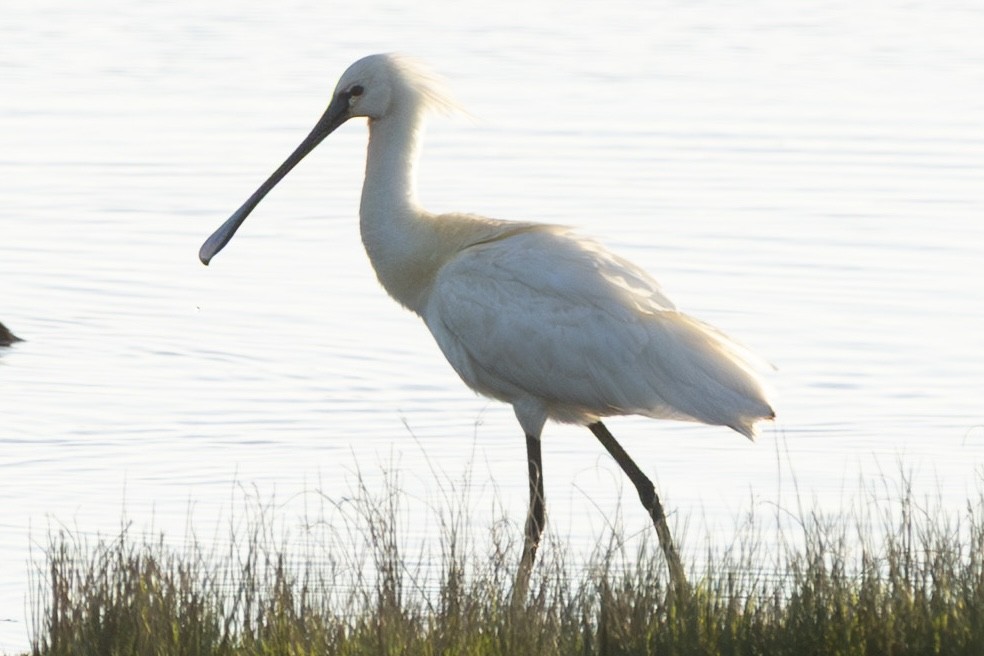
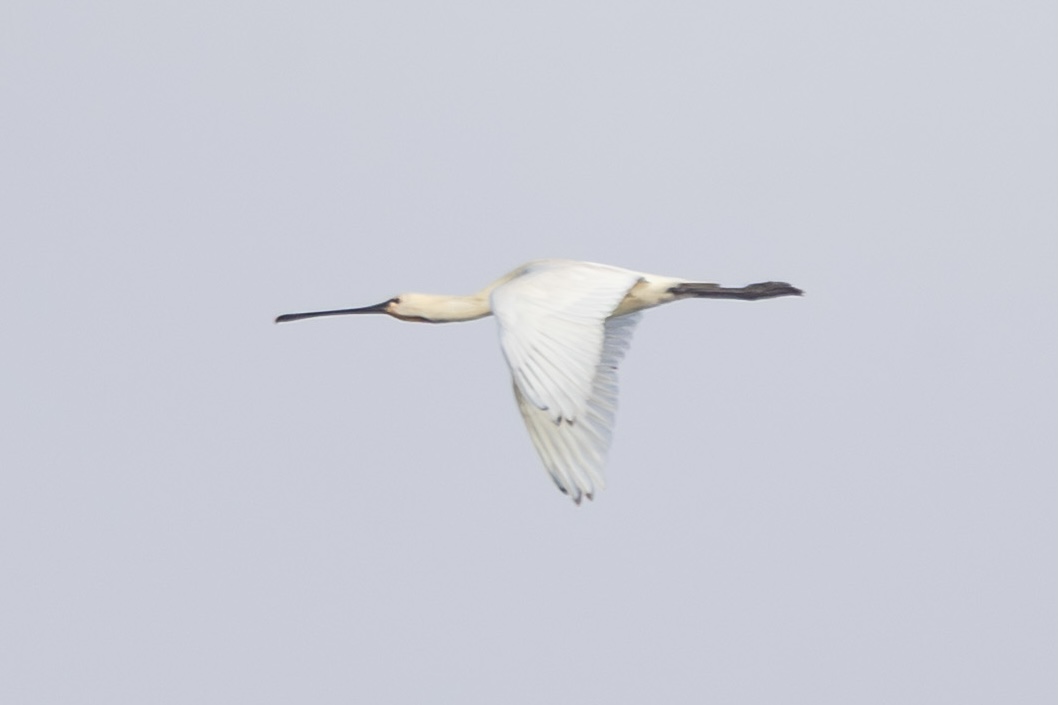
But the week’s best new bird by a country mile was the adult Spoonbill found at Clifford Hill early in the day on 5th. Although its stay was relatively short, it remained long enough for those quick off the mark to catch up with it.

Surprisingly scarce so far this year, Bitterns were located at Summer Leys on 7th, Thrapston on 8th and Earls Barton on 10th. Thrapston also produced the period’s only Cattle Egret, at Titchmarsh NR on 6th.

And the week saw the arrival of more Ospreys, with twos over Daventry and at Pitsford on 6th, and singles at the latter location on 4th and 5th, Hollowell and Stanford Res on 5th, over Finedon on 6th, Earls Barton on 7th and over Castle Ashby on 8th. By contrast, numbers of Marsh Harriers were low, with singles over Summer Leys and the wider reaches of Earls Barton GP on 7th and at Stanford on 10th.

And so to passerines. Aside from the aforementioned new summer visitor arrivals, a singing male Firecrest was present at one locality in what has, so far, been a good year for them in the county.

The appearance of more Ring Ouzels included one at Borough Hill on 6th followed by another at Blueberry Farm, Maidwell the next day, both birds being subjected to human disturbance and not showing for any length of time.

More Common Redstarts – all single birds – were to be found this week, at Blueberry Farm on 6th-8th, Borough Hill and Woodford Halse on 6th, Great Doddington on 7th, Harrington AF on 8th-10th, Denton Wood on 9th and Ravensthorpe on 10th.

And Northern Wheatears simply piled in. Multiples included three at Borough Hill on 6th and twos between Cottesbrooke and Hanging Houghton and at Harrington on the same date, and again at the latter site on 9th, when two were also at Honey Hill. Singles were seen at Blueberry Farm, Chelveston AF, Clifford Hill, between Clopton and Titchmarsh, at Cold Ashby, Earls Barton, Hollowell, Orlingbury, Stanford Res and Summer Leys.

A male ‘Channel’ Wagtail was found at Lilbourne Meadows NR on 7th, while two White Wagtails were on floodwater at Braunston on 6th and singles were at Stanford on 5th, Summer Leys on 7th and Welford Res on 10th.

At least two Corn Buntings were singing at Chelveston AF on 6th.

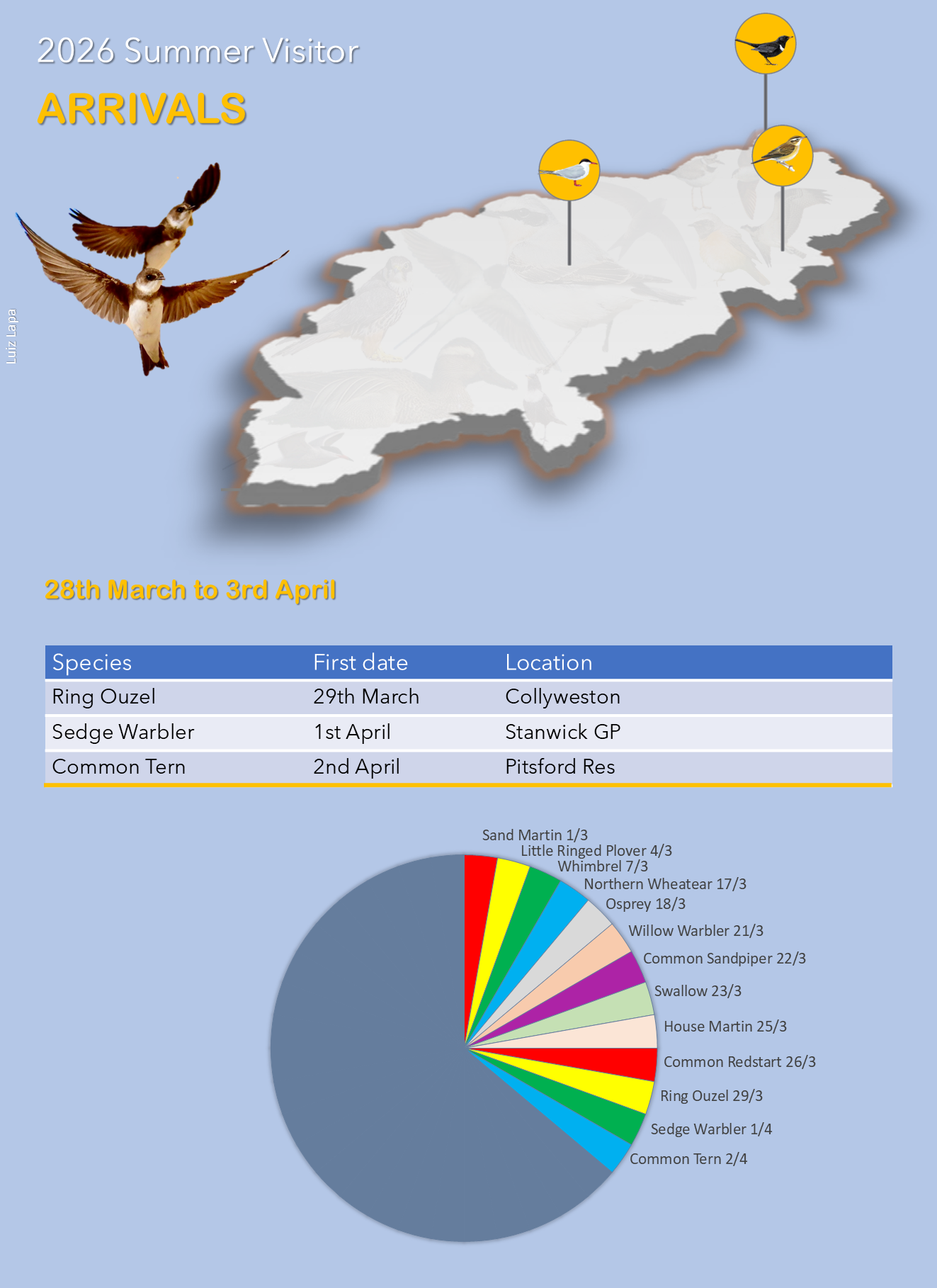
Newsround 28th March to 3rd April 2026

With the focus firmly on the search for, and arrival of, summer visitors, the week was otherwise fairly quiet. But let’s not forget, spring proper has yet to unfold …

There were no early record-breakers during the period, but three more summer visitors – Ring Ouzel, Sedge Warbler and Common Tern – clocked in.

Wildfowl numbers were on the wane this week, the difference between numbers at the beginning of the period and seven days later being evident across a number of localities. With plenty of April records over the years, a Pink-footed Goose found at Thrapston GP on 1st was not untimely but, ironically, it has been the rarest of the grey geese to have visited the county during the winter just gone.

On the River Nene, at Whiston Lock/Earls Barton GP, a drake Red-crested Pochard, which spent much of the first six months of 2025 in the same area, was seen keeping company with a female Mallard and six recently hatched ducklings, on four dates during the week, prompting the belief that this is a hybrid brood between the two species. However, the ducklings of both species are quite different in appearance and all members of the above brood look to be 100% Mallard, showing no mixed characteristics. Could these be developed later, though, or has this drake simply latched on to provide an escort service? Plenty to ponder …

Back again at Ringstead GP, the drake Ring-necked Duck remained settled, short term, on Kinewell Lake from 29th until 1st.

This week’s top waders included an Avocet at Clifford Hill GP on 29th, followed by three at Earls Barton GP and Summer Leys LNR on 1st, the year’s first Bar-tailed Godwit over Clifford Hill GP on 30th, and a Ruff at Summer Leys on 28th.

And on the larid front, Caspian Gulls were very much in evidence, or so it seems, with a second-winter at Clifford Hill GP and a first-winter at Earls Barton GP on 29th, a third-winter at Summer Leys on 30th, followed by one (unaged) there on 31st and an adult on 1st, while a third-winter visited Earls Barton GP on 3rd. Two adult Yellow-legged Gulls visited Clifford Hill GP on 28th and a single adult remained at Pitsford Res, being seen on 29th and 2nd.

Once again, the Red-throated Diver extended its stay at Hollowell Res by another week.

And not seen since 26th March, the Glossy Ibis was again present at Summer Leys on 2nd and at nearby Hardwater Lake on 3rd.

Following three around Ringstead GP between 28th and 30th, Cattle Egrets were on the up with seven at Stanwick GP on 31st-1st.

On the raptor front, more Ospreys made it into the county during the period with single birds over Overstone Lake on 30th, Hollowell on 30th and 2nd, Thrapston on 1st and east of Flore on 2nd. And Marsh Harriers extended their presence in the county, including the occurrence of a new bird with yellow wing-tags ‘DP’ at Summer Leys on 28th. This individual was a female ringed and tagged by the Norfolk Harrier Ringing Group near Hardley, Norfolk in 2025 and was one of a brood of three (Roger Eads/NHRG). Other, non-tagged, Marsh Harriers were seen at Earls Barton also on 28th, at Desborough AF on 29th and again at Summer Leys on 30th.

Singing male Firecrests were recorded at two localities this week with a pair nest-building observed at a third.

And, in addition to the aforementioned Ring Ouzel at Collyweston on 29th, another was found at Harrington AF on 1st. The second Common Redstart of the year appeared at Sywell CP on 31st and more Northern Wheatears were seen at Clifford Hill GP, where two were present between 28th and 30th, at Brixworth CP on 31st, Summer Leys on 1st, Harrington AF with two on 1st-2nd, and at Borough Hill where there were three on 3rd.

At least one male Corn Bunting was singing at Chelveston AF on 2nd. Clearly, if this year is anything to go by, we haven’t completely lost them yet …