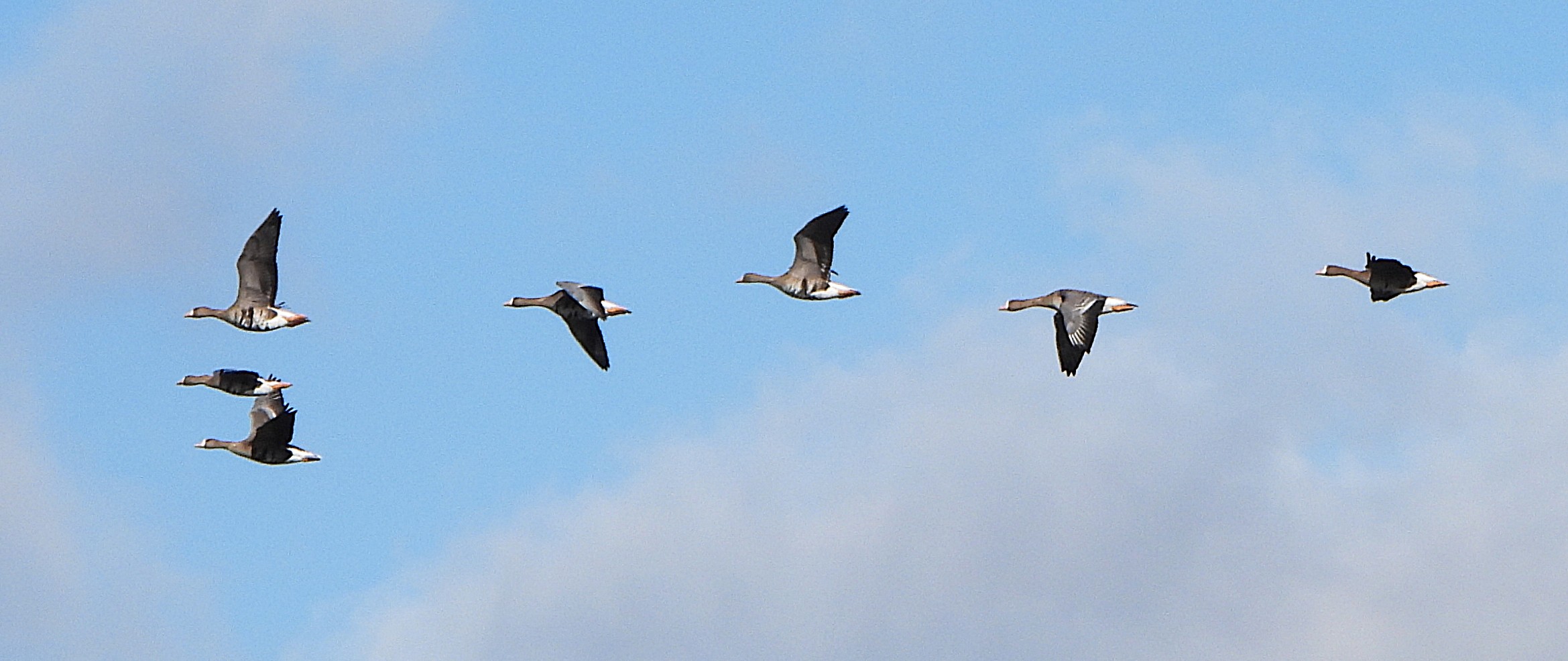
Newsround 18th to 24th April 2026

The Birdscape changed considerably this week, shaped largely by a sustained easterly airstream off the near continent, giving rise to a surge of wetland migrants passing through the county.

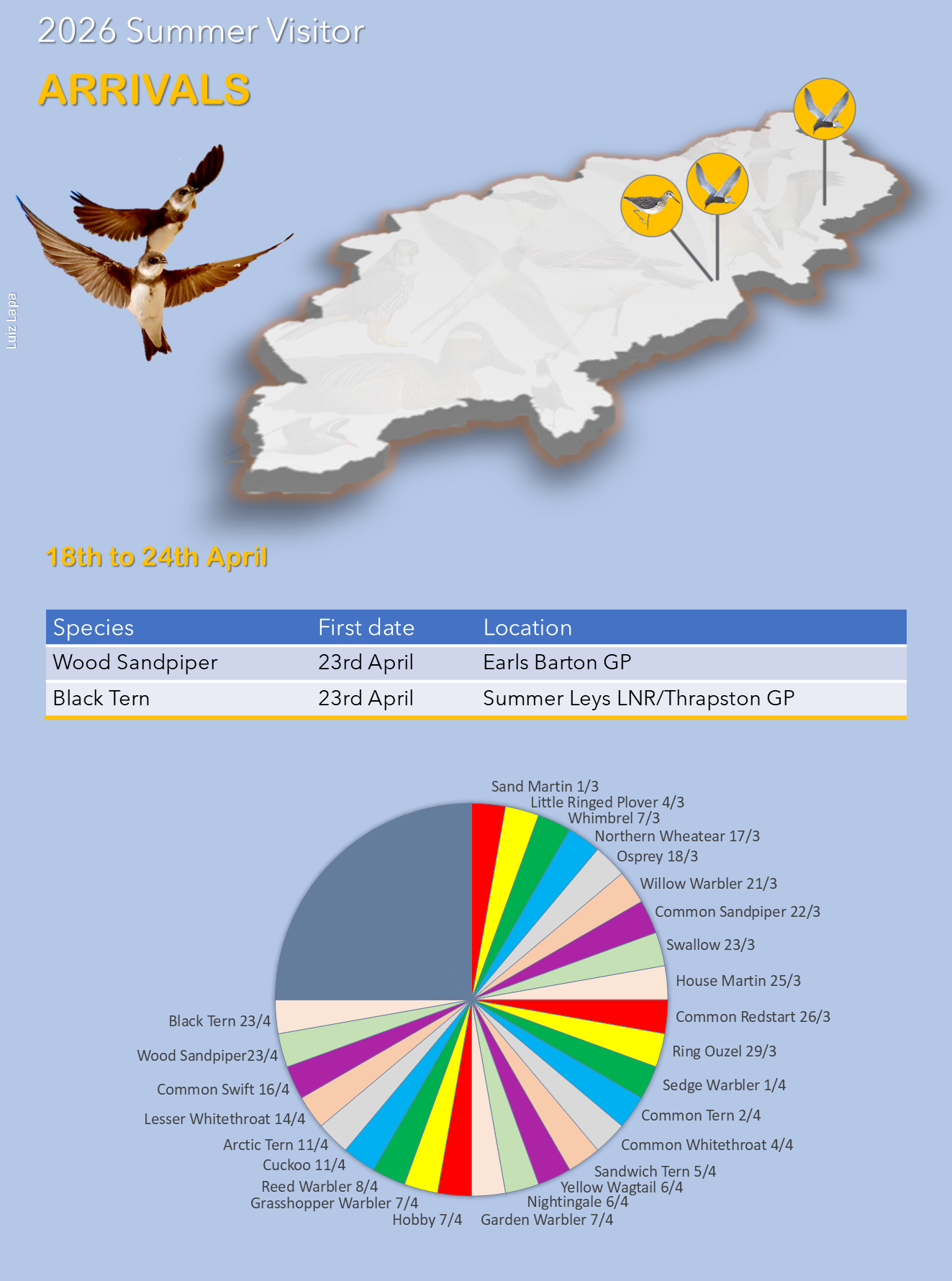
Just two new summer visitors arrived, although no new records were set in terms of early arrival dates.
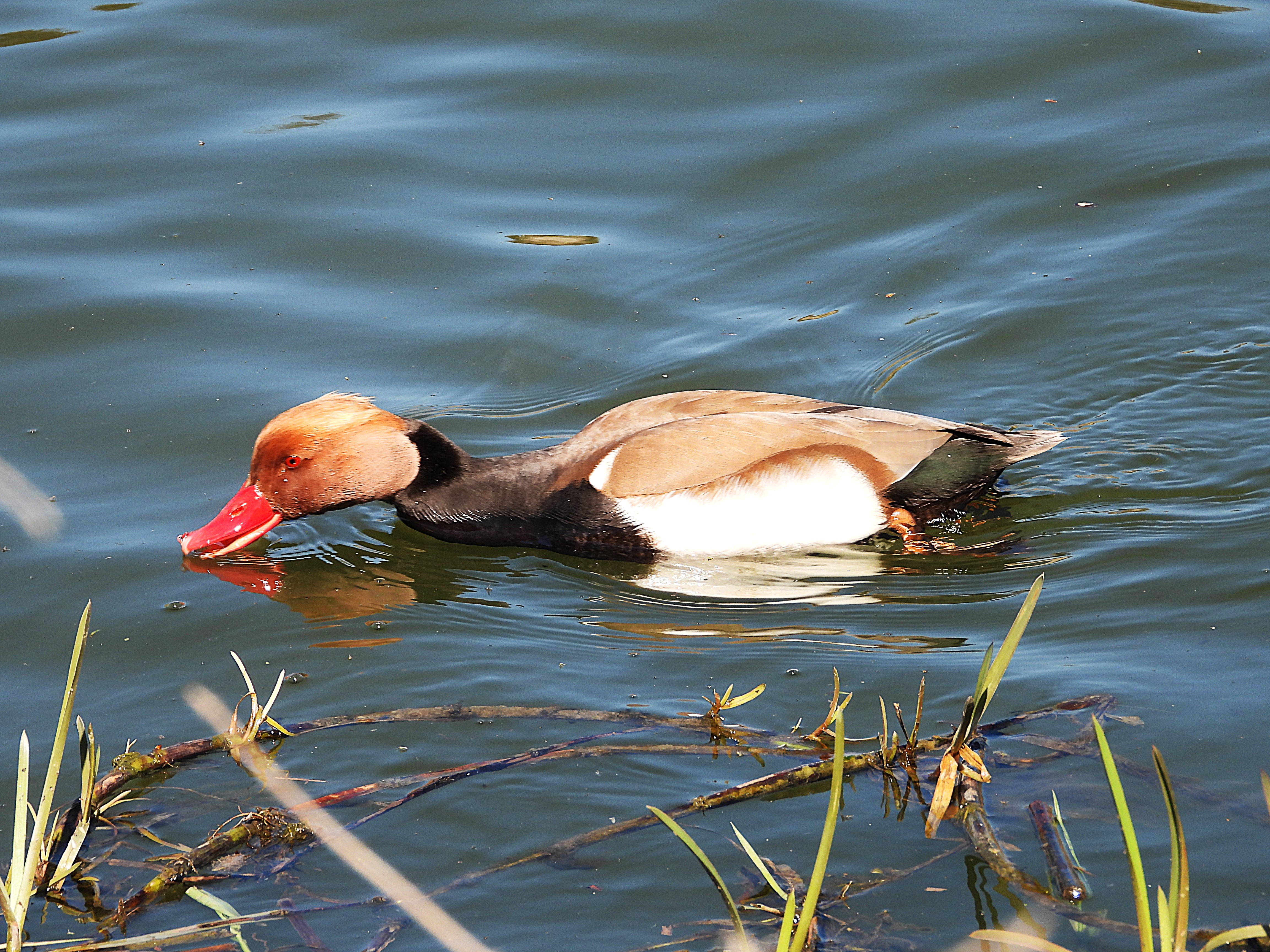
Unsurprisingly, the number of wildfowl hit rock bottom this week, the sole representative being the drake Red-crested Pochard remaining at Earls Barton GP’s New Workings (South) until at least 22nd.

Following single flyovers in the east of the county on 23rd February and 20th March, the third Common Crane of the year flew east over the Brampton Valley, between Cottesbrooke and Hanging Houghton, on 19th. One on the ground would, no doubt, be much appreciated …

Looking at the Nene Valley flyway and focussing on waders specifically, there was undoubtedly competition between the wetland localities with the easybirdin’ site of Summer Leys upstaged this week by Earls Barton GP’s New Workings (South), which dished up rich pickings for local birders.

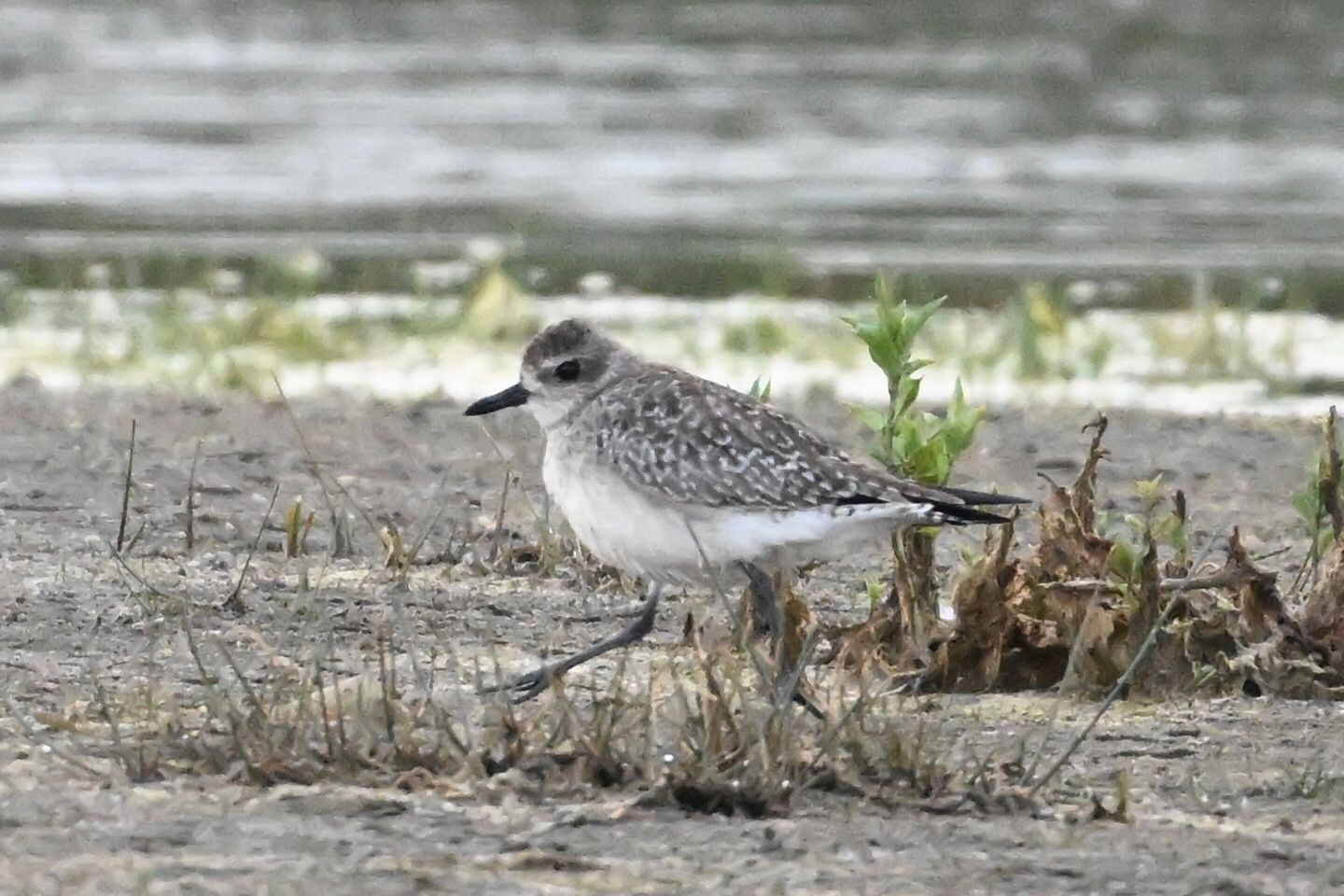
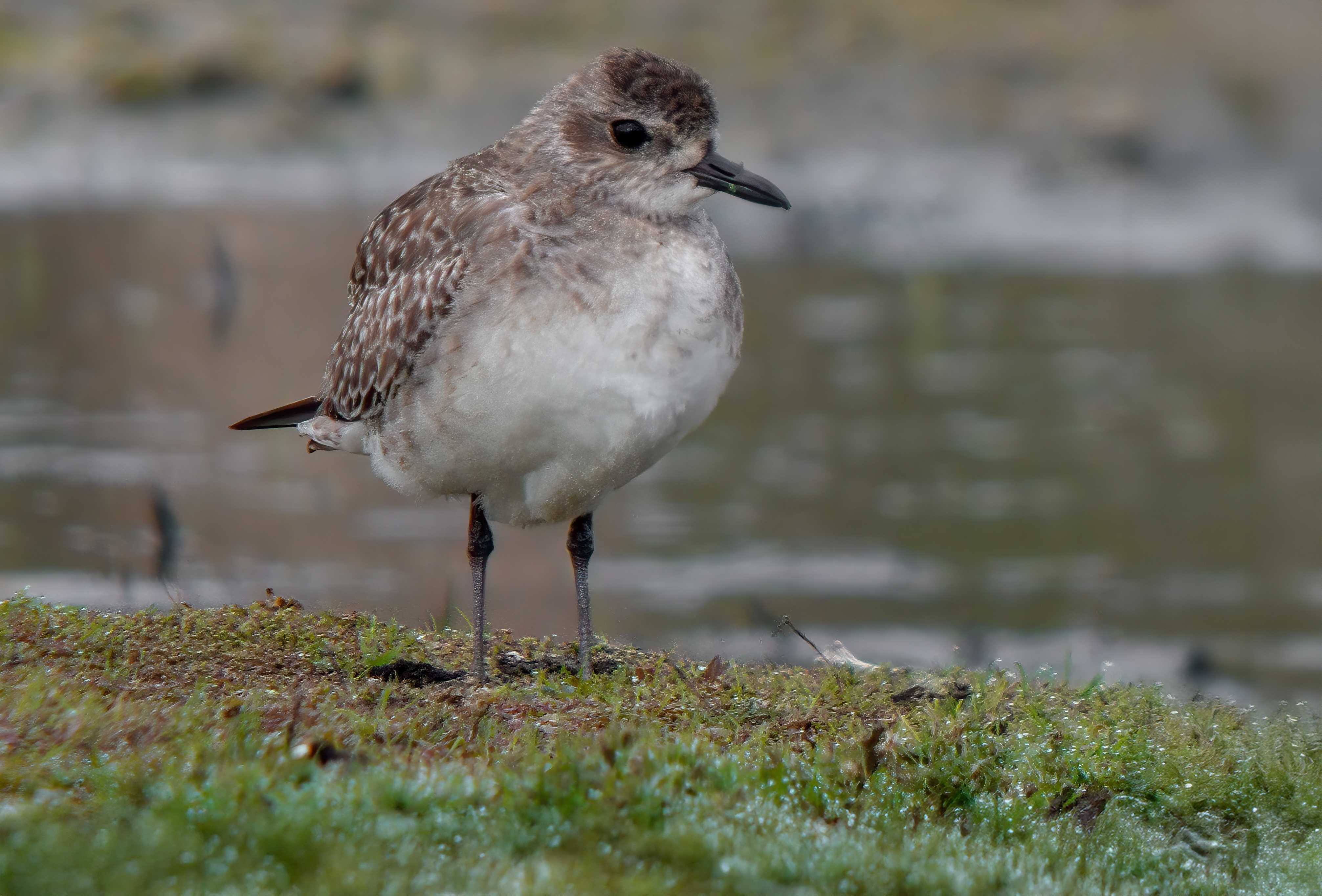
Now a weekly part of the spring furniture, it seems, the former locality kicked off with two Avocets on 18th, while two arrived for a short stay at Clifford Hill GP on 22nd and two were even briefer in their visit to Pitsford Res, where they circled fleetingly before heading high south, on 24th. Away from the Nene Valley waders are notoriously hard to come by at this time of the year, so for Lilbourne Meadows NR to dish up the year’s first Grey Plover on 23rd was a feather in its cap, so to speak.
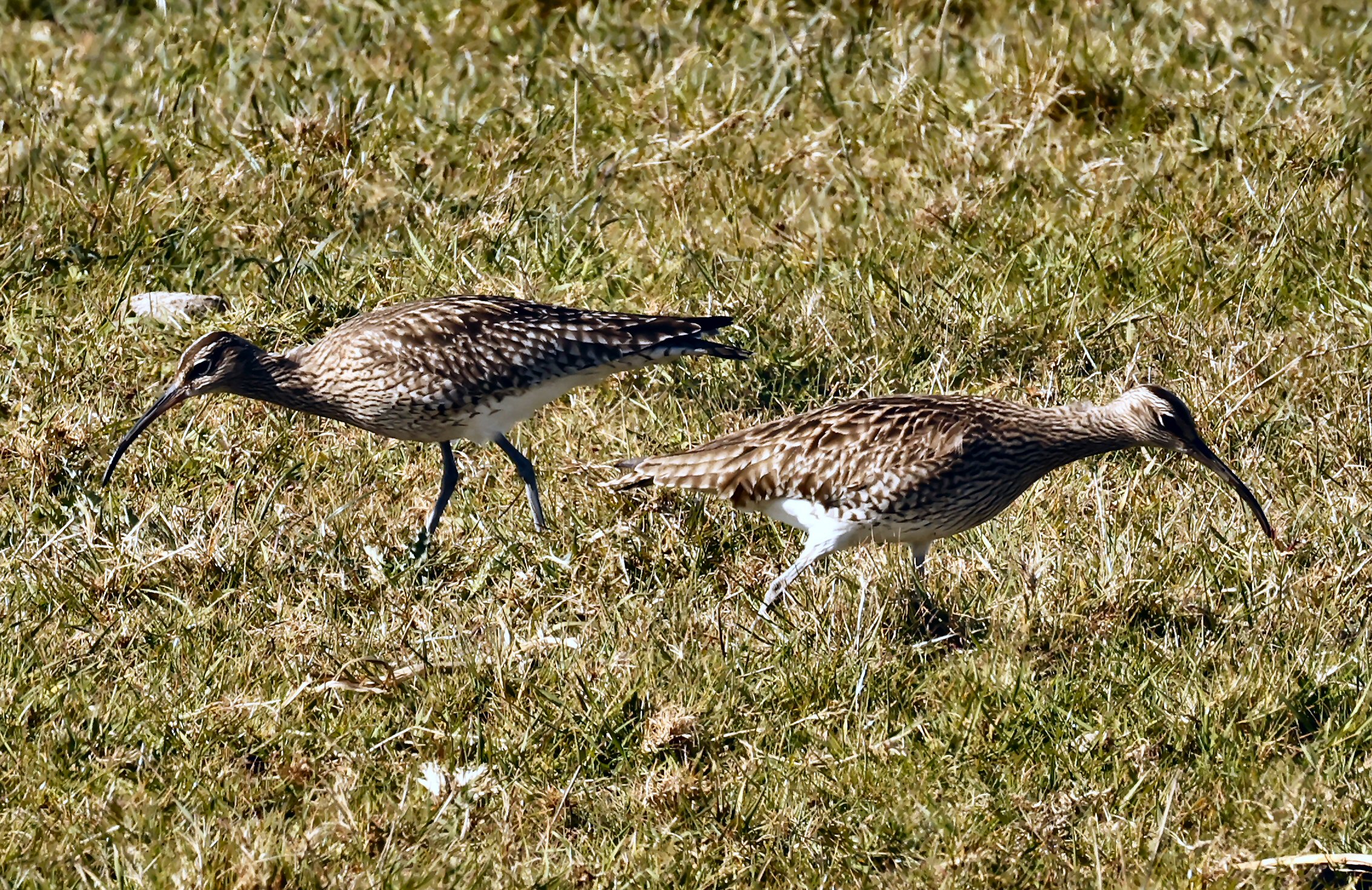
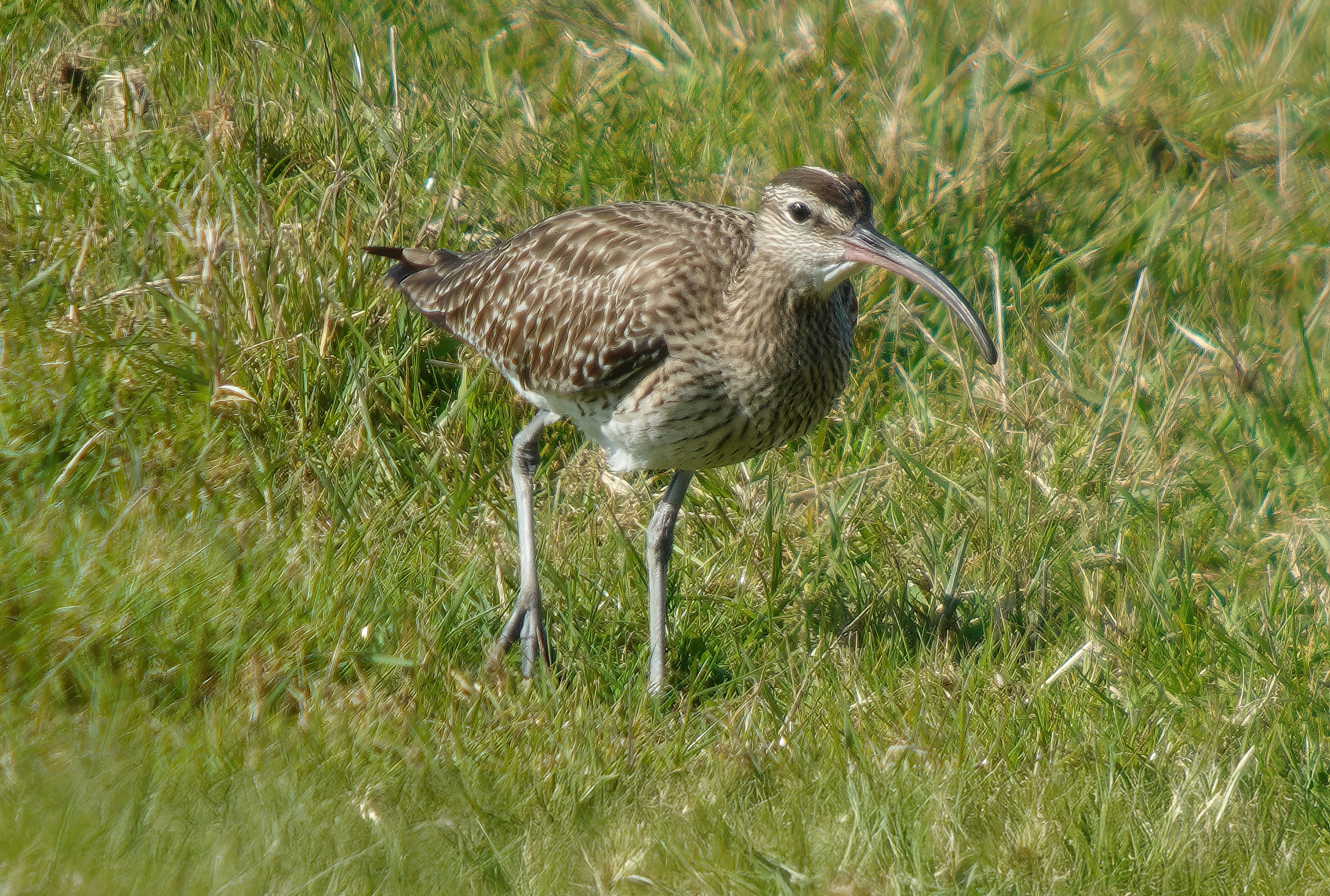
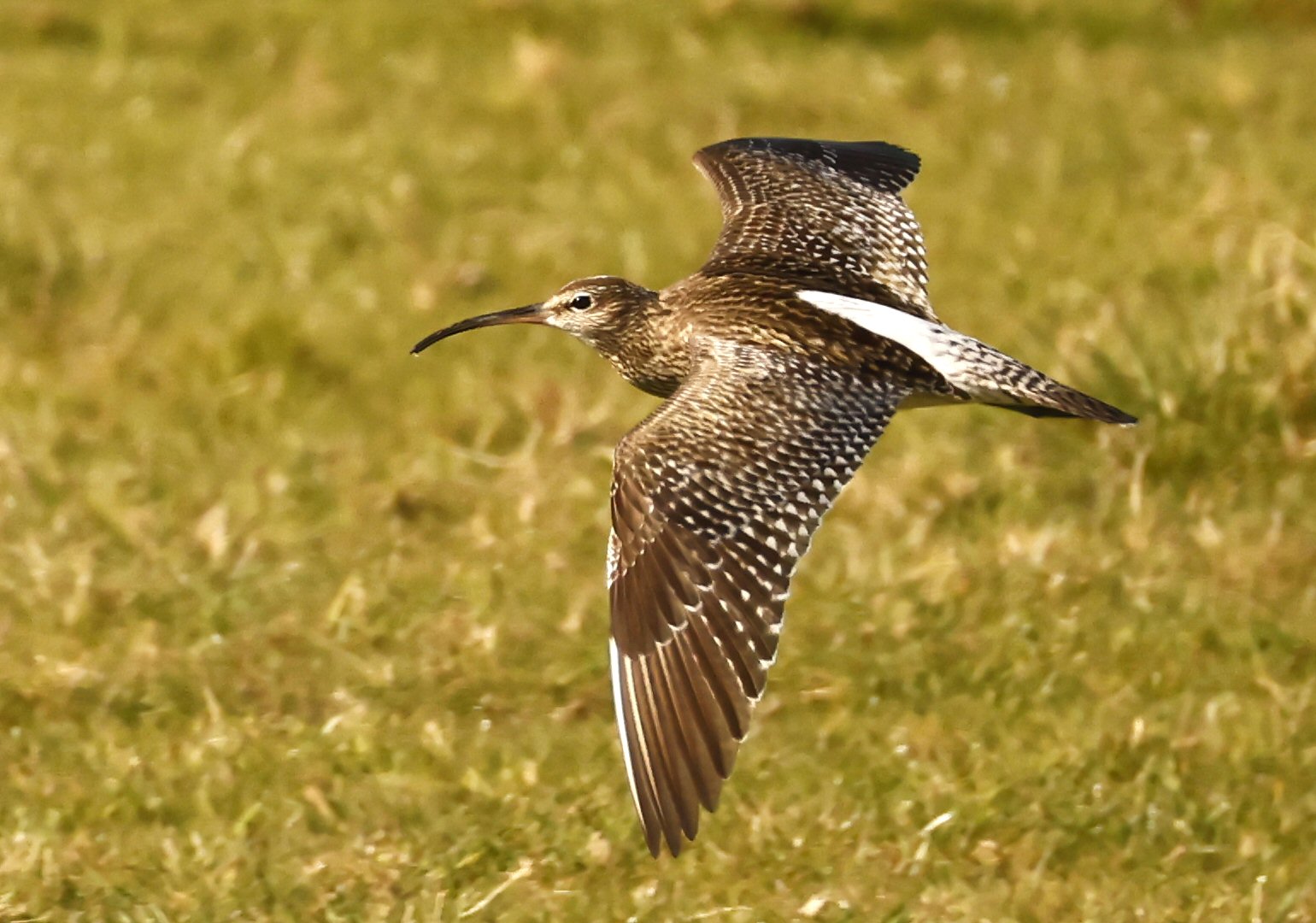
The wader rush continued with the presence of Whimbrels expanding to five localities as well as an uptick in numbers. Clifford Hill was the place to be, with last week’s single bird being joined by another from 18th to 20th, a third on 21st-22nd and the number increasing to six on 23rd before falling back to three on the last day of the period. Smaller numbers elsewhere included three on 21st at Summer Leys, where there was also one on 24th, while single birds were also at Earls Barton GP’s Hardwater Lake on 20th and 24th, New Workings (South) on 21st-23rd, Thrapston GP’s Titchmarsh NR on 21st and 23rd and on floodwater by the canal at Braunston on 22nd.
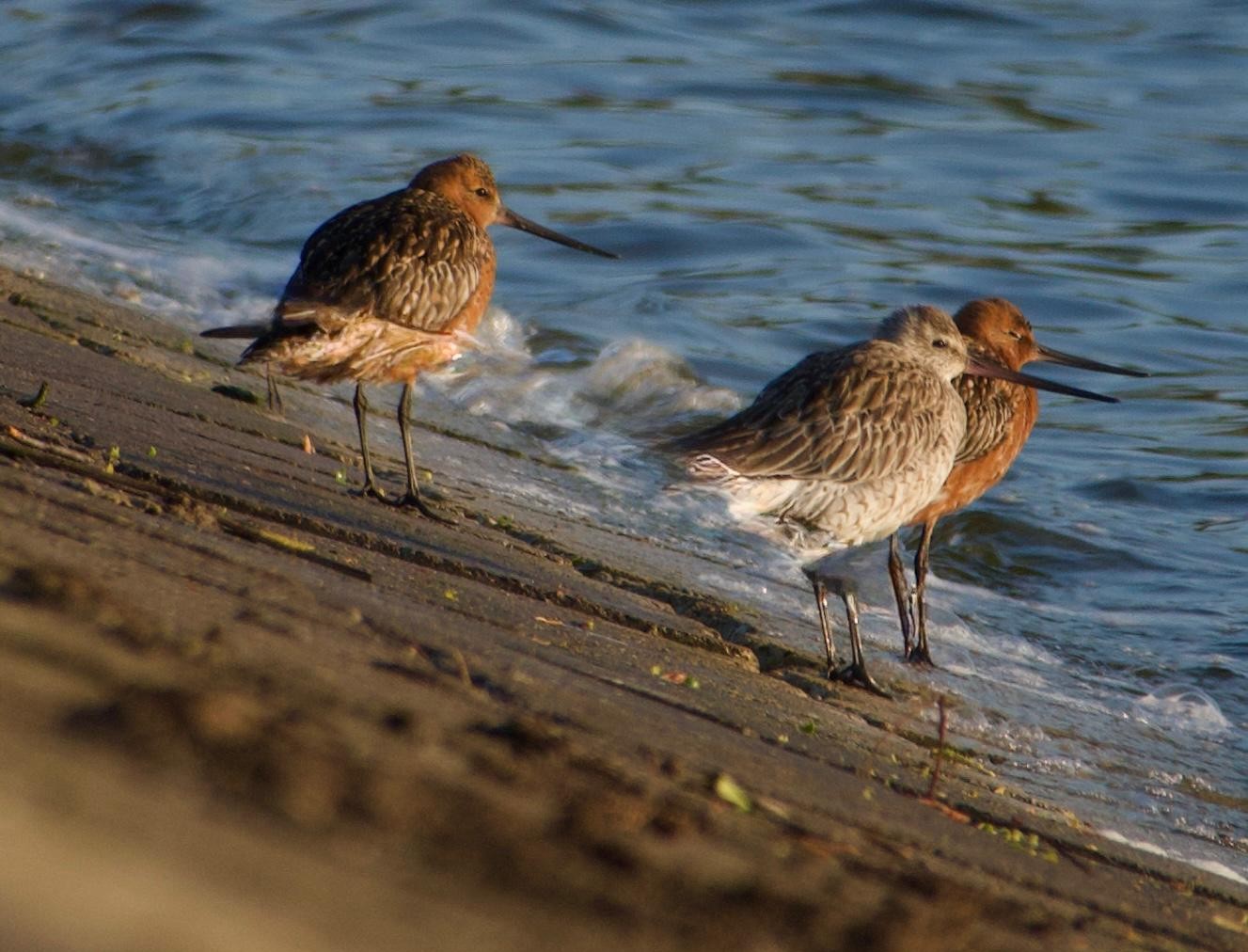
Bar-tailed Godwits joined the procession with numbers peaking at six at New Workings (South) on 22nd – following one there on 21st – and five at Clifford Hill GP on the first of these two dates. One remained at Summer Leys from 20th until 24th, two lingered at Stanwick GP from 21st until 24th with two more flying over there on 22nd, one was at Titchmarsh NR on 21st, followed by two flying over there on 23rd and three paid a brief visit to Stanford Res on 22nd.
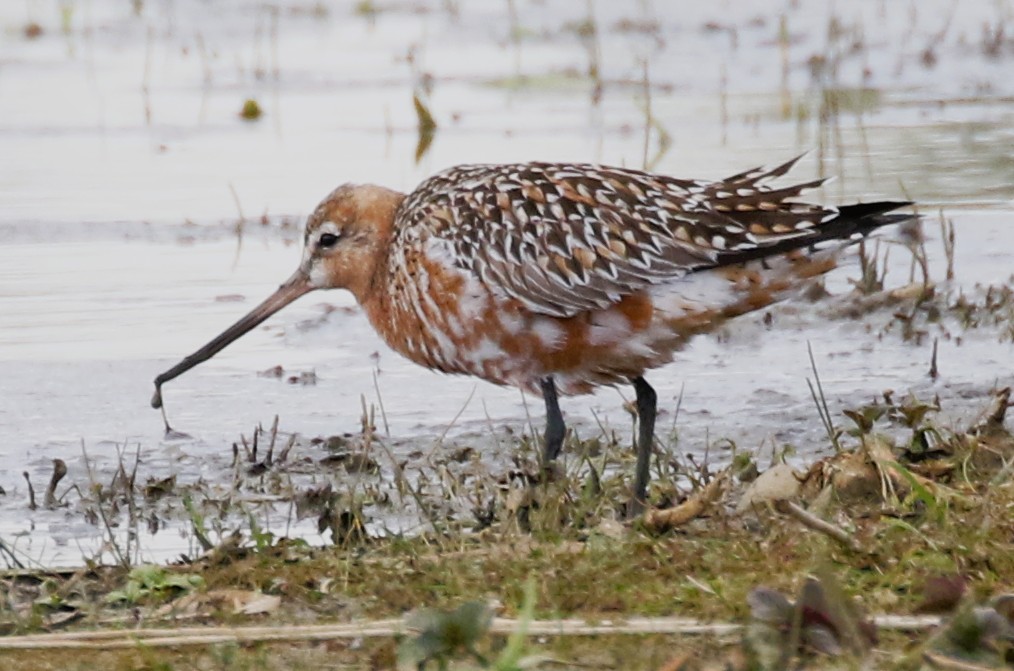
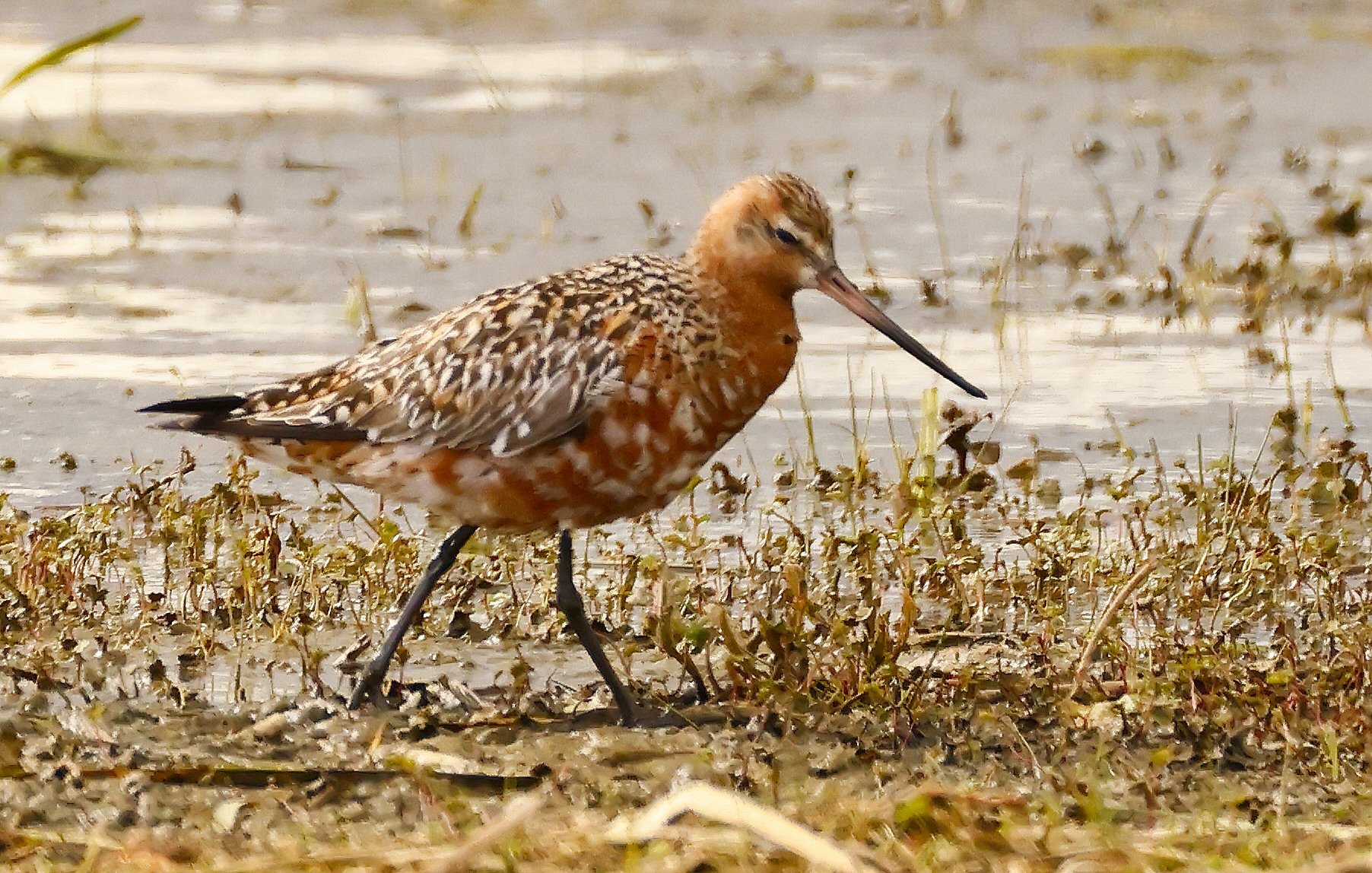
By stark contrast, four Black-tailed Godwits were at New Workings (South) on 23rd with likely the same four appearing at Summer Leys the following day. Two Ruffs also visited New Workings (South) on 23rd-24th. The latter site also accounted for the first Wood Sandpiper of the year, on 22nd, while further singles were found at both Clifford Hill GP and Summer Leys on 24th.

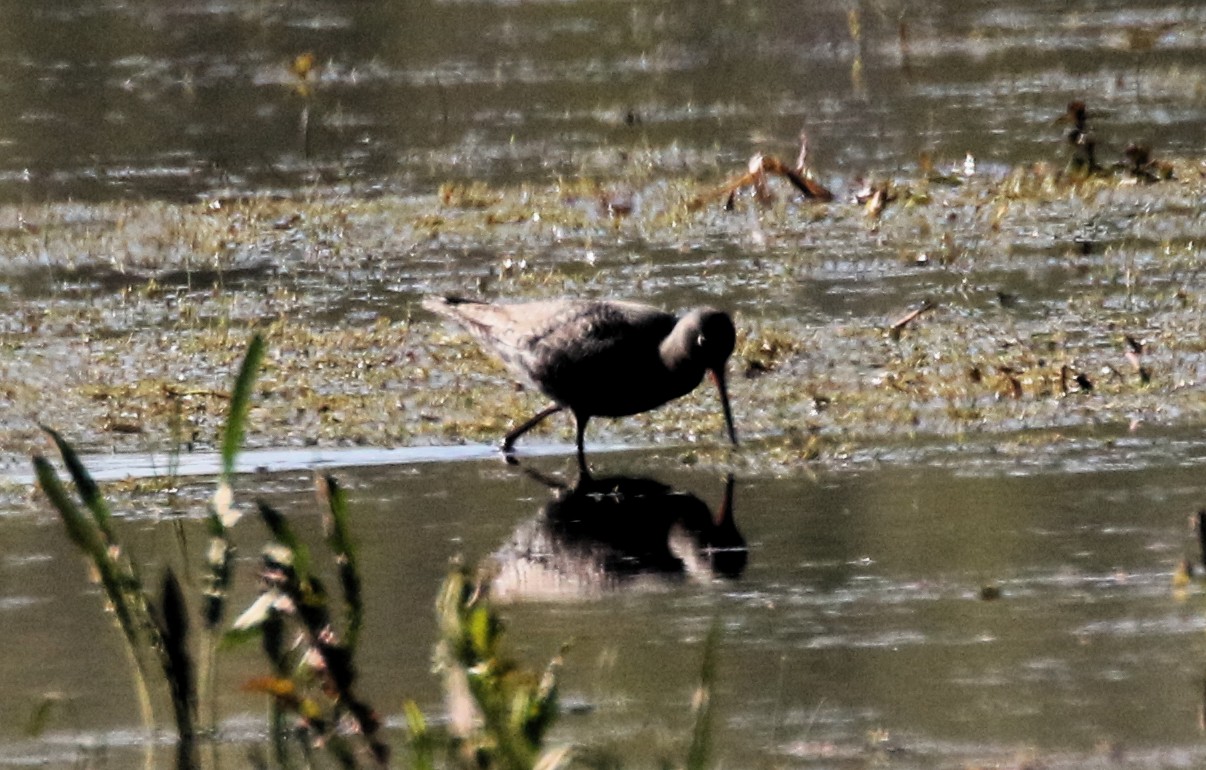
And New Workings (South) dished up a fine, summer plumaged Spotted Redshank on 23rd and 24th, which then moved only a stone’s throw to nearby Hardwater Lake on the latter date. Now considered a local delicacy, long gone are the days when numbers of Spotted Redshanks reached double figures persisting into late autumn in the outstanding wader-filled Scaldwell Bay at Pitsford Res …
Numbers of Greenshanks also ramped up, Summer Leys producing five on 24th, Stanwick held on to two on 23rd-24th, while singles were found at Titchmarsh NR on 18th-19th and 23rd, floodwater near Oundle on 19th, New Workings (South) from 21st to 24th, Lilbourne Meadows on 22nd and Clifford Hill on 24th.

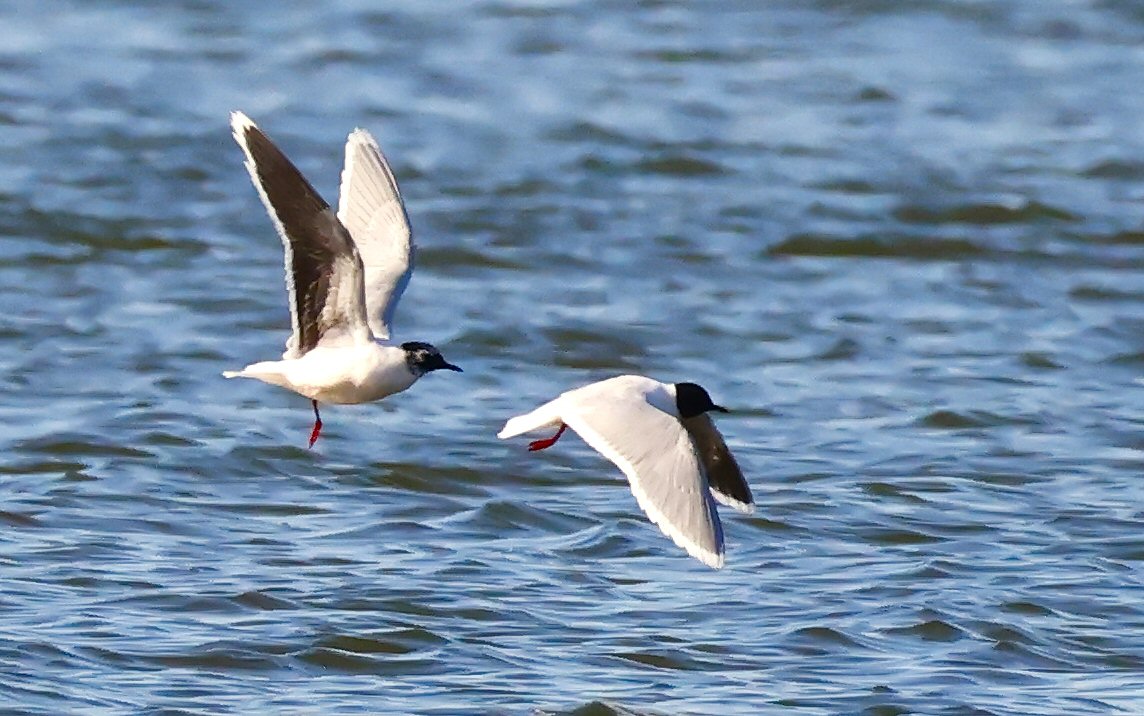
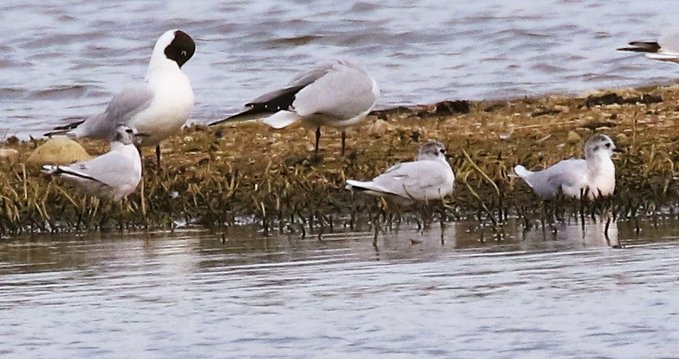
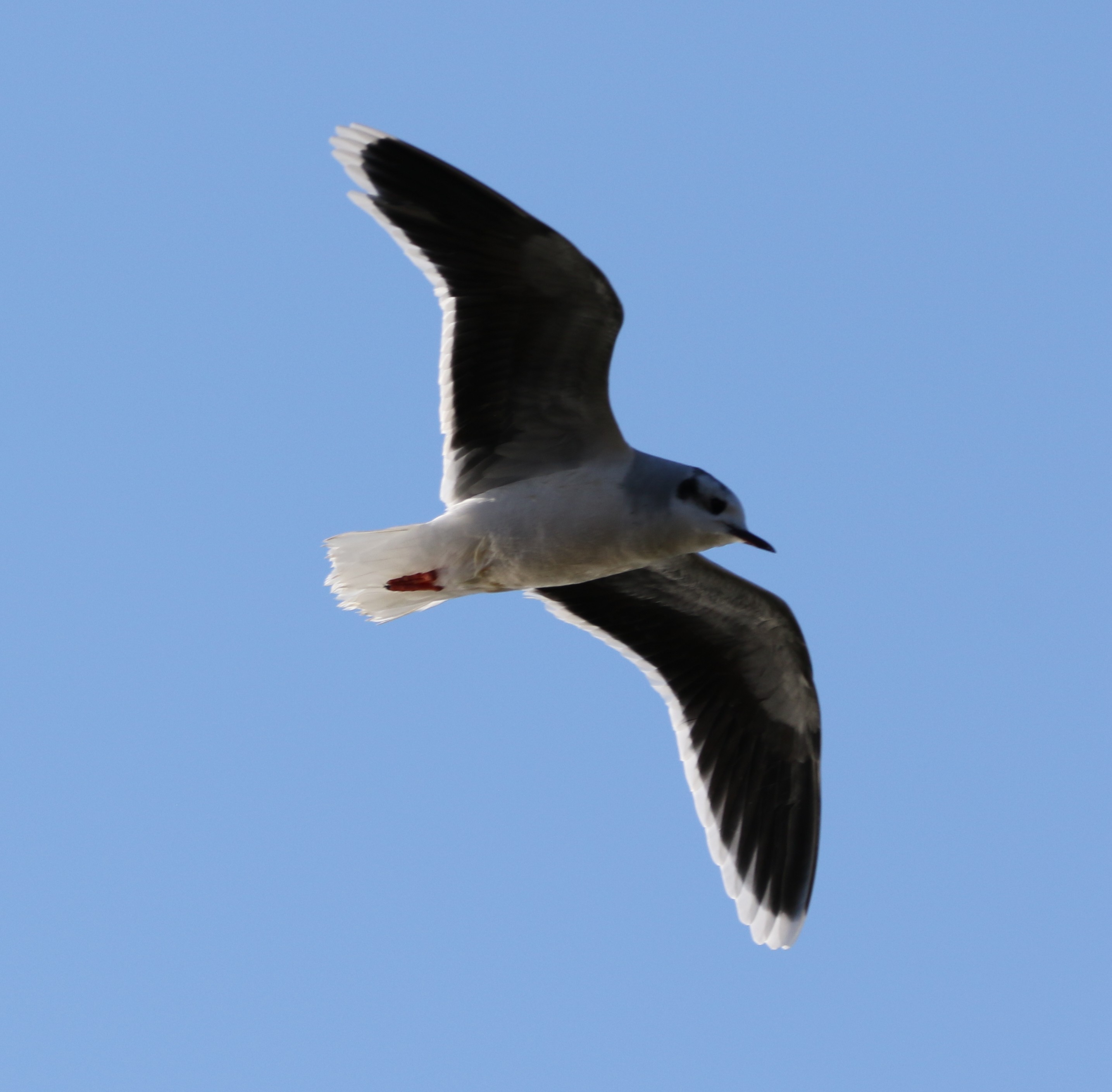
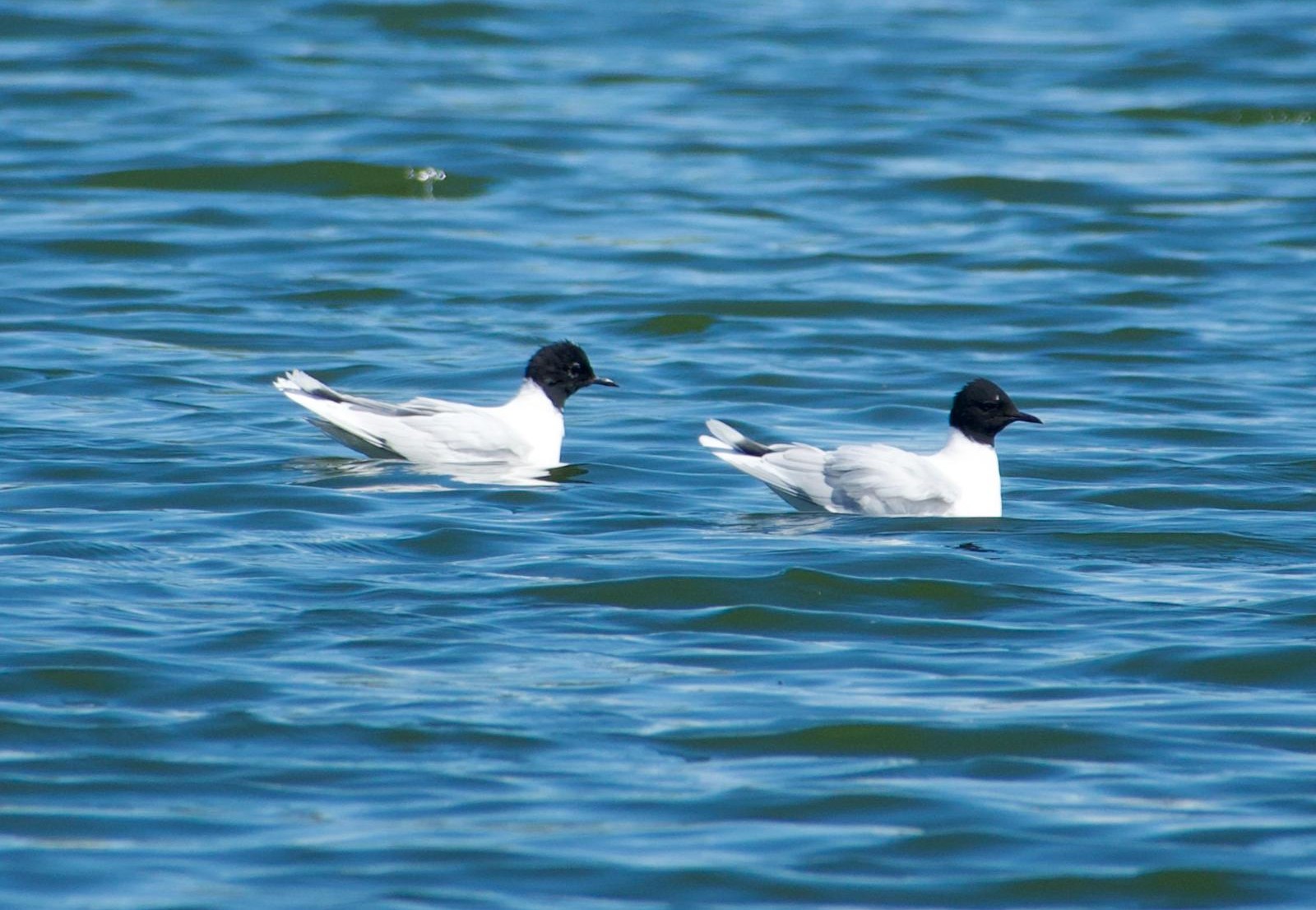
Not restricted to the chain of Nene Valley wetlands and a classic feature of spring is the passage of iconic Little Gulls through the county. We got our first taste of the year this week on 21st, when a first-summer appeared at Titchmarsh NR, followed the next day by at least five at Pitsford, five at Ravensthorpe Res, two at Daventry CP and two at Stanford. More to come, no doubt.
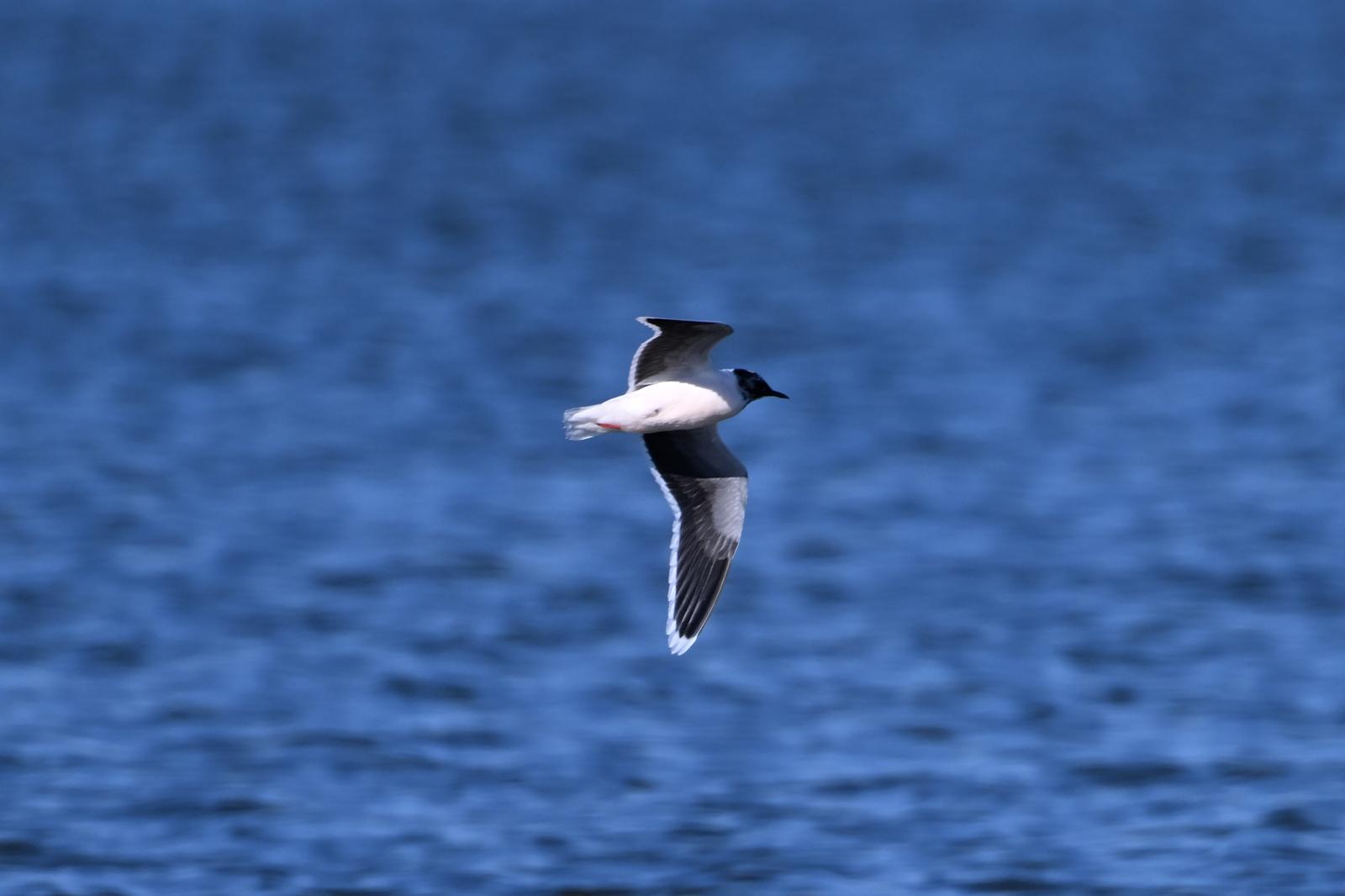
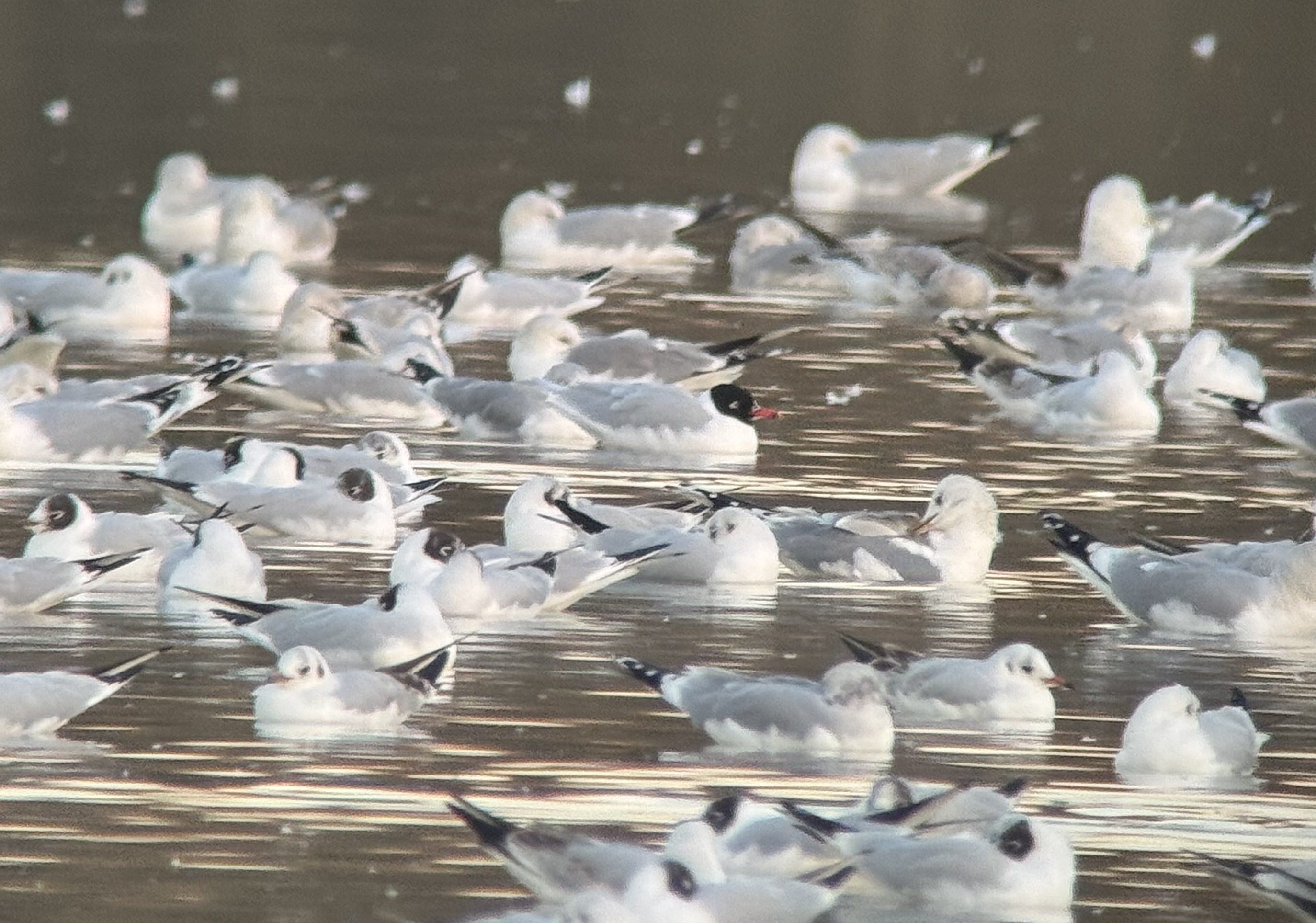
Mediterranean Gulls continued to be found, with two adults at Titchmarsh NR on 18th, two at Summer Leys on 19th, followed by one at the latter locality on 22nd. A ‘second-year’ Caspian Gull continued to be reported from Clifford Hill from 20th until 24th, while a first-summer visited Summer Leys on the last of these two dates.

The number of Arctic Terns this week was notably down on the week before with just two flying east at Clifford Hill on 19th and two at Summer Leys on 24th.

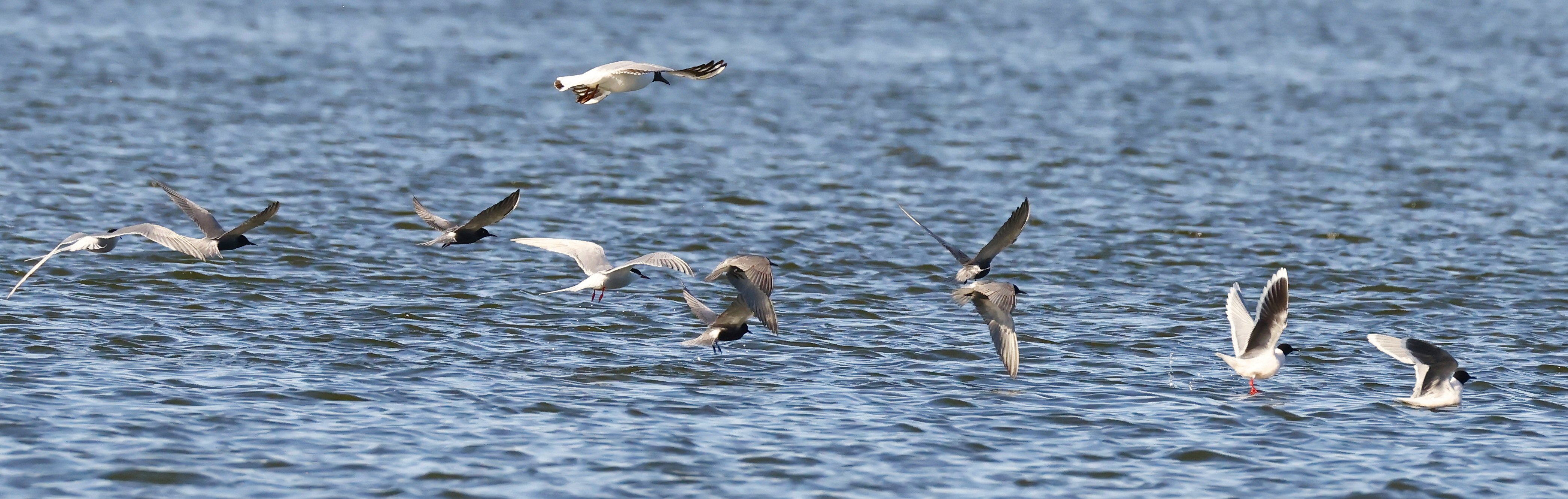
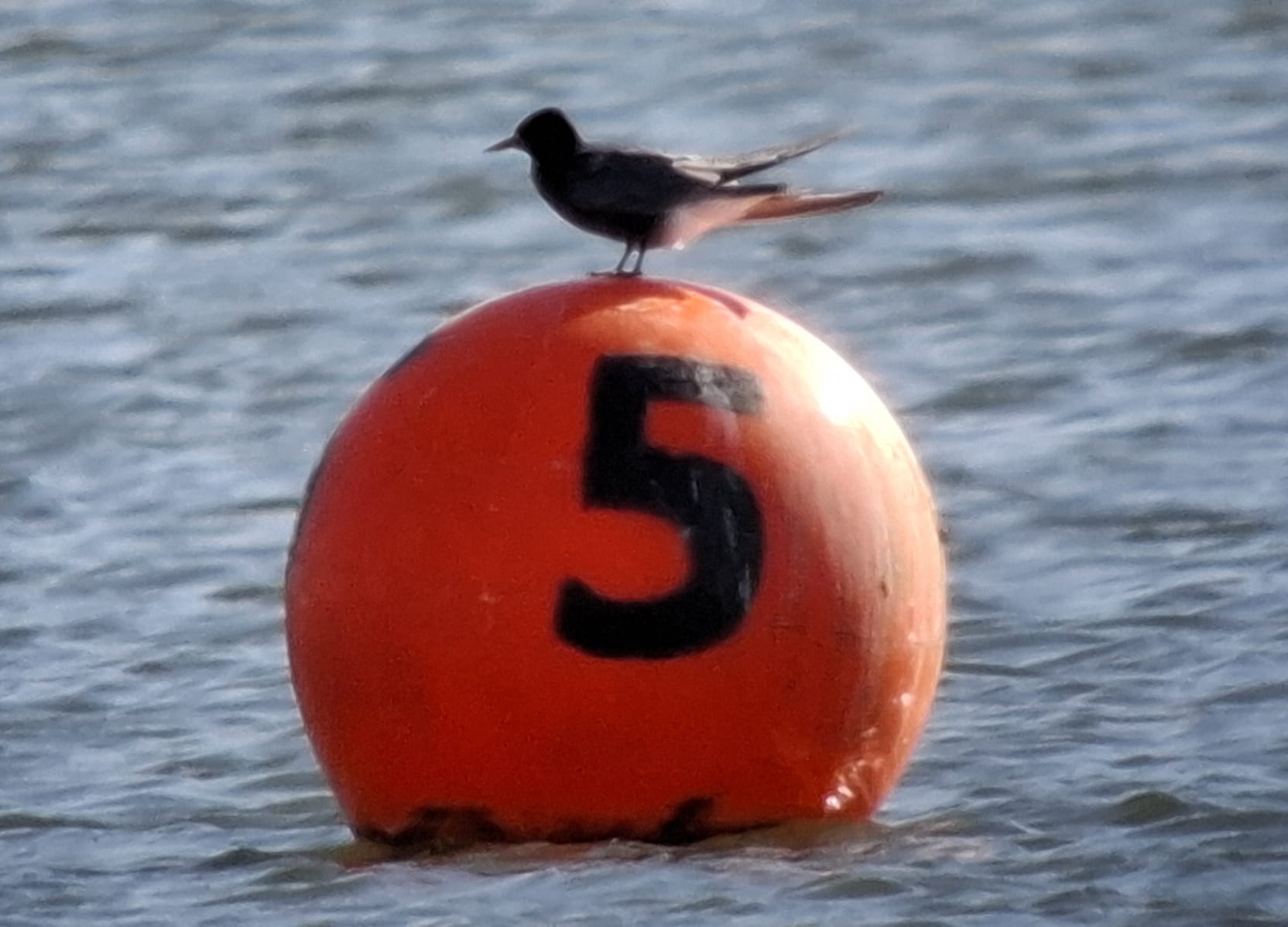
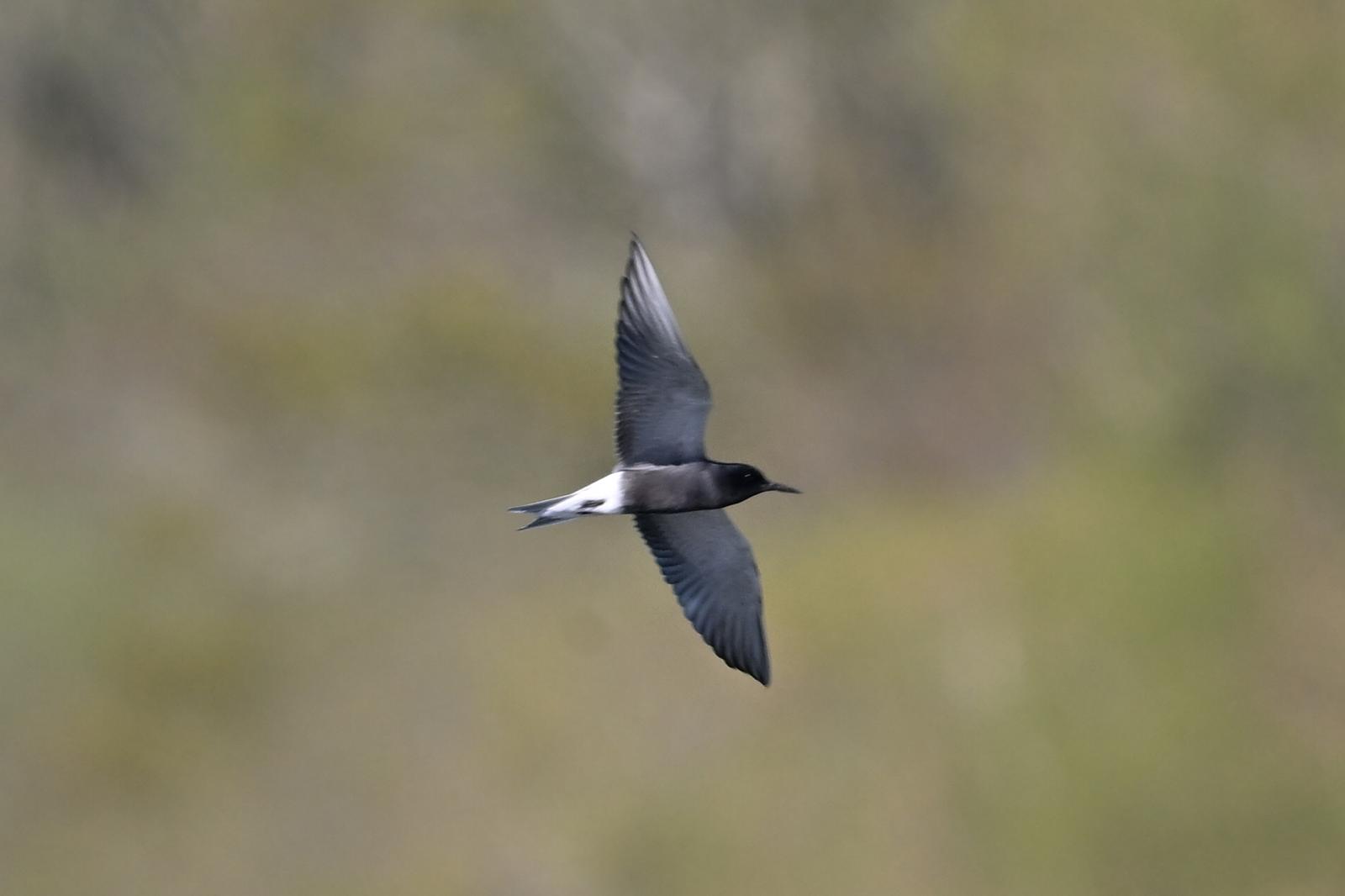
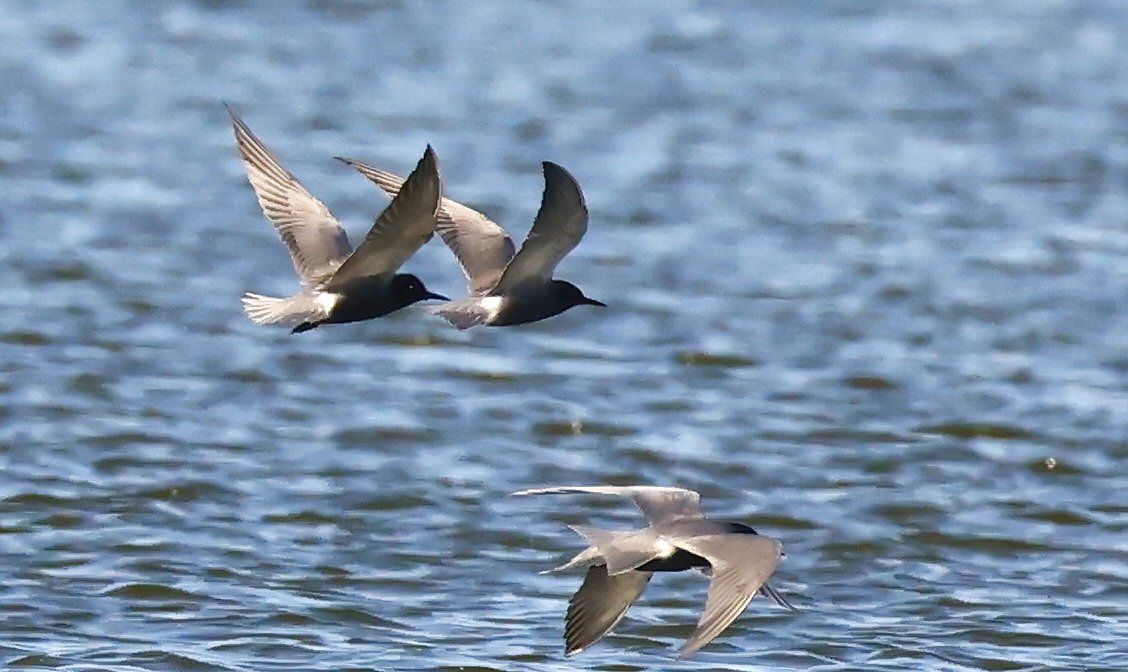
And following the aforementioned first arrivals on 23rd, numbers of Black Terns were set to quickly ramp up the next day when seventeen were together at Pitsford, two separate flocks of ten and eight, divided in time, at Ravensthorpe, twelve were at Boddington Res and four visited Summer Leys.
Vying for resident status, the Glossy Ibis remained in the immediate area of Summer Leys throughout.

With up to two at Titchmarsh during the week and one at New Workings (South) on 23rd, Bitterns were again in evidence during the period and, with numbers appreciably up on last week, three Cattle Egrets visited Summer Leys on 19th and seven were at Stanwick on 21st.

On the raptor front, two Ospreys flew north-west over New Workings (South) on 18th, while singles were seen over Islip also on 18th, Pitsford and Earls Barton on 21st, Titchmarsh on 23rd and at Hollowell Res on 23rd-24th. Just one Marsh Harrier made it into the week’s proceedings when one flew west over Stortons GP on 19th.

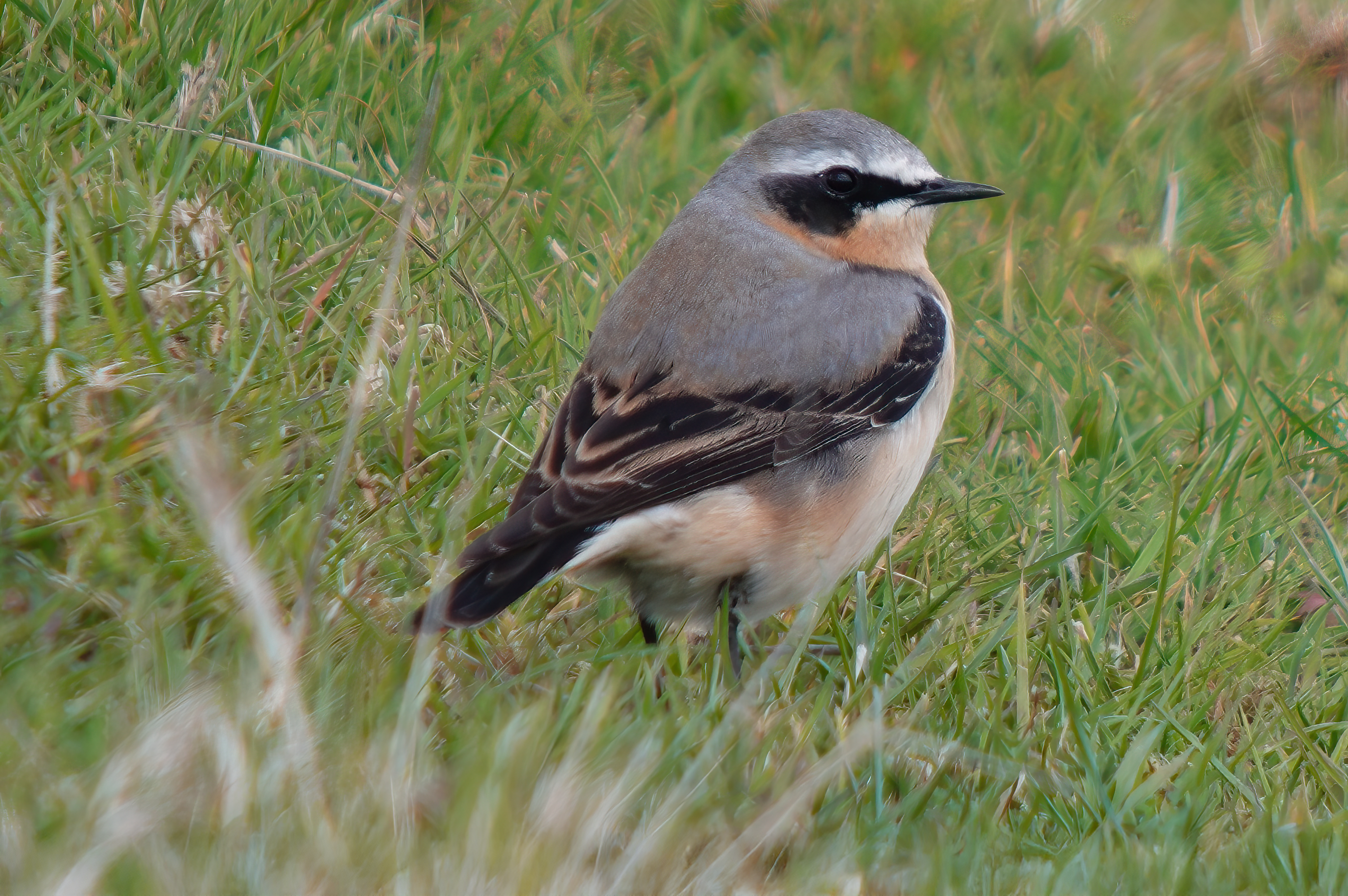
And passerines? In what has turned out to be a spring of plenty, Northern Wheatears were on a roll with reports from seven localities, the highest counts from which were ten in the Brampton Valley on 20th, eight at Clifford Hill, seven at Harrington AF and four at Blueberry Farm, Maidwell on 19th, and twos at Earls Barton GP on 18th, between Earls Barton and Ecton on 19th and at Thrapston GP on 20th.
Clifford Hill produced the week’s White Wagtails with five there on 19th and one on 21st.

And a male Crossbill was at Gamboro Plantation in the Brampton Valley on 19th.

Newsround – 29th March to 4th April 2025

After the driest March since 1961, April continued in the same vein, kicking in with a lingering spell of high pressure and a hearty dose of easterlies. These near-perfect conditions resulted in a decent number of migrants, including a hefty passage of Little Gulls and another dollop of firsts for the year.

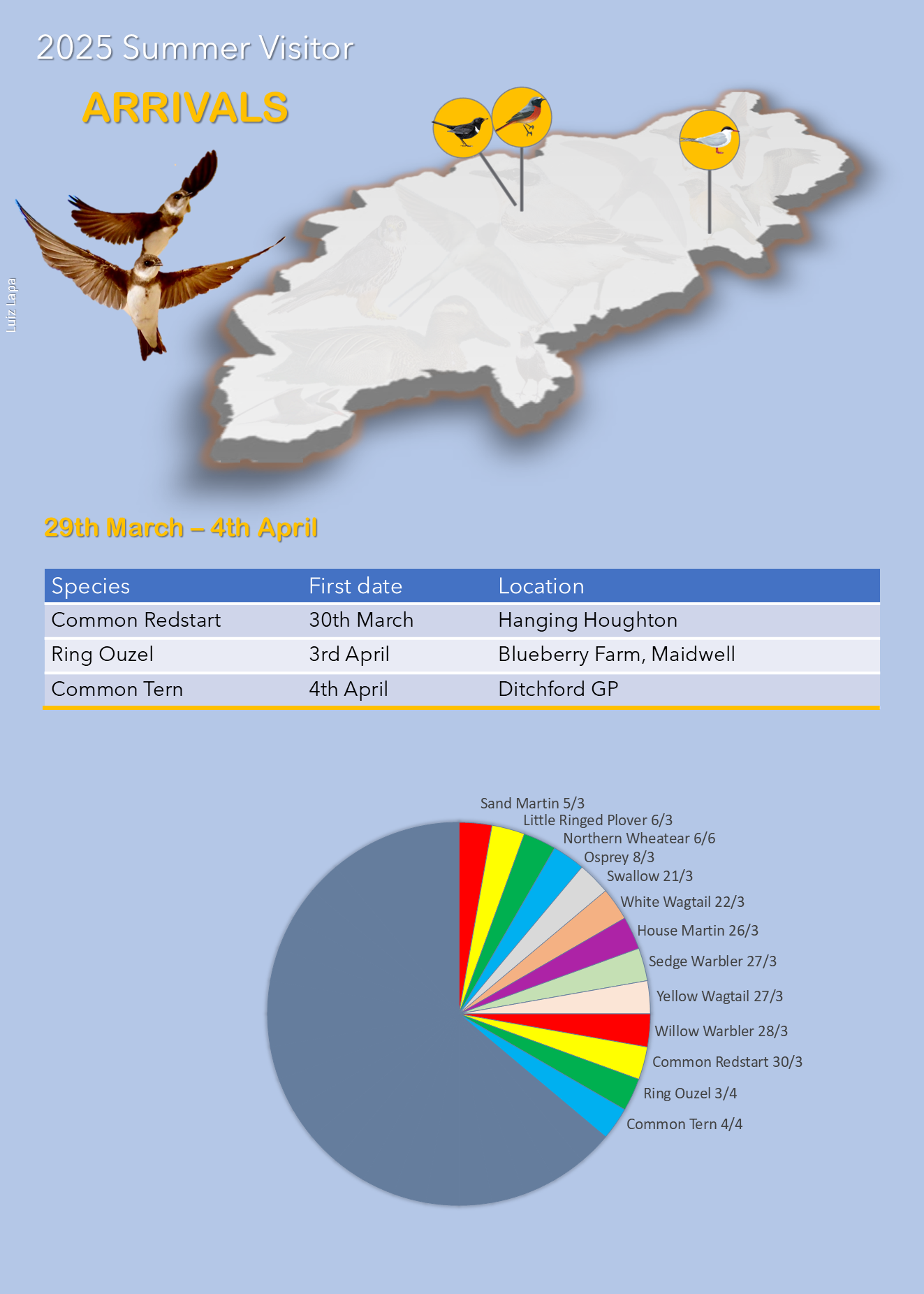
The week’s new-in summer visitors kicked off with a smart male Common Redstart on day 2, followed by a Ring Ouzel on day 6 and Common Tern on the final day of the week.

Otherwise, it was a week of unsurprisingly diminishing returns as far as wildfowl were concerned, with the long-staying Pink-footed Goose still in the Cogenhoe Mill/Earls Barton GP area until at least 3rd, the drake Red-crested Pochard still in the same vicinity on the River Nene until 1st and the first-winter female Greater Scaup hanging on at Blatherwycke Lake until at least 29th.

After two flyover records in the first half of March, Common Cranes were again on the radar this week as a group of four flew south over Whitfield, in the deep south of the county, on the last day of the period. One on the ground would surely prove itself extremely popular …

In terms of number of species, the week’s waders widened out to include the year’s first Grey Plover at Clifford Hill GP, for one day only, on 3rd. Avocets were again to be found at three Nene Valley localities, Thrapston GP’s Titchmarsh NR delivering two on 30th while, on 3rd, two visited Clifford Hill GP and Earls Barton GP dished up six.

Black-tailed Godwits were the sole preserve of Summer Leys LNR, where one lingered from last week until 30th, the number then swelling to four there from 31st until the week’s end on 4th.

Just one Jack Snipe made it into April, still on site at Hollowell Res on 1st.

Following the previous mini-run of Little Gulls on 21st-22nd March, two appeared at Thrapston GP’s Town Lake on 31st, ahead of three at Pitsford on 3rd, preceding a build-up of numbers across 8 localities the following day. The latter saw site maxima of at least thirty-four at Stanford Res, at least nineteen at Summer Leys, fourteen at Clifford Hill, thirteen at Earls Barton, nine at Stanwick GP, seven at Daventry CP, three at Pitsford and two flying north-east over Irthlingborough. All in all, a great start to April for this diminutive, much admired, pocket rocket of a gull.

Other gulls were, of course, available – only if you were at Pitsford, that is, where a third-winter Caspian Gull was present on 31st, as were up to two Yellow-legged Gulls throughout the period.

And another first for the year was inbound this week in the shape of Common Tern, four of which got themselves noticed at Ditchford GP on 4th.

Still hanging on in there was the juvenile Great Northern Diver, which saw another week out at Pitsford.

Copy that for the Summer Leys Glossy Ibis

Up to five Cattle Egrets were still to be found at Stanwick GP between 29th and 1st, while one put in an appearance by the River Nene at Cogenhoe Mill on the latter date.

The week’s Ospreys were to be seen at five localities and included two over Deene Lake on 29th, singles at Summer Leys on 29th and 4th and at Thrapston on 30th, Hollowell on 31st and Pitsford on 3rd.

The only Marsh Harriers, however, were at Summer Leys on 31st and 2nd.

The Northern Treecreeper, last photographed at Summer Leys on 20th, was reported there again on 30th-31st.

Returning once more to firsts for the year, a male Ring Ouzel was clearly ‘old hat’ for a local patch watcher at Blueberry Farm, Maidwell on 3rd and the first Common Redstart to break cover was a male at nearby Hanging Houghton on 30th, with the second one not far behind it at good old Blueberry Farm again the following day. These were followed by two more males – one in the Nene Valley near Great Doddington and the other at Harrington AF – both on 4th.

Other migrant passerines of note included single Northern Wheatears at Clifford Hill on 29th and 31st with two there on 30th, singles at Harrington on 29th and 31st with two there on 4th, one at Earls Barton on 29th and two at Blueberry Farm on 31st and one there on 3rd.

And in the grey area of the spectrum, two White Wagtails were found at Earls Barton GP on 29th, followed by singles at Lower Barnwell Lock on 30th and Hollowell on 31st.

Newsround – 22nd to 28th February 2025

February, now done and dusted, ended cleanly on the last day of the review period. But even before the first day of meteorological spring was upon us, the county notched up two new spring migrants for the year – well ahead of when we would normally expect to see them …

Aside from these, all of the winter wildfowl appeared to remain settled throughout the week and, although the Pink-footed Goose in the vicinity of Cogenhoe Mill was reported only on day one, the seven White-fronted Geese in the same area were seen almost daily. Away to the north, the county’s other two wintering whitefronts saw another week out at Ravensthorpe Res.

A mere stone’s throw away from the latter locality, the long-standing female Ruddy Shelduck was still present at Winwick Pools on 27th and, as the week progressed, it appears we became awash with Red-crested Pochards. Two made a short stopover at Ravensthorpe on 24th, the same date on which two were also seen at Clifford Hill GP and a drake appeared on the River Nene between Cogenhoe and Whiston on 25th, moving to Earls Barton GP on 27th. Meanwhile, the long-staying female remained at Daventry CP until at least 26th.

With no sign last week of the drake Ring-necked Duck at Thrapston GP – or anywhere else, for that matter – it was back there at Heronry Lake on the last day of the period. Further up the Nene Valley, the year’s third Greater Scaup, an advanced first-winter drake, was found at Summer Leys LNR on 23rd before relocating to adjacent Mary’s Lake on 25th, where it remained until at least the following day. Further north, the first-winter female remained at Blatherwycke Lake until at least 23rd.

The drake Smew chose to bide its time all week at Clifford Hill GP.

Fronting this week’s waders was a first for the year in the shape of a very early migrant Avocet at Summer Leys, first thing on 26th. But its stay was brief, moving on in haste as soon as the rainclouds lifted … Aside from this, two Jack Snipes were at Barnes Meadow NR on 22nd followed by up to two at Hollowell Res between 25th and 27th, while the wintering Common Sandpiper once more raised its head at Earls Barton GP’s New Workings (South) on the last of these two dates.

Another early bird – and the second new one for the year this week – was an adult Little Gull that clearly found Ravensthorpe to its liking, making an extended stay of five days between 23rd and 27th, during which it proved a popular draw.

Otherwise, scarce larids were well down in numbers with just two adult Mediterranean Gulls appearing in the gull roost at Boddington Res on 28th – another sure sign of spring movement – and a first-winter Caspian Gull at Hollowell Res on 25th.

Meanwhile, the Summer Leys Glossy Ibis extended its five-month stay by another week …

A Cattle Egret also appeared at Summer Leys on 23rd and three were again in the vicinity of Stanwick GP’s North Lake two days later, on 25th.

With nothing to shout about on the raptor front, single Short-eared Owls – most likely just the one – were again on private land near Blueberry Farm, Maidwell on 22nd-23rd and at the adjacent site that is the Brampton Valley, between Cottesbrooke and Hanging Houghton, on 27th-28th, where a Merlin was also reported on 27th.

And it was left to Stonechats to prop up this week’s passerines, with Earls Barton producing the highest count of six on 27th, while Hollowell mustered five, Borough Hill two and Harrington AF one.