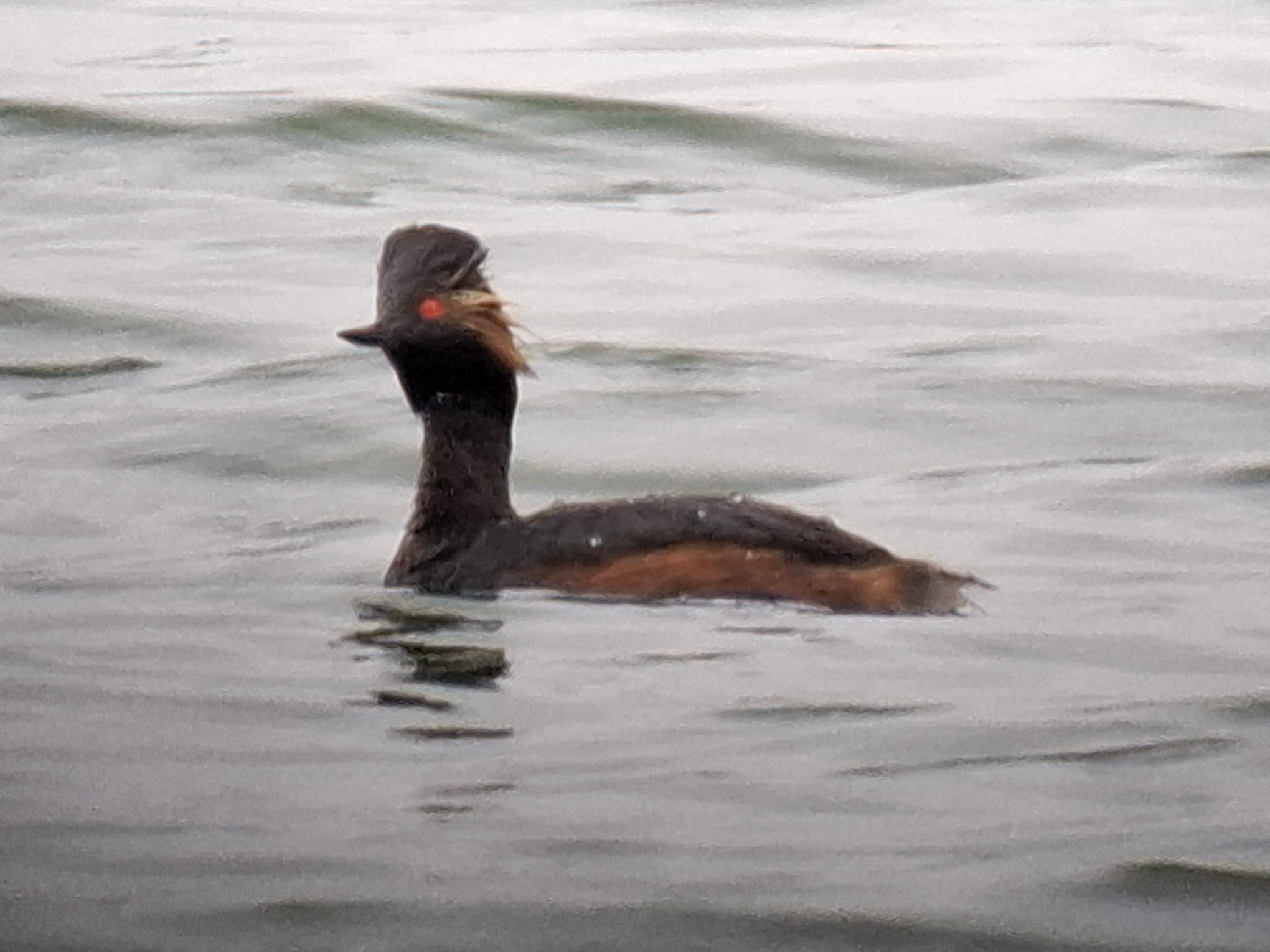
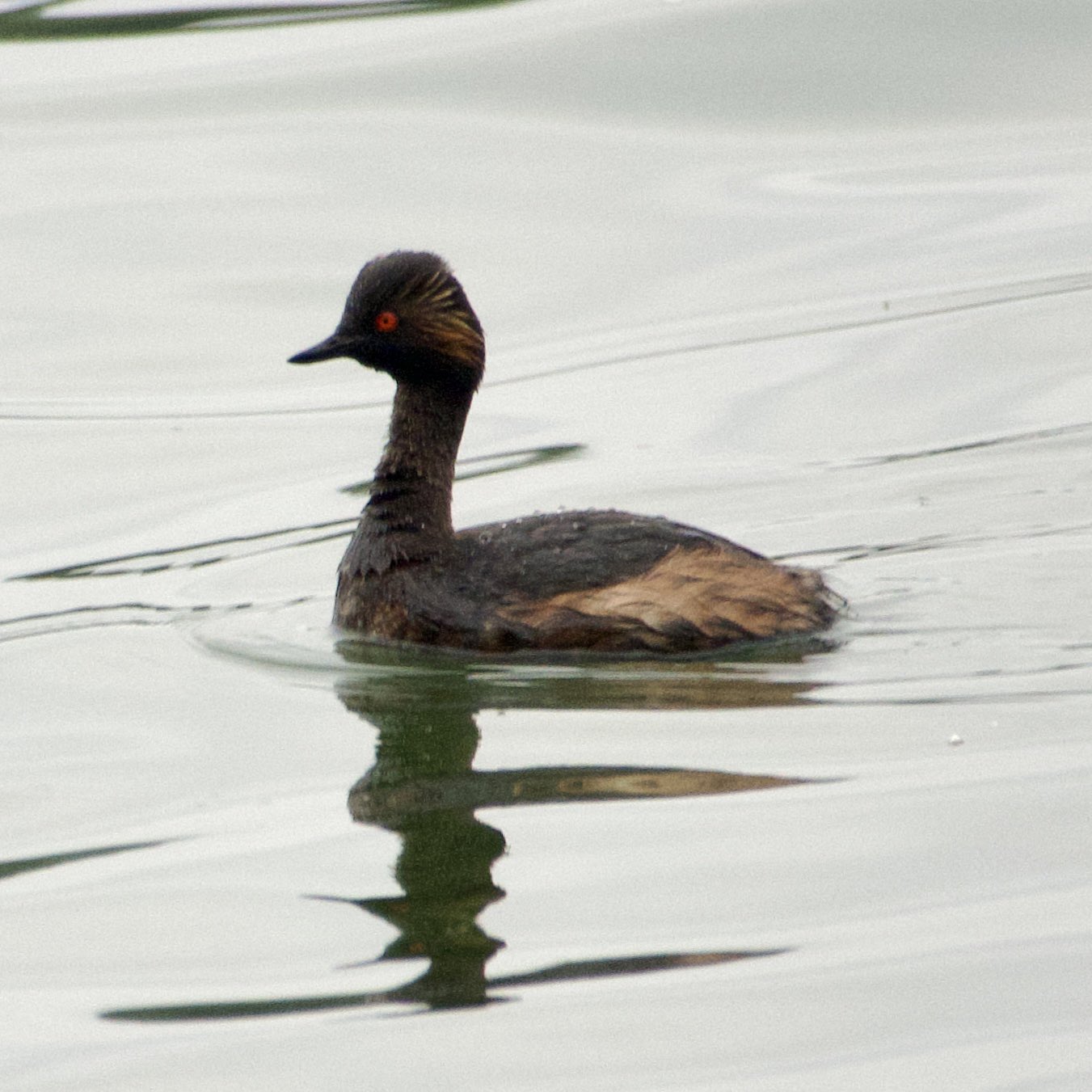
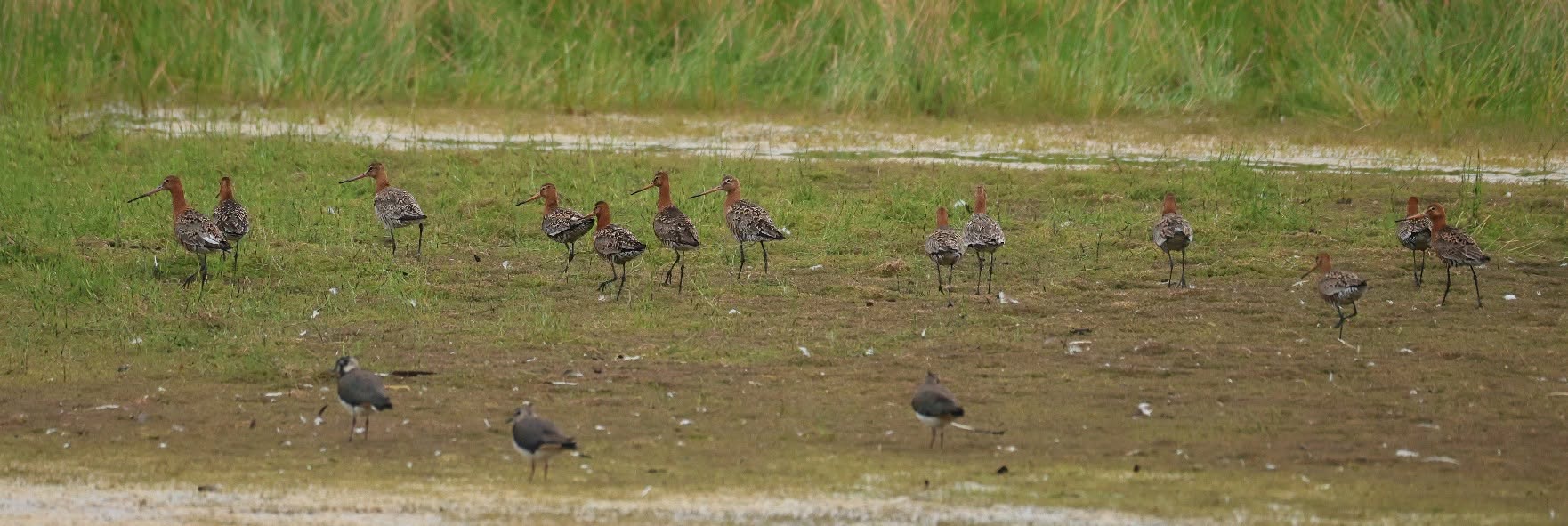
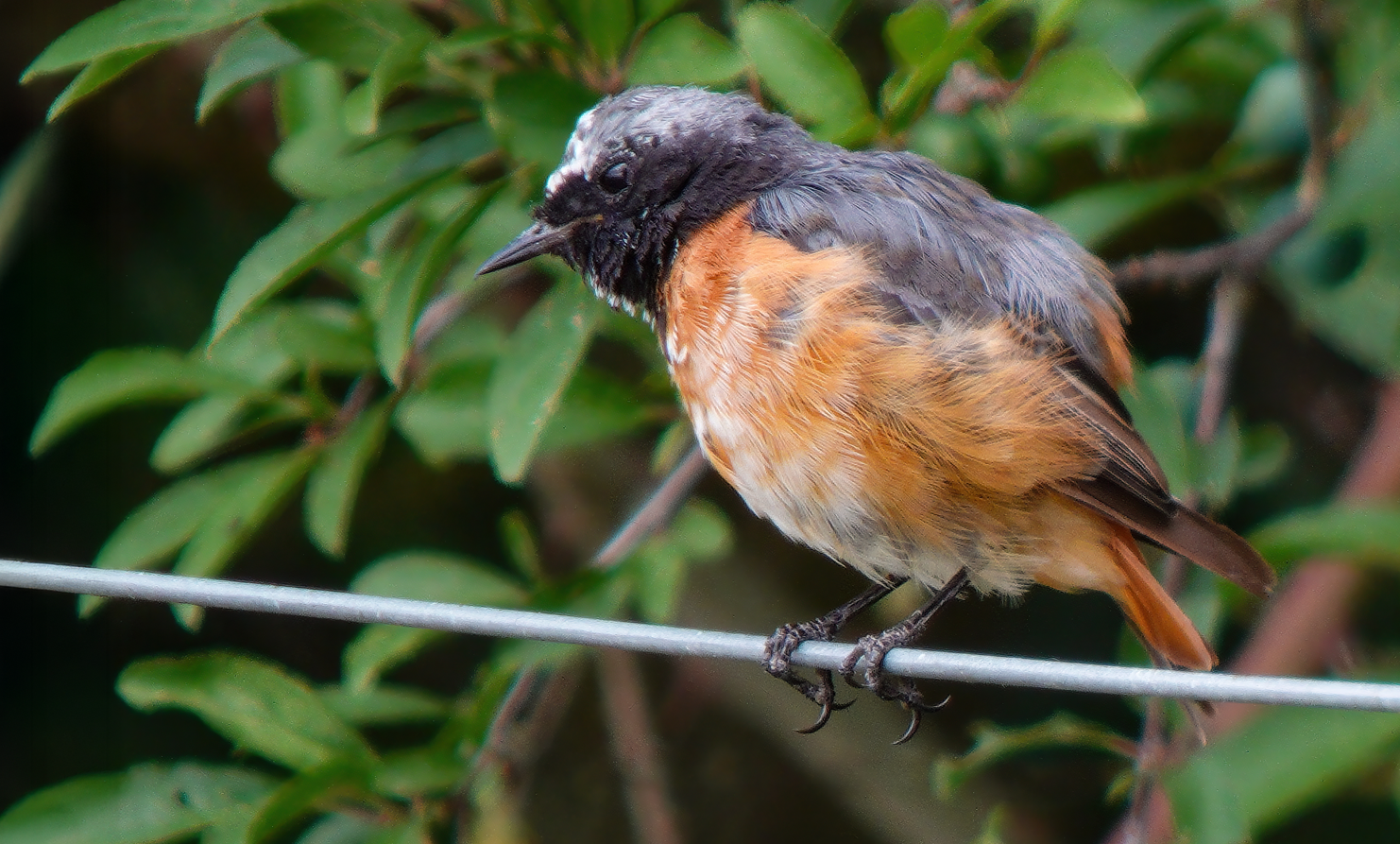
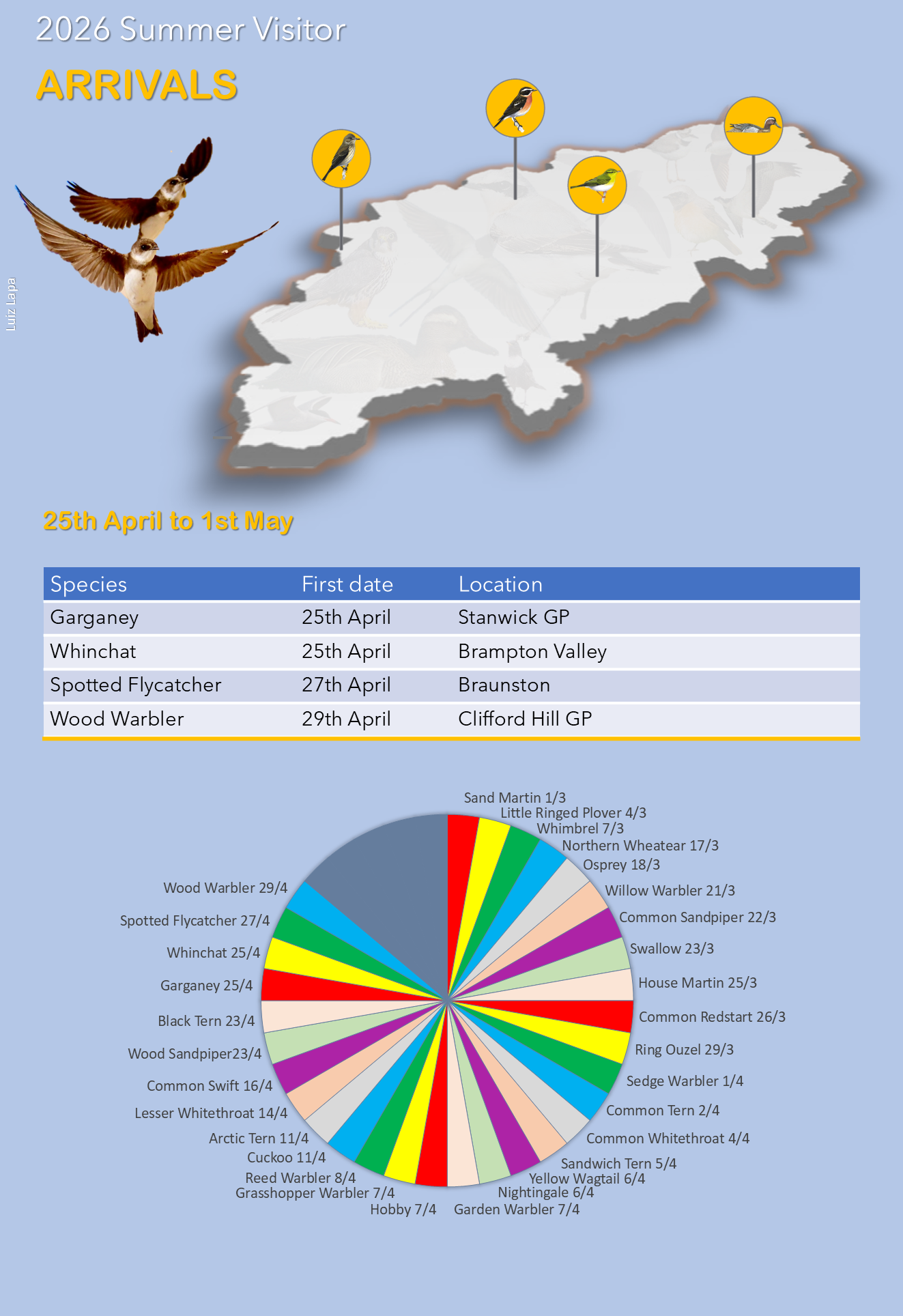
Newsround 25th April to 1st May 2026

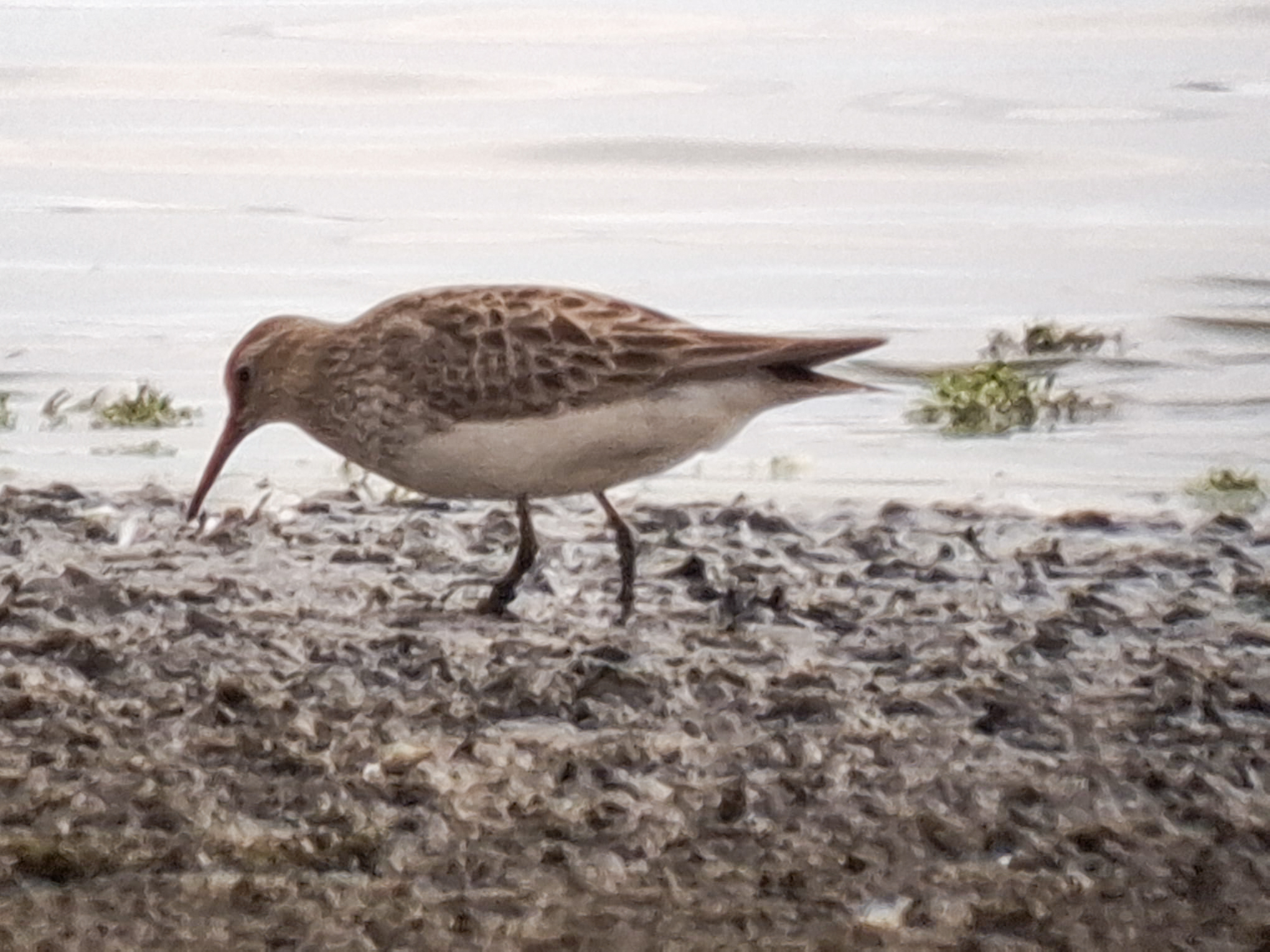
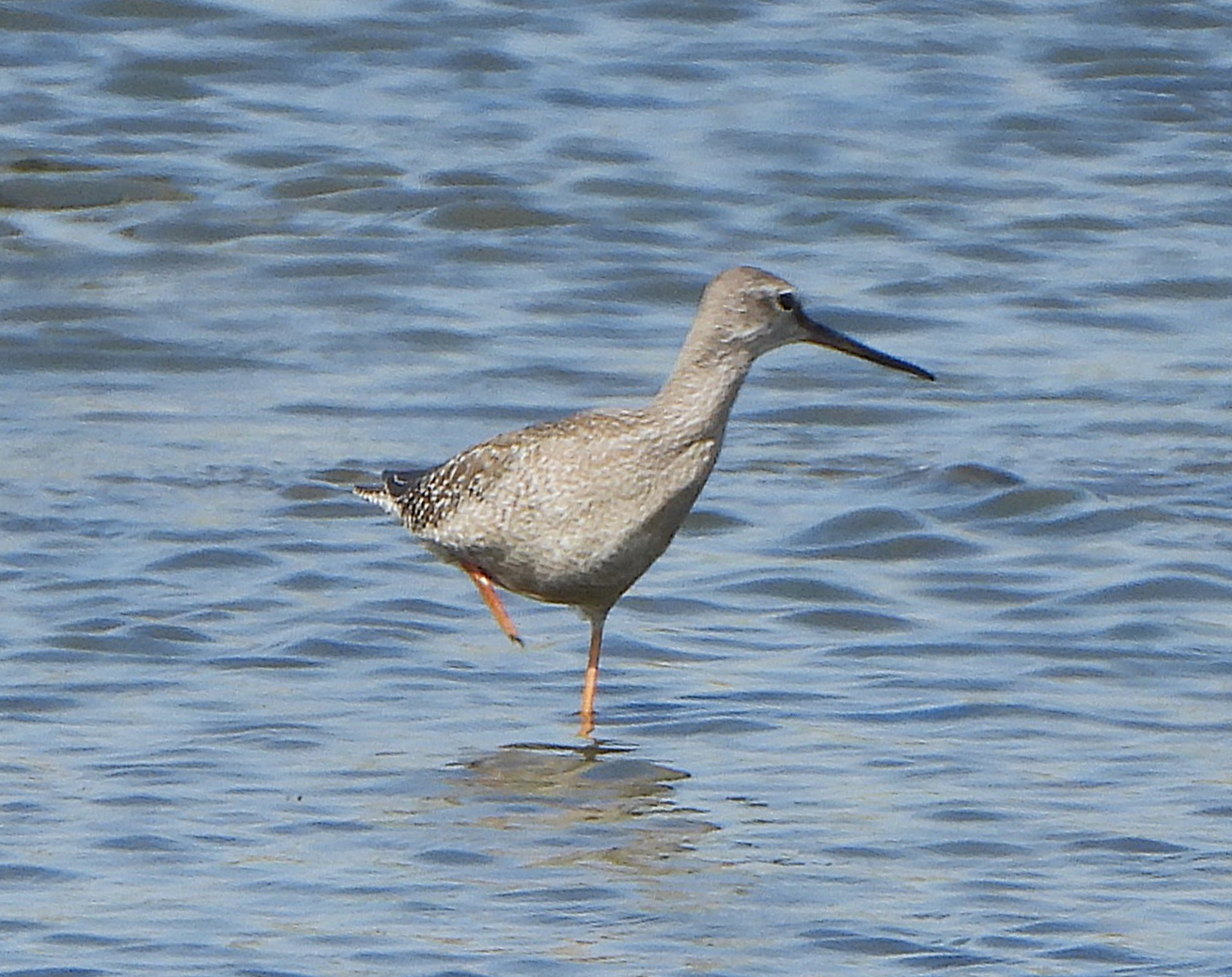
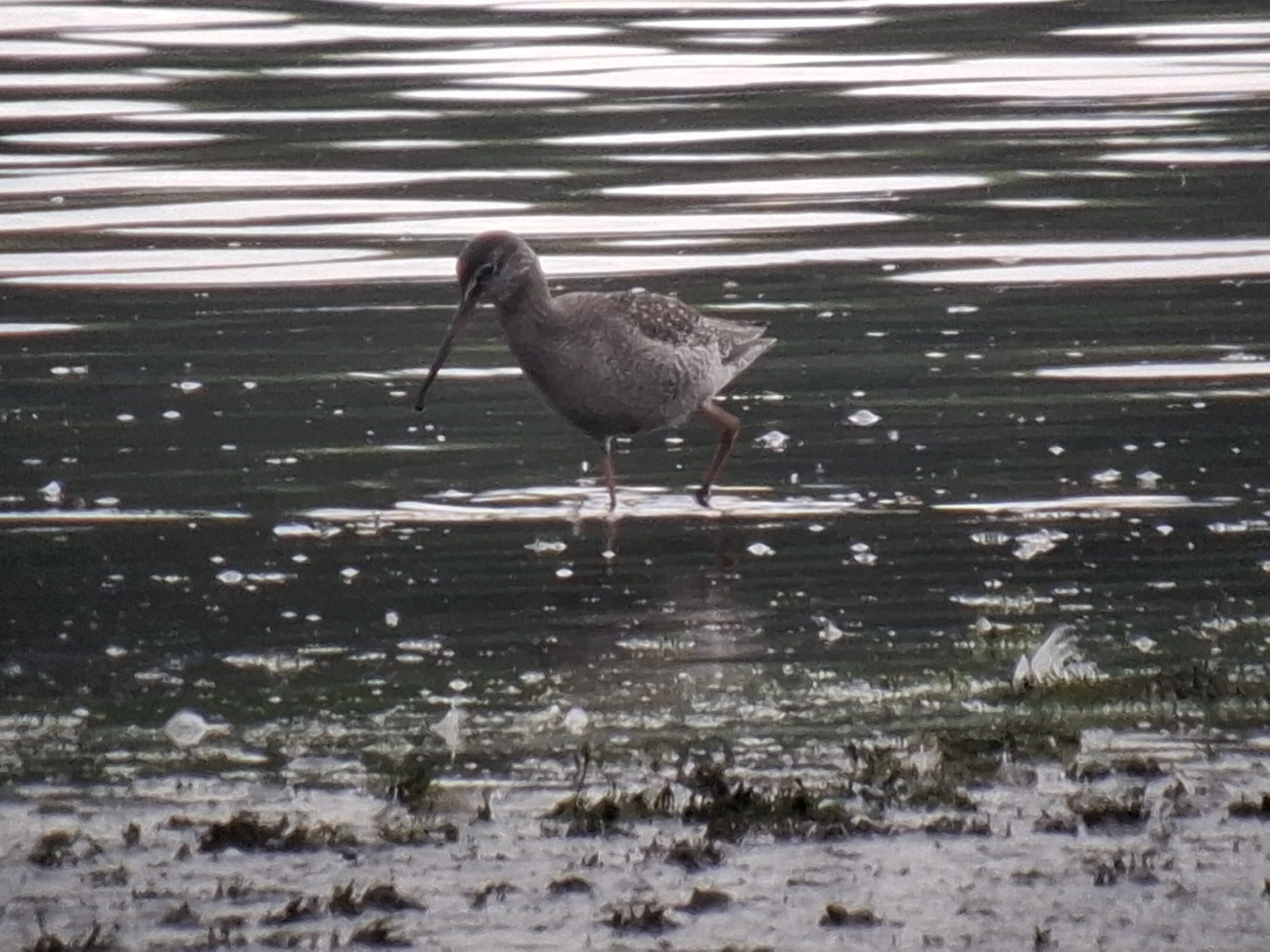
With rising temperatures, persistent easterlies and migrational momentum moving up a gear, there was no doubt that the week belonged to waders, the Nene Valley being the prime producer in this respect.

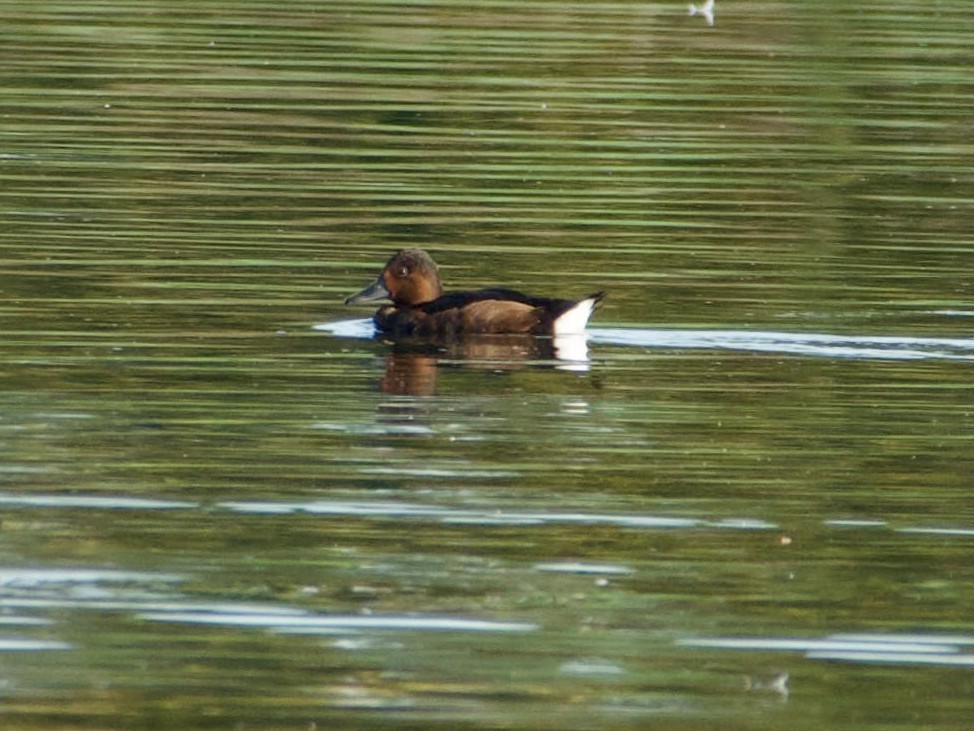
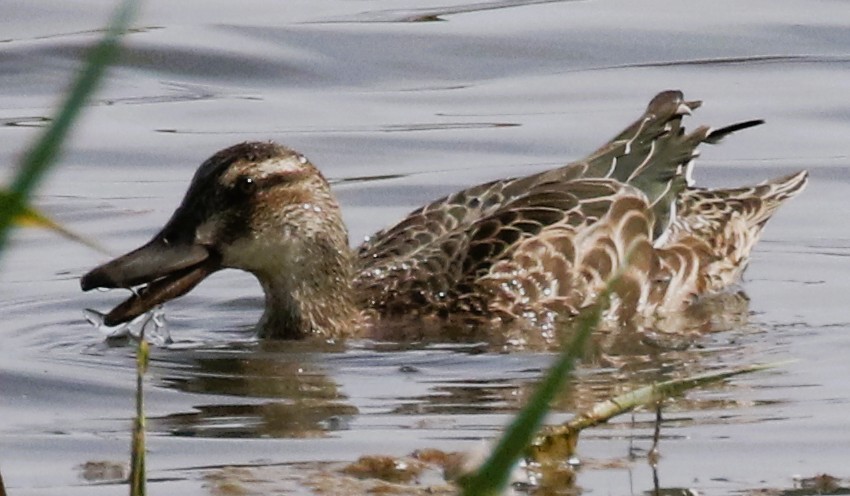
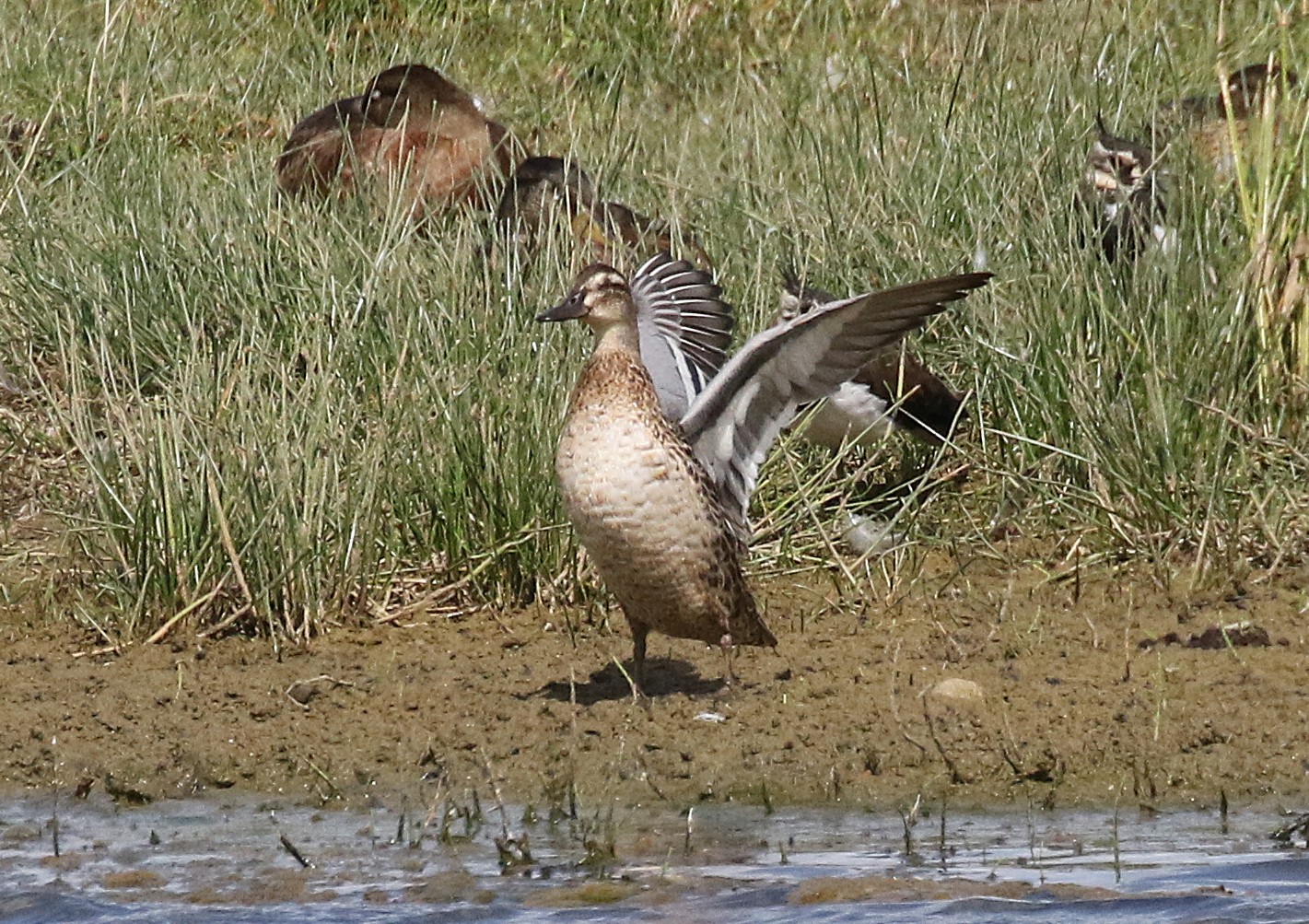
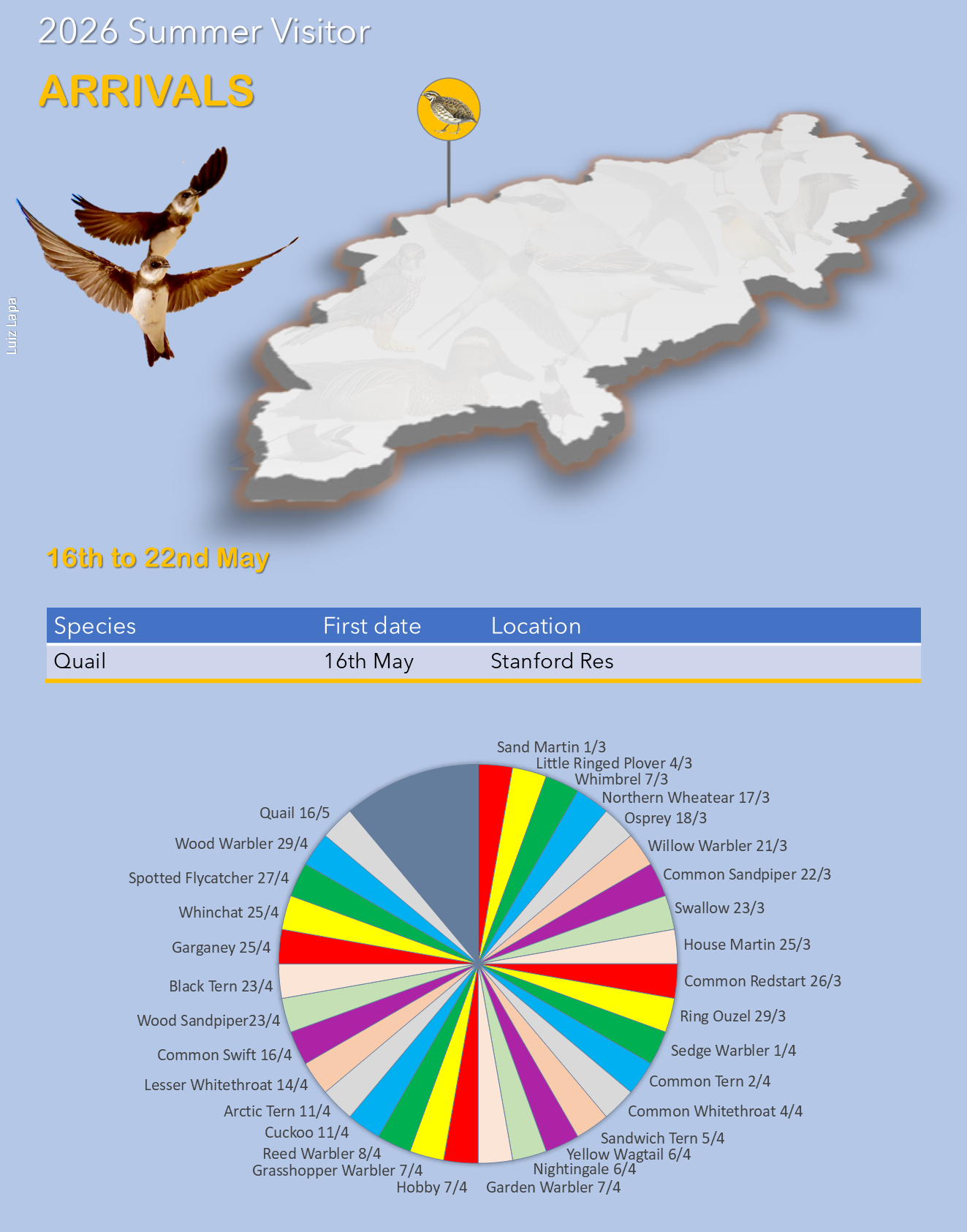
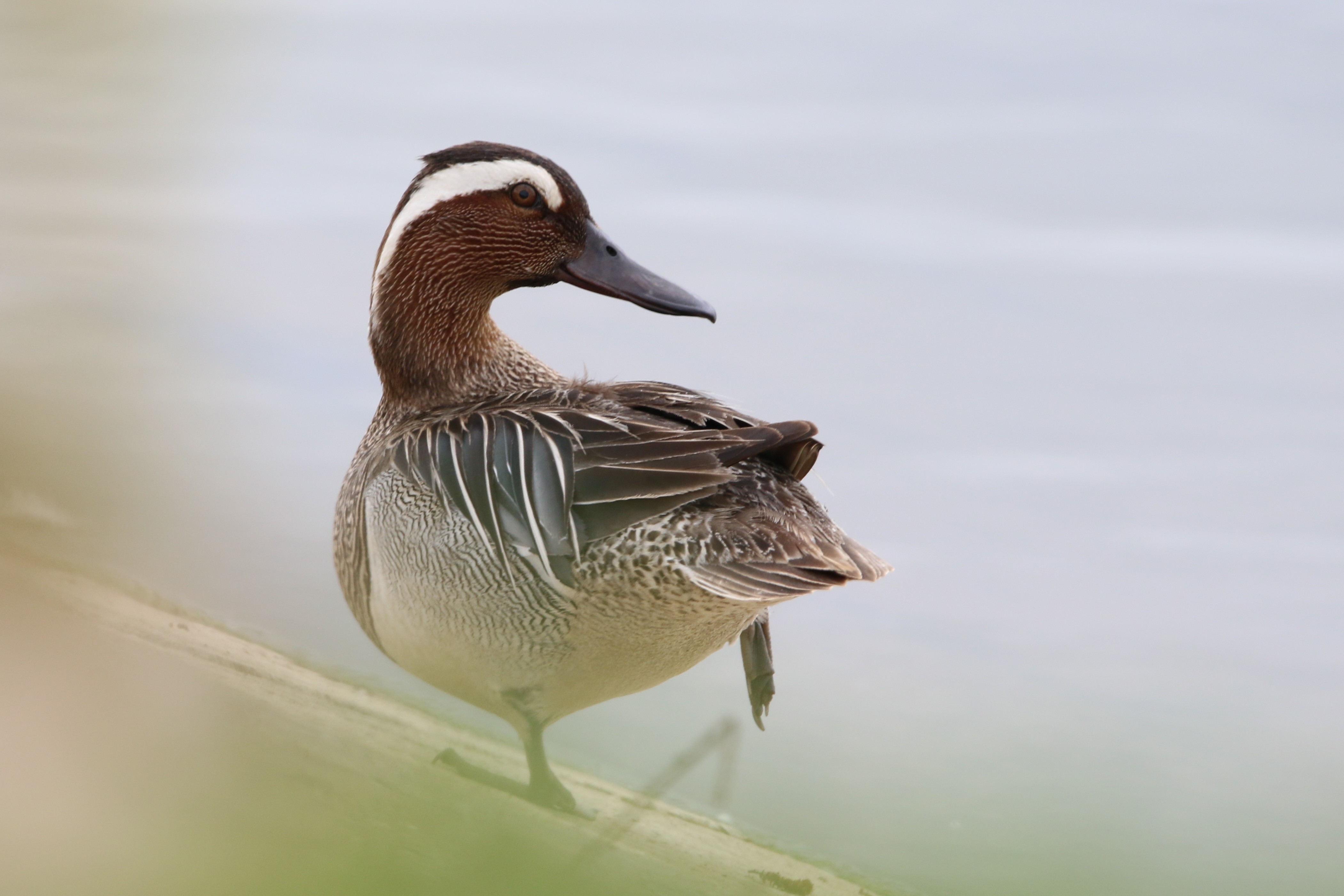
Four new summer visitors clocked in this week and, although no new records were set in terms of early arrivals, it seems highly likely that one will have been created by possibly the latest-ever Garganey to appear in the county. And, as we move into May, the latter looks set to become a rare spring commodity this year …
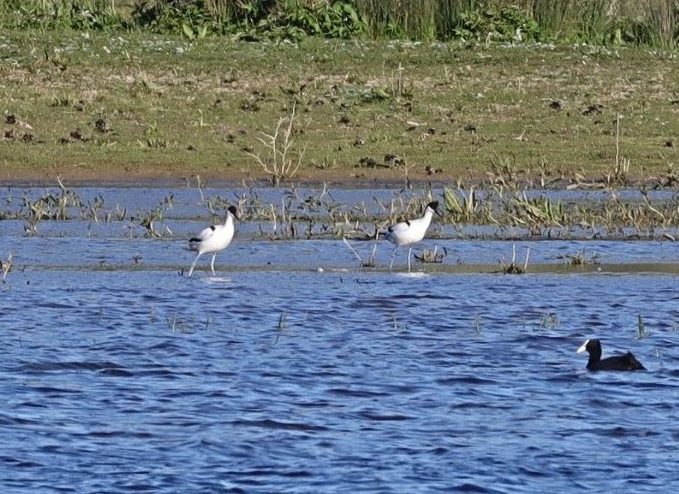
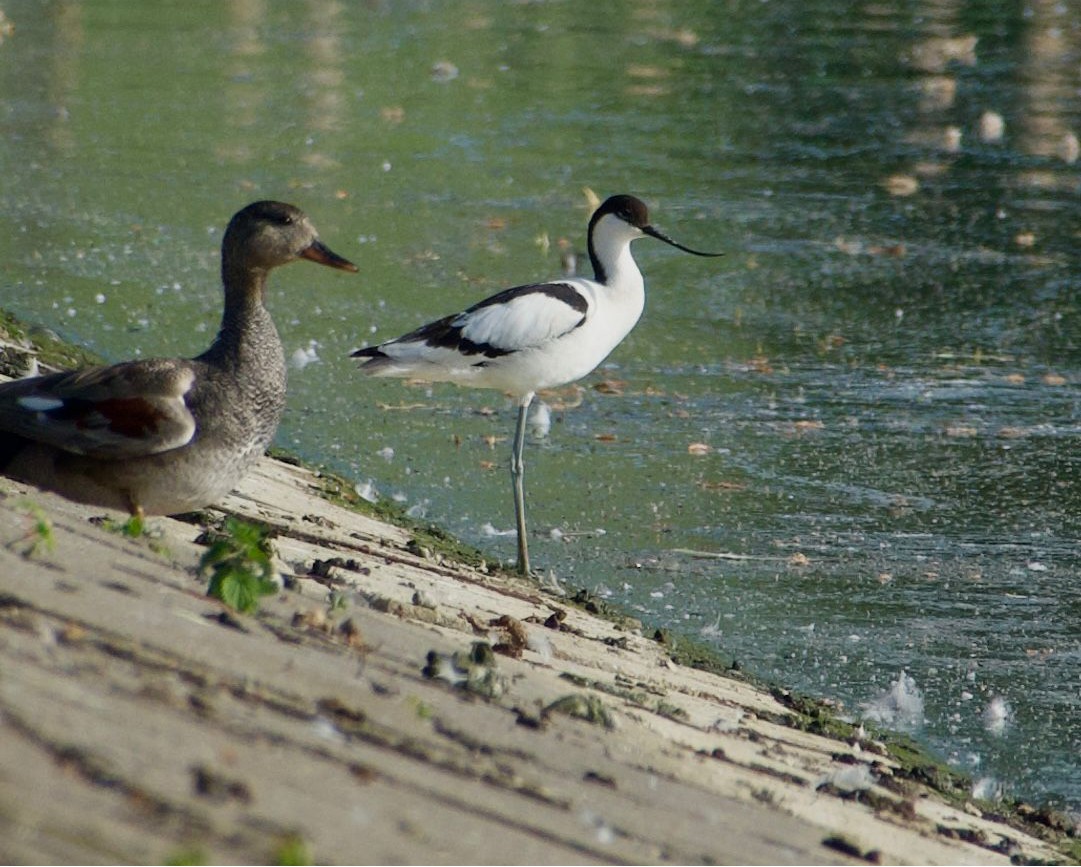
But, as already indicated, waders made up the lion’s share of the week’s best birds on offer. Avocets were again to be found in the Nene Valley, with two showing up at Summer Leys LNR on 26th and again from 29th until the end of the period.

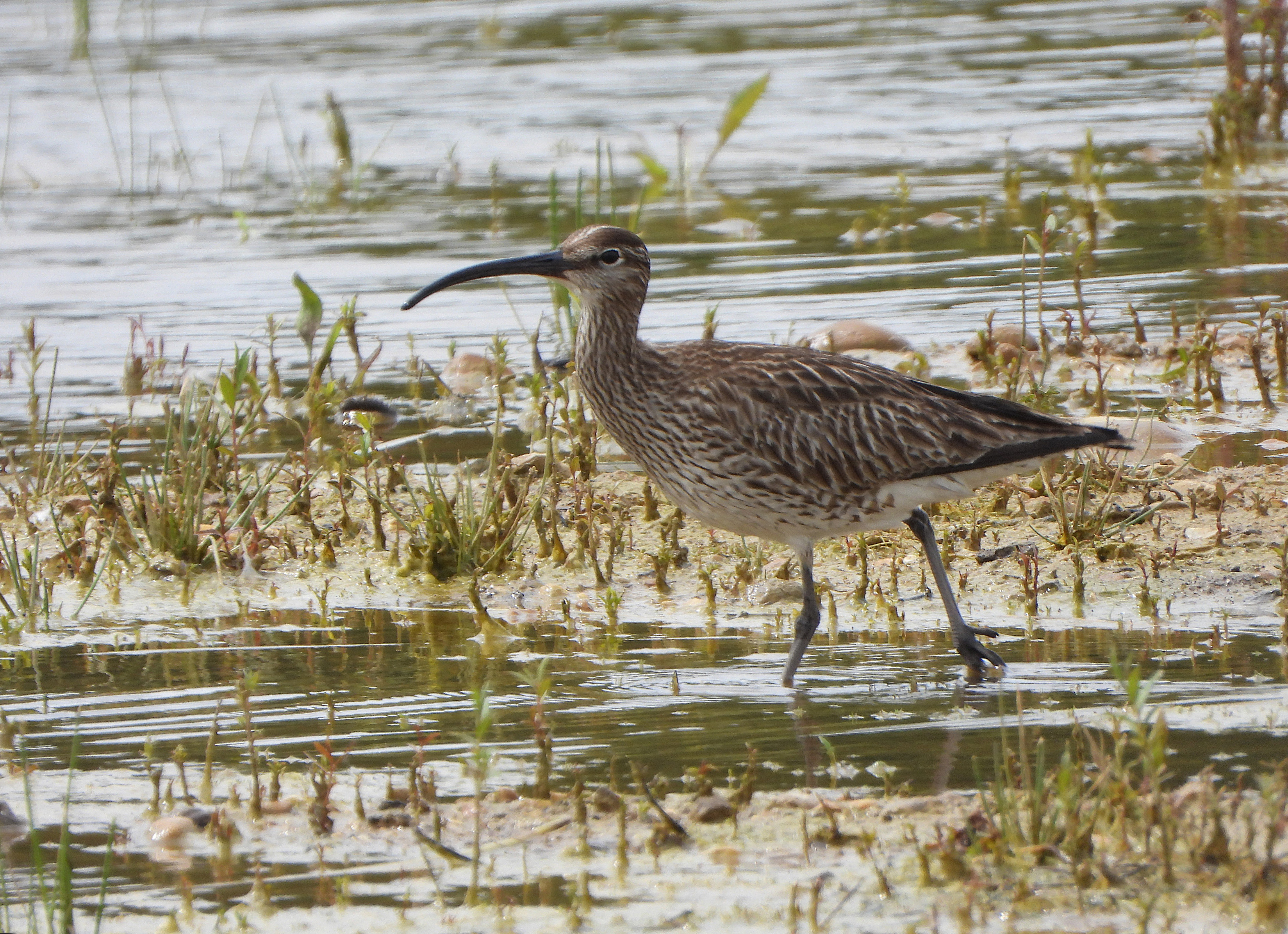
And the second Grey Plover of the year put in a very brief appearance at the latter locality on 29th. Clifford Hill GP remained the prime location for Whimbrel, up to three of which were seen there daily throughout the week, in addition to one flying east there on 28th. Elsewhere, two were at, and around, Summer Leys on 25th and 29th with one there on 27th-28th and 30th-1st, while further singles were picked up flying east over Hanging Houghton on 25th and Stanford Res on 30th, and on the ground at Stanwick GP on 30th and Earls Barton GP’s New Workings (South) on 30th-1st.

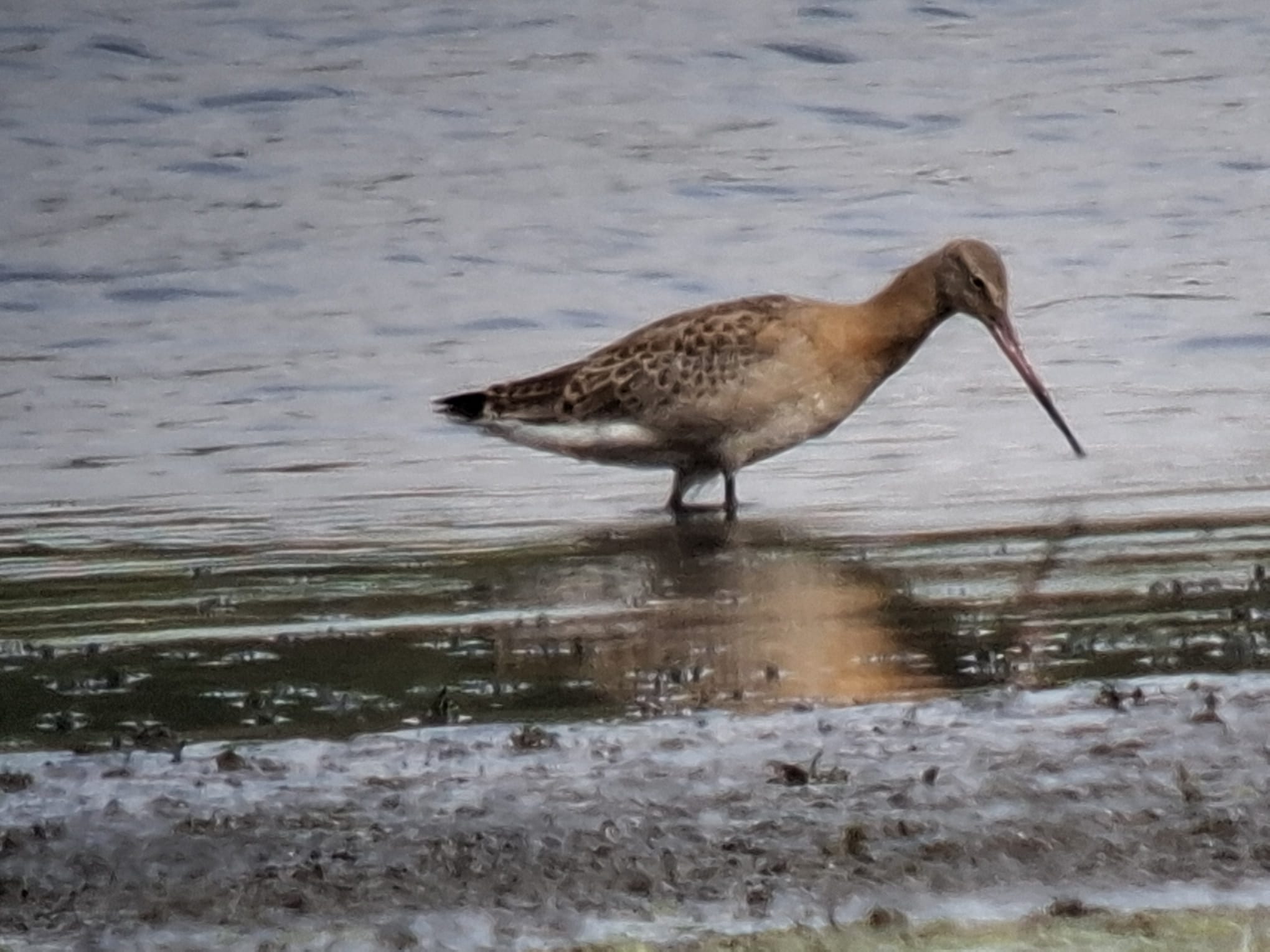
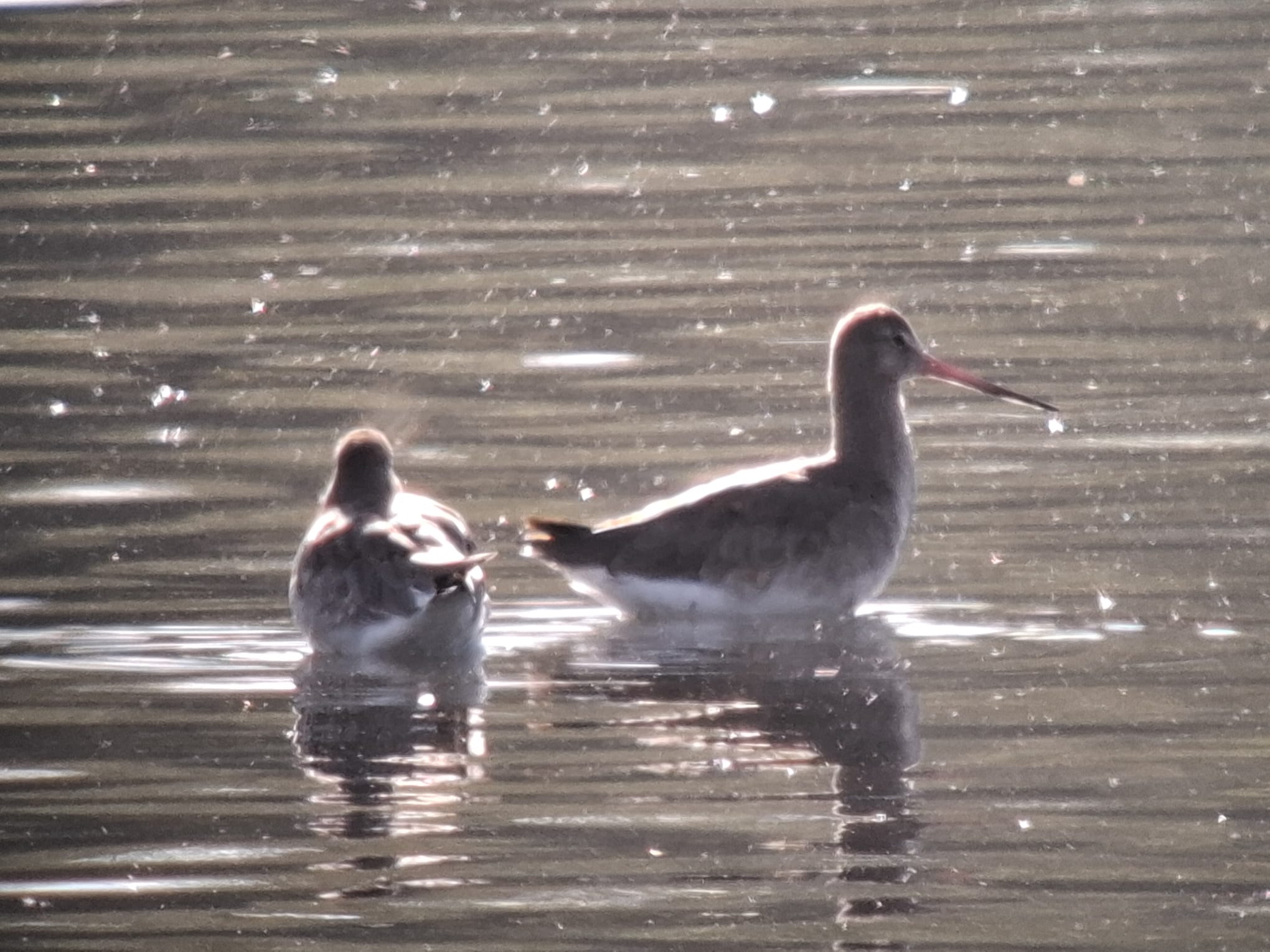
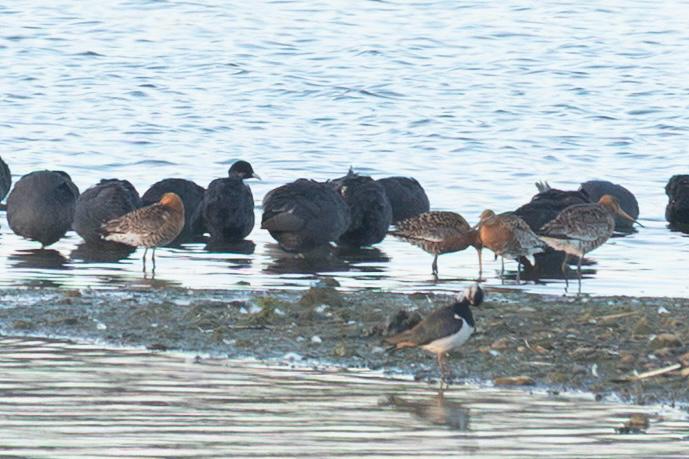
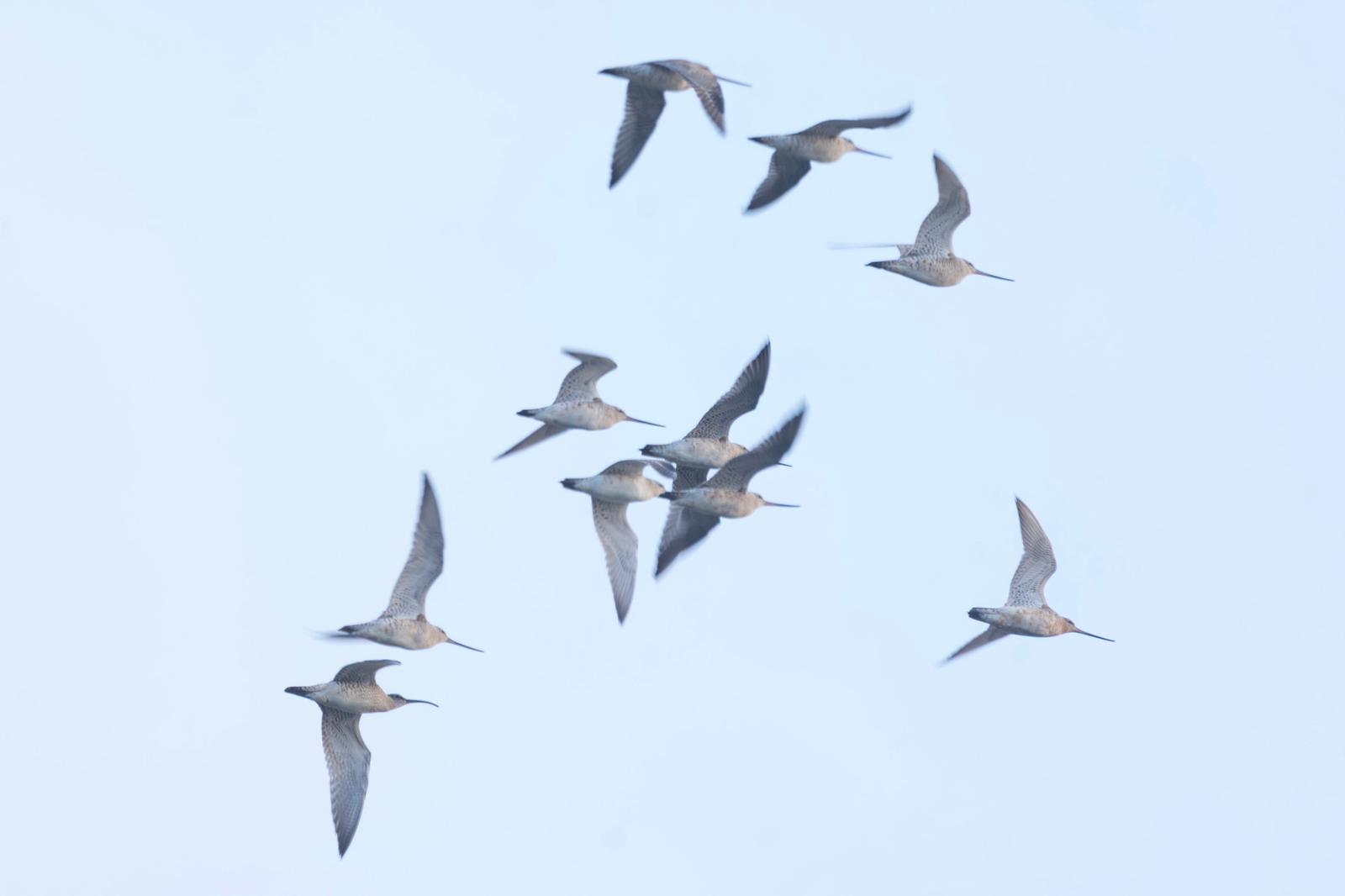
A hike in numbers saw Bar-tailed Godwits hit double figures when ten were present at New Workings (South) on 29th-30th after five having been there on 28th and one subsequently on 30th. Clifford Hill saw nine flying east on 28th, while singles were present at Stanwick on 30th and at Summer Leys on 30th-1st. With the bulk of Black-tailed Godwits passing through earlier in the spring, the week’s tally was restricted to singles at Summer Leys on 28th and 30th.

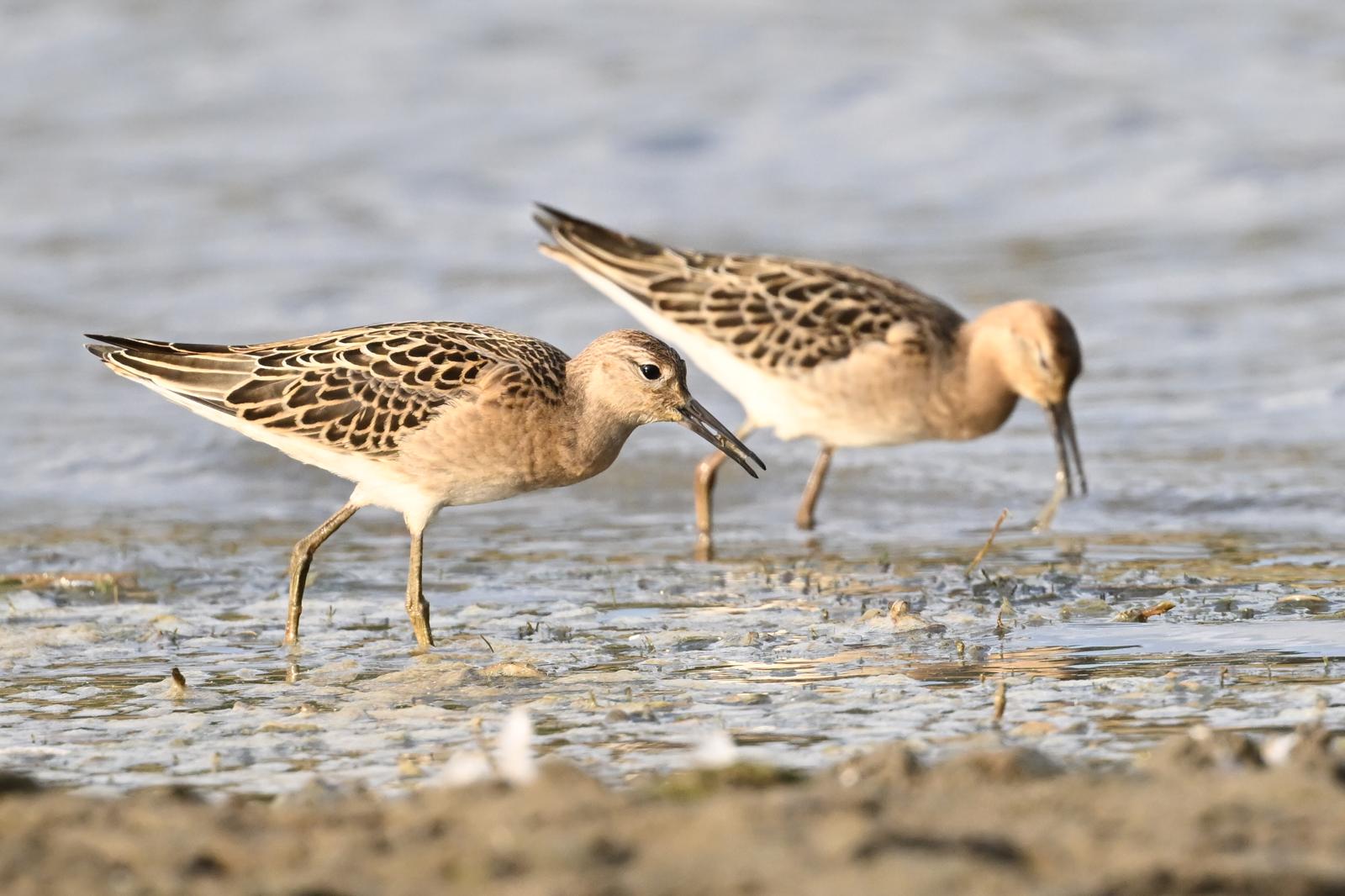
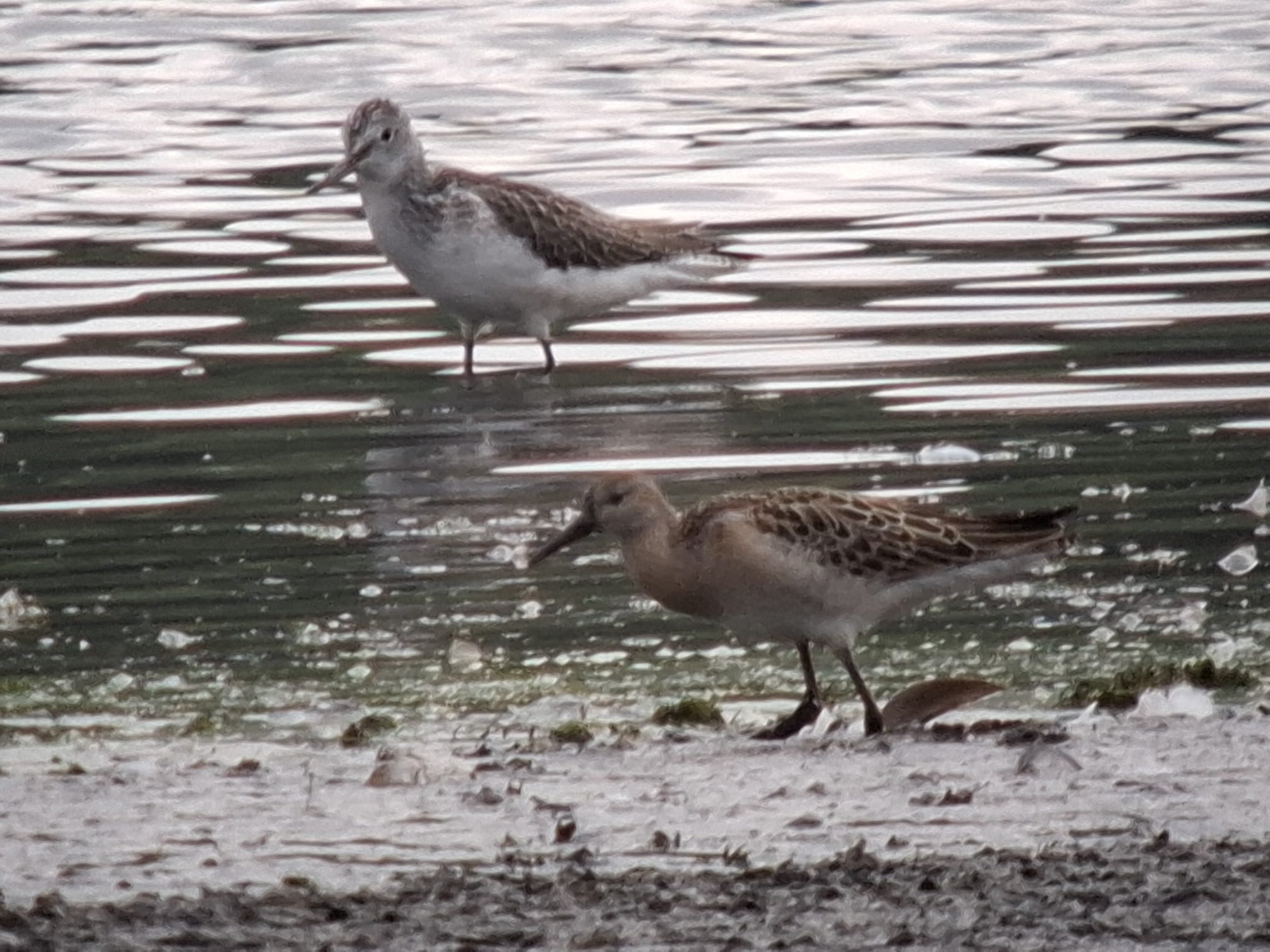
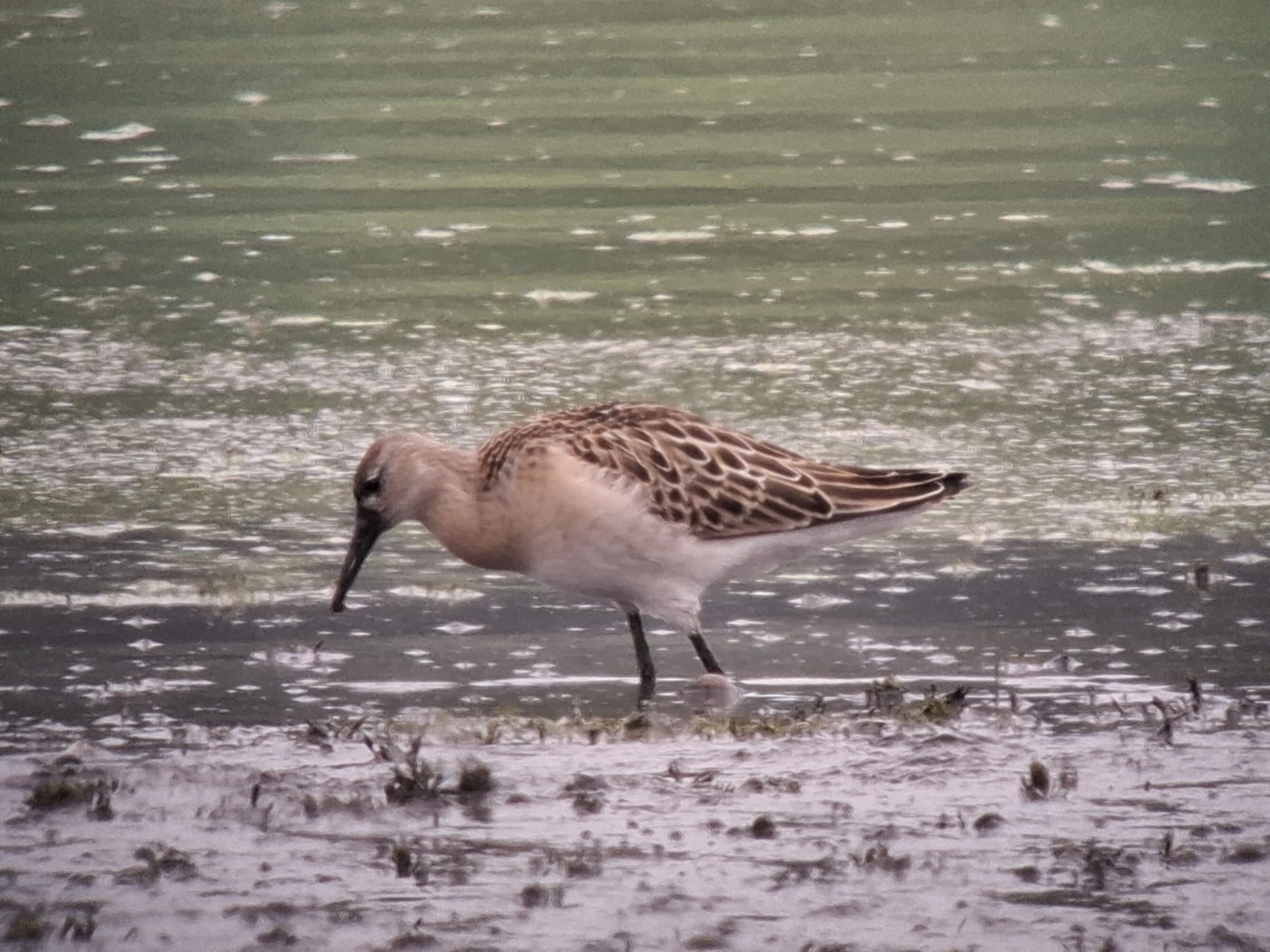
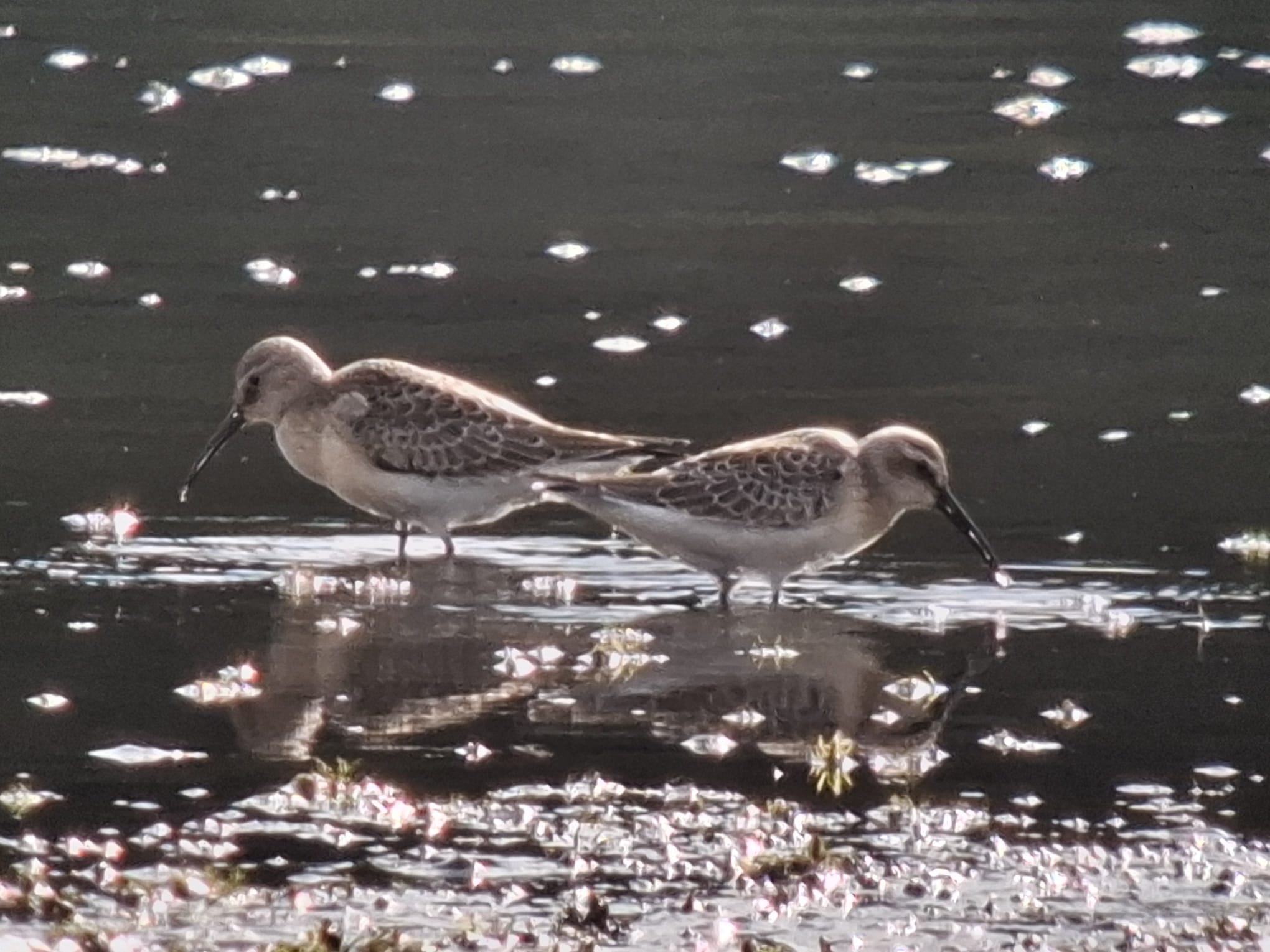
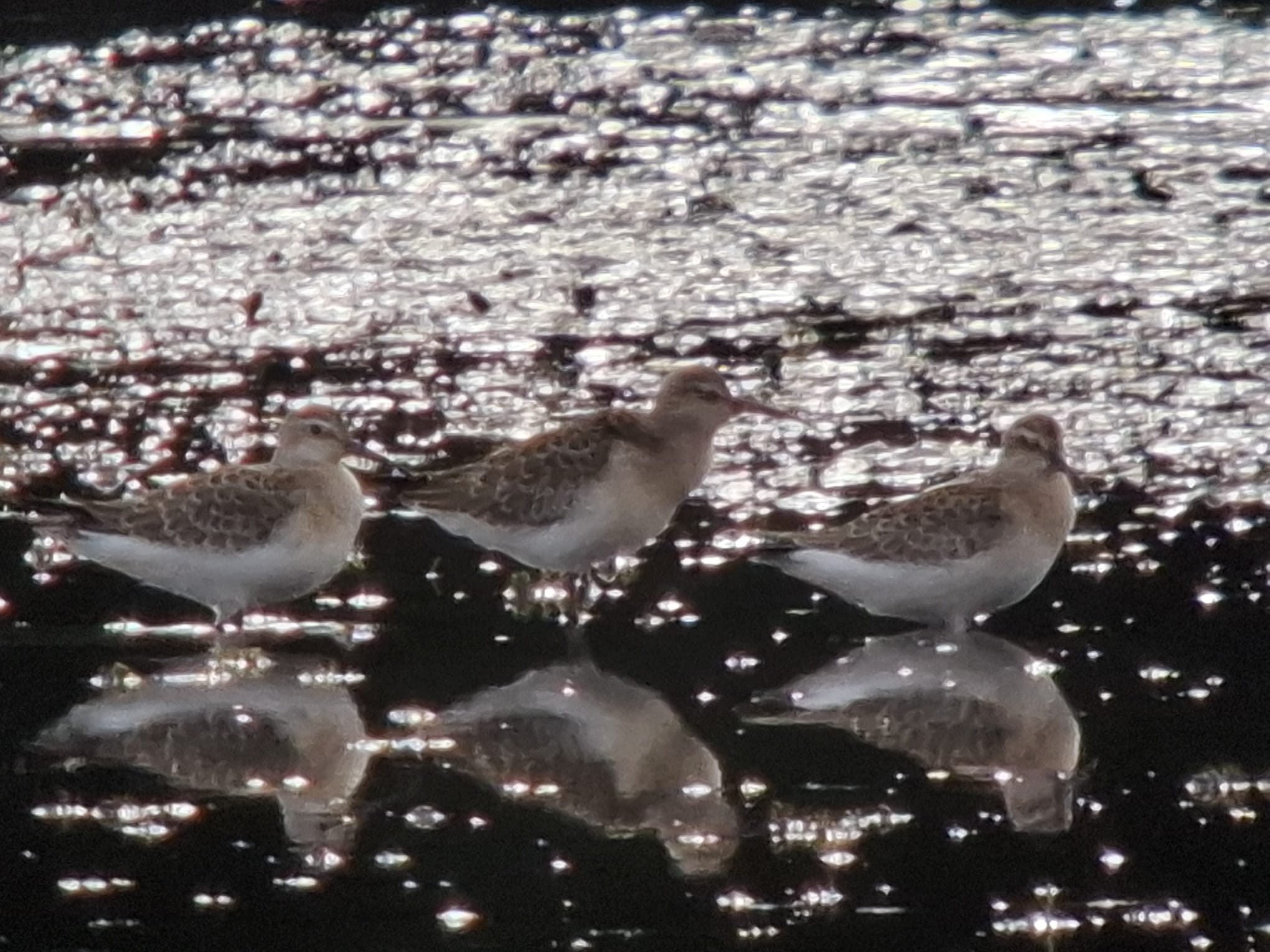
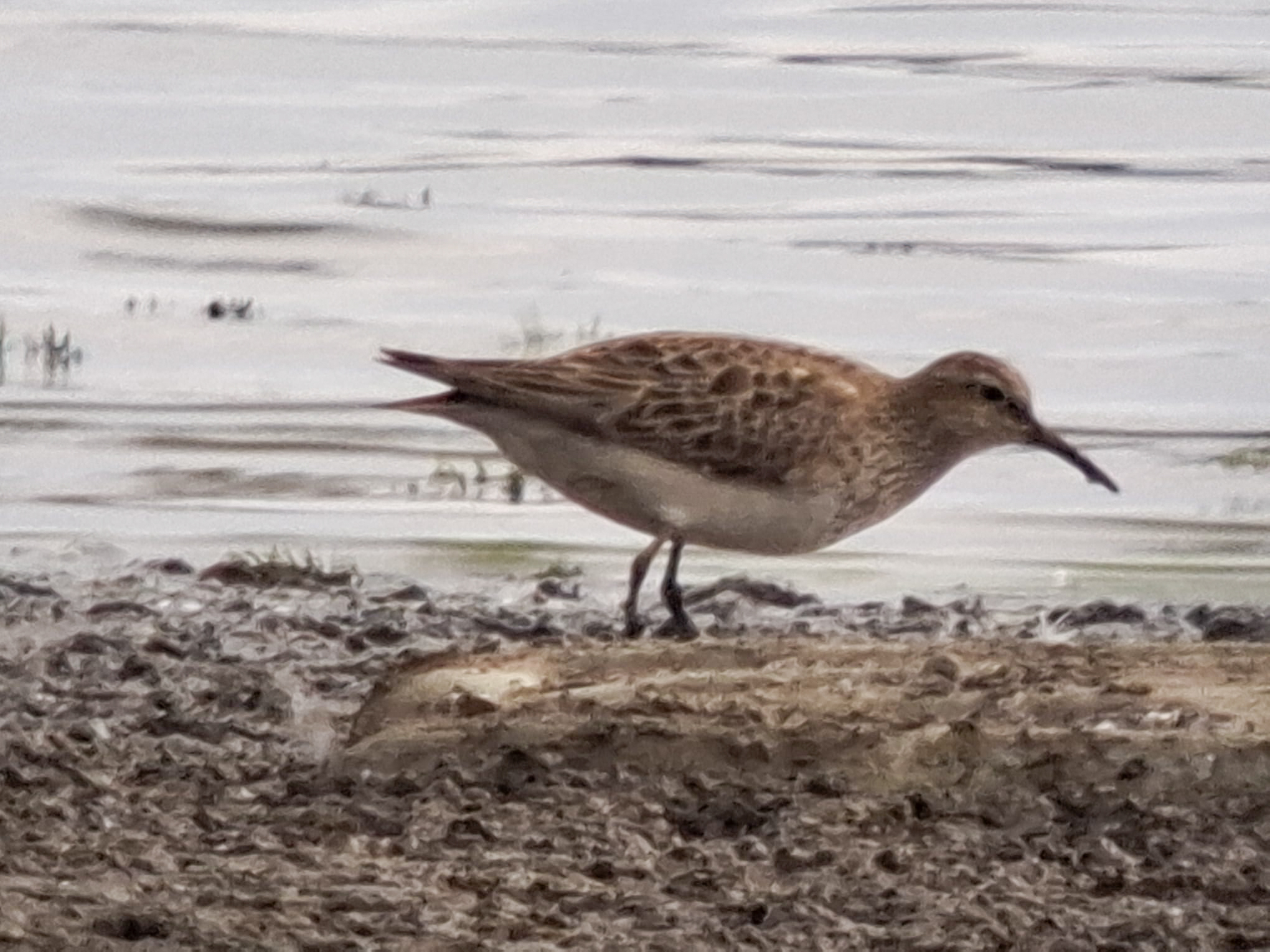
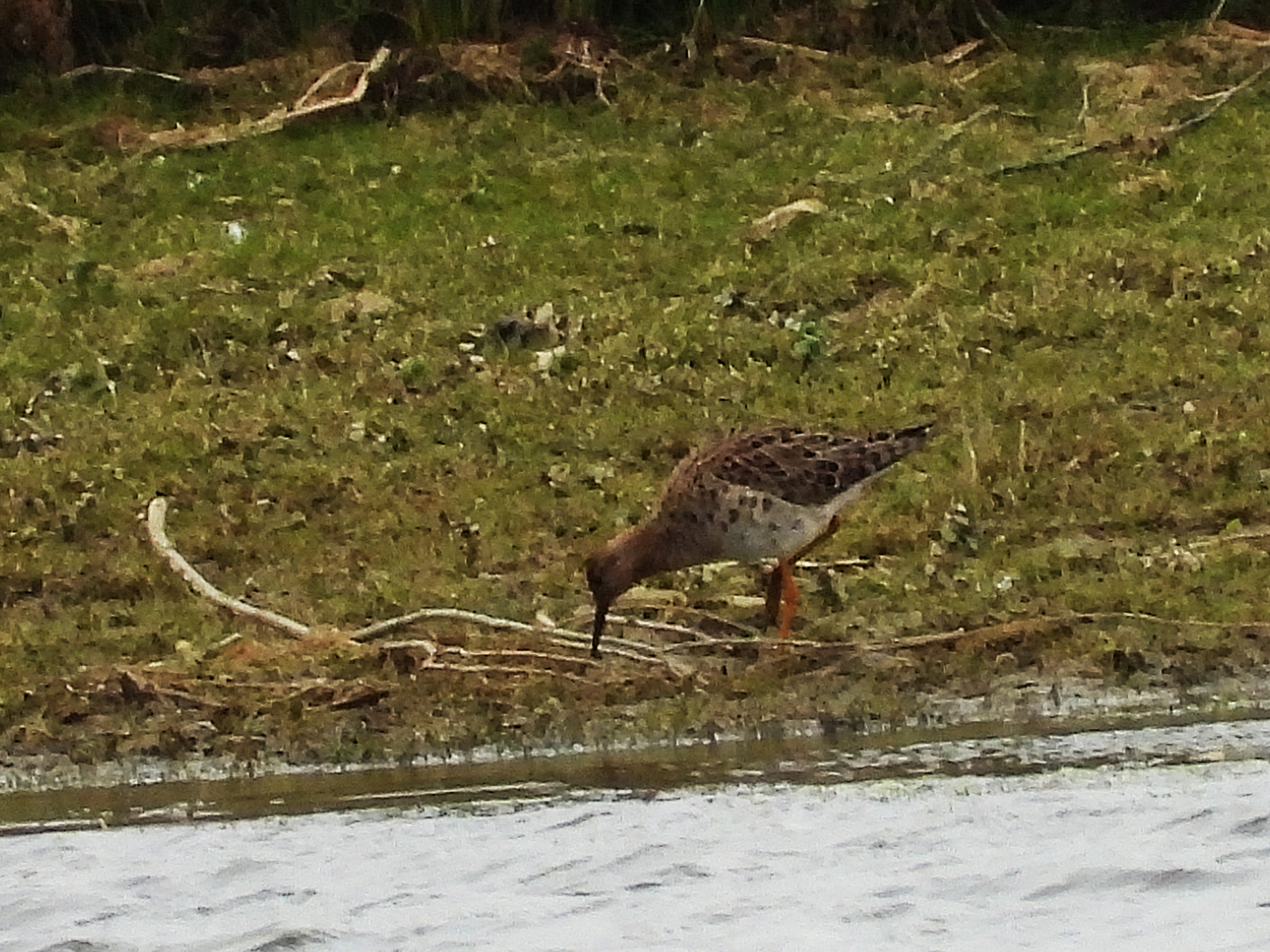
A small number of Ruffs comprised two at New Workings (South) on 25th and 30th and singles at Summer Leys on 25th, 27th and 30th and at Stanwick on 28th.

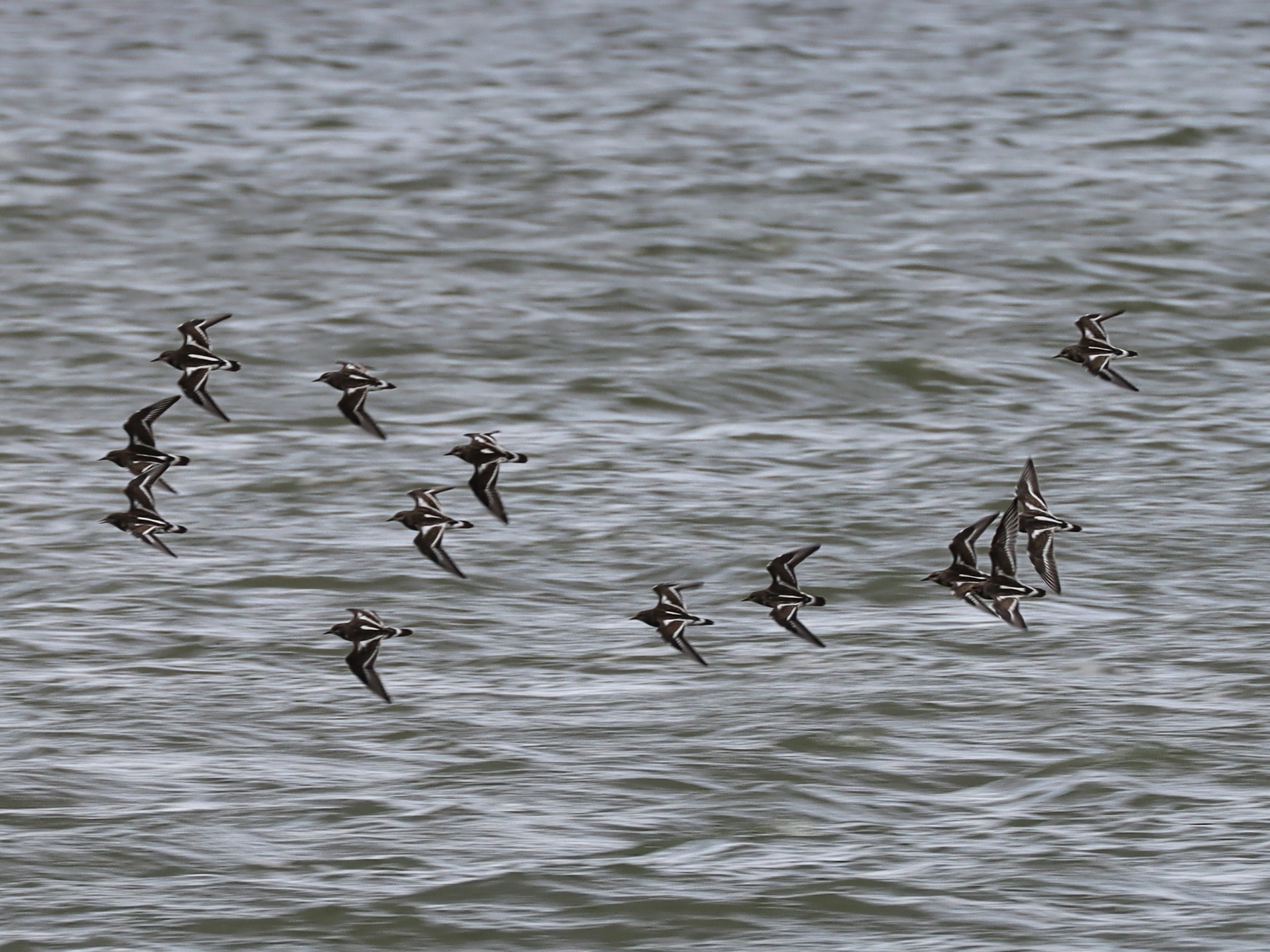
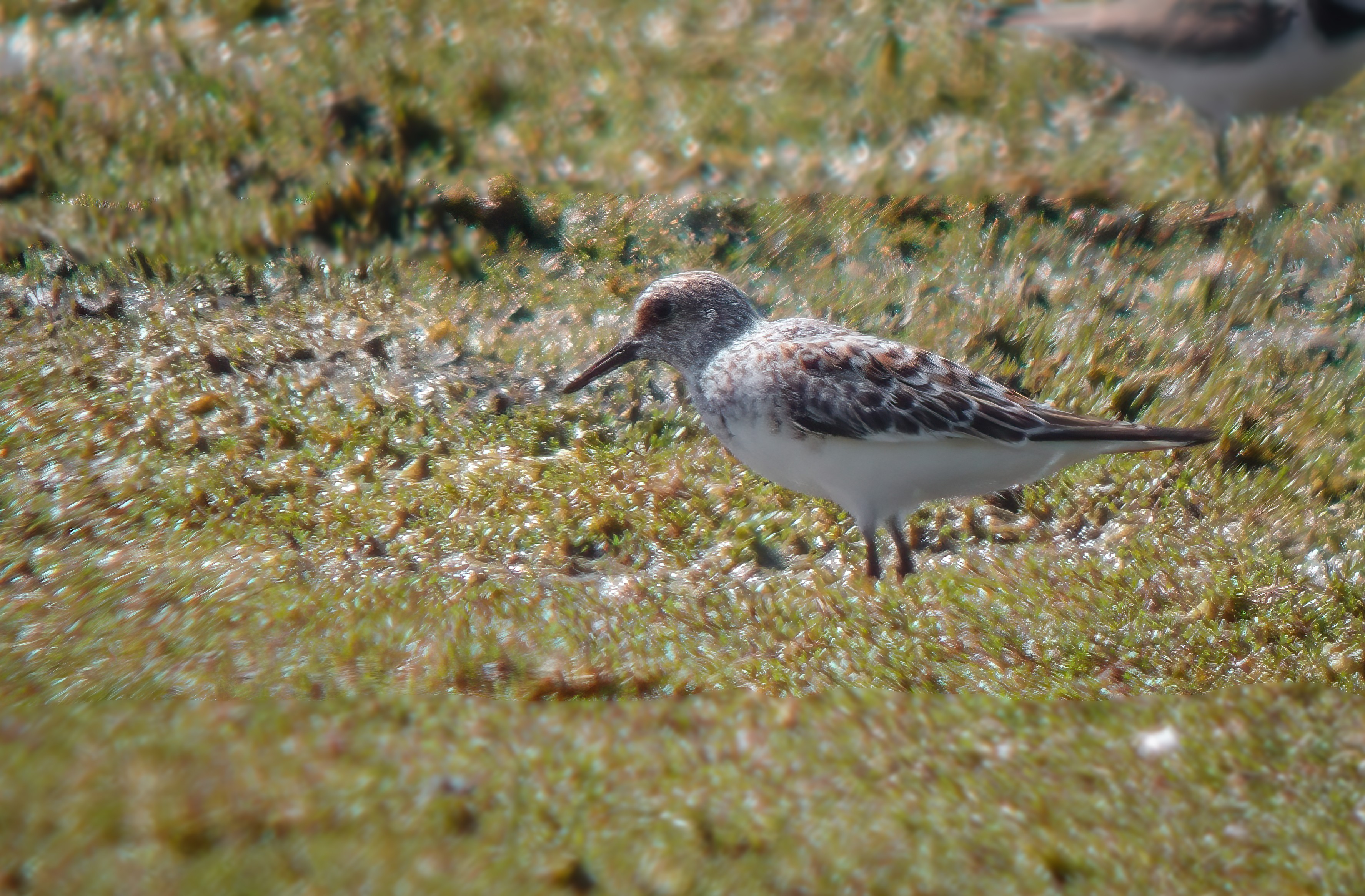
Moving into the latter part of the spring traditionally sees the likes of Turnstone and Sanderling turning up and the week duly obliged with singles of the former at Summer Leys, briefly, on 28th and at New Workings (South), equally briefly, on 30th. With May now upon us there should be more to come …

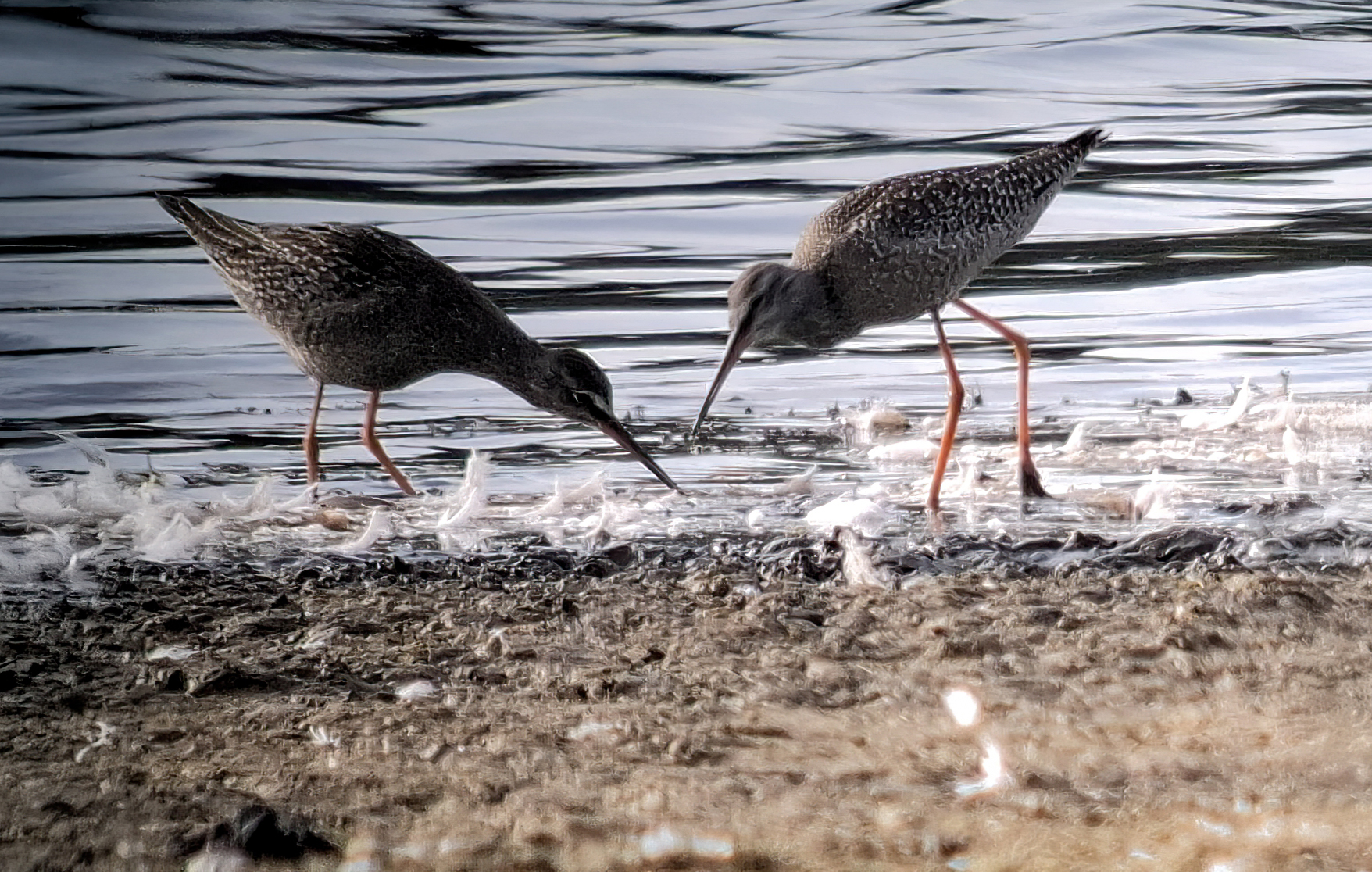
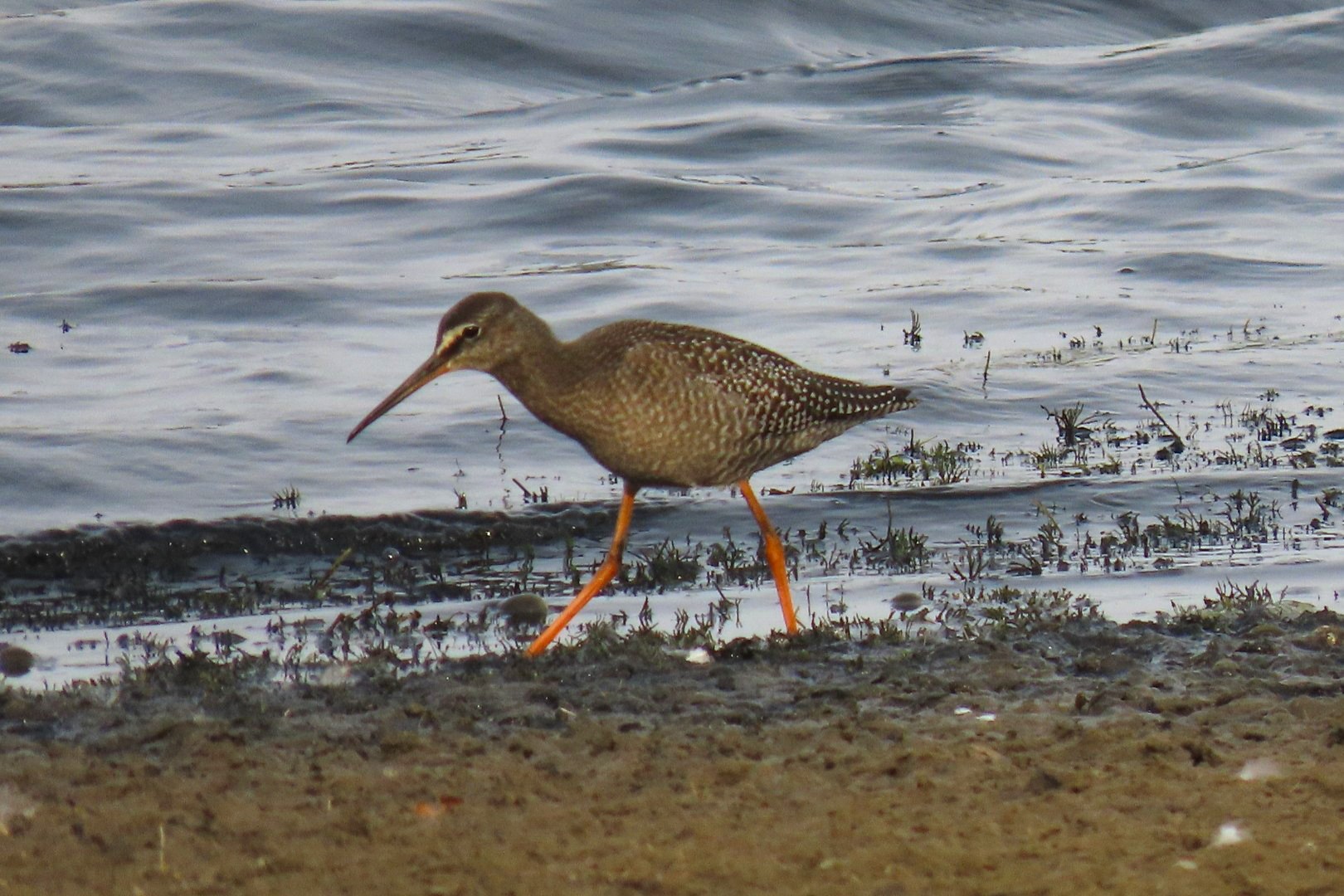
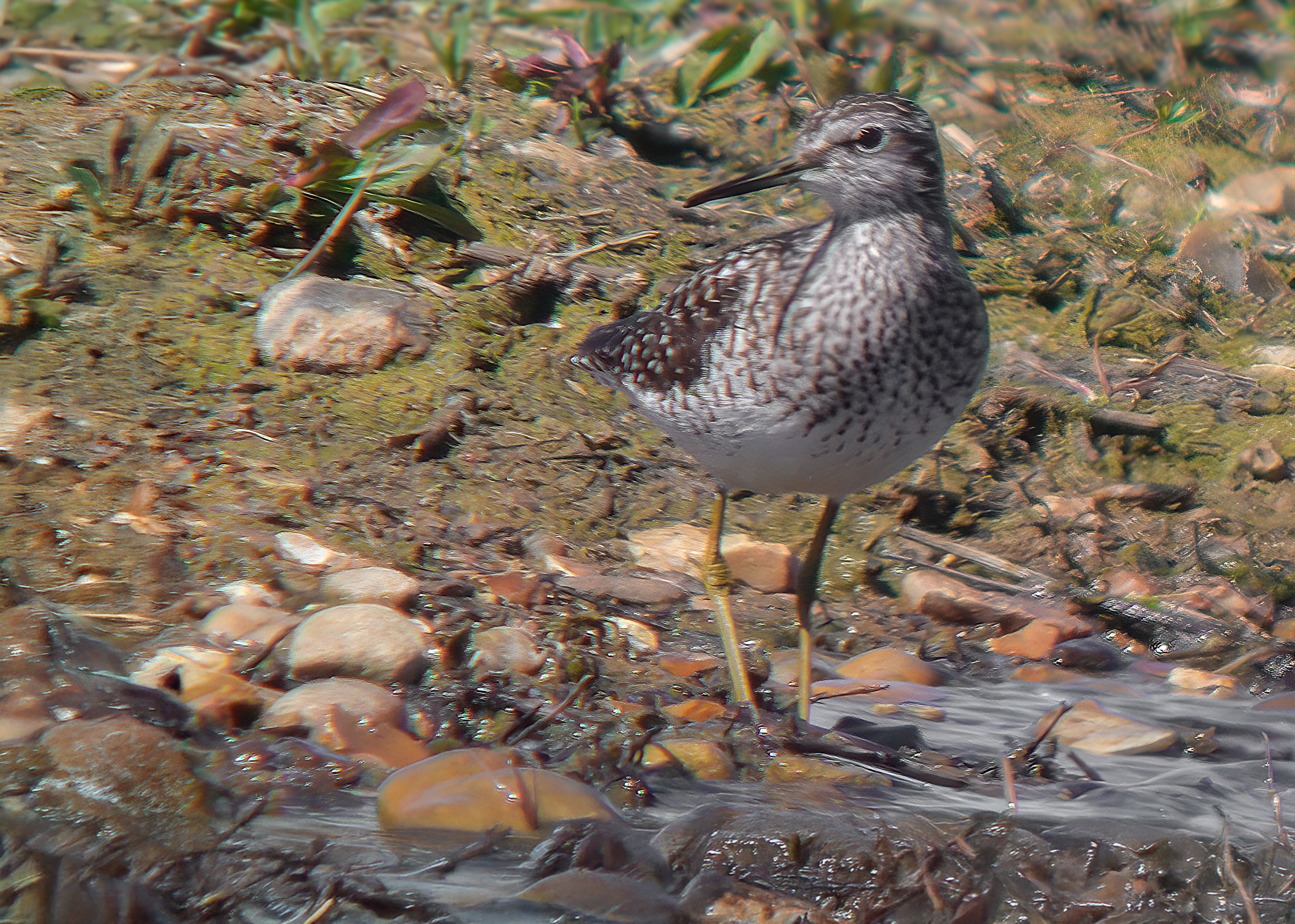
And after the first Wood Sandpiper of the year last week, the floodgates opened and in they came, giving us what is undoubtedly the best spring for this popular little wader in living memory. Running over into this week, the Clifford Hill individual remained until 25th after which there were further sightings there on 27th and 30th and one also visited Lilbourne Meadows NR on 26th. Numbers then ramped up with the arrival of four at New Workings (South) the following day, the same site subsequently producing seven on 28th, rising to nine on 30th, before peaking at a mighty ten on 1st. One found at Summer Leys on 29th increased briefly to four on 30th, followed by one on 1st, while Stanwick got in on the action with two on 28th.
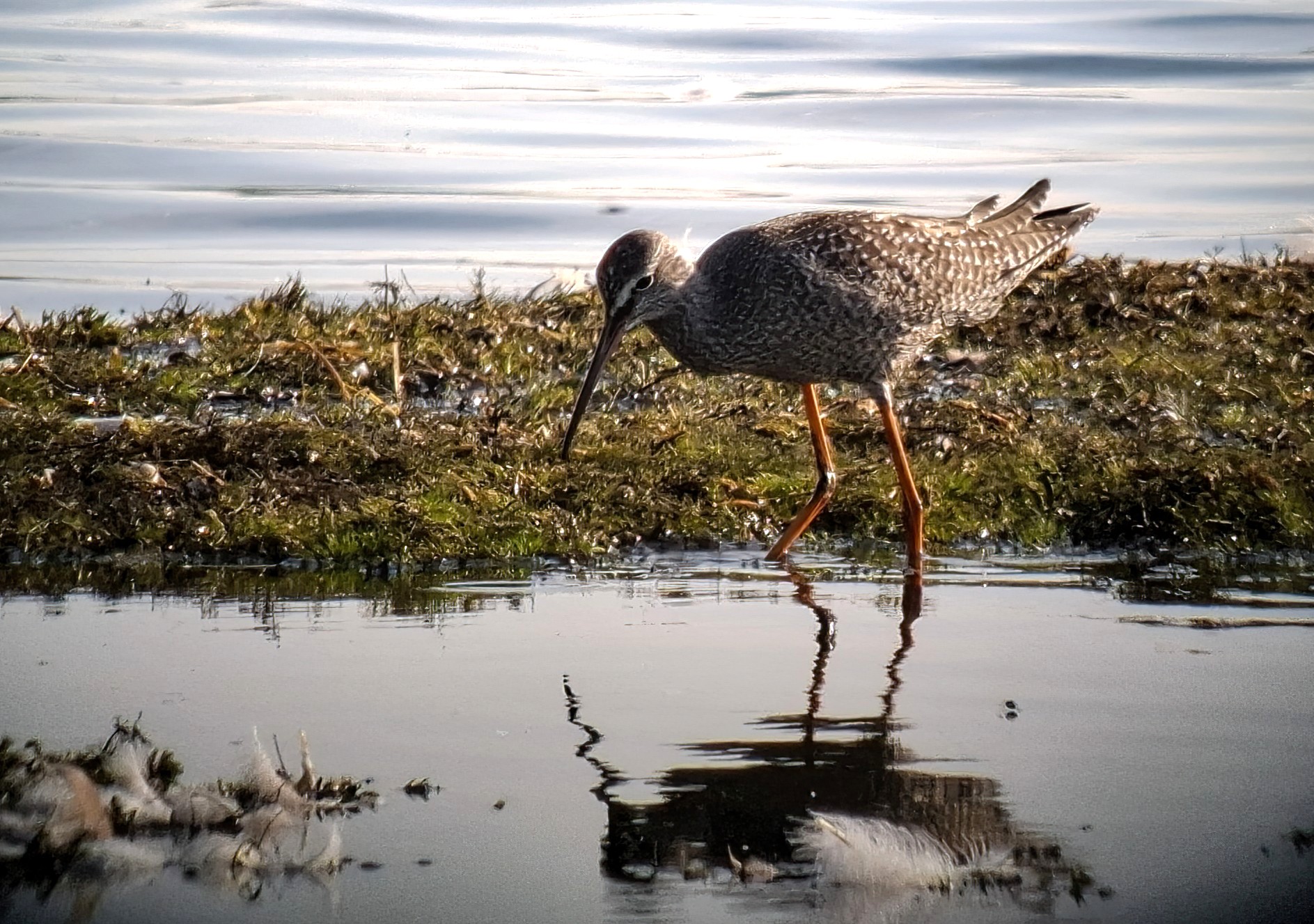
Meanwhile, not to be left out, Greenshanks were again on the up, with New Workings (South) holding three on 28th, increasing to five on 30th and 1st. Five were also found at Clifford Hill on 28th, four flew east there the following day and one was present on 30th. Stanwick held up to two between 25th and 30th, while two were also at Thrapston GP’s Titchmarsh NR between 28th and 30th and singles were to be found in the Brampton Valley near Brixworth on 27th and at Lilbourne Meadows on 30th and 1st.

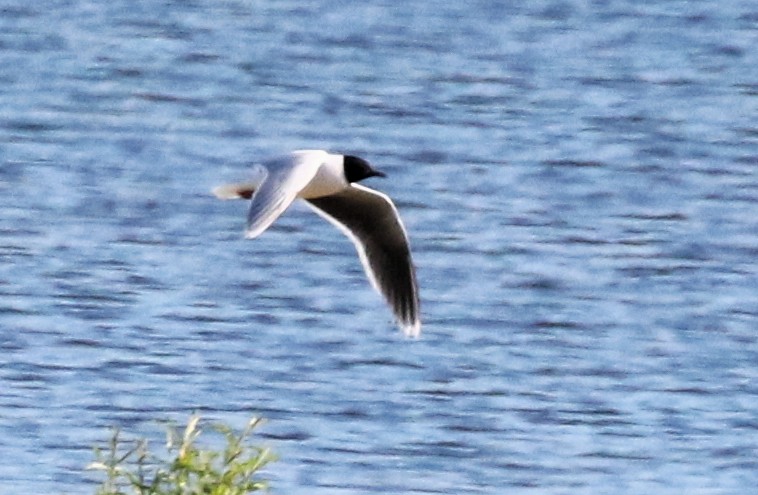
And following last week’s modest number of Little Gulls, a further trickle ensued with a first-summer at Summer Leys on 27th being followed by an adult there the next day before another adult arrived on 1st and a near-adult was present at Stanwick on 28th-29th.

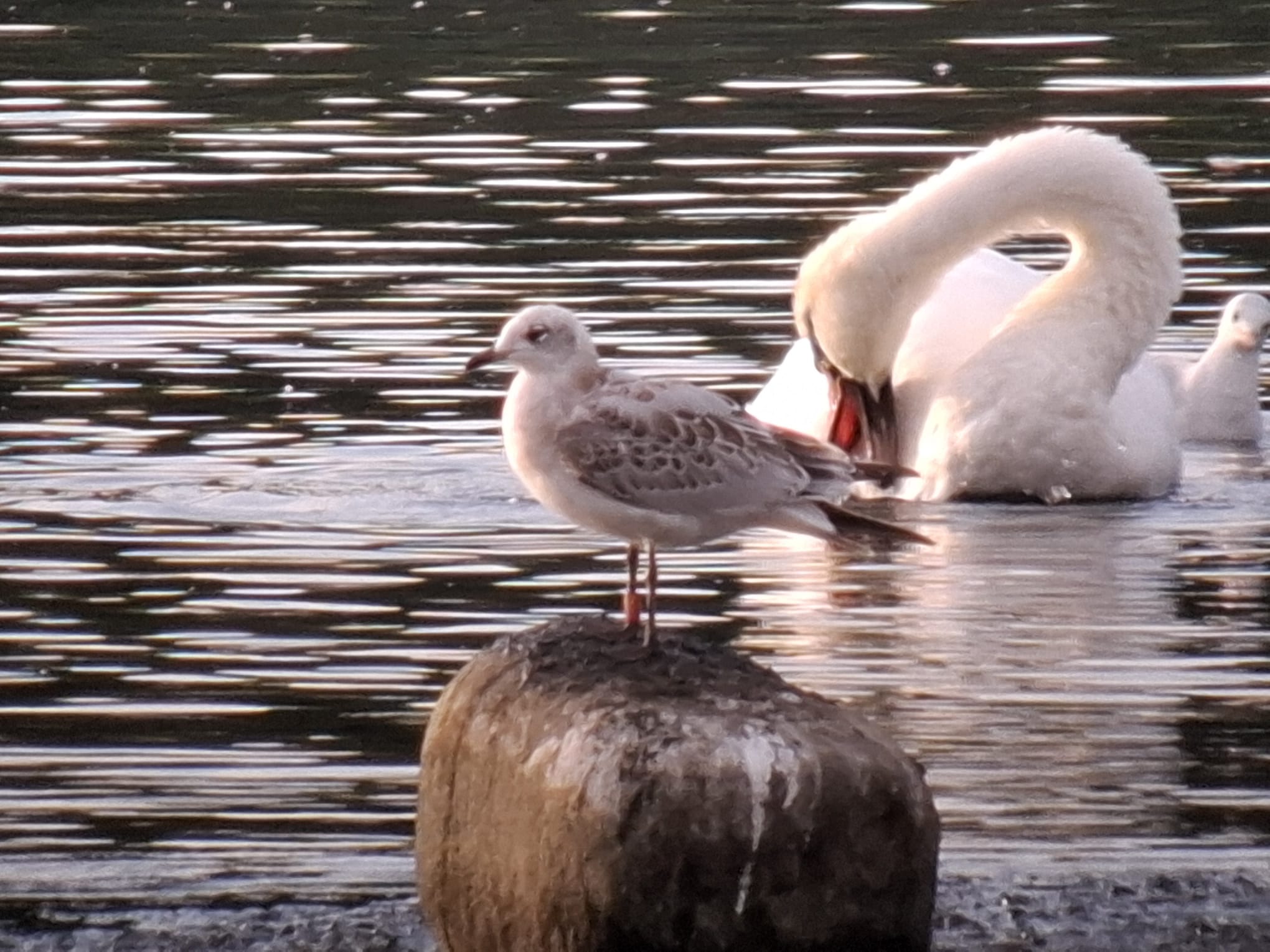
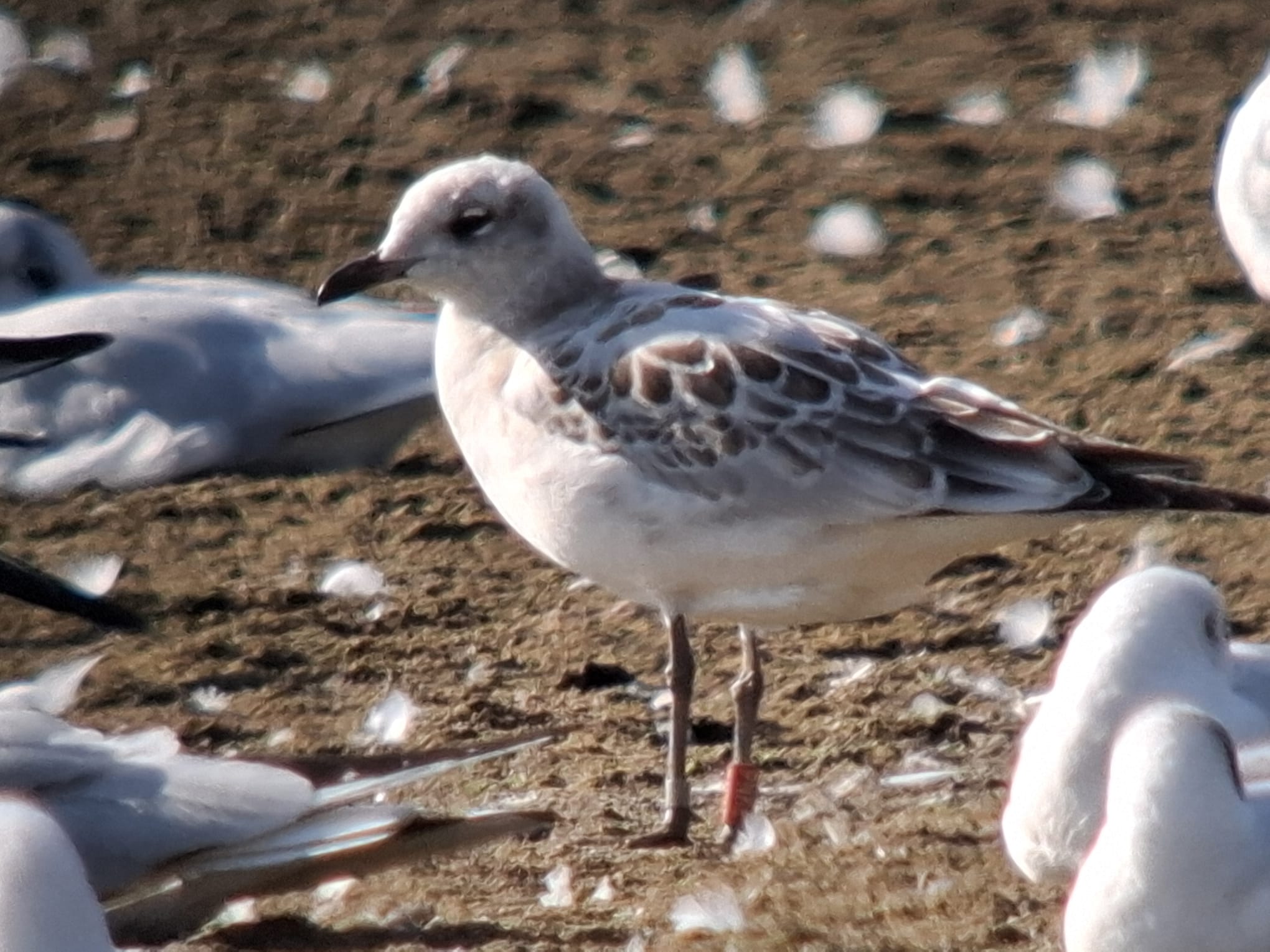
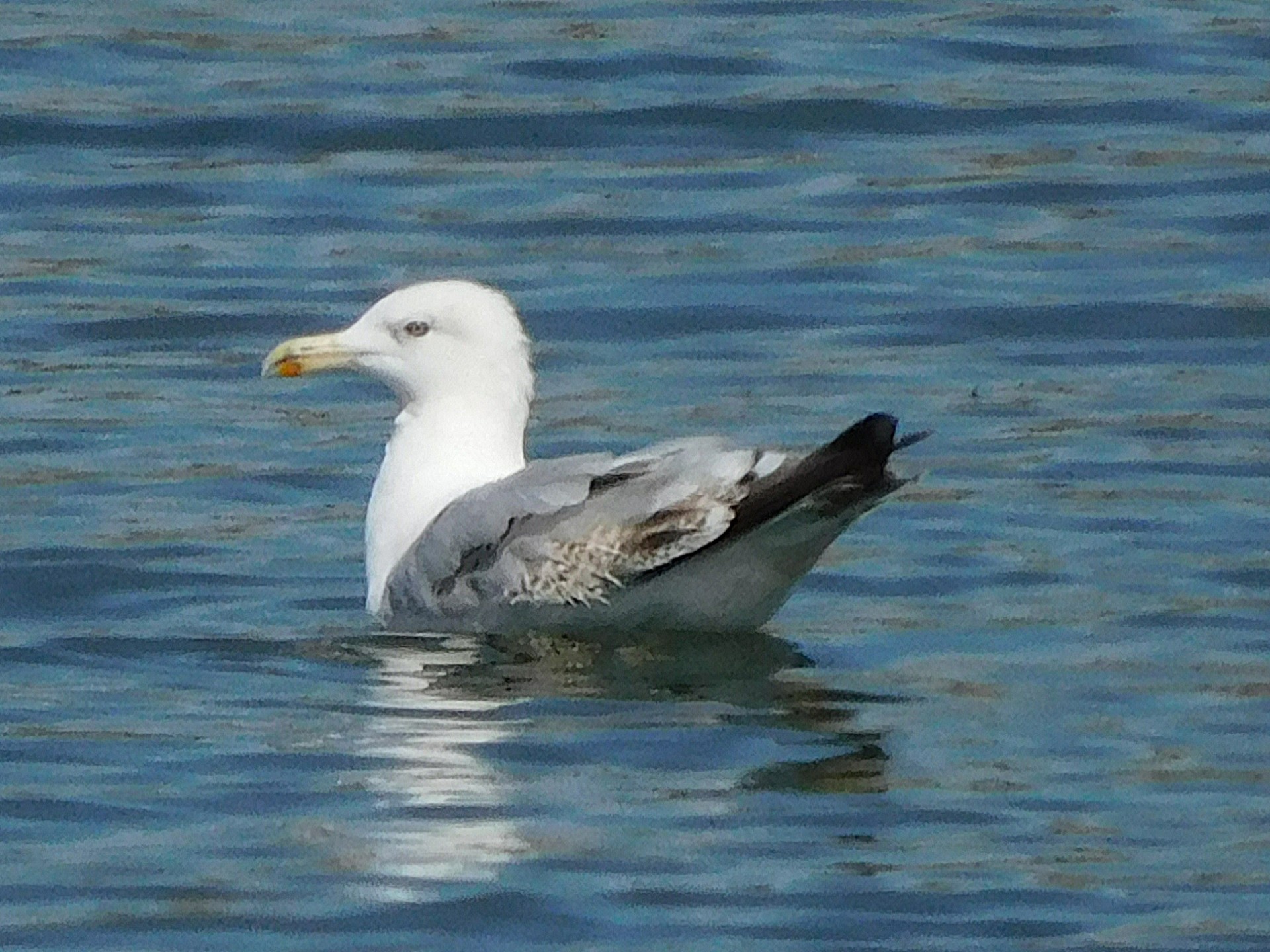
Summer Leys was also the place to be for lingering adult Mediterranean Gulls with two on 26th and 28th, one or two on 30th and one on 1st, while a third-year Yellow-legged Gull was at Pitsford Res on 27th – the only one the site could muster during the period.

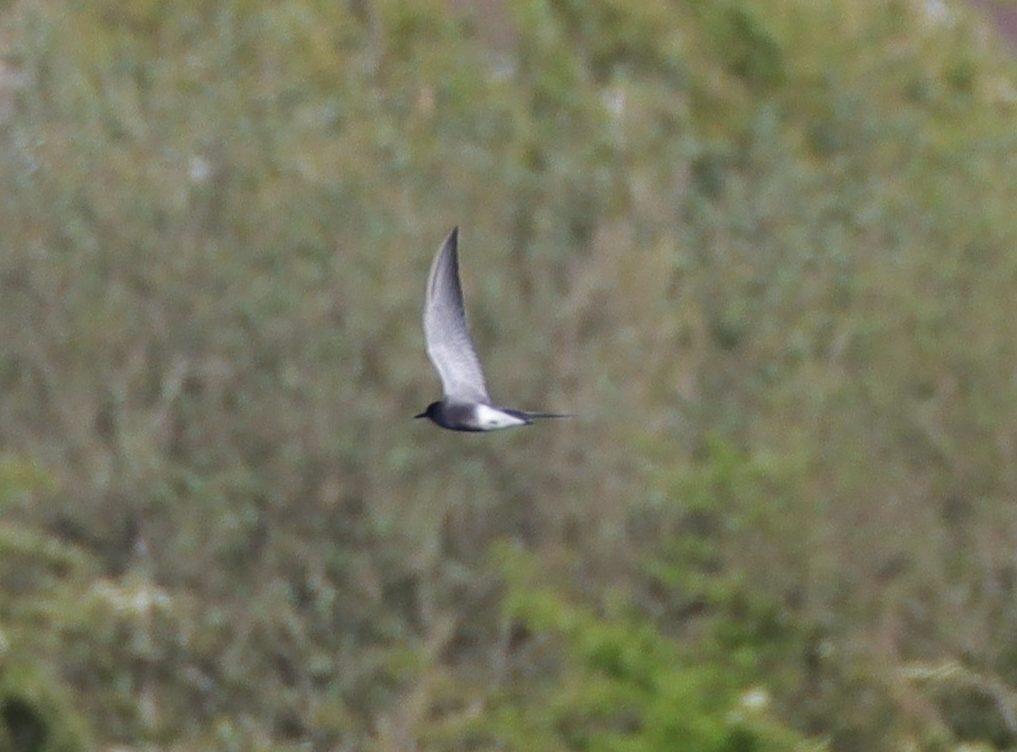
A flurry of Arctic Terns resulted in better numbers than in the previous week, the 28th giving rise to the majority of birds passing through. On this date, at least eight were present at Titchmarsh NR, a ‘small flock’ appeared briefly at Summer Leys, two were at Pitsford and singles visited Boddington Res and Stanwick. The 29th saw three flying east over Clifford Hill and one at Summer Leys, while one flew north over Daventry CP on 1st. But it was a dismal showing for Black Terns during the period with just single birds at Summer Leys between 28th and 1st, Clifford Hill on 29th and Ravensthorpe on 29th and 1st.

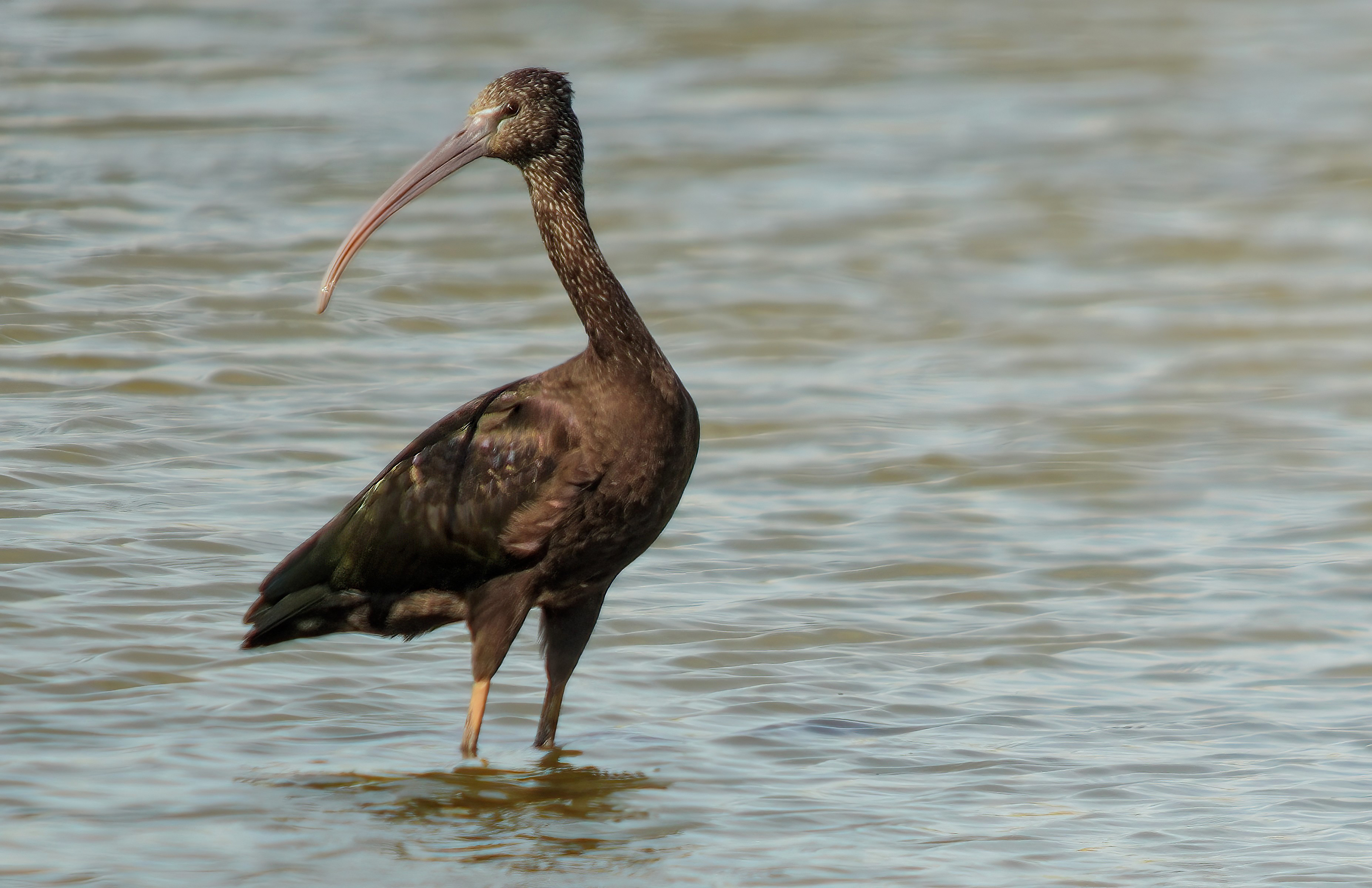
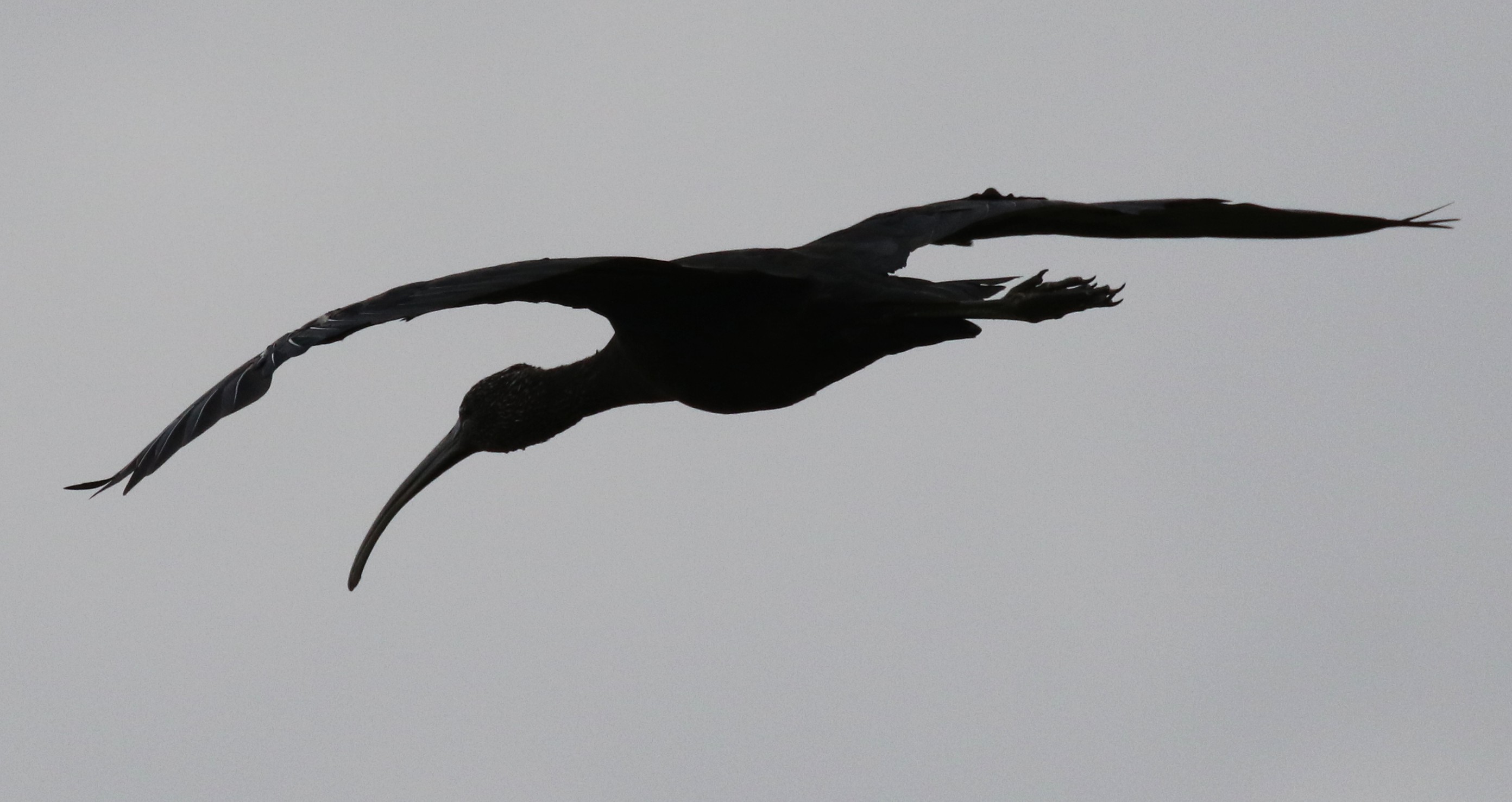
The county’s long-staying Glossy Ibis saw another week out at Summer Leys, visiting the wider reaches of the Earls Barton GP complex on occasions.

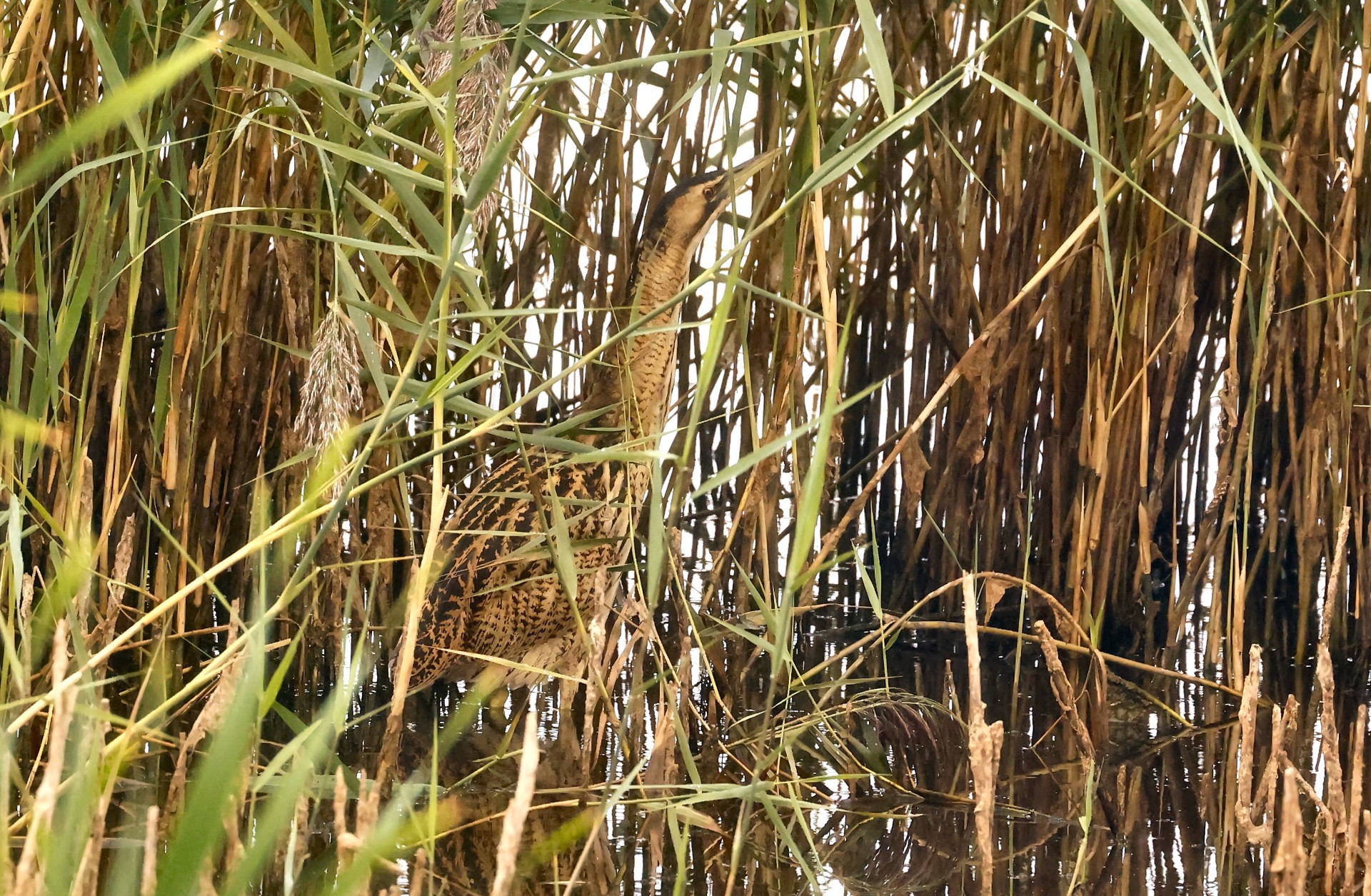
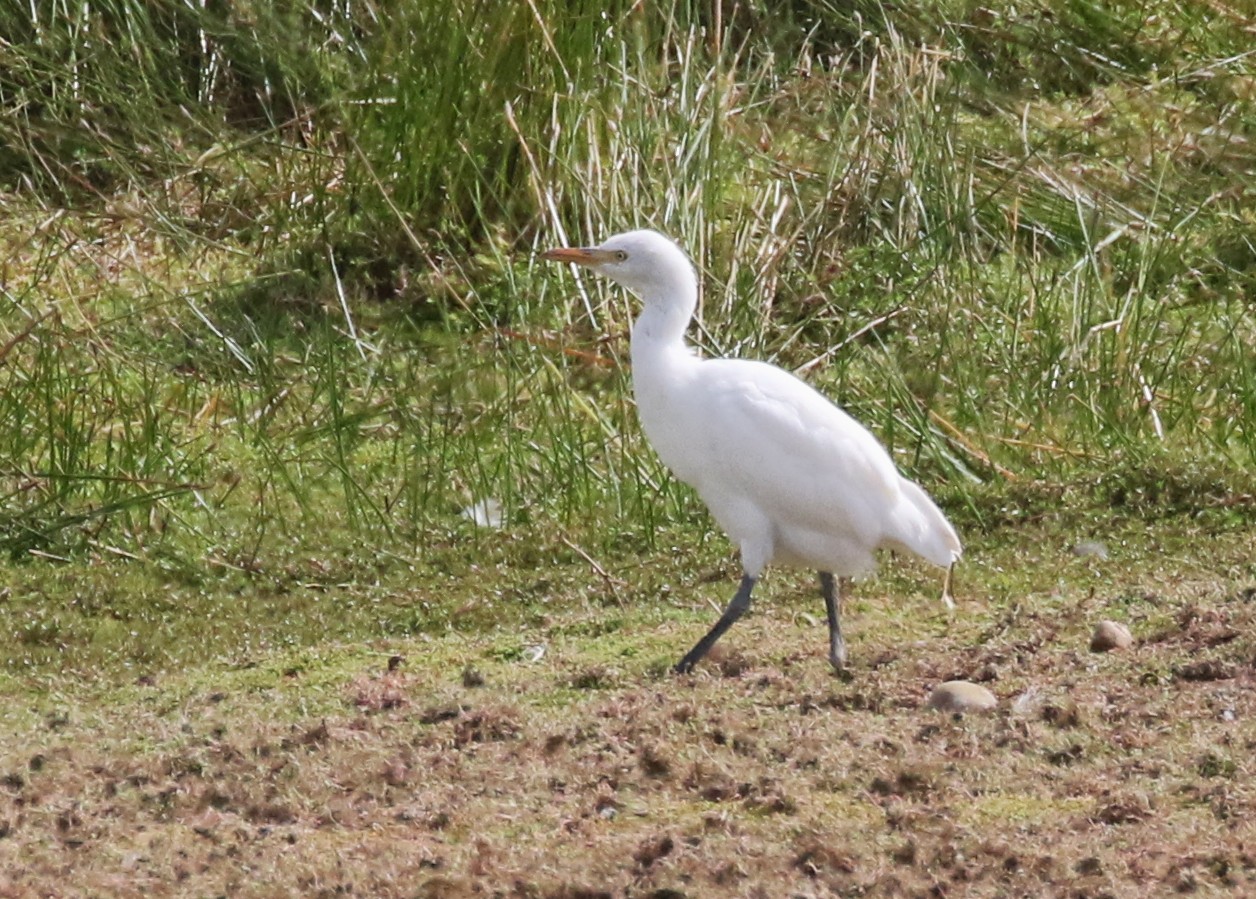
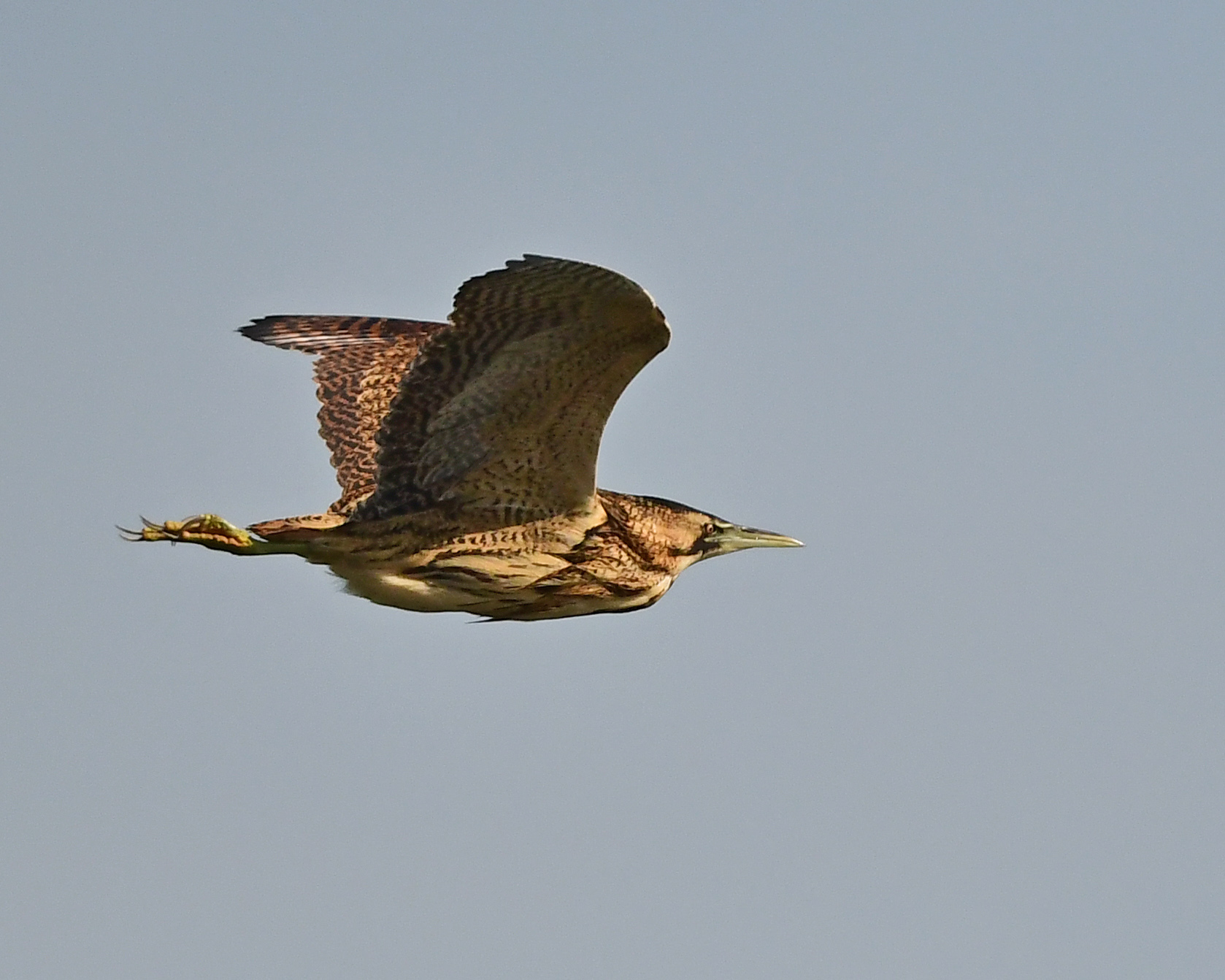
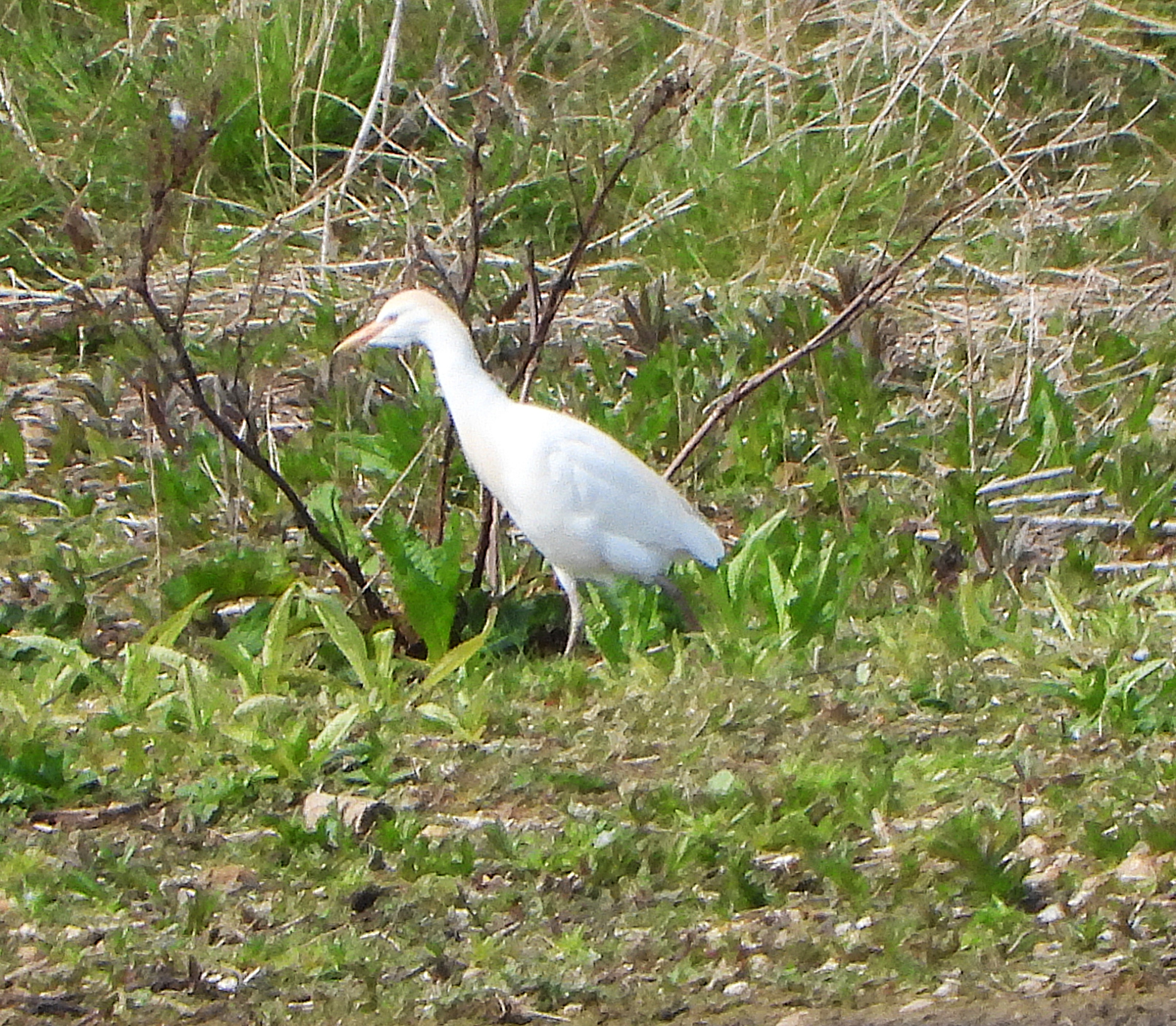
Bitterns seem to have dug their heels in firmly at Titchmarsh, where at least one was present throughout, while one was also discovered at Stortons GP on 27th. And Cattle Egrets rallied with a decent double-figure presence involving eleven birds together at Stanwick on 25th, four near Wappenham on 1st, two in flight over Clifford Hill on 29th, where one had been present the day before, two again at Stanwick also on 29th and one at New Workings (South) on 25th and 30th.

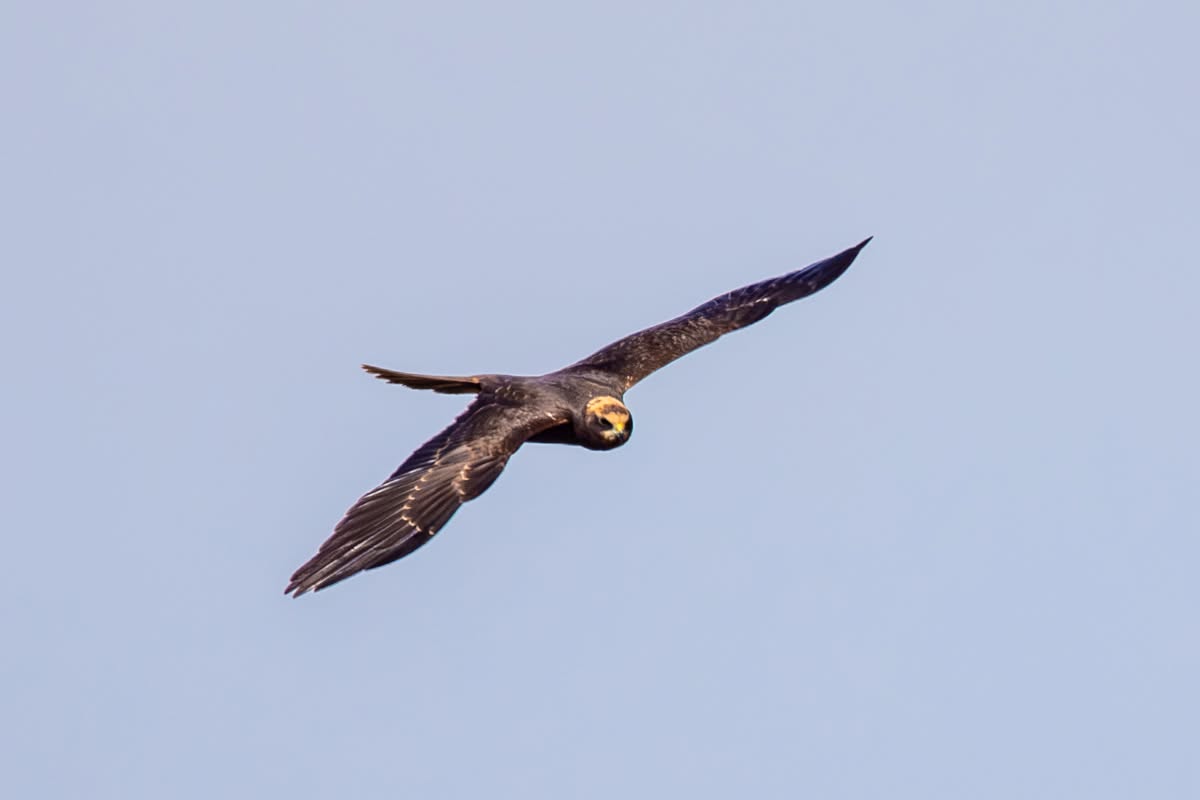
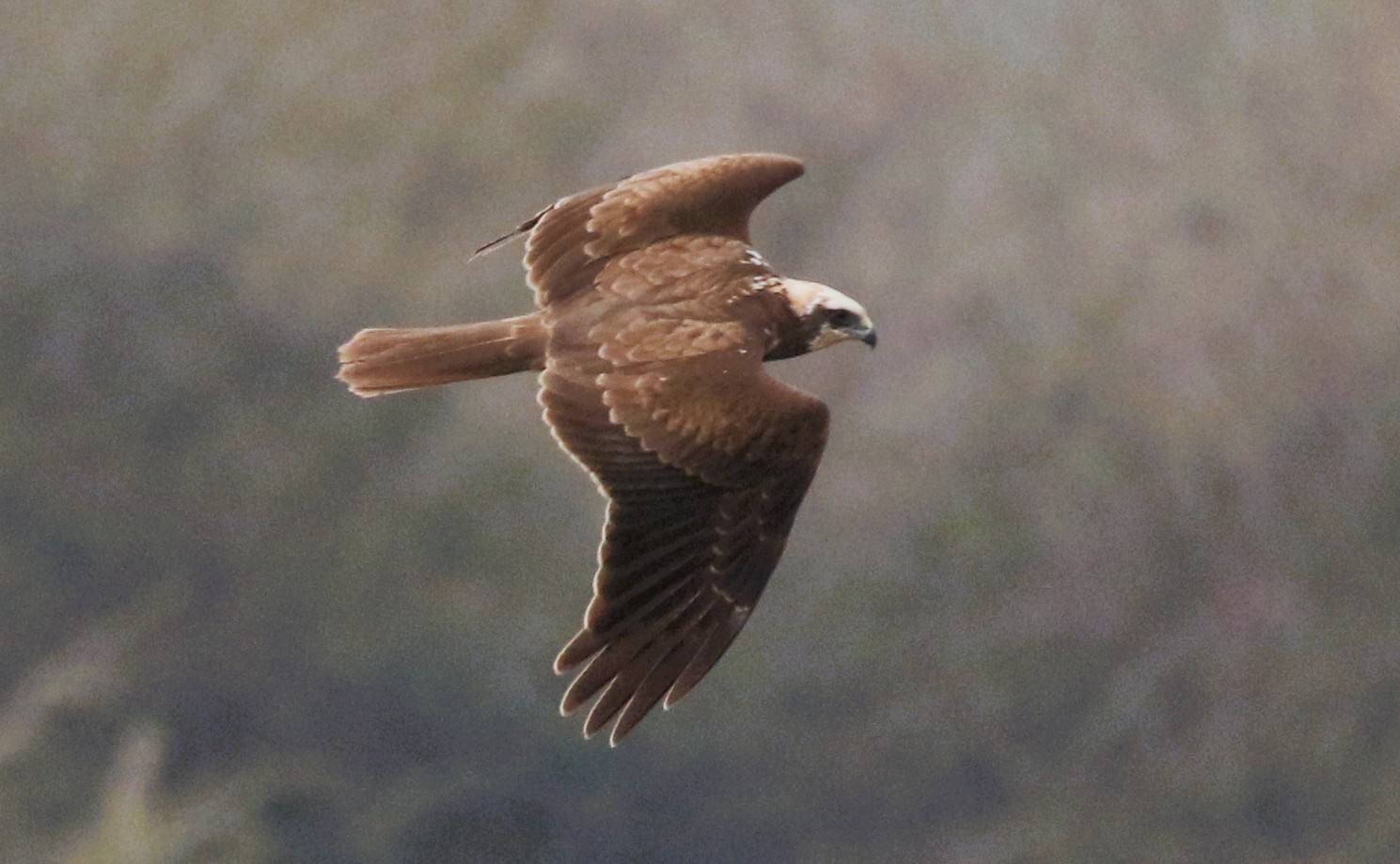
On the raptor front, single Ospreys were seen over Hollowell, Pitsford and Stanwick on 25th, Great Oxendon on 26th, Thrapston on 28th and at both New Workings (South) and at private lake near Oundle on 1st, while clinging on to weekly appearances were Marsh Harriers at New Workings (North) on 26th and over Boddington on 30th.

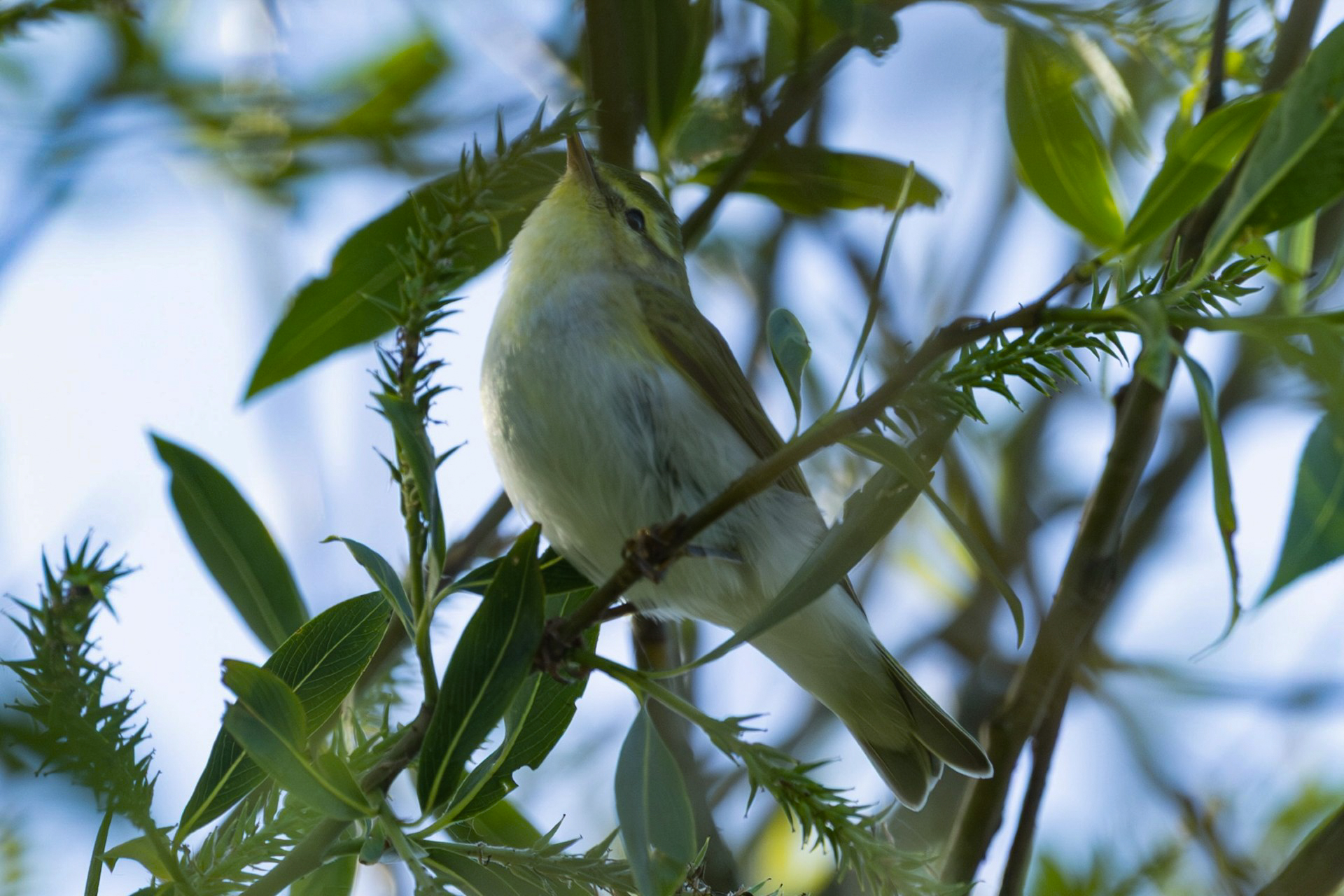
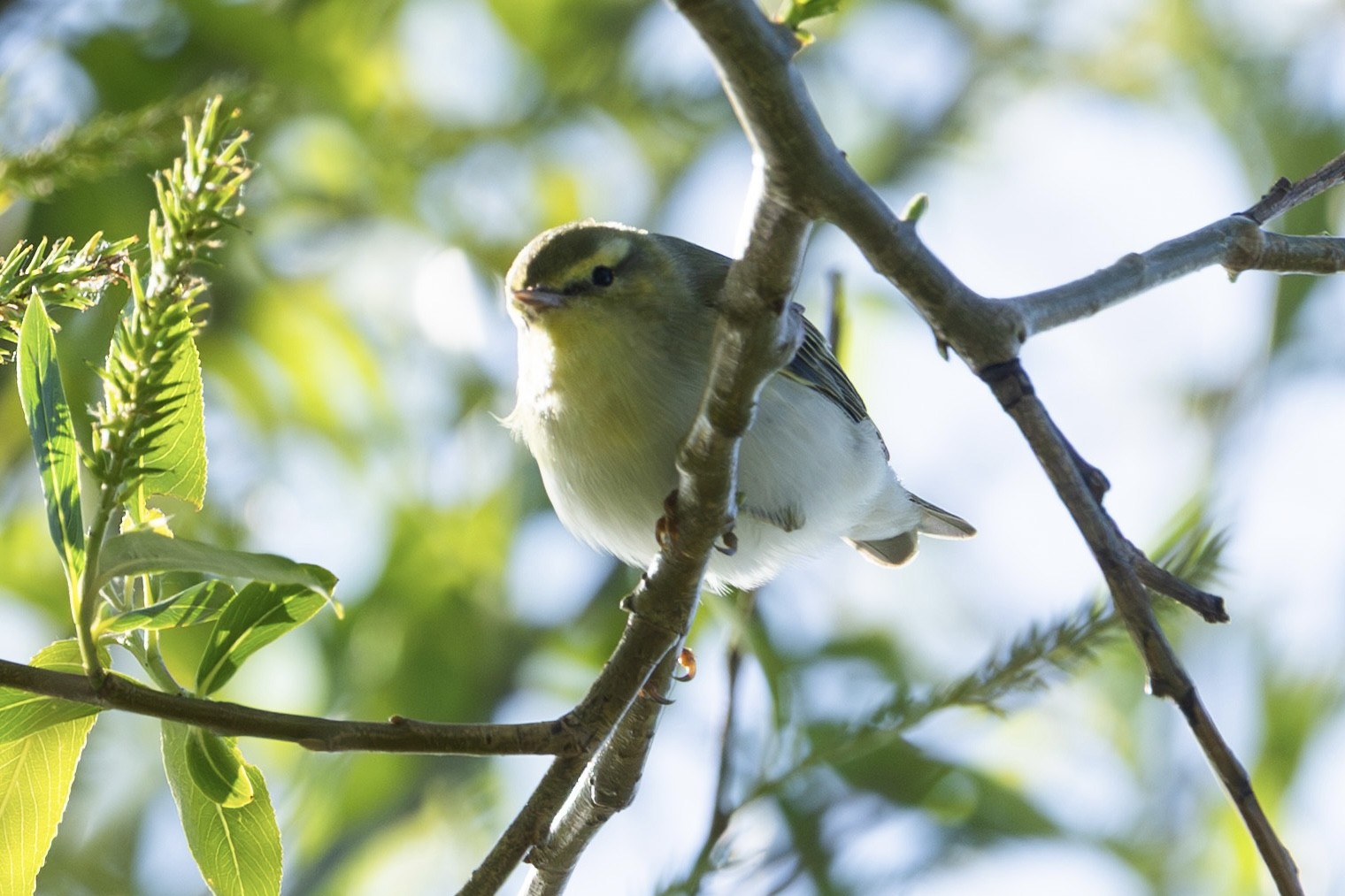
And passerines? Well, finding a Wood Warbler in Northants these days is no mean feat given that they have undergone a long-term population decline equivalent to an 81% decrease from 1995 to 2023. A singing male alongside the River Nene at Clifford Hill on 29th was, therefore, a much-appreciated discovery. Although it retains its annual visitor status, how much longer will this last?

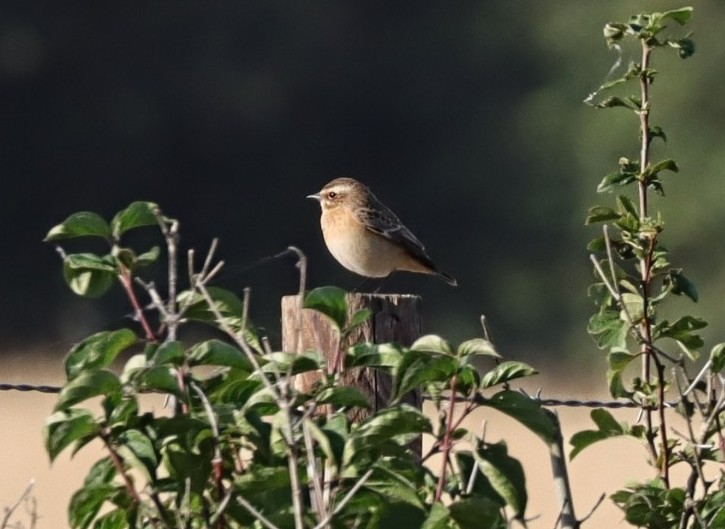
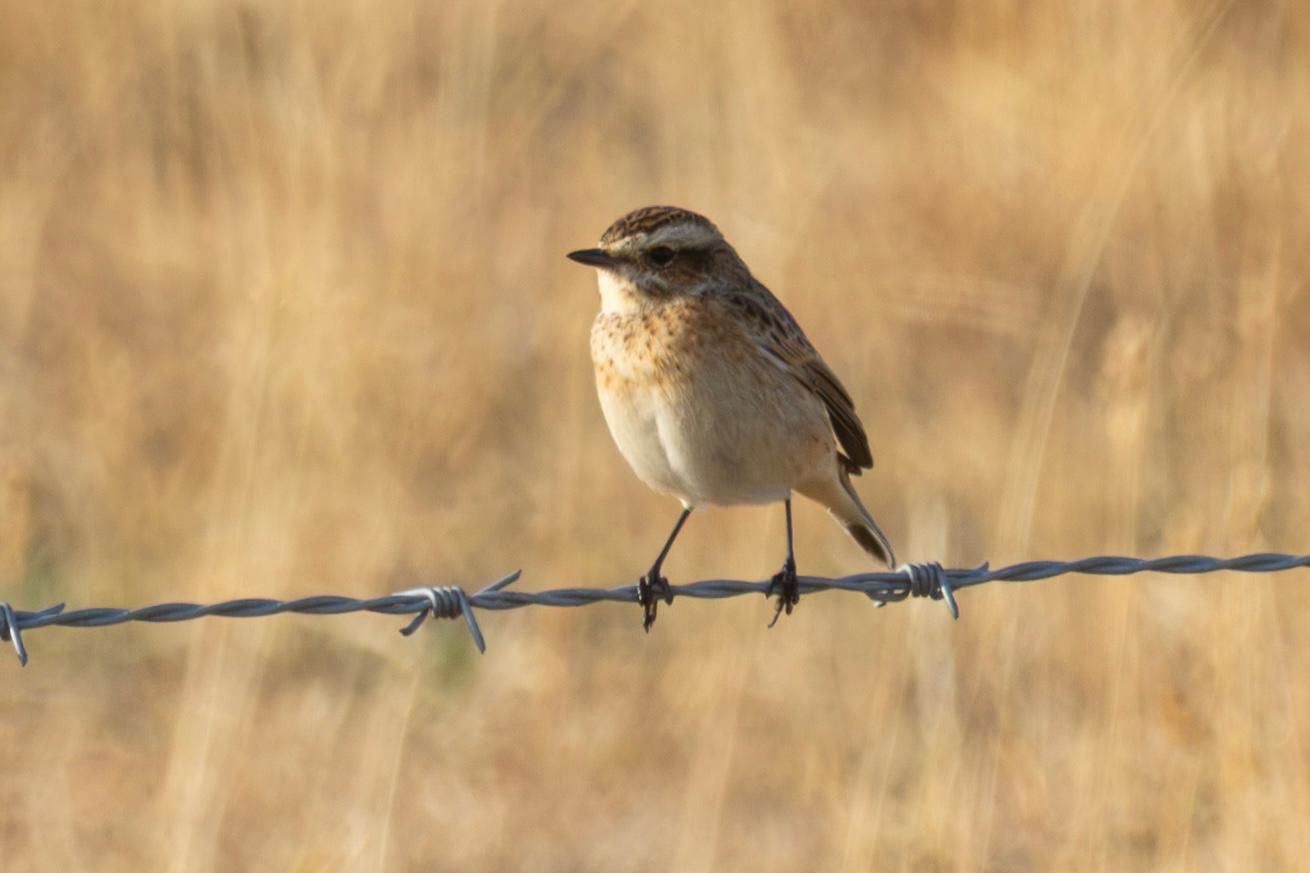
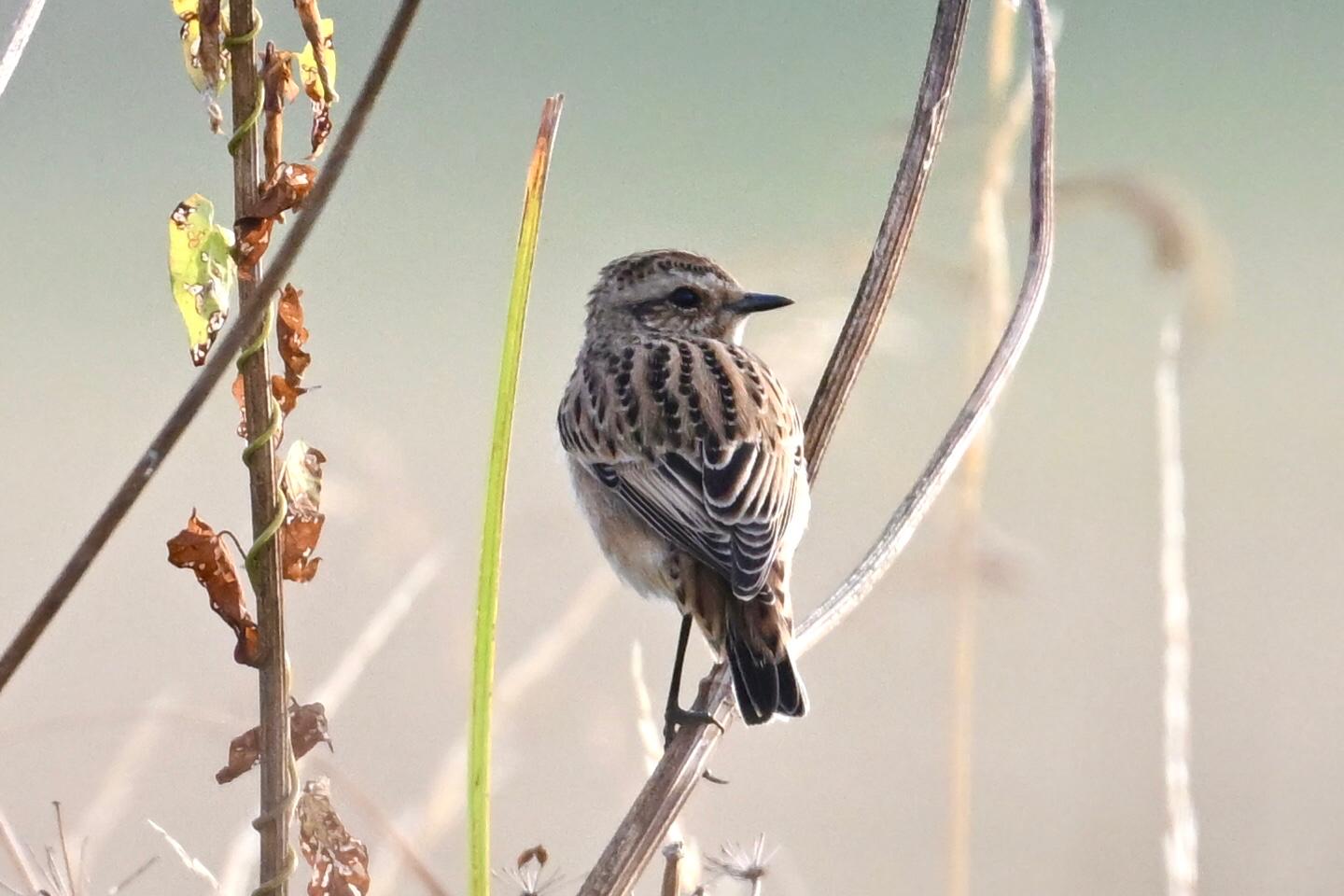
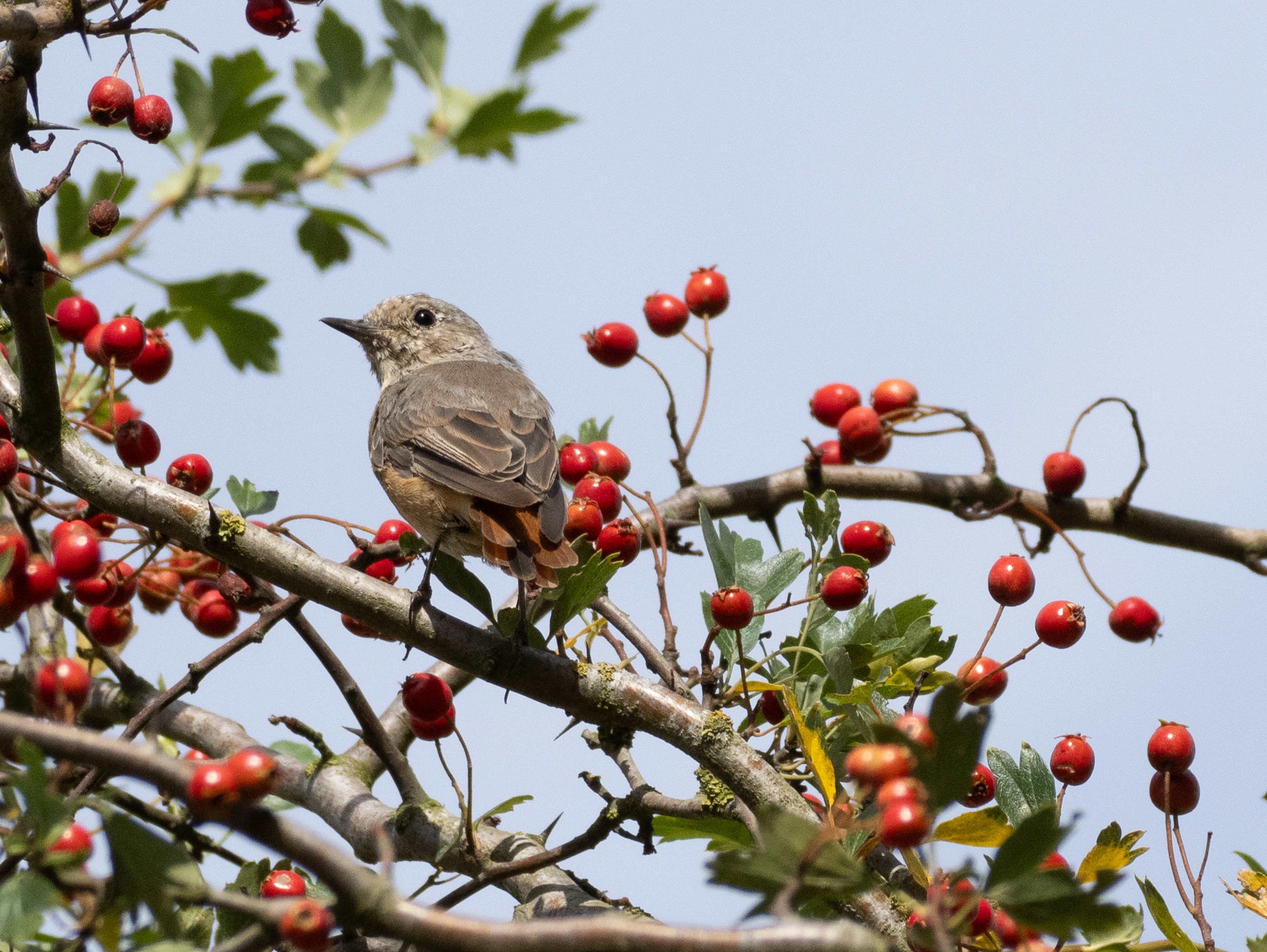
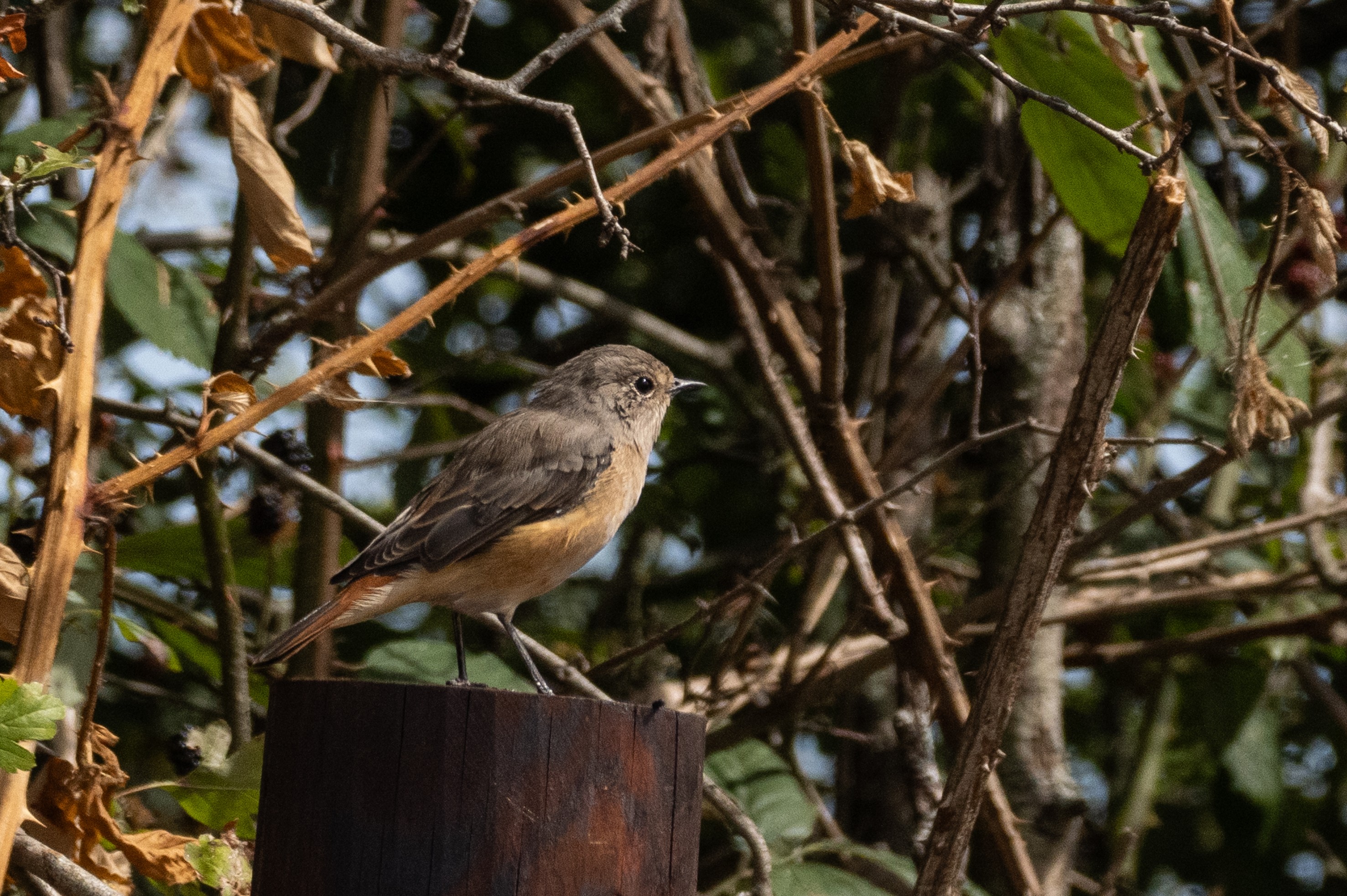
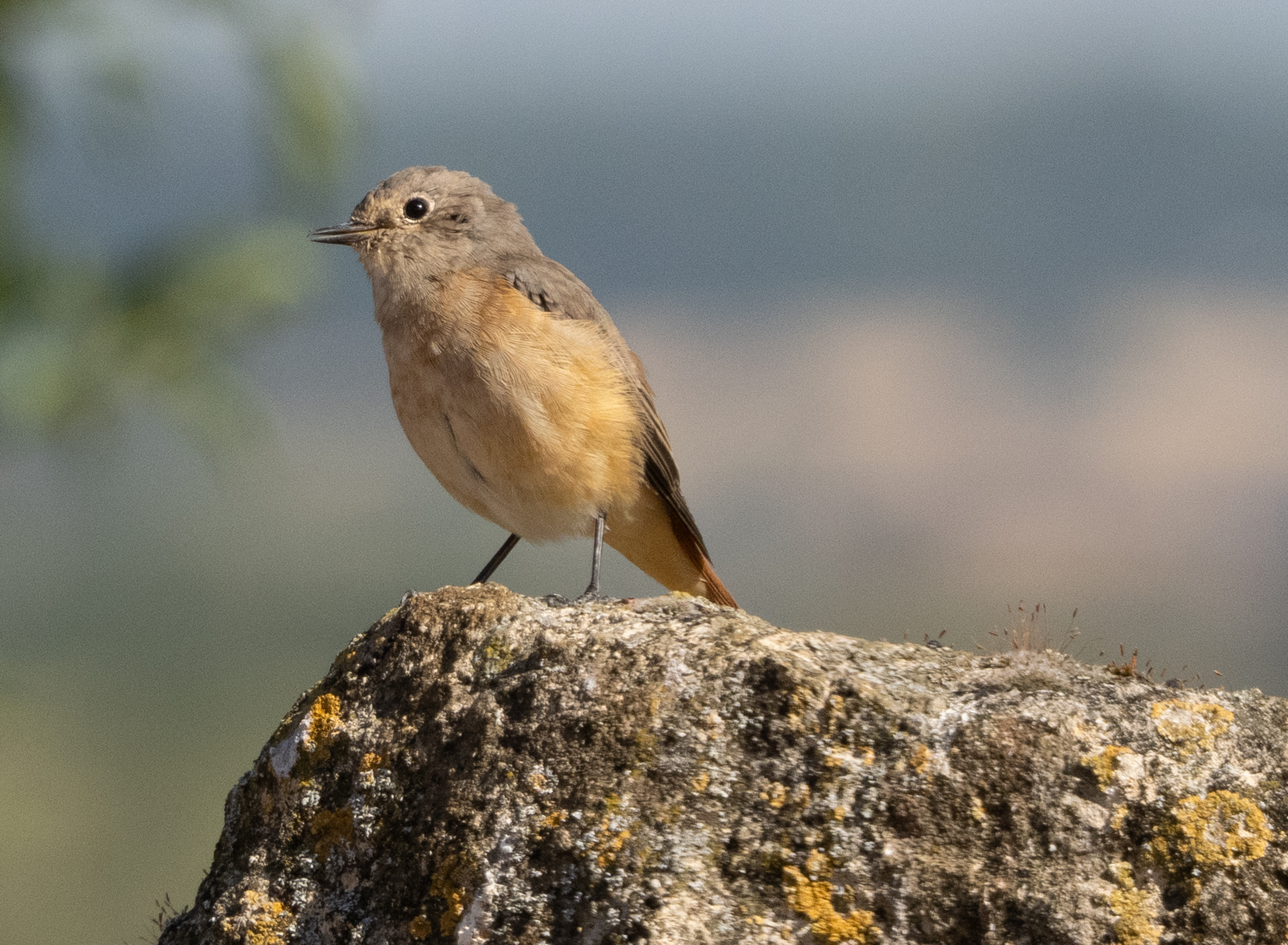
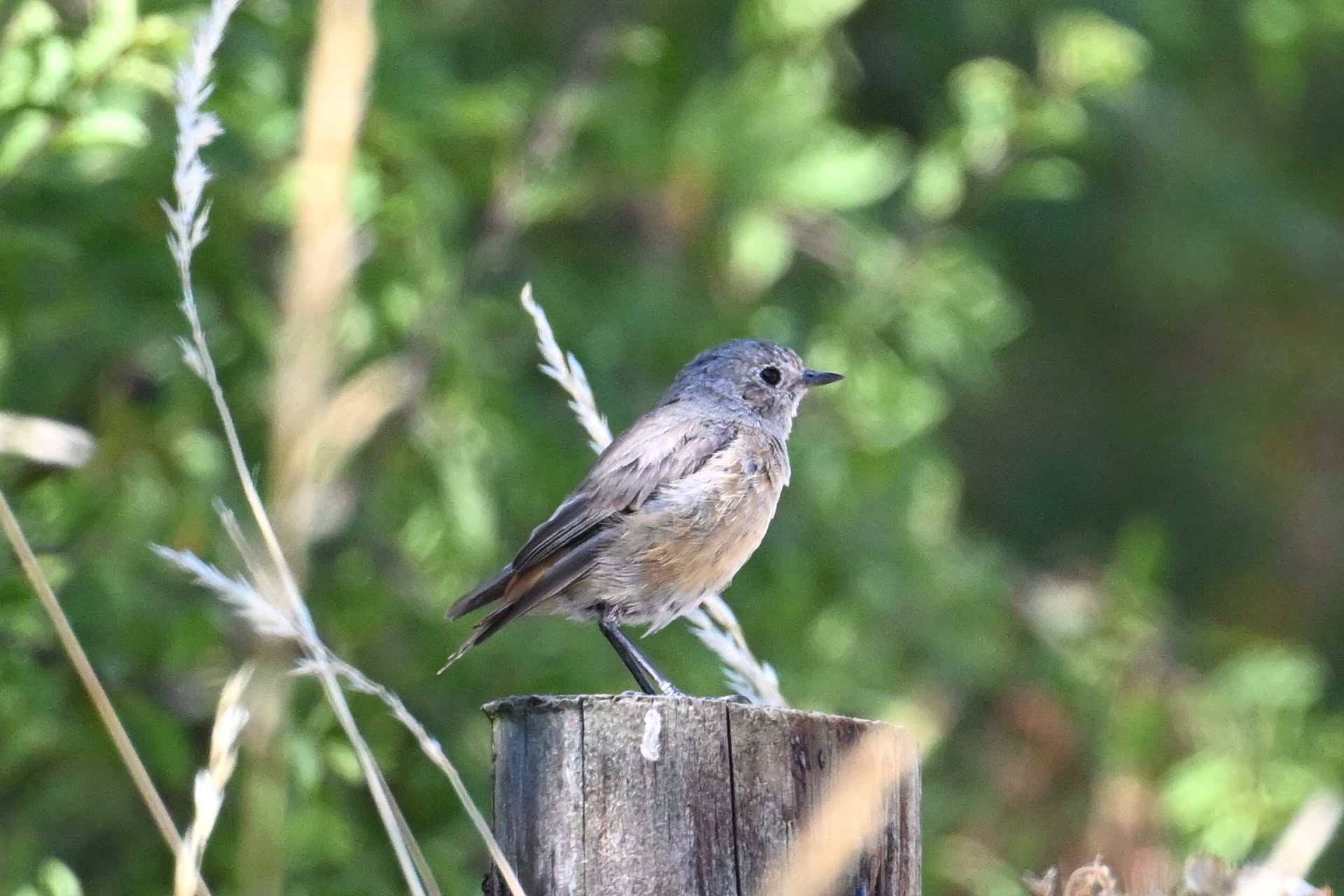
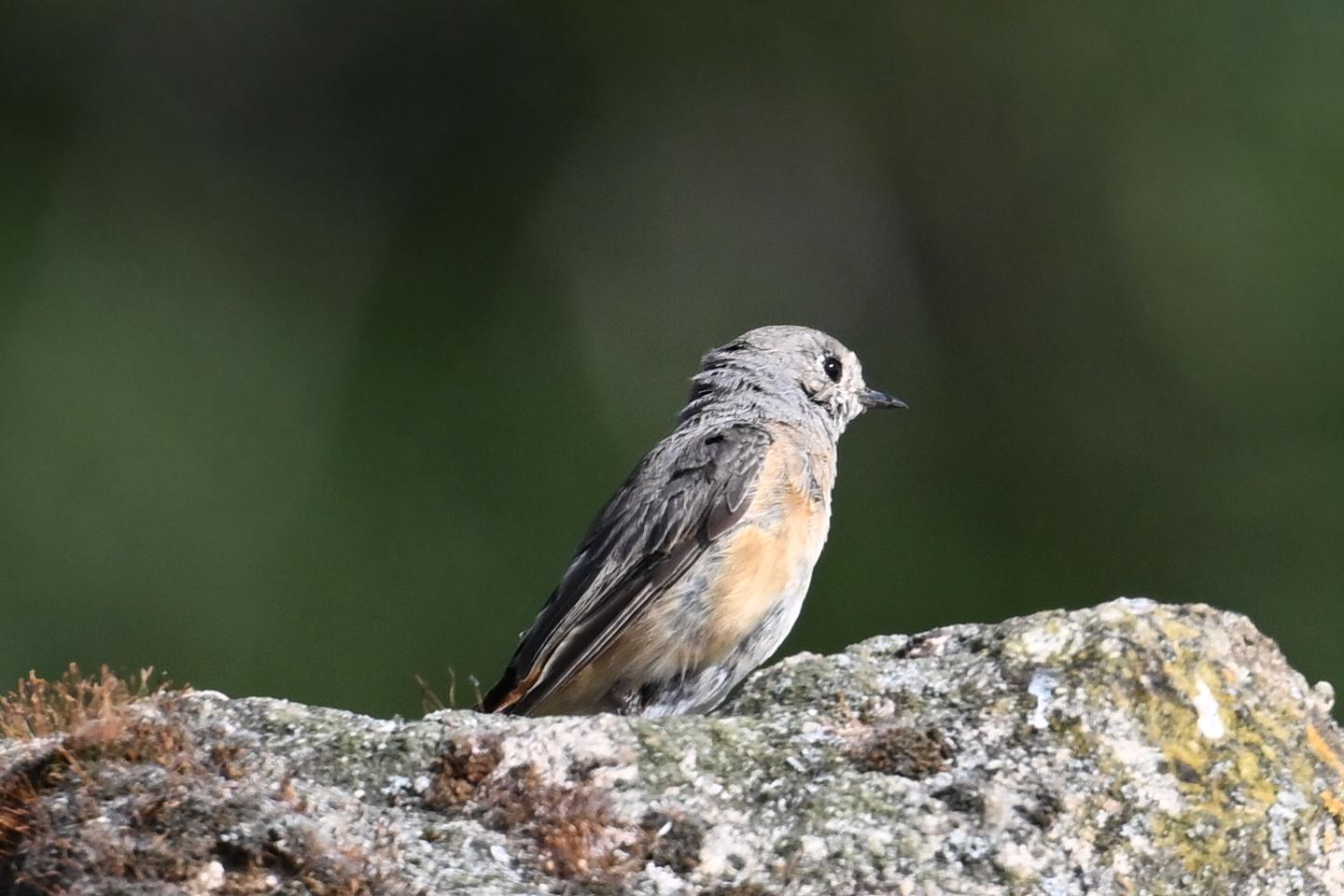
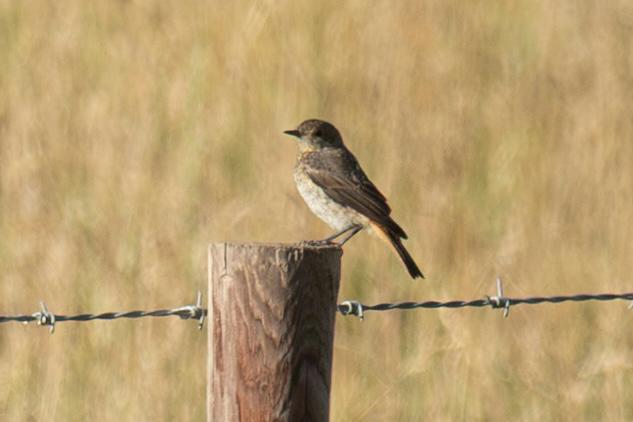
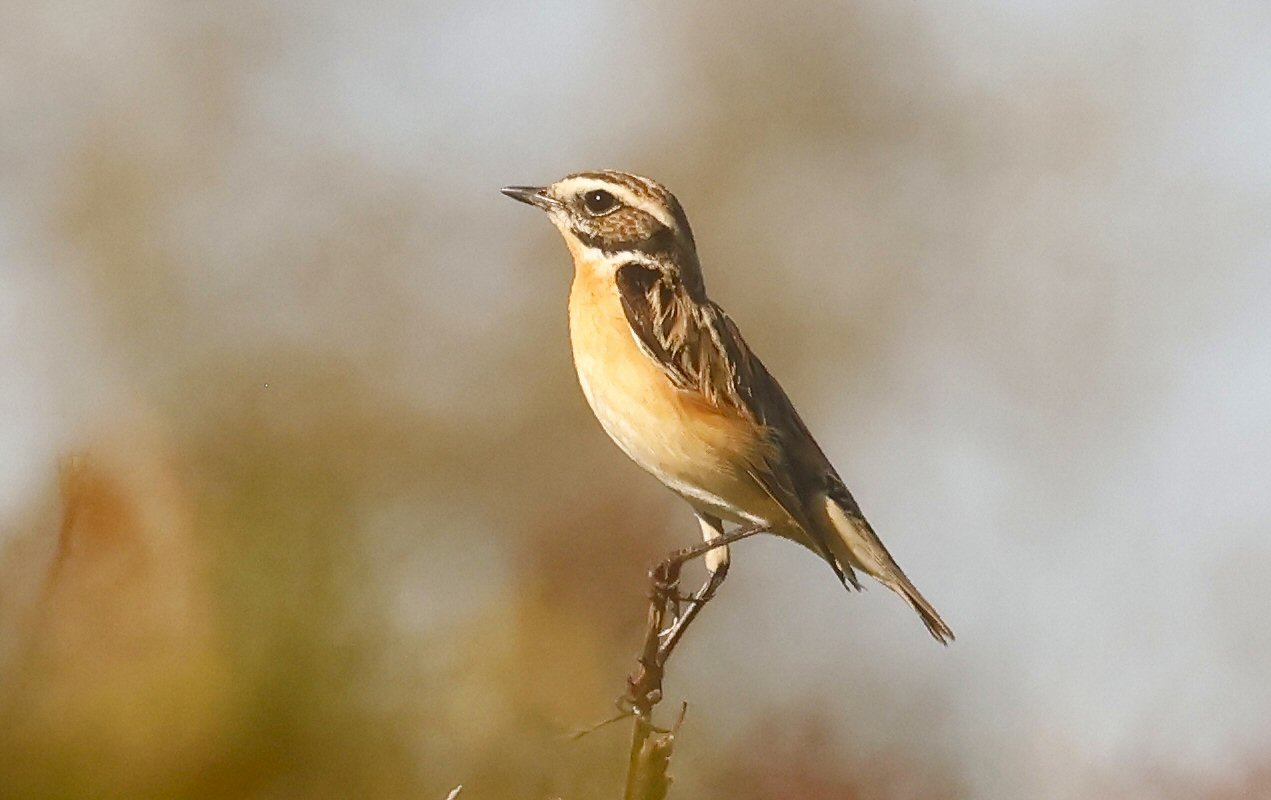
A female Ring Ouzel in fields between Ecton and Earls Barton on 25th melted away immediately after having been found. And with just two – singles at both Blueberry Farm and Cotton End Park, Long Buckby, on 25th – Common Redstarts were on the wane this week. Incoming, though, were Whinchats, with the first of the year between Cottesbrooke and Hanging Houghton in the Brampton Valley on 25th, followed by another in the same area on 1st.

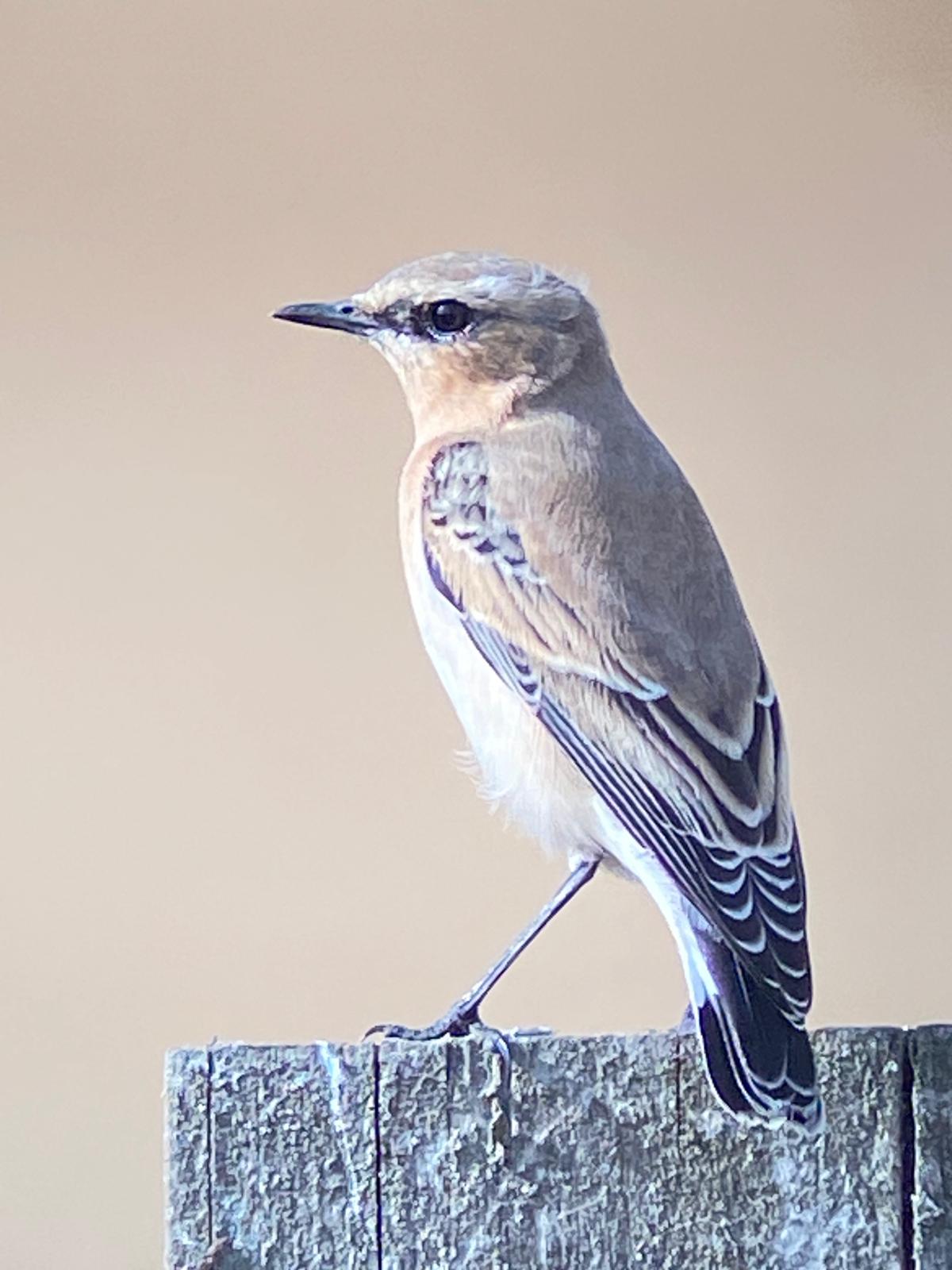
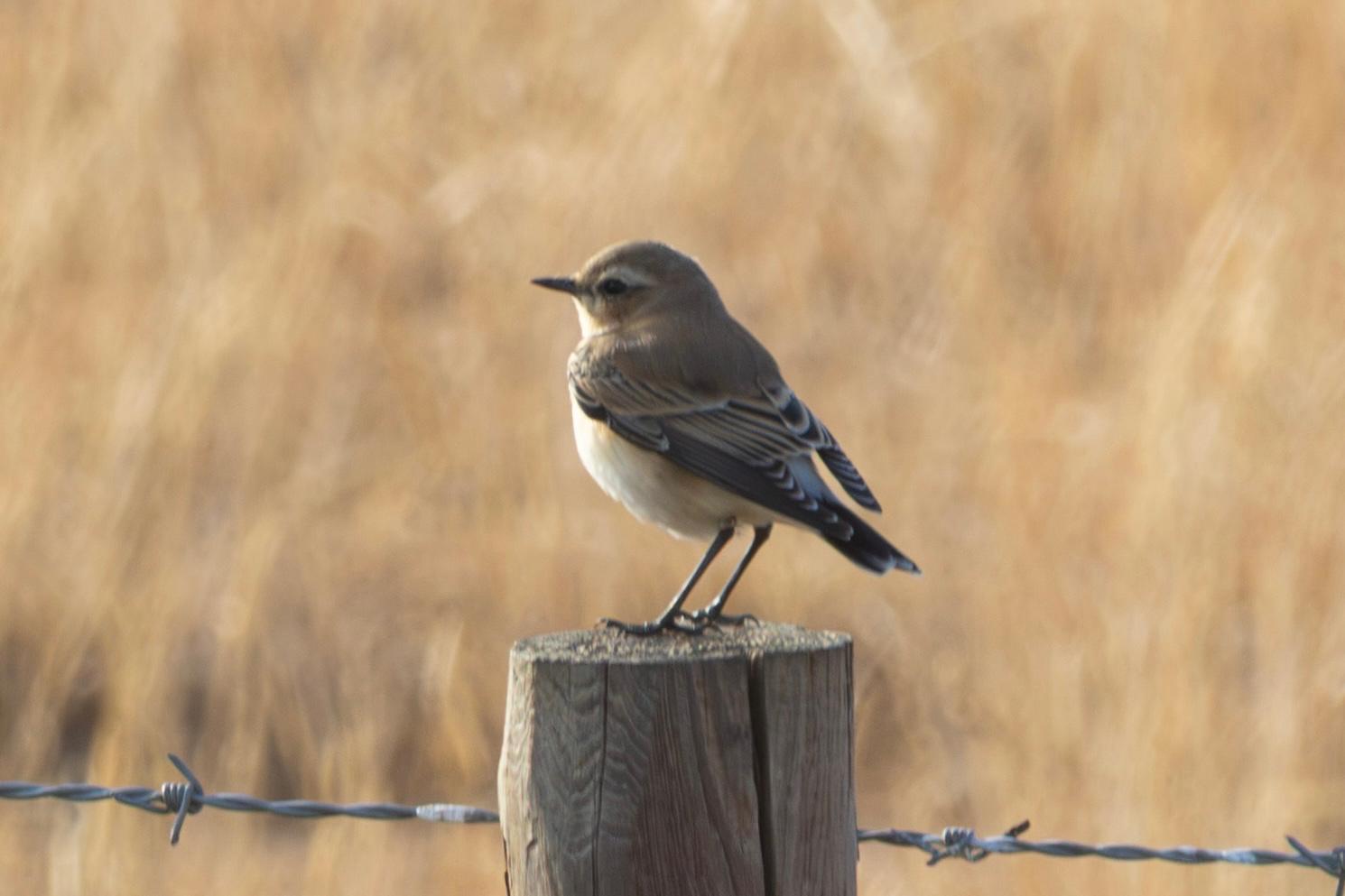
Compared to last week, the total of Northern Wheatears was reduced to little more than a trickle. Five at Harrington AF on 30th was a decent enough number but, elsewhere, singles only were at Welford Res on 25th, Clifford Hill on 27th and at New Workings (South) on 1st, while one at Stanwick on 28th showed characteristics of the Greenland race leucorhoa.

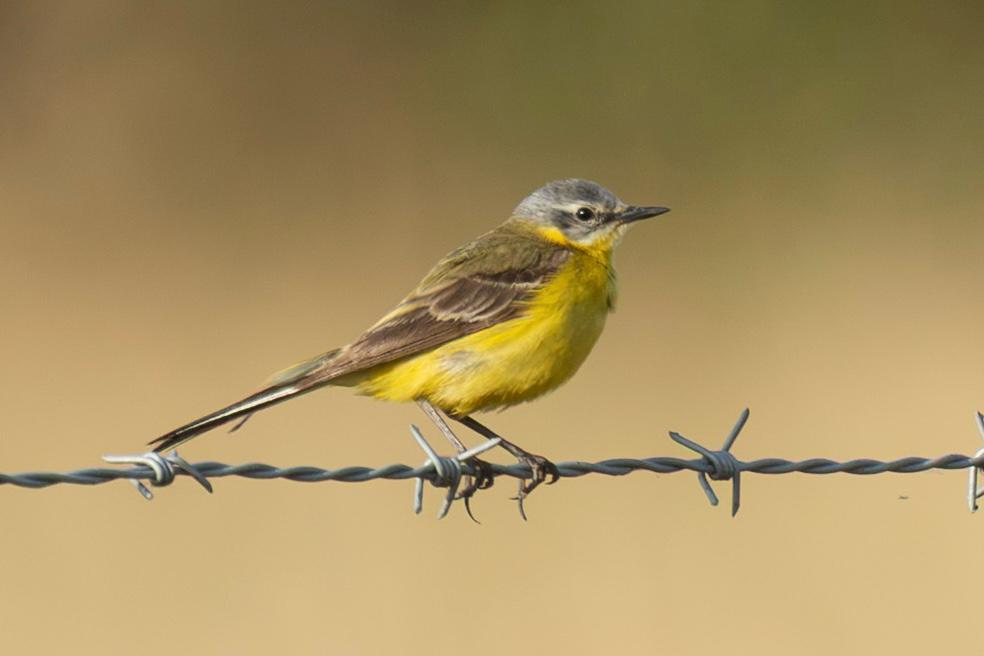
A ‘blue-headed’ type Yellow Wagtail was at Clifford Hill on 29th, while the week’s White Wagtails were represented by three at Titchmarsh NR on 28th and one at Lilbourne Meadows on 30th.

Newsround 21st to 27th March 2026

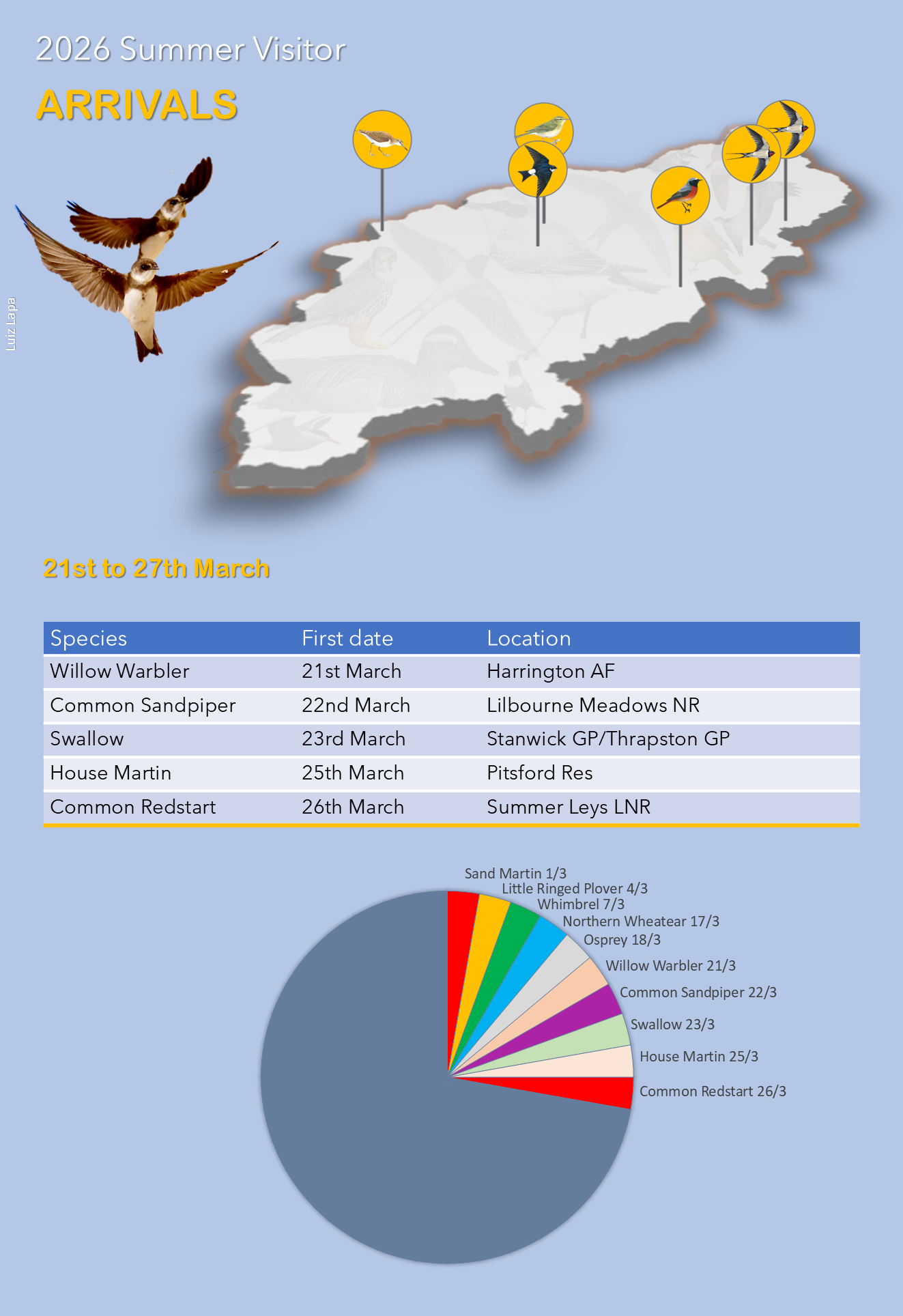
A mixed bag of weather ushered in five new summer visitors, while the week ended on a relatively cool note.

This year’s first Common Redstart is the earliest ever … by a clear four days.

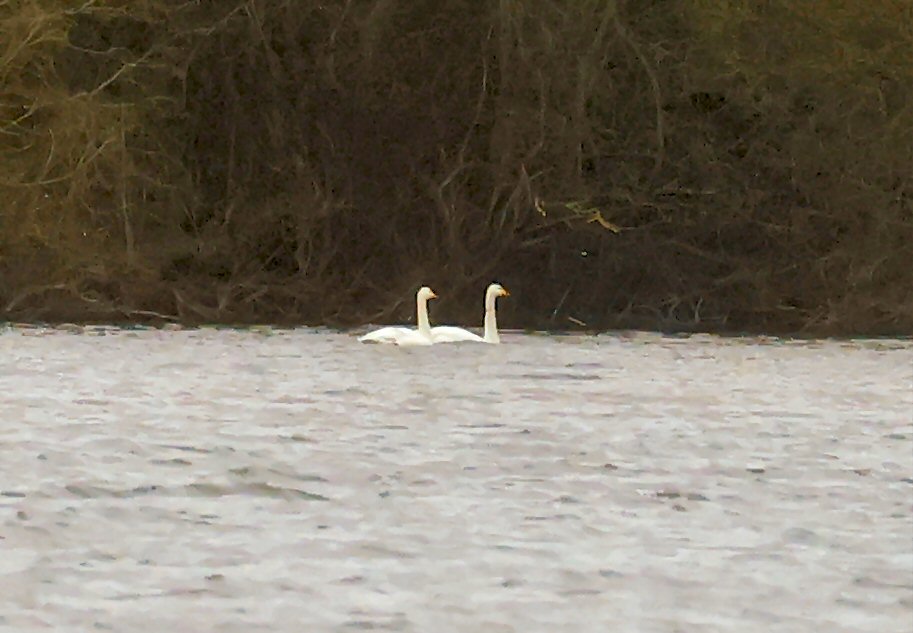
With wildfowl firmly on the move, two adult Whooper Swans at Thrapston GP on the last day of the period are the only ones since 2nd and 3rd Jan, when singles were present at Hollowell Res and Clifford Hill GP, respectively.

And after an apparent absence of eighteen days, the Nene Valley Ring-necked Duck was back again at Thrapston GP’s Titchmarsh NR on 23rd and 24th – its ability to disappear for long periods is uncanny and unmatched. More Common Scoters paid the county a visit this week, with a drake at Titchmarsh NR on 22nd and two at Clifford Hill the following day.

The period’s waders included three Black-tailed Godwits at Titchmarsh NR on 23rd and a run of Ruffs, comprising seven at Ditchford GP’s Irthlingborough Lakes & Meadows NR on 23rd-24th, dropping to one there on 26th, two at Earls Barton GP on 21st and singles at Summer Leys LNR on 21st and 27th.

Two Jack Snipes were at Upton CP on 22nd and two at Ditchford the following day.

Hot on the heels of last week’s Kittiwakes were three or four more – all adults – at Thrapston GP on 26th-27th and at both Clifford Hill and Ravensthorpe, also on 27th. Nice but trivial in comparison to flocks of seventeen and forty-five over two sites in adjacent Buckinghamshire on 26th … A Mediterranean Gull visited Hardingstone GP on 23rd, the week’s only Caspian Gull was at Hollowell Res on 27th, while a single adult Yellow-legged Gull remained at Pitsford Res on 23rd and 25th.

The Red-throated Diver at Hollowell extended its stay there by yet another week.

Although seen almost daily up to 26th, there were no further reports of the Glossy Ibis at Summer Leys thereafter.

The period’s Cattle Egrets were limited to three together on farmland immediately north-east of Ringstead GP’s Kinewell Lake, on 27th.

Following the first Ospreys last week, two more flyovers passed Pitsford on 25th and Boddington Res, two days later, on 27th. Marsh Harriers fanned out a bit, single birds being seen at Earls Barton on 21st, Titchmarsh on 23rd-24th, over Irthlingborough and at Ditchford GP on 23rd, at Summer Leys on 23rd and 27th, at Stanwick GP on 24th and Clifford Hill on 26th.

And aside from the aforementioned incoming passerines, a Black Redstart stuck rigidly to the species’ rules of late and turned up … yep … in a private garden, this time in Kettering. More Northern Wheatears were likely on the cards and they duly arrived – two at Clopton on 25th and singles near Everdon and at Harrington AF on 26th and at Clifford Hill on 27th.

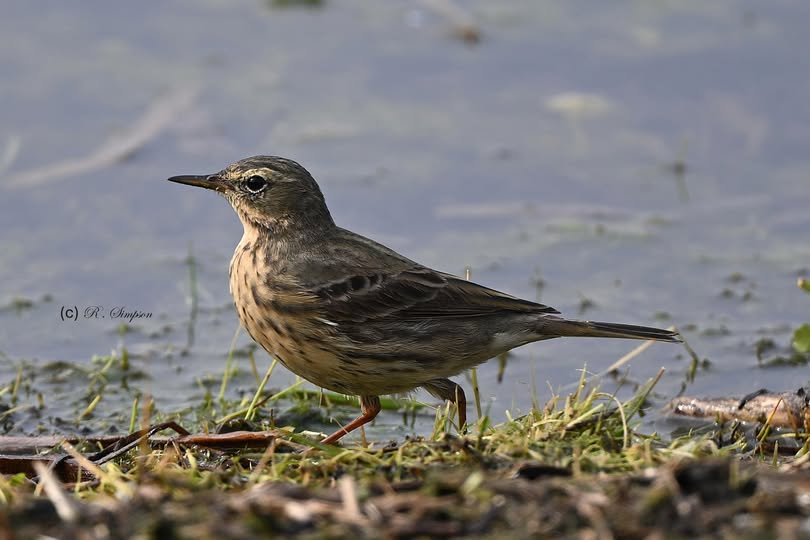
On 23rd, a Scandinavian Rock Pipit paid a brief visit to Summer Leys, much to the delight of local photographers being in the right place at the right time. A smart bird and the first this year of a species which has become increasingly difficult to connect with in the county in recent years.

Which just leaves Crossbills, singles of which were seen at Pitsford 22nd and Hollowell on 24th.

Newsround 14th to 20th March 2026

A high pressure system over the country in the latter part of the week gave rise to above average temperatures and saw the wind direction change from south westerlies to an airflow with an easterly bias. Four new species were added to the county yearlist, only two of which were summer visitors …

And while there were no early birds, both Osprey and Northern Wheatear clocked on in an expectedly timely fashion.

Numbers of wildfowl took a tumble, the only birds of note being eleven White-fronted Geese which dropped in, briefly, at Ringstead GP on the last day of the week.

Barely had we passed mid-March and the second Common Crane of the year was notched up – another flyover and again at the eastern end of the county – this time at Lyveden New Bield, between Brigstock and Stoke Doyle, on 20th.

And Ravensthorpe’s Slavonian Grebe completed a 26-day stay on 17th, after which there were no further reports.

On the wader front, the second and third Avocet records for the year were not totally unexpected and included one at Pitsford Res on 15th, followed by one at Earls Barton GP on 18th being joined there by another the next day.

Summer Leys produced all the period’s Black-tailed Godwits, with one on 14th, sixteen on 17th and at least one on 19th.

Further down the Nene Valley, five Ruffs at Ditchford GP’s Townholme Meadows constituted another first for the year on 20th, while single Jack Snipes were seen at Hollowell Res between 15th and 20th and at Pitsford on the latter date. Pitsford also continued to hold on to its wintering Common Sandpiper, seen only sporadically but still present on the causeway there on 19th.

And just over two weeks after the first Kittiwake of the year came six together, at Pitsford, on 16th, while the period’s only Mediterranean Gull – a first-winter – visited Stanford Res on three consecutive days from 14th. Other gulls were available, of course, including two second-winter Caspian Gulls at Clifford Hill GP on 15th, two adults at Hollowell on 18th and a single adult at Ravensthorpe on the same date. An adult Yellow-legged Gull was present at Pitsford on 16th-17th and two visited Ravensthorpe on 18th.

The Red-throated Diver at Hollowell extended its stay there by another week.

And the Summer Leys Glossy Ibis similarly saw another week out on site.

The latter location also produced sightings of Bittern on 14th and 19th, while a Cattle Egret scraped into the period, appearing at Kislingbury GP on the first of these two dates.

Flying high north over Harrington AF on 18th, the year’s first Osprey was quickly followed by another over Hollowell two days later, on 20th. No doubt there’ll be many more to come … And now part of the furniture, it seems, Marsh Harriers were still around at Summer Leys, where single birds were seen on 14th, 16th and 18th, with two present on 17th. Nearby, in the wider reaches of Earls Barton GP, singles were at Quarry Walk on 14th and at New Workings (South) on 20th. A ‘ringtail’ Hen Harrier flew west over Harrington AF on 16th.

And the week’s other first summer visitor arrived on 17th in the shape of a smart male Northern Wheatear at Clifford Hill GP, hot on the tail of which were three more – all males – the following day, at Blueberry Hill Maidwell, in the Brampton Valley between Cottesbrooke and Hanging Houghton, and at Harrington AF.

An early spring White Wagtail was found on a manure heap between Earls Barton and Ecton on 20th and the only Water Pipit so far this year flew over, calling, at Pitsford on the same date.

It’s been a tremendous winter – and indeed last year – for Crossbills and they are still with us, one being seen at Gamboro Plantation, east of Cottesbrooke, on 14th, five over Denton Wood, Yardley Chase on 16th and several at Pitsford Res on 20th.

Newsround 7th to 13th March 2026

A westerly to south-westerly bias to the wind direction this week may not have been in the best interest of migrants from the deep south but there were signs of the beginning of a winter goose clear-out, while some of the county’s recent scarcer visitors sat tight.  

New in, however, was an early bird in the shape of a Whimbrel – the first of the year – at Clifford Hill GP on 7th.

This individual proved itself a record-breaker, comfortably beating the county’s previous earliest of one over Ravensthorpe Res on 10th March 2012. While by and large classed as a summer visitor, the UK supports a very small, but growing, wintering population with a concentration along the south coast of England, as well as some in Southern Ireland.

The week’s geese included a Pink-footed Goose found between Chipping Warden and West Farndon on 8th – the same date being the last on which the long-staying Tundra Bean Goose, along with its supporting cast of up to twenty-three White-fronted Geese, was seen at Ringstead GP. With regard to the latter species, the Stanwick seven were, appropriately enough, last seen on 7th, while the settled flock of up to thirty-seven remained in the vicinity of Stanford on Avon until the week’s end.

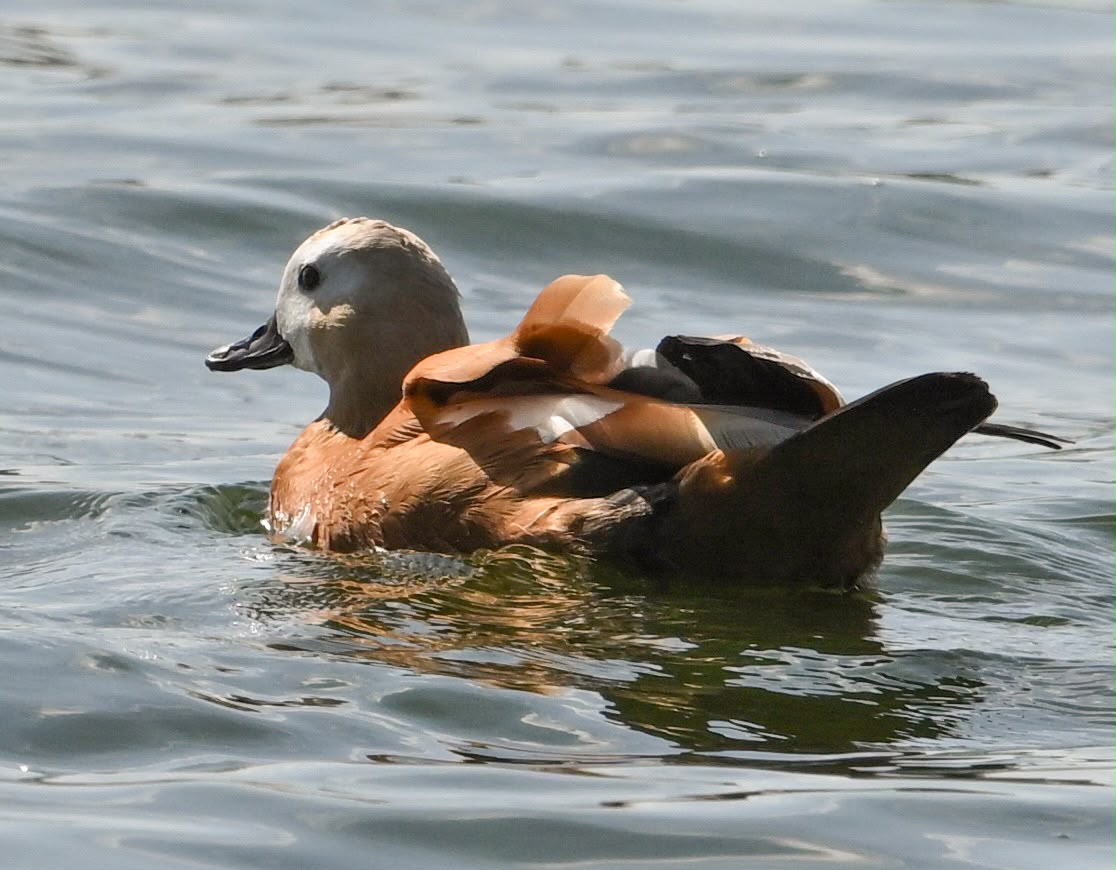
The female Ruddy Shelduck was still present at Lilbourne Meadows up to 9th but was not reported thereafter, the same being applicable to the drake Smew at Clifford Hill GP. New in, however, were two Common Scoters making a short stopover at Daventry CP, also on 9th and on the back of an inland movement across the Midlands and Northern England.

Having moved to Ditchford GP, last week’s Red-necked Grebe continued to prove elusive, having shifted to Big Lake there on 10th, the week’s only sighting, and there were no subsequent reports. By stark contrast, Ravensthorpe’s Slavonian Grebe extended its stay, being seen daily throughout the period.

And aside from the aforementioned Whimbrel, the week’s prime waders were limited to a Black-tailed Godwit on floods in the Welland Valley near Harringworth on 7th and a Jack Snipe at Hollowell Res on 9th.

Mediterranean Gulls, part of the March movement menu, included a first-winter in the roost at Stanford Res on 8th-9th, an adult at Daventry on 10th and 12th and a first-winter at Hollowell on 13th.

Three Caspian Gulls – an adult and two third-winters – were at Clifford Hill GP on 7th, followed by a second-winter there on 9th, while an adult visited Earls Barton GP’s New Workings on 13th. The week’s sole Yellow-legged Gull was an adult at Clifford Hill on 7th.

Attracting scant attention after nearly five weeks in residence, the Red-throated Diver remained settled at Hollowell throughout the period.

And while the Glossy Ibis continued to busy itself at Summer Leys for yet another week, further down the Nene Valley three Cattle Egrets turned up at Stanwick on 7th before one was subsequently found on floodwater at Oundle on 13th.

Sticking with said valley, Marsh Harriers continued their presence at the hub which is Summer Leys, where at least two were seen – including the frequently present first-year male, wing-tagged ‘J4’ – between 10th and 12th. Elsewhere, singles were found at nearby Earls Barton GP’s New Workings on 9th and at Stanwick on 7th.

In the Brampton Valley, a ‘ringtail’ Hen Harrier flew south-east between Cottesbrooke and Hanging Houghton on 8th.

The week’s passerines were seriously thin on the ground, with just a small number of Crossbills at Harlestone Firs on 7th and five Corn Buntings between Deanshanger and Wicken on 9th.

Newsround 28th February to 6th March 2026

We crossed the line into meteorological spring this week and to mark it came the first summer visitors of the year, aided and abetted by the continuing southerly airstream. Two additional firsts for the year also made their way to the county and with winter now firmly in recession, it’s time to reflect on some quality birds while at same time looking forward to what’s on the immediate horizon.

Yes, the summer visitor clock has again started ticking, spring is beginning to unfold …and not a moment too soon.

First up, predictably, was Sand Martin, with the initial arrival of three at Thrapston GP on 1st, quickly followed by one at Priors Hall, Corby on 3rd, two at Pitsford Res on 5th and, on 6th, three near Oundle and sixteen at Thrapston. But no sooner had this initial rush began than we saw a record-breaker in the shape of two Little Ringed Plovers at Clifford Hill GP on 4th, beating the county’s previous earliest, on 7th March in 2021, by a clear three days.

However, we’re not done with winter just yet – and what a winter it’s been. Class wildfowl continue to dominate with the Tundra Bean Goose seeing out another week in company with twenty-three White-fronted Geese in the Denford/Ringstead area.

Other White-fronted Geese also remained settled in certain favoured localities, the largest concentration being up to thirty-eight at Stanford on Avon throughout the period. Eighteen lingered by the River Nene at Warmington Mill until at least 1st and seven extended their stay by another week at Stanwick GP.

Appearing on and off across a range of sites in northwestern Northants, the annually wintering female Ruddy Shelduck dropped into Lilbourne Meadows NR on 4th, remaining there until the end of the week.

The drake Ring-necked Duck continued to attract interest at Ringstead GP, where it was showing until at least 5th.

Likewise, the drake Lesser Scaup held out on the River Nene at Clifford Hill GP until the same date, while the long-staying drake Smew also enjoyed another week on the lakes there.

Having spent a full seven days at Ringstead, last week’s Red-necked Grebe was nowhere to be seen after the 28th until, that is, it resurfaced on 4th a mere 8 km up the river valley at Ditchford GP, where it was still present at the week’s end.

And the previous week’s Slavonian Grebe was still present at Ravensthorpe Res on the first day of the period, remaining there throughout the week. Despite appearing to have gone missing for the five days, 21st-25th February, it has proven itself a skulker, hiding in overhanging vegetation, where it can easily be overlooked.

Although not a summer visitor, further representing waders as another first for the year were two Avocets at Earls Barton GP on 3rd, alongside other inland sightings in the UK during the week.

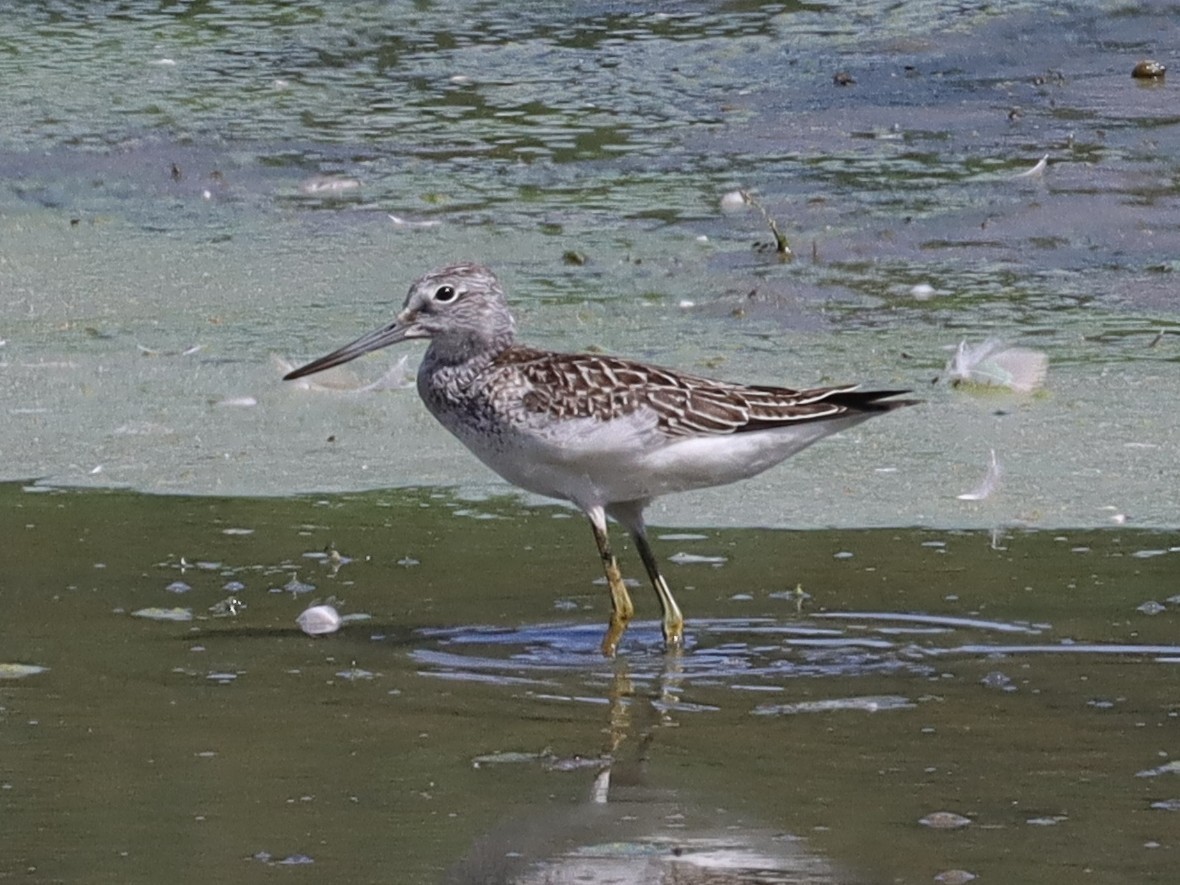
Other waders were on offer, even if thin on the ground, including a Black-tailed Godwit at Summer Leys LNR on 2nd, the same date also producing three Jack Snipes at Daventry CP and two at Hollowell. Classed as a summer visitor, although odd birds appear locally in winter, a Common Sandpiper at Pitsford on 5th was no doubt the wintering individual seen sporadically there during past weeks.

And another new bird for the year this week was an adult Kittiwake which spent a short period of time at Summer Leys on 28th. More to come, no doubt.

Sticking with larids, March begins to see spring movements of Mediterranean Gulls taking place, the 4th giving rise to two adults in the roost at Stanford Res and two – also adults – at Summer Leys. One of the latter two carried a metal ring on its right leg and was back on site, alone, on 6th.

Caspian Gulls were present at Earls Barton GP, where there was a first-winter on 28th, down the road at Summer Leys, where the settled adult remained between 28th and 5th, and at Hollowell, where there was an adult on 2nd and two adults on 5th. A single adult Yellow-legged Gull was still to be found at Pitsford on 2nd.

The Red-throated Diver, now in its fourth week, remained throughout the period, being seen at both Hollowell and Ravensthorpe, although apparently having now developed a preference for the first of these two sites.

Back in the Nene Valley, Summer Leys continued to retain its showy Glossy Ibis, while a Bittern was caught on a trail camera at Ditchford GP’s Rushden Lakes and four Cattle Egrets visited Thrapston/Titchmarsh NR on 4th.

The recent flurry of Marsh Harriers calmed somewhat with singles at Summer Leys on 28th, 1st, 3rd and 6th and one at Stanwick on the last of these dates.

And propped up by the Daventry Siberian Chiffchaff on 2nd and 5th, the week’s passerines were at a low ebb with just four Stonechats at Ringstead GP on 1st and singles at Lilbourne Meadows on 1st and at Hollowell on 5th. Compared to recent weeks, the number of Crossbills dwindled to singles over Ravensthorpe Res on 3rd and at Scotland Wood, Kelmarsh on 5th.

Newsround 14th to 20th February 2026

Another late winter week saw cold, mostly overcast and foggy conditions with temperatures barely breaking 5°C, although the final day marked the beginning of something warmer to come. But the selection of birds on offer was not weather dependent and the surprise appearance of a certain duck at the week’s end went some considerable way toward breaking the ice …

The beginning of the week, however, was still owned largely by wintering geese. Following last week’s three at Stanford Res, a lone Pink-footed Goose was found with local Greylags alongside Thrapston GP at Islip Water Meadows on 15th, remaining there until 18th.

And Tundra Bean Goose was again on the week’s menu when two distinctly separate birds were present in the northern reaches of the Nene Valley. Based on its unique pattern of white at the base of the bill, the first was the same individual which has been kicking around in the Thrapston GP area since early January, although remaining under the radar for a significant amount of time. Keeping company with twenty-three White-fronted Geese, it appeared at Ringstead GP on 14th before settling in fields at nearby Denford from 16th until the end of the period. The second bird paid the briefest of visits to Islip Water Meadows with Greylags on 16th and was not seen subsequently.

In addition to the aforementioned twenty-three, Stanford’s White-fronted Goose numbers remained high with at least forty mobile around fields between Stanford on Avon and the reservoir, on 15th. Lower numbers elsewhere included eight at Thrapston from 14th to 17th, visiting fields north of nearby Thorpe Waterville on 15th, and four at Stanwick GP between 15th and 18th.

Now seemingly settled on the Rosewater Fishing Lake at Ringstead, the drake Ring-necked Duck remained there from 14th until at least 18th and a Greater Scaup was reported on adjacent Kinewell Lake on 16th.

But the period’s highlight was found on the last day of the week, when a dapper drake Lesser Scaup broke water on the River Nene alongside Clifford Hill GP. Had it been Northamptonshire’s first – and maybe it is the same individual from last autumn – it would have drawn a sizeable crowd, given the easily accessible location and prime viewing conditions. As it was, a trickle observers dropped in to soak up the good views on offer.

Dramatically overshadowed by the above – at least in terms of rarity – was the drake Smew which saw out another week at the same location.

And hybrids? The drake Pochard x Tufted Duck remains also at Clifford Hill, as does the presumed female Pochard x Tufted Duck at Daventry CP.

Moving swiftly on … and following a recent uptick in records in the UK, another new bird for the year this week was a Slavonian Grebe. First seen at Daventry on 19th, it moved to Ravensthorpe Res on 20th, where it was still present at close of play. Hard evidence in the form of a unique, small dark stripe on the left side of its head identifies it as the same bird at both locations.

Two Jack Snipes at Hollowell Res on 16th sums up the week’s scarcer waders.

The week’s gulls once again comprised two adult Mediterranean Gulls – one at Daventry on 16th and the other in the roost at Stanford three days later, on 19th, with two adult Caspian Gulls at Hollowell on the same dates.

Hollowell also played second locality fiddle to the Red-throated Diver, which upped sticks from Ravensthorpe on 16th but returned to the latter site on 19th, still being in residence there at the week’s end. It attracted far less attention than in the previous week, the novelty likely having worn off …

Also, considered part of the winter furniture, the Glossy Ibis remained at Summer Leys LNR throughout.

Once again, a Cattle Egret dropped into the flooded area at Wellingborough Embankment on 15th.

Also in the Nene Valley, Marsh Harriers continued their right to roam, Summer Leys producing sightings on 14th, 15th and 17th that included the first-year male ‘J4’. Elsewhere, singles were at both Ditchford GP and Earls Barton GP’s New Workings (South) on 14th. A ringtail Hen Harrier in the Brampton Valley/Blueberry Farm area on 17th was the third of the year so far, one having been seen there on 1st January, followed the next day by one near Laxton.

There was close to nothing new on the passerine front this week. Daventry’s Siberian Chiffchaff extended its stay until at least 19th, while a Firecrest was reported from Thrapston on 17th.

Stonechat numbers were down, with twos seen at Earls Barton GP on 14th and 17th, in the Brampton Valley on 15th, at Hollowell on 16th and at Stanwick on 18th.

Up to eight Crossbills were still present at Gamboro Plantation near Cottesbrooke throughout the week and singles were at Scotland Wood, Kelmarsh on 16th and 20th.

Two Corn Buntings reappeared briefly in the Brampton Valley between Cottesbrooke and Hanging Houghton on 16th.

Newsround 7th to 13th February 2026

Another significant wave of White-fronted Geese in-off the near continent was reflected in this week’s upturn in numbers and with them came more Tundra Beans. An early scattering of Common Scoters provided an interesting distraction but topping the bill by a country mile was a Red-throated Diver, which saw fit to linger at Ravensthorpe Res …

Following this winter’s earlier influx of White-fronted Geese, significant numbers again arrived in the UK at the end of the previous week and into the first day of the period. Seemingly associated with this was the appearance of three Pink-footed Geese at Stanford Res, on 7th-8th, along with four Tundra Bean Geese there on the same dates.

Believed to be the same individual present in early January, another Tundra Bean Goose was also found adjacent to Thrapston GP at Islip Water Meadows, on 7th, in company with twenty-three White-fronted Geese. The 7th also saw a return to higher numbers of the latter at Stanford, with thirty-three there, rising to forty on 8th and forty-two the following day. Also on 8th, twenty-six were present at Warmington Mill and twenty-five dropped into Clifford Hill GP, albeit briefly, before heading off east. Seven were found at Cransley Res on 9th while, on 11th, six visited Thrapston GP’s Titchmarsh NR, five were at Stanwick GP and two were mobile with Greylags between the reservoirs of Hollowell and Ravensthorpe. Numbers then increased to seven apiece at Stanwick and Titchmarsh the following day.

The female Ruddy Shelduck was back in its favourite haunt in the vicinity of Winwick on 12th-13th.

Mobile about the northern part of the Nene Valley, the drake Ring-necked Duck was relocated at Ringstead GP on 7th before moving off west. It was then back on site at Titchmarsh on the last day of the period, prior to which it was last seen there on 20th January. A presumed drake Ring-necked Duck x Tufted Duck hybrid was again present at Ditchford GP on 12th after previously being reported there on 23rd January.

And while we’re on the subject, last week’s drake Pochard x Tufted Duck hybrid was still at Clifford Hill on 8th and the presumed female Pochard x Tufted Duck hybrid was also still showing at Daventry CP at the period’s end.

Eliciting more interest, though, was a mini-influx of Common Scoters on the last day of the week. Stanford held five, Clifford Hill and Thrapston three apiece and Hollowell produced two. All of these were drakes, which tend to winter further north than females and so are likely to be the first to return toward the end of winter/early spring. Curiously, apart from one in Oxfordshire two days prior, these represented the only sightings in the whole of the Midlands.

Clifford Hill’s drake Smew saw another week out, while another paid a brief visit to Hollowell on 13th.

And, last seen on 18th January, Pitsford’s Black-necked Grebe was back again on 7th, remaining until at least 12th – although it’s not inconceivable that this week’s individual could be a different bird.

Also, back on the wader menu was Black-tailed Godwit with two briefly visiting Clifford Hill on 13th, while Hollowell gave rise to a decent count of five Jack Snipes on 11th, these being the only ones found during the period.

This is the first week of the year without Caspian Gulls, but more than making up for it was the presence of two fine adult Mediterranean Gulls – one at Ditchford on 8th and the other at Pitsford on 13th, the latter site also producing two Yellow-legged Gulls on 9th, 10th and 13th.

Found by our very own County Recorder in the failing light of a late winter’s afternoon, this week’s hallowed luminary emerged in the shape of a rather neat-looking Red-throated Diver, at Ravensthorpe Res on the 9th – a bird which, no longer the reasonably regular, though rare, visitor it once was, has become much sought after locally in recent years. The last one in the county spent barely five hours at Boddington Res on the last day of October 2024 and before that, well, you have to turn the clock back eighteen years to February 2008, when one saw out nearly two weeks at Pitsford Res. This week’s bird thus proved highly popular and, still present at the end of the period, has offered more than ample opportunity for those keen to connect with it.  

Our one and only stalwart wintering Glossy Ibis saw another week out at Summer Leys …

And it’s been a fair while since a Marsh Harrier graced Stortons GP but that was put to rights on 7th, when one was watched flying south. In the wider reaches of the Nene Valley, where they are now seen regularly, an immature was present at Ditchford GP’s Irthlingborough Lake & Meadows NR on 8th, the same date upon which the first-year male ‘J4’ was again at Summer Leys, where it was still present, along with another immature, the following day. Further sightings came from Summer Leys on 10th and Earls Barton GP’s New Workings (South) on 12th.

The Daventry Siberian Chiffchaff was still present around the Grit Trap there on 12th-13th, while the more run of the mill passerines included Stonechats at Barnes Meadow NR, Brampton Valley, Clifford Hill, Earls Barton, Hollowell, Pitsford, Stanford and Thrapston, with maxima of four at Pitsford on 9th and 11th.

With the highest count of fifteen on 8th, Gamboro Plantation near Cottesbrooke continued to hold Crossbills, while two were at Wakerley Great Wood on 10th and one flew over Hollowell the following day.

Newsround 31st January to 6th February 2026

Largely flatlining, the week’s birding efforts across the county didn’t deliver anything much that had not already been seen and appreciated – or undervalued and ignored. But if hybrid ducks are your thing, simply read on …

This winter’s goose parade continued. Get them while you can as their absence next winter is likely on the cards. Duly outnumbered by the following species, Pink-footed Goose was again on the week’s agenda with the discovery of two at Lilbourne Meadows NR on 5th. But in keeping with the current trend, White-fronted Geese were still to be found in and around the county, although numbers were noticeably down on those of previous weeks. Stanford Res mustered a mere sixteen on 3rd, while ten were again at Warmington Mill on 31st and single-figure counts came from Stanwick GP, where up to four were still present all week and Hollowell, where the long-staying, lone adult was still present on 1st.

Lilbourne Meadows was next in line to stage the reappearance of the female Ruddy Shelduck on the last day of the period, having previously visited Hollowell between 6th and 12th January.

Likely eliciting more interest, though, was a series of hybrid ducks sent to please or tease, depending on your point of view.

To delve deeper into the detail of hybrid ducks, Reeber (2015) is probably the best source of reference.

Unquestionably pure, however, was the fine drake Smew which extended its stay at Clifford Hill GP by another full week.

The only reasonably scarce wader to be found during in the period was Jack Snipe, which was seen at four localities including Upton CP, where two were present on 31st and one on 1st, Pitsford Res, which produced one also on the above two dates, Hollowell, where there was one on 1st and in the Brampton Valley between Cottesbrooke and Hanging Houghton with one on 3rd-4th.

And Caspian Gulls enjoyed a good run throughout the week, Summer Leys LNR hanging on to its seemingly settled adult until at least 5th and being joined there by a second-winter plus two first-winters on 2nd. The latter date also saw a third-winter and a first-winter at Daventry CP and a third-winter at Stanford, while one was at Hollowell on 1st.

A first-winter Yellow-legged Gull at Daventry on 2nd was the sole representative of its kind.

Glossy Ibis? Yes – Wellingborough Embankment on 31st and 1st before moving to Summer Leys on 2nd and remaining there until the week’s end. The latter site also held a Cattle Egret on 1st-2nd.

Playing tag, Marsh Harriers continued to roam the Nene Valley, Summer Leys unsurprisingly producing the lion’s share of the sightings, which included three first-years, including the wing-tagged male, ‘J4’ – all on 2nd. Otherwise, single birds were present there on 31st, 1st, 4th, 5th and 6th. Elsewhere, singles were present at Earls Barton GP’s New Workings, Ditchford GP and Stanwick GP – all on 31st, the Stanwick individual displaying an unread orange wing-tag.

On the passerine front, the Siberian Chiffchaff was still present at Daventry CP on 4th, when it was joined by a second bird, both being actively mobile and elusive.

Once more set to tease – though likely long-forgotten – back in the frame on 3rd was the Black Redstart on farmland ‘with no public access’ between Lamport and Scaldwell, where it was initially found on New Year’s Day …

Rather more plentiful and accessible, Stonechats were to be found at nine sites, with maximum counts of four at both Ditchford GP and Upton CP on 31st. Other locations holding up to three were Aston le Walls, Barnes Meadow NR, Blatherwycke Lake, Brampton Valley, Earls Barton GP, Hollowell and Pitsford.

Gamboro Plantation near Cottesbrooke produced Crossbills almost daily, with the highest count of 22 there on 1st. Elsewhere, three and two were at Harlestone Heath and Wakerley Great Wood, respectively, on 31st.

Two Corn Buntings were still present in fields immediately west of Deanshanger on 2nd.

Newsround 24th to 30th January 2026

Sandwiched between low pressure systems driven in off the Atlantic by the jet stream and an area of high pressure stationed over Scandinavia, the UK was, by and large, under the influence of a south-easterly airstream that delivered a mixed bag of predominantly wet weather throughout the week. What effect this may have had on local birds has yet to be seen, although this last full week of January was largely quiet in terms of new arrivals.

Geese still featured prominently, though, kicking off with two Pink-footed Geese at Stanford Res on 26th-27th, followed the next day by a noteworthy skein of fifty-four flying north-east over Thrapston GP’s Titchmarsh NR.

White-fronted Geese continued to feature reasonably strongly, with Stanford continuing to lead the way in terms of numbers. Fifty-eight were still there as the week opened and at least fifty remained on 28th. The latter date saw a respectable forty flying north-east over Stanwick GP, followed by four on the ground there on 30th, while nine were again present in fields at Warmington Mill on 24th, when last week’s seven were still to be seen at Summer Leys LNR.

Ducks of note were limited to three species. Five Red-crested Pochards on 26th comprised a drake and a female at Billing GP and two drakes and a female at Deene Lake, while a drake and female Greater Scaup were found on separate lakes at Stanwick on 28th. We can’t rule out the possibility that the latter are the displaced duo from Thrapston, the same site having been previously vacated by the drake American Wigeon, which subsequently relocated downriver to Peterborough’s Ferry Meadows CP, where it was showing down to a ridiculously close 20 metres during its stay there between 24th and 27th.

Very much a shining light in the dreary winter gloom, as well as being an easy ‘drive-up-and-see’, a drake Smew found at Ravensthorpe Res on 25th subsequently proved a popular pull throughout the following day but it was nowhere to be seen thereafter. This was not the case with the drake at Clifford Hill GP which, last seen on 5th Jan, was back there again and on view daily from 24th throughout the period.

A dearth of waders saw just a Jack Snipe in the Brampton Valley between Cottesbrooke and Hanging Houghton on 28th, the same day producing a wintering Common Sandpiper again at Pitsford Res.

There was a slight improvement on the gull front, however, with single adult Mediterranean Gulls in the reservoir roosts of Pitsford on 26th and Stanford on 28th and 30th. Summer Leys’ adult Caspian Gull remained into this week, being seen intermittently between 25th and 30th, while another adult visited the roost at Stanford on 26th and a first-winter was found at Stanwick on 28th.

Yellow-legged Gulls were again at a low ebb and a single adult at Pitsford on 26th and 28th was all the week could muster.

Just the one Glossy Ibis remained prominent at its preferred site of Wellingborough Embankment this week, being seen there on 24th and on 26th-29th, having visited Summer Leys on 25th.

The latter locality was again prime for Marsh Harriers, the 24th seeing the immature male ‘J4’ on site there ahead of single birds on 25th, 28th and 29th. In the wider complex of Earls Barton GP singles were seen in the New Workings area on 24th and 30th, while Stanwick also produced one on 24th. Just how many are kicking around in the Nene Valley is difficult to assess.

Headlining the cast of the week’s passerines was a Siberian Chiffchaff at Daventry CP on 30th and likely to be the same one as previously seen there on 21st November and 22nd December last year.

And continuing as an integral part of the weekly billing so far this year, a Firecrest was on site at Ravensthorpe on 26th.

Meanwhile, Stonechats were to be found at six localities, four at Pitsford on 28th being the highest single site total, while two were present in the Brampton Valley between 25th and 28th, two were at Barnes Meadow NR on 24th and 30th and singles were to be found at Earls Barton GP on 24th and 30th, Clifford Hill on 28th and Thrapston on 29th.

Which just leaves Crossbills, which have maintained quite a high profile over the past ten months. This week saw a minimum of twenty at Wakerley Great Wood, between twelve and sixteen at Gamboro Plantation near Cottesbrooke and at least seven at Harlestone Heath. Breeding must surely be on the cards this year …

Newsround 10th to 16th January 2026

A change in the weather and the best part of a month’s rainfall in one day saw us aquaplaning our way out of a week in which we’ve once again been spoiled rotten with wild geese. That’s not to say there was nothing else on offer – quite the contrary, in fact, with the previous week’s delectable ducks and an obliging Ibis still to be had, as well as some choice passerines, one of which, clearly, was not …

We start, as has recently become customary, with Tundra Bean Goose – this week seen at three localities. Previous speculation that last week’s birds at Stanwick GP and Thrapston GP/Islip Water Meadows were likely one and the same was quickly kicked into touch with the emergence of images showing two distinctly different individuals and flagged up as such by the photographers of the Islip Water Meadows bird, below. The latter shows distinct white feathering at the base of the bill, this feature being absent on the bird at Stanwick.

While the Stanwick bird remained until 13th, the Thrapston/Islip individual promptly vacated the area and was nowhere to be seen after 11th. Once again, however, one was found at Blatherwycke Lake among an eight hundred-strong gaggle of Greylags on 14th and was subsequently averred on 16th. A new bird? Or the same one from late December, keeping a low profile for the last couple of weeks?

The 16th also saw a Pink-footed Goose reported at Summer Leys LNR. But the week belonged to White-fronted Geese, numbers of which remained solid throughout the period. Top of the locality leaderboard was, once again, Stanford Res, where a slight increase took the total to an impressive seventy-five on 15th. Maximum counts at nine other sites consisted of fourteen at Islip on 10th-11th, up to ten at Pitsford Res between 13th and 16th, ten at Stanwick during the same period, ten at Warmington Mill on 10th, eight at Blatherwycke on 16th, four at Clifford Hill GP on 10th-11th, two at Thrapston on 16th and singles at Aynho on 10th and at Hollowell Res on 11th-12th.

After reappearing at Hollowell last week, the county’s long-serving female Ruddy Shelduck was still present there on 9th.

And anyone out for a duck need look no further than Thrapston, where having almost been relegated to part of the furniture, the drake American Wigeon extended its stay at Titchmarsh NR until at least 13th.

Thrapston’s Town Lake also held on to two Red-crested Pochards – seen daily from 11th – the same date on which the itinerant drake Ring-necked Duck was last reported there during the period. Remaining far easier to catch up with, though, were the two long-staying Greater Scaups, Town Lake now enjoying countywide exclusivity following the departure of the Stanford birds last week.  

With Smew in mind, the same could be said about Pitsford, where a ‘redhead’ popped up again on 14th and a drake was also back on show on the last day of the week.

And staying with Pitsford, last week’s Black-necked Grebe remained there until at least 14th.

Seeing a slight increase, wader numbers were up on those from the previous week – particularly Black-tailed Godwits, of which there were multiples at two localities. Titchmarsh produced one on 10th, two on 12th and one again on 15th-16th. Just shy of hitting double figures, though, nine were present at Stanwick on 14th.

Pitsford’s winter visiting Common Sandpiper made it into the week, still to be seen on 10th, and two Jack Snipes were also present there on 14th, following one at Hollowell again on 12th.

Pitsford was also the prime producer of the period’s scarcer gulls, with an adult Caspian Gull present on 10th, two Yellow-legged Gulls on 10th and 14th and one on 11th – the latter date also seeing an adult Caspian in the gull roost at Stanford.

And after two flying over Summer Leys on 4th being the only record in the previous week, there was a welcome return of a Glossy Ibis to Wellingborough Embankment on 10th, where it remained settled until 14th, after which the area unsurprisingly suffered a significant rise in water level.

Cattle Egrets looked like they were on the up but only in terms of the number of localities visited. Singles flew low east over Duston and north-east over Stanwick on 11th while, on the ground, one spent the best part of the day at Wellingborough Embankment on 13th.

The week’s raptors were dominated by Marsh Harriers, although with their tendency to wander, it’s difficult to determine just how many birds were involved. On a day-by-day basis, the 10th saw twos at both Summer Leys and Titchmarsh – one of which at the latter locality was the Nene Valley rover, ‘J4’, the young male which has now been present in the county for the best part of a month. One was at Summer Leys on 11th while, on 12th, singles were at Ditchford GP and Stanwick and two were again at Titchmarsh. The 13th saw one again at Ditchford and two were at Stanwick on 15th. The period ended with singles at Blatherwycke and Stanwick and two at Summer Leys on 16th.

By contrast, just the one Merlin this week was the wintering bird still in residence in the Brampton Valley, between Cottesbrooke and Hanging Houghton, on 11th and 13th.

With increasing frequency – and headlining the period’s passerines – Yellow-browed Warblers are being found locally during winter and this one is no exception. A Raunds garden was the seasonal setting for the latest one to appear, on 15th, although its exact whereabouts remains undisclosed …

Hot on the heels of the New Year’s Day Duston Firecrest came another at Thrapston, first seen on 12th and still present in the same location on 16th, the latter date also giving rise to one mobile bird reported in Wakerley Great Wood.

With no more than three at any one site, the week’s Stonechats were seen in the Brampton Valley and at Clifford Hill GP, Hollowell, Pitsford and Summer Leys.

Crossbills were to be reliably found in double figures at Wakerley Great Wood, with a maximum of at least twenty-five on 16th, at Gamboro Plantation east of Cottesbrooke, where up to fifteen were present between 10th and 14th and at Harlestone Firs, where an unspecified number of mobile birds were present on the latter date.

And the area of dilapidated crop fields between Deanshanger and Wicken continued to be a popular pull for local birders looking to connect with Corn Buntings. Seen daily, numbers there peaked at twenty-two on 14th – a welcome resurgence in the county … but for how long?