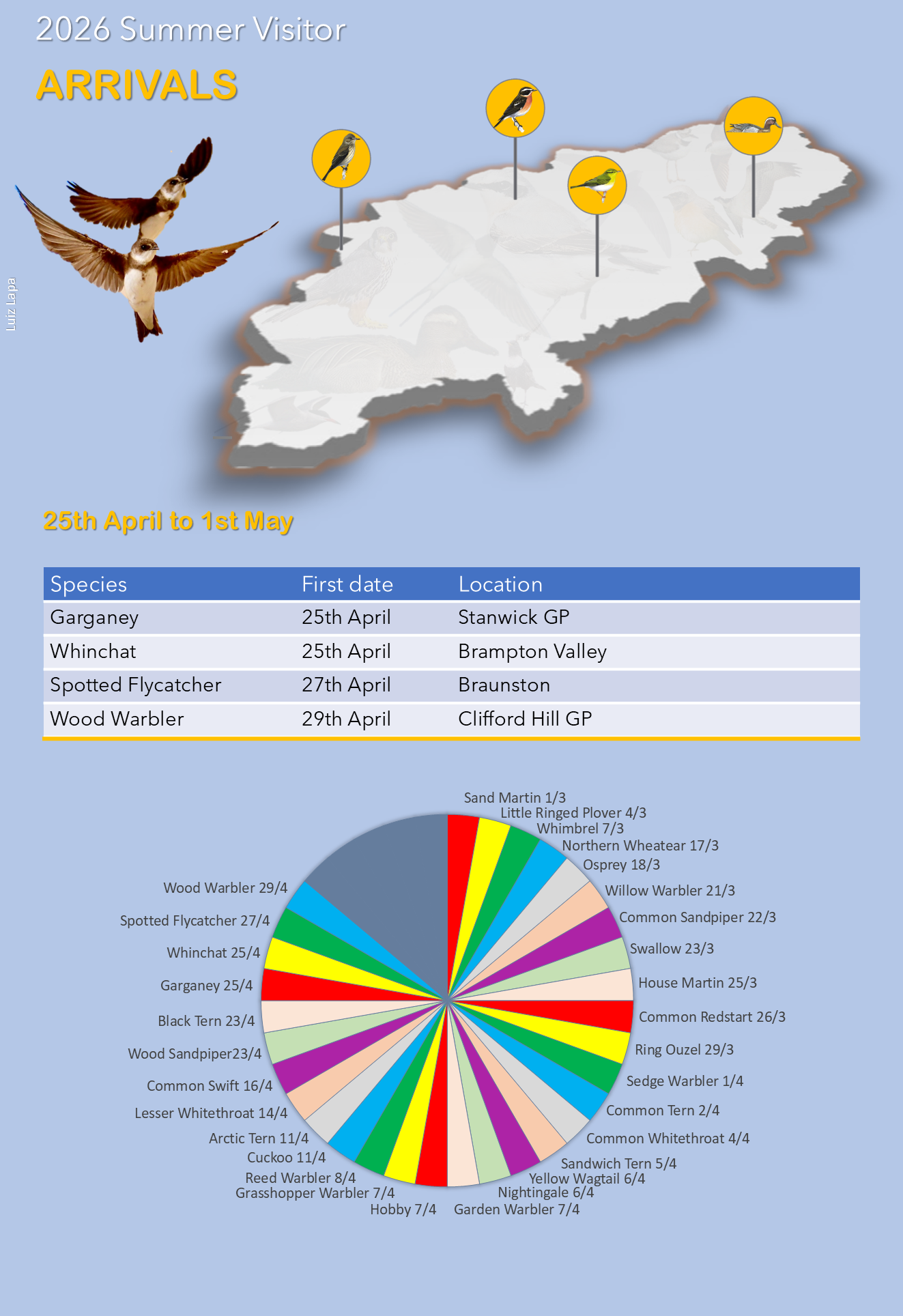
With rising temperatures, persistent easterlies and migrational momentum moving up a gear, there was no doubt that the week belonged to waders, the Nene Valley being the prime producer in this respect.
Four new summer visitors clocked in this week and, although no new records were set in terms of early arrivals, it seems highly likely that one will have been created by possibly the latest-ever Garganey to appear in the county. And, as we move into May, the latter looks set to become a rare spring commodity this year …
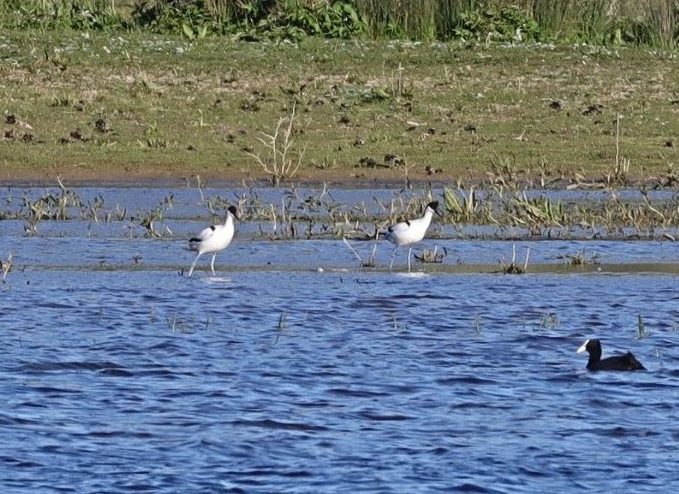
But, as already indicated, waders made up the lion’s share of the week’s best birds on offer. Avocets were again to be found in the Nene Valley, with two showing up at Summer Leys LNR on 26th and again from 29th until the end of the period.
And the second Grey Plover of the year put in a very brief appearance at the latter locality on 29th. Clifford Hill GP remained the prime location for Whimbrel, up to three of which were seen there daily throughout the week, in addition to one flying east there on 28th. Elsewhere, two were at, and around, Summer Leys on 25th and 29th with one there on 27th-28th and 30th-1st, while further singles were picked up flying east over Hanging Houghton on 25th and Stanford Res on 30th, and on the ground at Stanwick GP on 30th and Earls Barton GP’s New Workings (South) on 30th-1st.
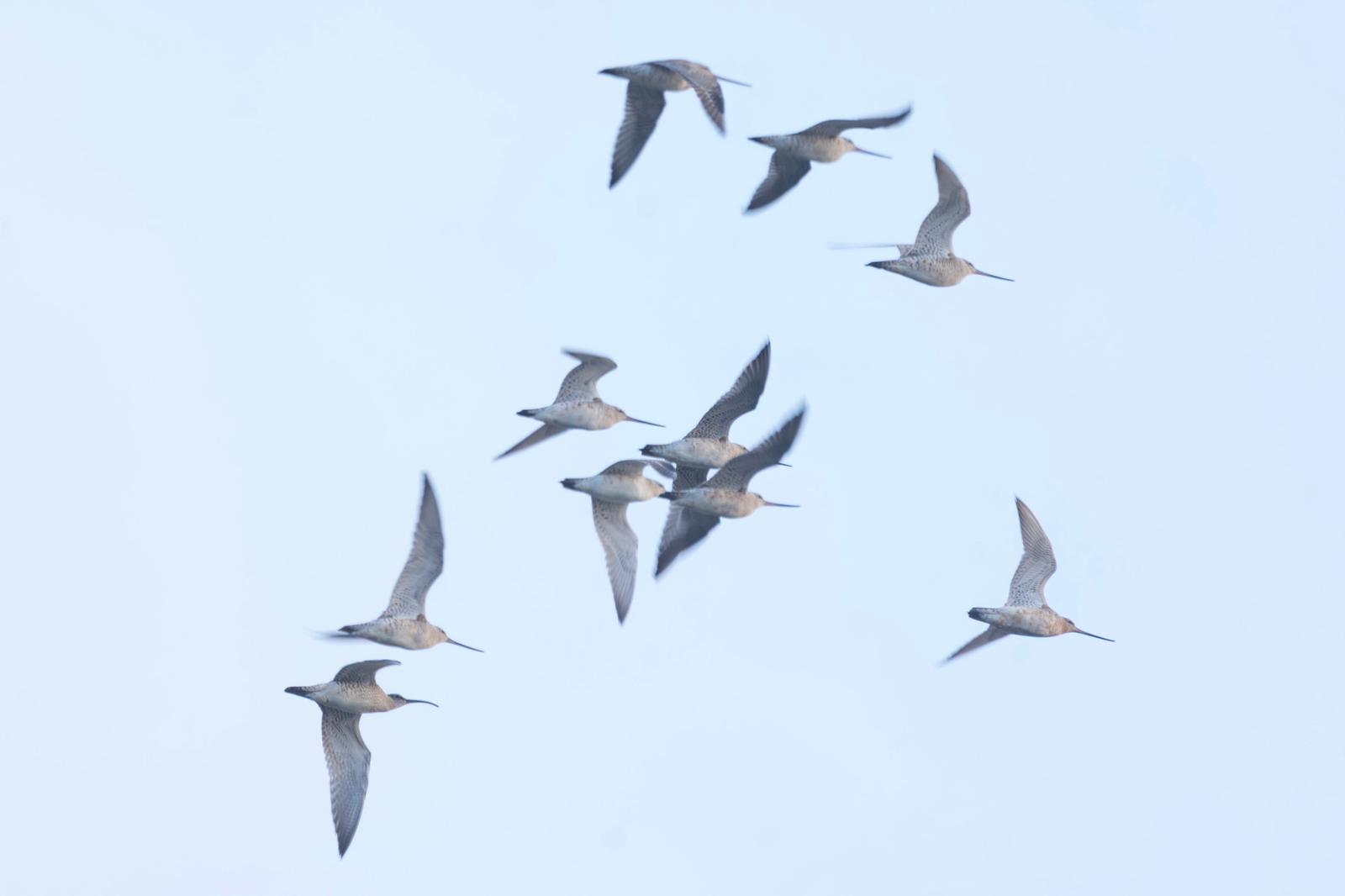
A hike in numbers saw Bar-tailed Godwits hit double figures when ten were present at New Workings (South) on 29th-30th after five having been there on 28th and one subsequently on 30th. Clifford Hill saw nine flying east on 28th, while singles were present at Stanwick on 30th and at Summer Leys on 30th-1st. With the bulk of Black-tailed Godwits passing through earlier in the spring, the week’s tally was restricted to singles at Summer Leys on 28th and 30th.
A small number of Ruffs comprised two at New Workings (South) on 25th and 30th and singles at Summer Leys on 25th, 27th and 30th and at Stanwick on 28th.
Moving into the latter part of the spring traditionally sees the likes of Turnstone and Sanderling turning up and the week duly obliged with singles of the former at Summer Leys, briefly, on 28th and at New Workings (South), equally briefly, on 30th. With May now upon us there should be more to come …
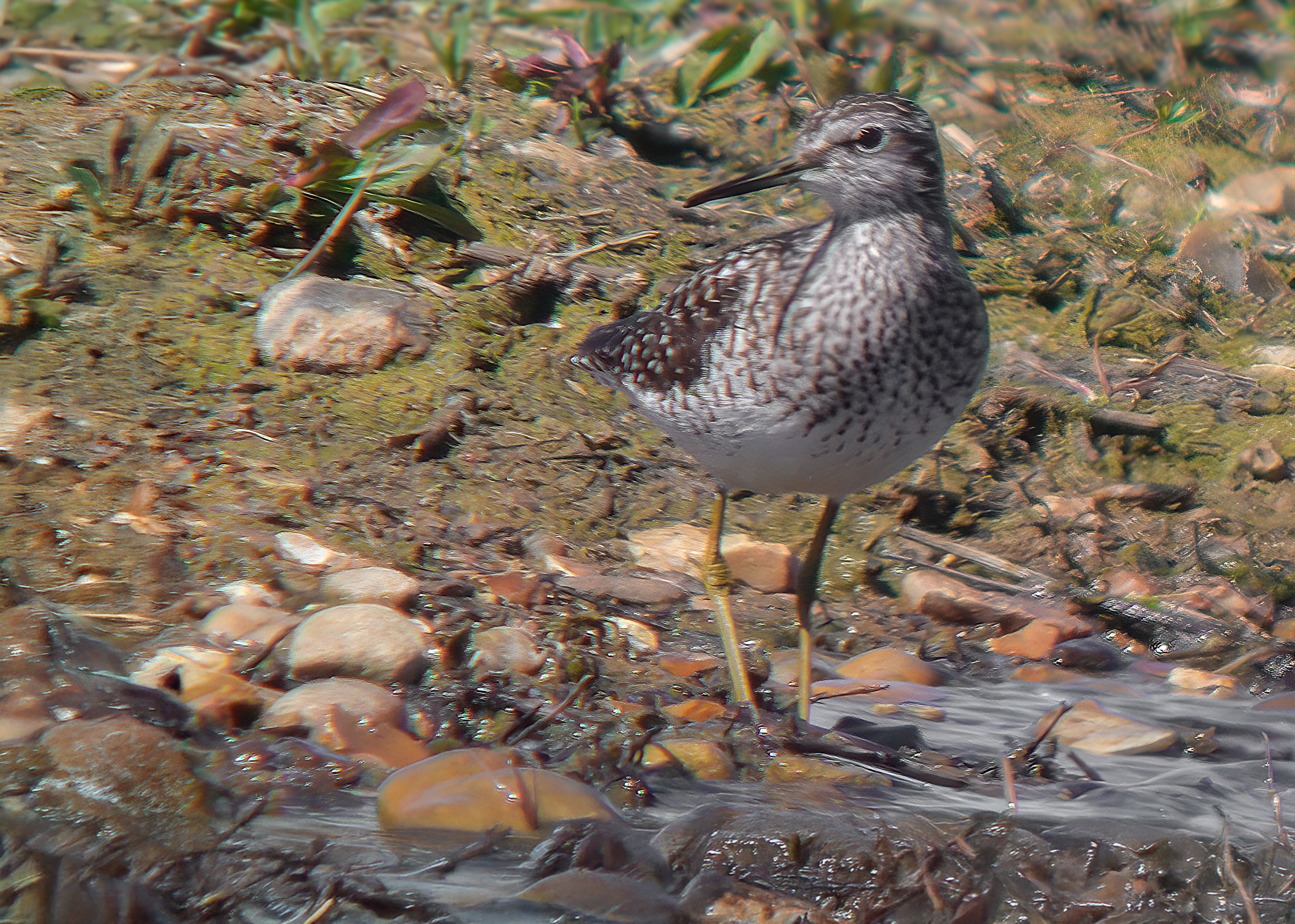
And after the first Wood Sandpiper of the year last week, the floodgates opened and in they came, giving us what is undoubtedly the best spring for this popular little wader in living memory. Running over into this week, the Clifford Hill individual remained until 25th after which there were further sightings there on 27th and 30th and one also visited Lilbourne Meadows NR on 26th. Numbers then ramped up with the arrival of four at New Workings (South) the following day, the same site subsequently producing seven on 28th, rising to nine on 30th, before peaking at a mighty ten on 1st. One found at Summer Leys on 29th increased briefly to four on 30th, followed by one on 1st, while Stanwick got in on the action with two on 28th.
Meanwhile, not to be left out, Greenshanks were again on the up, with New Workings (South) holding three on 28th, increasing to five on 30th and 1st. Five were also found at Clifford Hill on 28th, four flew east there the following day and one was present on 30th. Stanwick held up to two between 25th and 30th, while two were also at Thrapston GP’s Titchmarsh NR between 28th and 30th and singles were to be found in the Brampton Valley near Brixworth on 27th and at Lilbourne Meadows on 30th and 1st.
And following last week’s modest number of Little Gulls, a further trickle ensued with a first-summer at Summer Leys on 27th being followed by an adult there the next day before another adult arrived on 1st and a near-adult was present at Stanwick on 28th-29th.
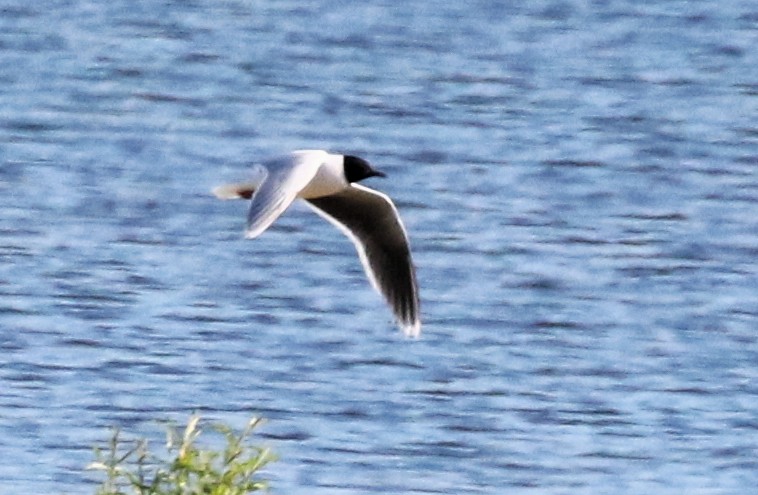
Summer Leys was also the place to be for lingering adult Mediterranean Gulls with two on 26th and 28th, one or two on 30th and one on 1st, while a third-year Yellow-legged Gull was at Pitsford Res on 27th – the only one the site could muster during the period.
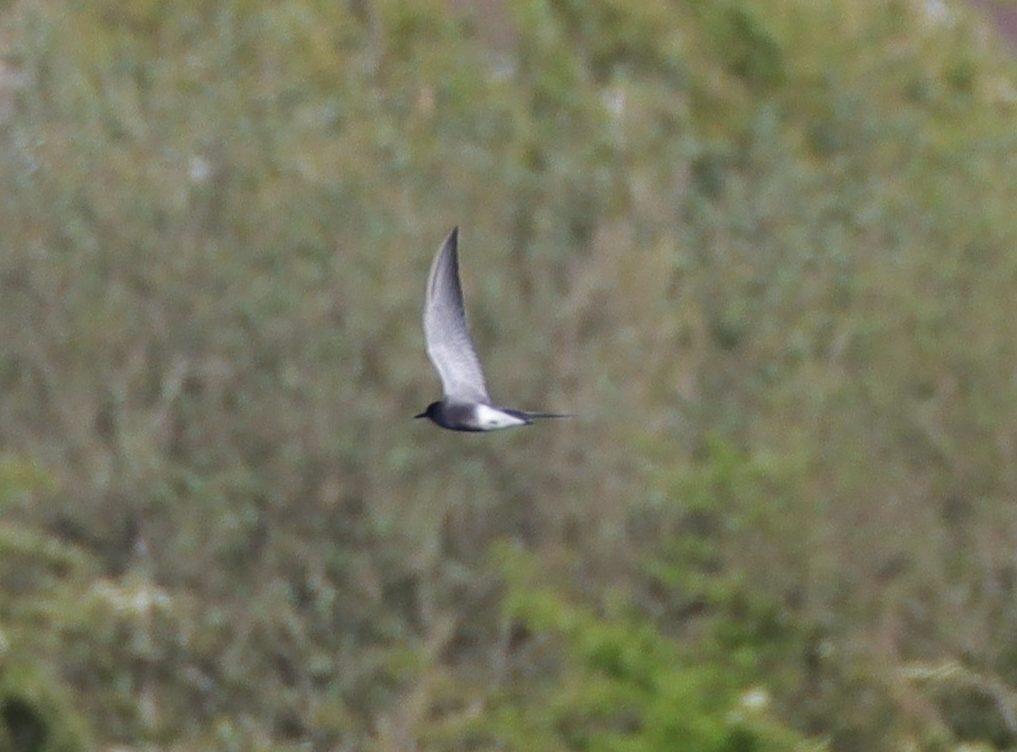
A flurry of Arctic Terns resulted in better numbers than in the previous week, the 28th giving rise to the majority of birds passing through. On this date, at least eight were present at Titchmarsh NR, a ‘small flock’ appeared briefly at Summer Leys, two were at Pitsford and singles visited Boddington Res and Stanwick. The 29th saw three flying east over Clifford Hill and one at Summer Leys, while one flew north over Daventry CP on 1st. But it was a dismal showing for Black Terns during the period with just single birds at Summer Leys between 28th and 1st, Clifford Hill on 29th and Ravensthorpe on 29th and 1st.
The county’s long-staying Glossy Ibis saw another week out at Summer Leys, visiting the wider reaches of the Earls Barton GP complex on occasions.
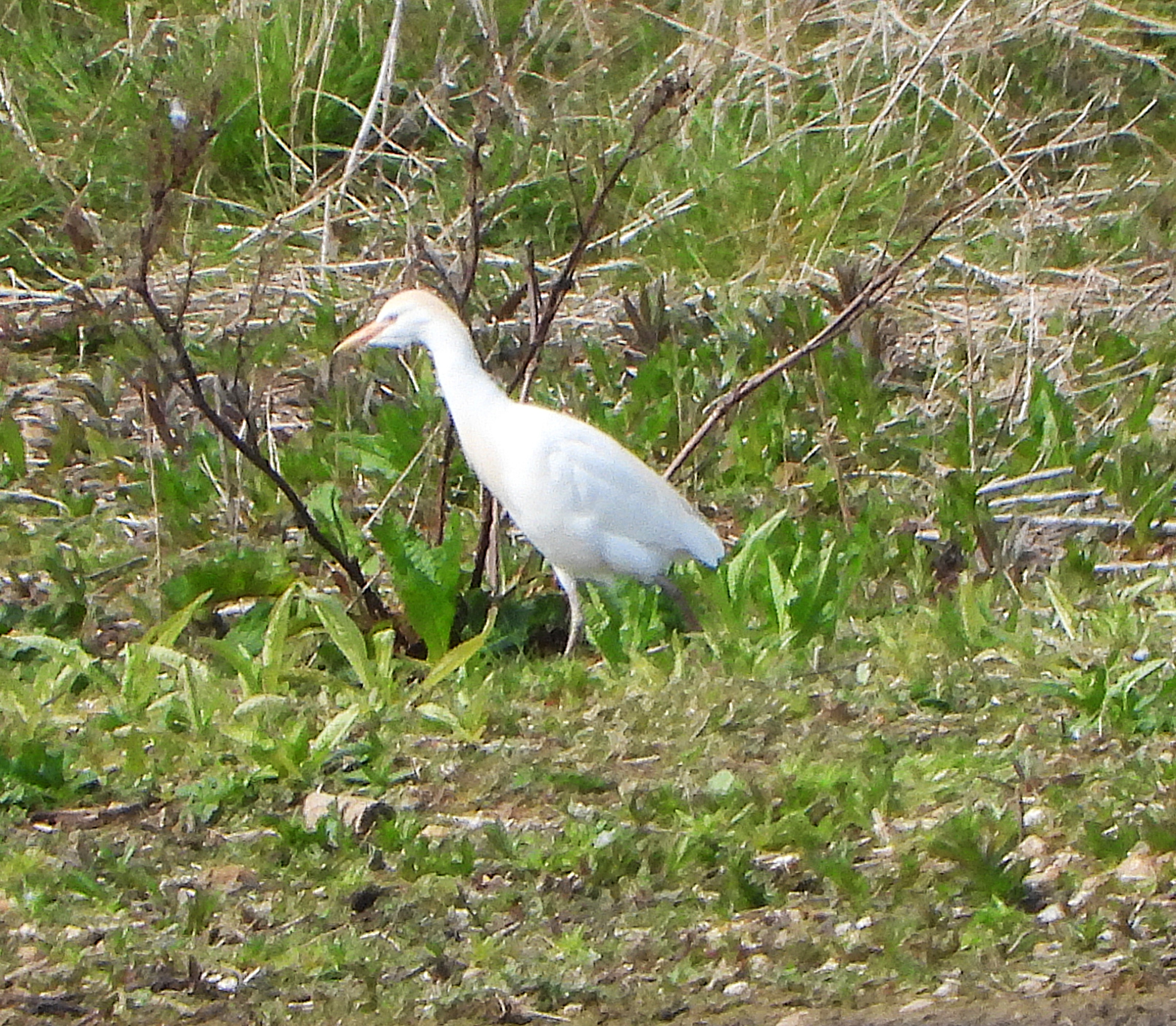
Bitterns seem to have dug their heels in firmly at Titchmarsh, where at least one was present throughout, while one was also discovered at Stortons GP on 27th. And Cattle Egrets rallied with a decent double-figure presence involving eleven birds together at Stanwick on 25th, four near Wappenham on 1st, two in flight over Clifford Hill on 29th, where one had been present the day before, two again at Stanwick also on 29th and one at New Workings (South) on 25th and 30th.
On the raptor front, single Ospreys were seen over Hollowell, Pitsford and Stanwick on 25th, Great Oxendon on 26th, Thrapston on 28th and at both New Workings (South) and at private lake near Oundle on 1st, while clinging on to weekly appearances were Marsh Harriers at New Workings (North) on 26th and over Boddington on 30th.
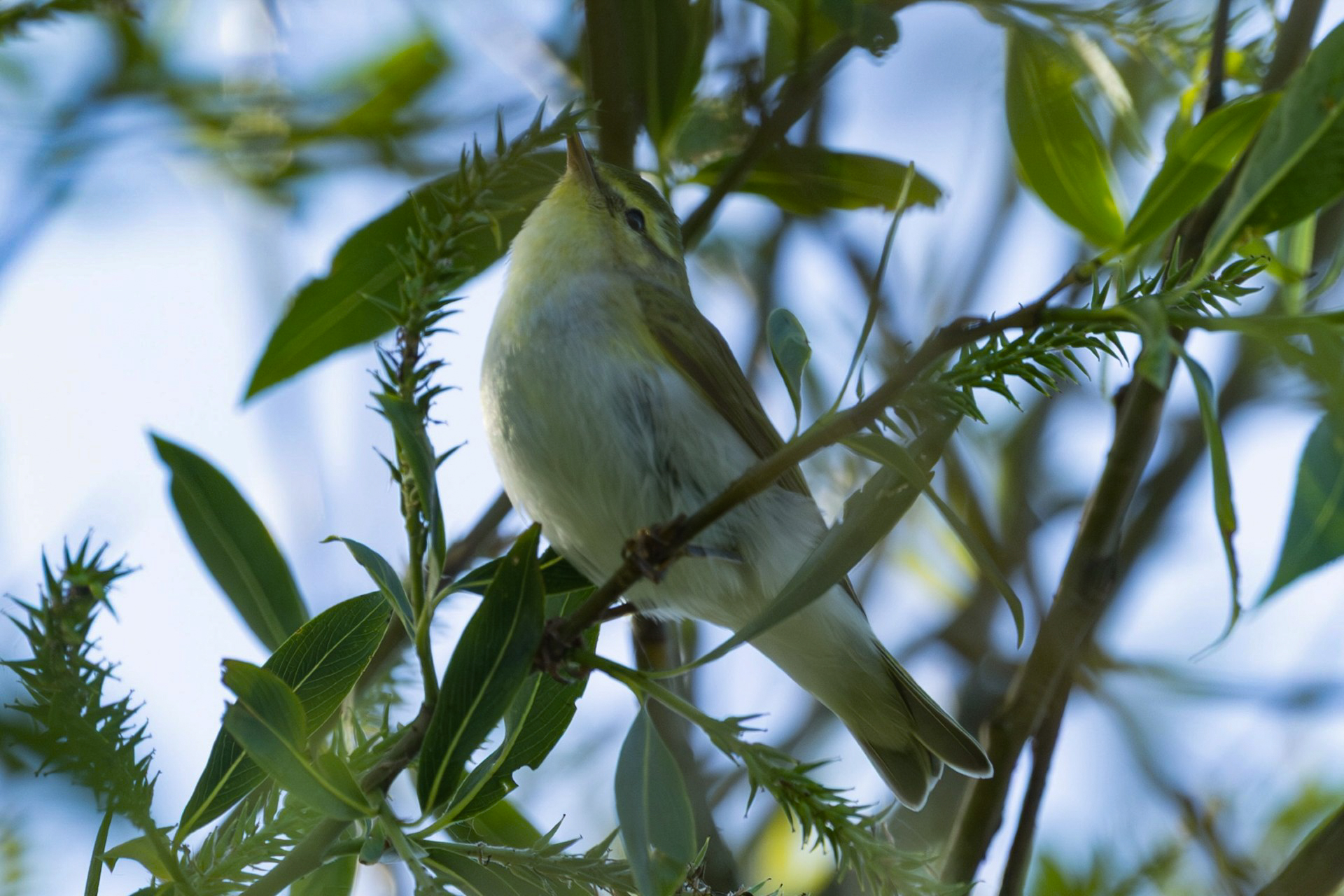
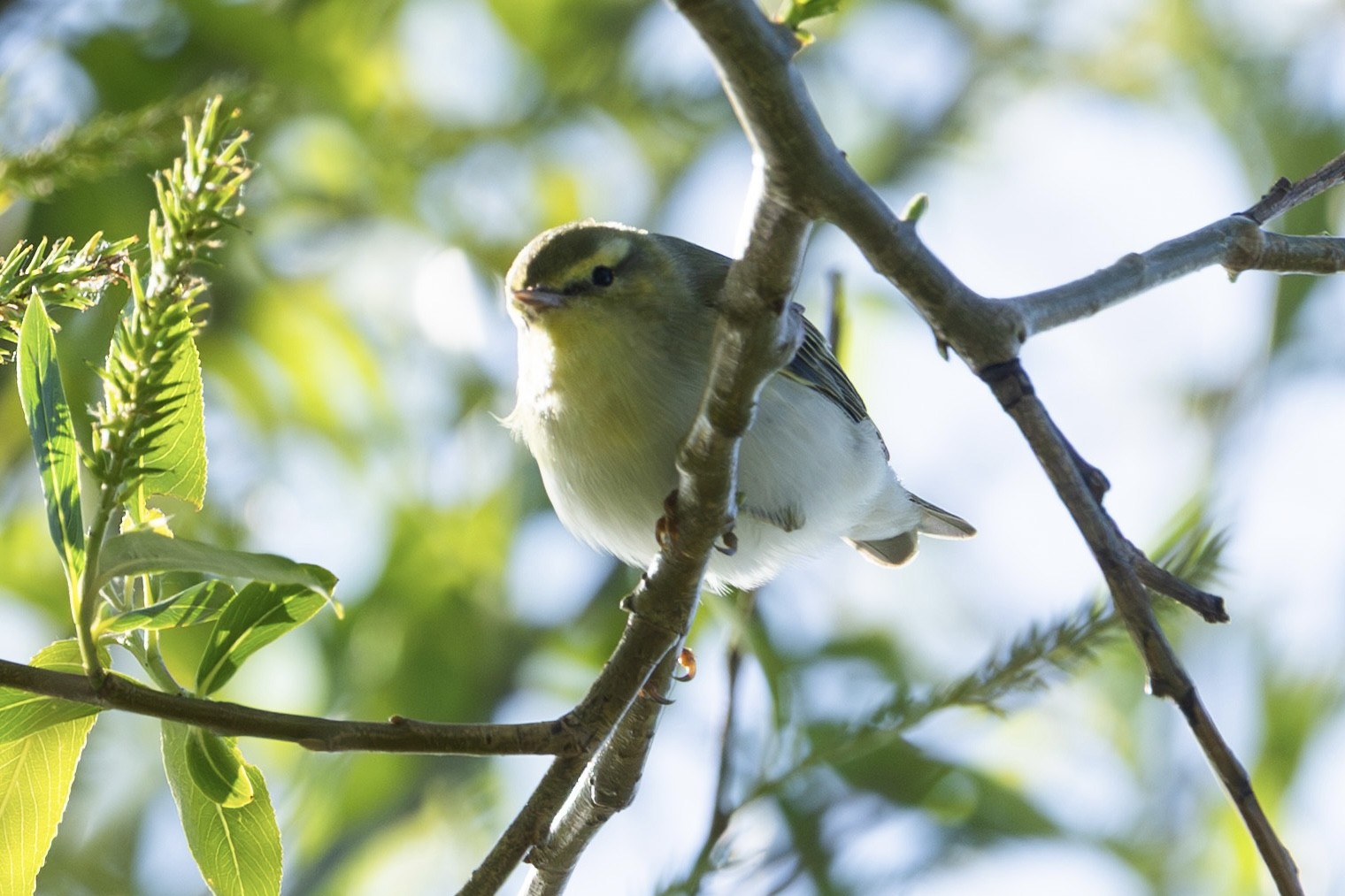
And passerines? Well, finding a Wood Warbler in Northants these days is no mean feat given that they have undergone a long-term population decline equivalent to an 81% decrease from 1995 to 2023. A singing male alongside the River Nene at Clifford Hill on 29th was, therefore, a much-appreciated discovery. Although it retains its annual visitor status, how much longer will this last?
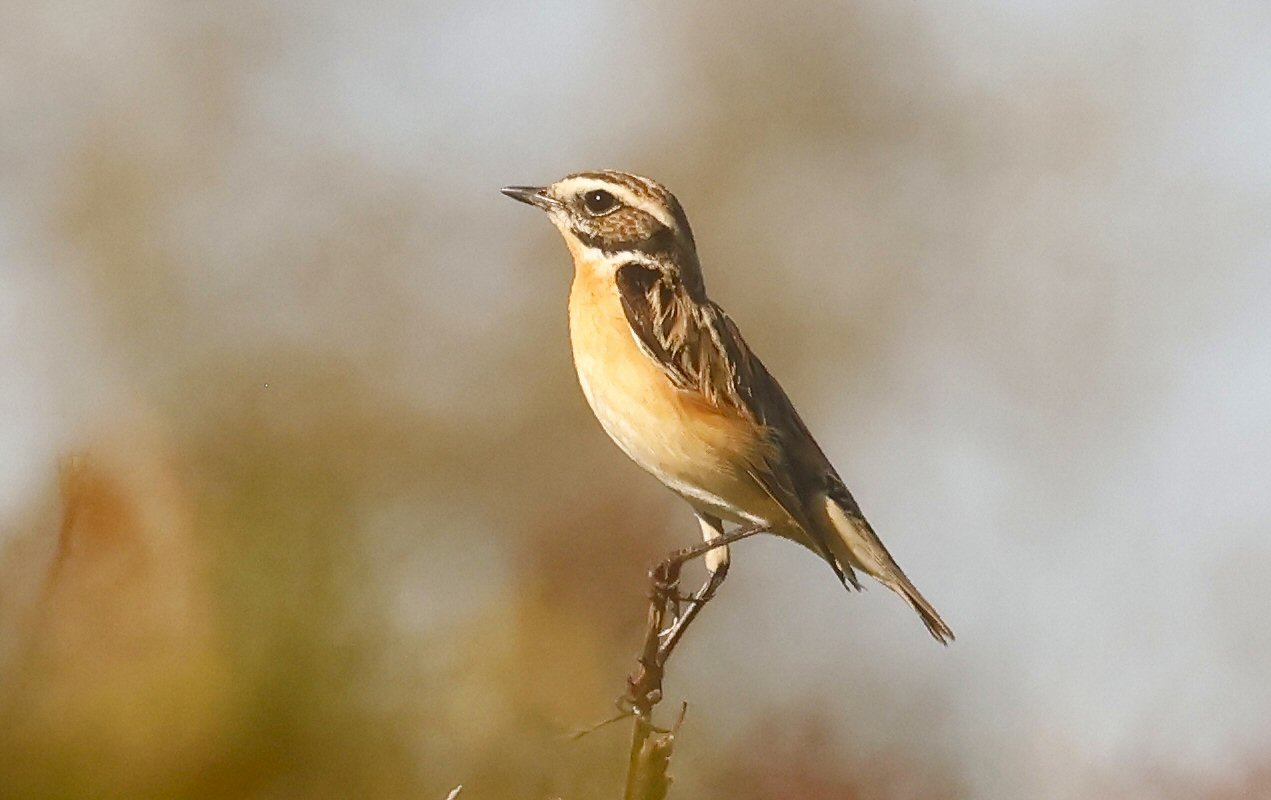
A female Ring Ouzel in fields between Ecton and Earls Barton on 25th melted away immediately after having been found. And with just two – singles at both Blueberry Farm and Cotton End Park, Long Buckby, on 25th – Common Redstarts were on the wane this week. Incoming, though, were Whinchats, with the first of the year between Cottesbrooke and Hanging Houghton in the Brampton Valley on 25th, followed by another in the same area on 1st.
Compared to last week, the total of Northern Wheatears was reduced to little more than a trickle. Five at Harrington AF on 30th was a decent enough number but, elsewhere, singles only were at Welford Res on 25th, Clifford Hill on 27th and at New Workings (South) on 1st, while one at Stanwick on 28th showed characteristics of the Greenland race leucorhoa.
A ‘blue-headed’ type Yellow Wagtail was at Clifford Hill on 29th, while the week’s White Wagtails were represented by three at Titchmarsh NR on 28th and one at Lilbourne Meadows on 30th.

Discover more from Northants birds
Subscribe to get the latest posts sent to your email.

