With the continued run of late autumn migrants – including two more new ones for the year – it was another week to be savoured, with the spotlight firmly on Stanford Reservoir …
The week’s wildfowl medley once again opens with a blisterin’ Barnacle Goose at Islip Water Meadows from 27th to 30th and the Cackling Goose of unknown origin again visiting Stanford Res on the first of these two dates. More White-fronted Geese arriving on the scene included two adults down south, between Aynho and Clifton, from 25th until at least 30th, and three dropping into Summer Leys LNR on 30th.
Six Whooper Swans paid a brief visit to Ravensthorpe Res on 29th before departing to the north-west.
The female Ruddy Shelduck remained settled at Winwick Pools and Pitsford Res produced a drake Red-crested Pochard on 28th. Thrapston GP’s drake Ring-necked Duck was seen again this week but only on the first day of the period, as was last week’s female-type Greater Scaup, mobile between Titchmarsh NR and Town Lake throughout the week.
Following no reports of Pitsford’s Slavonian Grebe subsequent to 22nd, it was seen again there on the last day of the period.
This week’s waders were limited to Jack Snipe, with singles at Clifford Hill GP on 27th and Summer Leys on 29th.
However, gull power spiced up the lives of a good many local birders this week as Stanford pulled a neat, first-winter Sabine’s Gull into its roost on 26th, which it then visited for the following four evenings, also being seen daily in the early mornings before its final departure on 31st. First recorded as recently as 1987, it’s a class rarity in Northants with only seventeen previous records, the last being at Pitsford in October 2022.
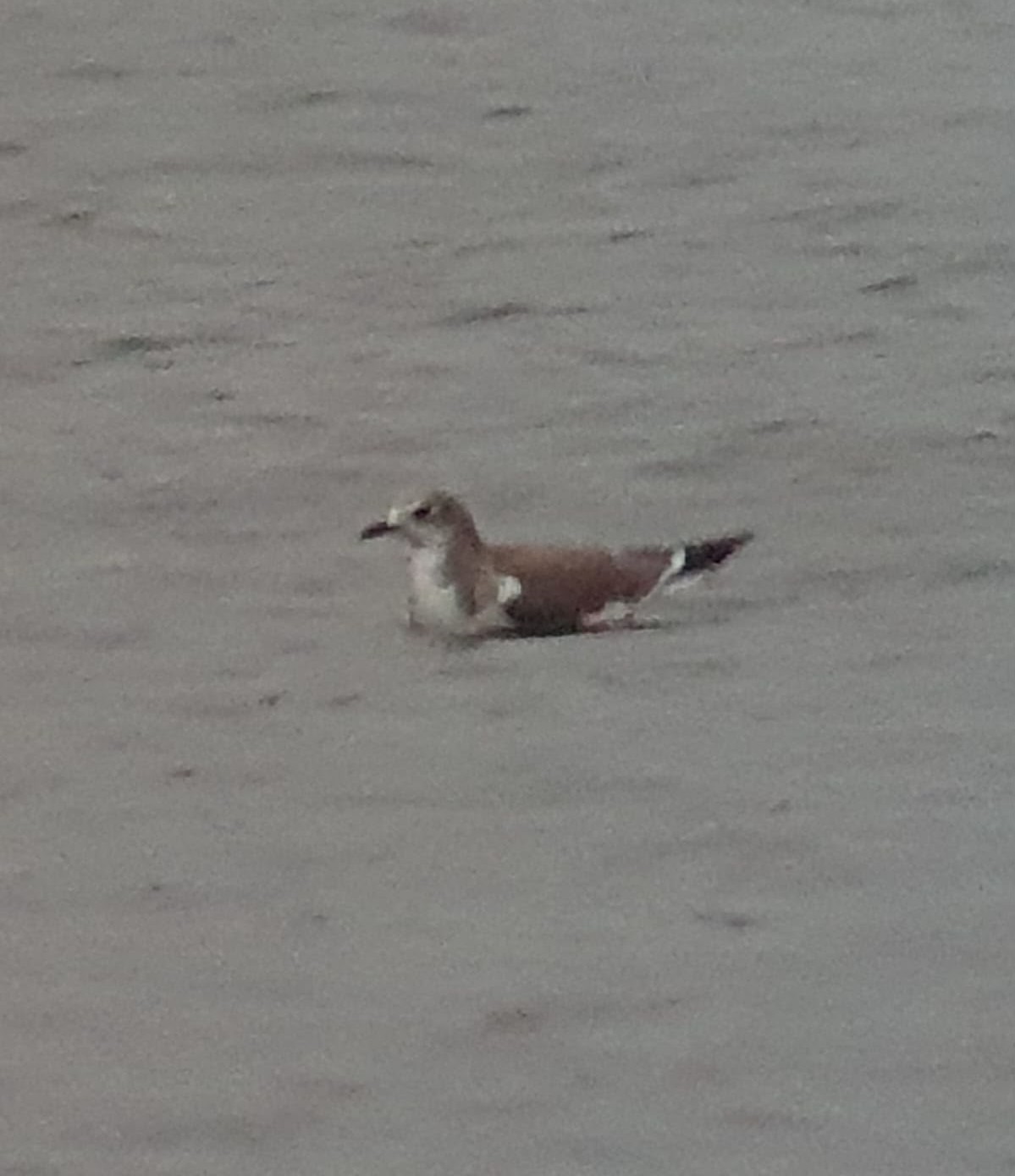
It was also another good week for Mediterranean Gulls. Following one at Earls Barton GP’s Mary’s Lake on 25th, the Stanford roost held an adult on 26th, 28th and 29th plus a first-winter on the second of these dates, after which an adult was found at Wicksteed Park Lakes, Kettering on 30th, when a second-winter also visited Daventry CP.
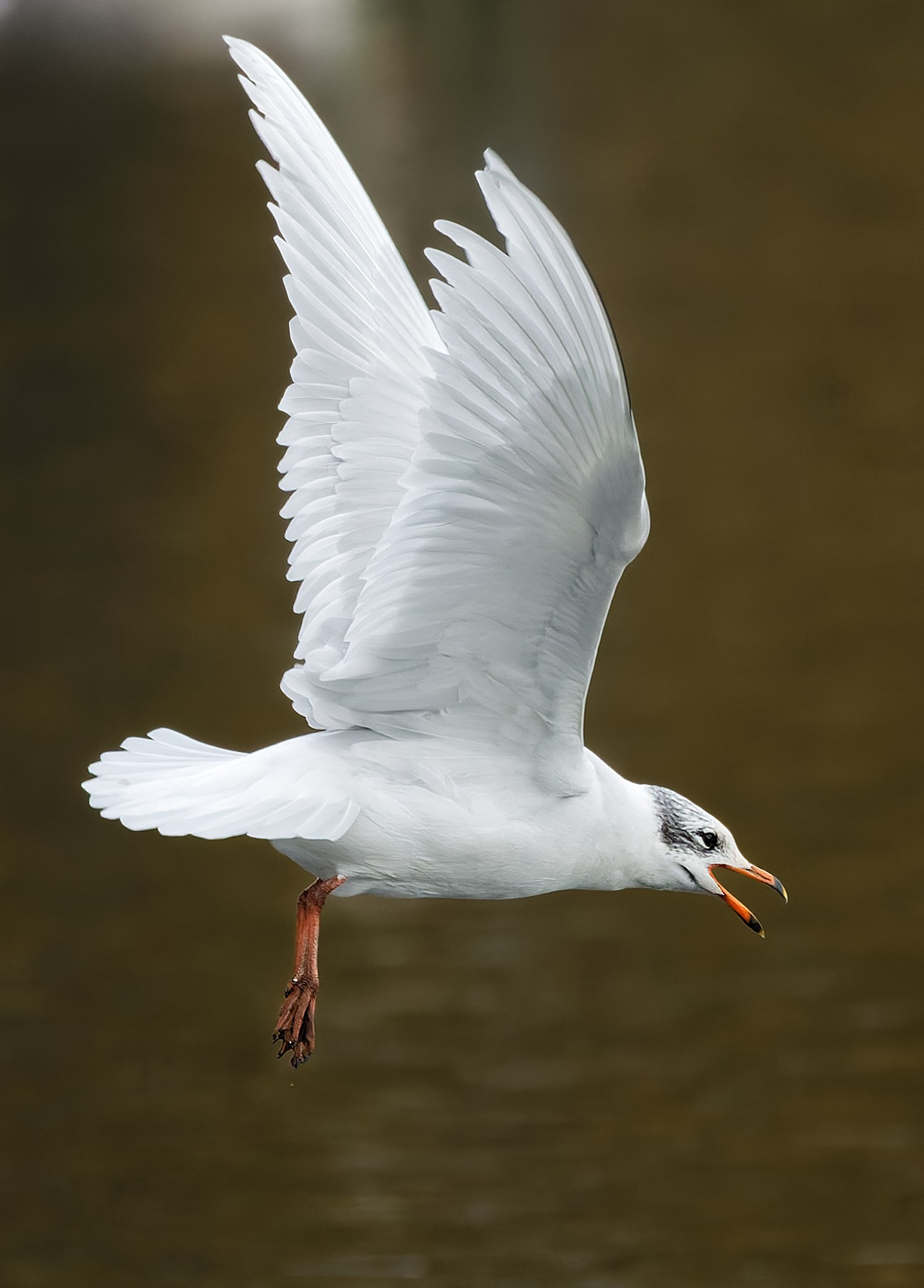
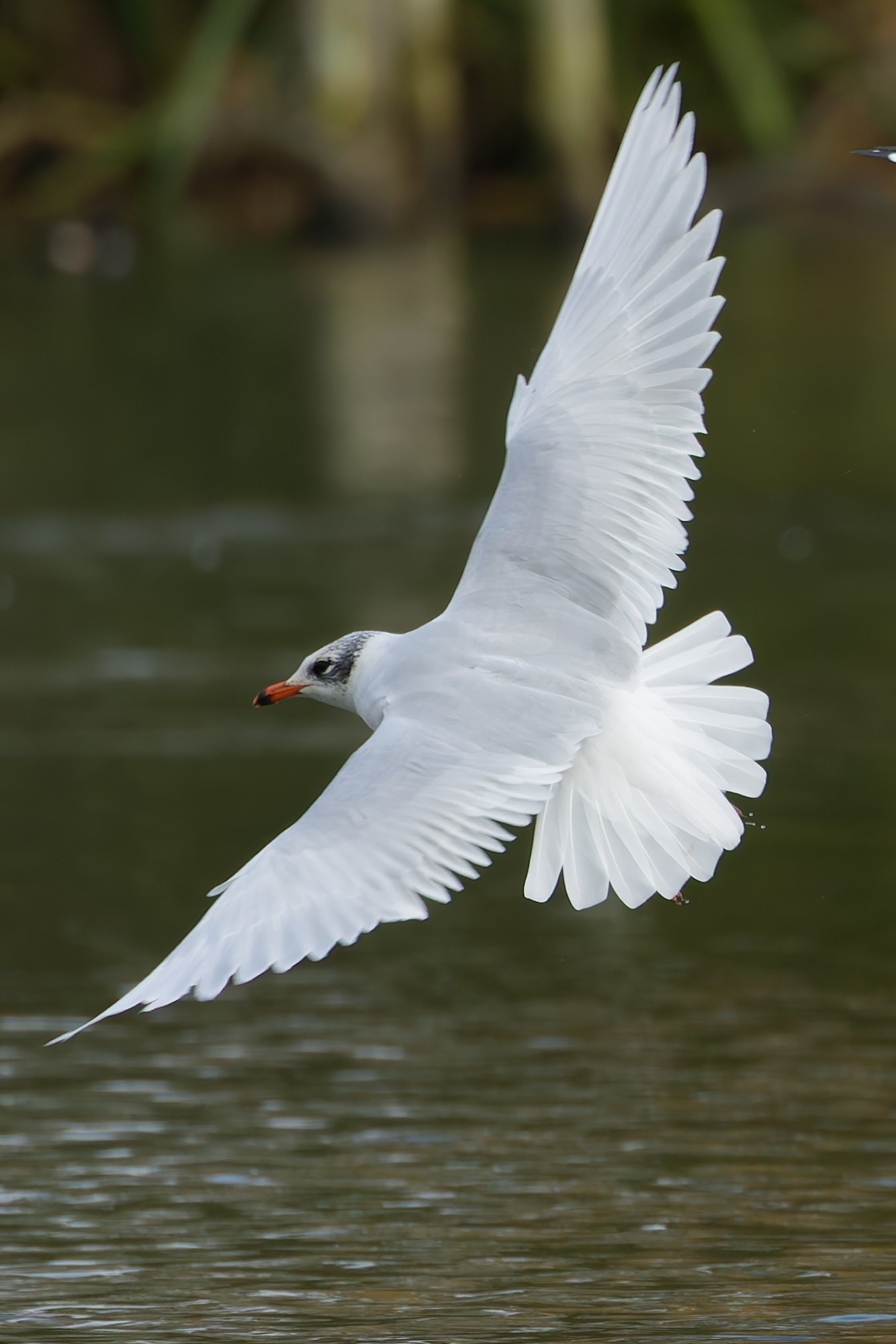
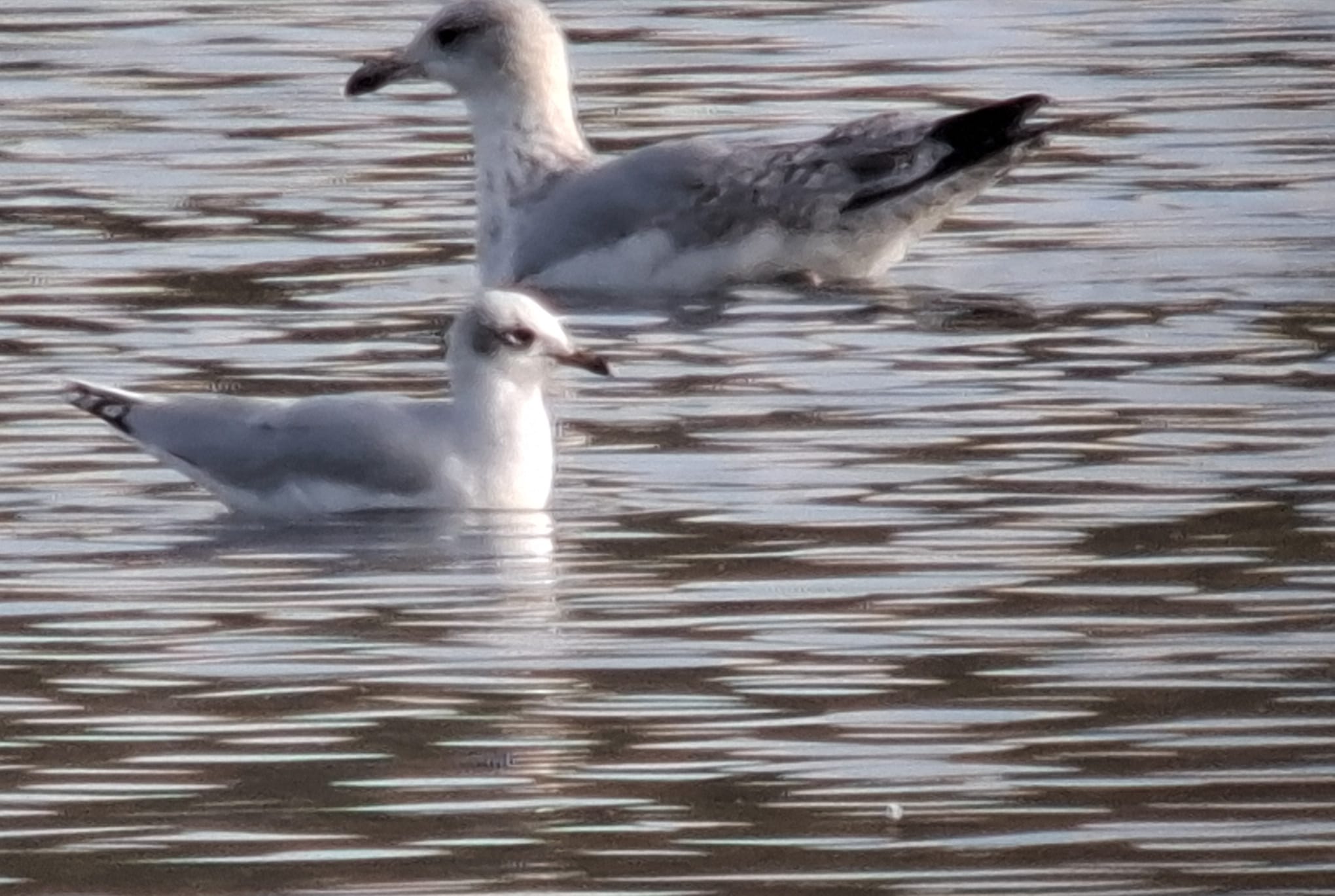
Caspian Gulls, too, were up for grabs, with Earls Barton producing a second-winter on 25th, Stanford a first-winter on 25th and an adult on 26th, and Hollowell an adult on 30th. Six localities produced Yellow-legged Gulls, although numbers were low, and included singles at Earls Barton, Ravensthorpe and Stanford on 25th, Clifford Hill on 27th, Thrapston GP on 27th and 29th, with three there on 30th, when one also visited Wicksteed Park Lakes.
A Glossy Ibis at Ditchford GP’s Irthlingborough Lakes & Meadows NR on 24th seems likely to have been the Earls Barton/Summer Leys individual of late. It was back at the latter site from 25th onwards.
The week’s Cattle Egrets comprised two at Islip Water Meadows on 24th and 27th.
And Marsh Harriers were still high profile, with up to two at Summer Leys daily throughout the period, a male at Stortons GP on 25th, one at Titchmarsh from 27th until at least 29th, plus one at Harrington AF on the latter date.
Short-eared Owls continued to show, this week’s restricted to one in the Brampton Valley, between Cottesbrooke and Hanging Houghton on 27th and one in flight near Cold Ashby on 29th.
Harrington produced a Merlin on 24th.
But, once again, it was Stanford that delivered another outstanding bird this week – and the first one of its kind for five years. On 30th, the first Woodlark in Northants since 2021 flew over calling, continuing on its way – sadly without dropping in. It’s not the easiest species to catch up with in the county as many previous individuals have failed to linger. During the past week, significant movements of Woodlarks were recorded across southern and eastern England.
Last week’s Ring Ouzel at Harrington was still present on 24th.
Only the fourth for 2026, a Black Redstart found in Greens Norton on 29th disappeared very rapidly after its discovery, thereby continuing this year’s trend for evasion of those looking to catch up with one locally.
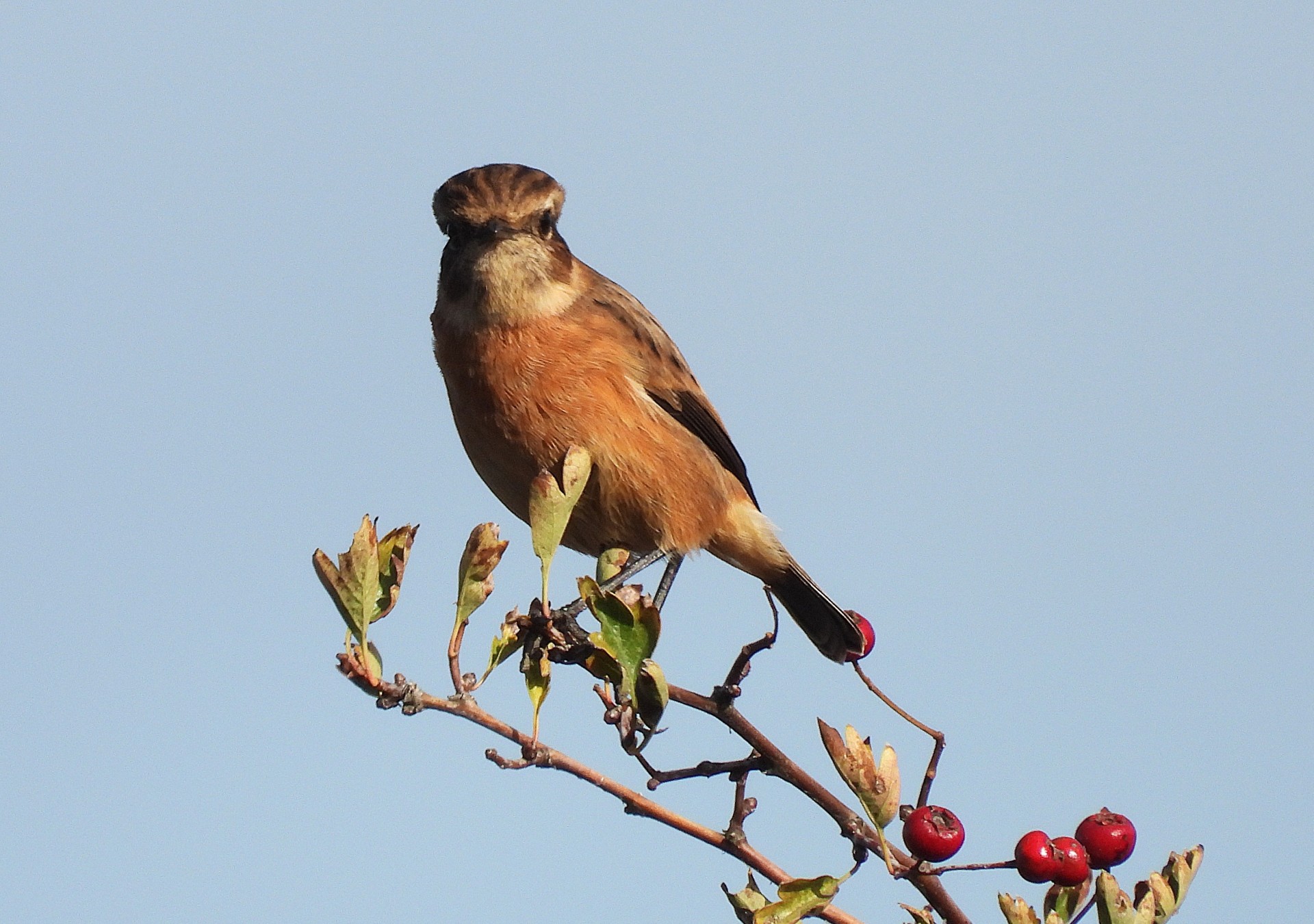
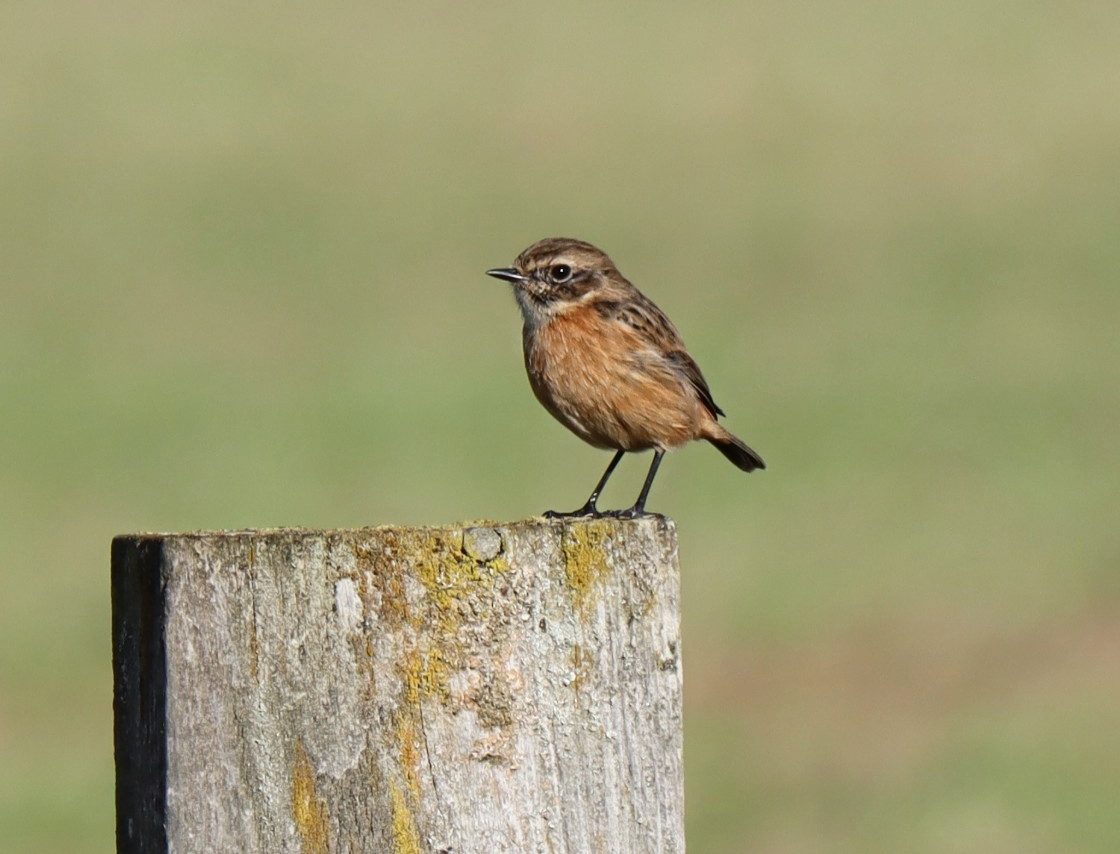
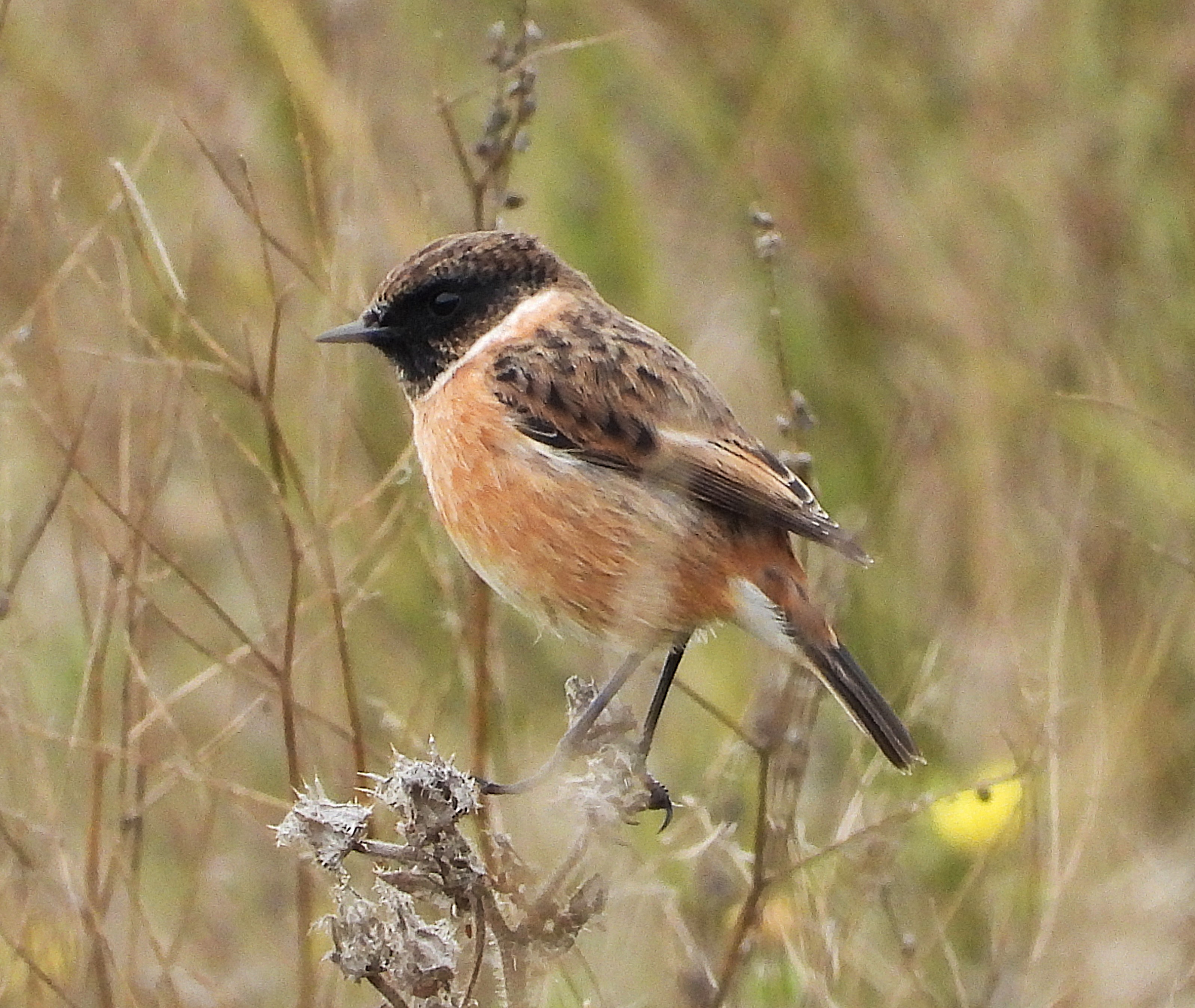
Just five localities were to produce Stonechats this week. Clifford Hill, Earls Barton, Harrington, Thrapston and Upton CP, with a maximum of four at Thrapston on 29th.
Getting late in the season now for migrant Rock Pipits, one was found at Clifford Hill on 28th.

Discover more from Northants birds
Subscribe to get the latest posts sent to your email.

