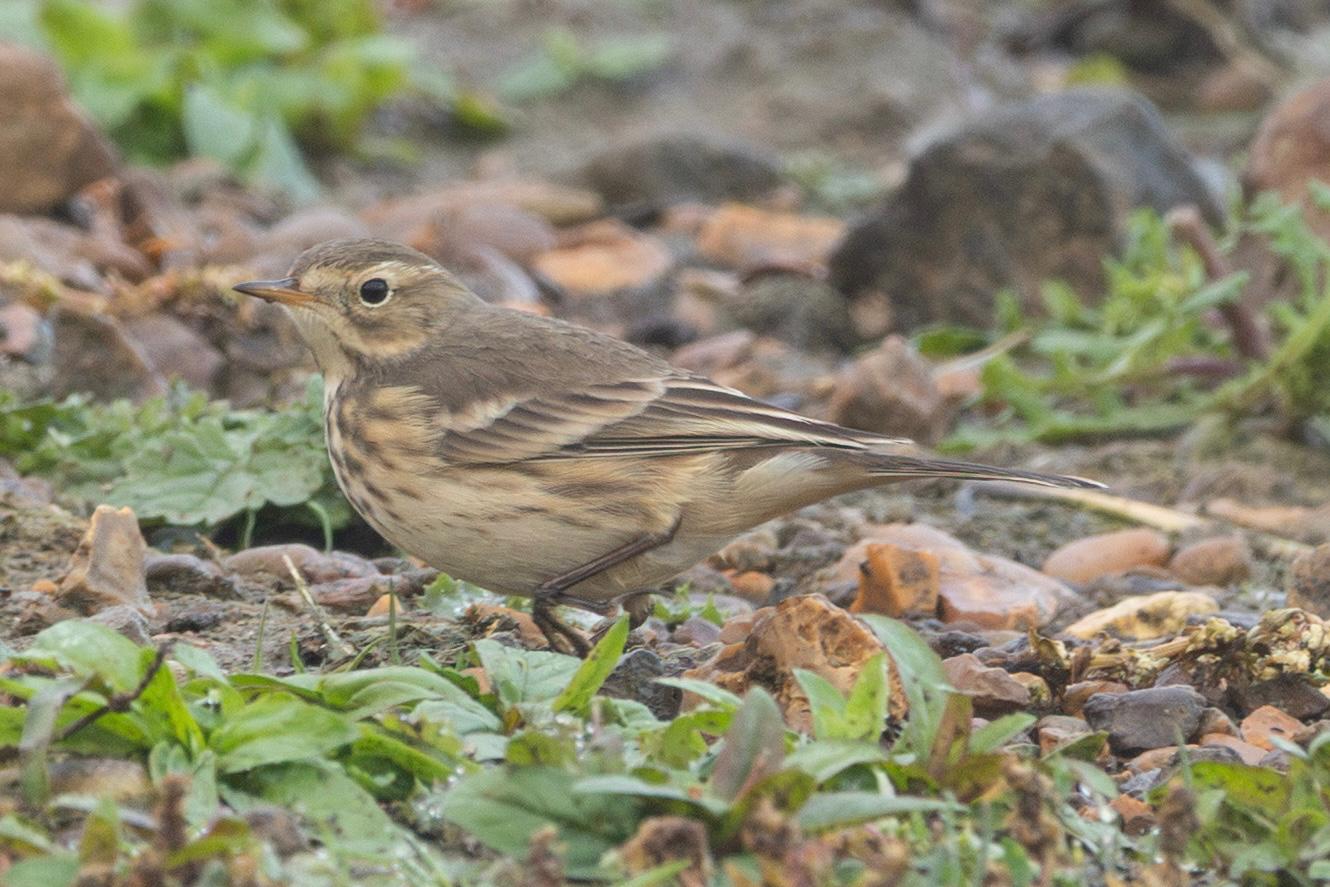
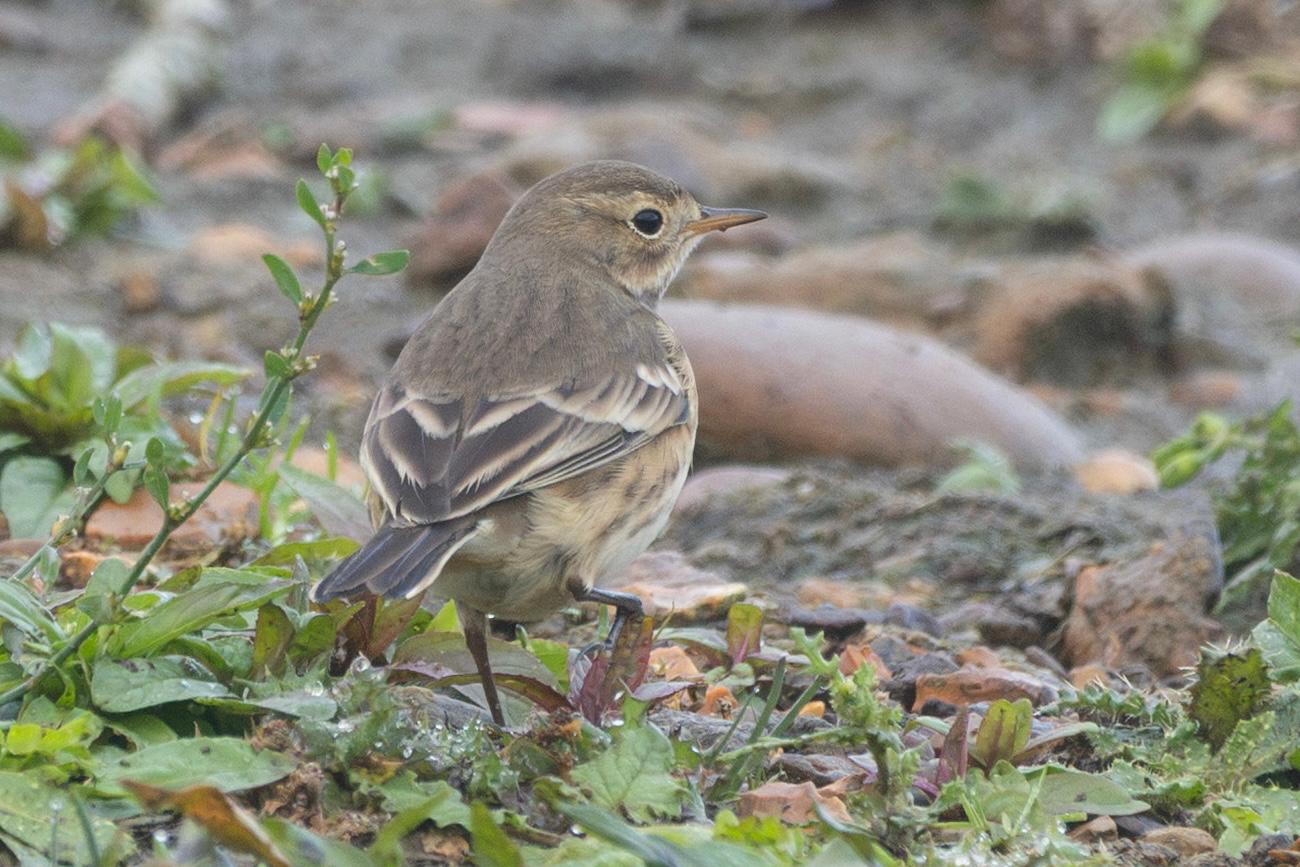
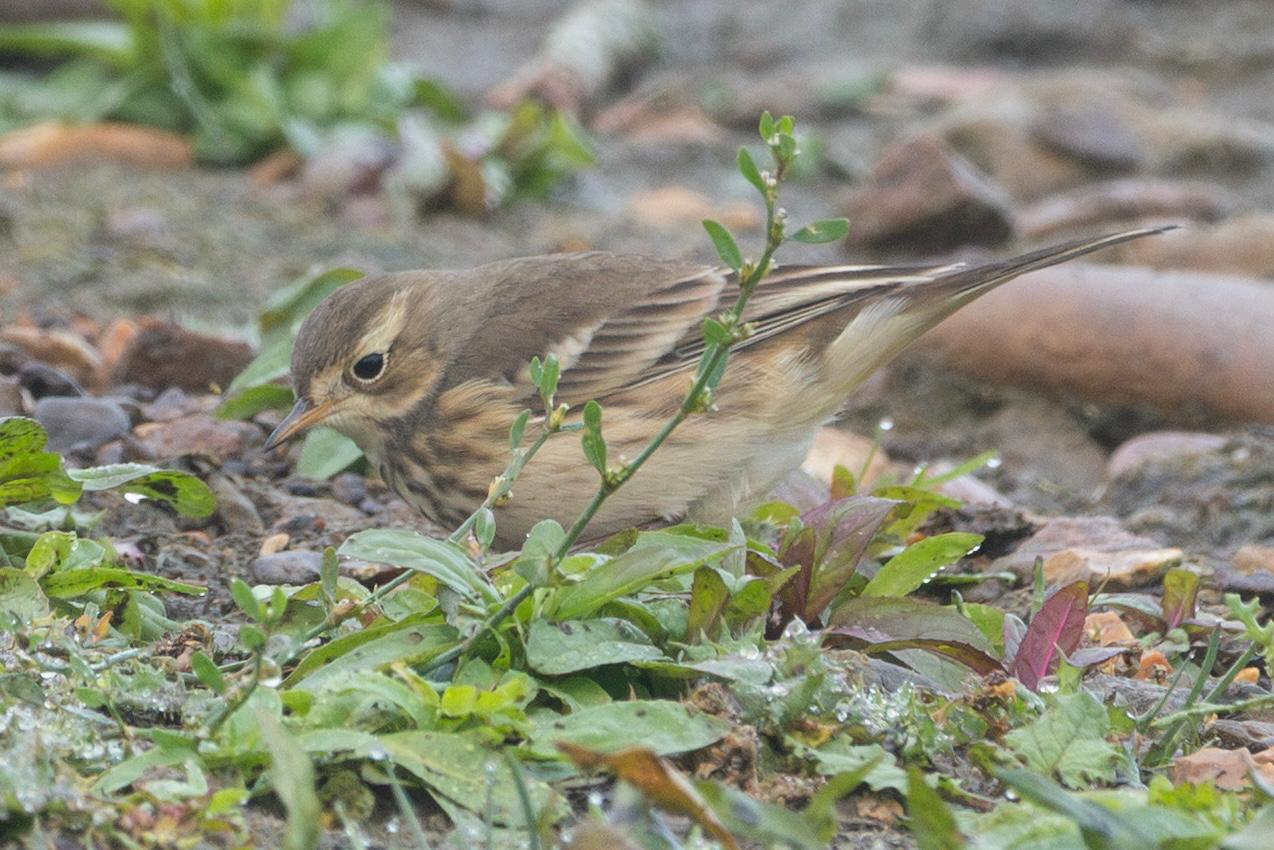
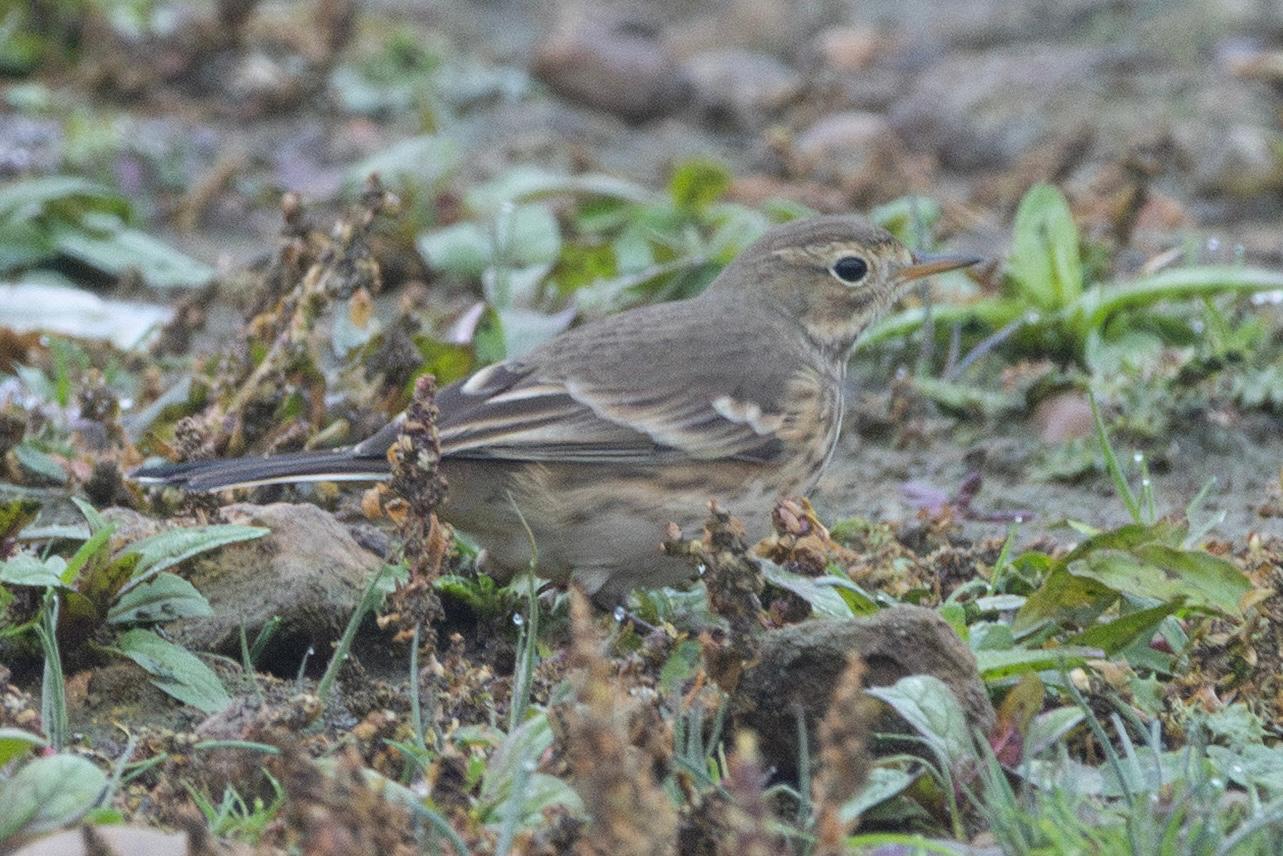
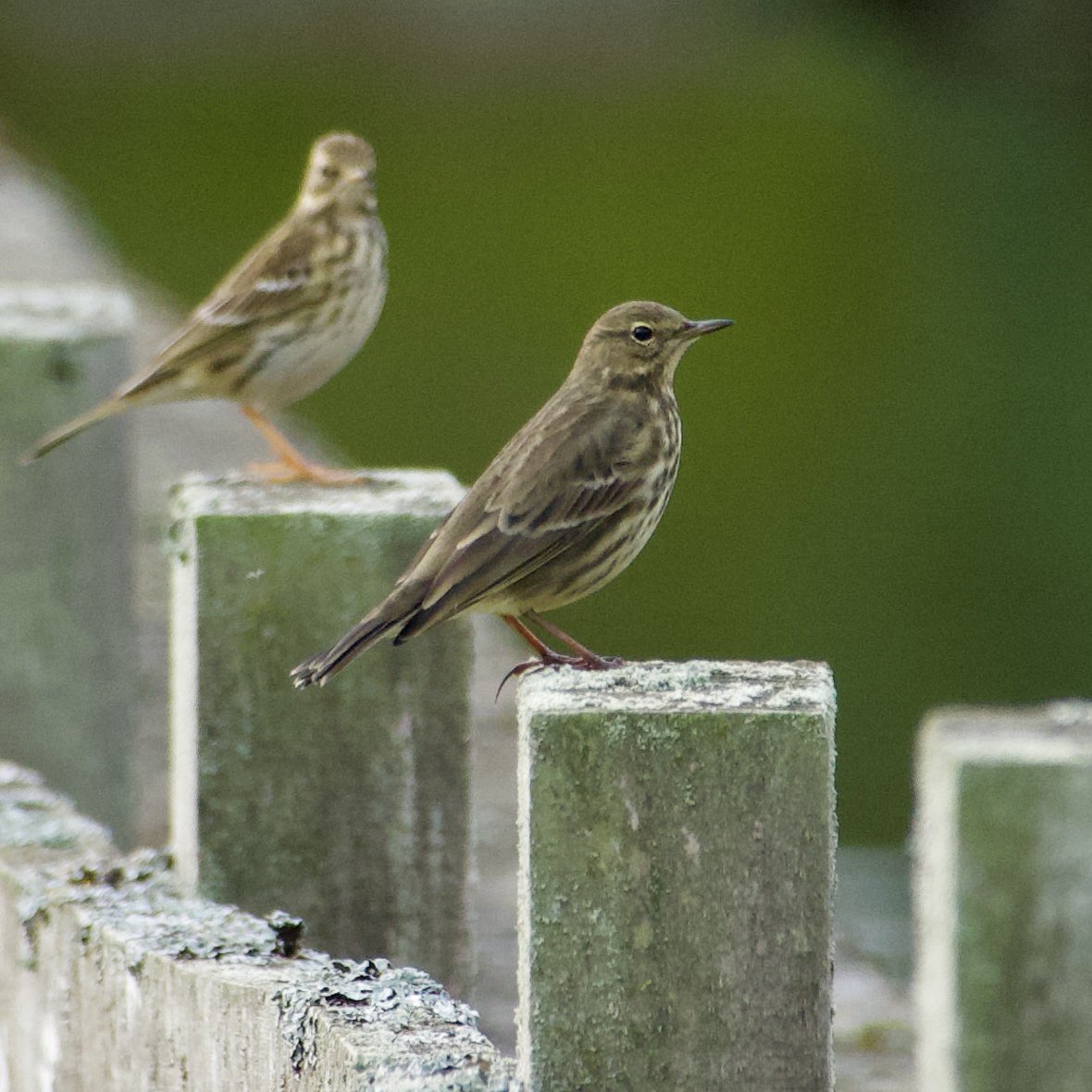
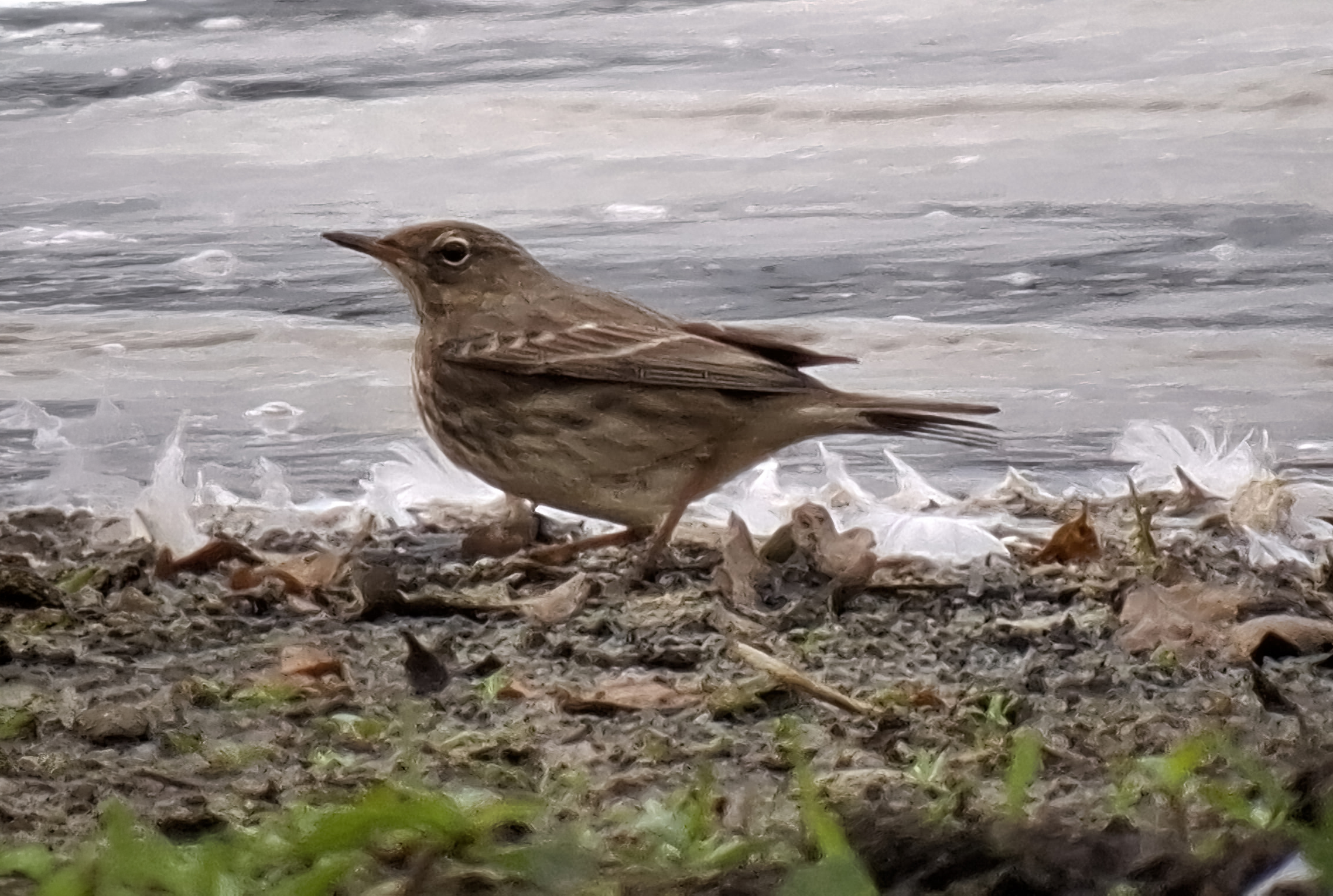
Like a bolt out of the blue. Nobody saw it coming. A first for Northamptonshire. Today, 19th October, delivered a landmark event in the discovery by Tyler Atkinson of an American Pipit at Clifford Hill GP – the first American passerine ever to be recorded in the county.
Loosely associating with Meadow Pipits, it was initially found in the early part of the morning on the shoreline in the south-east corner of the Main Barrage Lake. Not long after its discovery it kept a low profile, remaining out of view, and was not seen again until midday, when it moved up onto the flat grassy area above the shore. It was then seen intermittently throughout the afternoon before flying off south-west over Hardingstone Dyke around 17.30.
American Pipit, Clifford Hill GP, 19th October 2026 (Tyler Atkinson)American Pipit, Clifford Hill GP, 19th October 2026 (Tyler Atkinson)American Pipit, Clifford Hill GP, 19th October 2026 (Tyler Atkinson)American Pipit, Clifford Hill GP, 19th October 2026 (Tyler Atkinson)
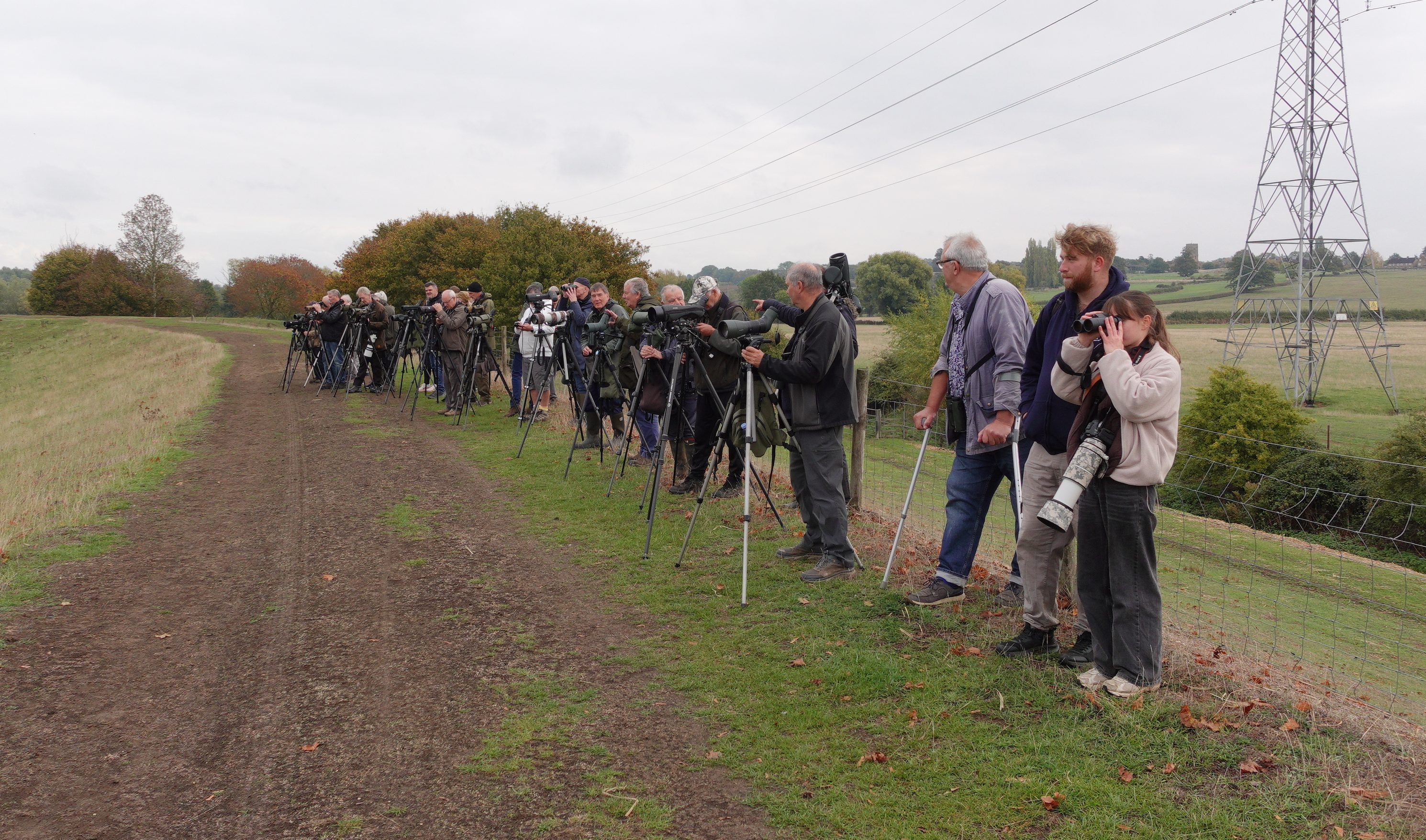
Its presence throughout the day allowed many birders – some from beyond Northants – to catch up with it.
American Pipit observers, Clifford Hill GP, 19th October 2026 (Mike Alibone)
Until the end of 2025, there had been 72 records of American Pipit in the UK, all of which have been in coastal counties, apart from one memorable crowd-puller at Farmoor Reservoir, Oxfordshire in October 2007 and another at Queen Mother Reservoir, Berkshire in December 2012.
October, a month with an unwavering reputation for delivering some of the year’s finest birds, duly proved its worth this week in the run up to its midpoint …
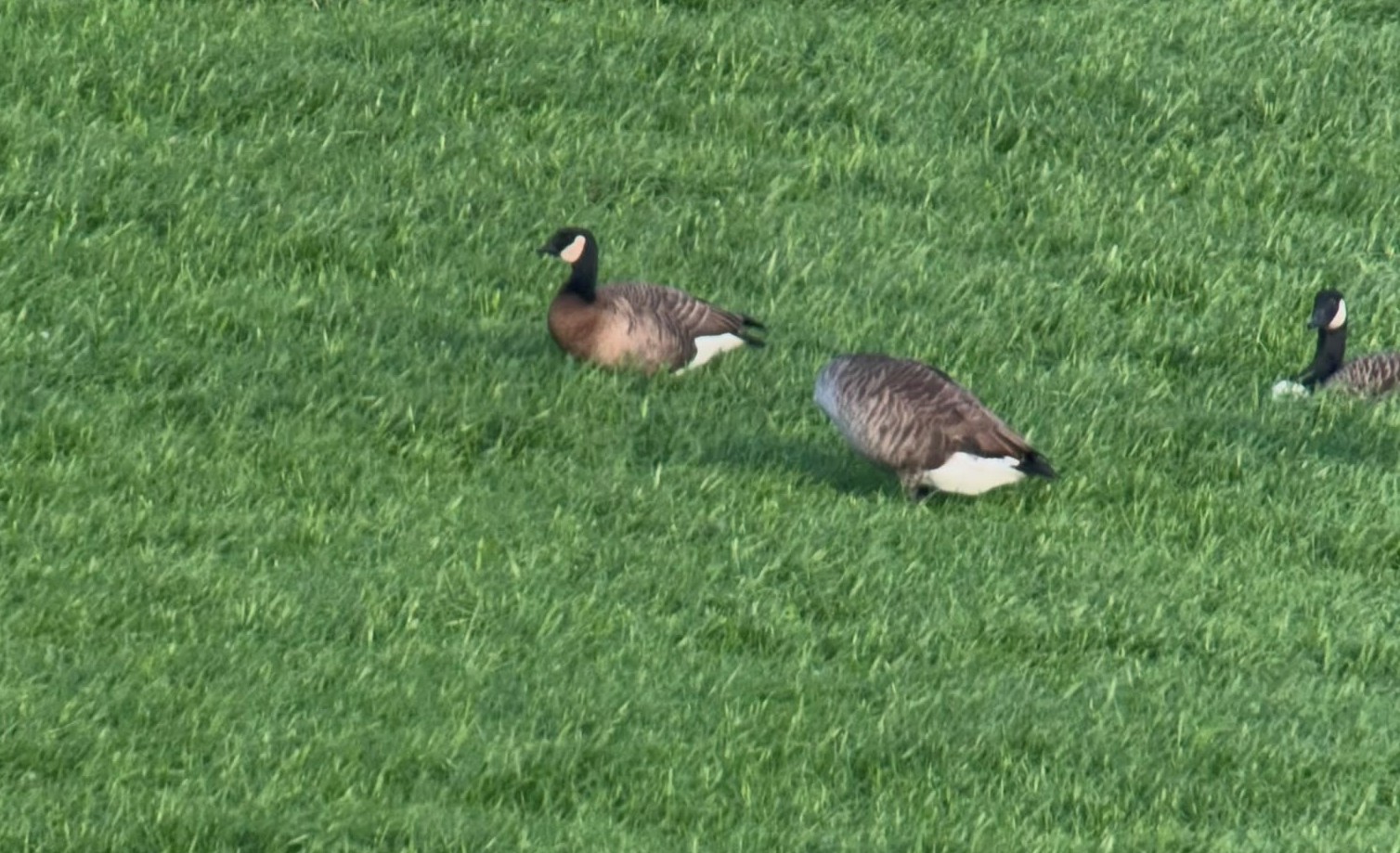
Of unknown origin – but overwhelmingly likely an escape – a Cackling Goose appeared at Stanford Res on 10th, remaining in the area until at least 15th. This species was officially added to the British List as recently as ten years ago, in 2016, and Northants has a handful of previous records, all of which have been relegated to the escapes category.
Cackling Goose, Stanford Res, 15th October 2026 (Chris Hubbard)
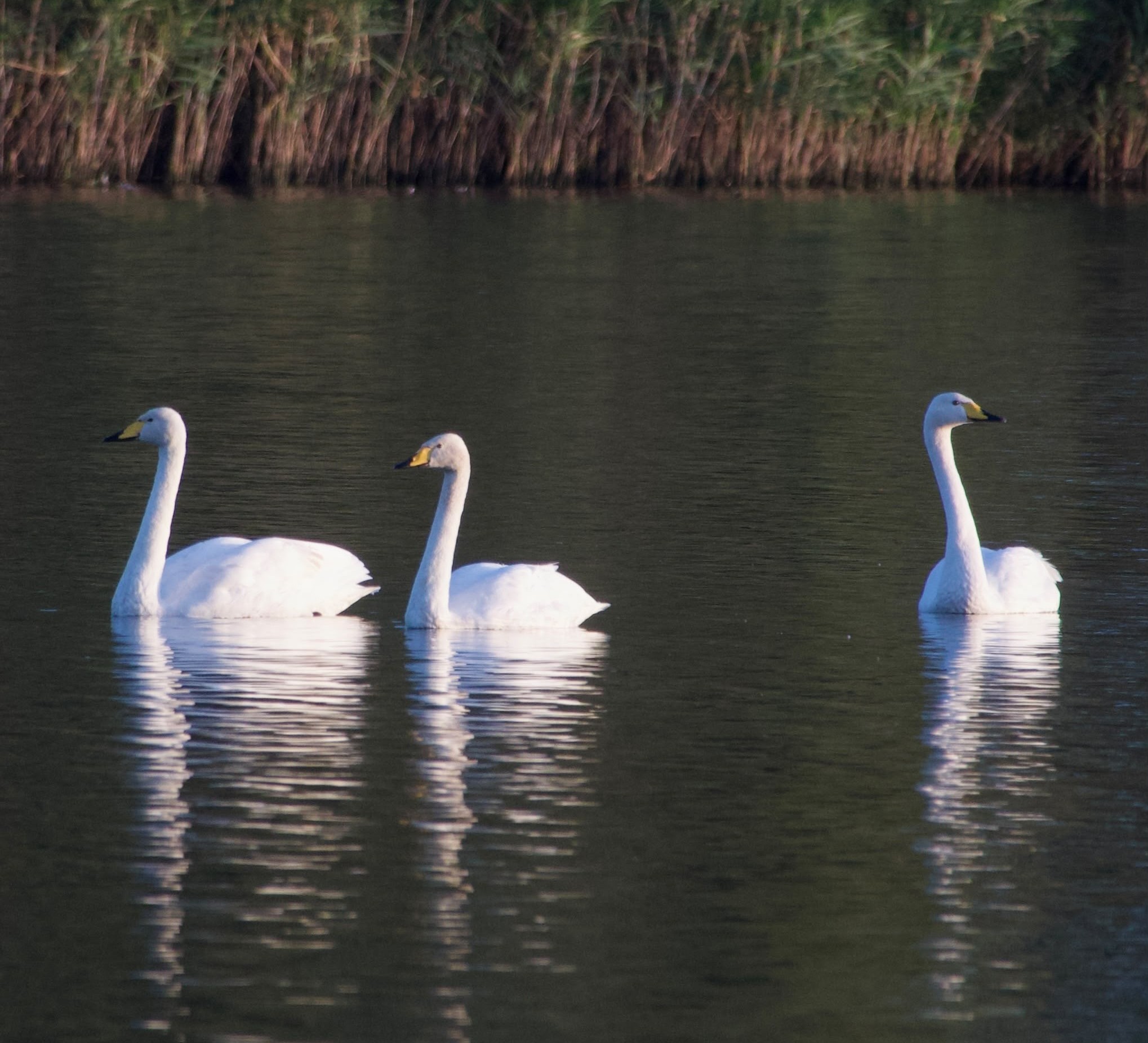
A Pink-footed Goose between Cottesbrooke and Hanging Houghton in the Brampton Valley on 12th was the second record for the autumn, as was three Whooper Swans at Stanford on 11th following three – possibly the same – there on 8th.
Whooper Swans, Stanford Res, 11th October 2026 (Chris Hubbard)
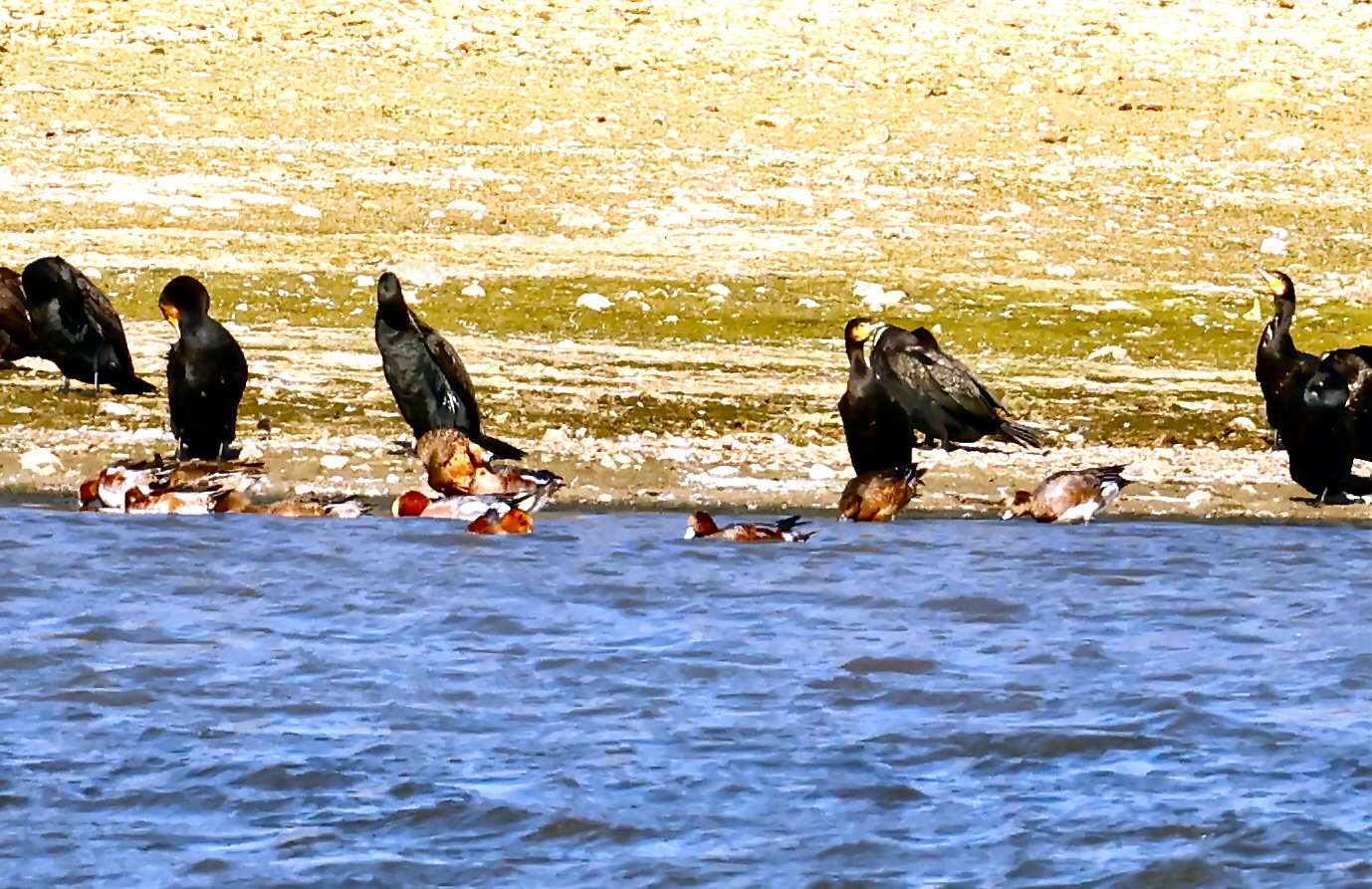
Getting late now for Garganey, one visited Summer Leys LNR on 11th but this was rightly outshone by a drake American Wigeon at Pitsford Res on 13th, which was one of ten in the UK during the period. Hot on the heels of the wintering drake at Thrapston GP’s Titchmarsh NR in December 2025-January 2026, this week’s bird was only the ninth record for the county, while the one prior to the Titchmarsh individual was way back in 2004. Had it not been for last winter’s drake lingering for the best part of a month, there would have been a lot of long faces at Pitsford as this week’s bird was nowhere to be seen subsequently.
Drake American Wigeon, Pitsford Res, 13th October 2026 (Bob Bullock)
Further echoing last winter, a drake Ring-necked Duck found at Titchmarsh on 12th must surely be a returning bird as this site now looks like it might be set to host one for the third consecutive winter.
By no means in the same league, a female Red-crested Pochard was present at Ravensthorpe Res from 12th until 16th.
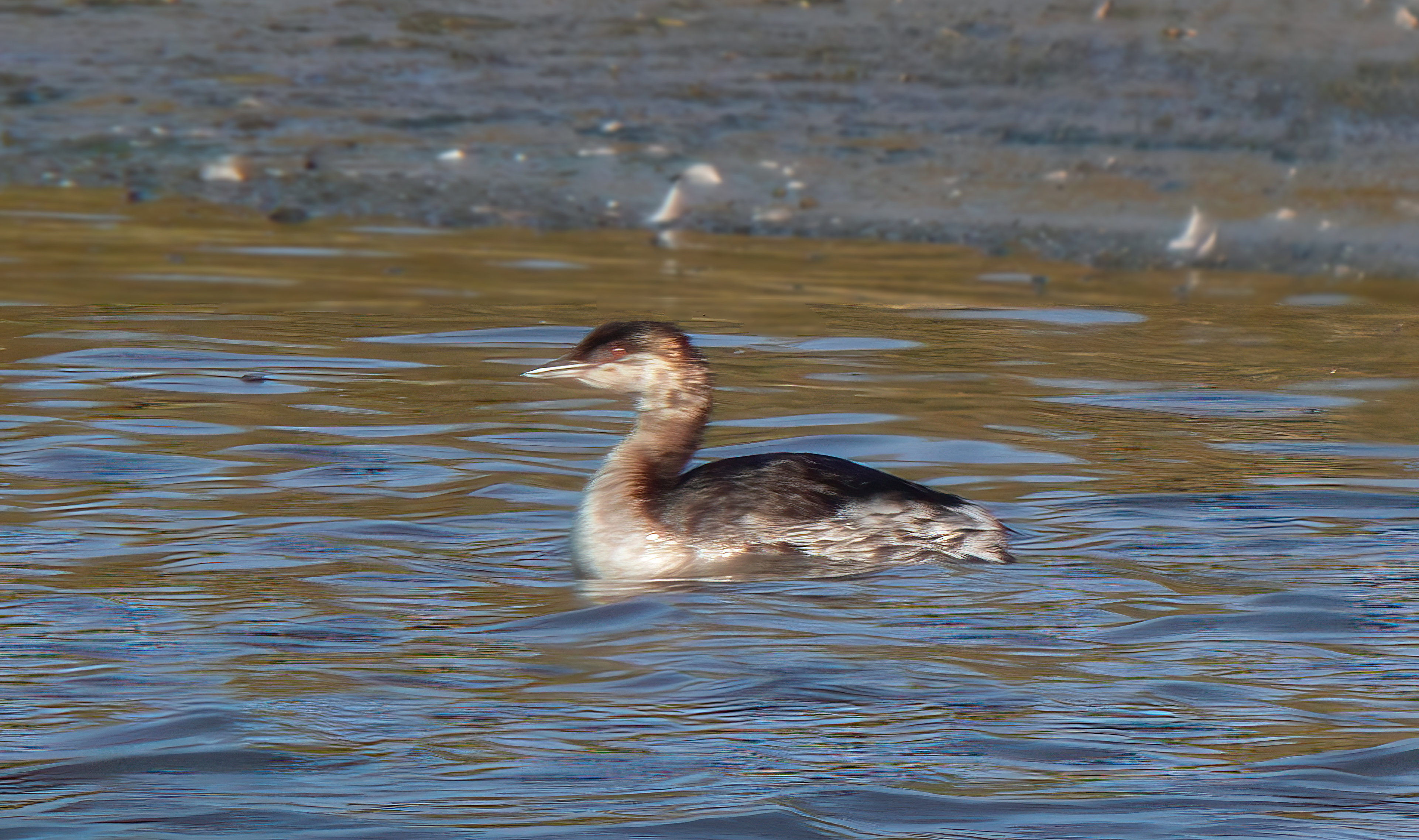
Following a much-admired individual at the latter site early in the spring, another Slavonian Grebe appeared at Pitsford on 11th, remaining there to see the rest of the week out.
Slavonian Grebe, Pitsford Res, 14th October 2026 (Mike Alibone)
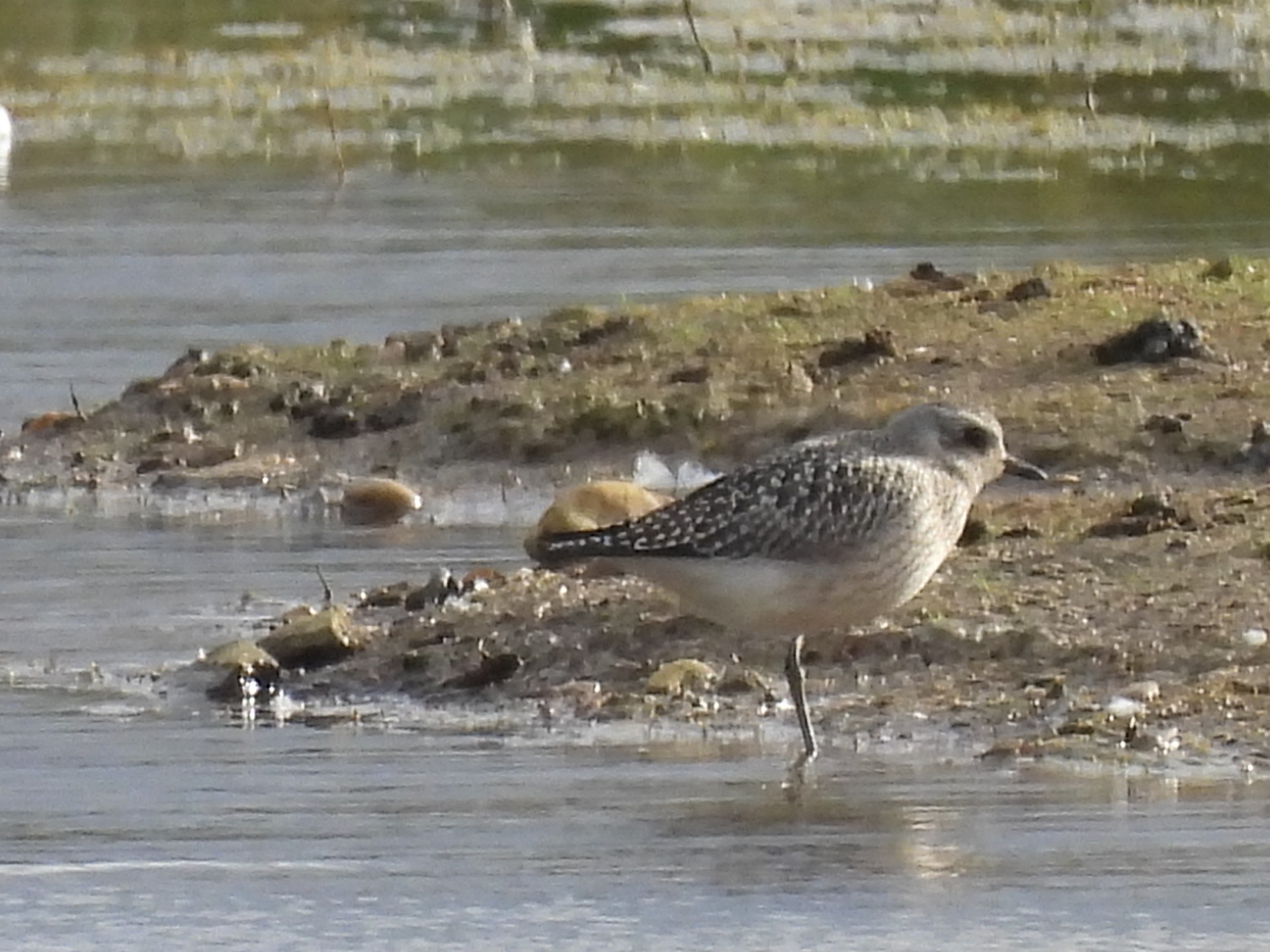
Moving deeper into October, waders were looking decidedly thin on the ground but, once again, it was Grey Plover that topped the bill with three at Pitsford on 10th and one at Earls Barton GP’s New Workings (South) on 14th. All turned out to be short-stayers.
Juvenile Grey Plover, 14th October 2026 (Laith Yasseen)
The latter site also produced a westbound Whimbrel on 15th, while two Curlews and a Ruff were present at Lilbourne Meadows NR on the same date. Another Ruff was found at Stanwick GP on 13th.
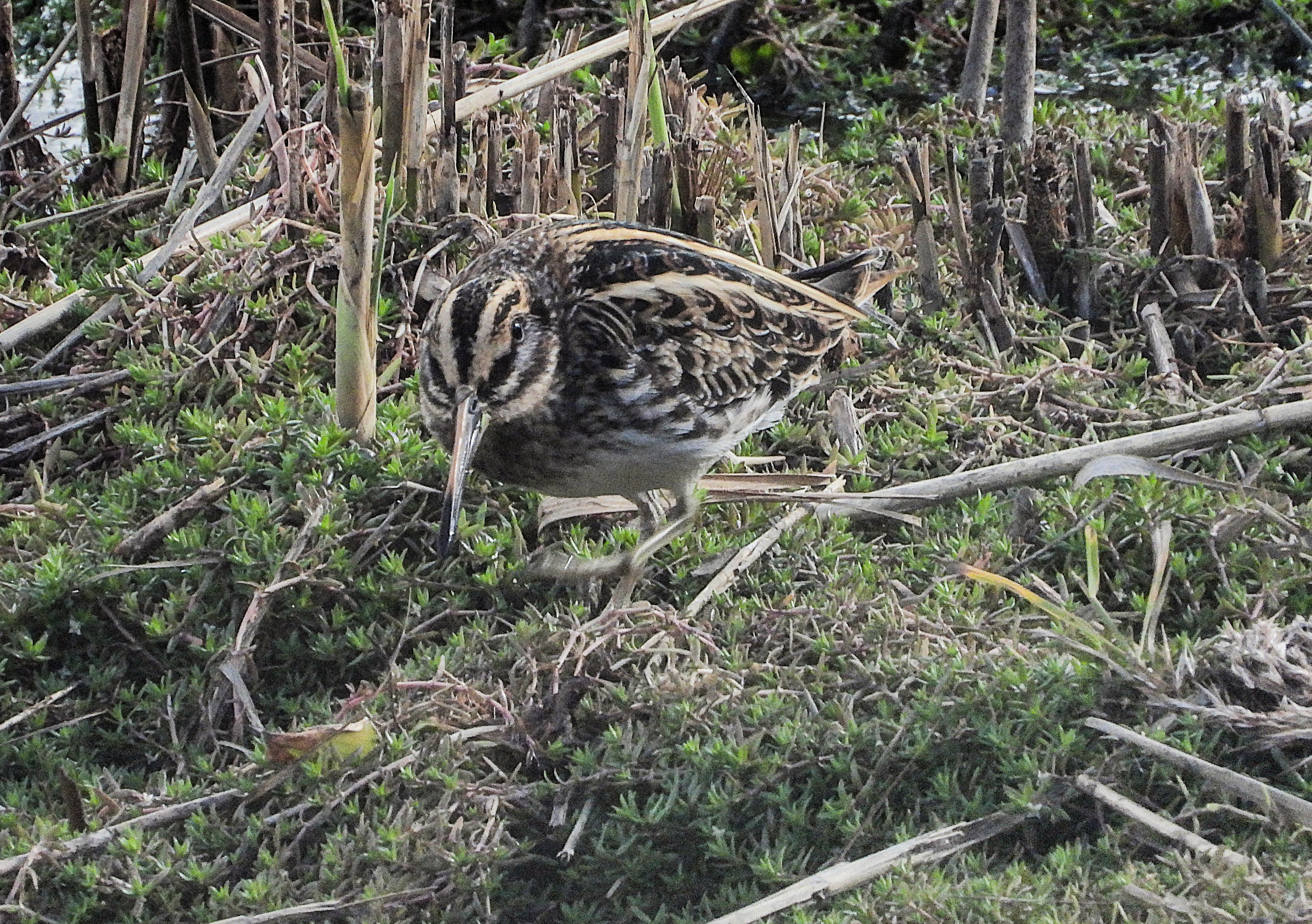
The last day of the period produced more Jack Snipes, with two at Clifford Hill GP and one at Summer Leys.
Jack Snipe, Summer Leys LNR, 16th October 2026 (Leslie Fox)
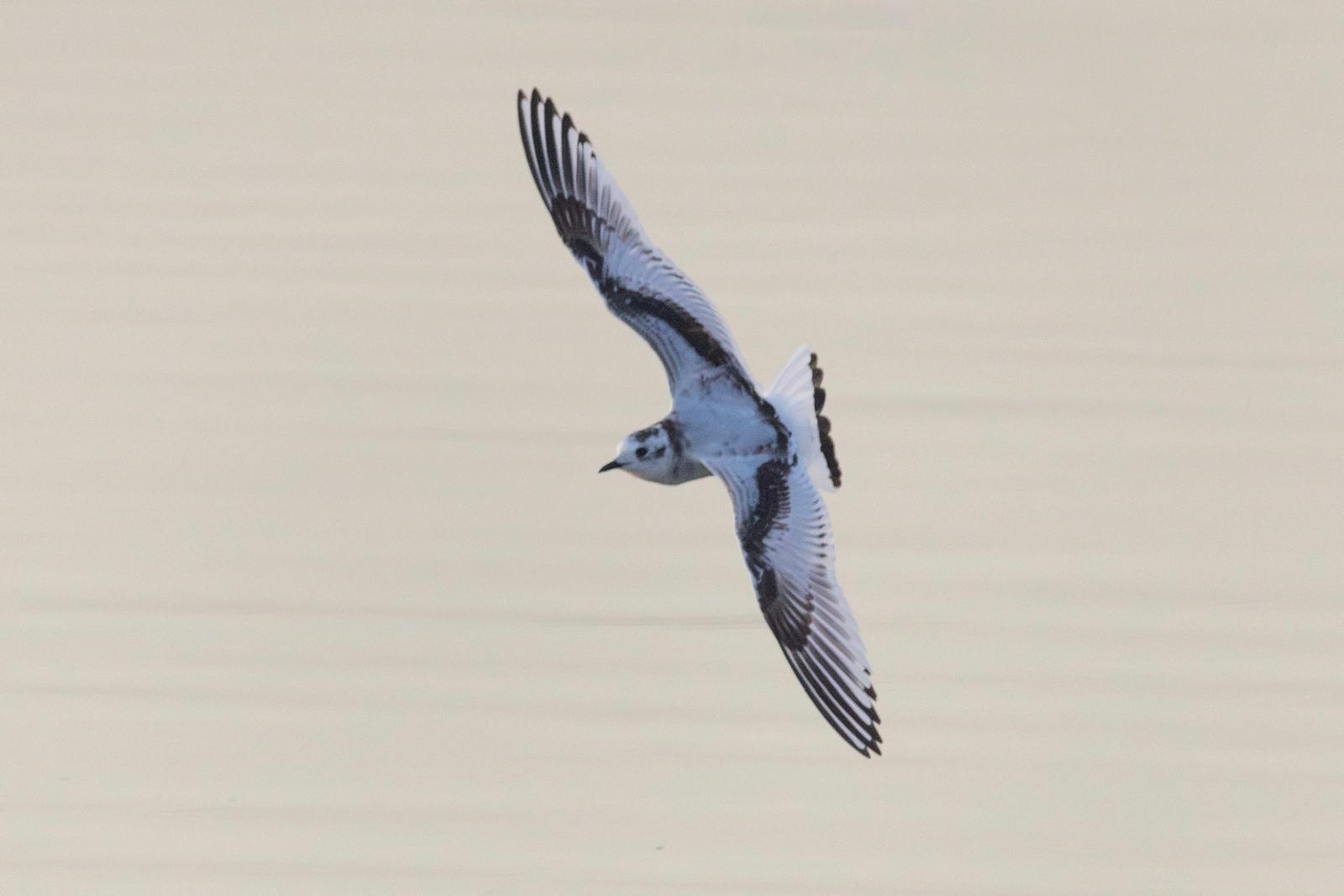
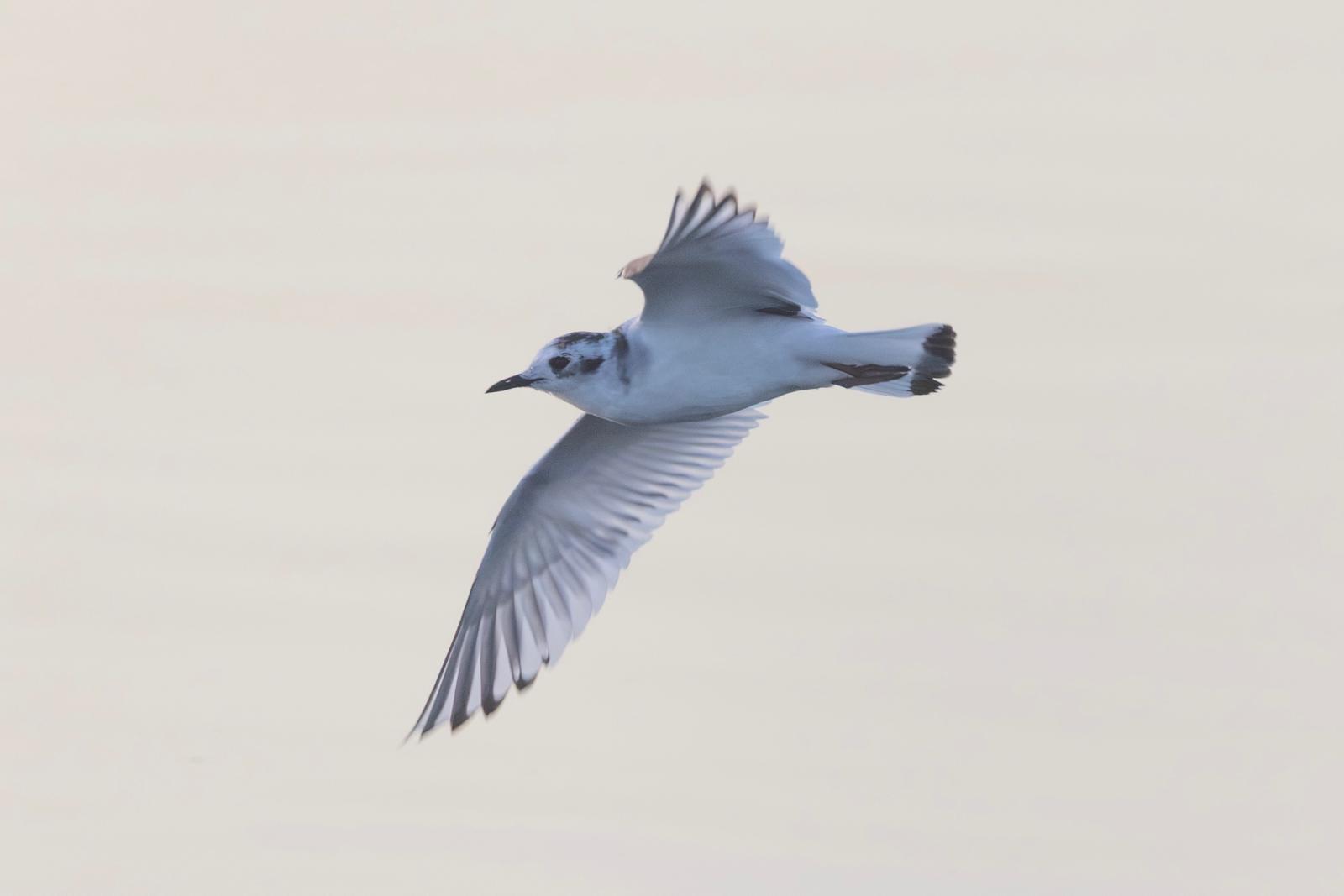
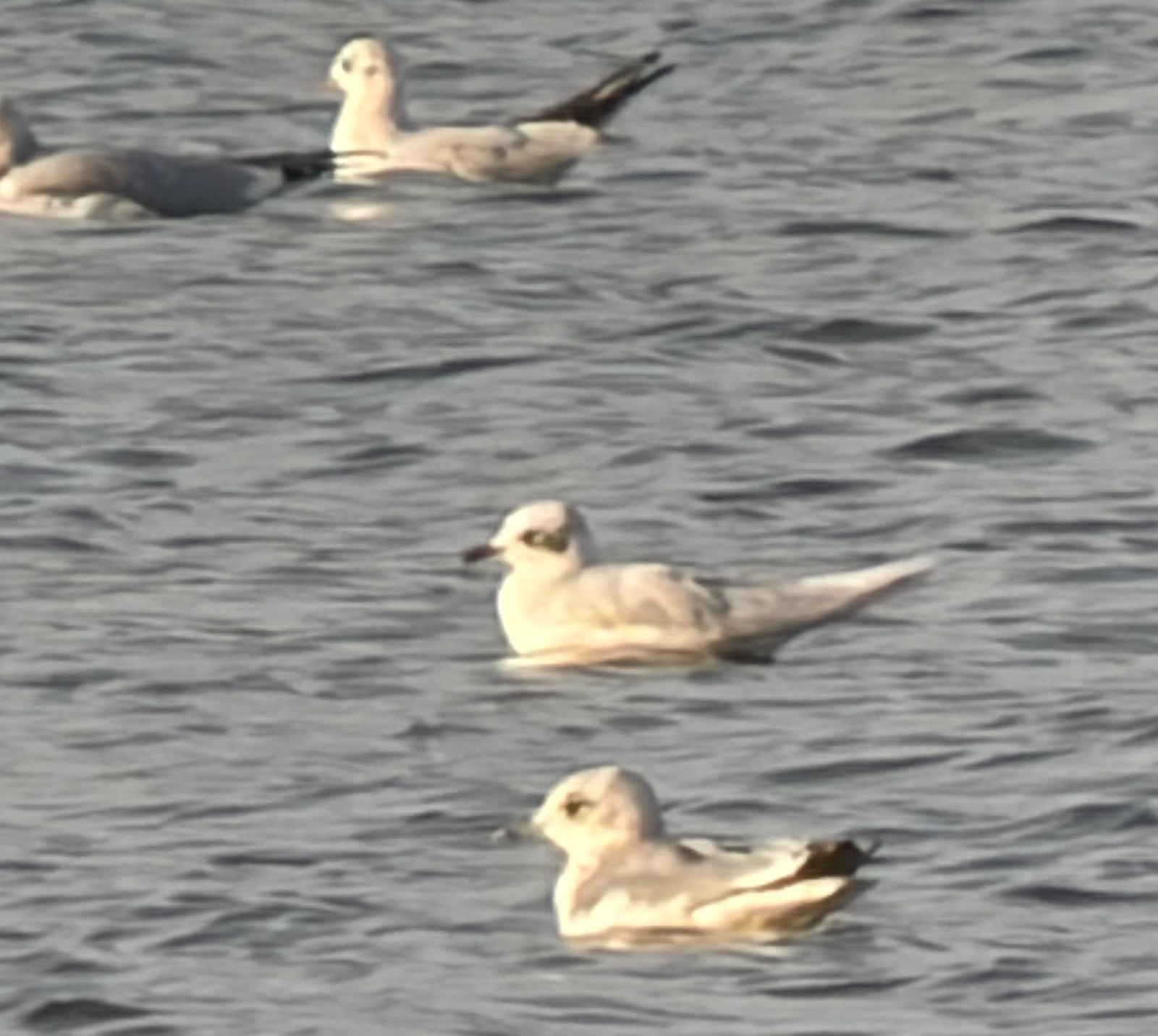
It was a good week for gulls and terns, considering where we are in October. Two Little Gulls appeared at Clifford Hill GP on 12th, one of which remained there until 16th.
First-winter Little Gull, Clifford Hill GP, 15th October 2026 (Tyler Atkinson)First-winter Little Gull, Clifford Hill GP, 15th October 2026 (Tyler Atkinson)
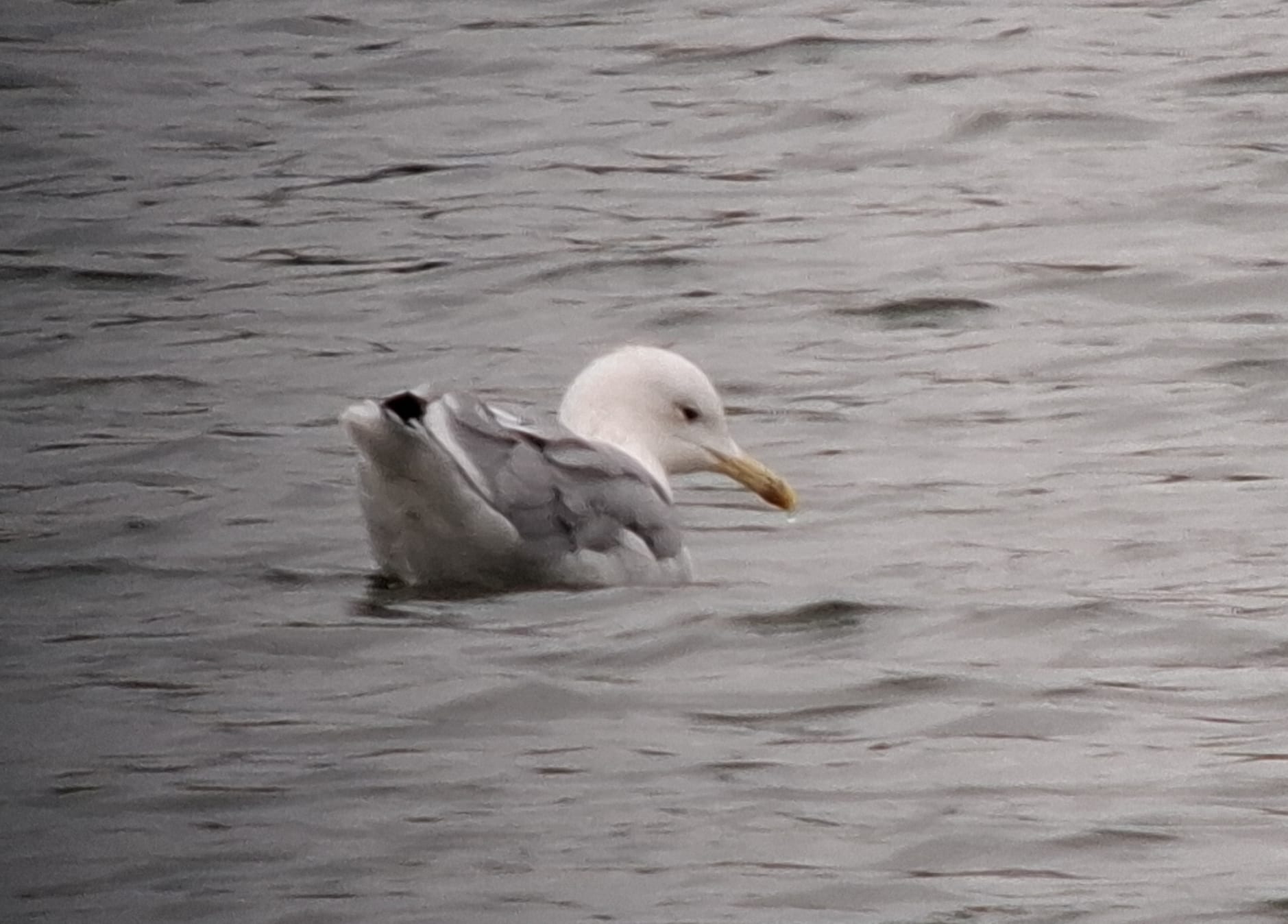
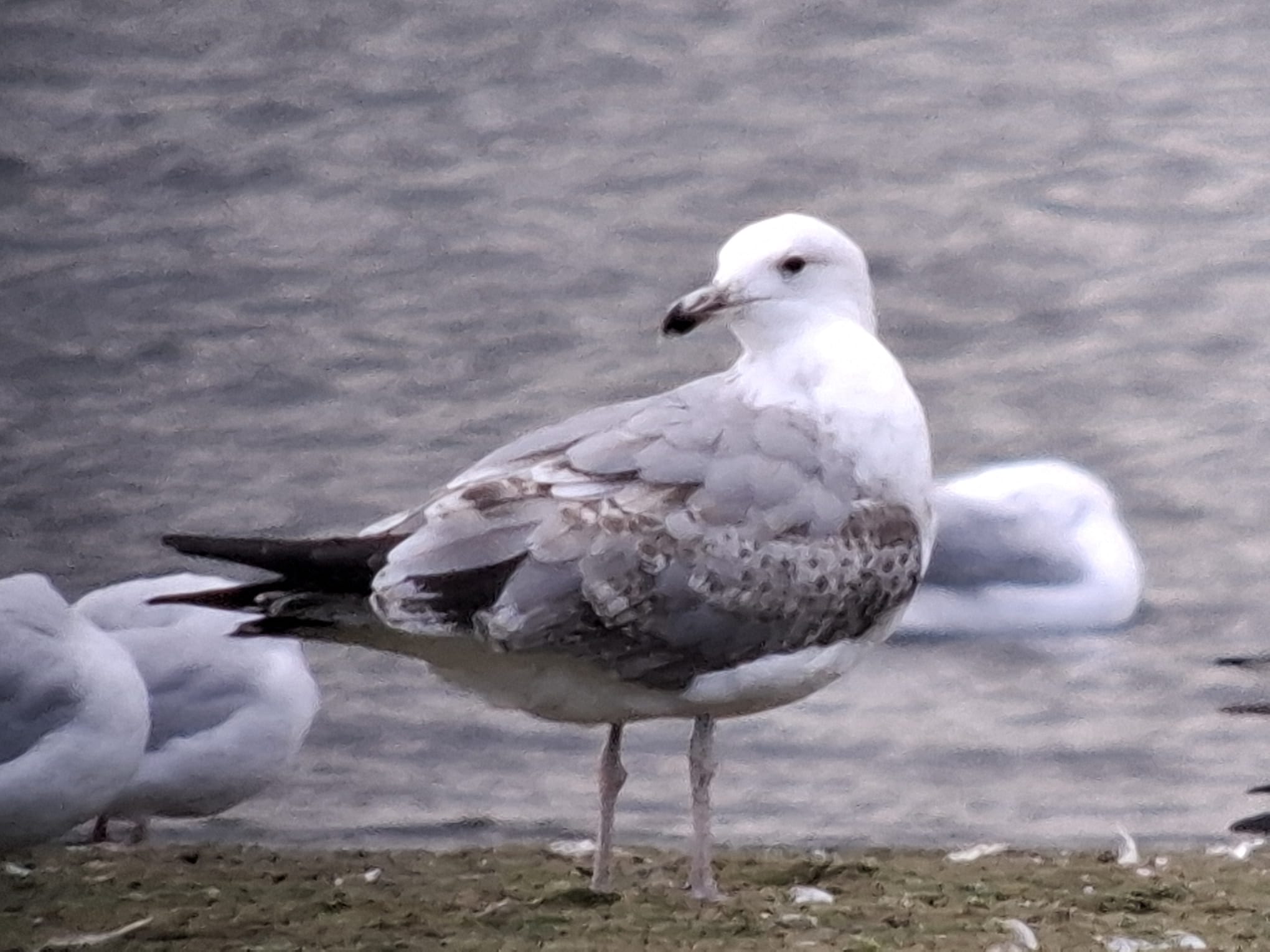
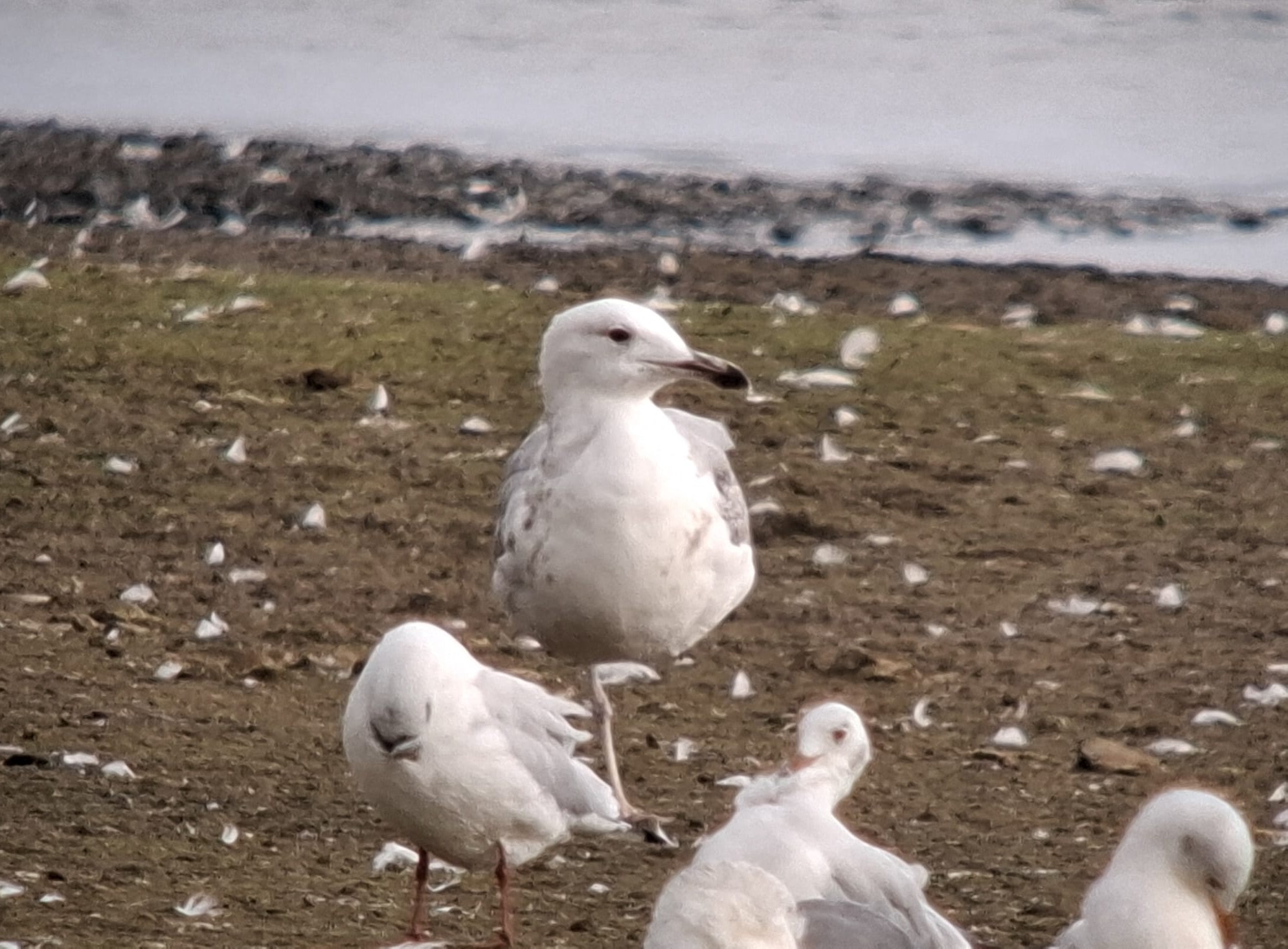
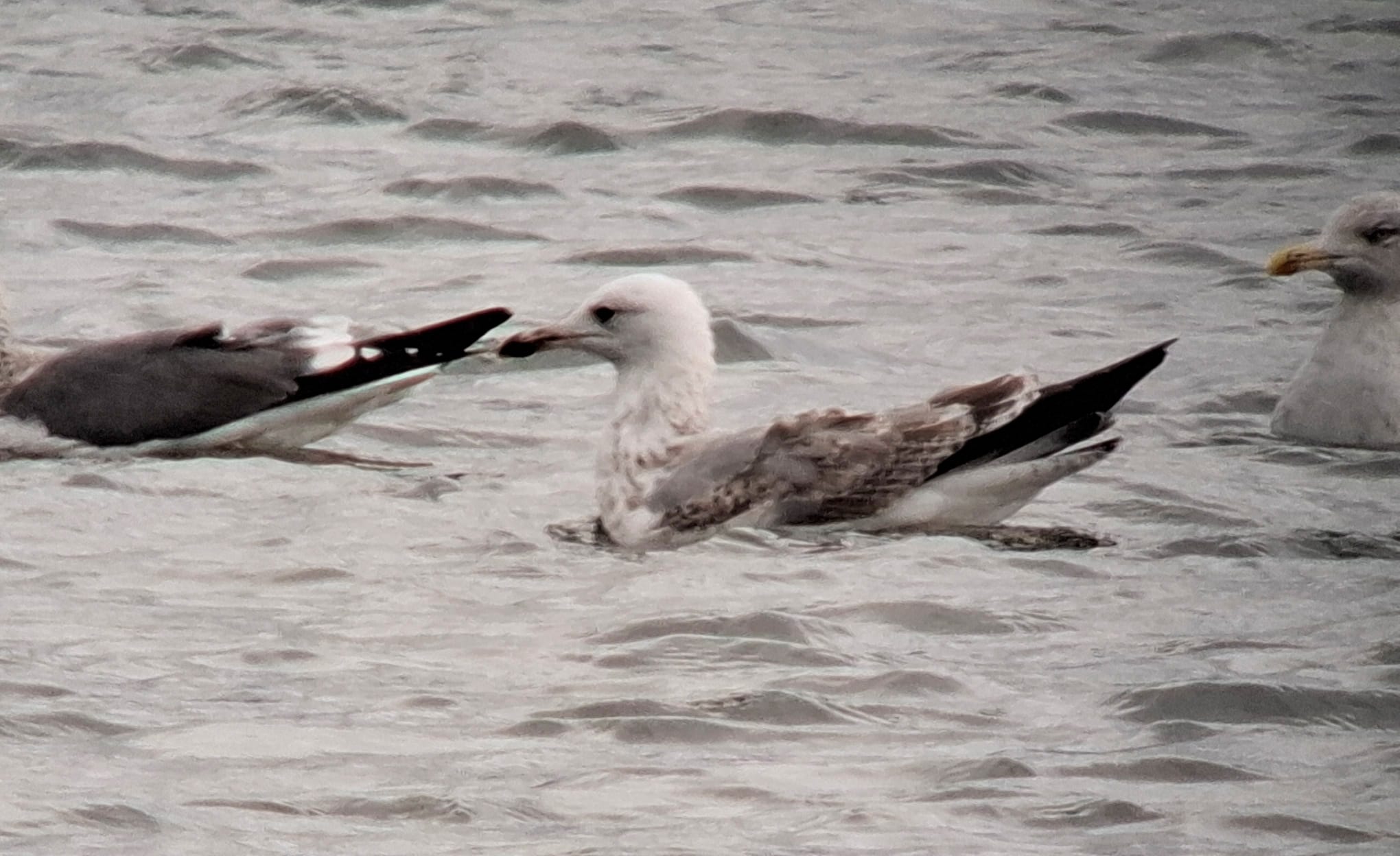
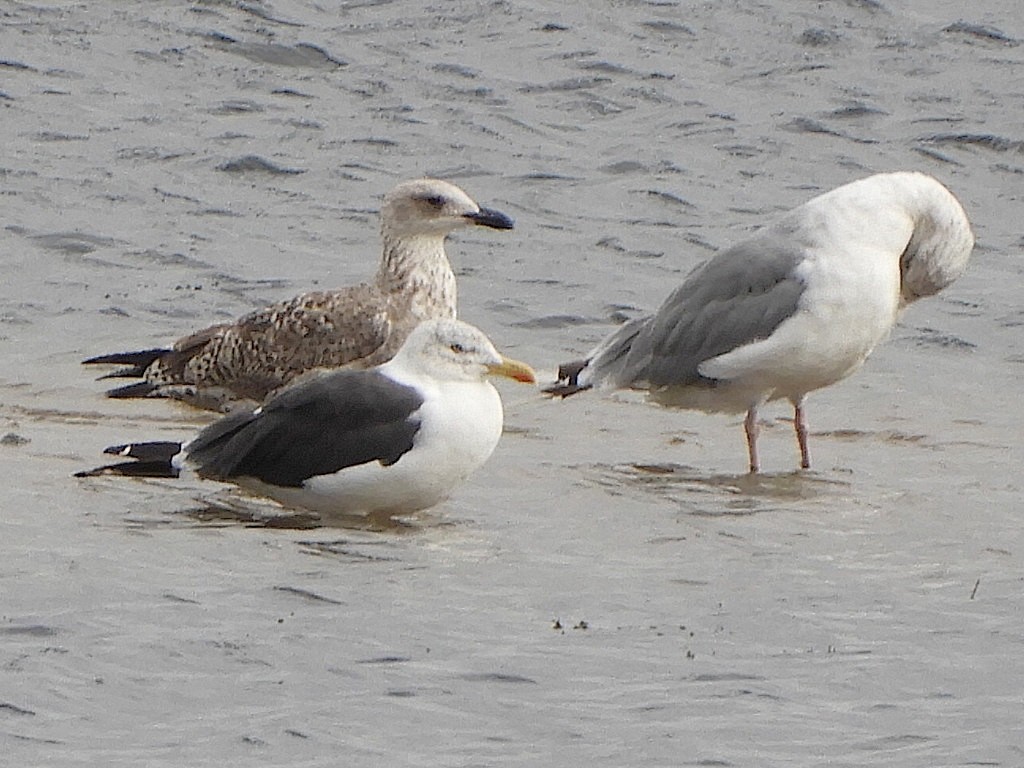
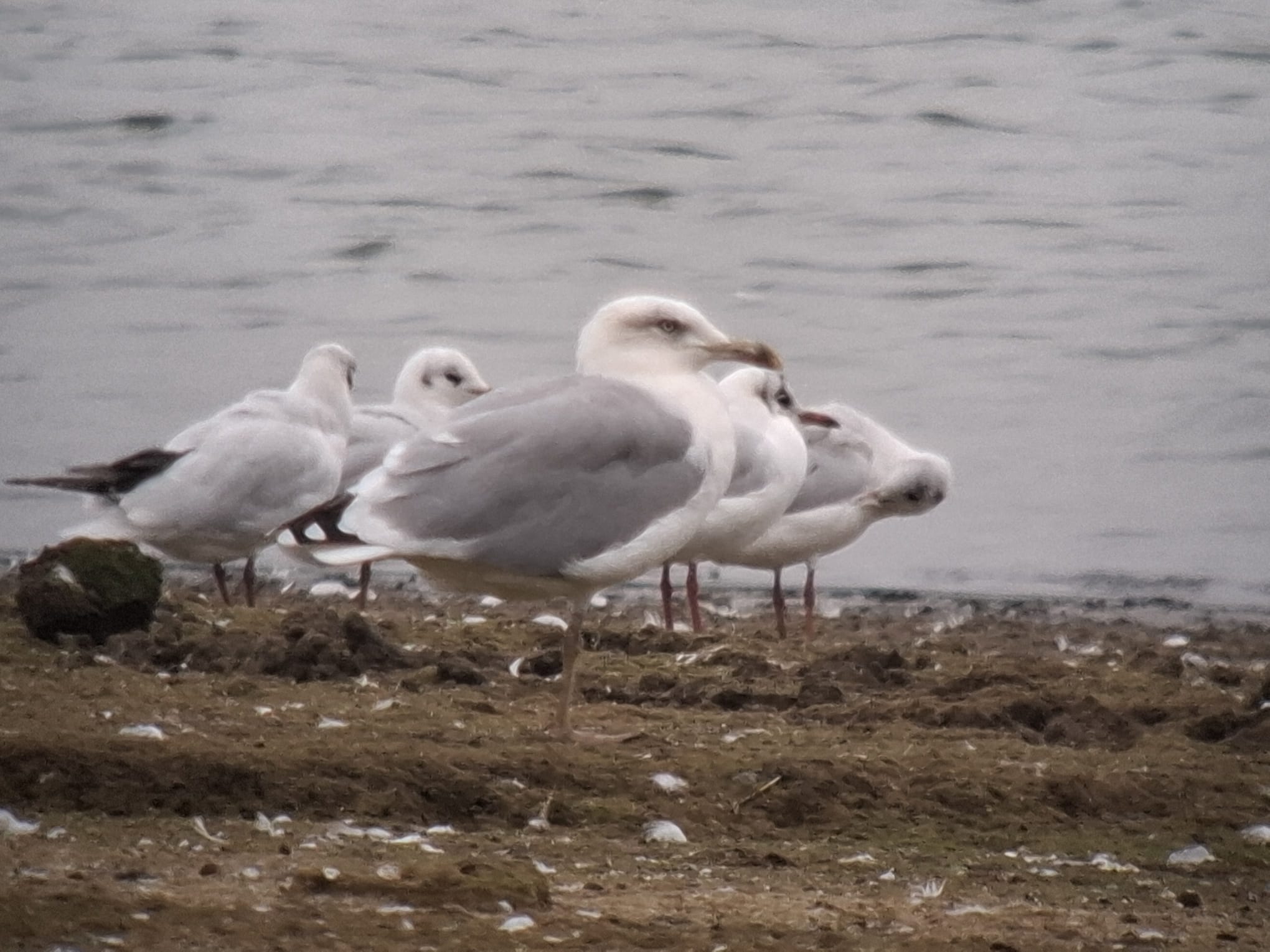
The period’s Caspian Gulls were found at three localities, Daventry CP producing an adult on 12th and a second-winter on 13th-14th, while another second-winter visited Hollowell Res on 12th and an adult appeared at Stanford on 14th.
Adult Caspian Gull, Daventry CP, 12th October 2026 (Gary Pullan)Second-winter Caspian Gull, Daventry CP, 13th October 2026 (Gary Pullan)
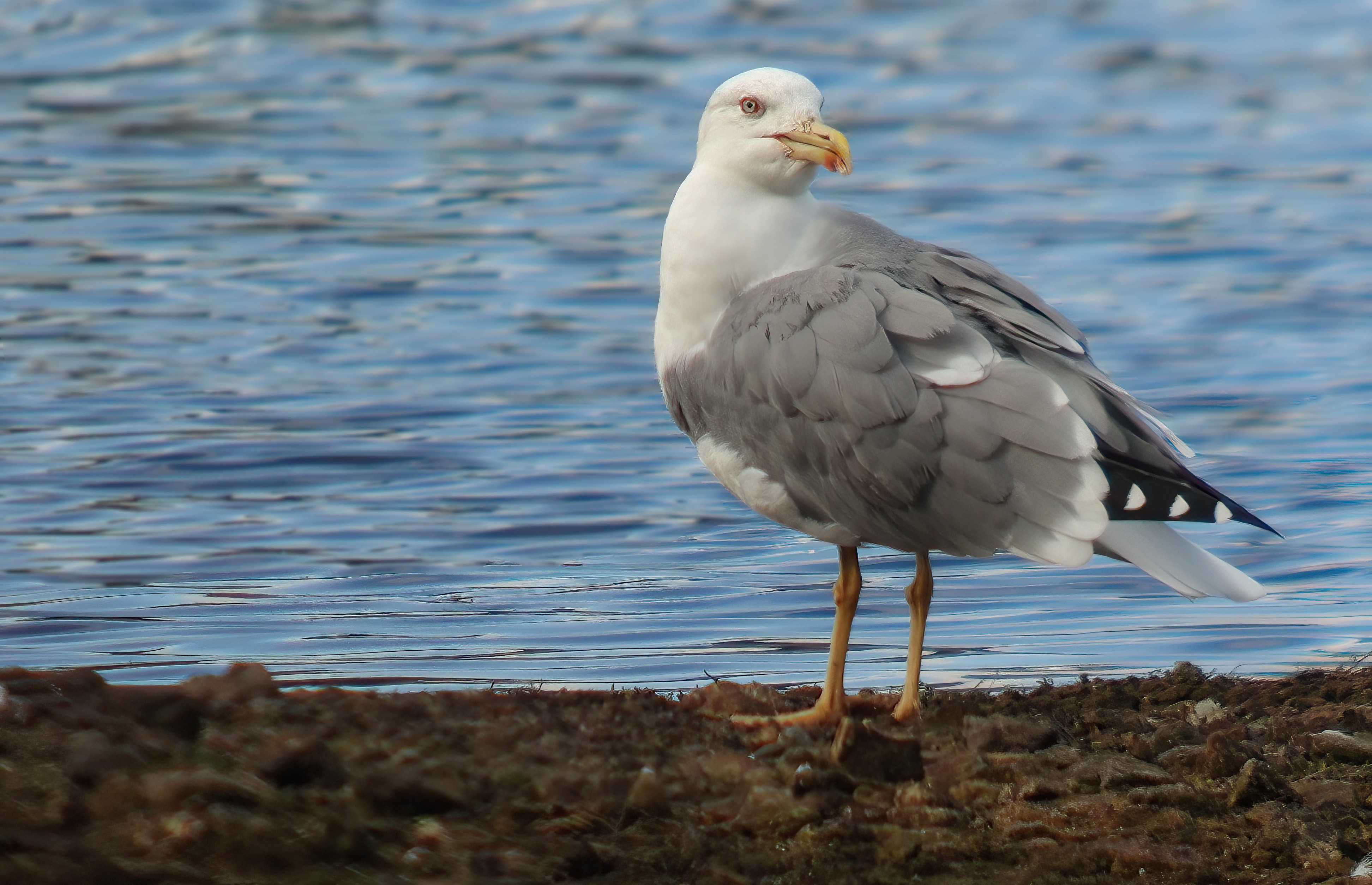
Yellow-legged Gulls included five at Pitsford on 12th and two there on 14th, singles at Titchmarsh on 12th-13th, Daventry on 13th and Clifford Hill on 14th-15th.
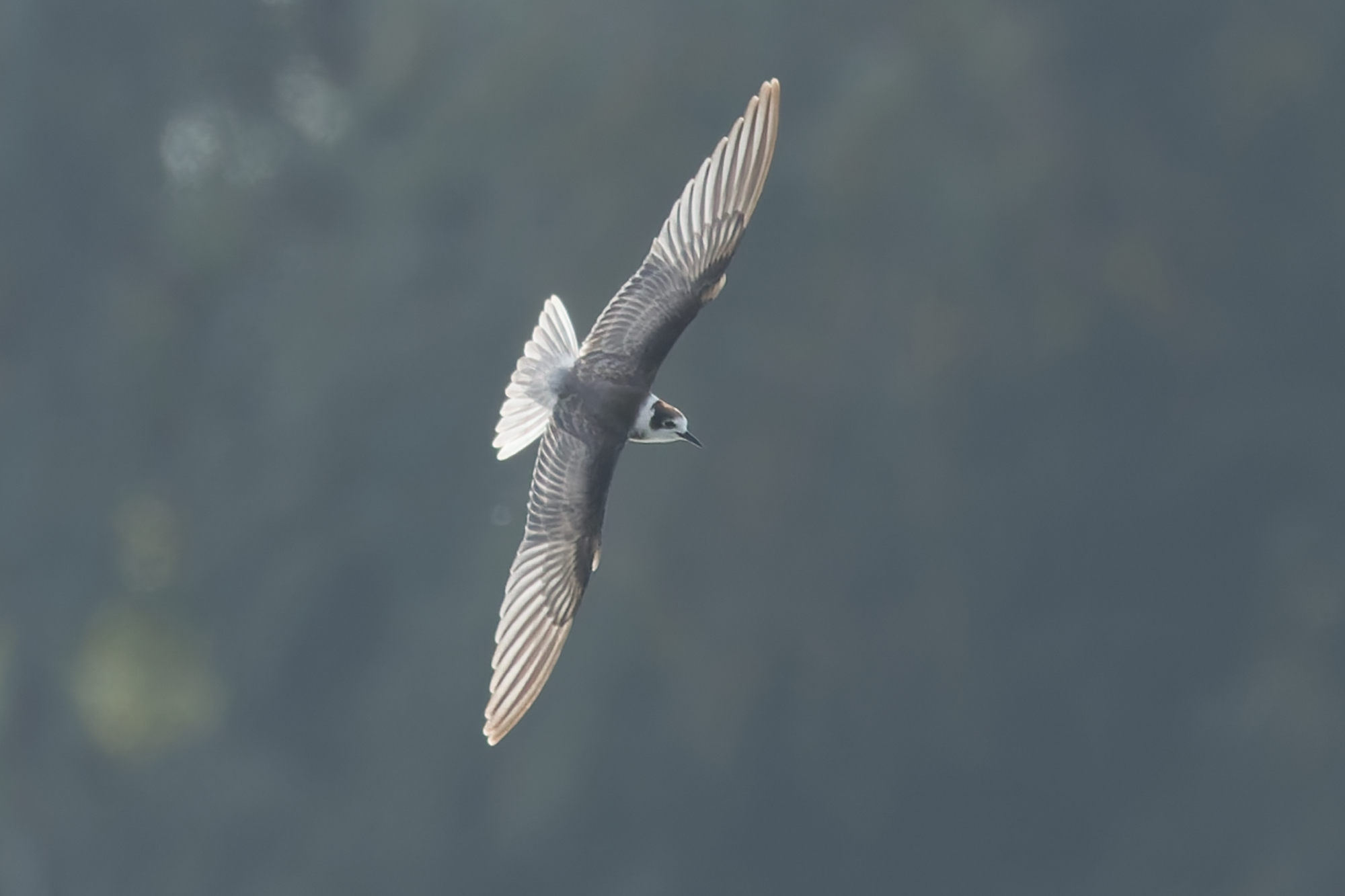
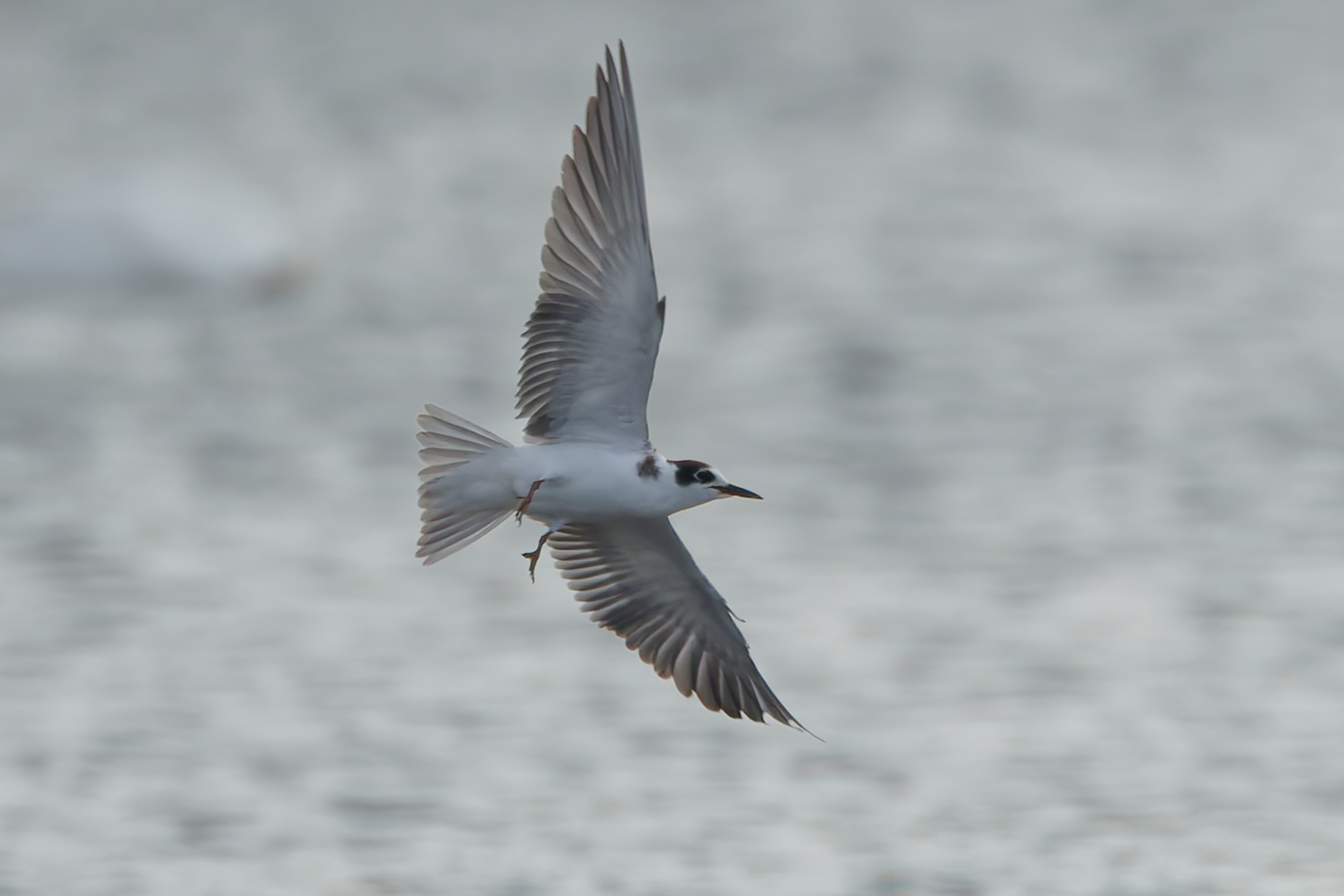
Interestingly, juveniles of all three of the county’s commonest terns appeared at Pitsford on 12th, when singles of Common Tern, Arctic Tern and Black Tern were up for grabs, these being followed by a juvenile Black Tern at Wicksteed Park Lakes on the last day of the period.
Juvenile Black Tern, Wicksteed Park Lake, 16th October 2026 (Julie Roe)Juvenile Black Tern, Wicksteed Park Lake, 16th October 2026 (Julie Roe)
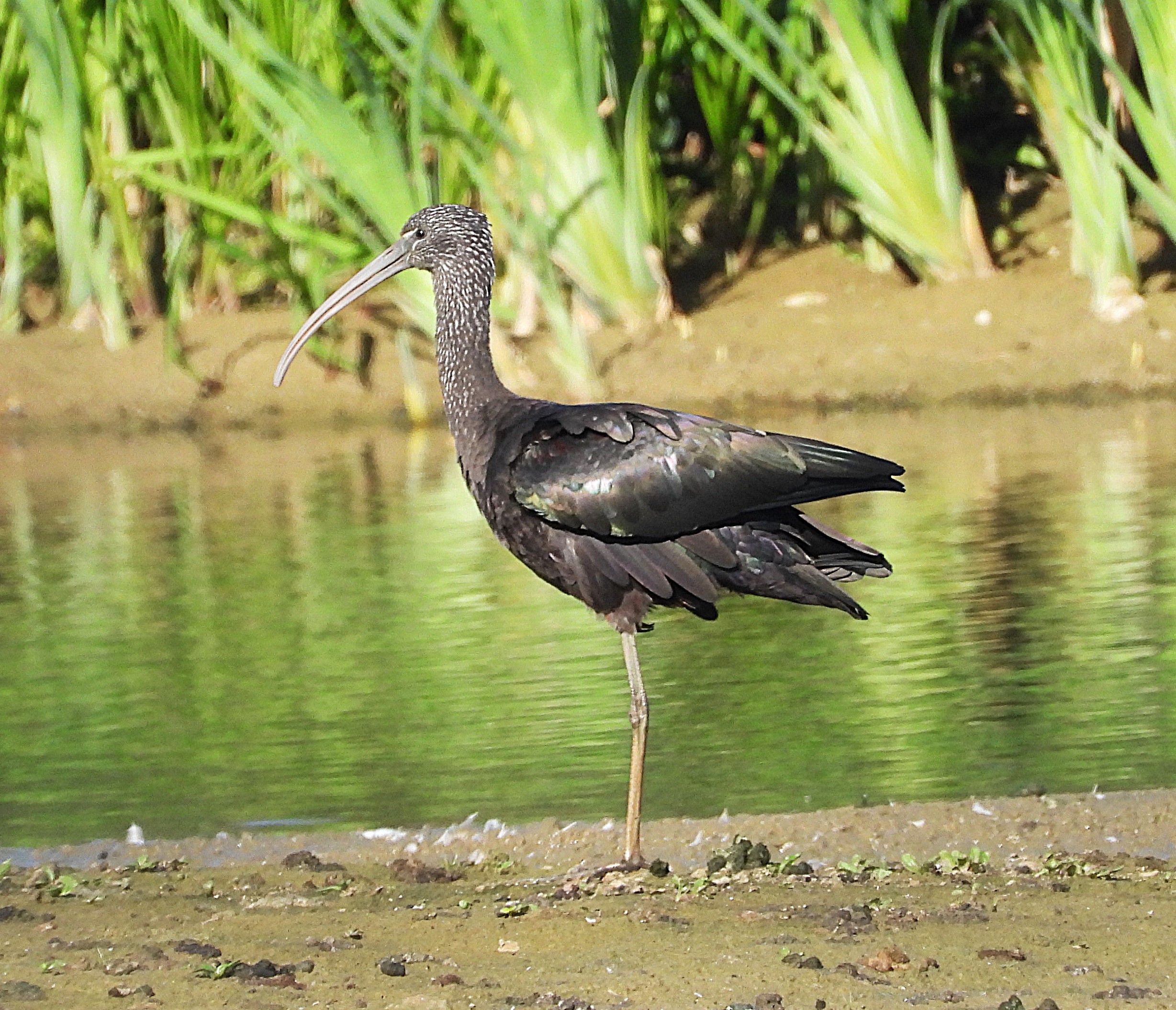
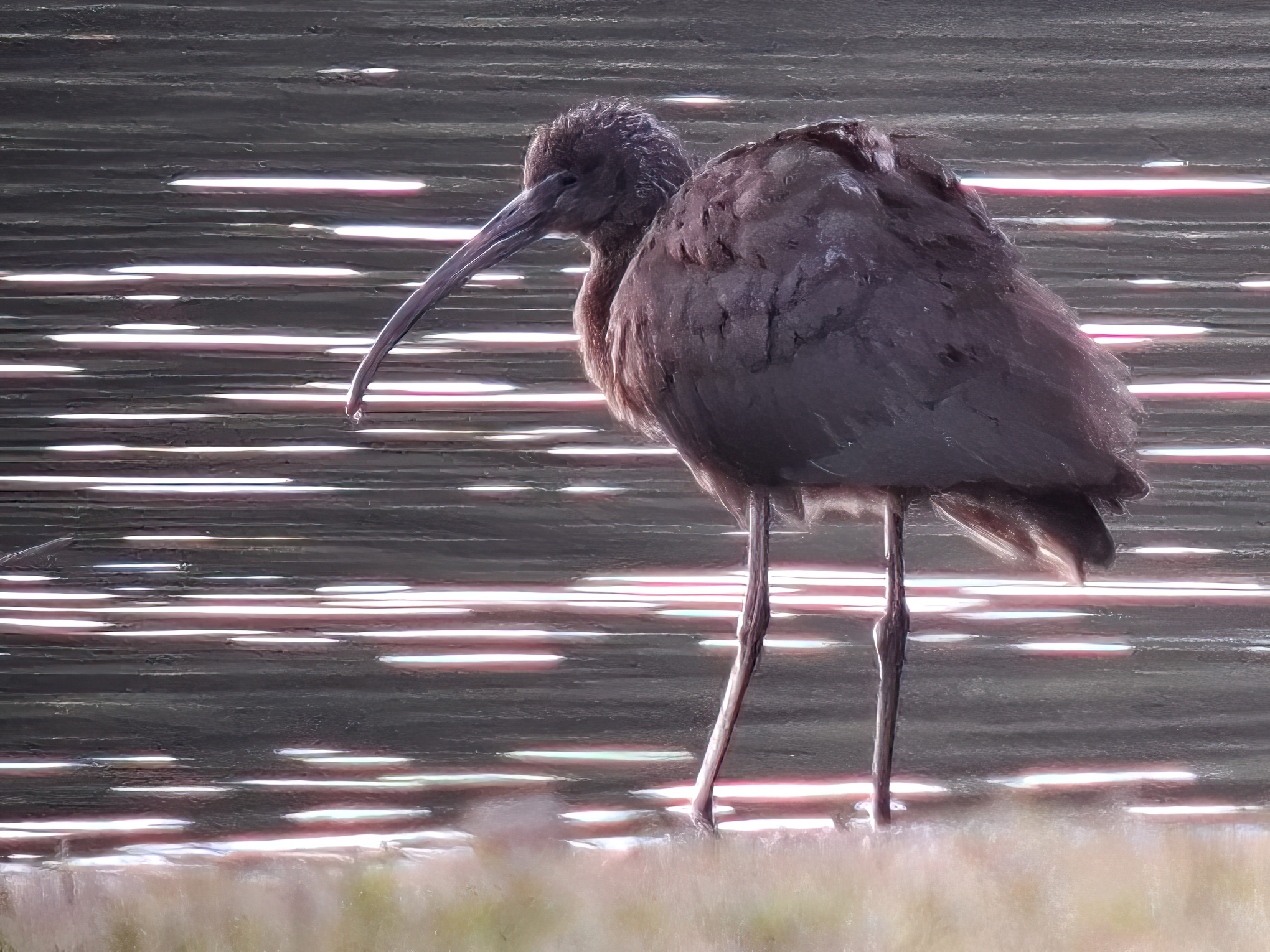
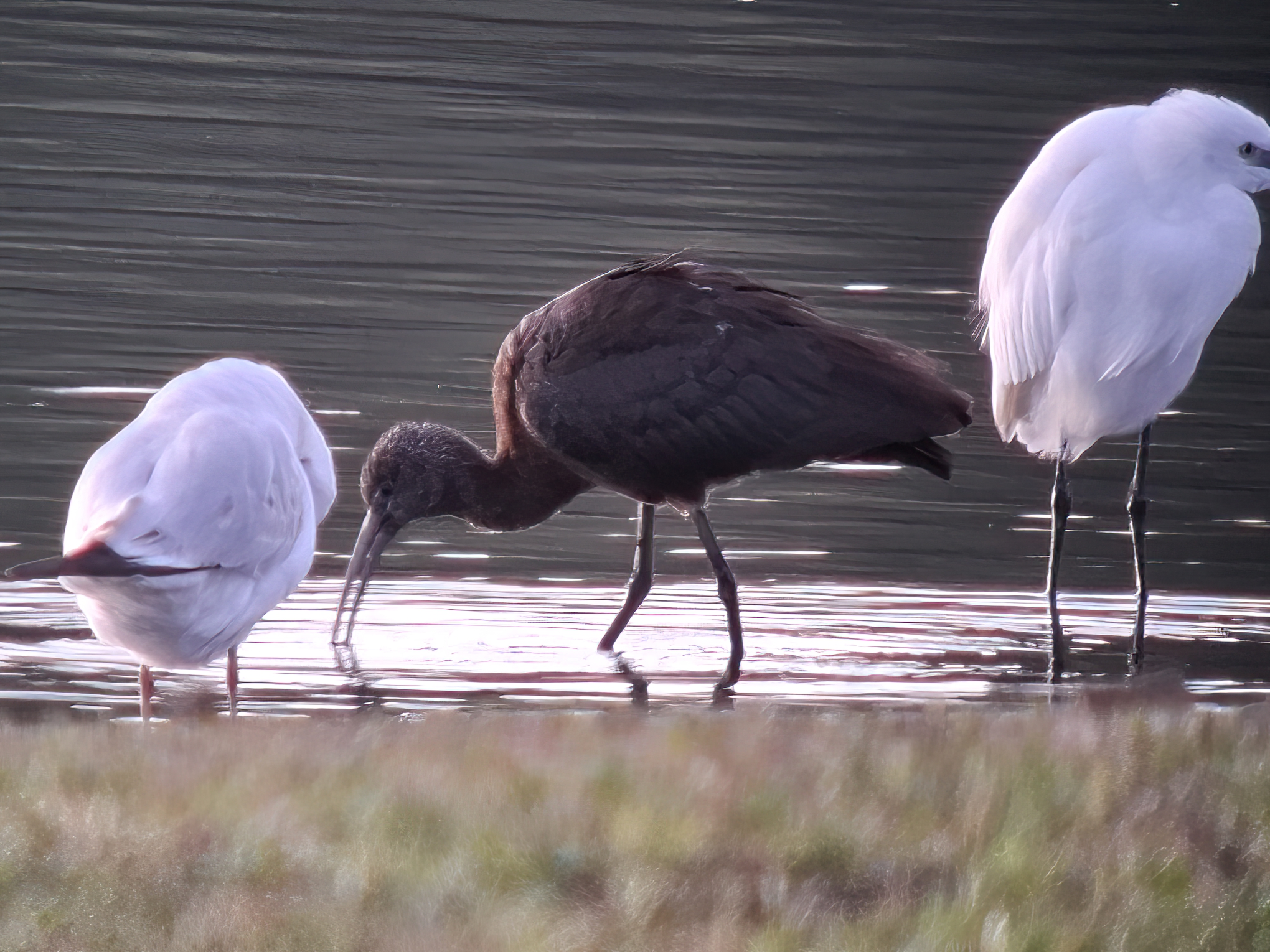
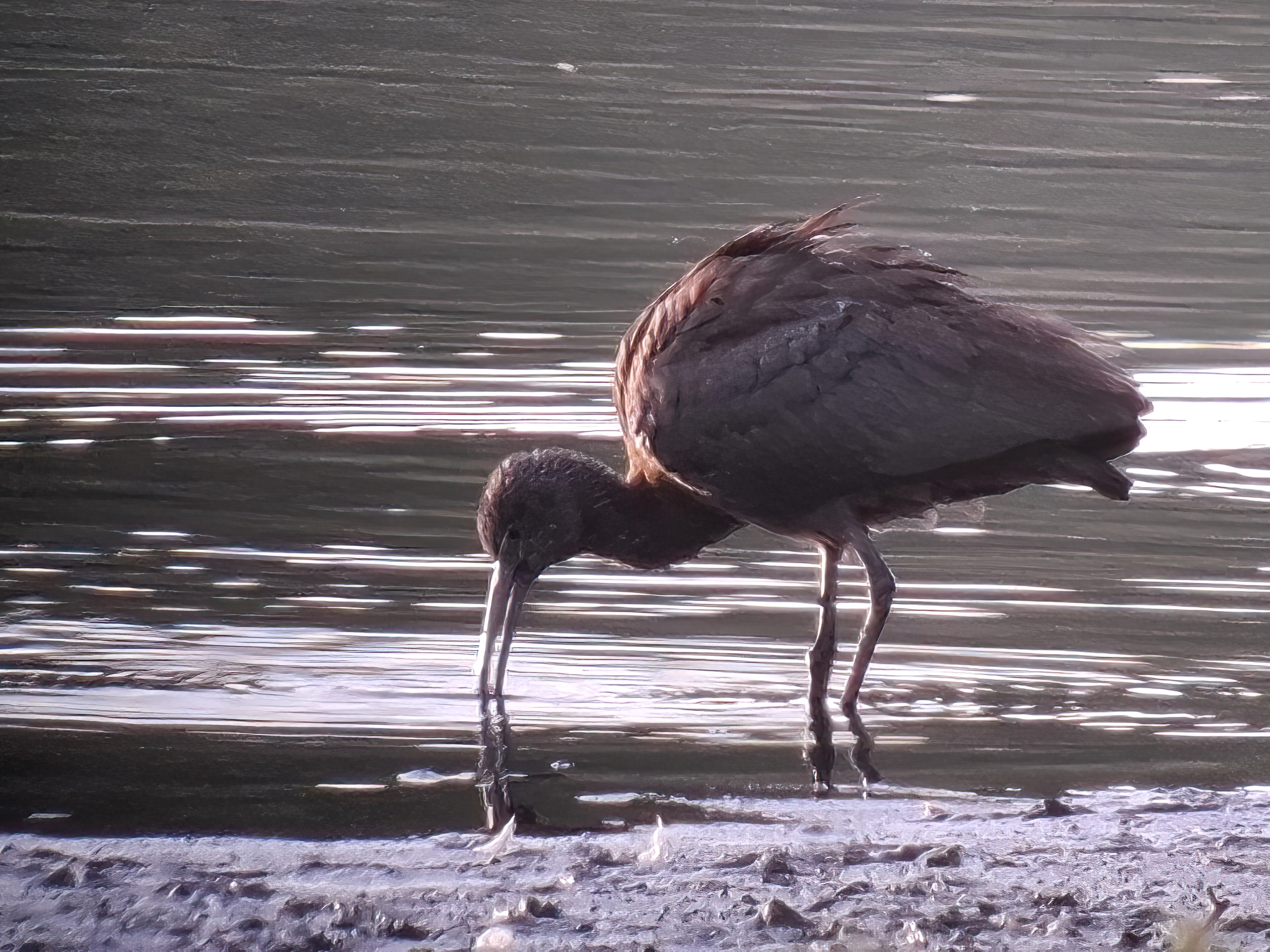
Back again in the Nene Valley – if it ever left – was a Glossy Ibis. First seen at Summer Leys on 11th-12th, it was relocated nearby at Earls Barton GP’s New Workings (South) on 14th-15th, before returning to Summer Leys on 16th.
Glossy Ibis, Earls Barton GP, 14th October 2026 (Leslie Fox)
Ironically, far less rare than the above but much harder to catch up with this year, was a short-staying, first-winter Spoonbill which dropped in at Boddington Res on 15th. Initially seen by two dog-walkers in the shallow waters of the south-west corner before becoming airborne, identified, photographed (with a mobile phone) and watched heading high north-east, it is only the second to be found in the county in 2026. The first was a one-day bird at Clifford Hill on 5th April.
First-winter Spoonbill, Boddington Res, 15th October 2026 (Gary Pullan)
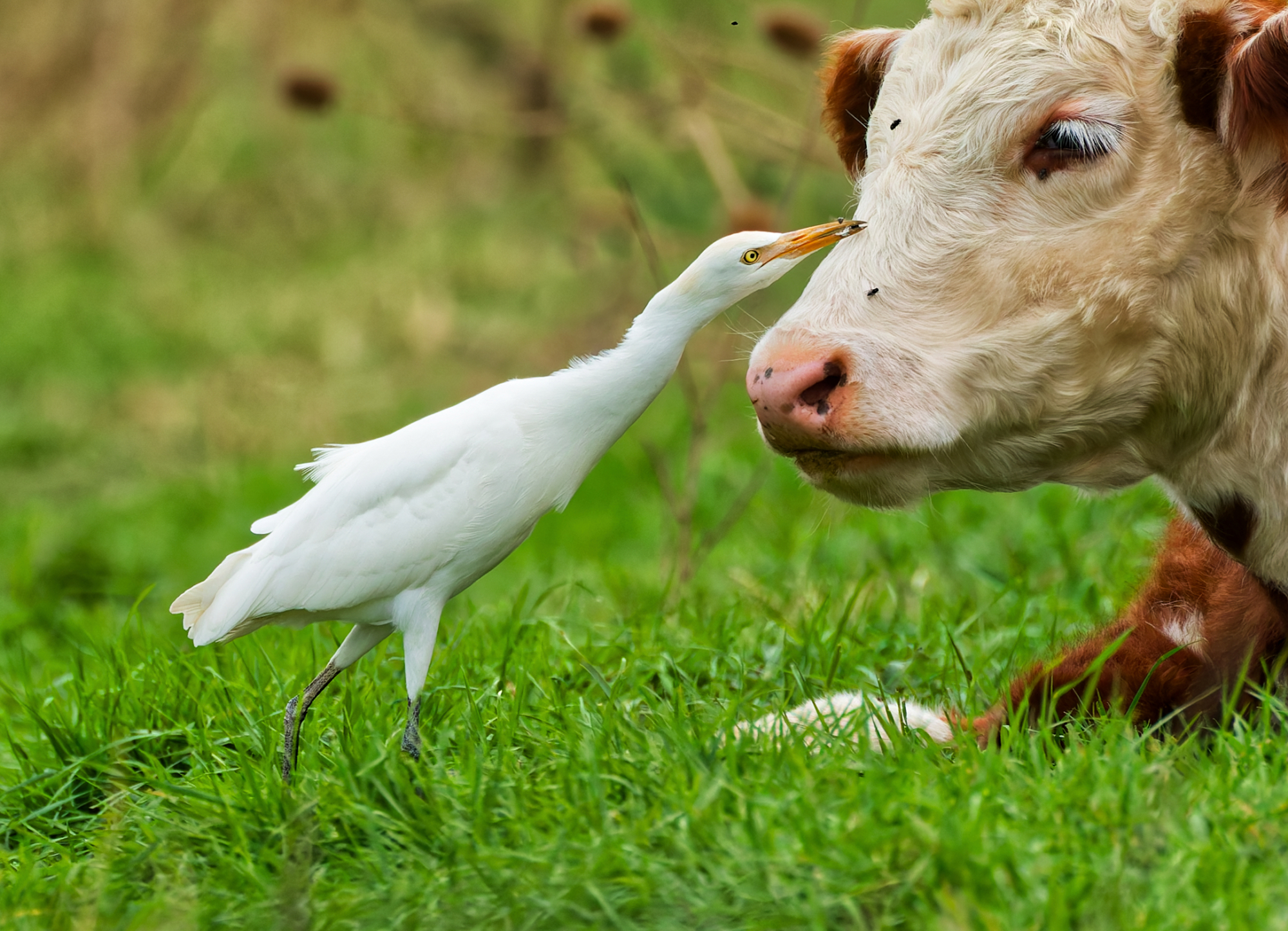
The week’s Bitterns were limited to singles at Titchmarsh on 12th and 13th and at Summer Leys on the latter date. Three Cattle Egrets flew over Stanwick GP on 16th.
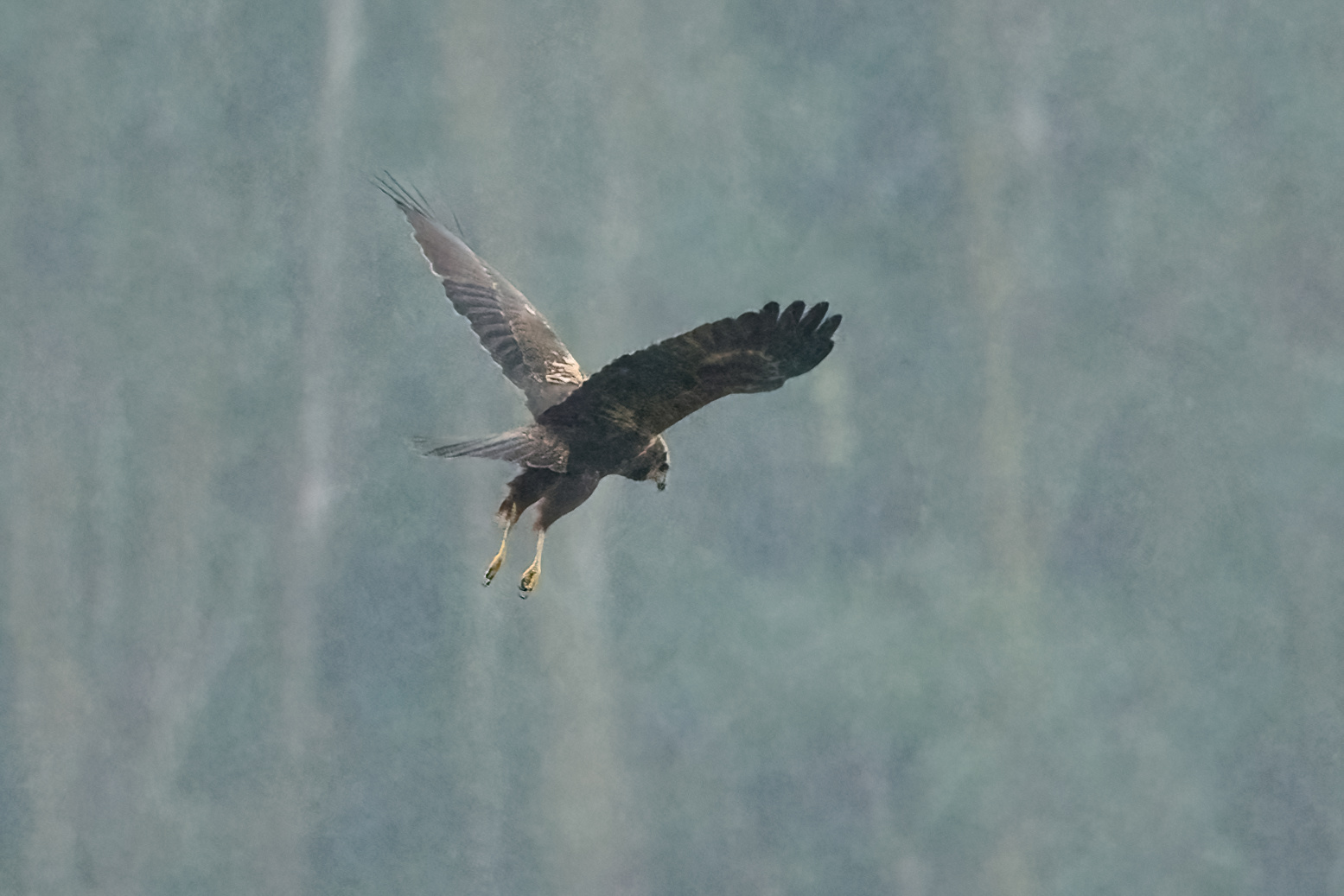
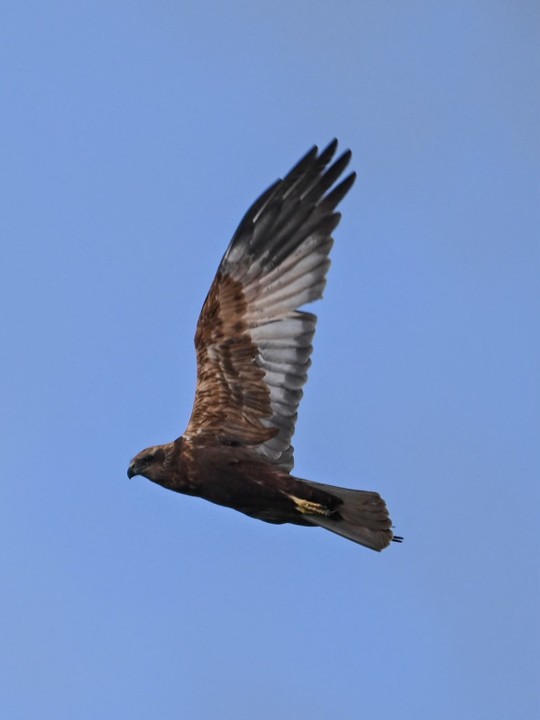
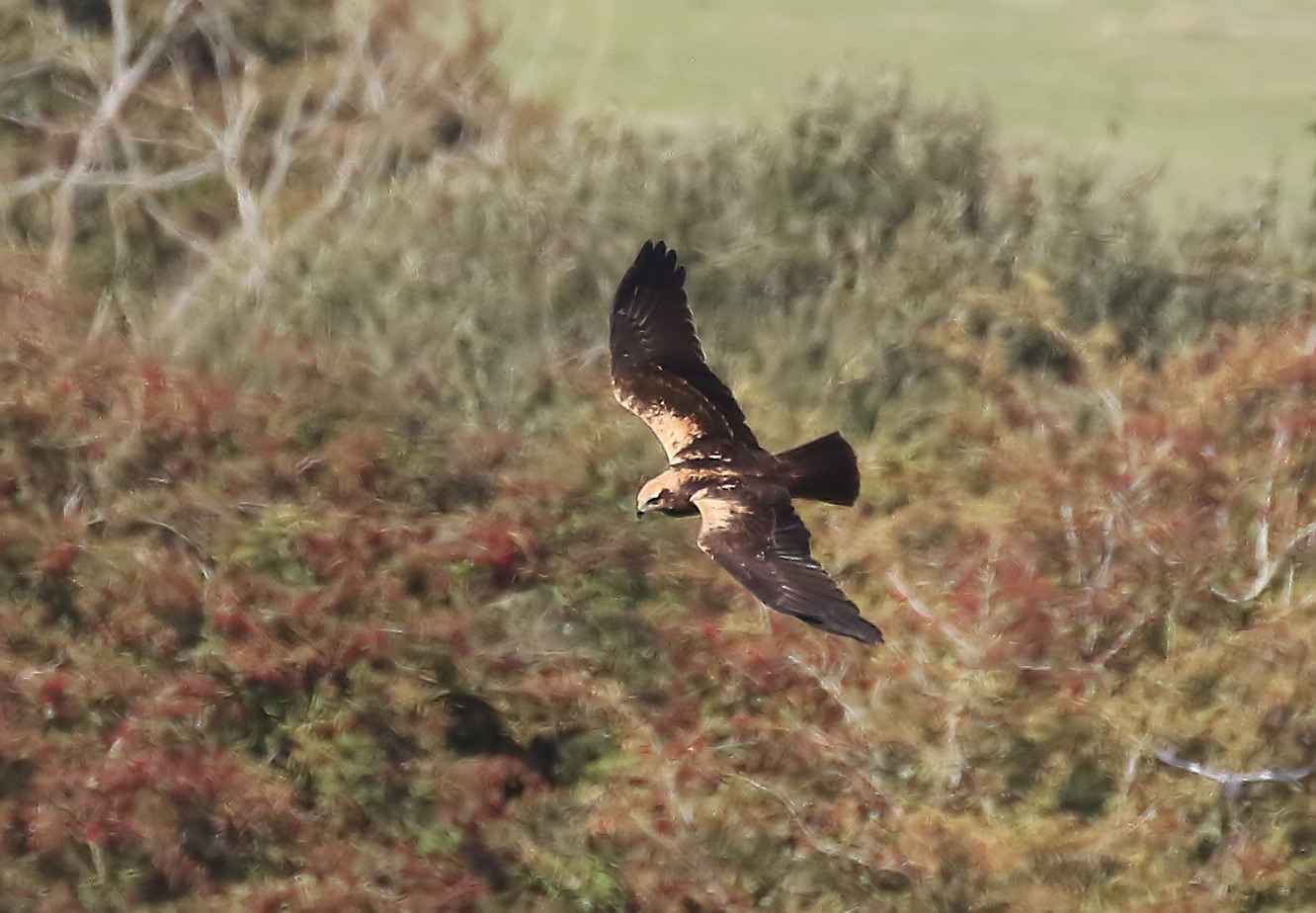
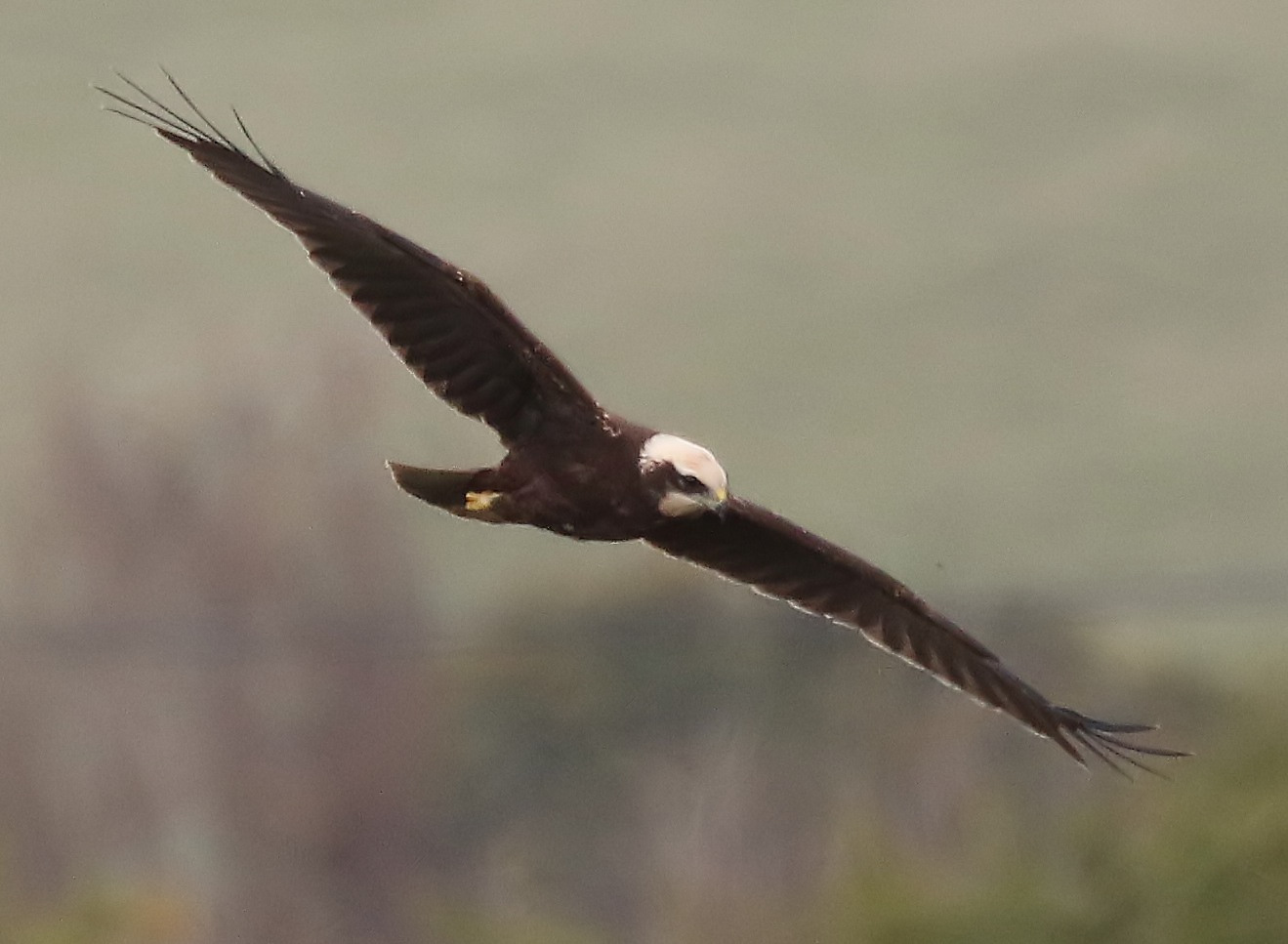
On the raptor front, at least two Marsh Harriers were present at Summer Leys between 10th and 15th, up to two were seen at Stanford between 12th and 15th, the same going for Titchmarsh between 12th and 16th, while one flew over Stanwick GP on 13th.
Marsh Harrier, Titchmarsh NR, 13th October 2026 (John Showers)Male Marsh Harrier, Stanford Res, 13th October 2026 (Barry Silverman)Marsh Harrier, Summer Leys LNR, 13th October 2026 (Alan Coles)
Past years have proven October to be a standout month for Hen Harriers and this week saw single ‘ringtails’ at Blueberry Farm, Maidwell on 12th and 13th and flying west over Byfield on the latter date.
A Short-eared Owl flew south over Harrington AF on 15th.
And the Brampton Valley between Cottesbrooke and Hanging Houghton gave rise to a Merlin during the three days 13th to 15th, while another was seen over fields south of the dam at Boddington on 16th.
Titchmarsh scored a Yellow-browed Warbler on 16th, now only to be expected as an annual visitor, with several hundred having already entered the UK this autumn. Alas, it melted away before any potential audience had a chance to connect with it.
A Ring Ouzel at Harrington AF on 16th was the second of the autumn, so far.
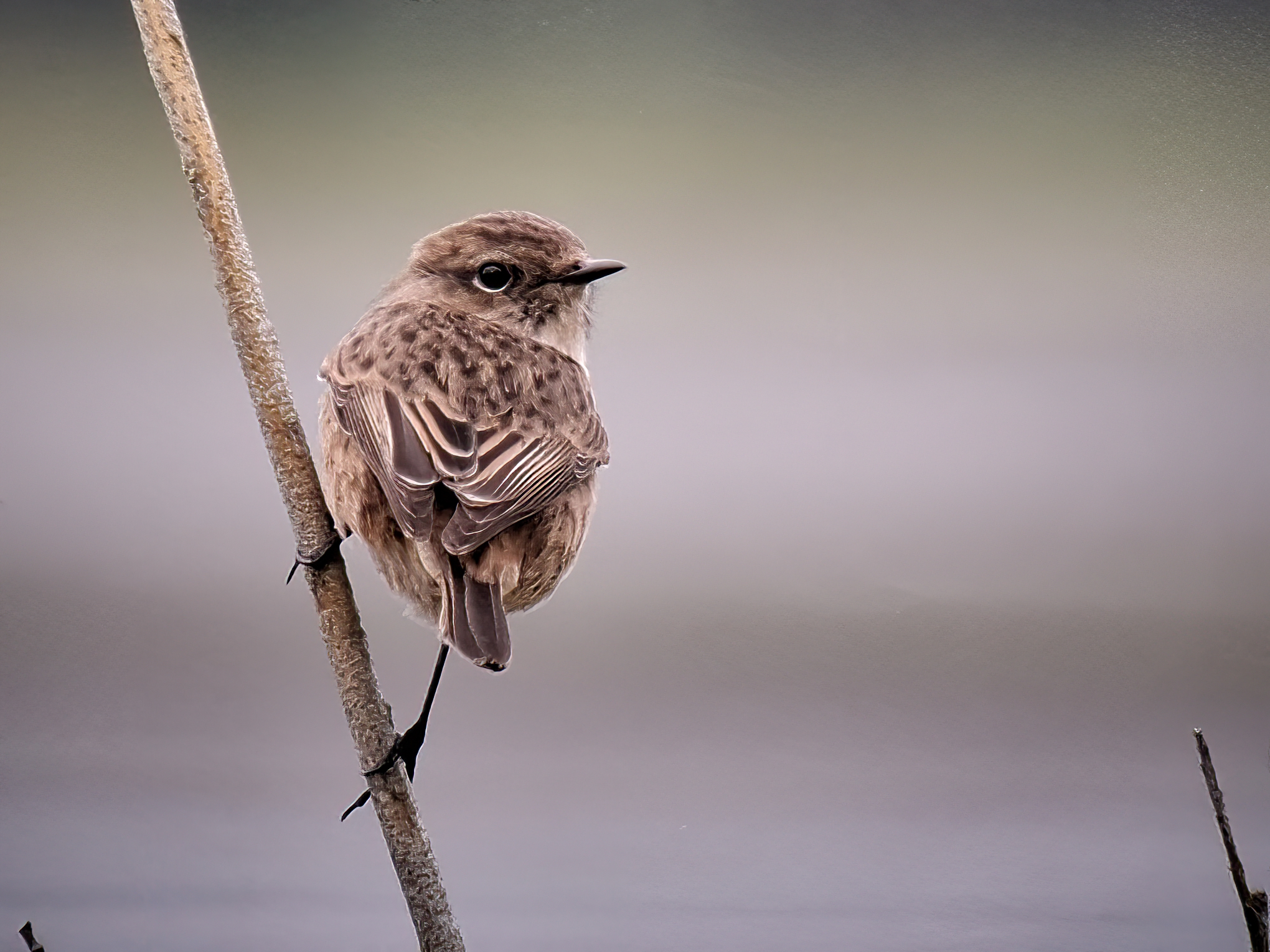
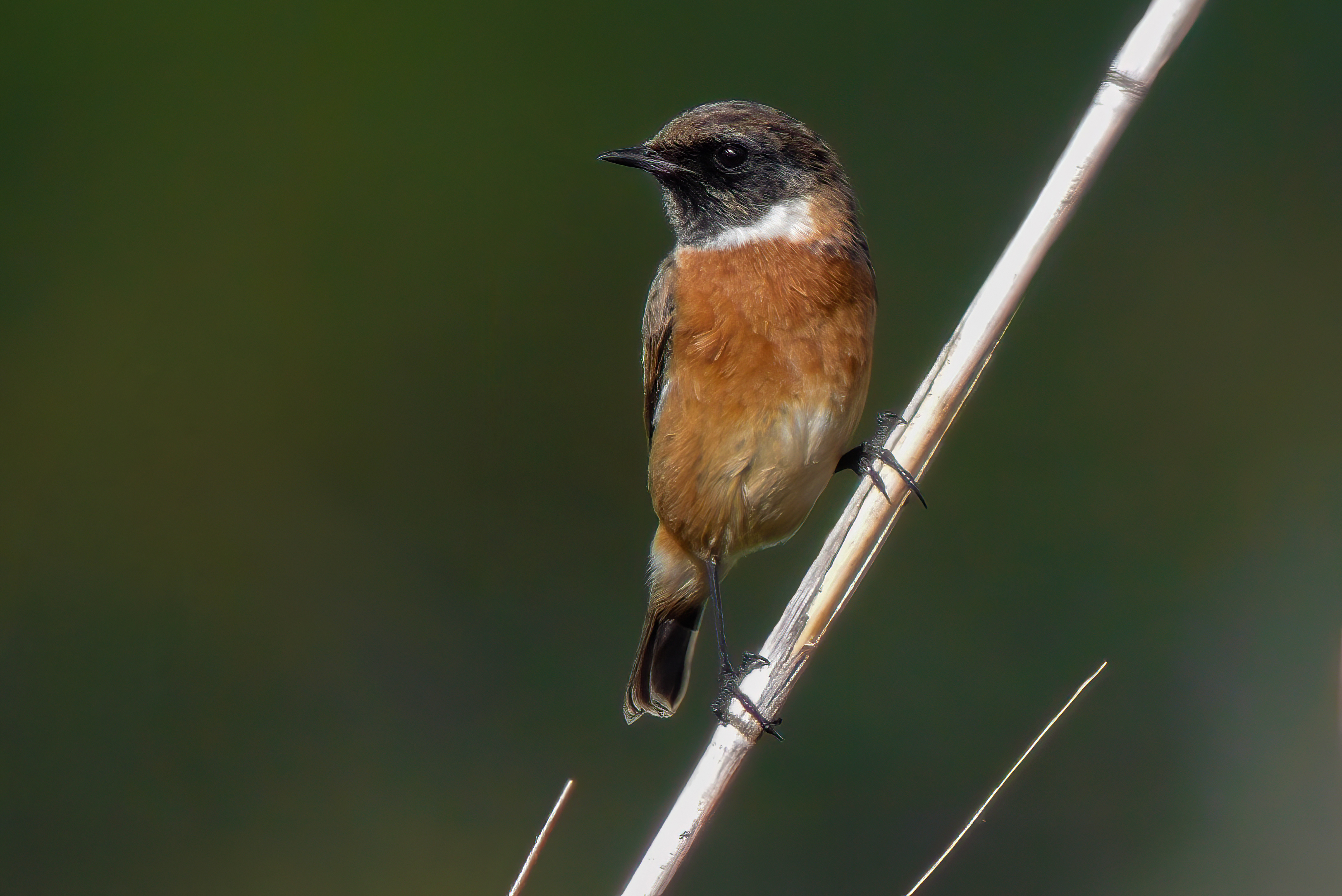
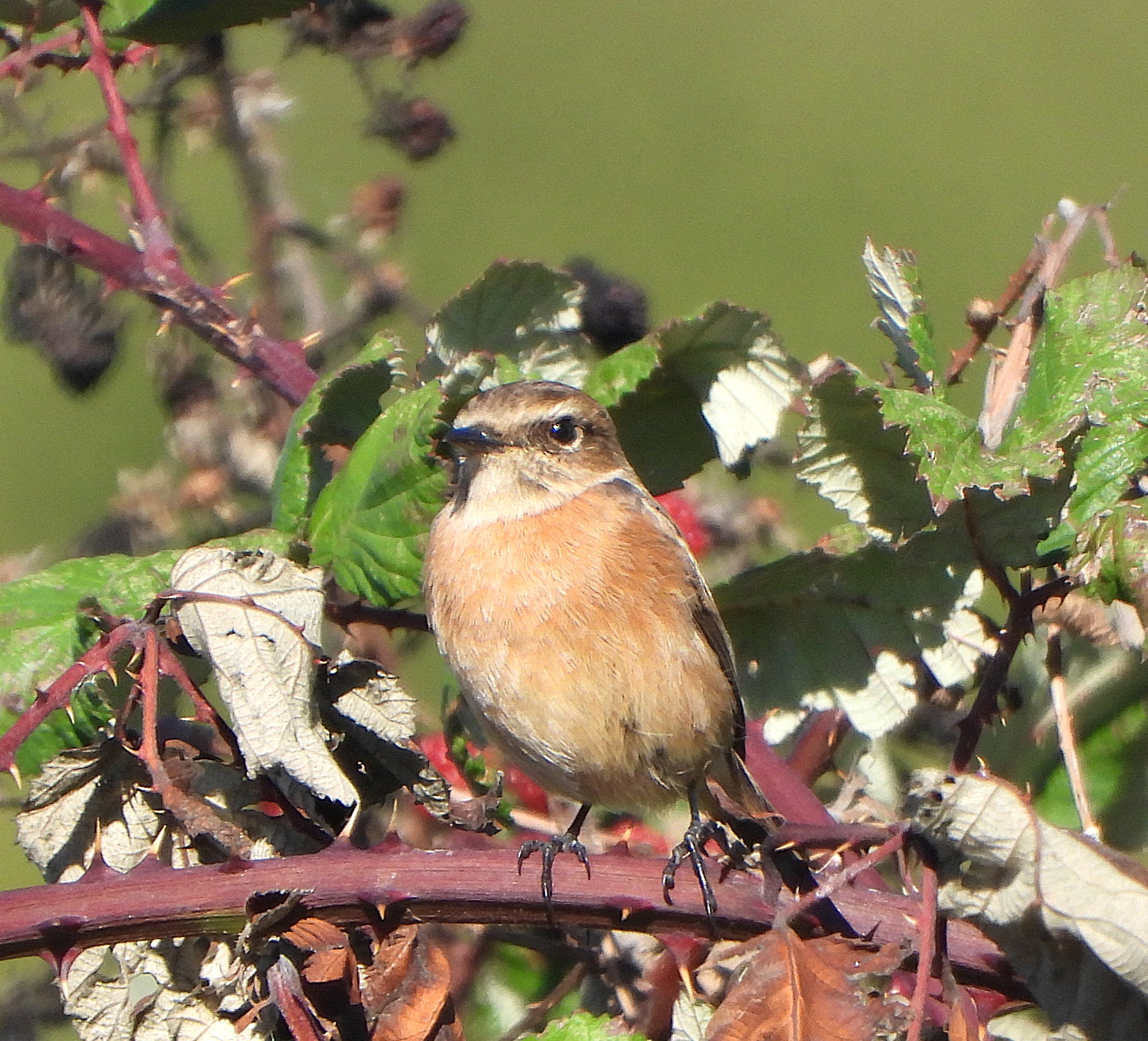
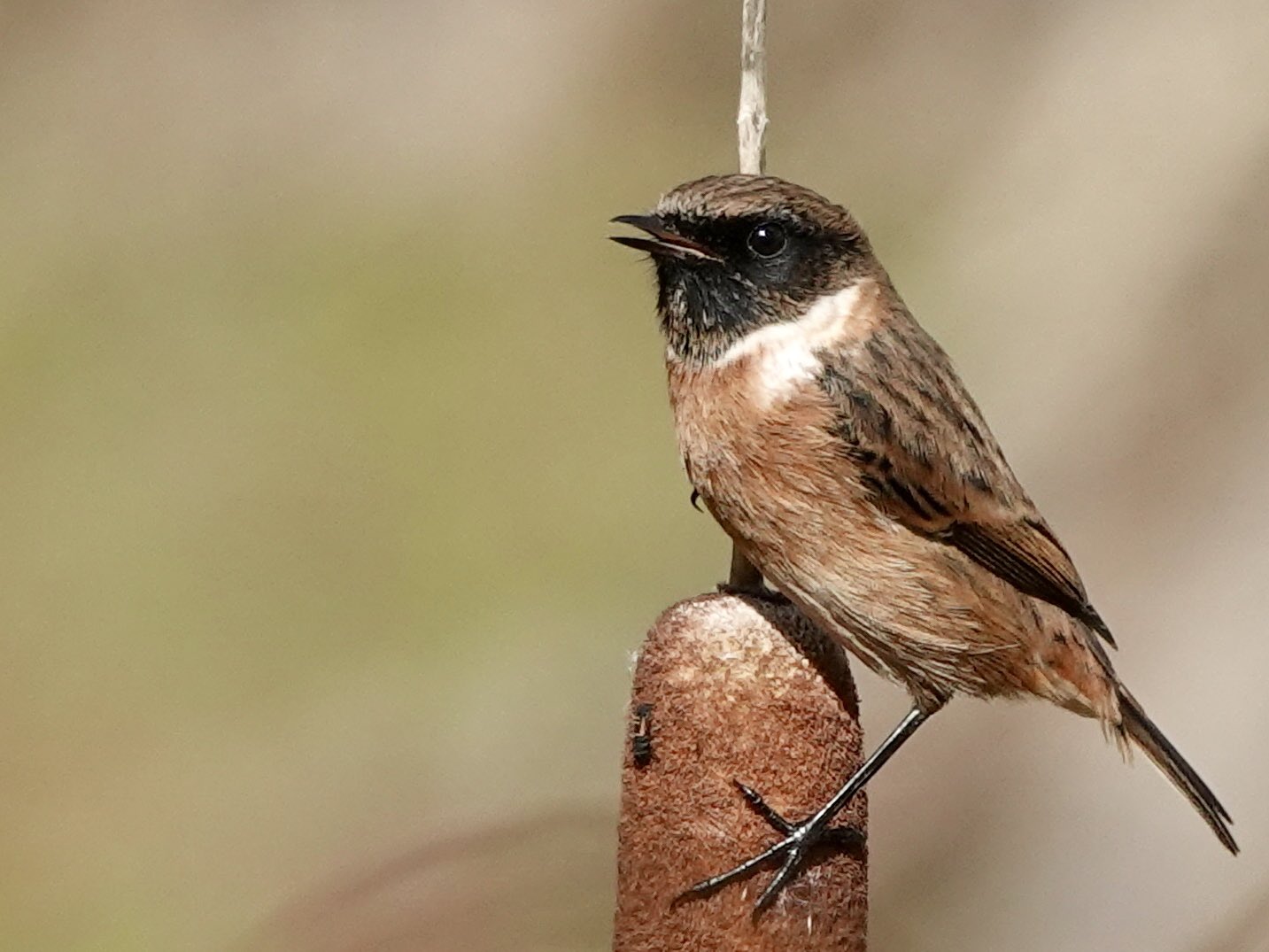
And probably the last of the year, a late Whinchat was found at Clifford Hill on 12th. In stark contrast, of course, Stonechats were present at nine localities, including Borough Hill, Brampton Valley, Clifford Hill, Daventry, Harlestone, Hollowell, Pitsford, Summer Leys and Titchmarsh. Maximum site counts were seven at Pitsford on 16th and six at Borough Hill on 12th.
Female Stonechat, Daventry CP, 12th October 2026 (Gary Pullan)
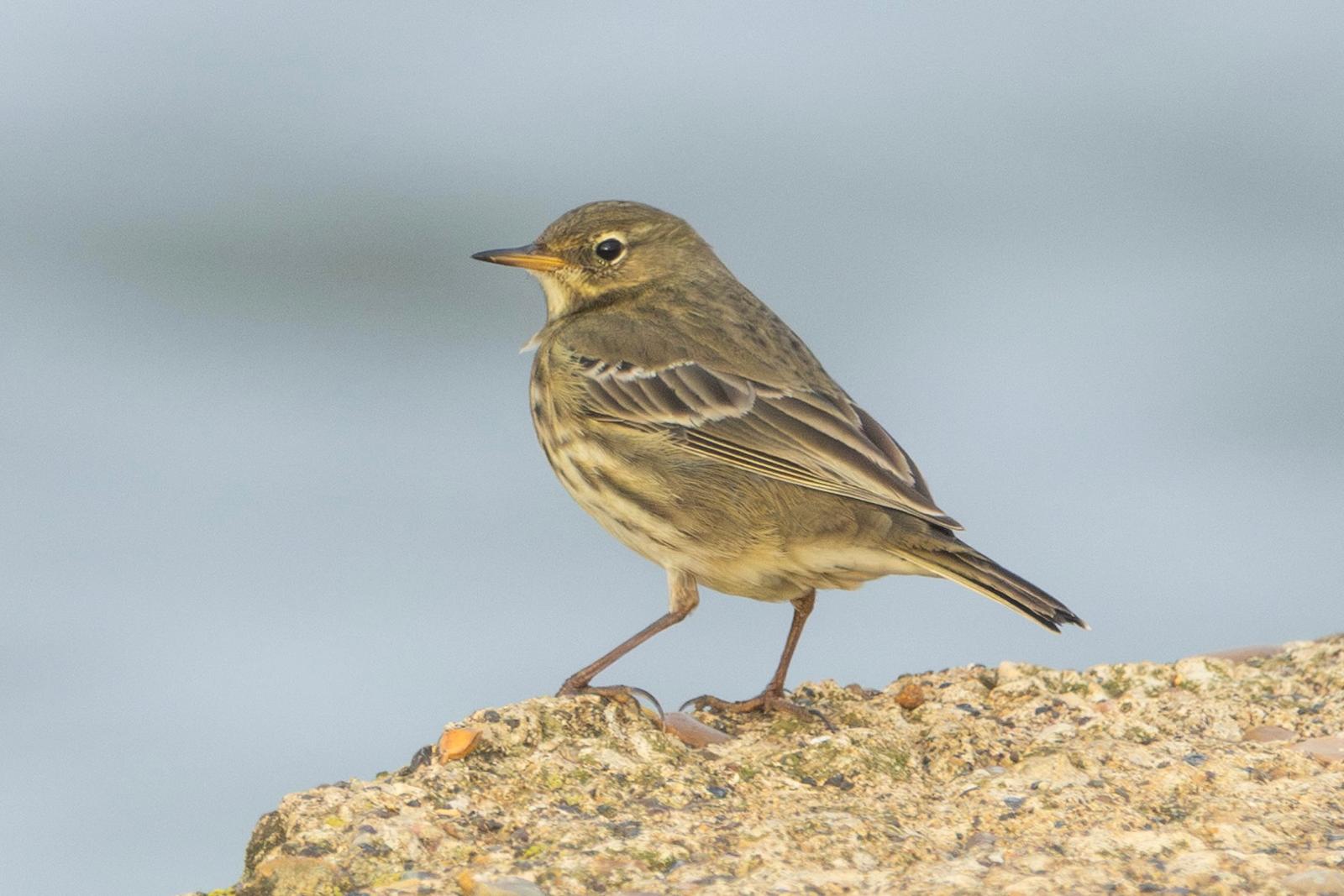
And finally, not quite a landslide, but a small fall of Rock Pipits occurred this week when single birds were found at three localities. One appeared at Clifford Hill GP on 14th, remaining there until 16th, while the 15th produced one-dayers at both Boddington and Stanford, bringing the autumn’s total to seven so far.
Rock Pipit, Clifford Hill GP, 15th October 2026 (Tyler Atkinson)Rock Pipit, Stanford Res, 15th October 2026 (Chris Hubbard)Rock Pipit, Boddington Res, 15th October 2026 (Gary Pullan)
The first signs of our getting ever closer to winter kicked in this week, primarily reflected in the arrival of seasonal fare but also in the weather becoming somewhat cooler, less settled and more in line with autumn proper. In addition to this, the skies over some eastern parts of the county were set to deliver the week’s best birds …
Kicking off with winter birds, these materialised in the shape of Whooper Swans, three of which flew into Stanford Res on 8th, however their brevity of stay resulted in only initial flight views before they quickly moved on.
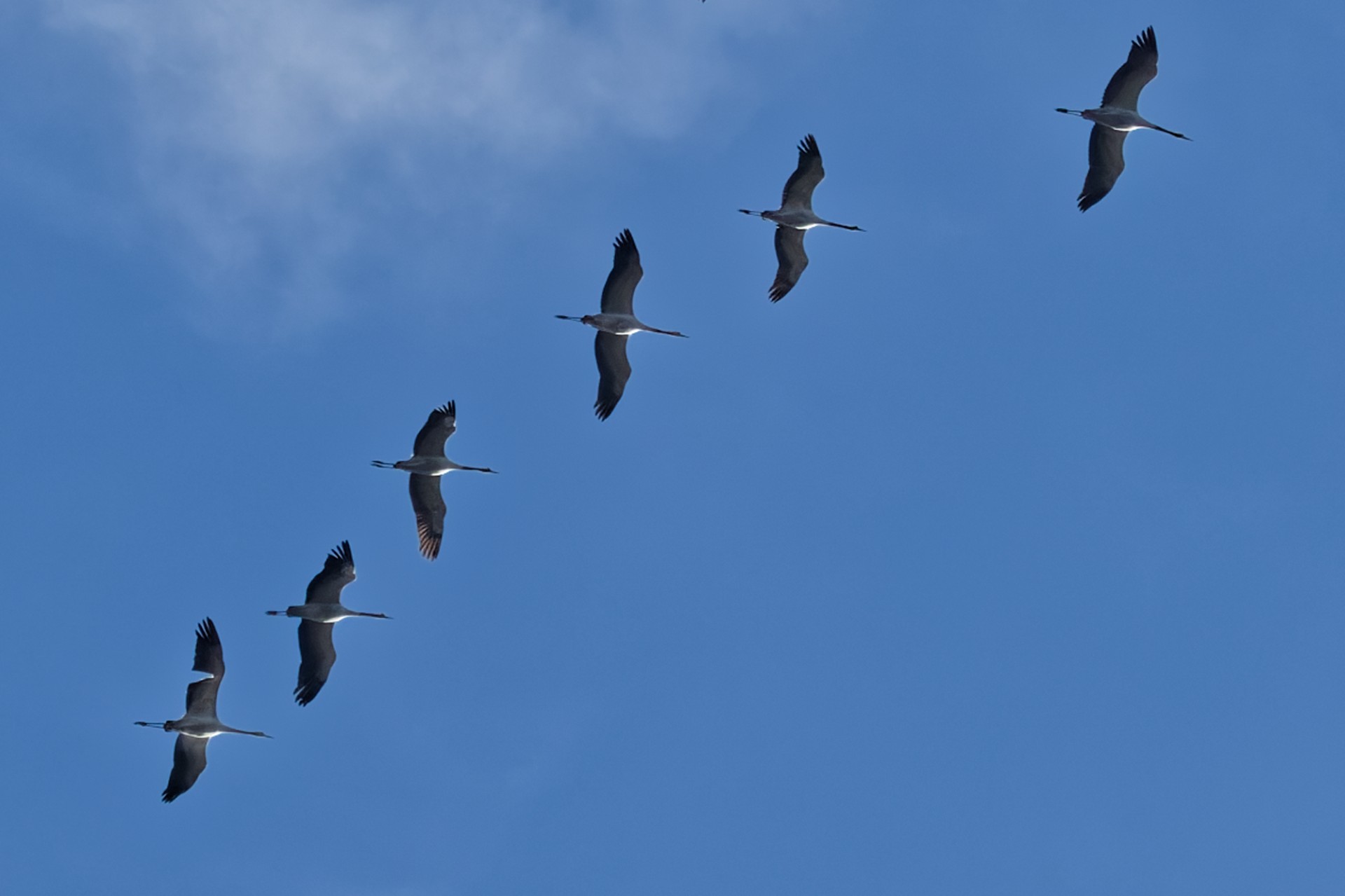
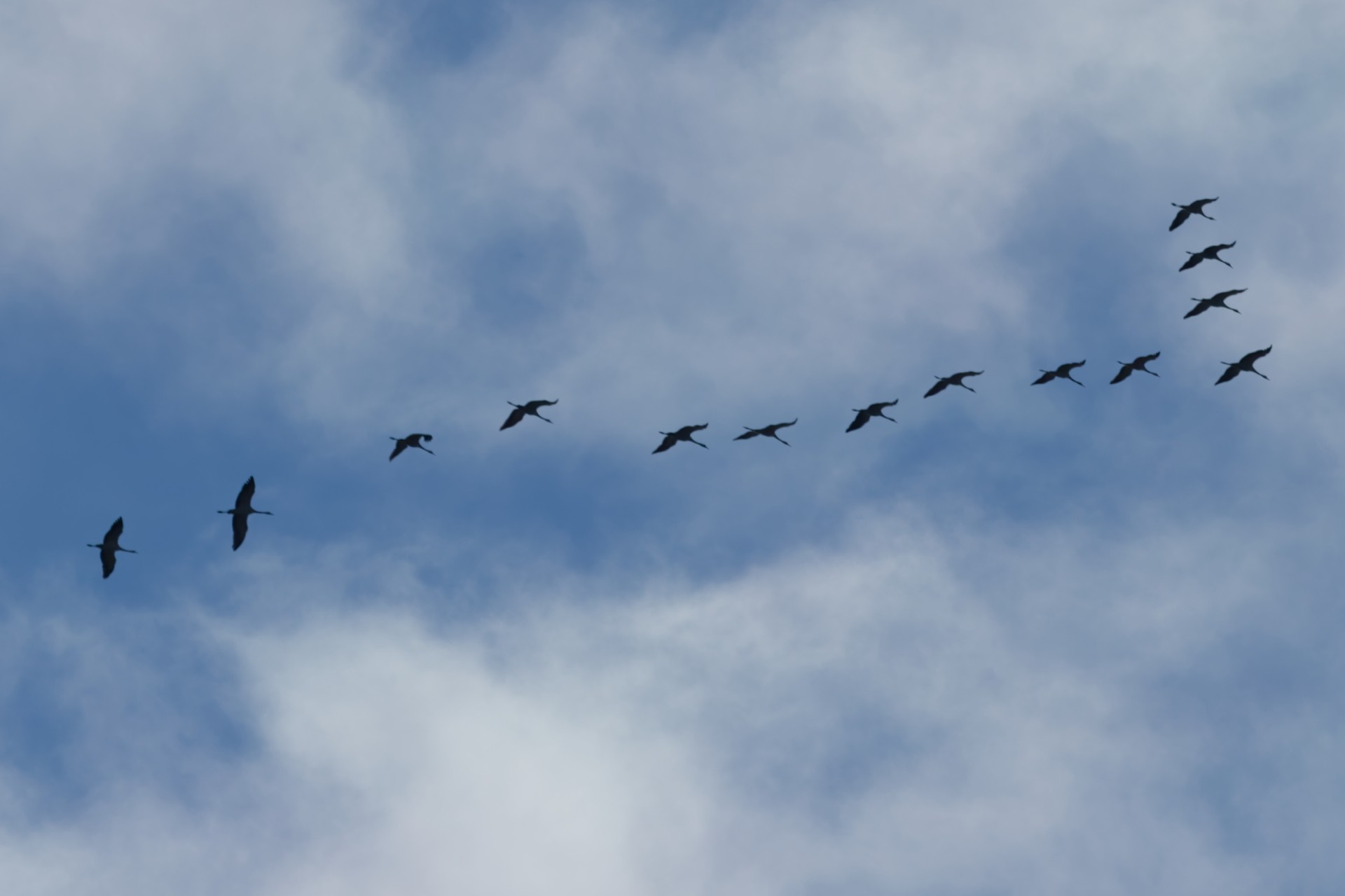
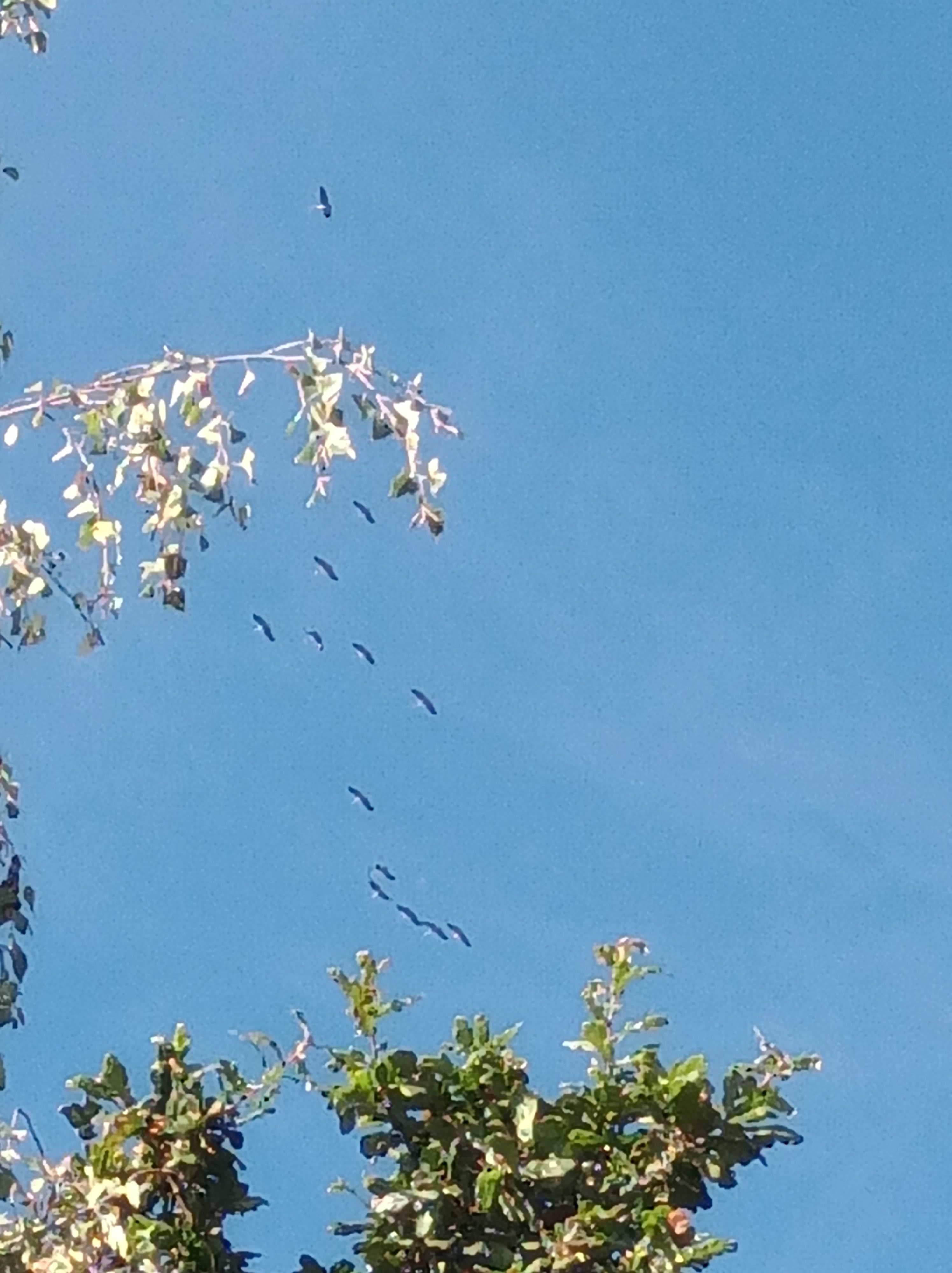
But two localities in east Northants produced an aerial spectacle for two lucky, right place, right time, birders as they were alerted by bugling calls to a sizeable flock of Common Cranes passing overhead on the 5th. First picked up to the north-east of Wicksteed Park by Julie Roe at 10.10, twelve then came into view within two minutes, heading due south. One minute later, as they crossed the A14, two more joined them from the east before all fourteen were lost to view over Symmetry Park Industrial Estate, on a flight path toward Isham.
Common Cranes, Wicksteed Park, 5th October 2026 (Julie Roe)Common Cranes, Wicksteed Park, 5th October 2026 (Julie Roe)
At 10.25 the flock was picked up over Burton Latimer by Kevin Daniels as it continued its southern trajectory.
Common Cranes, Burton Latimer, 5th October 2026 (Kevin Daniels)
And after that? The flock left Northamptonshire skies without further detection but Julie kept tabs on the birds and they were subsequently seen at two sites in Buckinghamshire – over Emberton at 11.05 and over Slapton at 12.05, although the flock size had reduced to twelve by this time. Clearly on a mission to cross the English Channel, it was again picked up heading south over Amberley Wild Brooks NR, next to the River Arun, between the rolling hills of West Sussex’s South Downs, at 15.00. Next stop: France. Confirmation that these were the same twelve birds comes by way of one individual having a visible gap in the flight feathers of its right wing. This appears to be the largest flock to have occurred in Northamptonshire to date …
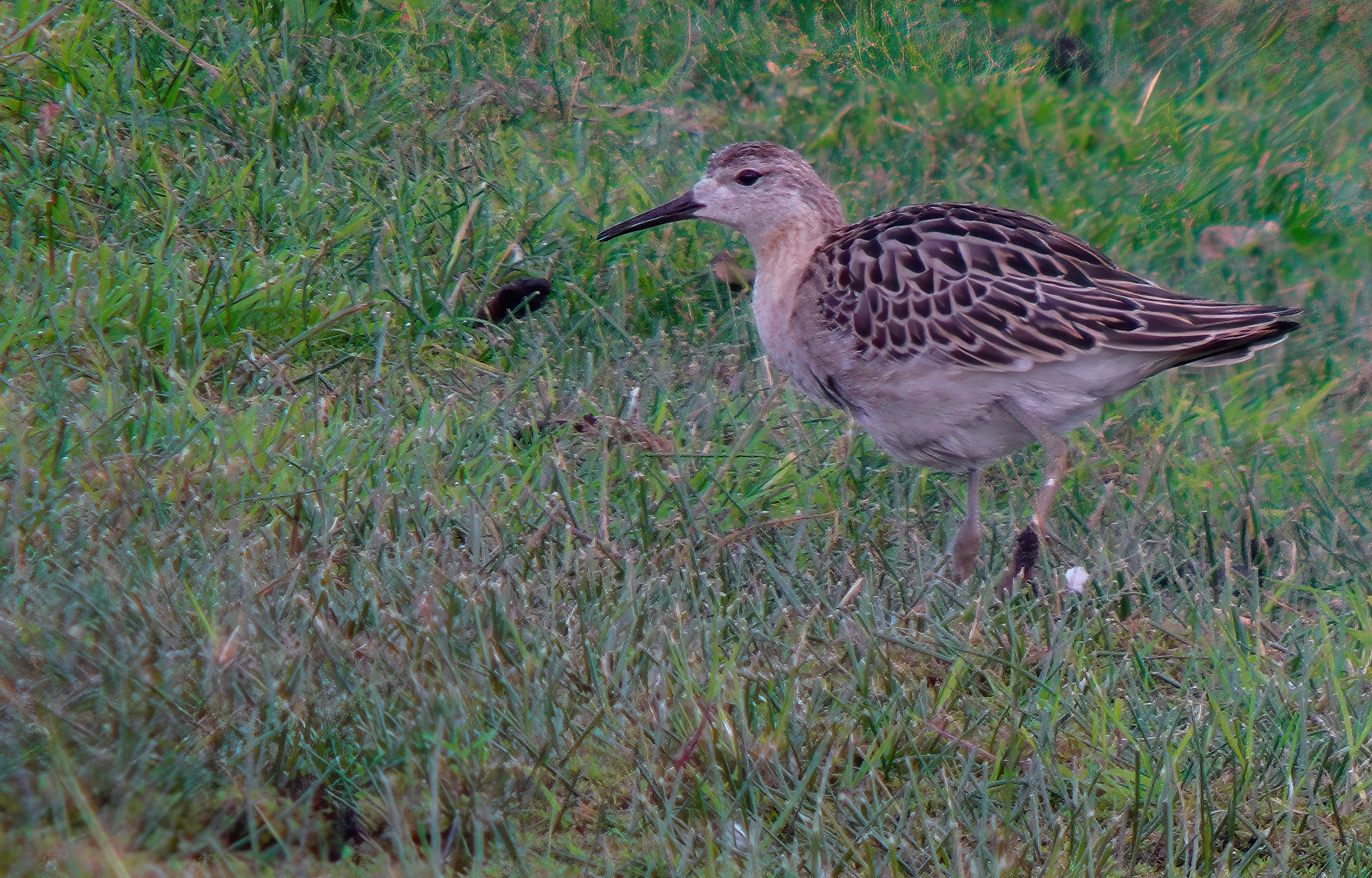
A little more down to earth, the week’s waders continued to dwindle in numbers and the best to be seen was the autumn’s second Grey Plover, in flight over Stanford Res on 6th. A Curlew put in a brief appearance at Lilbourne Meadows NR on 5th, while last week’s juvenile Black-tailed Godwit at Daventry CP remained until the end of the period. Two Ruffs were still to be found around Earls Barton GP’s New Workings until at least 4th, one was at Lilbourne Meadows from 4th until 6th and another appeared at Stanford on the latter date.
Juvenile Ruff, Lilbourne Meadows NR, 6th October 2026 (Mike Alibone)
Stanford also produced an adult Mediterranean Gull along with an adult Caspian Gull on 8th, while a second-winter Caspian was found at Daventry the following day.
Adult Mediterranean Gull, Stanford Res, 8th October 2026 (Chris Hubbard)Second-winter Caspian Gull, Daventry CP, 9th October 2026 (Gary Pullan)Second-winter Caspian Gull, Daventry CP, 9th October 2026 (Gary Pullan)
Two Yellow-legged Gulls remained at Pitsford Res and an adult was again present at Thrapston GP on 9th.
Getting late, now, a juvenile Black Tern paid a brief visit to Daventry on 7th.
Bitterns were still to be found at Summer Leys, where two were present on 4th and one being seen on 6th, while the week’s only Cattle Egret was mobile between Islip Water Meadows and adjacent Thrapston GP on the last day of the period.
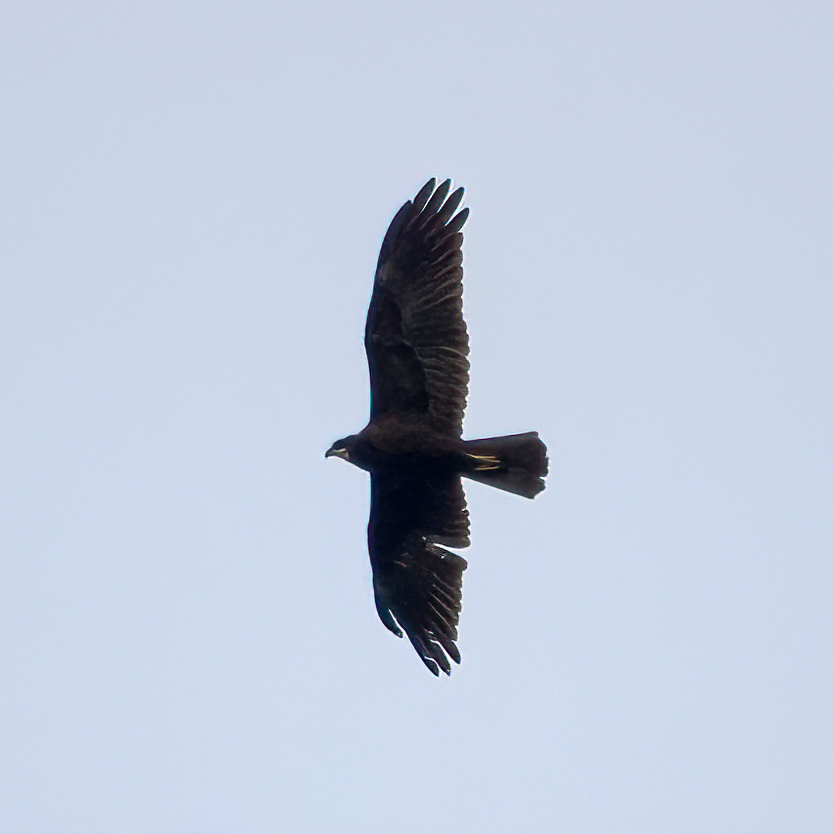
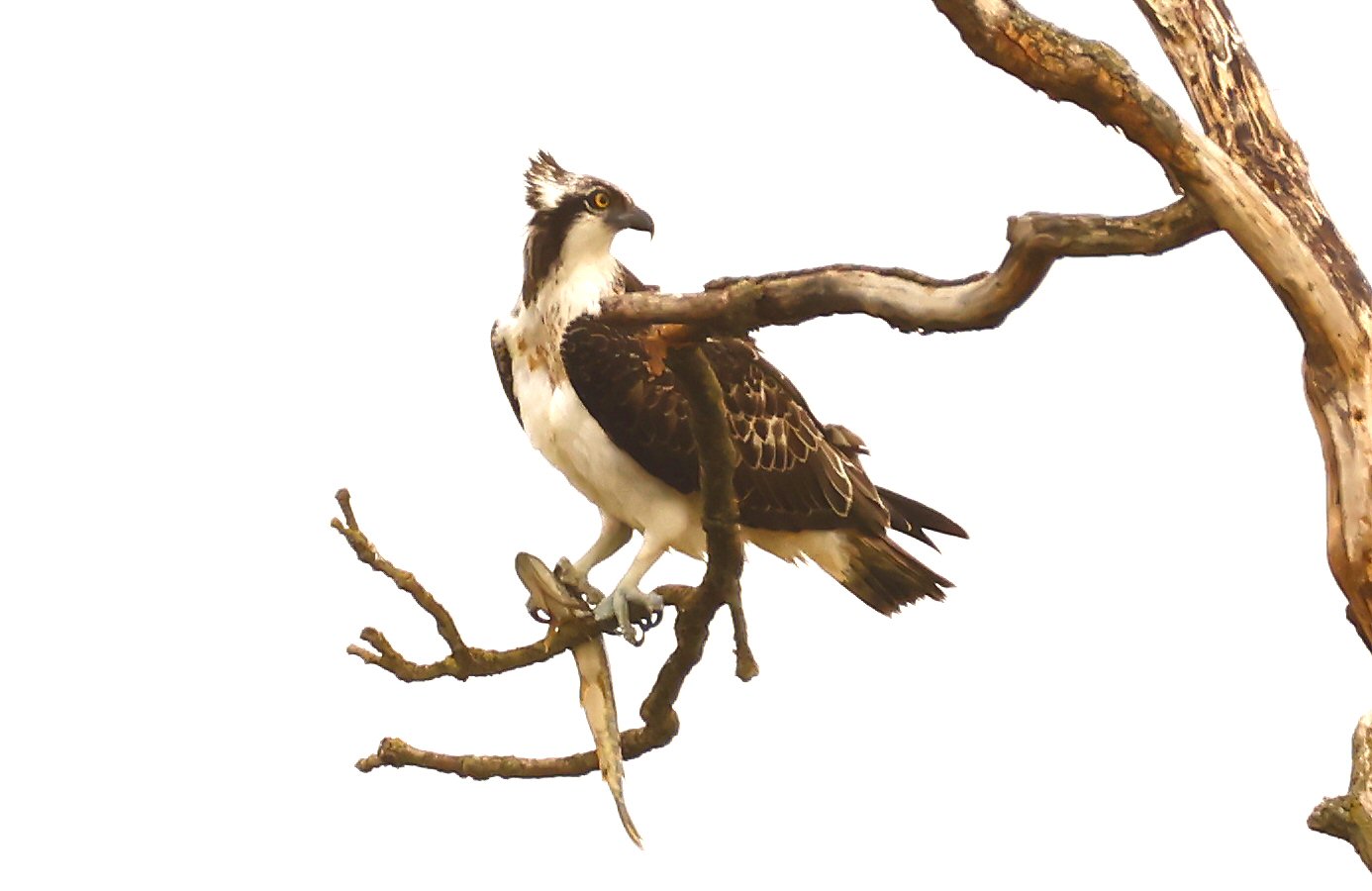
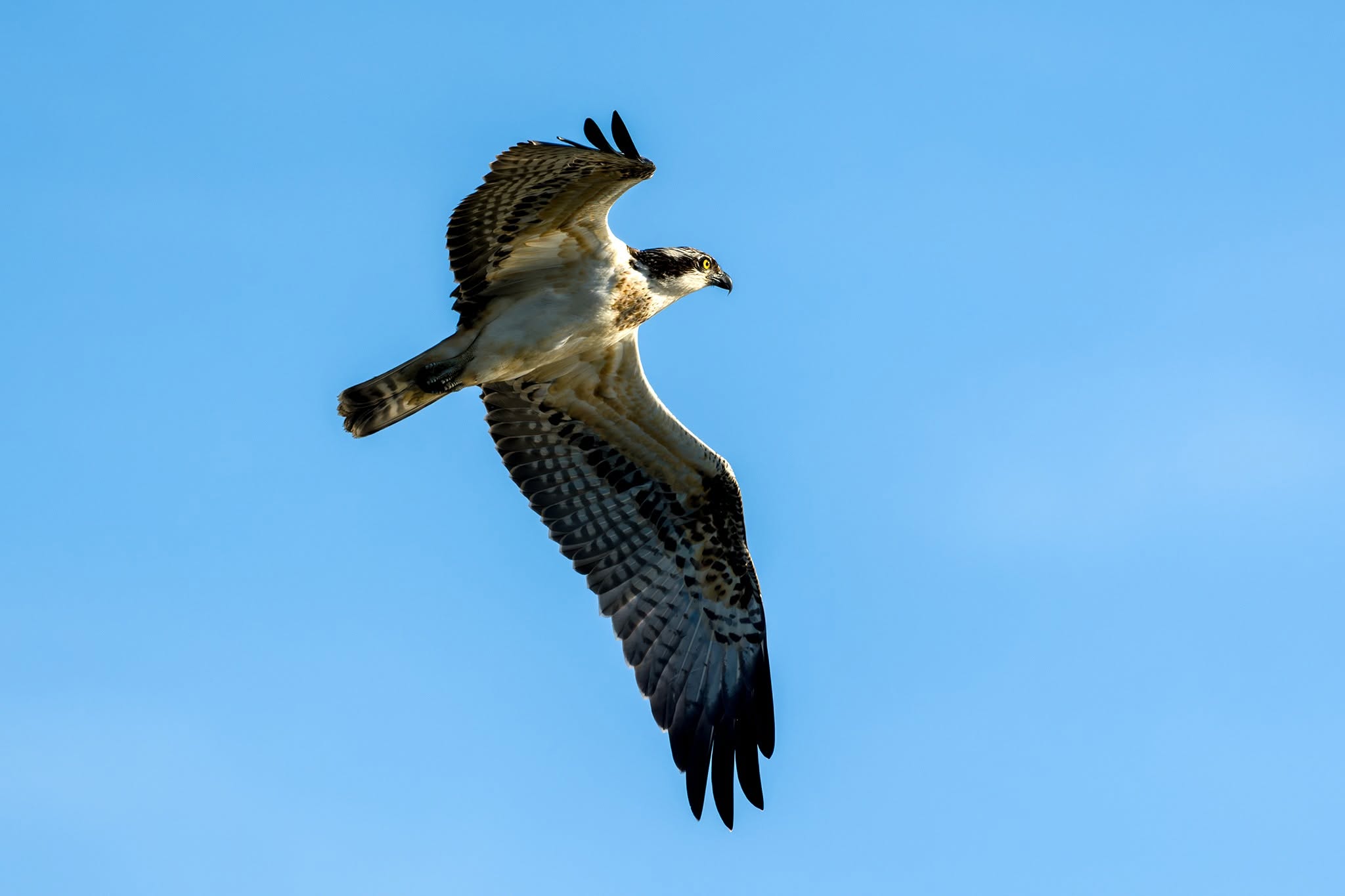
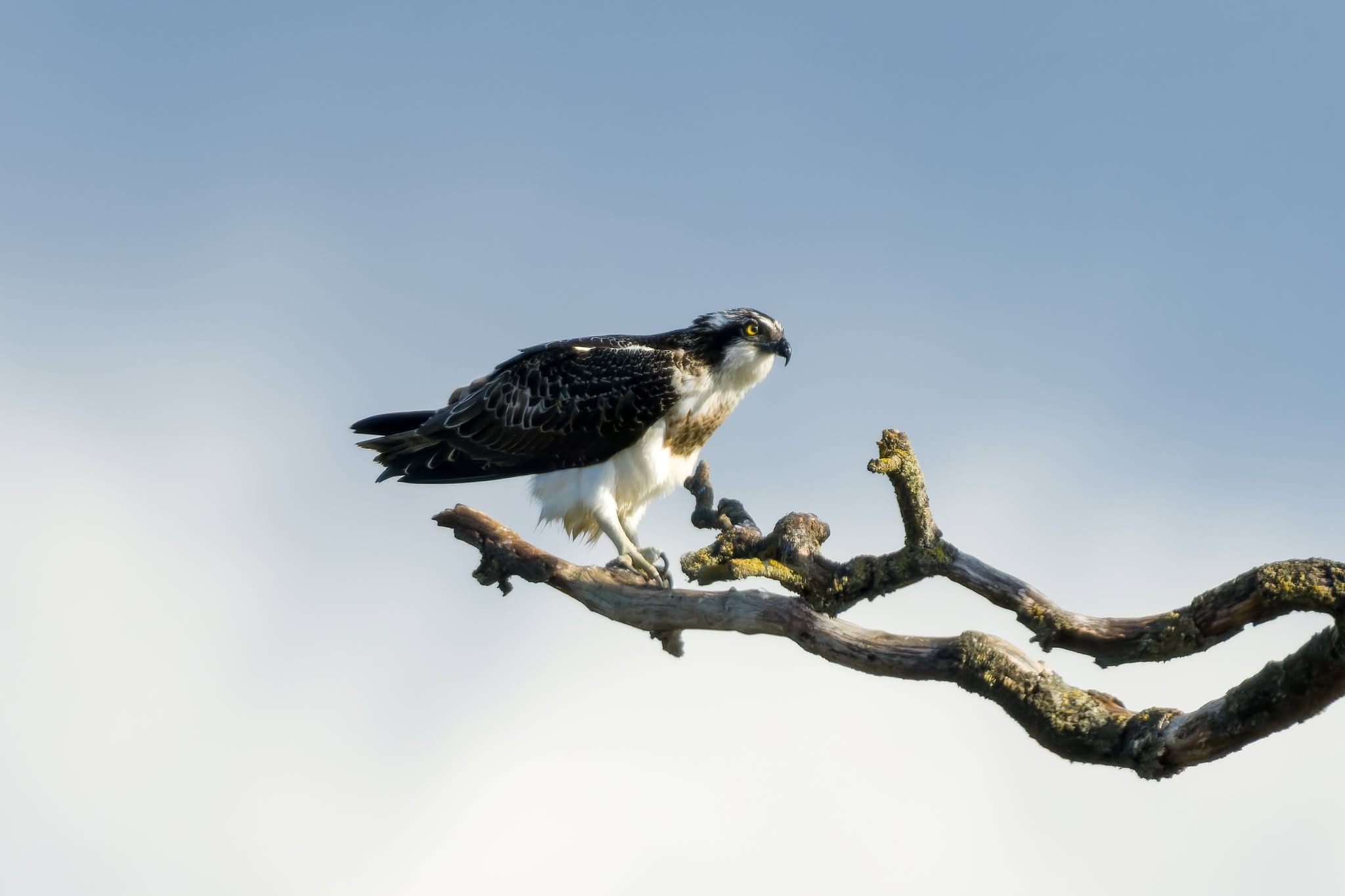
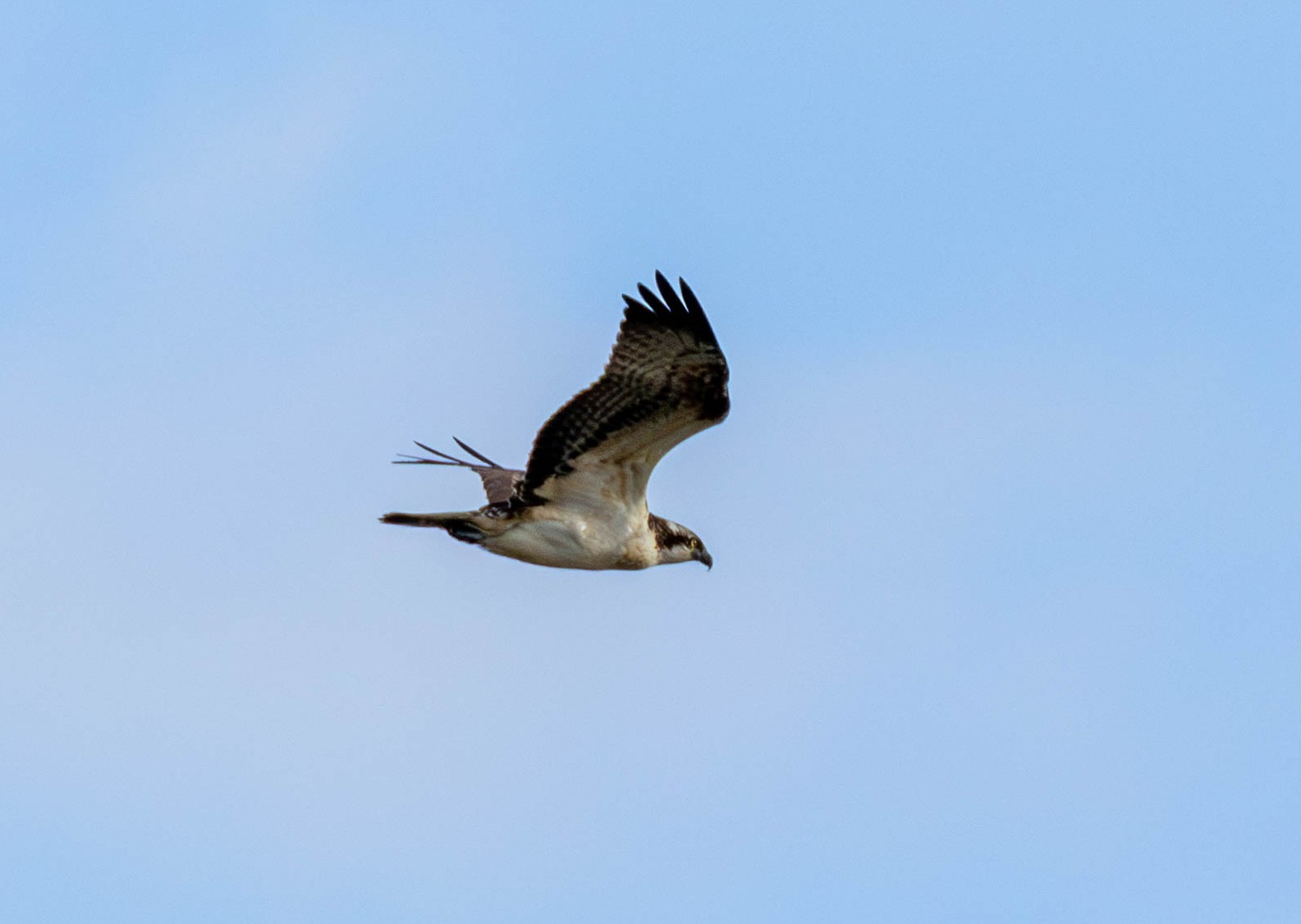
On the raptor front, the Earls Barton juvenile Osprey remained until 4th before apparently moving on, the latter date also producing one over Cransley Res. And almost a permanent fixture these days – although numbers tend to swell during migration periods – Marsh Harriers continued their presence throughout the week with up to two at Summer Leys LNR from start to finish, two at Stanwick GP on 3rd and singles at Thrapston GP’s Titchmarsh NR on 4th and Stanford on 9th.
Juvenile Marsh Harrier, Summer Leys LNR, 6th October 2026 (Alan Coles)Marsh Harrier, Stanford Res, 9th October 2026 (Chris Hubbard)
Passerines were in short supply but another reminder of impending winter became manifest on the 8th when the first Redwings were incoming over Corby, Stanford and Stanwick – the latter location seeing in excess of thirty passing over.
Stonechats were found at seven sites which included Deenethorpe AF, Earls Barton, Hinton AF, Lilbourne Meadows, Stanwick, Summer Leys and Titchmarsh, with a maximum of five at Hinton on 4th.
Male Stonechat, Lilbourne Meadows NR, 6th October 2026 (Mike Alibone)Female Stonechat, Earls Barton GP, 8th October 2026 (Leslie Fox)
Clearly not done with them yet, a Northern Wheatear flew south-east over Greens Norton on 4th.
Following last week’s, another two Rock Pipits dropped in briefly at Daventry on 7th.
And a final symbolic reminder that winter is just around the corner was the first Bramblings of the back end of the year, two of which were found at Hinton AF on 4th.
Low pressure in the North Atlantic dragged up warm air from southern climes mid-period but new birds on the scene this week were not in the easiest of places to observe, as well as failing to linger for anyone keen to catch up with them …
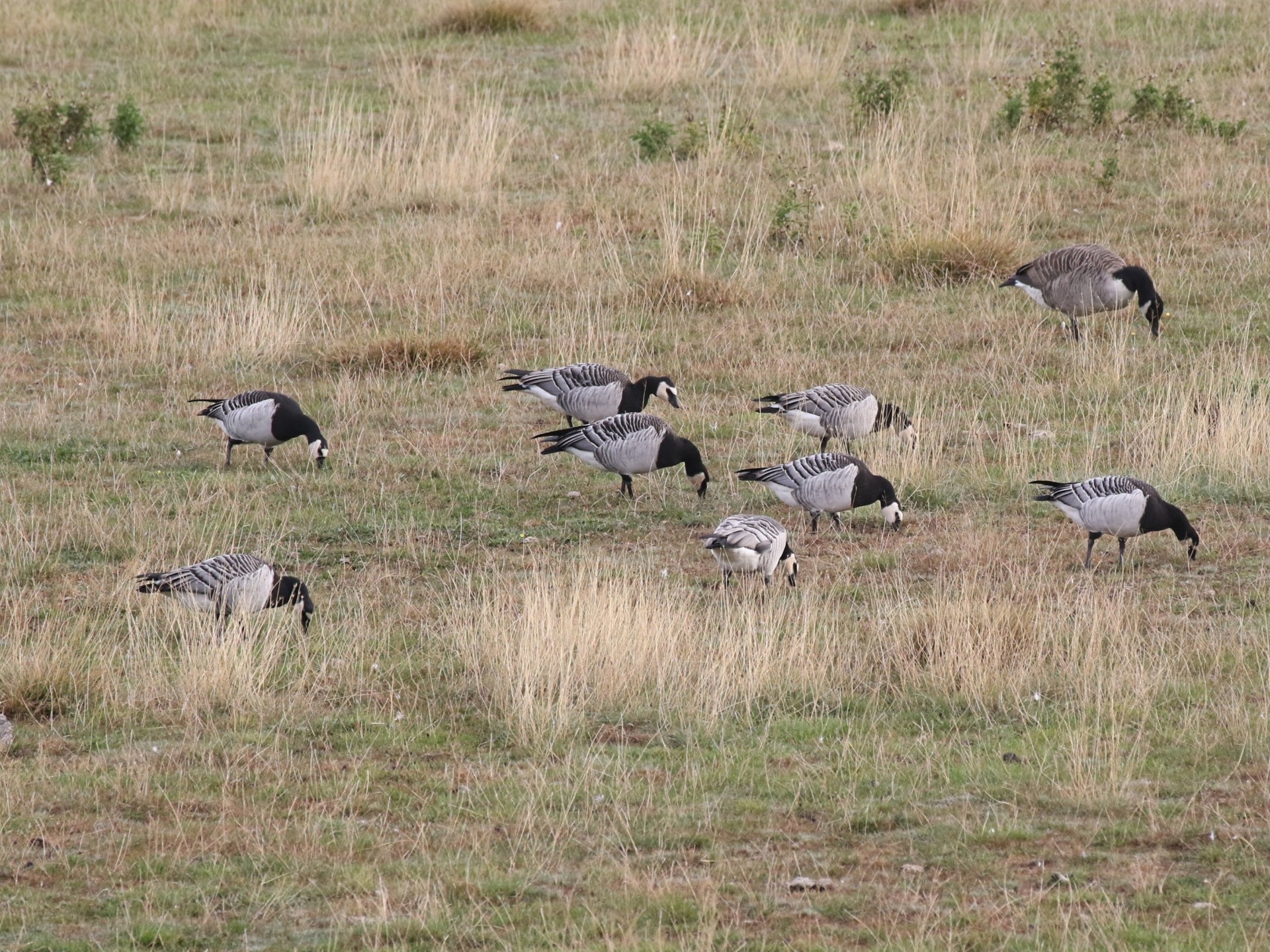
Last week’s eight Barnacle Geese remained in the vicinity of Clifford Hill GP throughout the period and the drake Red-crested Pochard first seen at Pitsford Res on 24th was still present there on 26th.
Barnacle Geese, Clifford Hill GP, 28th September 2026 (Tony Stanford)
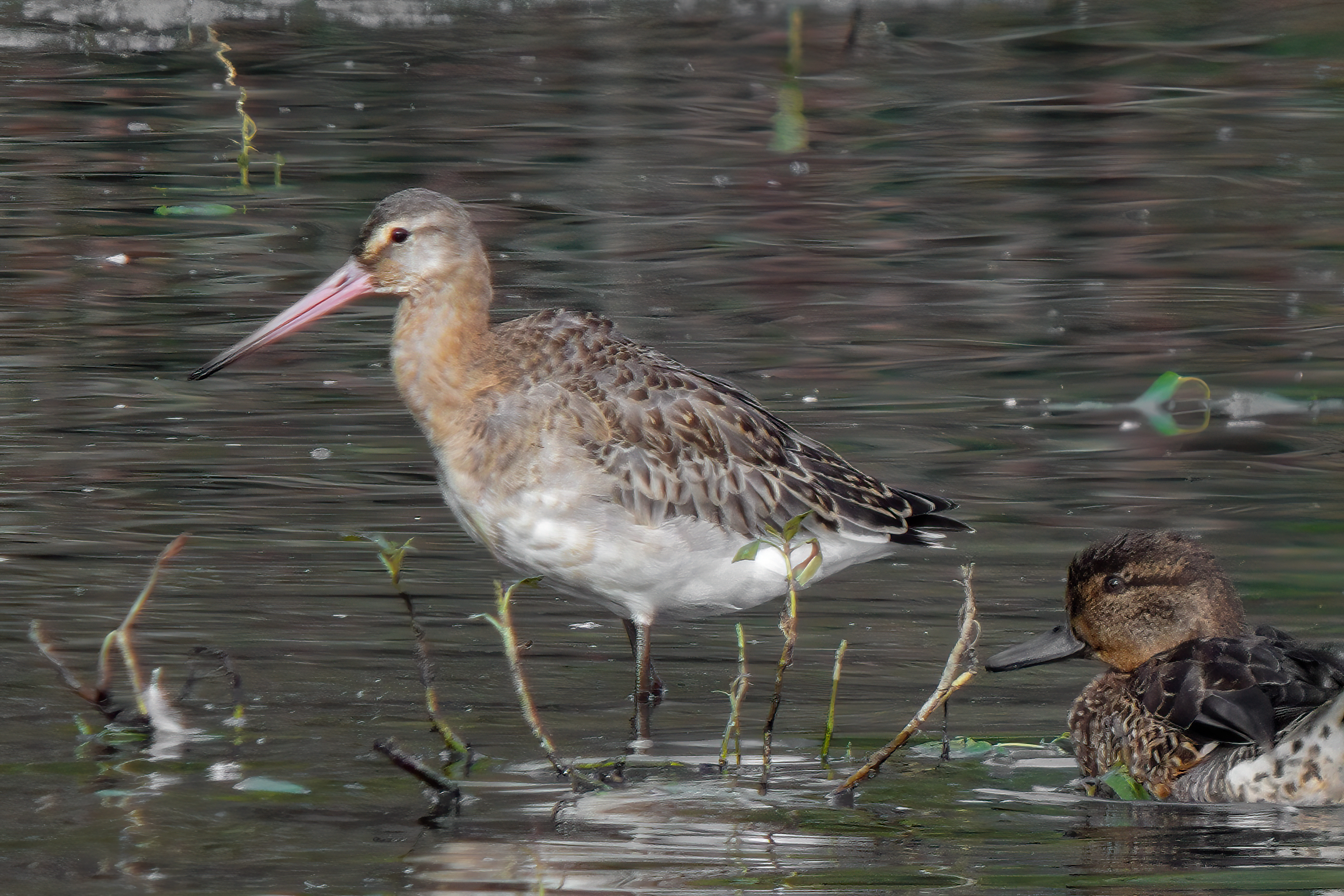
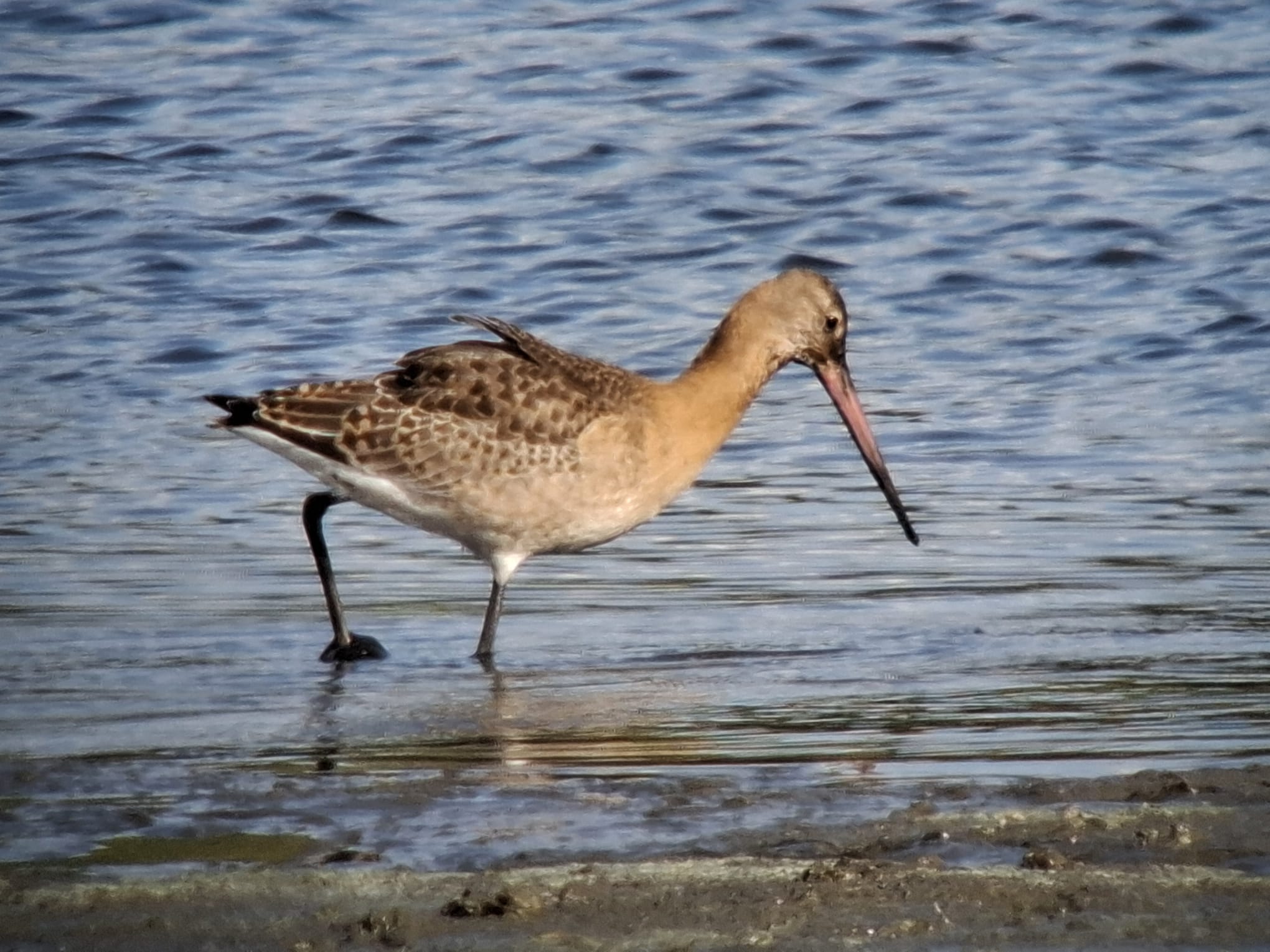
After spring’s meagre offering of just three short-staying individuals, the first Grey Plover to materialise so far this autumn was seen in flight over Hollowell Res on 29th. A single Curlew appeared at Earls Barton GP on 28th, while Daventry CP and Ravensthorpe Res carved up the week’s Black-tailed Godwits between them – two from the previous week remaining at the former locality until 27th, after which they were replaced by a new individual from 29th until 2nd, and one at the latter site from 26th until 1st.
Juvenile Black-tailed Godwit, Ravensthorpe Res, 28th September 2026 (Mike Alibone)Juvenile Black-tailed Godwit, Daventry CP, 2nd October 2026 (Gary Pullan)
Ruffs from last week spilled over into this week with one at Thrapston GP’s Titchmarsh NR remaining, being seen there on 26th and 29th, and the one at Pitsford similarly staying on until 27th. Two, presumably new birds, were present at Earls Barton GP’s New Workings (South) on 28th-29th, with at least one still present on 2nd.
Adding to the autumn’s already good numbers of Spotted Redshanks, two more were found at Titchmarsh this week, on 28th. Greenshanks were few and far between, though, with singles at Pitsford on 27th and Hollowell Res on 28th, followed by two at Titchmarsh on 30th.
On the Larid front, it was all pretty much the same as the previous week. Single Caspian Gulls included first-winters at both Hollowell and Summer Leys LNR on 28th and at Earls Barton GP on 30th, while the German-ringed adult male extended its stay at Naseby Res until at least 28th. There were fewer Yellow-legged Gulls than of late, Pitsford holding on to at least two throughout the period, with singles at Ditchford GP on 27th, Summer Leys on 28th, and at both Daventry and Titchmarsh on 29th.
First-winter Yellow-legged Gull, Ditchford GP, 27th September 2026 (James Underwood)Fourth-winter Yellow-legged Gull, Daventry CP, 29th September 2026 (Gary Pullan)Adult Yellow-legged Gull, Pitsford Res, 30th September 2026 (Mike Alibone)
Back in the frame this week was Glossy Ibis. Two or, conceivably, just one individual accounted for short-stay drop-ins at Daventry on 26th and at Lilbourne Meadows NR on 2nd. It’s a mere 12 km between the two sites, as the ibis flies …
Glossy Ibis, Daventry CP, 26th September 2026 (Gary Pullan)Glossy Ibis, Daventry CP, 26th September 2026 (Gary Pullan)Glossy Ibis, Daventry CP, 26th September 2026 (Gary Pullan)
The period’s Bitterns were all seen in one place – that being Summer Leys, where at least one was occasionally on view, five days out of seven. And a few more Cattle Egrets comprised four at Blatherwycke Lake on 26th and singles at Wicksteed Park, Kettering on 29th and at Stanwick GP on 1st.
Cattle Egret, Wicksteed Park, 29th September 2026 (Julie Roe)
And, after last week’s hefty raptor cocktail, it appears we were set to see more of the same. An Osprey reported in flight over Islip on 26th was merely a passing shot compared to the juvenile which appears to have become settled in the general locale of Earls Barton GP since late August, the latter chalking up another week on site.
Juvenile Osprey, Earls Barton GP, 28th September 2026 (Bob Bullock)Juvenile Osprey, Earls Barton GP, 30th September 2026 (John Kirkelionis)Juvenile Osprey, Earls Barton GP, 30th September 2026 (John Kirkelionis)Juvenile Osprey, Earls Barton GP, 2nd October 2026 (Peter Doyle)
Marsh Harriers were still to be found in favoured areas, with singles at Earls Barton/Summer Leys on 26th, 27th, 29th and 2nd, near Burton Latimer on 29th and at both Stanwick GP and Titchmarsh on 30th.
More surprises again materialised in the shape of White-tailed Eagles with a juvenile reported near Rushton on 27th and a possible over Kingsthorpe, Northampton on 30th. Just like buses, it seems …
And another Merlin made it into the mix this week when a male was at Little Harrowden on 26th.
On the passerine front, the autumn’s first Ring Ouzel, a female, was found on the outskirts of Northampton at Brackmills CP on 27th, while another ‘autumn first’ appeared in the shape of a Black Redstart at the Royal Mail Midlands Super Hub at Daventry International Rail Freight Terminal (DIRFT) on 30th – a monstrous building and not the easiest to view with the area visibly restricted. The two previous birds earlier in the year were largely off limits so another, more accessible individual, would no doubt be welcomed.
Just the one Whinchat, at Clifford Hill GP on 2nd, represented dwindling numbers over the past couple of weeks, during which time Stonechats have increased significantly. Burton Latimer, Creaton, Ditchford, Earls Barton, Hollowell, Lilbourne Meadows, Pitsford, Summer Leys and Thrapston all produced varying numbers of the latter, with Pitsford delivering the highest count of eleven on 1st.
Male Stonechat, Pitsford Res, 30th September 2026 (Sharon Wood)
And last, but not least, another species which has been tricky to connect with locally in recent years is Rock Pipit. Apart from a Scandinavian race individual at Summer Leys on 23rd April being the only one for the year so far, single birds arrived on cue this week at Daventry on 28th and Pitsford on 29th-30th.