Wind? Rain? Storm Austen? Never mind the weather, this week it all came together with the monstrous discovery of a new bird for Northamptonshire – and a classy one at that! An American passerine straight out of left field caught everyone by surprise, leaving everything else in the shade. But there’s a few things to run through before we get to that …
Thrapston GP was the place to be for the first of the season’s wild geese this week – although not so ‘wild’ was a Barnacle Goose present on the adjacent Islip Water Meadows on 22nd. A couple of days before that, on 20th, was when nine White-fronted Geese touched down just a few hundred metres away at Elinor Trout Lake before moving on, followed by twenty flying east there the next day and then four on the ground on 22nd.
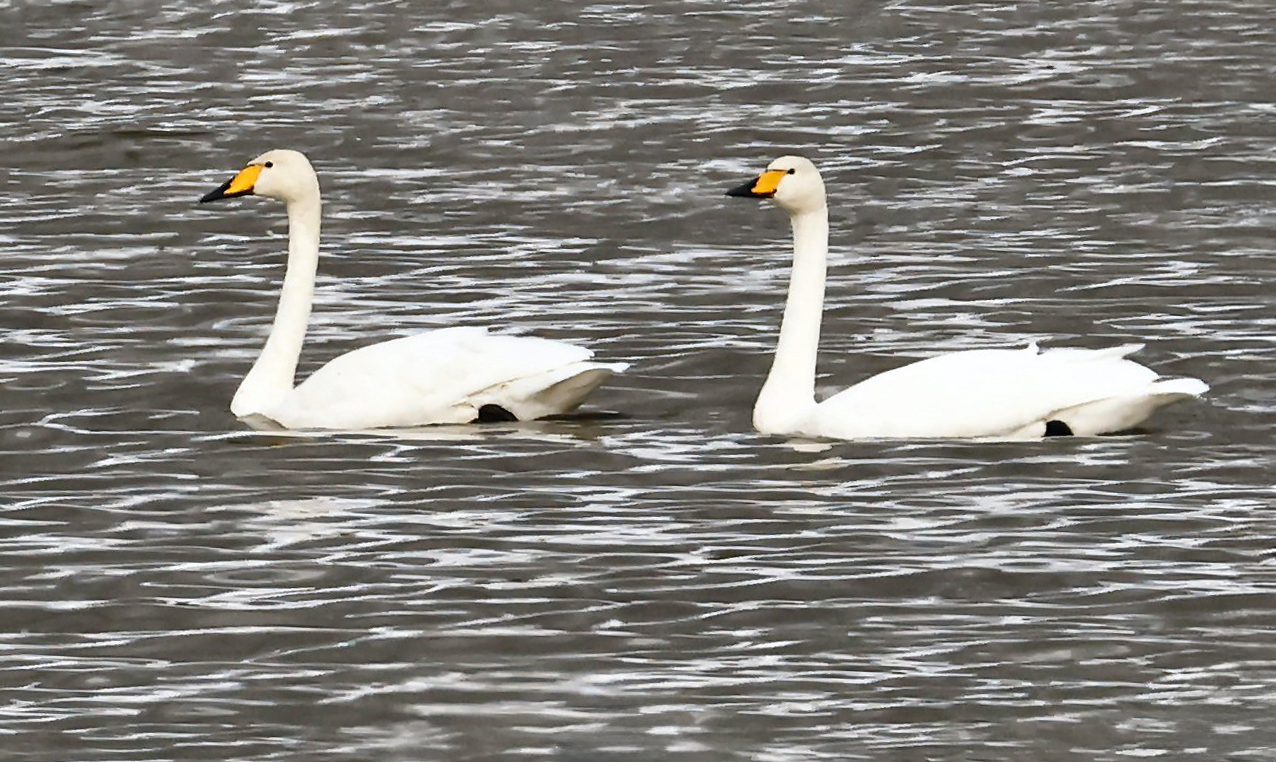
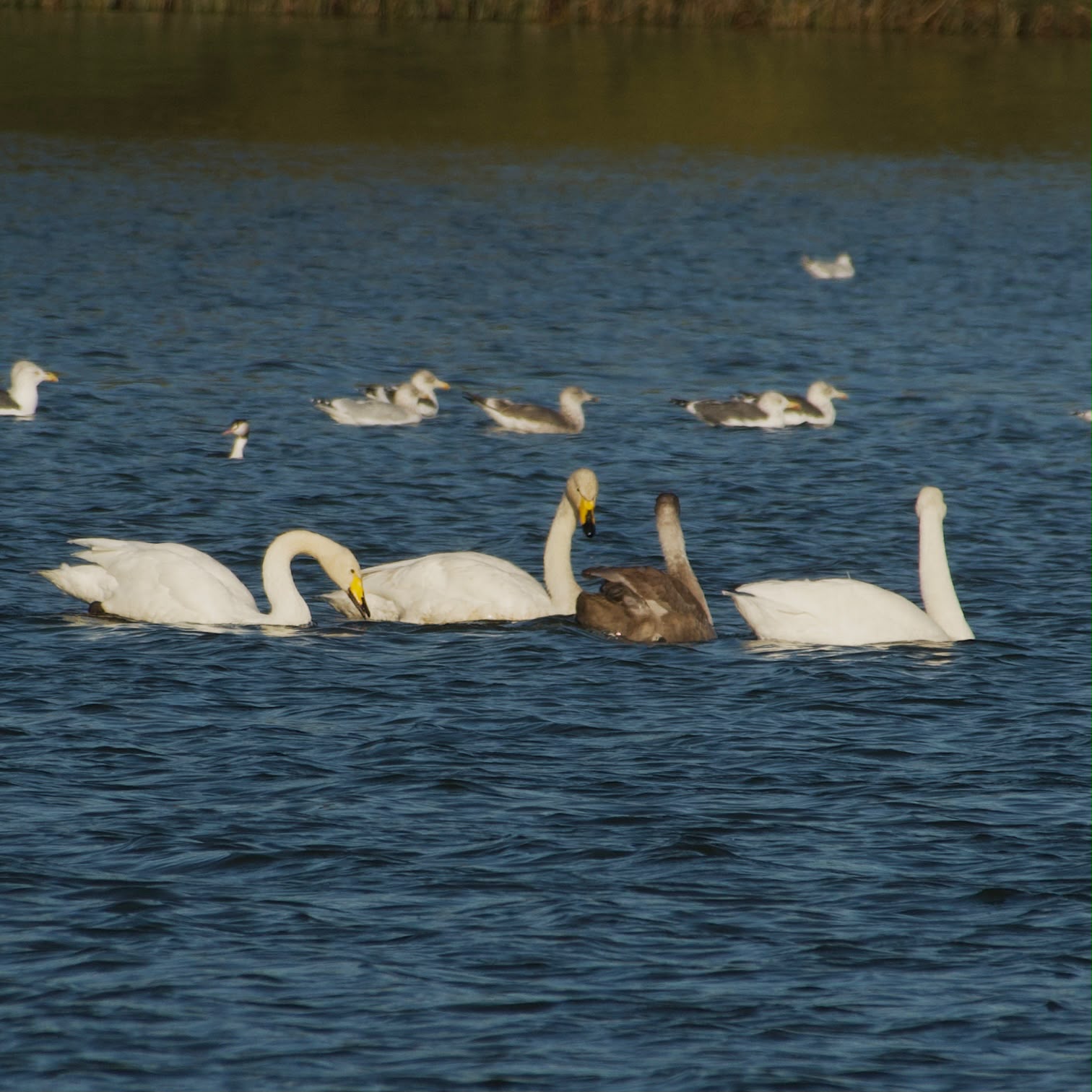
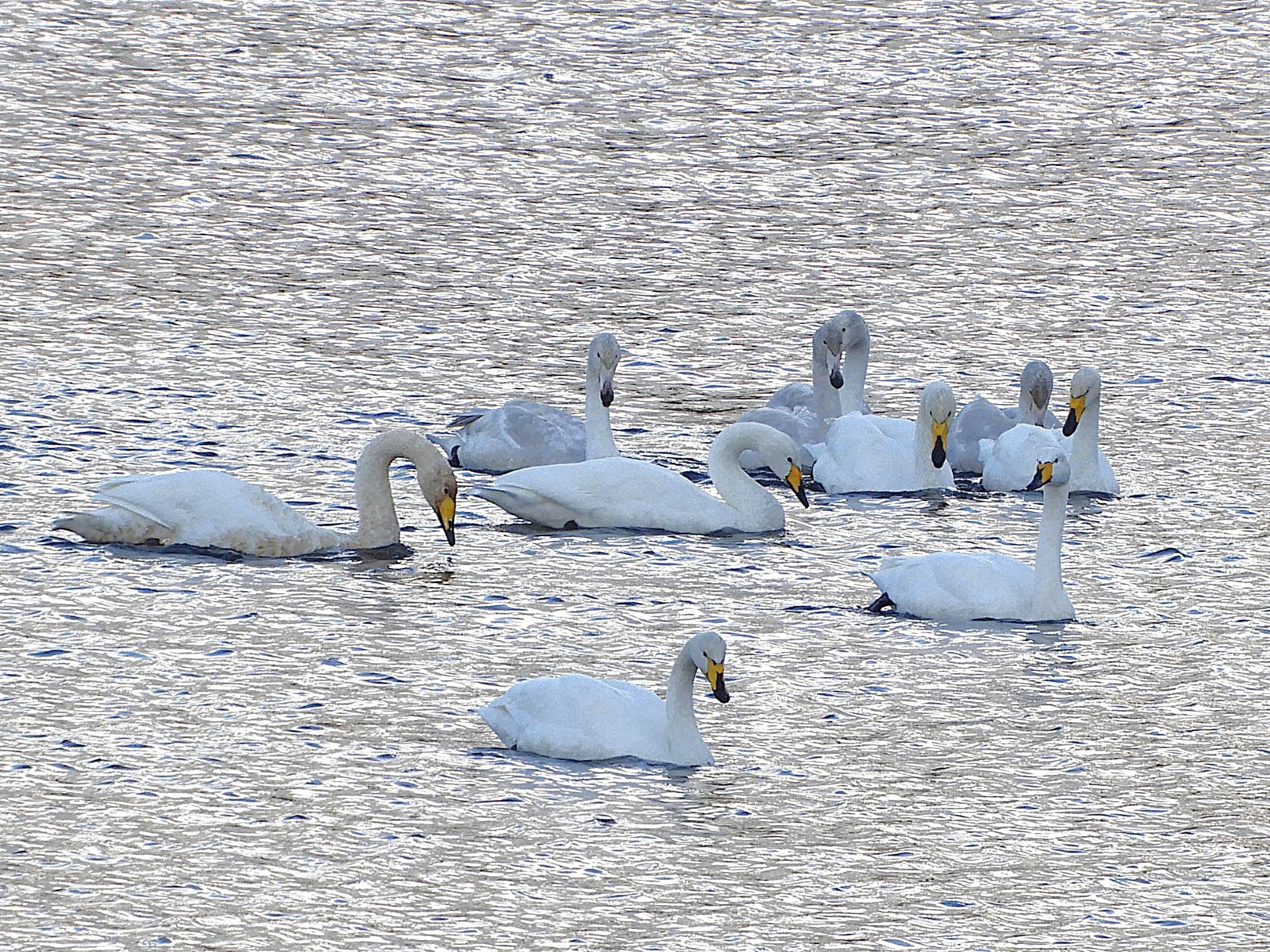
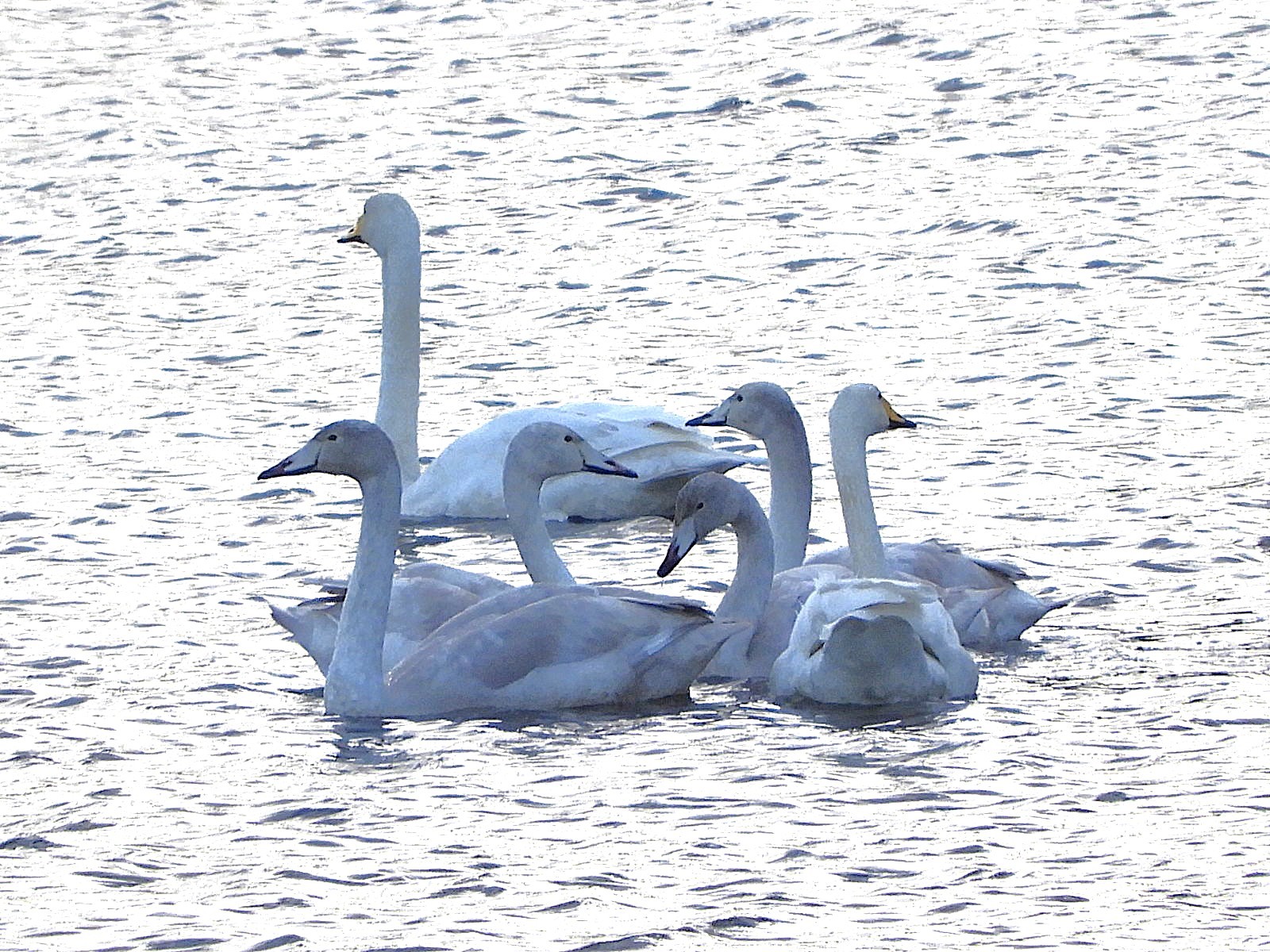
Whooper Swans were also on the move this week, the 17th seeing nine at Thrapston GP’s Titchmarsh NR, three at Stanford Res, two at Pitsford Res and one at Clifford Hill GP. However, the following day saw a hefty twenty at Blatherwycke Lake. All of these birds were transient.
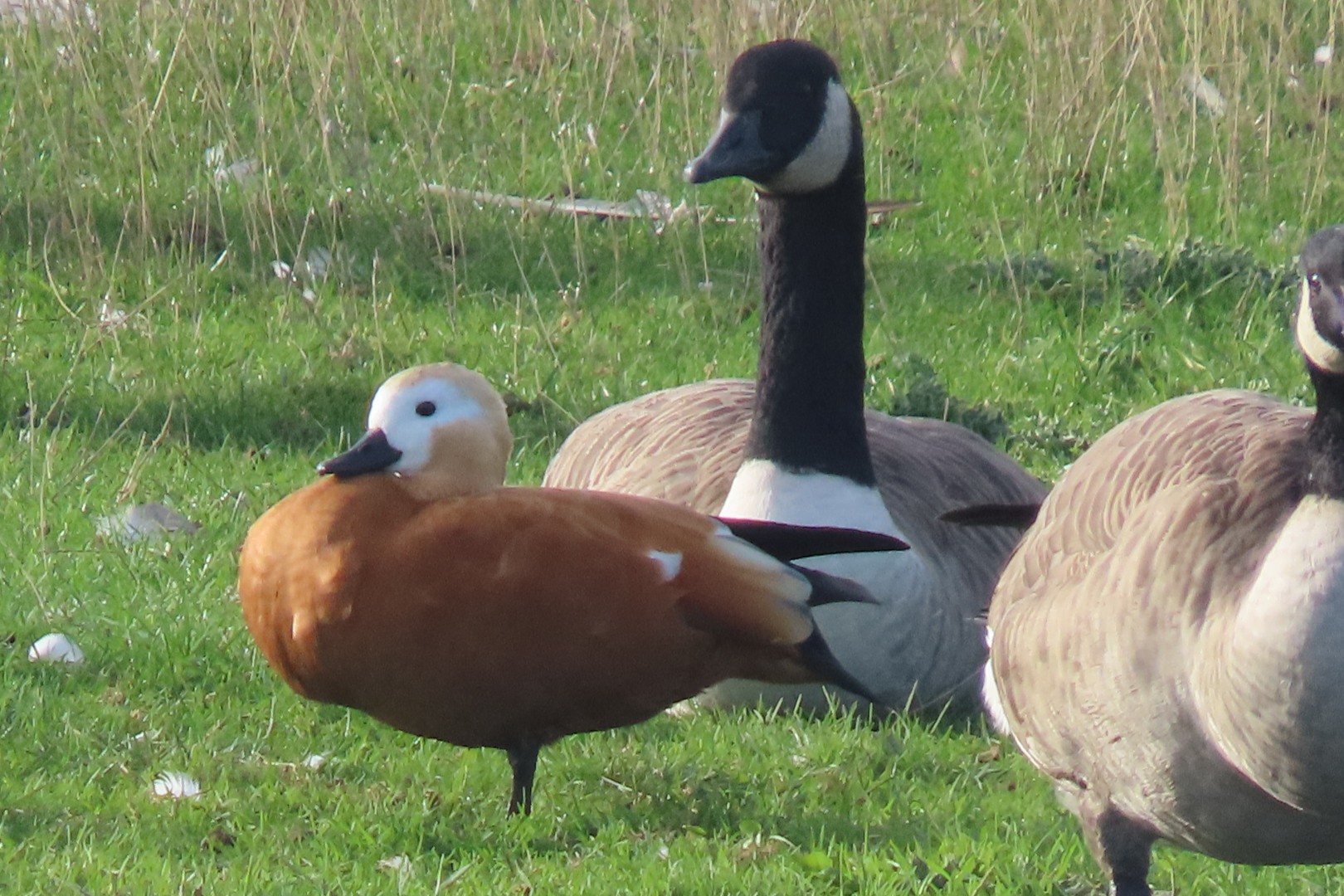
And back in the news this week was the female Ruddy Shelduck, seemingly settled between 18th and 23rd at its favoured locality of Winwick Pools while, not a million miles away, the female Red-crested Pochard remained at Ravensthorpe Res until at least 22nd.
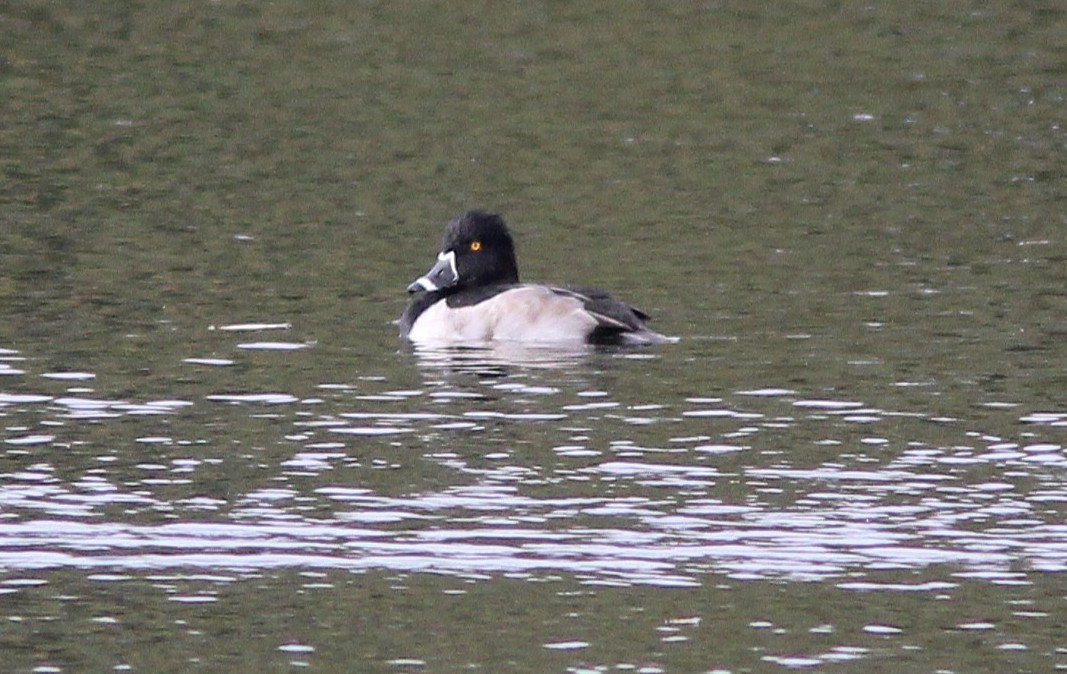
And last week’s presumed returning drake Ring-necked Duck remained at Titchmarsh until the end of the period, the same site also producing a female-type Greater Scaup on 22nd-23rd.
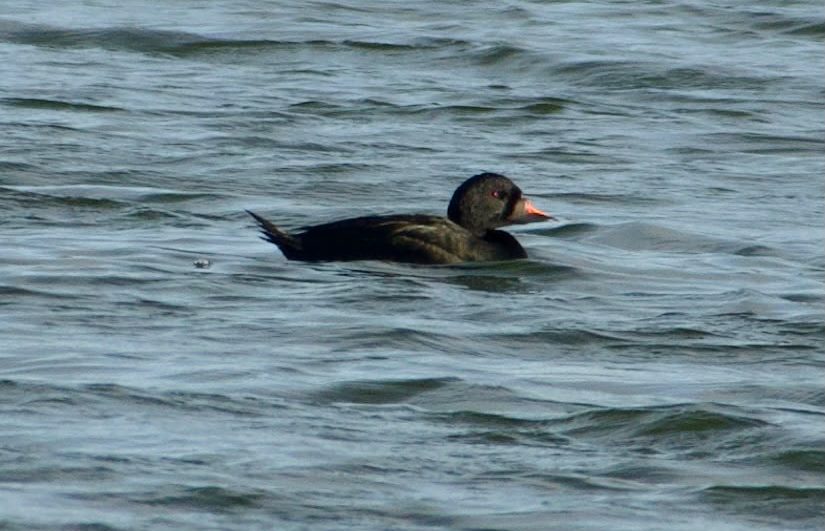
Also new in this week was a drake Common Scoter that spent a few hours at Stanford on 18th.
Local interest in the Slavonian Grebe found at Pitsford on 11th ebbed as the week progressed but it was still being reported up until 22nd.
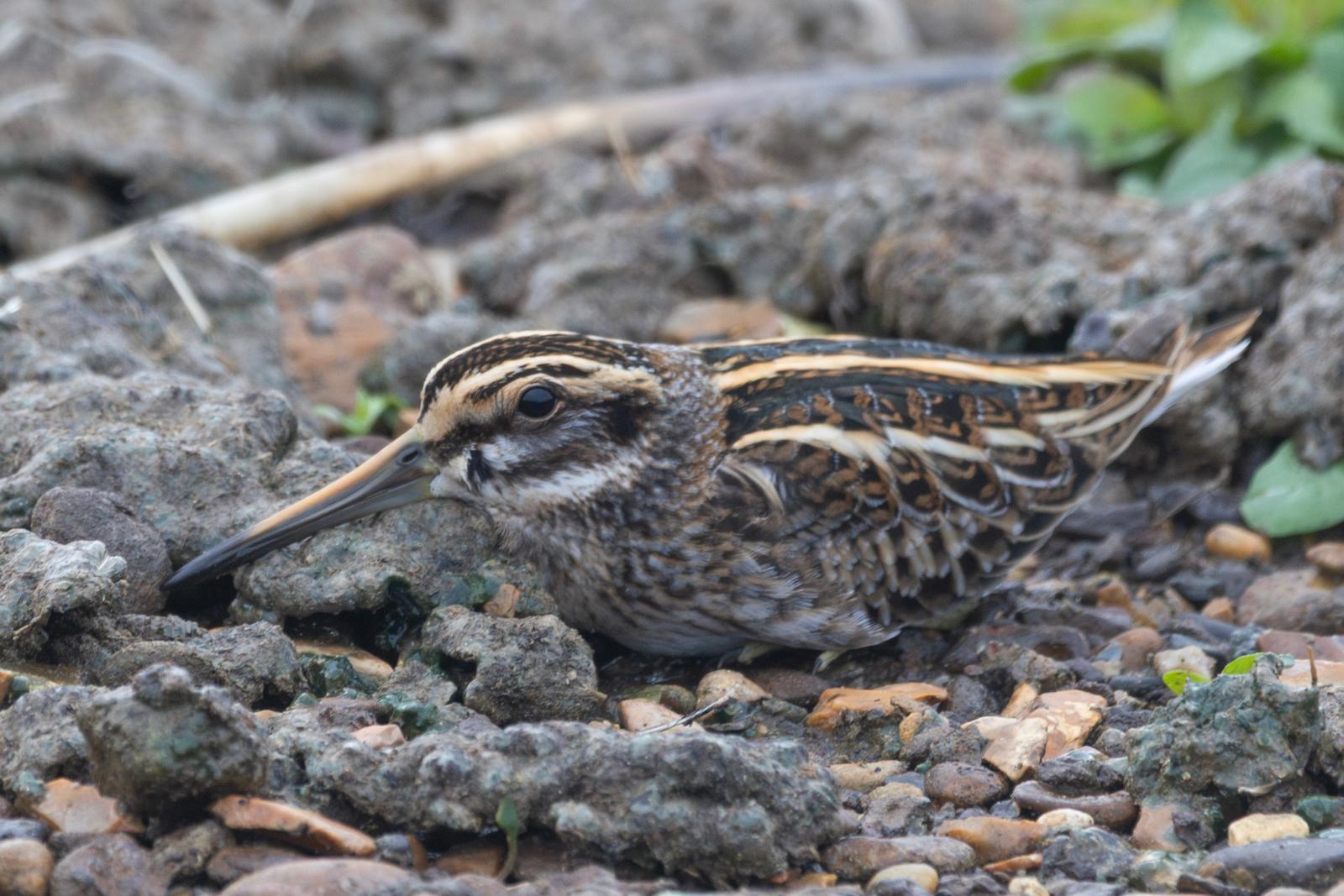
Waders were in even shorter supply, which is understandable as we’re now heading into late October. What was a little surprising, though, was the arrival of two Grey Plovers at Clifford Hill on 20th. It’s turned out to be a good autumn for them, locally, but none has stayed for long and, as a result, they’ve been extremely difficult to connect with. The only other waders of note were Jack Snipes. Summer Leys LNR held one from 17th to 19th and two on 21st, while Clifford Hill produced one on 19th and two on 21st.
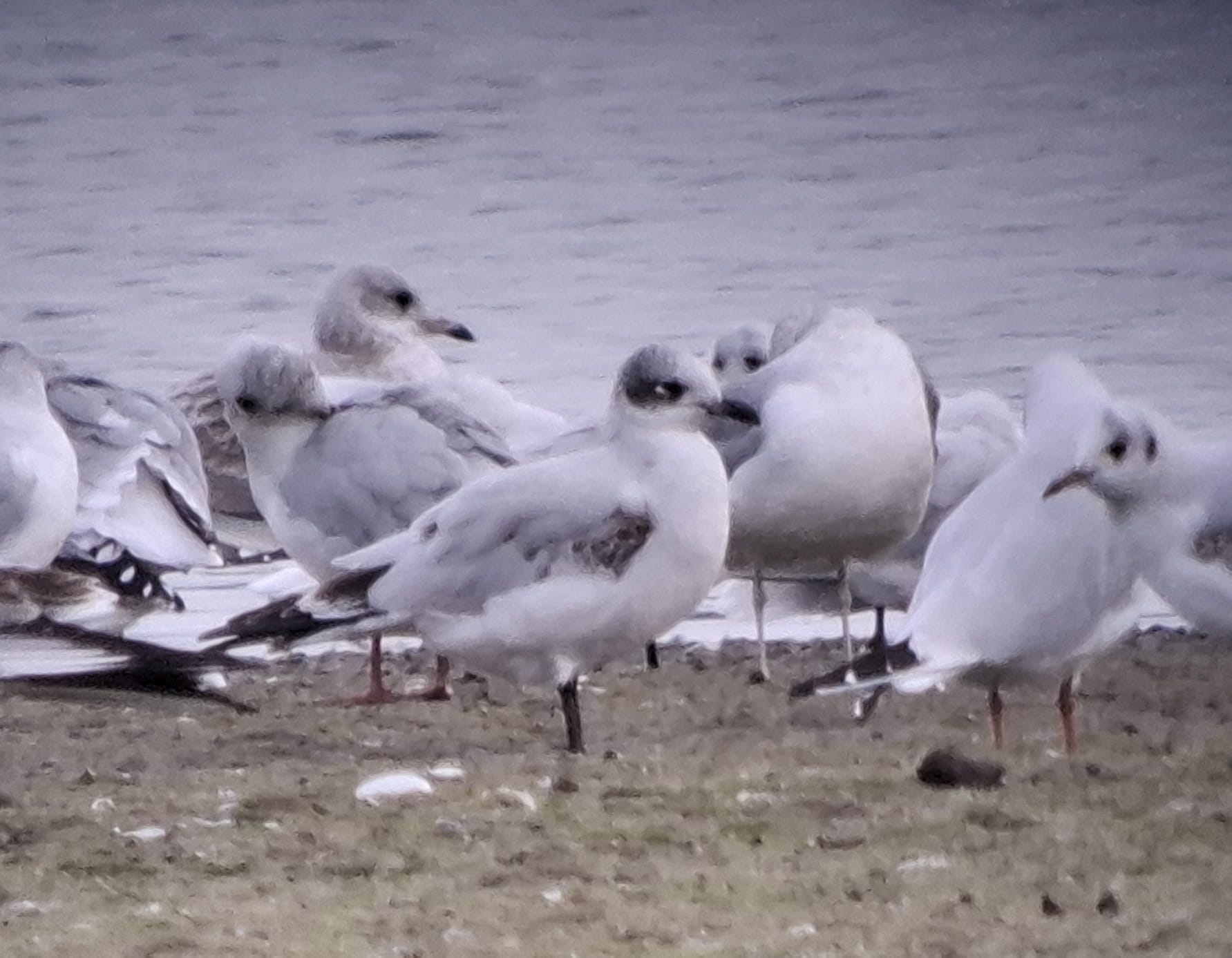
Last week’s leftovers on the larid front kicked off with a Little Gull still at Clifford Hill on 17th, although there was no sign subsequently, while a first-winter appeared at Titchmarsh three days later, on 20th. Mediterranean Gulls were more plentiful, with a first-winter and a second-winter at Pitsford on 17th, two second-winters in the roost at Stanford on 19th and single first-winters at both Daventry CP and Hollowell Res on the latter date, while an adult was found near Islip on 23rd.
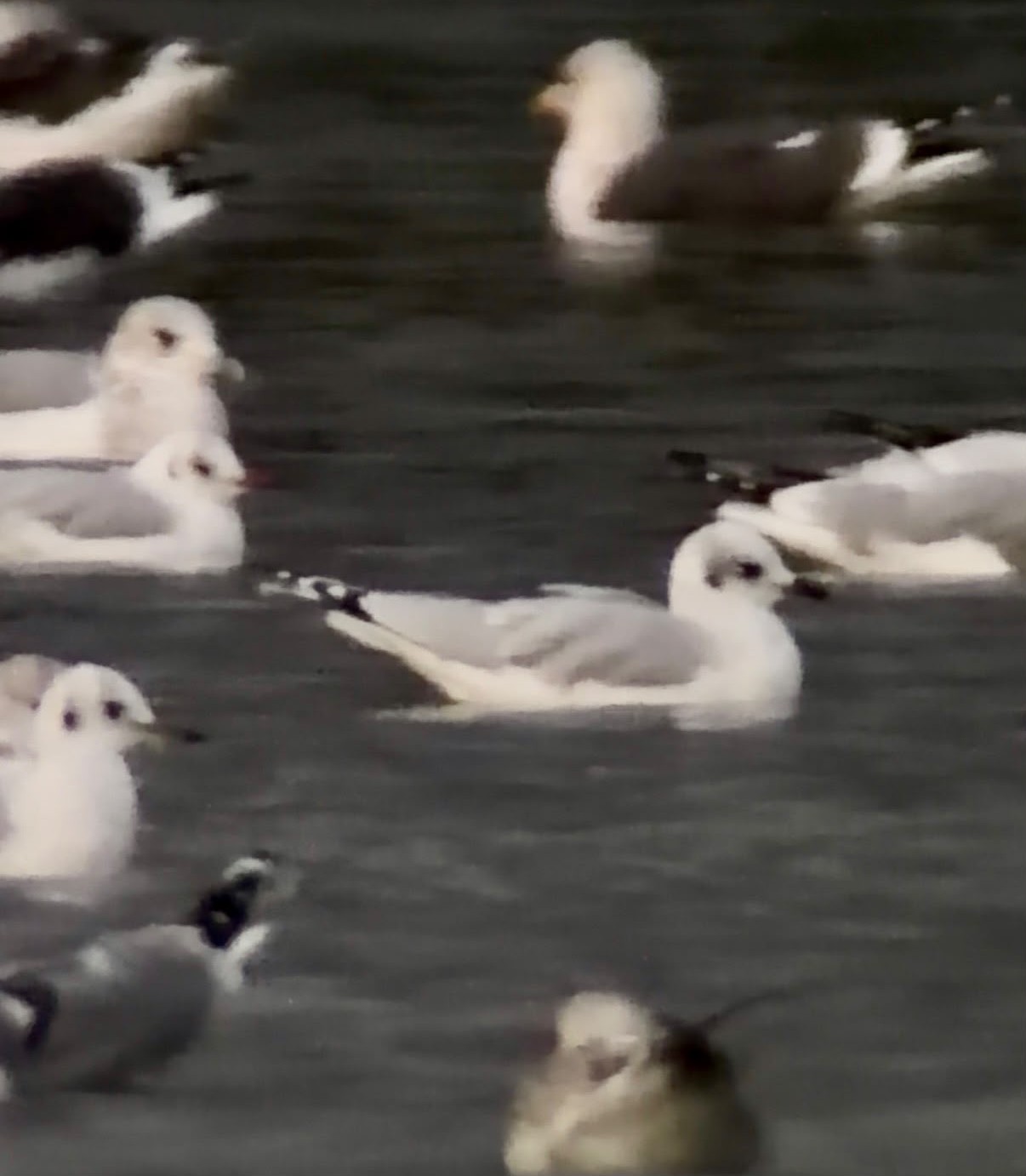
Just one Caspian Gull at Pitsford on 19th represented a poor showing of late but the usual run of Yellow-legged Gulls started with four at Pitsford on 17th, three were at Thrapston GP’s Town Lake on 18th and singles were at Clifford Hill on 17th, Titchmarsh on 17th and 20th, Pitsford on 18th, Stanford on 19th and near Islip on 23rd.
Last week’s Glossy Ibis remained settled at Summer Leys between 18th and 23rd.
Summer Leys also saw single Bitterns break cover on 17th-18th and 20th, while another was found at Ditchford GP on 19th-20th and solitary Cattle Egrets visited the first of these two localities on 18th and Islip Water Meadows on 22nd.
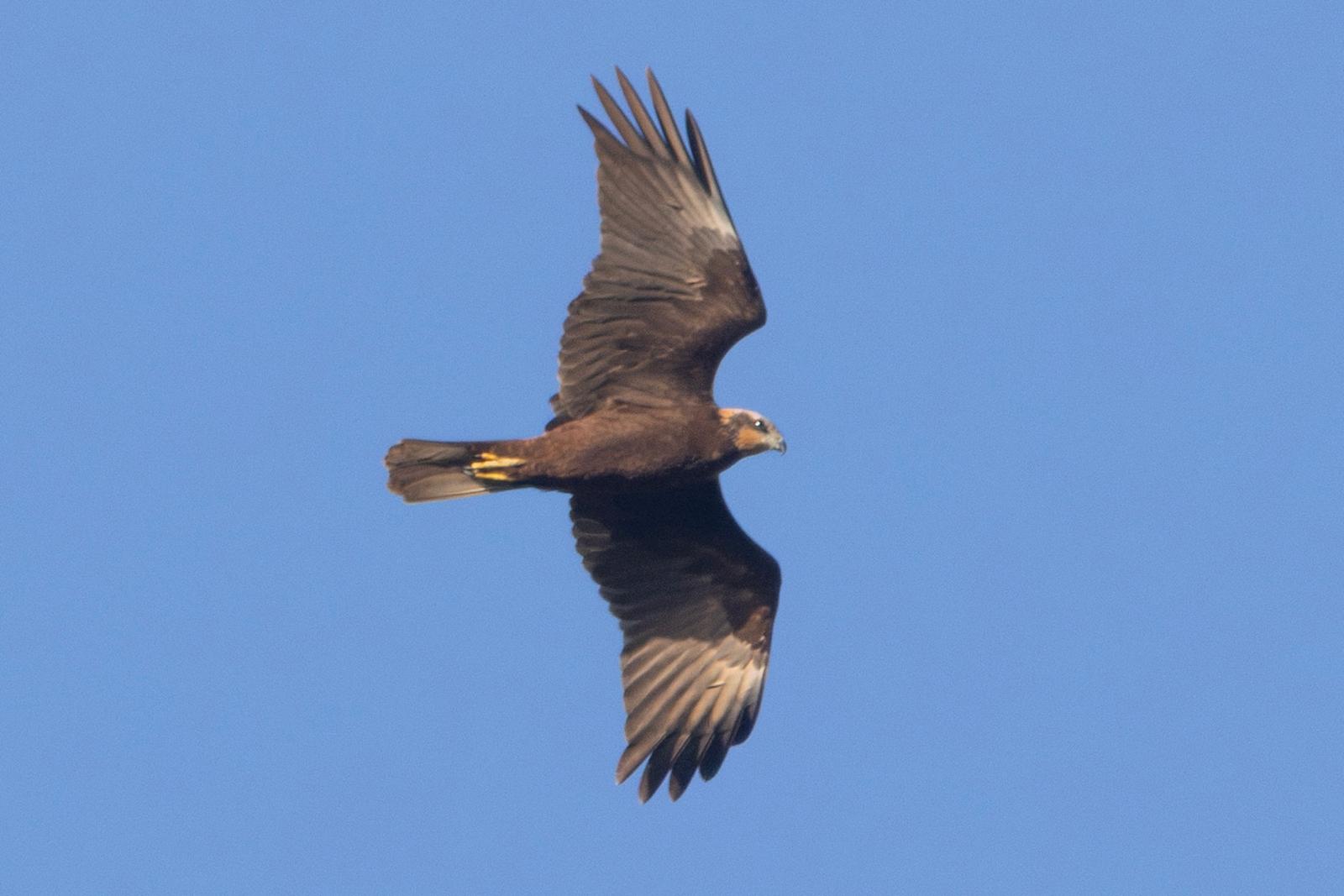
And there was no shortage of Marsh Harriers during the period, with three at Summer Leys on 17th, followed by two there on 21st and singles at Titchmarsh from 17th to 19th and at Clifford Hill on 18th.
A ‘ringtail’ Hen Harrier was again in the Brampton Valley, between Cottesbrooke and Hanging Houghton, on 22nd.
The above site also gave rise to up to three Short-eared Owls between 18th and 22nd, while one was at Harrington AF on the latter date.
Passerines were where it was at this week, though, and hot on the heels of one the previous week came another Yellow-browed Warbler – this time at Ravensthorpe Res, where it was heard only, on 21st. Once again, it disappeared immediately after being found. Always popular, one nailed down somewhere for a day or two would undoubtably be much appreciated.
And then there were Ring Ouzels. Unsurprisingly, the Brampton Valley pulled one in on 18th and another was at Harrington on 21st-22nd.
Scarce enough as they are, a Pied Flycatcher reported at Ditchford GP’s Irthlingborough Lakes & Meadows NR on 19th would be the latest autumn record in the county, beating the previous, on 6th October 1985, by just shy of two weeks.
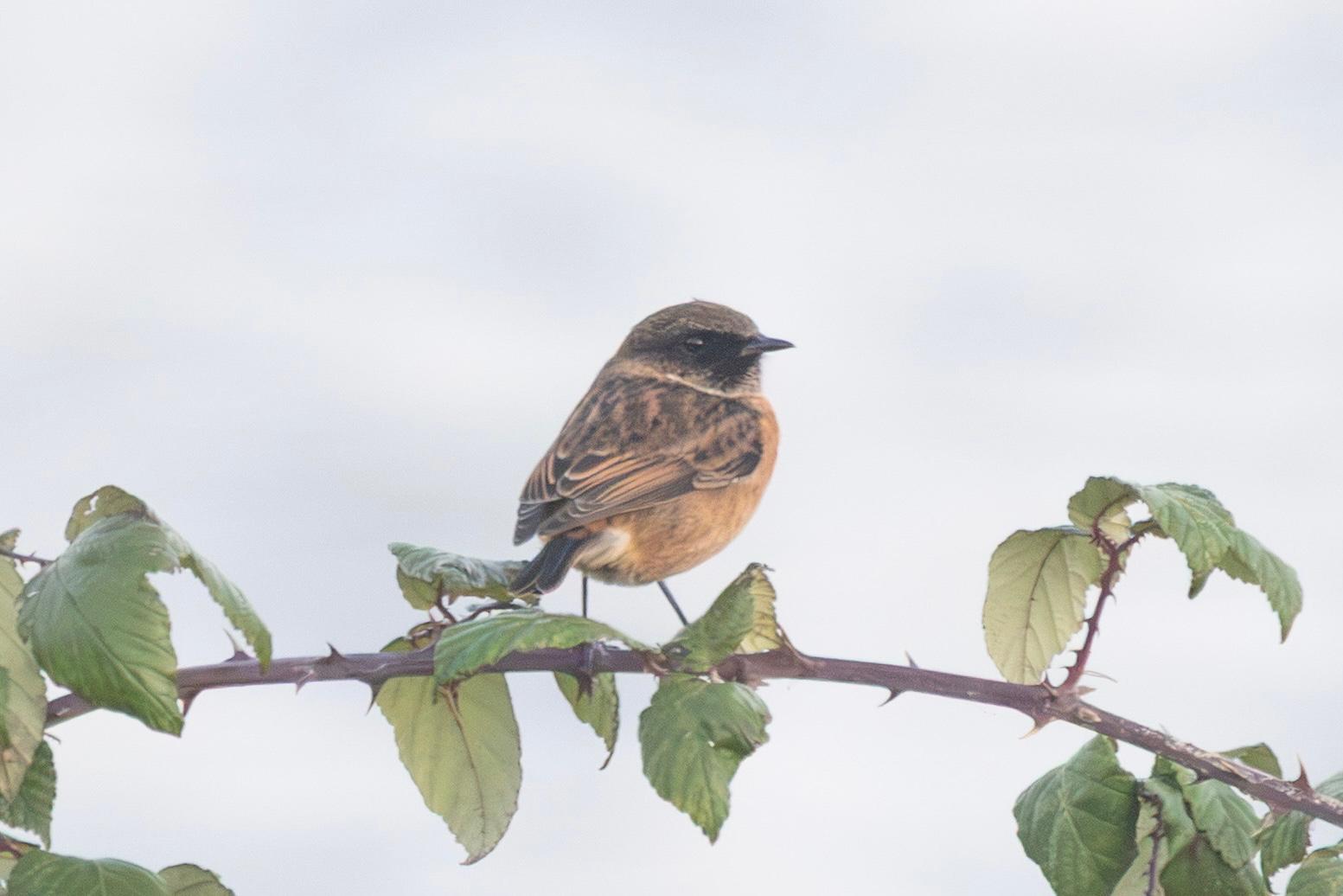
The Brampton Valley, Clifford Hill, Hollowell, Pitsford, Summer Leys and Thrapston/Titchmarsh all produced the period’s Stonechats, with no more than four birds at any of these sites.
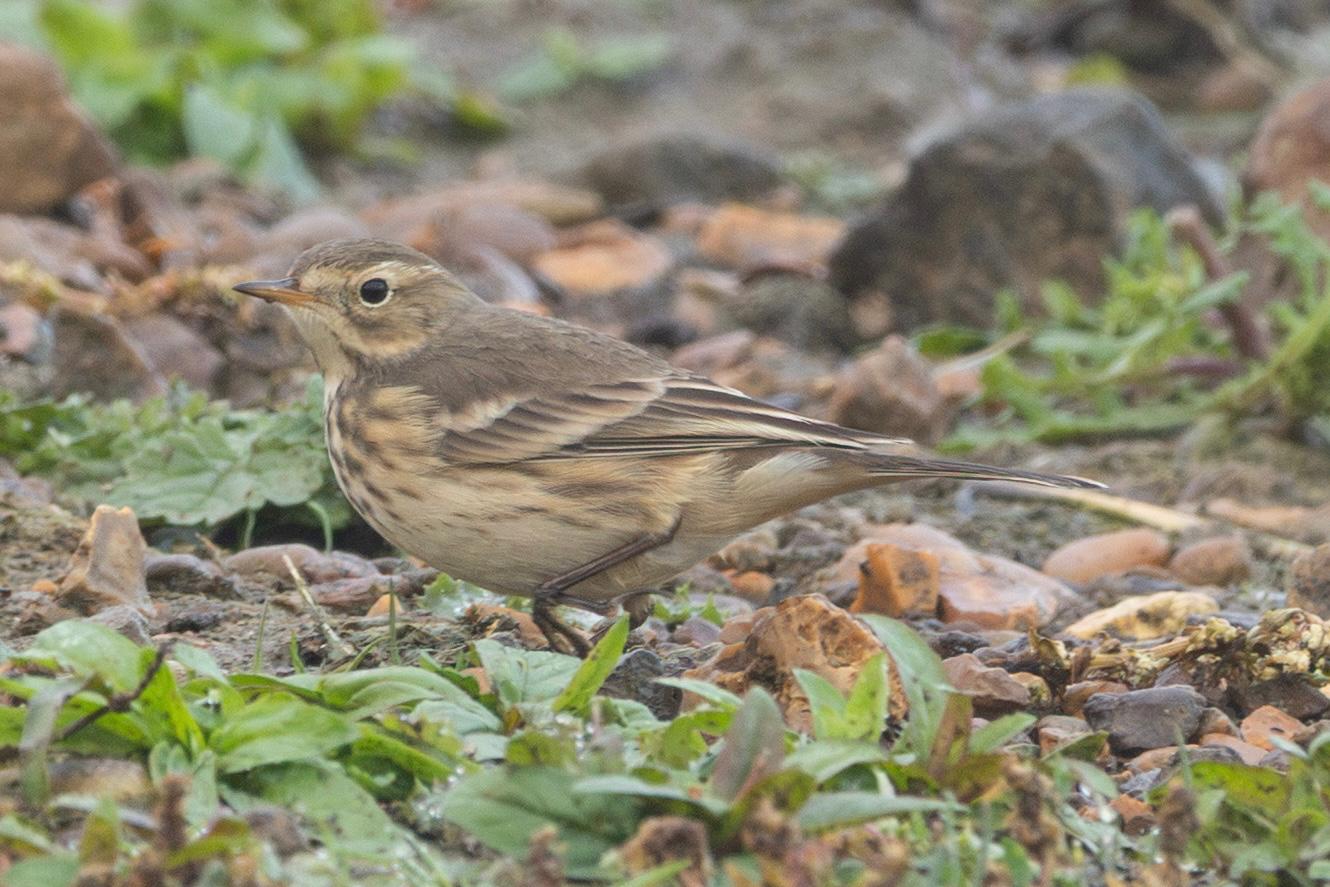
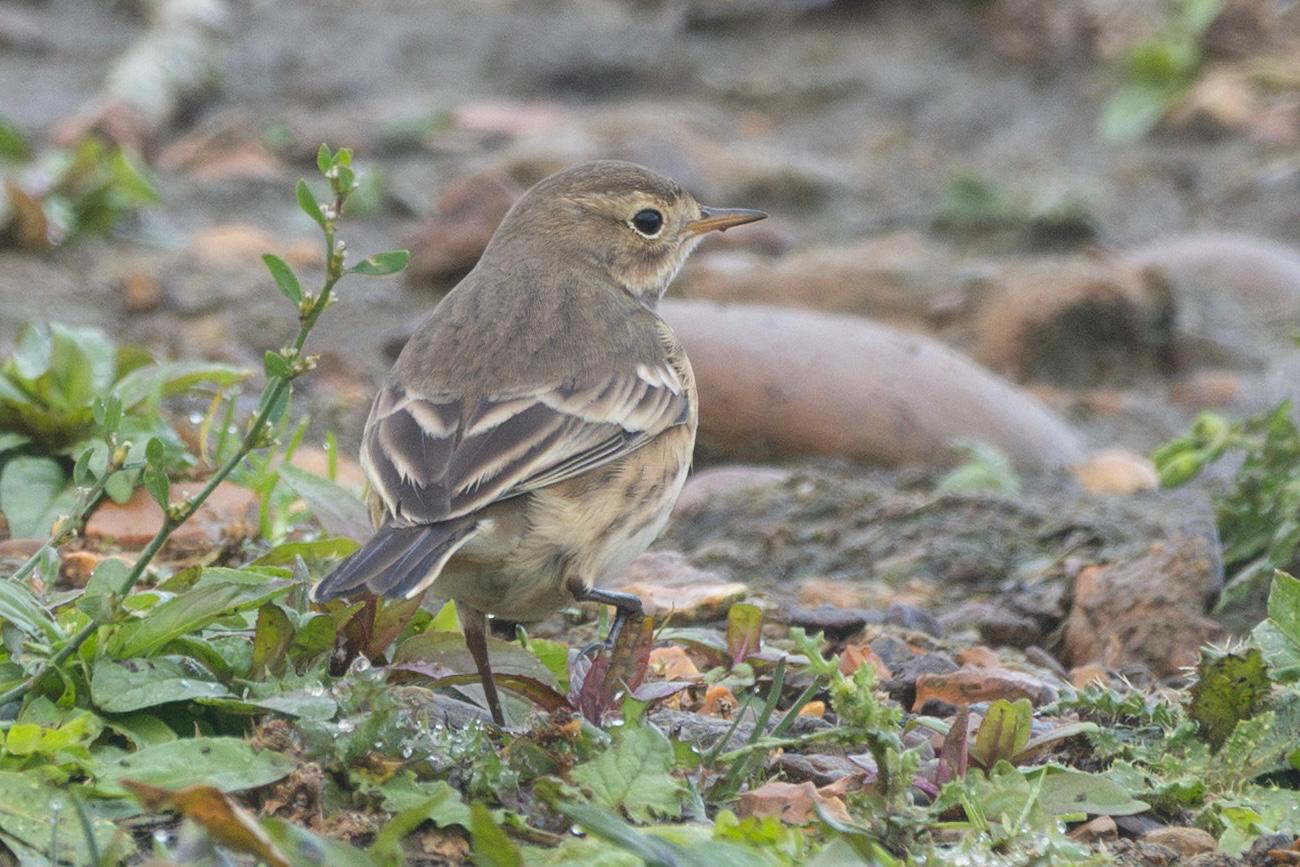
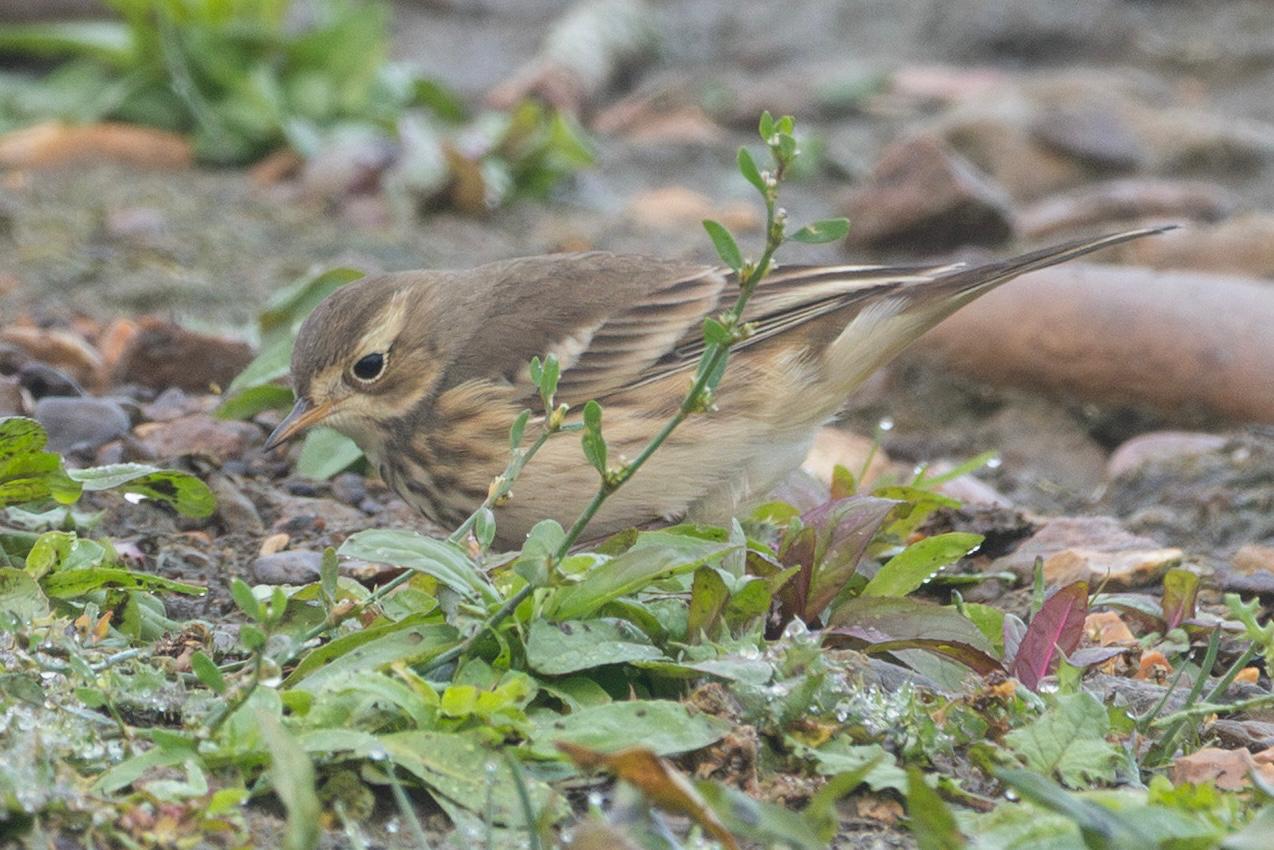
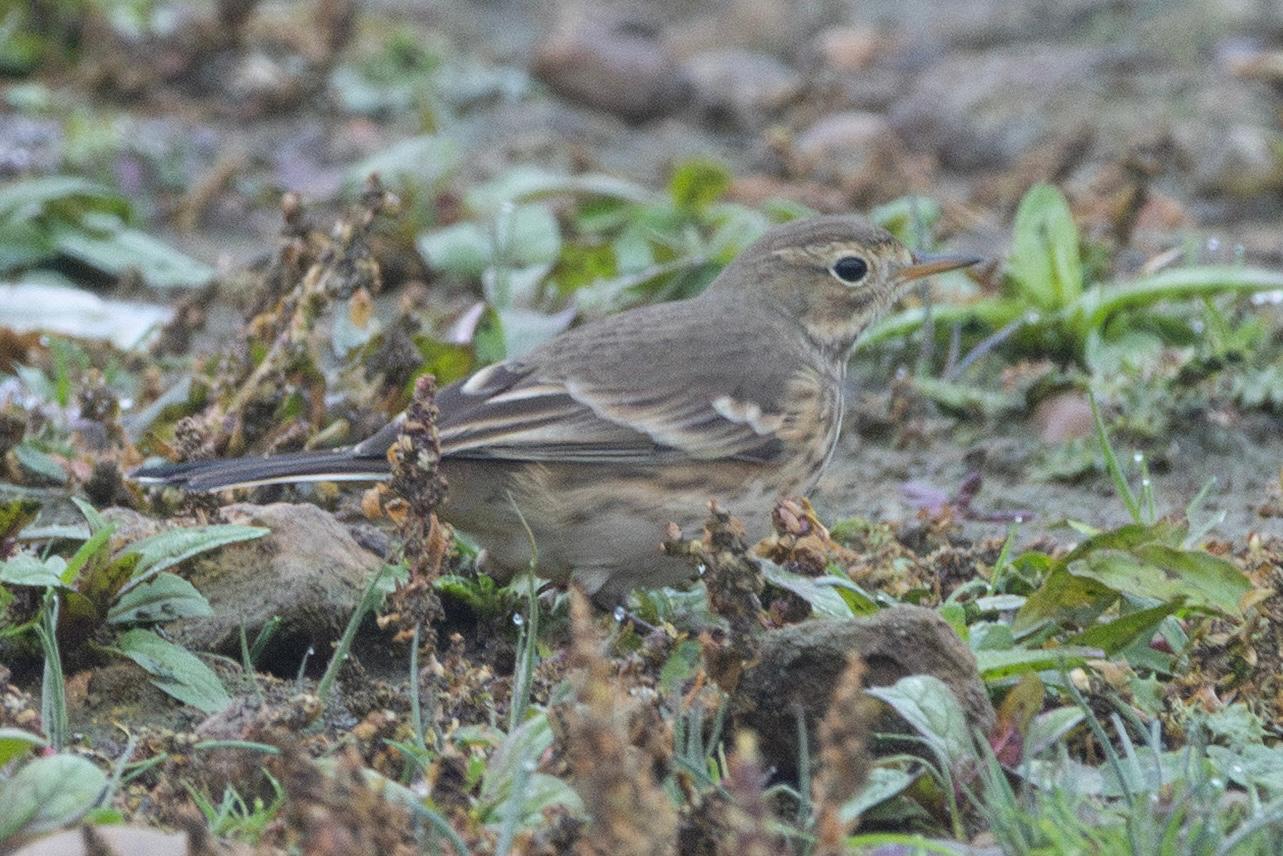
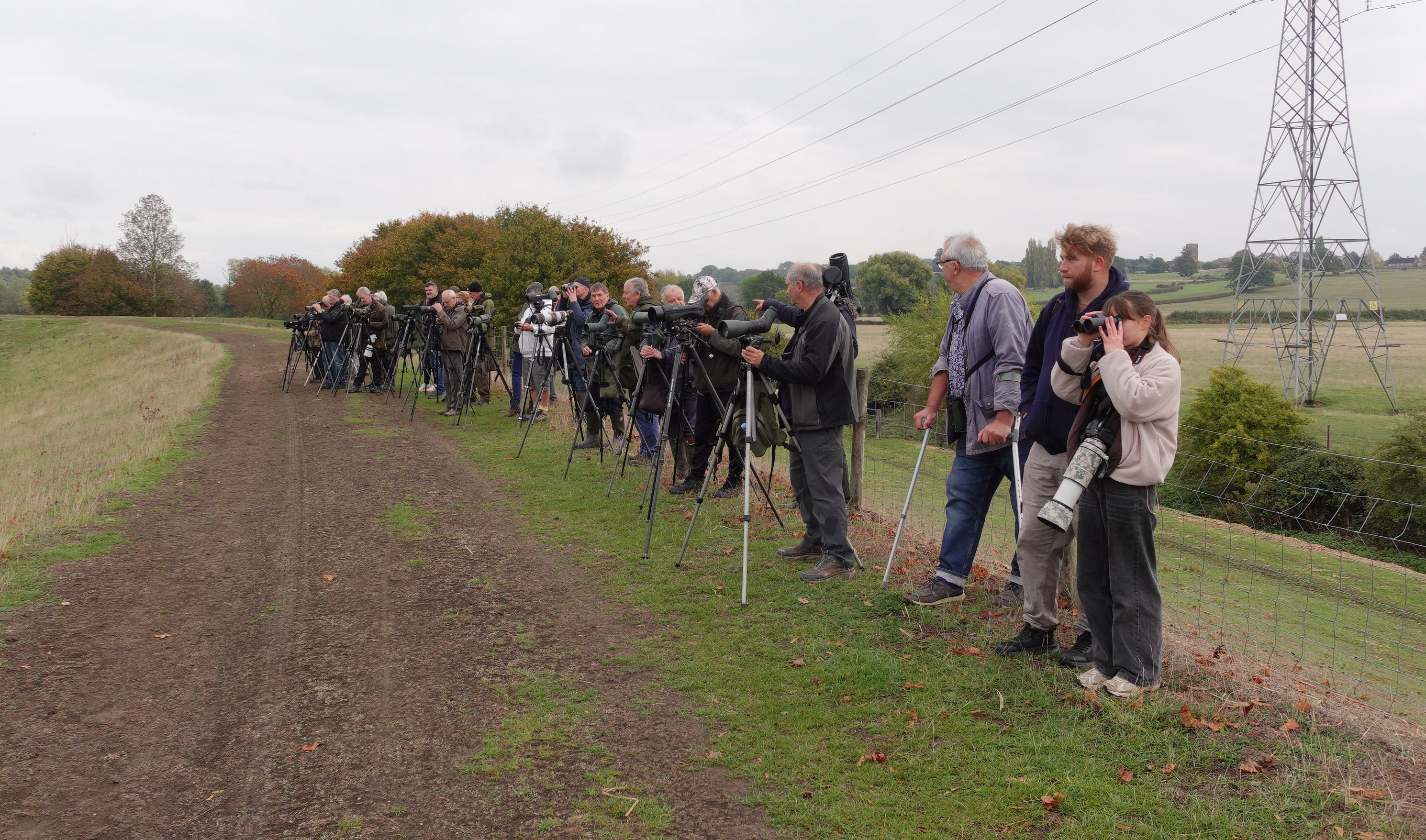
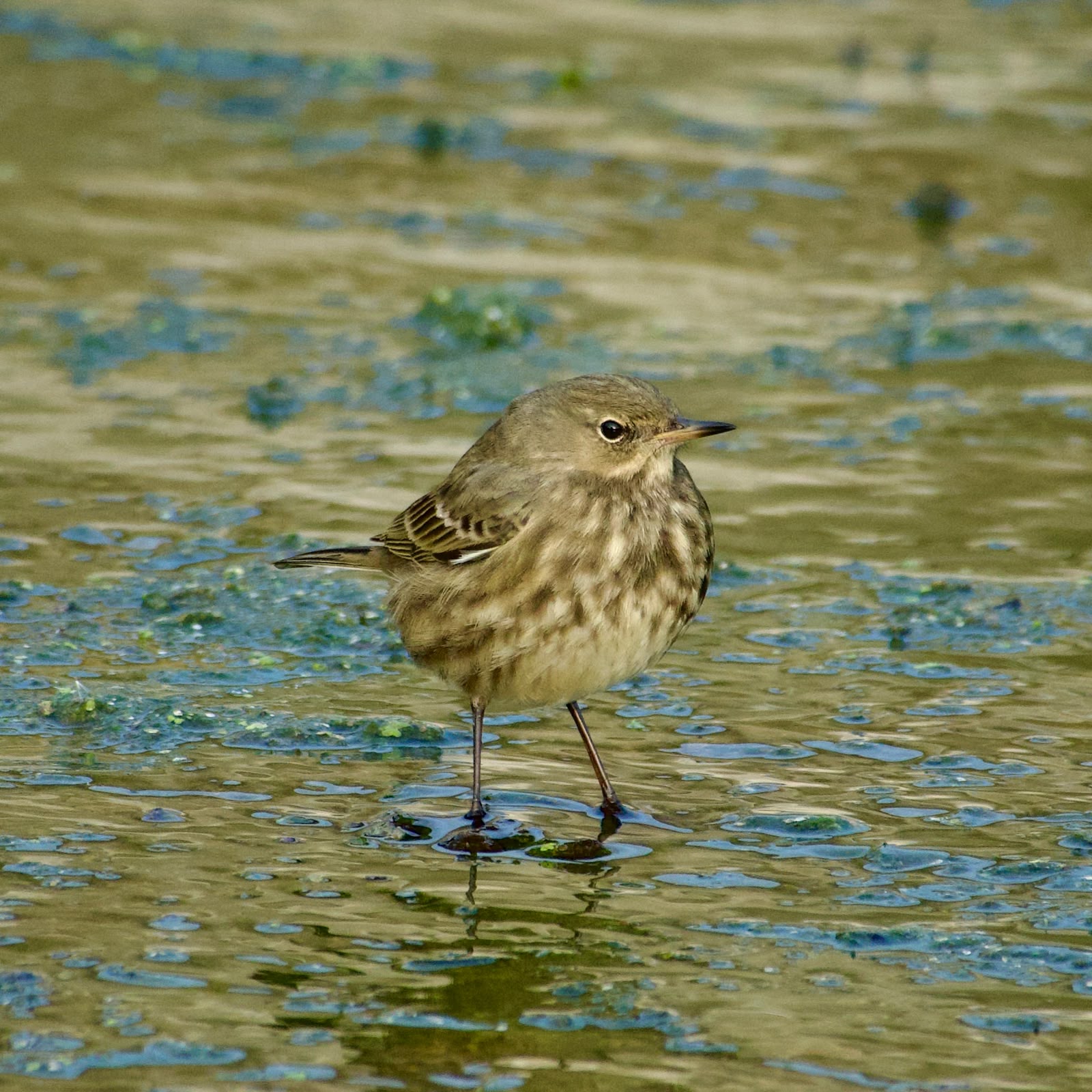
But it was on Monday, 19th when the birding gods smiled generously on Northamptonshire. A species never before envisaged as ever making landfall in the county was discovered as it rummaged surreptitiously through the rocks and plants along the south-east shoreline of Clifford Hill’s Main Barrage Lake. American Pipit was never on the radar. But there it was – an avian lottery win for the finder and, by further good fortune, it remained on site throughout the working week, allowing local birders to catch up with it as well as attracting many more from further afield. Seemingly unfazed by human presence, it was showing down to a mere 3 metres on occasions, seemingly oblivious to photographers and admirers alike. For further details see here.
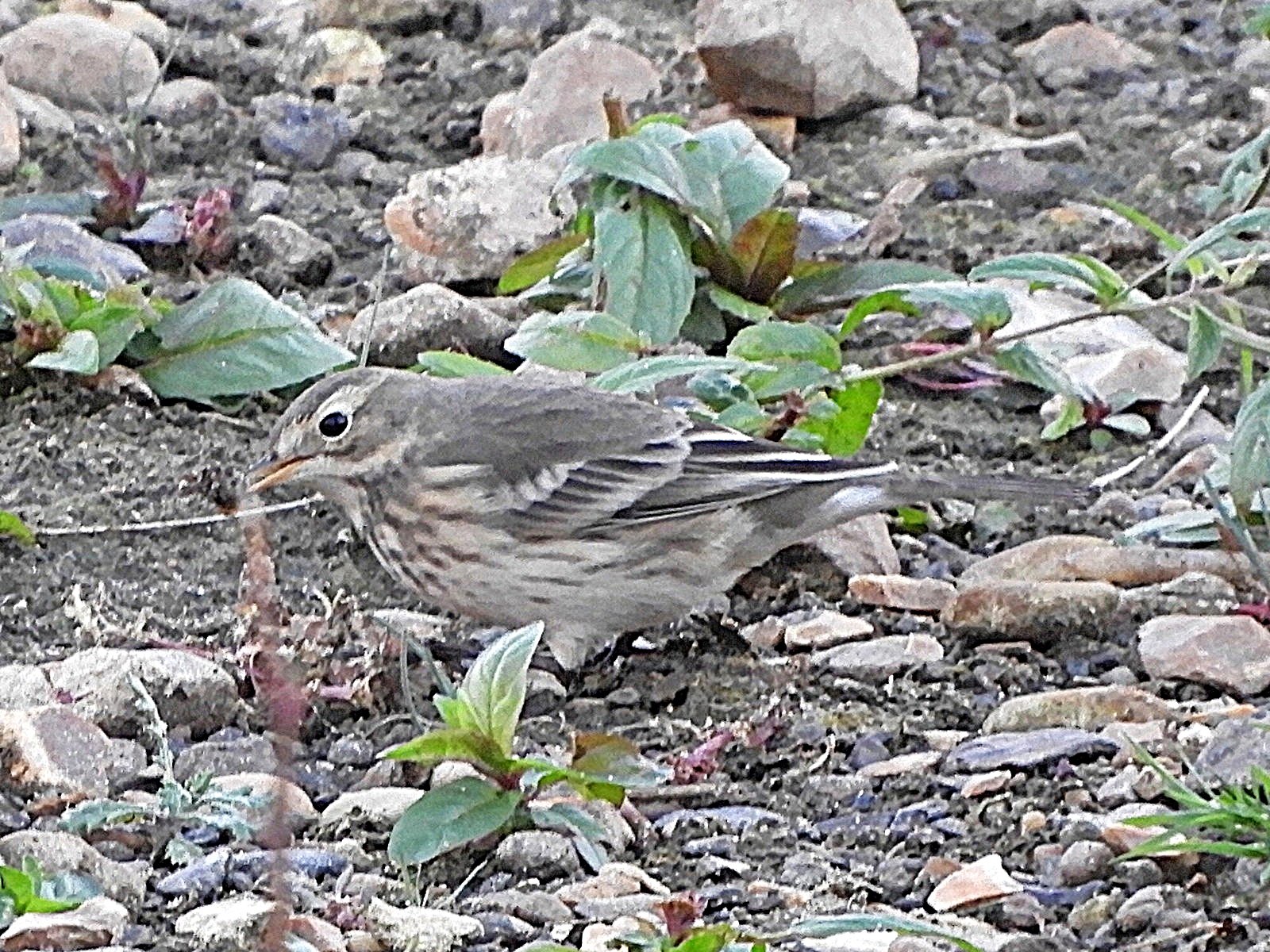
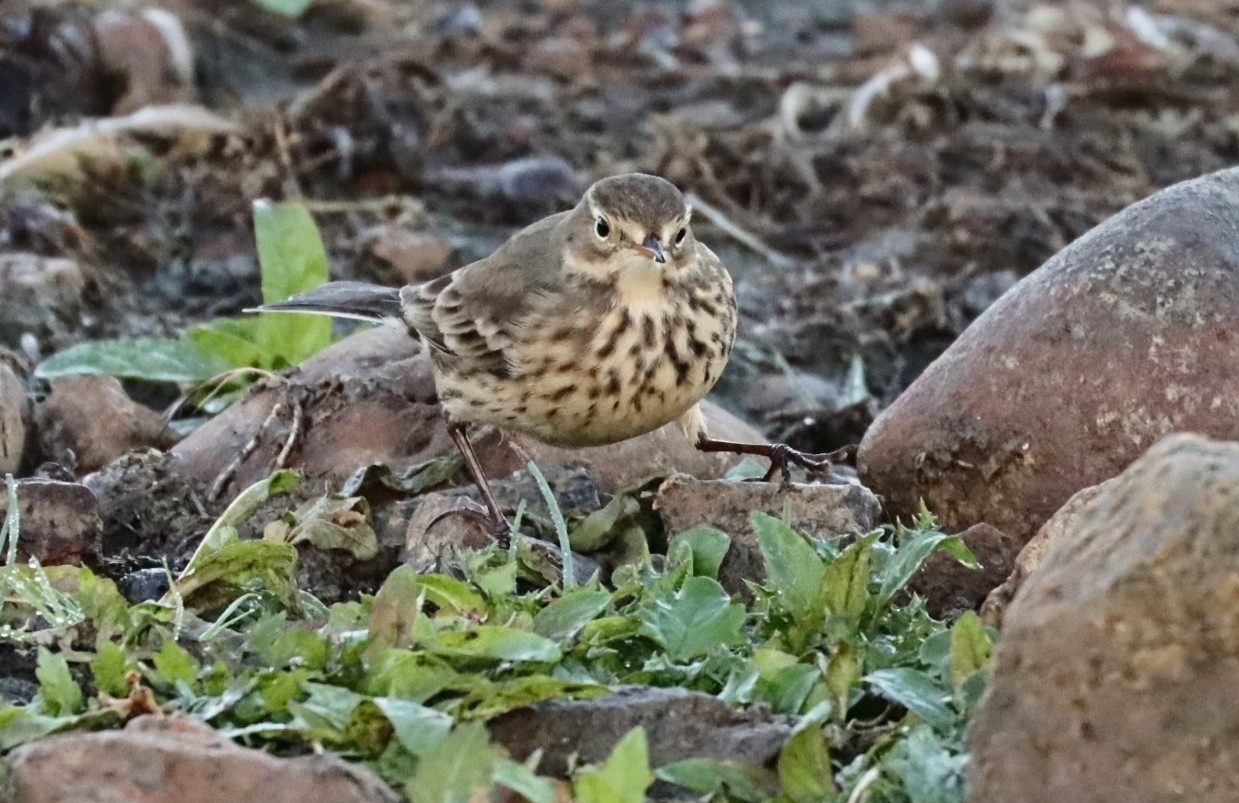
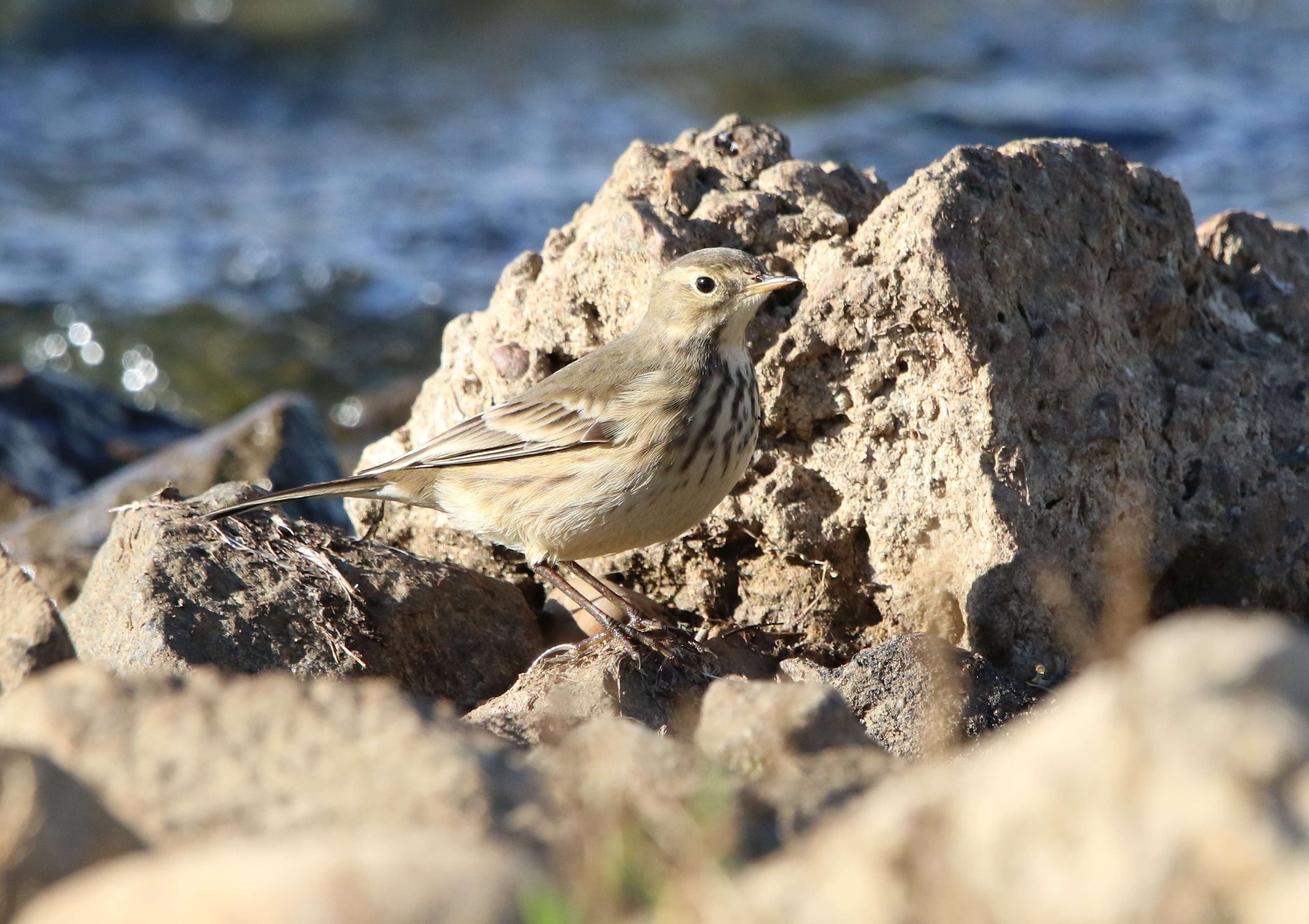
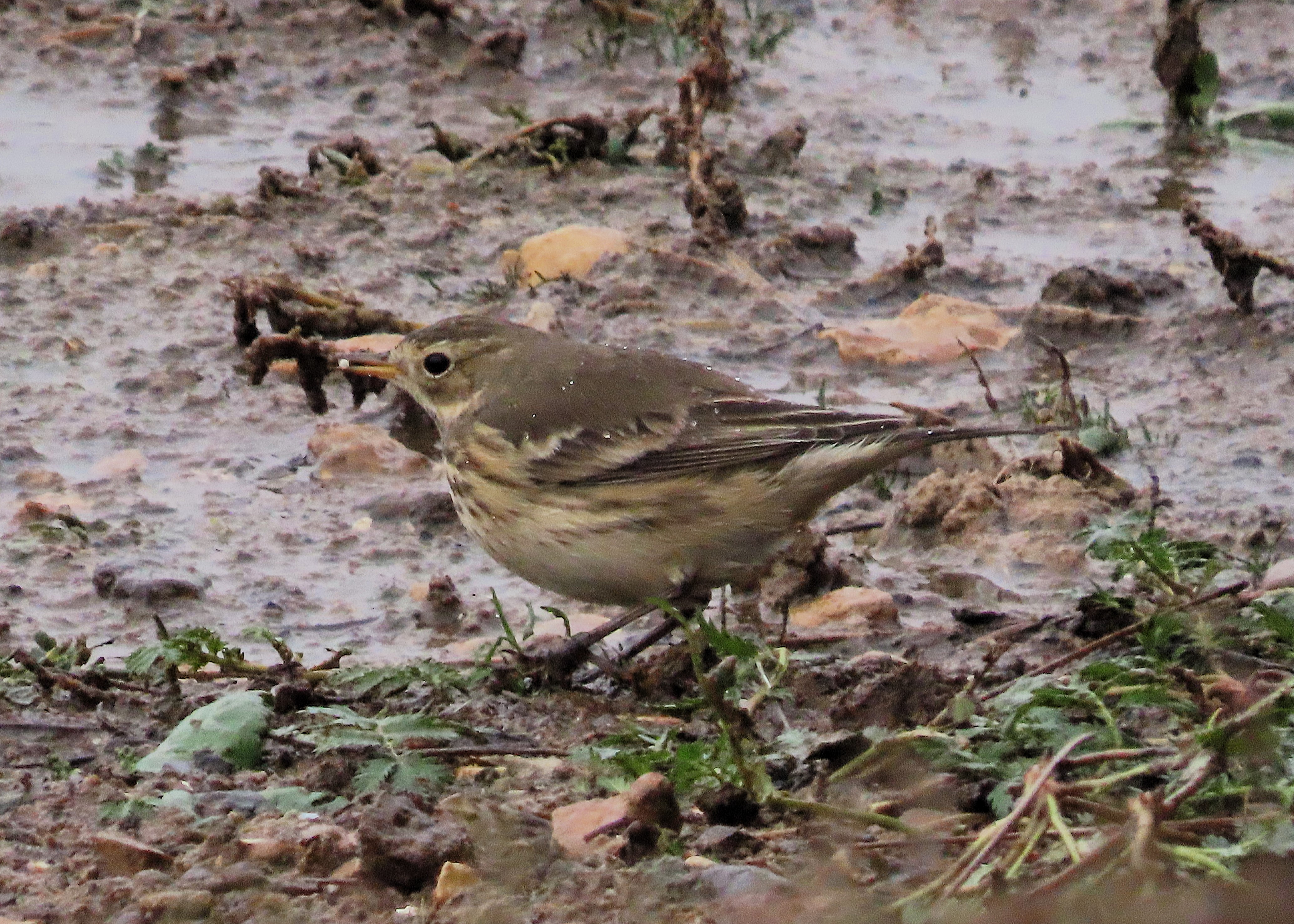
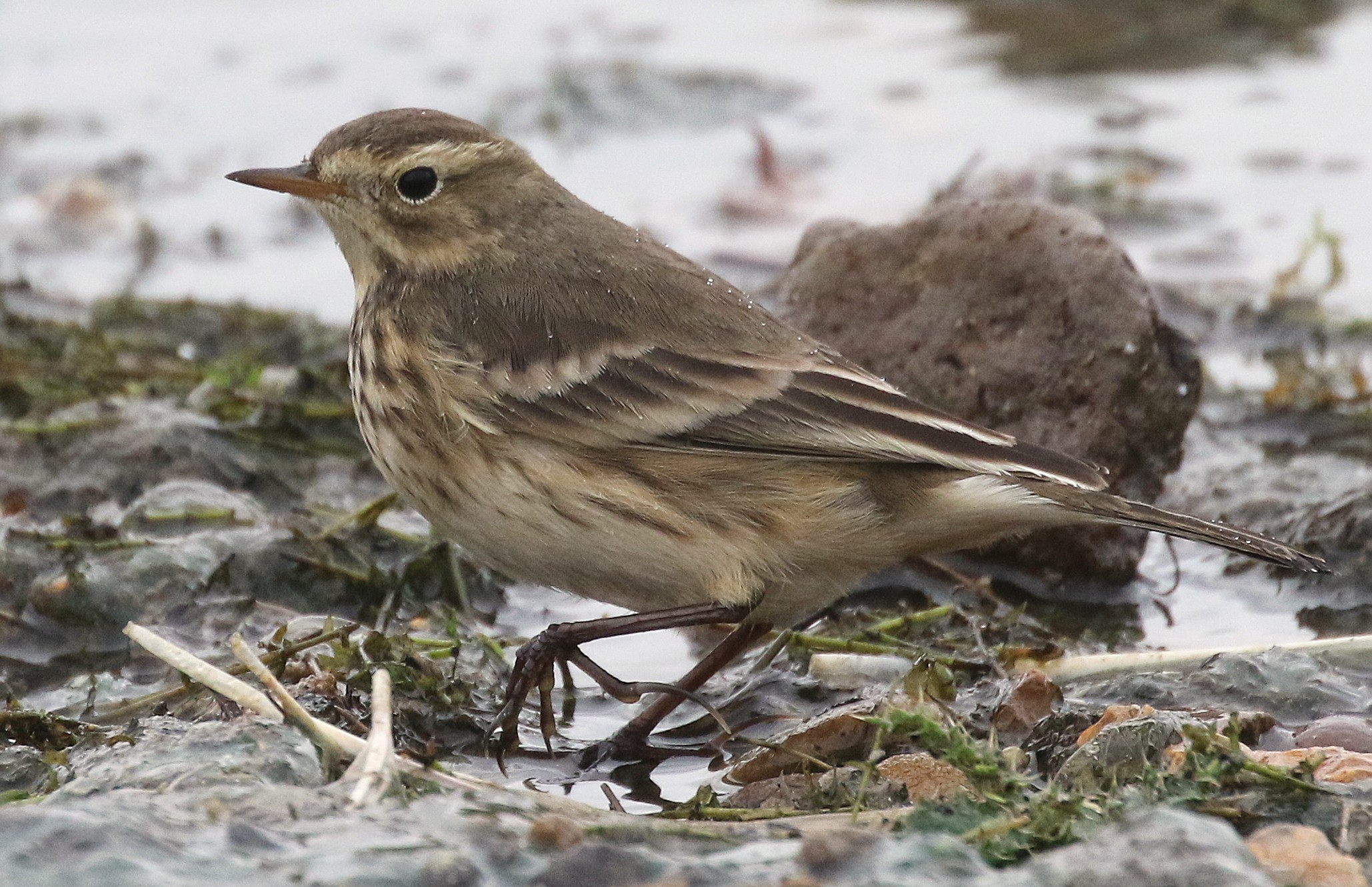
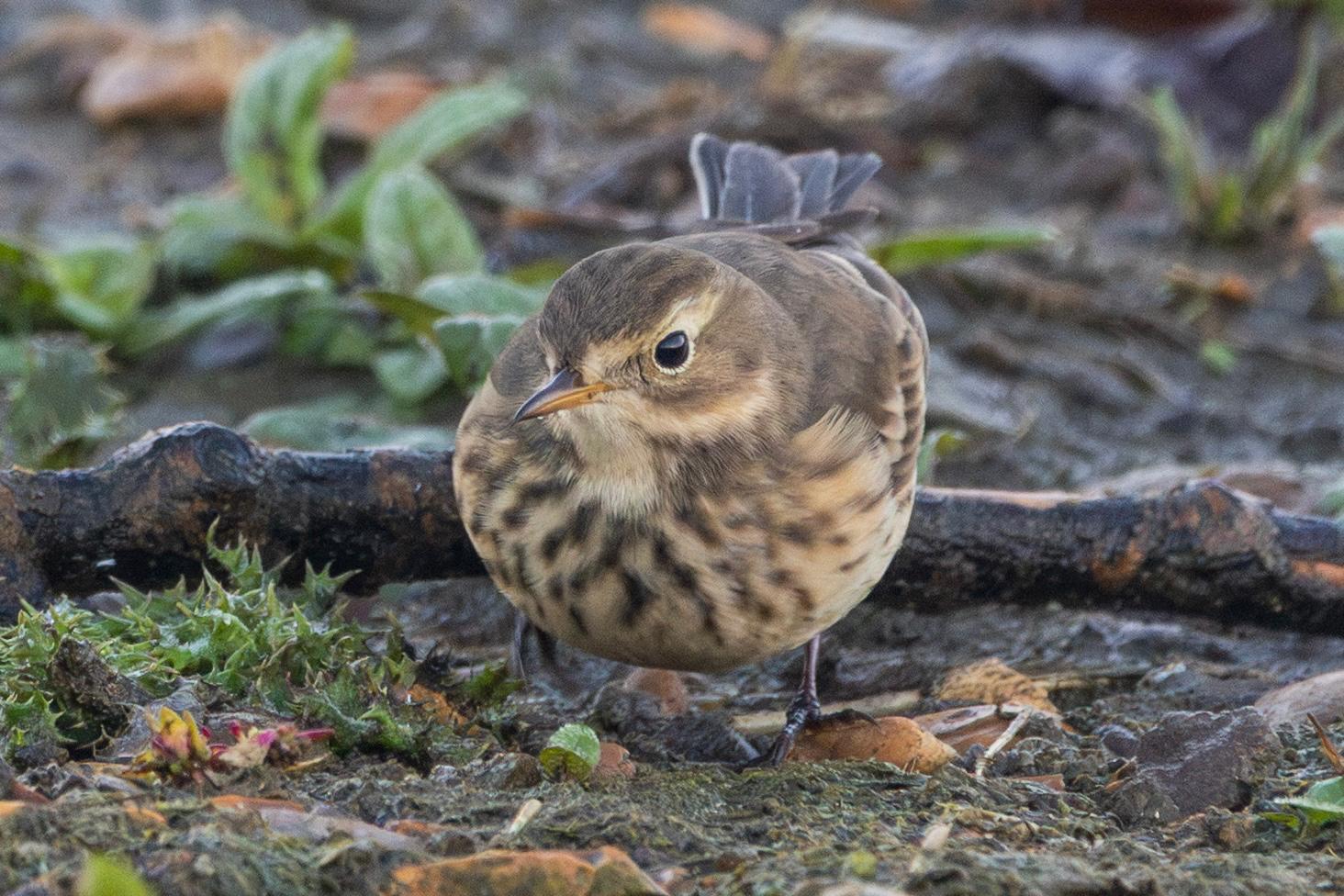
As well as being only the second to be recorded in an inland county in the UK and Eire, it is one of six to be found nationally so far this autumn, the others being in Ayrshire, Outer Hebrides, Isles of Scilly, County Antrim and County Cork.
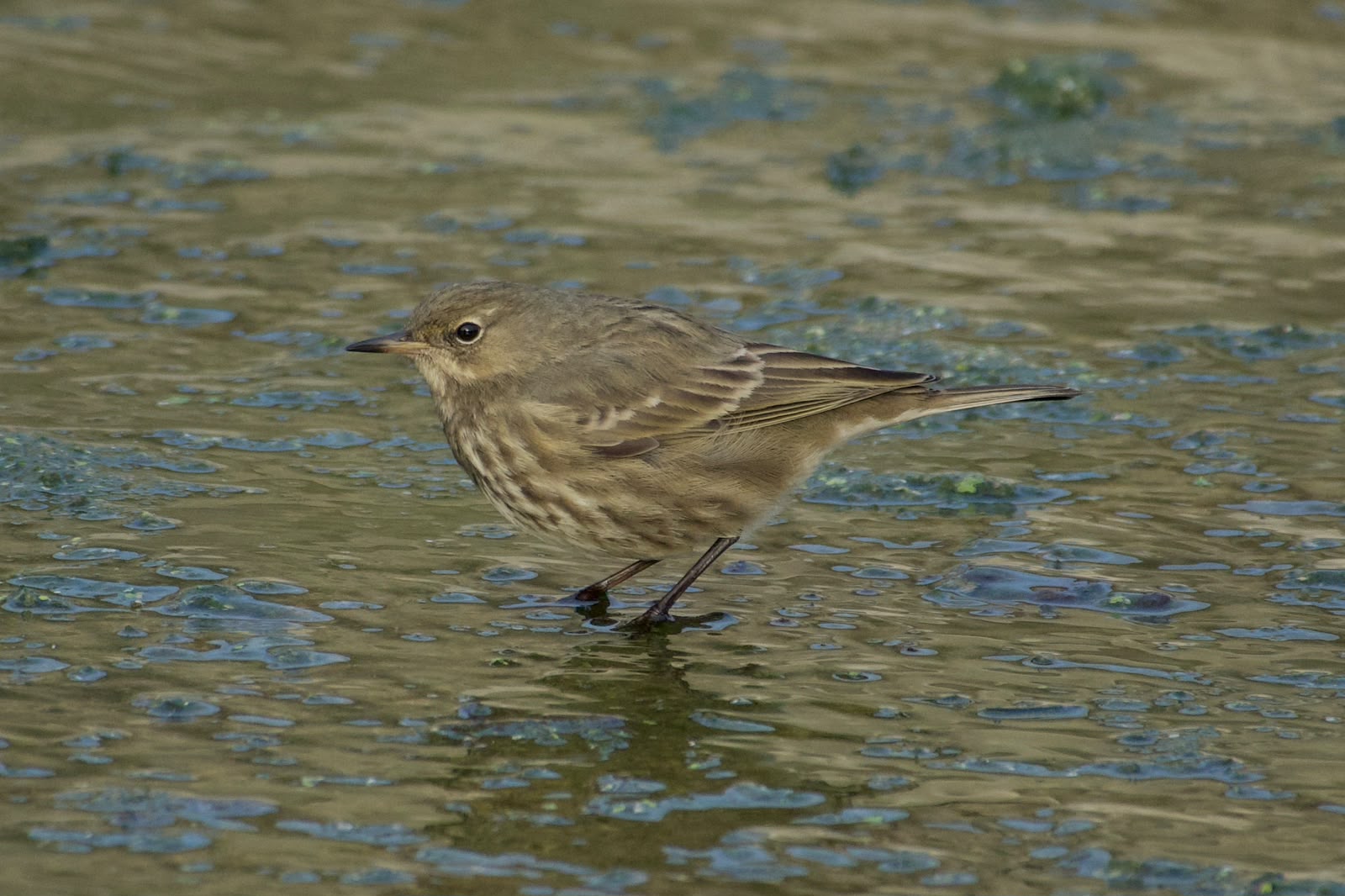
Somewhat overshadowed by the above – and that’s putting it mildly – single Rock Pipits were at Clifford Hill on 17th and Stanford the following day.
Four Crossbills were present at Gamboro Plantation near Cottesbrooke on 18th.