With local temperatures peaking at 35°C on the penultimate day, another dry week ensued, weatherwise – but not so on the birding front, which reached a climax on the last day of the period when the cream rose to the top …
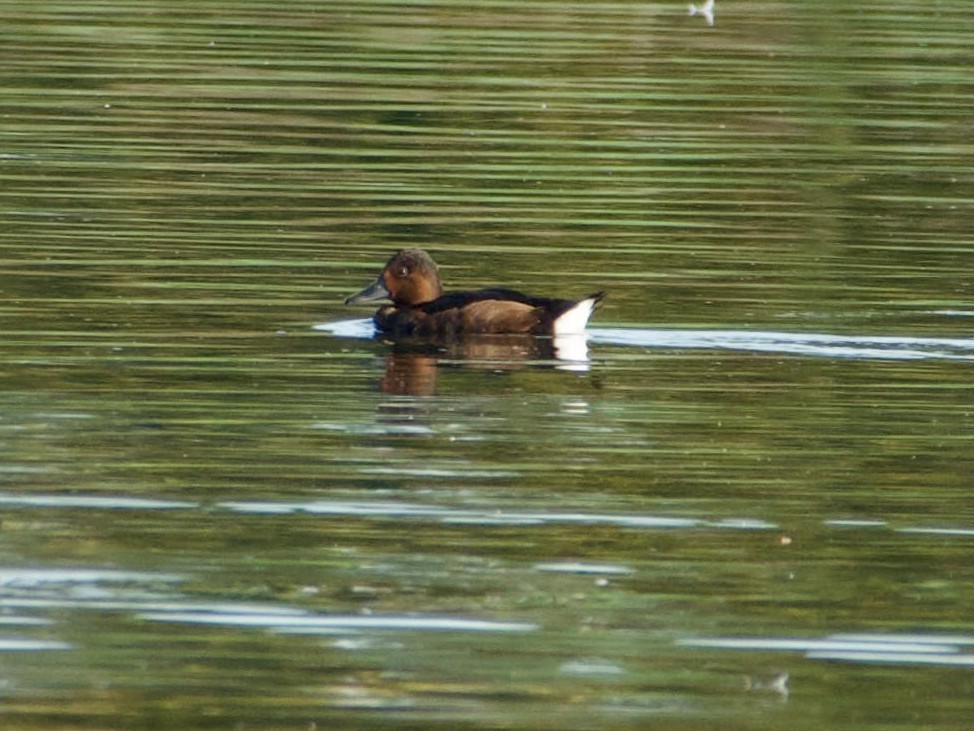
While the regular female Ruddy Shelduck remained seemingly settled at Stanford Res in the early part of the week, it subsequently defected to Hollowell Res on 12th, where it was still to be found on 14th. The same cannot be said for Stanford’s female Ferruginous Duck which, obviously having taken a shine to the place, extended its stay there by another the week.
Two Garganeys were present at Thrapston GP’s Titchmarsh NR from 10th to 12th, with at least one remaining subsequently.
A Quail was reported in flight between Greatworth and Helmdon on 12th.
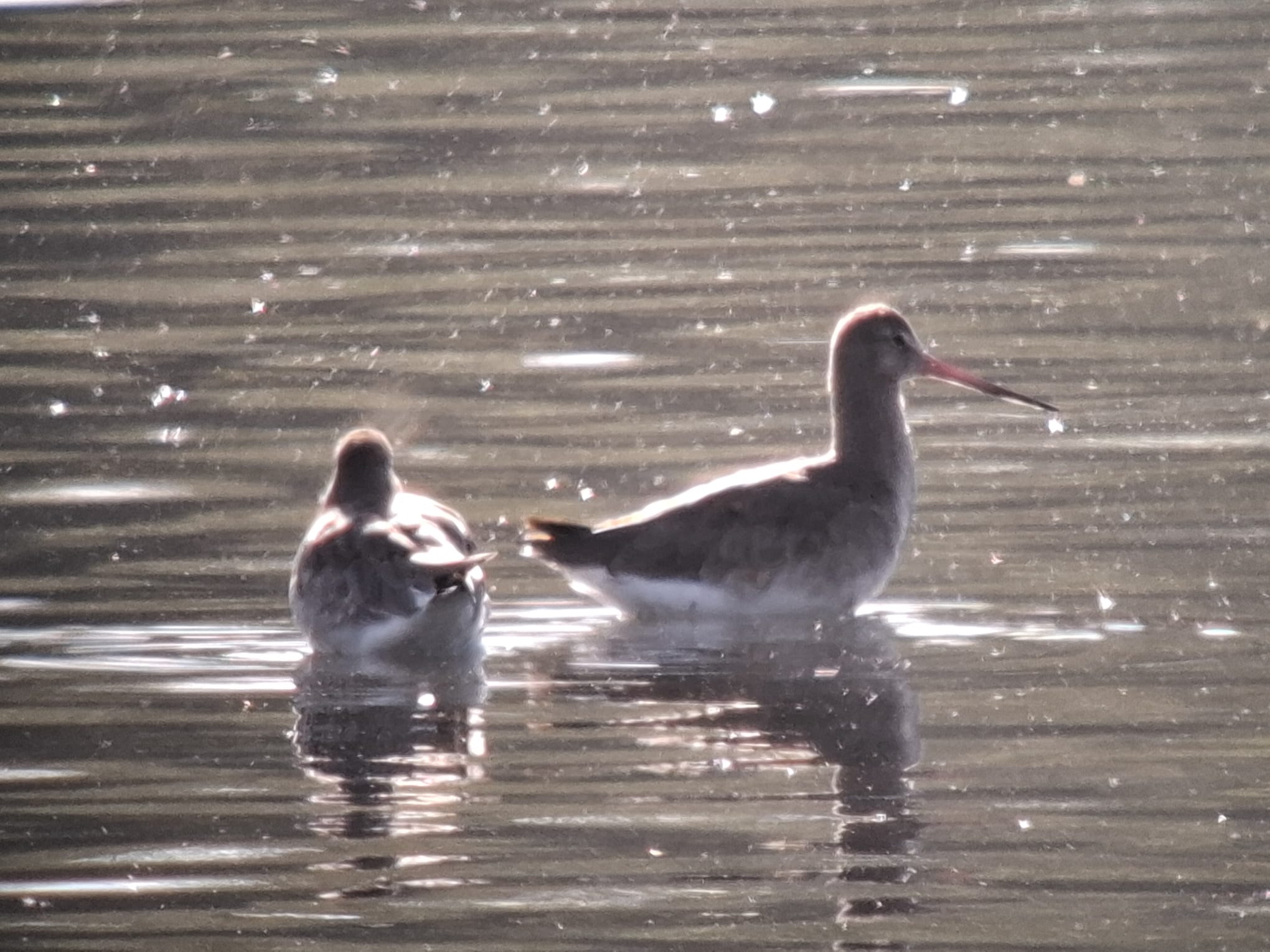
Also in flight was a Whimbrel, south over Pitsford Res on 12th, the same locality and date seeing a Curlew over north-west, with likely the same individual over Stanford some 25 minutes later. Three Black-tailed Godwits were on the ground at Clifford Hill GP on 10th, with one in flight there the following day, while two were found at Daventry CP on 12th.
Two ‘firsts’ for our autumn wader passage materialised in the form of a Turnstone in flight over Pitsford on 12th – only the third record of the year so far, following a disappointingly lean spring showing – and a Ruff at the same locality the day prior.
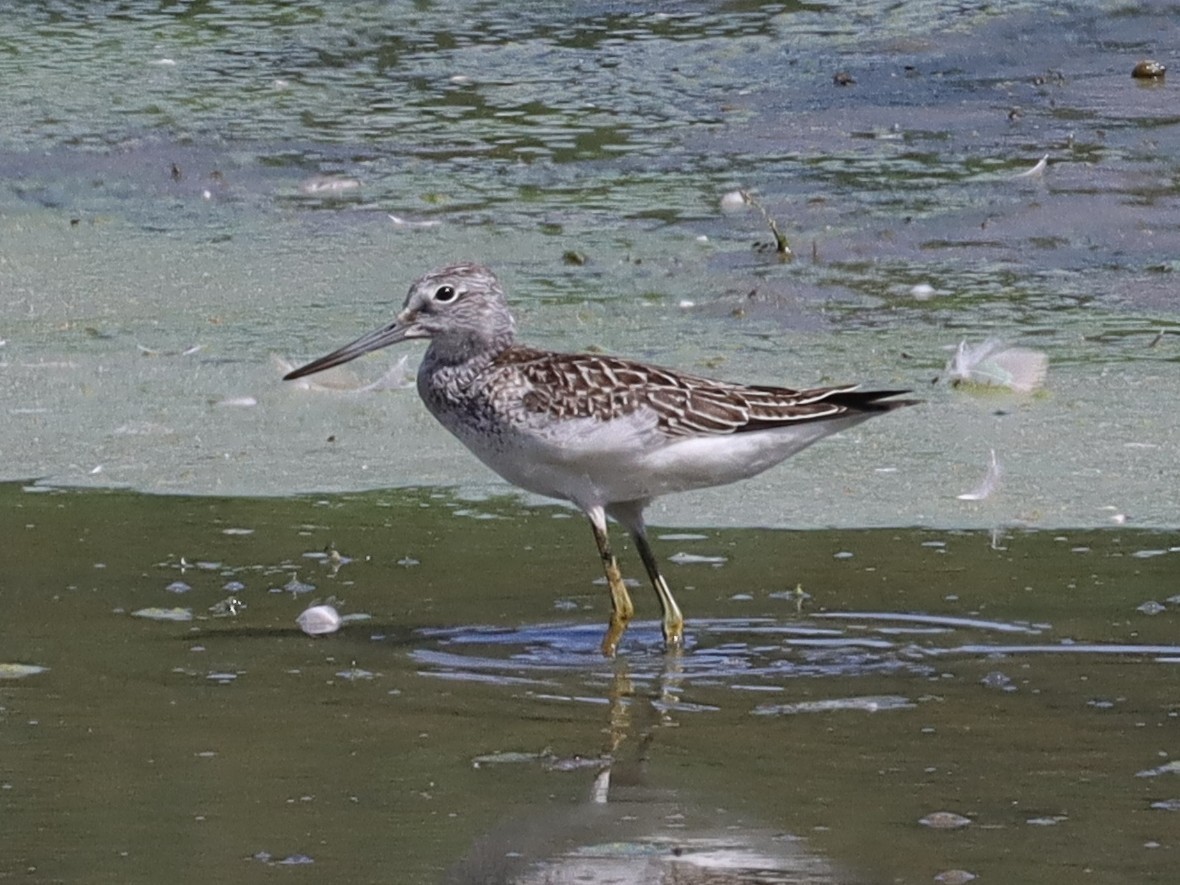
A Wood Sandpiper appeared at Titchmarsh on 9th, remaining on site all week and, following last week’s much-admired Spotted Redshanks at Daventry CP, three more duly obliged – this time for one day only, at Summer Leys LNR on 14th. The number of Greenshanks continued to rise with up to four at Pitsford throughout the week, up to two at Hollowell between 12th and 14th and singles at Titchmarsh all week and Summer Leys on 14th.
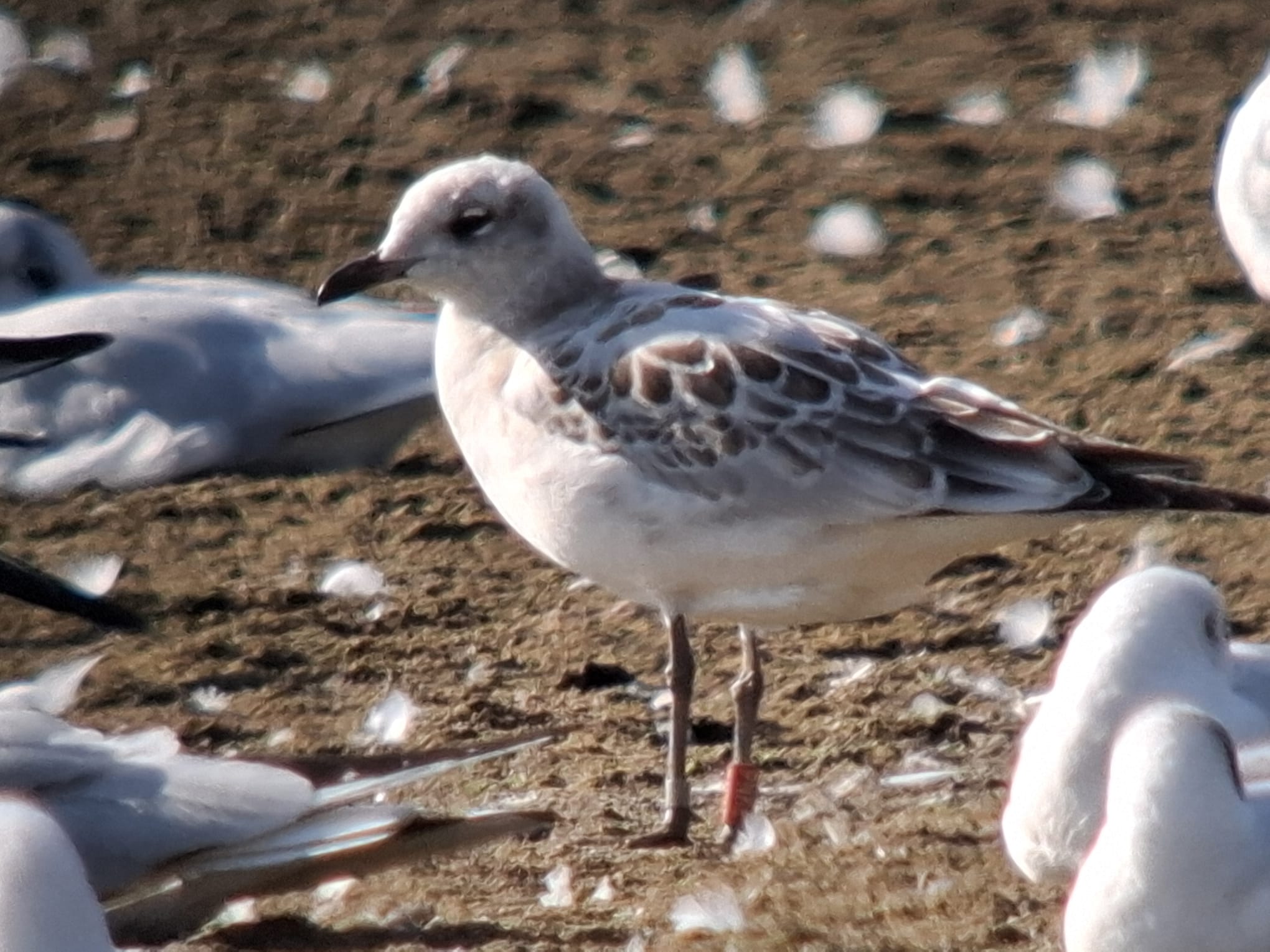
And while sifting through flocks of gulls for something spicy might not be everyone’s cup of tea, on the larid front, juvenile Mediterranean Gulls continued to feature with one at Stanford on 8th and a Polish-ringed individual at Daventry from 8th until at least 13th.
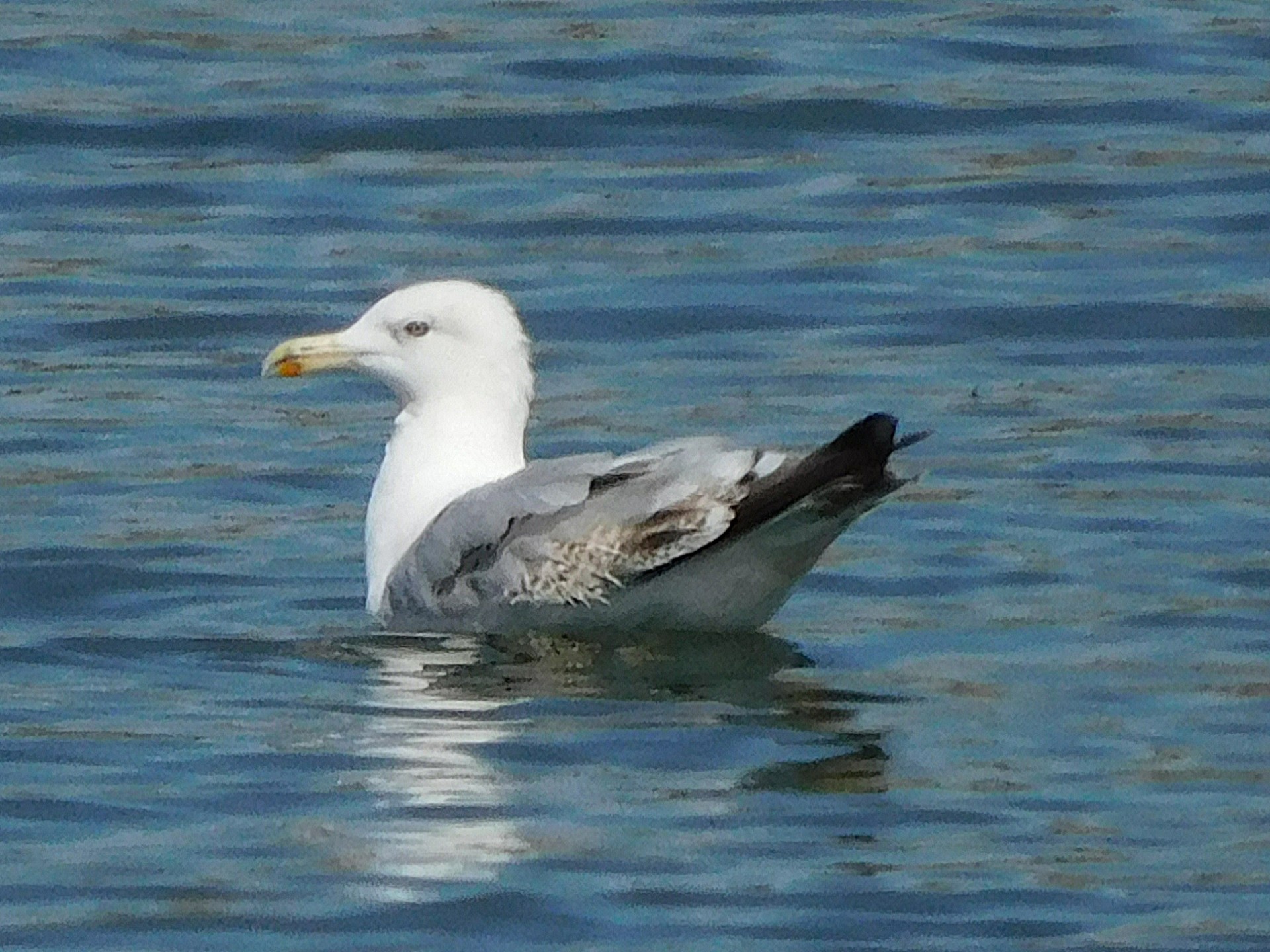
Also, the German-ringed adult male Caspian Gull remained throughout at Naseby Res, being joined by a second-summer there on 13th, while another was found at Priors Hall Quarry Lake on 9th. At the same time, the latter site also produced the highest count of Yellow-legged Gulls, with seven there, while single juveniles visited Sywell CP on 8th and Daventry on 13th and one was at Thrapston GP on 10th.
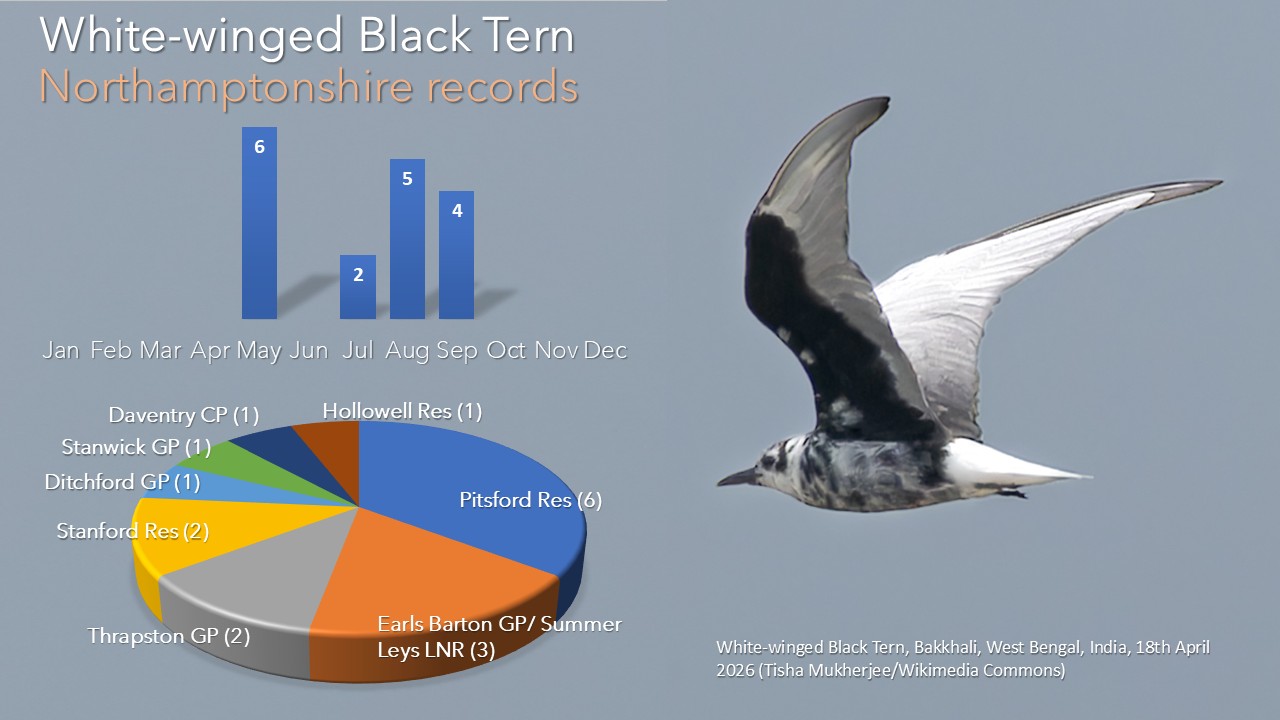
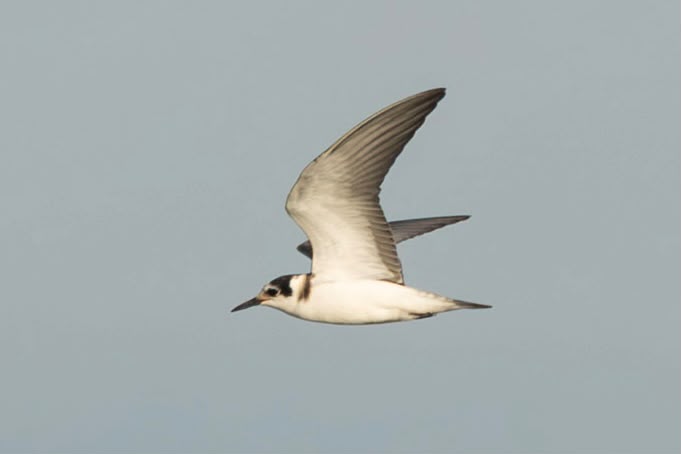
Leaving everything else in the shade, though, was the jewel in this week’s birding crown, found at Summer Leys on the final day. Initially flagged up as a Black Tern, the bird’s identification was nippily corrected as the county’s eighteenth White-winged Black Tern, feeding over the Main Lake there throughout the morning and well into the early evening. A moulting adult, it was one of four to be found in the UK during the week, hot on the heels of the last individual at the same locality during May 2025. Prior to that, we have to go back ten years to July 2015, when one was at Stanwick GP.
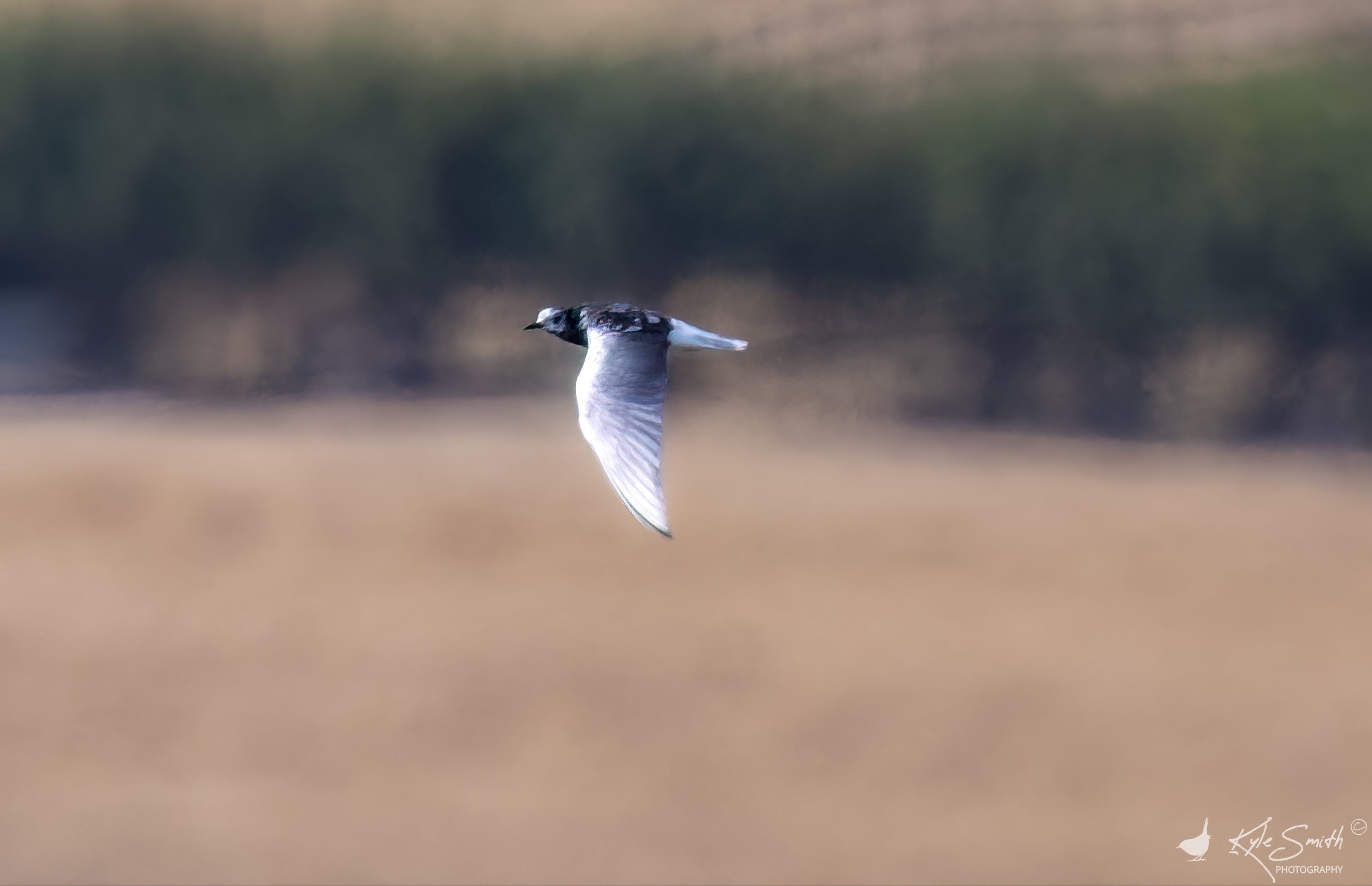
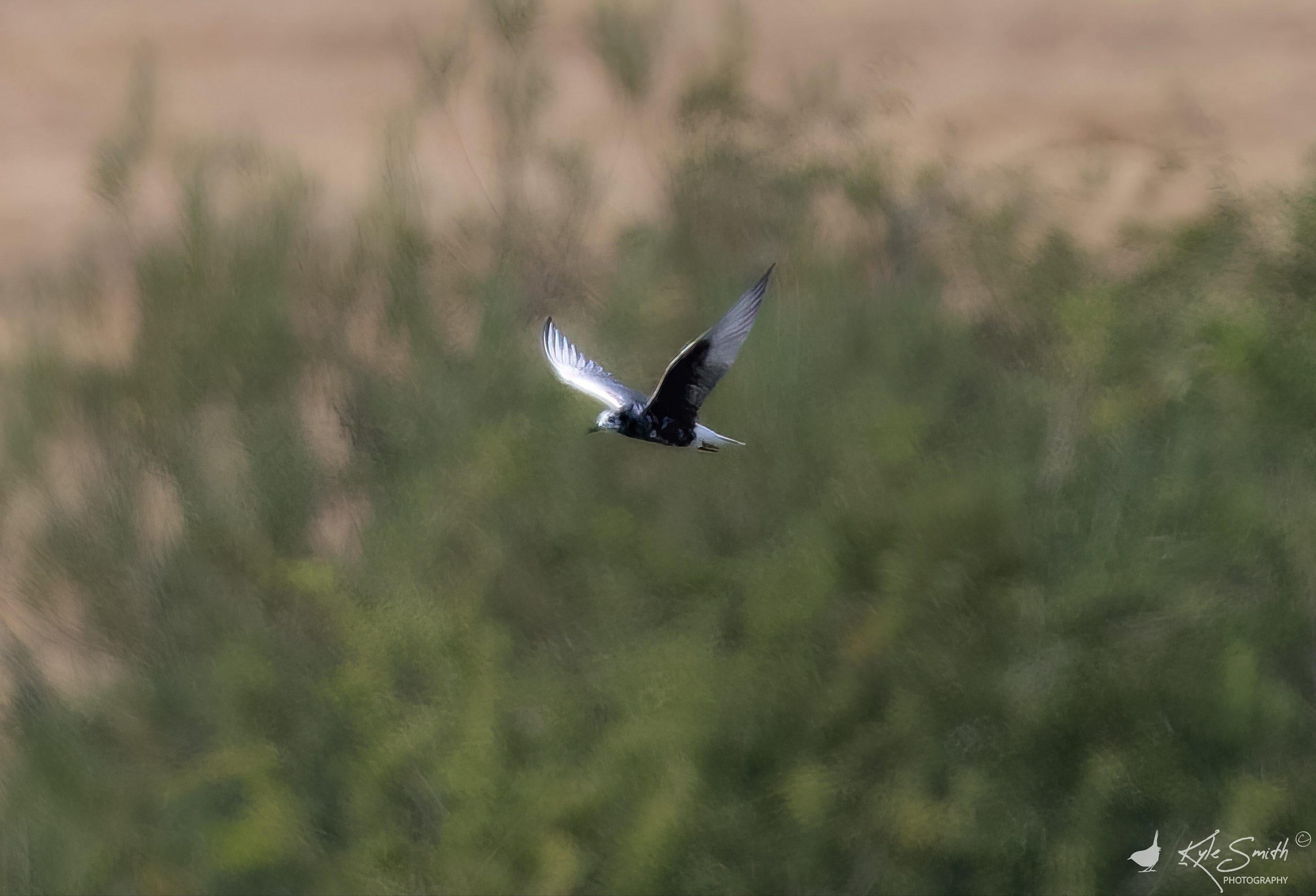
Almost ironically, the last day of the week also produced two Black Terns at Clifford Hill GP.
Back at Summer Leys, a Glossy Ibis appeared on 12th, remaining there until 14th. We’ve been spoiled rotten with them from last autumn and well into the spring so this bird did not emerge as a crowd-puller.
Single Bitterns were seen at Titchmarsh on 12th and at Summer Leys on 14th, while 2 Cattle Egrets visited the latter site on 9th and four appeared at Clifford Hill early doors on 14th.
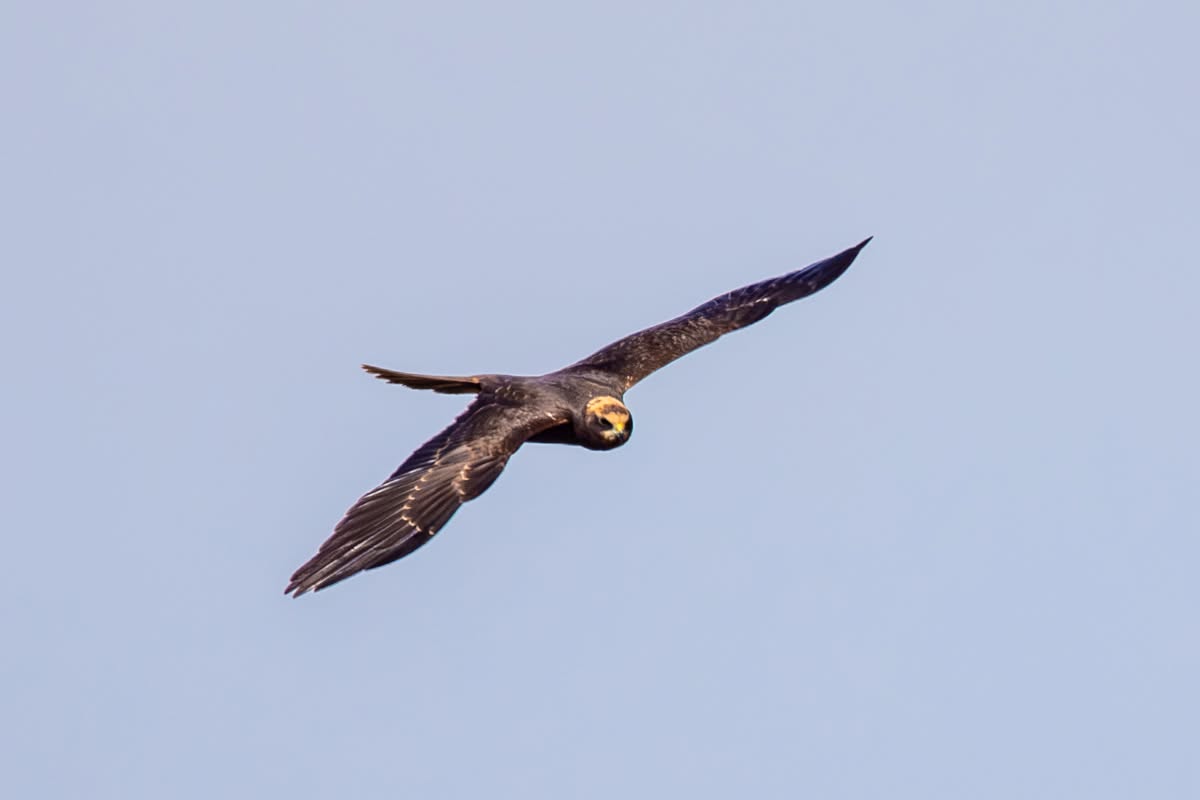
With plenty still floating around, the 10th saw single Ospreys at Blatherwycke Lake, Hollowell, Pitsford and Thrapston, with Pitsford producing further sightings on 11th, 12th and 14th and one was again at Hollowell on the latter date. And early autumn traditionally sees a rise in the number of Marsh Harriers, exemplified perfectly by sightings coming from nine localities. Single birds were seen over Blueberry Farm (Maidwell), Byfield, Harrington AF, Lamport Hall, Pitsford, Ringstead GP, Summer Leys and Titchmarsh, while the Brampton Valley held two on 8th and 12th.
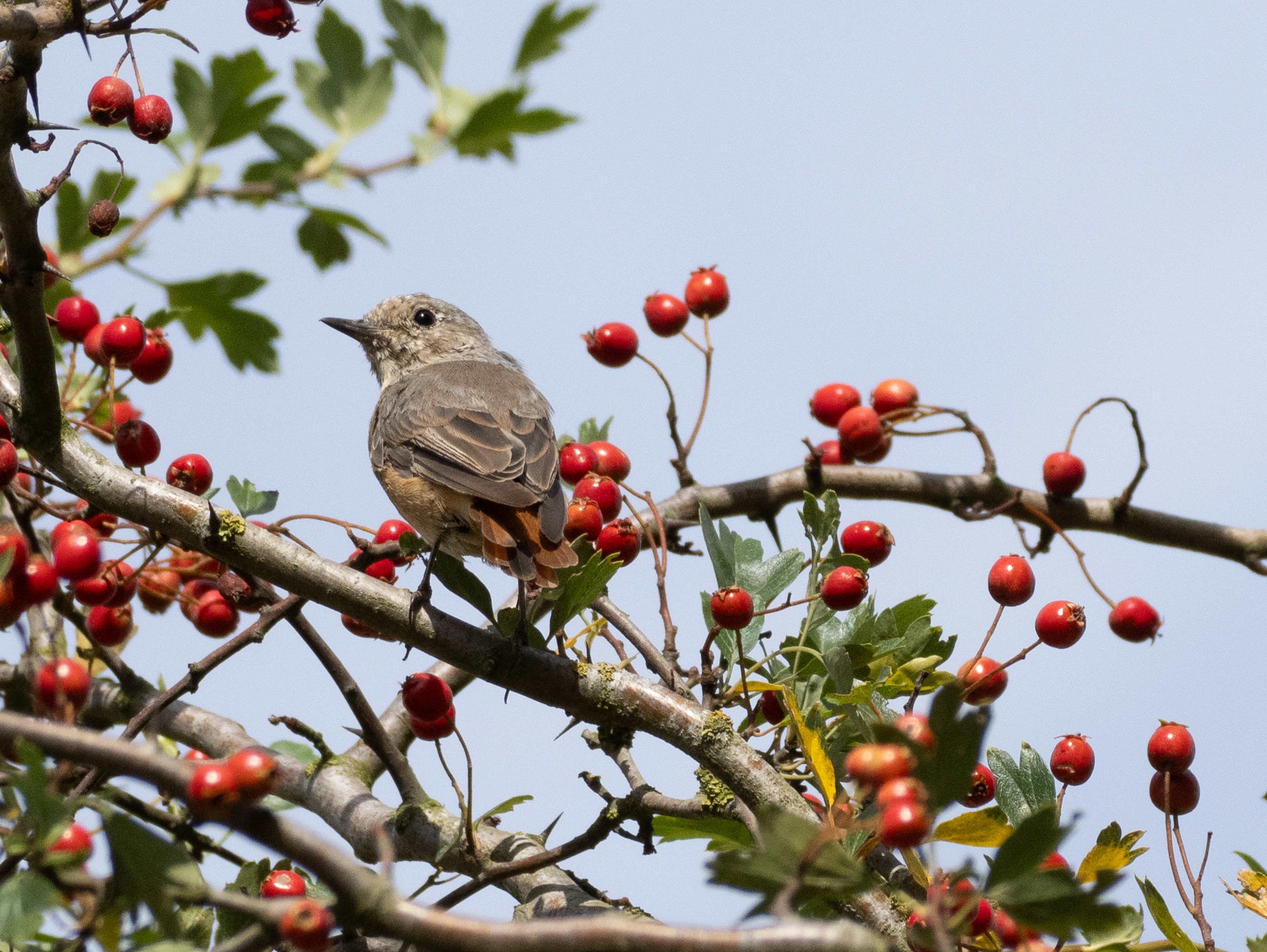
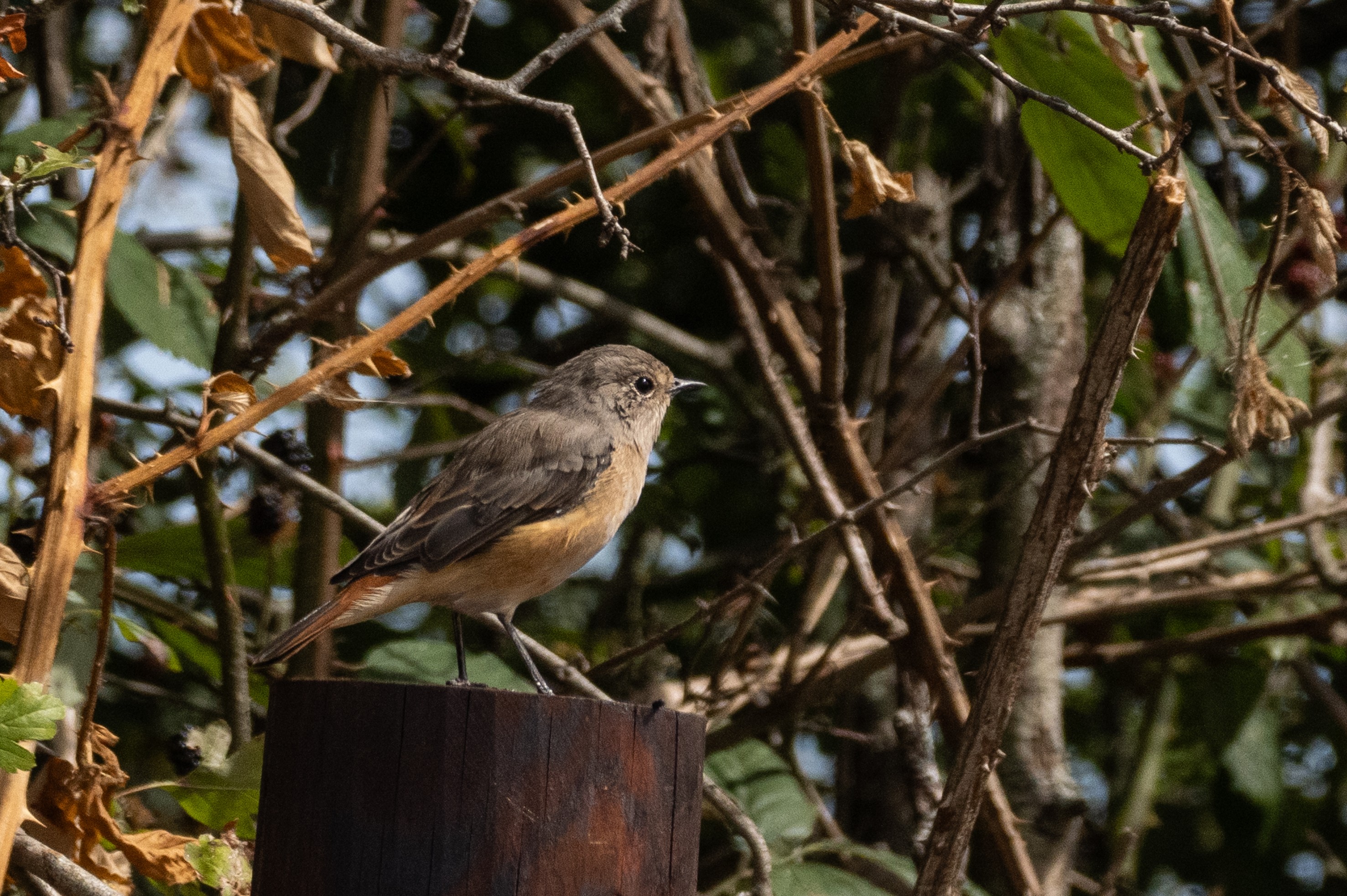
On the passerine front, Common Redstarts were again leading the way in terms of numbers. The ten localities producing them were Blueberry Farm (Maidwell), Brampton Valley, Clifford Hill, Cold Ashby, Great Oxendon, Harrington, Honey Hill, Lamport, Old/Walgrave and Stanford. Up to four at Harrington on 11th was the highest single site count and two were trapped and ringed at Stanford on 14th.
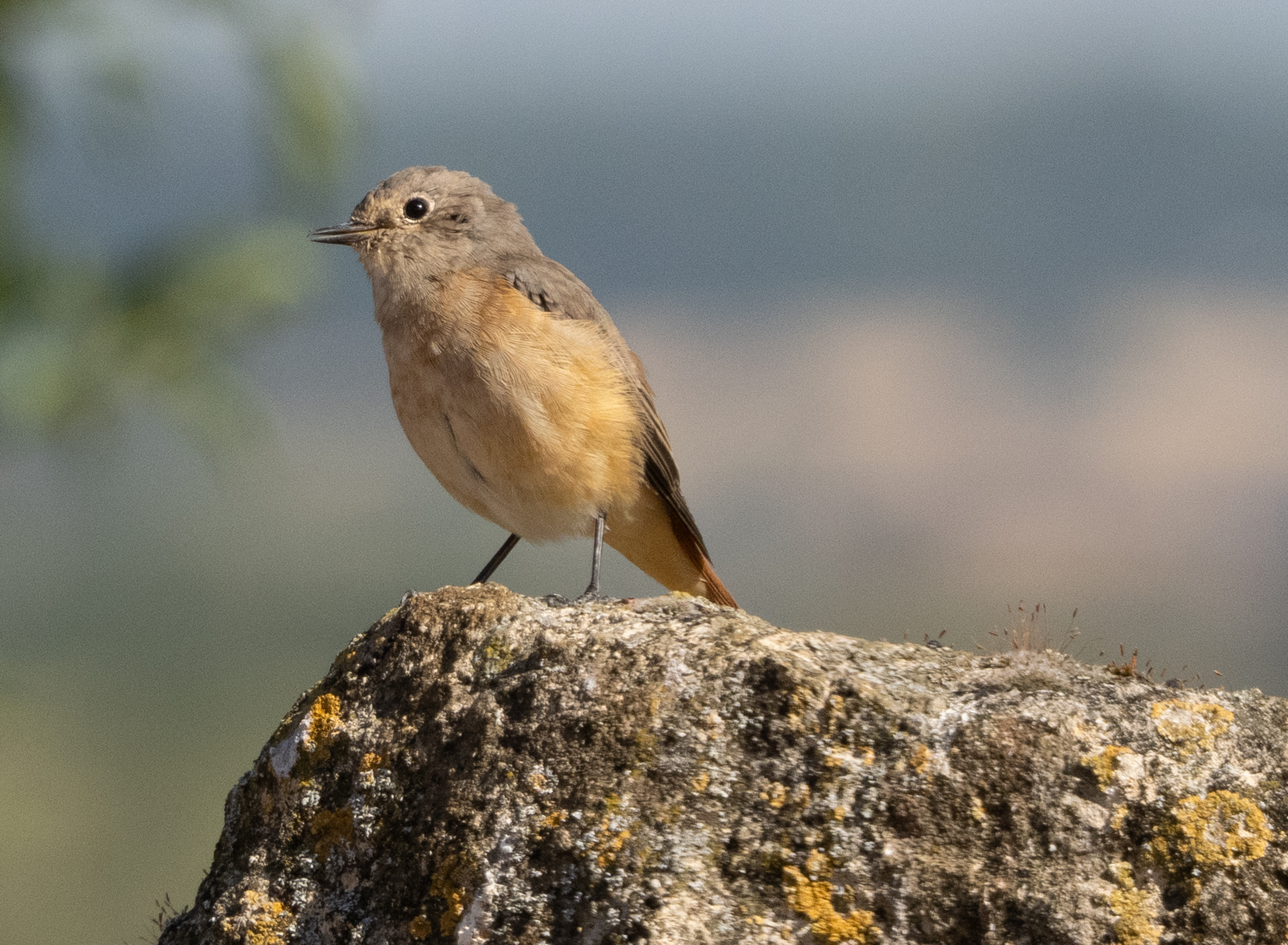
Whinchats were clearly on the up, this week, with twos in the Brampton Valley between Hanging Houghton and Brixworth and between Cottesbrooke and Hanging Houghton, while singles were also present at Blueberry Farm, Harrington, Naseby and Titchmarsh. Single Northern Wheatears were found at Harrington on 11th and 13th, in the Brampton Valley on 11th, 13th and 14th, between Stony Stratford and Wolverton on 12th and at Orlingbury on 14th.
A lone Crossbill was seen near Lyveden New Bield on 9th.

