The long-running period of drought-induced conditions was significantly disrupted this week as a series of low-pressure systems rolled in off the Atlantic bringing, to some areas, prolonged spells of thick cloud and heavy rain. With it came more birds and it began to feel like autumn proper – waders aplenty, new birds for the year and record-breaking flock sizes were all in the week’s mix …
Quickly dispensing with ducks, Garganeys were found at three localities during the period and holding up as the top site was Thrapston GP’s Titchmarsh NR, where one was still present on 22nd, followed by two there on 28th. The extended shoreline of Sulby Res produced one on 24th and Pitsford Res held two on 27th. Still to be found at Stanford Res was the female Ferruginous Duck, again present at the week’s end.
In the not so ‘new order’ of species these days, one bird slotting into the systematic list at this point has become a local ‘must see’ for many new age county birders. Enter, Nightjar – now a difficult bird to catch up with in Northants. Or is it? Rumours of its presence at a small number of localities over the past few years remain just that, but searching suitable habitats after dark is, these days, perhaps considered a risky business. Two localities produced churring birds in summer 2022 but there are also recent records of autumn migrants, stumbled across quite by chance. This week’s bird falls into the latter category, found sitting on a country road outside Yarwell, on the evening of 26th.
Nightjar, Yarwell, 26th August 2026 (Tracie Garratt)
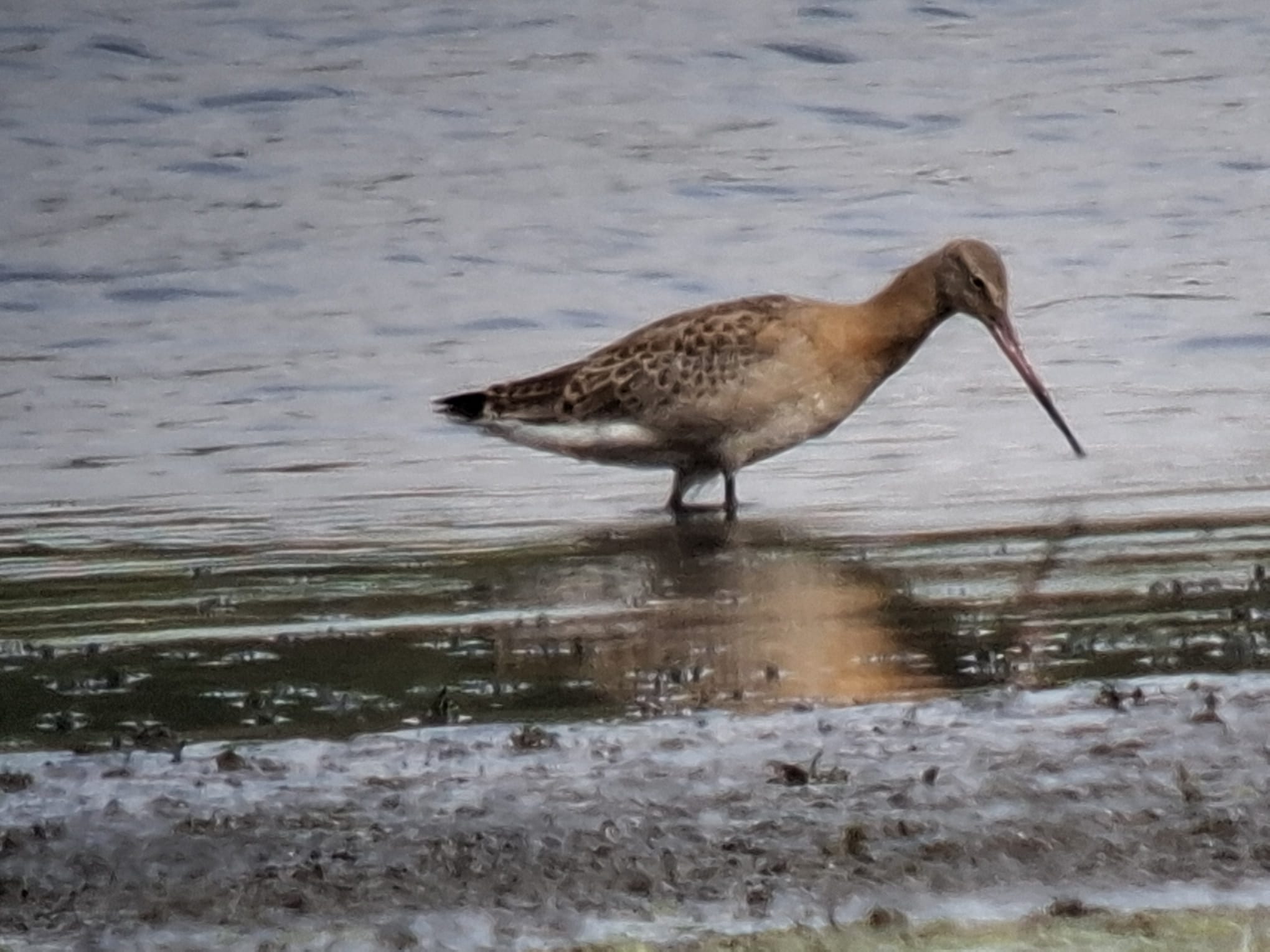
The period’s waders moved up a notch in terms of numbers. Six Curlews – a ‘high’ count in current times – flew east over Clifford Hill GP on 27th and there was a wider scattering of Black-tailed Godwits. Boddington Res produced four on 22nd, when one was present at Titchmarsh and two were at Pitsford, numbers climbing at the latter site over the week, peaking at eight on 28th, when one was also found at Daventry CP.
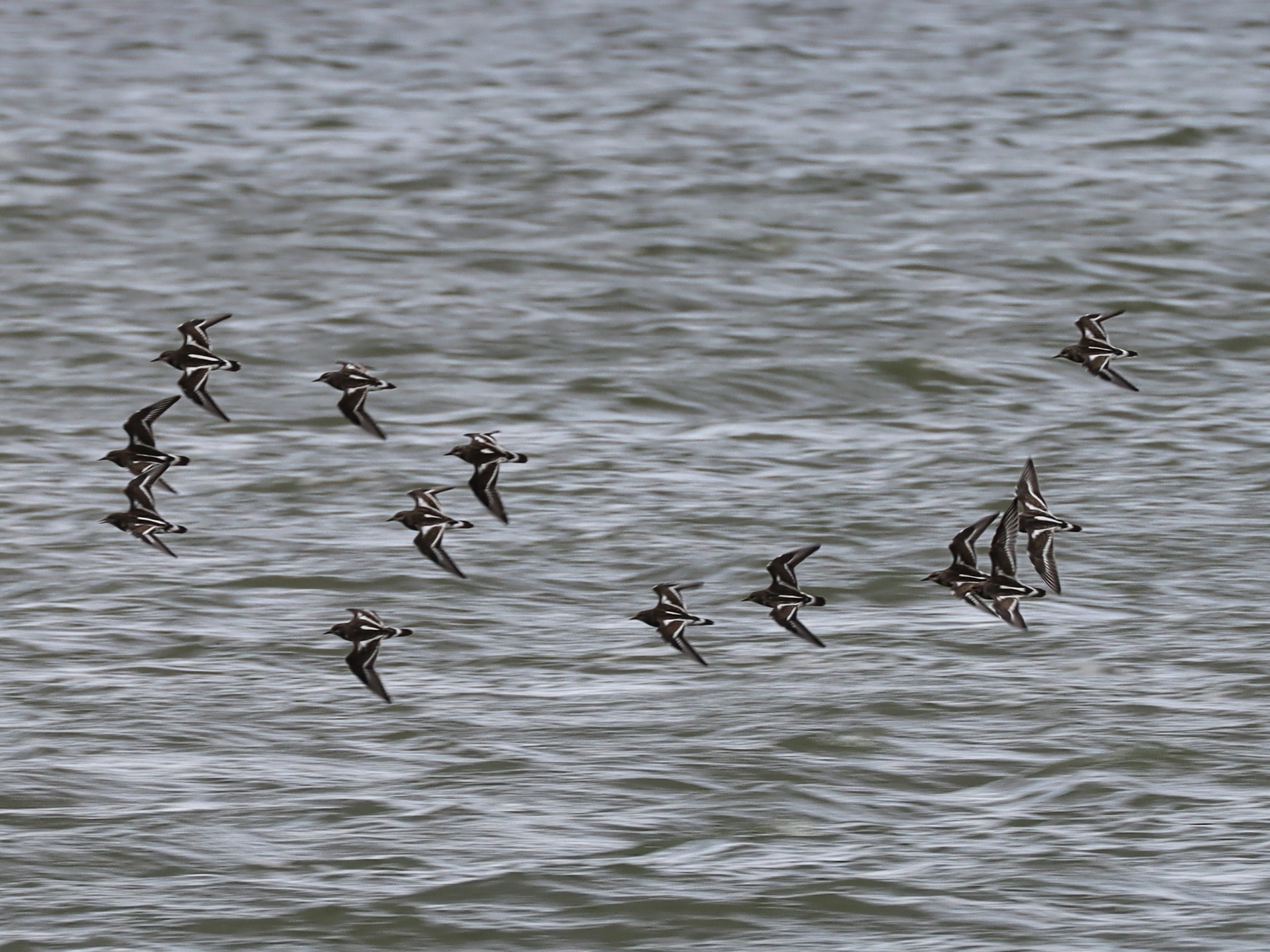
Titchmarsh also produced a Turnstone on 22nd, ahead of what is surely a record breaking-flock of thirteen in flight at Pitsford on 28th. Double-figure flocks are hitherto unheard of in Northamptonshire …
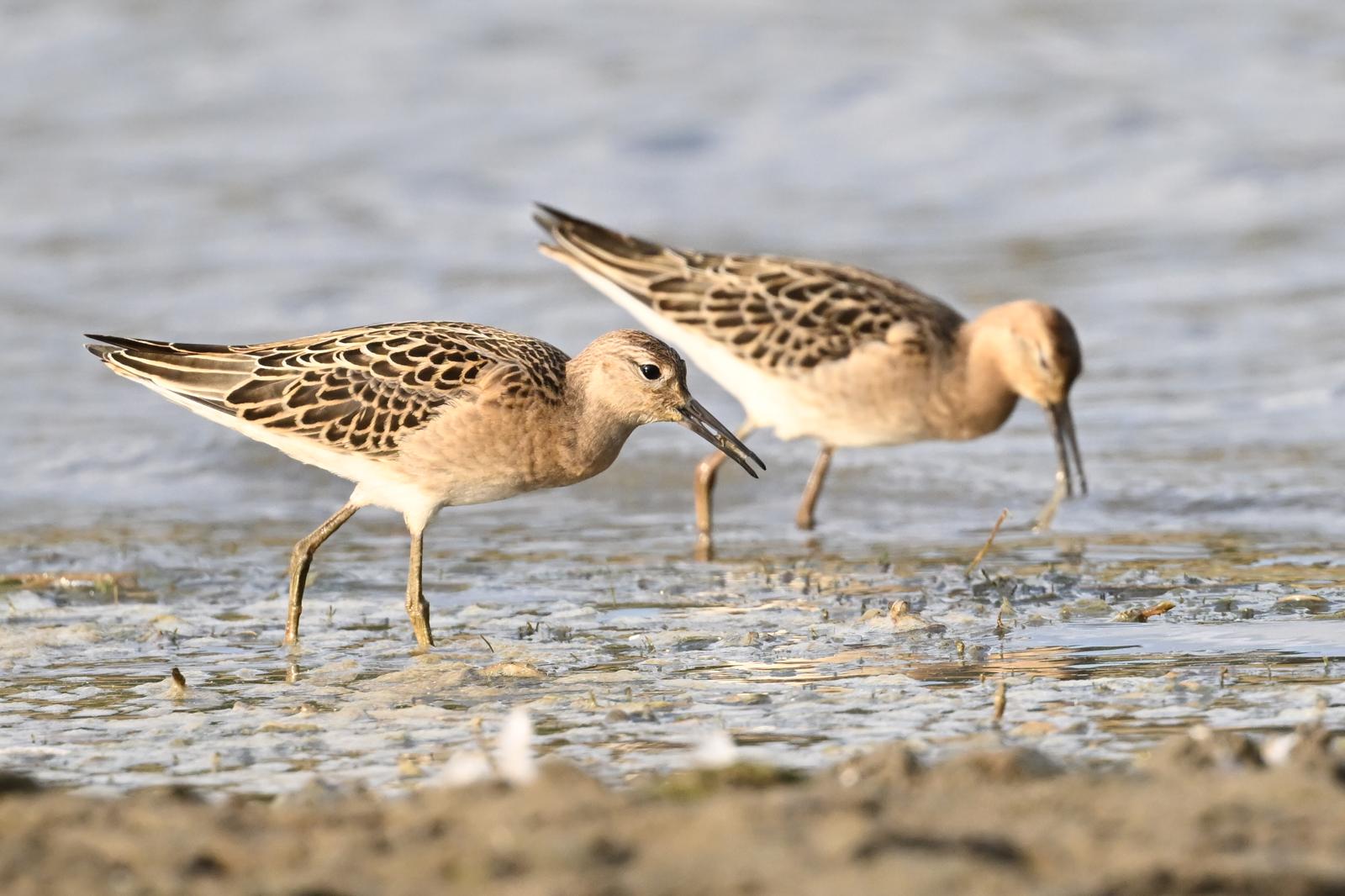
Ruffs were also on the up. Numbers at Pitsford rose from one on 22nd to four on 27th and eleven on 28th. Elsewhere, one was at Summer Leys on 22nd and from 26th to 28th, one was at Daventry between 24th and 28th, two remained at Naseby Res from 25th to 27th, two were also at Hollowell from 26th to 28th, one visited Clifford Hill on 26th and one was at Boddington on 26th-27th.
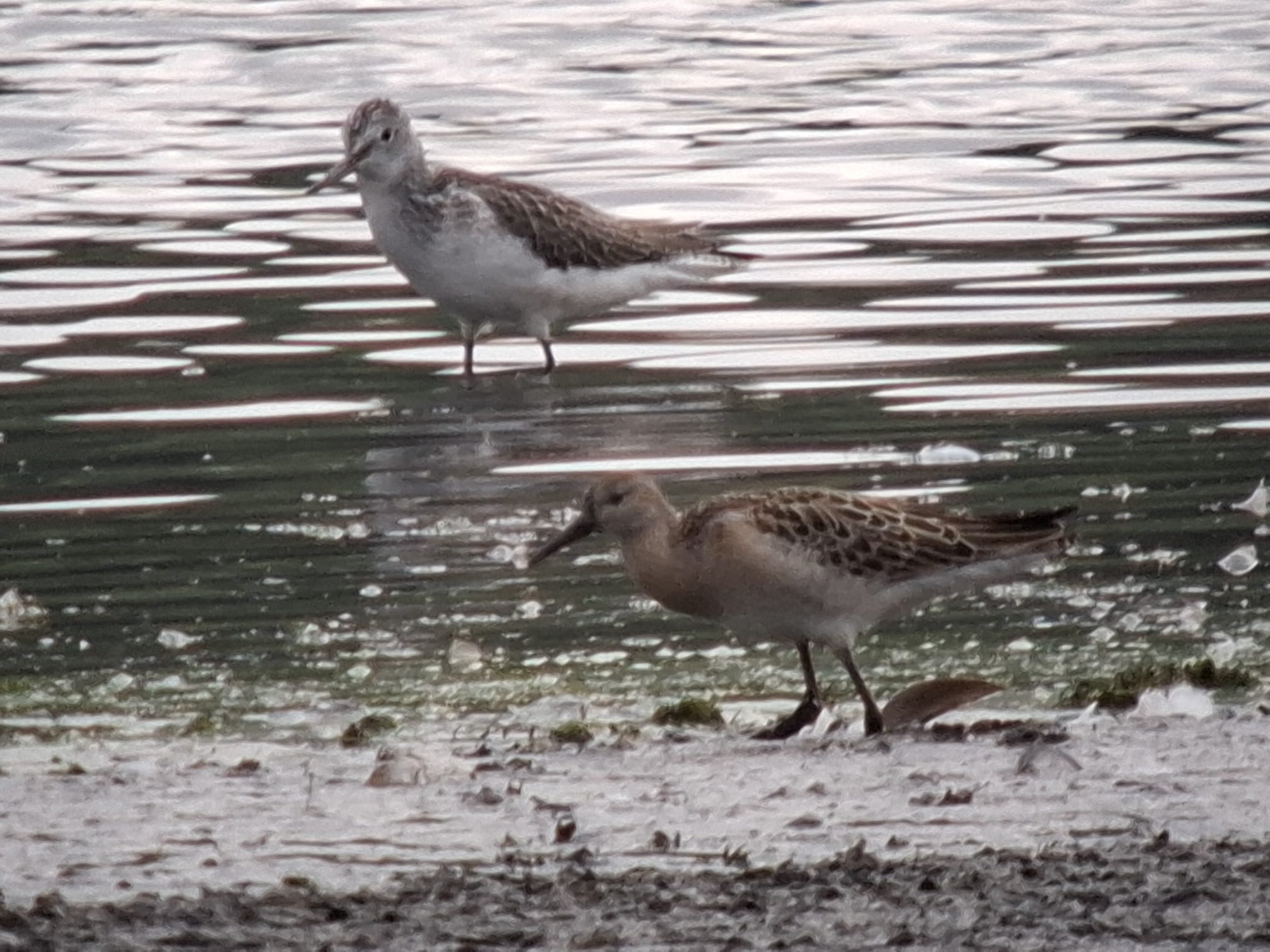
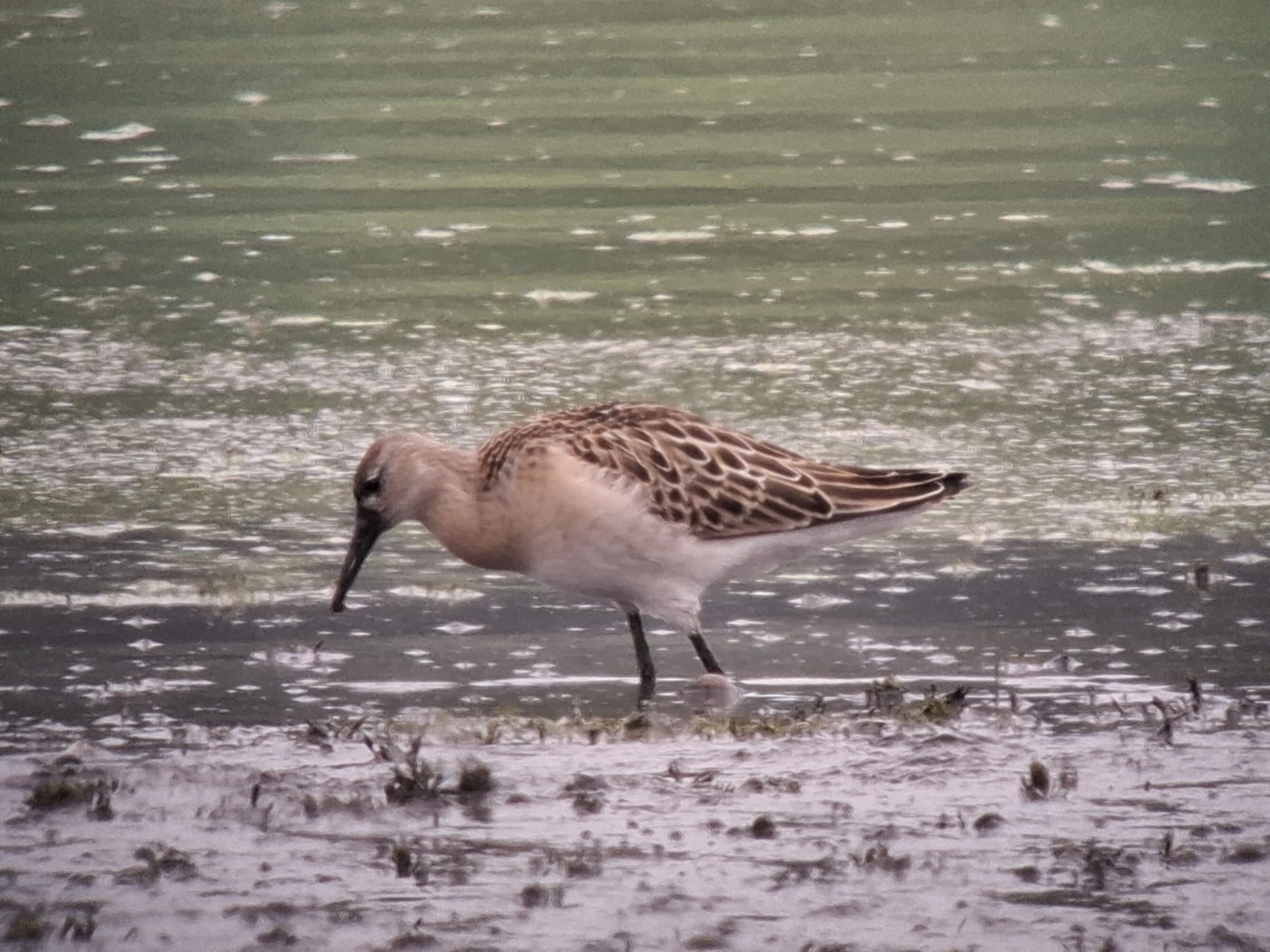
So far proving prime for scarce waders this autumn, Daventry pulled in three smart juvenile Curlew Sandpipers on the final day of the period – new for the year and perhaps the only ones we’ll see in 2026.
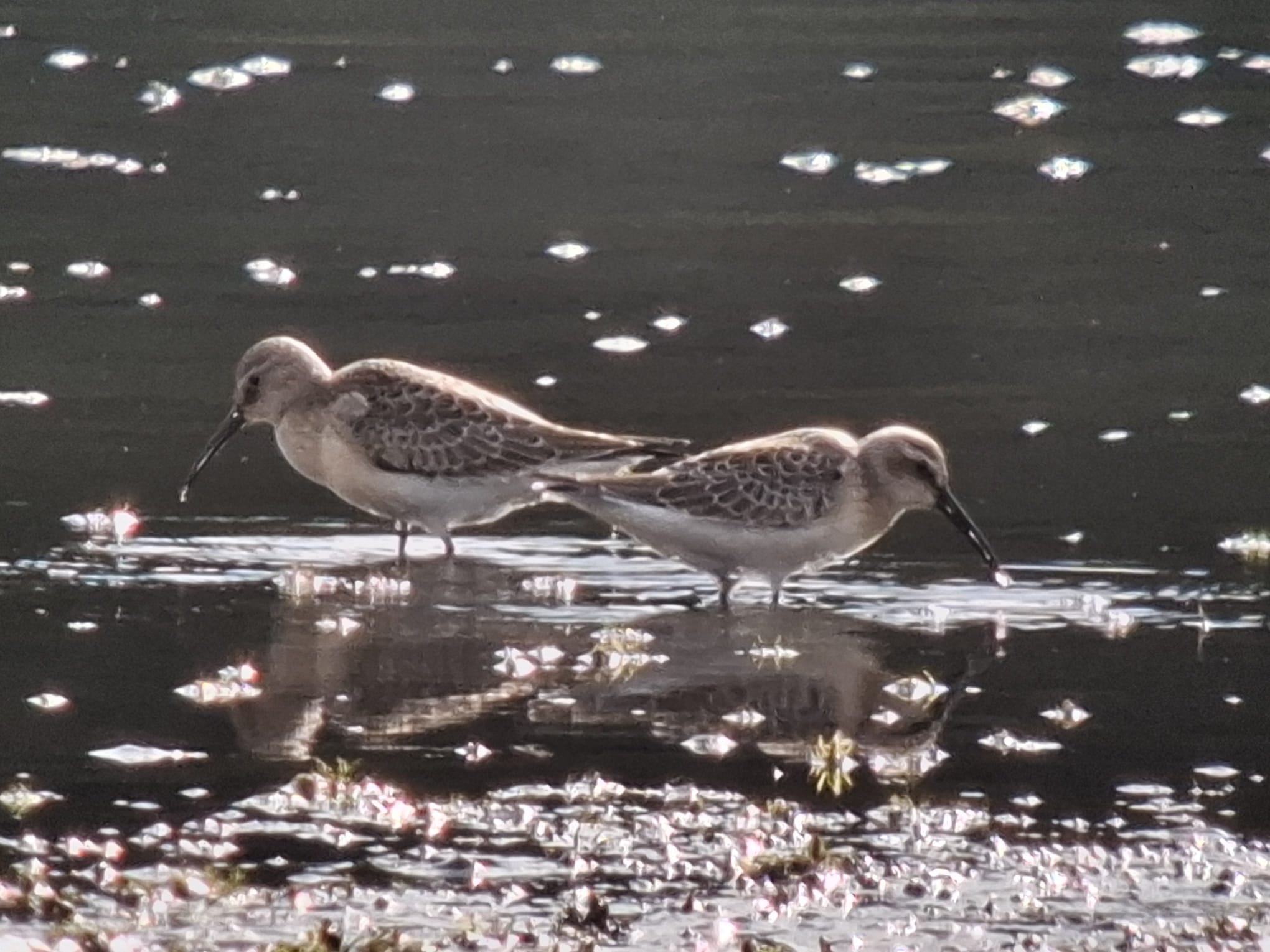
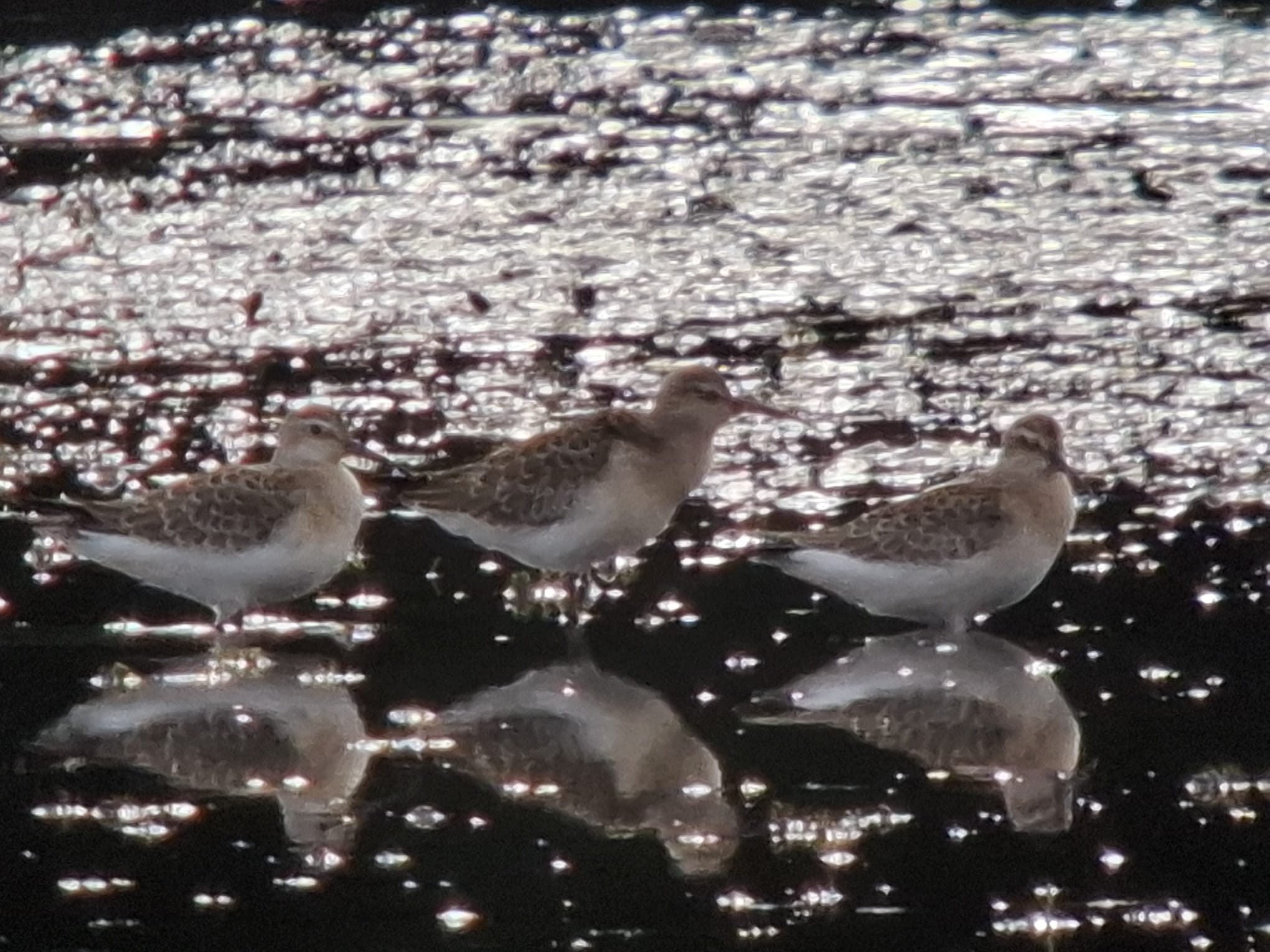
Continuing to elicit interest, the adult Pectoral Sandpiper also remained at Daventry throughout the week.
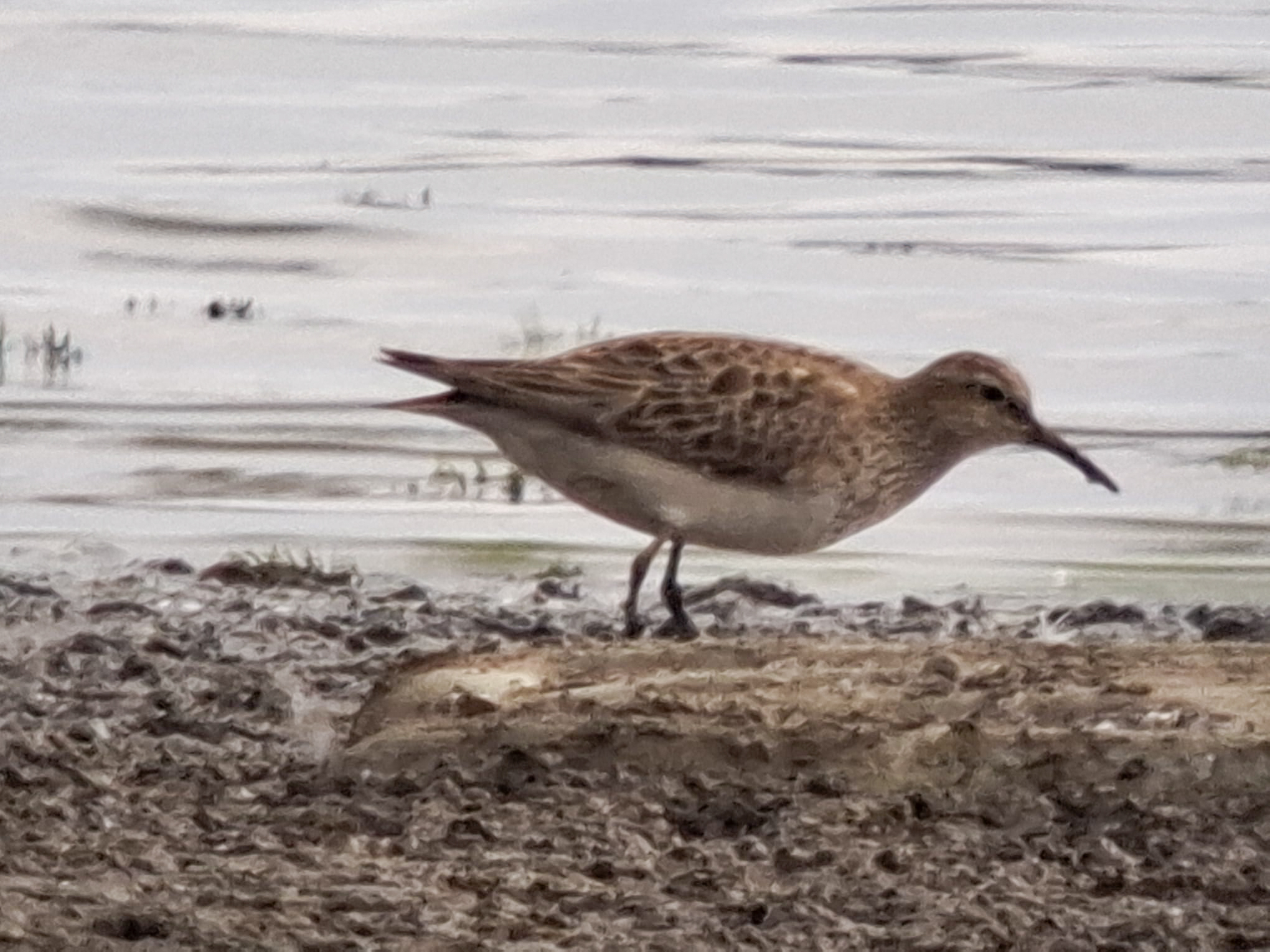
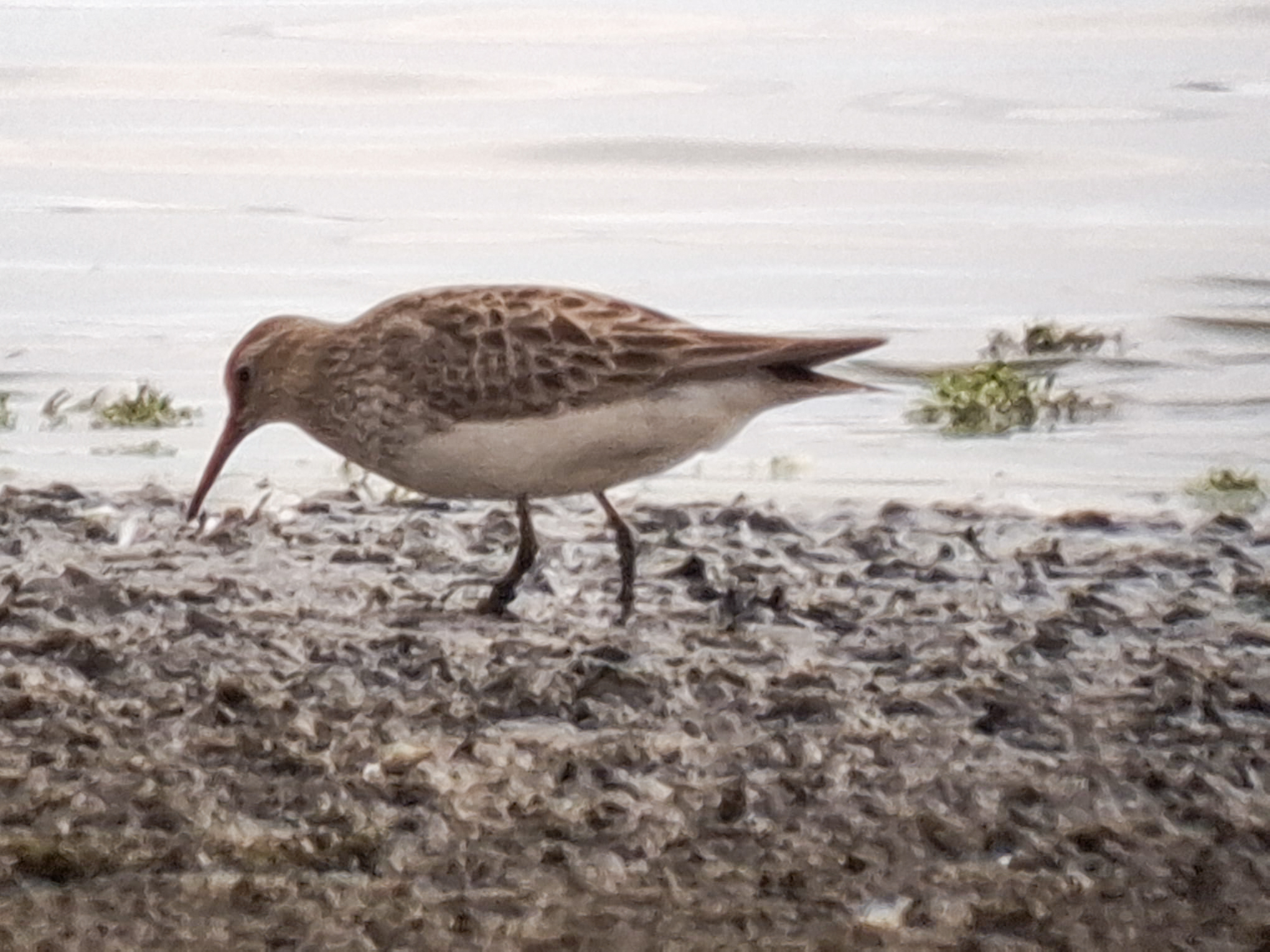
Mirroring the occurrence of the solitary bird at Titchmarsh last week, there was just one Wood Sandpiper to be found during the period, that being a short-staying individual at Boddington on 27th. Back at Daventry, another Spotted Redshank put on a display daily following the two that were there for three days at the beginning of the month. One was also found at Earls Barton GP’s New Workings (North) on 24th, remaining there the following day.
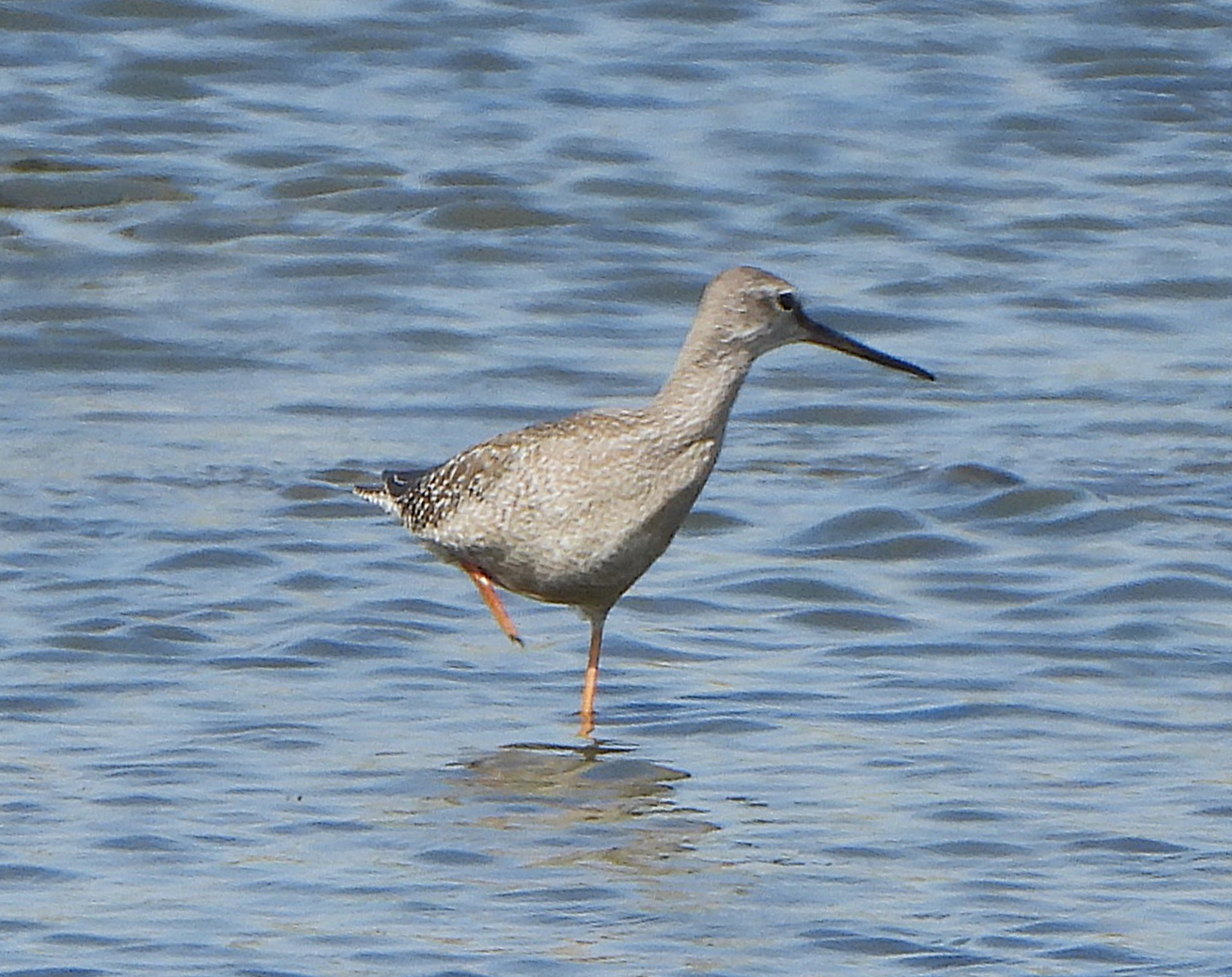
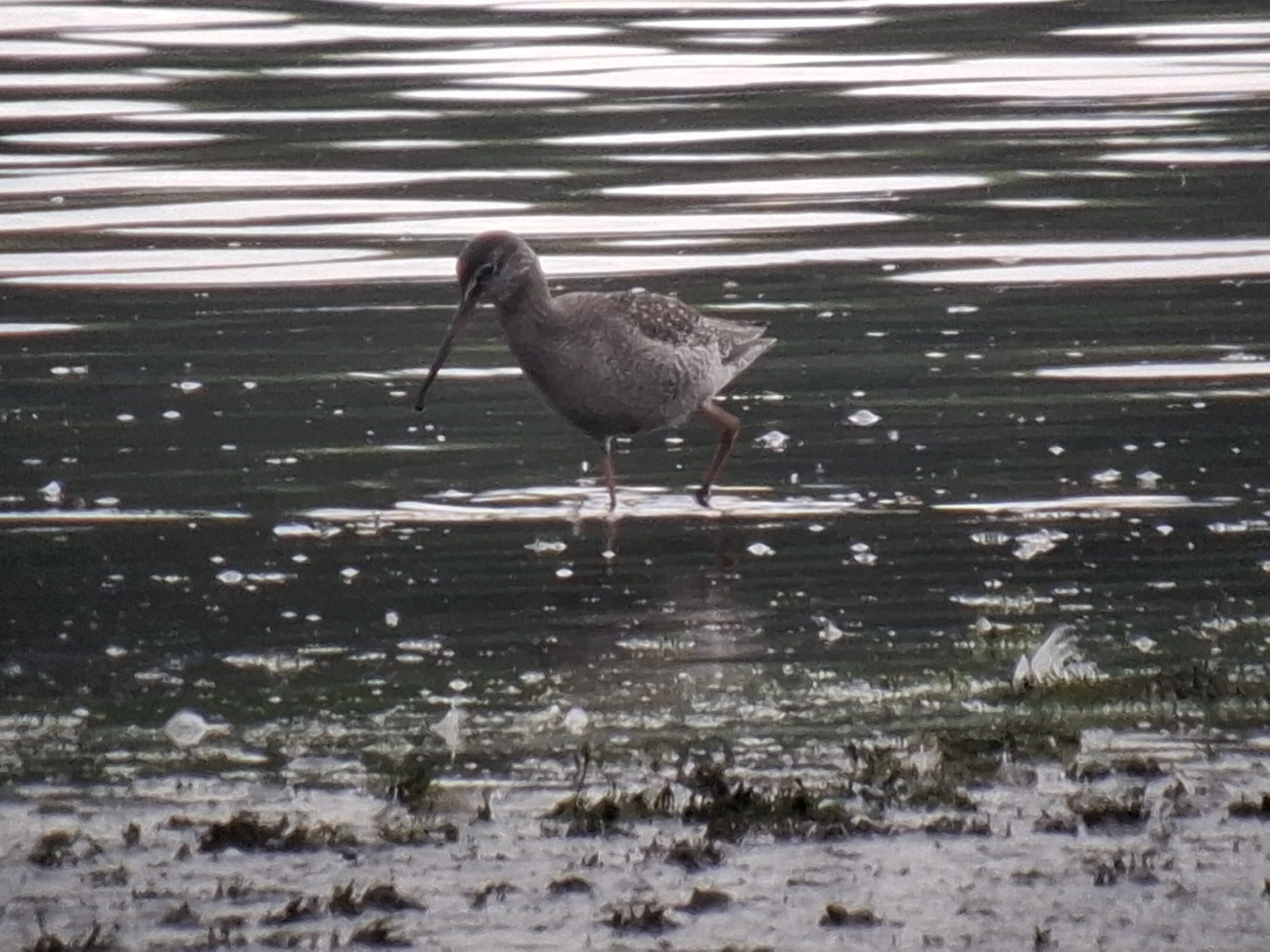
Greenshanks were found at eight localities throughout the week, including Clifford Hill, Daventry, Earls Barton, Hollowell, Pitsford, Stanwick GP, Summer Leys and Thrapston, with the highest site totals of ten at Stanwick on 27th and eight at Pitsford on 28th.
Homing in on gulls produced the only Mediterranean Gull of the period, a juvenile at Boddington on 23rd, while late news regarding the ringing data on the Polish-ringed juvenile at Daventry last week has identified it as a nestling ringed on 6th June 2026 at Rybical, Warminsko-Mazurskie, Poland, approximately 1,491 km distant.
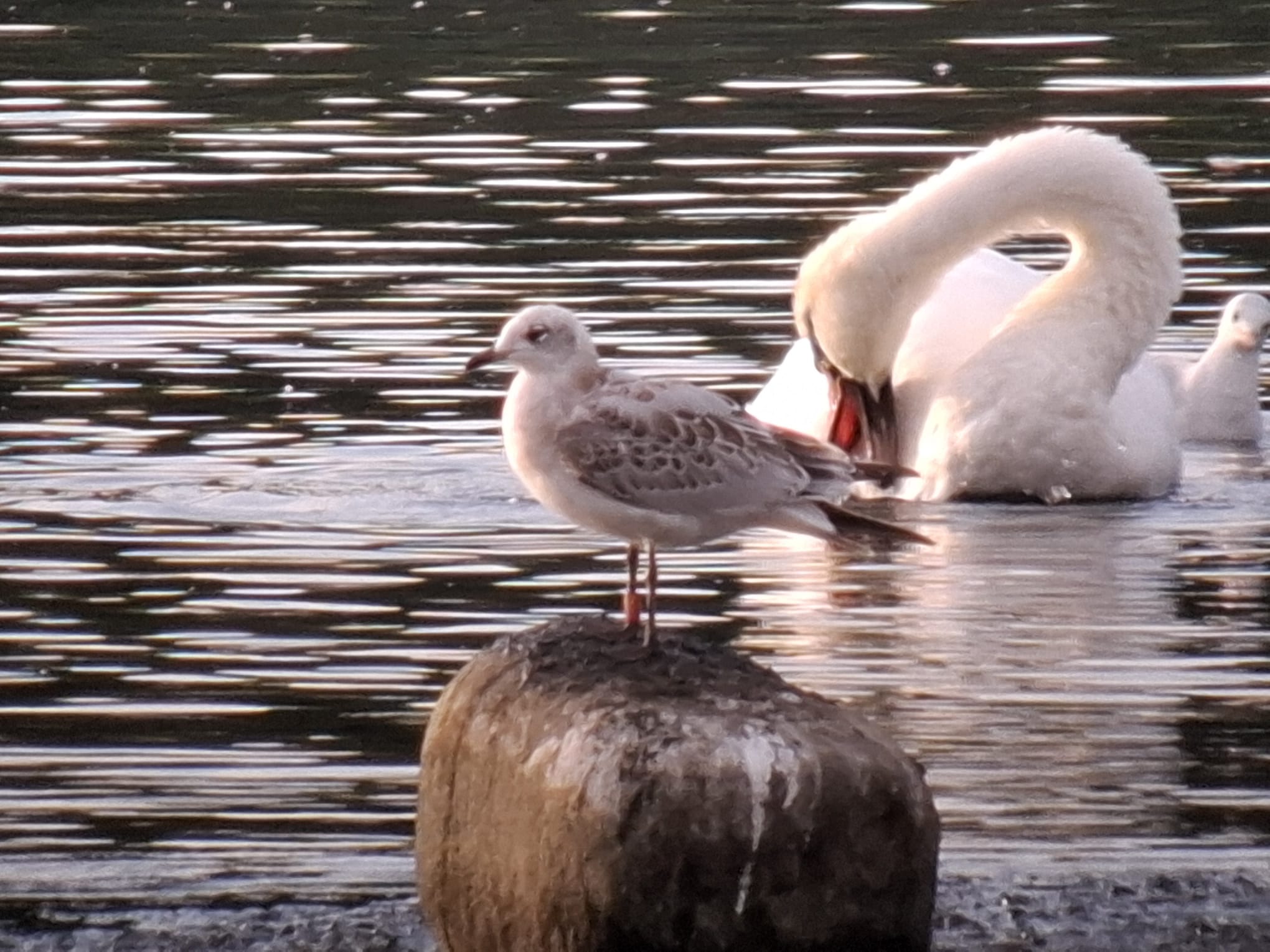
The slot for the week’s only Caspian Gull was filled by the German-ringed adult male that remained at Naseby throughout, while Yellow-legged Gulls were represented by at least three settled adults at Pitsford, single birds at Thrapston on 22nd, 27th and 28th, with two there on 26th, singles at Cottingham on 22nd, Ravensthorpe on 25th and Earls Barton on 28th, while Daventry produced two on 27th and one on 28th.
Rarely seen away from water, and a bird which has not been easy to catch up with this year, is Little Tern, with three bucking the trend as they were picked up in flight over Wollaston on 26th. If they dropped in anywhere local, nobody was any the wiser.
A juvenile Arctic Tern was found at Ravensthorpe on 27th, the same locality and date pulling in seven Black Terns, while singles of the latter were present at Hollowell on 25th, Boddington and Pitsford on 26th, Thrapston on 27th and Daventry on 28th.
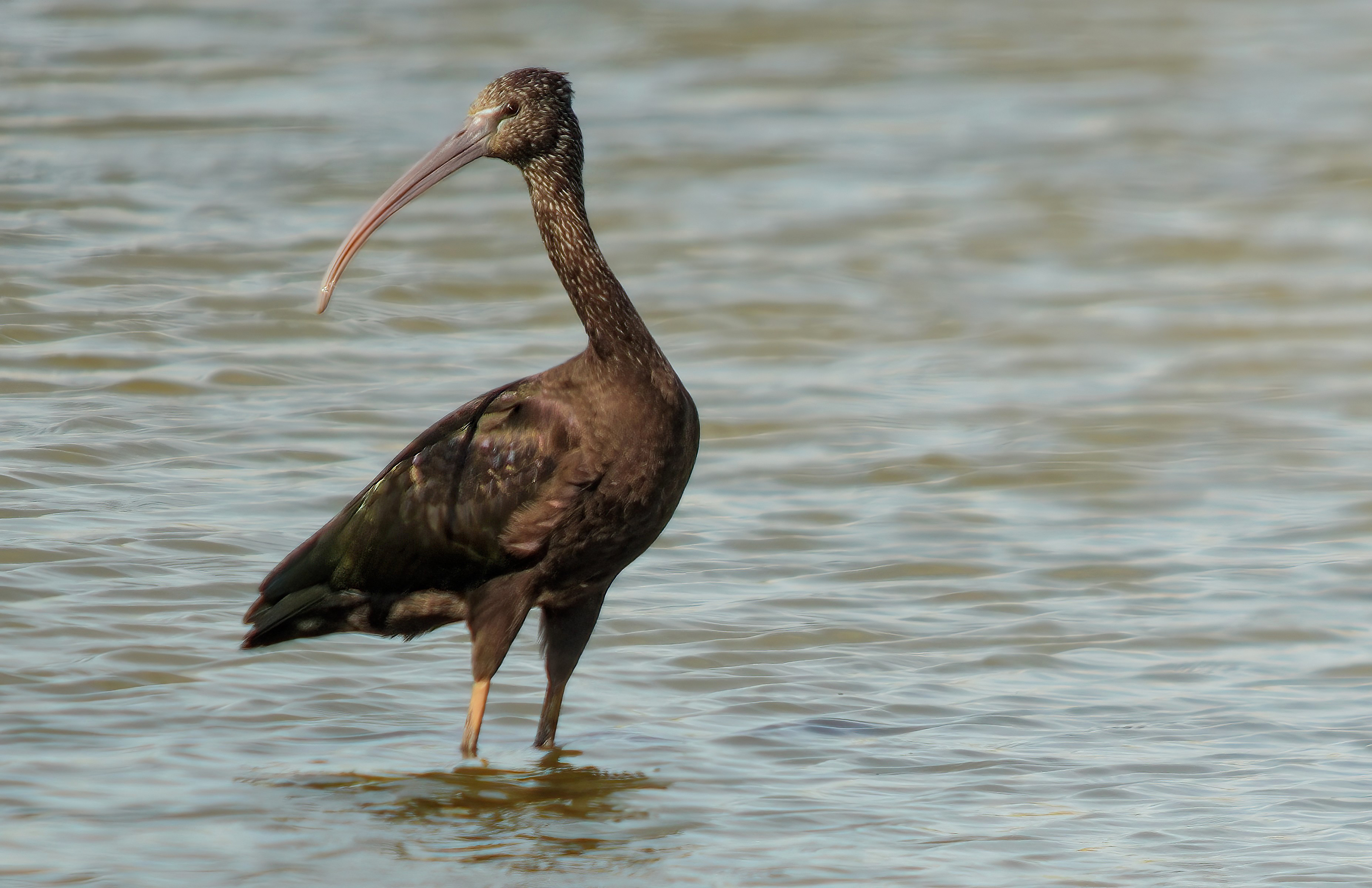
Seemingly having settled into a routine, last week’s Glossy Ibis at Earls Barton GP’s New Workings (North) periodically commuted to Summer Leys and back throughout. But in terms of numbers, this week saw another record-breaker in the form of a flock of five flying south-west over Stanwick on 28th.
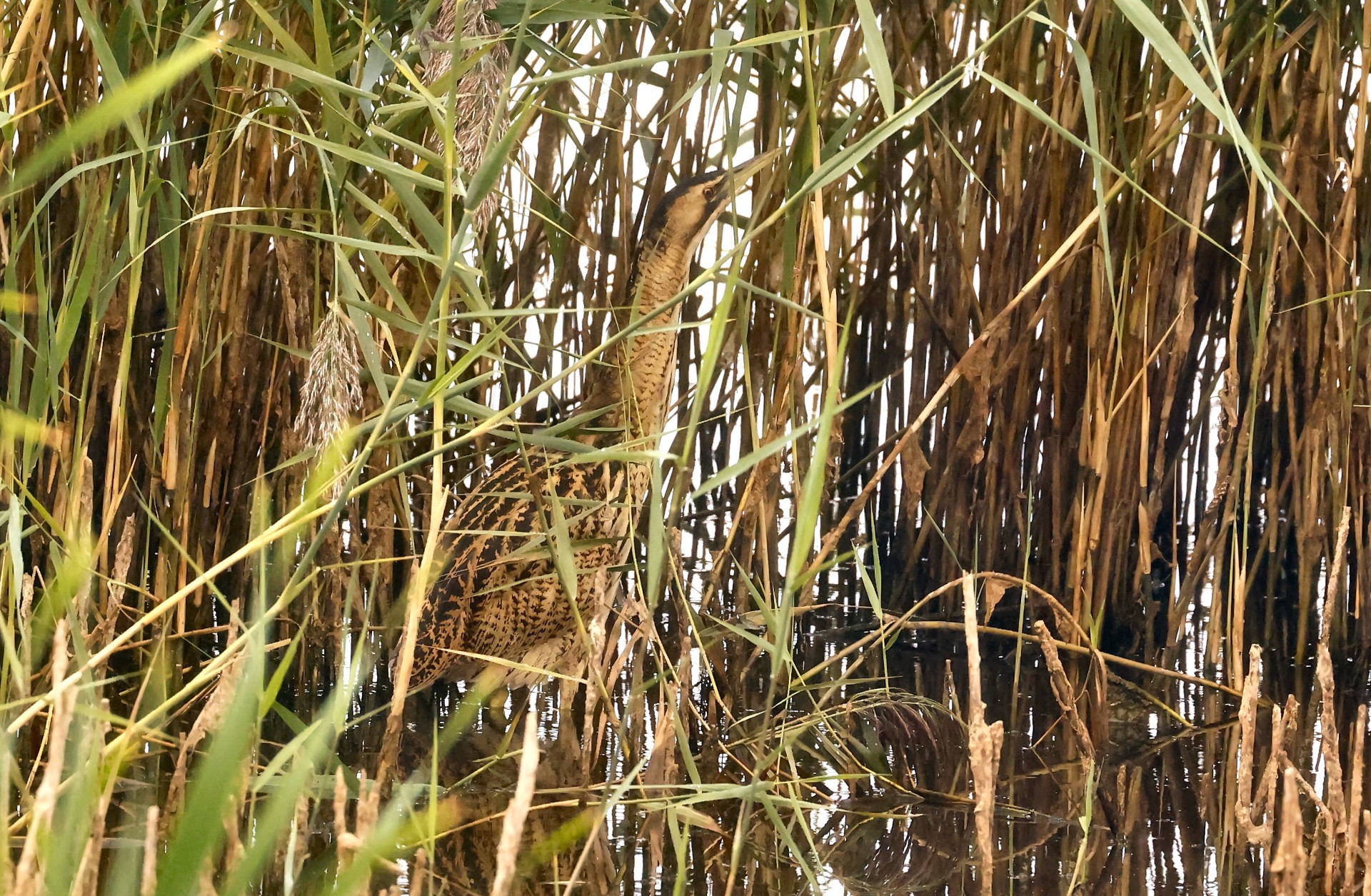
Breaking cover from the reeds every so often, a Bittern showed again at Summer Leys on 27th.
Single Cattle Egrets flew over Stanford on 27th and Boddington on the following day.
On the raptor front, single Ospreys were at Pitsford on 22nd, 25th and 27th, Hollowell on 23rd and 28th and over Arthingworth on 26th, while two were present at Thrapston on 23rd.
Up to two Marsh Harriers were seen intermittently at Summer Leys between 23rd and 26th, while singles visited Harrington AF on 24th, Titchmarsh on 28th and the Brampton Valley between Cottesbrooke and Hanging Houghton on the same date.
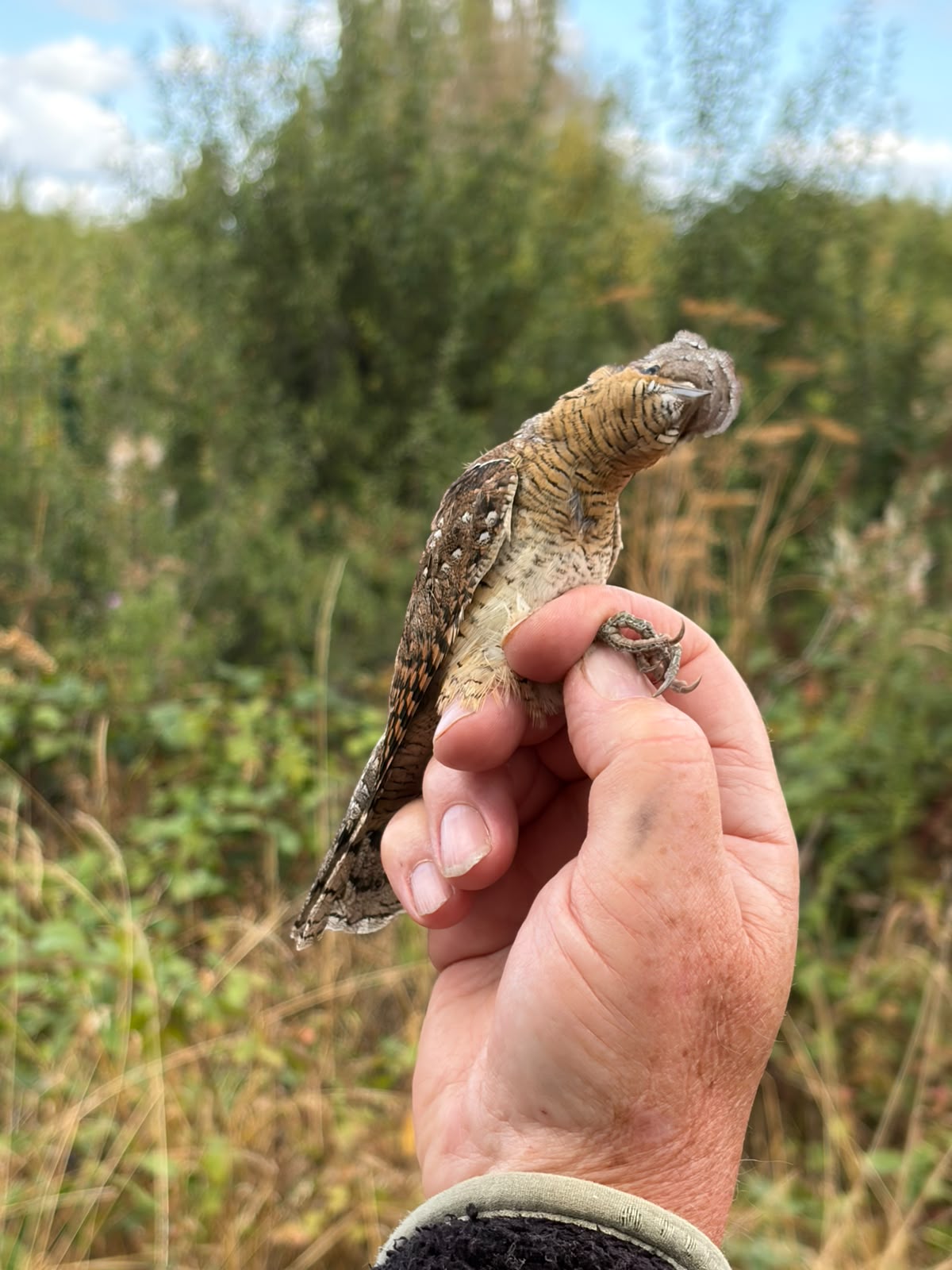
Heading down the passerine road, the week experienced a bit of a shake-up when the hallowed nets of the Stanford Ringing Group delivered a Wryneck on 22nd – another first for the year. Are we on for a sibe there later in the autumn …?
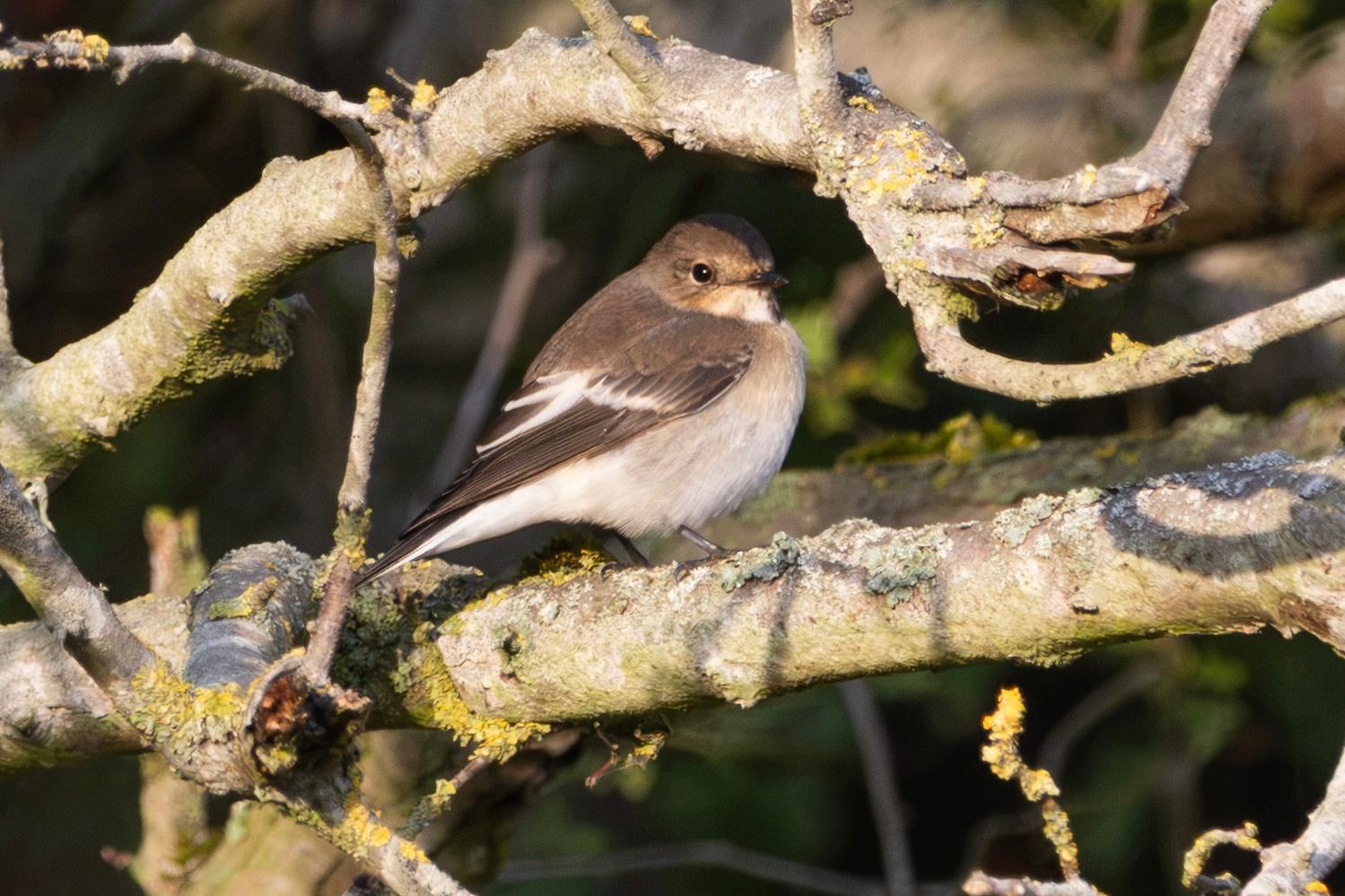
Meanwhile, Lamport Hall landed a touch of class with an adult male Pied Flycatcher found on 26th amongst the annual gathering of Spotted Flycatchers along the footpath there at this time of the year. This was followed by a first-winter male at the same location the next day. Isn’t it about time this run along the side of the estate took on an appropriate name? ‘Flycatcher Footpath’, anybody?
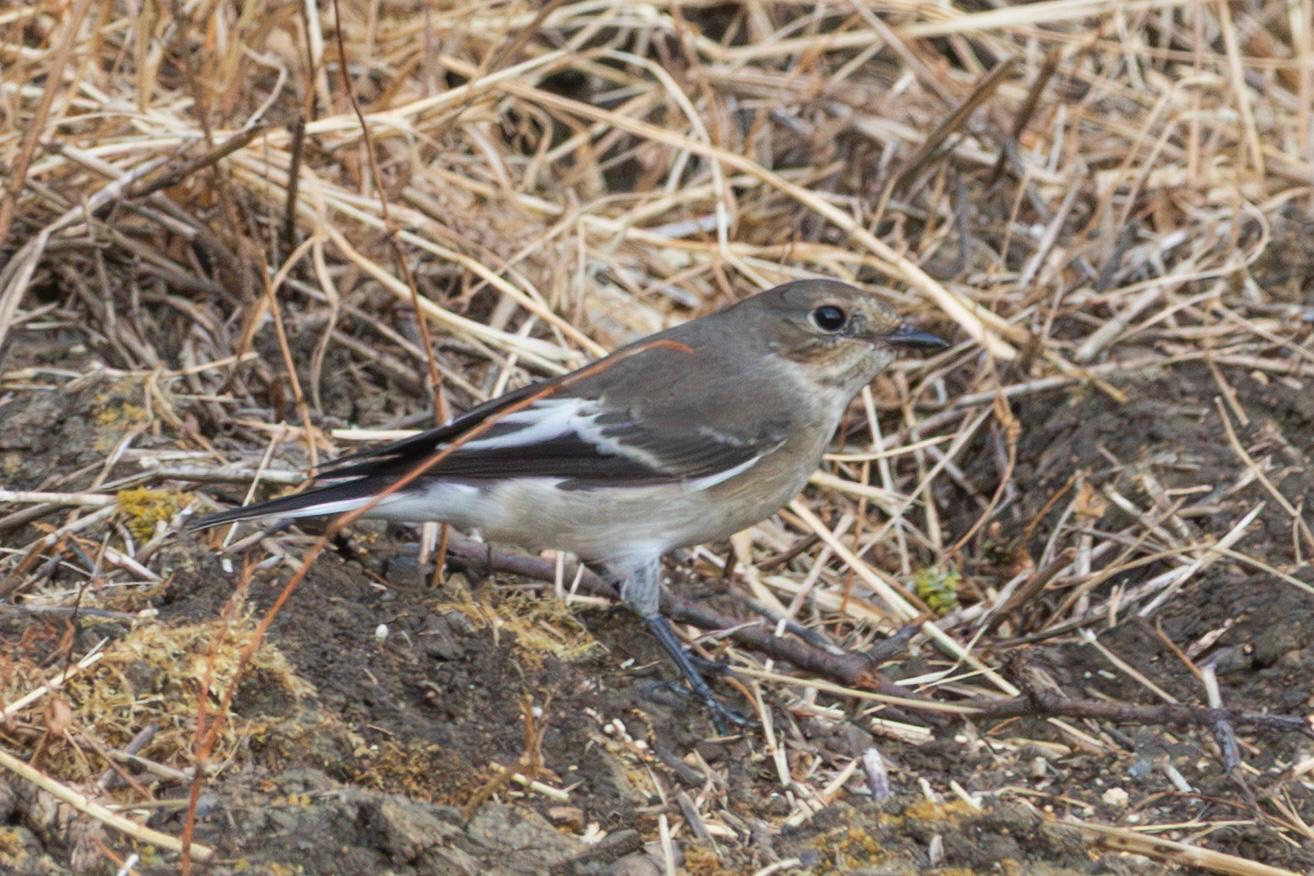
The number of sites producing Common Redstarts remained healthily in double figures – eleven, to be precise. Blueberry Farm, Boddington Res, Brampton Valley, Brixworth, Clifford Hill, Harrington, Lamport, Lilbourne Meadows NR, Old/Walgrave, Stanford and Upper Heyford all delivered between one and three birds throughout the period.
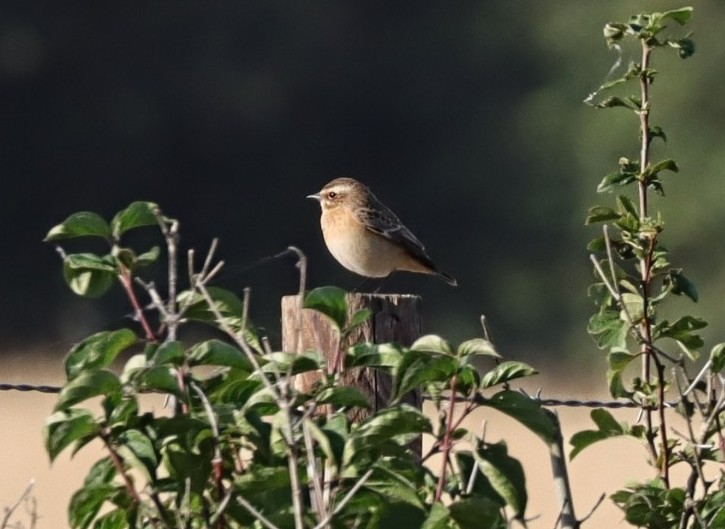
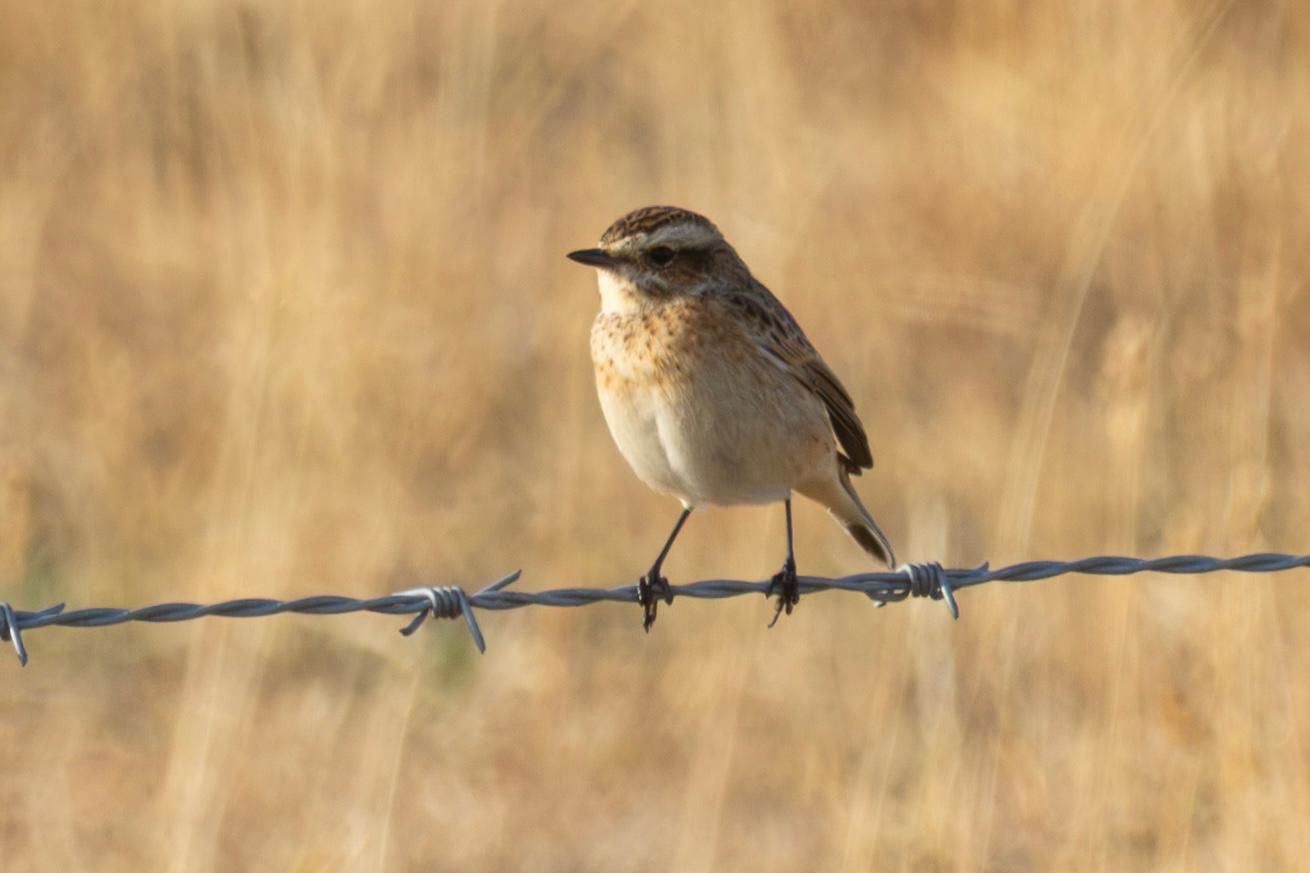
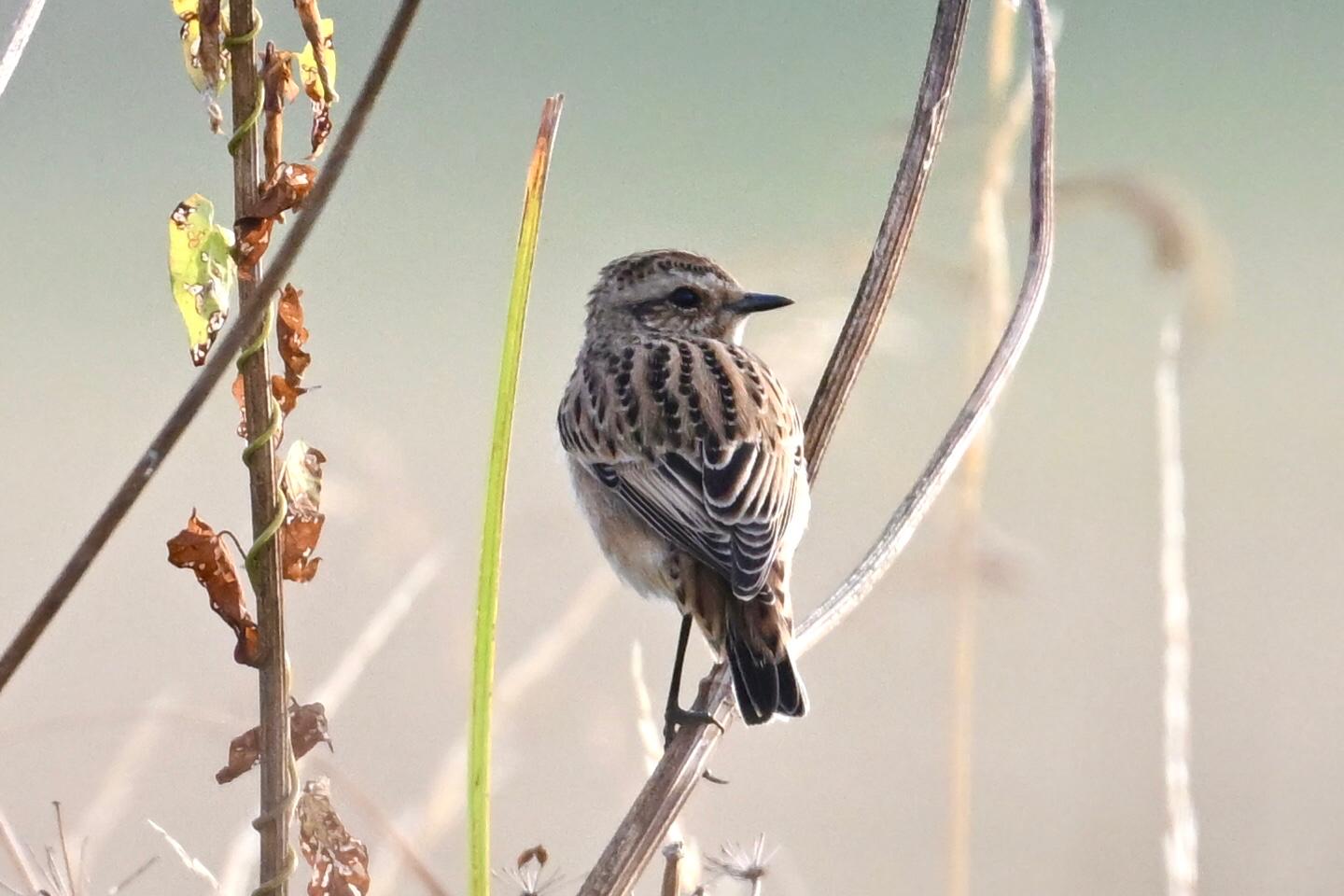
There was a notable uptick in Whinchat numbers this week, with birds found at eight localities, the highest site total being four at Clifford Hill GP on 25th. Between one and two were also present at each of the remaining seven sites, comprising Blueberry Farm, Borough Hill, Brampton Valley, Harrington, Hollowell, Pitsford and Stanford.
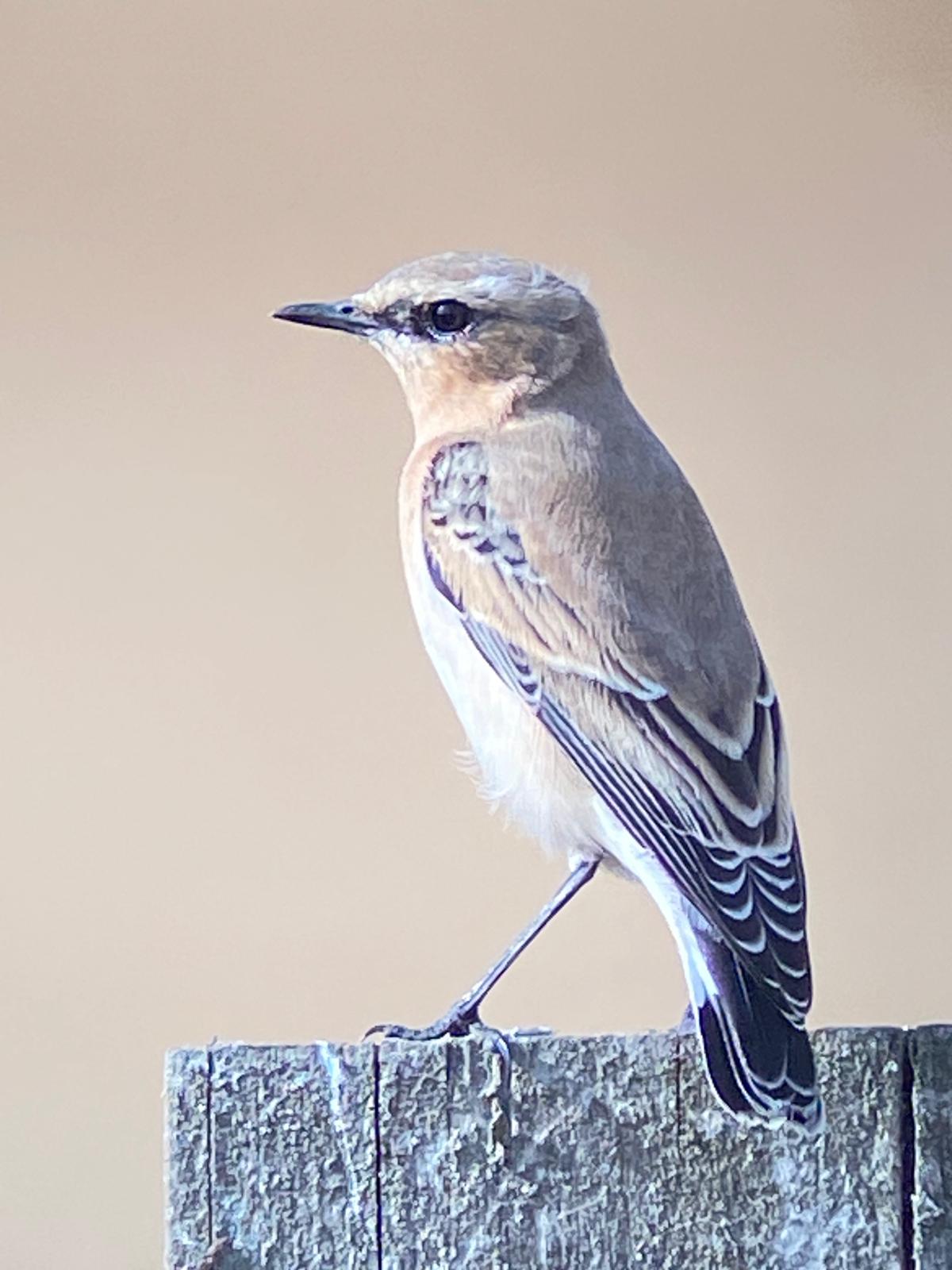
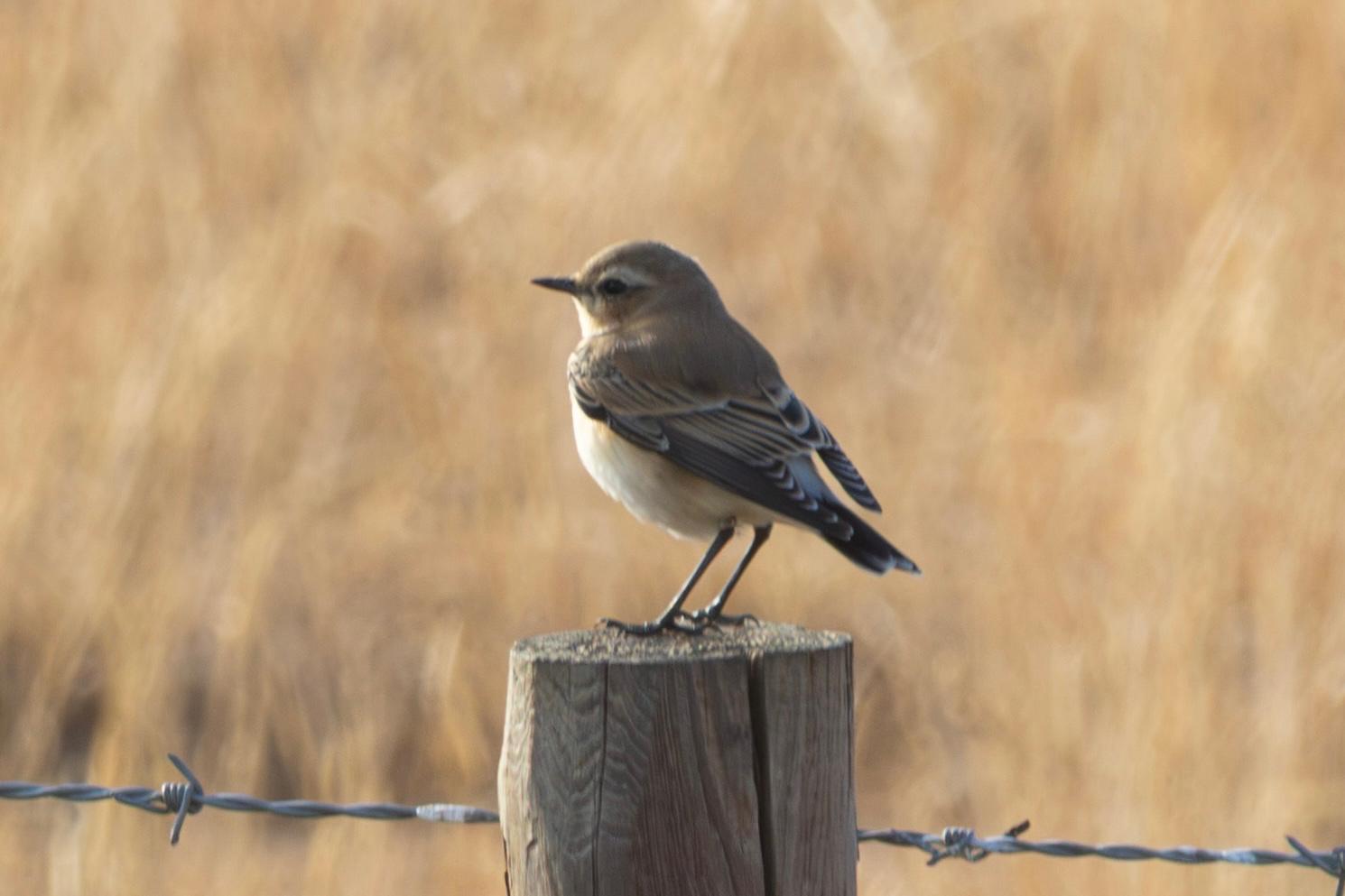
Following a similar pattern, Northern Wheatears also occurred more widely, with single birds at seven sites which included Aston le Walls, Brackley, Brampton Valley, Harrington, Lilbourne Meadows, Naseby, Stanford and Thrapston, while twos were seen at both Clifford Hill and Lamport.
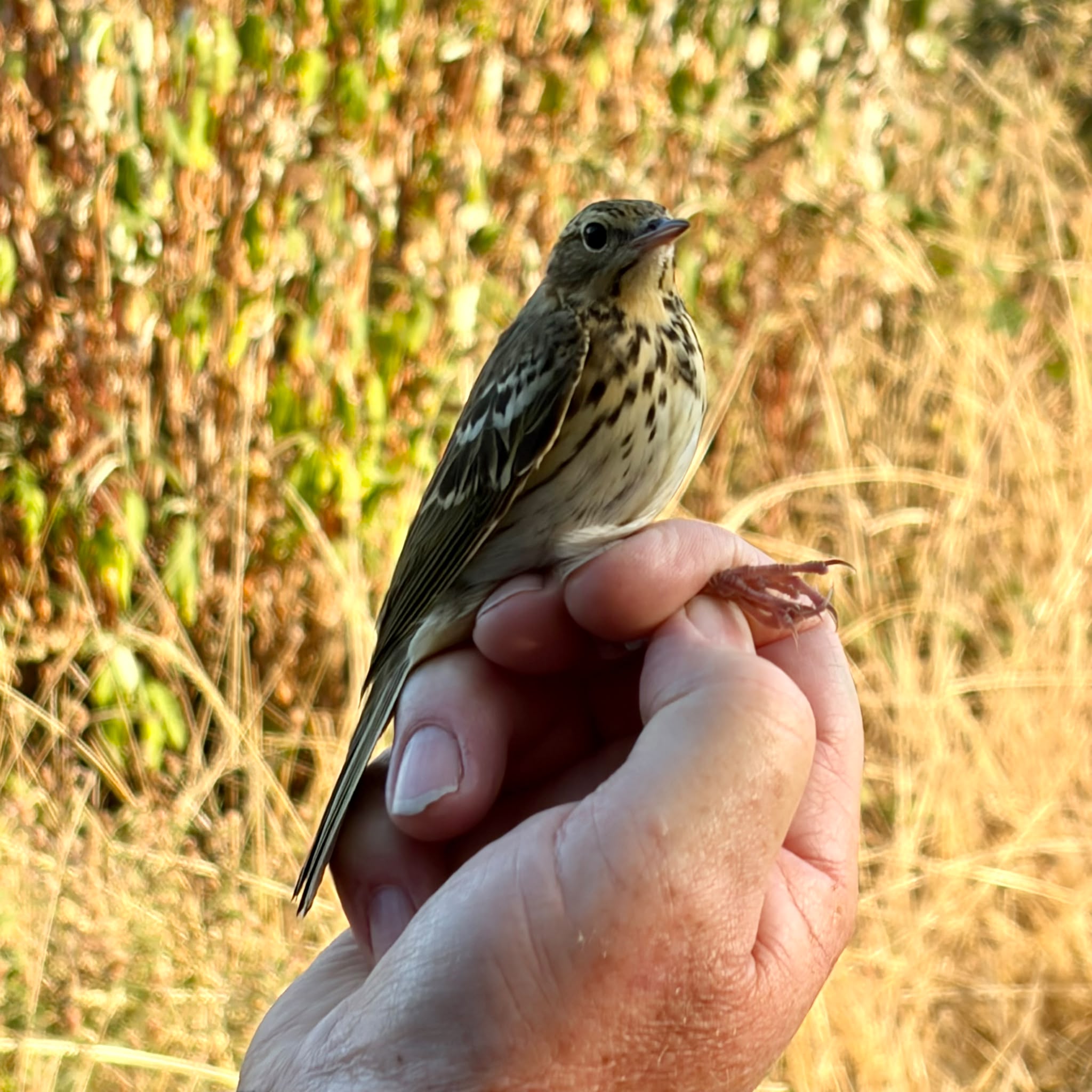
Hot on the heels of last week’s first Tree Pipit of 2026 came three more. Single birds were noted in flight over Harrington on 22nd and Clifford Hill on 27th while, on 23rd, one was trapped and ringed at Stanford.
And thrown in for good measure, a Corn Bunting in the Brampton Valley on 22nd rounds off what was clearly a decent week for passerines, as well as other birds, in the county.

Discover more from Northants birds
Subscribe to get the latest posts sent to your email.

