A largely dry and settled week saw us taking a step closer to winter with movements of small numbers of Redwings noted across the county. Similarly, winter wildfowl were also on the up with the first Whooper Swans appearing at a number of localities. Aside from this, rare waders were still out there to be had …
It’s clearly evident that we’re taking the first steps down the road to winter when Whooper Swans start moving through the county … and this was the week it happened. First up was the herd of eight that flew over the north side of Pitsford Res on 5th and, thinking better of landing, headed off north-east. These were followed the next day by a brief drop-in by a single bird at Daventry CP and similarly, on 7th, one also paid a short visit to Thrapston GP’s Titchmarsh NR before moving off south. On 8th, three dropped in at Stanford Res, ahead of five more settled birds found at Clifford Hill GP on 9th.

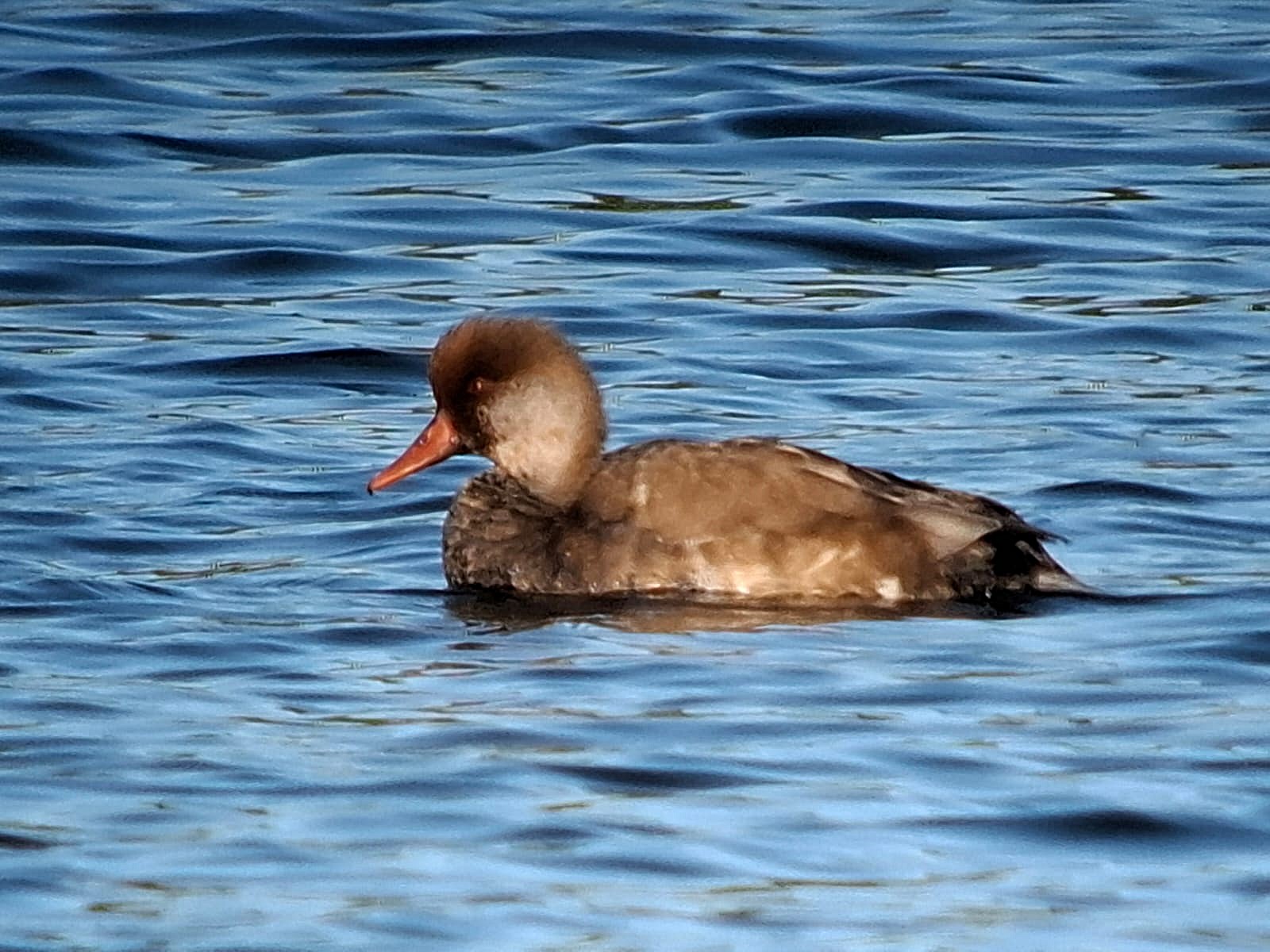
The only other wildfowl just about worthy of note was a long-staying drake Red-crested Pochard at Daventry seeing another week out on site.
Last week’s excitement generated by the county’s fourth-ever American Golden Plover spilled over into this week, with the bird still present at Pitsford on day one, the 8th, after which it appeared to be gone for good.
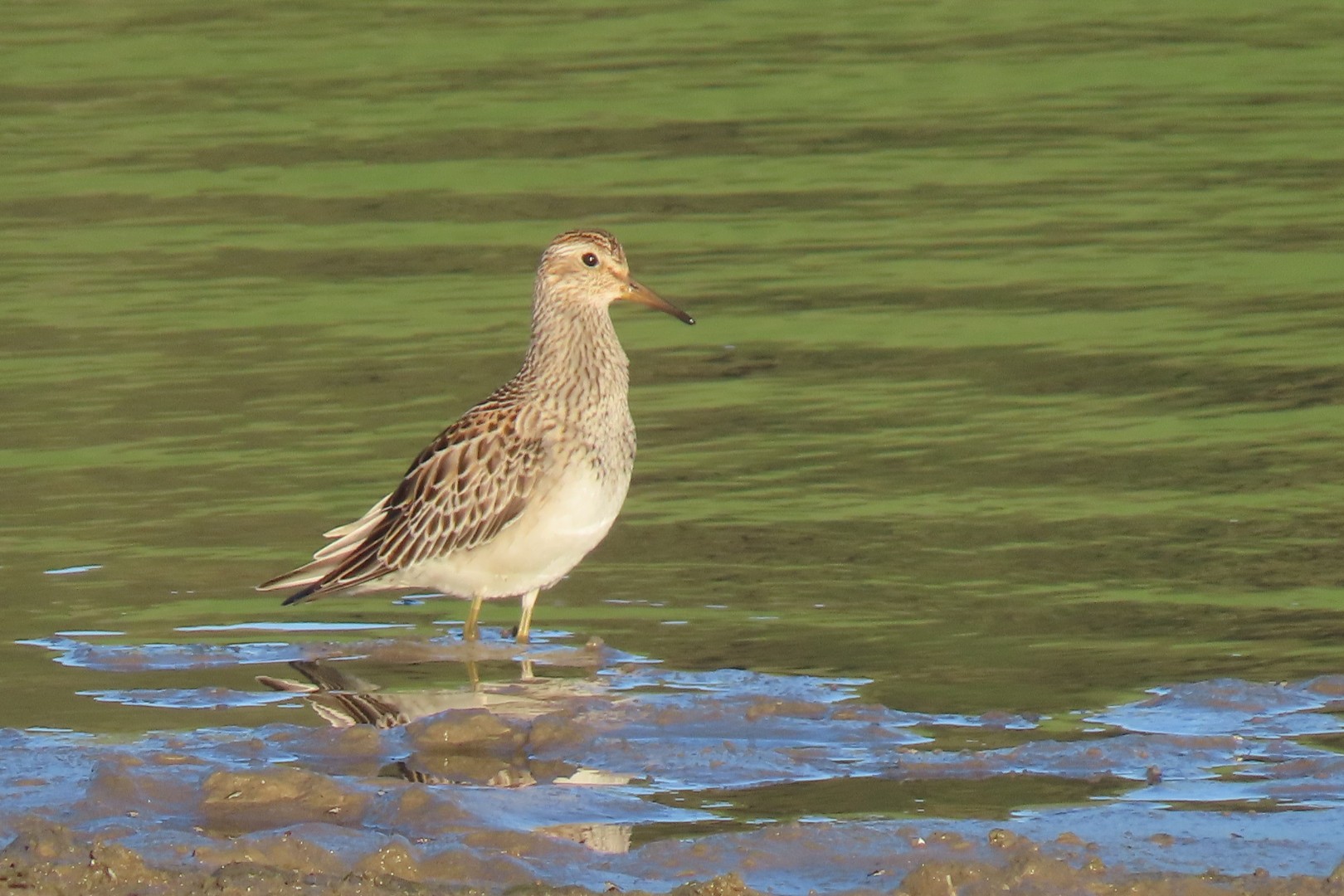
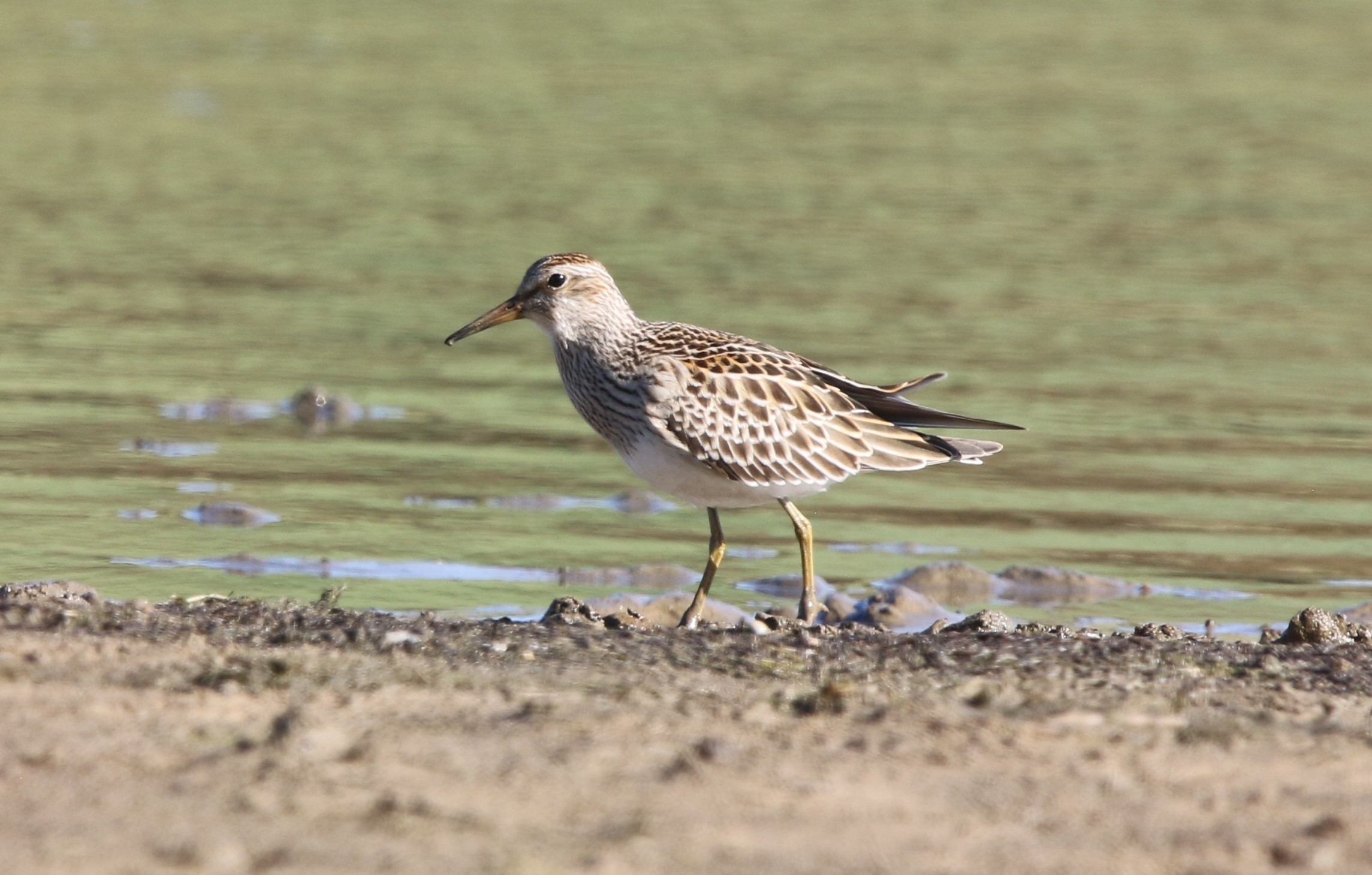
Meanwhile, the nicely confiding juvenile Pectoral Sandpiper at Hollowell Res continued to attract a respectable number of admirers, having notched up a nine-day stay there by the end of the period.



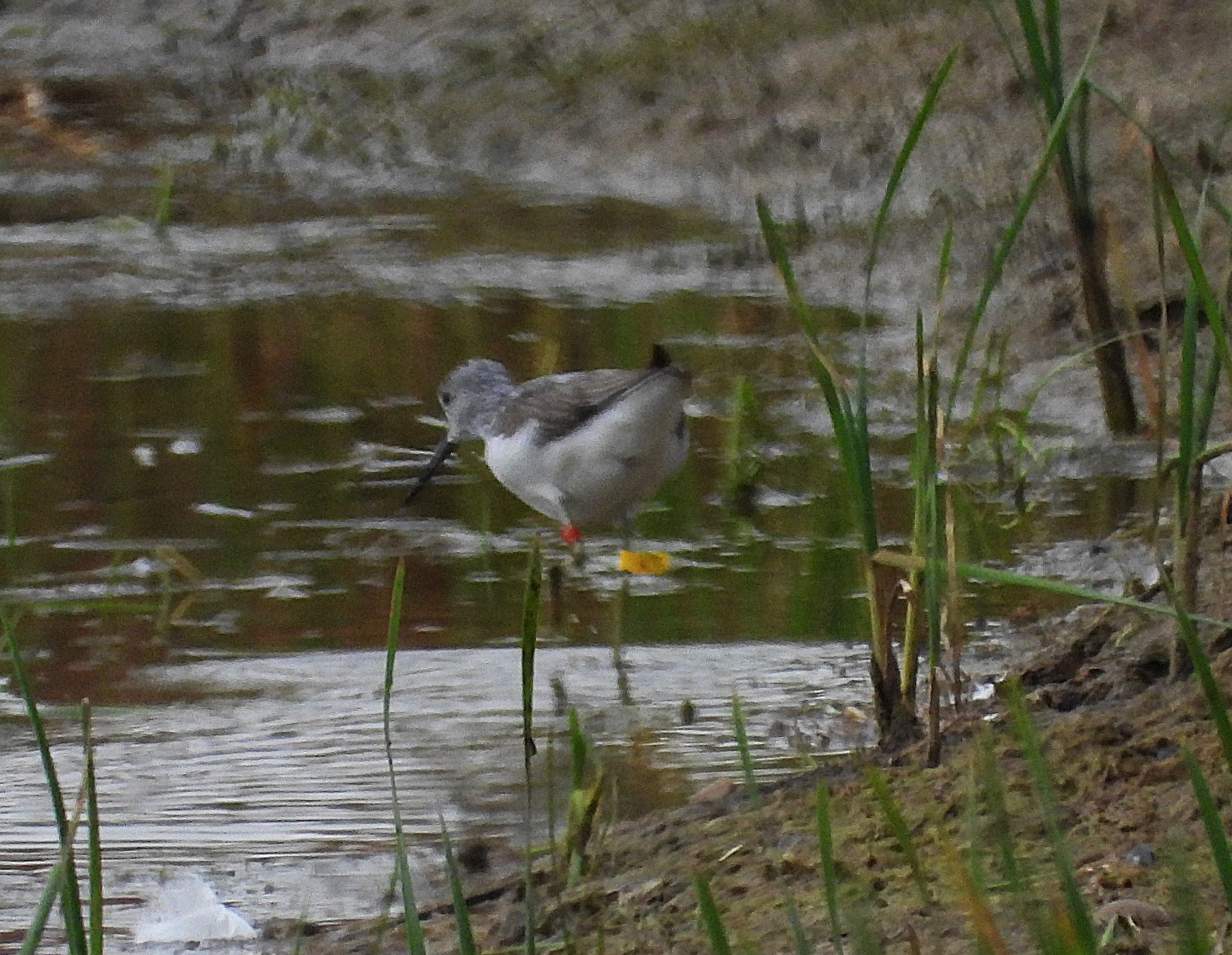
This week’s best of the rest included a Black-tailed Godwit at Pitsford from 5th until 9th and three Ruffs at the latter locality on 4th, with one remaining until 10th. One also lingered at Titchmarsh NR, being seen sporadically throughout the period. Earls Barton GP’s New Workings (North) continued to hold on to a Greenshank, still present on 10th, while a new arrival at New Workings (South) on 8th bore tibial bling – a red ring on the left and a yellow flag on the right. Unfortunately the characters on the flag were not legible at distance but the colour coding and positioning identify the bird as an individual from a ringing scheme in Norway.
A further sign that winter is on its way appeared in the form of a Jack Snipe – the first of the season – at Summer Leys between 4th and 7th.
Scarce gulls were at a low ebb this week, with a first-winter Caspian Gull at Earls Barton GP’s Mary’s Lake on 4th and two second-winters – one at Daventry CP on 6th and the other at Wicksteed Park Lakes, Kettering on 9th.
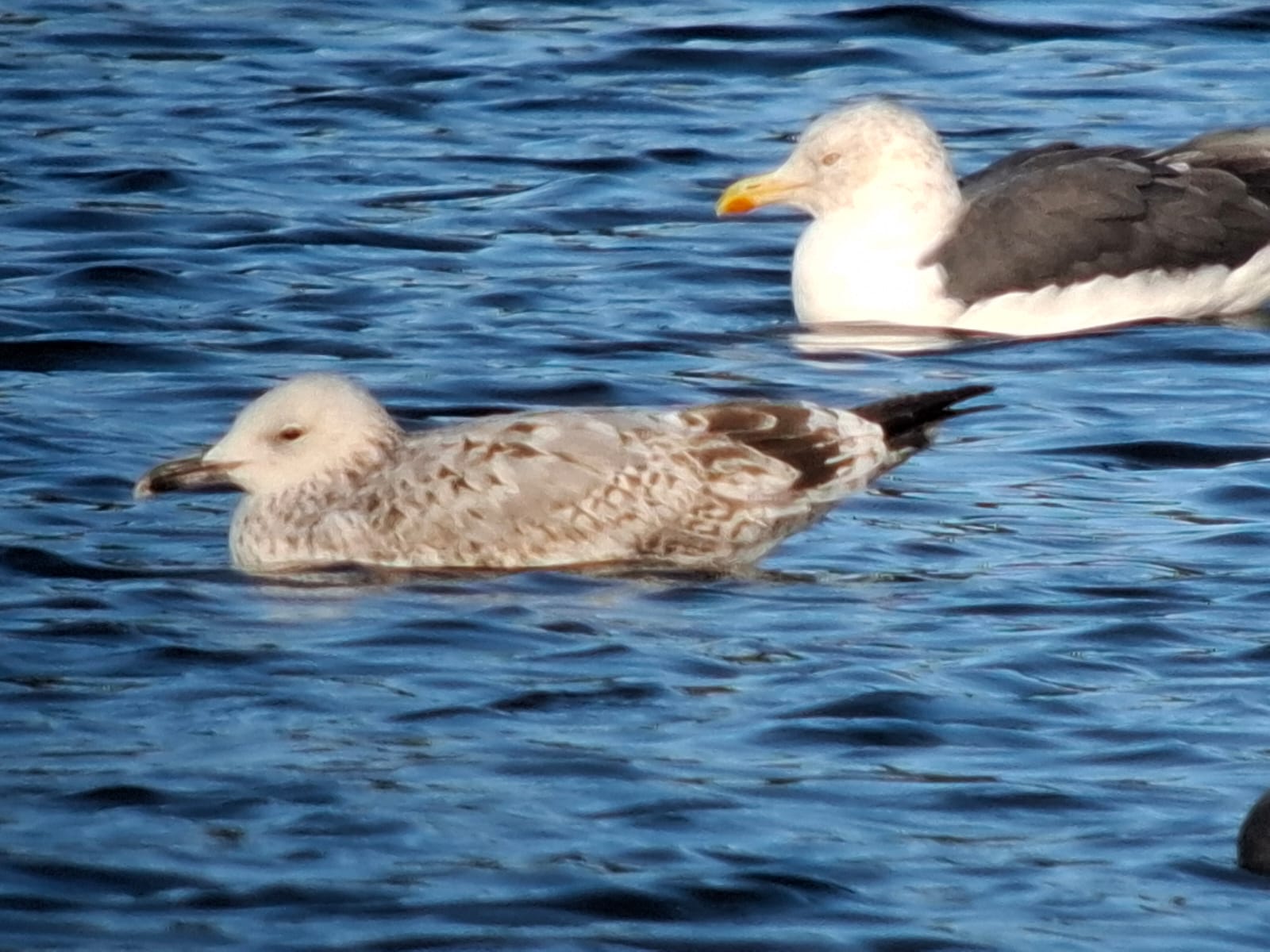
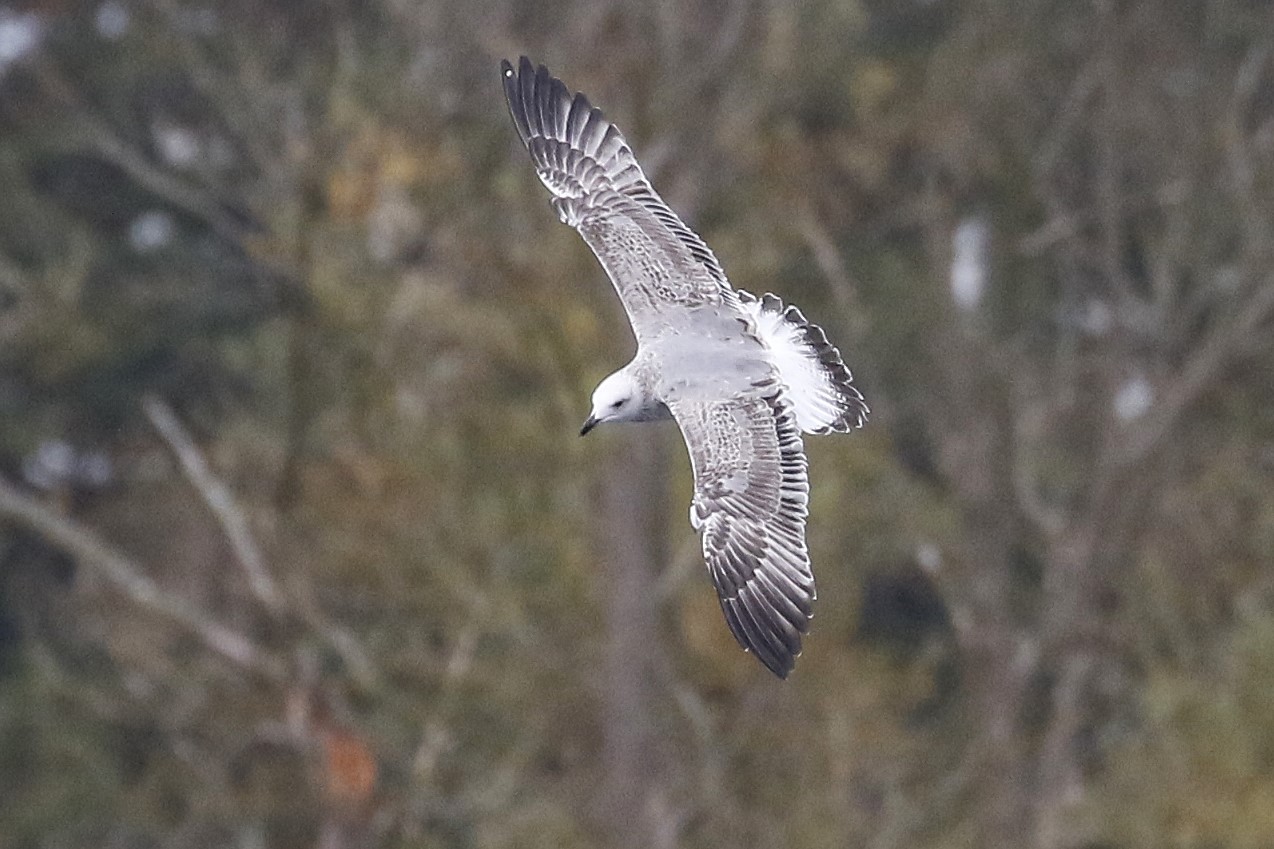

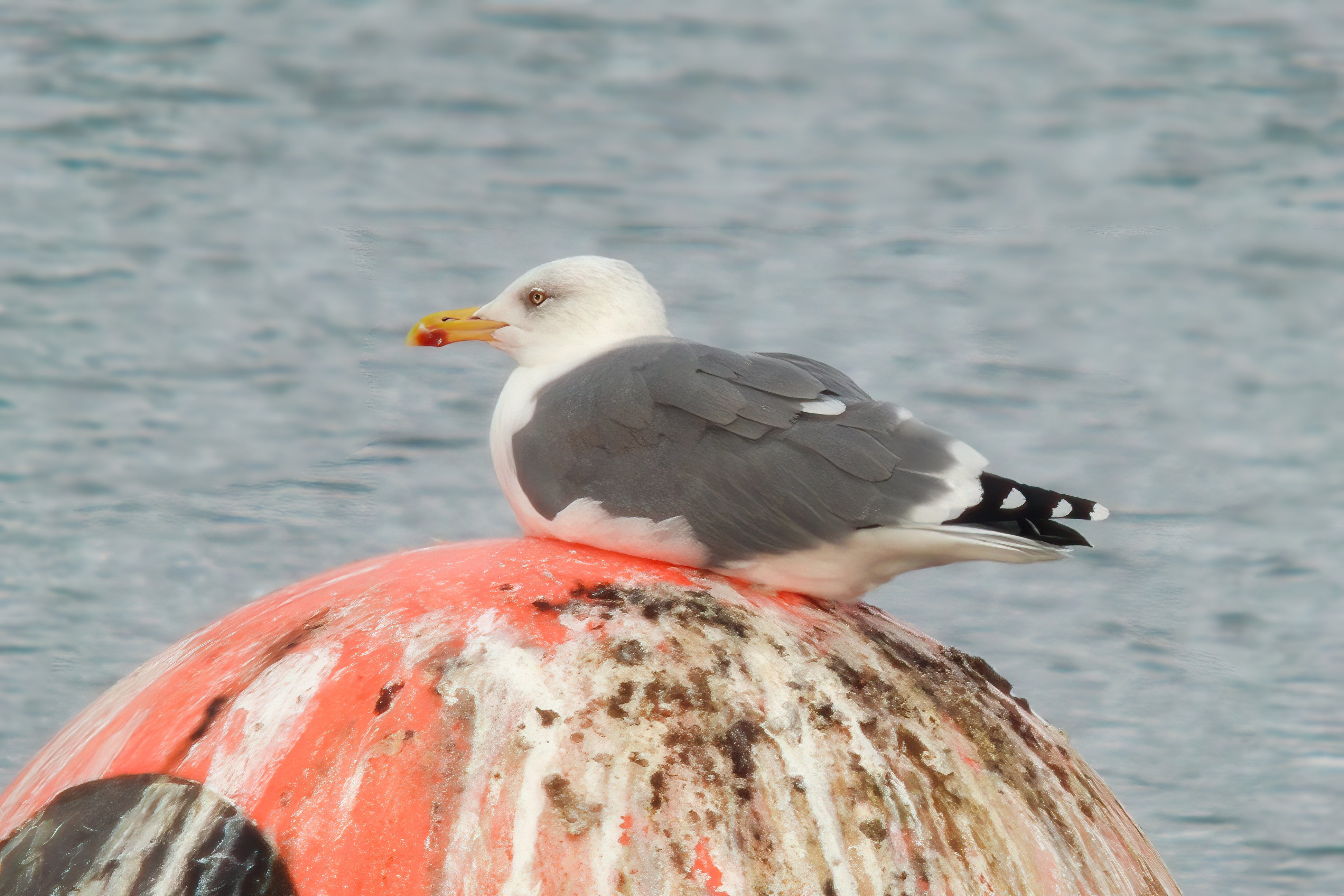
Yellow-legged Gulls were down to an adult at the first of the above locations on 4th and four adults at Pitsford on 10th.
Last week’s Glossy Ibises all remained present and correct throughout the period, including two daily drop-ins at Stanford’s Settling Pond and single birds seemingly settled at Summer Leys LNR and Titchmarsh.
Two Bitterns were seen together in flight at Stanford on 8th, again being present on the Leicestershire side of the reservoir for the larger part of their stay during the period, while single Cattle Egrets were on the ground at both Ringstead GP and Summer Leys on 4th.
An Osprey at Pitsford on 4th was the only one reported during the period.
Also on 4th, a Short-eared Owl – presumably last week’s individual – was at Harrington AF, the latter site producing a Merlin on 7th, the same or another of which was seen in the Brampton Valley between Cottesbrooke and Hanging Houghton on 4th and 9th.
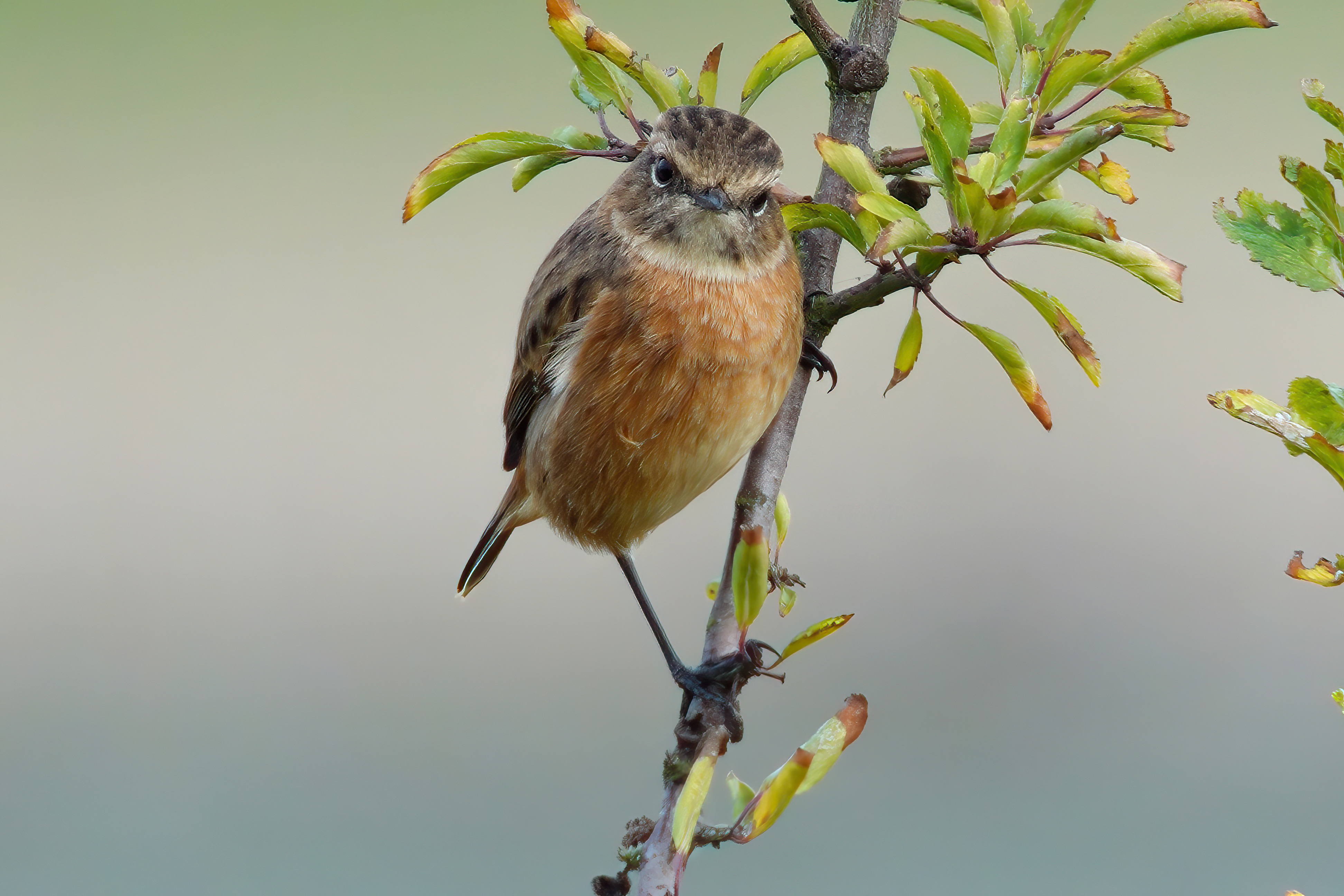
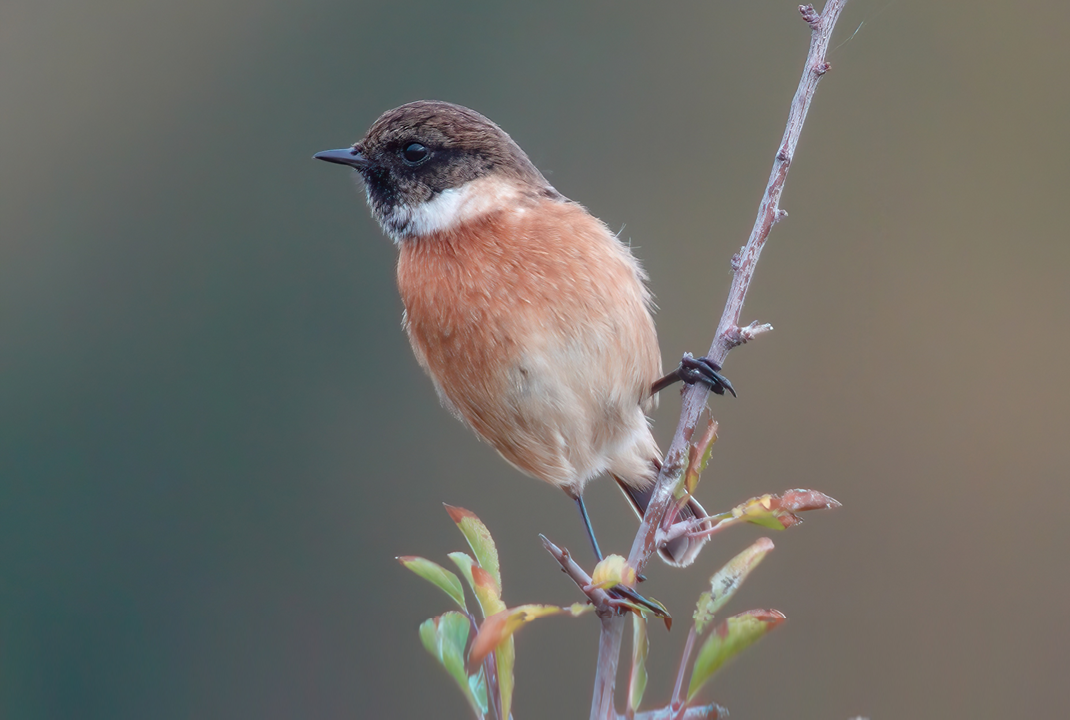
On the passerine front, Stonechats were present at nine localities, the Brampton Valley holding up well with last week’s ten still there on 4th. Elsewhere, four were at Newton Bromswold on 10th, three at Lilbourne Meadows NR on 5th, with ones and twos at Borough Hill, Harrington, Hollowell, Pitsford, Summer Leys and Titchmarsh.
Northern Wheatears were down to a trickle and included two at DIRFT 3/Lilbourne Meadows NR on 5th and one at Harrington the following day.
And following on from last week’s Rock Pipits at Daventry, another one put in an equally brief appearance there on 9th.
To round off, Crossbills are still out there to be found, all be they fly-overs with, on 6th, three above Harrington and one over Kettering.

Discover more from Northants birds
Subscribe to get the latest posts sent to your email.

 Northants birds