In the aftermath of ‘Storm Dave’, a high pressure system building over eastern Europe opened the gates for a sizeable summer visitor rush – and in they came, thick and fast. Other scarce migrants were also on offer and the appearance of a Spoonbill in the Nene Valley caused a bit of a stir, albeit short-lived …
Along with a wave of increasing numbers of those which had previously arrived, eight more summer visitors made it onto the clock this week.
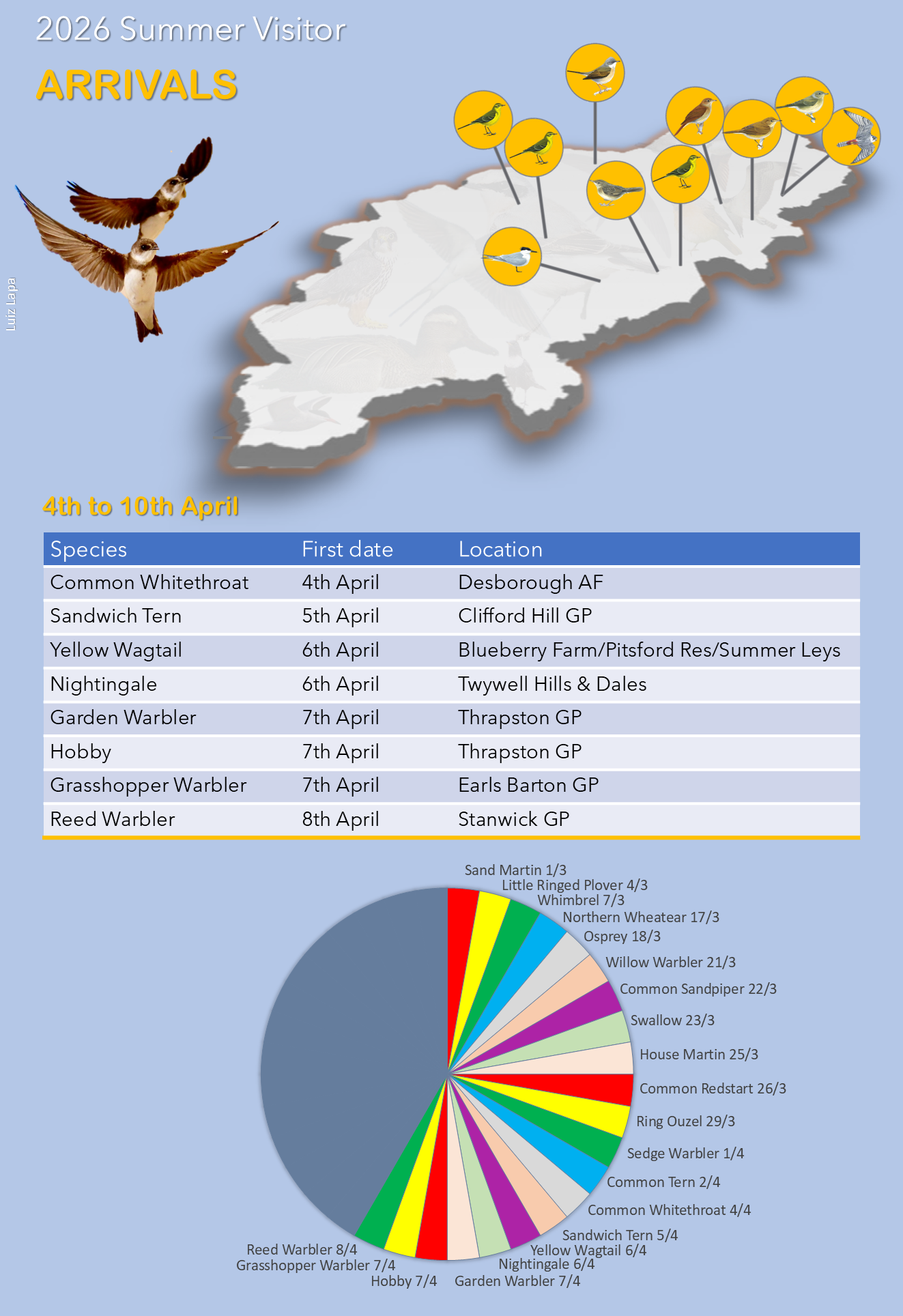
Of those runners and riders, Nightingale was the earliest ever, by three days – the previous earliest being on 9th April in 1999 and, on 7th April, Garden Warbler matched the earliest record holders in 2020, 2021 and 2025.
The week’s wildfowl were restricted to the drake Red-crested Pochard chaperoning the female Mallard and her brood of young, on the River Nene, between Earls Barton GP’s New Workings (North) and (South), throughout the period and the drake Ring-necked Duck moving down said river from Ringstead GP to Thrapston GP, where it was present between 7th and 10th.
The second Whimbrel of the year paid a brief, early morning visit to Earls Barton GP (NWS) on 9th, the same site also having produced a Black-tailed Godwit on 5th. Another of the latter species visited Summer Leys LNR on 7th and the same two sites held single Ruffs on 9th and 10th, respectively. Adding to the 2026 wader tally was a Greenshank, also at Summer Leys on 10th.
Another Kittiwake – the sixth record for the year, so far – appeared at Pitsford Res on 5th, followed by a Mediterranean Gull there the following day. Other gulls during the period were limited to an adult and first-winter Caspian Gull at Summer Leys on 4th and what was presumably the latter individual there again on 6th, while two adults were present at Ravensthorpe Res on 5th. The regular adult Yellow-legged Gull was at Pitsford on 6th and 9th and one was reported at Summer Leys on 7th.
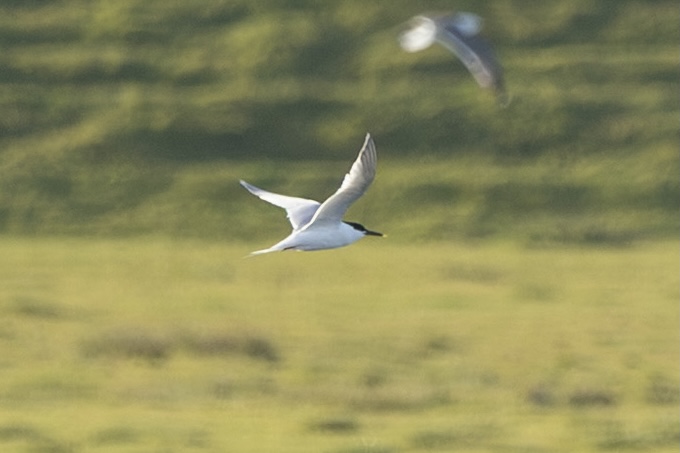
The first Sandwich Tern of the year put in a brief appearance at Clifford Hill GP before quickly moving off on 5th.
And, once again, the Red-throated Diver extended the length of its stay at Hollowell Res by another week.
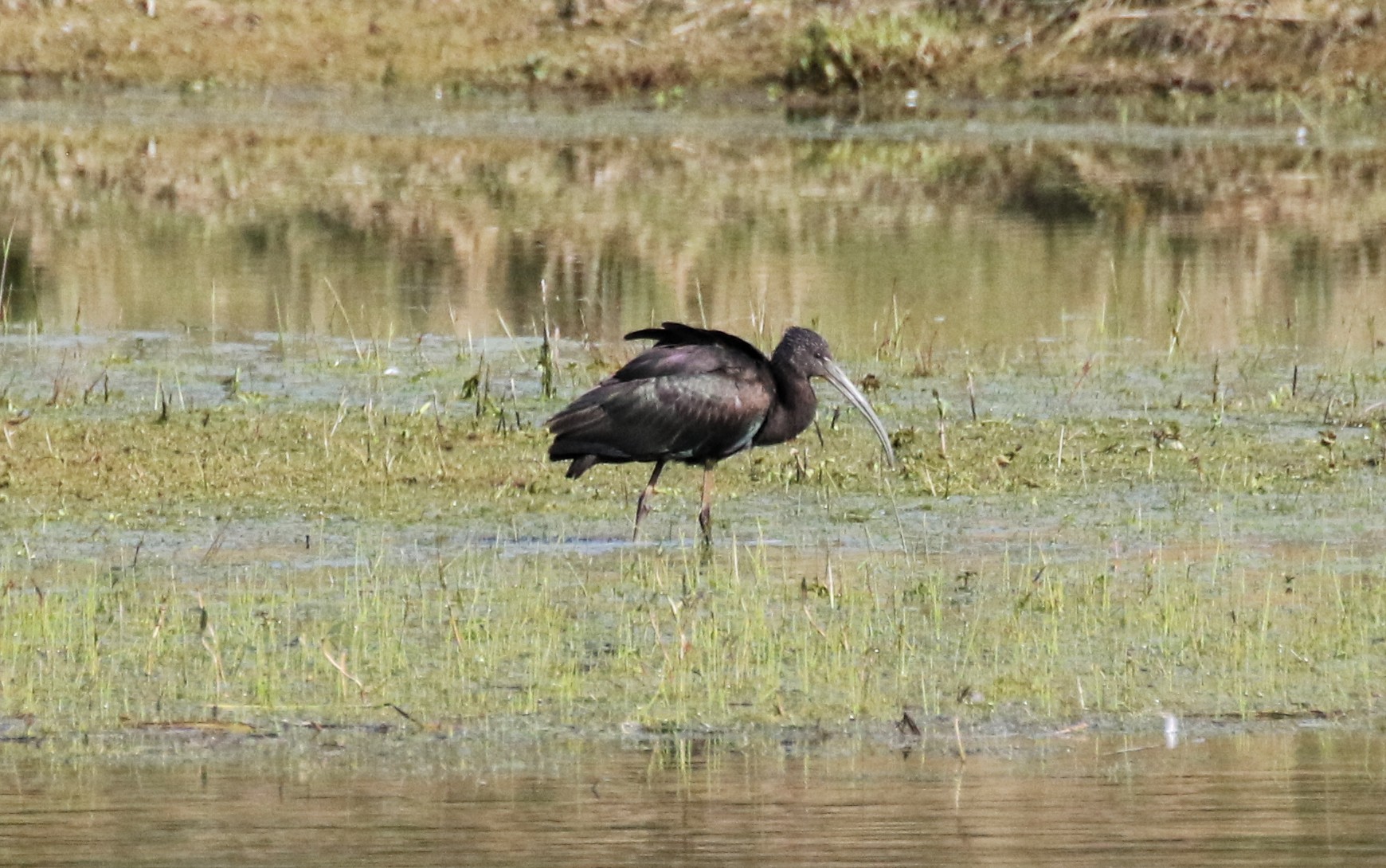
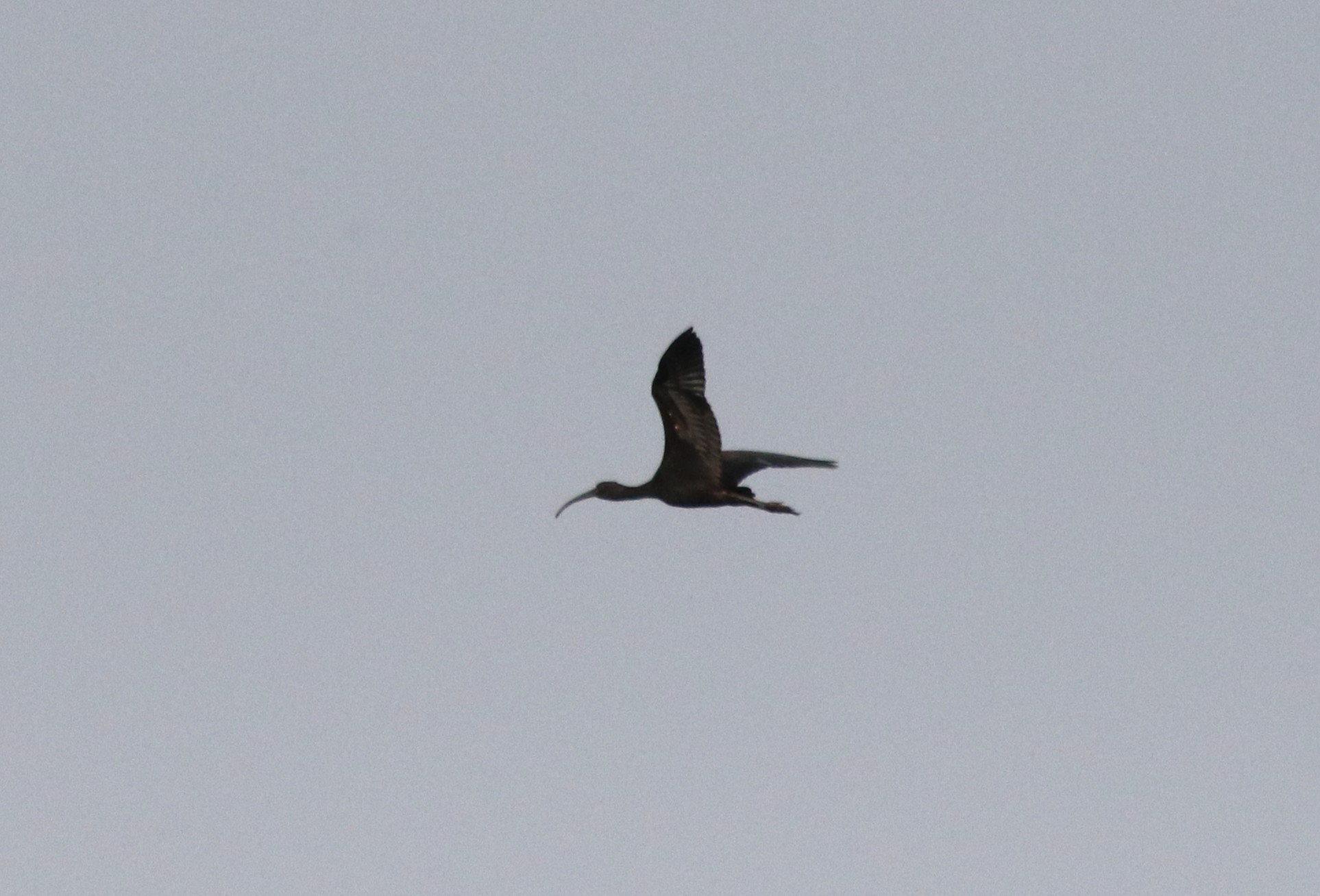
Developing increasingly itchy feet, the long staying Glossy Ibis branched out from Summer Leys on 8th to visit Ditchford GP on 9th and Earls Barton (NWS) on 10th, before returning to Summer Leys on the latter date.
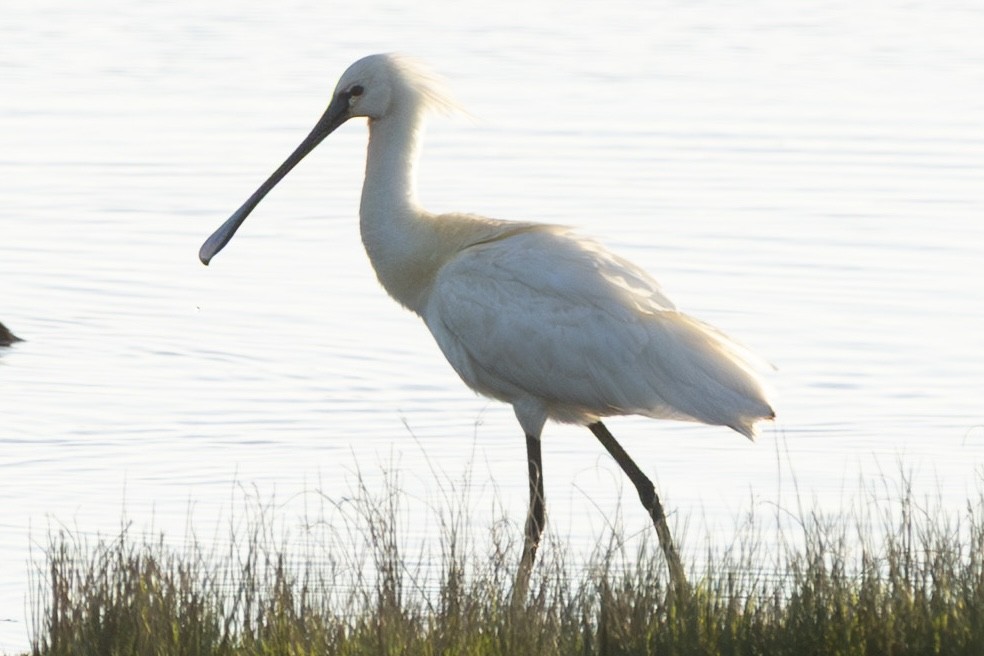
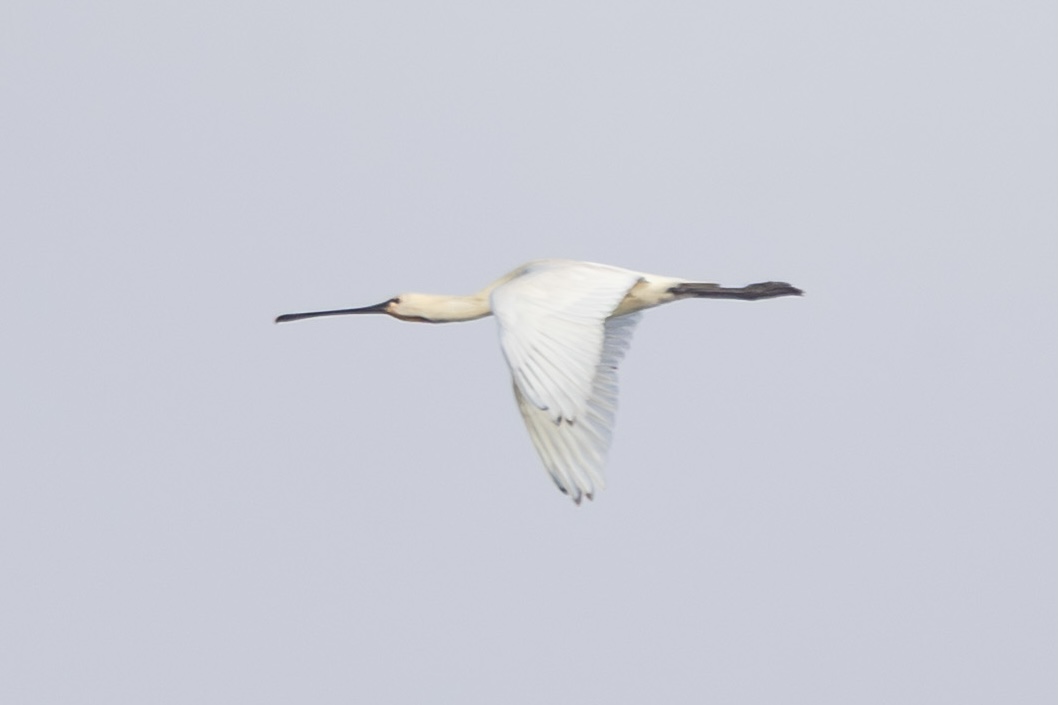
But the week’s best new bird by a country mile was the adult Spoonbill found at Clifford Hill early in the day on 5th. Although its stay was relatively short, it remained long enough for those quick off the mark to catch up with it.
Surprisingly scarce so far this year, Bitterns were located at Summer Leys on 7th, Thrapston on 8th and Earls Barton on 10th. Thrapston also produced the period’s only Cattle Egret, at Titchmarsh NR on 6th.
And the week saw the arrival of more Ospreys, with twos over Daventry and at Pitsford on 6th, and singles at the latter location on 4th and 5th, Hollowell and Stanford Res on 5th, over Finedon on 6th, Earls Barton on 7th and over Castle Ashby on 8th. By contrast, numbers of Marsh Harriers were low, with singles over Summer Leys and the wider reaches of Earls Barton GP on 7th and at Stanford on 10th.
And so to passerines. Aside from the aforementioned new summer visitor arrivals, a singing male Firecrest was present at one locality in what has, so far, been a good year for them in the county.
The appearance of more Ring Ouzels included one at Borough Hill on 6th followed by another at Blueberry Farm, Maidwell the next day, both birds being subjected to human disturbance and not showing for any length of time.
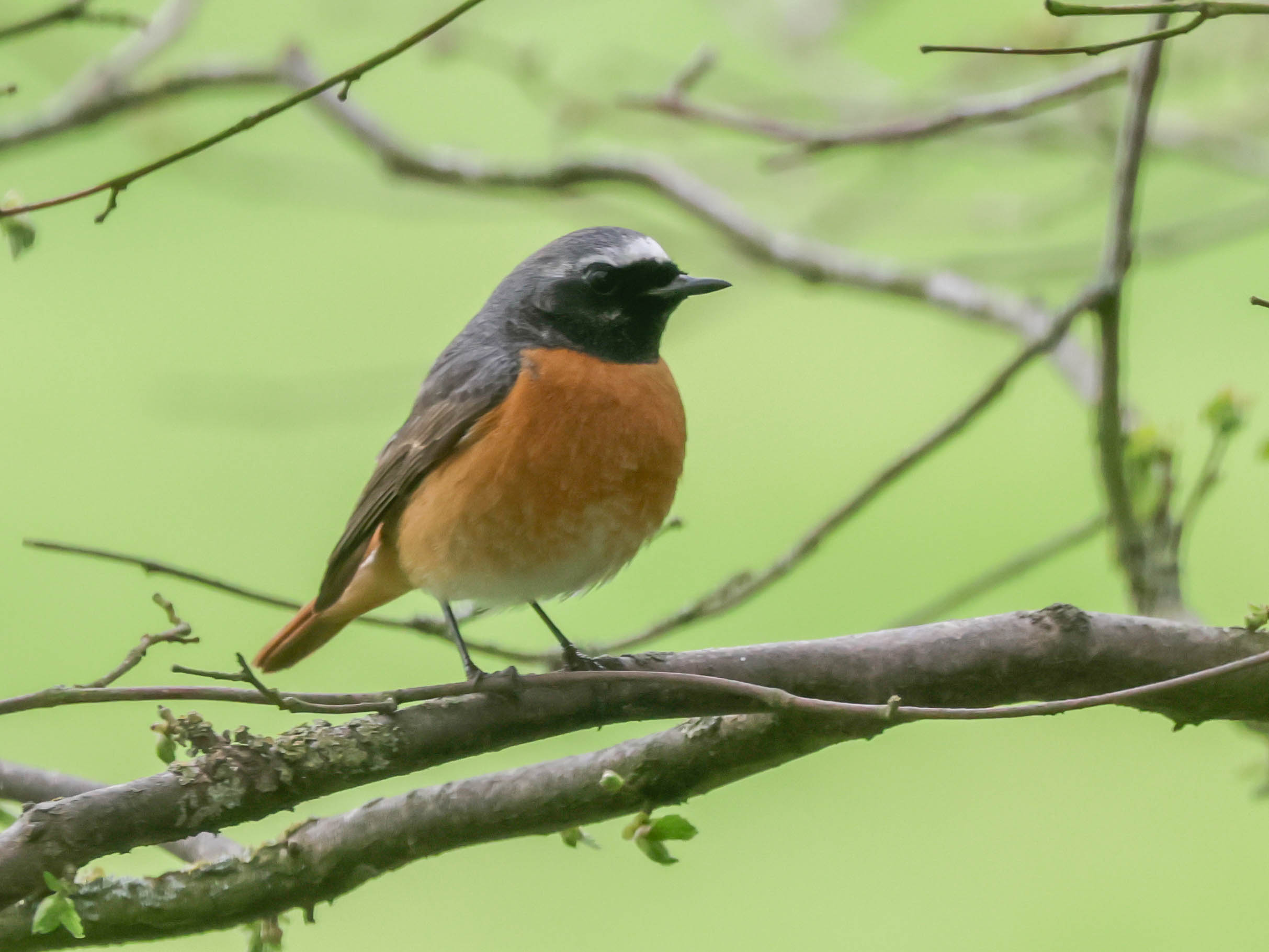
More Common Redstarts – all single birds – were to be found this week, at Blueberry Farm on 6th-8th, Borough Hill and Woodford Halse on 6th, Great Doddington on 7th, Harrington AF on 8th-10th, Denton Wood on 9th and Ravensthorpe on 10th.
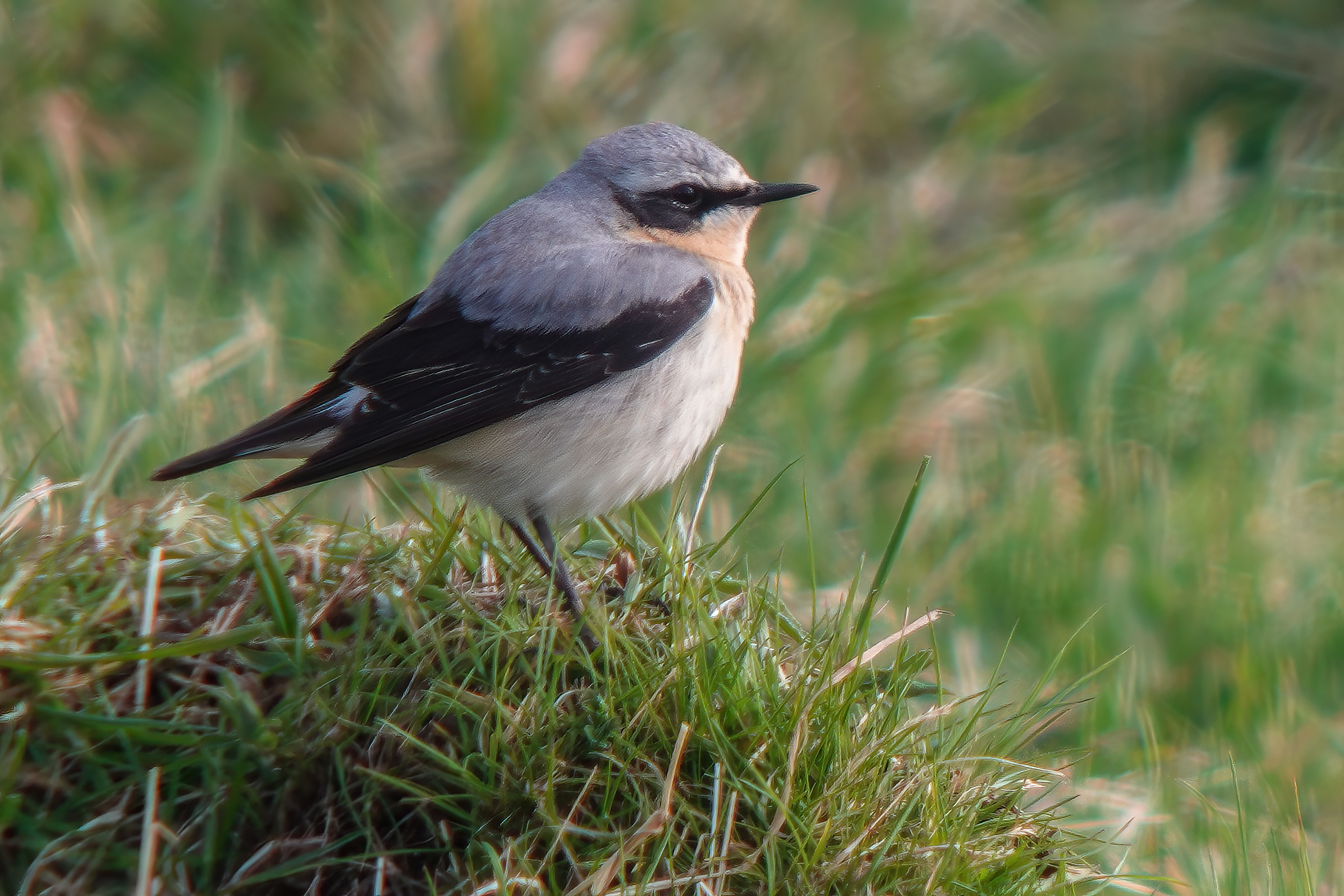
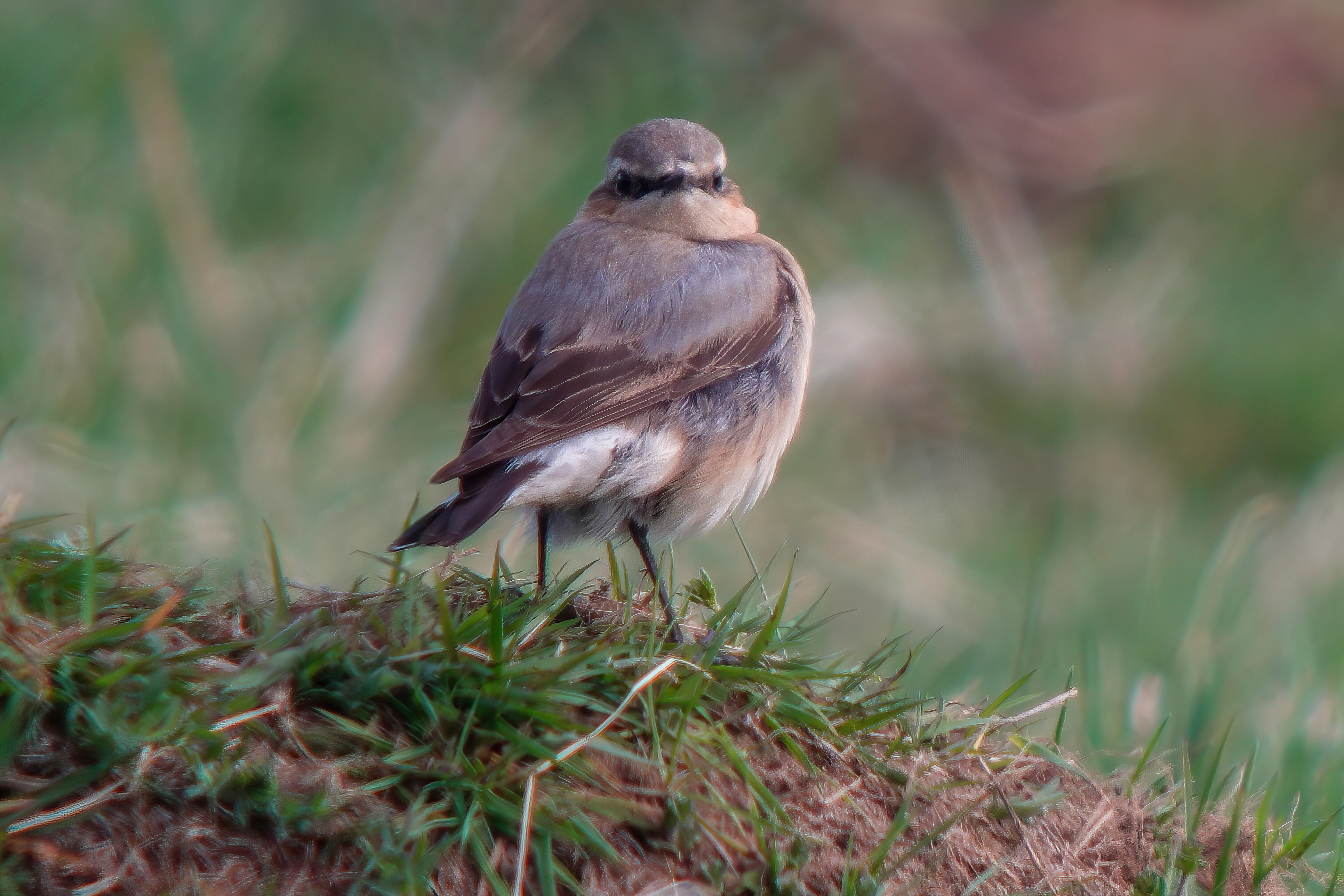
And Northern Wheatears simply piled in. Multiples included three at Borough Hill on 6th and twos between Cottesbrooke and Hanging Houghton and at Harrington on the same date, and again at the latter site on 9th, when two were also at Honey Hill. Singles were seen at Blueberry Farm, Chelveston AF, Clifford Hill, between Clopton and Titchmarsh, at Cold Ashby, Earls Barton, Hollowell, Orlingbury, Stanford Res and Summer Leys.
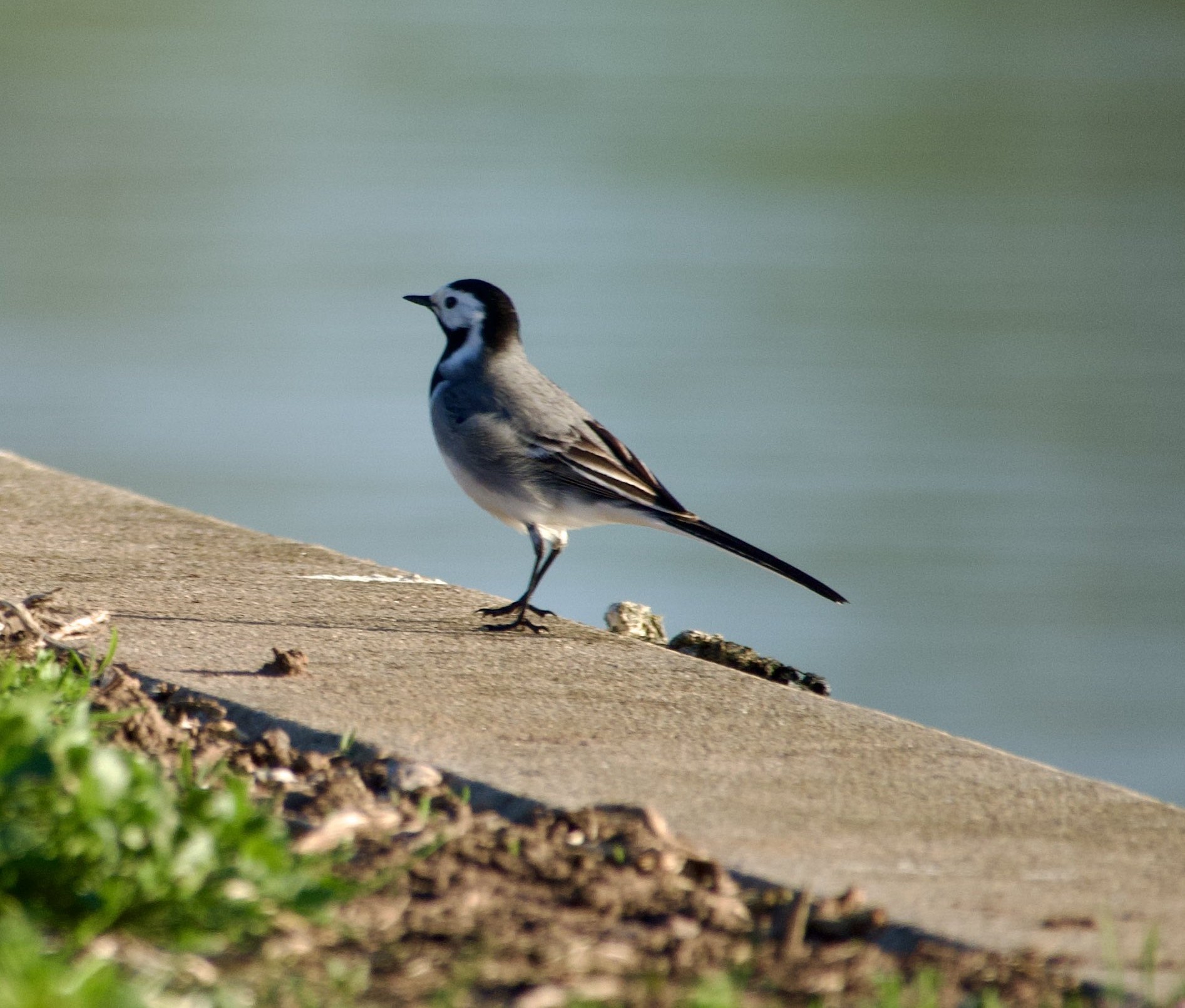
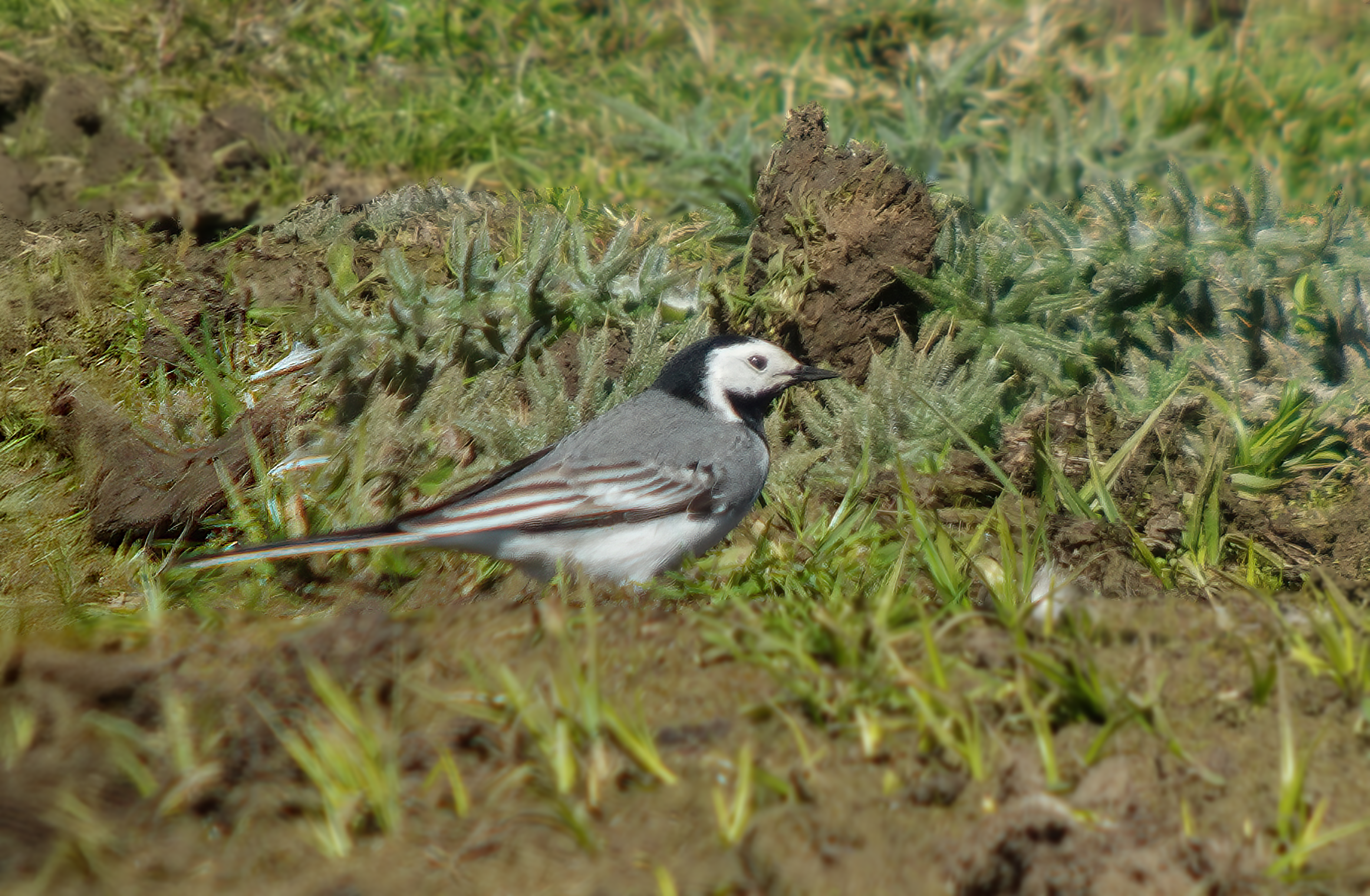
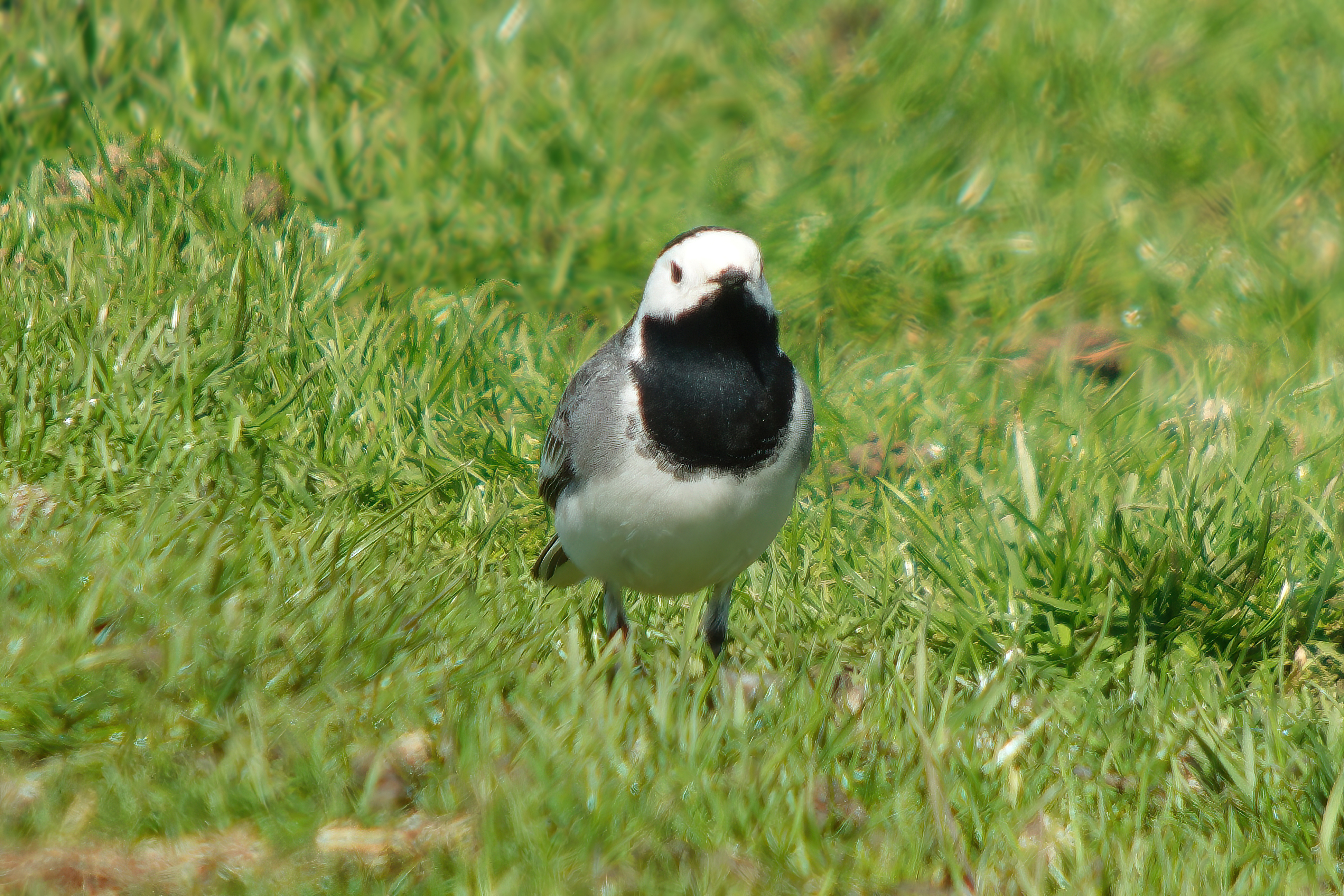
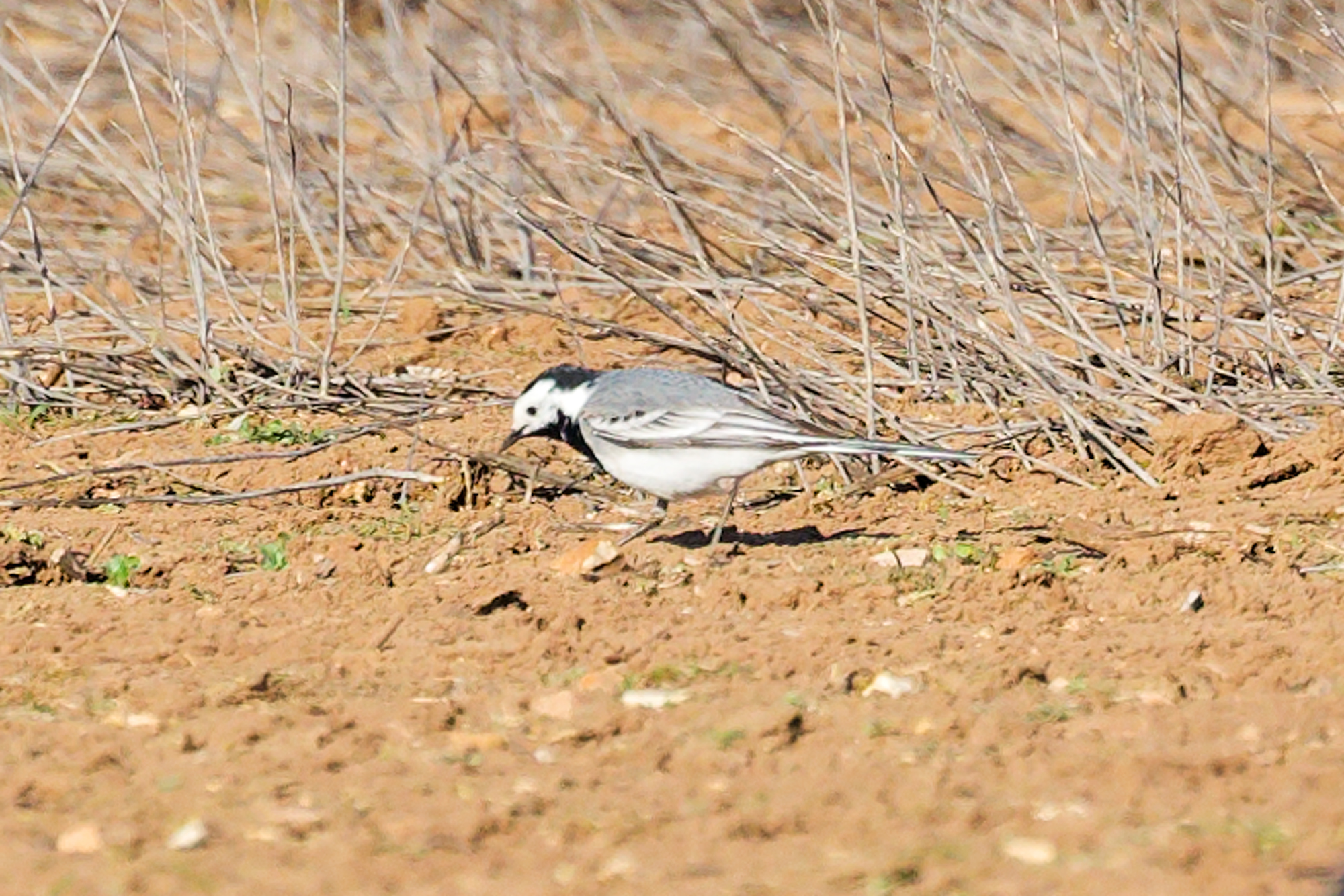
A male ‘Channel’ Wagtail was found at Lilbourne Meadows NR on 7th, while two White Wagtails were on floodwater at Braunston on 6th and singles were at Stanford on 5th, Summer Leys on 7th and Welford Res on 10th.
At least two Corn Buntings were singing at Chelveston AF on 6th.

Discover more from Northants birds
Subscribe to get the latest posts sent to your email.

 Northants birds