The last few weeks have seen various numbers of Crossbills found at six localities, one of which is the stand of larches immediately adjacent to the car park at Wakerley Great Wood. For many veteran county birders, this area will no doubt bring back fond memories of seeing Northamptonshire’s first Parrot Crossbill, a female, there in November 1990, along with a male Two-barred Crossbill with up to fifty-five Crossbills present at the same time.
At least three Crossbills were there on 1st March and up to twelve were present on 3rd-4th March but they have been mobile and not always on show, with no further sightings until 18th March, when seven or eight were seen by James Underwood.
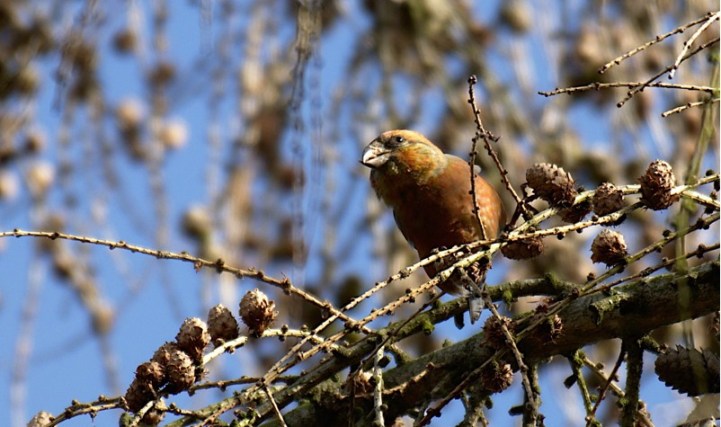
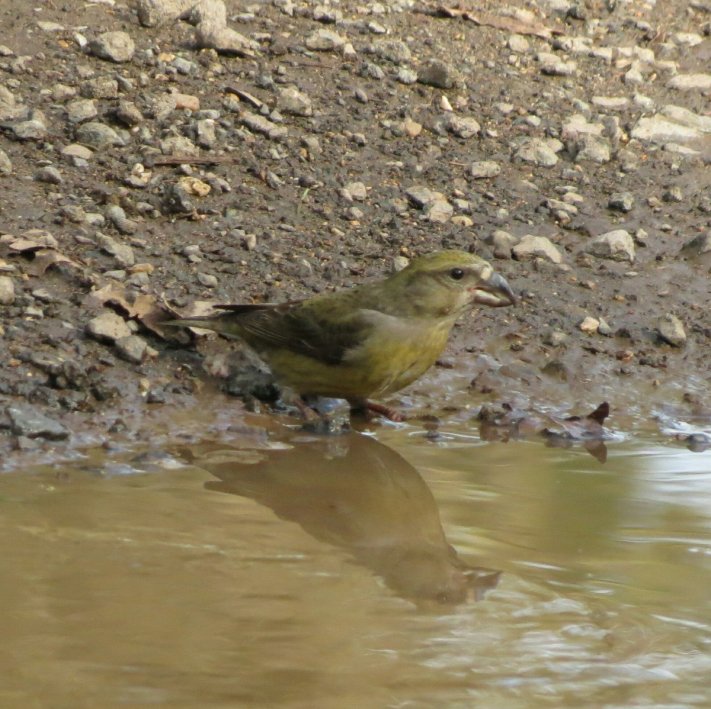
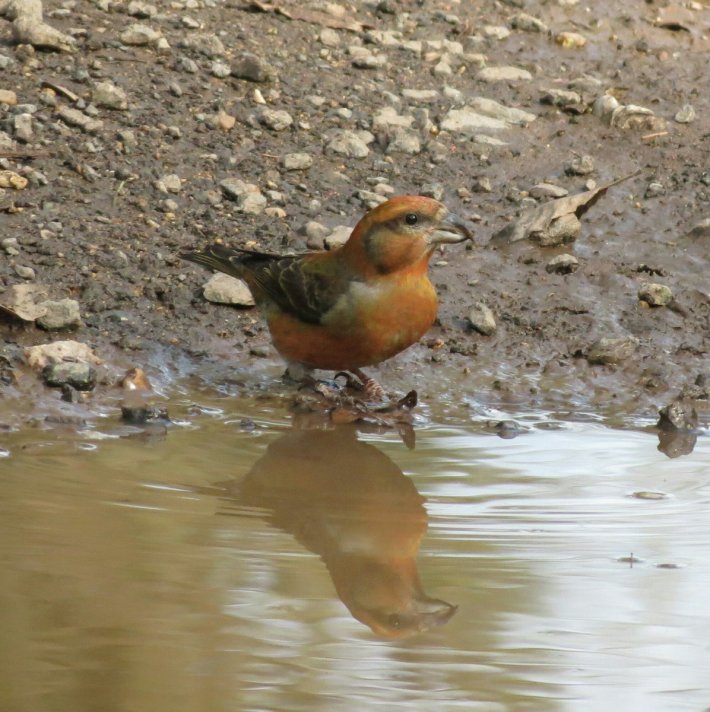
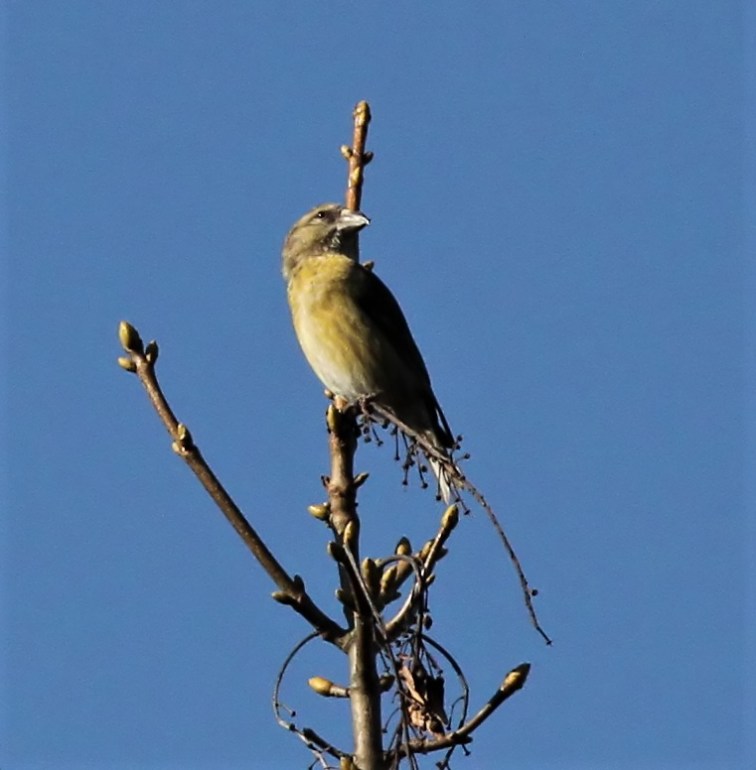
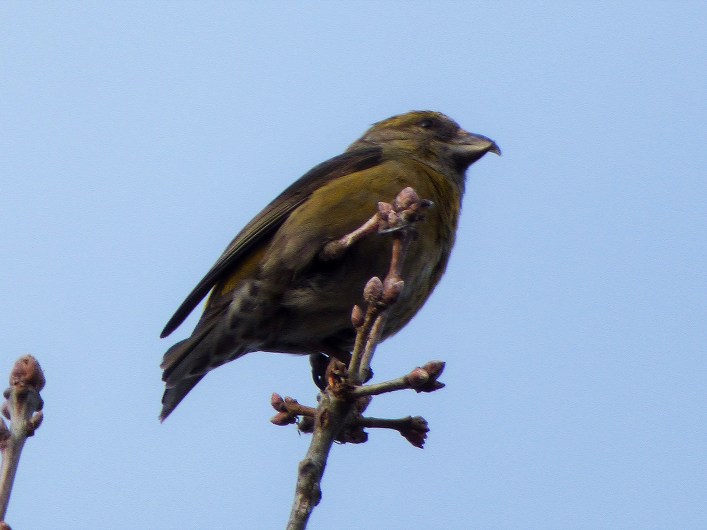
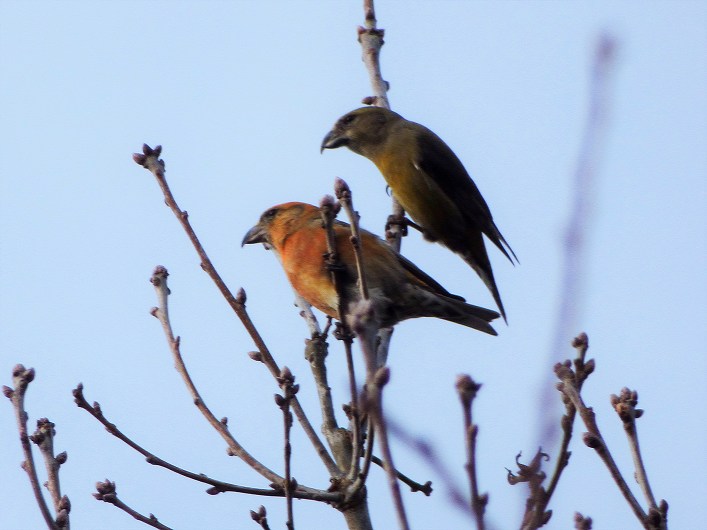
Among these was a rather large-billed male with a deep, hefty bill, of which James managed to capture a couple of images. At no time was it suggested it was a Parrot Crossbill but the photos portray a Crossbill with a super-large bill, the first image of which certainly sets the pulse racing.
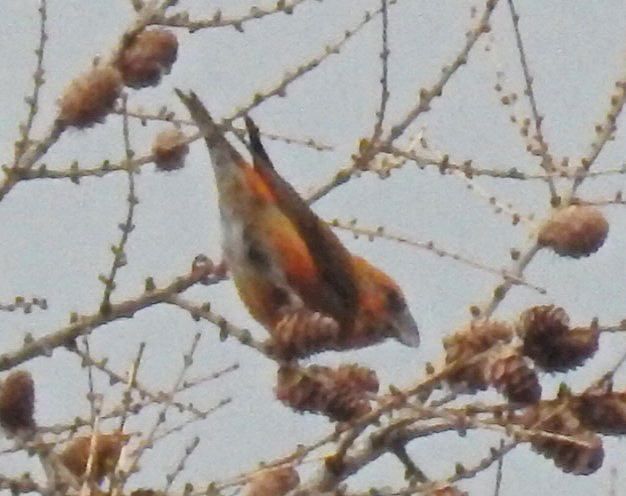
The second image, however, perhaps depicts the true proportions of this individual, which enables a more balanced assessment to be made. The bill appears shallower (but still very large) and the head appears to be in ‘correct’ proportion with the body, i.e. it does not seem to have an overly large head like that of a Parrot Crossbill. Additionally, the visible depth of the lower mandible at its base does not appear to be deep enough for Parrot Crossbill. But these are simply two images and how accurately do they convey the true dimensions of the bird and its bill?

According to Shirihai and Svensson’s Handbook of Western Palearctic Birds (2018), the bill of Crossbill overlaps in size with that of the larger-billed Scottish Crossbill which, in the past, has been mooted as a race of Parrot Crossbill. Crossbill taxonomy is, however, far from straightforward. The IOC checklist (now adopted by the BOU) recognises nineteen races of Crossbill (Red Crossbill Loxia curvirostra) with the nominate race curvirostra occupying northern, western and central Europe, including the British Isles and Scottish Crossbill is retained in the list as a full species, Loxia scotica. Shirihai and Svensson, however, regard the latter as simply a race of Crossbill but recognise the British breeding population as an additional race ‘anglica’. So, during periodic Crossbill irruptions, are we seeing local movements of British birds ‘anglica’ or are they continental curvirostra – or both? Furthermore, does the supposedly sedentary scotica ever move south? And if so, how far? Only time (and DNA) will tell …
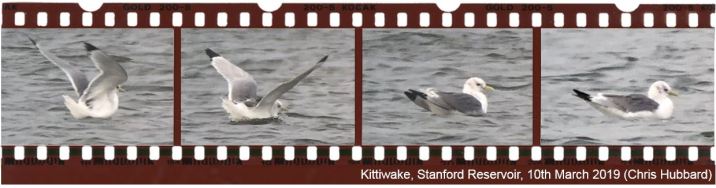 A succession of low-pressure systems, scudding rapidly across the North Atlantic, brought intermittent gales and rain on predominantly north-westerly winds. A fallout from this was the year’s first Kittiwake – one of a series of inland records during the period.

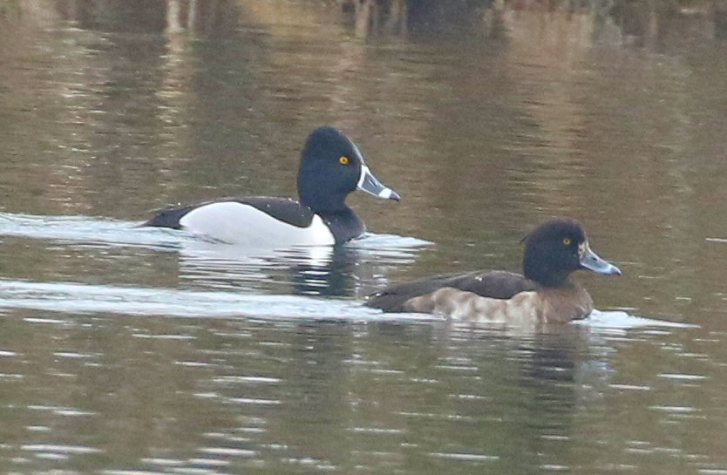
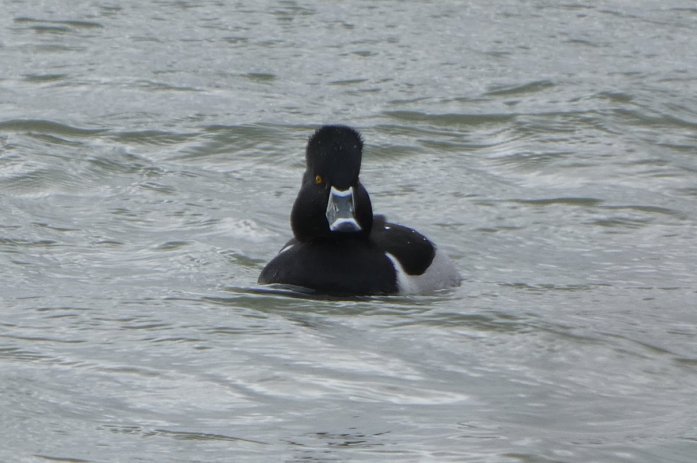
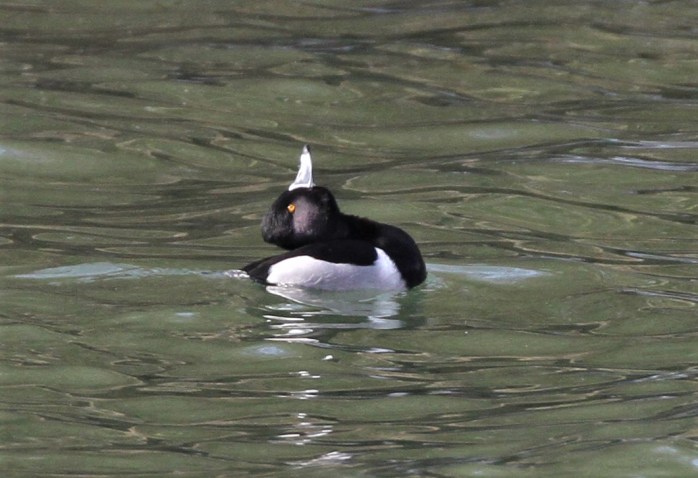
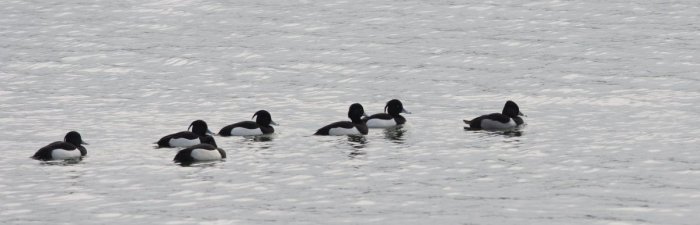
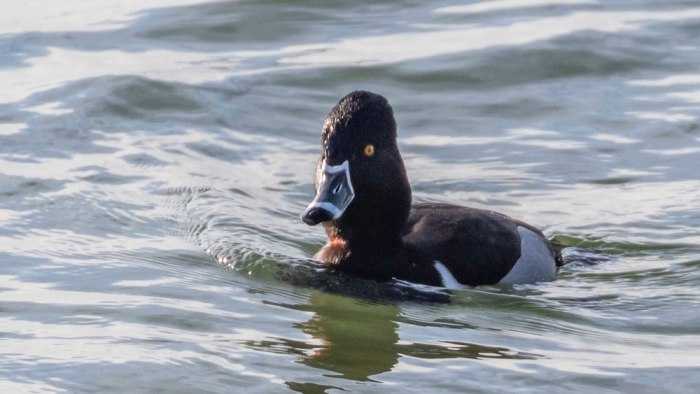
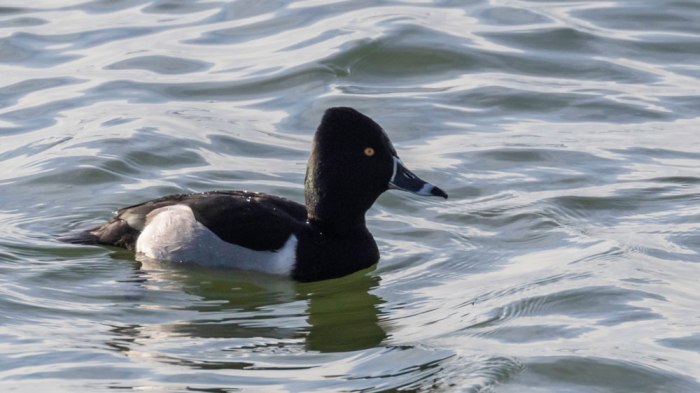
 Winds this week remained south-westerly to westerly and frequently blustery, with sporadic showers, although temperatures were still above average for the time of year. Highlights included an Iceland Gull in the north-west of the county and more Crossbills in the north-east and close to the county town while, apart from a certain roving Ring-necked Duck, the reservoirs and the Nene Valley remained cool, calm and collected …


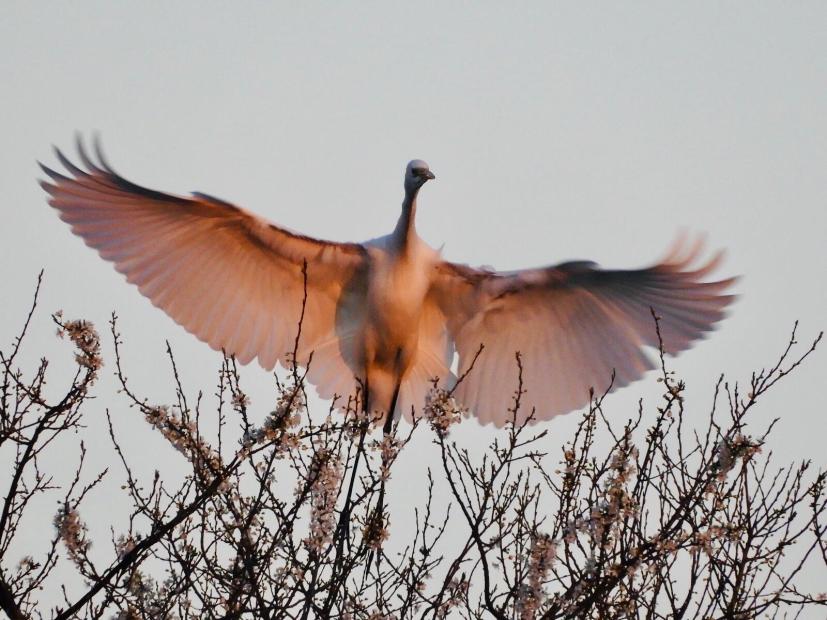

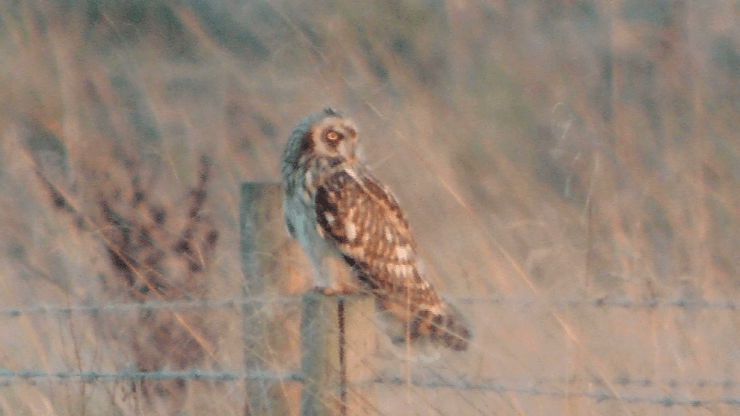

 The spring-like weather continued, remaining dry, with southerly winds again bringing warm air up from well beyond south-west Europe and local temperatures hitting a balmy 15°C on 21st and 22nd. Notable birds during the period were a likely Glossy Ibis and a new Cattle Egret, while nearly all of last week’s scarce winter visitors remained in place.


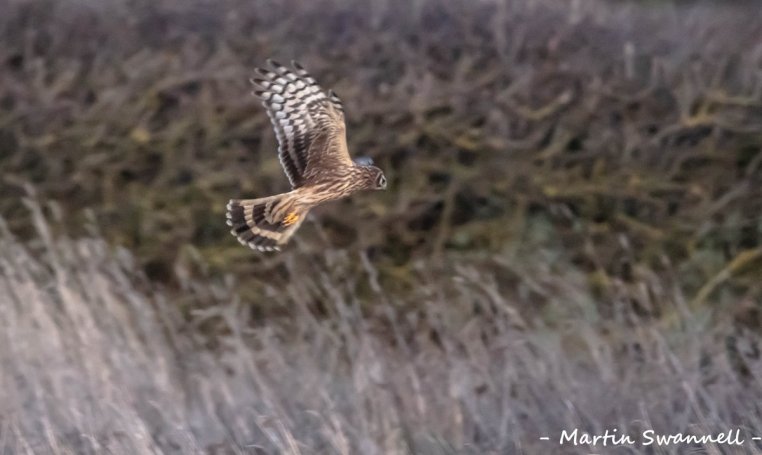
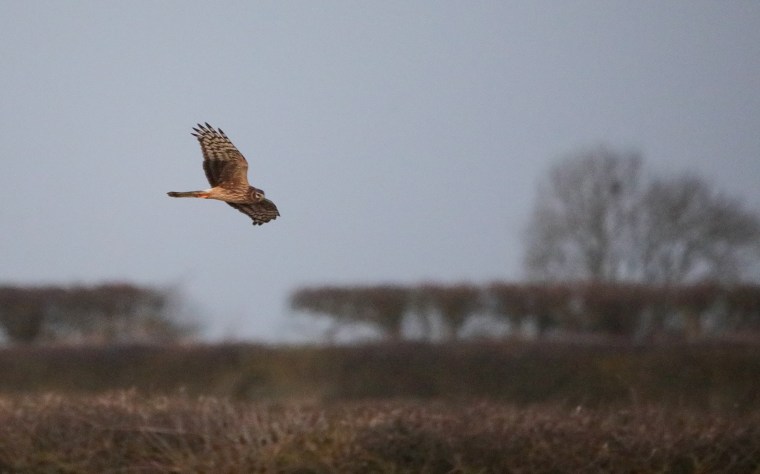
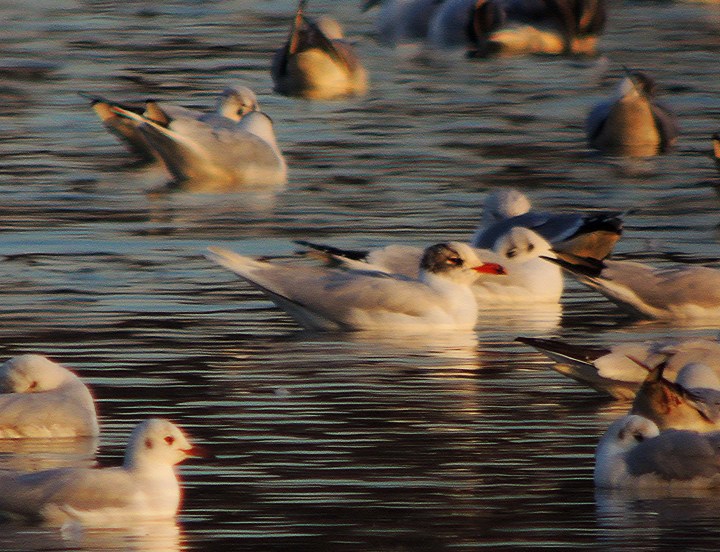
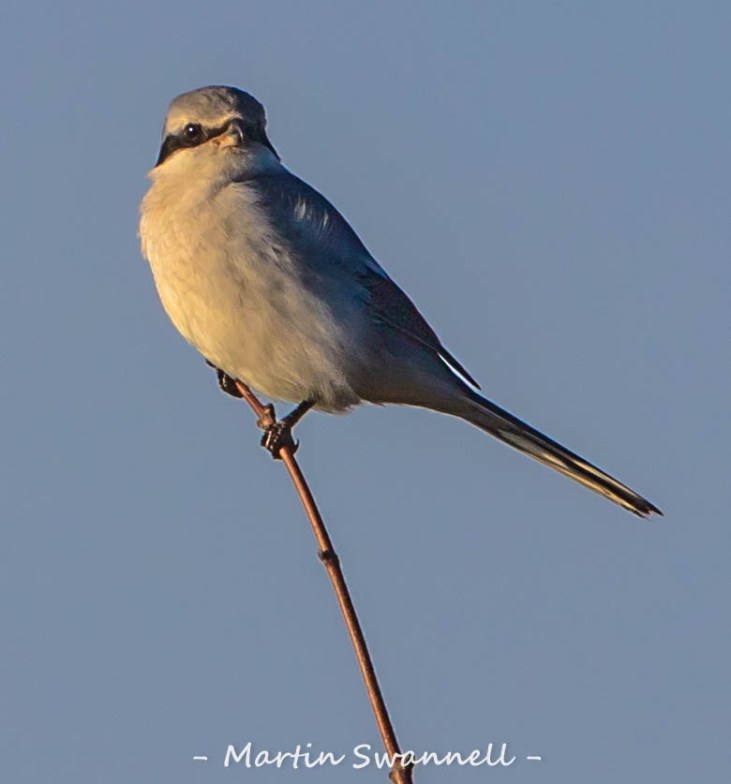

 After the first two days, Storm Erik’s wind and rain ultimately gave way to southerly winds bringing warm air to the country from as far south as the Azores. The resultant ‘warm’ conditions were positively spring-like, with temperatures hitting a local daytime high of 14ºC. Some movement took place on the wader front, with Oystercatchers returning to three Nene Valley sites and an Avocet appearing at Hollowell Reservoir.
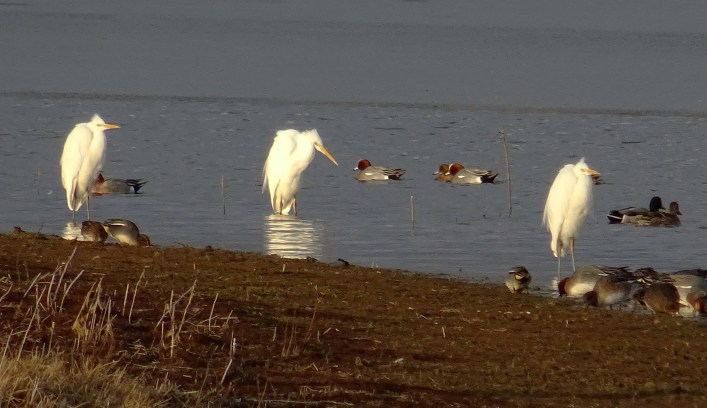
 Meanwhile, the two juvenile Great Northern Divers remained at Pitsford all week, occasionally showing well together, some distance south of the causeway. Great Egrets were a little down on last week and although Thrapston continued to hold four or five and Earls Barton GP/Summer Leys two or three, elsewhere the picture was different, with only singles at Cransley Res, Ditchford GP/Irthlingborough Lakes & Meadows, Pitsford Res and Stanford Res.




 Frozen conditions continued for the first two days of the period, with continuing cold northerlies and temperatures bottoming out at -5ºC early on 3rd. After this it was all change, the winds swung round to the westerly quarter and daytime temperatures rose to 9ºC, rapidly melting ice and remnant snow. By the week’s end, Storm Erik’s gale-force winds and rain put the dampeners on things across the Midlands but none of this, it seems, made any significant difference to the birds on offer.
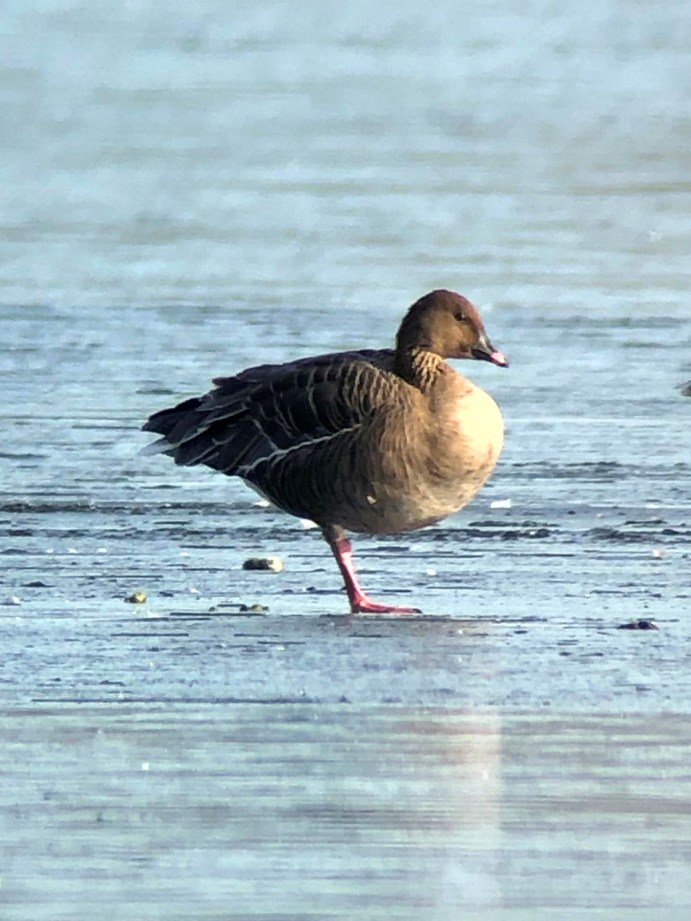



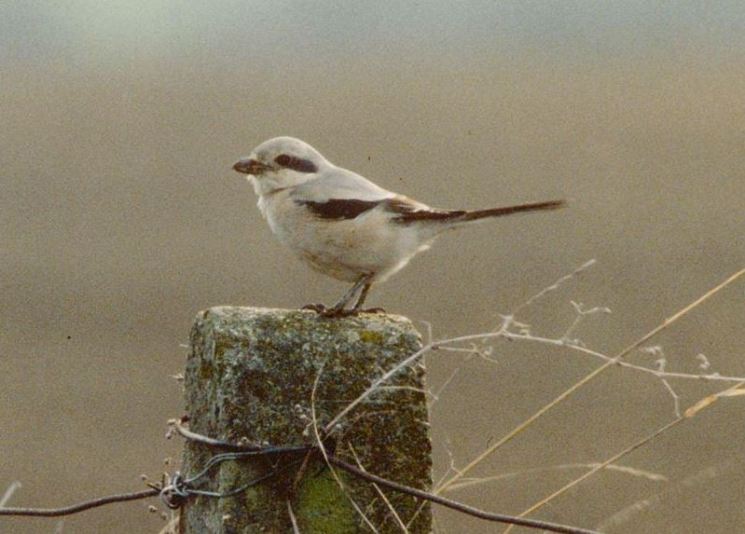
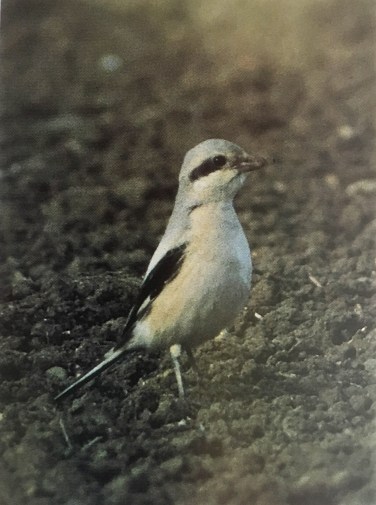
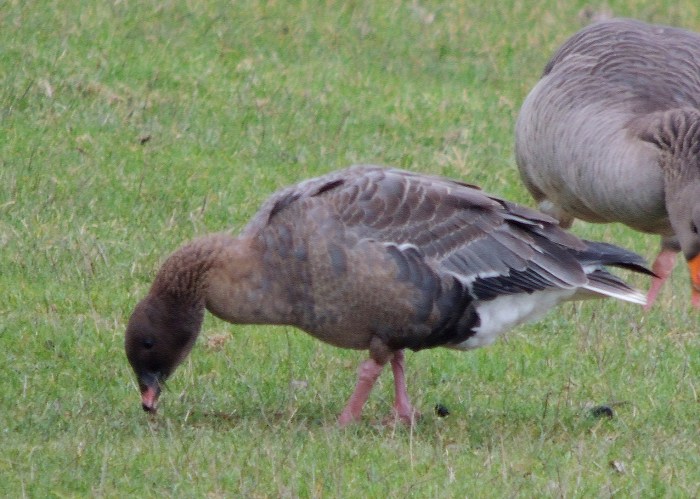
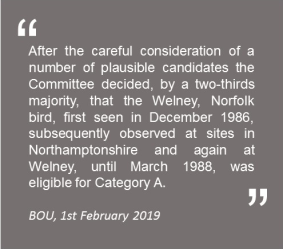 Found by Dave Burges and Matthew Rodgers on 15th February 1987, it remained at Pitsford until 5th April and the record was duly submitted to, and accepted by, the British Birds Rarities Committee. It reappeared the following winter, when it turned up at Thrapston GP on 12th December, remaining there until 24th, before relocating to nearby Ringstead GP, from where it commuted to and from Thrapston between 16th January and 6th March.


 Northants birds