Newsround – 30th September to 6th October 2023

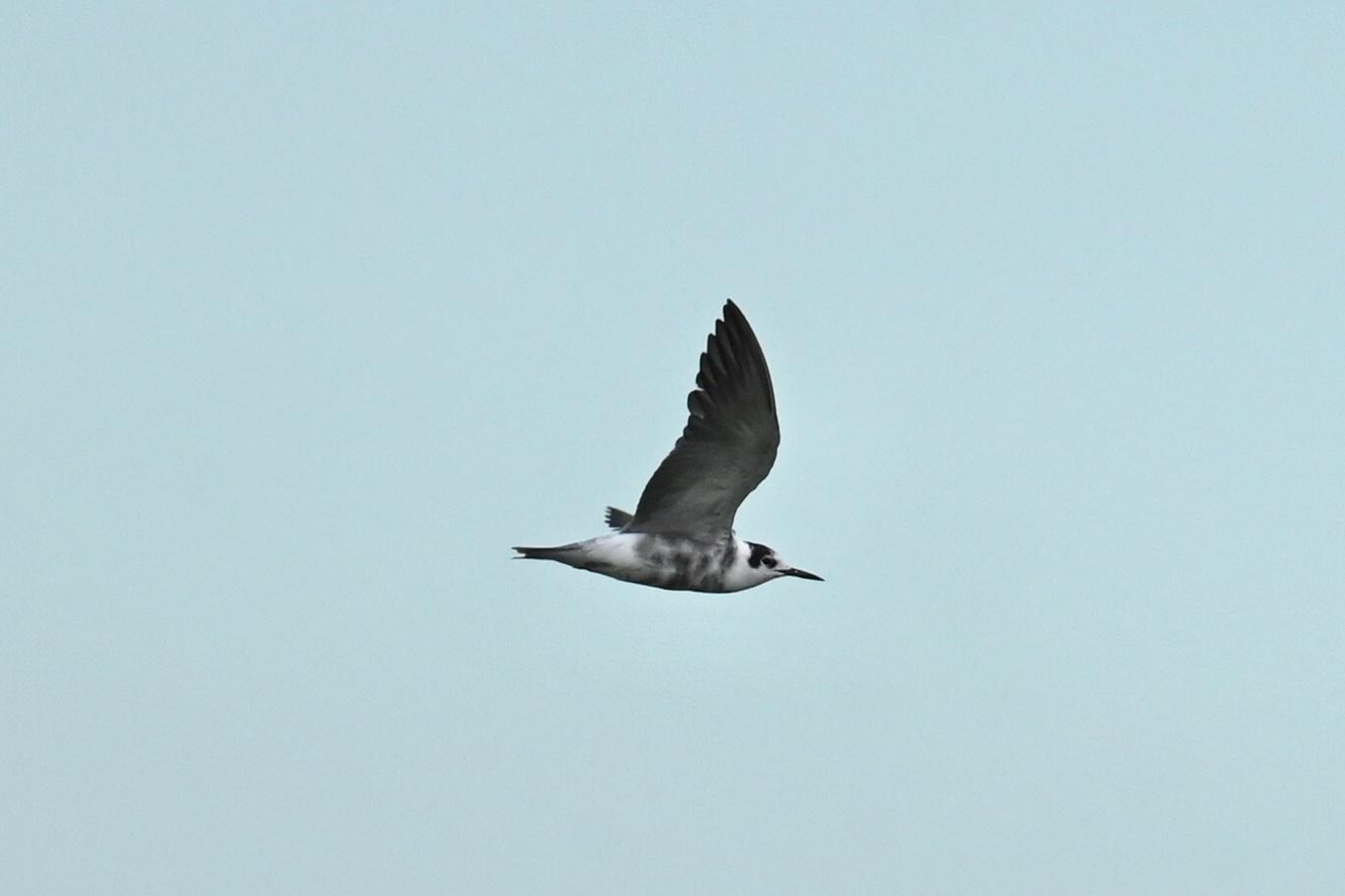
A west to south-westerly airstream delivered a largely warm week with temperatures well above average for early October. But as we move ever closer to the bottom of the autumnal helter-skelter, with new birds proving increasingly hard to come by, a briefly staying suburban Wryneck was a nice find for one, early in the week.

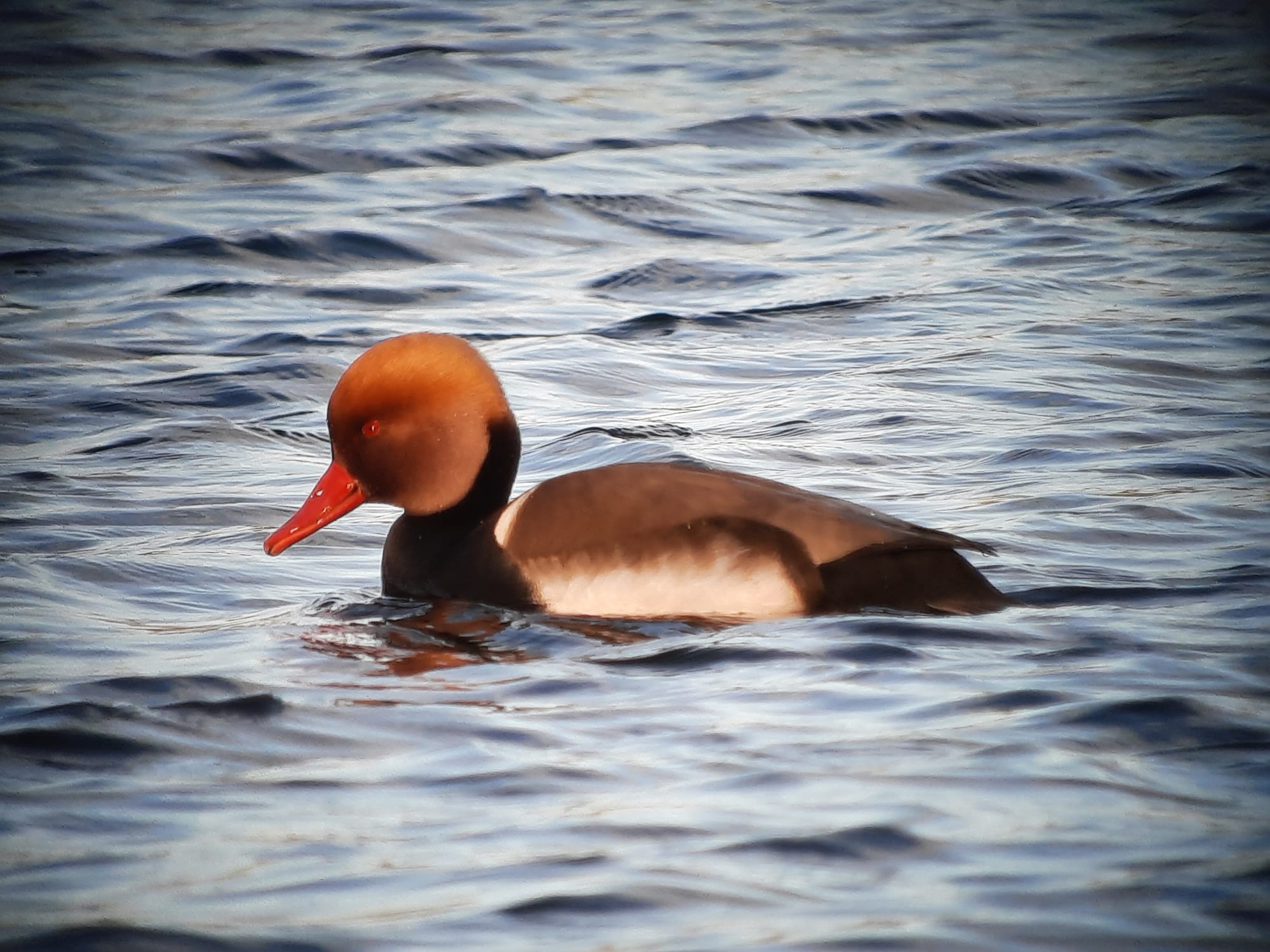
A quick look at wildfowl reveals the renewed presence this week of Hollowell Reservoir’s Pink-footed Goose, on 6th, and the female Ruddy Shelduck between 1st and 3rd. A Garganey at Stanford Res on 3rd and 6th provided a welcome distraction for the site’s regular watchers from the lingering quartet of drake Red-crested Pochards, present there throughout the period.

With migrant wader numbers continuing to ebb, the first Jack Snipe of the season checked in at Hollowell on 3rd and Ruff numbers dwindled to just one at Stanwick GP between 30th and 2nd and two there on 3rd, followed by one at Earls Barton GP on 6th.

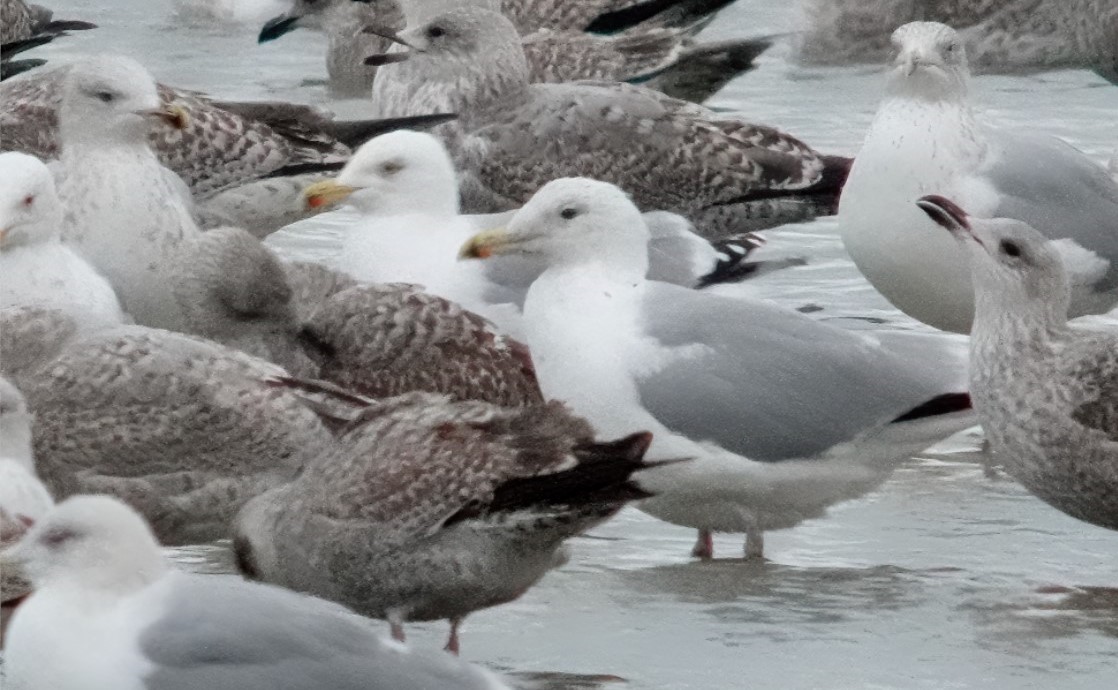
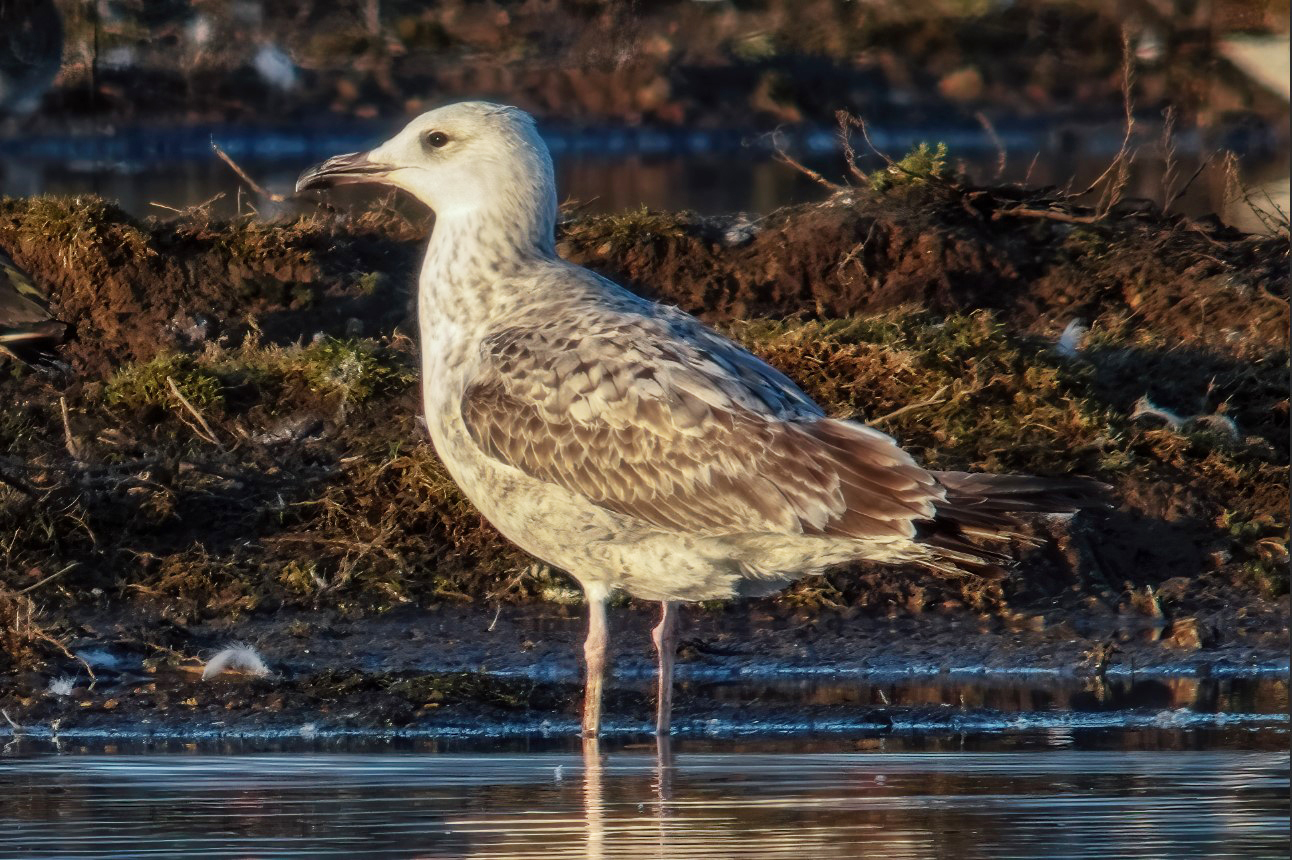
On the Larid front, a crisp first-winter Mediterranean Gull briefly joined the pre-roost of gulls off the dam at Pitsford Res on 4th, before quickly moving off south-west. Upsizing, single Caspian Gulls included a juvenile/first-winter at Pitsford on 3rd, an adult at Hollowell – also on 3rd, a second-winter at Stanford on 4th, when the German-ringed adult was again at Naseby Res, and an adult at Ravensthorpe Res on 6th.

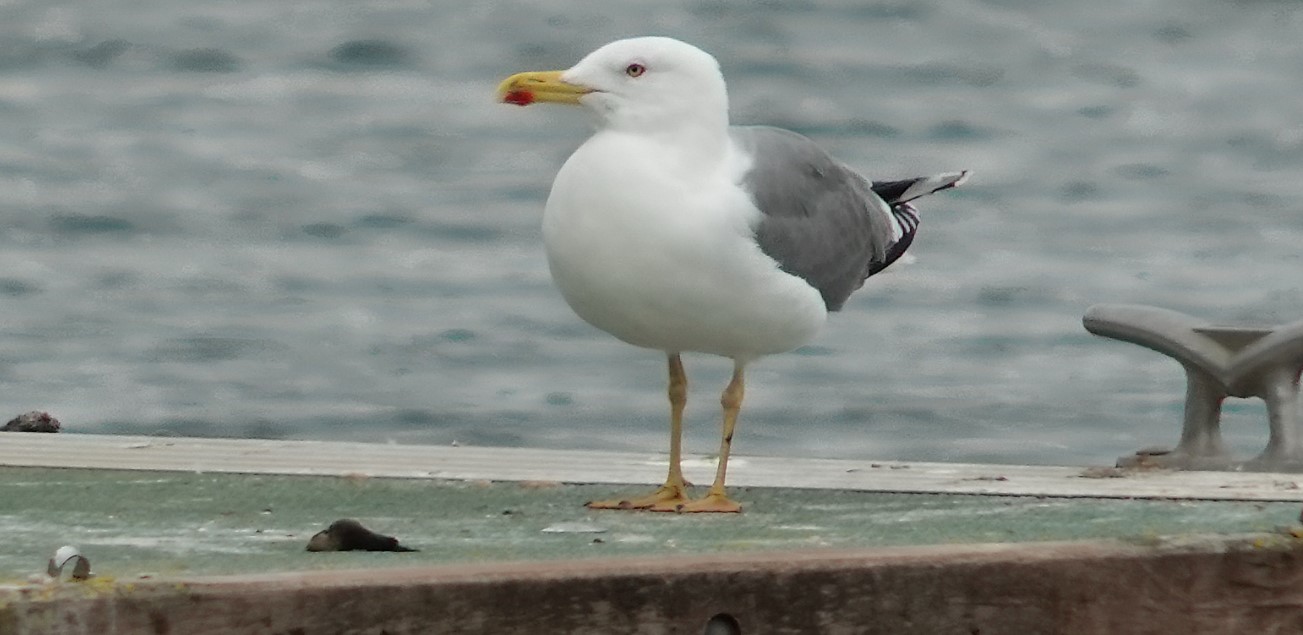
Yellow-legged Gull numbers were up on last week. Pitsford produced the maximum count of seven on 3rd, the same site holding one on 30th, two on 4th and three on 6th. Elsewhere, four were at Stanwick on 2nd, followed by one there the next day, at least four were at Wicksteed Park Lake, Kettering on 3rd with two there on 6th and singles visited Summer Leys on 1st, 2nd and 5th, Thrapston GP on 1st and Earls Barton on 6th.

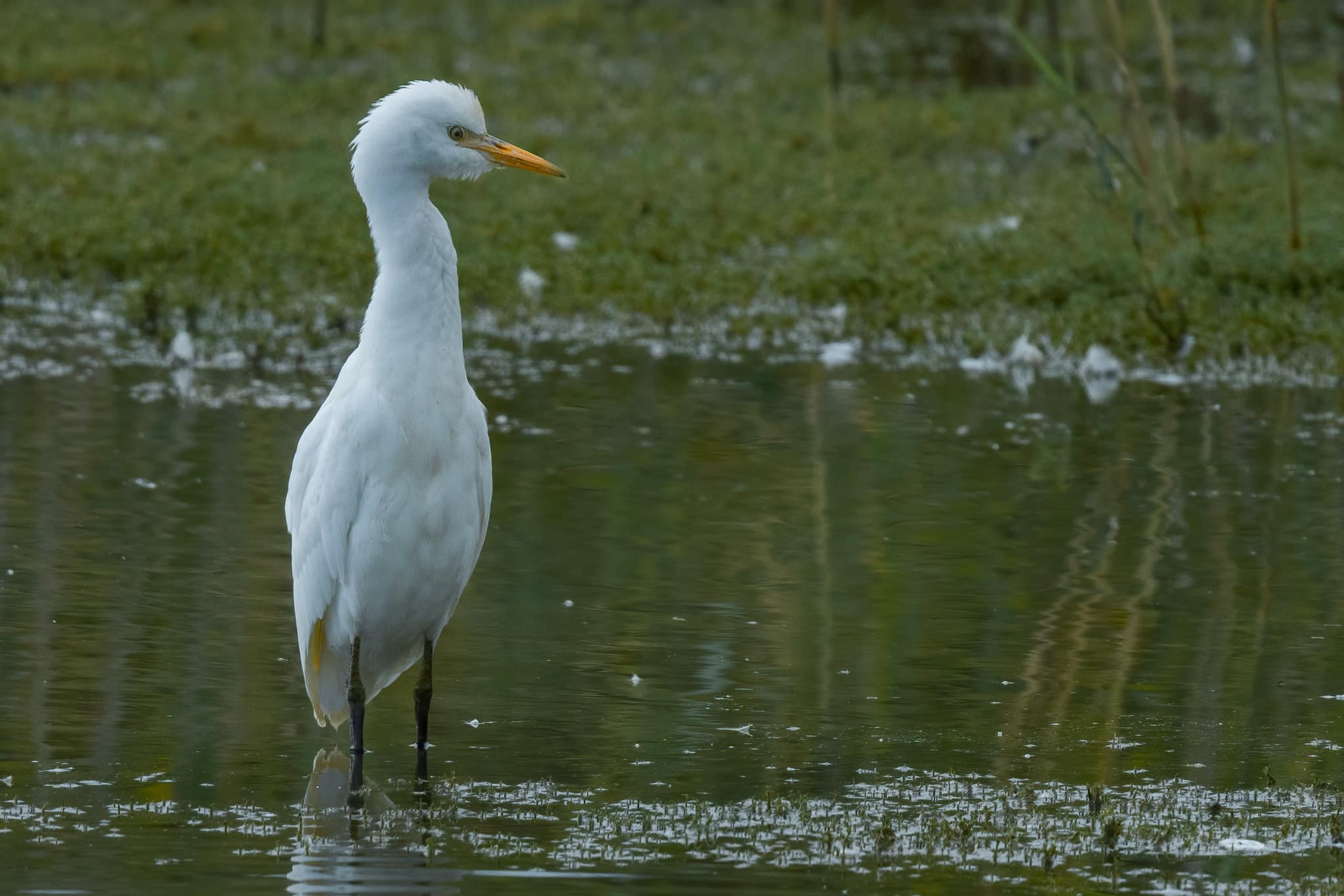
Summer Leys’ potentially resident Bittern surfaced on 30th but was not seen thereafter and, seemingly coming back thick and fast, Cattle Egrets reached double-figures at Stanwick. Twelve were present there on 3rd, although only two could be found on site the next day, while one again visited Summer Leys on the last day of the week.

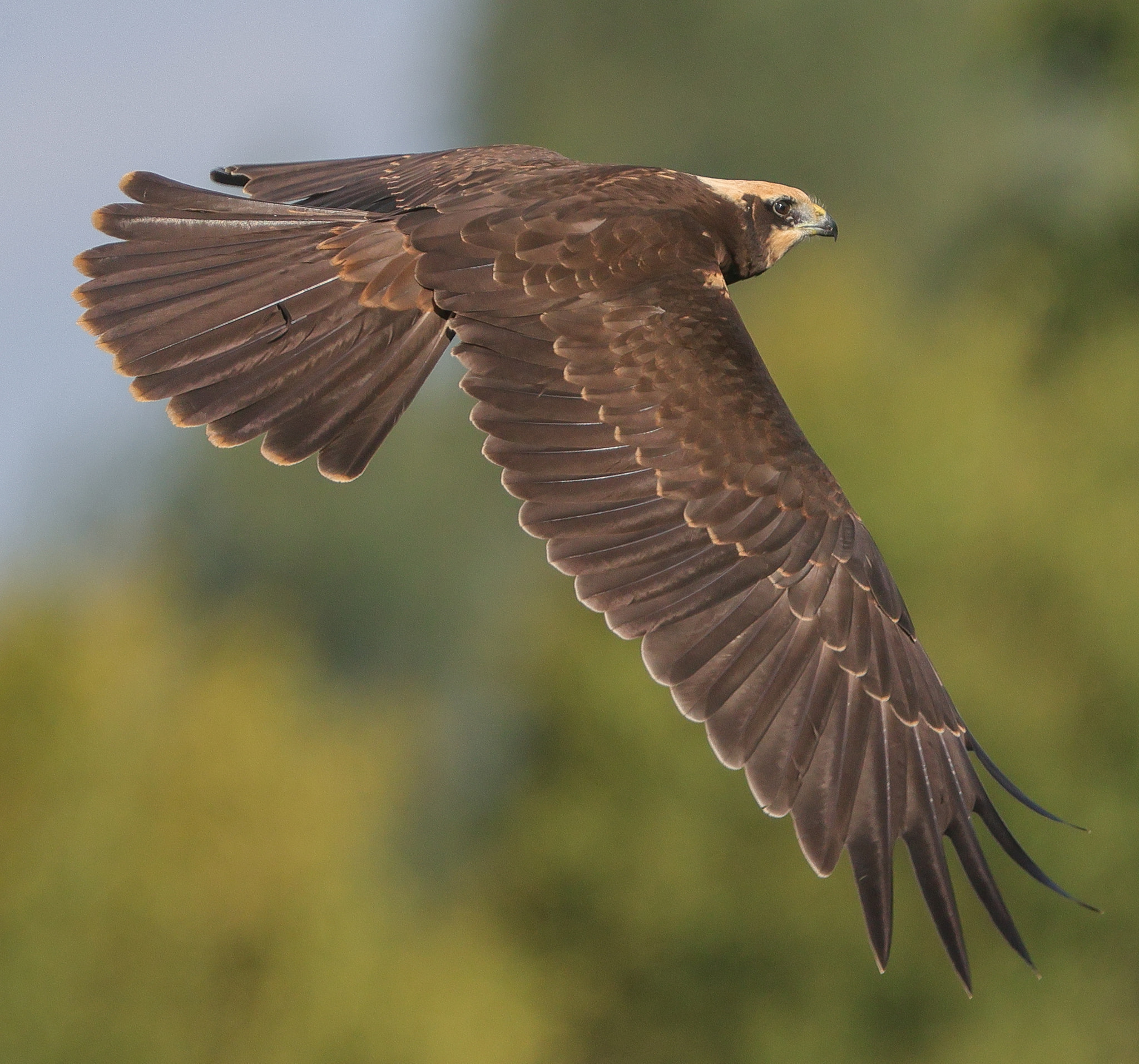
Edging ever closer to winter, a ‘ringtail’ Hen Harrier was found between Blueberry Farm and nearby Dale Farm, Maidwell on 30th and in sharp contrast to last week, Marsh Harriers were down to just one, at Stanford Res, on 4th. Two Merlins also put in an appearance – one at Stanwick on 1st and the other at Stanford three days later, on 4th.

Potentially bird of the week was a Wryneck in suburbia, seen for only a short period of time at Dallington Cemetery, Northampton very late in the afternoon of 1st. Alas, it chose not to hang around to be admired.

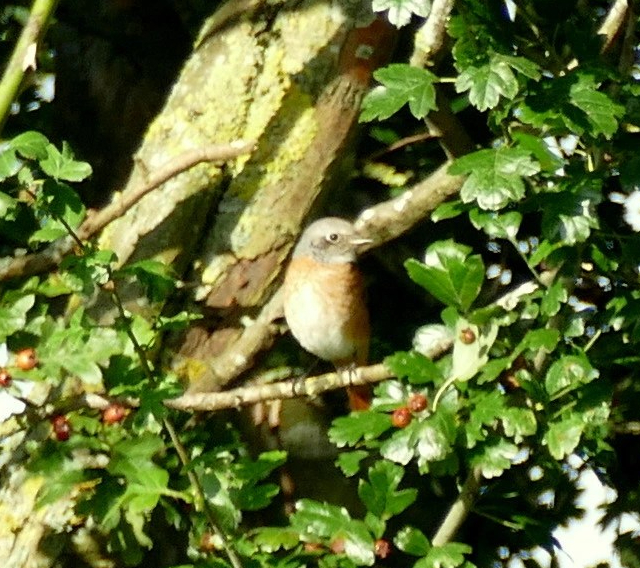
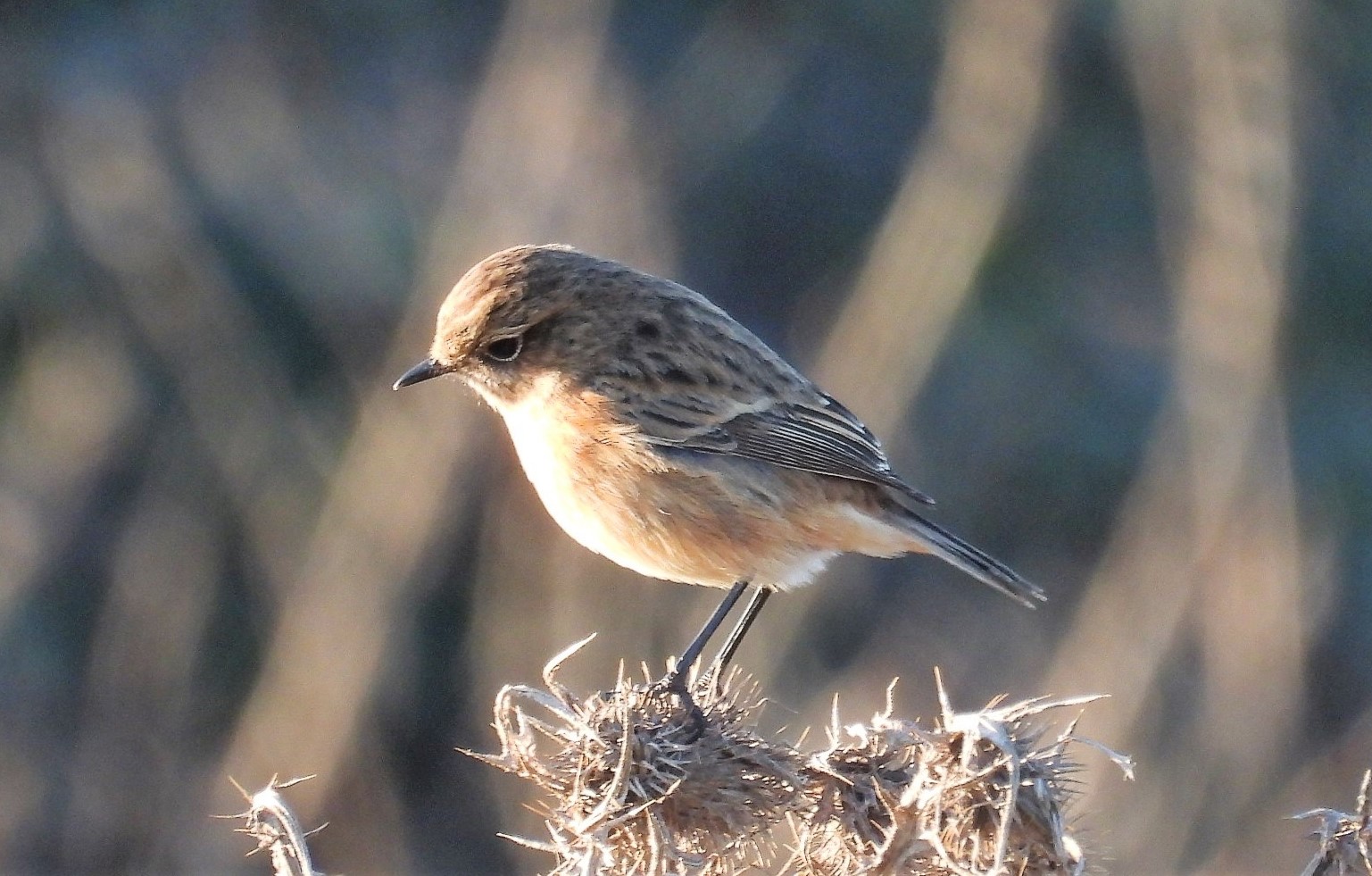
Otherwise, numbers of scarce passerine migrants continued to fall and, like last week, just two Common Redstarts were found – both on 30th – with one located between Lamport and Scaldwell and the other hanging on at Blueberry Farm from the previous day. The week’s sole Whinchat – and maybe the last one of 2023 – was also at Blueberry Farm on the same date. Numbers of Stonechats ramped up considerably, though. By the week’s end, they had been found at ten locations, comprising Brampton Valley, Clifford Hill GP, Earls Barton GP’s New Workings (north and south), Hannington, Harrington AF, Hollowell, Old, Pitsford and Stanford, with five of these producing four birds apiece.

While the last day of September saw no big ships sailing, there were still Northern Wheatears to be had or even trapped and ringed. As it happened, one was, at Pitsford, while two hung on in the Brampton Valley from last week.

Which leaves just White Wagtail, two of which were identified at Pitsford on 4th. Largely ignored in autumn, probably because of the flood of grey juveniles of both alba races, there must surely be more coming through than are reported. That all-important grey rump is key to their separation but there are quite a number of intermediates which pose problems. Fifty shades and all that …  

link-to-latest-reports

Newsround – 19th to 25th August 2023

Save a short easterly gust, an overall westerly to south-westerly airstream brought predominantly dry weather throughout a week when migrants continued to funnel through the county. Passerines in particular were in abundance, including record numbers of Common Redstarts and a sprinkling of Pied Flycatchers.

Despite building wildfowl numbers, this week’s ducks deluxe remained largely unchanged from the week before, namely the female Ruddy Shelduck, for one day only, at Hollowell Res on 21st and, at Pitsford Res, a Garganey on 24th and a Red-crested Pochard between 20th and 22nd.

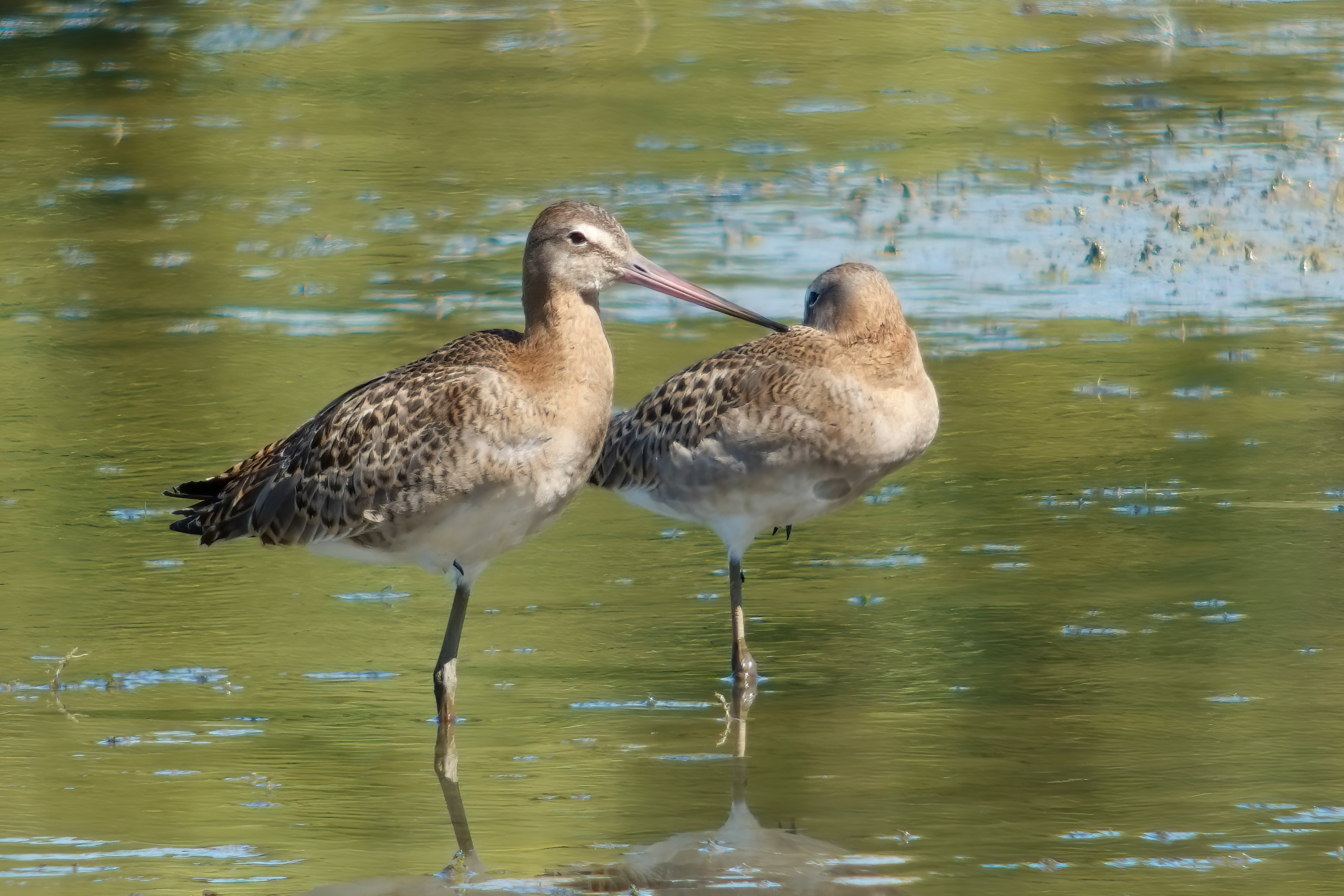
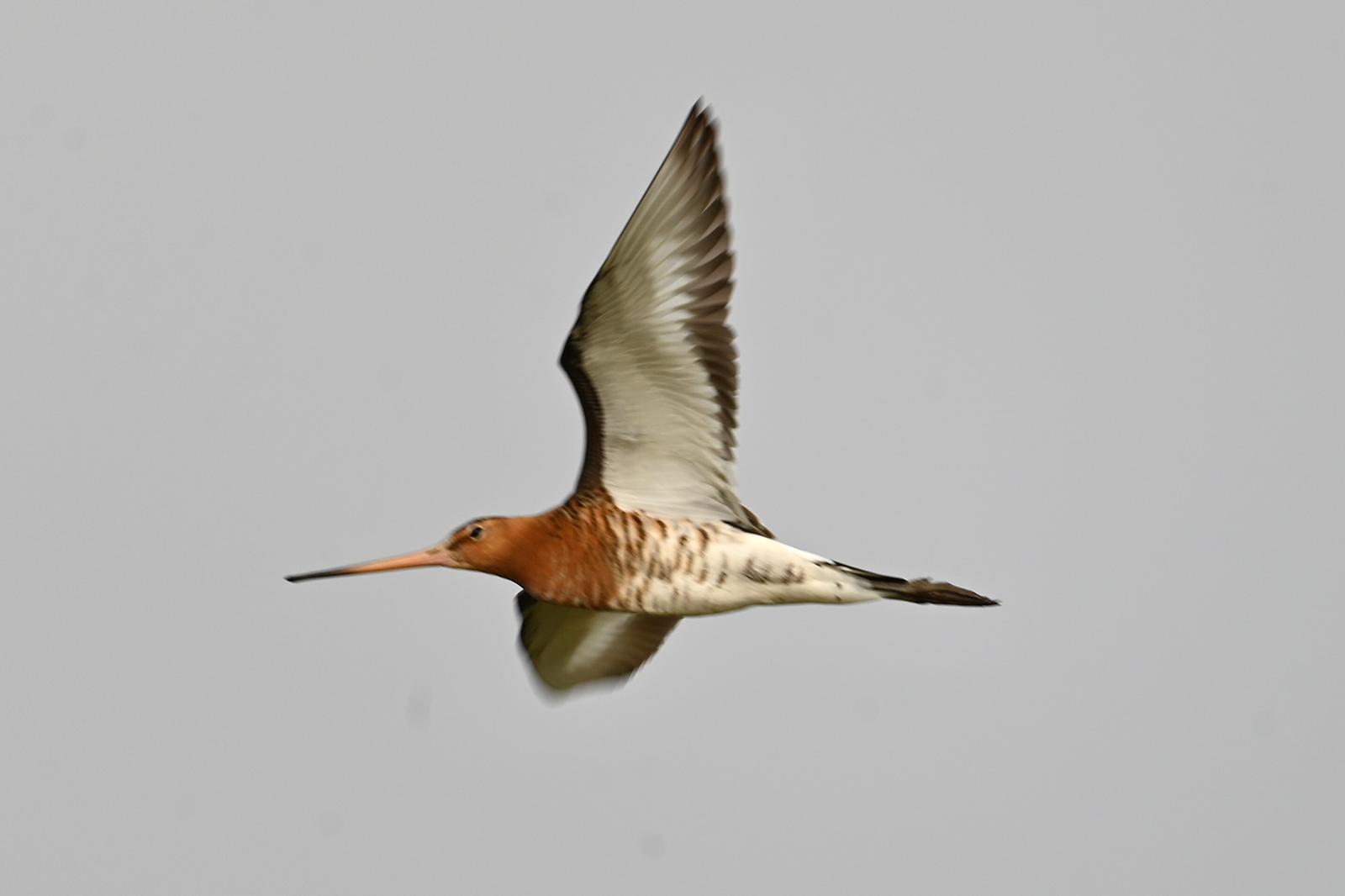
Waders continued to bump along the bottom with single Black-tailed Godwits at Ditchford GP’s Irthlingborough Lakes & Meadows LNR on 20th and 21st and at Hollowell Res on the latter date, while four appeared at Stanwick GP on 22nd. The 20th saw four Ruffs at both Ditchford and Pitsford, followed by one at Summer Leys LNR on 24th-25th. Hollowell held a Greenshank from 21st to 25th and two visited Thrapston GP’s Titchmarsh LNR on 22nd.

After single juvenile Mediterranean Gulls at both Stanwick and Wicksteed Park Lake early in the month, two more scaly-backed beasties came our way this week – one at Stanford Res on 21st and the other at Summer Leys on 24th. Otherwise, it was down to Yellow-legged Gulls to keep the scarcity campfire burning. While Stanwick took the lion’s share of eight on 25th, Pitsford held two on 19th and 20th, one on 23rd and three on 24th and, not to be left out, both Summer Leys and Thrapston produced single birds on 24th.

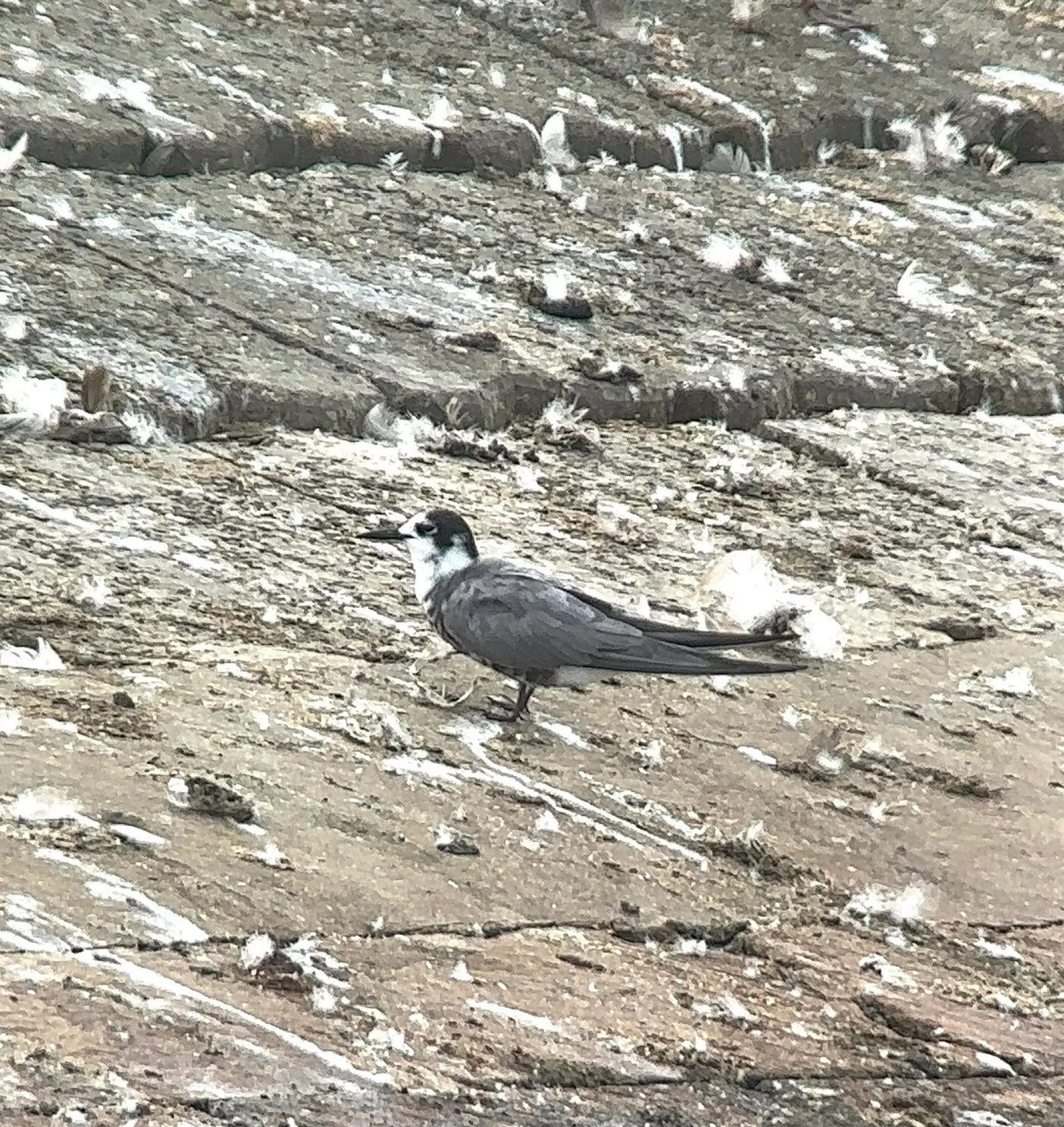
Continuing the autumn run of Black Terns, new birds appeared at Stanford Res on 19th – remaining until 22nd – and at Hollowell on 21st while two, presumably left over from last week’s four, remained at Clifford Hill GP until 22nd, at least one of which stayed on to see the week out.

And it would appear that things are looking up, as far as Cattle Egrets are concerned, with the Summer Leys bird looking settled throughout the period, one putting in a brief appearance at Clifford Hill on 20th and up to three being mobile around Stanwick between 21st and 25th. Good news indeed.

To raptors now and Ospreys kept up their appearances, being seen this week at five different localities. Hollowell produced singles on 19th and 21st, two were mobile around nearby Ravensthorpe Res on the latter date and singles visited Thrapston GP on 22nd-23rd and Pitsford on 24th. One at Summer Leys on 20th and 21st was well-photographed, revealing a blue ring bearing white digits ‘079’, thereby identifying it as a male ringed as a nestling in Northamptonshire on 5th July 2021. Following that, it was seen at Parque Natural Bahia de Cadiz, Spain on 2nd February this year, after which it was seen at Farmoor Reservoir, Oxfordshire on 8th May and then again at Hollowell on 21st June. It has since been seen at various sites in the Nene Valley.

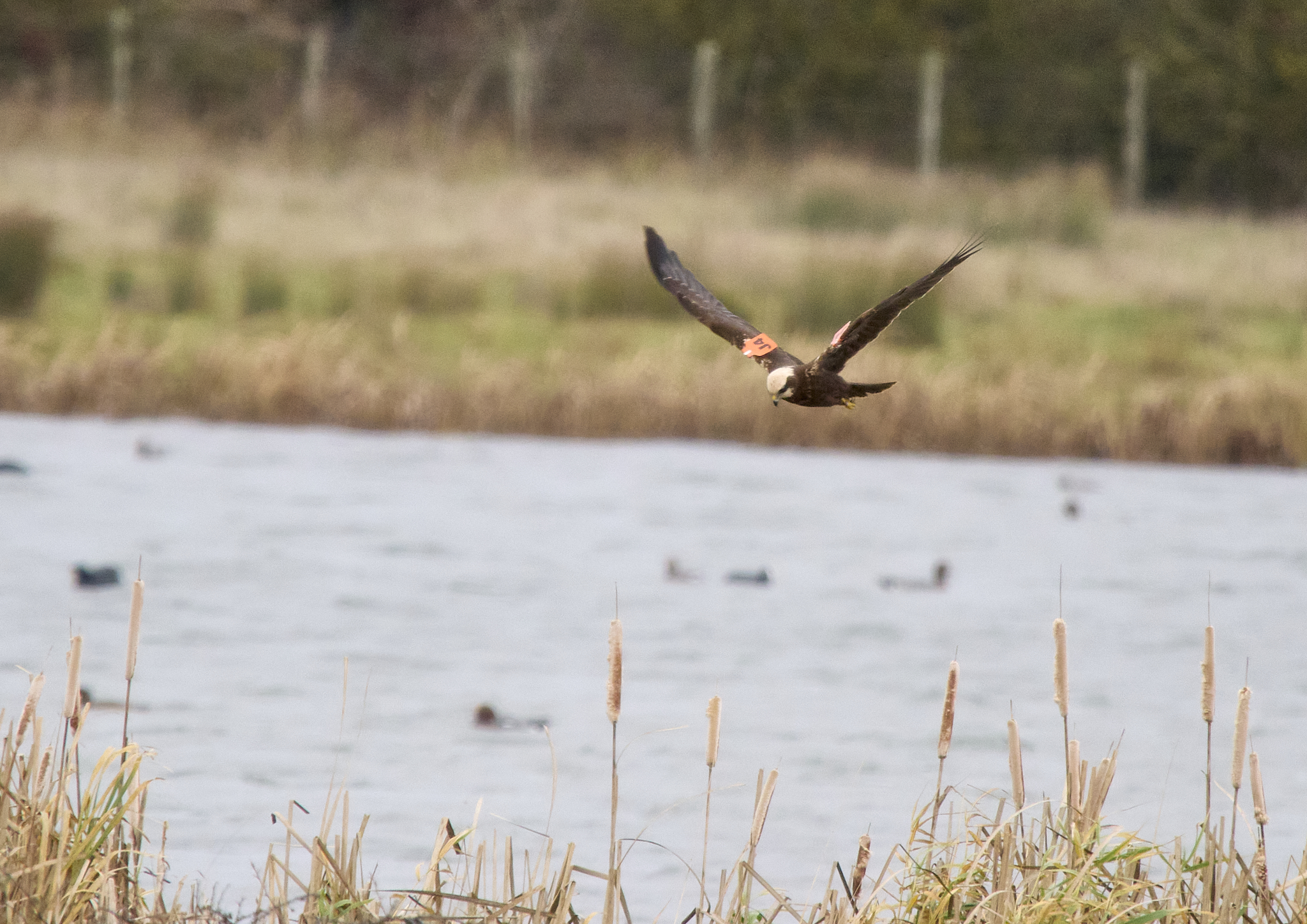
Again making their mark on the week, Marsh Harriers were seen at Hollowell, Lilbourne Meadows NR and Summer Leys – all on 19th, at Harrington AF on 20th and in the Brampton Valley between Cottesbrooke and Hanging Houghton on 20th and 23rd.

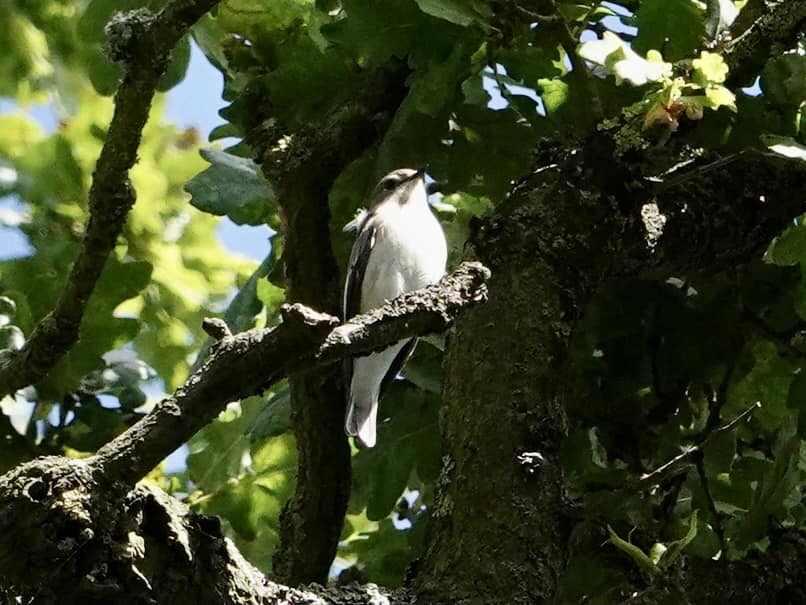
And as for the period’s passerines … topping the bill were Pied Flycatchers, all of which were seen on 23rd. First up was one at Stanwick GP late in the afternoon, another was then found at Creaton and another, early evening, at Lamport. None was readily twitchable, it would appear.

Meanwhile, Common Redstarts continued their unabated romp through the county, appearing at seven localities with Stanford, once again, producing the highest site total through ringing. Last week’s day record was equalled on 25th, when twelve were trapped and ringed, bringing the site ringing total to forty-three for the year to date. Lower numbers elsewhere included three at Honey Hill on 25th, two at Blueberry Farm throughout the week, two at Harrington AF and up to two at Lamport, plus singles in the Brampton Valley and at Pitsford.

Whinchats also stood up to be counted, with up to two in the Brampton Valley between 19th and 24th, up to two at Pitsford from 21st to 25th, one remaining at Great Doddington on 22nd and singles at both Stanford and Stanwick on 25th. Still relatively low in numbers, though, were Northern Wheatears, with Pitsford producing two on 24th, while singles were in the Brampton Valley on 19th-20th and 24th and at Earls Barton/Ecton on 20th.

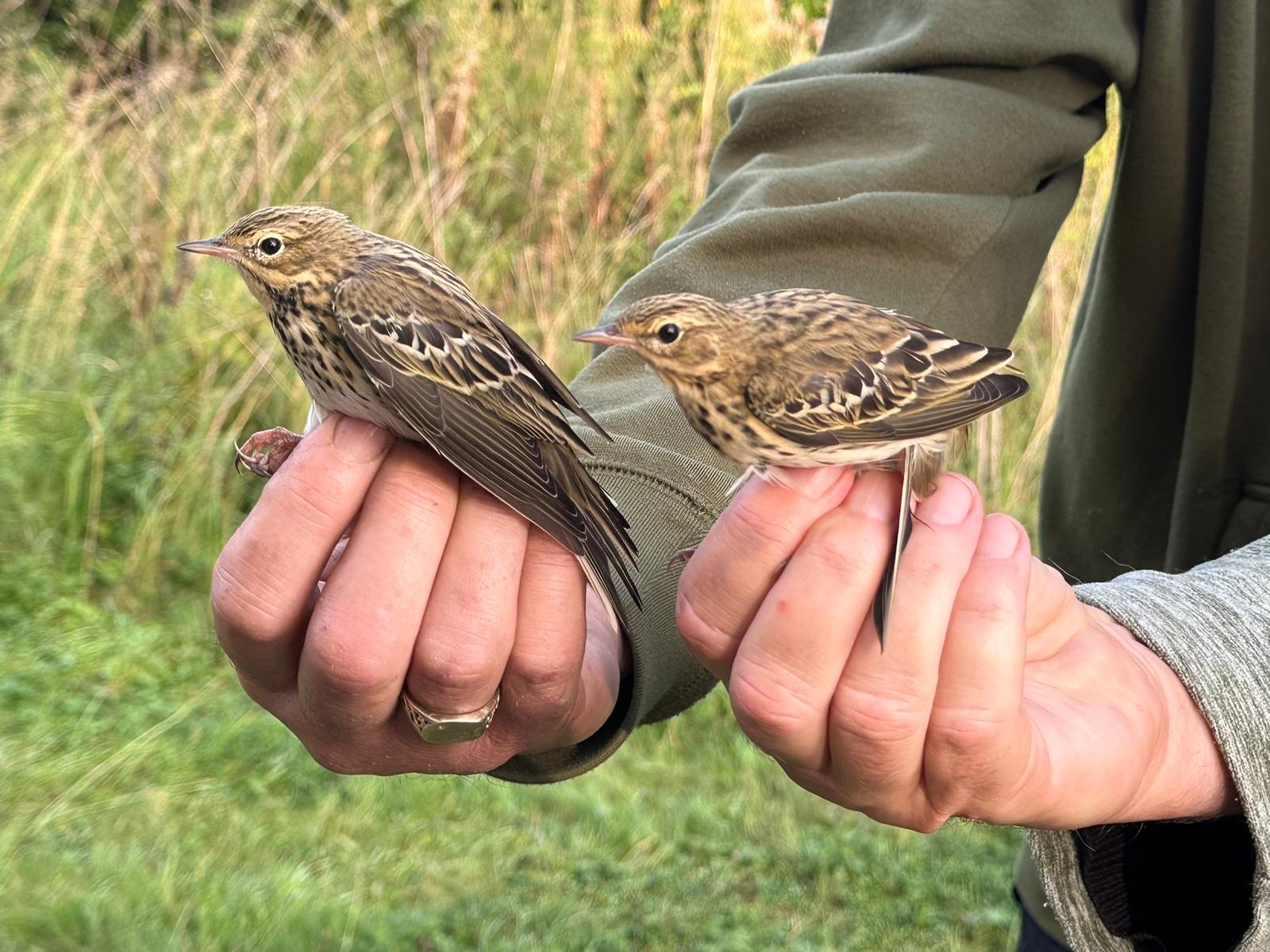
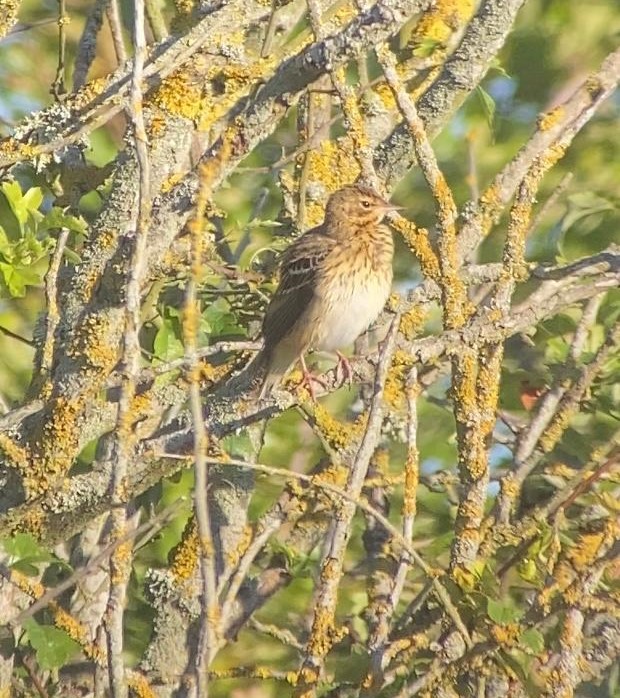
Rounding off the passerines again were Tree Pipits but this week they were the sole preserve of Stanford, where two were trapped and ringed on 20th and two were present on 25th, one of which was trapped and ringed.

link-to-latest-reports

Newsround – 28th January to 3rd February 2023

With winds off the Atlantic, a dry and ultimately mild week ensued as temperatures rose to above average by the end of the period. Much of last week’s fare lingered, including Ravensthorpe’s Ring-necked Duck and at least two Siberian Chiffchaffs at Ecton while, out of the rarity hat, a surprise appeared in the form of a White Stork, briefly, in Moulton.

Following due process, though, the Barnacle Goose of more than questionable origin remained with Canada Geese at Upton CP on 30th, while the almost equally eyebrow-raising single Pink-footed Geese were still present with Greylags at both Hollowell and Ravensthorpe Reservoirs on 28th and Wicksteed Park until 31st. On a similar theme, the itinerant female Ruddy Shelduck returned to Hollowell for the day on 30th.

Three Red-crested Pochards included the long-staying drake at Stanford Res all week, a new drake at Daventry CP on 31st and a female was present throughout the period at Summer Leys.

Drake Red-crested Pochard, Daventry CP, 31st January 2023 (Gary Pullan)

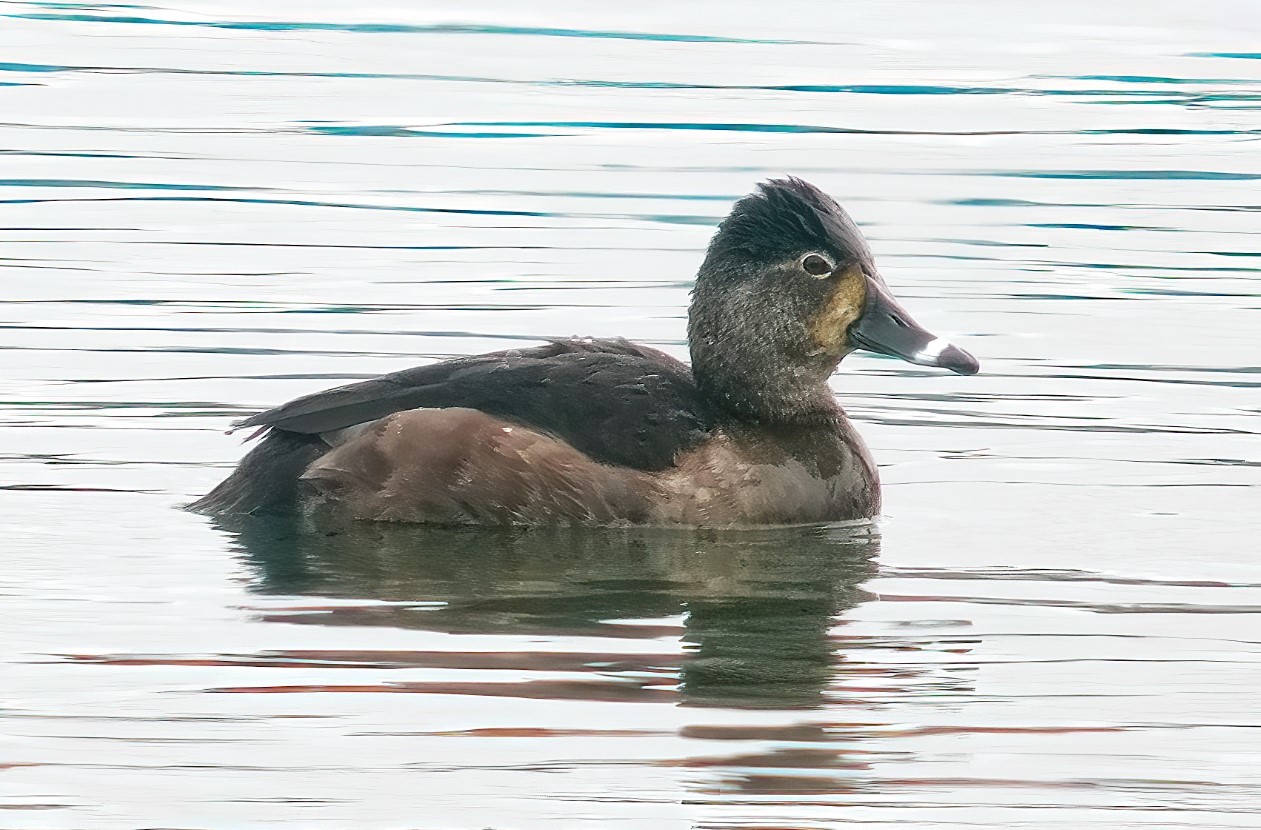
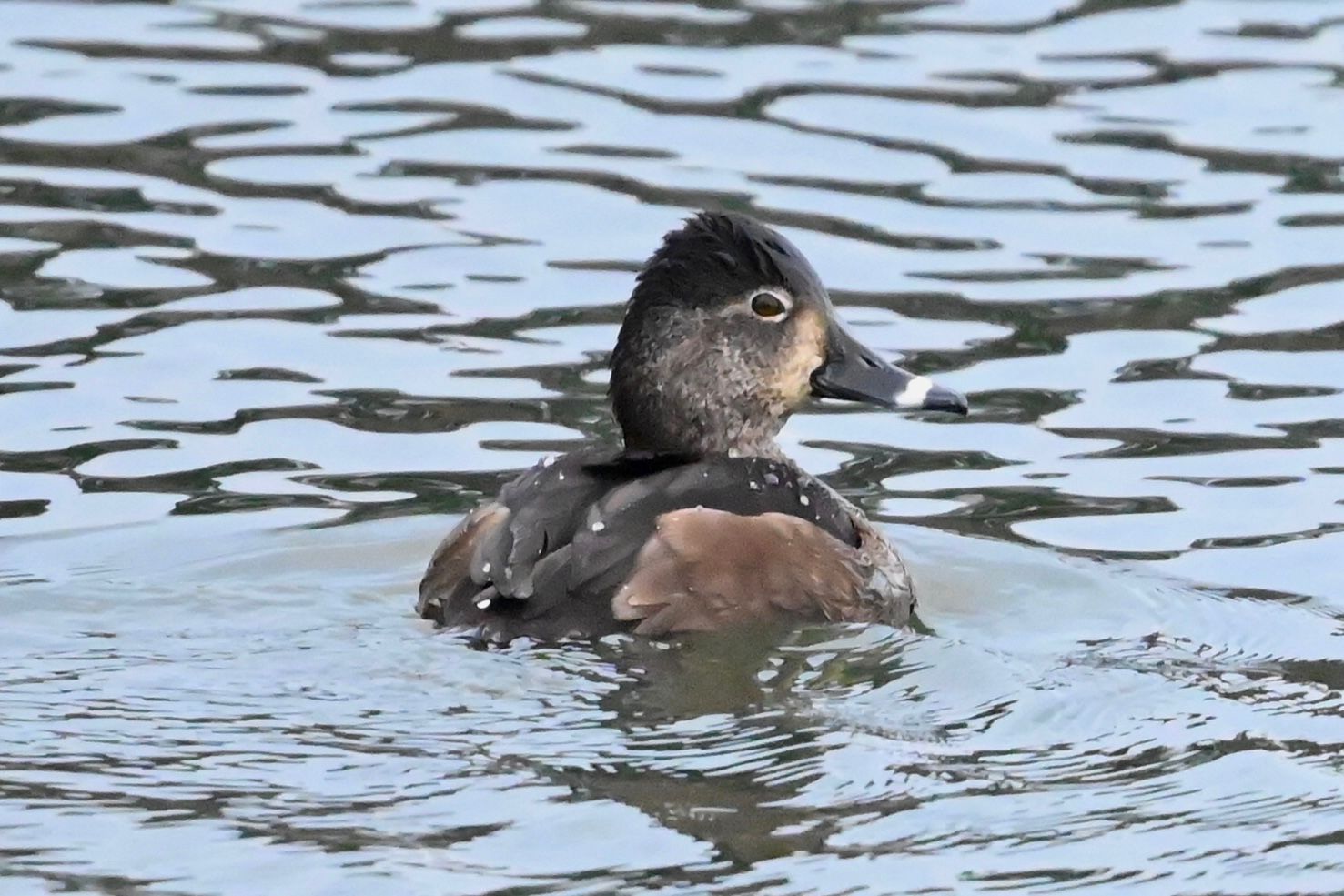
But moving into the higher echelons of more worthy wildfowl, appearing settled and prone to showing well off the causeway, the now popular female Ring-necked Duck completed its first full week at Ravensthorpe. The same cannot be said, though, for the other female found at Thrapston GP on the final day of the previous week. It was still present there, on Aldwincle Lake, the following day, 28th, but it’s not been seen since …

Female Ring-necked Duck, Ravensthorpe Res, 3rd February 2023 (Mike Alibone)

Much more obliging, however, and despite going AWOL for a day, was the female Greater Scaup at Hollowell, now into its third week. Keeping up appearances in Pitsford’s Walgrave Bay, the drake Smew remained until at least 29th.

Drake Smew, Pitsford Res, 29th January 2023 (James Skinner)

In the absence of any notable waders, gulls lined up in pretty much the usual places. The week’s token Mediterranean Gull, an adult, was found in the roost at Boddington on 3rd and Hollowell and Stanford carved up the majority of this week’s serving of Caspian Gulls between them. Of the latter, Hollowell produced an adult on 28th, two adults, a second-winter and a third-winter on 30th, three adults on 1st and two adults on 3rd. Stanford’s gull roost held an adult on 29th, two adults on 30th and a near-adult plus a third-winter on 2nd. It would appear likely that some of these are duplicates, moving between the two sites which, after all, aren’t too far apart as the gull flies. Meanwhile, DIRFT 3 produced an adult on 3rd.

Adult Caspian Gull, DIRFT 3, 3rd February 2023 (Mike Alibone)

Yellow-legged Gulls were down to just the regular, wintering adult at Pitsford, where it remained all week.

Adult Yellow-legged Gull, Pitsford Res, 2nd February 2023 (Mike Alibone)

The week’s big surprise, then, came in the form of a White Stork on a house roof, briefly, in Moulton on 29th. Quick off the mark, the observer managed a hastily obtained record shot of it taking flight, which appeared on social media shortly after the event but it was not possible to determine if it had any rings. It did not linger, nor was it seen again …

This week’s Merlin decided to grace Ditchford GP’s Irthlingborough Lakes & Meadows LNR on 1st.

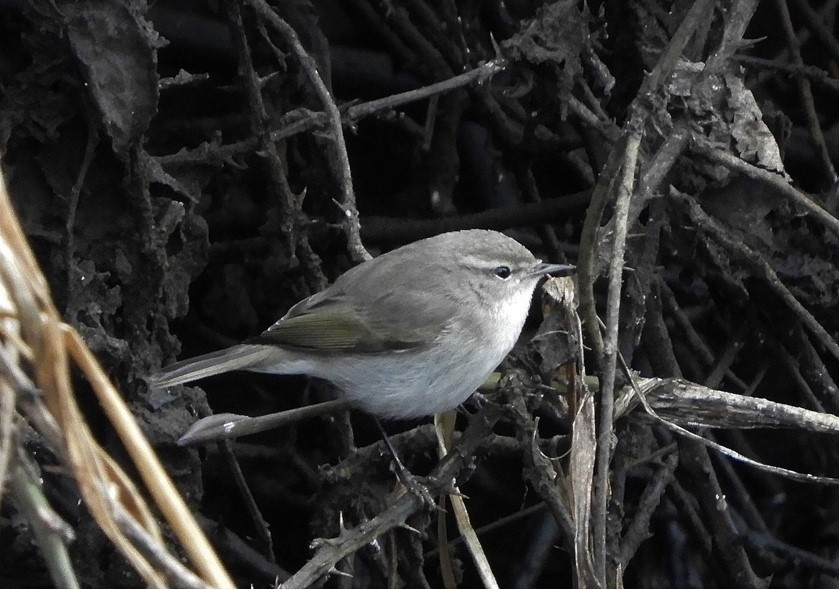
And sticking with the Nene Valley … At least two Siberian Chiffchaffs remained along the outflow at Ecton SF throughout the period. ‘SF’ is a simple abbreviation of ‘Sewage Farm’ and latter-day birders may be inclined to view the area as the more recently named ‘Great Billing STW’ (Sewage Treatment Works), or even Billing Gravel Pits, as some would have it. But for those of us birding for well over fifty years in Northants, the name ‘Ecton SF’ has heritage and dates back to the pre-1940s. Little Bittern, Night Heron, Montagu’s Harrier, Rough-legged Buzzard, Black-winged Pratincole, Kentish Plover, Sociable Plover, Buff-breasted Sandpiper, Greater Yellowlegs, Lesser Yellowlegs … the list is endless, the name can never be dropped or forgotten. The site is legend!

Siberian Chiffchaff, Ecton SF, 29th January 2023 (James Underwood)

Ecton SF also periodically produces Stonechats – but not this week, though, when they were limited to two at Upton CP on 30th and singles at Lilbourne Meadows NR and Hollowell Res on the same date and at Earls Barton GP on 1st.

Stonechat, Lilborne Meadows NR, 30th January 2023 (Mke Alibone)
link-to-latest-reports

Newsround – 21st to 27th January 2023

The freezing temperatures and the attendant icy conditions of the previous week spilled over into the first half of the period, after which a thaw set in as the thermometer eased its way back up toward something approaching the seasonal norm. Once again, ducks stole the show in terms of overall rarity, although a quartet of easy-to-see Siberian Chiffchaffs proved equally popular, exerting a strong observer pull as the week rolled out.

And it’s probably because we’re becoming more accustomed to seeing Ring-necked Ducks as they’ve upped their numbers visiting the UK over the past few winters. A female discovered at Ravensthorpe Res on the penultimate day of the week, and remaining the following day, continued this species’ run of appearances in Northants for the third consecutive winter. As if to underline its increasing frequency of occurrence, another female was found at Thrapston GP’s Titchmarsh Reserve at the eleventh hour on 27th, setting a new standard for the multiple presence of Ring-necked Duck in Northamptonshire. The two birds constituted the 10th and 11th county records, following the long-staying female that visited Thrapston GP, Ringstead GP and Stanwick GP between December 2021 and April 2022.

Female Ring-necked Duck, Ravensthorpe Res, 26th January 2023 (Jon Cook)
Female Ring-necked Duck, Ravensthorpe Res, 27th January 2023 (Mike Alibone)
First-winter female Ring-necked Duck, Thrapston GP, 27th January 2023 (videograb, Nick Parker)

Knocked into second place by the above, Hollowell’s female Greater Scaup remained throughout the week.

Once again, the long-staying drake Red-crested Pochard saw another week out at Stanford Res, while the peripatetic female Ruddy Shelduck pitched up again at Hollowell on 23rd and stayed until 25th, when it relocated to Winwick Pools near West Haddon.

Feral to the core, a Barnacle Goose joined local Canadas at Upton CP on 26th while, of perhaps less questionable pedigree, Pink-footed Geese were found in three localities. Two flew north over Blueberry Farm, Maidwell on 23rd, the same date on which one also joined the resident Greylags at Wicksteed Park, Kettering and the Ravensthorpe & Hollowell bird was still at the latter locality on 27th.

Pink-footed Goose, Wicksteed Park, 23rd January 2023 (Julie Roe)

This week’s notable wader line-up was once again limited to Jack Snipe with singles at three localities, which included both the Brampton Valley and Ecton SF on 21st and Hollowell, two days later, on 23rd.

Gulls were a little more numerous than during the last period – this comment referring more specifically to Caspian Gulls which, on 21st, broke the record for a single site total when up to six were present in the roost at Stanford. Three were present the following evening and two adults, probably a pair, were regularly visiting throughout the remainder of the week. Elsewhere, two adults and a second-winter were at Hollowell on 27th, two were at Naseby Res on 21st and an adult was there on 27th, single adults visited both Clifford Hill GP and Ravensthorpe Res on 23rd, a second-winter was on ice at Daventry CP on 25th and a first-winter was at DIRFT 3 on 27th.

Second-winter Caspian Gull, Hollowell Res, 27th January 2023 (Jon Cook)
First-winter Caspian Gull, DIRFT 3, 27th January 2023 (Mike Alibone)

A token appearance by Yellow-legged Gulls saw a second-winter in the roost at Hollowell on 22nd, single adults at Pitsford on 22nd and 27th and one at Clifford Hill GP on 23rd. That just leaves the rarest gull of the week, out on its own, a first-winter Mediterranean Gull which visited Daventry CP on 24th and 27th.

The rather depressed number of Cattle Egrets continued with just two flying over Summer Leys on 21st.

A Merlin flew over Greens Norton on 27th but making a far bigger impression for two observers in the south-west of the county on 27th, a White-tailed Eagle paid a low-level visit to Everdon Stubbs, where it was seen at one point to land in a tree. Unfortunately, it came under persistent pressure from five mobbing Red Kites before ultimately moving off. It appears that this individual was ‘G818’, a third calendar-year female from the Isle of Wight reintroduction scheme, which had roosted 30 miles north in Leicestershire, having flown over 100 miles south from the Forest of Bowland the previous day.

And from the large to the small … Up to four Siberian Chiffchaffs were present at Ecton SF at the beginning of the period, with at least one remaining as the week drew to a close. Variation in plumage and bare part colour gave rise to some debate on their identification but this is a complex area to delve into and recent DNA analyses on this race have thrown up some surprising results. A discussion will be forthcoming shortly.

Siberian Chiffchaff, Ecton SF, 21st January 2023 (James Underwood)
Siberian Chiffchaff, Ecton SF, 24th January 2023 (Martin Swannell)

These ‘sibes’ were set against phenomenal, record-breaking numbers of wintering Common Chiffchaffs in the same area, in which at least seventy were present on 22nd and some fifty were counted on 25th. Too difficult? Stick to Stonechats – nice ‘n’ easy – unless, of course you run into a Siberian candidate … Ecton held up to two on 21st-22nd, five were at Upton CP on 25th, three were at Earls Barton GP on the same date and one was at Clifford Hill GP on 23rd.

Stonechat, Upton CP, 25th January 2023 (Tony Stanford)
link-to-latest-reports

Newsround – 24th to 30th December 2022

Continuing last week’s theme, the relatively mild weather continued throughout, with some areas recording a positively balmy 14°C as the week unfolded. After Boxing Day though, the post-Christmas rush was not for the sales but instead to Earls Barton GP where, it seems, Yellow-browed Warblers abounded …

But first, paying due diligence to the systematic list, the Ravensthorpe Pink-footed Goose was back, around and about the area of the reservoir, on 27th and in fields behind the Fishing Lodge there on 30th. Three sites produced Red-crested Pochards during the period – Stanford Res hung on to its long-staying drake throughout, two drakes appeared at Pitsford Res on 24th and a female found at Hardingstone GP on 27th remained until at least 30th.

Female Red-crested Pochard, Hardingstone GP, 30th December 2022 (Mike Alibone)

Moving upmarket somewhat, last week’s two drake Smews were still at Pitsford on 24th, at least one of which was still present on 27th.

By the time the week closed, the back end of this year had notched up another Great Northern Diver – this second bird on Mary’s Lake at Earls Barton GP, on 27th, following the trait of the one at Pitsford in November insomuch as it was present for less than 24 hours. Such short visits are very much out of character for this species in Northants, where we’re much more accustomed to seeing protracted stays over the winter period. There’s still time for another …

Juvenile Great Northern Diver, Earls Barton GP, 27th December 2022 (Bob Bullock)

Following an apparent absence of any last week, a single Cattle Egret was found with cows on the edge of Southfield Farm Marsh NR, near Kettering, on 28th.

The long-staying ‘ringtail’ Hen Harrier remained in the north-central part of the county, being seen near Blueberry Farm, Maidwell on 24th and at Harrington AF again on 27th. The latter date also saw the appearance of a male between Mears Ashby and Earls Barton and what was presumably the same individual flew over Summer Leys LNR toward Bozeat not long afterwards.

Waders were in short supply this week but in a bizarre turn of events, the Wood Sandpiper – last seen at Pitsford on 7th December – made a reappearance on 29th on the same building site pool at Upton, Northampton, as it did in early April, again after vacating Pitsford at the end of January. It didn’t stay beyond the morning of that date and, despite a local search, it wasn’t relocated by the time the week closed on 30th.

On the Larid front, two adult Caspian Gulls were at Hollowell on 27th and an adult visited Stanford on 28th and 29th, the latter date producing two Yellow-legged Gulls there, while an adult was seen briefly at Hardingstone GP on 30th.

Stanford also produced one of this week’s two Merlins, on 26th, while the other was seen between Harrington AF and Draughton on 29th.

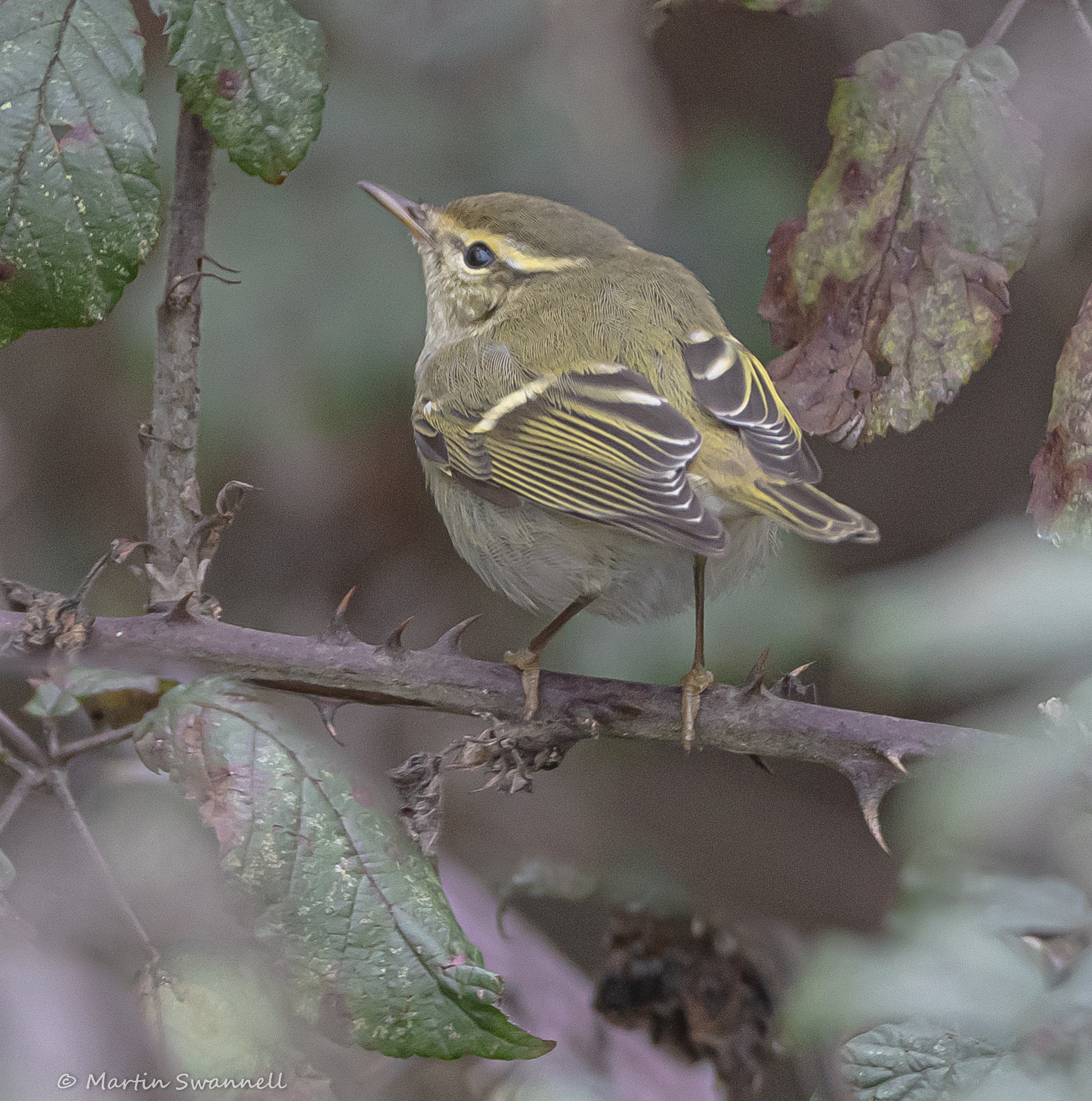
A Waxwing was reported flying from the Gladstone Road area of Northampton toward Dallington Park on Boxing Day but there was never any doubt about the week’s top passerines when a veritable tsunami of Yellow-browed Warblers hit on 27th, as two were found in close proximity in trees and scrub adjacent to the entrance of Earls Barton GP’s Mary’s Lake. Clearly one of these birds was the individual first seen on the nearby island in the lake, briefly, on 16th. This stripey duo clearly saw fit to do the decent thing and remained, showing well, to the delight of all comers, until the week’s end.

Yellow-browed Warbler, Earls Barton GP, 27th December 2022 (Bob Bullock)
Yellow-browed Warbler, Earls Barton GP, 27th December 2022 (Martin Swannell)
Yellow-browed Warbler, Earls Barton GP, 27th December 2022 (Bob Bullock)
Yellow-browed Warbler, Earls Barton GP, 27th December 2022 (Martin Swannell)

We’re so used to hearing of this species being trapped and ringed in the county (two at Stanford earlier, in the autumn) and these birds go some way to redress the balance. And two together? Well, that’s a first, locally! Winter records are rare in Northants but not without precedent. Indeed, with increasing numbers appearing in Europe during autumn and winter, Yellow-browed Warbler has been suggested as an ideal model for studying the links between vagrancy and the emergence of new migratory routes.

Female Stonechat, Earls Barton GP, 26th December 2022 (Leslie Fox)
Female Stonechat, Upton CP, 29th December 2022 (Mike Alibone)

But back down to earth, the week’s Stonechats were seen at Earls Barton GP, Lilbourne Meadows NR, Pitsford Res, Summer Leys LNR, Sywell CP and Upton CP with no more than four at any one locality.

Newsround – 17th to 23rd December 2022

As the meteorological pendulum swung back to weather conditions more normally associated with the time of year, cold north-easterlies from the Arctic gave way to warm south-westerlies off the Atlantic and a rapid thaw ensued.

Local bodies of water became ice-free once again and wildfowl numbers had rallied by the week’s end. Overall, though, in the run up to Christmas the picture was bleak. Smew topped the bill with the discovery of two drakes at Pitsford Res on 22nd, otherwise a drake Red-crested Pochard at Stanford Res was the only one left holding the fort throughout the period.

Drake Smew, Pitsford Res, 22nd December 2022 (Matthew Cottrell)

The Nene Valley hung on to at least one Marsh Harrier, with one seen over Earls Barton GP’s new workings, both north and south, on 18th, while the long-staying ‘ringtail’ Hen Harrier continued to feature in the Brampton Valley at Blueberry Farm on 19th, crossing the Harborough Road to visit Harrington AF the following day.

In what transpired to be almost a carbon copy of last week’s waders, the Black-tailed Godwit remained at Thrapston GP’s Titchmarsh LNR on 17th and single Jack Snipes were at both Daventry CP and Hollowell Res on 21st.

On the Larid front, single adult Caspian Gulls continued to be seen at both Hollowell and Stanford on 21st and 23rd, while adult Yellow-legged Gulls were at both Daventry and Pitsford on 21st.

Propping up the passerines, a sprinkling of one or two Stonechats occurred in the Brampton Valley on 17th, at Chipping Warden on 18th, Weedon on 19th, Earls Barton GP on 20th and Hollowell on 23rd.

Newsround – 6th to 12th August 2022

Another thermometer-popping week saw a small flurry of new birds in, flanking some seemingly settled long stayers.

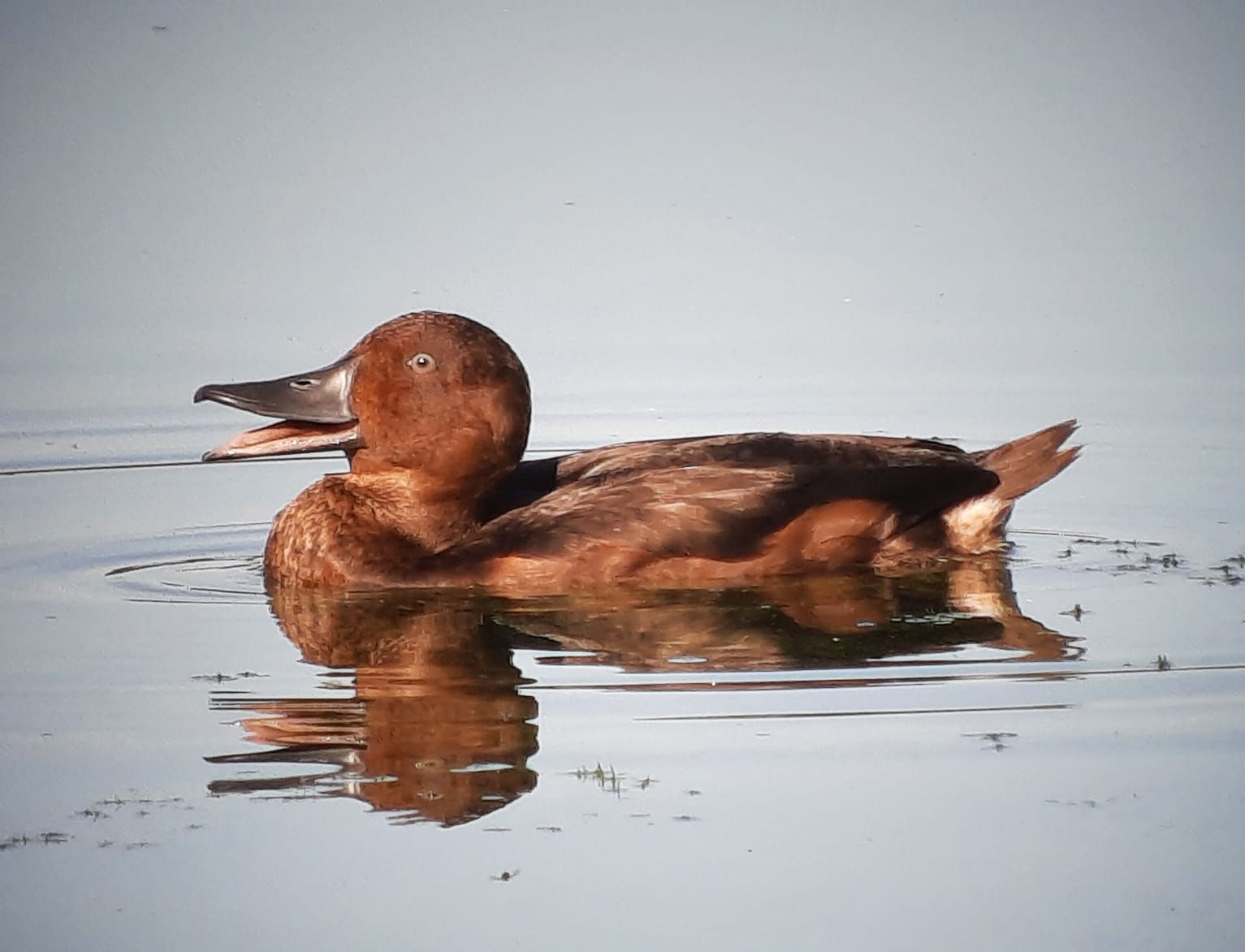
Another unseasonal Pink-footed Goose was found at Daventry CP on 12th, with odds-on favourite it being one of the two or three found locally during the last week of July. Aside from this, the only dapper dabbler during the period was the Garganey which remained at Pitsford Res until 8th. Pitsford also maintained its monopoly on Red-crested Pochards, with up to five on 7th, falling back to two on 12th, while a drake Ferruginous Duck x Common Pochard hybrid was also found there on 11th. Sometimes easy but frequently playing hard to get, the ‘real’ juvenile drake Ferruginous Duck clocked up another week at Daventry, remaining there throughout the period.

Juvenile drake Ferruginous Duck, Daventry CP, 9th August 2022 (Gary Pullan)

Not as straightforward to see as they were in the early part of the year, Cattle Egrets are now at a premium, with just one this week, at Stanwick GP, on 11th-12th. Conversely, this week’s Great Egrets peaked at four on 8th, at Pitsford Res, while singles were present on and off at Naseby Res, Stanwick, Summer Leys LNR and Thrapston GP.

While a Honey Buzzard was reportedly seen flying south over Islip on 12th, more tangible fare appeared in the shape of a Marsh Harrier at Summer Leys between 6th and 8th and another in the Brampton Valley/Blueberry Farm, Maidwell area on the same dates.  

Juvenile Marsh Harrier, Summer Leys LNR, 8th August 2022 (Ricky Sinfield)

Continuing the raptor theme, single Ospreys were seen over Stanford Res on 6th-8th, Summer Leys on 7th, Naseby on 11th and Hollowell on 7th and 9th – the latter bird being identified from its faded Darvic ring as a ‘veteran’ 17-year old female.

Female Osprey, Hollowell Res, 10th August 2022 (Jon Cook)

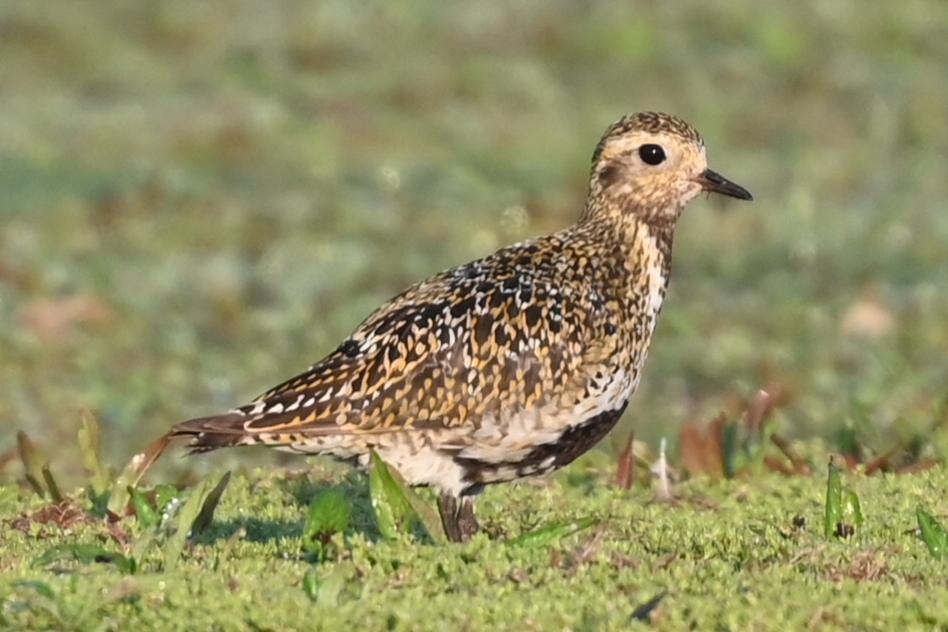
Although an early returning Golden Plover appeared at Hollowell on 9th, the Nene Valley produced the pick of this week’s waders with, in fact, all of these being limited to the Earls Barton GP complex.

Adult European Golden Plover, Hollowell Res, 9th August 2022 (Jon Cook)

Top ranking goes to Wood Sandpiper, two of which were present there between 8th and 11th, one occupying the newly exposed shallows of Mary’s Lake for the duration, visiting adjacent Summer Leys on 10th. The other was present for a day, on 9th, a little further up the valley at New Workings (North). Otherwise, it was down to Black-tailed Godwits to keep the wader ball rolling, with Summer Leys hosting two crisp juveniles throughout the period, joined briefly by a third bird on 6th and an adult on 12th.  

Juvenile Icelandic Black-tailed Godwits, Summer Leys LNR, 10th August 2022 (Mike Alibone)

The week’s only Caspian Gull, a third-year and the first of the autumn, dropped in at Daventry on 11th, while Yellow-legged Gulls peaked at six at Priors Hall, Corby on 6th. Elsewhere, five were at Wicksteed Park Lake, Kettering on 8th and ones and twos were seen at Daventry, Earls Barton, Pitsford and Stanwick.

Once again a Short-eared Owl showed itself briefly in the Brampton Valley on 6th and was, for a second time, captured on a trail-cam positioned there, during the early hours of 8th.

On the passerine front, numbers of Common Redstarts ramped up with birds seen at eleven localities, including Blueberry Farm (Maidwell), Brampton Valley, Eydon, Harrington AF (where one was trapped and ringed on 11th), Lamport, Lilbourne Meadows NR, Pitsford Res, Stanford Res, Stanford-on-Avon, Welford and Woodford Halse. The highest numbers were three at Blueberry Farm between 6th and 8th and the same number at Welford on 11th.

The number of Whinchats remained low, with up to two in the Brampton Valley remaining from last week until 8th and a juvenile at Harrington AF on 7th. A juvenile was found at Harrington on 7th. Northern Wheatear numbers rallied a little with singles at Pitsford Res on 7th-8th, in the Brampton Valley on 8th, Harrington on 9th and at Duston on 11th.

Northern Wheatear, Pitsford Res, 7th August 2022 (David Arden)

It’s a sad, sad situation when the first Tree Pipit of the year turns up in August but this was exactly the case when one flew over Blueberry Farm on 6th, followed by singles at Stanford Res on 7th and Pitsford Res on 10th, while five separate individuals flew over Harrington on 11th.

Tree Pipit, Stanford Res, 7th August 2022 (Chris Hubbard)

Equally saddening, the county also saw its second-only record of Corn Bunting this year with one briefly at Stanford on the last day of the period.

Newsround – 25th June to 8th July 2022

Another fast-moving fortnight in which early autumn wader passage upped tempo and was instrumental in producing the second Pectoral Sandpiper of the year. Other birds were, of course, available …

Not least of which was Hollowell Reservoir’s female Ruddy Shelduck, still present there on 3rd, while the first eclipse drake Garganey of the autumn checked in at Thrapston GP on 6th. A drake Red-crested Pochard, also in eclipse, appeared at Pitsford Res on 8th.

Numbers of Great Egrets climbed from just the one at Pitsford during the last period to two there by the end of this one, while one visited Stanford Res on 4th.

Single Ospreys were seen in flight over Hollowell on 3rd, west over Little Irchester on 5th, Pitsford on 6th and Stanford on 8th.

Against the now established backdrop of Green and Common Sandpipers, Black-tailed Godwits began to move through in reasonable numbers which included one at Hollowell on 29th, two at Summer Leys LNR on 2nd followed by nine there on 4th, eleven at Pitsford on 5th and singles at Summer Leys again on 6th and Stanford on 7th.

Black-tailed Godwit, Hollowell Res, 29th June 2022 (Jon Cook)
Black-tailed Godwit, Stanford Res, 7th July 2022 (Chris Hubbard)

But the biggest surprise of the week was a Pectoral Sandpiper, originally found at Lilbourne Meadows NR on 2nd and quickly making the hop across to DIRFT 3’s A5 Pools, before moving back again to Lilbourne, where it remained until mid-afternoon the following day. There have been July records before but not as early as this one. In the life of the county bird report, Ditchford GP produced the previous earliest on 15th July 1987 while, a decade earlier, veterans will remember going for the bird which clung to the narrowest of muddy margins at Cransley Reservoir between 30th July and 9th August 1976 – at that time only the fourth county record. Hot on the heels of the Summer Leys individual, back in May, this month’s bird takes the DIRFT wader species tally to 26.

Adult Pectoral Sandpiper, DIRFT 3, 2nd July 2022 (Alan Boddington)

Also at Lilbourne and part of a recognised sizeable movement across the UK, three Wood Sandpipers dropped in on 29th.

And so on to gulls, with Daventry CP dishing up the first Mediterranean Gull of the autumn, an adult, on 8th. A first-summer Caspian Gull visited Pitsford on 28th and, becoming a little more abundant, Yellow-legged Gulls included singles at Wicksteed Park Lake (Kettering) on 26th, Pitsford on 27th-28th and 1st, with two there on 7th-8th, at least eight at DIRFT 3 on 30th and one at Stanwick GP on 5th.

Adult Yellow-legged Gull, Wicksteed Park Lake, Kettering, 26th June 2022 (James Underwood)

Following a report of a Golden Oriole near Cotterstock on 28th, passerines were limited to male Common Redstarts at Lilbourne Meadows from 30th until at least 5th and one reported at Blueberry Farm (Maidwell) on 3rd and a female-type there the following day. In the same area, two Crossbills flew west over the Brampton Valley on 1st.

link-to-latest-reports

Newsround – 7th to 13th May 2022

Beginning with brisk north-easterlies, which rapidly swung to sustained south-westerlies, this week’s weather played a key role in producing the goods, most particularly on the one significantly rainy day of the period, 11th May. Aside from a lingering White Stork, waders were once again the centre of attention, with a nifty Pectoral Sandpiper stepping up to provide this week’s crème de la crème – albeit fleetingly …

While this was happening, ducks were dwindling, with just one drake Garganey at Summer Leys LNR on 11th and the pair still present at Thrapston GP on 13th. Drake Red-crested Pochards continued to add colour to the week’s proceedings, with one visiting Summer Leys on 8th and two on the dam at Stanford Res on 13th.

Red-crested Pochards, Stanford Res, 13th May 2022 (Chris Hubbard)

Back in the marshy meadow at Lower Barnwell Lock was last week’s White Stork, which established a routine of turning up for a couple of hours or so during the mornings, on 7th, 8th, 9th and 11th.

White Stork, Lower Barnwell Lock, Oundle, 7th May 2022 (James Underwood)

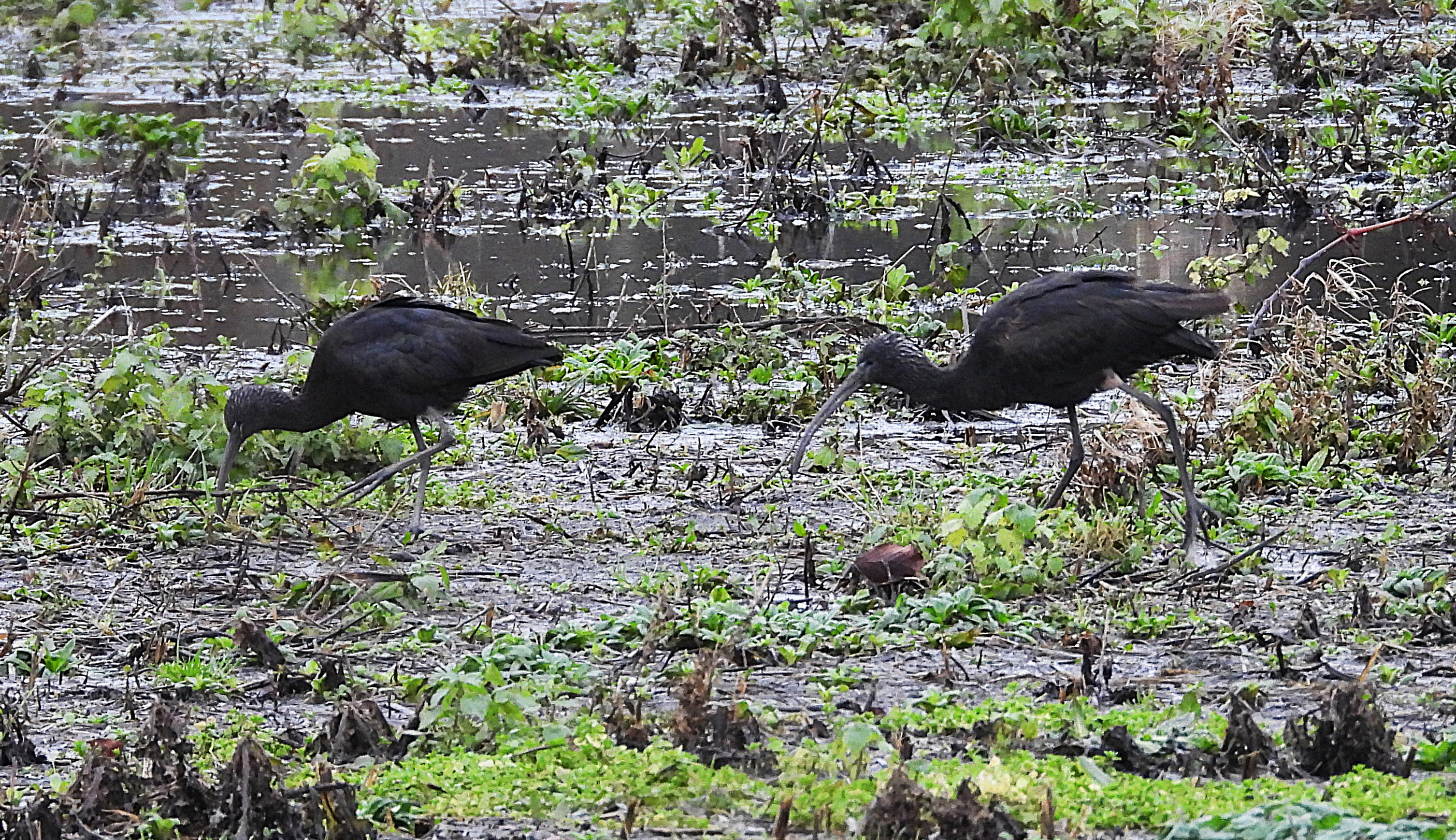
Further up the Nene Valley, Stanwick’s Glossy Ibis was going nowhere fast, seeing out another full week on site.

Stanwick also continued to hold up to five Cattle Egrets between 7th and 11th and one visited Summer Leys on 11th and 13th. Great Egrets, meanwhile, were bumping along the bottom, with singles at both Hollowell Res and Stanwick on 8th, DIRFT 3 on 11th and Summer Leys on 12th.

Being down to just one species, the week’s raptors can be quickly summed up, as Ospreys were seen at Biggin Lake (Oundle) on 7th, Hollowell on 8th and over Barton Seagrave on 13th.  

Bird of the week, however, was the long-overdue Pectoral Sandpiper, which was found at the good old easybirdin’ site of Summer Leys, after the rain, during the early evening of 11th. This resulted in a mad dash, by some, to see it before the light faded and darkness closed in. Despite reports to the contrary, it would appear to have departed early the following day, long before many had awoken from their morning slumber.

Pectoral Sandpiper, Summer Leys LNR, 11th May 2022 (Adrian Borley)

Although there have been more than 40 county records, this is the first since 2011, when singles were at Pitsford Res from 10th to 17th September and Stanford Res from 23rd to 30th September. It is also only the fourth to be recorded in spring.

Summer Leys was also among four localities to briefly host two highly ambulatory Avocets on 7th. First located at Stanwick early doors, they quickly moved west to Clifford Hill GP before swiftly heading back east to Summer Leys and then rapidly on to Ditchford GP’s Irthlingborough Lakes & Meadows. Another was subsequently reported from the pool east of Warmington Mill, on the evening of 9th.

Avocets, Summer Leys LNR, 7th May 2022 (David Preece)

Further windfalls resulting from the steady precipitation of 11th appeared in the form of a record flock of Ringed Plovers, of which a minimum of forty-six was counted at DIRFT 3, including at least two Tundra Ringed Plovers. At least thirty were still present there the following day. Also on 11th, the same site produced a Greenland Dunlin (race arctica), while another showing characteristics of this race was present at Summer Leys on 11th-12th. After the first in May 2013, one in May 2015 and two in May 2017, these would constitute only the 5th and 6th records for the county, if accepted.

This week’s Whimbrels were restricted to two flying east over the Brampton Valley at Maidwell on 8th and, similarly, Bar-tailed Godwits, were down to one at Stanwick on 7th-8th and last week’s three still at Pitsford, dropping to two there from 9th until the end of the period.

Bar-tailed Godwits, Pitsford Res, 10th May 2022 (David Arden)

Two more Turnstones turned up, both of them on 13th, at Pitsford and Lilbourne Meadows NR.

Turnstone and Bar-tailed Godwits, Pitsford Res, 13th May 2022 (Tony Stanford)
Turnstone, Lilbourne Meadows NR, 13th May 2022 (Mike Alibone)

It was Summer Leys which had the monopoly on Ruffs, with three on 11th, four on 12th and two on 13th, while Pitsford pulled a Sanderling on 8th, five visited DIRFT 3 on 11th and further singles were at Stanwick on 11th, DIRFT 3 on 12th and Summer Leys on 12th-13th. The only Greenshanks of the week were single birds at Stanford and Summer Leys on 12th.

Gulls this week were at a premium – or not, depending on your opinion, and a second-summer Yellow-legged Gull at Stanwick on 11th was all the county could muster during the period. Not so for terns, though, with Arctic Terns still on the move and 7th delivering two to Clifford Hill and separate fly-through flocks of seventeen and five to Stanford. A single Black Tern paid a brief visit to Pitsford the following day.

Pretty much taking a back seat in the week’s proceedings, passerines were few and far between. After the year’s first, last week, another two Whinchats were found at Upper Harlestone on 7th and at Stanford on 12th – a somewhat meagre total.

Female Northern Wheatear, showing characteristics of Greenland race leucorhoa, Clifford Hill GP, 8th May 2022 (Mike Alibone)
Male Northern Wheatear, showing characteristics of Greenland race leucorhoa, Clifford Hill GP, 11th May 2022 (Mike Alibone)

Northern Wheatears were down to singles at Summer Leys on 7th, Clifford Hill on 8th, Ashton STW on 9th and Earls Barton GP on 11th, while Clifford Hill produced two showing characteristics of Greenland Wheatear on 7th and another one on 11th.

link-to-latest-reports

Newsround – 25th to 31st December 2021 

Under the influence of a strong south-westerly airstream, delivering unseasonally mild weather, which culminated in a UK record-breaking high temperature of 16°C on New Year’s Eve, the last week of 2021 saw little respite from the overcast and wet conditions of the previous review period. Once again, unsurprisingly, the focus was on wildfowl, the highlight of which was the discovery of a Ring-necked Duck at Thrapston.

Kicking off this week’s geese, a Pink-footed Goose found at Stanford Res on 26th and remaining throughout the period, may have been the same bird that was in the area during late November, while another Pinkfoot was discovered with Greylags at Stanwick GP on 31st.

Pink-footed Goose, Stanford Res, 28th December 2021 (Chris Hubbard)

Joining the Stanford individual were an adult and two first-winter White-fronted Geese on 31st – again, maybe not entirely new birds as the number and ages matched those of last week’s trio which visited Hollowell Res on 21st.

Adult and two first-winter White-fronted Geese, Stanford Res, 31st December 2021 (Chris Hubbard)

Which brings us neatly to bird of the week, which appeared in the shape of a female Ring-necked Duck at Thrapston on 30th. As the UK is once again experiencing a sizeable influx, under the circumstances it was really only a matter of time before someone, somewhere, stumbled across one. This bird, only the county’s 10th, follows hot on the heels of the popular drake which, earlier this year, remained at Ditchford GP between early February and late March before becoming more mobile along the Nene Valley.

Female Ring-necked Duck, Thrapston GP, 30th December 2021 (Adrian Borley)
Female Ring-necked Duck, Thrapston GP, 30th December 2021 (Nick Parker)

An altogether meatier Aythya was the first-winter female Greater Scaup which remained at Stortons GP throughout the week, as did Stanford’s female Red-crested Pochard, while eight of the latter were found at Pitsford Res on 27th, with two remaining there on 29th.

Female Red-crested Pochard, Stanford Res, 26th December 2021 (Chris Hubbard)

This week’s Smew action was also confined to Pitsford where, after a report of a ‘redhead’ on 27th, two drakes on 29th were joined there by a third for the following two days.

Drake Smews, Pitsford Res, 30th December 2021 (Steven Peppiatt)

Cattle Egrets were found in their usual hotspots of Stanwick, where there were four on 26th and five on 31st, Irthlingborough, where three were below the church on 31st and at Ringstead GP on the same date, when seven were present on the main island in Kinewell Lake. Compared with recent high counts, the number of Great Egrets was no great shakes, with at least twelve at Pitsford, four at Thrapston, two at Ditchford and one at Stanford.

Following the recent spate of rainfall, water levels have been on the rise, rendering some wetland localities potentially suboptimal for wintering waders. The Pitsford Wood Sandpiper remained, however, the two Ruff at Summer Leys were still in situ and at least one Jack Snipe was present at Hollowell Res on 31st, while the wintering Common Sandpiper also saw the year out at Earls Barton GP’s New Workings (North).

Scarce gulls were at a premium, or so it appears, with just two Caspian Gulls propping up this week’s Larids – an adult at Hollowell on 29th and a third-winter at Stanford the following day.

On the passerine front, the Black Redstart, mobile around the summit compound and concrete blocks on Borough Hill, saw the year out by still being present at sunset on 31st.

Black Redstart, Borough Hill, 24th December 2021 (Kyle Smith)

The latter site continued to hold two Stonechats throughout, while singles were at both Pitsford and Thrapston on 27th and Upton CP on 30th, with five at Hollowell Res on 31st.