Newsround – 8th to 14th May 2021

Compared to the last two, this week was somewhat mellow, belonging rather more to the hangers-on than the newly arrived. A low pressure system centred over the British Isles for the majority of the period delivered unsettled weather and ‘false southerlies’, resulting from a northerly wrap-around, rather than anything originating from deep down in southern Europe. So, the foot was off the gas for high octane birding … but is that it for the spring?

Well, it would certainly appear so as far as wildfowl are concerned, since the week’s only pukka ducks were single drake Garganeys, at both Summer Leys LNR and Stanwick GP on 8th. However, it was the latter site which dipped more than one toe into muddy waters as, bobbing on the surface, was last week’s and the week before’s Pink-footed Goose – now looking distinctly suspect in terms of origin.
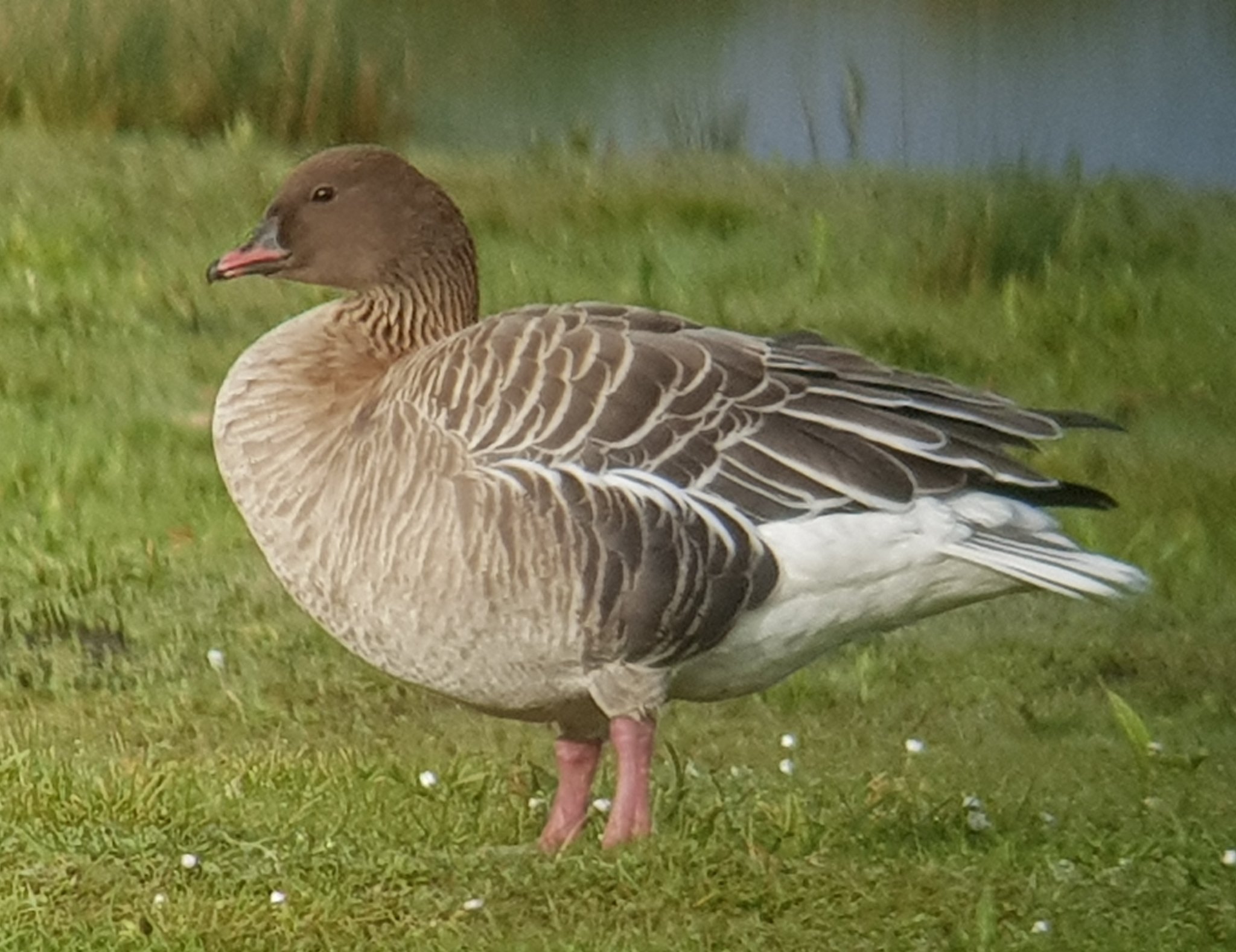
Pink-footed Goose, Stanwick GP, 11th May 2021 (Steve Fisher)

But looking further into the murky depths revealed some unquestionably dodgy fare in the shape of a Chiloe Wigeon x Crested Duck hybrid on 8th, which proceeded to make its way to Summer Leys for 11th. And if that wasn’t enough, just to add insult to injury, a Barnacle Goose x Cackling Goose hybrid followed two days later, accompanied by a ‘pure’ Barnacle Goose.

Relying principally on cast-offs from Thrapston and Ditchford GPs to keep it afloat, Stanwick has, so far, come in decidedly under par this spring. But it ain’t over till the fat lady sings … or so they say.

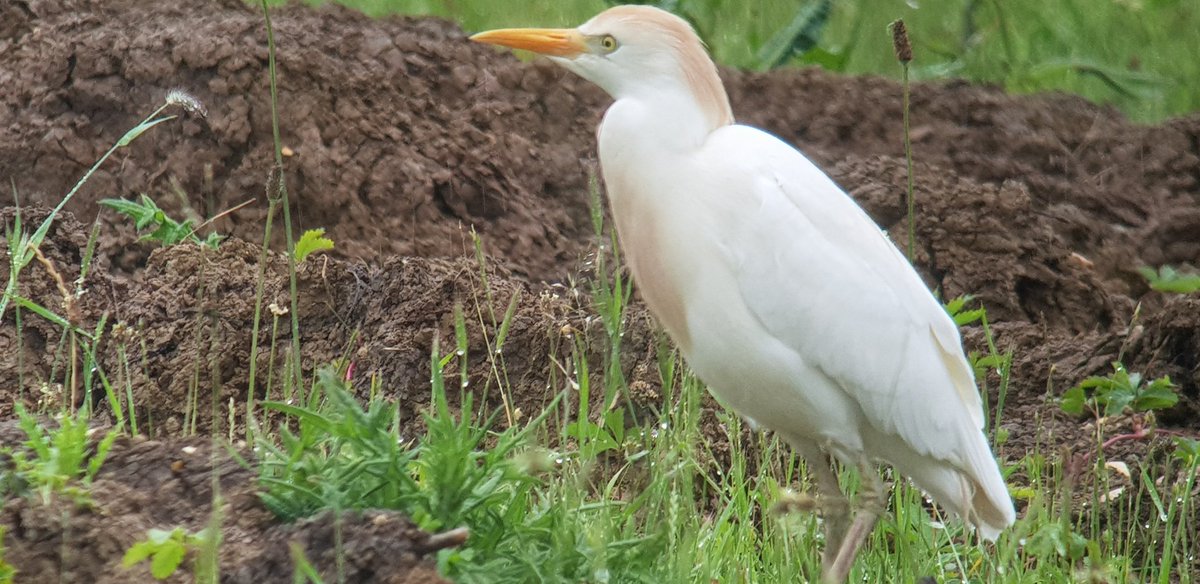
One thing Stanwick is reliable for, of course, is Cattle Egrets, four – or possibly as many as six – of which were present there on 9th, while the one which turned up at Pitsford Res at the end of last week remained throughout. Pitsford was also one of the four sites producing Great Egrets this week, with one still there on 12th, while singles were also seen at Thrapston on the same date and at both Clifford Hill GP and Summer Leys on 8th.

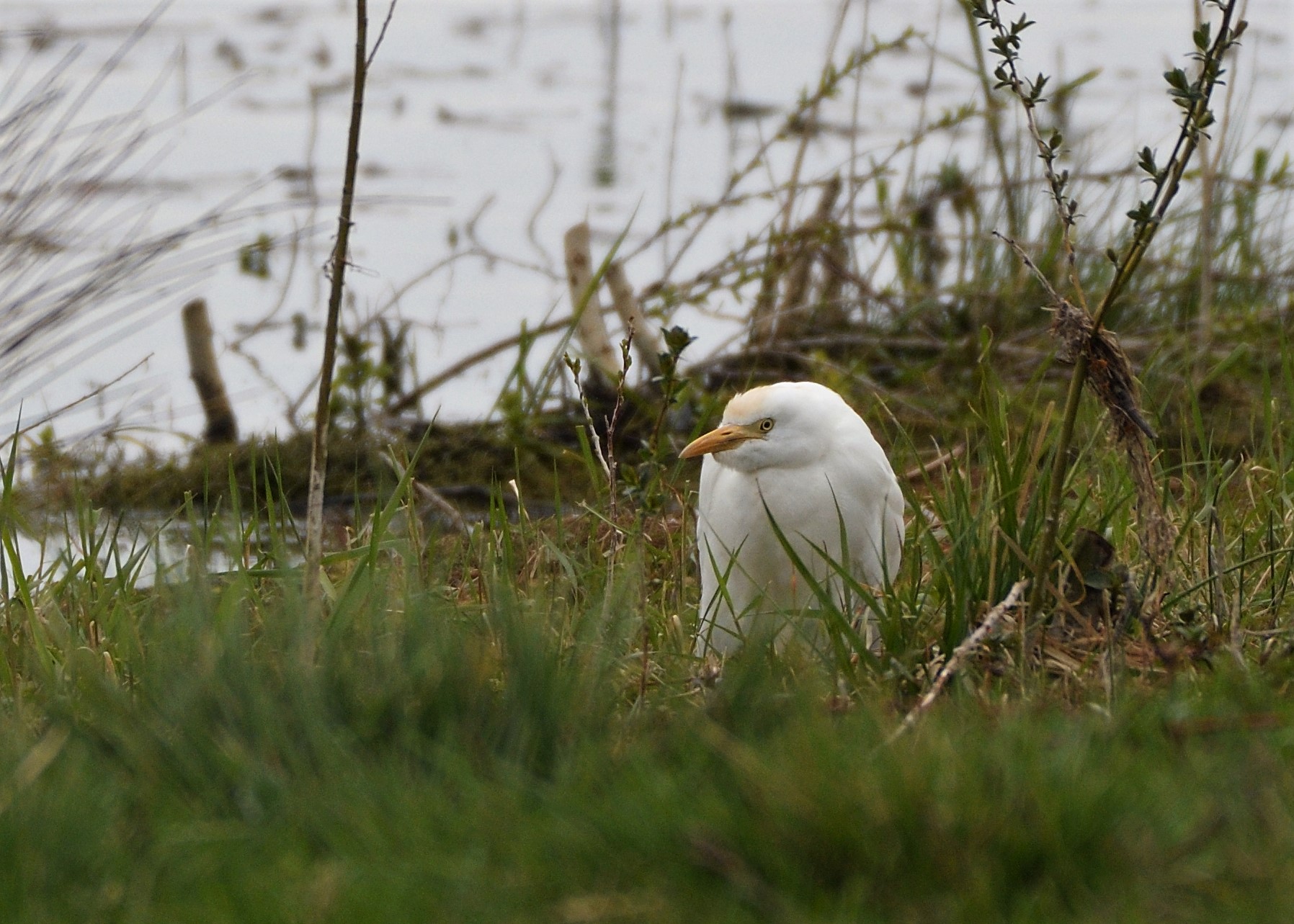
Cattle Egret, Pitsford Res, 11th May 2021 (John Moon)
Cattle Egret, Pitsford Res, 13th May 2021 (Ant Hall)

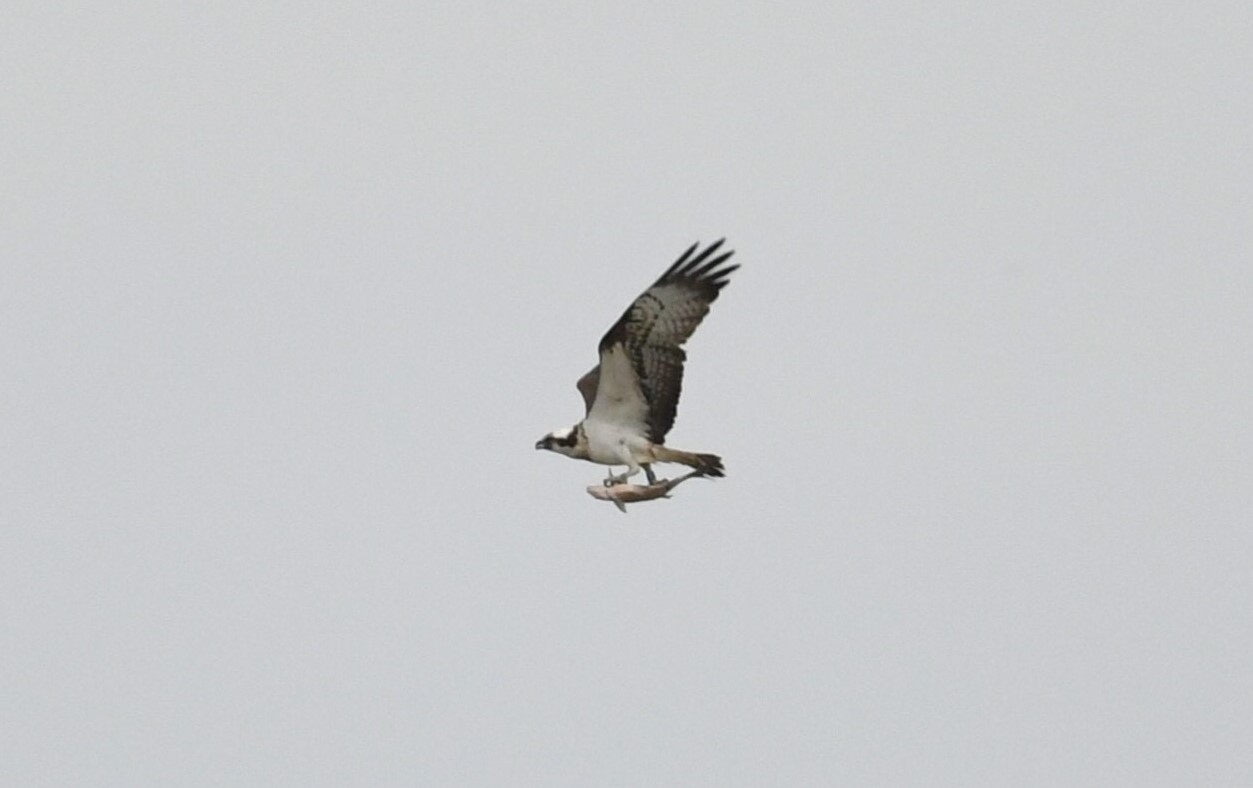
Raptor sightings this week were limited to single Ospreys at Thrapston on 9th and 12th, Pitsford on 10th, Hollowell Res on 11th and Stanford Res on 14th.

If last week belonged to waders, then this week followed suit – albeit at a less prestigious level. Two Grey Plovers – relatively scarce so far this spring – were found at DIRFT 3 on 8th and two Ringed Plovers of one of the tundra races also turned up there on 14th.

Waders at DIRFT 3: Dunlin and Grey Plovers, 8th May and Tundra Ringed Plover, 14th May (Gary Pullan)

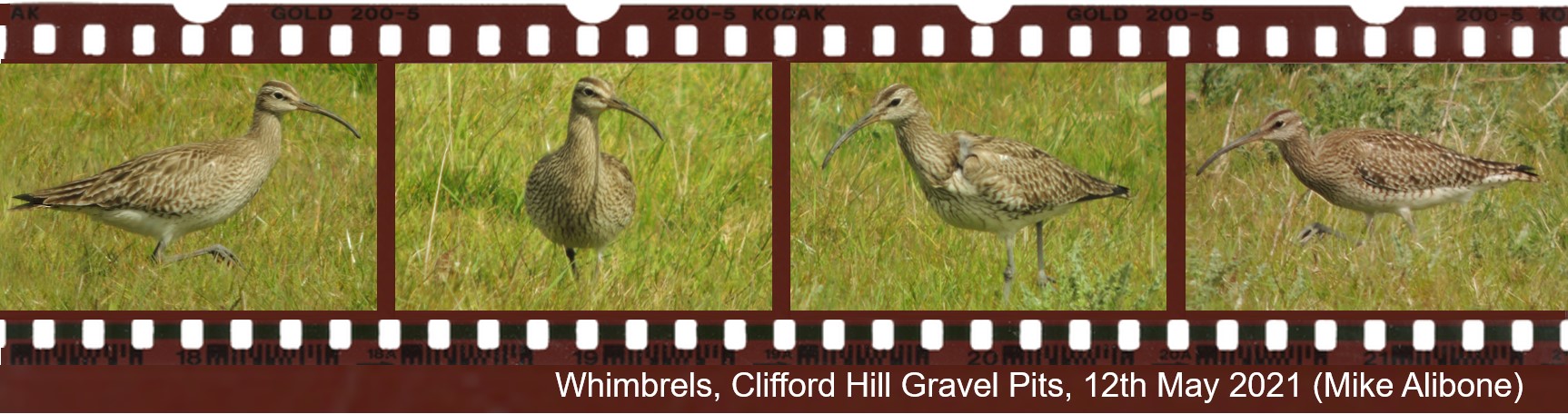
The long-staying Whimbrels, present at Clifford Hill GP from last month, notched up a mammoth stopover of 18 days this week, although their numbers had dwindled from a maximum of eight to just three by 13th. In contrast to last week, they were recorded from no other sites.

Whimbrel, Clifford Hill GP, 12 May 2021 (Mike Alibone)

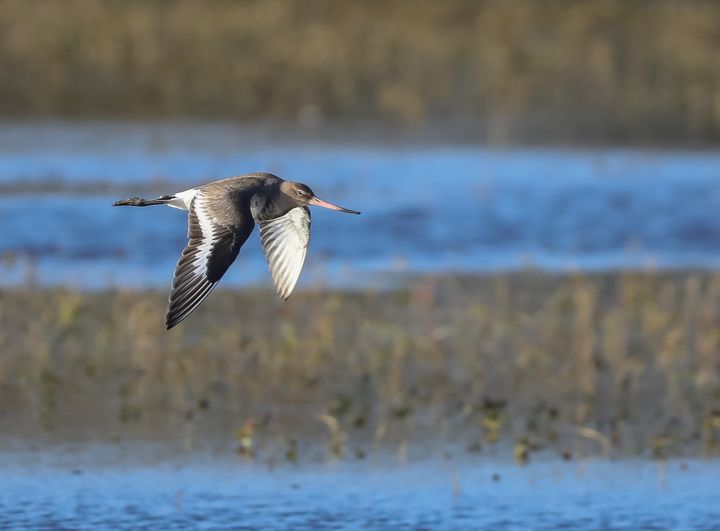
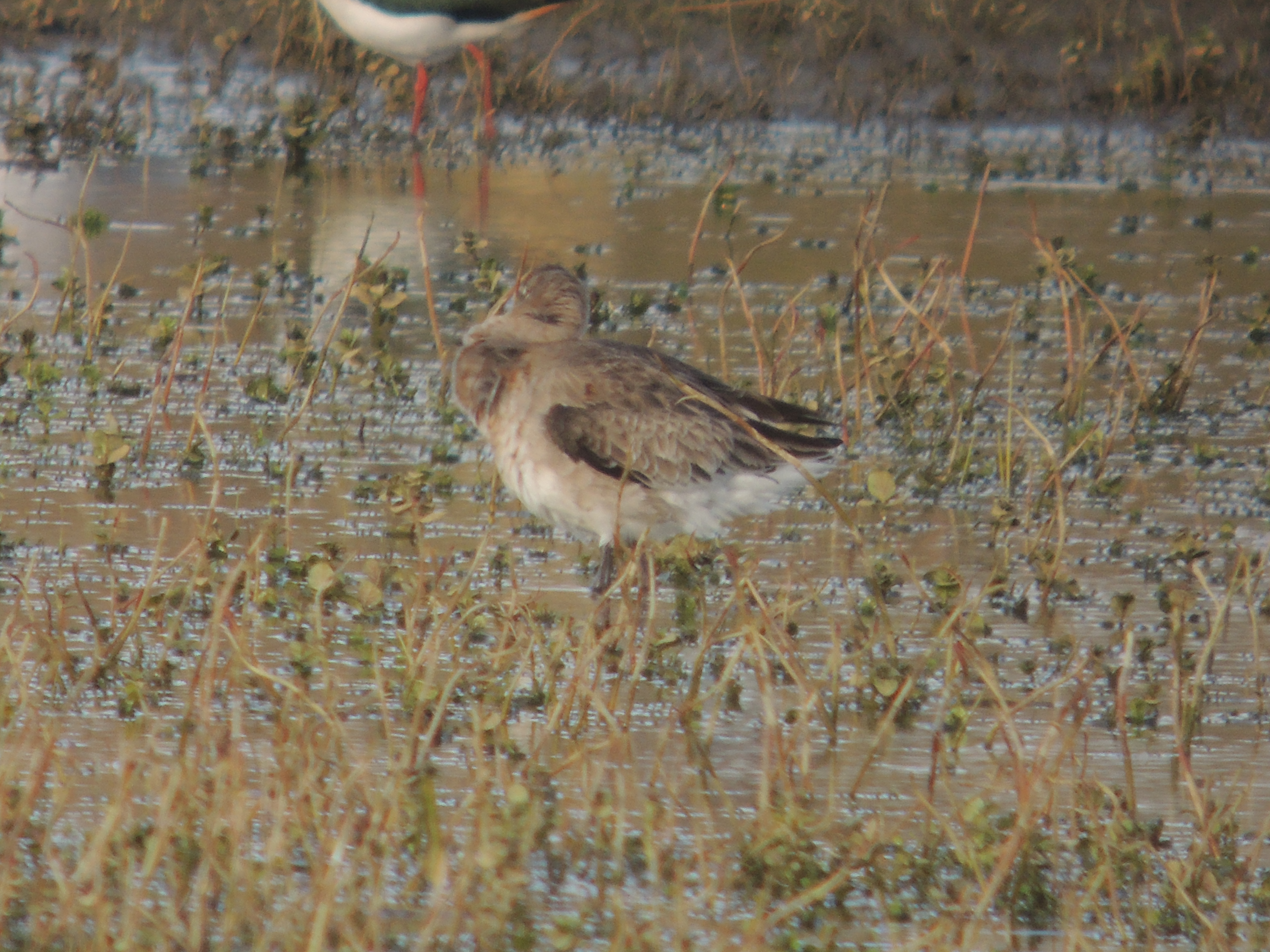
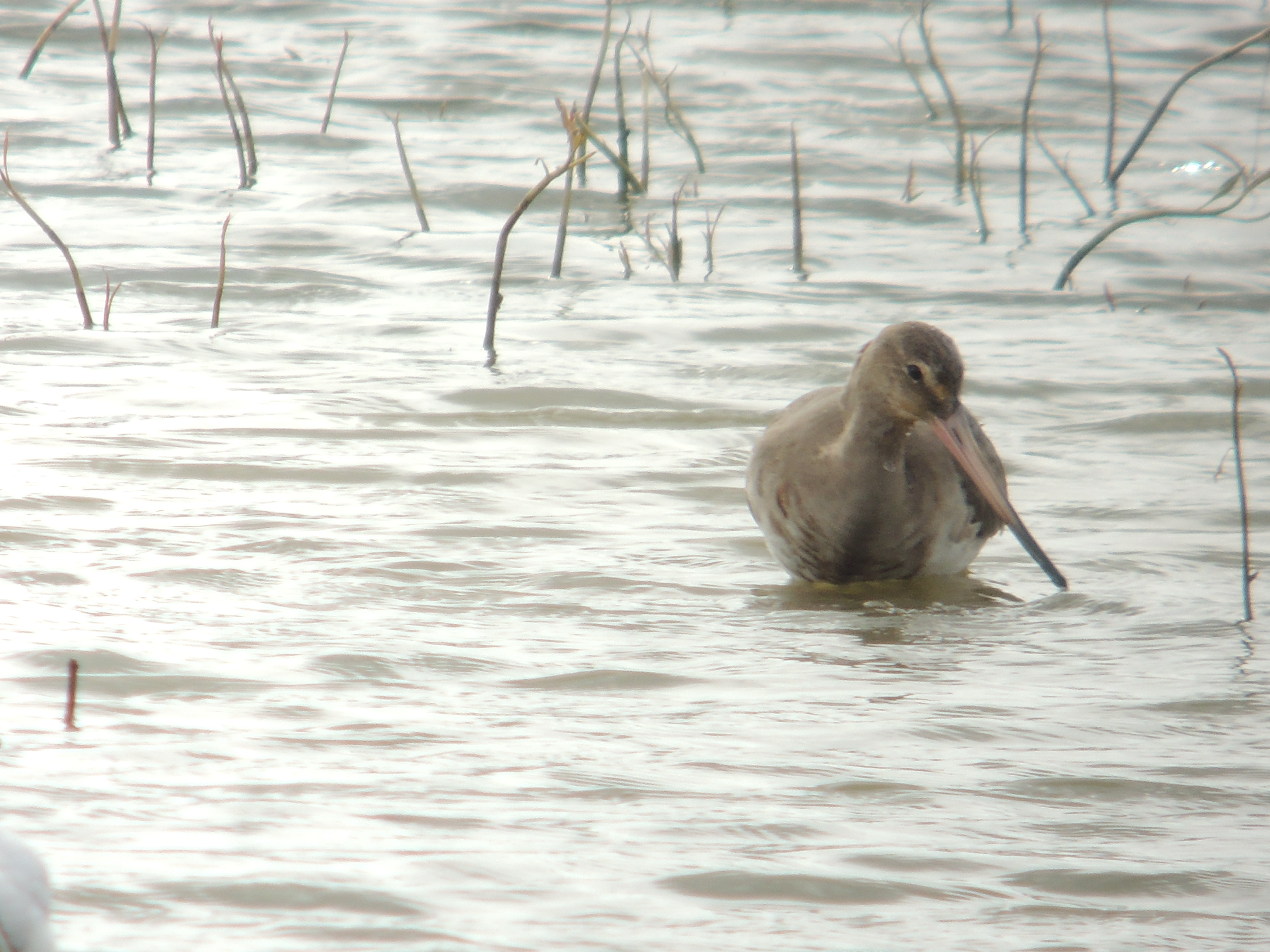
Away from breeding sites, the week’s only Curlew was also found at Clifford Hill on 8th, while this week’s Black-tailed Godwits consisted of two at Summer Leys from 8th to 10th and one there on 11th. Two also flew west over DIRFT 3 on 9th.

Hot on the heels of the year’s first Turnstone at Clifford Hill last week came four more at the same site in the murky weather of the 8th, the same day also seeing two paying a fleeting visit to Summer Leys and one at DIRFT 3. Clifford Hill produced further singles on 9th and 13th-14th.

Turnstones, Summer Leys LNR, 8th May 2021 (Mike Alibone)
Turnstone, Clifford Hill GP, 13th May 2021 (Bob Bullock)

Following a series of unseasonal occurrences during the second week of February, the first Knot of the spring appeared at DIRFT 3 on 13th, remaining there the following day, while last week’s Ruff lingered at Summer Leys until at least 12th.

Knot, DIRFT 3, 14th May 2021 (Gary Pullan)

Sanderlings, too,were again on the menu, with the 8th delivering five to Clifford Hill, three to DIRFT 3 and one to Summer Leys, while the following day, two remained at DIRFT 3 and another was found there on 13th. All the blow and bluster of the 8th saw many more Dunlins moving through during the miserable conditions of the day. DIRFT 3 produced sixty (in two flocks, of fifty-one and nine), Clifford Hill held at least fifty-one, twenty-five were at Summer Leys, twenty at Ecton SF and ten at Earls Barton GP’s new workings (north). It was all over by the following day, though, with just three at Clifford Hill and singles were at Stanwick on 10th and at DIRFT 3 on 13th-14th.
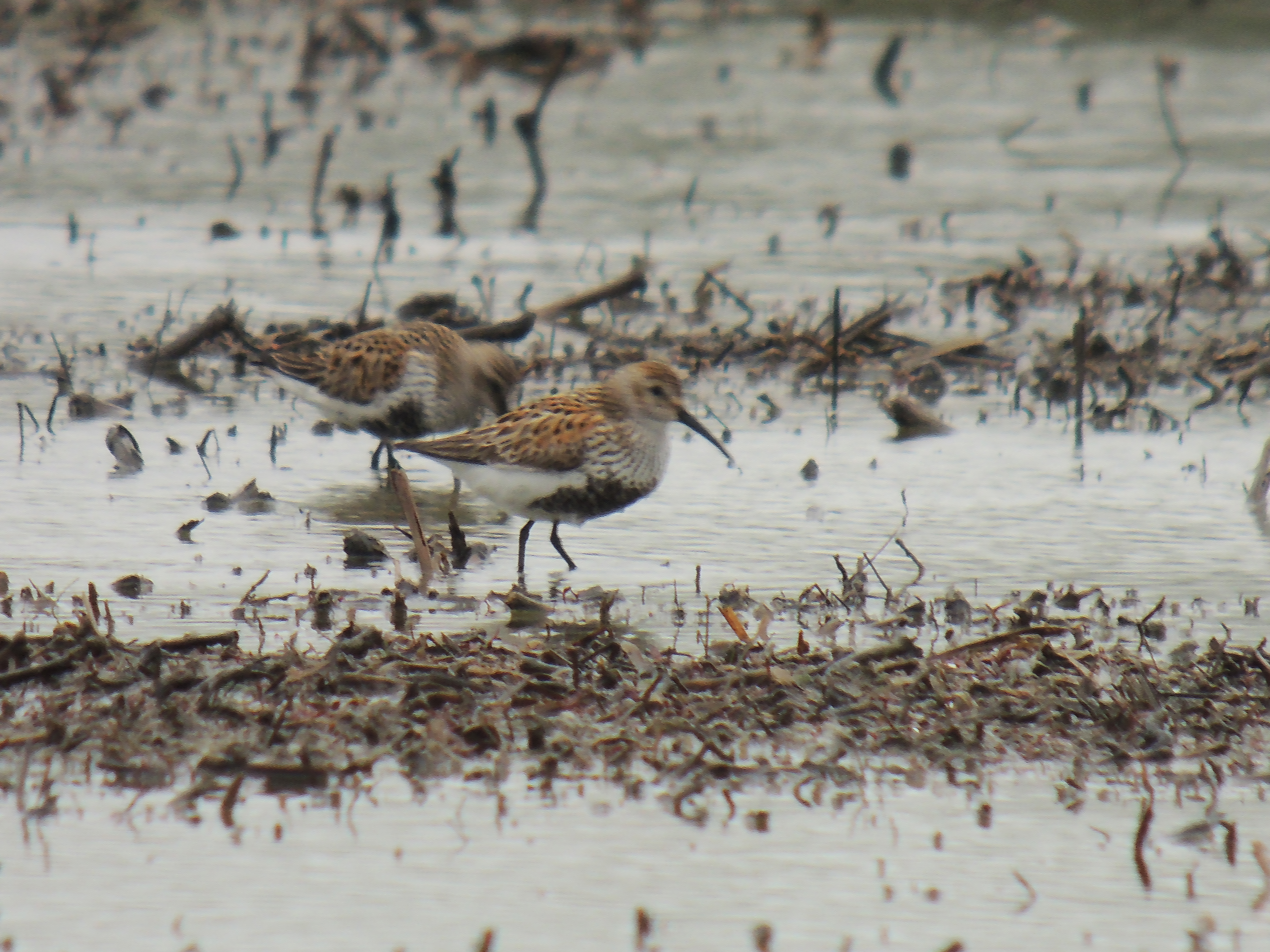
Dunlins, Ecton SF, 8th May 2021 (Mike Alibone)

The 8th also brought single Wood Sandpipers to both Stanwick and Summer Leys, as well as a Greenshank to the latter site, which continued to hold on to one of its long-staying Spotted Redshanks, remaining there until at least 13th.

Spotted Redshank, Summer Leys LNR, 12th May 2021 (Mark Tyrrell)

In contrast to the continued high velocity wader movement, gulls and terns were at a low ebb. A Little Gull visited Stanford on 12th and the following day saw two first-summer Caspian Gulls at DIRFT 3, while a first-winter Yellow-legged Gull visited the latter site on 8th and a third-winter was at Pitsford on 9th. With most already having moved through, single-figure counts of Arctic Terns included two at Stanford on 8th and one at Summer Leys on 11th, while single Black Terns visited Clifford Hill, Pitsford and Summer Leys on the consecutive days of 8th, 9th and 10th, respectively.

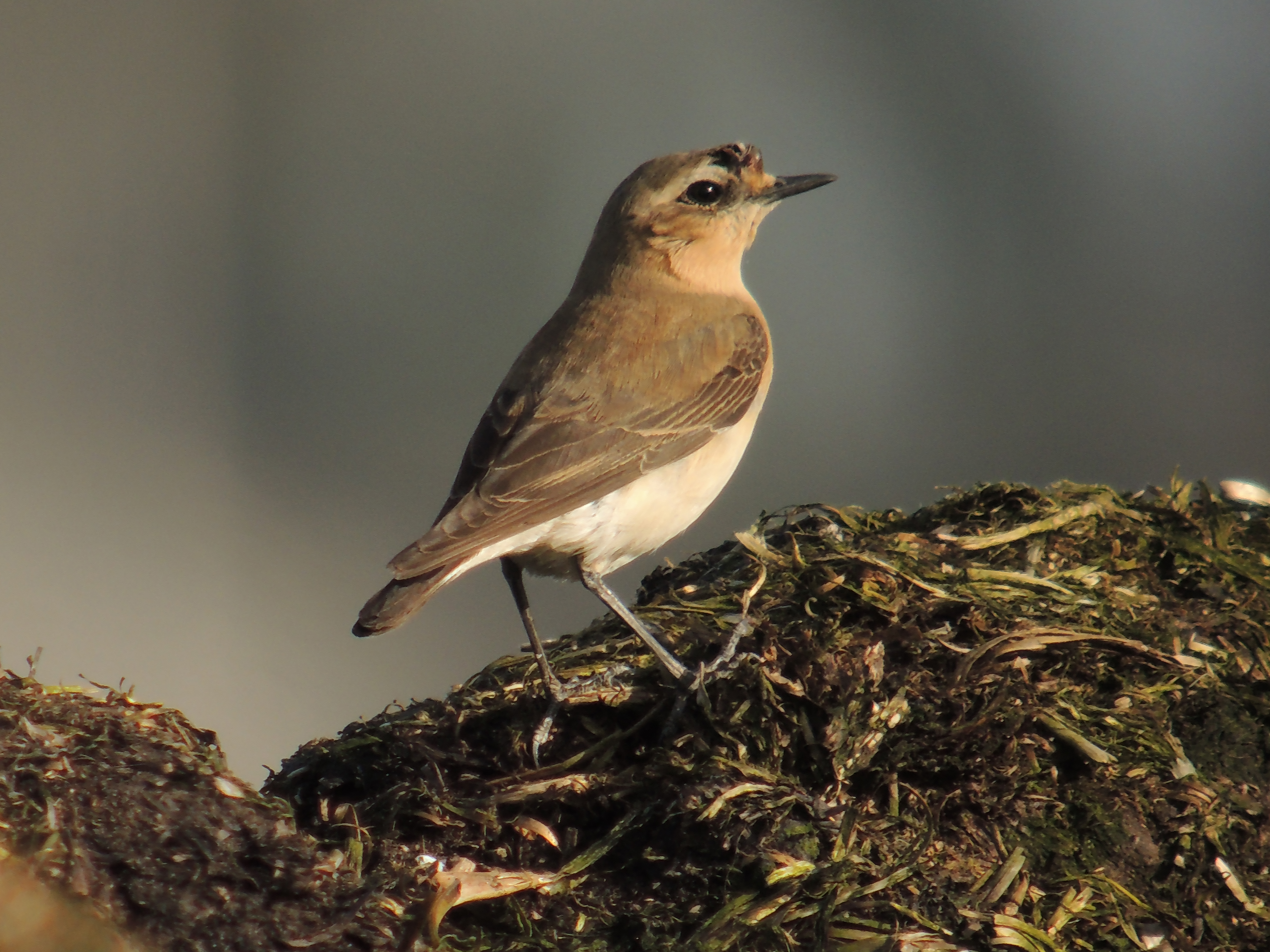
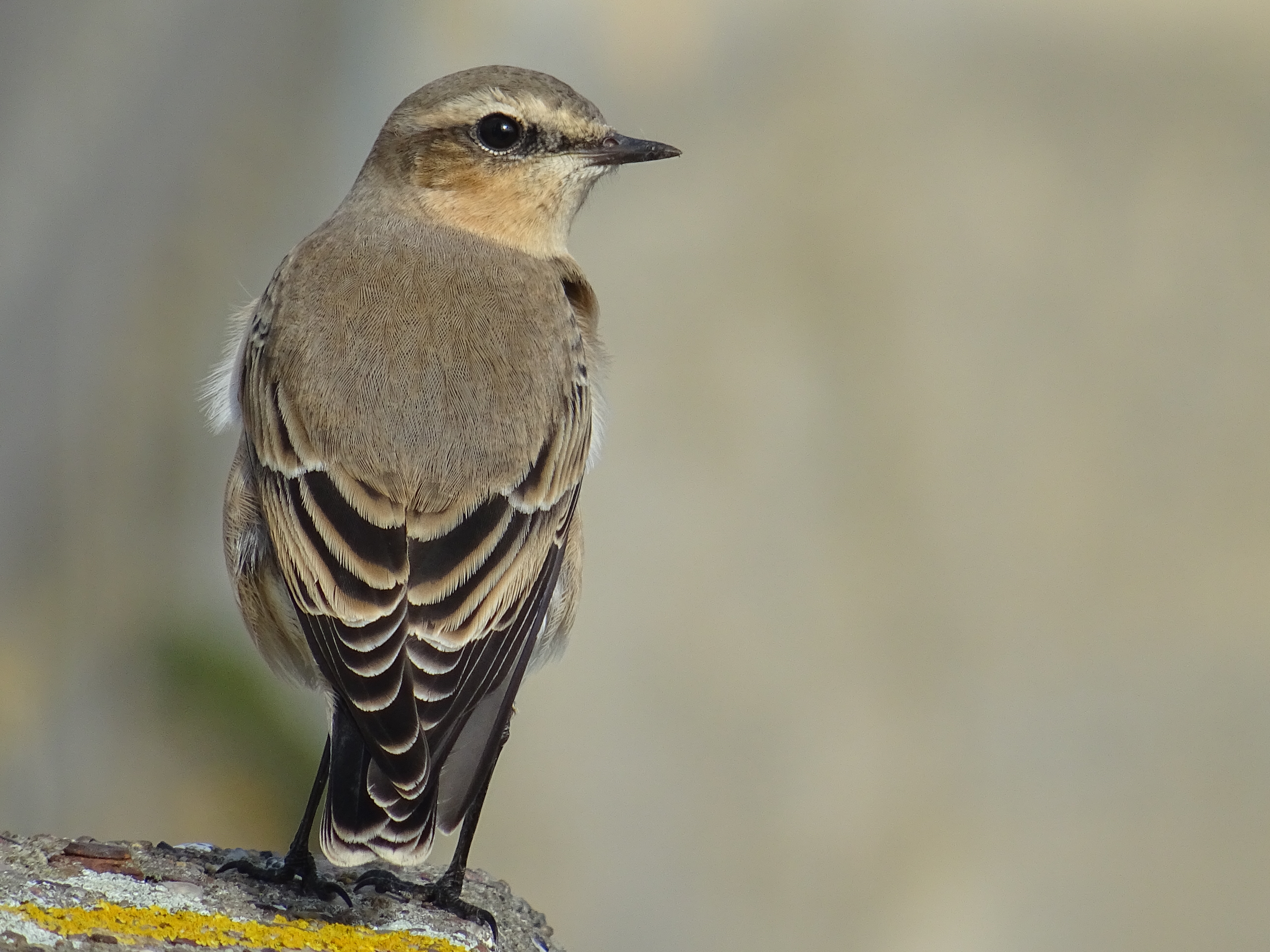
Another week, another Wood Warbler – this one being even more fleeting than last week’s. Stanwick was the venue, the bird singing for ten minutes and remaining out of sight, early in the morning of 11th. This week’s Whinchats were all on 9th, when four were at Borough Hill and one was at Clifford Hill, while Northern Wheatears still continued to filter through, some showing characteristics of the Greenland race, which tends to be prevalent the deeper we move into May.

Northern Wheatear, probably Greenland race, Willowbrook Industrial Estate, Corby, 9th May 2021 (James Underwood)
Northern Wheatear, probably Greenland race, Stortons GP, 9th May 2021 (Tony Stanford)
Male Greenland Wheatear, Clifford Hill GP, 11th May 2021 (Mike Alibone)
Male Greenland Wheatear, Clifford Hill GP, 12th May 2021 (Mike Alibone)

Clifford Hill produced the most, with three on 8th and ten there the next day, 9th, which also saw seven at Willowbrook Industrial Estate, Corby, six at Borough Hill and one at Stortons GP. Singles were again at Clifford Hill on 10th, 12th and 13th, with two there on 11th and further singles were at Harrington AF on 11th and Boddington Res on12th.
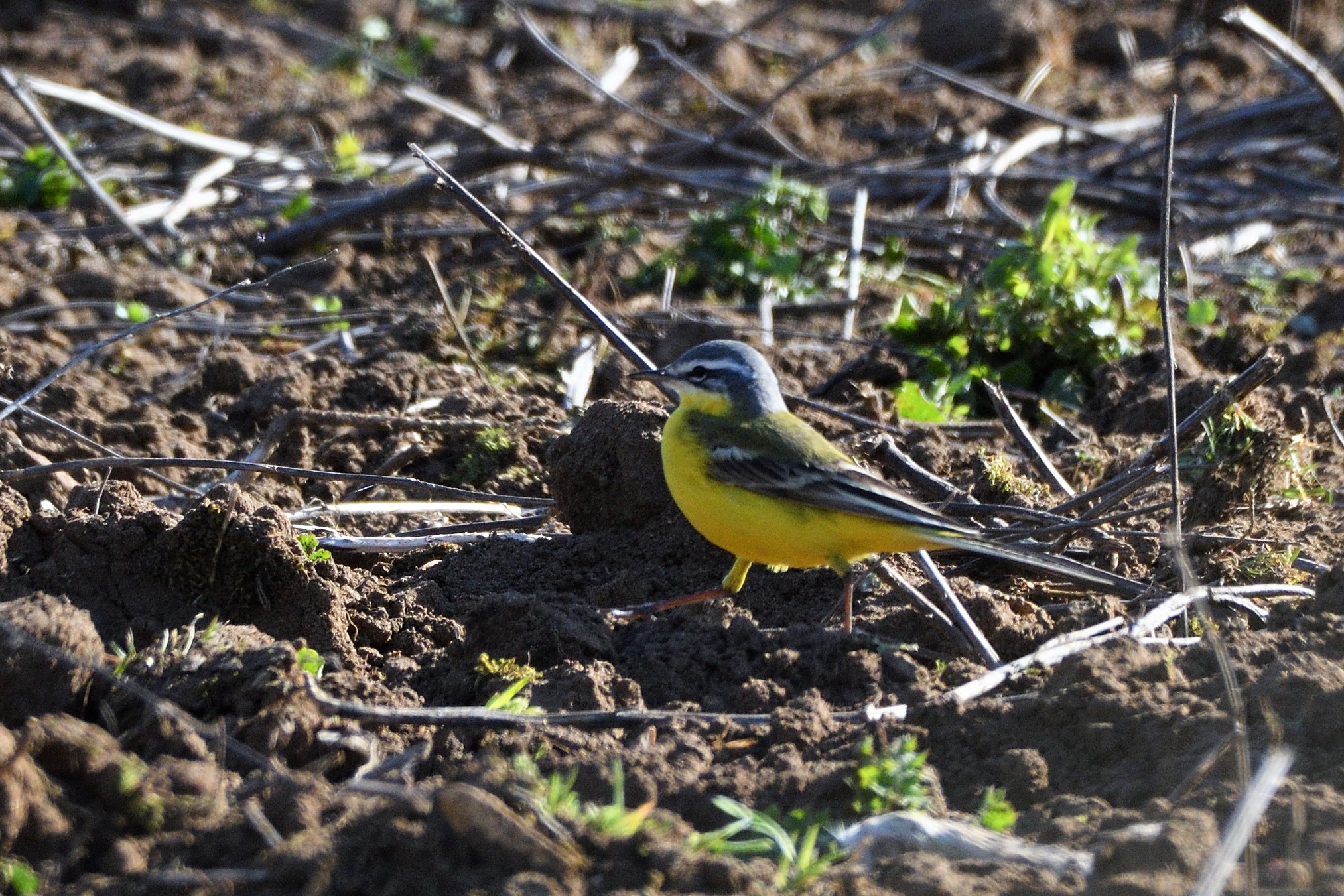
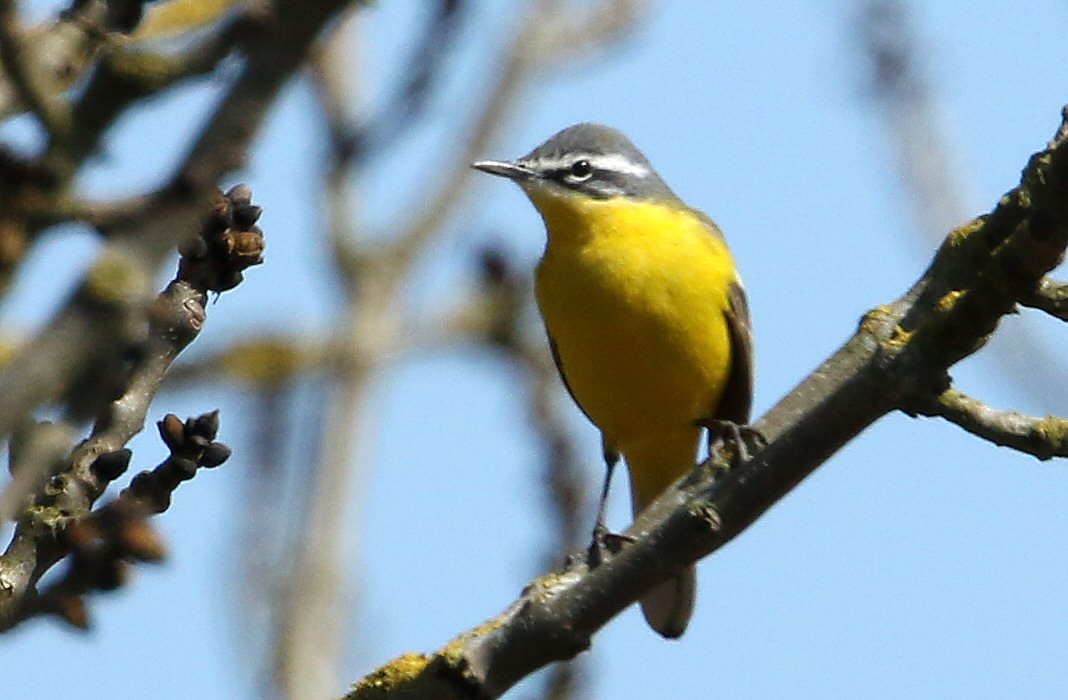
Blue-headed and Yellow Wagtail variants at Summer Leys

A male Blue-headed Wagtail has been present in fields adjacent to Summer Leys LNR since its discovery on 12th April. Being a scarce migrant in Northants and the UK in general, it has attracted a lot of attention from local birders and scrutiny of the accompanying Yellow Wagtails has also thrown up some interesting plumage variants, sparking much debate on origins and racial identity.

Fortunately, the site routinely attracts a wealth of photographers, who have been on hand to capture a range of images, allowing subsequent at length plumage examination.

So, here they are …

Blue-headed Wagtail

A straightforward, classic individual featuring all the diagnostic characteristics of a male nominate race flava, i.e. sharply demarcated bright blue head with ear coverts and lores darker than the crown, a striking white, long supercilium extending from the base of the bill and over the ear coverts, obvious broken white eye-ring and white flecks in the ear coverts. It also has a yellow throat with a thin white side border.

Male Blue-headed Wagtail M. f. flava, Summer Leys LNR, 13th April 2021 (Ant Hall)
Male Blue-headed Wagtail M. f. flava, Summer Leys LNR, 13th April 2021 (Bob Bullock)

Blue-headed/‘Channel’-type variant

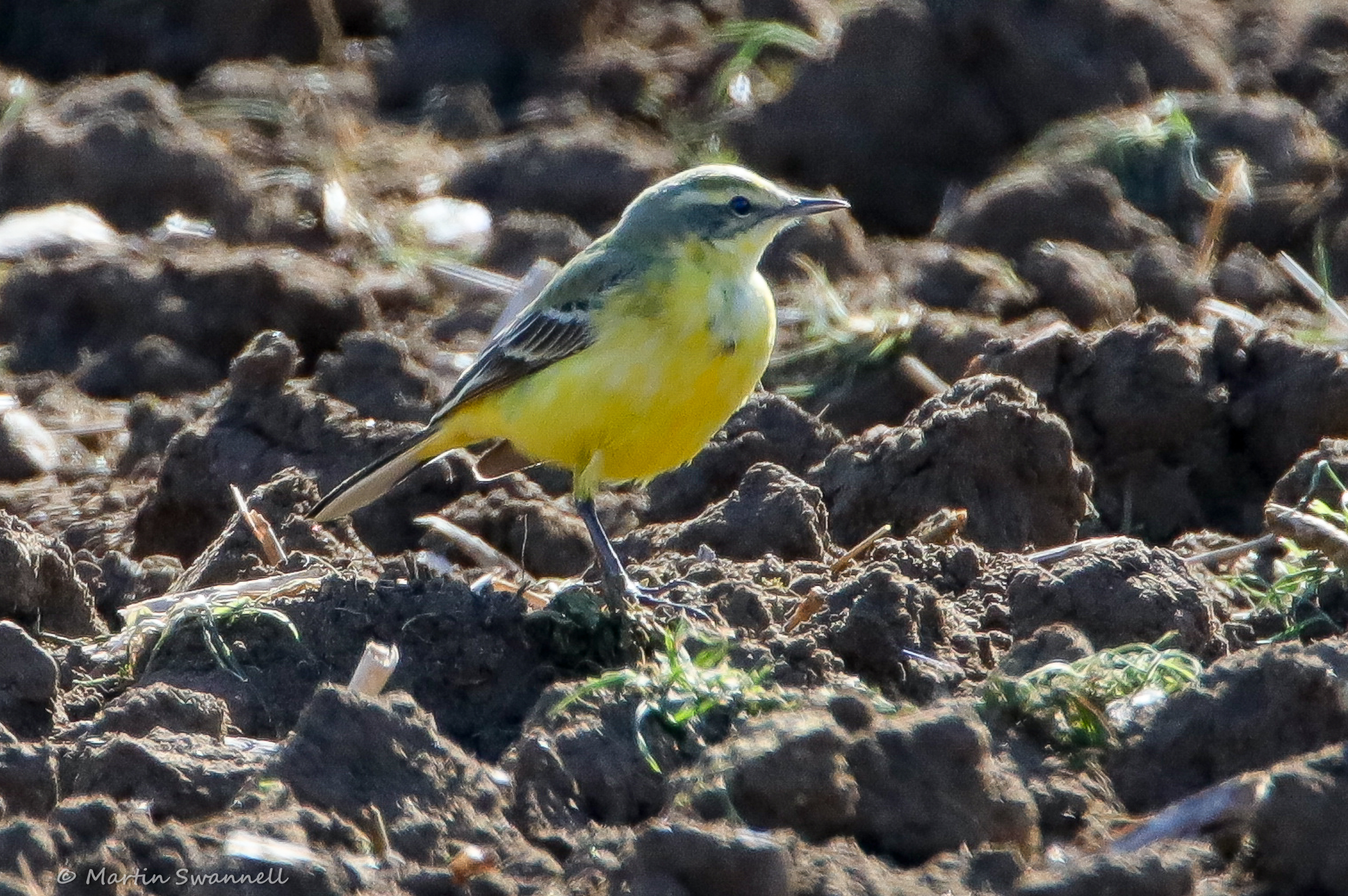
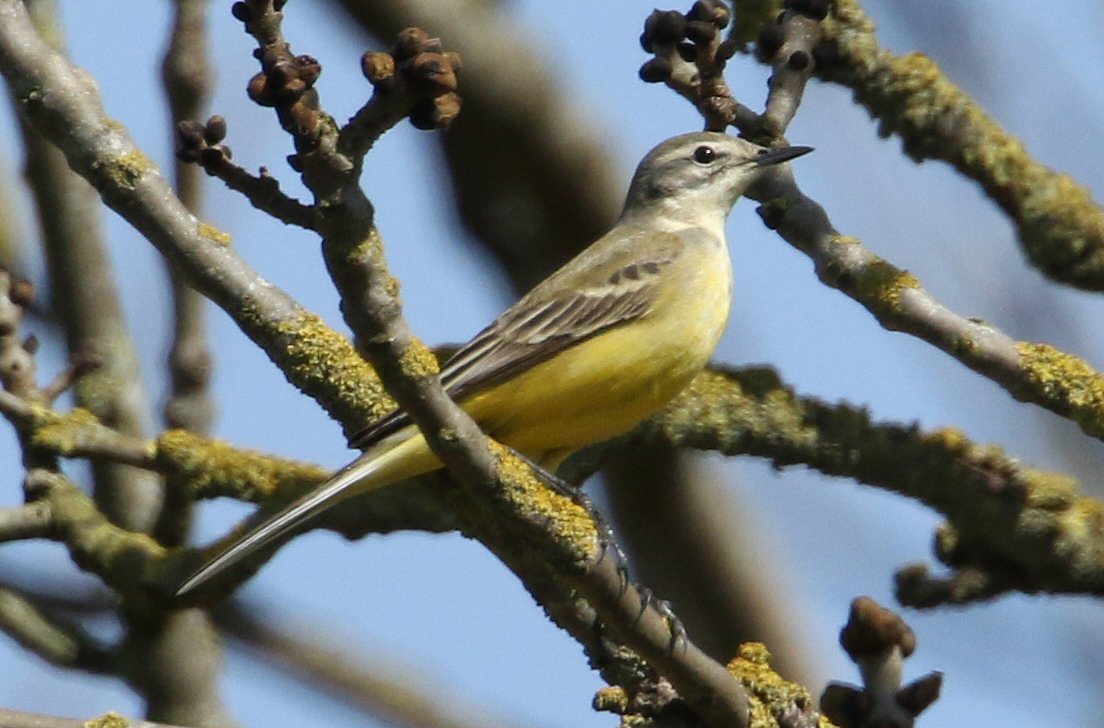
A not so easy to analyse individual. This bird has a much more diffuse head pattern, with green tones permeating the blue, which is paler than that of the male Blue-headed Wagtail, above. It has a largely white throat and remnants of a ‘necklace’ and the worn-looking outer greater coverts suggest it may be a first-summer bird. The overall appearance closely matches female Blue-headed Wagtail and it may indeed be just that. However, a degree of caution is normally urged when trying to assign females of the ‘yellow wagtail group’ to race …

Female Blue-headed Wagtail/’Channel’-type variant, Summer Leys LNR, 13th April 2021 (Martin Swannell)
Female Blue-headed Wagtail/’Channel’-type variant, Summer Leys LNR, 13th April 2021 (Bob Bullock)

Yellow-headed Wagtail-type variant

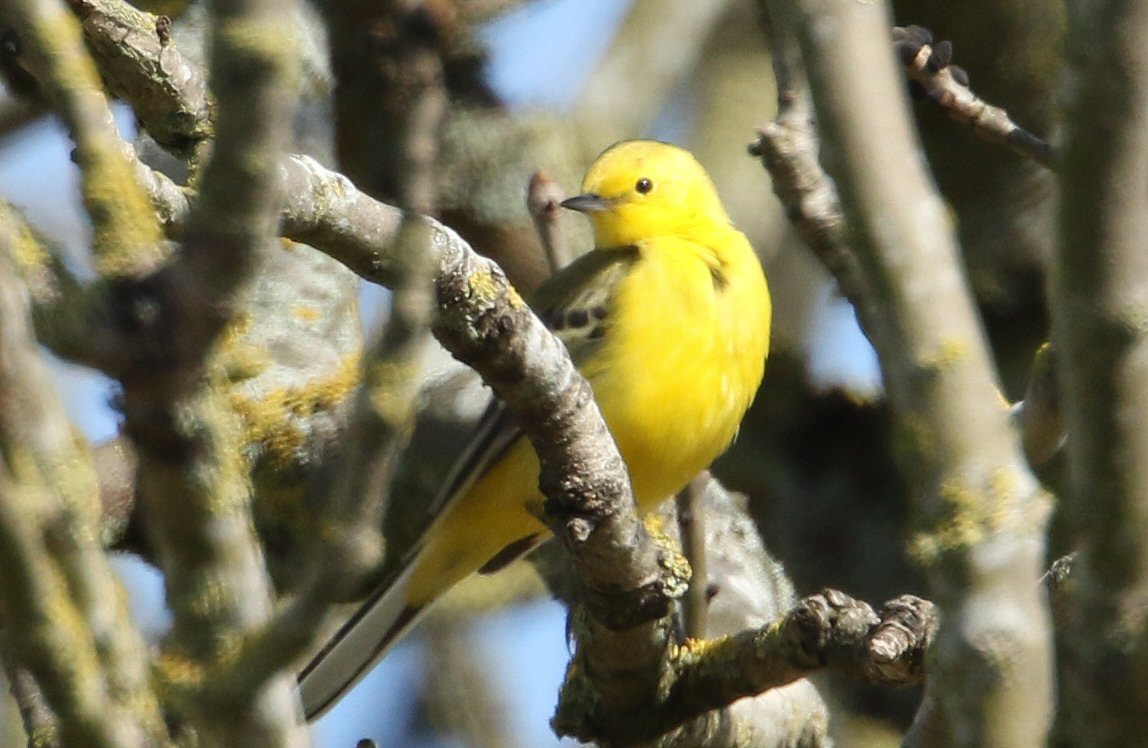
A very interesting bird, which appears to show characteristics of the race lutea., i.e. strikingly deep yellow underparts and head, the latter with only a hint of dusky lores and a ghosting of green on the crown, which is said to match lutea perfectly (Shirihai & Svensson 2019). However it lacks the broad yellow tips to the median and greater coverts normally exhibited by this race, the coverts in this case conforming to those of standard flavissima Yellow Wagtail.

Male Yellow Wagtail variant resembling Yellow-headed Wagtail M. f. lutea, Summer Leys LNR, 12th April 2021 (Don Lorraine)
Male Yellow Wagtail variant resembling Yellow-headed Wagtail M. f. lutea, Summer Leys LNR, 13th April 2021 (Bob Bullock)

This race breeds in the lower Volga, middle Ural region and possibly north-west Kirghiz Steppe. While birds resembling lutea have been recorded in the UK, the race is not on the British list and they are generally considered to be variant flavissima. Feathers or faecal samples allowing DNA analysis would be highly desirable in proving subspecific ID in this case.

Newsround – 27th March to 2nd April 2021

Although local temperatures reached only 22°C, the 30th hit the headlines as the UK’s warmest March day for 53 years, largely as a result of south to south-westerly winds sweeping in from beyond the Iberian peninsula. Unsurprisingly, spring migrants came in thick and fast, these balmy conditions acting as a catalyst for northbound migration. It was all change during the last two days of the week, however, as winter reminded us it was not done with yet, bitter north-easterlies kicked in and temperatures dropped like a stone …

Showing no signs of going anywhere soon, the adult Dark-bellied Brent Goose remained at Ditchford GP’s Irthlingborough Lakes and Meadows LNR throughout the period, while new in was a Pink-footed Goose, which flew west over Ecton SF on 1st before dropping in to join local Greylags in the adjacent riverside meadow at Cogenhoe Mill.

Pink-footed Goose, Cogenhoe Mill, 1st April 2021 (Mike Alibone)

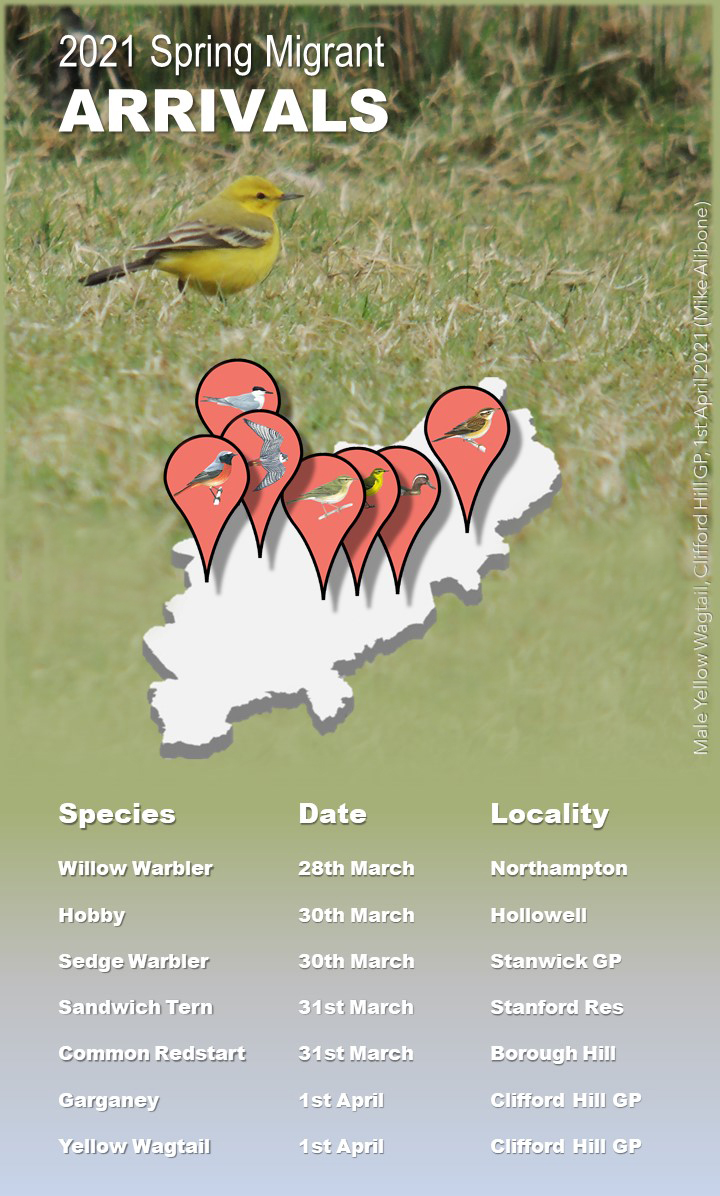
The same date saw the arrival of the year’s first Garganey, at Clifford Hill GP, where four pitched up during the morning, appearing to have moved swiftly on by the end of the day.

Garganeys, Clifford Hill GP, 1st April 2021 (Bob Bullock)

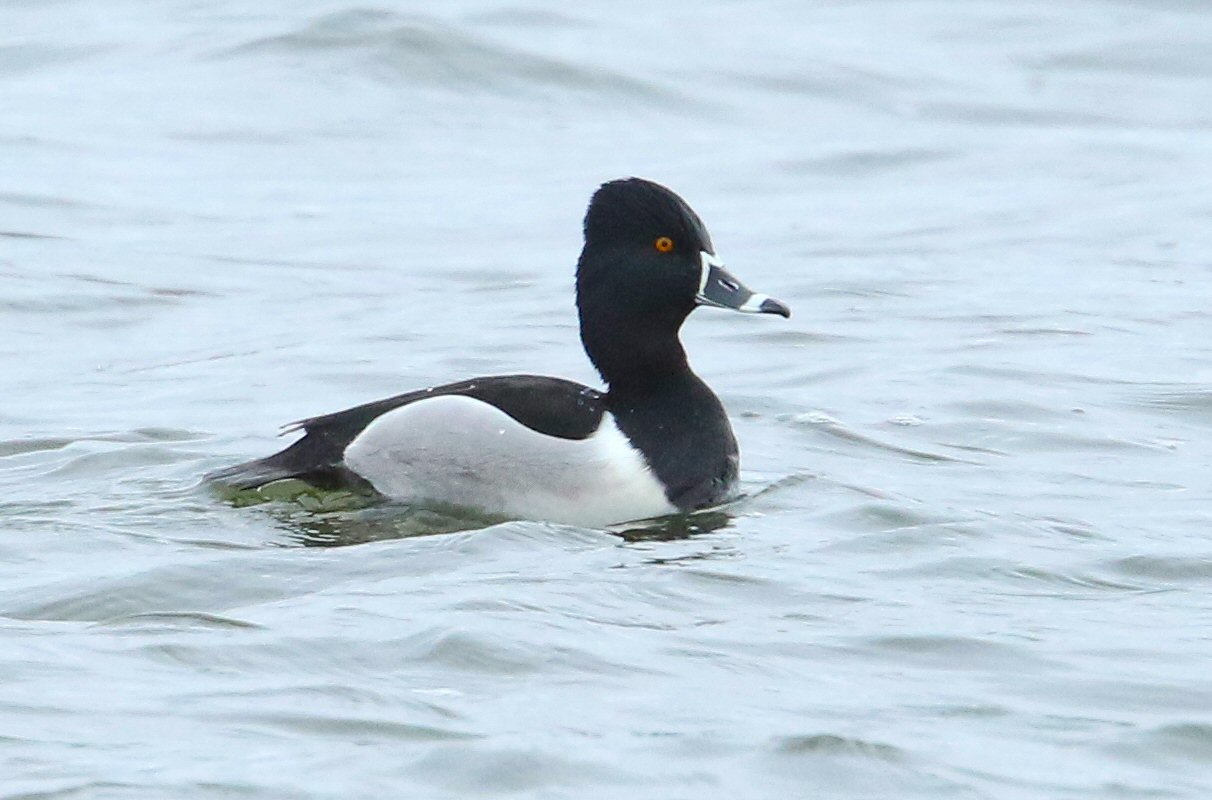
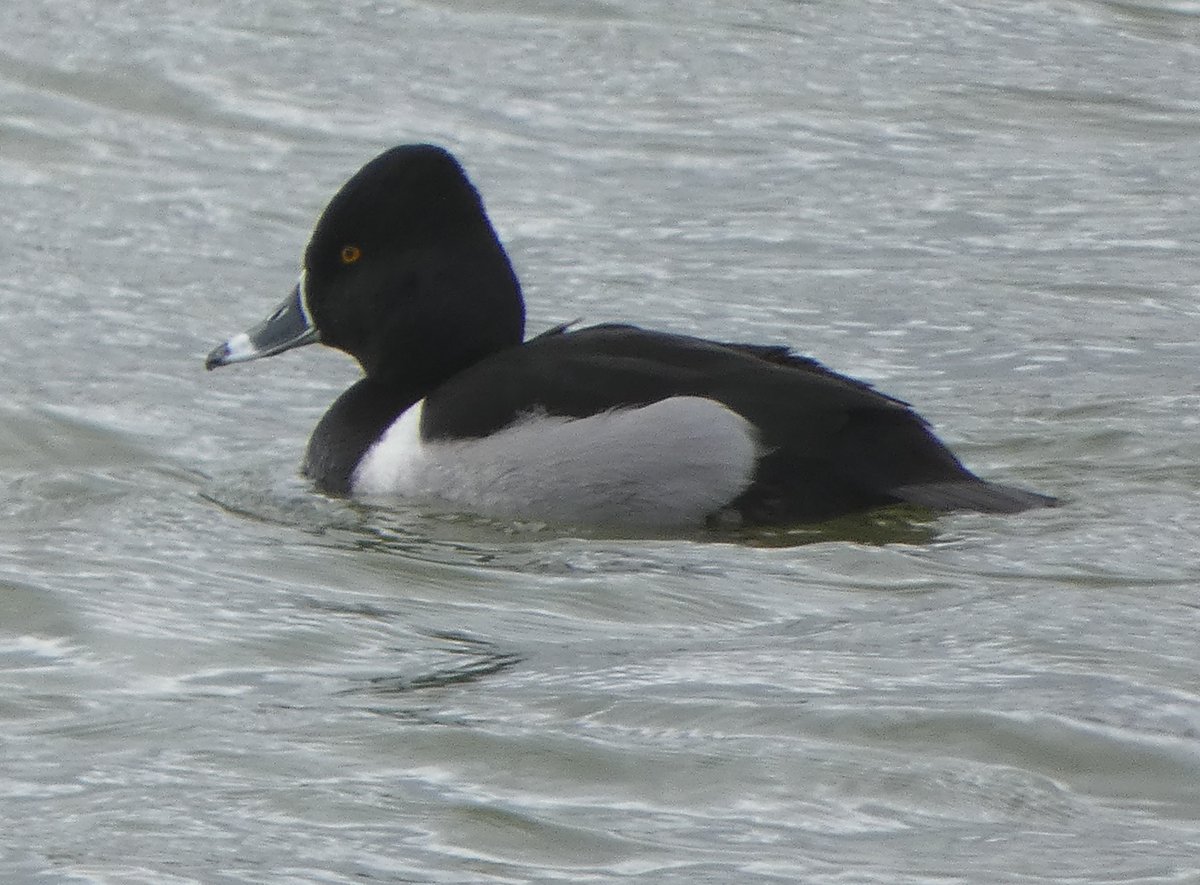
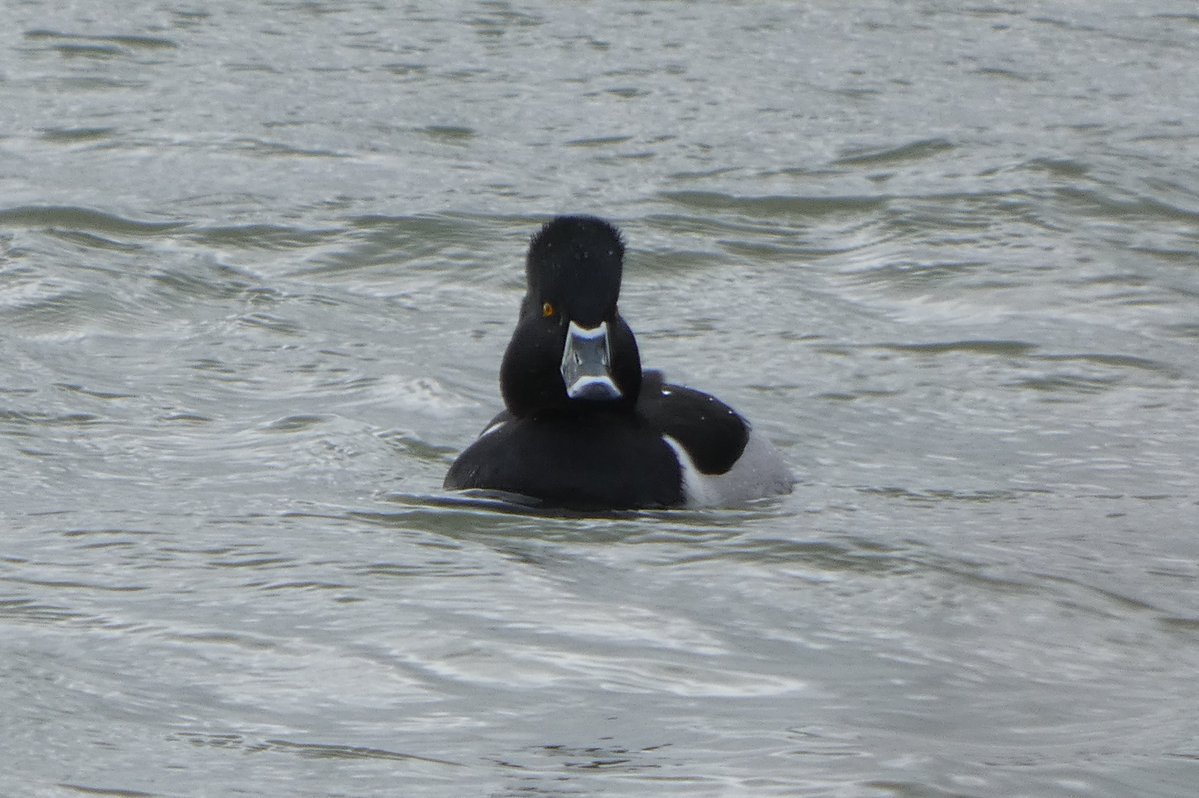
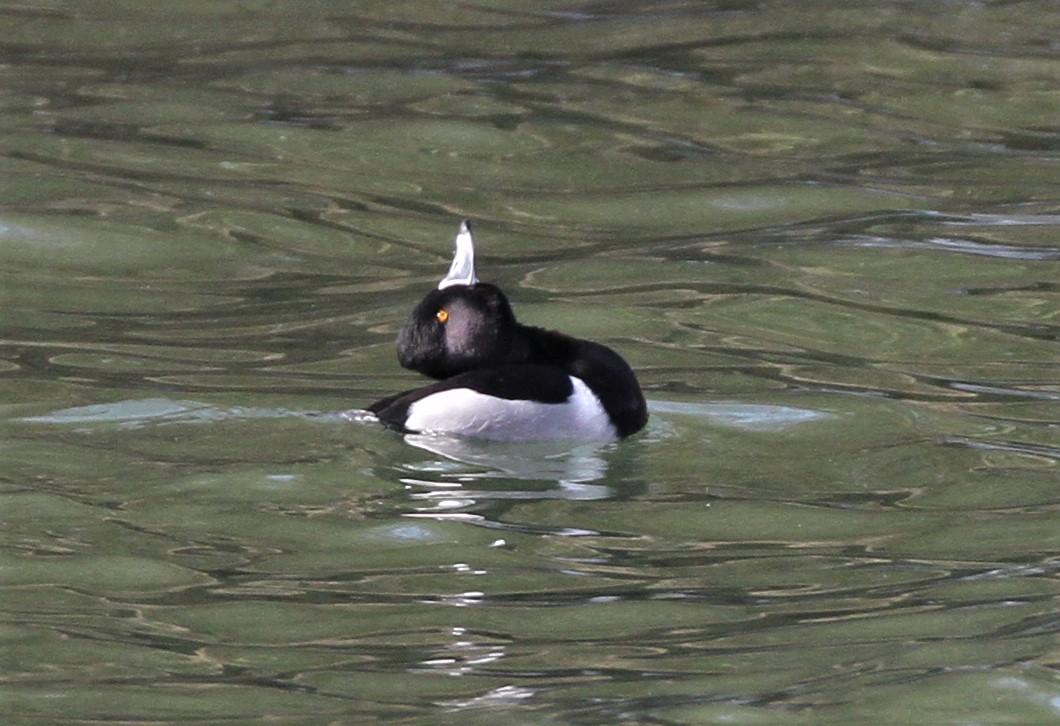
Meanwhile, the wintering drake Ring-necked Duck showed further signs of itchy feet this week, appearing again at Stanwick GP on 27th-28th and 30th before heading west to Clifford Hill, where it was seen on 31st and again on 2nd.

Drake Ring-necked Duck, Clifford Hill GP, 2nd April 2021 (Bob Bullock)

In contrast, the smart drake Greater Scaup, accompanied the presumed female Greater Scaup x Tufted Duck hybrid, remained site faithful, off the dam at Pitsford Res all week while, back in the Nene Valley, Ditchford GP’s drake Smew resurfaced on Delta Pit on 27th before being seen at Stanwick the following day and again there on 2nd.

Ditchford also produced a one-day wonder in the shape of a flamboyant, summer-plumaged Black-necked Grebe at Irthlingborough Lakes & Meadows on 31st.

Further down the valley, with no departure date in sight, the local star that is Glossy Ibis clocked up eight weeks of residency at Thrapston GP, spending more of its time on Aldwincle Lake. It will be missed when it finally chooses to move on, although after such a long stay, this species is never likely to be viewed in quite the same light when the next one hits the county.

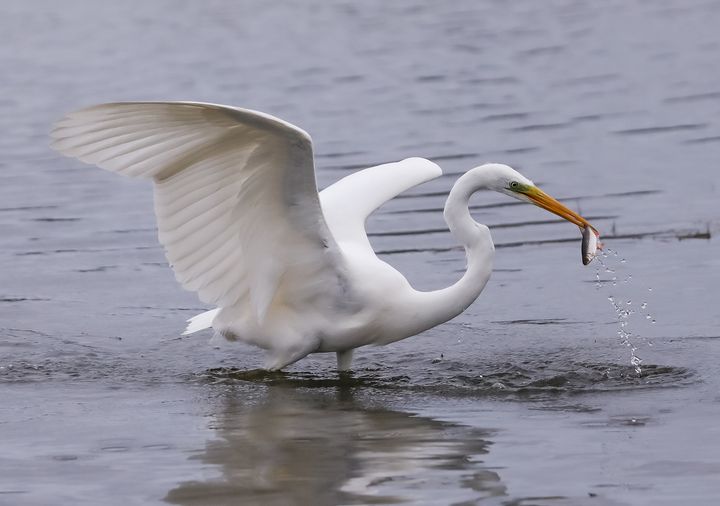
Talking of which … four Cattle Egrets remained at the favoured locality of Stanwick on 27th-28th, while numbers of Great Egrets continued to decrease, with singles at Summer Leys on 28th and Hollowell on 30th, up to two at Pitsford on 31st-1st and up to five at Thrapston on 31st.

Great Egret, Summer Leys LNR, 27th March 2021 (Ricky Sinfield)

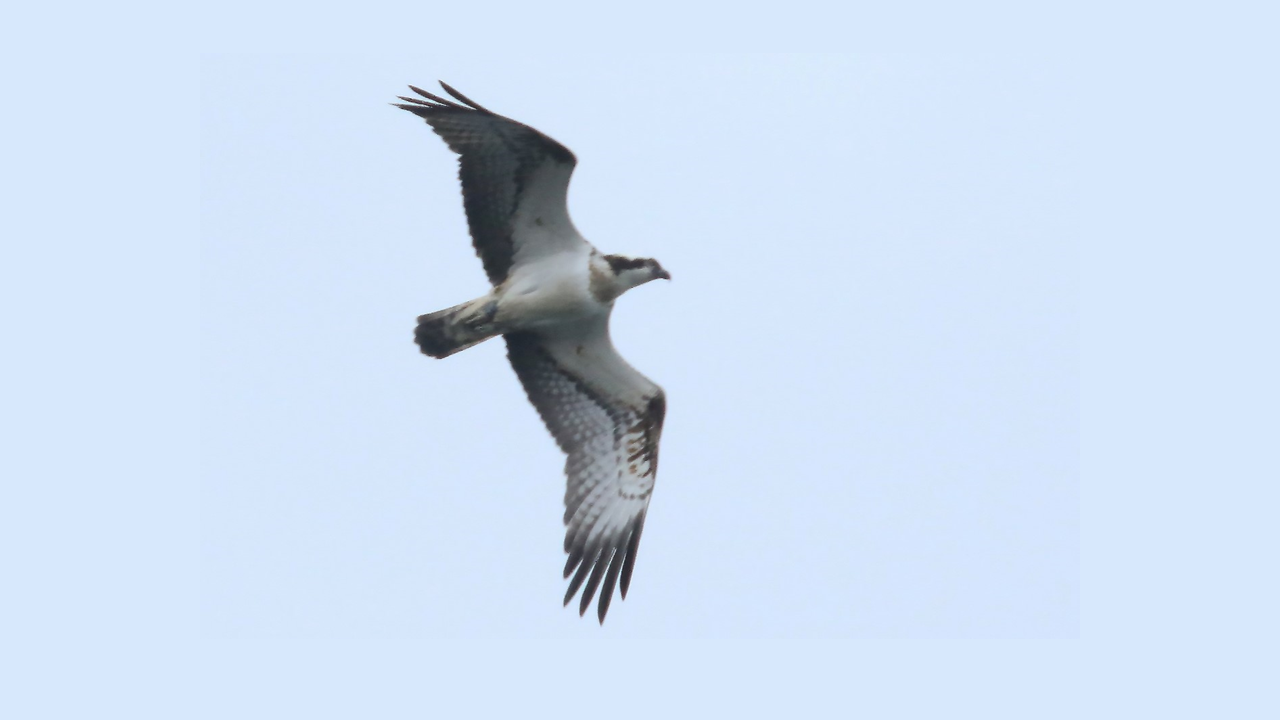
With Ospreys back in the game, singles were seen at Billing GP, Hollowell, Pitsford and Ravensthorpe Res – all on 27th, Ravensthorpe again on 29th, Oundle on 1st and Hollowell Res again on 1st-2nd. Three pairs have bred in the county over the past few years and with numbers increasing nationally, we must be on for a fourth in the not too distant future. Two single Marsh Harriers flew east through Stanwick, within minutes of each other, on 2nd.

Osprey, Ravensthorpe Res, 27th March 2021 (Bob Bullock)
Osprey, Hollowell Res, 2nd April 2021 (Jon Cook)

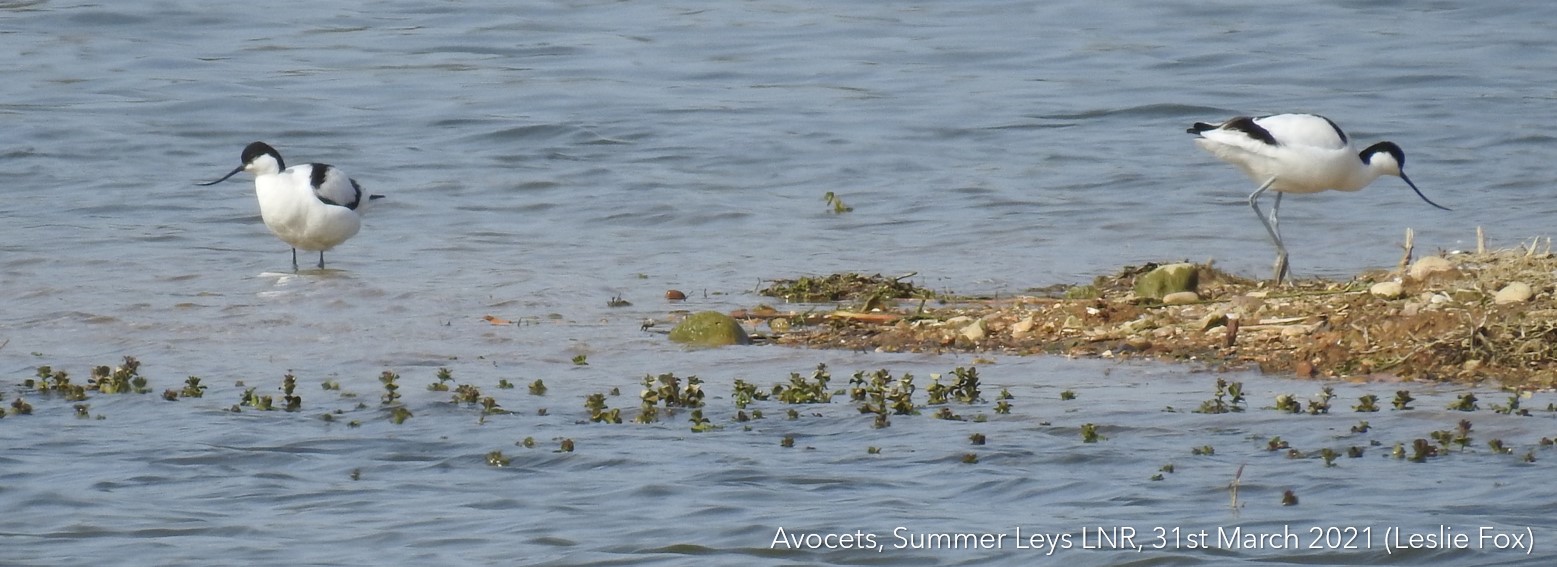
On the wader front, two Avocets were mobile between Summer Leys and Ditchford GP’s Irthlingborough Lakes and Meadows LNR throughout the week, while single Curlews flew over Stanford Res on 27th, Pitsford on 1st and two worked their way from Ditchford along to Stanwick on 2nd. Last week’s first-summer Black-tailed Godwit remained at Summer Leys until 28th, being replaced there by three from 31st to 2nd. Three also visited Stanwick on 31st.

First-summer Black-tailed Godwit, Summer Leys LNR, 27th March 2021 (Ricky Sinfield)
Adult Black-tailed Godwit, Summer Leys LNR, 2nd April 2021 (Ricky Sinfield)

With only singles at Clifford Hill on 30th and DIRFT 3 A5 Pools on 1st, Dunlins were thin on the ground this week. A Jack Snipe remained at Hollowell until at least 30th, the same date on which one was found by chance at Harrington AF.

Pumping up the larid-action, there were gulls for everyone this week – after all, who doesn’t love a Little Gull? One of these delicate, diminutive beauties visited Daventry CP on 31st and another obliged by staying two days at Thrapston on 1st and 2nd. The last of these two dates also saw a first-winter Kittiwake heading south-west over Pitsford, apparently without stopping. Mediterranean Gulls were again largely confined to the two Nene Valley locations of Stanwick and Summer Leys, where they continued to be seen almost daily, the latter site holding three on 29th. The exception was two adults seen south of Burton Latimer, on 27th. The week’s token Caspian Gull, a first-winter, appeared on DIRFT 3’s A5 Pools on 1st, accompanied by another, which wasn’t quite the full shilling in terms of genetic make up, as well as one each of both adult and third-winter Yellow-legged Gulls. Two of the latter species also frequented Pitsford during the week.

Then the summer visitors kicked in. Two Sandwich Terns flew east through Stanford on 31st, followed by two more, east through Stanwick, the following day.

But the first Hobby, on 30th, smashed it, being the first ever to be recorded in March and beating the previous earliest record of 1st April, in 2012.

The first Willow Warbler was a male singing in suburban Northampton on 28th, followed later by one in Corby and, just before the month of March was out, the first Common Redstart appeared on Borough Hill with, hot on its heels, another at Harrington. Both were males. Following last week’s Black Redstart, three more were reported: Harrington AF on 30th, Hanging Houghton on 1st and Borough Hill on 2nd – all strangely vanishing immediately after their discovery. A Stonechat at Summer Leys on 28th was effectively the last man standing.

Unsurprisingly, more Northern Wheatears appeared this week, with the eight localities of Brackley, Chelveston AF, Clifford Hill, Harrington, Hinton AF, Polebrook AF, Stanford and Thrapston producing a couple of dozen between them. The highest counts were nine at Hinton on 29th and five at Clifford Hill GP on the same date.      

Male Northern Wheatear, Clifford Hill GP, 27th March 2021 (Bob Bullock)
Female Northern Wheatear, Brackley, 30th March 2021 (Mike Alibone). This individual has a parasite attached to its forehead.

Clifford Hill also delivered the first Yellow Wagtail of the year, on 1st, two more being seen at Stanwick later in the day, while White Wagtails continued to come through in small numbers, with Earls Barton producing one on 27th and two on 2nd, while another was at Aldwincle on 1st.

A brief stopover was made by a Water Pipit at Hollowell on 30th before it flew off south. In fact, as Water Pipit must be the only species flying south in spring, this surely constitutes the identification clincher from the often very similarly-plumaged Scandinavian Rock Pipit which, of course, flies north-east. Simple, isn’t it?! The answer was there all along! Well, maybe … Two more Water Pipits were at Earls Barton GP’s new workings on 2nd.

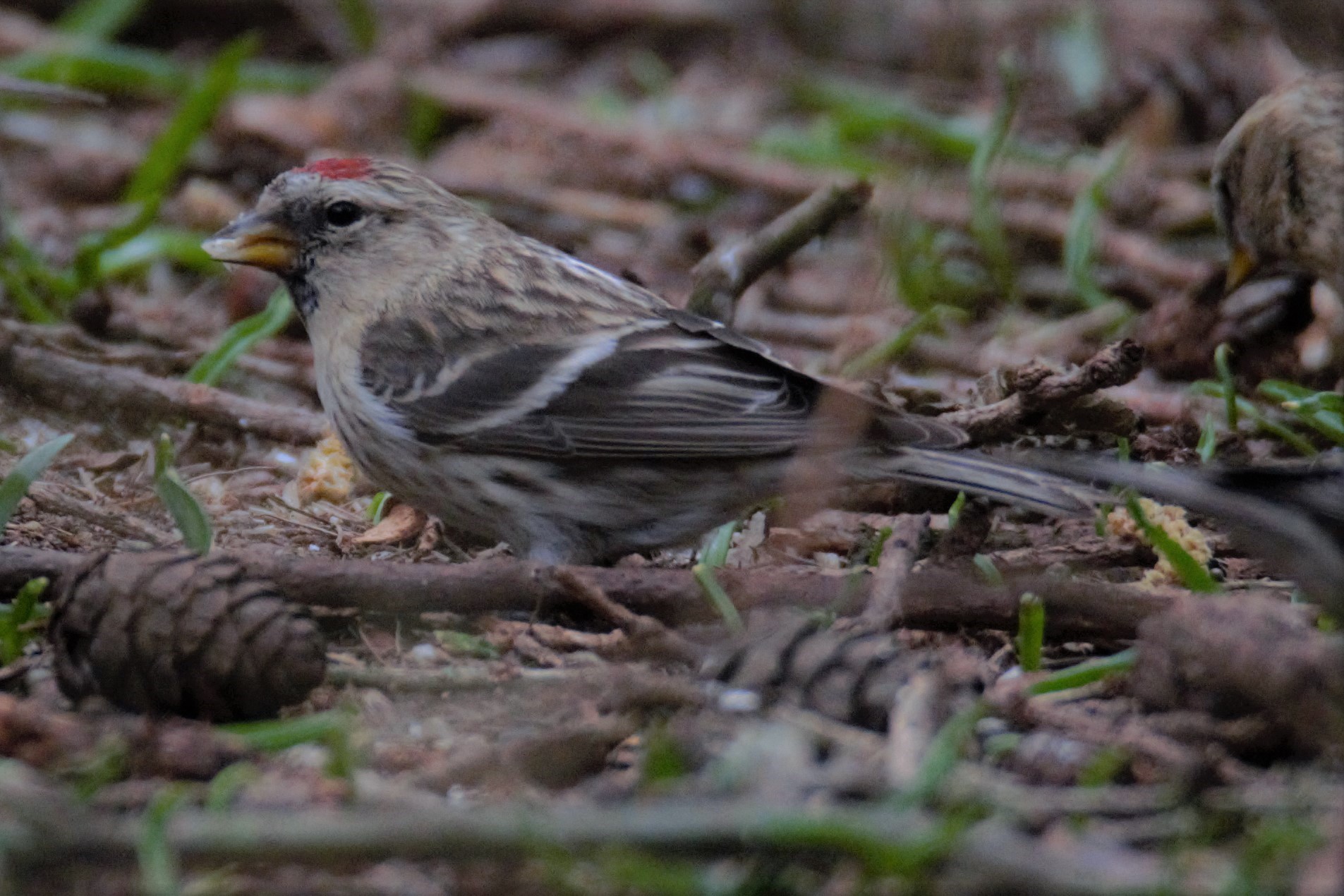
Mealy Redpoll, Wakerley Great Wood, 2nd April 2021 (Stuart Mundy)

Caught on film at Wakerley Great Wood, a Mealy Redpoll visited the feeders there on 2nd, when there were still at least four Crossbills in the same area.

Male Crossbill, Wakerley Great Wood, 29th March 2021 (Angus Molyneux)

Ten were counted there on 29th, while the only other localities continuing to produce this species were Hollowell, with a maximum of five on 27th and Pitsford, where up to four were present on 31st.

Age and subspecific ID of Summer Leys Black-tailed Godwit

One for the analytically-minded …

A Black-tailed Godwit has been present on the scrape at Summer Leys LNR since 22nd March and by all accounts, it’s still present today. Because of its rather drab colouration, it seems to have attracted little interest – after all, it’s not the type of super-rusty, spangled-mantled individual which usually finds favour with photographers. So, let’s take a closer look.

First-summer Black-tailed Godwit, Summer Leys LNR, 24th March 2021 (Mike Alibone)

Its overall grey appearance suggests three main possibilities: it’s an adult which has not yet developed full summer plumage, it’s an adult which has attained summer plumage but remains largely grey, or it’s a first-summer which will not develop full summer plumage this year. It also raises the question, which race is it?

Probably 99.9% of the Black-tailed Godwits passing through Northants are of the Icelandic race, islandica. In full summer plumage they are extensively rusty below and spangled rusty-chestnut and gold on the upperparts – more so in males. The much rarer ‘Continental’ Black-tailed Godwit of the nominate race, limosa breeds in very small numbers in the UK, no further away than the Ouse Washes. They are less extensively and less intensively coloured, frequently being much greyer (especially females) and subtly structurally different, i.e. generally longer-legged, longer-necked, with broader-based, longer bills. For an excellent, detailed, in-depth analysis, see the definitive paper documenting 30 years of study by Mark Golley here.

First-summer Black-tailed Godwit, Summer Leys LNR, 24th March 2021 (Mike Alibone)

So, on a closer examination of our Summer Leys bird, it becomes immediately apparent that it’s not uniform grey. There’s an area on the wing, which is lighter and zooming in through a telescope, this light area can be identified as very worn and faded coverts, which look quite pointed and ‘tatty’. These are old juvenile coverts, which may be retained for up to 12 months, becoming worn, while the remainder of the body plumage is, in comparison, fresh, non-juvenile plumage. The tertials are similarly worn.

First-summer Black-tailed Godwit, Summer Leys LNR, 24th March 2021 (Mike Alibone)

This puts the bird in the first-summer age group, which will not have developed conventional adult summer plumage. Easy on good views. But what about race? That’s a little more tricky. As far as structure is concerned, the legs are largely hidden (although the tibia looks short), the neck and bill do not seem overly long, nor does the bill look particularly broad-based, although from different angles all these features appear to vary, as evidenced in the accompanying images. On balance it does not stand out as being an obviously large, lanky individual. However, it may be a male – which is smaller and shorter-billed than a female.

First-summer Black-tailed Godwit, Summer Leys LNR, 24th March 2021 (Mike Alibone)

Though assessing the structure is tricky, the clue lies in the plumage. Zooming in again reveals the feather colouring of the few adult-type feathers which have emerged on the scapulars being the rather orangey/gold and black of islandica – versus the pale yellowish and black of limosa – and there is even one very ‘chestnutty’ one showing, while those on the breast, where colour is visible, are rather dark rufous-chestnut instead of limosa’s paler rusty wash.

First-summer Black-tailed Godwit, Summer Leys LNR, 24th March 2021 (Mike Alibone)

So, after a bit of detective work, there we have it: first-summer Icelandic Black-tailed Godwit. There’ll no doubt be many more of these godwits to come as we move deeper into spring and early summer.

Ringstead Red-foot

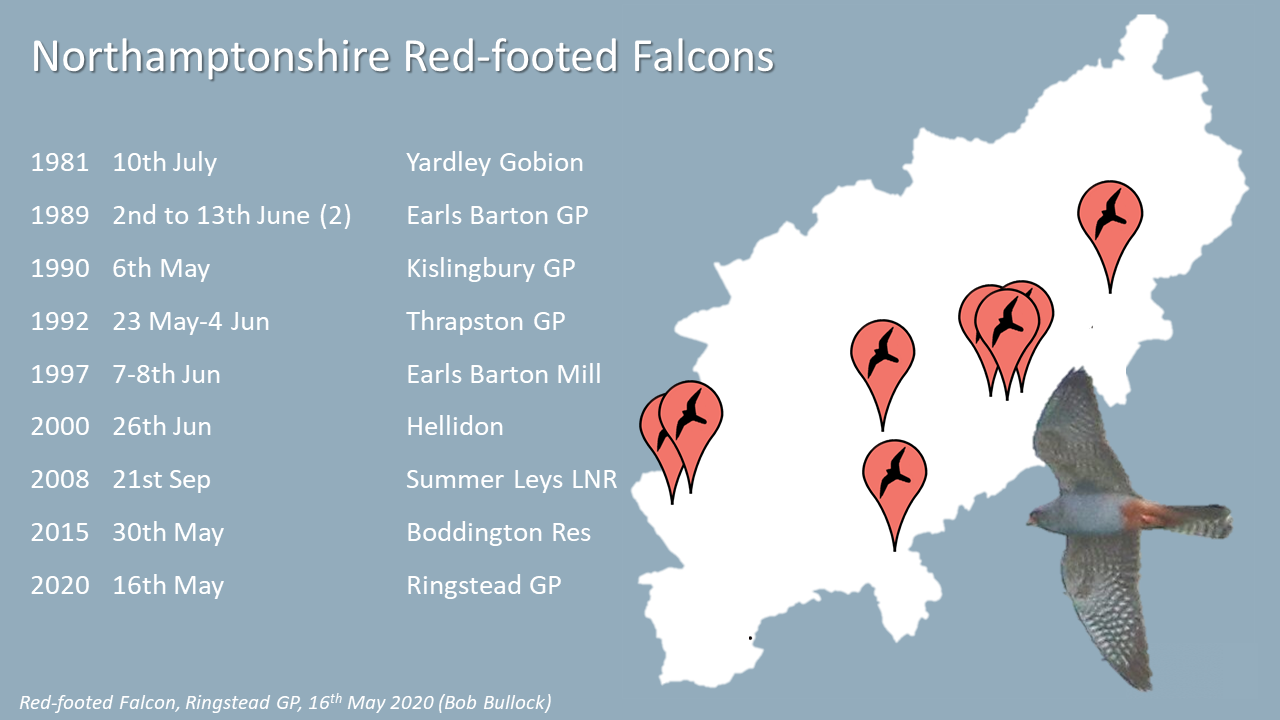
Northamptonshire’s tenth and the first twitchable one since 1997

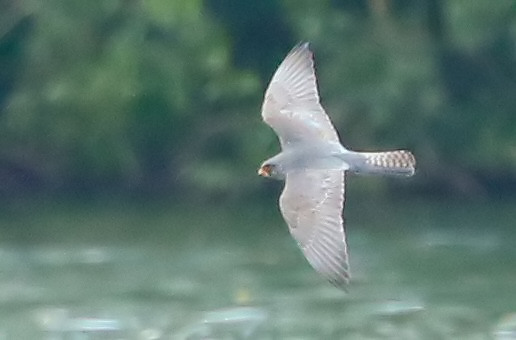
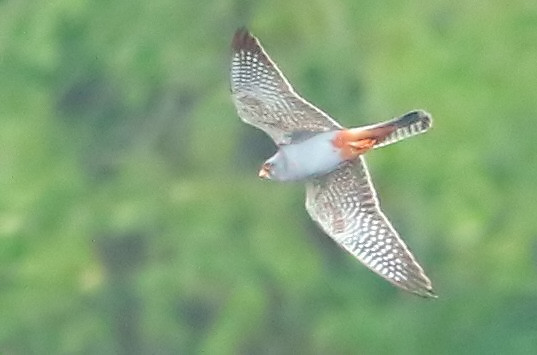
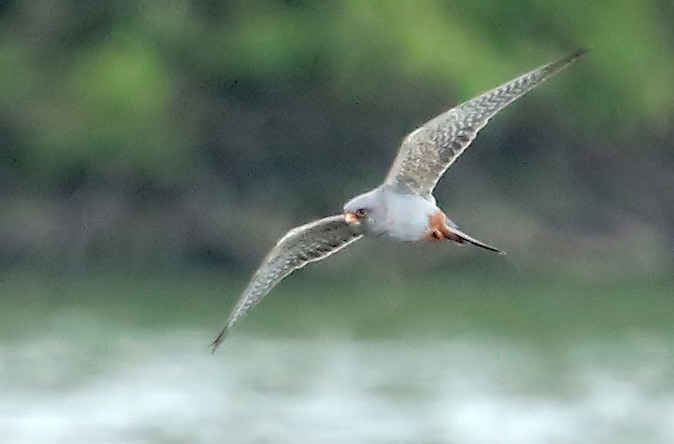
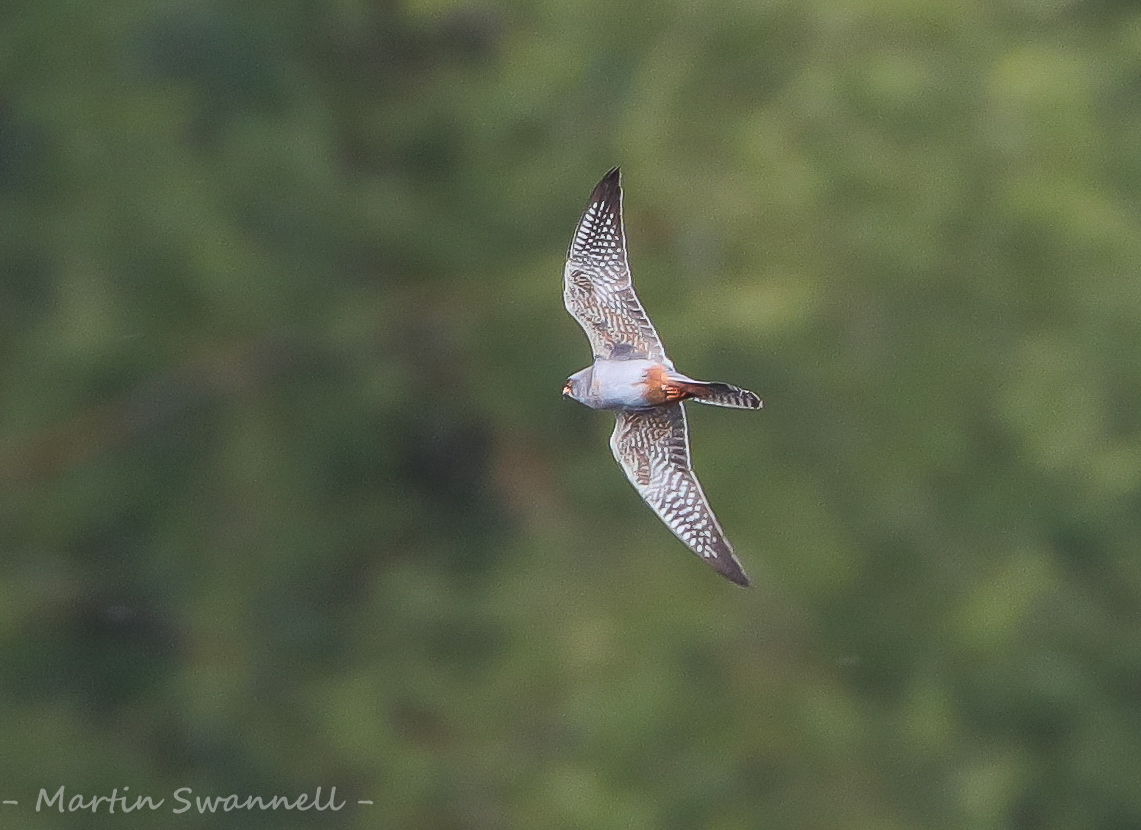
Right place, right time – the two came together for Nick Parker this morning when he discovered the county’s tenth Red-footed Falcon on a visit to Kinewell Lake at Ringstead Gravel Pits. Found at 10.50, this bird, a first-summer (2nd calendar year) male drew modest numbers of birders throughout the remainder of the day as it put on a fine display, hawking insects among Black-headed Gulls, just above the water’s surface.

First-summer male Red-footed Falcon Ringstead GP, 16th May 2020 (Bob Bullock)

First-summer male Red-footed Falcon Ringstead GP, 16th May 2020 (Bob Bullock)2

First-summer male Red-footed Falcon Ringstead GP, 16th May 2020 (Bob Bullock)

First-summer male Red-footed Falcon Ringstead GP, 16th May 2020 (Martin Swannell)


A new County Recorder for Northamptonshire

A post vacant for more than three years is at last filled!

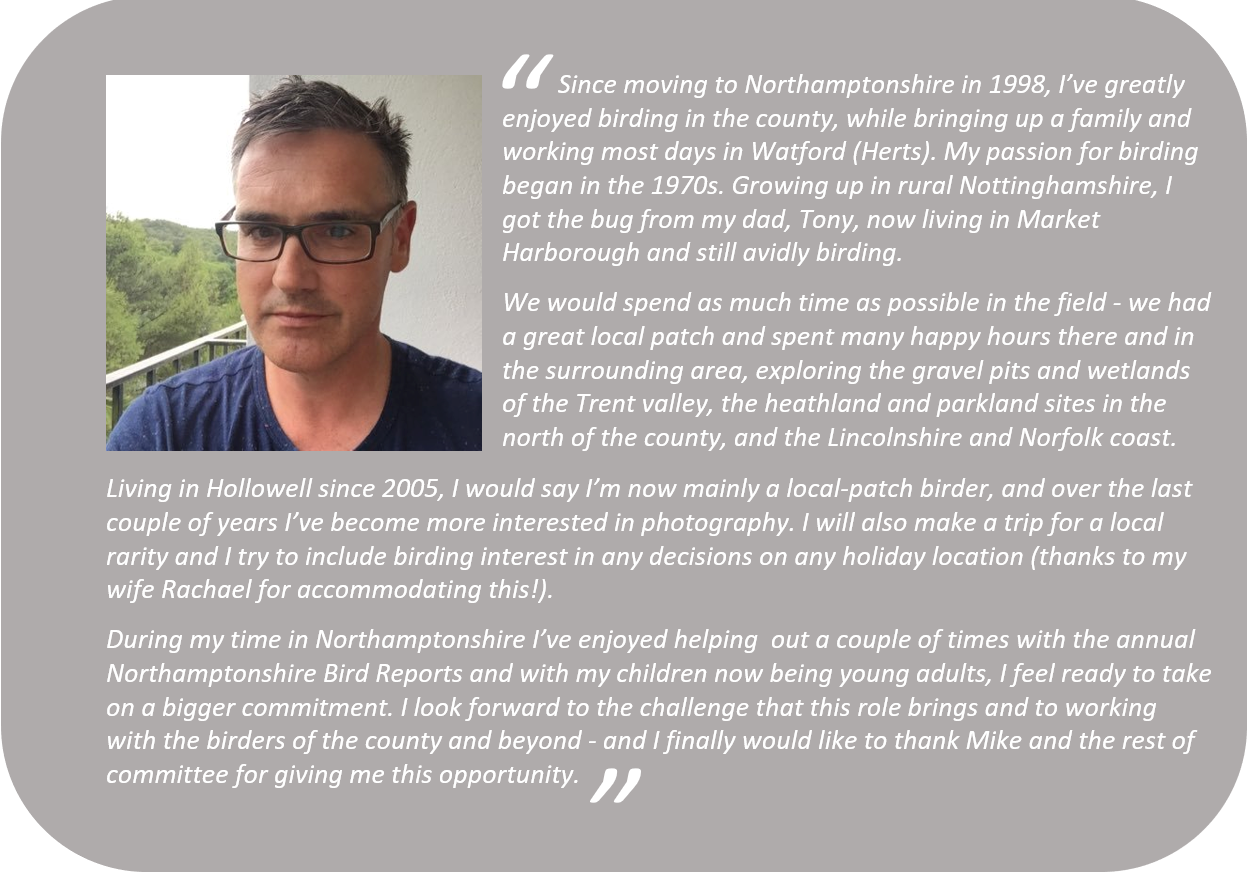
Having been without since 31st March 2017, Northamptonshire now has a new County Recorder. Stepping into the breach and already well known to many local birders, Jonathan Cook will take on this important role with immediate effect. This is, of course, great news and Jonathan will be warmly welcomed by local and national bodies alike. Jon is, to use his own words, ‘raring to go’ …

 
Jon’s reference to his interest in photography and his practical skills in this area are depicted in some of his recently produced images below.

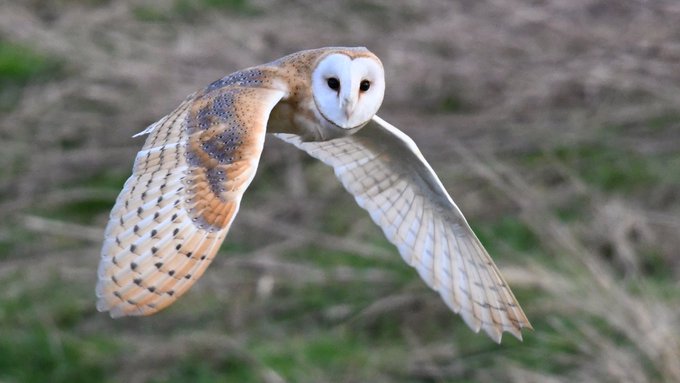
Barn Owl, Brixworth, 1st March 2020

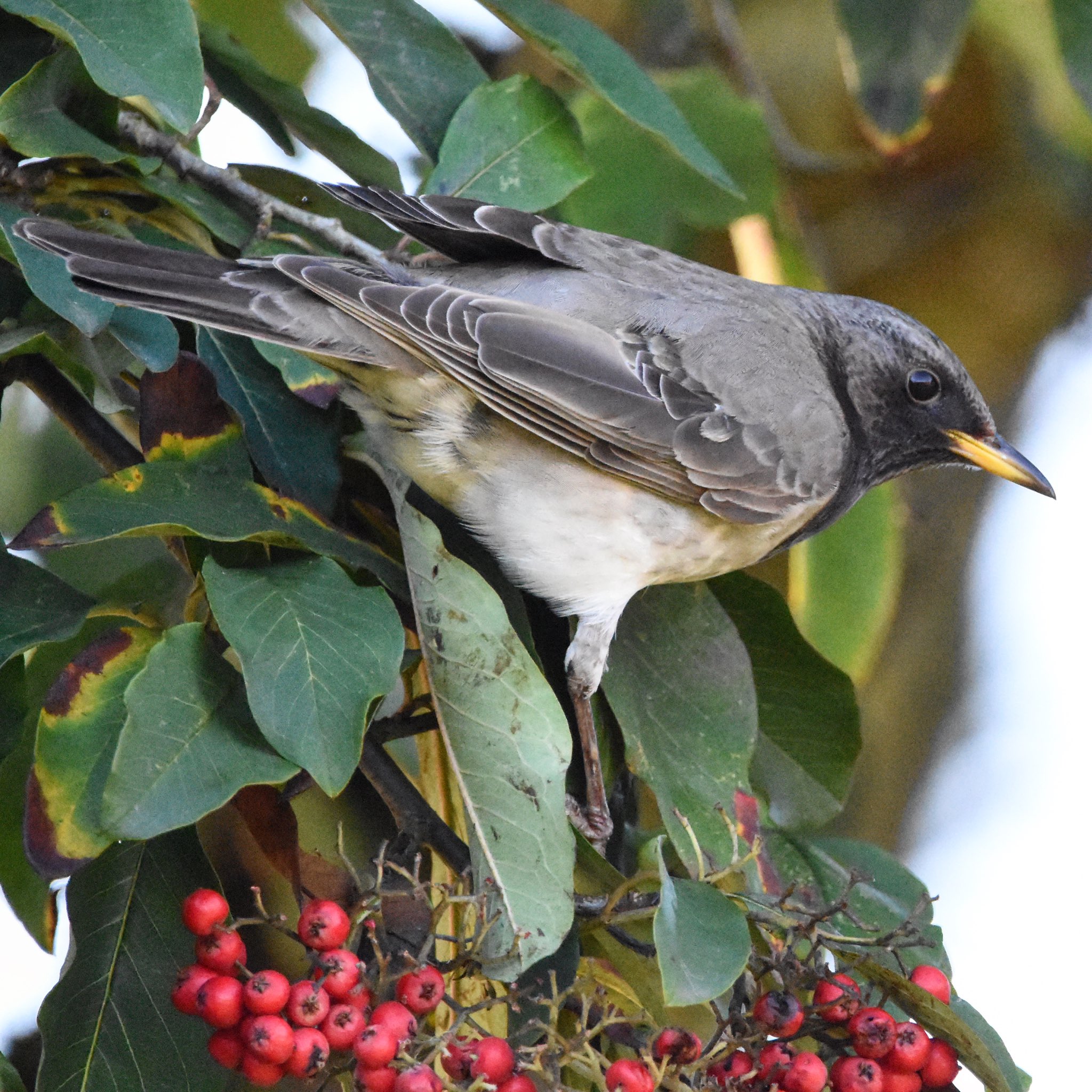
Black-throated Thrush, Whipsnade, 3rd January 2020

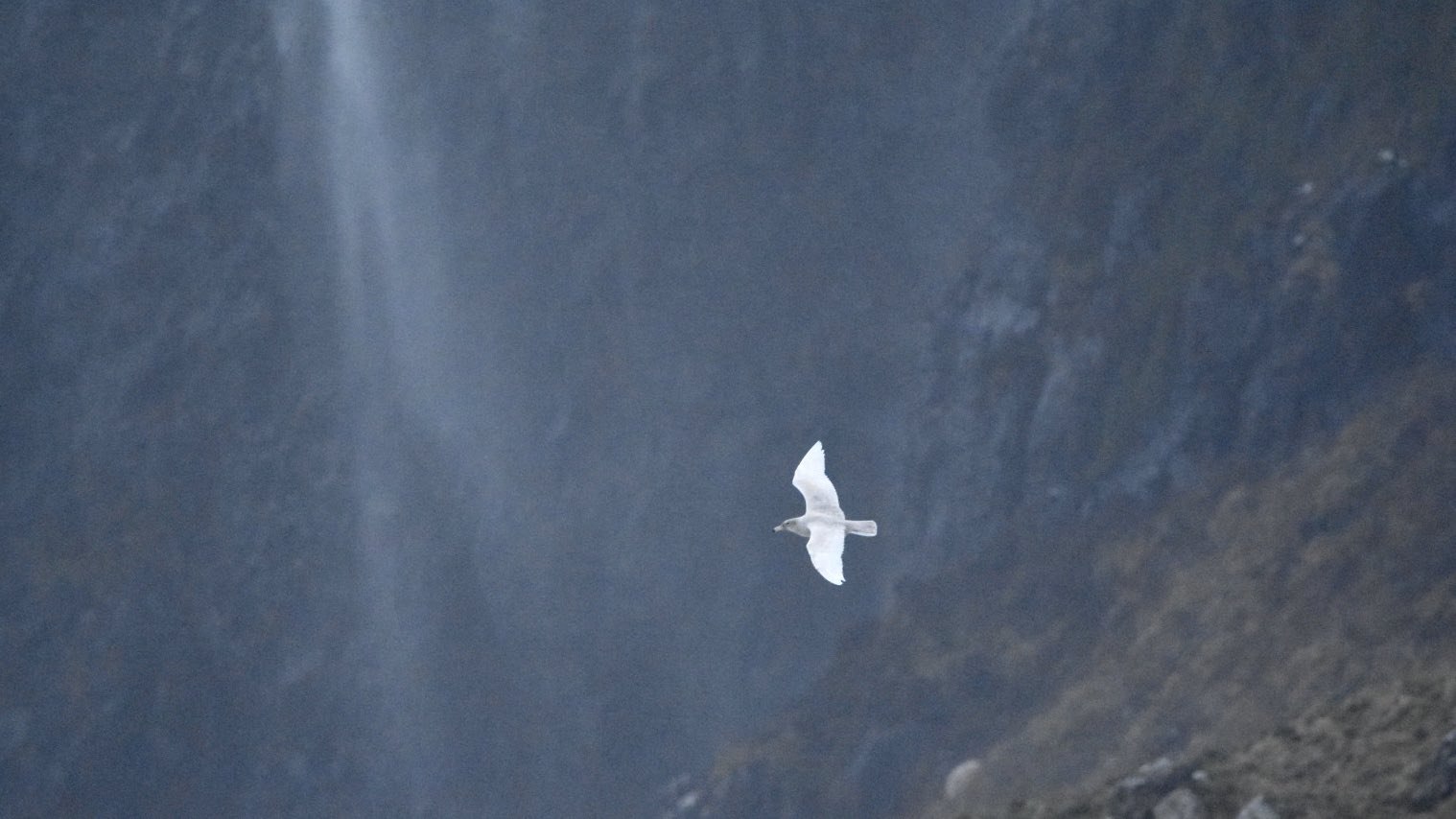
Glaucous Gull, Skye, 20th January 2020

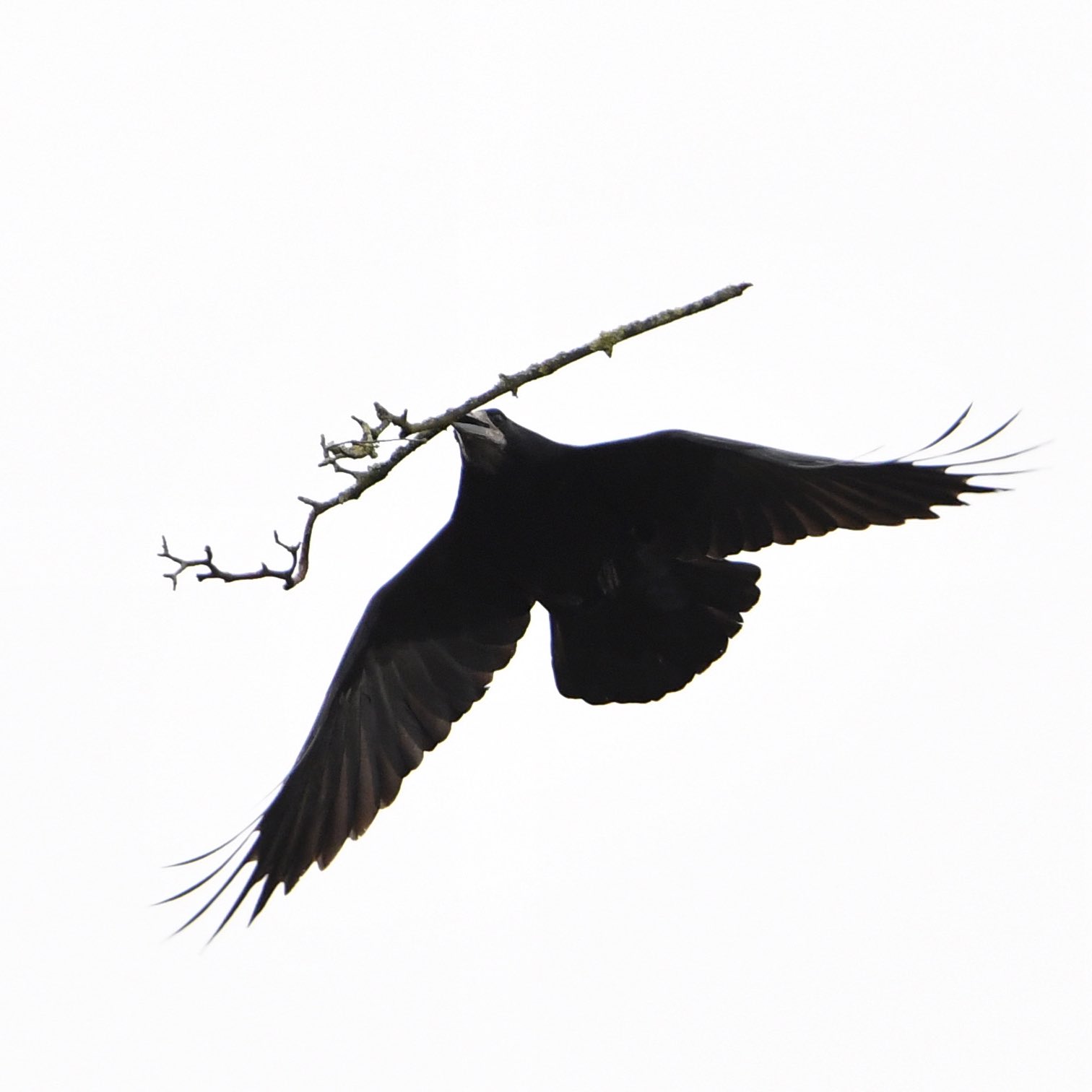
Rook, Hollowell, 18th April 2020

Currently working in retail, Jon has a degree in Environmental Studies, the course content of which included ecology, environmental impact and protection as well as other elements of relevance useful to the role. “I’d suggest that to protect our bird life it is more and more important to have robust and comprehensive reporting, so feels like the role can make a difference,” says Jon.

 
Jonathan is under no illusions with regard to what the job entails and is keen to make an impact, bringing structure and order to the way we record birds locally. We wish him well in his future endeavours.

Contact Jon at: joncooknorthantsbirds@gmail.com and follow him on twitter @jcbirder

Rarity Round-up, 28th September to 4th October 2019

At the beginning of the period, things augured well for the end of the week, as ex-Hurricane Lorenzo looked set to deposit a scattering of inland seabirds. Unfortunately, by the time it reached the UK, it was full out of puff and brought only disappointment. As soon as September clicked into October, however, day one of the ‘magic month’ produced the first local Redwings of the autumn. Apart from that, Slavonian Grebe, Spoonbill and Spotted Redshank stole the show.

Another autumn ‘first’ appeared in the shape of six Pink-footed Geese over the Brampton Valley on 4th and Ruddy Shelducks were seen at Stanford Res and Pitsford Res on 28th and 29th respectively. A Garganey appeared briefly at Summer Leys LNR on 3rd and further up the valley, a drake Red-crested Pochard was on show at Clifford Hill GP from 28th to 2nd.

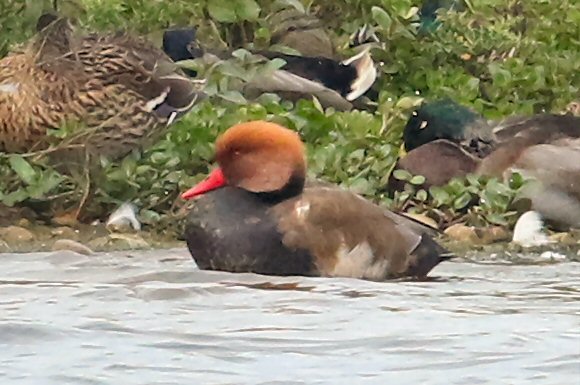
Drake Red-crested Pochard, Clifford Hill GP, 30th September 2019 (Bob Bullock)

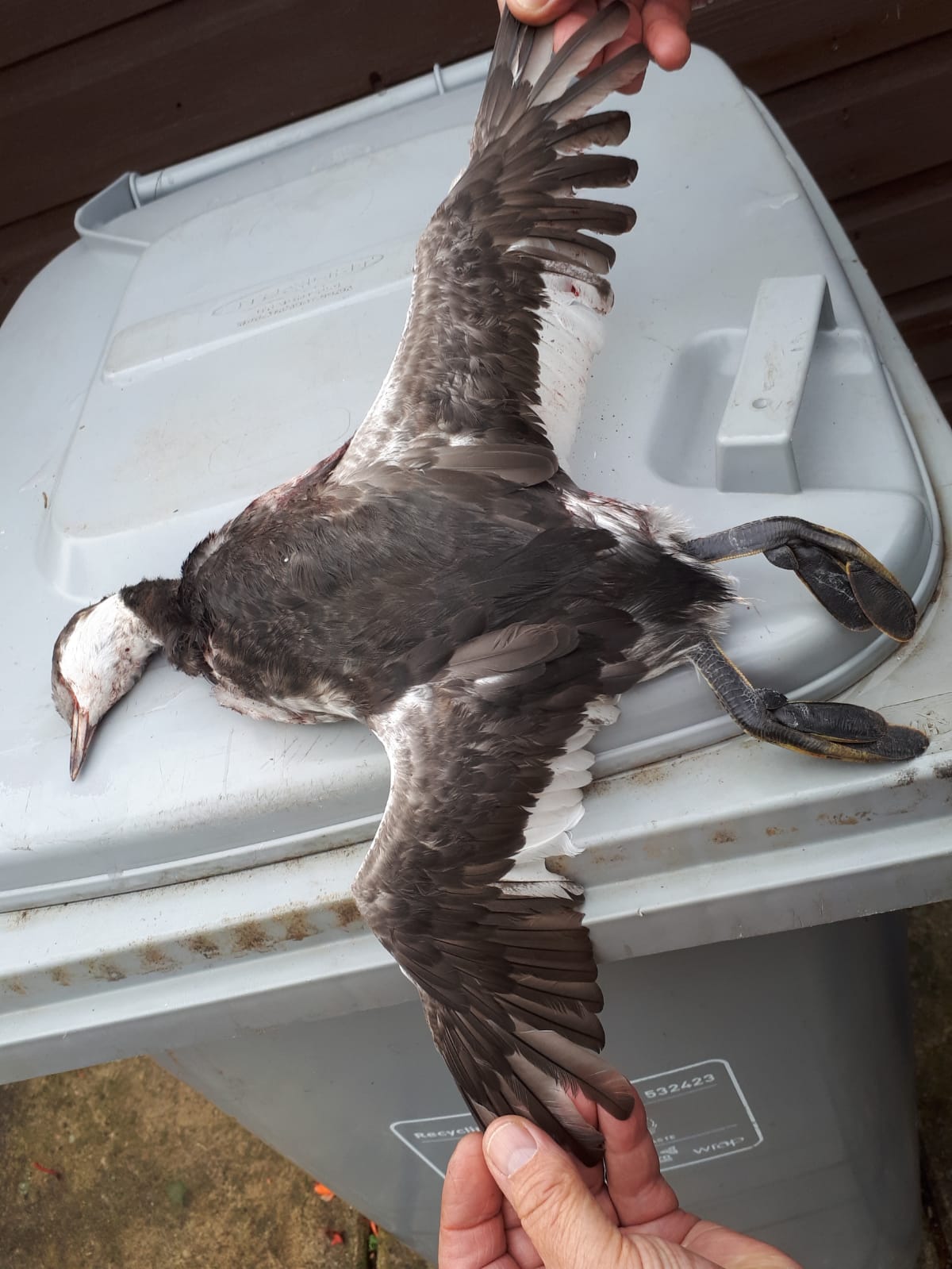
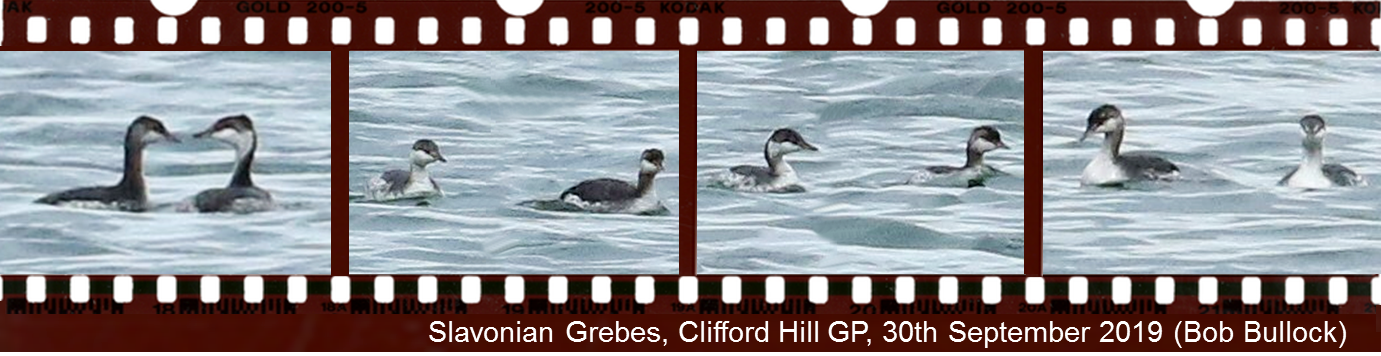
The two Slavonian Grebes – believed to be just ‘one-day’ birds at Clifford Hill on 16th – were seen there again from 28th until 30th, with only one present on 3rd. Surprisingly easy to overlook, clearly they had been there all the time throughout the intervening period. In a bizarre turn of events, one was picked up dead below a Peregrine roost site in Kettering on 3rd, leading to speculation that it may have been from Clifford Hill.

Slavonian Grebe, found dead, Kettering 3rd October 2019 (Bob Bullock)

A Spoonbill – only the third for the county this year – flew high north over Stanford Res on 28th, while on the Cattle Egret trail, the Stanwick six were seen on 2nd and 4th. Single Great Egrets were seen, on and off, at Pitsford, Summer Leys and Thrapston GP throughout the week.

Raptors at large this week were Ospreys at Thrapston GP on 30th and 2nd and a Marsh Harrier in the Brampton Valley on 29th.

Last week’s juvenile Little Stint remained at Boddington Res until 1st, while the fifth Spotted Redshank of the autumn was discovered at Ditchford GP’s Irthlingborough Lakes & Meadows on 3rd, remaining there the following morning before quickly relocating to nearby Stanwick. Pitsford was again the favoured locality for Greenshanks, with two still on the dam on 29th, at least one of which remained until 4th.

Greenshank, Pitsford Res, 29th September 2019 (Mike Alibone)

A first-winter Little Gull flew through Boddington Res on 4th, a second-winter Mediterranean Gull was again at Pitsford on 29th and single-figure numbers of Yellow-legged Gulls were also at this locality, Thrapston, and Stanwick, with the maximum count of four at the latter site on 4th.

The first Short-eared Owl of the autumn-winter period was found at Harrington AF on 30th and what is almost certainly the last ‘Common’ Swift was seen flying north over Corby on 2nd. Interestingly, however, the observer did not identify it to species and so it should really be relegated to swift sp., as October is normally the month of the year reserved exclusively for those seriously rare Apus boys … Although the last Hobbies are now passing through, another master of the skies was present at Harrington AF on 3rd, when the third Merlin of the autumn was watched chasing Meadow Pipits there.

Harrington was also the venue for what may well turn out to be the last Common Redstart of the year, with one there on 30th. Two were also present at Borough Hill on 28th. Significantly more Whinchats coming through compared to last week included up to two at Clifford Hill and Borough Hill between 28th and 30th and the same number in the Brampton Valley below Hanging Houghton between 29th and 4th.

Whinchat, Clifford Hill GP, 30th September 2019 (Mike Alibone)

Stonechats continued to arrive in numbers, with Brampton Valley, Clifford Hill, Harrington, Neville’s Lodge (Finedon), Pitsford Res and Stanford Res producing up to two and Borough Hill between eight and ten on 30th. Northern Wheatears were down to singles at both Borough Hill and Clifford Hill on 28th and Pitsford Res on 4th.

Northern Wheatear, Pitsford Res, 4th October 2019 (Richard How)

Following last week’s Rock Pipit at Daventry CP, one was at Pitsford on 30th and another at Stanwick on 4th and to round off, fifteen Crossbills flew north-west over Borough Hill on 30th.

A gull which doesn’t quite fit the bill

A closer look at the Ravensthorpe ‘Caspian’ Gull

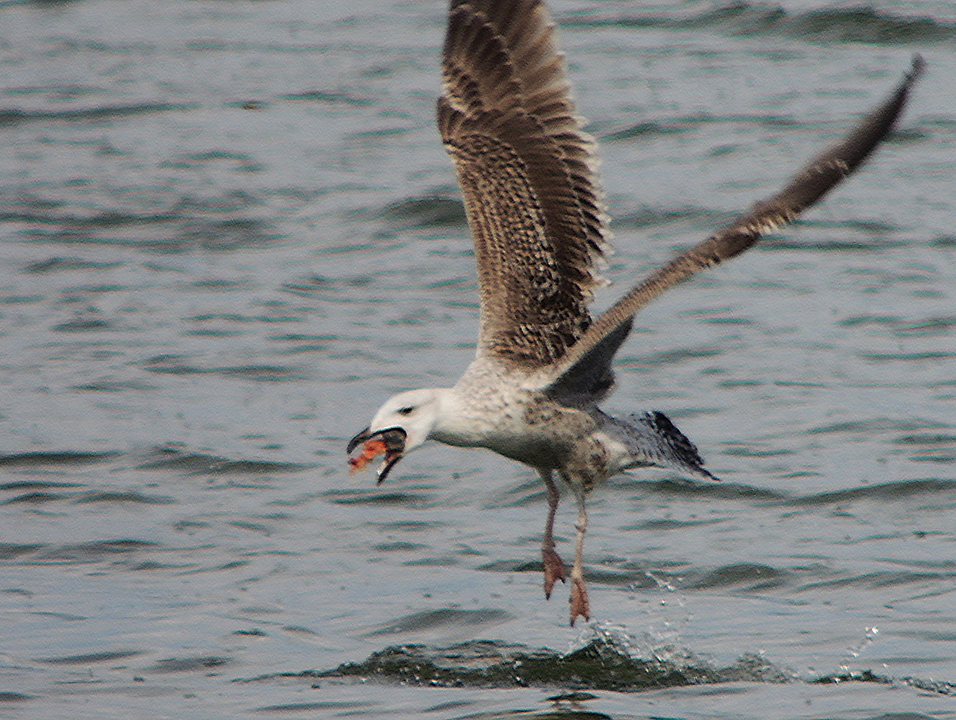
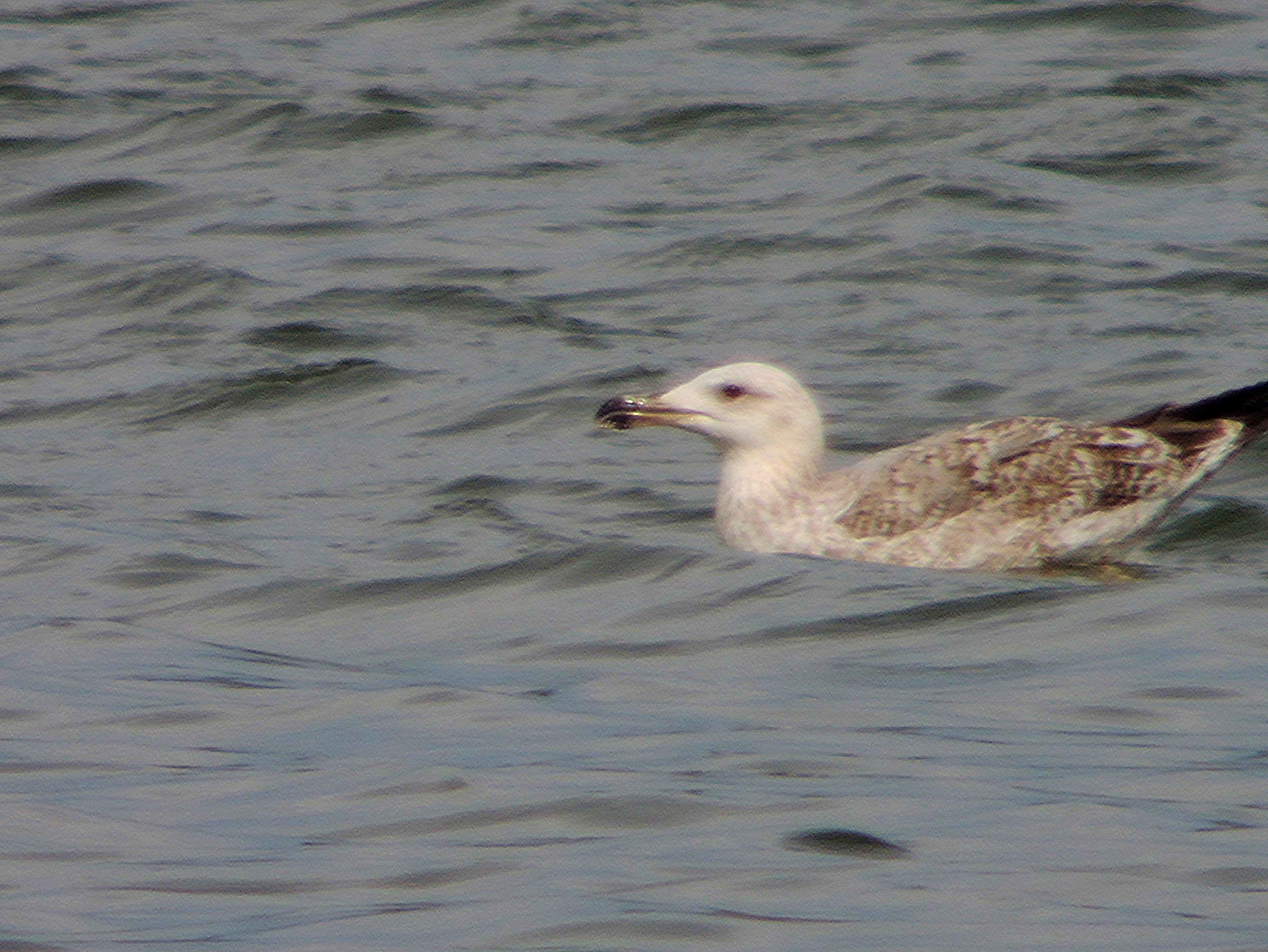
Generally regarded as a Caspian Gull, this second-calendar year (first-summer) bird has been visiting Ravensthorpe Reservoir since early August. From the initial images obtained by Gary Pullan, it looked marvelously ‘snouty’ and long-legged – two features widely associated with Caspian Gull.

Second calendar year gull, Ravensthorpe Res, 16th August 2019 (Gary Pullan)

There were, however, some characteristics which simply did not ring right for Caspian Gull, leading Gary and I to debate its identity, which swung from Caspian to Yellow-legged, though Caspian x Yellow-legged hybrid and then back to Caspian. John Moon chipped in with a better image, which did not really change anything at the time.

Second calendar year gull, Ravensthorpe Res, 19th August 2019 (John Moon)

On 31st August, I managed to get some digiscoped shots (below) of which some, after scrutiny, were perhaps more suggestive of Yellow-legged Gull – not least because of the bill structure.

Summary of features based primarily on images taken on 31st August.

  • Large and lanky and legs long and good for Caspian
  • Shortish (closed) wings but renewed primaries probably still growing
  • Mantle shade of grey too light for Yellow-leggedGul but OK for Caspian (but see comments)
  • Bill long but heavy, with large gonys – looks in some images to be fine for Yellow-legged Gull but too chunky for Caspian but in others ok(ish) for Caspian
  • Underwing coverts quite dark – darker than I would expect for Caspian but Malling Olsen states some Caspians can have quite dark underwings (and see comments below)
  • Head shape, long forehead and eye position ok for Caspian and looks ‘snouty’

I forwarded a set of images to Carl Baggott – the Leicestershire Recorder, ‘King of Shawell’ and a man with a true passion for gulls and with extensive experience of Caspian and Yellow-legged Gulls in eastern Europe and Yellow-legged in Portugal.

Carl kindly commented as follows:

This is quite a difficult bird, but I don’t get a Caspian Gull feel from the images. It seems closer to YLG and I am not too concerned about the lightness of the grey feathers as this is quite variable at that age. The tertials favour YLG also, as does the large head and bill. The snouty description of Caspian Gull head is overstressed and doesn’t really help with most gulls. As you say some Caspian Gulls can have dark underwings and I have photographed birds in Germany with similar underwings. Most 2CY Caspian Gulls have pale inner primaries or a venetian blind effect across the inner primaries.

I have seen birds like this at Shawell and left them unidentified. It can be very difficult with ones like this as you don’t know their origin. I have seen Yellow-legged Gulls in Portugal that are easily confused with Caspian Gulls and even American Herring Gulls.

On the question of the possibility of a hybrid:

It could well be [a hybrid], but difficult to say for certain. There is nothing to really hang your hat on. A colour-ring is always useful as you know so at least you know where it’s from. Hybrids are easier as adults or first-winters usually as you can look at coverts (Caspian Gulls especially) on the young birds and primaries on adults. Then it comes down to matter of opinion unless you know the species of the parents. Hybrid is always the go to, but there is a great deal of variation in pure birds.

The above not only highlights the difficulty of identifying ‘odd’ gulls in the field but also the problems with trying to identify them from images taken from different angles and in different poses – for example, see the apparent change in head shape and bill thickness in the above images.

For a set of images of similarly-aged Yellow-legged and Caspian Gulls in The Netherlands  see here.

Comments welcomed!

Rarity Round-up, 8th to 21st June 2019

With below average temperatures, high winds and twice the month’s expected rainfall in two days, June is now odds on to be the wettest on record. The county was deluged by heavy rain during the first week of the review period, resulting in disaster for many ground-nesting birds around bodies of water and in other low-lying areas. Unsurprisingly, there were few new migrants reported.

Now seemingly ensconced at Hollowell Res, the first-summer female Ruddy Shelduck remained throughout the period, while the only other waterfowl conceivably vying for attention was a drake Red-crested Pochard at Pitsford  Res on 15th-17th.

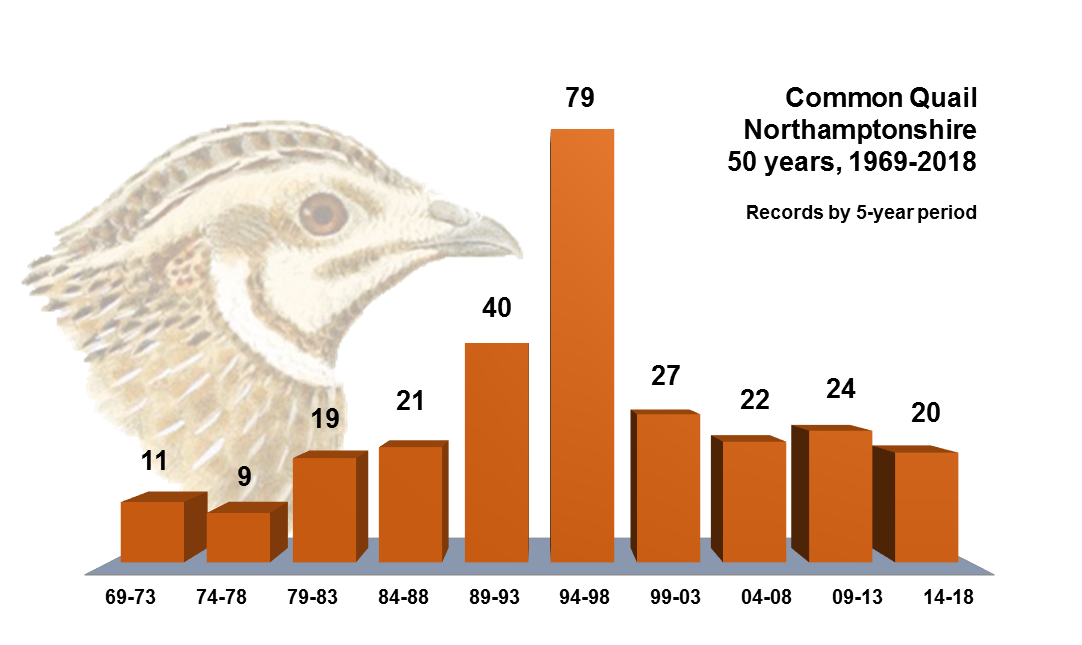
The first Common Quail of the year was a singing male, just north of Mears Ashby, early on 15th. Unfortunately, it did not linger and it later emerged that what was very likely to have been the same individual was also reported singing from a field at Sywell, 2 km due west, on the same date. Although June is generally recognised as the month, this species is unpredictable in its occurrence in the county. The perception that it is becoming rarer locally is not necessarily true, as the analysis of records, below, illustrates. Occurrences peaked in Northants in the 1990s although, prior to that decade, with four blank years (1973-75 and 1985) Quails look to have been rarer than they appear to be today, which is surprising. But are they being overlooked? [see here]                                                                                                                          This species is declining as a result, in part, of uncontrolled netting of migrating birds, particularly in Egypt, where Quail trapping is now taking place on an unsustainable, commercial scale. In Europe agricultural intensification has led to the loss of rough grass and uncultivated land and an increase in the use of herbicides and insecticides, which has led to a reduction on the availability of weeds, seeds and insects. In Europe the population size is estimated to be fluctuating and Quail is on the IUCN Red List of Threatened Species (BirdLife International 2018, 2019).

Up to two Cattle Egrets remained at the northern end of Stanwick GP throughout, with one venturing south, down to the main lake, before flying toward Ditchford GP on 10th. Moving up the size scale, with none reported since 29th May, Northants did not manage to stay Great Egret-free for long, as one appeared at Thrapston GP on 14th.

Cattle Egret, Stanwick GP, 10th June 2019 (Steve Fisher)

Meanwhile, Hollowell maintained its reliability for Osprey sightings with one on 8th, 9th and 14th, while two were there on 12th. Elsewhere, singles visited Pitsford on 11th and Thrapston on 14th and 18th.
The adult Yellow-legged Gull remained at Hollowell between 8th and 14th, visiting nearby Ravensthorpe on 11th and another adult was at Stanwick on 17th, while the only passerine of the period was a Crossbill, which flew over Yardley Chase’s Denton Wood on 17th.

Rarity Round-up, 9th to 15th February 2019

After the first two days, Storm Erik’s wind and rain ultimately gave way to southerly winds bringing warm air to the country from as far south as the Azores. The resultant ‘warm’ conditions were positively spring-like, with temperatures hitting a local daytime high of 14ºC. Some movement took place on the wader front, with Oystercatchers returning to three Nene Valley sites and an Avocet appearing at Hollowell Reservoir.

At Thrapston GP, the first-winter Whooper Swan remained on Town Lake but in terms of species, this week’s goose count was down a little with three Pink-footed Geese still ranging widely over the Thrapston GP complex, while two continued to visit Stanford Res on and off, commuting with Greylags from land adjacent to nearby Stanford Hall.

Numbers of Red-crested Pochards remained low, with a maximum of nine at Pitsford Res on 13th and again, they were not recorded elsewhere, while the drake Ring-necked Duck there continued to perform well in Pintail Bay, often allowing close approach. Once again, the other drake in the Nene Valley, after putting in a brief appearance on Earls Barton GP’s Mary’s Lake on 5th, resurfaced nearby on the main lake at Grendon on 12th. Yes, it’s still down there … somewhere in the valley.
Ring-necked Duck, Pitsford Res, 9th February 2019 (James Timms)

Ring-necked Duck, Pitsford Res, 9th February 2019 (James Timms)

Ring-necked Duck, Pitsford Res, 12th February 2019 (Alan Coles)

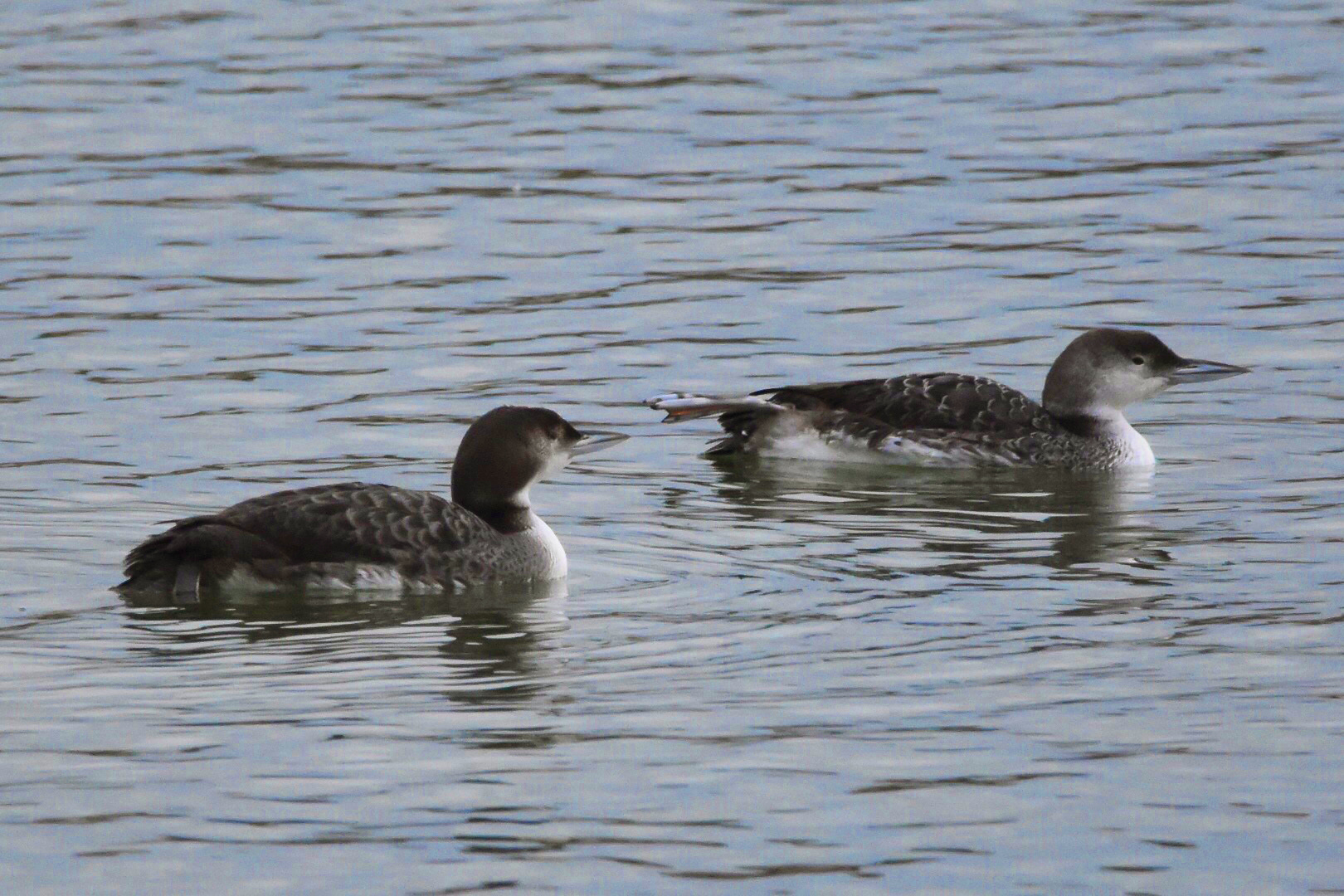
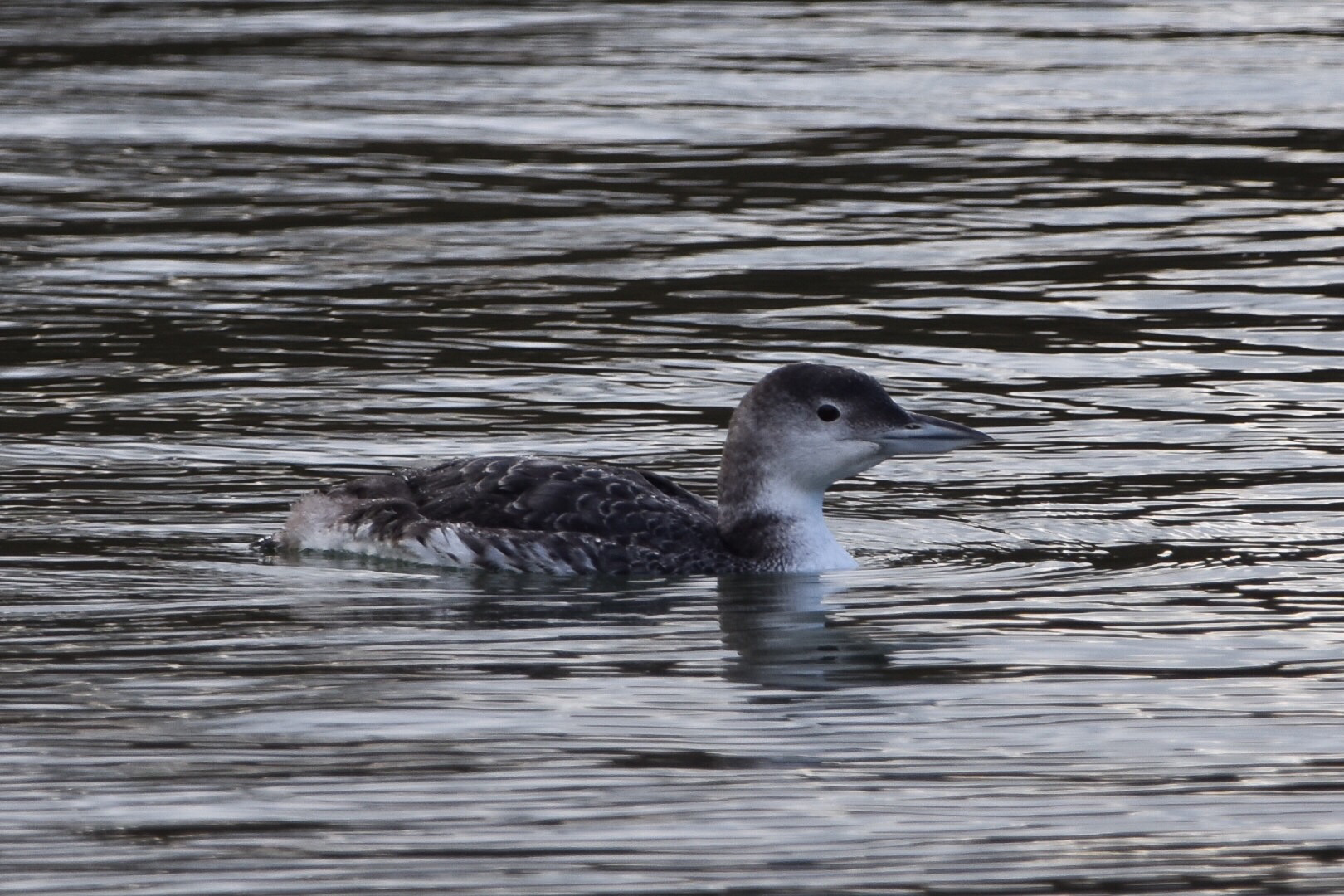
Meanwhile, the two juvenile Great Northern Divers remained at Pitsford all week, occasionally showing well together, some distance south of the causeway. Great Egrets were a little down on last week and although Thrapston continued to hold four or five and Earls Barton GP/Summer Leys two or three, elsewhere the picture was different, with only singles at Cransley Res, Ditchford GP/Irthlingborough Lakes & Meadows, Pitsford Res and Stanford Res.

Juvenile Great Northern Divers, Pitsford Res, 10th February 2019 (Jon Cook)

Juvenile Great Northern Diver, Pitsford Res, 10th February 2019 (Jon Cook)

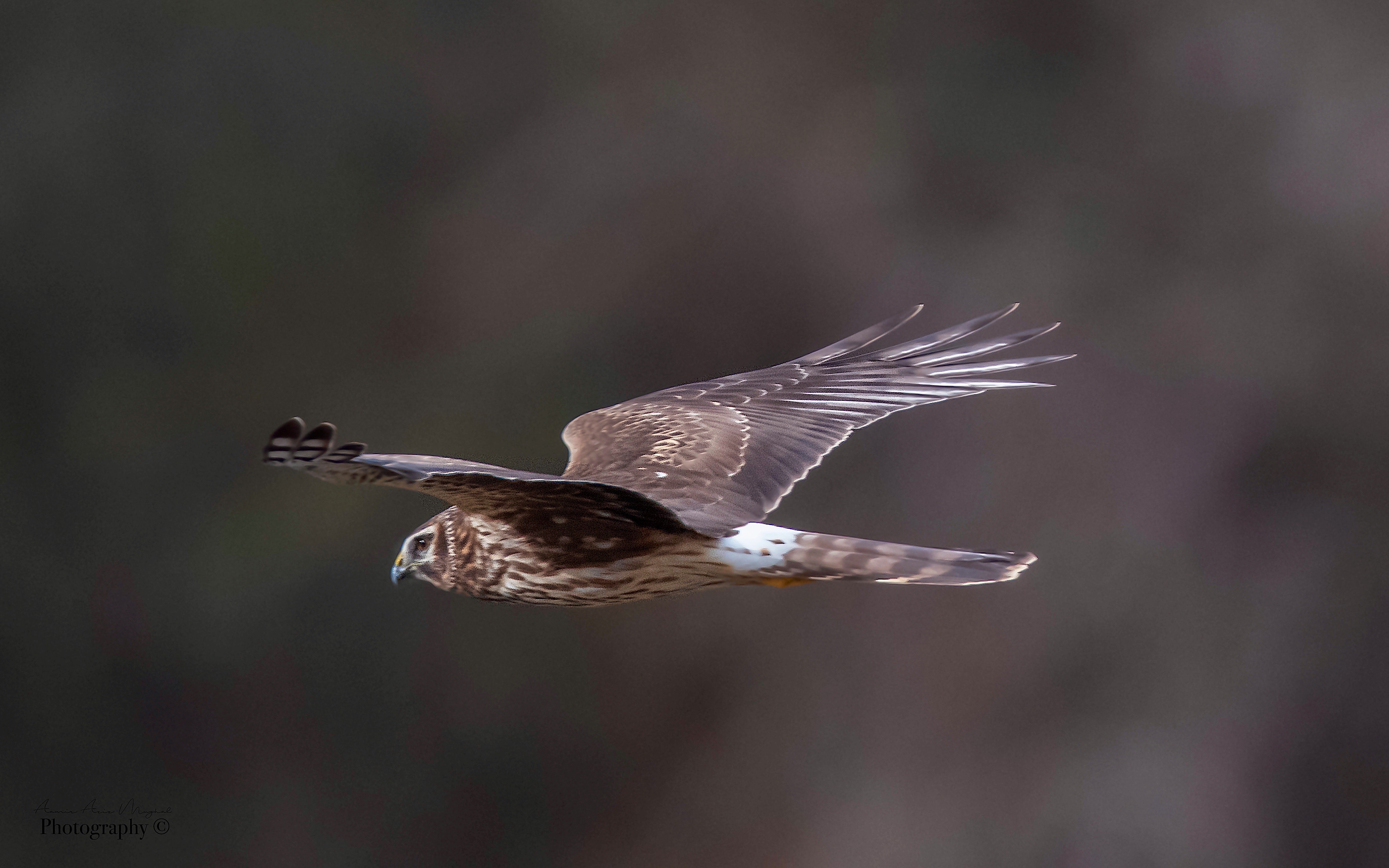
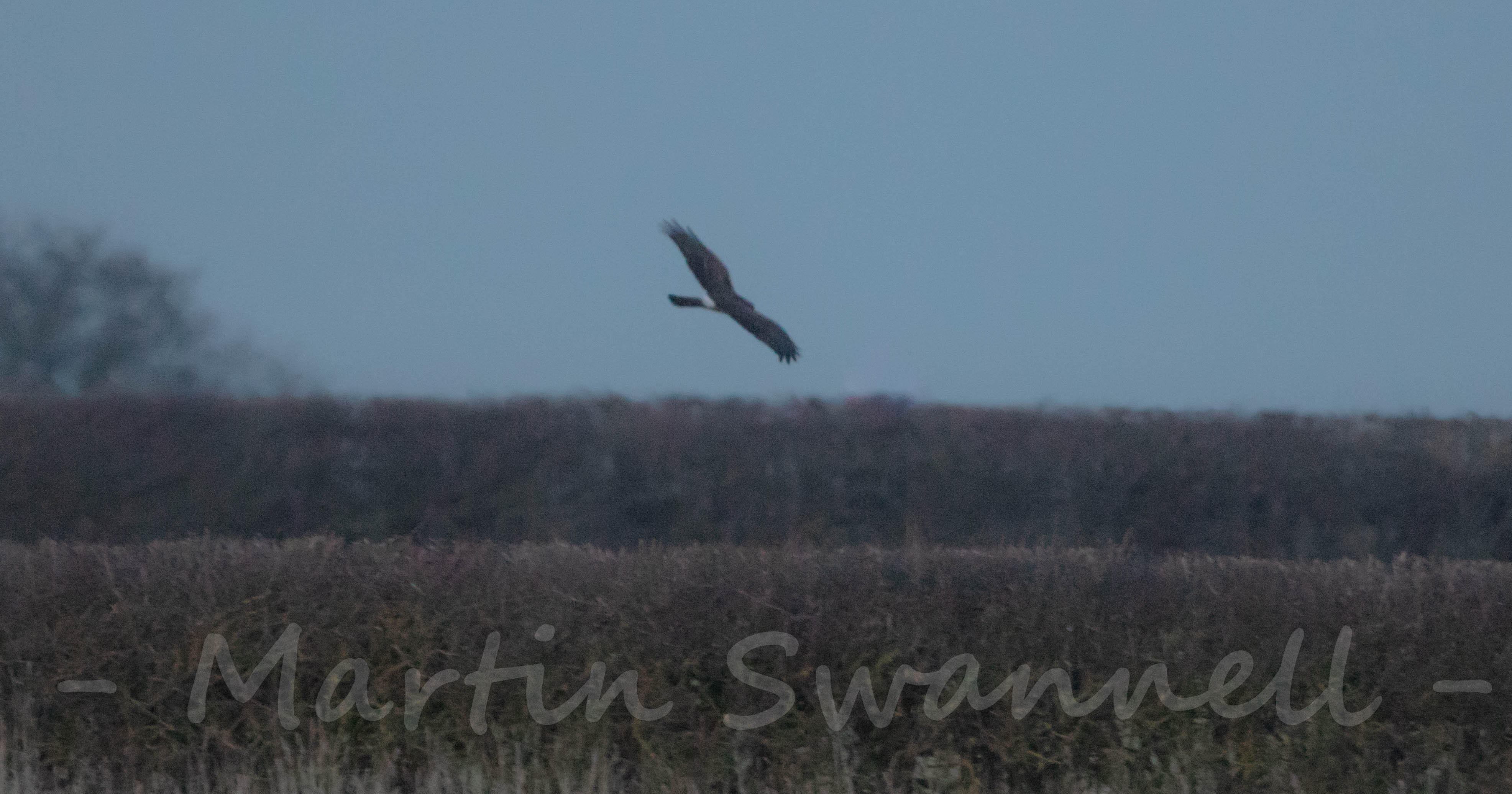
The juvenile Hen Harrier at Stanford Res remained for the duration and continued to show fairly frequently and the Neville’s Lodge ‘ringtail’ showed prior to dusk on 9th, 12th, 13th and 15th, also visiting Summer Leys on 10th, where photographs taken enabled it to be identified as a juvenile female. In contrast to last week, just one Merlin in the vicinity of Blueberry Farm on 13th was more this species’ usual form.

Juvenile female Hen Harrier, Summer Leys LNR, 10th February 2019 (Aamir Mughal)

Juvenile female Hen Harrier, Neville’s Lodge, Finedon, 13th February Martin Swannell)

Juvenile female Hen Harrier, Neville’s Lodge, Finedon, 13th February Martin Swannell)

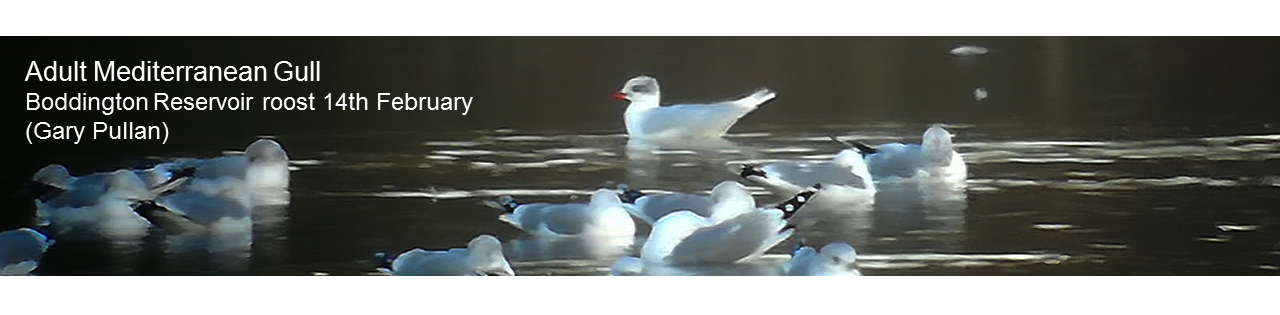
So, wader of the week, then – in fact the only wader of the week – was the Avocet which visited Hollowell Res on 14th. Still quite scarce in Northants, hopefully this early migrant will be the first of more to come this spring. Scarce gulls were again few and far between, being represented by an adult Mediterranean Gull in the roost at Boddington Res on 14th, an adult Yellow-legged Gull at Daventry CP on 11th and 13th and an adult Caspian Gull at Pitsford Res on 9th plus a first-winter and a second-winter together at Hollowell Res on 15th.
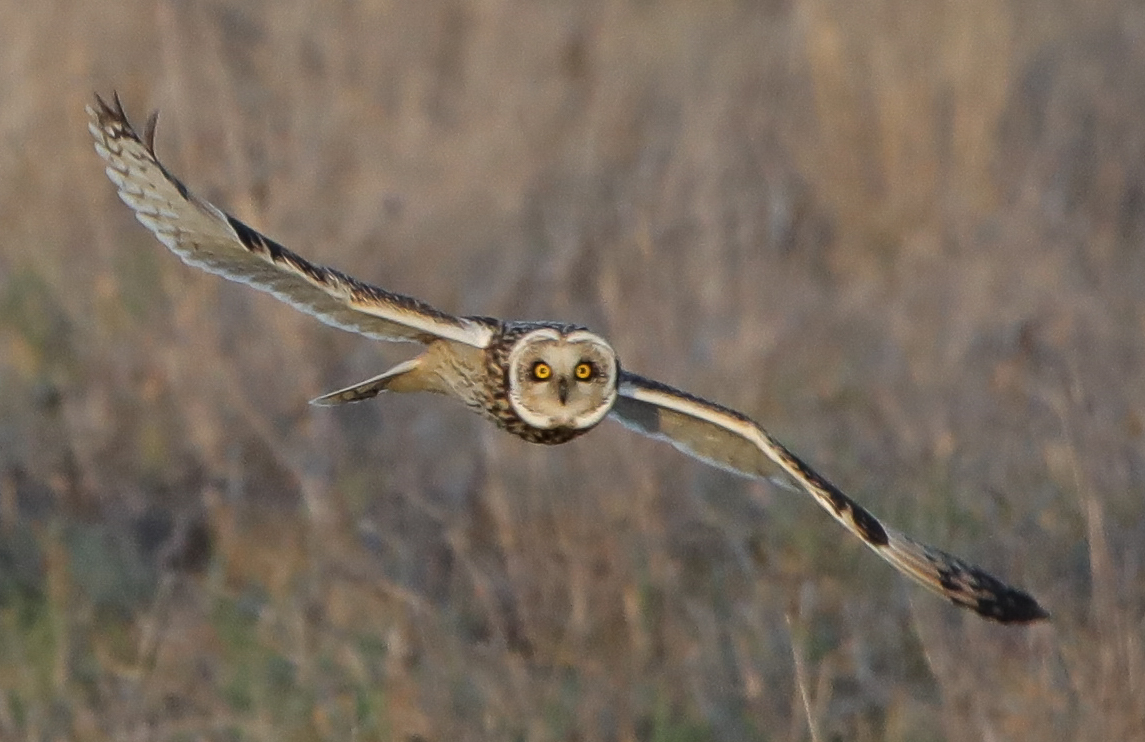
Short-eared Owl, Neville’s Lodge, Finedon, 11th February (Ricky Sinfield)

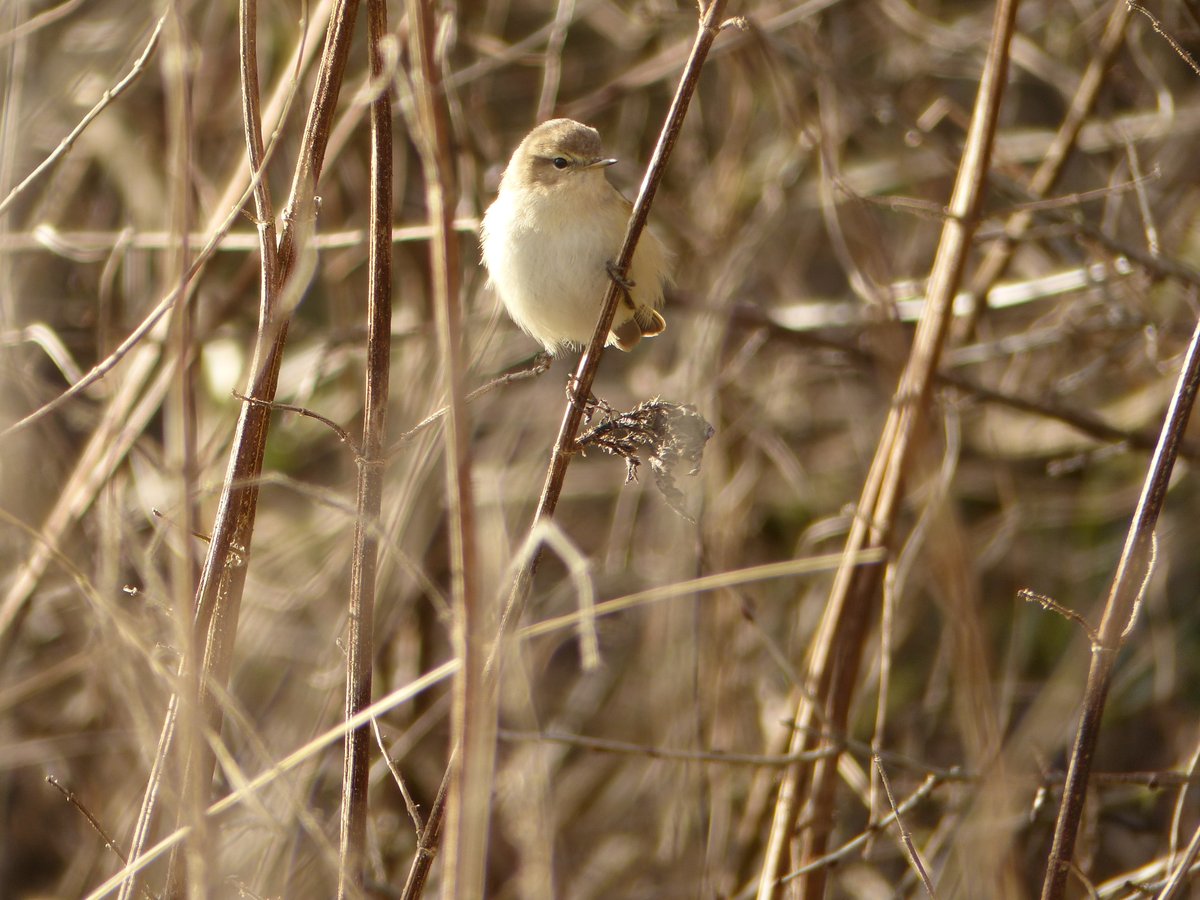
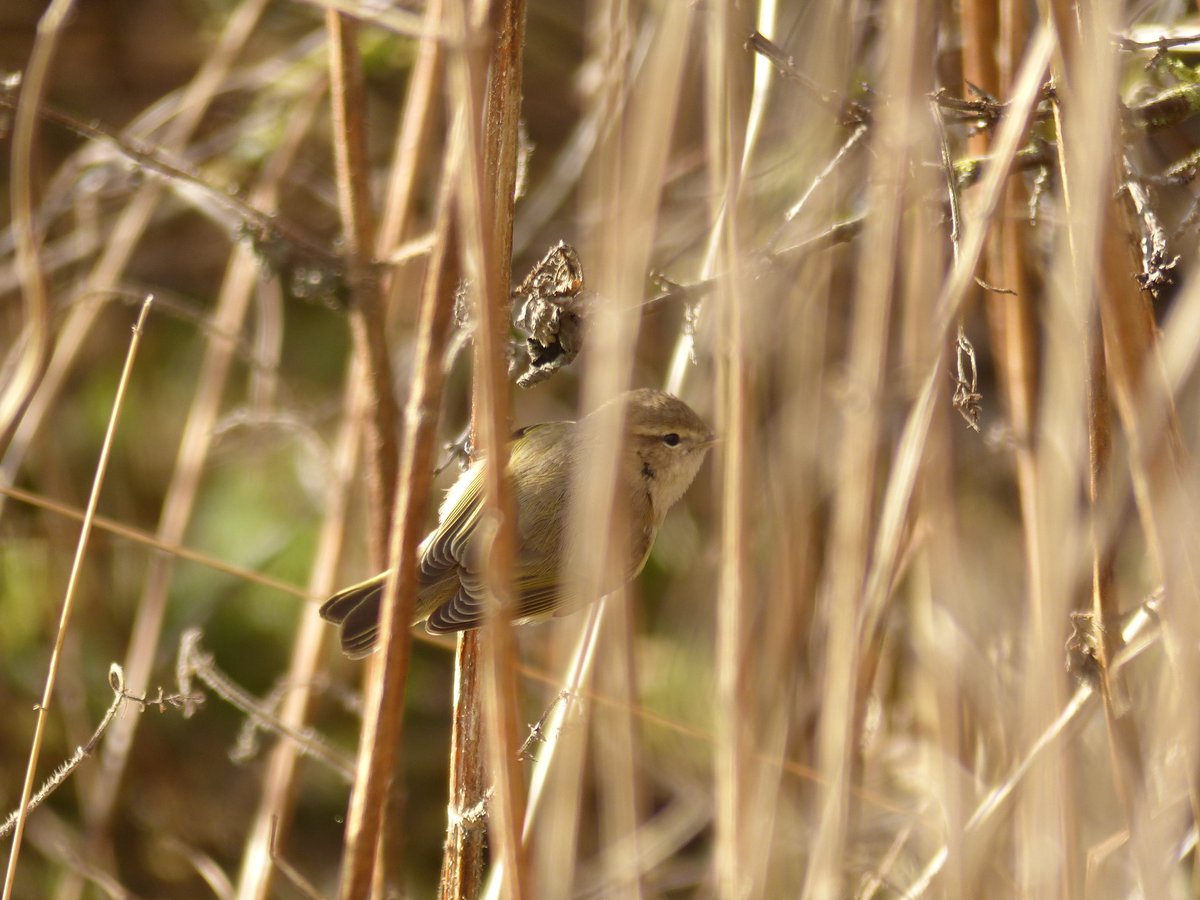
A Short-eared Owl was found at Harrington AF on 10th, while three were around Neville’s Lodge just prior to dusk on 11th and at least one was there the following evening. Close to the latter site, a Siberian Chiffchaff was at Stanwick GP on 10th, having been first glimpsed there about three weeks ago while, having entered its fourth week,

Siberian Chiffchaff, Stanwick GP, 10th February 2019 (Tom Green)

Siberian Chiffchaff, Stanwick GP, 10th February 2019 (Tom Green)

the Great Grey Shrike continued to be seen throughout the period near to Blueberry Farm, where the Corn Bunting count reached a heady four on 14th. There was a further unconfirmed report of a Great Grey Shrike at the feeder stream end of Hollowell Res on 15th.

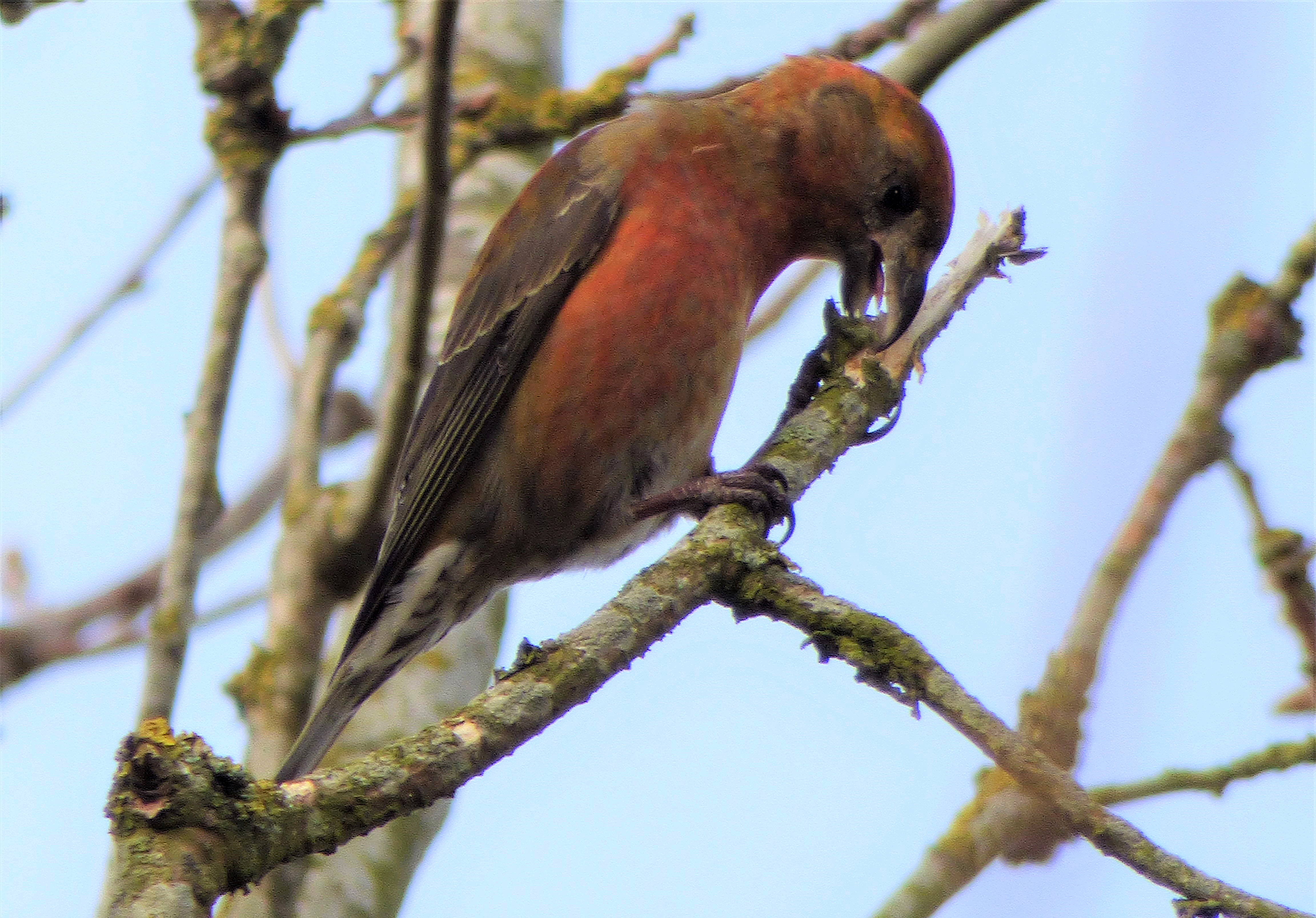
Male Crossbill, Irchester CP, 13th February 2019 (Doug Goddard)

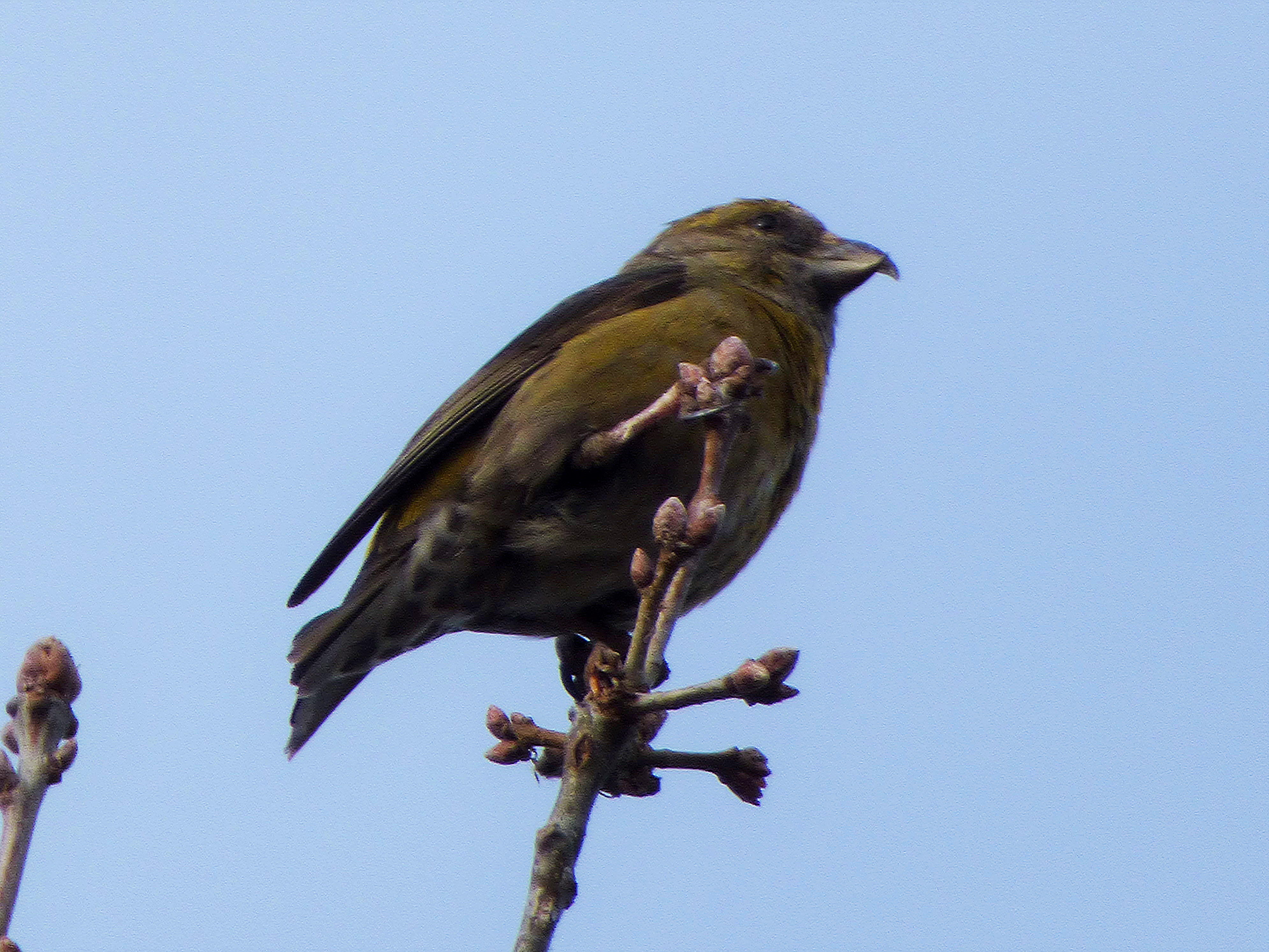
Female Crossbill, Irchester CP, 13th February 2019 (Doug Goddard)

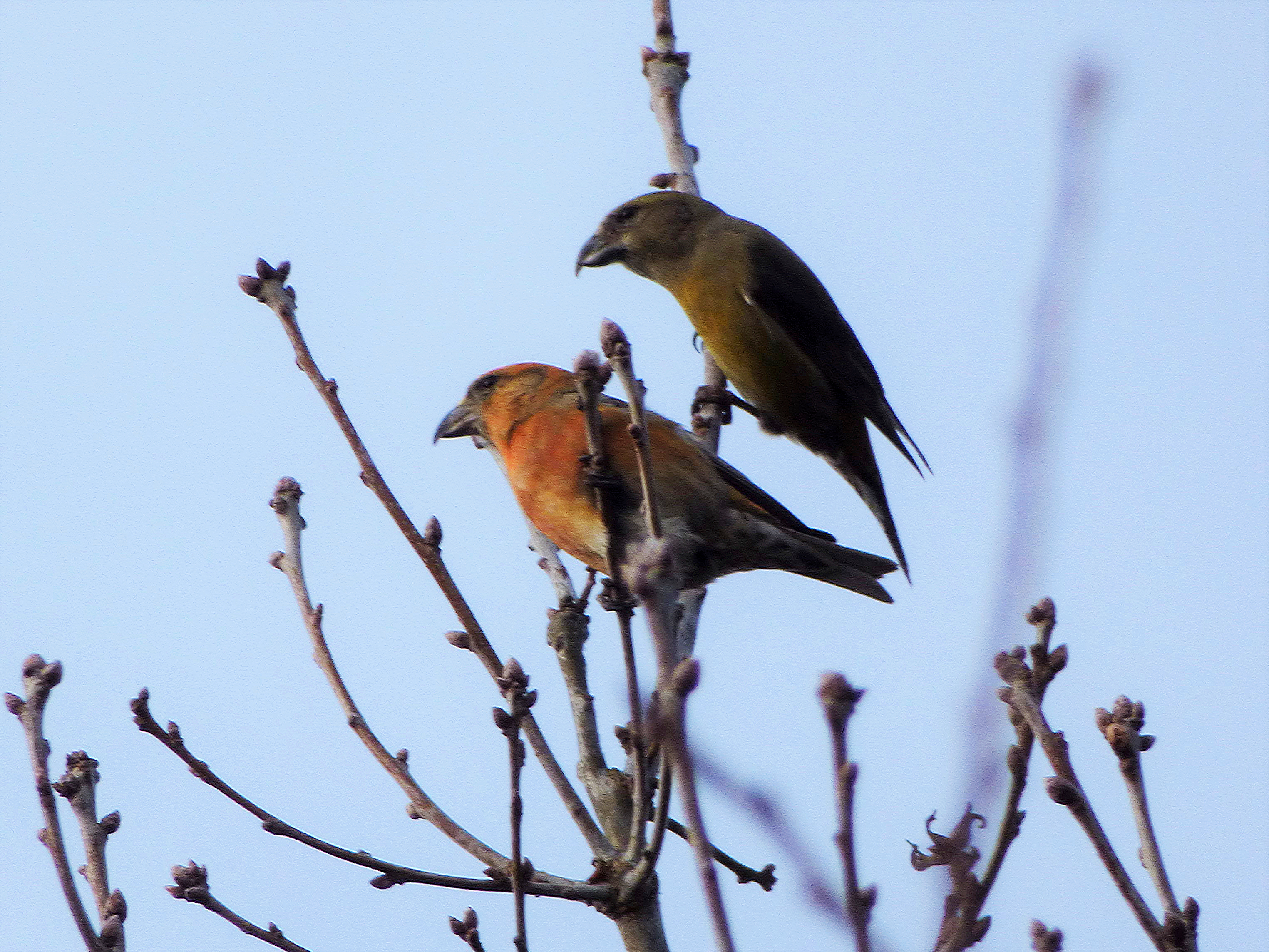
Crossbills, Irchester CP, 13th February 2019 (Doug Goddard)

However, setting themselves up as a popular draw, up to eight Crossbills were present almost daily at Irchester CP from 9th. Although it has bred locally in the past, this species is an irregular visitor to the county, normally occurring as a result of late summer and autumn irruptions.