A somewhat unsettled week, dominated by Atlantic low pressure systems and gales as we nudge into October and once again, little in the shape of new birds.
And it’s as you were on the waterfowl front, with the Cackling Goose still at DIRFT 3 on 26th. It closely resembles the race minima, but it appears a little on the large size and this subspecies is widely kept in captivity in both Britain and Europe …
Cackling Goose, DIRFT 3, 29th September 2021 (Mike Alibone)
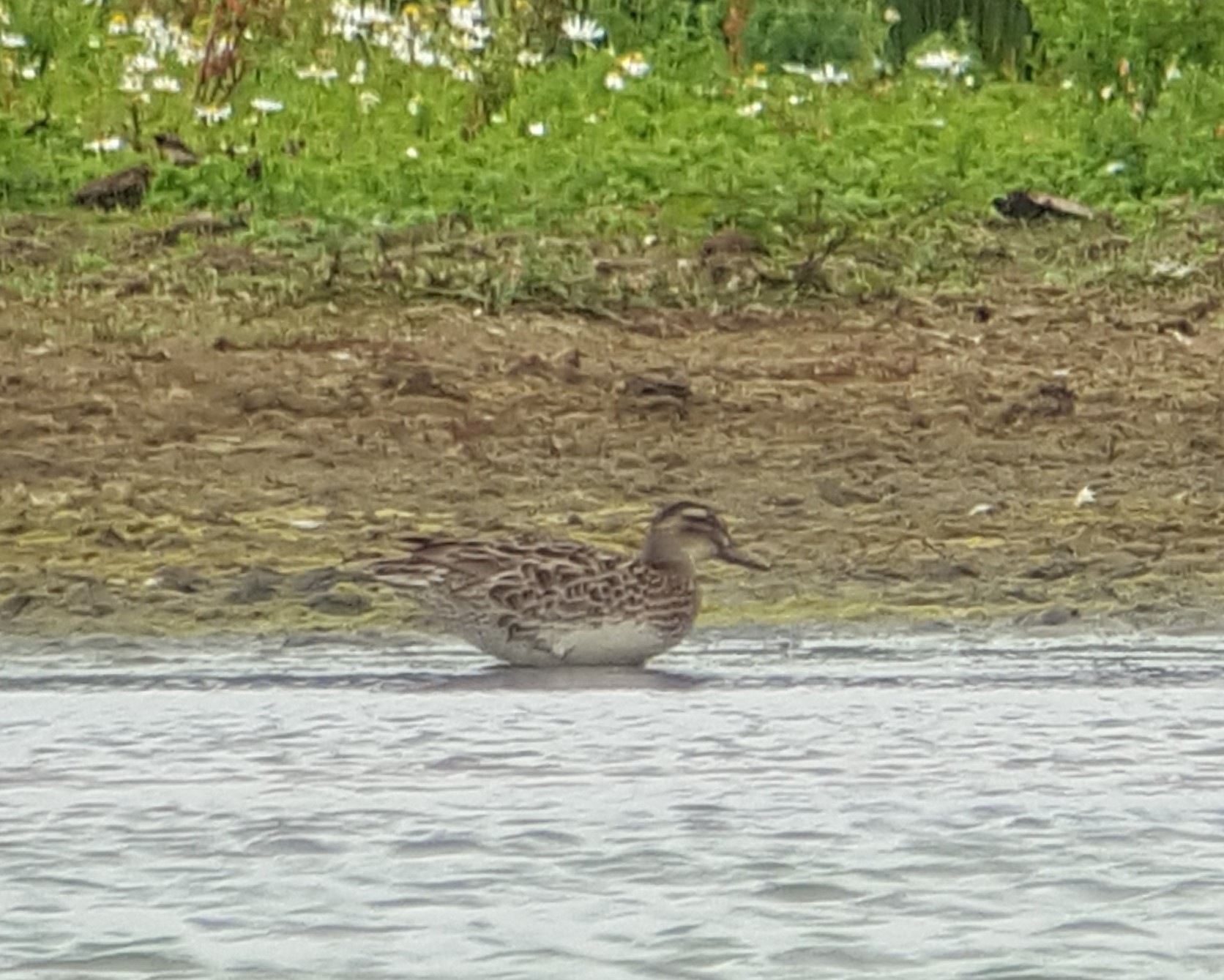
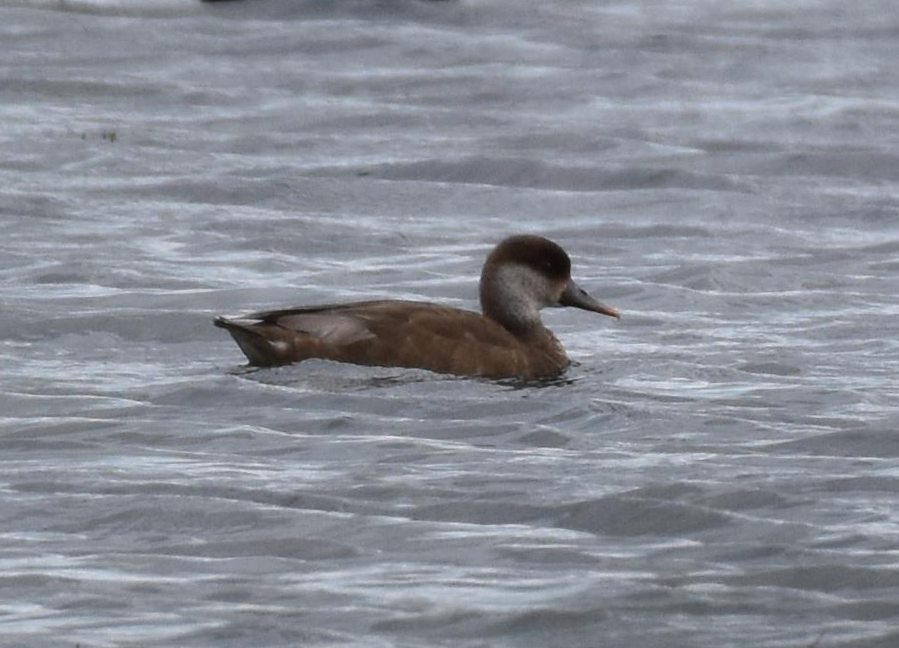
New in or just the local wanderer, a Pink-footed Goose was found at Hollowell Res on 29th, a single Garganey remained at Daventry CP on 26th-27th and three Red-crested Pochards appeared at Clifford Hill GP on 28th.
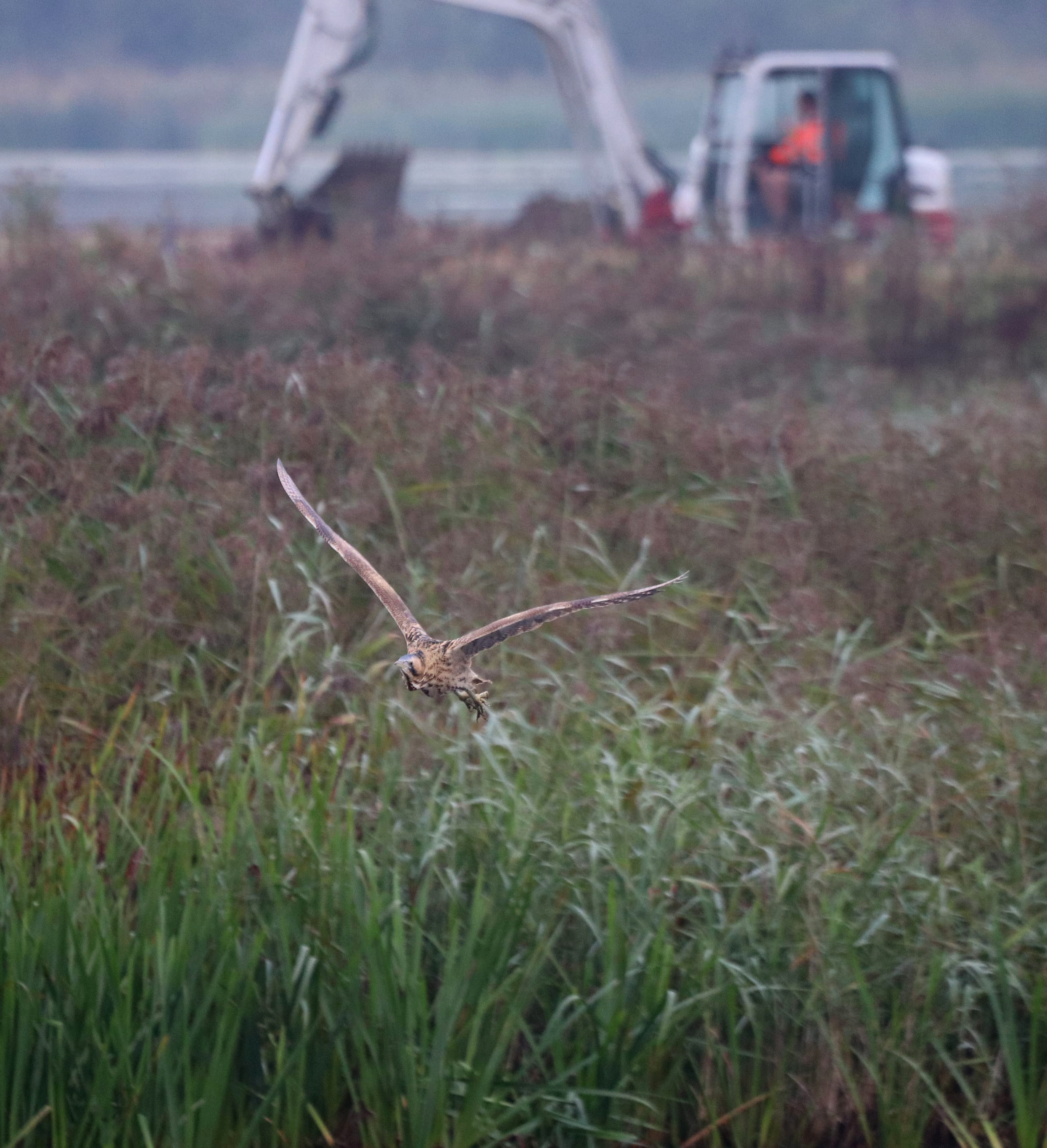
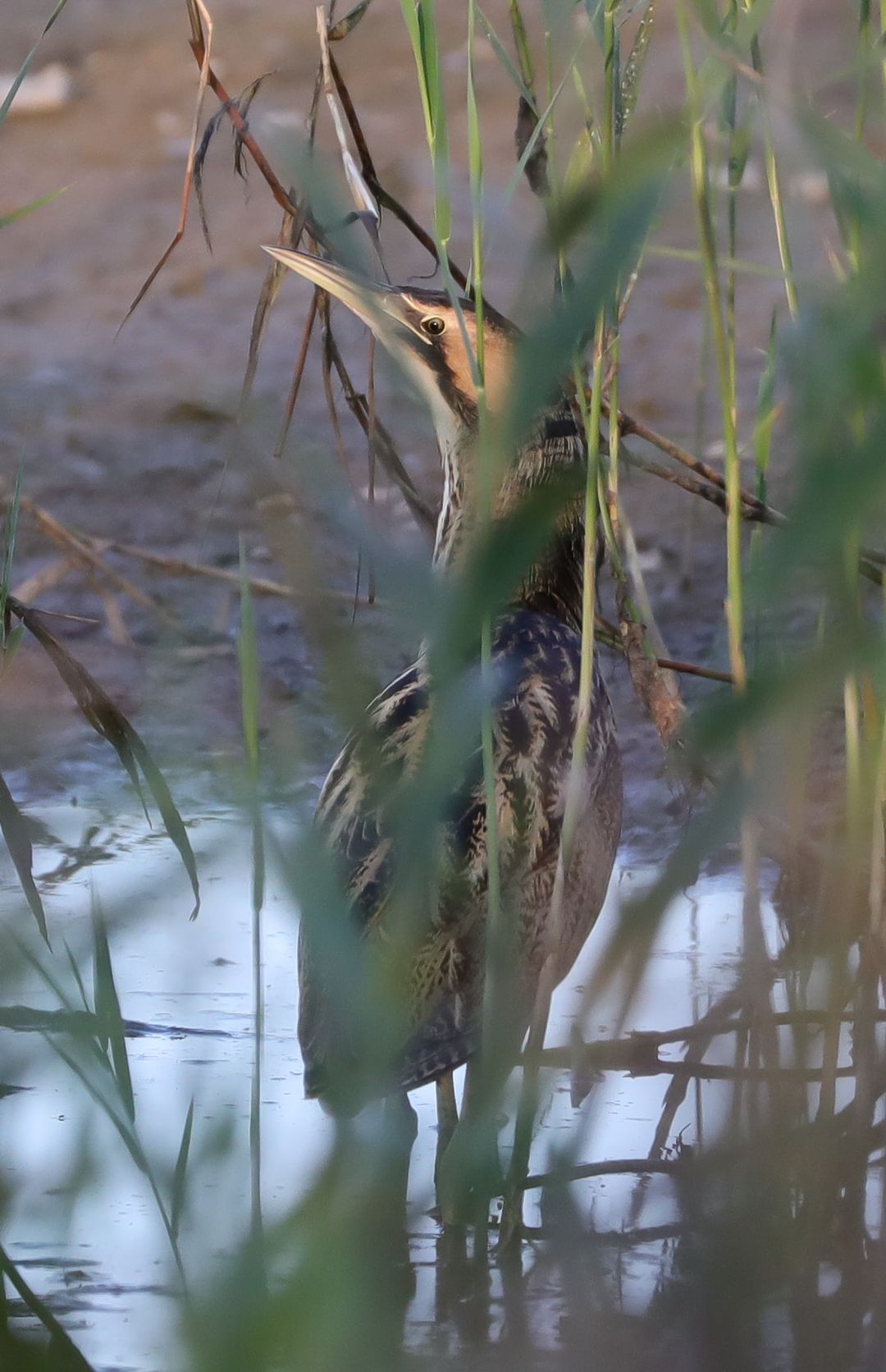
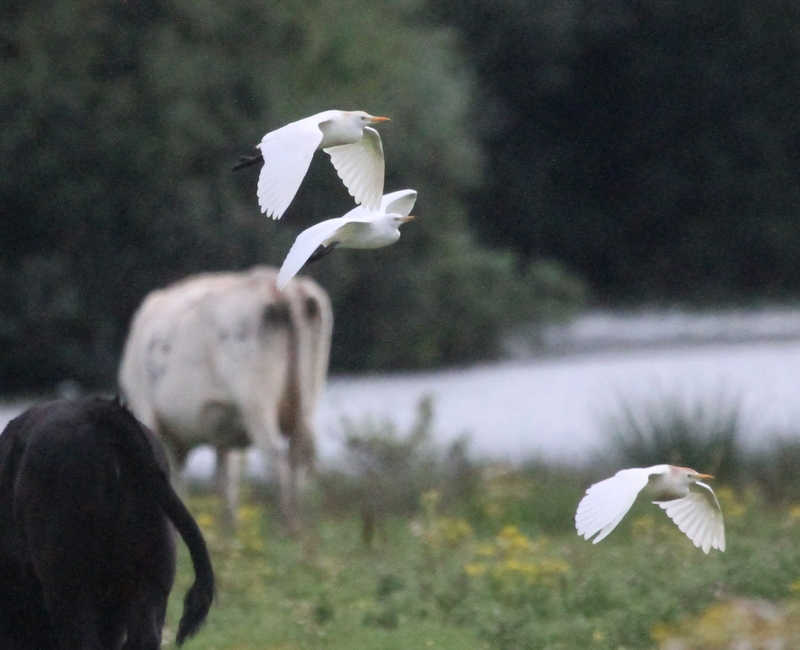
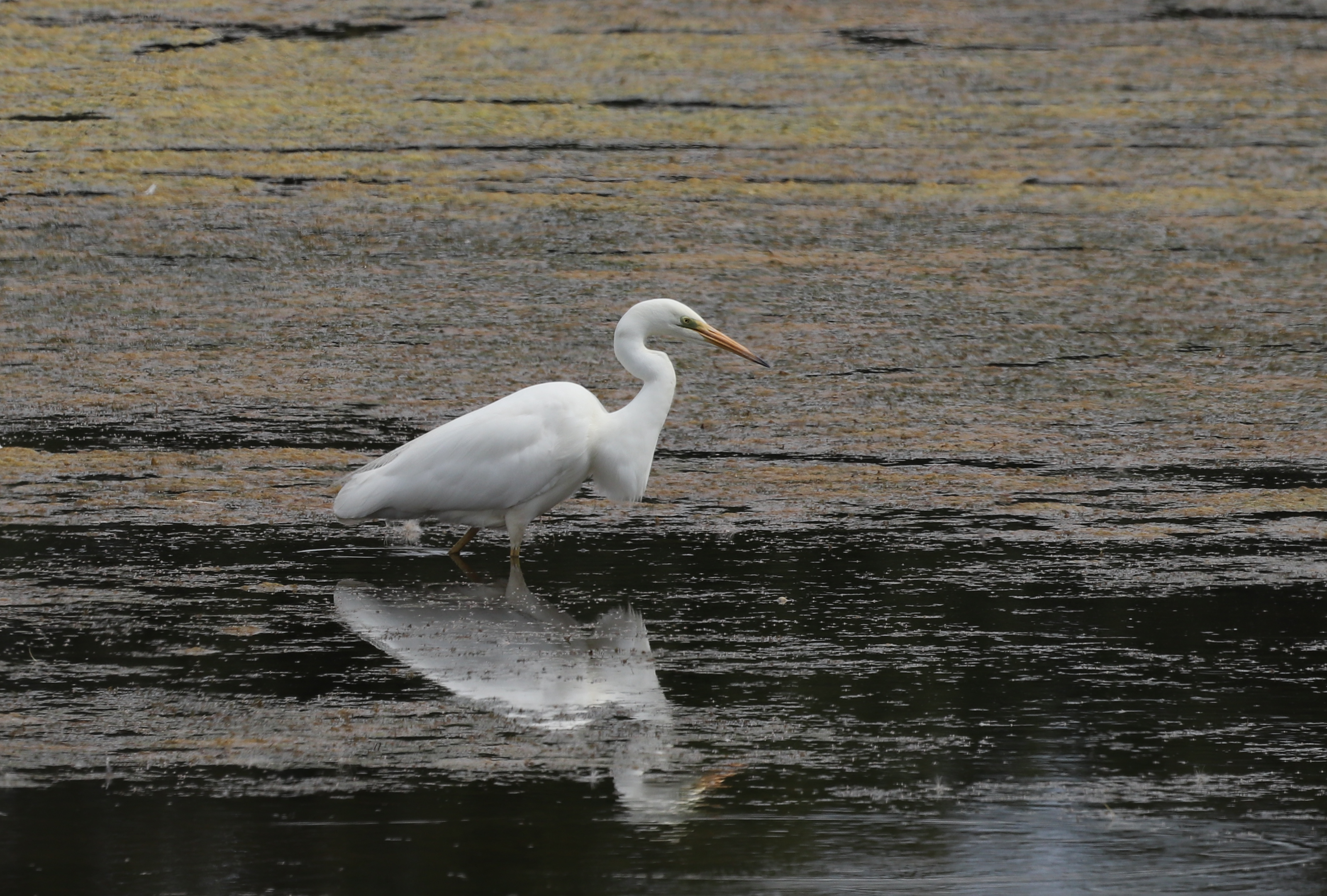
The Summer Leys Bittern failed to show during the week but the rarely sought Stortons bird was seen in flight there on 26th, while the rather less cryptically-coloured Cattle Egrets remained visible at Stanwick GP, where there were at least four on 25th-26th. Compared with last week, Great Egrets were more widespread, with records coming from the ten localities of Blatherwycke Lake, Daventry CP, Deene Lake, Earls Barton GP, Hollowell Res, Pitsford Res, Naseby Res, Stanwick GP, Summer Leys LNR and Thrapston GP, although no more than two were present at any of these.
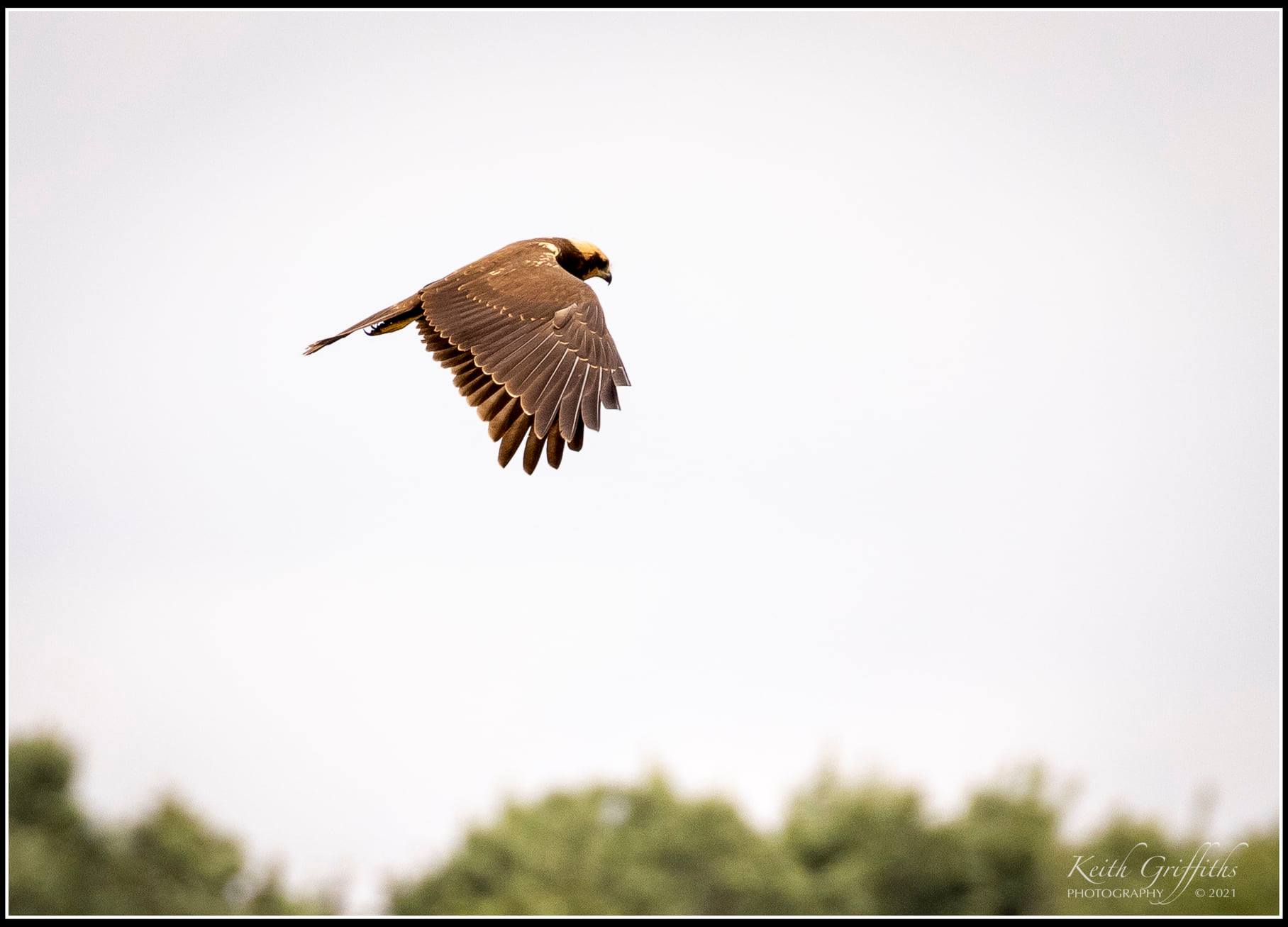
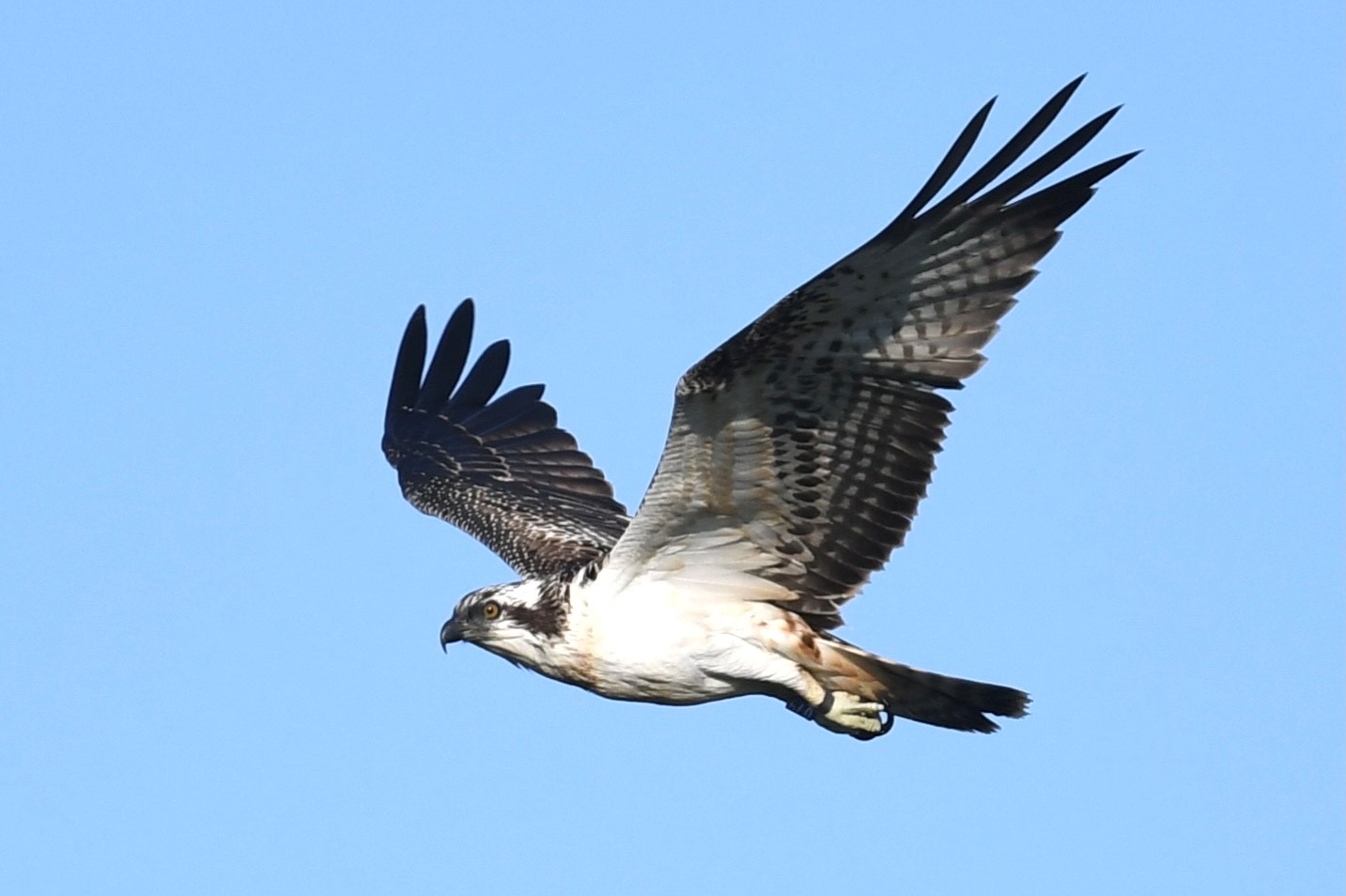
Quality, not quantity, was the theme when it came to this week’s raptors – specifically a Goshawk, which was seen circling over Byfield before drifting east, on 25th. The status of this species in the county remains a mystery. Once thought to be a secret breeder, it was never proven and records are few and far between.
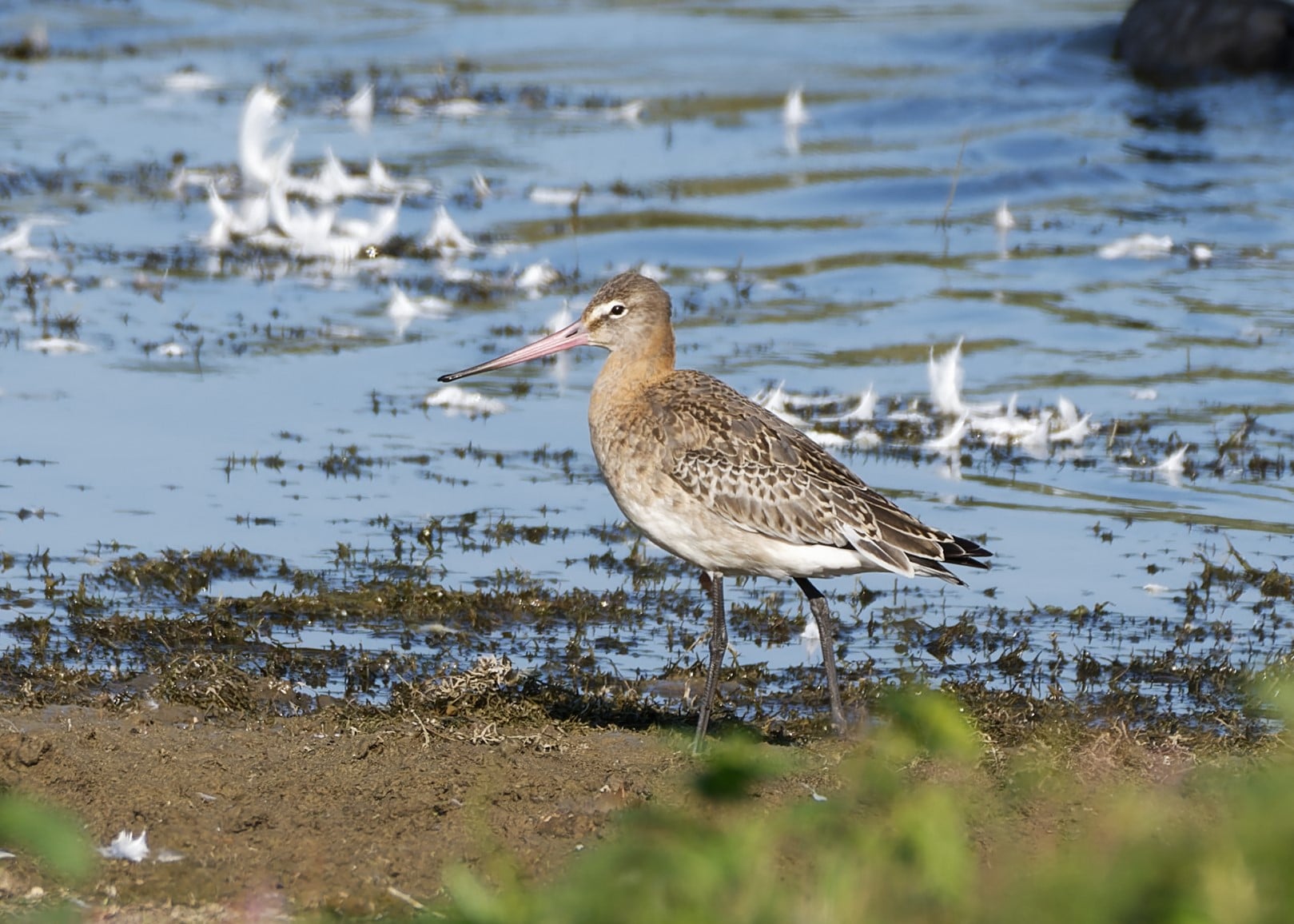
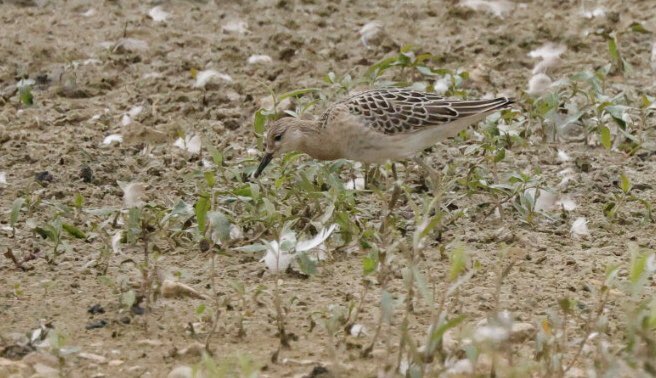
Wader movements remained at a low ebb, with just a single Black-tailed Godwit at Thrapston GP on 1st, the long-staying juvenile male Ruff still at Summer Leys on 28th and a Greenshank remaining at Daventry CP until at least 27th.
Black-tailed Godwit, Thrapston GP, 1st October 2021 (Nick Parker, videograb)
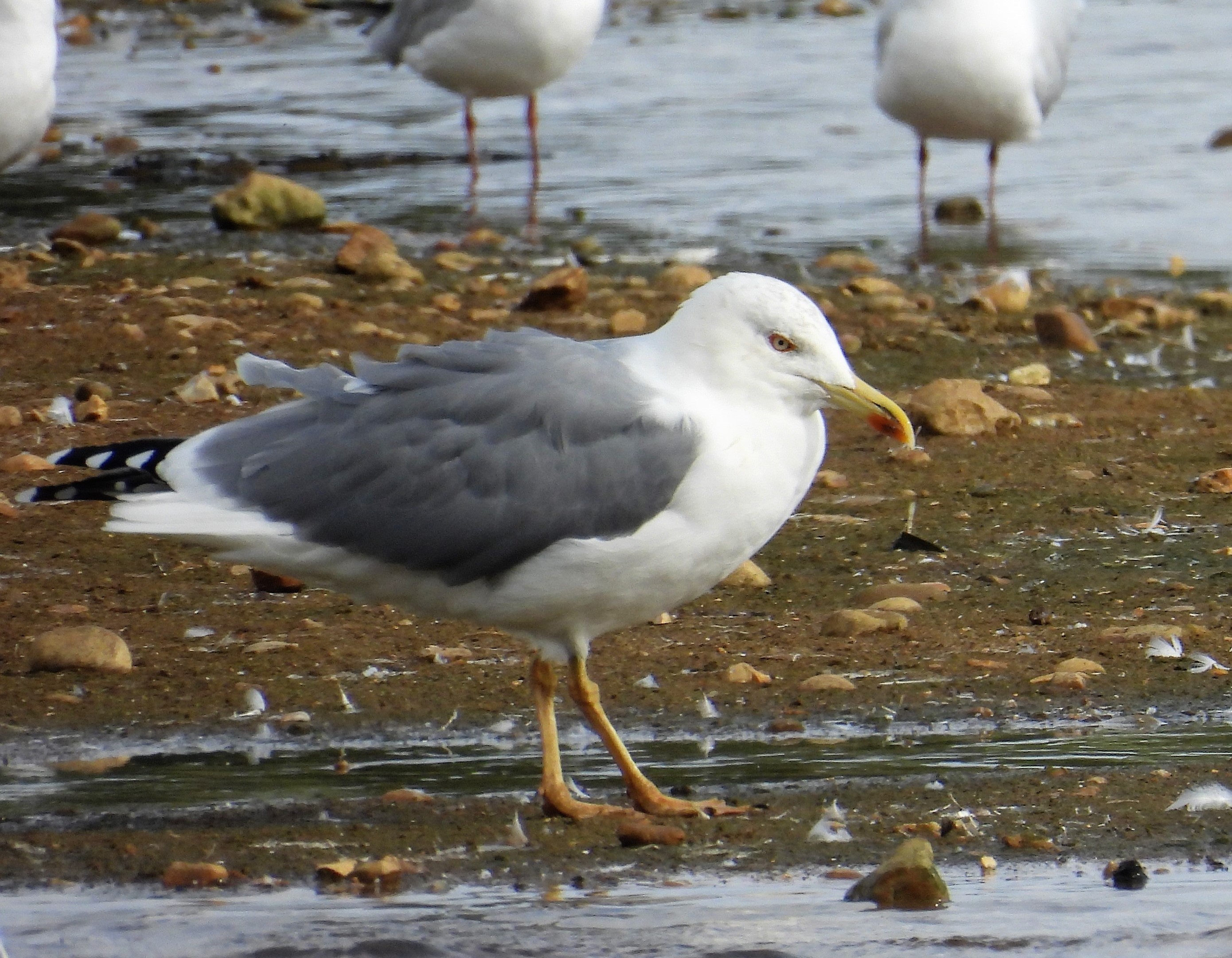
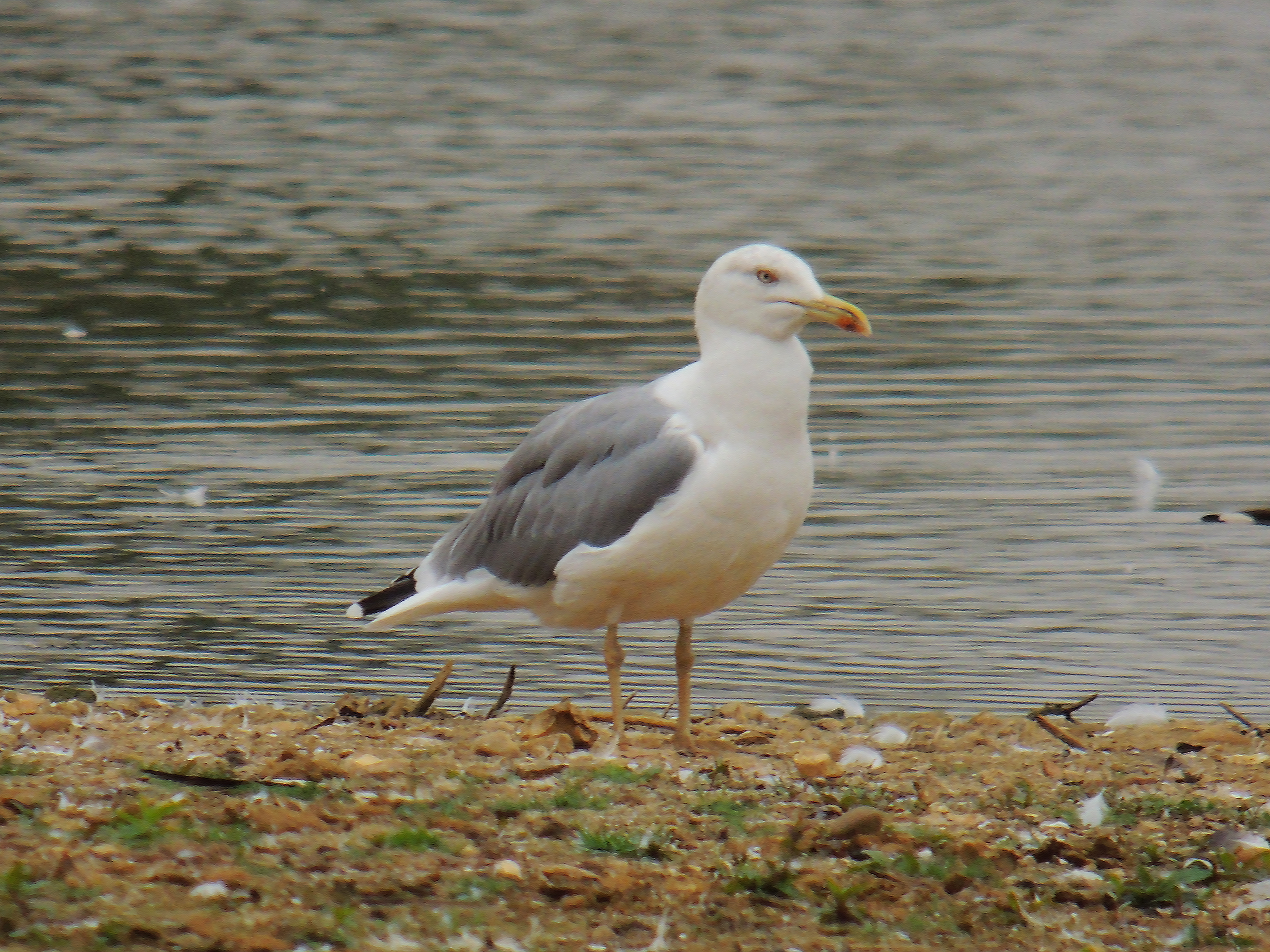
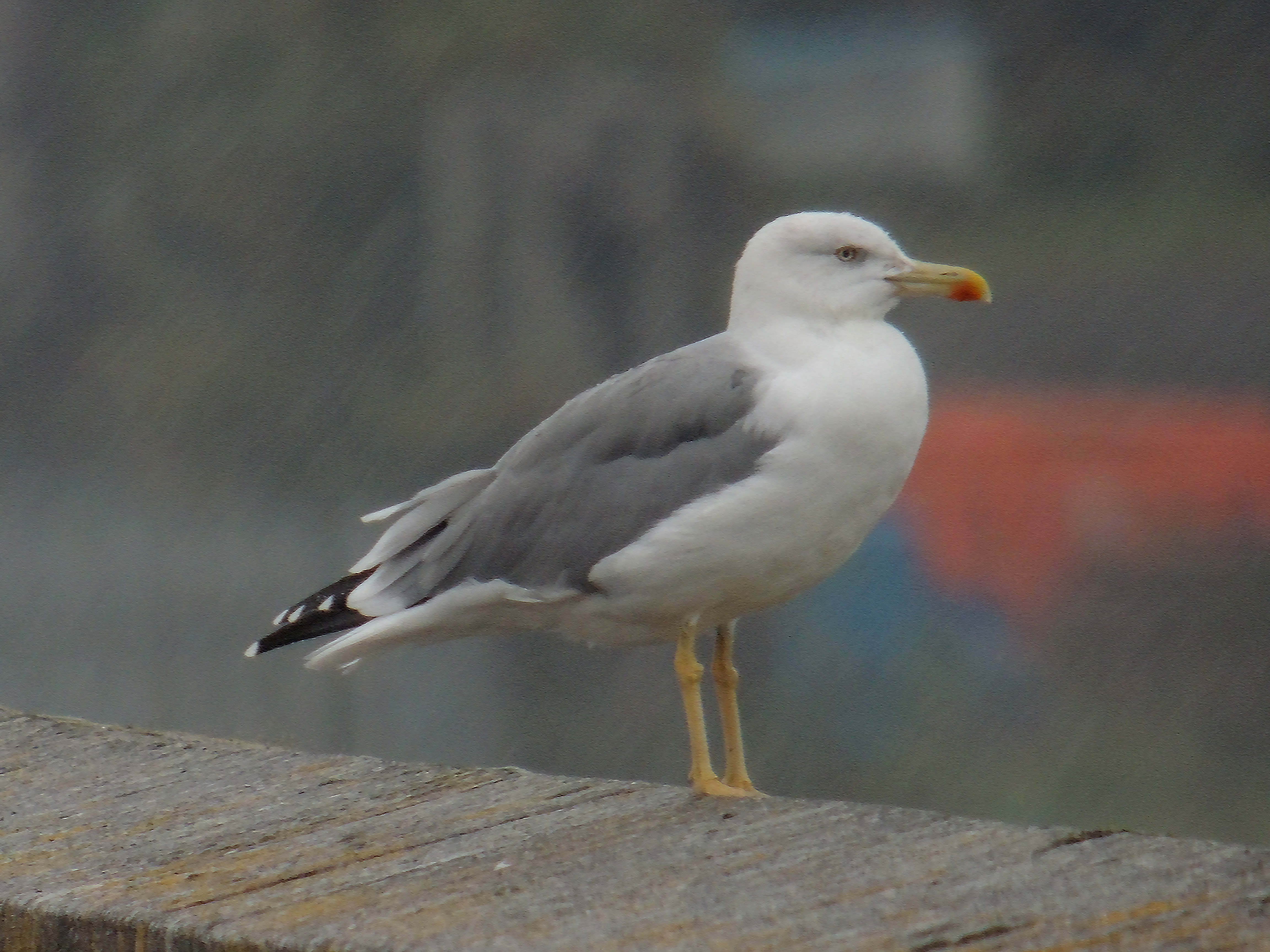
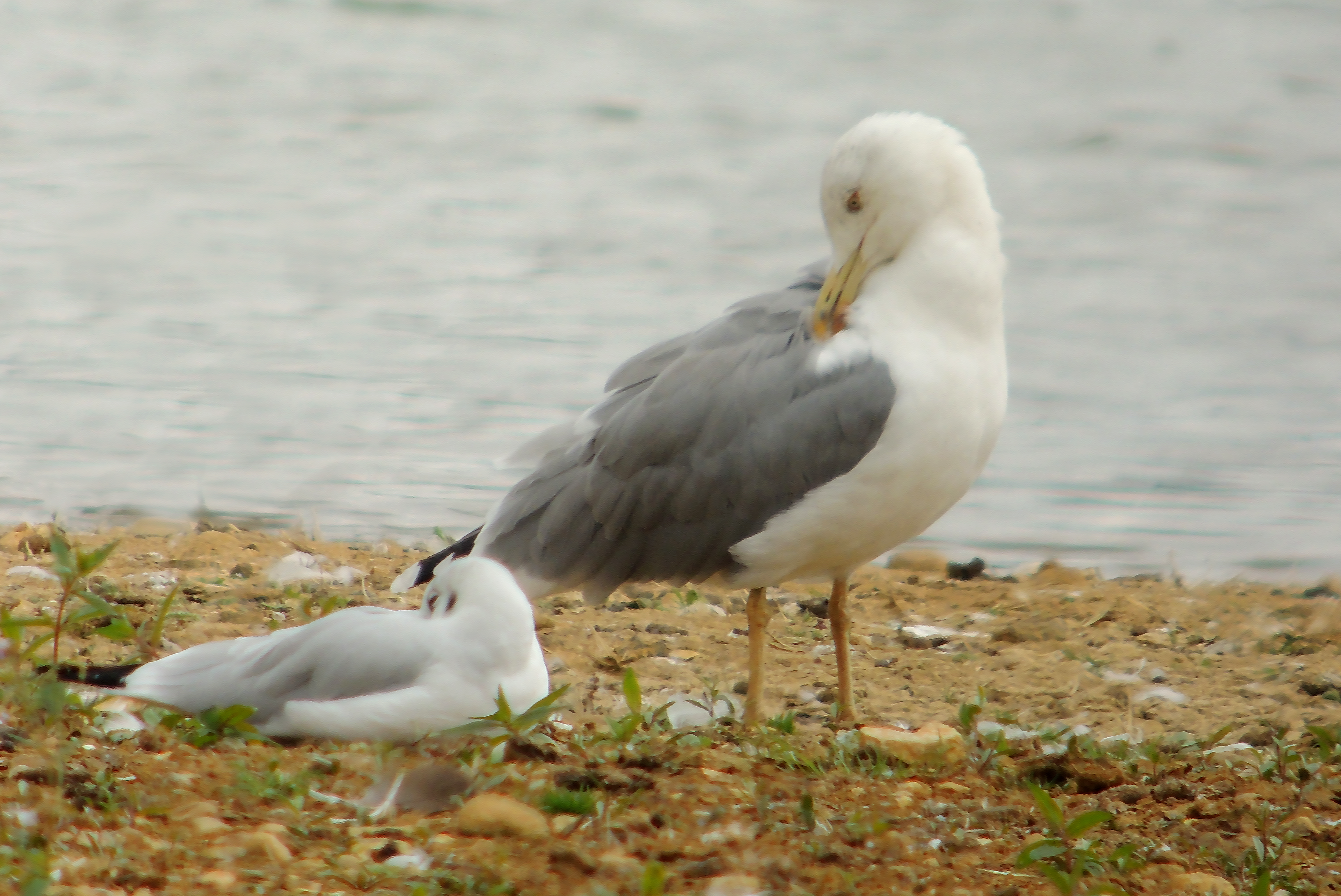
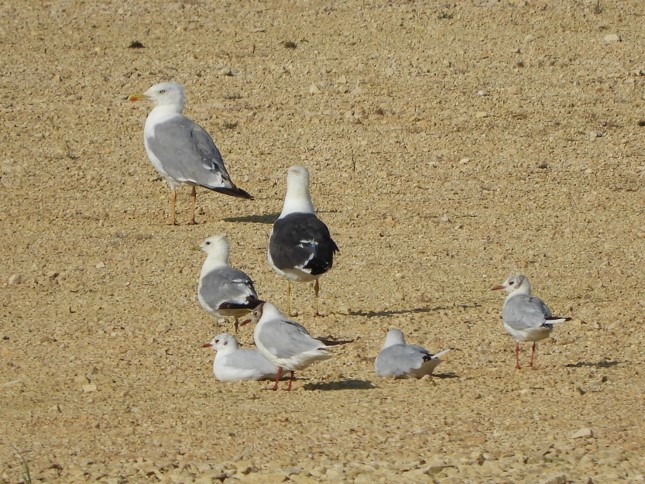
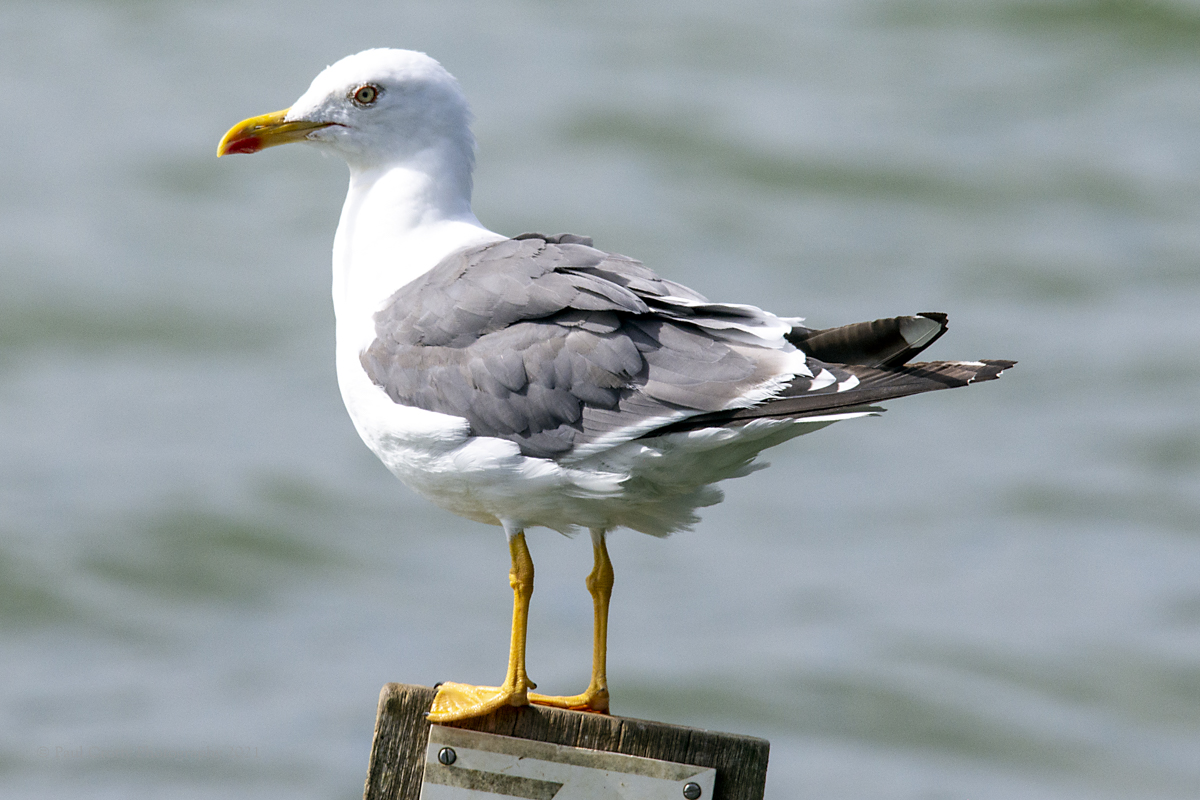
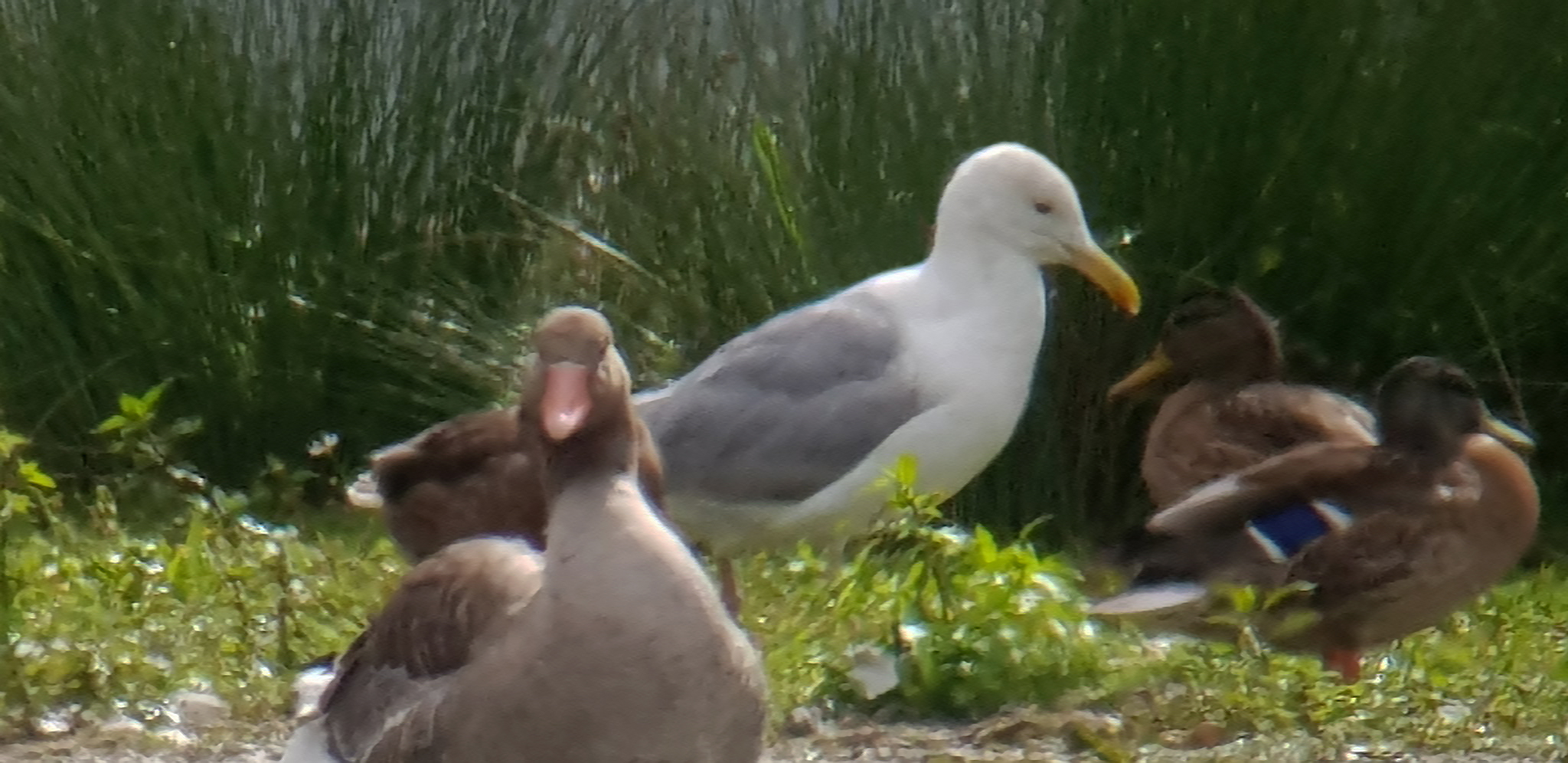
Gulls, too, were in shorter supply than of late, with just a juvenile/first-winter Caspian Gull at Summer Leys on 27th. Yellow-legged Gulls maxed out with three at Thrapston GP on 28th after two there on 26th, up to two at Pitsford between 26th and 30th and singles at Stanwick on 25th and Summer Leys on 27th.
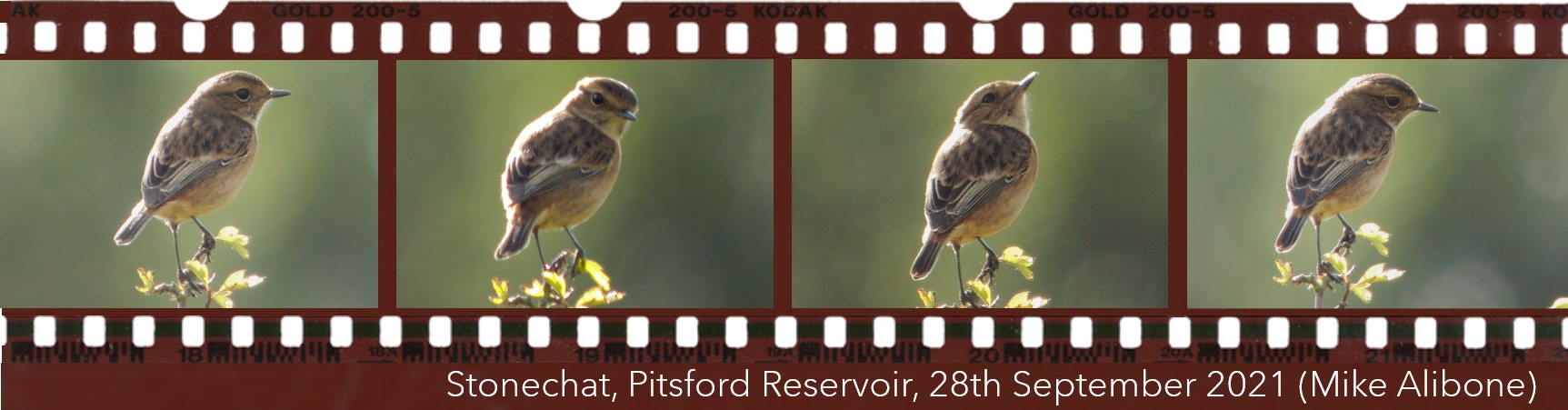
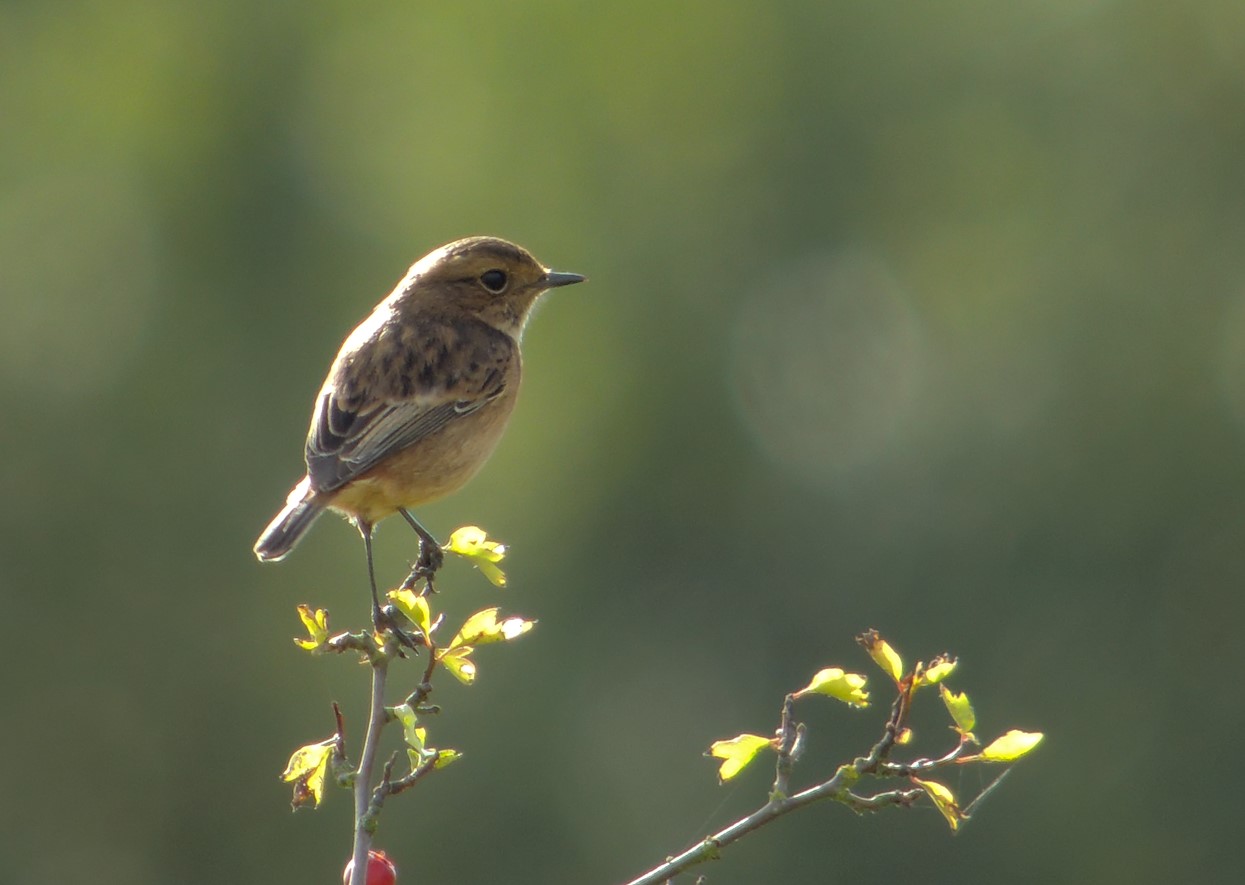
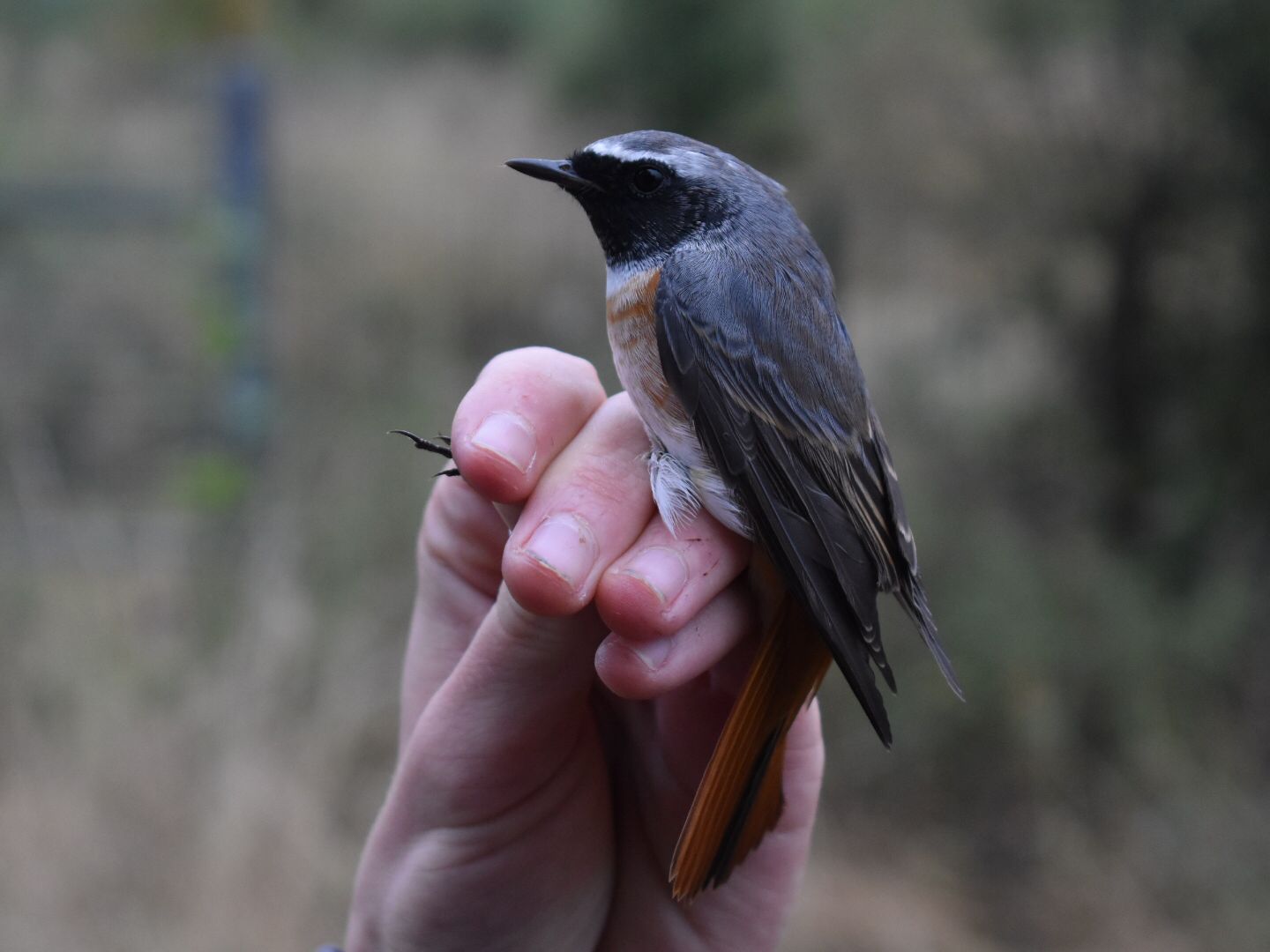
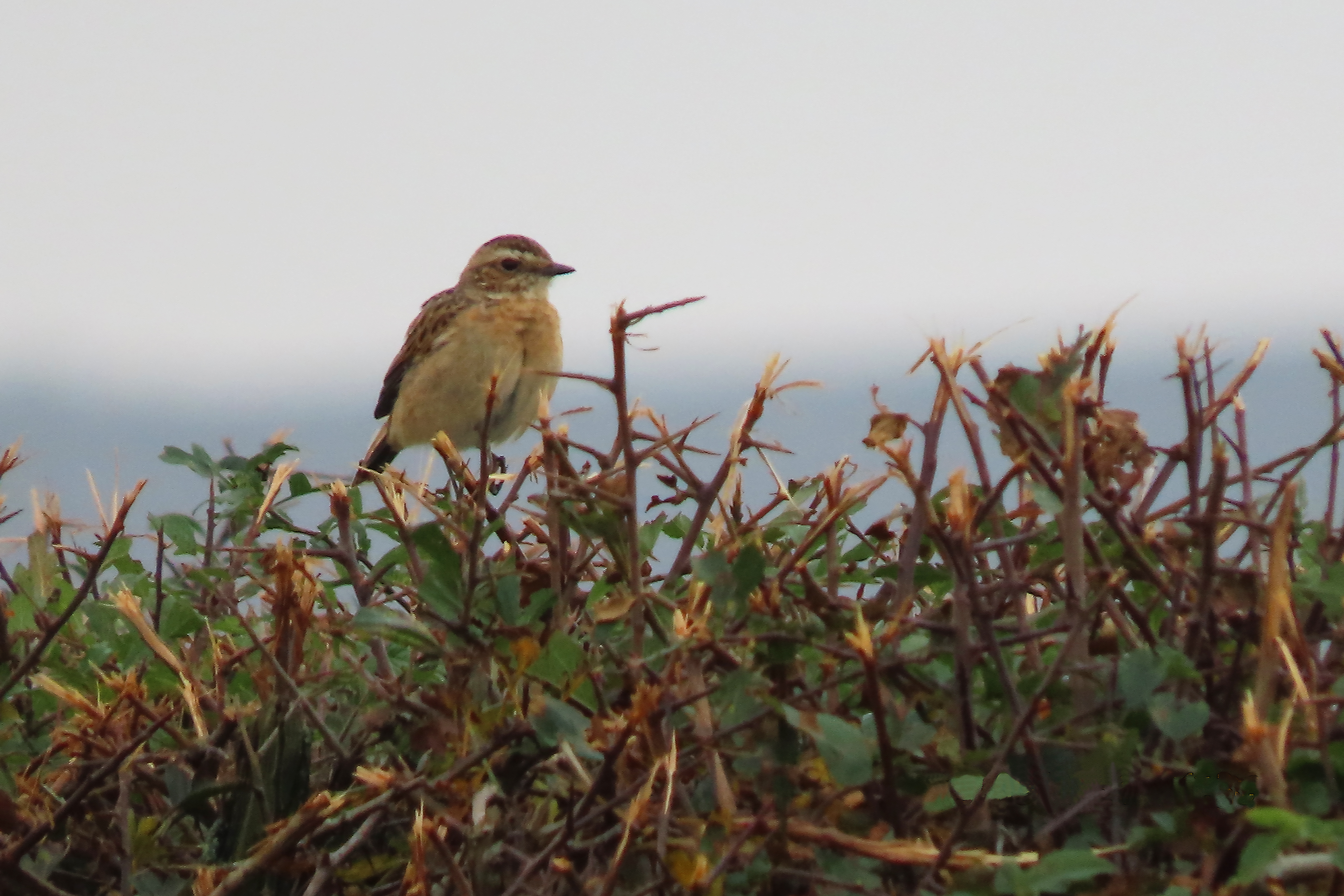
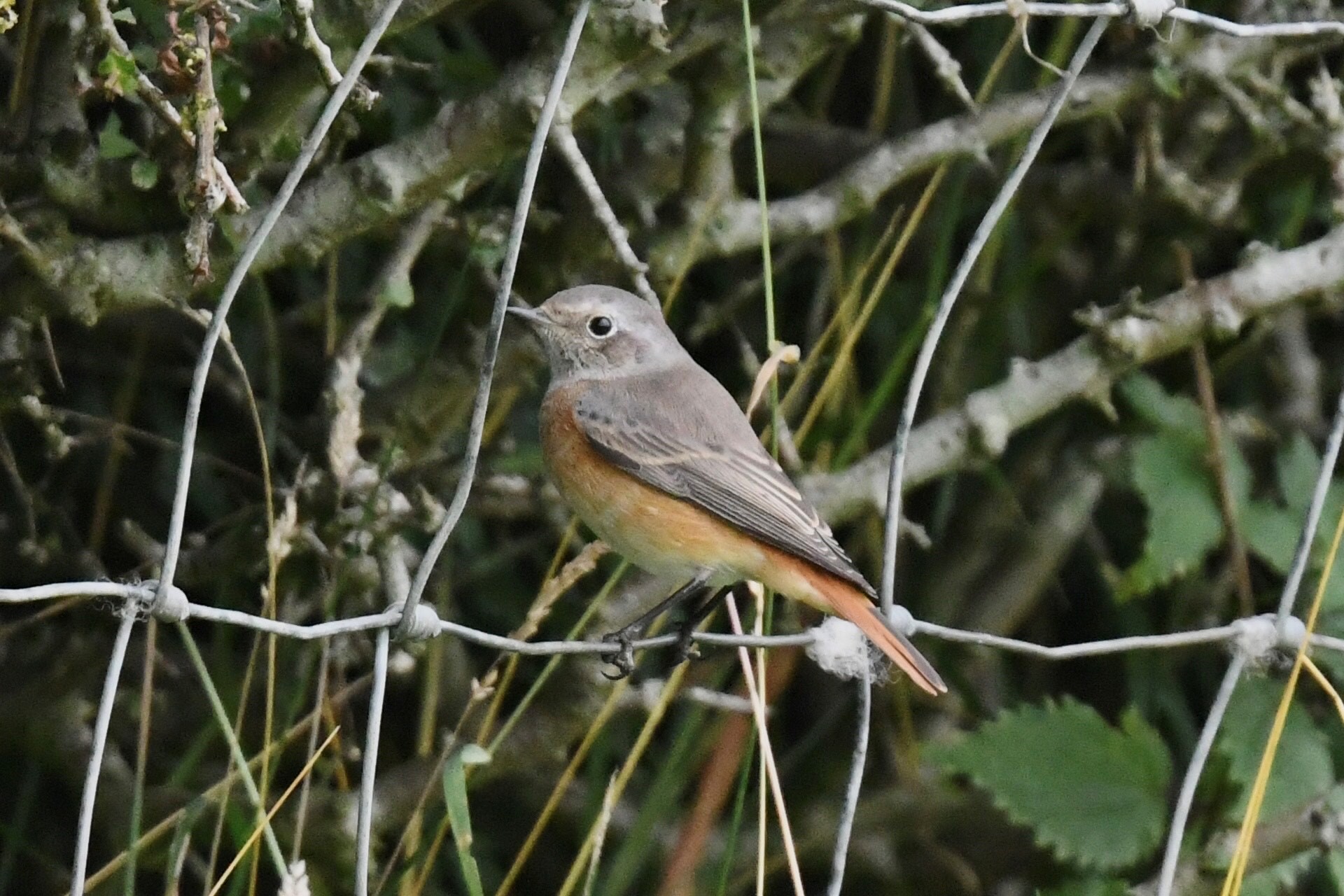
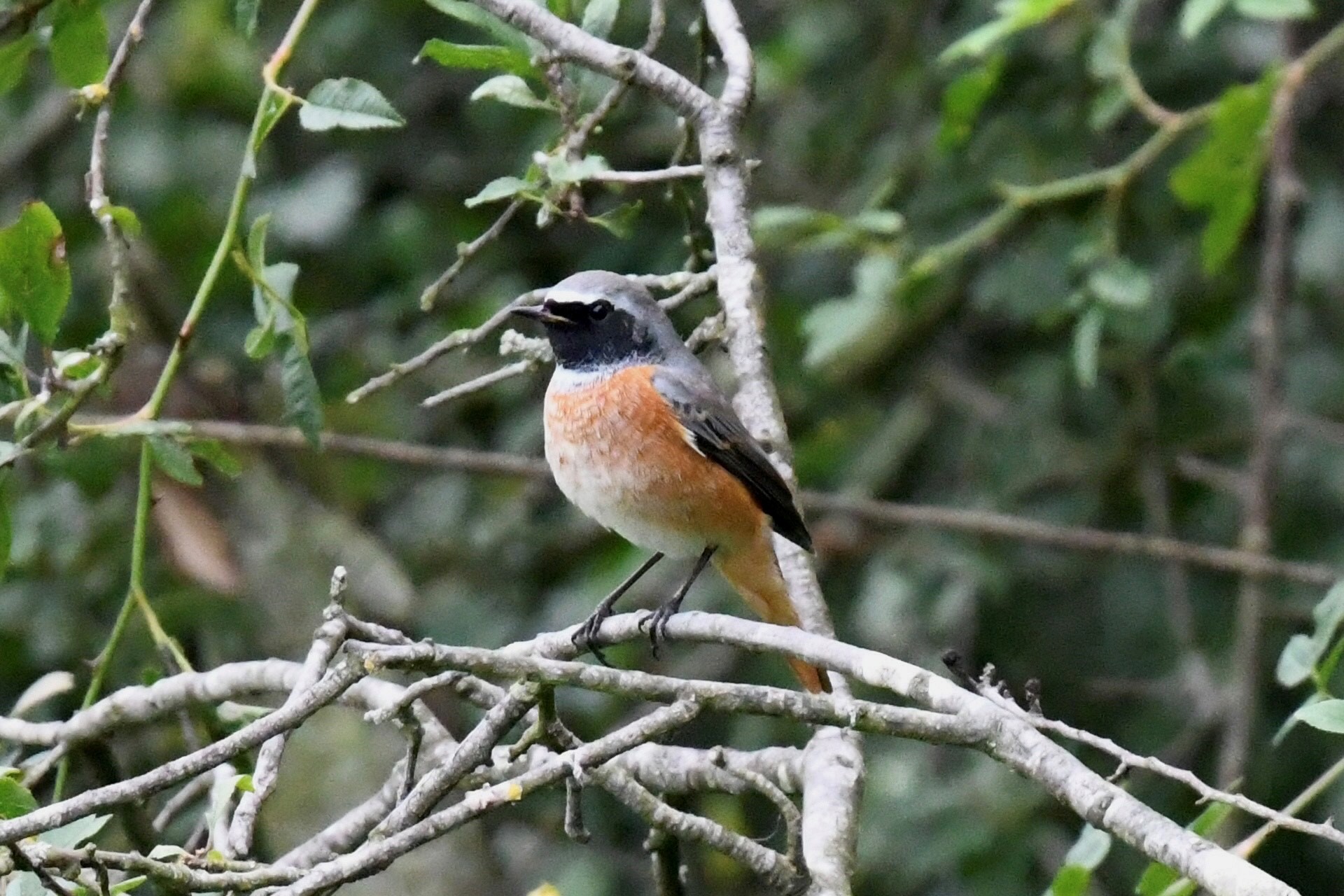
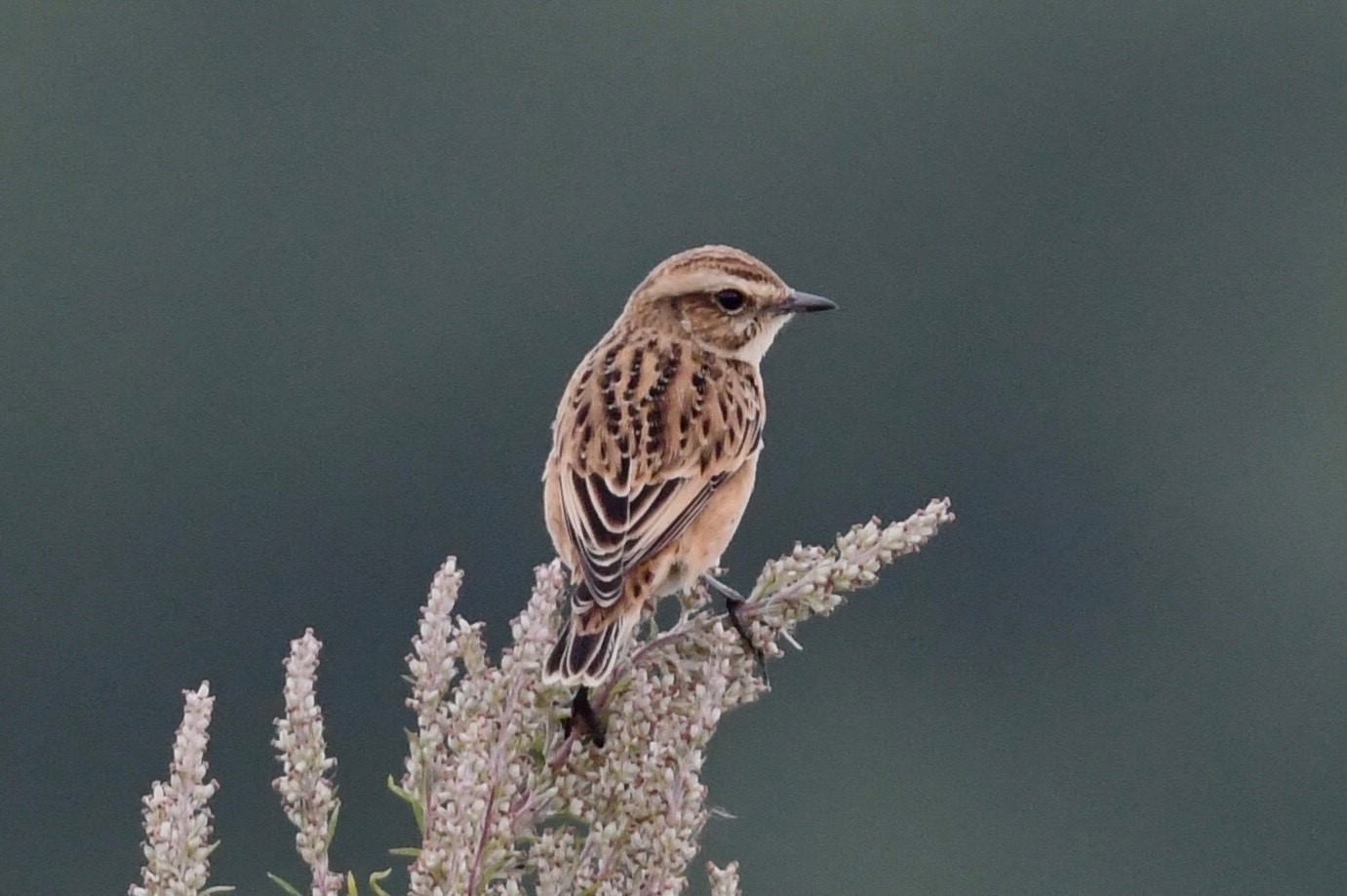
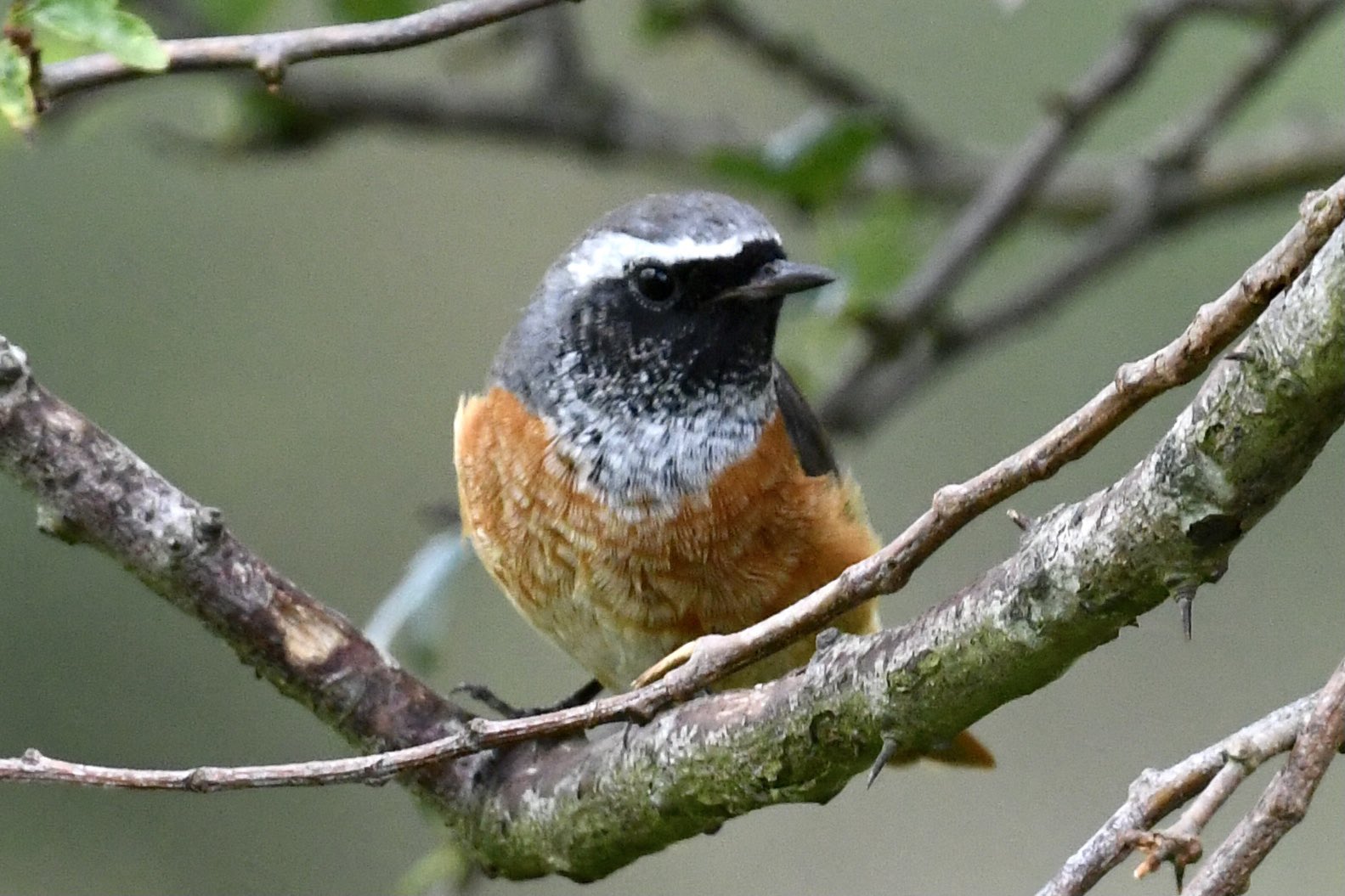
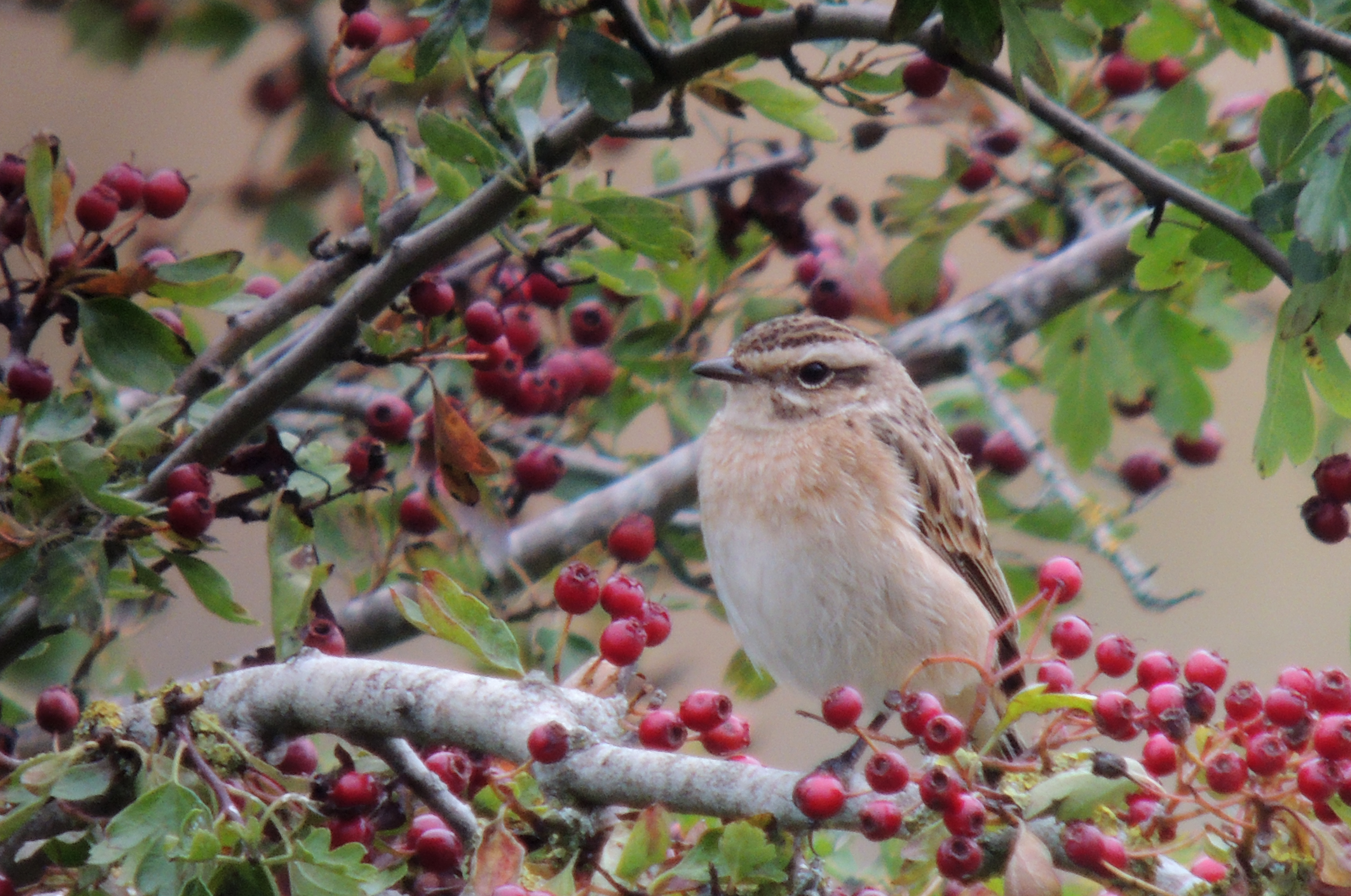
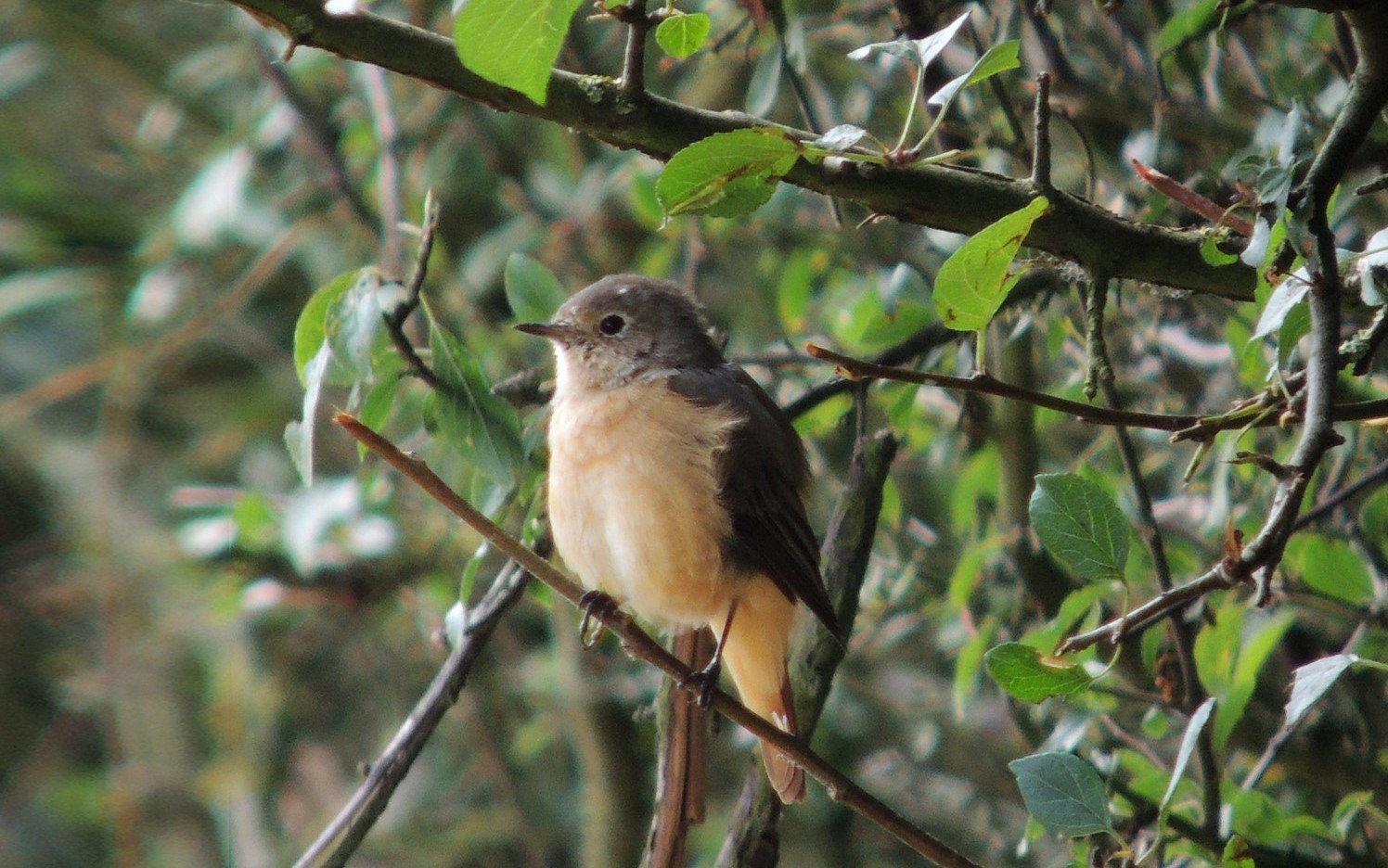
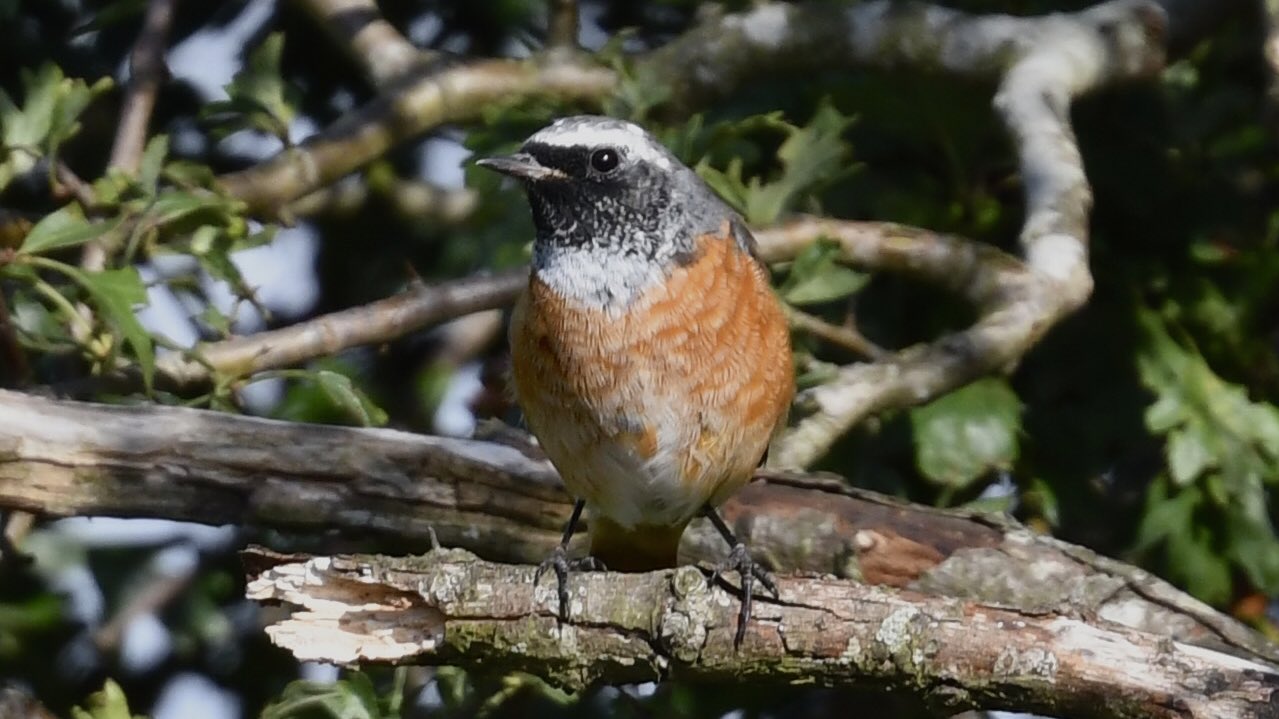
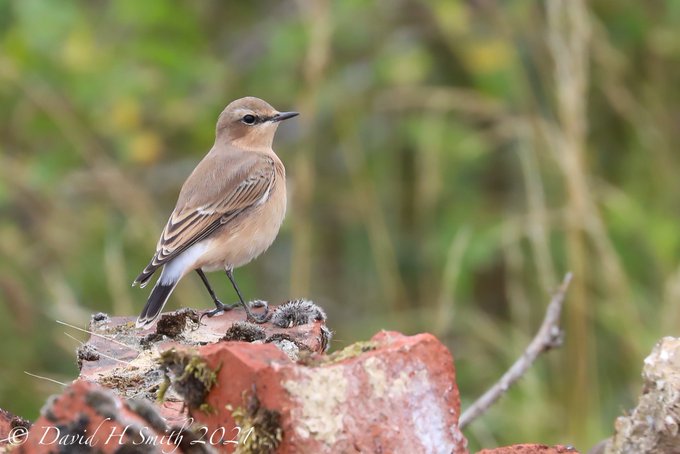
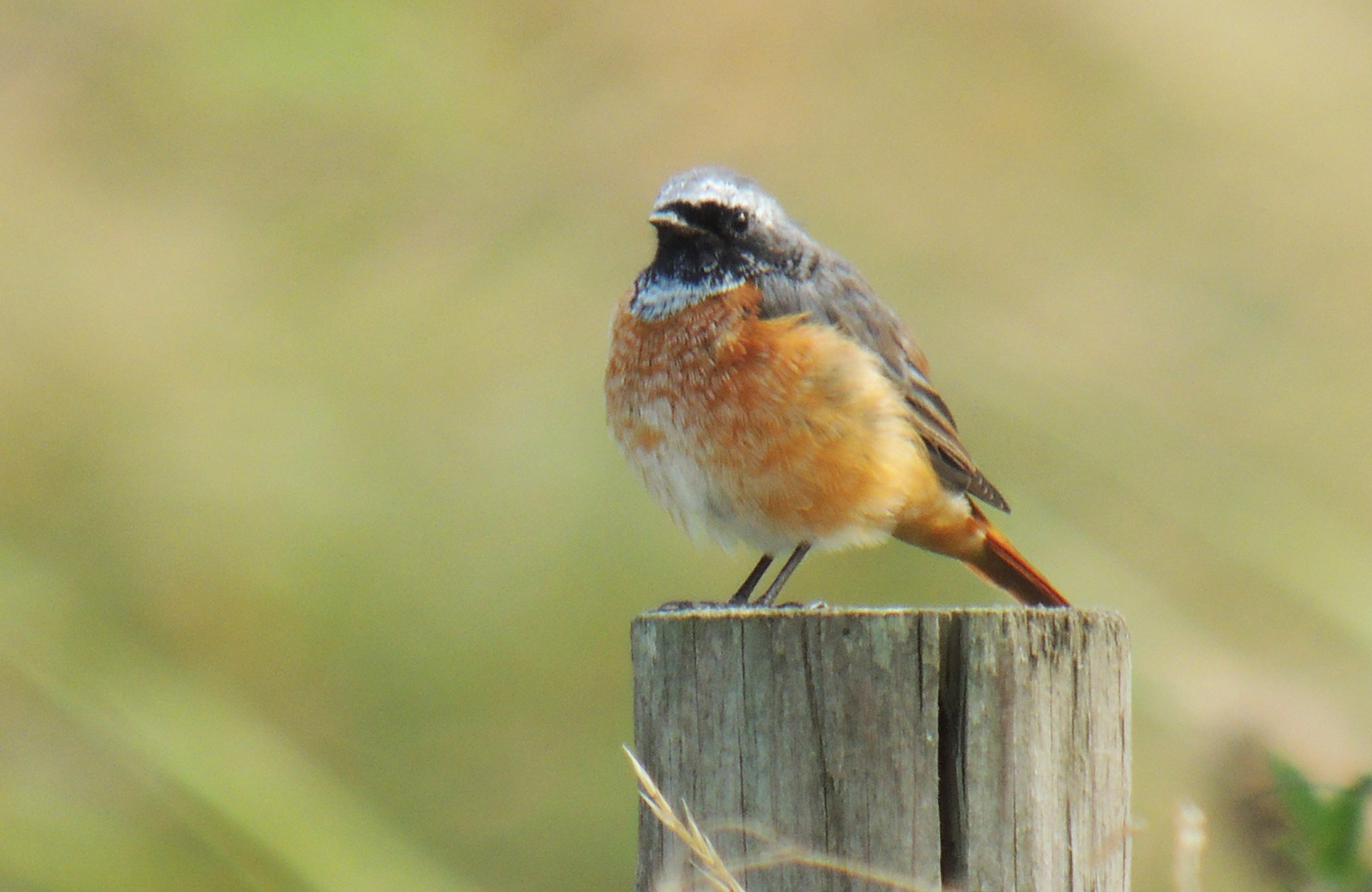
A Common Redstart – perhaps this year’s last – was at Harrington AF on 25th, while last week’s three Stonechats remained at Hollowell on 30th and one visited Pitsford on 28th.
Stonechat, Pitsford Res, 28th September 2021 (Mike Alibone)
A warm, southwesterly airstream dominated this week’s weather, delivering largely clear skies and temperatures well above the norm for the time of year. Indeed, it’s been mooted that we could be heading for the warmest September on record …
Conditions which, of course, are not conducive to delivering the goods, locally. In fact, Northamptonshire birding has been well below par this autumn when it comes to producing the icing on the cake. It would appear that the shortage of supplies in various sectors, said to be as a result of the Covid pandemic, has filtered through to the rare and the scarce of the bird world, with local birding of late being akin to pulling teeth … or maybe we simply exhausted our annual quota during the spring, which was one of the best in the county for many, many years. So, this week’s Newsround is, in essence, pretty much a copy and paste of last week’s … again.
This week’s token dodgy waterfowl is represented by a Cackling Goose at DIRFT 3 on 21st. Showing some characteristics of the race minima, it’s similar to the bird here but clearly not quite the full shilling.
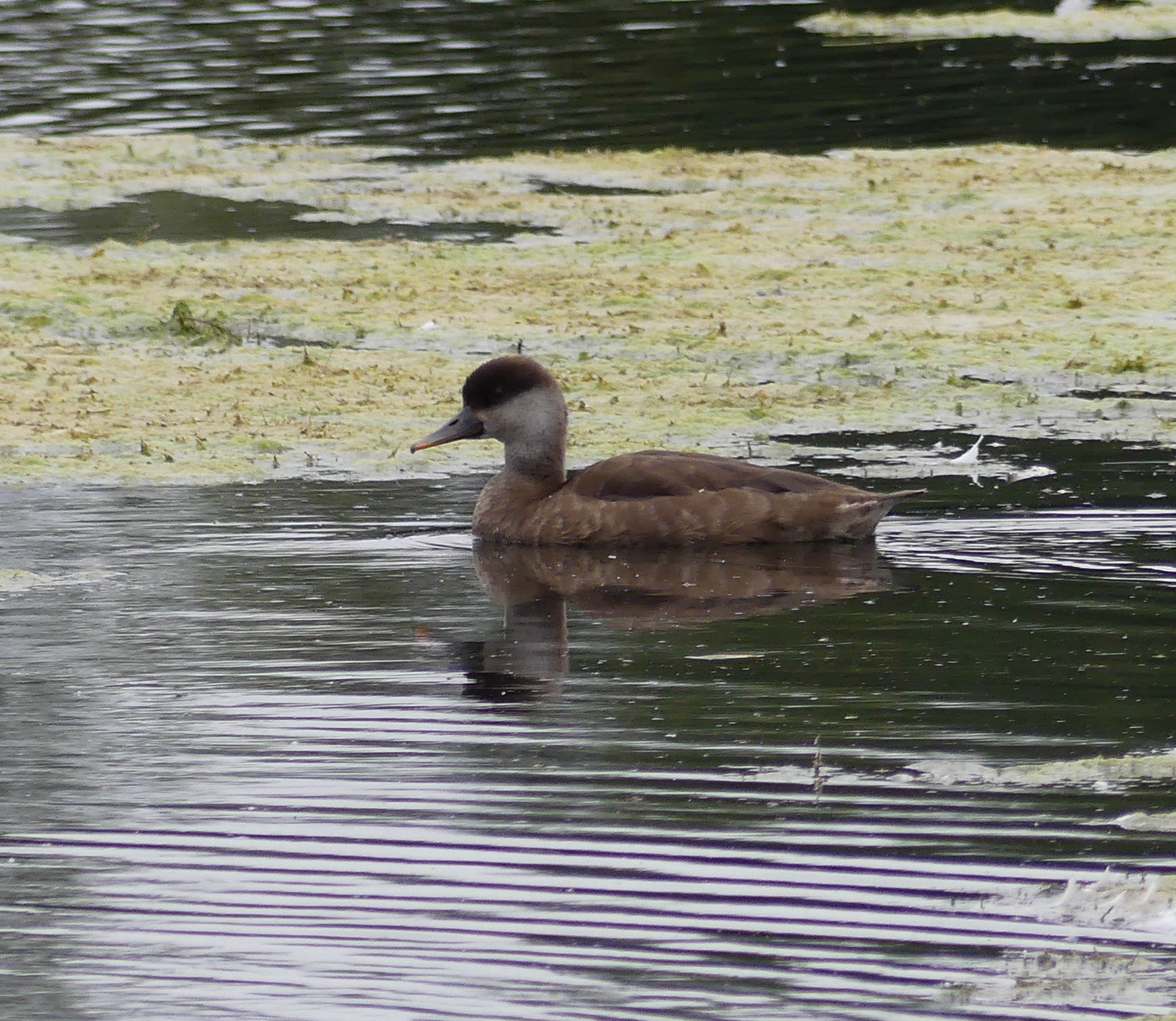
And this was the week that Garganey loyalty to the localities of Daventry CP and Stanwick GP finally collapsed, with new birds appearing at Ditchford GP, where there was one on 20th and two on 21st, and at Pitsford Res, where one was found on 23rd. Stanwick hung on to one until 21st, while Daventry retained a single bird throughout the period. In contrast to last week, only the Pitsford Red-crested Pochard remained, being seen on 20th.
Once Bittern, twice not so shy, as again this week the Summer Leys bird showed itself on several occasions to those who were prepared to exercise patience. It was still present on 21st.
Bittern, Summer Leys LNR, 21st September 2021 (Tony Stanford)Bittern, Summer Leys LNR, 20th September 2021 (Adrian Leybourne)
Cattle Egrets remained in the Ditchford/Stanwick area throughout, with five at Irthlingborough Lakes & Meadows on 19th, followed by one there the next day and two were at Stanwick on 20th, six on 21st and five on 24th.
Cattle Egrets, Ditchford GP, 19th September 2021 (Mike Alibone)
Six was the highest single site tally of Great Egrets, coming from Pitsford on 22nd, Stanwick held three on 19th, while up to two were seen at Daventry, Ditchford, Hollowell and Summer Leys.
On the raptor front, a Marsh Harrier lingered at Stanford on 20th-21st and another flew high over Summer Leys on 22nd, while a White-tailed Eagle, female G318 from the Isle of Wight reintroduction scheme, took a leisurely route from Leicestershire, along the Nene Valley, to Oxfordshire on 18th-19th. G318 is no stranger to the county, having first passed through Northants on 4th April 2020, before visiting the county again this year, between 1st and 3rd February.
Route taken by satellite-tagged female White-tailed Eagle, G318, through Northamptonshire, 18th-19th September 2021 (Tim Mackrill)
With wader movements clearly on the wane, up to three Curlews were still present at DIRFT 3 between 18th and 21st and single Black-tailed Godwits visited Summer Leys on 21st and Pitsford on 22nd. Three Ruffs were at Pitsford on 22nd, two were at Summer Leys on 18th, one remaining there until at least 21st and one flew high east over Earls Barton GP New Workings (North) on 18th. Apart from that, residual Greenshanks included singles at DIRFT 3 on 19th and 24th, Daventry from 20th to 24th and in flight, west, over Naseby Res on 21st.
Juvenile Black-tailed Godwit, Pitsford Res, 22nd September 2021 (Ant Hall)
For a species which has recently bred in the county and the population of which is increasing generally, Mediterranean Gull has remained strangely scarce this autumn, with this week seeing just one, a first-winter, at Daventry on 24th. The latter site also produced a second-winter Caspian Gull on 20th, while the Boddington Res gull roost held a juvenile Caspian on 22nd and an adult and a fourth-winter on 24th. There was no shortage of Yellow-legged Gulls, Stanwick inching into double figures with eleven on 21st, followed by eight there on 24th. Elsewhere, three were at Ditchford GP on 19th and 21st, twos at Daventry on 21st and Boddington on 24th with one at the latter site on 22nd and singles at Earls Barton on 18th, 19th and 23rd and at Pitsford on 21st.
Although most terns have departed by late September, four juvenile Common Terns were at Daventry on 23rd, being joined briefly by two – more typically late – juvenile Arctic Terns, all six birds flying off north-west early in the day. In a similar fashion to last week, one more Black Tern, a juvenile, came through at Pitsford on 21st.
On the passerine front, Common Redstart numbers were still on the wane, with singles still at Blueberry Farm, Maidwell on 20th and one still at Lamport on 21st. Single Whinchats were still in the Brampton Valley, at Harrington AF on 21st, Borough Hill on 22nd and Hollowell on 24th. Stonechats also put in an appearance this week, with one at Hollowell on 20th increasing to three there on 24th, two at Willowbrook Industrial Estate (Corby) on 21st and three at Borough Hill on 22nd, while only two Northern Wheatears comprised singles at Harrington between 18th and 22nd and one at Orlingbury on 23rd.
Moving into the last week of September, we can perhaps take heart from history. In previous years, this week has produced some class Yankee waders with, for example, Semipalmated Sandpiper, Lesser Yellowlegs and Wilson’s Phalarope having turned up in the county during this late September window. We’ll see …
Apart from a deluge on 14th, it proved to be a largely dry week with above average temperatures, although winds were strongly influenced by Atlantic weather systems. While there were still some smart birds to be admired, the air of expectancy now hangs thick as the early morning mist, as autumn begins to mature …
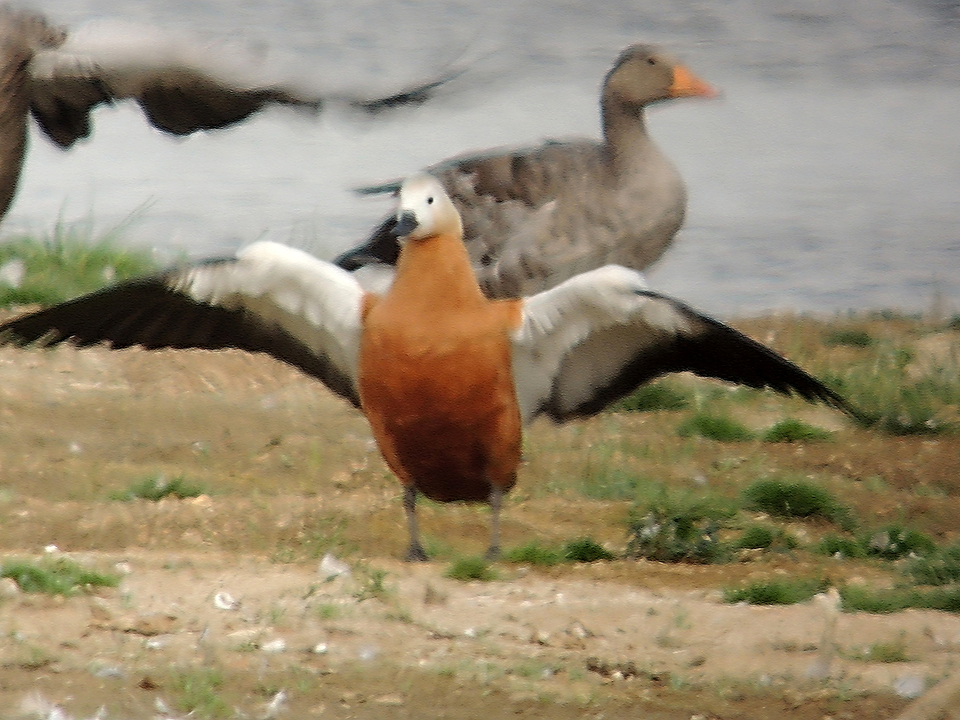
But another week passed with nothing new. Even the slot of last week’s Ruddy Shelduck was filled by an escaped Cape Shelduck, which clearly didn’t cut the mustard. Found at Stanford Res early in the afternoon of 16th, it had relocated to Pitsford Res by the end of the day.
Cape Shelduck, Pitsford Res, 16th September 2021 (Ant Hall)
Numbers of Garganey dwindled this week, with Daventry CP and Stanwick GP maintaining their strange duopoly, the former site still holding two on 12th-13th, with one remaining until 17th and the latter hanging on to one all week. Apart from a one-day bird at Pitsford in July, there has been none found at any other locality this autumn. Conversely, Red-crested Pochards were on the up – three appearing at Thrapston GP on 12th, the long-staying female at Stanford being joined by a drake and another female on 16th, while the eclipse drake was seen again at Pitsford on 16th-17th.
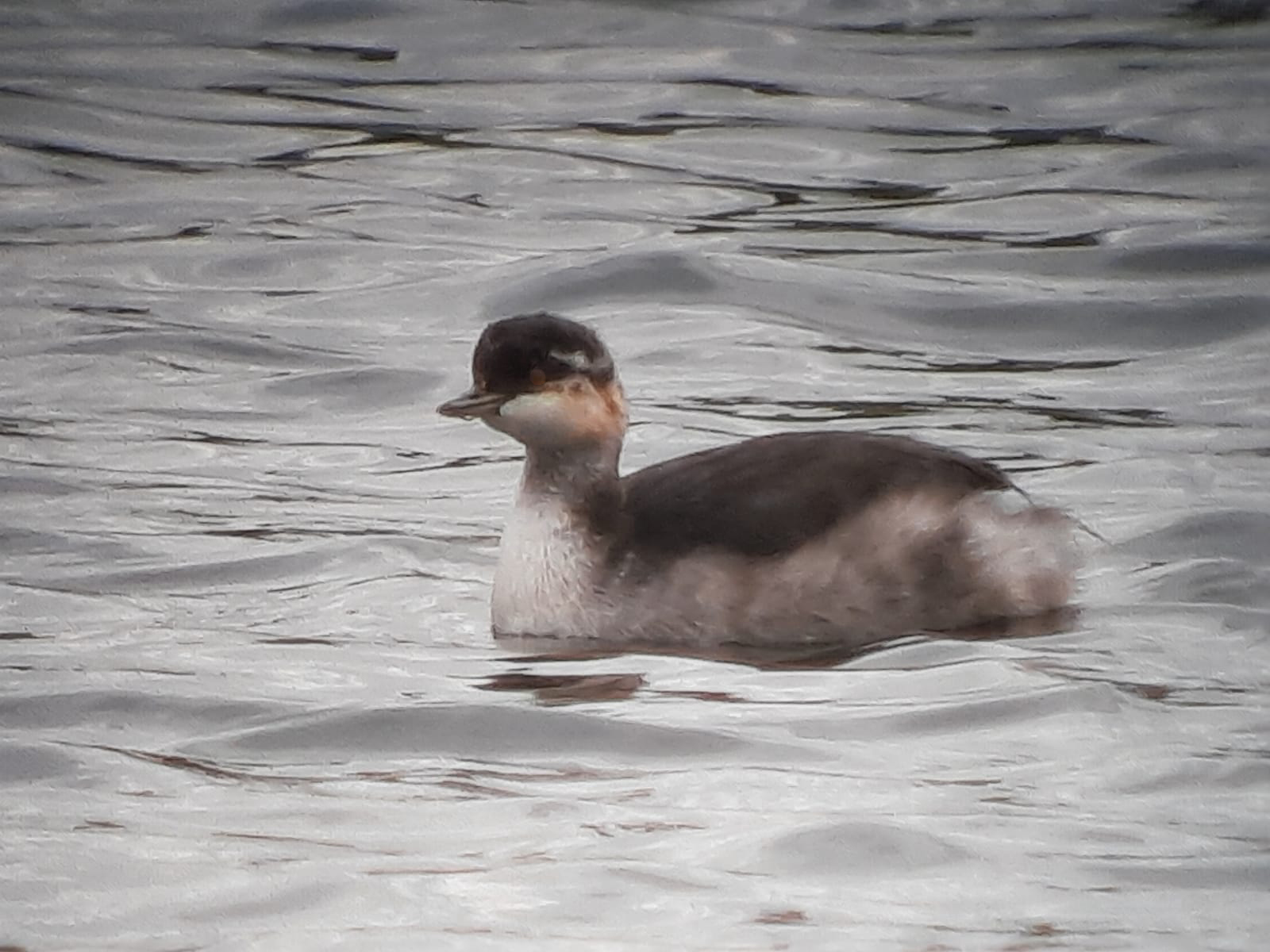
Continuing the run of one-day birds, the fifth Black necked Grebe of the autumn, an adult, was found at Daventry CP on 14th.
Adult Black-necked Grebe, Daventry CP, 14th September 2021 (Gary Pullan)
And for anyone prepared to play the waiting game, a Bittern proved a popular draw at Summer Leys LNR, on occasions showing reasonably well from the Pioneer Hide on 11th, 12th 16th and 17th. Another was seen and photographed at Stortons GP on 12th.
Bittern, Summer Leys LNR, 16th September 2021 (Ricky Sinfield)
Other, not so cryptic, herons were available of course, with up to five Cattle Egrets at Stanwick throughout, while Great Egrets maxed out with four at Pitsford, up to three at Earls Barton GP/Summer Leys, two apiece at Daventry and Thrapston and one at Stanwick.
Great Egret, Earls Barton GP, 15th September 2021 (Mike Alibone)
The week’s token Osprey flew over Stanford on 11th, likewise, a juvenile Marsh Harrier appeared at Pitsford on the last day of the week. Potentially bigger than both – in more ways than one – was the belated report of a White-tailed Eagle over Brixworth on 10th. The crew from the Isle of Wight reintroduction scheme have kindly confirmed it was not one of theirs …
Waders continued to trickle through, with 3 Curlews still roosting at DIRFT 3 until at least 16th and another in flight over Daventry CP on 13th, the latter site also producing 2 Black-tailed Godwits between 13th and 15th and three on 17th. Single Black-tailed Godwits also visited Hollowell Res and Summer Leys on 13th.
Juvenile Black-tailed Godwit, Daventry CP, 14th September 2021 (Gary Pullan)
Last week’s Ruffs remained at Daventry until 12th and at Summer Leys all week, with two present there on 12th, while the two smart juvenile Little Stints remained on DIRFT 3’s A5 Pools until 14th. Daventry’s two Greenshanks hung on until 15th, one was at DIRFT 3 on 12th-13th and another dropped into a small pool in suburban Kettering on 13th.
Another quiet week for gulls again saw just one Caspian Gull, a juvenile, at DIRFT 3 on 16th and Yellow-legged Gull numbers also remained low, with five at Stanwick on 16th, up to four at Pitsford between 14th and 17th and singles at Earls Barton GP on 15th and 17th and at Boddington Res, Daventry and Thrapston on the last of these two dates.
Adult Yellow-legged Gull, Pitsford Res, 14th September 2021 (Mike Alibone)Adult Yellow-legged Gull, Earls Barton GP, 17th September 2021 (Mike Alibone)
Still in short supply, one more Black Tern came through this week – another short-stayer at Hollowell on 11th.
Juvenile Black Tern, Hollowell Res, 11th September 2021 (Jon Cook)
On the passerine front, Common Redstart numbers began to dwindle, with ones and twos on odd dates at Borough Hill, Blueberry Farm (Maidwell) and Harrington AF, plus two trapped and ringed at Stanford Res on 11th, three still up the road at Stanford on Avon on the same date and at least six between Old and Pitsford Res on 12th.
Male Common Redstart, Stanford Res, 11th September 2021 (Ewan Turner)
Whinchats followed a similar pattern, with up to three in the Brampton Valley and up to two at Blueberry Farm – all between 12th and 15th, two at Harrington AF on 12th and one at Hollowell on 16th.
Whinchat, Blueberry Farm, Maidwell, 14th September 2021 (Paul Burrows)
Nor were there any great numbers of Northern Wheatears this week, with singles in the Brampton Valley, Harrington and Pitsford – all on 12th, Willowbrook Industrial Estate (Corby) on 13th, Pitsford again on 15th, Hollowell on 16th and Harrington on 17th, when two were also at Pitsford.
Temperatures reaching the high twenties, a south Scandinavian high and a south-easterly airstream out of Europe and beyond, so what more could you ask for in early September? Well, some different birds would be good for a start …
Instead, back for a teasing visit, the peripatetic female Ruddy Shelduck once more dropped into DIRFT 3 on 10th but had vanished again before the following day. Both Daventry CP and Stanwick GP maintained their joint, daily Garganey run, with the count at Daventry peaking at four on 4th and Stanwick finishing with two on 10th. And the beat goes on with Red-crested Pochards – two out of last week’s three individuals sticking it out at Pitsford and Stanford Reservoirs throughout the period.
This autumn’s run of Black necked Grebes also continued, with singles at Pitsford on 4th and Clifford Hill GP on 6th. True to form – at least as far as this year goes – neither of them lingered for more than a day.
And talking of form, Cattle Egret numbers at Stanwick climbed to seven on 9th – a figure close to that we were used to seeing last year, as well as being the highest total, so far, in 2021. Five localities produced Great Egrets, with Pitsford holding birds daily and maxing out at three on 7th and 9th. Elsewhere, two visited Daventry CP on 9th and singles were at Hollowell Res on 6th, Summer Leys LNR on 6th and 10th and in flight over Little Irchester on 9th.
Great Egret, Summer Leys LNR, 7th September 2021 (Alan Coles)
It was the turn of Thrapston GP to produce the week’s only Osprey, with one flying north-east over there on 5th, while the only other raptors of note were single Marsh Harriers at Stanford and Summer Leys – both on 4th.
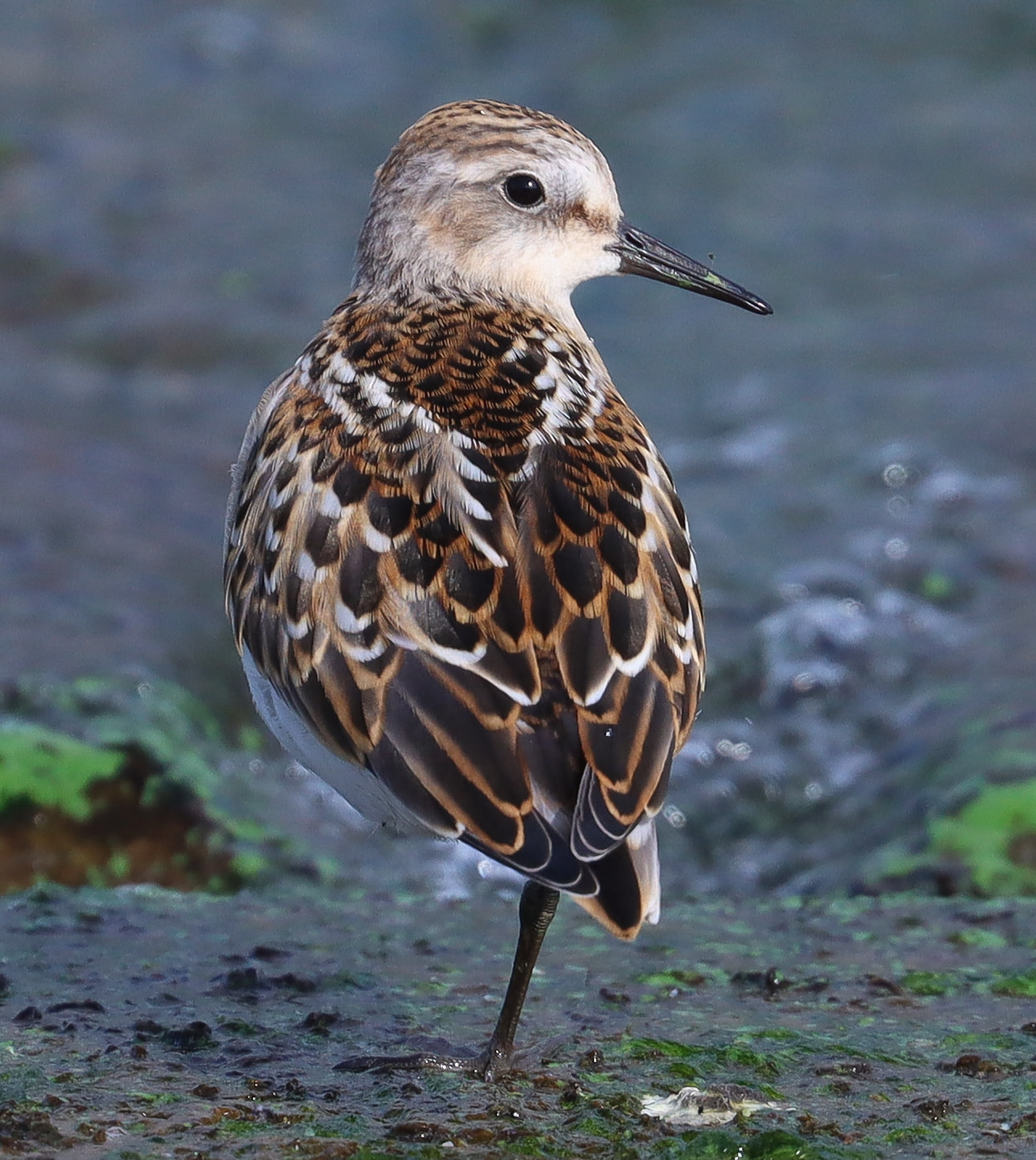
On the wader front, last week’s celebrity Little Stint was also this week’s celebrity Little Stint, remaining on Pitsford’s dam until 5th, during which time it became increasingly flighty, finally moving off for good after being subjected to increasing disturbance from recreational activities. Up to three remained at DIRFT 3 all week, increasing to four there on 10th, while another was found at Thrapston GP on 8th.
Juvenile Little Stint, Pitsford Res, 3rd September 2021 (Bob Bullock)Juvenile Little Stint, Pitsford Res, 3rd September 2021 (Bob Bullock)
DIRFT 3 also hosted all of this week’s Curlews – up to three, in fact – as well as producing four Ruffs on 5th. A single Ruff remained at Daventry all week and another appeared at Summer Leys on 10th. Daventry also featured the most Greenshanks – four on 4th, dropping to two for the remainder of the period, while one was at Pitsford on 4th-5th.
A peculiarly quiet week for gulls saw just one Caspian Gull, a first-summer, at Daventry CP on 7th and Yellow-legged Gull numbers also remained low, with the highest counts of seven at DIRFT 3 on 4th and four at Stanwick on 9th, while singles were at Daventry on 4th, 7th and 9th and Pitsford on 7th-8th.
And this year’s dearth of Black Terns continues with one briefly at Stanford on 5th, before hot-winging it high to the south-east, and two also made a short stop at Daventry the following day.
A report of a Siberian Chiffchaff at Pitsford on 9th kicks off the passerines summary for the week but for sheer numbers, Common Redstarts came out on top, with reports from the eleven locations of Blueberry Farm (Maidwell), Borough Hill, Corby STW, Harrington AF, Honey Hill, Lamport, Lilbourne Meadows NR, Stanford on Avon, Stanford Res, Twywell Hills & Dales and Woodford Halse. There was no more than two at any one location.
Common Redstart, Blueberry Farm, Maidwell, 7th September 2021 (David Smith)
Whinchat numbers held steady, with six locations producing. Borough Hill held the most, with up to six there on 5th-6th, up to five were in the Brampton Valley all week, 2 were at Stoke Albany on 5th and singles were present at Welford Res on 6th, Stanford on 7th and Harrington between 7th and 10th. Northern Wheatears, maintained a low profile with two at Harrington between 7th and 10th, 2 at Braunston on 8th and one in the Brampton Valley on 10th.
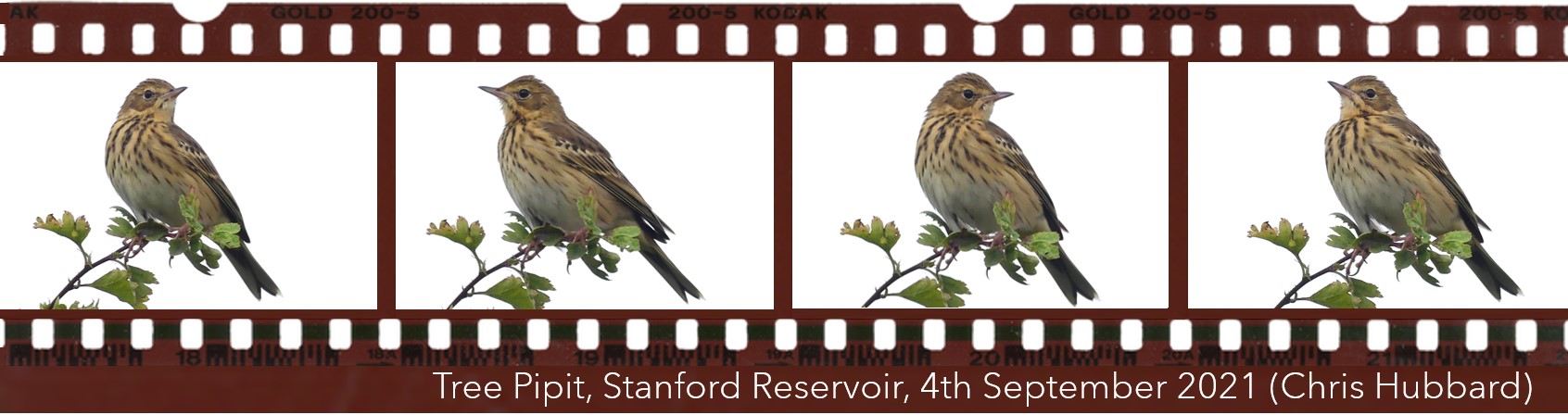
Tree Pipit, Stanford Res, 4th September 2021 (Chris Hubbard)
A Tree Pipit lingered at Stanford on 4th and one was reported from Harrington on 9th.
As we say goodbye to anticyclonic gloom and one of the coldest, greyest Augusts on record, stepping into meteorological autumn, there was no shortage of seasonal fare, with highlights including a Wryneck trapped and ringed at Stanford and an engaging Little Stint on show, point blank, at Pitsford …
Back for more, from two weeks before and a tick in waiting to boot, the Ruddy Shelduck again dropped into DIRFT 3 on 1st before departing early the following day. That’s not to say it won’t pop up elsewhere before the autumn’s out. Meanwhile, just down the road, at Daventry CP, the daily Garganey count peaked at four on 2nd, with Stanwick GP – the only other site regularly producing – this week relegated to runner-up, with its highest total of two squeezed out on 28th and 2nd.
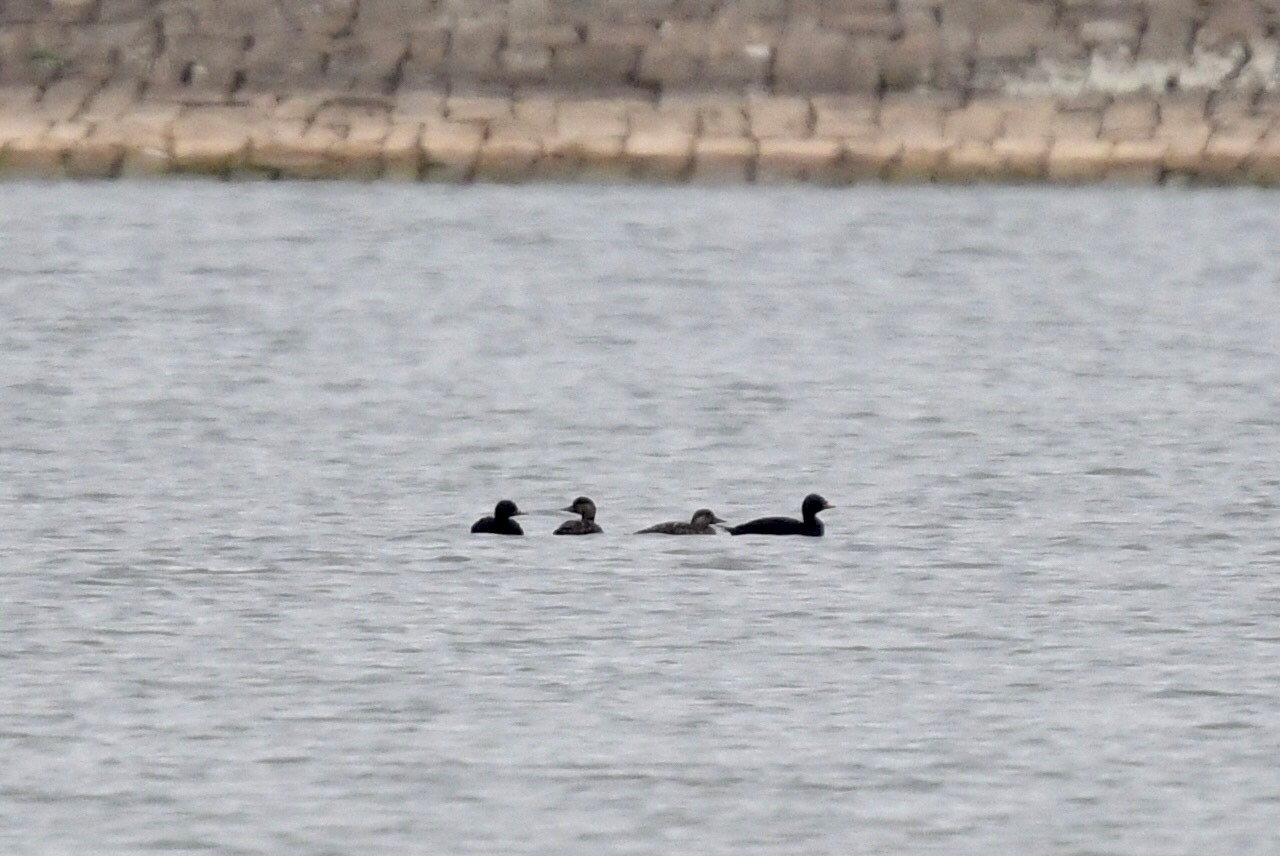
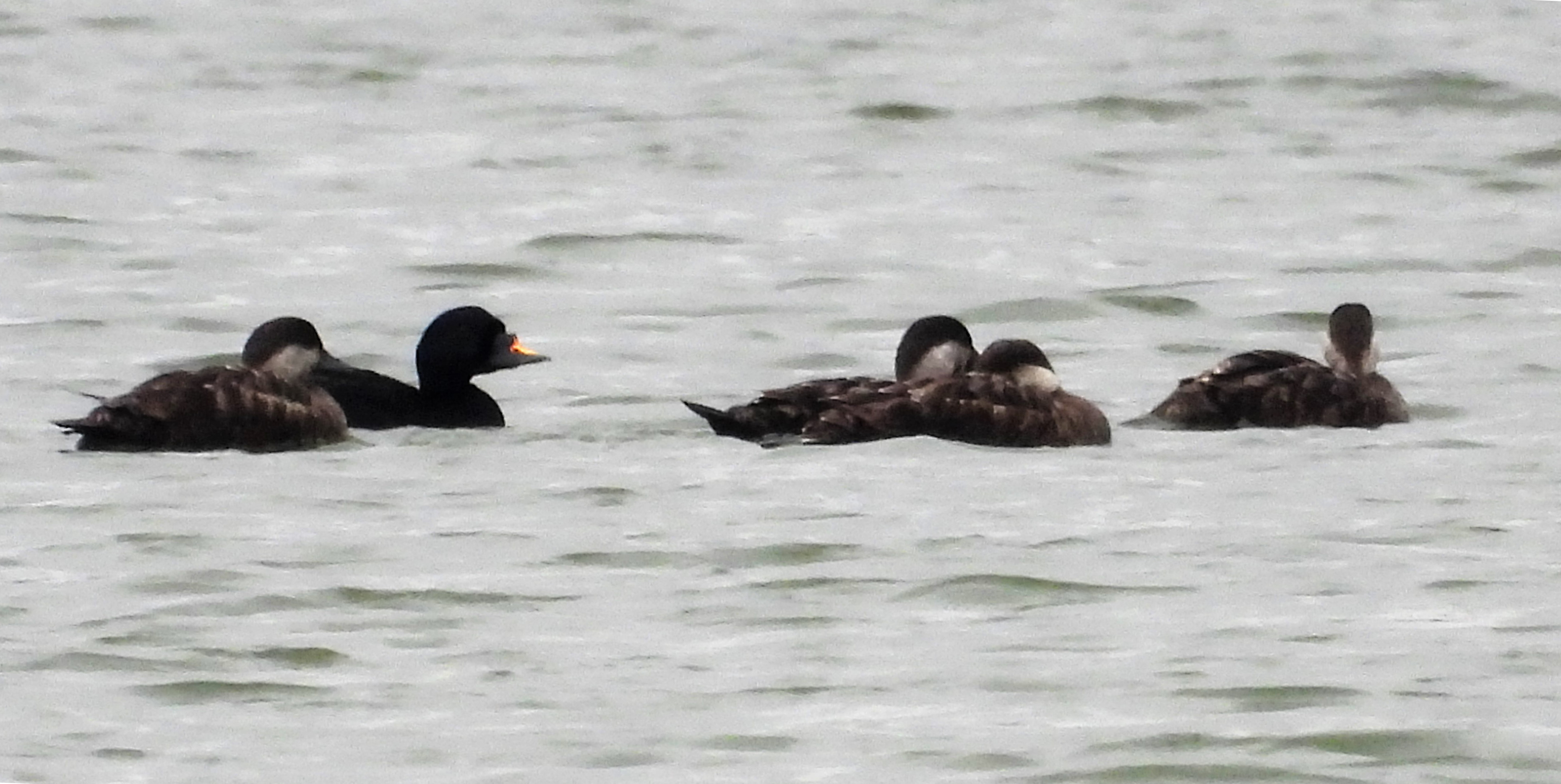
Three Red-crested Pochards this week included one-day eclipse drakes at both Daventry CP and Pitsford Res on 29th and the female at Stanford Res remaining throughout the period. Four Common Scoters made a brief stopover at Hollowell Res on 30th.
Female Red-crested Pochard, Stanford Res, 30th August 2021 (Chris Hubbard)Common Scoters, Hollowell Res, 30th August 2021 (Jon Cook)
Following one at Boddington Res last week another, or perhaps the same, Black necked Grebe was found at Daventry CP on 2nd. It didn’t linger.
Juvenile Black-necked Grebe, Daventry CP 2nd September 2021 (Gary Pullan)
Up to four Cattle Egrets were present throughout the week at Stanwick GP, while four localities produced Great Egrets, with Pitsford holding birds daily, three there on 1st being the highest site total. Elsewhere, singles were at Thrapston GP on 29th and 1st, Summer Leys LNR on 31st and Boddington Res on 2nd.
Stanford produced the week’s only Osprey, on 31st and this week’s crop of Marsh Harriers comprised singles at Hollowell and Ditchford GP on 28th, Pitsford and Stanford on 29th, Earls Barton GP on 30th and Stanwick GP on 1st. With breeding taking place in neighbouring Cambridgeshire and an increasing number of records locally, a breeding attempt here seems on the cards in the near future.
Waders quickly became flavour of the week or, more specifically, a rather showy juvenile Little Stint on Pitsford’s dam, which offered itself up unconditionally to anyone who cared to gaze over the dam wall and click a shutter or two.
Juvenile Little Stint, Pitsford Res, 3rd September 2021 (Sophie Rowell)
With point blank views, for many, this was the wader highlight of the autumn so far – especially when you take into consideration that they are nowhere near as common in the county as they used to be. Since the turn of the century, there have been far fewer autumn records, including a couple of blank years.
Sadly, the trendline is on the downward slide. Astonishing to think that in some previous years there were many more, e.g. in 1998 there was an estimated 91 individuals counted, although that was exceptional. According to BirdLife International, Little Stints are increasing globally so the reason, perhaps, may be that migration routes have changed or, more likely, the lack of suitable habitat in autumn as reservoirs are no longer left to draw down as they once were. This was not, however, the only Little Stint on offer during the week. A juvenile was found at DIRFT 3 in the fading light of 31st – one of three there from 1st until 3rd, although the quality of the viewing conditions was nowhere near comparable to that of the Pitsford bird. All three were still on site at the week’s end.
At the other end of the size range, the period’s only Whimbrel was at Stanwick GP on 30th and single fly-over Curlews were seen at Daventry CP on 31st and 2nd. A trickle of Black-tailed Godwits produced one at Summer Leys between 28th and 30th, increasing to two there on 31st, one at Stanwick on 30th-31st, two flying east over Stanford on 30th and three at Daventry on 2nd. Single Ruffs appeared at Stanwick, Earls Barton GP and Summer Leys – all on 29th, the last of which remained until 31st, while one was at DIRFT 3 on 1st-2nd.
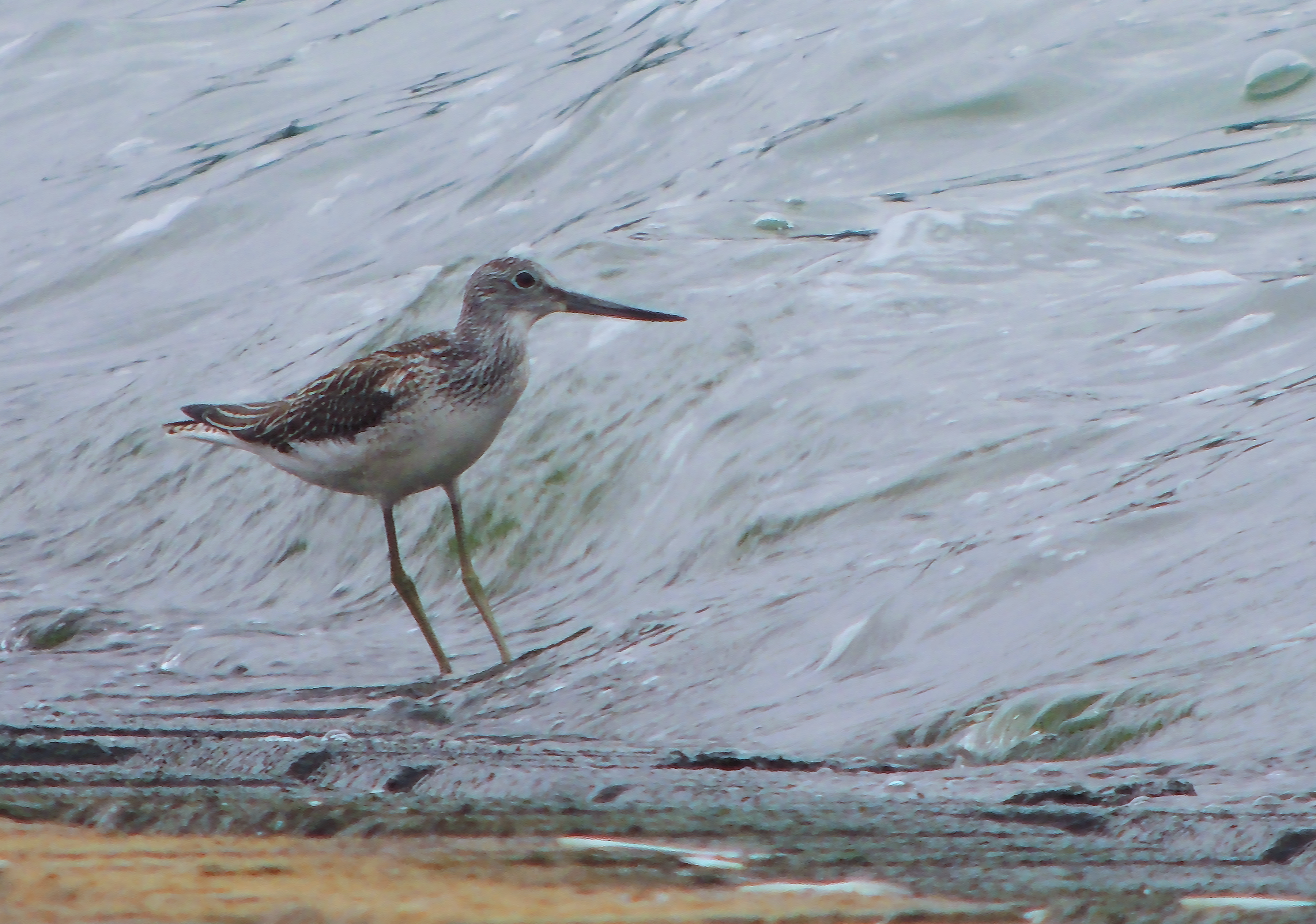
This week it was the turn of Boddington Res to serve up a Spotted Redshank, with an adult there on 31st, while numbers of Greenshanks remained low and included singles at Summer Leys and Pitsford on 28th, two at Daventry CP from 29th until 3rd and one again at Pitsford on 2nd-3rd.
Greenshank, Pitsford Res, 3rd September 2021 (Mike Alibone)
The autumn’s first Little Gull, a juvenile, made a 30-minute stopover at Thrapston GP on 29th, before moving swiftly on, while four Mediterranean Gulls came out of the woodwork this week, appearing at Stanwick on 29th, Boddington on 31st and at Daventry on 2nd and 3rd (two different individuals). All were juveniles or first-winters. This week’s Caspian Gulls were restricted to Stanwick, where there was an adult on 2nd, joined there by another adult the following day while, compared with last week, Yellow-legged Gulls were at a low ebb, with four at Thrapston on 29th, three at Ditchford on 1st and one at Pitsford on 3rd.
Ditchford was also the place to be for anyone hoping to run into a Sandwich Tern, or two, although the timing had to be right to connect with the in-flight duo, picked up heading east over Irthlingborough Lakes & Meadows LNR, on 28th.
The run of early autumn Merlins continued this week, with singles at Blueberry Farm (Maidwell) on 1st, Boddington on 2nd and Pitsford on 3rd.
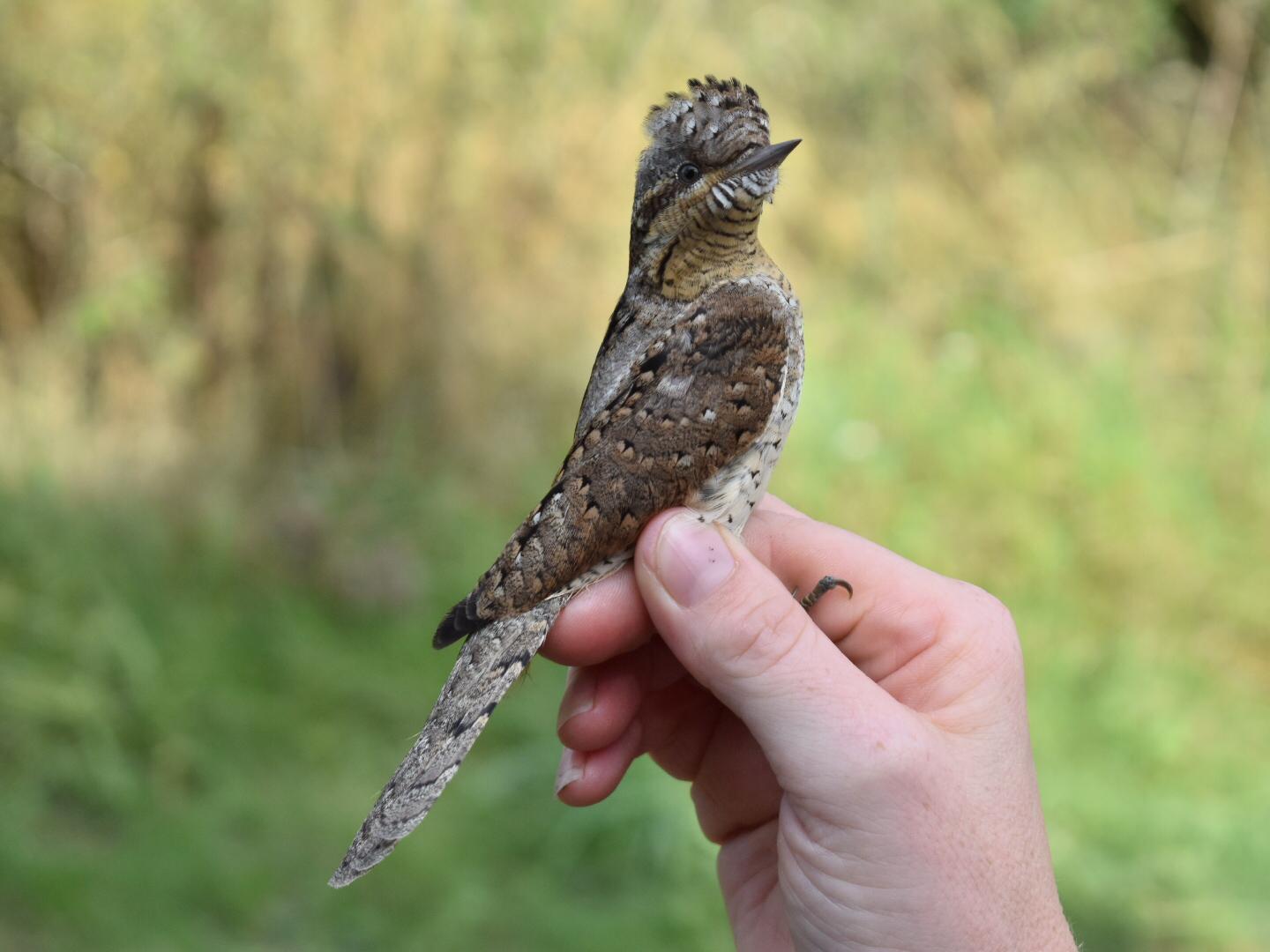
Bird of the week, however – at least for a lucky few – was the wonderfully intricately patterned Wryneck (aren’t they always!) pulled from the net at Stanford on 28th by a suitably chuffed cohort of the Stanford Ringing Group. Not to be sneezed at, this was their third in two years.
Wryneck, Stanford Res, 28th August 2021 (Ewan Turner)Wryneck, Stanford Res, 28th August 2021 (Ewan Turner)
And the group was still on a roll, as far as Common Redstarts was concerned, with nine of the eleven seen on site on 28th-29th trapped and ringed, while just up the road, at Stanford on Avon, three remained from last week. Elsewhere, at least four were between Cold Ashby and Winwick, up to three at Blueberry Farm, several at Braunston, two at Honey Hill and singles at Boddington, Hanging Houghton, Hardingstone GP, Harrington AF, Lamport and Pitsford.
Common Redstart, Cold Ashby, 30th August 2021 (Jon Cook)Common Redstart, Cold Ashby, 30th August 2021 (Jon Cook)
Meanwhile, Whinchat numbers continued to increase, with at least five at Borough Hill between 28th and 1st, up to five at Stanford Res between 28th and 30th, four at Willowbrook Industrial Estate (Corby) on 2nd, two at Blueberry Farm on 1st and singles at Braunston and Welford Res on 28th and at Harrington on 30th.
Whinchat, Borough Hill, 28th August 2021 (Jon Cook)
Northern Wheatears, however, took a bit of a dive. Singles were at Honey Hill on 29th, Harrington from 31st to 2nd and at Blueberry Farm on 1st, while just one Tree Pipit made it into the week, at Borough Hill on 31st.
A cool north-easterly airstream and a haul of passerine migrants characterised the week.
In the battle to produce the most Garganeys, Stanwick GP came out on top, just two days into the period, with five on 22nd, otherwise it was between one and three birds there on a daily basis. Rival, Daventry CP, mustered two on 23rd-24th and singles on 22nd and 26th. Both of last week’s two Red-crested Pochards – the female at Stanford Res and the eclipse drake at Pitsford – made it into this week, with the drake still present on 21st and the female remaining throughout the period.
Appearing unsettled and fidgety, a Black necked Grebe – the first of the autumn – slid into Boddington Res on the evening of 25th. Unsurprisingly, it was nowhere to be seen the following day.
Cattle Egrets, Stanwick GP, 25th August 2021 (Steve Fisher)
Keeping up appearances, Cattle Egret numbers leapt to three, two adults and a juvenile, at Stanwick between 25th and 27th, the same site producing a Great Egret on 26th, followed by two there the next day. In a better showing than last week, this average white band appeared at three further sites – Hollowell Res, Pitsford (two) and Summer Leys LNR.
Great Egret, Summer Leys LNR, 26th August 2021 (Paul Crotty)
Thrapston GP produced the week’s only Osprey, an obligingly showy individual atop a pylon close to Elinor Trout Lake, on 23rd-24th. Other raptors were available and were represented by Marsh Harriers at Pitsford on 24th, Stanford on 25th-26th and Stanwick on 26th
Adult Osprey, Thrapston GP, 22nd August 2021 (Nick Parker)
Waders continued to trickle through at selective sites although, across the board, there has been virtually no further drop in local water levels conducive to producing decent numbers, or tempting long stays. Even Hollowell, normally with mud aplenty by late August, is disappointingly high. A Curlew flew east at Boddington Res on 22nd and two were at DIRFT 3 on 24th, while further large waders in the shape of Black-tailed Godwits appeared at Daventry on 26th, followed by three at Stanwick the next day.
Juvenile Knot, Summer Leys LNR, 22nd August 2021 (John Bass)
A juvenile Knot was found at Summer Leys on 22nd, remaining until the following day and up to two Ruffs were at the same site throughout, while two also paid a brief visit to DIRFT 3 on 22nd and one was at Pitsford Res on 26th.
Juvenile Ruff, Summer Leys LNR, 27th August 2021 (Mark Tyrrell)
Last week’s Spotted Redshank remained at Daventry until 23rd, while three put in a frustratingly brief appearance at Summer Leys, before flying off, on 22nd and Greenshanks continued to remain scarce, with twos at Clifford Hill GP and Daventry on 23rd and 24th, respectively and one was at Stanwick on 27th.
The latter site was again the place to be for gulls, producing the autumn’s second-highest count of thirty-one Yellow-legged Gulls on 21st, with further double-figure counts of seventeen on 25th and ten on 26th. Two additional sites produced smaller numbers, including three at Pitsford Res on 22nd and two at DIRFT 3 on the same date, the latter found among the same loafing flock as a second-summer Caspian Gull on the same date. An adult Caspian also put in an appearance at Stanwick on 27th.
In what has turned out to be a rather disappointing year, so far, for Black Terns, two juveniles were found at Clifford Hill on 22nd, with at least one remaining the following day.
On dry land, then … a Short-eared Owl was reported from the Brampton Valley, between Cottesbrooke and Hanging Houghton on 26th and a Merlin was seen between Farndon and Great Oxendon on 21st.
And we begin an eclectic mix of passerines with last week’s early Redwing still at Stanford on 23rd, this site also top of the leaderboard for Common Redstarts, which have been found at an impressive thirteen localities this week. Twelve birds were trapped and ringed at Stanford between 24th and 27th, while maximum counts of birds seen elsewhere are as follows: four at Blueberry Farm, Maidwell, three or four at Braunston, threes at Harrington AF and at Stanford on Avon, twos at Duston and Honey Hill, one or two at Hinton AF, and singles at Hardingstone GP, Lamport, Lilbourne Meadows LNR, Stortons GP and Welford Res.
Male Common Redstart, Honey Hill, 22nd August 2021 (Jon Cook)Common Redstart, Stortons GP, 23rd August 2021 (Tony Stanford)
Whinchats also picked up this week, with Harrington AF holding up to two between 22nd and 25th, two at Welford Res on 26th-27th, one trapped and ringed at Stanford on 25th, singles at Duston and Pitsford Res on 26th and one at Hinton AF on 27th.
Whinchat, Welford Res, 27th August 2021 (Mike Alibone)
Happily following suit, Northern Wheatears also stepped up to the mark, with twos in the Brampton Valley and at Hinton AF on 26th and 27th, respectively and singles at Blueberry Farm on 21st, Harrington AF on 22nd and 24th, near Boughton on 22nd, at Boddington Res, Duston and Quinton on 26th and at Welford Res on 27th.
Northern Wheatear, Welford Res, 27th August 2021 (Mike Alibone)
And it wouldn’t be late August without the odd Tree Pipit or two, would it? Singles were reported in flight from Harrington AF and at Stanford – both on 24th
The westerly airstream and associated unseasonally dull weather throughout the period likely had little or no bearing on the assortment of birds on offer this week and there were few – if any – surprises.
Decidedly dodgy ducks or, more correctly, iffy wildfowl in general, included what is presumably the same Pink-footed Goose as the one at Pitsford Res back in June and July, fresh out of the woodwork at Ravensthorpe Res on 20th. And sharing a similarly suspect origin, as some would no doubt say, a female Ruddy Shelduck appeared at DIRFT 3’s A5 Pools on 19th. In fact, it is logical to assume this is the same returning individual as the one which favoured the north-west of the county and Hollowell Res in particular, from 29th May 2019 to 1st February 2020 and again from 7th June 2020 to 2nd February 2021. Where does it go from late winter to early summer? The UK status of this species is currently under review by the BOURC, so watch this space …
Female Ruddy Shelduck, DIRFT 3, 19th August 2021 (Mike Alibone)
Meanwhile, last week’s Garganey at Stanwick GP chalked up another seven days’ stay, remaining there until 20th, as did both of last week’s two Red-crested Pochards – the female at Stanford Res and the eclipse drake at Pitsford. Also at Stanwick, a one-day bird showing characteristics of Ferruginous Duck on 19th but it departed before any conclusive views were obtained … and a curt reminder not to forget the continued presence of the presumed Chiloe Wigeon x Crested Duck hybrid at Summer Leys LNR was provided when it popped up again at the reserve on 18th.
Presumed Chiloe Wigeon x Crested Duck hybrid, Summer Leys LNR, 17th August 2021 (Tony Stanford)
In a nod to conformity, a Cattle Egret put in an appearance at Stanwick on 16th, while the only Great Egrets this week were found at Pitsford, where up to four were present between 14th and 19th.
This week’s raptors were limited to Marsh Harriers, with singles reported at both Harrington AF and Thrapston GP on 17th and in the Brampton Valley and south-west over Stanford on 20th.
With ideal wader habitat at a premium, this week’s crème de la crème was a juvenile Spotted Redshank which, having been found on 17th, saw out the remainder of the period at Daventry CP, while last week’s Wood Sandpiper at Stanwick remained until 16th. The latter time and place also produced the week’s only Greenshank and the only Black-tailed Godwits – two – were again at Stanwick on 14th. Single Curlews were also there on 16th and in flight over Stanford on 19th, when two also flew over Thrapston GP. Two sites produced Ruffs, with one at Pitsford on 17th and two at Summer Leys on 19th.
Juvenile Ruff, Summer Leys LNR, 19th August 2021 (Ricky Sinfield)
Back to Stanwick, which was the place to be for this week’s Caspian Gulls. Single adults were present on 16th and 20th and a ‘near-adult’ was there on 16th, while a first-summer was found at DIRFT 3 on 14th. The latter site delivered the highest count of this week’s Yellow-legged Gulls, with fifteen there, also on 14th, followed by ten at Stanwick on 16th. Five other sites produced smaller numbers, ranging from one to four, at Corby, Pitsford, Ravensthorpe, Stanford and Thrapston, on and off, throughout.
Yellow-legged Gull, Willowbrook Industrial Estate, Corby, 15th August 2021 (James Underwood)Yellow-legged Gull, Ravensthorpe Res, 15th August 2021 (Paul Crotty)
To kick off this week’s passerines, an early Redwing found itself in the photographic limelight at Stanford on 16th. This is the earliest ever to be logged in autumn in Northants, beating the previous record, two at Pitsford on 15th September 1990, by a clear month.
Meanwhile, the autumn run of Common Redstarts continued, with an impressive nine sites producing at least eighteen birds. The most at any single locality was four at Stanford on Avon on 16th, while maxima at other sites comprised three at Harrington AF, at least two near Old, two at Blueberry Farm, Maidwell, two at Lilbourne Meadows NR, two at Stanford Res (including a juvenile trapped and ringed on 14th) and singles in the Brampton Valley, at Clifford Hill GP and at Lamport.
By contrast, however, there were far fewer Whinchats, with two at Harrington AF on 17th and 20th and one in the Brampton Valley on 16th, where an unspecified number of Stonechats was also reported on 20th. Northern Wheatears were also in relatively short supply, with one in the Brampton Valley on 16th, two there on 20th, one at Harrington between 17th and 20th and one at Pitsford on 18th.
Another unsettled week, again largely influenced by Atlantic low pressure systems. Nevertheless, migration continued apace and a number of ‘autumn firsts’ put in appearances during the period.
Still settled at Stanwick GP, last week’s Garganey remained until at least 12th, being joined by another on 9th and 10th.
Garganey, Stanwick GP, 8th August 2021 (Adrian Borley)
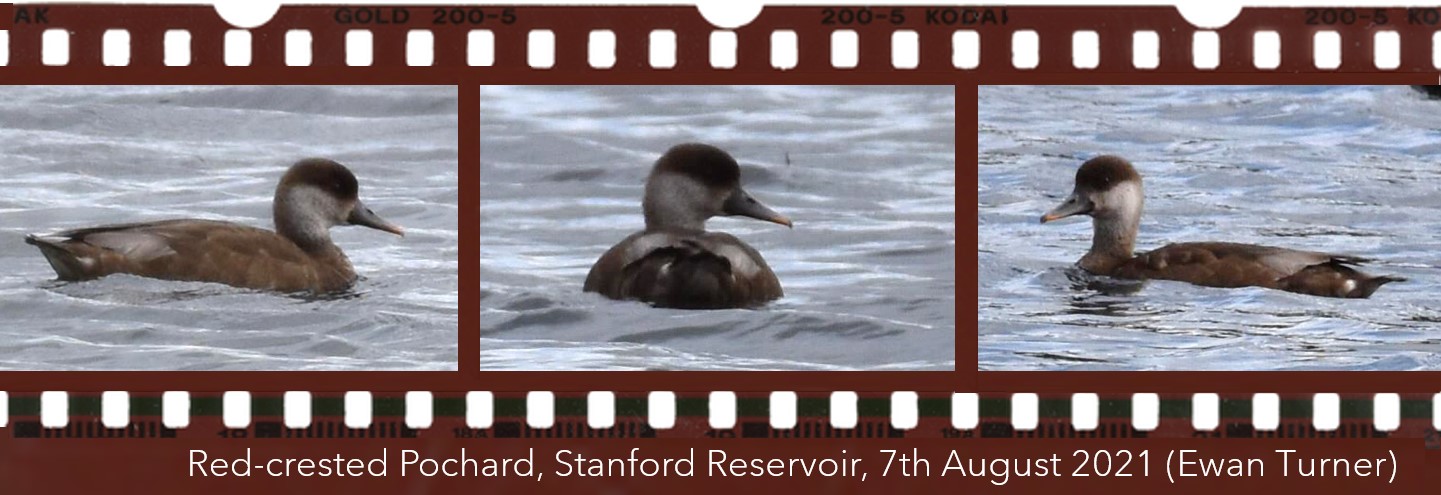
But the ducks-deluxe slot was filled this week by two Red-crested Pochards – a female at Stanford Res throughout the period and an eclipse drake at Pitsford Res from 11th until 13th. They have been uncharacteristically scarce this year, with January duos at Pitsford and mobile between Kislingbury GP and Stortons GP, followed by just one at Clifford Hill GP on 4th March.
Female Red-crested Pochard, Stanford Res, 7th August 2021 (Ewan Turner)
An escaped Fulvous Whistling Duck at Sulby Res/Welford Res also provided a modicum of interest on 8th.
Two Quails were reported from Harrington AF on 10th.
Great Egrets were limited to one at Stanford on 10th and Pitsford holding up to four throughout the week, while it looks like our recent Cattle Egret colonisation has ground to a halt, with Bedfordshire proving more attractive to them this year.
Great Egret, Pitsford Res, 13th August 2021 (Tony Stanford)
A tidy showing of raptors this week featured multiple Ospreys, which included two at Pitsford and one at Stanford on 10th, three high over Cottesbrooke on 11th, plus two at Hollowell Res and one at Pitsford on 12th. And, as is the way with August, a run of pristine juvenile Marsh Harriers continued with singles at Summer Leys on 8th and 10th-11th and at Pitsford on the same dates.
On the wader front, Black-tailed Godwits continued to trickle through in small numbers, which included singles at Summer Leys LNR and Clifford Hill on 7th and 8th, respectively and seven at Stanwick GP on the last of these two dates. A single Curlew was at DIRFT 3 A5 Pools on 10th, the same date delivering the autumn’s first Turnstone, which put in a brief appearance on Pitsford’s causeway. Despite a blank last week, the county’s so far excellent run of Wood Sandpipers continued with singles at DIRFT 3 on 10th and at Stanwick on 12th-13th. Conversely, it’s been poor as far as Greenshank numbers are concerned with, this week, just three flying through at Daventry CP on 12th.
Meanwhile, a juvenile Caspian Gull found at Stanwick on 8th piqued interest at both local and international levels as it bore a ring inscribed 686-U, allowing it to be traced to a scheme indicating it had been ringed as a pullus on 31st May 2021 at Dynin (lhota), Jihocesky. Kraj, in the Czech Republic. A great record of a true Eastern European migrant, having travelled a distance of 1128 km in its first couple of months.
Other Caspians were also available, however, with a ‘near-adult’ also visiting Stanwick daily between 7th and 10th, an adult at Pitsford on 8th and a second-summer there on 9th, plus an adult at DIRFT 3 on 10th.
Adult Caspian Gull, DIRFT 3, 10th August 2021 (Mike Alibone)
Unsurprisingly, Stanwick also accounted for the lion’s share of this week’s Yellow-legged Gulls, with at least twenty there on 7th, this number having dwindled to eight by the end of the period. Three other sites produced smaller numbers, with six at Harrington AF on 7th, two at DIRFT 3 on 8th and four on 10th, and three at Pitsford on 9th with one on 10th.
The first of the autumn’s Black Terns appeared at Pitsford on 12th, when two adults were found in Scaldwell Bay, while another autumn first – a Merlin – flew over Harrington AF on 9th.
To passerines … and Common Redstarts continued to feature strongly this week, with the long-staying female, again accompanied by the male, remaining at Lilbourne Meadows LNR throughout. Elsewhere, Harrington produced one on 7th and four on 9th, Blueberry Farm, Maidwell held two on 8th and three on 10th, singles were at Pitsford on 10th and Stanford on 12th and the week closed with two at Honey Hill on 13th.
Female Common Redstart, Lilbourne Meadows NR, 10th August 2021 (Mike Alibone)Male Common Redstart, Honey Hill, 13th August 2021 (Jon Cook)
Two Whinchats were reported from Pitsford on 10th, while single Northern Wheatears were at Harrington on 9th and 13th, Pitsford on 10th and at both Borough Hill and Welford Res on 12th.
With temperatures a touch below average, the week shaped up to be rather unsettled, with low pressure systems feeding cooler Atlantic air into the UK. Migrants continued to trickle through in small numbers but the period was otherwise uneventful.
The sole wildfowl representative of the week can be summed up in a single word: Garganey. One was on show at Stanwick GP from 31st until at least 5th and last week’s Daventry CP bird was still present on 1st.
Just one Cattle Egret was present at Stanwick GP on 2nd-3rd, while Pitsford Res produced a Great Egret on 31st plus two there on 4th and singles also visited Summer Leys LNR on 1st and Blatherwycke Lake on 5th.
After no reports at all last week, Ospreys made a bit of a comeback, with single birds at Stanford Res on 2nd, over Cottesbrooke on 3rd, Pitsford on 4th and at both Deene Lake and Hollowell Res on 5th.
Juvenile Osprey, Hollowell Res, 5th August 2021 (Jon Cook)
Hollowell also produced an early morning Marsh Harrier on 3rd – they are rarely recorded from this site – and further individuals were seen briefly at Stanford on 2nd and Thrapston GP on 4th.
Juvenile Marsh Harrier, Hollowell Res, 3rd August 2021 (Jon Cook)Juvenile Marsh Harrier, Hollowell Res, 3rd August 2021 (Jon Cook)
Last week’s Harris Hawk remained in Duston, Northampton on 1st, local intel revealing that it has escaped from a Daventry-based falconer and has been on the loose for the last twelve months!
On the wader front, Black-tailed Godwits dominated the week’s proceedings, with eight at Clifford Hill GP on 31st followed there by four on 6th. Elsewhere, six flew over Stanford on 31st and one was at Daventry CP on 1st. Curlews away from breeding sites were limited to two at DIRFT 3 A5 Pools on 31st and 3rd and a Ruff was also present there on 4th. Greenshank numbers were again surprisingly low, with just one at Stanford on 4th.
As we head into autumn proper, gull numbers are visibly on the up and, among them, the first juvenile Mediterranean Gull of the season appeared at Stanwick on 2nd. A count of thirty-two Yellow-legged Gulls at the latter site on 5th was considered to be conservative as prolific late summer vegetation on site considerably hampered viewing of some four to five hundred large gulls there at the time. Smaller numbers elsewhere throughout the period included up to eleven at DIRFT 3, up to three at Pitsford and one at Daventry. This week’s Caspian Gulls were equally divided between DIRFT 3 and Stanwick, the first of these two sites providing two different adults on 1st and 3rd – the latter bearing a German ring. Stanwick’s two consisted of a third- or fourth-summer from 3rd to 5th, joined by an adult there on the latter date.
Adult Caspian Gull, DIRFT 3, 1st August 2021 (Mike Alibone)German-ringed adult Caspian Gull, DIRFT 3, 3rd August 2021 (Mike Alibone)
To passerines … and four sites produced Common Redstarts this week, starting off with the long-staying female remaining at Lilbourne Meadows LNR until at least 4th. Elsewhere, up to three were seen at Blueberry Farm throughout the period, as was the same number at Harrington AF, where three were trapped and ringed on 2nd, and two were at Lamport on 5th. Other passerines reported were two Whinchats in the Brampton Valley below Hanging Houghton, between 2nd and 4th and one at nearby Blueberry Farm on 5th and, hot on the heels of last week’s first, came more Northern Wheatears.
Northern Wheatear, Harrington AF, 3rd August 2021 (David Smith)
One was in the Brampton Valley on 2nd and 4th, one lingered at Harrington AF from 3rd to 6th and one was found at Blueberry Farm on 5th.
An unsettled week with frequent heavy showers finished with Storm Evert on the back of an Atlantic low as it tracked east across the country. However, it was the middle day of the period which shaped up nicely, as a long-awaited county ‘first’ magically appeared for one lucky observer – and then it was gone …
Meanwhile … The token Garganey of the week put in an appearance at Daventry CP on 26th, while hybrid fans should note the continued presence of the Chiloe Wigeon x Crested Duck at Summer Leys LNR on 27th. Arguably, best of the wildfowl bunch, though, were five Common Scoters at Ringstead GP on 25th – a site which has enjoyed occasional records in the past.
Common Scoters, Ringstead GP, 25th July 2021 (Leslie Fox)
Up to two Cattle Egrets were at Stanwick GP between 25th and 27th, while up to two Great Egrets were at Pitsford Res during the same period and singles were at Thrapston GP on 25th, Summer Leys on 27th and Earls Barton GP on 29th.
Great Egret, Summer Leys LNR, 27th July 2021 (Tony Stanford)
In a surprisingly Ospreyless week, a Marsh Harrier was reported from Harrington AF on 29th but perhaps more impressive for some was the back garden appearance of a Harris Hawk in Duston, Northampton on 26th, hopefully now winging its way back to its rightful owner.
Harris Hawk, Duston, Northampton, 26th July 2021 (Duncan Cookson)
Another week, another Wood Sandpiper – this one lingering at Summer Leys from 27th to 29th. Otherwise, waders were limited to sixteen drop-in Black-tailed Godwits at Summer Leys on 28th, with two and one at Stanwick GP on 25th and 30th respectively, plus a Greenshank there on 27th.
Black-tailed Godwits, Summer leys LNR, 28th July 2021 (Ricky Sinfield)
On the gull front, DIRFT 3, as usual, delivered the most Caspian Gulls, with a second-summer on 25th, a fourth-summer on 27th and an adult on 27th-28th. Elsewhere, a third- or fourth-summer visited Stanwick on 29th and 30th and an adult was at Welford Res on the latter date.
Third- or fourth-summer Caspian Gull, Stanwick GP, 30th July 2021 (Steve Fisher)
Yellow-legged Gulls became more widespread as the late summer build-up began. The highest total was around fifteen at Stanwick on 30th, with between six and nine there in the preceding days. DIRFT 3 produced eight on 27th, with lower numbers on other dates during the week while, elsewhere, Thrapston GP held five on 27th, up to four were at Pitsford between 24th and 27th, two visited Ringstead on 25th and singles were at Clifford Hill GP on 26th and Stanford Res on 30th.
Third-summer Yellow-legged Gull, DIRFT 3, 30th July 2021 (Mike Alibone)
However, none of this week’s gulls came anywhere close to matching this week’s incontrovertible biggie. Long awaited, though completely unexpected may almost be a contradiction in terms but it fittingly describes the appearance of Northamptonshire’s first-ever Gull-billed Tern as it flew rapidly past an astounded Steve Fisher at Stanwick, early on 27th. Seen well at point blank range, it was all over in seconds as the bird flew directly away, over the Main Lake and on to who knows where, as it headed south-west along the Nene Valley, toward Ditchford and beyond … Frenetic observer activity ensued as the chain of gravel pits along the valley was immediately checked … in vain. This was never the way it was supposed to happen, the bird failing to do the decent thing of lingering for at least a few hours in order for the locals to catch up with it. Arguably overdue in the county, Gull-billed Tern has occurred in the neighbouring counties of Cambridgeshire, Oxfordshire and Warwickshire plus other Midlands counties of Derbyshire, Nottinghamshire, Shropshire, Staffordshire and Worcestershire. How long will the wait be for the next in Northants?
To passerines and five sites produced Common Redstarts this week, starting off with the long-staying female again throughout the period at Lilbourne Meadows LNR, being joined by a male there from 25th until the week’s end. Elsewhere, up to three – possibly four – were at Harrington AF all week, up to three at Blueberry Farm, Maidwell between 28th and 30th and singles were at Honey Hill on 24th and Old on 29th.
Male Common Redstart, Lilbourne Meadows LNR, 25th July 2021 (Jon Cook)Male Common Redstart, Lilbourne Meadows LNR, 28th July 2021 (Mike Alibone)
The only other migrant passerine of note was a Northern Wheatear which turned up at DIRFT 3 on 30th, hopefully the first of many more to come this autumn.