
Continuing mild weather was the order of the week, with local temperatures hitting a high of 13°C on 2nd. There was even a touch of avian spring as two species of wader were back at potential breeding sites in two river valleys during the period.
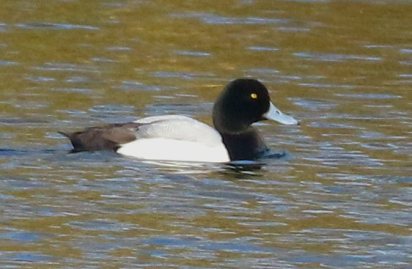
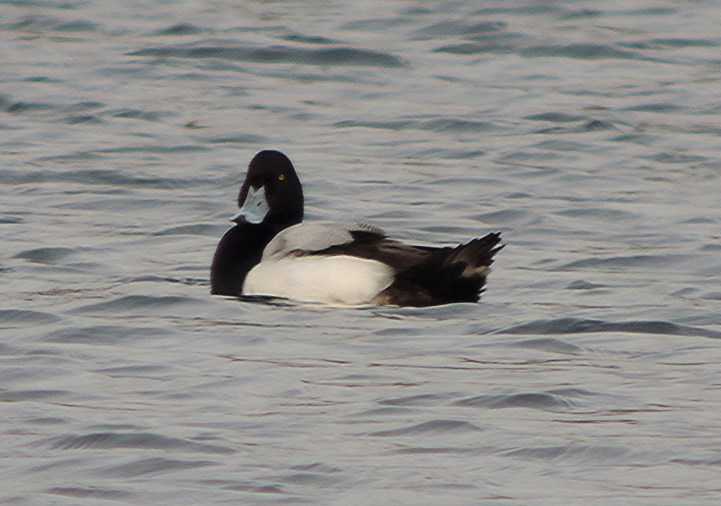
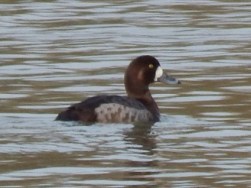
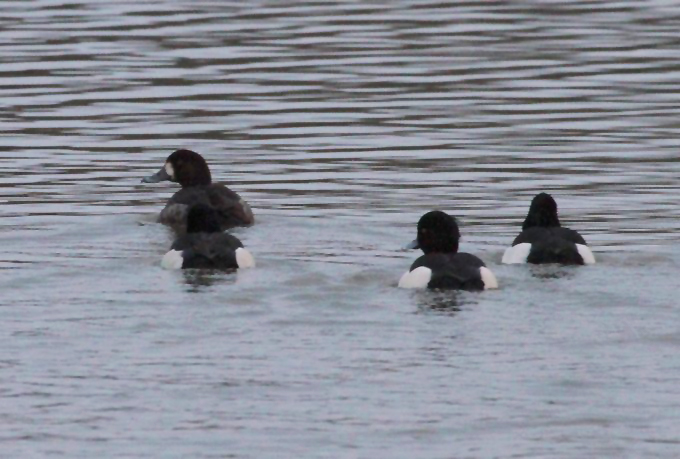
Hollowell Res’ female Ruddy Shelduck again made it into the week, still present there on 1st, while last week’s Greater Scaups – the two first-winter drakes at Clifford Hill GP and the female at Stanwick GP – remained firmly in place throughout.
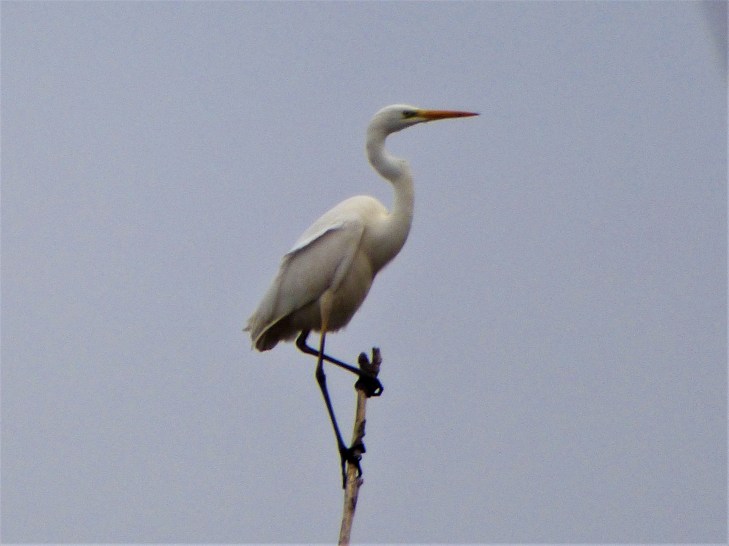
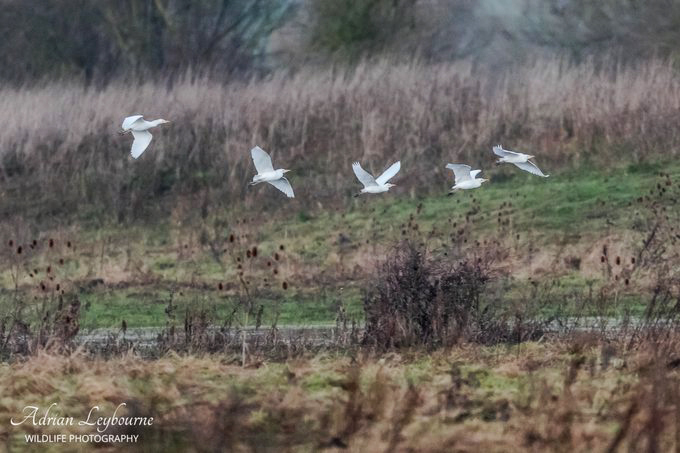
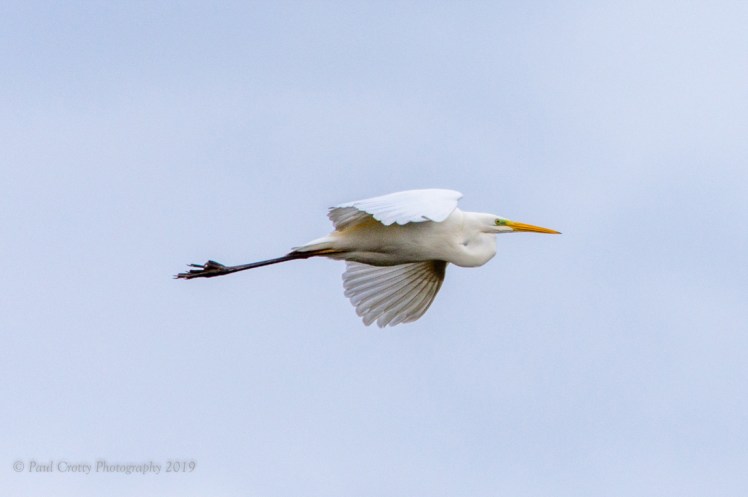
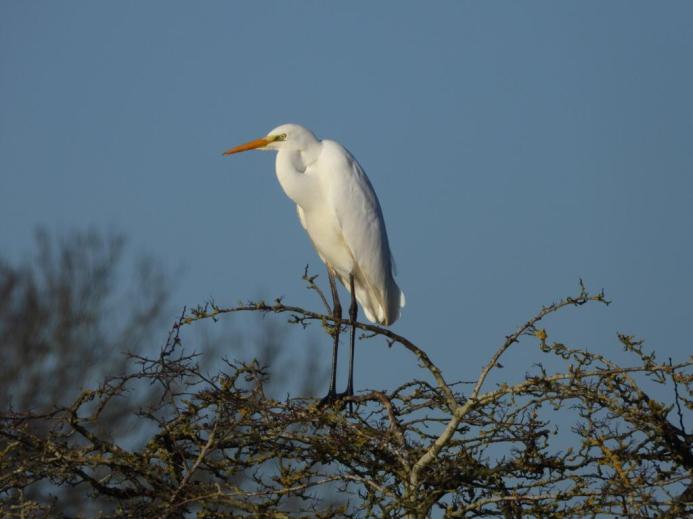
A quick check of Ditchford GP’s Chester House Lake revealed the five Cattle Egrets to be all present and correct on 6th and 7th, along with a Great Egret and several Little Egrets on the same body of water – a sight which would never have been envisaged a couple of years ago. Great Egrets remained at seven localities, with a maximum of four at Stanwick on 6th.
A dearth of raptors saw just a ‘ringtail’ Hen Harrier hunting over ploughed fields alongside the A605 near Warmington on 1st.
On a cursory note, a couple of waders provided a ‘heads up’ that spring is just around the corner as Oystercatchers returned to the Nene Valley at Thrapston GP on 6th and Clifford Hill the following day, while a Curlew was bubbling away in south Northants on 5th. A locally unseasonal Dunlin was found at Daventry CP on 4th while, more in keeping with winter, Hollowell produced a high total of nine Jack Snipe on 1st.

Gull numbers picked up significantly from last week, at last including the first ‘white-winger’ of the winter. Single adult Mediterranean Gulls visited Daventry CP on 4th and 7th, Boddington Res on 5th and Stanford Res on 7th, when a third-winter Glaucous Gull was also found in the roost there. Earlier in the week it had been seen at nearby Shawell, just over the border in Leicestershire. Three Caspian Gulls – two adults and a third-winter – were at Rushton Landfill on 6th and an adult Yellow-legged Gull visited at Daventry on 4th.
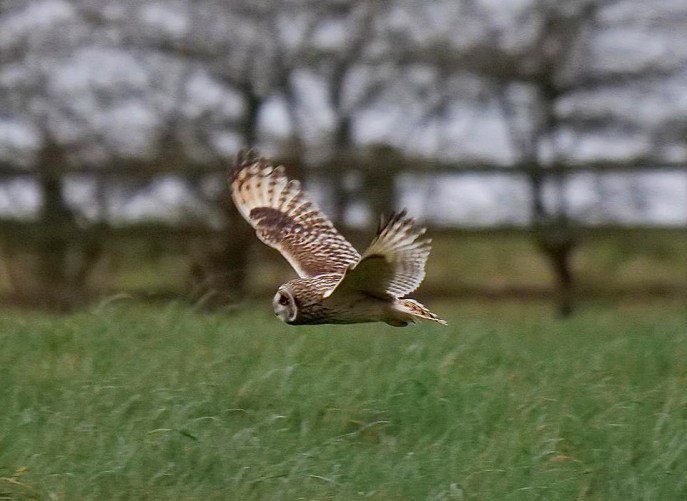
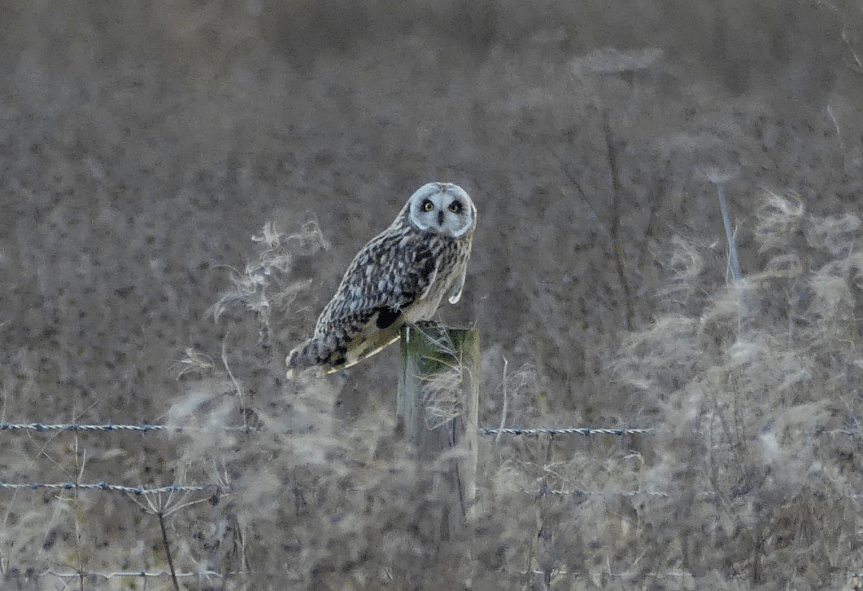
There was no change on the Short-eared Owl front, last week’s four localities continuing to host birds seemingly eager to perform to a steady stream of appreciative onlookers. Borough Hill, topping the bill for both popularity and numbers, produced four, Stanford three and Harrington AF and Neville’s Lodge (Finedon) one apiece.


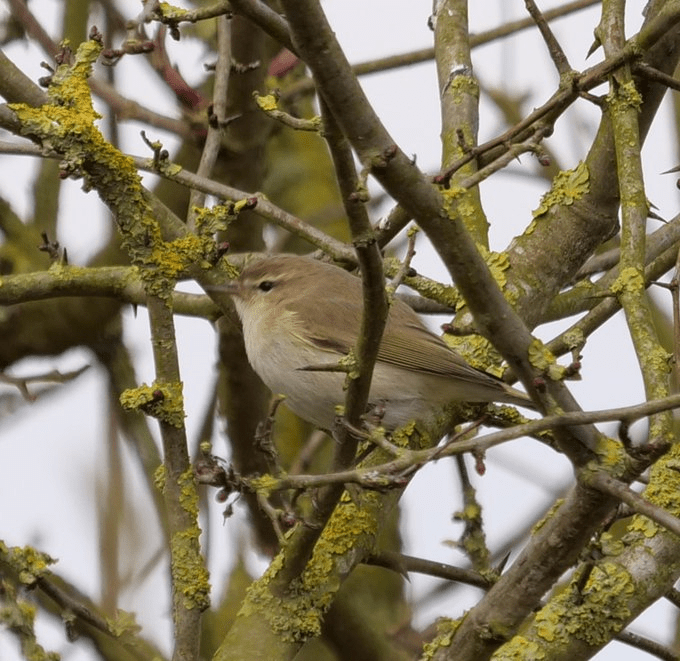
Ecton SF hung on to at least one Siberian Chiffchaff throughout and up to two more were discovered with up to eight Common Chiffchaffs at the nicely compact and insect-rich location of Islip STW on 3rd-5th. This (sub)species is probably commoner in winter than we think, although it would appear there are both good and bad winters as far as numbers nationally are concerned. Sewage works are a favoured winter habitat.

After last week’s Black Redstart in Corby, another was found in the much more easily accessible location of Oundle Church on 6th and it was still present there the following day, albeit after several hours’ absence. Sunday’s churchgoers could be in for a bonus … manna from heaven, maybe?


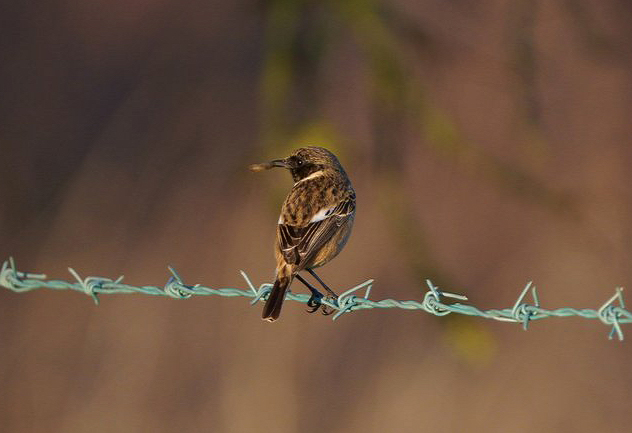
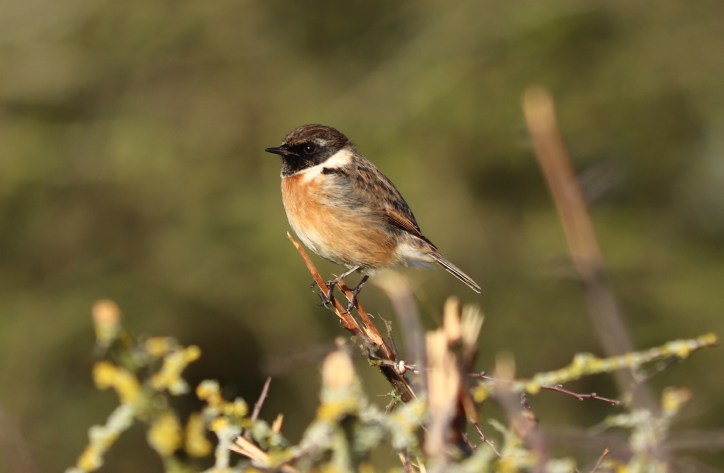
Stonechats were recorded at five sites, which included Borough Hill, Hollowell, Stanford, Thrapston and Barton Seagrave, with a maximum of three at Hollowell on 1st.





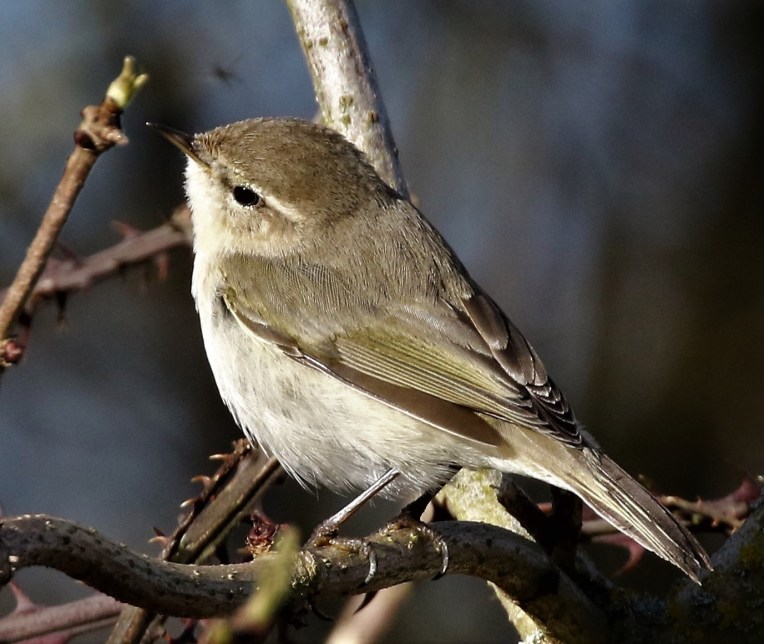


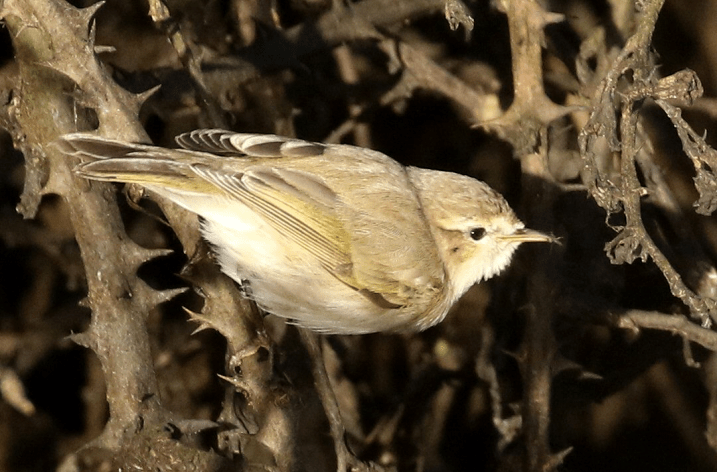




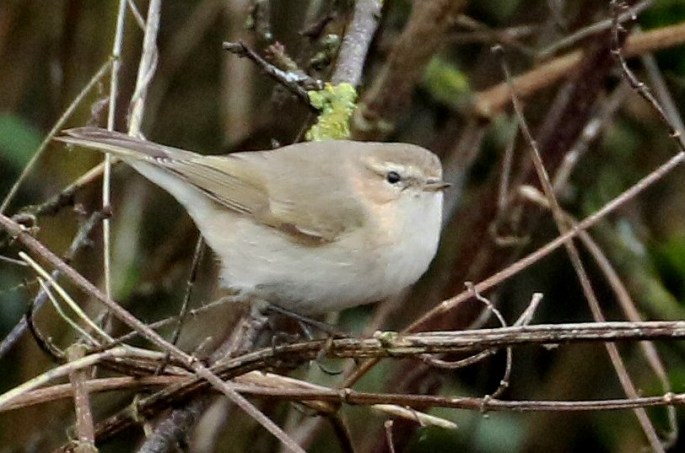

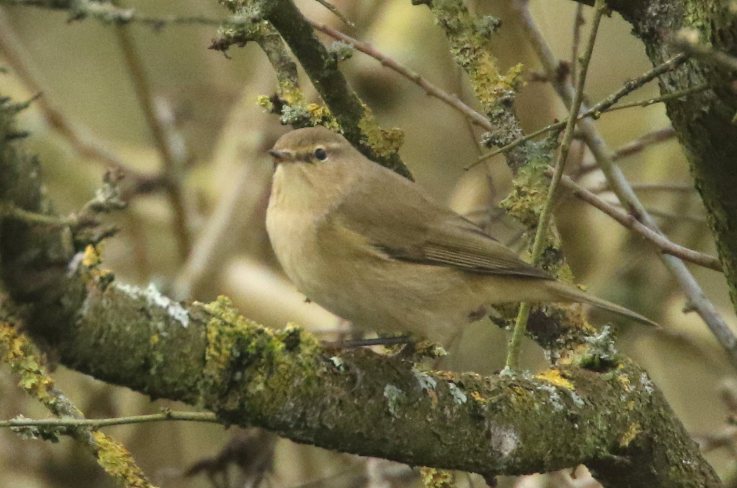
 Siberian Chiffchaff is an almost annual visitor to the county, averaging 1.6 records per year over the last two decades, with more recorded on passage during November than in any other month.

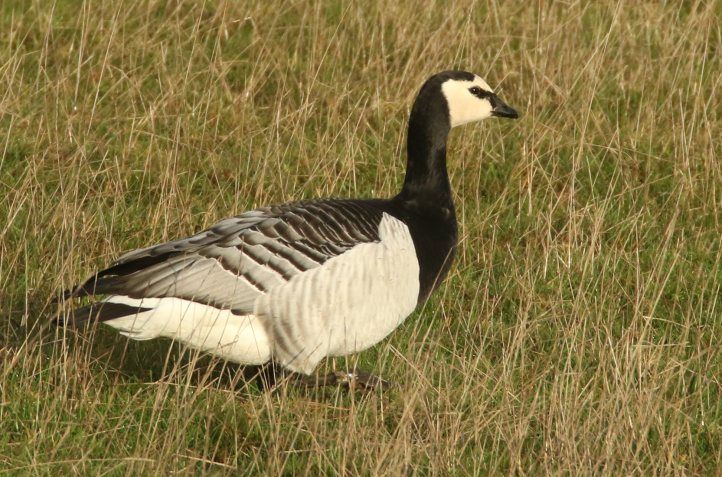
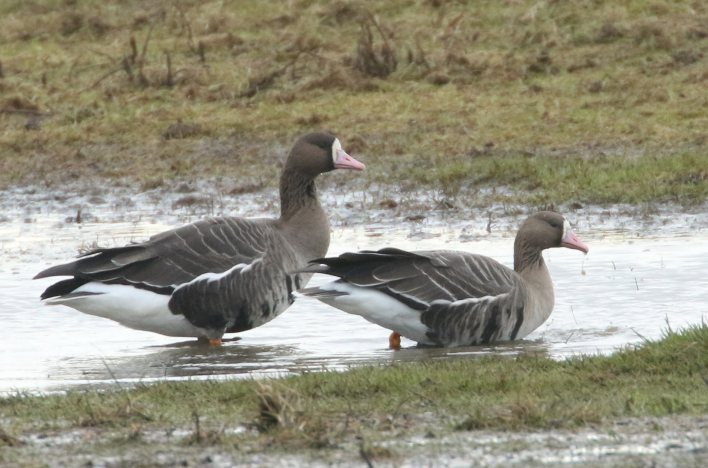


 The week kicked off with the winter solstice, the 24-hour period with the fewest daylight hours of the year. Not that there was anything new to be missed during this year’s shortest day and, despite being the holiday season, birding activities across both county and country were understandably curtailed by mid-week festive celebrations. Wildfowl took centre stage during the period, although Cattle Egrets made a welcome return after a prolonged absence.


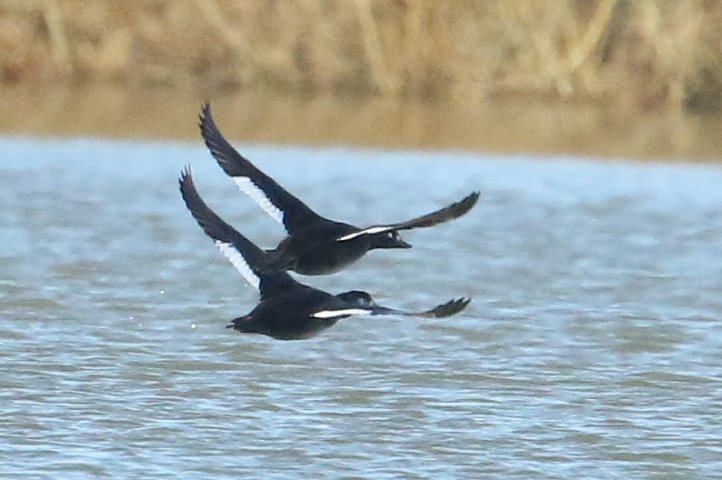


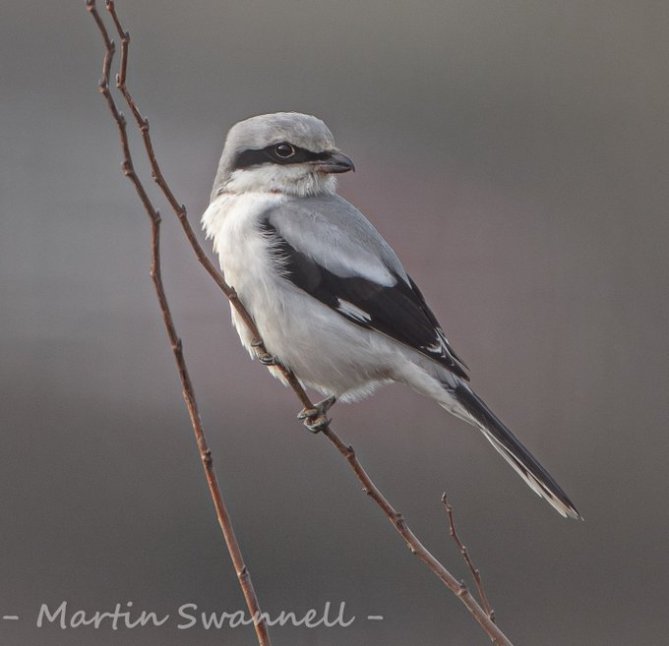
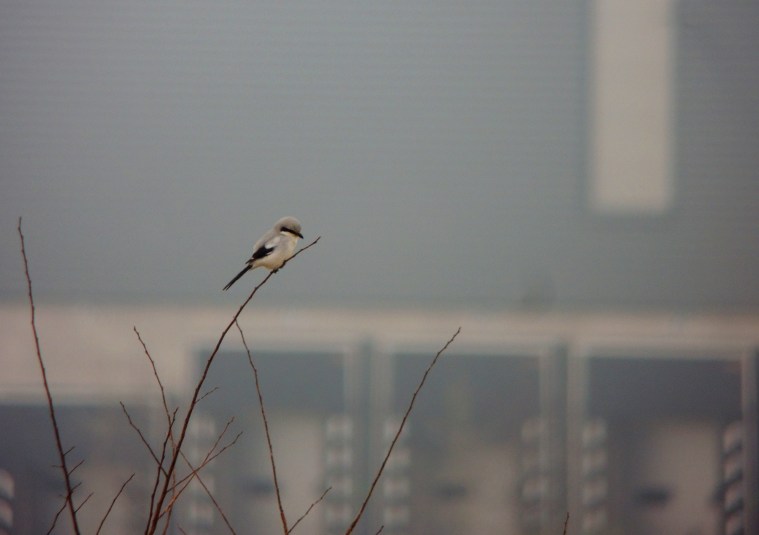
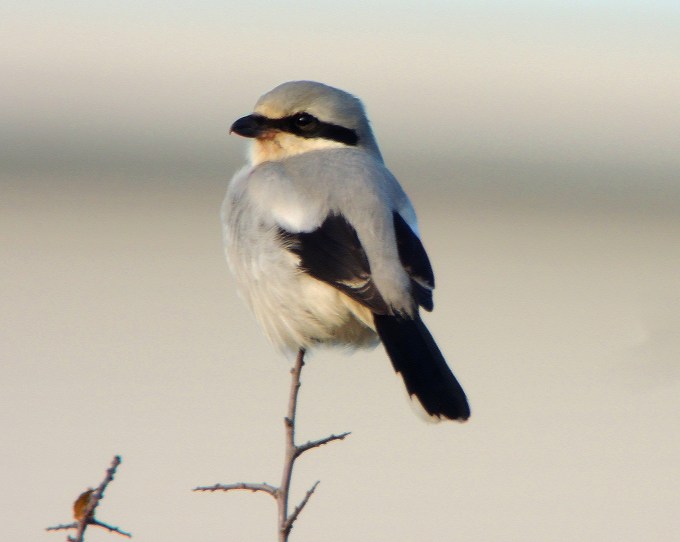
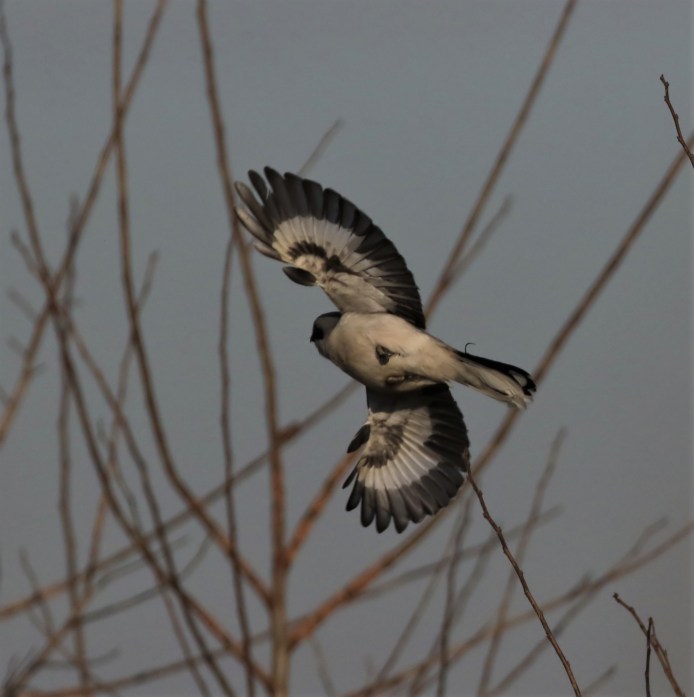
 A mixed bag of weather included strong westerly winds, sunshine, heavy rain, fog and a range of temperatures culminating in an unseasonally mild 13°C, as a result of southerly winds at the week’s end. New in, a couple of Velvet Scoters provided the week’s highlight, while the long-staying Great Grey Shrike remained as obliging as ever.

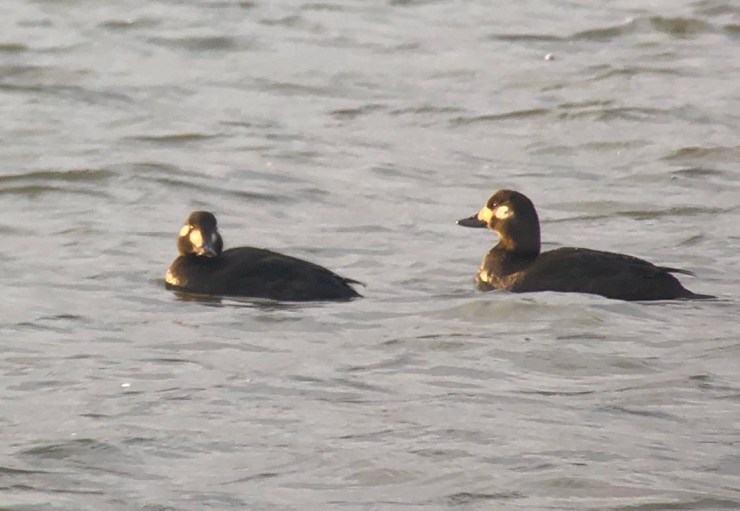
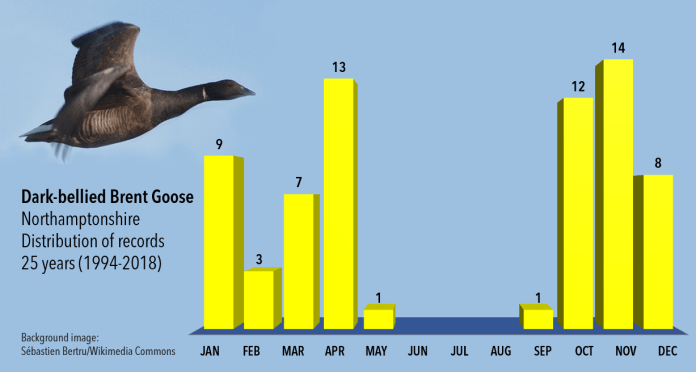
 Storm Atiyah’s brush with the UK did little for Northants as the cold, bright conditions at the beginning of the period were subsequently replaced by more rain, bluster and ever-changing wind direction. A lingering Dark-bellied Brent Goose and the well-installed Great Grey Shrike continued to provide the main attractions.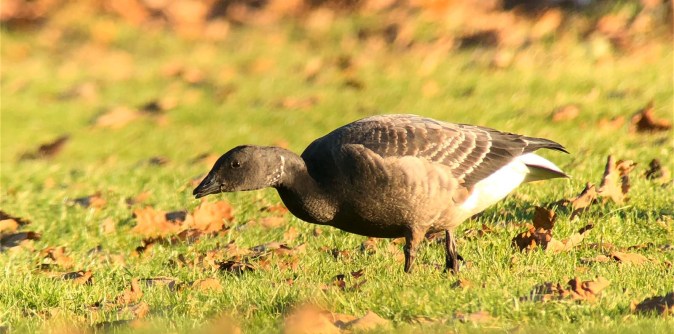
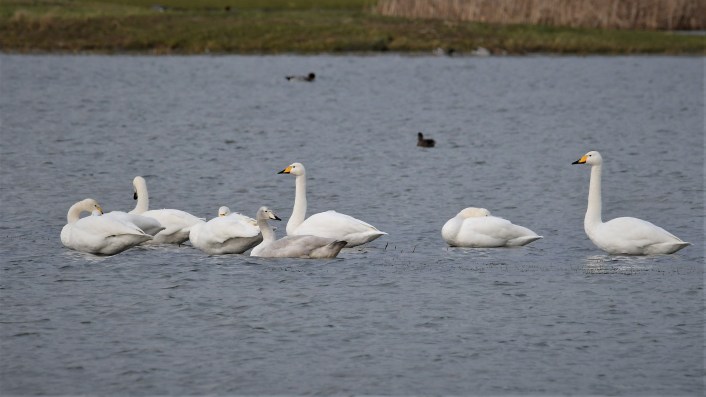
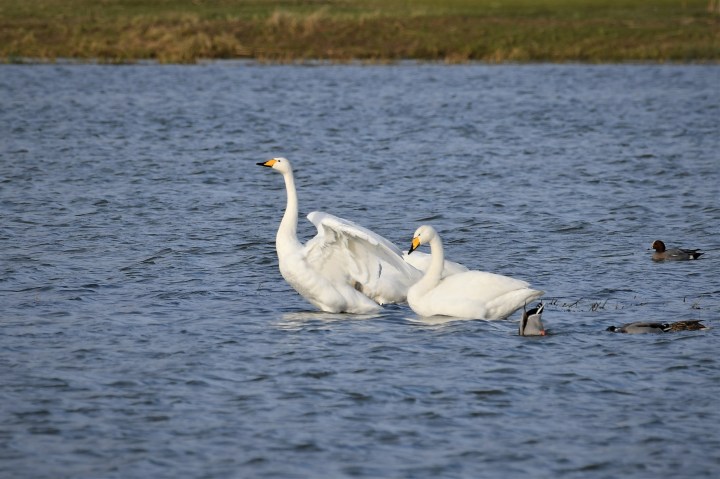
 In the east of the county, the adult Whooper Swan was still in place at Thrapston GP on 9th, while the female Ruddy Shelduck – seemingly absent for three weeks – again visited Ravensthorpe Res on 7th. At Summer Leys LNR, the drake Red-crested Pochard seemed settled throughout the period and the ‘redhead’ Smew was present until at least 7th, although there was a report of two there the following day.







 Northants birds