 If a week is a long time in politics then two weeks is an even longer time – not just double – when it comes to autumn birding. For the major part of the duration, the weather was dry and temperatures were unseasonally high, hitting the mid-twenties. Winds were largely westerly, alternating between the addition of northerly and southerly components, before swinging a decisive south-easterly at the end of the period. While wader numbers tailed off, passerine migrants maintained their prominence at a number of favoured localities.
In terms of species, there was no change to the wildfowl line-up but some local movements saw Hollowell’s long-staying female Ruddy Shelduck up and go on 14th, only to pitch down again a little further north, at Stanford Res, where it remained until at least 18th. Curiously, during this time it was joined there by a male on 16th-17th. Two Garganeys paid a brief visit to Thrapston GP on 14th, another was on the scrape at Summer Leys on 20th, while Thrapston hosted up to three Red-crested Pochards between 10th and 16th and another Red-crested Pochard visited Clifford Hill GP between 15th and 18th.
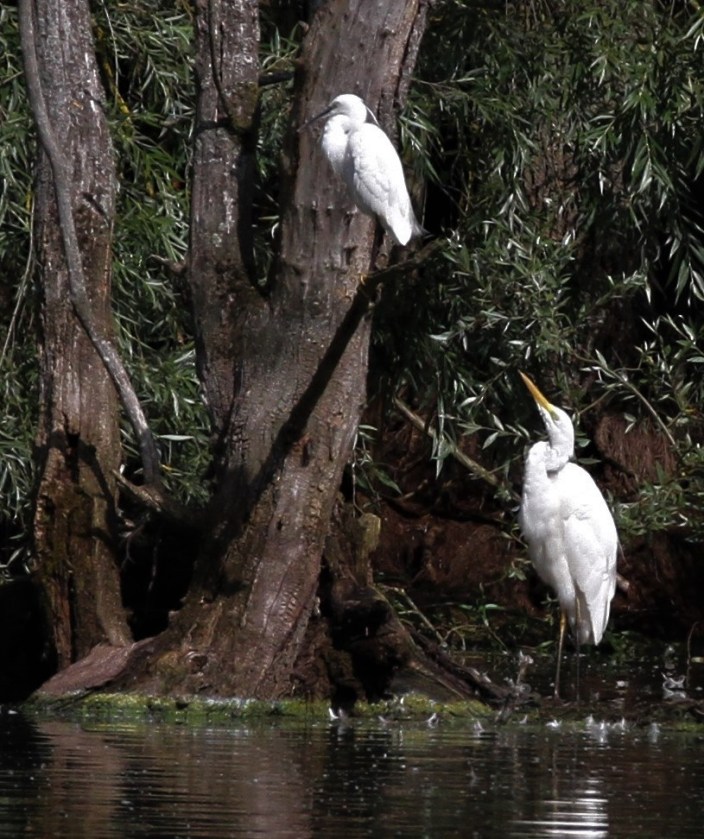
Numbers of Cattle Egrets at Stanwick GP ranged between one on 9th and six on 19th, while up to two Great Egrets were at both Summer Leys LNR and Pitsford Res throughout and one was seen at Ravensthorpe Res on 17th.


On 16th, two Slavonian Grebes were found at Clifford Hill GP in a rare, short-lived period of overcast and drizzly conditions. In keeping with their congener’s one-day appearances so far this autumn they had gone by the following day.
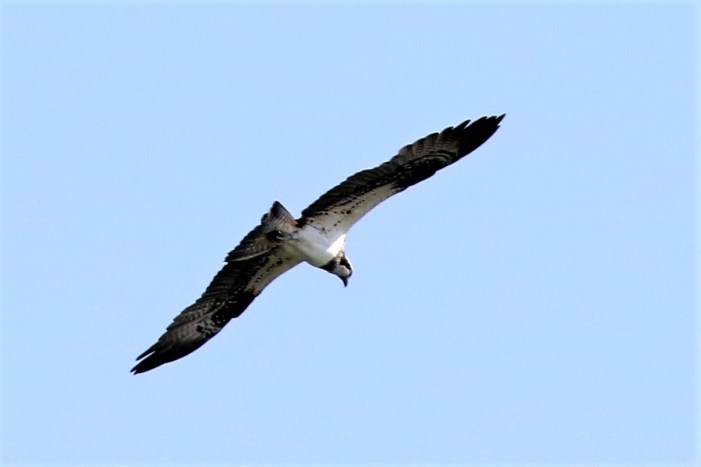
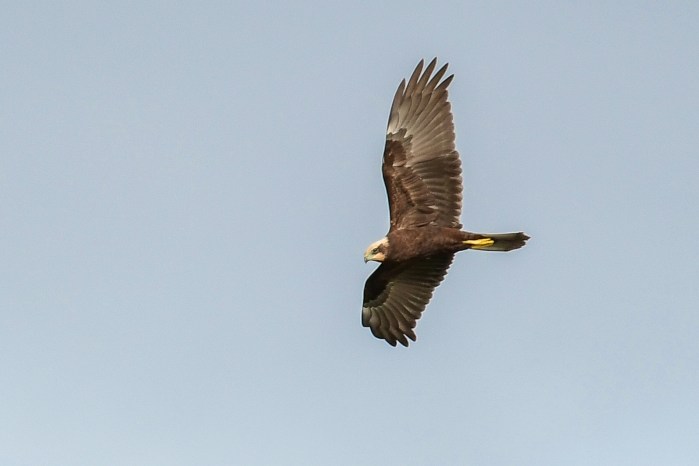
On the raptor front, a Marsh Harrier was in the Brampton Valley on 11th and the number of Ospreys fell to just two – one at Ravensthorpe Res on 7th and the other over Foxholes Fisheries, Crick on 11th, the latter date also producing a male Merlin at Easton-on-the-Hill.
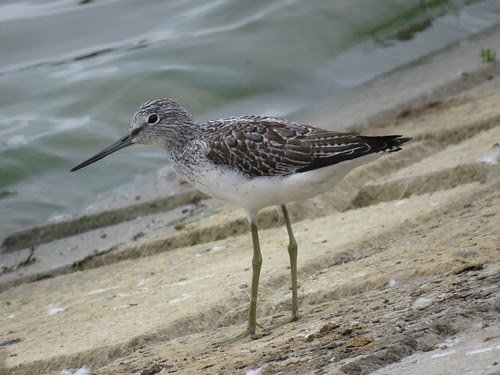
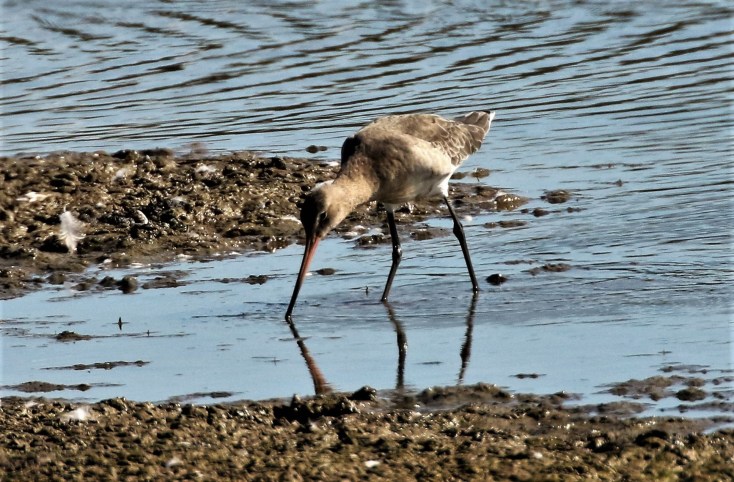
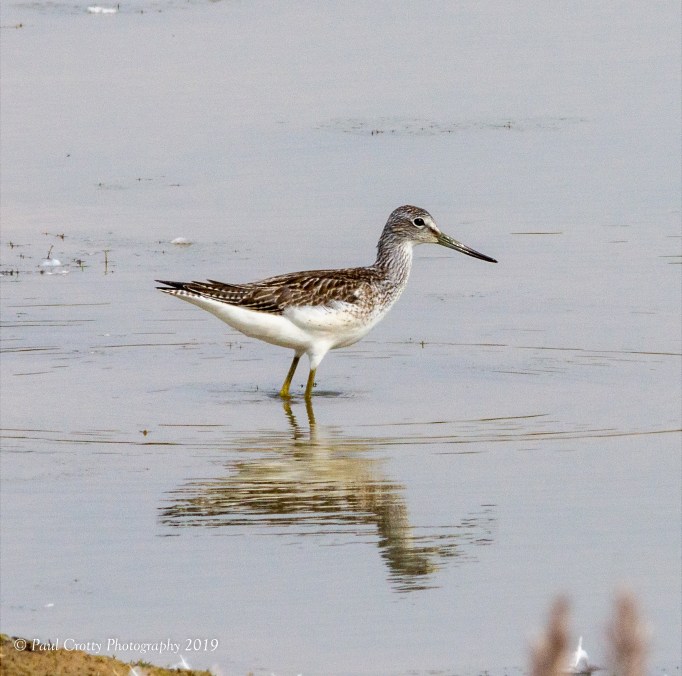
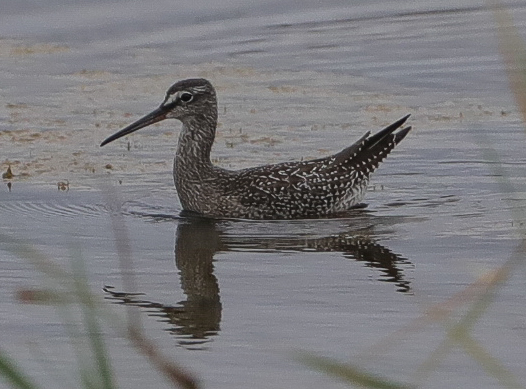
Wader numbers dwindled during the period to a single Ruff at Stanwick between 9th and 11th and Greenshanks at four localities, which included up to three at Hollowell Res between 7th and 14th, two at Pitsford on 7th with one there on 13th, up to two at Boddington Res between 8th and 11th and one at Summer Leys from 9th to 13th.

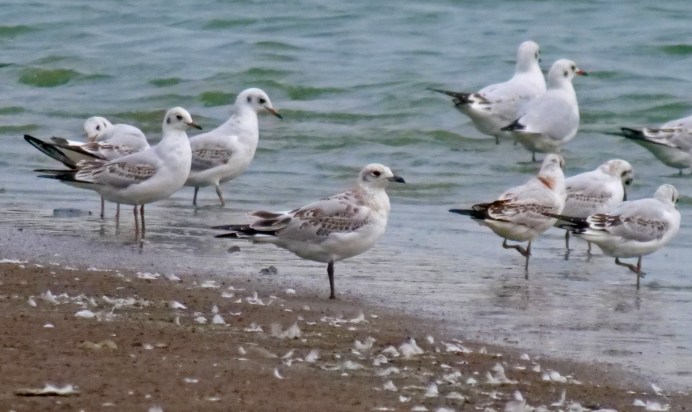
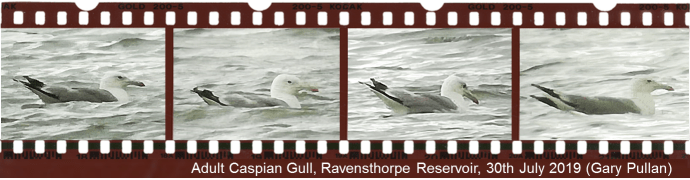
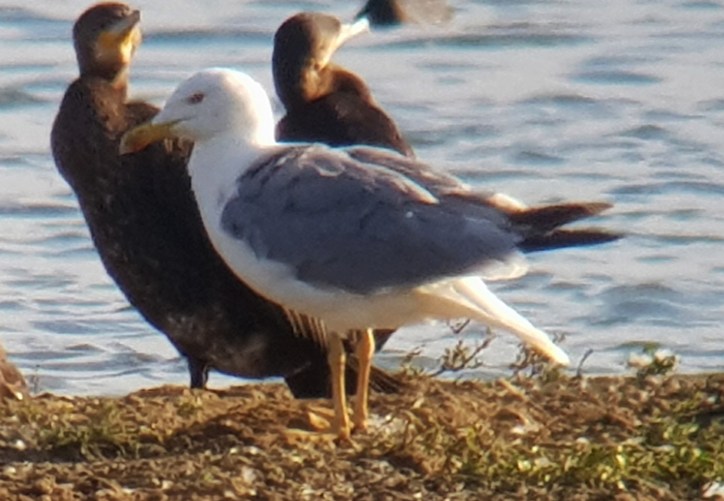
A juvenile Black Tern at Boddington was the only one of its kind during the period and the same site produced a second-winter Mediterranean Gull on 17th, while single first-winters dropped into Daventry CP on 9th and 17th. Daventry also produced a juvenile Caspian Gull on 16th and an adult visited Hollowell on 7th. Yellow-legged Gulls were found at eight sites with maximum counts of ten-plus at Stanwick on 9th and 8 at Thrapston on 14th.
Northamptonshire has enjoyed a great autumn for passerine migrants and again there was no shortage during the review period. It’s been a real ‘Pied Flycatcher autumn’ and they just keep coming, although all of this period’s remained elusive. One was found at Borough Hill on 7th before promptly vanishing and it, or another, (re)appeared there in exactly the same place, three days later, on 10th. Another at Naseby Res, on 12th, also disappeared within minutes of being found.
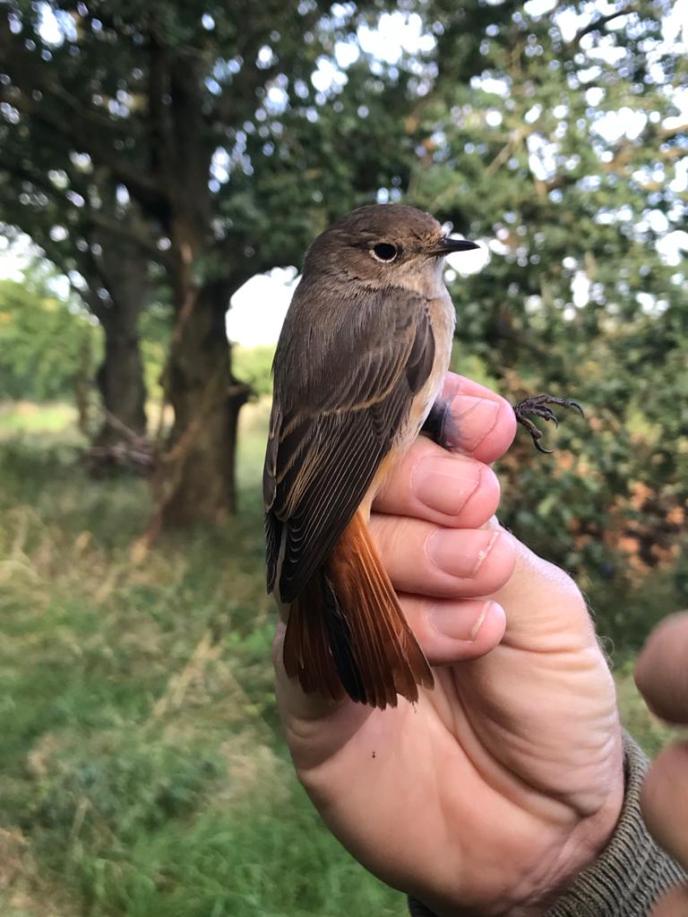
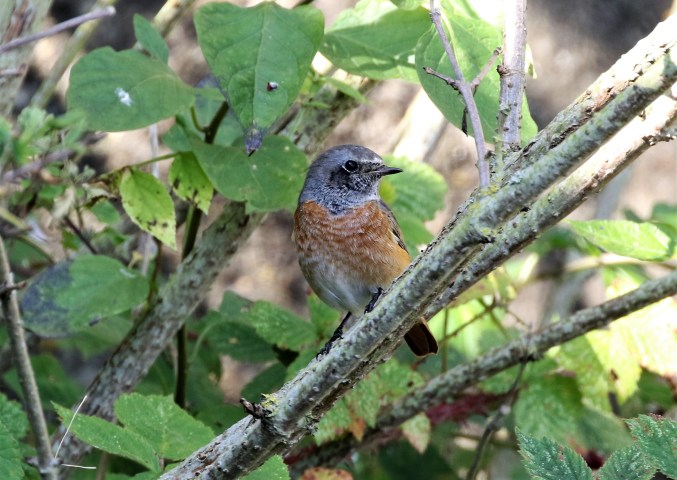
Common Redstarts maintained a presence with five at Borough Hill on 7th being the maximum site tally. Elsewhere, singles were at Twywell on 8th, Harrington AF on 10th, 13th 18th and 19th (the latter trapped and ringed), two were at Stanford Res on 14th with one there on 17th and two were at Hockerhill Farm, Wilby – also on 17th.
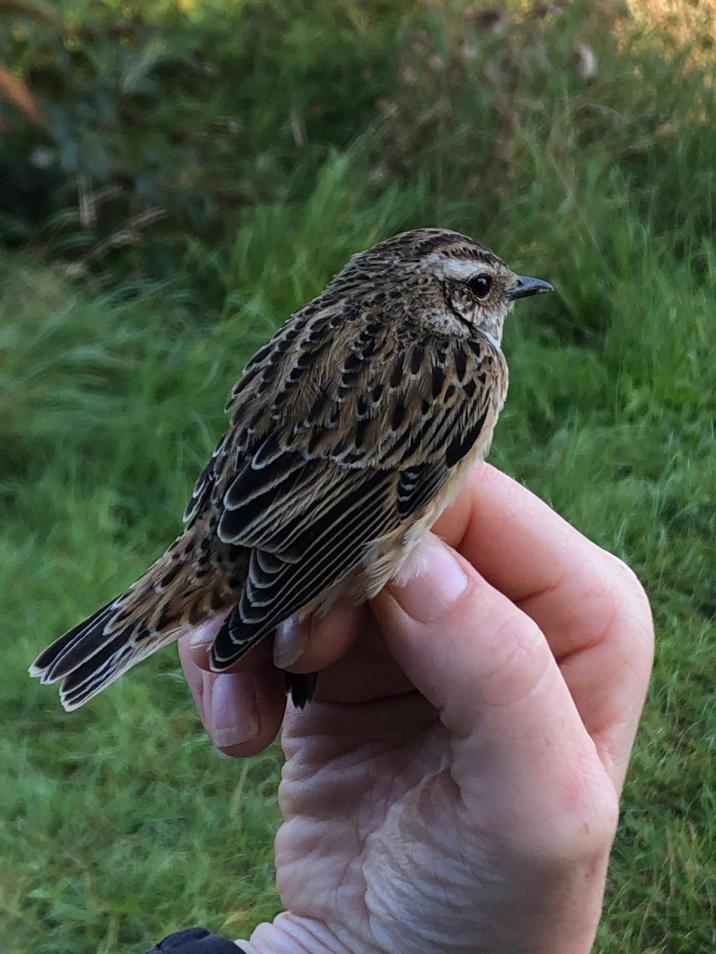
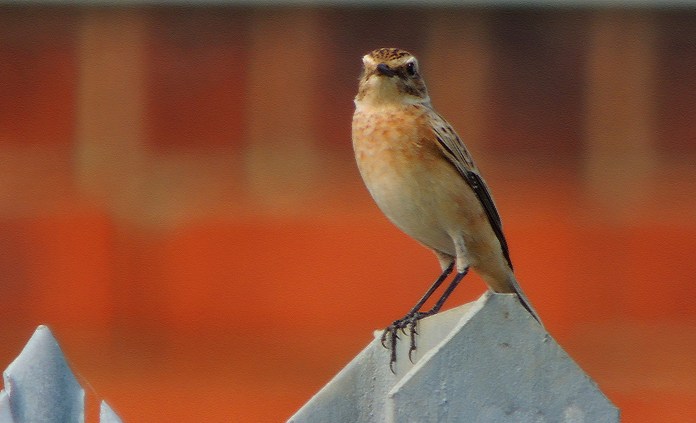
Whinchats were also still very much in evidence, with up to three at Borough Hill on 7th-8th, up to three in the Brampton Valley between 8th and 17th, two at Neville’s Lodge, Finedon and two at Ditchford GP’s IL&M on 7th, up to two at Harrington AF between 10th and 19th and singles at Thrapston GP on 7th and at Stanford Res on 14th – the latter trapped and ringed.

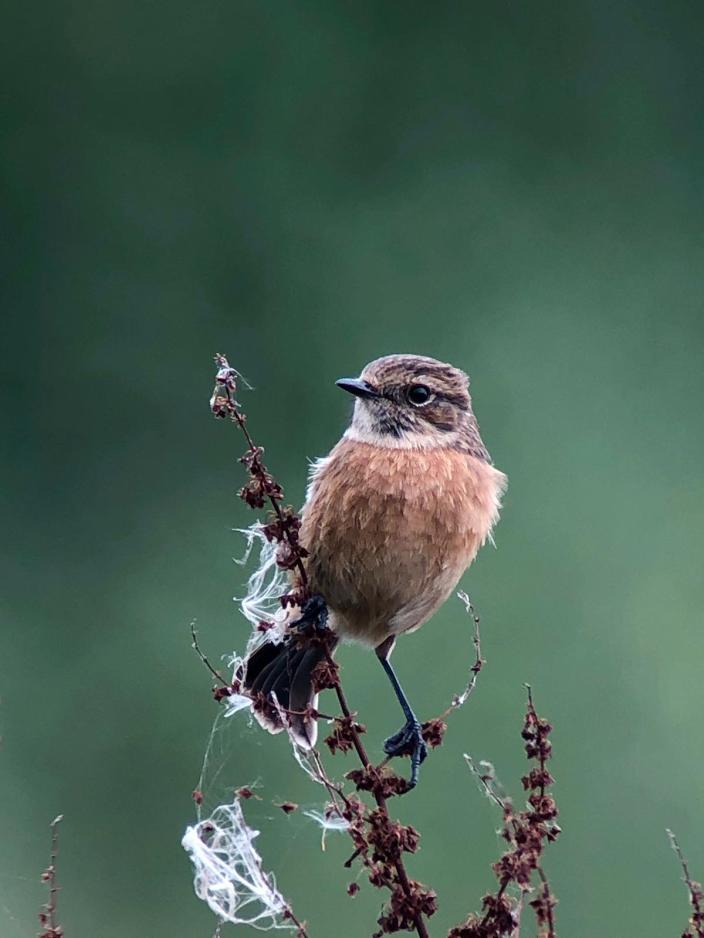
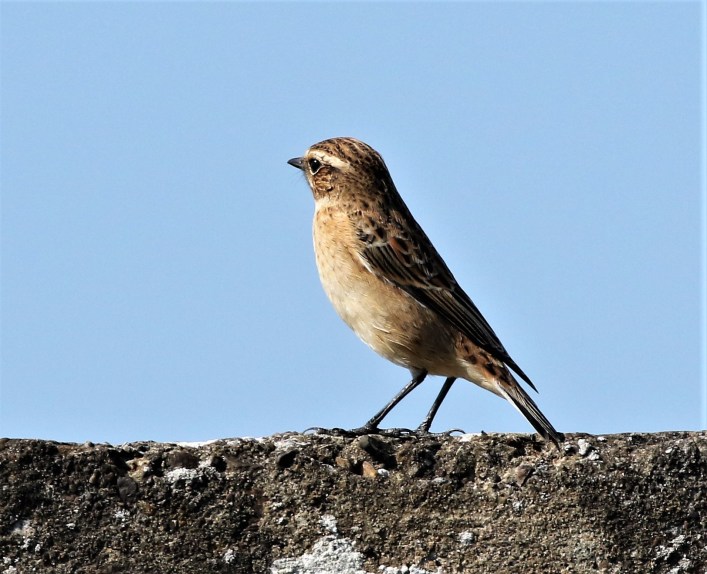
The first migrant Stonechats of the autumn also arrived during the period. Singles were at Harrington AF on 10th and 19th, three were at Stanford Res on 14th with one remaining the next day, two were in the Brampton Valley below Hanging Houghton on 17th and two at Summer Leys the following day and singles were found at Milton Malsor on 17th, Wicksteed Water Meadows, Kettering on 17th and 20th and at both Thrapston GP and Borough Hill on 19th.

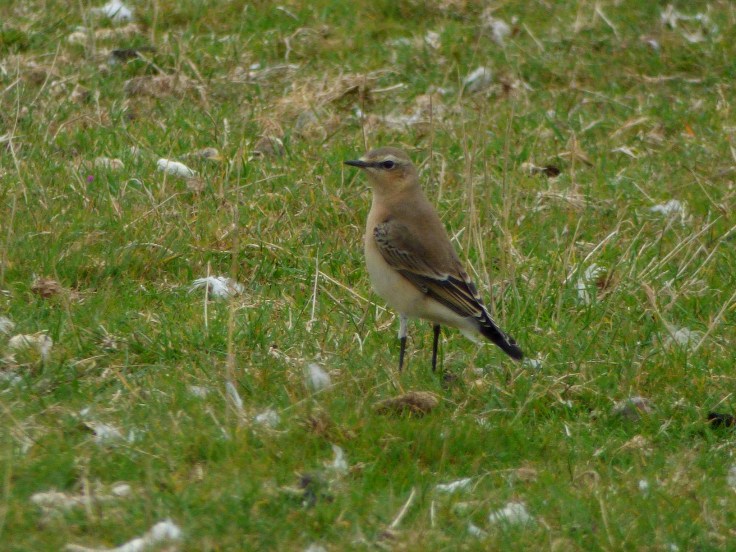
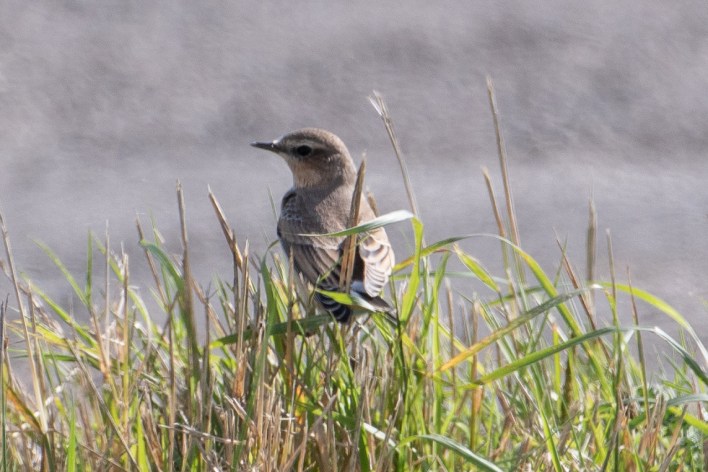
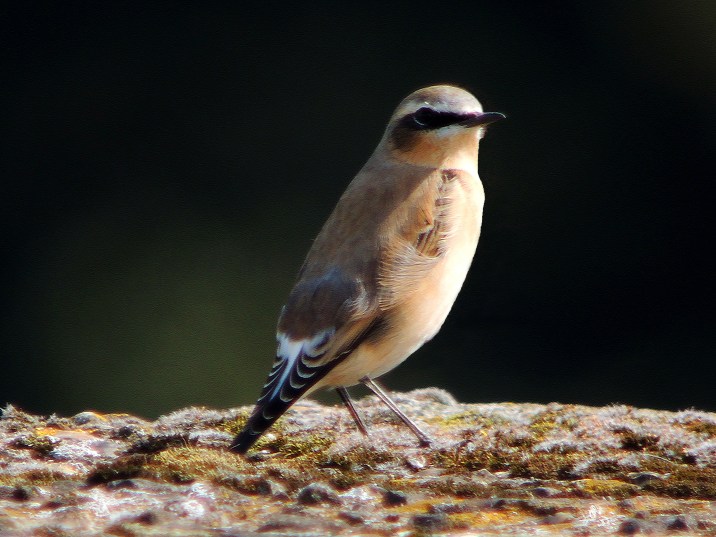
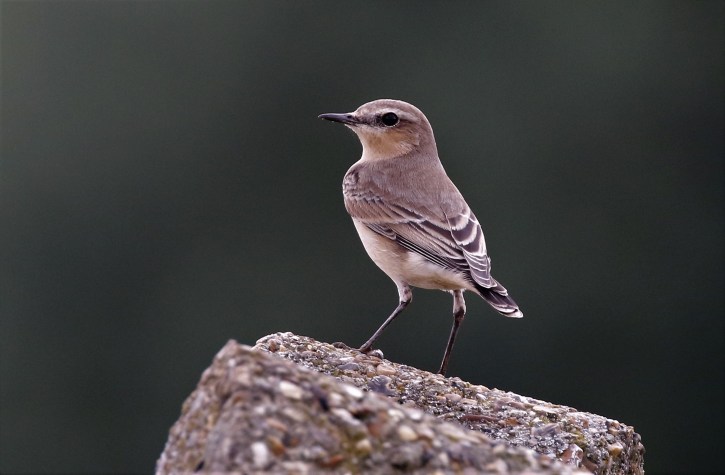
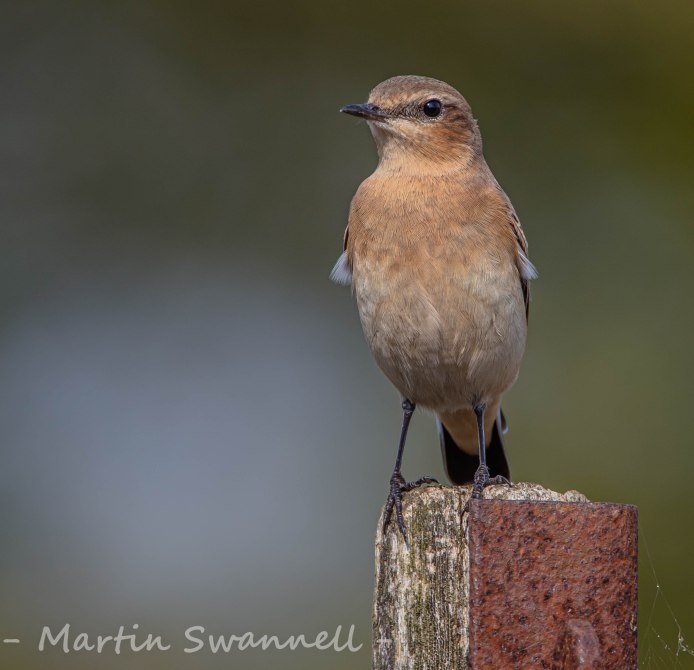
Northern Wheatears continued to trickle through, with singles at Hollowell Res on 7th and 14th, Harrington AF on 10th and 13th, Orlingbury on 13th, Clifford Hill GP on 15th-16th, in the Brampton Valley on 17th and at Borough Hill on 19th.
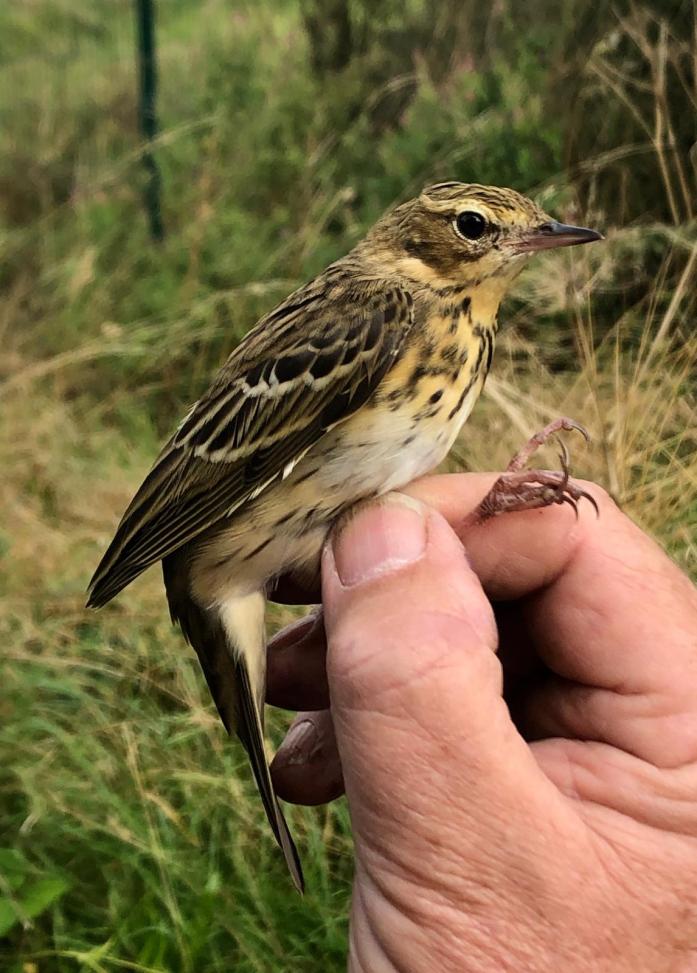
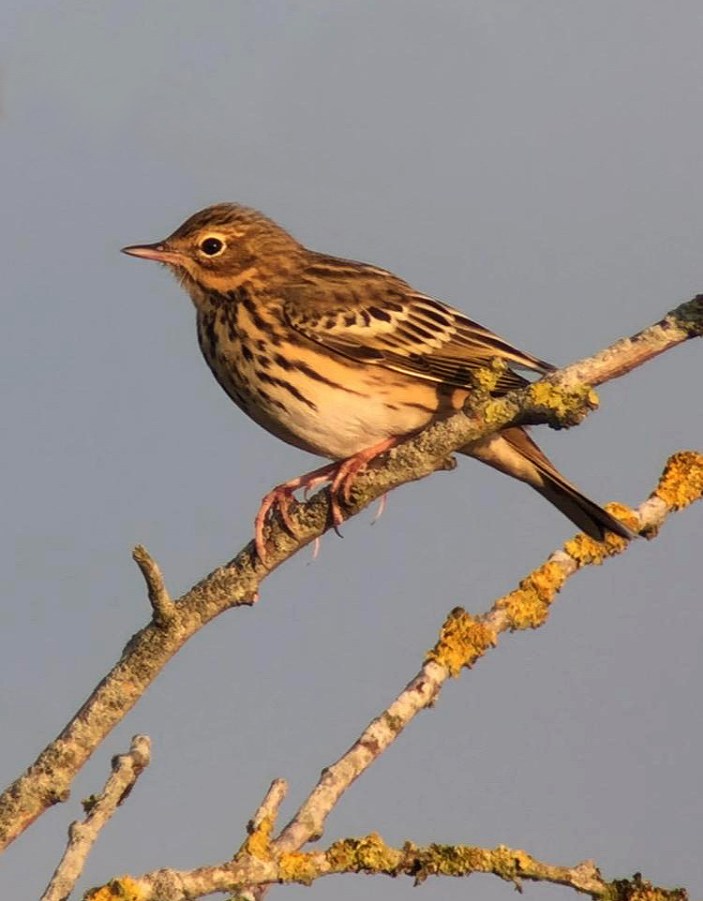
Rarely identified in autumn, for some reason, a White Wagtail was found at Boddington Res on 7th and on the same date, single Tree Pipits flew over Borough Hill and Croughton Quarry.
 Temperatures fell as the prevailing Atlantic airflow re-established itself, delivering brisk, breezy and mainly dry conditions on the back of variable northerly to south-westerly winds. Local birding survived on the remnants of last week’s migrant rush, the usual long-stayers were still in place, with the popular well-watched sites continuing to produce small numbers of new birds.



 The bank holiday weekend saw the dam burst on autumn migration. With a light south-easterly airstream, originating from a high pressure system centred beyond eastern Europe, temperature records were not the only ones broken, as the county also enjoyed a deluge of passerines on the move … and a lot more as the week unfolded.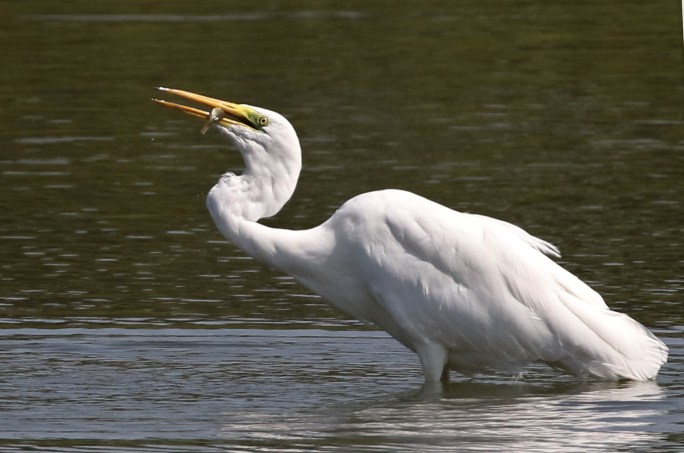


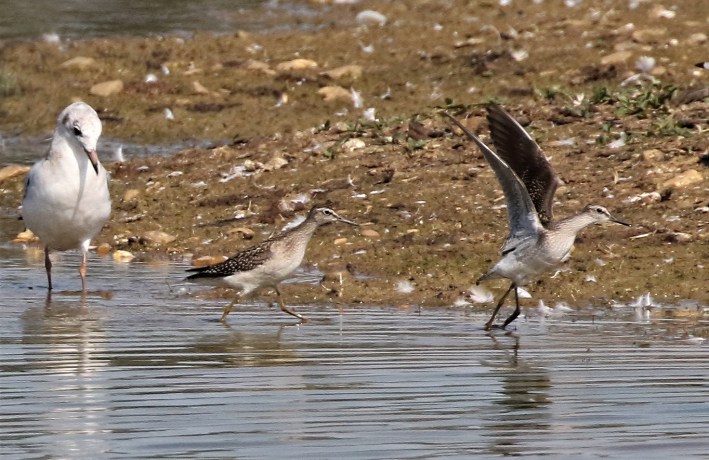
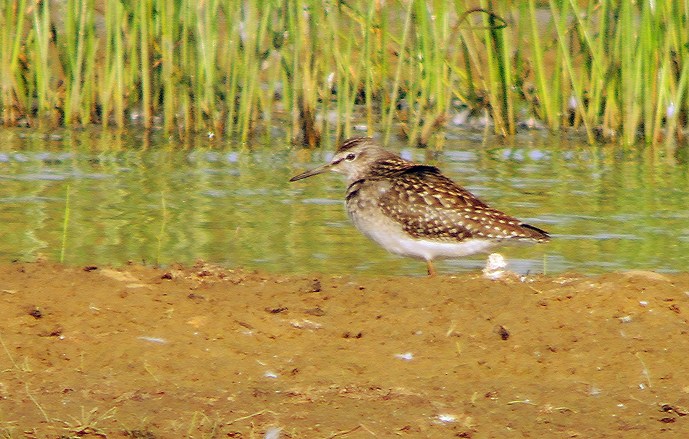
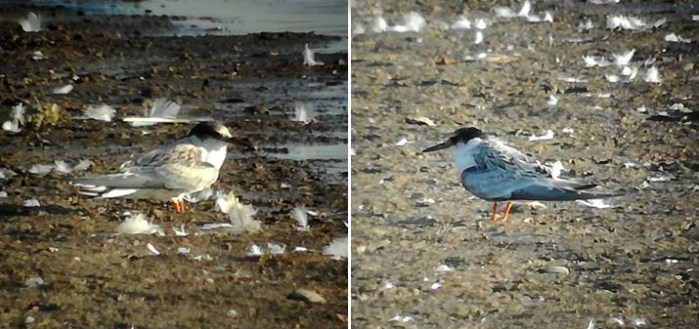
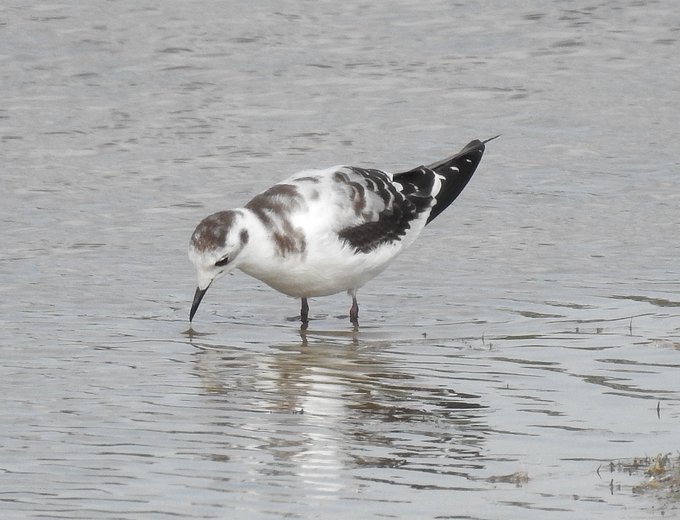
 With the Atlantic jetstream further north this week, the weather remained largely dry, bright and breezy, on the back of a predominantly west to south-westerly airflow. Topping the bill was a ‘wrecked’ Shag in Weedon, otherwise it was business as usual …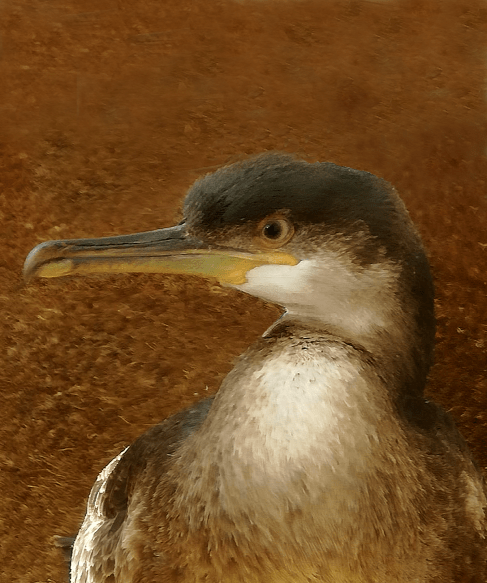


 A series of Atlantic low pressure systems, moving rapidly east, delivered below average temperatures, unseasonally strong winds and some hefty bouts of rain during the week. There were also some great birds to be had – including a fifth for Northamptonshire – if you were one of the lucky few …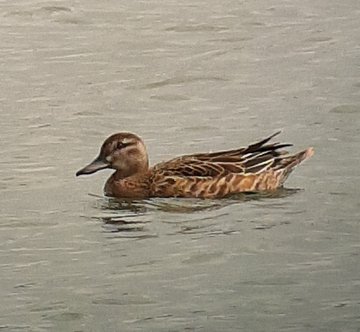


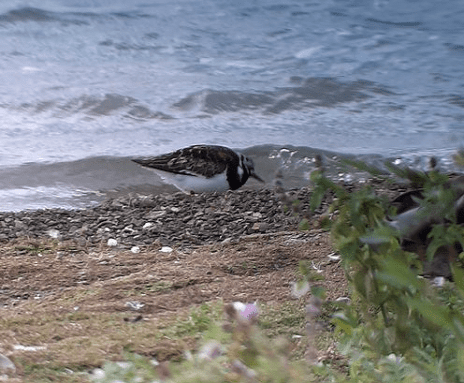
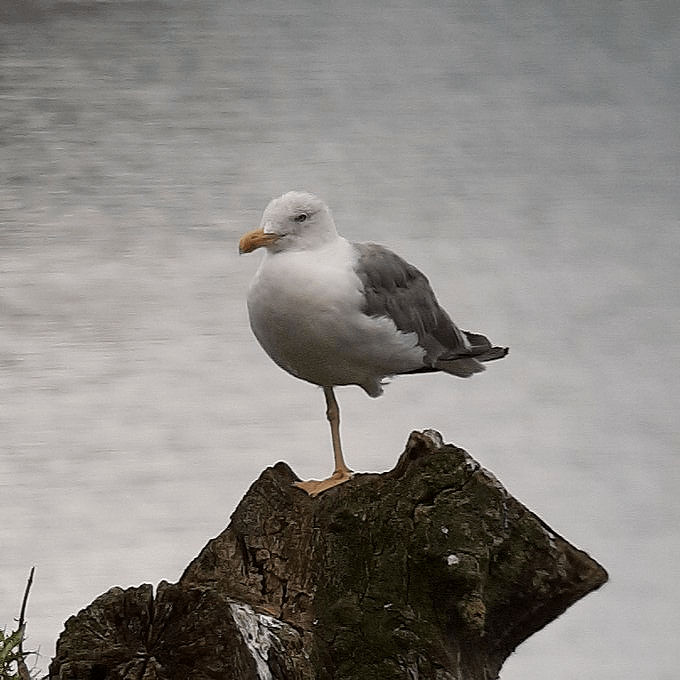
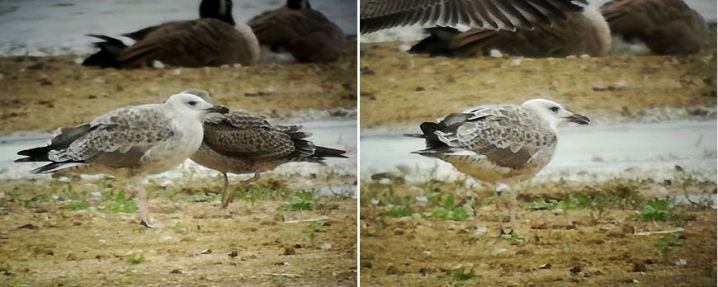
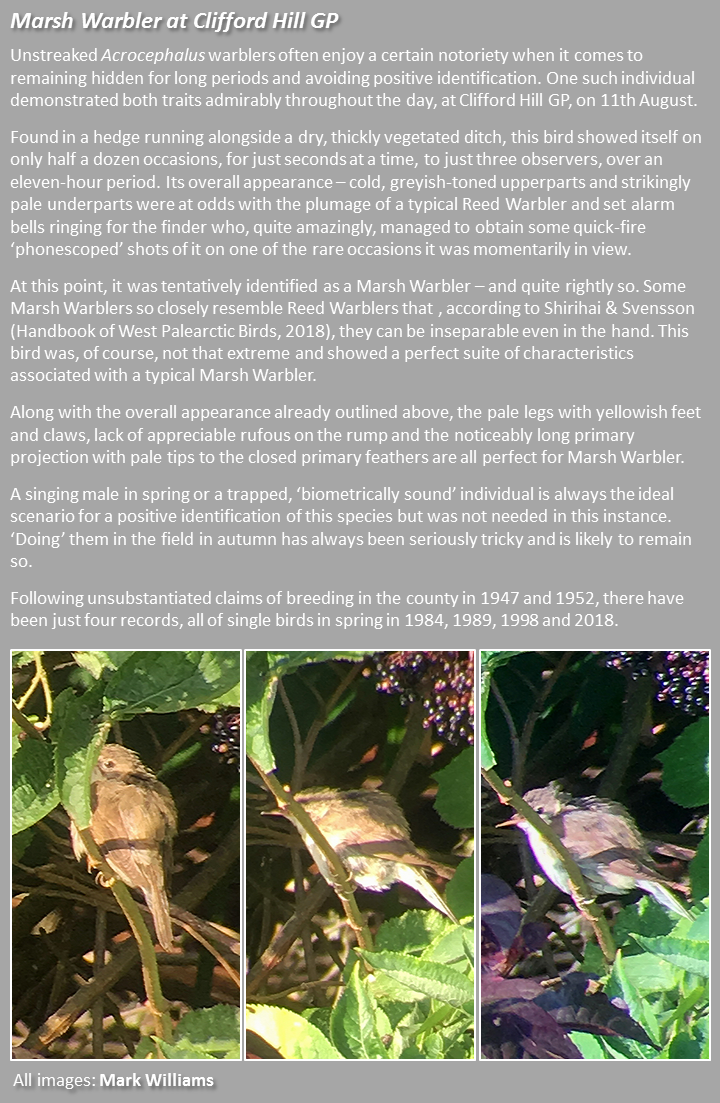
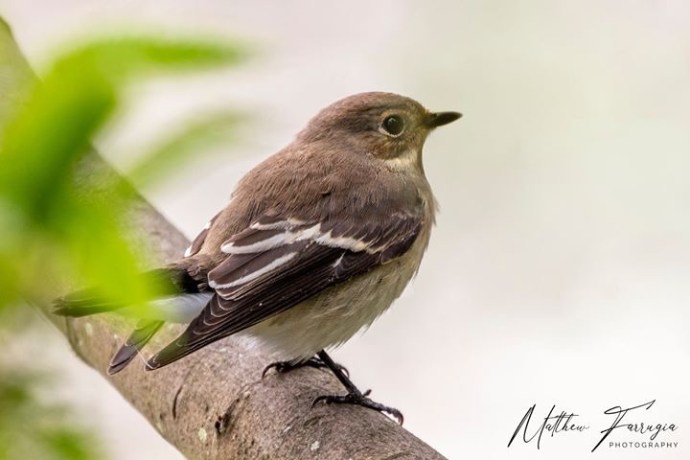

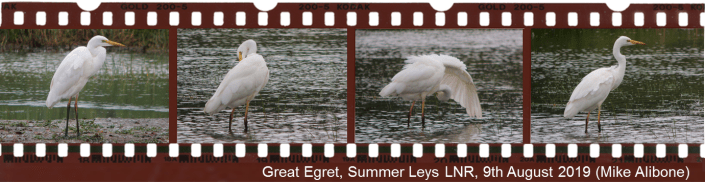 Under the influence of standard westerlies off the Atlantic, the weather remained largely settled before delivering an avalanche of gales and rain at the week’s end. Some fairly standard early autumn fare was on offer throughout the period.

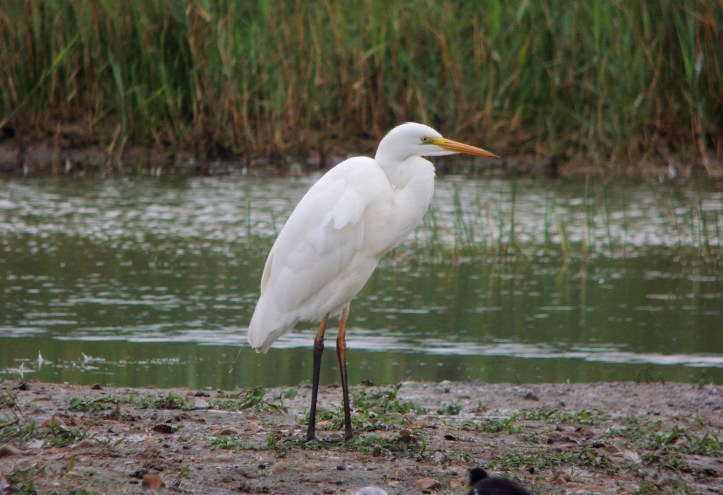

 With the previous week’s heat ebbing away, the country became under the influence of something more readily associated with British summertime: rain. The first two days saw plenty of it and the weather system responsible also had a dramatic effect on migrants, with many appearing far earlier than is normal.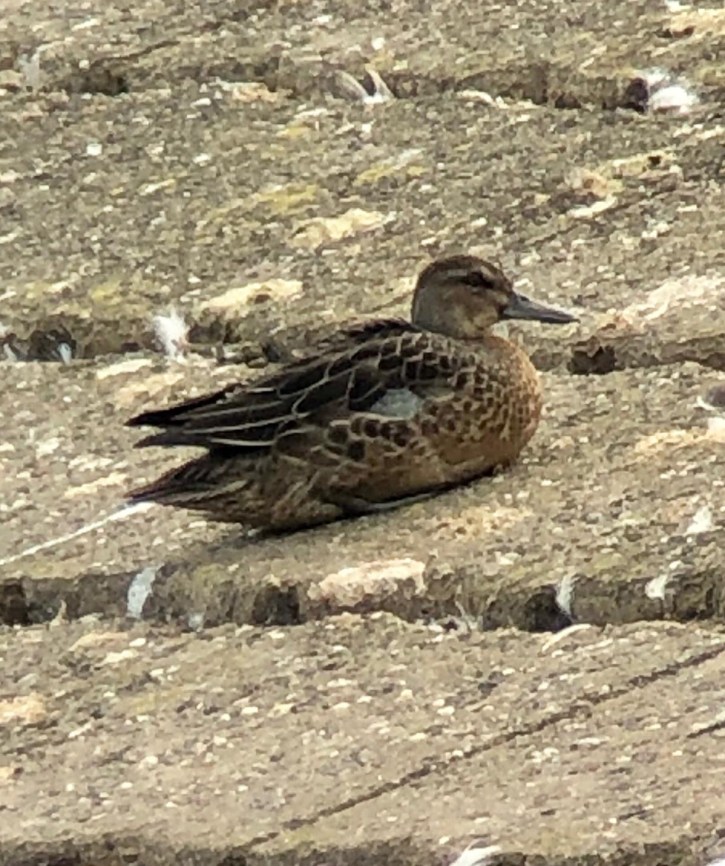
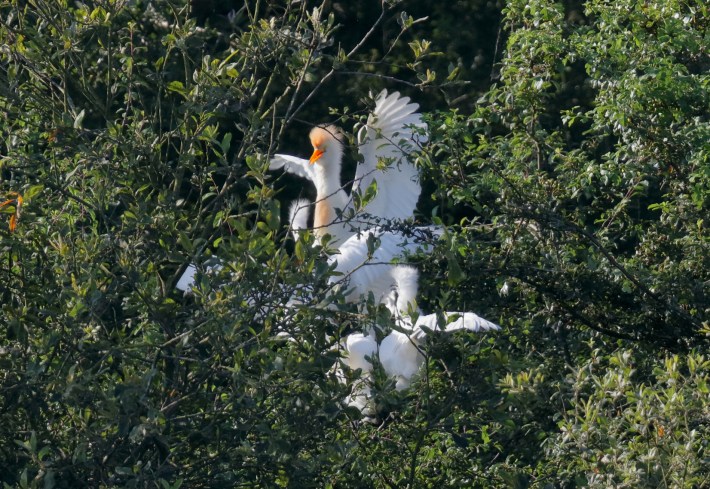
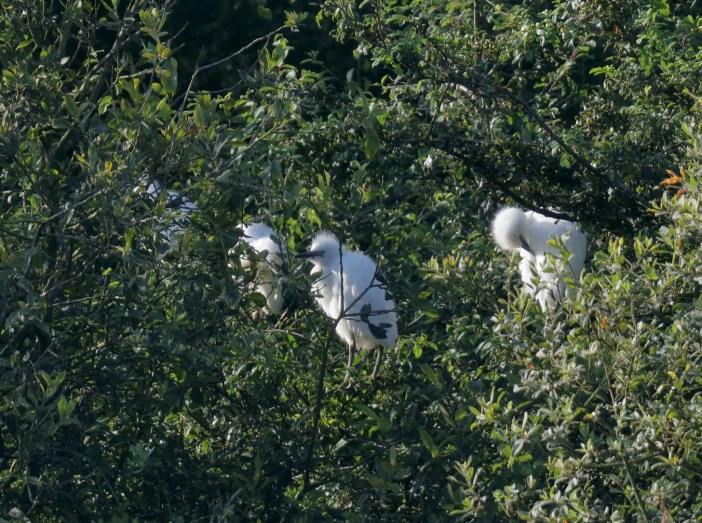

 Sandwiched between an unusual kink in the North Atlantic Jetstream and a high pressure system to the east, winds for the majority of the week emanated from North Africa and the UK enjoyed its potentially hottest day on record, on 25th, when Northampton hit a sweltering 36°C. Although it appeared to have little local influence on migrants, it no doubt contributed significantly to the continued evaporation at local reservoirs, exposing more muddy margins for waders, ahead of the slowly unfolding autumn passage.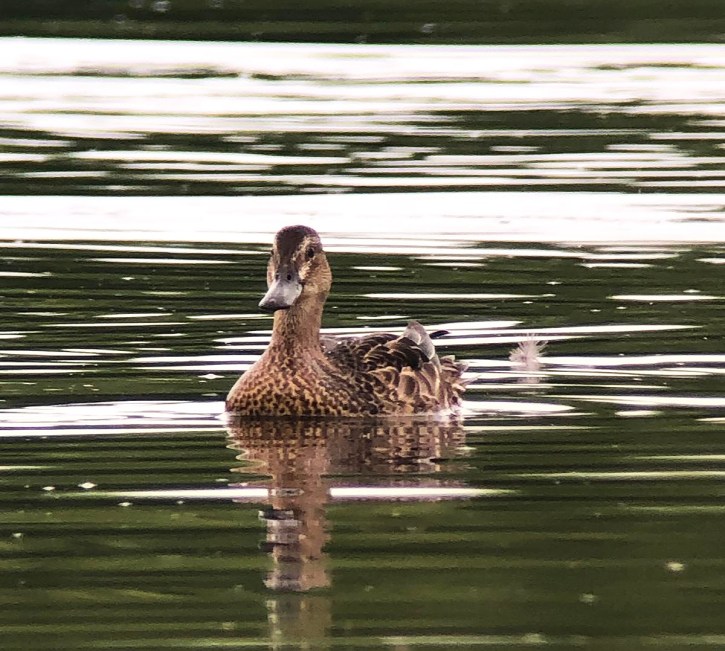

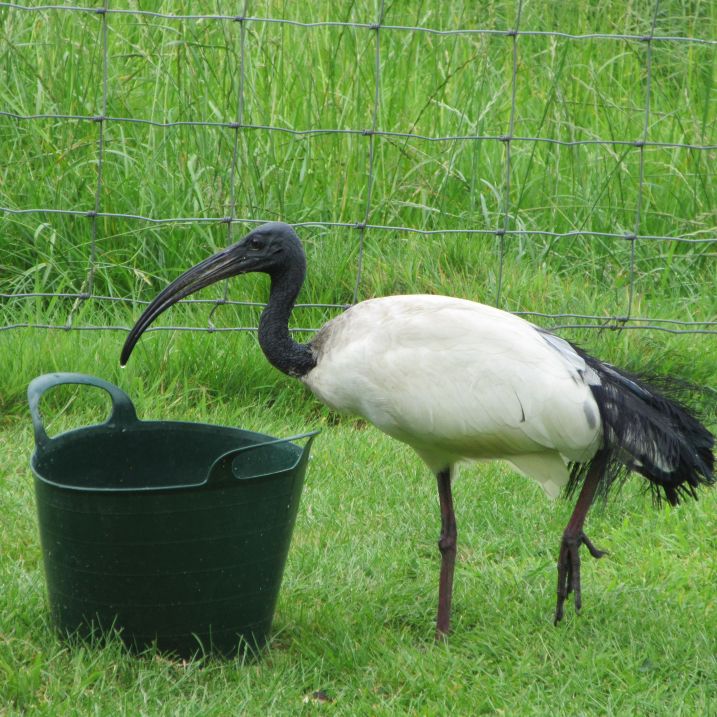

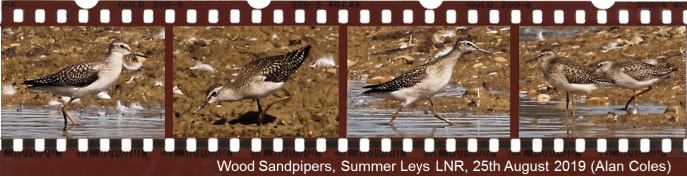
 With national weather conditions nothing to shout about, the influence on local migrants was seemingly minimal. Wader passage ramped up somewhat and despite being mid-summer, it was the white stuff that dominated the news this week ….


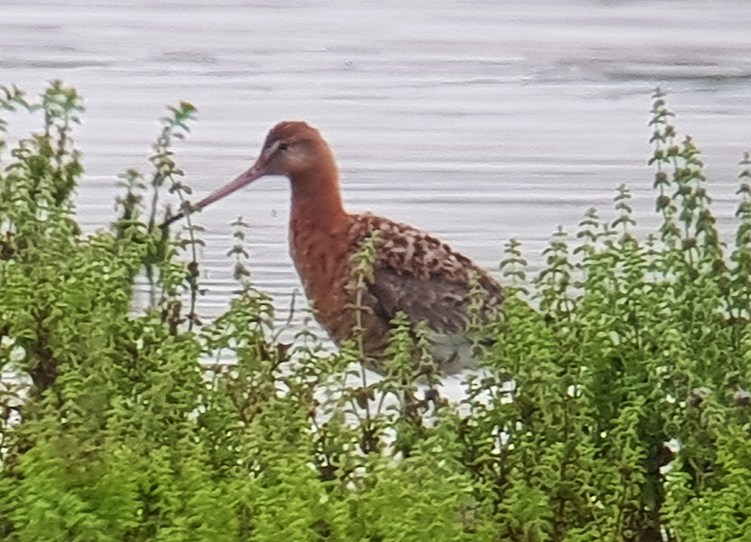

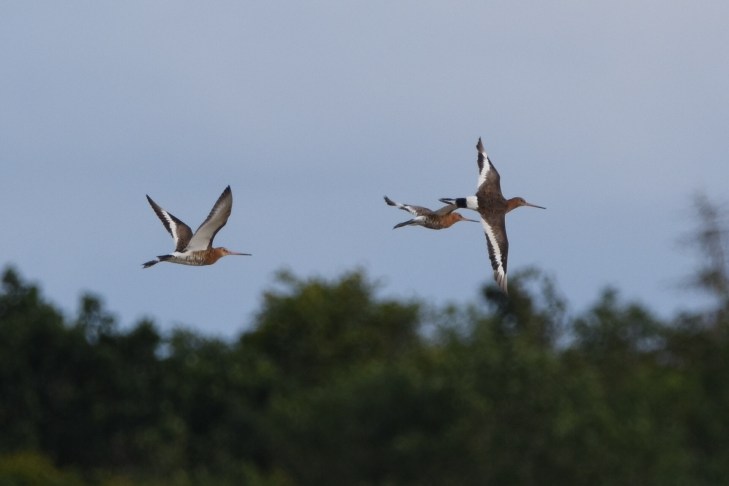
 A more temperate period followed the previous week’s hot air and humidity as the wind mix became light northerly and westerly. Long-staying Cattle Egrets remained in the Nene Valley, while wader passage continued to trickle along and included increasing numbers of more common species.

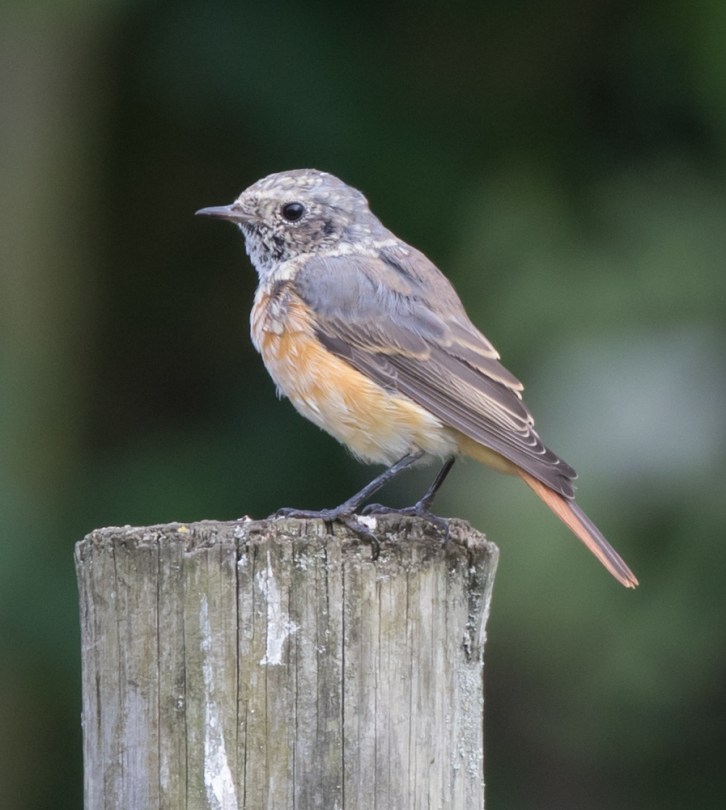
 Following last week’s adult and a juvenile Common Redstarts near Badby, a juvenile appeared at Denton Wood in Yardley Chase on 11th. Its rather fresh, unmoulted juvenile plumage, coupled with the relatively early arrival date, gives rise to speculation that it had fledged locally. This species has occasionally bred in the county and, although there have been summer females with active brood patches there are no records of proven breeding this century.
 Northants birds