 As Southern England basked in 34°C on the first day of the period, Northampton hit 30°C ahead of an overnight drop as cooler air moved in from the Atlantic, sweeping away the humidity and setting a dry and bright scene for the remainder of the week. A blink-and-you’ll-miss-it ‘first’ for Northamptonshire caught locals off guard, leaving them somewhat dazed, but is it really all over … ?
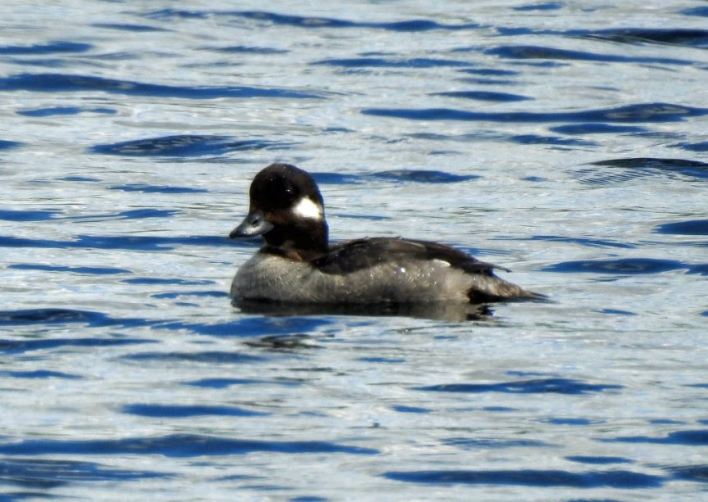
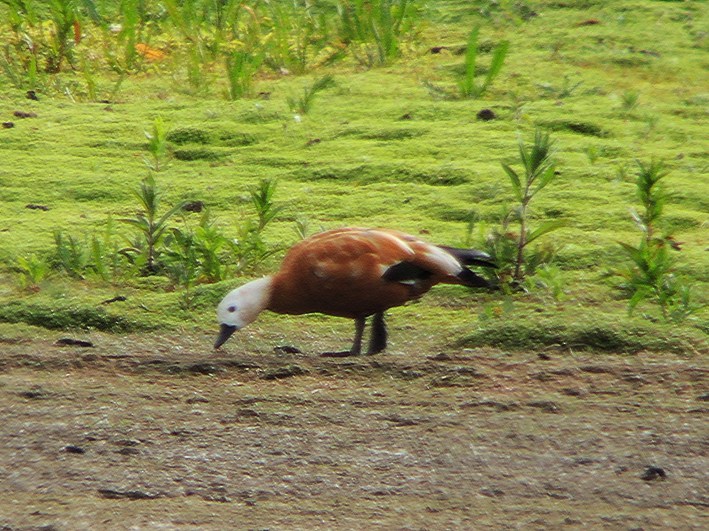
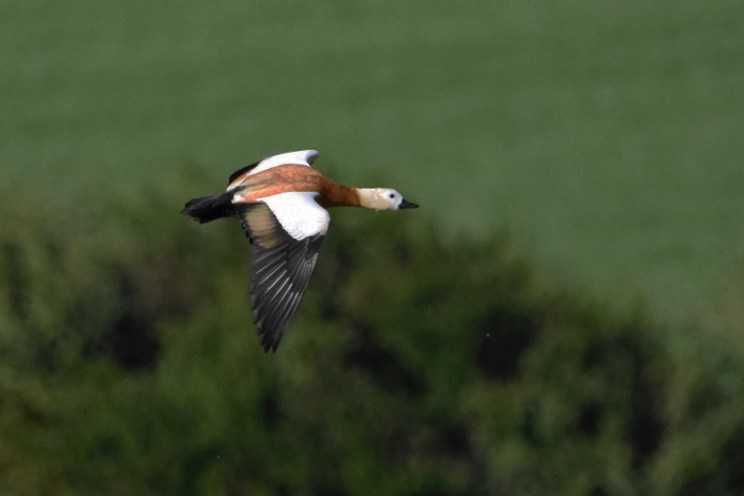
While the first-summer female Ruddy Shelduck remained at Hollowell Res, two Red-crested Pochards were at Pitsford Res on 3rd-4th and the peripatetic, post-captive female Bufflehead was once again back in the county, visiting Sixfields Lake at Stortons GP on 29th. It then decided to ‘do’ neighbouring Buckinghamshire, appearing at Floodplain Forest NR, Old Wolverton on 2nd – just across the county line.
The run of largely unavailable Common Quails continued with one barely audible individual reported from Harrington AF on 1st. It’s now looking like a tricky year for this species.
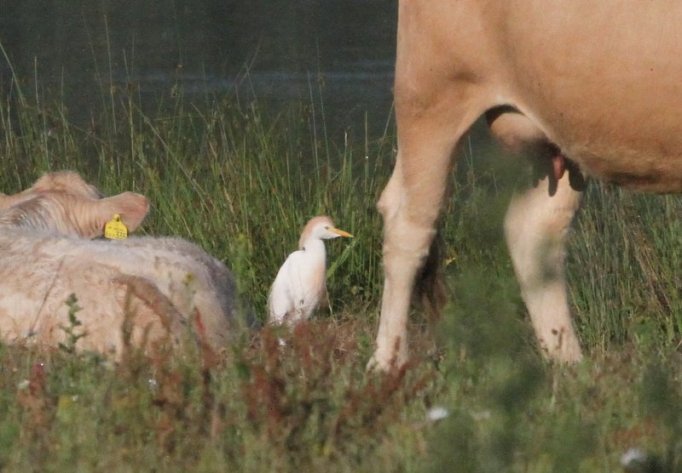
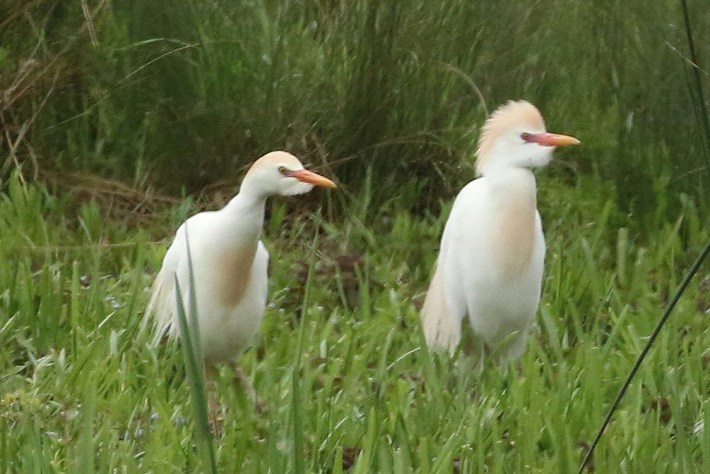
Meanwhile, Stanwick GP’s two Cattle Egrets stuck around to feed by the main lake until at least 4th but another long-legged, largely white, wetland bird in the shape of a Sacred Ibis made headlines at Clipston on 3rd, as it sat around on a house roof, eyeing up the local chickens. An escape most likely but a wanderer from the established French feral population cannot be ruled out.

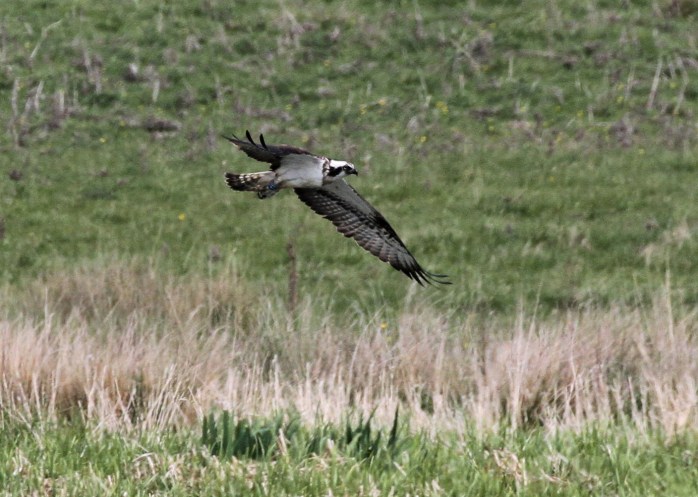
In a lean week for Ospreys, one flew over Deene Lake on 2nd and another was at Pitsford Res, early on 5th.
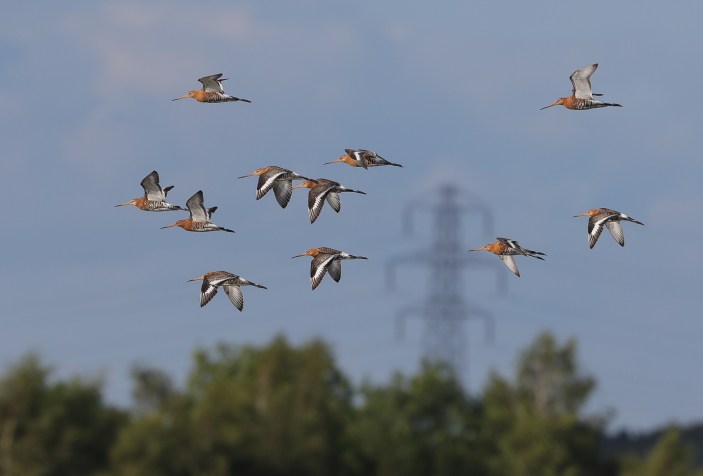
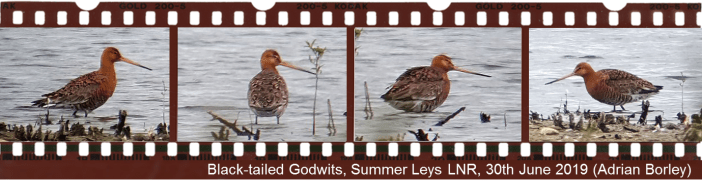
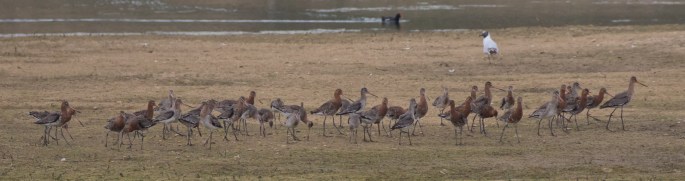
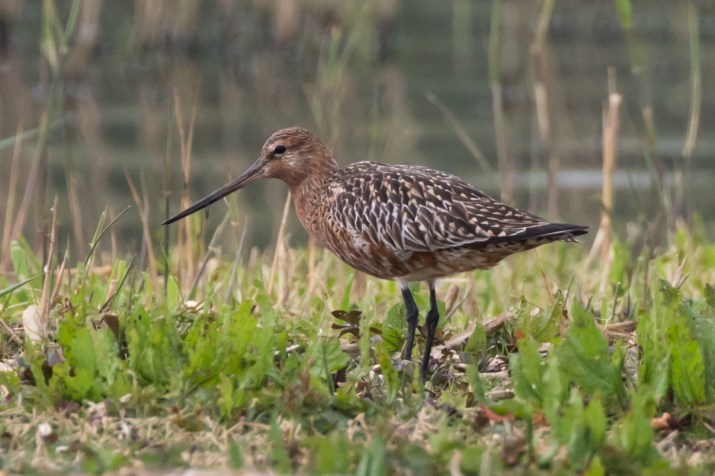
Wader passage continued to trickle along with Summer Leys monopolising Black-tailed Godwits, the site producing one on 29th, four and a further eleven on 30th, 2 on 1st and thirty-five on 2nd.

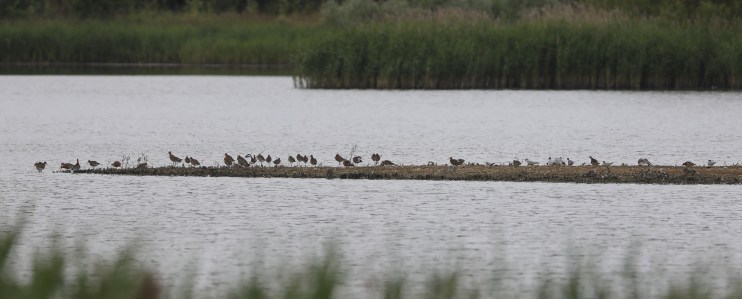
Double-figure flock sizes are no longer unusual – a far cry from when this species was an ‘irregular passage migrant’ in the 1970s, when there were just two or three records per year. Were all those birds islandica or did we get any limosa, during an era when they were more abundant in Europe? There have been large and well-documented declines in the mainland European breeding population of the nominate subspecies of between 50-60% (BirdLife International 2015). For example, in the Netherlands the population decreased dramatically from 120,000-135,000 pairs in 1969 potentially to 33,000 pairs in 2015. The population of islandica, in contrast, has been increasing dramatically over the past few decades, although this increase may be levelling out and this subpopulation represents a relatively small part of the global population. A recent analysis based on published literature, survey data and expert opinions from throughout the species range suggests that, overall, the global population may have declined at a mean rate of approximately 23% over 25 years leading up to 2015 (BirdLife International 2019). Also at Summer Leys, a male Ruff appeared on 5th.
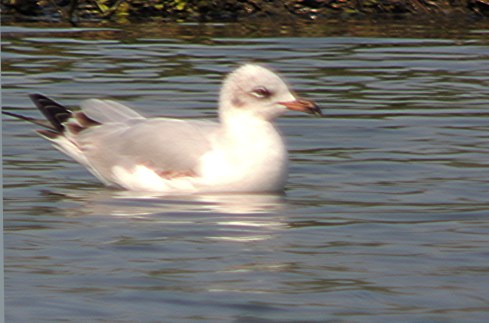
Moving on to Larids, single Yellow-legged Gulls appeared at Hollowell Res on 2nd and at Stanwick GP on 3rd, ahead of the now established late summer build-up.

On the passerine front, there were 2 Common Redstarts – an adult and a juvenile – at Arbury Hill, west of Badby, on 2nd. But making the most noise this week, a little gem pulled from a ringer’s net in Pitsford’s Walgrave Bay on 4th was quickly logged as the county’s first Red-breasted Flycatcher – a moulting adult female. Well, we didn’t see that one coming! The anticipated mass turnout for this Northamptonshire ‘first’ simply didn’t materialise and the resulting, incomprehensible lack of observer coverage subsequent to the event surely played a significant part in its not being relocated. A quick scamper through the literature reveals that July records are not unprecedented and Sharrock (Scarce Migrant Birds in Britain and Ireland, 1974) identifies an occurrence window between late April and early July and classifies these as spring migrants, with all records from mid-August onwards categorised, quite rightly, as scarce autumn visitors. Adults moult on, or close to, their breeding grounds between July and September, suggesting this is a non-breeder. Is it still out there … somewhere …?
 After a dry start, the week went through a short dull and damp phase before becoming rather bright and breezy. Local winds remained mainly north/north-easterly while, nationally, a more southerly vector kicked in. Migration was expectedly slow for the masses, evidenced only by a handful of returning waders, while this week’s highlights, an audible European Bee-eater and a visible Spoonbill presented to just two lucky observers.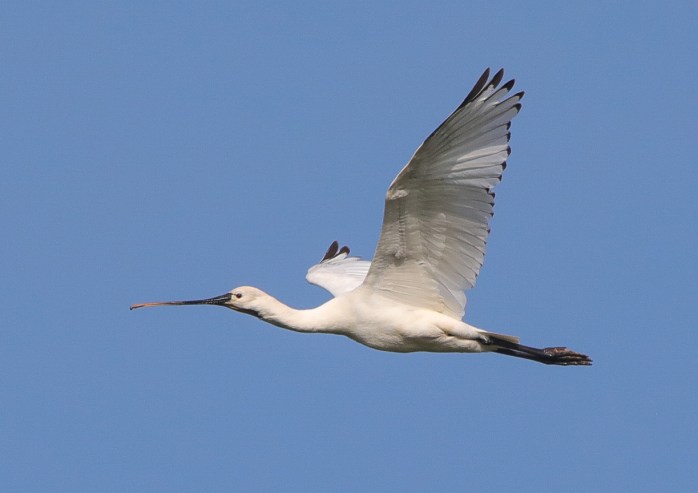

 This species is declining as a result, in part, of uncontrolled netting of migrating birds, particularly in Egypt, where Quail trapping is now taking place on an unsustainable, commercial scale. In Europe agricultural intensification has led to the loss of rough grass and uncultivated land and an increase in the use of herbicides and insecticides, which has led to a reduction on the availability of weeds, seeds and insects. In Europe the population size is estimated to be fluctuating and Quail is on the IUCN Red List of Threatened Species (BirdLife International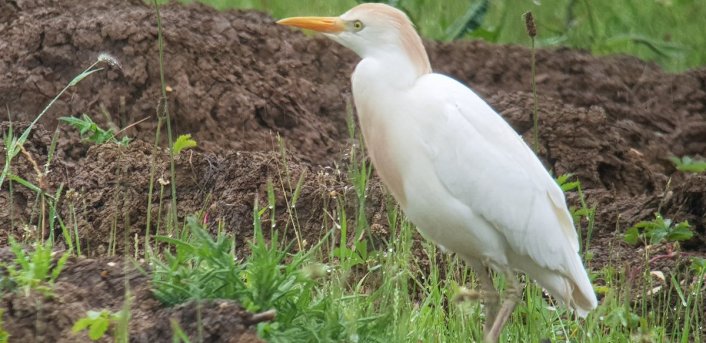





 The period’s weather fell under the influence of a westerly airflow, which brought intermittent sunshine and showers and, as it happens, very little change to the local birdscape. Topping the charts this week were three Cattle Egrets at Stanwick, all resplendent in summer plumage … and one up on last week’s total.



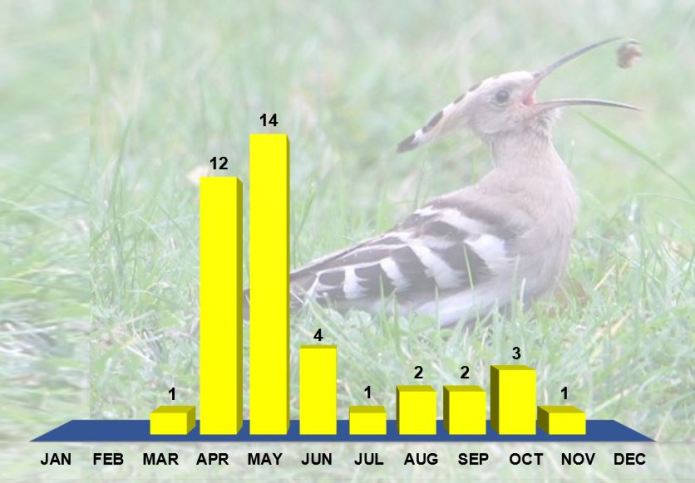
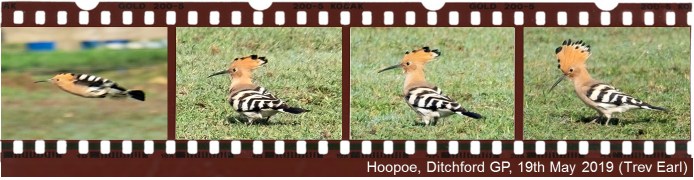 Another fine, largely dry week commenced with the convergence of two pressure systems over the central part of the country, producing only a few short-lived, local showers on northerly winds. Though fairly quiet, undoubtedly bird of the week was a Hoopoe, which stayed long enough to pose briefly for photos for just one lucky, right place, right time photographer …

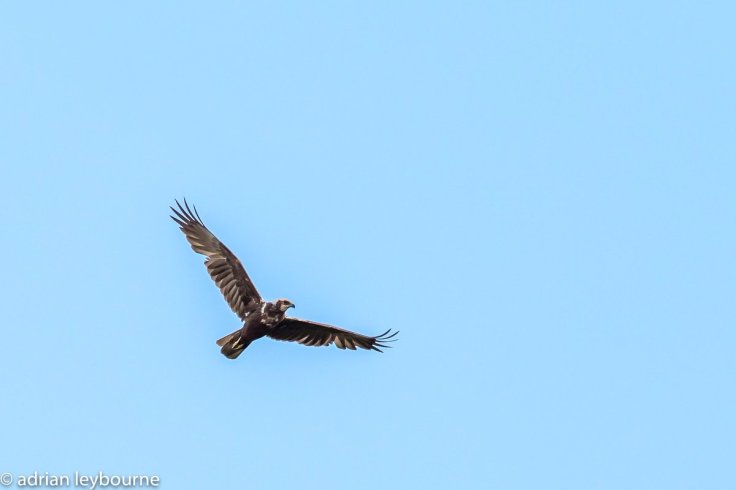

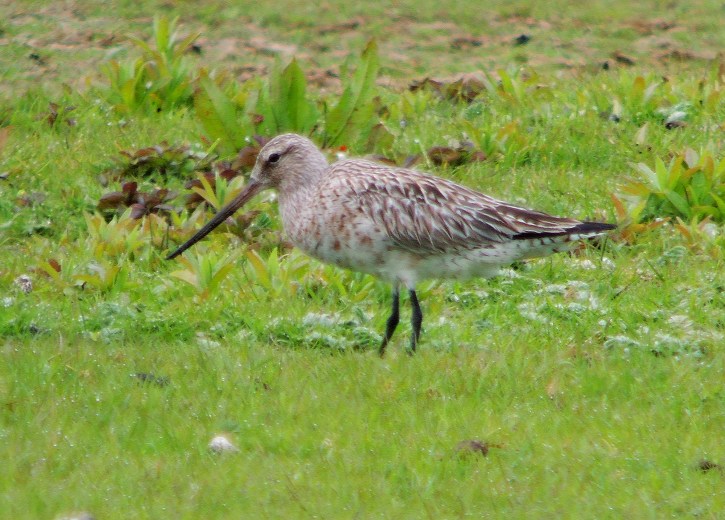
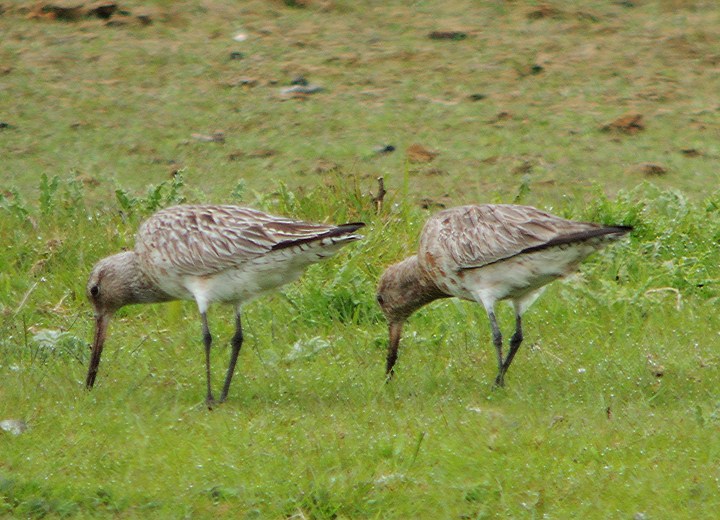


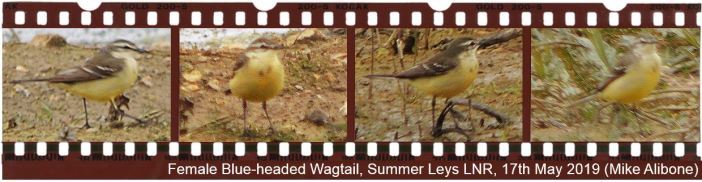 A fine, dry week saw the pace of migration slow somewhat, although winds in the latter half were a keen north-easterly, turning to a strengthening easterly at the very end of the period. With all the summer visitors now in, speculation is running high on what might be found over the forthcoming two weeks.


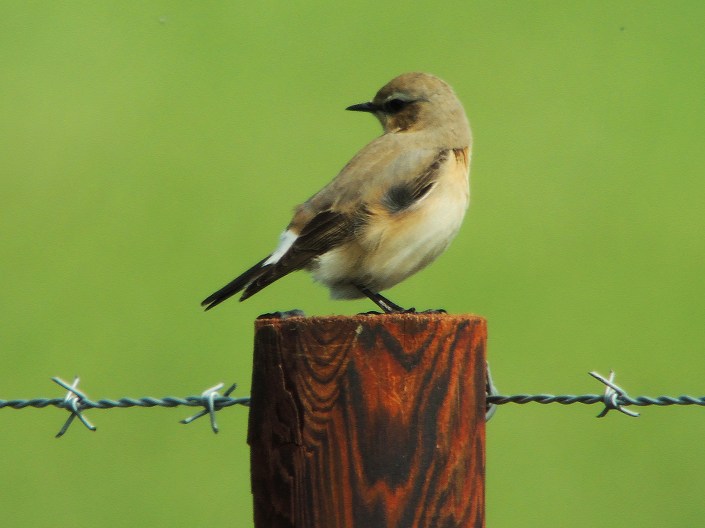

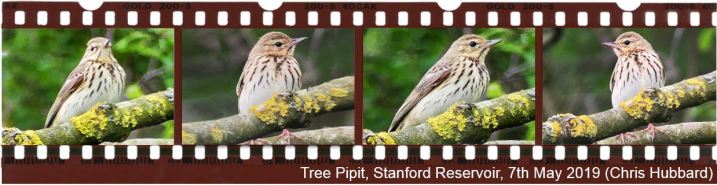 In a week when local temperatures remained depressed, Britain recorded one of its coldest May Day bank holidays on record and predominantly northerly winds and rain did their best to halt migration. Undeterred by the weather, migrants continued to push through, evidenced in the main by large numbers of hirundines and Common Swifts battling against the elements, alongside a notable second wave of Black Terns and a continuing northward movement of waders.
 Summer visitors recorded arriving for the first time during the past week include:
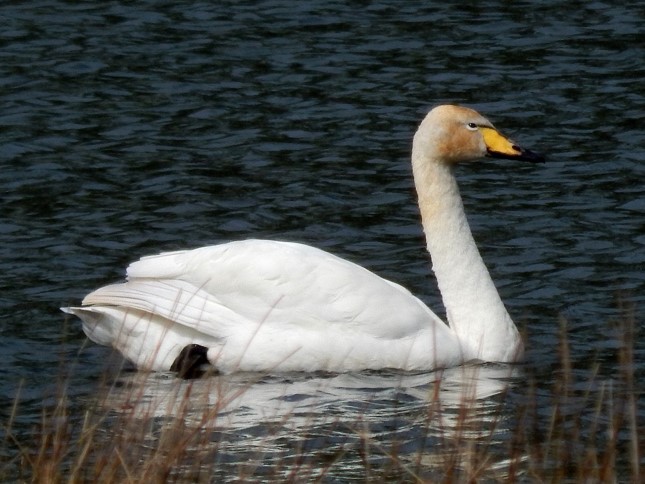
 Still in no apparent hurry to depart, the first-summer Whooper Swan remained at Thrapston GP until at least 8th, feeding with the resident Mute Swans in surrounding crop fields. Numbers of other wildfowl were, unsurprisingly, limited for early May but the monopoly maintained by Summer Leys LNR on Garganey was at long last broken when a drake appeared at Pitsford Res on 8th-9th, while the Summer Leys drake was still present, though elusive, on 10th. Stopping off on the latter date, two female Common Scoters were well north of the dam at Pitsford Res, while the escaped female Bufflehead, described as ‘legendary’ by BirdGuides, was back at Clifford Hill GP on the last day of the period. Since she was last seen there on 2nd, her roving nature has taken her up to South Yorkshire, where she spent at least two days at Old Moor, in the Dearne Valley, before returning to Clifford Hill!

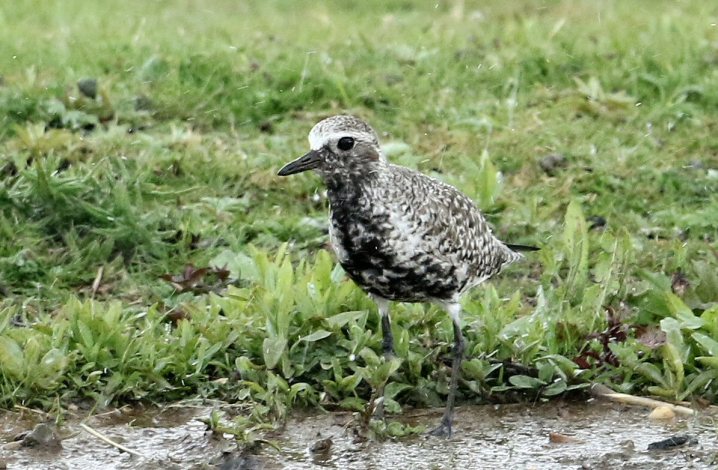
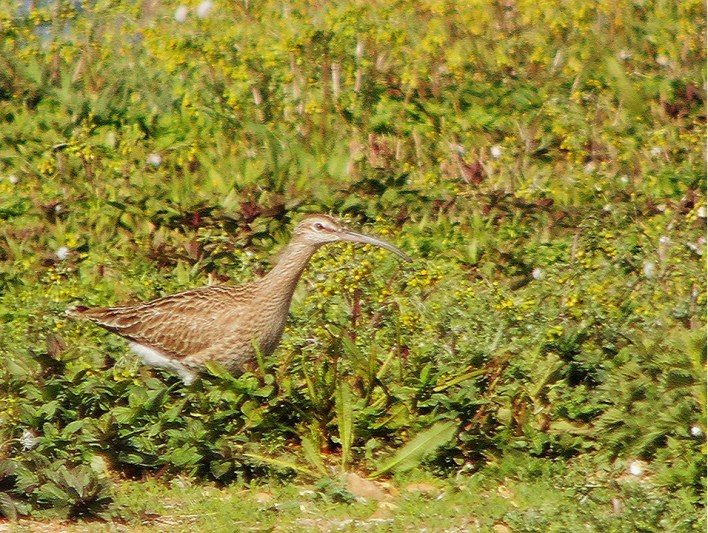

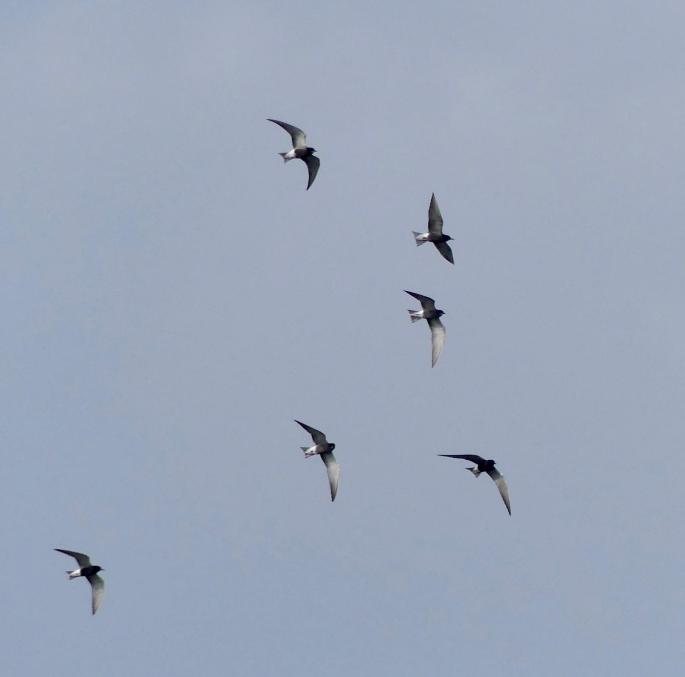
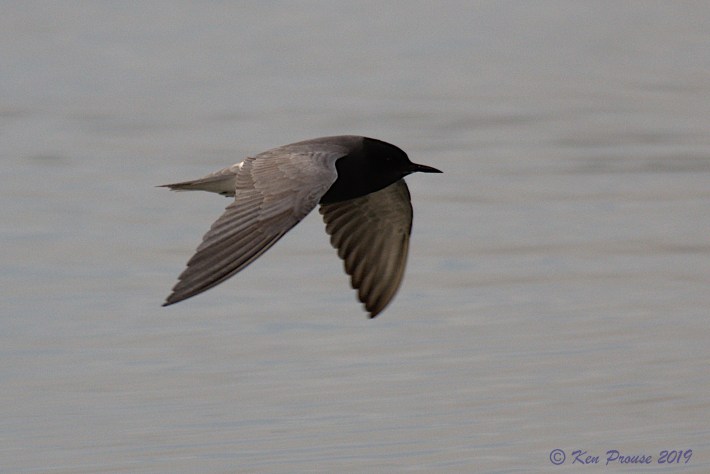
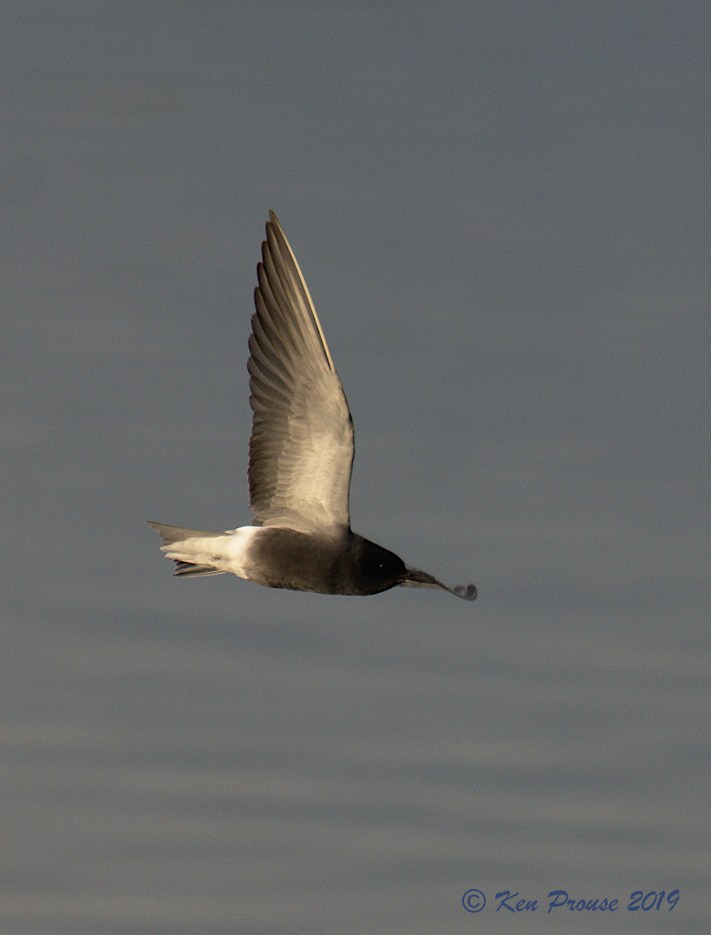
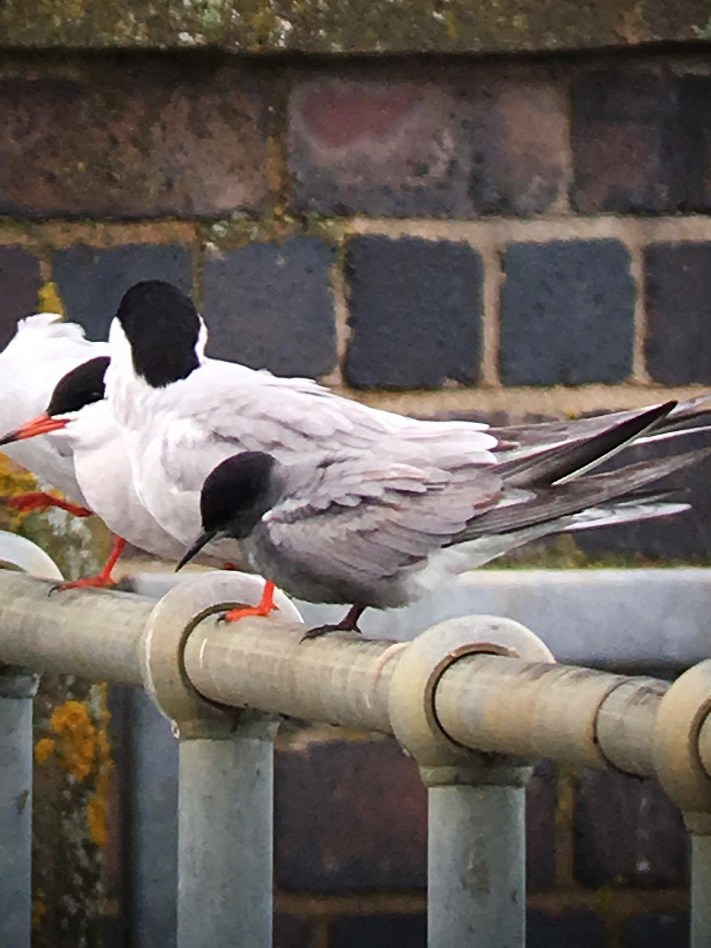
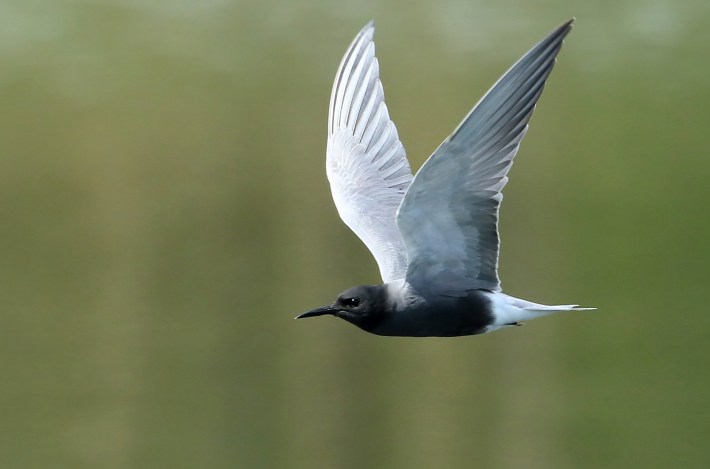


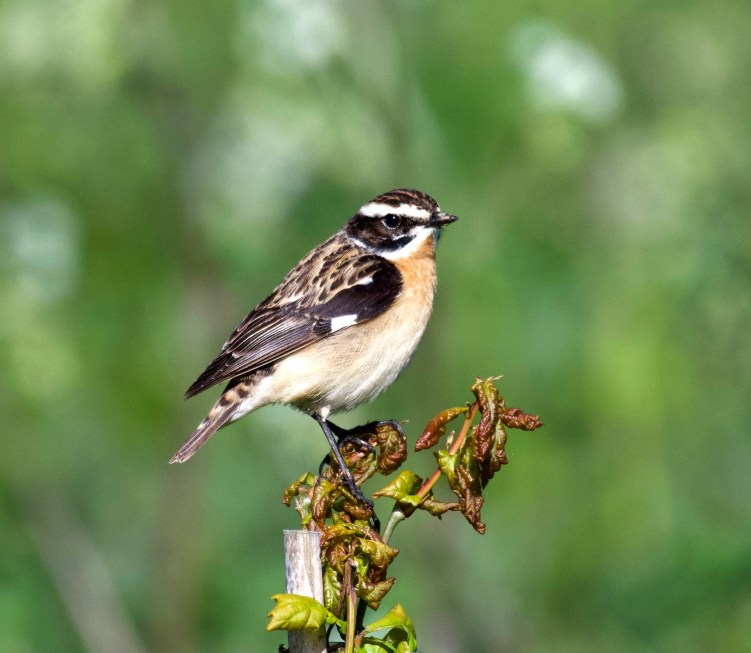

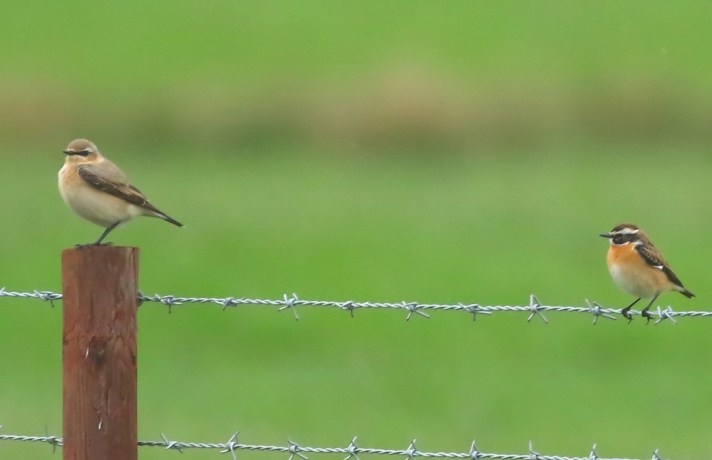
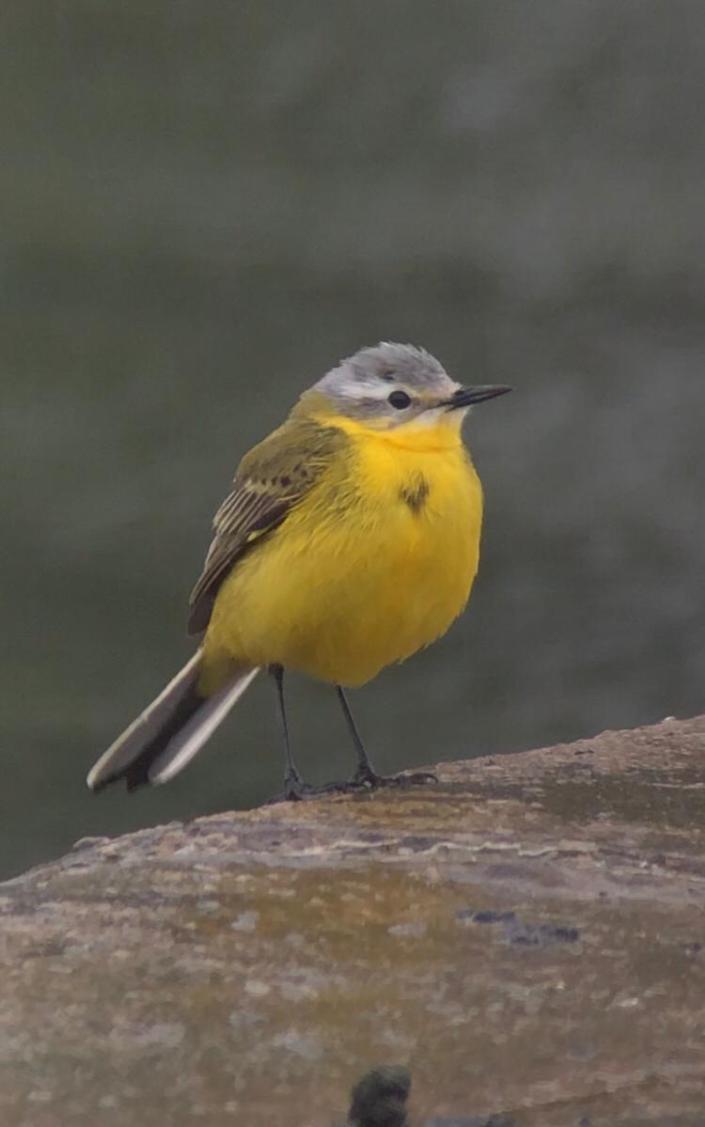


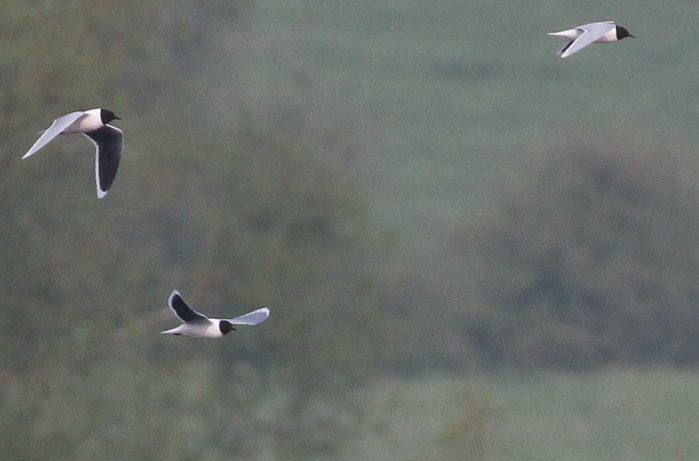
 Last week’s prolonged easterly airstream unfortunately broke down and gave way to winds from a westerly quarter, ultimately turning northerly at the week’s end. As a result, and in stark contrast to the last review period, passage migrants took a tumble in numbers, the heady flow of godwits and Little Gulls dried up and there was only one ‘first-time’ summer visitor reported.

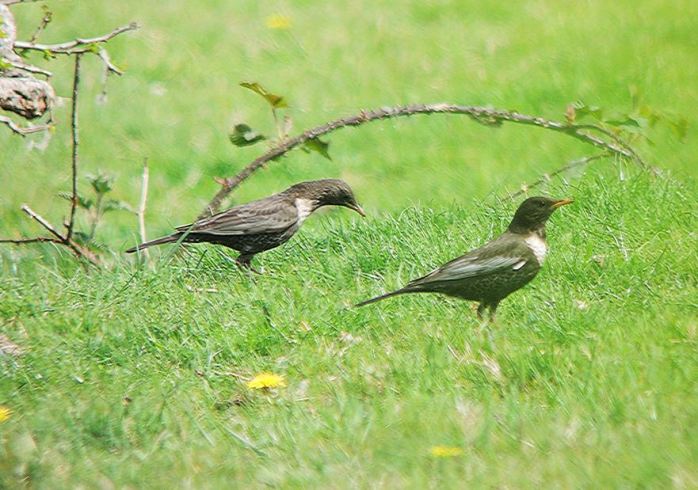

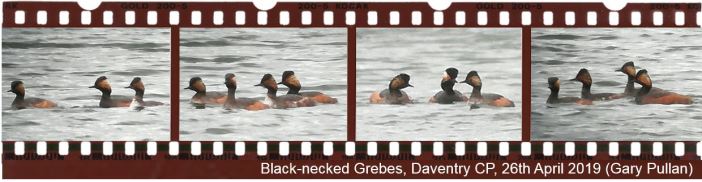 The generally easterly airstream continued to dominate, moving round to the south-east before eventually swinging south-west as ‘Storm Hannah’ approached at the week’s end. Local temperatures hit 24°C on 22nd, after which they fell away and showers ensued from 24th. Little Gulls and passage waders took centre stage, while summer visitors continued to arrive in small numbers.
 Summer visitors recorded arriving for the first time during the past week include:






 Northants birds