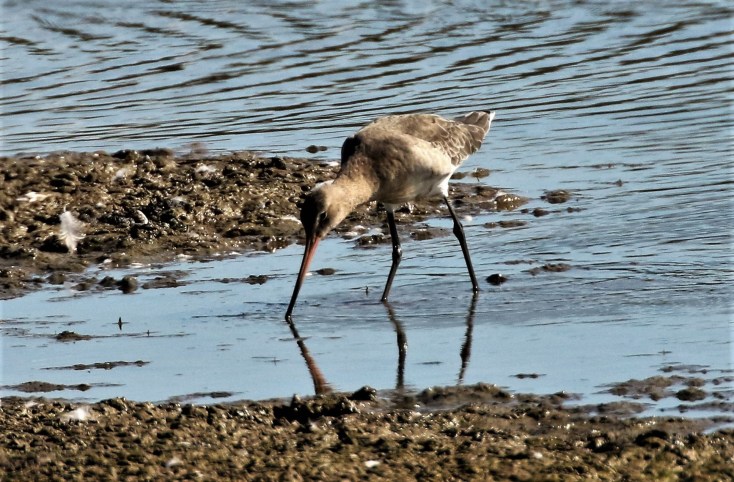
Low pressure dominated the period, bringing significantly heavy rain which, backed principally by north-easterlies, resulted in considerable flooding of low-lying areas. The Nene Valley bore the brunt but arguably produced the best birds of the week.
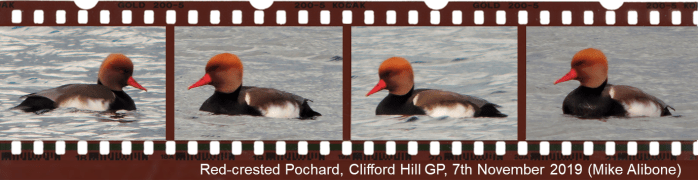
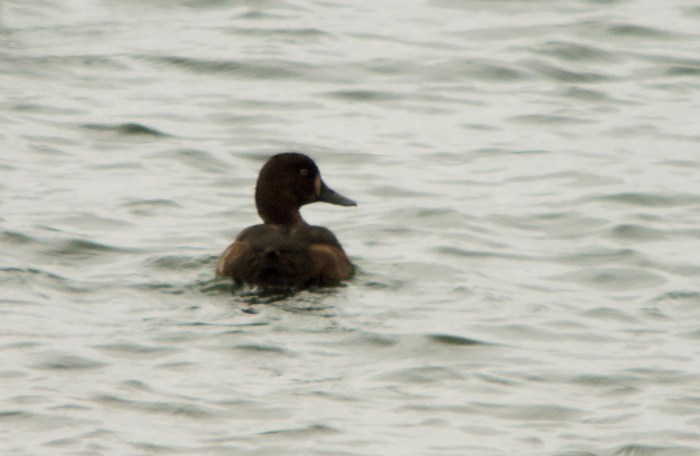
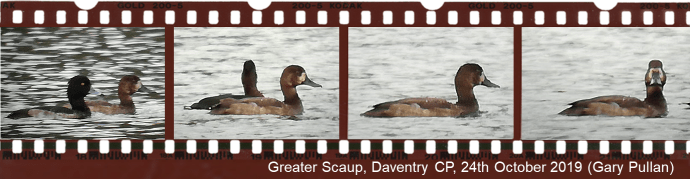
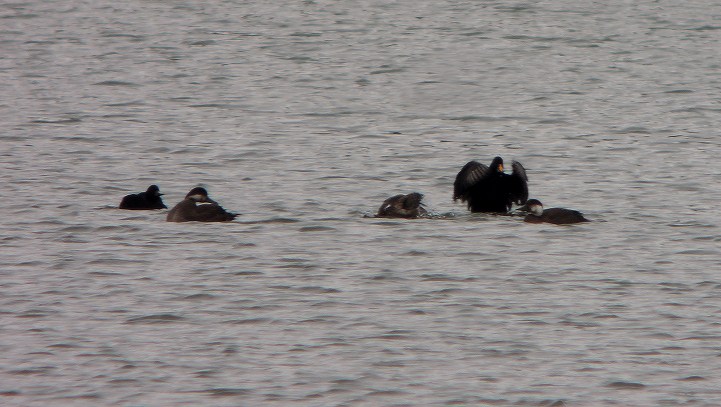
Clearly spoilt for choice with the availability of the expanding floodwater, commoner wildfowl appeared in areas that would normally see none. Immediately west of Northampton, for example, the extensively flooded Kislingbury Meadows, at its aqua alta, played host to a couple of Shelducks, as well as to small numbers of Tufted Ducks and even Pochard. At the other end of the county, at Thrapston GP, the adult Whooper Swan was still present until at least 11th, while back over to the west, the female Ruddy Shelduck, which went unreported last week, popped up at Foxholes Fisheries, near Crick, on 12th where, it emerged, she had been holed up for a good few days. North of the causeway at Pitsford Res, Red-crested Pochard numbers increased to six on 12th, while three visited Thrapston on 11th and the Clifford Hill GP drake was joined by a second one from 9th until at least 12th. The juvenile drake Greater Scaup remained at Daventry CP all week and Pitsford’s Pintail Bay was the venue for the discovery of a female Common Scoter on 10th, before two more were found in close proximity the following day.
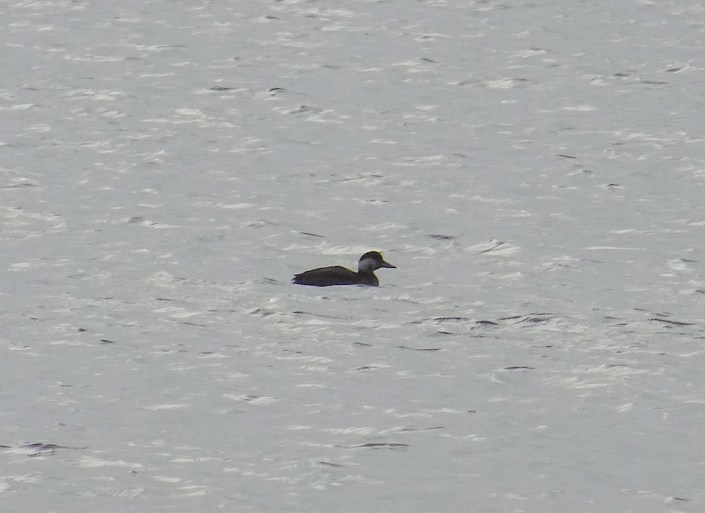
The latter location also produced the second ‘redhead’ Smew of the autumn, on 13th, while Summer Leys retained its own ‘redhead’ until at least 11th, before it was relocated on Mary’s Lake, across the lane of the same name, at Earls Barton GP.
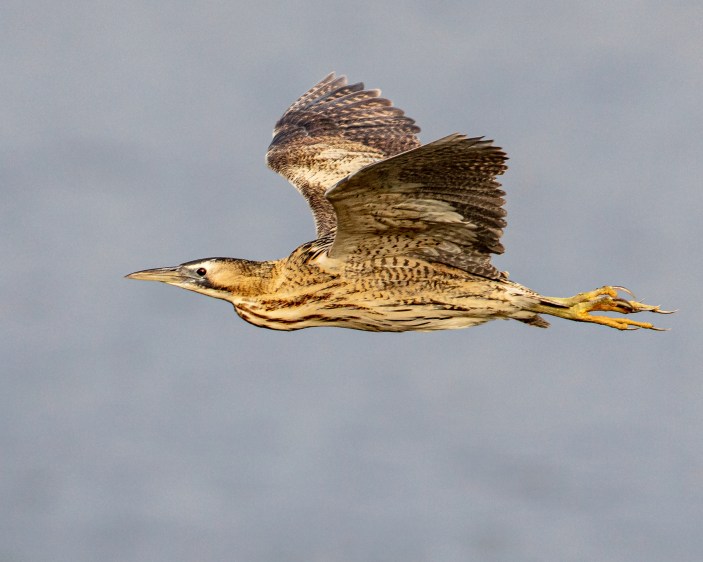
Also at Summer Leys, sporadic in-flight appearances of Bittern continued with one there on 12th, while another was also seen flying between Fawsley and Everdon on 9th. Reports of Great Egrets were down on recent weeks, with up to two at Pitsford between 10th and 13th and singles at Thrapston on 9th, Summer Leys between 10th and 13th and at Stanwick GP on 12th.
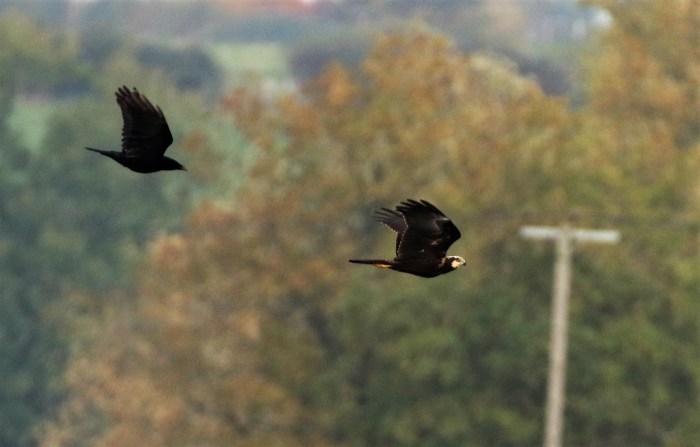
On the raptor front, another Marsh Harrier was found – this time flying west at Oundle on 12th and a ‘ringtail’ Hen Harrier was hunting over DIRFT 3 and adjacent Lilbourne Meadows LNR on 9th-10th, while a ‘ringtail’ harrier sp. was reported from the Brampton Valley, near Cottesbrooke, on 14th.

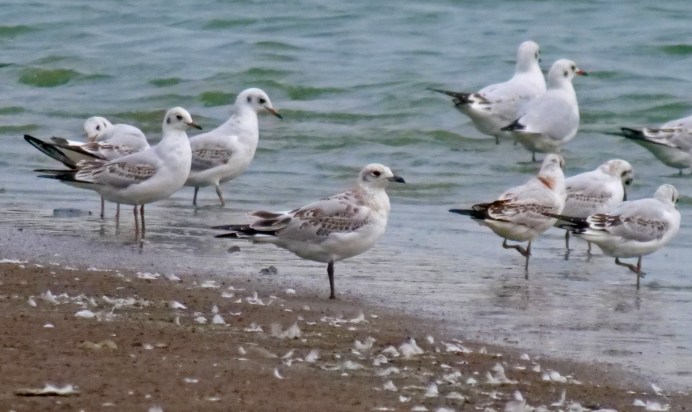
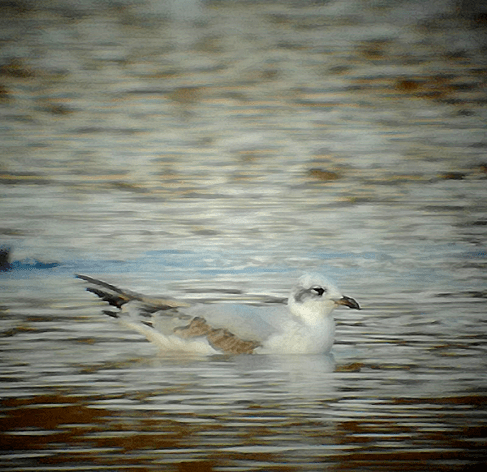
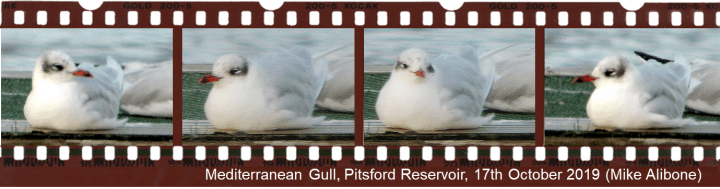
The Pitsford adult Mediterranean Gull was again in the roost there on 11th and 14th and just one Yellow-legged Gull was reported this week – an adult at Stanford Res on 10th.
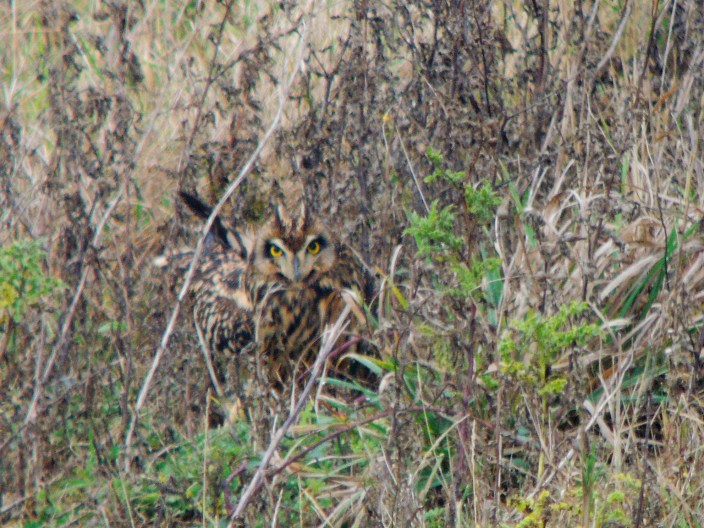
Short-eared Owls were found at three localities – one, a presumed migrant, at Stanford Res on 9th, while last week’s DIRFT 3 two were quartering the adjacent Lilbourne Meadows area on 13th and one was still at Neville’s Lodge (Finedon) on 13th and 15th. The Harrington AF Merlin was seen there again on 10th and singles were also in the Brampton Valley and at Stanford Res on 15th.

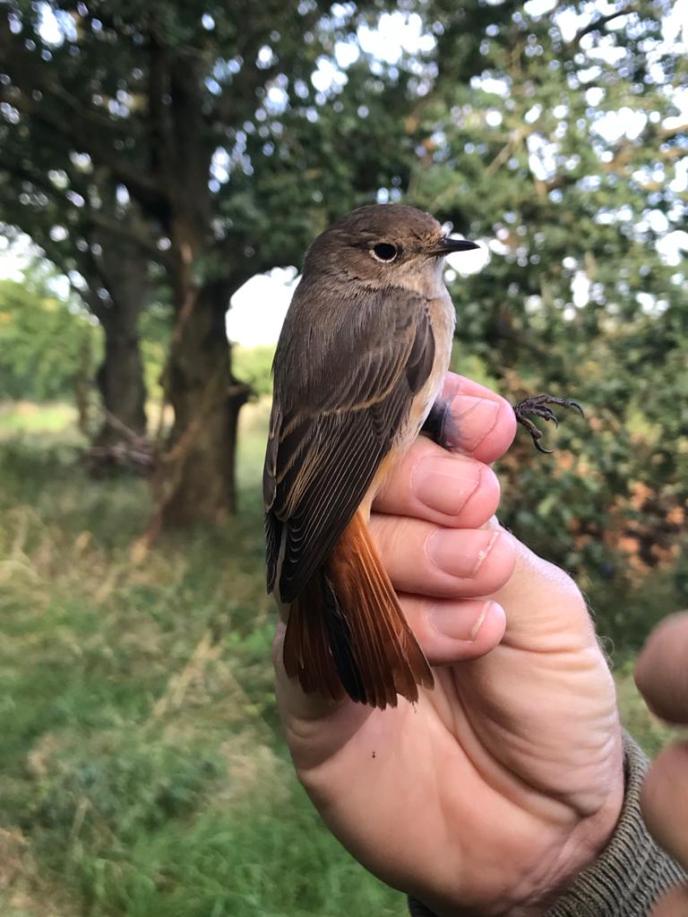
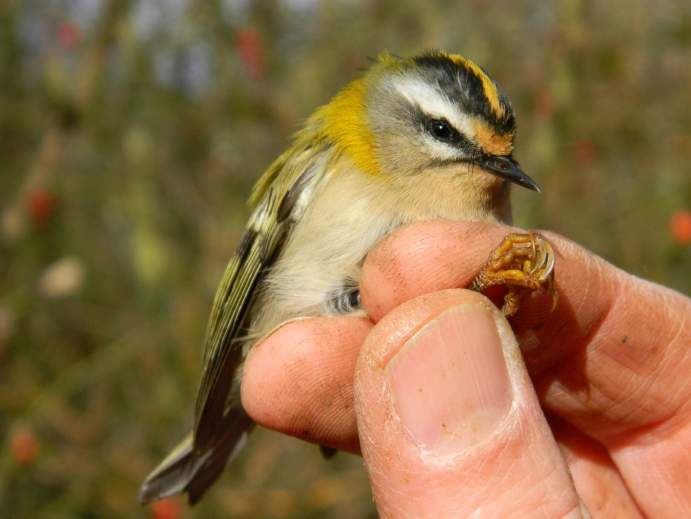
Following last week’s Siberian Chiffchaff, trapped and ringed at Stanford, two more were discovered in willows at a heavily waterlogged Ditchford GP on 15th – as ‘half-predicted’ in the last round-up – while just across the A6, at Stanwick, a Firecrest was trapped and ringed on 10th.
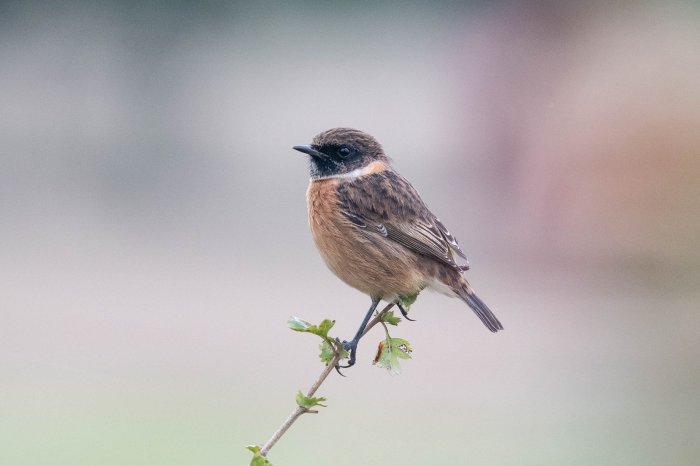
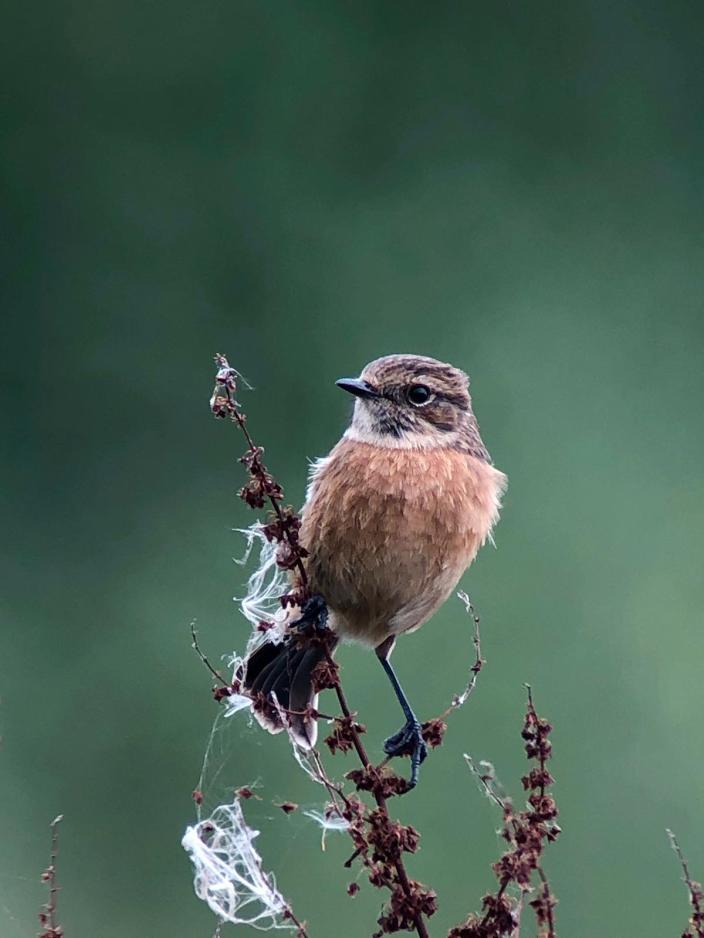
Lastly, Stonechats continued to be seen in twos in the Brampton Valley, at DIRFT 3 and Clifford Hill GP with three at Pitsford Res and one at Stanford.
 An unsettled week with a variable wind direction, sporadic heavy showers, low cloud and drizzle. Against a backcloth of visible passerine migration, a Siberian Chiffchaff at Stanford Reservoir was arguably the week’s highlight.



 A change of month, a change of clocks and a change of wind direction back to easterlies resulted in a few new birds, the first autumnal frost on 28th and the arrival of the county’s first Smew of the ‘winter’ at Summer Leys on the last day of the week.





 With more unsettled weather afoot, chilly northerlies swung quickly to south-westerlies, bringing rain, bluster and birds. In the last week before taking the unwelcome plunge into late afternoon darkness for the next few months, leaf-fall accelerated and migration continued apace – especially where passerines were concerned – with the reservoirs at Pitsford and Stanford again delivering the best in class.



 The weather remained largely unsettled, with heavy rain and sporadic showers, backed by blustery south to south-westerly winds during the early part of the week. The period’s highlight was a Yellow-browed Warbler, trapped and ringed … where else other than at Stanford Reservoir.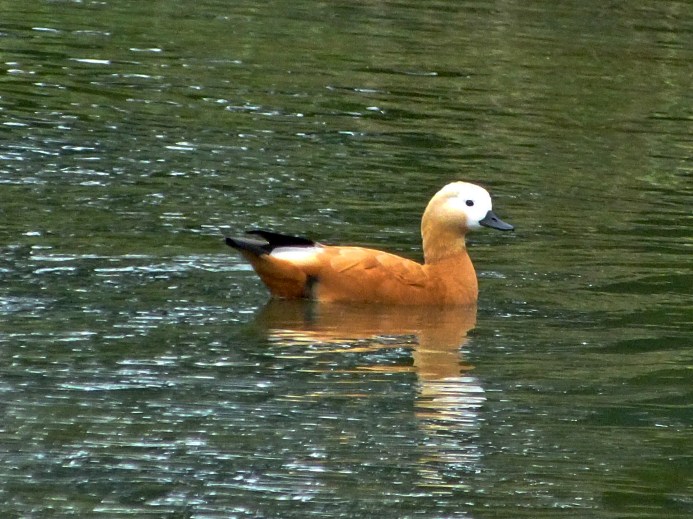


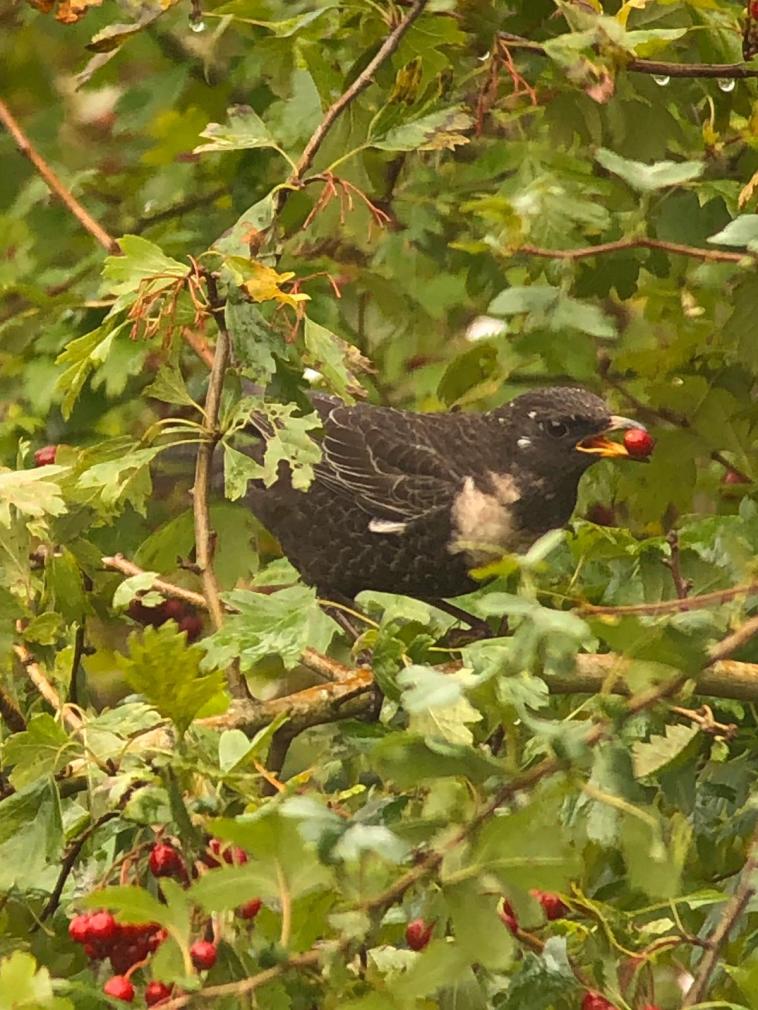
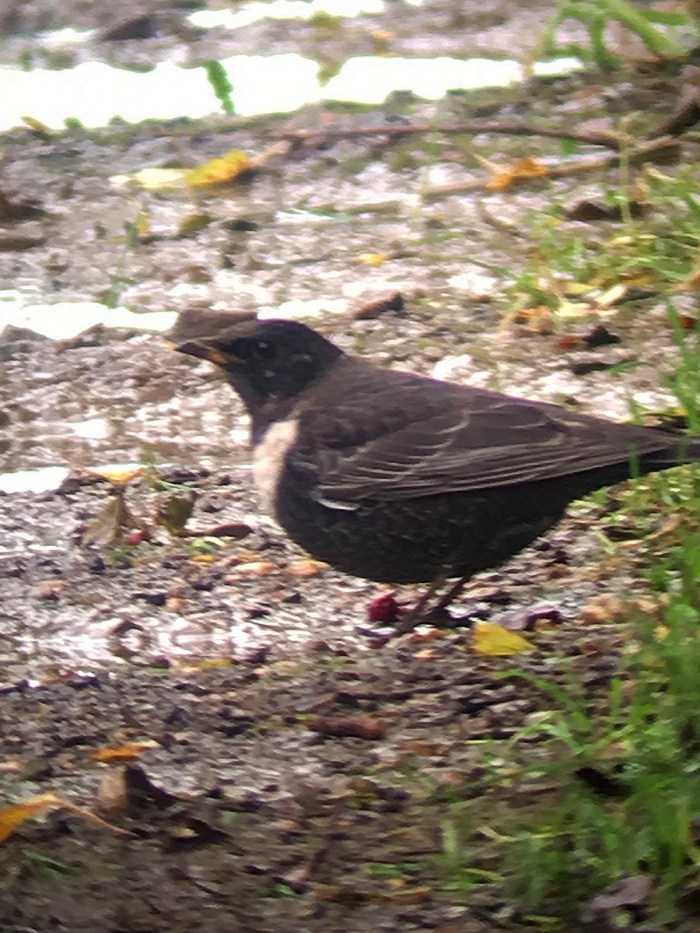
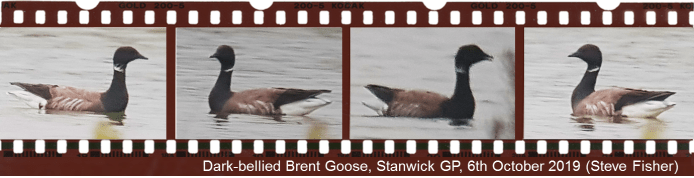 An unsettled week with a strong, predominantly westerly airflow saw a couple of potentially weather-related arrivals in the respective shapes of Dark-bellied Brent Goose and Gannet, amid more winter thrushes and the autumn’s first Bramblings.

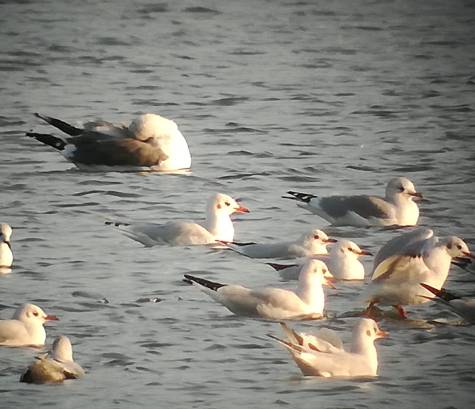
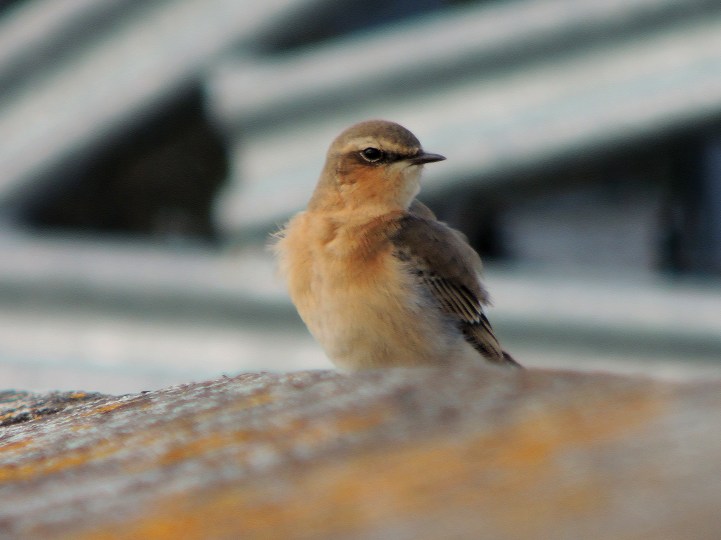
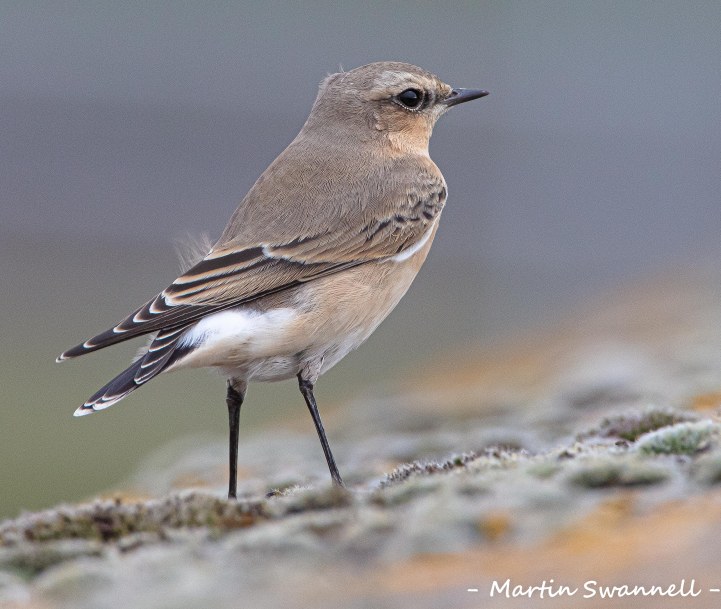
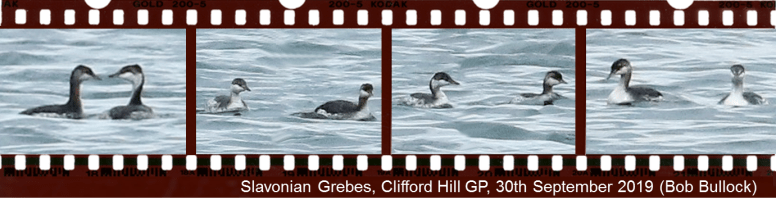 At the beginning of the period, things augured well for the end of the week, as ex-Hurricane Lorenzo looked set to deposit a scattering of inland seabirds. Unfortunately, by the time it reached the UK, it was full out of puff and brought only disappointment. As soon as September clicked into October, however, day one of the ‘magic month’ produced the first local Redwings of the autumn. Apart from that, Slavonian Grebe, Spoonbill and Spotted Redshank stole the show.

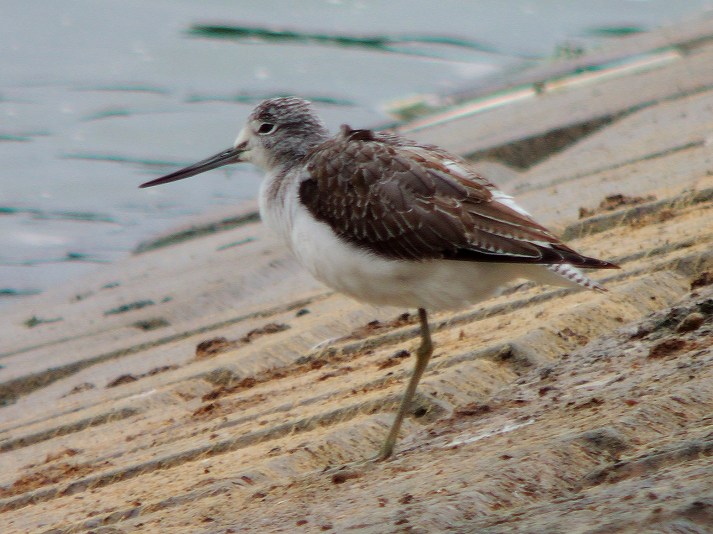

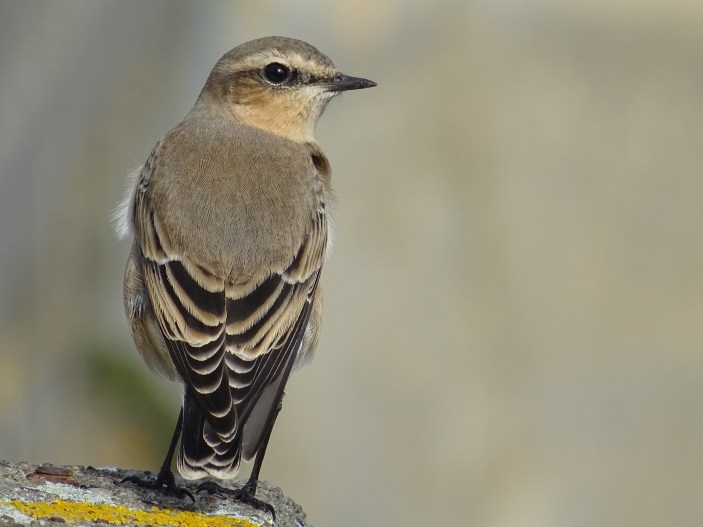
 South-easterlies, warm continental air and sunshine at the very beginning of the period quickly gave way to the more usual Atlantic low pressure systems, a westerly airflow and periods of gusty wind and rain throughout the week. Migrant passerine numbers dwindled, while bird of the week was undoubtedly the juvenile Little Stint, which graced Boddington Reservoir for the last three days of the period.
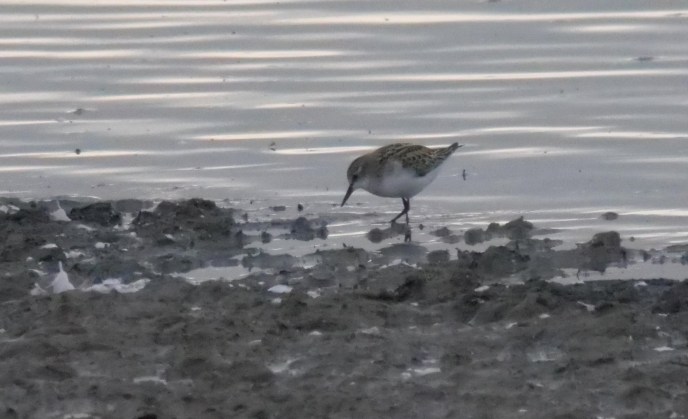


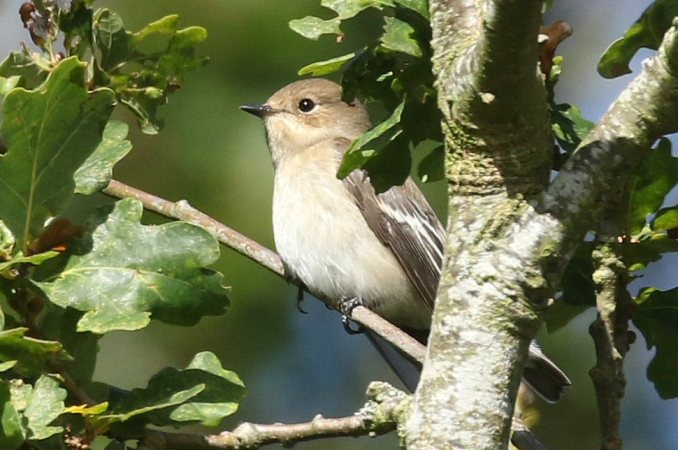

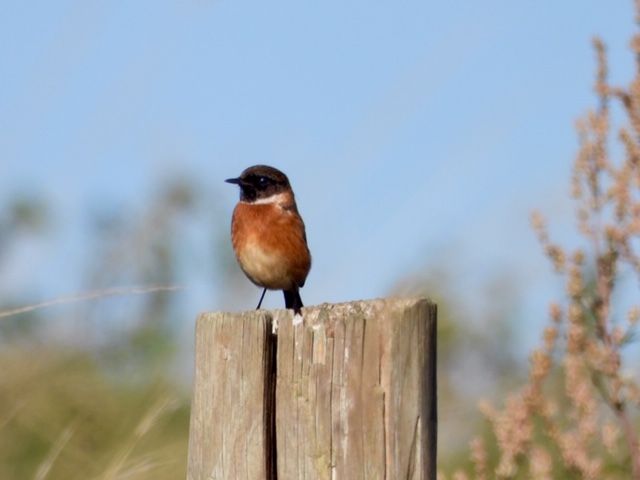
 If a week is a long time in politics then two weeks is an even longer time – not just double – when it comes to autumn birding. For the major part of the duration, the weather was dry and temperatures were unseasonally high, hitting the mid-twenties. Winds were largely westerly, alternating between the addition of northerly and southerly components, before swinging a decisive south-easterly at the end of the period. While wader numbers tailed off, passerine migrants maintained their prominence at a number of favoured localities.




 Temperatures fell as the prevailing Atlantic airflow re-established itself, delivering brisk, breezy and mainly dry conditions on the back of variable northerly to south-westerly winds. Local birding survived on the remnants of last week’s migrant rush, the usual long-stayers were still in place, with the popular well-watched sites continuing to produce small numbers of new birds.