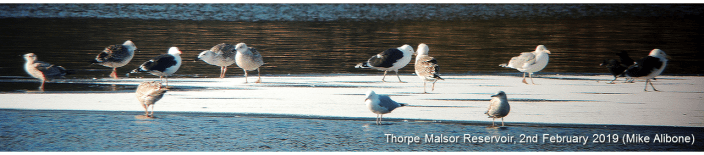
 Frozen conditions continued for the first two days of the period, with continuing cold northerlies and temperatures bottoming out at -5ºC early on 3rd. After this it was all change, the winds swung round to the westerly quarter and daytime temperatures rose to 9ºC, rapidly melting ice and remnant snow. By the week’s end, Storm Erik’s gale-force winds and rain put the dampeners on things across the Midlands but none of this, it seems, made any significant difference to the birds on offer.

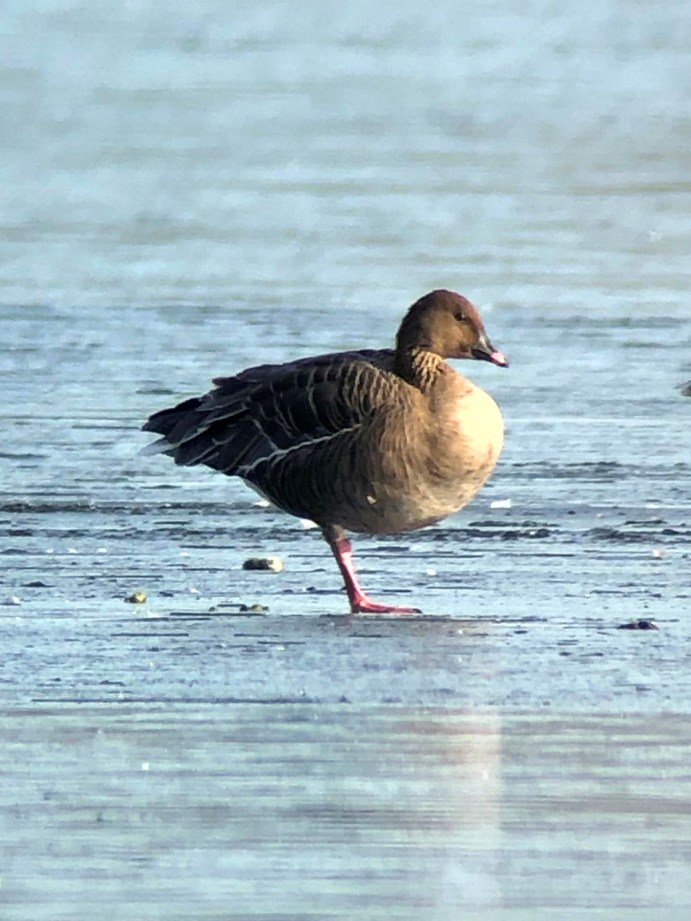
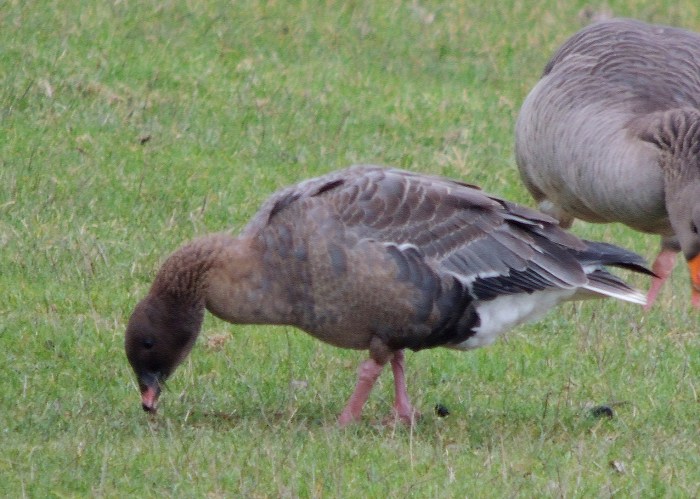
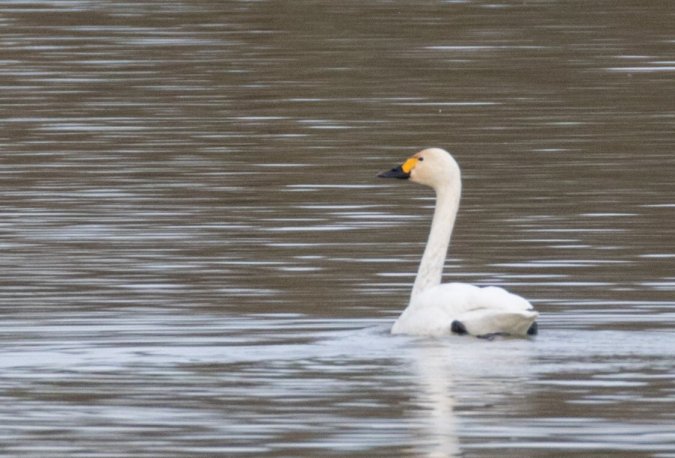
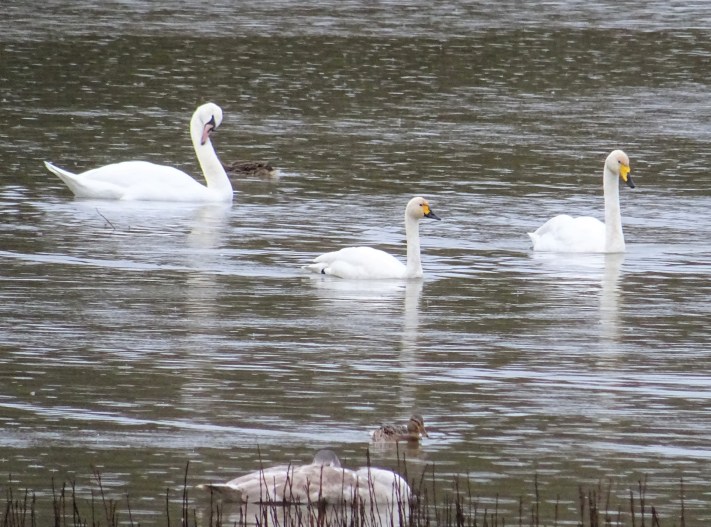
Reported missing, presumed gone, the first-winter Whooper Swan at Thrapston GP evidently relocated to Town Lake, being seen there on 4th-5th, following five flying south over Stanford Res on 2nd. Thrapston’s goose flock, meanwhile, became fragmented and the White-fronted Goose was seen only on 2nd and 7th, while the three Pink-footed Geese were still present on 5th, with at least one remaining until 7th. Stanford’s two pinkfeet were also seen, on and off, until the same date.
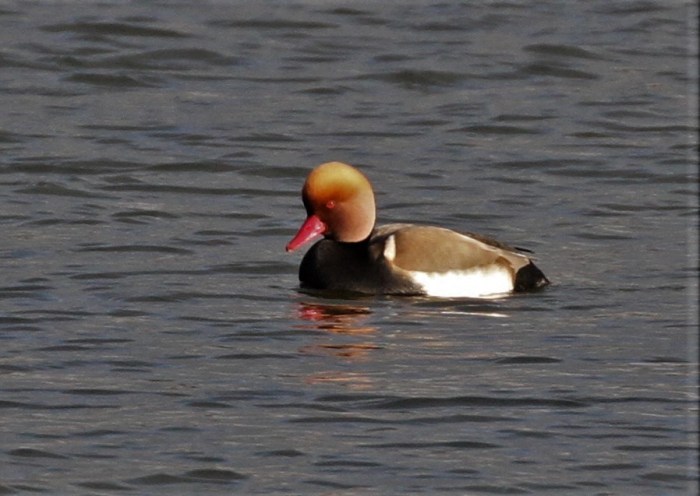
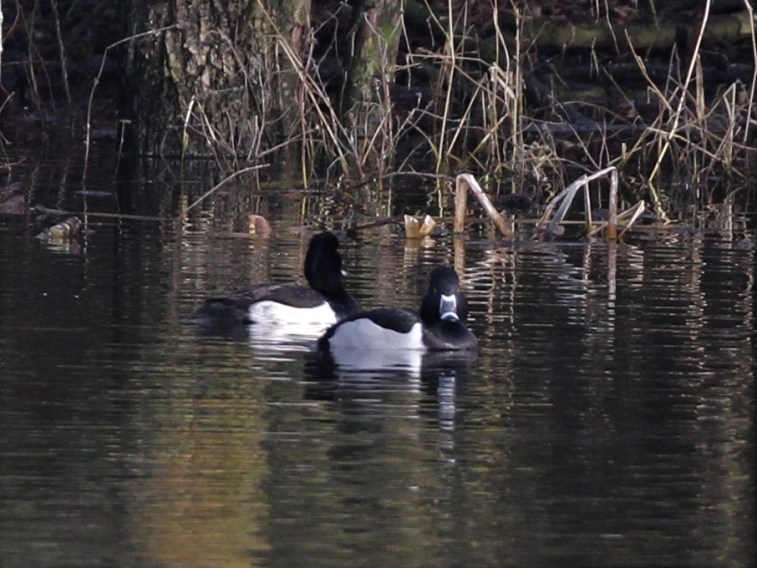
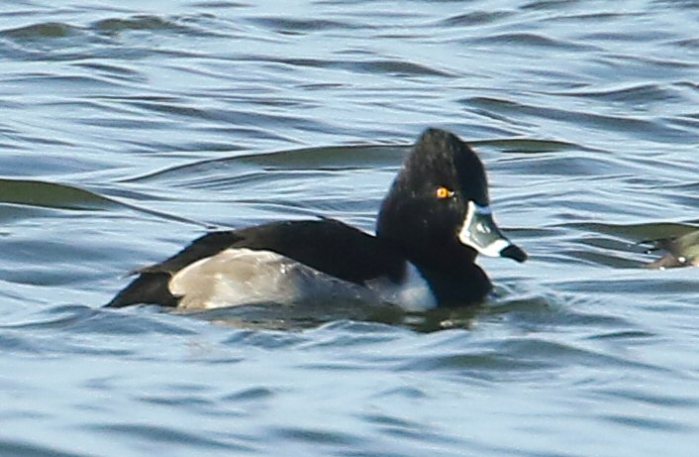
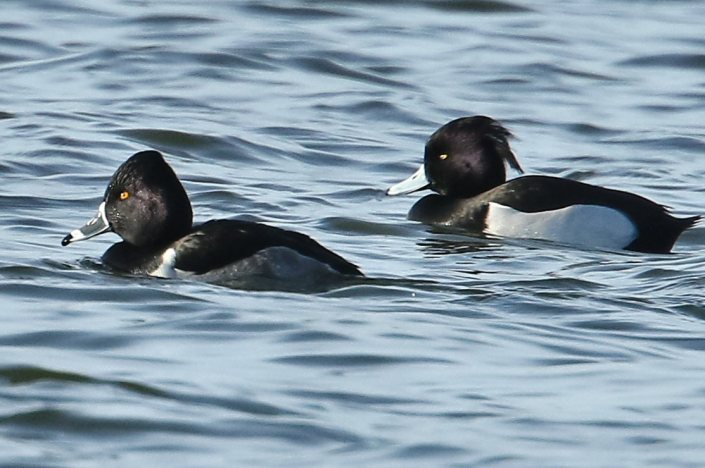
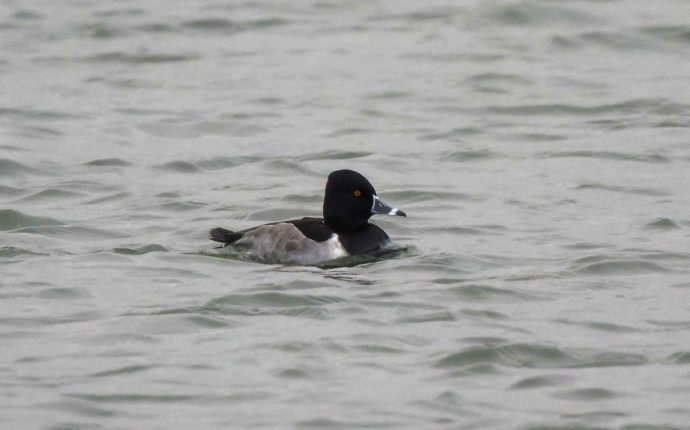
Numbers of Red-crested Pochards appeared to fall to a maximum of just 6 at Pitsford Res on 2nd and they were not recorded elsewhere, while Pitsford’s drake Ring-necked Duck now seemingly settled around Pintail Bay, remained all week. On 5th, another drake was reported from Mary’s Lake at Earls Barton GP, although it hasn’t been seen since. Is there still one mobile about the Nene Valley, currently lurking at a locality unknown?

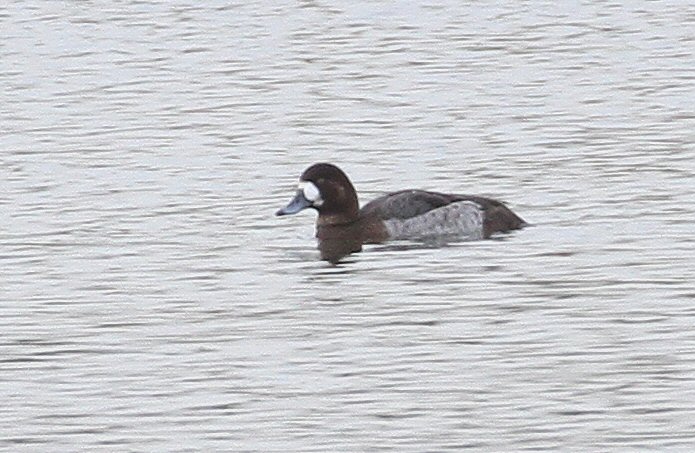
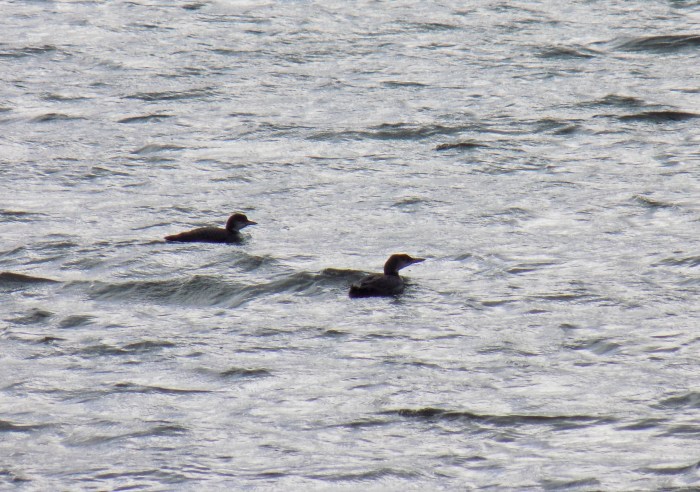
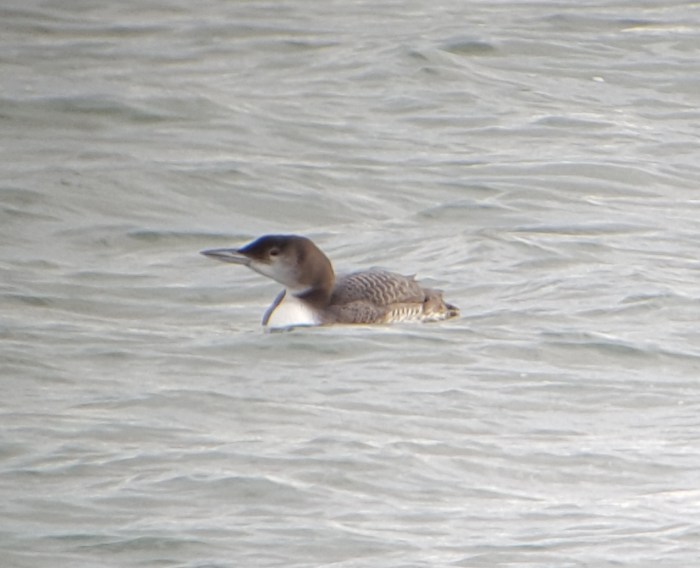
Back at Thrapston, a handsome drake Smew – outrageously scarce in the county this winter – put in a brief appearance on 3rd, but was gone by the following day, while the two juvenile Great Northern Divers remained at Pitsford all week.

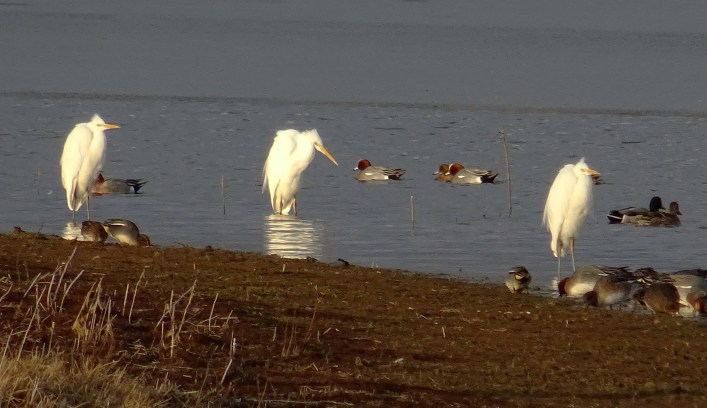
The Bittern found on Thrapston’s Aldwincle Lake on 1st was still being watched along the reedy margin of the lake’s northern end on 2nd and 3rd, while the site, along with Pitsford Res, continued to hold the highest number of Great Egrets – up to four – throughout the week. Elsewhere, Earls Barton GP/Summer Leys LNR again hosted three, Stanford Res held two and singles were at Ditchford GP, Hollowell Res, Ravensthorpe Res, Thorpe Malsor Res and in flight over Blueberry Farm (Maidwell).
The juvenile Hen Harrier at Stanford Res remained for the duration but the Neville’s Lodge ‘ringtail’ proved anything but reliable in its appearances, being seen there only on 2nd and 3rd. A three Merlin week is unusual but that’s just what we got, with the one in the vicinity of Blueberry Farm being seen on four dates and further singles at Chipping Warden on 3rd and near Easton Maudit on 6th-7th.

A single Jack Snipe at Desborough AF on 4th just managed to keep waders on the radar this week Pitsford Res on 28th. Gull numbers continued to run at a low ebb, with Hollowell Res producing an adult Yellow-legged Gull and a second-winter Caspian Gull on 2nd, while the Boddington Res roost was visited briefly by an adult and a third-winter Caspian Gull on 4th and a second-winter Glaucous Gull appeared at Stanford Res on 5th.
Stanford Reservoir – 2w Glaucous Gull late pm (seen in Jan when thought to be a juv but consensus is it is a 2w). Also seen at Shawell and in the Draycote roost during Jan but first visit to Stanford since 16/01. 2 Pink-feet still and Great Egret. @PhoneSkopeUK @wildrainsbrook pic.twitter.com/xBYoVk90NP
— stanford birder (@c4hub) February 5, 2019
Two Short-eared Owls were seen around Neville’s Lodge during the late afternoons of 3rd, 4th and 6th and the Great Grey Shrike continued to perform throughout the week, close to Blueberry Farm, where at least two Corn Buntings remained in the seed crop at the same site.


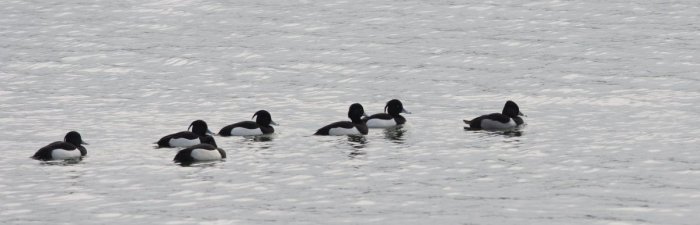
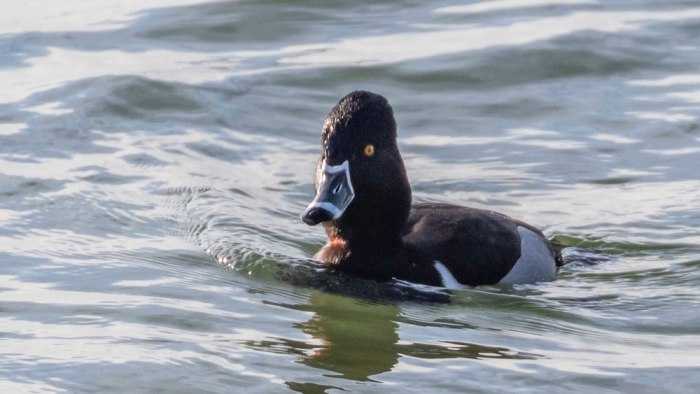
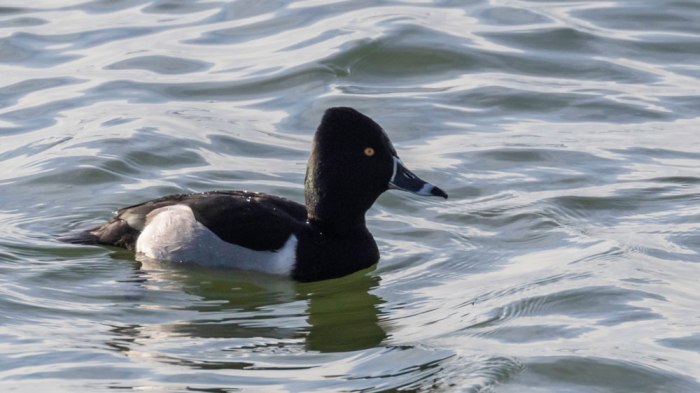

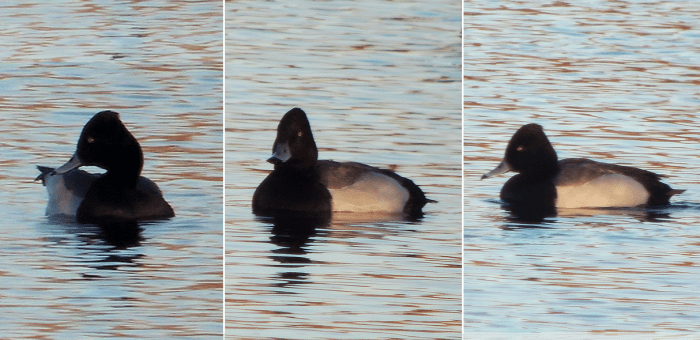


 This species has become much rarer as a winter visitor across the UK over the past thirty years. In its heyday in the 1970s, Northamptonshire records reached double figures annually, peaking at a whopping 20 in 1974. Nowadays it is possible to experience a five-year run with no local records. The flagging up of this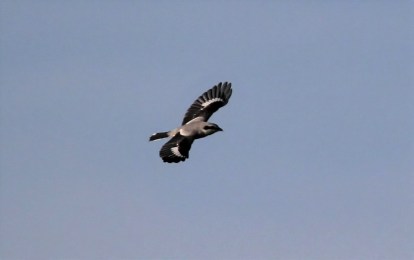



 Back at Pitsford, the two juvenile Great Northern Divers were still present together on 16th, one being seen there the following day and the same site continued to hold at least four Great Egrets, while Thrapston GP also held at least four. Elsewhere, Stanwick GP hosted up to two and singles were at Earls Barton GP/Summer Leys LNR and Stanford Res – a relatively poor showing in comparison to previous weeks.




 Waders were limited to a solitary Jack Snipe at Hollowell Res on 11th, while an adult Yellow-legged Gull also remained at this site throughout week. Further Yellow-legged Gulls included an adult at Chacombe on 6th and a first-winter in the roost at Boddington Res on the same date. Hollowell Res also held an adult Caspian Gull all week, joined there by a second-winter on 6th, 10th and 11th, while an adult appeared in the Boddington roost on 6th and a second-winter was at Rushton Landfill on 11th.










 Another first for the winter, a juvenile Great Northern Diver, was discovered off the dam at Pitsford on 1st before promptly being joined by another there on 2nd. Although both were seen together on the latter date, only one has been reported subsequently, right through to the end of the period.




 Northants birds