Rarity Round-up, 15th to 21st September 2018

The week’s weather was strongly influenced by the Atlantic storm track with SSW winds pushing up from the continent and raising the temperature to a local high of 26°C on 17th. The following day, ‘Storm Ali’ (nothing to do with the author!) was named as it advanced rapidly eastwards, bringing strong west to south-westerly wind and rain and delivering at least one storm-driven bird to the county on 21st.

This week’s wildfowl included the female Ruddy Shelduck putting in two appearances at Stanford Res on 15th and 18th with the same site also producing a flock of eight Red-crested Pochards on the latter date.
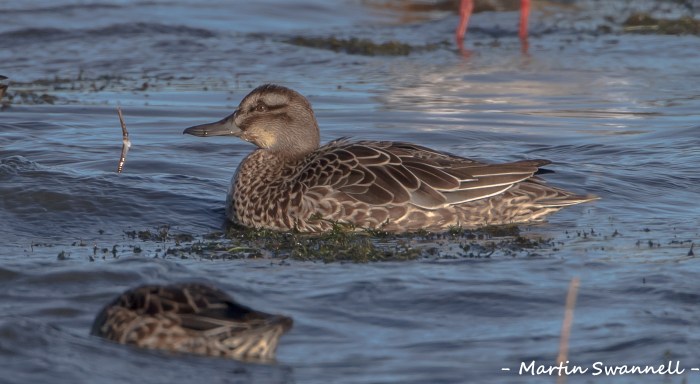
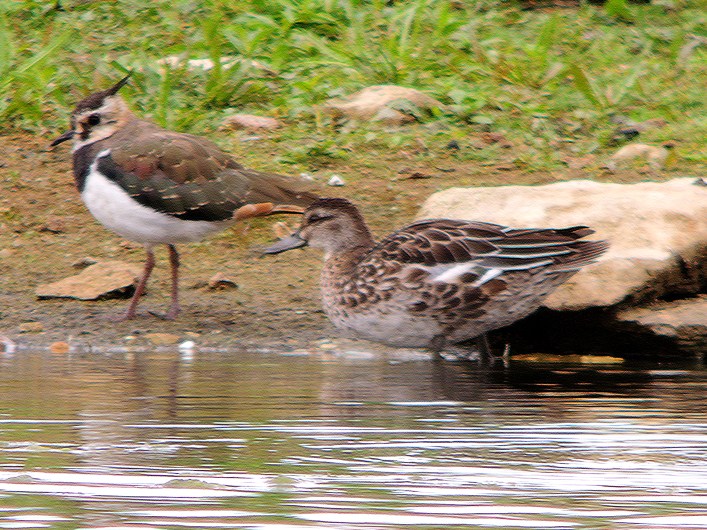
Juvenile Garganey, Pitsford Res, 21st September 2018 (Martin Swannell)

The Garganey at Daventry CP remained until at least 20th and a, or ‘the’, juvenile at Pitsford Res was again seen between Moulton Grange Bay and the dam on 20th-21st. Meanwhile, Great White Egrets increased in both number and the number of sites they were found at this week – the latter from three to five.
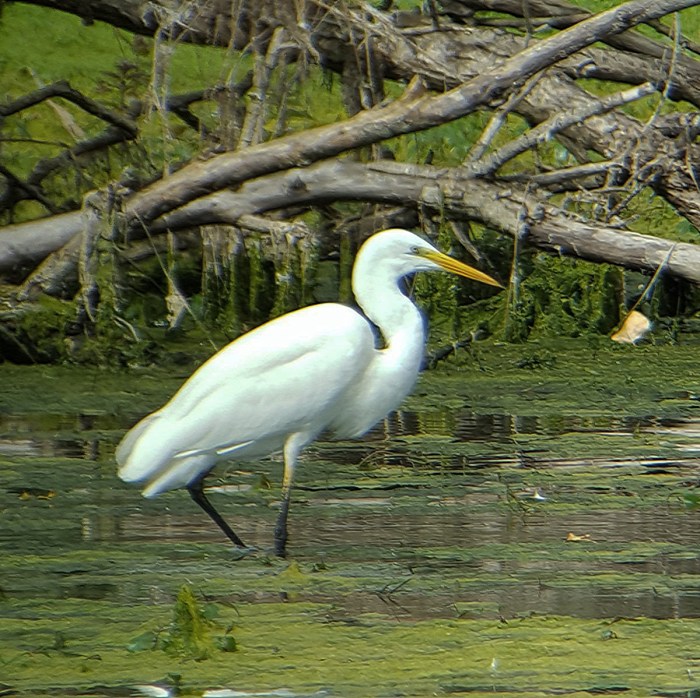
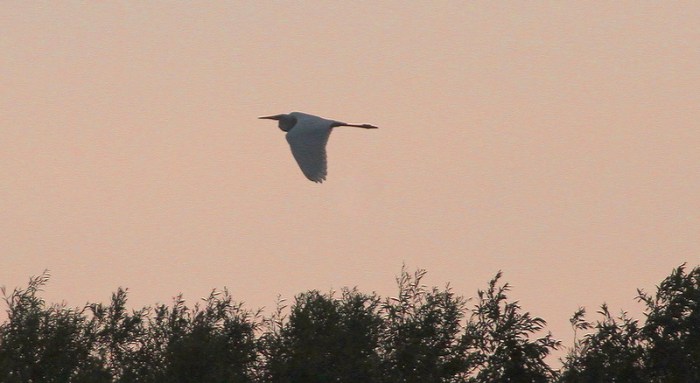
Great White Egret, Pitsford Res, 16th September 2018 (Adrian Borley)

The Thrapston GP individual remained all week, one was at Pitsford Res on 15th-16th while last week’s bird at Summer Leys LNR was still present on 21st, being joined by another there on 18th. Two were also together at Sulby Res on 16th and one flew west over Ditchford GP on 17th.
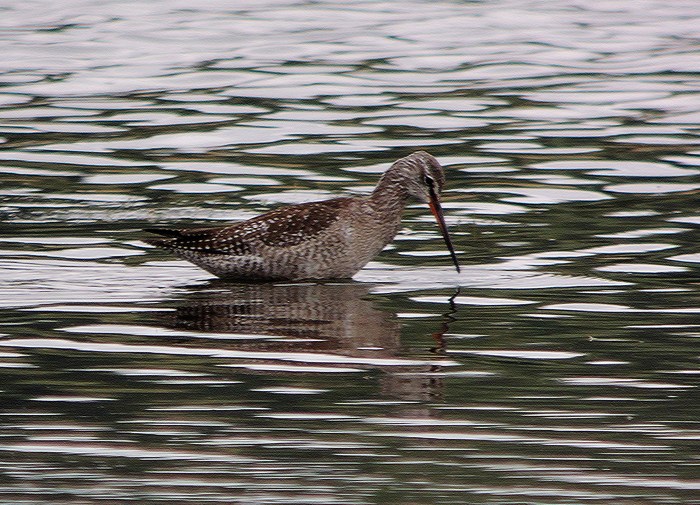
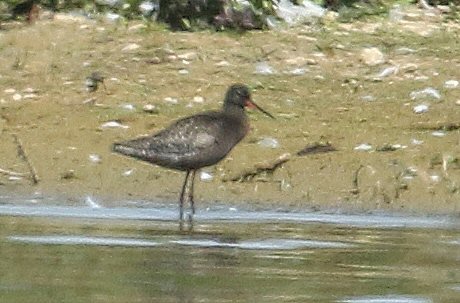
Juvenile Spotted Redshank, Hollowell Res, 9th September 2018 (Mike Alibone)

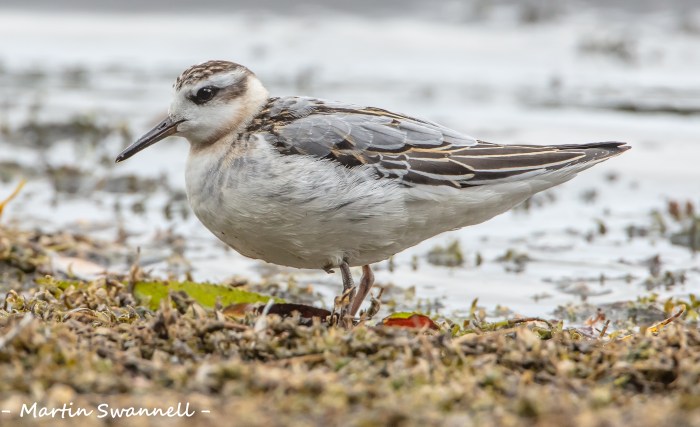
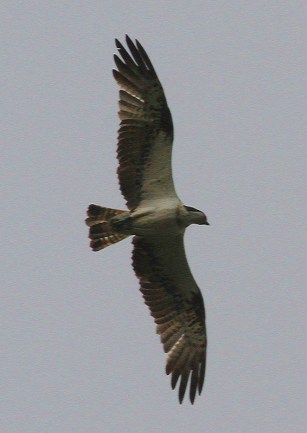
Just one Osprey was seen – a migrant flying south at Cosgrove on 17th – and against a flimsy backcloth of commoner waders, the juvenile Spotted Redshank at Hollowell Res chalked up its second full week in residence on 21st. Bird of the week, however, was the Grey Phalarope deposited at Daventry CP, courtesy of ‘Storm Ali’, on 21st. Showing well, as they so frequently do inland, it pushes the number of county records this century into double figures.

Juvenile Grey Phalarope, Daventry CP, 21st September 2018 (Gary Pullan)
Juvenile Grey Phalarope, Daventry CP, 21st September 2018 (Bob Bullock)
Juvenile Grey Phalarope, Daventry CP, 21st September 2018 (Martin Swannell)

Pitsford’s juvenile Black Tern remained until at least 19th, ranging widely between the northern reserve area and ‘The Narrows’, well south of the causeway.

Juvenile Black Tern, Pitsford Res, 17th September 2018 (Alan Coles)

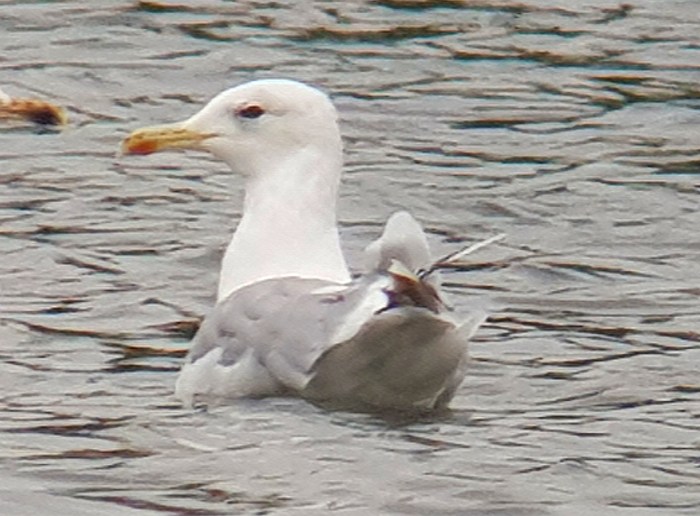
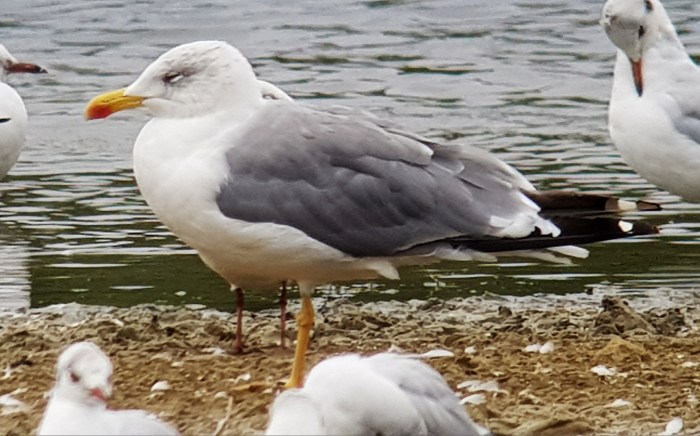
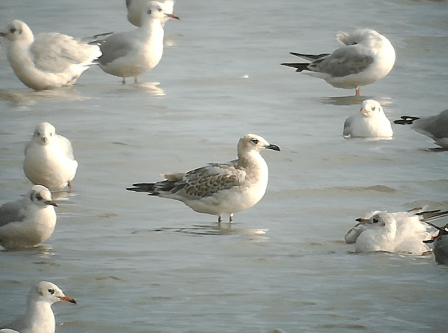
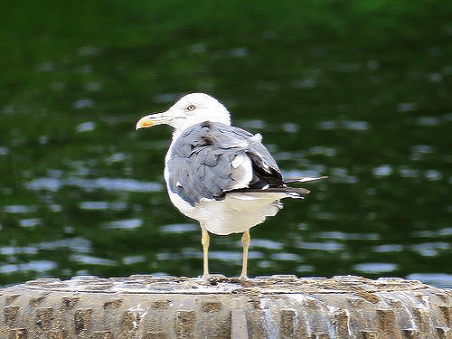
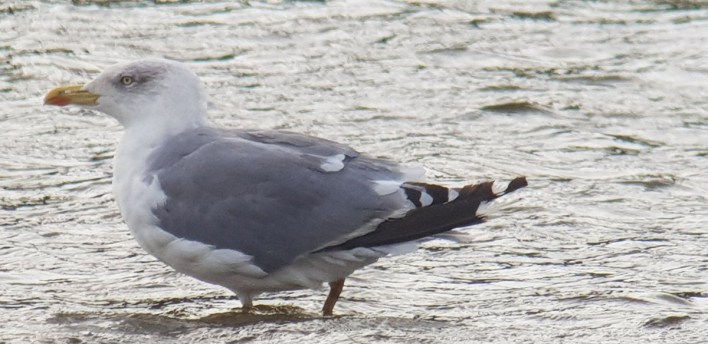
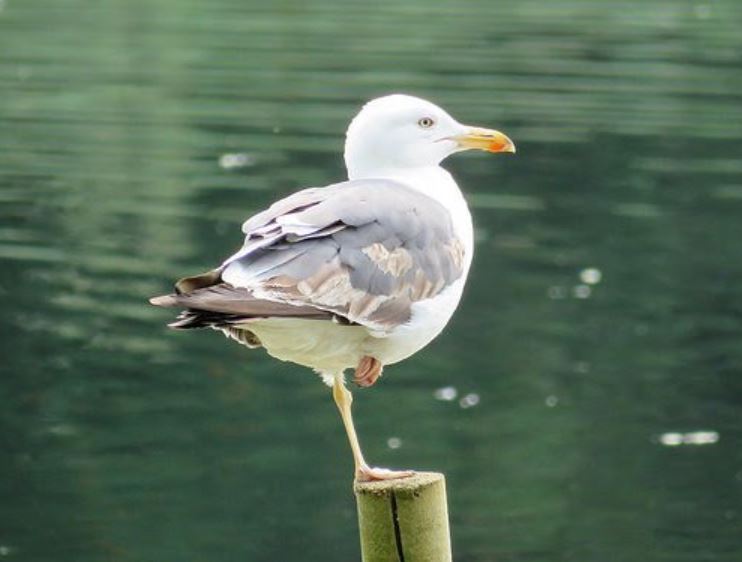
Another was found at Thrapston GP on 17th, where last week’s juvenile Little Gull remained on Town Lake until the same date. Just one Mediterranean Gull made it on to the weekly list, a first-winter at Daventry CP on 17th, and an adult Caspian Gull at Ravensthorpe Res on 15th, visiting nearby Hollowell Res on 21st, was the only one the county could muster for this species, as well. Numbers of Yellow-legged Gulls were down further on last week, with a juvenile at Daventry CP on 17th, an adult at Hollowell Res on 21st and up to three at Pitsford Res during the period.

Yellow-legged Gull, Pitsford Res, 17th September 2018 (Angus Molyneux)

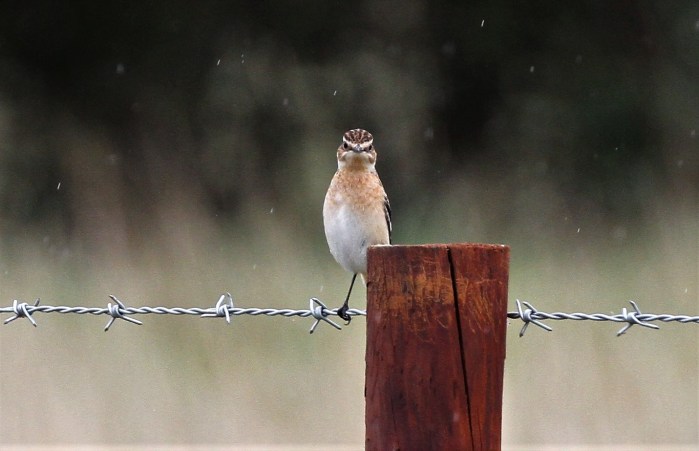
Numbers of passerines also took a plunge, although a Pied Flycatcher seen briefly in canalside bushes near Thrupp, between Long Buckby Wharf and Welton, on 15th would constitute the only record for Northamptonshire so far this year. Otherwise, single Whinchats at both Blueberry Farm, Maidwell and Stanford Res on 15th and two again at the latter site on 17th, were a poor show considering this species had been present at seven localities during the previous week. Only one Northern Wheatear was found – on Pitsford dam on 18th – while a single White Wagtail was identified at Boddington Res on 17th, where it remained until 20th.

Rarity Round-up, 8th to 14th September 2018

There was perhaps a little more oomph to this week’s autumn migration – just maybe, despite the continuing west to south-westerly winds. The period remained largely dry and warm, with temperatures reaching 22ºC on 9th and 11th.

A Pink-footed Goose at Clifford Hill GP between 8th and 10th at first sight may seem too early to be wild but there were UK arrivals ‘up north’ prior to these dates and this species had appeared in some numbers by the week’s end. Love them or hate them, the female Ruddy Shelduck made another appearance, this time at Stanford Res, on 8th-9th and 11th. The established pattern of occurrence for this species overwhelmingly points to an origin from the feral European population, so at least it counts as a migrant!

Female Ruddy Shelduck, Stanford Res, 8th September 2018 (Chris Hubbard)

The Garganey at Daventry CP remained on view on 8th-9th and again on 12th and 14th and there was also a juvenile at Pitsford Res the following day, on 13th. Meanwhile, single Great White Egrets were again at Thrapston GP on 10th-11th and Pitsford Res on the latter date and one loafed around at Summer Leys all week.

Raptors featured a little more strongly than last week, kicking off with a Honey Buzzard flying low south over Scaldwell Bay at Pitsford Res on 8th and a Marsh Harrier at Thrapston GP on 14th but in between these dates, single Ospreys were seen at the latter locality on 9th and flying south over Pitsford Res on 12th.

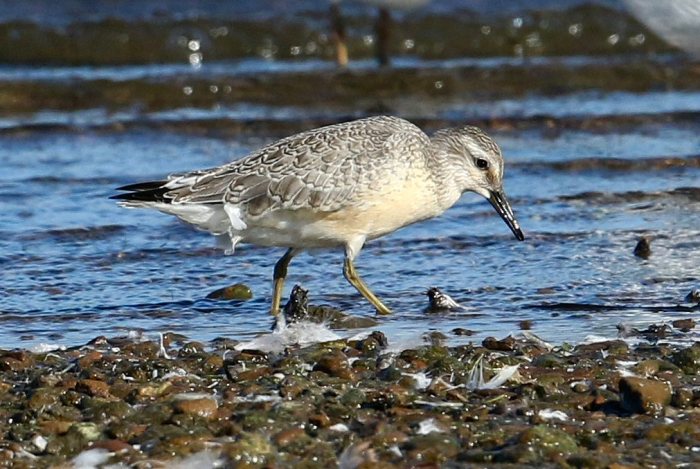
Juvenile Knot, Pitsford Res, 7th September 2018 (Bob Bullock)

On the wader front, last week’s juvenile Knot remained until 9th on the single lump of mud poking out of an otherwise brim-full Pitsford Res. It deserves a medal. A Ruff visited Clifford Hill GP on 8th and on the same date, a juvenile Spotted Redshank was watched flying into Hollowell Res, where it remained until at least 13th.

Pitsford Res again produced single Black Terns on 9th and 12th-13th, or was it simply last week’s bird, from 5th, periodically slipping under the radar?

Juvenile Black Tern, Pitsford Res, 13th September 2018 (Alan Coles)

Staying with the diminutive, the week delivered two Little Gulls – an adult at Sywell CP on 10th and a juvenile at Thrapston GP on 14th and, with Mediterranean Gulls unusually absent, larger larids included adult Caspian Gulls at both Naseby Res and Stanwick GP on 9th and a third-summer loafing on buoys at Hollowell Res throughout the period.

Adult Caspian Gull, Naseby Res, 9th September 2018 (Mike Alibone)

Numbers of Yellow-legged Gulls were down, with a juvenile at Clifford Hill GP on 8th, single adults at Thrapston GP on 10th and Pitsford Res from 9th to 12th and two there on 13th.

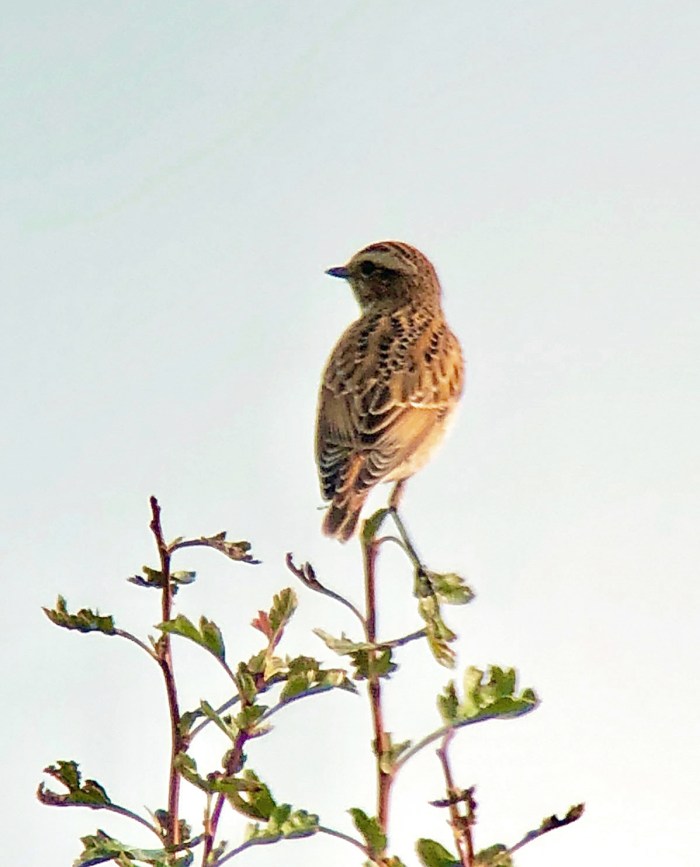
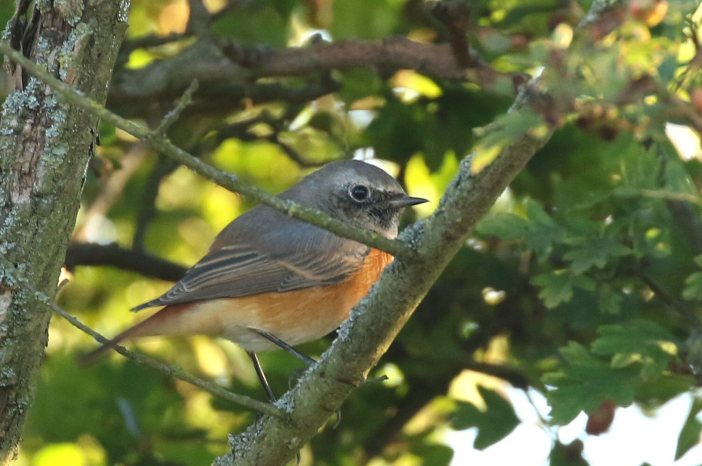
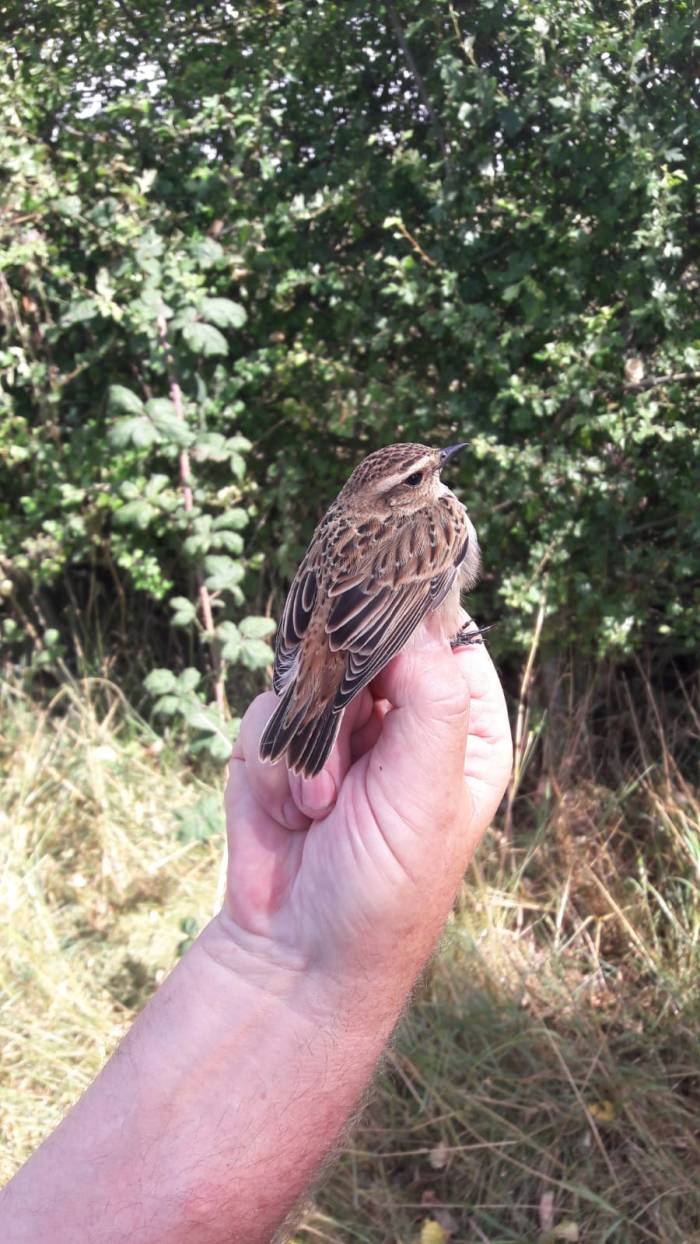
Up to two Common Redstarts remained at the popular site of Twywell Hills & Dales until at least 12th and a juvenile female was trapped and ringed at Stanford Res on 13th while, in an ongoing show of strength, between one and three Whinchats were seen throughout the week at Clifford Hill GP, Daventry CP, Hollowell Res, Pitsford Res, Stanford Res, Sywell CP and at Wicksteed Water Meadows (Kettering).

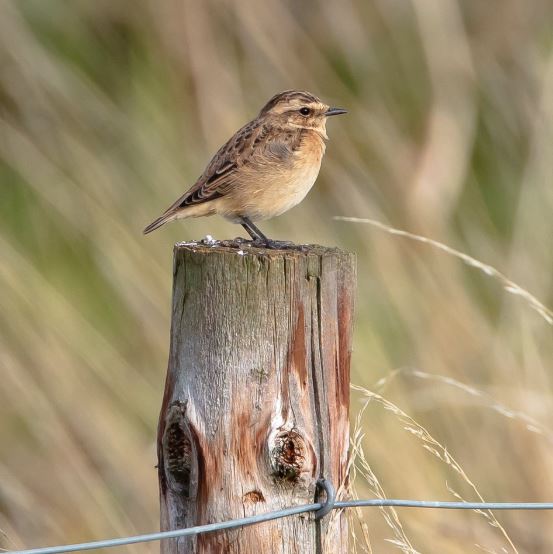
Whinchat, Sywell CP, 11th September 2018 (Martin Swannell)
Whinchat, Sywell CP, 12th September 2018 (Doug Goddard)
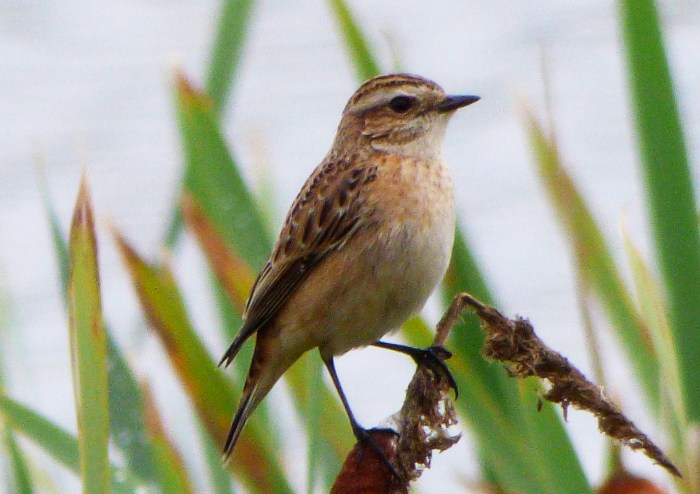
Whinchat, Stanford Res, 13th September 2018 (Chris Hubbard)

Numbers of Northern Wheatears again remained low, though, with singles at Hollowell Res on 12th and Pitsford Res the following day. Two White Wagtails were found at the dam end of Pitsford Res on 13th.

Rarity Round-up, 1st to 7th September 2018

It’s now looking and feeling a bit more like autumn, although winds remained firmly in the west for the last week and the early part of the period saw temperatures momentarily in the mid-twenties again. Consequently, there was nothing readily identifiable as being associated with an arrival from the east, although it was just about possible to feel a pulse in the neck of still largely dormant wader passage.

The week started with a new Garganey at Ravensthorpe Res on 1st and ended with another new one at Daventry CP on 7th. In between, one also remained at Stanwick GP until at least 5th. Sticking with the Nene Valley, a Bittern was seen in flight at Summer Leys LNR on 5th and Thrapston GP continued to be the most reliable site to see Great White Egret with one remaining throughout the week. Stanwick GP again produced one on 1st and 2 on 6th, while one visited Pitsford Res on 5th and another was at Summer Leys LNR on 7th.

Great White Egret, Stanwick GP, 1st September 2018 (Steve Fisher)

Osprey numbers were well down on last week, with just singles at Hollowell Res on 1st and Pitsford Res on 5th. It’s worth mentioning that the last of the Rutland Water Ospreys had departed by 4th, while another from there had already reached Mauretania by 5th!

Considering how little wader habitat there is at Pitsford Res, it did rather well during the last two days of the period, producing 50% of this week’s ‘star cast’. As in previous years when the water level has been high, it was the area around the dam and Moulton Grange Bay which pulled in two Turnstones on 6th, followed by a Knot the next day, on 7th.

Juvenile Knot, Pitsford Res, 7th September 2018 (Bob Bullock)
Juvenile Knot, Pitsford Res, 7th September 2018 (Alan Coles)

Elsewhere, a juvenile Ruff remained at Hollowell Res between 2nd and 4th, a Wood Sandpiper was found at Boddington Res on 1st with another reported from Stortons GP on the same date.

Wood Sandpiper, Boddington Res, 1st September 2018 (Mike Pollard)

Having experienced a sudden, early departure of Common Terns, a single Black Tern moving south through Pitsford Res was a nice find on 5th but even better were two Sandwich Terns – an adult and a juvenile – at Boddington Res briefly on the morning of the previous day. The 5th produced both of this week’s Mediterranean Gulls – a juvenile at Pitsford Res and a first-winter at Stanwick GP, the latter still present the following day, while Stanwick also produced an adult Caspian Gull on 4th.

Caspian Gull, Stanwick GP, 4th September 2018 (Steve Fisher)

A second- or third-year Caspian Gull was also present on pools at Priors Hall, Corby on 1st. Single-figure counts of Yellow-legged Gulls came from Clifford Hill GP, Pitsford Res, Priors Hall, Ravensthorpe Res, Thrapston GP and Wicksteed Park Lake, although eighteen were counted at Stanwick on 4th.

Yellow-legged Gull, Stanwick GP, 4th September 2018 (Steve Fisher)

A trickle of Common Redstarts continued with two at the popular site of Twywell Hills & Dales on 3rd, one at Daventry CP on 4th and, following last week’s, another male was trapped and ringed at Stanford Res on 6th.

Female Common Redstart, Daventry CP, 5th September 2018 (Gary Pullan)

There were more Whinchats this week, including at least five at Borough Hill on 2nd-3rd, up to three at Stanford Res on the same dates, two at Harrington AF on 3rd, 2 at Clifford Hill GP on 6th and singles at Hollowell Res between 4th and 7th and at Pineham, Northampton on 6th.

Whinchat, Stanford Res, 3rd September 2018 (Chris Hubbard)
Whinchat, Borough Hill, 3rd September 2018 (Ken Prouse)
Whinchat, Hollowell Res, 4th September 2018 (Bob Bullock)
Whinchat, Clifford Hill GP, 6th September 2018 (Alan Coles)

By contrast, Northern Wheatears were found at only 3 sites – one near Rushden on 1st and twos at Borough Hill and Pitsford Res on 3rd and 7th, respectively. Single White Wagtails were identified at Clifford Hill GP on 31st August and at Stanwick GP on 6th September.

Rarity Round-up, 25th to 31st August 2018

Apart from a prolonged spell of rain on 26th, the weather remained largely dry and undramatic, with a westerly bias to the wind and a wave of warm air pushing up from the continent at the week’s end. Waders were again at a low ebb, Ospreys were widespread and then there was the curious case of a roadrunner …

In the absence of any other wildfowl – save three Pintails at Pitsford Res – Garganeys were this week’s ducks deluxe, with one at Hollowell Res on 28th and the other hanging on in there at Stanwick GP until at least 29th. The latter site also held on to its mobile Great White Egret and two were there on 29th, while up to two were still present on Thrapston GP’s Titchmarsh LNR throughout the period. Some interchange between these two sites is highly likely.

Ospreys just keep coming. Singles were recorded from seven localities – one up on the last review period – these including Hollowell Res and Pitsford Res on 25th, Thrapston GP on 27th with a juvenile south over Daventry CP and then south over Fawsley Park Lake 25 minutes later on the same date (great tracking!) and at Ditchford GP and over Borough Hill on 31st.

Which brings us on to the bizarre tale of a small, spotty bird seen scuttling across the A428, just west of Clifford Hill GP, early in the morning on 29th. The county’s first Spotted Crake since Stanwick in August 2012 narrowly avoided an untimely end under the wheels of the observer’s vehicle but it was seen well enough to identify – spots an’ all – before it disappeared into Hardingstone Dyke on the south side of the road. Has it been looked for since? You have to go back to the last century for records prior to the Stanwick bird so they’re not that easy to come by locally. The closing hours of daylight may pay dividends for the keen optimist hoping for a dalliance at dusk …
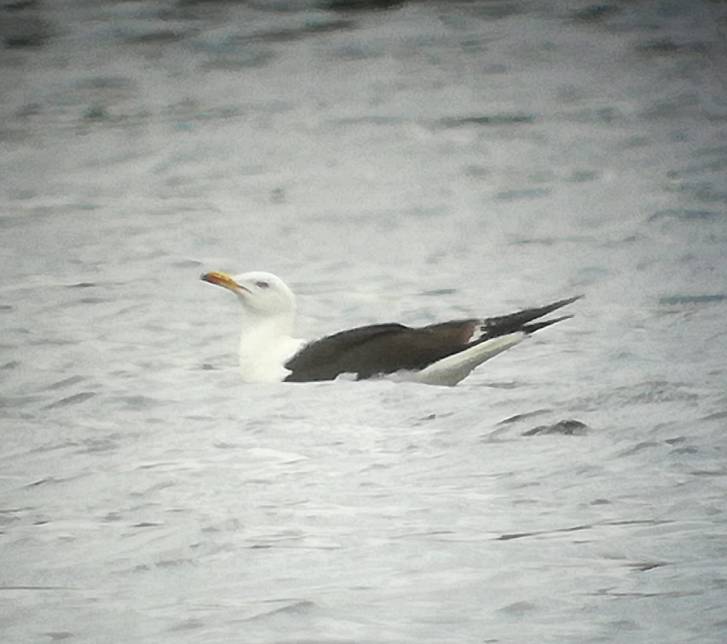
Juvenile male Ruff, Hollowell Res, 27th August 2018 (Mike Alibone)

The dearth of waders continued, with Hollowell producing the only waders of note – a Ruff on 27th and two short-staying Spotted Redshanks two days later, on 29th. The latter date produced both of this week’s Mediterranean Gulls – evening juveniles at Boddington Res and Ringstead GP, while single-figure counts of Yellow-legged Gulls came from Daventry CP, Hollowell Res, Pitsford Res and Wicksteed Park Lake, although twenty-one were counted at Stanwick on 30th.

Juvenile Mediterranean Gull, Boddington Res, 29th August 2018 (Gary Pullan)
Yellow-legged Gull, Wicksteed Park Lake, 27th August 2018 (Alan Francis)

On the passerine front, just two Common Redstarts were found this week, comprising one at Borough Hill on 28th and a juvenile male trapped and ringed at Stanford Res on 31st. More Whinchats appeared, with singles at Welford Quarry on 25th, Borough Hill on 28th and Chelveston AF on 30th and two were near Kettering at Wicksteed Water Meadows on 28th-30th. An arrival of Northern Wheatears saw thinly-scattered singles at Harrington AF on 25th, Pitsford Res on 28th, Alderton and Chelveston AF – both on 30th – and two were at Orlingbury on 29th.

Northern Wheatear, Alderton, 30th August 2018 (Mike Alibone)

Migrant Tree Pipits continued to be found, with 25th producing flyover singles at Croughton Quarry and Naseby Res and one ‘on the ground’ at Welford Res, followed by two at Borough Hill on 28th.

Rarity Round-up, 11th to 24th August 2018

The weather for the last two weeks, now firmly dominated by Atlantic low pressure systems, has remained largely dry and has not been a key influencer on the appearance of birds locally. While wader passage has yet to gather pace, the movement of passerines gained momentum, with the mist nets of Stanford delivering yet more surprises.

Apart from a Ruddy Shelduck at Welford Res on 24th, keeping wildfowl afloat during the review period, Garganeys were present at four localities, the most notable of which was Stanwick GP, where an eclipse drake was present between 11th and 20th. Elsewhere, singles visited Summer Leys LNR on 12th and 15th and both Pitsford and Hollowell Reservoirs on 18th.

Eclipse drake Garganey, Stanwick GP, 16th August 2018 (Mike Alibone)

Meanwhile, the site most consistent for producing Great White Egrets was again Thrapston GP, where two were frequently present on Titchmarsh LNR throughout the period, with the same site producing three together on 19th. There may have been some movement of the third bird between here and Stanwick, where one was seen on 11th-12th, 14th and 23rd-24th with perhaps the same individual visiting Ditchford GP on 24th. The one lingering at Daventry CP was seen almost daily until 18th and one visited Hollowell Res on 20th.

Ospreys were recorded from six localities, again prominent at Thrapston GP and Hollowell Res – both sites producing two together on several occasions. Away from these locations, two drifted north over Moulton on 13th and singles were at Pitsford Res on 14th, Priors Hall (Corby) on 19th and Ditchford GP on 23rd.

Osprey, Hollowell Res, 19th August 2018 (Martin Swannell)
Osprey, Thrapston GP, 21st August 2018 (Alan Francis)
Juvenile Osprey, Ditchford GP, 23rd August 2018 (Tony Vials)

Marsh Harrier action ramped up during the period with two juveniles flying west over Ditchford GP’s Irthlingborough Lakes & Meadows on 11th, followed by singles north of the causeway at Pitsford Res on 14th-15th, over Thrapston GP on 16th and 21st-22nd and over Keepers Lodge Bay and adjacent fields at Stanford Res on 21st.

It was the worst two-week period for waders with, aside from small numbers of commoner waders, the only birds of note were two Ruffs at Summer Leys on 15th – and that’s scraping the barrel!

The second Black Tern of the autumn, a juvenile, appeared at Hollowell Res on 22nd and the season’s first Little Gull was found off the dam at Stanford Res on 21st but it did not linger. Mediterranean Gulls were rather more obliging, however, with single juveniles visiting Ditchford GP IL&M on 11th, Hollowell Res on 14th, Pitsford Res on 15th and Stanwick GP on 20th, while an adult was found at Daventry CP on 23rd.

Juvenile Mediterranean Gull, Stanwick GP, 20th August 2018 (Steve Fisher)

There were only three Caspian Gulls, though, an adult at Hollowell Res on 11th and two – an adult and a first-summer – together at Daventry CP the following day and Yellow-legged Gulls were reported from five localities, with a maximum count of eight at Stanwick on 20th.

Adult Yellow-legged Gull, Stanwick GP, 23rd August 2018 (Steve Fisher)

And so to passerines, which saw a bit of an upturn in numbers as well as another quality warbler – even if only a ‘sub’ – being pulled again from a mist net at Stanford Res. The fourth Northern Willow Warbler for the county was trapped and ringed on 21st, following the previous three identified by the same means there in 2008, 2011 and 2014.

Northern Willow Warbler (left) and Willow Warbler, Stanford Res, 21st August 2018 (Chris Hubbard)

Beyond this, up to four Common Redstarts were regularly to be found at Twywell Hills & Dales between 14th and 23rd, with the same site producing a Whinchat on 16th-17th, while further singles were at Borough Hill on 20th and near Glapthorn on 22nd.

Male Common Redstart, Twywell, 16th August 2018 (Bob Bullock)

Back to Stanford for one of the most difficult passerines to find locally since it stopped breeding locally: Tree Pipit. No less than four were trapped on 21st

Tree Pipit, Stanford Res, 21st August 2018 (Chris Hubbard)

If you’re lucky it’s a late August flyover migrant at Borough Hill or Harrington – a tease or ‘teez’, whichever way you look at it.

Rarity Round-up, 28th July to 10th August 2018

With local temperatures hitting 30°C, this two-week period saw the heat waver before coming to an abrupt end during the last two days. It was back to sweeping Atlantic low pressure systems, average temperatures and heavy showers setting in on 10th, creating a truly autumnal atmosphere. Among the more common migrants, there were a few surprises – not least of which was Northamptonshire’s fourth-ever Marsh Warbler.

Three Garganeys appeared during the latter half of the period, comprising singles at Pitsford Res on 3rd, Hollowell Res on 7th and Stanwick GP on 8th and 10th, while the only other wildfowl were five Red-crested Pochards still at the first of these localities on 3rd. A Bittern at Stortons GP on 5th was, at first sight, surprising, although this species is now being seen more frequently outside of the traditional winter period as the UK population continues to grow. Also doing well, Great White Egret totals increased by 150% as the two long-stayers at Thrapston GP became three on 8th and further singles were at Stanwick GP on 28th-31st and presumably the same again on 8th-10th, while another was at Daventry CP from 7th to 10th.

Great White Egret, Daventry CP, 7th August 2018 (Gary Pullan)
Great White Egret, Stanwick GP, 8th August 2018 (Steve Fisher)

Three localities produced Ospreys. Singles visited Stanford Res on 31st and 6th, Hollowell Res on 5th, with two there on 8th, and Thrapston GP on 4th-5th, with three there on 9th. Thrapston also produced a Marsh Harrier on 28th and further singles were subsequently seen at Summer Leys LNR on 1st and at Priors Hall, Corby on 5th.

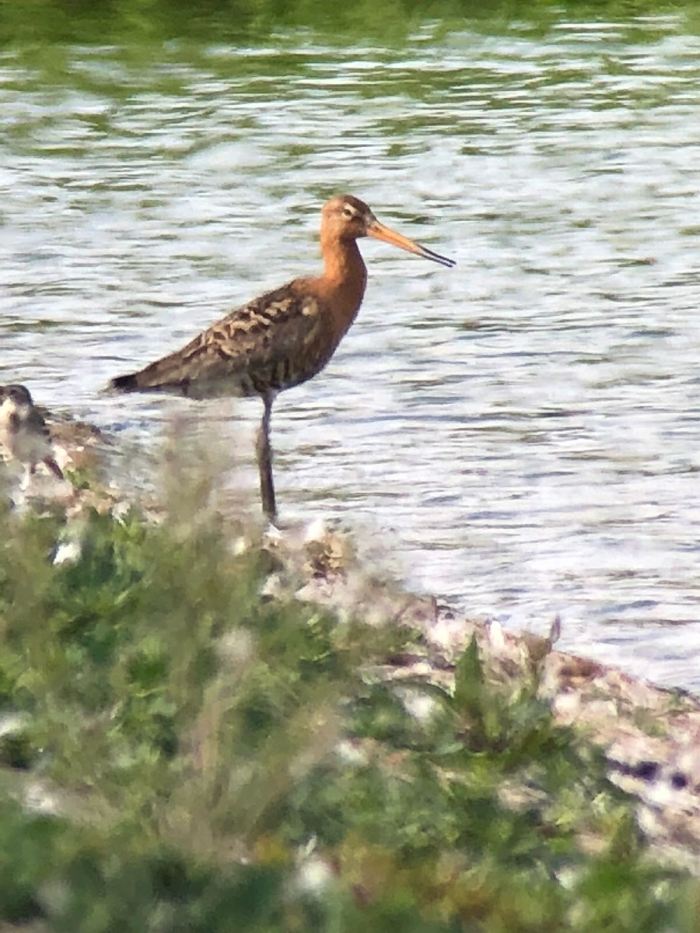
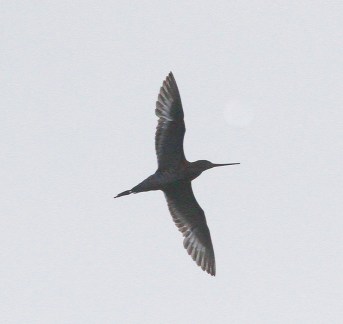
In stark contrast to the large flock recorded at Stanwick on 27th July, the only Whimbrel during the period was one which stayed briefly at Hollowell Res on the evening of 4th.  Black-tailed Godwits, too, were fewer in numbers with singles at Stanwick on 30th-31st and 10th, although three were present there on 9th. Further singles were at Ditchford GP on 3rd (followed by two there on 7th), Stanford Res on 4th, Hollowell Res on 5th and 8th, Naseby Res on 5th, while two were at Thrapston GP on 8th-9th and four adults – one with a series of colour rings – visited Daventry CP on 9th. The only other notable wader was a Turnstone at Thrapston GP on 3rd-4th.

Black-tailed Godwit, Stanford Res, 4th August 2018 (Chris Hubbard)

The first Black Tern of the autumn was found at Clifford Hill GP on 28th but gulls were poorly represented over the period. Hollowell Res produced an adult Caspian Gull on 5th and a juvenile visited Daventry CP on 9th-10th but there were no large counts of Yellow-legged Gulls. Singles of the latter species were at Thrapston GP on 3rd-4th and Hollowell Res on 7th-8th, while four were at Stanwick GP on 4th and at least four were at Daventry CP on 7th and 9th, with 5 there on 10th.

Passerines were certainly well represented in quality, if not quantity, during the period. A Wryneck was discovered ‘anting’ along the track approaching Foxhill Farm, just south of Daventry, on 4th. Shortly after its discovery, it appeared to move off to an adjacent woodland and was not seen subsequently. This follows a spring record at Thrapston GP so two of these amazingly-marked little ‘woodpeckers’ in one year is excellent.

Marsh Warbler, Stanford Res, 9th August 2018 (Chris Hubbard)

Outshining them in rarity but not in character, was the county’s fourth-ever Marsh Warbler – and the first record for twenty years – trapped, ringed and released at Stanford Res on 9th.

Juvenile Whinchat, Stanford Res, 6th August 2018 (Mick Townsend)

Other than that, a juvenile Whinchat was also trapped at Stanford Res on 6th and a Northern Wheatear was found at Harrington AF on 4th.

Rarity Round-up, 14th to 27th July 2018

Unless you were particularly unlucky, over the past two weeks the rain has again held off and the southerly airstream has continued with its delivery of abnormally high summer temperatures. Perhaps surprisingly, local bodies of water remain at relatively high levels, with one source stating reservoirs are currently around 90% full – principally Hollowell (86.42%), Pitsford (90.78%) and Ravensthorpe (91.24%). Hollowell is traditionally the one to expose its mud first and so frequently becomes the initial autumn ‘go-to’ destination to find passage waders for local birders not faithful to a patch.

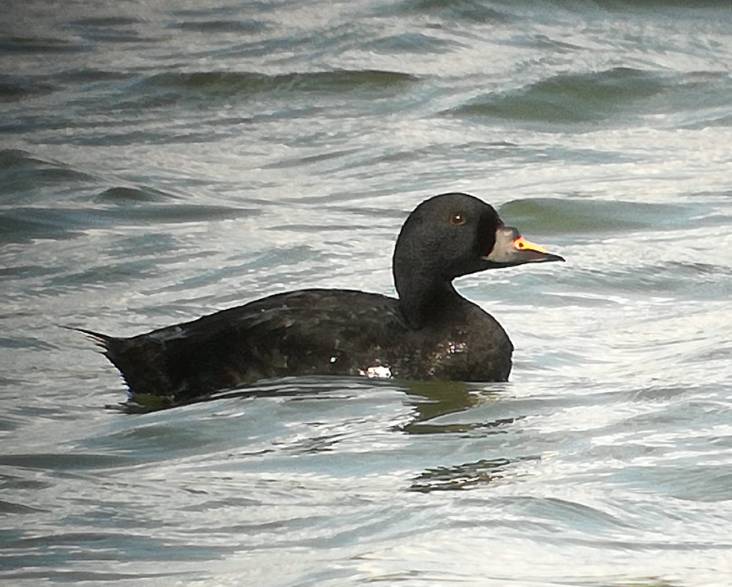
Somewhat seasonally skewed – or simply an escape – a Pink-footed Goose visited Clifford Hill GP on 17th, while the number of Red-crested Pochards at Pitsford Res climbed from two, through five on 18th-25th, to nine on 26th. Topping the bill for wildfowl, however, was a drake Common Scoter discovered at Boddington Res on 26th. This species undertakes a ‘moult migration’ in which many thousands congregate at favoured sites – principally in the eastern North Sea, the Baltic and off western France so inland records at this time of the year should not be considered unusual.

Drake Common Scoter, Boddington Res, 26th July 2018 (Gary Pullan)

The two Great White Egrets at Thrapston GP remained throughout the period, favouring the northern end of Titchmarsh LNR’s Aldwincle Lake. The same site produced an Osprey on 17th and again three days later, on 20th, when two flew over. Two more fly-over Ospreys included singles at Towcester on 20th and Stanwick GP on 27th. The latter site also produced a Marsh Harrier, flying west, on 16th.

Osprey, Stanwick GP, 27th July 2018 (Steve Fisher)

Sticking with Stanwick, the evening of 27th produced what is likely to be the largest autumn flock of Whimbrels in the County. Sixty-two flew west together, followed by two more shortly afterward. Numbers of Black-tailed Godwits ramped up during the period, with flocks of fifteen at Earls Barton GP on 17th, twenty at Clifford Hill GP on 20th, five over Thrapston GP on 26th and singles at both Stanwick and Summer Leys on 21st and 27th. Worthy of note also was a Ruff at Stanwick on 21st.  Another milestone along the road to autumn was passed on 17th, when the first fresh, scaly, juvenile Mediterranean Gull appeared at Daventry CP. This was quickly followed by four different individuals there during 20th and 21st, plus another on 27th. Two more juveniles were also seen at Pitsford Res from 21st.

Whimbrels, Stanwick GP, 27th July 2018 (Steve Fisher). Part of a flock of 62 which flew west.
Black-tailed Godwit, Stanwick GP, 27th July 2018 (Steve Fisher)

Daventry CP also briefly played host to what was potentially bird of the summer so far. A ‘black-backed gull’, present during the afternoon of 26th and early morning of 27th, showed all the characteristics you could ever wish to see if you were going to claim a Baltic Gull in the UK. From the observer’s photographs, it certainly looks the business and more will be published on this site in due course. More gull action at Daventry included the occurrence of a first-summer Caspian Gull on 26th and up to four Yellow-legged Gulls between 17th and 27th. Several were seen regularly at Pitsford Res and

Probable Baltic Gull, Daventry CP, 26th July 2018 (Gary Pullan)
Second-summer Yellow-legged Gull, Wicksteed Park Lake, 19th July 2018 (Alan Francis)

singles visited Wicksteed Park Lake on 19th and Thrapston GP on 25th but Stanwick accounted for the lion’s share with the highest counts of seventeen on 20th and thirty-three on 26th.

On the passerine front, a Common Redstart at Fawsley Park on stands decidedly lonely …

Rarity Round-up, 30th June to 13th July 2018

And so it continues – almost wall-to-wall sunshine and no sign of any rain. Water levels are indeed falling and some of the more outlying and lesser watched sites have begun to attract waders. Both Cransley and Welford Reservoirs produced Common Sandpipers and Dunlins appeared on pools at Priors Hall, while the autumn’s first Greenshank was found at Irthlingborough Lakes & Meadows on 30th June. Things can only get better …

The Summer Leys drake Garganey was joined by a female from 30th to 2nd, with only the female remaining until 3rd but the only other wildfowl of note were two drake Red-crested Pochards at Pitsford Res on 2nd.

Garganeys, Summer Leys LNR, 1st July 2018 (Bob Bullock)

Also doubling up, at Thrapston GP’s Titchmarsh LNR, the hide-and-seek Great White Egret was joined by a second individual on 12th, with both still present the following day. Stretching the doubles theme perhaps a bit too much, a singing male Quail was heard between Billing GP and Cogenhoe on 13th, constituting only the second record for the county this year.

Two Marsh Harriers were also found – one at Pitsford Res between 30th and 4th, while the other was seen flying east at Summer Leys LNR on 2nd but the only other species of raptor to be recorded during the period was, unsurprisingly, Osprey. Singles were at Thrapston GP on 2nd, flying over the A605 nearby on 3rd, at Stanford Res on 7th and 8th and in flight over the A605 near Oundle on the latter date, while two flew high south over Corby on 4th.

Spotted Redshank, Summer Leys LNR, 1st July 2018 (Bob Bullock)

If football isn’t coming home, then waders certainly are. Against a backcloth of small numbers of commoner species, more Black-tailed Godwits were found, with seven at Earls Barton GP on 5th, three at Stanwick GP on 6th and the same number at Summer Leys the following day but the highlight of the early autumn wader passage, so far, is the fine, summer-plumaged Spotted Redshank, which graced Summer Leys for a full five days from 1st before moving on. And if waders are on their way back so too, it seems, are gulls. July is the month when Yellow-legged Gulls begin to reappear and, following one at Pitsford Res on 6th, two were at Stanwick GP on 10th and 13th.

Yellow-legged Gull, Pitsford Res, 6th July 2018 (Richard How)
Yellow-legged Gull, Stanwick GP, 10th July 2018 (Steve Fisher)

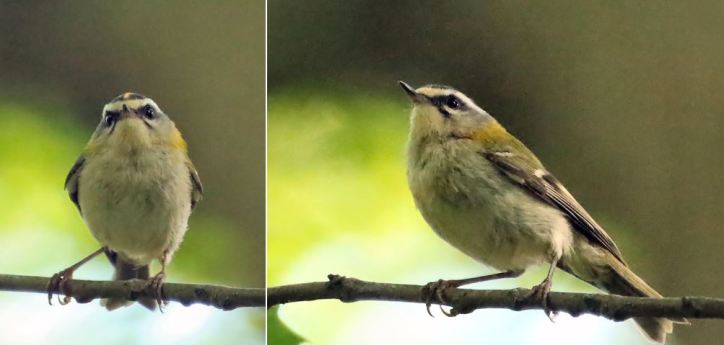
Meanwhile, on the passerine front, the same two species featured in the last round-up again make an appearance in this one. The singing male Firecrest was still at Badby Wood on 3rd and a lone Crossbill flew over Wellingborough’s Westminster Estate on 10th.

Rarity Round-up, 16th to 29th June 2018

The calm and settled weather, established over the preceding two weeks, remained throughout the period, while temperatures continued to rise – some parts of the county hitting 27°C during the second week. Other parts of the country exceeded 30°C and with no rain in sight, rumours of a forthcoming drought, water shortages and hosepipe bans began to circulate in the media, as did the suggestion that we might be in for another ‘summer of ‘76’ scenario.

Should this be the case, what might we look forward to during the remaining summer period? A look back at the 1976 Northamptonshire Bird Report reveals that while wildfowl suffered, extensive mud availability in July produced both Little and Temminck’s Stints, Sanderling and Avocets at Pitsford Res, Avocets at Ravensthorpe Res and the county’s fourth-ever Pectoral Sandpiper at Cransley Res … and that was before we hit autumn proper.
Moulting into eclipse, a drake Garganey appeared on the scrape at Summer Leys LNR on 26th, remaining until 29th, when it was joined by a female. Further down the valley, at Thrapston GP’s Titchmarsh LNR, the Great White Egret continued to put in sporadic appearances, being present on 18th-19th and 28th, as did an Osprey, which was seen on 22nd and 28th. Three pairs are currently feeding young at nests in Northamptonshire, so it is likely to have been a local visitor to the reserve. One also flew north-east over Byfield on 28th. At least three hundred pairs are now breeding in Scotland and with a new translocation scheme operating in Poole Harbour, plus the announcement of measures being taken to conserve this species on migration and in its west African winter quarters, we can surely look forward to more frequent encounters over the forthcoming years.

Drake Garganey, Summer Leys LNR, 26th June 2018 (Ricky Sinfield)

Titchmarsh LNR also produced a Marsh Harrier on 23rd and a male Hen Harrier was reported flying over the A43, close to Fineshade Wood the next day, on 24th. It would have been unusual if spring had passed by without at least one Honey Buzzard being recorded so, preserving its almost annual status in the county, one was seen flying north-west over Nether Heyford on the evening of 20th.

Male Firecrest, Badby Wood, 24th June 2018 (Bob Bullock)

Rarely do raptors or even passerines outnumber waders in these reports but compared with the above and below in this instance, three Black-tailed Godwits at Summer Leys on 20th seem distinctly lonely. A singing male Firecrest at Badby Wood on 24th and 25th provided a summer jewel for those who went to see it and ten Crossbills in pines at the University of Northampton’s Park Campus, briefly on 19th, were a sure sign of post-breeding dispersal and perhaps an indication of more to come.


Rarity Round-up, 2nd to 15th June 2018

The local weather for this two-week period was largely calm and settled, remaining under the influence of an airstream from the near continent, despite the best efforts of ‘Storm Hector’ to disrupt on the penultimate day. The birding pace understandably slowed considerably, although the period gave rise to some bizarre birds, as well as the first southbound passage wader of the ‘autumn’ – a Common Sandpiper on the last day.

The drake Garganey remained at Stanwick GP until at least 5th, the year now having bottomed out as far as wildfowl numbers are concerned. A Quail singing at Harrington AF on 3rd did not linger, unlike the adult Gannet previously reported over both Earls Barton GP and the A6 near Rushden on 1st, which was relocated at Clifford Hill GP, where it remained for at least forty minutes on the morning of 2nd.

The almost resident – presumably first-summer – Great White Egret remained at Thrapston GP throughout and another was seen flying over Aston le Walls on 8th.

Greater Flamingos, Spain, 27 July 2007 (MarioM/WikimediaCommons)

The biggest surprise of the period also came from the western part of the county, where three Greater Flamingos were seen flying north-west over Farthingstone on the evening of 14th. In a laudable effort of derring-do, the observer gave chase by car but ultimately lost them and a subsequent search at Daventry CP and DIRFT/Lilbourne Meadows proved fruitless. Greater Flamingo is always a difficult one to assess. There is a series of supposedly vagrant records from a broad swathe of European countries as far north as Lithuania (or Finland according to IUCN), while the European population is estimated at 45,000-62,400 pairs and is said to be increasing (IUCN). However, the escape/feral possibility remains high – although three together … go figure.

An increasingly common sight in summer nowadays, single Ospreys were seen at Thrapston GP on 7th, Weldon Quarry and Deene Lake on 9th and at Hollowell Res on 13th and 15th but arguably more unusual was the first-summer Caspian Gull observed with a small flock of loafing gulls at Rushton Landfill on 9th. The main part of the landfill here is currently being capped off while a new excavation has been opened up, further from the traditional observation point along Oakley Road.

Another surprise report involved a Golden Oriole singing in the eastern suburbs of Northampton during the early hours of 3rd, the day after a Wood Warbler was discovered singing at Fineshade Wood, where it remained until at least 9th.