A mild start to the week even inspired some to go birding without a coat on 8th but the relatively warm blip, brought by light south to south-westerlies, quickly gave way to cooler, wetter conditions the following day. By mid-week, the wind had swung to the west before becoming north-westerly, and eventually northerly, by the week’s end. The change in direction saw daytime temperatures fall to just above freezing and the county experienced its first snow showers on 12th and 13th. The weather evidently had little influence on the arrival of Northamptonshire’s sixth-ever Cattle Egret, which was part of a national invasion, while Waxwings continued to be discovered and proved to be as popular as ever.
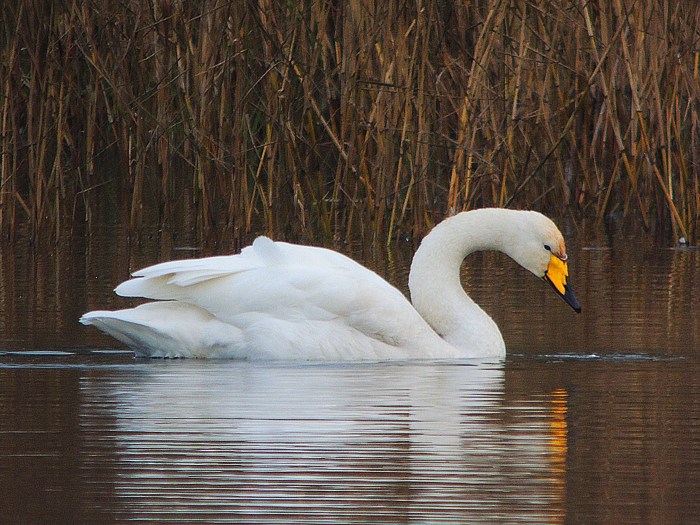
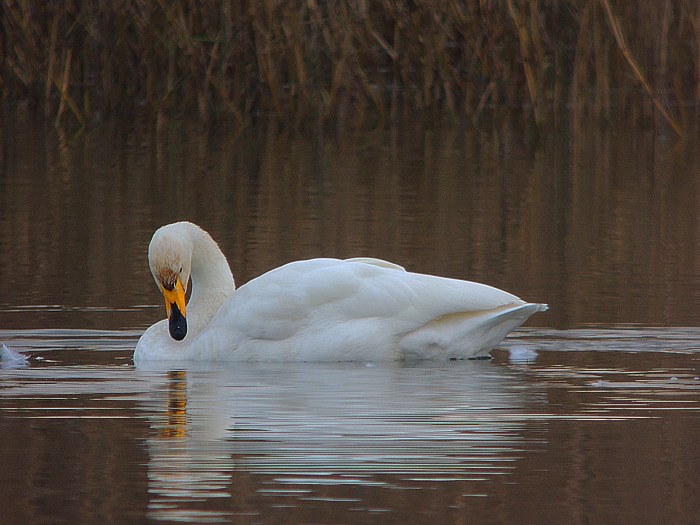
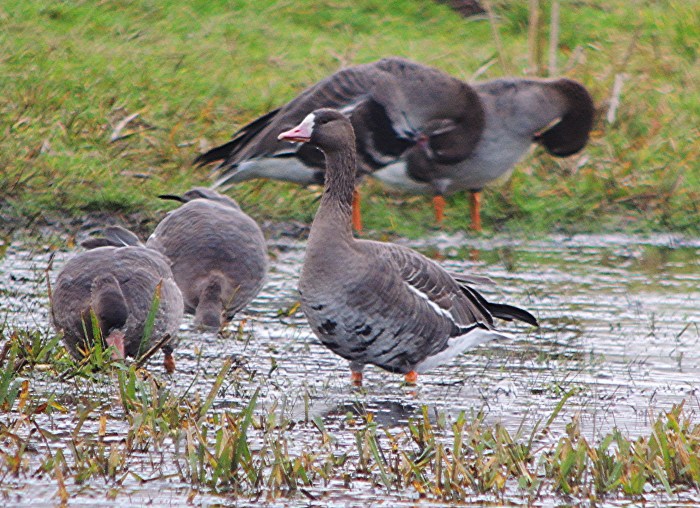
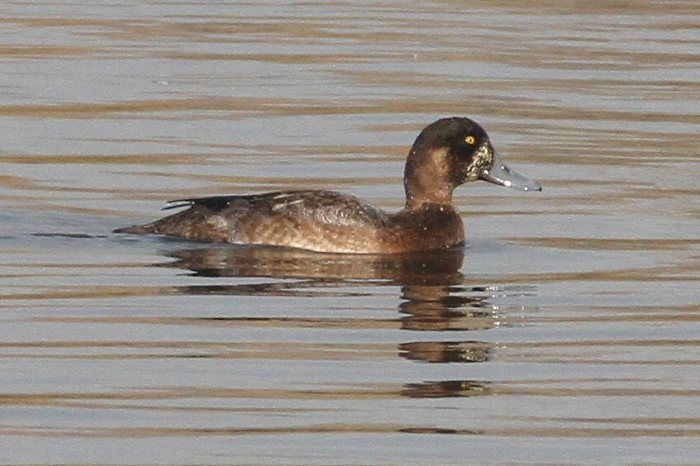
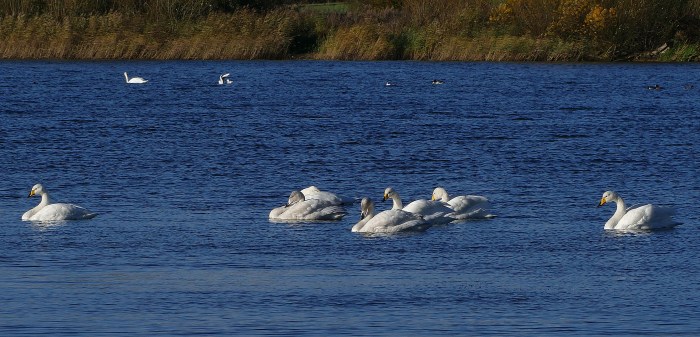
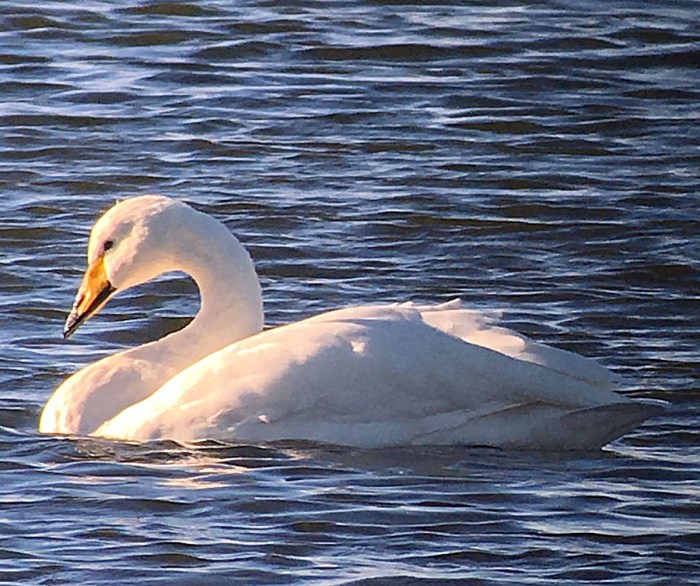
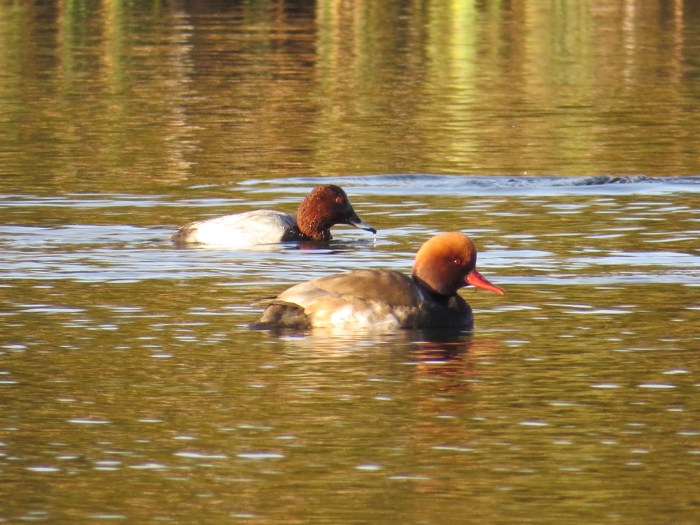
The ‘roll up and see’ adult Whooper Swan, now into the sixth week of its stay, remained at Sywell CP throughout, while the twenty-three Eurasian White-fronted Geese remained in the vicinity of Summer Leys LNR/Great Doddington, until at least 10th. Four White-fronts also visited Pitsford Res briefly on 11th. Small numbers of Red-crested Pochards included a drake at Stanford Res on 7th, a female at Pitsford Res on 8th and two at Ditchford GP on 11th, while the drake Scaup returned to, and remained on, the large lake east of Mary’s Lake at Earls Barton GP from 8th until the end of the week and the female was also still on the main lake at Stanwick GP on 13th.
Drake Scaup, Earls Barton GP, 11th January 2017 (Bob Bullock)
The only Smew reported this week was a drake on the large lake between Higham Ferrers and Irthlingborough at Ditchford GP on 11th.
The highlight of the week materialised in the form of Northamptonshire’s sixth-ever Cattle Egret which, alas, remained for only one day near Dunkley’s old restaurant at Whiston on 7th. Part of a national invasion exceeding one hundred individuals, it was not entirely unexpected.
Cattle Egret, Whiston, 7th January 2017 (Bob Bullock)
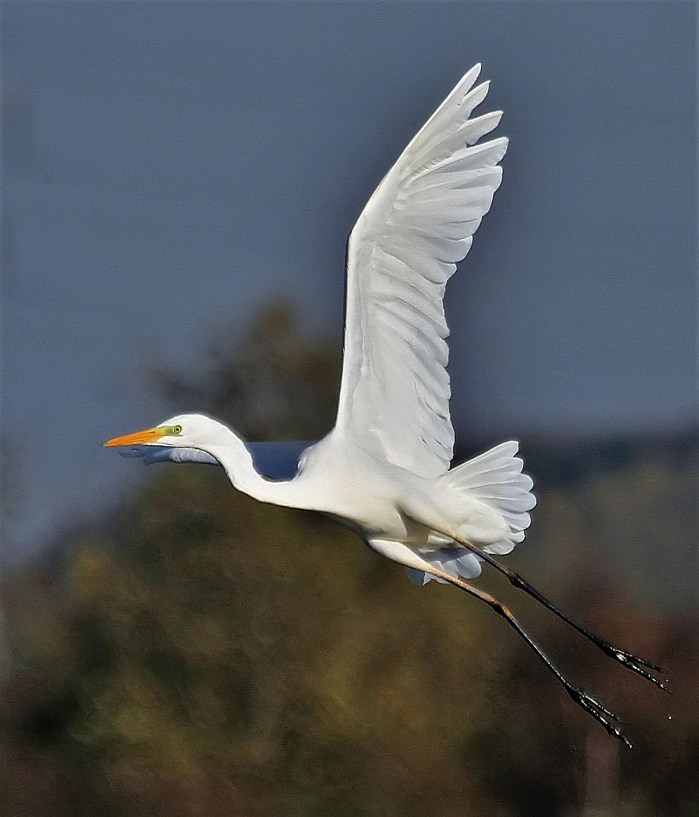
From the exciting to the more mundane, up to three Great White Egrets remained at Ravensthorpe Res, numbers between one and three were at Pitsford Res and one was again at Summer Leys all week. Also making it into the new week was the Pitsford Res Slavonian Grebe, which was still present around the dam/sailing club/Pintail Bay area until at least 11th.
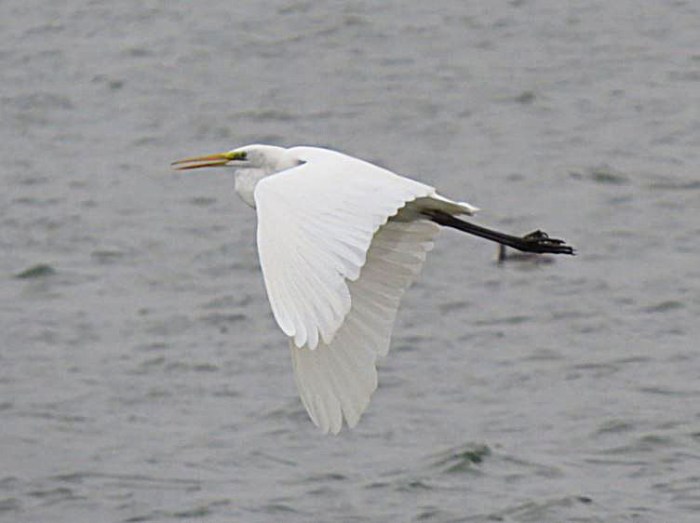
Great White Egrets, Ravensthorpe Res, January 2017 (Bob Bullock)
The scarcest waders of the week were Jack Snipe, with two at Barnes Meadow LNR, Northampton between 7th and 12th and one at Ditchford GP on 11th. Similarly uncommon gulls during the period were restricted to the third-winter Mediterranean Gull at Daventry CP again on 12th, two Caspian Gulls (adult and first-winter) near Rushton on 8th and an adult at Daventry CP the following day. In a period during which considerable numbers of northern ‘white-winged’ gulls have appeared in the UK it is disappointing that we have not yet had one in Northants!
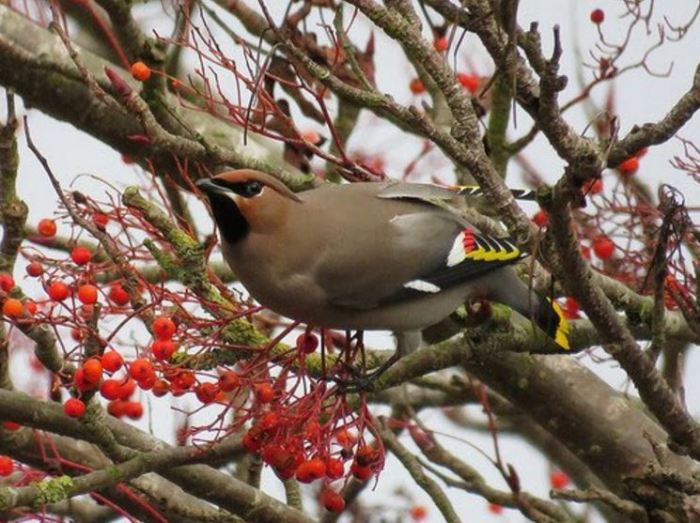
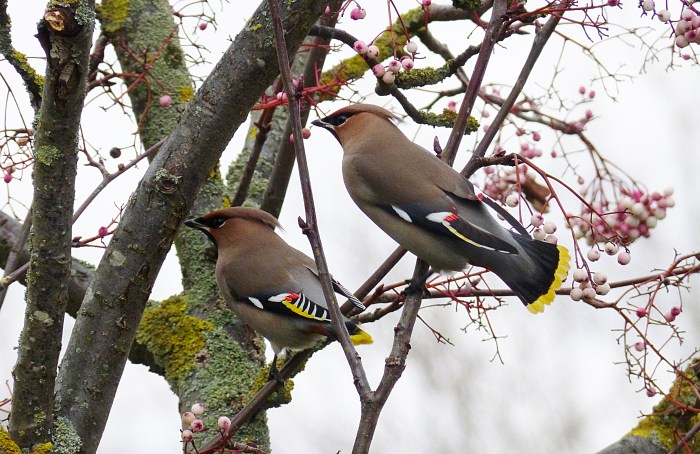
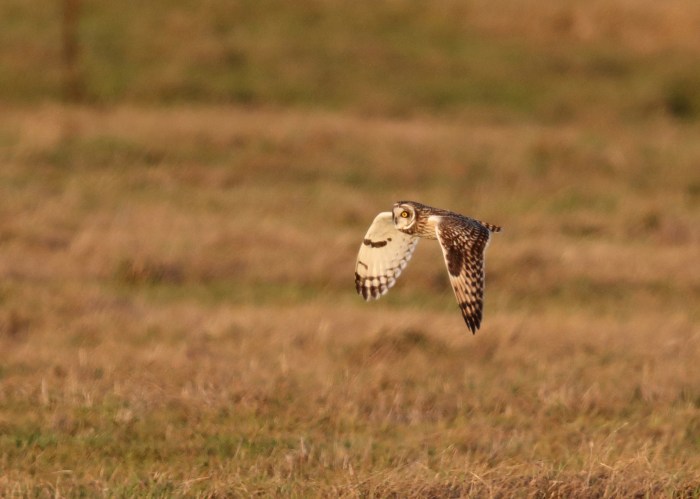
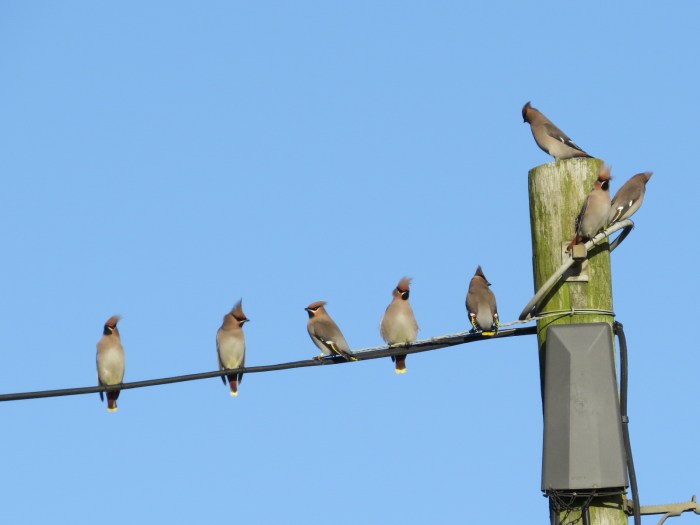
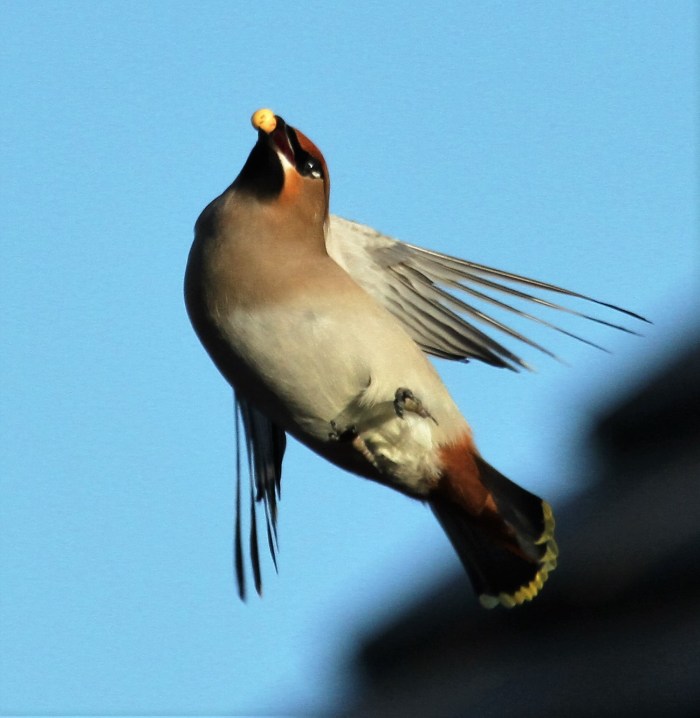
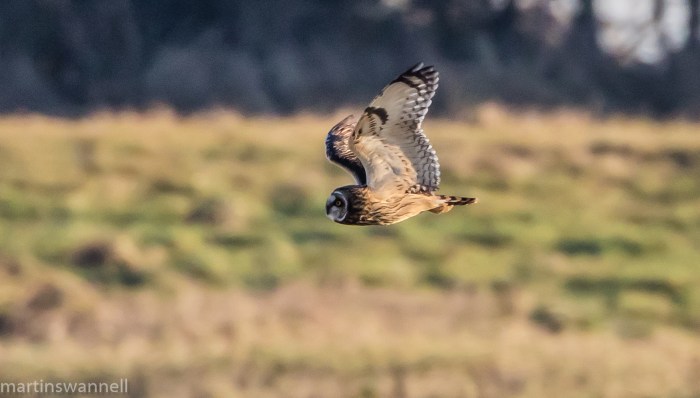
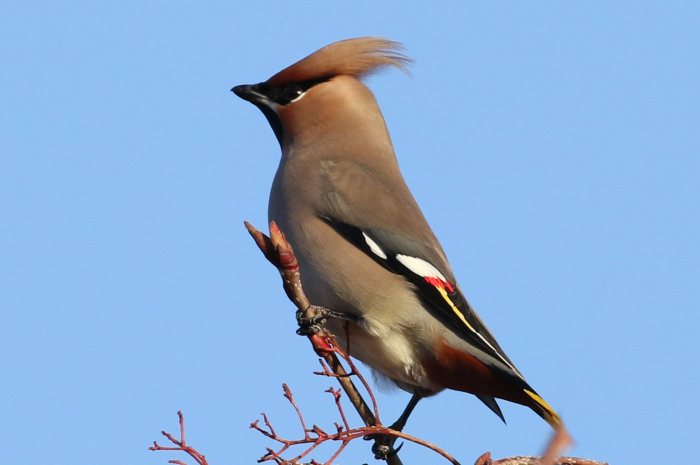
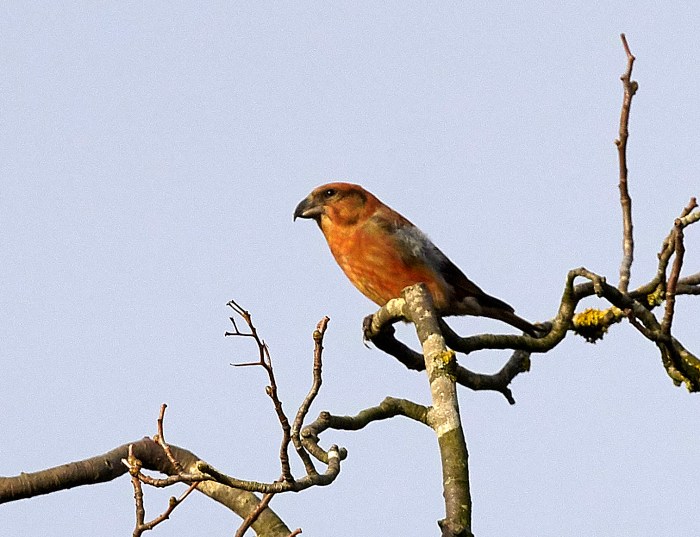
Two Short-eared Owls were still present at Neville’s Lodge, near Finedon on 8th and one near Summer Leys on 13th, while the flow of Waxwings into the county continued, with the three at Woodford Halse increasing to seven on 7th, three appearing at Sywell on 8th, eight in Bulwick on 10th and twenty-four in Kettering between 11th and 13th, while two Crossbills were still in Fineshade Wood on 10th.
Waxwing, Kettering, 13th January 2017 (Mark Tyrrell)Waxwing, Kettering, 11th January 2017 (Paul Bolton)Waxwing, Kettering, 11th January 2017 (Alan Francis)Waxwings, Kettering, 13th January 2017 (Geof Douglas). A nice comparison between adult male (left) and first-winter male.
The beginning of the week was marked by a shift in the wind direction with a more northerly vector, bringing with it lower daytime, and sub-zero overnight, temperatures with associated heavy frosts. The conditions did not produce anything dramatic beyond a few new and scarce wildfowl, while local Short-eared Owls and Waxwings continued to prove popular attractions.
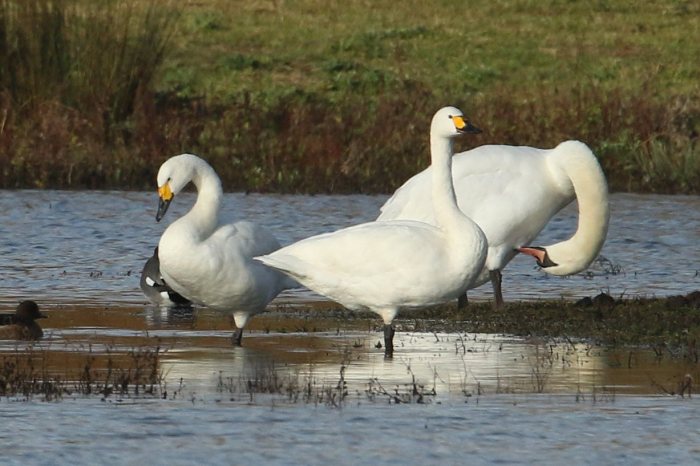
The 5th brought five adult Bewick’s Swans to Pitsford Res, albeit fleetingly as they were picked up flying south over the dam. Veteran local birders will recall the time when this species was a fairly common visitor, with Pitsford annually holding flocks of between sixty and seventy individuals from late October well into the winter months.
Bewick’s Swans, Pitsford Res, 5th January 2017 (Jacob Spinks)
Conversely, the adult Whooper Swan remained at Sywell CP all week, while the Eurasian White-fronted Geese – now down to twenty-three – became much more mobile, being seen to fly off from White Mills Marina, Whiston on 2nd, arriving shortly afterwards at Clifford Hill GP. The following morning they visited the main lake at Summer Leys LNR before relocating to nearby fields alongside the River Nene, below Great Doddington, where they remained until at least 4th. Two adult White-fronts also visited Pitsford Res, where they were seen in Pintail Bay – also on 4th. Red-crested Pochard numbers remained low with singles at both Sywell CP and Pitsford Res on 2nd and two at the latter site on 5th. In the Nene Valley, a female Scaup appeared at Summer Leys on 2nd before quickly relocating later the same day to Stanwick GP, where it remained until the end of the week. A drake Scaup appeared on the large lake behind Mary’s Lake at Earls Barton GP on 4th but it was not seen subsequently.
Drake Scaup, Earls Barton GP, 4th January 2017 (Alan Horsley)
Further north, Stanford’s Long-tailed Duck remained there until at least 4th there along with the ‘redhead’ Smew. Elsewhere drake Smews were seen at Stanwick GP on 3rd and at Earls Barton GP the following day, both records almost certainly relating to the same individual.
By 2nd, the Thrapston GP Bittern had moved from Heron Lake to Aldwincle Lake, where it was seen in reeds at the north end of the lake, while Great White Egrets continued to number three throughout at Ravensthorpe Res, up to two at Pitsford Res and the same number intermittently at Summer Leys along with one at Thrapston GP.
Great White Egrets, Ravensthorpe Res, 2nd January 2017 (Mike Alibone)
The Slavonian Grebe remained at Pitsford Res throughout, although it became more mobile, ranging between Catwalk Bay and the sailing club, while an unusual winter visitor in the shape of a Marsh Harrier visited Summer Leys briefly on 3rd.The only scarce gulls reported this week were single adult Caspian Gulls at Stanwick GP on 4th and at Pitsford Res the following day.
Marsh Harrier, Summer Leys LNR, 3rd January 2017 (Ricky Sinfield)
Neville’s Lodge, near Finedon, again continued to prove a popular draw for observers of Short-eared Owls, now with up to five present throughout the period and birders visiting daily.
Short-eared Owl, Finedon, 2nd January 2017 (Mark Tyrrell)Short-eared Owl, Finedon, 5th January 2017 (Martin Swannell)Short-eared Owl, Finedon, 5th January 2017 (Martin Swannell)
After the rush last week to see the first Waxwings of the winter there were no reports of the reportedly forty-strong crowd-pleasing birds in Roade, where the flock size peaked at fifteen just prior to their departure on 2nd.
Waxwings, Roade, 2nd January 2017 (Simon Hales)Waxwing, Roade, 2nd January 2017 (Alan Coles)Waxwing, Roade, 2nd January 2017 (Alan Coles)Waxwing, Roade, 2nd January 2017 (Alan Coles)Waxwings, Roade, 2nd January 2017 (Simon Hales)Waxwings, Roade, 2nd January 2017 (Doug Goddard). Note the colour-ringed individual on the left (see text).
One of these birds was colour-ringed and traceable to Kincorth, Aberdeen, where it was ringed on 2nd December 2016; it’s a first-winter female. Another Waxwing, a male, paid a brief visit to a garden on Borough Hill on 3rd and, perhaps surprisingly, three return to the site of the ‘Boxing Day One’ – the Rowan outside the Co-op at Woodford Halse – on 6th. Lastly, Crossbills continued to be reported intermittently from Fineshade Wood to 5th.
The light west to south-westerly airstream continued throughout the eight-day ‘week’ extending the period to fit to the last day of 2016. The weather was generally mild, with slow-clearing thick fog a prominent feature during the latter half of the week. The Christmas highlight for most was the appearance of the first twitchable Waxwings between Boxing Day and the New Year.
The adult Whooper Swan remained at Sywell CP until at least 29th, while at least twenty-three of the twenty-four Eurasian White-fronted Geese were still present by the River Nene at White Mills Marina, Whiston until the year’s end. Also present to 31st were up to four Red-crested Pochards at both Pitsford Res and Stanford Res with the latter site also producing a first-winter Scaup again on 30th, on which date another first-winter was also discovered at Ravensthorpe Res. Arguably, though, wildfowl of the week was the Long-tailed Duck found at Stanford on 27th, remaining there along with the ‘redhead’ Smew until 31st. Last week’s two drake Smew were also still present at Pitsford Res until at least 27th.
Long-tailed Duck, Stanford Res, 27th December 2016 (Chris Hubbard)
Perhaps one of the Stanwick birds relocating, a ‘new’ Bittern was viewable from the hide on Heron Lake at Thrapston GP between 27th and 30th, while Great White Egrets continued to feature throughout with daily reports from Pitsford Res, where four were seen together on 26th and Ravensthorpe Res, where three remained all week, while one was seen at Summer Leys LNR intermittently between 24th and 29th, with two there on 31st.
The Slavonian Grebe present at Pitsford Res from 19th was last seen there on 28th, by which time it had moved closer to Catwalk Bay and, at nearby Scaldwell, the only scarce raptor of the week, a male Merlin, appeared fleetingly on 27th. Similarly, the only uncommon wader during the period was a Jack Snipe at Boddington Res on the same date.
An adult Mediterranean Gull appeared at Stanford Res on 31st, while in the far south-west of the county, near Chacombe, the loafing, mixed gull flock again included a first-winter and second-winter Caspian Gull on 24th and a second-winter and third-winter on 27th. Additionally, a first-winter Caspian was at Pitsford Res on 24th and two – an adult and a third-winter – visited Hollowell Res on 30th.
Short-eared Owl, Neville’s Lodge, Finedon, 29th December 2016 (Martin Swannell)Short-eared Owl, Neville’s Lodge, Finedon, 29th December 2016 (Martin Swannell)
Neville’s Lodge, near Finedon, again proved a popular draw for observers of Short-eared Owls with four present throughout the period but their popularity was eclipsed by the arrival of the first twitchable Waxwings of the winter. Just one in a Rowan outside the Co-op at Woodford Halse on Boxing Day was enough to scramble birders from as far away as Northampton and Rugby and, although it performed well all day, it had departed by the following morning.
First-winter male Waxwing, Woodford Halse, 26th December 2016 (Bob Bullock)
Hot on its heels came three in Roade on 29th, the number there rapidly growing to ten, which drew a sizeable procession of spectators during their stay into the New Year.
Female Waxwing, Roade, 29th December 2016 (Mike Alibone)Waxwing, Roade, 30th December 2016 (Alan Coles)
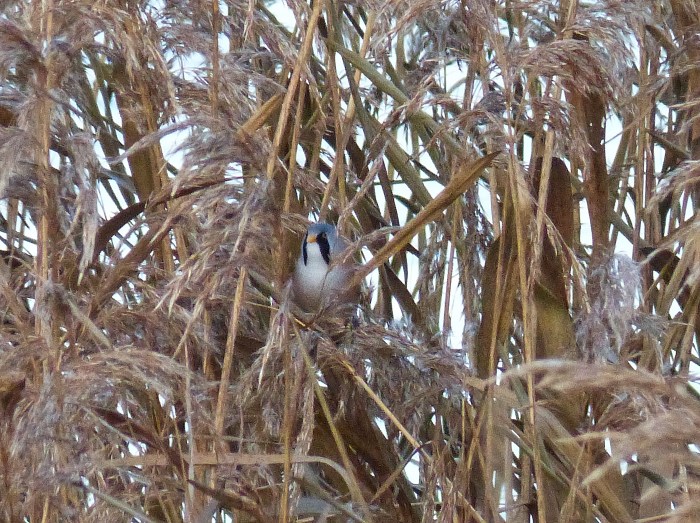
Down in the Nene Valley, the male Bearded Tit remained along the causeway at Stanwick GP’s A45 Lay-by Pit until at least 27th, while four Crossbills were found at Fineshade Wood on 26th.
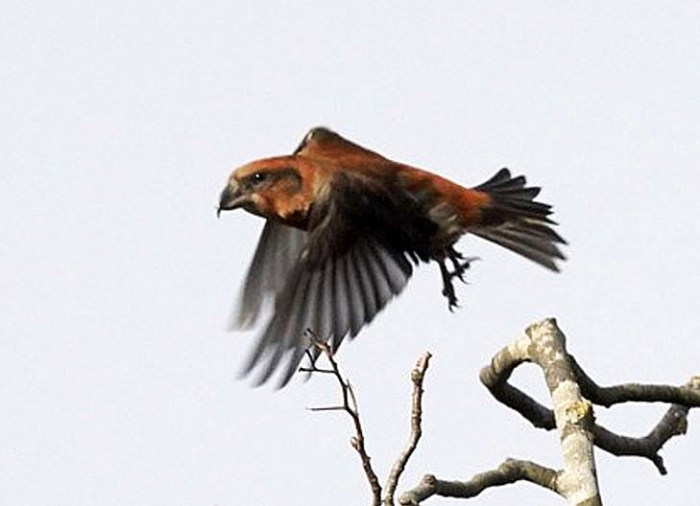
Male Crossbill, Fineshade Wood, December 2016 (Roger Eads)
In the run up to Christmas the week remained mild and largely dry, although it was gloomy, dank and dull for the greater part of the period. The wind direction remained unchanged from last week’s light south to south-westerly airstream. The highlight of the week was the discovery of the largest flock of Eurasian White-fronted Geese locally for nearly twenty years.
The Sywell CP Whooper Swan continued to be reported throughout the period, now seemingly settled and showing all signs of being present for the winter.
Whooper Swan, Sywell CP, 18th December 2016 (Mike Alibone)Whooper Swan, Sywell CP, 18th December 2016 (Mike Alibone)
On 19th, a flock of twenty-four Eurasian White-fronted Geese was discovered alongside the River Nene, close to the new White Mills Marina, east of Whiston Lock, where they remained all week. While family parties, single-figure flocks and fly-overs are not unusual, this is the largest ‘on the ground’ flock in Northants since December 1998, when up to thirty-eight were present at Ditchford GP. Nevertheless, it remains scarce in the county but not as scarce as Greenland White-fronted Goose, for which there are only four records, in 1981 (2), 1991 and 2009. Another would undoubtedly be appreciated.
Eurasian White-fronted Geese, Whiston, 21st December 2016 (Mike Alibone)
Somewhat overshadowed by the birds at White Mills, another adult Eurasian White-front was found with Canada Geese at Fawsley Park Lakes on 20th and was still present there on 22nd.
Eurasian White-fronted Goose, Fawsley Park, 22nd December 2016 (Angus Molyneux)
In a similar vein to last week the only other wildfowl of note were up to four Red-crested Pochards at Pitsford Res between 18th and 20th, with the two drake Smew still there on 23rd and a ‘redhead’ Smew at Stanford Res from the beginning of the week to 22nd.
The three Great White Egrets remained at Ravensthorpe Res on all week, while ones, twos and, on 20th, three, were reported from Pitsford Res and one was found at Ditchford GP on 18th. On 19th a ‘new’ Slavonian Grebe was discovered north-east of the dam at Pitsford Res, where it was still being seen on 23rd.
Slavonian Grebe, Pitsford Res, 21st December 2016 (Angus Molyneux)
There were no reports of the wintering juvenile male Hen Harrier at Stanford Res this week, although a ‘ringtail’ was seen flying north, close to the A508 at Kelmarsh on 21st. A Curlew at Pitsford Res on 20th was the only notable wader during the period.
All the gull action was restricted to the west of the county where, at Daventry CP, a third-winter Mediterranean Gull was present on 19th and 23rd, followed by an adult and a first-winter in the pre-roost gathering there on 21st, while an adult Caspian Gull was in the roost at Boddington Res on 17th and single first-winters were in fields near Chacombe and at Daventry CP on 23rd.
Third-winter Mediterranean Gull, Daventry CP, 19th December 2016 (Gary Pullan)
Neville’s Lodge, near Finedon, remained the only reliable location to see Short-eared Owl this week, with up to two present there while, not too far to the south, the male
Short-eared Owl, Neville’s Lodge, Finedon, 20th December 2016 (Geof Douglas)
Bearded Tit remained throughout the week along the causeway at Stanwick GP’s A45 Lay-by Pit and a ‘Nordic’ Jackdaw – of which there have been few reports in recent winters – was seen at Bozeat on 18th.
Under the influence of an Atlantic airstream, the mild and frequently wet weather continued throughout the week, pegging daytime temperatures in the low teens. Few new birds were discovered and perhaps the biggest surprise was an unseasonal Turnstone for one day at Stanwick GP.
The Sywell CP Whooper Swan remained all week and the only other wildfowl of note were a female Red-crested Pochard at Ravensthorpe Res on 10th and two drake Smew at Pitsford on 11th.
Whooper Swan, Sywell CP, 14th December 2016 (Alan Francis)
On the same date, one of two Bitterns was again seen at Stanwick GP, while the three Great White Egrets remained on show at Ravensthorpe Res all week, two were at Pitsford Res on 11th and one visited Summer Leys on 14th and 16th. In the north-east of the county, at Thrapston GP, a Slavonian Grebe was (re?)discovered on Aldwincle Lake on the morning of 11th but had promptly disappeared by the afternoon.
Becoming more erratic in its appearances, the wintering juvenile male Hen Harrier was again seen at Stanford Res on 14th, although the lack of reports probably relates to a lower level of observer coverage and diminishing interest following its initial discovery in November.
On the wader front, a Turnstone arrived at Stanwick GP on 11th but had departed by the next day. This is a most unusual time of the year for this species to occur, the peak months being May and August. Aside from this, single Jack Snipe were found at both Ditchford GP and Stanford Res on 10th.
There was little change from last week in the numbers of scarce gulls being found. A second-winter Mediterranean Gull visited Daventry CP on 11th and 15th and a first-winter Caspian Gull was at Pitsford Res on 11th and 13th, with an adult there on 14th and another adult at Hollowell Res on 13th.
Male Bearded Tit, Stanwick GP, 14th December (Geof Douglas)
Finedon continued to hold at least one Short-eared Owl in the Neville’s Lodge area on 11th-12th but the only other one this week was in the Brampton Valley on 14th. The male Bearded Tit remained throughout the period along the causeway at Stanwick GP’s A45 Lay-by Pit but a Siberian Chiffchaff, calling and showing well near the Bird Club Hide at Pitsford Res on 11th, was new.
Male Crossbill, Fineshade Wood, 11th December 2016 (Martin Dove)Male Crossbill, Fineshade Wood, 13th December 2016 (Roger Eads)
Lastly, Crossbills can be a bit hit and miss to catch up with in the county but Fineshade Wood’s Wildlife Hide was the place to be to see a showy male present from 10th to 13th, being joined by a female there on 11th.
The first week of the review period saw the coldest overnight temperatures of the autumn so far, with temperatures resulting from a northerly airstream falling to well below freezing on several occasions. The second week saw a swing to the west with daytime temperatures having hit the low teens by the period’s end. The spotlight fell firmly on wildfowl with the appearance of both species of wild swan constituting the highlight for those who managed to catch up with them.
First up were two adult Bewick’s Swans, which dropped into Summer Leys on 26th, remaining there for the afternoon only, and these were quickly followed by another one-day bird at Daventry CP, three days later, on 29th.
Also on 29th, a first-winter Whooper Swan was found at Stanford Res but it too, like the Bewick’s, remained for just one day. On 3rd, however, another Whooper was found – this time an adult at Sywell CP and, on this occasion, it remained until at least 8th.
Adult Whooper Swan, Sywell CP, 3rd December 2016 (Clive Bowley)Adult Whooper Swan, Sywell CP, 7th December 2016 (Martin Dove)
Shorter-staying than any of the above, though, was an adult Dark-bellied Brent Goose, which was found at Clifford Hill GP on 26th but had disappeared within a couple of hours of its discovery. At Pitsford Res, two Red-crested Pochards were present between 29th and 2nd and three out of five relatively long-staying first-winter Scaups were still there on 30th, with at least one remaining until 7th. Stanford Res also continued to hold on to its Scaup – well, one of them at least – until 3rd, with some debate as to age and sex.
First-winter Scaup, Stanford Res, 30th November 2016 (Bob Bullock). Grey scapulars, the diffuse white surround to the bill and a greenish tinge to the head suggest this is a male.
The same site also produced three female or first-winter Common Scoters on 27th and, back at Pitsford, another was found the following day.
Common Scoters, Stanford Res, 26th November 2016 (Chris Hubbard)
Staying with the maritime theme, and locally scarcer than any of the above, a female Long-tailed Duck was discovered on Mary’s Lake at Earls Barton GP on 29th but it had gone by the following day.
Up to three ‘redhead’ Smew arrived and were at Pitsford on 26th-29th, followed by a drake there between 3rd and 8th.
Bitterns featured at Stanwick GP during the period with one coming in to roost in the reedbed there, between16.00 and 16.30 almost nightly, from 1st to 8th and two present on 2nd. Four localities produced Great White Egrets this week with a minimum of two north of the causeway at Pitsford Res daily, although three or four were reported there on 29th. Ravensthorpe Res is now clearly being favoured by this species with records daily and three there on several dates between 27th and the end of the period, although it’s likely there is some commuting between there and Pitsford Res. Two Slavonian Grebes were found at Clifford Hill GP on 26th, remaining in the north-west corner of the main barrage lake where they were on view until 3rd.
Adult (rear) and first-winter Slavonian Grebes, Clifford Hill GP, 26th November 2016 (Bob Bullock)First-winter Slavonian Grebe, Clifford Hill GP, 27th November 2016 (Alan Coles)
Favouring the disused railway track and small area of set-aside east of Stanford Res, the wintering juvenile male Hen Harrier continued to be seen regularly between 26th and 6th and a Merlin was again present there on 9th, with another reported from the Brampton Valley area on 28th.
December is normally the first month of the winter in which white-winged gulls are found locally but this has not yet been the case. A single first-winter Mediterranean Gull at Hollowell Res on 9th with Caspian Gulls there on the same date and on 26th – plus two at Pitsford Res on 27th and one again on 3rd – reflects the current paucity of wintering scarce Larids in Northants.
Short-eared Owls continued to be seen in the late afternoons at Neville’s Lodge, Finedon, with two on 27th, one on 29th and three on show on 8th while, elsewhere, singles were at Borough Hill on 26th, Sywell CP on 27th, in the Brampton Valley/Blueberry Farm area on 28th and 1st and at Harrington AF on 29th. The male Bearded Tit continued its presence throughout at Stanwick GP’s A45 Lay-by Pit, where it remained mobile along the causeway but at the same time occasionally providing remarkably close views.
Male Bearded Tit, Stanwick GP, 5th December 2016 (Alan Coles)
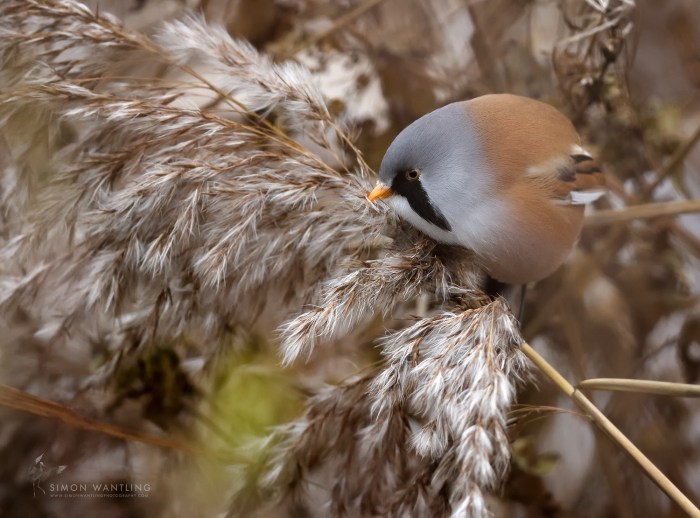
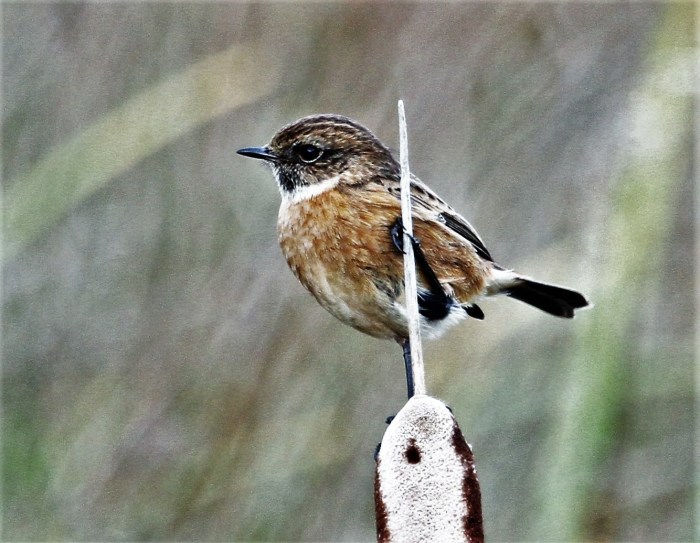
Male Bearded Tit, Stanwick GP, 9th December 2016 (Simon Wantling)Male Stonechat, Summer Leys LNR, 9th December 2016 (Alan Coles). This species is enjoying a ‘good’ winter locally, with many records in the period including a maximum of 5+ at Hollowell Res on 9th.
The only other passerines of note during the period were two Waxwings which flew south over Harrington AF on 26th.
The first and last days of the week were crisp, dry and sunny but the intervening period saw a low pressure system move rapidly across southern England, bringing wet and windy weather to Northants on 20th/21st, after which it was mainly dull, cold and showery. Few new birds were discovered in the seven-day period but there was still plenty to focus on, although the expected Waxwing invasion failed to materialise.
Up to twenty-five Pintails remained at Pitsford Res, where single male and female Red-crested Pochard x Mallard hybrids were found on 23rd and two drake Red-crested Pochards constituted a poor showing following regular double-figure counts there in previous weeks. Up to two female Scaup were at Stanford Res until at least 20th, with one remaining until 25th, and four of the original five remained at Pitsford Res until at least 23rd.
Six localities produced Great White Egrets this week with four regularly on view north of the causeway at Pitsford Res. This species was also recorded from Thrapston GP on 19th, Summer Leys LNR, where one was present on the same date, after which it or another was seen at nearby Ditchford GP on 20th and the long-staying individual remained at Ravensthorpe Res, visiting Hollowell Res on 24th.
Great White Egret, Pitsford Res, 20th November 2016 (Adrian Borley)
The Slavonian Grebe found last week at Thrapston GP remained on Titchmarsh LNR, visible from the North Hide, until at least 19th.
In the vicinity of Stanford Res, the ‘ringtail’ Hen Harrier continued to be seen regularly – if only fleetingly – throughout the week and was aged and sexed as a juvenile male from photographs taken on 23rd. Additionally, two more ‘ringtails’ were seen – one at Stanwick GP on 21st and the other the following day at Harrington AF.
Juvenile male Hen Harrier, Stanford Res, 23rd November 2016 (Bob Bullock)
Aside from a Merlin again at Stanford Res on 25th, Peregrines recorded from Ditchford GP, Harrington AF, Northampton and Pitsford Res constituted the only other raptor of note during the period.
Just two localities produced Golden Plovers this week, but the lack of sites was more than made up for in numbers with one thousand five hundred counted near Grafton Regis on 23rd. On 20th, three Black-tailed Godwits appeared at Pitsford Res, two Dunlins visited Stanwick GP on 24th, where four Redshanks were also present on the same date, while one continued to linger at Pitsford Res until at least 23rd.
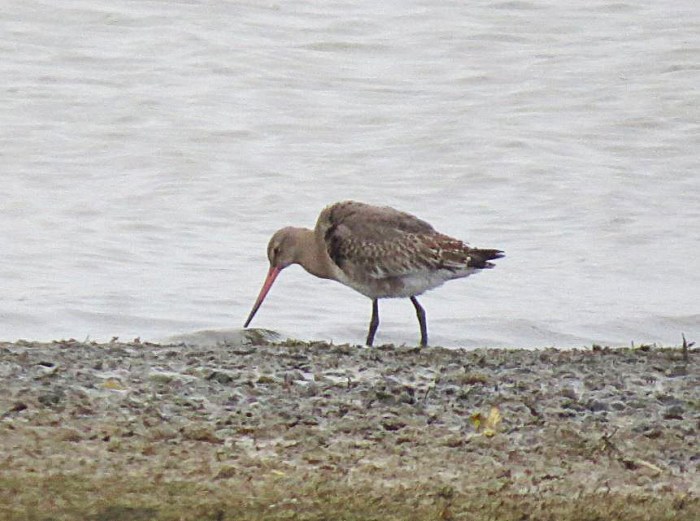
Black-tailed Godwit, Pitsford Res, 20th November 2016 (Adrian Borley). One of three present on this date.
Two Green Sandpipers were also at Pitsford on this date with two more at Stanford Res and one at Ditchford GP on 20th. Single Common Snipe were at Ditchford GP on 20th and Grafton Regis on 25th but twenty-seven were counted at Pitsford on 23rd.
Pitsford also produced a second-winter Little Gull in the roost on 21st, while the usual adult Yellow-legged Gull remained there until at least 23rd. This week saw some new Short-eared Owls with one near Neville’s Lodge, Finedon on 22nd and 24th and two there on 23rd, while one was again in the Blueberry Farm (Maidwell)/Brampton Valley area on 24th-25th. Two Bearded Tits were again reported at Summer Leys LNR on 20th and the male Stanwick GP’s A45 Lay-by Pit, remained until at least 21st, while reports of Central European Blackcaps increased this week with singles at Summer Leys on 20th, Duston (Northampton), Kettering and Pitsford Res on 23rd and two near Kettering on 25th.
Female Central European Blackcap, near Kettering, 23rd November 2016 (Alan Francis)
Not increasing – much to the disappointment of many – were Waxwings which, after last week’s sprinkling of sightings of birds on the move, the much-anticipated local invasion simply did not happen but the flyover individual at Brackmills (Northampton) on 24th provided some consolation for one observer at least. Blueberry Farm/Brampton Valley and several, heard only, in Brixworth. Stonechat numbers were down in comparison to previous weeks with one at Pitsford Res on 23rd and up to four in the Blueberry Farm/Brampton Valley area all week, with Bramblings at the same locality on 19th.
A topsy-turvy weather pattern ensued over the period, with temperatures oscillating between 18ºC at the mid-point and freezing. Winds were similarly variable – a cold north-easterly persisted in the early part of the first week before swinging southerly and then westerly at the period’s end. For the third week running another flyover Gannet was logged before birding took on a decidedly wintry feel with more traditional fare arriving from all points north.
The first of those winter birds were Whooper Swans although, true to form at this time of the year, none lingered. The first was a loner which appeared at Ditchford GP’s Irthlingborough Lakes & Meadows LNR on the afternoon of 12th but it had departed by the next day and this was then followed by seven, including two juveniles, at Stanford Res on 18th, all of which were seen to fly off east during the late afternoon of the same day.
Whooper Swans, Stanford Res, 18th November 2016 (Alan Coles)Whooper Swans, Stanford Res, 18th November 2016 (Martin Dove)Whooper Swan, Stanford Res, 18th November 2016 (Chris Hubbard)
Similarly short-staying were four Dark-bellied Brent Geese, including one juvenile, at Hollowell Res on 9th. Pitsford Res produced the highest Pintail count of at least twenty on 8th while Daventry CP, Earls Barton GP, Ravensthorpe Res and Stanford Res mustered just one or two birds each. Pitsford also held the highest number of Red-crested Pochards with a maximum of at least twelve on 16th while Ditchford GP and Stanford
Red-crested Pochard, Ditchford GP, 13th November 2016 (Simon Hales)
Res both managed to produce a drake a piece and one of Stanford’s three Scaup still present on 6th, remained until 13th. Five more Scaup – all first-winters – were discovered at Pitsford Res on 6th all of which remained until 13th, with at least three lingering until 17th.
Female Scaup, Stanford Res, 5th November 2016 (Chris Hubbard)
An apparent adult Great Northern Diver at Pitsford Res on 11th was a typical November record for this species. What was not typical, however, was its short stay of just two days as well as its age, as the majority visiting the county in autumn/winter are juveniles/first-winters. Following this, an unidentified diver species was seen flying over Clifford Hill GP toward Hardingstone GP late on 16th, although efforts to relocate it the next day went unrewarded.
Great Northern Diver, Pitsford Res, 12th November 2016 (Adrian Borley)
Yet another juvenile Gannet was logged, this time flying west over Daventry CP on 7th – the third in the county in as many weeks. Two Bitterns were also seen – one in flight at Stanwick GP on 11th and the other in front of Thrapston GP’s Kirby Hide two days later,
Bittern, Stanwick GP, 10th November 2016 (Steve Fisher)
while Pitsford continued to host multiple Great White Egrets throughout the period, peaking at five on 17th. This species was also recorded from Ravensthorpe/Hollowell Reservoirs, at which one was present between 6th and 18th and from Summer Leys LNR, where a one-day bird dropped in on 11th.
Great White Egret, Summer Leys LNR, 11th November 2016 (Alan Coles)Great White Egret, Summer Leys LNR, 11th November 2016 (Mark Tyrrell)Great White Egret, Summer Leys LNR, 11th November 2016 (Stuart Mundy)
Three Slavonian Grebes appeared on 14th, one at Thrapston GP – which remained until the end of the period, and two at Ravensthorpe Res, which had departed by the fiollowing day. The raptor highlight of the period was undoubtedly the ‘ringtail’ Hen Harrier which was first seen at Stanford Res on 13th and then again on 17th and 18th; a post-dawn early morning vigil where the disused railway track crosses the road near the settling pond provides the best chance of connecting with it. In addition to that, a Merlin was in the same area on 18th and Peregrines were recorded from eight localities throughout the period.
Golden Plover numbers continued to build, with five sites producing counts, the highest of which was two hundred and forty-four at Daventry CP on 15th. A Curlew – unusual in November – visited Summer Leys on 14th and, equally surprising, Dunlins appeared at five localities with singles at Daventry CP and Stanwick GP, 2 at Hollowell Res, four at Summer Leys and up to five at Pitsford Res. Green Sandpipers continued to be recorded throughout the period from Daventry CP (producing the maximum of four on 15th), Deene Lake, Ditchford GP, Naseby Res, Pitsford Res, Ravensthorpe Res and Stanford Res, while Redshanks remained scarce with singles at Pitsford between 8th and 17th and at Ditchford GP on 18th.
Redshank, Pitsford Res, 16th November 2016 (Alan Francis)
Three Jack Snipe at Ditchford GP on 16th was the only record during the period, while single-figure counts of Common Snipe were made at Brixworth SWT, Deene Lake, Ditchford GP and Hollowell Res although Pitsford Res made it into double-figures with twelve there on 8th.
Three reservoirs produced Caspian Gulls. At Hollowell Res, single adults were present on 9th and 15th, at Boddington Res roost, an adult was present on 13th, a second-winter the next day and an adult and a third-winter visited on 18th and at Pitsford Res an adult was present on 14th. The usual adult Yellow-legged Gull was at Pitsford Res between 6th and 11th, one visited Summer Leys LNR on 13th and, at Boddington Res, five on 13th, one on 14th and three on 18th.
Short-eared Owls have been thin on the ground so far this autumn, with Blueberry Farm (Maidwell) hosting one on 8th-9th and 17th, while one was seen at Harrington AF on 13th. Scarce passerines reported include a Firecrest at Ravensthorpe Res on 12th and one or two Bearded Tits at Stanwick GP’s A45 Lay-by Pit, daily, between 6th and 12th with two at Summer Leys again on 13th.
Male Bearded Tit, Stanwick GP, 8th November 2016 (Steve Fisher)
The third Yellow-browed Warbler of the autumn – and equally as fleeting and elusive as the previous two – was at Stanwick GP on 10th, the same date that a Siberian Chiffchaff was found in the same area, the latter remaining in the same strip of trees and bushes until at least the following day. As a scarce winter visitor it may still be in the area. Another winter warbler – Central European Blackcap – was seen on 13th, when a male was at Pitsford Res and a foretaste of things hopefully to come later this winter was provided by the first Waxwing, at Hanging Houghton on 8th, followed by further reports the same day of eight over Blueberry Farm/Brampton Valley and several, heard only, in Brixworth. On 12th, five flew over Pitsford Res and five – perhaps the same – were seen in flight over Pitsford Quarry the next day, when six were also briefly in Kingsthorpe (Northampton) and approximately ten flew over Cranford, followed by eight at Brixworth CP on 14th. Stonechats continued to be reported from eight localities and small numbers of Bramblings from nine, while a single Crossbill flew over Pitsford Res on 13th and two were reported from Harlestone Heath the following day.
The high pressure system sitting over southern Britain for two days at the beginning of the period set the scene for dry weather throughout the county and produced locally ‘high’ temperatures of up to 18ºC. As winds swung more northerly for the remainder of the week, these were soon replaced by much lower temperatures with Northants experiencing its first frost of the autumn overnight on 1st. Apart from another flyover Gannet, the week remained relatively quiet.
After a respectable count at Pitsford Res last week, just one Pintail was reported – on 31st at Daventry CP, where up to two Red-crested Pochards were present between this date and 2nd, while up to fifteen were counted at Pitsford on 30th. Wildfowl of the week award, though, goes to the three Scaup which were found at Stanford Res on 3rd, with at least one remaining until the next day.
Following last week’s Gannet over Earls Barton GP/Summer Leys LNR, another juvenile flew low over M1 Junction 15A at Rothersthorpe, heading toward Northampton, on 29th but attempts to relocate it elsewhere along its assumed flightpath ended in disappointment for those who tried. Three Great White Egrets remained north of the causeway at Pitsford Res on 30th, singles were seen at Stanwick GP on 29th and Thrapston GP on 31st, the same date the Deene Lake individual was still appearing on the roll-call.
Great White Egret, Deene Lake, 31st October 2016 (James Underwood)
Raptors were again limited to a Marsh Harrier flying east over Daventry CP on 2nd, two Peregrines in Northampton on 29th with further singles at Stanford Res on 3rd and at Blueberry Farm, Maidwell the following day.
Golden Plover numbers topped two hundred and seventy at Polebrook AF on 30th, while smaller numbers elsewhere consisted of fifty-one at Daventry CP on 31st with seven at Thrapston GP the same day and only five again at Daventry CP on 2nd. A Black-tailed Godwit visited Pitsford Res on 29th, the same site hosting the week’s only Redshank and two Green Sandpipers the following day. Other Green Sandpipers a were one at Stanford Res on 30th, four at Daventry CP and five at Deene Lake on 31st and two again at Daventry on 2nd. The only other waders of note were five Dunlins at Stanford Res on 3rd, while single-figure counts of Common Snipe were made at Daventry CP, Deene Lake, Ditchford GP, Lamport and Pitsford Res.
Scarce gulls remained exactly that, with single adult Caspian Gulls at Pitsford Res on 29th and Stanford Res on 4th, while single adult Yellow-legged Gulls were at these same two localities on 29th.
At least one Bearded Tit was reported from Stanwick GP’s A45 Lay-by Pit on 31st, while Stonechats continued to be seen at Blueberry Farm, Deenethorpe AF, Deene Lake, Ditchford GP, Northampton, Stanwick GP, Summer Leys and Twywell Hills & Dales, with a maximum of eight at the first of these localities on 4th. Following last week’s flyover Water Pipit, another did the same at Daventry CP on 31st and four Rock Pipits visited Ditchford GP very briefly on 30th. Reports of Bramblings this week were few and far between with singles at Glyn Davies Wood on 29th, Hanging Houghton on 30th and three at Yardley Chase on 3rd, the latter site producing a single Crossbill on the same date.
Although short-lived, the easterly airstream resumed for the first two days of the period, after which it was replaced by a more westerly to south-westerly airflow from the Atlantic as an area of high pressure became established over southern England by the week’s end. The prime action was, however, limited to just one day – 23rd October – when a Gannet cruised over Summer Leys and Earls Barton GP and the County’s eleventh Woodlark since 1912 put in an all too brief appearance at Borough Hill.
The Ruddy Shelduck was still by the sailing club at Pitsford Res on 22nd, while the same site produced a sizeable total of thirty-six Pintails on 26th. Elsewhere, Pintail numbers were pegged to single figures which included seven at Earls Barton GP on 23rd, 2 at Daventry CP on 22nd and one at Stanwick GP on 25th. A Wood Duck of unknown origin – i.e. an escape – was on the canal at Stoke Bruerne on 28th. Back at Pitsford at least one late Garganey was discovered on 26th and up to eleven Red-crested Pochards remained throughout.
A juvenile Gannet flew over Mary’s Lake at Earls Barton GP and then over Summer Leys main lake as it tracked westwards along the Nene Valley on 23rd. This is the first since 2014 after a blank year in 2015, although this species is by no means annual in the County.
Juvenile Gannet, Earls Barton GP, 23rd October 2016 (Adrian Borley)Northamptonshire Gannets, distribution of post-1969 records by month. Background image juvenile Gannet, Thrapston GP, 14th October 2013 (Bob Bullock)
The Stortons GP Bittern was again seen on 25th and another flew into reeds at Titchmarsh LNR (Thrapston GP) at dusk the following day, while up to three Great White Egrets remained north of the causeway at Pitsford Res, one lingered at Daventry CP to at least 27th and the Deene Lake individual was still ensconced there on 23rd.
Great White Egret, Deene Lake, 23rd October 2016 (James Underwood)
Although Little Egrets may be common nowadays, arguably bird photograph of the week was of this one grappling with a pike at Summer Leys on 27th.
Little Egret with Pike, Summer Leys LNR, 27th October 2016 (Alan Coles)
Raptors were limited to a Marsh Harrier between Holcot and Walgrave on 26th, a Merlin at Harrington AF on 28th and Peregrines at Borough Hill, Brampton Valley, Harrington AF, Higham Ferrers, Northampton, Pitsford Res and Upton.
Although low in numbers, Golden Plover was the dominant wader this week with seventy at Daventry CP on 22nd being the highest count, followed by smaller numbers at Boddington Res, Deenethorpe, Clifford Hill GP, Harrington AF, Pitsford Res, Polebrook AF, Stanwick GP, Summer Leys and Sywell CP. A Ruff was feeding with Lapwings in a ploughed field at Polebrook AF on 23rd, two Dunlins were at Stanwick GP on 22nd and a late Common Sandpiper visited Daventry CP on the same date. Pitsford Res produced the week’s maximum of six Green Sandpipers on 26th and singles were also present at Daventry CP, Deene Lake and Stanford Res, while Pitsford also held a Redshank on 26th-27th. Between fifteen and twenty Common Snipe were at Barnes Meadow, Northampton on 25th with smaller numbers at Pitsford Res, Polebrook AF, Stanford Res, Summer Leys and Thrapston GP, the last of these producing a Jack Snipe on 22nd while four were still at Barnes Meadow on 25th.
A few more gulls than last week included single adult Caspian Gulls in the roosts at Boddington Res on 24th and Pitsford Res on 28th, while single adult Yellow-legged Gulls were at Culworth on 23rd and at Stanford Res on 23rd and 26th, five were at Boddington Res on 24th and up to two were at Pitsford Res all week.
In a similar vein to last week, another migrant Short-eared Owl was seen – this time on the western side of Northampton, in flight over Stortons GP on 26th.
Short-eared Owl, Stortons GP, 26th October 2016 (Alan Coles)
The two Bearded Tits at Summer Leys were seen again on 23rd and up to six were reported from Stanwick GP the following day. Highlight of the week, however, was Northamptonshire’s eleventh Woodlark since the species last bred here in 1912. Touching down only briefly on Borough Hill early on 23rd, it was unfortunately flushed by non-birders and headed off north. Breeding no further away than Nottinghamshire and Breckland, and with migrants more frequently recorded in neighbouring counties, it’s surprising there are so few local records. It remains one to catch up with for the majority of today’s local birders.
Northamptonshire Woodlarks, distribution of records post-1969 by month. Background image Woodlark (Ron Knight/Wikimedia Commons)
The autumn Stonechat rush continues with the Blueberry Farm/Brampton Valley area featuring eight on 24th plus records of two or more from Borough Hill, Harrington AF, Summer Leys and Sywell CP.
Male Stonechat, Summer Leys LNR, 27th October 2016 (Ricky Sinfield)Male Stonechat, Summer Leys LNR, 287th October 2016 (Ricky Sinfield)
Although never common, another species which has become more scarce in recent years is Water Pipit, one of which flew west over Pitsford Res on 28th. Also scarce but less so, the first Mealy Redpoll of the autumn/winter period was trapped and ringed at Stanford Res on 24th.
First-winter Mealy Redpoll, Stanford Res, 24th October 2016 (Adam Homer)First-winter Mealy Redpoll, Stanford Res, 24th October 2016 (Adam Homer)
With no more than six Bramblings at any one site, single-figure counts came from Blueberry Farm, Borough Hill, Brampton Valley, Brixworth CP, Evenley Wood, Hanging Houghton and Walgrave, while two Crossbills flew east over the first of these sites on 24th, six more flew south over Borough Hill on 23rd and and another fly-over Hawfinch was logged at the latter site on 22nd.


 From the exciting to the more mundane, up to three Great White Egrets remained at Ravensthorpe Res, numbers between one and three were at Pitsford Res and one was again at Summer Leys all week. Also making it into the new week was the Pitsford Res Slavonian Grebe, which was still present around the dam/sailing club/Pintail Bay area until at least 11th.































 Northants birds