 Under the influence of standard westerlies off the Atlantic, the weather remained largely settled before delivering an avalanche of gales and rain at the week’s end. Some fairly standard early autumn fare was on offer throughout the period.
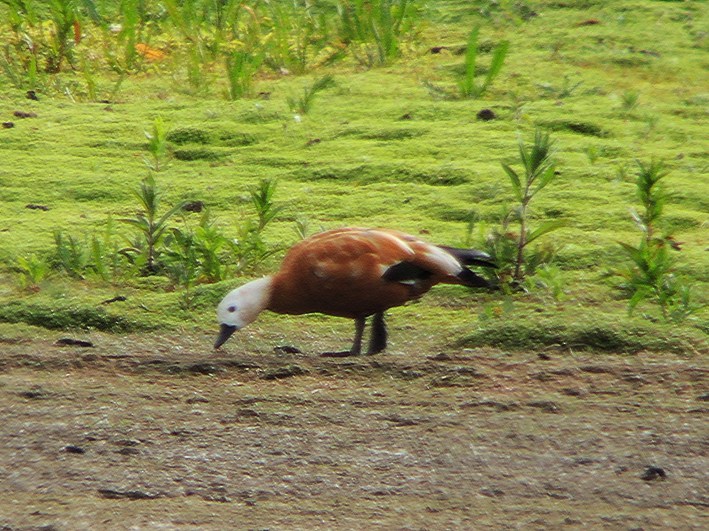
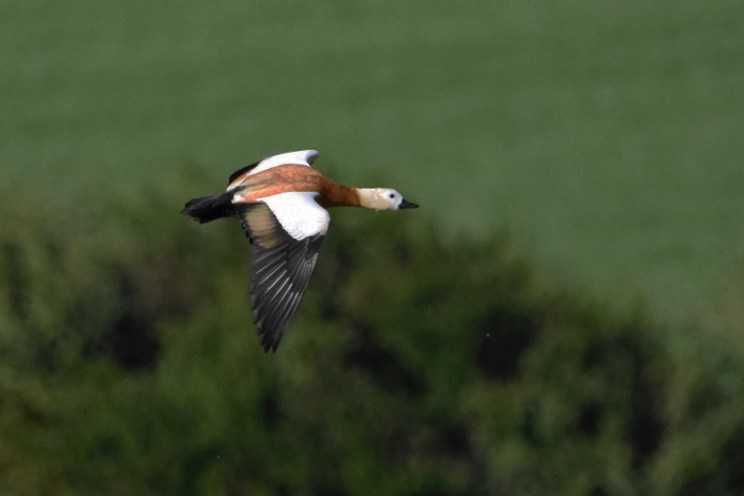
Having clearly developed itchy feet, the first-summer female Ruddy Shelduck flipped from Hollowell Res to Ravensthorpe Res on 3rd and was back at Hollowell on 6th-8th before returning to Ravensthorpe on 9th.

Stanford’s eclipse drake Garganey remained until at least 5th and two of last week’s three on Titchmarsh LNR, at Thrapston GP, were seen again on 4th, while the continued presence of up to three drake Red-crested Pochards at Pitsford Res came as little surprise.
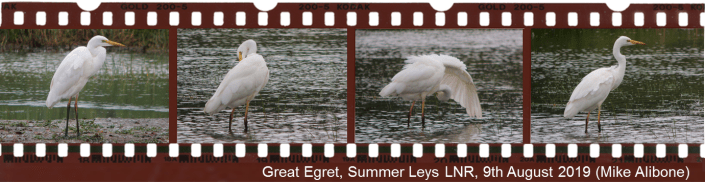
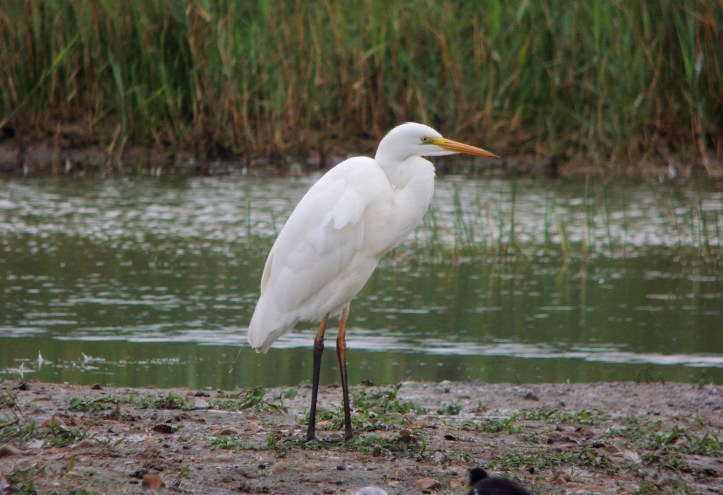
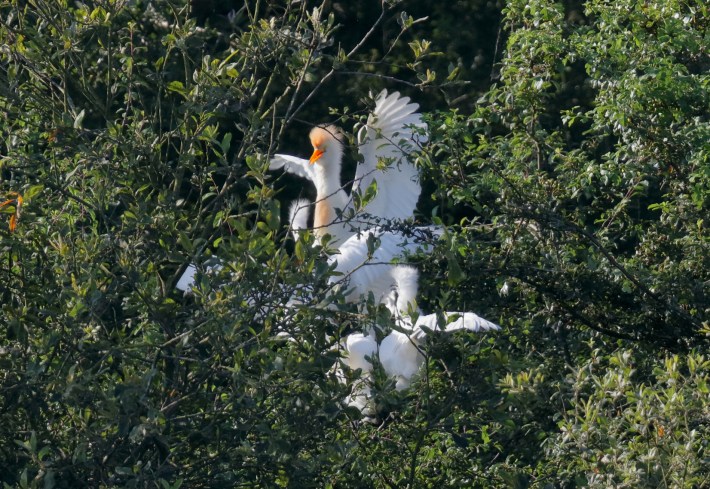
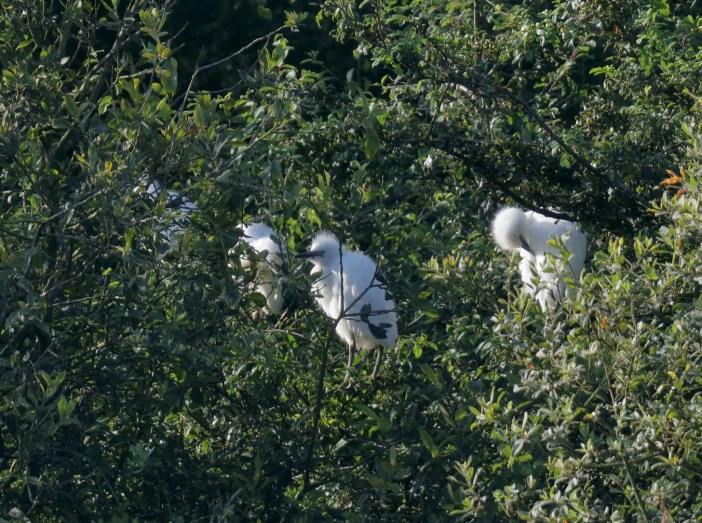
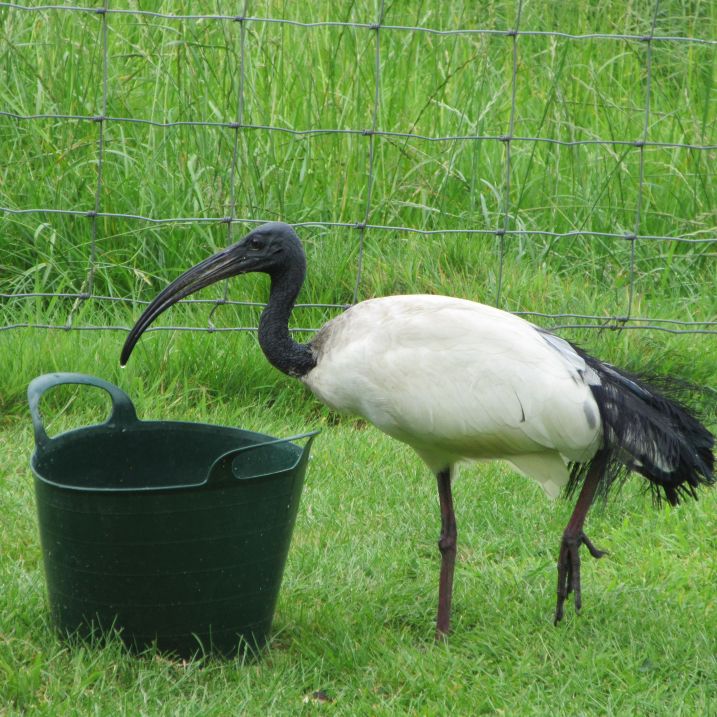
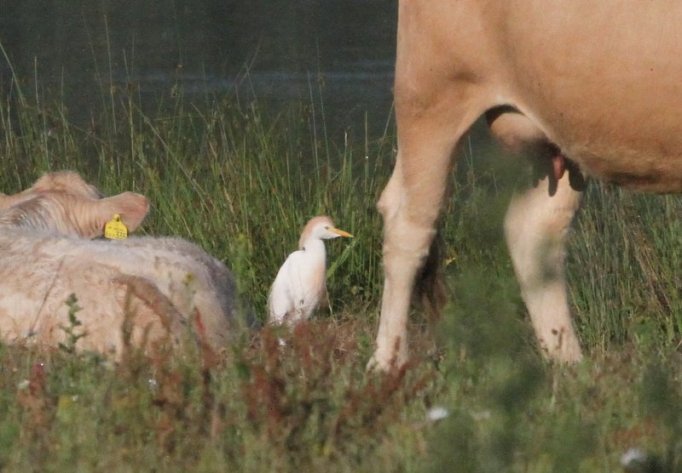
Ringstead GP’s four juvenile Cattle Egrets were still on site mid-week, while the three adults continued to feed with the local herd in the vicinity of Main Lake at nearby Stanwick. After a blank week, a Great Egret at least brought some interest to Summer Leys’ scrape between 7th and 9th, while the escaped Sacred Ibis with a penchant for visiting village gardens, dropped into one briefly at Nether Heyford on 4th.

Back at Pitsford, a Black-necked Grebe was present in Scaldwell Bay for the afternoon of 8th but provided no joy for those searching for it the following day. There have been numerous August records from said bay at Pitsford over the years but they have tended to occur much closer to the month’s end.
This week there were Ospreys aplenty, with Pitsford producing the lion’s share, including two on 3rd, two – if not three – on 5th and singles on 6th, 8th and 9th. Elsewhere, singles visited Thrapston GP on 3rd, Hollowell on 3rd and 8th and the pool at Harrington AF on 6th, the same date upon which a female or juvenile Merlin was at Stanwick GP.
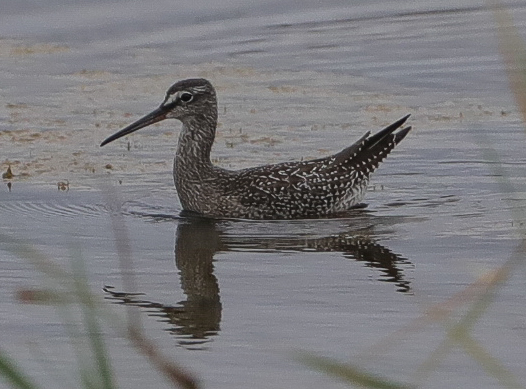
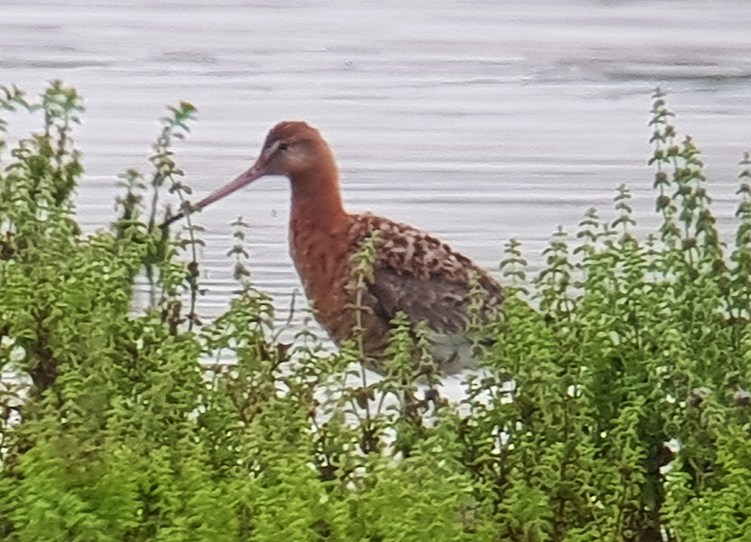
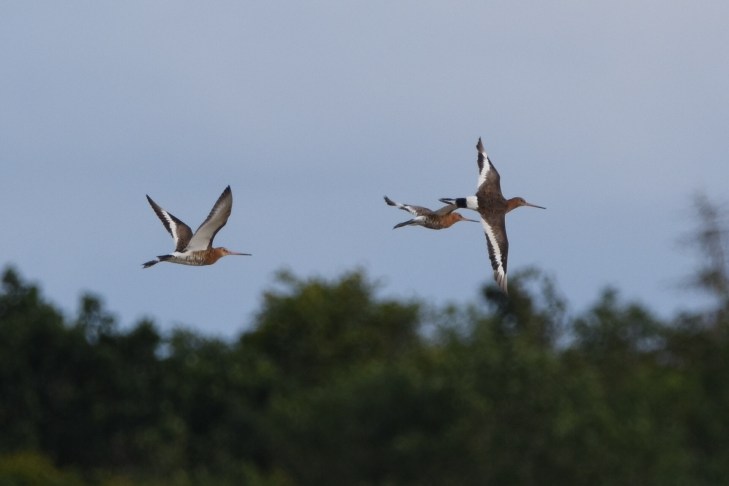
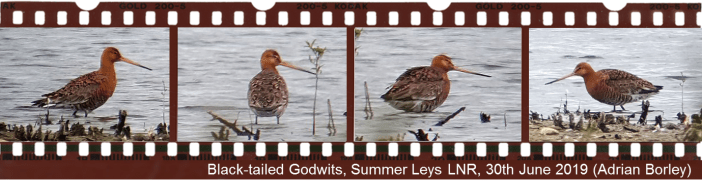
This week’s wader line-up was not as impressive as last week’s but migration continued with 9th producing single Black-tailed Godwits over Daventry CP and at Pitsford, a Whimbrel over Stanwick on 4th, a Turnstone at Summer Leys on 8th and a Ruff at nearby Ditchford GP’s IL&M the following day. Greenshanks showed up at Pitsford on 5th and 9th and also at Summer Leys on the latter date, while single Wood Sandpipers were found at Stanwick GP on 8th and 9th and at Summer Leys on 9th, only one of which stuck around long enough to be seen by observers other than the finder.

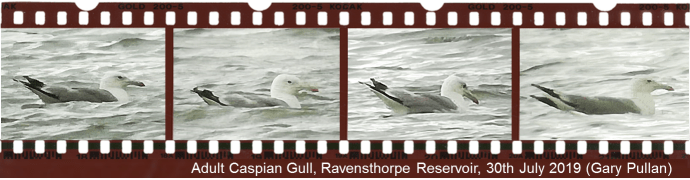
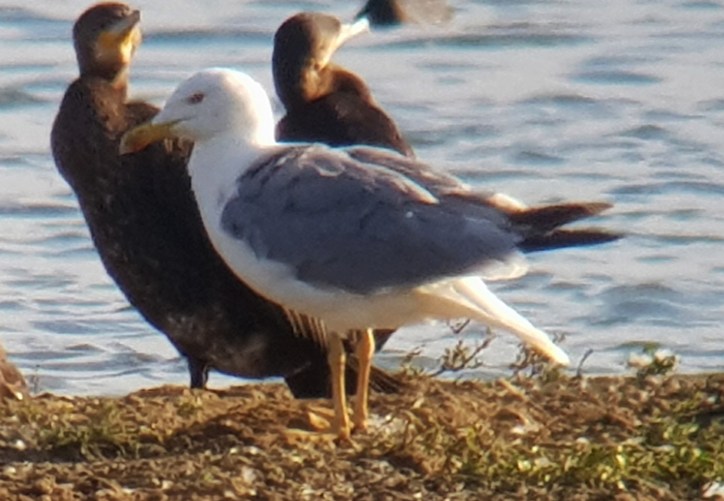
More juvenile Mediterranean Gulls appeared this week, three in all, comprising singles at Pitsford on 6th and 9th and at Daventry CP on the latter date. Ravensthorpe Res hung on to its adult Caspian Gull until 4th, while small numbers of Yellow-legged Gulls were found at Daventry, Hollowell, Pitsford, Ravensthorpe Thrapston and Stanwick, with a maximum of seven at the latter site on 4th.
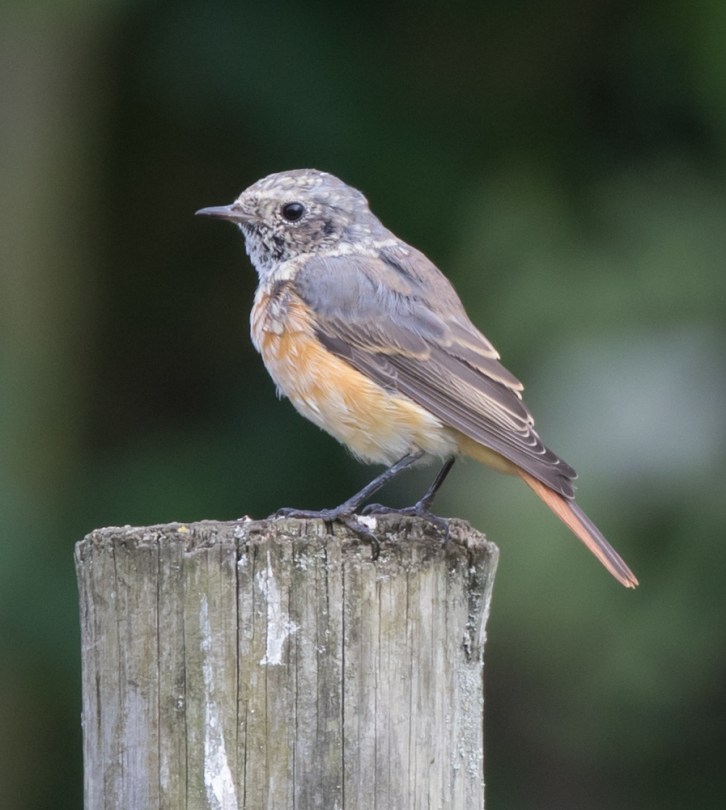
Hot on the heels of the autumn’s first Tree Pipit, at Harrington AF last week, the same site delivered another one six days later, on 8th. These two are both two to three weeks earlier than normal and it’s interesting that coastal watchpoints (e.g. Portland) are also noting early departing migrants of this species. Fewer Common Redstarts were recorded this week, with just one at Harrington AF on 3rd-4th and another hanging on at Twywell Hills & Dales between 5th and 8th, while at least two Whinchats were still at Blueberry Farm, Maidwell on 3rd and the first Northern Wheatears of the autumn appeared on 9th, with singles at Hollowell and near Pitsford village.
 With the previous week’s heat ebbing away, the country became under the influence of something more readily associated with British summertime: rain. The first two days saw plenty of it and the weather system responsible also had a dramatic effect on migrants, with many appearing far earlier than is normal.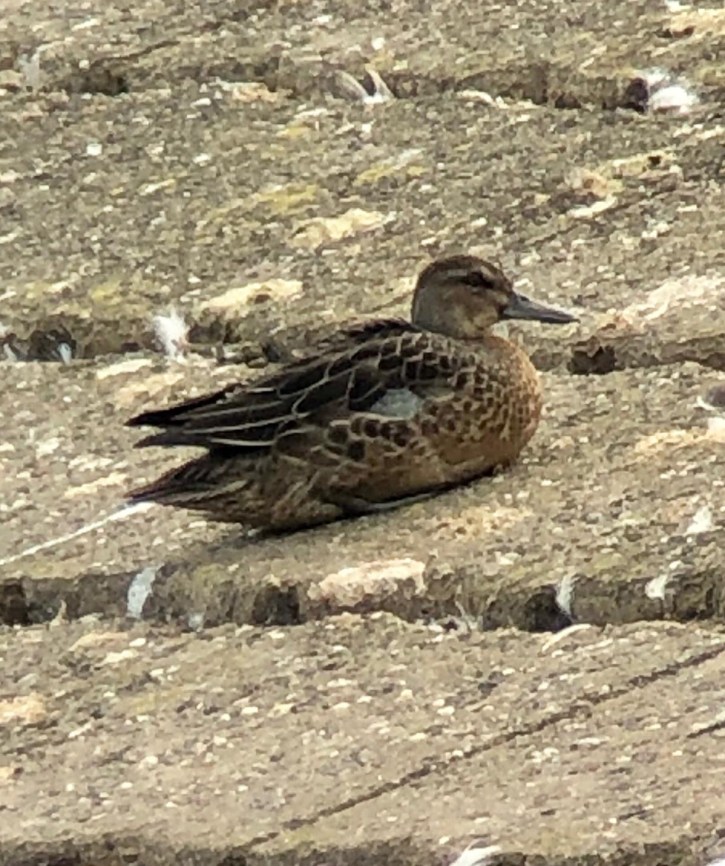

 Sandwiched between an unusual kink in the North Atlantic Jetstream and a high pressure system to the east, winds for the majority of the week emanated from North Africa and the UK enjoyed its potentially hottest day on record, on 25th, when Northampton hit a sweltering 36°C. Although it appeared to have little local influence on migrants, it no doubt contributed significantly to the continued evaporation at local reservoirs, exposing more muddy margins for waders, ahead of the slowly unfolding autumn passage.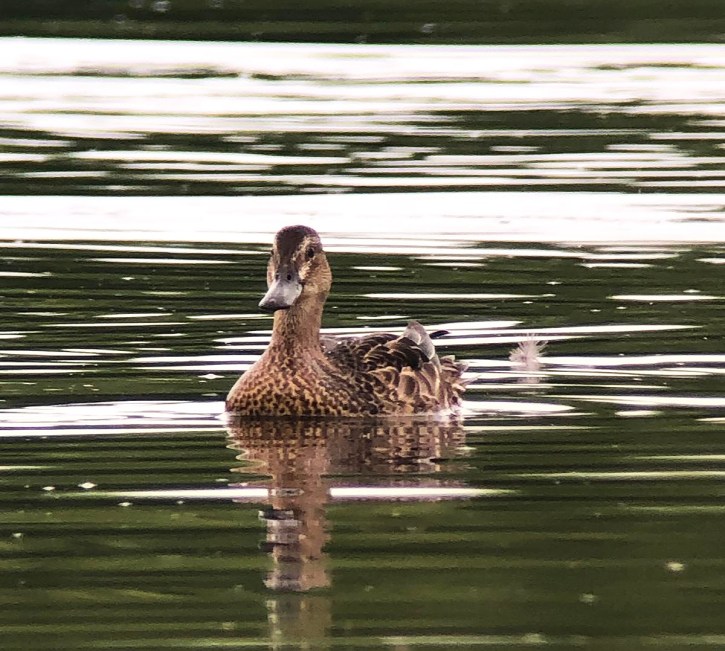


 With national weather conditions nothing to shout about, the influence on local migrants was seemingly minimal. Wader passage ramped up somewhat and despite being mid-summer, it was the white stuff that dominated the news this week ….




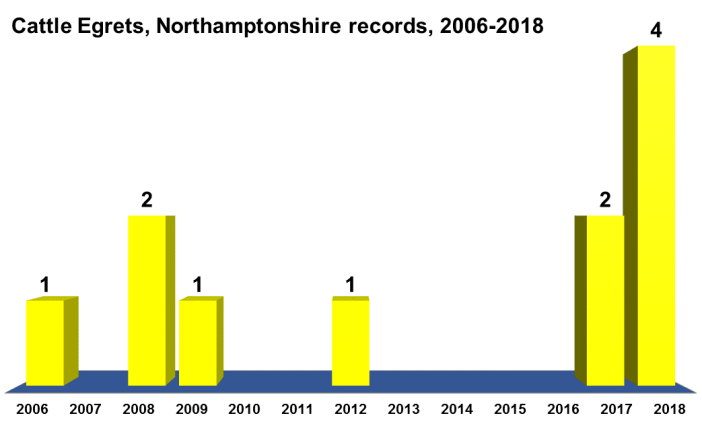

 A more temperate period followed the previous week’s hot air and humidity as the wind mix became light northerly and westerly. Long-staying Cattle Egrets remained in the Nene Valley, while wader passage continued to trickle along and included increasing numbers of more common species.

 Following last week’s adult and a juvenile Common Redstarts near Badby, a juvenile appeared at Denton Wood in Yardley Chase on 11th. Its rather fresh, unmoulted juvenile plumage, coupled with the relatively early arrival date, gives rise to speculation that it had fledged locally. This species has occasionally bred in the county and, although there have been summer females with active brood patches there are no records of proven breeding this century.
 As Southern England basked in 34°C on the first day of the period, Northampton hit 30°C ahead of an overnight drop as cooler air moved in from the Atlantic, sweeping away the humidity and setting a dry and bright scene for the remainder of the week. A blink-and-you’ll-miss-it ‘first’ for Northamptonshire caught locals off guard, leaving them somewhat dazed, but is it really all over … ?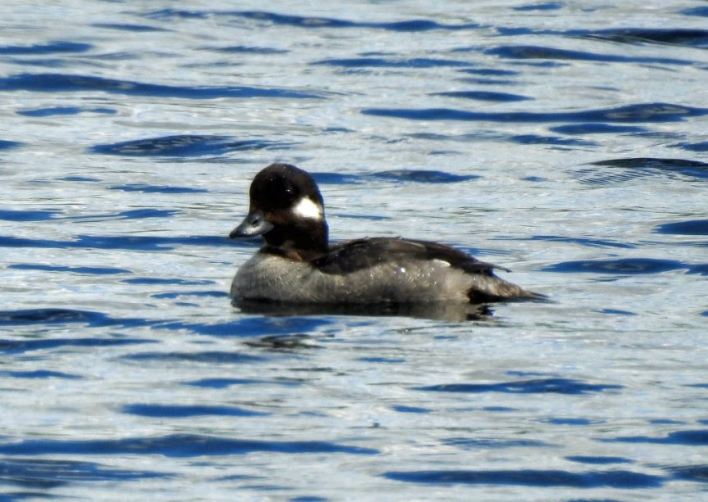

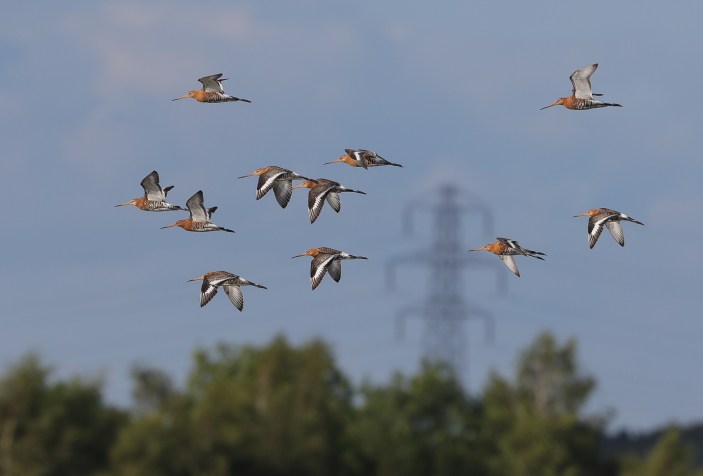

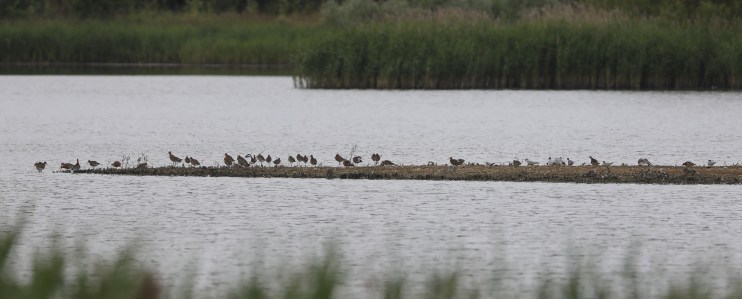

 After a dry start, the week went through a short dull and damp phase before becoming rather bright and breezy. Local winds remained mainly north/north-easterly while, nationally, a more southerly vector kicked in. Migration was expectedly slow for the masses, evidenced only by a handful of returning waders, while this week’s highlights, an audible European Bee-eater and a visible Spoonbill presented to just two lucky observers.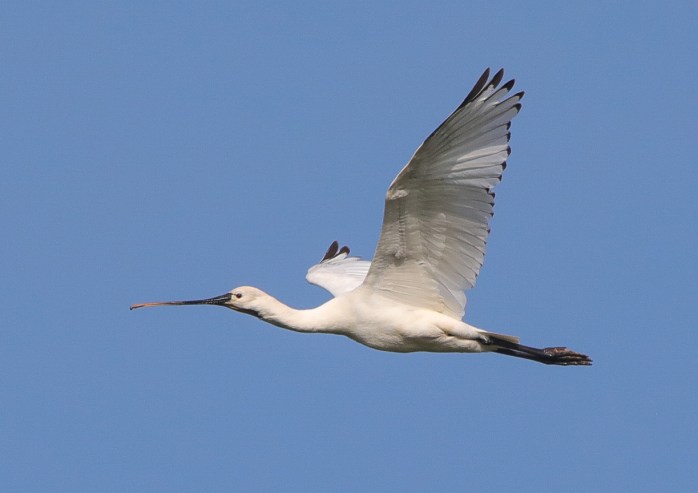

 This species is declining as a result, in part, of uncontrolled netting of migrating birds, particularly in Egypt, where Quail trapping is now taking place on an unsustainable, commercial scale. In Europe agricultural intensification has led to the loss of rough grass and uncultivated land and an increase in the use of herbicides and insecticides, which has led to a reduction on the availability of weeds, seeds and insects. In Europe the population size is estimated to be fluctuating and Quail is on the IUCN Red List of Threatened Species (BirdLife International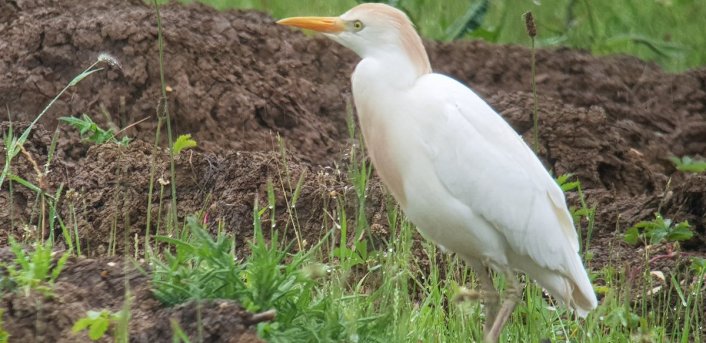





 Northants birds