Four Weeks in Focus: 27th June to 24th July 2015

Leave it a month and see what happens. In a normally quiet period of the year – at least in Northants – the last four weeks have produced some cracking birds to keep locals busy and, more latterly, very happy. Set against a backcloth of good numbers of passage waders came a number of scarcities and rarities more typical of spring or autumn proper than summer. And as for the weather, well, largely warm and dry until the forecasted twelve hours’ heavy rain set in on 24th …

Aside from one at Stortons GP on 27th, two Ruddy Shelducks were back at Pitsford Res the following day, vanishing again until 11th and then remaining there until at least 22nd. More intriguingly, three were discovered at Stanwick GP on 14th, where they remained for only a matter of early morning minutes before moving on. One had an inconspicuous pink ring on its left leg and speculation has it that this trio first appeared at Cley, Norfolk on 12th before moving to Drayton Basset Pits in Staffordshire later on 14th after a quick Stanwick stopover.

Ruddy Shelducks, Stanwick GP, 14th July 2015 (Steve Fisher)

The only other scarce dabbler was a Garganey – also at Stanwick GP – on 19th and diving ducks included two drake Red-crested Pochards at Summer Leys on 28th, three drakes at Pitsford Res on 4th with one there from 7th to 18th, two at Stanwick GP on 11th and a drake at Hollowell Res on 20th, while a drake Common Scoter was a nice summer discovery at Daventry CP on 15th.

Drake Common Scoter, Daventry CP, 15th July 2015 (Gary Pullan)

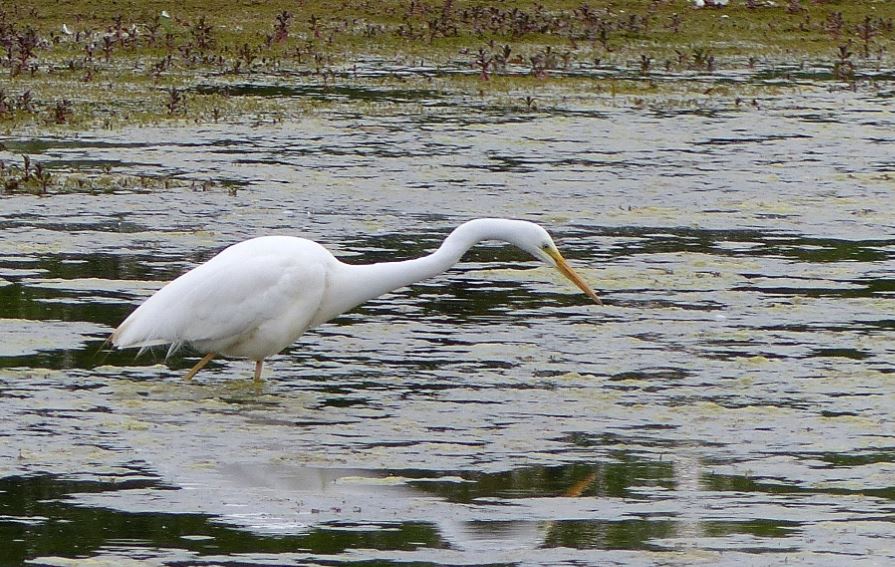
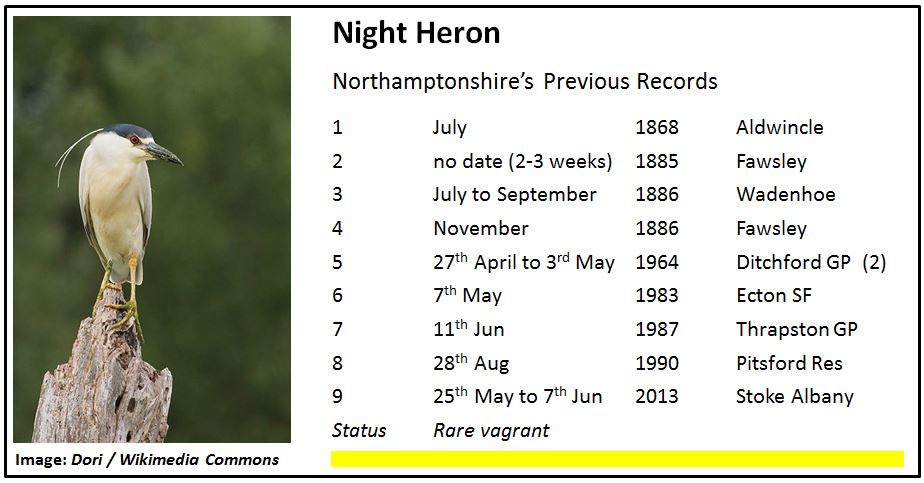
A Bittern at Stanwick GP on 19th was most unseasonal – perhaps reflecting the increase in numbers of Britain’s breeding population in recent years but even more unusual was the discovery of an adult Night Heron at Ditchford GP on 22nd. Disturbed from riverside vegetation by a passing fisherman, who was clearly well up on his bird ID (and had the good sense to report it locally), the news filtered down to Steve Fisher who, on his second search attempt of the day, located it in the same area during the evening. After some skulking in waterside willows it broke cover just as night fell and headed off presumably to feed somewhere locally.Night Heron Northamptonshire RecordsIt was back again in the same area the following evening, the end of which saw it flying east down the Nene, and was again present opposite the nearby sewage outfall on 24th. How long it has been there and will remain is anyone’s guess but it’s only the tenth record for Northants and the second in the last twenty-five years. Tame by comparison, single Great White Egrets were seen at Thrapston GP on 1st and 4th, at Summer Leys also on 4th and flying west over Stanwick GP on 20th.
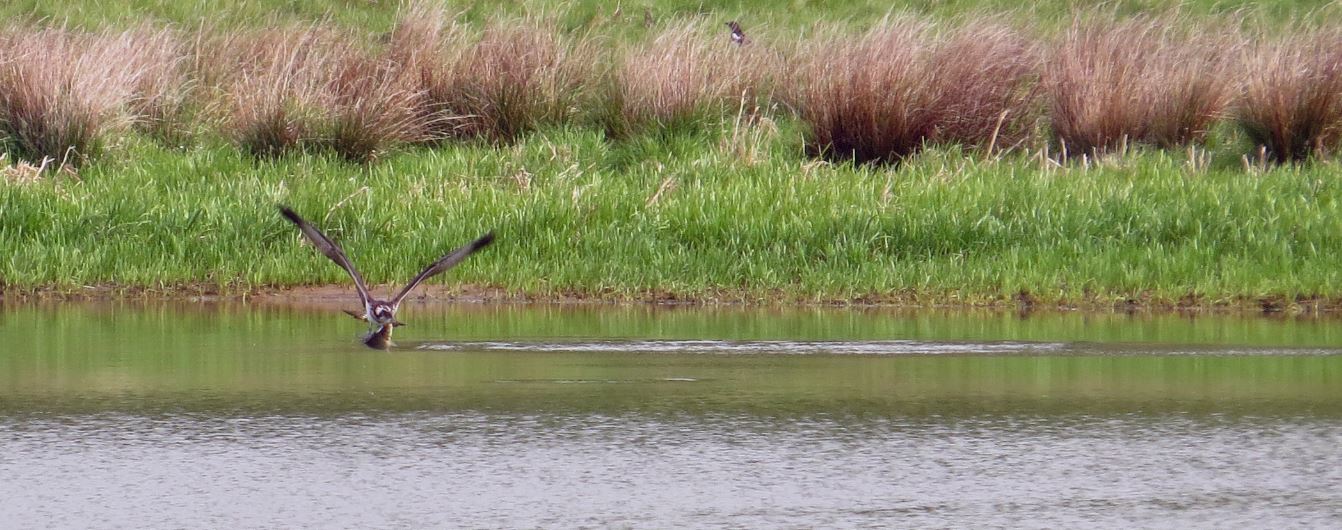
Following last month’s Honey Buzzard another was seen over Daventry CP on 10th and yet another two days later, on 12th, over Corby STW, while single Marsh Harriers flew over Summer Leys on 21st and Stanwick GP on 23rd. Visiting Ospreys were observed flying over, or fishing, at Hollowell Res, Northampton, Pitsford Res and Welford/Sulby Res while Peregrines were seen at three sites with proven breeding at one of these.

Running deep into July it’s inevitable there’ll be at least a few waders coming back through but the county managed to attract more than its expected quota. Four Avocets at Clifford Hill GP on 19th constituted a bit of a mid-summer bonus, while more normal fare included both summering and passage Little Ringed Plovers at seven localities, with a maximum of ten at Hollowell Res on 15th. By contrast, however, there were just two reports of Ringed Plovers with one at Stanwick GP on 14th and two at Hollowell Res the following day. Following heavy rain, Stanwick GP produced three Little Stints on 19th, while the same site, along with Hollowell Res and Pitsford Res, held between one and five Dunlins between 15th and 22nd. Singles of Ruff visited Pitsford Res on 8th and Summer Leys on 15th and Common Snipe Hollowell Res on 15th and Summer Leys on 17th. A pronounced passage of Black-tailed Godwits occurred between 4th and 21st, with birds occurring at Pitsford Res, Clifford Hill GP, Summer Leys and Stanwick GP with the latter site producing 57 on 8th, although another double-figure count of ten was made at Pitsford Res on 19th.

Black-tailed Godwits, Stanwick GP, 8th July 2015 (Steve Fisher). Part of an evening gathering of fifty-seven on the Visitor Centre Pit.
Black-tailed Godwit, Summer Leys LNR, 14th July 2015 (Alan Coles)

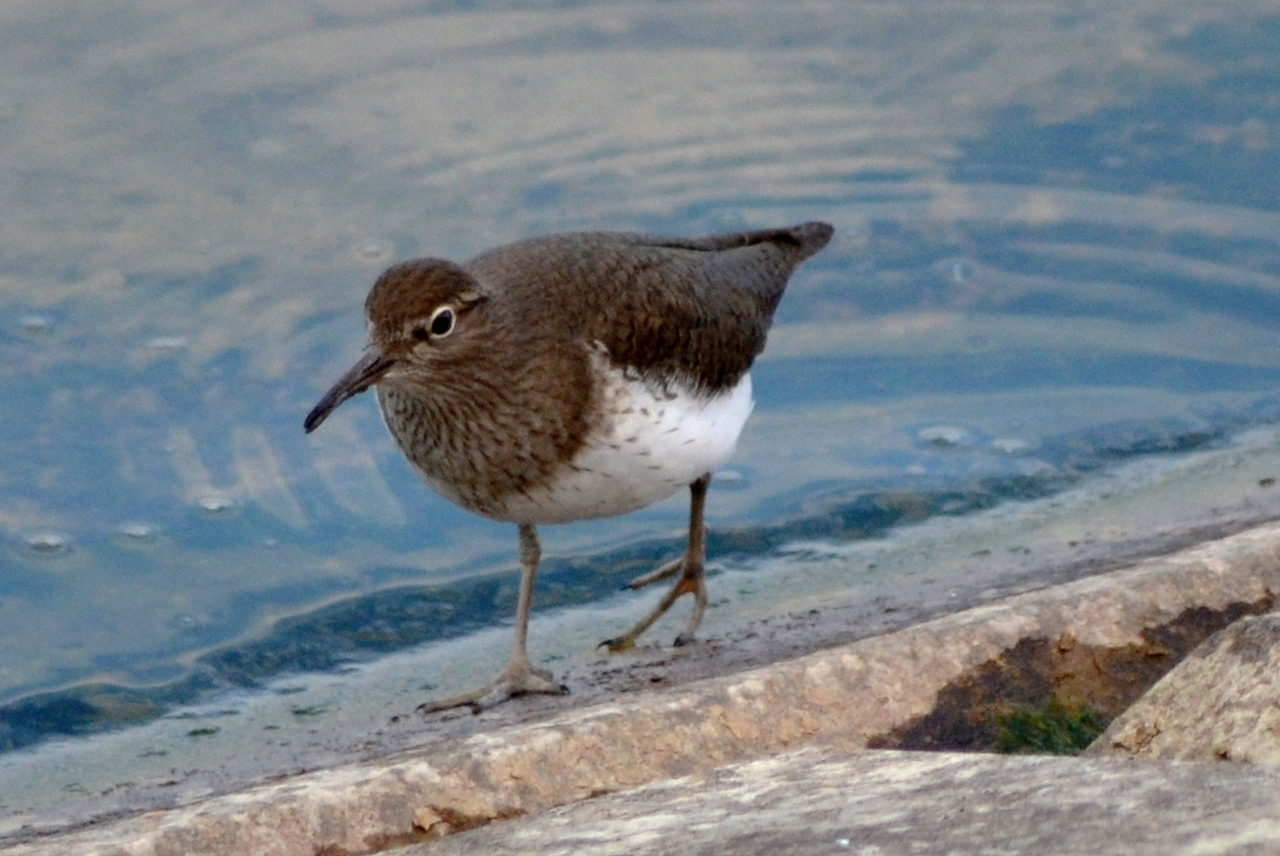
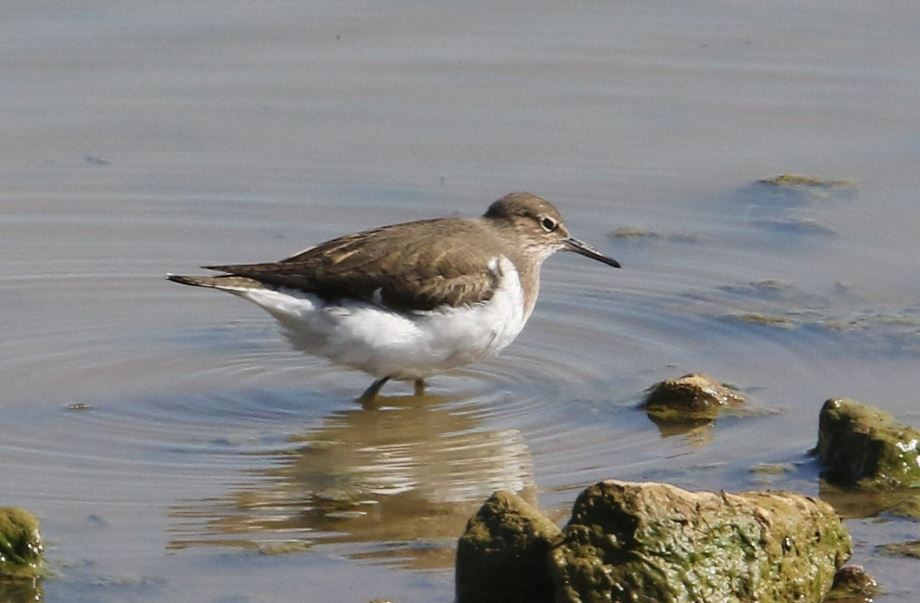
Other large waders included single Whimbrels at Stanwick GP on 13th and 15th, and single Curlews at Harringworth on 2nd and Daventry CP on 15th, with three over the latter site on 21st and two over Byfield on 11th. Redshank numbers were low with one to three at Daventry CP, Hollowell Res, Pitsford Res, Summer Leys and Stanwick GP with the latter site also producing a Spotted Redshank on 4th. A handful of Greenshanks included singles at Clifford Hill GP and Daventry CP on 6th, Pitsford Res on 11th and Stanwick GP on 19th, with two at Daventry CP on 15th and Green Sandpipers were reported from six localities between 3rd and 21st with a maximum of six at Daventry CP on 8th, 17th and 21st. Early returning Wood Sandpipers comprised singles at Summer Leys on 4th and 6th with one at Stanwick GP on 11th, while Common Sandpipers were unsurprisingly more numerous with reports from five localities between 29th and 21st and with a maximum of six at Stanwick GP on 19th.

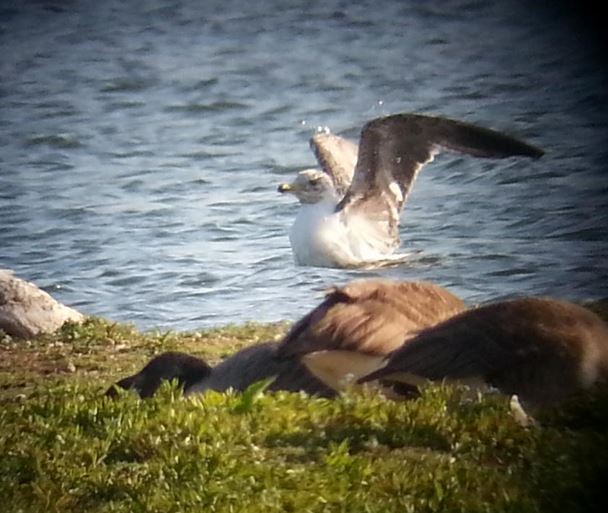
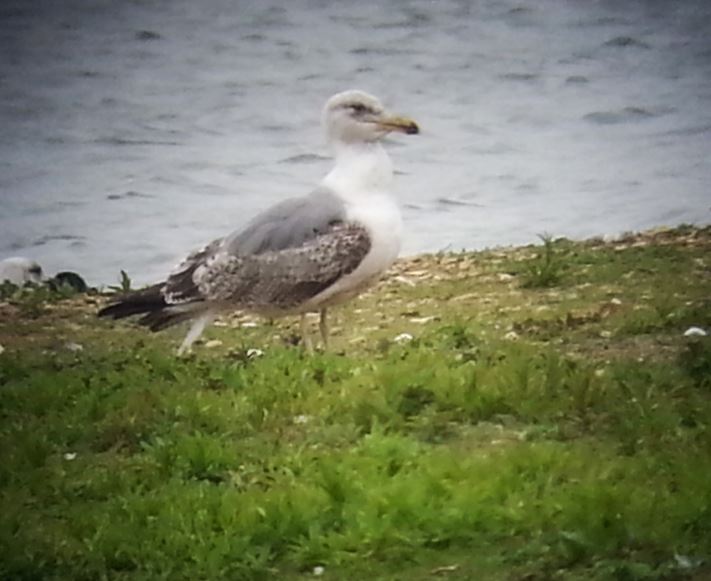
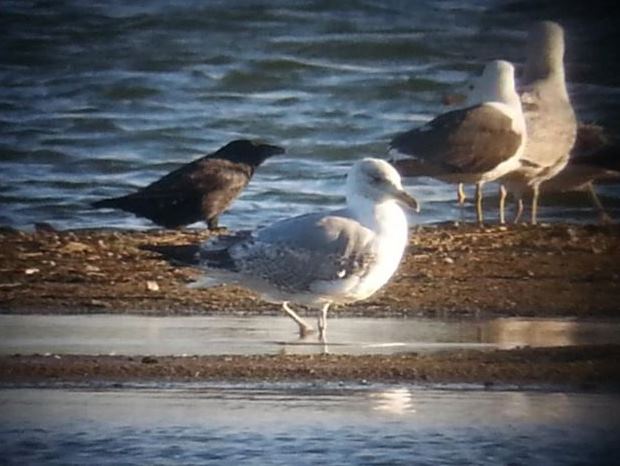
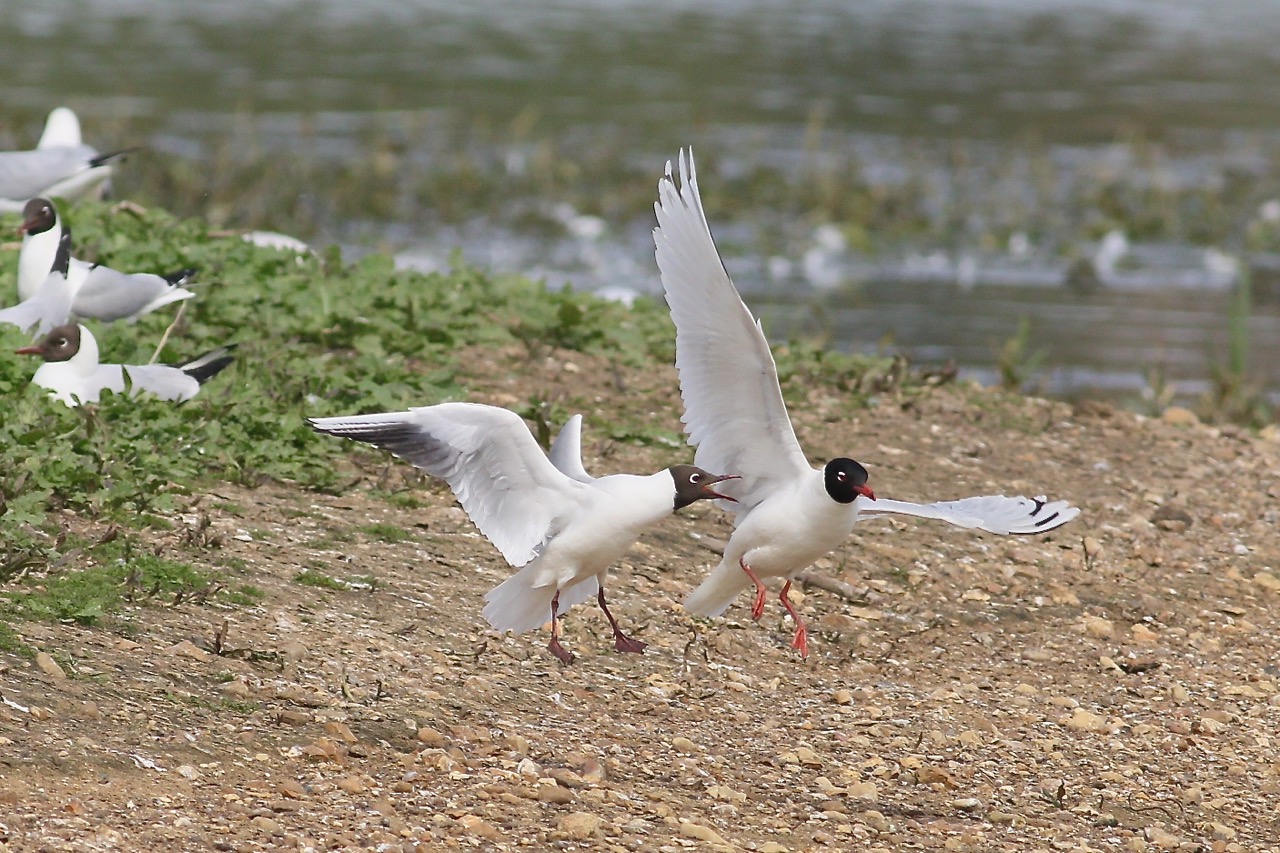
A species more scarce in the county than it used to be, a Little Tern flew west at Summer Leys on 23rd. Eclipsing this, however, was a fine summer-plumaged White-winged Black Tern at Stanwick GP early in the morning of 19th. Unfortunately it did not stay and it was relocated later in the day at Rutland Water, Leicestershire. This is the sixteenth record for the county and the first since 2003, when one spent nine days at Earls Barton GP. There were no reports of the record long-staying second-summer Mediterranean Gull at Summer Leys beyond 29th and single adults were found Daventry on 3rd and Stanwick GP on 18th and 23rd, while the county’s earliest ever juvenile appeared at the latter locality on 10th and another visited Hollowell Res on 16th. The now annual summer build-up of Yellow-legged Gulls at Stanwick GP commenced early in July with approximately thirty there on 7th, rising to an impressive minimum of ninety-two on 21st.
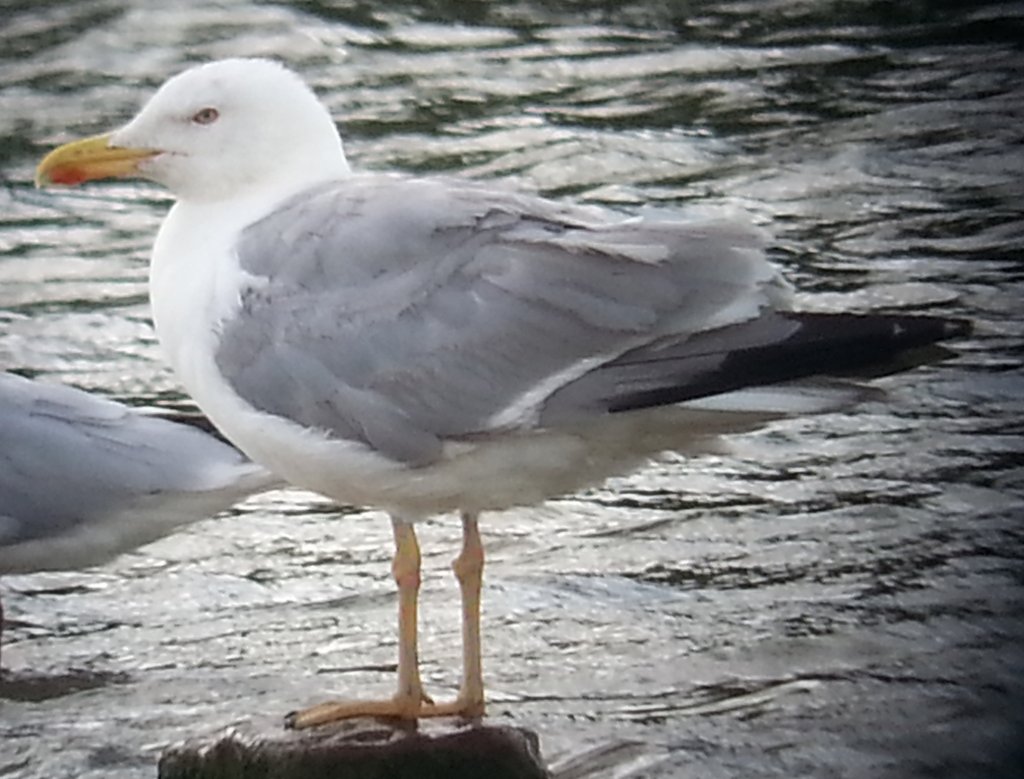
Adult Yellow-legged Gull, Stanwick GP, July 2015 (Steve Fisher)

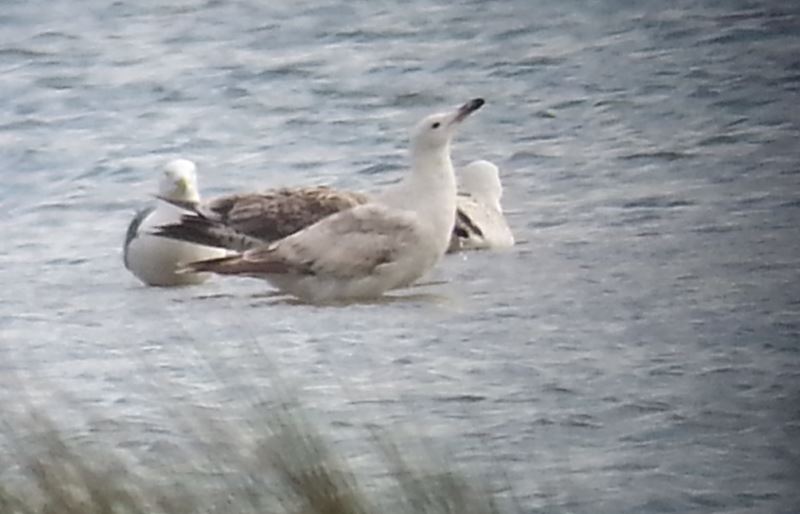
Elsewhere ones and twos visited Clifford Hill GP, Daventry CP and Pitsford Res. Stanwick also played host to up to three Caspian Gulls between 8th and 23rd.

Adult, third-summer and second-summer Caspian Gulls, Stanwick GP, 13th July 2015 (Steve Fisher)

Exotic stuff rarely finds its way to Northants but barely had a belated report of a Hoopoe at Grendon on 16th June reached the ears of local birders before news broke of something even more colourful – and a whole lot rarer – in the shape of a European Bee-eater heard calling over Hanging Houghton on 19th. Constituting the fourth record for the county, this was another species seriously overdue for a repeat visit following three previous records in 1995, 1997 and 2003, all of which were in May.
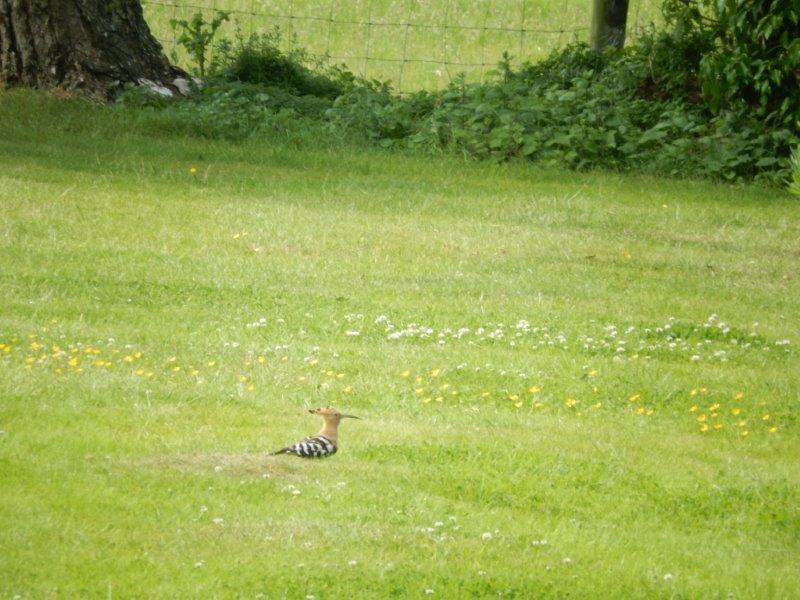
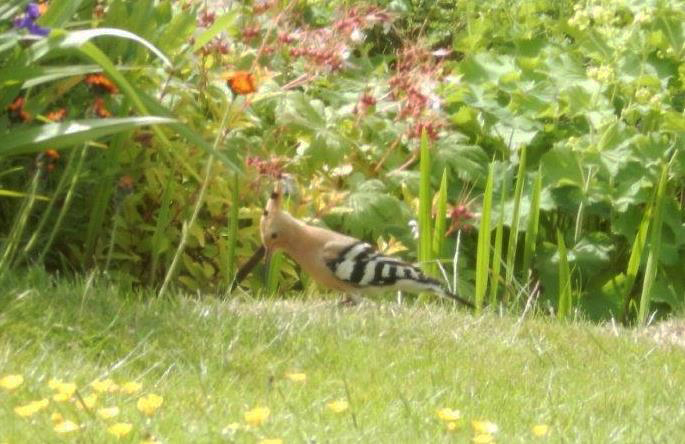
Hoopoe, Grendon, 16th June 2015 (Gwen Maisey)

A female Common Redstart trapped at Stanford Res on 5th had an active brood patch suggesting it was a local breeder, while a late summer movement of Crossbills included nine over Hanging Houghton on 1st, eight over Pitsford Res on 13th, fourteen over Scaldwell on 16th, singles over Ravensthorpe Res on 17th and Stanwick GP on 23rd and approximately ten at Lady Wood on the latter date.

Two Weeks in Focus: 13th to 26th June 2015

What a difference two weeks makes as spring melts into summer. Alongside late spring scarcities and returning early autumn migrants, the last week fielded a number of ephemeral probables and possibles to ponder …

Duck was back on the menu with the apparition of (the?) two Ruddy Shelducks at Pitsford Res fleetingly on 17th, two Garganeys at Summer Leys LNR/Earls Barton GP between 13th and 20th, with two Red-crested Pochards there from 22nd to 26th, and two Common Scoters at Clifford Hill GP from 14th to 16th.

A Quail was still singing at Blueberry Farm (Maidwell) until at least 16th, while a probable Cattle Egret was seen flying west between Great Billing and Earls Barton, observed from a moving car on 23rd and a Great White Egret made a surprise – although brief – appearance at nearby Summer Leys on 26th.

June would be incomplete without a flyover Honey Buzzard and 25th saw a pale morph move high west over Daventry CP – the site of the much admir’d individual which lingered for eleven days in 2002. A probable Honey Buzzard was reported flying between Upton CP and West Hunsbury, Northampton on the same date, and a possible Black Kite wearing jesses, believed to have been seen several times at Geddington during the last week, was thought to be probably an escaped Harris Hawk, which is said to have been present in the area for the last two years … No doubt, though, about the identity of an Osprey fishing at Naseby Res on 16th. In the north of the county, two possible Common Cranes flew north-west over Corby on 15th.

Waders were surprisingly well represented for the latter half of June. Aside from a lone Little Ringed Plover at Daventry CP on 24th, two or three pairs were observed with young at two other sites and at least one pair had their breeding site ploughed up by heavy industrial development plant during the last week. A pair of Ringed Plovers successfully raised three young at one site, while presumed migrants comprised four at Summer Leys on 13th with one there again on 20th. Summer Leys also produced two Sanderlings on 13th, Little Stint on 17th and up to four Dunlins between 13th and 23rd.

Nearby at Stanwick GP two Black-tailed Godwits were found on 23rd, while a Curlew was at Islip on 15th and Redshanks were seen at Pitsford Res, Summer Leys and Thrapston GP. Single Green Sandpipers at Clifford Hill GP on 14th and Summer Leys on 24th were a sure sign that autumn is on the way.

Further remnants of spring, however, were two Black Terns at Summer Leys on 13th and one at Clifford Hill GP two days later, while a Little Gull over Stortons GP on 21st constituted an unusual record for the site. The long-staying second-summer Mediterranean Gull was still at Summer Leys on 26th and, on 25th, another visited

Second-summer Mediterranean Gull, Stanwick GP, 26th June 2015 (Steve Fisher)

Stanwick GP, where the putative second-summer Azorean Gull appeared again on 14th,  a second-summer Caspian Gull was present on 14th, 15th and 25th and up to ten Yellow-legged Gulls were a precursor to the annual late summer build-up there.

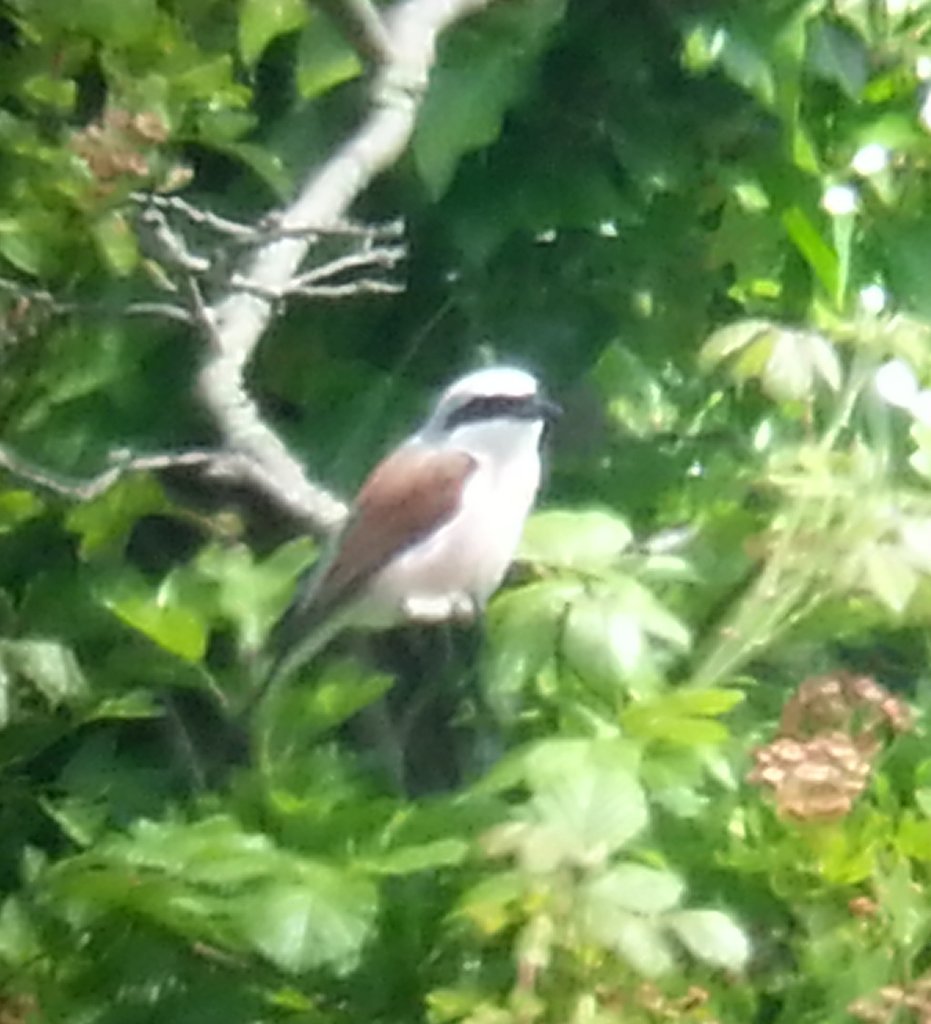
June is normally light on passerines but a male Red-backed Shrike in an area of central Northants, which was not conducive to public access, was present for one day only, on 15th, just long enough to be confirmed and photographed.

Male Red-backed Shrike, locality withheld, 15th June 2015 (Steve Fisher)

Approximately fifteen Crossbills flying west over Chelveston AF on 25th were probably in the vanguard of more to come as the autumn draws closer.

The Week in Focus: 6th to 12th June 2015

Temperatures hovered around, or below, average as a high pressure system positioned across Britain brought cool east to north-easterly winds for most of the week, although it warmed up at the week’s end. While some coastal counties continued to enjoy a trickle of scarce and extremely rare migrants, Northants slipped into the annual mid-June lull …

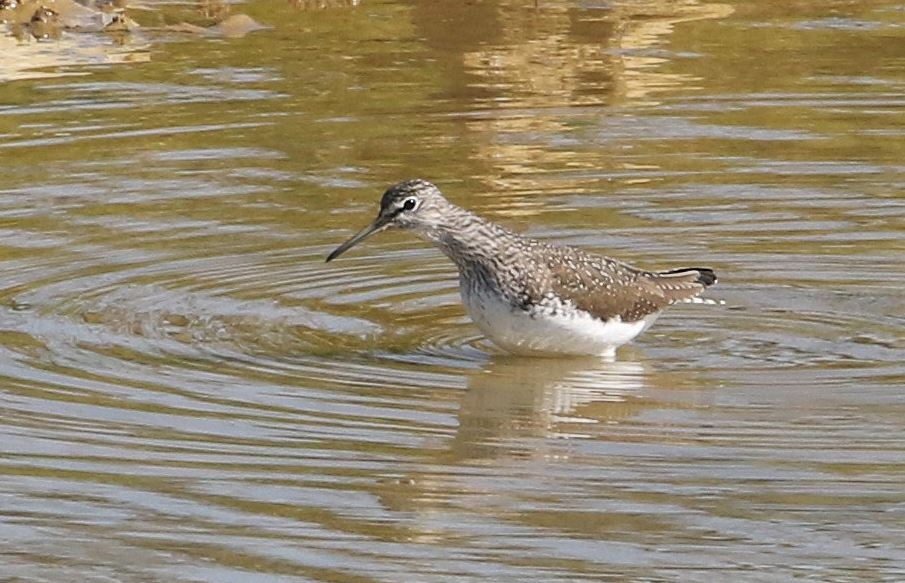
A Quail was singing at Harrington AF when last week’s male was also still at Blueberry Farm (Maidwell). Just one Peregrine was reported this week, at Stortons GP on 7th while the  wader collection comprised Little Ringed Plovers breeding at three sites plus two at Daventry CP on 7th, a Ringed Plover at Thrapston GP on 10th, along with four Redshanks and a Greenshank there on the same date.
At Stanwick GP, six Yellow-legged Gulls and a second-summer Caspian Gull were present on 9th and seven Yellow-leggeds and two second-summer Caspians were there on 11th. Most unseasonal, however, was a Short-eared Owl near Kettering on 8th.

The Week in Focus: 30th May to 5th June 2015

The period included a bout of unseasonal gales, brought in by a deep Atlantic low pressure system on 1st/2nd but the week’s end enjoyed a southerly, warm airflow from the continent, albeit short-lived.

A Pink-footed Goose at Clifford Hill GP on 30th and a drake Garganey at Stanford Res on 3rd-4th emerged as the only scarce wildfowl of the week, while hot on the heels of last week’s Polebrook Quail came three more, with singles in the Brampton Valley near Kelmarsh on 30th, at Blueberry Farm, Maidwell from 30th to 4th and at Harrington AF on 31st.

Then came the fly-overs. An adult Gannet reportedly south over the A14 near Thrapston following the gales on 2nd, a Great White Egret south over Harrington AF on 31st and another Teflon County Special – a female Red-footed Falcon, which was hawking over the feeder stream just north of Boddington Res for five minutes on 30th. The latter is the first in spring since 2000 and a bird which the single Peregrine at Hanging Houghton on the same date – plus numerous Hobbies elsewhere – can never make up for.

Aside from the now summering Little Ringed Plovers at three sites, spring’s final wader fling came in the form of six ‘tundra’ Ringed Plovers at Clifford Hill GP on 30th (nine had been present there the previous evening) followed by two at Stanwick GP the next day and six at Hollowell Res on 2nd – all of which it seems logical to assume were also likely to have been of the race tundrae. Sanderlings also chose this week to make up for their apparent absence earlier in the spring with singles at Clifford Hill GP on 31st, Stanwick GP on 2nd and Summer Leys LNR the following day, while three visited Stanwick GP on 1st.

Sanderling, Summer Leys LNR, 3rd June 2015 (Bob Bullock)

Not to be outdone, Dunlin too put in appearances at Clifford Hill GP, where there were eight on 30th (following twelve on the previous evening), at Stanwick GP, where there were twelve on 31st, at Hollowell Res (two on 2nd) and at Stanford Res (one on 3rd).

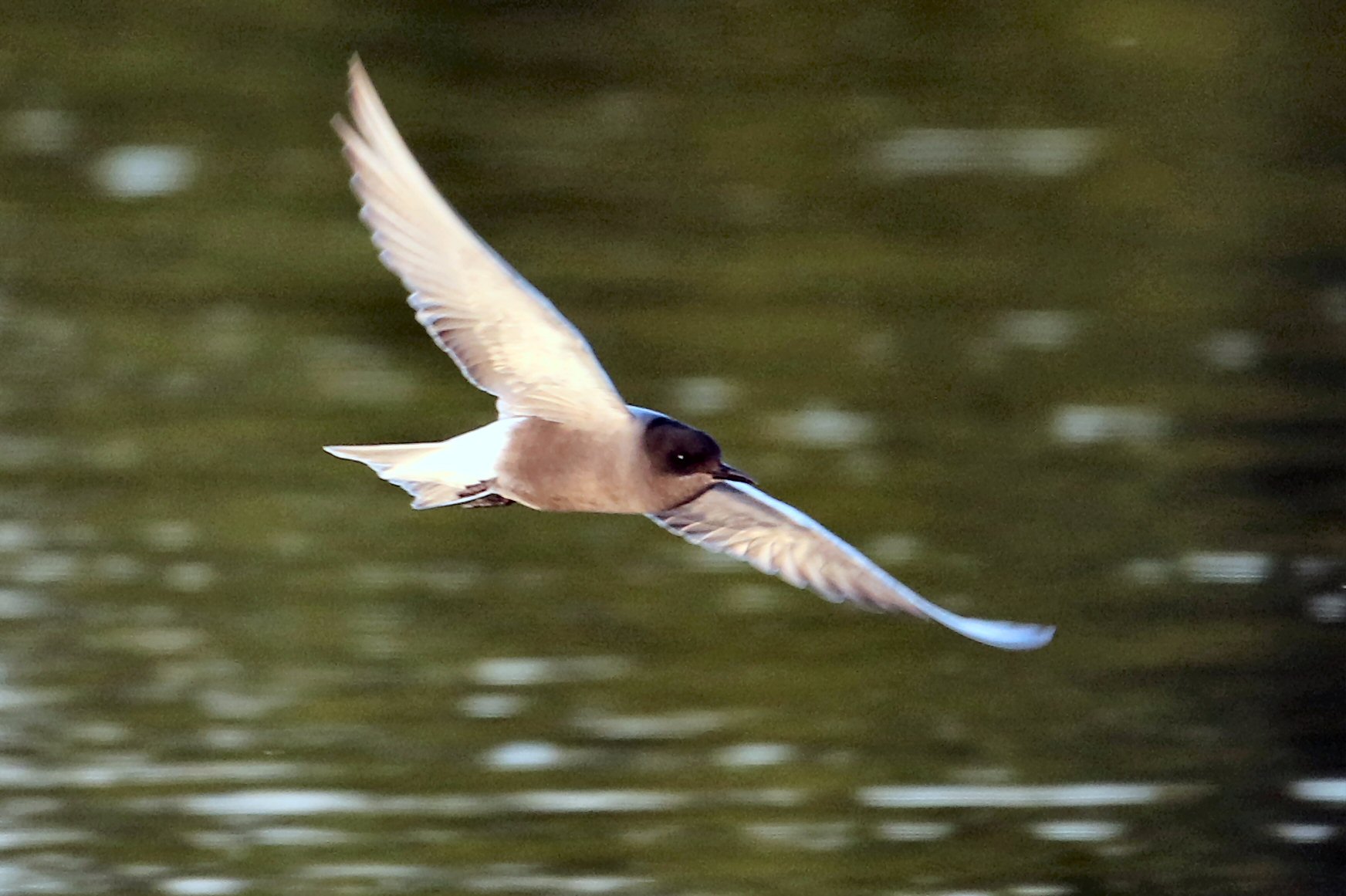
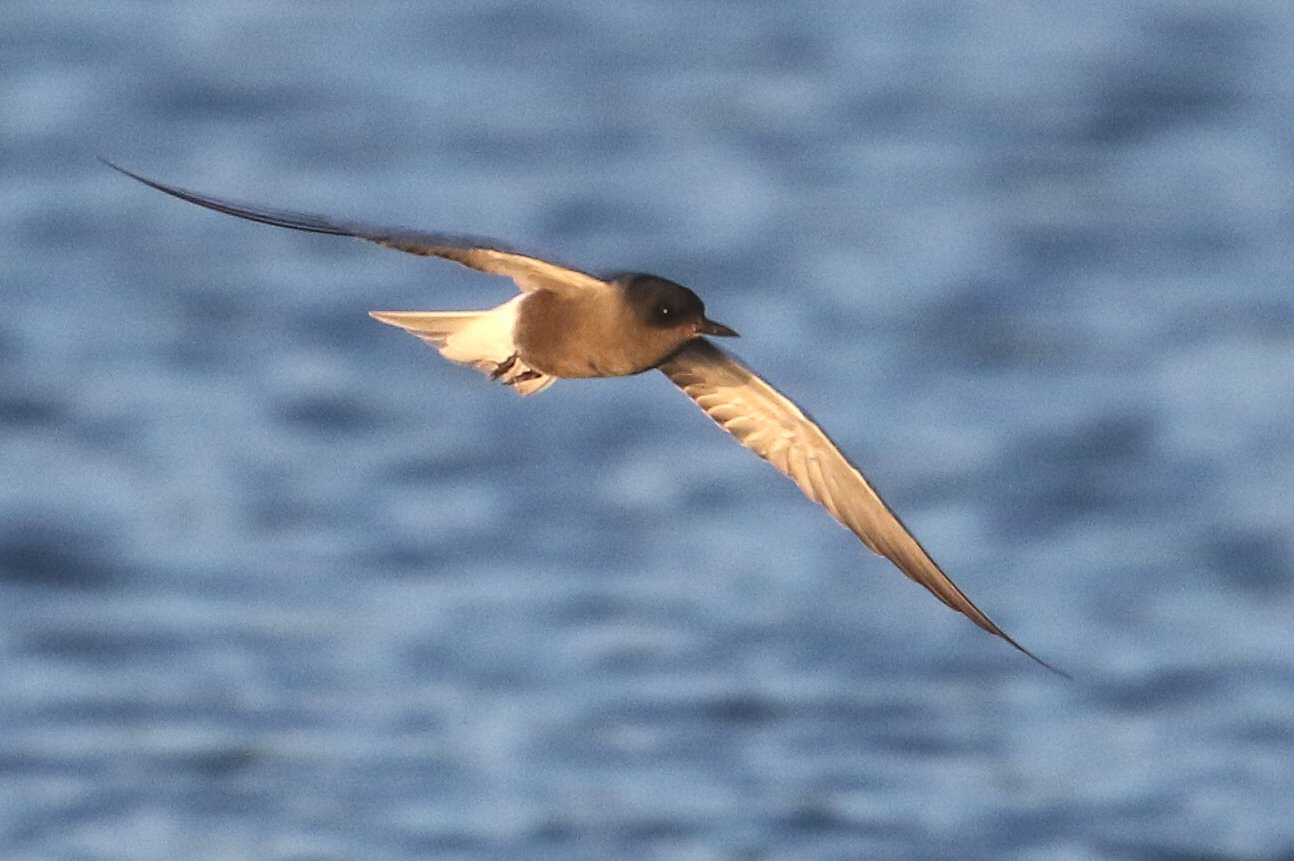
BlackTern, Stanwick GP, 31st May 2015 (Bob Bullock)
Black Tern, Stanwick GP, 31st May 2015 (Bob Bullock)

One of the few Black Terns to be recorded this spring appeared at Stanwick GP on 31st while a ‘portlandica’ Arctic Tern put in a brief appearance at Summer Leys on 3rd – the same site continuing to host the long-staying second-summer Mediterranean Gull until at least the same date.

'Portlandica' Arctic Tern, Summer Leys LNR, 3rd June 2015 (Bob Bullock)
‘Portlandica’ Arctic Tern, Summer Leys LNR, 3rd June 2015 (Bob Bullock)

Other rare larids were, unsurprisingly, restricted to Stanwick GP, where year-round gull watching continued to yield results in the form of the putative second-summer Azorean Gull again on 4th and up to five Yellow-legged Gulls and a second-summer Caspian

Putative second-summer Azorean Gull, Stanwick GP 4th June 2015 (Steve Fisher)

Gull between 2nd and 4th. This week’s scarce passerines came in the form of an uncharacteristically late spring Black Redstart at Harrington AF on 30th, a male Greenland Wheatear near Boddington Res on 30th plus a Northern Wheatear (probably also Greenland) at Duston Mill, Northampton on 31st and two parties of Crossbills which were heard only at both Yardley Chase and at Pitsford Res on 30th.

The Week in Focus: 23rd to 29th May 2015

A predominantly westerly airstream brought sporadic showers, but conditions remained largely dry until the week’s end. Few new migrants were reported, although two Cattle Egrets flying west over Blueberry Farm on 27th would have constituted a popular draw had they been relocated.  Conversely the Summer Leys Great White Egret appeared intent to stick it out at that locality until at least 25th.

Great White Egret, Summer Leys LNR, 24th May 2015 (Phil Jackman)

The year’s first Quail was reported singing near Polebrook on 28th, while raptors worthy of note this week were a Marsh Harrier flying south along the Brampton Valley on 24th, an adult male Hen Harrier near Twywell Hills and Dales on 27th and single Peregrines at Corby, Higham Ferrers and Thrapston.

Little Ringed Plovers were seen at three localities and the only Ringed Plover reported was one at Pineham on 23rd, while the only Dunlin were singles at Hollowell Res on 27th and at Stanwick GP the following day. Stanwick also held a Turnstone from 24th to 26th and a Redshank on the latter date and two remained at Summer Leys, where a Wood Sandpiper dropped in on 27th.

The long-staying second-summer Mediterranean Gull was also still present at Summer Leys throughout the week while, at Stanwick, the putative second-summer Azorean Gull

Putative second-summer Azorean Gull, Stanwick GP 25th May 2015 (Steve Fisher)

also remained with up to Yellow-legged Gulls and a second-summer Caspian Gull was also present between 26th and 28th.

Second-summer Caspian Gull, Stanwick GP 26th May 2015 (Steve Fisher)

A late spring Arctic Tern visited Daventry CP on 29th but scarce passerines this week were restricted to six Crossbills flying west at Kelmarsh on 25th.

The Week in Focus: 16th to 22nd May 2015

Unremarkable weather conditions, with predominantly westerly winds, contributed little to an equally unremarkable week in terms of new arrivals.

Two Garganey appeared at Stanford Res on 17th, remaining there until 21st, while the Summer Leys Great White Egret put in a likely final appearance there on 21st. Single Ospreys also visited Summer Leys on 17th and Stanford Res on 20th and there was an unconfirmed report of two at Clifford Hill GP on 18th-19th, while Peregrines overflew Stortons GP on 17th and Queen’s Park, Northampton on 20th.

Little Ringed Plovers were seen at four localities and Ringed Plovers numbered nine at Hollowell Res on 18th with six there on 21st, while twos were at Stanwick GP and Summer Leys on 19th and 20th respectively and, also in the Nene Valley, a Whimbrel visited Thrapston GP on 20th. The same date produced a Black-tailed Godwit at Summer Leys – they have been very scarce this year – but wader of the spring to date was the Temminck’s Stint which showed itself briefly to just one observer at Stanford Res on the evening of 18th. Dunlin numbers rose to ten at Hollowell Res on 21st after six there on 18th and singles at Stanford Res on the same date and at Summer Leys on 16th. The only Common Sandpiper was also at Summer Leys on 16th, three Redshanks were there on the same date and one was at Thrapton GP from 20th to 22nd.

As the vegetation grew taller and ever more dense in the Summer Leys Black-headed Gull colony, the second-summer Mediterranean Gull became more difficult to see, although it was still present on 16th. Along the valley at Stanwick, the putative second-summer Azorean Gull continued to test and tantalise a handful of observers from 18th to 20th

Putative second-summer Azorean Gull, Stanwick GP, 18th May 2015 (Steve Fisher)
Putative second-summer Azorean Gull, Stanwick GP, 19th May 2015 (Steve Fisher)

and three Yellow-legged Gulls were present on 19th. The week’s only scarce passerine was a singing male Wood Warbler – the second of the spring – found at Pitsford Res on 22nd.

The Week in Focus: 9th to 15th May 2015

The somewhat mixed, unsettled weather conditions were delivered by winds predominantly from a south-westerly quarter and, as expected, the main thrust of summer migrants began to slow. Perhaps the most notable feature of the past two to three weeks has been the paucity of passage waders which are eagerly awaited each spring. Just single records of Turnstone, Sanderling, Wood Sandpiper and Grey Plover probably make this the worst April/May for many years … and with not even a whiff of a Bar-tailed Godwit, could this be the shape of springs to come? Let’s hope not!

While the Nene Valley gravel pits remained largely devoid of waders, the Great White Egret continued to appear sporadically on the scrape at Summer Leys LNR throughout the week.

Capture2Ospreys were seen at Hollowell Res on 9th and 13th-14th and one was also reported flying over the A45 near Weedon on 12th but the only other raptor of note this week was a male Peregrine near Catesby on 10th.

Osprey, Hollowell Res, 13th May 2015 (Cathy Ryden)

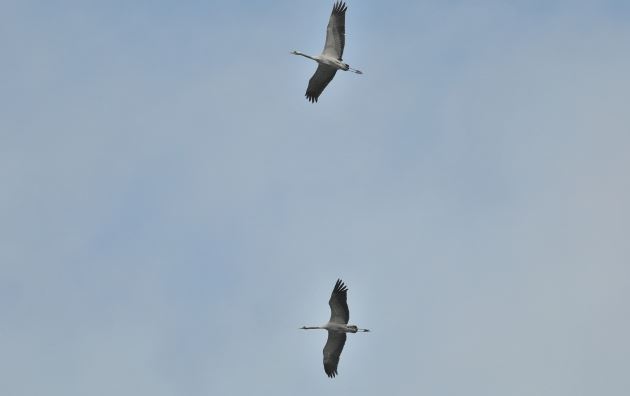
Arguably the highlight of the week was the occurrence of two Common Cranes, which flew low over Thrapston GP’s Titchmarsh Reserve at 10.30 on 15th. They quickly drifted off high but at 11.10 they were back, only to fly off high again toward nearby Thorpe Waterville.

Common Crane, Thrapston GP, 15th May 2015 (John Finlayson) Record Shot.
Common Cranes, Thrapston GP, 15th May 2015 (John Finlayson) Record Shot.

Two Avocets at Stanwick GP on 13th headed the cast of waders which did make it to Northants this week and at total of approximately two hundred Golden Plovers flew

Avocet, Stanwick GP, 13th May 2015 (Steve Fisher)

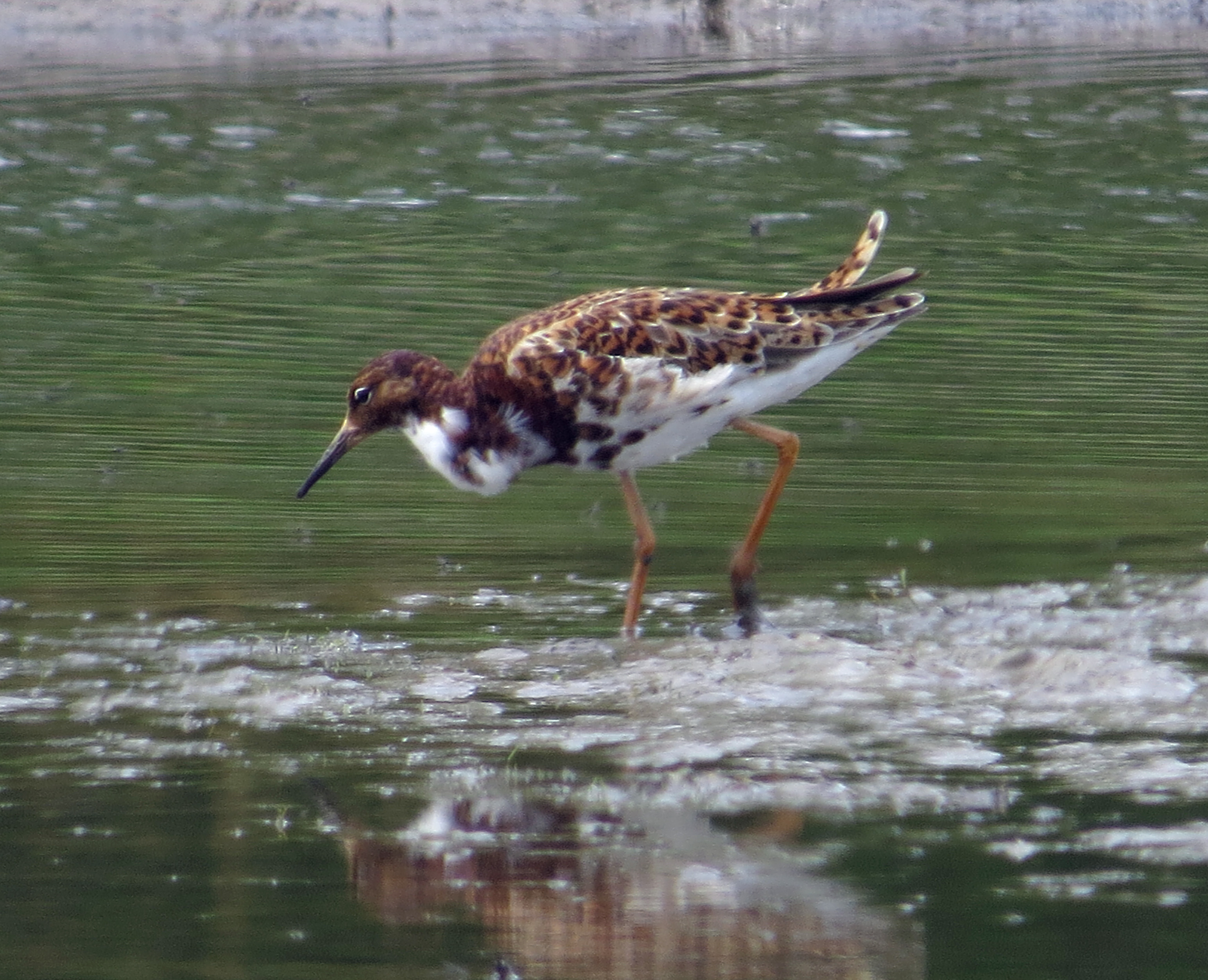
north over Oundle in three small flocks on 10th. Little Ringed Plovers were seen at four localities and Ringed Plover numbers ramped up to double figures at Clifford Hill GP with ten there on 9th, although elsewhere there were only two at Stanwick GP on 10th and one at Hollowell Res on 13th-14th with three there on 15th. A Whimbrel was found at Grimscote on 15th and on 10th, Stanwick GP hosted the spring’s only Turnstone to date and a male Ruff was present at Hollowell Res on 12th-13th, while two Sanderlings

Male Ruff, Hollowell Res, 13th May 2015 (Cathy Ryden)

accompanied nine Dunlins at Clifford Hill GP on 9th. Smaller numbers of Dunlin included one showing likely characteristics of the race arctica at Stanwick GP on 9th-10th, two at Summer Leys on 13th and one at Hollowell Res on the same date with three there the following day and one on 15th, while the only Common Sandpipers were singles at Summer Leys on 9th-10th and 14th, three at Stanford Res on 11th and one at Clifford Hill GP on 15th. The latter site also hosted a Greenshank on the same date. Two Redshanks remained throughout at Summer Leys, where the long-staying second-summer Mediterranean Gull remained in the Black-headed Gull colony. Another Mediterranean Gull – this time a first-summer – was in the Stanwick Black-headed Gull colony from 9th to at least 14th, while the same site produced a very good candidate for a second-summer Azorean Gull on 9th-10th. With perhaps two other possible Azorean Gulls recorded at this site in the past year or so these occurrences beg the question just what is going on with the Yellow-legged Gull complex right now and what is the true origin – both genetically and geographically – of these birds? A second-summer Yellow-legged Gull observed mating with, and apparently paired to, an adult Lesser Black-backed Gull at Stanwick this week will add fuel to the fire for proponents of the hybrid theory but observers of the ‘Azorean’ candidate say it’s bang on the money and are confident it is not a hybrid … Five more Yellow-legged Gulls were also at Stanwick on 9th – the same date that a first-summer was at Daventry CP, while these same two sites recorded Arctic Terns on 12th, numbering eight and one respectively.
One of the key species cited in the recently upheld objection to proposed leisure facility development at Fineshade Wood, Nightjar, was churring at the very same site on 9th. Subsequent evening visits drew a blank, however, while the first of another late arriving summer visitor, Spotted Flycatcher, were found at both Fawsley Park and Harrington AF on 10th. Just one Common Redstart was discovered – a male at Borough Hill on 11th along with a male Whinchat, with further single Whinchats at Blueberry Farm (Maidwell) and Long Buckby on 11th and 12th respectively. Still coming through, though now likely to be wearing different genes, Northern Wheatears were found at Preston Capes and Pineham, Northampton (two) on 10th, two at Borough Hill and Blueberry Farm on 11th and 12th respectively and one at Pineham and two at Harrington AF on 13th. These latter two – both females – were trapped and biometrics duly confirmed their credentials as Greenland Wheatears, characteristics of which were also shown by the Pineham individual on the same date.
Capture1

These conform to the occurrence pattern of this subspecies which occurs later in spring in the UK than nominate race individuals, with the vast majority of Northerns on passage in early to mid-May being Greenland Wheatears, a fact established by ringing activities. Sadly, Corn Bunting is all but extinct as a breeding species in Northants so a singing male found at one site on 10th is probably the last …

The Week in Focus: 2nd to 8th May 2015

A very unsettled start to May saw a deep Atlantic low bringing unseasonally gale force winds and heavy showers to central England mid-week. Amazingly, this weather system delivered no surprises to Northants, although Cambridgeshire’s Grafham Water – within spitting distance of the county boundary – pulled in both Arctic and Pomarine Skuas as a result.

Back in the frame this week, the Great White Egret appearing sporadically at Summer Leys LNR between 2nd and 8th was possibly a new bird, although more likely the returning Nene Valley wanderer of recent weeks.

Great White Egret, Summer Leys, 8th May 2015 (Bob Bullock)
Great White Egret, Summer Leys LNR, 8th May 2015 (Bob Bullock)

Just one Osprey was reported during the period – at Daventry CP on 4th, and two Peregrines included singles at Summer Leys on 6th and Stanwick GP on 8th.

First up on the wader front – even if a little late putting in an appearance – a Grey Plover arrived at Summer Leys on 5th but had duly departed by the following day.

Grey Plover,  Summer Leys LNR, 5th May 2015 (Bob BullocK)
Grey Plover, Summer Leys LNR, 5th May 2015 (Bob BullocK)

Little Ringed Plovers remained there, however, with this site hosting the week’s maximum of five on 2nd, although there was a possibility of eight being present there at one point. This species was also noted at Clifford Hill GP and Thrapston GP. Ringed Plovers remained relatively scarce but six at Warmington GP was a good count on 4th, three were at Stanwick GP on 5th and two visited Summer Leys the next day. The latter site hosted a drop-in Whimbrel immediately after heavy rain on 3rd and a Dunlin the next day, followed by two more Dunlin there on 6th and singles at both Clifford Hill GP and Stanwick GP on 5th.

Whimbrel, Summer Leys LNR, 3rd May 2015 (Bob Bullock)

Four localities produced Common Sandpipers, with a maximum of three at Daventry CP on 4th and Summer Leys accounted for a Wood Sandpiper from 4th until the week’s end, while single Greenshanks were found at Stanwick GP on 2nd and Summer Leys the following day. Two Redshanks were also at the latter site at the same time, followed by singles at Thrapston GP on 3rd and Warmington GP on 4th. Summer Leys was the only locality to host this week’s Common Snipe, which numbered up to ten between 3rd and 6th.

Snipe CaptionStaying with Summer Leys, the long-staying second-summer Mediterranean Gull remained throughout the week but the lion’s share of scarce Larids fell as usual to

Second-summer Mediterranean Gull, Summer Leys LNR, 4th May 2015 (Dave Jackson)

Stanwick GP, which produced a second-summer Caspian Gull and two Yellow-legged Gulls on 4th, a Yellow-legged Gull plus a first-summer Little Gull the following day and five Yellow-legged Gulls on 8th. A second-summer Yellow-legged Gull also visited Clifford Hill GP on 7th, where an Arctic Tern was also present at the same time.

This week saw the arrival of the spring’s first Turtle Doves with singles at Old Sulehay on 2nd and at Harrington AF from 5th to 8th, although none has yet been found at the traditional site of Polebrook AF. Just one Common Redstart was discovered – a female at Borough Hill on 4th along with two Northern Wheatears at the same time, three more Northern Wheatears were at Harrington AF on 8th, while Clifford Hill GP produced another Northern on 3rd, a Greenland Wheatear on 7th and the week’s sole White Wagtail was at Summer Leys on 6th.
The Week in Focus: 25th April to 1st May 2015

A predominantly dry and bright week punctuated only by a series of short, heavy downpours on 29th. Winds veered largely between northwest and southwest during the last week of what was officially the fifth sunniest April on record.

A Ruddy Shelduck flying over the Brampton Valley toward Brixworth on 26th was probably not everyone’s idea of a wetland wonder but it’s worth a mention nevertheless, otherwise it falls to last week’s drake Garganey at Summer Leys LNR until 27th to be the sole wildfowl representative in this week’s summary. With the lack of rare herons for the first week for months it’s on to raptors and the surprise appearance of two Hen Harriers – a ‘ringtail’ and an adult male – both moving west and separated in time by one hour at Twywell Hills and Dales LNR on 29th, while a male Marsh Harrier flew east at Stanford Res on 1st. The only Ospreys reported this week were at Thrapston GP on 27th and at Hollowell Res on 1st and Peregrines were seen at the first of these two locations on 26th and at Harrington AF the following day.

Little Ringed Plovers were recorded at six locations with a maximum of five at Hollowell Res on 29th and, for the second week running, Ringed Plover numbers were low with just singles at both Clifford Hill GP and Stanwick GP on 26th. A Whimbrel remained at Summer Leys between 25th and 28th and eight were also seen flying south-west over Pitsford Res on 26th.

Whimbrel, Summer Leys LNR, 26th April 2015 (Stuart Mundy)

Although there were three at Hollowell Res and one at Summer Leys/Earls Barton GP on 25th, Dunlin numbers ramped up at the latter site with fourteen there, the same number

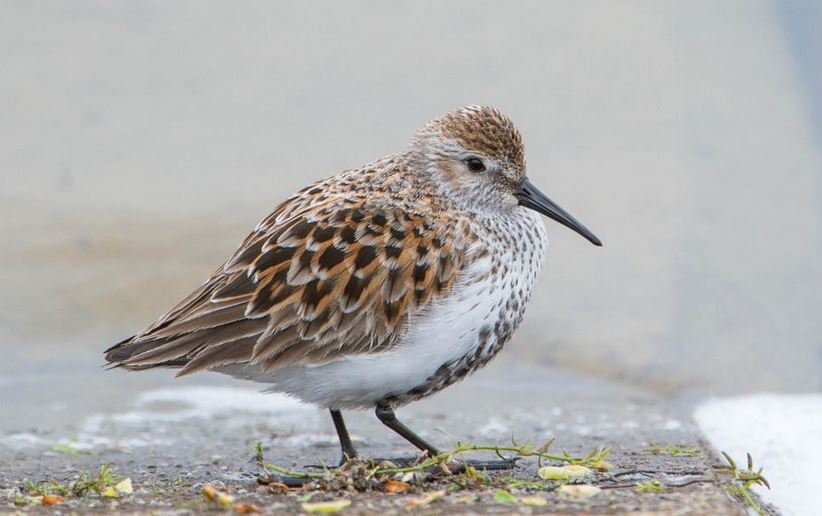
Dunlin, Pitsford Res, 26th April 2015 (Angus Molyneux)

at Clifford Hill GP and two at Pitsford Res – all on 26th; thereafter, singles were recorded at Pitsford and Hollowell Reservoirs, Stanwick GP and Summer Leys between 27th and 29th. Eight localities produced Common Sandpipers, with a maximum of four at

Common Sandpiper, Pitsford Res, 27th April 2015 (Stuart Mundy)

Stanwick GP on 27th, while single Green Sandpipers were seen only at Summer Leys and Wicksteed Park Lake, with the first of these two localities producing a Greenshank on 25th-26th with another at Stanwick GP in 26th. Summer Leys also held the week’s only Redshank – on 27th – and the week’s only Common Snipe, with six on 26th and three on 30th.

Staying with Summer Leys, the second-summer Mediterranean Gull continued to be reported until 28th (although it was probably still present at the week’s end), while passage terns included four Black Terns at Pitsford Res on 29th and small numbers of Arctic Terns, including two reported over Scaldwell on 25th, two at Clifford Hill GP on 26th, one at Daventry CP on 28th and five at Hollowell Res on 29th.

One or two Wood Warblers normally find their way to the county each spring and the first – perhaps only – one this year was a singing male discovered at Daventry CP on 26th.

Wood Warbler, Daventry CP, 26th April 2015 (Simon Hales)
Wood Warbler, Daventry CP, 26th April 2015 (Bob Bullock)

‘New’ Ring Ouzels were found at Long Buckby, where there were up to three on 25th-26th, and at Harrington AF, where a male was present between 27th and 29th, while a late Fieldfare at Moulton on 28th was noteworthy. A Common Redstart was at Harrington AF on 29th, Whinchats were found at seven localities and Northern Wheatears at

Whinchat, Clifford Hill GP, 25th April 2015 (Bob Bullock)
White Wagtail, Pitsford Res, 26th April 2015 (Angus Molyneux). One of three present on the dam.

four. Migrant White Wagtails appeared at five localities, with a maximum of four at Pitsford Res on 27th, while a flava wagtail at Daventry CP on 27th-28th appeared to be a good candidate for a female Blue-headed.

The Week in Focus: 18th to 24th April 2015

Another week of above average temperatures saw further arrivals of summer visitors and the brief reappearance of a rarity from March.

With all the county’s wetlands free from the clutter of winter wildfowl a drake Garganey at Summer Leys LNR from 20th to 24th laid claim to being ‘duck of the week’, beating to the title the two Red-crested Pochards which visited adjacent Mary’s Lake on 18th.

Drake Garganey, Summer Leys LNR, 20th April 2015 (Alan Coles)

Last week’s Great White Egret appeared to remain in the central Nene Valley, being seen at Ditchford GP on 19th and at both Stanwick GP and Summer Leys on 21st, while the only raptors reported were an Osprey at Hollowell Res on 22nd and Peregrines at Higham Ferrers and Northampton on 19th.

Wader numbers did not improve above last week’s totals, with Little Ringed Plovers seen at three localities and just one Ringed Plover – at Hollowell Res on 23rd – although three Whimbrels at Clifford Hill GP on 24th was noteworthy. The two Summer Leys Ruff remained until 23rd with the same site holding up to two Dunlins until the same date. Common Sandpipers were found at five localities with a maximum of three at Stanwick GP on 23rd, while Green Sandpipers were seen at six, with a maximum of

Common Sandpiper, Upton Valley Way, Northampton, 23rd April 2015 (Bob Bullock)
Green Sandpiper, Upton Valley Way, Northampton, 23rd April 2015 (Bob Bullock)

four at Daventry CP on 22nd and Greenshanks numbered one at Stanwick GP on 18th and two at Summer Leys on 23rd-24th. Single Redshanks were at both Thrapston GP and by the River Nene at Oundle on 19th and four were counted at Summer Leys on 21st, the latter locality holding the week’s maximum of six Common Snipe on 23rd, while singles were at Earls Barton GP’s Quarry Walk on 21st and Stanwick GP on 23rd.

In an exceptional week for gulls by any standards, the second-summer Mediterranean Gull continued to provide visitors to Summer Leys with marvellous views as it continued to hold territory in the Black-headed Gull colony throughout the week, while another ‘Med’ – this time a first-winter – was found at Daventry CP on 21st. But even these were overshadowed by spectacular (by Northamptonshire standards) numbers of Little Gulls, the largest flock of which appeared on 23rd at Daventry CP, where numbers rose to an impressive thirty-three on the evening of 23rd. The same date also saw nineteen at Hollowell Res and four at Stanwick GP, while Clifford Hill GP regulars logged one on 18th and six on 22nd and the one from last week remained at Stanwick GP until 22nd; an adult went through at Thrapston GP on 19th and, back at Daventry CP, three were present on 21st and one on 24th.

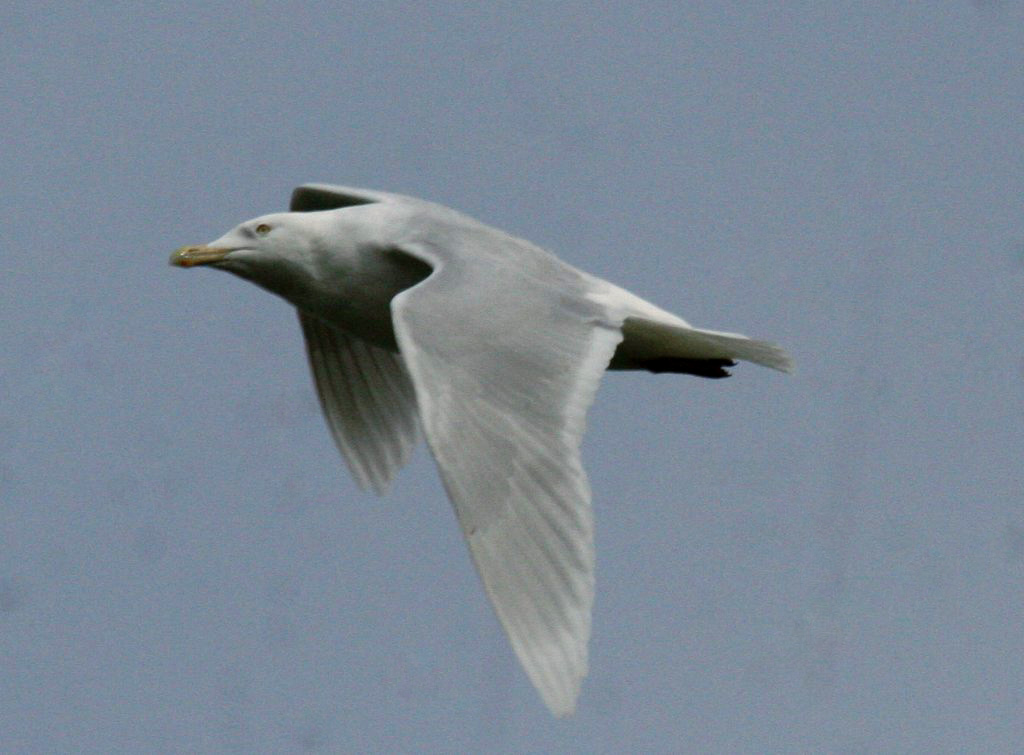
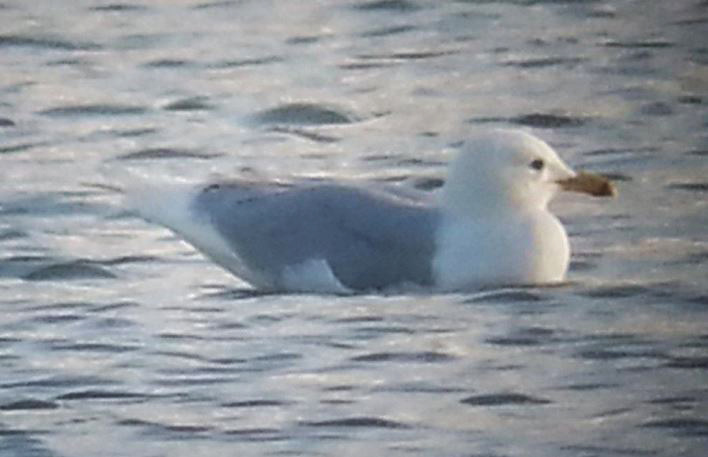
Little Gull captionDaventry also produced this week’s star bird – and returning rarity – a first-summer Ring-billed Gull. It appeared only briefly for a wash and brush up during the late afternoons of 22nd and 23rd, on each occasion heading off before anyone but the finder could catch up with it. It appeared identical to last month’s Boddington bird and, if it was the same individual, where had it been hiding during the intervening period? Much easier to catch up with than this, though, was the Stanwick Glaucous Gull, which continued to appear during the late afternoons and evenings until 23rd, amazingly being joined there by an adult Iceland Gull on 21st and 22nd.

Adult Glaucous Gull, Stanwick GP, 22nd April 2015 (Steve Fisher)
Adult Iceland Gull, Stanwick GP, 22nd April 2015 (Steve Fisher)

Also at Stanwick were two second-summer Caspian Gulls on 21st and one again on 23rd. Perhaps surprisingly both of this week’s Yellow-legged Gulls were elsewhere – a first-summer at Pitford Res on 22nd and a second-summer at Daventry CP the following day.

With Common Terns now well ensconced at breeding sites attention was understandably focussed on migrants. More Black Terns appeared this week, with one at Summer Leys on 21st followed by six there on 23rd, while this location also produced a transient Sandwich Tern on the latter of these two dates. Arctic Tern passage this week appeared to be compressed into just two days, 21st and 22nd. The first of these two dates saw twenty-six at Hollowell Res and four at Boddington Res, while the following day produced fifteen at Daventry CP, eleven at Hollowell Res and seven at Stanwick GP.

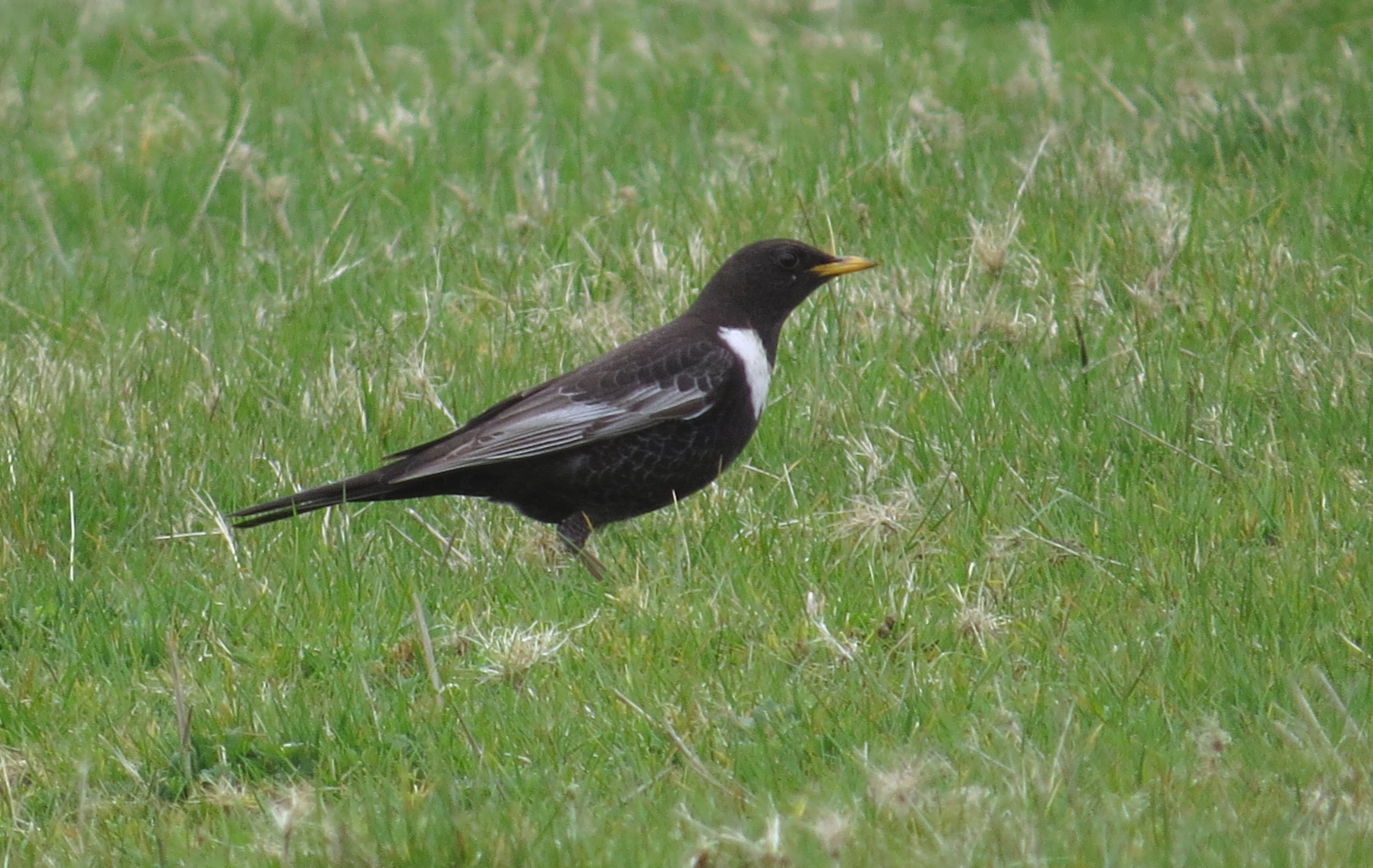
Summer visitor ‘firsts’ this week included Common Swift at Long Buckby on 18th, Lesser Whitethroat at Hartwell on 19th and Garden Warbler at Pitsford Res on 22nd. Continuing an exceptional run of records this spring, migrant Ring Ouzels were still very much in evidence with at least two remaining on the lower slopes of Newnham Hill until 19th, single males were near Hollowell Res – also on 19th – and at Long Buckby and Shutlanger on 23rd, with a female at Isham on 24th.

Male Ring Ouzel, near Hollowell Res, 19th April 2015 (Cathy Ryden)

This week also produced two more Pied Flycatchers – both males – with one at Tomlin Wood (Kingscliffe) on 21st and the other at Loddington on 24th but the only Common Redstart was a male at Great Oakley on 21st. More Whinchats arrived this week with singles found at Summer Leys on 18th-19th, at adjacent Earls Barton GP on 22nd and at

Whinchat, Earls Barton GP, 22nd April 2015 (Alan Coles)

Boddington Res on 24th, although the number of Northern Wheatears was down with singles at Summer Leys on 18th-19th, Hemington on 19th and at Harrington AF on 19th-20th. Migrant White Wagtails included singles at Pitsford Res and Fawsley Park on 22nd, and at Hollowell Res there were five on 22nd and one on 23rd.