Newsround 20th to 26th December 2025

With temperatures dropping to well below zero in eastern Europe there’s a lot to be said for taking advantage of this week’s easterly airflow and heading west to make the most of less inclement conditions. And with many birds doing just that, things lined up nicely, with some startling results to boot …

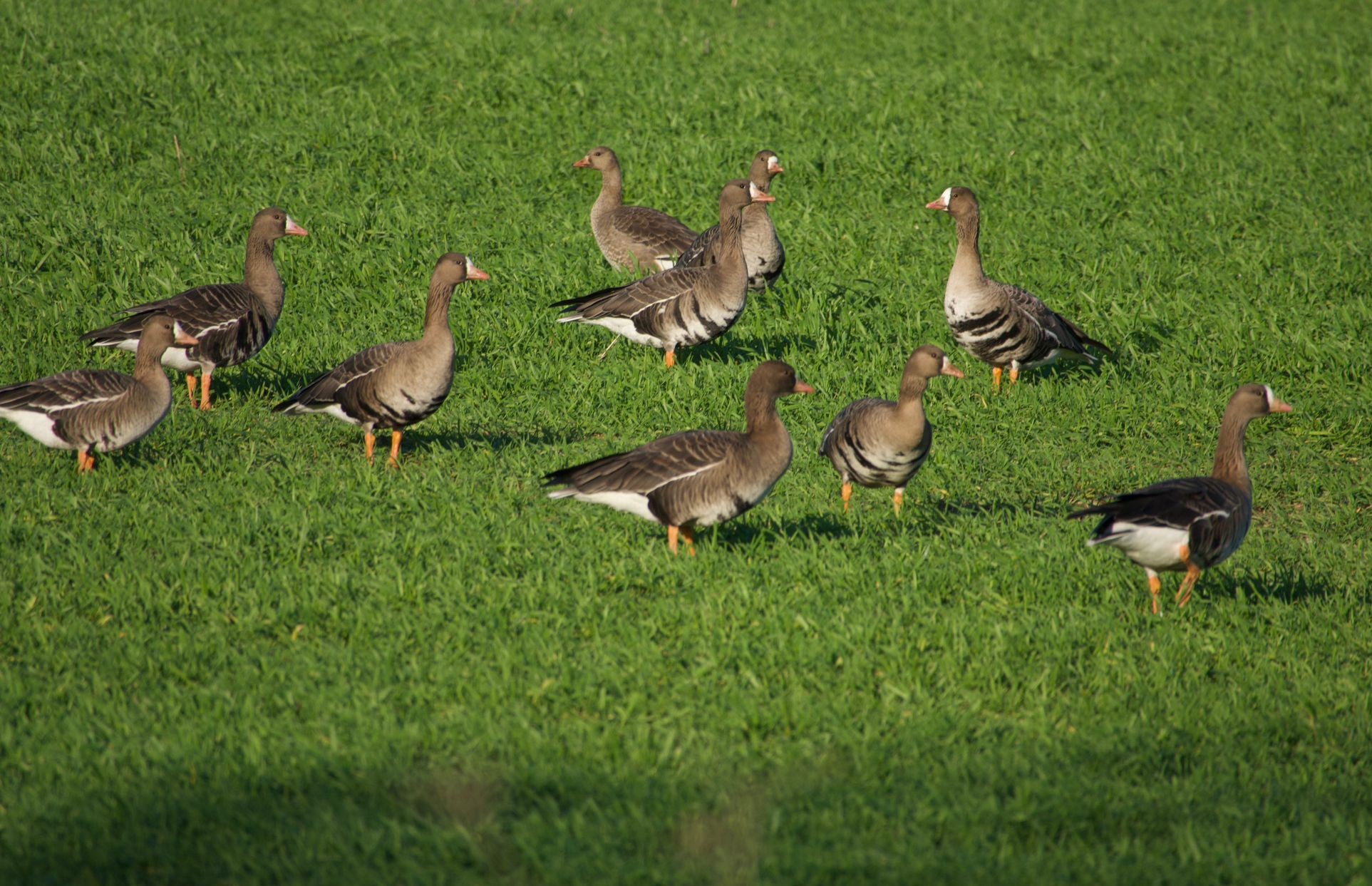
So it came to pass as Christmas Eve unfolded, a veritable Goose fest began to take shape, with a significant influx of Tundra Bean and White-fronted Geese into the UK. The week, it seems, belonged to wildfowl … and we weren’t left out.

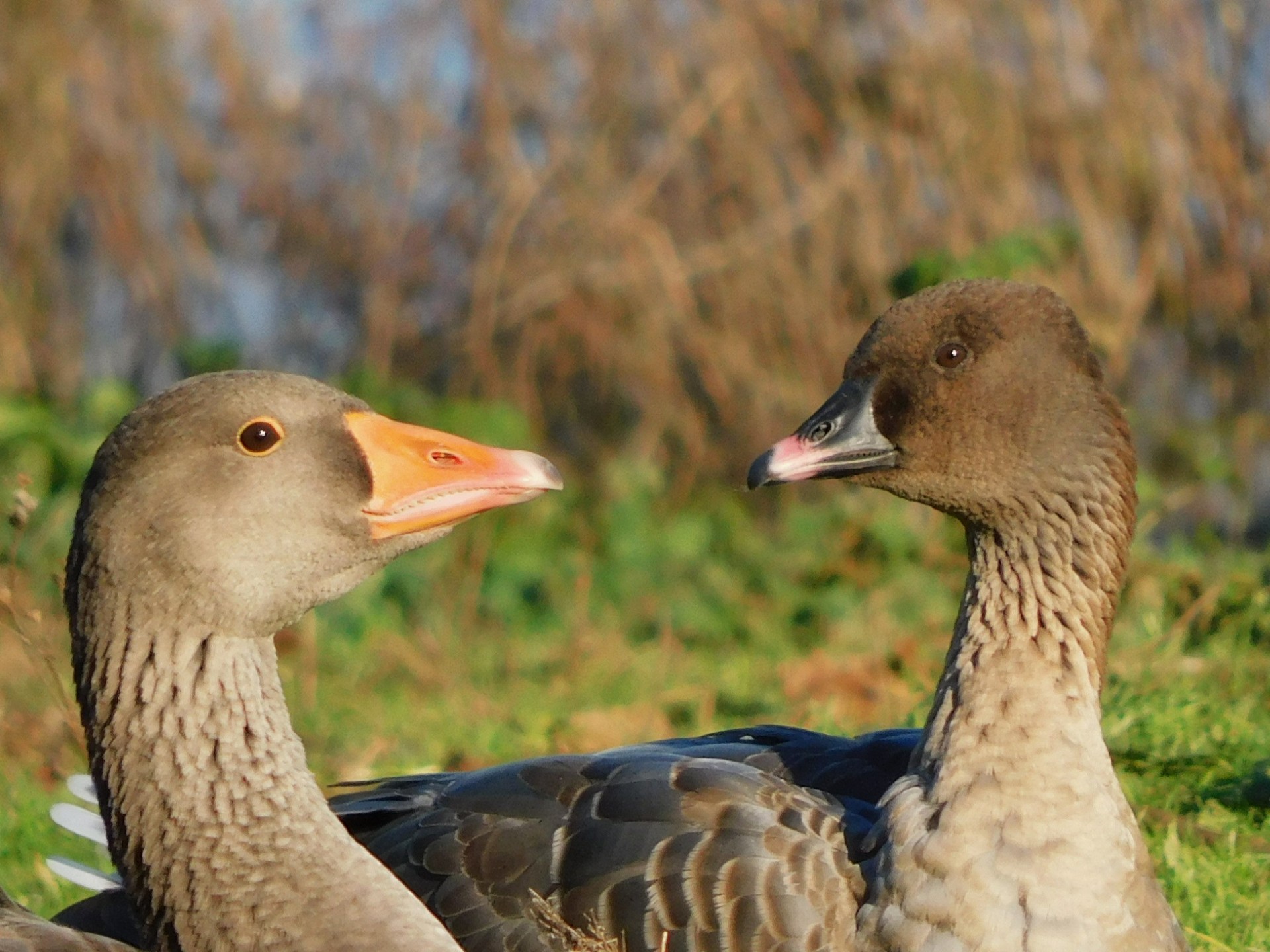
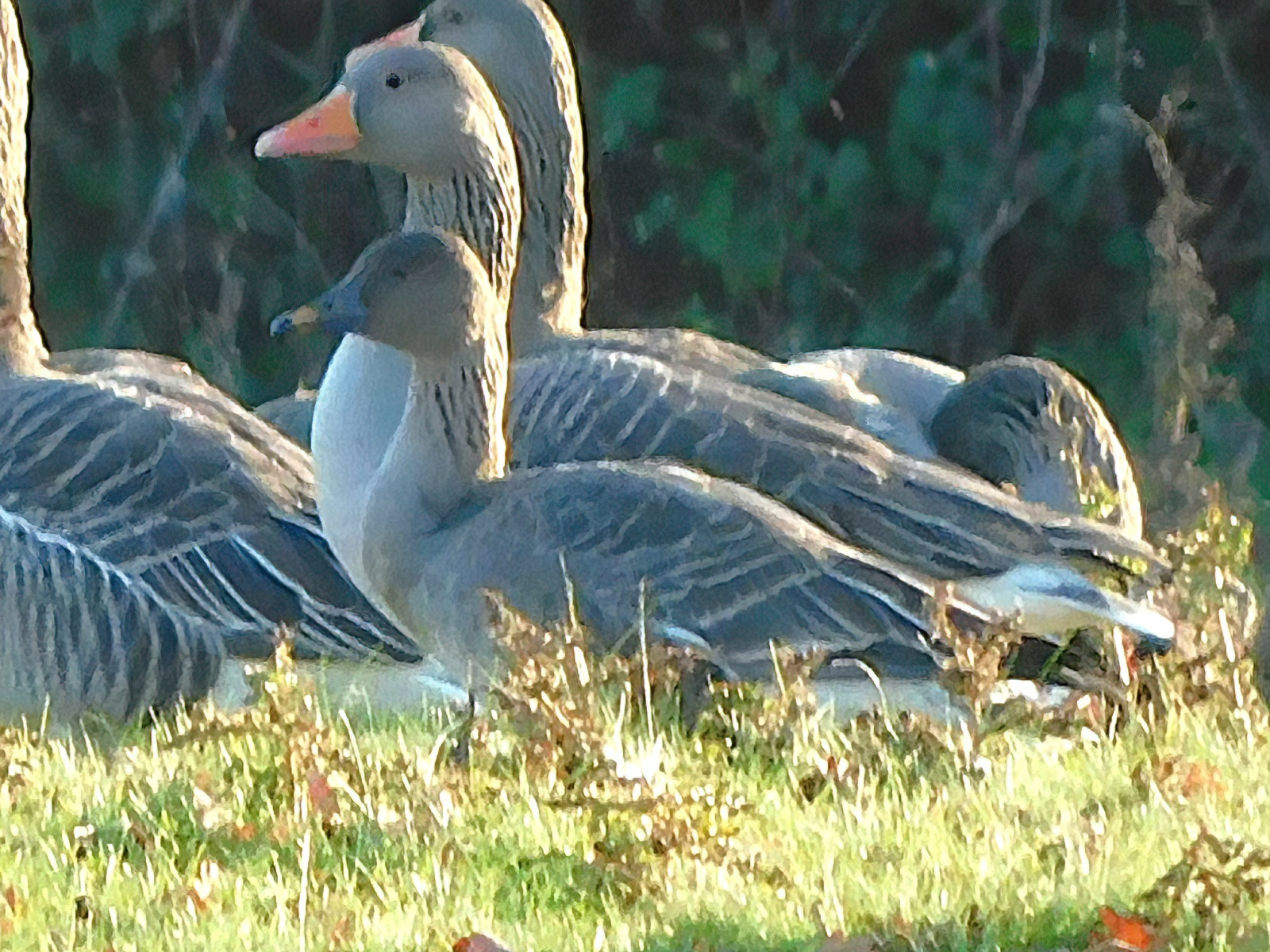
It’s been a good while since Northamptonshire has been blessed with the presence of a Tundra Bean Goose – almost seventeen years in fact, when one joined the local Greylags at Ditchford GP for one day only, on 19th January 2009. Fast forward to the present day and Pitsford Res did the honours, delivering at least four on 24th which became part of a line up of four grey goose species north of the causeway there in the early afternoon. They didn’t stay long though, departing to the south less than two hours after being found. But they were not alone, the 26th producing another, single individual at Blatherwycke Lake during the afternoon of that date.
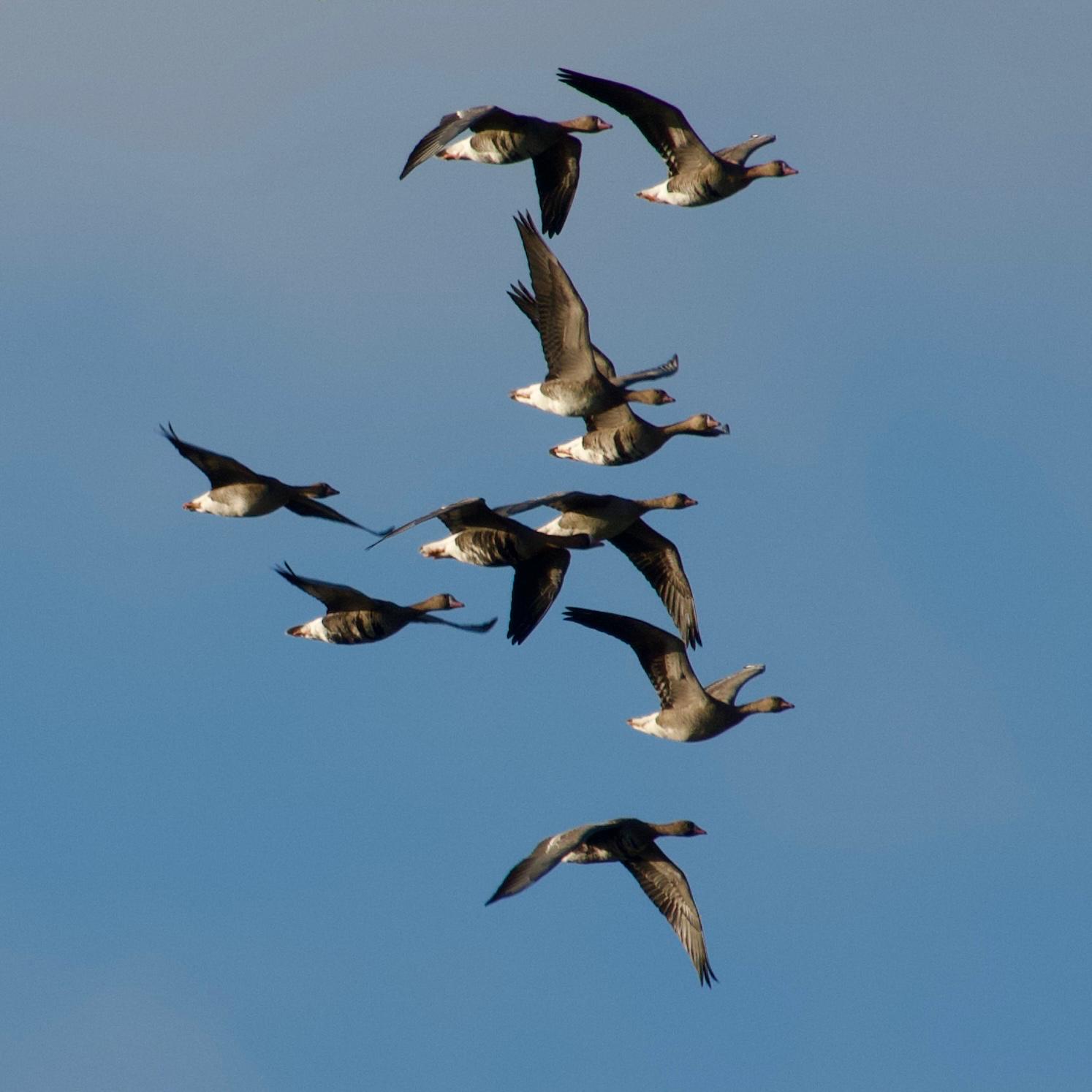
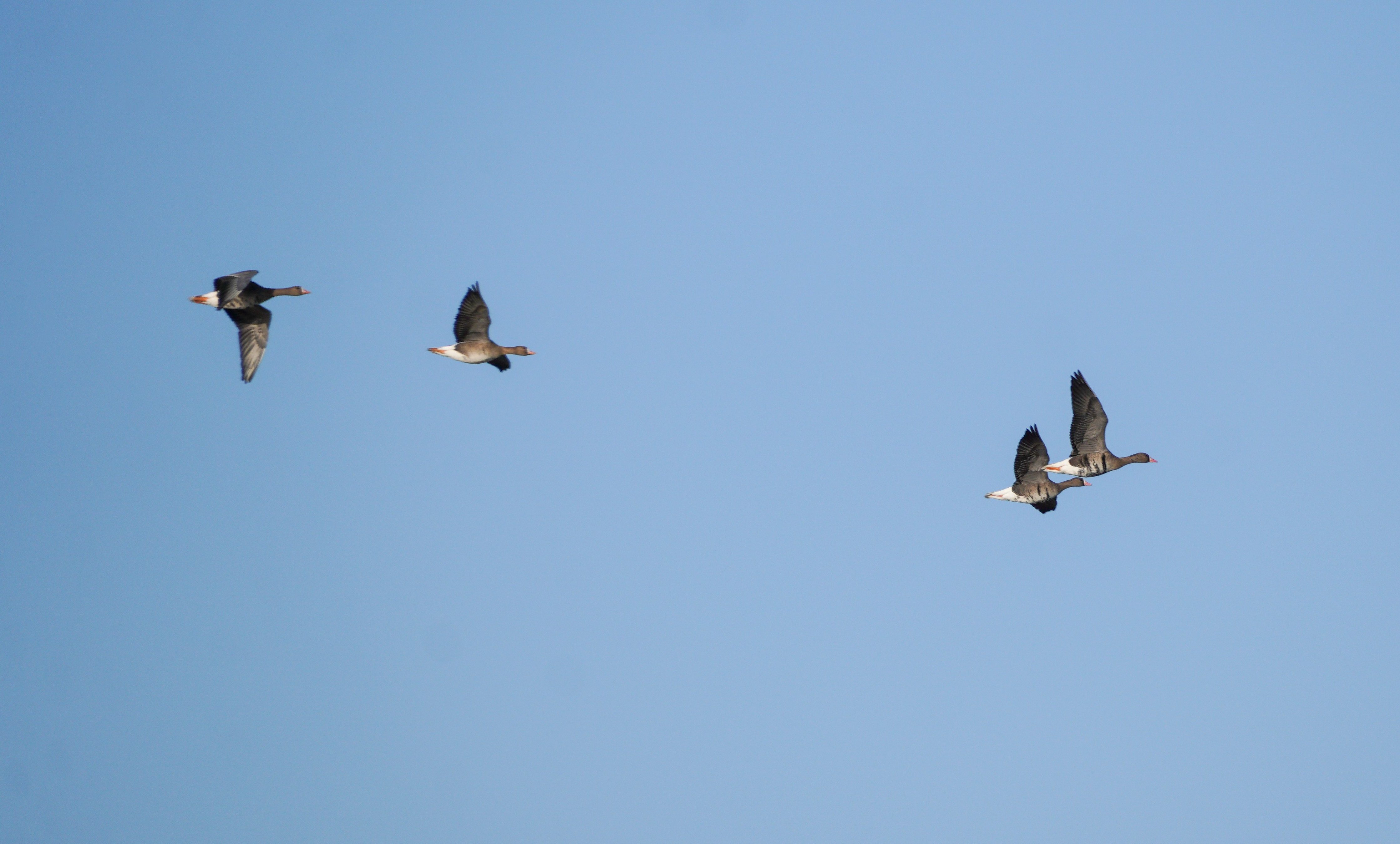
Taking a back seat in terms of comparative rarity, but not to be sniffed at, White-fronted Geese made their presence strongly felt, beginning with the arrival of an awesome flock of fifty-six at Stanford Res on 24th. This was followed by a total of thirty-one flying north-east over Irthlingborough Lakes & Meadows NR in small groups during a fifteen-minute period on the same date, on which a dozen appeared at Blatherwycke and seven were also found at Pitsford, at least four of which remained on 25th. More were to come on the latter date, Clifford Hill GP producing eleven, while Stanford retained its fifty-six through to the 26th and the final day of the period also saw twenty-one at Ringstead GP, fourteen at Blatherwycke, at least six at Clifford Hill and two at Hollowell Res.
Considered pretty much standard fare these days and completely outnumbered, Pink-footed Geese mustered three at Pitsford on 24th and at least one at Summer Leys LNR on the same date.

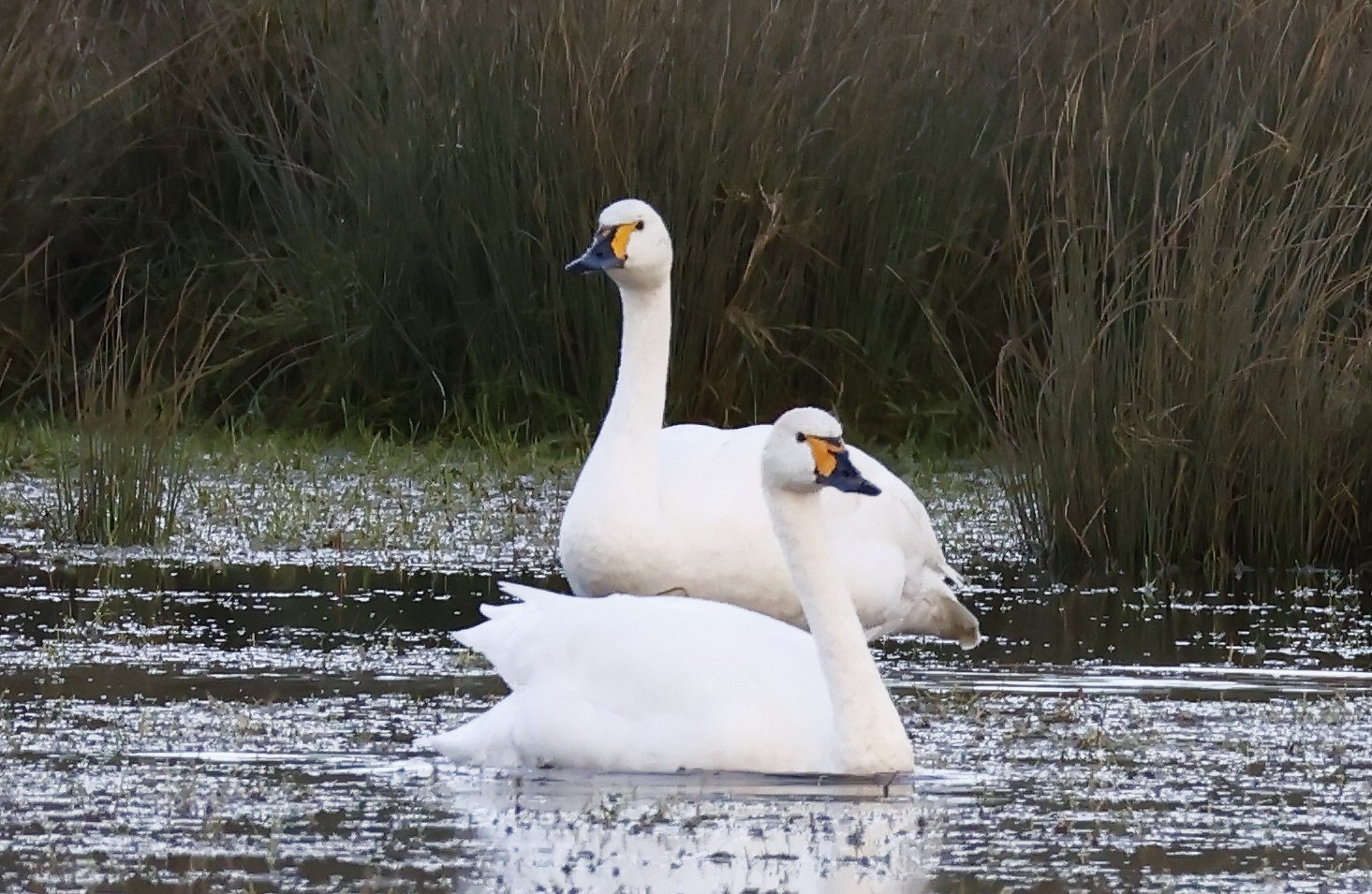
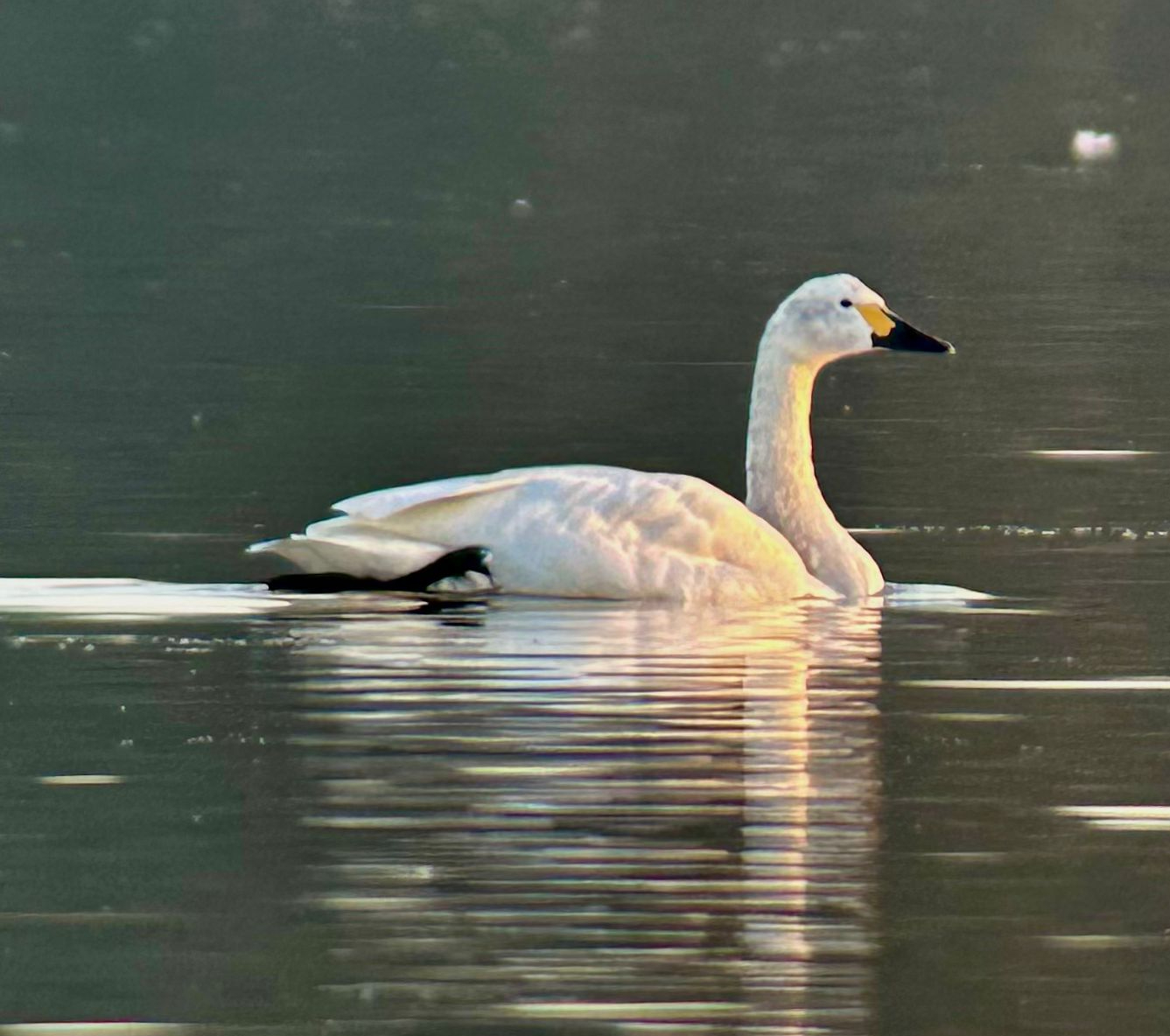
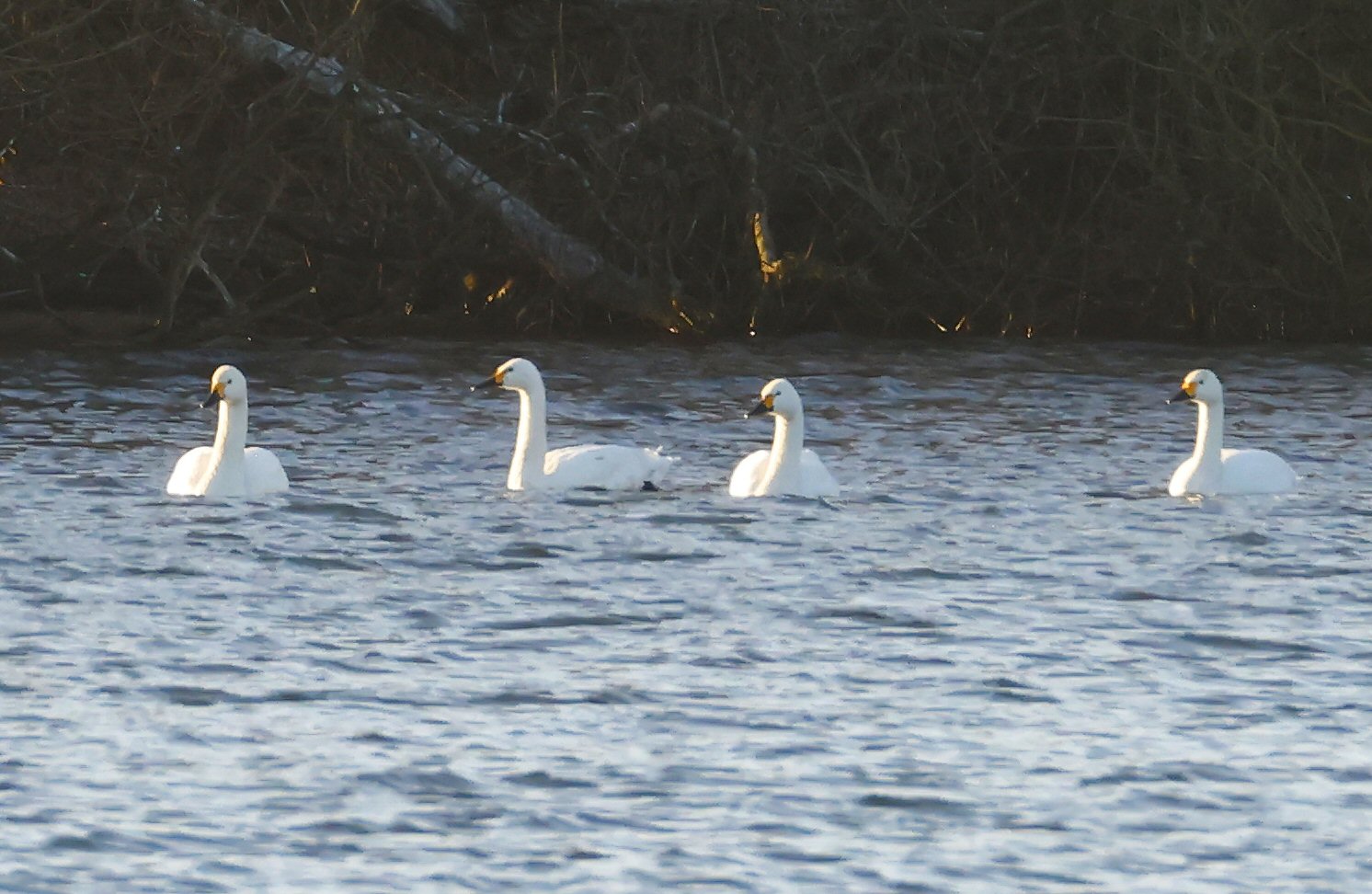
More birds in from the east constituting a pleasant surprise were four Bewick’s Swans found at Ringstead on 26th. Unsurprisingly, these were the first of their kind in the county for 2025, the numbers visiting Britain having tumbled in recent years following a significant population decline between 1995 and 2020, along with many now choosing to winter in mainland Europe.
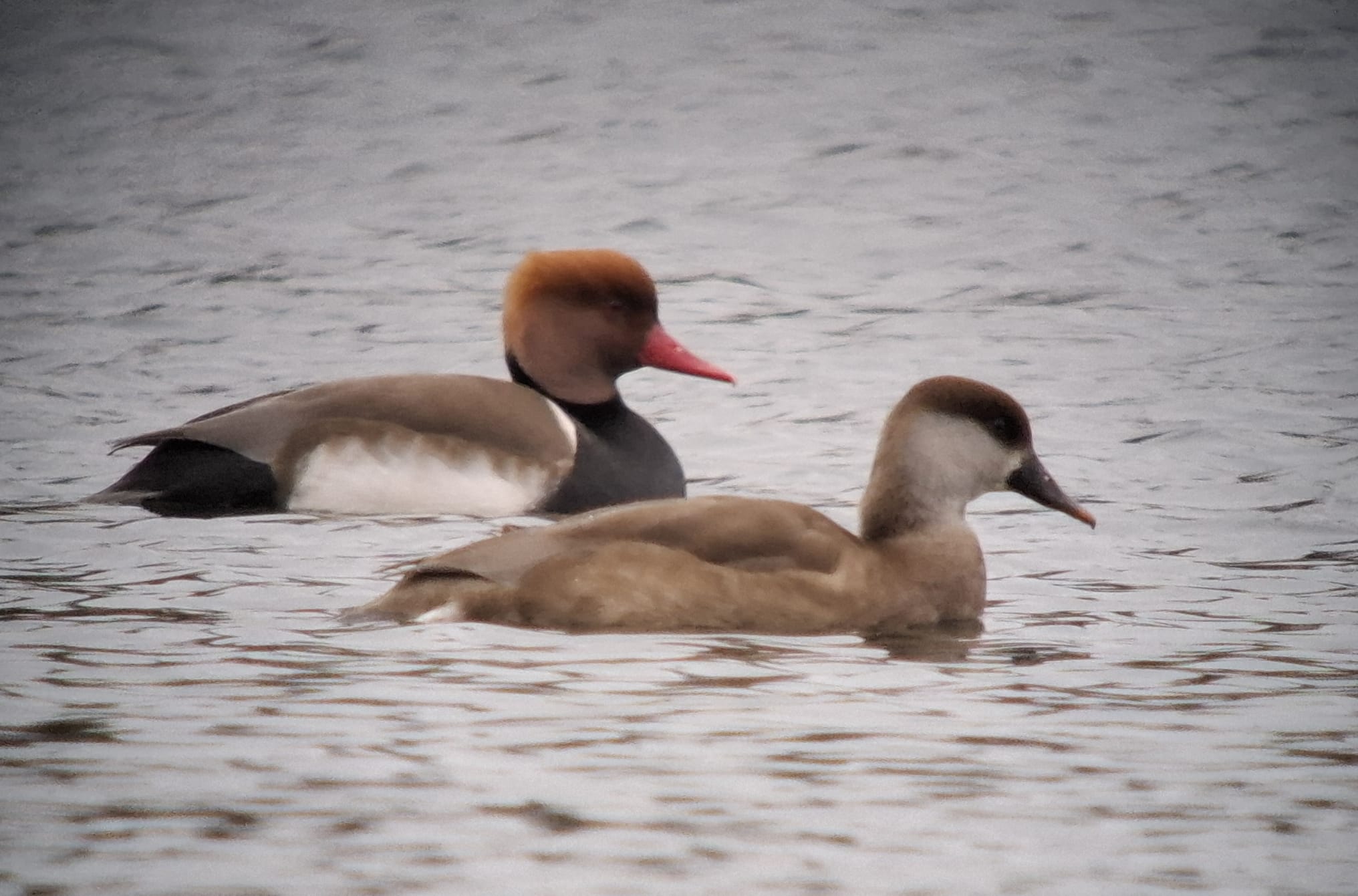
And it’s been almost seven weeks without a local Red-crested Pochard, their absence being broken by two at Kislingbury GP on 23rd. More desirable ducks were on offer during the period, though, with the first-winter drake and female Greater Scaups remaining at Thrapston GP until at least 24th, while three new females were discovered at Stanford on the latter date.

Better still, a drake Smew appeared at Clifford Hill on 22nd, being seen again there on 26th. Single drake Red-breasted Mergansers – another much sought-after sawbill, locally – paid the briefest of visits to Clifford Hill also on 22nd and to Ravensthorpe Res the following day.

With no consistent reports of the Pitsford Black-necked Grebe since 15th December, it seems likely that its visit there has come to an end. Step forward Blatherwycke, where one was located on 21st and was still to be found there at the week’s end.

This week also proved good for Mediterranean Gulls, with 22nd producing an adult at Daventry CP, followed the next day by an adult at Pitsford and two first-winters at Stanford and then by an adult at Clifford Hill on 26th.
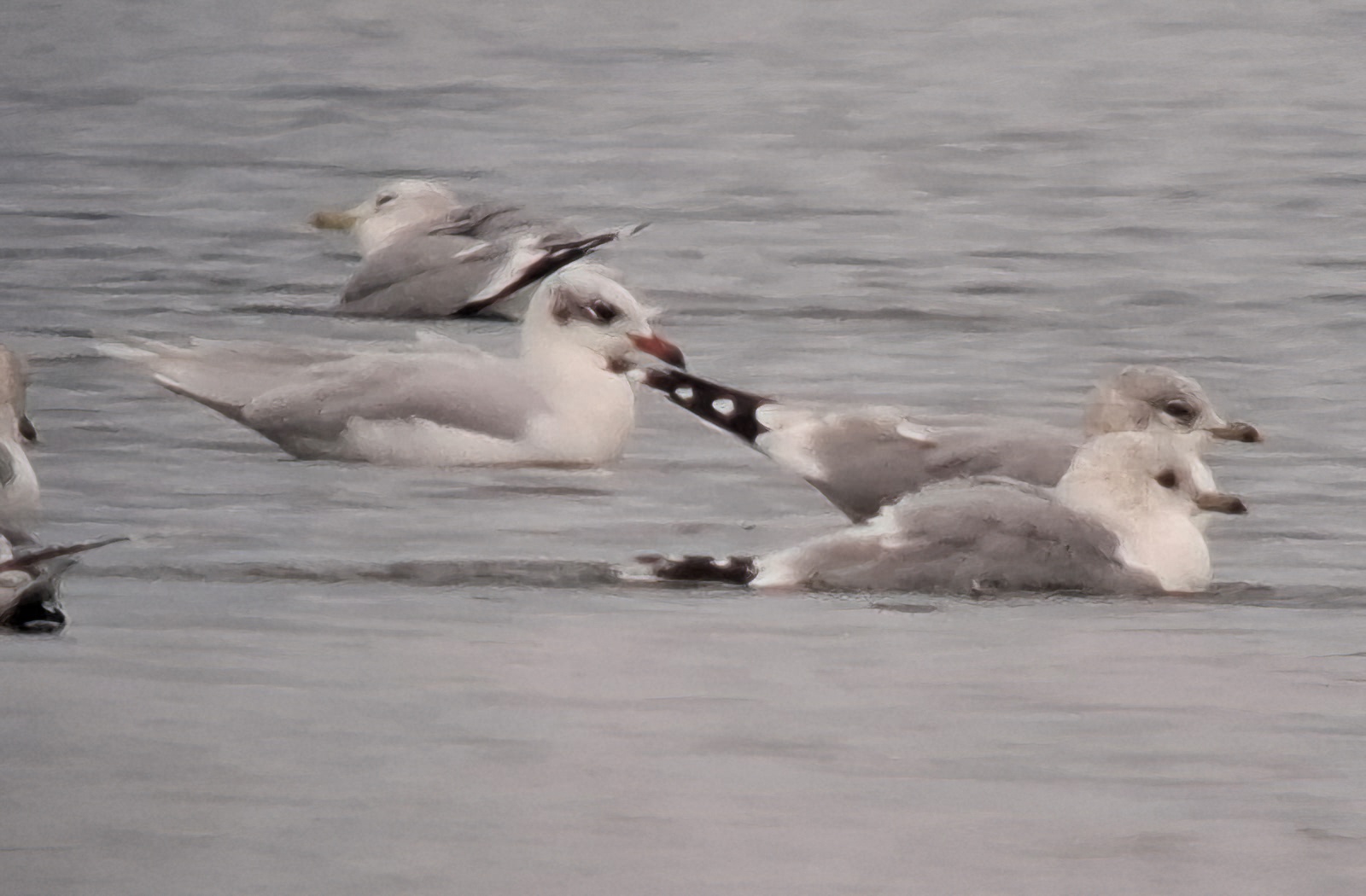
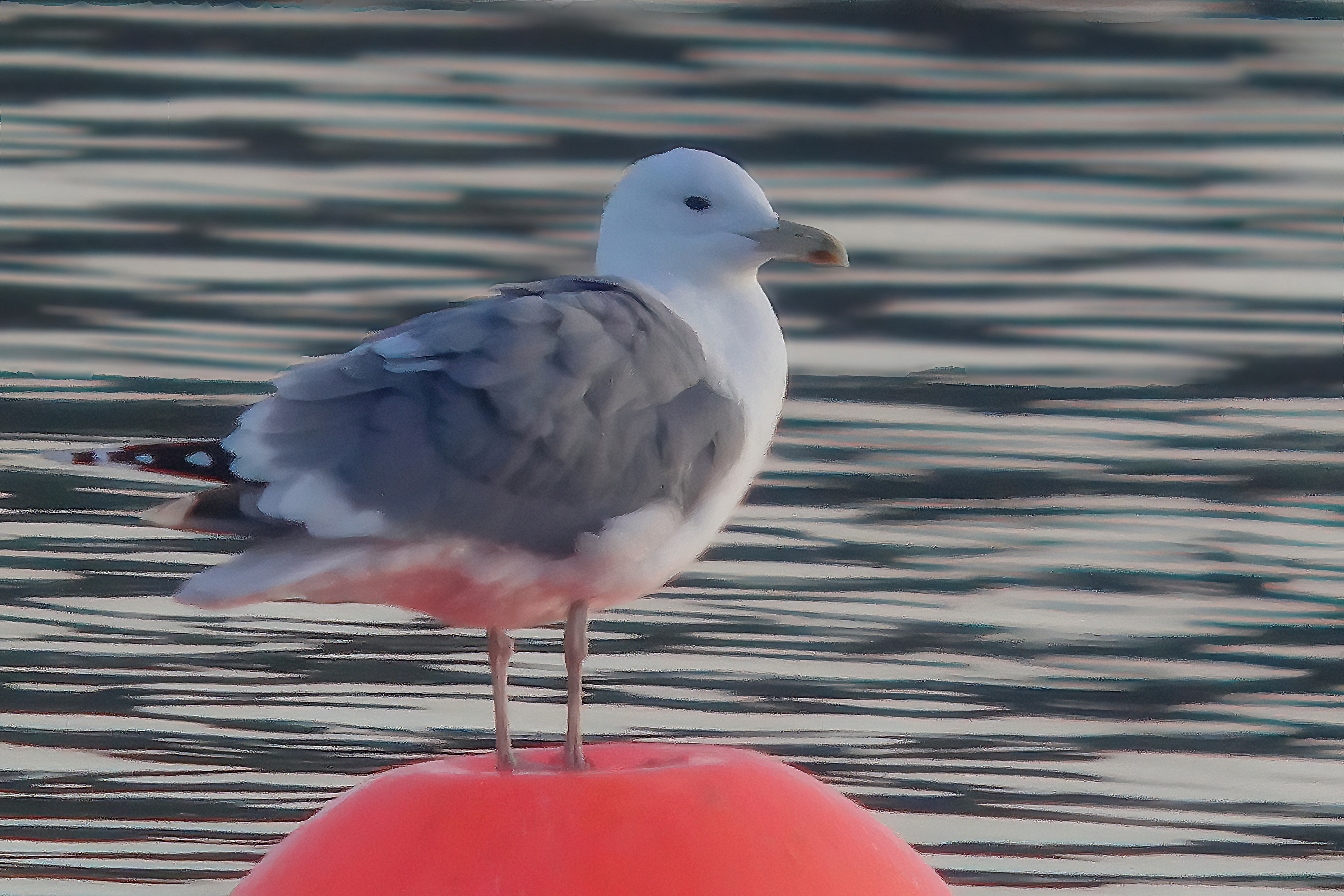
The period’s Caspian Gull quota comprised a first-winter in the roost at Stanford on 22nd, followed by an adult there the next evening and single adults at both Daventry and Naseby Res, also on 22nd. The same two days accounted for the week’s Yellow-legged Gulls, with two adults in the Stanford roost on 22nd and one on 23rd, the latter date producing a first-winter at Clifford Hill and two adults at Pitsford.

As for Glossy Ibises … Notching up another week, the Wellingborough Embankment duo extended their stay, while one continued to be a regular visitor to the settling pond at Stanford throughout the period.
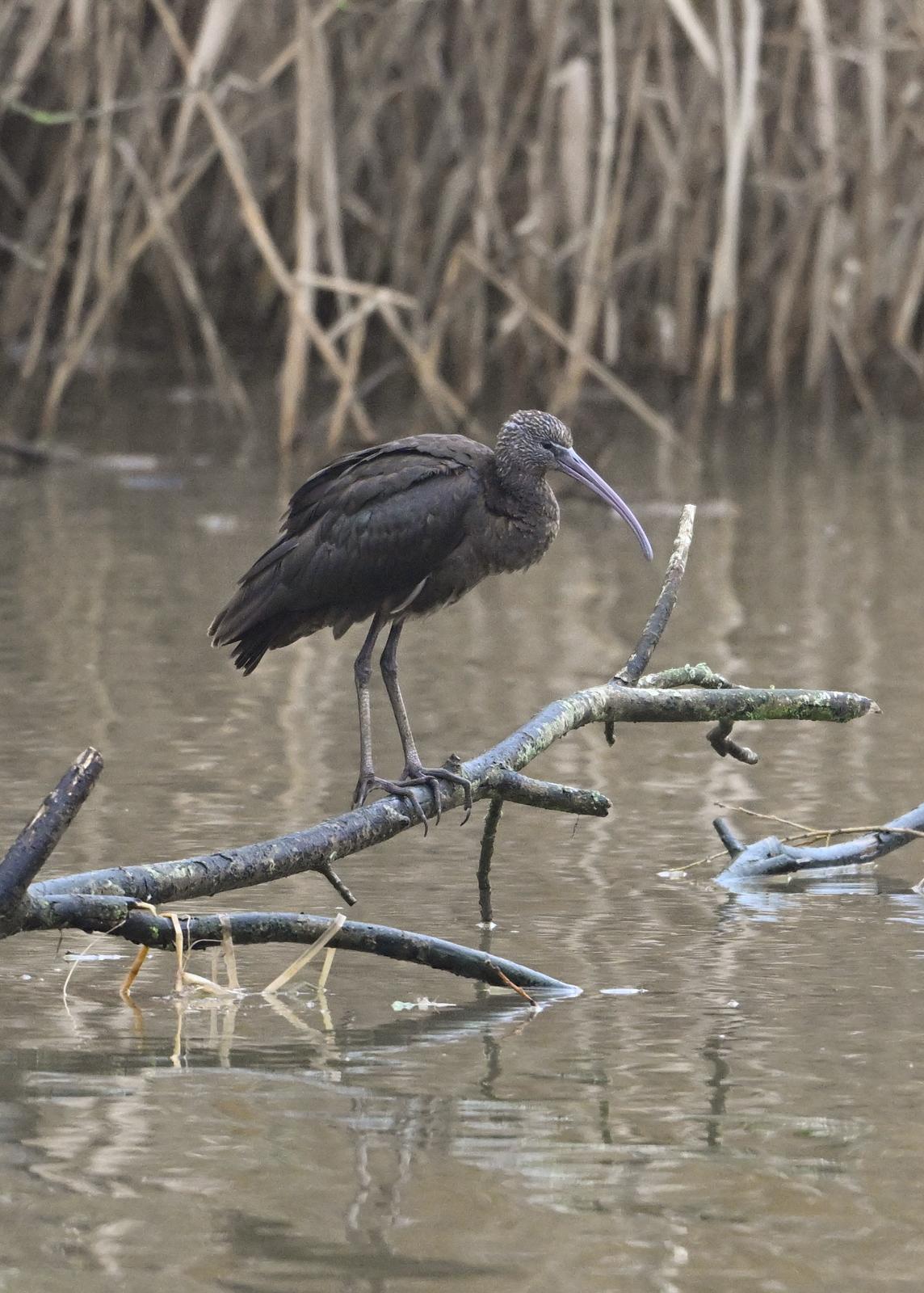
A Cattle Egret was reported in a flooded field at Little Irchester on 21st.

And as we continue to enjoy the presence of wintering Marsh Harriers in the county, another wing-tagged individual made it to the Nene Valley this week. Enter yellow ‘FL’ photographed at Titchmarsh NR on 20th. Research by the photographer, below, reveals it to be a first-year female, ringed and tagged on 13th June 2025 near Carlton Marshes, Suffolk, a bird which has subsequently been seen at the following locations in Norfolk: Salthouse on 7th October, Cley NWT on 15th and 25th October and Titchwell RSPB on 4th November.
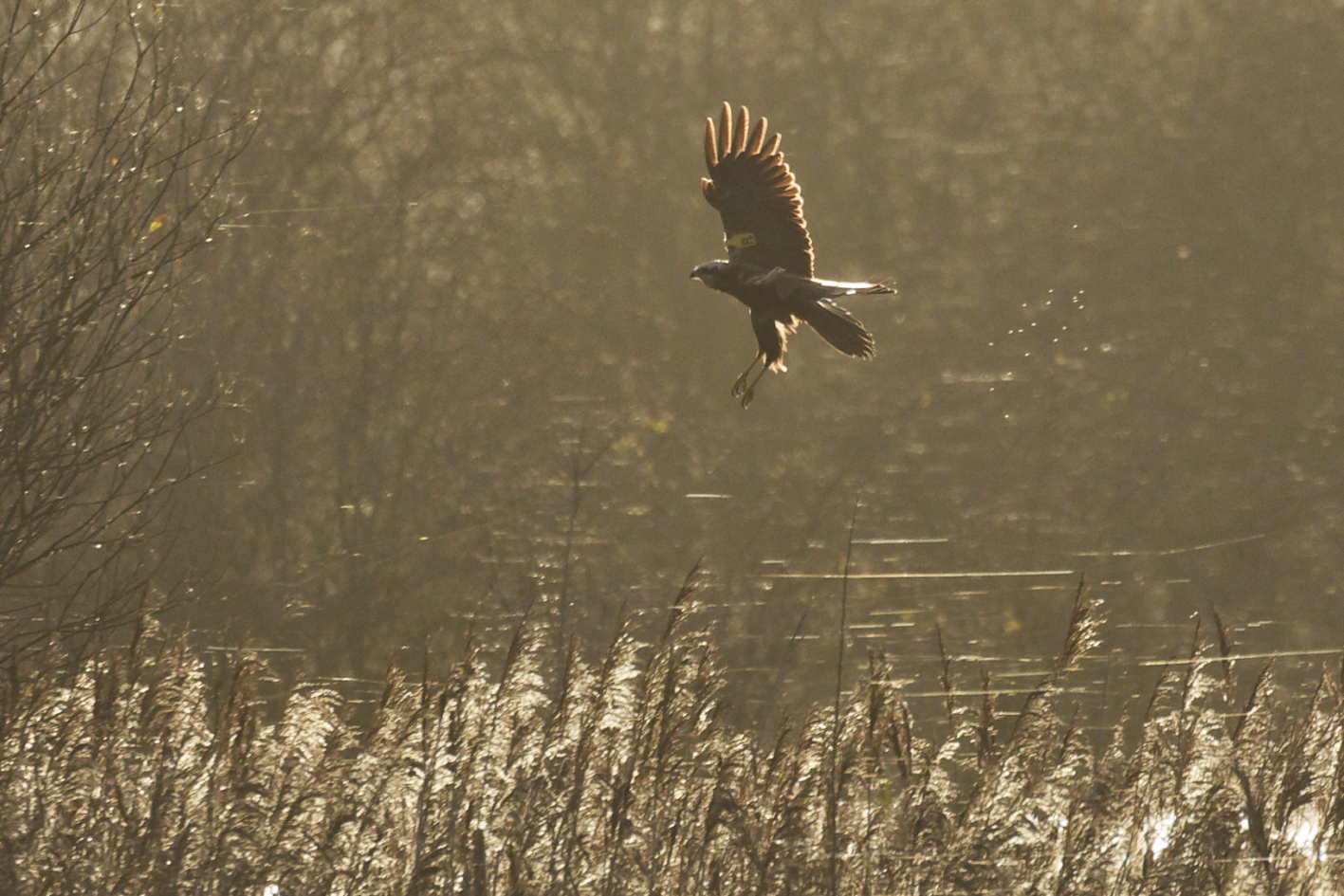
Last week’s orange-tagged ‘J4’ was again present at Summer Leys, also on 20th, while sightings of individuals presumably without tags included singles at both Titchmarsh and Ditchford GP on 24th and at Summer Leys on 25th.

The Brampton Valley ‘ringtail’ Hen Harrier was again seen in the area between Cottesbrooke, Hanging Houghton and Blueberry Farm on 20th, as was a Short-eared Owl on 20th and 22nd, with another west of the A14, near Kettering Golf Course on 23rd.

The period’s passerines of note kicked off with a Siberian Chiffchaff at Daventry CP on 22nd – possibly the same individual as that seen there on 21st November.

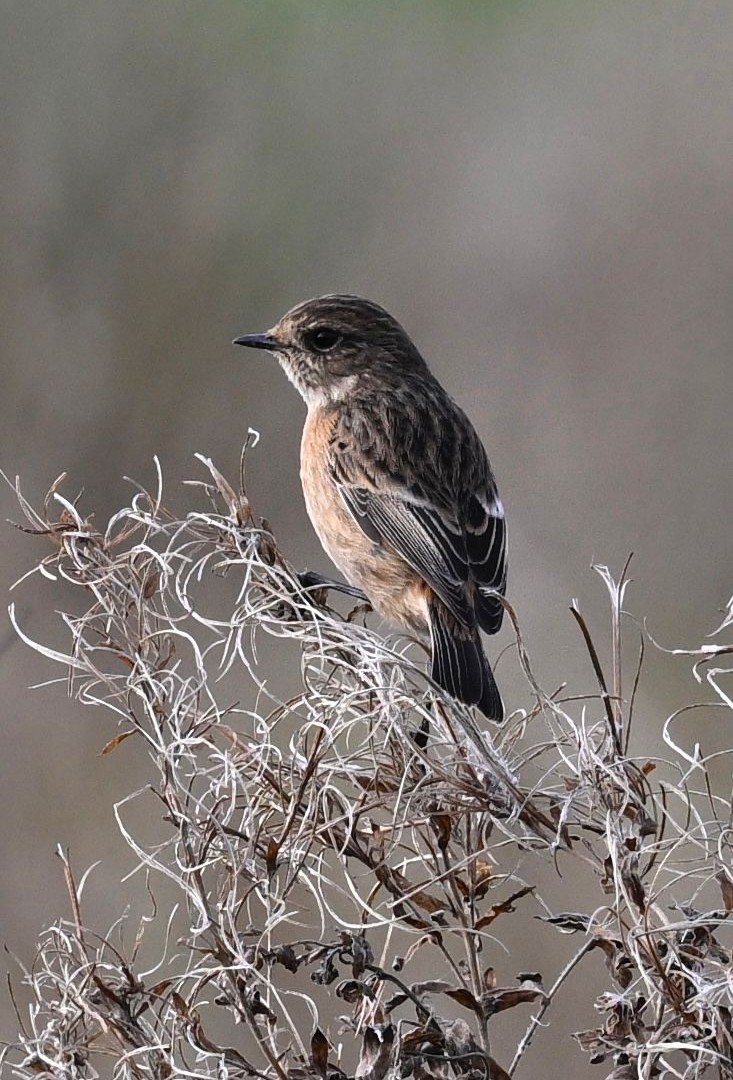
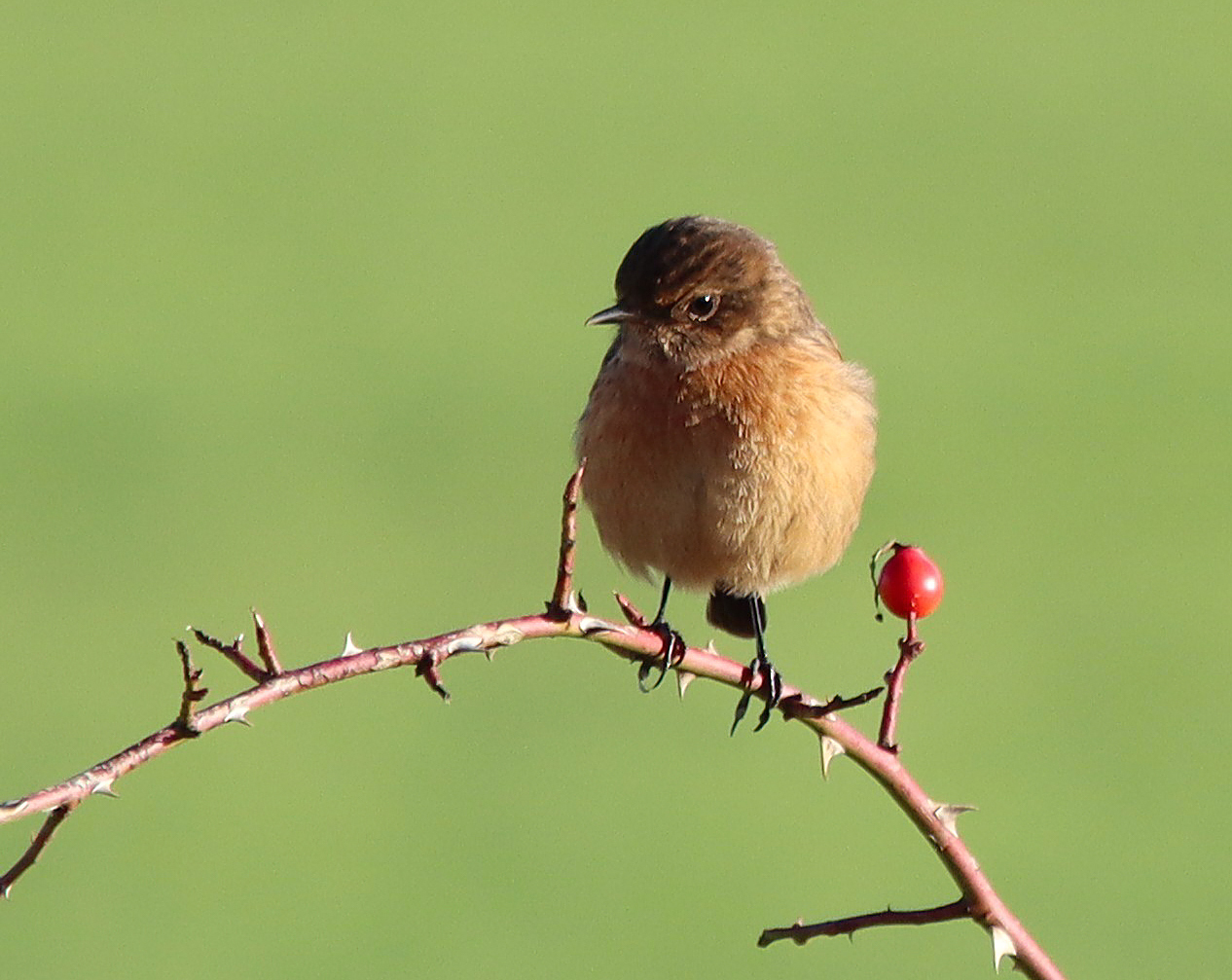
There were fewer Stonechats on offer, this week’s birds consisting of one at Clifford Hill on 22nd-23rd, two in the Brampton Valley on 22nd and two at Neville’s Lodge, Finedon on 26th.

And is Cottesbrooke now on the radar for Hawfinches in non-invasion years? One was present there on 22nd. Crossbills, too, were to be found not far away from the latter site, with two or three at Gamboro Plantation on 20th, while seven were mobile around Harlestone Firs on 21st.

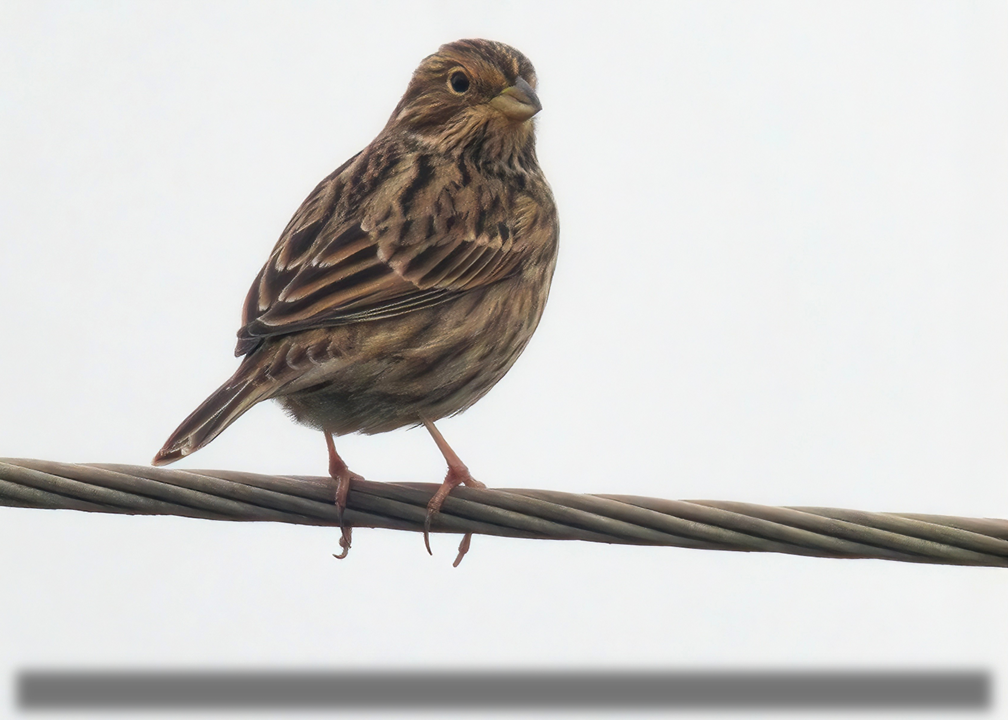
Last week’s hefty total of fifteen Corn Buntings between Deanshanger and Wicken couldn’t be matched. Just two were to be found in the same locality on 21st.
Newsround – 14th to 20th December 2024

A somewhat sombre but largely dry week saw fluctuations in both temperature and wind direction although, apart from a second for the year for one species in particular, the birding landscape pretty much maintained its status quo.

Geese continued to feature this week and what was presumably a ‘new’ Pink-footed Goose was found with Greylags at Clifford Hill GP on 16th, while the two White-fronted Geese, first found on 2nd December, remained at Ravensthorpe Res throughout.

Following this year’s one and only at Stanford Res, very briefly, on 28th November,  two Bewick’s Swans at Kislingbury GP/Upton CP on 14th offered a second bite of the cherry for anyone wanting to catch up with this now scarce visitor to the county. Discovered late morning, they were seen to depart mid-afternoon.

The female Ruddy Shelduck was still to be found at Winwick Pools throughout the period, while last week’s female Red-crested Pochard at Daventry CP was joined by a drake from 16th onwards and four (two drakes) were found at Clifford Hill GP on the same date. The drake seen intermittently at Earls Barton GP was still present on 15th.

Jack Snipe was the week’s only wader worthy of note and numbers included one at Summer Leys LNR on 14th and up to two at Hollowell Res throughout.

After none reported last week, Mediterranean Gulls were back in the frame on 16th, when a first-winter visited Stanford and a second-winter was found at Pitsford Res. Other scarce larids were also available in the shape of Caspian Gulls, with two adults in the roost at Stanford on 15th-16th, plus an adult there on 18th and an adult at Hollowell Res on 17th. Yellow-legged Gulls were limited to two at Pitsford on 15th, one there on 16th and a first-winter at DIRFT 3 on 17th.

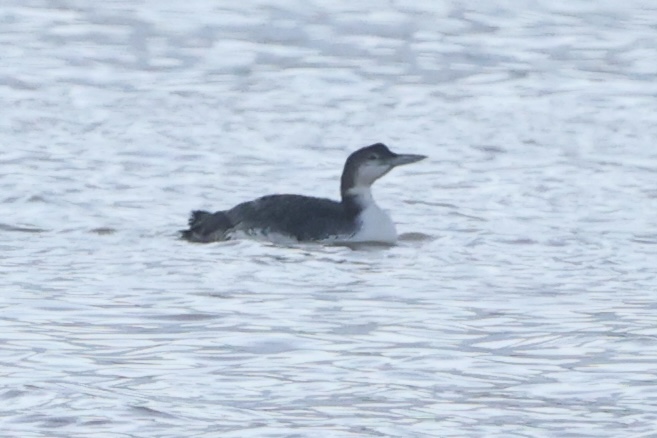
Pitsford continued to hold on to its juvenile Great Northern Diver, present until at least 19th.

The Summer Leys Glossy Ibis chalked up another seven days on site, bringing its stay there to a perfectly round thirteen weeks. Just twelve more days there to see the new year in … Hollowell dished up a surprise this week in the shape of a Bittern on 14th and again on 19th. They are scarce away from the Nene Valley and, as far as Hollowell is concerned, this species is a very rare commodity indeed.

Up to six Cattle Egrets were at, and around, Ringstead GP on 14th and again on 17th.

A ’ringtail’ Hen Harrier was reported from farmland east of Tiffield on 17th and, again, just one Short-eared Owl was seen – in the Brampton Valley between Cottesbrooke and Hanging Houghton, on 15th. How many more might be out there that are not being reported for fear of human disturbance – a topic which has featured prominently on social media of late.  

There was another isolated report of the Bearded Tit, photographed at Stanwick GP, on 14th. Stonechats bounced back this week with four near Towcester on 18th, three at Hollowell on 17th, plus ones and twos at Borough Hill, Earls Barton, Harrington AF, Holcot, Lilbourne Meadows NR, Pitsford, Stanford and Upton CP.

And no week during this winter so far would be complete without at least one Hawfinch popping up somewhere … and one duly obliged, the mature housing estate of Brixworth Hall Park being this week’s venue, on 16th.

Lastly, the discovery of a bird with a capricious taxonomic history. Following the announcement that all redpolls are effectively one species (yet again), an individual which would have formerly been firmly in the standalone Mealy camp was found between Delapre Abbey and Hardingstone GP on the last day of the week. We await a definitive, formal declaration as to whether ‘Mealy Redpoll’ is able to at least be given a retentional subspecific status or whether it will be totally lumped and absorbed into the ‘one name fits all’ fate that redpolls appear to await. More details here.

Newsround – 23rd to 29th November 2024

The week kicked off with Storm Bert, which effectively put paid to any local birding for two days, as well as failing to deliver any much anticipated wrecked seabirds. But with the appearance of a showy Great Northern Diver and the first – and likely last – Bewick’s Swan of the year, the week certainly did not fall flat.

Pink-footed Geese continued to feature, too, with single birds accompanying local Greylags at Wicksteed Park Lake on 25th and at Pitsford Res on 27th-29th.

With no Whooper Swans for the first time in a while, the slot was filled with the welcome sight of a Bewick’s Swan at Stanford Res on the afternoon of 28th. Located only an hour before darkness fell, it provided little opportunity to connect with, having departed by the following morning.

The majority of last week’s Red-crested Pochards appeared to have melted away, leaving just two at Stanford Res on 26th.

And the highlight of the week’s waders was a locally unseasonal Bar-tailed Godwit that paid a brief visit to Summer Leys LNR on 29th, while two Jack Snipes at Daventry CP on 26th were the only ones of their kind during the period.

Gulls formed another group significantly down in numbers, with just one Mediterranean Gull – a first-winter – in the Stanford roost on 27th. Caspian Gulls consisted of an adult at Hollowell Res on 25th, a first-winter at Daventry on 26th and an adult in the gull roost at Pitsford, along with the regular adult Yellow-legged Gull, on 28th.

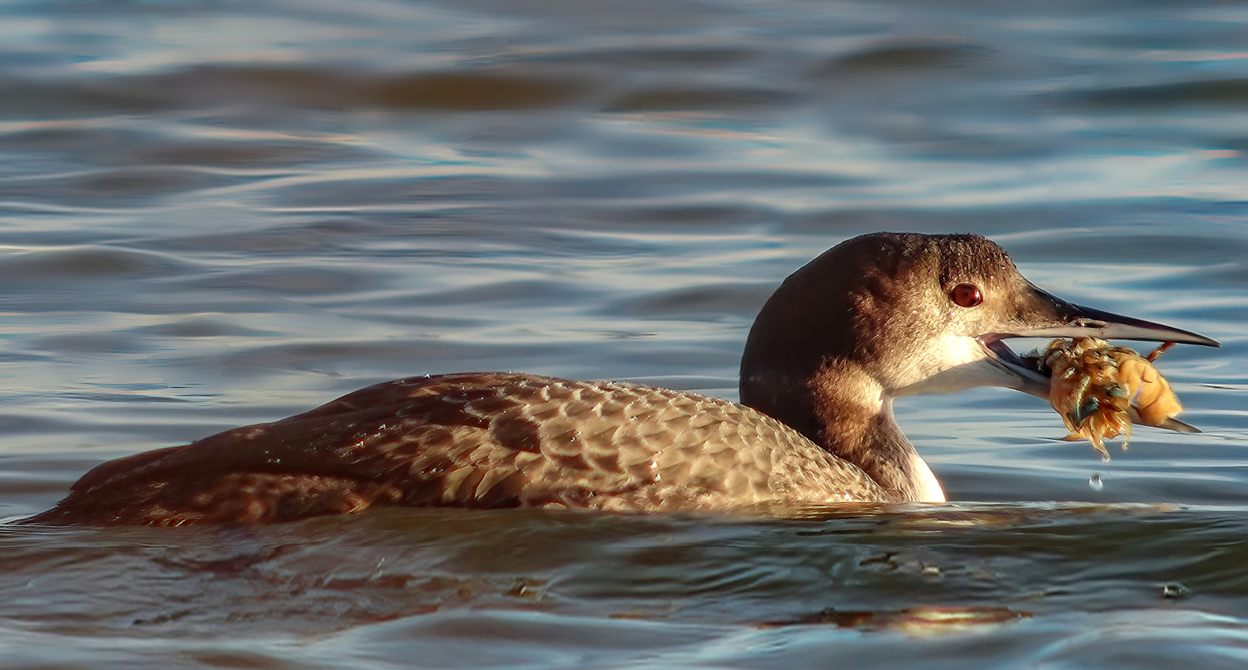
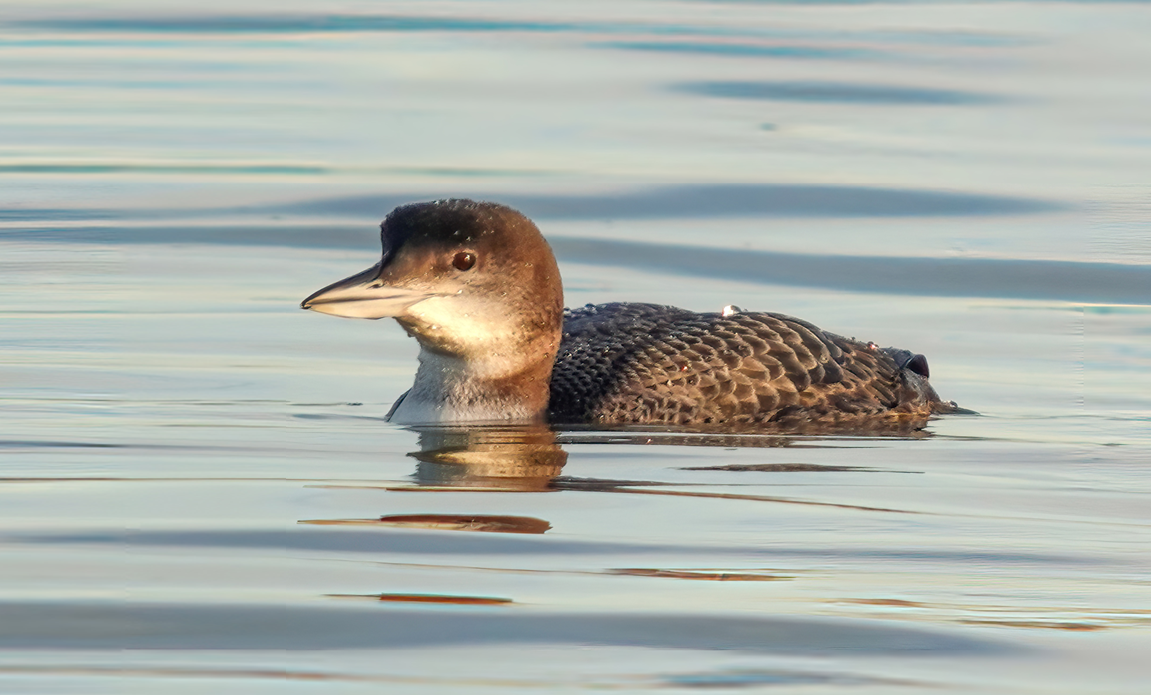
Following one at Clifford Hill GP, present on the Main Barrage Lake only in the early mornings of 25th and 26th before flying off, a Great Northern Diver was found on the latter date at Pitsford. Considered to be a different bird, it remained to see the week out, providing all comers with some splendidly rewarding views. November has proven to be a classic month for arrivals and these are only the second and third of the year, the first also having been at Pitsford between November 2023 and January 2024.

Slipping well down from its once headline-making position, the Summer Leys Glossy Ibis saw out another week on the reserve, having now chalked up 70 days on site. Summer Leys also produced a Cattle Egret on 28th, while up to three remained on the farm immediately north-east of Ringstead GP at the week’s end.

And raptors? A ‘ringtail’ Hen Harrier in flight over Gleneagles, Wellingborough on 29th was all the period could muster, unfortunately.

But things looked a little better as far as Short-eared Owls were concerned with, up on last week’s total, two near Blueberry Farm, Maidwell on 26th and one there on 27th, followed by singles in the Brampton Valley on the latter date and at Harrington AF on 29th.

The female Bearded Tit remained at Stanwick GP and was still present on 29th.

Stonechats were present Duston, Earls Barton GP, Harrington, Hollowell, Pitsford, Summer Leys and Upton CP with no more than two at any one site.

And Hawfinches continued to be seen at last week’s two key localities of Blatherwycke and Cottesbrooke, with the first of these holding four on 26th and one on 28th and the latter with three on 26th and two on 29th.