Easterlies persisted until mid-week, after which a more northerly vector dominated, although temperatures managed to reach an unseasonally high 20°C by the end of the period. With the weather highly conducive to migration, it was unusually busy for the second week of April, which produced an uplift in migrants as well as some class birds, but getting to grips with the latter remained the preserve of the lucky few …
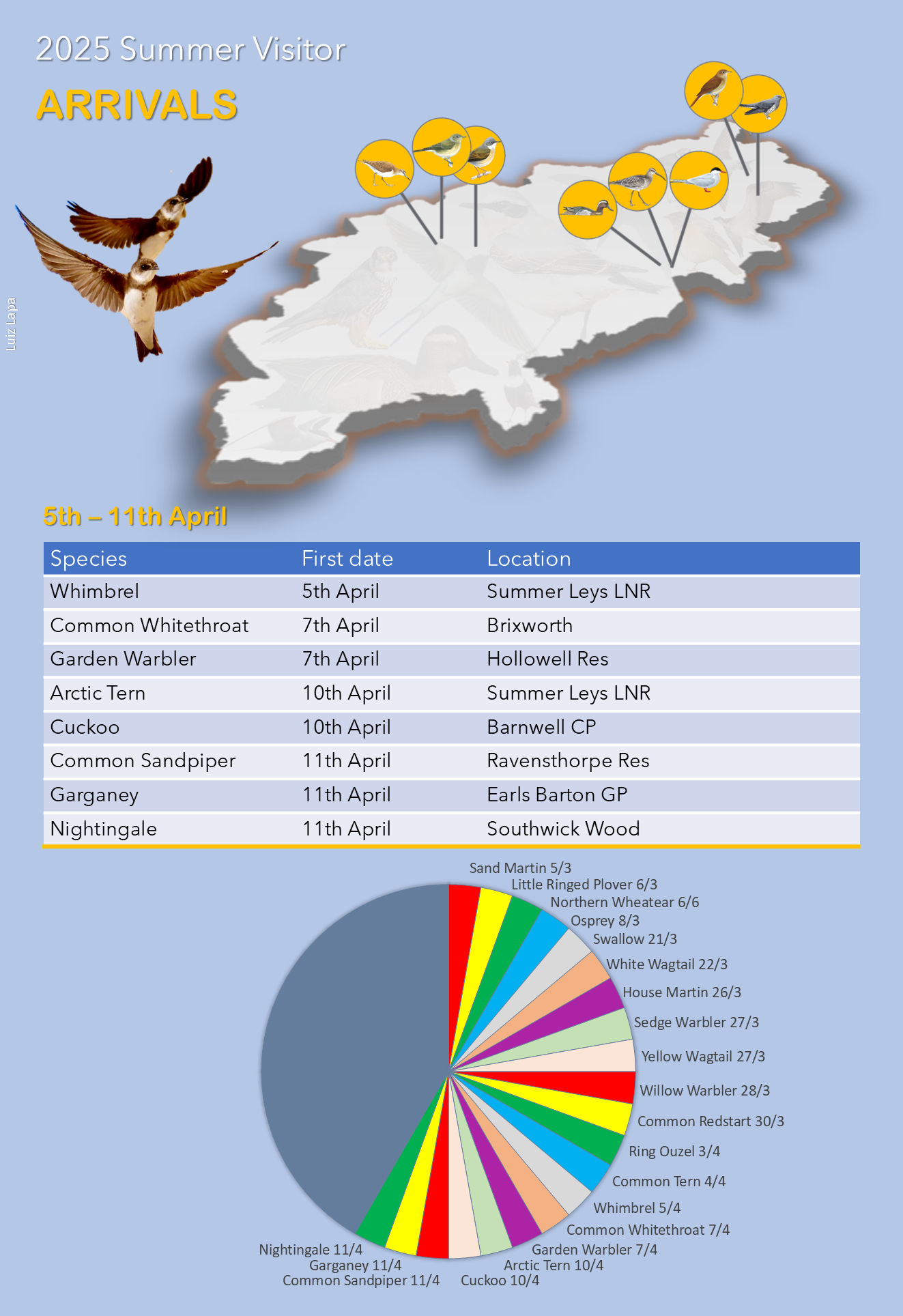
On the summer visitor front, new birds for the year appeared thick and fast this week with seven new species on the clock. One Common Sandpiper had already been logged, of course, although the latter was a rogue, overwintering individual at Earls Barton GP during February and March.
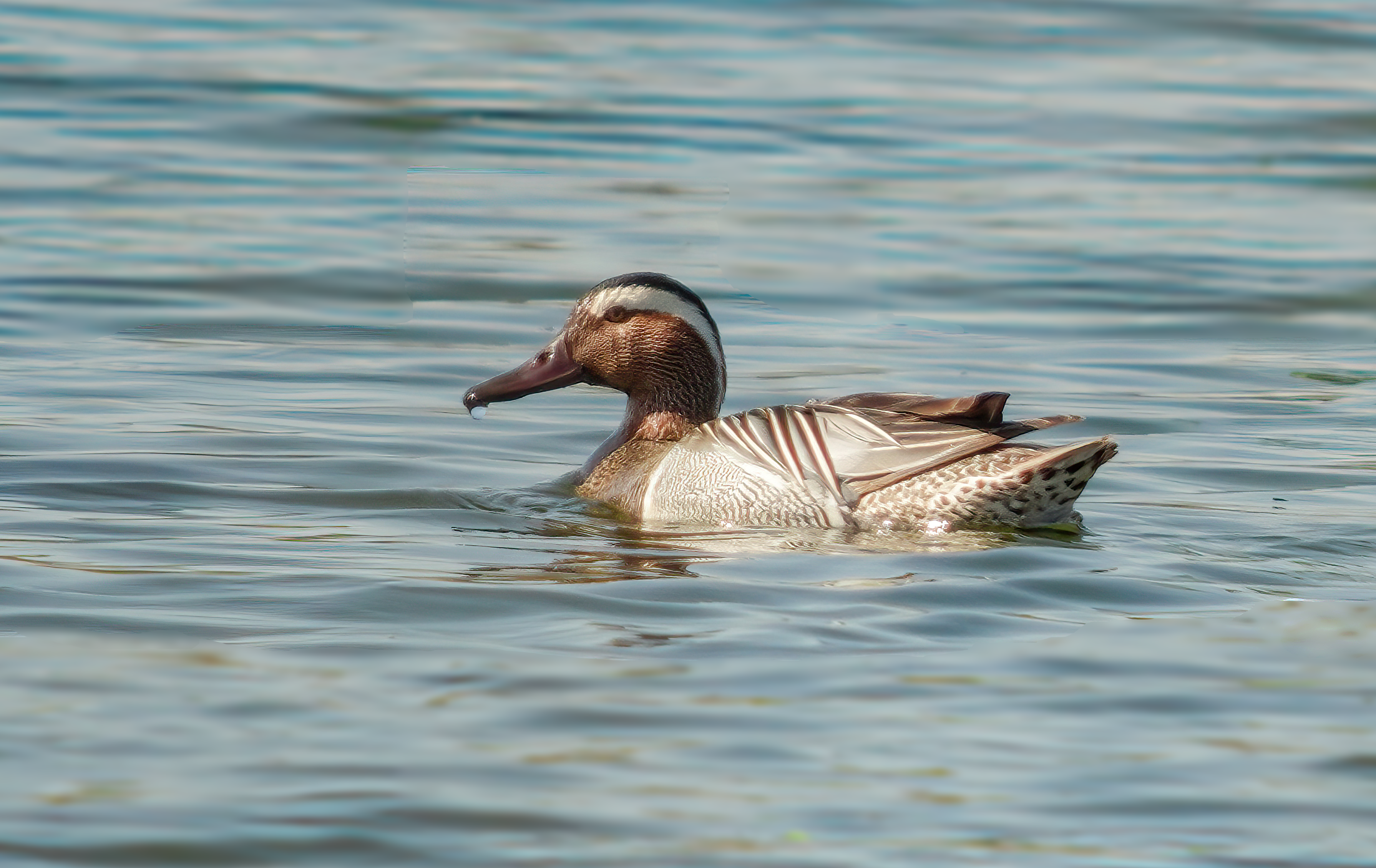
Wildfowl bounced back from last week, with the long-staying Pink-footed Goose still seeing the week out in the Earls Barton GP New Workings (South) area, where the year’s first Garganeys – a duck and drake – were found on the last day of the period.
The above site also held on to its drake Red-crested Pochard, favouring the River Nene until at least 9th, while further up the Nene Valley, two Common Scoters made a stopover at Clifford Hill GP on 10th.

Two Avocets visited Summer Leys LNR on 7th but waders of the week and, at this juncture, of the year, were the two Dotterels that dropped in at Harrington AF the following day. Completing little more than a two-hour stay, they moved on without so much as a by your leave … This apparently constitutes the 15th county record and first since one at Hemington in April 2022, as well as appearing to be the earliest-ever in the county and generally very early for the UK as a whole. To put things in context, there were others in Dorset on 27th-28th March, Cumbria on 2nd April and in Ayrshire on 8th April.

The number of other waders moving through ramped up appreciably and included the first, second and third records of Whimbrel this year, kicking off with one at Summer Leys LNR on 5th, followed by four at Thrapston GP’s Titchmarsh NR on 10th and one flying north over Ravensthorpe Res the following day.


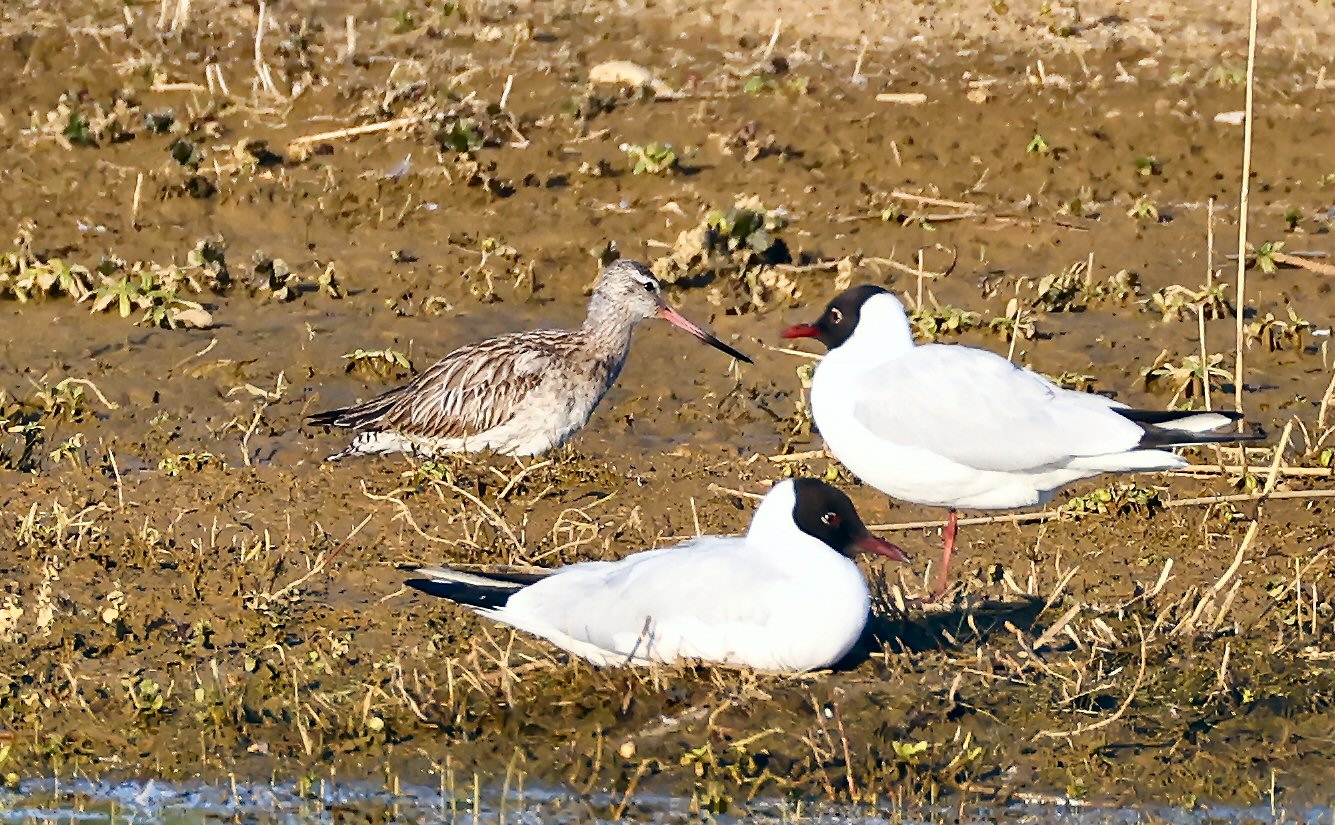
The first Bar-tailed Godwit of the year dropped into Summer Leys on 10th and was still to be found there on 11th, while four Black-tailed Godwits left over from last week also remained there on 5th-6th, dropping to three on 7th and one on 9th. One also visited Ditchford GP’s Irthlingborough Lakes & Meadows NR on 7th.

Single Ruffs visited the flooded meadow by the River Nene at Oundle’s Lower Barnwell Lock on 5th and one was at Titchmarsh NR two days later, on 7th. The first of these two sites produced an early spring record of no less than three Spotted Redshanks together on 5th, dropping to just one straggler there on 6th-7th. It has been a good few years since a ‘flock’ of Spotted Redshanks last visited the county …

Two Greenshanks at Summer Leys on 5th represented only the second record for the year after an exceptionally early one over Earls Barton GP in February. Up to two Jack Snipes remained at Hollowell Res throughout the period.
Clearly associated with the continuing easterly airflow, there was no let up in the number of Little Gulls moving through. The Nene Valley undoubtedly enjoyed the lion’s share, with fourteen at Clifford Hill GP, ten at Stanwick GP, 2 at Summer Leys and one at Thrapston GP – all on 5th, while five were at Ravensthorpe Res and one at Pitsford Res on the same date. The following day’s stragglers comprised twos at both Pitsford and Thrapston.
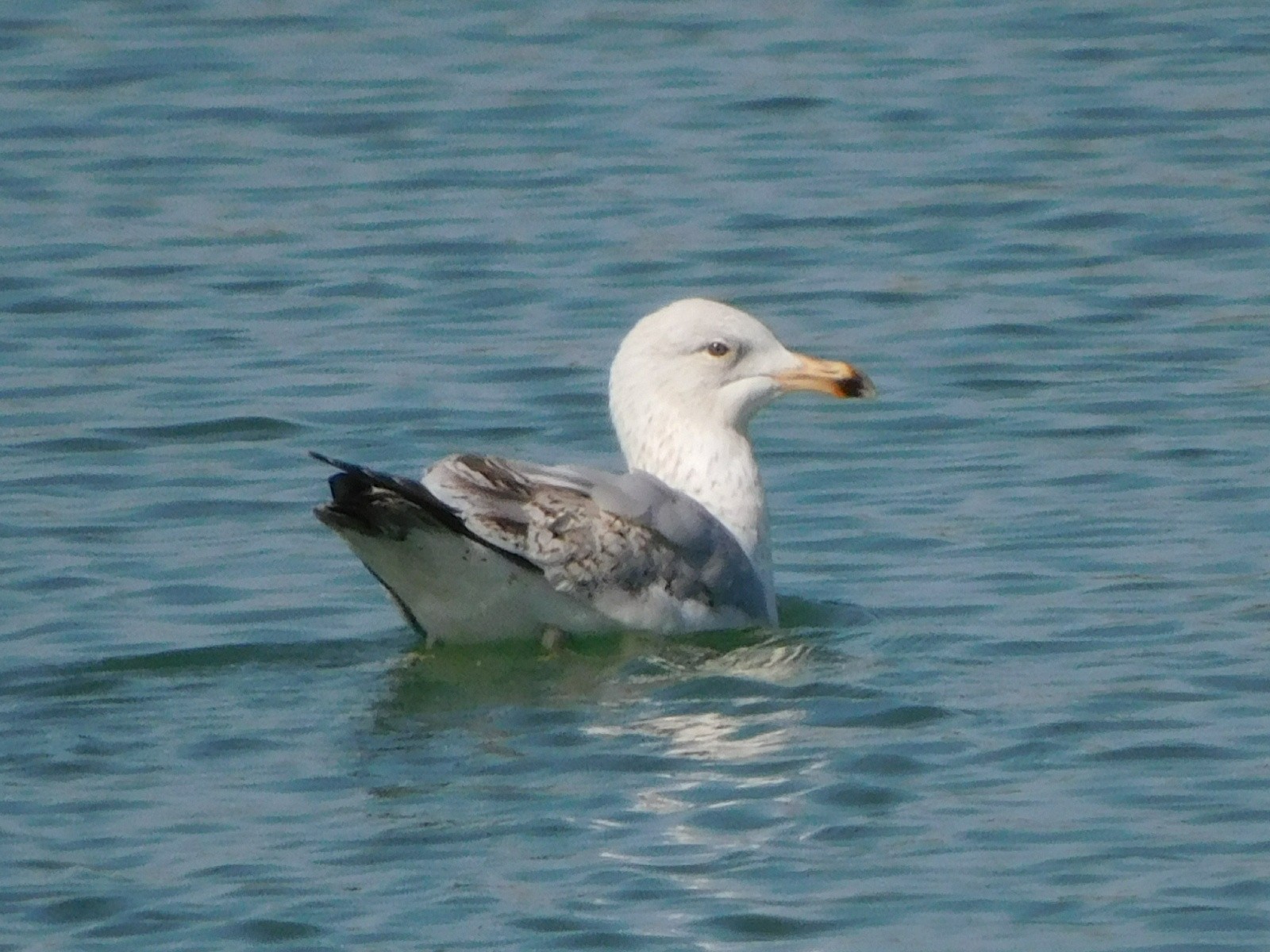
Larger gulls on the scarcity spectrum were a second-summer Caspian Gull at Priors Hall Quarry Lake on 11th, where there was also a second-summer Yellow-legged Gull on the same date. Pitsford continued to hold up to two Yellow-legged Gulls throughout.
An Arctic Tern at Summer Leys on 10th was new for the year.
Still to be had at Pitsford on 7th was the juvenile Great Northern Diver which has extended its winter occupancy well into spring.
Given its ongoing reintroduction project, perhaps only to be expected with increasing frequency in the county is White Stork, one of which flew over Warmington on 9th. Wild or not, a pulse-racer on a chance encounter.
Once again, the Summer Leys Glossy Ibis clocked up another week …
Cattle Egrets continued to maintain a low profile, with singles in the Nene Valley below Cogenhoe on 7th and at both Stanwick and Hollowell on 11th, the latter apparently a site first.
And so to raptors … and away from the Nene Valley it was, for Ospreys at least. Hollowell enjoyed a visit from the blue-ringed male, ‘3AY’ on 5th, which was the same individual that was photographed at Summer Leys last week. It originates from the Rutland project and was ringed as a pullus in 2019. So far, it remains unpaired. Up to two were also seen at Pitsford between 7th and 11th.
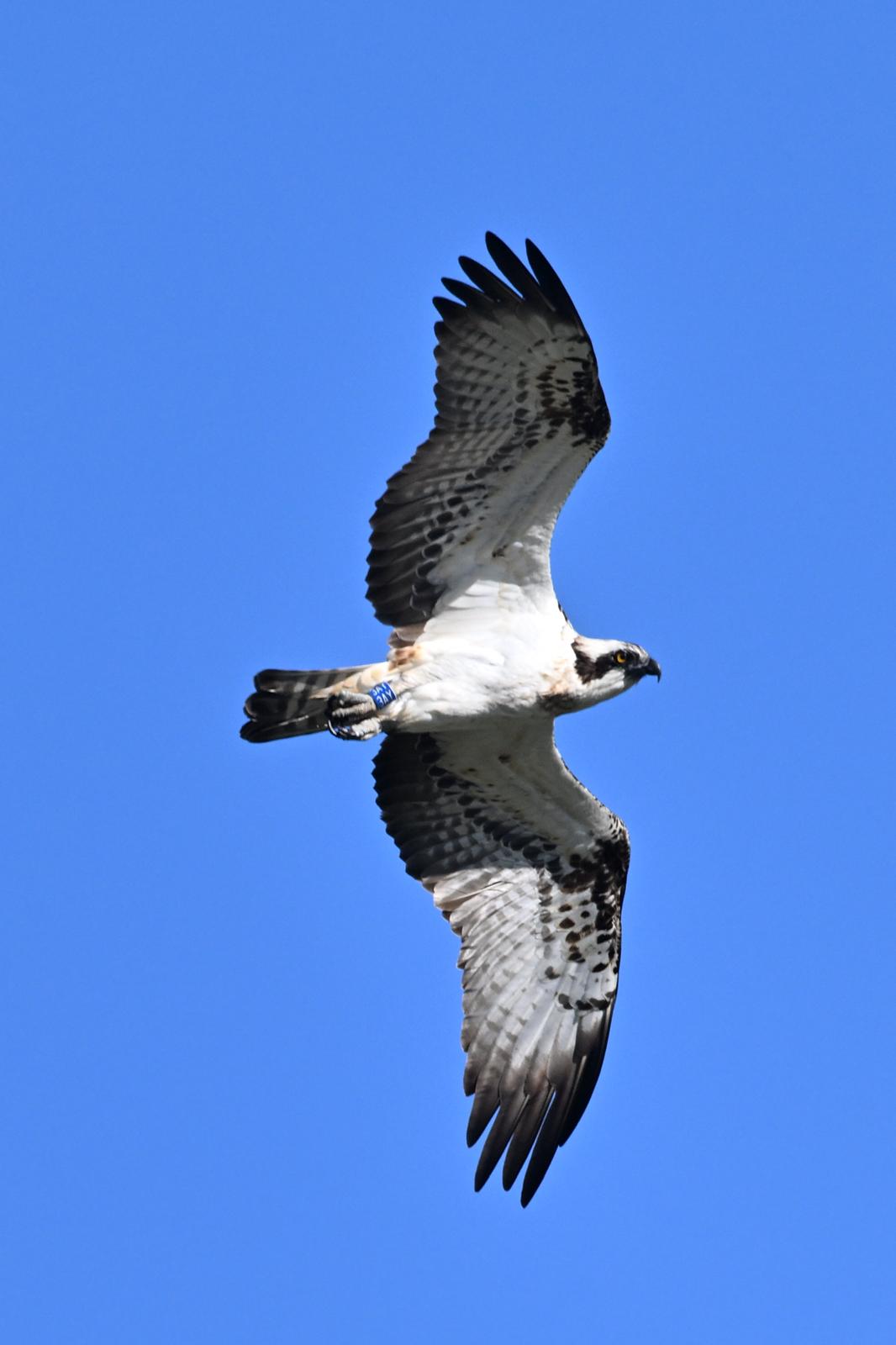
Back in the valley, though, Marsh Harriers were seen at Summer Leys on 5th, Stanwick on 5th and 11th and Titchmarsh NR on the latter date. Rather more upmarket, an adult male Hen Harrier was seen close to Everdon Stubbs on 5th.
The week’s passerines were not to be outdone, though, and a male Ring Ouzel at Blueberry Farm, Maidwell on 5th was considered to be a different individual to the bird present there last week. A splendid male Black Redstart in a private garden in Old was pretty much off limits for any would-be observers on 8th. It’s the third one this year, the previous two having also been inaccessible. There will be more …

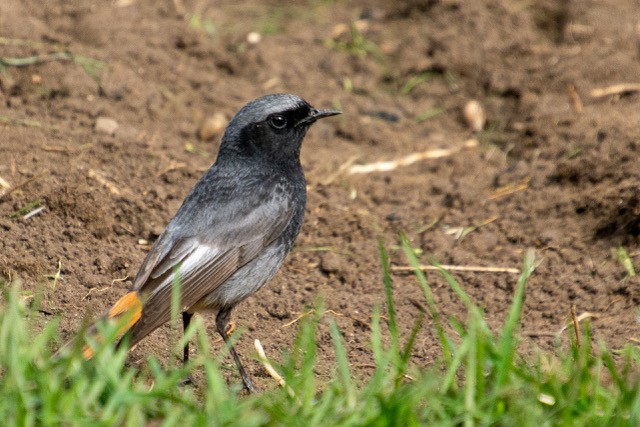
Common Redstarts continued to trickle through, with one trapped and ringed at Stanford Res on 8th, followed the next day by single birds at Blueberry Farm and on farmland north of Ashby St Ledgers.

Northern Wheatears were also low in numbers, this week’s birds being compressed into a small, localised region of north-central Northants that included Blueberry Farm, where there was one on 5th and three on 10th, Harrington AF, which held one on 6th-8th and in the Brampton Valley, where two were present on 10th.
A male Blue-headed Wagtail appeared at Clifford Hill on 7th, while Lower Barnwell Lock held a single White Wagtail on 5th, followed by two there on 7th.

 Northants birds