An area of high pressure sitting over the country provided a little light relief, weatherwise, helping to lift the birding spirits somewhat. An upturn in the numbers of larger wildfowl, a late trickle of interesting waders and the continued presence of local Hen Harriers ensured there was enough out there to be going on with. But the week belonged to Hawfinches. They were out there to be both found and savoured at a number of sites for anyone willing to invest a little time and effort watching and waiting …
But we kick off first and foremost with some impressive numbers of Pink-footed Geese moving through the county during the period. Aside from one found with Greylags at Earls Barton GP on 10th, approximately thirty were watched flying north-east over Deene on 12th, the same date seeing sixty moving north-west over Moulton, while a skein of sixty-three flew high east over Oundle on 15th. And the chances are we could be seeing more of these relatively large flocks in the future as figures published by the BTO reveal that the UK wintering population has been steadily growing, having almost doubled during the 25-year period 1997 to 2022.
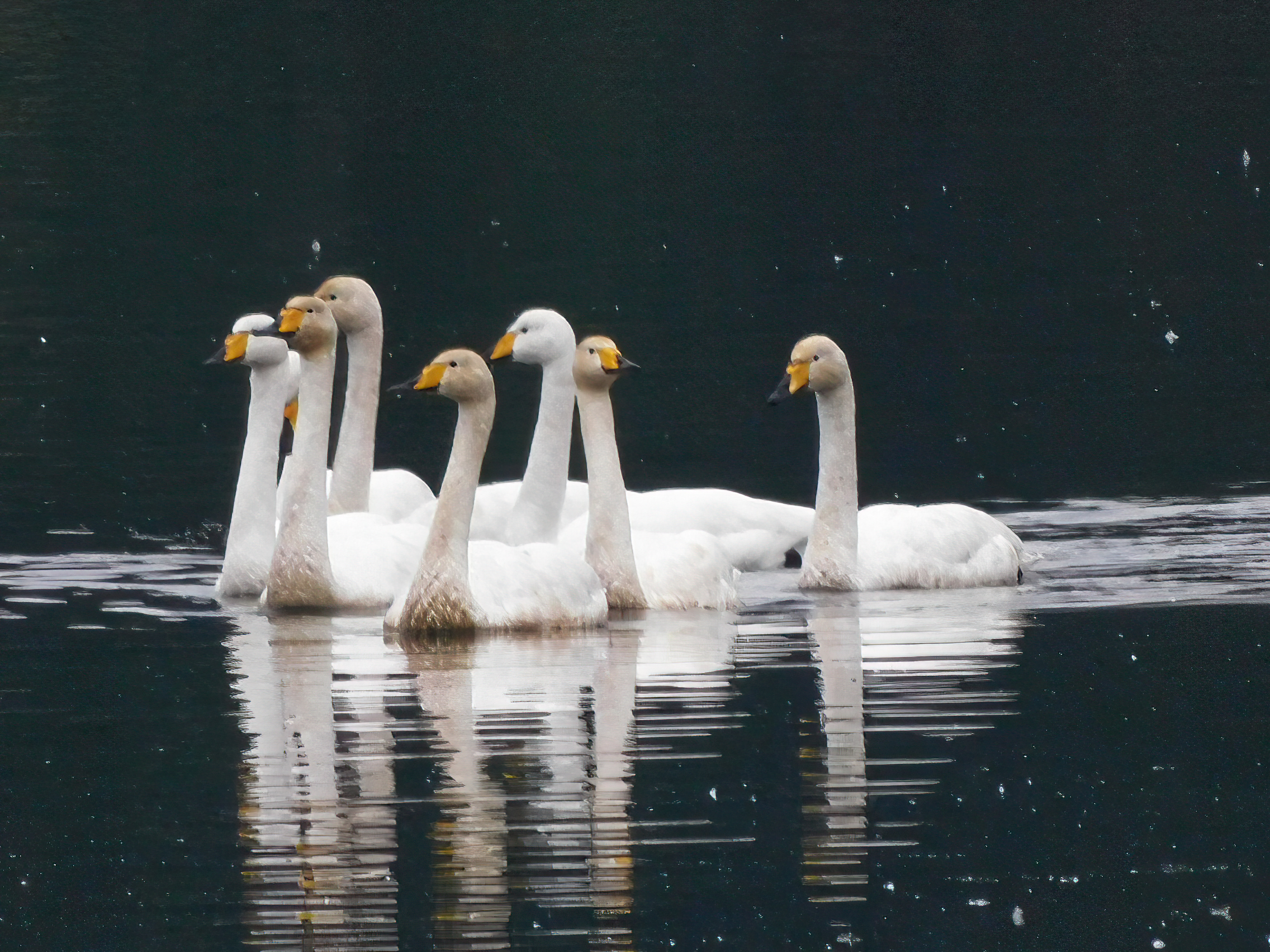
More Whooper Swans were on the week’s menu with the 9th seeing eight adults at Blatherwycke Lake and a single adult flying east over Earls Barton GP and, minutes later, over Summer Leys. Four were subsequently found at Thrapston GP’s Titchmarsh LNR on 14th. In common with Pink-footed Goose, the wintering population in the UK has increased significantly, having more than tripled during the aforementioned quarter century, this being reflected in the number being found locally in recent years.
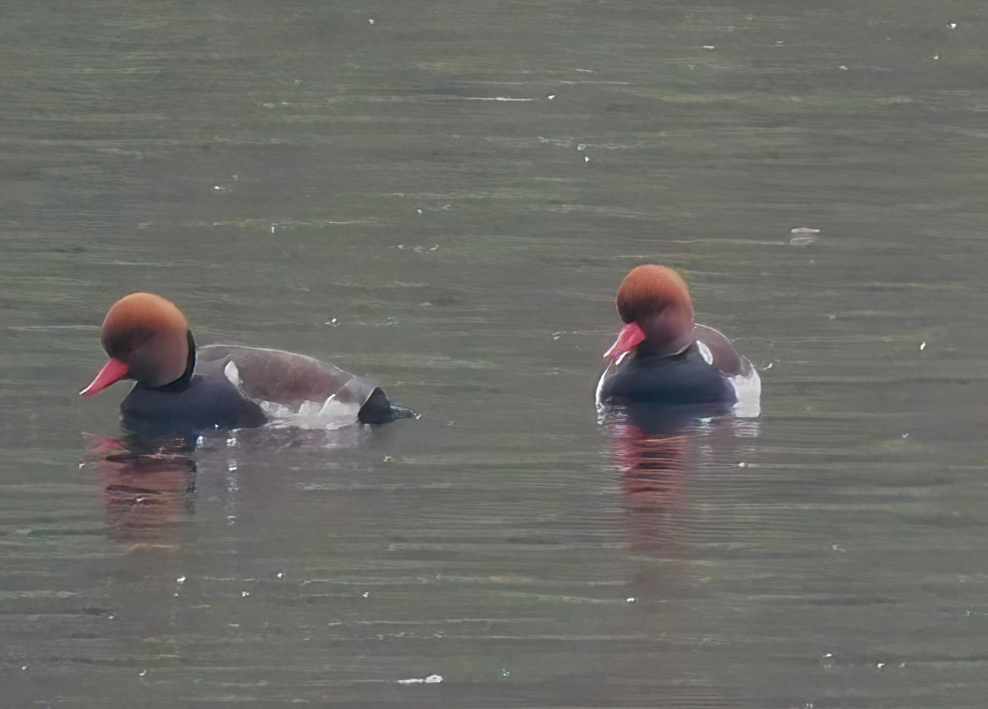
The itinerant female Ruddy Shelduck was seen in flight over Stanford Res on 11th and back at Winwick Pools on 13th, while numbers of, and localities for, Red-crested Pochards diminished this week. Stanford held on to two until at least 12th, two drakes visited Blatherwycke Lake on 9th, one was at Pitsford on 11th and the female remained at Kislingbury GP until at least 12th.
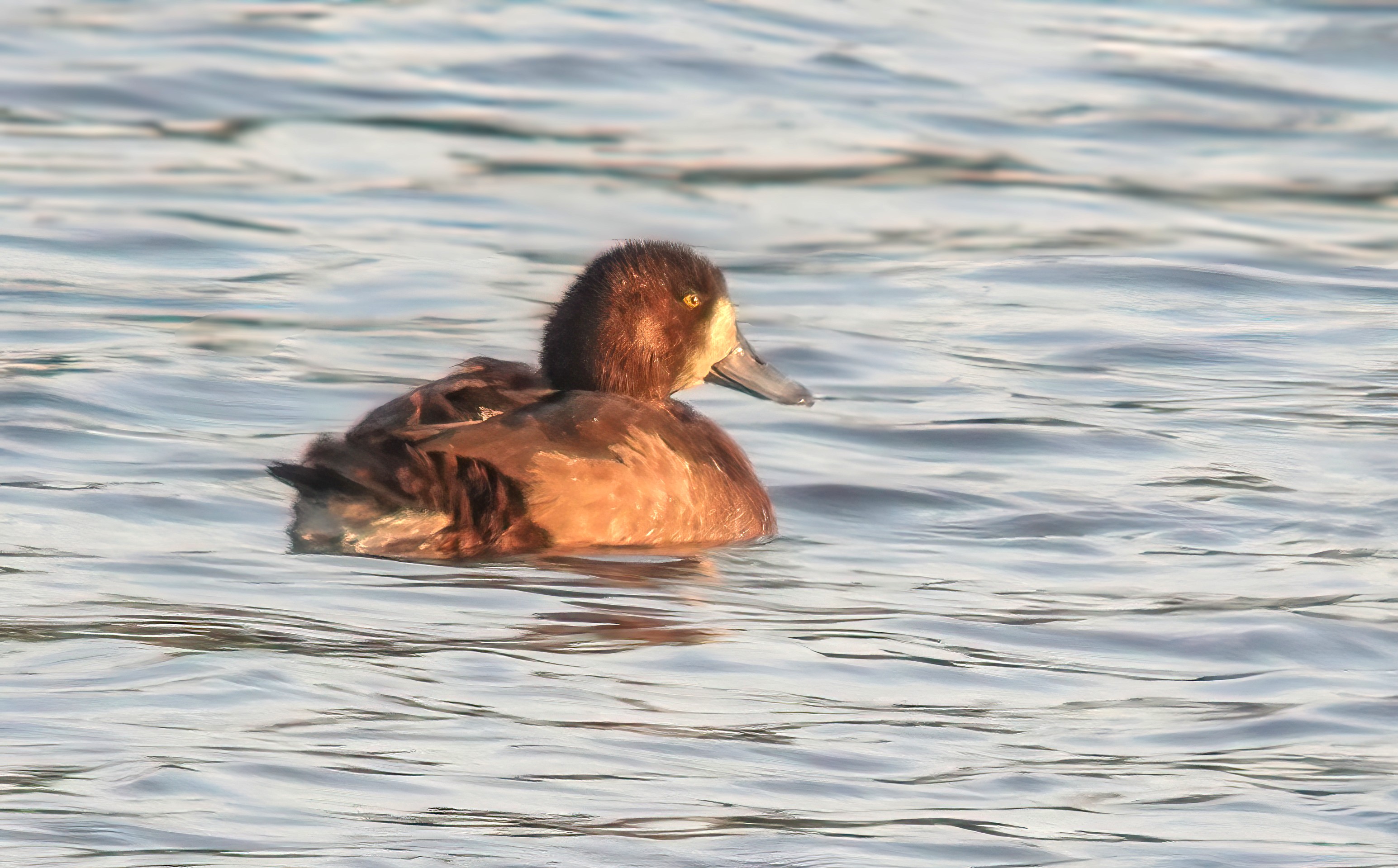
Last week’s first-winter female Greater Scaup was seen again at Blatherwycke Lake on 13th and 15th following an unconfirmed report of a Common Scoter there on 9th.
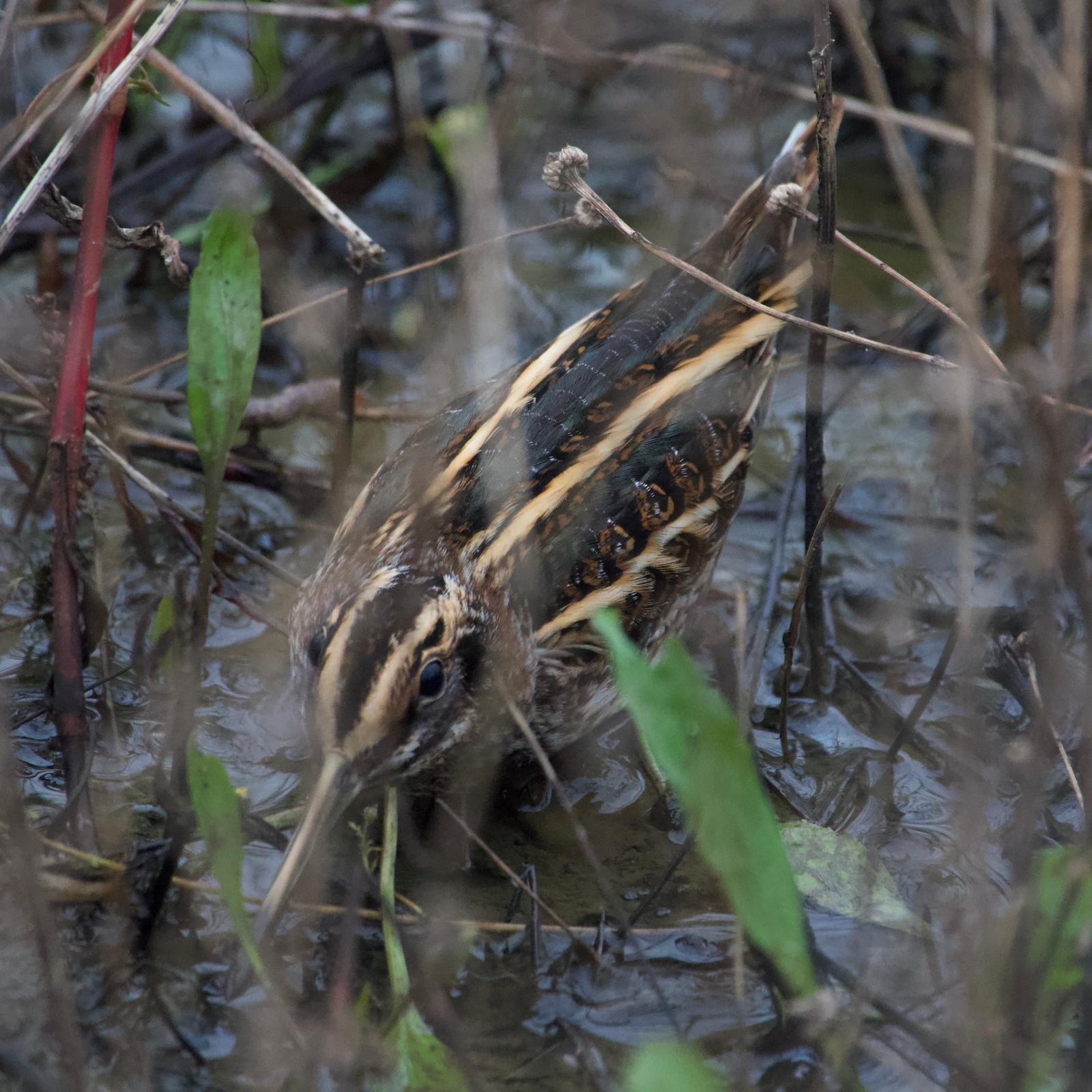
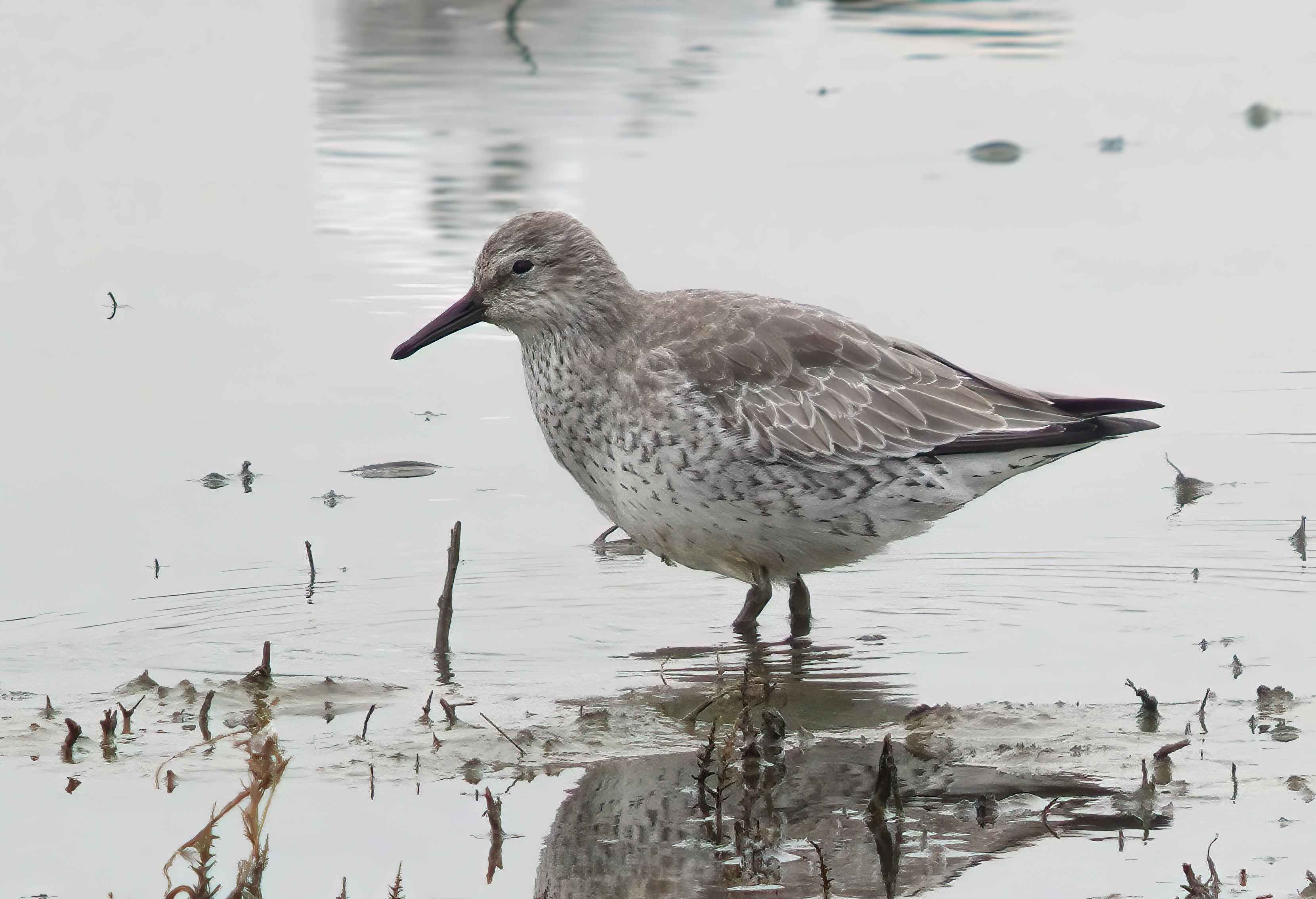
The week proved surprisingly good for waders. Are we really on the cusp of mid-November? First up was a Grey Plover found with the small Golden Plover flock at Earls Barton GP’s New Workings (South) on 9th. Only the fifth record for the year following spring birds at Clifford Hill GP, Stanwick GP and Summer Leys. It did not stay. A Turnstone spent the afternoon at Summer Leys on 10th, similarly having moved on by the next day and a Knot dropped in at Ditchford GP’s Irthlingborough Lakes & Meadows NR, also on 10th. Ditchford also produced a Jack Snipe on 12th and two were located via thermal imaging at Stanford on the same date.
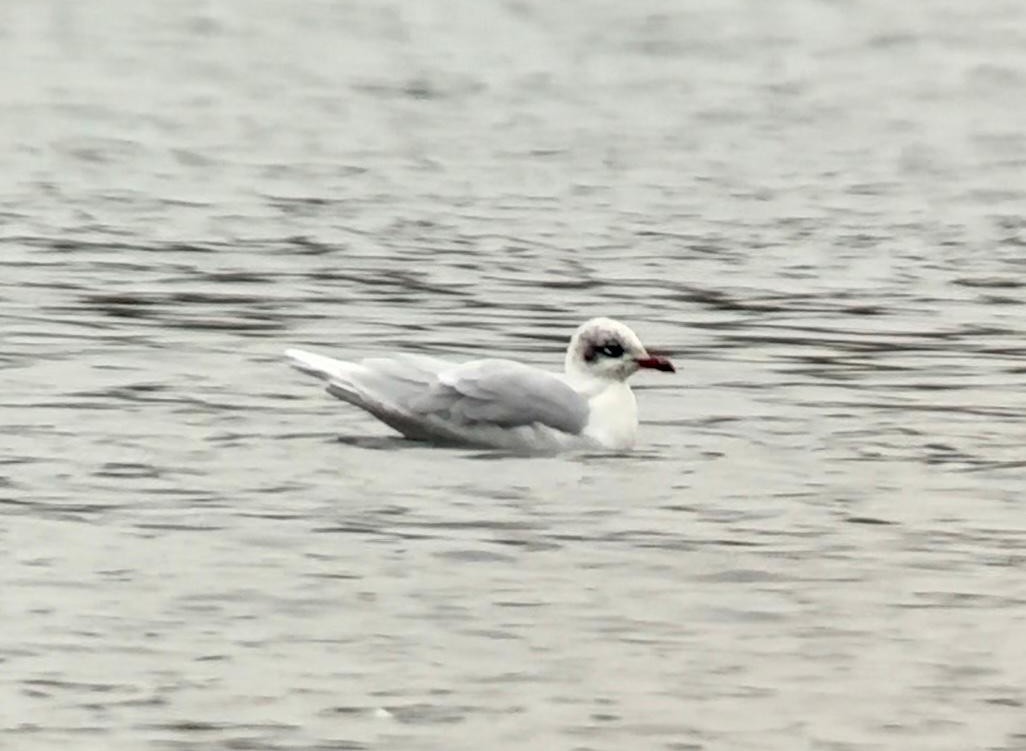
In the same vein as in recent weeks it was local gull roosts which produced the vast majority of the period’s scarce gulls. Mediterranean Gulls were down to an adult and a first-winter at Daventry CP on 9th and an adult at Stanford on the same date, followed by a first-winter there the next day. The Boddington roost produced an apparent adult Mediterranean Gull x Common Gull hybrid on 12th.
Apart from an adult at Hollowell Res on 12th, Boddington and Stanford carved up the week’s Caspian Gulls between them, the first-named holding an adult and a first-winter on 12th-13th and two adults and a first-winter on 14th. Stanford produced single adults on 9th and 13th, two adults on 12th, a second-winter on 10th and a first-winter on 14th.

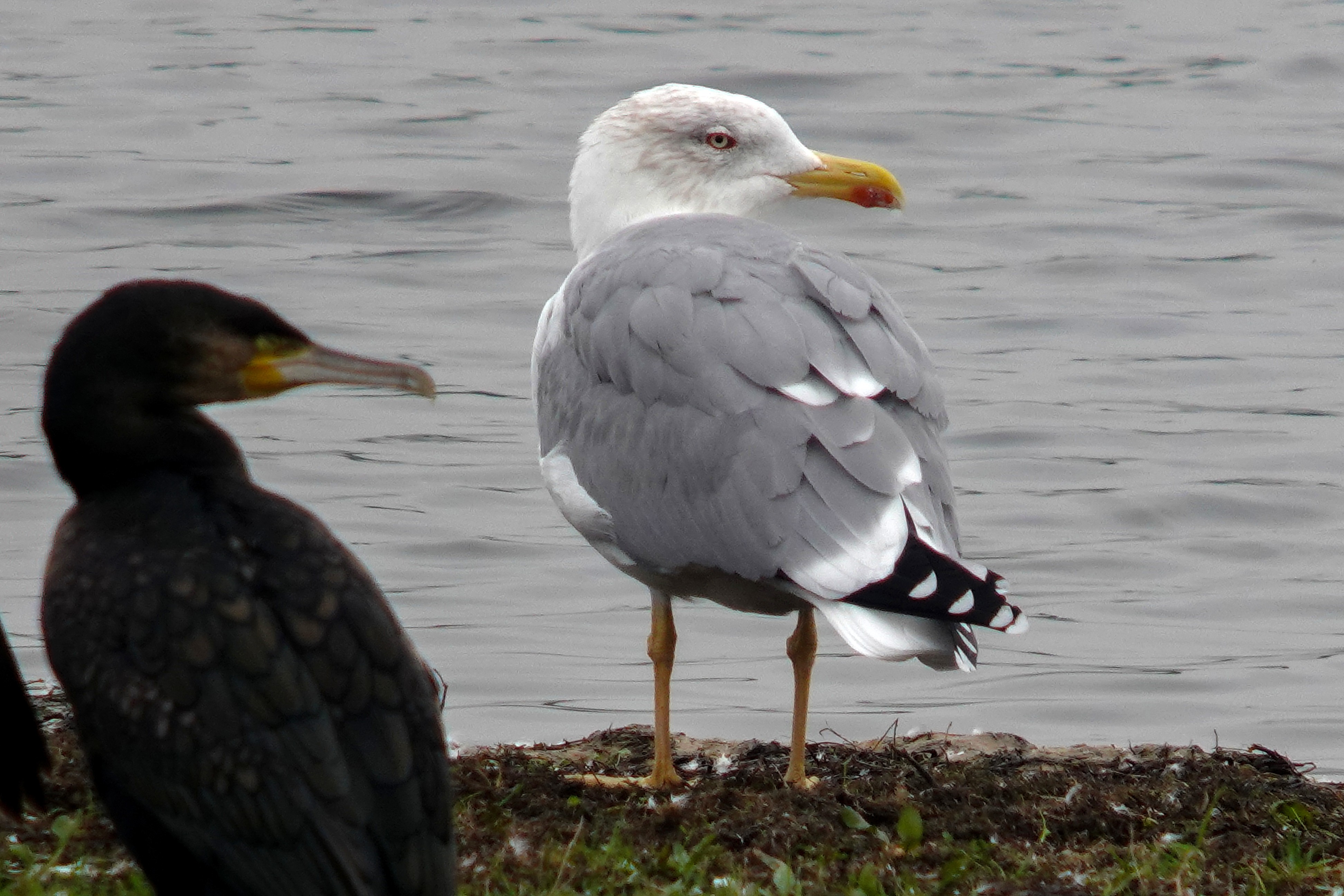
With regard to Yellow-legged Gulls, Boddington held at least five between 12th and 14th, while daytime singles were found at Ditchford GP on 10th, Summer Leys on 11th, Earls Barton GP on 12th, Clifford Hill GP on 13th and the regular Pitsford adult remained throughout the week.
An interesting week for the Summer Leys Glossy Ibis. It was seen only until 13th, after which there were no further reports. Single Bitterns were again present at Stanwick on 9th and 14th and at Titchmarsh LNR on 10th and 14th, while Irthlingborough Lakes and Meadows was responsible for producing the week’s only Cattle Egrets, with eight there on 10th.
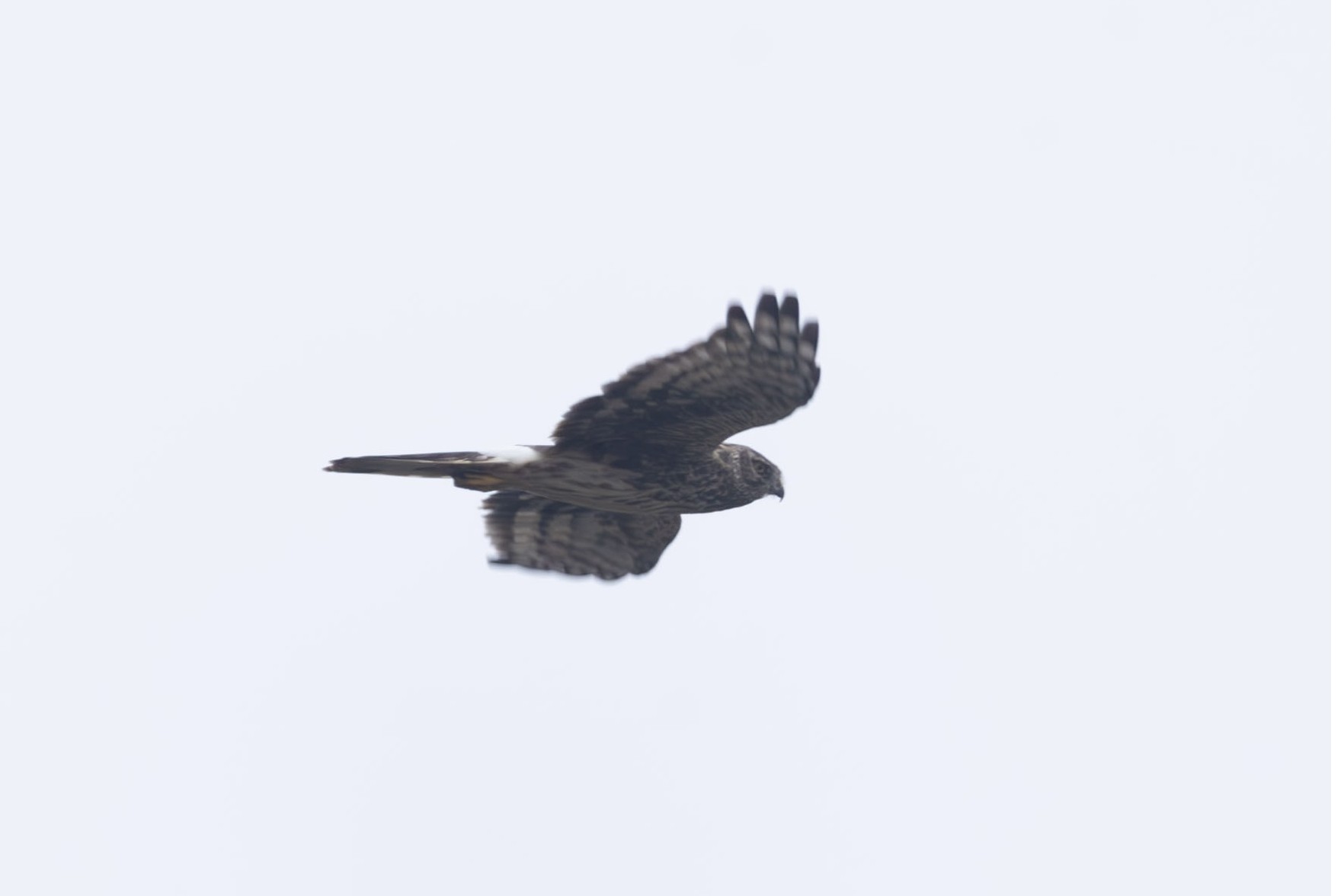
Marsh Harriers continued to be seen at Summer Leys and within the Earls Barton GP complex generally, with at least two individuals present on 9th-10th. However, they were considerably outnumbered by Hen Harriers – some apparently new birds making their debut on the scene while others were clearly hanging on from last week. Falling into the latter category, the popular ‘ringtail’ continued to hunt the New Workings (South) area of Earls Barton GP daily until 12th, after which there were no further reports. Last week’s male at Bozenham Mill also remained until 10th, while ‘new’ males appeared near Staverton on 10th and over Summer Leys on 14th and another ‘ringtail’ was seen in the Brampton Valley/Blueberry Farm area on 11th. It would be tempting to believe we are in for a good winter for this iconic raptor.
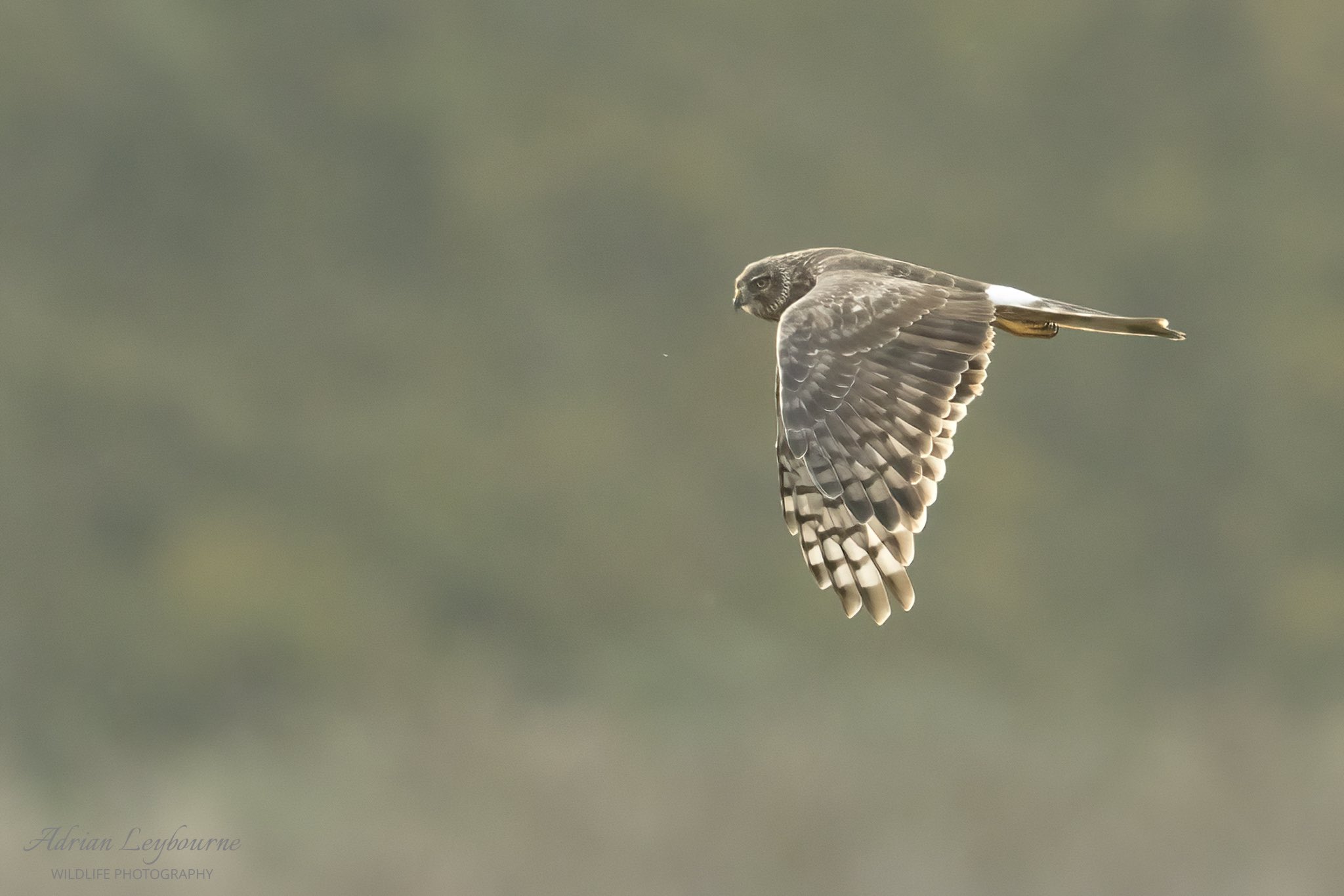
Merlins remained scarce, however, with a female/immature seen in flight over Lilbourne Meadows NR on 11th and a male in the Brampton Valley between Cottesbrooke and Hanging Houghton on 13th.
Last week’s two Bearded Tits remained at Stanwick until 10th, when they were last seen departing high to the east.

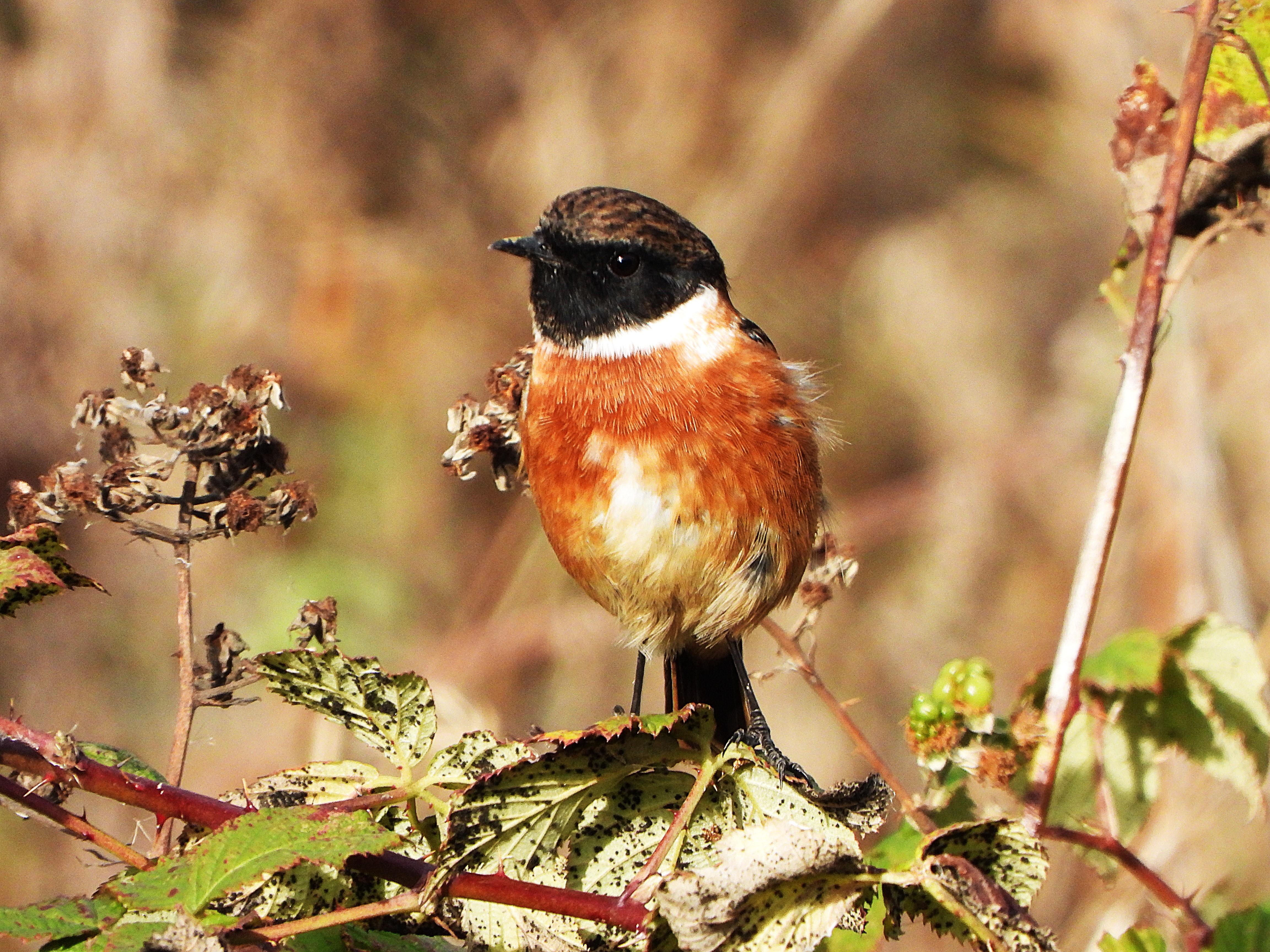
Stonechats were found at nine localities which included Clifford Hill GP, Earls Barton GP, Hollowell Res, Kislingbury GP, Lilbourne Meadows, Pitsford, Stanford, Sywell CP and Towcester – with the highest counts of five at Earls Barton GP on 10th and four at Sywell CP on 15th.
The penultimate day of the period produced a Rock Pipit – albeit only in flight – over Stanford’s dam. Thin on the ground in Northamptonshire these days, it comes as almost no surprise that this is the only record for the year in the county.
But attracting the most attention by a country mile this week were those big-billed bruisers of the finch world … Yes, Hawfinches were clocked at a good nine locations with, as last week, Cottesbrooke as the standout site, pulling the punters daily throughout the period. Two to three birds were very much the norm per diem but eight on 13th proved the highest total.
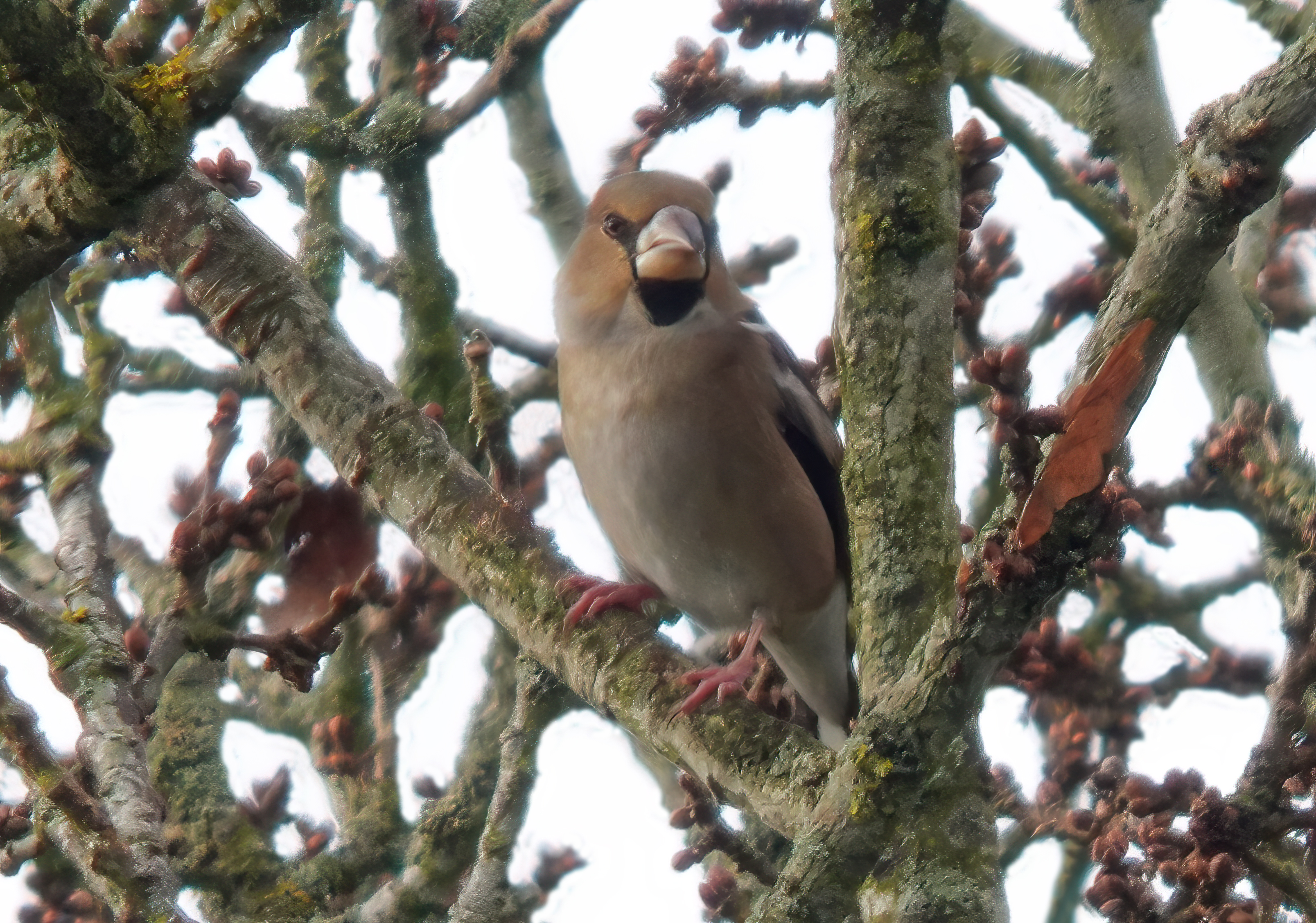

So, how did the other sites match up? The churchyard at Blatherwycke was another productive viewing point with birds present on three dates, which included a respectable maximum of six on 14th.
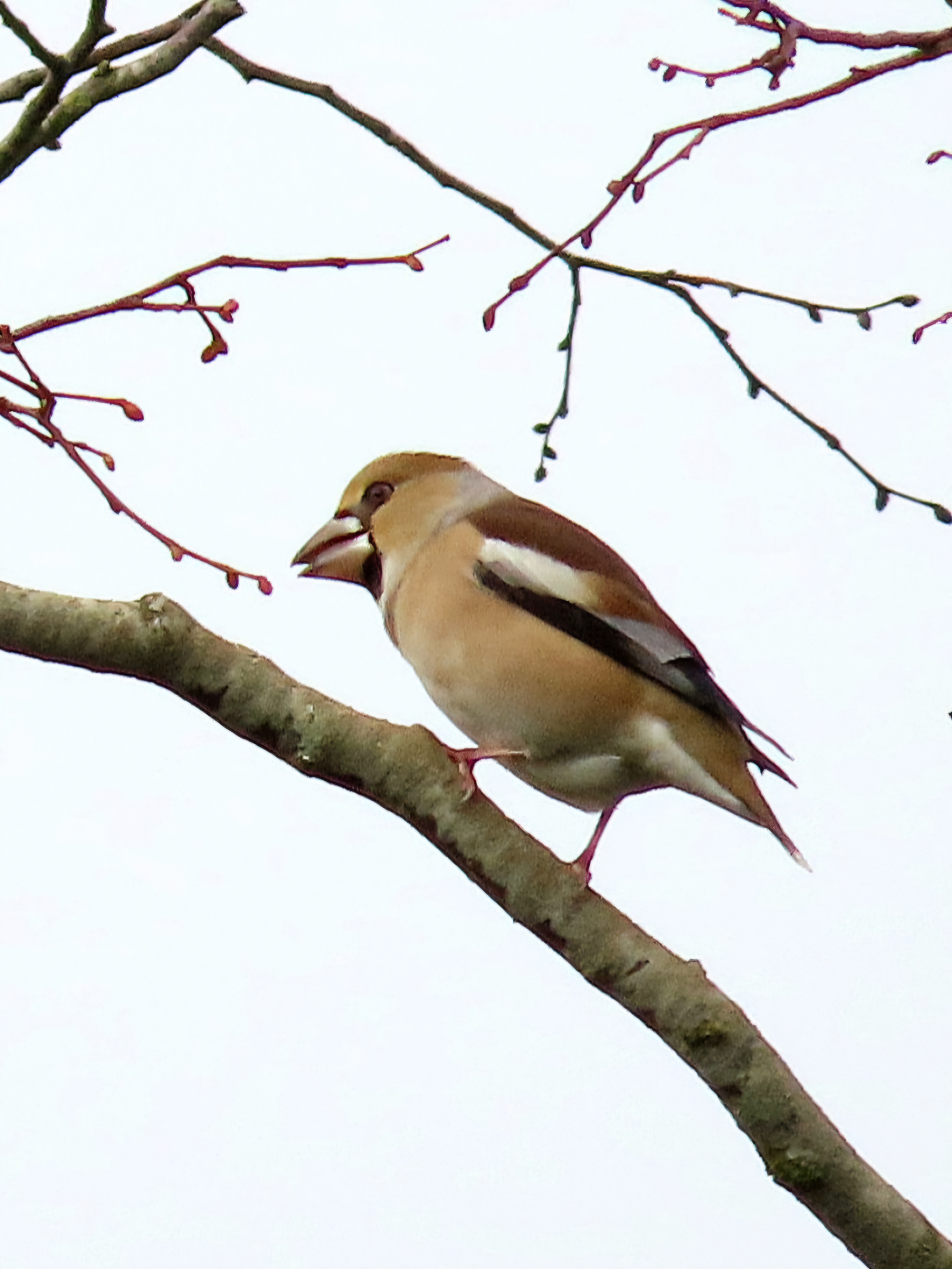
A few miles to the east, Southwick Hall grounds produced at least five on 15th, with Short Wood just along the road holding four on 13th. Four were also still to be found in St Peter’s Churchyard at Deene on 12th, dropping to two there the following day, while twos were seen over Stanford Res on 13th, and at both Long Croft Road, Corby and St Peter’s Churchyard, Oundle on 14th. Singles were seen at Lamport Hall on 9th and at Eurohub, Corby on 13th.








 Northants birds