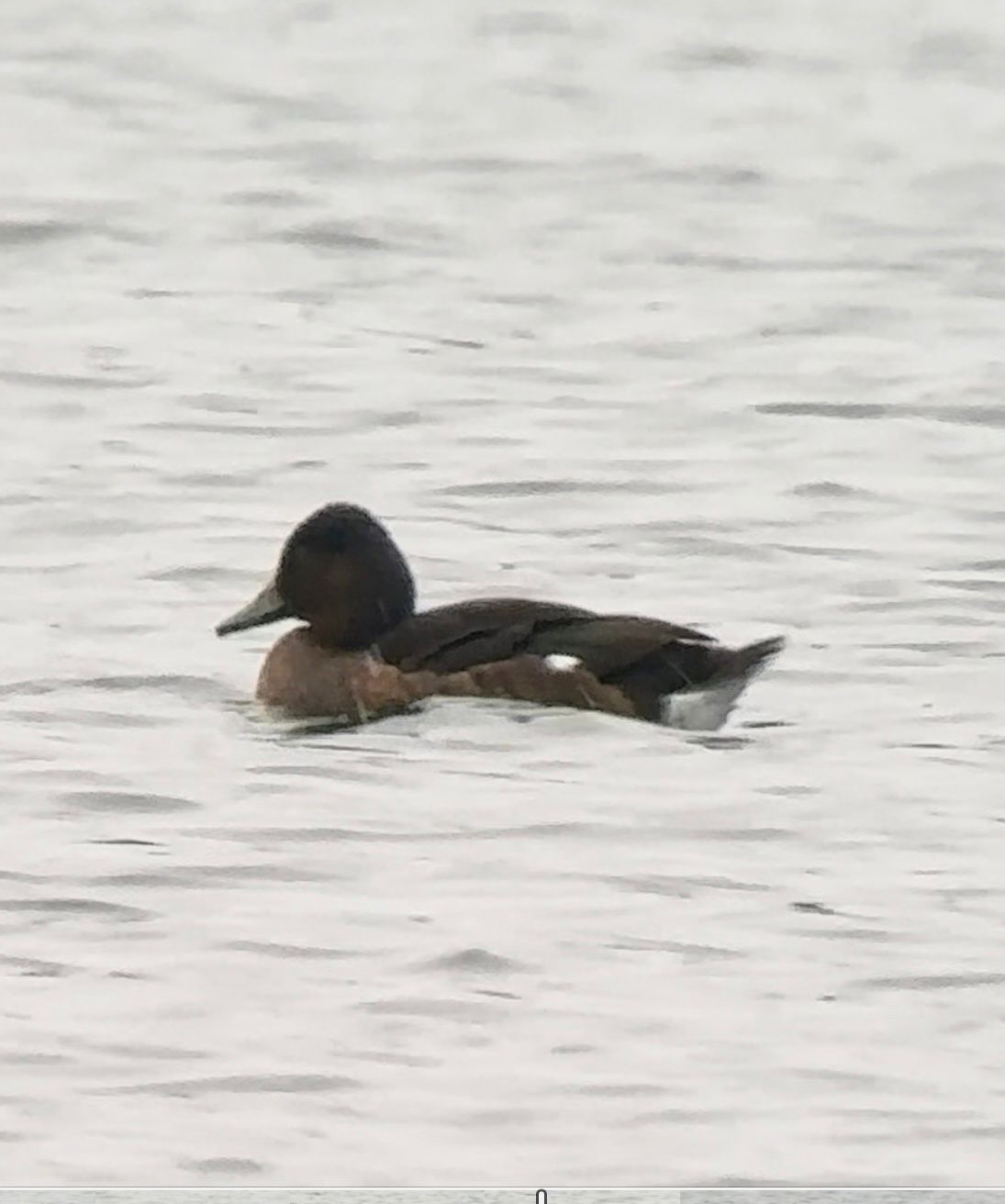
As we crossed the line into meteorological autumn, a humid week kicked off with a strong southerly airstream from the continent, swiftly being replaced by sustained north-easterlies out of Scandinavia. The weather’s influence on the birds occurring may have been difficult to gauge and while Stanford Res scored its, and the county’s, second Ferruginous Duck of the year, there was plenty afoot to keep local birders on their toes.
And in terms of locale, that’s precisely where we start, with the female Ruddy Shelduck keeping up appearances as the week duly unfolded. The only other dabbling duck to make it into the Newsround was Garganey, with up to three extending their stay, and still mobile, around Summer Leys LNR throughout.
But the wildfowl of the week occurred when Stanford laid claim to its second Ferruginous Duck of the year – this time a female. Found during the morning of 3rd, it proved itself a slippery customer, evading further observation until putting in a brief reappearance during the evening. It was not seen subsequently …

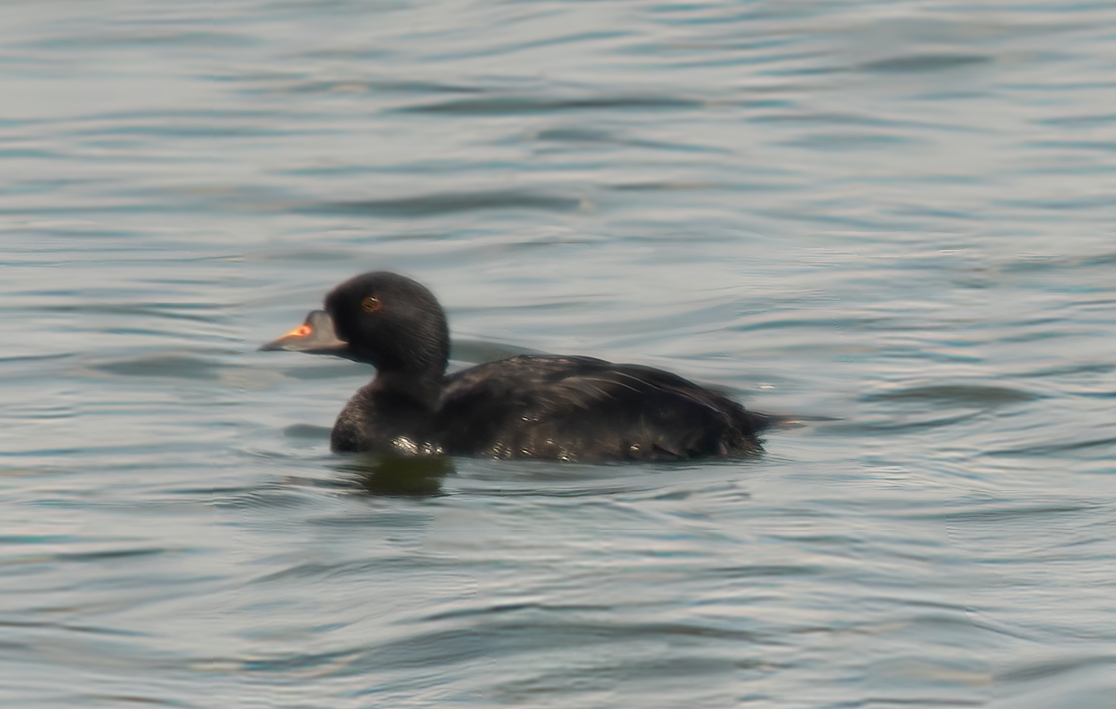
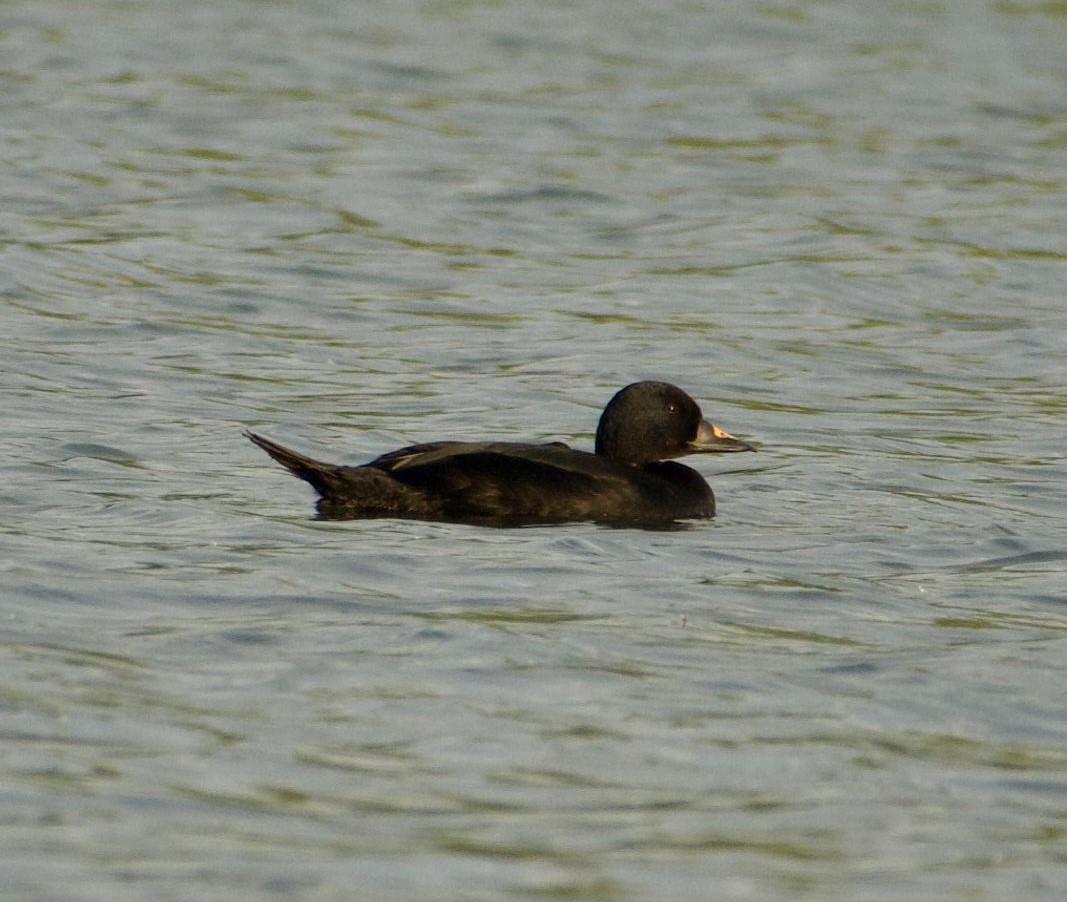
More usually associated with spring rather than autumn, Common Scoters were making news on the last day of the period when Stanford again delivered, producing two drakes, while a drake was also found at Clifford Hill GP. These formed part of a wider inland movement through Central England, from West Yorkshire to Surrey, with records from nineteen localities during the latter half of the week.
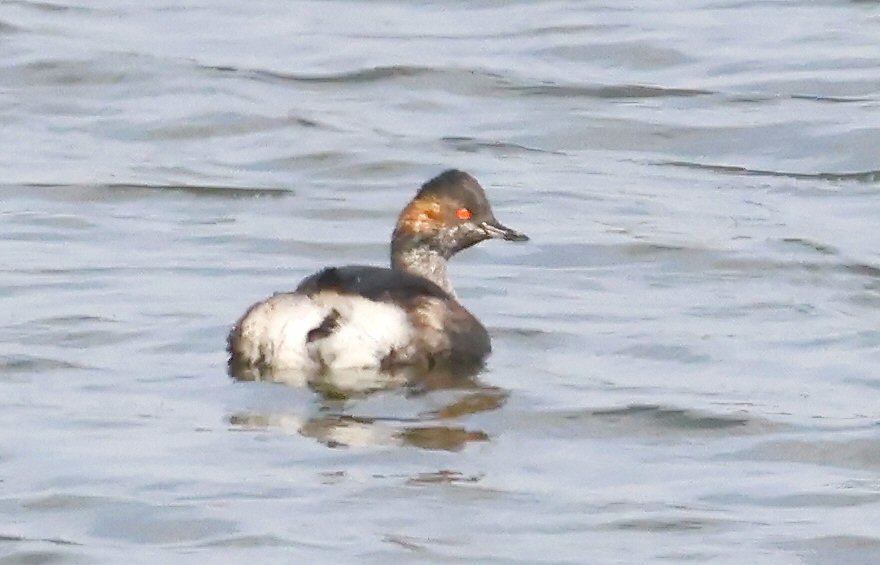
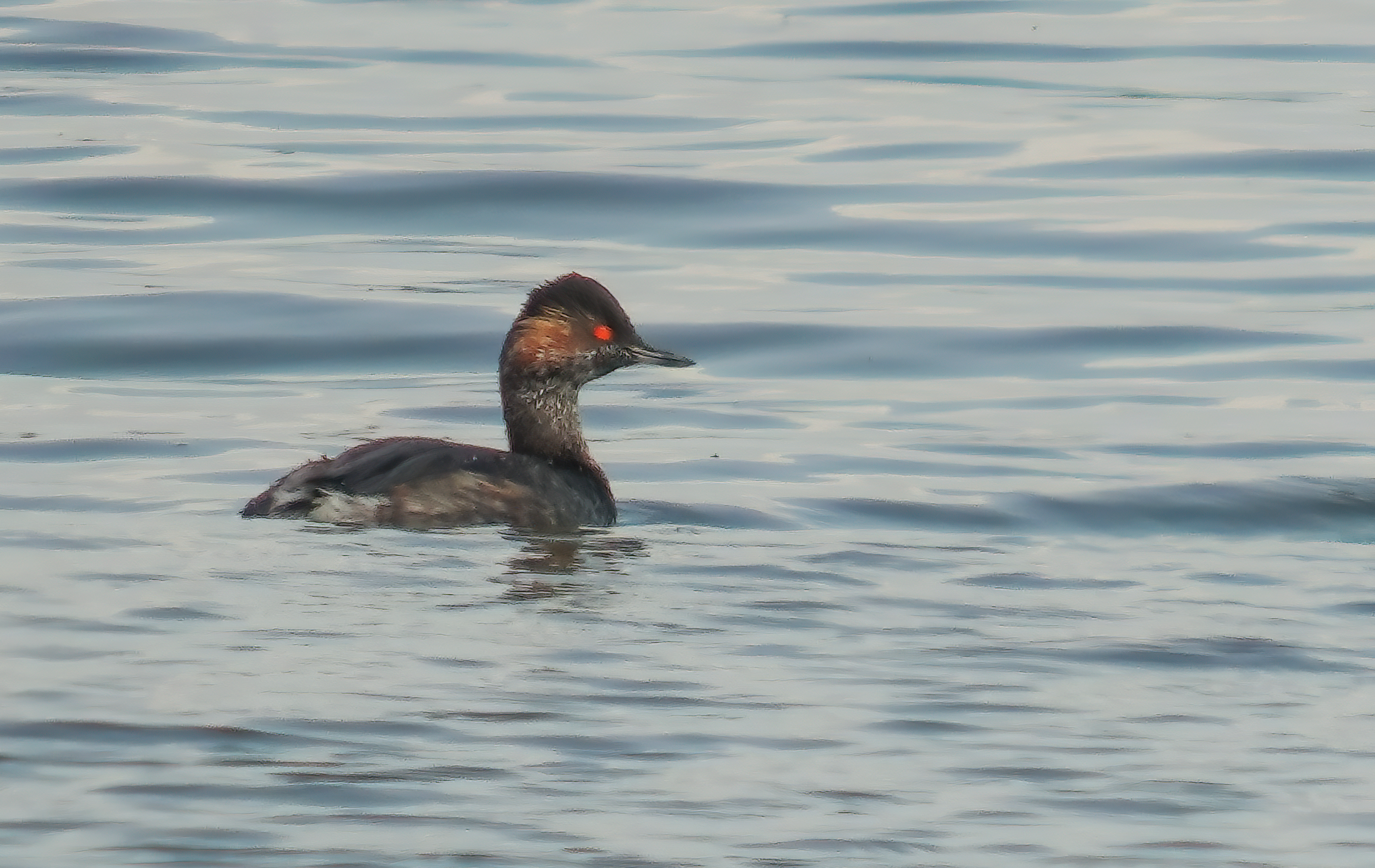
Also at Clifford Hill, the now long-staying Black-necked Grebe chalked up another week in residence, attracting a steady procession of observers – some apparently making a special trip from as far away as Luton …

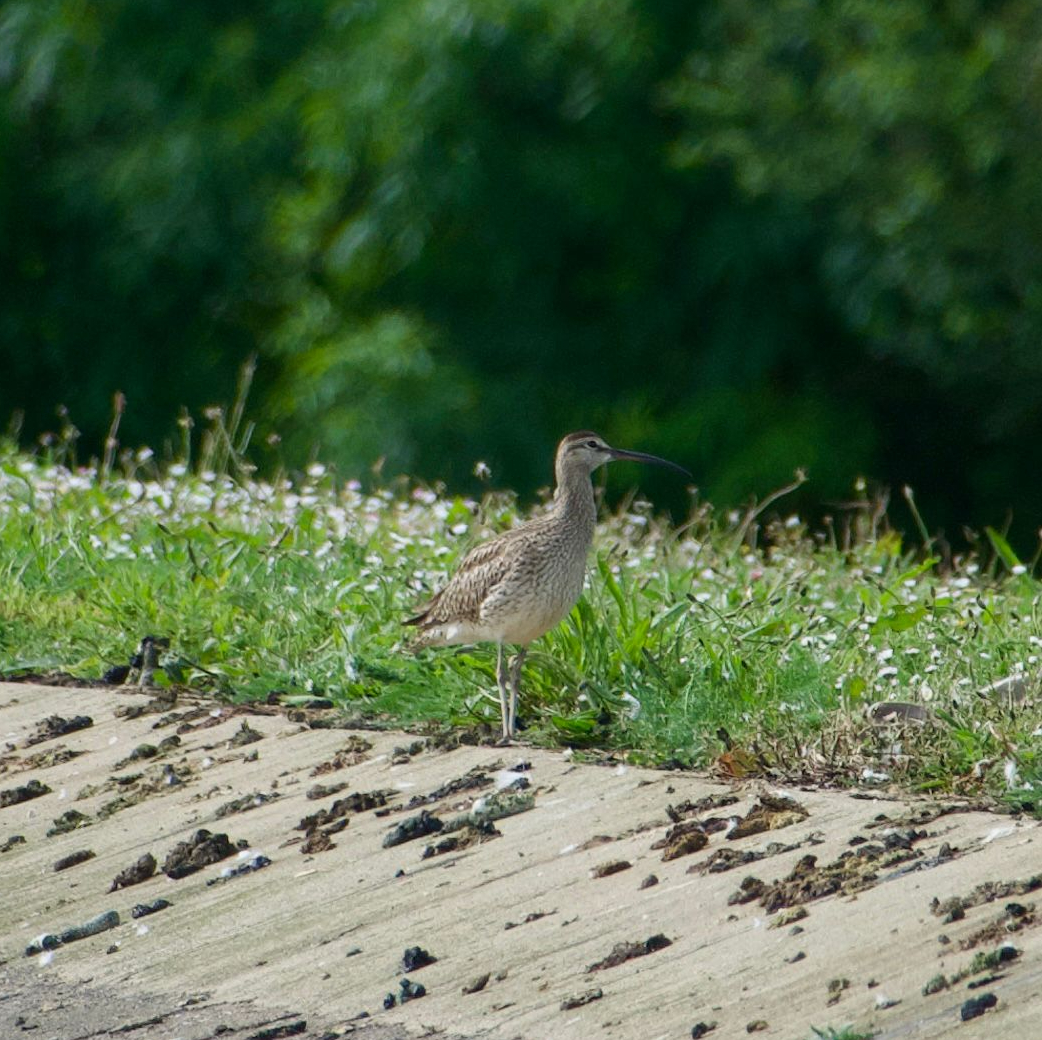
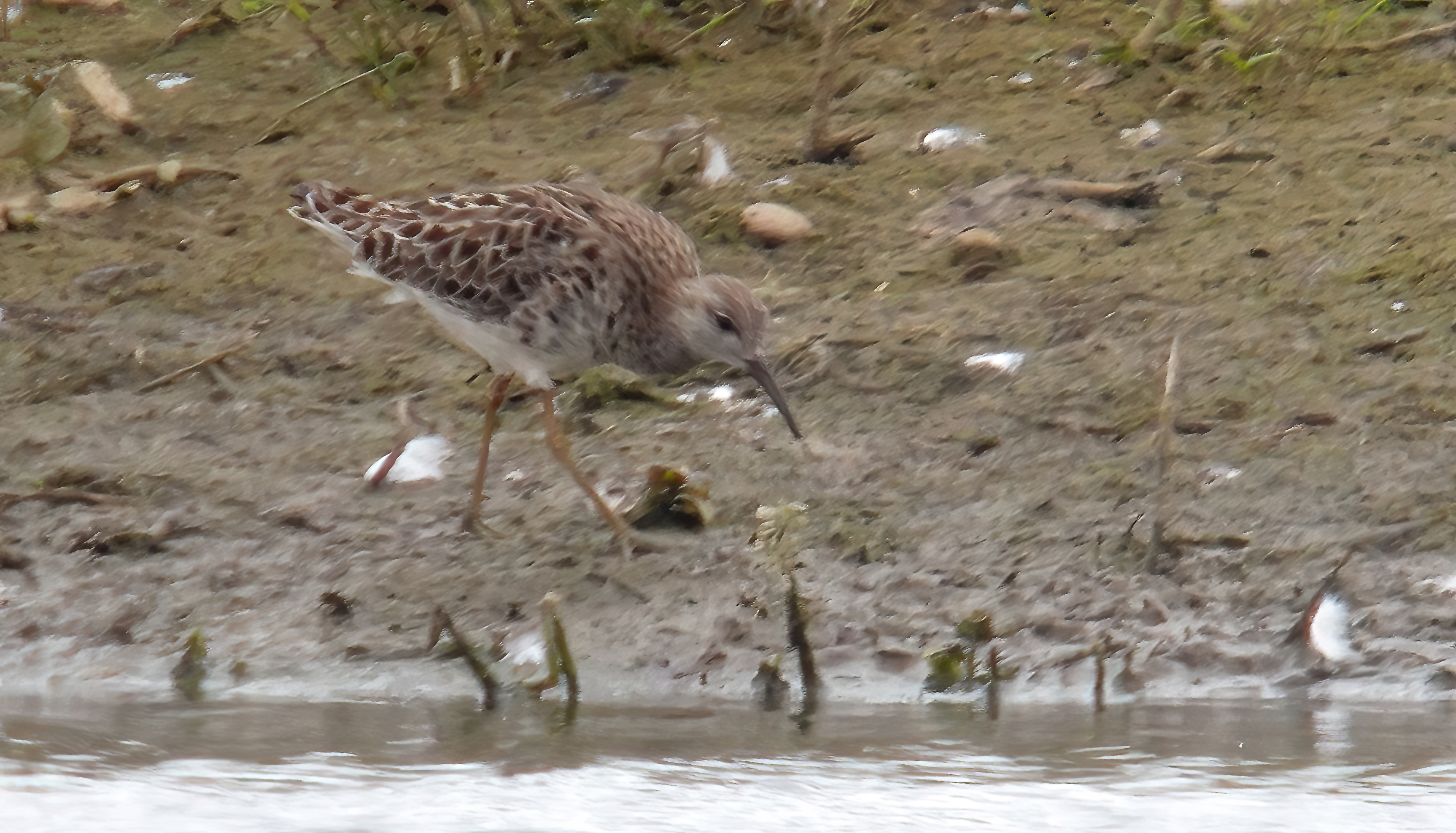
And as for waders it was down to just four species to keep the wheels turning, top of which was a single, short-staying Whimbrel on the dam at Pitsford Res on 2nd. With the peak passage period for Black-tailed Godwits long gone, this week’s stragglers were made up of three at Summer Leys on 31st, followed by one there on 6th, the latter date also seeing one at Wicksteed Park Lake, Kettering. Summer Leys also held on to last week’s juvenile Ruff throughout the period, while five were present there briefly on 1st. A juvenile female also visited Daventry CP on 3rd.

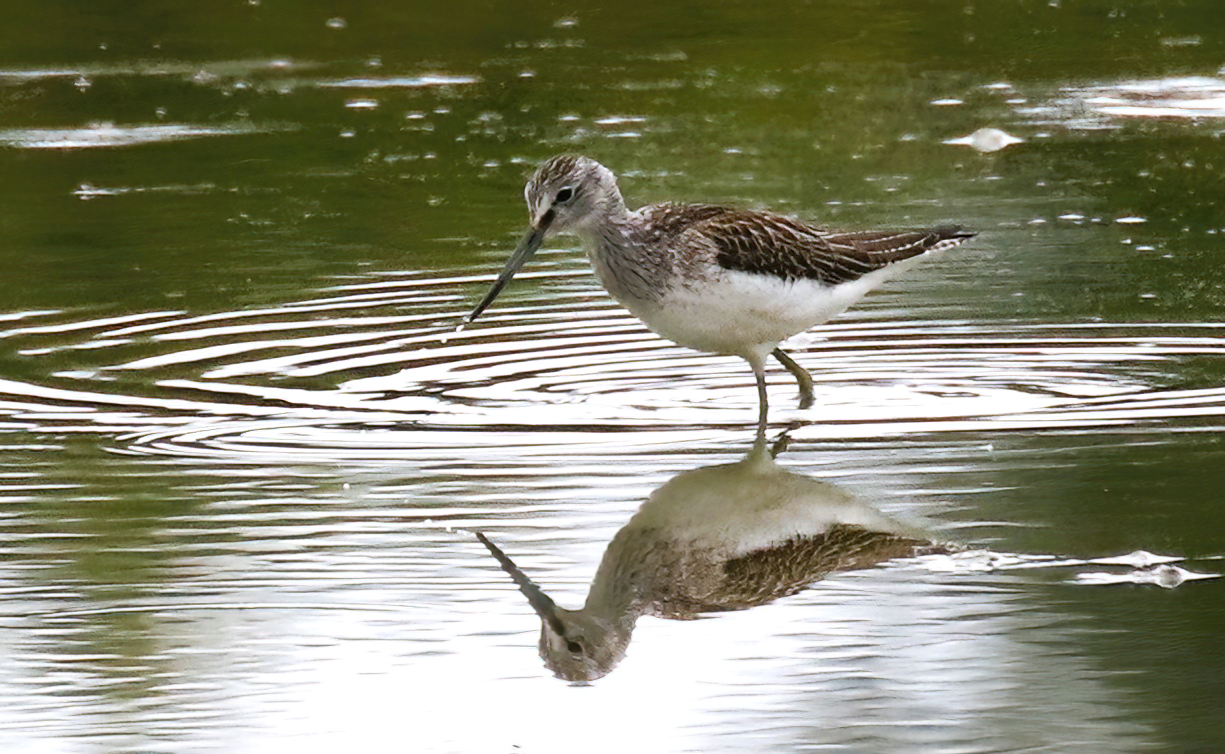
Also at Summer Leys, a Greenshank remained throughout and another was found at Thrapston GP’s Titchmarsh LNR on 5th.
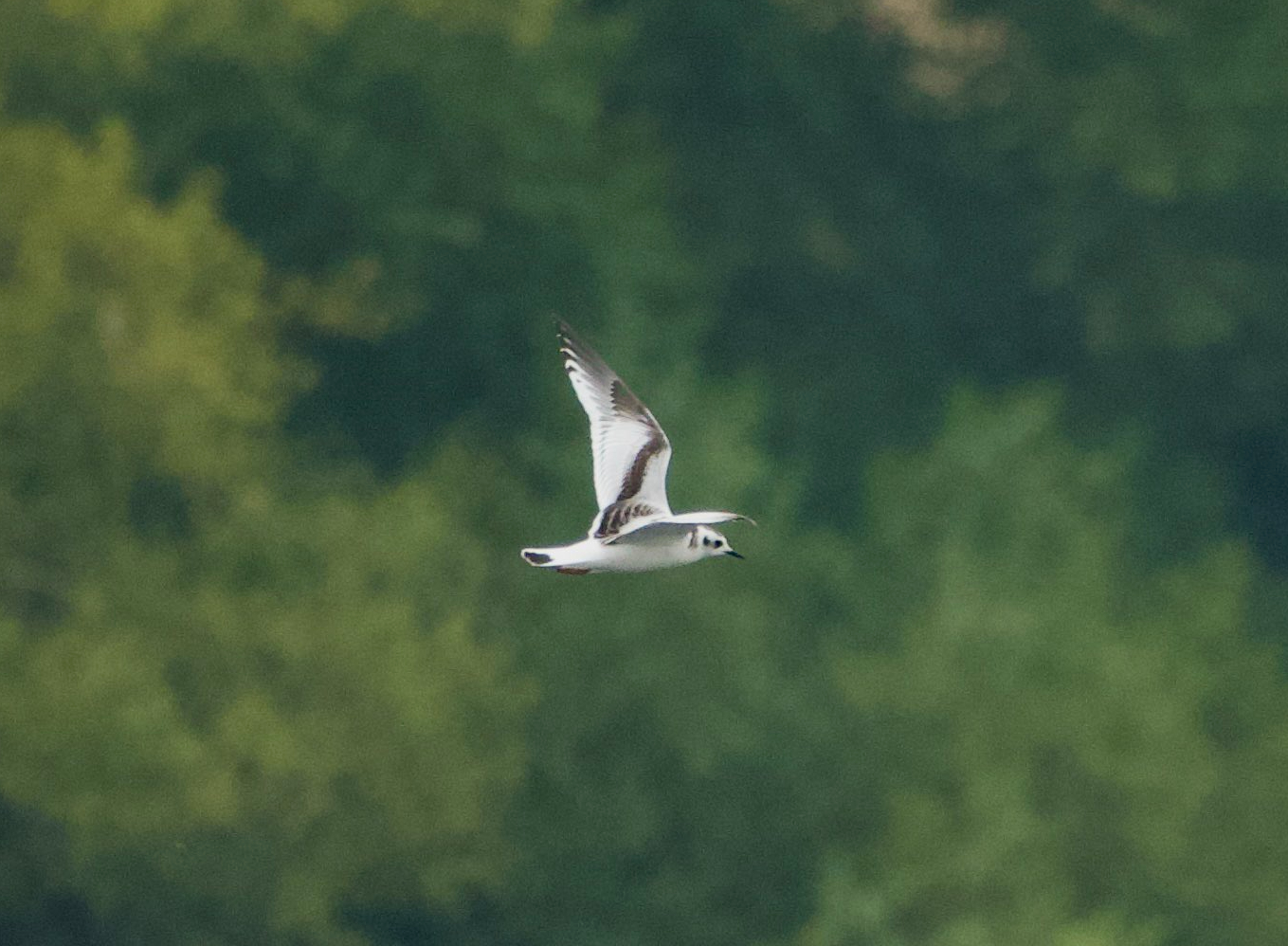
The autumn’s first Little Gull – a first-winter – dropped in at Stanford on 5th.
Two more Mediterranean Gulls hopefully laid the ground for more to come – a juvenile at Ravensthorpe Res on 1st, followed by a first-winter at Boddington Res over the three days of 4th, 5th and 6th.

Boddington also produced three out of this period’s four Caspian Gulls with a juvenile on 2nd and two different second-year birds on 5th and 6th, while another juvenile was found at Daventry CP on 5th.

With reports from seven localities the number of Yellow-legged Gulls climbed this week, Pitsford producing the highest day total of seven on 1st. Three were present there on 3rd and four on 5th and 6th. The second highest total came from Boddington, where there were six on 5th, two on 2nd and three on 6th. Elsewhere, four were found at Ravensthorpe on 1st with the same number also at Wicksteed Park Lake the following day, the latter site again producing two on 4th. Single birds were also present at Hollowell Res on 2nd, Daventry on 3rd and Titchmarsh on 4th.
There were further appearances this week in the shape of Sandwich Terns, the surprising autumn run of which is clearly far from over, the last two days of the period delivering birds to three different sites. Single fly-overs were clocked at Stanford on 5th and 6th, the latter date also seeing another over Daventry and a respectable six at Summer Leys. Unlike last week’s obliging three at Clifford Hill, none saw fit to stick around. In common with the aforementioned scoters, these formed part of a wider inland movement through Central England, from South Yorkshire to Surrey, with records from at least twenty-five localities during the last two days of the week.

Not to be sniffed at, a notable supporting cast comprised three juvenile Arctic Terns at Stanford on 2nd-3rd and single Black Terns at Pitsford on 1st and Boddington on 2nd.
Following one on Summer Leys Scrape last week, a Bittern was seen at Titchmarsh on 4th. Long gone are the days when this was the standout site for this species during the winter months.
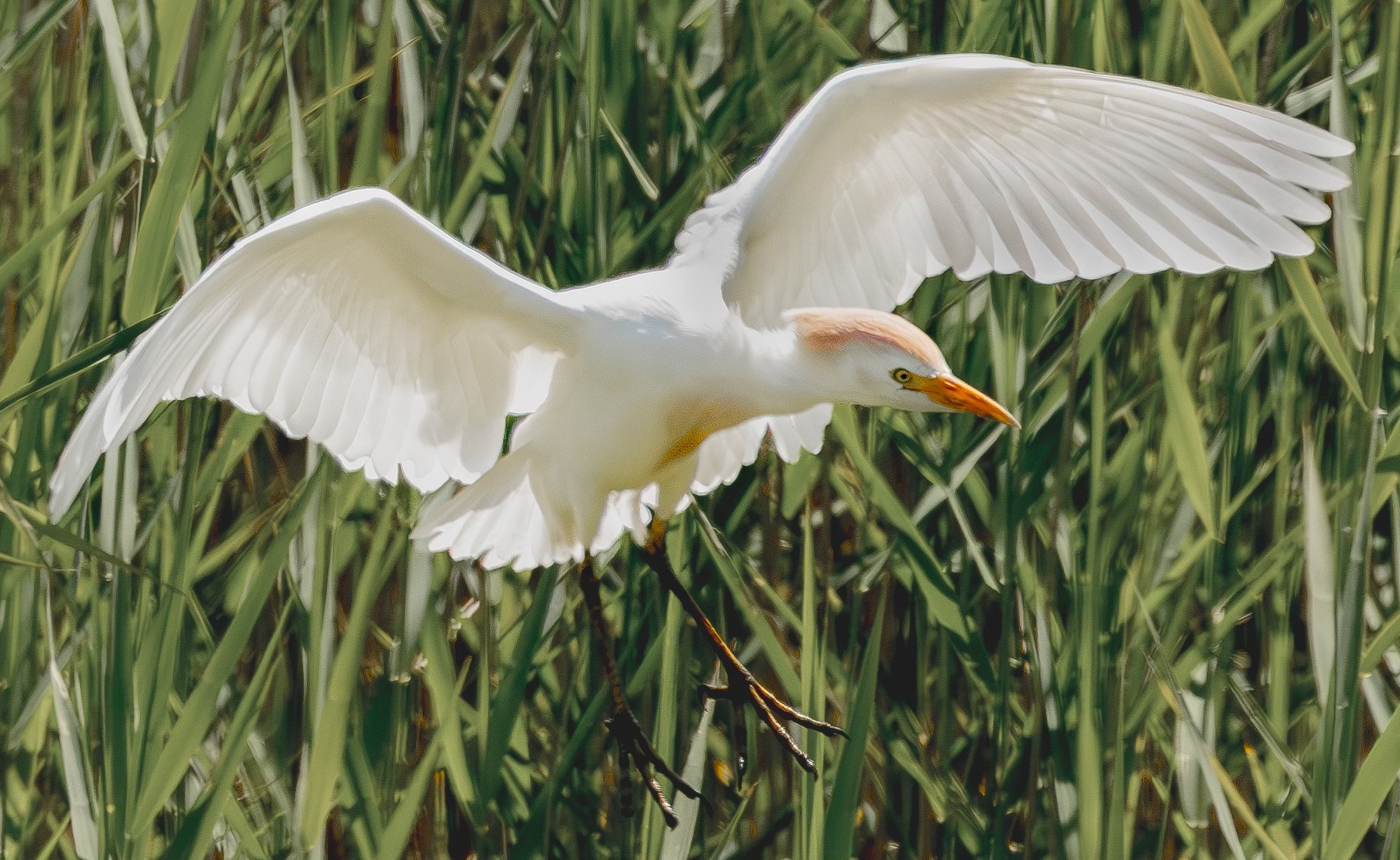
In stark contrast to last week, Cattle Egret numbers took a tumble to just seven at Ditchford GP’s Irthlingborough Lakes and Meadows LNR on 31st, one between Earls Barton and Ecton on 1st and at least one at Stanwick GP on 6th.
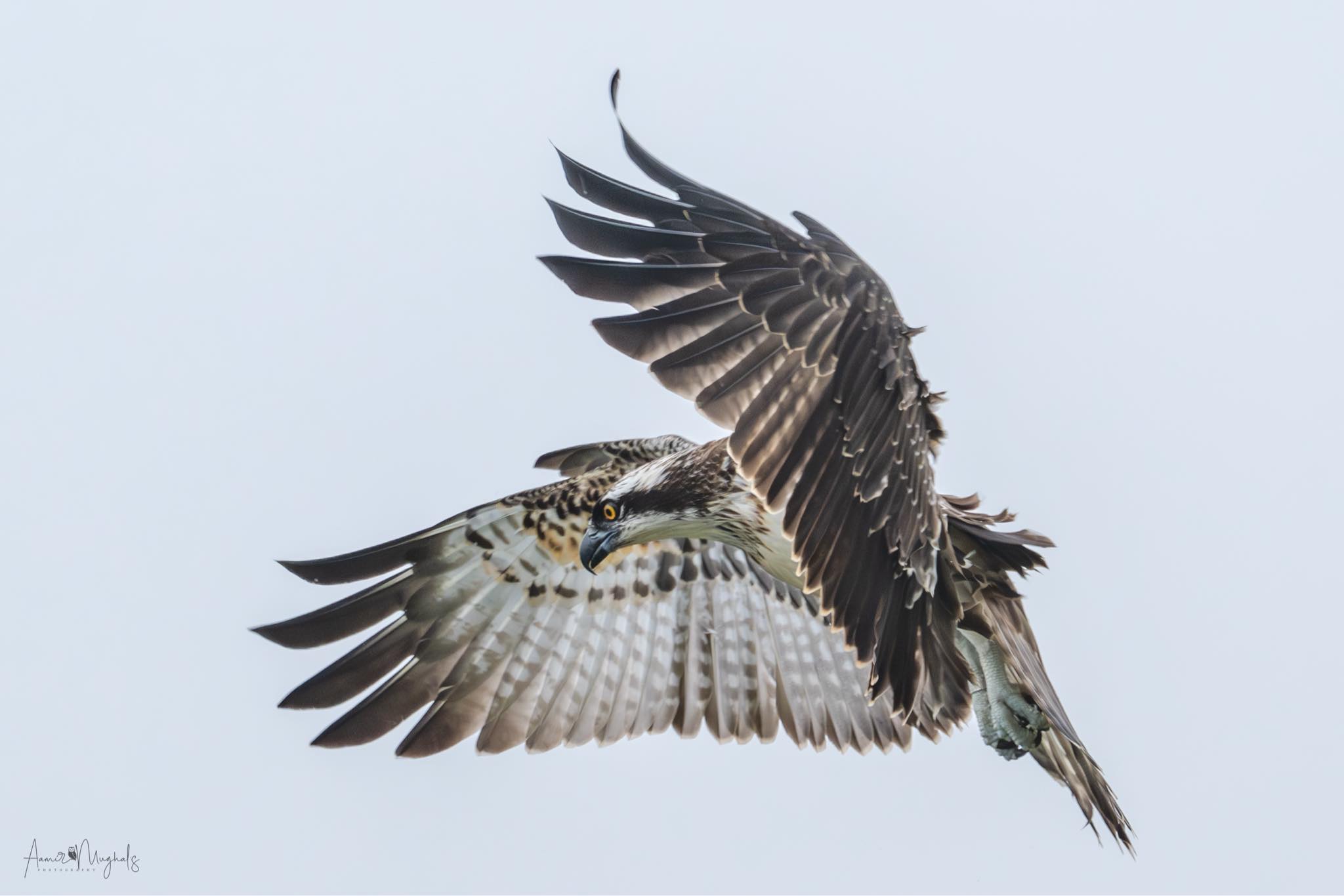
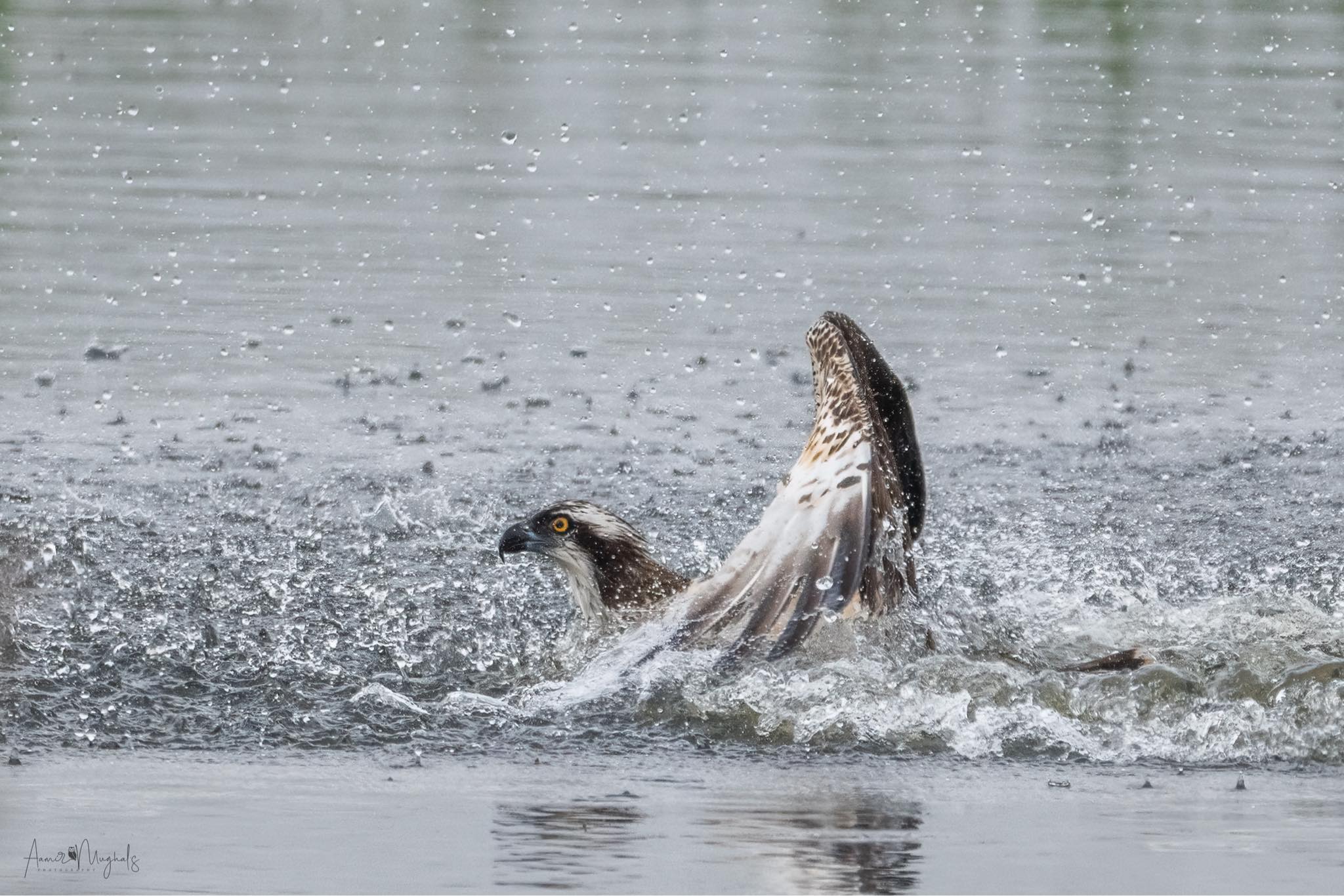
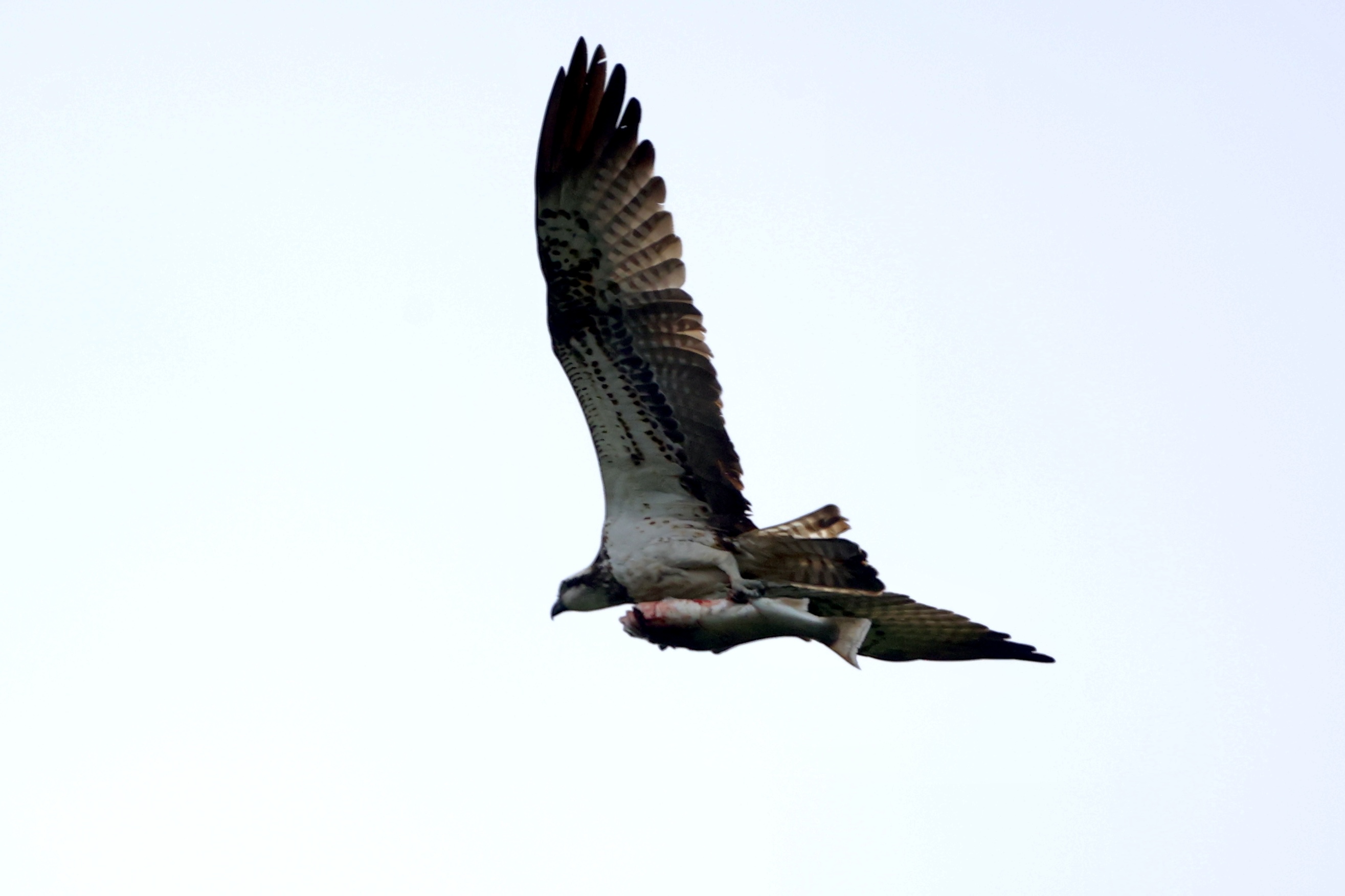
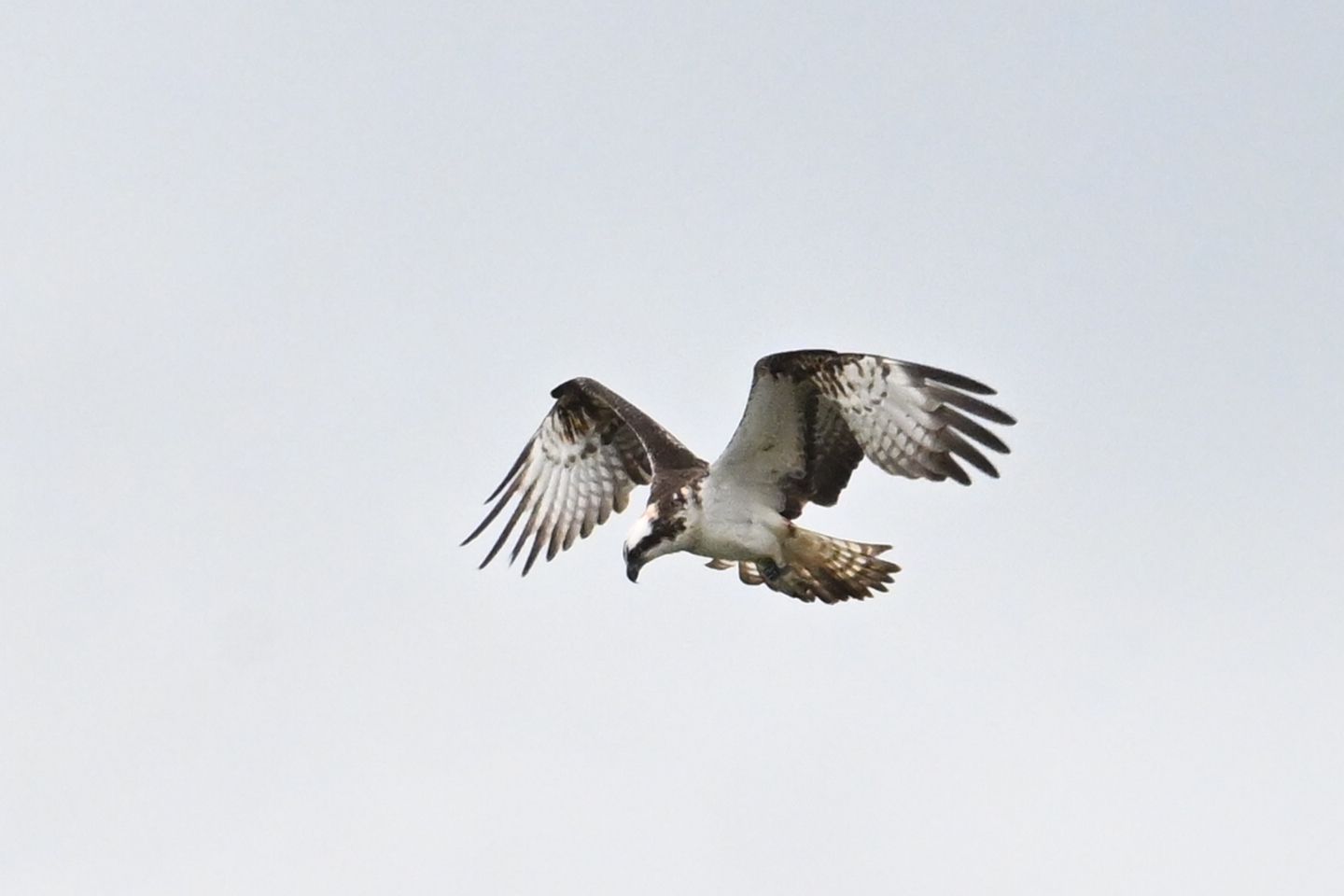
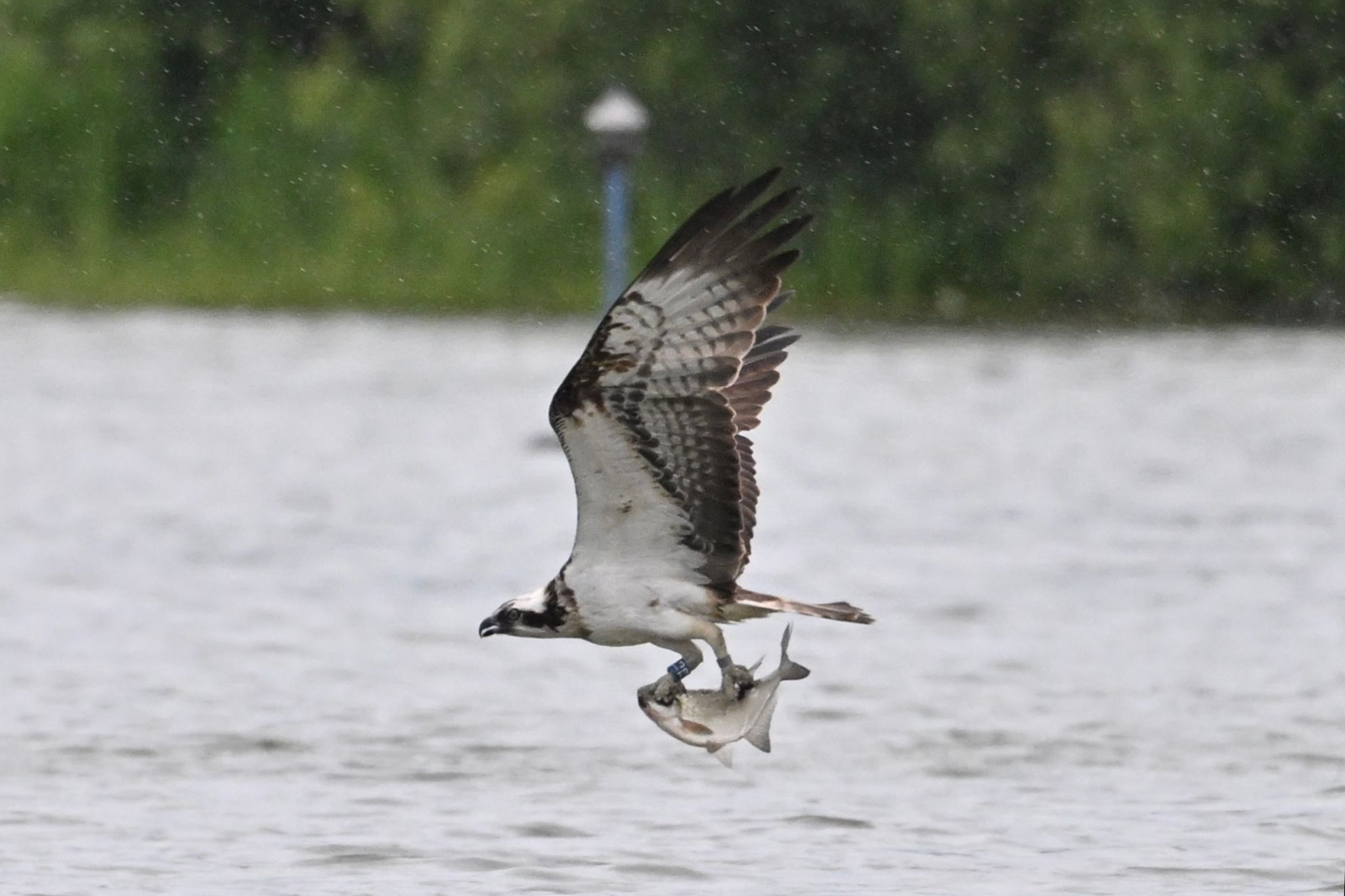
And for those in need of a showy raptor fix, Summer Leys again proved its worth –firstly for Ospreys, two of which were present on 3rd, one straying to adjacent Mary’s Lake at Earls Barton GP. Two were also reported from Titchmarsh on 2nd, followed by one there on 3rd and 6th, while singles visited Pitsford on 31st, 1st and 4th, Stanford on 1st and 5th and Hollowell on 4th.
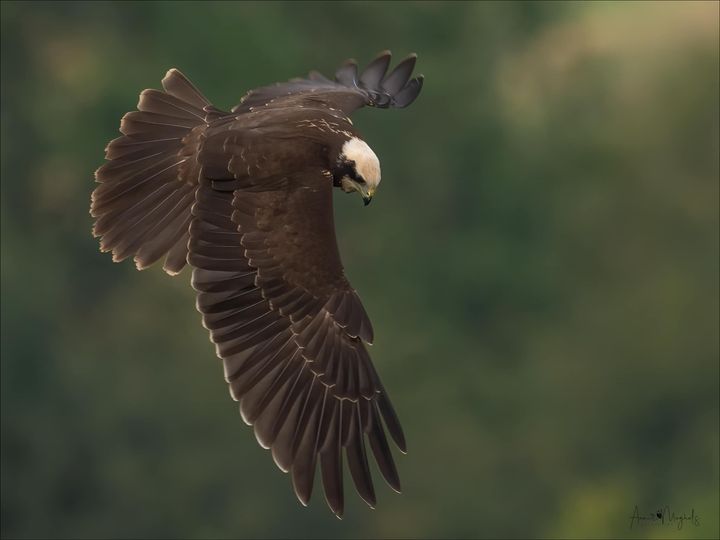
And secondly, with multiple daily sightings, Summer Leys simply oozed Marsh Harriers, three different birds having visited the reserve this week. Four other localities also produced singles, including the Brampton Valley between Cottesbrooke and Hanging Houghton on 1st and 6th, Boddington on 2nd, Harrington AF on 1st-2nd and Stanford on 1st.

Set against a backcloth of increasing numbers of common migrants, the week’s passerines saw the movement of Common Redstarts begin to fall. Three were trapped and ringed at Stanford on 31st and the same number was seen at Harrington on 2nd, followed by one there the next day. Elsewhere, singles were found at both Clifford Hill and Lamport on 1st and at Blueberry Farm, Maidwell on 2nd.

While Common Redstarts were on the wane, Whinchats were on the up, with birds seen daily across a collective eight localities. The highest numbers were six at both Stanford on 1st and Clifford Hill GP on 6th. Other site maxima were four in the Brampton Valley on 4th-6th, three at Hollowell on 31st, two at Harrington on 2nd and singles at Orlingbury on 4th and at both Boddington and Brackley on 6th.


A Stonechat remained at Hollowell on 1st-3rd and one was present at Harrington on 2nd, while Northern Wheatears again remained low in numbers with just singles at Harrington on 2nd-3rd, in the Brampton Valley on 3rd-5th, at Hollowell on 3rd and at both Clifford Hill and Pitsford on 4th.







 Northants birds