Newsround 14th to 20th March 2026

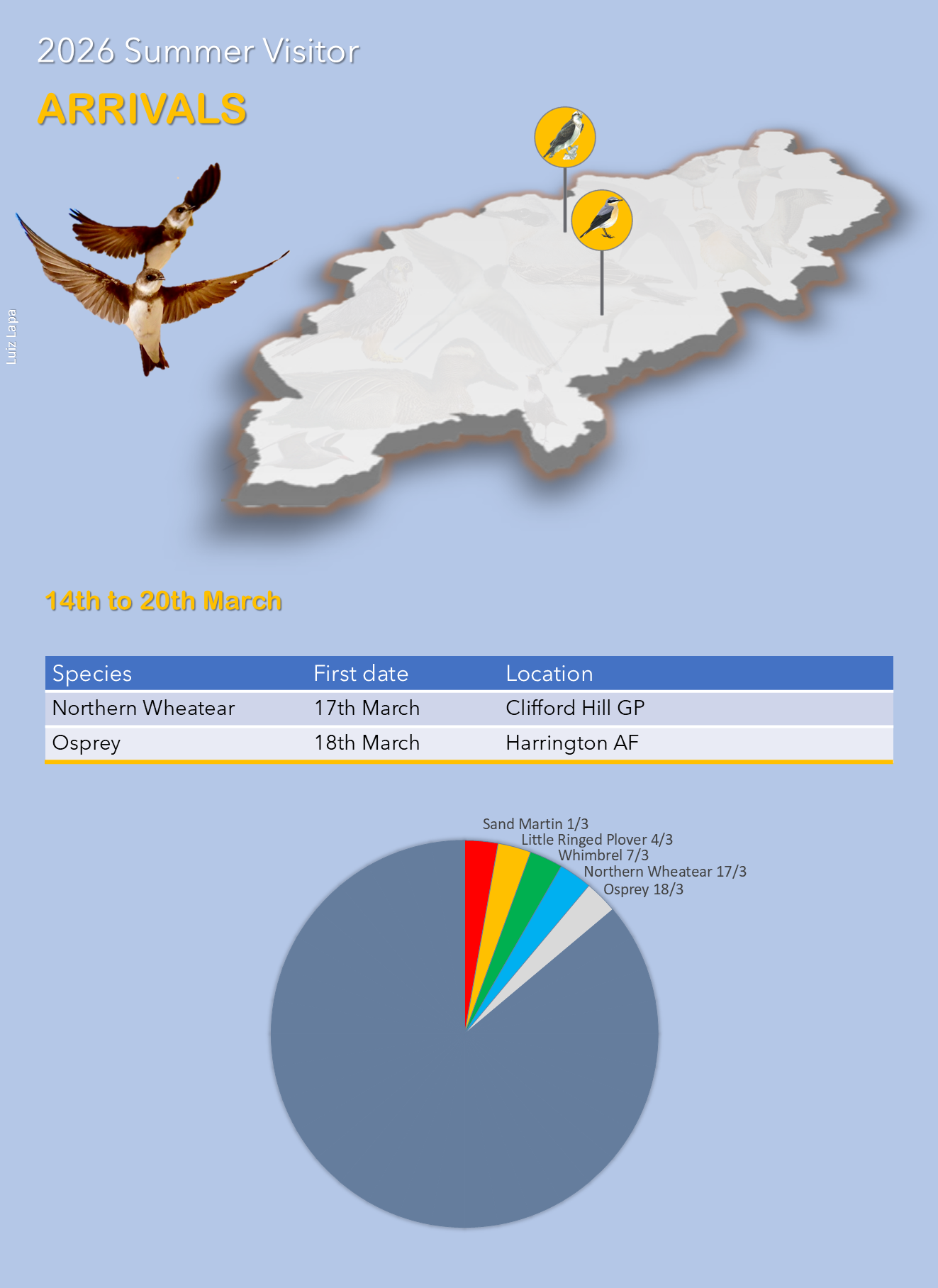
A high pressure system over the country in the latter part of the week gave rise to above average temperatures and saw the wind direction change from south westerlies to an airflow with an easterly bias. Four new species were added to the county yearlist, only two of which were summer visitors …

And while there were no early birds, both Osprey and Northern Wheatear clocked on in an expectedly timely fashion.
Numbers of wildfowl took a tumble, the only birds of note being eleven White-fronted Geese which dropped in, briefly, at Ringstead GP on the last day of the week.

Barely had we passed mid-March and the second Common Crane of the year was notched up – another flyover and again at the eastern end of the county – this time at Lyveden New Bield, between Brigstock and Stoke Doyle, on 20th.

And Ravensthorpe’s Slavonian Grebe completed a 26-day stay on 17th, after which there were no further reports.

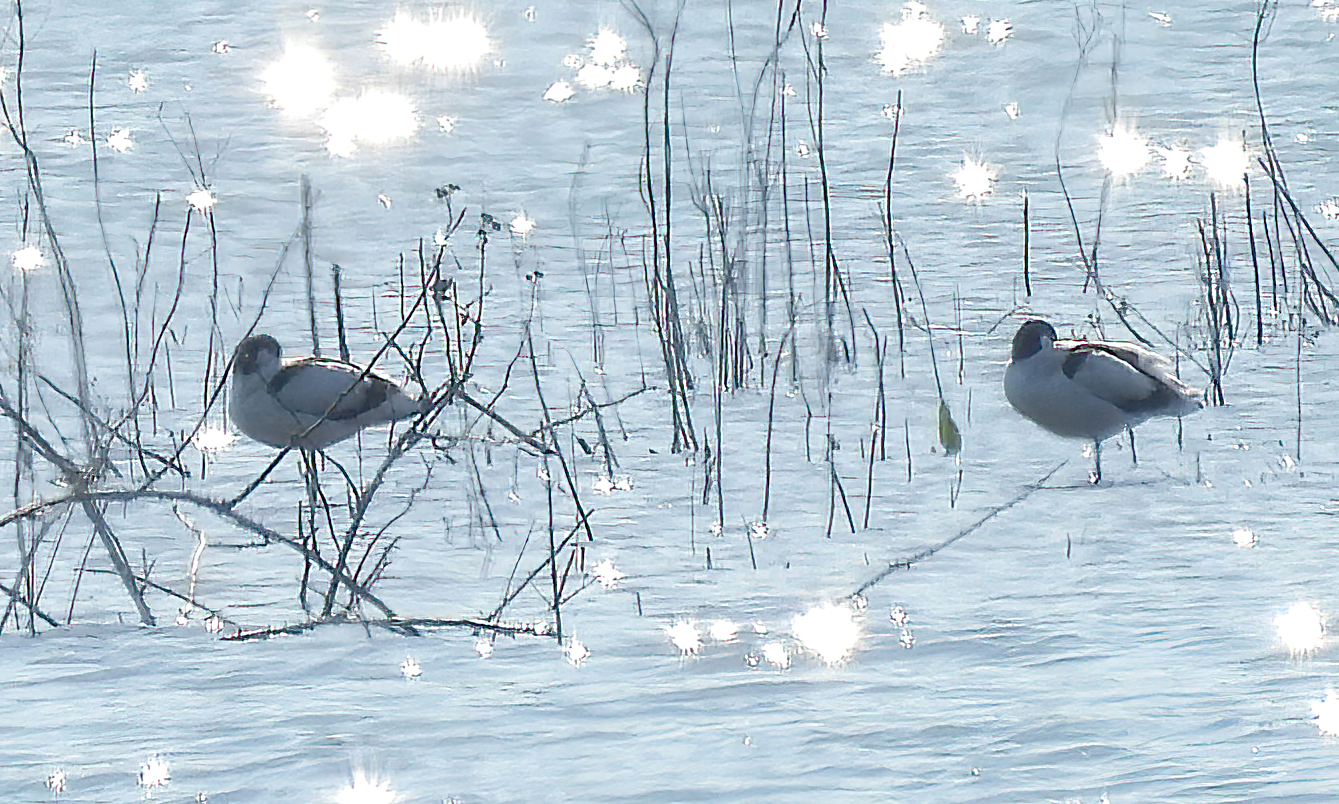
On the wader front, the second and third Avocet records for the year were not totally unexpected and included one at Pitsford Res on 15th, followed by one at Earls Barton GP on 18th being joined there by another the next day.
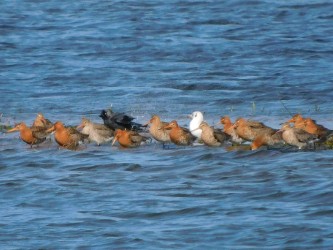
Summer Leys produced all the period’s Black-tailed Godwits, with one on 14th, sixteen on 17th and at least one on 19th.
Further down the Nene Valley, five Ruffs at Ditchford GP’s Townholme Meadows constituted another first for the year on 20th, while single Jack Snipes were seen at Hollowell Res between 15th and 20th and at Pitsford on the latter date. Pitsford also continued to hold on to its wintering Common Sandpiper, seen only sporadically but still present on the causeway there on 19th.

And just over two weeks after the first Kittiwake of the year came six together, at Pitsford, on 16th, while the period’s only Mediterranean Gull – a first-winter – visited Stanford Res on three consecutive days from 14th. Other gulls were available, of course, including two second-winter Caspian Gulls at Clifford Hill GP on 15th, two adults at Hollowell on 18th and a single adult at Ravensthorpe on the same date. An adult Yellow-legged Gull was present at Pitsford on 16th-17th and two visited Ravensthorpe on 18th.

The Red-throated Diver at Hollowell extended its stay there by another week.

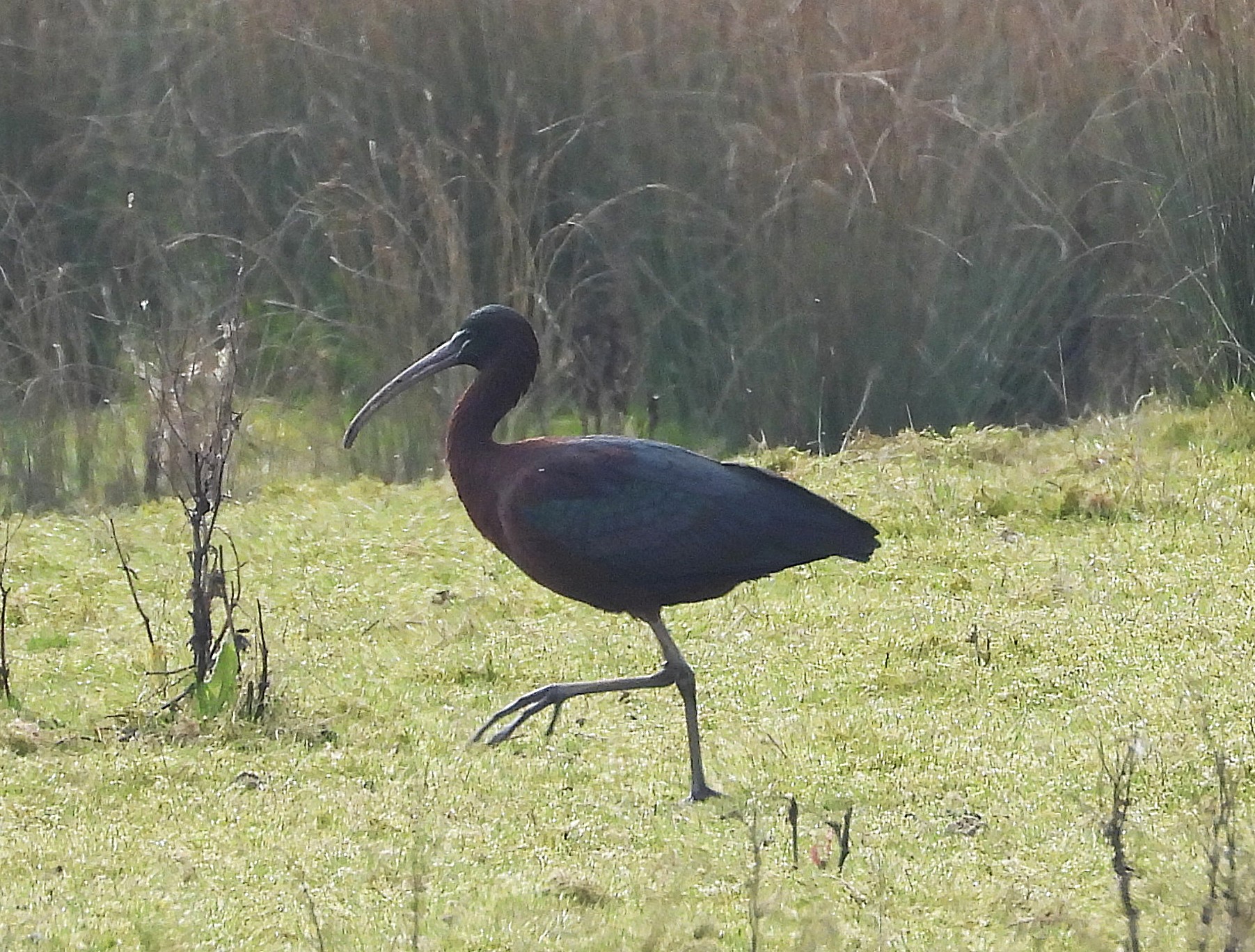
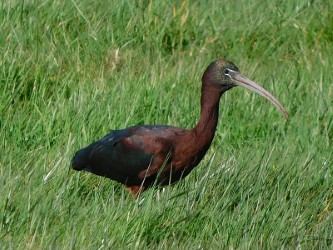
And the Summer Leys Glossy Ibis similarly saw another week out on site.
The latter location also produced sightings of Bittern on 14th and 19th, while a Cattle Egret scraped into the period, appearing at Kislingbury GP on the first of these two dates.

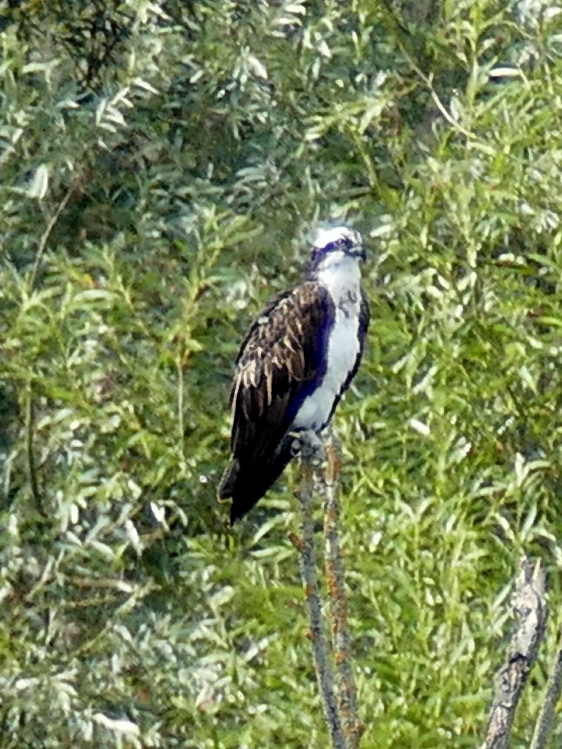
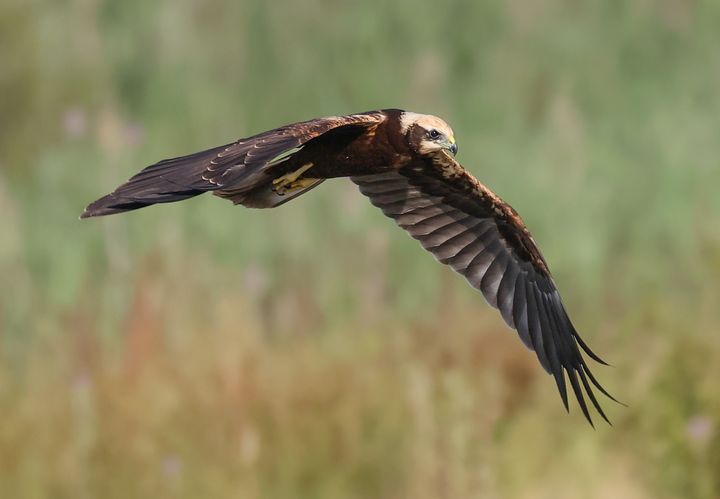
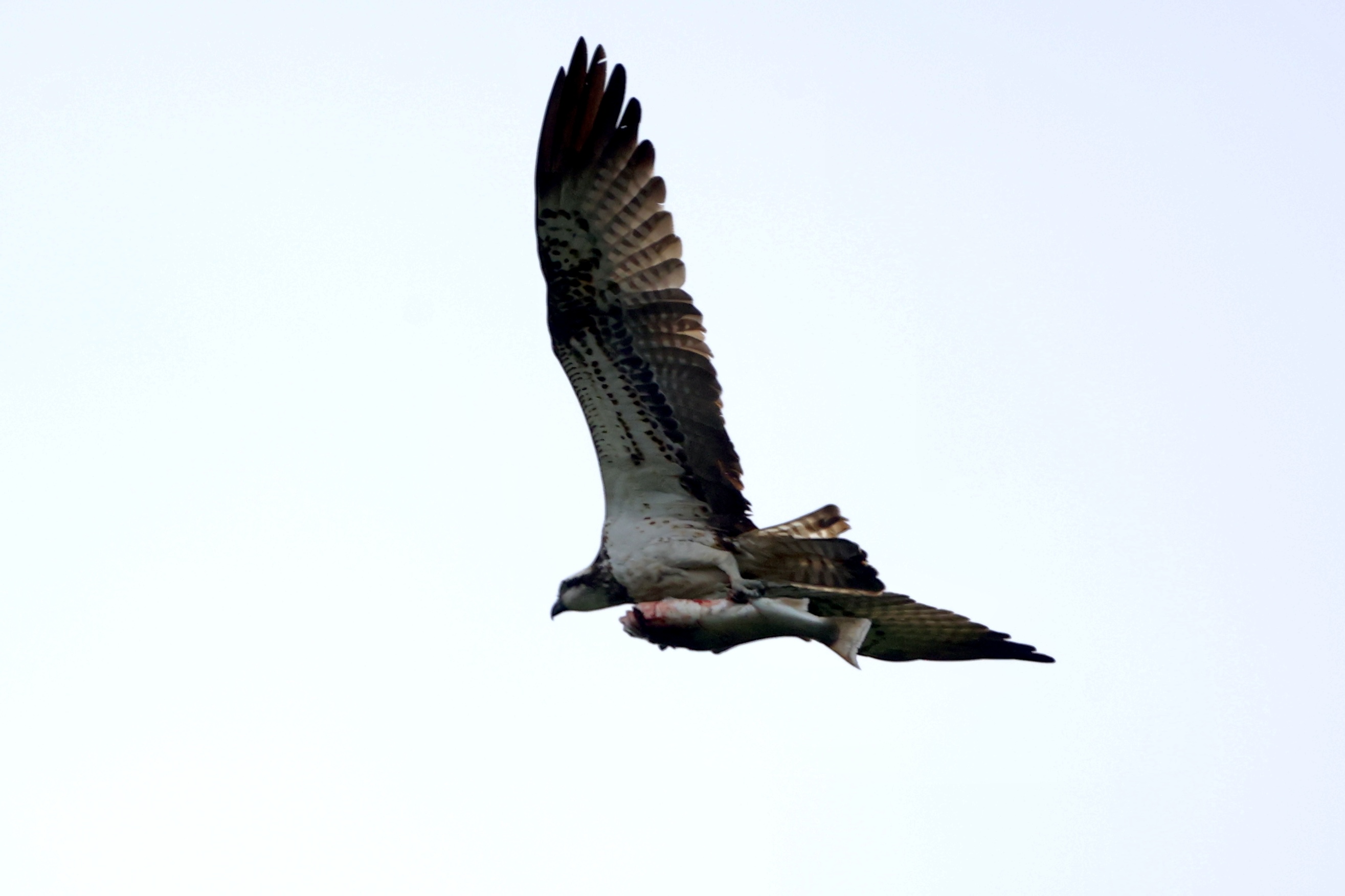
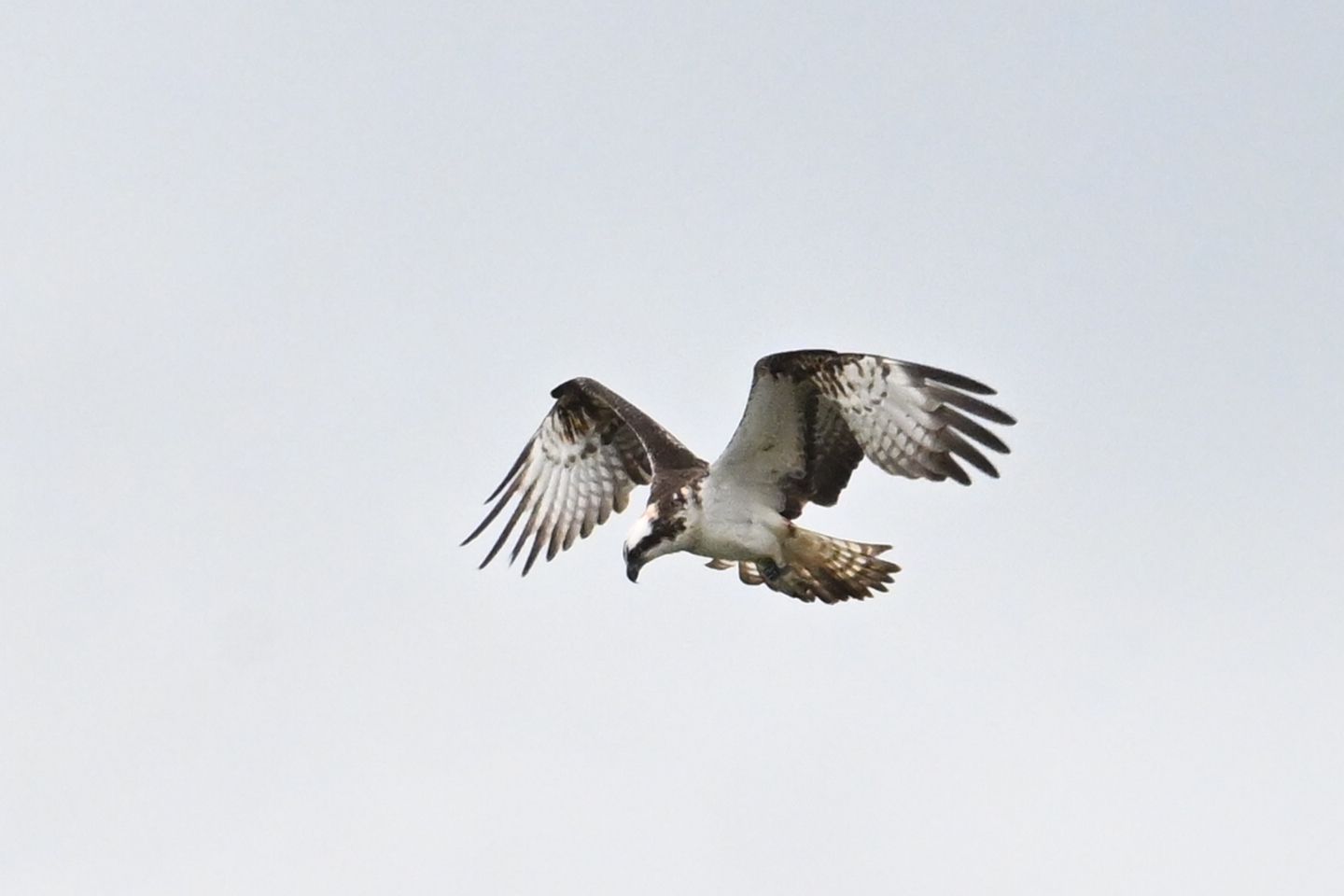
Flying high north over Harrington AF on 18th, the year’s first Osprey was quickly followed by another over Hollowell two days later, on 20th. No doubt there’ll be many more to come … And now part of the furniture, it seems, Marsh Harriers were still around at Summer Leys, where single birds were seen on 14th, 16th and 18th, with two present on 17th. Nearby, in the wider reaches of Earls Barton GP, singles were at Quarry Walk on 14th and at New Workings (South) on 20th. A ‘ringtail’ Hen Harrier flew west over Harrington AF on 16th.

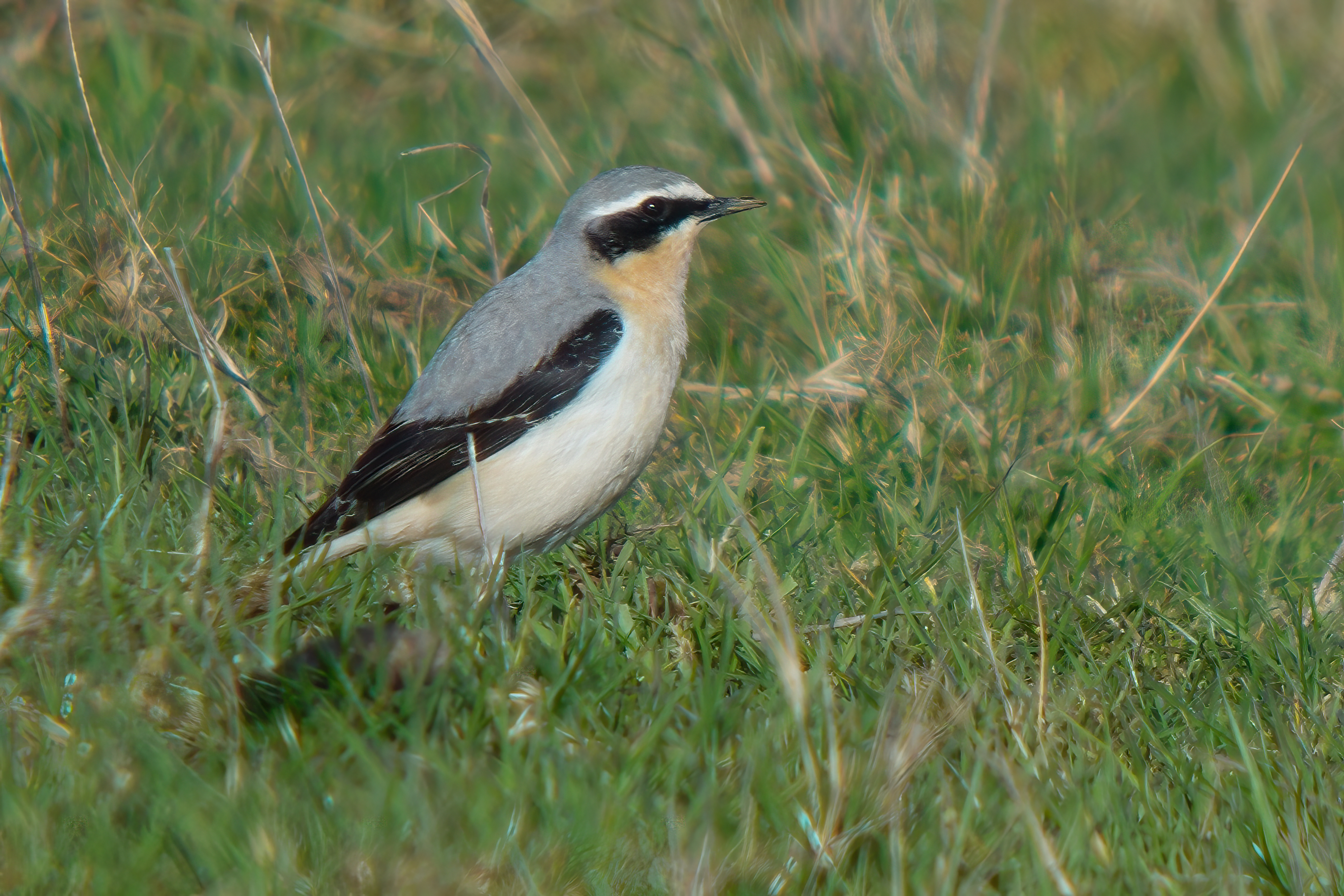
And the week’s other first summer visitor arrived on 17th in the shape of a smart male Northern Wheatear at Clifford Hill GP, hot on the tail of which were three more – all males – the following day, at Blueberry Hill Maidwell, in the Brampton Valley between Cottesbrooke and Hanging Houghton, and at Harrington AF.
An early spring White Wagtail was found on a manure heap between Earls Barton and Ecton on 20th and the only Water Pipit so far this year flew over, calling, at Pitsford on the same date.

It’s been a tremendous winter – and indeed last year – for Crossbills and they are still with us, one being seen at Gamboro Plantation, east of Cottesbrooke, on 14th, five over Denton Wood, Yardley Chase on 16th and several at Pitsford Res on 20th.

Newsround – 27th July to 9th August 2024

Sliding ever deeper into the golden days of autumn, raptor numbers are on the up alongside the only-to-be-expected migrants, of which four are the first returning birds of the season.

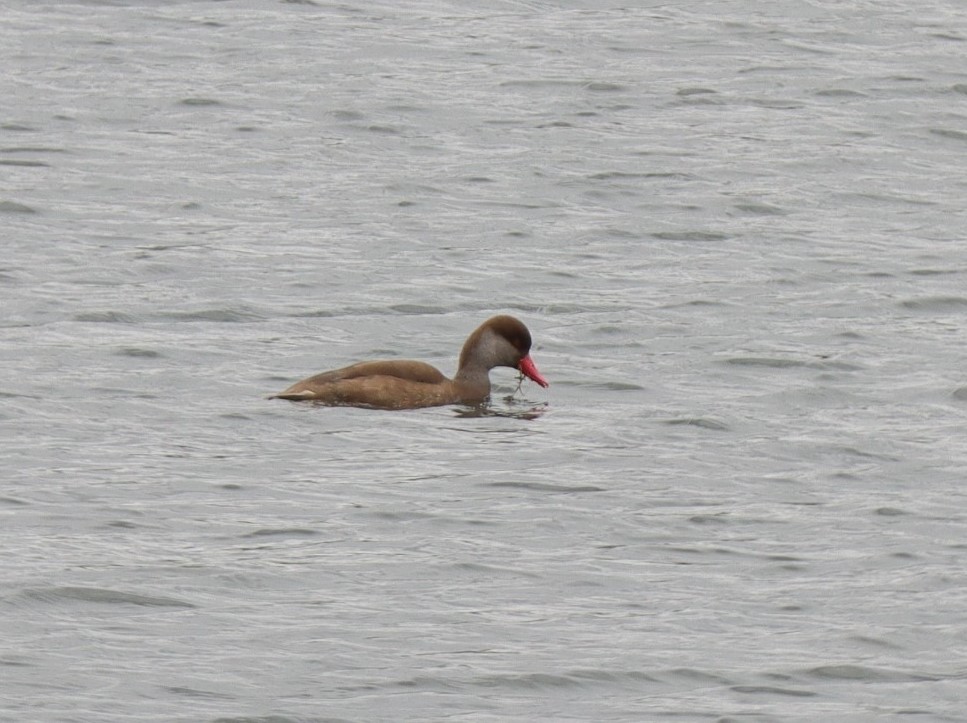
Throughout the period, the female Ruddy Shelduck remained at Stanford Res, having chosen to shun both Hollowell Res and Winwick Pools – at least for the time being. Other wildfowl included two juvenile Garganeys at Summer Leys LNR on 7th and two Red-crested Pochards – one at Billing Aquadrome on 29th and the other, an eclipse drake, at Pitsford Res from 4th until 9th.

A Black-necked Grebe was reported from Delta Pit, part of Ditchford GP’s Rushden Lakes complex, on the last day of the period.

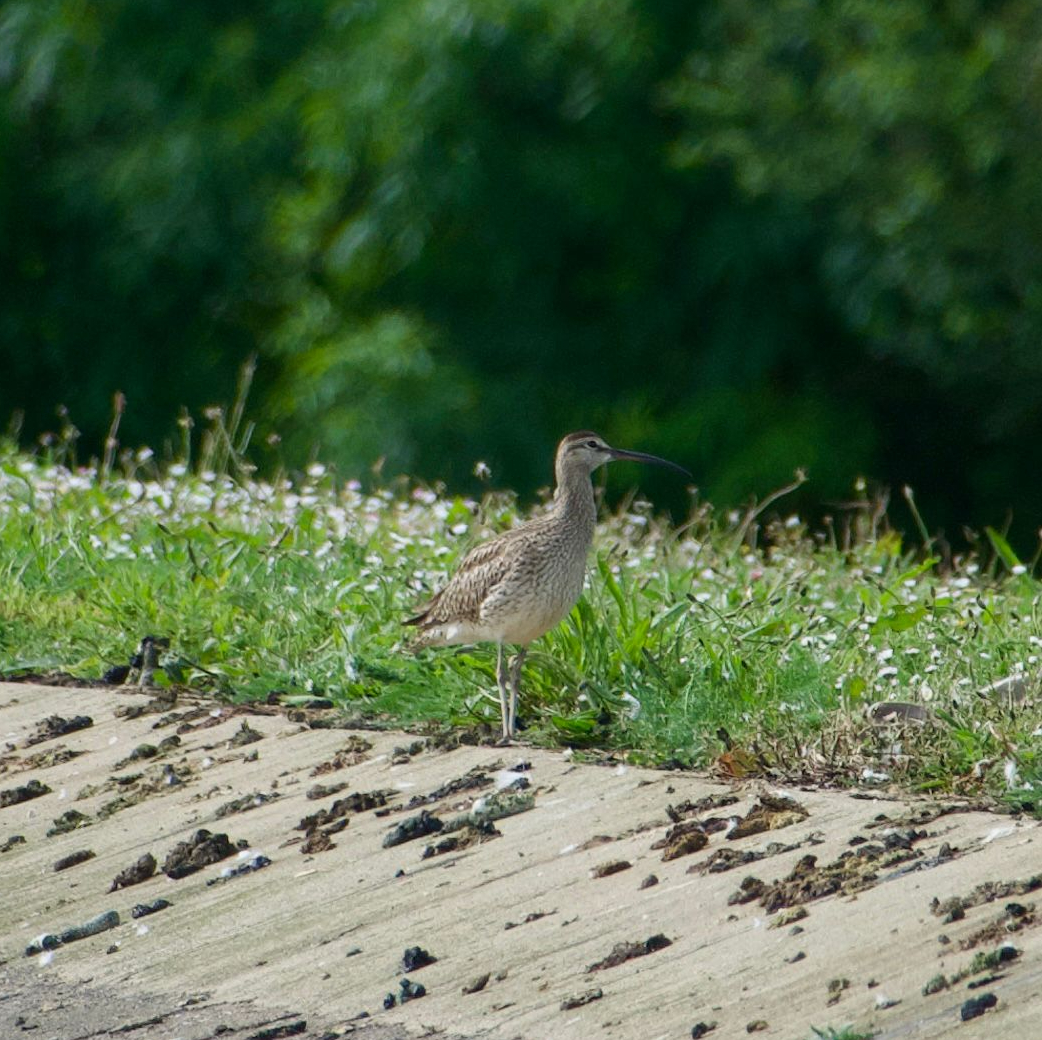
Looking back at the previous Newsround, waders were clearly on the up in comparison to the meagre offering during the last full week of July. The autumn’s first Whimbrel flew south over Pitsford Res on 5th, while single figures of Black-tailed Godwits included singles at Summer Leys on 27th and Clifford Hill GP on 31st, two on the latter date at Stanwick GP and the same number at Clifford Hill on 8th. Stanwick also produced another seasonal first in the shape of two Ruffs on 6th, while Summer Leys accounted for most of the period’s Greenshanks, with two on 5th and singles on 31st, 6th, 7th and 9th. Elsewhere, further singles were at Earls Barton GP’s New Workings (North) on 27th and at Thrapston GP’s Titchmarsh LNR on 5th.

The first Mediterranean Gull of the autumn, a juvenile, paid a brief visit to Stanwick before departing south-west on 5th, while more Caspian Gulls included a second-summer flying over Wicksteed Park Lake, Kettering on 7th and single juveniles at both Daventry CP and Stanwick two days later, on 9th.

Not to be outdone, Yellow-legged Gulls maintained a presence with Pitsford producing a maximum of five on 5th, while three were found at Stanwick on 9th, two visited Thrapston on 5th following one there on 2nd, two were at Daventry CP on 9th and a juvenile appeared at Wicksteed Park Lake on 7th.

A Bittern was at a potential breeding site on 3rd but numbers of Cattle Egrets rallied, with Stanwick hitting a high of twelve on 3rd and Lilbourne Meadows NR notching up its first-ever, a juvenile, from 31st to 2nd. Summer Leys produced just the one, on 1st.

And so to the period’s raptors and the two weeks just gone saw both Ospreys and Marsh Harriers aplenty … Ospreys were seen daily, the spotlights being on both Pitsford and Stanford, with three at the former site on 31st and 8th and four suspected there on at least one date. Stanford produced daily sightings with two on three dates while, elsewhere, singles were at Hollowell Res on 30th, 8th and 9th and at Thrapston on 3rd and 6th.

Marsh Harriers rose to prominence, also producing records daily across a collective of sites that included Brampton Valley, Harrington AF, Lilbourne Meadows, Pitsford, Stanford and Summer Leys and the latter site, along with Harrington, produced two different birds apiece.

Passerines were not to be outdone, of course and an unsubstantiated report of a Red-backed Shrike at Lilbourne Meadows on 2nd remained exactly that.

Considered a gift, it seems like many years ago, now, that Common Redstarts were seen locally in smaller numbers than they are these days. With autumn passage and post-breeding dispersal now in full flow for this species, these birds are being reported almost every day and from multiple localities. The period saw ones and twos at Blueberry Farm (Maidwell), in the Brampton Valley, Harrington, Honey Hill, Lamport, Lilbourne Meadows, Stortons GP and Woodford Halse.

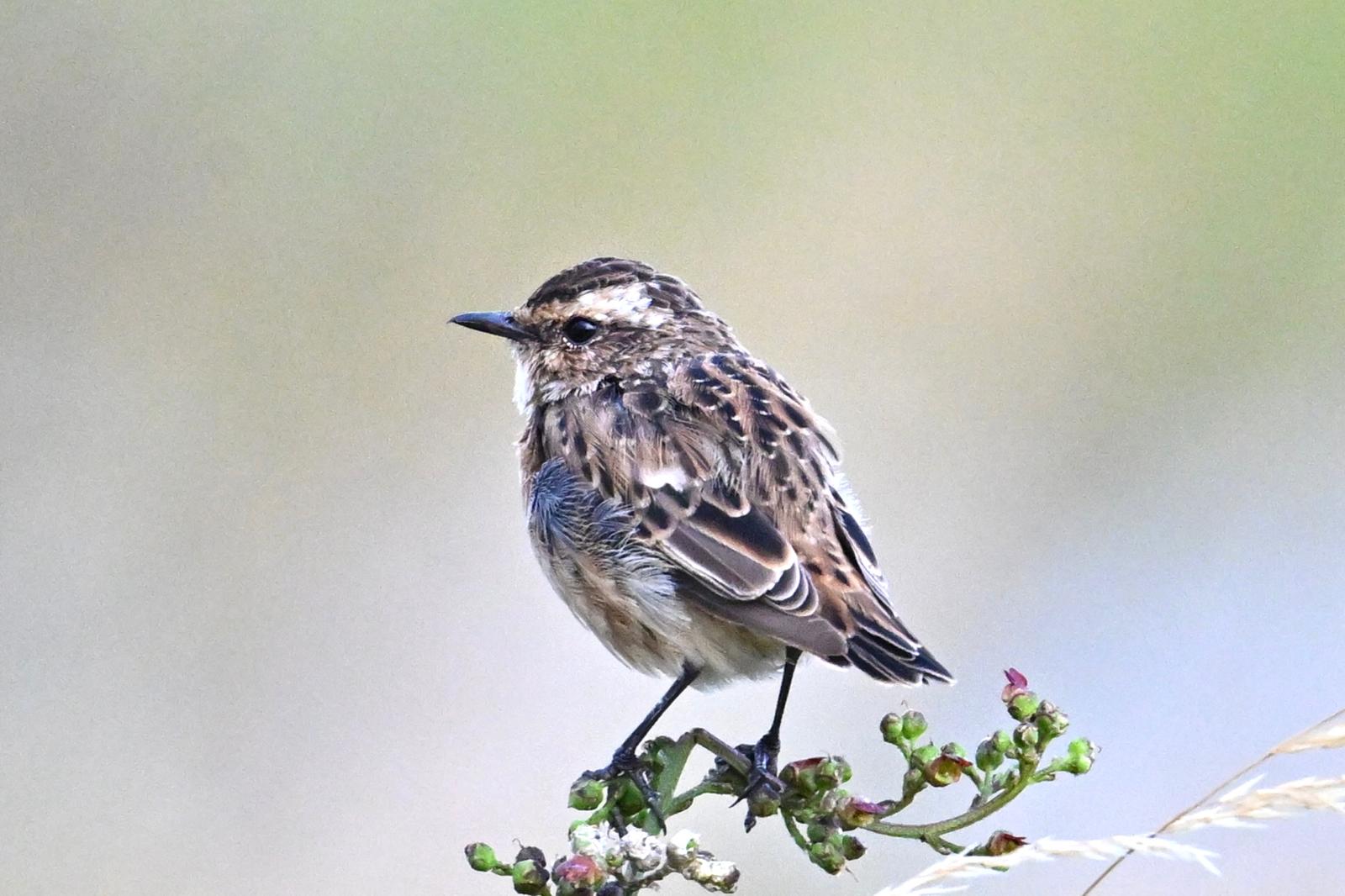
Being seen almost daily, numbers of Whinchats have also begun to increase, falling in the shadow of the above and sharing a proportion of the same locations, namely Brampton Valley, Harrington, Hollowell and Pitsford. No more than two were found at any one site during the period. A single male Stonechat appeared at Harrington on 30th.

By contrast, Northern Wheatears have only just started moving, with the autumn’s first two being found at Hinton AF on 4th, followed by one between Cranford and Finedon three days later, on 7th.

And following on from the two over Blueberry Farm on 22nd, single Crossbills flew over Corby’s Eurohub on 7th and another flew north-west over Pitsford village the following day.

Newsround – 8th to 14th June 2024

The second week in June comprised a largely lacklustre seven days, with nothing new and very little to shout about. ‘Ornithological autumn’ is, however, only a couple of weeks away for those prepared to sit things out …

The Stanford Res Pink-footed Goose remained until at least 11th while, in terms of this week’s waders, the same site was the only one to pull the rabbit out of the hat by delivering a ‘Tundra’ Ringed Plover on 8th and a Whimbrel on 11th.

At least one locality produced a Bittern but Cattle Egrets were unusually lacking.

The same cannot be said for Ospreys this week, during which there was a surprise discovery of a new Northamptonshire breeding pair and wandering birds assumed a high profile. Individuals visited Pitsford Res on 8th, 9th, 10th and 13th, while further singles were seen over the River Nene between Achurch and Wadenhoe on 9th, over the River Ise near Desborough on 11th and flying east over the Brampton Valley below Brixworth on the same date.

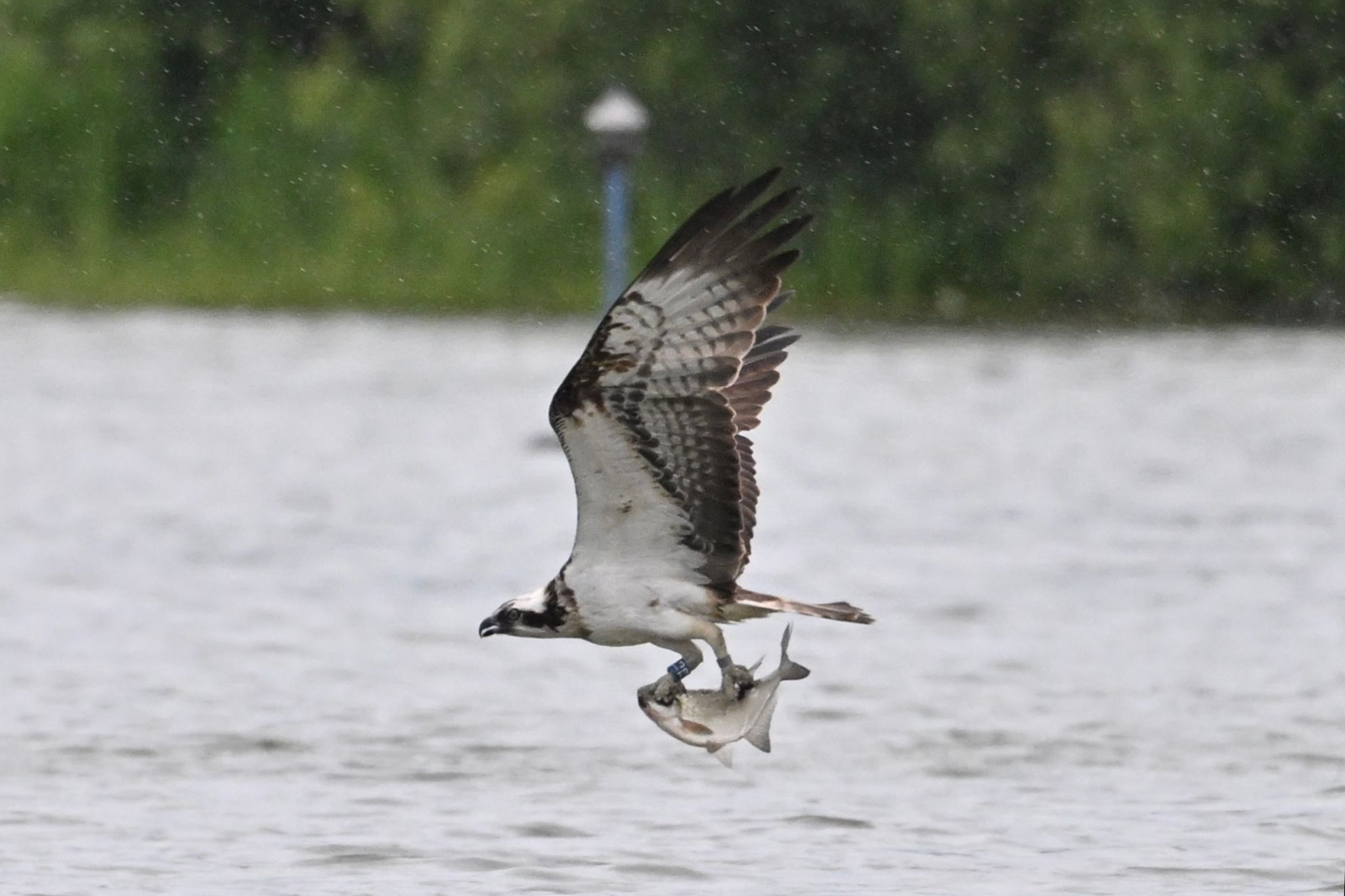
Back to Stanford again where some interesting information was unravelled regarding a visiting Osprey on 13th. Photographed as it drifted east during the first half of the morning, it was wearing a blue ring inscribed with ‘5H1’, making it a two-year-old female which had been seen last month in the River Usk Valley in South Wales. Later the same day, an unringed female also paid a visit to Stanford.

Ending the Osprey week was an 8-year-old male, blue-ringed ‘T3’, successfully fishing at Hollowell Res on 14th.

And then there was the Wood Warbler. Remaining faithful to the same spot, the popular singing male saw a third week out at Harry’s Park Wood near Weldon, although it has attracted less attention in recent days.