A mixed bag of largely mild weather this week ended with ferociously wet and windy conditions and, at long last, a small dollop of those long-awaited Waxwings.
But as ‘Storm Gerrit’ whirled out into the North Sea and with the curtain about to come down on 2023, it’s worth taking time to reflect on some of the birds that have shaped this action-packed year. A succession of top tier birds across the county kicked off with a lingering Yellow-browed Warbler at Earls Barton GP in January and a White Stork over Moulton during the same month. January also saw Ring-necked Ducks at Hollowell/Ravensthorpe and Thrapston followed by further appearances at Ringstead in March, Ditchford in April and again at Thrapston in October.
Summer Leys – 2023’s standout locality – produced a smart male Kentish Plover in April, the first for nearly thirty years and, for many, the icing on the spring cake which, during the same week, included a White Stork and two Common Cranes, followed by a Black-winged Stilt in May and a Purple Heron there in June. Irthlingborough Lakes & Meadows topped that, though, with no less than a flock of four Black-winged Stilts in May – part of a notable spring influx into the UK. Also in May, the year’s only Temminck’s Stint appeared at DIRFT 3 – a site still producing birds as it undergoes further building development.
Summer saw Caspian Terns drop in frustratingly briefly at Hollowell and Summer Leys during July, the latter site, along with Stanwick, producing single Pectoral Sandpipers in September and one or two Glossy Ibises apiece in October-November.
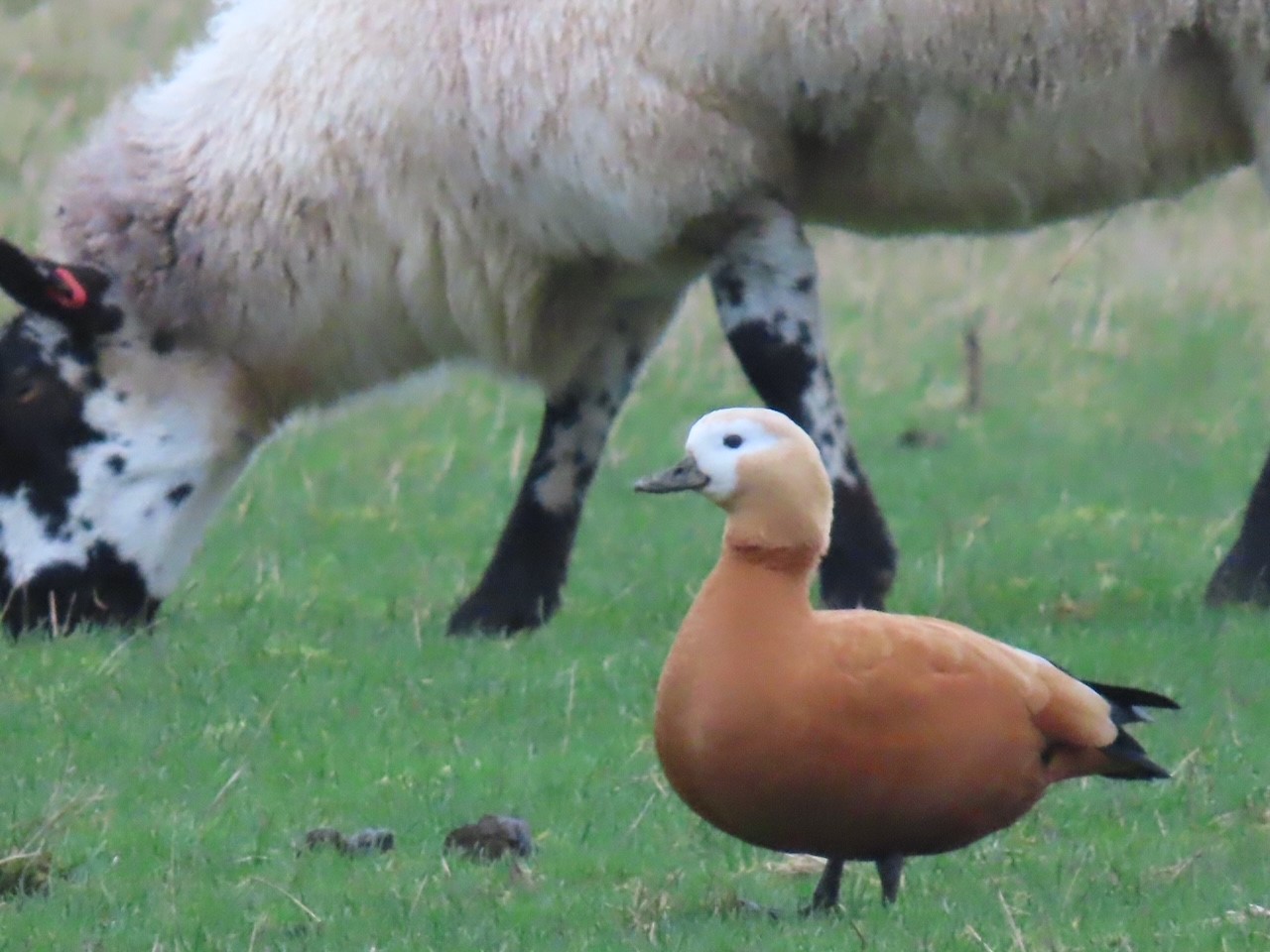
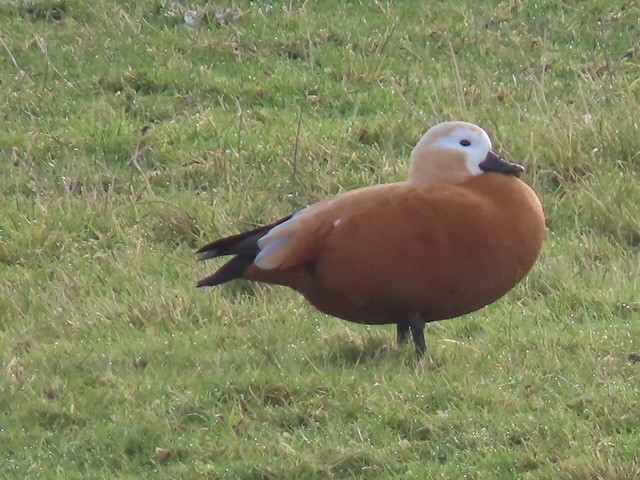
So, rounding off the year in the last full week of 2023, there were still birds to be had, be they long stayers or new arrivals. Falling squarely into the former category, the Pink-footed Goose remained at Hollowell Res and the female Ruddy Shelduck was again in residence at its apparently favoured locality of Winwick Pools, on 29th.
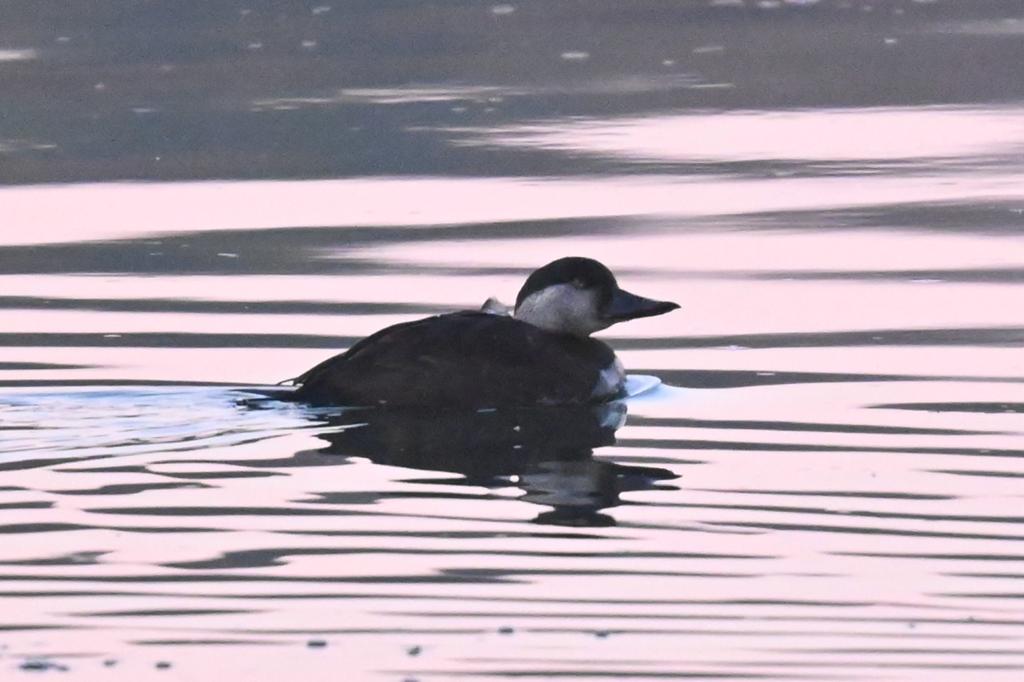
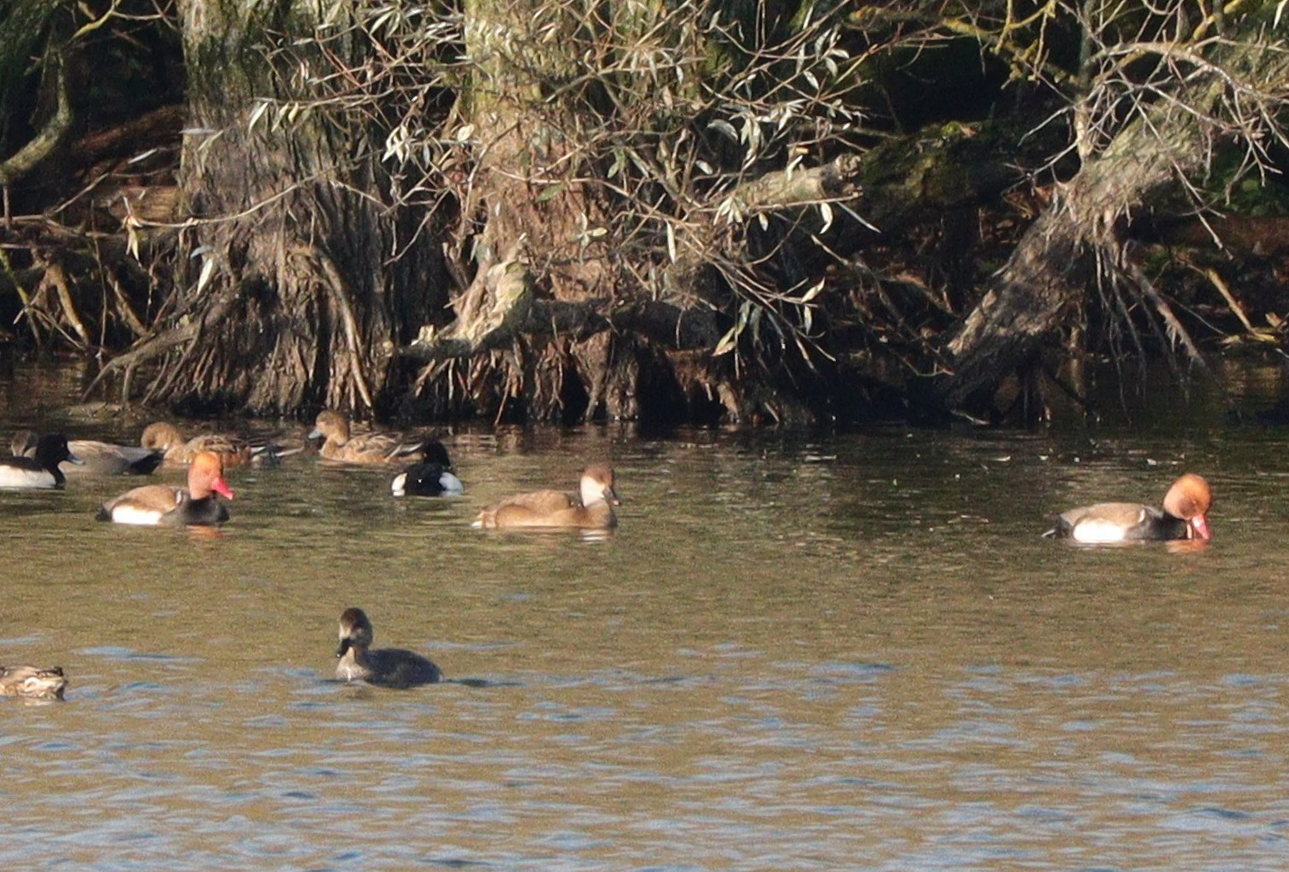
Pitsford Res accounted for the best of the rest of the wildfowl with two Red-crested Pochards on 26th, along with the first-winter drake Greater Scaup still present there on the same date.
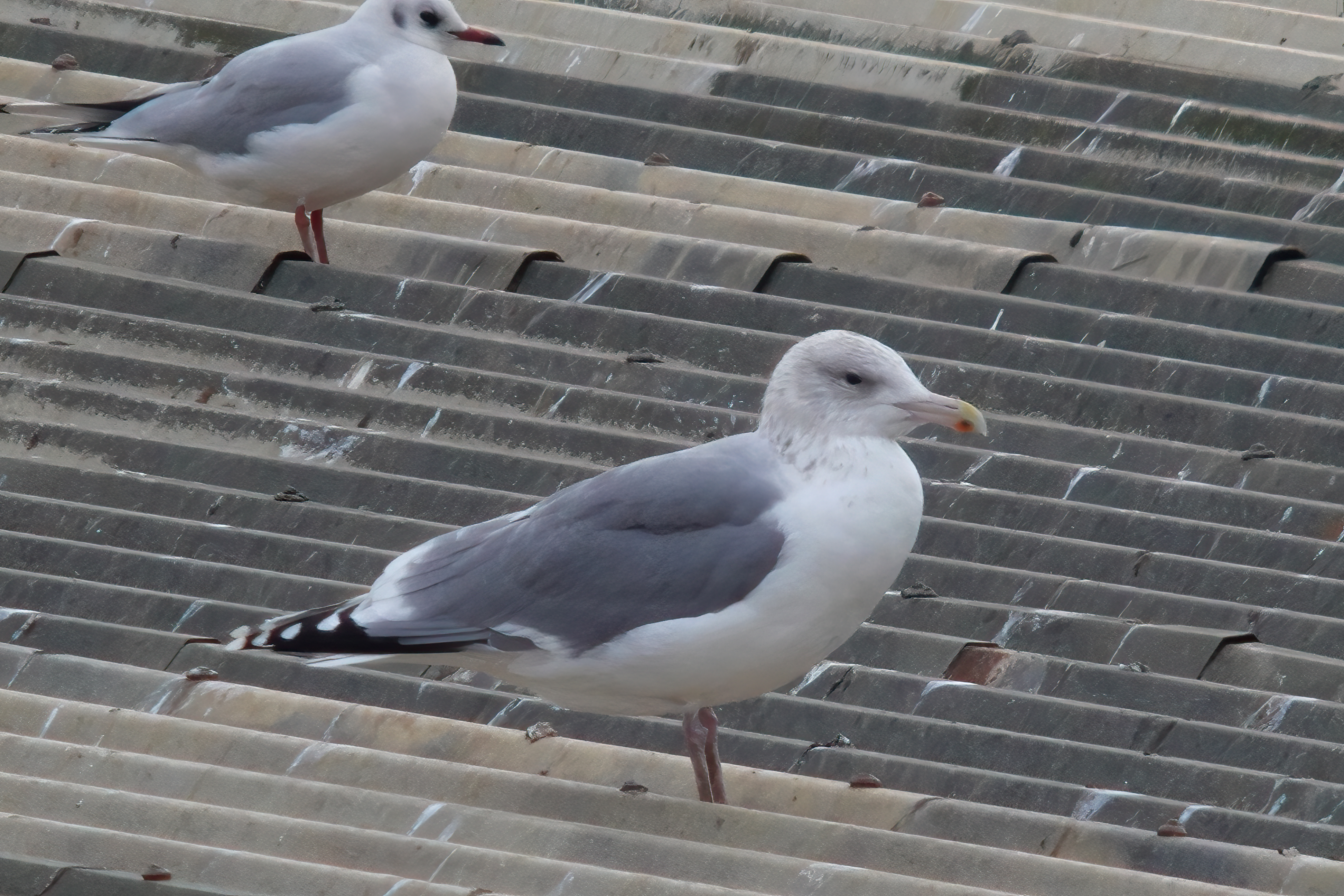
Leaping straight to Larids, this week’s Mediterranean Gulls were the sole preserve of Stanford Res, which appears to be enjoying a good run of them so far in the latter part of the year. Single first-winters were present in the roost on 24th, 27th and 29th while two first-winters were found there on 28th, one of which was also present during the daytime. The same roost also produced two adult Caspian Gulls on 27th and one the following evening. Elsewhere, Hollowell held two adult Caspians on 26th and an adult plus a first-winter on 29th, while single first-winters were at Ravensthorpe Res and Rushton Recycling Centre on the latter date.
Meanwhile, Pitsford’s Great Northern Diver saw another week out, mobile between the dam and the causeway.
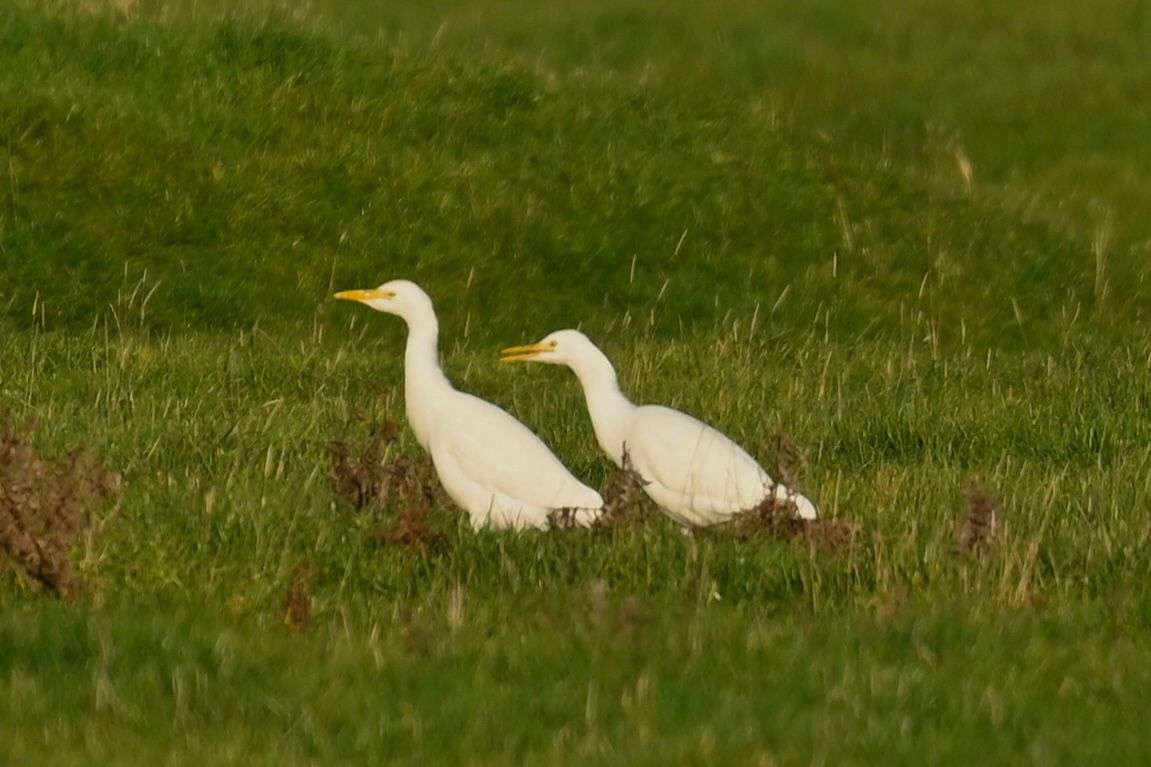
Following suit, the Kettering Cattle Egret remained throughout at Wicksteed Water Meadows, as did the two in the vicinity of Stanford on Avon, while the Stanwick seven stood up to be counted on 28th.
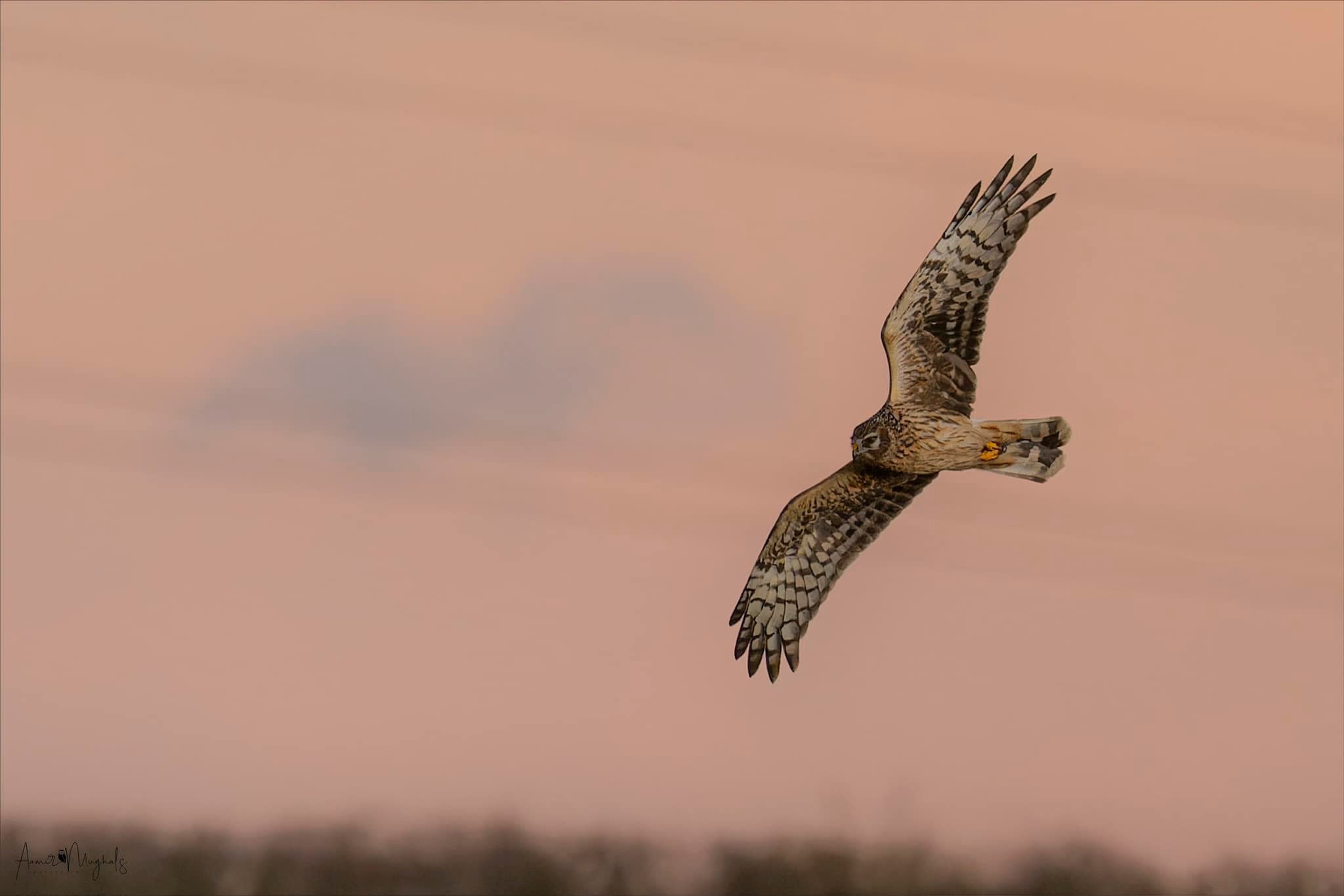
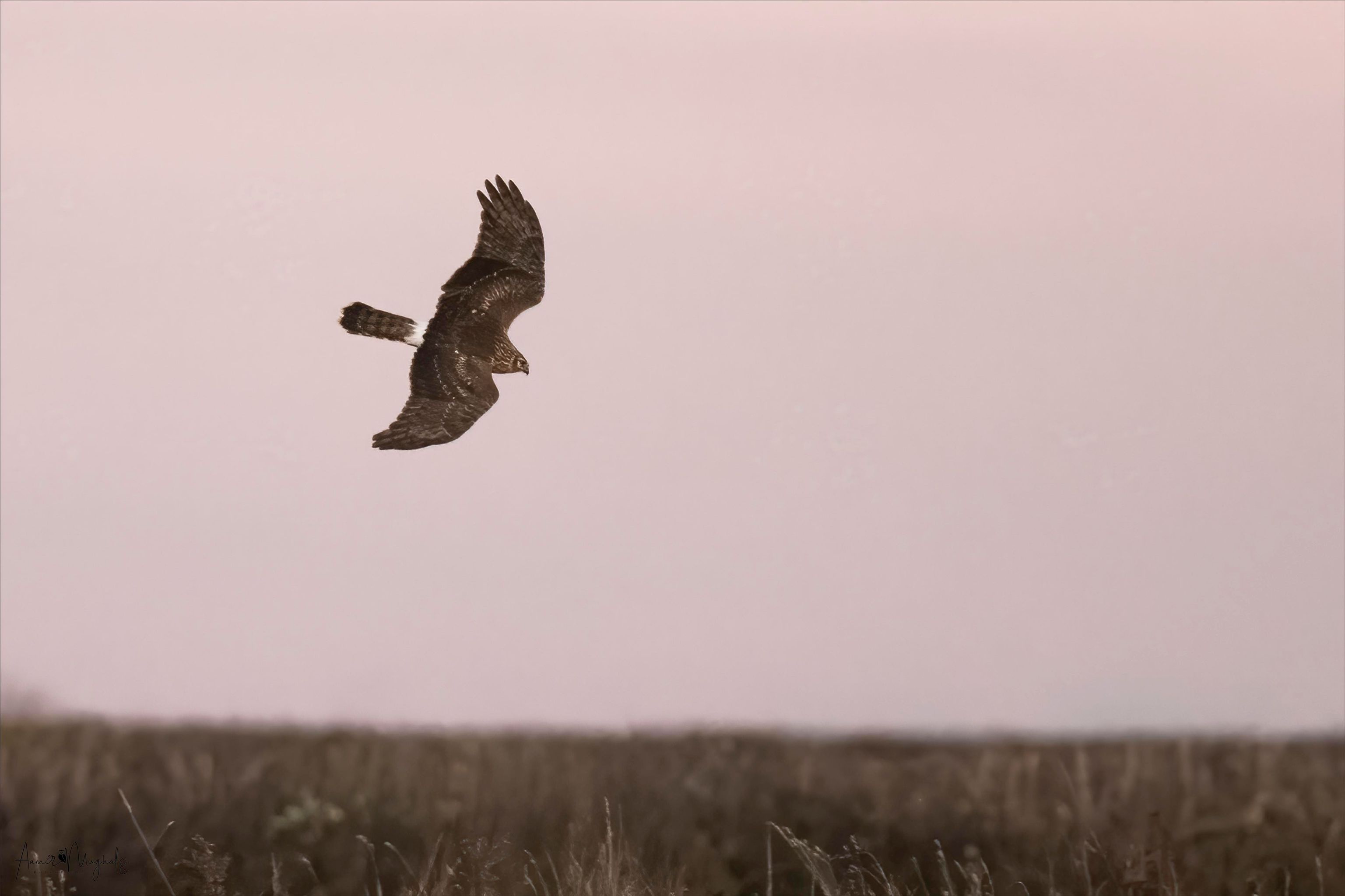
Stanwick was also visited by a/the roaming Marsh Harrier on 24th and 29th, while one was clocked at Summer Leys on 26th and 28th. Keeping up appearances was the Neville’s Lodge ‘ringtail’ Hen Harrier, reliably putting on a show just prior to dusk between 23rd and 26th and presumably accounting for the sighting of one at not too distant Stanwick on 24th. Another ‘ringtail’ was also seen in the Brampton Valley, between Cottesbrooke and Hanging Houghton on the same date.

Neville’s Lodge was also the venue for the continued late, late afternoon showings of Short-eared Owls. Four were seen there on 23rd and at least three were still present on 26th.
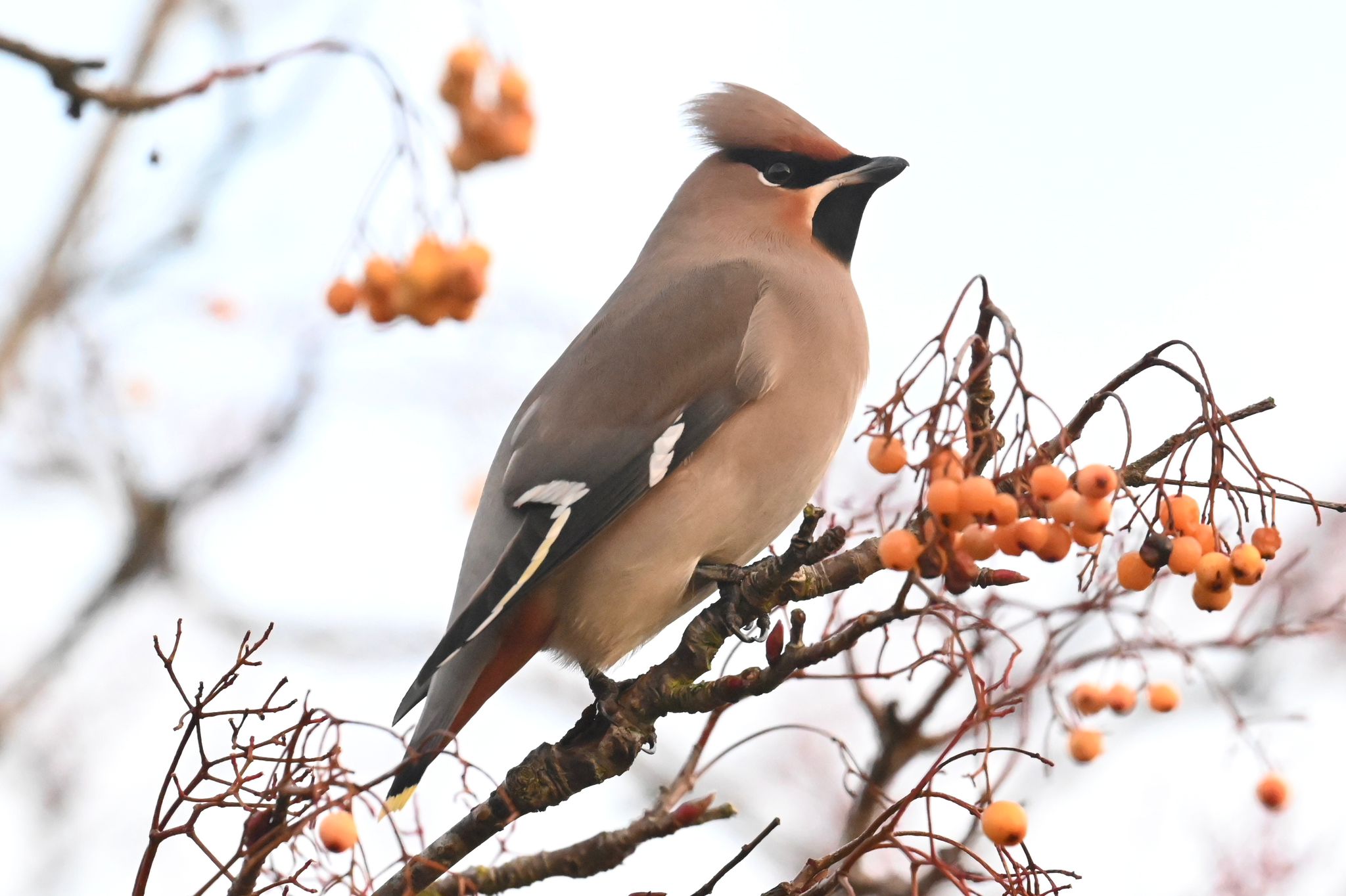
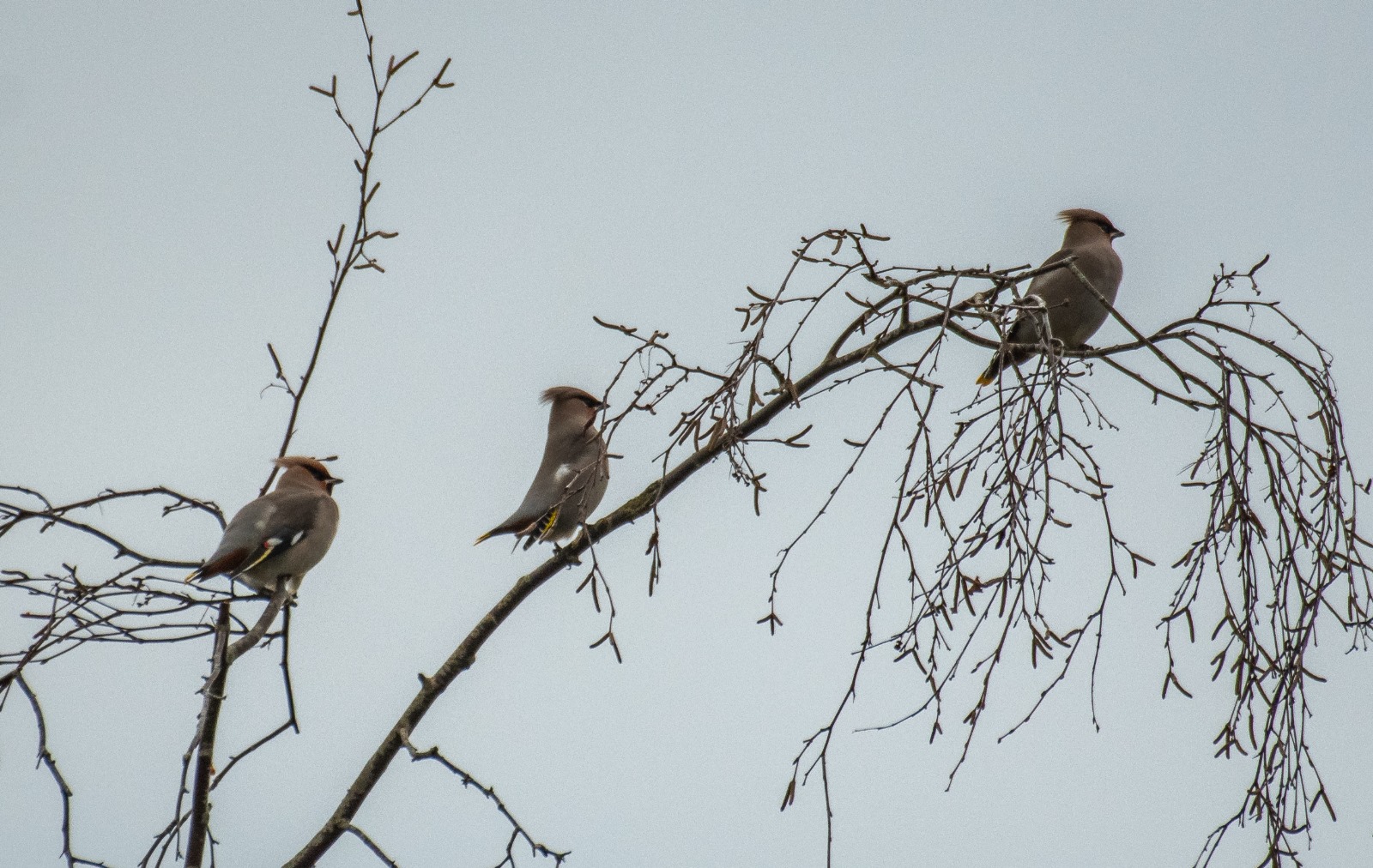
But if there was anything new to shout about, then the week belonged to Waxwings. After some brief and tantalising appearances in the run up to this last week, the time finally arrived for at least a couple to roll up and be nailed down. In this respect, two birds put Higham Ferrers firmly on the map after being discovered along a secluded rowan-lined walkway in a residential part of the town on Christmas Eve. From then on they remained faithful to the area, delighting a stream of admirers until the week’s end, although their appearances there became much more erratic with time. Interestingly, both birds were first-winters but, on 26th, an adult was photographed there and news also emerged that a single bird had been present during the preceding week.
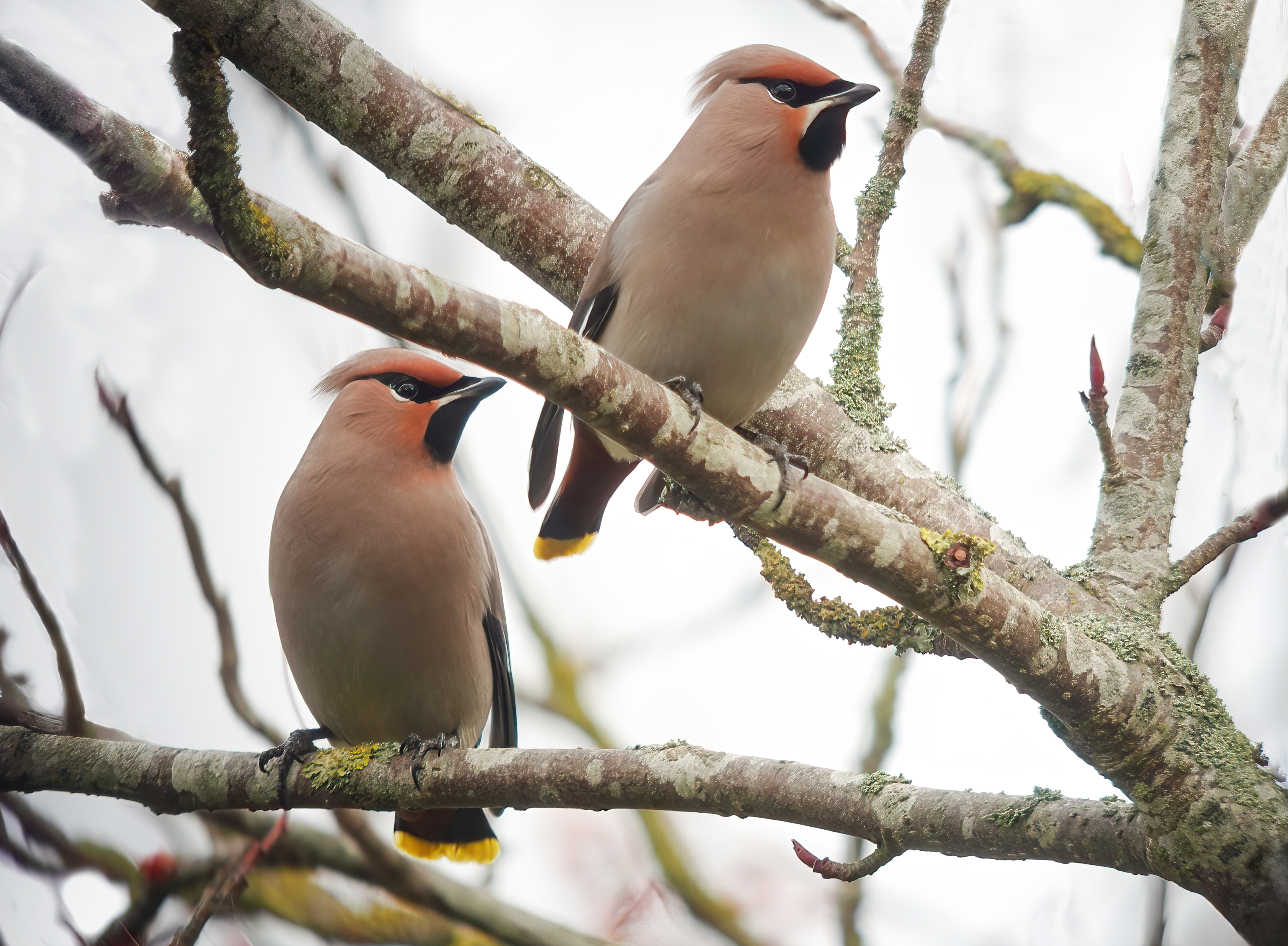
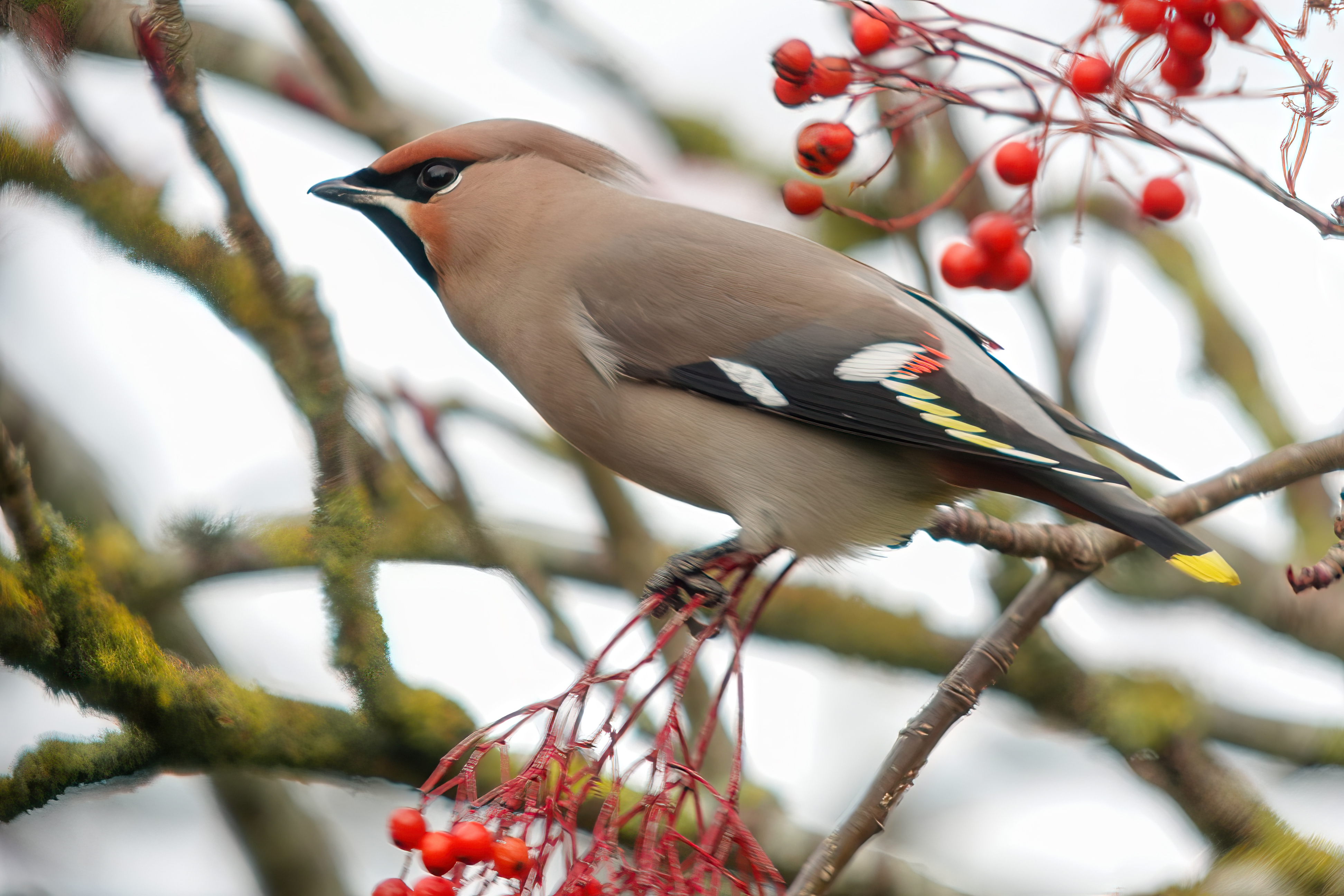
But for those not wishing to venture as far afield as Higham, six were discovered in downtown Northampton on 26th with two still present early the following day. But, despite a ready supply of rowan berries, they did not stay … Step forward Brixworth, where another first-winter was discovered on 28th, remaining there the following day, although at times proving to be elusive.
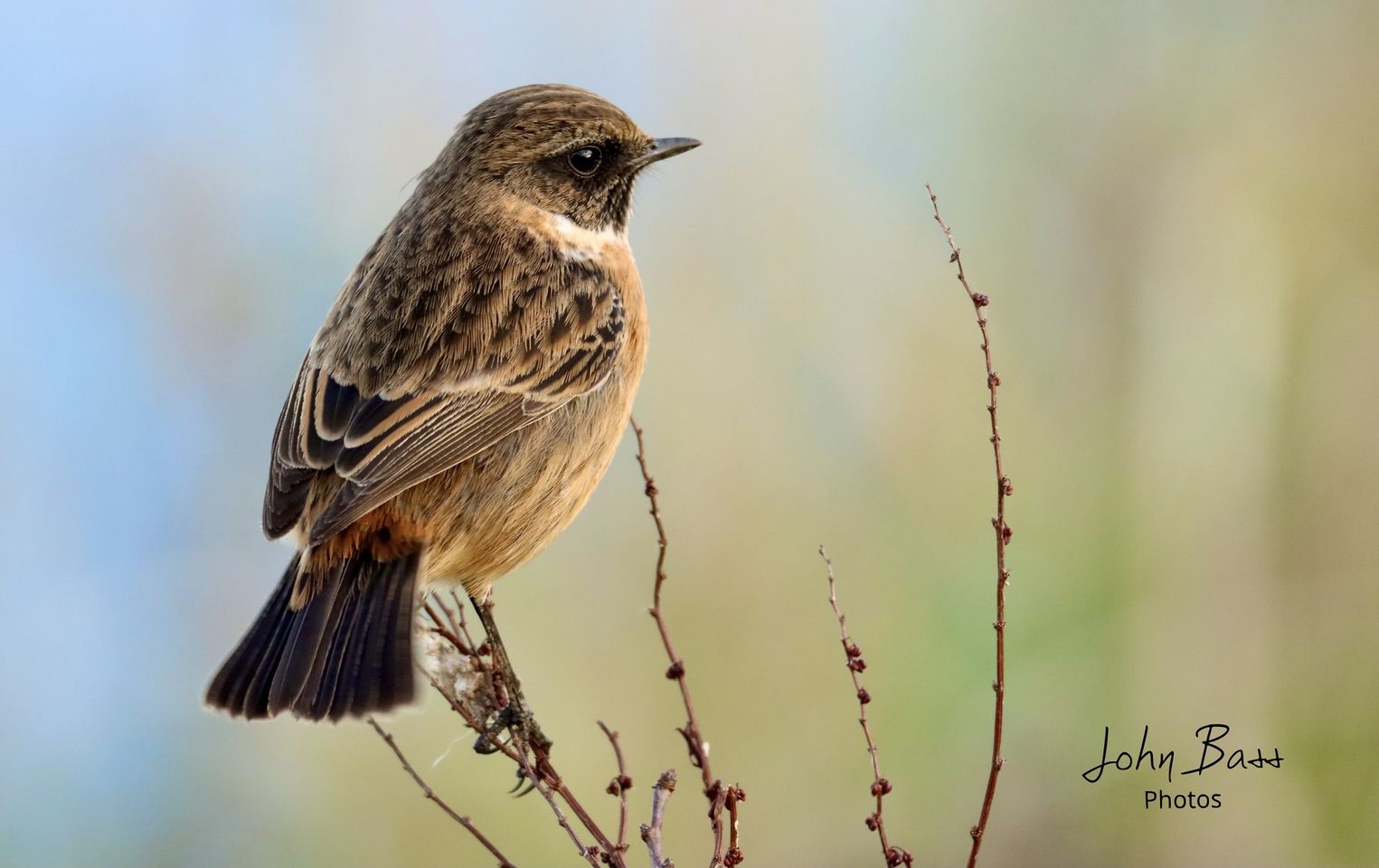
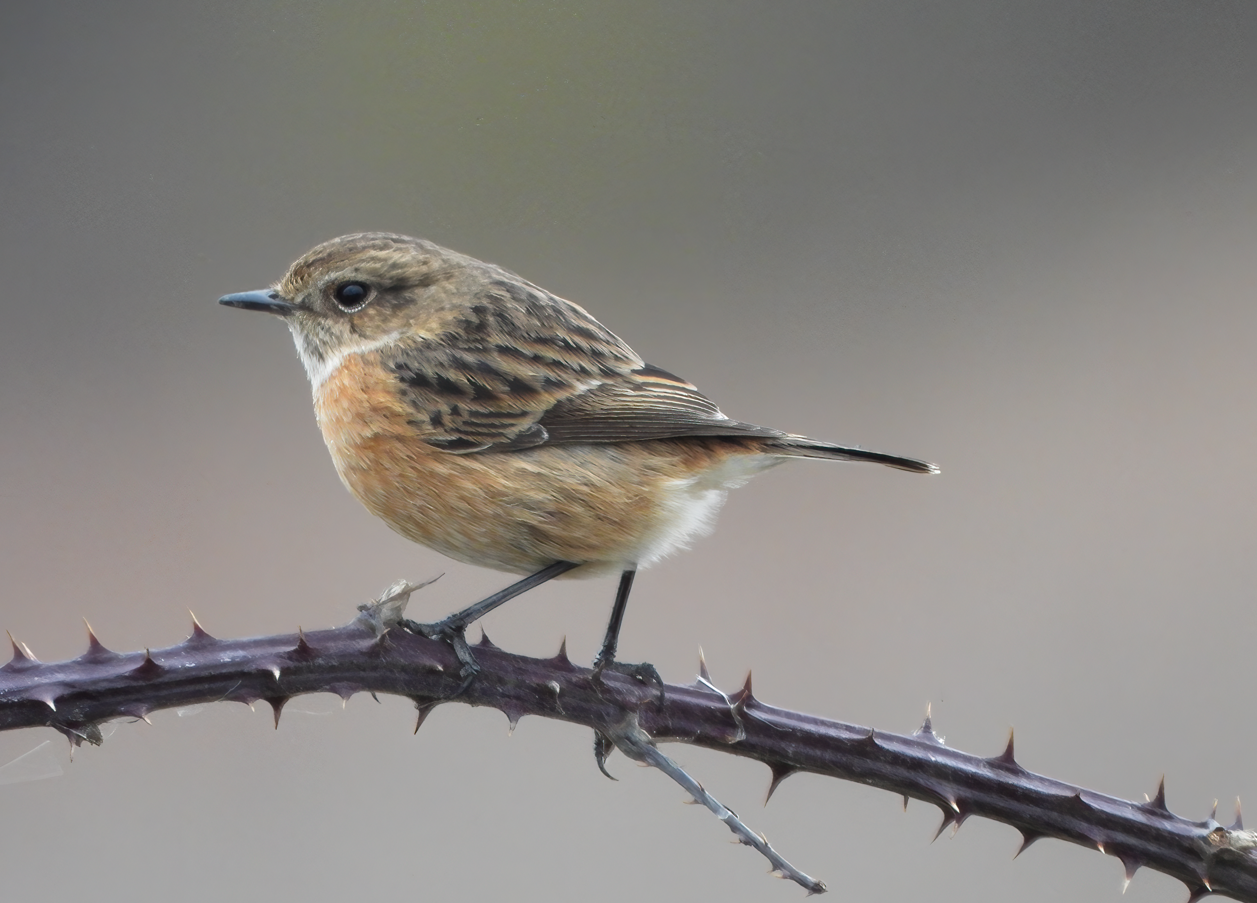
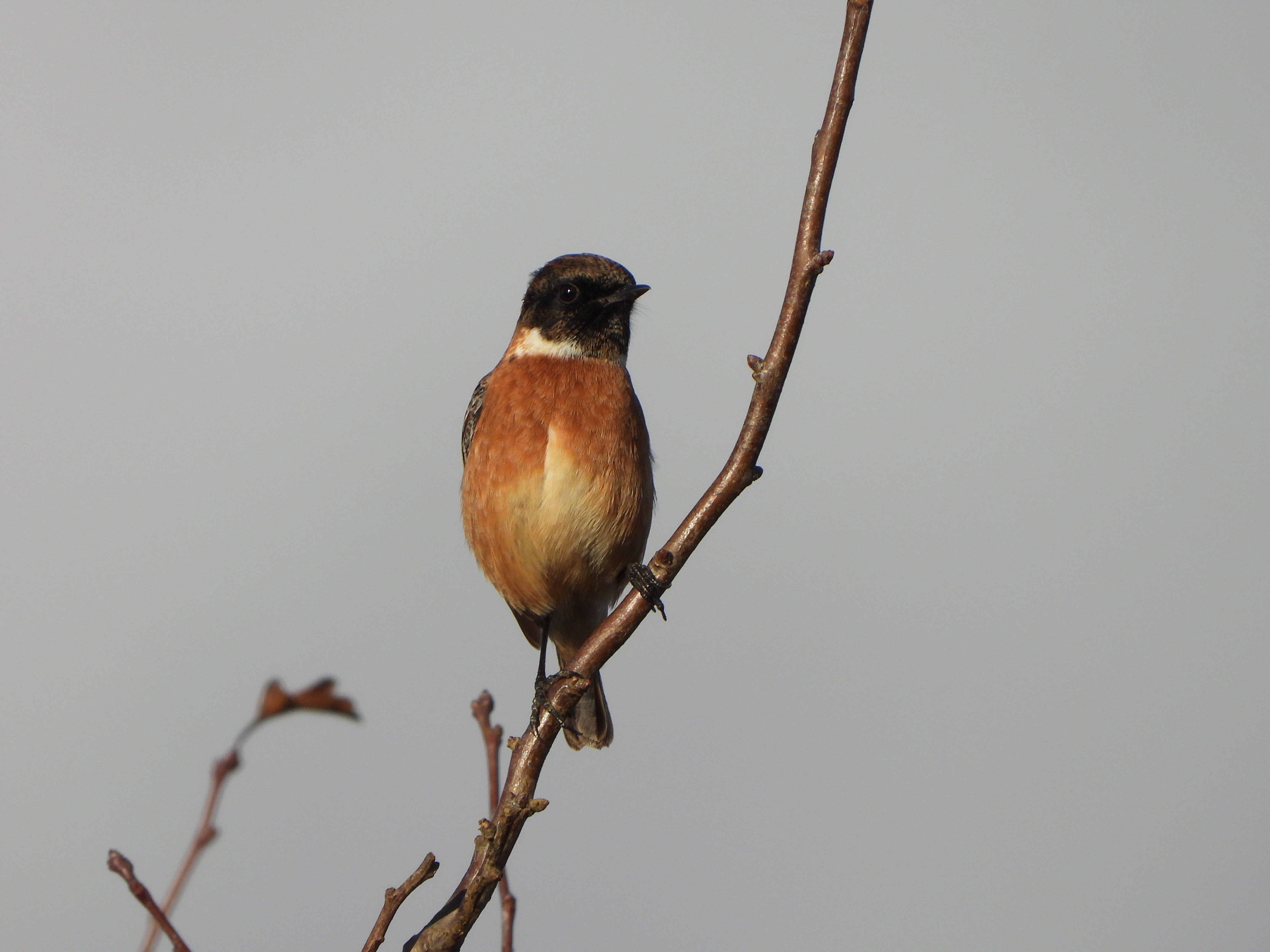
Stonechats were more reliable, of course, with Borough Hill, Deene Lake, Earls Barton GP, Hollowell, Pitsford and Summer Leys all holding multiples, the maximum of which was six at Hollowell on 26th.

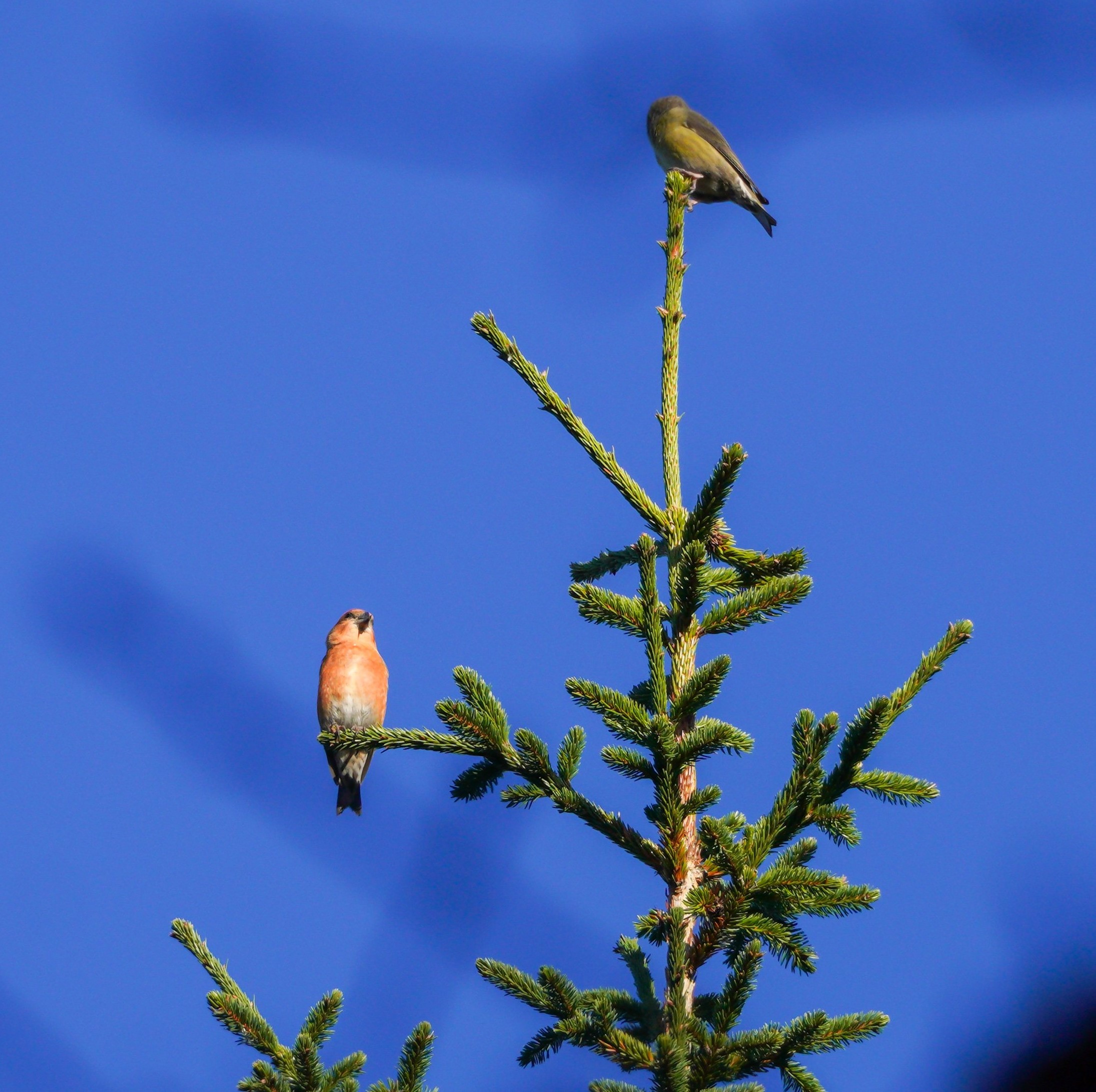
The week also saw the highest number of Crossbills so far this year when at least forty were seen at Wakerley Great Wood on 23rd, when several were also at nearby Westhay Wood and two were at Fineshade.
And, as we end the year, a big thankyou to everyone in the birding community for sharing information across multiple platforms on sightings in Northamptonshire, and to those who have contributed news and images directly to Northants Birds. Wishing you all the best for the New Year!
















 Northants birds