Newsround – 19th to 25th October 2024

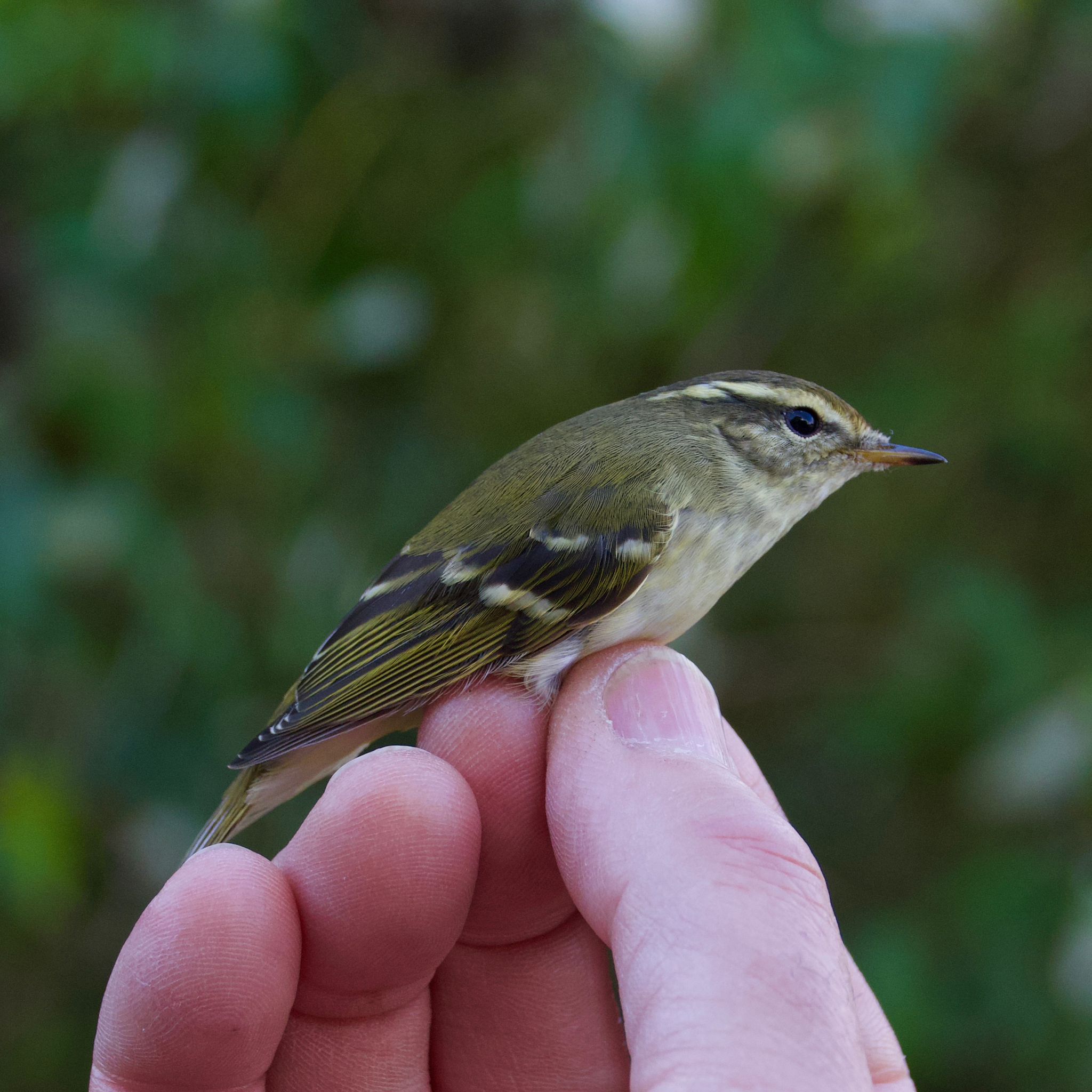
The week kicked off with Storm Ashley, of which we were on the periphery and, while hopes were high for a wrecked seabird or two, there was no such luck, with the short term occurrence of a Shag the day after seemingly coincidental. Otherwise, it was down to another Yellow-browed Warbler – amongst other fare – to keep the autumn pot bubbling …

Stanford Res was the locality for producing the majority of this week’s wildfowl with, once again, what was presumably the same bird as last week’s Pink-footed Goose dropping in on 19th-20th. A new adult Whooper Swan also appeared there on 21st remaining until 25th, although it was not seen on 23rd.

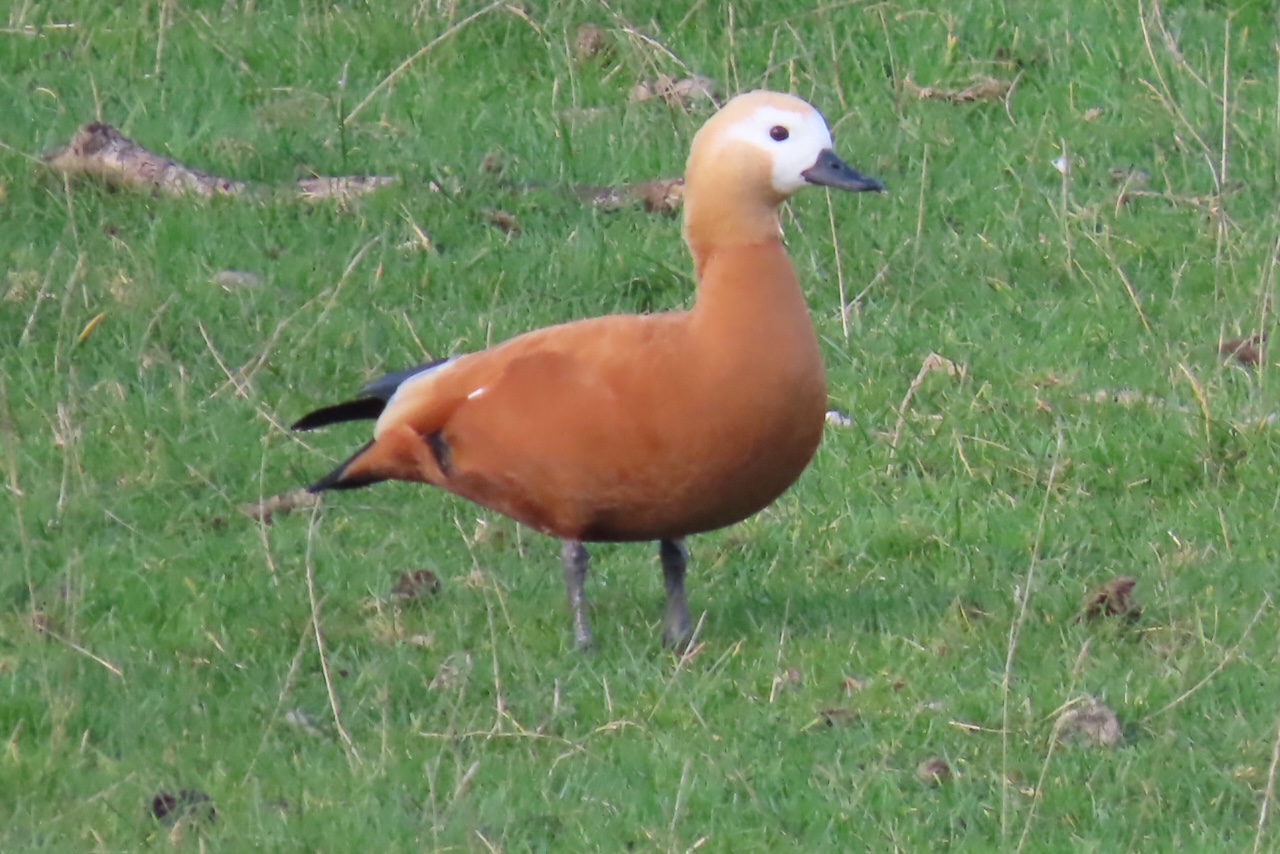
Following its absence from Stanford, where it was last seen on 9th September, the female Ruddy Shelduck was relocated at its recently favoured winter haunt, Winwick Pools on 24th, after having visited Ravensthorpe Res on 15th and 22nd September.
Aside from the first-winter drake at Boddington Res, where it remained until at least 24th and a drake at Pitsford Res on 21st, the period’s Red-crested Pochards had peaked at no more than five at Stanford by the week’s end.

After some absence, waders were back on the menu – albeit on a very short term basis – with a Black-tailed Godwit at Elton GP and a fleetingly late Wood Sandpiper at Summer Leys LNR, both on 23rd. Prime wader habitat remains at a premium, however.

More Mediterranean Gulls appeared on the scene during the period, doubling last week’s total (which wasn’t difficult). Boddington’s first-winter continued to appear there in the roost intermittently until 22nd, with an adult gracing the Stanford roost on the latter date, while Summer Leys delivered a second-winter on 23rd and a first-winter on 25th.

Numbers of Caspian Gulls were limited to an adult and a first-winter in the Boddington roost on 22nd-23rd and two adults at Hollowell Res on 24th. Yellow-legged Gulls fared better, pushing into double figures at Boddington where the roost produced up to twelve on 22nd-23rd. Elsewhere, three were at Summer Leys on 23rd, followed by two there on 25th, while single adults were seen at Pitsford Res on 21st and Clifford Hill GP on 24th.

Often turning up in remarkably calm conditions, so unlikely to be weather-related, new in for 2024 was a juvenile Shag at Ravensthorpe on 21st. Unfortunately, it failed to stick and show, being subjected to disturbance by fishing boats shortly after its discovery. Shag is a near-annual visitor having been recorded in fourteen out of the last twenty years.

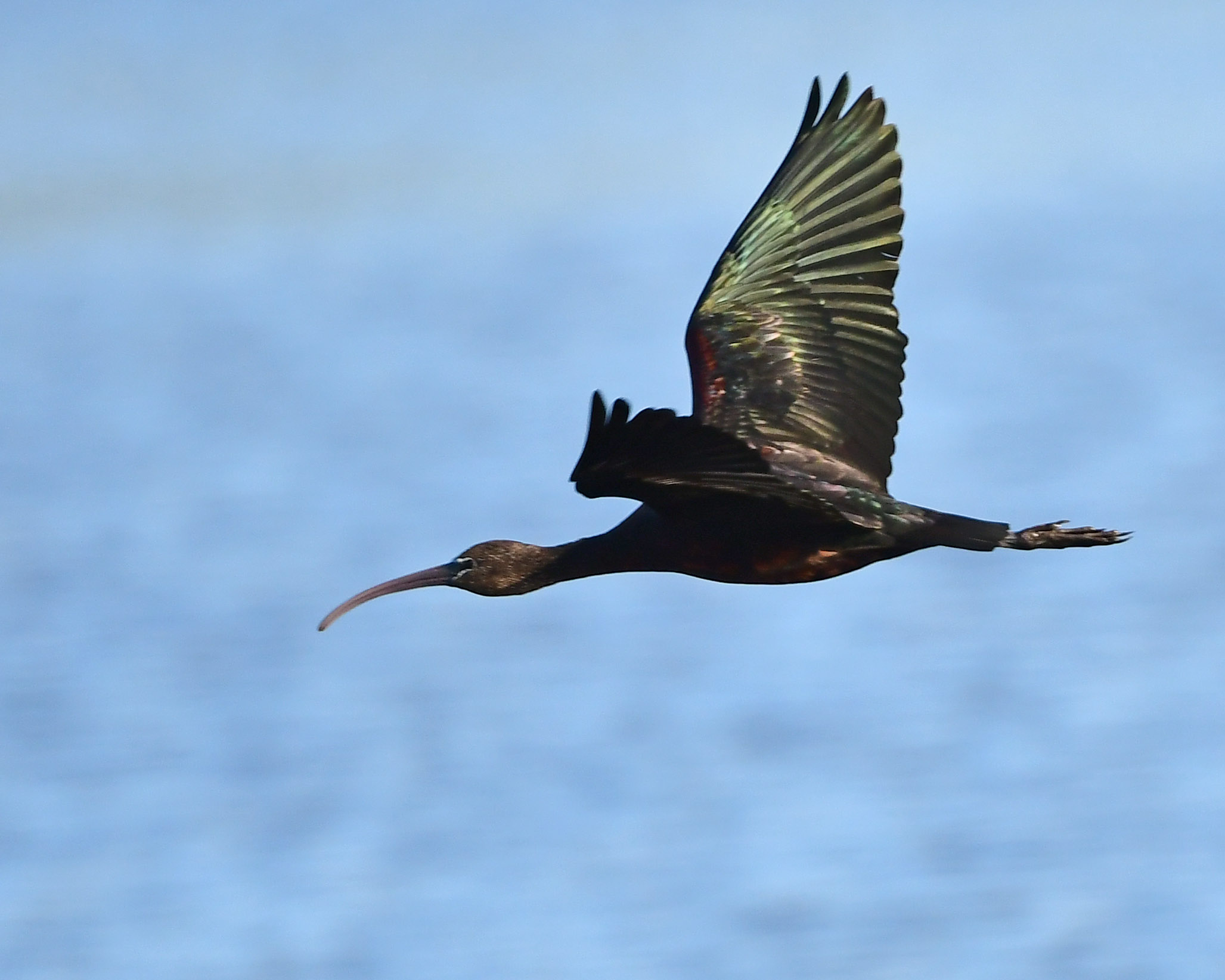
The same cannot be said with regard to Glossy Ibis, for which the opposite applies in both instances. It’s still a local and national rarity but in the current circumstances the Summer Leys bird has further extended its stay by another seven days to five weeks, frequently showing well to all comers.

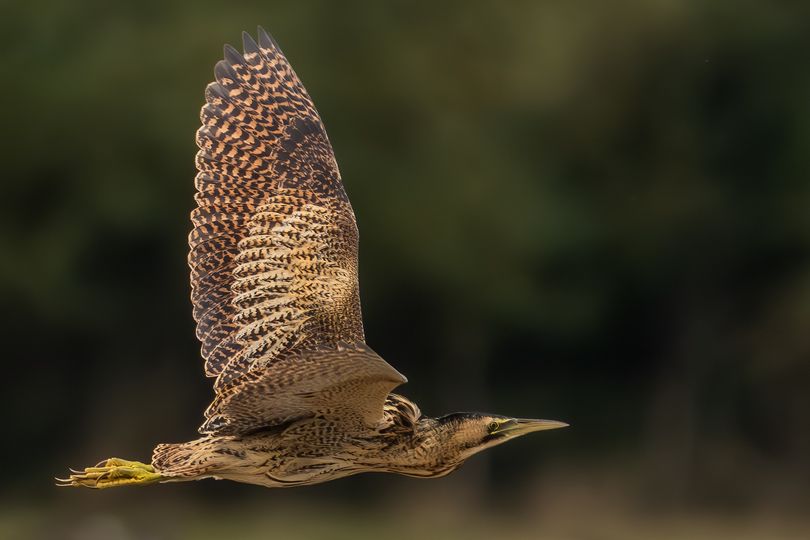
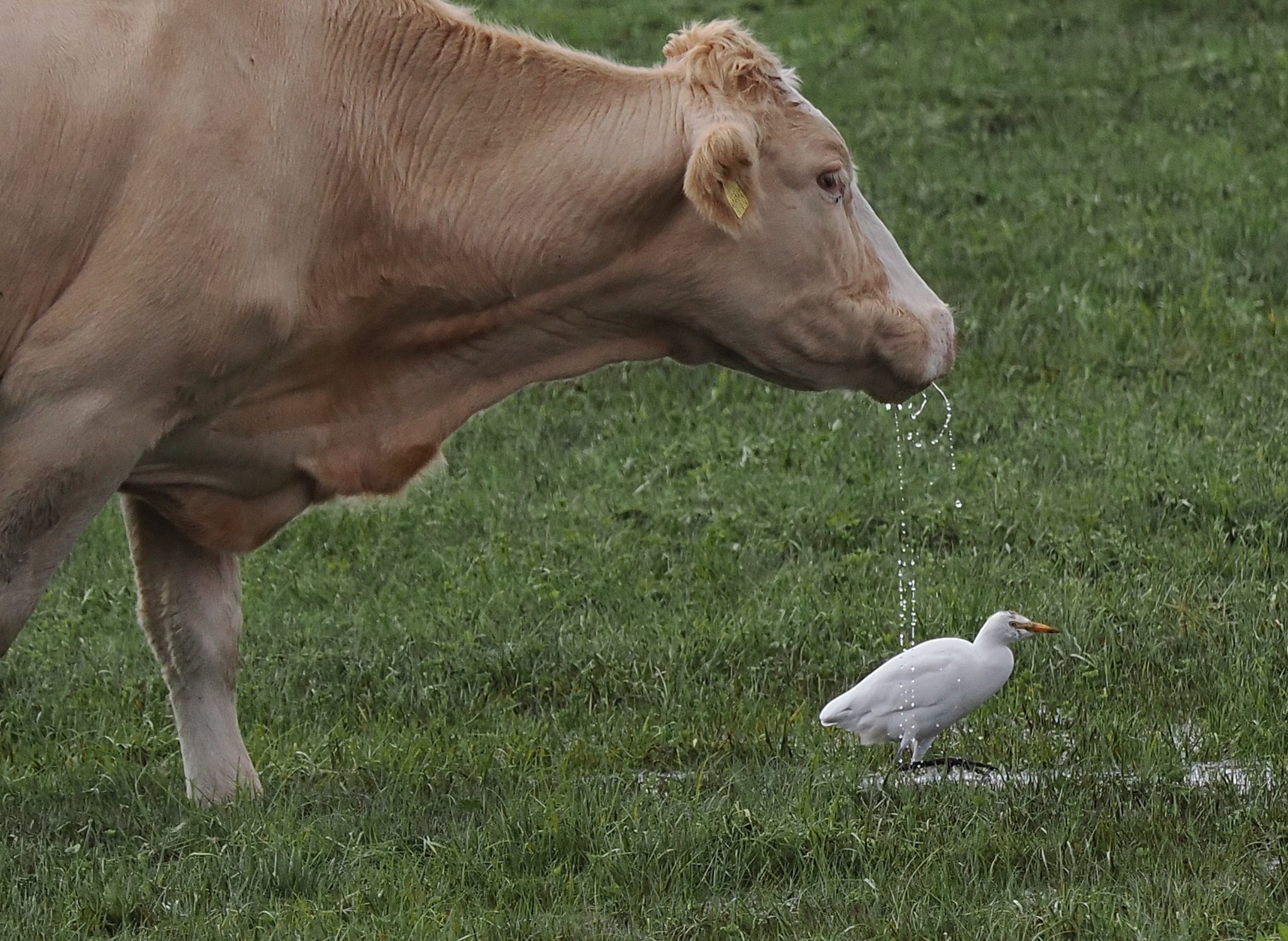
This week it was the turn of Thrapston GP’s Titchmarsh LNR to produce the period’s Bittern sightings, with one on 21st and 23rd and two on 24th. A cattle field adjacent to nearby Ringstead GP continued to prove attractive to Cattle Egrets, the week starting with two there on 19th, increasing to six on 20th and finishing with two again on 25th. Three were also found in a field west of Chacombe in south-west Northants on 19th.

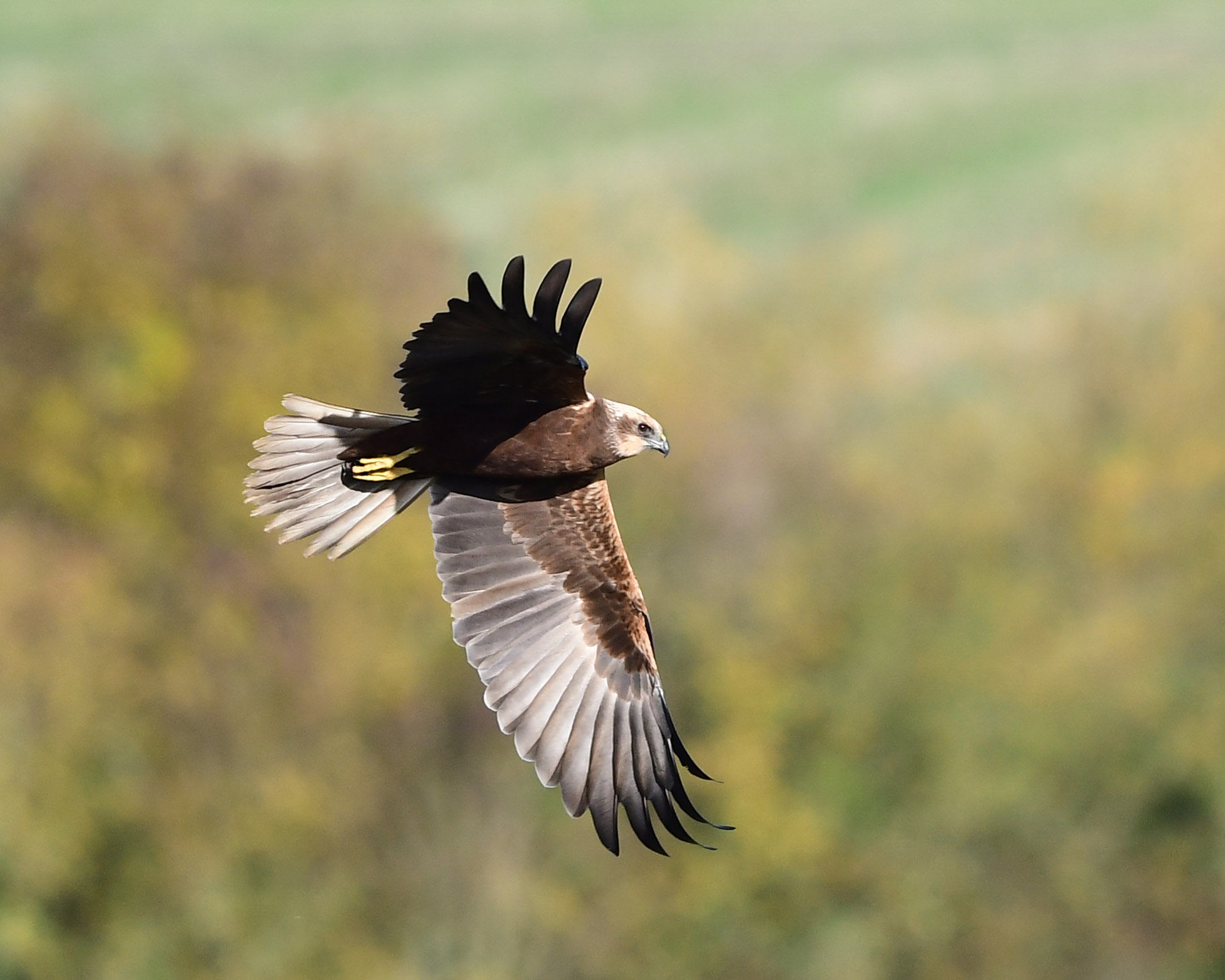
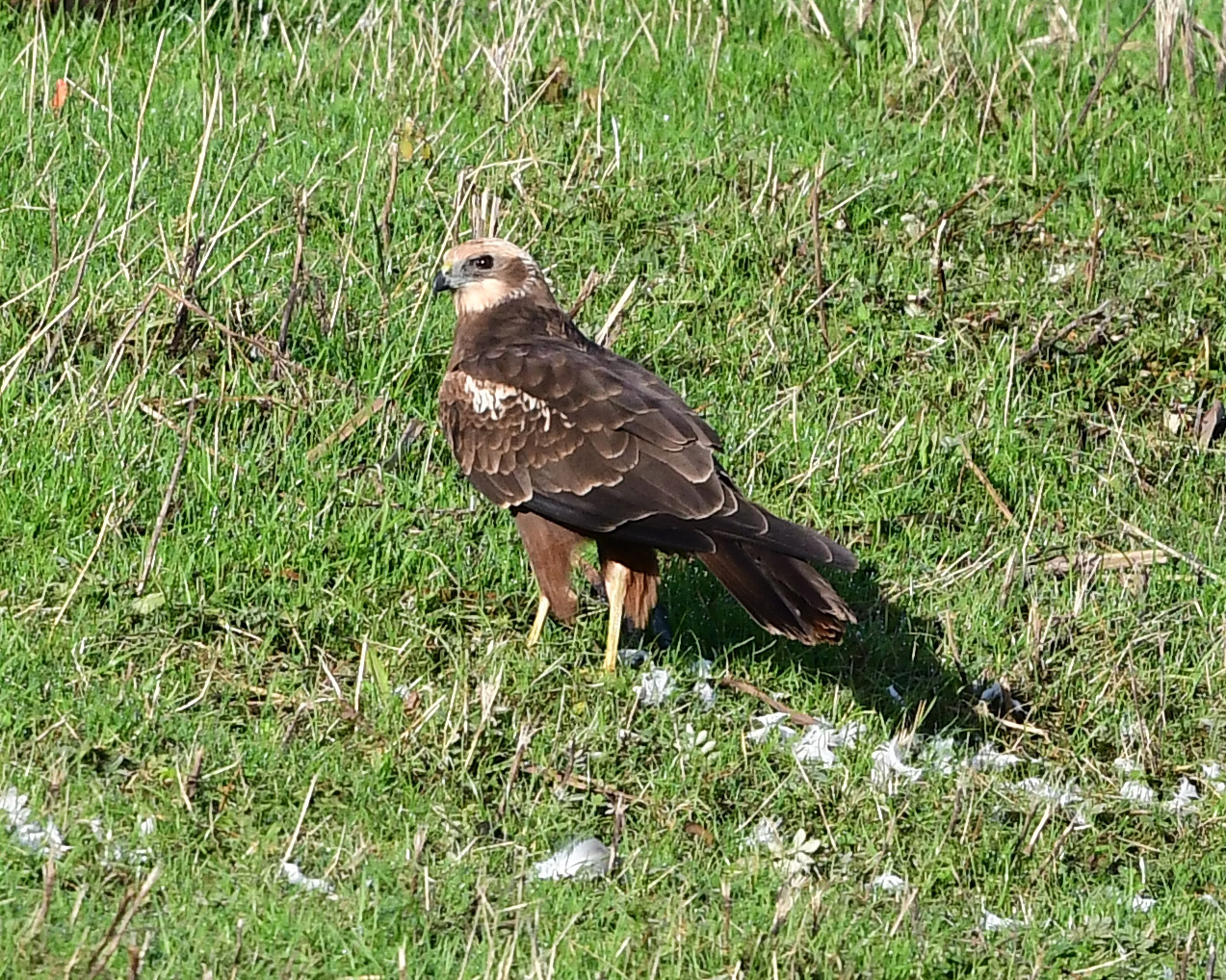
Back at Titchmarsh, one of the week’s two Marsh Harriers was seen on 21st, Summer Leys enjoying one on the same date, while last week’s Hen Harrier at Stanford also made it into this week on 19th.

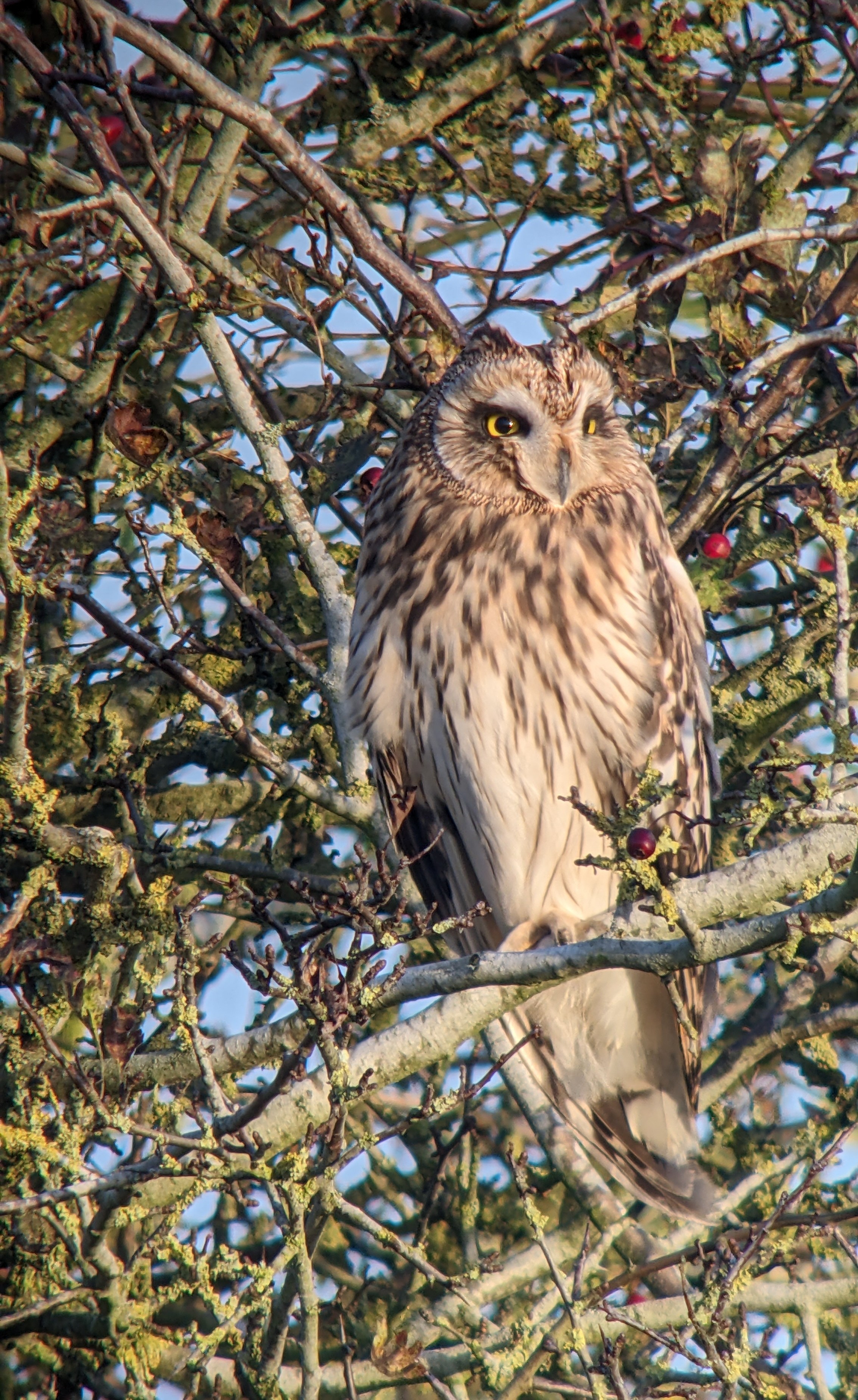
It’s been quiet at Harrington AF for some time now but, following the autumn’s first Short-eared Owl there on 3rd, another – or perhaps the same – was present this week on 19th. October is a prime month for the movement of this species through the UK.
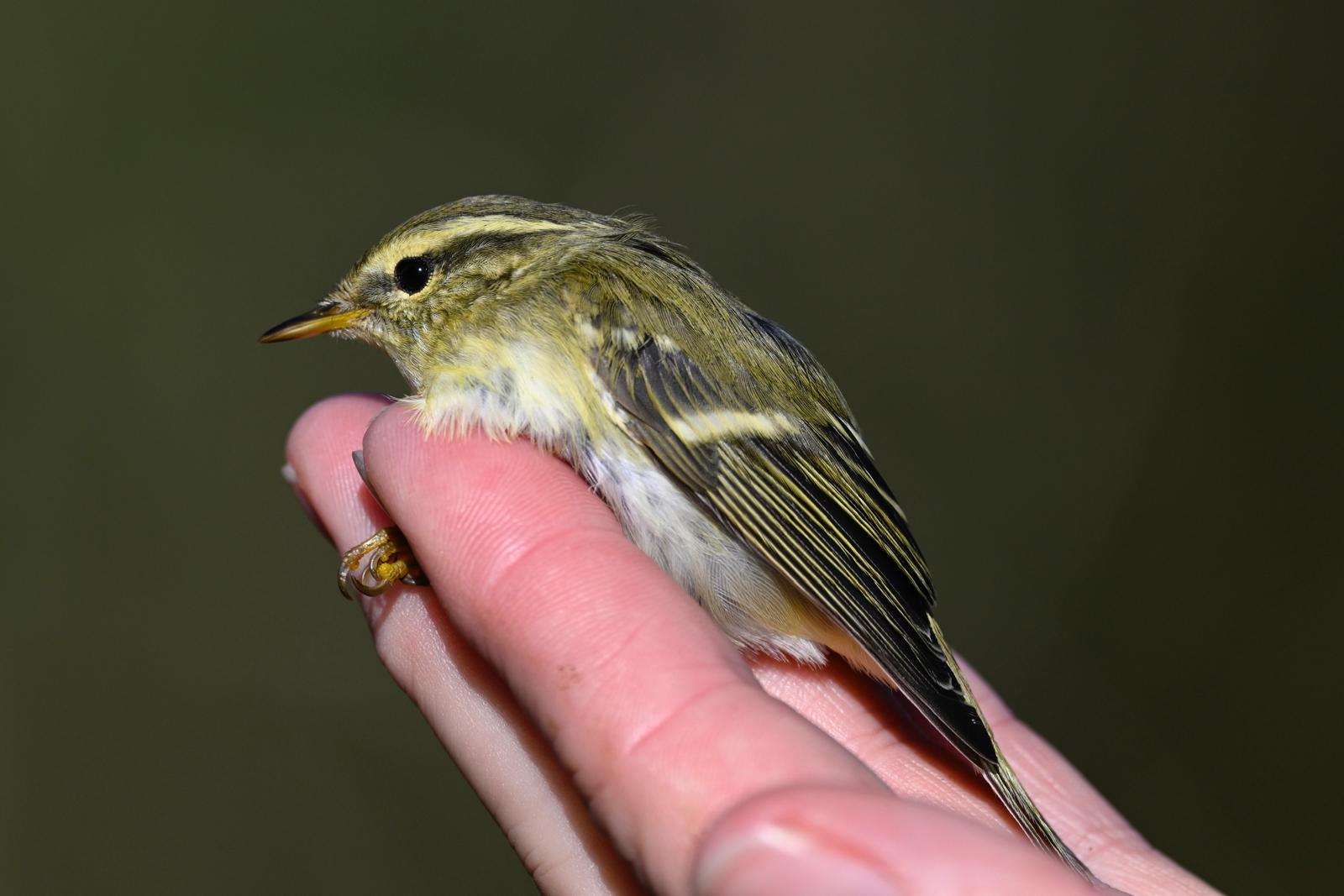
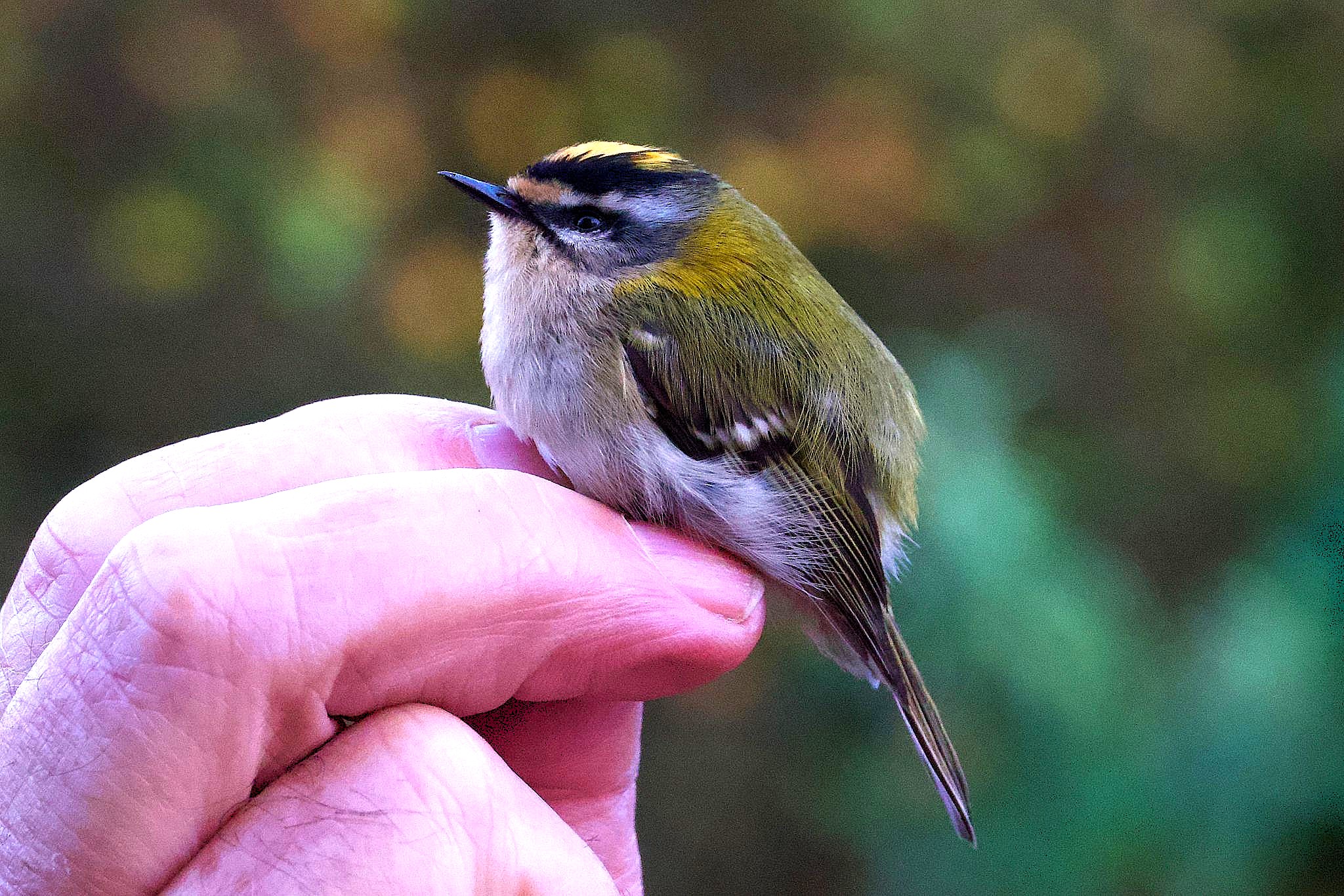
And as for passerines? Stanford, ever effervescent as Northamptonshire’s premier ringing site – and thank the gods it’s on our side of the county boundary – did it again this week with another Yellow-browed Warbler out of the nets on 23rd, quickly followed by a Firecrest the next day. What else might be in the offing there before the autumn’s out?

Stonechats continued to be seen across the county at Boddington, Earls Barton GP, Elton, Hollowell, Orlingbury, Stanford and Warmington with a maximum of four at Hollowell on 24th.

Newsround – 12th to 18th October 2024

Edging that little bit closer to late autumn saw the arrival of large waves of winter thrushes pushing through the county, as well as the first Whooper Swans this side of the last winter period. Reluctant to move on, the Glossy Ibis dug its heels in, while yet more Yellow-browed Warblers seemed intent on making further advances on their already record high numbers.

Stanford was the top performing reservoir this week, with the birds on offer there including the locally roaming Pink-footed Goose again dropping in on 17th. Prior to this, four Whooper Swans flew east early on 13th, followed by what was believed to be a different quartet on the water there later in the afternoon. This latter herd remained overnight and was seen to depart to the east early the next day. Thrapston GP also got in on the action with four on Titchmarsh LNR on 13th, one of which bore rings – a white ‘65L’ on its right leg and a metal ring on its left. Observer research revealed it had been ringed as an adult male at Lake Sandvatn, Iceland on 8th August this year and that the Titchmarsh sighting was the first anywhere since this date.

Back at Stanford, Red-crested Pochard numbers fell from seven to four, all of which were still present at the week’s end. Elsewhere, the first-winter drake remained settled at Boddington Res throughout the period and two were present at Earls Barton GP’s New Workings (South) on 13th.

With waders well and truly off the radar, it fell to gulls to provide a little waterfront entertainment. Boddington Res and Stanwick GP were to carve up the Mediterranean Gulls between them, Boddington regularly producing a first-winter between 14th and 18th and Stanwick a second-winter on 14th-15th.

Stanwick also produced a first-winter Caspian Gull on 12th, while single adults visited both Boddington and Stanford on 15th and Hollowell Res held two adults on the latter date and one on 17th. The week’s Yellow-legged Gulls were found at three widely separated localities with singles at Stanwick on 12th, Boddington on 12th and 14th and Ravensthorpe Res on 17th, while five joined the roost at Boddington on 15th.

A late Black Tern was found at Pitsford Res, also on 15th.

Continuing its protracted stay, the Glossy Ibis notched up another week at Summer Leys LNR and surrounding area, where it has now been present for a solid 28 days. Interestingly, one was reported by a biodiversity survey team at Stanwick on 13th, which seems likely to be a different individual as the Summer Leys bird was being reported at, or about, the same time.

Stanwick was also the only site to record Bittern this week, with one there on 14th, while the same location saw three Cattle Egrets fly over on 12th and four on the ground there the following day. Further down the valley, fields immediately north-east of Ringstead GP produced the highest counts of the week, though, with one on 12th, eight on 15th and six on 18th, while one turning up to roost at Boddington on 14th was only the second record for the site.

Meanwhile, raptors were up on the last period with sightings of Marsh Harriers dominating. Seemingly now part of the Summer Leys furniture, one remained there throughout the week, also being seen in the wider area of the Earls Barton GP complex on 15th and 18th, while further reports came from Titchmarsh on 14th, Stanwick on 15th and Ditchford GP on 18th.

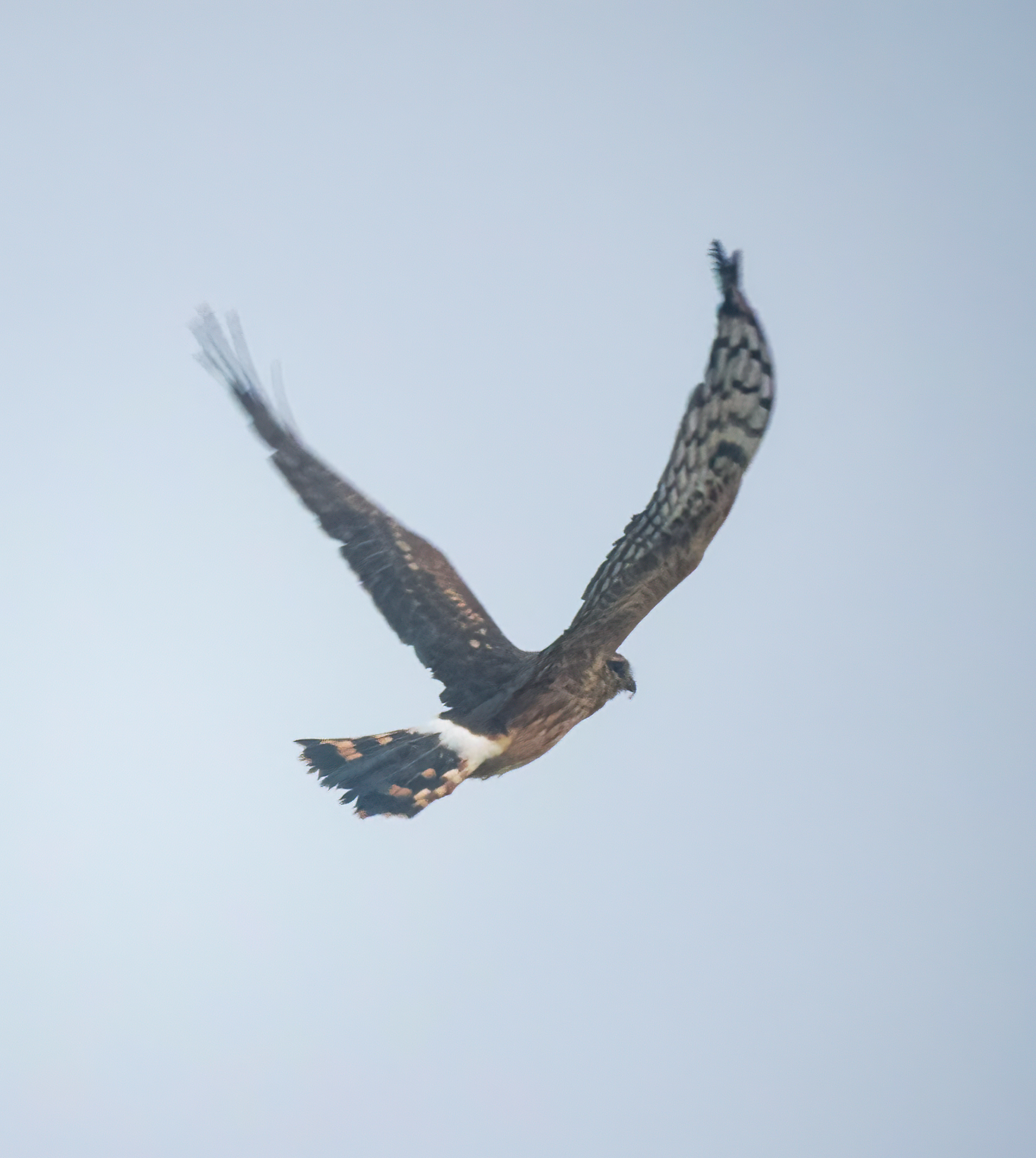
A Hen Harrier – the fifth of the autumn, so far – was present at Stanford on 17th-18th but was not seen thereafter and a Merlin stuck around in the Brampton Valley, between Cottesbrooke and Hanging Houghton, on 14th-15th.

After the last fortnight’s record-breaking four Yellow-browed Warblers, there was more to come and it seems we’re not done yet with this little Siberian gem. While the Ringstead bird was still to be had on the first day of the period, another was found at Stanford on 15th, followed by yet another at Earls Barton GP three days later, on 18th. And here’s the thing: over the last ten years (2014-2023) Yellow-broweds have outnumbered Wood Warblers in the county with a total of fourteen vs. thirteen of the latter. Throw in this year’s (2024) occurrences for both so far and Wood Warbler moves up one to fourteen, while Yellow-browed soars to nineteen – potentially twenty if this week’s individual at Stanford was indeed a new bird!

Rightly overshadowed, as well as likely overlooked, a Ring Ouzel at Harrington AF on 16th was about par for the autumn course as far as this species is concerned.

And as for other passerines, Stonechats were found in at least eight localities, comprising Brampton Valley, Ditchford, Earls Barton, Harrington, Hollowell, Pitsford, Stanford and Summer Leys, with maxima of six in the Brampton Valley and at Earls Barton.

It should be said that, given the numbers seen in the UK so far this autumn, ‘Eastern Stonechat’ is not impossible and, although it’s a bit of a long shot, inland records are not unprecedented …

Newsround – 28th September to 11th October 2024

We’re now well into October and sustained easterlies in the early part of the month have produced a veritable smorgasbord of Siberian vagrants along the eastern coast of Britain. Although situated far inland, we can’t really complain about the mid-autumn fare on offer locally. With a long-staying Glossy Ibis remaining throughout the period and a record number of Yellow-browed Warblers set to match that present on the Isles of Scilly (well, almost), there was enough out there to fuel enthusiasm and set local pulses racing.

With the provenance of a lone White-fronted Goose flying south-west over Stanford Res on 28th unestablished, it fell to the reservoir itself to produce the majority of this week’s more static wildfowl. Remaining there from the last full week of September was the flock of seven Red-crested Pochards, holding steady throughout the period, while the first-winter drake at Boddington Res also appeared similarly settled. Two more put in a one-day appearance at Daventry CP on 4th.

After a visit on 3rd September, what was presumably the same female Ferruginous Duck was back again at Stanford on 11th. It seems likely this is one of the birds which has been frequenting Shawell Sandpit, Leicestershire, since early September. As the duck flies, this site is little more than 6 km from Stanford.

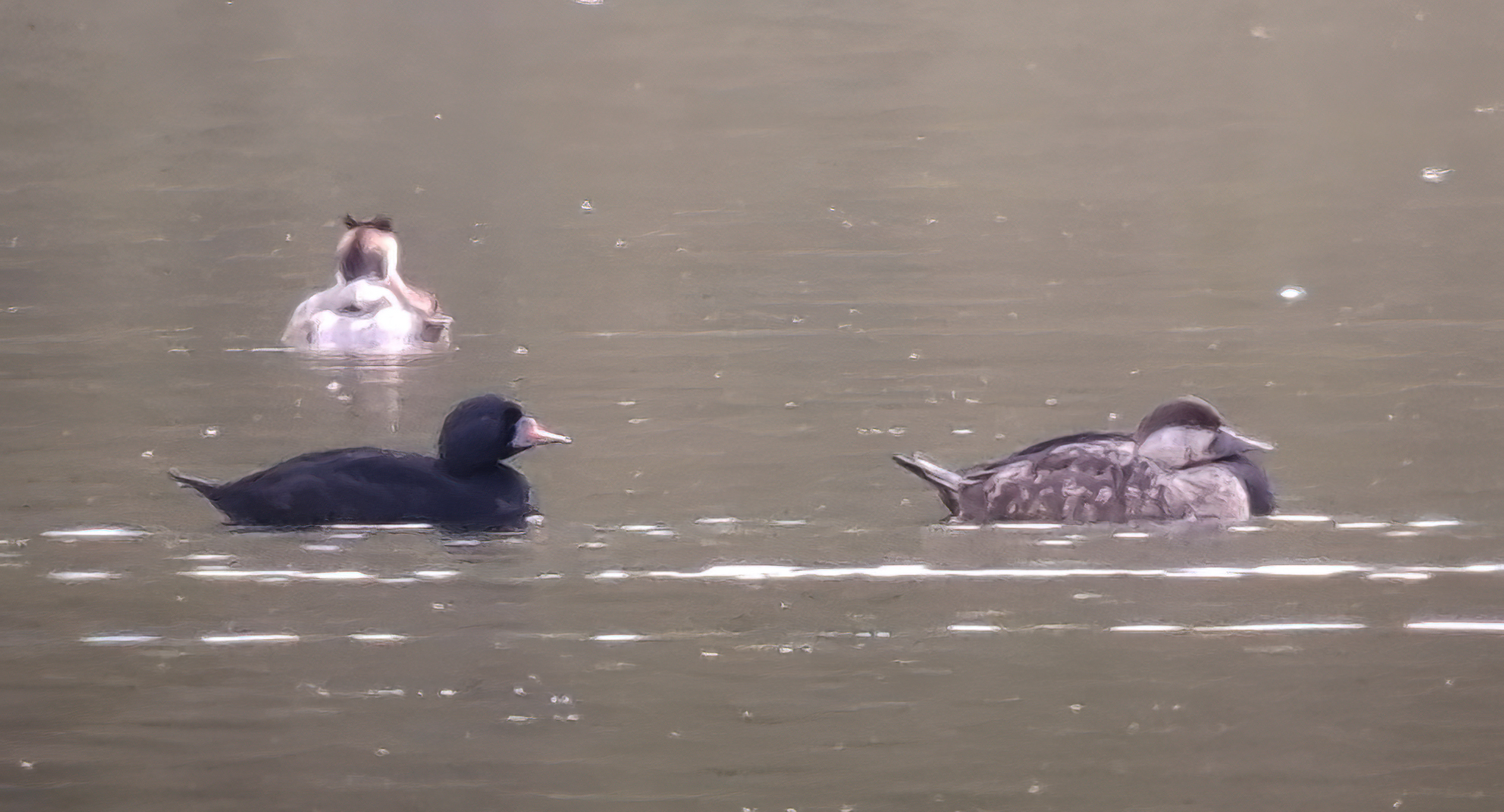
And after what has turned out to be a decent year for Common Scoters in the county, three more were found at Daventry CP on 9th.

Summer Leys held the pick of the period’s meagre offering of waders, with a Black-tailed Godwit there on 3rd and a Ruff on 29th, 4th and 5th, while a Jack Snipe was found at Daventry CP on 7th.

The number of scarce gulls was down to just a first-winter Mediterranean Gull at Stanford on 9th-10th and single adult Caspian Gulls at Hollowell Res on 2nd and at Stanford on 5th. Yellow-legged Gulls did not fare much better, with a second-winter at Hollowell on 29th and a near-adult at Daventry on 9th.

And a late juvenile Arctic Tern at Thrapston GP’s Town Lake, from 30th until 2nd, was about par for the course for local records at this time of the year. Black Terns continued to appear throughout the period, though, with the four late September juveniles lingering at Clifford Hill GP until 1st and new birds turning up at Thrapston GP’s Town Lake, where there were three on 29th, followed by singles at Ravensthorpe Res on 30th, Hollowell from 10th to 11th and at Pitsford Res on the latter date.

And sticking more or less with seabirds, it’s been a while since the last Gannet was recorded in the county – 7th October 2021, to be precise – so two together in flight over Ditchford GP’s Irthlingborough Lakes & Meadows LNR on 2nd was a boon for one local observer. They flew south-west but, perhaps surprisingly, they were not picked up by any other observers further up the Nene Valley in the same way that some have been in previous years.

Now seemingly settled, the Glossy Ibis, first found on 21st September, was seen daily on and around Summer Leys, although it was mobile between Earls Barton GP’s Hardwater Lake area and, at one point, Wellingborough Embankment. Not the crowd-puller it once was, we can no doubt expect more to come as ‘Cambridgeshire overspill’ following recent breeding in that county, where the species seems nigh on gaining residential status.

While Summer Leys held on to its Bittern, which was seen sporadically up until 9th, there was neither sight nor sound of the one at Stanford after 28th.

The number of Cattle Egrets in the Nene Valley looked like it was beginning, once again, to approach double figures when eight were located in water meadows immediately east of Woodford on 4th. At least seven were still present the following day. One also visited Irthlingborough Lakes & Meadows LNR on 3rd.

And have we now seen the last of this year’s Ospreys? Single birds were watched flying purposefully over Stanford on 3rd and south-east over Lowick on 9th. To demonstrate just how quickly they make tracks for their winter quarters, a ringed individual that was present at Belvide Res, Staffordshire on the 25th September was back at the Palmarin Reserve in Senegal 14 days later, on 9th October (per Tim Mackrill).

Other raptors were also available – namely Marsh Harriers. As well as being seen almost daily at Summer Leys, singles appeared at Pitsford Res on 28th, in the River Tove Valley below Grafton Regis, on 4th and at Thrapston on 7th-8th.

Also out quartering rough ground was the autumn’s first Short-eared Owl, at Harrington AF on 3rd.

But the classic jewel in the autumn crown for many of us is Yellow-browed Warbler and with another major UK influx underway it would have been surprising if we had not picked up at least one. And so it came as no surprise when one was pulled from the hallowed nets of the Stanford Ringing Group on 28th, when it was ringed and immediately released it back into the nearby scrub from whence it came.

What was a surprise, though, was the trapping of a second Yellow-browed at the same site the following day! Could things get any better? Well, in fact, yes. A third, unringed, individual was found only a few hundred metres away along the reservoir periphery, on 30th, this third bird remaining in the area until 4th.

Meanwhile, the individual trapped and ringed on 29th was retrapped on 3rd and upon weighing, it was discovered that it had increased its weight from 7.1 grams to 7.8 grams – a weight gain of almost 10%.

Before the period was out, though, another was discovered at Ringstead GP, alongside Kinewell Lake, on 11th, giving rise to a record four Yellow-broweds in one Northamptonshire autumn – and it’s not over yet …

Other passerines were available, of course, and a late Common Redstart was trapped and ringed at Pitsford Res on 4th, while Stonechats were found at Earls Barton, Grafton Regis, Hollowell and Stanford, with no more than two at each locality.

In Northampton, a Hawfinch was reported briefly at Dallington Cemetery on 5th.