We’re now well into October and sustained easterlies in the early part of the month have produced a veritable smorgasbord of Siberian vagrants along the eastern coast of Britain. Although situated far inland, we can’t really complain about the mid-autumn fare on offer locally. With a long-staying Glossy Ibis remaining throughout the period and a record number of Yellow-browed Warblers set to match that present on the Isles of Scilly (well, almost), there was enough out there to fuel enthusiasm and set local pulses racing.
With the provenance of a lone White-fronted Goose flying south-west over Stanford Res on 28th unestablished, it fell to the reservoir itself to produce the majority of this week’s more static wildfowl. Remaining there from the last full week of September was the flock of seven Red-crested Pochards, holding steady throughout the period, while the first-winter drake at Boddington Res also appeared similarly settled. Two more put in a one-day appearance at Daventry CP on 4th.

After a visit on 3rd September, what was presumably the same female Ferruginous Duck was back again at Stanford on 11th. It seems likely this is one of the birds which has been frequenting Shawell Sandpit, Leicestershire, since early September. As the duck flies, this site is little more than 6 km from Stanford.

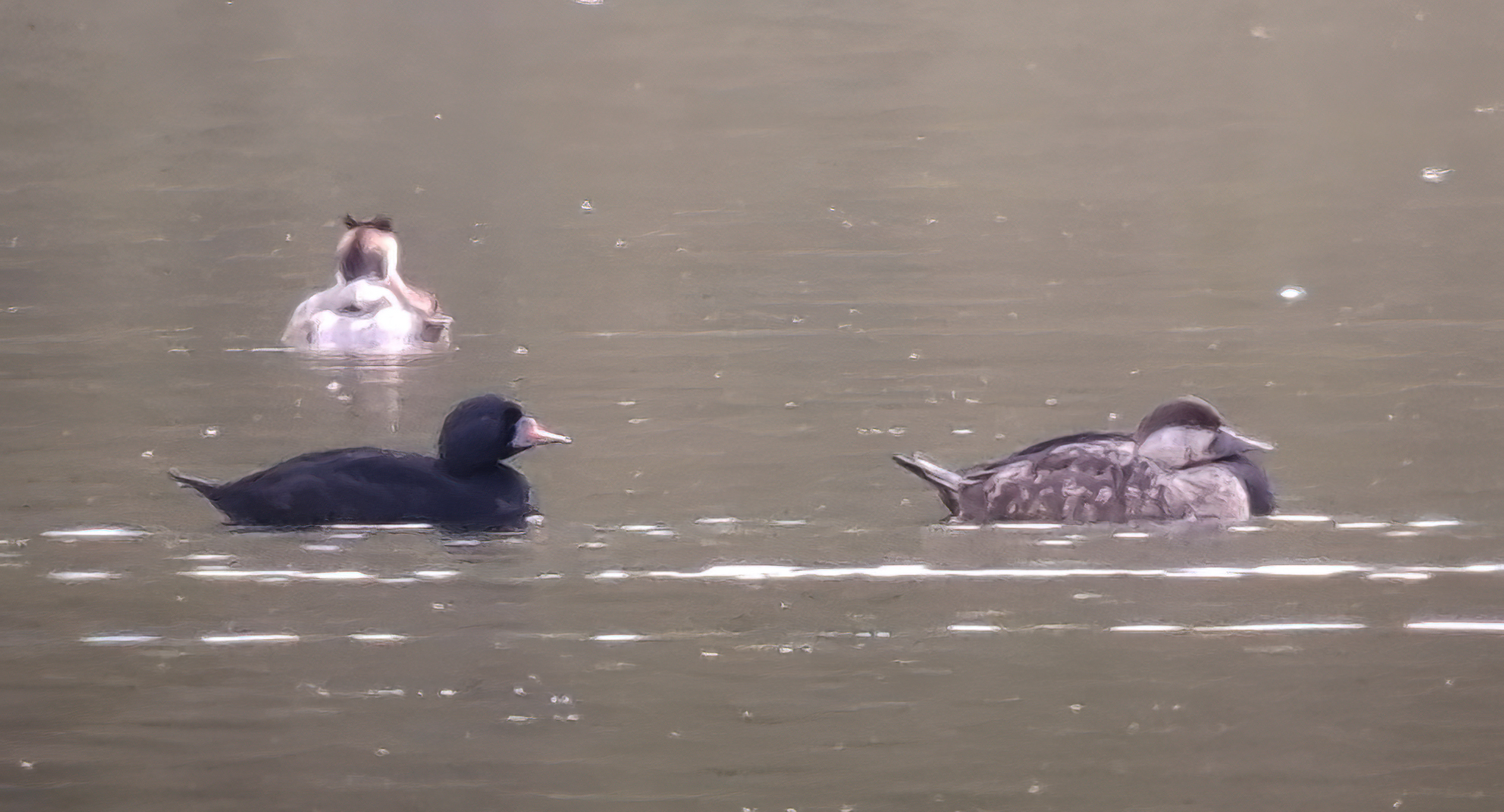
And after what has turned out to be a decent year for Common Scoters in the county, three more were found at Daventry CP on 9th.
Summer Leys held the pick of the period’s meagre offering of waders, with a Black-tailed Godwit there on 3rd and a Ruff on 29th, 4th and 5th, while a Jack Snipe was found at Daventry CP on 7th.
The number of scarce gulls was down to just a first-winter Mediterranean Gull at Stanford on 9th-10th and single adult Caspian Gulls at Hollowell Res on 2nd and at Stanford on 5th. Yellow-legged Gulls did not fare much better, with a second-winter at Hollowell on 29th and a near-adult at Daventry on 9th.

And a late juvenile Arctic Tern at Thrapston GP’s Town Lake, from 30th until 2nd, was about par for the course for local records at this time of the year. Black Terns continued to appear throughout the period, though, with the four late September juveniles lingering at Clifford Hill GP until 1st and new birds turning up at Thrapston GP’s Town Lake, where there were three on 29th, followed by singles at Ravensthorpe Res on 30th, Hollowell from 10th to 11th and at Pitsford Res on the latter date.

And sticking more or less with seabirds, it’s been a while since the last Gannet was recorded in the county – 7th October 2021, to be precise – so two together in flight over Ditchford GP’s Irthlingborough Lakes & Meadows LNR on 2nd was a boon for one local observer. They flew south-west but, perhaps surprisingly, they were not picked up by any other observers further up the Nene Valley in the same way that some have been in previous years.

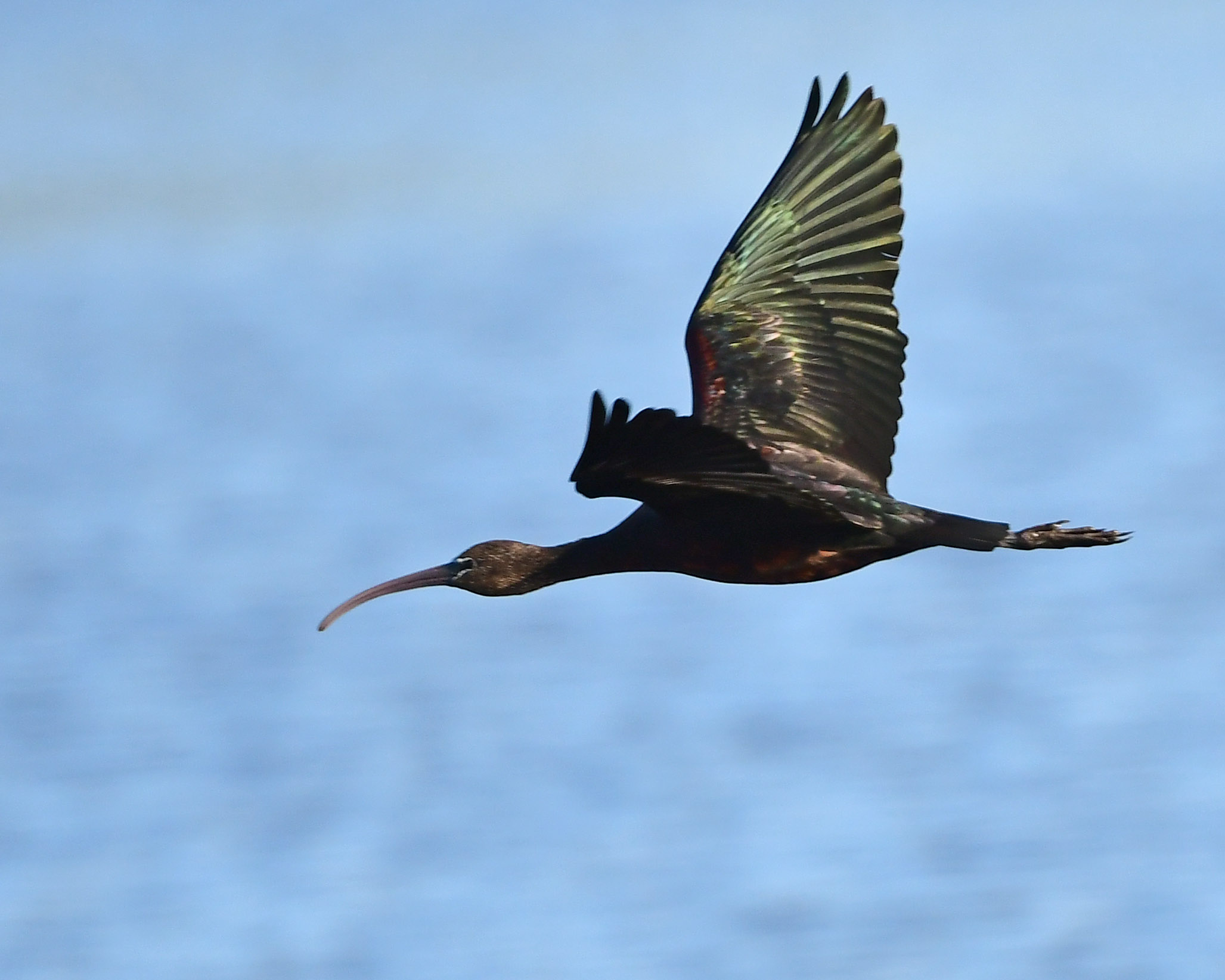
Now seemingly settled, the Glossy Ibis, first found on 21st September, was seen daily on and around Summer Leys, although it was mobile between Earls Barton GP’s Hardwater Lake area and, at one point, Wellingborough Embankment. Not the crowd-puller it once was, we can no doubt expect more to come as ‘Cambridgeshire overspill’ following recent breeding in that county, where the species seems nigh on gaining residential status.


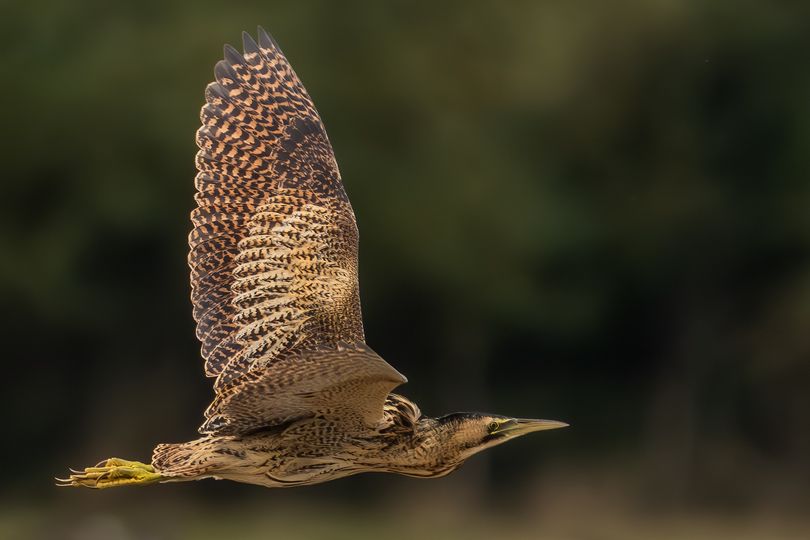
While Summer Leys held on to its Bittern, which was seen sporadically up until 9th, there was neither sight nor sound of the one at Stanford after 28th.
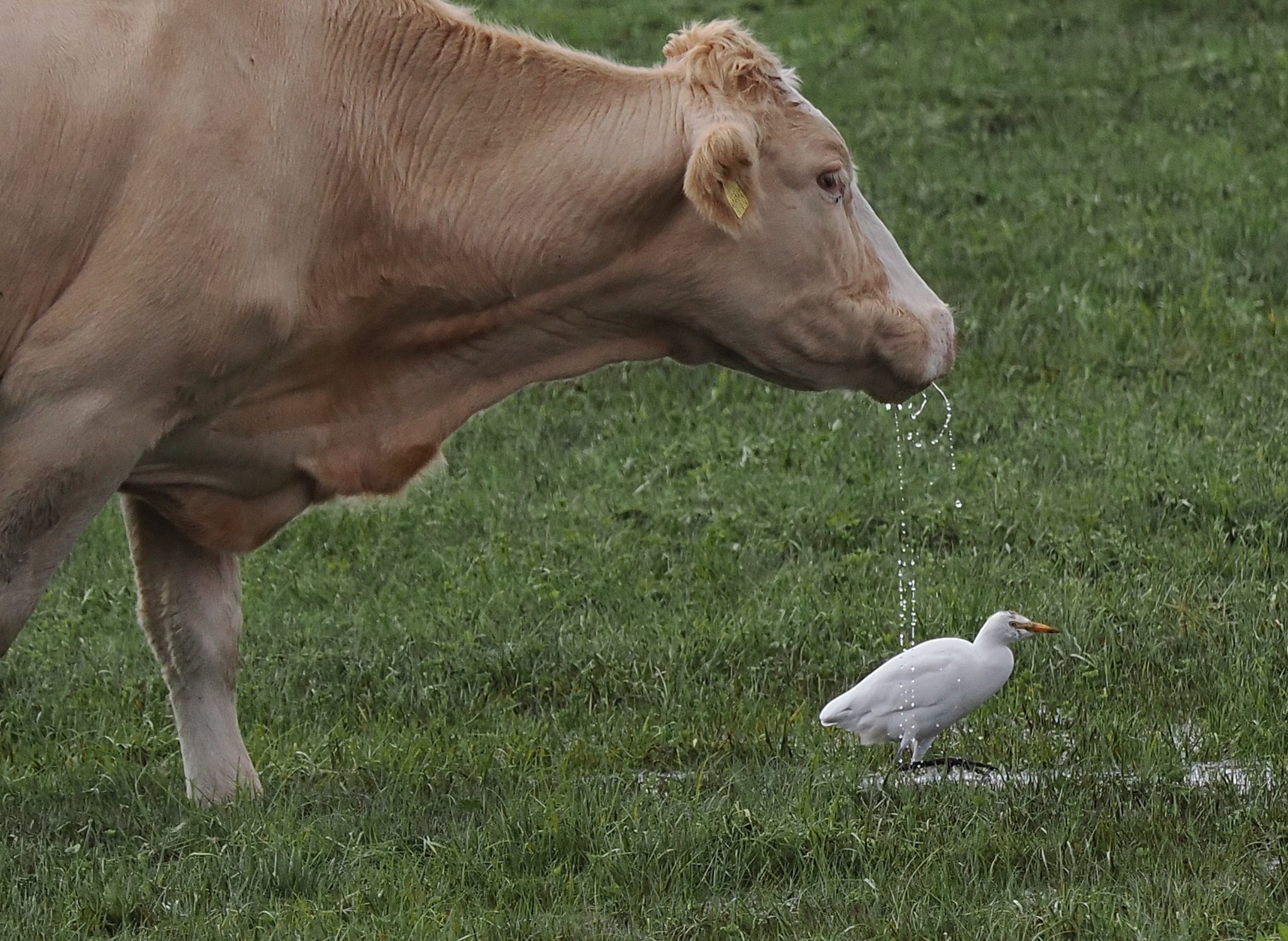
The number of Cattle Egrets in the Nene Valley looked like it was beginning, once again, to approach double figures when eight were located in water meadows immediately east of Woodford on 4th. At least seven were still present the following day. One also visited Irthlingborough Lakes & Meadows LNR on 3rd.
And have we now seen the last of this year’s Ospreys? Single birds were watched flying purposefully over Stanford on 3rd and south-east over Lowick on 9th. To demonstrate just how quickly they make tracks for their winter quarters, a ringed individual that was present at Belvide Res, Staffordshire on the 25th September was back at the Palmarin Reserve in Senegal 14 days later, on 9th October (per Tim Mackrill).
Other raptors were also available – namely Marsh Harriers. As well as being seen almost daily at Summer Leys, singles appeared at Pitsford Res on 28th, in the River Tove Valley below Grafton Regis, on 4th and at Thrapston on 7th-8th.
Also out quartering rough ground was the autumn’s first Short-eared Owl, at Harrington AF on 3rd.
But the classic jewel in the autumn crown for many of us is Yellow-browed Warbler and with another major UK influx underway it would have been surprising if we had not picked up at least one. And so it came as no surprise when one was pulled from the hallowed nets of the Stanford Ringing Group on 28th, when it was ringed and immediately released it back into the nearby scrub from whence it came.
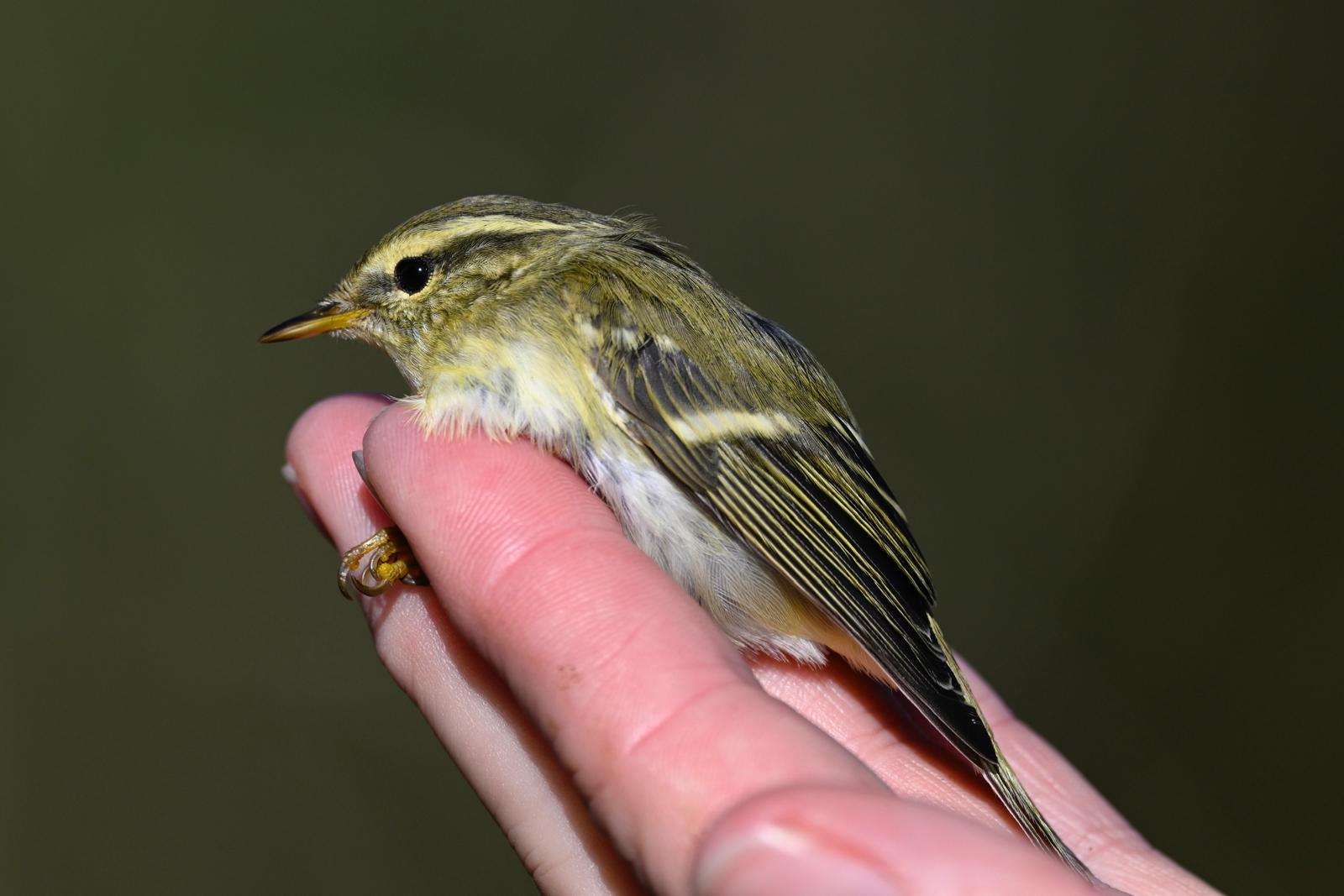
What was a surprise, though, was the trapping of a second Yellow-browed at the same site the following day! Could things get any better? Well, in fact, yes. A third, unringed, individual was found only a few hundred metres away along the reservoir periphery, on 30th, this third bird remaining in the area until 4th.

Meanwhile, the individual trapped and ringed on 29th was retrapped on 3rd and upon weighing, it was discovered that it had increased its weight from 7.1 grams to 7.8 grams – a weight gain of almost 10%.
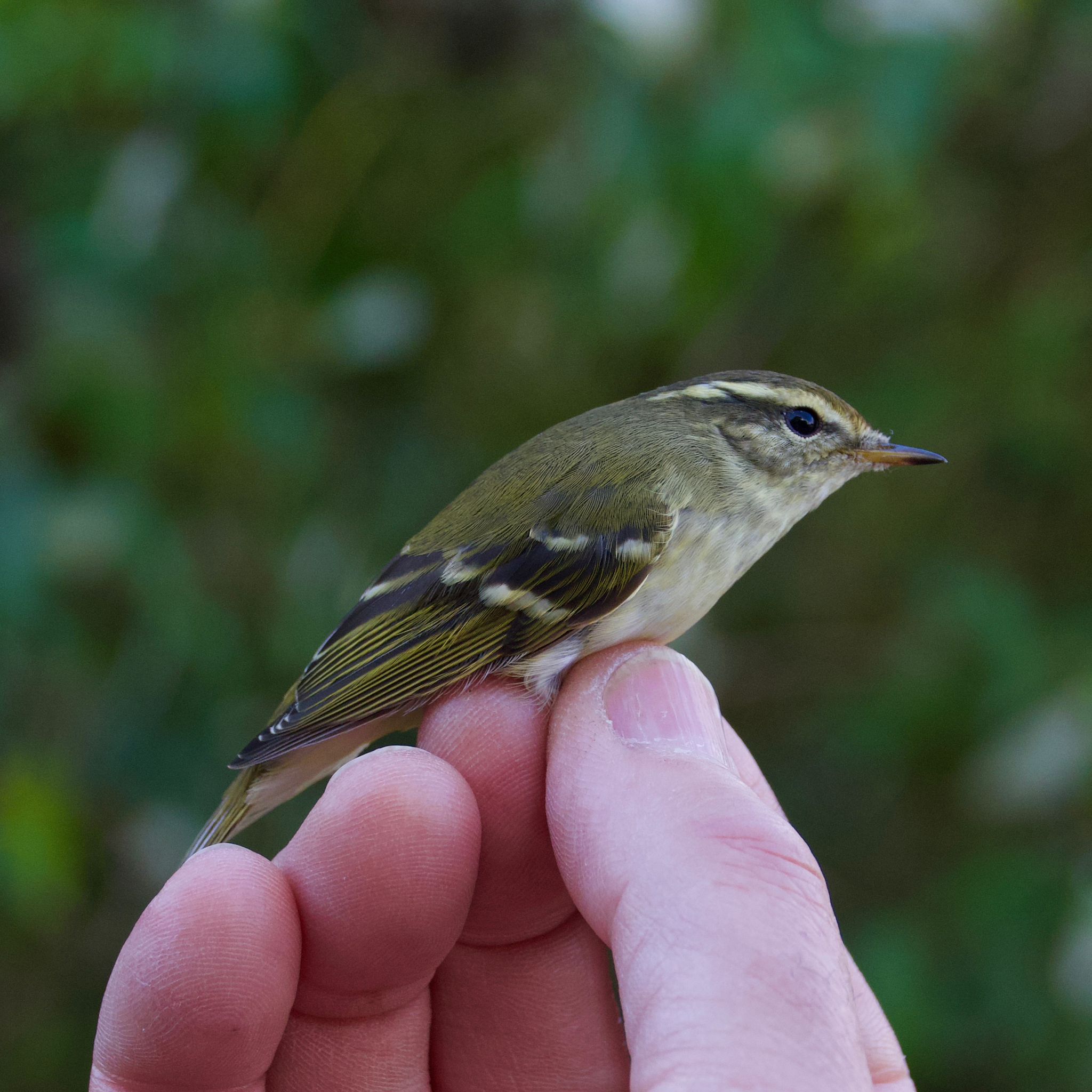
Before the period was out, though, another was discovered at Ringstead GP, alongside Kinewell Lake, on 11th, giving rise to a record four Yellow-broweds in one Northamptonshire autumn – and it’s not over yet …
Other passerines were available, of course, and a late Common Redstart was trapped and ringed at Pitsford Res on 4th, while Stonechats were found at Earls Barton, Grafton Regis, Hollowell and Stanford, with no more than two at each locality.
In Northampton, a Hawfinch was reported briefly at Dallington Cemetery on 5th.

Discover more from Northants birds
Subscribe to get the latest posts sent to your email.

 Northants birds