The week kicked off with Storm Bert, which effectively put paid to any local birding for two days, as well as failing to deliver any much anticipated wrecked seabirds. But with the appearance of a showy Great Northern Diver and the first – and likely last – Bewick’s Swan of the year, the week certainly did not fall flat.
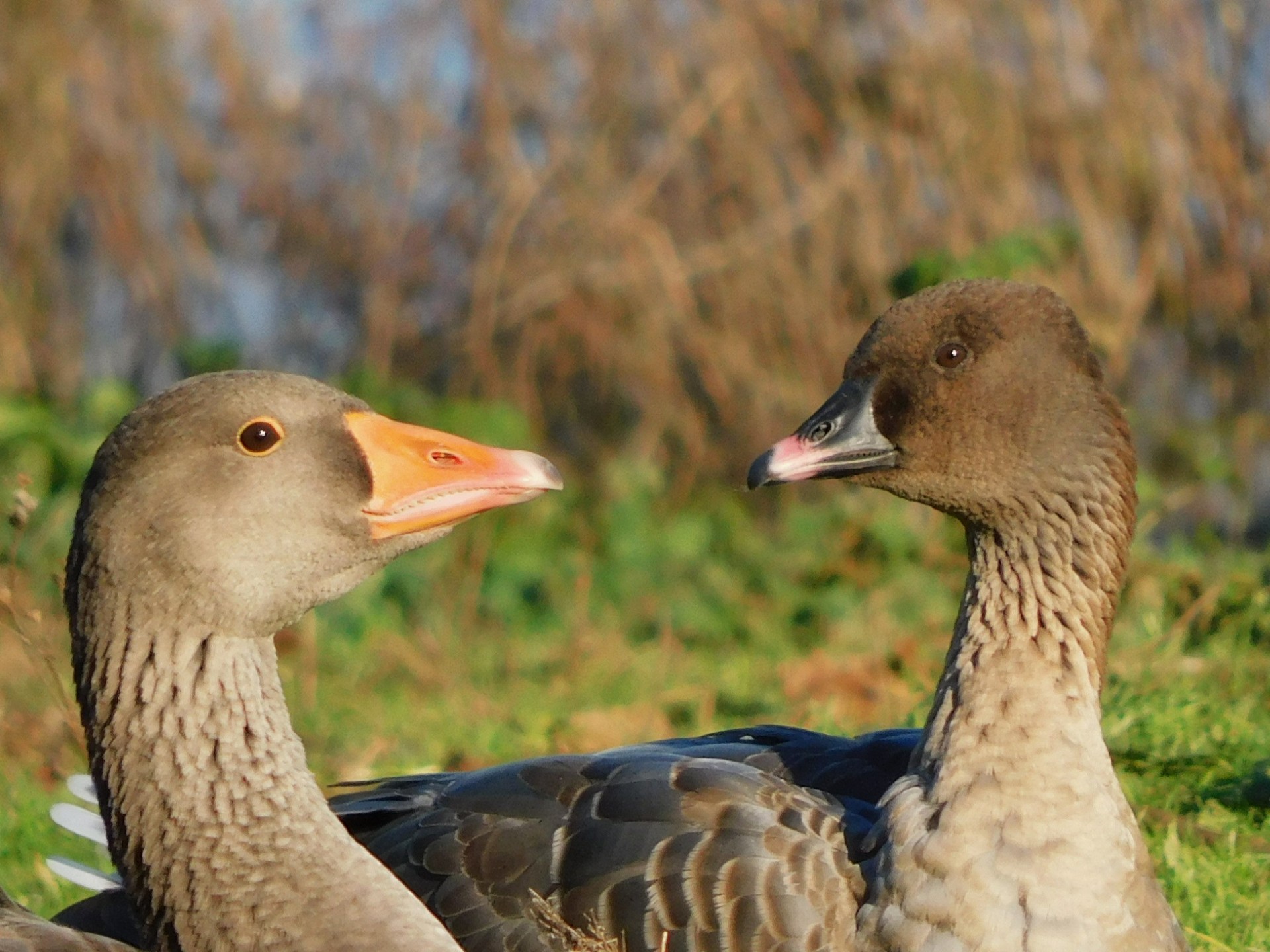
Pink-footed Geese continued to feature, too, with single birds accompanying local Greylags at Wicksteed Park Lake on 25th and at Pitsford Res on 27th-29th.
Pink-footed Goose, Pitsford Res, 29th November 2024 (James Underwood)
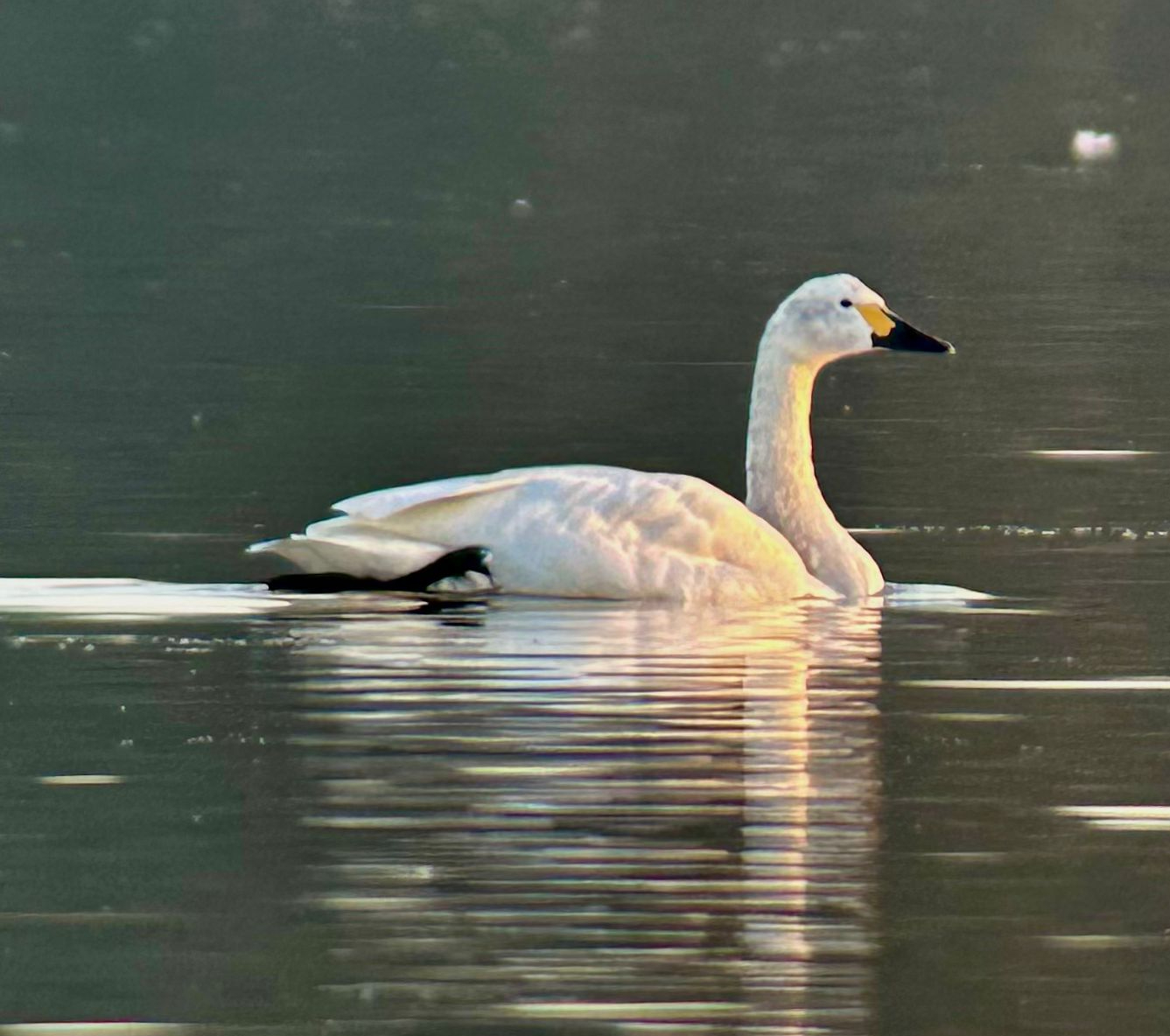
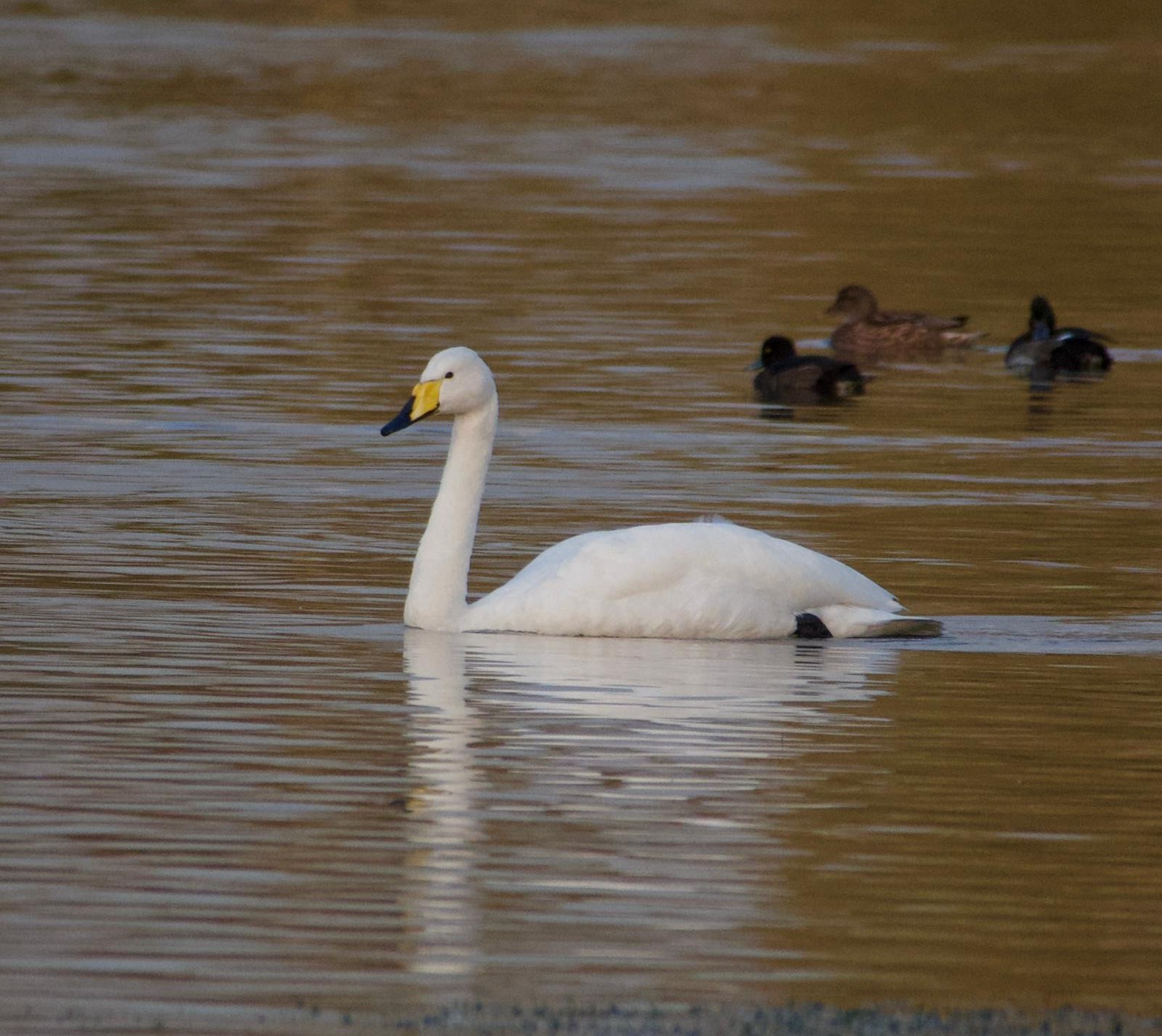
With no Whooper Swans for the first time in a while, the slot was filled with the welcome sight of a Bewick’s Swan at Stanford Res on the afternoon of 28th. Located only an hour before darkness fell, it provided little opportunity to connect with, having departed by the following morning.
Adult Bewick’s Swan, Stanford Res, 28th November 2024 (Chris Hubbard)
The majority of last week’s Red-crested Pochards appeared to have melted away, leaving just two at Stanford Res on 26th.
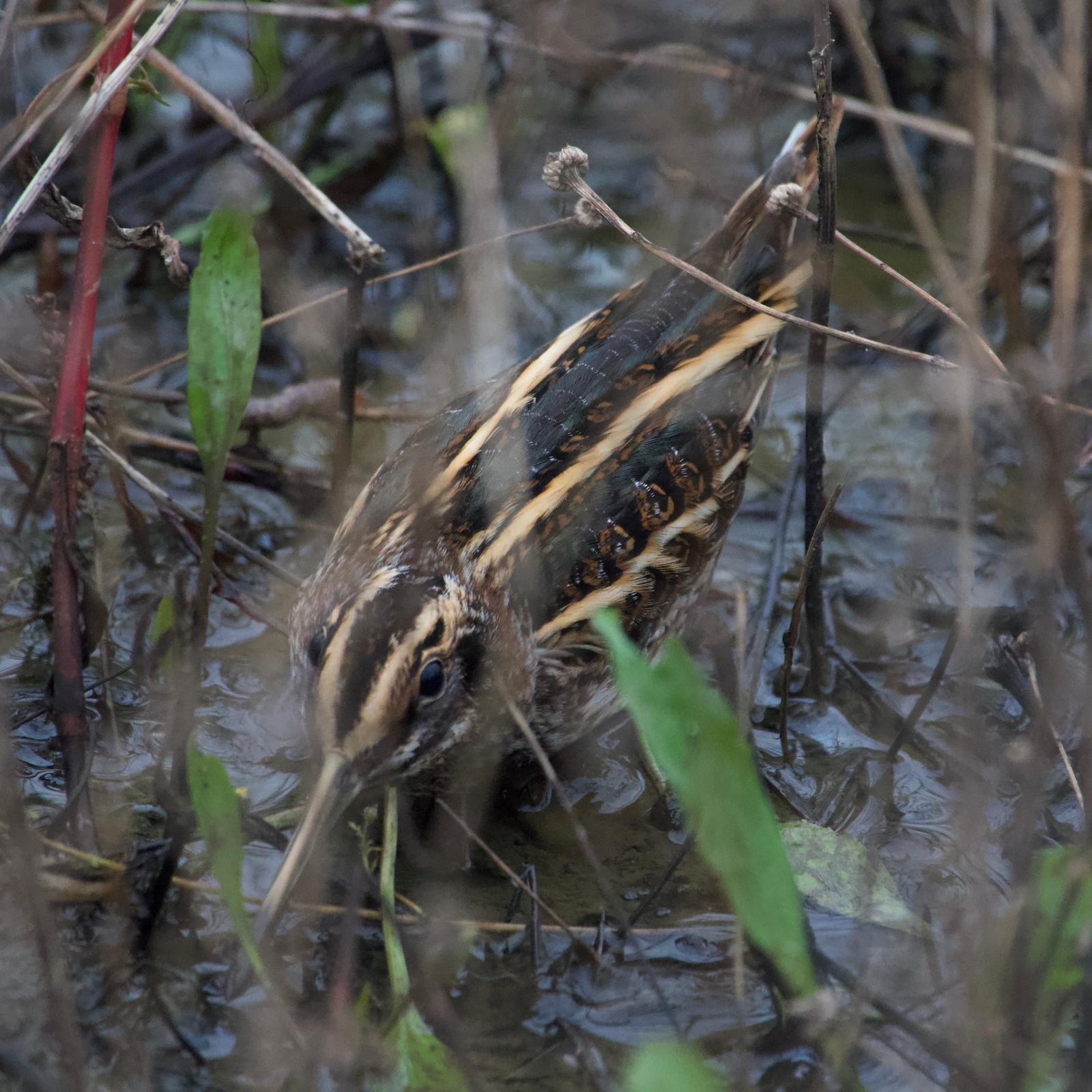
And the highlight of the week’s waders was a locally unseasonal Bar-tailed Godwit that paid a brief visit to Summer Leys LNR on 29th, while two Jack Snipes at Daventry CP on 26th were the only ones of their kind during the period.
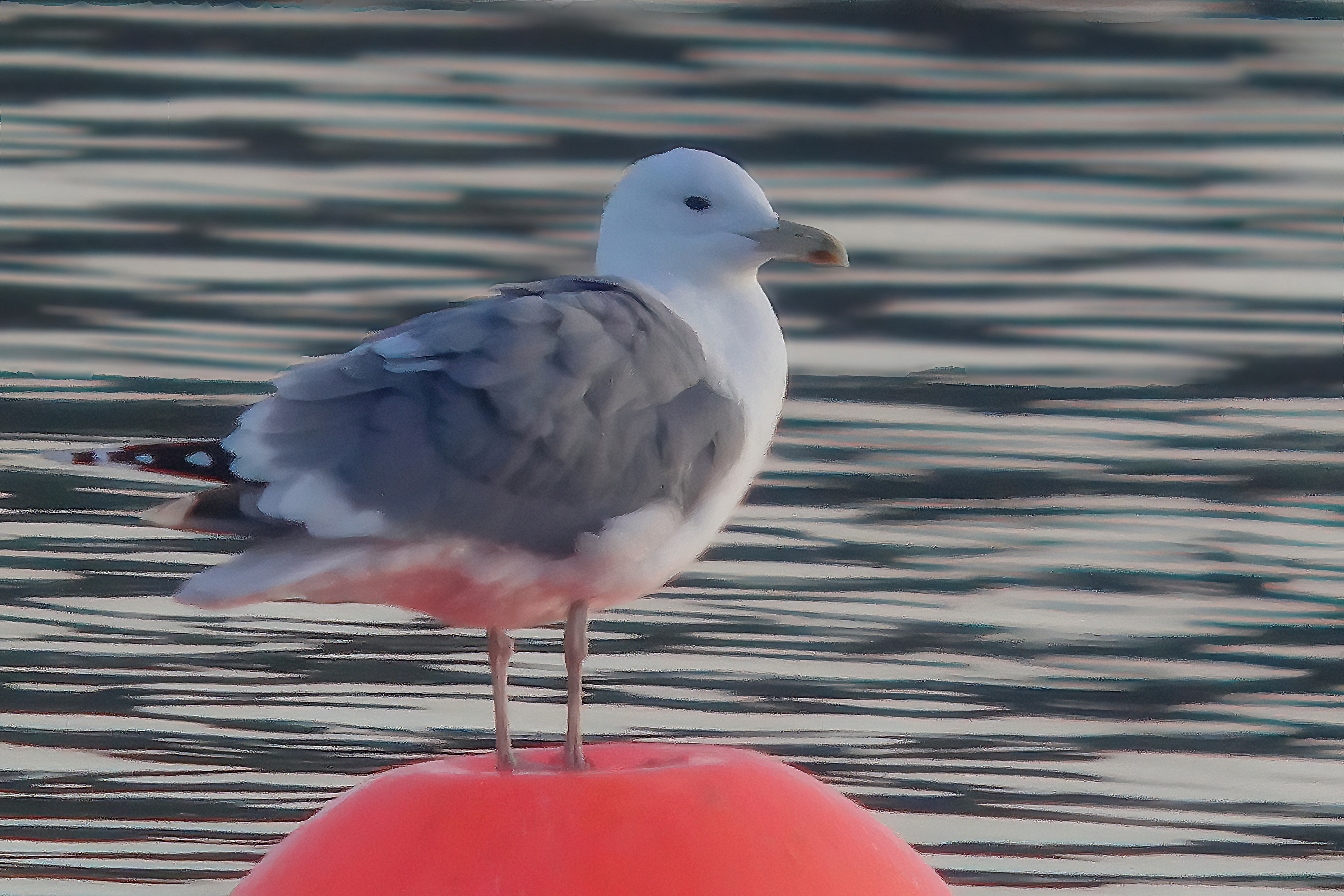
Gulls formed another group significantly down in numbers, with just one Mediterranean Gull – a first-winter – in the Stanford roost on 27th. Caspian Gulls consisted of an adult at Hollowell Res on 25th, a first-winter at Daventry on 26th and an adult in the gull roost at Pitsford, along with the regular adult Yellow-legged Gull, on 28th.
Adult Caspian Gull, Pitsford Res, 28th November 2024 (Mike Alibone)
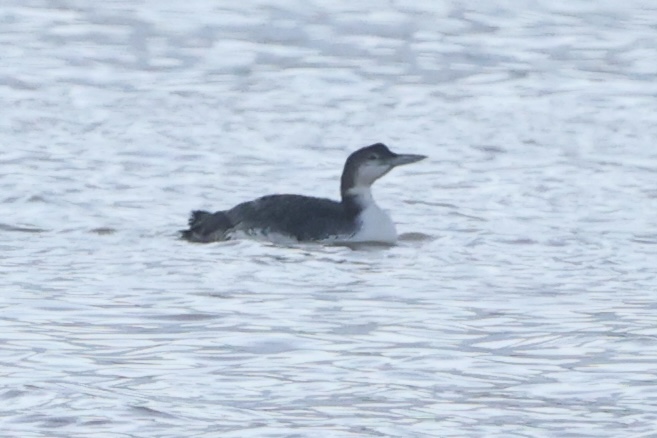
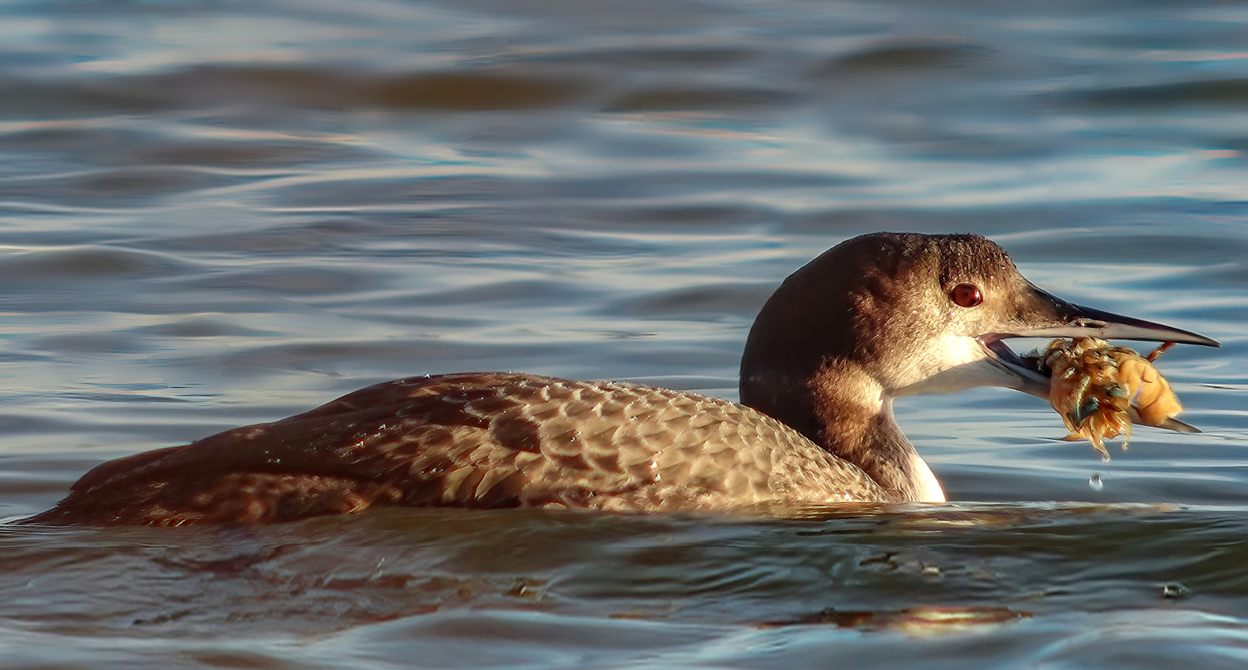
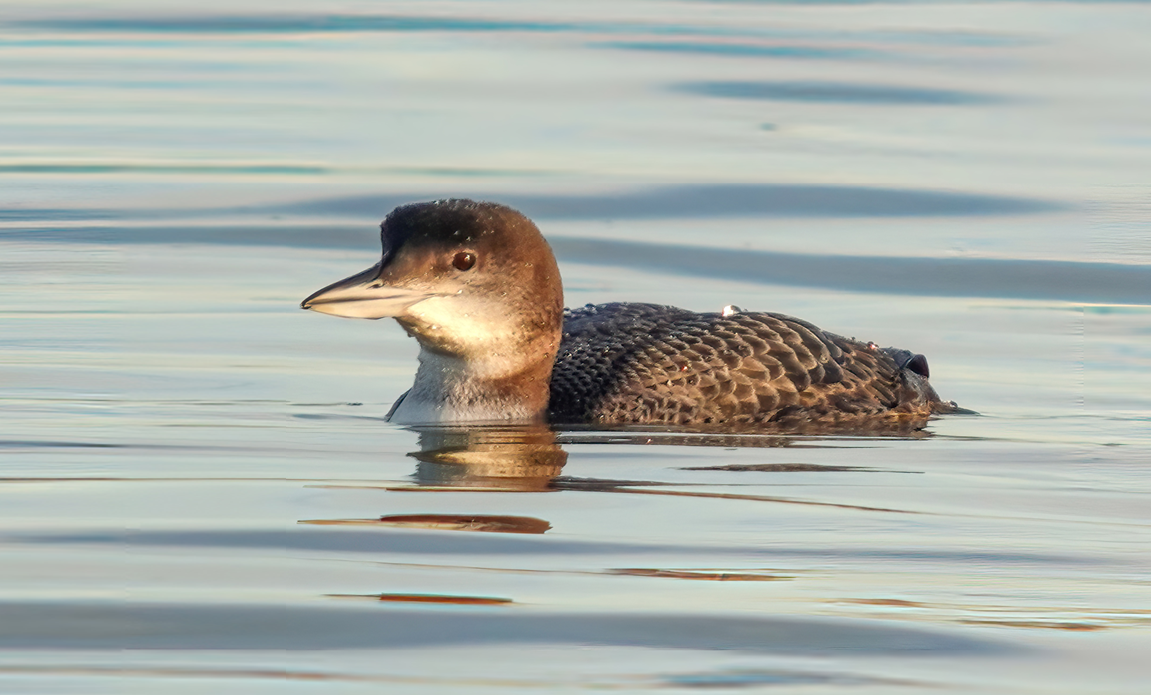
Following one at Clifford Hill GP, present on the Main Barrage Lake only in the early mornings of 25th and 26th before flying off, a Great Northern Diver was found on the latter date at Pitsford. Considered to be a different bird, it remained to see the week out, providing all comers with some splendidly rewarding views. November has proven to be a classic month for arrivals and these are only the second and third of the year, the first also having been at Pitsford between November 2023 and January 2024.
Great Northern Diver, Clifford Hill GP, 26th November 2024 (Tyler Atkinson)Great Northern Diver, Clifford Hill GP, 26th November 2024 (Tyler Atkinson)Great Northern Diver, Clifford Hill GP, 26th November 2024 (Tyler Atkinson)Juvenile Great Northern Diver, Pitsford Res, 28th November 2024 (Mike Alibone)Juvenile Great Northern Diver, Pitsford Res, 28th November 2024 (Mike Alibone)Juvenile Great Northern Diver, Pitsford Res, 28th November 2024 (Mike Alibone)
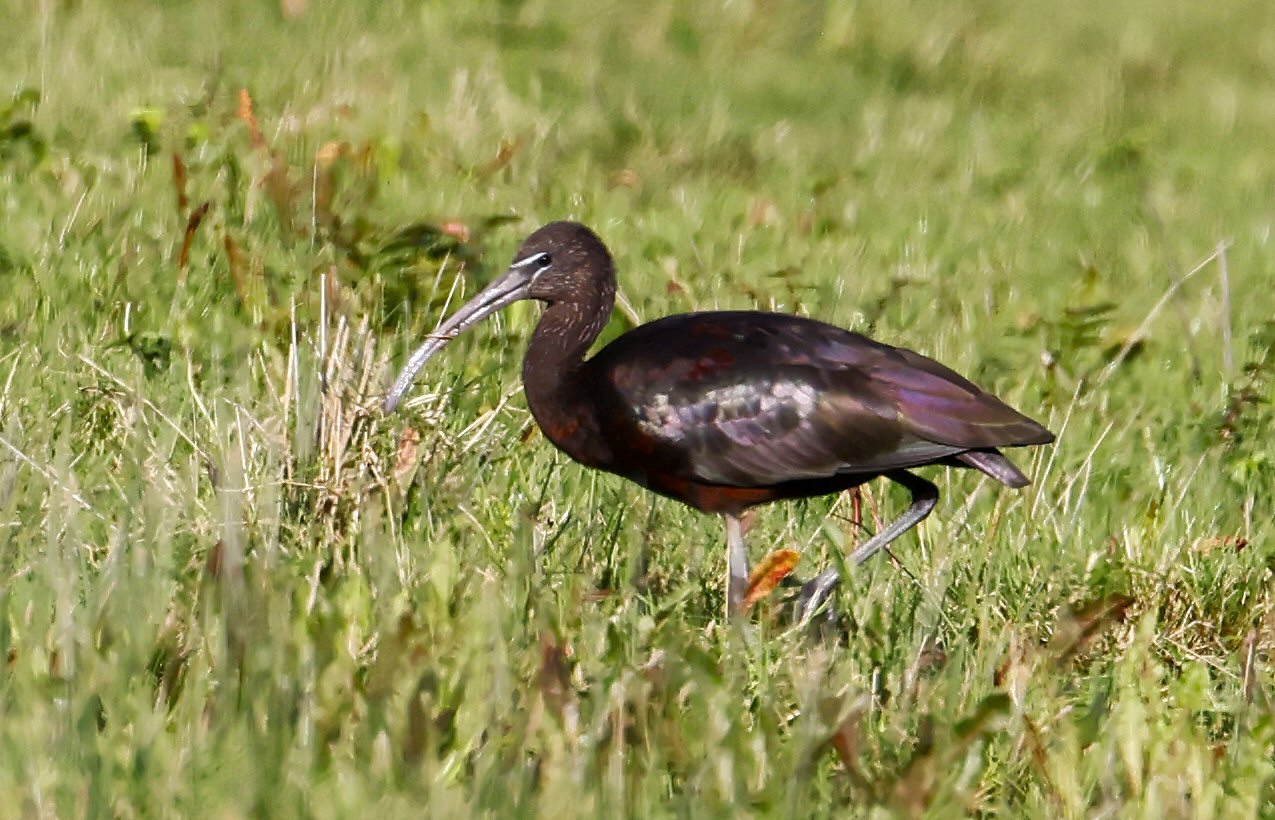
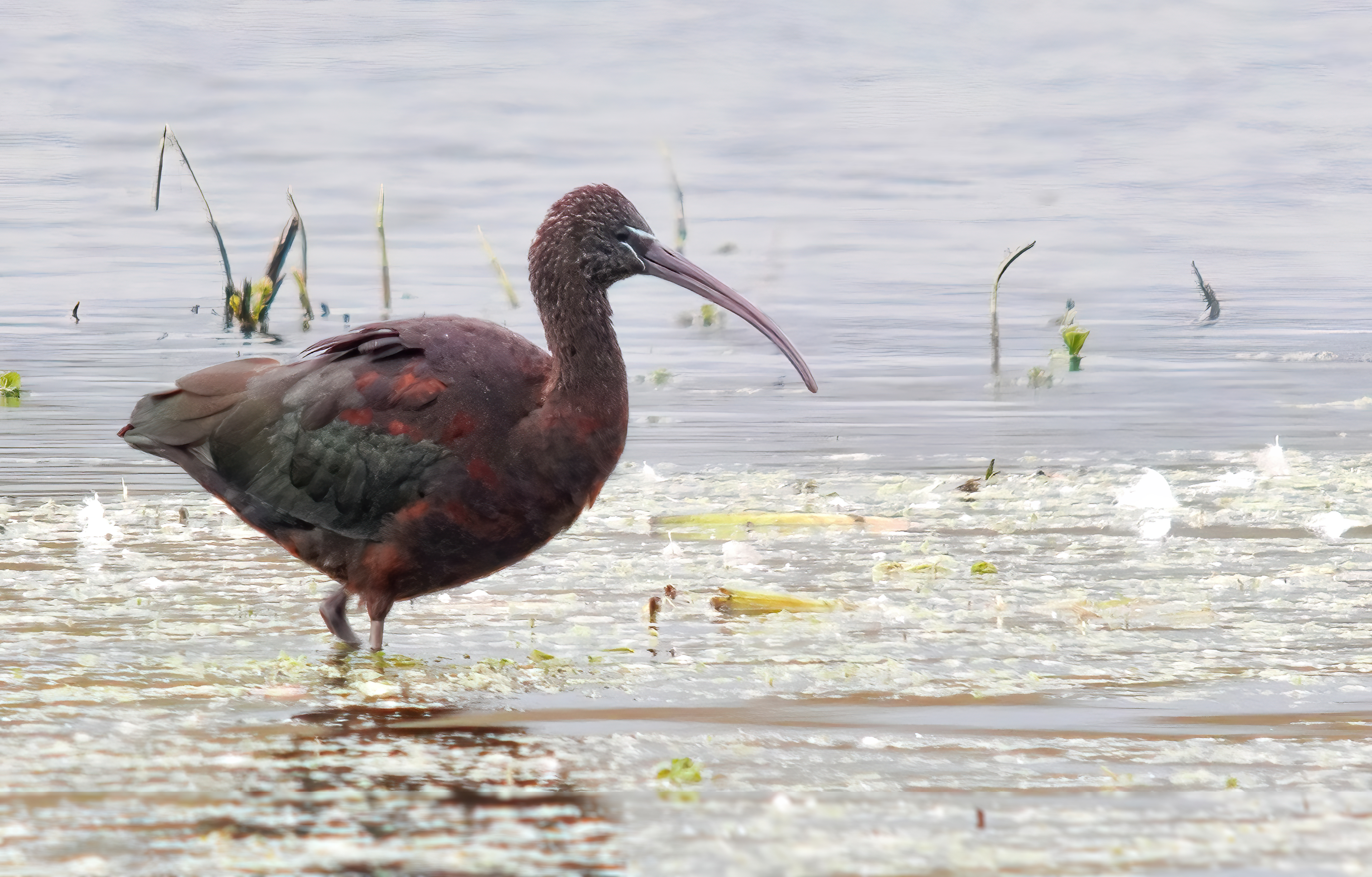
Slipping well down from its once headline-making position, the Summer Leys Glossy Ibis saw out another week on the reserve, having now chalked up 70 days on site. Summer Leys also produced a Cattle Egret on 28th, while up to three remained on the farm immediately north-east of Ringstead GP at the week’s end.
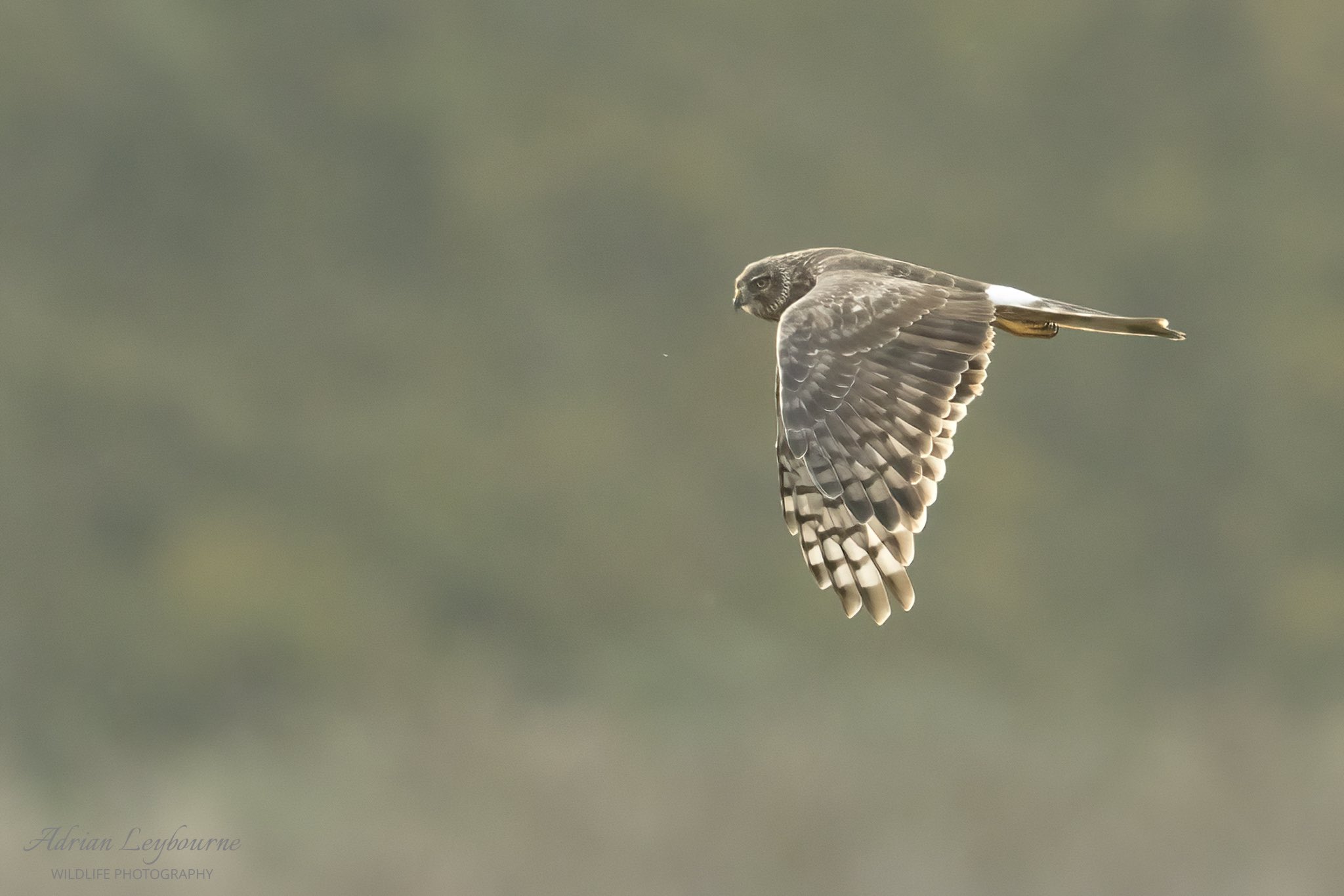
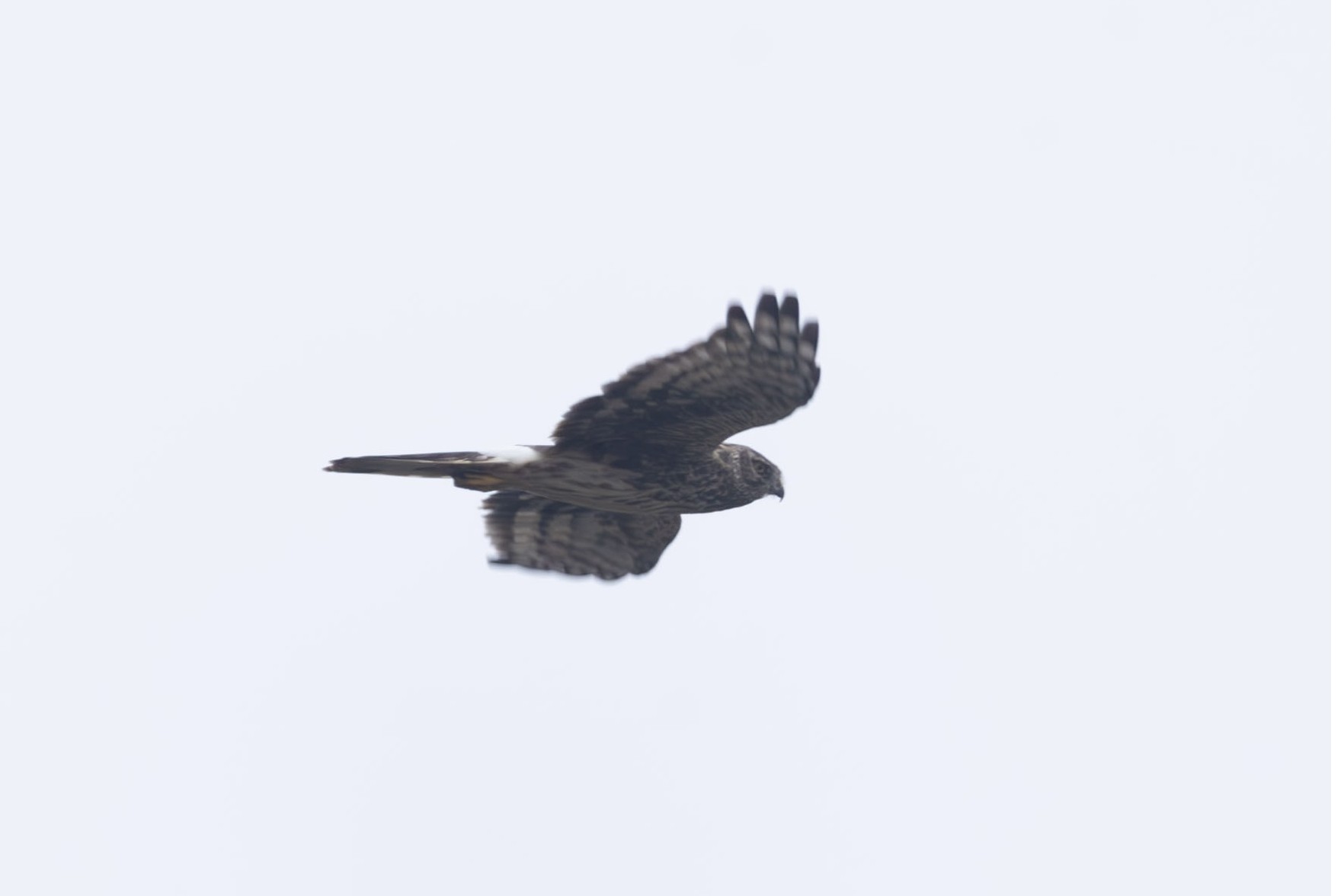
And raptors? A ‘ringtail’ Hen Harrier in flight over Gleneagles, Wellingborough on 29th was all the period could muster, unfortunately.
But things looked a little better as far as Short-eared Owls were concerned with, up on last week’s total, two near Blueberry Farm, Maidwell on 26th and one there on 27th, followed by singles in the Brampton Valley on the latter date and at Harrington AF on 29th.
The female Bearded Tit remained at Stanwick GP and was still present on 29th.
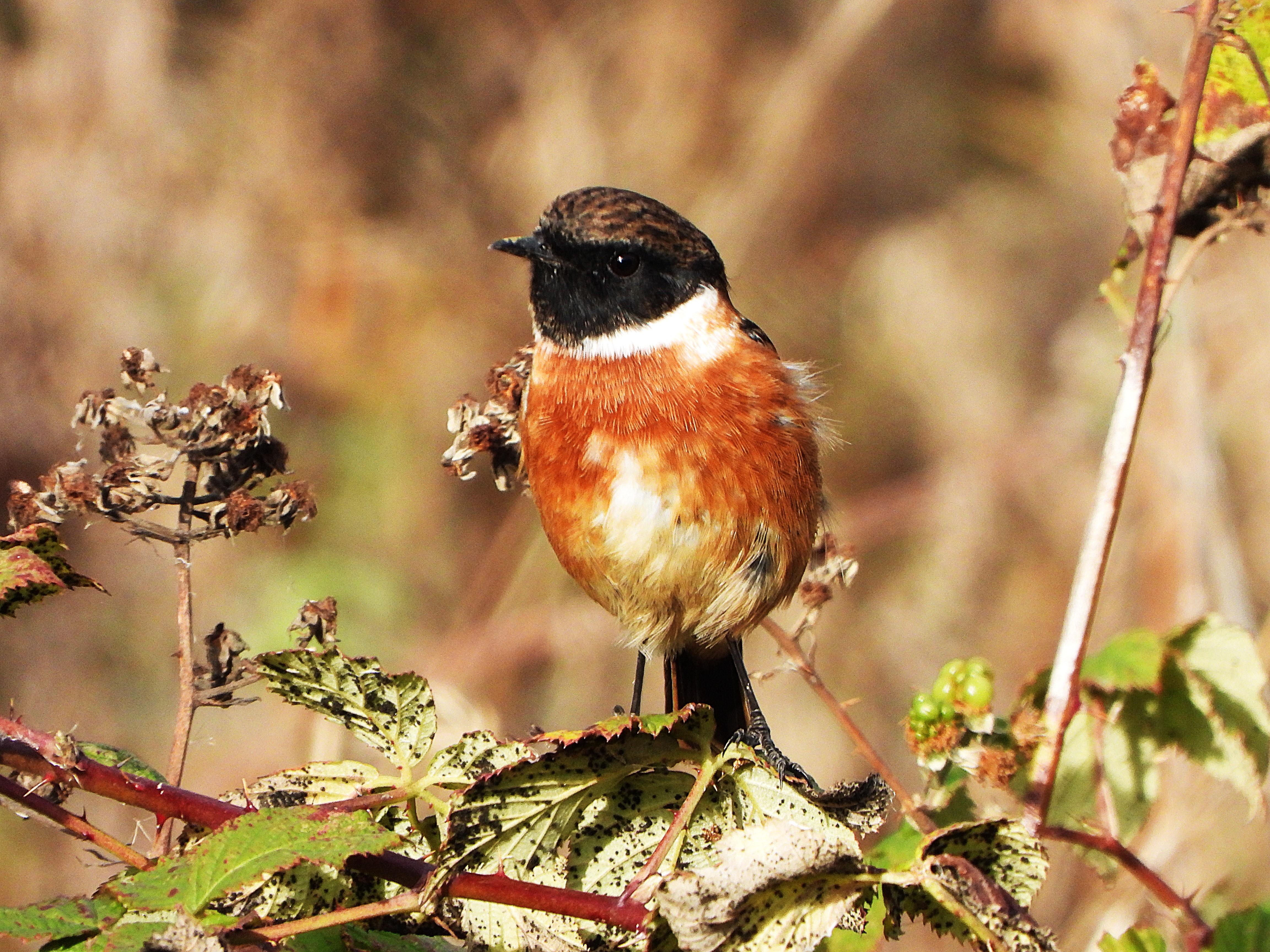
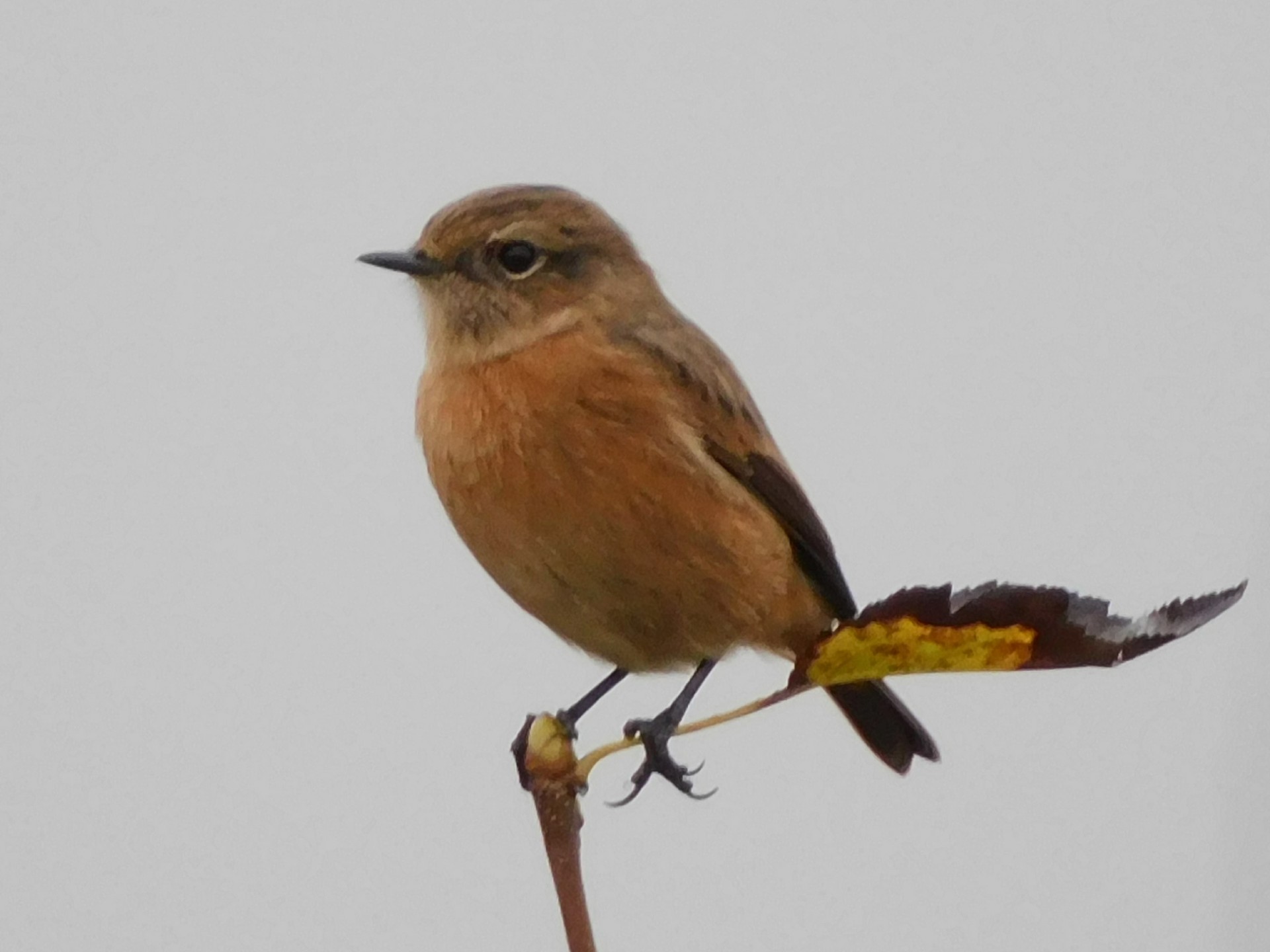
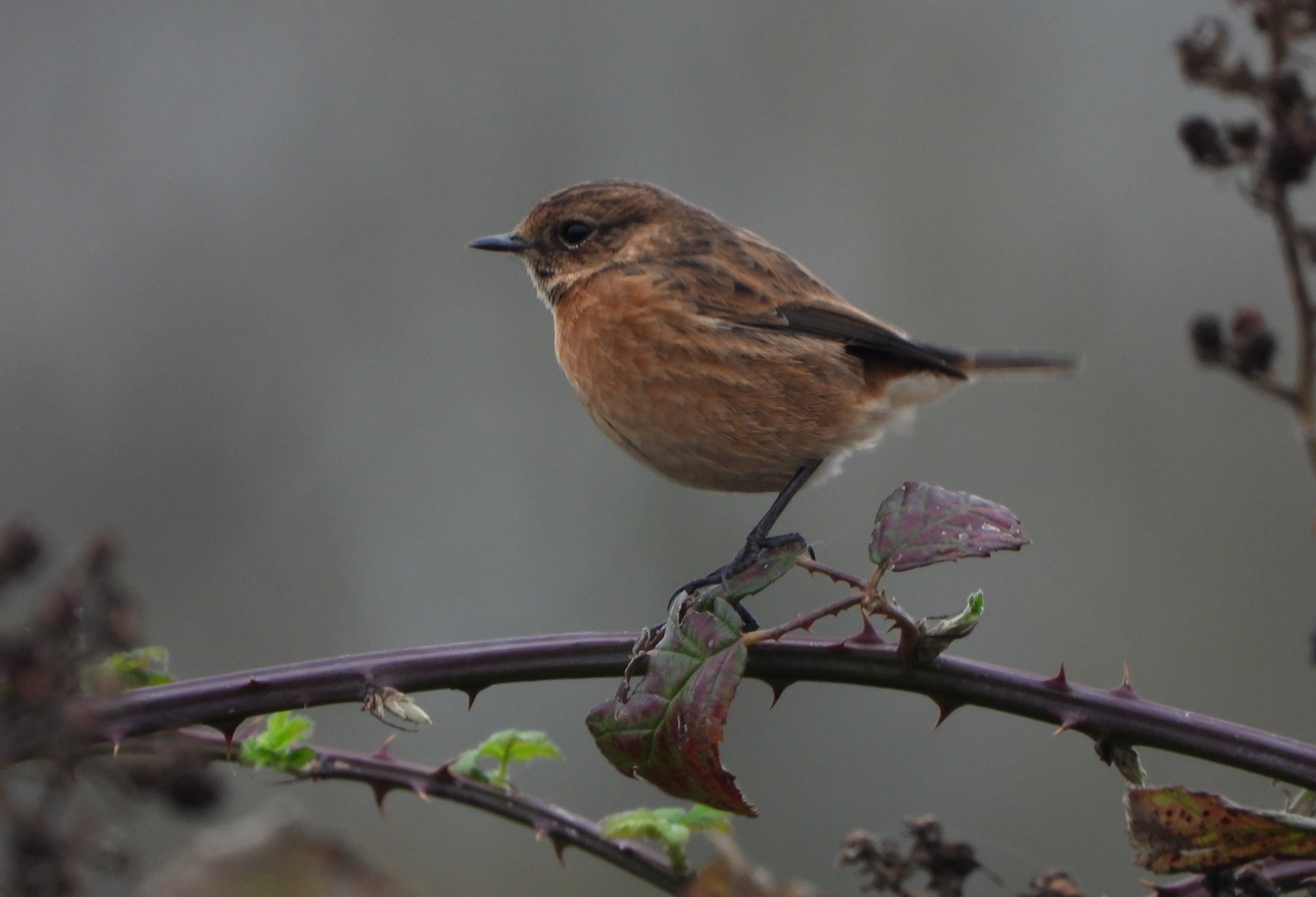
Stonechats were present Duston, Earls Barton GP, Harrington, Hollowell, Pitsford, Summer Leys and Upton CP with no more than two at any one site.
Stonechat, Earls Barton GP, 29th November 2024 (Leslie Fox)
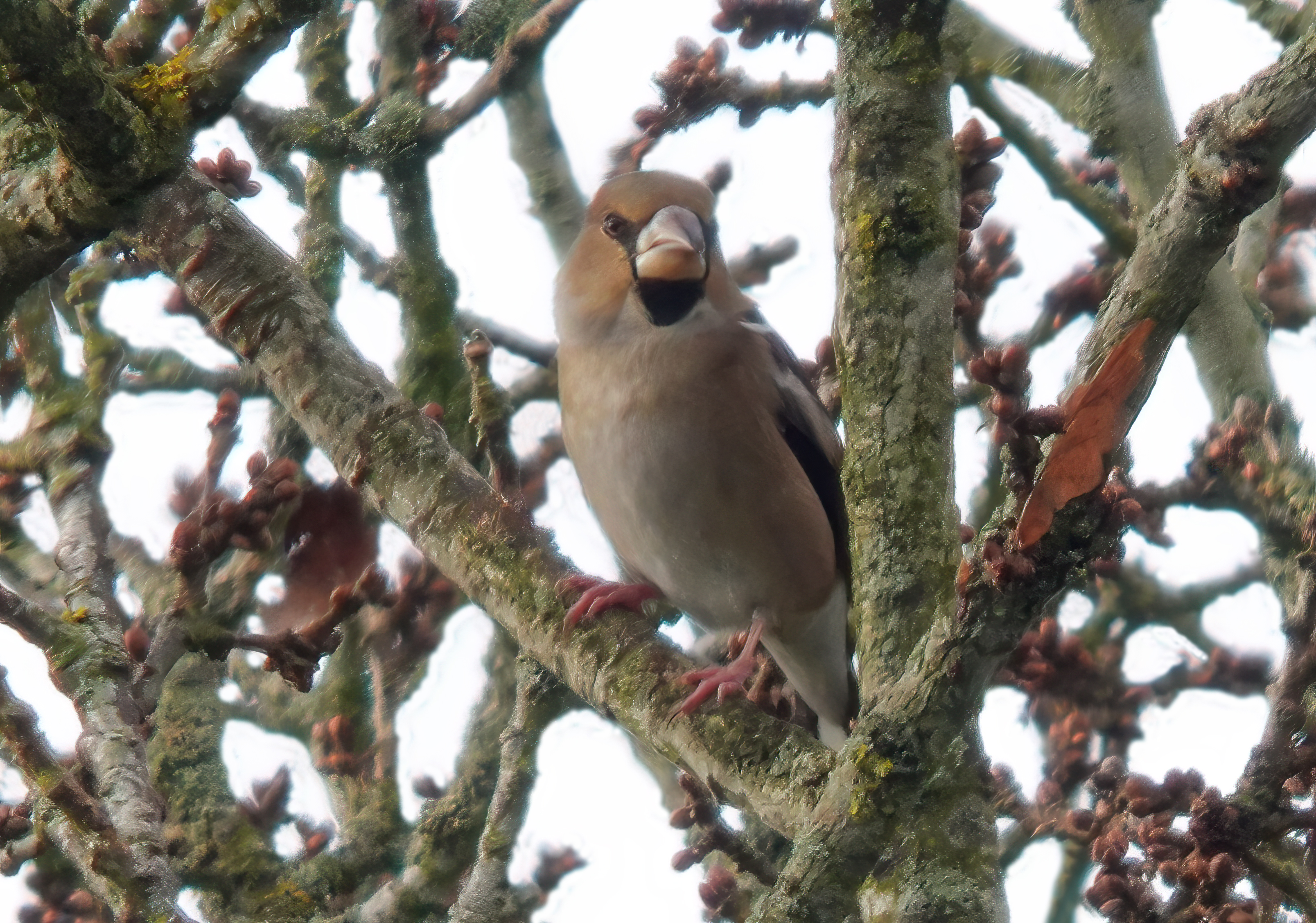
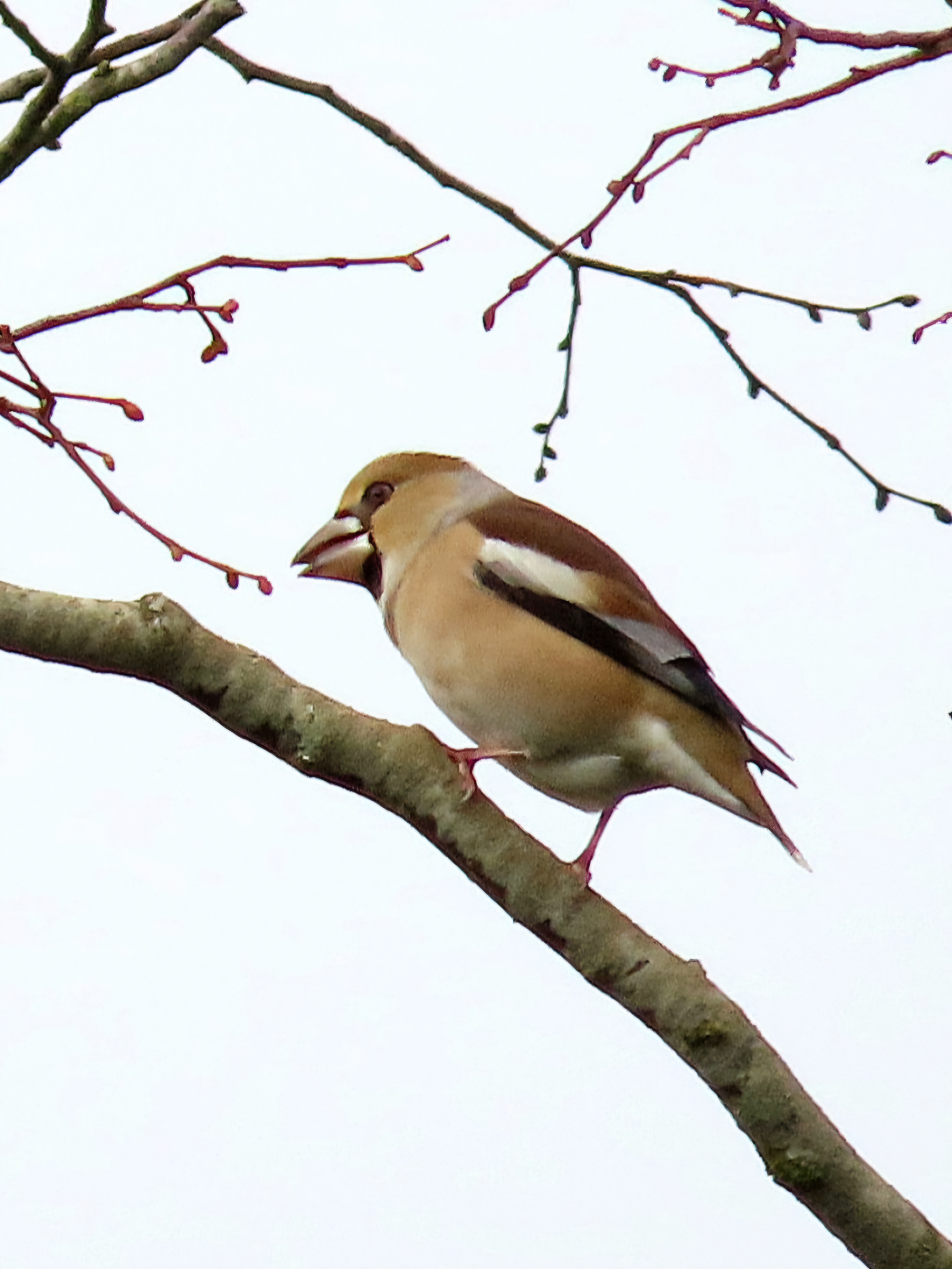
And Hawfinches continued to be seen at last week’s two key localities of Blatherwycke and Cottesbrooke, with the first of these holding four on 26th and one on 28th and the latter with three on 26th and two on 29th.
A substantial freezing air mass sliding down from the Arctic brought us the first taste of winter this week, delivering sub-zero temperatures and snow showers which, although settling in some areas, were mercifully short-lived. And riding the wave of all this came the first Kittiwakes of the year …
Continuing the trend in their increase in occurrence, however, were Pink-footed Geese. Although not matching last week’s impressive numbers, eighteen flew east over Thrapston GP’s Titchmarsh LNR on 16th, the same date on which one dropped in briefly at Deene Lake, while seven flew east over Blueberry Farm, Maidwell on 20th.
Pink-footed Goose, Deene Lake, 16th November 2024 (James Underwood)
Whooper Swans also continued to move through with a small herd of two adults and four juveniles flying north along the Nene Valley at Oundle on 17th.
The same four localities as last week produced the period’s Red-crested Pochards, the maximum number being four at Blatherwycke Lake on 16th. Stanford Res held on to at least two throughout, while Kislingbury GP’s female also remained settled and the Pitsford Res drake was still present on 19th. Blatherwycke also retained its first-winter female Greater Scaup until at least 16th.
This week’s waders were limited to just one Jack Snipe, at Summer Leys, on 16th.
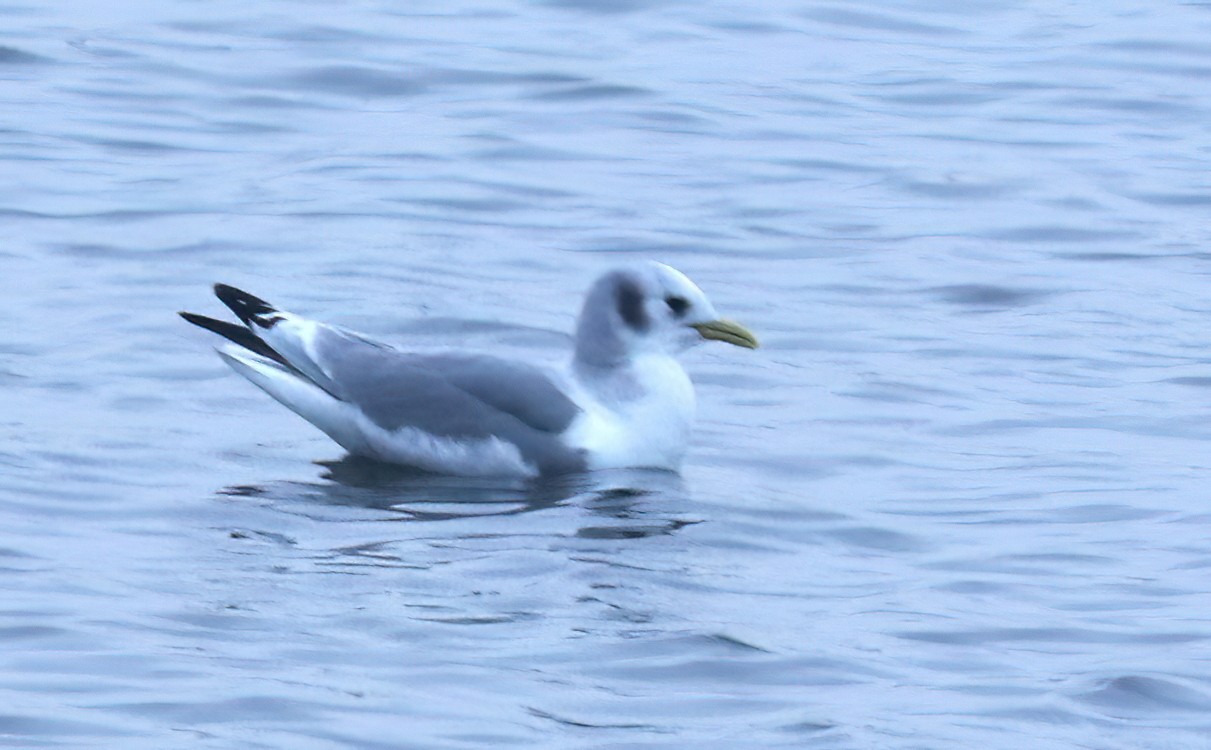
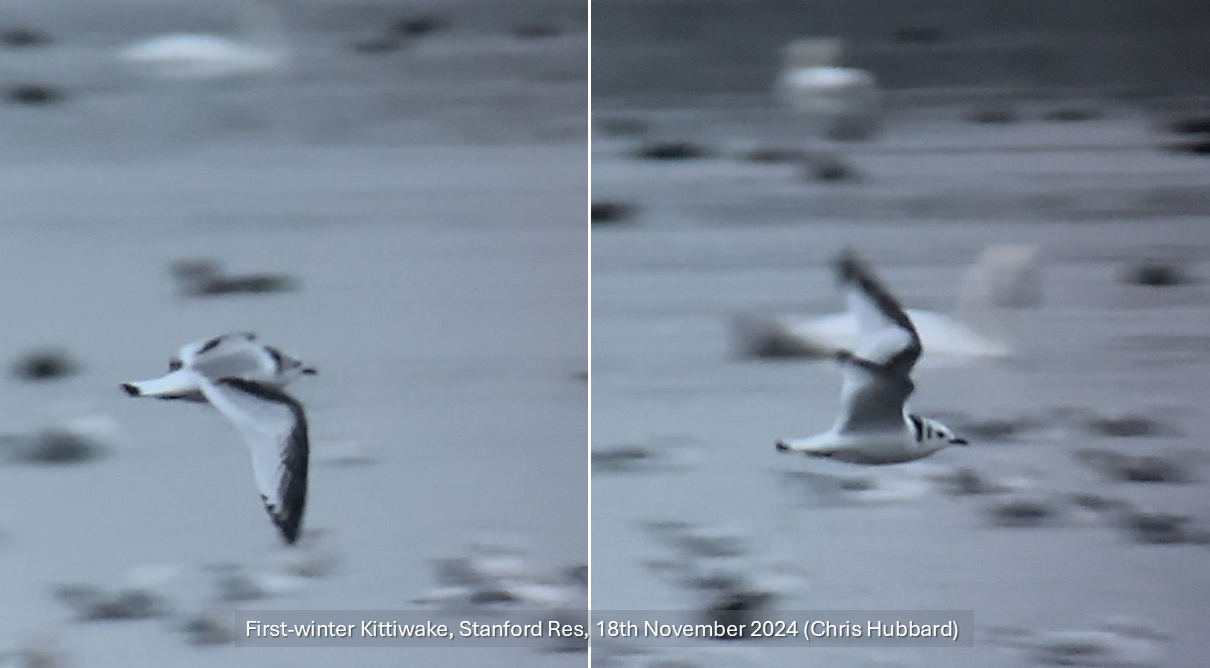
A first-winter Kittiwake off the dam at Pitsford on the afternoon of 18th, quickly joined by another and then a further five was, surprisingly, the first of the year so far in the county. All seven left high to the south in the fading light but Pitsford’s exclusivity for this species was short-lived as, away to the north-west, Stanford was enjoying its own first-winter which dropped into the gull roost before similarly disappearing.
Adult Kittiwake, Pitsford Res, 18th November 2024 (Bob Bullock)First-winter Kittiwake, Pitsford Res, 18th November 2024 (Bob Bullock)
The following evening saw an adult visiting the Boddington roost, further adding to the week’s total, all of which played their part in a wider influx across England, including birds in the neighbouring counties of Bedfordshire, Buckinghamshire, Leicestershire, Oxfordshire and Warwickshire.
Adult Kittiwake, Boddington Res, 19th November 2024 (Gary Pullan)
While Kittiwakes are no strangers to Northamptonshire in November, they are far more frequently encountered on passage in early spring, most records in that period being of single birds.
Flocks, on the other hand, are more likely in autumn, the largest of which was in excess of twenty at Ditchford GP way back on 12th November 1972 and, more recently, approximately twenty at Pitsford on 13th October 2014.
With the above having provided a momentary, though welcome, distraction for regular gull roost watchers, more standard fare was on offer in the form Mediterranean Gulls at Stanford, where a second-winter was present on 17th and 20th plus a first-winter on 19th, while Boddington Res dished up an adult on 22nd. These two bodies of water also produced all but one of the week’s Caspian Gulls, with an adult and a second-winter at Stanford on 16th and an adult there on 17th and 20th-21st. Boddington’s roost also held an adult on 19th. Bucking the trend, however, was an adult found on the small lake at Cottesbrooke Hall on 16th.
Adult Caspian Gull, Cottesbrooke, 16th November 2024 (Tyler Atkinson)
Small numbers of Yellow-legged Gulls across the board included an adult at Sywell CP on 16th, two in the Boddington roost on 19th and 22nd and single adults at Pitsford on 19th and at Earls Barton GP’s New Workings (South) on 21st.
After going unreported since 13th, the Glossy Ibis was back at Summer Leys on 22nd, while this week’s Bitterns were the preserve of Titchmarsh LNR, where one was seen on 16th and 19th. Cattle Egrets maintained a low profile with single birds at Titchmarsh 16th, Ditchford GP’s Irthlingborough Lakes and Meadows LNR on 18th and seven in a cattle field immediately north-east of, and viewable from, Kinewell Lake at Ringstead GP on 19th.
And as for raptors, they were in short supply during the period. After an impressive showing last week, Hen Harriers were off the scene completely, while a single Marsh Harrier continued to visit Summer Leys between 17th and 22nd after what was presumably the same individual seen at adjacent Earls Barton GP’s New Workings (South) on 16th.
Marsh Harrier Summer Leys LNR, 20th November 2024 (Alan Coles)
Single Short-eared Owls were seen just prior to dusk at Nobottle on 16th and at Harrington AF on 18th.
After no reports since 10th, the female Bearded Tit at least appeared still to be present on site at Stanwick on 19th.
Female Bearded Tit, Stanwick GP, 19th November 2024 (Steve Fisher)
Seen only at four sites compared to nine last week, another species seeing a drop in numbers over the period was Stonechat, of which three were at Earls Barton on 16th and Pitsford on 20th, while singles were also present at Summer Leys and Upton CP.
Male Stonechat, Earls Barton GP, 22nd November 2024 (Leslie Fox)
Following the county’s first of the year last week, another ‘in flight’ Rock Pipit was seen and heard over Daventry on 22nd, constituting another bizarrely late record.
And even though they were still out there to be found, the level of attention given to Hawfinches waned markedly during the period, compared to that of the previous week.
Hawfinch, Cottesbrooke, 16th November 2024 (Tyler Atkinson)
Just the two key localities of Blatherwycke and Cottesbrooke produced all of this week’s birds with the first of the these holding eight on 16th, five on 18th and 20th and two on 22nd, while the latter held three on 16th, five on 17th and one on 18th.
An area of high pressure sitting over the country provided a little light relief, weatherwise, helping to lift the birding spirits somewhat. An upturn in the numbers of larger wildfowl, a late trickle of interesting waders and the continued presence of local Hen Harriers ensured there was enough out there to be going on with. But the week belonged to Hawfinches. They were out there to be both found and savoured at a number of sites for anyone willing to invest a little time and effort watching and waiting …
But we kick off first and foremost with some impressive numbers of Pink-footed Geese moving through the county during the period. Aside from one found with Greylags at Earls Barton GP on 10th, approximately thirty were watched flying north-east over Deene on 12th, the same date seeing sixty moving north-west over Moulton, while a skein of sixty-three flew high east over Oundle on 15th. And the chances are we could be seeing more of these relatively large flocks in the future as figures published by the BTO reveal that the UK wintering population has been steadily growing, having almost doubled during the 25-year period 1997 to 2022.
More Whooper Swans were on the week’s menu with the 9th seeing eight adults at Blatherwycke Lake and a single adult flying east over Earls Barton GP and, minutes later, over Summer Leys. Four were subsequently found at Thrapston GP’s Titchmarsh LNR on 14th. In common with Pink-footed Goose, the wintering population in the UK has increased significantly, having more than tripled during the aforementioned quarter century, this being reflected in the number being found locally in recent years.
Whooper Swans, Blatherwycke Lake, 10th November 2024 (James Underwood)
The itinerant female Ruddy Shelduck was seen in flight over Stanford Res on 11th and back at Winwick Pools on 13th, while numbers of, and localities for, Red-crested Pochards diminished this week. Stanford held on to two until at least 12th, two drakes visited Blatherwycke Lake on 9th, one was at Pitsford on 11th and the female remained at Kislingbury GP until at least 12th.
Red-crested Pochards, Blatherwycke Lake, 10th November 2024 (James Underwood)
Last week’s first-winter female Greater Scaup was seen again at Blatherwycke Lake on 13th and 15th following an unconfirmed report of a Common Scoter there on 9th.
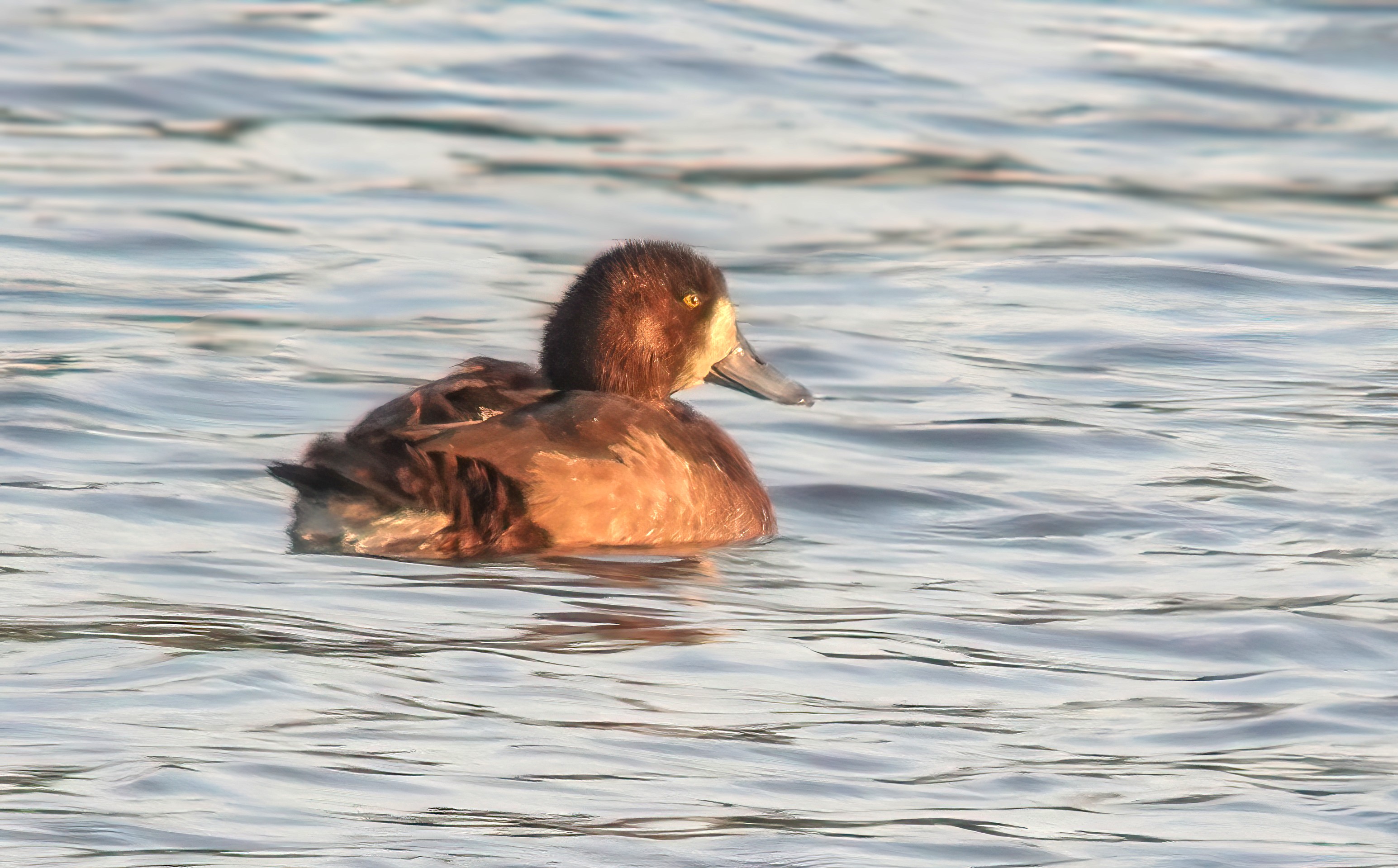
First-winter female Greater Scaup, Blatherwycke Lake, 13th November 2024 (Mike Alibone)
The week proved surprisingly good for waders. Are we really on the cusp of mid-November? First up was a Grey Plover found with the small Golden Plover flock at Earls Barton GP’s New Workings (South) on 9th. Only the fifth record for the year following spring birds at Clifford Hill GP, Stanwick GP and Summer Leys. It did not stay. A Turnstone spent the afternoon at Summer Leys on 10th, similarly having moved on by the next day and a Knot dropped in at Ditchford GP’s Irthlingborough Lakes & Meadows NR, also on 10th. Ditchford also produced a Jack Snipe on 12th and two were located via thermal imaging at Stanford on the same date.
Jack Snipe, Stanford Res, 12th November 2024 (Chris Hubbard)
In the same vein as in recent weeks it was local gull roosts which produced the vast majority of the period’s scarce gulls. Mediterranean Gulls were down to an adult and a first-winter at Daventry CP on 9th and an adult at Stanford on the same date, followed by a first-winter there the next day. The Boddington roost produced an apparent adult Mediterranean Gull x Common Gull hybrid on 12th.
Apart from an adult at Hollowell Res on 12th, Boddington and Stanford carved up the week’s Caspian Gulls between them, the first-named holding an adult and a first-winter on 12th-13th and two adults and a first-winter on 14th. Stanford produced single adults on 9th and 13th, two adults on 12th, a second-winter on 10th and a first-winter on 14th.
First-winter Caspian Gull, Stanford Res, 14th November 2024 (Chris Hubbard)
With regard to Yellow-legged Gulls, Boddington held at least five between 12th and 14th, while daytime singles were found at Ditchford GP on 10th, Summer Leys on 11th, Earls Barton GP on 12th, Clifford Hill GP on 13th and the regular Pitsford adult remained throughout the week.
An interesting week for the Summer Leys Glossy Ibis. It was seen only until 13th, after which there were no further reports. Single Bitterns were again present at Stanwick on 9th and 14th and at Titchmarsh LNR on 10th and 14th, while Irthlingborough Lakes and Meadows was responsible for producing the week’s only Cattle Egrets, with eight there on 10th.
Marsh Harriers continued to be seen at Summer Leys and within the Earls Barton GP complex generally, with at least two individuals present on 9th-10th. However, they were considerably outnumbered by Hen Harriers – some apparently new birds making their debut on the scene while others were clearly hanging on from last week. Falling into the latter category, the popular ‘ringtail’ continued to hunt the New Workings (South) area of Earls Barton GP daily until 12th, after which there were no further reports. Last week’s male at Bozenham Mill also remained until 10th, while ‘new’ males appeared near Staverton on 10th and over Summer Leys on 14th and another ‘ringtail’ was seen in the Brampton Valley/Blueberry Farm area on 11th. It would be tempting to believe we are in for a good winter for this iconic raptor.
Hen Harrier, Earls Barton GP, 10th November 2024 (Adrian Leybourne)
Merlins remained scarce, however, with a female/immature seen in flight over Lilbourne Meadows NR on 11th and a male in the Brampton Valley between Cottesbrooke and Hanging Houghton on 13th.
Last week’s two Bearded Tits remained at Stanwick until 10th, when they were last seen departing high to the east.
Female Bearded Tit, Stanwick GP, 9th November 2024 (Paul Young)
Stonechats were found at nine localities which included Clifford Hill GP, Earls Barton GP, Hollowell Res, Kislingbury GP, Lilbourne Meadows, Pitsford, Stanford, Sywell CP and Towcester – with the highest counts of five at Earls Barton GP on 10th and four at Sywell CP on 15th.
Male Stonechat, Earls Barton GP, 14th November 2024 (Leslie Fox)
The penultimate day of the period produced a Rock Pipit – albeit only in flight – over Stanford’s dam. Thin on the ground in Northamptonshire these days, it comes as almost no surprise that this is the only record for the year in the county.
But attracting the most attention by a country mile this week were those big-billed bruisers of the finch world … Yes, Hawfinches were clocked at a good nine locations with, as last week, Cottesbrooke as the standout site, pulling the punters daily throughout the period. Two to three birds were very much the norm per diem but eight on 13th proved the highest total.
Hawfinch, Cottesbrooke, 14th November 2024 (Mike Alibone)Hawfinch, Cottesbrooke, 15th November 2024 (Leslie Fox)
So, how did the other sites match up? The churchyard at Blatherwycke was another productive viewing point with birds present on three dates, which included a respectable maximum of six on 14th.
Male Hawfinch, Blatherwycke, 14th November 2024 (Howard Butler)
A few miles to the east, Southwick Hall grounds produced at least five on 15th, with Short Wood just along the road holding four on 13th. Four were also still to be found in St Peter’s Churchyard at Deene on 12th, dropping to two there the following day, while twos were seen over Stanford Res on 13th, and at both Long Croft Road, Corby and St Peter’s Churchyard, Oundle on 14th. Singles were seen at Lamport Hall on 9th and at Eurohub, Corby on 13th.
Dull, dreary and leniently mild, with light winds off the continent and temperatures above average for the time of year, this week’s weather was anything but inspiring. But it was far from doom and gloom on the birding front as November began to shape up nicely from the get-go, kicking off with some select species which had, to date, managed to evade all but the lucky few earlier in the year.
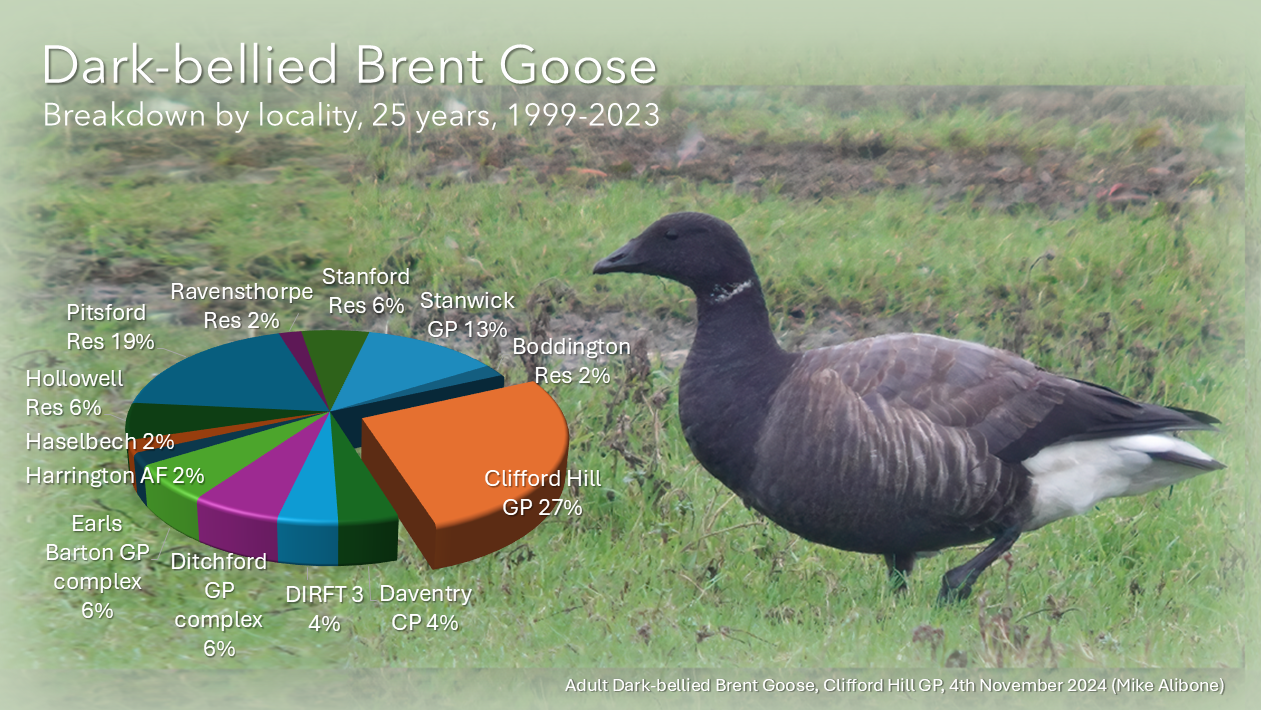
The first of these was a Dark-bellied Brent Goose found on 4th at Clifford Hill GP, the same site laying claim to the year’s only previous record of a decently-sized flock of sixteen – albeit very briefly – on 12th March. In a similar vein, this week’s bird chose not to stick around and had departed by the following day.
Adult Dark-bellied Brent Goose, Clifford Hill GP, 4th November 2024 (Mike Alibone)
Clifford Hill GP, also known latterly as ‘Northampton Washlands’, has established a knack for pulling them in and, offering the largest slice of the Brent Goose pie, is the best place by far for a chance encounter in early spring or late autumn.
Other geese were, of course, available and a respectable skein of approximately twenty Pink-footed Geese was watched flying north over Pitsford Res on 2nd, while singles included one in flight with Greylags over Stanwick GP on 3rd and the sporadic visitor to Stanford Res there again on 8th.
Stanford’s admirable run of Whooper Swans extended to another week when three adults and four juveniles dropped in together on 2nd. Staying long enough for a photoshoot, they departed shortly after being found. Coincidentally, or not, seven were seen flying east over Clifford Hill just under an hour later.
Whooper Swans, Stanford Res, 2nd November 2024 (Chris Hubbard)
The female Ruddy Shelduck remained at Winwick Pools, where it was seen on 4th and 8th, while Red-crested Pochards became more widespread this week with the largest number of six remaining at Stanford throughout. Nine further localities produced smaller numbers which included five at Stortons GP on 7th, single drakes at Blatherwycke Lake from 2nd until at least 5th, Thrapston GP on 2nd and Pitsford on 5th, the first-winter drake still at Boddington Res until at least 7th, twos at Clifford Hill on 5th, Stanwick on 7th and Ditchford GP on 8th and a female at Kislingbury GP on the last of these dates.
Red-crested Pochards, Stortons GP, 7th November 2024 (Tony Stanford)
A female Greater Scaup visited Blatherwycke Lake on 5th.
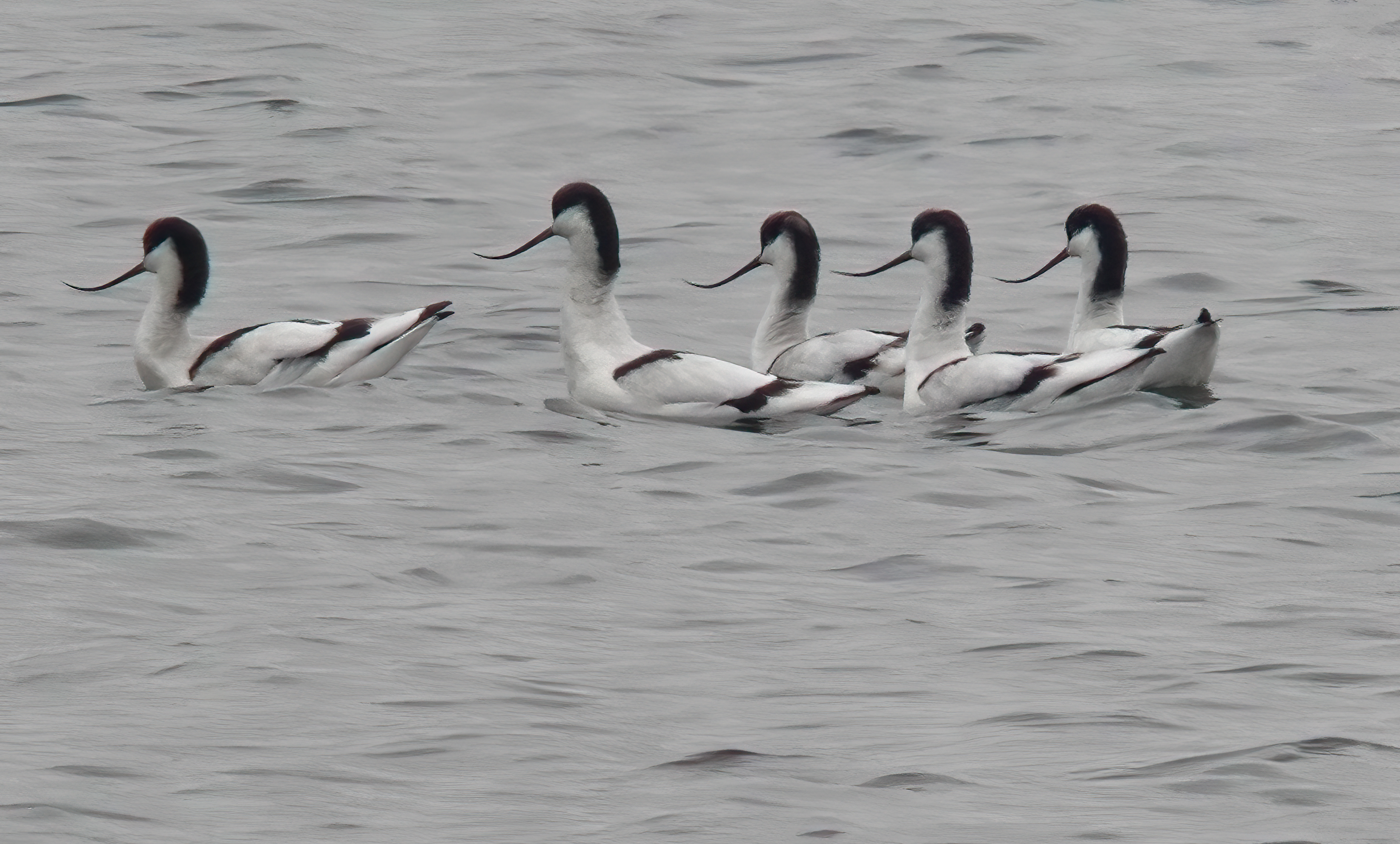
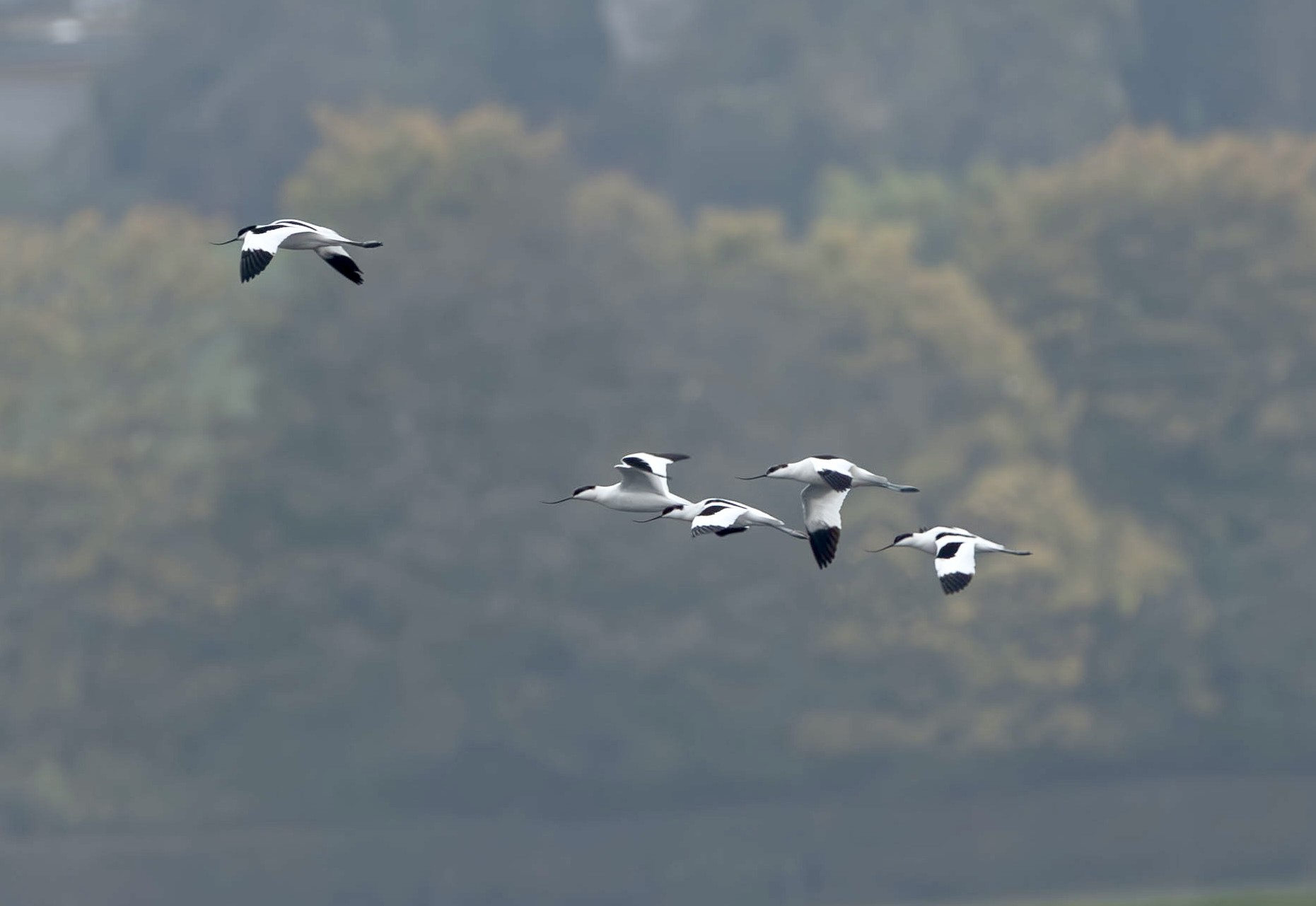
Proving its worth once again, Clifford Hill attracted five Avocets which, although seemingly unsettled, remained throughout the day on 4th. This was only the sixth county record of the year and a decent flock size to boot, following four there on 7th September.
Avocets, Clifford Hill GP, 4th November 2024 (Mike Alibone)Avocets, Clifford Hill GP, 4th November 2024 (Tyler Atkinson)
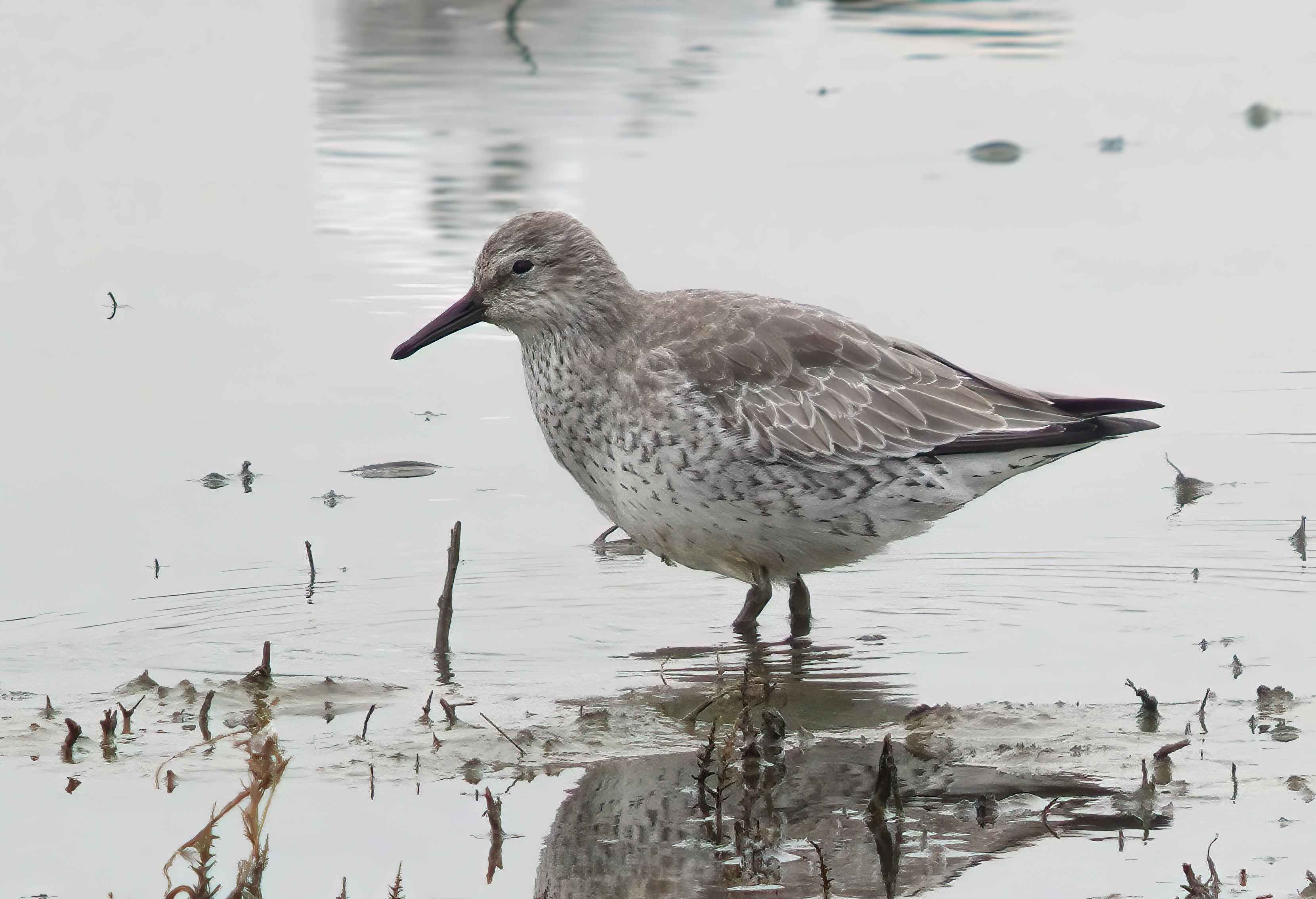
And sealing its eminence as this week’s standout locality, Clifford Hill went on to produce a Knot, also on 4th. This was only the third for the county in 2024 after the first – a one-day bird which also turned up there in March – and the second, which circled Stanford Res without landing, the previous morning of the 3rd. The Clifford Hill individual was still present on 6th and another, or the same, visited Ditchford GP’s Irthlingborough Lakes & Meadows NR briefly on 7th.
Knot, Clifford Hill GP, 4th November 2024 (Mike Alibone)
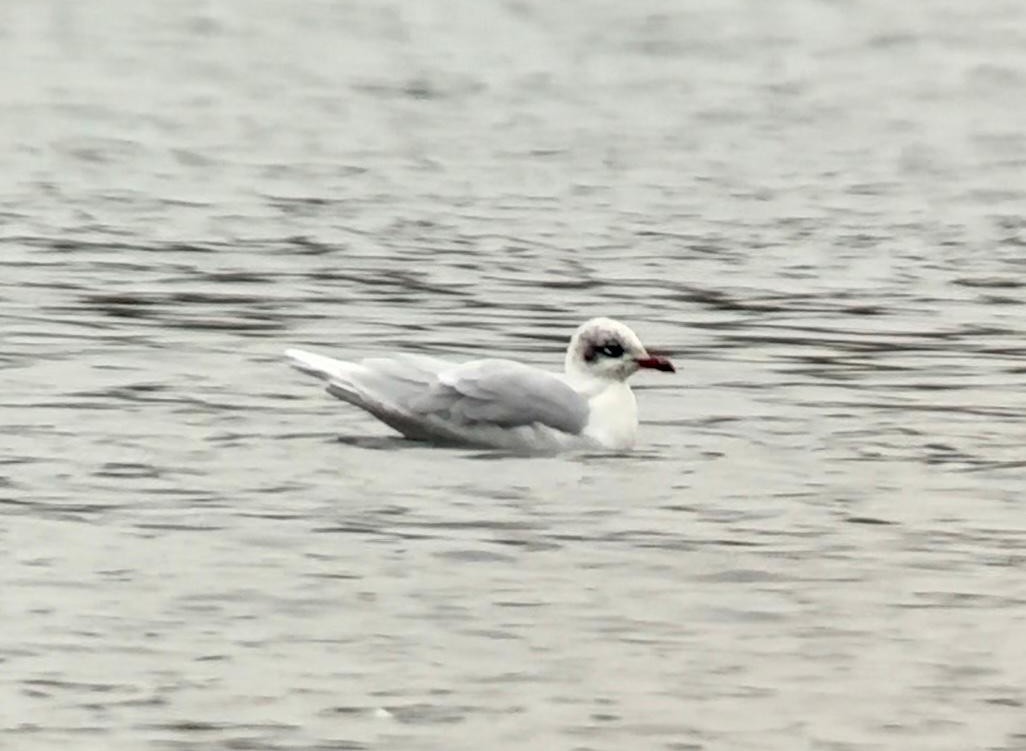
Four sites produced Mediterranean Gulls, Boddington Res holding the maximum of three (an adult and two first-winters) in its roost on 4th and an adult only on 6th-7th. The Stanford roost produced an adult and a first-winter on 2nd, a second-winter on 3rd and an adult again on 8th, while a first-winter visited Hollowell Res on 4th and two first-winters were in a pre-roost at Daventry CP the following day.
Adult Mediterranean Gull, Stanford Res, 8th November 2024 (Chris Hubbard)
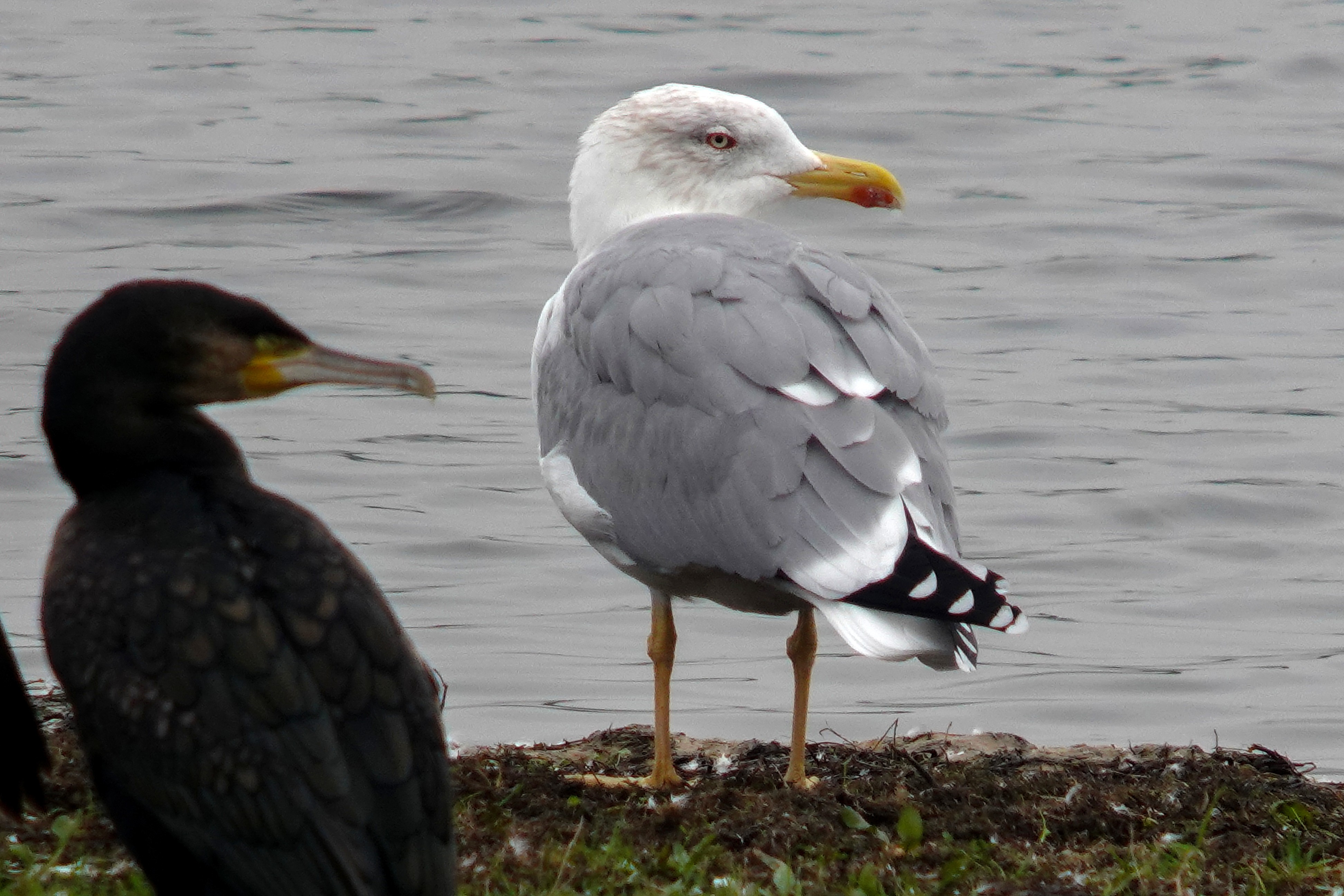
Caspian Gulls were also found at four localities with, again, the Boddington roost producing the highest numbers of five on 6th, three on 4th and two on 7th. Stanford’s roost held an adult on 3rd and a second-winter on 8th and single adults were found at Wicksteed Park Lakes on 3rd and at Hollowell on 4th and 8th. Similarly, Boddington pulled in double figures of Yellow-legged Gulls, the roost count maxing out with at least twelve on 4th and 7th, while smaller numbers included two at Winwick Pools on 4th and singles on various dates throughout the period at Clifford Hill, Pitsford and Stanford.
Adult Yellow-legged Gull, Clifford Hill GP, 4th November 2024 (Mike Alibone)
There’s little to be said about the Summer Leys Glossy Ibis, which remained on site for another full week, while Bitterns and Cattle Egrets were the sole preserve of Stanwick, with two of the former on 4th and eight of the latter on 3rd and 7th.
Just one, or maybe two, Marsh Harrier(s) were seen during the period with sightings almost daily from the Summer Leys enclave and the wider area of Earls Barton GP. However, it turned out to be another good seven days for Hen Harriers, the previous week’s ‘ringtail’ at Earls Barton GP’s New Workings (South) now appearing settled, regularly showing well to all comers, daily, throughout the week. The same locality produced a fly-through male on 5th and another male was seen at Ashton and over fields south of nearby Bozenham Mill on 7th, while the latter date also saw another ‘ringtail’ at Harrington AF.
Hen Harrier, Earls Barton GP, 4th November 2024 (Alan Coles)Hen Harrier, Earls Barton GP, 4th November 2024 (Alan Coles)Hen Harrier, Earls Barton GP, 4th November 2024 (Tyler Atkinson)
The number of Short-eared Owls also increased with single birds at Harrington on 2nd and 5th-7th and at both Clifford Hill GP and Stanford Res on 5th.
A male Merlin was found at Harrington on 4th.
And, surprisingly, the first 2024 Bearded Tits appeared at Stanwick GP, where two were first seen on 5th and remained until the week’s end.
Male Bearded Tit, Stanwick GP, 5th November (Bob Bullock)
The run of Yellow-browed Warblers continued with one briefly in a Kettering garden on 5th and another – or the same – reported between Wicksteed Park Lakes and Barton Seagrave two days later, on 7th.
In the west of the county, proving its worth not just for gulls, Boddington produced a first-winter Ring Ouzel in an off-site adjacent hedgerow on 6th, while a Black Redstart spent at least three days in Braunston, at a site with no public access, between 4th and 6th. Stonechats were recorded from Earls Barton, Hollowell, Lilbourne Meadows NR, Pitsford, Stanford and Summer Leys, with a maximum site count of four at Hollowell on 4th.
Male Stonechat, Earls Barton GP, 4th November 2024 (Tyler Atkinson)Female Stonechat, Earls Barton GP, 5th November 2024 (Alan Coles)
And Hawfinches continued to be found at various sites across the county, with Cottesbrooke proving the most reliable location for catching up with them. Here they were recorded on a daily basis with a maximum of three or four present on 6th. Elsewhere, from high to low, nine flew south-south-east over Boddington on 4th, five were mobile around Welton on 8th, three were again in Thenford Churchyard on 2nd and the same number flew south over Hanging Houghton on 5th and three were also in St Peter’s Churchyard, Deene on 7th. Blatherwycke churchyard produced two on 3rd and one on 5th and two were found at Lamport Hall on 8th.
Hawfinch, Blatherwycke, 3rd November 2024 (James Underwood)
Single Crossbills flew over both Hollowell and Cottesbrooke on 3rd.
The week’s weather, being somewhat bland, appeared to have little influence on the birds turning up during the period but that’s not to say it was uneventful. Quite the contrary, in fact, with the first Red-throated Diver for sixteen years stealing the show, one or two more Yellow-browed Warblers – now seemingly attracting scant attention – and a trickle of Hawfinches beginning to elicit interest as a national ‘invasion’ appears to be well underway …
There was little new on the wildfowl front, however, with the Pink-footed Goose continuing to visit Stanford Res, where it was seen on 26th-27th and again on 30th. Last week’s adult Whooper Swan also remained there, visiting surrounding farmland, until 30th, while two more dropped in briefly on 27th. Pitsford Res also got in on the act, producing a single bird north of the causeway on 28th, followed by four flying north on 1st.
Adult Whooper Swan, Stanford Res 26th October 2024 (Chris Hubbard)
The Ruddy Shelduck also reappeared at Stanford on 26th before moving back to Winwick Pools on 28th-29th.
Female Ruddy Shelduck, Winwick Pools, 28th October 2024 (James Urwin)
Stanford continued to produce the largest share of the period’s Red-crested Pochards, the week opening with seven and closing on six, while the first-winter drake remained at Boddington Res until at least 31st and two were found at Pitsford the next day, on 1st.
In the absence of any notable waders, numbers of the scarcer gulls were about par for the course, with an adult Mediterranean Gull in the roost at Boddington on 31st and a first-winter joining the Stanford roost on 1st. Caspian Gulls widened their reach to four reservoirs, the roost at Boddington holding an adult on 31st and two adults the following evening. Two adults were again at Hollowell on 31st, while single adults were found at both Pitsford and Stanford on 1st. Once again, Boddington produced the week’s highest numbers of Yellow-legged Gulls in its roost, seven on 31st rising to nine the following evening. Elsewhere, singles visited Clifford Hill GP and Summer Leys LNR on 26th and 27th, respectively, two were found at Winwick Pools on 29th, one was at Pitsford on 31st-1st and Stanford held one on 31st and two on 1st.
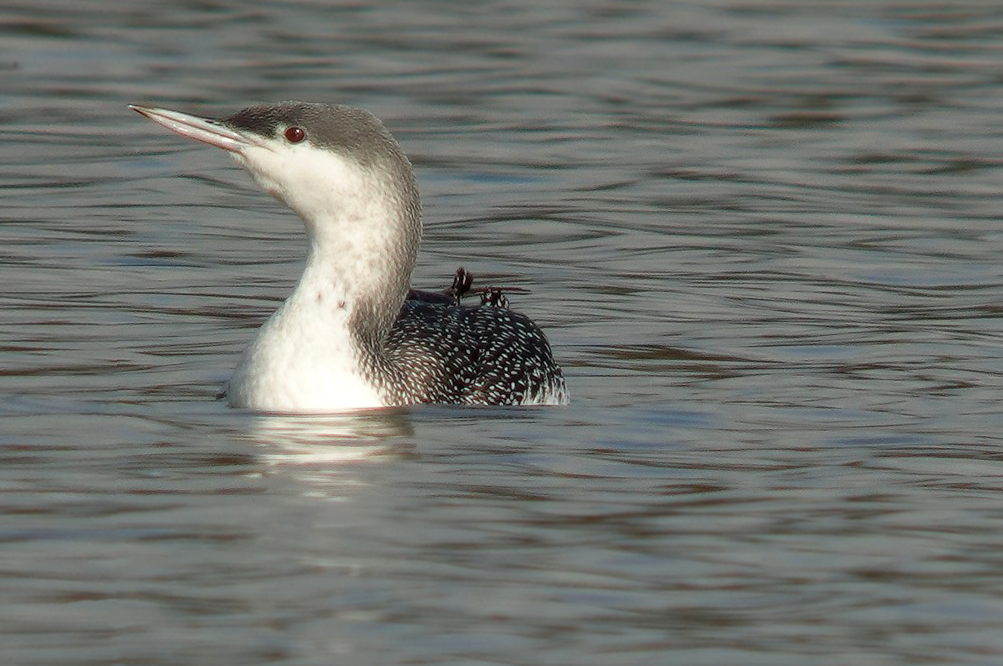
And just to prove that autumn is far from running out of steam, a smart juvenile Red-throated Diver surfaced at Boddington on the last day of October. It remained for barely five hours following its discovery, having upped sticks and left well before the afternoon was out. Being the first one in Northamptonshire for sixteen years, this species is now verging on mega status in the county, following a short-term run of records in 2002, 2005, 2006-07 and 2008.
Juvenile Red-throated Diver, Boddington Res, 31st October 2024 (Gary Pullan)Juvenile Red-throated Diver, Boddington Res, 31st October 2024 (Gary Pullan)Juvenile Red-throated Diver, Boddington Res, 31st October 2024 (Bob Bullock)Juvenile Red-throated Diver, Boddington Res, 31st October 2024 (Bob Bullock)Juvenile Red-throated Diver, Boddington Res, 31st October 2024 (Mike Alibone)Juvenile Red-throated Diver, Boddington Res, 31st October 2024 (Mike Alibone)
Looking like it’s in for the long haul and continuing to offer interest and delight, the Summer Leys Glossy Ibis had notched up six full weeks by the end of the period.
Glossy Ibis, Summer Leys LNR, 27th October 2024 (Bob Bullock)Glossy Ibis, Summer Leys LNR, 29th October 2024 (Mike Alibone)
Thrapston GP’s Titchmarsh LNR produced the week’s only Bittern on 26th and Stanwick GP the only Cattle Egrets, with eight there on 1st.
While single Marsh Harriers continued to be seen in the Nene Valley – at Titchmarsh LNR on 26th and at Earls Barton GP’s New Workings (South) on 30th, it was the latter locality that delivered a ‘ringtail’ Hen Harrier, seemingly having taken a liking to the area, being seen there on the afternoons of 28th, 30th and 1st. An adult male Hen Harrier was present briefly in the Brampton Valley, between Brixworth and Cottesbrooke, before flying north-west on 1st.
A Short-eared Owl was found at Blueberry Farm, Maidwell on 30th.
And records continue to be broken as far as Yellow-browed Warblers are concerned, with one reported again at Stanford Res on 26th, while another was found in an area of willows along the Grand Union Canal, between Grafton Regis and Bozenham Mill, on 30th-31st. Perhaps we will be in line for more wintering birds over the next few months …
With no more than two at any one location, Stonechats continued to be seen across the county at Clifford Hill GP, Earls Barton GP, Grafton Regis, Pitsford, Stanford and Thrapston GP.
Stonechat, Deenethorpe AF, 28th October 2024 (James Underwood)Stonechat, Earls Barton GP, 1st November 2024 (Leslie Fox)
And as we leave October behind and thoughts turn to what the last month of autumn and the forthcoming winter may bring, it has been widely recognised that we are now well into an invasion of Hawfinches at a national level. Events now unfolding show a marked similarity to the historic influx of 2017-18, with records during the last half of October coming from nudging two hundred sites across England. Following one at Dallington Cemetery, Northampton on 5th October, the week just gone saw a trickle of birds with one flying over Byfield on 30th and, on 1st, five over Harrington AF, three in Thenford churchyard and two or three at Cottesbrooke. These last two sites proved reliable for connecting with long-stayers during the last influx.
Hawfinch, Cottesbrooke, 1st November 2024 (Jon Cook)
So, when will the trickle develop into a torrent? Checking out a churchyard or two could prove fruitful if, as they so often are, planted with Yew trees, a favoured food source. As a heads up, here’s a list of locations they were seen at during the last autumn/winter invasion in 2017-18.
Not quite falling into the same iconic category as the above, but a smart finch, nonetheless, is Crossbill – some twenty of which flew over Brackmills Industrial Estate, Northampton on 30th, while three briefly visited Cottesbrooke churchyard on 1st.
A Corn Bunting – only the second of the year, following one in the Brampton Valley in August – was seen between Grafton Regis and Bozenham Mill on 30th.

























 Northants birds