A substantial freezing air mass sliding down from the Arctic brought us the first taste of winter this week, delivering sub-zero temperatures and snow showers which, although settling in some areas, were mercifully short-lived. And riding the wave of all this came the first Kittiwakes of the year …
Continuing the trend in their increase in occurrence, however, were Pink-footed Geese. Although not matching last week’s impressive numbers, eighteen flew east over Thrapston GP’s Titchmarsh LNR on 16th, the same date on which one dropped in briefly at Deene Lake, while seven flew east over Blueberry Farm, Maidwell on 20th.

Whooper Swans also continued to move through with a small herd of two adults and four juveniles flying north along the Nene Valley at Oundle on 17th.
The same four localities as last week produced the period’s Red-crested Pochards, the maximum number being four at Blatherwycke Lake on 16th. Stanford Res held on to at least two throughout, while Kislingbury GP’s female also remained settled and the Pitsford Res drake was still present on 19th. Blatherwycke also retained its first-winter female Greater Scaup until at least 16th.
This week’s waders were limited to just one Jack Snipe, at Summer Leys, on 16th.
A first-winter Kittiwake off the dam at Pitsford on the afternoon of 18th, quickly joined by another and then a further five was, surprisingly, the first of the year so far in the county. All seven left high to the south in the fading light but Pitsford’s exclusivity for this species was short-lived as, away to the north-west, Stanford was enjoying its own first-winter which dropped into the gull roost before similarly disappearing.
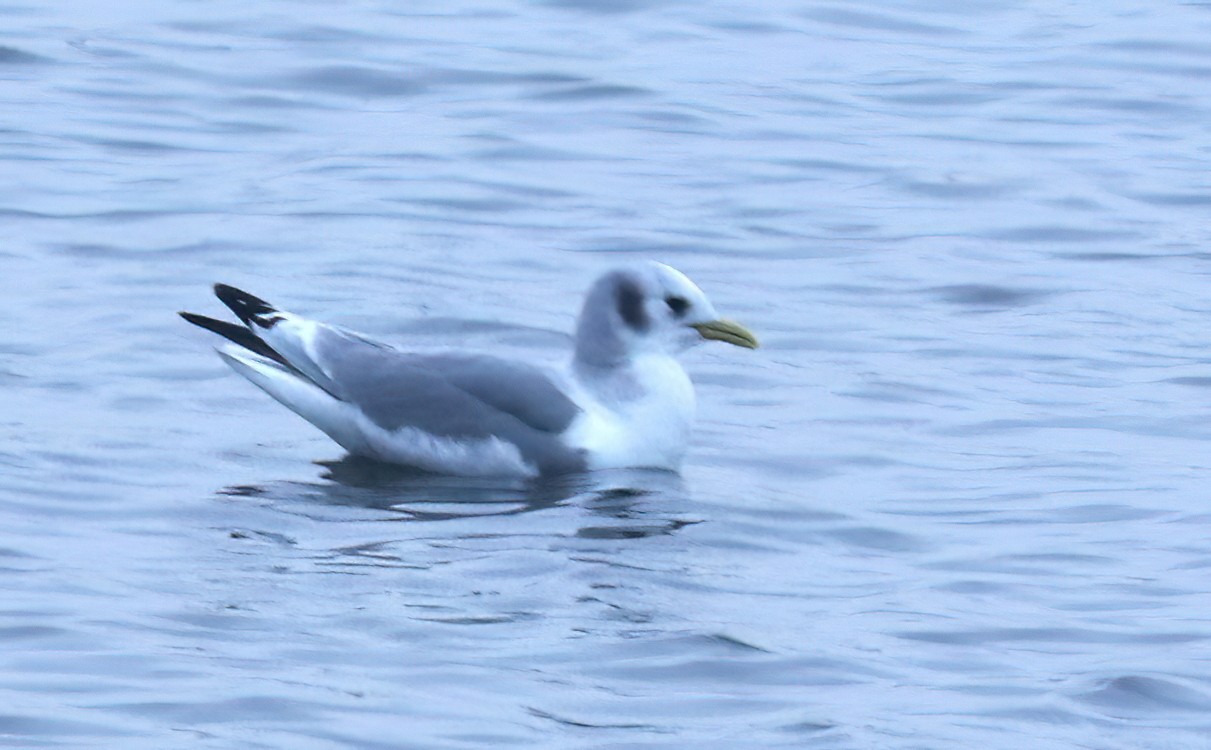

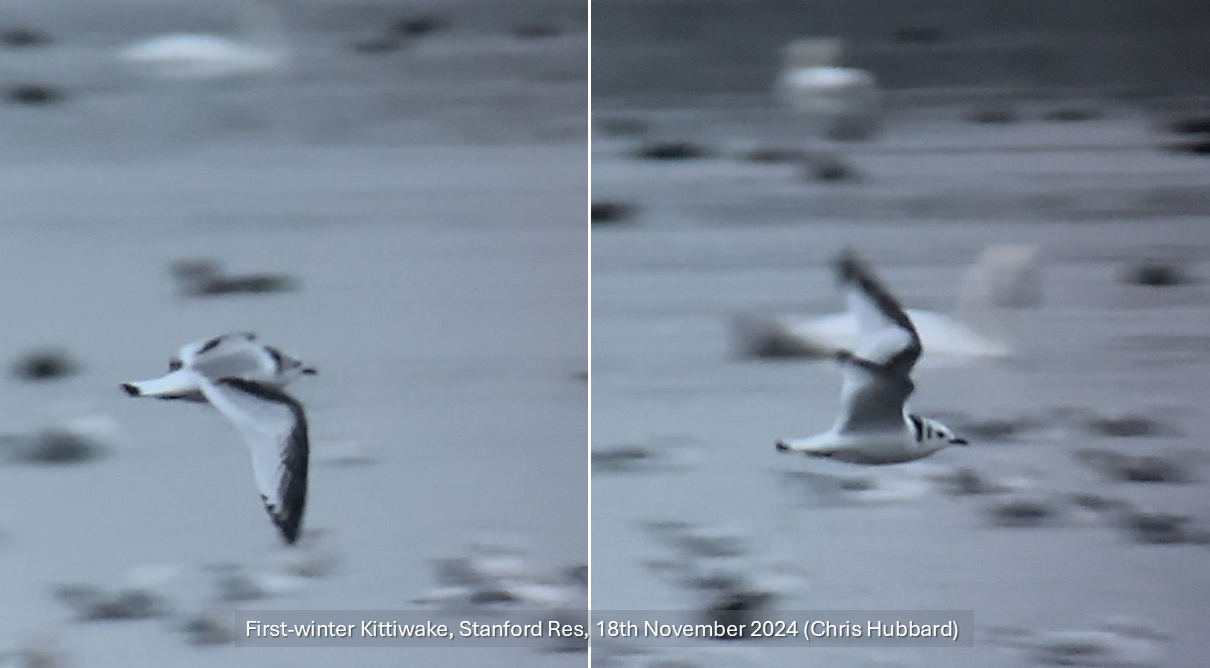
The following evening saw an adult visiting the Boddington roost, further adding to the week’s total, all of which played their part in a wider influx across England, including birds in the neighbouring counties of Bedfordshire, Buckinghamshire, Leicestershire, Oxfordshire and Warwickshire.
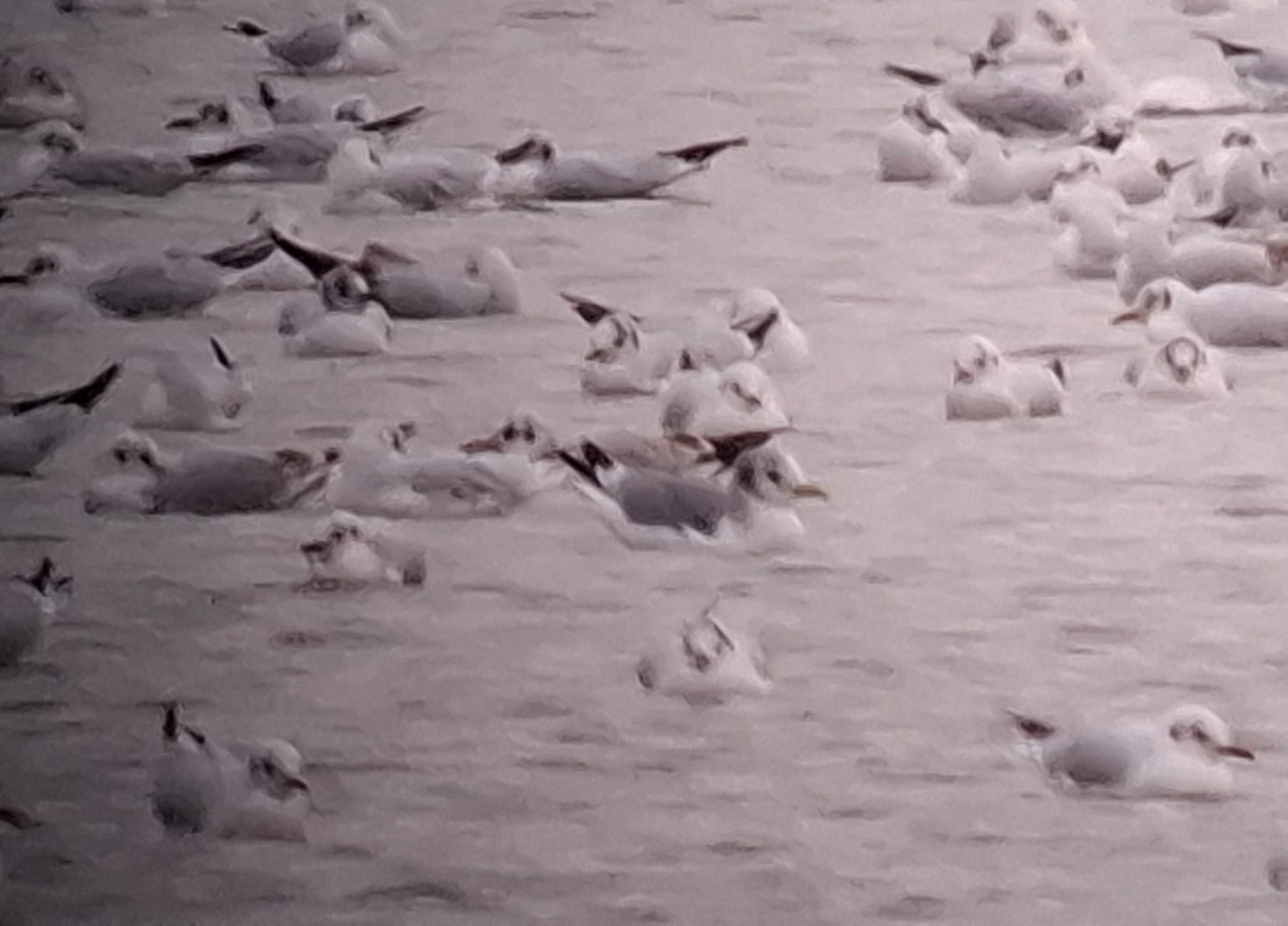
While Kittiwakes are no strangers to Northamptonshire in November, they are far more frequently encountered on passage in early spring, most records in that period being of single birds.

Flocks, on the other hand, are more likely in autumn, the largest of which was in excess of twenty at Ditchford GP way back on 12th November 1972 and, more recently, approximately twenty at Pitsford on 13th October 2014.
With the above having provided a momentary, though welcome, distraction for regular gull roost watchers, more standard fare was on offer in the form Mediterranean Gulls at Stanford, where a second-winter was present on 17th and 20th plus a first-winter on 19th, while Boddington Res dished up an adult on 22nd. These two bodies of water also produced all but one of the week’s Caspian Gulls, with an adult and a second-winter at Stanford on 16th and an adult there on 17th and 20th-21st. Boddington’s roost also held an adult on 19th. Bucking the trend, however, was an adult found on the small lake at Cottesbrooke Hall on 16th.

Small numbers of Yellow-legged Gulls across the board included an adult at Sywell CP on 16th, two in the Boddington roost on 19th and 22nd and single adults at Pitsford on 19th and at Earls Barton GP’s New Workings (South) on 21st.
After going unreported since 13th, the Glossy Ibis was back at Summer Leys on 22nd, while this week’s Bitterns were the preserve of Titchmarsh LNR, where one was seen on 16th and 19th. Cattle Egrets maintained a low profile with single birds at Titchmarsh 16th, Ditchford GP’s Irthlingborough Lakes and Meadows LNR on 18th and seven in a cattle field immediately north-east of, and viewable from, Kinewell Lake at Ringstead GP on 19th.
And as for raptors, they were in short supply during the period. After an impressive showing last week, Hen Harriers were off the scene completely, while a single Marsh Harrier continued to visit Summer Leys between 17th and 22nd after what was presumably the same individual seen at adjacent Earls Barton GP’s New Workings (South) on 16th.

Single Short-eared Owls were seen just prior to dusk at Nobottle on 16th and at Harrington AF on 18th.
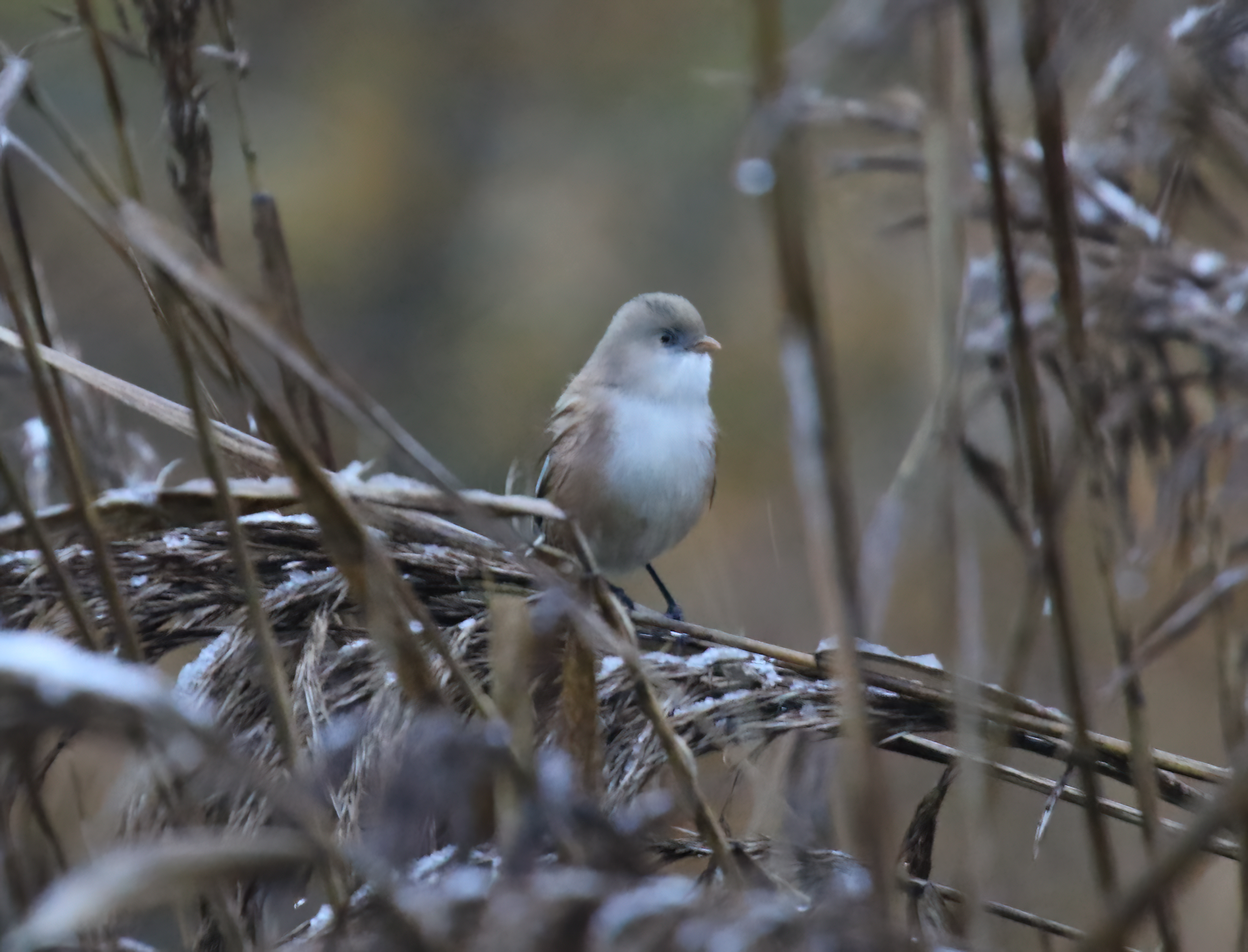
After no reports since 10th, the female Bearded Tit at least appeared still to be present on site at Stanwick on 19th.
Seen only at four sites compared to nine last week, another species seeing a drop in numbers over the period was Stonechat, of which three were at Earls Barton on 16th and Pitsford on 20th, while singles were also present at Summer Leys and Upton CP.

Following the county’s first of the year last week, another ‘in flight’ Rock Pipit was seen and heard over Daventry on 22nd, constituting another bizarrely late record.
And even though they were still out there to be found, the level of attention given to Hawfinches waned markedly during the period, compared to that of the previous week.

Just the two key localities of Blatherwycke and Cottesbrooke produced all of this week’s birds with the first of the these holding eight on 16th, five on 18th and 20th and two on 22nd, while the latter held three on 16th, five on 17th and one on 18th.

Discover more from Northants birds
Subscribe to get the latest posts sent to your email.

 Northants birds