Newsround 19th to 25th July 2025

A largely westerly airstream and sporadic showers were the standout characteristics of the week under review, although the numbers of standout birds were somewhat restricted and included one first for the year …

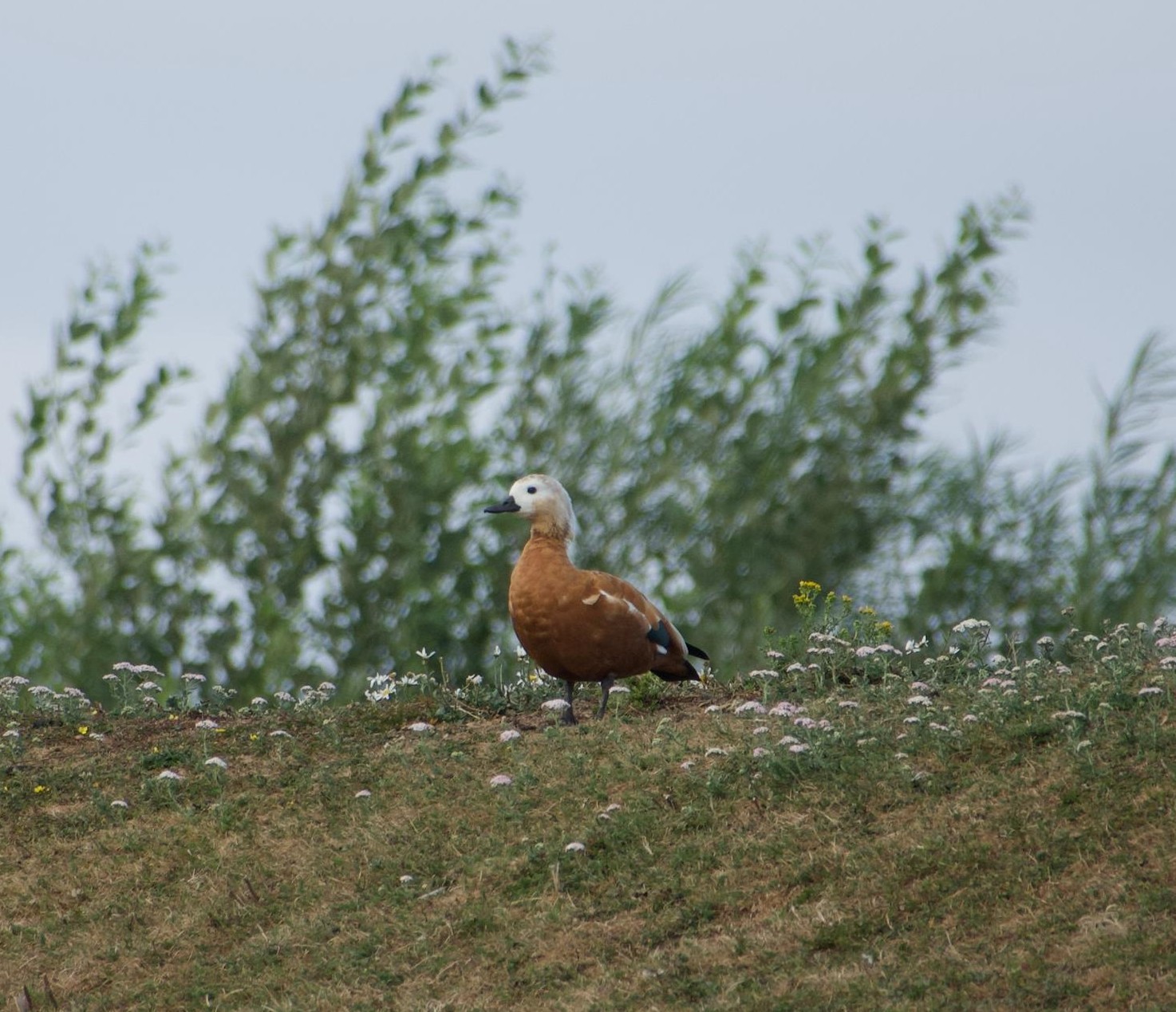
Dispensing quickly with potentially dodgy ducks, the infamous female Ruddy Shelduck dropped in at Stanford Res on 19th and was subsequently seen again at Ravensthorpe Res on 25th, the latter site also producing the week’s only Red-crested Pochard – a female – on 19th.

A singing male Common Quail was heard at Blueberry Farm, Maidwell before the rain set in, also on 19th. This is only the second to be reported this year, following one at Stanford for three days during the first week of June.

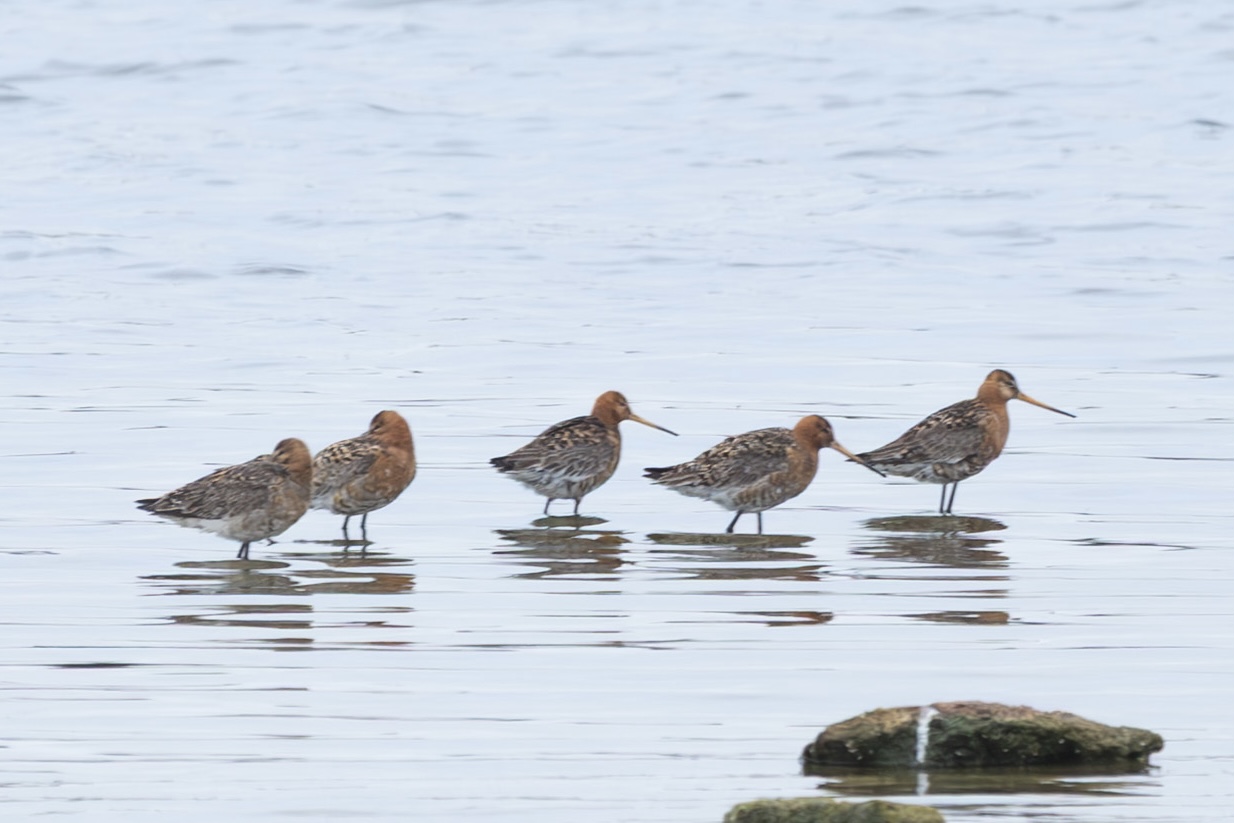
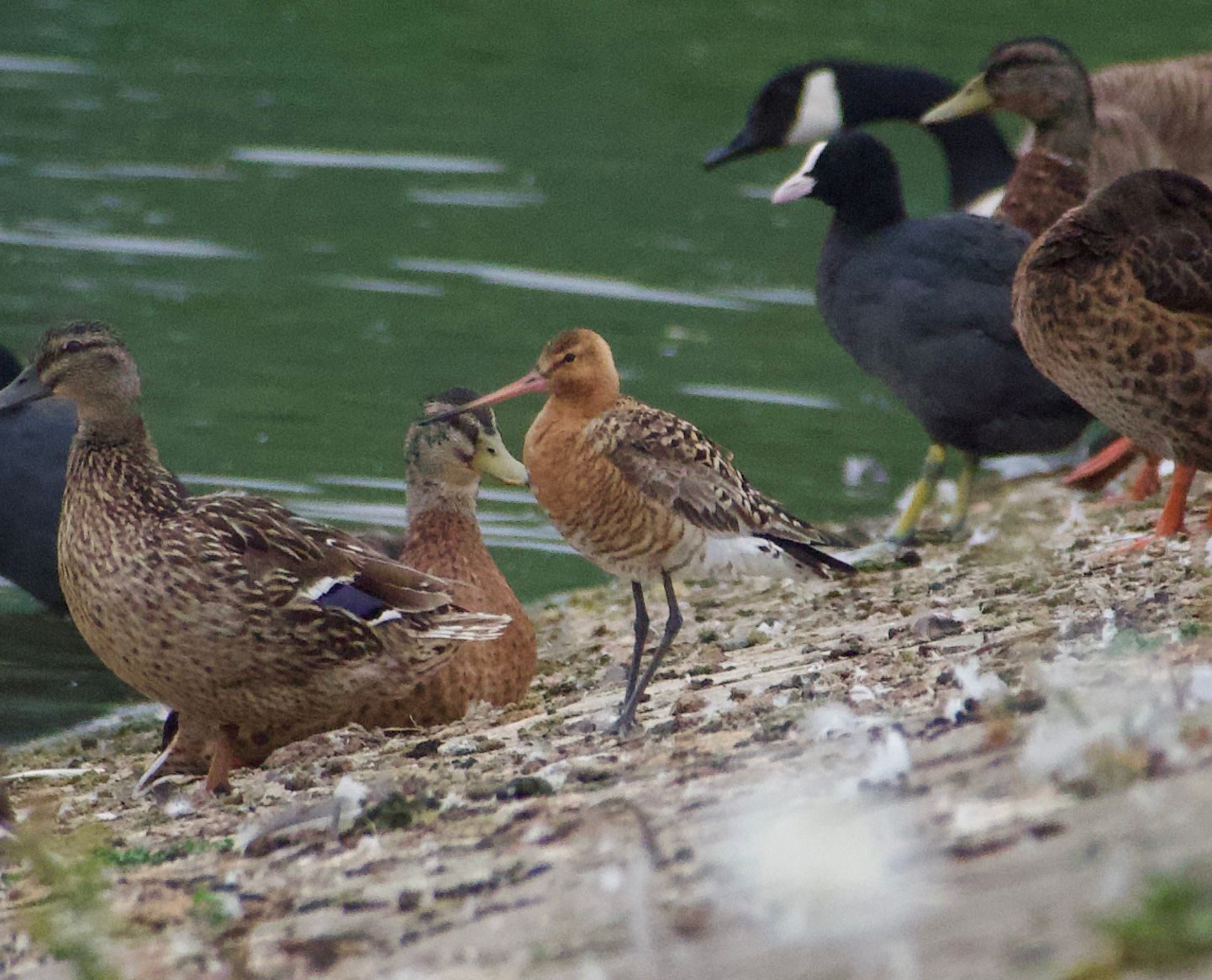
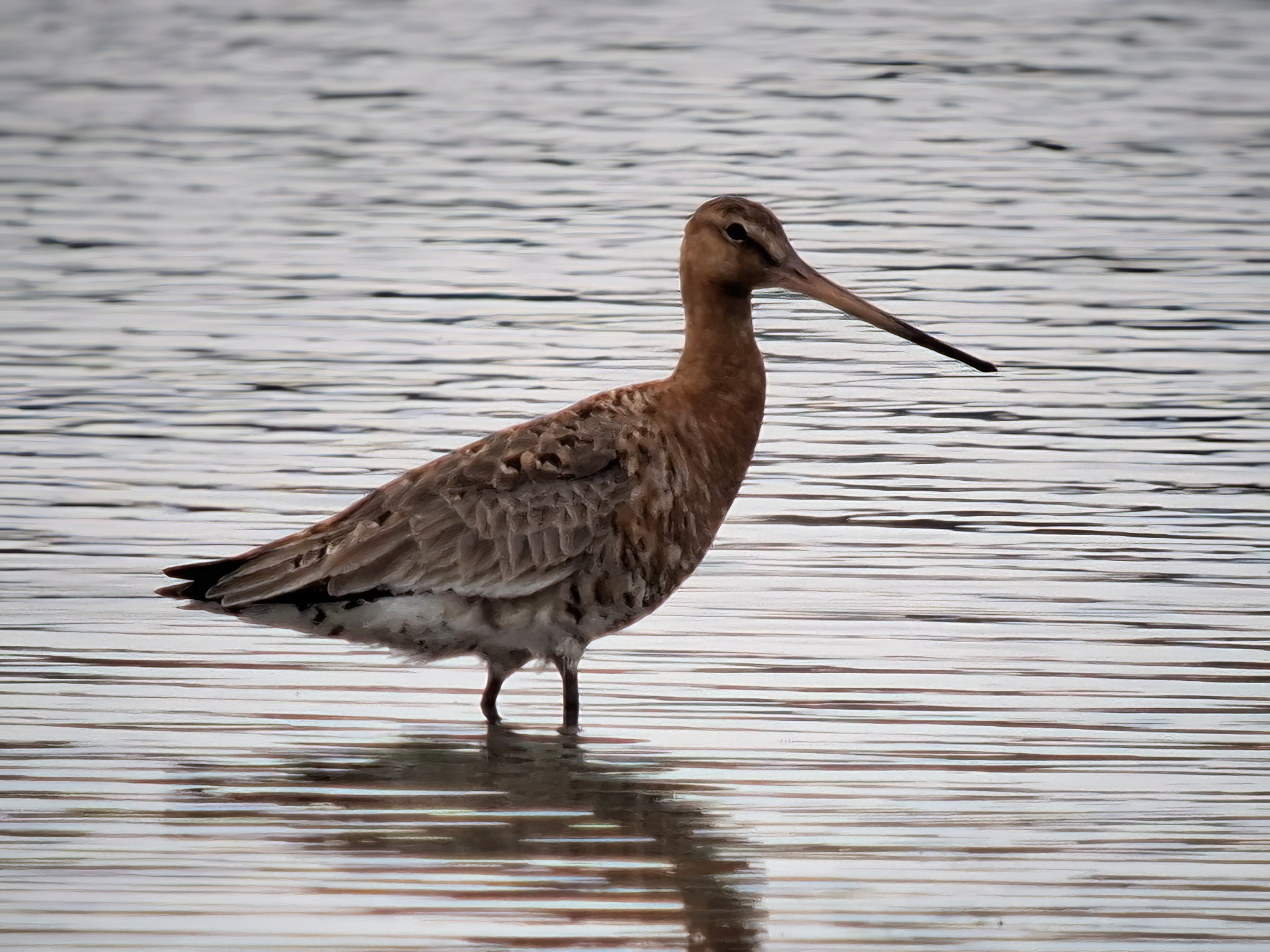
And while waders were out there to be found, there was a change in the dynamic with numbers of Black-tailed Godwits down to only three at Boddington Res and one at Earls Barton GP – both on the last day of the week.
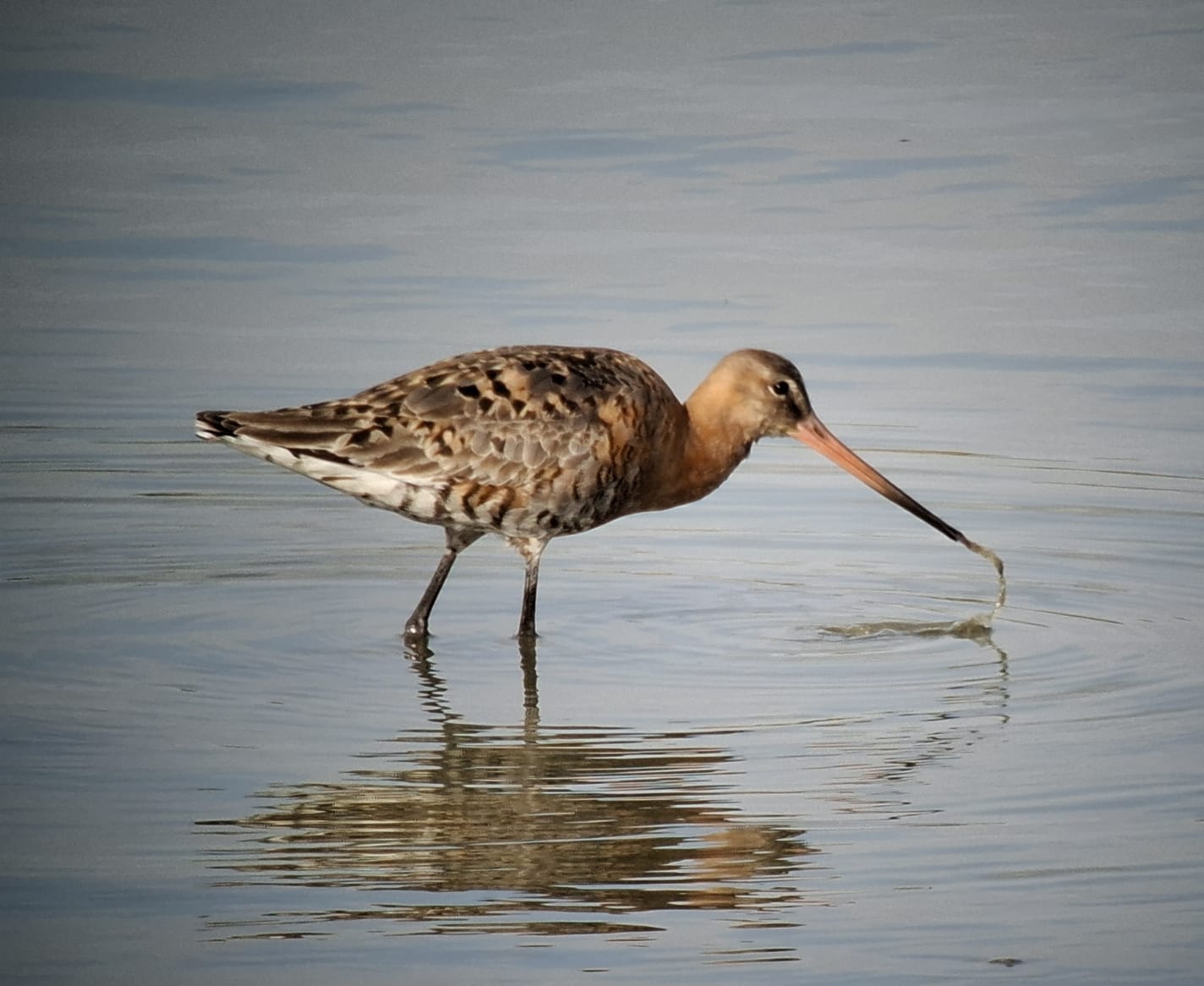
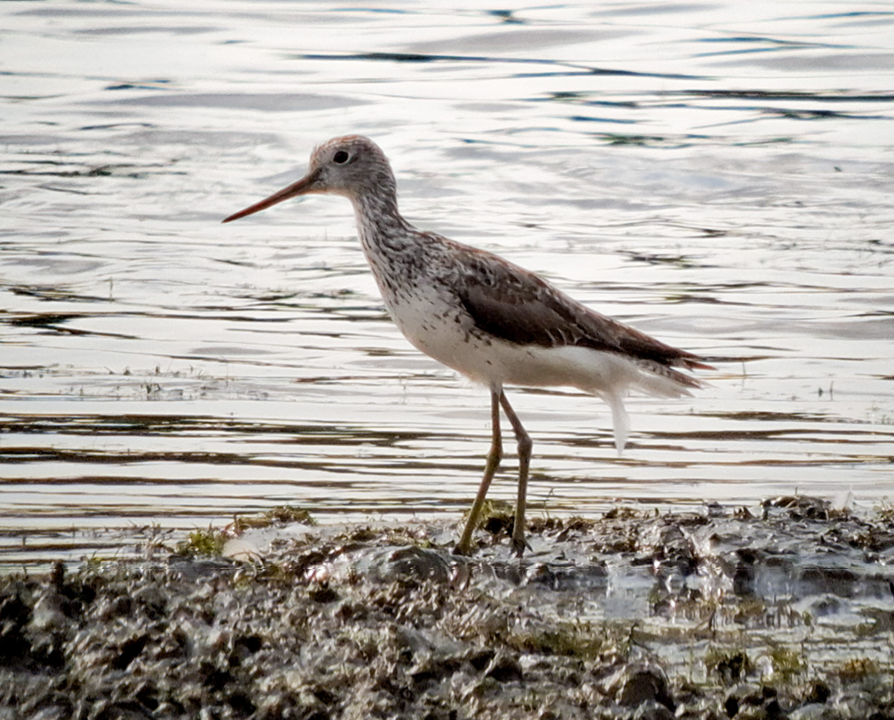
Greenshanks, however, were on the up with Pitsford Res producing singles on 19th and 24th and two on 22nd. Summer Leys LNR held two on 19th and one on 21st, while further singles were at Clifford Hill GP on 24th and Earls Barton the following day.

After doing a lap of Irthlingborough Lakes & Meadows’ Dragonfly Lake, a lone Whimbrel headed east toward Stanwick GP on 20th, while Lilbourne Meadows NR dished up two Curlews on 25th.

Having produced one last week, Boddington maintained its monopoly on Mediterranean Gulls during the period with a juvenile on 23rd, a different juvenile on 24th followed by both birds together there on 25th. A first-summer Caspian Gull was also there on 21st.

Three sites produced the week’s crop of Yellow-legged Gulls – Pitsford topping the bill for numbers with five on 19th, four on 23rd and two on 22nd. Three were at Boddington on 21st with singles there on 21st and 24th, while Thrapston GP’s Titchmarsh NR produced single adults on 19th and 25th.

And, for the time of year, it wasn’t bad for scarcer terns with a first-summer Arctic Tern paying a brief visit to Stanford and two Black Terns at Ravensthorpe – all on the last day of the week.

Summer Leys continued to provide limited views of Bittern on two dates, 20th and 23rd, while Cattle Egrets remained faithful to the eastern end of the Nene Valley, where nine were at Titchmarsh NR and three at Ringstead GP on the last day of the period.

Raptors featured more strongly than usual this week and aside from the usual Ospreys – singles over Harrington AF on 20th, Hollowell on 19th, Pitsford on 19th, 21st, 24th and 25th (two), plus one at Titchmarsh on 25th – Marsh Harriers were also rather more in evidence than of late. Harrington saw singles over on 19th and 23rd, one was in the Brampton Valley between Cottesbrooke and Hanging Houghton on 21st, one at Summer Leys on 24th and both Hollowell and Pitsford featured one apiece on 25th.

And, after a blank year in 2024, a report of a Honey Buzzard flying west over Althorp on 19th was quickly followed by another flying west over the Brampton Valley below Brixworth on 23rd. Interestingly, at this stage in the year, it begs the question, is there a bird to be had locally as the two sightings are only four days apart and the distance between them is only 6 km, as the Honey Buzzard flies …

Passerines continued their late summer southerly movement, with Common Redstarts again very much in evidence. Daily sightings of between one and three birds came from a combination of the five localities of Blueberry Farm, Borough Hill, Brampton Valley, Harrington and Woodford Halse.

Up to two Whinchats were in the Brampton Valley between Cottesbrooke and Hanging Houghton between 19th and 23rd, one was at Woodford Halse NR on 22nd and singles were found at Harrington on 23rd and Borough Hill on 25th.

The first Northern Wheatear of the autumn was reported from the Blueberry Farm area on 19th, followed by one at Borough Hill on 25th.

Unabated, the Crossbill movement continued apace with reports from eight localities and the largest number of at least twenty at Hollowell on 24th. Elsewhere, flyovers numbering between one and four were seen and/or heard over Abington Park (Northampton), Blueberry Farm, Brixworth, Harrington, Pitsford, Stanford and Stanwick. More to look forward to in the coming weeks, no doubt …

Newsround 12th to 18th July 2025

Atlantic air pushed back in during the period with temperatures falling slightly as a result, although atmospheric humidity remained high. With new birds arriving, migration was clearly on the up and the cross-country Crossbill movement continued apace …

Having returned last week, the infamous female Ruddy Shelduck was mobile around its established small area of choice in northwest Northants, being seen at Ravensthorpe Res on 12th before moving back to nearby (as the duck flies) Winwick Pools the following day. The movements of this returning bird fit well within the increasingly strong pattern to the species’ occurrence in the UK. A small peak in March and April – coinciding with the timing of the birds’ spring migration – is followed by a noticeable spike in late summer and early autumn, peaking between July and September. This is in parallel with the northward moult migration movement of European breeders, involving up to 2000 birds arriving in The Netherlands during summer, while small numbers remain during the UK winter, bottoming out in February. In 2021, the British Ornithologists’ Union Records Committee began a review of the status of Ruddy Shelduck in the UK, which appears still to be ongoing four years later. What happens in the BOURC stays in the BOURC, or so it seems, so don’t hold your breath … For further details from a wider perspective see here.

But we’re not done with contentious ducks just yet. Found during the early evening of 13th was a female Ferruginous Duck at Stanford Res. It had departed by the following morning. While its identification is not in doubt, its origin may well be. Looking back at the last one, a juvenile drake present at Daventry CP between 31st July and 15th September 2022, it was accepted by the British Birds Rarities Committee but, along with others in Nottinghamshire, Yorkshire and Warwickshire, it was placed in a group classification where identification was accepted, but origin is uncertain or known not to be wild. This bird is likely to follow suit, although it is recognised that late summer drought-induced vagrancy may occur for this species.

There was no such worry over waders in general, but concern of a different kind with regard to Curlews, one of which was seen in flight over Old Pastures Wood, Yardley Hastings on 17th. In recent years, numbers of this species have been dropping locally, with no proven Northamptonshire breeding records since 2018, although it has been suspected in the north-east of the county. This reflects the British Trust for Ornithology’s Breeding Bird Survey which revealed a 49% decline in breeding Curlews across the UK from 1995-2021. It is now included on the UK Red List of Birds of Conservation Concern and the UK holds over one-quarter of the global breeding population which, in a wider context, is highly significant.

Once again, Black-tailed Godwits featured reasonably strongly during the period, with Clifford Hill GP producing the maximum of eleven on 14th and one on 17th, Summer Leys LNR holding on to five on 15th-16th and one on 12th and Pitsford Res securing two on 14th and one on 15th.

A single Wood Sandpiper made a short stopover at Clifford Hill early on 16th, while the early autumn trickle of Greenshanks continued with singles at Daventry CP on 14th-15th and Pitsford on 17th.  

The first, neatly-scalloped juvenile Mediterranean Gull of the year paid a visit to Boddington Res on 15th and a second-summer Caspian Gull was found at Daventry CP the following day.

Yellow-legged Gulls were, predictably, to be found at Pitsford, where there were four on 15th and one on 16th, while Daventry held a juvenile on 15th and an adult on 16th and single adults visited Stanford on 12th and Thrapston GP on 17th.

A Little Tern at Ditchford GP’s Irthlingborough Lakes & Meadows NR was a surprise on 13th.

This week’s Bittern was a short-shower at Summer Leys on 16th, while the number of Cattle Egrets at the Nene Valley breeding site climbed from four or five on 12th to eleven – including seven adults – on 17th.

Four sites dished up Ospreys, the reservoirs of Pitsford and Stanford producing singles on 14th and 16th at the former and on 12th and 14th at the latter, with Thrapston/Titchmarsh getting in on the action with birds on 14th, 17th and 18th, while Harrington AF produced a northbound flyover on 17th. The latter site also held single Marsh Harriers on 12th and 14th-15th.

Passerine migration gained momentum this week with Common Redstarts featuring strongly for the time of year. Blueberry Farm, Maidwell produced one, possibly two, between 12th and 18th, Harrington singles on 12th, 14th-15th and 17th, the Brampton Valley between Cottesbrooke and Hanging Houghton one on 17th-18th, while further singles were at Hollowell Res on 13th and Litchborough the following day. Following the autumn’s first at Blueberry Farm last week, a Whinchat was again there on 14th and two more were found at Harrington on 15th. Another 2025 autumn first was a juvenile Stonechat trapped and ringed at Stanford on 17th.

And then there were Crossbills. The influx continued with a notable movement logged across seven localities, with the highest number of ten flying east over Kettering on the last day of the period. Supplementing this were eight at Wakerley Great Wood on 13th followed by a straggler there on 16th, four flew west over Abington Park, Northampton on 17th, three flew over Fermyn Wood on 12th, two flew over Blueberry Farm on 18th, the same day seeing two separate individuals moving over Harrington, while one was at Harry’s Park Wood on 13th.

Newsround 5th to 11th July 2025

A short wet start preceded another ‘mini heatwave’ at the week’s end, during which the local temperature hit 31°C. Save the return of the female Ruddy Shelduck for its eleventh year, the ongoing wader passage and the continuing movement of Crossbills, there was little to tickle the taste buds during the period.

Back again, then, to enjoy another stayover in Northants, was the returning female Ruddy Shelduck at Stanford Res on 6th before moving on to its most favoured locality of Winwick Pools by 11th. In some people’s view, the less said the better …

More typically in line with – and again dominating – July’s wader movements, were Black-tailed Godwits, Pitsford Res again seeing the greatest numbers with seventeen there on 6th. Next up was Summer Leys LNR, where there were four on 7th and one on 10th, followed by single birds at Daventry CP on 7th and 8th and Hollowell Res on the last of these dates. A Ruff at Boddington Res on 11th was the only one of its kind this week, while Greenshanks appeared at three sites with one at Pitsford on 8th followed by two there on 10th, plus singles at Thrapston GP’s Titchmarsh NR on 8th-9th and Summer Leys on 11th.

As for larids, single Yellow-legged Gulls at Pitsford on 7th and 8th filled the slot.

A Bittern again showed at Titchmarsh on 7th while, further up the Nene Valley, four Cattle Egrets visited Stanwick GP on 5th.

Raptors fared a tad better than last week, the period’s Ospreys consisting of two at Pitsford on 5th and singles on 6th and 10th, while one flew west over Preston Capes on 7th and Stanford produced sightings on 7th and 10th. A Marsh Harrier paid a brief visit to Titchmarsh on 10th.

And passerines? The week saw the discovery of the autumn’s first Whinchat with one at Blueberry Farm, Maidwell on 8th, following a meagre five records in the county during the spring. More Common Redstarts were also found, comprising singles at Pitsford on 6th, Harrington AF on 7th and Blueberry Farm on 8th.

As the influx continued, very much on the up this week were Crossbills, which were seen at six localities. It was only a matter of time before the car park at Wakerley Great Wood – a much favoured location – delivered, holding at least fifteen on 9th. Ten in flight over Northampton’s Abington Park on 10th was a nifty suburban record ahead of two more over the same site the following day. Seven flew west over Pitsford on 7th, followed by two – possibly three – more there on the same day, at least two on 8th and one on 9th. Four flew over Yardley Chase’s Denton Wood on 9th, one or two flew east over Brackley on 7th and one flew over New Covert, Kelmarsh on 5th.

Newsround 28th June to 4th July 2025

Local temperatures continued to climb this week, peaking at 31°C during the final day of June, on the eve of the first day of ornithological autumn. From ducks to passerines, numbers of migrants were on the up across the spectrum and out there to be found were, of course, godwits galore …

With duck numbers understandably having dipped down to the summertime low, the long-staying, static drake Red-crested Pochard, now moulting into eclipse, remained at Earls Barton GP throughout the period.

But, after at least two Common Scoters were heard on ‘noc mig’ last week, one turned up on the water at Clifford Hill GP on 1st, remaining there until the following day, constituting the fifth record for the county in 2025.

Following their partly successful breeding attempts, the sad departure of the Avocets from Earls Barton last week left us with a trickle of commoner migrant waders alongside those a little more scarce. A Whimbrel turned up at Pitsford Res on 28th, followed by two more flying south-west over the dam there on 2nd. But the week was marked by a glut of Black-tailed Godwits across six localities, Pitsford maxing out with a mobile flock of approximately twenty-five on 1st, following one there on 28th. Clifford Hill produced the next highest numbers with five on 29th, fourteen on 1st and one on 3rd, while five were all equally brief visitors to Stanford Res on 2nd, Thrapston GP’s Titchmarsh NR held two on 3rd, when one also visited Summer Leys LNR. Finally, one made landfall at Daventry CP at the week’s end, on 4th.

A first-summer Mediterranean Gull at Hollowell Res topped the week’s larids on 1st, otherwise there was little more than the usual loafing Yellow-legged Gulls at Pitsford, where there were four on 2nd.

Back in the Nene Valley, a Bittern reappeared at Titchmarsh NR on 1st, while three new juvenile Cattle Egrets were found with an older juvenile and an adult at an undisclosed breeding site on 4th.

The Northamptonshire reservoirs were again responsible for dishing up the week’s repast of Ospreys, Pitsford being the most reliable site for providing viewings. The latter location produced multiple sightings during the period, Hollowell also added to the tally with singles on 30th, 1st, 2nd and 4th, while Stanford saw flyovers on 2nd and 3rd and one drifted over Ravensthorpe Res on 2nd.

And with single Common Redstarts – the first of the autumn – at both Harrington AF and Lilbourne Meadows NR on 2nd, it was good to know that some quality passerines were on the move, the latter also including a Crossbill over Bucknell Wood on 1st and three in Christie’s Copse at Pitsford Res, briefly, before flying off south-west on 4th.