A hefty westerly blow across the UK also included some southerlies on the back of it which may have influenced the birds found in this week’s mix …
Apart from the female Ruddy Shelduck, which jumped ship from Naseby Res and moved to nearby Stanford Res by the week’s end, there were no other ducks to elicit any serious interest.
It was a different matter with regard to waders, though, and, with this summer’s drought-induced multiple muddy margins to choose from, they were well scattered. Proving prime in this respect, Pitsford Res continued to deliver the goods with five Black-tailed Godwits from 30th to 1st, dwindling to three by the end of the week. Elsewhere, Thrapston GP’s Titchmarsh NR also produced a juvenile on 5th, this site already having held a short-staying flock of 5 Knots on 3rd.

Continuing their respectable autumn run, Ruffs were found at seven localities, the highest count being five at Stanford on 4th. Pitsford came second with three between 3rd and 5th, Summer Leys LNR was home to one between 30th and 4th, with two present there on 1st and singles were at Hollowell Res on 31st, Naseby on 1st, Titchmarsh NR on 5th and at Daventry CP all week.
Hot on the heels of the year’s first Little Stint at Clifford Hill GP on 22nd, two more juveniles arrived on 30th – one at Boddington Res, the other at Pitsford – both proving to be short-stayers.
And numbers of Greenshanks remained solid, Pitsford producing the week’s top site total of nine between 31st and 4th. Elsewhere, three were found at Ditchford on 2nd, Boddington held two between 30th and 4th and singles were at Naseby between 1st and 5th, Summer Leys on 30th and 2nd, Hollowell on 2nd and Daventry on 3rd.
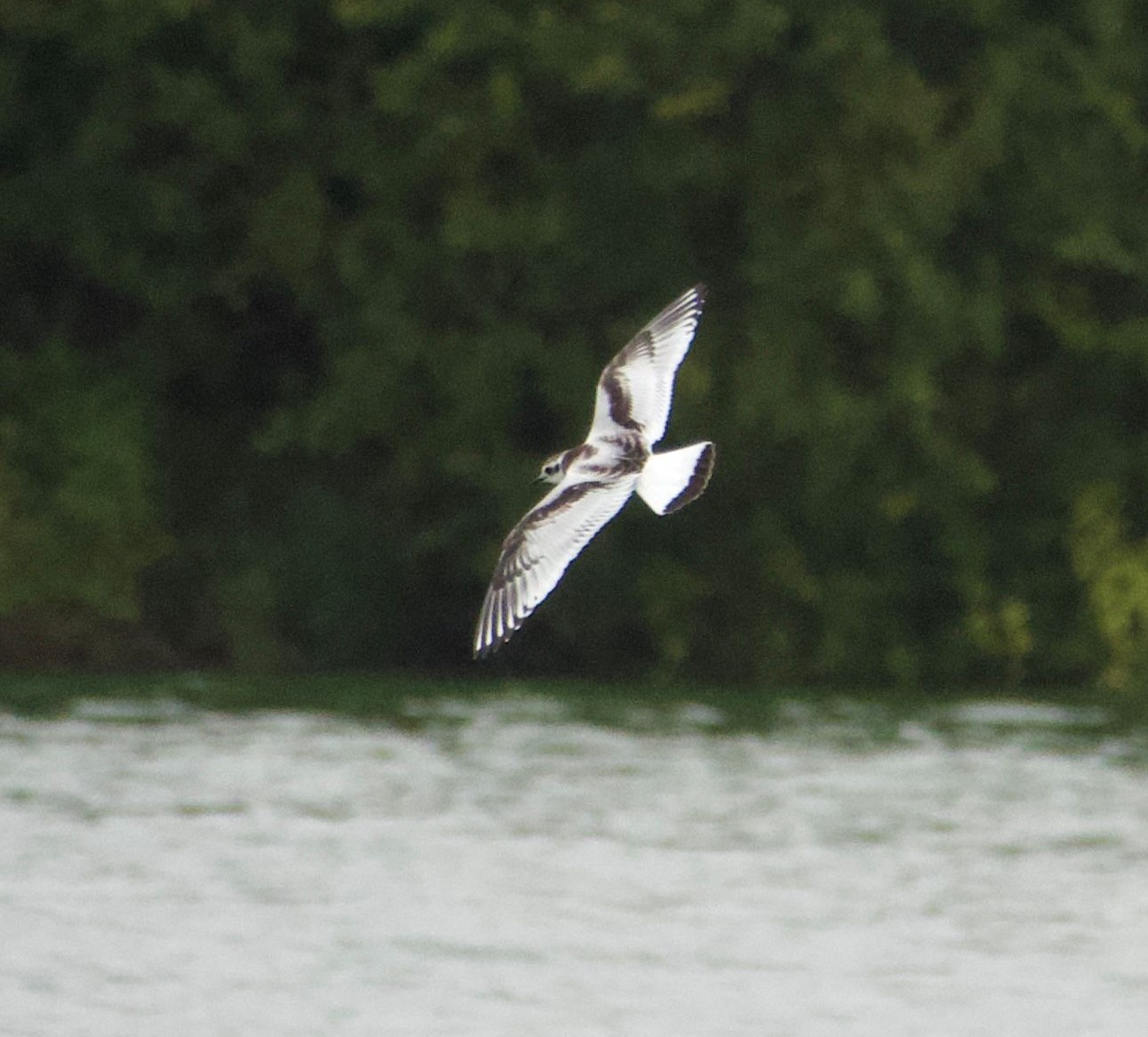
Stanford scored on the larid front with, on 3rd, a smart juvenile Little Gull, as well as a juvenile Mediterranean Gull – both in the vicinity of the dam there. Another juvenile Mediterranean Gull dropped into Daventry on 30th.

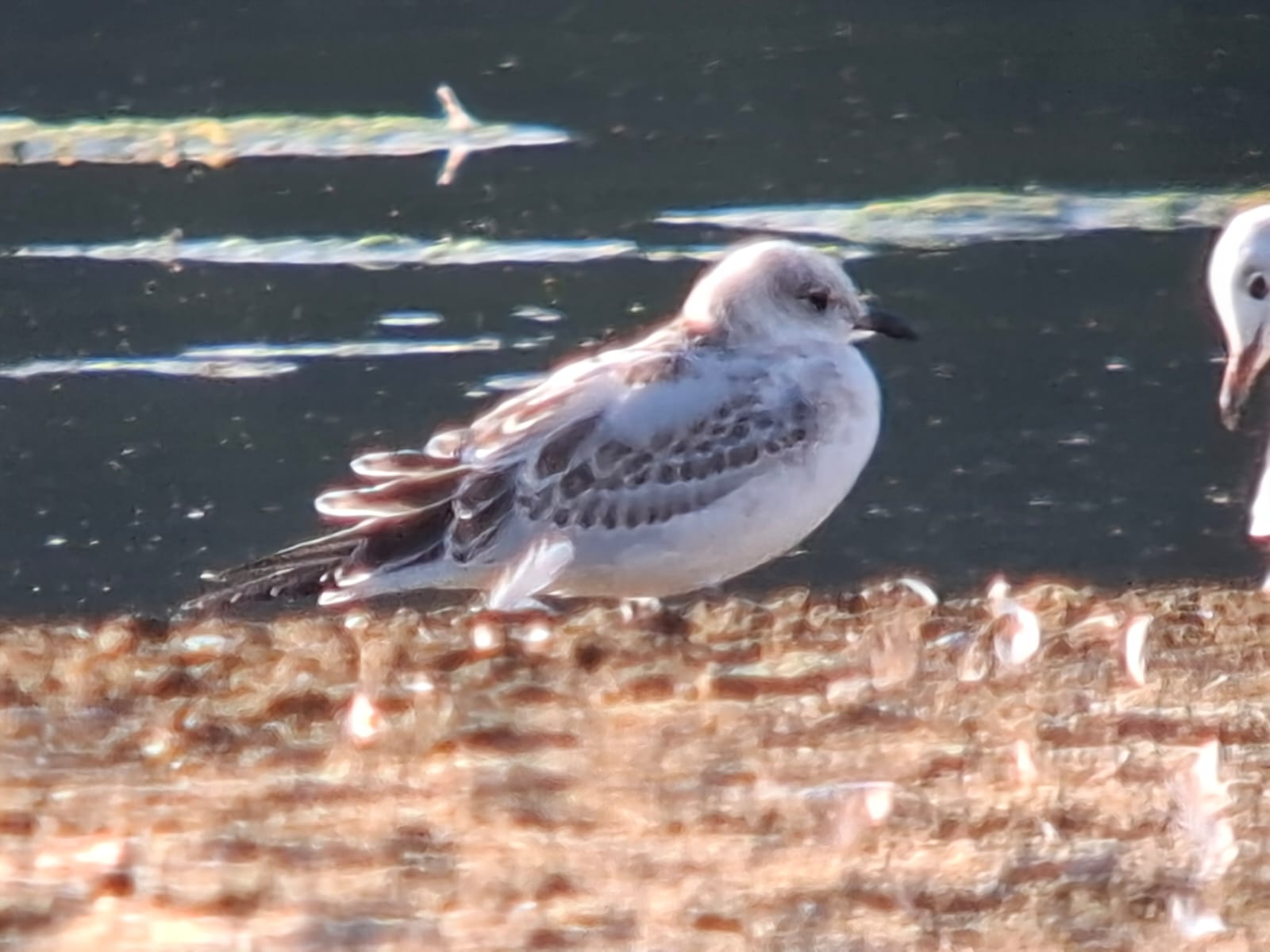
Remaining faithful to Naseby, the German-ringed adult male Caspian Gull was present all week, while an adult visited Pitsford on 31st and a juvenile was at Daventry on 2nd. And the usual Yellow-legged Gulls were around at Pitsford, where there were three on 31st, four on 3rd and one on 4th, two were at Thrapston GP on 2nd and a juvenile was present Daventry from 1st to 3rd.
A single Black Tern stayed on from the previous week, remaining at Pitsford from 30th to 4th.
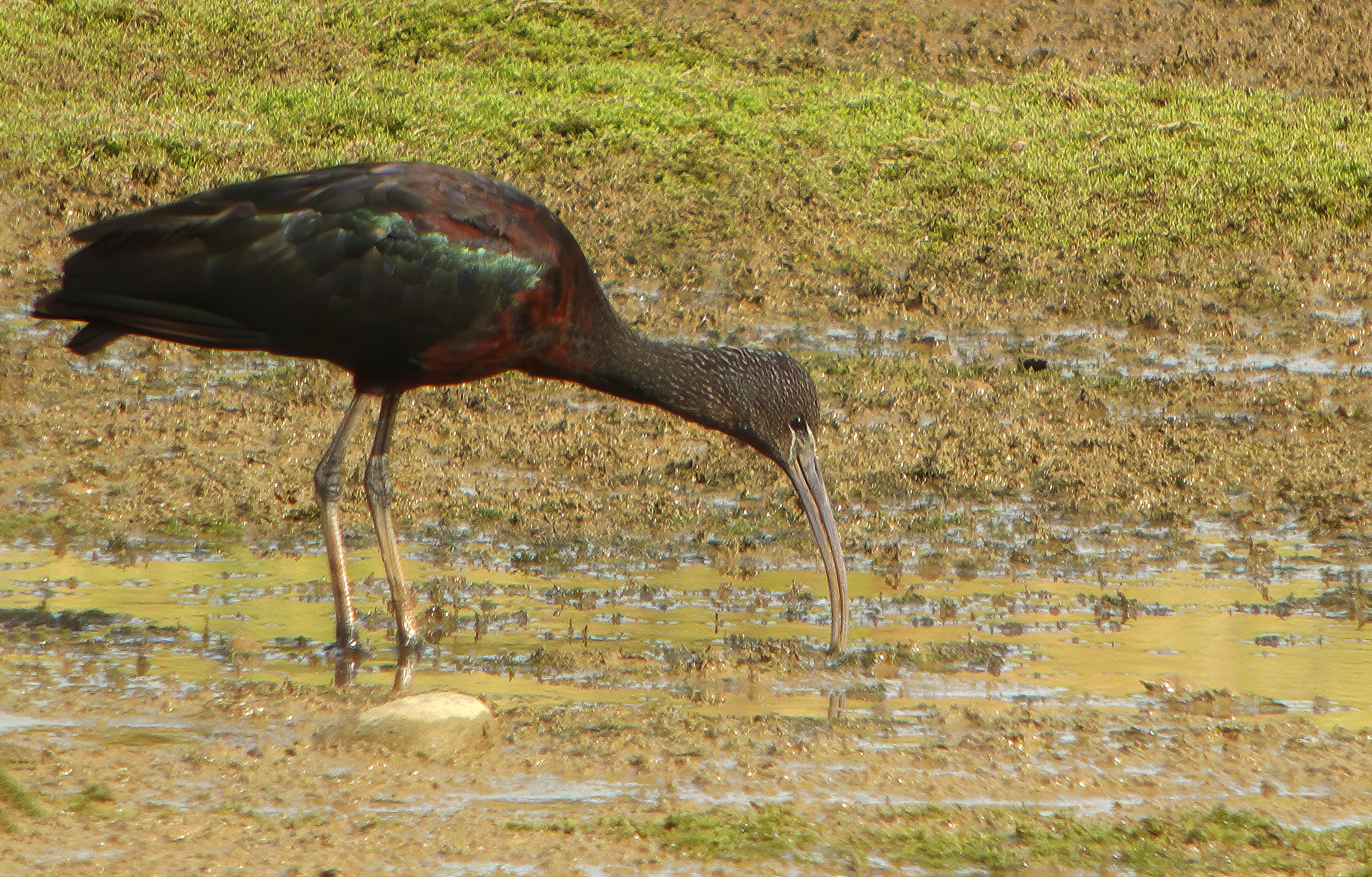
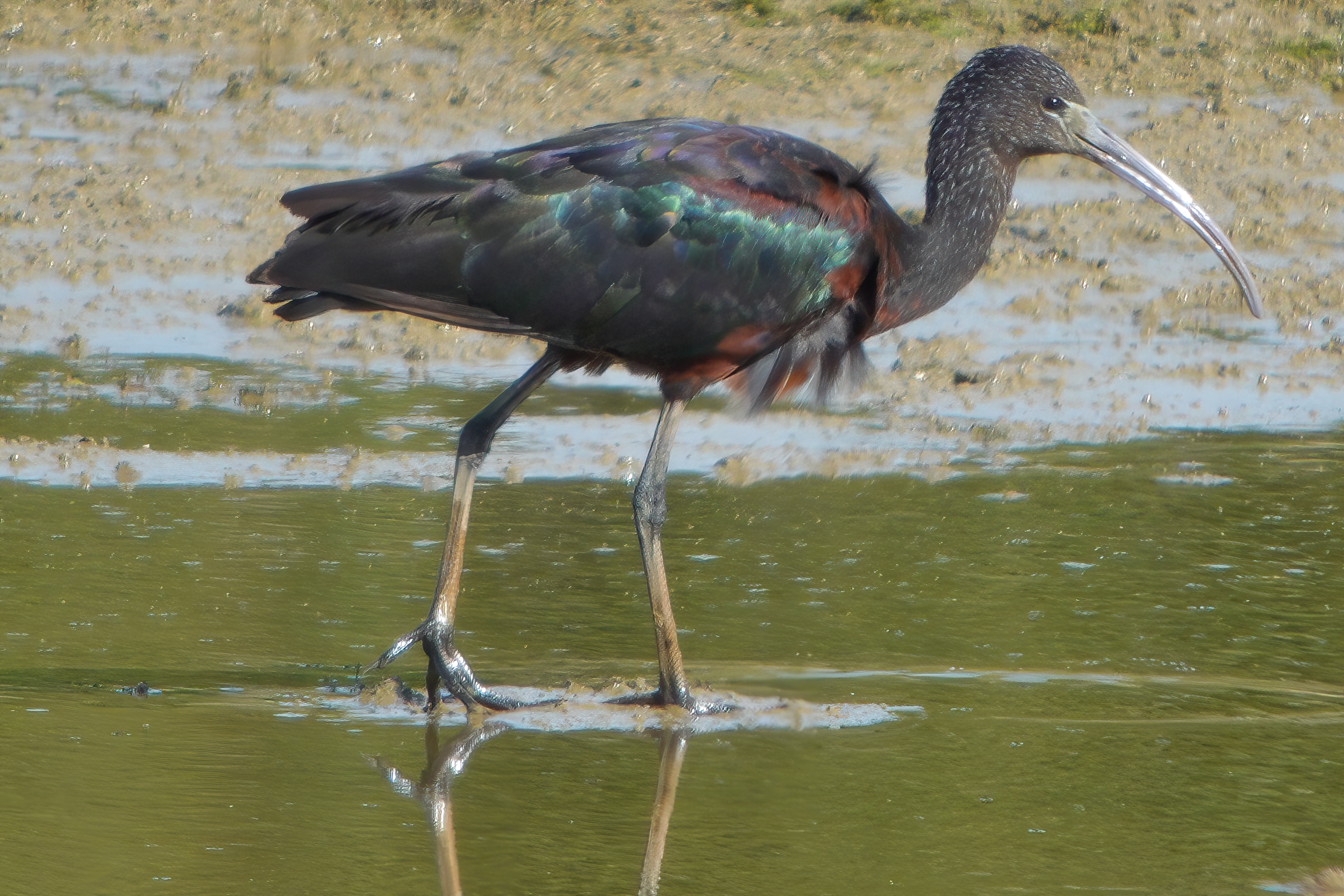
Following last week’s reappearance of a Glossy Ibis at two sites in the Nene Valley, this initially mobile individual finally settled at Summer Leys, where it showed nicely all week, after flipping back to Ditchford GP’s Irthlingborough Lakes and Meadows NR for a quick recce on 31st. This bird is seemingly an integral part of a mounting nationwide invasion, involving at least fifty birds, as far north as Lancashire, down to some far southwestern outposts, including multiples on the Isles of Scilly and double figures in Cornwall.


If your local wetland patch begins with an ‘S’ then it may only be a matter of time before a Bittern turns up, single birds being seen daily at Summer Leys between 2nd and 5th, at Stortons GP on 3rd and again at Stanford on 5th. The period’s Cattle Egret sightings were somewhat restricted this week, the 5th yielding three at Ringstead GP and one at Titchmarsh.
And the raptor draw continued to hold plenty. Pitsford was prime for Ospreys with two – possibly three – there on 30th, followed by singles on 31st-1st and 4th-5th. Elsewhere, singles were present at Thrapston/Titchmarsh on 1st-2nd and flying west over both Mears Ashby and suburban Northampton’s Abington Park on 4th.

Meanwhile, Marsh Harriers were still to be seen in reasonable numbers, with singles at Pitsford on 30th, Harrington AF on 31st and 2nd, Stanford on 31st and 4th, in the Brampton Valley on 1st, Summer Leys on 2nd and 4th and at Titchmarsh on 5th. Following recent occurrences of a ‘ringtail’ Hen Harrier in the Brampton Valley/Blueberry Farm area, what was presumably the same individual was back quartering the arable fields and hedges there again on 30th and daily between 3rd and 5th.
And sticking with the same general area above, what was presumably the same Pied Flycatcher was again seen at Gamboro Plantation on 30th and 1st and, again, it remained highly elusive, with multiple would-be observers leaving empty-handed …
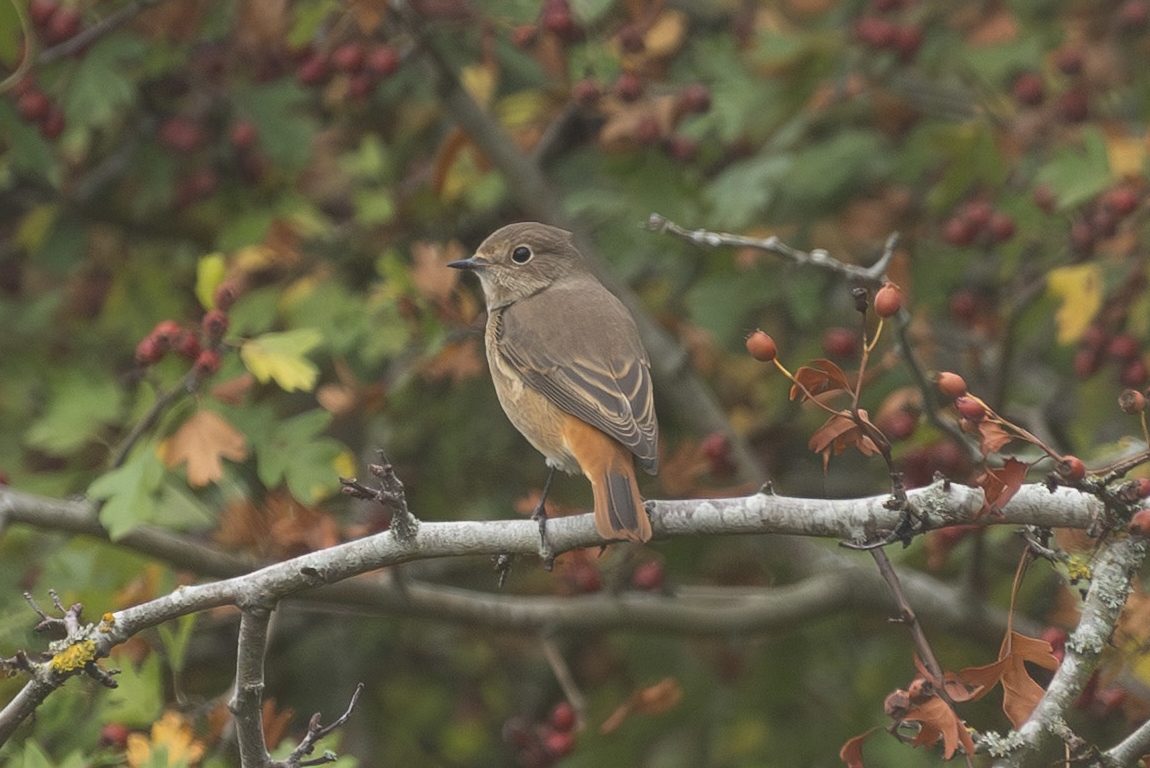
Keeping up appearances, Common Redstarts were seen at seven localities with, unsurprisingly, Stanford Res claiming the highest daily total of five trapped and ringed on 30th, followed by one there on 4th. Harrington laid claim to three on 31st and one on 2nd, up to two were at Blueberry Farm, Maidwell between 1st and 5th, Brampton Valley held two separate birds from 2nd to 5th, while further singles were present at Earls Barton GP’s Mary’s Lake on 30th and at both Lamport Hall and Nobottle Woods on 31st.
Rural Whinchat numbers dropped a little – the usual sites of Brampton Valley holding four between 1st and 5th, Blueberry Farm three on 2nd, Harrington one on 31st and 2nd and, off the regular Whinchat grid, Boddington one on 2nd.

Aside from two at Clifford Hill GP on 3rd, lone Northern Wheatears were to be found at Pitsford Res on 30th and 5th, Harrington AF on 31st and 2nd, in Brampton Valley on 1st-2nd and 5th, at Blueberry Farm on 2nd, at Hollowell Res on 4th-5th and at Thrapston on 5th.

A Tree Pipit touched down at Stanford, briefly, on 5th and, up in the north of the county, the Corby area produced single Crossbills at Corby Old Village on 30th and Brookfield Plantation on 31st.

Discover more from Northants birds
Subscribe to get the latest posts sent to your email.

 Northants birds