Newsround 18th to 24th October 2025

With autumn cooling down, on the penultimate day of the period, Storm Benjamin bore down on the country as it moved from the English Channel to the North Sea. There were high hopes for a wrecked seabird or two although, in this respect, nothing materialised in any way, shape or form … but the county did land another first for the year.

And we’re still at that time when wildfowl numbers are gradually building, including transient migrants such as Whooper Swans, three more of which appeared on 22nd, comprising two adults at Stanford Res and a juvenile at Pitsford Res.

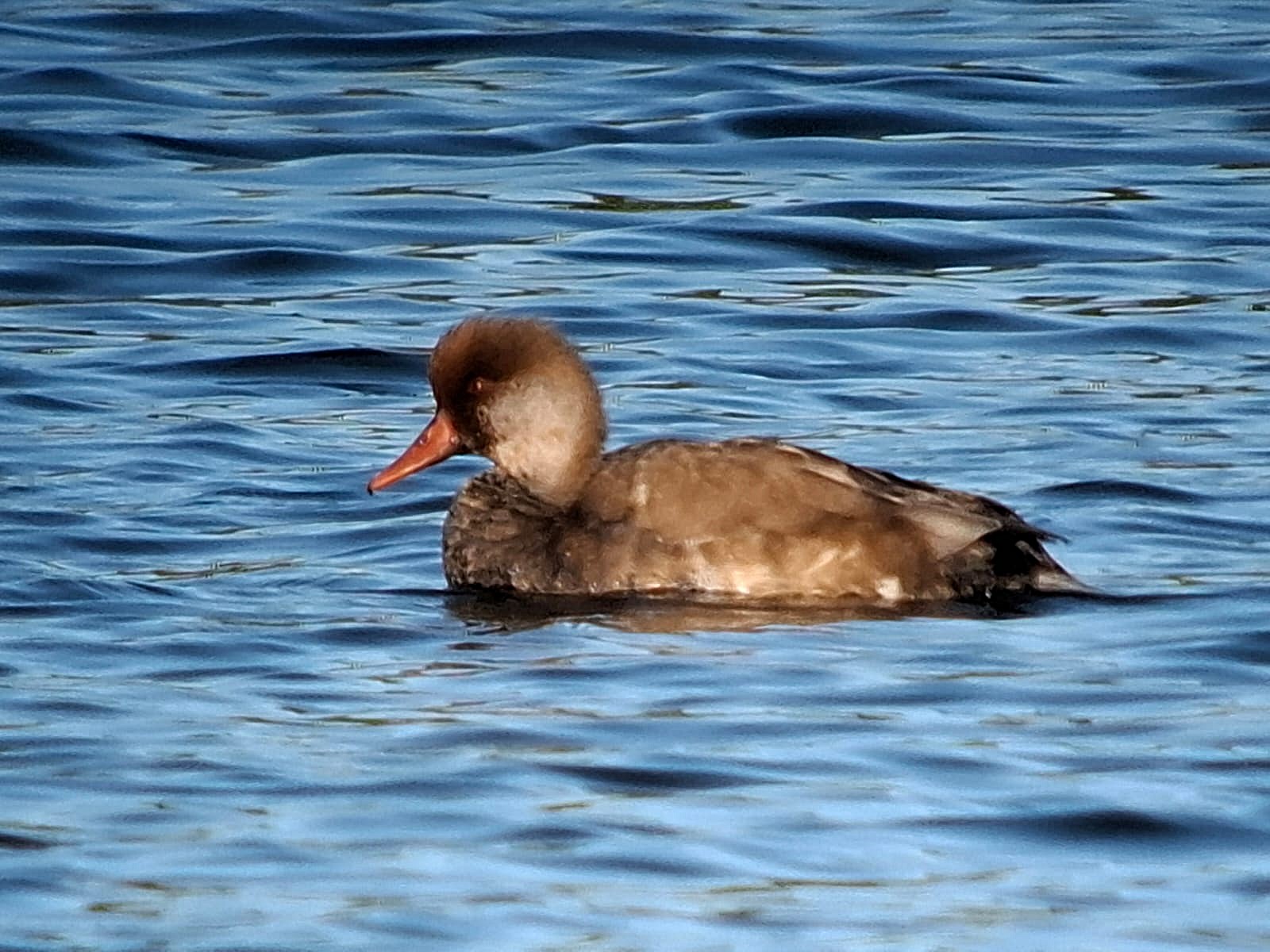
Two drake Red-crested Pochards remained at Daventry CP until at least 23rd and a female was at Ravensthorpe Res on 22nd, while last week’s Common Scoter at Hollowell was seen there again on 18th.

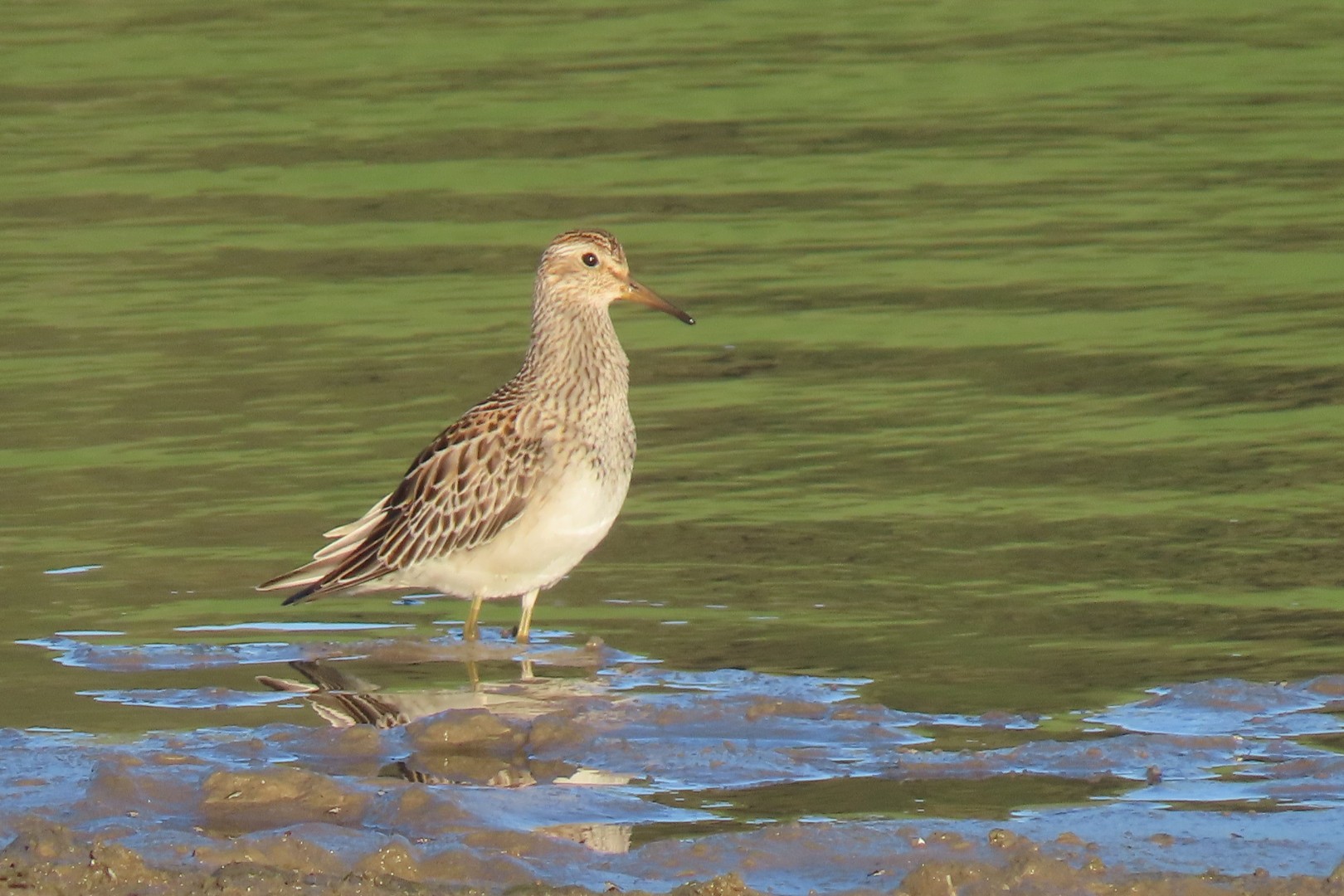
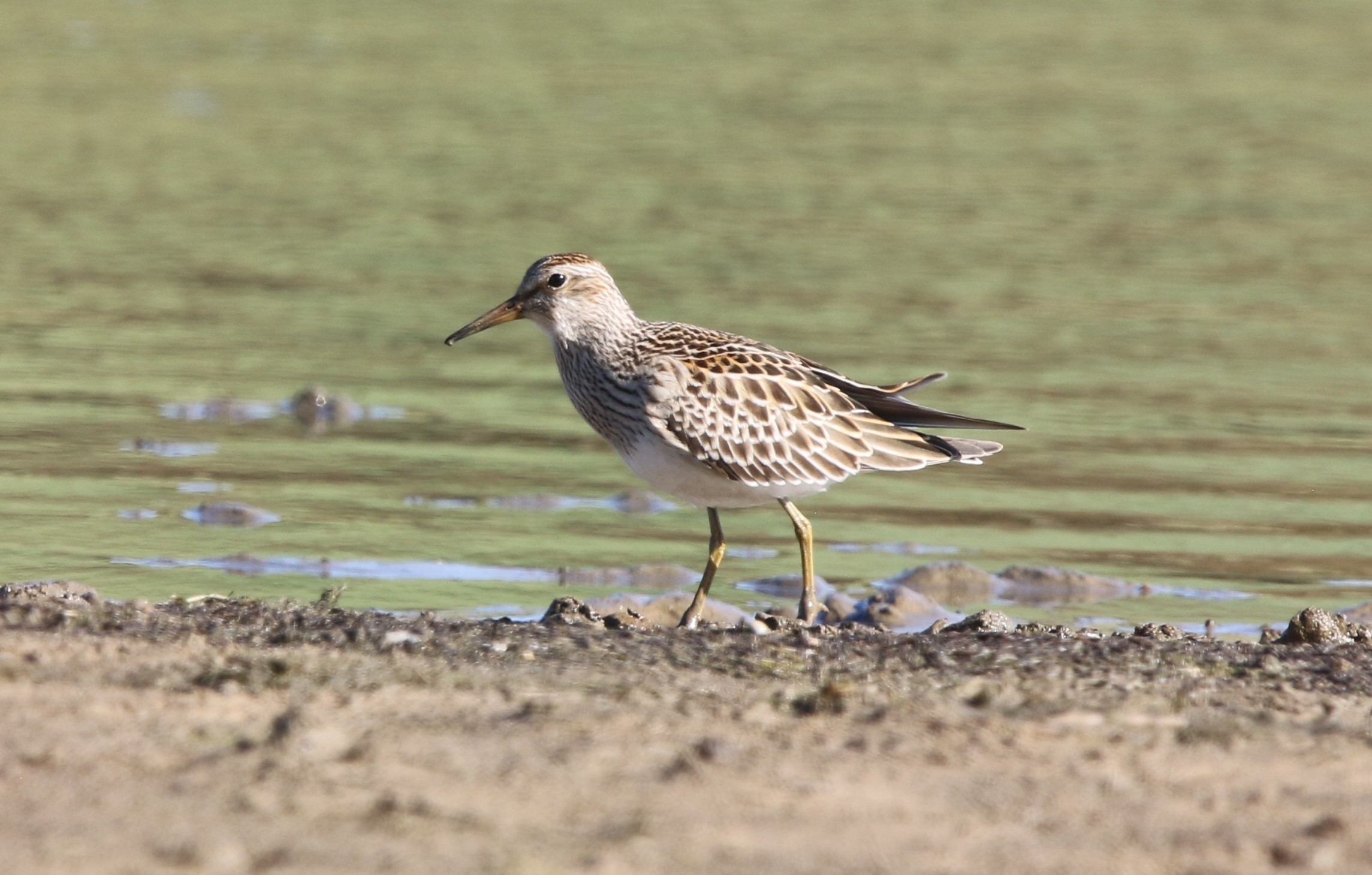
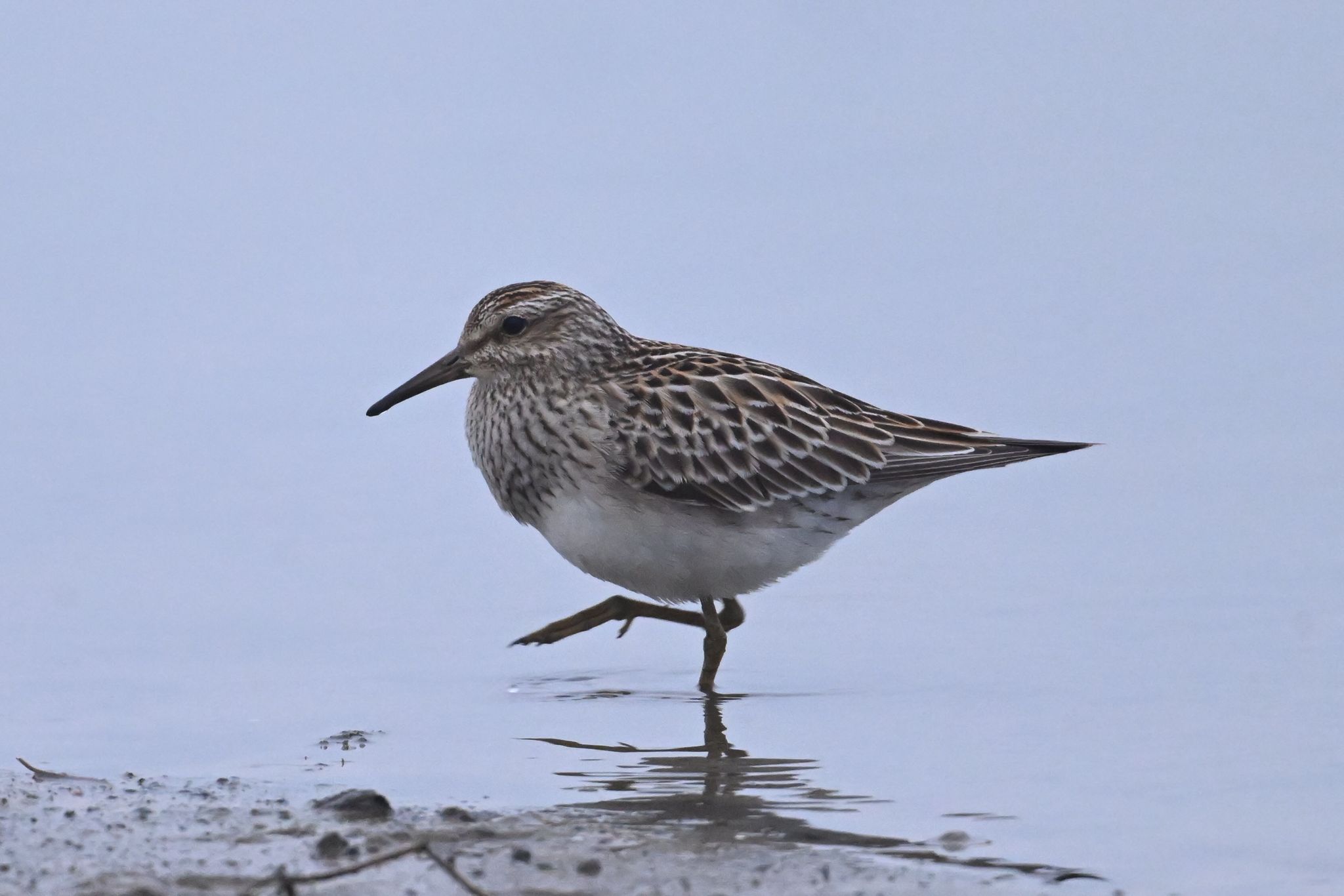
Once more heading the cast of the week’s waders was the now long-staying, juvenile Pectoral Sandpiper, successfully chalking up another full seven days at Hollowell, although becoming increasing difficult to see as a result of its recent habit of lurking in vegetation away from the waterline.

Unsurprisingly, numbers of other waders continued to fall, with Ruffs now down to just one at Pitsford between 18th and 23rd, while the long-staying Greenshank at Earls Barton GP’s New Workings (North) stayed put until at least 22nd.

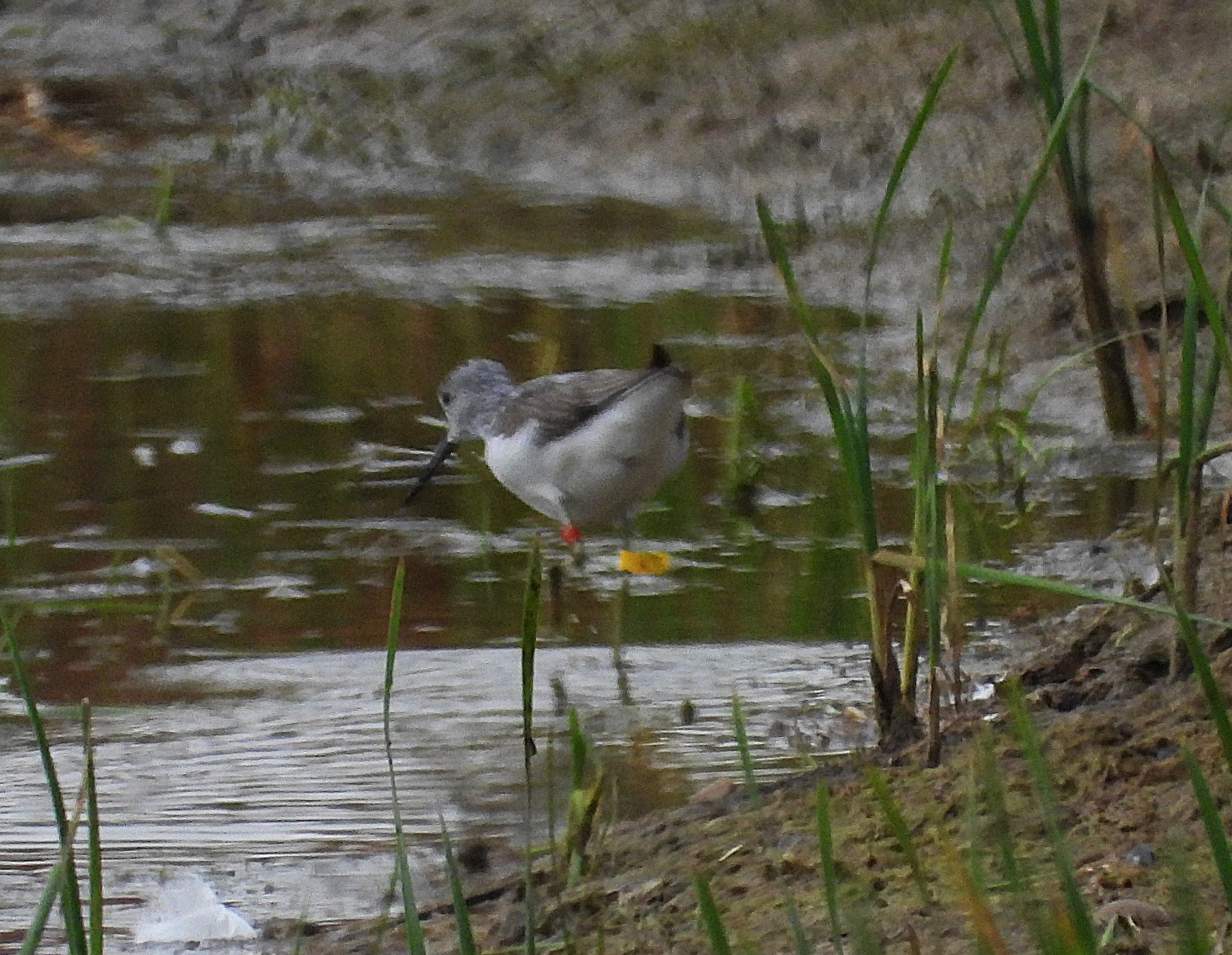
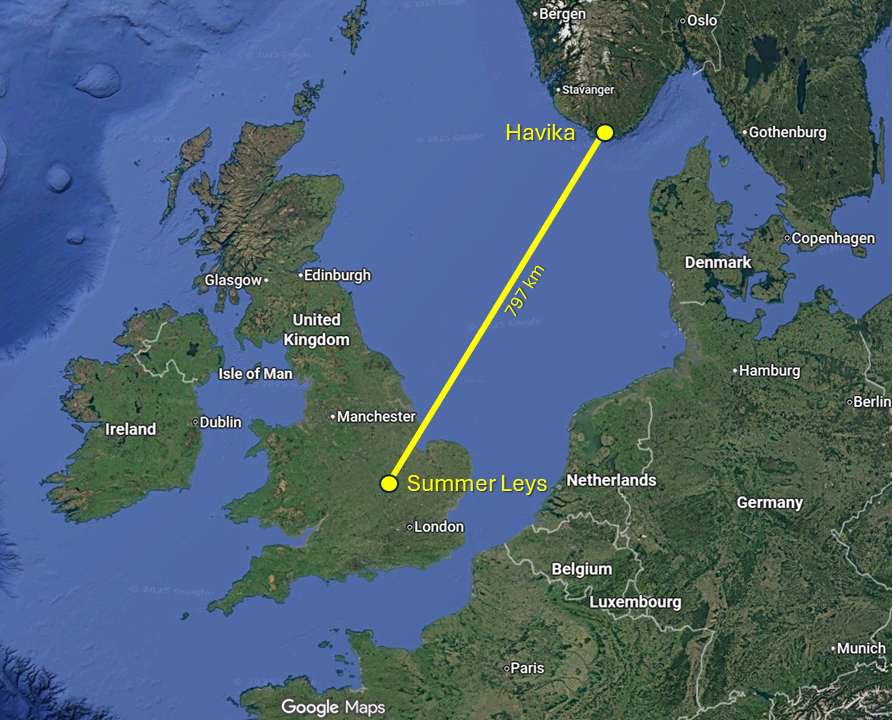
In addition to this, the Norwegian-ringed bird seen at New Workings (South) on 8th October appears to have remained in the area, being seen again at Summer Leys on 21st and 23rd before moving to nearby New Workings (North) the following day.
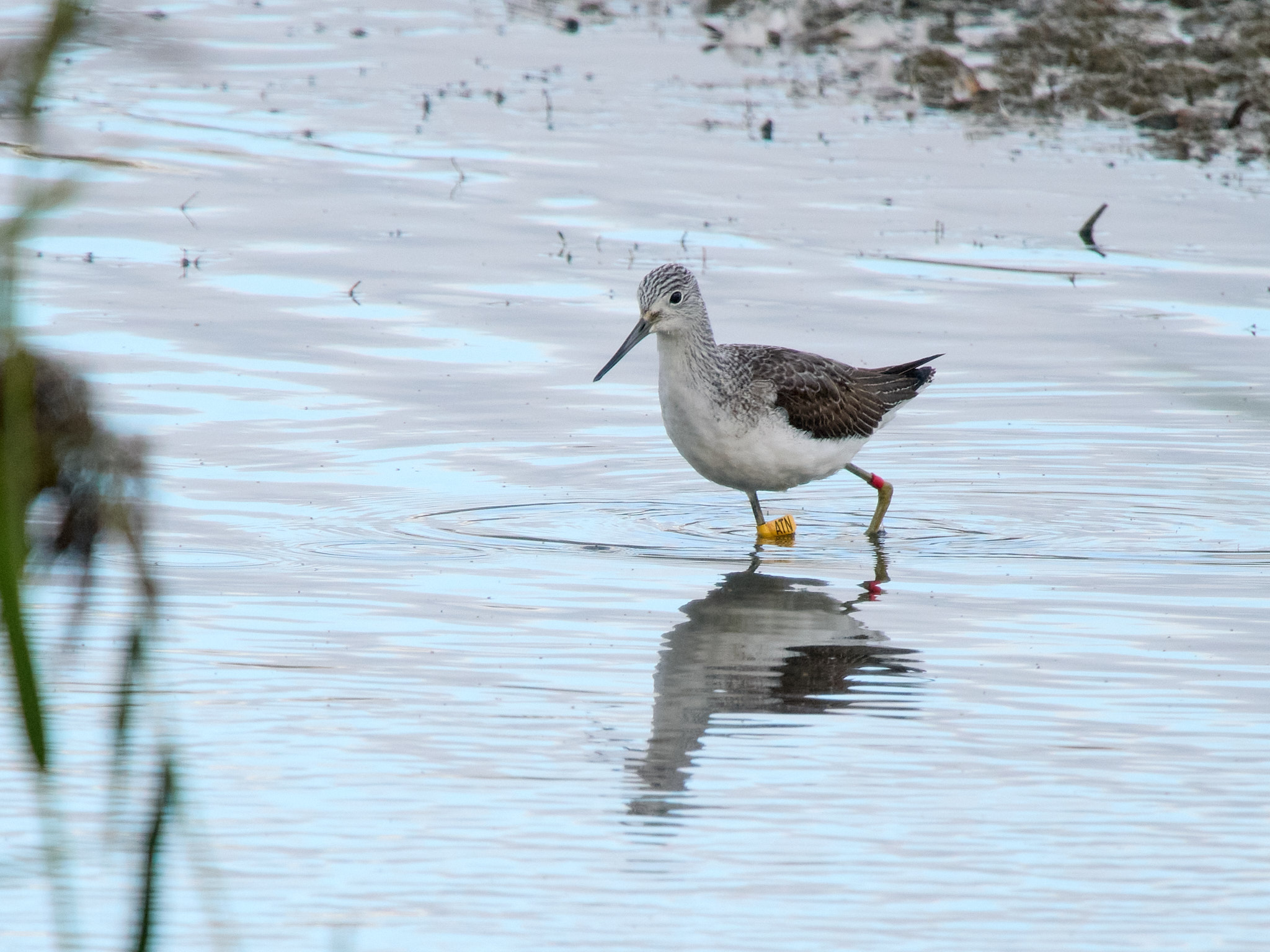
Roger Eads’ images of the bird’s tag enabled him to identify it as a first calendar year individual which was ringed at Havika, Farsund, Norway, 797 km distant, on 19th August.
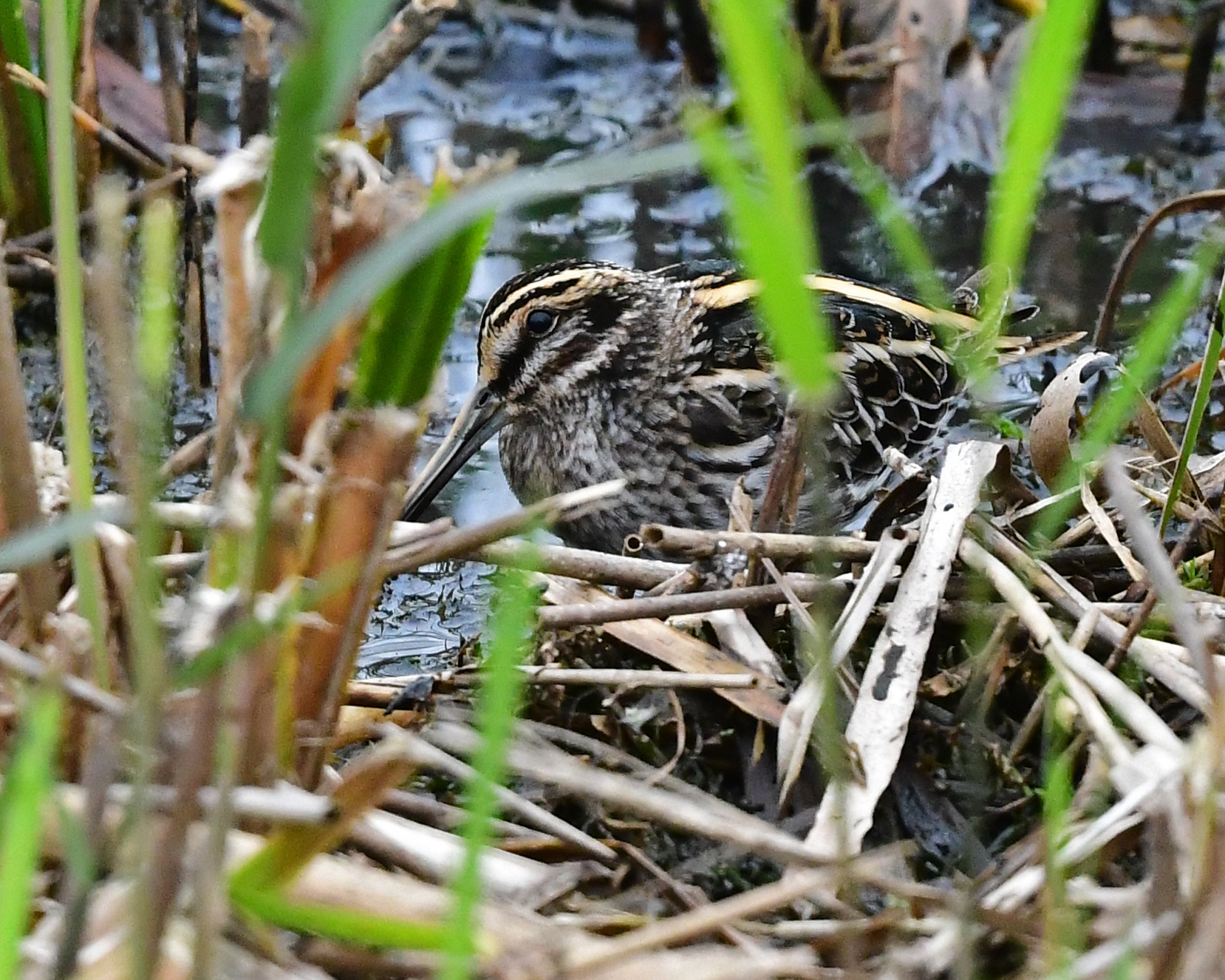
Three Jack Snipes were present at Summer Leys on 18th, one being seen regularly until 21st, and another was found at Clifford Hill GP on the latter date.
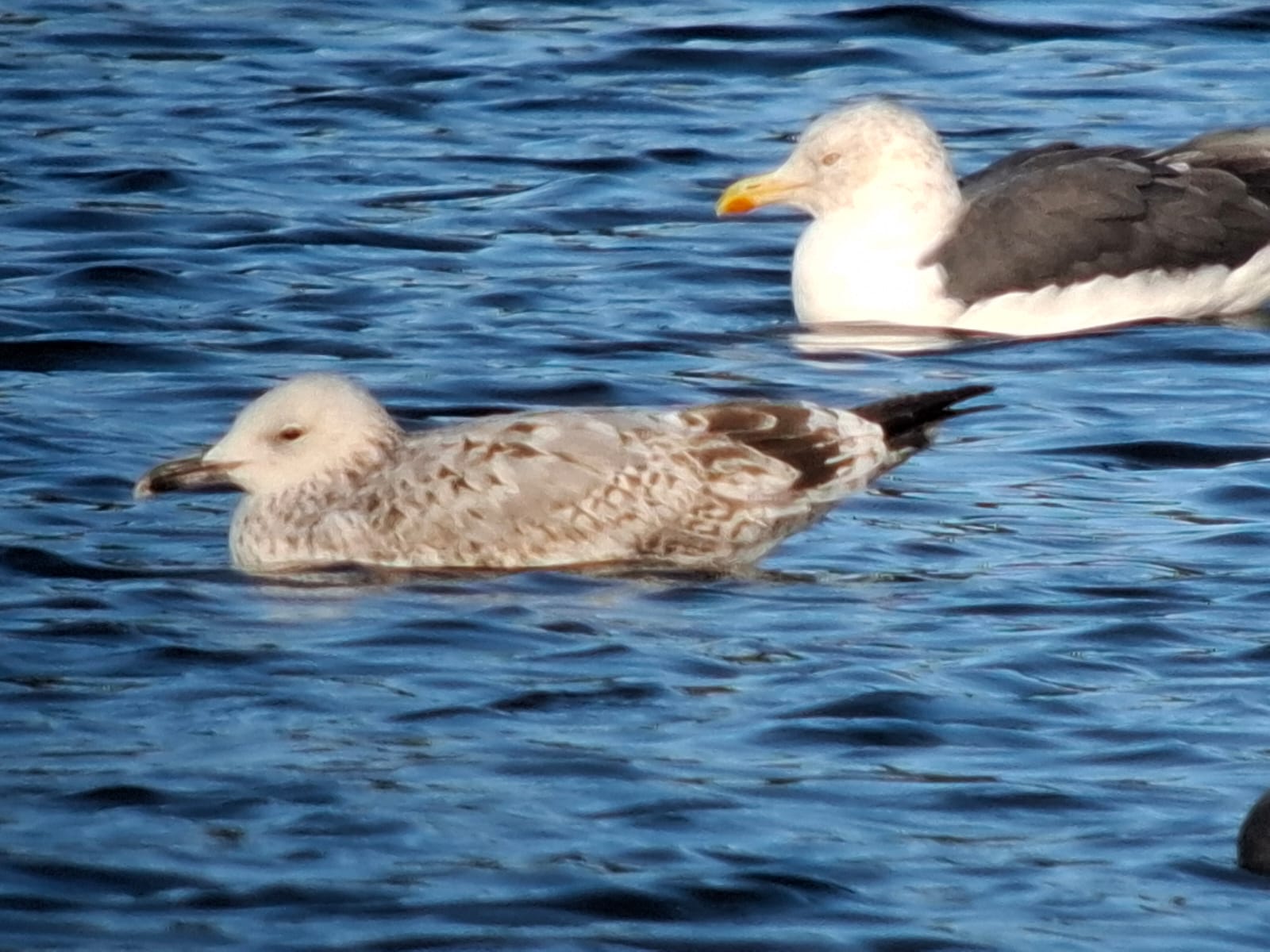
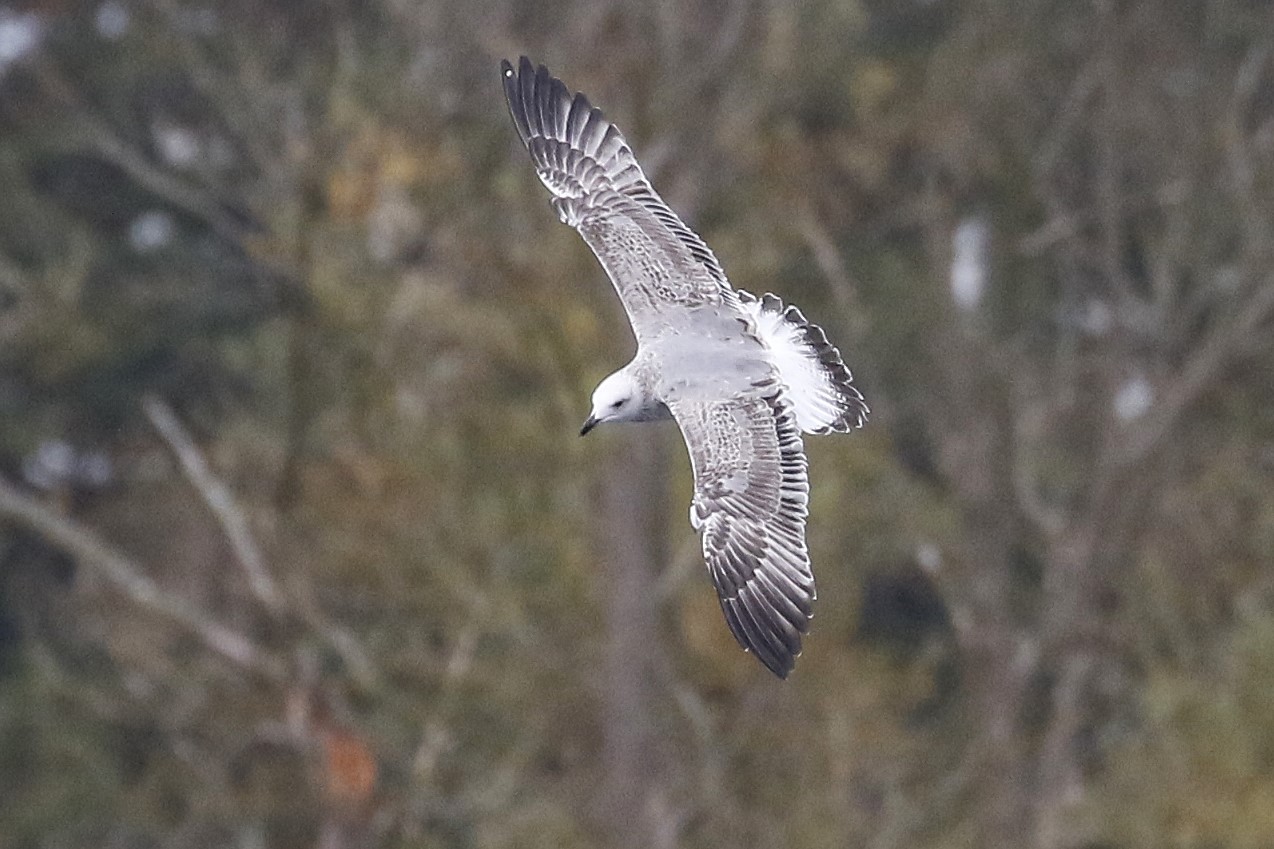
Another good week for Caspian Gulls saw them present at seven localities, kicking off with a second-winter at Wicksteed Park Lakes, Kettering on 18th (the same bird having been present there on 8th), single adults at Pitsford, Stanford and Summer Leys on 19th, a third-winter at Hollowell on 21st, an adult at Naseby Res on 22nd, an adult at Hollowell on 23rd plus a second-winter at Pitsford on the same date and an adult at Earls Barton GP on 24th.

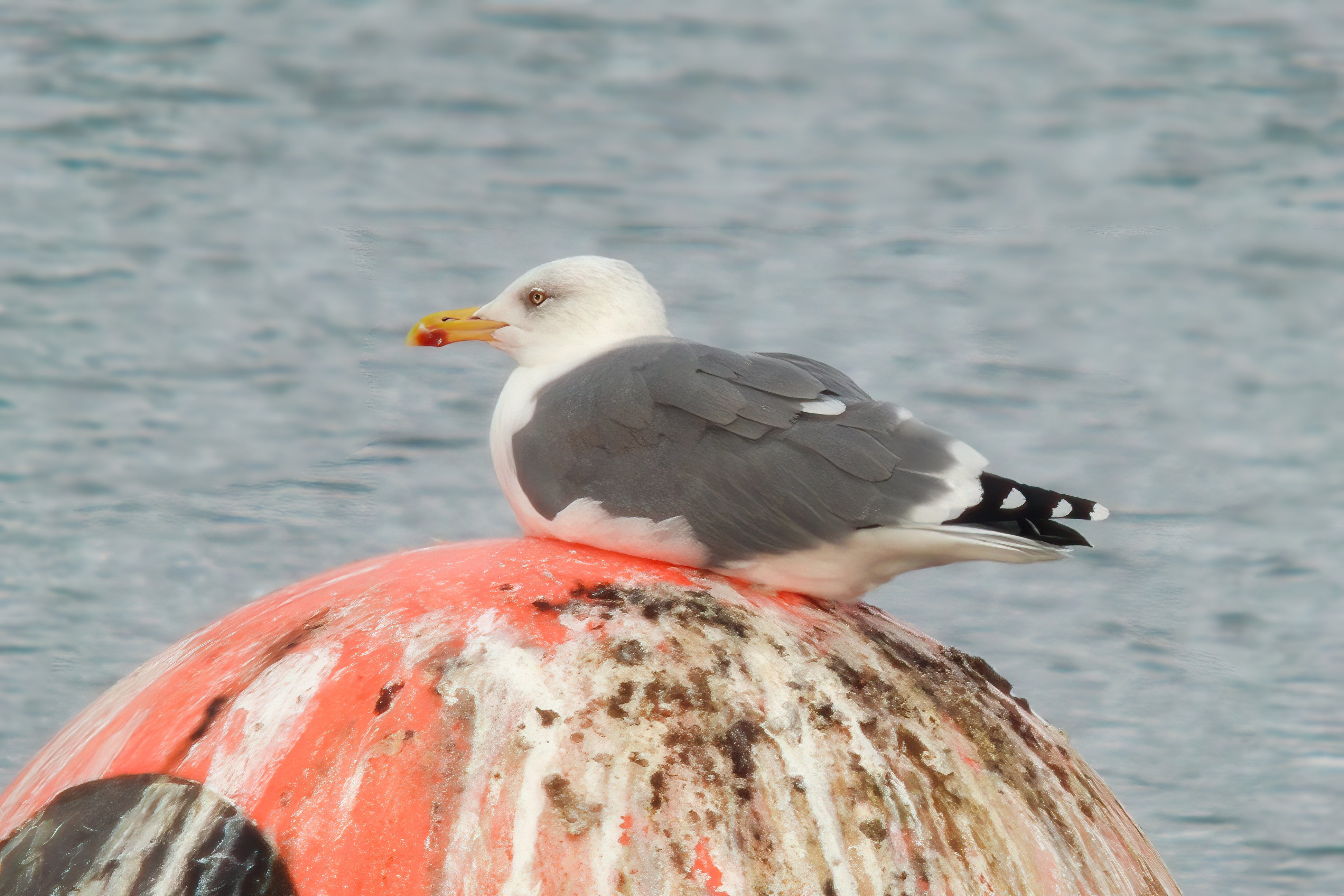
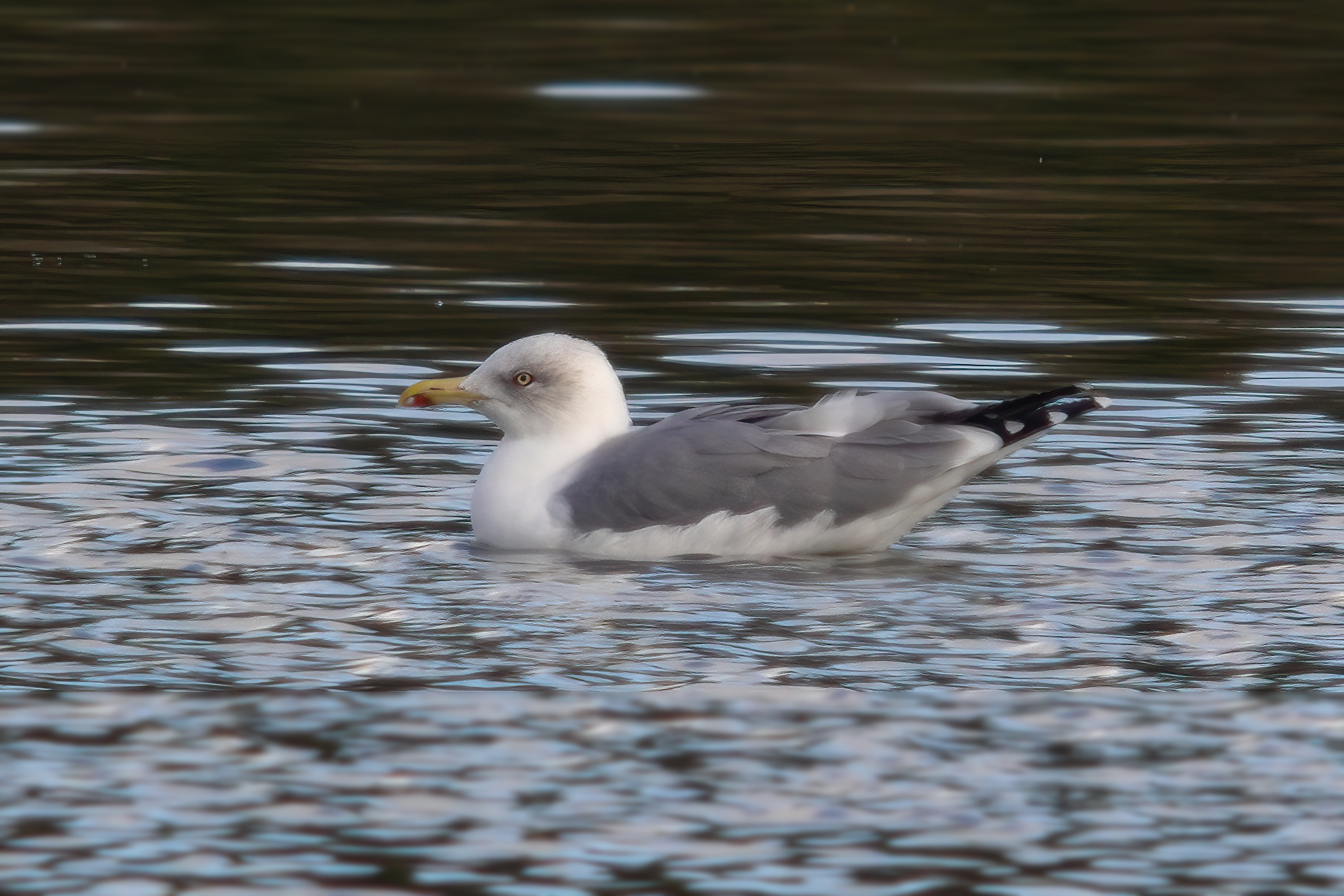
In contrast, there were only two reports of Yellow-legged Gulls – an adult at Pitsford on 23rd and two at Earls Barton GP the following day.

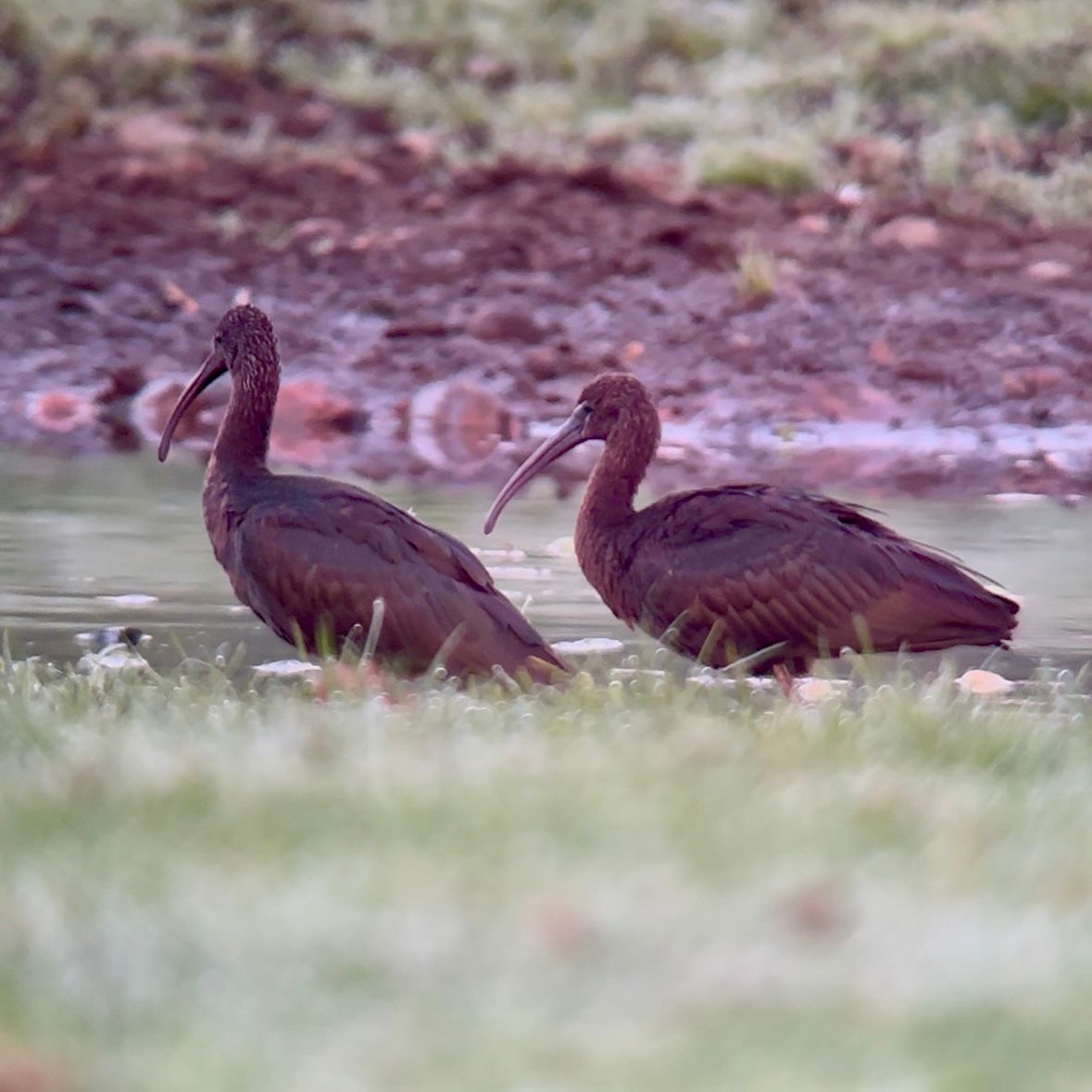
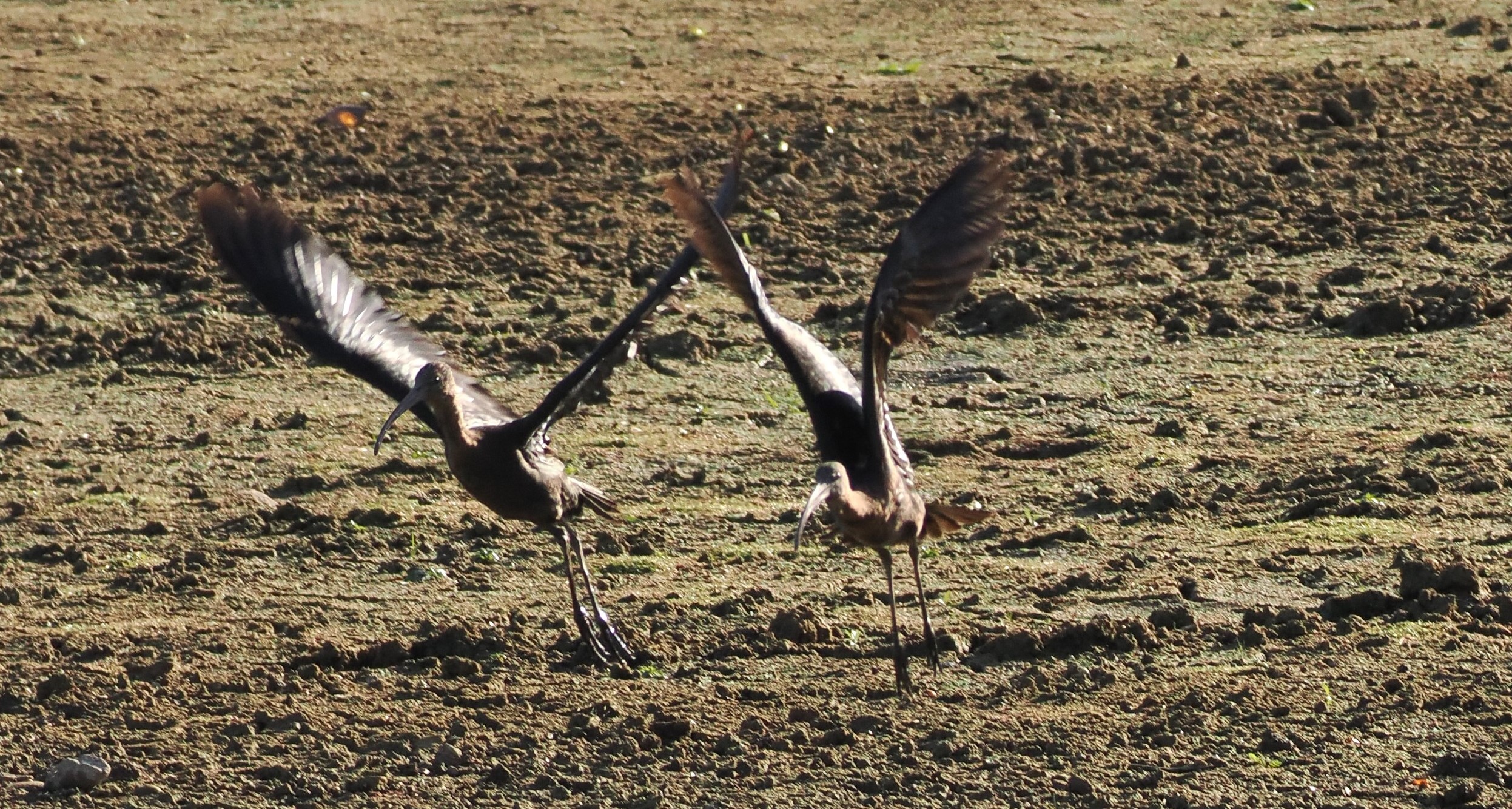
Seemingly bidding for residency, Summer Leys retained its three Glossy Ibises throughout the period, while one remained at Thrapston GP’s Titchmarsh NR until at least 18th and, becoming less reliable, two were seen again at Stanford on 18th and 21st.

The two Bitterns at Stanford continued their occupancy at Stanford throughout the period, although, again, predominantly on the Leicestershire side, while one was seen at Summer Leys on 18th and 21st. And, keeping a low profile of late, four Cattle Egrets were seen to leave a roost site at Stanwick GP’s Main Lake, heading off north-east, at first light on 18th.

There were even fewer raptors out there to be had than last week, with a late Osprey over Stanford on 18th and as Goshawk over Crick on the same date.

This week’s Short-eared Owl report came, unusually, from an unspecific location near Wootton, also on 18th, while the weekly Merlin was at Boddington Res on 24th.

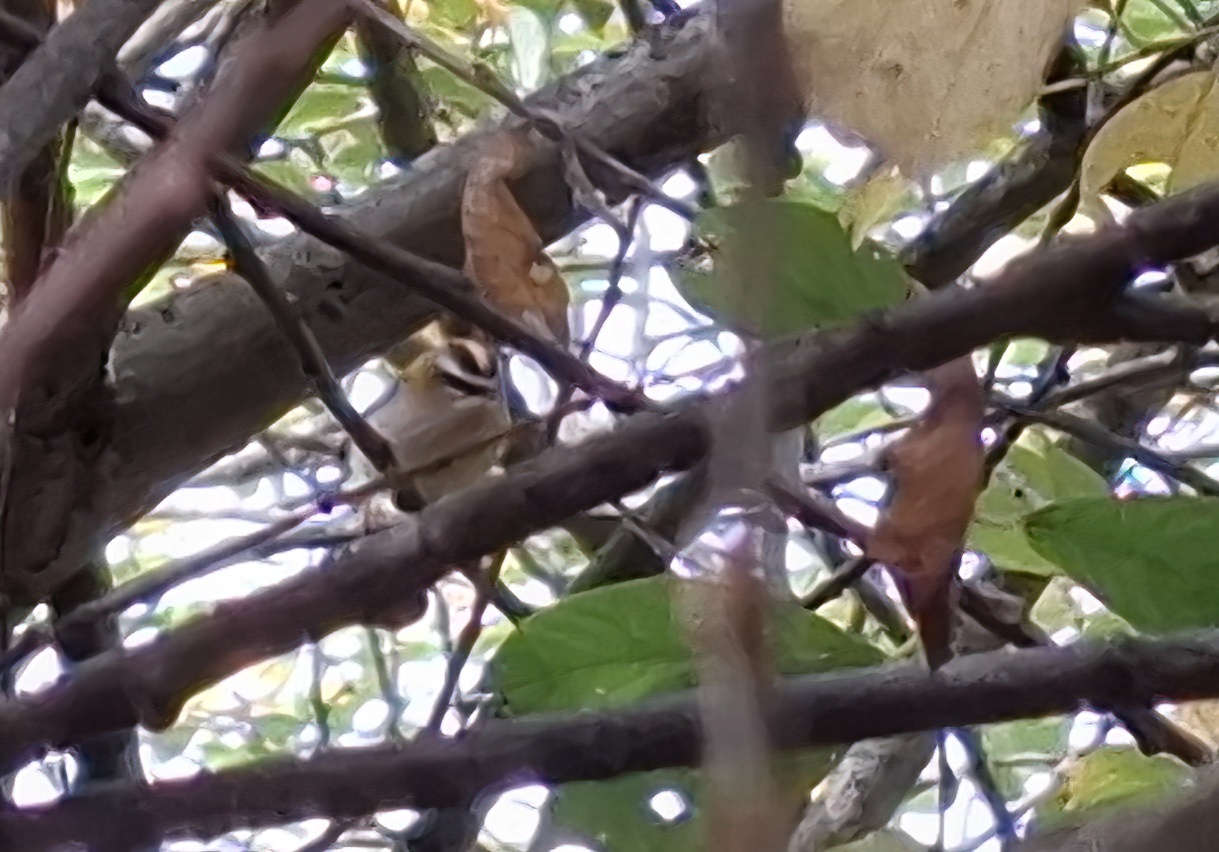
Once again, the period’s passerines were of an admirable standard and included a couple of the scarcer phylloscs. A Northern Willow Warbler – showing characteristics of the race acredula – was trapped and ringed at Stanford on 18th, the same date on which a Siberian Chiffchafftristis – was found at Wicksteed Park Lakes. It did not hang around.

Similarly not staying put, a Firecrest was a brief visitor to Boddington Res on 23rd, while news emerged of a Ring Ouzel ‘on private land’ near Long Buckby the following day.
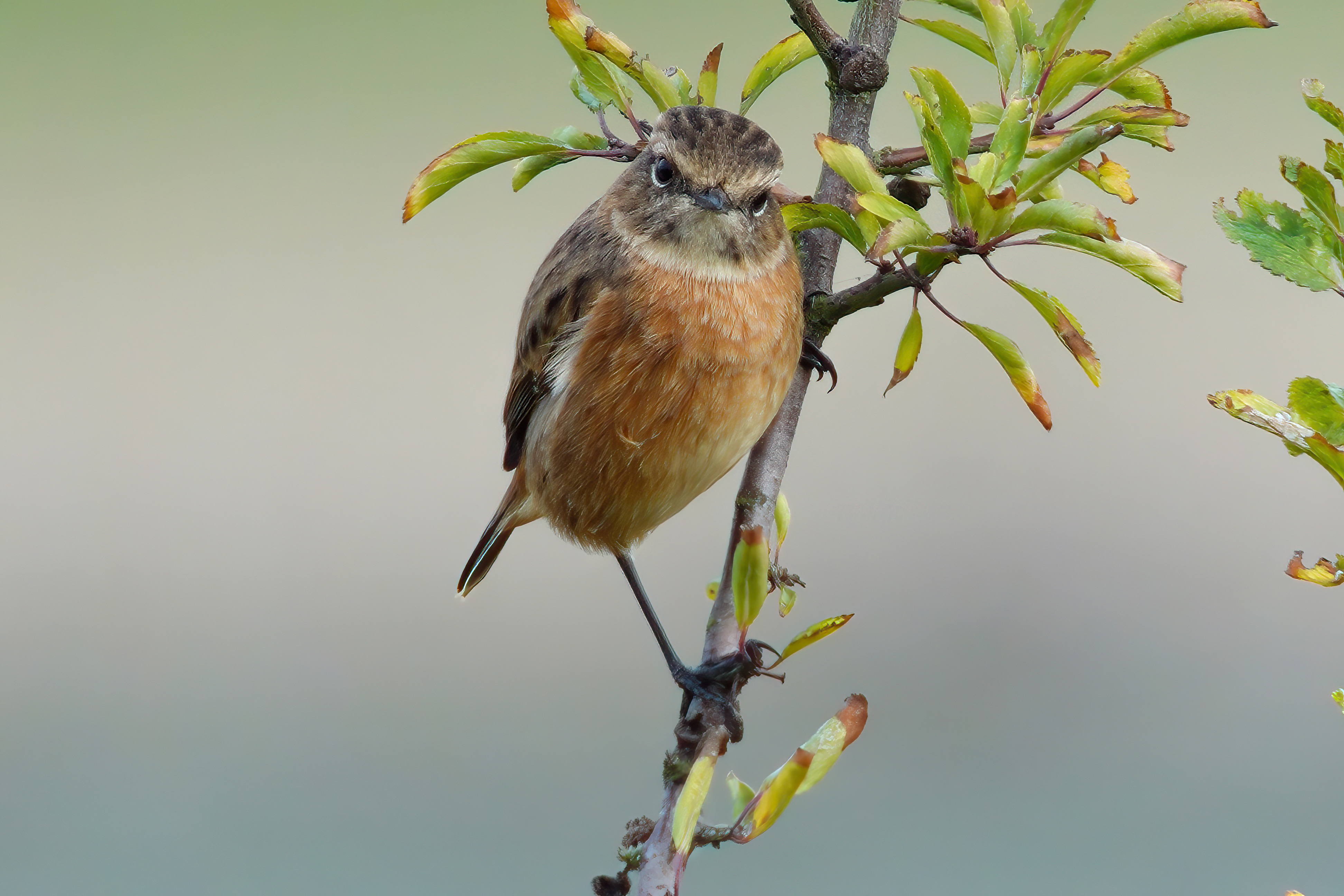
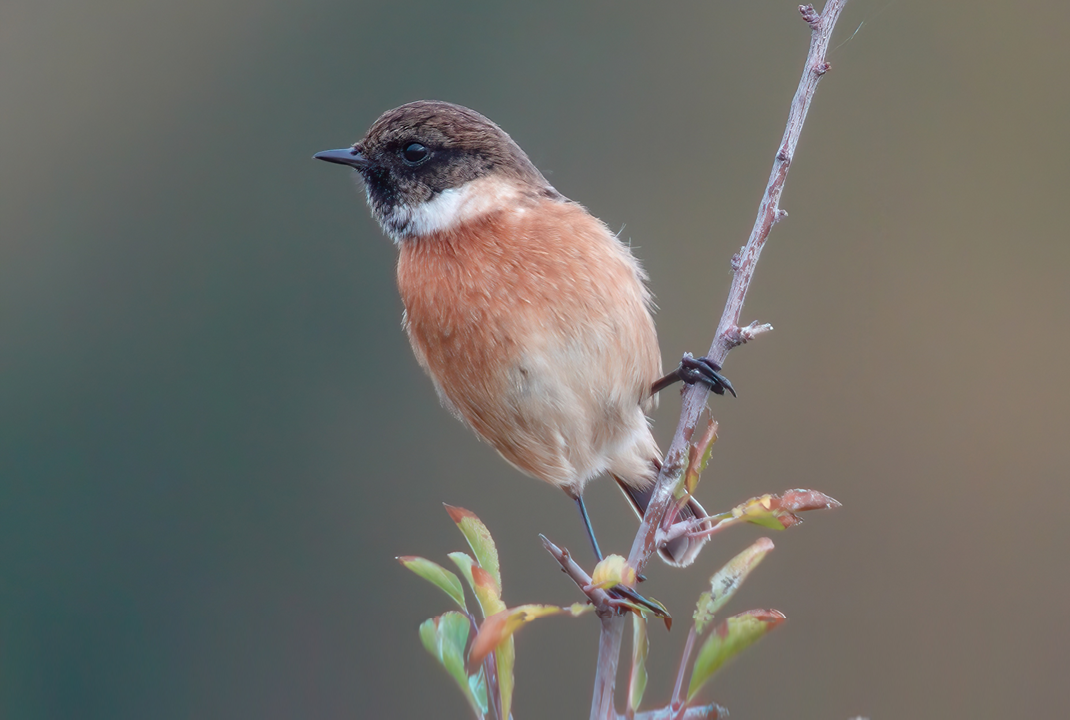
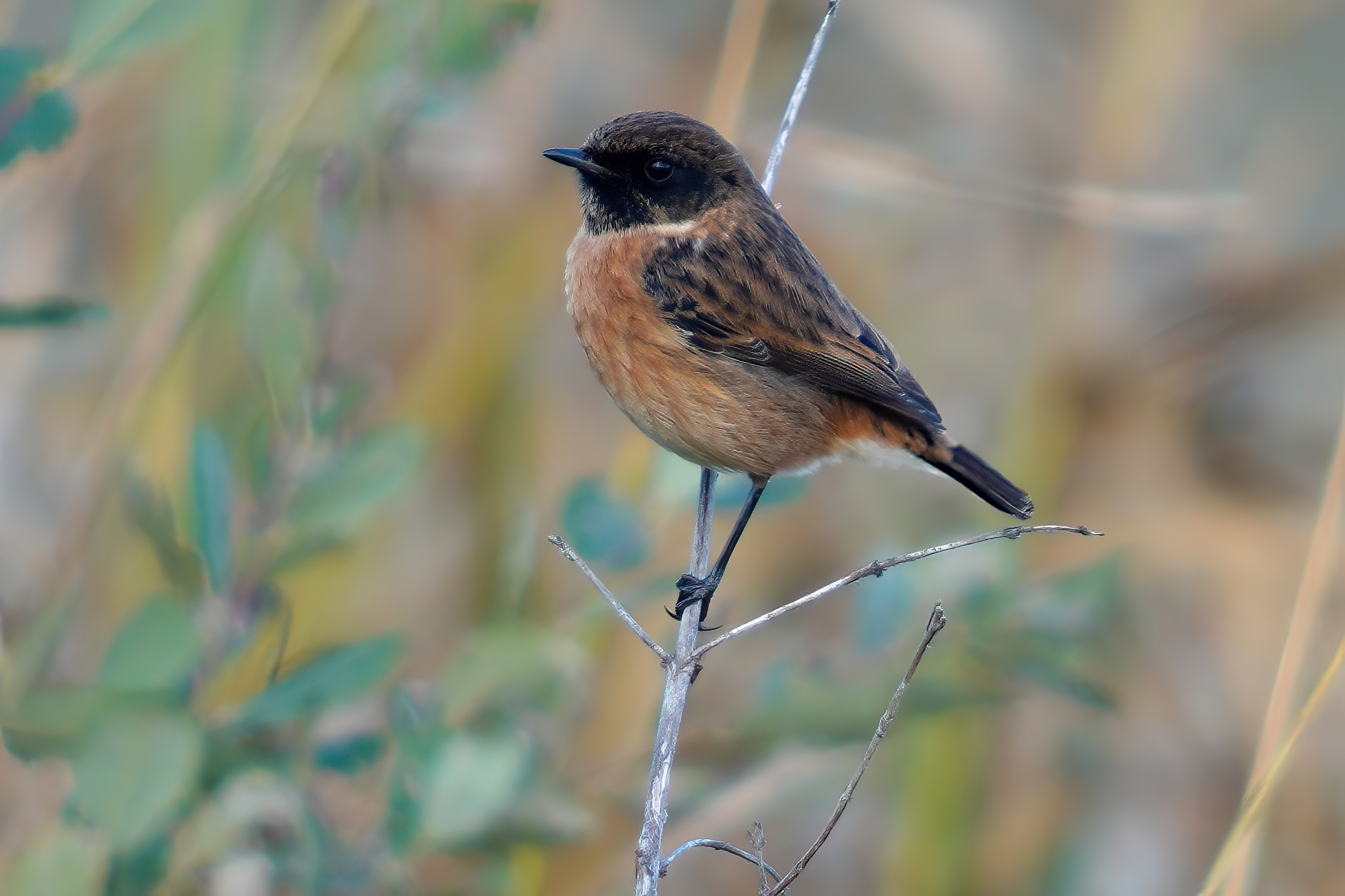
Respectable numbers of Stonechats came from the seven sites of Brampton Valley, Harrington AF, Hollowell, Pitsford, Stanford, Summer Leys and Wicksteed Park Lakes, the first of these producing the highest site total of six on 20th.
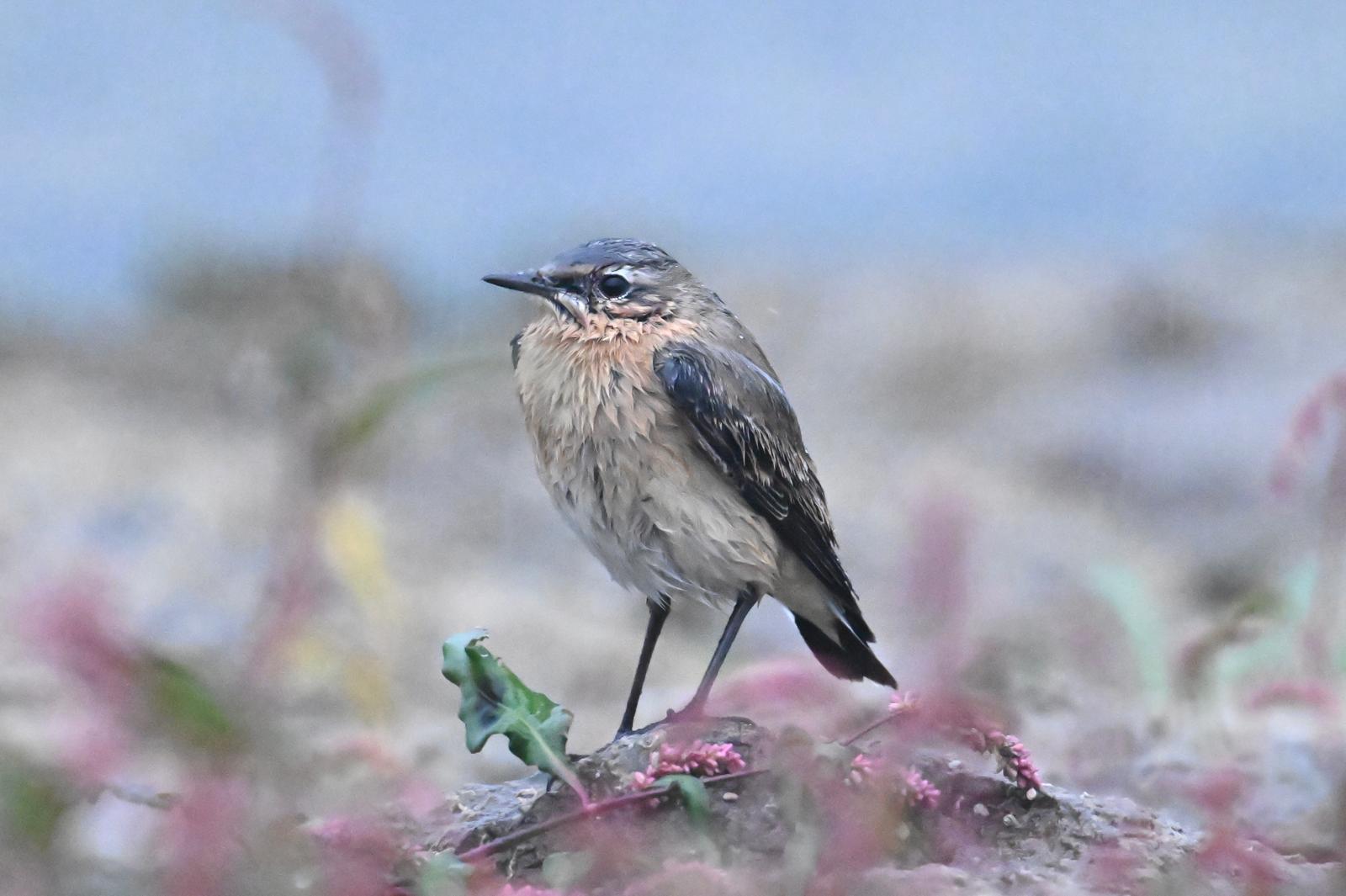
And it’s now getting late for Northern Wheatears, singles of which were found at Clifford Hill GP on 21st and between Cottesbrooke and Hanging Houghton in the Brampton Valley on 22nd.

Another first for the year turned up this week in the shape of a Water Pipit at Summer Leys, on 22nd. Found on the Scrape during the morning, its presence there was short-lived … and it was nowhere to be seen during the afternoon.

Water Pipit, Summer Leys LNR, 22nd October 2025 (Pete Marshall)

Over the last decade, including two blank years, Water Pipit records have averaged two per annum, of which 55% have been in autumn, 30% in spring and 15% in winter, making it a nice bird to catch up with.

The recent run of Rock Pipits spilled over into this week, with two at Hollowell on 18th, one there on 21st and another at Pitsford on 20th all contributing to a local standout year for this species.

Approaching the above in terms of a ‘good year’ are, of course, Crossbills, which have been in the running for some time now. This week’s quota included a maximum of fifteen over Salcey Forest on 20th, while several were at New Covert, Kelmarsh on 19th, three at Pitsford and one over Harrington on 18th and singles over Stanford on 19th and Harrington again on 24th.

And five days on from last week’s sighting, the Corn Bunting resurfaced between Cottesbrooke and Hanging Houghton in the Brampton Valley on 20th.

Newsround 11th to 17th October 2025

An ‘omega block’ saw high pressure stationed over the country for much of the week, with virtually no wind, some light rain and predominantly dull and murky conditions, resulting in the much welcomed arrival of some ‘must see’ species …

Rubber-stamping the autumn/winter period, the first Pink-footed Geese were incoming when a skein of five was seen flying north-east over Lilbourne Meadows NR on 17th. Last week’s five Whooper Swans remained at Clifford Hill GP into the early part of the morning of the first day of the period, while two more flew east along the Nene Valley at Ditchford GP on 17th.

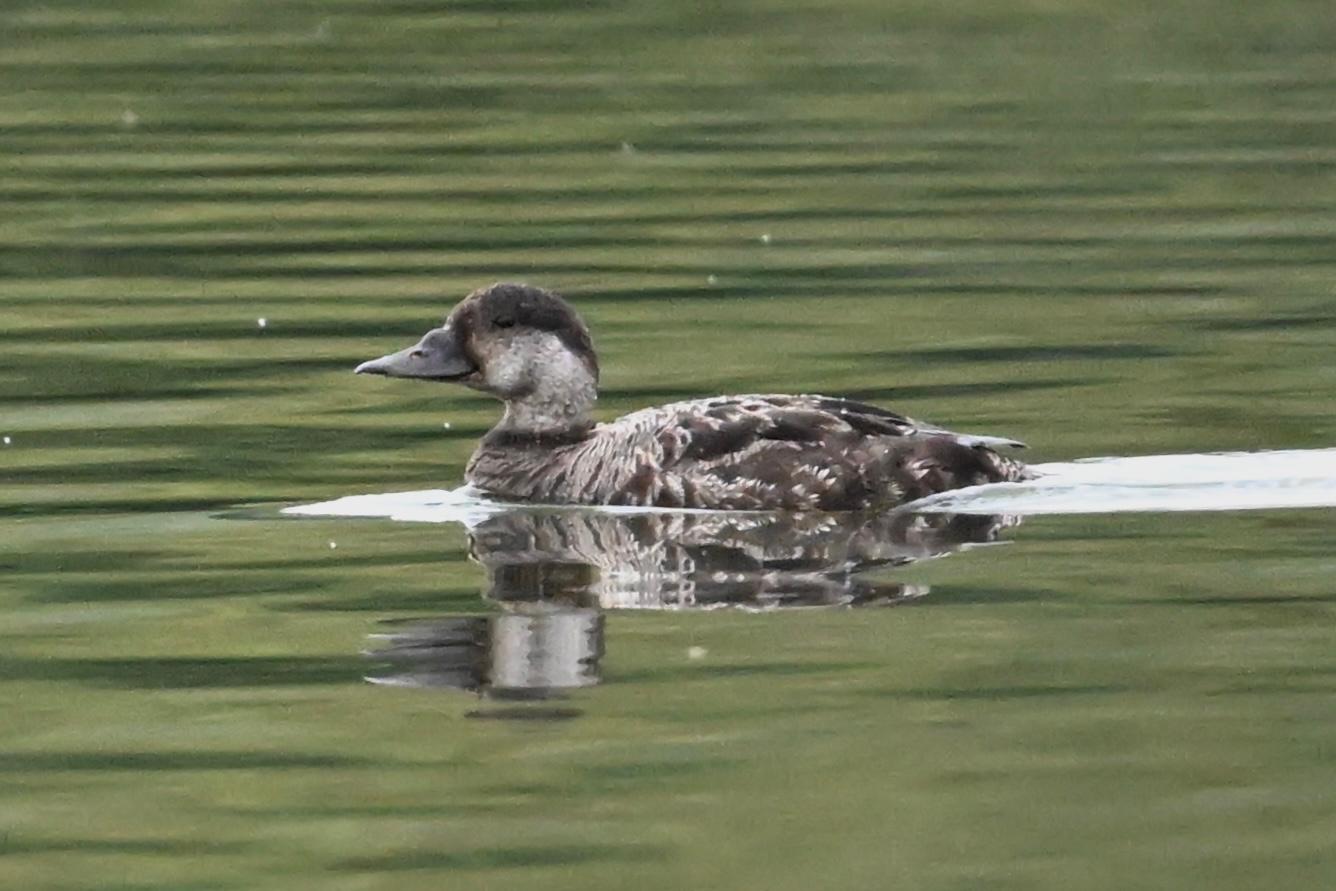
The early part of the week saw an arrival of Common Scoters, with four at Clifford Hill and two at Thrapston GP’s Town Lake on 13th, followed by one at Hollowell Res the next day – the latter remaining until 16th.

Other wildfowl were also available in the shape of Red-crested Pochards, five of which appeared at Hollowell on 12th, six at Stanford Res on 13th and one at Ravensthorpe Res on 14th, while two remained at Daventry CP from 13th until the week’s end.

Looking at waders, one in particular continued to delight and that was Hollowell’s crisp, juvenile Pectoral Sandpiper, still in residence at close of play on 17th.

Not a million miles away, a Grey Plover was reported at Pitsford Res on 16th, the same site having produced a Ruff the day before, while one of the latter remained from last week at Thrapston GP’s Titchmarsh NR until 13th. Pitsford also delivered a Greenshank on 14th, while the long-lingering bird was still present at Earls Barton GP’s New Workings (North) the next day. And following the season’s first, last week, a Jack Snipe remained at Summer Leys LNR from 11th until 13th and another was found at Ditchford on 17th.

It wouldn’t be October without, at some point, a decent surge in Mediterranean Gulls and this week experienced just that, with Hollowell producing an adult and a first-winter on 12th and, presumably, the same first-winter again present on 14th. Elsewhere, an adult turned up in Stanford’s gull roost on 13th, followed there by a second-winter on 16th, another second-winter was a brief visitor to Earls Barton GP’s Mary’s Lake on 13th and Titchmarsh produced an adult on 15th.

Caspian Gulls were also out there to be found, five localities producing birds this week which included an adult at Stanford on 12th, two adults at Naseby Res on 13th with one there on 16th, single adults at Pitsford on 13th and 16th, at Ravensthorpe Res on 13th and at Earls Barton GP on 15th. And the highest number of Yellow-legged Gulls occurred at the favoured locality of Pitsford, where five were present in the gull roost on 16th, with two there on 13th, 14th and 17th. Elsewhere, three adults were at Earls Barton GP’s Mary’s Lake on 15th following one there on 13th and singles visited Hollowell on 12th and both Naseby and Thrapston on 13th.

Meanwhile, last week’s Glossy Ibises were this week’s Glossy Ibises – three remaining at Summer Leys, two dropping in daily at Stanford and one at Titchmarsh. No longer the centre of attention as they were in days gone by …

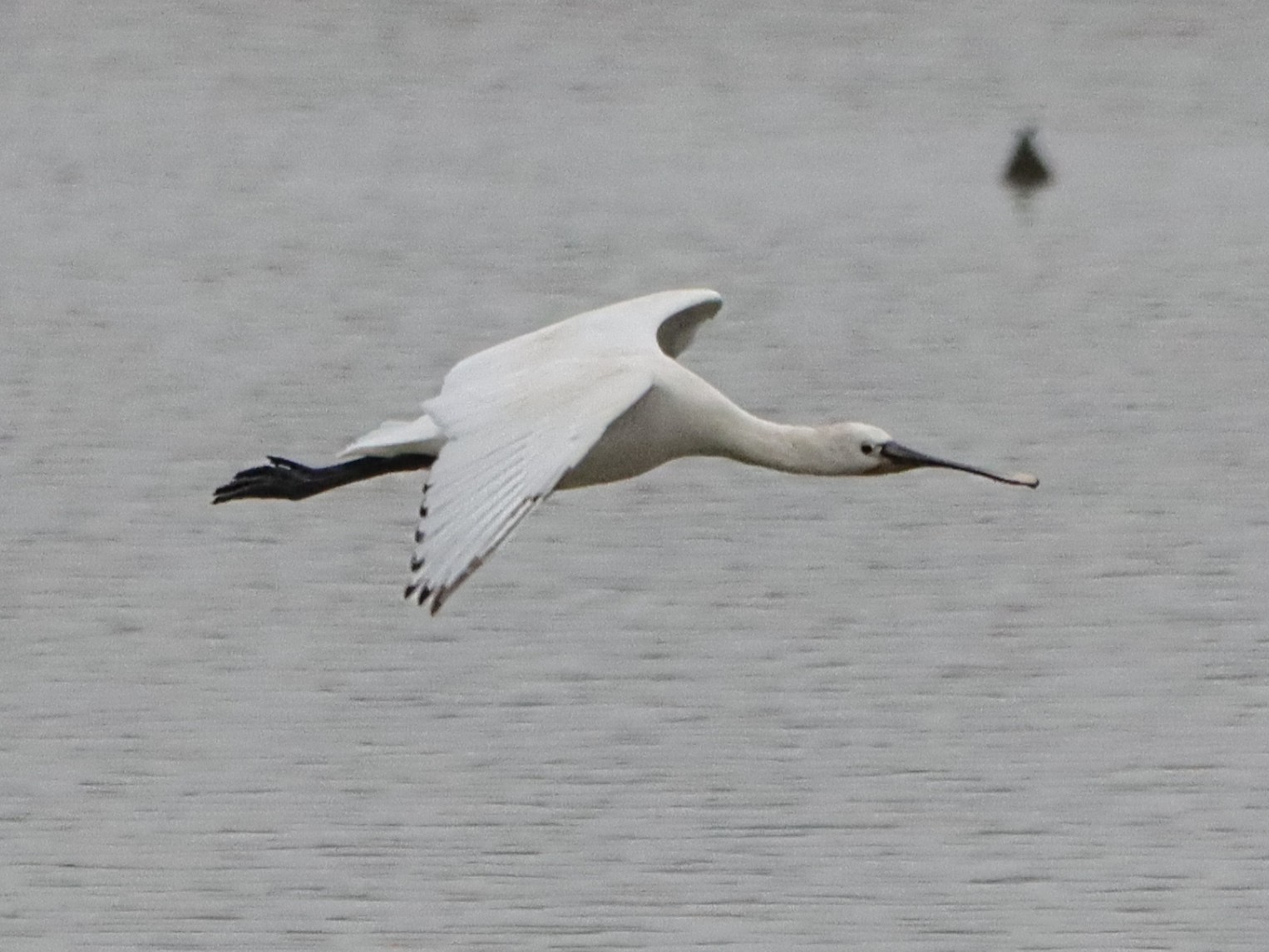
Up for grabs and stealing the limelight this week, however, was an immature Spoonbill found north of the Causeway at Pitsford late in the afternoon of 15th, remaining until early afternoon on 17th. One was also reported flying west over the Brampton Valley toward Cottesbrooke on 16th. Earlier this year there had been four records – all in the Nene Valley and all of which were fairly short-stayers.

Two Bitterns were again present at Stanford and, again, they were predominantly seen on the Leicestershire side of the reservoir.

The week’s raptors were thin on the ground – and in the air, for that matter – with single Marsh Harriers at Titchmarsh on 11th and in the Brampton Valley between Cottesbrooke and Hanging Houghton on 14th and 17th. A male Hen Harrier flew north-east over Harrington AF on 16th.

The weekly Short-eared Owl report came from Blueberry Farm, Maidwell, while single Merlins were at Stanwick GP on 12th and Harrington on 12th-13th.

Another year, another Yellow-browed Warbler – this time not in a mist net, although it might as well have been as it was both heard and seen fleetingly with a mobile tit flock at Daventry CP on 13th, after which there was no further sign. Also wrapped up in a tit flock, a Firecrest was flagged up at Summer Leys on 15th. The autumn’s second Ring Ouzel was ultra brief, and like the last one, seen at Harrington AF, on 13th.

But what’s going on with Black Redstarts this year? One at Rectory Farm, Old on 13th was inaccessible, blocked by the ‘private site’ caveat and therefore out of bounds. The six previous records this year – two in winter and four in spring – have all been one-day birds and, like this one, they have been unavailable to the masses. The 2025 clock continues to tick but time is running out …

There were, however, Stonechats aplenty. Blueberry Farm, Brampton Valley, Clifford Hill, Ditchford, Harrington, Hollowell, Lilbourne Meadows, Pitsford and Upton CP all produced birds with top counts on the last day of the period, when six were in the Brampton Valley and the same number at Hollowell. Northern Wheatears were, this week, down to just the one, this being at Hollowell on 17th.

In the wake of one last week and two the week before – all exclusive to Daventry CP – a rush of Rock Pipits ensued, allowing other localities to get in on the action. First up was one at Boddington and three at Hollowell on 12th, followed on 14th by another at Boddington and two again at Daventry. One was then found at the unusual locality of the Brampton Valley on 16th and one – possibly two – appeared at Hollowell on 17th. Representing a welcome return, these are the highest numbers to be recorded in the county in recent years and formed part of a sizeable inland movement across the UK, including an impressive fifteen at Farmoor Res in Oxfordshire on 14th.

The week’s Crossbills comprised five at Ashton Wold on 11th and, on 16th, three over Penvale Park, East Hunsbury, Northampton and two at Hollowell.

And a species still proving not so easy to catch up with locally at present, a Corn Bunting was again in the Brampton Valley on 15th.

Newsround 4th to 10th October 2025

A largely dry and settled week saw us taking a step closer to winter with movements of small numbers of Redwings noted across the county. Similarly, winter wildfowl were also on the up with the first Whooper Swans appearing at a number of localities. Aside from this, rare waders were still out there to be had …

It’s clearly evident that we’re taking the first steps down the road to winter when Whooper Swans start moving through the county … and this was the week it happened. First up was the herd of eight that flew over the north side of Pitsford Res on 5th and, thinking better of landing, headed off north-east. These were followed the next day by a brief drop-in by a single bird at Daventry CP and similarly, on 7th, one also paid a short visit to Thrapston GP’s Titchmarsh NR before moving off south. On 8th, three dropped in at Stanford Res, ahead of five more settled birds found at Clifford Hill GP on 9th.

The only other wildfowl just about worthy of note was a long-staying drake Red-crested Pochard at Daventry seeing another week out on site.

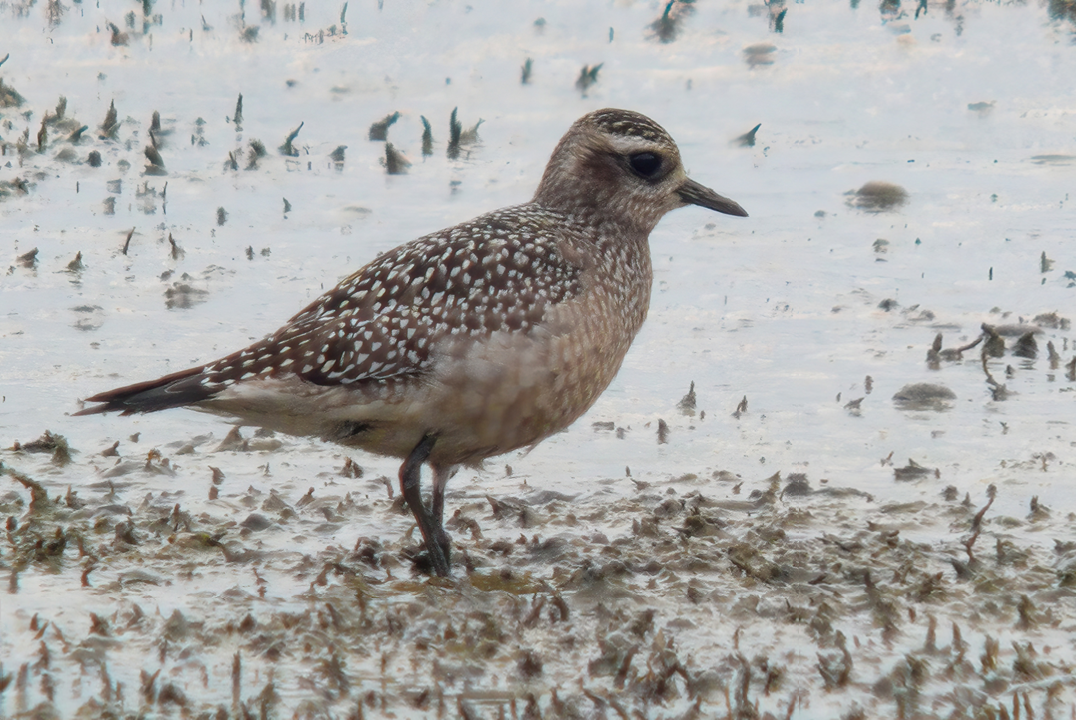
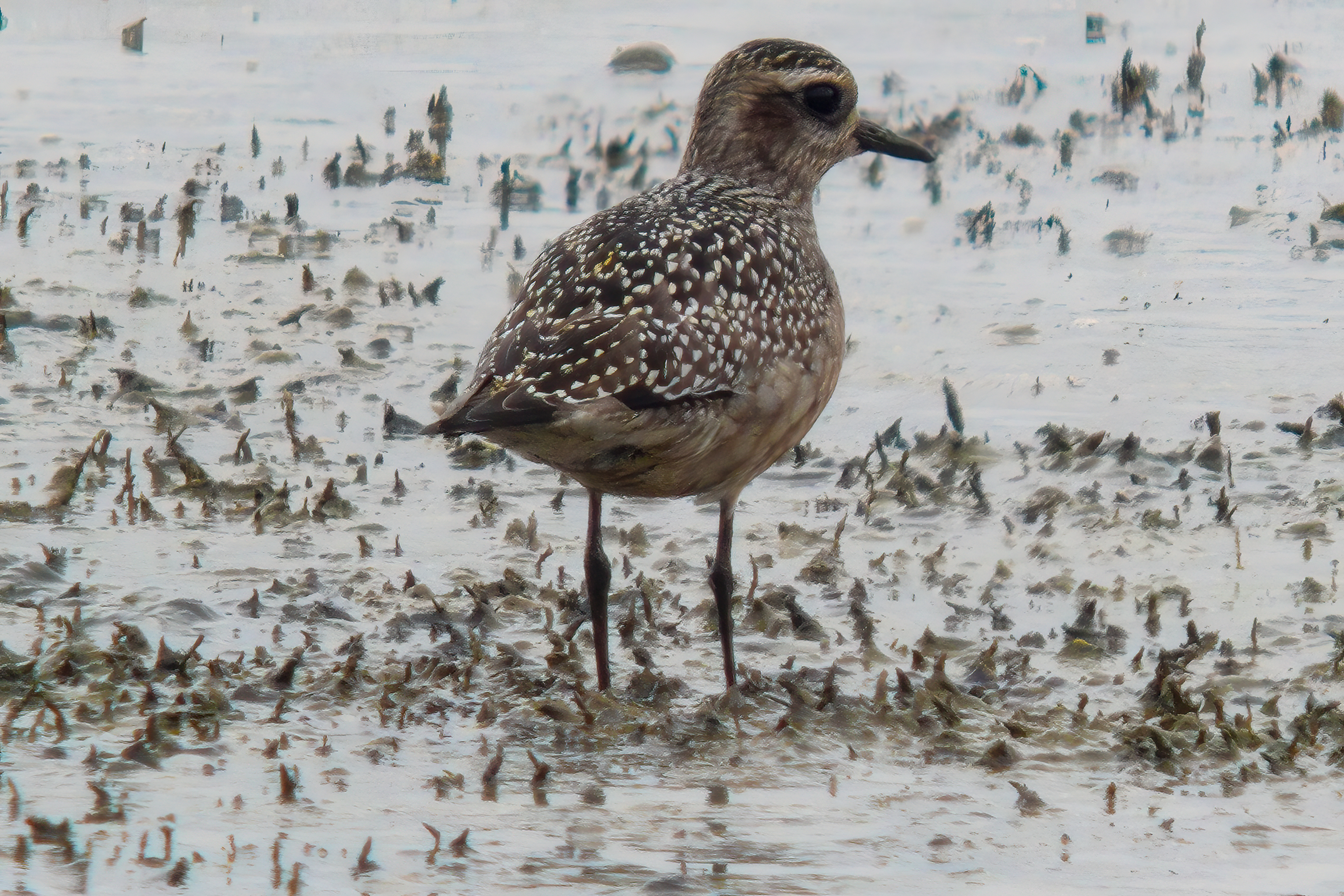
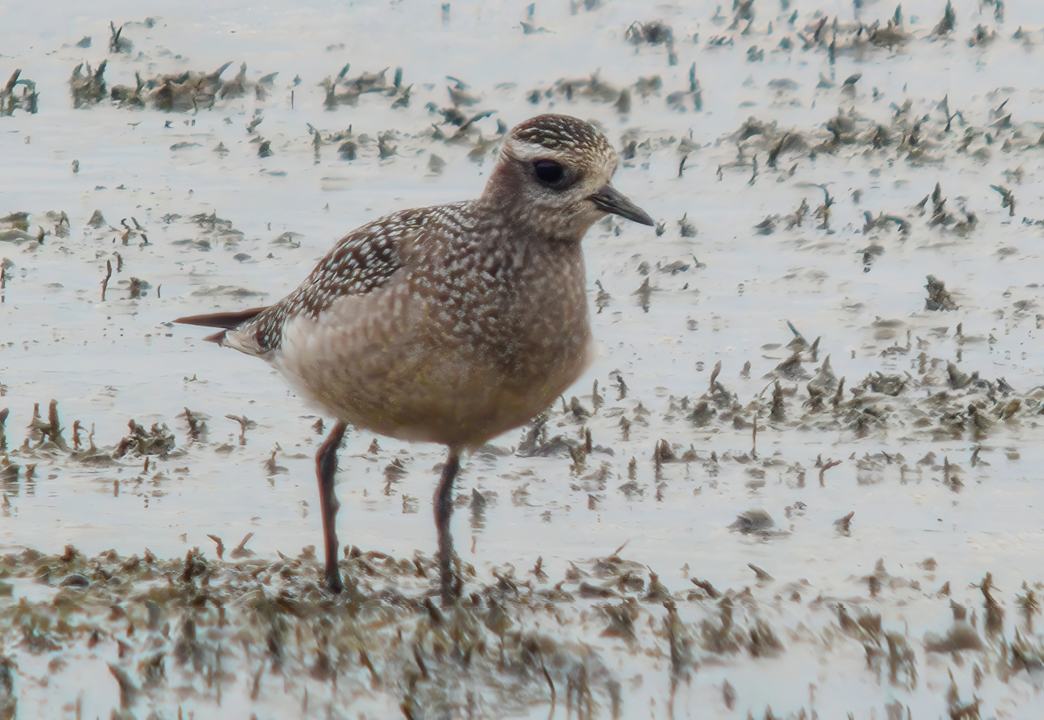
Last week’s excitement generated by the county’s fourth-ever American Golden Plover spilled over into this week, with the bird still present at Pitsford on day one, the 8th, after which it appeared to be gone for good.

Meanwhile, the nicely confiding juvenile Pectoral Sandpiper at Hollowell Res continued to attract a respectable number of admirers, having notched up a nine-day stay there by the end of the period.

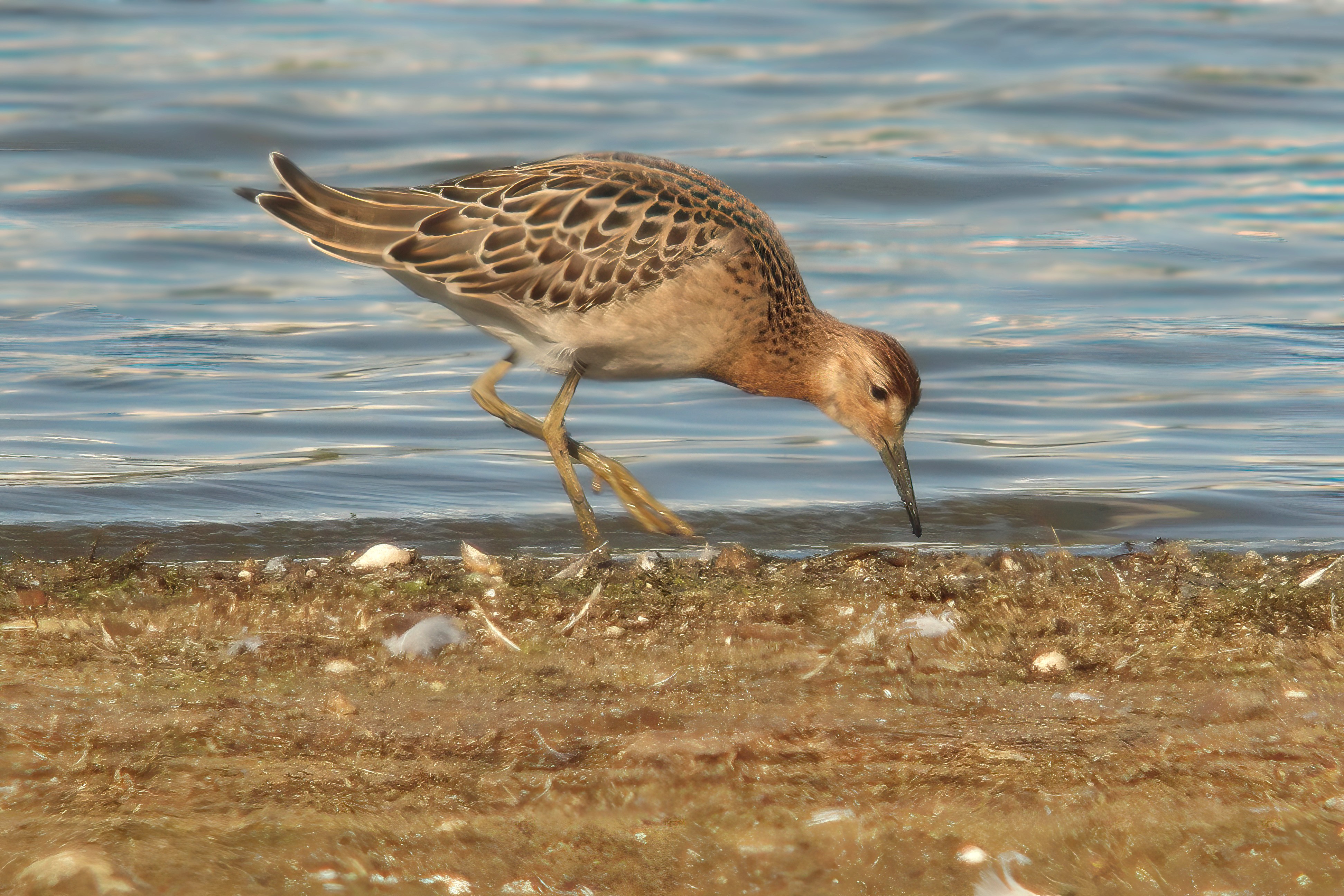
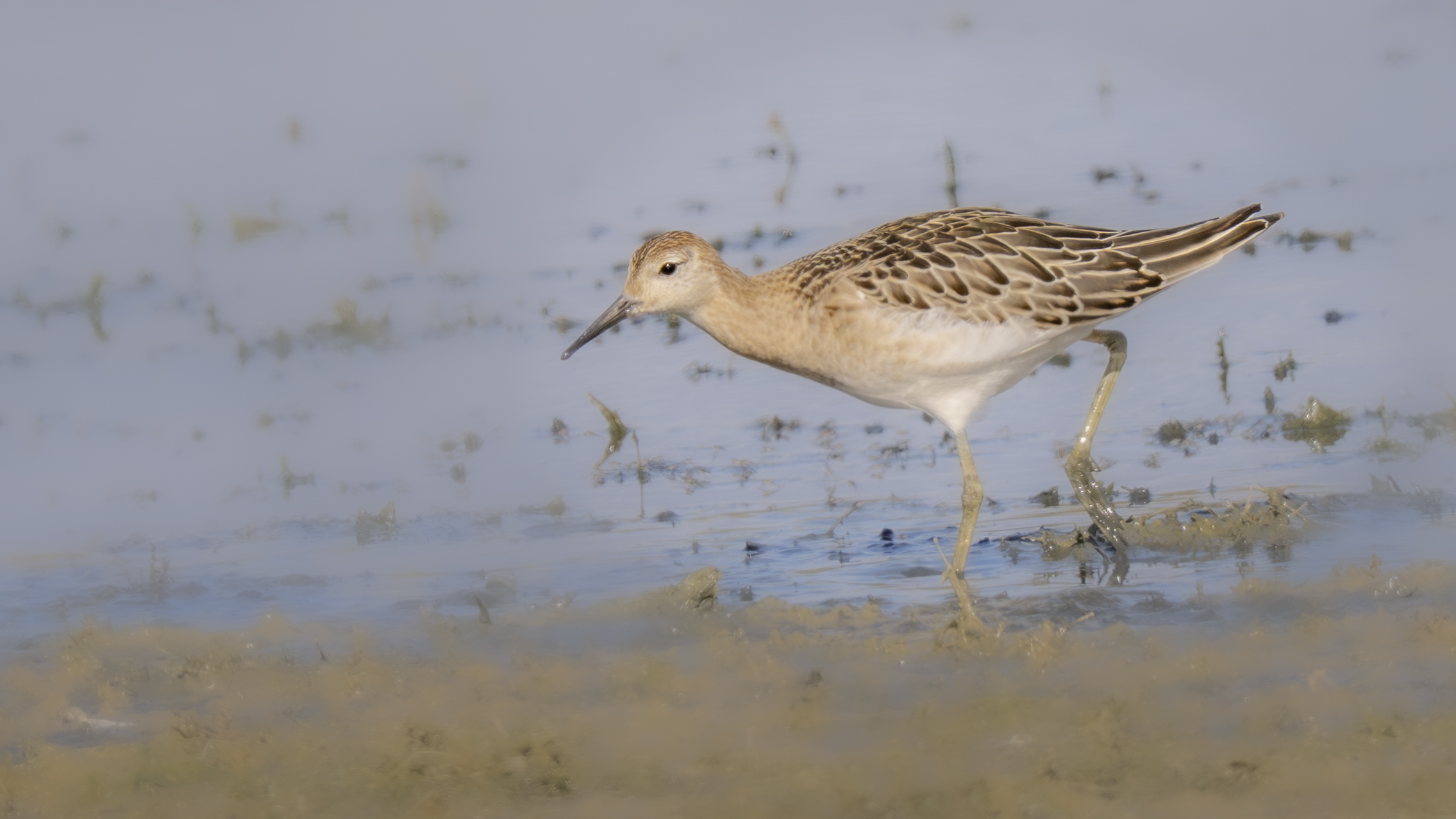
This week’s best of the rest included a Black-tailed Godwit at Pitsford from 5th until 9th and three Ruffs at the latter locality on 4th, with one remaining until 10th. One also lingered at Titchmarsh NR, being seen sporadically throughout the period. Earls Barton GP’s New Workings (North) continued to hold on to a Greenshank, still present on 10th, while a new arrival at New Workings (South) on 8th bore tibial bling – a red ring on the left and a yellow flag on the right. Unfortunately the characters on the flag were not legible at distance but the colour coding and positioning identify the bird as an individual from a ringing scheme in Norway.

A further sign that winter is on its way appeared in the form of a Jack Snipe – the first of the season – at Summer Leys between 4th and 7th.
Scarce gulls were at a low ebb this week, with a first-winter Caspian Gull at Earls Barton GP’s Mary’s Lake on 4th and two second-winters – one at Daventry CP on 6th and the other at Wicksteed Park Lakes, Kettering on 9th.

Yellow-legged Gulls were down to an adult at the first of the above locations on 4th and four adults at Pitsford on 10th.
Last week’s Glossy Ibises all remained present and correct throughout the period, including two daily drop-ins at Stanford’s Settling Pond and single birds seemingly settled at Summer Leys LNR and Titchmarsh.

Two Bitterns were seen together in flight at Stanford on 8th, again being present on the Leicestershire side of the reservoir for the larger part of their stay during the period, while single Cattle Egrets were on the ground at both Ringstead GP and Summer Leys on 4th.

An Osprey at Pitsford on 4th was the only one reported during the period.

Also on 4th, a Short-eared Owl – presumably last week’s individual – was at Harrington AF, the latter site producing a Merlin on 7th, the same or another of which was seen in the Brampton Valley between Cottesbrooke and Hanging Houghton on 4th and 9th.

On the passerine front, Stonechats were present at nine localities, the Brampton Valley holding up well with last week’s ten still there on 4th. Elsewhere, four were at Newton Bromswold on 10th, three at Lilbourne Meadows NR on 5th, with ones and twos at Borough Hill, Harrington, Hollowell, Pitsford, Summer Leys and Titchmarsh.

Northern Wheatears were down to a trickle and included two at DIRFT 3/Lilbourne Meadows NR on 5th and one at Harrington the following day.

And following on from last week’s Rock Pipits at Daventry, another one put in an equally brief appearance there on 9th.

To round off, Crossbills are still out there to be found, all be they fly-overs with, on 6th, three above Harrington and one over Kettering.

Newsround 27th September to 3rd October 2025

An Azores high pressure system brought settled and relatively warm conditions up from the deep south west for the first half of the week, after which things deteriorated somewhat. It was anything but settled on the birding front, however, with three new birds for the year, including a top-class wader, the likes of which have not been seen in the county for nigh on a quarter of a century …

We can quickly dispense with the week’s ducks at this point – just the two malingering drake Red-crested Pochards shooting the breeze at Daventry CP throughout the period.

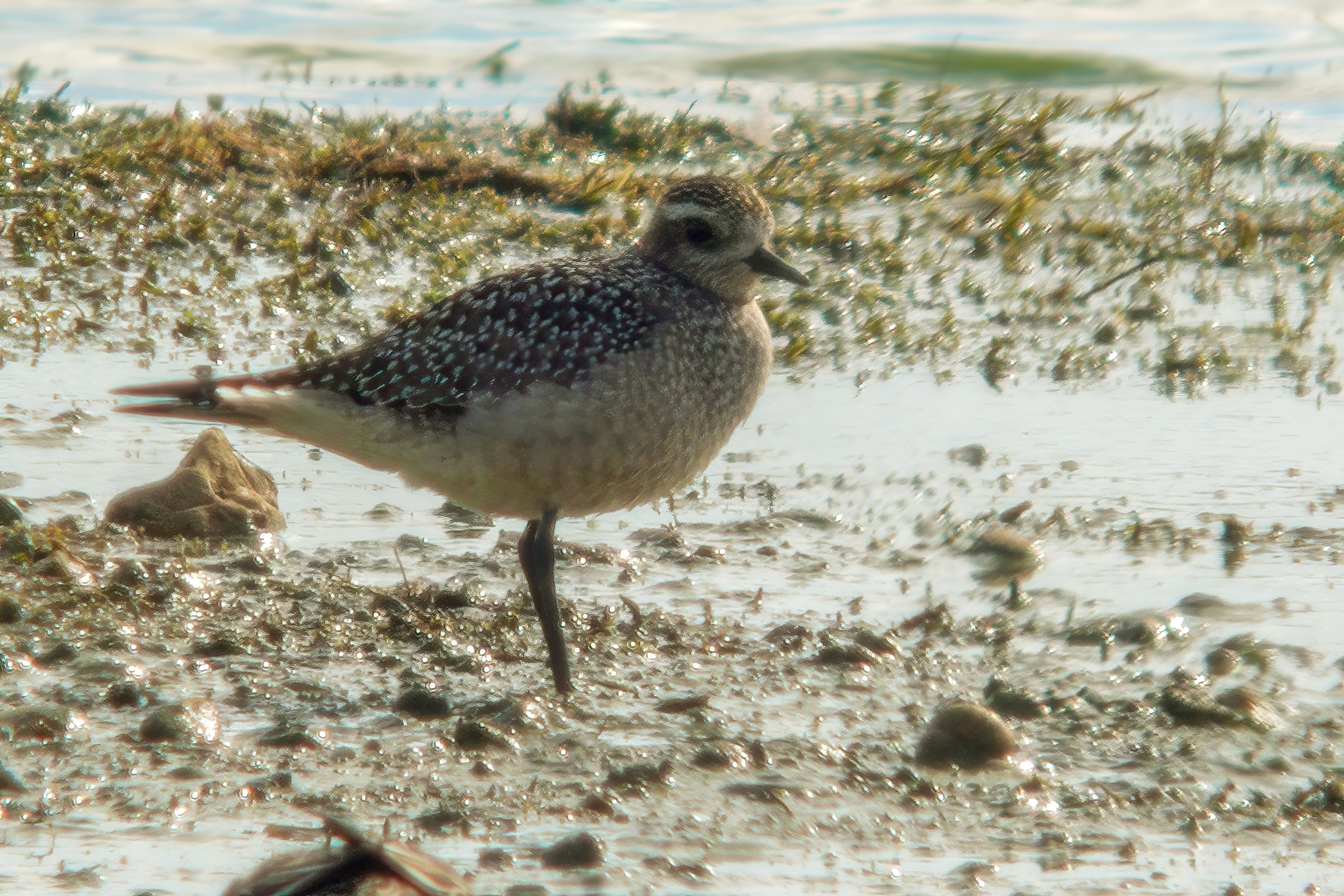
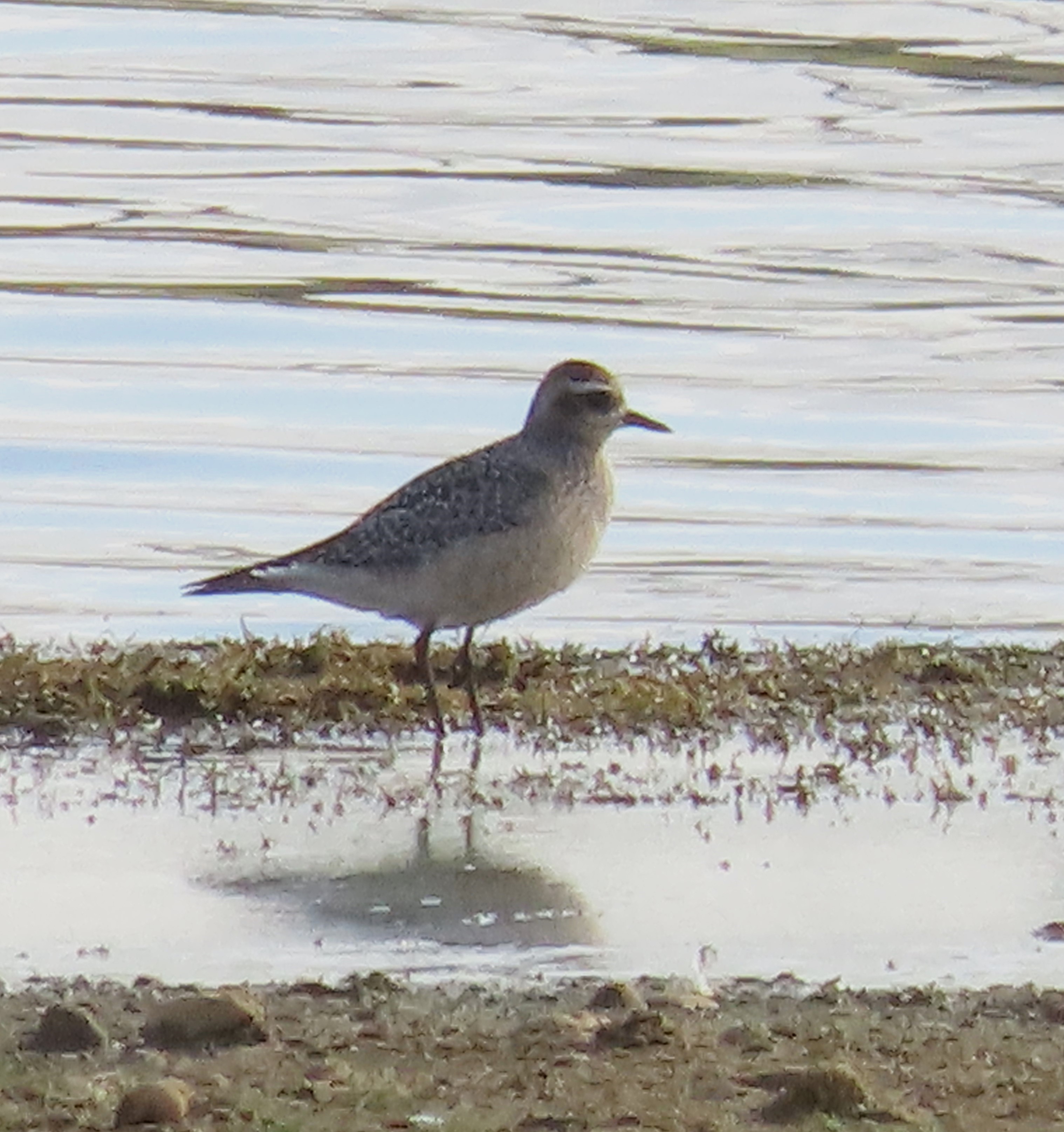
And so on to the bird which ultimately turned into a crowd-puller … It had been all quiet on the wader front until, that is, the 30th, when things began to look up along the northern shoreline of Clifford Hill GP’s Main Barrage Lake. Enter an unidentified Pluvialis sp. Grey Plover? No. Golden Plover? No. Turns out the bird in question was a pretty obvious American Golden Plover … and only the fourth for Northamptonshire to boot. With somewhat itchy feet it appeared unsettled, prone to taking long flights but ultimately returning and remaining until the middle of the following morning, after which it flew high south and was gone.

But not gone for good, however, providing a second bite of the cherry for those who had failed to connect with it as, two days later, on 2nd, there it was, bold as brass in Pitsford Reservoir’s Scaldwell Bay, remaining there to see the week out.

The last record of American Golden Plover was at Summer Leys LNR, from 13th to 17th May 2001 and, prior to that, one was near Welford in October 1992, quickly following the county’s first at Pitsford in October 1991.

But this was not the end as far as American waders were concerned as, on 2nd, a fine, stripy juvenile Pectoral Sandpiper dropped in to Hollowell Res, again still present at the week’s end.

And the best of the rest was the lingering Little Stint at Pitsford, chalking up a week’s stay there until 28th. The period’s only Black-tailed Godwit was also at Pitsford on 27th, the same site continuing to hold three Ruffs throughout the week. Elsewhere, single birds were at Boddington Res on 27th, Thrapston GP’s Titchmarsh NR on 27th and 1st and at Hollowell on 30th.

Titchmarsh also produced two Greenshanks on 1st, while one remained at Earls Barton GP’s New Workings (North) on 2nd.

The week’s gulls were restricted to a first-winter Mediterranean Gull at Boddington on 29th, while the usual German-ringed adult male Caspian Gull was present at Naseby Res on 30th, visiting Hollowell on 1st and returning to Naseby on 3rd, when it was accompanied by another adult. A first-winter visited Earls Barton GP’s Mary’s Lake on 2nd, the latter site also producing an adult Yellow-legged Gull on 1st-2nd, while single adults were present at Pitsford on 28th and in the roost at Stanford Res on 2nd.

In this grand year for Glossy Ibises, they continued to mark their presence at three localities throughout the week. Producing the only multiples, the top site was Stanford, where four were seen in flight over their favoured Settling Pond area on 3rd. Up to two continued to drop in there, early in the morning, on a daily basis. Summer Leys continued to hang on to its long-stayer, throughout, while one of last week’s Titchmarsh individuals remained loyal to the site all week.

Four localities accounted for the period’s Bitterns, with single birds at Stanwick GP and Titchmarsh on 27th, Summer Leys on 3rd and Stanford virtually daily, although present on the Leicestershire side of the reservoir in the majority of instances.

The number of raptors continued to diminish. Single Ospreys were seen at Pitsford on 28th-29th and 2nd and at Hollowell on 29th.

And only one day saw Marsh Harriers, singles of which were logged at both Harrington AF and Summer Leys on 30th, the first of these two sites laying claim to a Short-eared Owl on 27th and 29th.

Following one over suburban Northampton on 8th September, the second and third Merlins of the autumn were logged this week, with a male at Duston on 1st and a female in the Brampton Valley between Cottesbrooke and Hanging Houghton the following day.

And on the passerine front, the autumn’s first Ring Ouzel was reported from Harrington on 27th, the same site producing one of the week’s two Common Redstarts on 29th, the same date on which the other was trapped and ringed at Stanford Res. Similarly, Whinchats were down to just two sightings, both in the Brampton Valley where there was one on 29th and two on 2nd. Moving in to replace them, however, were more Stonechats, numbers of which have been steadily increasing as we move deeper into autumn. The top locality was the Brampton Valley, where there were ten on 2nd – pipping Hollowell by one, the latter site producing nine on 29th. Across the wider region, top counts consisted of four at Pitsford on 27th and the same number at Sammocks Hill, Old Sulehay on 30th, two at Harrington between 27th and 30th, two at Earls Barton GP’s New Workings (South) on 2nd and singles at Boddington on 29th and Summer Leys on 3rd.

Northern Wheatears continued to move through in small numbers, singles being found on 28th at Clifford Hill, Harrington and Hollowell, followed by one in the Brampton Valley on 29th.

And to round off on a higher note, two Rock Pipits – the first of the year – dropped in briefly at Daventry CP on 29th.

With lower numbers now passing through the county in recent years, this species has become much more difficult to connect with, although October is traditionally the month …