An Azores high pressure system brought settled and relatively warm conditions up from the deep south west for the first half of the week, after which things deteriorated somewhat. It was anything but settled on the birding front, however, with three new birds for the year, including a top-class wader, the likes of which have not been seen in the county for nigh on a quarter of a century …
We can quickly dispense with the week’s ducks at this point – just the two malingering drake Red-crested Pochards shooting the breeze at Daventry CP throughout the period.
And so on to the bird which ultimately turned into a crowd-puller … It had been all quiet on the wader front until, that is, the 30th, when things began to look up along the northern shoreline of Clifford Hill GP’s Main Barrage Lake. Enter an unidentified Pluvialis sp. Grey Plover? No. Golden Plover? No. Turns out the bird in question was a pretty obvious American Golden Plover … and only the fourth for Northamptonshire to boot. With somewhat itchy feet it appeared unsettled, prone to taking long flights but ultimately returning and remaining until the middle of the following morning, after which it flew high south and was gone.
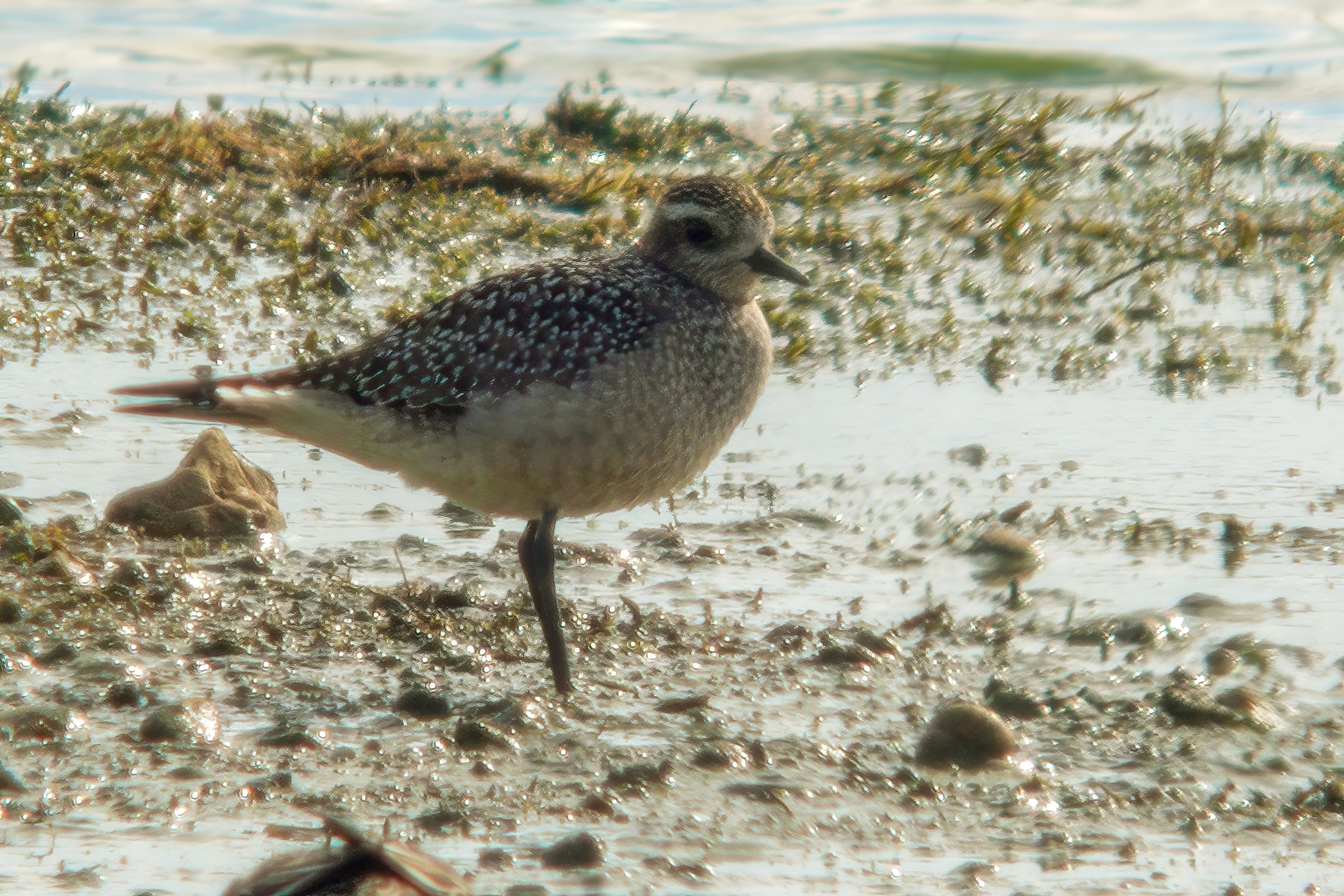


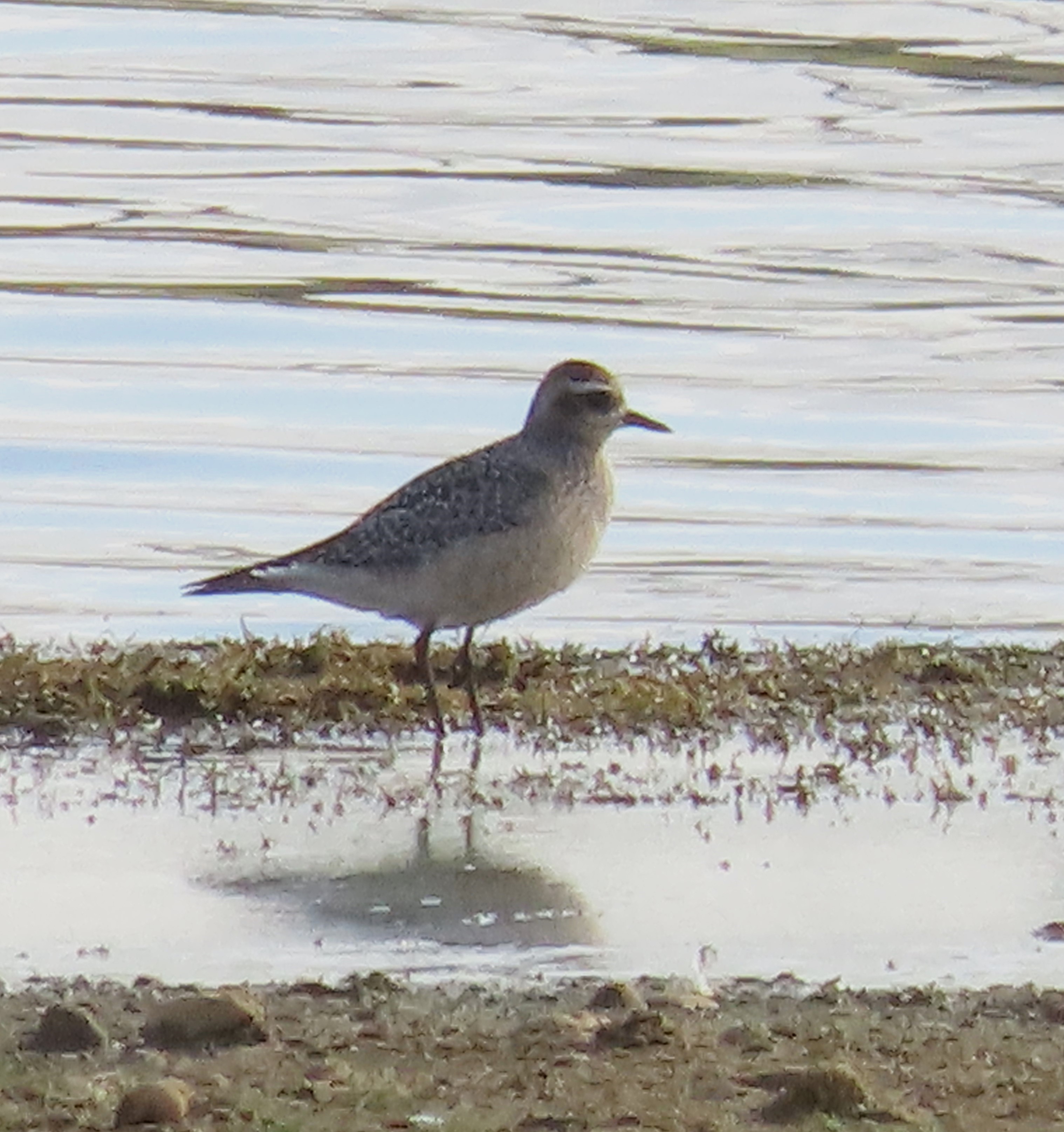
But not gone for good, however, providing a second bite of the cherry for those who had failed to connect with it as, two days later, on 2nd, there it was, bold as brass in Pitsford Reservoir’s Scaldwell Bay, remaining there to see the week out.
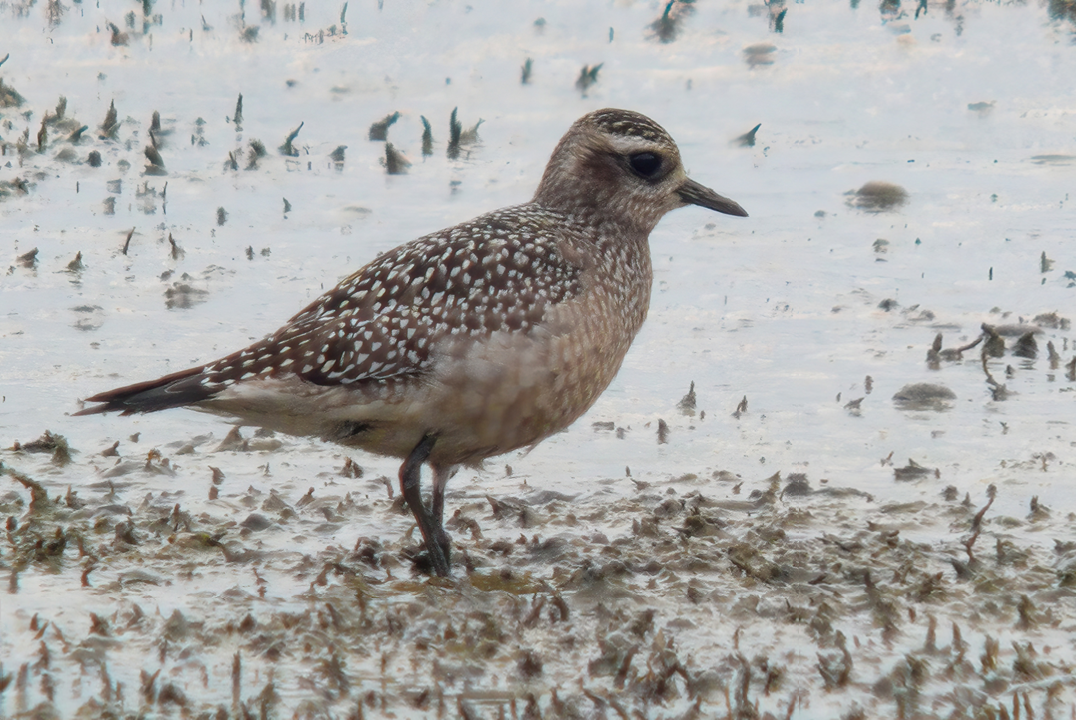
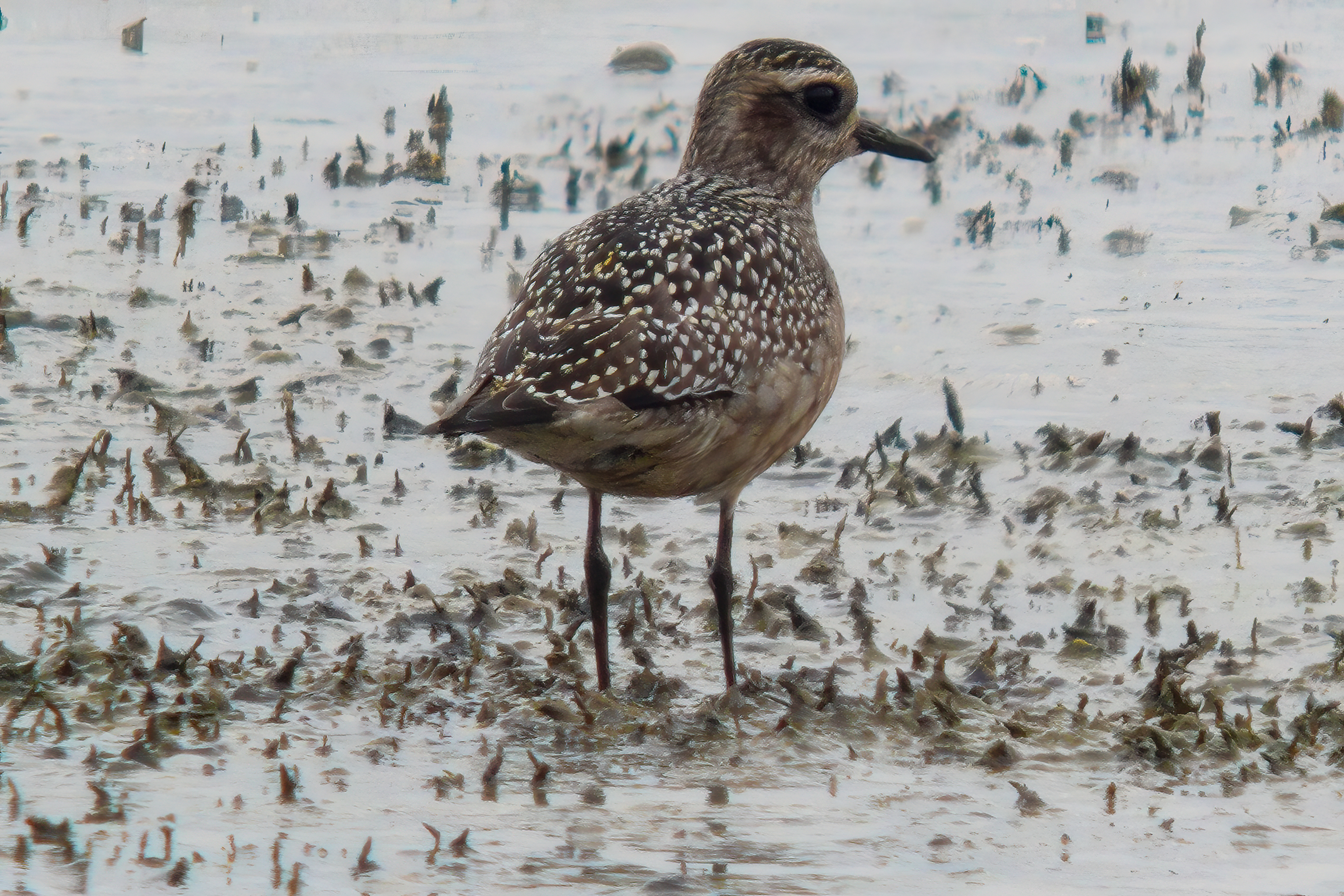
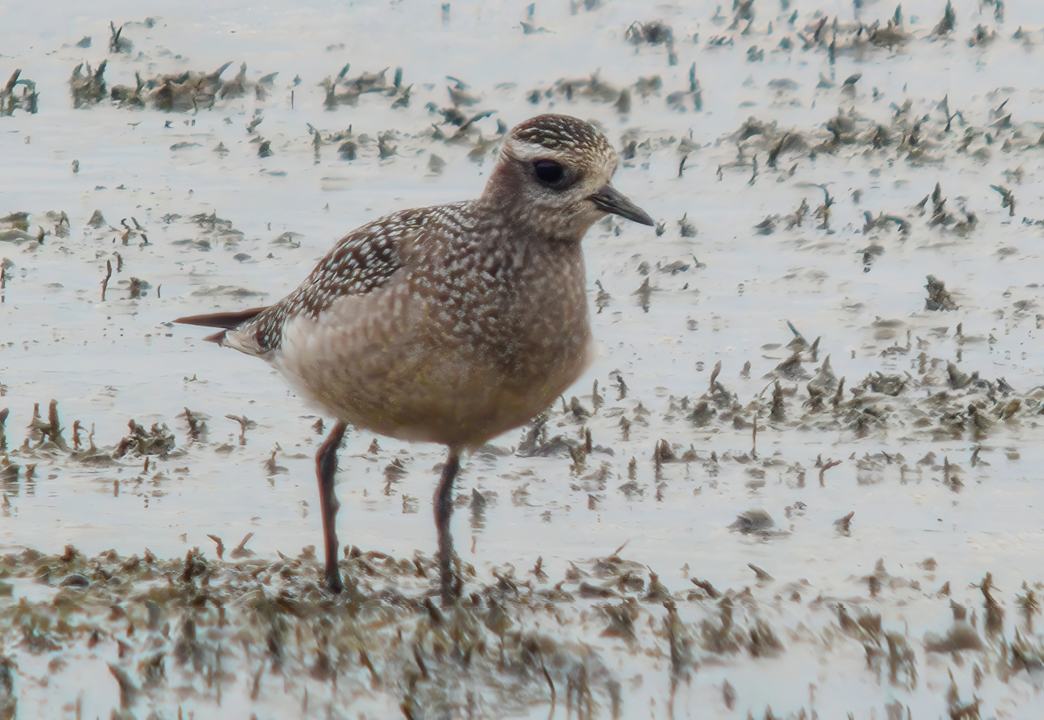
The last record of American Golden Plover was at Summer Leys LNR, from 13th to 17th May 2001 and, prior to that, one was near Welford in October 1992, quickly following the county’s first at Pitsford in October 1991.
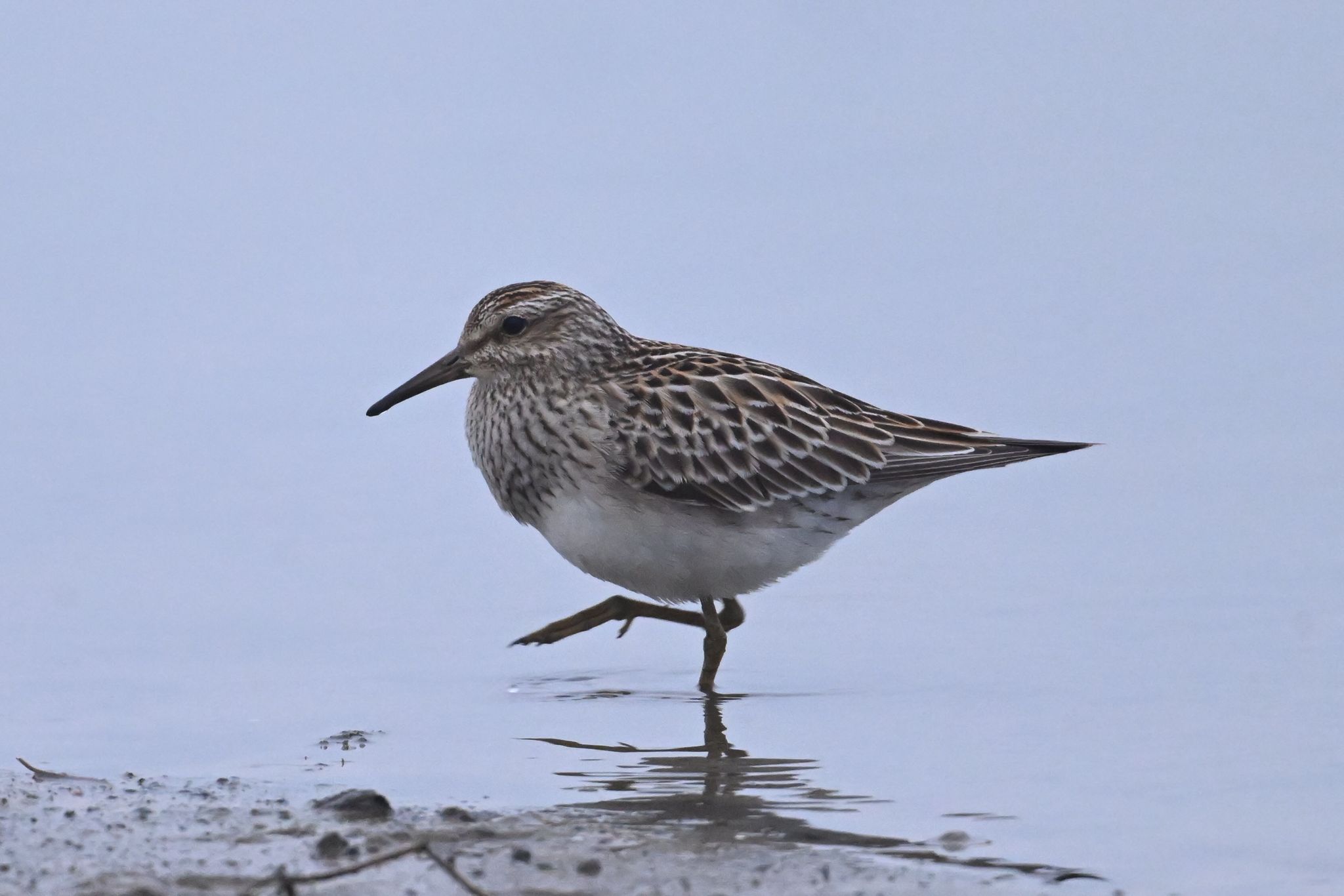
But this was not the end as far as American waders were concerned as, on 2nd, a fine, stripy juvenile Pectoral Sandpiper dropped in to Hollowell Res, again still present at the week’s end.


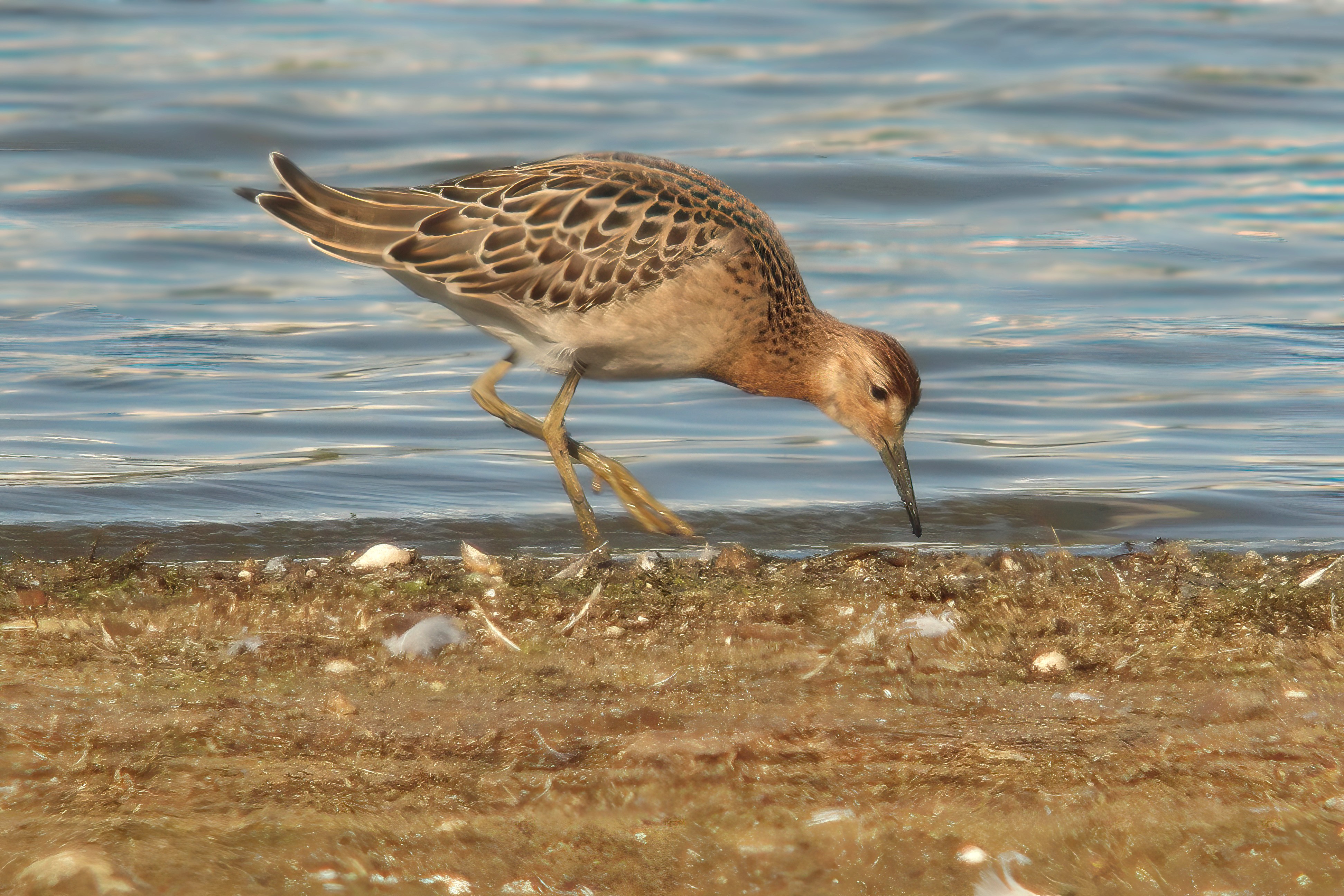
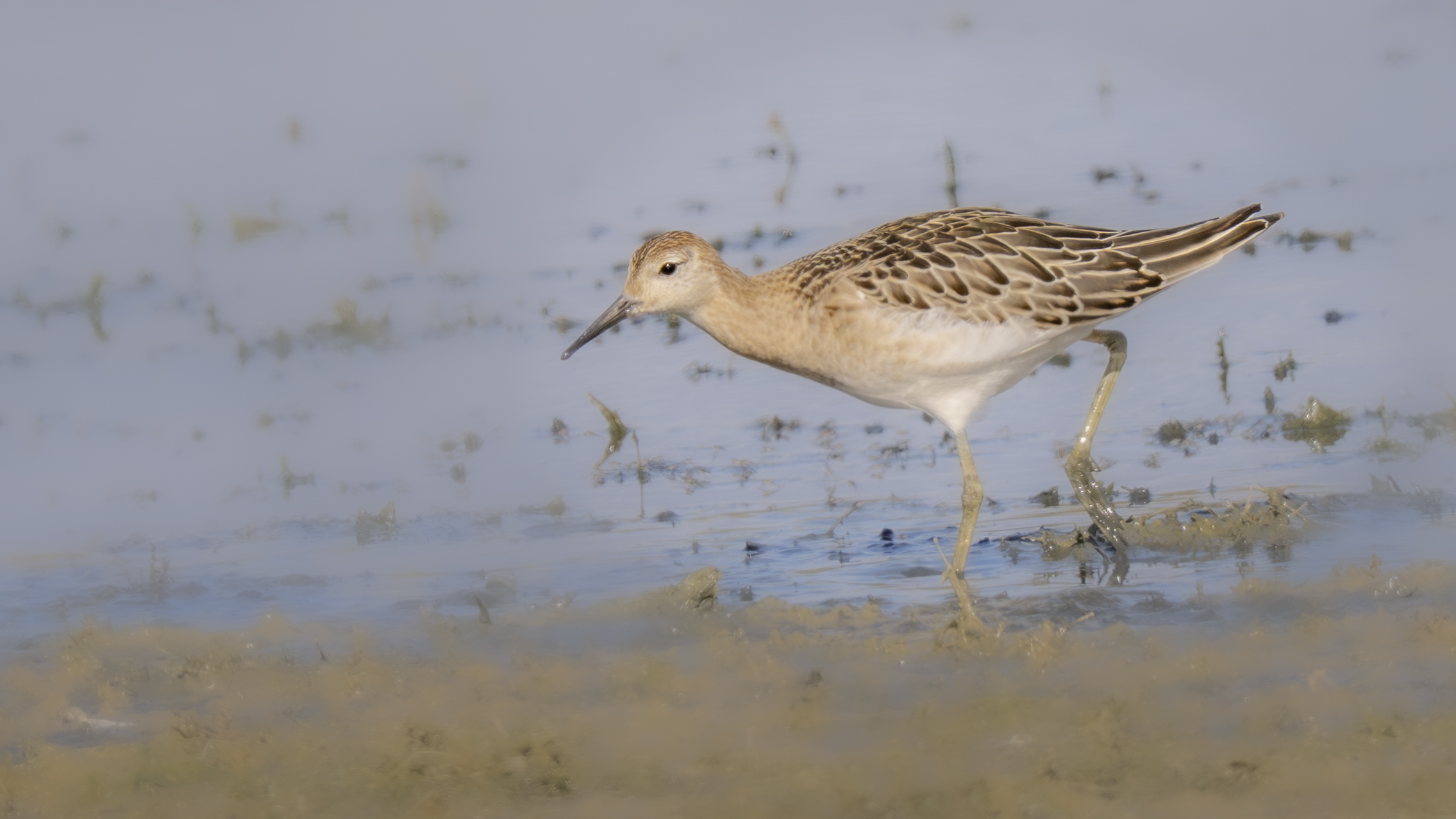
And the best of the rest was the lingering Little Stint at Pitsford, chalking up a week’s stay there until 28th. The period’s only Black-tailed Godwit was also at Pitsford on 27th, the same site continuing to hold three Ruffs throughout the week. Elsewhere, single birds were at Boddington Res on 27th, Thrapston GP’s Titchmarsh NR on 27th and 1st and at Hollowell on 30th.

Titchmarsh also produced two Greenshanks on 1st, while one remained at Earls Barton GP’s New Workings (North) on 2nd.

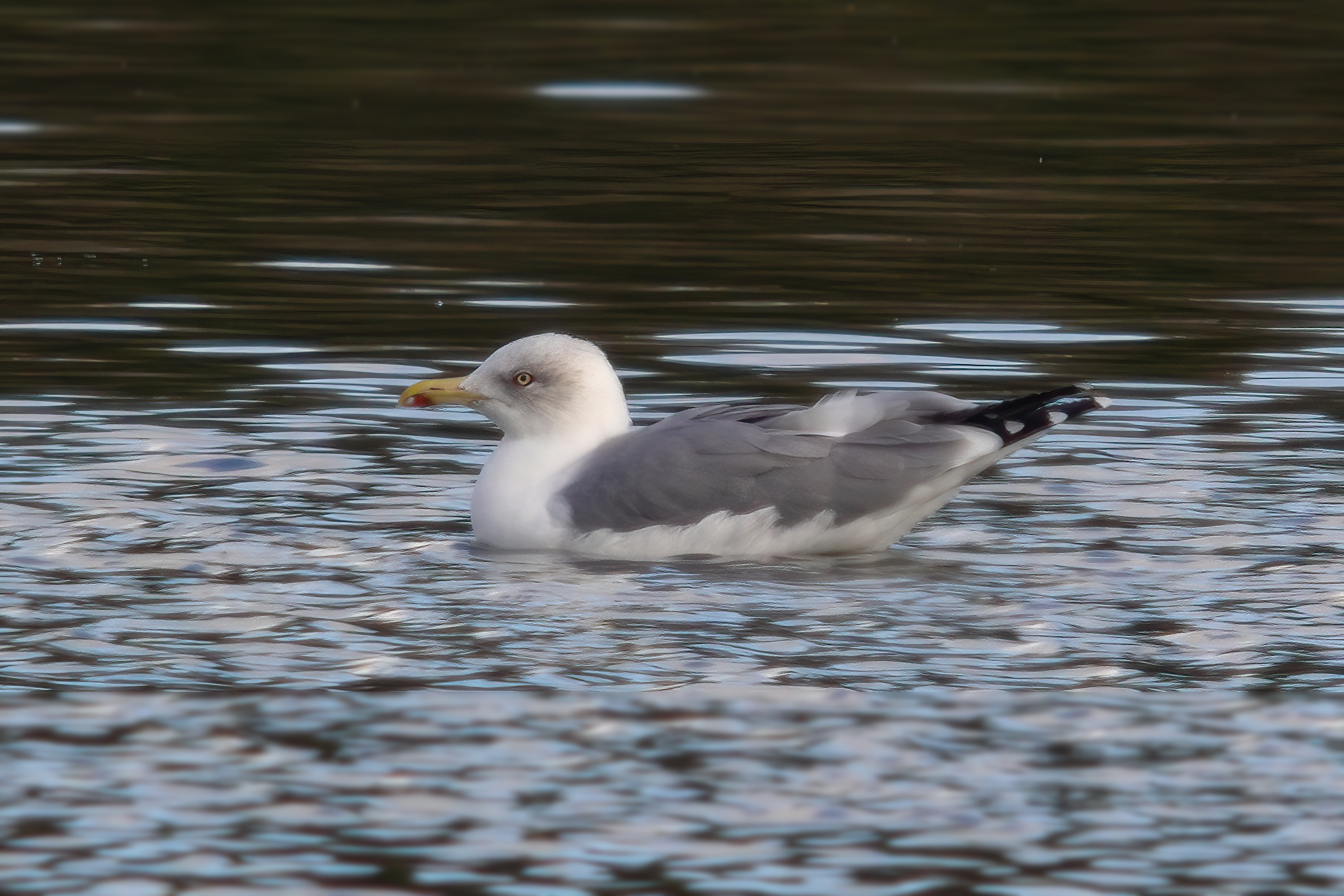
The week’s gulls were restricted to a first-winter Mediterranean Gull at Boddington on 29th, while the usual German-ringed adult male Caspian Gull was present at Naseby Res on 30th, visiting Hollowell on 1st and returning to Naseby on 3rd, when it was accompanied by another adult. A first-winter visited Earls Barton GP’s Mary’s Lake on 2nd, the latter site also producing an adult Yellow-legged Gull on 1st-2nd, while single adults were present at Pitsford on 28th and in the roost at Stanford Res on 2nd.
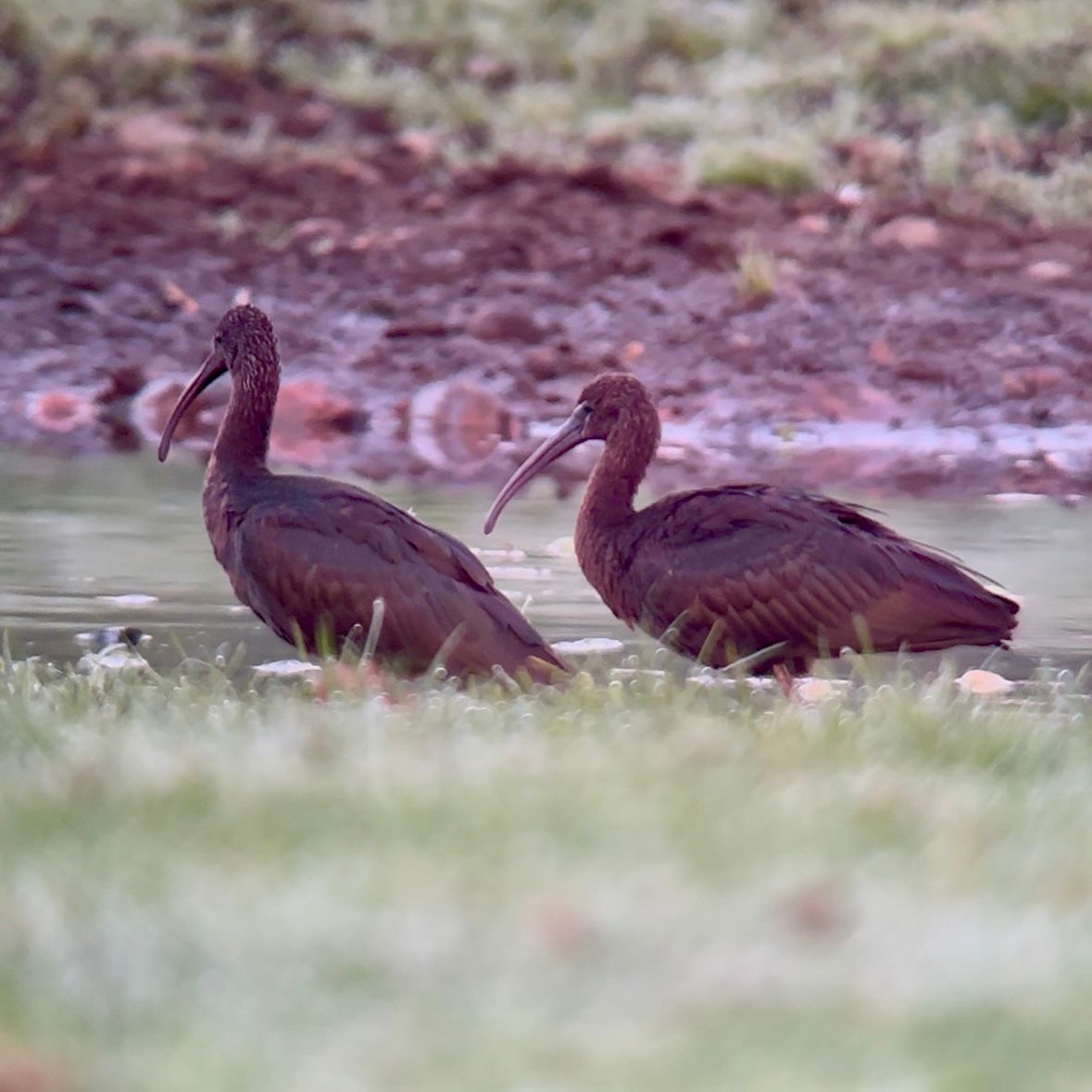
In this grand year for Glossy Ibises, they continued to mark their presence at three localities throughout the week. Producing the only multiples, the top site was Stanford, where four were seen in flight over their favoured Settling Pond area on 3rd. Up to two continued to drop in there, early in the morning, on a daily basis. Summer Leys continued to hang on to its long-stayer, throughout, while one of last week’s Titchmarsh individuals remained loyal to the site all week.

Four localities accounted for the period’s Bitterns, with single birds at Stanwick GP and Titchmarsh on 27th, Summer Leys on 3rd and Stanford virtually daily, although present on the Leicestershire side of the reservoir in the majority of instances.
The number of raptors continued to diminish. Single Ospreys were seen at Pitsford on 28th-29th and 2nd and at Hollowell on 29th.

And only one day saw Marsh Harriers, singles of which were logged at both Harrington AF and Summer Leys on 30th, the first of these two sites laying claim to a Short-eared Owl on 27th and 29th.
Following one over suburban Northampton on 8th September, the second and third Merlins of the autumn were logged this week, with a male at Duston on 1st and a female in the Brampton Valley between Cottesbrooke and Hanging Houghton the following day.
And on the passerine front, the autumn’s first Ring Ouzel was reported from Harrington on 27th, the same site producing one of the week’s two Common Redstarts on 29th, the same date on which the other was trapped and ringed at Stanford Res. Similarly, Whinchats were down to just two sightings, both in the Brampton Valley where there was one on 29th and two on 2nd. Moving in to replace them, however, were more Stonechats, numbers of which have been steadily increasing as we move deeper into autumn. The top locality was the Brampton Valley, where there were ten on 2nd – pipping Hollowell by one, the latter site producing nine on 29th. Across the wider region, top counts consisted of four at Pitsford on 27th and the same number at Sammocks Hill, Old Sulehay on 30th, two at Harrington between 27th and 30th, two at Earls Barton GP’s New Workings (South) on 2nd and singles at Boddington on 29th and Summer Leys on 3rd.

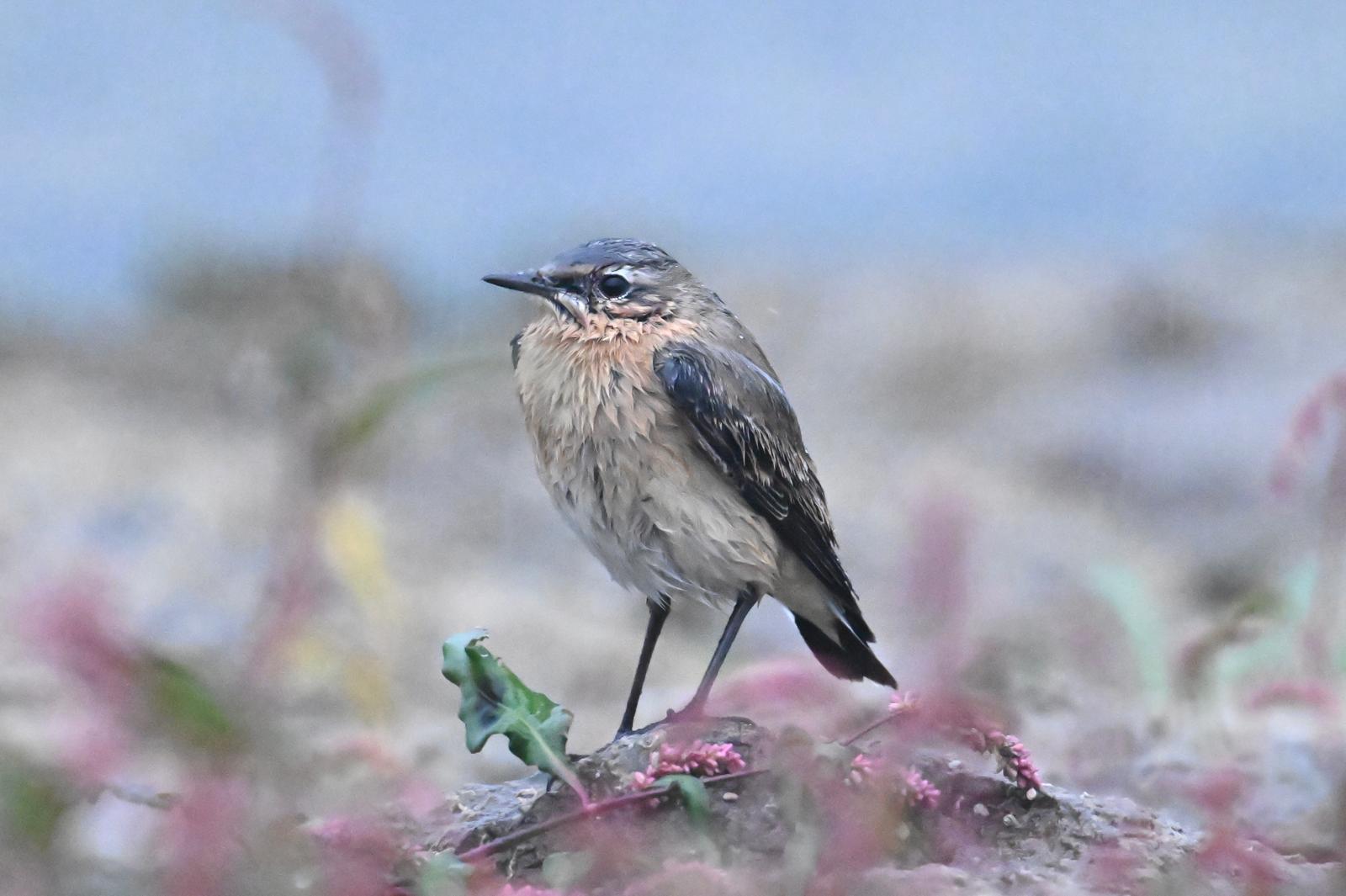
Northern Wheatears continued to move through in small numbers, singles being found on 28th at Clifford Hill, Harrington and Hollowell, followed by one in the Brampton Valley on 29th.
And to round off on a higher note, two Rock Pipits – the first of the year – dropped in briefly at Daventry CP on 29th.

With lower numbers now passing through the county in recent years, this species has become much more difficult to connect with, although October is traditionally the month …

Discover more from Northants birds
Subscribe to get the latest posts sent to your email.

 Northants birds