Largely flatlining, the week’s birding efforts across the county didn’t deliver anything much that had not already been seen and appreciated – or undervalued and ignored. But if hybrid ducks are your thing, simply read on …
This winter’s goose parade continued. Get them while you can as their absence next winter is likely on the cards. Duly outnumbered by the following species, Pink-footed Goose was again on the week’s agenda with the discovery of two at Lilbourne Meadows NR on 5th. But in keeping with the current trend, White-fronted Geese were still to be found in and around the county, although numbers were noticeably down on those of previous weeks. Stanford Res mustered a mere sixteen on 3rd, while ten were again at Warmington Mill on 31st and single-figure counts came from Stanwick GP, where up to four were still present all week and Hollowell, where the long-staying, lone adult was still present on 1st.
Lilbourne Meadows was next in line to stage the reappearance of the female Ruddy Shelduck on the last day of the period, having previously visited Hollowell between 6th and 12th January.
Likely eliciting more interest, though, was a series of hybrid ducks sent to please or tease, depending on your point of view.
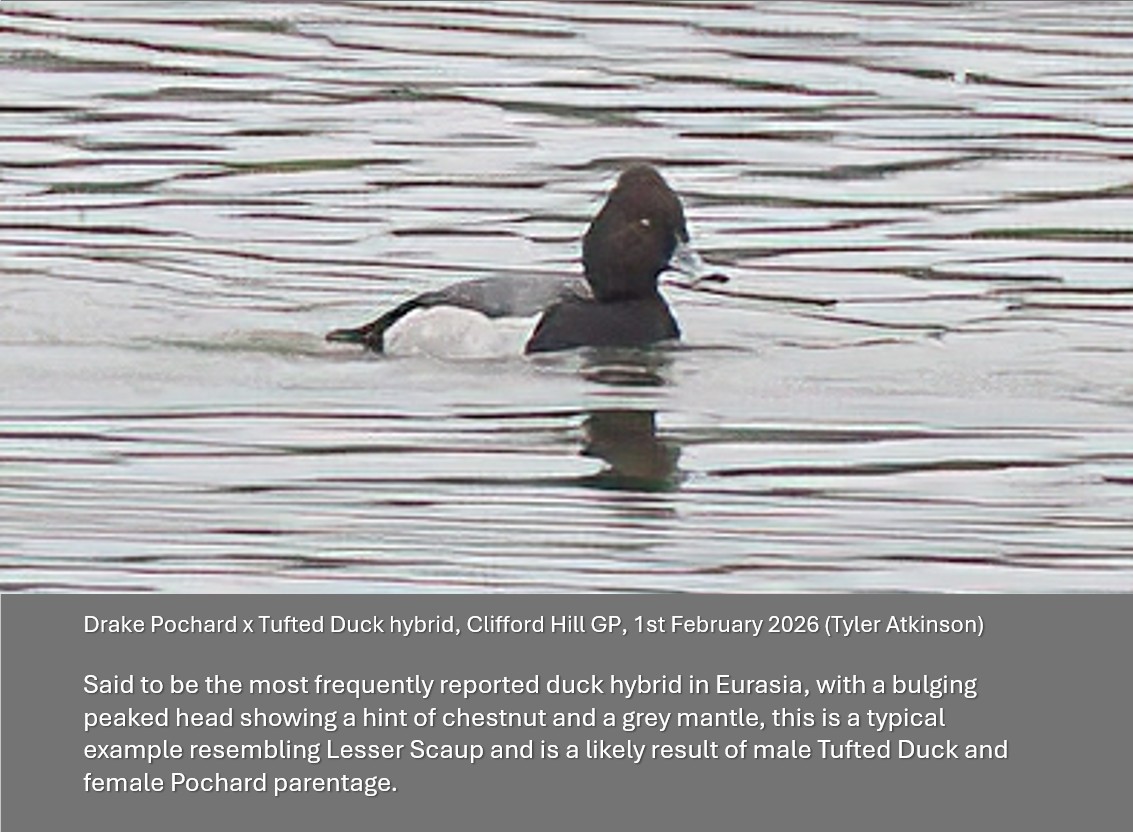
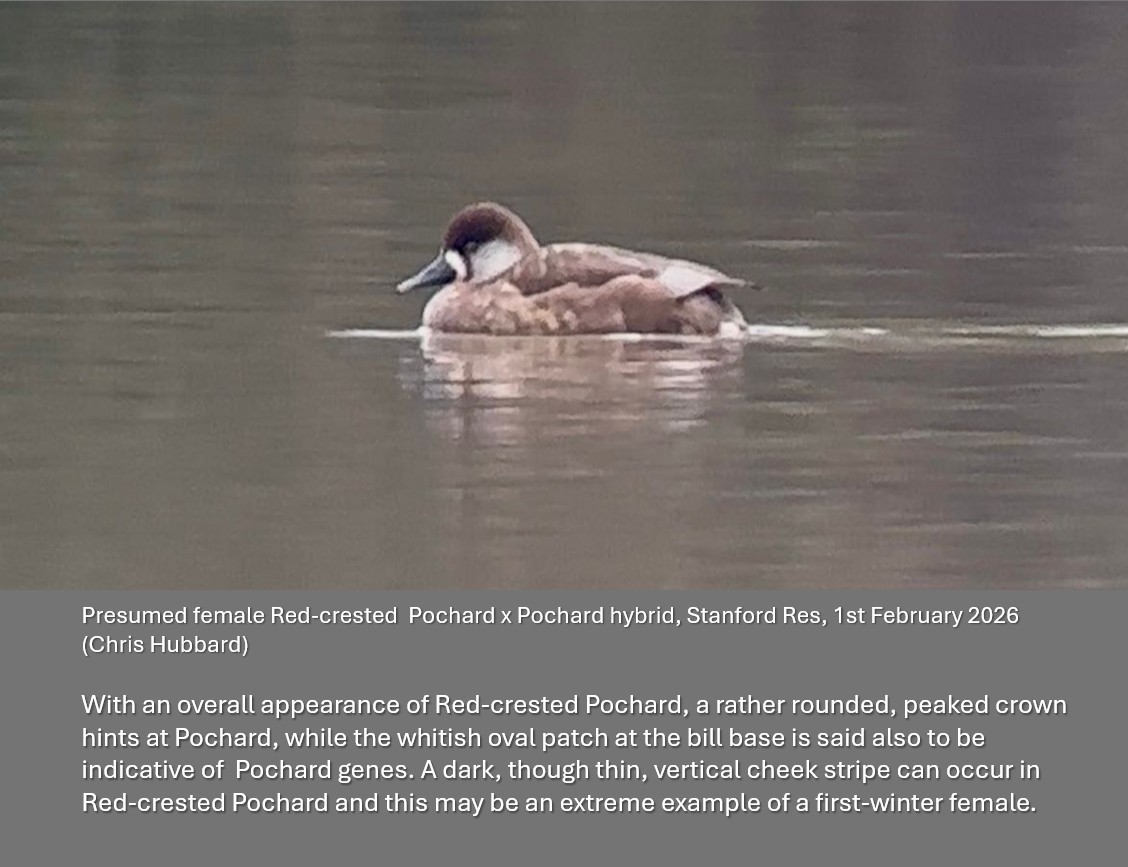
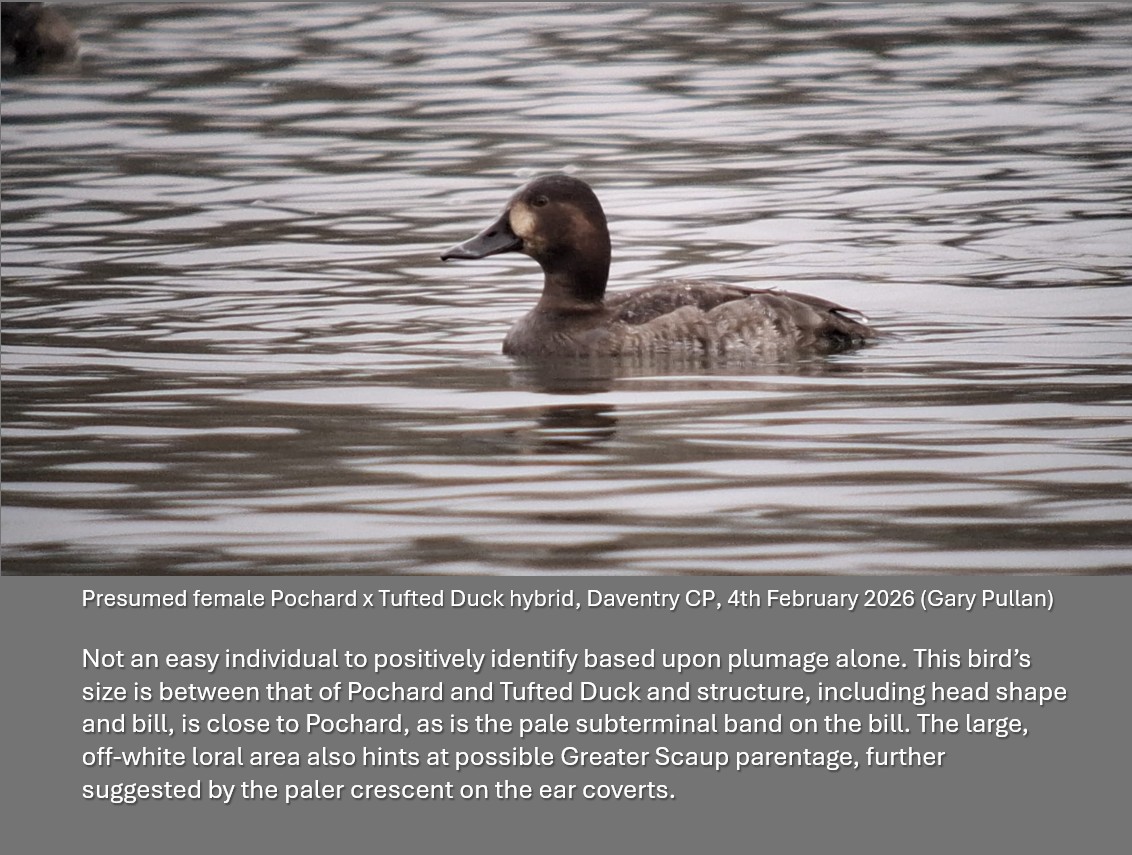
To delve deeper into the detail of hybrid ducks, Reeber (2015) is probably the best source of reference.
Unquestionably pure, however, was the fine drake Smew which extended its stay at Clifford Hill GP by another full week.
The only reasonably scarce wader to be found during in the period was Jack Snipe, which was seen at four localities including Upton CP, where two were present on 31st and one on 1st, Pitsford Res, which produced one also on the above two dates, Hollowell, where there was one on 1st and in the Brampton Valley between Cottesbrooke and Hanging Houghton with one on 3rd-4th.
And Caspian Gulls enjoyed a good run throughout the week, Summer Leys LNR hanging on to its seemingly settled adult until at least 5th and being joined there by a second-winter plus two first-winters on 2nd. The latter date also saw a third-winter and a first-winter at Daventry CP and a third-winter at Stanford, while one was at Hollowell on 1st.
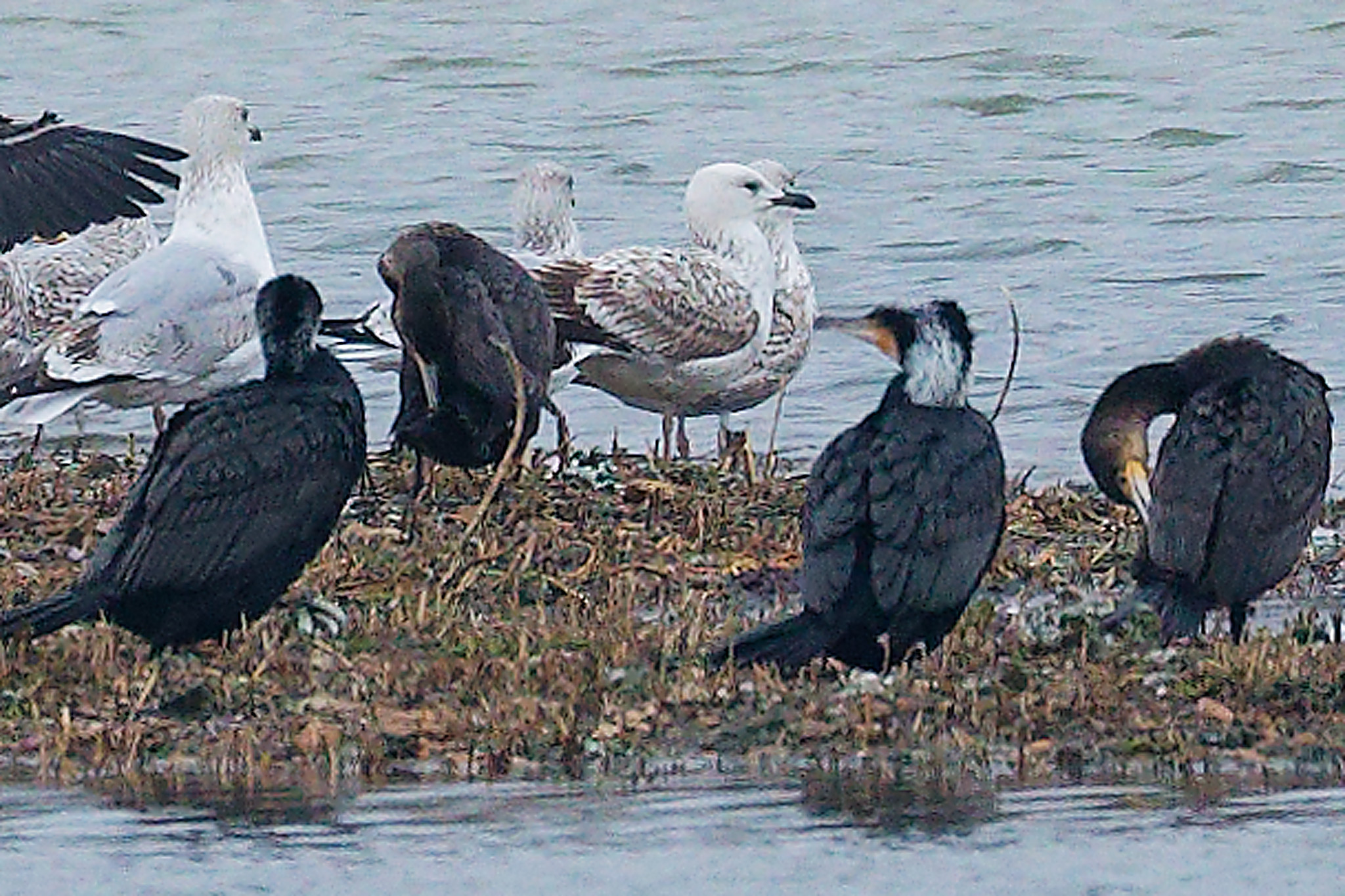
A first-winter Yellow-legged Gull at Daventry on 2nd was the sole representative of its kind.
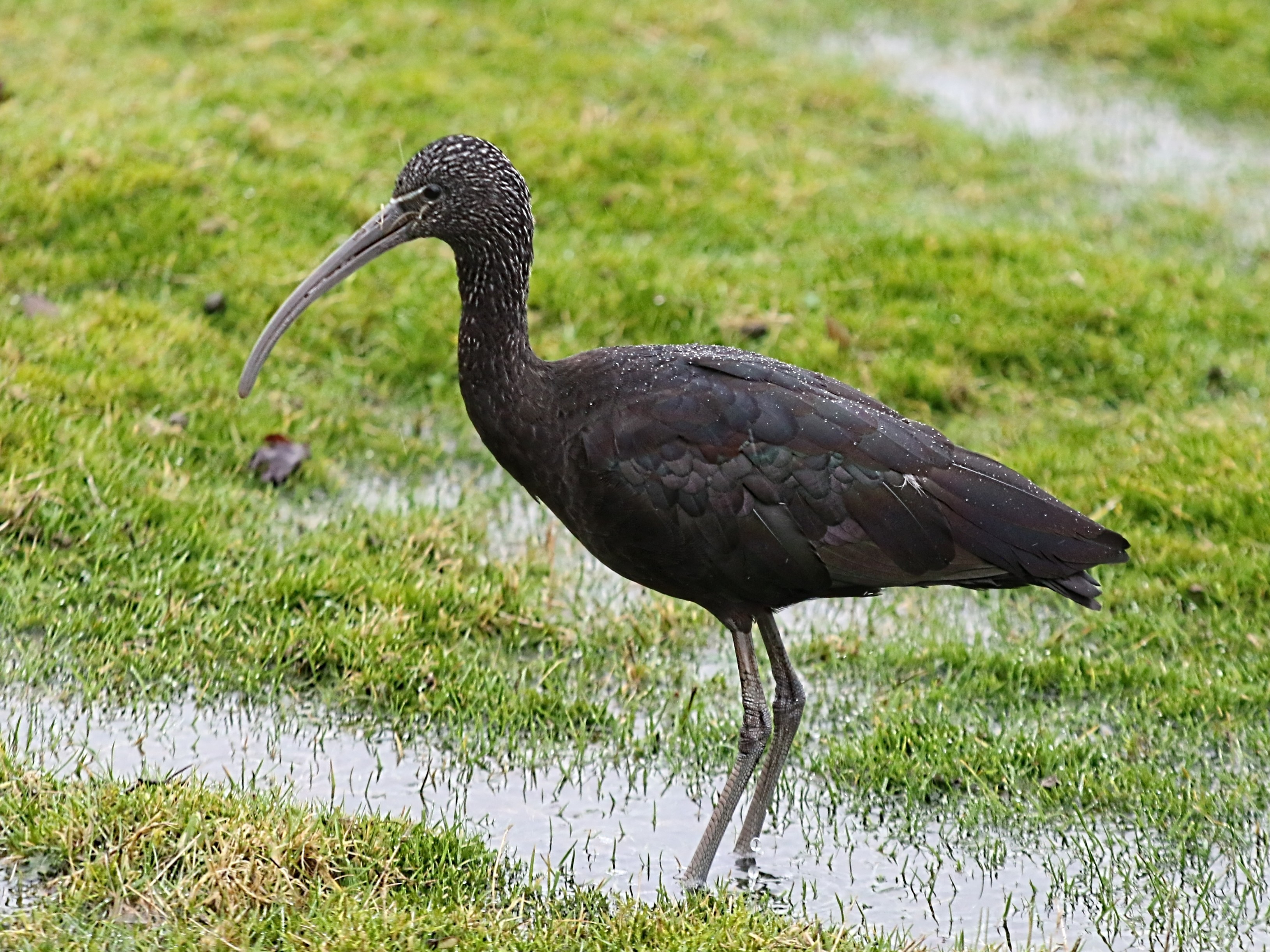
Glossy Ibis? Yes – Wellingborough Embankment on 31st and 1st before moving to Summer Leys on 2nd and remaining there until the week’s end. The latter site also held a Cattle Egret on 1st-2nd.
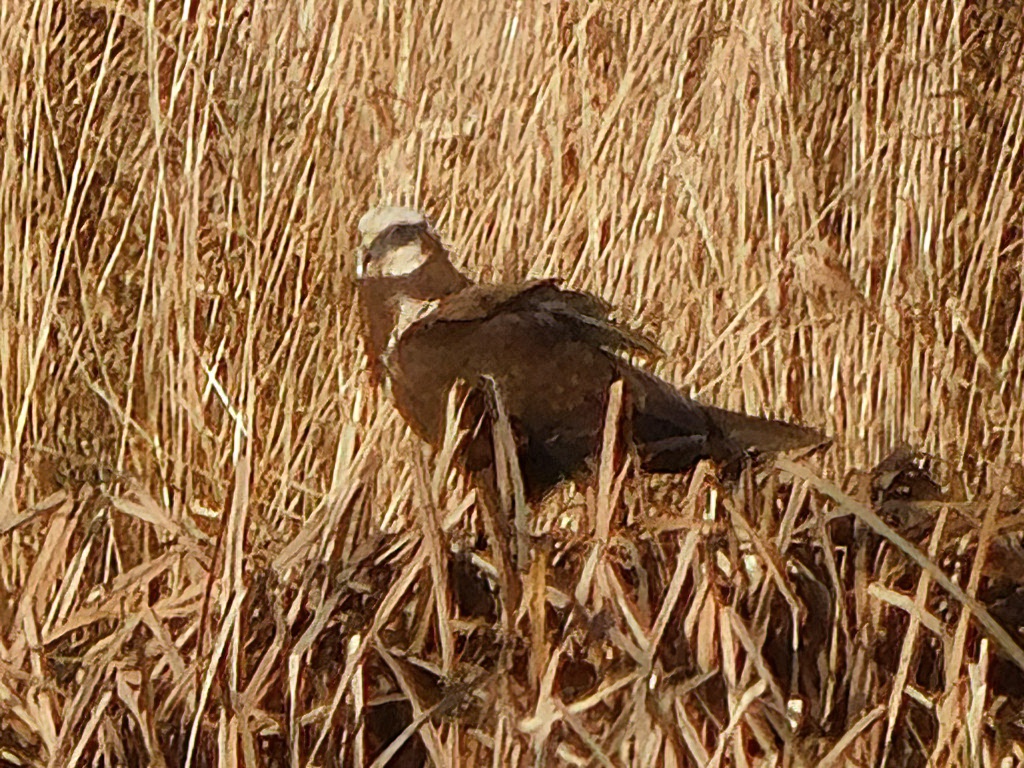
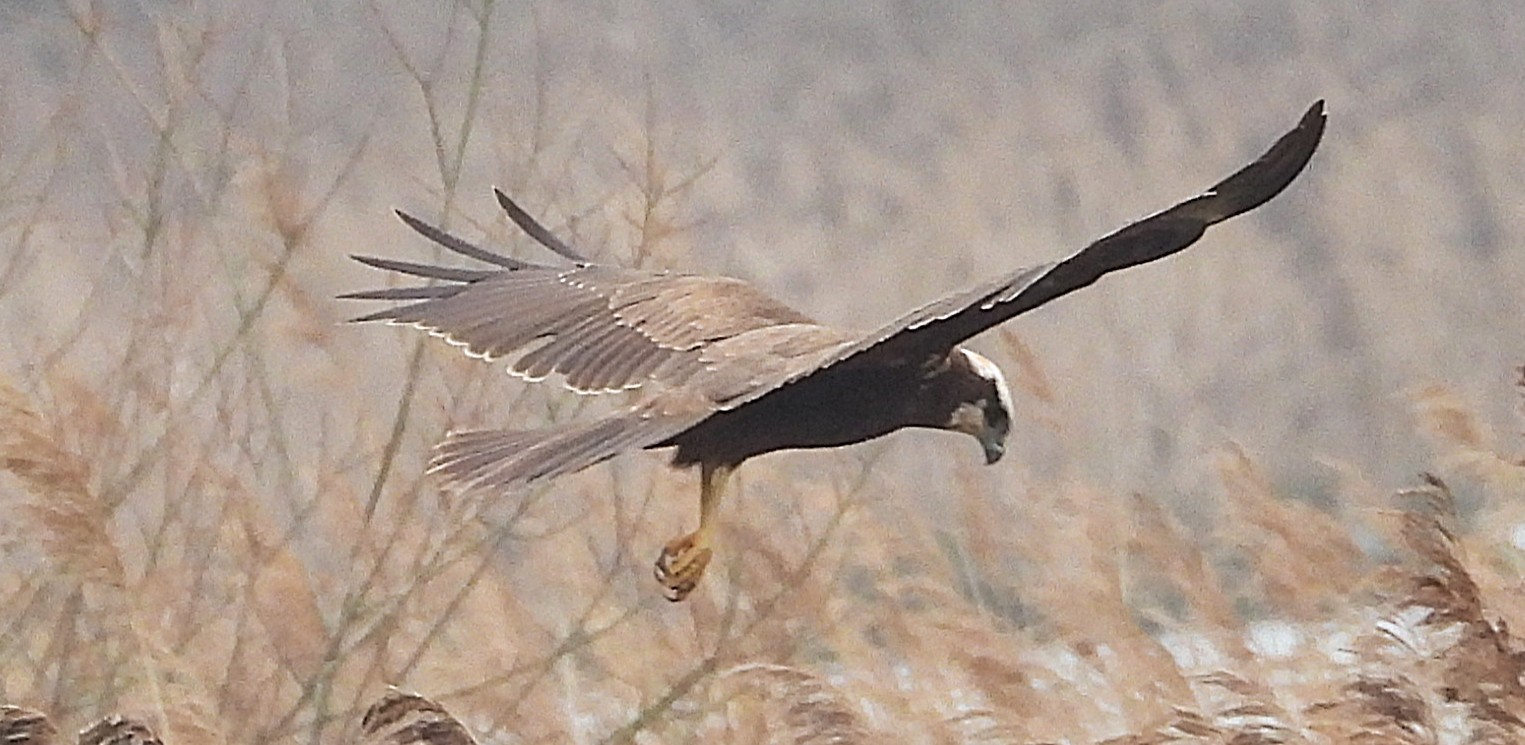
Playing tag, Marsh Harriers continued to roam the Nene Valley, Summer Leys unsurprisingly producing the lion’s share of the sightings, which included three first-years, including the wing-tagged male, ‘J4’ – all on 2nd. Otherwise, single birds were present there on 31st, 1st, 4th, 5th and 6th. Elsewhere, singles were present at Earls Barton GP’s New Workings, Ditchford GP and Stanwick GP – all on 31st, the Stanwick individual displaying an unread orange wing-tag.
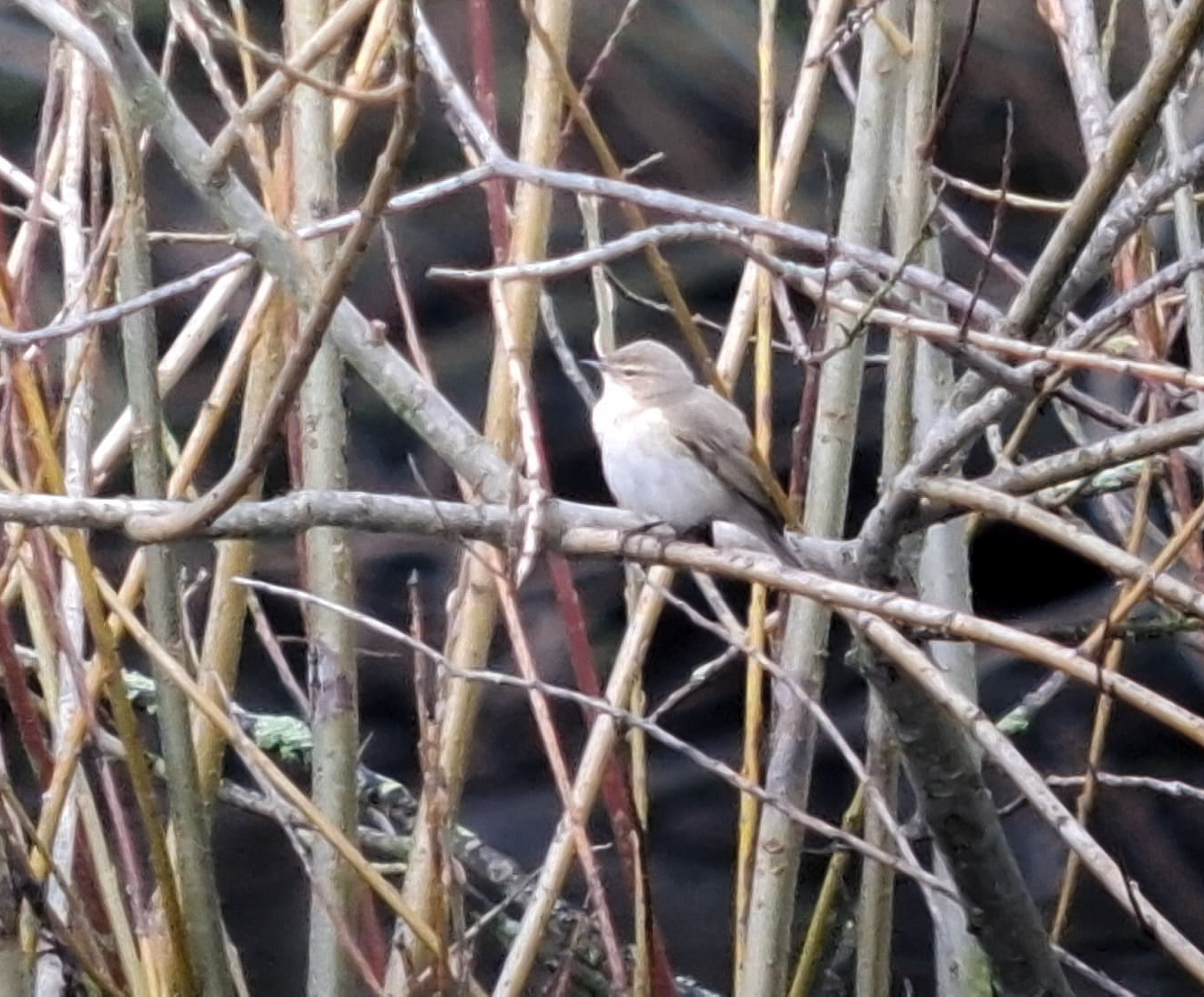
On the passerine front, the Siberian Chiffchaff was still present at Daventry CP on 4th, when it was joined by a second bird, both being actively mobile and elusive.
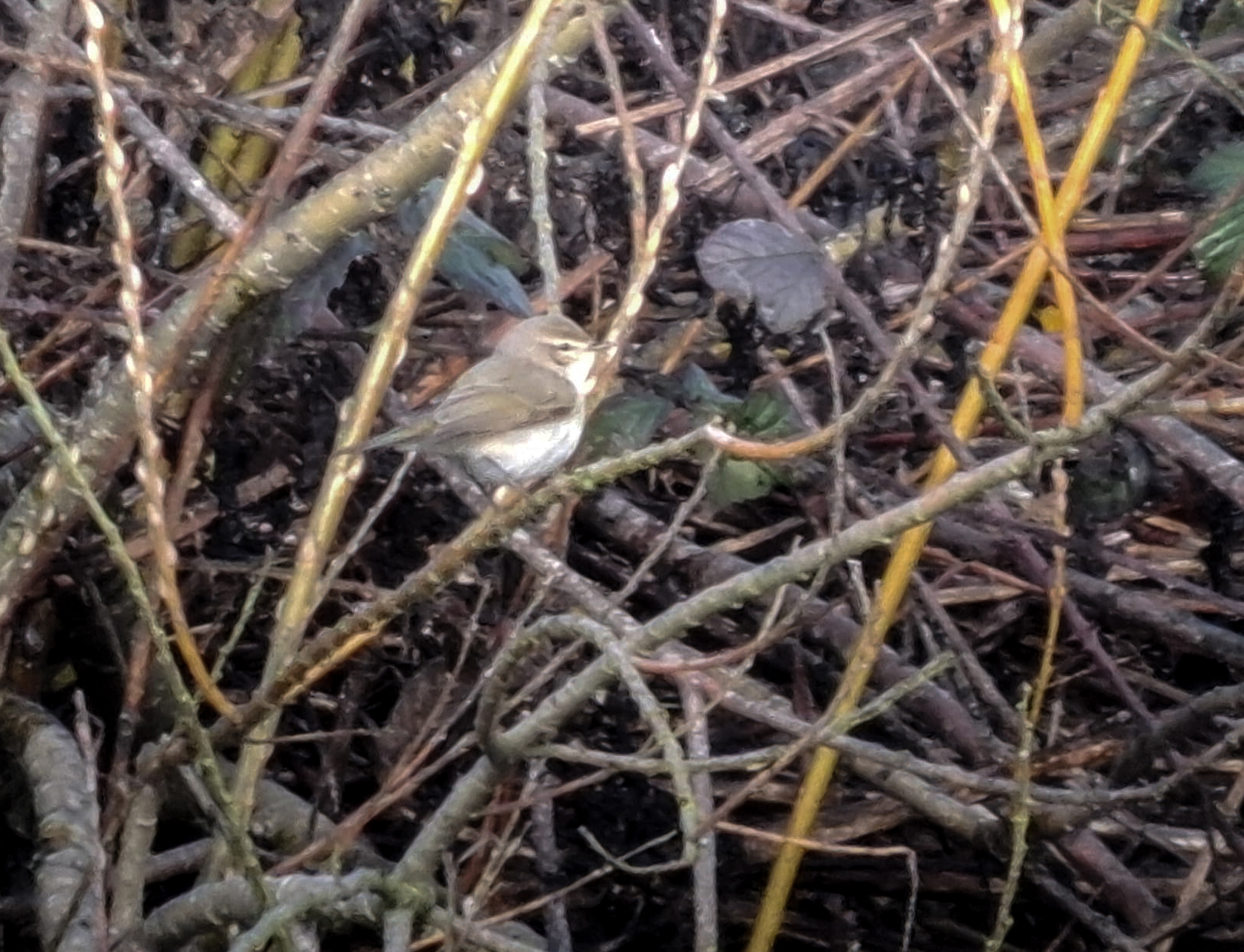
Once more set to tease – though likely long-forgotten – back in the frame on 3rd was the Black Redstart on farmland ‘with no public access’ between Lamport and Scaldwell, where it was initially found on New Year’s Day …
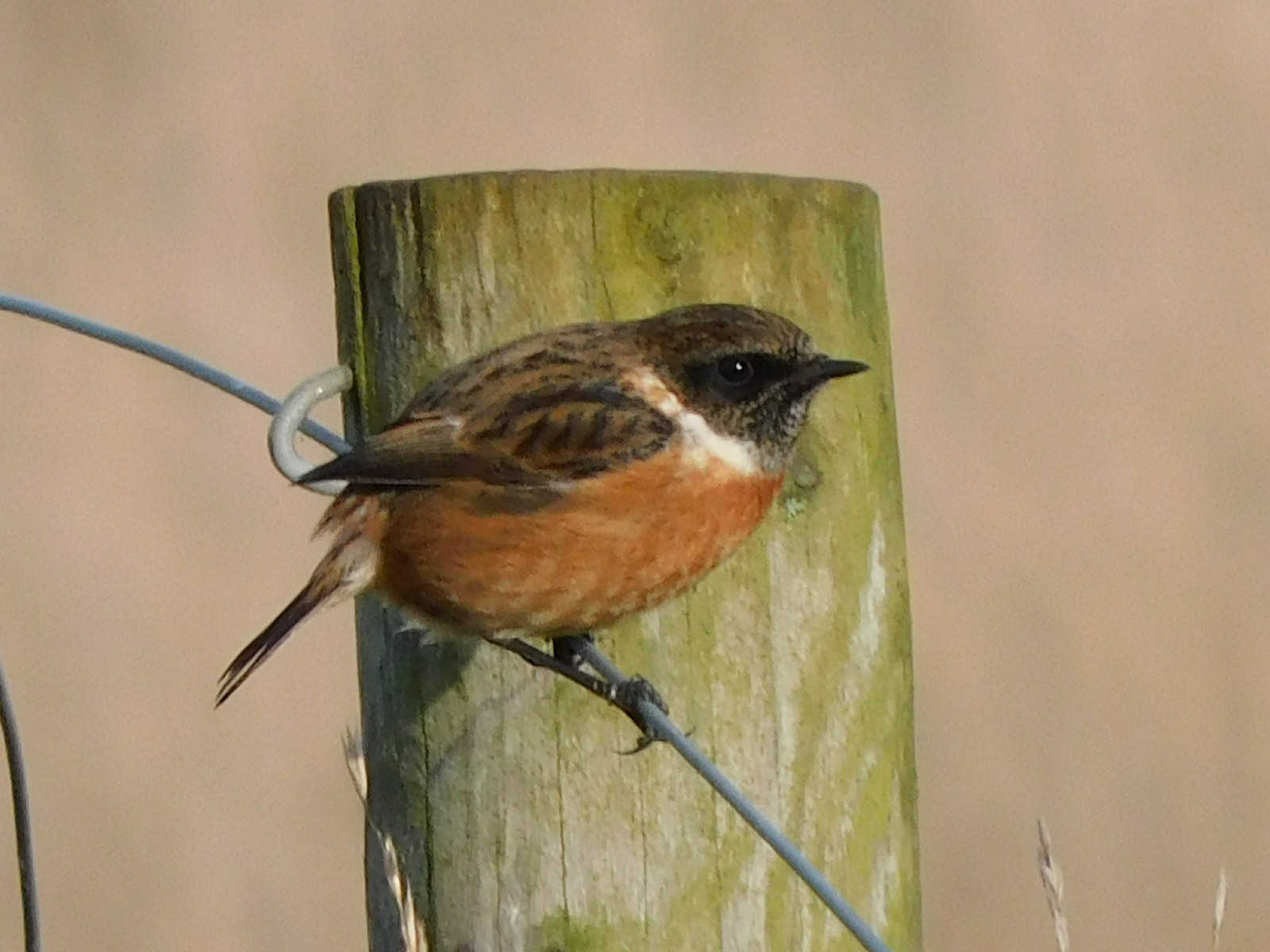
Rather more plentiful and accessible, Stonechats were to be found at nine sites, with maximum counts of four at both Ditchford GP and Upton CP on 31st. Other locations holding up to three were Aston le Walls, Barnes Meadow NR, Blatherwycke Lake, Brampton Valley, Earls Barton GP, Hollowell and Pitsford.
Gamboro Plantation near Cottesbrooke produced Crossbills almost daily, with the highest count of 22 there on 1st. Elsewhere, three and two were at Harlestone Heath and Wakerley Great Wood, respectively, on 31st.
Two Corn Buntings were still present in fields immediately west of Deanshanger on 2nd.

Discover more from Northants birds
Subscribe to get the latest posts sent to your email.

 Northants birds