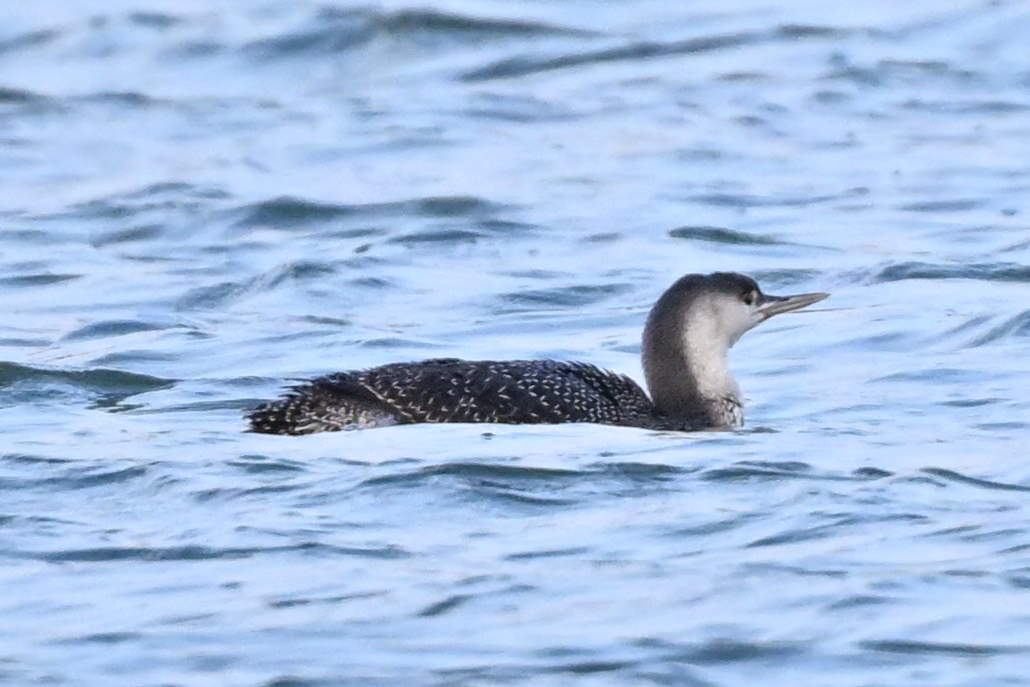
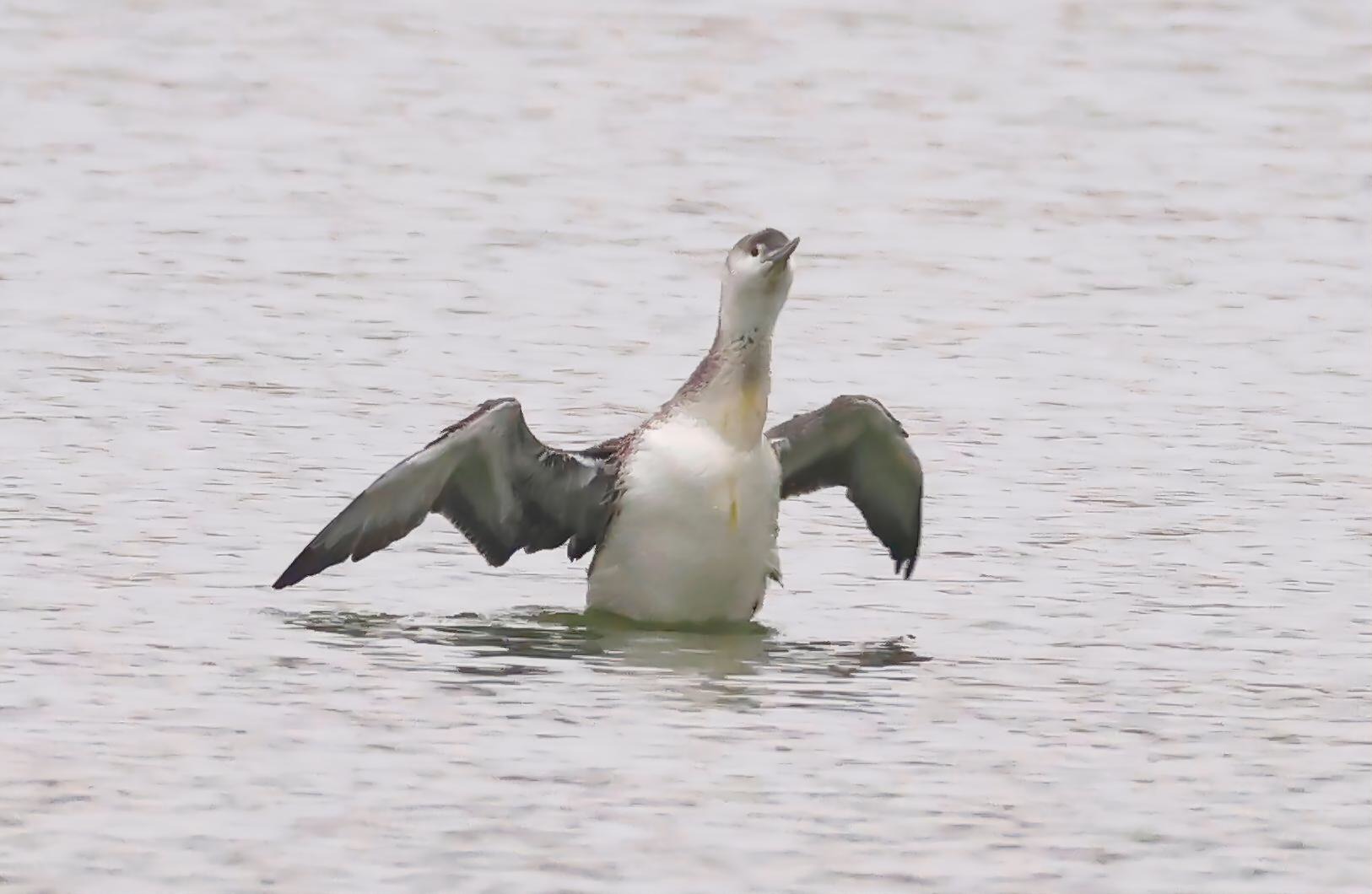
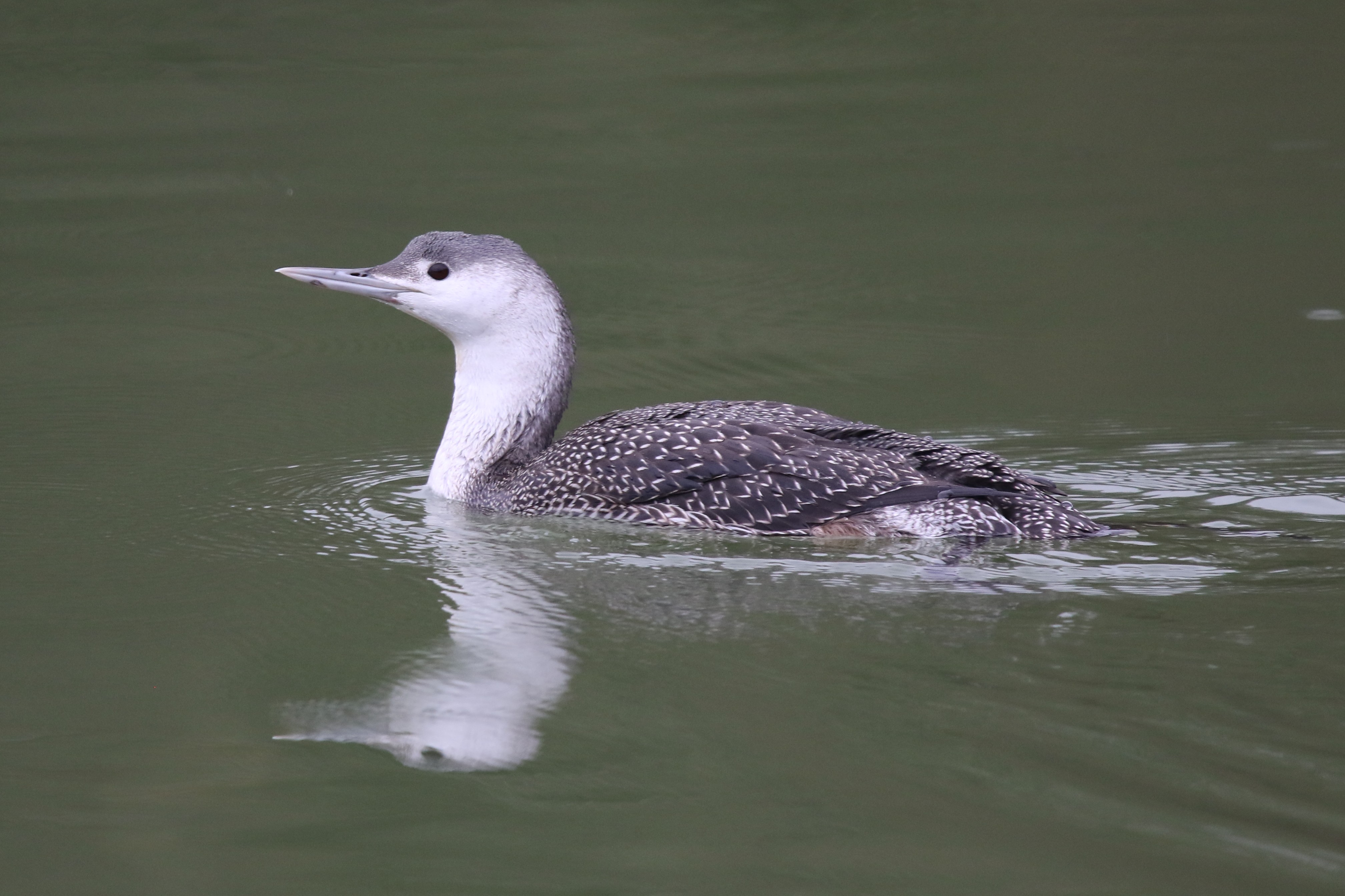
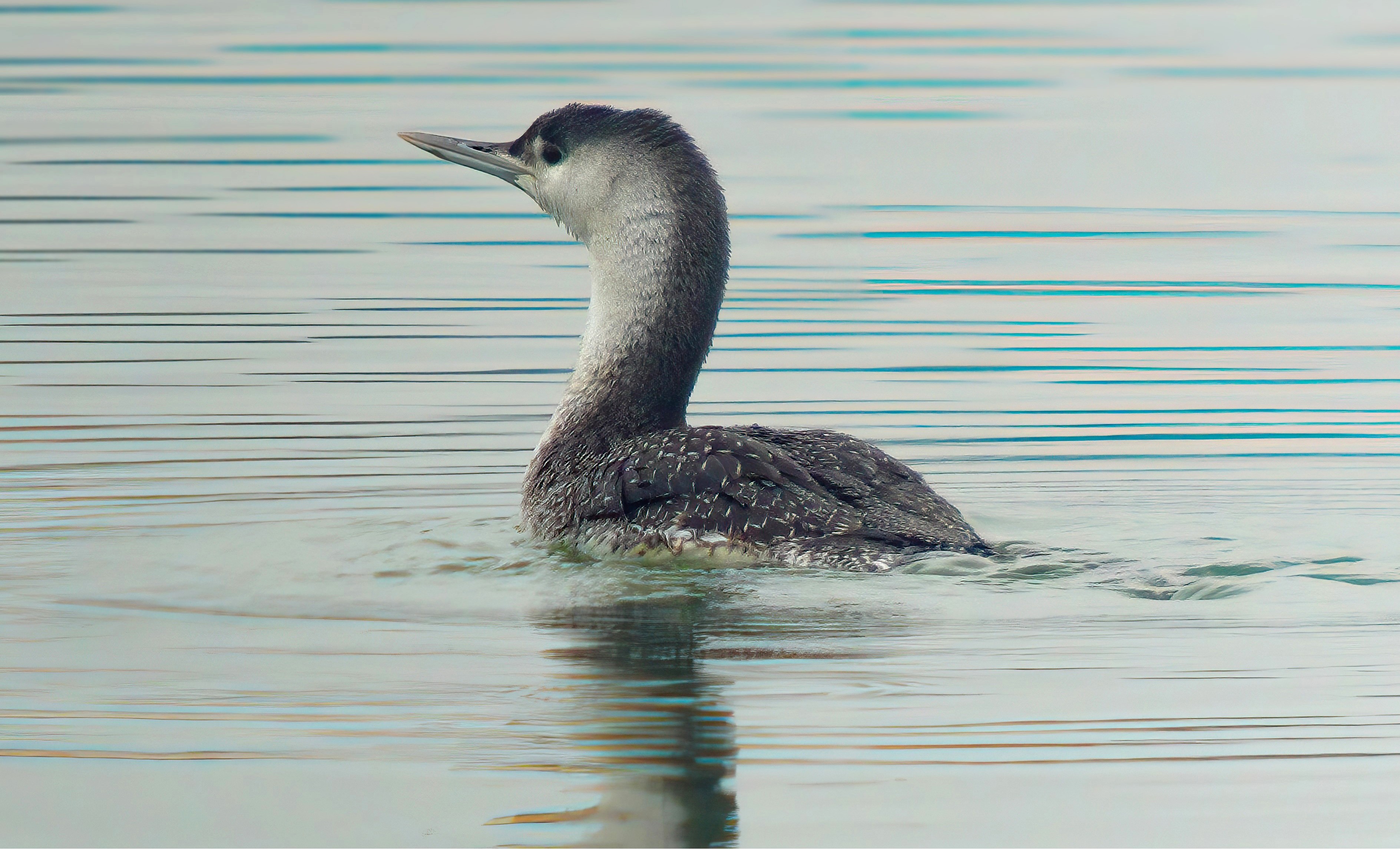
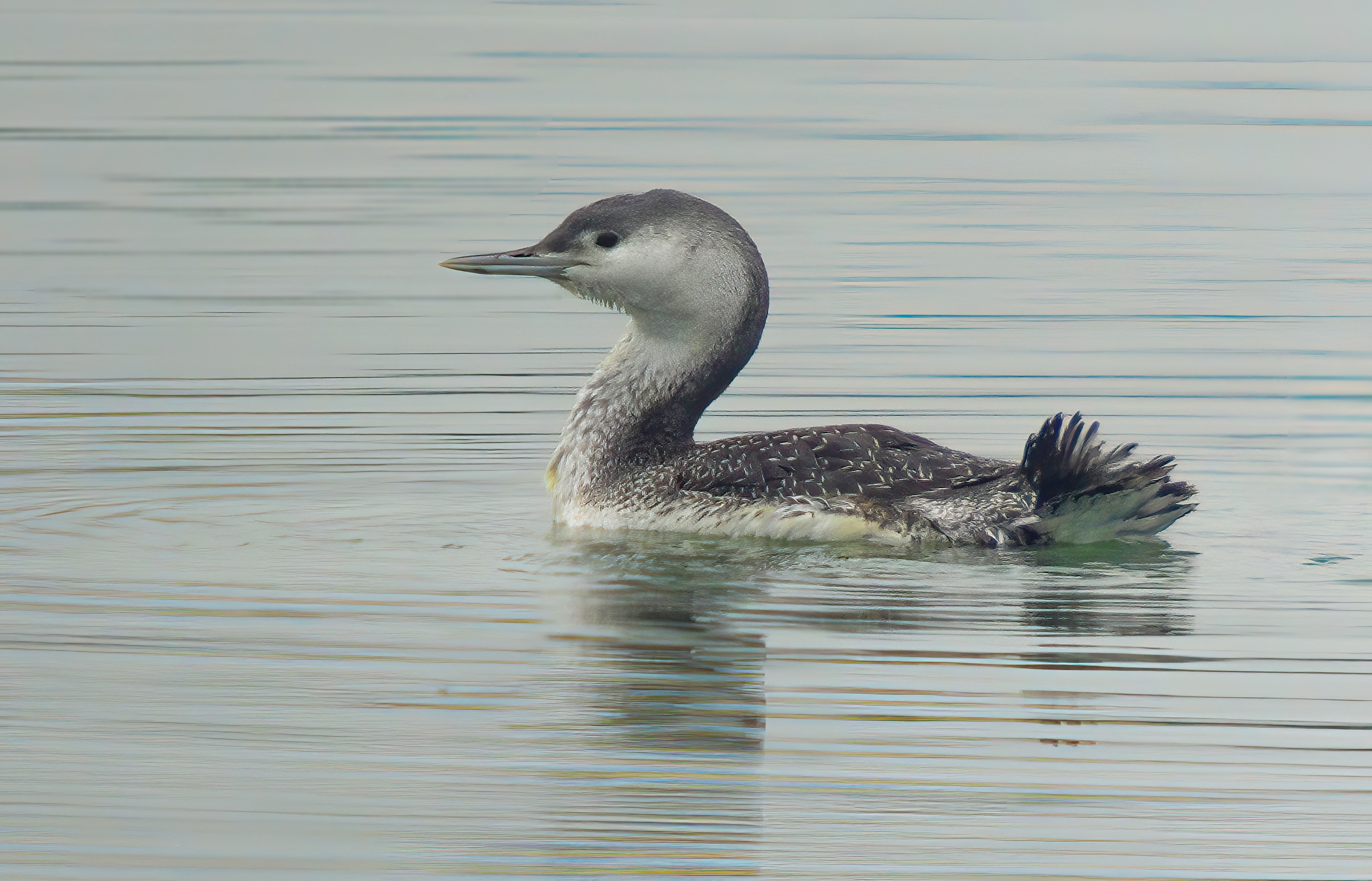
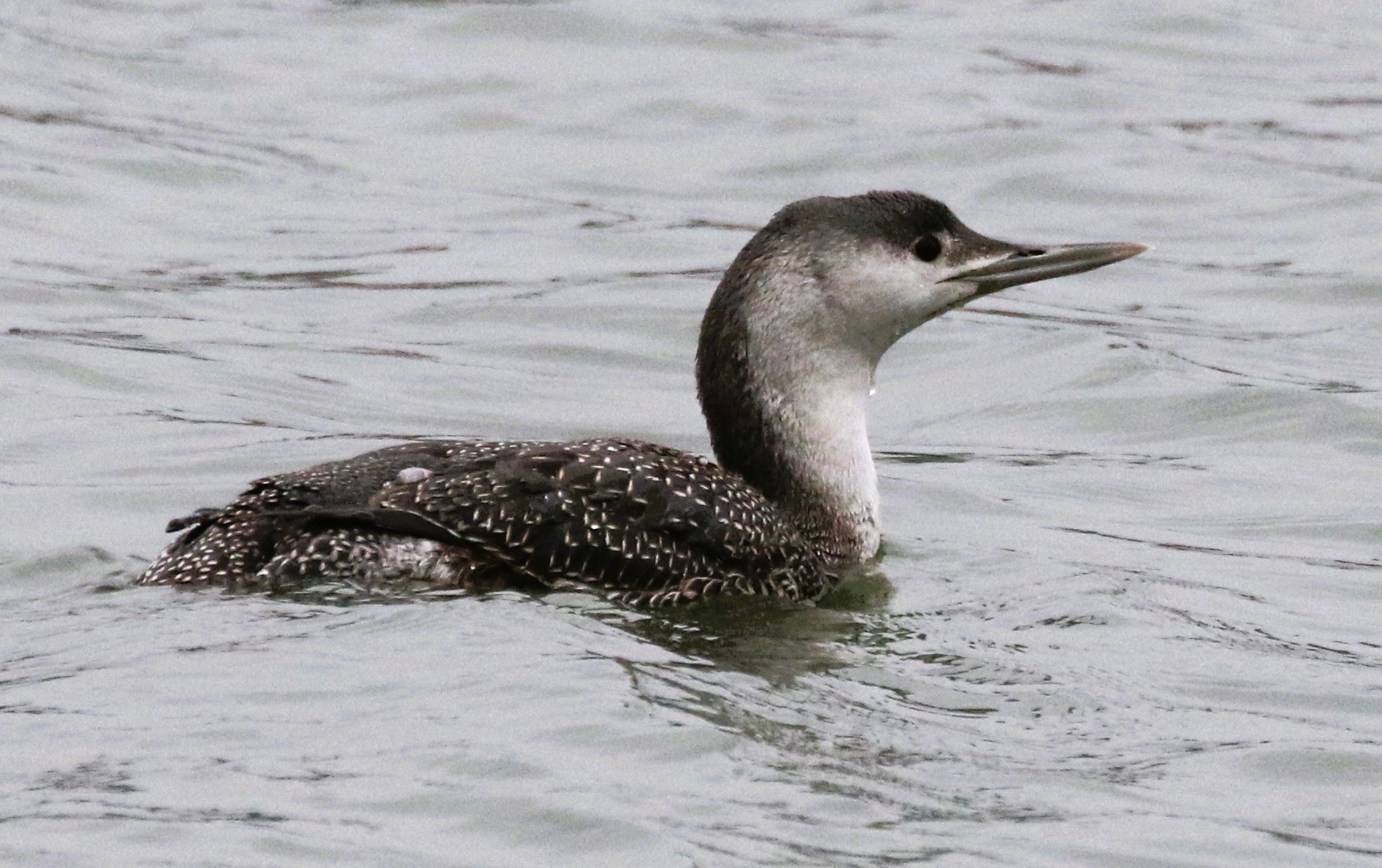
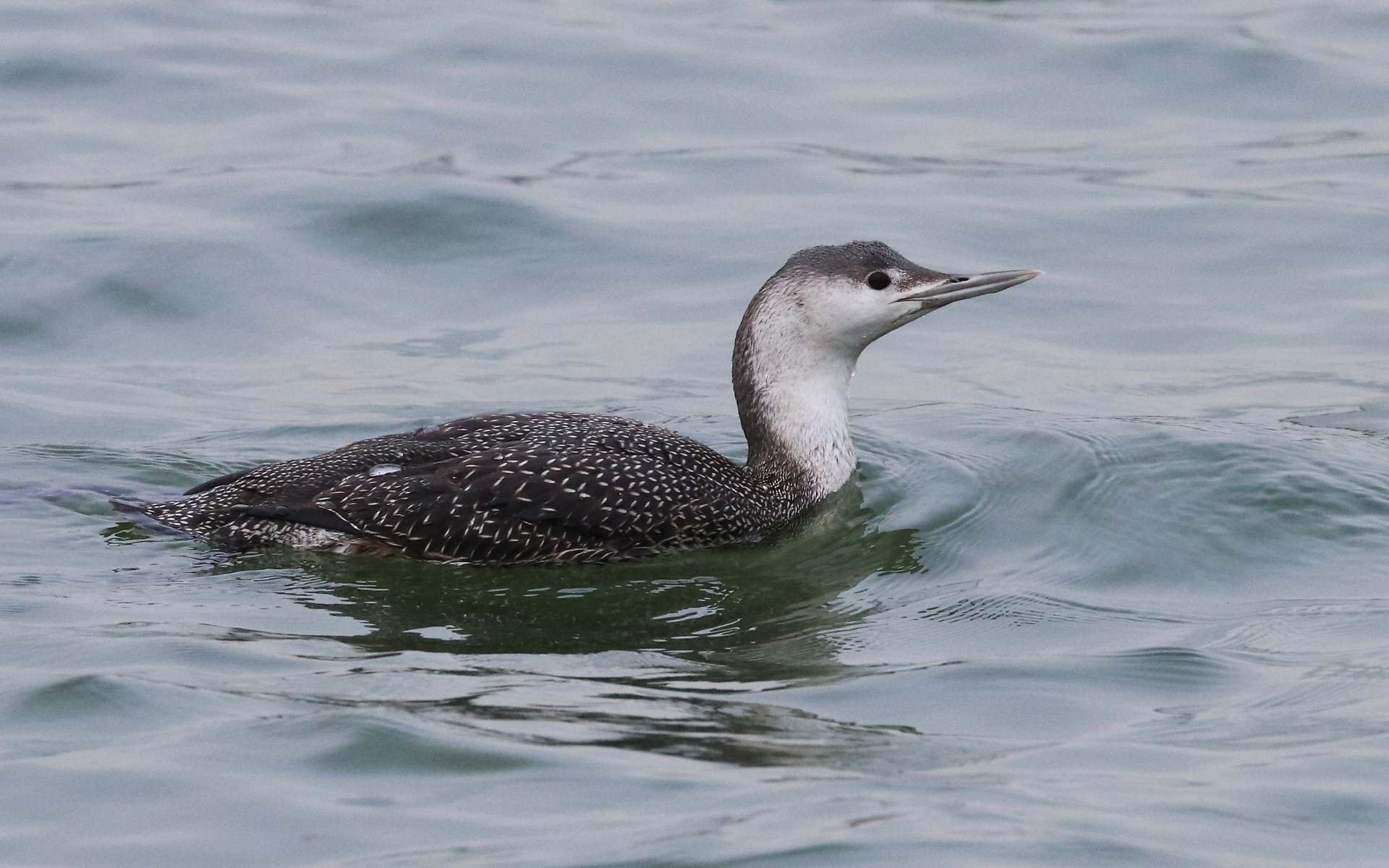
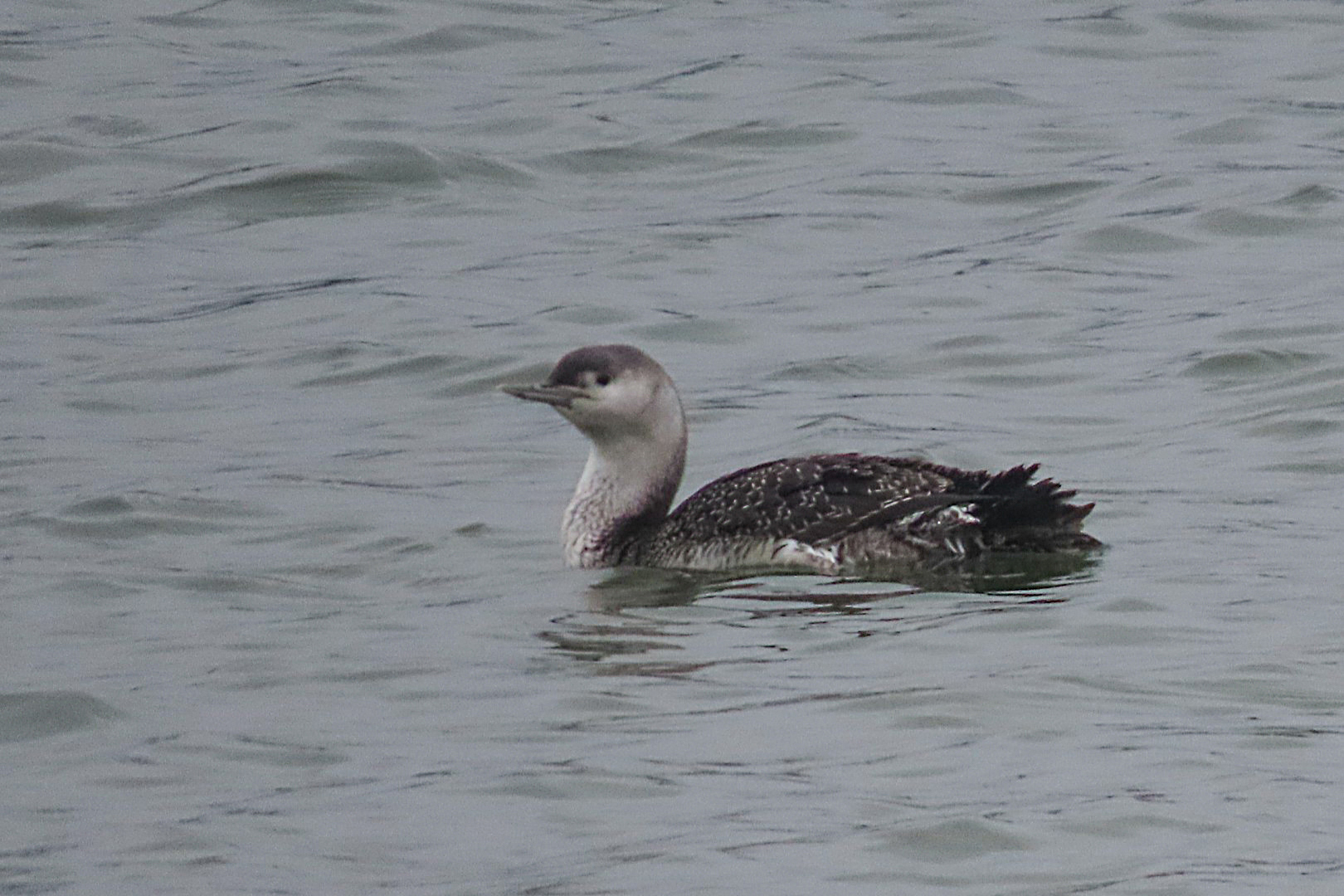
Another significant wave of White-fronted Geese in-off the near continent was reflected in this week’s upturn in numbers and with them came more Tundra Beans. An early scattering of Common Scoters provided an interesting distraction but topping the bill by a country mile was a Red-throated Diver, which saw fit to linger at Ravensthorpe Res …
Following this winter’s earlier influx of White-fronted Geese, significant numbers again arrived in the UK at the end of the previous week and into the first day of the period. Seemingly associated with this was the appearance of three Pink-footed Geese at Stanford Res, on 7th-8th, along with four Tundra Bean Geese there on the same dates.
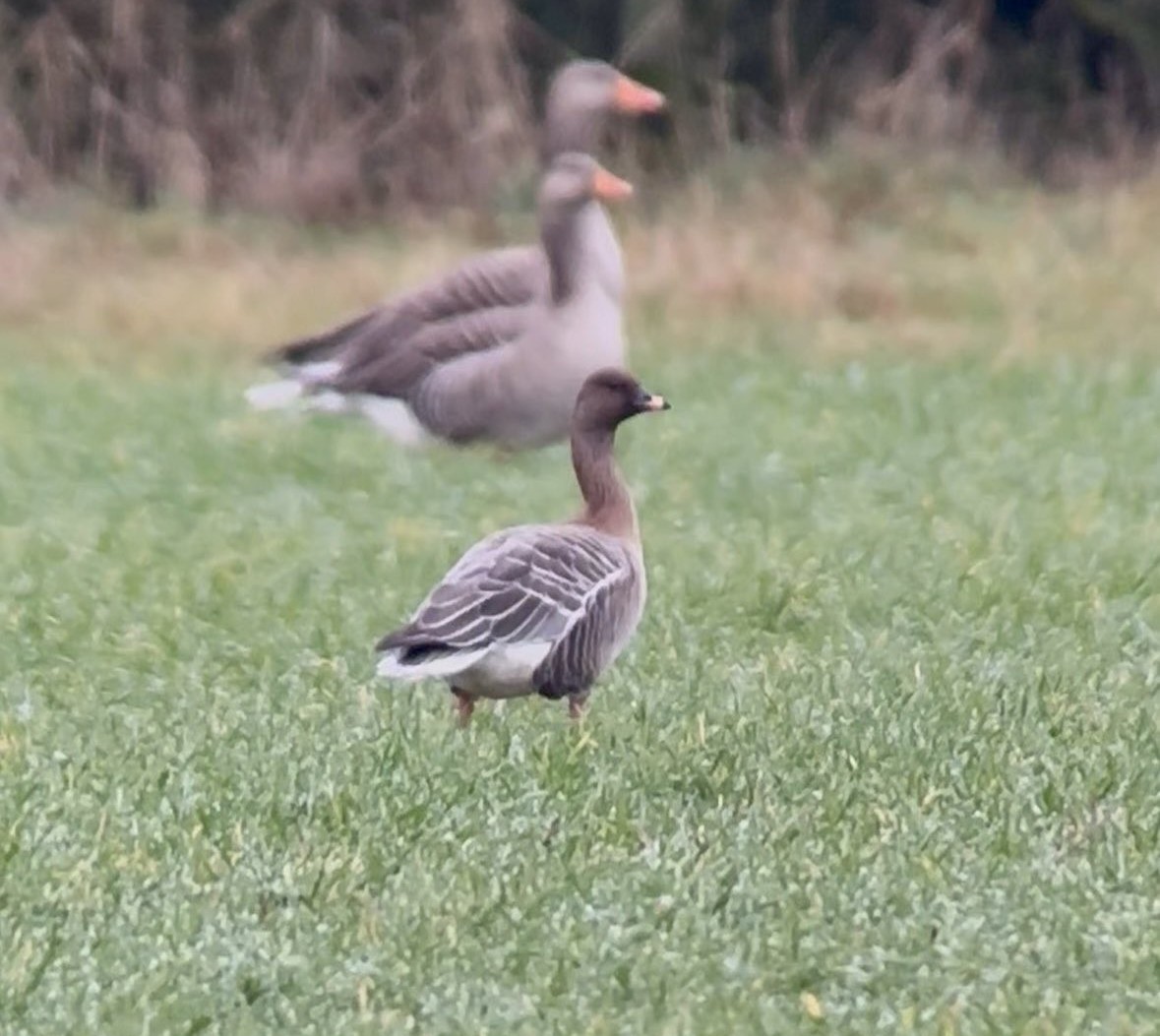
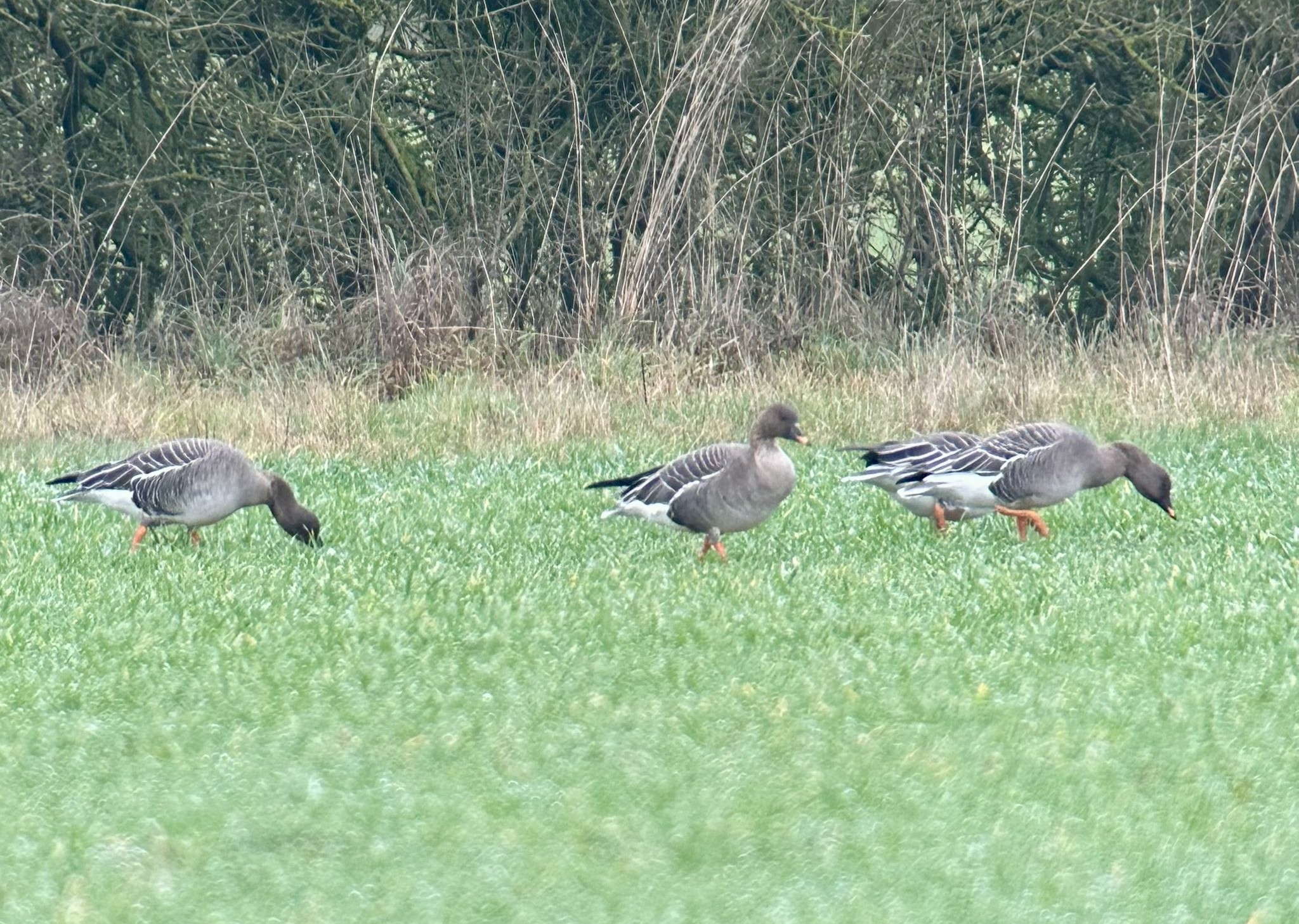
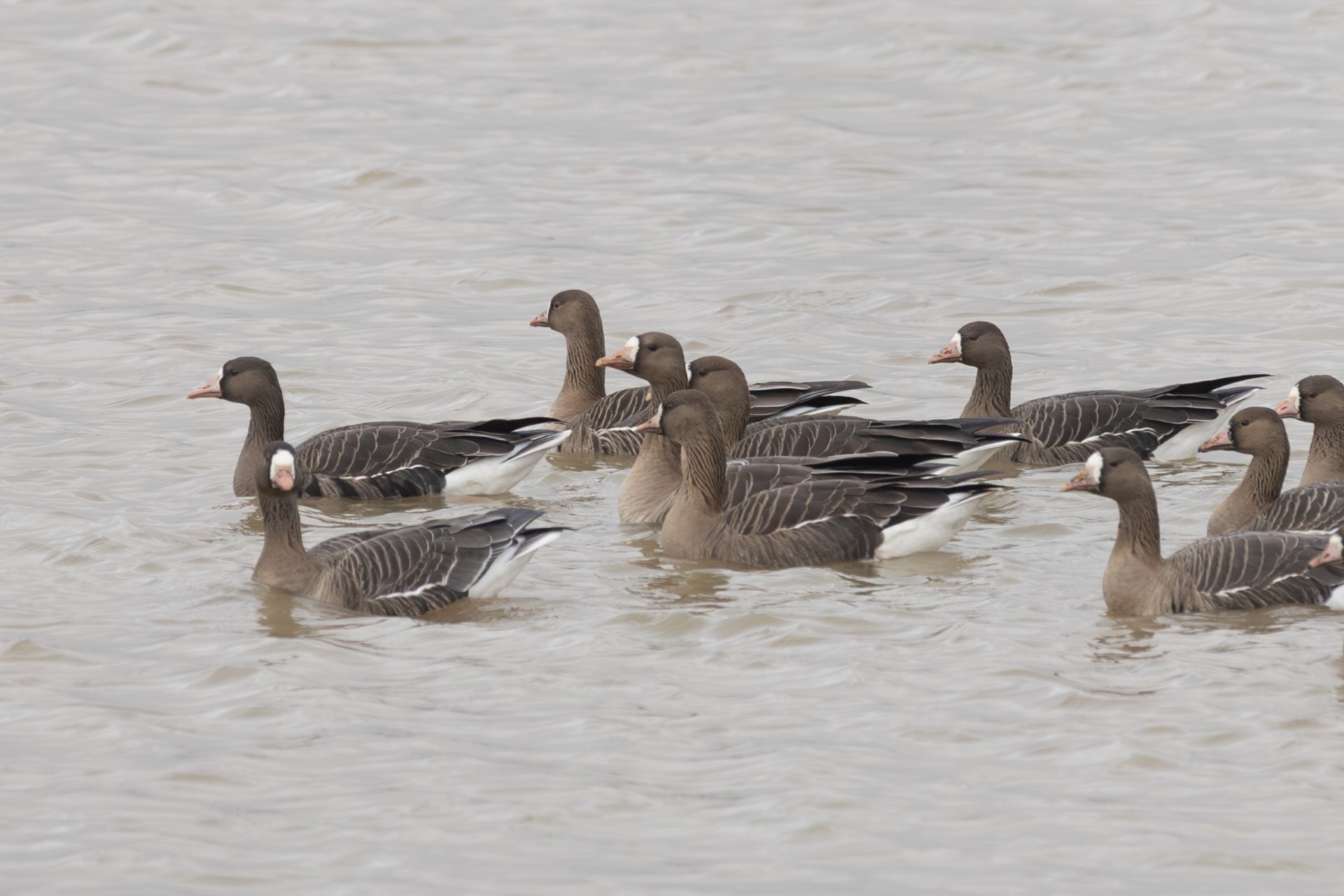
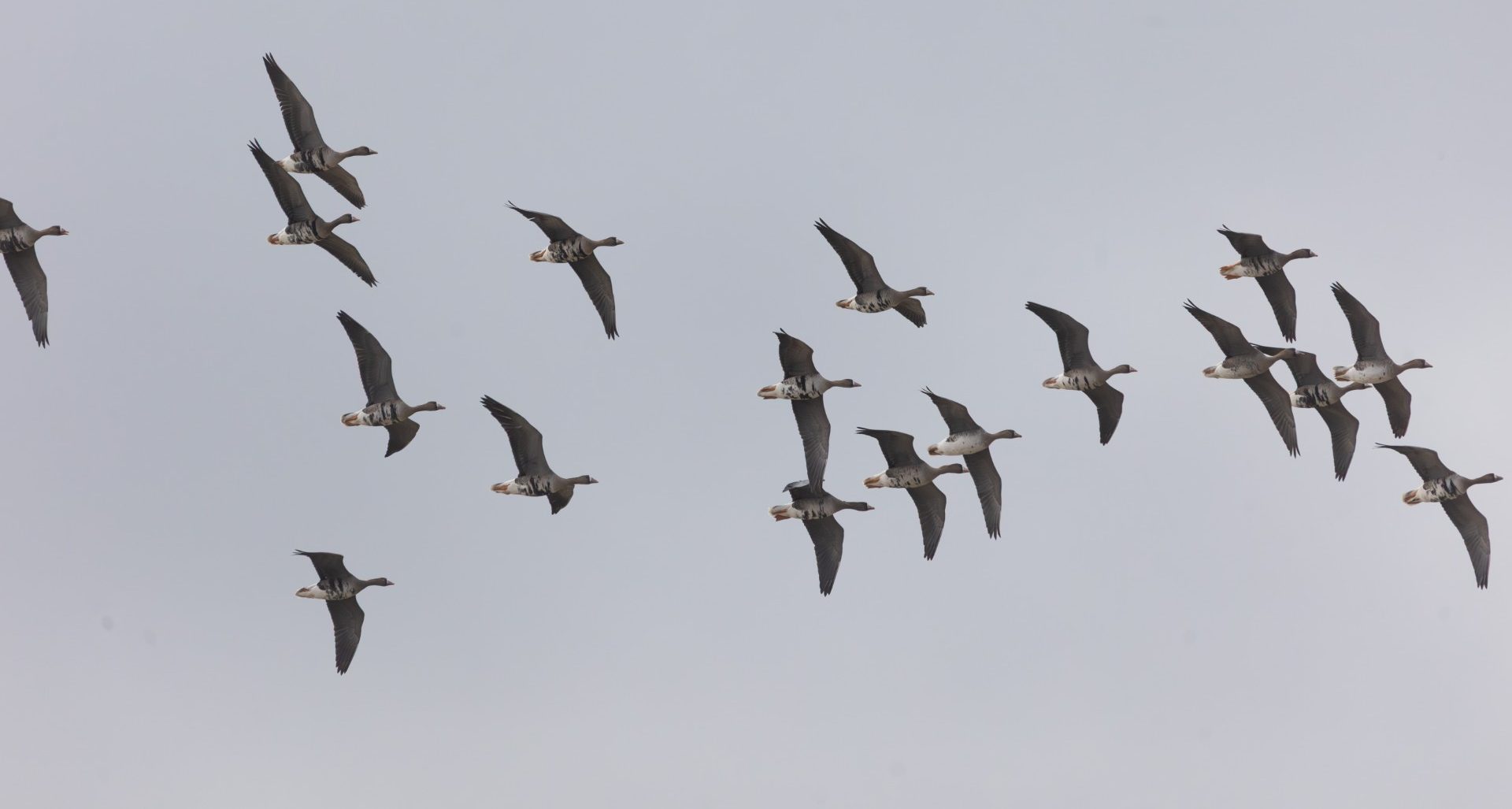
Believed to be the same individual present in early January, another Tundra Bean Goose was also found adjacent to Thrapston GP at Islip Water Meadows, on 7th, in company with twenty-three White-fronted Geese. The 7th also saw a return to higher numbers of the latter at Stanford, with thirty-three there, rising to forty on 8th and forty-two the following day. Also on 8th, twenty-six were present at Warmington Mill and twenty-five dropped into Clifford Hill GP, albeit briefly, before heading off east. Seven were found at Cransley Res on 9th while, on 11th, six visited Thrapston GP’s Titchmarsh NR, five were at Stanwick GP and two were mobile with Greylags between the reservoirs of Hollowell and Ravensthorpe. Numbers then increased to seven apiece at Stanwick and Titchmarsh the following day.
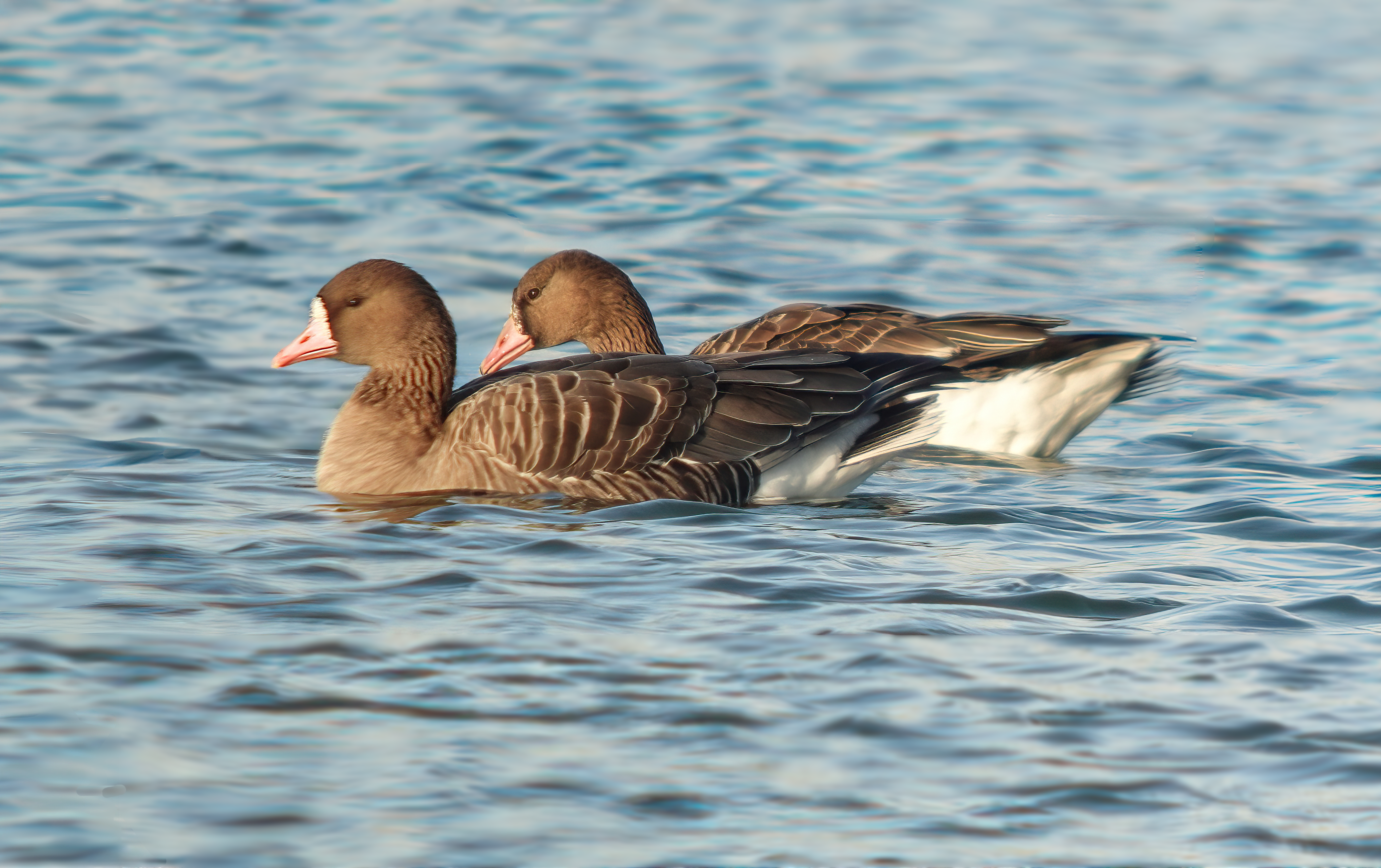
The female Ruddy Shelduck was back in its favourite haunt in the vicinity of Winwick on 12th-13th.
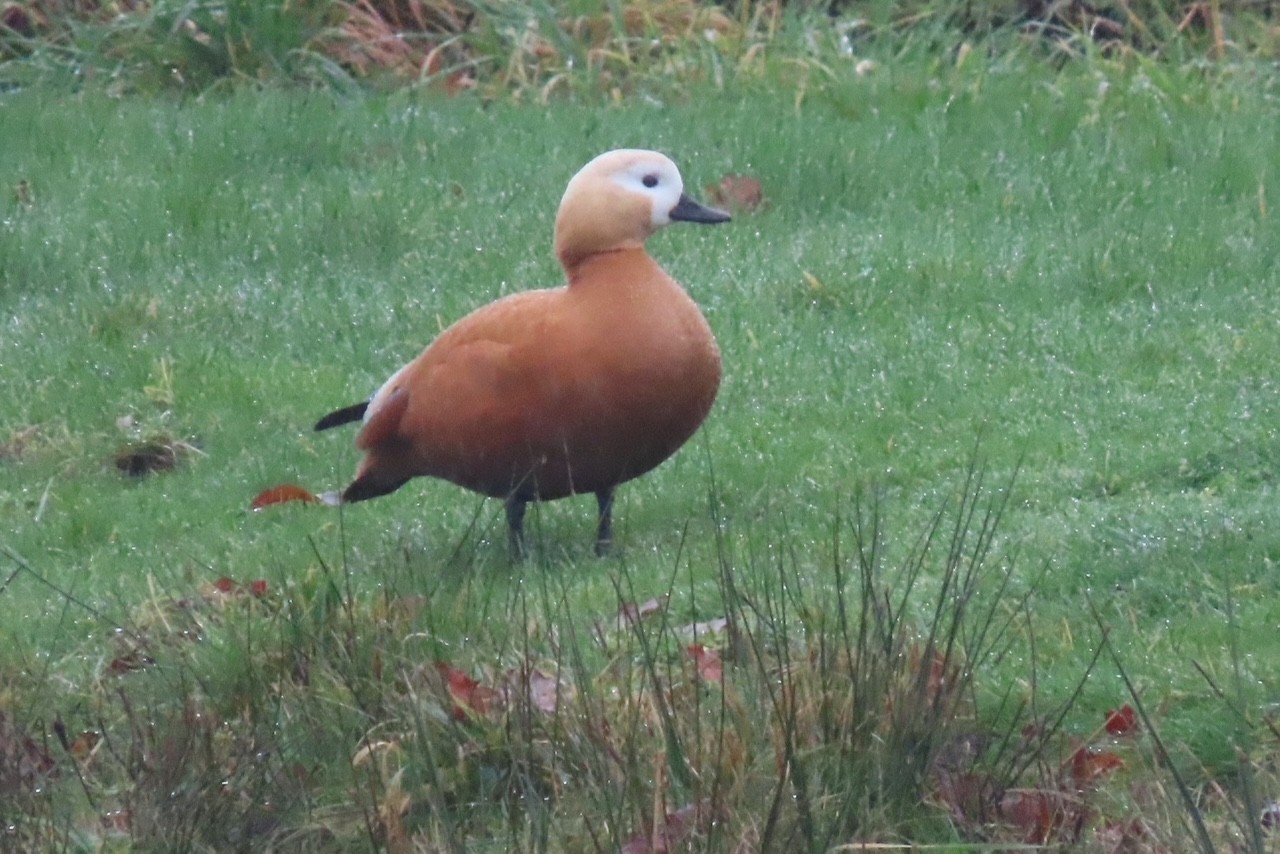
Mobile about the northern part of the Nene Valley, the drake Ring-necked Duck was relocated at Ringstead GP on 7th before moving off west. It was then back on site at Titchmarsh on the last day of the period, prior to which it was last seen there on 20th January. A presumed drake Ring-necked Duck x Tufted Duck hybrid was again present at Ditchford GP on 12th after previously being reported there on 23rd January.
And while we’re on the subject, last week’s drake Pochard x Tufted Duck hybrid was still at Clifford Hill on 8th and the presumed female Pochard x Tufted Duck hybrid was also still showing at Daventry CP at the period’s end.
Eliciting more interest, though, was a mini-influx of Common Scoters on the last day of the week. Stanford held five, Clifford Hill and Thrapston three apiece and Hollowell produced two. All of these were drakes, which tend to winter further north than females and so are likely to be the first to return toward the end of winter/early spring. Curiously, apart from one in Oxfordshire two days prior, these represented the only sightings in the whole of the Midlands.
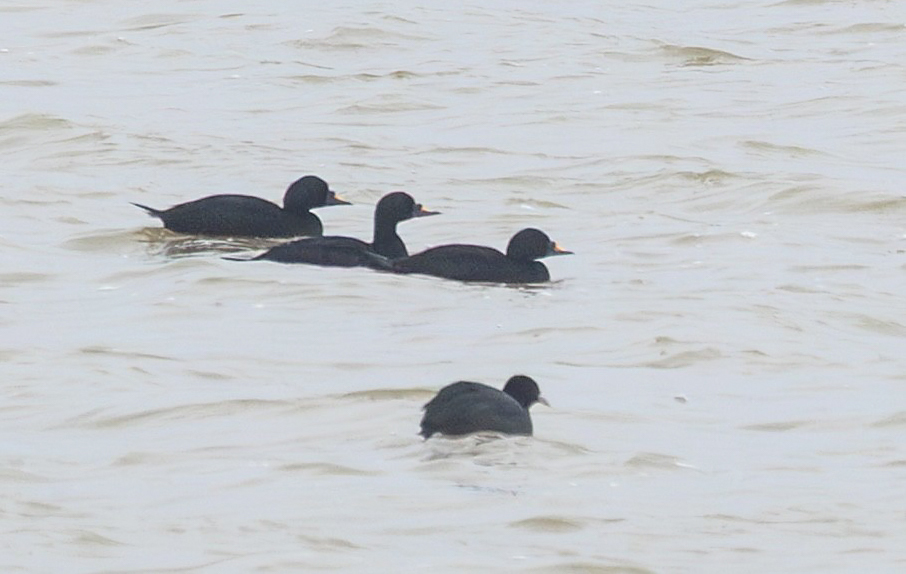
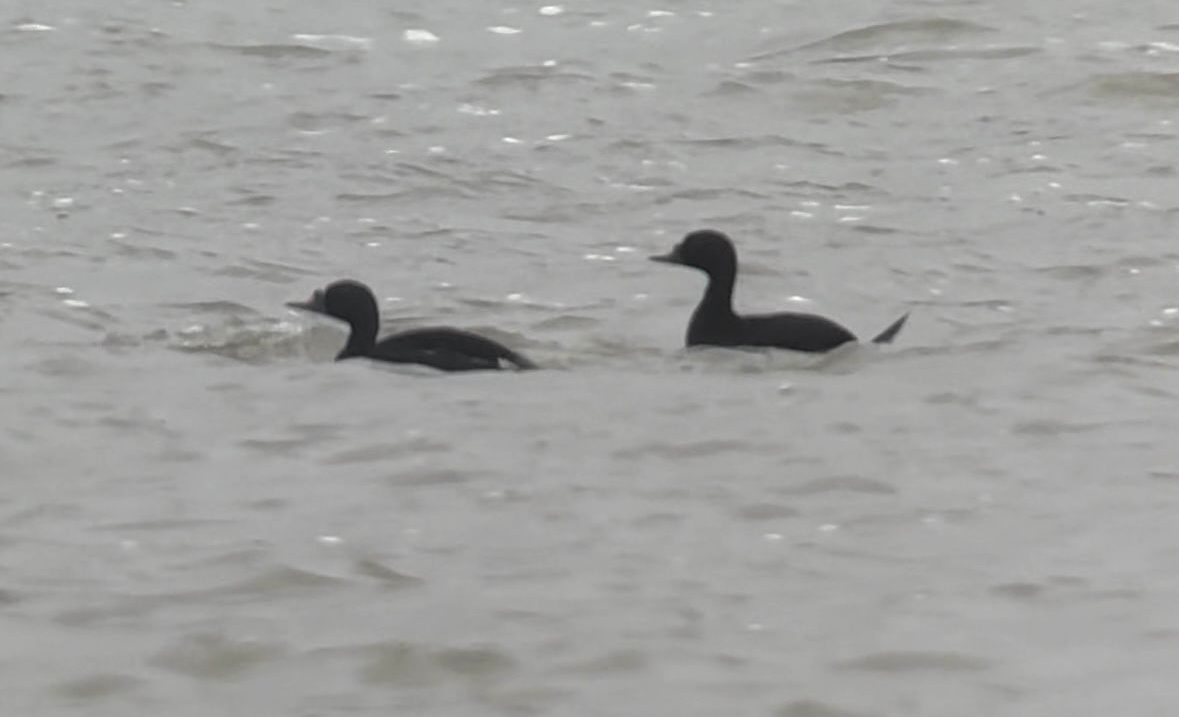
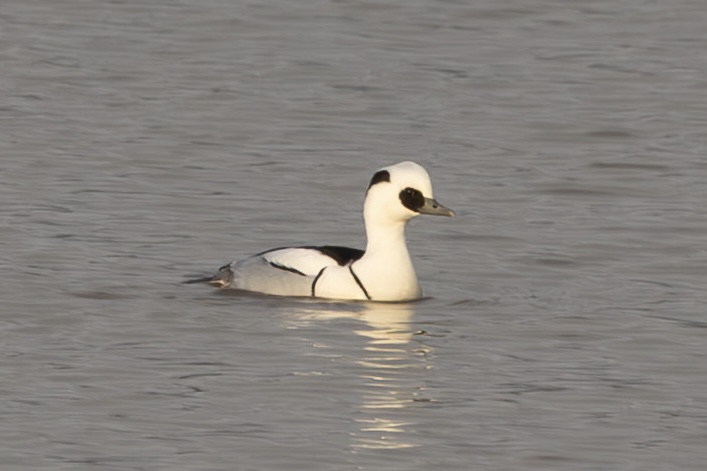
Clifford Hill’s drake Smew saw another week out, while another paid a brief visit to Hollowell on 13th.
And, last seen on 18th January, Pitsford’s Black-necked Grebe was back again on 7th, remaining until at least 12th – although it’s not inconceivable that this week’s individual could be a different bird.
Also, back on the wader menu was Black-tailed Godwit with two briefly visiting Clifford Hill on 13th, while Hollowell gave rise to a decent count of five Jack Snipes on 11th, these being the only ones found during the period.
This is the first week of the year without Caspian Gulls, but more than making up for it was the presence of two fine adult Mediterranean Gulls – one at Ditchford on 8th and the other at Pitsford on 13th, the latter site also producing two Yellow-legged Gulls on 9th, 10th and 13th.
Found by our very own County Recorder in the failing light of a late winter’s afternoon, this week’s hallowed luminary emerged in the shape of a rather neat-looking Red-throated Diver, at Ravensthorpe Res on the 9th – a bird which, no longer the reasonably regular, though rare, visitor it once was, has become much sought after locally in recent years. The last one in the county spent barely five hours at Boddington Res on the last day of October 2024 and before that, well, you have to turn the clock back eighteen years to February 2008, when one saw out nearly two weeks at Pitsford Res. This week’s bird thus proved highly popular and, still present at the end of the period, has offered more than ample opportunity for those keen to connect with it.
Our one and only stalwart wintering Glossy Ibis saw another week out at Summer Leys …
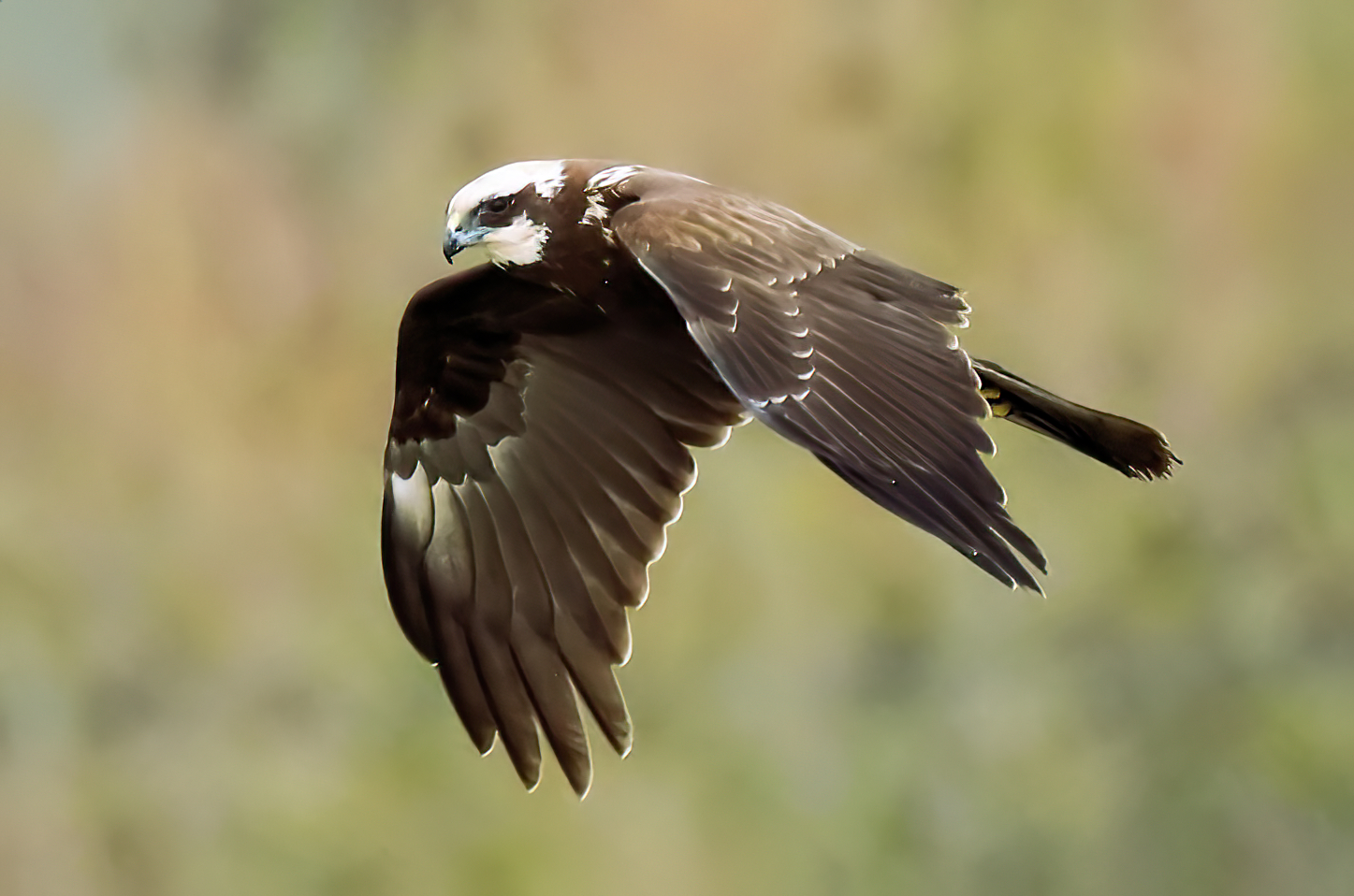
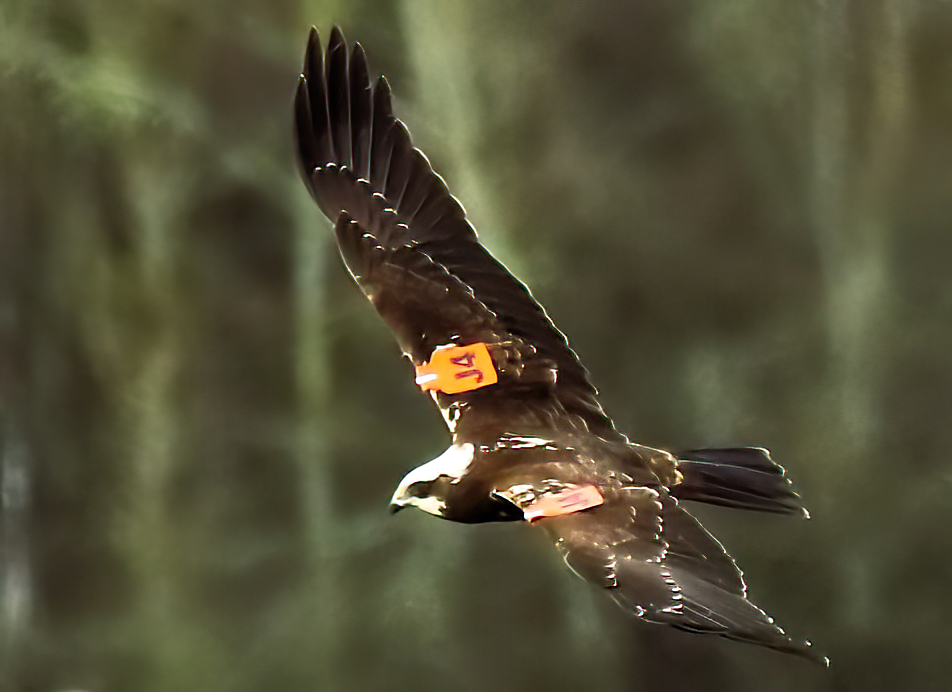
And it’s been a fair while since a Marsh Harrier graced Stortons GP but that was put to rights on 7th, when one was watched flying south. In the wider reaches of the Nene Valley, where they are now seen regularly, an immature was present at Ditchford GP’s Irthlingborough Lake & Meadows NR on 8th, the same date upon which the first-year male ‘J4’ was again at Summer Leys, where it was still present, along with another immature, the following day. Further sightings came from Summer Leys on 10th and Earls Barton GP’s New Workings (South) on 12th.
The Daventry Siberian Chiffchaff was still present around the Grit Trap there on 12th-13th, while the more run of the mill passerines included Stonechats at Barnes Meadow NR, Brampton Valley, Clifford Hill, Earls Barton, Hollowell, Pitsford, Stanford and Thrapston, with maxima of four at Pitsford on 9th and 11th.
With the highest count of fifteen on 8th, Gamboro Plantation near Cottesbrooke continued to hold Crossbills, while two were at Wakerley Great Wood on 10th and one flew over Hollowell the following day.

Discover more from Northants birds
Subscribe to get the latest posts sent to your email.

 Northants birds