The week was marked by higher-than-average temperatures, driven by a persistent south-westerly airstream and a building anticipation of the arrival of the first summer visitors – the latter bolstered by, among others, Sand Martins having already reached North Yorkshire before the week was out. But it was not to be. We have yet to beat the earliest local Sand Martin arrival, which was on 26th February, way back in 1990. Despite this, there was still much out there to feed the appetite for the scarce and rare, including the county’s first Red-necked Grebe for a good while …
Still ensconced in their favoured locations, this winter’s geese were not for turning – but for how much longer? Thrapston GP’s lone Pink-footed Goose was still keeping company, on and off, with the local Greylags until at least 23rd, while two flew over Lilbourne Meadows NR on 24th. Last week’s Tundra Bean Goose remained settled in the vicinity of Ringstead GP/Denford throughout the period, alongside the area’s similarly settled twenty-three White-fronted Geese, higher numbers of which were still to be found in the region of Stanford Res/Stanford on Avon, peaking there at thirty-three on the last day of the week. Elsewhere, Warmington Mill produced twenty-one on 22nd and Stanwick GP held up to seven until at least 26th.
The county’s two currently much admir’d diving ducks both saw the week out in their respective locations in the Nene Valley – the Ringstead Ring-necked Duck grabbing more attention as a result of a certain grebe nearby, while the fine drake Lesser Scaup continued to pull the punters as it lingered on the widest part of the river alongside Clifford Hill GP, providing easyviewin’ for all comers.
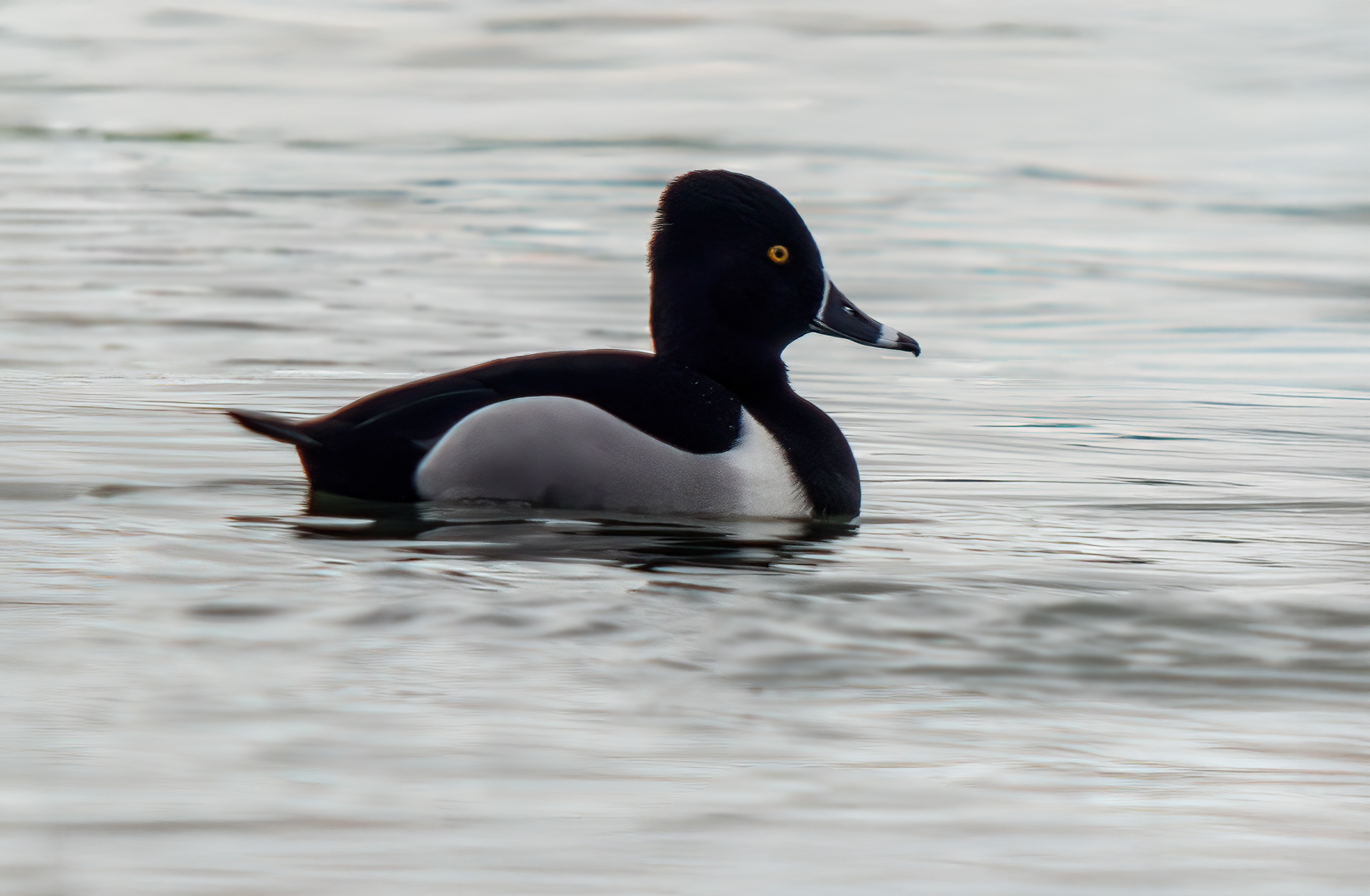
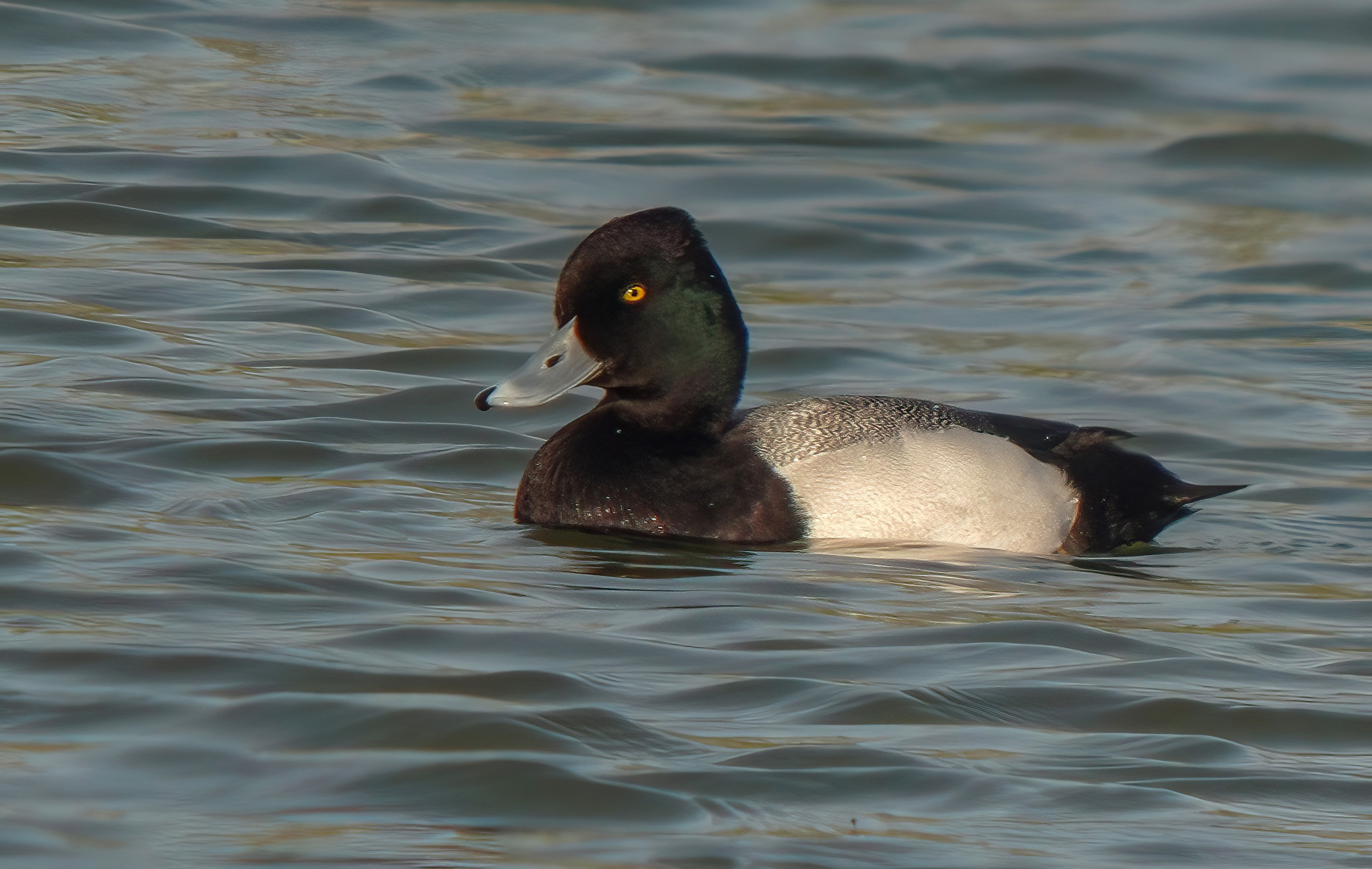
Also notching up another seven days at the aforementioned site, the dapper drake Smew was a bonus for visitors from outside the county.
Horrible hybrids? Oh, go on then … A female presumed Pochard x Red-crested Pochard spent 21st-22nd at Kislingbury GP and must surely be the same distinctive individual as that seen at Stanford on 1st February.
Following six in the county last year, including one as late as 27th December, the first Common Crane of 2026 was picked up in flight as it moved high north over Thrapston GP’s Titchmarsh NR on 23rd. The wait goes on for one on the ground …
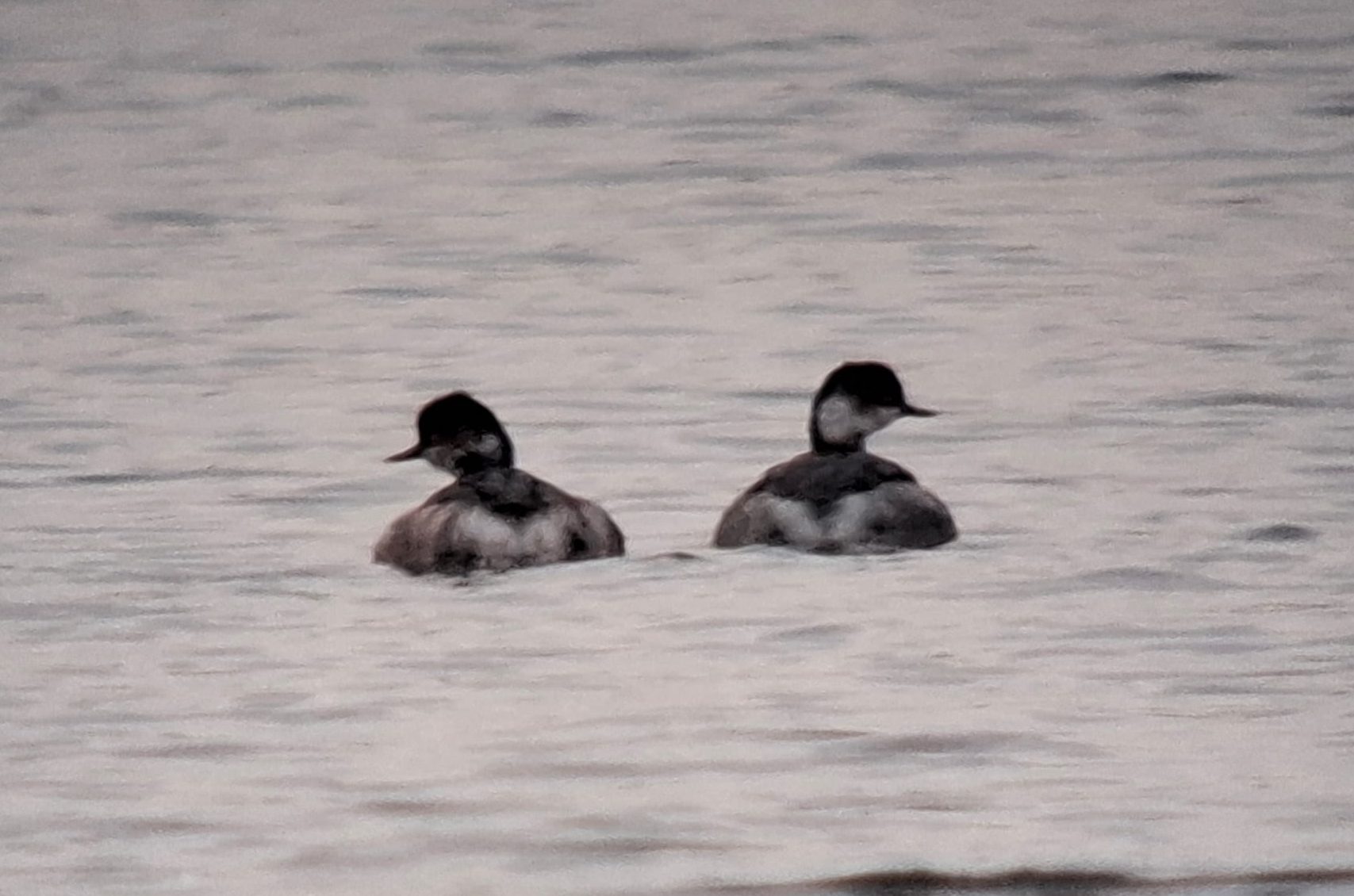
And when was the last time all three scarce grebes were present in the county during the same week, if ever? So, perhaps this constitutes a record-breaker. We start with the arrival of a Red-necked Grebe at Ringstead on 22nd, serving to put the site on the map once again as it chose to show nicely there on Kinewell Lake throughout the period.
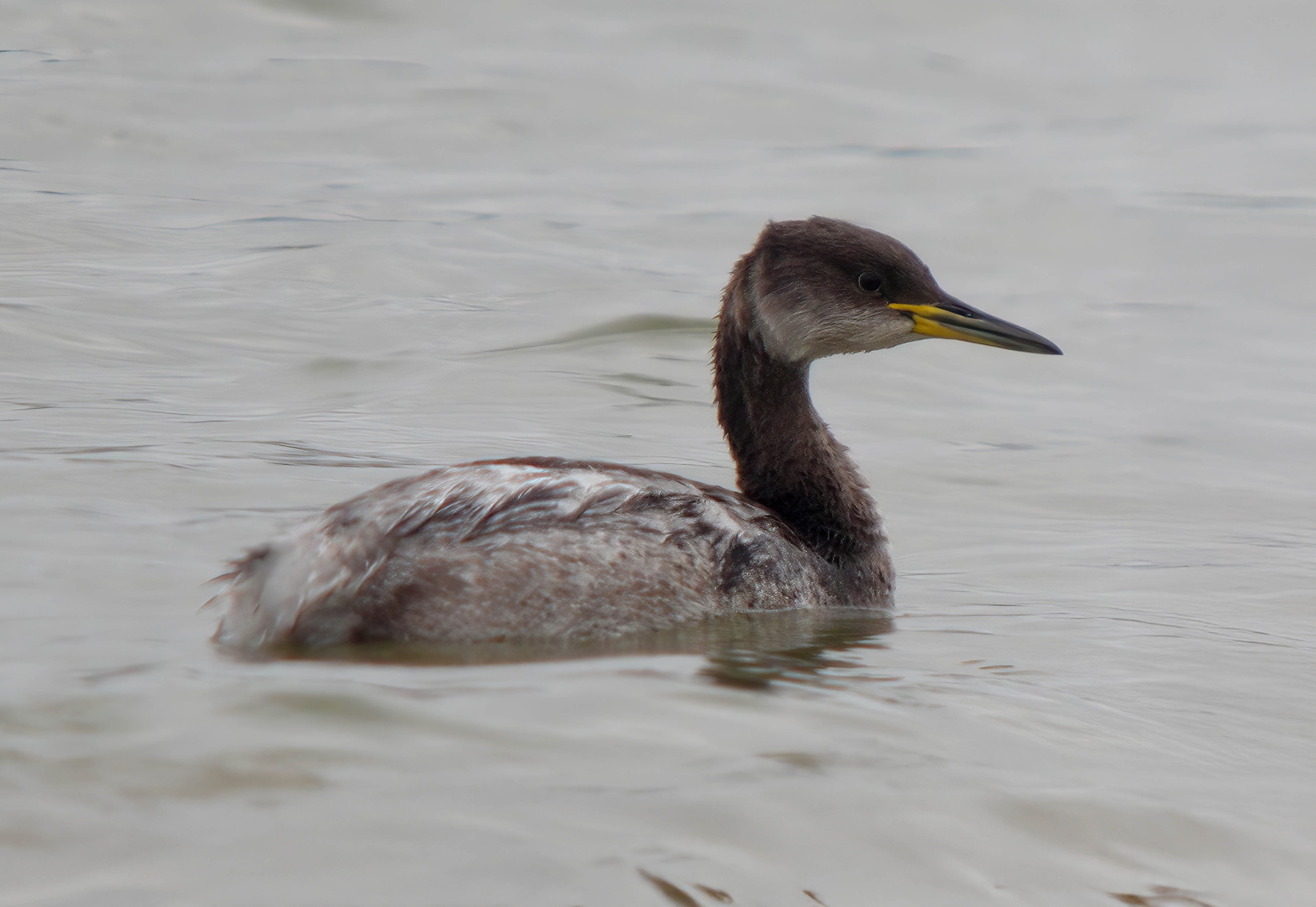
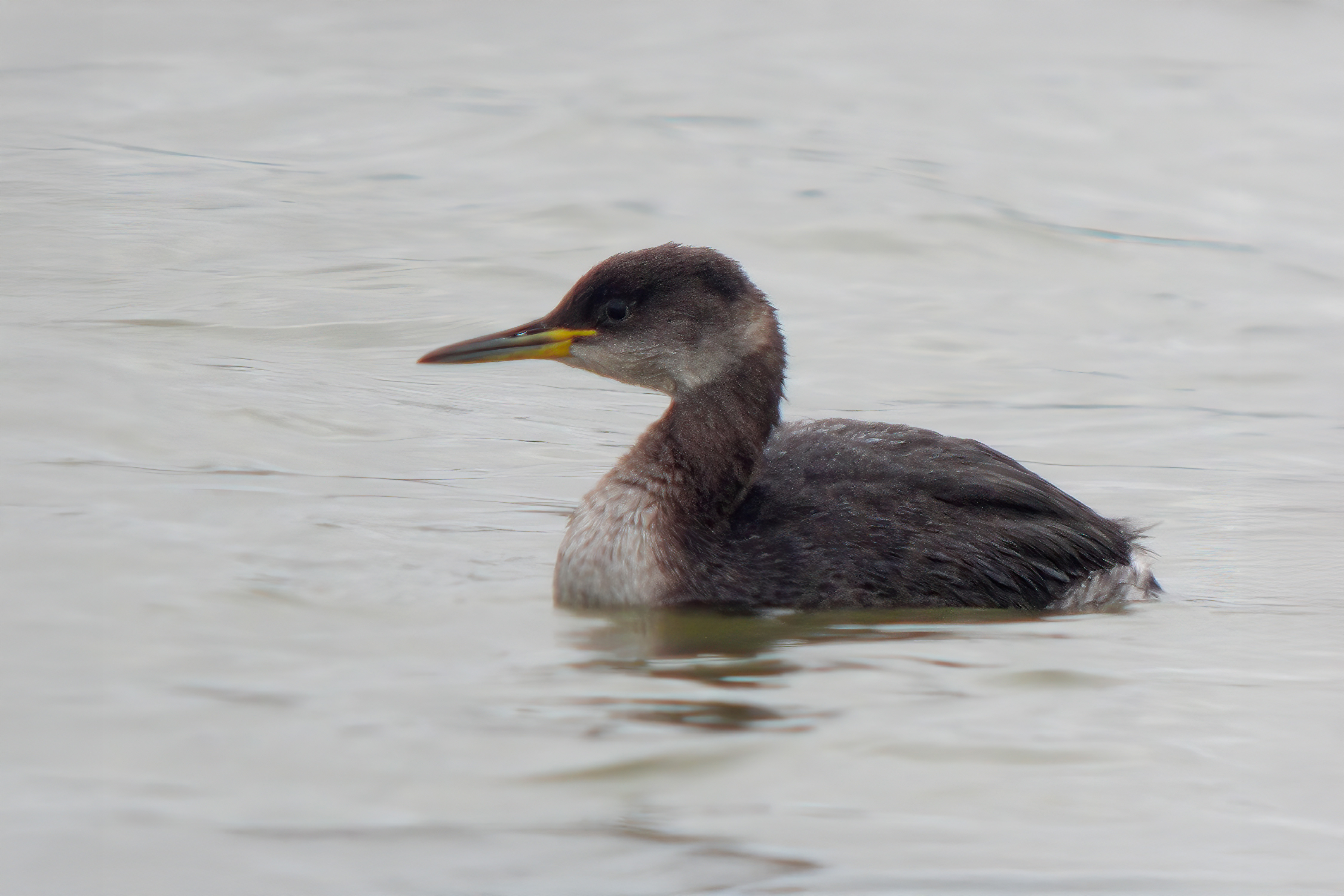
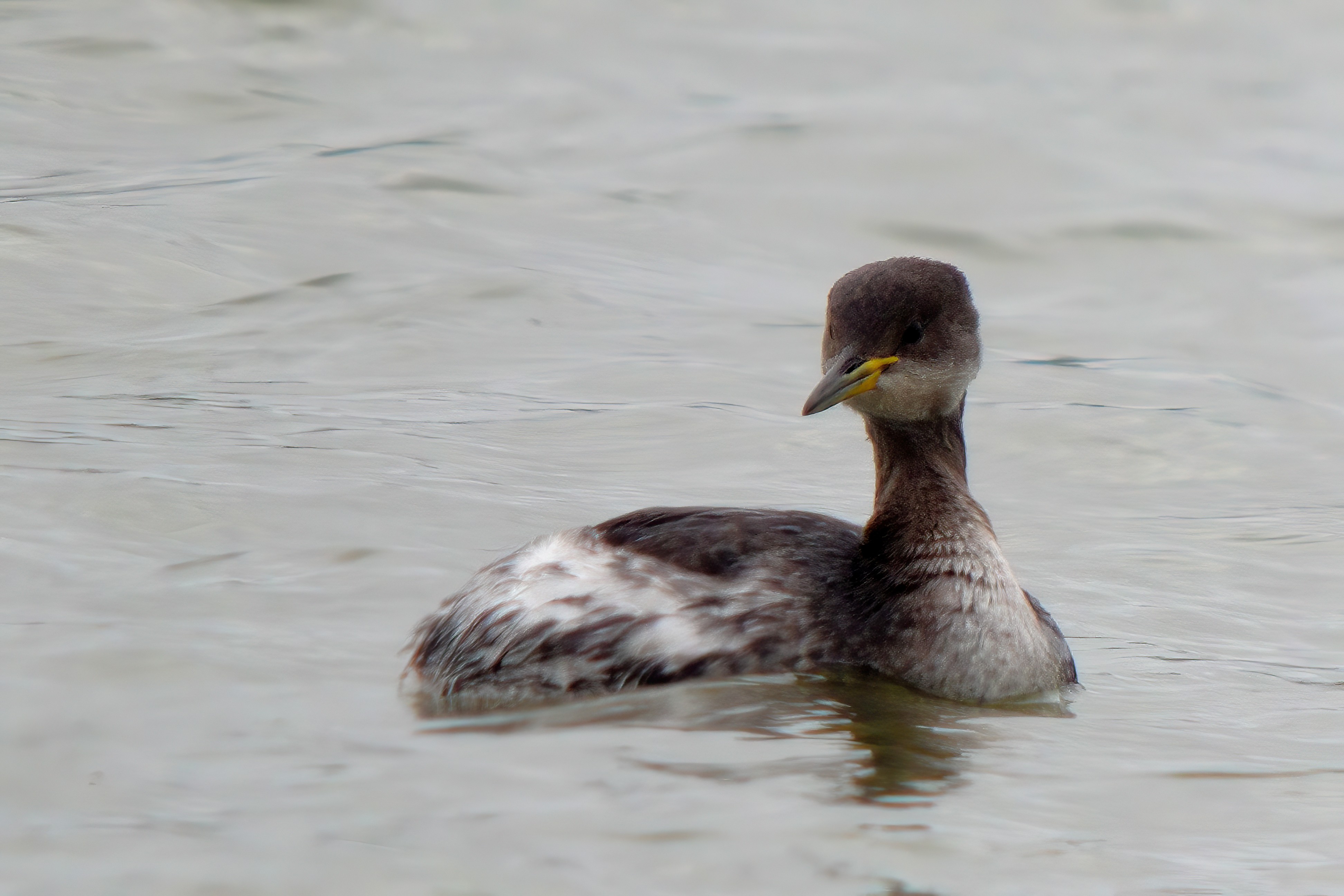
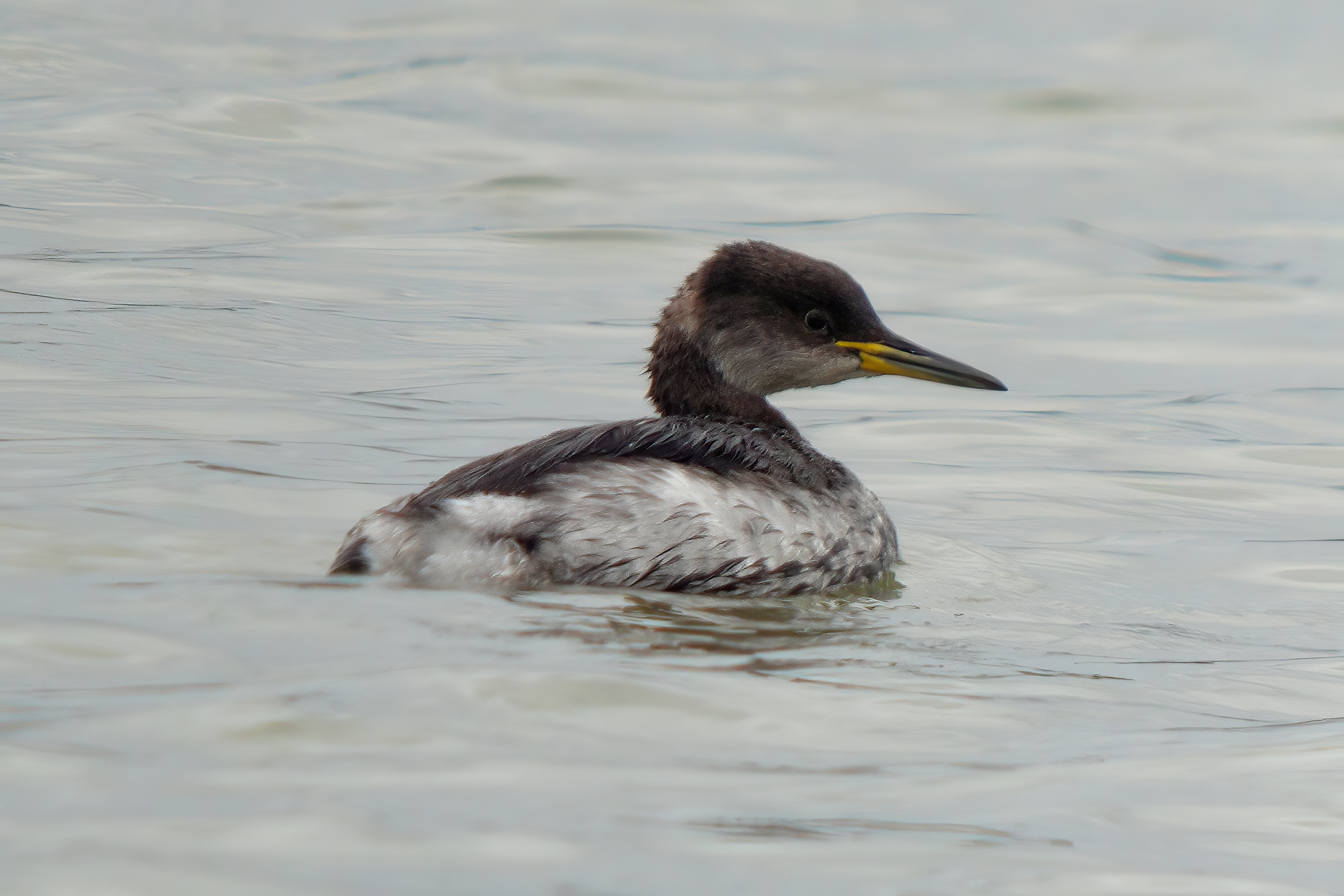
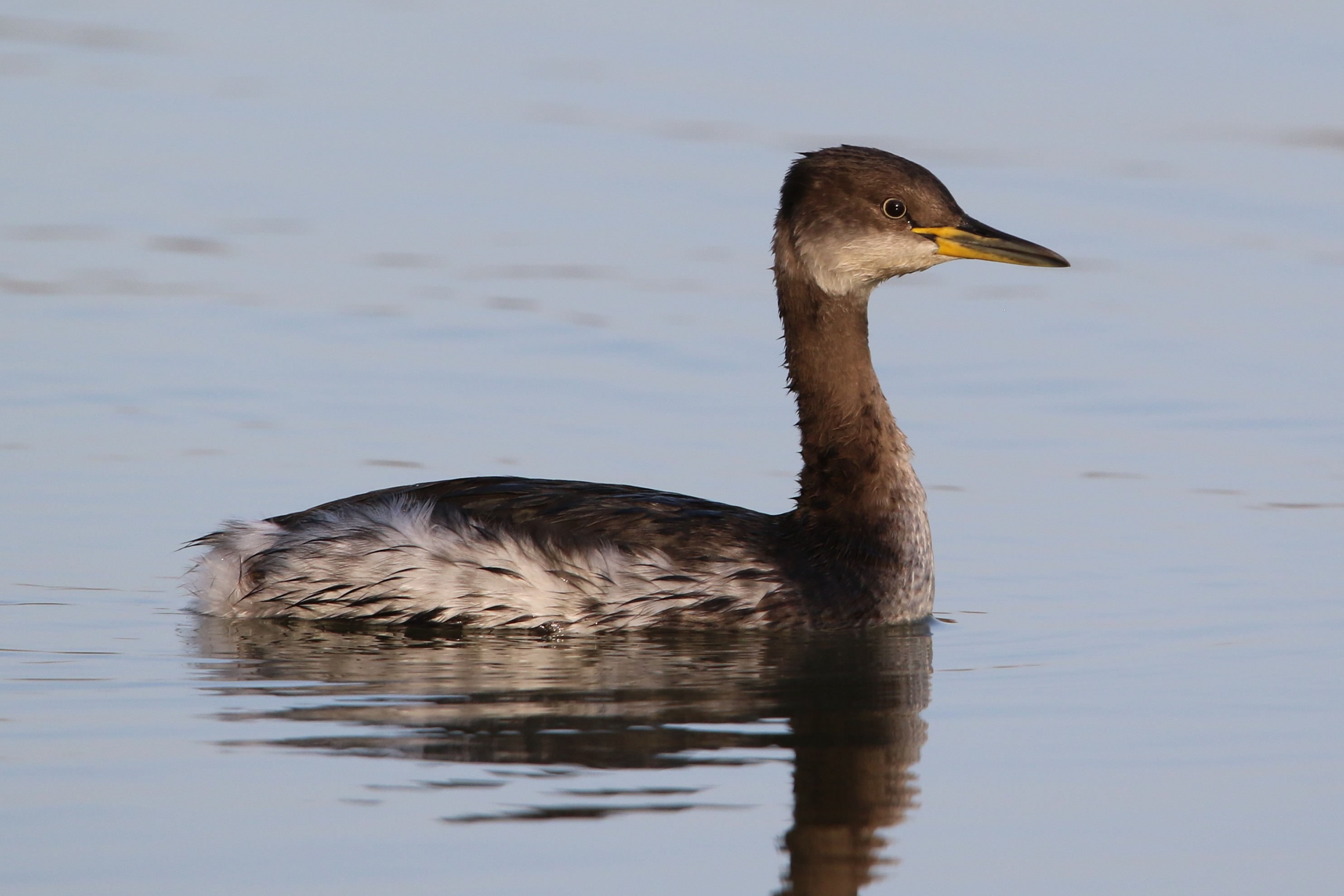
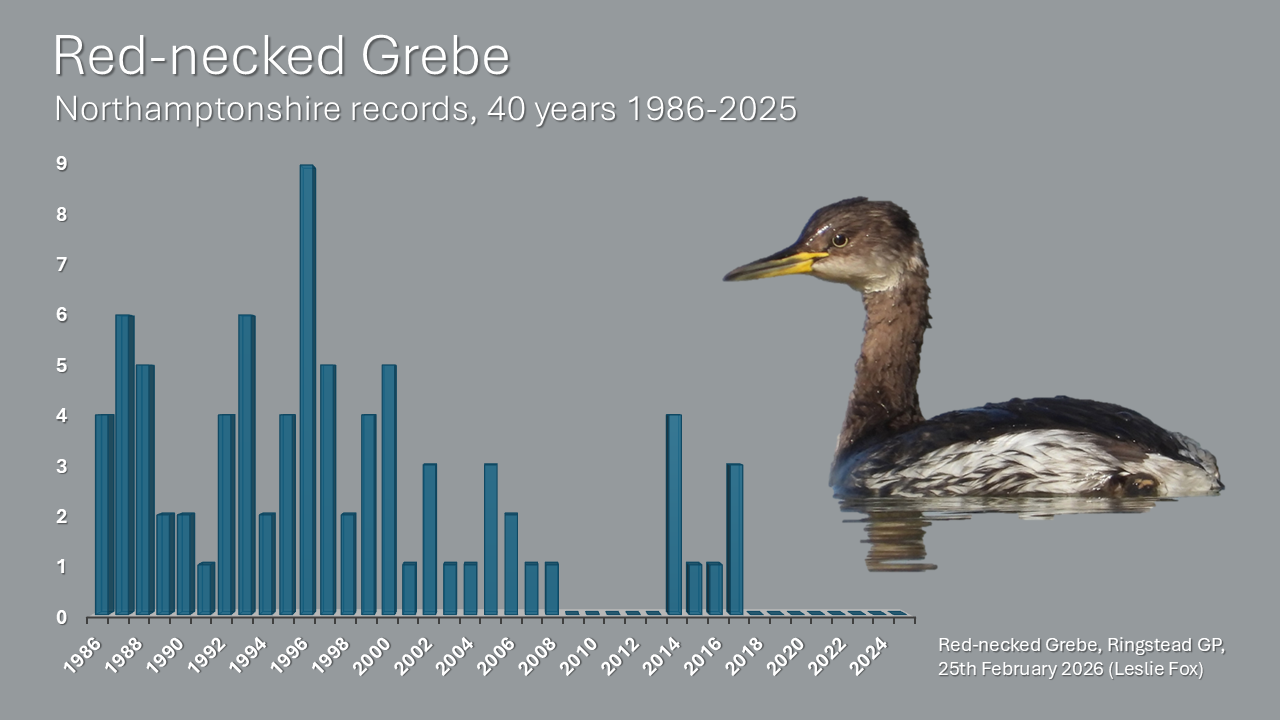
The above is the first officially accepted record since 2017 and its recent local status contrasts markedly with the way things were a couple of decades ago. In fact, there was also a run of records in the late 1980s and early 1990s in which pairs summered and displayed breeding behaviour, although breeding never actually took place.
After last week’s Slavonian Grebe visiting Daventry CP on 19th, before moving on to Ravensthorpe Res the following day, it, or another, was found, or reappeared, at the latter locality on 26th but was not seen the following day. The 25th saw two Black-necked Grebes turn up at Daventry but, in common with the above bird, they had moved on by the next day.
The week’s waders were limited to eleven Black-tailed Godwits flying west over Clifford Hill on 21st, followed by two at Summer Leys LNR the next day, while Hollowell Res produced four Jack Snipes on 23rd and one on 26th.
A single Mediterranean Gull at Stanford on Avon on 24th headed the cast of the period’s larids, while five sites held Caspian Gulls, representing a clear upturn on last week’s numbers. A remarkable four were found at Hollowell on 26th, after two were present there on 23rd, and lower numbers elsewhere comprised single birds at Cottingham on 21st, Daventry on 21st and 26th, Clifford Hill on 22nd and 25th and at Summer Leys from 23rd to 26th.
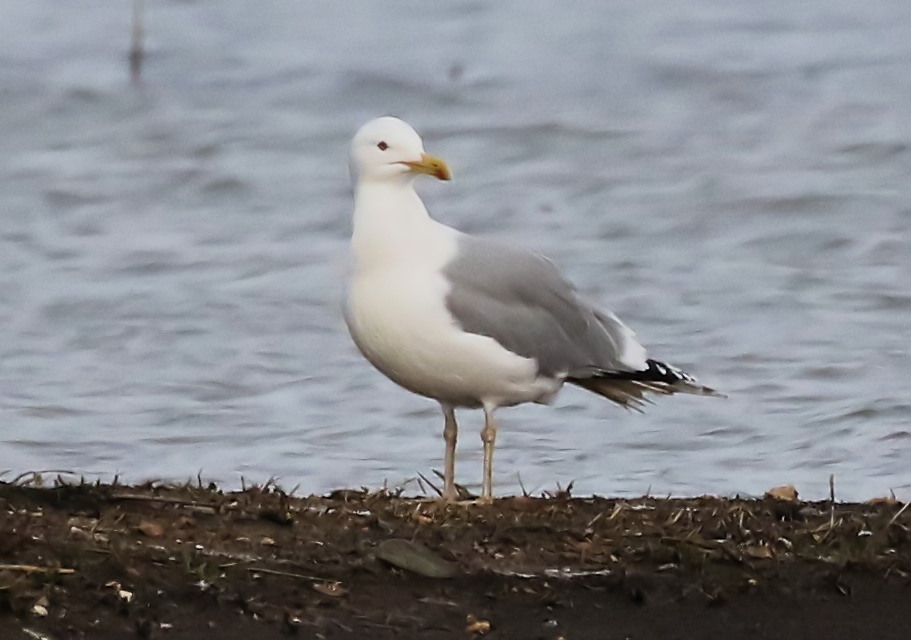
Yellow-legged Gulls were restricted to an adult on floodwater at Harringworth on 21st, two at Pitsford Res on 23rd and a first-winter at Daventry on 25th.
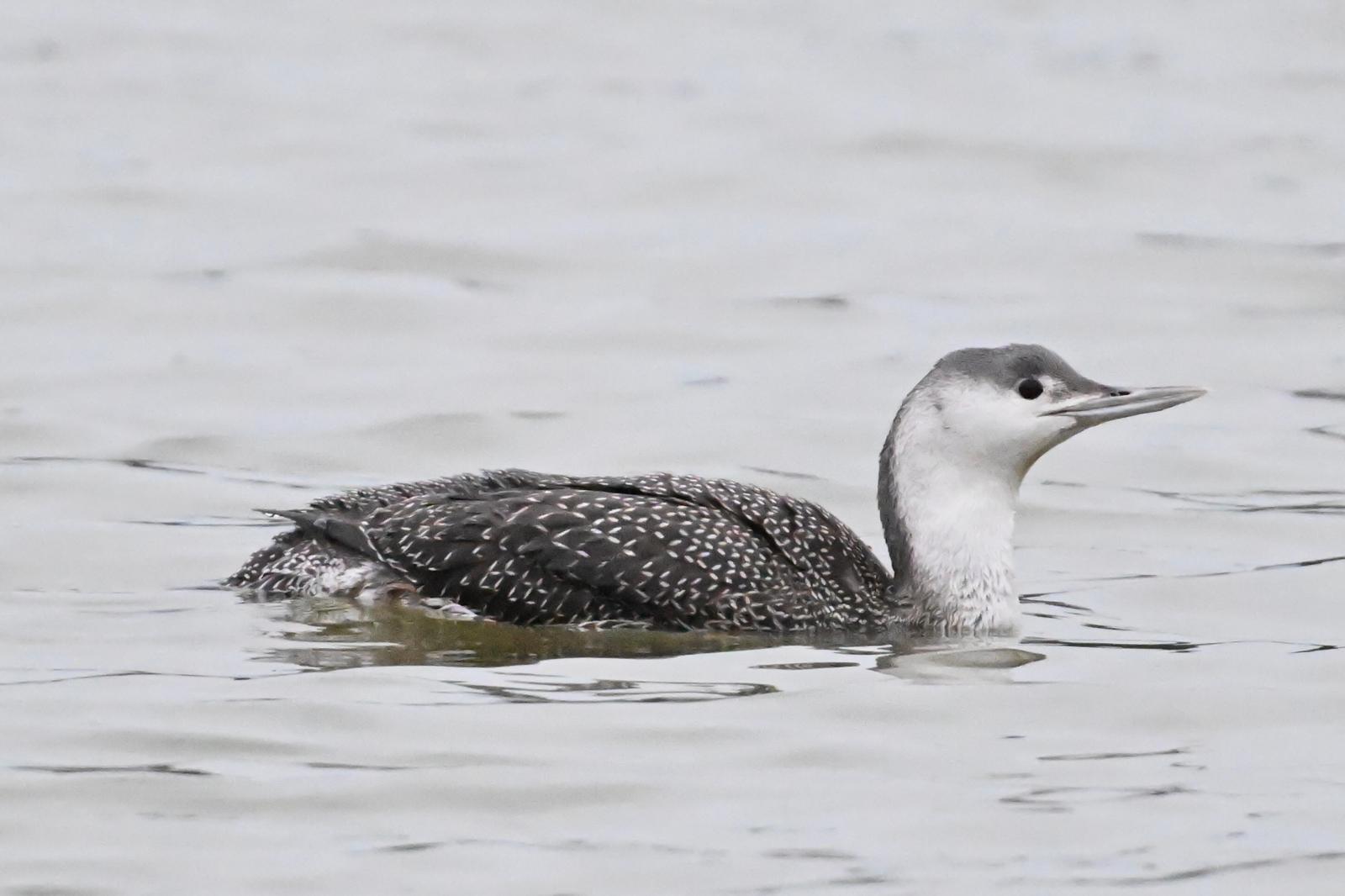
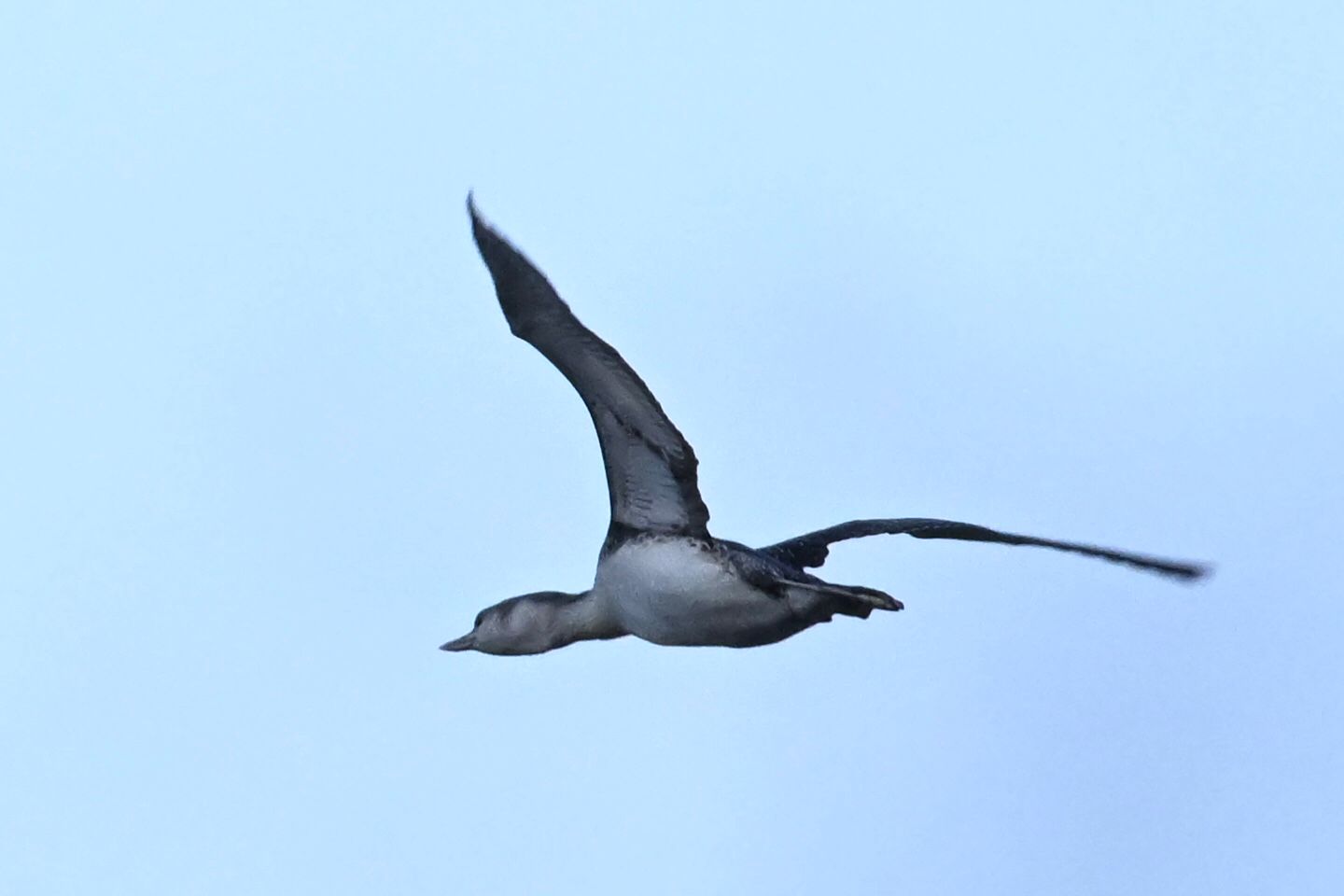
Remaining throughout the week, the Red-throated Diver showed increasingly itchy feet, yo-yoing back and forth between Ravensthorpe and Hollowell, last being seen at the latter site at the end of the week.
The long-staying Glossy Ibis remained at Summer Leys LNR throughout.
Surprisingly, for the winter season, two Bitterns seen during the period were only the second and third of the year – one being at Summer Leys on 22nd, the other on an inaccessible pool at Yardley Chase on 26th. And scraping into most weekly reports with much diminished numbers of late, a Cattle Egret remained in the vicinity of Ringstead’s Kinewell Lake between 21st and 24th.
Reports of raptors were, as usual, dominated by the presence of Marsh Harriers at Summer Leys, now widely acknowledged as a key location for the species. With sightings throughout the week, three different birds were seen together on the reserve, including the first-year male ‘J4’, now having been present in the county since the middle of December last year. Other locations producing single birds were Titchmarsh on 21st and 25th and Stanwick on 22nd, 24th and 25th.
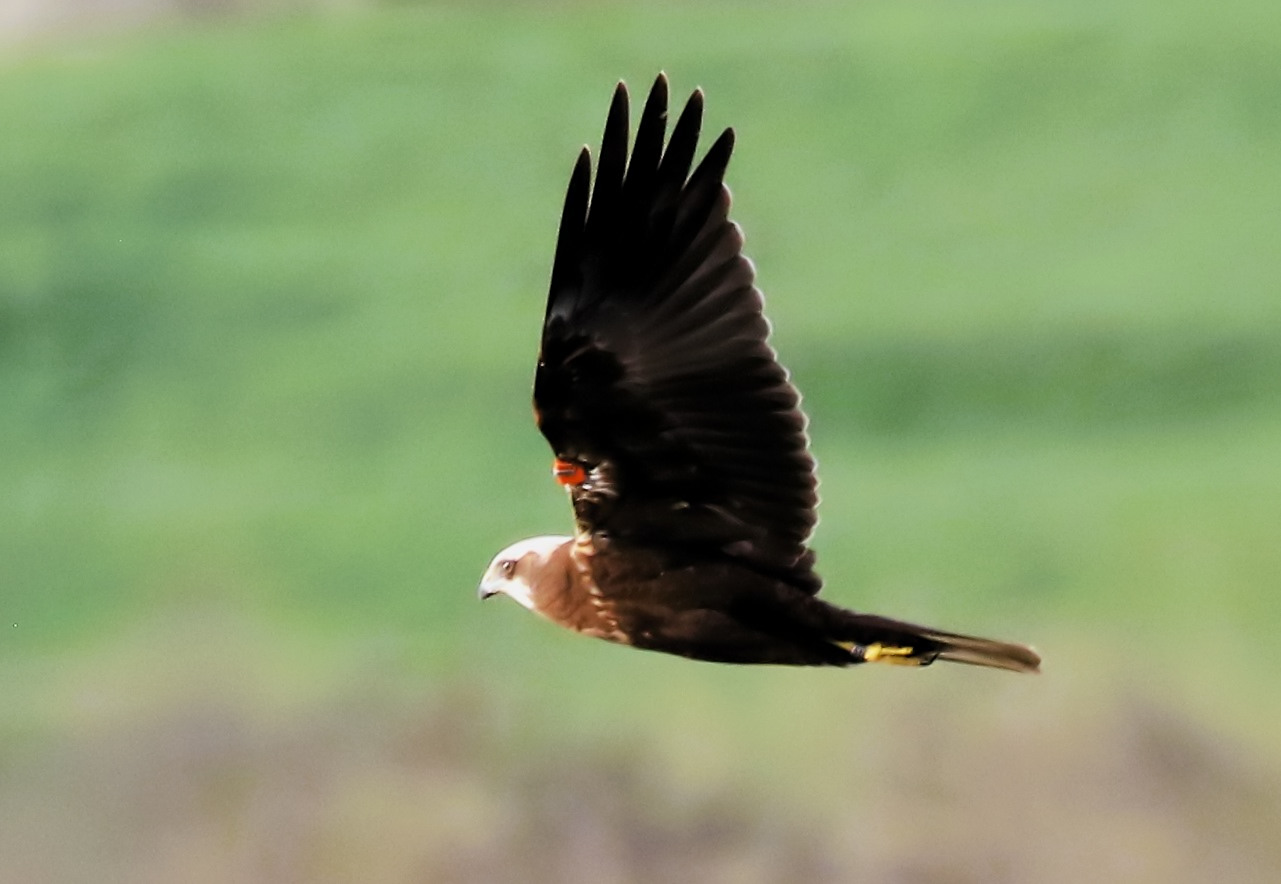
And, for the second week running, Hen Harrier featured, with ‘ringtails’ seen in flight near Holcot on 21st and at Harrington AF – not a million miles away – on 25th. A male Merlin was also at Harrington on the same date.
On the passerine front, Daventry’s Siberian Chiffchaff further extended its stay until the end of the week and a Firecrest was reported from Lilbourne Meadows on 24th.
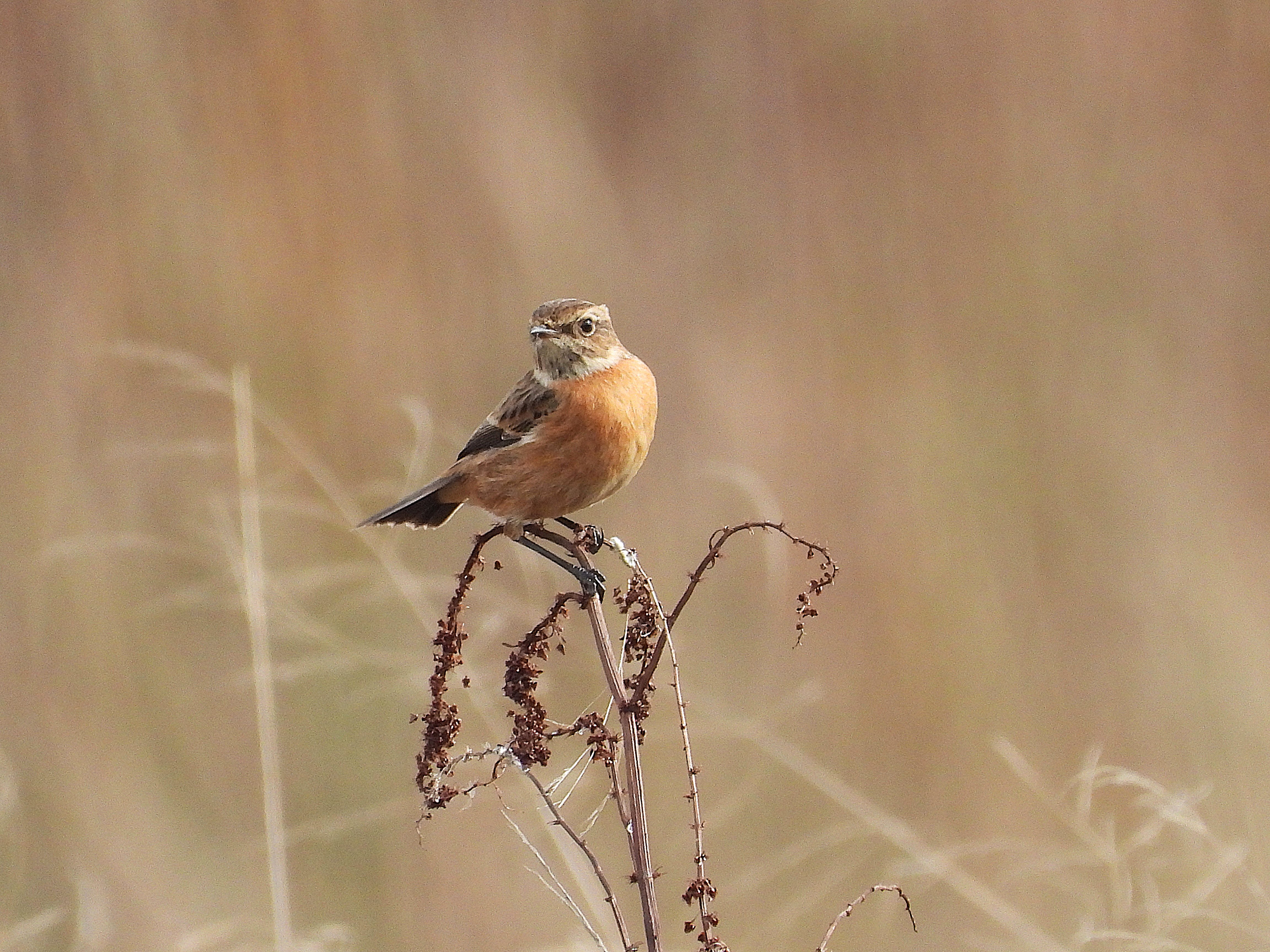
Stonechats amassed a whopping total of eighteen in the wider reaches of the Brampton Valley on 25th, while up to two were noted at Desborough AF, Earls Barton GP, Hollowell, Pitsford, Thrapston, Stortons GP and Warmington as the week drew to a close.
And Crossbills continued to be seen across four different localities with Harlestone Firs producing a maximum of nine on 21st followed by two there on 25th, while up to seven were at Wakerley Great Wood on 23rd-24th and singles were at Pitsford on 21st and Scotland Wood, Kelmarsh on 23rd.

Discover more from Northants birds
Subscribe to get the latest posts sent to your email.

 Northants birds