The unsettled weather continued throughout the week – the product of a series of Atlantic lows which brought largely south-westerly winds and intermittent rain. The month of August got off to a tremendous start from day one, with the discovery of an adult Baird’s Sandpiper – the third for Northants and the first for more than twenty years – at Stanford Reservoir. After this, everything else seemed incidental …
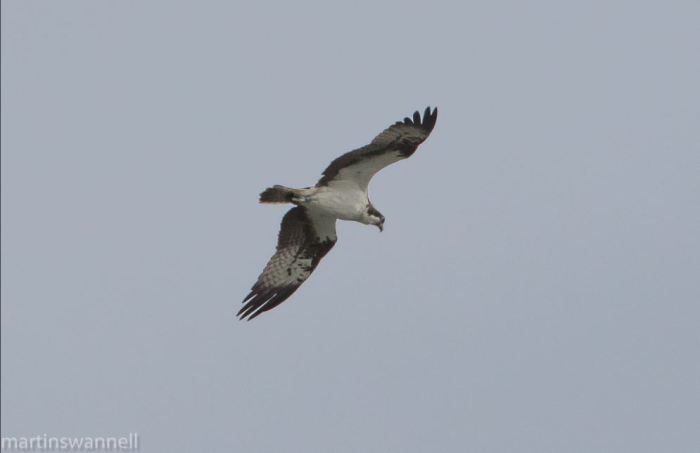
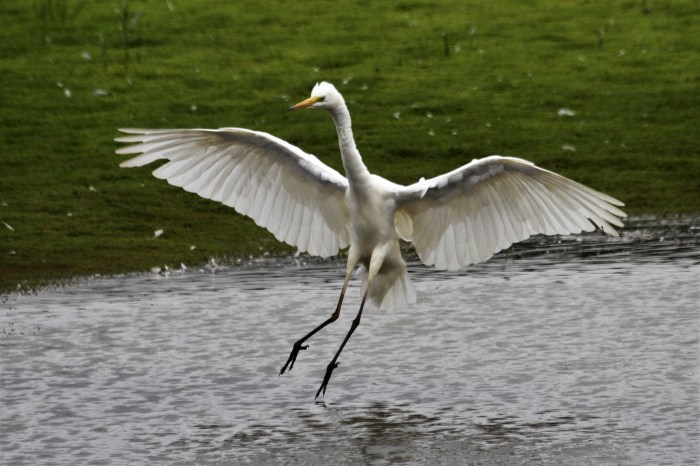
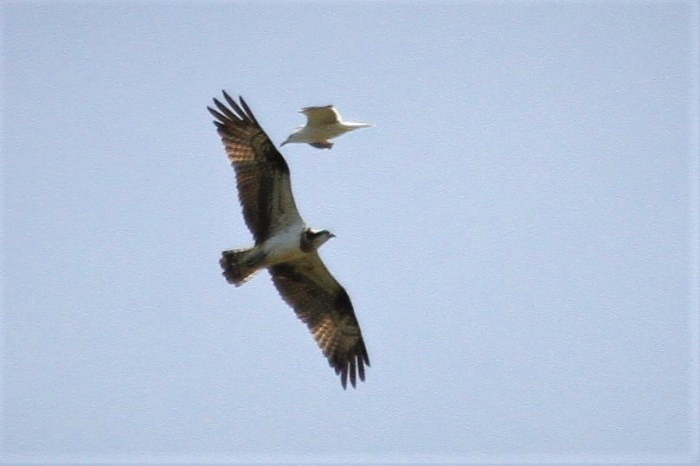
The two juvenile Garganeys at Pitsford Res remained in Scaldwell Bay until at least 1st, while last week’s Great White Egret appeared settled there between 30th and 2nd and an Osprey visited on 1st. Another Osprey, a male, was seen at Hollowell Res on consecutive evenings of 31st and 1st – at around 18.30 on both occasions – while the first Marsh Harrier of the autumn arrived on cue at Summer Leys LNR on 2nd. Well, it is August …
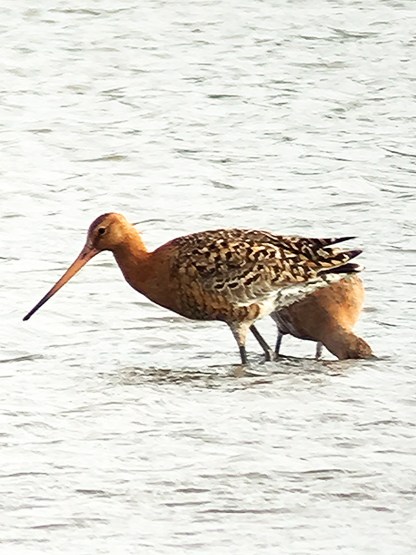
Two double-figure flocks of Whimbrels, eighteen and nineteen, flew south, non-stop, over Pitsford Res on 29th and 31st respectively and this locality and Stanford Res between them produced all this week’s Icelandic Black-tailed Godwits. Pitsford held seven on 30th and 3rd, one on 1st and six on 2nd, while Stanford produced six on 30th, ten on 2nd, three on 3rd and eleven on 4th.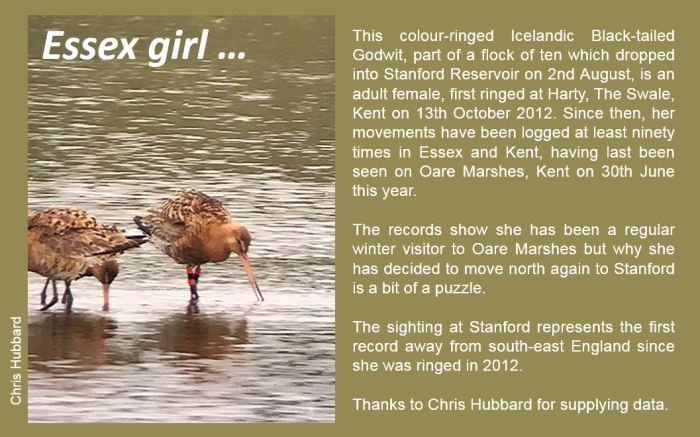


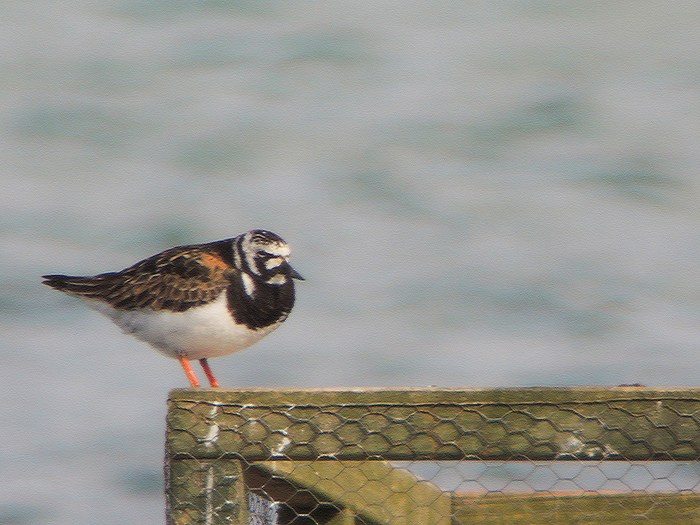
The latter locality also delivered two Turnstones, one on 29th-30th and the other, a flythrough, on 2nd. This week saw another autumn Sanderling – this time at Daventry CP, all day on 2nd but undoubtedly what may yet prove to be the autumn’s rarest visitor, an adult Baird’s Sandpiper, was found at Stanford on the evening of 1st. Frustratingly skittish, it was up and away within a few minutes of its discovery, much to the chagrin of local birders, many of whom were left contemplating the prospect of a twenty-year wait for the next one. Lacking in limelight, Summer Leys rustled up a short-staying Wood Sandpiper on the evening of 30th but this locality’s track record for delivering the goods in autumn is far from enviable.
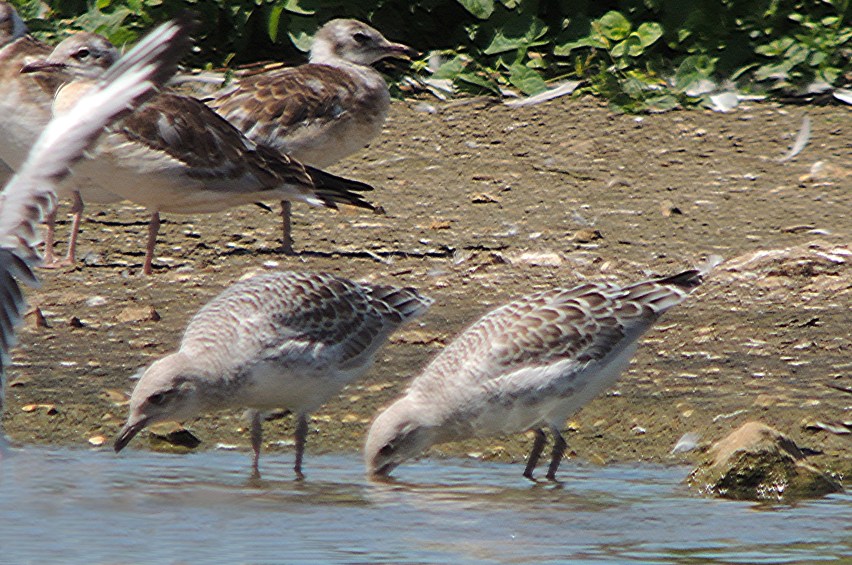
Back to the reservoirs, then, and Daventry CP produced two juvenile Mediterranean Gulls on 29th and one the next day, while Pitsford held an adult on 1st and a juvenile on 3rd. Master gullers also identified a fourth-summer Caspian Gull at Daventry CP on 1st, with a juvenile and a third-summer there on 2nd and a juvenile and third-summer were also at Stanwick GP on 1st along with thirty-seven Yellow-legged Gulls – a marked return to the form of previous weeks after last week’s poor showing there. Smaller numbers of Yellow-legged Gulls included two at Pitsford Res on 30th and 3rd and three at Daventry CP on 1st with eight there on 2nd.

Passerine migrants were, as expected, low in numbers. Two Common Redstarts were north of Braunston on 30th, a Northern Wheatear visited Pitsford Res on 31st and a Whinchat was there the following day.

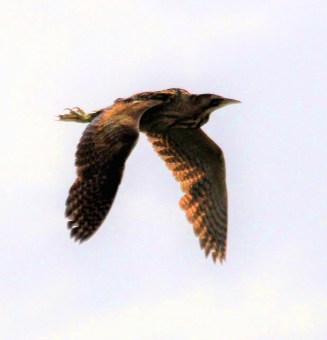



 The summering Bittern continued to be seen daily at Summer Leys until at least 19th, the same site producing a Great White Egret – arguably the first of the autumn – on 20th.



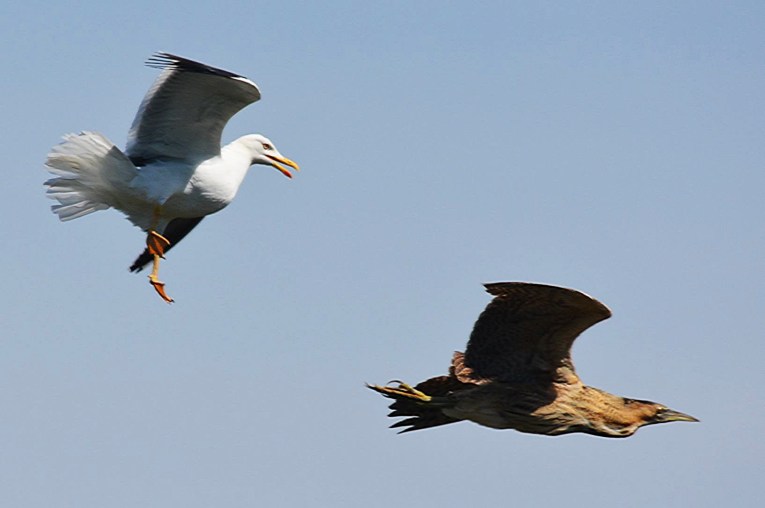
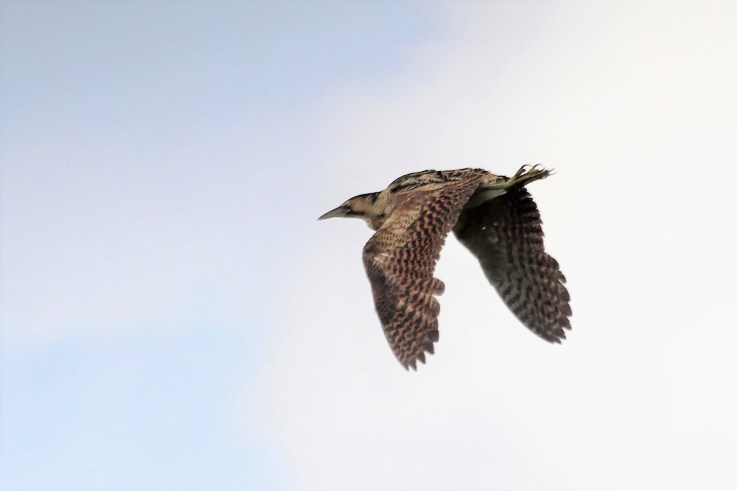
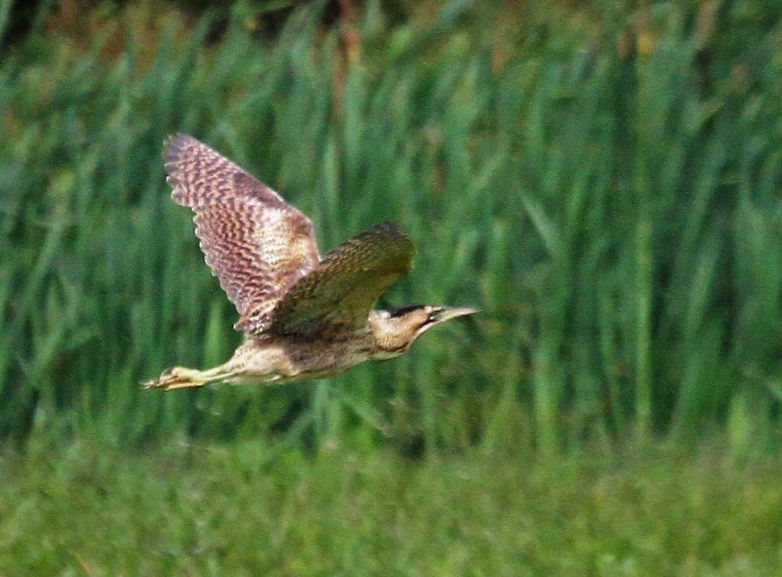
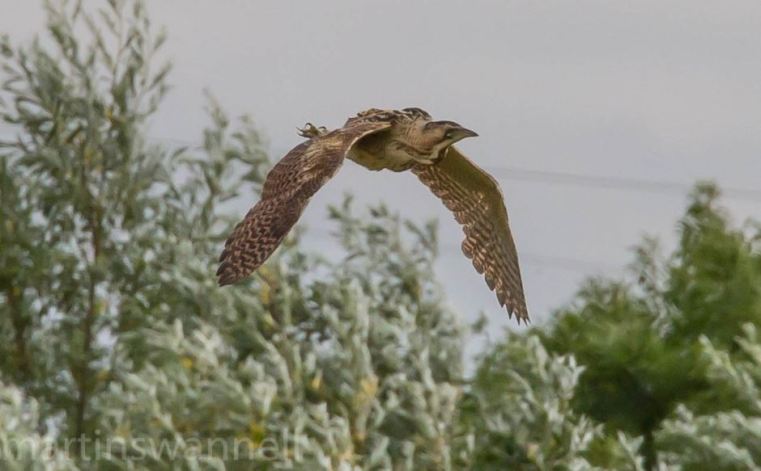




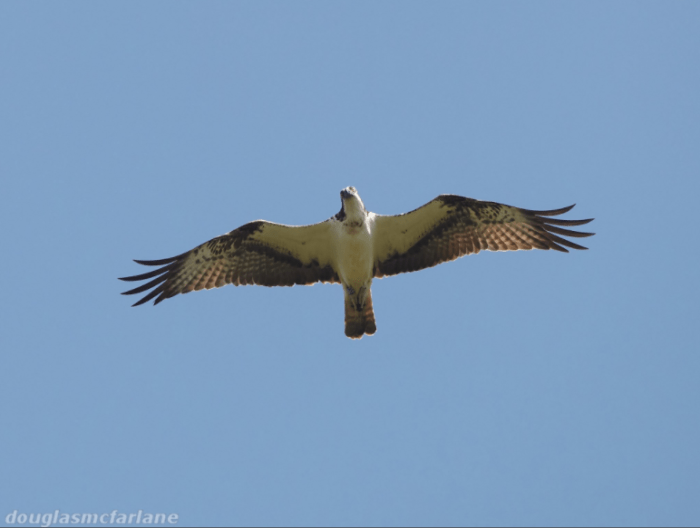


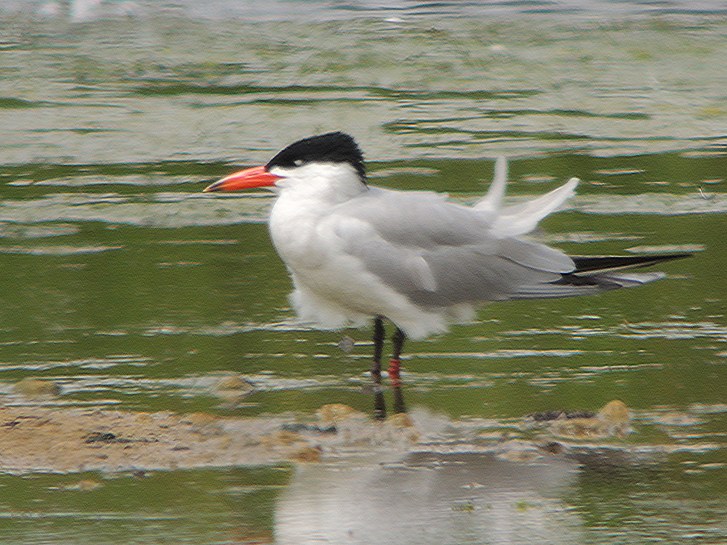


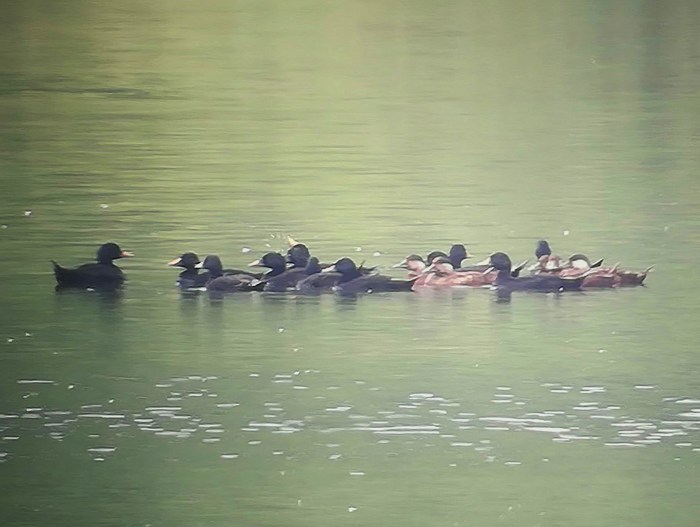

 It has been a very poor spring for Quail, with just two singing males reported – both of which appeared to be one-day wonders. One was near the railway close to Kings Sutton on 9th and the other in a flax field near Burton Latimer on 18th. Summer Leys produced both of the period’s rare herons, which included a Great White Egret on the scrape on 14th and a Bittern in flight over the car park on 20th and again on the scrape the following day.
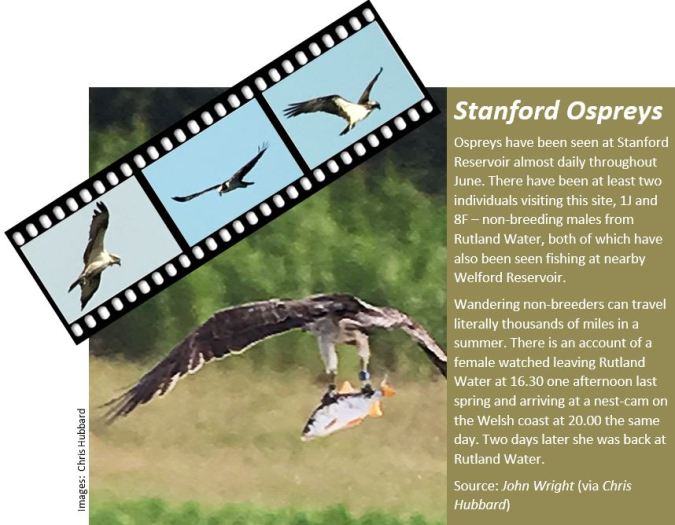 Stanford’s low water level continued to attract waders, including an Avocet for two days on 25th-26th, a late spring Grey Plover on 3rd and a presumably non-breeding first-summer Icelandic Black-tailed Godwit on 11th ahead of the first southbound Black-taileds – a nice flock of twenty-seven – on 25th.
 Clearly there was a Black-tailed Godwit movement taking place on 25th with further records of at least twenty-five at Summer Leys and one over St James, Northampton. More had arrived by the month’s end with 30th producing at least nine more at Stanford and singles at both Stanwick and Summer Leys. The autumn’s first Greenshank arrived at Stanford on 28th, lingering until the month’s end but further south, at Daventry CP, it was still spring when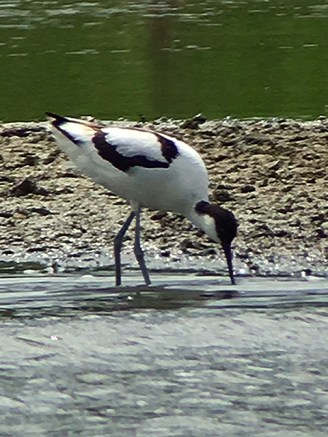


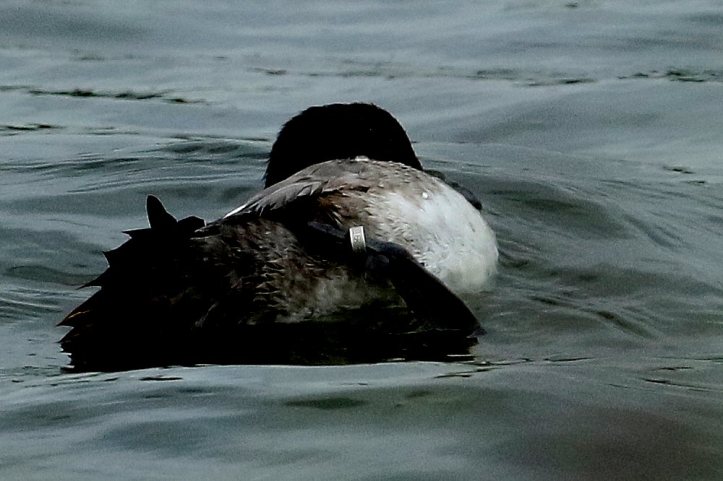

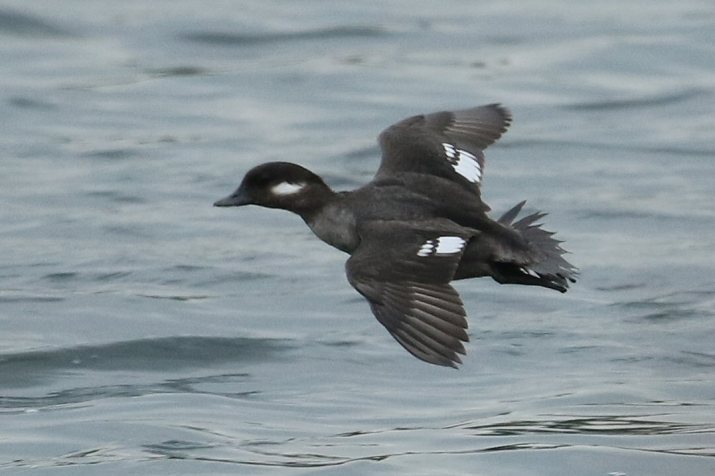
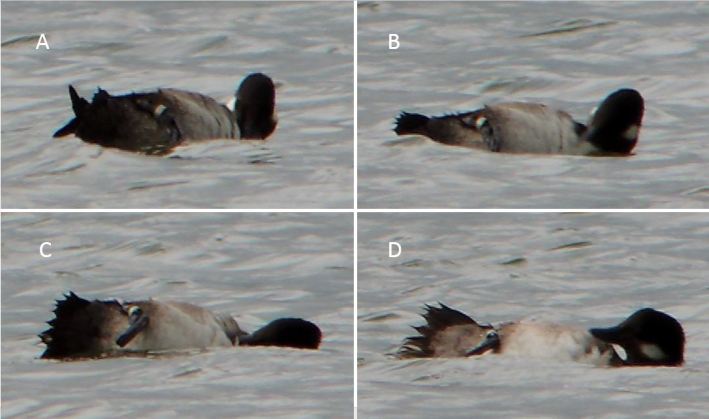

 Persistence is required, waiting for the next time it sits out on the bank … Interestingly more Buffleheads have been seen in June than in any other month and in central England than any other area in the UK. Thanks to Andrew Cook and Mark Hill for pointing this out (source: Rare Bird Alert).
 Northants birds