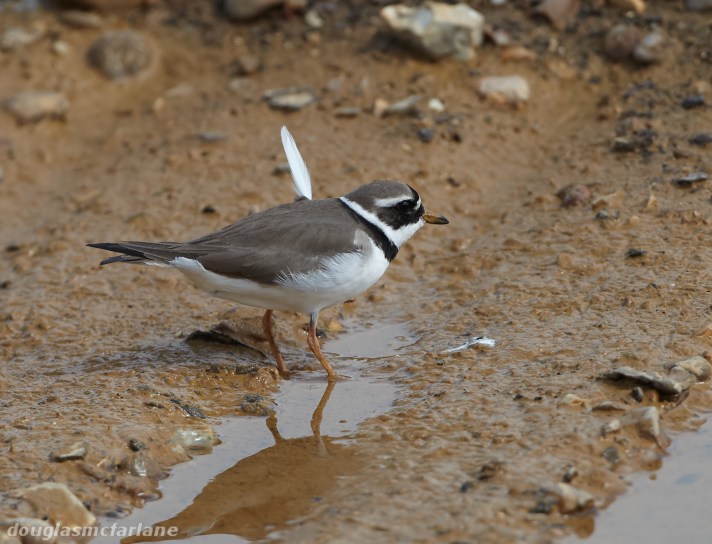
Late spring sees small flocks of Ringed Plovers inland, moving north. Most, if not all will be ‘Tundra’ types, probably of the Scandinavian/Russian/Siberian race tundrae, but possibly also psammodroma, which breeds no further away than Iceland, with its range extending to Greenland and north-east Canada. Both races are very similar, being slightly smaller, darker and marginally smaller-billed than our ‘own’ nominate race hiaticula (more here).
There have been a handful of reports this week, including 5 at Earls Barton Gravel Pits on 6th and one there on 7th, plus 6 at Stanwick Gravel Pits and 7 at Pitsford Reservoir yesterday.
This one at Earls Barton GP appears to be a female as the ear coverts are not solidly black and the band around the neck is thin and brownish at the rear but it was noticeably smaller and darker than the accompanying bird, which is presumed to be a breeding hiaticula.
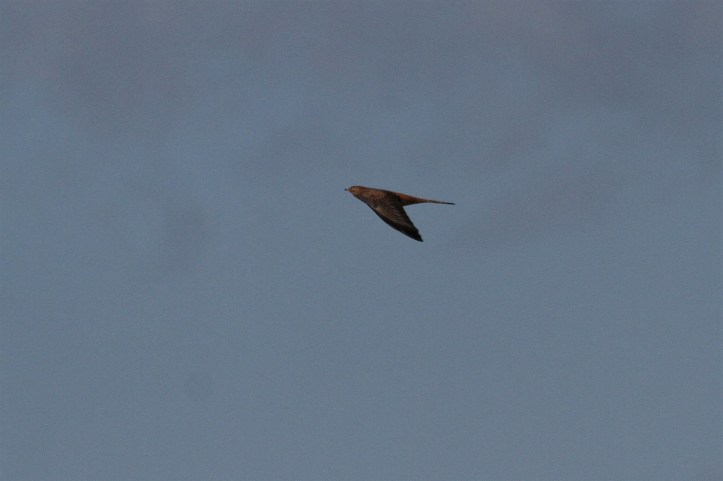
The images from Alan Coles, below, capture a rufous morph Cuckoo in flight over Summer Leys LNR on 5th May. This is interesting on two counts – firstly, because this colour morph is generally uncommon, with only one or two reported in Northants per year and secondly, because records in recent years have come from Summer Leys/Earls Barton Gravel Pits (last year’s here) suggesting this may be the same returning individual.
Colour polymorphism in birds is determined genetically and the similarities between plumages of rufous females and Cuckoo fledglings (see here) suggest that the rufous morph is simply a colour alternative to the grey morph and might have arisen through paedomorphic retention of juvenile plumage to adulthood (see Trnka, Trnka & Grim).
A stunning summer-plumaged Black-throated Diver was found by John Friendship-Taylor at Pitsford Reservoir during the closing hours of daylight yesterday evening (6th May). Visible from the feeding station area at the mouth of Scaldwell Bay, it was still present at dusk and remained there until 05.20 this morning, when it was seen by Antony Taylor to fly off north.
Black-throated Diver, Pitsford Res, 6th May 2017 (Bob Bullock)
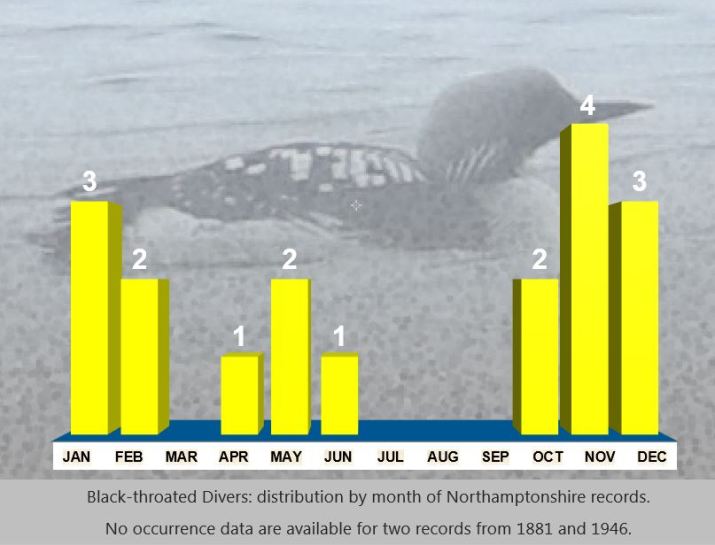
This is only the 20th record for the county, following the last in 2012, when one was at Stanford Reservoir. Fifty-five percent of all records have come from Pitsford.
The amazing variability in the plumage of Common Buzzards of two widespread races – ‘our’ local buteo and eastern vulpinus (Steppe Buzzard) – is well known, with some examples of both being almost impossible to tell apart.
Confronted with one such individual at Fineshade on 2nd May, Jeff Blincow was quick to capture some images of what, he says, he wouldn’t have given a second thought to identifying as a Steppe Buzzard had he been in Africa or the eastern Mediterranean region. Having seen Jeff’s excellent photos, reproduced here, I would have reached the same conclusion. “It was obvious with the naked eye,” Jeff said, and it immediately stands out with a conspicuous light rufous tail and foxy underwing coverts.
Buzzard, Fineshade Wood, 2nd May 2017 (Jeff Blincow)
With an apparently dark eye and barred, rather than streaked, underparts, it would appear to be an adult or near-adult. But is it a Steppe Buzzard? The rufous element to the plumage, apparently less obvious in the images than in the field, are the only pro-Steppe features, although many darker Steppes can look remarkably similar to Commons and, just to complicate matters, there is an intergrade zone in eastern Europe where the two races meet.
Buzzard, Fineshade Wood, 2nd May 2017 (Jeff Blincow)
There are more pro-Common features with this bird, however, with the barring on the secondaries being quite broad and extending well on to the primaries which, themselves are not solidly dark-tipped (some broad barring still present immediately beyond the dark). There is also a less intense underparts pattern than exhibited by typical Common Buzzards, i.e. dark head, neck and chest separated from variable dark flanks by a whitish or vary pale breast band.
Buzzard, Fineshade Wood, 2nd May 2017 (Jeff Blincow)
Compare the Fineshade bird with a typical Steppe Buzzard, which has narrower, finer and more restricted barring against a whiter background on the underwing. The individuals in the images below, taken by Mark Pearson in Israel in March, shows more evenly patterned underparts, although the ‘ghost’ of the underparts pattern described above is still apparent.
Steppe Buzzard, Israel, March 2017 (Mark Pearson)Steppe Buzzard, Israel, March 2017 (Mark Pearson)
And a first-year individual, pale, streaked not barred and with a pale iris …
Steppe Buzzard, Israel, March 2017 (Mike Alibone)
The Fineshade bird is interesting. It is likely to be ‘just’ a Common Buzzard but may also be an example of an eastern European intergrade – and we have had a relatively prolonged period of easterly winds recently …
Comments welcomed and many thanks to Jeff and Mark for their images!
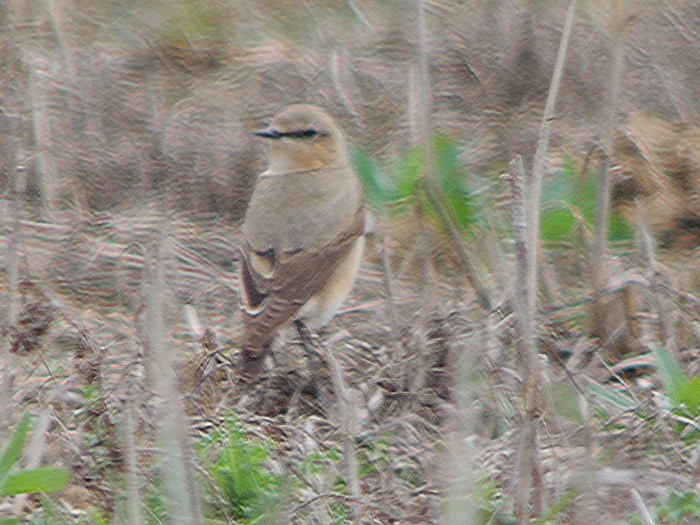
A distant Northern Wheatear in a field off Mary’s Lane, opposite the rear entrance track to the Paul Britten Hide at Summer Leys, attracted my attention yesterday. It turned out to be a rather smart male, showing features characteristic of the Greenland race leucorhoa (large, upright, long-legged and swarthy with rich orange throat/breast, extensively orange-washed underparts and noticeable brownish cast to upperparts).
While I was trying to digiscope it through the heat-haze, another wheatear appeared nearby – this time a female. On switching attention to it, I noticed it was asymmetrically marked. The uppermost and lowest tertials of its left wing had broad whitish-buff fringes, indicating unmoulted winter/1st winter feathers, while the middle one was the ‘normal’ plain colour of a 1st summer/adult. Its right wing appeared to show a single, plain adult middle tertial with the lowest and highest ones seemingly absent.
I have not noticed this on Northern Wheatear before and the effect was quite striking. I had always assumed that wing moult took place before migration, although this would indicate that this is not always so. I know that some species’ moults can be arrested during migration and, according to BWP, Northern Wheatear may or may not moult 1 or two tertials pre-breeding, but I would not have expected such asymmetry as was apparent with this individual.
The week remained largely dry, dominated initially by brisk north-westerlies, which gave way to a spell of north-easterlies and cold overnight temperatures for a short spell during the latter part of the period. Allowing extra birding time for some, the Easter bank holiday did not fail to disappoint but the undoubted highlight of the week was the one-day stay of three Black-winged Stilts at Stanford Reservoir on 20th. Summer visitors continued to arrive, including the first Common Swifts, Common and Lesser Whitethroats, as well as Yellow Wagtails en masse but there were still some lingering winter visitors which included up to eight Bramblings at one site.
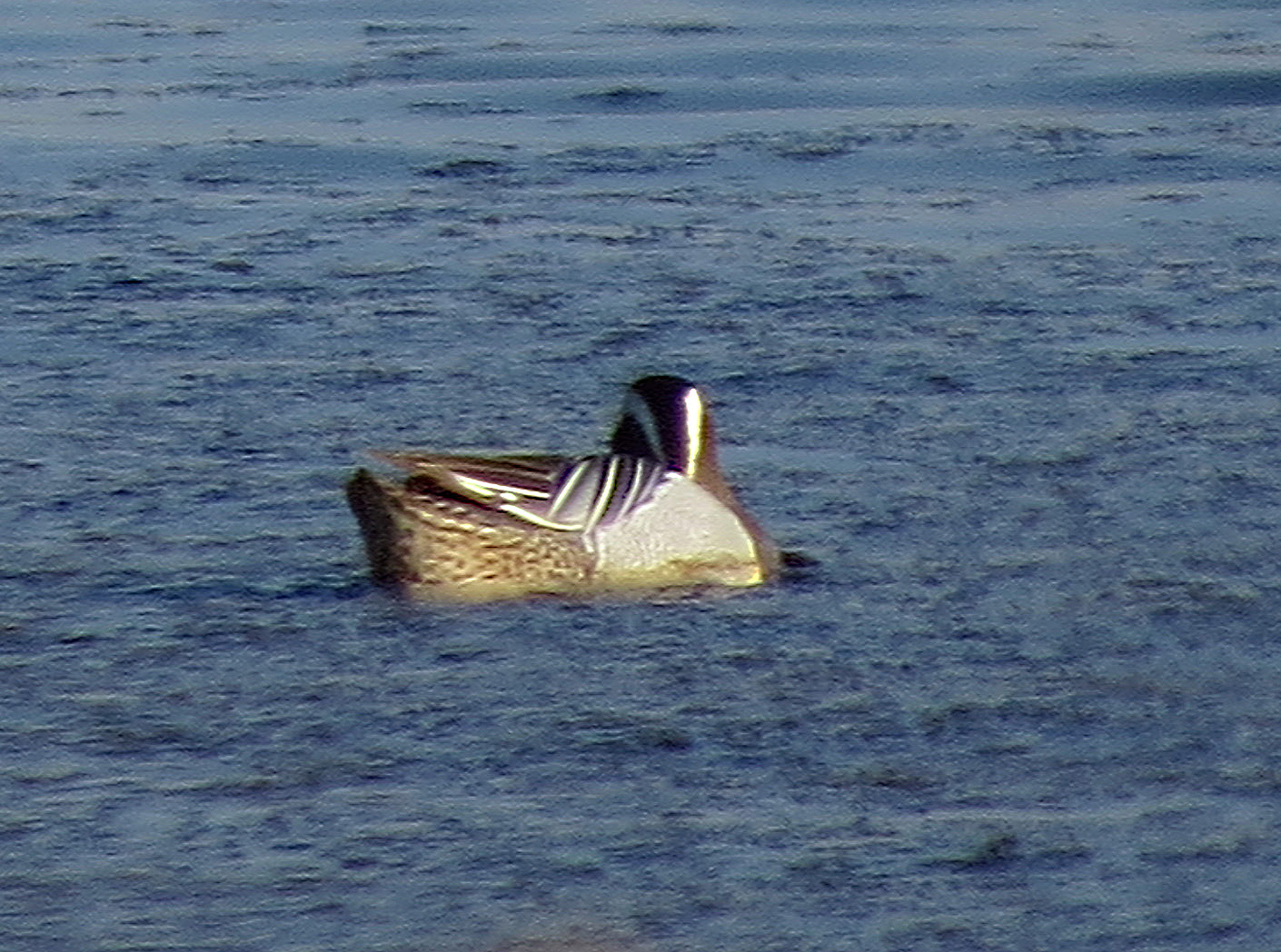
The Whooper Swan which spent the winter at Sywell CP went unreported this week but one flying south over Bozenham Mill on 18th may, or may not, have been the same individual. Single female Garganeys visited Pitsford Res on 16th and Ditchford GP on 19th, up to two drake Red-crested Pochards were at Thrapston GP between 17th and 20th and the female Scaup was still present at Stanwick GP until at least 17th. Stanford’s long-staying first-year drake Long-tailed Duck remained throughout the period, having gone on an away-day to Draycote Water in neighbouring Warwickshire on 9th, before duly returning the following day. Admirably site-faithful, it surely can’t stay there for much longer … can it?
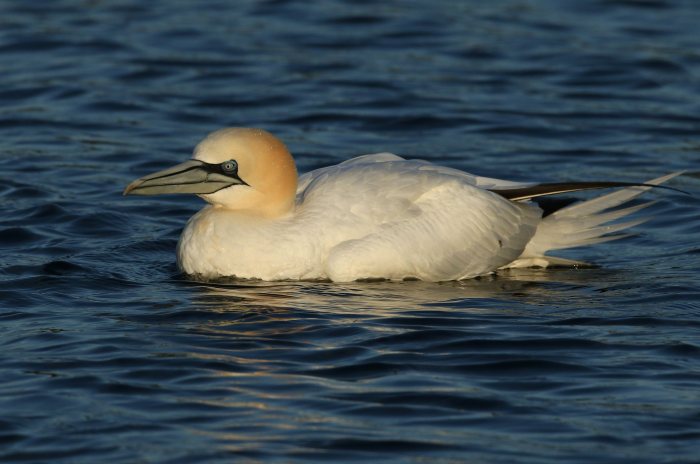
Wholly unpredicted, Sywell CP pulled this year’s Easter Bunny out of the hat in the shape of an adult Gannet there on 15th. Approachable and seemingly moribund, it appeared to go to roost on the dam as dusk fell but it was nowhere to be found the following morning; most records are of juveniles in autumn.
Adult Gannet, Sywell CP, 15th April 2017 (Bob Bullock)Adult Gannet, Sywell CP, 15th April 2017 (Bob Bullock)
And it seems we are still not yet done with Great White Egrets as one was seen flying north-east along the Nene Valley at Stanwick GP on 19th. Compared with last week, there were few Ospreys reported during the period, with sightings at Pitsford Res on 15th and 16th probably relating to the same bird, which performed well, by all accounts.
Osprey, Pitsford Res, 15th April 2017 (Adrian Borley)
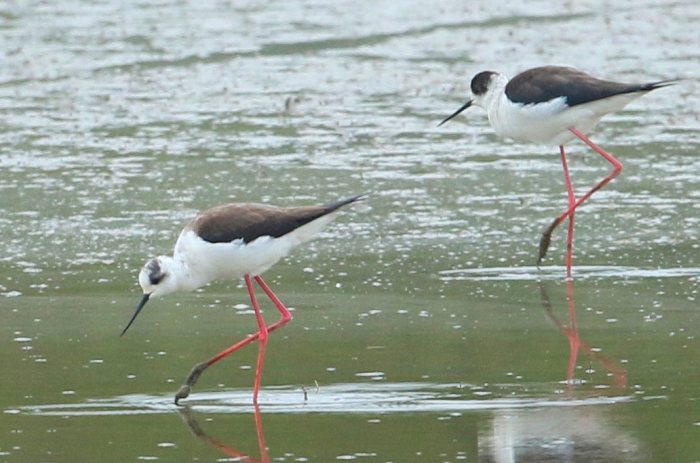
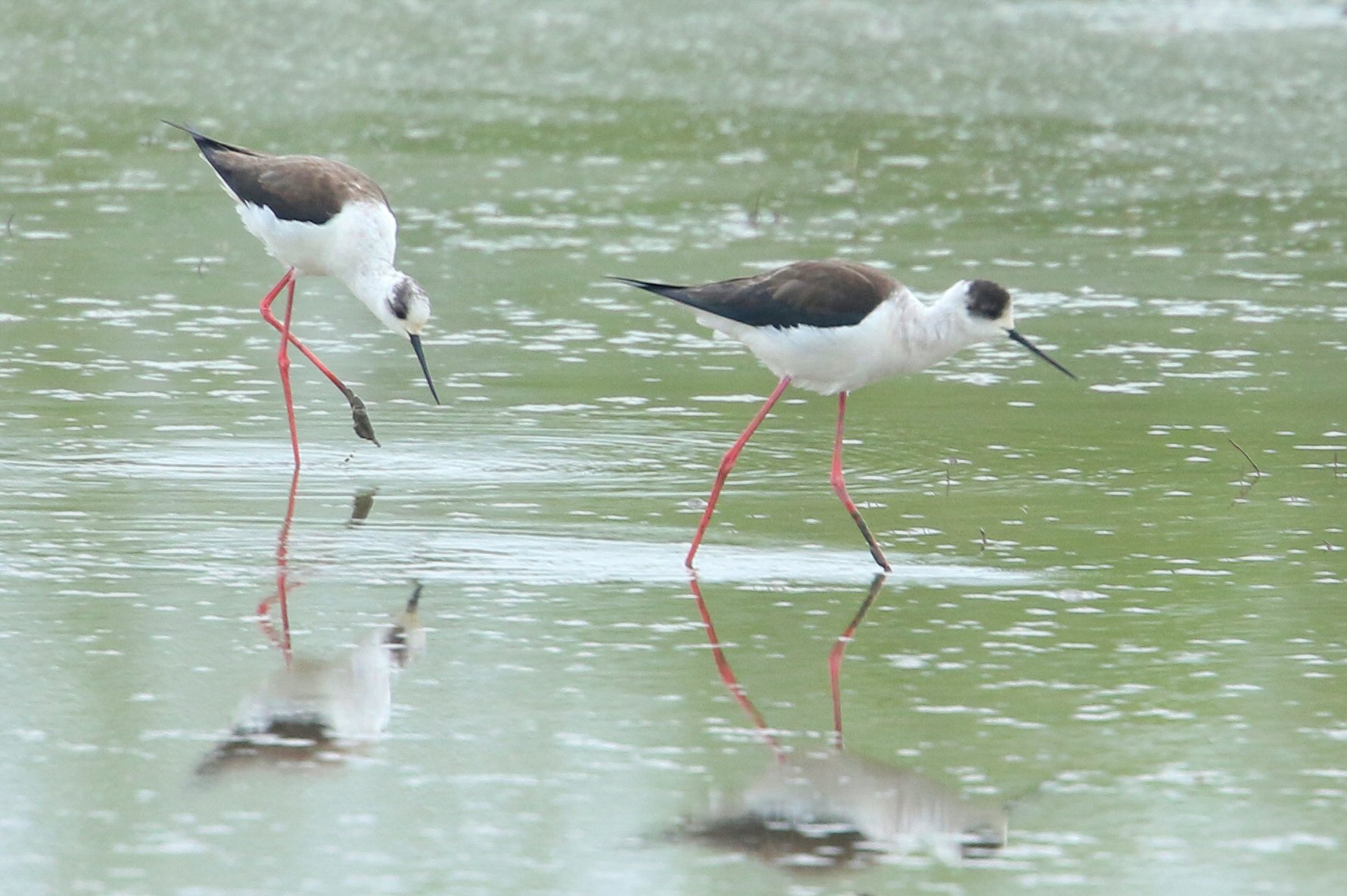
Looking to seriously rival Summer Leys as this year’s spring hotspot, Stanford Res went and did it again, delivering a trio of Black-winged Stilts on 20th. In all their pink, black and white glory, they remained on show from dawn until dusk but had duly departed by the following morning.
Black-winged Stilts, Stanford Res, 20th April 2017 (Bob Bullock)Black-winged Stilts, Stanford Res, 20th April 2017 (Bob Bullock)
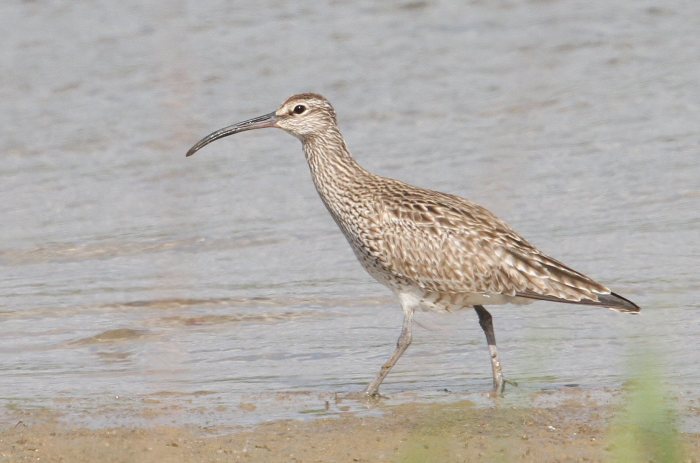
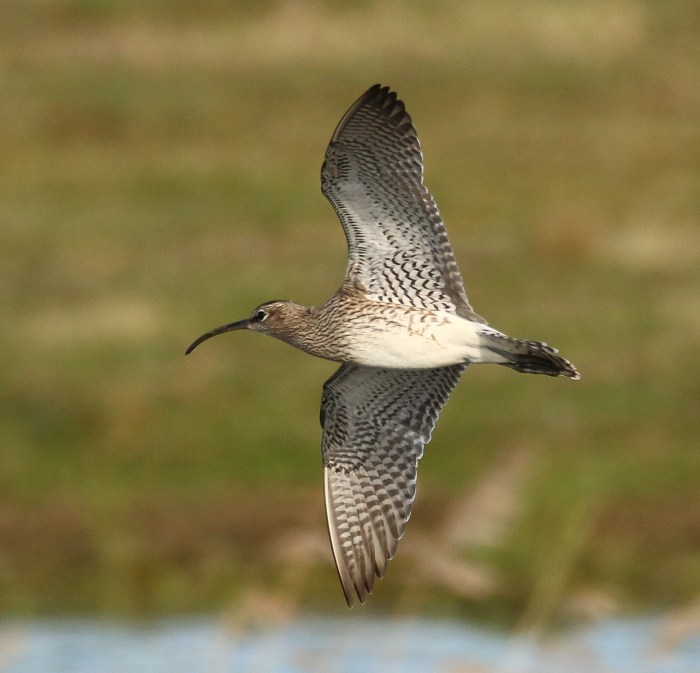
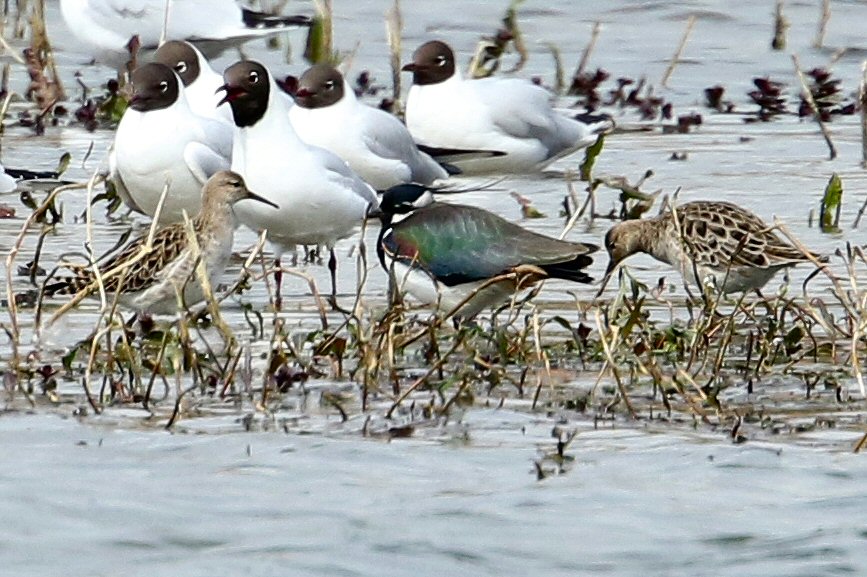
So, after last week’s Common Cranes: Stanford 2-0 Summer Leys. Stanford also produced a Whimbrel on 18th plus five more the following day, five Black-tailed Godwits on 19th and one on 20th and a Bar-tailed Godwit from 19th to 21st. Imagine what could happen if we drained Pitsford during the spring … Single Whimbrels were also at Pitsford Res on 15th and at Summer Leys from 18th to 21st, with the latter site holding up to two Ruffs between 15th and 21st.
Whimbrel, Pitsford Res, 15th April 2017 (Bob Bullock)Whimbrel, Summer Leys LNR, 18th April 2017 (Ricky Sinfield)Whimbrel, Summer Leys LNR, 18th April 2017 (Ricky Sinfield)Icelandic Black-tailed Godwit (left) and Bar-tailed Godwit, Stanford Res, 20th April 2017 (Chris Hubbard)
A Black Tern at Pitsford Res on 21st was the second record of the spring, while the first migrant Arctic Terns showed up this week and included single fly-throughs at Pitsford Res on 15th, 16th and 19th, one at Thrapston GP on 17th, followed by twelve at Clifford Hill GP on 18th and one there the next day.
Arctic Tern, Clifford Hill GP, 18th April 2017 (Bob Bullock)
The week’s only Little Gull visited Pitsford Res on 18th and the same site produced a Yellow-legged Gull on 16th, while a near-adult was at Summer Leys the following day.
It’s been a poor spring for Common Redstarts so far and the last week produced just three on 15th, comprising two on Borough Hill and one near Long Buckby but Northern Wheatear numbers picked up with Borough Hill and Harrington AF hosting three a piece, again on 15th, when there was also one at Stanford Res. At least two remained at Harrington on 16th-17th, eight were near Castle Ashby on 16th, Thrapston GP and Shutlanger held four a piece on 17th, three were at both Bozenham Mill and Newton Bromswold on 18th and one was at Clifford Hill GP on the same date with three there on 20th.
Northern Wheatears, Harrington AF, 17th April 2017 (Simon Hales)
A decent influx of Yellow Wagtails – maxing out at more than fifty at Pitsford Res on 18th – brought with it a couple of smart ‘Channel’ Wagtails, both on that date, the first at Clifford Hill GP and the other accompanying the Pitsford yellows and remaining until the following day.
‘Channel’ Wagtail, Clifford Hill GP, 18th April 2017 (Mike Alibone)‘Channel’ Wagtail, Pitsford Res, 19th April 2017 (Bob Bullock)
The county also enjoyed astonishing numbers of White Wagtails with Stanford Res taking the lion’s share of twenty-two present on 18th and double-figure counts there on most days during the week. Elsewhere, singles were at Pitsford Res on 15th, 16th and 17th plus two there on 21st, one visited Stanwick GP on 17th and five were at Clifford Hill GP on 18th.
White Wagtail, Clifford Hill GP, 18th April 2017 (Bob Bullock)
A Tree Pipit – a county scarcity which now attracts a description submission in neighbouring Bedfordshire – flew over Hazelborough Forest on 16th and single Rock Pipits (or perhaps just one lingering bird) were at Pitsford Res on 15th and 17th-18th.
An early morning visit to partly-drained Stanford Reservoir paid off handsomely for Mel Farrar, today, with the discovery of three Black-winged Stilts close to the northern end where, fortunately, they remained into the evening.
Black-winged Stilts, Stanford Res, 20th April 2017 (Bob Bullock)
Black-winged Stilts, Stanford Res, 20th April 2017 (Bob Bullock)
Six together at Slimbridge, Gloucestershire yesterday had become three there by this morning, further supporting the existence of a flyway between the Severn Estuary and The Wash.
This is the fifth record for Northants, the previous four having all been in May, including the first at Boddington Res on 22nd-23rd May 1965 and the rest at Summer Leys, where there was one on 15th May 1997, two on 1st May 2008 and two on 18th May 2014. This species is building a local track record for one-day stays. Will they still be there tomorrow … ?
For the first two days of the period, an eastwardly-moving high pressure system drew deeply into southern Europe, sucking up warm, southerly winds and producing a summer teaser of local temperatures hitting the mid-twenties. This proved highly conducive to migration with an array of scarcities and common migrants appearing during this two-day period alone. The following five days saw a return to a cooler, more westerly airstream with temperatures closer to average. The arrival of more summer visitors included Hobby, Cuckoo, Lesser Whitethroat, Grasshopper, Garden and Reed Warblers, to name but a few, and the two rarest visitors to the county in the period were, of course, the shortest stayers.
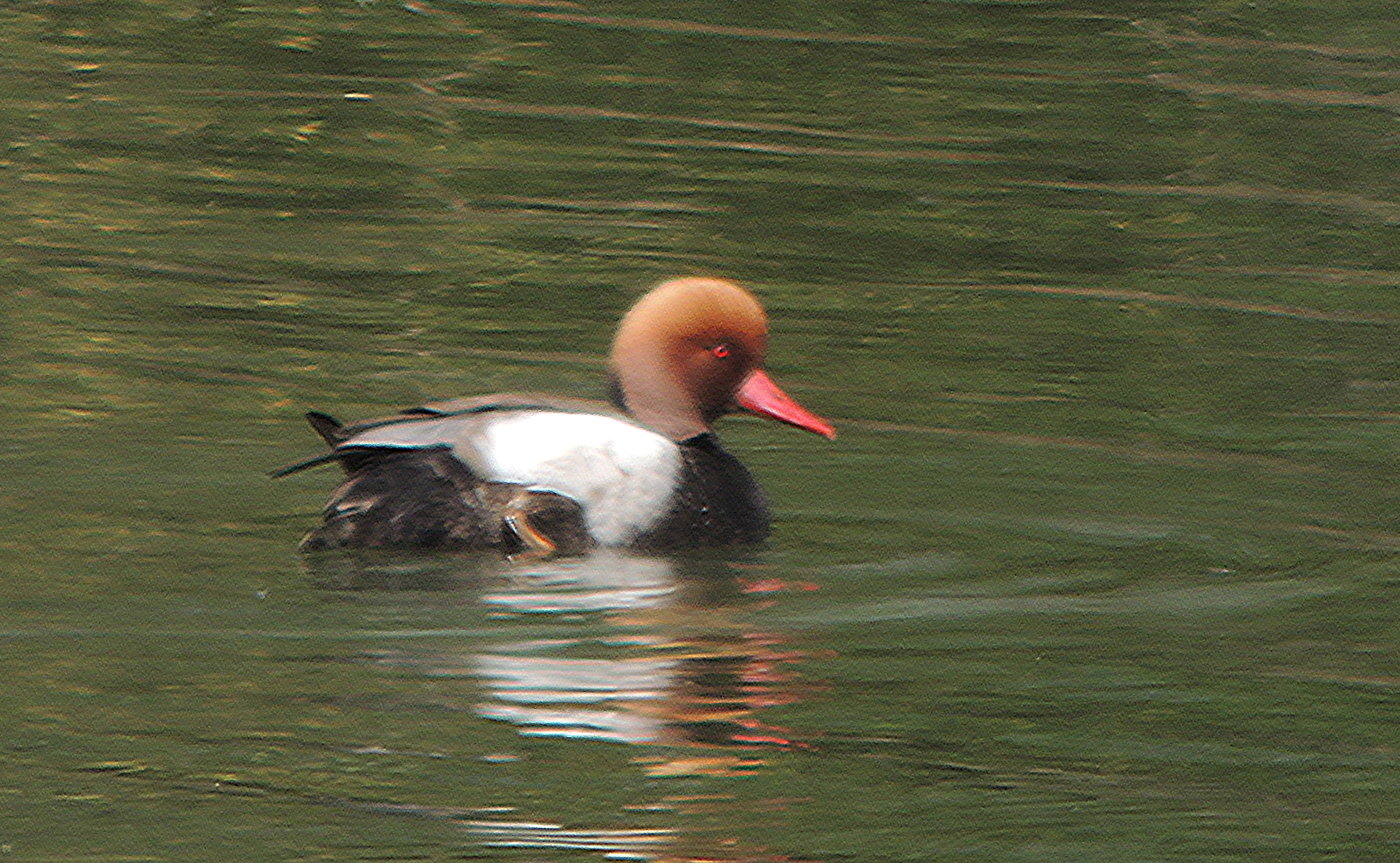
Wildfowl still firmly anchored this week were the Sywell CP Whooper Swan, the Daventry CP Eurasian White-fronted Goose, the Stanwick Scaup and the Stanford Long-tailed Duck, although doubts are now being expressed about the origins of the goose. There were three new Garganeys, including one at Summer Leys LNR on 9th and single females at Stanwick GP on 11th and Pitsford Res on 12th, while Red-crested Pochards included single drakes at Pitsford Res on 9th, Clifford Hill GP on 10th and Thrapston GP on 13th.
Red-crested Pochard, Clifford Hill GP, 10th April 2017 (Mike Alibone)
Back on the agenda – albeit briefly – this week was Great White Egret with one flying west along the Nene Valley at Sixfields, Northampton on 11th but clearly more impressive were two Spoonbills clocked circling low over Thrapston GP’s Aldwincle Lake before heading off toward Oundle, late in the morning of 8th. This will be approximately the 34th record for Northamptonshire and it’s a shame they didn’t pitch down there for the remaining part of the day.
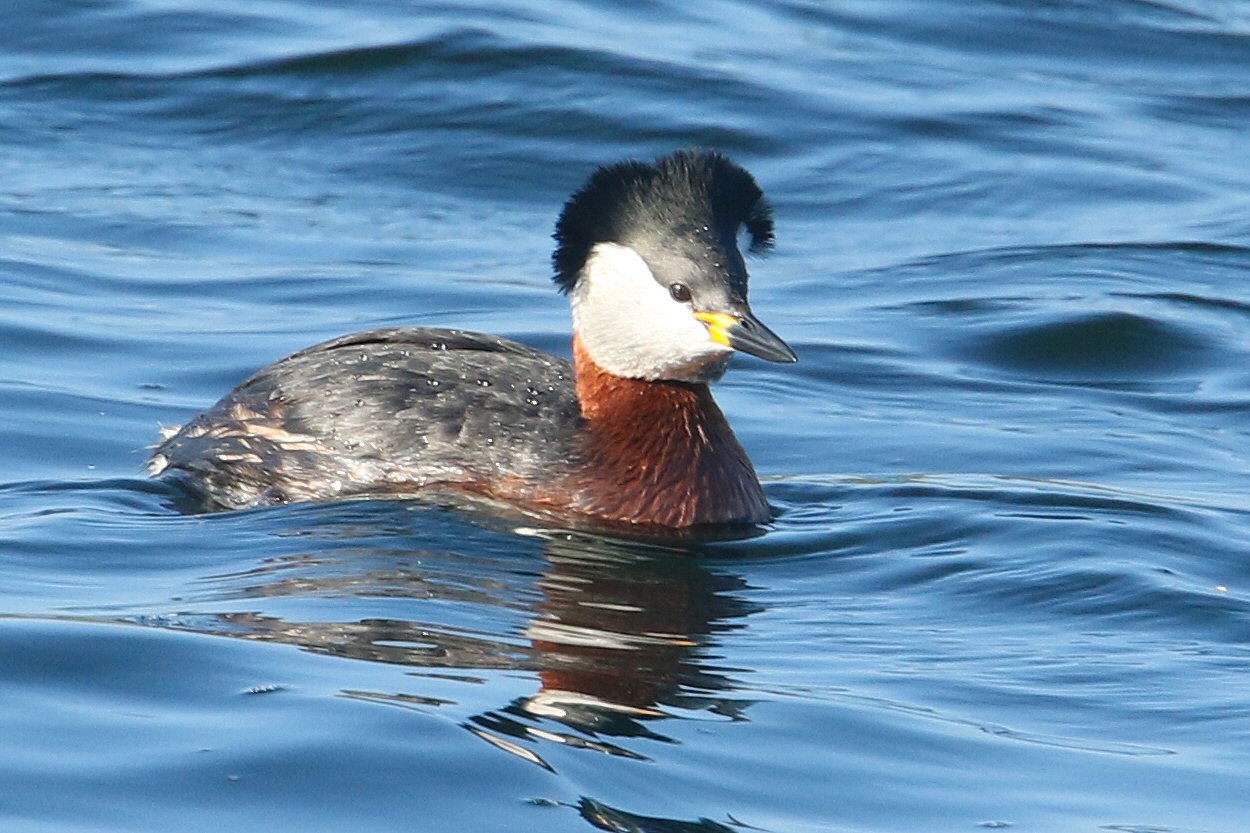
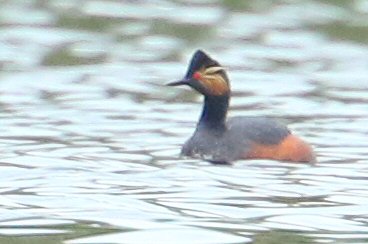
More obliging, however, were two small crowd-pleasing Red-necked Grebes, which were discovered at Daventry CP on the same date, with both still present the following day and one remaining until 13th. Last week’s Black-necked Grebe also remained on site until 11th – a tussle ensuing between it and one of the Red-necked Grebes at one point!
Red-necked Grebes, Daventry CP, 9th April 2017, (Bob Bullock)
Red-necked Grebes, Daventry CP, 9th April 2017, (Bob Bullock)
Red-necked Grebes, Daventry CP, 9th April 2017, (Bob Bullock)
Red-necked Grebes, Daventry CP, 9th April 2017, (Bob Bullock)
Marsh Harriers again featured in this week’s line-up. One was hunting over the reedbeds surrounding the scrape at Summer Leys on the evening of 12th and it, or another, was seen flying high over Irthlingborough Lakes & Meadows LNR, at Ditchford GP, the following morning, while another flew north at Pitsford Res on 14th.
Marsh Harrier, Summer Leys LNR, 12th April 2017 (Ricky Sinfield)
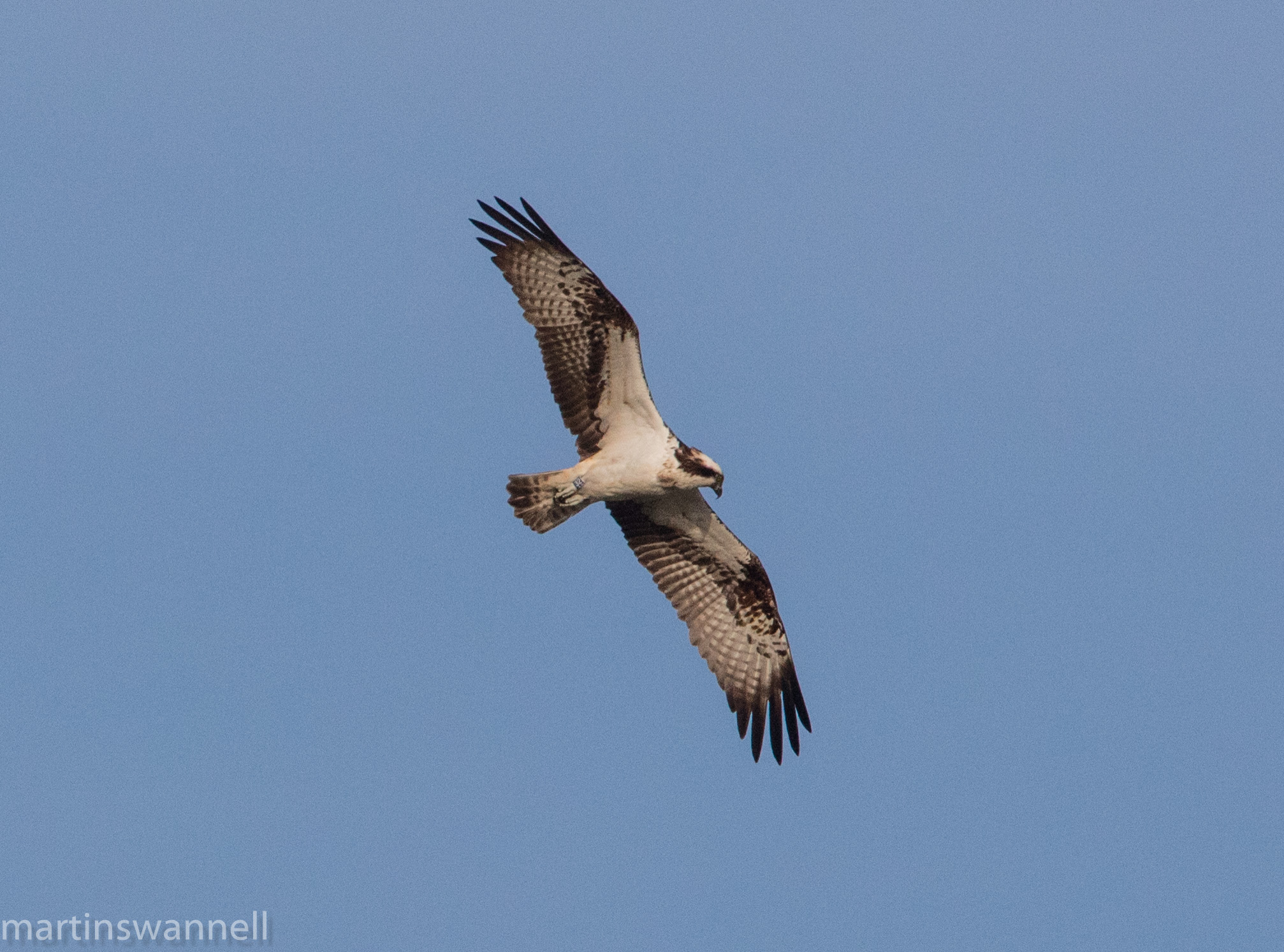
Given the success and the proximity of the Rutland Osprey scheme, it is not surprising we are seeing more locally each year. This week’s migrants included singles north over Sywell and Foxholes Fisheries, Crick – both on 8th, one (a ringed male from the Rutland scheme) over Hollowell Res on 9th, one between Ravensthorpe Res and Hollowell on 12th with one – possibly the same – fishing at Pitsford Res on the same day and one flying north-west over Fotheringhay on 13th.
Male Osprey, Hollowell Res, 10th April 2017 (Martin Swannell)
Male Osprey, Hollowell Res, 10th April 2017 (Martin Swannell)
The first rarity to occur at the now half-drained Stanford Res was not predicted. On 9th, two Common Cranes were discovered ‘on the deck’ at 08.00 but both took to the air shortly afterward and they were last seen heading south-west over the dam at 08.30. Both bore colour rings and the combination indicates they had been ringed in the UK.With barely twenty county records they were a great find for the three observers who saw them.
Common Cranes, Stanford Res, 9th April 2017 (Richard Mays)
Common Cranes, Stanford Res, 9th April 2017 (Richard Mays)
More spring waders were on the move this week with the first Whimbrel flying north over Pitsford Res on 12th, two Ruff wereat Summer Leys on 11th-12th followed by a male there on 13th and a Greenshank was there on 12th.
Ruffs, Summer Leys LNR, 13th April 2017 (Bob Bullock)
With Common Terns now arriving in some numbers (twenty-eight at Stanwick GP on 12th) other terns are only to be expected. Three Black Terns at Irthlingborough Lakes & Meadows on 9th were early. In fact they were the earliest in the 48-year history of the Northamptonshire Bird Report – the previous earliest being on 12th April 1980. Sandwich Terns, however, are renowned for being early and, following the one at Pitsford Res on 31st March, another arrived at Daventry CP on 9th, stayed for less than thirty minutes and then was off.
Sandwich Tern, Daventry CP, 9th April 2017 (Bob Bullock)
Sandwich Tern, Daventry CP, 9th April 2017 (Mike Alibone)
Another record broken was the amazing flock of twenty Sandwich Terns which arrived at Clifford Hill GP at about the same time as the Daventry individual. Twenty is apparently unprecedented in Northants but, again, they did not stay long, prematurely helped on their way by dog-walkers straying from the path and down to the shoreline where they had chosen to rest. A Little Gull was at Pitsford Res on 9th-10th but the only other relatively scarce Larid was, understandably for the time of year, a third calendar year Yellow-legged Gull at Daventry CP on 10th.
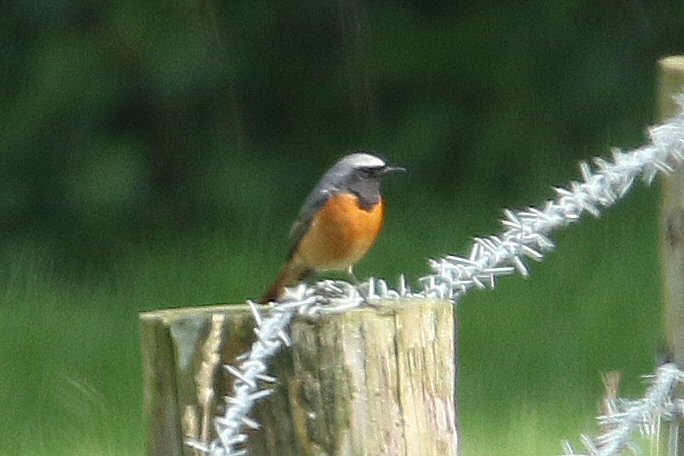
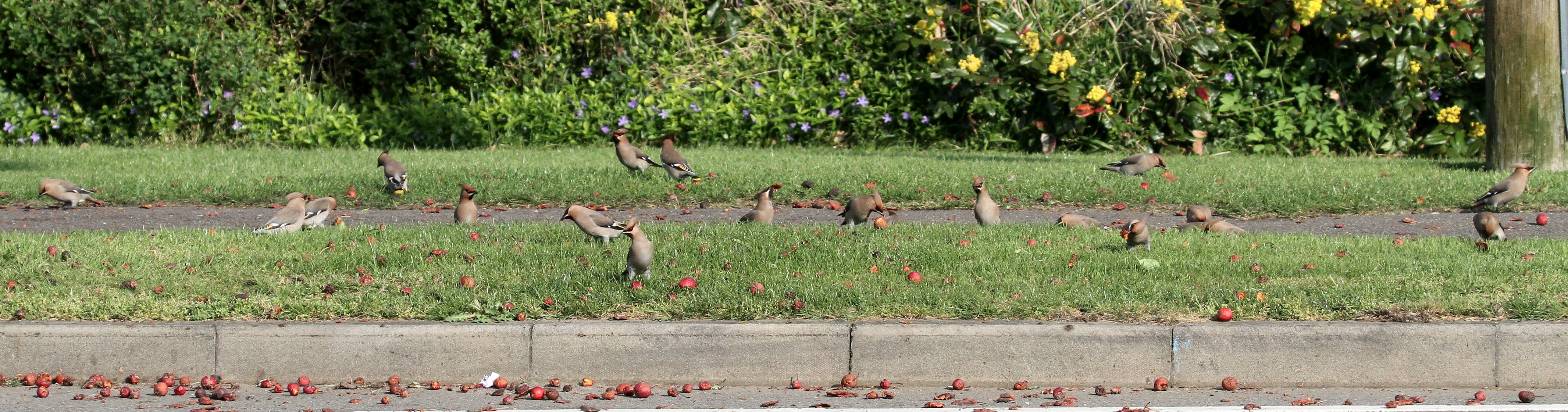
Some of last week’s Waxwings remained in Northampton in the vicinity of Rushmere Road, where they were feeding in lime trees until 12th. Surely this must be the last we’ll see of this species this spring? Meanwhile, in the west of the county, Daventry CP hosted a male Common Redstart on 11th, while the top of Newnham Hill featured again (after last week’s Ring Ouzel) on the same date with another male Common Redstart and two Northern Wheatears.
Common Redstart, Newnham Hill, 11th April 2017 (Bob Bullock)
More Northern Wheatears were at Harrington AF, where up to two were present between 8th and 14th, and near Castle Ashby with two on 14th. The lion’s share of this week’s White Wagtails was at Stanford Res, where there were up to three between 8th and 10th, six on 12th and three on 13th-14th, while one was between Pitsford Res and Scaldwell on the latter date and one appeared at Clifford Hill GP on 14th.
With the country under the influence of a slowly moving high pressure system, the weather remained dry and relatively warm, with southerly winds at the beginning of the period changing briefly to north-easterlies, before reverting to southerly at the week’s end. More migrants appeared, including the first Common Sandpiper, Common Redstarts and Ring Ouzel.
Wildfowl numbers continued to drop, although the Sywell CP Whooper Swan – seemingly under the radar last week – was found still to be present until at least 5th and a new Eurasian White-fronted Goose turned up at Daventry CP on 7th.
Eurasian White-fronted Goose, Daventry CP, 7th April 2017 (Gary Pullan)
Also new were two Garganeys – both on 7th – including a female at Summer Leys LNR and a drake at Hollowell Res. Staying put, though, were the drake Red-crested Pochard at Earls Barton GP, which was still present on 4th – with the Thrapston three still in situ on 2nd – while the long-staying female Scaup at Stanwick GP remained until at least 5th and the Long-tailed Duck at Stanford Res was still present at the week’s end.
Garganey, Hollowell Res, 7th April 2017 (Cathy Ryden)
There were no reports of the Pitsford Slavonian Grebe this week but a Black-necked Grebe at Daventry CP from 4th to 7th and a Red-necked Grebe at Stanford Res on 7th – both resplendent in summer plumage – more than made up for its absence.
Black-necked Grebe, Daventry CP, 3rd April 2017 (Bob Bullock)
Harriers took precedence in this week’s raptor rares, with a Marsh Harrier over the reedbed at Stanwick GP on the evening of the 1st and a ‘ringtail’ Hen Harrier in flight over wind turbines near Burton Latimer on 5th. There was, perhaps surprisingly, just one Osprey reported – a male flying over Blatherwycke Lake on 2nd.
Hen Harrier, Burton Latimer, 5th April 20127 (Alan Francis)
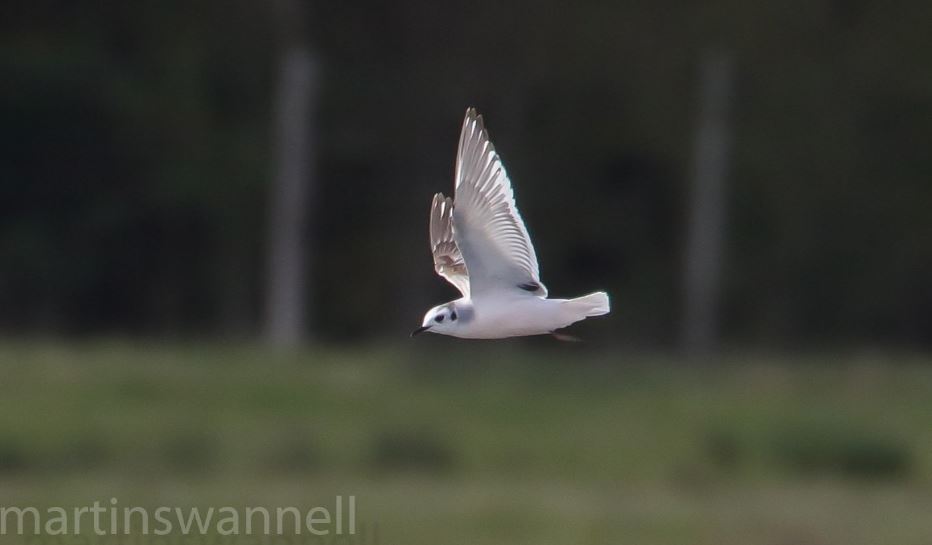
Just two more Little Gulls were seen – appropriately enough a first-summer at Summer Leys on 1st and an adult at Daventry CP two days later, on 3rd, while the latter site also briefly hosted a fourth calendar year Caspian Gull the following day. A first-summer Mediterranean Gull appeared equally briefly at Stanwick GP on 2nd.
First-summer Little Gull, Summer Leys LNR, 1st April 2017 (Martin Swannell)
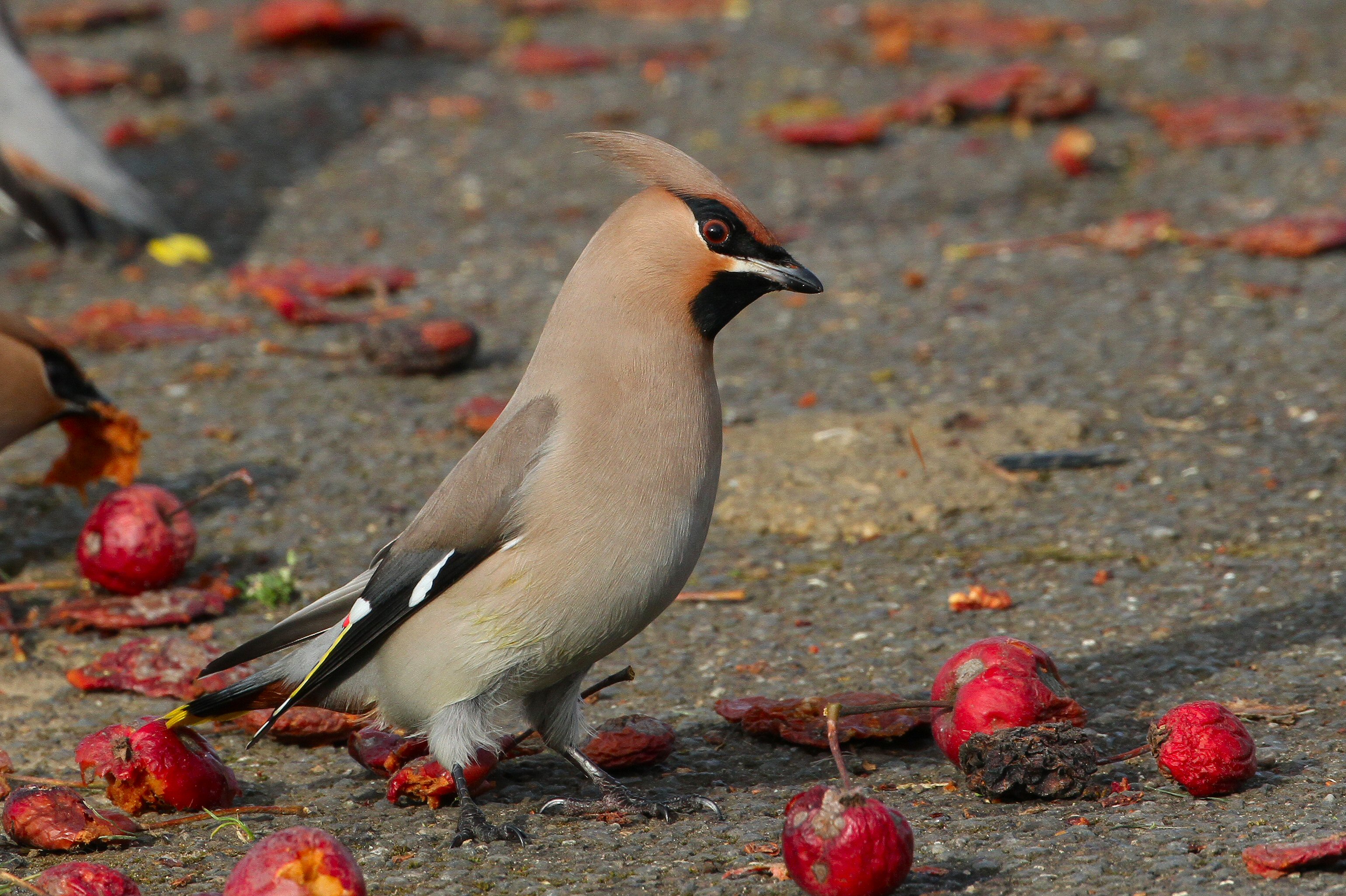
With the local winterers gone, a migrant Short-eared Owl over Pitsford Res on 2nd was a nice surprise and there were yet more Waxwings to be found – up to thirty-five in Northampton were in the vicinity of Rushmere Road/Billing Road East between 4th and 7th, some eighteen of which moved to nearby Abington Park on the latter date.
Waxwings, Northampton, 6th April 2017 (Bob Bullock)
Male Waxwing, Northampton, 6th April 2017 (Cathy Ryden)
Waxwing, probably young male, Northampton, 5th April 2017 (Bob Bullock)
In the west of the county, a male Ring Ouzel was ranging widely in the region of the footpath near the top of Newnham Hill on 2nd while, back in Northampton, a female Common Redstart was found at Bradlaugh Fields on the same date, followed by a male near Long Buckby on 7th.
Male Ring Ouzel, Newnham Hill, 2nd April 2017 (John Friendship-Taylor)
Two more White Wagtails appeared – both at Stanford Res – where there was one on 1st and another on 6th and two Crossbills were located in Bucknell Wood an 2nd.
Following a 4.5-hour drive from Tel Aviv, I arrived in Eilat in the early hours of Sunday morning, 26th March. This left just two days to connect with my team mates, Dawn Balmer and Mark Pearson and spend two days scouting and strategising before embarking upon the 24-hour bird race around southern Israel on Tuesday 28th. Not enough time …
In previous years, the Birdwatch-BirdGuides Roadrunners have elected to leave base camp – the Agamim Hotel in Eilat – around 02.30 hours and head to the furthest points north of the designated playing field (Nizzana and/or Yeruham Lake) for first light. This allowed time to ‘collect’ owls en route. We always ended up with 130 something species. This year we did it differently and started later, at 05.00, birding locally within 25 km of Eilat before heading north to arrive at Yeruham Lake just before dusk.
Raceday Egyptian Vulture feasts on Ass carcass in the Ramon crater
It was tight. We left KM20 salt-pans 1.5 hours later than planned, arriving at Yeruham a little too late for daytime species but managed to get Great White Egret, Cetti’s Warbler, Stone Curlew and Purple Swamphen before night fell. After dark, a calling Long-eared Owl was the last bird of the day before three attempts at Scops Owl went unfulfilled and we arrived back at the Agamim at midnight.
Raceday Hoopoe Lark, Se’efim Plain, north of Eilat
Our total for the day was 140 species – well short of the winning team, the Arctic Redpolls from Finland with a massive 181 species! More importantly, however, was the amount of money we raised through sponsorship and donations. Out of the 34 teams competing we came 3rd with a very respectable £4300 and, along with Dawn and Mark, I would like to express my gratitude and say a huge ‘thank you’ to all of you who contributed.
Greater Sandplover, Eilat North Beach – dipped on raceday but back there again the following morning!
The overall result in terms of money raised by the event was in the region of $63,000, which will be going to Doğa Derneği to tackle the illegal killing of birds in Turkey.
The event is going from strength to strength annually and will, over the years, undoubtedly make a difference to conservation of migrant birds in the Mediterranean. Once again, many thanks to all of you who contributed to this worthy cause.





 This is only the 20th record for the county, following the last in 2012, when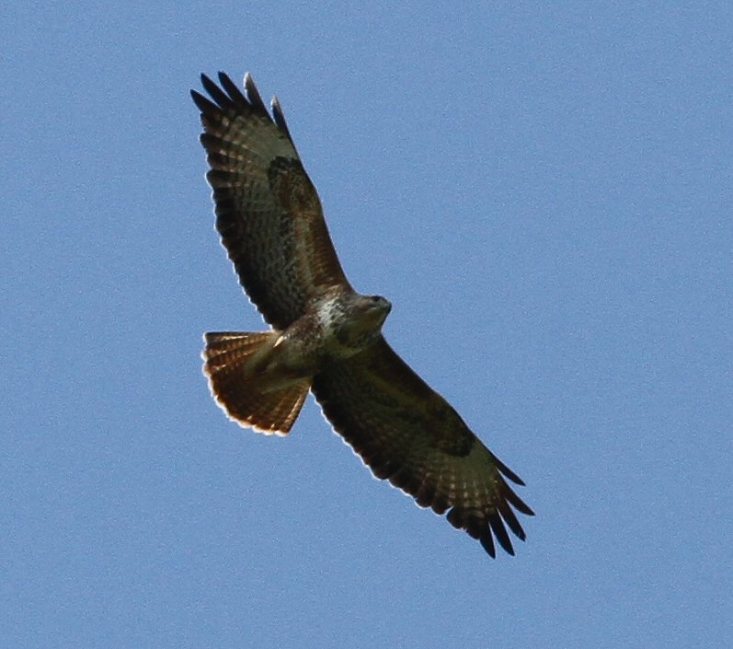












 Marsh Harriers again featured in this week’s line-up. One was hunting over the reedbeds surrounding the scrape at Summer Leys on the evening of 12th and it, or another, was seen flying high over Irthlingborough Lakes & Meadows LNR, at Ditchford GP, the following morning, while another flew north at Pitsford Res on 14th.











 Northants birds