Currently considered a national rarity based on statistics, a Treecreeper showing characteristics of the northern European race familiaris – more commonly known as ‘Northern Treecreeper’ was found, photographed, and subsequently identified, by Julie Roe at Summer Leys LNR on 20th March. It was present in trees on the west side of the path between the Feeding Station and Screen Hide.
The bird, first noticed by its ‘frosty’ appearance, exhibited all the key identification features including the obvious white spots on the mantle, pale scapular feathers with white shafts and a warmer rump.

Its broad and startlingly white supercilium extended and flared into the upperparts as well as extending in front of the eye and over the lores. The underparts were gleamingly snow-white with only a slight buff tinge limited to rear flanks and undertail coverts.


The above features are spot-on for this race which occurs in Fennoscandia, eastern Europe and northern Russia as far east as western Siberia, while our own race britannica is restricted to Britain & Ireland.
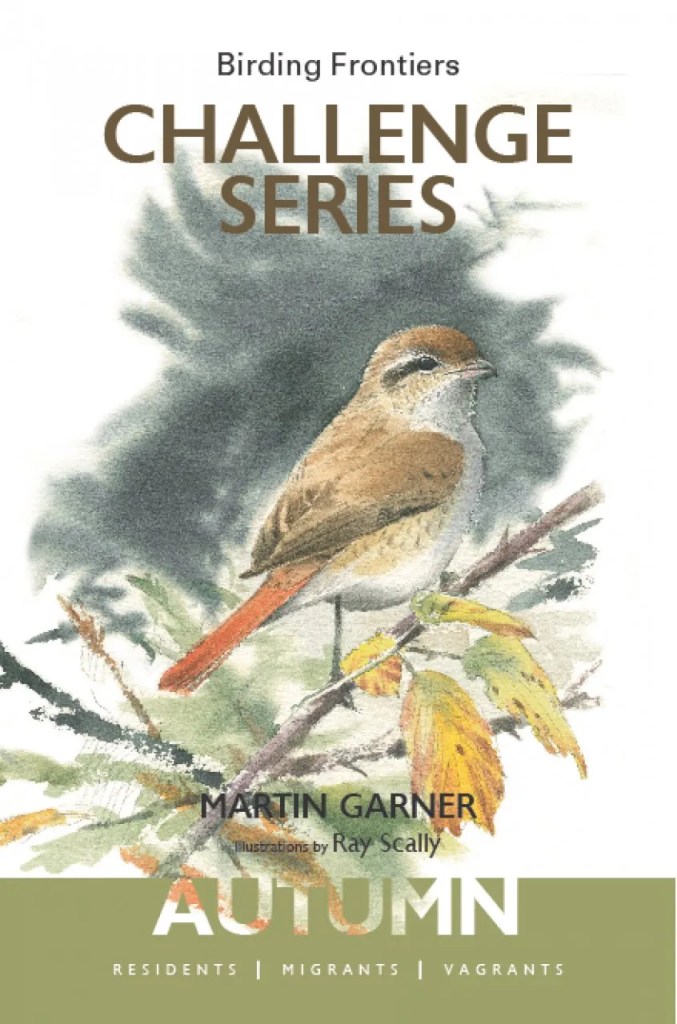
One further feature outlined by the late, great Martin Garner in his Birding Frontiers Challenge Series – Autumn (2014) is that the forward-pointing claws of Northern Treecreeper are wholly pale/translucent compared to the usually slightly darker sides to the same claws on britannica. This feature is clearly evident in the images captured by Julie.
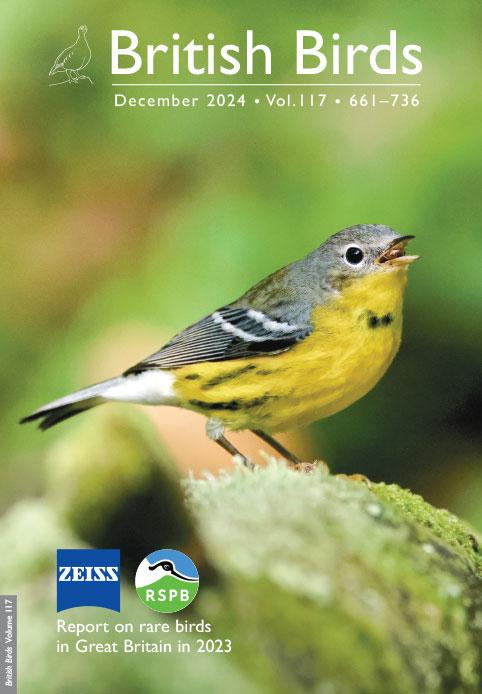
With only 36 accepted UK records up to 2022 and a further 11 in 2023 – deemed a bumper year for the occurrence of this race in the UK – records of Northern Treecreeper are currently considered by the British Birds Rarities Committee, although its national status is recognised as uncertain but possibly more common than statistics suggest.
The Northern Isles have accounted for the majority of records but they have also occurred further south along the east coast. Our bird in Northants is likely to be the only one to have knowingly occurred this far inland. The record will be submitted to BBRC in due course.
Suggested reading for further information on Northern Treecreeper identification and status

 Northants birds