Newsround – 4th to 17th November 2023

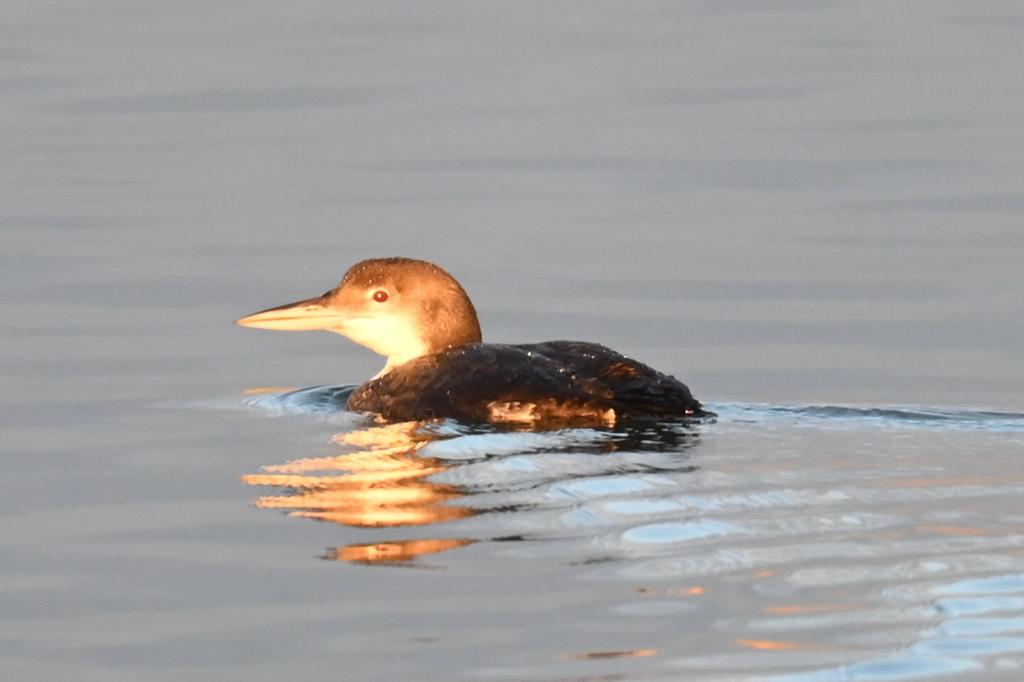
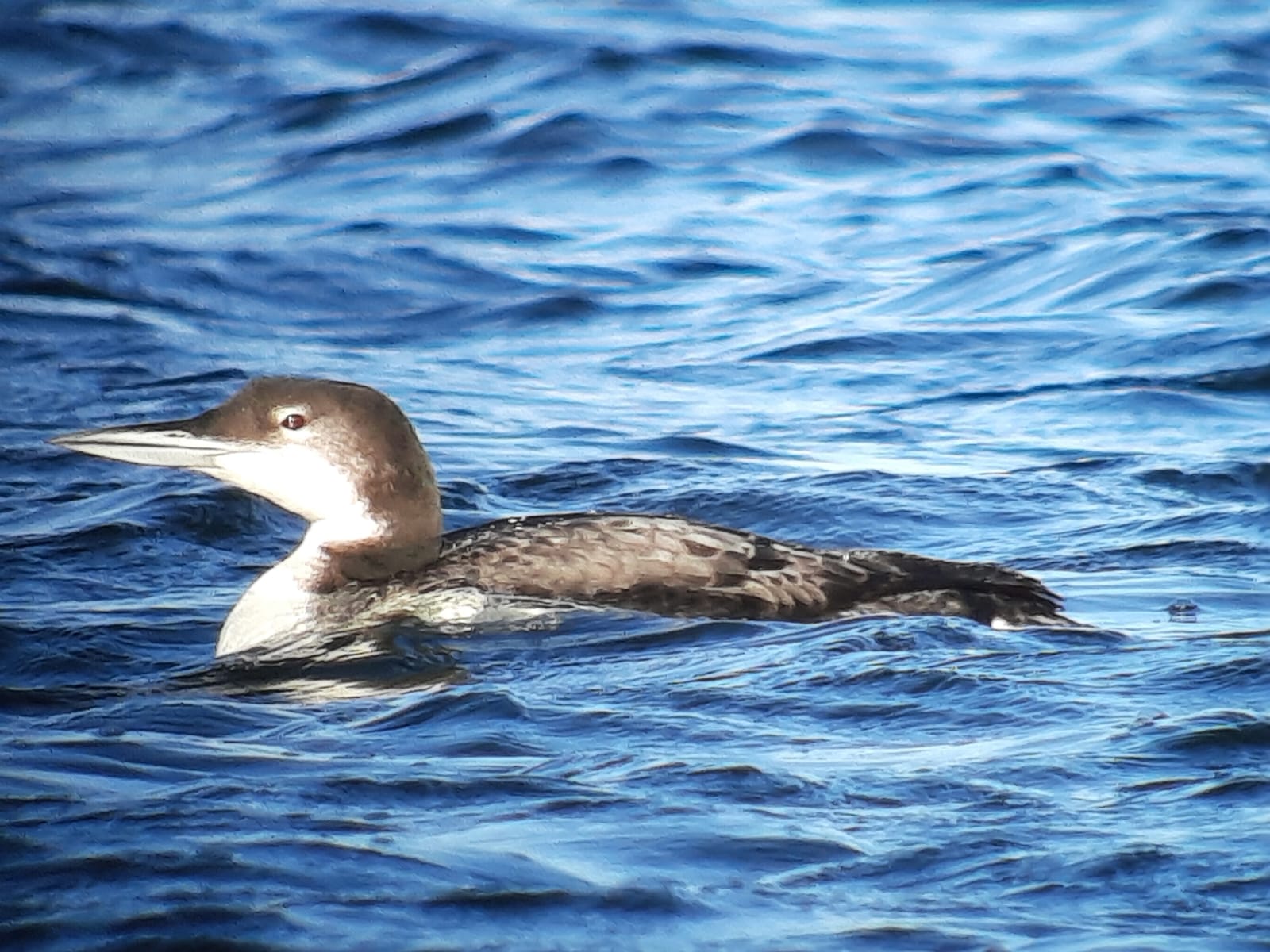
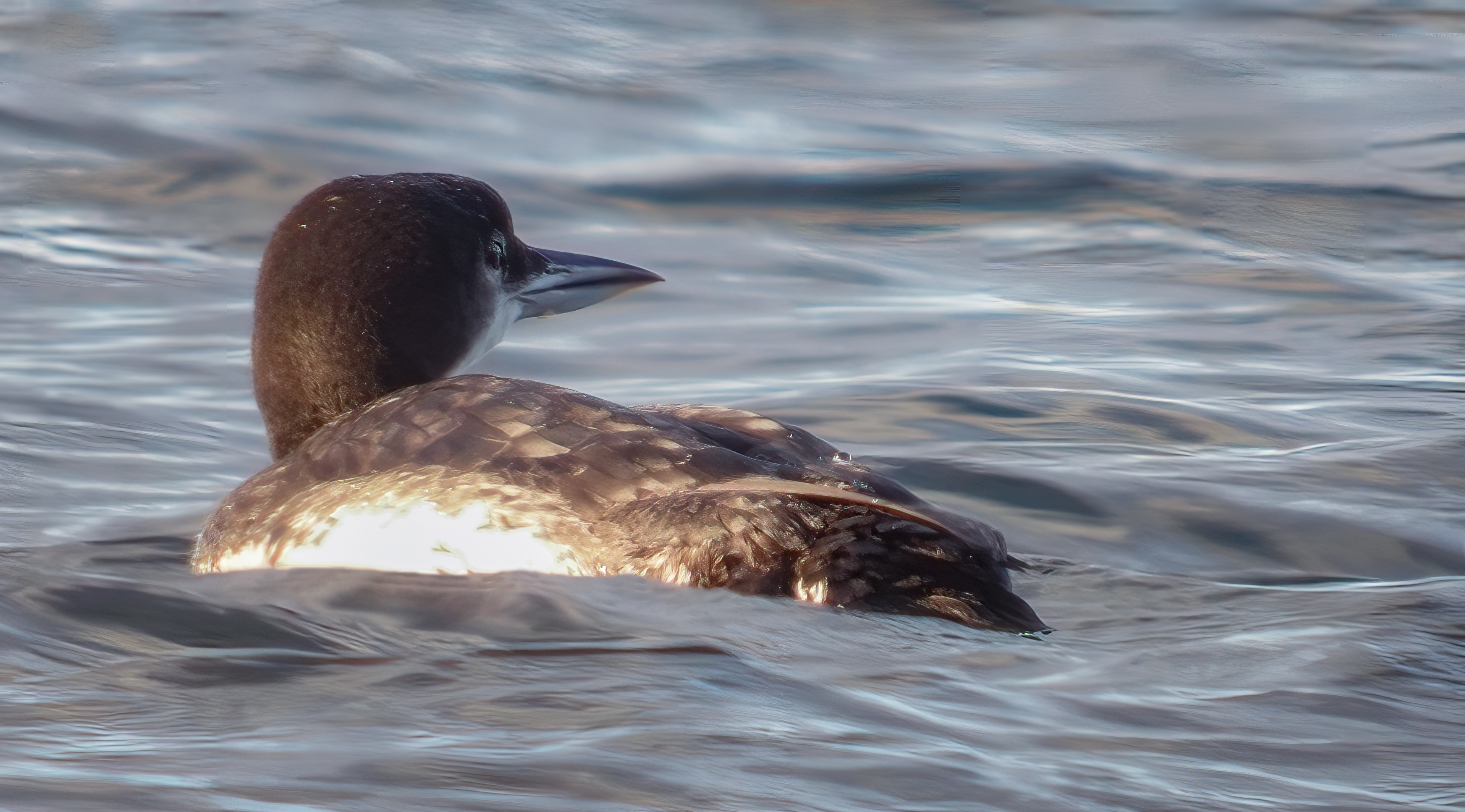
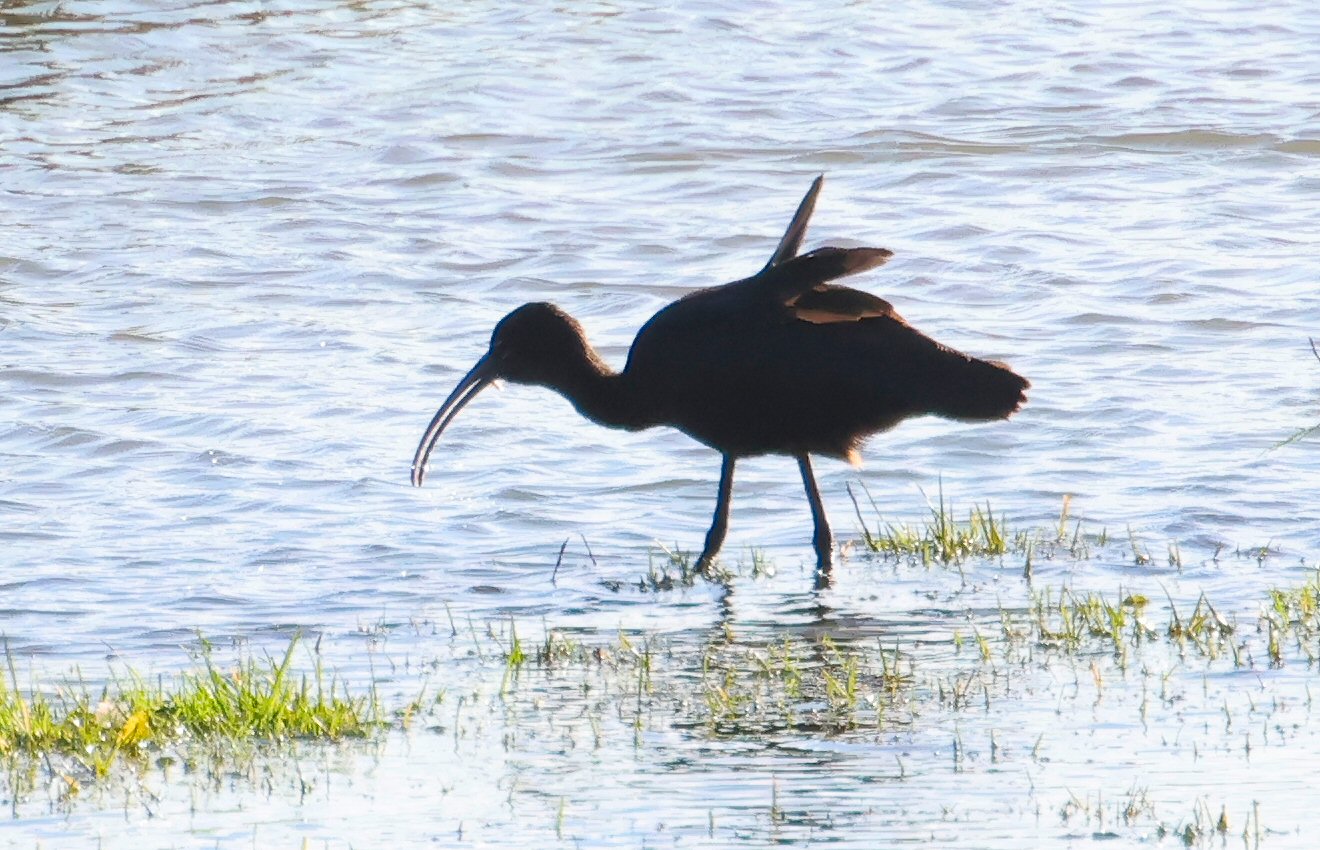
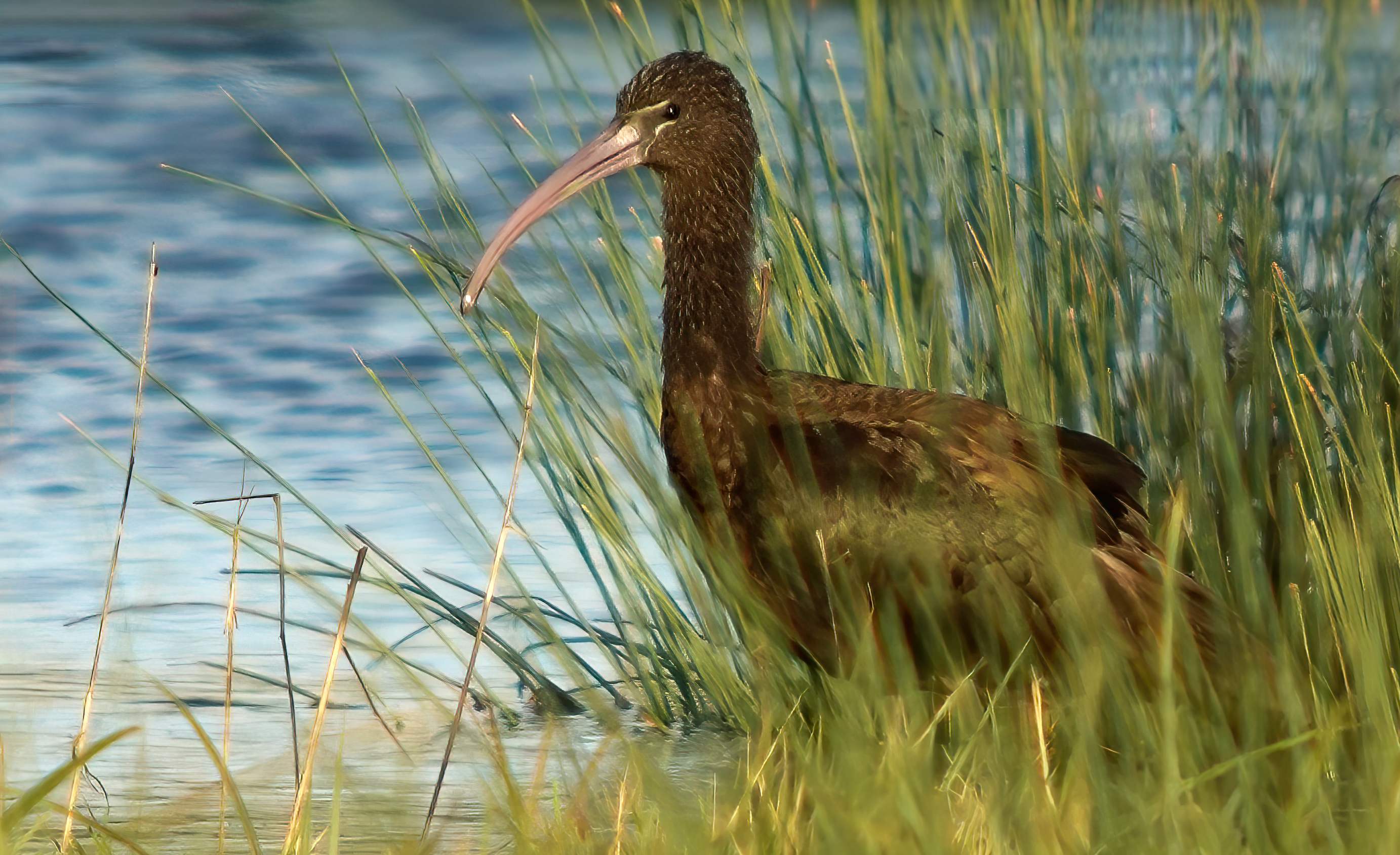
If it’s said a week is a long time in politics, then two weeks may be looked upon as an absolute age in birding, especially if it’s in spring or autumn. The summary of the fourteen days just gone chronicles the occurrence of the best birds of the period and echoes the previous week in terms of the discovery of a Great Northern Diver and, once again, the reappearance of that hitherto elusive Glossy Ibis.

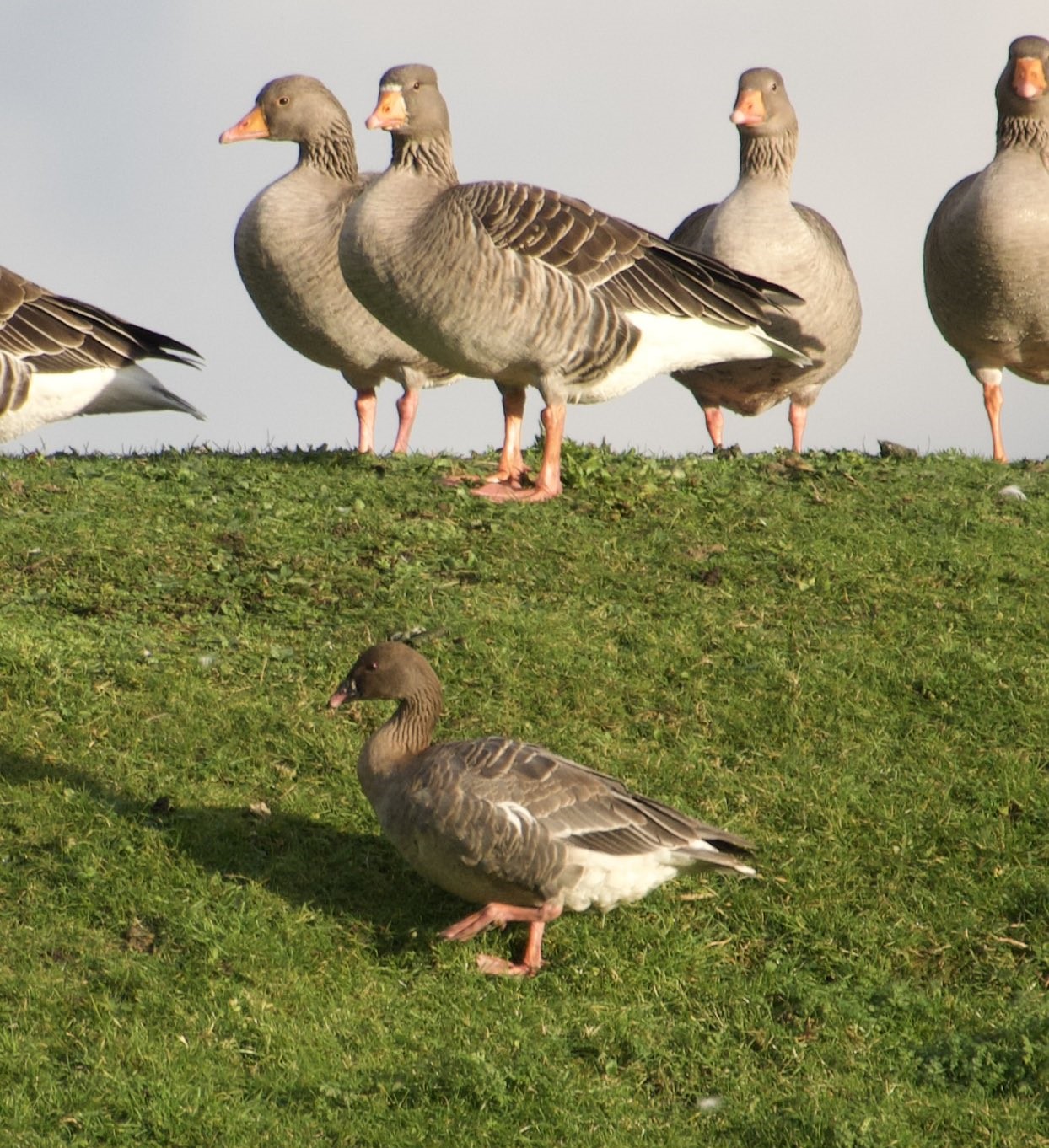
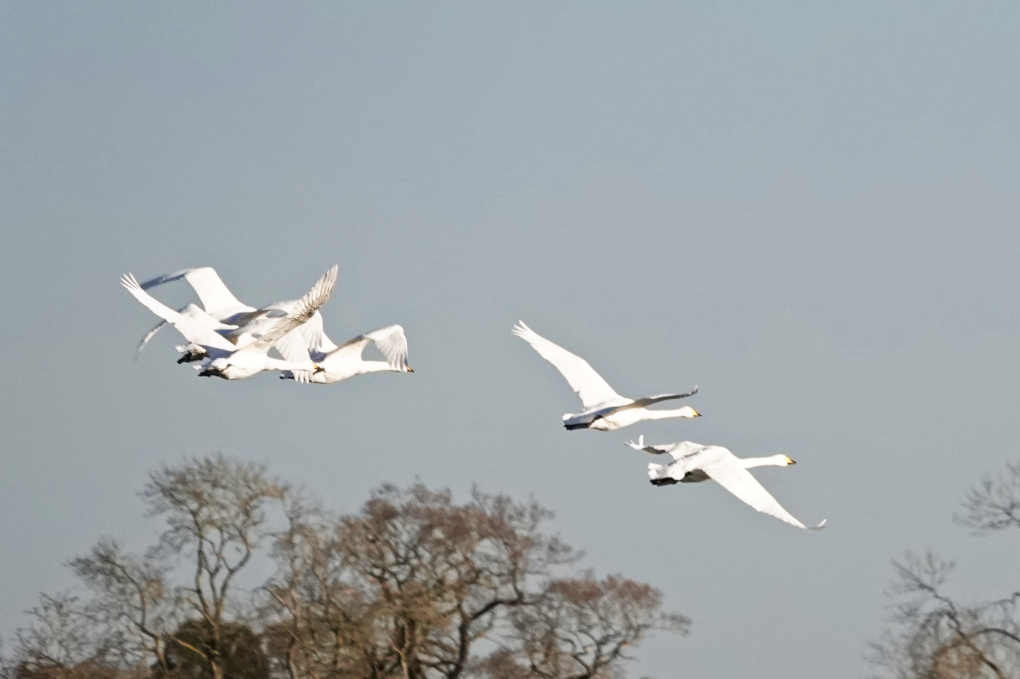
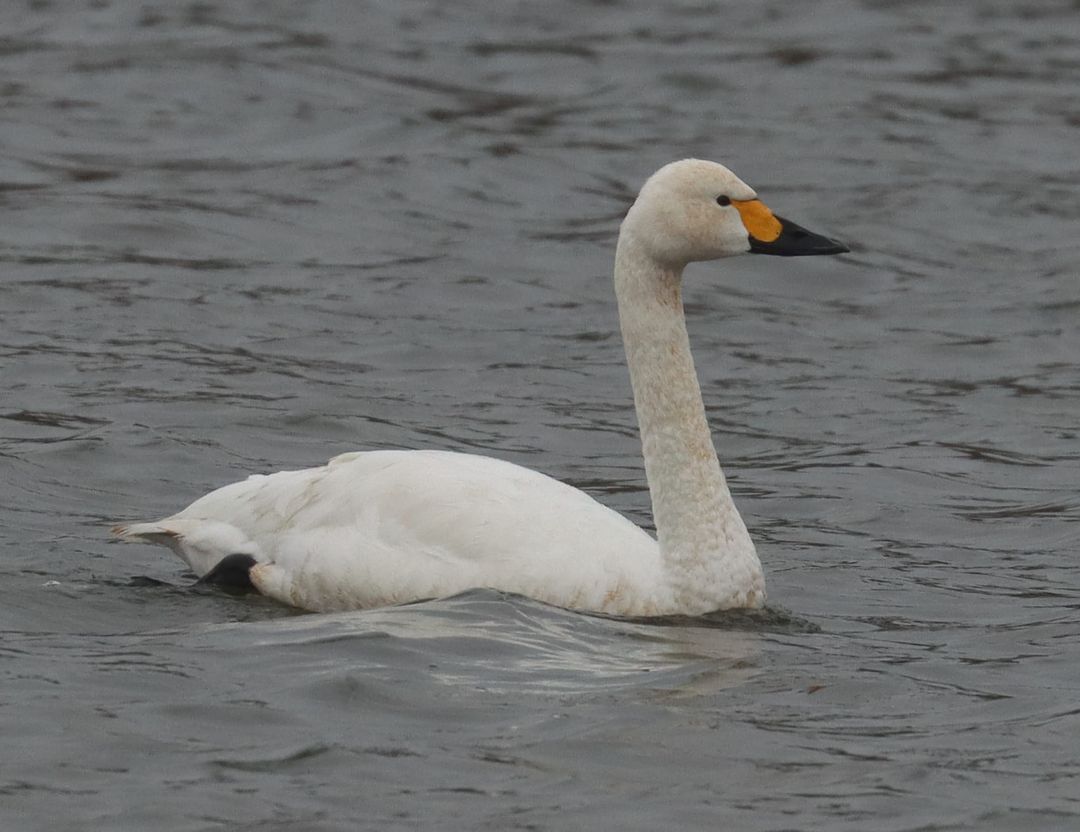
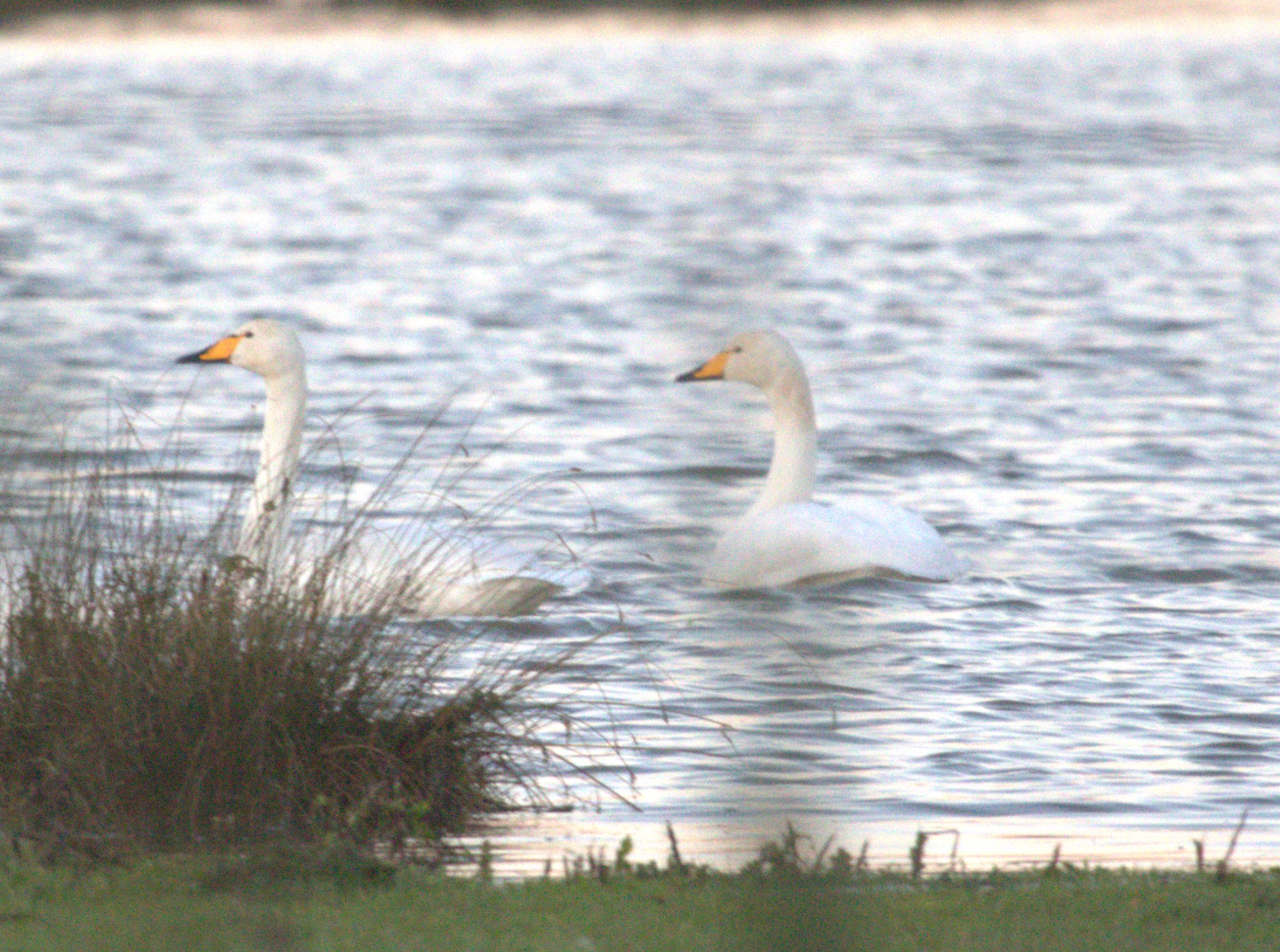
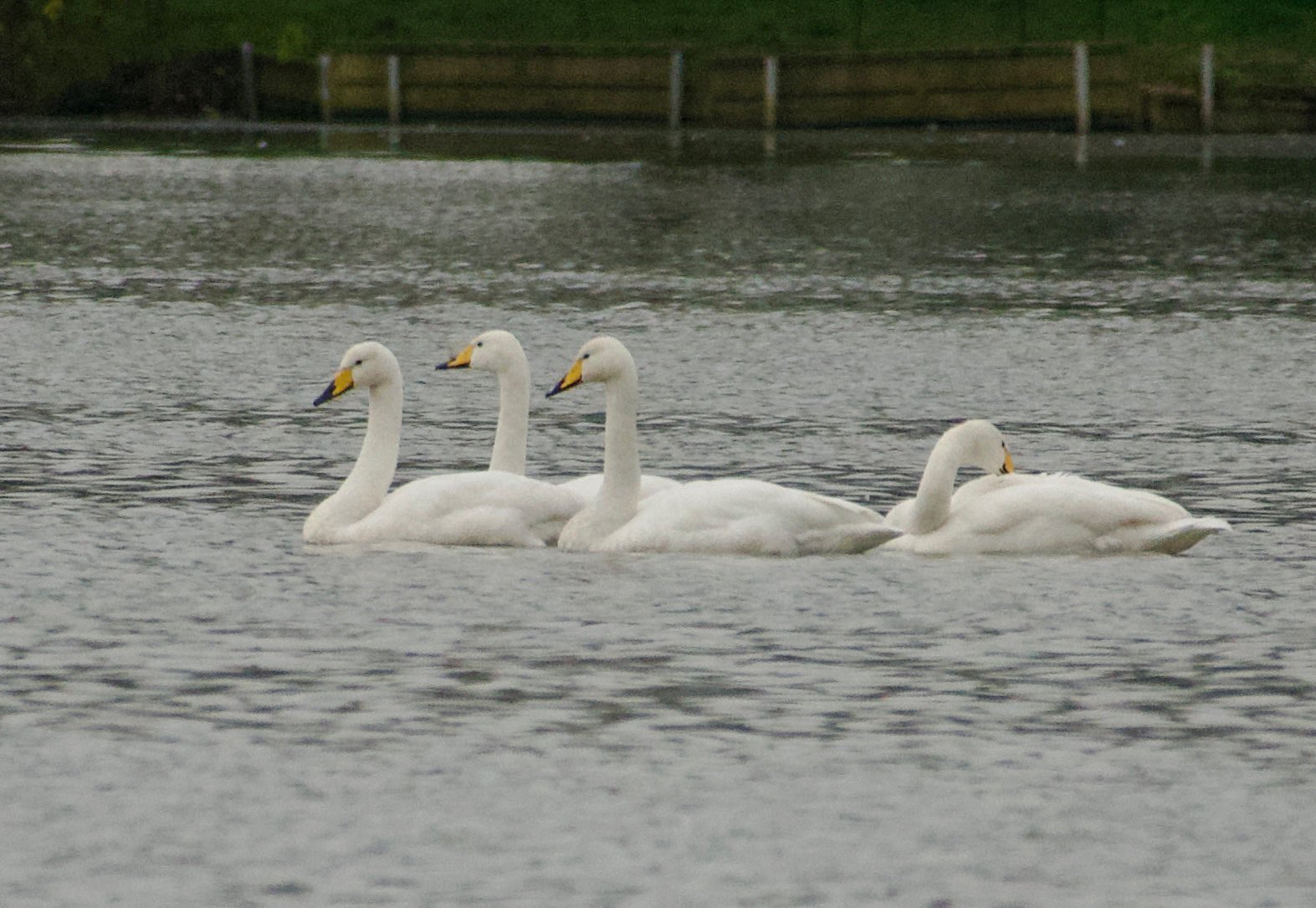
Low down on this week’s agenda, though, was the Pink-footed Goose still at Ravensthorpe Res throughout but two other sites dished up some classier fare in the shape of six adult Whooper Swans – two at Stanwick GP on 7th and four at Stanford Res on 12th. Unfortunately, neither site held on to them for more than 15 minutes.

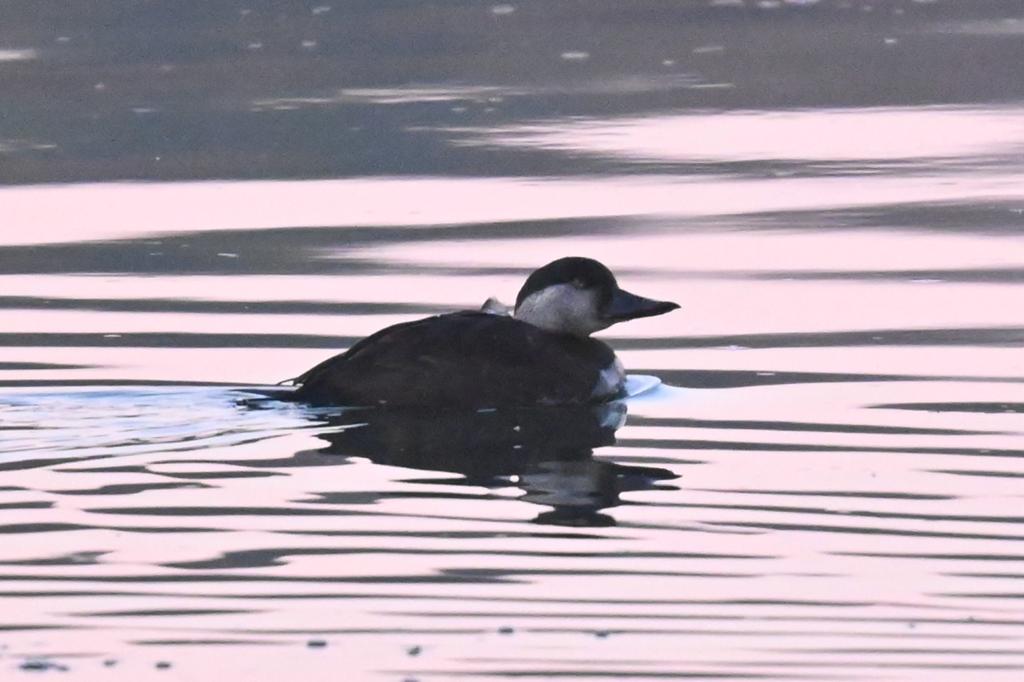
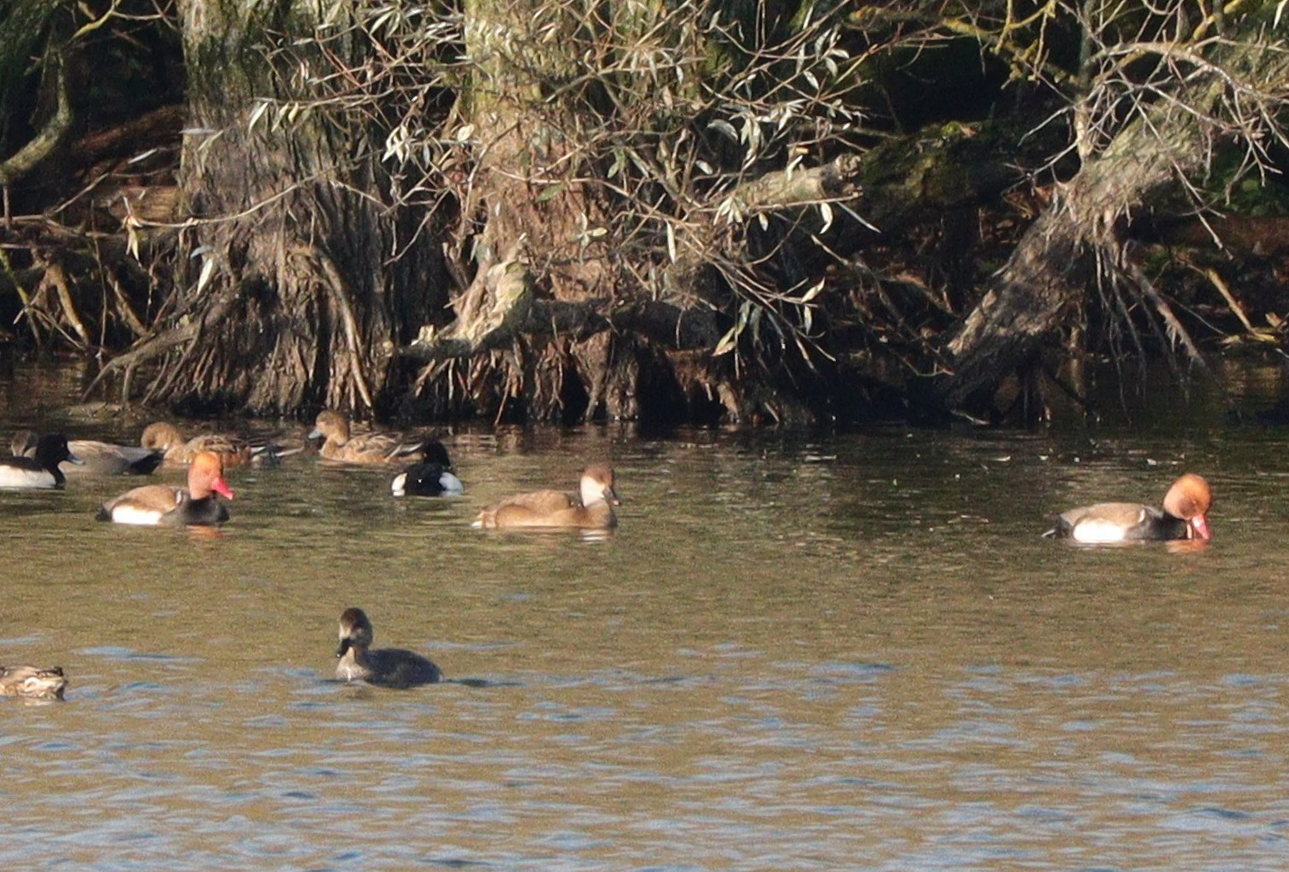
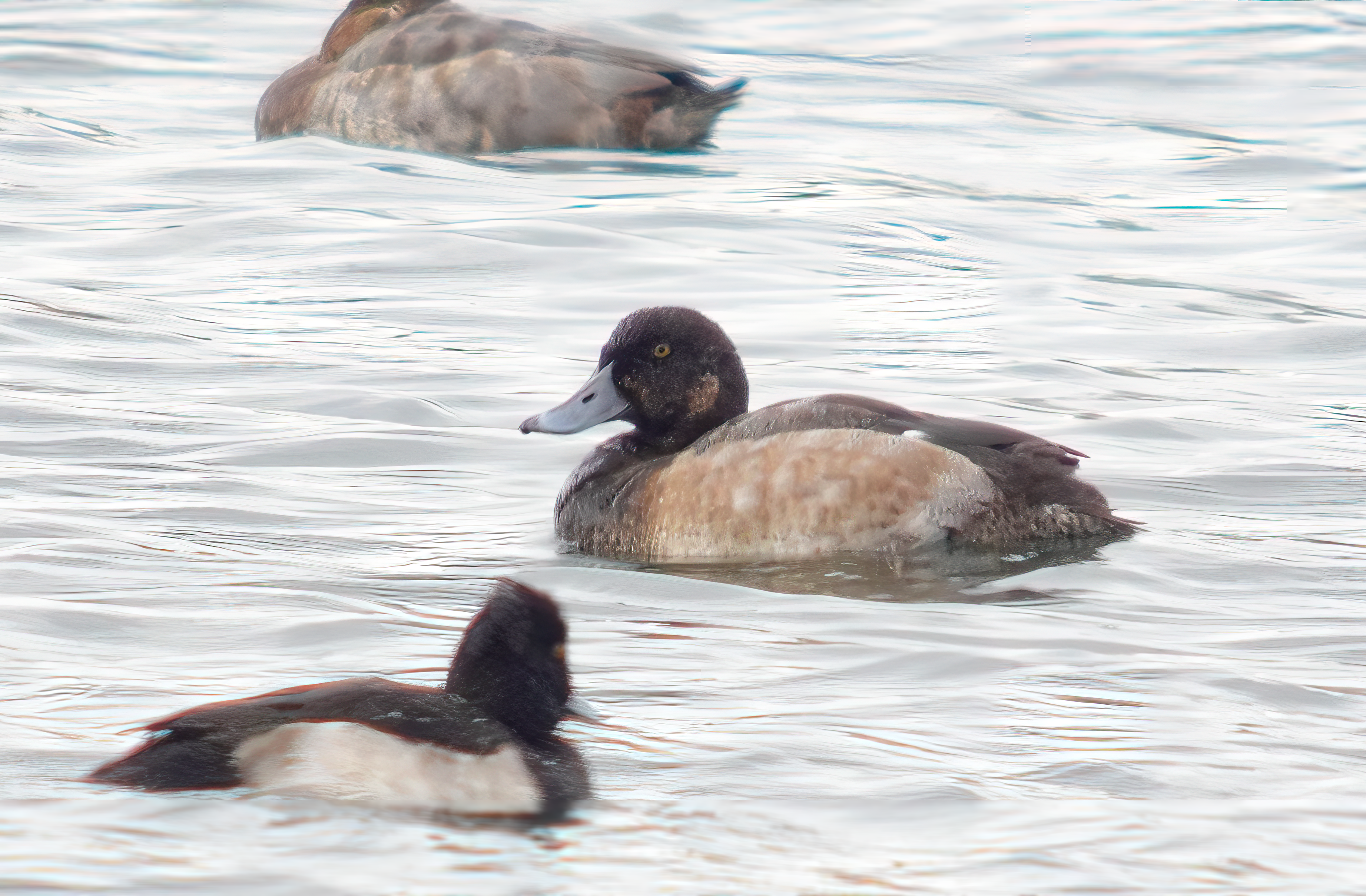
Red-crested Pochards consisted of three at Pitsford Res on 5th and two at Clifford Hill GP on the same date, while 7th saw three at Stanford, falling to two between 8th and 10th. The period’s ducks deluxe were limited to Thrapston GP’s female or first-winter Ring-necked Duck remaining there until Bonfire night, after which it was nowhere to be seen. New in and up for the count, however, was a female or first-winter Common Scoter at Daventry CP on 16th.

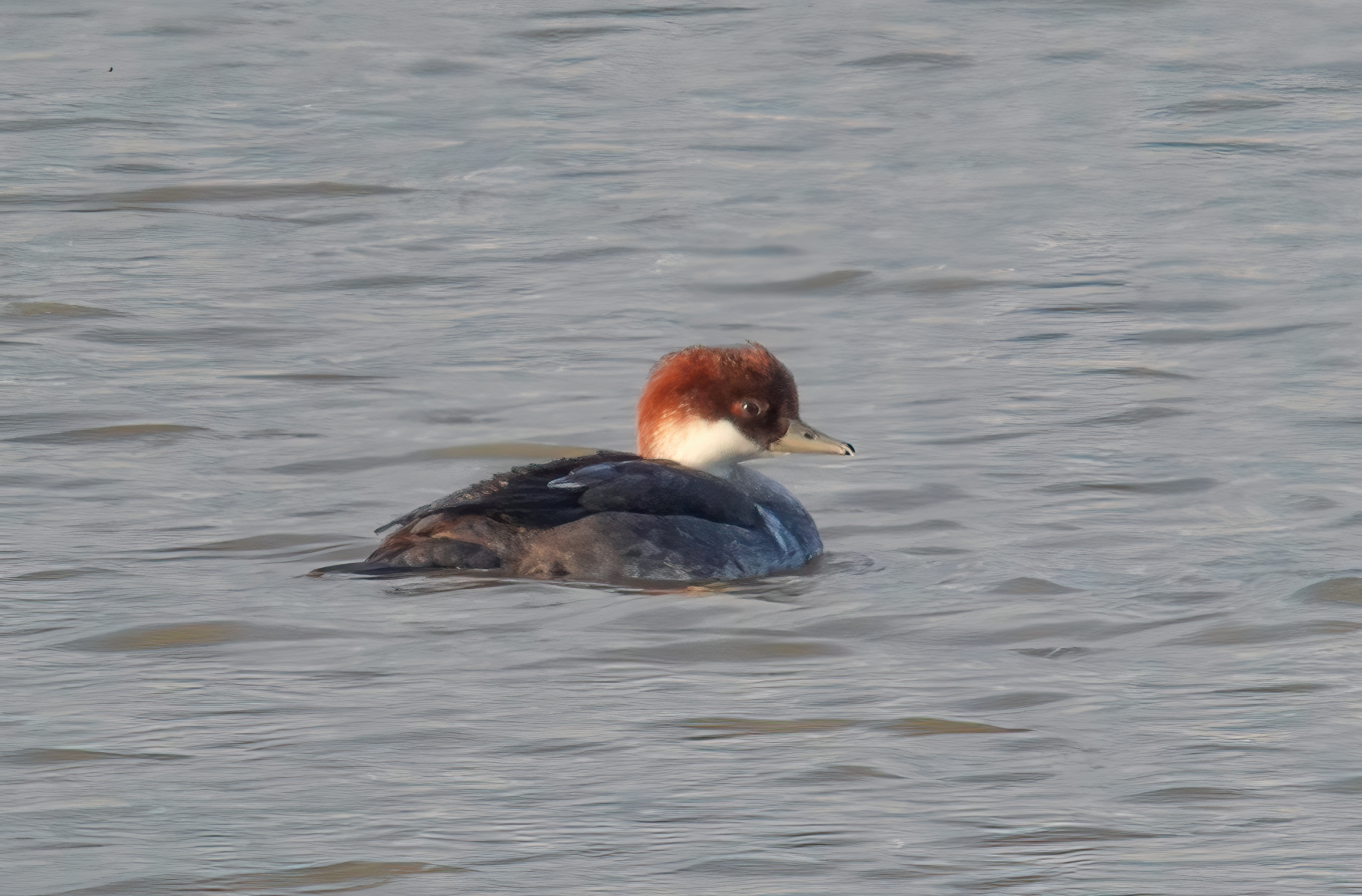
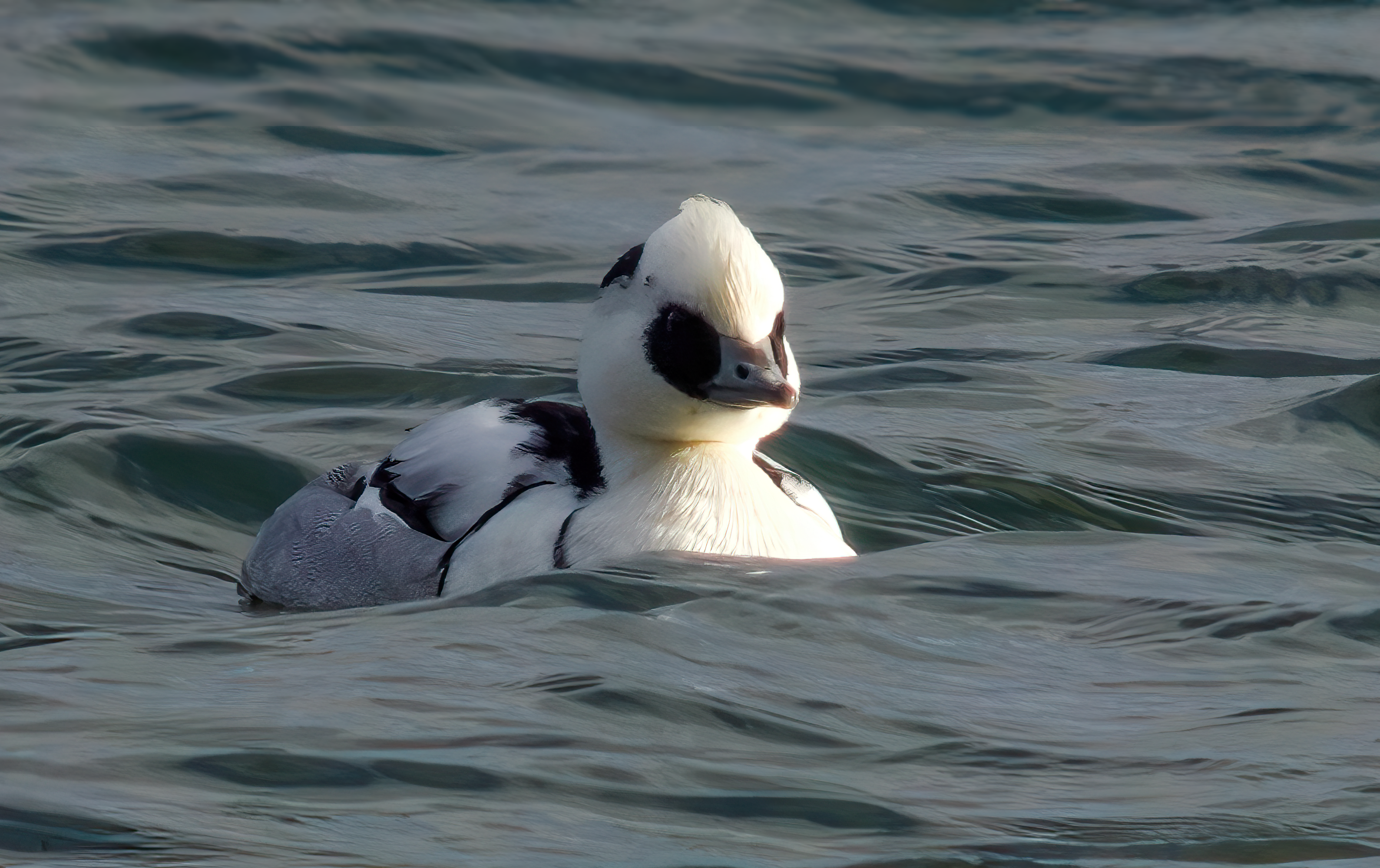
Pitsford’s two Red-breasted Mergansers continued to be mobile around the southern end of the reservoir until at least 11th, while Stanwick GP produced its own duo on 8th and one from 9th until 11th. All were females/first-winters, or ‘redheads’ as they colloquially known.

Perhaps eliciting a modicum of interest for some, a female Golden Pheasant was found at Harrington AF on 13th. Gone are the days when this species maintained its own small, localised population at Glapthorn Cow Pasture, where it was last seen in 1994. A study published in July 2023 concluded there are only 37–40 ‘wild’ Golden Pheasants remaining in the UK, within two regions. Both populations are dependent on human management via supplementary releases, food provision, or predator control and therefore, as of this year, can no longer be considered to be truly naturalised. This represents a significant decline from a 1993 UK population of 1000–2000.

Following that cusp of dusk discovery of the Red-necked Grebe at Pitsford on 3rd, there were unconfirmed reports of it there again on 6th and 7th. More obliging, however, was a Slavonian Grebe found at Thrapston GP’s Titchmarsh LNR on 5th, remaining there until 7th.

Waders were in short supply during the period with just the Summer Leys LNR Ruff still in place on 5th and a late Grey Plover in flight over Stanford on 17th.

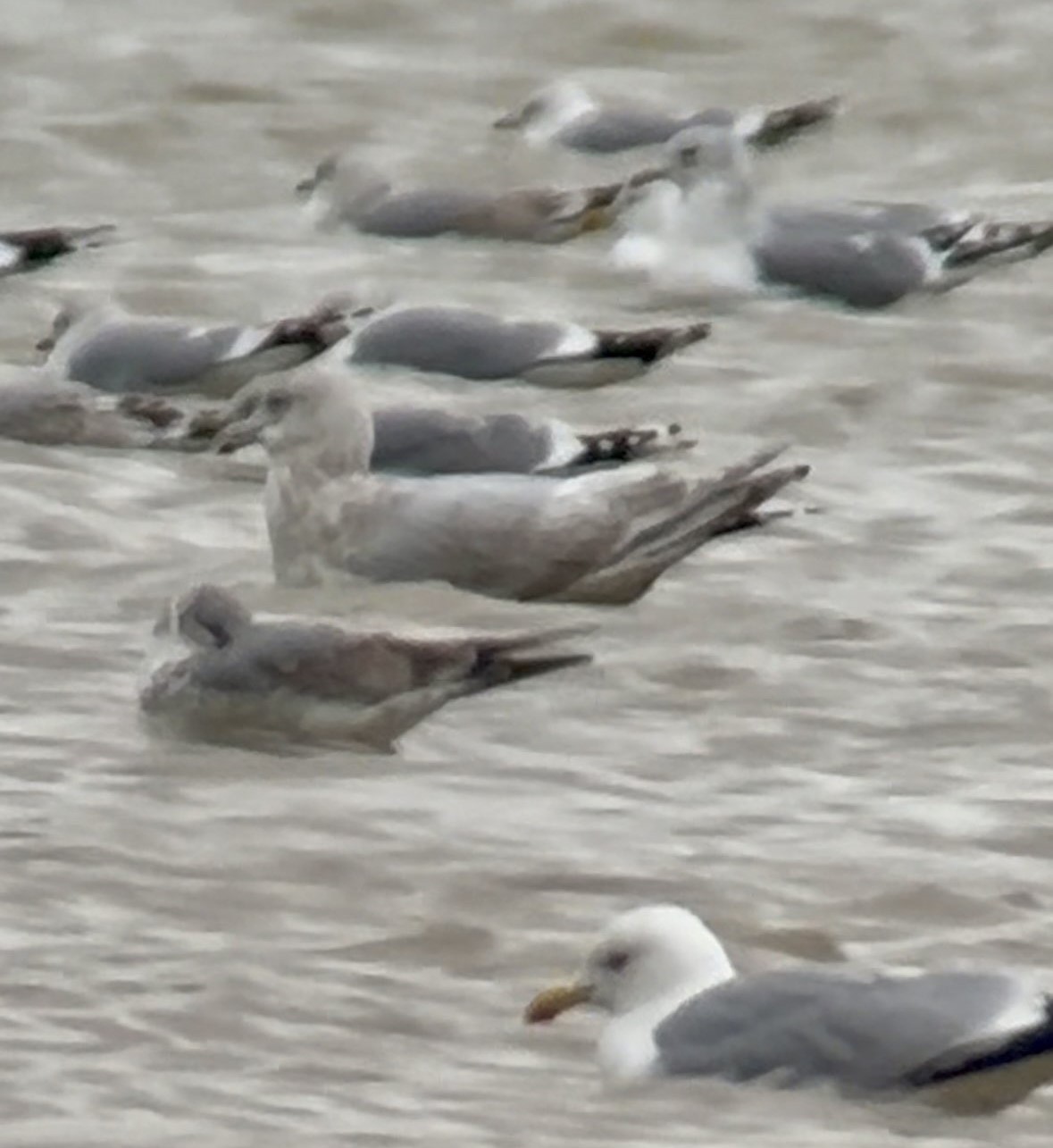
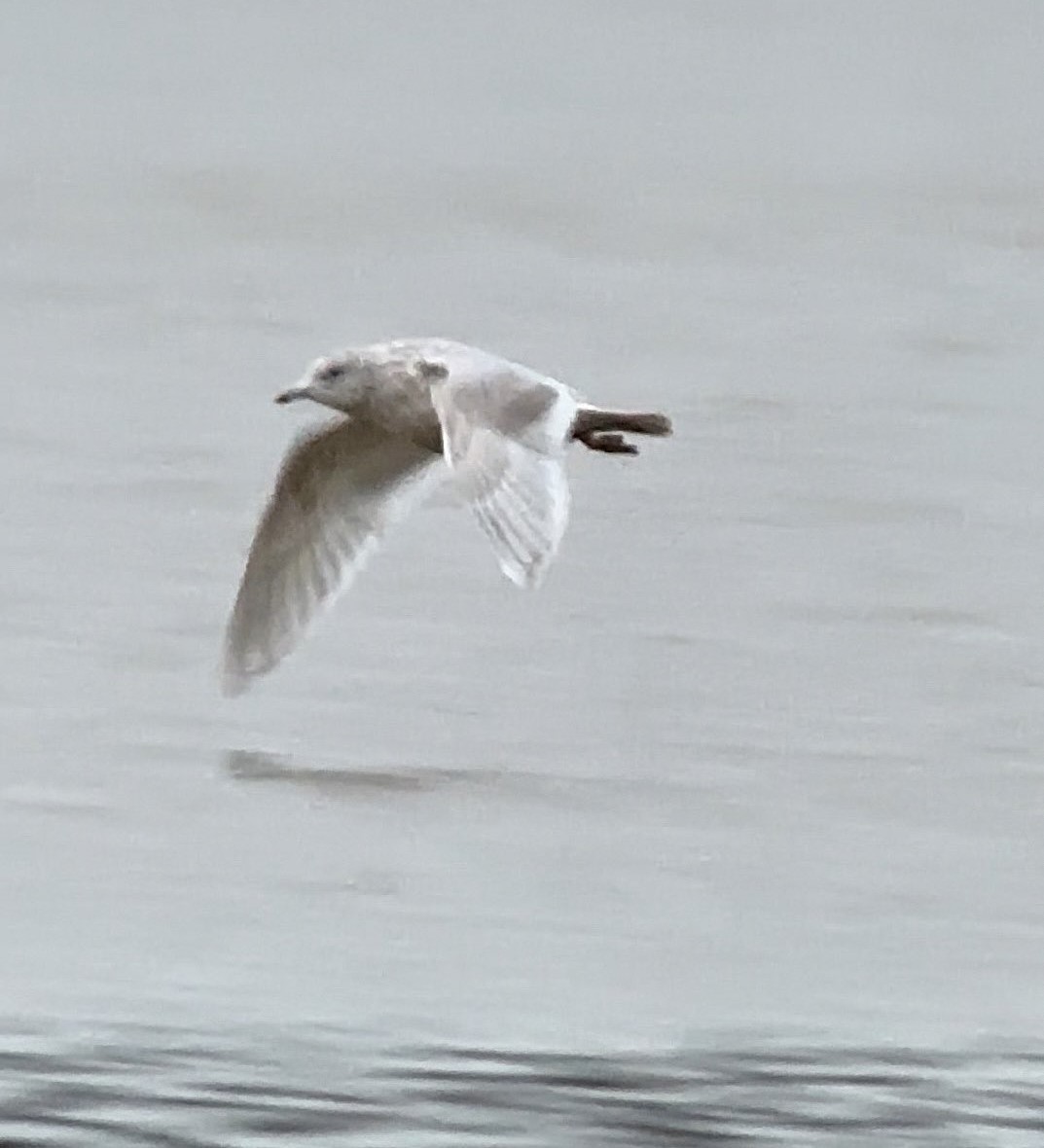
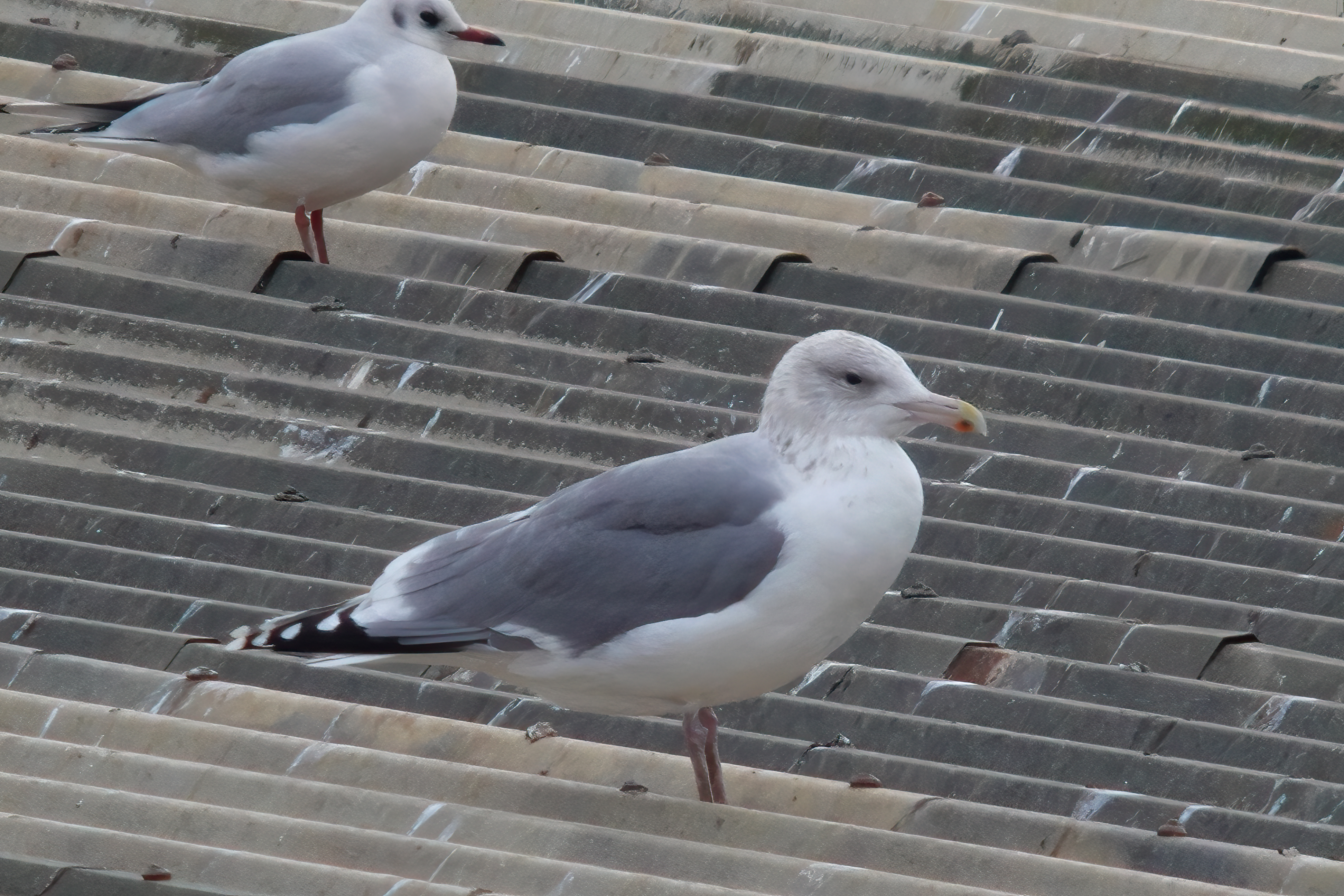
Gulls proved more productive, though, with an adult Little Gull kicking off the period at the unusual location of DIRFT 3 on 4th. Not a million miles away to the north-east, Stanford’s gull roost held two different Mediterranean Gulls – an adult on 8th and a first-winter on 9th and 10th – as well as single adult Caspian Gulls on 6th, 7th and 13th. Two adult Caspians were at Hollowell Res on 6th, followed by one adult there on 11th, 14th, 15th and 17th. Elsewhere, a first-winter visited Daventry CP on 14th and two were reported from Boddington Res the following day. Falling behind in the numbers stakes were Yellow-legged Gulls, with single adults at Pitsford on 4th, Stanford on 6th, Earls Barton GP on 7th and Hollowell on 15th.

Hot on the heels of the Pitsford bird on 2nd, another Great Northern Diver offered a second bite of the yearlisting cherry when it dropped into Daventry on 15th, before making an early morning departure to the west the following day.

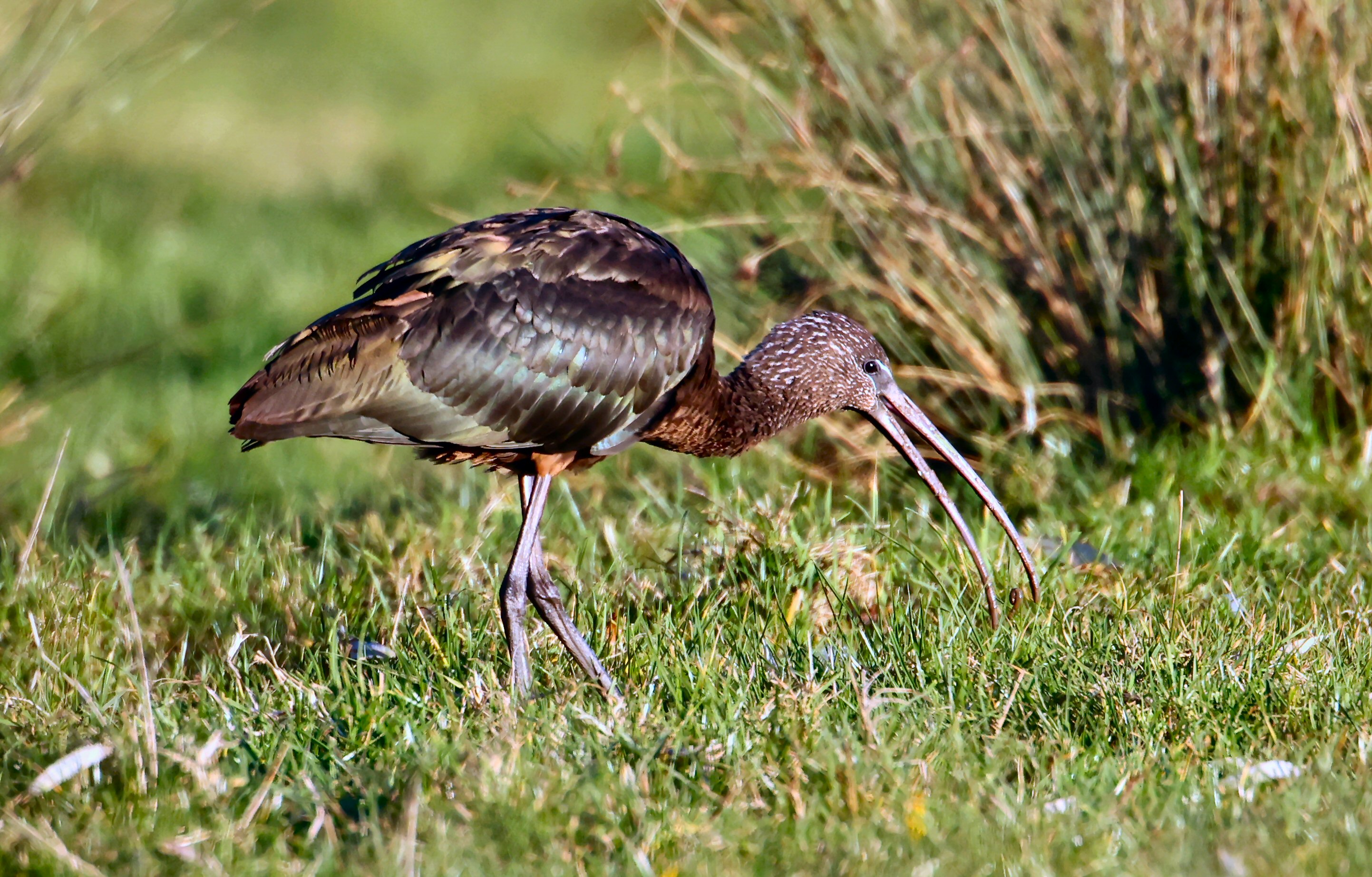
And regarding the next bird, the two questions raised in the last Newsround were duly answered this week when the previously highly mobile Glossy Ibis, after dropping into Ditchford GP for one day only, on 6th, decided to give itself up and return there, remaining on-site from 12th to 17th.

A Bittern put on a flying display over the Scrape at Summer Leys on 11th.

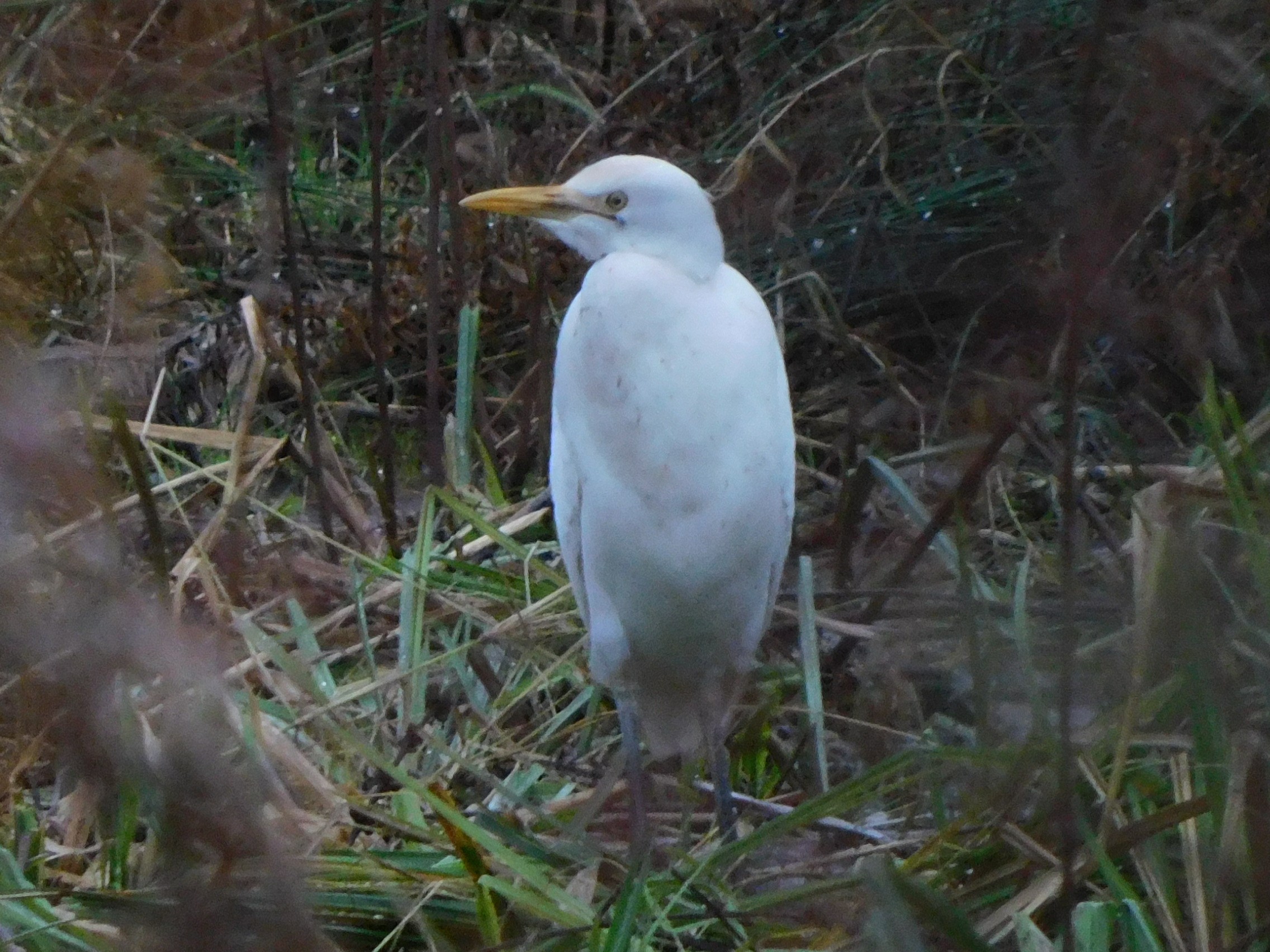
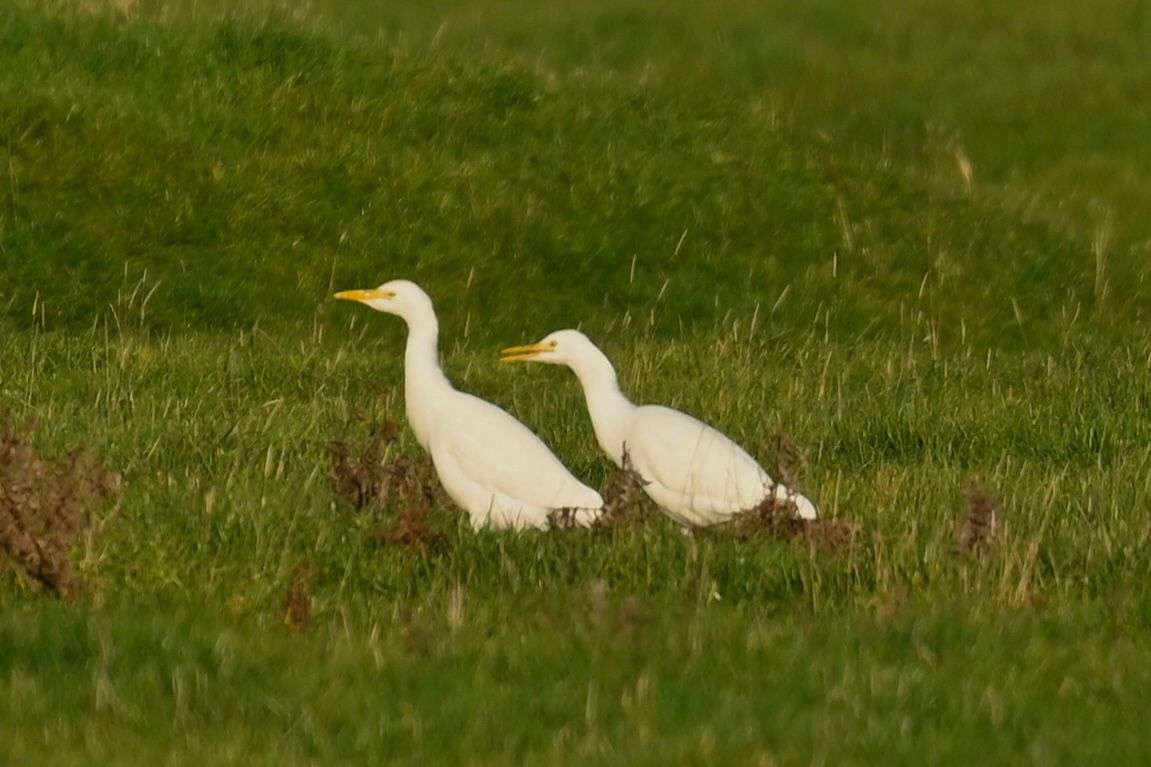
Stanwick hung on to its Cattle Egrets – up to six remaining on-site throughout the period, while one was watched flying west at Ditchford GP on 11th.

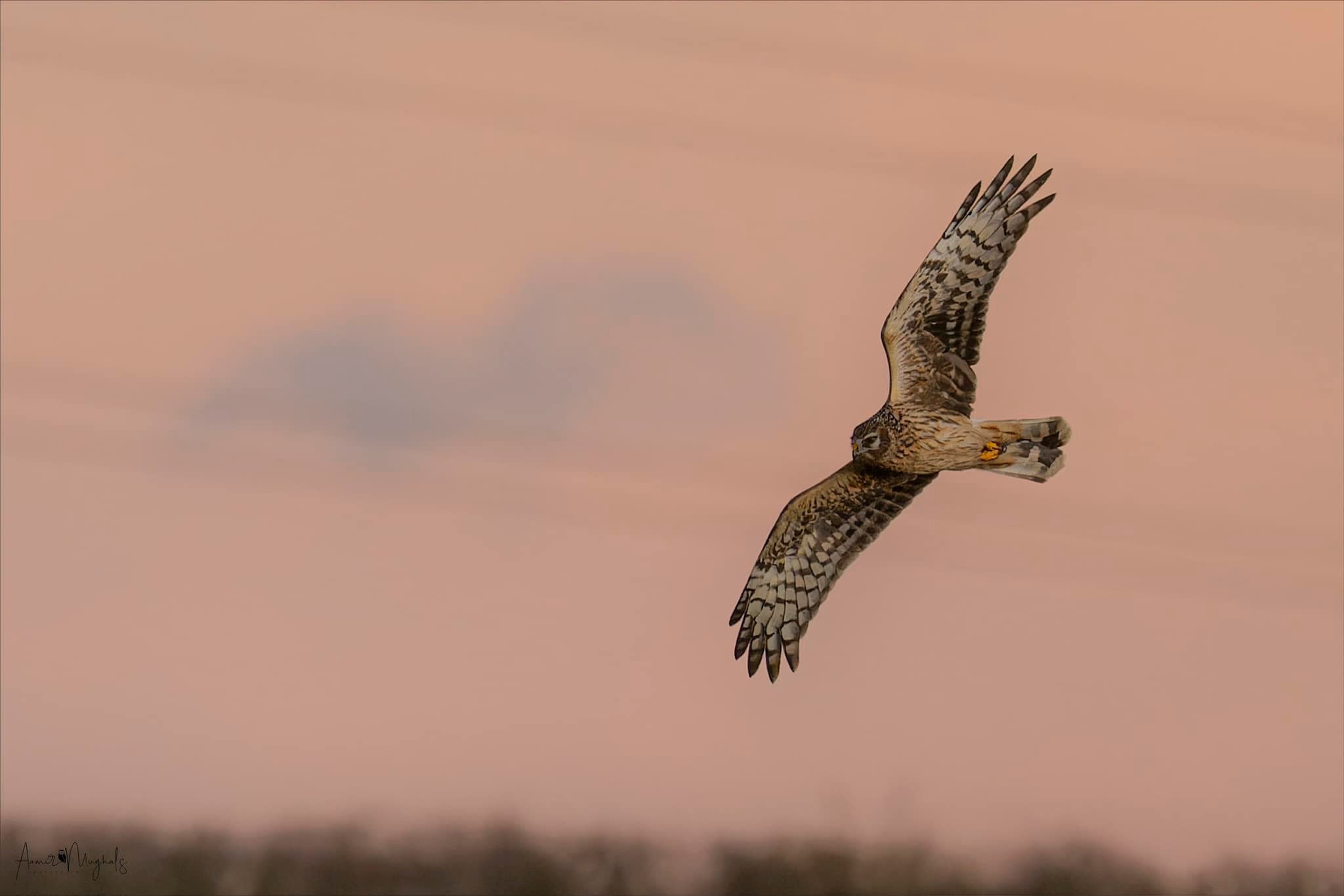
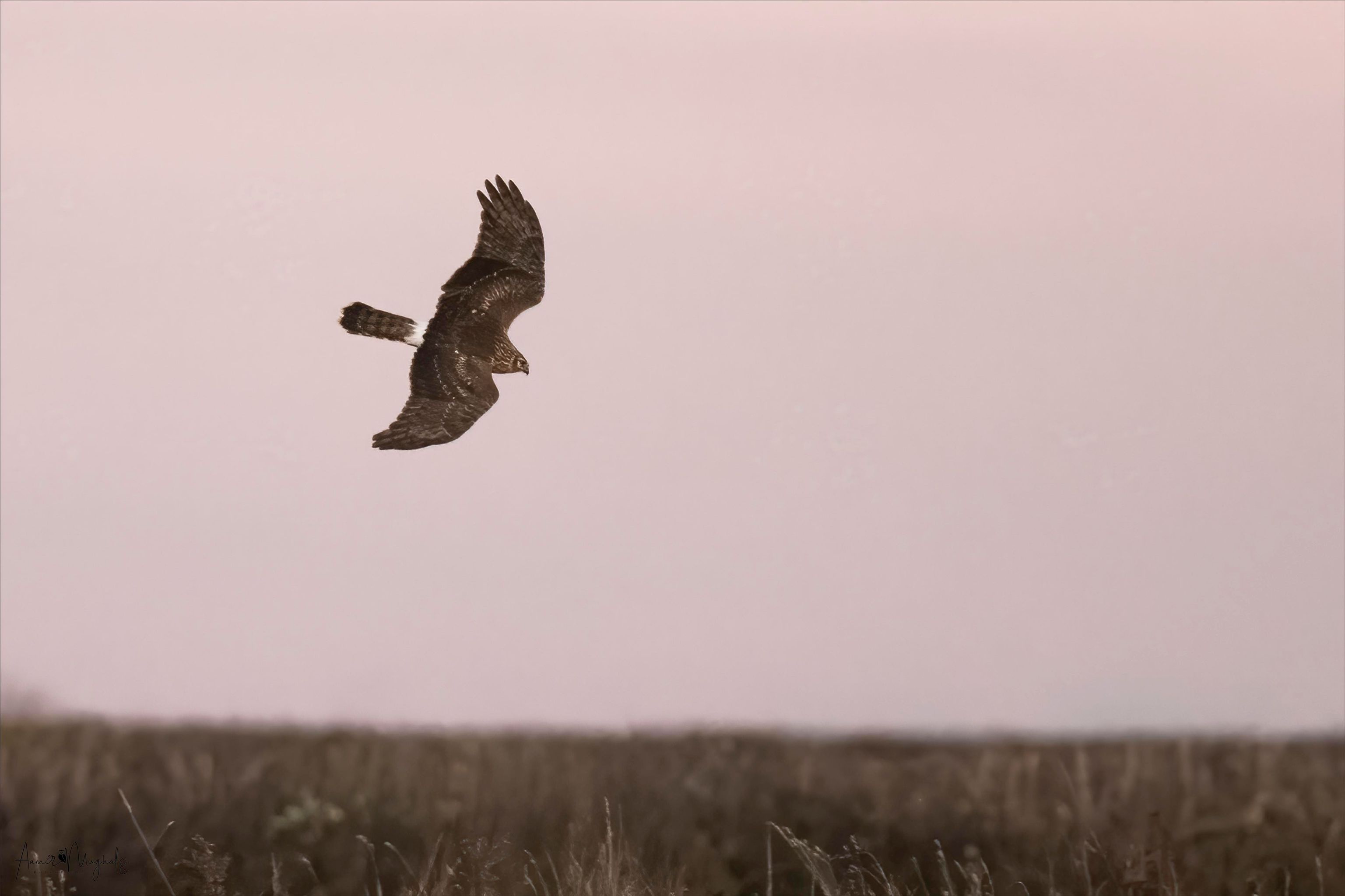
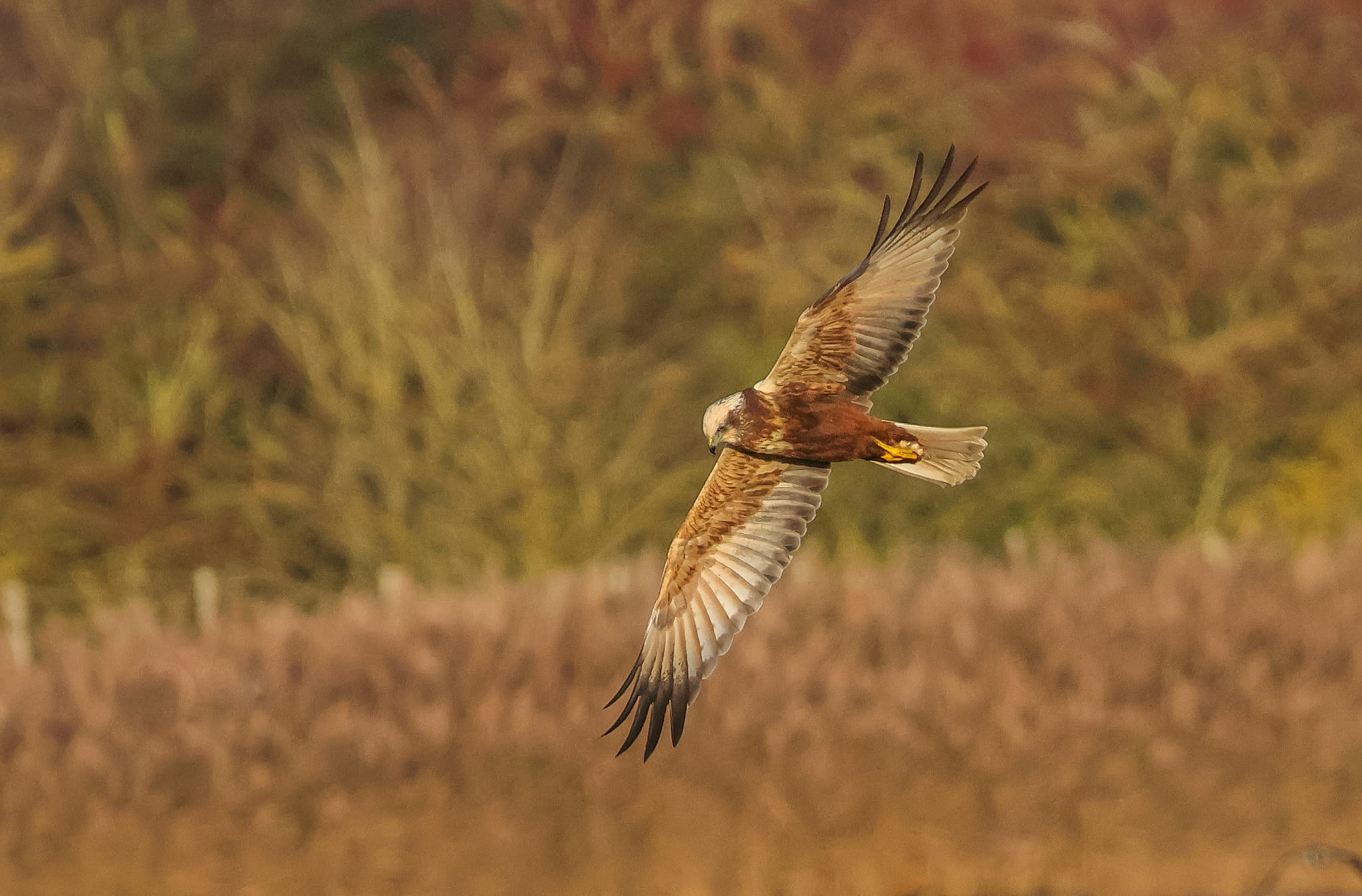
Marsh Harrier numbers rallied somewhat during the period, the 10th producing singles at Ditchford, Stortons GP and Summer Leys, with the latter site holding a green wing-tagged juvenile on 12th and single males on 14th and 17th.

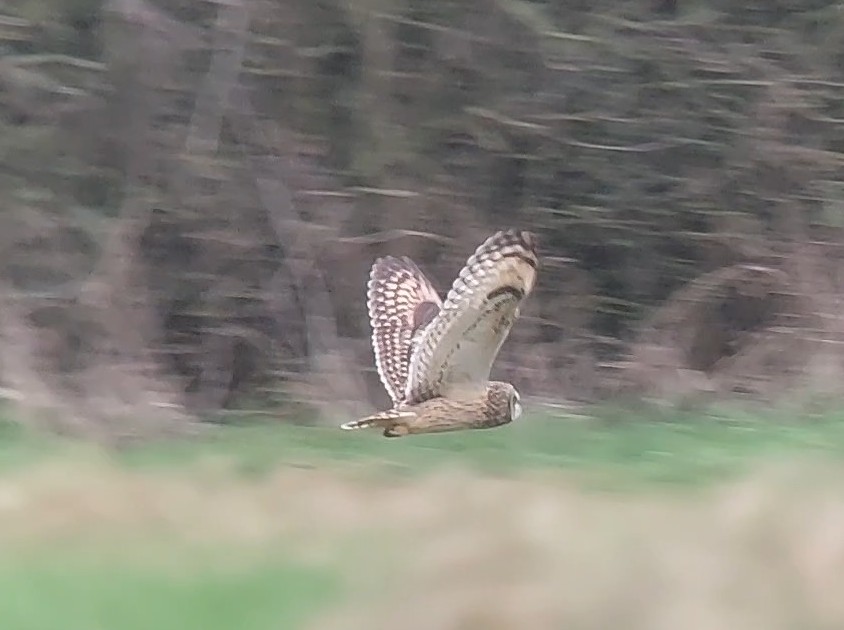
Just one Short-eared Owl made it onto the books, being seen in the Brampton Valley below Hanging Houghton on 8th.

Over the period, Merlin sightings came from Harrington AF on 5th and 14th, Desborough AF and Stanford on 6th and again at the latter site on 11th. Not to be left out, of course, Blueberry Farm produced a male on 10th, also visiting adjacent Brampton Valley between Cottesbrooke and Hanging Houghton on 12th and 15th.

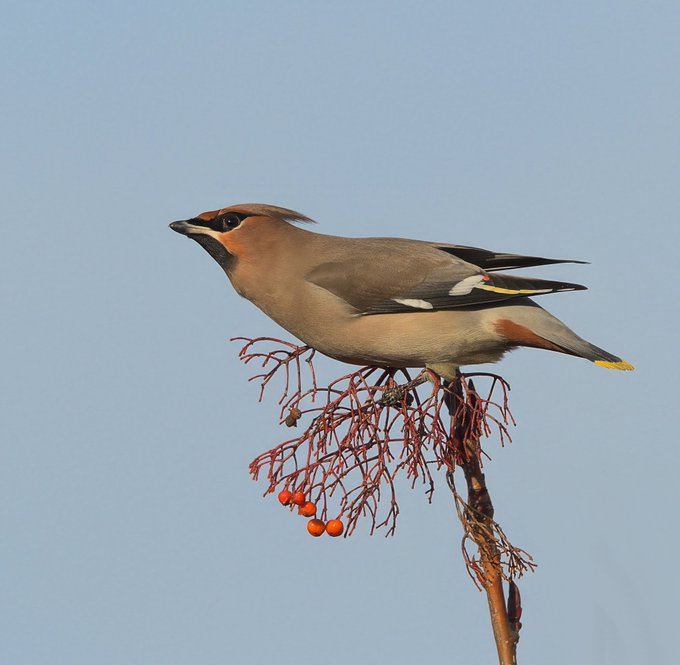
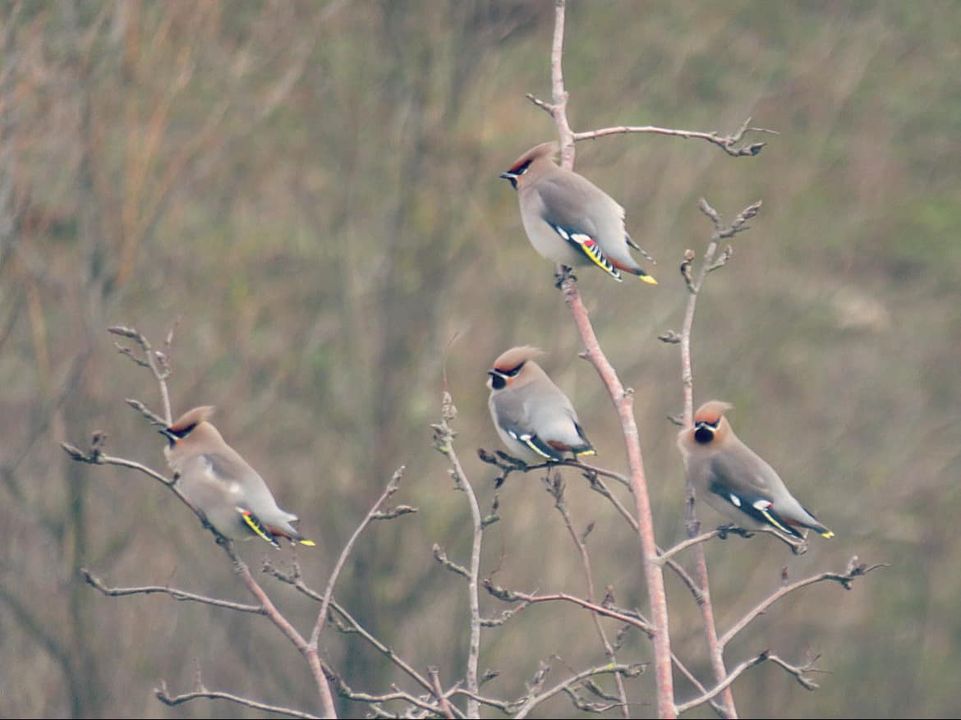
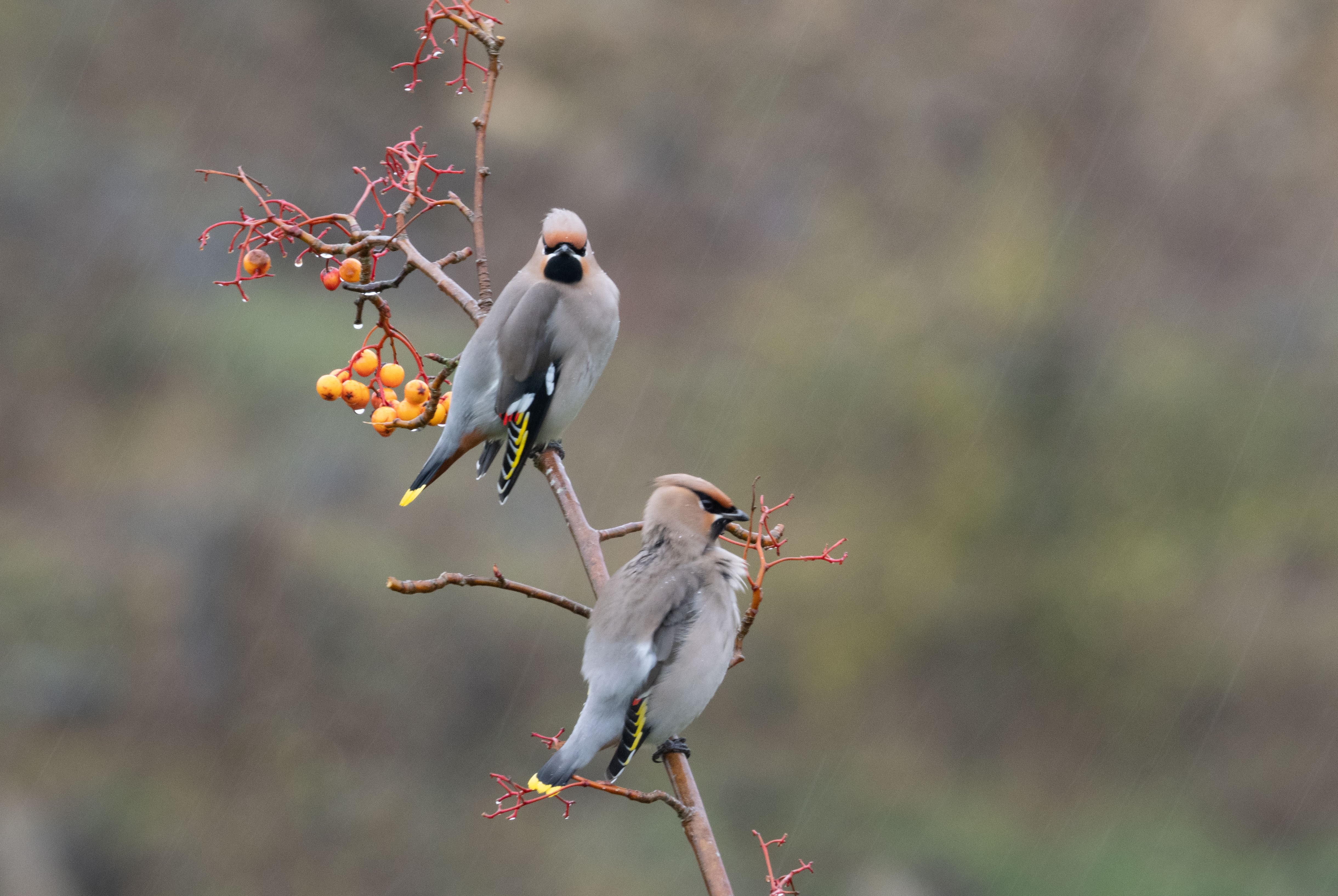
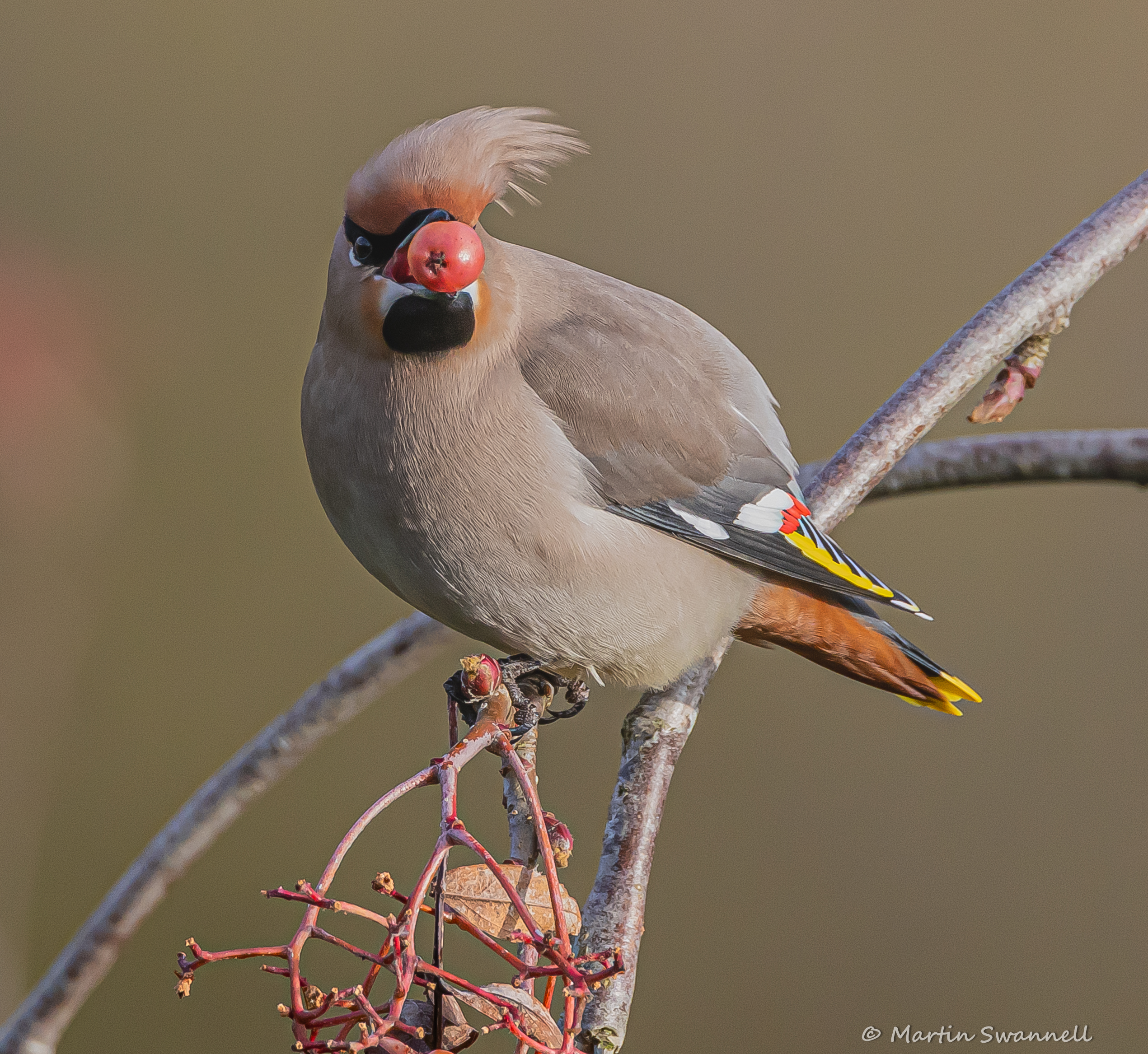
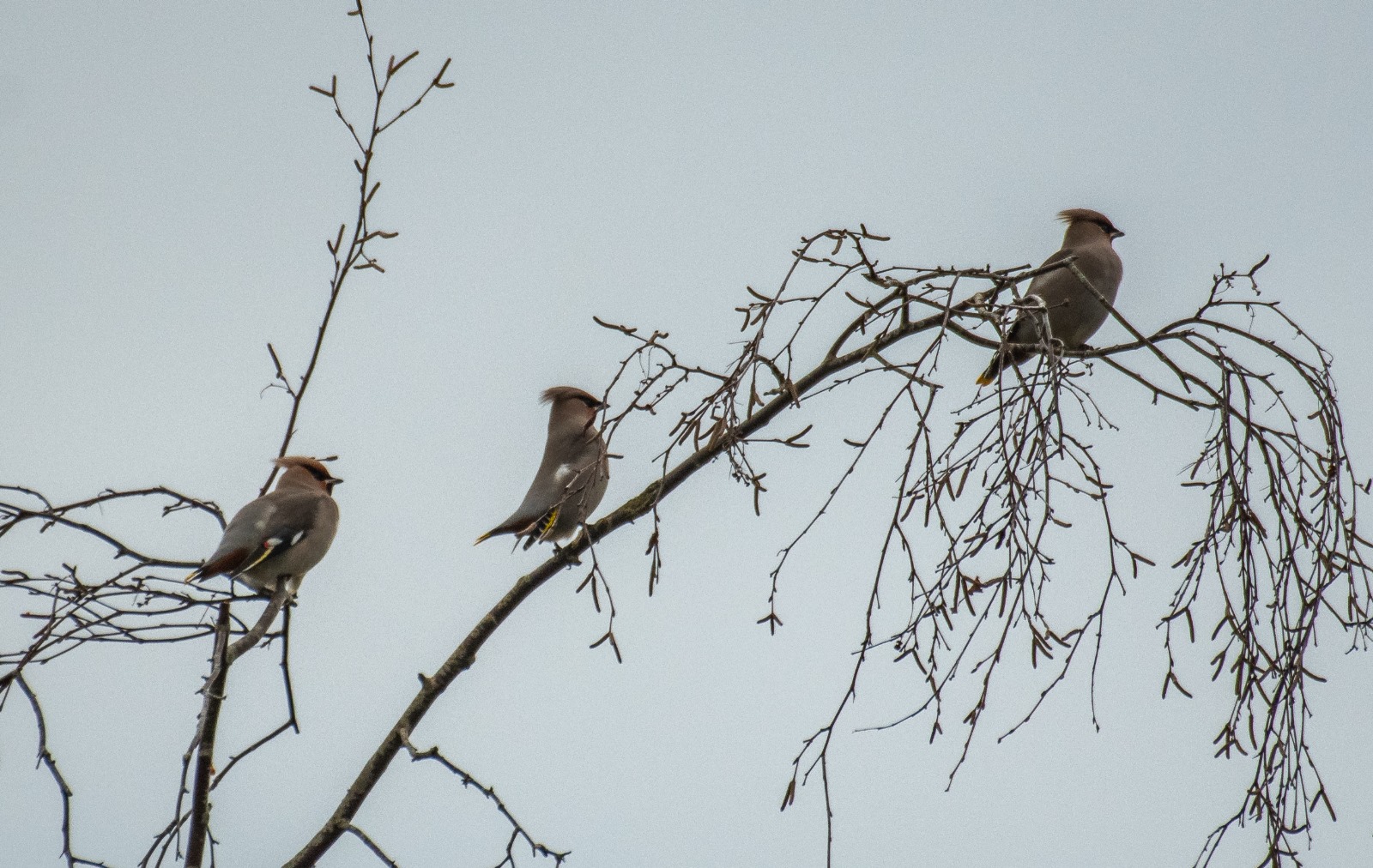
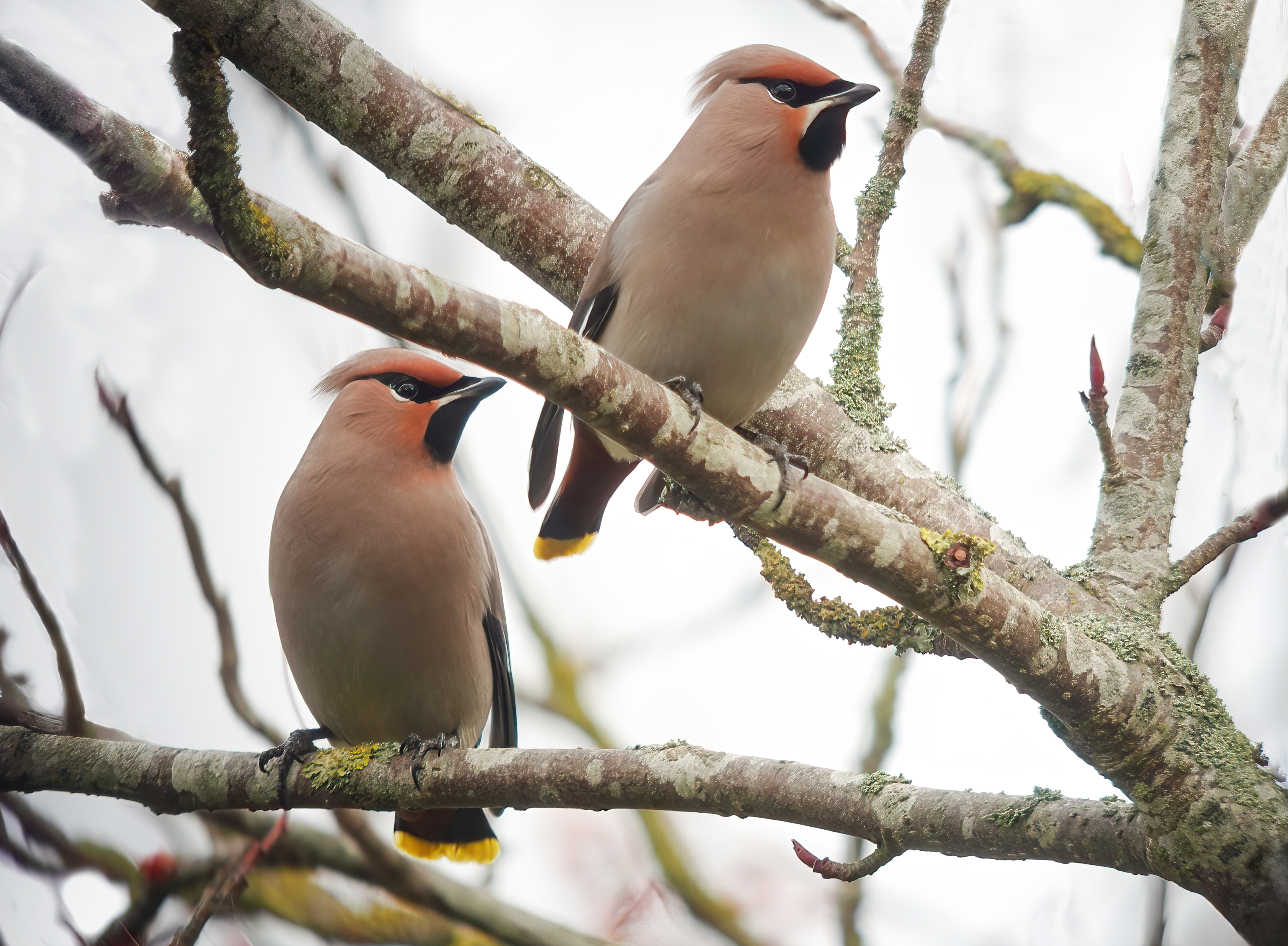
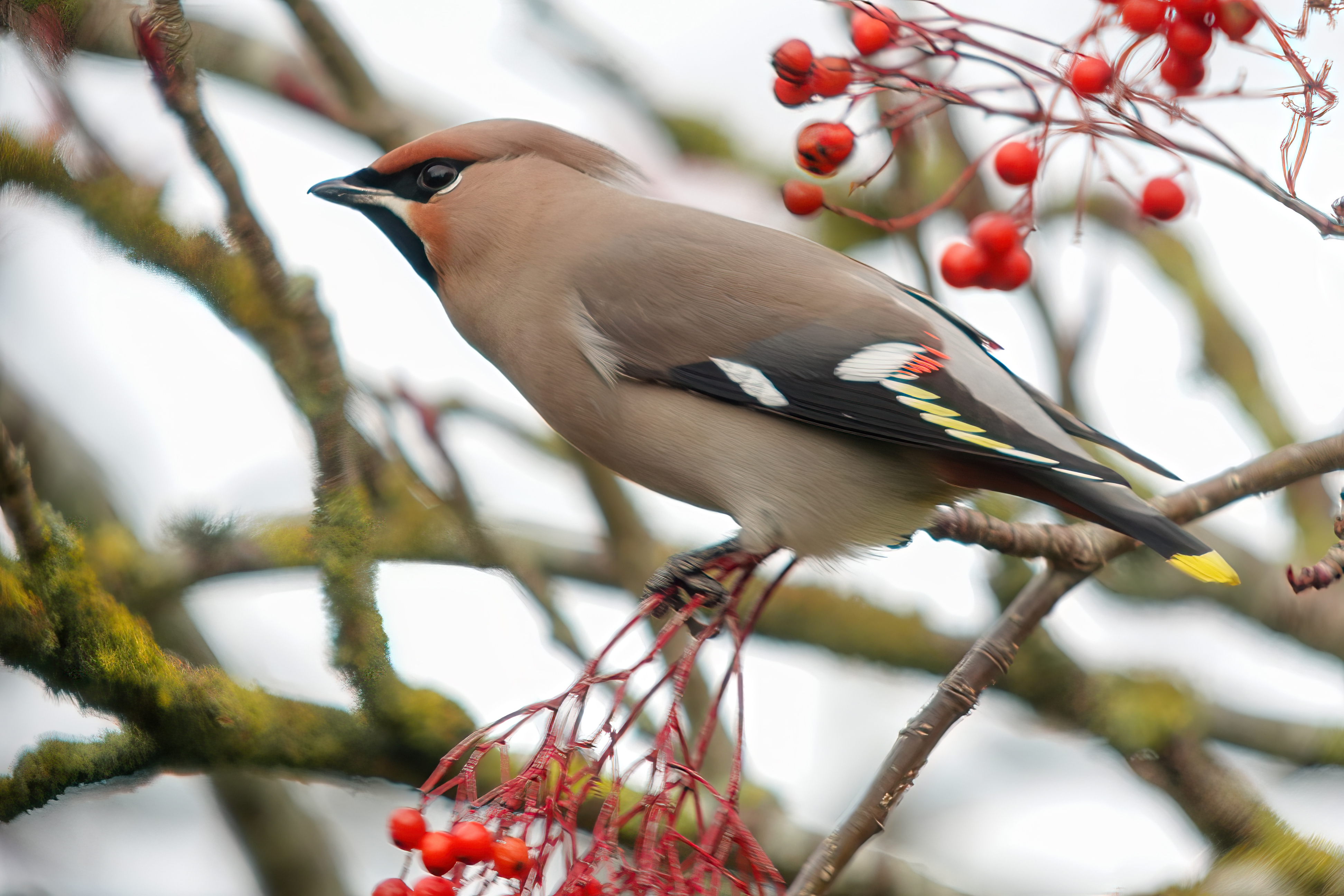
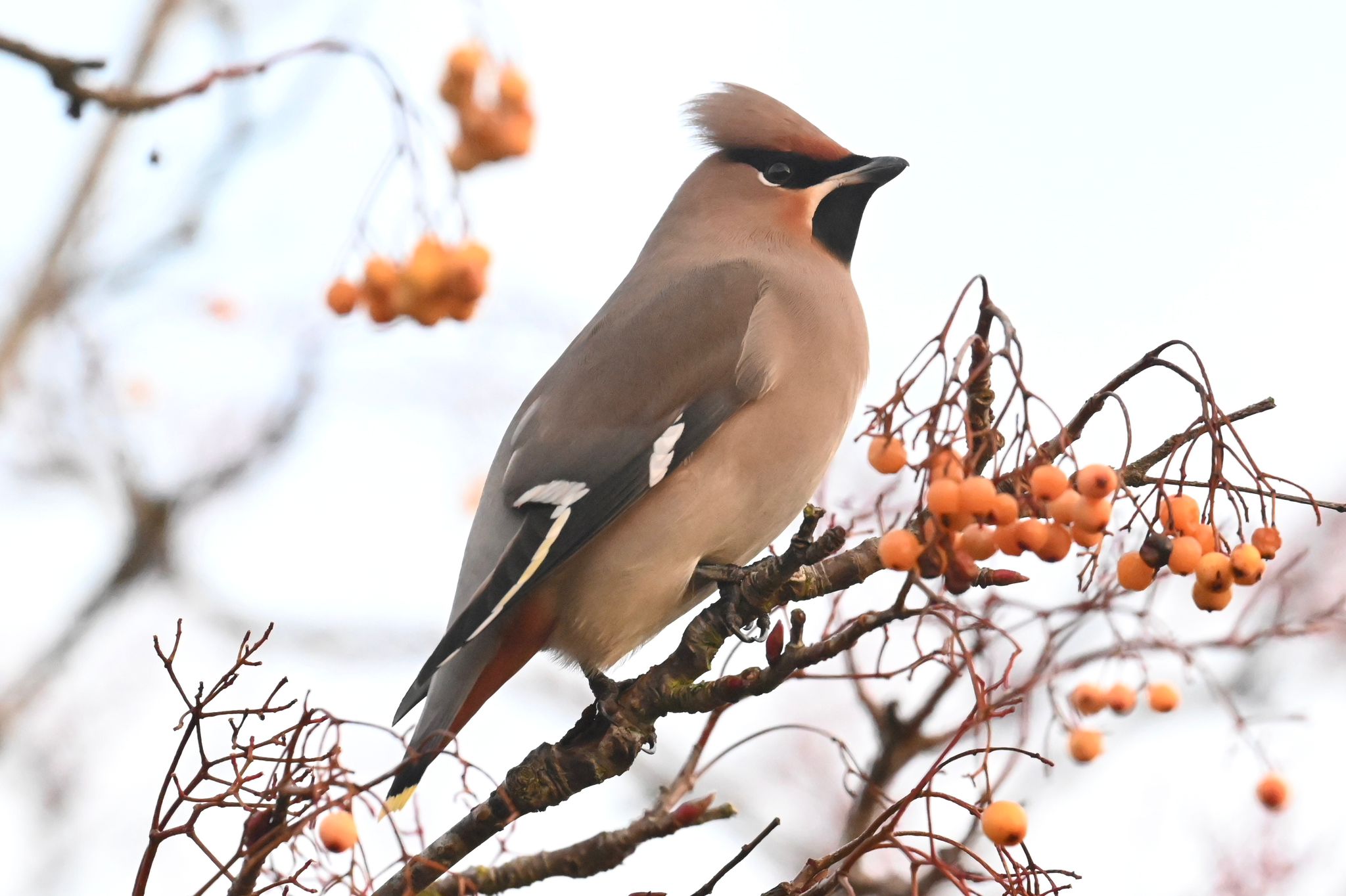
Given the impressively high numbers of Waxwings in the country, including a flock of an estimated one thousand at one Scottish location, it may not be so surprising that a flock of between thirty and forty was reported flying west over Earls Barton on 15th. We await a nailed-down flock sometime soon. The berries are out there for the taking …

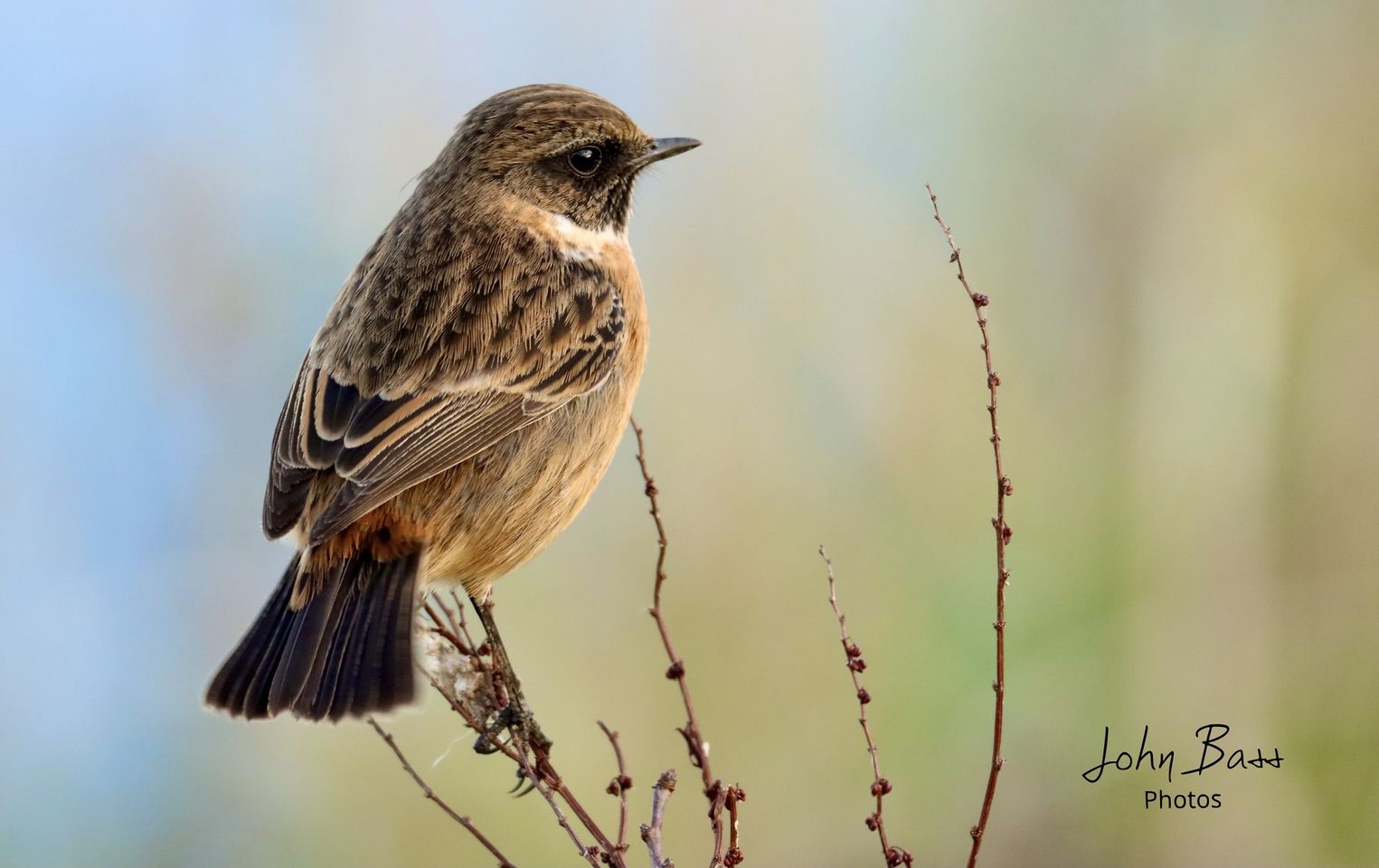
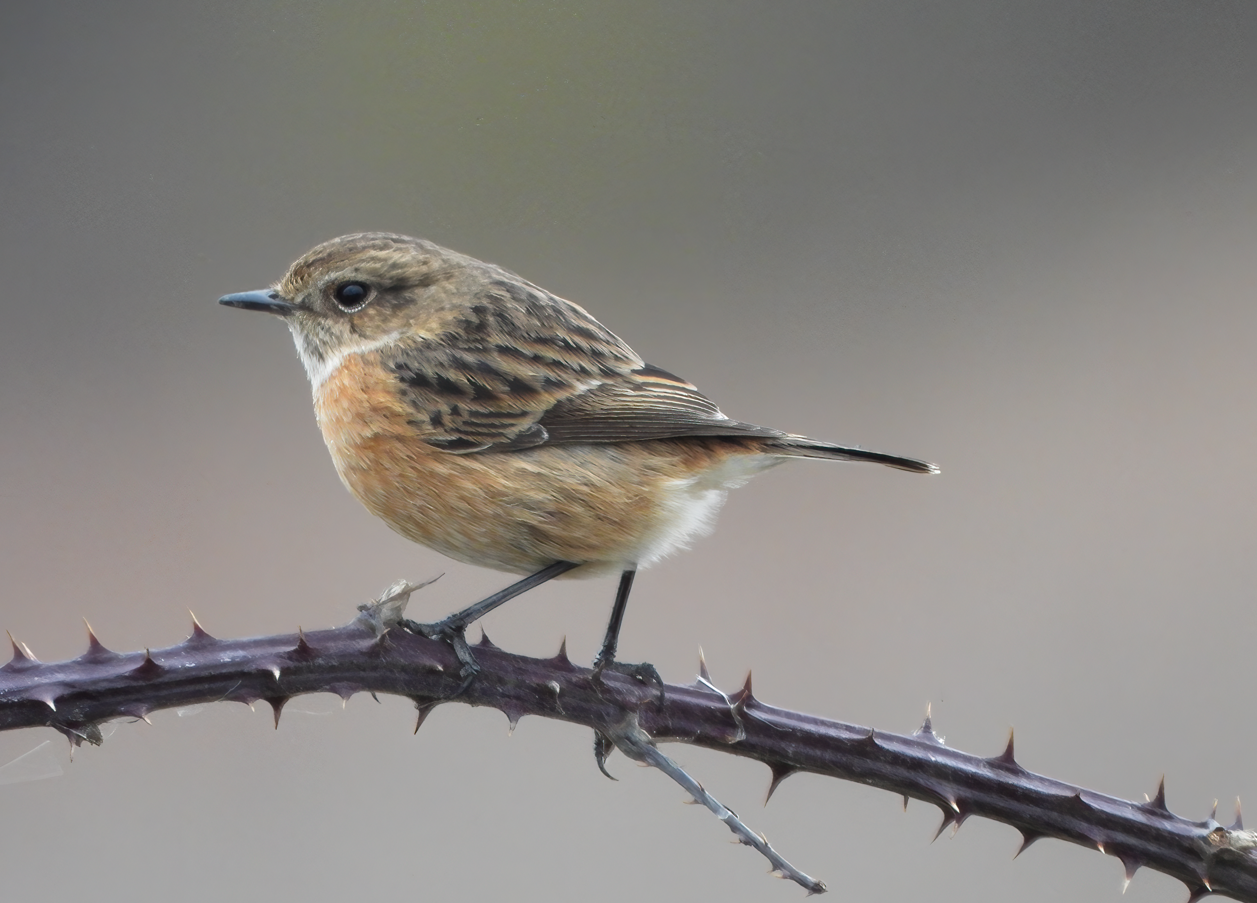
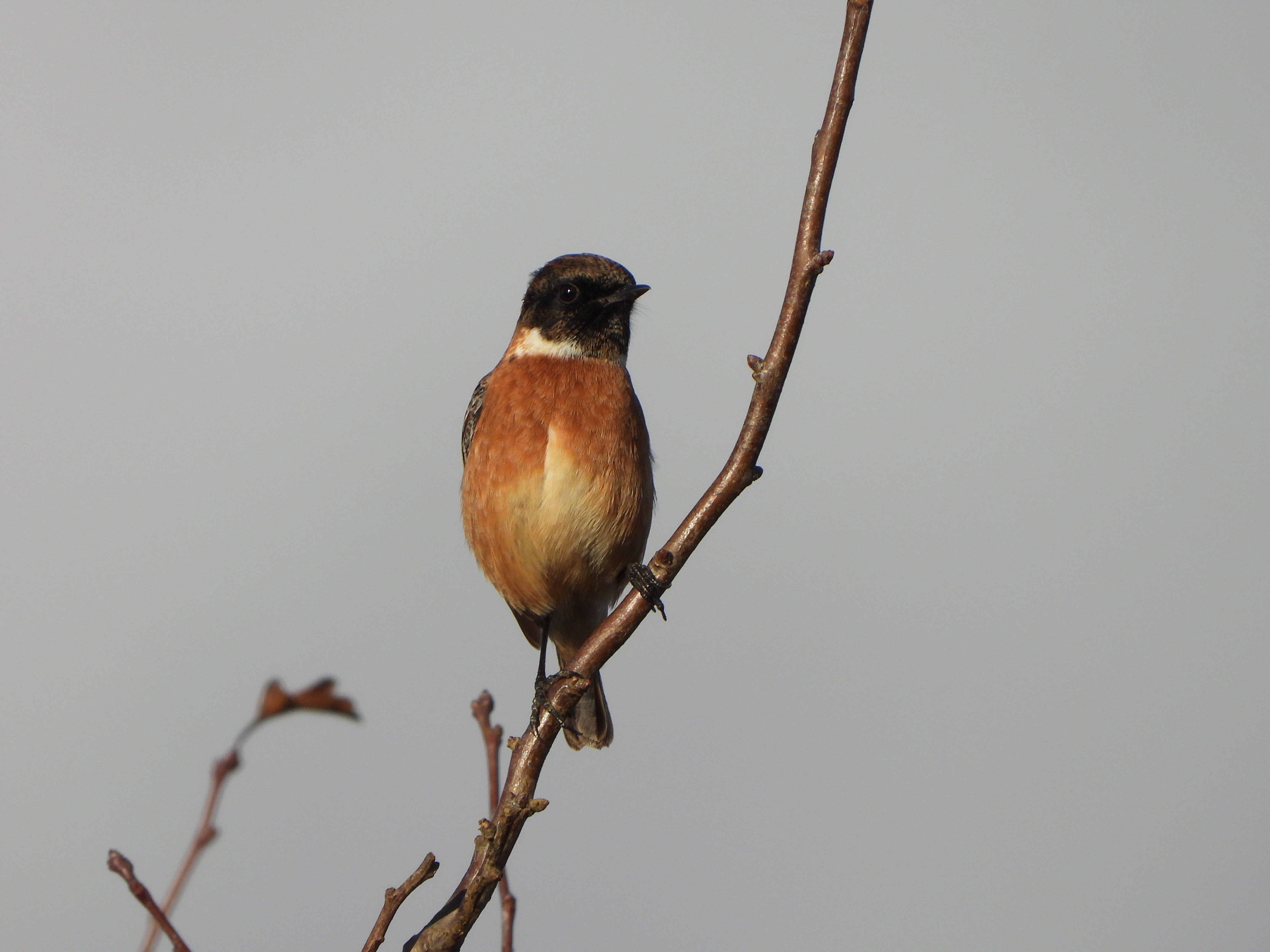
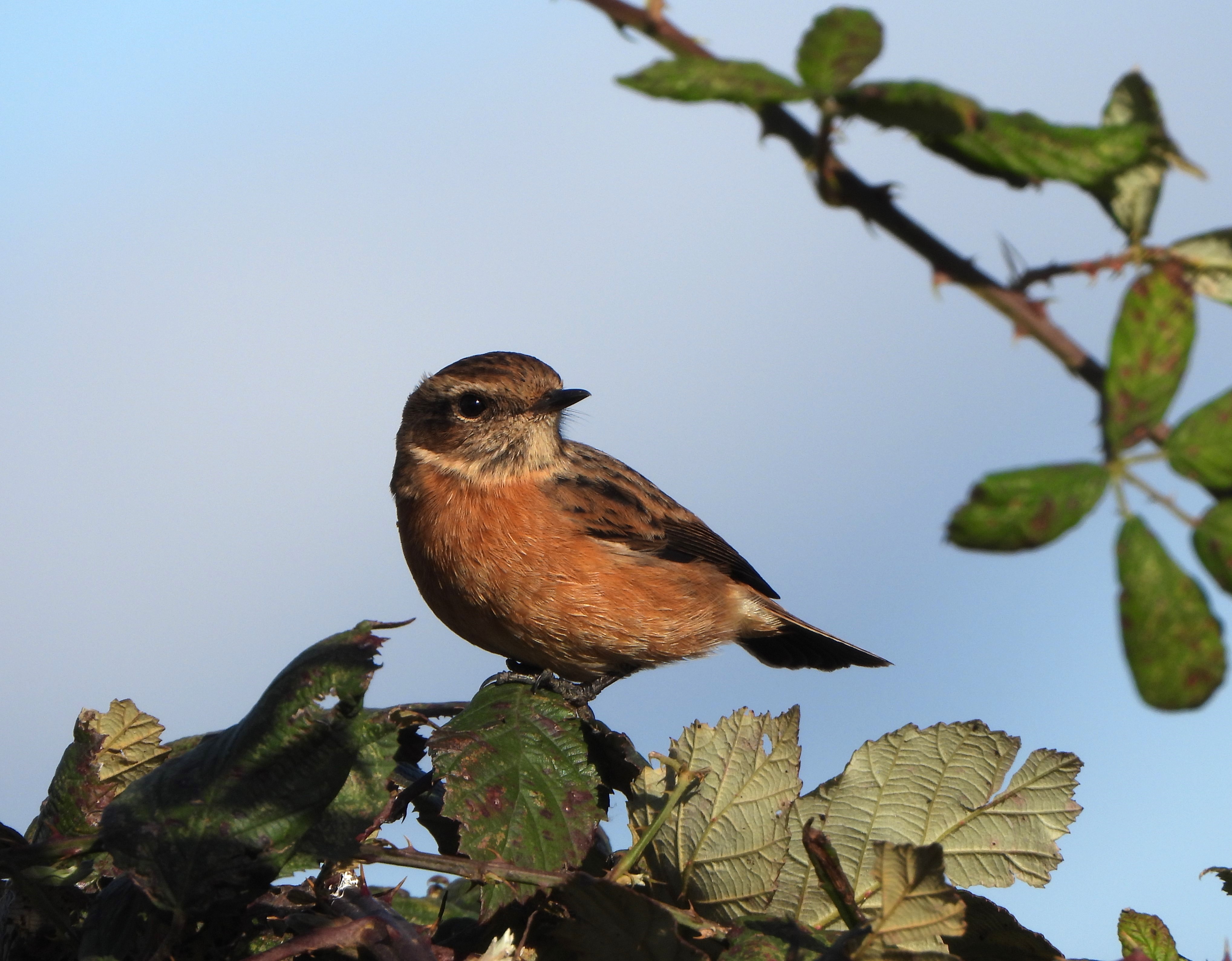
Ten localities produced Stonechats with site maxima of five at Sywell CP on 8th and Hollowell Res on 11th.

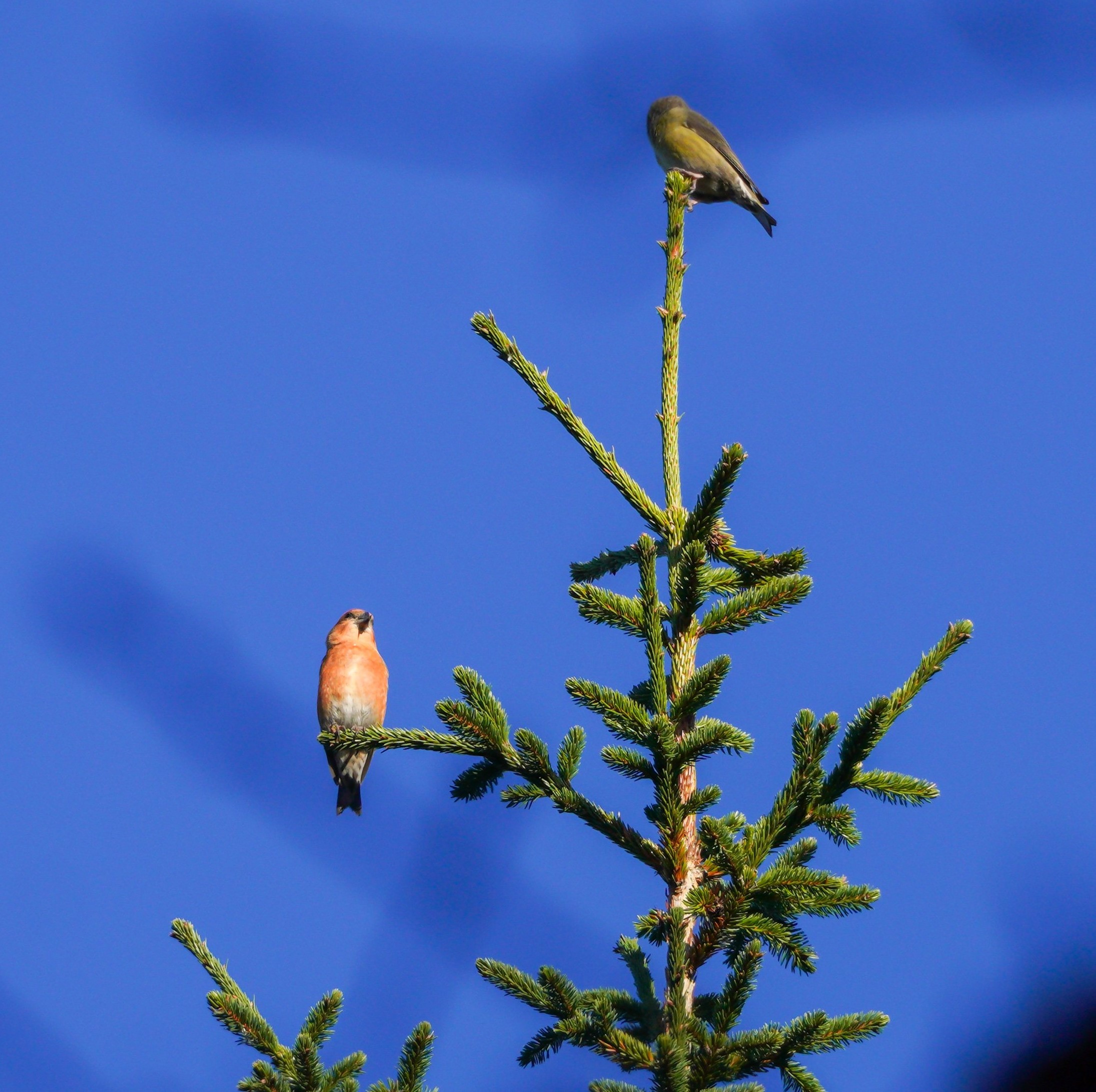
Remember, too, Crossbills are out there and Wakerley Great Wood is the favoured locality, producing three on 6th and at least ten on 11th.

Newsround – 28th October to 3rd November 2023

Another week, another storm. This one, ‘Storm Ciarán’, swept across the country and out into the North Sea, bringing gale-force winds, heavy rain and disruption to many parts of southern Britain. Here, in Northants, we were lucky to avoid the mayhem but once again, though expectations were high and the English Channel was awash with Leach’s Petrels, there were no wrecked seabirds.   

There were, however, some rather smart new kids on the block this week. Firstly, though, dispensing with dodgy geese – the mentioning of which is little short of mandatory – a Barnacle Goose accompanied Canadas at Upton CP on 2nd and the Pink-footed Goose was still at Ravensthorpe Res on 28th.

The female or first-winter Ring-necked Duck remained at Thrapston GP, being seen at Titchmash LNR on 28th before temporarily disappearing and then resurfacing on Town Lake on 3rd. Pitsford Res this week was clearly making a bid to restore its former glory, producing two ‘redhead’ Red-breasted Mergansers on 3rd – just one of three top-notch birds to turn up there at the week’s end. Found in the morning, these two sufficed to offer a third bite of the cherry for local yearlisters, after two fleeting spring drake duos earlier in the year, at Daventry CP on 29th March and Pitsford on 10th April.

Also on 3rd, before the day was out, just prior to dusk Pitsford again came up trumps with the discovery of a Red-necked Grebe between Pintail Bay and The Pines. With a chequered history of appearances, Red-necked Grebe is a rare commodity these days. There was a run of records, annually, between 2014 and 2017, prior to which there was one in 2008. There has been none since.

Waders this week were, unsurprisingly, poorly represented. Aside from a late Common Sandpiper on Pitsford’s dam, on 3rd, last week’s Ruff remained at Summer Leys LNR until at least 30th.

Also keeping up appearances were Mediterranean Gulls. Last week’s adult was again in the roost at Stanford Res on 28th, while another adult was found in Boddington’s roost on 3rd. The same two roosts also produced Caspian Gulls – a first-winter in the one at Stanford on 1st and two adults at Boddington on 3rd. Elsewhere, a first-winter was in fields west of Chacombe on 28th and the regular adult remained at Hollowell Res throughout the period. Hollowell also held an adult Yellow-legged Gull on 28th, two adults visited Wicksteed Park Lake, Kettering on 1st and Pitsford – ever reliable for this species – provided sightings of an adult on 2nd and two adults and a first-winter on 3rd.

Pitsford’s run of goodies continued with another dusk discovery of a Great Northern Diver on 2nd. Alas, it was nowhere to be seen the following morning, almost mirroring the behaviour of last year’s pre-dusk drop-in on 11th November – the latter bird quickly vacating the site early the following morning.

And for the third time, our weekly one-day wonder, in the shape of the Nene Valley’s obviously highly mobile Glossy Ibis, decided on performing a tantalising flypast at Stanwick as the period drew to a close on 3rd. Where will it appear next and will it ever settle?

It also seems to be the case that Stanwick has stolen the Summer Leys crown, at least as far as Bitterns are concerned. After one was seen daily from 29th to 31st, the number rose to two there on 2nd and 3rd. The same site also held four Cattle Egrets on 28th, rising to six from 29th to 3rd. Elsewhere, one was reported at Summer Leys on 28th and another was found just west of Chacombe on the same date.

After a report of one at Summer Leys on 28th, a Marsh Harrier flew south over Titchmarsh LNR on 31st – a poor showing by recent standards.

But after none last week, Short-eared Owls were very much in the spotlight during the period. On 29th, two were at Harrington AF, one was near Blueberry Farm and one was reported near Helmdon. Following these, singles were seen near Welford and again at Harrington on 30th, at Upton CP on 2nd, and south of Naseby the next day.

Over the period, Merlin sightings came again from the Brampton Valley between Cottesbrooke and Hanging Houghton on 1st and Hinton AF on 3rd.

Eleven localities produced Stonechats – up three on last week. These included Blueberry Farm, Brampton Valley, Clifford Hill GP, Earls Barton GP, Harrington, Hollowell, Lilbourne Meadows NR, Pitsford, Summer Leys, Sywell CP and Upton.

Last, but not least, a lone Crossbill was in Christie’s Copse at Pitsford Res on 2nd.

link-to-latest-reports

Newsround – 21st to 27th October 2023

The week started full of eastern promise but as time unfolded and the two top birds evaded the masses, it ended up being a bit of a damp squib.

As far as wildfowl were concerned, the period played out along very much the same lines as it did last week, with the Ravensthorpe/Hollowell-hugging Pink-footed Goose still present at the former site on 21st. Wild pinkfeet again showed up in or, more correctly, over the Brampton Valley area with a collective eighteen moving east over Blueberry Farm on 23rd.

Red-crested Pochards were present at two localities – the Pitsford drake from last week still being there on 27th, while two drakes appeared at Summer Leys LNR and what was presumably the same duo, along with a female, being located near Wollaston Lock on 26th before moving the short distance across to Mary’s Lake at Earls Barton GP later the same day.

Meanwhile, further down the Nene Valley, the female or first-winter Ring-necked Duck extended its stay by another seven days, again drawing little attention.

October 21st was this week’s wader day … and the place? Where else but Summer Leys, of course, the site again producing a Ruff, while three Jack Snipes on the Scrape there were new in.

Great expectations for at least one decent seabird in the aftermath of Storm Babet remained disappointingly unfulfilled, the persistent easterlies off the North Sea associated with it and the heavy weather in general simply failed to deliver. The best out of the bag were more Little Gulls, following those that appeared on the final day of the preceding week. All sightings came on 21st, when four were at Ditchford GP’s Irthlingborough Lakes & Meadows NR (ILAM) and singles visited Stanwick (two different birds), Summer Leys and the now well-flooded Islip Water Meadows.

An adult Mediterranean Gull in the roost at Stanford Res on 26th-27th was the only one this week. Caspian Gulls continued to feature at sites across the county, Hollowell producing an adult on 21st and 23rd-24th, as did Stanford on 23rd, while single first-winters were found at Pitsford on 21st, Stanwick on 23rd and Boddington Res on 26th-27th with an adult also at the latter site on 27th. Boddington also delivered a hefty nine Yellow-legged Gulls on the same date, following one there on 26th. Elsewhere, singles were at Hollowell on 21st and Wicksteed Park Lake, Kettering on 25th and two remained part of the Pitsford furniture, being seen on 21st and 24th.

A juvenile/first-winter Arctic Tern spent 23rd-24th at Hollowell, not a particularly unusual time for this species to appear as there have been a reasonable number of late autumn occurrences over the years.

One bird that undoubtedly sneaked into the county under the radar this week was the Black-throated Diver which had spent 20th and 21st at Eyebrook Res, Leicestershire. At about 13.00 on the latter date, it was watched taking off and leaving high to the south-east on a trajectory that would have taken it over the nearby Welland Valley and beyond … Making barely more than an overnight stop, the last one to be seen in Northants was at Pitsford on 6th-7th May 2017, which was only the twentieth county record. Another, more settled bird, would be widely appreciated.

Which brings us neatly on to another one that got away. Following last week’s blink-and-you’ll-miss-it Glossy Ibis at Summer Leys, and its rapid departure to the east, well, it appears it resurfaced on 21st at ILAM, where it was present close to Greenway for at least an hour. Where had it been during the intervening period and, more importantly, where is it now? There’s a very good chance it’s still somewhere in the Nene Valley.

Staying with said valley, both Summer Leys and Stanwick GP again shared this week’s Cattle Egrets, the first of the aforementioned sites hanging on to one between 21st and 23rd, while numbers at the second had increased from two to four by the end of the period.

Marsh Harriers maintained their presence in the county with Stanford’s almost resident ‘ZC’ wing-tagged female still there on 22nd and probably 23rd. Elsewhere, one flew south near Aynho on 21st, singles were seen in flight at Stanwick on 21st and 22nd and at Summer Leys on the same dates.

Picking up from where we left off last week, the Harlestone Hoopoe led birders a merry dance throughout the first four days of the period. Between 21st and 23rd it remained as mobile and elusive as it possibly could, showing on and off only to a very fortunate few. Clearly demonstrating great taste in its chosen feeding areas, on 23rd it moved from the large, mature gardens of stylish residences and paddocks along Lower Harlestone’s ‘private’ Glebe Lane, 3km north-east to an area of extensive, manicured lawns and secluded gardens in the salubrious setting of Cedar Hythe in Chapel Brampton. There it remained until the following day, after which it wasn’t seen again.

This week’s Merlin sightings were restricted to Harrington AF on 22nd and in the Brampton Valley between Cottesbrooke and Hanging Houghton on 24th.

Stanwick’s male Bearded Tit remained faithful to the small pool by the main car park until at least 22nd.

Two Ring Ouzels were reported in flight over Blueberry Farm, Maidwell on 23rd and one at Harrington the following day. Eight localities produced Stonechats, including Boddington Res, Deenethorpe, Deenethorpe AF, Gretton, Harrington, Hollowell, Pitsford and Summer Leys and a Rock Pipit was found at Hollowell on 23rd.

Few and far between so far this autumn, a Crossbill flew over Burn Coppice, near Deenethorpe, on 27th.

link-to-latest-reports

Newsround – 14th to 20th October 2023

As it turned out, a somewhat rumbustious week saw the arrival of some quality birds from the get-go. The run of unseasonally warm weather quickly gave way to overnight frosts, mid-week, before storm force winds and gales kicked in, courtesy of the widely publicised ‘Storm Babet’. In part, this was instrumental in giving rise to a sustained easterly airstream across the North Sea, the first results of which became evident at the eleventh hour on the last day of the period.

While our local Pink-footed Goose was back and forth between Ravensthorpe and Hollowell Reservoirs again this week, some unquestionably wild birds arrived in the form of a flock of ten seen heading west over the Brampton Valley on 20th. Whooper Swans, too, were again passing through – three flying over the causeway at Pitsford Res on 15th and singles making short stopovers at Stanford Res on 14th and at both Ravensthorpe and Earls Barton GP on 16th.
Stanford hung on to its four drakes and a female Red-crested Pochard for the first day of the week, all of which apparently left the site thereafter, while a drake turned up at Pitsford on 19th. That just leaves us with the female or first-winter Ring-necked Duck at Thrapston GP’s Titchmarsh LNR to occupy the ‘wildfowl of the week’ slot and, although it won no prizes for glamour, it remained there on show until at least 19th. With birds present there in 2019, 2021-2022 and early in the year in 2023, Thrapston is beginning to earn itself a reputation for turning up this species.

And now for something completely different … A Nightjar – only the second of the year – was picked up in poor health at RS Components on Weldon Industrial Estate, Corby on 18th. It was taken by the finder to a vet’s in Kibworth in Leicestershire but news of its fate has yet to emerge.

Back to the birder’s staple habitat, wetlands, where, along with rising water levels, time is fast running out for passage waders – so much so that this week’s only bird of note was a Greenshank at Stanwick GP on 19th.

While Storm Babet may have delivered a deluge of water, on the back of it came seven Little Gulls, late in the day on 20th. Four of these were together at Stanwick GP, one was found on the Main Lake at Summer Leys LNR and two appeared in the gull roost at Stanford. Other gulls were available, of course, and topping the bill of those which also ran was a first-winter Mediterranean Gull, which appeared in the Stanford roost on 19th-20th. On the next level, Caspian Gulls were reasonably well represented this week, with 15th producing two adults off the dam at Pitsford, followed the next day by a third-winter at Hollowell and an adult there on 18th, when a first-winter was also found in the roost at Boddington Res. On 19th, DIRFT 3 held an adult and a third-winter and an adult also appeared at Stanwick.

In an unusual about-turn, Yellow-legged Gulls were in the minority this week. Two adults were at Pitsford and an adult appeared at Ditchford GP on 15th, an adult was at Sywell CP on 18th and eight were counted at Stanwick the following day.

Bird of the week, however, was, indisputably, the Glossy Ibis discovered on Summer Leys Scrape during the first hour of daylight on day one. Alas, it did not stay put, heading off north-east after a tussle with a Great Egret, shortly after being found. A local ‘mega’, this is only the ninth record for the county, following hot on the heels of the long-staying bird in the Nene Valley during the first half of 2022.

Staying with Summer Leys Scrape, by contrast, showing no signs of going anywhere soon, the now seemingly settled Bittern showed exceptionally well, on and off, throughout the period.

More mobile around the same locality was the Cattle Egret, having now notched up two weeks on site. Two also visited Stanwick on 14th-15th.

And following last week’s minimal showing, this week saw a remarkable about-turn for Marsh Harriers, which were seen at six localities, opening and closing with Stanford’s almost resident ‘ZC’ wing-tagged female. This individual has been present since the early part of September (see here for more details).

Vying with Stanford for sightings was Summer Leys, where two different birds were seen, on and off, throughout the week. Elsewhere, singles were seen at Ditchford GP, Harrington AF and Pitsford – all on 15th and at Titchmarsh LNR on 20th. Once a local scarcity, appearances of Marsh Harriers have come on in leaps and bounds in recent years. Reduced to just one breeding pair in 1971, it’s believed there are now some six hundred breeding pairs in the UK (National Trust, 2023).

Following a handful of reports of Short-eared Owls last week, there were just two during the period, both on 14th, when twos were seen at Borough Hill and Harrington AF.

Often elusive but equally often more obliging, Hoopoes have, so far this year, remained in the former camp. Following one in Oundle briefly, on 22nd September, another was photographed on a country road near Everdon on 16th and another – or more likely the same – appeared in Lower Harlestone, 12km to the north-east, on 19th-20th and was again photographed by a local resident.

Merlins were pleasingly up in numbers this week with a hanger-on from last week remaining in the Brampton Valley until at least 18th and possibly the same bird visiting Harrington AF on 17th. Others were also seen at Hinton AF on 15th, Stanford Res on 17th and DIRFT 3 on 19th.

Scarce migrant passerines continued to arrive and filter through, including a male Bearded Tit at Stanwick on 19th-20th and single Ring Ouzels at Blueberry Farm, Maidwell on 15th and Harrington on 17th. Seven localities produced Stonechats, including Brampton Valley, Borough Hill, Harrington, Hollowell, Pitsford, Stanford and Summer Leys, with the highest count of eight coming from Borough Hill on 14th.

A late showing of two Northern Wheatears comprised single birds at Orlingbury on 14th and Stanford on 16th and, hot on the heels of the firsts for the year last week, a Rock Pipit was found at Stanwick on 20th.

link-to-latest-reports

Newsround – 7th to 13th October 2023

Late autumn kicked in big time this week with a substantial upturn in events, in which the county was treated to an influx of some refreshingly new arrivals. Weather conditions over the North Sea and Scandinavia were highly conducive to bringing migrants across to the UK, the east coast delivering some exciting vismig experiences, as well as receiving some sizeable falls of passerines. Meanwhile, North Atlantic weather systems hastened the arrival of wildfowl from the north and west …

By the time the week was out, we were knee-deep in Barnacle Geese – well, almost. A respectable flock of forty-three dropped into Thrapston GP’s Titchmarsh Reserve on 12th and the following morning, seventeen pitched down on the water in Scaldwell Bay at Pitsford Res, before moving down to fields north of Moulton Grange Bay, late in the afternoon.

Now, nobody would normally bat an eyelid at the appearance of one or two Barnacles in the county – after all, it would appear 99.9% safe to say that they had originated from the established UK feral population, some of which reside no further away than Buckinghamshire. Even those birds move in flocks between counties from time to time. In fact, even as far away as North Yorkshire there used to be a general view that all occurrences there related to escapes and ferals, especially inland but that all changed when a family party turned up at Nosterfield LNR, a few autumns back. One of these had been ringed in Svalbard – now there’s a surprise! So, throw in the mass movement of this species into the UK over the past week, during which flocks turned up in East Yorkshire, Gloucestershire, Lincolnshire, Norfolk, Staffordshire and Warwickshire, and there is a reasonable chance that these birds in our own county may have originated from a wild population. It’s probably the closest we’ll get without seeing a pukka ring to prove the origin.

Raising far less interest, of course, was the local Pink-footed Goose at Ravensthorpe Res on 12th, moving to nearby Hollowell Res the following day.

In parallel with the arrival of the Barnacles, above, the first Whooper Swans of the autumn also turned up at Thrapston on 12th, although their stay there was brief. These constitute only the second record for the county this year, following two flying north-west over Stanford Res on 26th March. Coincidentally, the following day saw one again at Stanford during the morning but the count there had risen to four by the end of the day.

Stanford continued to feature what was presumably last week’s juvenile Garganey rearing its not-too-ugly head again on 13th and, once again, it was the only locality to produce Red-crested Pochards, with at least four throughout the week, including a ‘new’ female.

Back over at Thrapston, a female or first-winter Ring-necked Duck appeared on site on 12th – the icing on the cake of a truly outstanding day there! Given the popularity enjoyed by the long-staying female at Ravensthorpe in the early part of the year, this bird unsurprisingly appeared to attract little interest.

A bird showing some characteristics of American Wigeon caused a short-term stir at Pitsford between 10th and 12th – see here.

Not to be caught on the hop, though, Pitsford produced the week’s best waders in the shape of five Avocets on 12th, preceded by a Jack Snipe there on 10th. Elsewhere, the Nene Valley held on to a couple of Ruffs – one at Earls Barton GP’s New Workings (North) from 8th until 11th, the other at Summer Leys from 9th until 12th.

Summer Leys also produced half the period’s Mediterranean Gulls, with an adult on 10th, followed by a first-winter there briefly the next day, while single first-winters visited Pitsford on 10th and Daventry CP on 12th.

Caspian Gulls appeared at four localities – Hollowell holding two adults on 9th and 13th with one there on 12th, 2 adults at Pitsford on 11th, an adult at Ravensthorpe on 12th and a fourth-winter at Daventry on 13th. Single Yellow-legged Gulls appeared at Summer Leys on 10th and at Hollowell on 12th-13th, while Pitsford hosted up to three throughout the week.

Summer Leys’ potentially resident Bittern again appeared on 7th and, like last week, was not seen thereafter. More obliging, though, was the Cattle Egret there from 9th onwards and another was seen at Stanwick on 13th.

This week’s Marsh Harriers were the sole preserve of Stanford, where one was seen daily on 7th to 9th and again on 13th but it was Short-eared Owl that piqued the interest of the locals there on 10th, when possibly two different birds were present. Many were observed coming in off the sea on the east coast this week, no doubt giving rise to local records, which also included one in the Brampton Valley between 10th and 12th, the latter date producing one at Borough Hill and two over nearby Daventry CP.

Two more Merlins appeared this week – a juvenile in the Brampton Valley on 12th and a female at Stanwick the following day.

Ringing activity at Stanford has yet to produce the annual late autumn goody but a Willow Warbler showing characteristics of the northern race acredula was trapped and ringed there on 9th. There is still time …

A realistic target species of many inland vismiggers is a flyover Ring Ouzel, many of which arrived on the east coast before quickly making their way inland this week. In fact, one locality in neighbouring Leicestershire recorded more than a dozen flyovers on 9th, with additional birds said to have been dropping in. Not to be left out, Northants managed a meagre two – one at Harrington AF and the other at Blueberry Farm, Maidwell – both on the above date.

Other passerines were available and Blueberry Farm, Borough Hill, Brampton Valley, Earls Barton, Harrington, Hollowell, Pitsford, Summer Leys and Sywell CP all produced Stonechats this week, with the highest site totals of at least six coming from both Borough Hill and Harrington on 8th.

The first Rock Pipits of 2023 to make landfall locally appeared at Daventry, where there were two on 9th, and Hollowell, where one was present on 12th.

There endeth a busy week. But it’s not all over yet …

link-to-latest-reports

Newsround – 23rd to 29th September 2023

This week, all eyes were on Storm Agnes in the high hope it would deliver a rewarding wreck of inland seabirds. Unfortunately, again it never happened as, by the time it reached Northants, in very much the manner of a damp squib, it had all but blown itself out. Consequently, in the absence of anything tasty, the county was left well and truly wanting …

So, on the water, Red-crested Pochards were the only standout wildfowl of the period and included last week’s leftover female at Daventry CP, until at least 27th, and Stanford Res’s drake, which was joined by another on 24th and then two more from 27th.

Also, last week’s moulting adult Black-necked Grebe remained on Thrapston GP’s Town Lake until at least 28th.

With wader numbers continuing to wane, an element of irony crept in with the discovery of remnants of what would have been a first for the year … had it been seen alive. Instead, feathers were all that remained from a Knot which formed part of an analysis of prey items from a local Peregrine, in Kettering, on 28th. Time is fast running out for the appearance of a ‘live’ one locally and, following none in 2022, it’s beginning to look very much like we could be in for another blank year as far as this species is concerned.

That’s clearly not the case with Ruff, which appeared at four localities that included Stanwick GP, where there were two from 23rd to 25th and one from 26th to 28th, Thrapston GP’s Titchmarsh LNR, where one was present from 23rd to 26th, Ditchford GP’s Irthlingborough Lakes and Meadows LNR (ILAM), where there was one on 25th and Summer Leys LNR, with one on 29th.

Gulls were up on last week’s low numbers and the period saw three Caspian Gulls, comprising single first-winters at Daventry on 25th and Stanwick on 28th, while the returning 2021 German-ringed adult male ‘XLVH’, back in the county for the third consecutive year, was at Naseby Res on the second of these two dates.

Stanwick produced the highest count of Yellow-legged Gulls with five on 26th, followed by four there on 28th. Pitsford Res held four on the latter date, with two there on 26th and one on 29th, while Daventry produced twos on 25th and 27th.

Titchmarsh LNR produced a Bittern – if only in flight – on 23rd while, back at Summer Leys, another was reportedly showing well on the last day of the period. Since staging a comeback in early August, Cattle Egrets continue to be seen weekly, although there is not yet any single reliable place to see them. Single birds were at both Titchmarsh and ILAM on 24th and at Earls Barton GP/Summer Leys on 25th-26th.
This week saw Marsh Harrier continue to prop up the raptors with single birds flying south-west over Stanwick on 23rd, at Harrington AF on 25th and at both Summer Leys and Stanford on 29th – the latter one of the two lingering red wing-tagged females.

Scarce passerine migrants began to dwindle, with just two Common Redstarts on offer – one at Harrington on 25th, the other at Blueberry Farm, Maidwell on 29th. Similarly, Whinchats were down to one at Sywell CP from 23rd to 25th, two in the Brampton Valley, between Cottesbrooke and Hanging Houghton on 28th and one at Blueberry Farm the following day.
But where Whinchat numbers had dropped, Stonechats stepped in to fill the gap, with one at ILAM on 24th, up to two in the Brampton Valley/Blueberry Farm area from 27th to 29th, two at Titchmarsh on 28th and two at Hollowell Res on the latter date.

A trickle of Northern Wheatears included up to two in the Brampton Valley between 27th and 29th and one between Brockhall and Little Brington on the last day of the period.

link-to-latest-reports

Newsround – 16th to 22nd September 2023

The Atlantic delivered some hefty westerlies which, on the face of it, should have set the week up for some inland seabirds but it was not to be. A second Pectoral Sandpiper arriving in the Nene Valley was the closest we got …

Still settled at Hollowell Res, the Pink-footed Goose remained throughout the week, while the only other wildfowl – though scarcely worth a mention – were a female Red-crested Pochard at Daventry CP on 18th-19th, one at Pitsford Res on 22nd and a drake at Stanford Res on the same date.

In what has turned out to be a rather good year for the species, locally, another Black-necked Grebe – an adult – was found at Thrapston GP’s Town Lake on 17th, remaining there until the week’s end, unsurprisingly attracting little attention.

As we approach late September, with wader passage fast dwindling, it’s often the case that quantity gives way to quality and that’s certainly been the situation this week. Kicking off with Ruffs, the lion’s share was taken by Summer Leys, where seven were present on 18th, two on 19th and at least one on 22nd. Stanwick GP held two on 18th, three on 19th and one on 20th while, over at Thrapston, Titchmarsh LNR produced singles on 19th and 22nd.

Meanwhile, quality spilled over from last week at Summer Leys, where the juvenile Pectoral Sandpiper remained until 19th. Another juvenile was found at Stanwick on 17th, staying put throughout the period, although it was not the easiest bird to see, spending much of the time out of sight. This initially sparked some debate as to whether it was the Summer Leys bird commuting as, for a couple of days, both birds were not on show at the same time. But the case was finally closed on the afternoon of 18th, when they were both seen simultaneously.
In a replay of last week’s scarce Larids, a juvenile Caspian Gull was found at Wicksteed Park Lake, Kettering on 21st along with a juvenile Yellow-legged Gull. Other Yellow-legged Gulls were also available – two at Thrapston on 17th and one there on 22nd, plus one at Summer Leys on the latter date.

Last week’s Bittern continued to hang out on Summer Leys’ Scrape until at least 19th, while this week’s Cattle Egrets comprised one at Ditchford GP from 17th to 22nd, joined by a second bird on the latter date, when one was also seen at adjacent Stanwick GP.

And this week, being seen at four localities, Marsh Harrier has the raptors’ slot all to itself. Stanford continued to host the most, with two there on 16th and singles daily between 17th and 21st, including the Norfolk wing-tagged female, ‘ZC’ on at least two occasions. Singles were at Summer Leys on 16th-17th, Harrington AF on 18th and 21st and at Stanwick on 22nd.

Now, not everyone can boast they have had a Hoopoe on their house roof but in Kings Road, Oundle that’s exactly what happened on 22nd. Unfortunately, it took flight immediately after the observer had eyes on and disappeared in the direction of the nearby playing fields. A thorough search ensued … to no avail. Funny thing is, though, back in early October 2007, a Wryneck was clocked sitting on exactly the same roof before giving itself up to observers in nearby gardens over a four-day period between 5th and 8th.

The autumn’s first Black Redstart was reported from Blueberry Farm, Maidwell on 21st, while Common Redstarts were also seen there during the course of the period, with a maximum of three on 22nd. Harrington also produced up to two, on and off, throughout. Whinchat numbers dwindled, with only singles at Blueberry Farm on 18th-19th, Hollowell on 21st, Harrington on 21st-22nd and in the Brampton Valley between Cottesbrooke and Hanging Houghton on 22nd. Two Stonechats were found at Hollowell Res on 21st. And the week’s closing passerines were Northern Wheatears, including one at Harrington throughout the period, one at Hollowell on 18th, one at Blueberry Farm from 18th to 22nd and two in the Brampton Valley on 21st-22nd.

link-to-latest-reports

Newsround – 9th to 15th September 2023

In the last of the early autumn heat, as migrant passerine numbers began to tail off, Summer Leys produced a Pectoral Sandpiper which proved to be a popular pull.

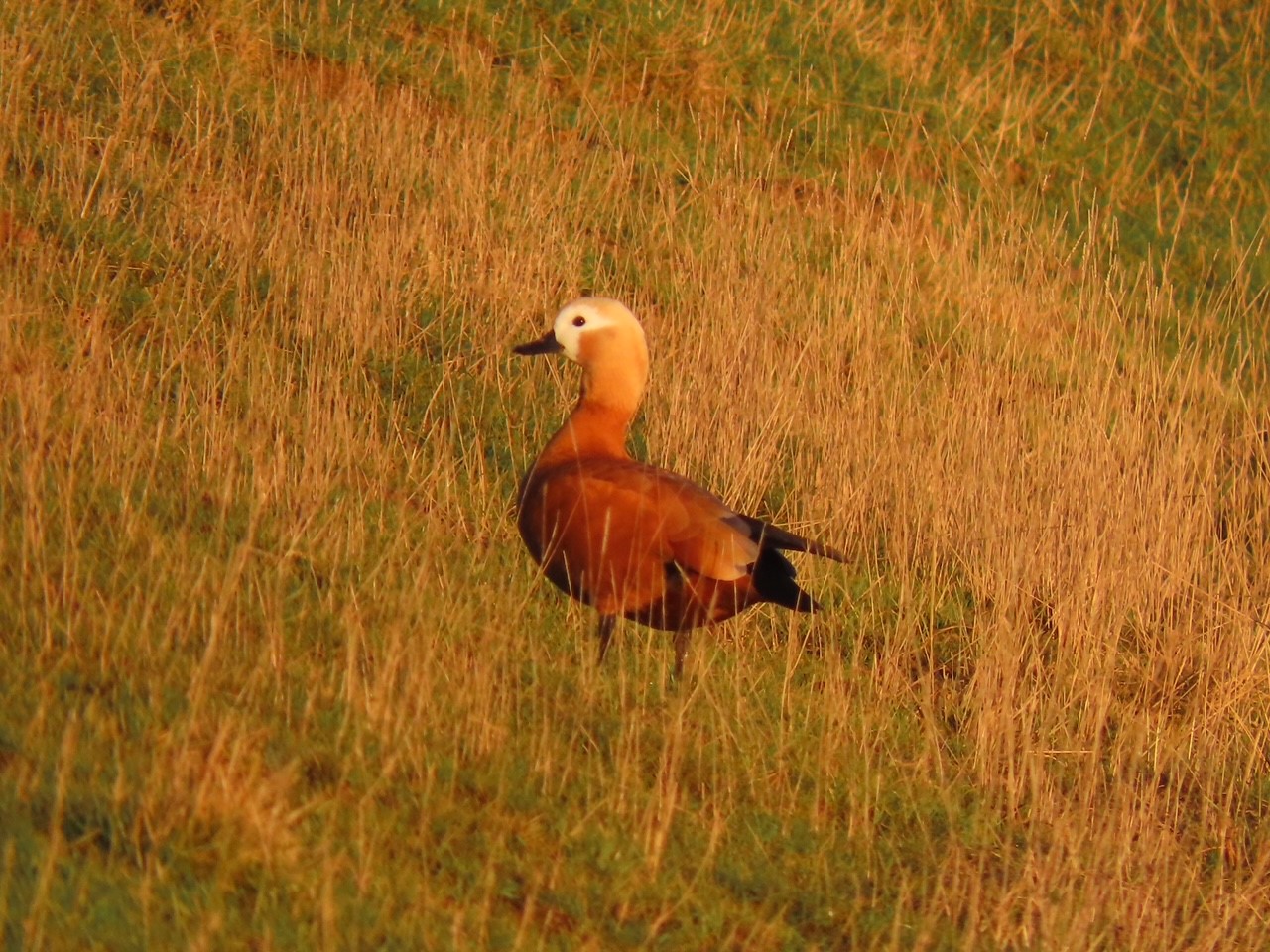
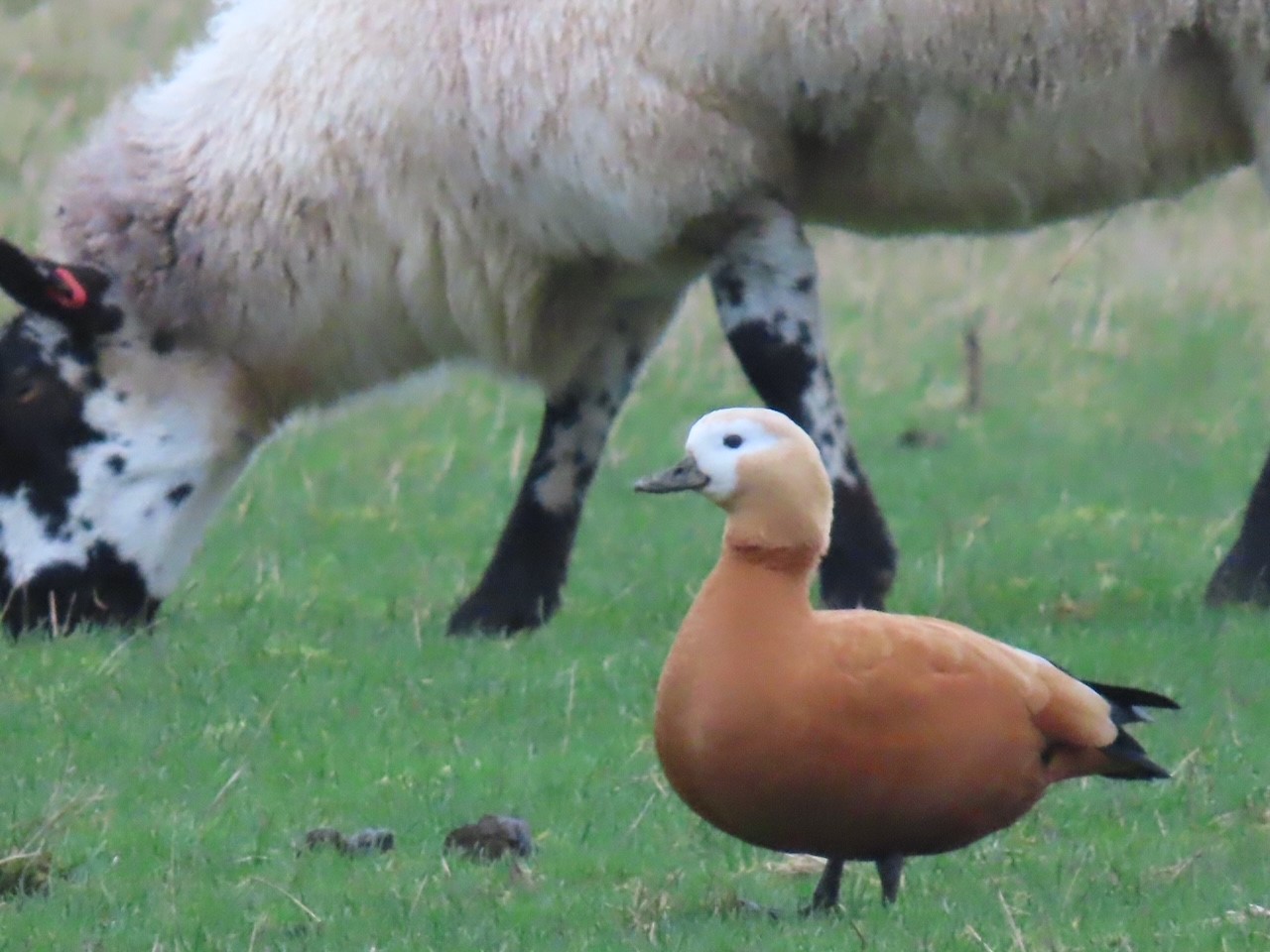
After no sightings last week, the female Ruddy Shelduck was back in the frame again – this time at Stanford Res, where it was seen for four days running, between 10th and 13th. This just left the Pink-footed Goose heading up the local wildfowl cast at Hollowell, remaining there until at least 14th. A Garganey put in a brief appearance at Pitsford Res on 11th.

Rarely seen in autumn – in fact, rarely seen at all – a Common Quail was flushed in the Brampton Valley, between Cottesbrooke and Hanging Houghton, on 14th. This year has been a poor one for this species, with just five single-date occurrences between 2nd June and 27th July … and two of these were after dark fly-overs.

But for many, this was a week when waders came to the fore, both little and large. In the latter category, a lone juvenile Black-tailed Godwit remained at Summer Leys LNR between 9th and 12th, with the same locality hosting up to two Ruffs throughout the period. One also visited Stanwick on 11th-12th and another was found at Earls Barton GP’s New Workings (South) the following day.

But the undoubted star of the show in the Nene Valley was the juvenile Pectoral Sandpiper found on the Scrape at Summer Leys on 10th. The county hasn’t done as well for this – the most commonly occurring Nearctic wader in the UK – in recent years compared to a decade or so ago, when it appeared to be a more frequent visitor. This week’s bird remained throughout, attracting a fair few local observers.

Left somewhat in the shade, but nevertheless popular, was last week’s juvenile Little Stint, which remained on view at Hollowell until 13th. The same site also held up to two Greenshanks until 14th, while a Wood Sandpiper was found at Pitsford on 9th.

The period’s scarce gulls were thin on the ground and Hollowell was the only locality to produce Caspian Gull, a juvenile of which was present there on 11th. This week’s Yellow-legged Gulls were the sole preserve of Pitsford, where one was found on 11th, followed by five on 13th.

Pitsford also pulled in a short-staying Black Tern on the first of these two dates, otherwise it was down to Clifford Hill GP to produce a lingering bird, present for three days between 11th and 13th.

Last week’s Bittern seemed settled at Summer Leys, clearly having acquired a taste for the Scrape, where it was on show intermittently throughout the period, providing some fantastic photographic opportunities for those with the patience to sit and wait …

The run of Cattle Egrets kept going with four leaving a roost site on the Main Lake at Stanwick early morning on 11th.

With Ospreys now leaving the country, the number of birds being seen locally is on a downward trend. Just two were seen – one at Hollowell on 9th, the other at Pitsord two days later, on 11th. It’s not the same for Marsh Harriers, though, numbers of which, it seems, see no signs of abating. Once again, Stanford was up there as top producer, with birds present daily until 14th, three being present on both the latter date and on 9th. Two of these sported red wing-tags marked with letters ‘ZC’ and ‘6A’ – the first of these identifying the individual as being a female ringed and tagged on 19th June 2023 at Breydon Water, Norfolk, while ‘6A’ was identified as a female ringed and tagged at Welney WWT, Cambridgeshire on 2nd July 2023. This was the first time either bird had been reported since fledging (per North West Norfolk Ringing Group). One was also seen in the Brampton Valley, between Cottesbrooke and Hanging Houghton, on 11th-12th.

And what about ‘Raptor of the Week’, should such a beast exist? Well, that accolade falls to a Honey Buzzard viewed for approximately 1.5 minutes over The Orchard at Stanford Res on 15th. This is only the second for the year, following the recent bird over Everdon Stubbs on 26th August. Inevitably a fly-over, there has not been a twitchable individual since the bird that lingered at Daventry CP between 15th and 25th June 2002.

Dwindling numbers of scarce passerines saw Whinchats outnumbering Common Redstarts for the first time this autumn with maximum counts of four at Hollowell Res on 13th, threes in the Brampton Valley on 9th and at Harrington AF on 11th and two at Blueberry Farm, Maidwell between 11th and 14th. Common Redstarts numbered two/three at Harrington on 11th, two at Lamport on 10th and singles at Pitsford on 11th and at Blueberry Farm between 11th and 13th. Northern Wheatears reached a respectable five in the Brampton Valley between 9th and 13th, while Blueberry Farm produced up to two between 12th and 14th and Harrington held on to one on 10th-11th. And to round off, two Crossbills were seen at Pitsford on 11th.

link-to-latest-reports

Newsround – 2nd to 8th September 2023

With a high pressure system stationed over eastern Europe for much of the week, a strong south-easterly airflow ensued, delivering Saharan dust and temperatures hitting the 30°C mark. This remarkably unseasonal set of conditions had many hoping for the arrival of something just that little bit out of the ordinary but, as the week drew to a close, the county added a rather low key ‘first for the year’, as well as a ‘second for the year’, to its annual tally.  

Perhaps not now seeming so out of place, given the UK appearances of a number skeins of Pink-footed Geese during the first week of the month, the Hollowell Res bird – still present on 6th – may yet hook up with others arriving for the winter. This week saw Red-crested Pochards at two new localities, namely Boddington Res, where there were two on 2nd and Stanford Res, with one there on 6th.

This week’s waders were in disappointingly short supply. Just one Black-tailed Godwit appeared – this time at Summer Leys LNR on 6th, while last week’s Ruff remained there until at least 7th and another was found at Clifford Hill GP on 6th, lingering there until the week’s end. Now, the aforementioned ‘second for the year’  appeared in the shape of a smart juvenile Little Stint at Hollowell on 7th remaining there the following day. The only other Little Stint so far this year was a briefly-staying individual in spring, at Stanwick GP, on 30th May.

Hollowell also held on to its Wood Sandpiper from last week – just – the bird remaining until 2nd. Another was found at Pitsford on 6th and was still present at the week’s end. That just leaves Greenshanks, Hollowell taking the crown for host of the most, with up to four during the first two days, dwindling to one or two by the end of the period.

This week’s larid line-up strongly echoed that of last week, with a second calendar year Mediterranean Gull off the dam at Ravensthorpe Res on 7th and a supporting cast of some of the scarcer large gulls. Falling into the latter category were single adult Caspian Gulls at Hollowell on 4th Boddington on 6th, Daventry CP on 7th and Ravensthorpe on 8th.

Yellow-legged Gulls were more widespread than during last week, with two at Priors Hall Quarry, Corby on 3rd, one at Thrapston on 5th, three at Boddington and four at Pitsford on 6th and one at the last locality the following day.

Arguably for some, bird of the week was likely to have been the Bittern that crept around on the Scrape at Summer Leys during the evenings of 5th and 8th.

Keeping up appearances, too, were Cattle Egrets, one of which was found, unsurprisingly in a cattle field, at Aynho on 3rd. It did not linger. Two more visited Thrapston GP’s Titchmarsh NR on 7th.

On the raptor front, Ospreys were thin on the ground, represented only by a juvenile over Summer Leys, late morning, on 3rd and most likely the same bird moving west over Cogenhoe little more than an hour later. Another was seen flying toward Stanford on 4th. The latter site took the lion’s share of Marsh Harrier sightings, with one on 2nd and two on 3rd, 7th and 8th, one of which sported red wing-tags. One was also seen at Harrington AF on 5th.

Common Redstarts maintained their high autumn profile and were seen at nine localities comprising Blueberry Farm, Brampton Valley, Hardingstone GP, Harrington, Honey Hill, Lamport, Old, Pitsford and Stanford. The highest locality count was four at Harrington on 5th. Also coming to the fore in terms of numbers on the passerine front were Whinchats, with the eight localities of Brampton Valley, Clifford Hill, Hollowell, Lamport, Old, Stanford, Willowbrook Industrial Estate (Corby) and two sites at Woodford Halse producing between one and three birds apiece. And not to be outdone, Northern Wheatears, too, stood up to be counted, with a respectable eight localities delivering mainly single birds but three were at Clifford Hill on 5th, two at Blueberry Farm on 6th and two at Slade Brook Field (Kettering) on 7th. The other contributing localities were Brampton Valley, Harrington, Hollowell, Honey Hill and Stanford.

Single Tree Pipits were found at Blueberry Farm on 3rd and Stanwick GP on 5th while, perhaps surprisingly, this week’s first for the year – a Corn Bunting – was located in the Brampton Valley between Cottesbrooke and Hanging Houghton on 8th.  

link-to-latest-reports

Newsround – 26th August to 1st September 2023

The last day of the period marked the start of meteorological autumn during a week that produced three top-notch birds, all of which were firsts for the year, although none of these was readily available to the masses …

Conversely, the Pink-footed Goose of somewhat ill repute provided easy pickings for at least three days at Hollowell Res, where the female Ruddy Shelduck was also present for one day, on 29th, before resurfacing at Foxholes Fisheries, Crick on 1st. Three Red-crested Pochards were found at Pitsford Res on 30th.

Also at Pitsford, a Black-necked Grebe arrived pretty much on cue for an established run of early autumn occurrences on the last day of the week.

This week’s waders were low in numbers in no uncertain terms but they at least pushed the variety envelope a little more beyond last week’s offering. Just one Black-tailed Godwit was found, at Ditchford GP’s Irthlingborough Lakes & Meadows LNR, on 29th, while the autumn’s second Turnstone was, well, simply turning stones on the shoreline near Wader Bay at Summer Leys LNR on 1st. Summer Leys also hung on to a Ruff all week, two being present there on 31st.

Arguably firsts for the autumn were Wood Sandpipers at three localities, which included two present only briefly at  Stanwick GP on 28th and singles at Daventry CP and Hollowell on 31st and 1st, respectively. Prior to these, the last one was at Summer Leys on 10th July. Greenshanks this week were the sole preserve of Hollowell, where one on 28th was joined by a second bird from 29th to 1st.

A few more of the scarcer gulls came our way during the period, of which a juvenile/first-winter Mediterranean Gull off the dam at Pitsford on 31st was the best. Caspian Gulls were found at three localities, with single adults at Pitsford on 27th and near Ashton on 29th, while a juvenile visited Hollowell on 28th. Apart from an adult at Summer Leys on 26th, Pitsford produced all the Yellow-legged Gulls, with up to two seen there almost daily.

Terns of interest were limited to the single Black Tern, remaining from last week at Clifford Hill GP, on 26th.

Also just making it into the period was the Summer Leys Cattle Egret, which was still present on 26th but not thereafter. Two also remained at Stanwick until 29th.

Gliding into the world of raptors takes us straight to one of those aforementioned ‘firsts’ for the year in the shape of a Honey Buzzard, found by one lucky observer at Snorscombe, before gaining height towards Everdon Stubbs and drifting away to the north-east, on 26th. History has proven that late August is a prime time for connecting with this species in the county. But will there ever be a repeat of the events which took place in autumn 2000, when an amazing influx occurred in late September with literally hundreds of birds arriving on the east coasts of England and Scotland, before filtering down through the country over some two weeks. During this period, at least thirty-seven were seen in Northants between 22nd September and 2nd October. We can but dream …

More down to earth, though, was a sprinkling of Ospreys which included singles at Earls Barton GP on 26th, Summer Leys on 28th, Hollowell on 28th, 29th, 30th and 1st, and Clifford Hill GP on 30th.

Marsh Harrier numbers were up on last week with one seen north of the causeway at Pitsford on 27th and 29th-30th and further singles at Stanford Res on 27th and 31st, Harrington AF on 28th, Ditchford on 29th and Summer Leys on 1st.

The next ‘first’ for the year was, somewhat predictably, a Wryneck, trapped and ringed at Stanford on 28th. ‘Predictably’ because this is the fourth consecutive autumn that the local ringing group has trapped one, taking the all-time total for this species ringed there to six, with nine records for the site in total.

Which takes us neatly on to the final ‘first’ for the year that appeared in the shape of a Nightjar discovered roosting on a wall at Great Harrowden. Alas, it wasn’t present the following day – a fly-by-night, if ever there was one. This species has become increasingly difficult to catch up with in the county over the last couple of decades but it surely breeds … somewhere …

The autumn’s first Merlin was seen near Hartwell – appropriately on 1st.

And this week’s passerine billing falls very much in line with the recently established trend. Kicking off with the rarest first, another Pied Flycatcher was found at Lamport on 26th, the same site being one of nine to also hold Common Redstarts as part of this autumn’s continuing and unparalleled run of records. Unsurprisingly, the Stanford Ringing Group trapped and ringed a further eleven – the highest day total being six on 26th – and, in addition to these, at least a further two were present on site. Blueberry Farm, Maidwell, where birds were seen daily, produced the next highest day count of four on 29th, followed by Harrington AF and Old with three apiece on 28th and 30th, respectively. Elsewhere, Brampton Valley, Clifford Hill, Duston and Pitsford held one/two birds each.

A further surge of Whinchats appearing in the county brought a high site total of five to Brampton Valley on 30th, with smaller numbers there on other dates throughout the period. A close second was Pitsford Res, where up to four were seen within spitting distance of the causeway, providing a popular draw for a number of local birders. Seven further localities produced one/two birds, including Blueberry Farm, Clifford Hill, Corby (two sites), Harrington, Kislingbury GP and Stanford.

Northern Wheatears were also well represented with site maxima of three in Brampton Valley on 26th, twos at Old on 26th, Harrington on 28th and Clifford Hill on 1st, and one at Hollowell on 30th.

Meanwhile, a trickle of Tree Pipits consisted of singles in flight over Harrington and Stanford on 26th and Pitsford on 29th. Fly-over Crossbills were also seen at Harrington, where there were two on 26th, and Blueberry on 29th.

link-to-latest-reports