Newsround – 21st to 27th November 2020

The wind continued mainly southerly but a swing to the east occurred on the last day of the period. Becoming no easier to see, the male Parrot Crossbill remained into the week.

Continuing to elicit some interest, the Barnacle Goose flock, still present at Clifford Hill GP into this week, had significantly reduced to twenty by 21st and they remained there until the week’s end.
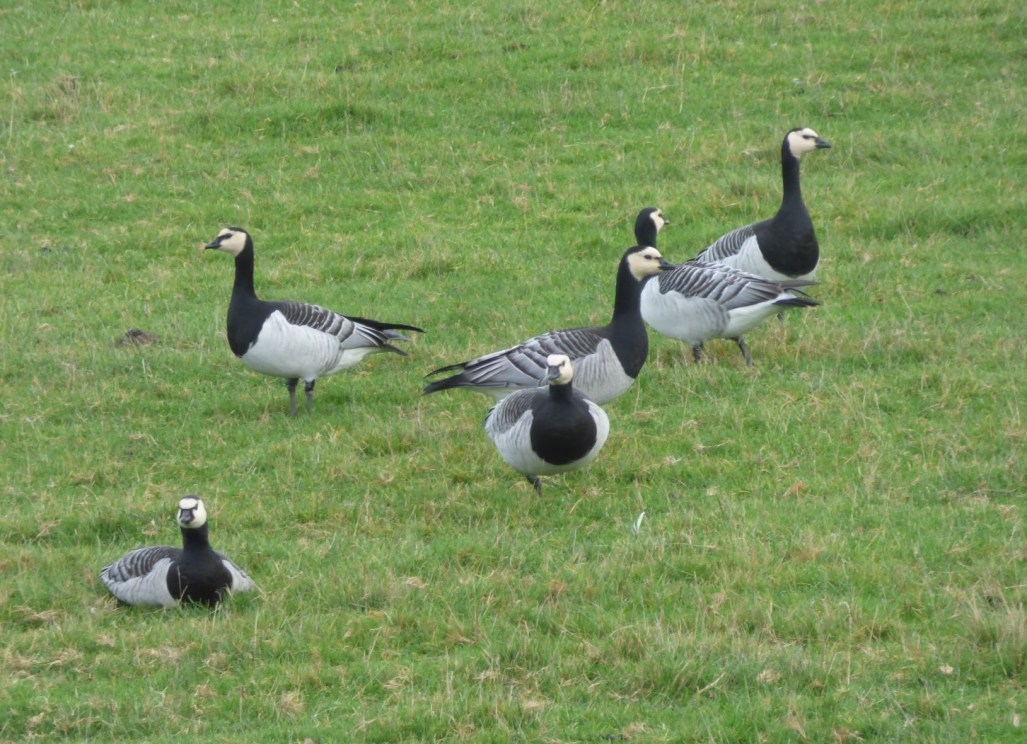
Barnacle Geese, Clifford Hill GP, 24th November 2020 (Doug Goddard)

One also lingered at Stanford Res all week. While the six Pink-footed Geese remained ensconced at Hollowell Res throughout the period, some inflight entertainment came in the form of a flock of some fifty to fifty-five heading north-west over Harringworth Lodge Lake on the morning of 21st. This appears to have been part of a wider national movement on the day and back at Stanford, two joined the local Greylags and three flew over.

Pink-footed Geese, Harringworth Lodge Lake, 21st November 2020 (James Underwood)
Pink-footed Geese and Barnacle Goose, Stanford Res, 21st November 2020 (Matt Jackson)

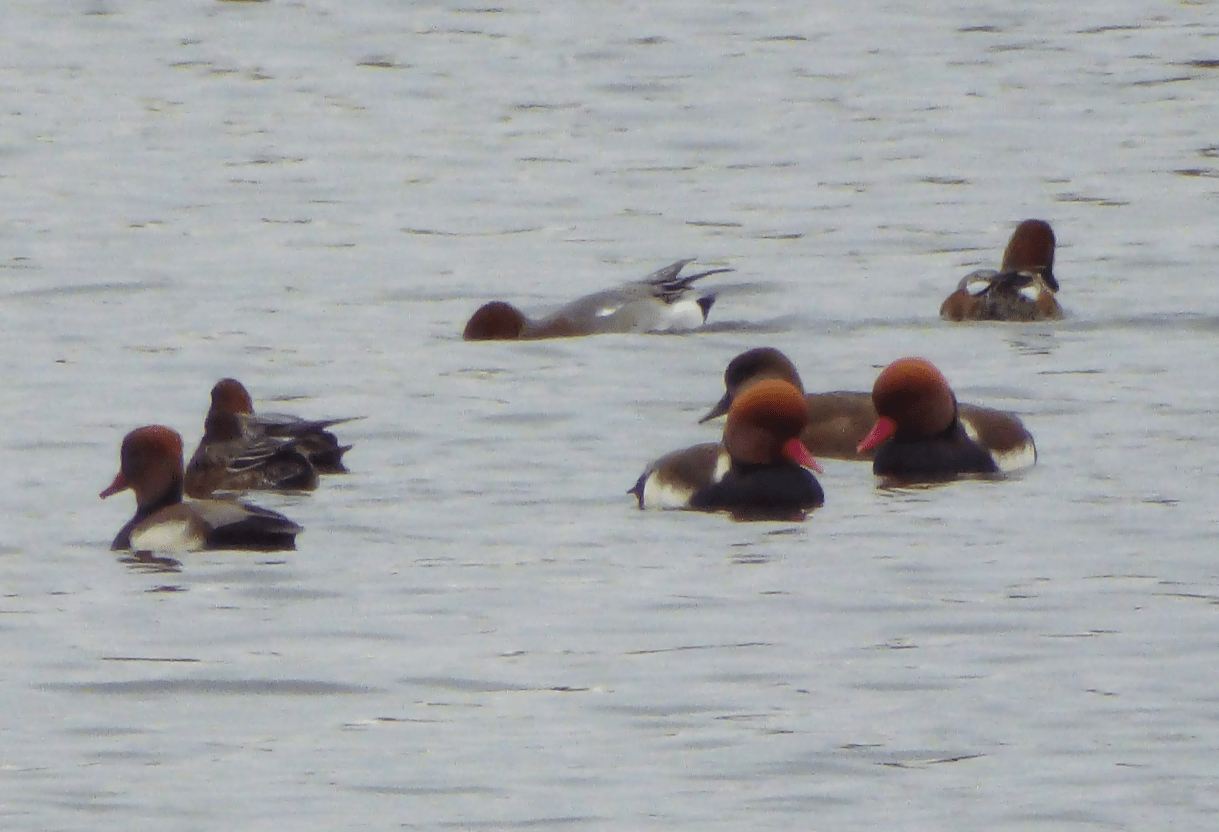
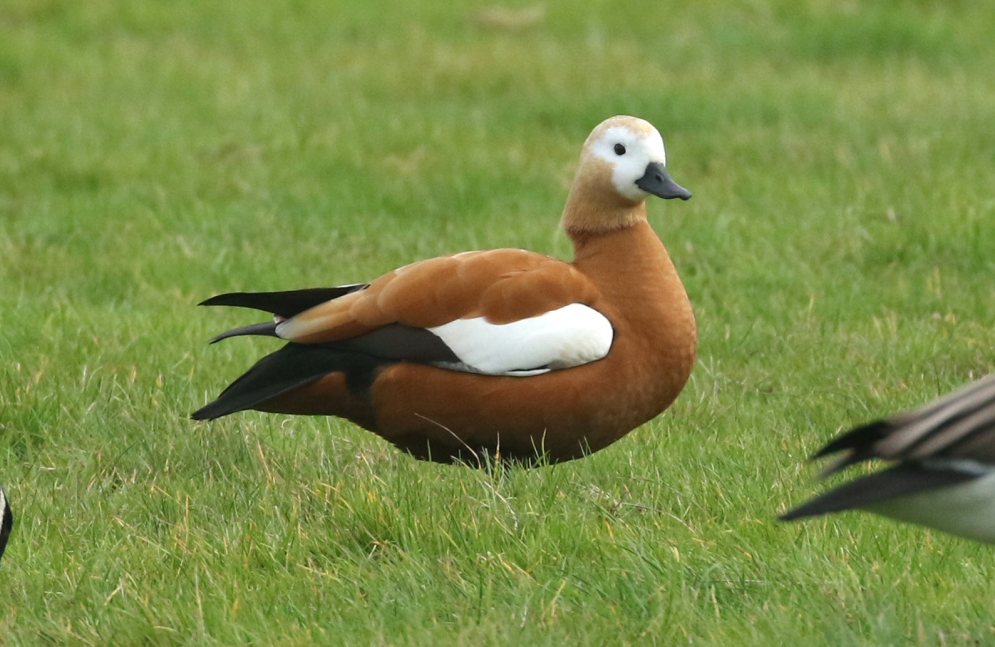
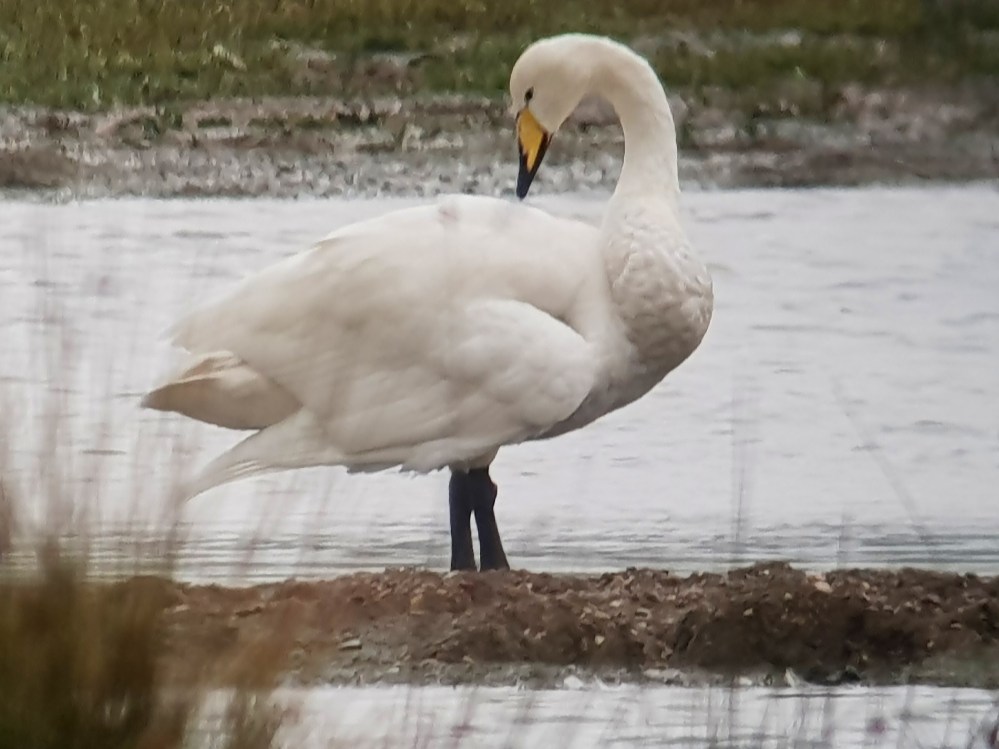
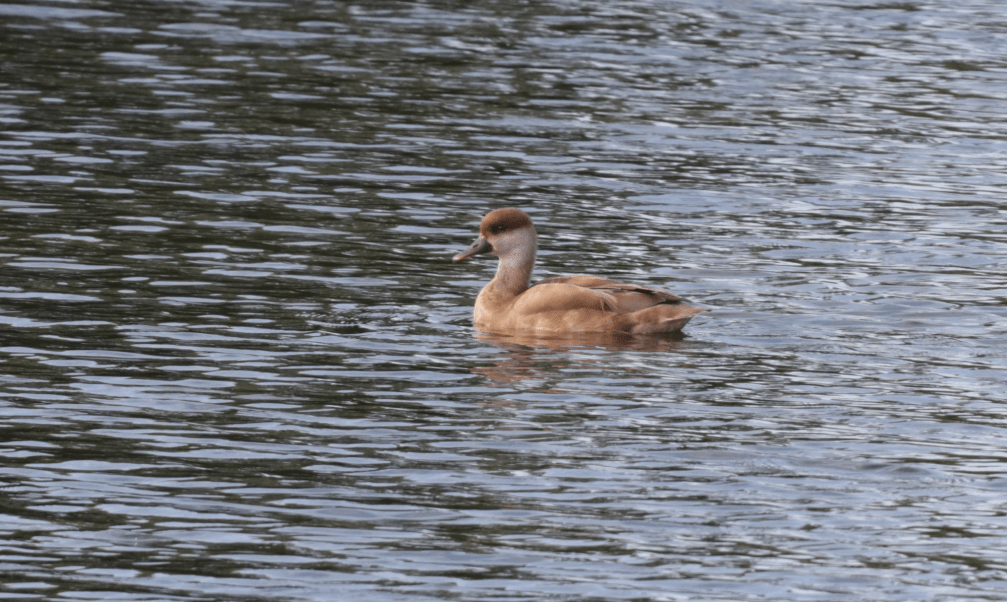
The following day, five Whooper Swans flew east at the latter locality, constituting the 160th species for the year at that site, equalling its best-ever species total, which was in 2017. DIRFT 3 was paid a surprise visit by five Ruddy Shelducks on 22nd, although they were absent the next day, while the long-staying female was seen again at Hollowell on 26th-27th. Numbers of Red-crested Pochards fell to just four at Pitsford Res, although two were found at Clifford Hill GP on 23rd.
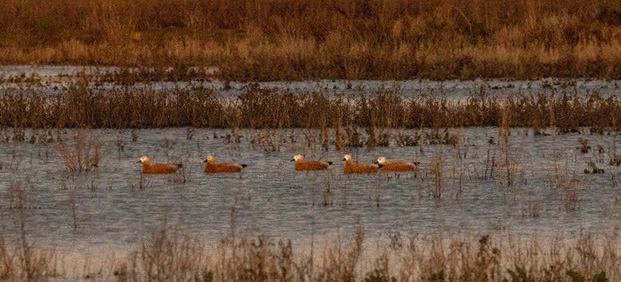
Ruddy Shelducks, DIRFT 3, 22nd November 2020 (Steve McAusland)

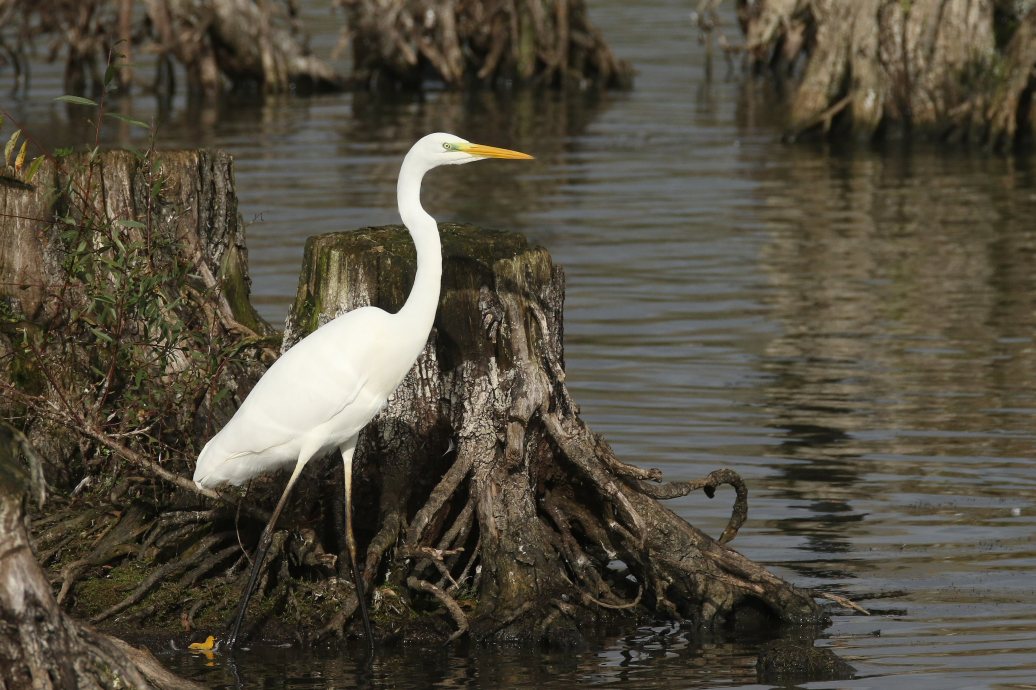
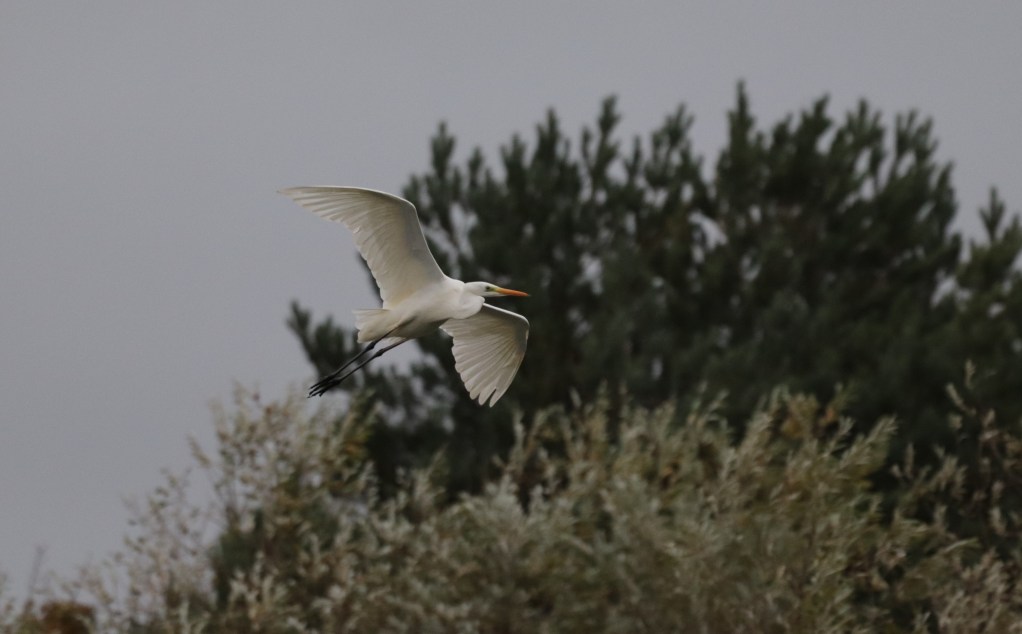
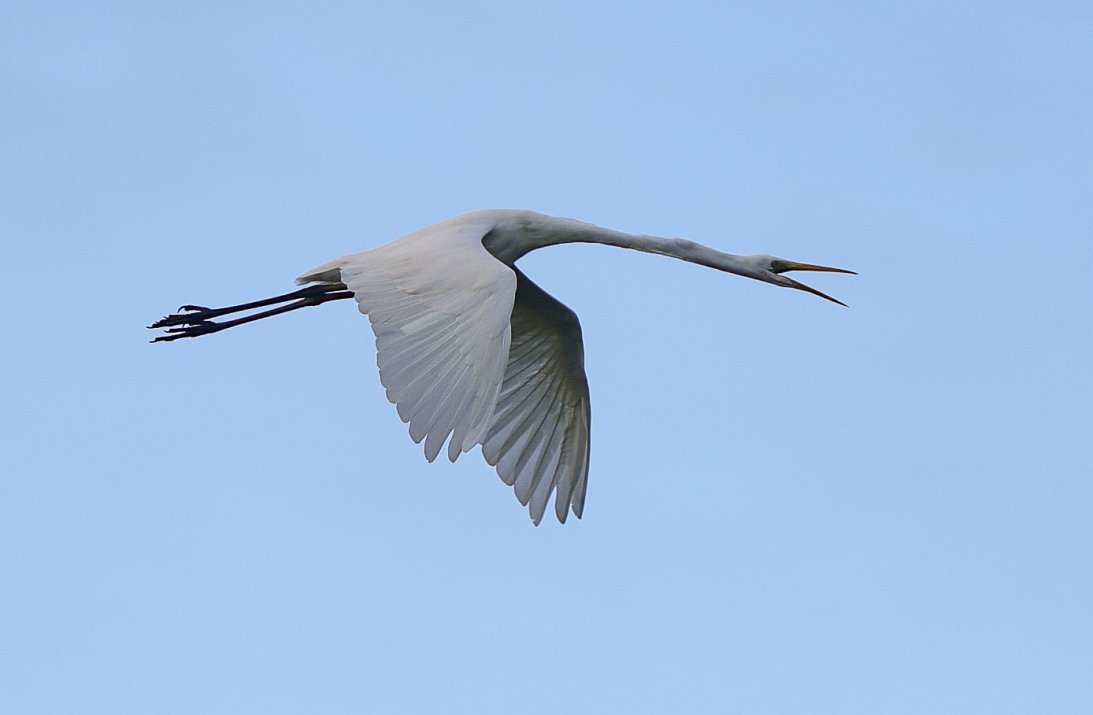
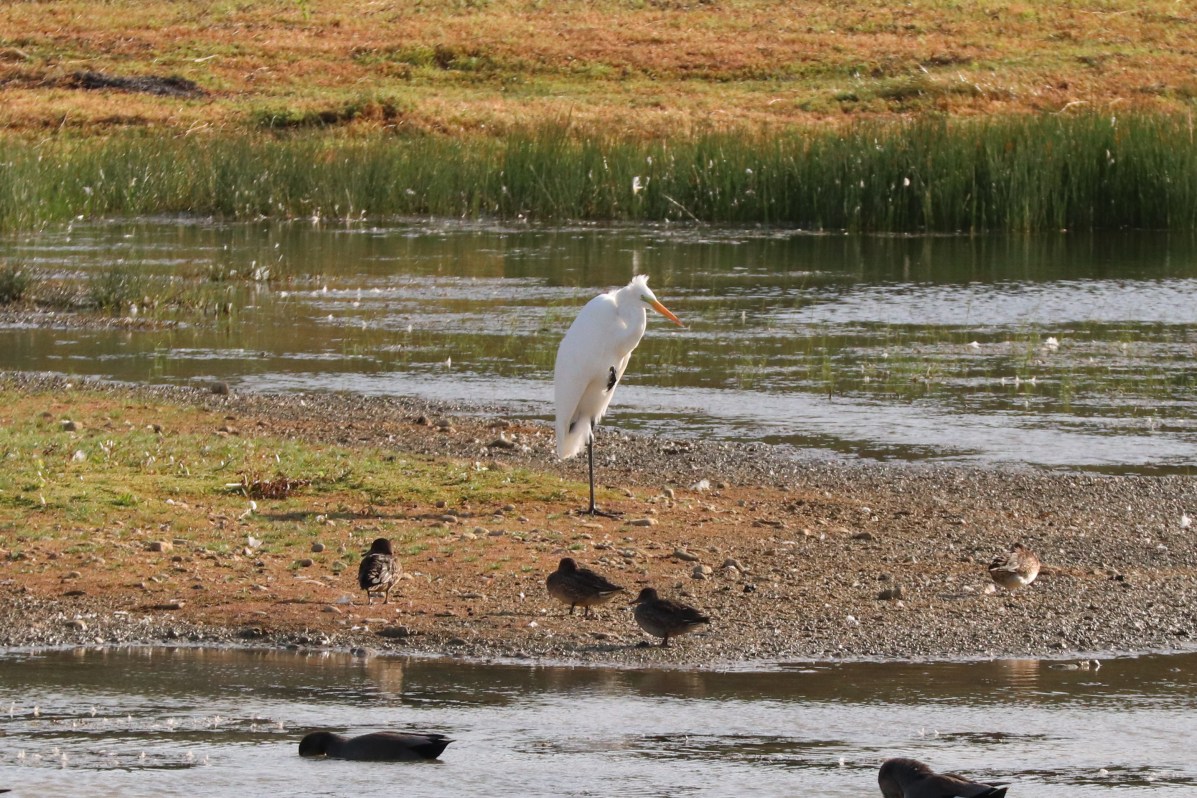
Looking set for a protracted stay, the juvenile Great Northern Diver remained throughout at Hollowell. Surprisingly, no Cattle Egrets were reported this week but Great Egrets continued to be reported from seven sites. Hollowell and Pitsford were the only sites away from the Nene Valley and Thrapston again logged the week’s highest site count of five on 27th.

Juvenile Great Northern Diver, Hollowell Res, 22nd November 2020 (Jim Dunkley)
Juvenile Great Northern Diver, Hollowell Res, 23rd November 2020 (Martin Swannell)

Following their initial discovery on 12th, three locally unseasonal Curlews continued to come in to roost on the DIRFT 3 A5 pools, being seen just prior to dusk on 23rd and 26th, while the only other notable wader was Jack Snipe, with singles at Hollowell on 23rd and Stanford on 27th, plus four on a field pool close to Ravensthorpe STW on 26th.

Curlew, DIRFT 3, 26th November 2020 (Mike Alibone)

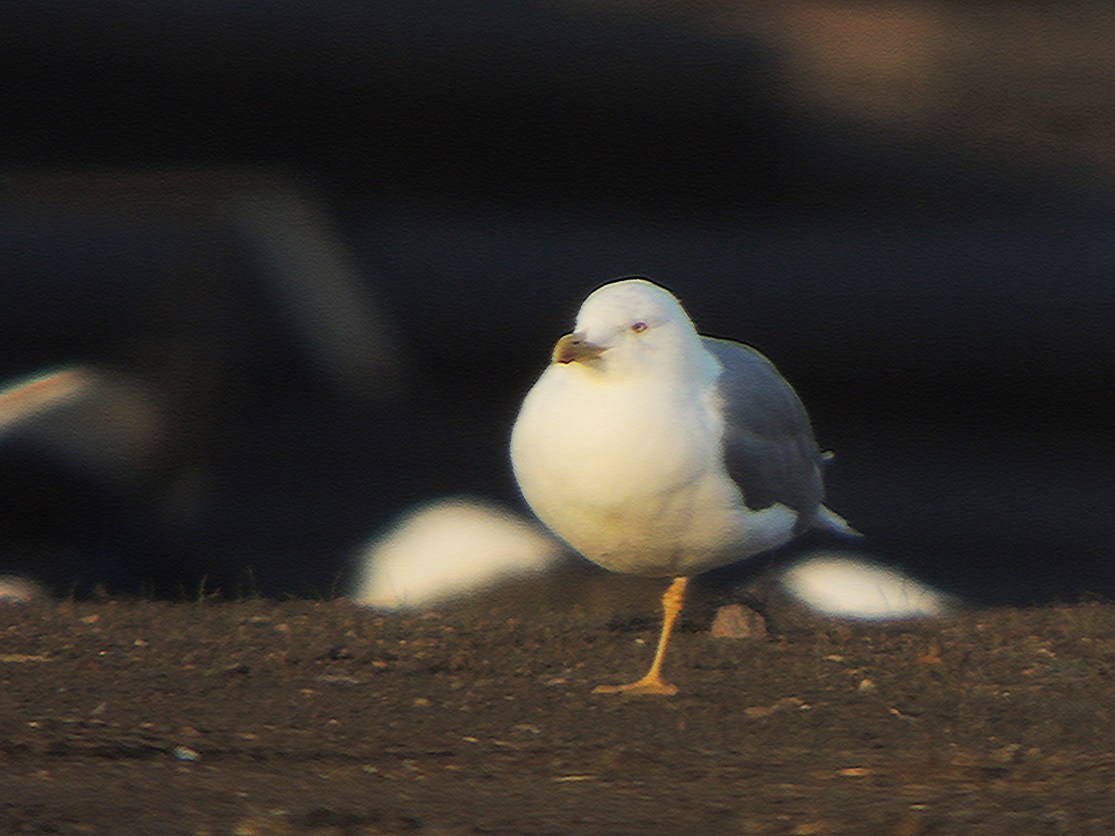
In addition to the semi-regular third-winter Caspian Gull again at Hollowell on 24th, the same date saw a first-winter come in to roost at Boddington Res and three – an adult and two third-winters – were at DIRFT 3 on 26th.
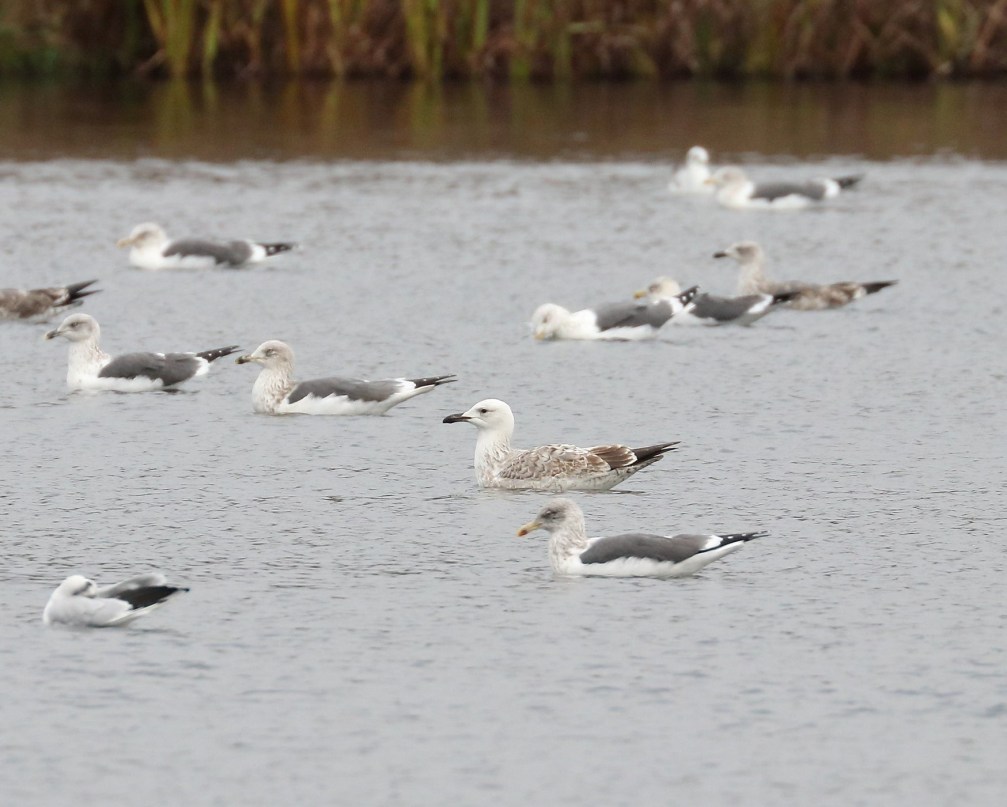
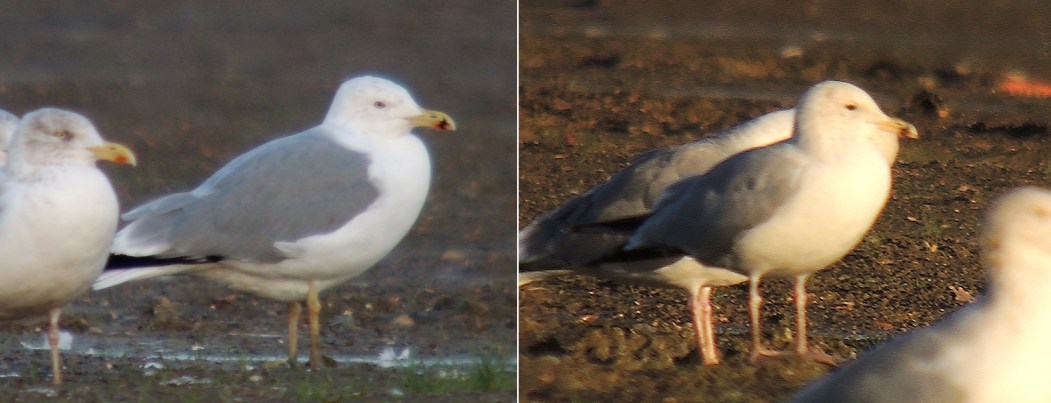
First-winter Caspian Gull, Borrow Pit, Oxfordshire, November 21st 2020 (John Friendship-Taylor). This individual roosted at nearby Boddington Res on 24th November.
Third-winter Yellow-legged Gull (left), 23rd November 2020 and third-winter Caspian Gull, 26th November 2020, both DIRFT 3 (Mike Alibone)

This week’s Yellow-legged Gulls rallied somewhat, with one at Pitsford on 21st and 24th, two at DIRFT 3 on 23rd and eleven counted in the Boddington roost on 24th.

Two Short-eared Owls emerged during the period – one from a roadside field north of Sywell AF on 22nd and the other, remaining in the air for an hour, was at Pitsford on 26th, while this week’s Merlin was a female at Stanwick on the first of these two dates.

Short-eared Owl, Pitsford Res, 26th November 2020 (Ant Hall)

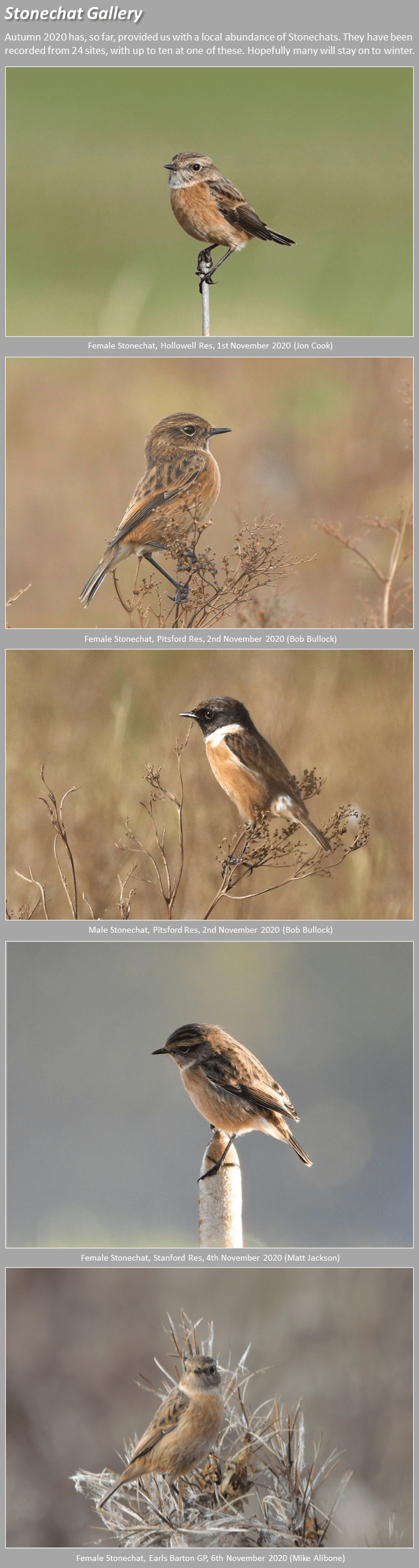
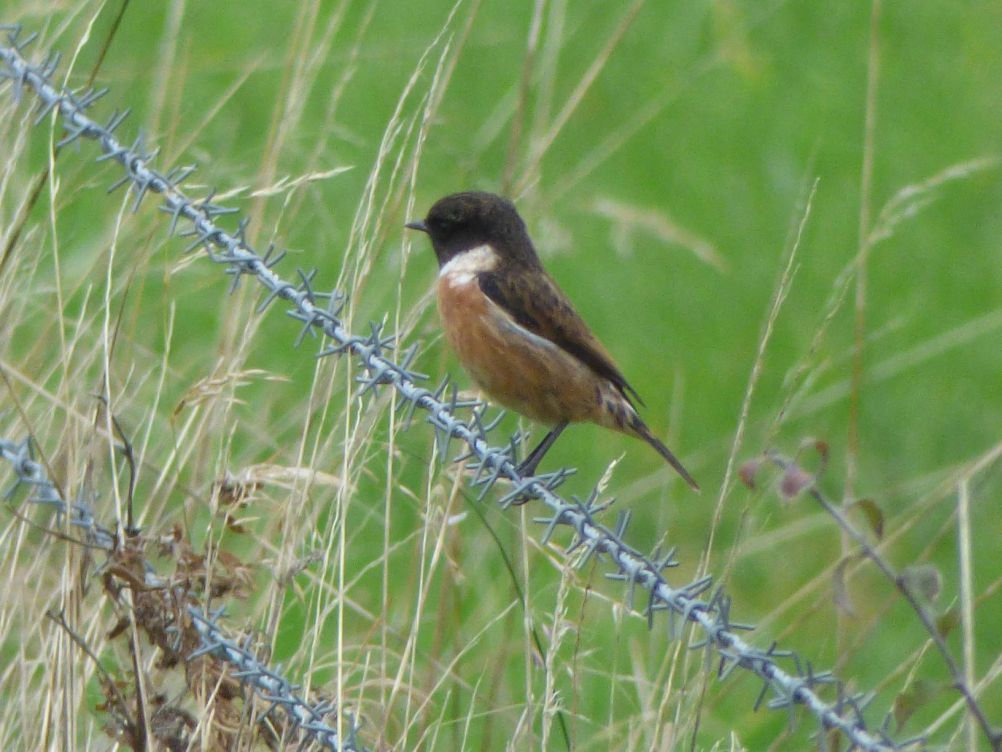
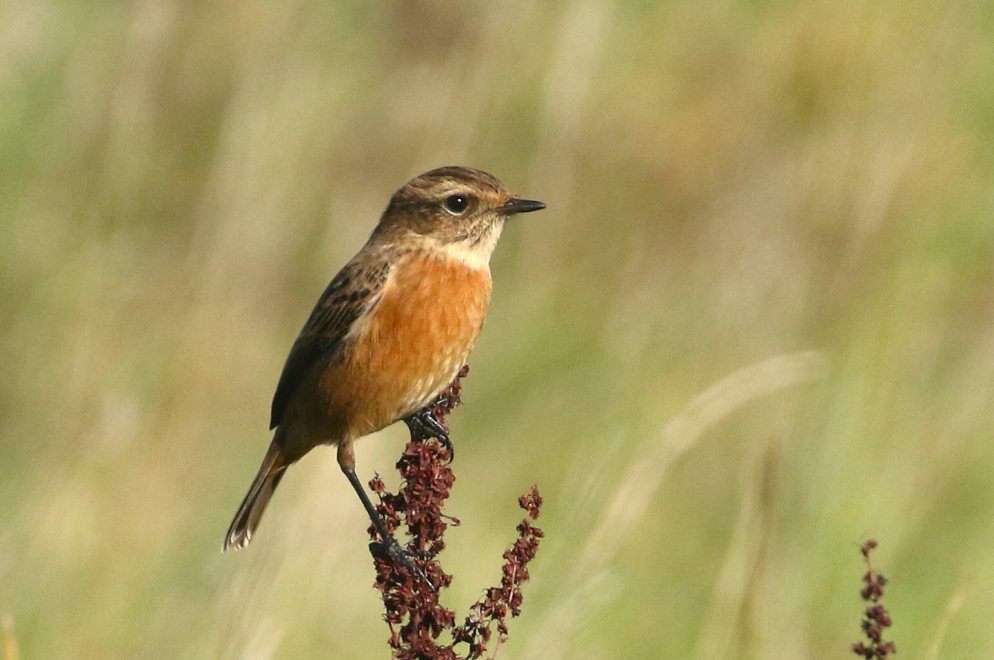
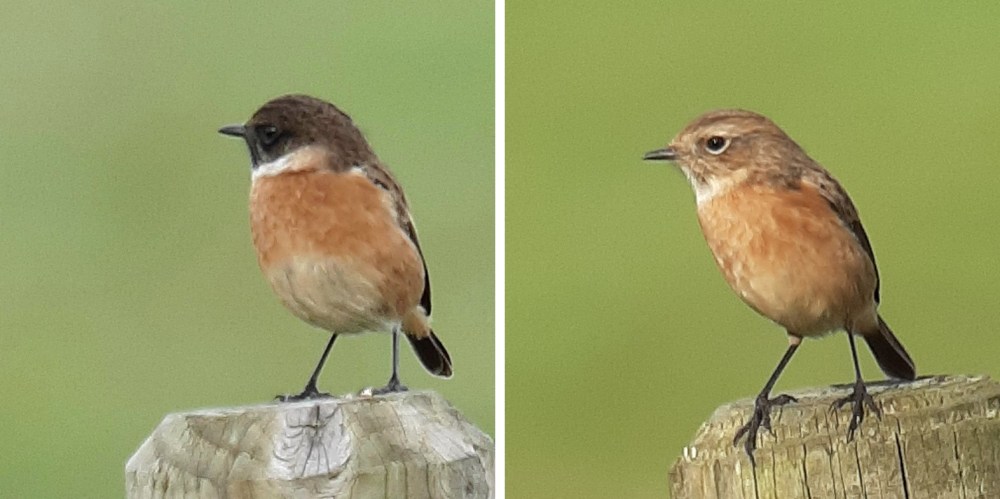
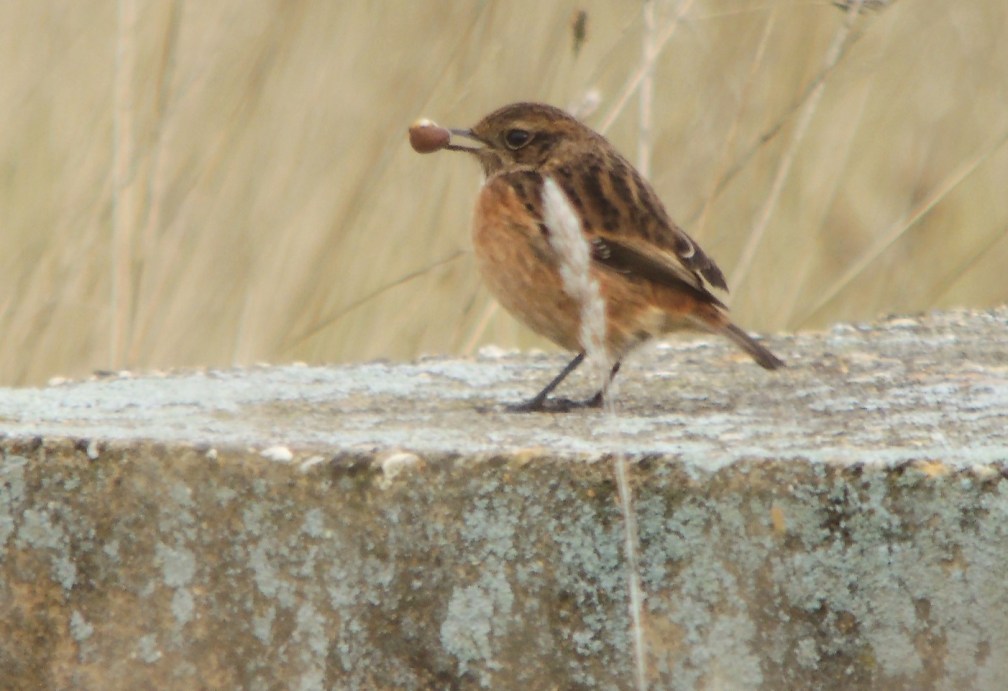
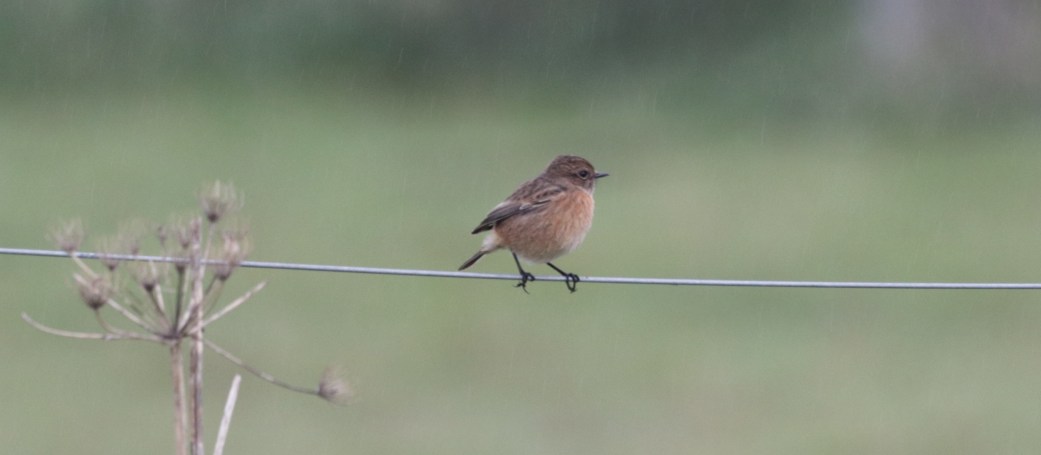
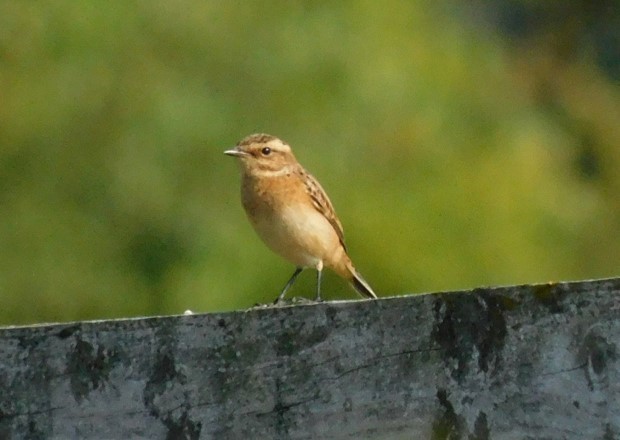
Wintering Stonechats were recorded from DIRFT 3, Hollowell, Lilbourne Meadows LNR, Pitsford, Stanford and Thrapston, with no more than four at any one site.

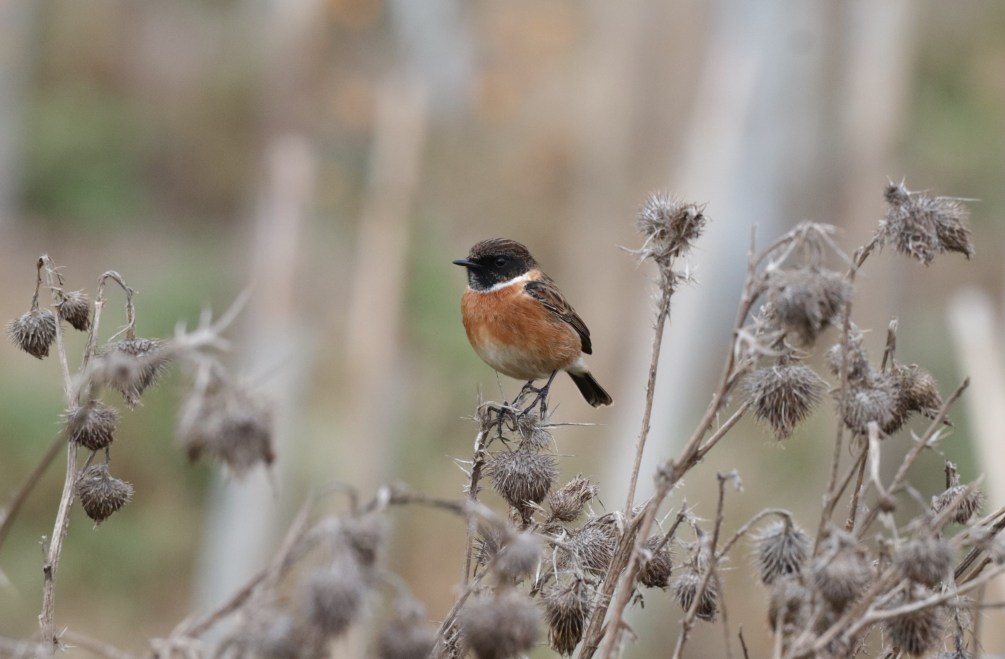
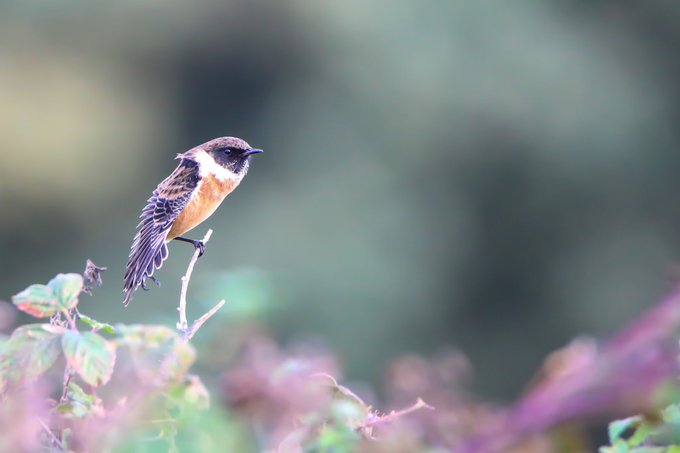
Male Stonechat, Lilbourne Meadows LNR, 23rd November 2020 (Mike Alibone)

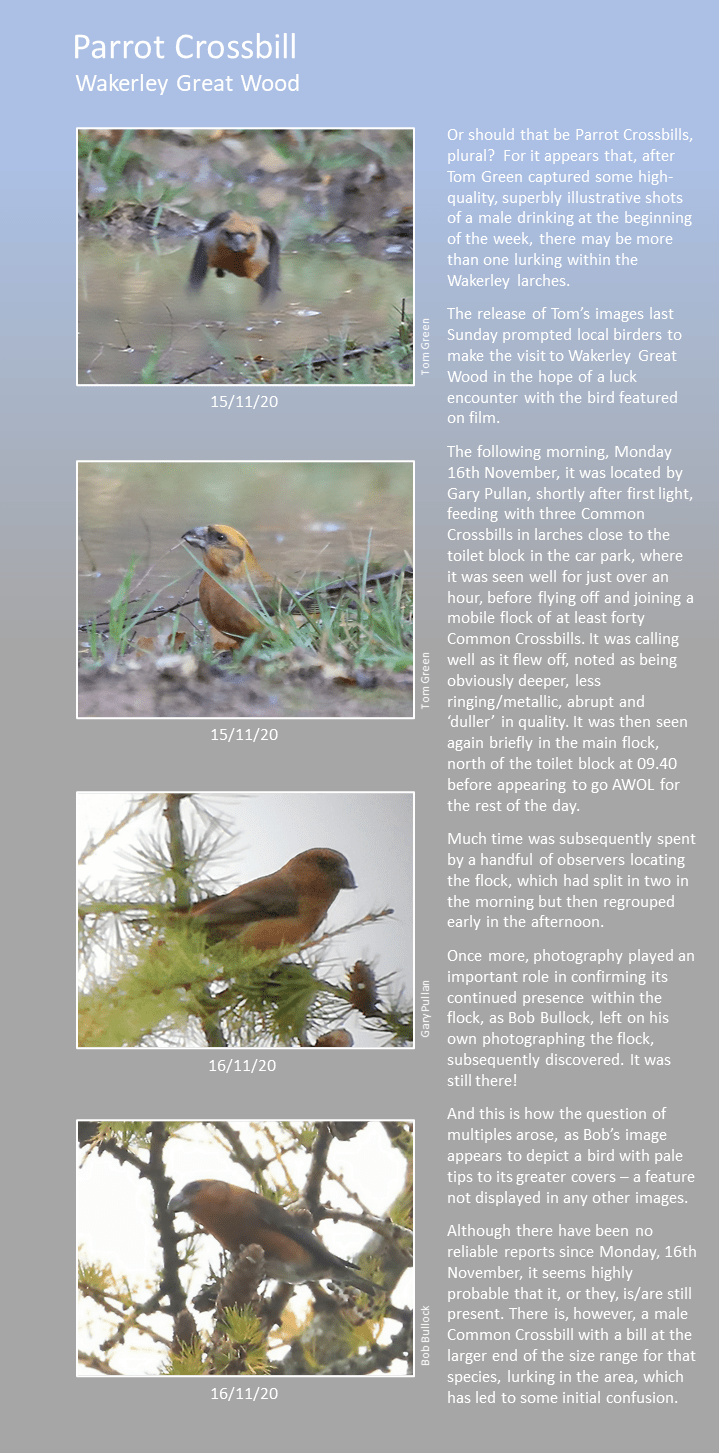
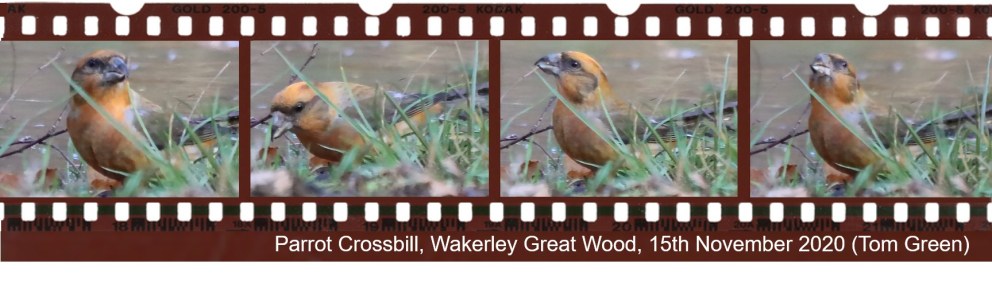
Last week’s male Parrot Crossbill continued to elude, evade and generally played hard to get, being seen only briefly on 21st at Wakerley Great Wood, which continued to host Crossbills, clearly on the up this week, with at least sixty-one being present there on 27th. Up to nine were still being seen at Hollowell during the period, eight were still in Bucknell Wood on 22nd and singles flew over both Stanwick GP and Pitsford on 24th.
Newsround – 14th to 20th November 2020

A mild, southerly airstream continued into the first half of the period before the wind swung momentarily northerly toward the week’s end. The chance discovery of a fine male Parrot Crossbill duly elicited a local northerly movement by those hoping to catch a glimpse.
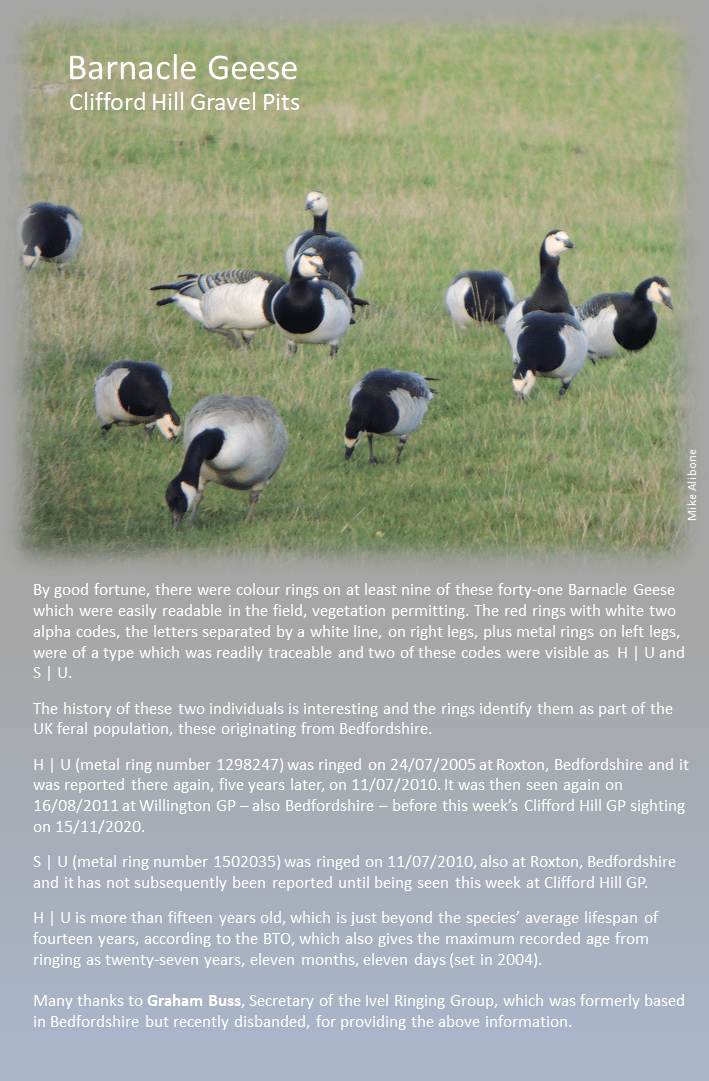
With last week’s presumed ‘C list’ Barnacle Goose flock still present at Clifford Hill GP, having risen to forty-one on 15th, some light was at last shed on its origin.


One of two Barnacle Geese found at Stanford Res last week was also metal-ringed on its left leg but no colour rings were in evidence. Both birds remained until 16th. Meanwhile, the goose theme continued at Hollowell Res, where last week’s six Pink-footed Geese were back up again to seven on 19th. The only other waterfowl of note were Red-crested Pochards which, this week, were confined only to Pitsford Res, where the highest count was eight on 19th.

Back at Hollowell, the juvenile Great Northern Diver was still present on 19th, after becoming evasive in the early part of the week.

Juvenile Great Northern Diver, Hollowell Res, 14th November 2020 (Angus Molyneux)

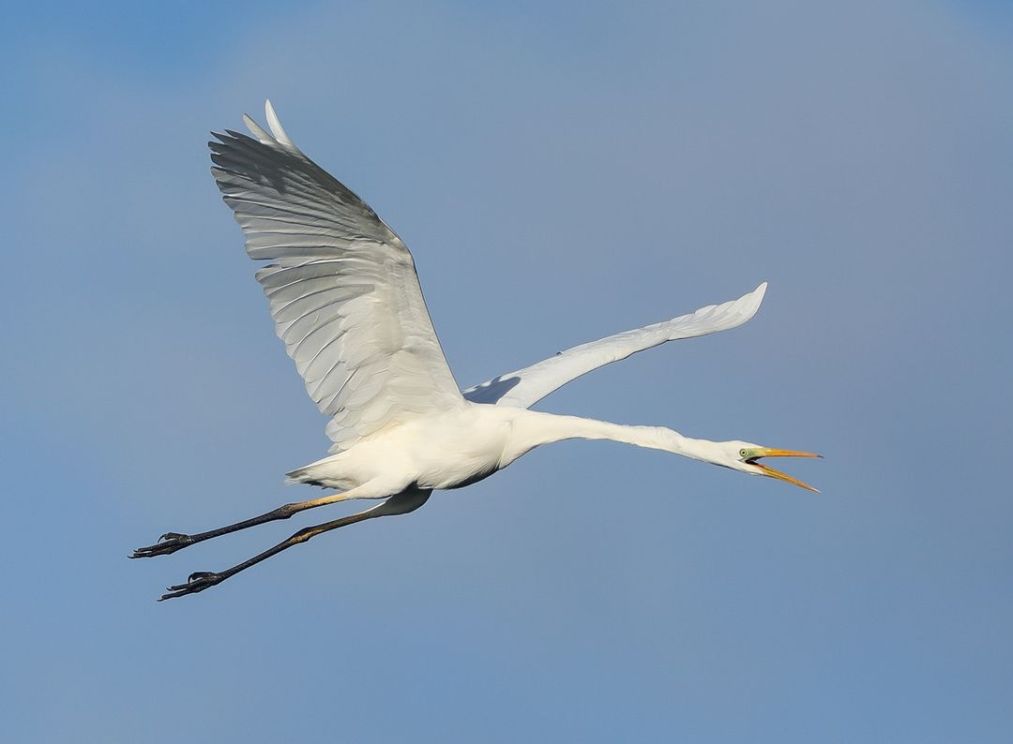
Cattle Egrets remained, as usual, in the Stanwick/Irthlingborough area, where the highest count was six on 16th and 18th. Upsizing, Great Egrets were again much in evidence, widespread across at least ten localities in the county, from Blatherwycke Lake to Stanford in the north and along the Nene Valley from Thrapston GP to Billing GP, Thrapston logging the week’s highest site count of five on 15th.

Great Egret, Summer Leys LNR, 15th November 2020 (Ricky Sinfield)

A superb total of fourteen Jack Snipes at Daventry CP on 17th was nearly triple last week’s count from there and is surely a record count for the site.

Winter gulls this week included two adult Mediterranean Gulls – one flying south-west over Stanwick GP on 19th and the other at Boddington Res the following day. The third-winter Caspian Gull was again at Hollowell on 14th and 17th, while a first-winter visited Daventry CP on the latter date. Single adult Yellow-legged Gulls were at Pitsford on 14th-15th, Hollowell and Daventry on 17th and at Thrapston on 18th.

A Short-eared Owl was reported from the Irthlingborough area on 16th, while this week’s Merlin was an immature male at Harrington AF on 18th.

As a result of their often nebulous nature, ‘possibles’ rarely feature in this report but for the sake of completeness and on the off-chance that a Northamptonshire first – a ‘mega’ at that – could potentially be passing us by, it would seem prudent to include the possible Dusky Thrush reported on 20th. Said to have been with Fieldfares and Redwings, close to the north-west corner of Kingthorn Wood, between Greens Norton and Bradden, late morning, the news was released during the afternoon. Those (three) who made it to the site in gloomy conditions met with disappointment as a highly animated flock of some four hundred or so winter thrushes kept their distance and eventually split up and dispersed. But in case anyone fancies chancing his or her arm, it’s a very nice area, with a pocket park …

Back down to earth somewhat, Stonechats were recorded from Boddington, Hollowell, Pitsford, Stanford and Thrapston. Once again, four at Hollowell on 17th was the highest total at any locality.

But tangible bird of the week, without doubt, was the smart male Parrot Crossbill photographed at Wakerley Great Wood on 15th. The first of these vagrant cone-crunchers for almost 30 years and not the easiest to pin down – and there may have been more than just the one.


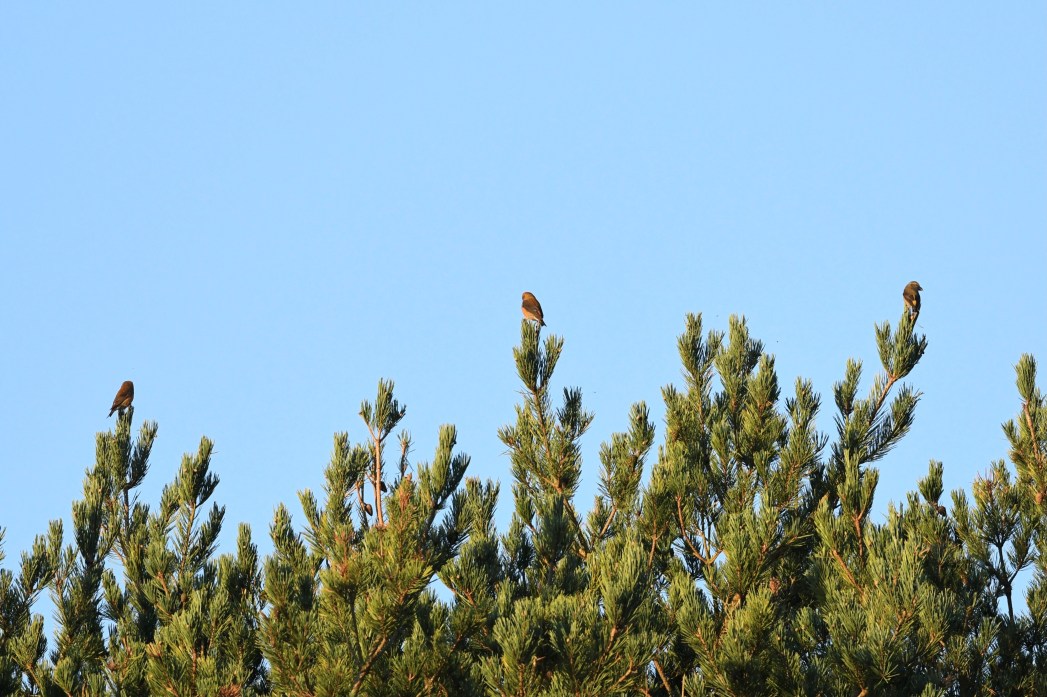
Common Crossbill, Wakerley Great Wood, 16th November 2020 (Mike Alibone). An individual with a slightly larger than average bill.

A veritable supporting cast, Crossbills were prevalent at the same site throughout, with more than forty estimated to be present. Hollowell, too, is fast proving itself to be a reliable site for this species, with numbers there growing throughout the week and peaking in excess of twenty on 20th, while at least five flew north-west over Harrington AF on the same date.

Newsround – 7th to 13th November 2020

The air off the continent – south-easterlies, subsequently swinging southerly – resulted in a generally mild week, during which a number of new birds arrived on the scene, of which Great Northern Diver and Bearded Tits headed the cast …
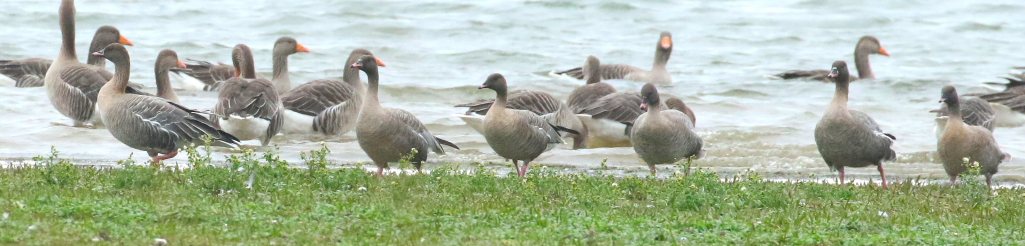
Barnacle Geese on the romp, however, provided additional interest. We are used to the odd one or two feral birds tagging along with local Canadas and Greylags but it’s always exhilarating to encounter a large flock, whatever its origin. And so it came to pass that roving multiples were seen in the Nene Valley this week, with twenty-seven flying south-west over Ditchford GP on 10th, some or all of which may have accounted for the larger number of thirty-six on the ground at Clifford Hill GP, two days later, on 12th. The feral population in neighbouring Bedfordshire seems to be their most likely origin

Barnacle Geese, Clifford Hill GP, 12th November 2020 (Bob Bullock)

Black and white toned down to not quite fifty shades of grey at Hollowell Res, as the six Pink-footed Geese remained throughout the period and the female Ruddy Shelduck, although there on 9th, took another trip up to Crick, where it was seen at Foxholes Fisheries on 11th.

Pink-footed Geese, Hollowell Res, 11th November 2020 (Bob Bullock)

Pitsford Res retained at least ten Red-crested Pochards throughout the period and four were found at Daventry CP on 9th, remaining until the following day.

Red-crested Pochards, Pitsford Res, 12th November 2020 (Tony Stanford)

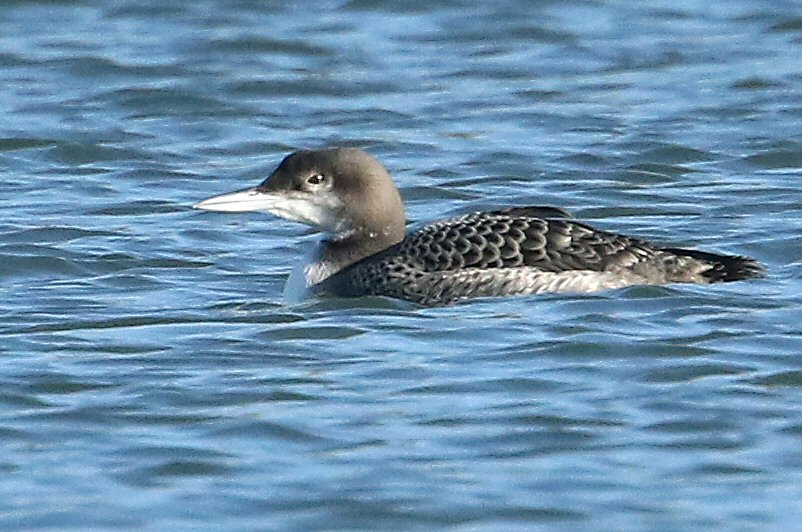
Given the recent numbers inland over the past week, it would have been unthinkable not to have at least one of our reservoirs proving attractive to at least one Great Northern Diver and our first for 2020, a nice, scaly juvenile, duly appeared at Hollowell on 13th.

Juvenile Great Northern Diver, Hollowell Res, 13th November 2020 (Bob Bullock)
Juvenile Great Northern Diver, Hollowell Res, 13th November 2020 (Adrian Borley)
Juvenile Great Northern Diver, Hollowell Res, 13th November 2020 (Jon Cook)

Similarly, with a great deal of focus on, and time invested by birders in, Stortons GP this week, it came as no real surprise when a Bittern appeared briefly in flight there on 10th.

Bittern, Stortons GP, 10th November 2020 (Steve Dodkins)

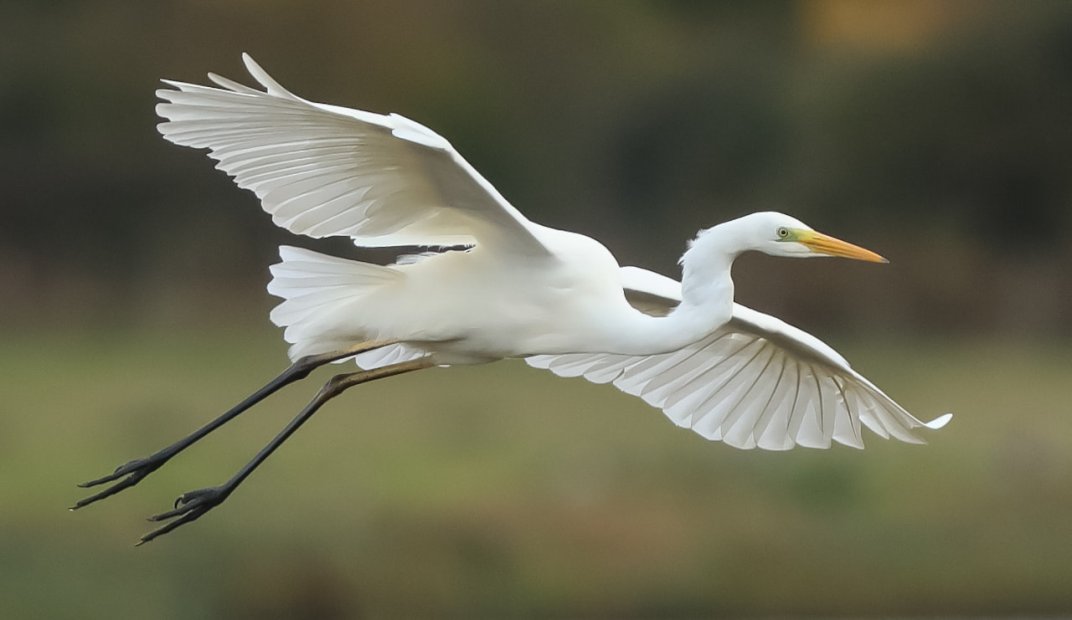
The now resident population of Cattle Egrets in the Nene Valley remained, as usual, in the Stanwick/Irthlingborough area, where the highest count was nine on 7th. Away from there, one flew north-east at Boddington Res on 13th – the first record for the site and it may well have been the bird that briefly visited the Balscote Quarry NR near Banbury, Oxfordshire on 1st November. A humdrum of Great Egrets – the new collective noun, perhaps – saw double figures in the county, with five at Thrapston GP on 10th and ones, twos and threes across seven further localities. Given that our wintering population is quite mobile, it’s difficult to assess the true total.

Waders do not feature strongly at this time of the year, so three locally unseasonal Curlews coming in at dusk to roost on the pools at DIRFT 3 was unusual on 12th, while five Jack Snipes at Daventry CP on 9th appear to be the first for the autumn, as well as being a healthy site total.

We’re not quite there with the time window for ‘white-wingers’ yet, so the next tier down for the scarcer gulls was occupied this week by the itinerant third-winter Caspian Gull again at Hollowell on 9th and 11th, while a first-winter visited DIRFT 3 on 12th. The same site held up to three adult Yellow-legged Gulls on 11th-12th and further singles were seen at Thrapston on 7th and Pitsford Res on 11th.

Third-winter Caspian Gull, Hollowell Res, 11th November 2020 (Bob Bullock)
Third-winter Yellow-legged Gull, Pitsford Res, 11th November 2020 (Bob Bullock)
Adult Yellow-legged Gull, DIRFT 3, 12th November 2020 (Mike Alibone)

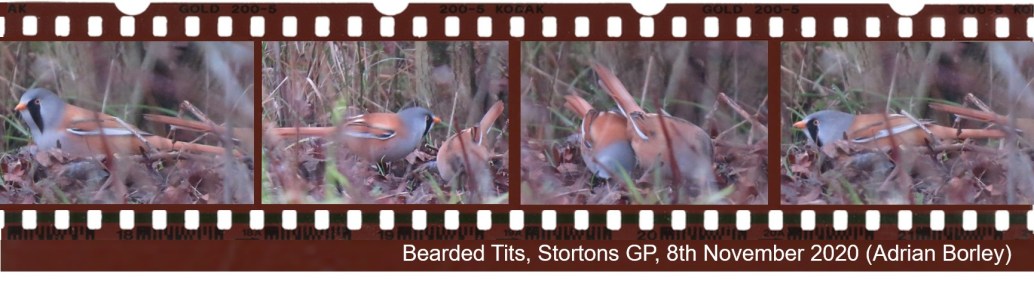
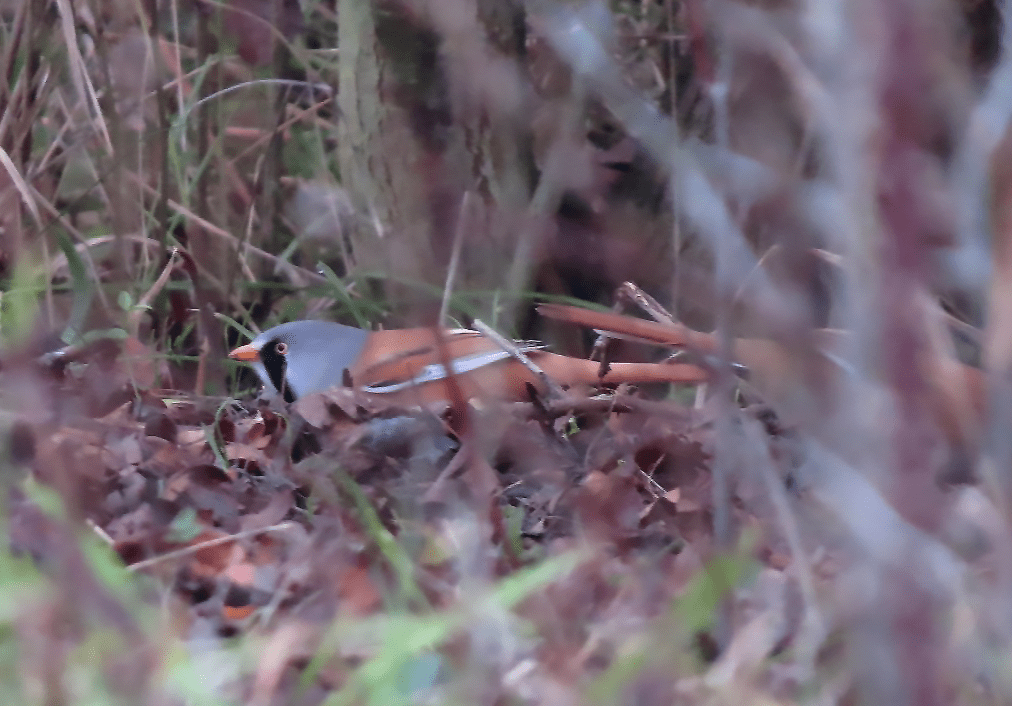
Following last week’s discovery of two in the reedbed at Stortons GP, Bearded Tits had doubled their total to four there by 7th. Only two were seen on 8th and one was heard calling on 12th but two subsequently appeared at Stanford Res on 13th. Initially found in the small reedbed on the Leicestershire bank, they vacated the area after only a short period of time, and were watched heading east into Northamptonshire airspace …
Bearded Tits, Stortons GP, 8th November 2020 (Adrian Borley)
Male Bearded Tit, Stanford Res, 13th November 2020 (Chris Hubbard)

Always popular, Stonechats were recorded from fewer sites during the period than of late. Boddington, The Brampton Valley, DIRFT 3, Pitsford, Stanford and Thrapston each held between one and four, while five at Hollowell on 9th was the highest total at any locality.

Male Stonechat, Upton CP, 11th November 2020 (Tony Stanford)
Female Stonechat, DIRFT 3, 12th November 2020 (Mike Alibone)
Crossbills, Hollowell Res, 12th November 2020 (Jon Cook)
Male Crossbill, Hollowell Res, 12th November 2020 (Jon Cook)

After a significant downturn in numbers a few weeks back, Crossbills bounced back, strengthening their presence this week with perhaps as many as forty in the car park larches at Wakerley Great Wood, smaller numbers at nearby Fineshade Wood, up to thirteen at Hollowell and ones or twos flying over Scaldwell, Stanford and Stanwick. Hopefully, they will stick around throughout the forthcoming winter.

Newsround – 31st October to 6th November 2020

The long-established south-westerly airstream was dispensed with mid-week by a high pressure system, bringing clearer skies and a swing to the south-east, which saw the autumn’s first frost on 4th – a date which produced some cracking fireworks of the birding kind …
Predictably, Hollowell Res hung on to its Pink-footed Goose flock, well, six of them at least and the female Ruddy Shelduck remained there until 4th. Two more Pink-footed Geese paid a brief visit to Summer Leys LNR, also on 4th.

Pink-footed Geese, Hollowell Res, 1st November 2020 (Jon Cook)

Red-crested Pochards extended the number of visited localities from last week’s three to four, with Pitsford’s fifteen still present on 2nd, up to four at Summer Leys on 2nd-3rd, a drake at Hollowell on 4th and a female at Stortons GP on 5th, while a first-winter Greater Scaup was discovered off the dam at Pitsford on the same date.

Red-crested Pochards, Pitsford Res, 2nd November 2020 (Bob Bullock)
First-winter Greater Scaup, Pitsford Res, 31st October 2020 (Angus Molyneux)

But the fireworks kicked off a day early for one gobsmacked observer. Yes, Glossy Ibis steals the show once more, making the news for the second week running. Not five, this time – just one is all it takes and this particular one flew low over St. James, Northampton, before landing momentarily on a house roof, from which it quickly took flight after being attacked by two Carrion Crows. That was on 4th. Bizarre! Described as looking weak and sickly, it flew off low, appearing to be struggling to gain height. Look out for next week’s, then …

In what is now the new normal, up to eight Cattle Egrets remained at Stanwick throughout, while Great Egrets were seen at seven localities, with the highest count being just three, at Hollowell, on 4th.

Great Egret, Pitsford Res, 2nd November 2020 (Bob Bullock)

With all the early autumn ones long gone, that peculiar sense of déjà vu must have crept into the minds of birders at Stanford Res when they notched up another Shag there on 3rd. Said to have been seen the day before, it had certainly gone by the day after.

Juvenile Shag, Stanford Res, 3rd November 2020 (Chris Hubbard)

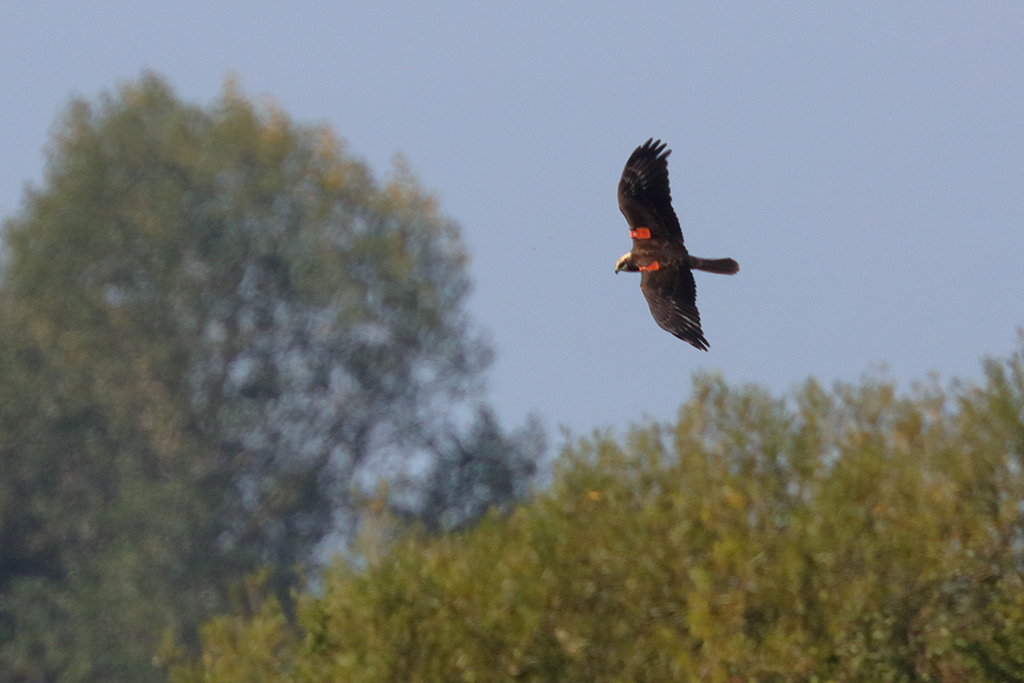
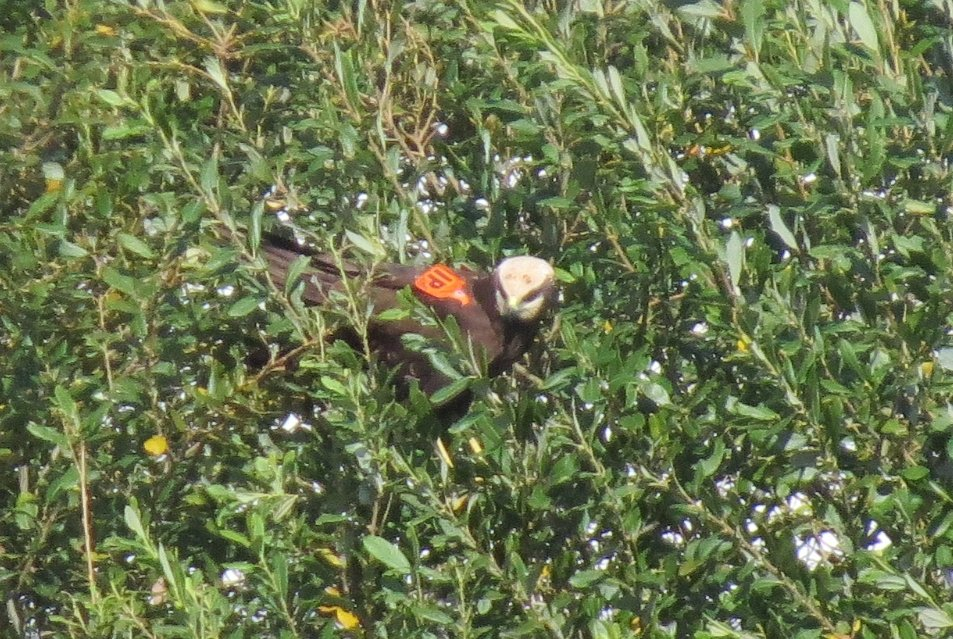
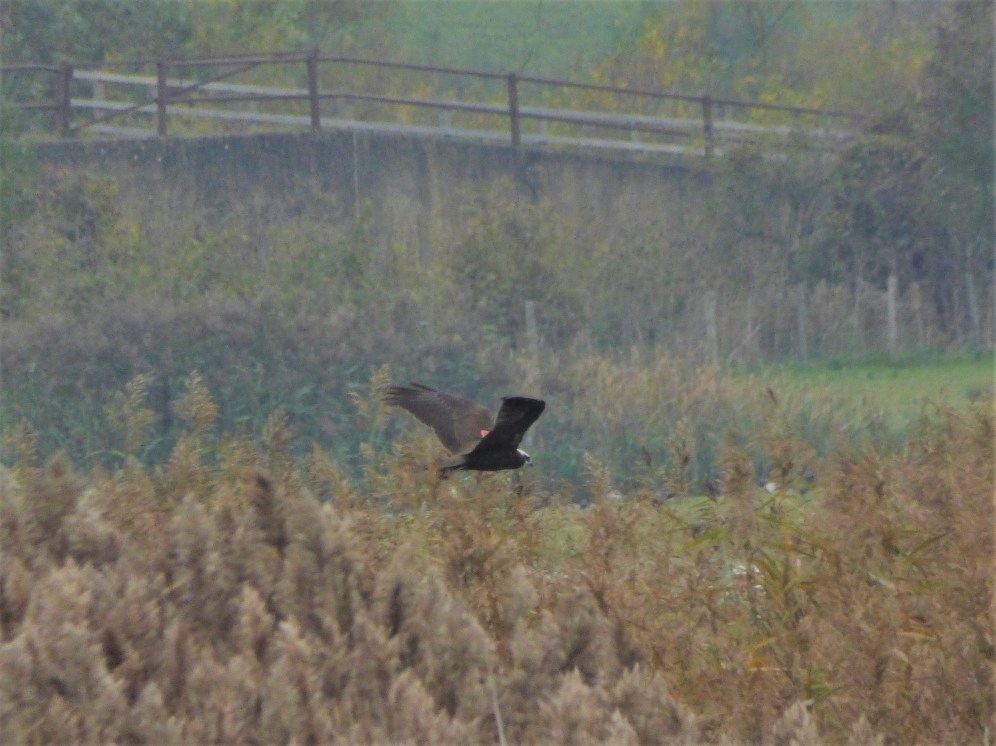
With the only sighting last week of the wandering, red wing-tagged juvenile female Marsh Harrier being Summer Leys on 26th, she was back there and being seen daily from 31st to 3rd but by the following day, 4th, she had clearly developed itchy wings and left the confines of the Nene Valley, being seen hunting over fields near Preston Deanery before heading high south-east toward Salcey Forest. The last goodbye, perhaps.

Juvenile female Marsh Harrier, Summer Leys LNR, 2nd November 2020 (Paul Lawrence)

Further in-flight entertainment this week came in the shape of a Hoopoe, with views snatched briefly near Christie’s Copse, in Pitsford’s Walgrave Bay, on 5th. The last in the county was at Ditchford GP on a more typical date in May 2019 but late autumn birds are not without precedent.

Another splash of seasonal colour was provided by a nine-strong flock of Bearded Tits, initially picked up flying over Summer Leys Main Lake on 4th. They crossed the road and pitched down in the corner of Earls Barton GP’s Reedbed Pit, before flying off high south-west. Birders elsewhere duly jumped on the beardie bandwagon and two were found the next day at Stortons GP, when another was heard calling from reeds near Pioneer Hide, back at Summer Leys.

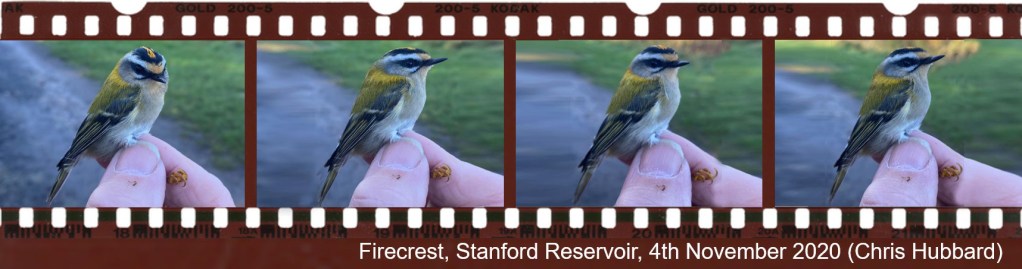
The flames of autumn continued to burn, however, as a Firecrest was found at Byfield Pool on 31st and another was trapped and ringed at Stanford on 4th, only the seventh ever to be ringed by the group there.

Firecrest, Stanford Res, 4th November 2020 (Chris Hubbard)

And then there were Stonechats, with records from nine sites this week.


Following which were the seed-crunchers – two Hawfinches at a ‘private site’ near Tansor on 4th and an array of Crossbills, with thirteen flying west over Pitsford, also on 4th and two at Hollowell on the same date. Elsewhere, singles flew south-west over Hanging Houghton on 5th, west over Scaldwell on 6th and again at Hollowell on the same date. Autumn, it seems, is far from over.

Newsround – 24th to 30th October 2020

Unseasonally high temperatures borne out of prolonged and blustery south-westerlies resulted in little change to the birdscape … unless, of course, you were a golfer.

Only time will surely tell but it’s looking like at least seven Pink-footed Geese have opted for Hollowell Res as a favoured wintering area this year and if the female Ruddy Shelduck follows last year’s tack she, too, looks set to remain there into the winter months. Another Pink-footed Goose was seen flying west with a sizeable flock of Greylags over Ecton SF on 30th. This week also saw the arrival of a number of Red-crested Pochards at three localities, with five visiting Summer Leys LNR on 27th, eight at Pitsford on 28th increasing to fifteen the following day and at least eleven still present on 30th. A drake was also at Stanwick GP on the last of these dates.

Red-crested Pochards, Pitsford Res, 30th October 2020 (Doug Goddard)

Over the years, the number of scarce and rare birds found on golf courses is legend – a prime example in more recent times appearing in the shape of an invitingly attractive Cream-coloured Courser – an apt name, if ever there was – at Herefordshire’s Kington GC, in May 2012, many local birders making the trip to see it. While Northants is unable to lay any comparable claims, what appears to have been a flock of five Glossy Ibises flying south-west over Kingsthorpe GC, last week, on the morning of 22nd, almost qualifies at a local level. Appearing at the height of a late autumn influx, which saw up to forty across southern Britain, including a flock of five in Hampshire on 20th, they would constitute the 6th county record, if accepted. Perhaps more of us should take up golf …

Great Egret, Pitsford Res, 30th October 2020 (Tony Stanford)

Back down to earth, up to six Cattle Egrets remained at Stanwick throughout, while Great Egrets maxed out with four at Hollowell on 26th and between one and two were seen at each of seven further localities. There was only one sighting of the wandering red wing-tagged juvenile female Marsh Harrier this week – again at Summer Leys on 26th.

Juvenile female Marsh Harrier, Summer Leys LNR, 26th October 2020 (Paul Lawrence)

In a the first waderless week for months and with only gulls to fall back on, Summer Leys also produced a Mediterranean Gull on 30th, the same date an adult Caspian Gull was found at Hollowell, the latter site also producing a Yellow-legged Gull on 26th and 30th, while another was also in the gull roost at Stanford Res on the first of these two dates.

Back over at Stanwick, a Jackdaw showing characteristics of the nominate race monedula – a white collar worker from Scandinavia, colloquially know as Nordic Jackdaw – appeared among around one thousand ‘regular’ Jackdaws on 30th. The last one reported locally was at Stanford on Avon in February.

Female Stonechat, Stanford Res, 28th October 2020 (Chris Hubbard)
Male Stonechat, Pitsford Res, 30th October 2020 (Doug Goddard)

Stanwick was also one of five sites to hold between one and three Stonechats, with a further site, Hollowell, claiming the week’s maximum of five on 28th.


Newsround – 17th to 23rd October 2020

With winds predominantly from the south and sporadic heavy showers, one bird stood head and shoulders above the crowd, however, its visit to the county was short-lived …

Last week’s newly arrived mini-flocks of eight and four Pink-footed Geese at both Hollowell Res and Thrapston GP, respectively, remained throughout the period, while the re-emergence of the female Ruddy Shelduck at Hollowell on 20th broke a three-week absence from the site. Once again, Thrapston produced more Common Scoters, a female and two drakes on Town Lake, briefly, on 19th.

Pink-footed Geese, Hollowell Res, 20th October 2020 (Bob Bullock)
Pink-footed Geese, Thrapston GP, 23rd October 2020 (Adrian Borley)
Female Ruddy Shelduck Hollowell Res, 20th October 2020 (Bob Bullock)

Up to ten Cattle Egrets lingered at their favoured locality, Stanwick GP, throughout, while Great Egrets were found at nine sites, with a maximum of five at Summer Leys LNR on 18th.

Cattle Egrets, Stanwick GP, 17th October 2020 (Jon Andrews)
Great Egrets, Summer Leys LNR, 18th October 2020 (Ricky Sinfield)
Great Egret, Summer Leys LNR, 21st October 2020 (Ricky Sinfield)

Summer Leys also hung on to its red wing-tagged juvenile female Marsh Harrier until at least 22nd.

Marsh Harrier, Summer Leys LNR, 19th October 2020 (Doug Goddard)
Marsh Harrier, Earls Barton GP, 21st October 2020 (Ricky Sinfield)
Black-tailed Godwit, Hollowell Res 18th October 2020 (Jon Cook)

Waders were down to just single Black-tailed Godwits visiting Summer Leys on 17th and Hollowell Res the following day, the latter site also producing a third-winter  Caspian Gull on 23rd, while another, or the same, visited Daventry CP on 18th. One to two Yellow-legged Gulls were found at three sites which included Hollowell Res, Priors Hall and Willowbrook Industrial Estate (both Corby), while at least ten were present at Thrapston GP on 19th.

Adult Yellow-legged Gull, Willowbrook Industrial Estate, Corby, 19th October 2020 (James Underwood)

Back on dry land, this week’s token Merlin, a juvenile, was hunting farmland between Quinton and Preston Deanery on 22nd. However, the period’s biggest bombshell was the discovery of a first-winter Dartford Warbler in a private garden in Blakesley, where it remained for no longer than ten minutes, on 17th. This is only the fifth record for the county and the first for ten years (full details here).

First-winter Dartford Warbler, Blakesley, 17th October 2020 (Colin Stafford)

And autumn wouldn’t be autumn without at least one Ring Ouzel but the one arriving this week was not at any of the traditional localities. Discovered eating Rowan berries in Brampton Ash on 22nd and remaining secretive, it was believed to have been present in the area for a few days prior to this date.

Female Stonechat, Yardley Chase, 22nd October 2020 (Bob Bullock)

Stonechats maintained a high profile, being seen at seven localities, with no more than three birds at any one of these. And in what has turned out to be an extremely good autumn for Crossbills, four sites produced birds this week, with twelve seen flying south near Kirby Hall, Deene, on 18th, one at Weldon on 19th, fifteen in Bucknell Wood on 22nd and one flying west over Tiffield the following day.

Newsround – 10th to 16th October 2020

While things were hot on the coast from a birding perspective, a period of unsettled weather, backed largely by north-easterly winds, likely contributed to a gamut of goodies at a local level.

With flocks streaming south over coastal locations, the arrival of 8 Pink-footed Geese at Hollowell Res on 13th and three or four at Thrapston GP two days later, on 15th, was perhaps unsurprising but both were welcome discoveries, nonetheless.

Pink-footed Geese, Thrapston GP, 15th October 2020 (Nick Parker)

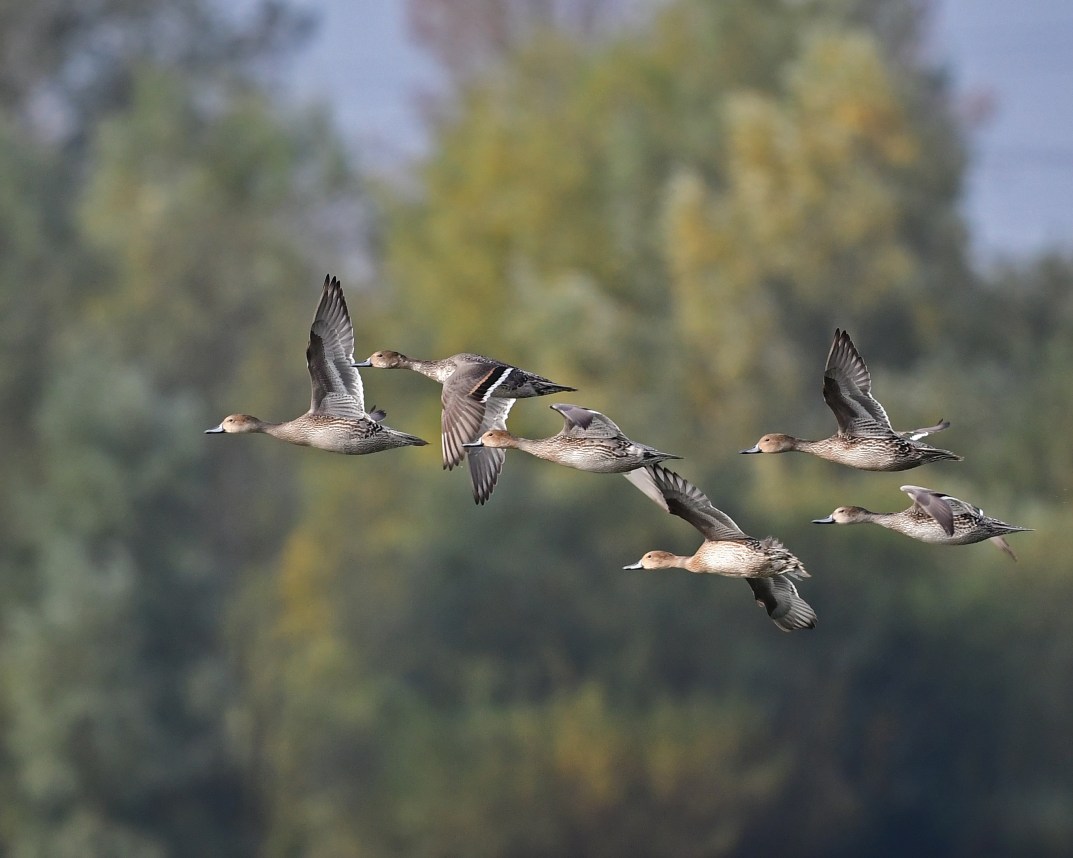
The latter site also produced a female Common Scoter from 12th to 13th and – for the record, as well as something to keep an eye on – a Pochard x Ferruginous Duck hybrid on 16th. Although not overly scarce, there were many more Pintails around this autumn, particularly at Stanford Res, where sixteen were present at one point.

Pintails, Summer Leys, 14th October 2020 (Clive Bowley)

Further up the Nene Valley, Cattle Egrets hit an all-time high with eleven at Stanwick GP on 12th – a new Northants record. Great Egrets, too, raised their profile, doubling the number of sites they were reported from last week to ten, with Stanwick claiming the lion’s share of four on 15th.

Great Egret, Summer Leys LNR, 10th October 2020 (Ricky Sinfield)

Seemingly enjoying its prolonged stay, the red wing-tagged juvenile female Marsh Harrier moved south-west to Summer Leys, where it was seen on 11th and 14th, being joined there by a second individual on 16th. An unidentified ‘ringtail’ harrier sp., believed probably to be a Hen Harrier, was seen in flight over Harrington AF on 10th as it drifted north-west.

Juvenile female Marsh Harrier, Summer Leys LNR, 11th October 2020 (Ricky Sinfield)

The proximity of the growing numbers of Common Cranes on the Nene Washes in Cambridgeshire recently (up to sixty-six in recent days), inspires hope that we will be seeing more locally as time advances. In this respect, two flying south over Crick on 14th becomes the fourth sighting this year, following records in the consecutive months of May, June and July.

Waders were understandably at a low ebb as we go deeper into the latter part of autumn, with just a single Black-tailed Godwit visiting Summer Leys on 11th and a Ruff at Clifford Hill GP the following day. So, too, the scarcer gulls were less frequently encountered, with a Yellow-legged Gull at Pitsford Res on 11th and a second-winter Caspian Gull at Hollowell on 13th, while no autumn would be complete without at least one late Arctic Tern. It duly flew east through Stanwick on 15th.

Away from the water, a Short-eared Owl was seen from an automobile passing close to Moulton Park on 15th – both were on the move at the time – and a Merlin flew low east over Harrington AF on 11th.

But if one species stole the award for ‘passerine of the week’, it was Woodlark. After a belated report of one in flight over Yardley Chase on 9th, another was seen flying over Cotton End Park, Long Buckby two days later, on 11th. Despite breeding no further away than Nottinghamshire and The Brecks, this species remains a truly difficult bird to catch up with in Northamptonshire and, offering the best chance, October is probably the prime month in which to try.

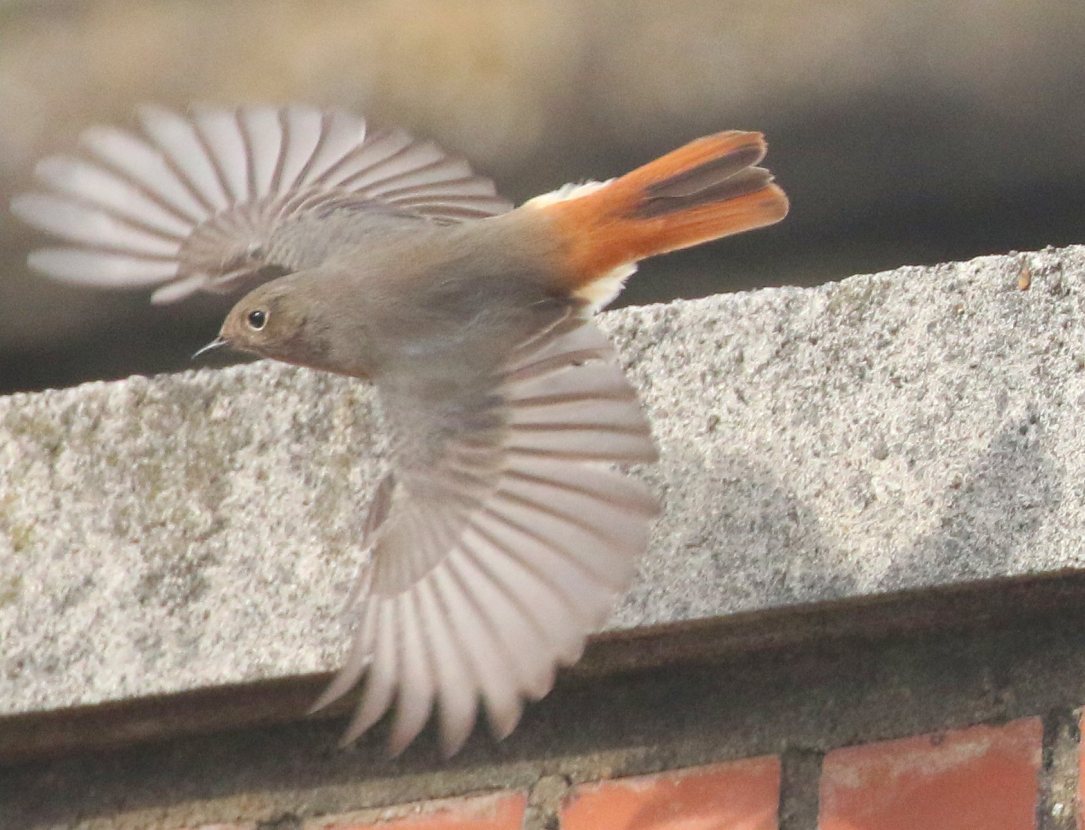
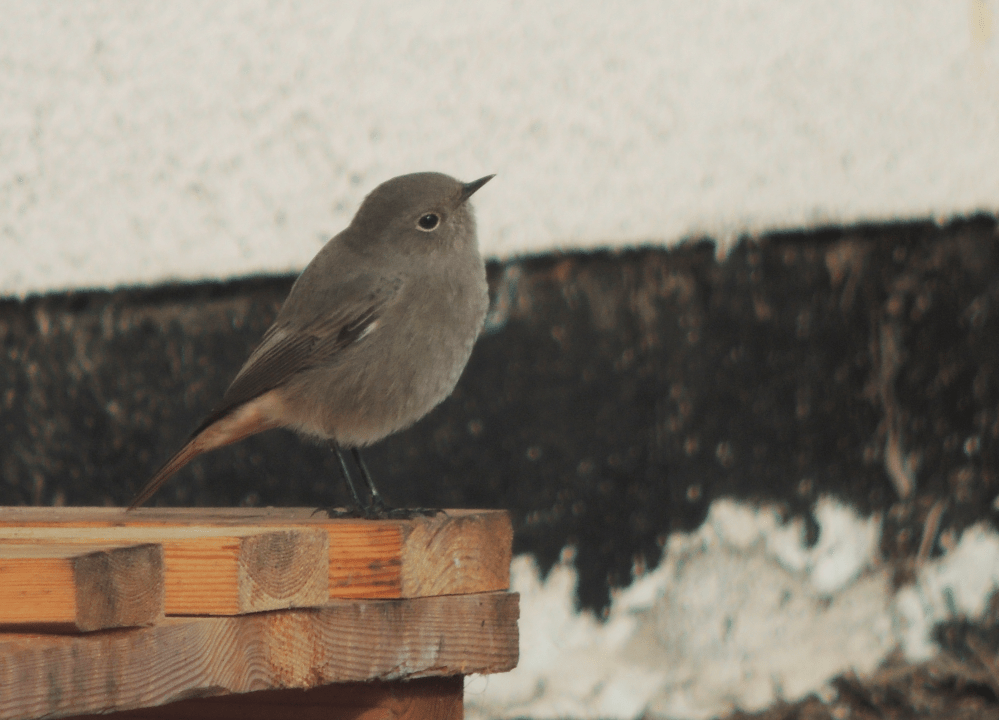
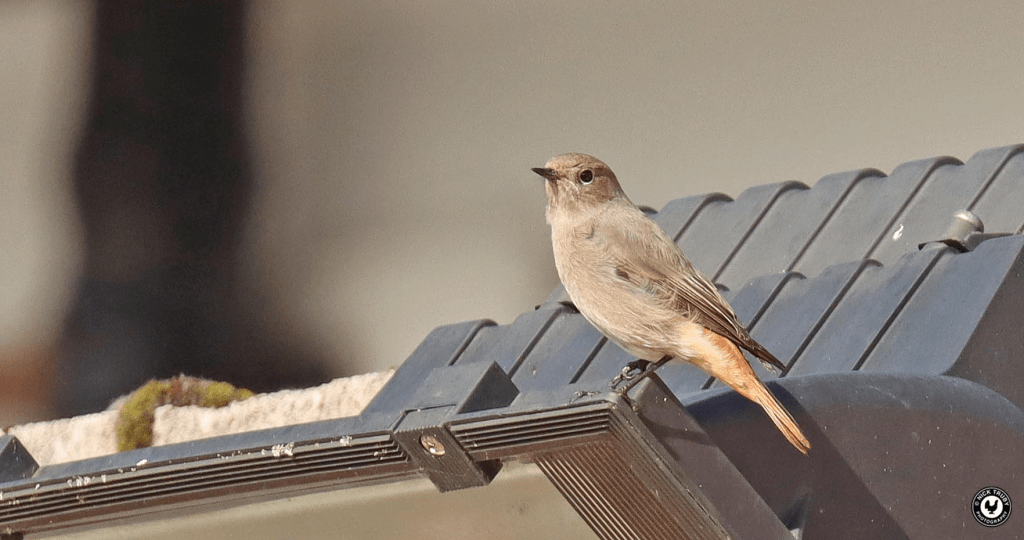
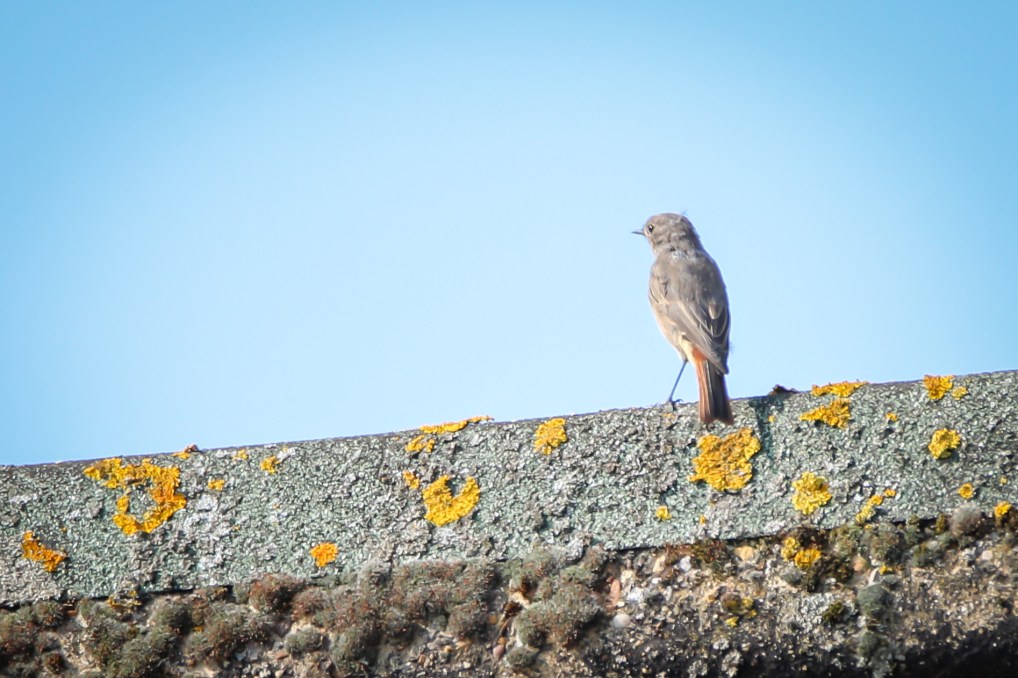
First-winter Black Redstart, Borough Hill, 14th October 2020 (Bob Bullock)
First-winter Black Redstart, Borough Hill, 14th October 2020 (Mike Alibone)

Meanwhile, at Borough Hill, the first-winter Black Redstart continued to remain faithful to the eastern yard area and fenceline of the summit compound until at least 14th, the same location producing the period’s maximum tally of six Stonechats on the same date, while seven further localities produced between one and four birds.

Stonechats, Thrapston GP, 12th October 2020 (Nick Parker)
Female Stonechat, Borough Hill, 14th October 2020 (Mike Alibone)

Borough Hill also produced what was surely a Northern Bullfinch – also on 14th. Despite the size and structure, along with those cool plumage features of pallid mantle and pinkish underparts, it was not heard to call and disappeared within minutes of its discovery.

Presumed Northern Bullfinch Borough Hill, 14th October 2020 (Mike Alibone)

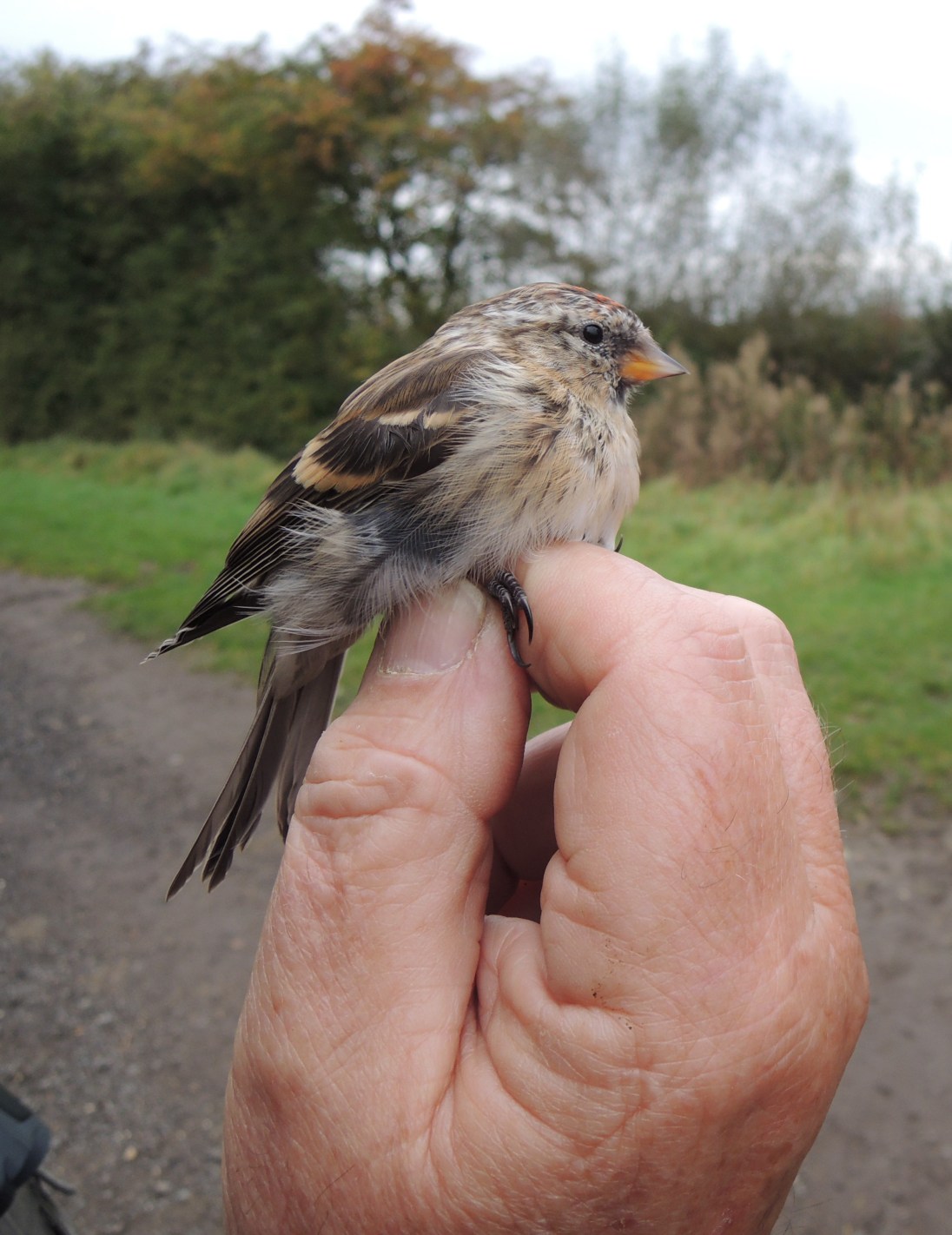
Other ‘big’ finches are, of course, available and filling this slot, a Hawfinch was logged flying over Yardley Chase on 15th. Continuing the Fringillidae grand theme, a Mealy Redpoll was seen by the ringing group at Stanford Res on 10th but managed to evade capture. A second individual on 12th was not so lucky, subsequently departing the processing area sporting its own unique, shiny band, as well as leaving a trail of controversy in its wake.

Adult Mealy Redpoll, Stanford Res, 12th October 2020 (Mike Alibone)

Images published on social media had sceptics ‘dissing’ it as a pale Lesser Redpoll, without being in full possession of the biometric data, including size, weight, bill depth, as well as various plumage features not revealed in the photographs. Misidentify from photos in haste, repent at leisure, as they say. We’ve all been there … This week’s Crossbills were, unsurprisingly, all fly-overs and included a dozen or so moving west over Pitsford Res on 11th, twelve south over Stanwick on 12th and two north-east over Brackley on 14th. Autumn is far from over …

Newsround – 3rd to 9th October 2020

Backed by Atlantic westerlies, heavy rain was the order of the first part of the week, leaving its mark in the form of floodwater in many lowland areas. Temperatures dropped to below average and with the arrival of the first Whooper Swans, the county took another step closer toward winter …

In fact, this week’s wildfowl line-up took on a whole new identity with a distinctly coastal feel as five Dark-bellied Brent Geese touched down at Clifford Hill GP on 4th and an adult Whooper Swan arrived at Stanwick GP on 3rd, before quickly moving off east. Four more adults arrived at Summer Leys LNR on the afternoon of 7th but had departed by the following morning.

Adult Whooper Swan, Stanwick GP, 3rd October 2020 (Steve Fisher)
Adult Whooper Swans, Summer Leys LNR, 7th October 2020 (Mark Tyrrell)
Adult Whooper Swans, Summer Leys LNR, 7th October 2020 (Paul Crotty)

On 4th, it was clear that a sizeable movement of Common Scoters was taking place across the Midlands, with the landlocked counties of Derbyshire, Hertfordshire, Nottinghamshire, South Yorkshire, Warwickshire, West Midlands and Worcestershire each enjoying a slice of the cake. In Northants, we, too, received our own share when a drake splashed down on the main lake at Stanwick and four were mobile north of the dam at Pitsford Res.

Varying numbers of Cattle Egrets remained throughout at Stanwick, where the highest total of nine left their roost site early on 4th, while no more than two Great Egrets were seen at each of Ditchford GP, Pitsford, Stanford Res, Stanwick and Summer Leys.

A minor resurgence of Ospreys occurred this week, with singles reported at Stanford on 4th and at both Hollowell Res and Kislingbury GP on 8th and, completing the raptor line-up, the wing-tagged juvenile female Marsh Harrier was again at Ditchford on 5th and at Stanwick the following day.

The smouldering embers of shorebird migration burst briefly back into flame as waders, too, made a bit of an unexpected comeback, including three species which have put in lower than average appearances in the county this year. Two Grey Plovers were found on floodwater in the River Tove valley, near Grafton Regis, on 8th but their stay on the Northants side of the river was brief before they quickly defected to more appealing habitat on the Bucks side. At the same site, on the same date, a flock of four Spotted Redshanks – multiples being a minor miracle locally, these days – flew east and pitched down in Buckinghamshire, although their stay there was similarly brief. Further scarce, short-stayers in less contentious locations were two single Knots, which arrived and departed on the afternoon of 3rd on Summer Leys scrape and Pitsford Res dam. Runners up were five Black-tailed Godwits in flight over Stanford Res on 9th, one and then two, Ruffs at Stanwick on 5th and 9th respectively – plus one at Summer Leys on 6th – and a Greenshank at Clifford Hill GP on 4th.

The scarcer gulls continued to be in short supply, with an adult Mediterranean Gull plus a Yellow-legged Gull in the roost at Stanford on 5th, up to three Yellow-legged Gulls at Pitsford on 3rd and a third-winter Caspian Gull at Stanwick on the same date.

Adult Yellow-legged Gull, Pitsford Res, 3rd October 2020 (Mike Alibone)

Turning to passerines, last week’s Borough Hill Black Redstart remained remarkably faithful to the eastern yard area and fenceline of the summit compound all week, the same location producing the period’s maximum tally of at least seven Stonechats on 9th, while between one and two of the latter were seen at Kettering, Stanford, Stanwick and Summer Leys, with the week’s only Northern Wheatear at Stanford on 5th.

Juvenile Black Redstart, Borough Hill, 7th October 2020 (Nick Truby)
Male Stonechat, Borough Hill, 7th October 2020 (David Smith)

Following two last week, another Rock Pipit paid an all too brief visit to the dam at Pitsford on 3rd, before being flushed. Sadly, the level of human disturbance in this area has increased significantly this year, making it far less appealing to birds and birders alike. Crossbills on the move this week included singles flying over Stanwick on 5th and 9th, five over Thrapston on 5th and one at Brookfield Plantation (Corby) on the same date.

Newsround – 26th September to 2nd October 2020

A series of Atlantic-borne fronts brought a week of mixed, often showery, weather, culminating in a low pressure system, ‘Storm Alex’, delivering a strong easterly airstream off the continent throughout the final day of the period. The arrival of the first Redwings on 27th saw autumn enter another phase, while the week’s highlights appeared in the shapes of Black Redstart and Rock Pipit.

Now a long time part of the furniture, the female Ruddy Shelduck maintained its presence in the Hollowell/Ravensthorpe area until at least 27th and a Garganey was again at Pitsford Res on 29th. A ‘new’, or relocating, female Red-crested Pochard was found on 28th at Kislingbury GP, a site rapidly becoming engulfed by housing developments, and it was still present there on 1st.

Female Red-crested Pochard, Kislingbury GP, 28th September 2020 (Tony Stanford)

A little deeper into suburbia and a Bittern emerged from a reedbed at Stortons GP on 29th, while up to six Cattle Egrets confined themselves to Stanwick GP until at least 30th. No doubt they will be there for a long time to come. Great Egrets were seen at Ditchford GP, Geddington, Hollowell, Naseby Res, Pitsford, Stanford, Stanwick, Summer Leys and Thrapston, with Pitsford again clocking up the maximum count of six on 28th-29th.

The wing-tagged juvenile female Marsh Harrier continued to roam the Nene Valley in the vicinity of the Ditchford/Stanwick lake complex and was still present on 30th.

Meanwhile, things looked grim on the wader front, with just a single juvenile Ruff at Pitsford on 27th and a juvenile ‘Tundra’ Ringed Plover at Daventry CP on 28th-29th. So, is it all over for another year? Time is fast running out for surprises …

Juvenile Ruff, Pitsford Res, 27th September 2020 (Doug Goddard)

Gulls, too, dwindled. A first-winter Mediterranean Gull visited Pitsford on 29th and Yellow-legged Gull numbers were down on previous periods, with one at Stanford on 26th and up to three at Pitsford all week. A Merlin was again seen at Harrington AF on 30th.

In the passerine camp, Borough Hill came up trumps with another Black Redstart on 1st – or had the last one there simply gone missing for nine days? A leap to the north-east of here, the elevated ground which is Harrington AF was one of only two localities to produce Common Redstart with one on 26th and 30th, while one was trapped at Stanford on 28th – the twenty-ninth to be ringed there this year.

Black Redstart, Borough Hill, 1st October 2020 (Mike Alibone). Yellow gape flanges visible on the open bill age this bird as a juvenile.
Common Redstart, Stanford Res, 28th September 2020 (Theo de Clermont)

In the absence of Whinchats, the number of Stonechats continued to climb, with records from Borough Hill, Bozenham Mill, Brampton Valley, Earls Barton GP, Hollowell, Kislingbury, Pitsford, Stanford and Storton’s GP, with a maximum of six at Hollowell on 29th and the same number at Borough Hill on 1st.

Stonechat, Kislingbury GP, 1st October 2020 (Tony Stanford)

Northern Wheatear numbers fell further to just singles at Hollowell on 29th and Kislingbury on 30th-1st.

Northern Wheatear, Kislingbury GP, 30th September 2020 (Tony Stanford)

With a penchant for reservoir dams from late September into early October, Rock Pipits are now on the radar and the first for the year appeared briefly on the weathered concrete of Pitsford’s on 29th, followed quickly by another flying over Stanford’s the next day.  Crossbills clung on in the north of the county, with four flying over Kettering on 28th, around twenty at Wakerley Great Wood on 1st and six at nearby Fineshade Wood on the same date.

Newsround – 12th to 25th September 2020

A short-lived ‘Indian Summer’ extended into the second half of this two-week period before giving way to a northerly airstream, culminating in lower than average temperatures and gales. The good fortune of the Stanford Ringing Group continued with another Wryneck and a Yellow-browed Warbler. It was – and probably still is – on a roll …

Present throughout the period but clearly taking an awayday, the female Ruddy Shelduck visited Foxholes Fisheries at Crick on 22nd before returning to its now favoured locality of Ravensthorpe Res later on the same day.

Female Ruddy Shelduck, Ravensthorpe Res, 17th September (Ant Hall)

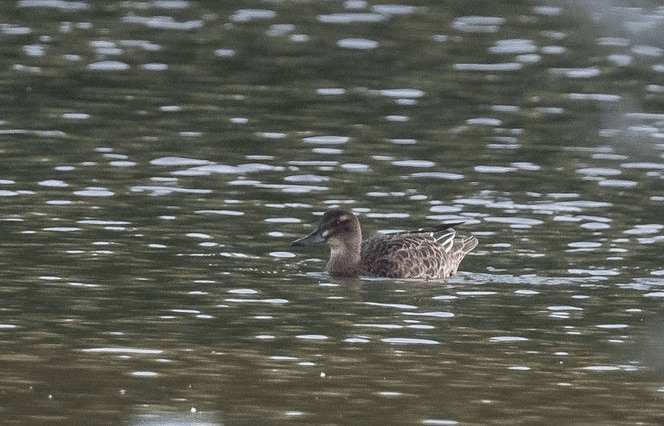
Meanwhile, heading up the wildfowl cast proper, single Garganeys were found at Hollowell Res on 12th, Daventry CP on 18th and at Pitsford Res on 18th-19th, while the female Red-crested Pochard remained at the latter site until 14th.

Garganey, Pitsford Res, 19th September 2020 (Angus Molyneux)

Continuing this year’s Spoonbill rush, another put in a brief appearance, sharing the shoreline with two Great Egrets at Ditchford GP’s Irthlingborough Lakes & Meadows LNR on 15th.

Spoonbill, Ditchford GP, 15th September 2020 (Tony Vials)

And yes, they made it – Cattle Egrets hit double figures – a new Northamptonshire record count for the species was made at the Stanwick roost, where at least ten were present, early in the morning on 23rd. Numbers here varied daily throughout the period but up to five visited nearby Ditchford/Irthlingborough  between 12th and 15th.

Cattle Egret, Irthlingborough, 15th September 2020 (Mike Alibone)
Cattle Egrets, Stanwick GP, 19th September 2020 (Mark Tyrrell)
Cattle Egret, Stanwick GP, 21st September 2020 (Mike Fink)

Great Egrets remained well-scattered over seven sites, with Pitsford producing the maximum count of five on 17th and 22nd.

Great Egret, Summer Leys LNR, 18th September 2020 (Tony Stanford)

Just three raptors during the period included an Osprey over Ditchford/IL&M on 19th, a ‘ringtail’ harrier sp., believed to be a Hen Harrier, at Lilbourne Meadows LNR on 13th and a Marsh Harrier at Stanwick, intermittently throughout. The latter sported red wing-tags, enabling it to be identified as a young female from a brood of four (one female, three males) raised at Thorpe Marshes, near Beccles, Suffolk. This is the first sighting since it was tagged on 7th June 2020.

Juvenile female Marsh Harrier, Stanwick GP, 19th September 2020 (Mark Tyrrell)
Juvenile female Marsh Harrier, Ditchford GP, 19th September 2020 (Adrian Borley)

Waders bounced back a little, with two Ruffs at Pitsford on 22nd and one at Stanwick on 25th and the star of the wader movement so far this autumn, a juvenile Little Stint, at Hollowell between 18th and 20th. In fact, it’s likely to be the only one in the county in 2020 …

Juvenile Little Stint with Dunlins, Hollowell Res, 18th September 2020 (Jon Cook)
Juvenile Little Stint, Hollowell Res, 19th September 2020 (Jon Cook)

A juvenile Wood Sandpiper dropped into Summer Leys late on 22nd, remaining until the following morning, while single Greenshanks visited Pitsford on 12th, Naseby Res on 15th and two were at Earls Barton GP on 16th.

Juvenile Wood Sandpiper, Summer Leys LNR, 22nd September 2020 (Ady Leybourne)

No new species were added to the gull list when compared with the last period. Single first-winter Mediterranean Gulls visited Summer Leys on 19th and Stanwick on 21st, where an adult Caspian Gull was found on 18th. It, or another, had been at nearby Ditchford GP/IL&M on 13th. Meanwhile, Yellow-legged Gulls were to be had at Earls Barton, Pitsford, Stanwick and Thrapston, with Stanwick producing the highest total of seven on 18th. One more Merlin appeared during the period, this time at Harrington AF on 19th.

Adult Caspian Gull, Stanwick GP, 18th September 2020 (Steve Fisher)

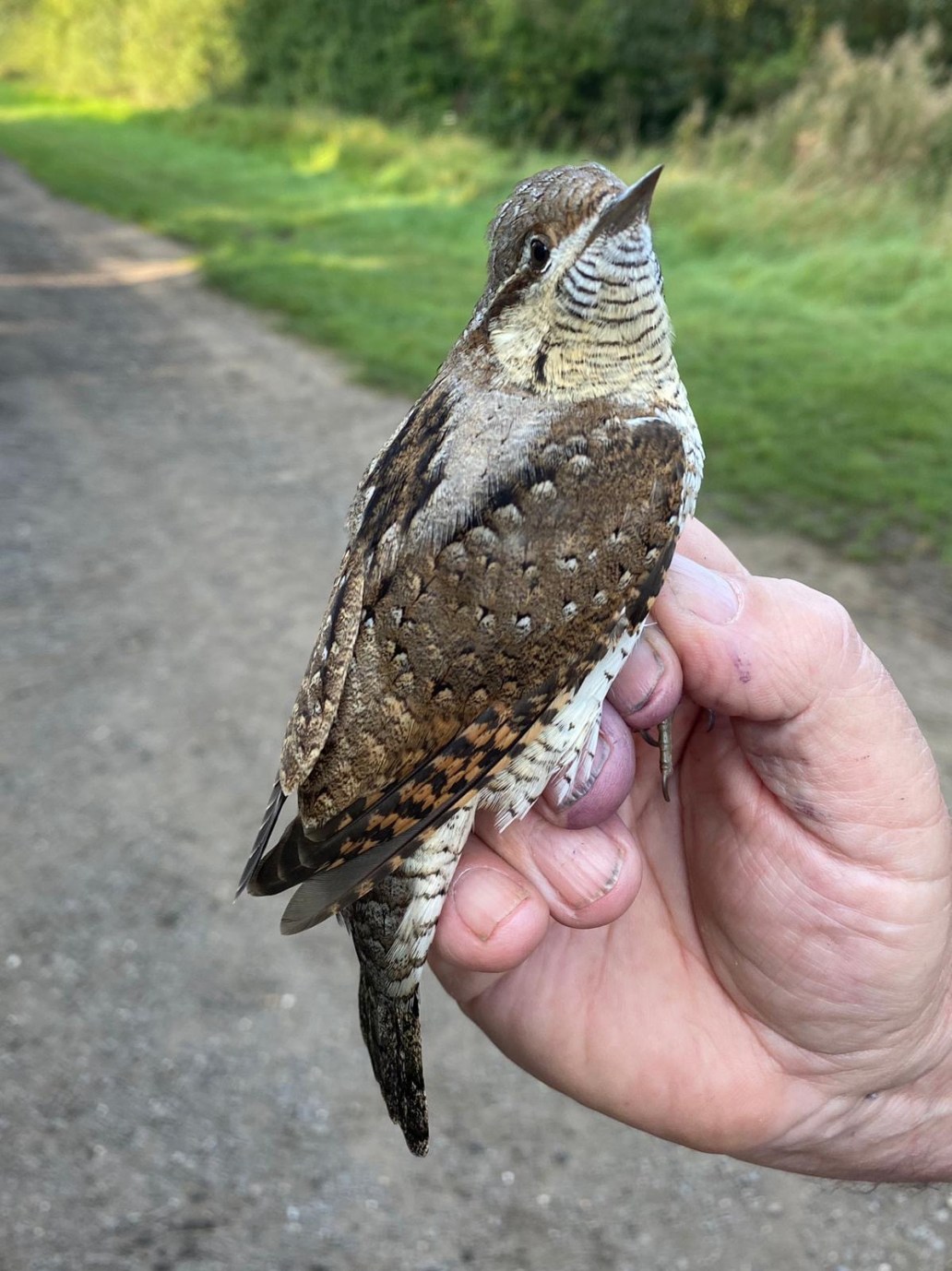
Meanwhile, the Stanford Ringing Group was on a roll, trapping its second Wryneck of the autumn on 14th, followed by a Yellow-browed Warbler on 22nd. The latter was the 6th trapped and ringed by the group and is only the 15th Northants record. The SRG’s amazing run continues, with more autumn glory to come, no doubt – and we’re not talking evergreen shrubs here …

Wryneck, Stanford Res, 14th September 2020 (Chris Hubbard)

Normally associated with late autumn, the third Black Redstart of the season was found on 20th, obligingly remaining in place until 22nd, at the easily accessible location of Borough Hill. The latter locality also produced Common Redstarts on 15th and 20th, while one was at Stanford on 12th and two remained at Harrington AF between 13th and 17th.

Black Redstart, Borough Hill, 21st September 2020 (Dave Smith)

Just four Whinchats were found as we approached closer toward the end of September. These included singles at Braunston on 13th, Wicksteed Water Meadows (Kettering) on 14th, Borough Hill on 20th and Corby on 21st-22nd, while the number of Stonechats ramped up, with records from Borough Hill, Clifford Hill GP, Corby, Geddington, Harrington, Hollowell and Twywell Hills & Dales, including a maximum of at least nine at Borough Hill on 20th.

Whinchat, Willowbrook Industrial Estate, Corby, 22nd September 2020 (James Underwood)
Stonechat, Willowbrook Industrial Estate, Corby, 22nd September 2020 (James Underwood)

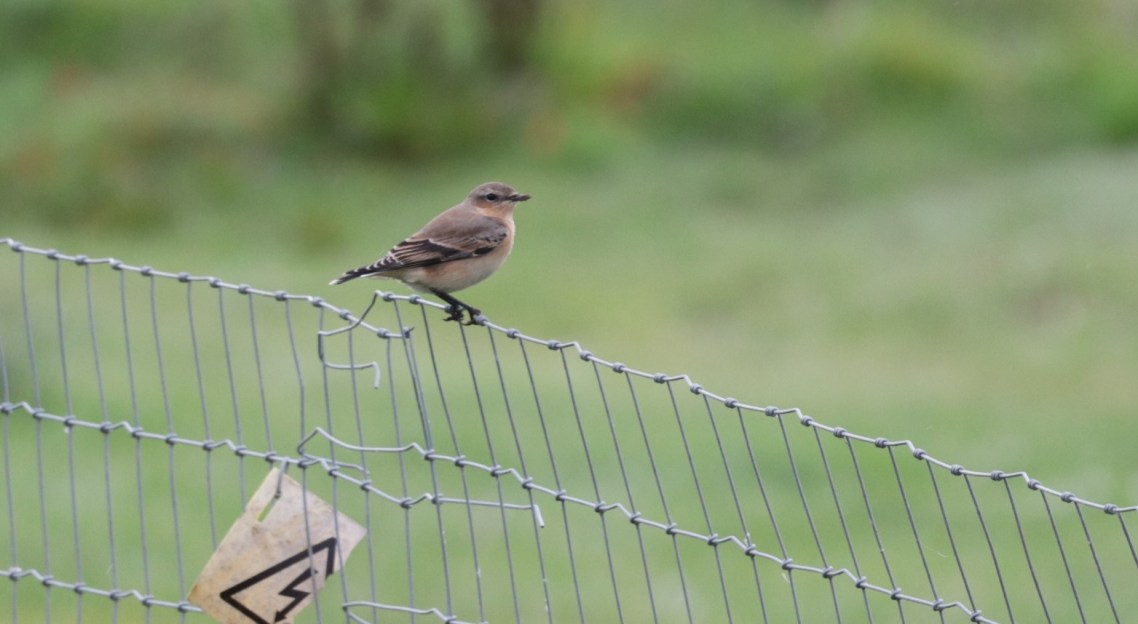
Northern Wheatear numbers fell to only four individuals: one trapped and ringed at Stanford on 12th, a different bird there on 14th and singles at both Borough Hill and Harrington on 21st.

Northern Wheatear, Stanford Res, 14th September 2020 (Chris Hubbard)

Which leaves only Crossbills, albeit in smaller numbers than in previous weeks, with Wakerley Great Wood holding six on 14th and two on 19th.