The Week in Focus, 30th July to 5th August 2016

The county and country remained in a mild westerly airstream, which brought occasional heavy showers and a modicum of new migrants. Water levels are beginning to drop at some of the county’s reservoirs with Hollowell in pole position for attracting waders, along with other freshwater marginal foragers, and even the lowly, often overlooked Cransley has managed to pull a Dunlin this week …

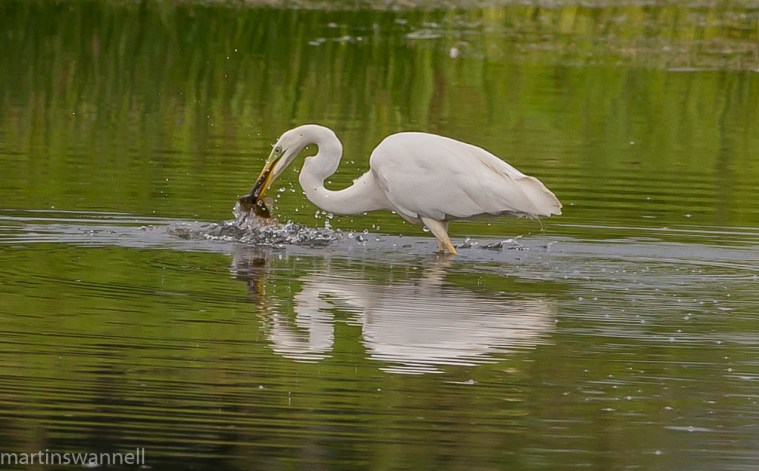
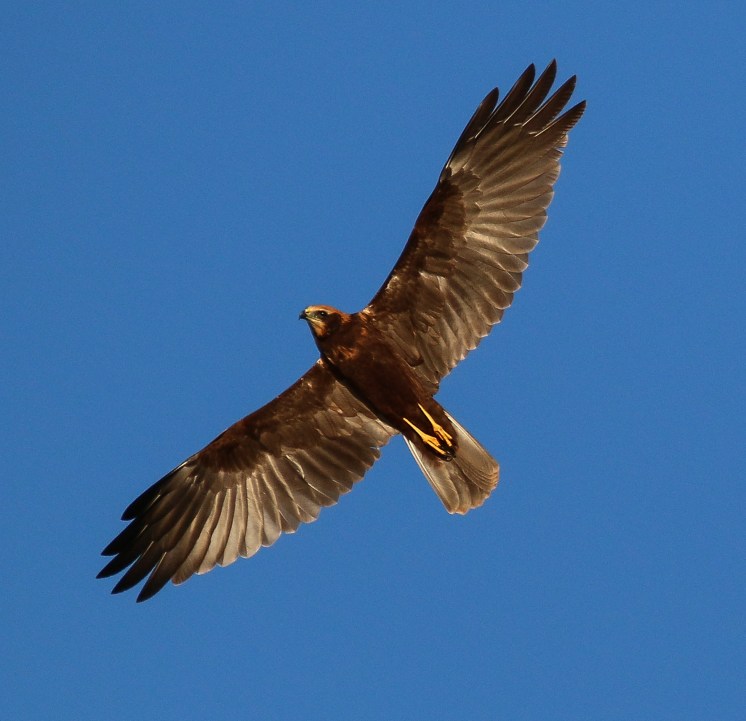
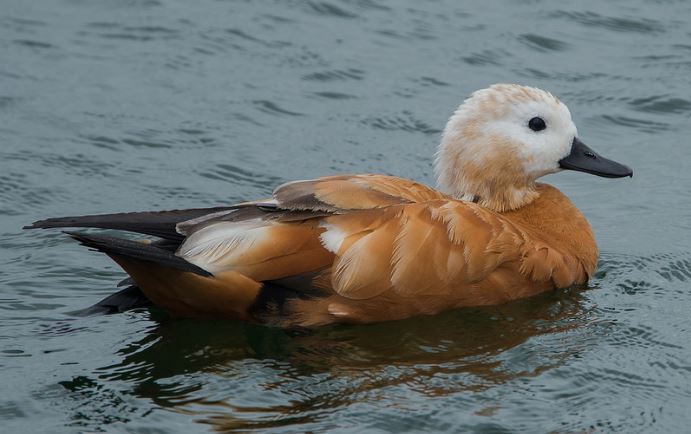
We came dangerously close to having no ducks, dodgy or otherwise, to report this week but two female Red-crested Pochards were at Sywell CP on 5th and the summering eclipse drake Goldeneye at Stanford Res on 31st just about qualifies for a mention. A Great White Egret slipped into the pond behind the dam at Daventy CP on 2nd and was out again just as quickly, while scarce raptors included a flyover Honey Buzzard at Stanford Res on 30th and two – or, given the proximity of the locations, perhaps just one – Marsh Harriers, with singles near Walgrave on 31st and at Harrington AF on 2nd.

The only Little Ringed Plovers this week were a juvenile at Hollowell Res on 30th and four there on 5th, with an adult Ringed Plover there on the first of these two dates and
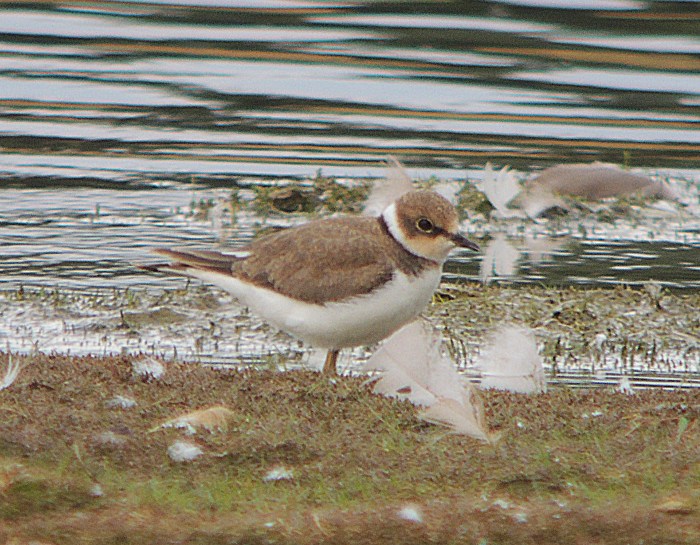
Juvenile Little Ringed Plover, Hollowell Res, 5th August 2016 (Mike Alibone)

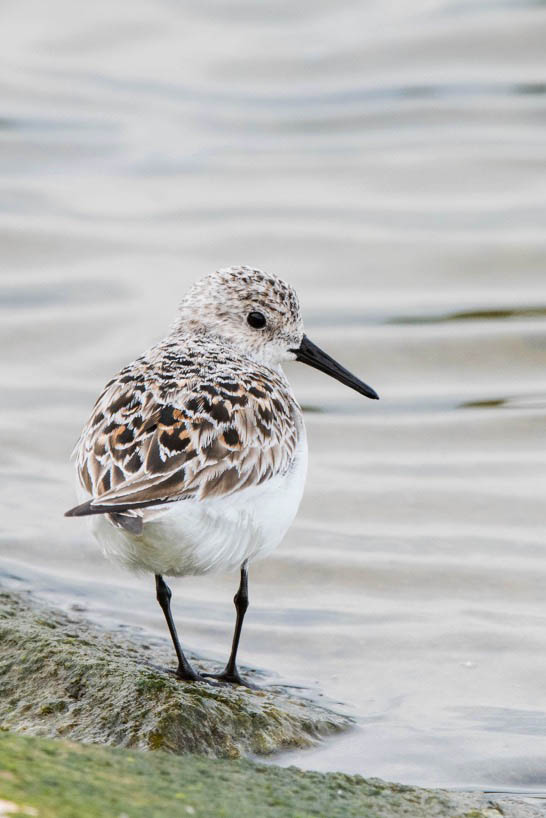
two juveniles there on 4th. Two Black-tailed Godwits occurred during the period – both on 5th – at Daventry CP and at Summer Leys LNR while, back at Hollowell Res, up to nine Dunlins were still present between 30th and 4th, dwindling to three on 5th. Two were also at Pitsford Res on 2nd and one at Cransley Res on 4th.

Juvenile Dunlins, Pitsford Res, 2nd August 2016 (Alan Francis)

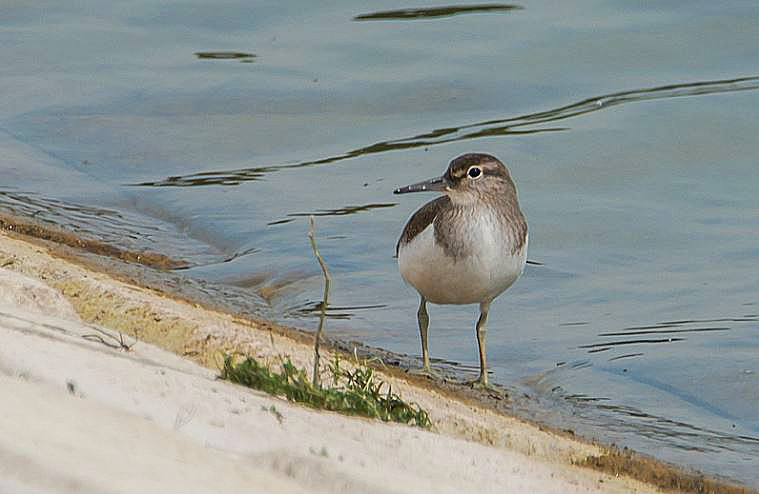
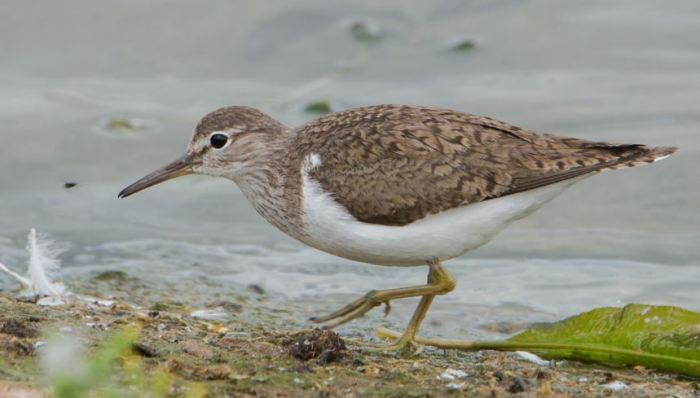
Four Greenshanks visited Hollowell Res on 5th and Common Sandpipers were reported from Hollowell Res, Pitsford Res, Stanwick GP, Summer Leys LNR and Sywell CP with no more than three at any one location.

Common Sandpiper, Sywell CP, 30th July 2016 (Martin Swannell)

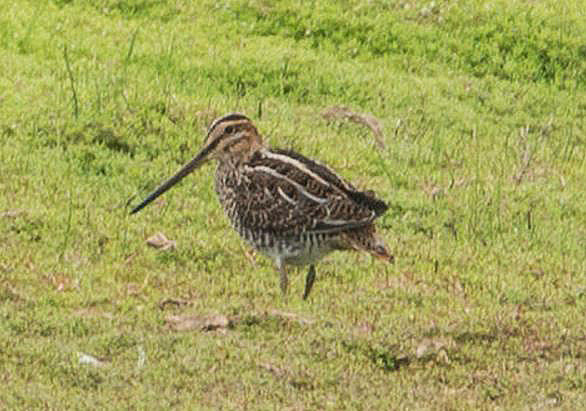
With the exception of Stanwick, similar numbers of Green Sandpipers were at the same sites and, additionally, five were counted at Daventry CP on 4th, while single Common Snipes were at Summer Leys on 1st, 3rd and 4th and at Hollowell Res on 4th and 5th.

Green Sandpiper, Summer Leys LNR, 4th August 2016 (Ricky Sinfield)
Common Snipe, Summer Leys LNR, 1st August 2016 (John Nicholls)

Mediterranean Gulls are now filtering through in multiples, with a juvenile at Stanwick GP on 2nd being followed by an adult and two juveniles there on 3rd and a juvenile at Daventry CP the following day.
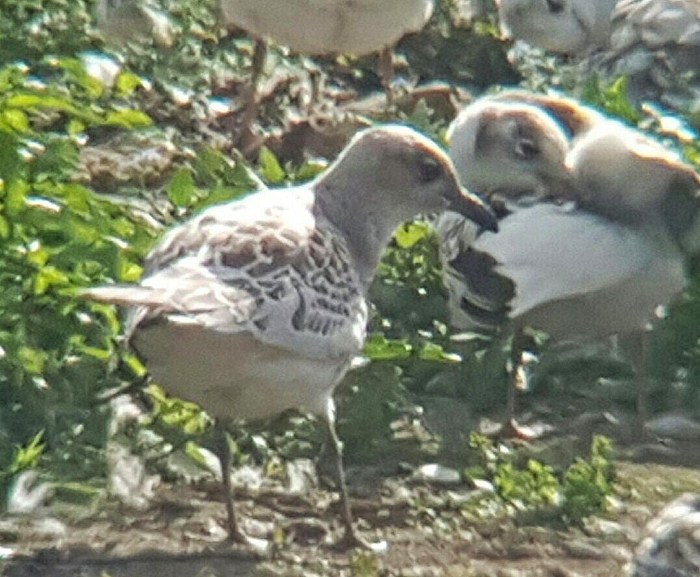
Juvenile Mediterranean Gull, Stanwick GP, 3rd August 2016 (Steve Fisher)

Numbers of Yellow-legged Gulls were, however, considerably down on last week’s three-figure total, with up to ten at Stanwick GP on 31st, singles at Pitsford Res on 2nd and  5th and at least seven at Daventry CP on 4th, while the only Caspian Gull was a near-adult at Stanwick GP on 31st.

Caption for Caspian Gull

Again, this week’s only Turtle Dove was at Harrington AF on 31st, where there was also a Common Redstart on the same date, and it appears that Stonechats may well have bred at Blueberry Farm, Maidwell, where two adults accompanied by two young juveniles were present on 30th and 3rd. At least six Crossbills were feeding in pines in the car park at Sywell CP on 5th.

The Week in Focus, 23rd to 29th July 2016

Great White Egret, Stanwick GP, 26th July 2016 (Steve Fisher)

Last week’s hot and humid air ebbed away after the weekend, being replaced by fresher conditions on the back of a restored westerly airstream from the North Atlantic. The autumn’s second Great White Egret appeared, while migrant waders continued to filter through.

The injured Ruddy Shelduck remained at Pitsford Res and up to three Red-crested Pochards were there between 24th and 26th, while a female appeared at Clifford Hill GP on 23rd. Last week’s Great White Egret stayed at Summer Leys LNR until 23rd but was quickly followed by another at Stanwick GP on 26th-27th. Although there is often movement between Nene Valley sites, these were two different birds with completely different bill patterns.

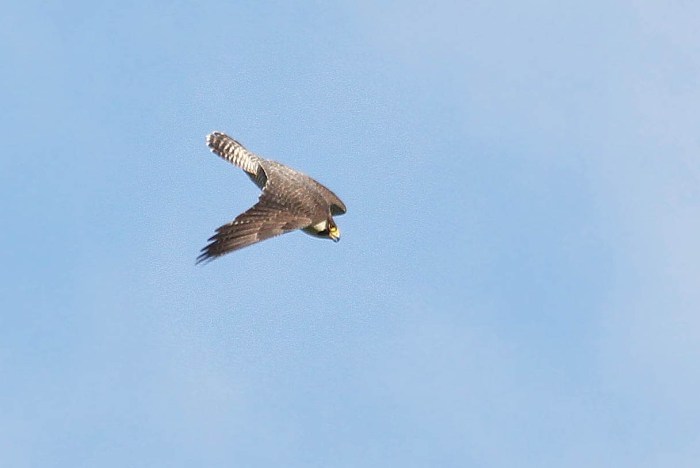
The only large raptor seen this week was the Osprey which flew west over Scaldwell Bay on 26th and the usual smattering of Peregrines included singles at Summer Leys on 27th, Higham Ferrers on 28th and Stanwick GP on 29th.

There was a more diverse selection of waders this week. Four Little Ringed Plovers visited Clifford Hill GP on 23rd and singles were seen at Stanwick GP on 24th and at Summer Leys on 28th, while two Ringed Plovers were at Hollowell Res on 26th. The autumn’s first Whimbrel flew east over Pitsford on 23rd and Black-tailed Godwits continued to move through, singles of which at Stanwick GP on 23rd and 27th and at Summer Leys on 28th with four at the latter locality on 25th and two there on 27th. Summer Leys also produced single Dunlins on 23rd and 27th, while nine visited Hollowell Res on 26th and seven were there on 29th. Common Sandpipers included one at Summer Leys on 23rd and four there on 27th, three at Stanwick GP on 23rd and five on 27th, singles at Pitsford Res on 24th-25th and Sywell CP on 25th and three at Stanford Res on 26th, with four there the following day.

Common Sandpiper, Sywell CP, 25th July 2016 (John Nicholls)

A handful of Green Sandpipers included singles at Clifford Hill GP on 23rd, Pitsford Res on 23rd and 25th and Summer Leys on 27th, while two were at Stanwick GP on 28th and the only Greenshanks was one at Stanford Res on the same date. The first Wood Sandpiper of the autumn appeared briefly at Summer Leys on 28th but did not linger, a Redshank was also there on the same date and a Common Snipe was at Stanwick on 23rd.

Also at Stanwick, the build-up of Yellow-legged Gulls continued with one hundred and fourteen counted there on 28th, while two were at Thrapston GP on 23rd and singles visited Pitsford Res on 24th-25th and Summer Leys on 28th. The only Caspian Gulls this week were, of course, at Stanwick GP with a second-summer on 26th followed by an adult there the next day.

Again, this week’s Turtle Doves were restricted to two at Harrington AF on 23rd and a Firecrest visited a Warmington garden briefly on 23rd.

The Week in Focus, 16th to 22nd July 2016

In complete contrast to last week’s rather bland and dreary weather conditions, the wind swung south as a high pressure system crossed Europe, dragging hot and humid air from the Iberian Peninsula and raising local temperatures to the mid-thirties. A true taste of summer then, with, for good measure, some new autumn migrants arriving at the same time.

The injured Ruddy Shelduck was still at Pitsford Res on 17th, having walked or swam under the road bridge to reach Scaldwell Bay from the sailing club. The female Garganey remained at Stanwick GP on the same date and the drake Goldeneye – now in eclipse – was still at Stanford Res on 19th, while an unseasonal female Scaup visited Daventry CP on 22nd. A Bittern was found at Stanwick GP on 19th – this species is now becoming more frequent outside the winter period – while the inevitable deluge of Great White Egrets commenced on 22nd with an early morning arrival on the scrape at Summer Leys LNR. I would bet my bottom dollar we are in for a double-figure wintering population in Northants during 2016-17.

Great White Egret, Summer Leys LNR, 22nd July 2016 (Martin Swannell)

In a week of few raptors single juvenile Marsh Harriers were at Blueberry Farm, Maidwell on 22nd and over the scrape at Summer Leys on 17th, as was an adult

Juvenile Marsh Harrier, Summer Leys LNR, 17th July 2016 (Ricky Sinfield)
Peregrine, Summer Leys LNR, 16th July 2016 (Ricky Sinfield)

Peregrine the day before and the same site produced migrant Black-tailed Godwits, with at least thirty-four over on the evening of 17th and six on 20th.

Black-tailed Godwits, Summer Leys LNR, 17th July 2016 (Ricky Sinfield). Part of a flock of at least thirty-four migrating over the reserve.
Black-tailed Godwits, Summer Leys LNR, 20th July 2016 (Martin Swannell)

There were fewer Common Sandpipers this week, with one at Daventry CP on 18th followed by three there on 22nd, while another was at Pitsford Res on 20th and 22nd.

Common Sandpiper, Pitsford Res, 20th July 2016 (John Nicholls)

The only Green Sandpipers were at Daventry CP, where up to two were present between 18th and 22nd and the only Greenshanks were three at Stanwick GP on 20th along with three juvenile Redshanks there two days later.

Stanwick also produced a single adult Mediterranean Gull on 16th and 18th, which was highly likely to have been the same bird watched ‘anting’ with Black-headed Gulls over nearby Irthlingborough on the latter date. The first juvenile Med Gull of the autumn appeared at Daventry CP on 20th. Yellow-legged Gulls at Stanwick GP peaked this week at at least sixty-four on 18th, while elsewhere three different individuals visited Daventry CP between 18th and 22nd, the latter date also seeing two at Pitsford Res. An adult, a first-summer and second-summer Caspian Gulls came into the evening pre-roost gatherings at Stanwick GP intermittently between 16th and 20th and a second-summer visited Daventry CP on 18th.

Caspian Gull, Stanwick GP, 19th July 2016 (Steve Fisher)

Showing no signs of picking up in numbers, this week’s Turtle Doves were restricted to two again at Harrington AF on 20th and a Firecrest was still singing at one locality on 18th, while a single Crossbill flew over Denton Wood the following day and two more were over Blueberry Farm, Maidwell on 22nd.

The Week in Focus, 9th to 15th July 2016

There was little change in either the weather or the birds from last week. West to south-westerly winds, sunny spells and lower than hoped-for temperatures continue to be the hallmarks of a generally lacklustre summer. Waders continued to trickle through in small numbers while the seasonal build-up of Yellow-legged Gulls at Stanwick GP continued.

Both the escaped – presumed taverneriCackling Goose and the injured Ruddy Shelduck were both still at Pitsford Res on 10th, as was a Red-crested Pochard on the same date. At Stanwick GP, the Garganey remained until at least 14th and two Common Scoters dropped on to the A45 Lay-by Pit, also on 14th – while a Marsh Harrier flew east on 10th and it, or another, was hunting over the reedbed there two days later. The only other raptor of note was a Peregrine at Thrapston GP on 9th.

Female and eclipse drake Common Scoters, Stanwick GP, 14th July 2016 (Steve Fisher)

Four Little Ringed Plovers were at Summer Leys LNR on 10th and two, along with a Dunlin, were at Stanwick GP on 12th. Stanwick also produced three Ruff on 14th and Summer Leys saw a run of Black-tailed Godwits, with two on 12th, an unconfirmed report of forty the following day and between eleven and fourteen on 14th. Numbers of Common Sandpipers rose from two at Stanwick GP on 10th to four there on 15th, while two were also at Summer Leys on 10th and ten were counted at Pitsford Res on the same date with just one there on 14th. The only Green Sandpipers were singles at Stanford Res on 9th and at Pitsford Res on 9th-10th, while two Greenshanks were at Stanwick GP on 13th dropping to one the following day and Summer Leys produced two adult Redshanks with at least two chicks during the period.

The annual late summer build-up of Yellow-legged Gulls at Stanwick GP continued with numbers there exceeding fifty by the week’s end and there were also four at Pitsford Res on 10th. More Caspian Gulls accompanied the Stanwick Yellow-leggeds and included at least two first-summers and a second-summer between 11th and 15th.

First-summer Caspian Gull, Stanwick GP, 13th July 2016 (Steve Fisher)

A Turtle Dove was seen at Finedon on 9th and two were ‘purring’ in Lady Wood the following day, while a single male Crossbill was at Bucknell Wood on 14th.

The Week in Focus, 2nd to 8th July 2016

Despite the continued westerly airstream, the weather remained largely dry with temperatures around average at best. Few new migrants were reported during the period.

The presumed escaped Pitsford Res Cackling Goose, showing characteristics of the race taverneri, was still among the Canadas there on 4th, as was the injured Ruddy Shelduck on 6th. The only other wildfowl of note were a Garganey at Stanwick GP on 8th and a Red-crested Pochard at Thrapston GP on 2nd and it was a quiet week for raptors with just a Marsh Harrier at Earls Barton GP on the same date.

Up to three Little Ringed Plovers were at Summer Leys LNR on 2nd-3rd, a Black-tailed Godwit was there on 4th, followed by four more at Stanwick GP on 7th and a Dunlin was at Earls Barton GP on 7th. Numbers of Common Sandpipers remained stable with four at Pitsford Res and one at Summer Leys on 3rd and two at Stanwick GP on 7th. Both of these sites held at least two Redshanks during the period.

Further down the Nene valley, two Yellow-legged Gulls were found at Thrapston GP on 2nd, while numbers of this species continued to build at Stanwick GP, where there were seventeen on 4th and twenty-seven on 6th, accompanied by a second-summer Caspian Gull on the latter date.

Male Firecrest, Northamptonshire, June 2016

Quality, not quantity, was the order of the week for passerines as four male Firecrests continued to sing at the same site as in June, although song had considerably diminished during the last week, while two Crossbills were seen at Fineshade Wood on 2nd.

The Week in Focus, 25th June to 1st July 2016

More Atlantic weather systems produced largely overcast skies and frequent showers on the back of a westerly airstream, while traditional ‘summer’ weather has yet to emerge. Finding anything new proved hard graft for most, although a certain high flying raptor constituted manna from heaven for one observer, while others made do with a steady trickle of migrant waders serving as a reminder that birds were on the move.

At Pitsford Res a Cackling Goose, showing characteristics of the race taverneri, was discovered among the Canadas there on 30th, although its chances of being wild are, of course, pretty much zero – nevertheless it’s an interesting bird to see.

Cackling Goose, probably Taverner's, Pitsford Res, 30th June 2016 (Jacob Spinks)
Cackling Goose, probably Taverner’s, Pitsford Res, 30th June 2016 (Jacob Spinks)

The drake Goldeneye was also still there on 25th and so was the Stanford Res bird on 26th – the latter thought to be flightless and so not the same individual as the Pitsford bird as surmised in last week’s report.

This week’s ‘bird of the week’ appeared in the north-east of the county on 25th. While James Underwood was photographing Red Kites and Common Buzzards over his garden, in Corby Old Village, a Honey Buzzard came into view, drifting high west. The moment was captured and the species swiftly added to the garden list, hot on the heels of the White Stork which circled over there less than three weeks previously, on 6th June!

Honey Buzzard, Corby Old Village, 25th June 2016 (James Underwood). Moulted inner primaries indicate this is a female as males undergo primary moult much later in the season.

The only other raptors of note were an Osprey at Welford Res briefly on 28th and single Peregrines at Northampton on 25th and at Thrapston GP the following day.

Some recent news on last week’s colour-ringed Black-tailed Godwit at Summer Leys concerns its being seen four days later at Creek Common, North Hayling, Langstone Harbour, Havant, Hampshire on 30th. Who says birds aren’t site-faithful! On the wader front, four Little Ringed Plovers were at Stanwick GP on 27th and two Ringed Plovers were there the next day, while a Curlew flew over Stanford Res on 25th and one visited Summer Leys LNR briefly on 29th.  More Common Sandpipers appeared this week, with singles at Stanford Res on 26th and 29th, one at Stanwick GP on 28th plus two there on 30th and three at Welford Res on 28th, a Green Sandpiper was at Stanwick GP on 27th with a Redshank there on the same date.

Stanwick also produced the week’s only Yellow-legged Gulls, which included seven on 27th, three on 30th and eight on 1st, along with a second-summer Caspian Gull on the latter date. Beyond that, a Turtle Dove still at Harrington AF on 27th and one at Stanwick GP on 1st was all the week could muster.

Two Weeks in Focus, 11th to 24th June 2016

The past two weeks have been influenced by weather systems from the Atlantic, with predominantly overcast conditions, heavy showers and thunderstorms accompanying hot air from Europe at the end of the period. Southbound waders at several localities were clear indications that ‘ornithological autumn’ was well underway.

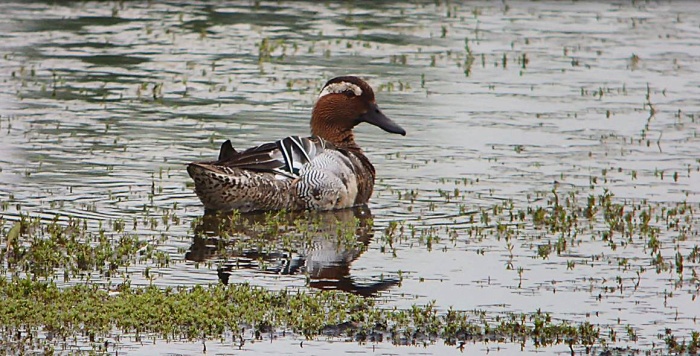
Usually in the vicinity of the sailing club grounds, the injured Ruddy Shelduck was reported from Pitsford Res all week and a female Garganey was seen at Stanwick GP on 13th.

Ruddy Shelduck, Pitsford Res, 22nd June 2016 (John Nicholls)

As wildfowl numbers began to build at some of the larger bodies of water, ducks on the move included a drake Red-crested Pochard at Thrapston GP from 16th to 19th, one at Pitsford Res on 17th and two there on 21st, while a drake Goldeneye at Stanford Res earlier in the month was likely to have been the same individual present at Pitsford Res from 18th.

Red-crested Pochards, Pitsford Res 21st June 2016 (Jacob Spinks). The extensive and sharply defined white under tail coverts along with the pale occipital border of the female suggests hybridisation, as does the lack of any pink in the bill, although the latter may be a sign of immaturity.
Red-crested Pochards, Pitsford Res 21st June 2016 (Jacob Spinks). The extensive and sharply defined white under tail coverts and white throat along with the pale occipital border of the female suggests hybridisation, as does the lack of any pink in the bill, although the latter may be a sign of immaturity.
Red-crested Pochards, Pitsford Res 21st June 2016 (Jacob Spinks)

Just one Quail was reported during the period – a male singing in set-aside west of Everdon on the evenings of 21st and 22nd. Ospreys continued to be seen, with one over Borough Hill and two at Welford Res on 11th and singles at Hollowell Res on 19th, Pitsford Res on 22nd and over Welford on 23rd, while single Peregrines visited Clifford Hill GP on 11th, Summer Leys LNR on 20th and Thrapston GP the next day.

Already autumn has begun. Waders were noted moving south and, aside from two young Little Ringed Plovers at Summer Leys, a fully-fledged juvenile appeared at Stanwick GP on 13th and seven new arrivals were counted there on 24th. Stanwick also produced two Ringed Plovers on 13th when two – perhaps the same – also visited Summer Leys. Curlews made news this week. Aside from wandering individuals at Clifford Hill GP on 11th, Lilbourne on 14th and Stanford Res on 21st, a pair with three young was discovered at a new breeding site, which is good news for a species over which national concern has been highlighted this year. A Black-tailed Godwit paid a brief visit to Summer Leys on 13th and three more – one of them colour-ringed – were there on 24th. The colour-ringed individual was ringed at Farlington Marshes, Hampshire on 5th September 2010.

Icelandic Black-tailed Godwits, Summer Leys LNR, 24th June 2016 (Adrian Borley)

Common Sandpipers returned right on cue with one at Pitsford Res on 22nd, followed by two there the next day, a Green Sandpiper was at Stanwick GP on 21st and Greenshanks were earlier than normal with singles at Stanwick on 11th and Pitsford on 17th. Just one Redshank was seen at Stanwick on 24th.

For the gullers, the expected annual build up in numbers of Yellow-legged Gull got underway at Stanwick GP with an adult there on 13th, followed by a second-summer on 20th and six were present by 24th.

Yellow-legged Gull, Stanwick GP, 24th June 2016 (Steve Fisher)

Black Terns paid a surprise visit to Earls Barton GP on 11th when three were found on Mary’s Lake, while the dearth of Turtle Doves continues with up to two at Harrington sporadically between throughout the period and singles at Grafton Park Wood on 17th and Twywell Hills & Dales on 21st. A juvenile Siskin on a garden feeder at Orlingbury on 14th was unusual and is suggestive of a local origin.

The Week in Focus 4th to 10th June 2016

A pretty mixed bag of weather conditions saw temperatures reaching the high twenties under a continental influence at the start of the week, sparking thunderstorms and heavy showers in some areas. Atlantic weather systems ensured a return to average temperatures by the week’s end as the winds took on a more westerly direction prior to the onset of more unsettled conditions.

The injured Ruddy Shelduck continued to be reported from Pitsford Res until 8th and another drake Garganey was discovered – this time on the scrape at Summer Leys LNR on 4th.

Drake Garganey, Summer Leys LNR, 4th June 2016 (Mike Alibone)

The same also date produced a Great White Egret in flight over Northampton, while a White Stork was watched circling above Old Corby village on 6th before heading off high north-west. The only raptors reported this week were three Ospreys – one west over Pitsford Res on 5th, another over Brampton Lane, Northampton the next day and one drifting over Guilsborough on 8th.

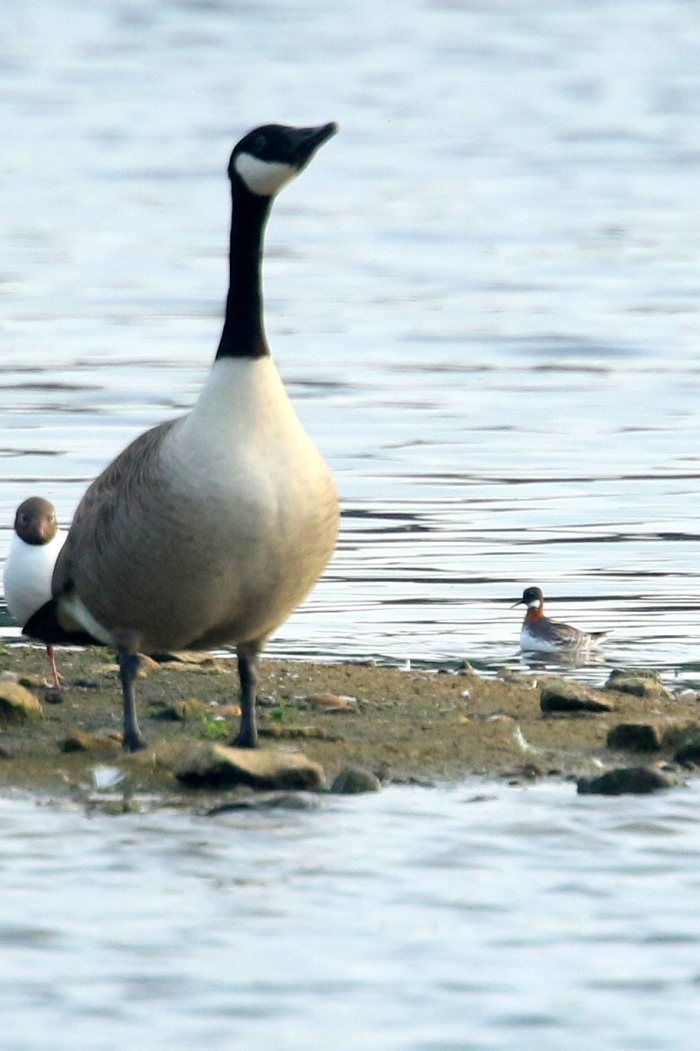
An ephemeral flame from the dying embers of spring – and the undoubted highlight of the week – was the rather smart female Red-necked Phalarope which was discovered at Stanwick GP on the evening of 4th, when it was present around the islands in the A45 Lay-by Pit. Sadly, it had departed by the next morning.

Female Red-necked Phalarope, Stanwick GP, 4th June 2016 (Bob Bullock)

Perhaps confusingly, however, we were dealt a taste of autumn when a Green Sandpiper appeared at Stanwick GP on 7th. This species normally returns toward the end of the month so the early appearance of this individual suggests a failed breeder.

The Week in Focus 28th May to 3rd June 2016

Cool, unseasonal weather continued throughout a week which was dominated by often strong north-easterlies, depressing temperatures, birds and birders alike. With migration all but dried up there were slim pickings – assuming anyone was out looking, of course. In this respect, on the occasions I visited Summer Leys it was devoid of weekend birders. With hides creaking and shutters banging in the wind, the only things missing were the tumbleweeds. While the end of May can deliver exceptional rarities, this year there was none – the hallowed 29th (Sooty Tern 1980, Bridled Tern 1993) passing without incident.

The injured Ruddy Shelduck had little choice but to remain at Pitsford Res, where it was present in the vicinity of the sailing club. One of the two which probably originated from the feral population on continent and overshot the established Dutch summer moulting grounds, it is unlikely ever to make it back. Aside from this, Stanwick’s drake Garganey, still present on the A45 Lay-by Pit on 29th, was the sole representative of scarce wildfowl during the period.

Video Caption

Two Ospreys were seen on 2nd – one flying over Pitsford dam toward Holcot, the other over Earls Barton GP toward Great Doddington. This week’s Peregrines were one at Earls Barton GP on 29th, two there on 2nd and one over Broadholme STW at Ditchford GP on 31st while, sadly, last week’s escaped male Barbary Falcon x Gyrfalcon hybrid was found dead at Felmersham in Bedfordshire.

Osprey and Peregrine, Earls Barton GP, 2nd June 2016 (Alan Coles)

Numbers of passage waders were understandably low with, aside from local breeders, just one Dunlin at Summer Leys on 29th, four Redshanks flying east over Stanford Res on 2nd and a Common Sandpiper at Ditchford GP on 29th-30th.

On the passerine front, the exciting discovery of three singing male Firecrests was made at an undisclosed locality on 28th and the singing male Common Redstart remained in Badby Wood on the same date.

The Week in Focus 21st to 27th May 2016

Although the period was largely dry, winds from the north-west produced some rain on Saturday, followed by a sunny and relatively warm Sunday, after which it became cooler as north-easterlies set in. In comparison with the previous review period this last week has been rather slow in terms of new arrivals. Ospreys at three sites and a couple of Sanderlings appeared to be the highlights – the migration tap not having been completely turned off but simply left dripping …

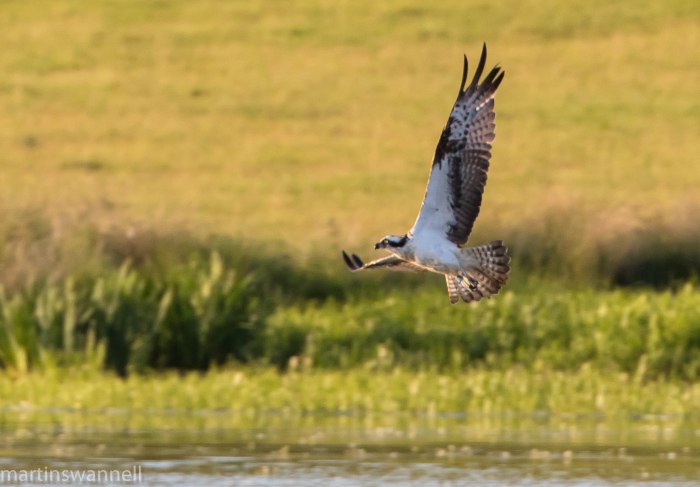
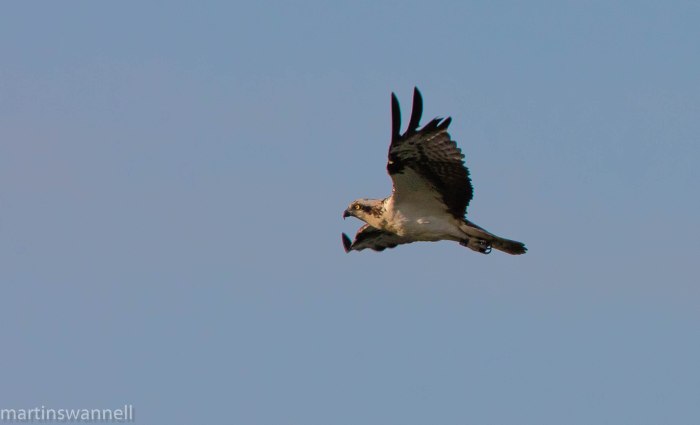
The injured Ruddy Shelduck remained at Pitsford Res, where it was present in the vicinity of the sailing club and the drake Garganey at Stanwick GP was seen again on 23rd. Another Quail was heard at Harrington AF on 22nd and then it was straight into raptors but, with nothing as glam as a Lam to look at, a handful of local birders connected with Ospreys at Stanwick GP on 22nd, at Hollowell Res on 22nd and 24th-25th and at/near Naseby Res on 24th/26th.

Osprey, Hollowell Res, 24th May 2016 (Martin Swannell)

This week’s only Peregrine was an adult at Earls Barton GP on 26th but it’s also worth flagging up that a Barbary Falcon x Gyrfalcon hybrid escaped from an owner at Wellingborough on 23rd and is still on the loose …

Peregrine, Earls Barton GP, 26th May 2016 (Alan Coles)


Peregrine, Earls Barton GP, 26th May 2016 (Alan Coles)

Little Ringed Plovers were reported only from Stanwick GP and Summer Leys, with both sites also producing single Ringed Plovers on 26th and 27th respectively while a Sanderling accompanied the Stanwick individual. More readily accessible and obligingly showy was a Sanderling on the dam at Pitsford Res on 22nd, providing excellent photo opportunities for those who saw it.

Sanderling, Pitsford Res, 22nd May 2016 (Stuart Mundy)
Sanderling, Pitsford Res, 22nd May 2016 (Angus Molyneux)
Sanderling, Pitsford Res, 22nd May 2016 (Adrian Borley)

There was just one Dunlin this week, at Summer Leys on 27th, but one which didn’t make it into the last round-up is worth a mention for the locality alone – Shelfley’s Lake, West Hunsbury on 15th May – an odd record for suburban Northampton and surely a first for this tiny, mainly tree-lined site. The only other waders this week were the three to four Redshanks present at Summer Leys throughout.

Dunlin, Shelfleys Lake, West Hunsbury, Northampton, 15th May 2016 (Bob Ansell)

There was no improvement in the Turtle Dove situation during the period with the two still near Newton Bromswold on 19th and two at Harrington AF on 22nd and 26th, while the latter site produced a late Northern Wheatear on the first of these two dates.