The Week in Focus: 19th to 25th October 2013

This week’s weather was dominated by westerly or southwesterly winds, which produced showers and some short periods of heavy rain. Some interesting migrants found their way to the county while several long-stayers seemed set to remain for a while to come.

Following last week’s Egyptian Goose at Stanwick GP, two more were found at adjacent Ditchford GP on 23rd and the drake Mandarin Duck from Wicksteed Park Lake had moved to nearby Kettering Leisure Village Lake on 19th. The long-staying eclipse drake Red-crested Pochard remained at Stanford Res until at least 19th and another joined the three at Pitsford Res on 23rd and the total had increased to nine by 25th. A Bittern was located at Stanwick GP on 25th while the two Great White Egrets remained at, or around, Pitsford Res to at least 23rd with one until 25th.

On the raptor front, a male Hen Harrier was found at Blueberry Farm, Maidwell on 22nd, where it remained until the next day when a ‘ringtail’ was also discovered at the same site, being reported again there on 24th. The lingering Osprey at Stanford Res was still present there on 22nd, single Merlins visited Harrington AF and Pytchley Golf Course on 24th and Peregrines were found at Blueberry Farm and at Ditchford GP on 22nd and 23rd respectively.

Late autumn migrant Ringed Plovers included singles at Pitsford Res and Stanwick GP on 19th while numbers of Golden Plovers continued to build at six localities, with a maximum of c.600 at Clifford Hill GP on 19th. The only Dunlin this week was one at Pitsford Res on 23rd and a Jack Snipe was discovered at Grange Park, Northampton on the same date, while a Black-tailed Godwit visited Summer Leys LNR on 19th before moving further along the Nene Valley to Stanwick on 20th, remaining there until 25th. The latter site produced a Redshank on the same date, single Green Sandpipers were at Ravensthorpe Res from 19th to 23rd and at Pitsford Res on the latter date and a late Common Sandpiper was also found at Pitsford Res on 22nd.

A first-winter Mediterranean Gull appeared at Ravensthorpe Res on 23rd and five Caspian Gulls included an adult at Stanwick GP on 19th with two adults and a first-winter there on 22nd and an adult at Pitsford Res on the latter date. The elusive adult Azorean Yellow-legged Gull made one of its unpredictable appearances at Stanwick GP on 19th and approximately twenty Yellow-legged Gulls were also there on the same date and on 22nd, when an adult was also at Pitsford Res and two adults there on 25th.

Short-eared Owls remained scarce with just one at Harrington AF on 19th and 24th, the same site holding a first-winter Ring Ouzel throughout the period as well as what for

First-winter Ring Ouzel, Harrington AF, 24th October 2013 (Mike Alibone)

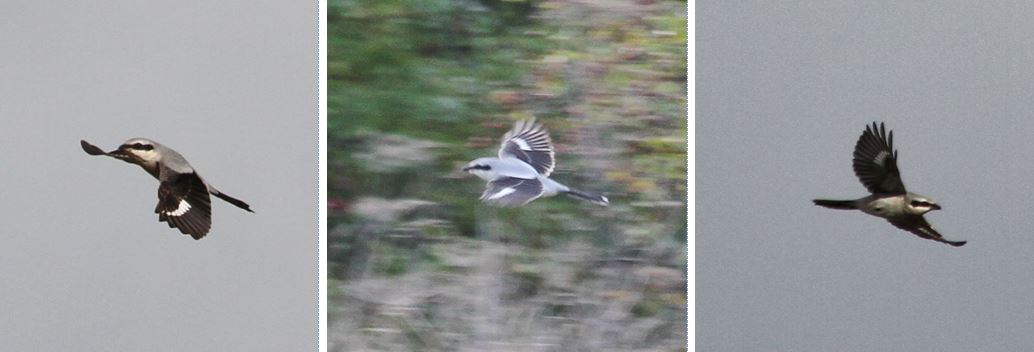
many locals was ‘bird of the week’, a Great Grey Shrike on 24th and 25th. True to form,

Great Grey Shrike, Harrington AF, 24th October 2013 (Bob Bullock)
Great Grey Shrike, Harrington AF, 24th October 2013 (Bob Bullock). The combination of lightly barred underparts, lack of whitish scapulars, pale tips to greater coverts and dark grey upperparts is indicative of a first-winter.
Great Grey Shrike, Harrington AF, 24th and 25th October 2013 (Alan Coles)
Great Grey Shrike, Harrington AF, 24th October 2013 (Mike Alibone)

it remained highly mobile along the scrub belt between the first and third bunkers and the main concrete track as previous individuals have done in the past. Birders admiring the shrike also discovered a Black Redstart there on 24th.

Black Redstart, Harrington AF, 24th October 2013 (Bob Bullock)

Stonechats – locally scarce this year – were seen in Sywell early in the week and at Blueberry Farm on 24th but the title of rarest bird of the week goes to the Richard’s Pipit, which was flushed from a weedy field behind the dam at Daventry CP before moving to an adjacent field prior to flying off toward Borough Hill. This is only the 9th Northants record and follows hot on the heels of last year’s at almost the same locality. Single Rock Pipits, common by comparison, appeared at Stanford Res on 19th and at Stanwick GP on 22nd and two Crossbills flew over Harrington AF on 24th.

The Week in Focus: 12th to 18th October 2013

The week kicked off with a slow-moving low pressure system sitting just over south-eastern Britain and adjacent mainland Europe, which produced significant north-easterly winds accompanied by low cloud and rain – ideal conditions for pushing species more normally associated with the coast into Northants.

Part of last week’s Whooper Swan movement spilled over into this week with three adults flying north-east over Boddington Res just before dusk on 13th. An Egyptian Goose was at Stanwick GP on 16th, a Ruddy Shelduck was again reported fleetingly from Pitsford Res on 14th and a drake Mandarin Duck visited Wicksteed Park Lake on 15th.  A single Pintail was found at Thrapston GP on 12th, two were at Stanwick GP the following day and up to eight were counted at Pitsford Res on 13th-14th, while the menu of scarce diving ducks became more extensive this week with the eclipse drake Red-crested Pochard still at Stanford Res to 17th, singles at Clifford Hill GP on 13th and Wicksteed Park Lake on 14th and three at Pitsford Res on the latter date. A female or first-winter Scaup visited Daventry CP on 17th and storm-driven drake Common Scoters appeared at Pitsford Res (two) and Clifford Hill GP on 13th

Drake Common Scoter, Clifford Hill GP, 13th October 2013 (Mike Alibone)

and Clifford Hill GP also hosted the year’s only Red-breasted Merganser on 12th, while last week’s Goosander remained on the fishing lake at Wicksteed Park all week.

Eclipse drake Red-breasted Merganser, Clifford Hill GP, 12th October 2013 (Mike Alibone). The ‘third’ white panel in the wing, comprising lesser and median coverts, serves to age this as an adult drake. These feather tracts are dark greyish in females and first-winter males.

Also from last week, the Stanford Res Black-necked Grebe reappeared on 18th.

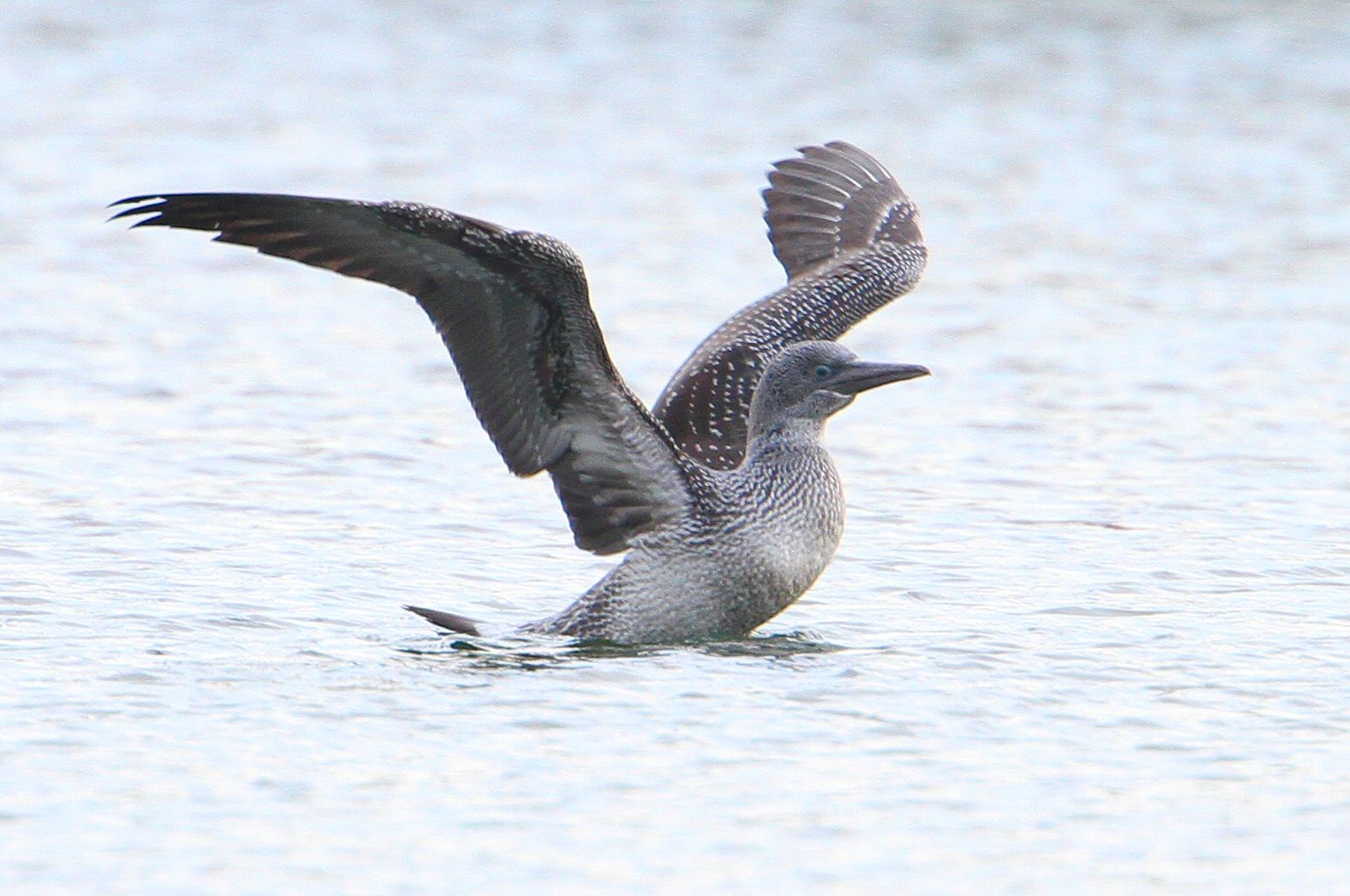
Hot in off the North Sea, Northamptonshire’s thirty-fourth Gannet, a juvenile, splashed down early in the afternoon of 14th on Thrapston GP’s Barclaycard Pit, where it remained, showing well, until dusk.

Juvenile Gannet, Thrapston GP, 14th October 2013 (Bob Bullock)
Juvenile Gannet, Thrapston GP, 14th Oct (Bob Bullock)

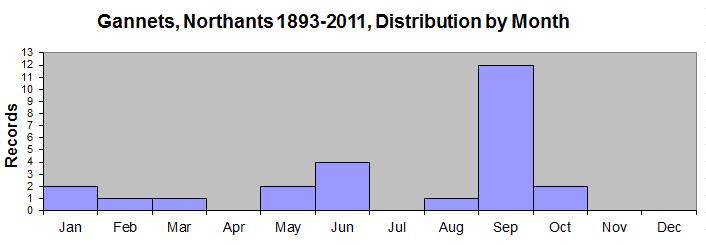
This species has appeared in no more than three years out of the past ten with September being the peak month of occurrence in the county.Gannets, Northants, by month

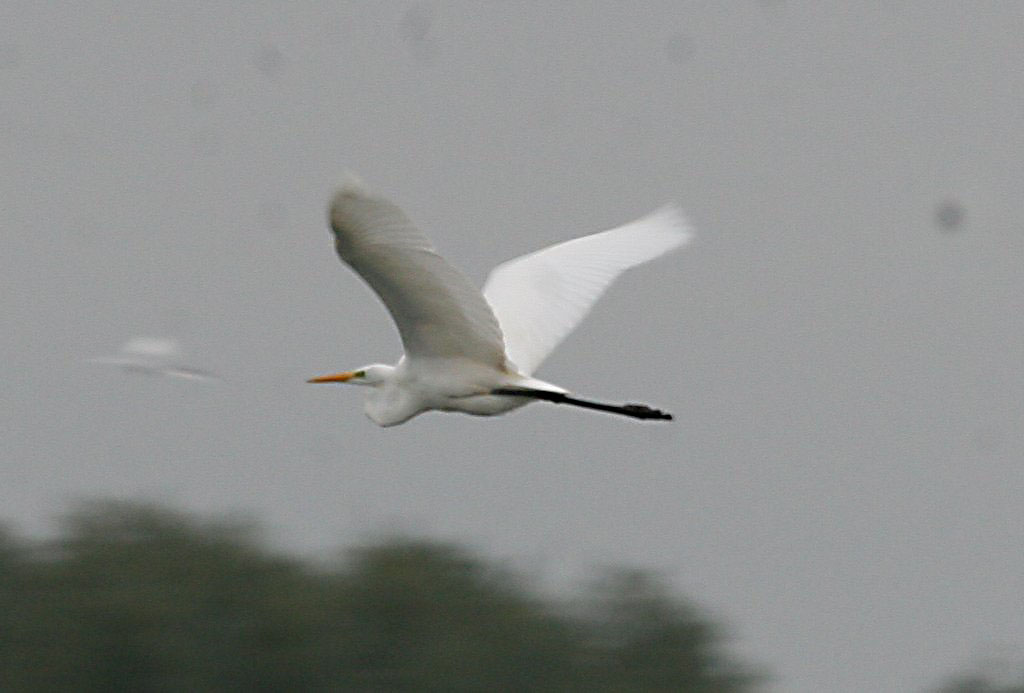
All three of last week’s Great White Egrets – two at Pitsford Res and one at Stanwick GP – remained until at least 15th

Great White Egret, Stanwick GP, 12th October 2013 (Steve Fisher)

while the county’s third-ever Glossy Ibis appeared at the latter site on 12th. First seen flying high west over the eastern pits there, it whiffled down and appeared to land on the A45 Lay-by Pit. Despite a thorough search by a number of local observers it was not relocated. Uncannily – or perhaps predictably – this bird followed exactly the same pattern of occurrence as the previous two: one observer, less than twenty minutes, gone. This would have been the case other than for an unconfirmed report of its revisiting the same site briefly on 15th so it could still be lurking somewhere in the Nene Valley, although Northants appears to be a Teflon-coated county as far as this species is concerned. Will there ever be one which stays long enough for the birding masses to catch up with it?

The trio of notable raptors this week include an Osprey lingering at Stanford Res all week, a Merlin at Blueberry Farm, Maidwell on 17th and a couple of Peregrines at Hellidon on 12th.

While numbers of Golden Plovers began to build for the winter, with three hundred and fifty at Clifford Hill GP on 13th, wader passage in general continued to dwindle. Dunlin numbers were down with up to three at Pitsford Res between 12th and 15th, up to two at Clifford Hill GP during the same period and two at Stanwick GP on 12th. The only Ruff this week were singles at Pitsford Res on 12th and Clifford Hill GP on 14th, a Bar-tailed Godwit flew south at Pitsford Res on 13th along with a Curlew while another Curlew flew east at Stanford Res on 12th and two Green Sandpipers were also at Pitsford Res on 14th.

Two Caspian Gulls were found at Stanwick GP on 12th and an adult was again at Thrapston GP on 14th along with four Yellow-legged Gulls while single adult Yellow-legged Gulls visited Clifford Hill GP on 12th and Pitsford Res on 15th. The depression also dumped Little Gulls – all first-winters – at three localities: Summer Leys on 12th, Thrapston GP from 12th to 14th and Stanford Res from 13th to 15th as well as a typically late juvenile Arctic Tern at Clifford Hill GP on 13th.

On the passerine front, a Firecrest was discovered with a tit flock at Titchmarsh Wood on 17th, straggler Swallow duos were at Clifford Hill GP on 12th and Pitsford Res the following day and a Ring Ouzel showed well at Hellidon – if only for a short while – on 12th. The same locality also hosted a Greenland Wheatear at the same time and a male Stonechat was discovered at Pitsford Res on 14th while single Rock Pipits appeared on cue at Hollowell Res on 13th and at Thrapston GP the following day. More Bramblings arrived this week with singles at Hellidon and Stanford Res on 12th and at Woodend near Blakesley on 18th, with two at Geddington Chase on 17th and approximately twelve Crossbills flew over Spratton on 16th with another over on 17th and several over Daventry CP on the same date.

The Week in Focus: 5th to 11th October 2013

The relatively warm south-westerly airstream at the beginning of the week had given way to cold north-easterlies and rain by the week’s end. A phenomenal 33,000+ Redwings were counted migrating over one point in neighbouring Bedfordshire on 10th as more winter visitors appeared in Northants.

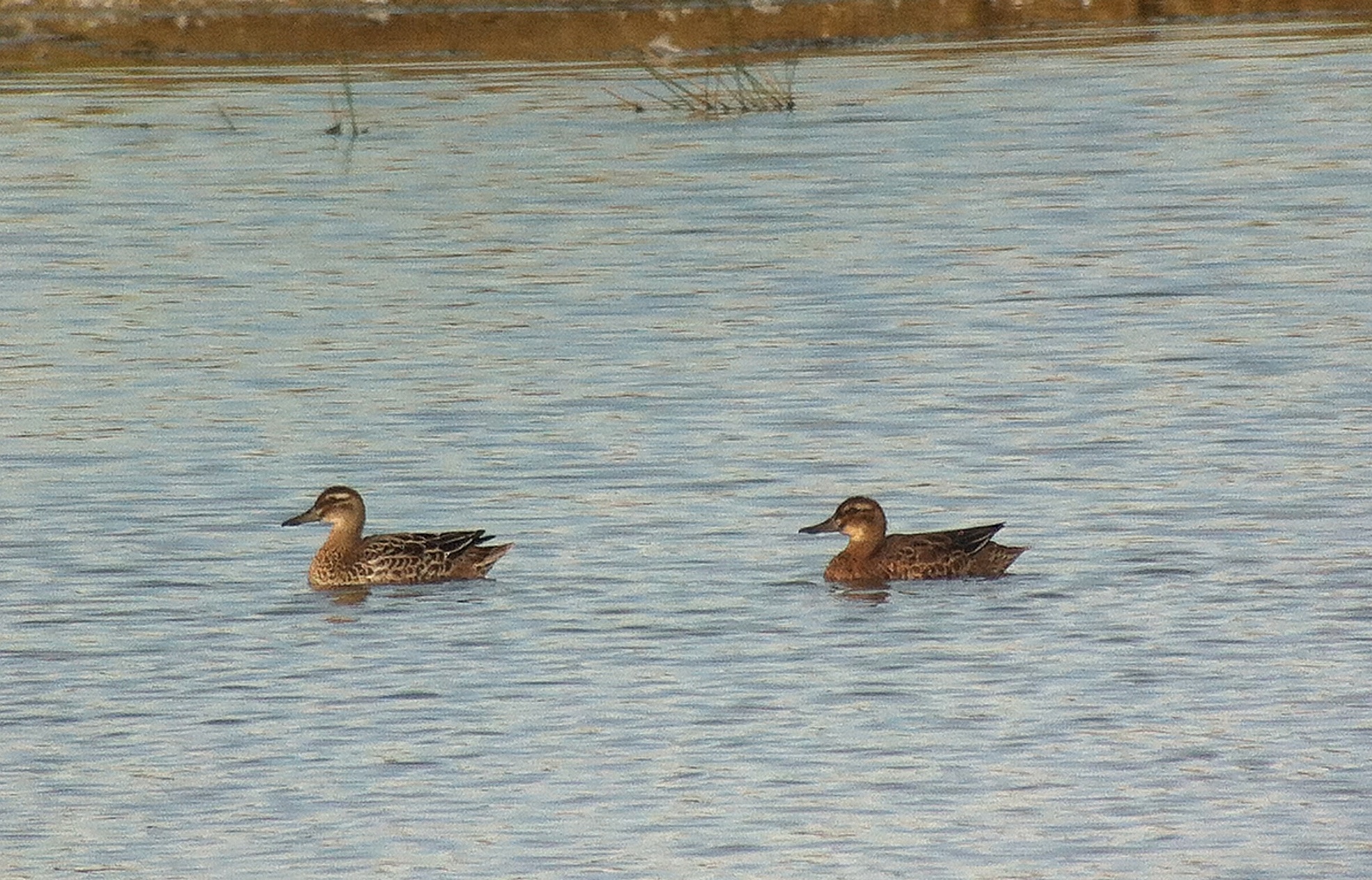
Yes, winter’s intent was announced by the arrival of several species this week, kicking off with six Whooper Swans flying east just before dusk fell at Stanwick GP on 10th. The same, or perhaps a different flock was seen flying south-west at Thrapston GP the following morning with a lone individual was also seen flying north-east there and nine adults briefly at Hollowell Res the same day. The Pitsford pair of Ruddy Shelducks was present until 8th but they have become highly mobile and may still be present somewhere on the reservoir. Elsewhere, scarcer wildfowl were represented by last week’s Pintail remaining at Hollowell Res until 10th, singles at Stanford Res on 5th and Thrapston GP on 11th and four or five at Summer Leys LNR on 7th, the latter being joined there by three Garganey on the same date, while an eclipse drake Garganey was also at Clifford Hill GP on 5th.

Garganey, Summer Leys LNR, 7th October 2013 (John Friendship-Taylor)

Last week’s eclipse drake Red-crested Pochard was still at Stanford Res on 5th, five Common Scoters (two drakes) appeared at Hollowell Res and another at nearby Ravensthorpe Res on 10th and the first Goosander of the season was on the fishing lake at Wicksteed Park on the same date.

Hot on the heels of last week’s two Great White Egrets, two more – this time together – arrived at Pitsford Res on 8th with at least one remaining there until 11th. Meanwhile, in the Nene Valley, another was found at Stanwick GP early morning also on 11th and a Black-necked Grebe – a species proving scarce this autumn – appeared at Stanford Res on 5th.

Raptors were also in short supply this week with a ‘ringtail’ Hen Harrier flying west at Summer Leys on 11th and a Peregrine there on 6th, while a juvenile visited Stanwick GP on the same day and an adult was there on 9th.

Wader passage is now at an understandably low ebb and there were few new arrivals. Ringed Plovers at Pitsford Res dropped from six on 5th to four by 9th and two were still at Clifford Hill GP on 5th where there were approximately two hundred Golden Plovers on 9th with five at Summer Leys on 6th. The long-staying Grey Plover remained at Stanwick GP until early morning on 6th and another flew east over Hollowell Res on 5th. The two Little Stints at the former locality remained until 5th and the same site held a Dunlin from 5th to 9th, three were at Pitsford Res from 5th to 7th with one there on 8th-9th and two on 11th and two were at Clifford Hill GP on 5th. The only Ruff this week was one at Daventry CP on 7th, the same site producing a flock of fifteen Black-tailed Godwits for just thirty minutes on 5th, while another was at Stanwick GP on the same date. Just one Common Sandpiper was found – at Pitsford Res – on 9th, the same site producing the week’s only Green Sandpiper on 8th.

Single first-winter Mediterranean Gulls were at Daventry CP on 8th and 11th and a fourth-winter Caspian Gull visited Stanwick GP on 5th, an adult was there on 8th and another adult was found at Thrapston GP on 11th. Amazingly, ‘the’ (or another) Azorean Yellow-legged Gull was back at Stanwick GP for just a couple of minutes on 8th, again giving observers no chance to catch up with it and approximately thirty Yellow-legged Gulls were there on the same date. Two more were at Hollowell Res on 5th, six were at Thrapston GP on 11th and an adult remained at Pitsford Res all week.

A late Willow Warbler was at Hardingstone on 11th, a male Ring Ouzel – only the second of the autumn – was found at Hollowell Res on 10th and the winter’s first Fieldfares – three of them – flew over Stanford Res on 9th. Departing summer visitors included last week’s Whinchat remaining at Clifford Hill GP until 5th and what were probably the last Yellow Wagtails of the year at Hollowell Res and Brackley on the same date. More inbound winter visitors included the first Bramblings at Stanford Res and Summer Leys on 5th, followed by one at Stanwick GP and six west over Thrapston GP on 11th.

The Week in Focus: 28th September to 4th October 2013

The UK was sandwiched between a low pressure system to the southwest and a high pressure system over Scandinavia, producing a steady southeasterly airflow across the country throughout much of the week, turning southwesterly toward the week’s end.

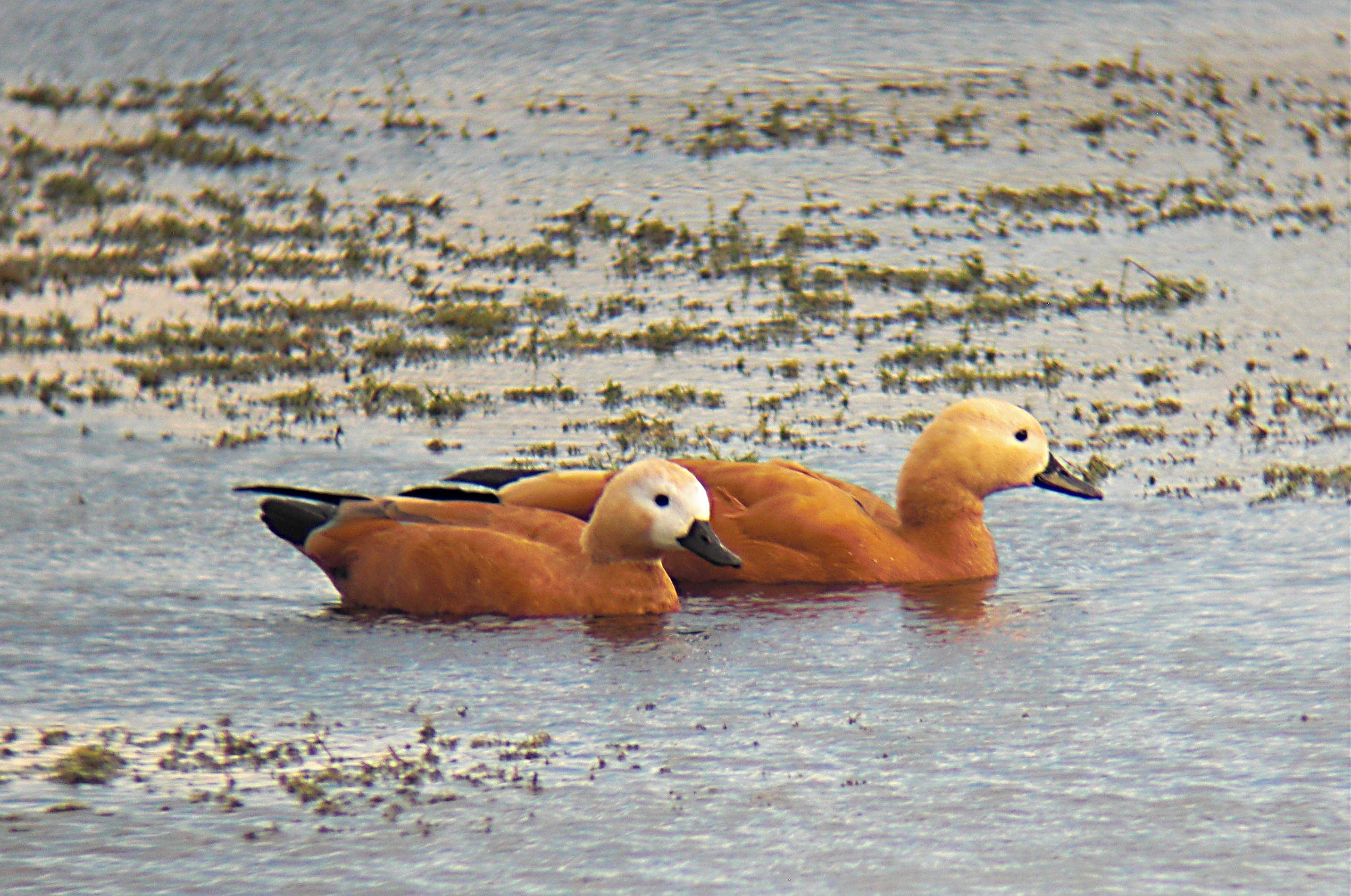
The Pitsford female Ruddy Shelduck was present on 29th and then went unreported until 4th, when it was joined by a drake.

Ruddy Shelducks, Pitsford Res, 4th October 2013 (John Moon)

Ruddy Shelducks, Pitsford Res, 4th October 2013 (Jim Dunkley)

Ruddy Shelducks, Pitsford Res, 4th October 2013 (Jim Dunkley)

Twelve Pintails were also present there on 29th with four there on 4th, three were at Stanwick GP on 30th with one there the following day, three visited Summer Leys on 1st and one was found at Hollowell Res on 4th. There were just two records of Garganey with two at Clifford Hill GP on 30th and one at Ravensthorpe Res on 4th, while diving ducks were represented by an eclipse drake Red-crested Pochard at Stanford Res on 28th, a short-staying juvenile Scaup at Boddington Res on 3rd and a Goldeneye at Stanford Res on 28th with two at Earls Barton GP on 1st.

No longer a head-turner, a Great White Egret was found at Ditchford GP on 2nd, remaining until at least 14.00 the next day, while another arrived at Thrapston GP’s Barclaycard Pit during the morning of the same day. With an established North European population this species seems set to follow Little Egret in becoming a common sight in the UK. More welcome in the county, however, would be another Glossy Ibis, which has appeared only on two previous occasions (September 2002 at Ravensthorpe Res and September 2010 at Pitsford Res) each staying no more than twenty minutes. With western Britain currently enjoying another mini-invasion another is surely on the cards … On the raptor front a Marsh Harrier was again at Harrington AF on 30th and a Peregrine was at Summer Leys on 1st, while two were circling over Oundle on 3rd.

A few new waders arrived this week. A Little Ringed Plover was found at Pitsford Res on 4th, where eight Ringed Plovers were also present on 29th and 30th, dropping to four by 4th, while up to three were at Clifford Hill GP between 29th and 3rd. There was also a mini-influx of Grey Plovers, which included singles at Hollowell Res and Stanwick GP on 28th – the latter remaining all week – Pitsford Res on 29th and Daventry CP on 30th

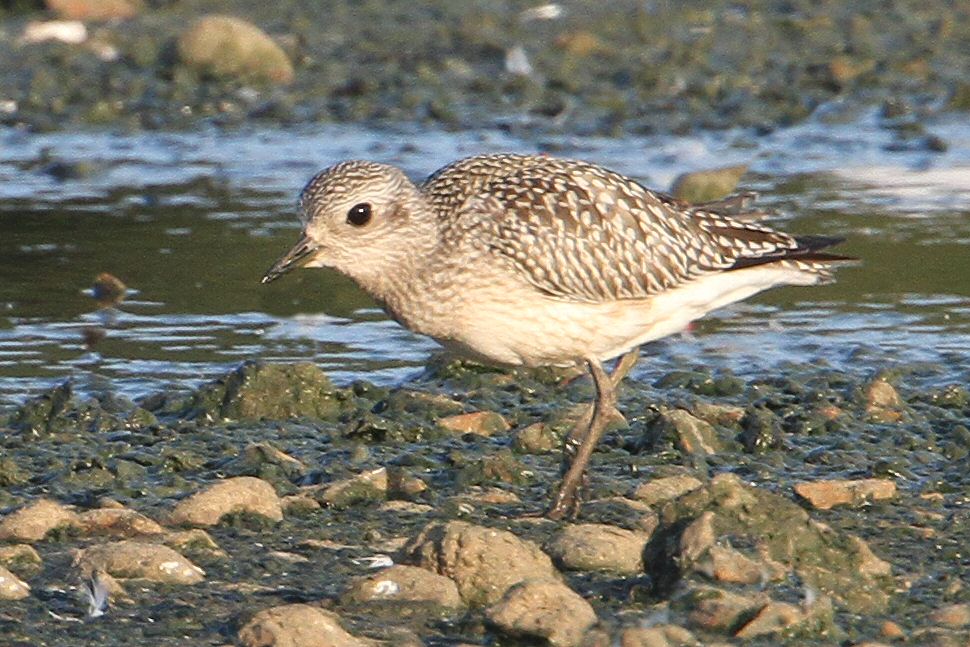
Juvenile Grey Plover, Stanwick GP, 28th September 2013 (Bob Bullock)
Juvenile Grey Plover, Stanwick GP, 28th September 2013 (Mike Alibone)

and numbers of Golden Plovers started to build with forty-nine at Clifford Hill GP on 2nd and twenty-four at Stanwick GP on the same date. The latter locality also produced two Little Stints from 29th to 4th. Dunlins were found at four localities with site maxima of 4 at Daventry CP on 30th and the same number at Pitsford Res on 2nd, three at Clifford Hill GP on 28th and two at Stanwick GP on 3rd. The only Ruff this week were up to two at Clifford Hill GP between 28th and 3rd while the second Jack Snipe of the autumn was found at Daventry CP on 2nd and last week’s two Bar-tailed Godwits remained on the new scrapes at Thrapston GP until 29th. Just one Common Sandpiper was found – at Pitsford Res – on 29th when there were also three Green Sandpipers on the same date followed by singles at Daventry CP on 2nd and Ravensthorpe Res on 4th.

The only Mediterranean Gulls this week were at Boddington Res, where there were two first-winters on 2nd and one on 3rd. The same cannot be said for Yellow-legged Gulls, which maintained high numbers almost daily at Stanwick GP with a maximum of more than one hundred and ten there on 30th; elsewhere three were at Ravensthorpe Res on 4th, up to two were at Pitsford Res all week and singles visited Boddington Res on 3rd and Hollowell Res on 4th.

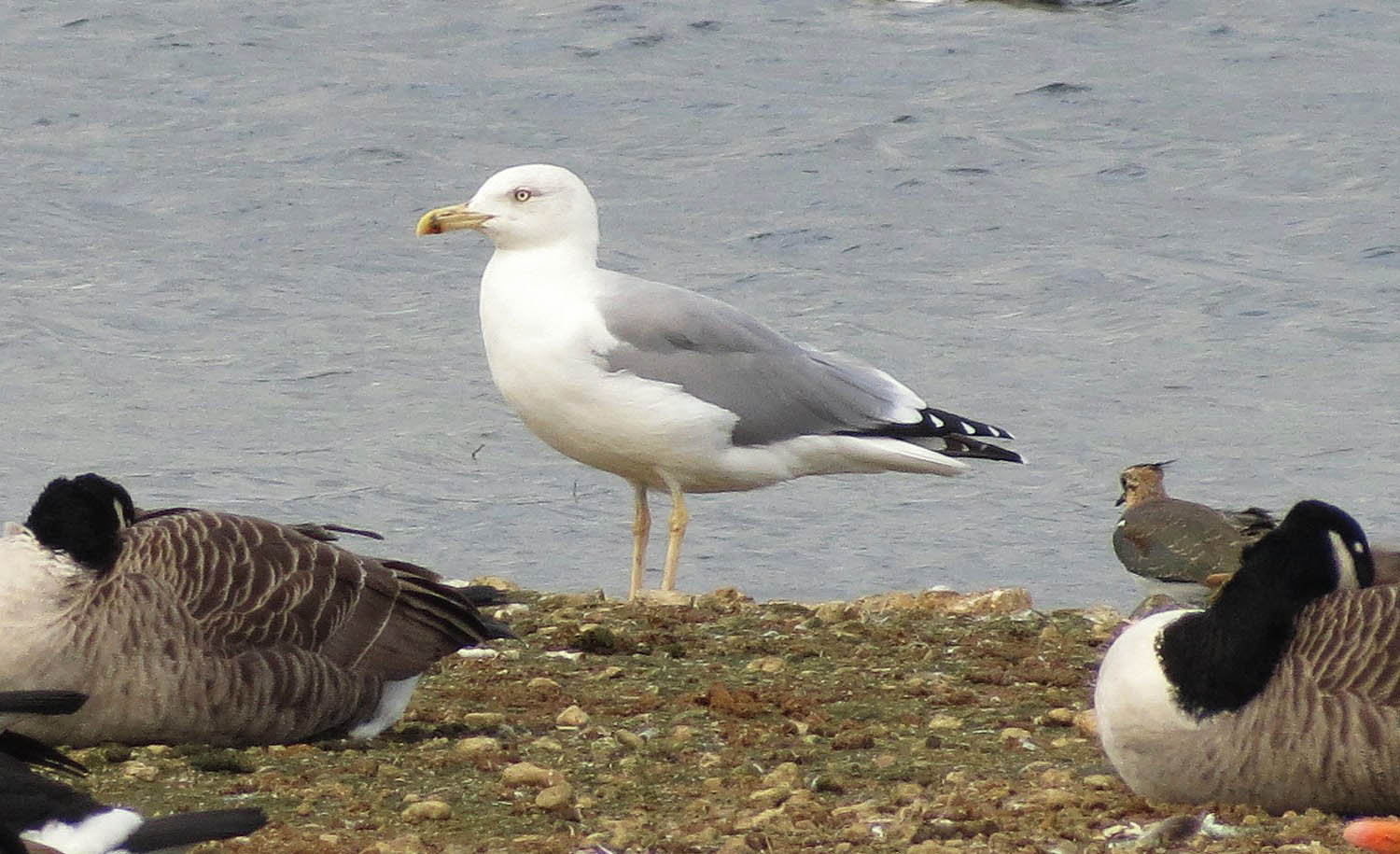
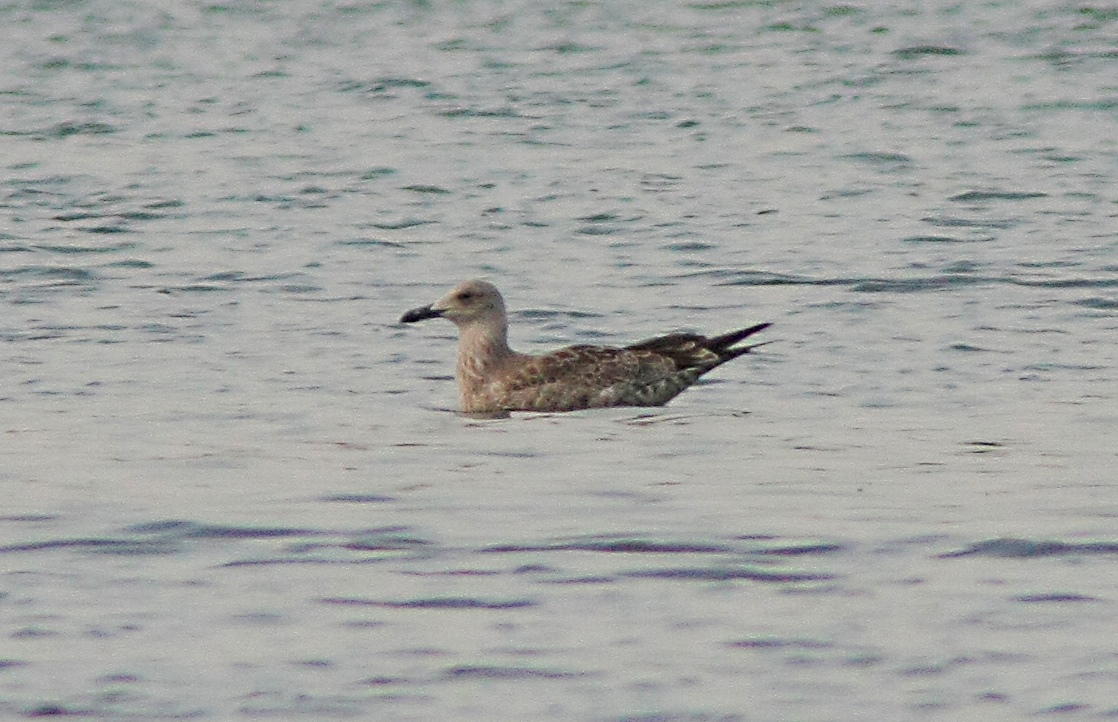
Adult Yellow-legged Gull, Pitsford Res, 4th October 2013 (Martin Dove)

Good numbers of Caspian Gulls were also recorded this week with one at Stanwick GP on 29th, five there on 30th, three on 1st, four on 3rd and four on 4th. Four were also at Ditchford GP on 28th and 30th.

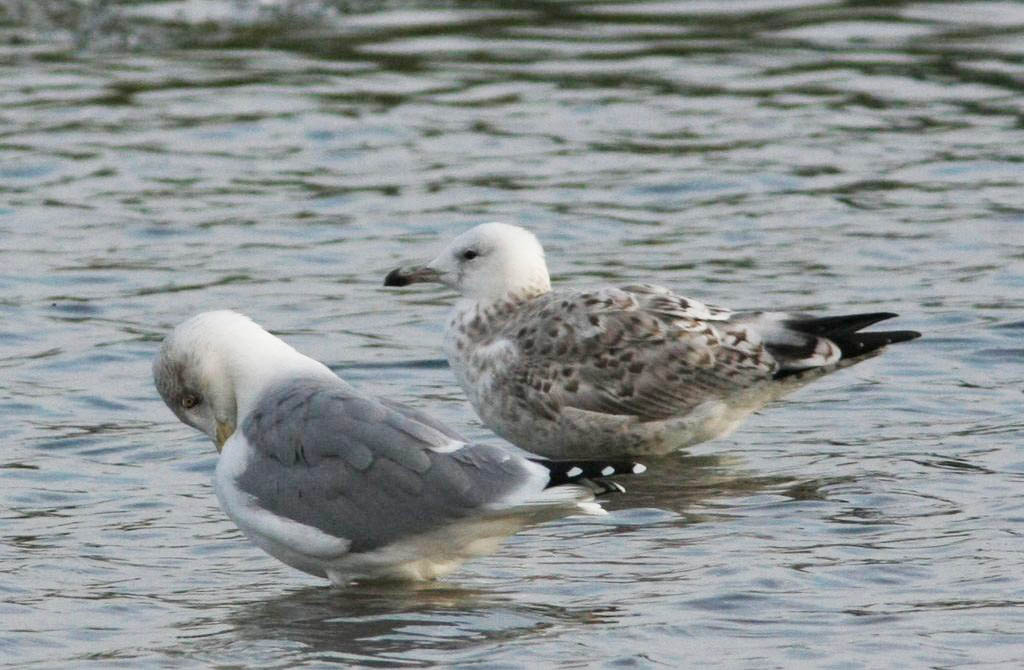
Second-winter Caspian Gull, Stanwick GP, 1st October 2013 (Steve Fisher)

Winter came one step closer this week with the arrival of the first Redwing, which was trapped and ringed at Stanford Res on 28th, while a Whinchat remained at Clifford Hill GP on 28th and single Northern Wheatears were at Harrington AF on 28th and 30th and at Clifford Hill GP on the last of these dates.

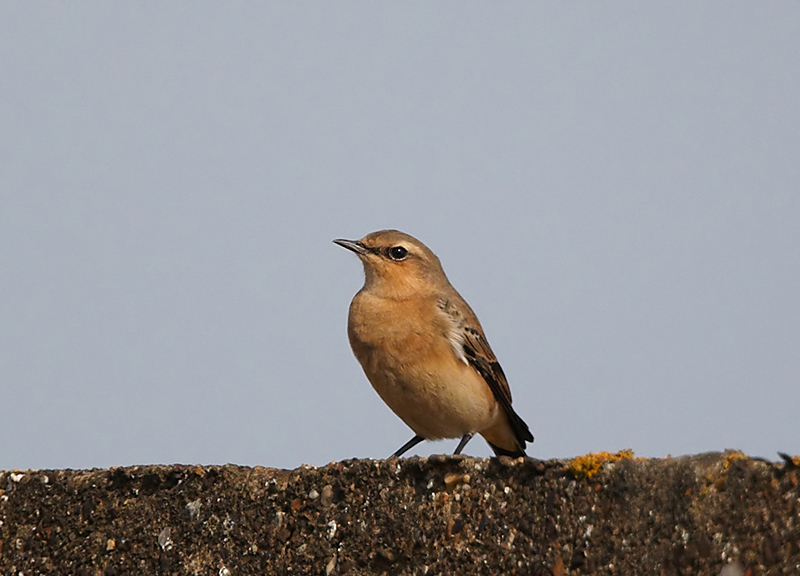
First-winter Northern Wheatear, Harrington Airfield, 28th September 2013 (Doug McFarlane). The richly coloued underparts and relatively late date suggest this may be a bird of the Greenland race.
First-winter Northern Wheatear, Harrington Airfield, 28th September 2013 (Doug McFarlane). The richly coloured underparts and relatively late date suggest this may be a bird of the Greenland race.

The Week in Focus: 21st to 27th September 2013

A light westerly airstream dominated the first part of the week with a low pressure system in the eastern Atlantic bringing southwesterlies to the UK. This gave way to a Scandinavian high pressure system and a resultant easterly airstream out of Europe towards the week’s end.

The Pitsford Ruddy Shelduck remained throughout the week, continuing to fuel debate about its origins and the same site hosted the only Pintails of the week, three on 21st with a Garganey there on the same date. Single Garganeys were also at Clifford Hill GP on 20th and at Summer Leys on 21st with two there on 26th and one on 27th and the long-staying Goldeneye at Pitsford Res was joined by two more there on 21st.

Garganey, Summer Leys LNR, 27th September 2013 (Dave Jackson)

A juvenile Marsh Harrier was again at Blueberry Farm, Maidwell on 22nd, followed by an adult male at Harrington AF the next day, while an Osprey visited Thrapston GP on 22nd and another flew west over Hardingstone on 25th. A male Merlin was at Blueberry Farm, Maidwell on 22nd and single Peregrines were seen there on 21st and at Summer Leys on 26th – a juvenile female – and 27th (an adult).

Juvenile female Peregrine, Summer Leys, 26th September 2013 (Bob Bullock)
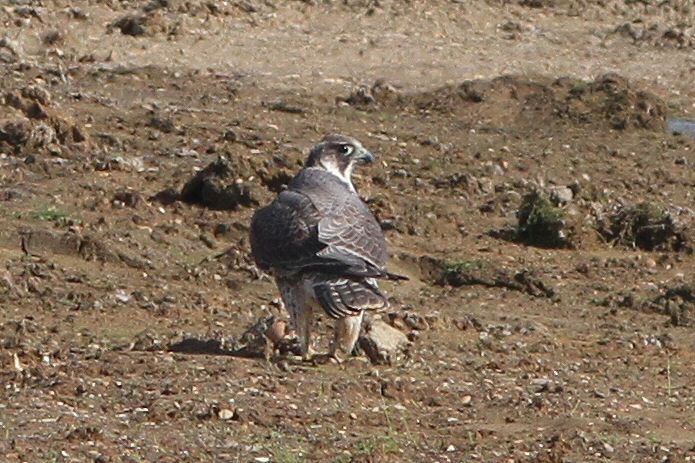
Adult Peregrine, Summer Leys LNR, 27th September (Doug McFarlane)
Adult Peregrine, Summer Leys, 27th September (Doug McFarlane)

A better selection of waders was evident this week, although numbers of each species were relatively low. Ringed Plovers were the exception, though, with eighteen at Pitsford Res on 21st comprising four on the ground and a separate flock of fourteen flying over. The four on the floor had increased to seven by 24th and then reduced to five from 25th to 27th. Elsewhere one was at Clifford Hill on 21st and five were at Summer Leys on the same date, dwindling to four on 23rd and one on 26th-27th. After flagging up last week the complete absence of Little Stints this year one promptly appeared at Clifford Hill GP on 21st, quickly followed by another at Pitsford Res on 27th.

Juvenile Little Stint, Clifford Hill GP, 21st September 2013 (Bob Bullock)
Juvenile Little Stint with Ringed Plover, Pitsford Res, 27th September 2013 (Martin Dove)

The Clifford Hill bird was accompanied by two Dunlins, another Dunlin was at Hollowell Res on 24th and, back at Clifford Hill, three were present on 27th, where there were also two Ruff on 21st and three on 27th, with further singles at Pitsford Res on 21st (two on 22nd), Wicksteed Park Lake on 25th and Summer Leys on 27th. The first Jack Snipe of the season was found at Bozeat GP on 26th, the same date that the week’s only Black-tailed Godwit was found at Summer Leys. Two Bar-tailed Godwits – unusual in the county in autumn – visited Thrapston GP on 21st and were still present there the next day and a Curlew flew over Pitsford Res on 27th. Common Sandpipers became scarce with just one at Pitsford Res on 21st and two at Daventry CP on 26th and the only Green Sandpiper of the week was one at Summer Leys on 27th. Another scarce visitor which is only just annual in the county was a Spotted Redshank on 21st at Pitsford Res where it joined up to two Greenshanks present until 25th and a Redshank was also there on 23rd.

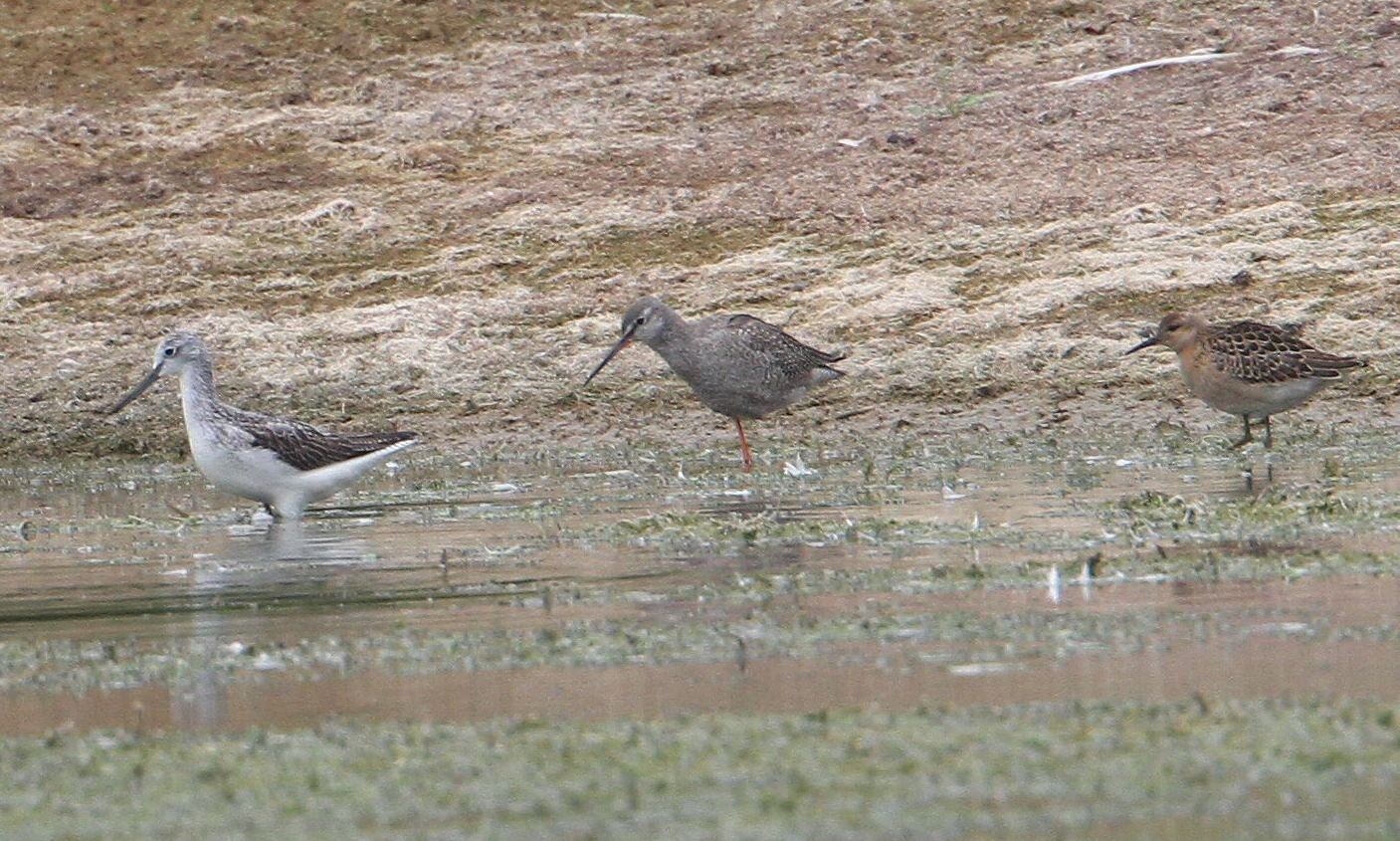
Greenshank, Spotted Redshank and Ruff, Pitsford Res, 21st September 2013 (Bob Bullock)

Rare larids ramped up this week, producing potentially the rarest bird of the year so far. An adult Azorean Yellow-legged Gull appeared in the Stanwick GP main lake pre-roost around six o’clock on the evening on 27th before flying off toward the A45 Lay-by Pit shortly afterward. This race is not (yet) officially on the British list and reported occurrences here are always controversial and generate much debate. At least one hundred and thirty-five Yellow-legged Gulls were also present on the same date – a new Northamptonshire record count! Others included up to three at Pitsford Res between 23rd and 27th with one at Boddington Res on the latter date, while Stanwick produced three Caspian Gulls – also on 27th – and a juvenile was at Daventry CP on 26th with an adult there on the following date, when a first-winter Mediterranean Gull was also there.

A Short-eared Owl was again at Blueberry Farm, Maidwell on 21st as were up to six Whinchats until 24th. Two more Whinchats were at nearby Harrington AF from 21st to 23rd and another was found on the ‘chat fence’ behind the Premier Inn at Clifford Hill GP on 27th. A single Northern Wheatear at Harrington AF on 22nd and 23rd continued to mark a poor autumn for this species locally.

The Week in Focus: 14th to 20th September 2013

A fast-moving Atlantic depression crossed northern Britain at the beginning of the week, bringing strong southwesterlies to western Britain, although these had lost impetus by the time they reached the Midlands. Otherwise the largely westerly airflow continued and the weather remained largely dry.

Coinciding with fresh Icelandic arrivals in northern Britain this week, thirty-one Pink-footed Geese flew high west over Pitsford Res on 18th while 20th saw the return to the Nene Valley of ‘Wossy’, last month’s escaped Ross’s Goose – this time at Clifford Hill GP.

Ross's Goose, Clifford Hill GP, 20th September 2013 (Bob Bullock)
Ross’s Goose, Clifford Hill GP, 20th September 2013 (Bob Bullock)

Although with rather better credentials, another species which consistently receives short shrift from birders in the UK is Ruddy Shelduck and last week’s female remained south of the causeway at Pitsford Res all week; more on this later.

Ruddy Shelduck, Pitsford Res, 16th September 2013 (Martin Dove)

Two Pintails at Summer Leys LNR on 14th were the only ones this week, the same site hosting a Garganey throughout the period, although seven were there on 14th, one also visiting Clifford Hill GP the same day. A Goldeneye was found at Stanford Res also on 14th while the long-staying bird at Pitsford Res remained all week.

Eclipse drake Garganey, Summer Leys LNR, 19th September 2013 (Alan Coles)

Raptors were in short supply with single Merlins at Raunds on 13th-14th, Pitsford Res on 16th and at Harrington Res the following day while a female Peregrine was at Blueberry Farm, Maidwell on 15th, 16th and 19th and a juvenile visited Stanwick GP on the last of these dates.

Wader passage was lifted somewhat this week. Single Little Ringed Plovers visited Clifford Hill GP and Hollowell Res on 14th, the latter site along with nearby Stanford Res also hosting a Ringed Plover on the same date. At least three were at Clifford Hill GP – also on 14th with some still there on 16th when three were also at Summer Leys, increasing to five there on 20th.

Ringed Plover and Dunlin, Clifford Hill GP, 16th September 2013 (Bob Bullock)

A Golden Plover was seen at Harrington AF on 14th and fourteen flew over nearby Blueberry Farm, Maidwell on 18th. Wader of the week was the juvenile Curlew Sandpiper which appeared during drizzly conditions at Clifford Hill GP on 14th but there have still been no Little Stints so far this autumn and time is surely running out …

Juvenile Curlew Sandpiper, Clifford Hill GP, 14th September 2013 (Bob Bullock)

Up to seven Dunlins were present at Clifford Hill GP between 14th and 20th while singes visited Summer Leys on 16th and Stanwick GP the following day but only Ruff this week were two near the dam at Pitsford Res on 14th and 15th and one at Summer Leys on 14th.

Juvenile Ruff, Summer Leys LNR, 14th September 2013 (Bob Bullock)

Two juvenile Black-tailed Godwits visited the latter locality on 20th. Common Sandpipers were found at five localities with two at Boddington Res and one at Hollowell Res on 14th, three or four at Pitsford Res on 16th and singles at Welford Res and Ditchford GP on 20th. Green Sandpiper numbers remained low with two at Pitsford Res on 14th, one there on 17th and one at Ditchford GP on 20th, while a late Wood Sandpiper was discovered on the drained lake at Wicksteed Park on 19th. 13th with two there on 10th and one at Stanwick GP on 12th. The only Greenshanks during the period were at Pitsford Res, where there were up to two between 14th and 18th. There have been no American waders in the county so far this autumn but we are now approaching the last week of September, which has a great track record locally for producing the goods, so fingers crossed!

A first-winter Mediterranean Gull was found in the gull roost at Pitsford on 16th with five Yellow-legged Gulls there on 18th. Other Yellow-legged Gulls included singles at Hollowell Res on 14th and at Ditchford GP on 20th while seven were at Stanwick GP on 19th. With all the local breeding Common Terns now departed two were found at Hollowell Res on 14th along with a juvenile Arctic Tern.

Away from the wetlands, a Short-eared Owl was at Blueberry Farm, Maidwell on 14th and two were present there on 18th while a Common Redstart was found at nearby Harrington AF on the first of these two dates. Whinchat were rather more widespread this week with singles at Boddington Res and Borough Hill on 14th and Sywell CP on 16th, up to two at Pitsford Res between 14th and 18th and up to eight at Blueberry Farm, Maidwell between 14th and 19th. A single Northern Wheatear at Harrington AF on 14th-15th continued to mark a poor autumn for this species locally but a flock of approximately fifty Yellow Wagtails at Chelveston Airfield on 20th was a good local record for this species.

The Week in Focus: 7th to 13th September 2013

Average temperatures and a predominantly westerly airstream followed colder northerlies prior to the beginning of the period. While winter duck numbers were slowly on the rise, few new migrants were discovered locally but …

Early autumn normally produces a scattering of Ruddy Shelducks in the UK and one was found south of the causeway at Pitsford Res on 12th. This coincided with others in East Yorkshire, Essex, Gloucestershire, Hertfordshire, Kent and Sussex. They are likely to be from the summer moult gathering in The Netherlands and the origin of these birds is uncertain.  An eclipse drake Pintail was at Summer Leys LNR on 8th with two there and three at Pitsford Res on 13th, the former site hosting a Garganey on 7th-9th and five on 13th while Pitsford Res continued to hold a two Red-crested Pochards and a Goldeneye from 7th to at least 10th. A ‘female-type’ Common Scoter on the easternmost pit at Stanwick GP on 12th formed part of an inland ‘mini influx’ at the time.

A Bittern showed well for over an hour on the recently reprofiled scrape at Summer Leys LNR on the morning of 8th and was seen again in flight there later in the day.

Bittern, Summer Leys LNR, 8th September 2013 (Matthew Hazleton)

The long-staying Marsh Harrier continued to be seen in the Blueberry Farm area until at least 8th and again at nearby Harrington AF on 10th while another was over fields near Fotheringhay on 8th. An Osprey was again at Blueberry Farm on 7th and 9th, it or another visited Pitsford Res on 8th, the same day as one was tracked as it flew southwest over Stanwick GP and shortly afterward over Ditchford GP, while a male Merlin in the Brampton Valley on 9th was the first of the autumn/winter period.

Few new waders made landfall in the County this week. Two Little Ringed Plovers visited Hollowell Res and one was at Clifford Hill GP on 13th, where eight Ringed Plovers on 8th had dwindled to five by 12th and one on 13th, while one visited Stanwick GP on 9th and two were at Pitsford Res the following day. Two Golden Plovers were at Stanwick GP on 12th-13th. Up to three Dunlins were present at Summer Leys between 7th and 9th with one there on 13th but the only other site to host this species was Clifford Hill GP, which held six from 8th until 12th and 8 on 13th. Two Ruffs were at Pitsford Res on 10th with one there on 12th, another was at Summer Leys on 13th and nine Curlews visited Stanwick GP briefly on 11th, while 3 Common Sandpipers were found at Pitsford Res on 7th, with four or five there on 10th, Welford Res (two), Sulby Res (one) and nearby Naseby Res (one) – all on 7th – two were at Clifford Hill GP and one at Hollowell Res on 13th and, at Stanwick GP, there were two on 9th and three the following day. Green Sandpiper numbers were very low with three at Sulby Res on 7th, one at Pitsford Res on 8th and 13th with two there on 10th and one at Stanwick GP on 12th. The only Greenshanks during the period were at Pitsford Res, where there were up to three between 7th and 12th and eight Yellow-legged Gulls at Stanwick GP on 10th and one at Pitsford Res on 13th were also the only ones reported.

A Common Swift at Stanwick GP on 9th may have been the last one of the year, while a Whinchat was at Pitsford Res on 13th and up to six remained at Blueberry Farm,

Whinchat, Blueberry Farm, Maidwell, 11th September 2013 (Bob Bullock)

Maidwell all week, the same site hosting up to two Northern Wheatears between 8th and 12th. A Tree Pipit was found at Pitsford Res on 10th and four Crossbills flew over Stanwick GP on the same date.

The Week in Focus: 31st August to 6th September 2013

There was a westerly airflow throughout the week accompanied by unusually high temperatues (high twenties) and mainly clear skies toward the week’s end. This quickly changed, dropping suddenly by ten degrees on 6th as a result of an area of low pressure, which produced easterlies off southern Scandinavia, northerlies down the North Sea and rain and cloud stretching to the near continent … but nothing new in Northants.

More Pintail arrived this week with singles on 3rd at both Stanwick GP and Summer Leys LNR with the latter site producing a Garganey on the same date. Pitsford Res continued to host a Goldeneye and two Red-crested Pochards throughout the week as well as a short-staying Black-necked Grebe on 1st only.

The long-staying Marsh Harrier continued to be seen throughout the period at Harrington AF and in the nearby Brampton Valley/Blueberry Farm area while a juvenile flew east at Hollowell Res on 6th, an Osprey flew south there on the same date and another was in the Harrington AF/Blueberry Farm area on 31st and 3rd, while a Peregrine visited Pitsford Res on 2nd.

The lack of suitable habitat meant that the week did not yield an increase in the number of waders. The only Little Ringed Plovers were singles at Stanwick GP on 3rd and 6th and two at Hollowell Res on the same dates and the only Ringed Plovers were singles at Pitsford Res on 1st with two there on 6th, Welford Res on 2nd and at Clifford Hill GP on 6th with five there on 2nd. A Golden Plover visited Stanwick GP on 5th and another flew over Harrington AF on 6th and four Dunlin were at Hollowell Res on 2nd while twos visited Clifford Hill GP on the same date, Summer Leys the following day, Stanwick GP on 5th and two flew south-west at Clifford Hill GP on 6th with one also at Pitsford Res on the same date.

Juvenile Dunlin, Hollowell Res, 2nd September 2013 (Mike Alibone). Part of a group of four which dropped in to feed late in the morning. Once the commonest small wader in Northants and a regular winter visitor, Dunlin is now a passage migrant in small numbers in both spring and autumn. Long gone are the days when wintering flocks in excess of two hundred individuals were to be found at Pitsford Reservoir, building up while large areas of mud were exposed in autumn and remaining until rising water levels forced them to find alternative feeding habitat elsewhere later in the winter.

In contrast to last week just two Ruff were found – at Pitsford Res on 4th and at Earls Barton GP on 6th. Four Black-tailed Godwits visited Summer Leys on 2nd with one there the next day and just one Whimbrel was seen flying over at Harrington AF on 5th. Common Sandpipers were found at Welford Res, where there were two on 31st and four on 2nd, Pitsford Res, where there were three on 1st-2nd and four on 4th and at Stanwick GP with two on 3rd and one on 5th-6th, while the only Green Sandpipers were seen on 2nd – when three were at Sulby Res and one visited Foxholes Fisheries, Crick – and 6th, when one was at Pitsford Res. The only Greenshanks during the period were at Pitsford Res, where there was one on 2nd and two on 4th and 6th.

Rare gulls were few and far between with a juvenile Caspian Gull briefly at Daventry CP on 3rd being the only candidate this week, while a juvenile Mediterranean Gull visited Hollowell Res on 6th an adult Yellow-legged Gull was there on 31st and 6th and three were at Pitsford Res on 1st.

Of the more interesting passerine migrants, a juvenile Ring Ouzel was located at Harrington AF on 31st (remaining until the next day) when there was also one or two Common Redstarts, a Northern Wheatear and a Whinchat there, while four of the latter species remained at Blueberry Farm, Maidwell all week, the number at this site increasing to eight on 5th-6th. Finally, approximately twenty Crossbills were found in Salcey Forest on 2nd.

The Week in Focus: 24th to 30th August 2013

A strong easterly element to the wind direction in the early part of the week resulted in a busy time for local birders with 24th seeing a significant arrival of new birds.

The first Wigeon of the autumn arrived this week and double-figure counts came from several localities with the maximum being seventeen at Stanwick GP on 27th. Similarly, the autumn’s first Pintail appeared at Summer Leys LNR on 28th with six dropping in briefly to rest on ‘the slips’ there before continuing south and another remaining until 30th.

Eclipse drake Pintail, Summer Leys LNR, 28th August 2013 (Mike Alibone)

The same site produced a Garganey on 24th and further singles were found at Stanwick GP on 27th and at Pitsford Res the following day. More Red-crested Pochards arrived with four at Stanford Res on 24th, two at Summer Leys on the same date and two at Pitsford Res all week, while the long-staying eclipse drake remained at Stanwick GP throughout the period. A Goldeneye also remained at Pitsford Res all week and a Black-necked Grebe was found on the main lake at Stanwick GP on 27th before quickly moving on.

It’s proving to be a good autumn for Marsh Harriers with long-staying birds (or possibly the same individual) at Harrington AF until 25th and in the nearby Brampton Valley/Blueberry Farm area until 29th, along with singles at Stanwick GP on 24th and Summer Leys on 27th. An Osprey visited Pitsford Res regularly between 24th and 29th and a Peregrine was seen again at Stanwick GP on 25th.

Wader passage was brisk at the start of the week. The only Little Ringed Plover was one at Stanwick GP on 29th but more Ringed Plovers appeared with a juvenile at Summer Leys from 24th to 28th and six at Clifford Hill GP on 25th with three there the following day. Two Grey Plovers were on ‘the slips’ at Summer Leys fleetingly on 24th and four Dunlin were at Stanwick GP on the same date with two remaining on 25th and 26th, dwindling to just one on 27th. The same site produced good numbers of Ruff again on 24th, with a flock of twenty juveniles on the islands in the A45 Lay-by Pit, another by the visitor centre, and nine flying west while four were at Pitsford Res and one at Hollowell Res on the same date and three appeared at Summer Leys the following day with one remaining until 28th. Single Black-tailed Godwits were at Summer Leys from 24th to 26th and at Stanwick GP on 27th and 29th, while two were found south of the causeway at Pitsford Res on the latter date and five visited Summer Leys on 30th. Other large waders included two Whimbrels flying west at Stanwick GP on 25th and a Curlew on the ground at Clifford Hill GP the following day. Common Sandpipers were found in slightly higher numbers than last week at Pitsford Res, Naseby Res, Hollowell Res, Sulby Res and Stanwick GP with a maximum of five at Sulby Res on 30th. Four Green Sandpipers were at Summer Leys on 24th-25th with just one remaining the following day, two were at Slby Res on 30th and singles were at Stanwick GP on 24th and 29th while up to three Greenshanks were at Pitsford Res between 24th and 29th, two were at Sulby Res on 30th and singles visited Stanwick GP on 25th and 27th. The latter site hosted the week’s only Redshanks with just two there on 29th; this species is proving to be scarce this autumn. A Turnstone also visited Stanwick GP on 24th.

A juvenile Mediterranean Gull was in the gull roost off the yacht club at Pitsford Res on 24th, being joined by a second juvenile there the following evening and one was there again on 30th. Last week’s juvenile Caspian Gull was again at Stanwick GP on 24th and another was at Pitsford Res gull roost on 30th. The same two sites continued to produce Yellow-legged Gulls throughout the week with maxima of ten at Pitsford on 24th and approximately twenty-five at Stanwick on 29th. A juvenile Little Gull also visited the latter site very briefly on 24th and was joined equally briefly by two juvenile Arctic Terns there at the same time. The 24th also proved to be a great day for Black Terns with forty-five on Thrapston GP’s Town Lake providing a wonderful early evening spectacle. Six visited Summer Leys on the same date and four were there the following day along with two at Welford Res and one at Pitsford Res.

A Short-eared Owl was reported by the landowners at Blueberry Farm, Maidwell on 24th and another was found at Harrington AF on 30th when a juvenile Ring Ouzel was also found at the same site. Blueberry Farm hosted a Common Redstart on 29th while others appeared at Pitsford Res on 24th, Harrington AF and Spratton on 25th and a male was in Denton Wood

Male Common Redstart, Denton Wood, 29th August 2013 (Bob Bullock)

on 28th and 29th. Up to six Whinchats were at Blueberry Farm throughout the week and a Northern Wheatear was there on 29th with another at nearby Harrington AF on 28th. A Tree Pipit flew east over Stanford Res on 24th and another south over Brackley on 28th while flyover Crossbills consisted of five over Stanwick GP on 24th and two over Hanging Houghton on 27th.

The Week in Focus: 17th to 23rd August 2013

A warm southerly airstream ensured continued warm weather throughout the week and may have contributed to the appearance of a species not seen in Northamptonshire for at least one hundred and thirty years …

Two Egyptian Geese were at Ditchford GP on 23rd, the escaped Ross’s Goose was again with Greylags at Stanwick GP on 17th and a Garganey appeared at Pitsford Res on 22nd. The long-staying eclipse drake Red-crested Pochard lingered at Stanwick GP all week with another briefly visiting Summer Leys LNR on 20th and two females at Pitsford Res on 23rd and a Goldeneye was again at Pitsford Res on 22nd-23rd. A Great White Egret was again at the latter locality on 17th.

One of last week’s Marsh Harriers remained at Harrington AF, being seen daily until 23rd while it, or another, visited nearby at Blueberry Farm, Maidwell on 18th and another flew west over Boddington Res on 21st and a juvenile was seen at Ditchford GP on 23rd. Single Ospreys were seen at Pitsford Res on 17th and 22nd, over Blueberry Farm on 18th, over Harrington AF on 20th and over both Hanging Houghton and Quinton the following day. A juvenile Peregrine was observed taking a Lapwing at Stanwick GP on 17th and another was at Twywell Hills and Dales on 23rd.

Two juvenile Little Ringed Plovers were at at Summer Leys until at least 17th, two were at Stanwick GP on 22nd-23rd and one at Earls Barton GP on 23rd. The only Ringed Plover this week was one at Pitsford Res on 17th, while Summer Leys produced a Dunlin on the same date and small numbers were at Stanwick GP all week, peaking at seven on 21st. The same site held a juvenile Ruff on 21st-23rd. Adult Black-tailed Godwits were still moving through, with two at Summer Leys on 19th, one there on 23rd and four over Daventry CP on 22nd, although Common Sandpipers were strangely scarce this week with just two at Pitsford Res on 17th and 22nd, with singles at Daventry CP and Stanwick GP on the latter date and one at Earls Barton GP on 23rd. Green Sandpipers were a little more numerous, however, with singles at Pitsford Res on 17th and 20th-22nd and at Summer Leys and Ditchford GP on 23rd, seven at Daventry CP on 19th with five there on 22nd and two at Stanwick GP on 20th with three there on 21st. Summer Leys continued to hold on to its Greenshanks with three still there on 17th, two on 19th and one on 23rd and further records of singles came from Stanwick GP on 20th, Pitsford Res on 21st, Ditchford GP on 23rd and Clifford Hill GP on 22nd, with three at the latter site on 23rd.

A juvenile Mediterranean Gull was found at Daventry CP on 21st and two juveniles visited the gull roost at Pitsford Res the following evening, while two Caspian Gulls – an adult and a juvenile were discovered with Yellow-legged Gulls at Stanwick GP on 21st.

Juvenile Caspian Gull, Stanwick GP, 21st August 2013 (Martin Elliott)
Juvenile Caspian Gull, Stanwick GP, 21st August 2013 (Martin Elliott). Arguably in the most difficult plumage to identify this species, the combination of  sloping forehead with long, parallel-sided bill, creating the characteristic ‘snouty’ appearance are clues to its identity and enough to initially attract attention.

Numbers of the latter continued to remain relatively high at this locality with a maximum of approximately thirty on 21st and, elsewhere, singles were at Pitsford Res on 20th-21st and Clifford Hill GP on 22nd with four at Pitsford Res on 22nd and seven at Clifford Hill GP on 23rd.

Few would dispute that the ‘Bird of the Century’ title should surely go to the juvenile Woodchat Shrike which was found at Harrington AF on 20th. Showing well to all comers during the afternoon, this was the first to be seen in Northants for at least 130 years but it did not linger, much to the disappointment of early morning birders the following day. One was also seen at Gibraltar Point, Lincolnshire on 17th and it is tempting to speculate that this was the same bird moving south.

Juvenile Woodchat Shrike, Harrington AF, 20th August 2013 (Bob Bullock)

A Common Redstart was found near the river at Woodford Halse on 20th, two more were at Harrington AF on 23rd and one was at Ditchford GP on 23rd, while a Stonechat was in the Brampton Valley/Blueberry Farm, Maidwell area on 21st and up to four Whinchats were in the same area between 17th and 22nd, with two more at Ditchford GP on 23rd. Northern Wheatears were found in the Brampton Valley on 17th and 21st and one visited Clifford Hill GP on 18th, while Tree Pipits flew over Harrington AF and Hanging Houghton on 18th.  Migrant Crossbills continued to be seen, with two over Hanging Houghton on 18th and six over Harrington AF on 18th and 22nd.