One for the analytically-minded …
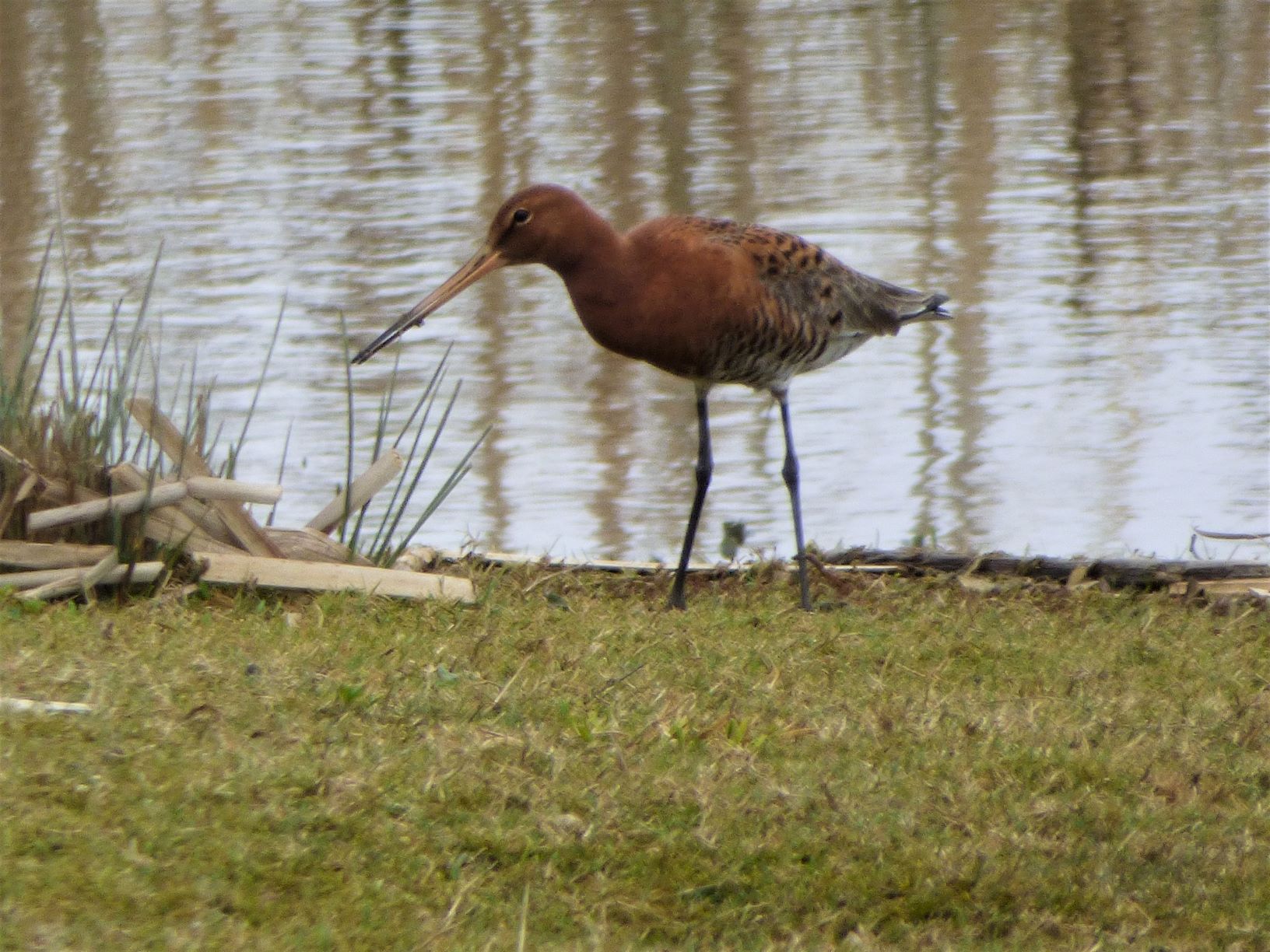
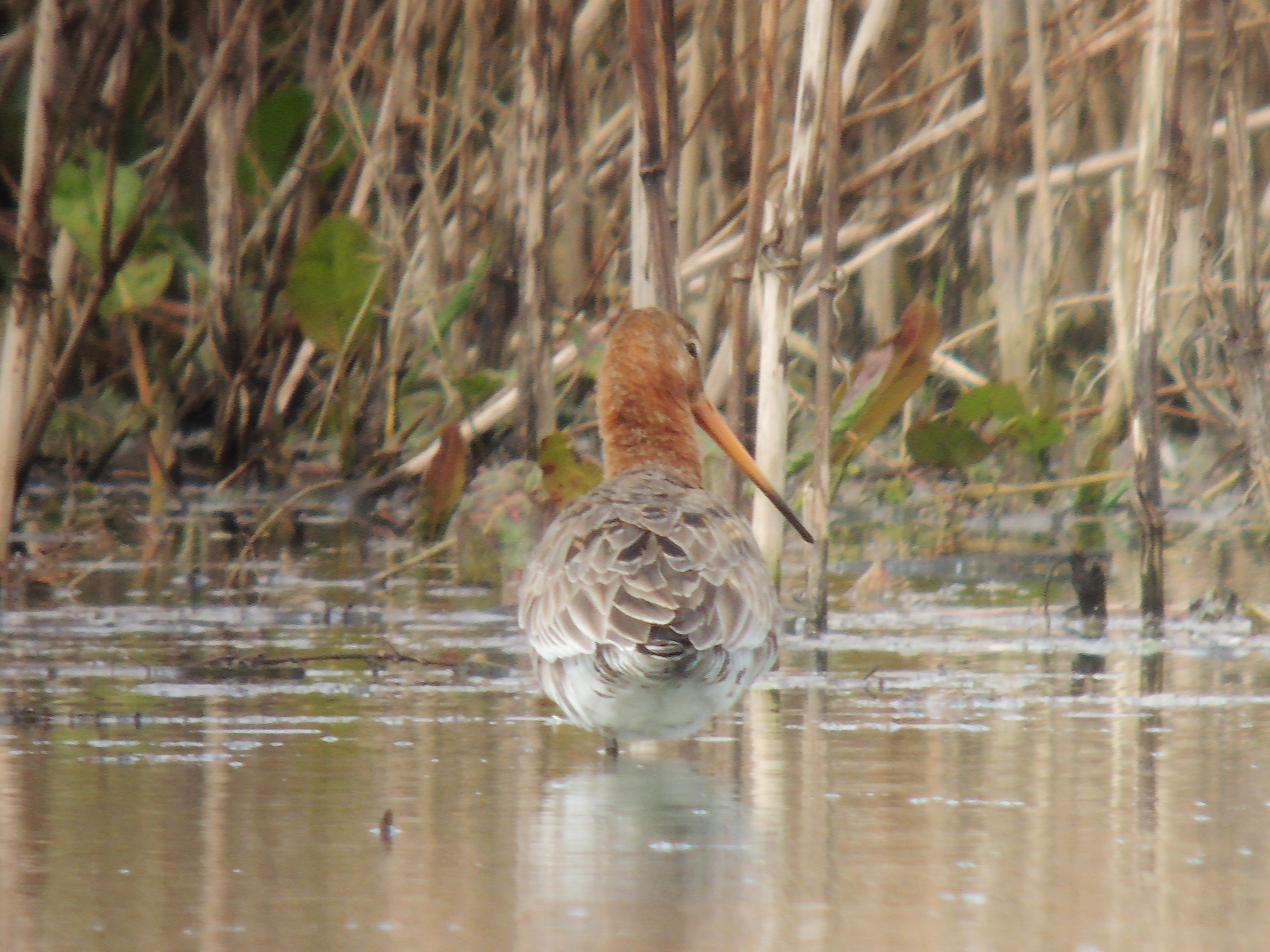
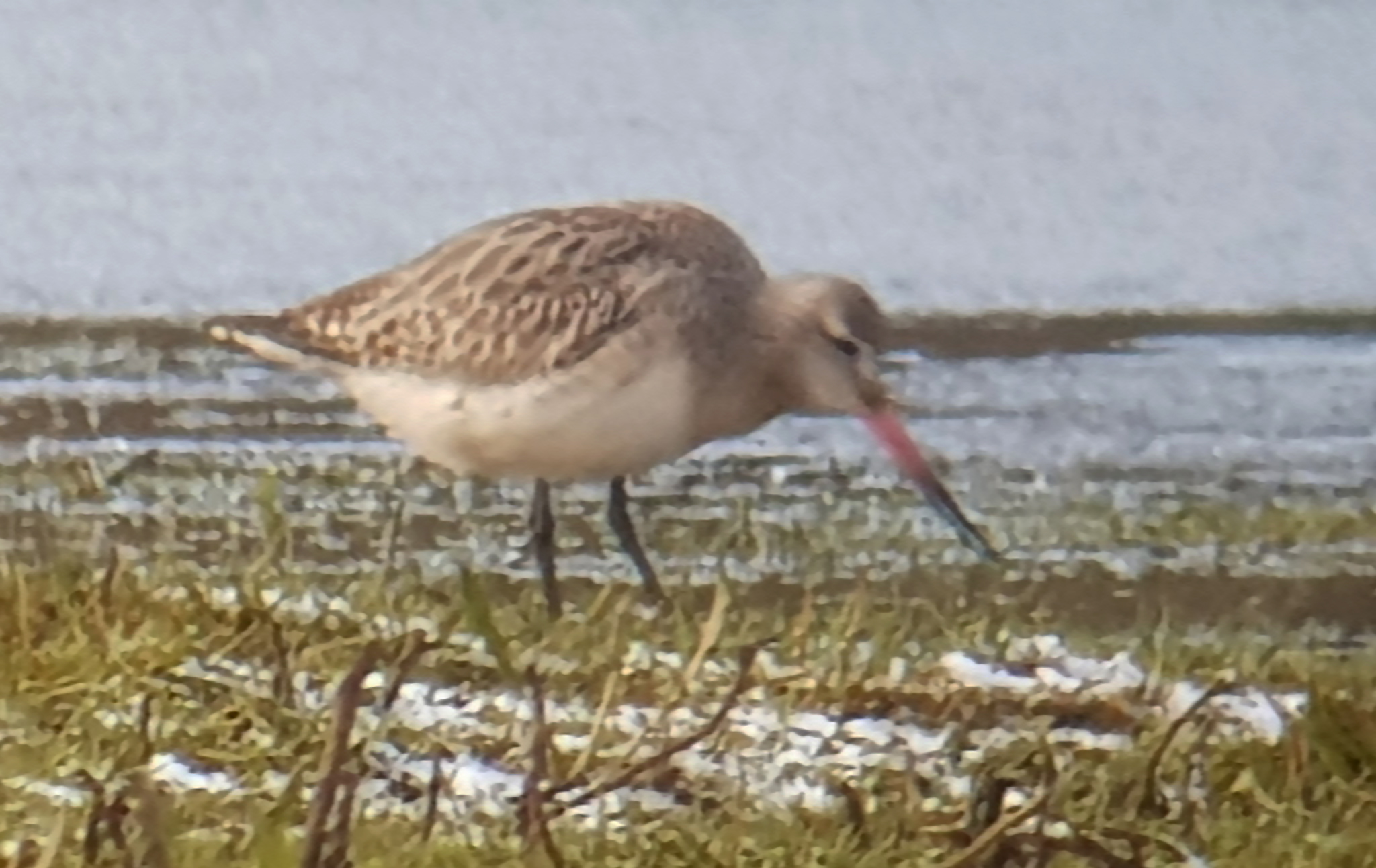
A Black-tailed Godwit has been present on the scrape at Summer Leys LNR since 22nd March and by all accounts, it’s still present today. Because of its rather drab colouration, it seems to have attracted little interest – after all, it’s not the type of super-rusty, spangled-mantled individual which usually finds favour with photographers. So, let’s take a closer look.
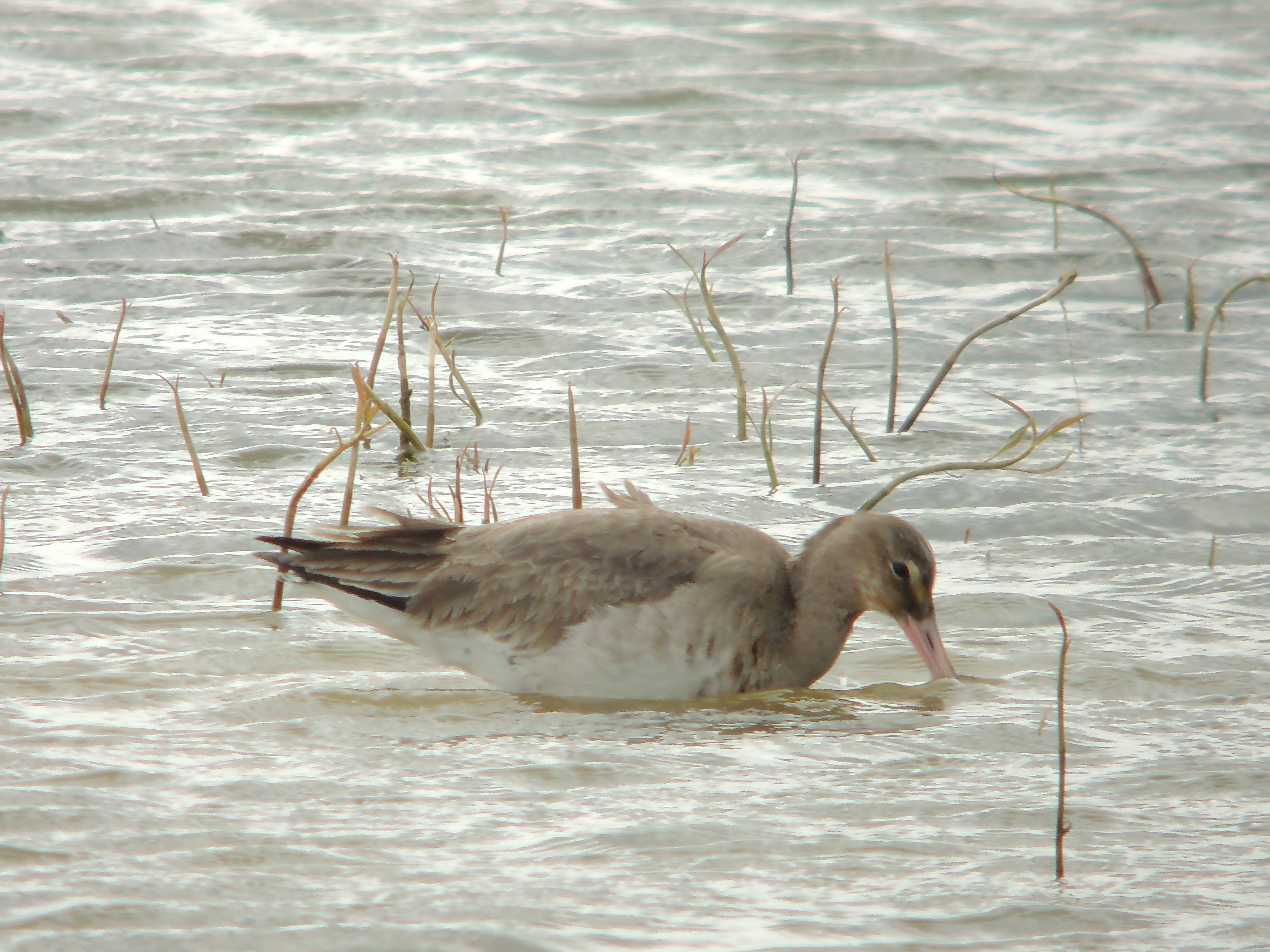
Its overall grey appearance suggests three main possibilities: it’s an adult which has not yet developed full summer plumage, it’s an adult which has attained summer plumage but remains largely grey, or it’s a first-summer which will not develop full summer plumage this year. It also raises the question, which race is it?
Probably 99.9% of the Black-tailed Godwits passing through Northants are of the Icelandic race, islandica. In full summer plumage they are extensively rusty below and spangled rusty-chestnut and gold on the upperparts – more so in males. The much rarer ‘Continental’ Black-tailed Godwit of the nominate race, limosa breeds in very small numbers in the UK, no further away than the Ouse Washes. They are less extensively and less intensively coloured, frequently being much greyer (especially females) and subtly structurally different, i.e. generally longer-legged, longer-necked, with broader-based, longer bills. For an excellent, detailed, in-depth analysis, see the definitive paper documenting 30 years of study by Mark Golley here.
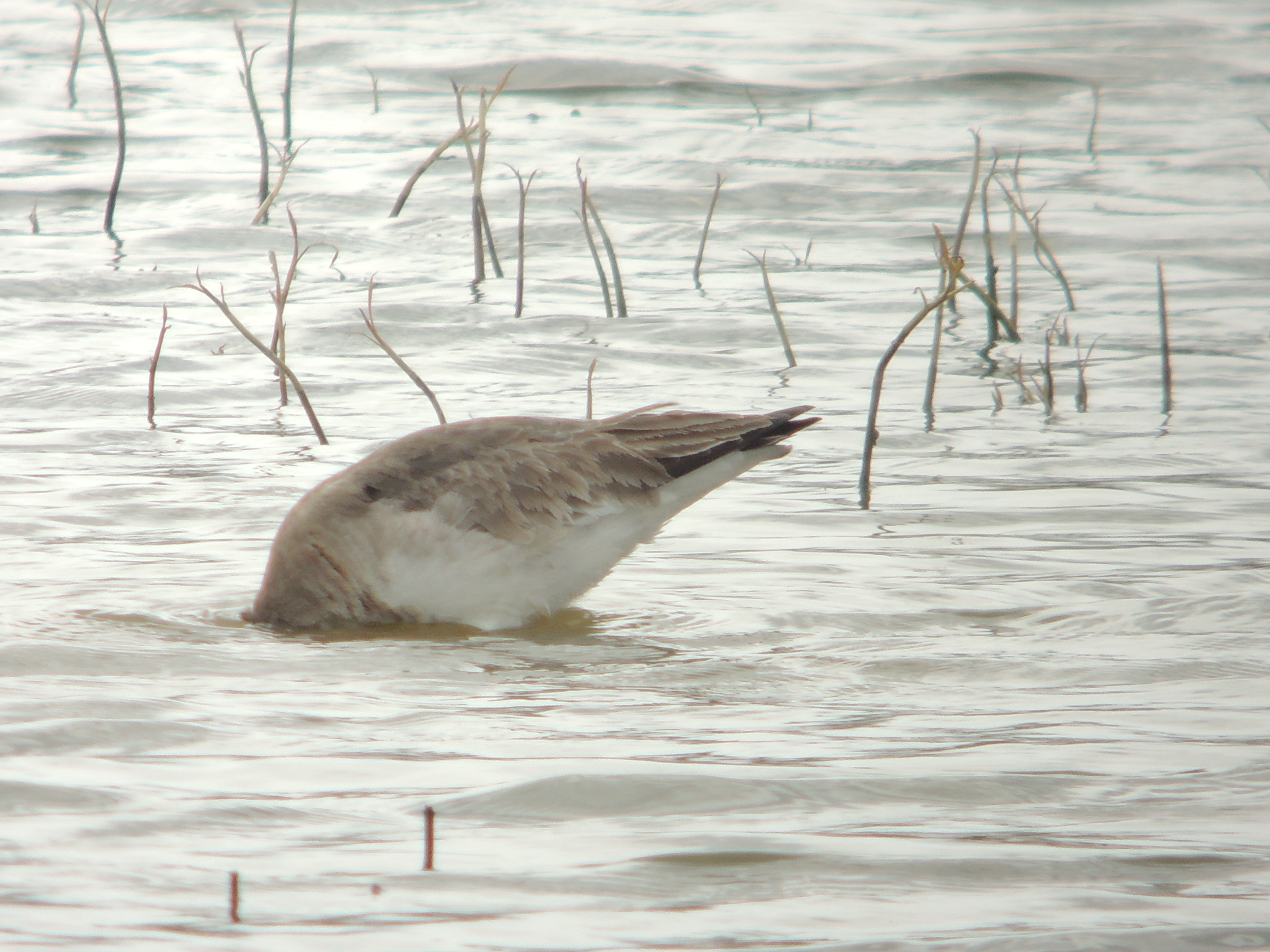
So, on a closer examination of our Summer Leys bird, it becomes immediately apparent that it’s not uniform grey. There’s an area on the wing, which is lighter and zooming in through a telescope, this light area can be identified as very worn and faded coverts, which look quite pointed and ‘tatty’. These are old juvenile coverts, which may be retained for up to 12 months, becoming worn, while the remainder of the body plumage is, in comparison, fresh, non-juvenile plumage. The tertials are similarly worn.
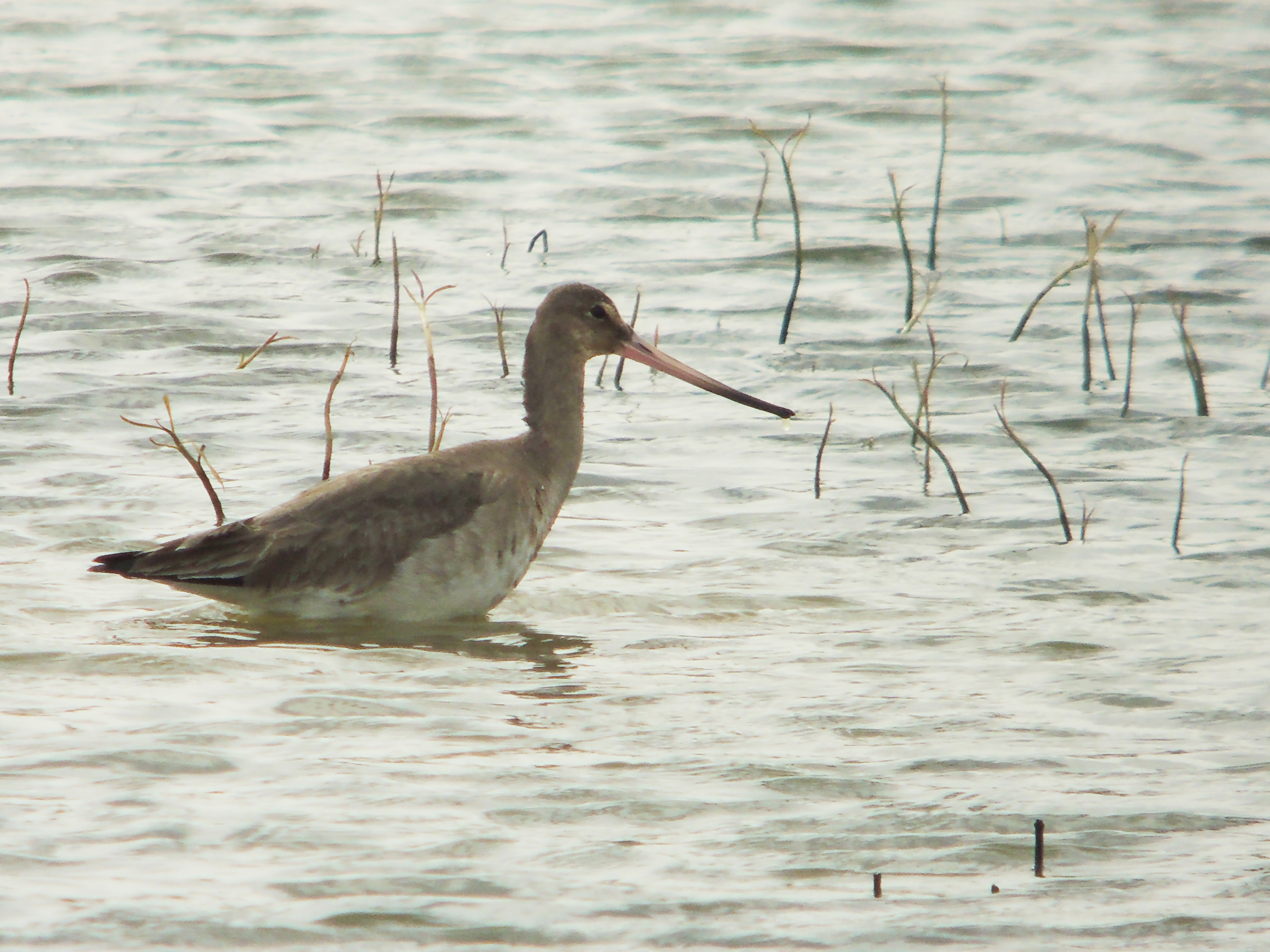
This puts the bird in the first-summer age group, which will not have developed conventional adult summer plumage. Easy on good views. But what about race? That’s a little more tricky. As far as structure is concerned, the legs are largely hidden (although the tibia looks short), the neck and bill do not seem overly long, nor does the bill look particularly broad-based, although from different angles all these features appear to vary, as evidenced in the accompanying images. On balance it does not stand out as being an obviously large, lanky individual. However, it may be a male – which is smaller and shorter-billed than a female.
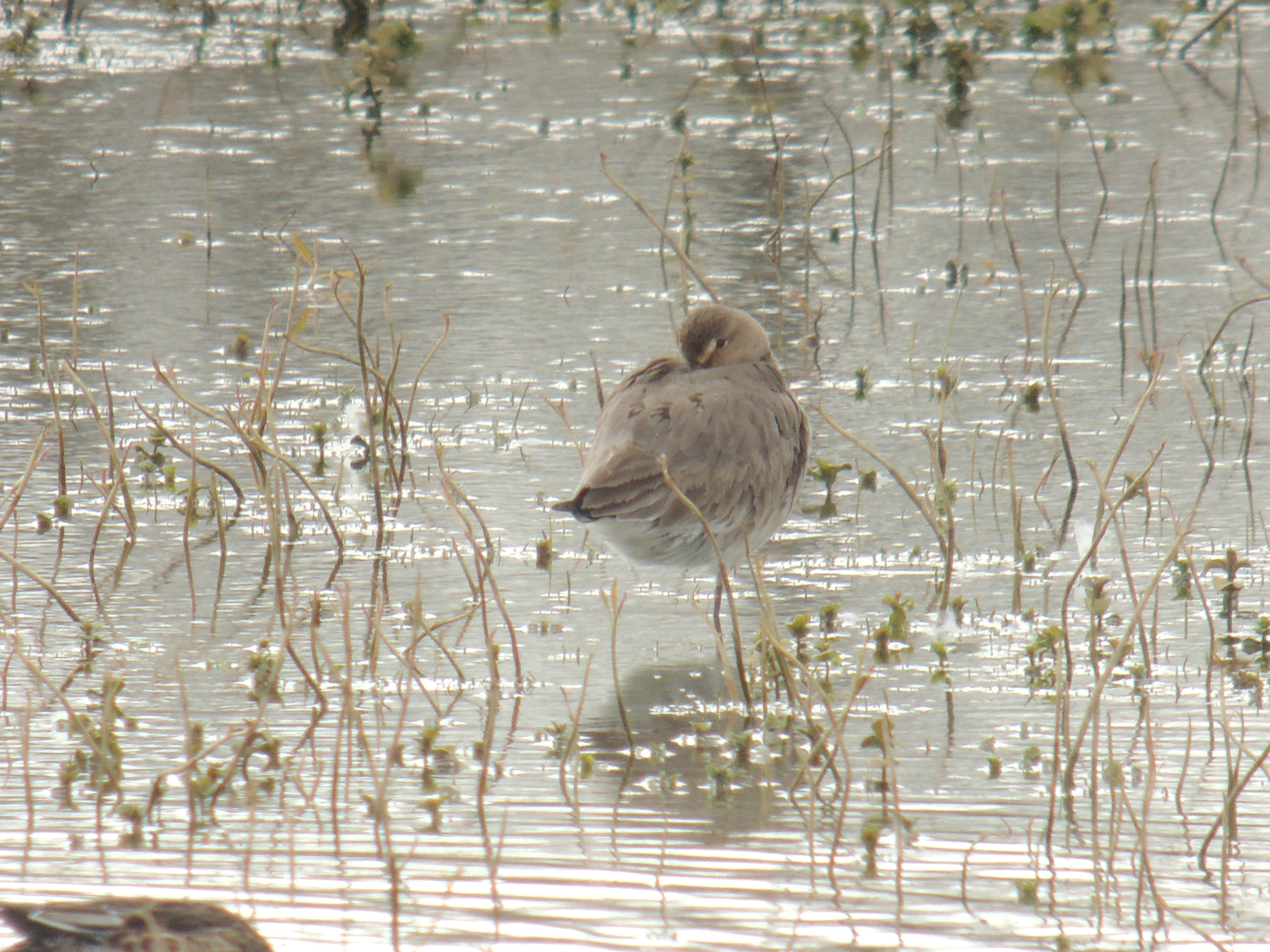
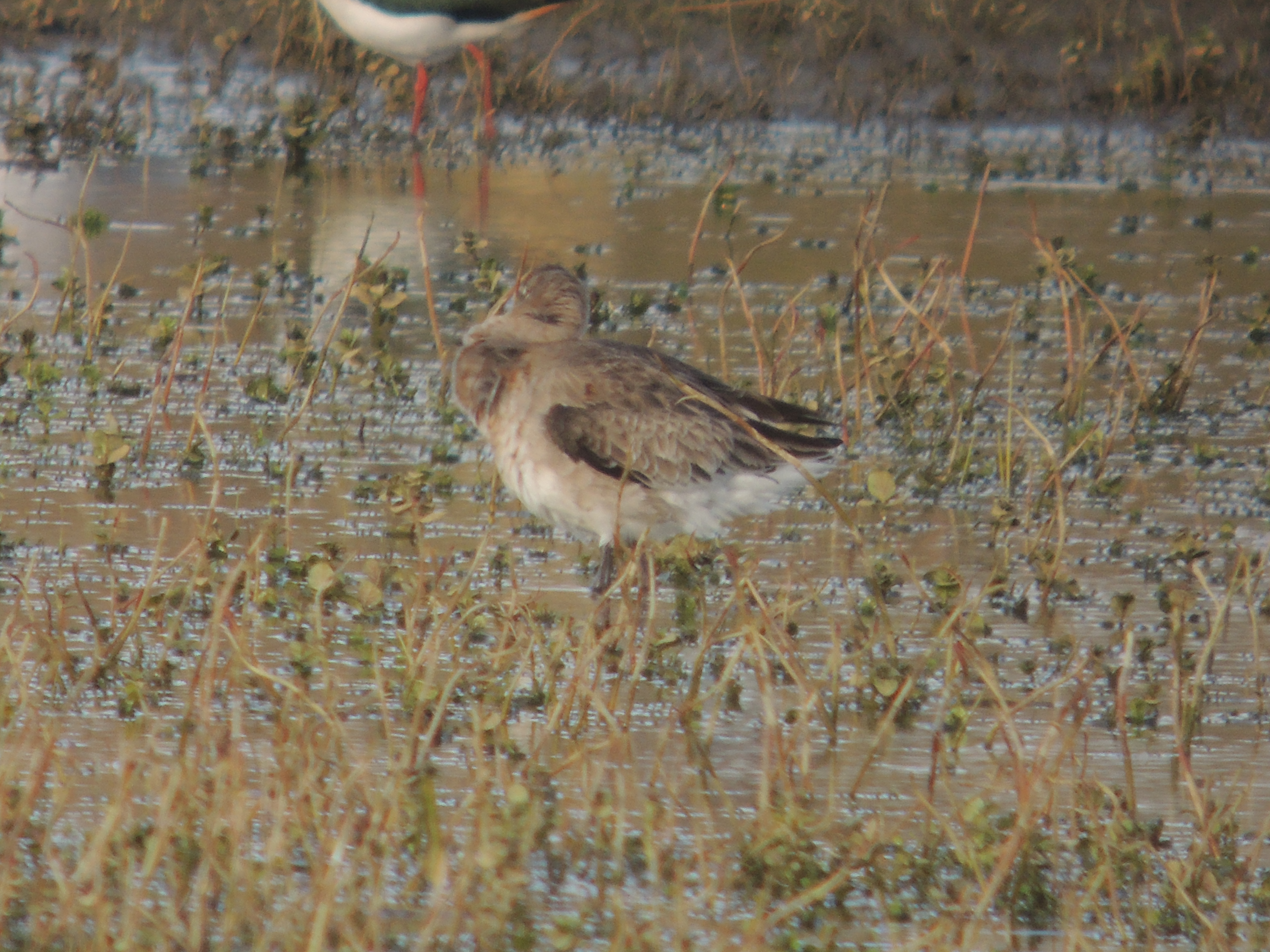
Though assessing the structure is tricky, the clue lies in the plumage. Zooming in again reveals the feather colouring of the few adult-type feathers which have emerged on the scapulars being the rather orangey/gold and black of islandica – versus the pale yellowish and black of limosa – and there is even one very ‘chestnutty’ one showing, while those on the breast, where colour is visible, are rather dark rufous-chestnut instead of limosa’s paler rusty wash.
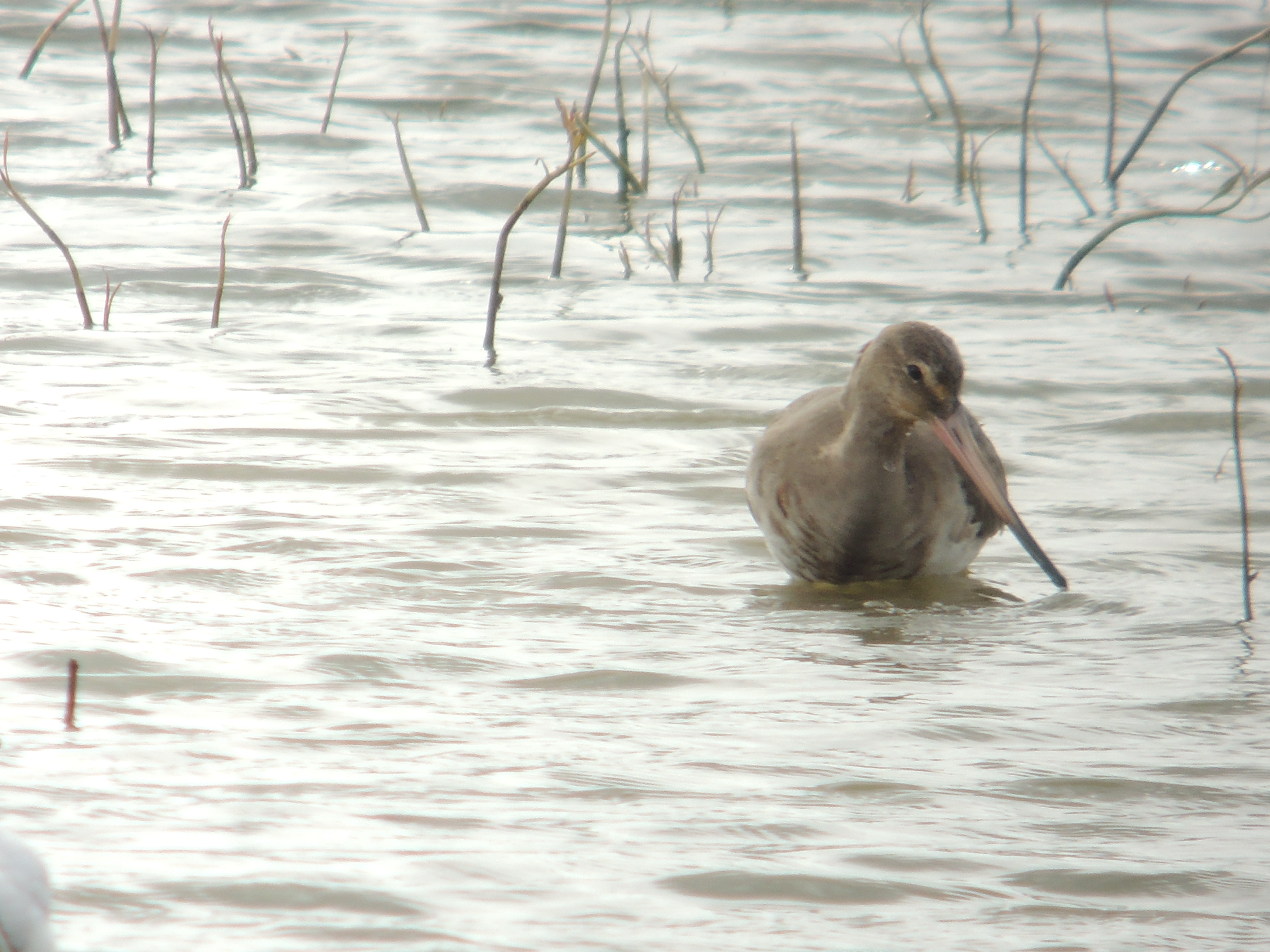
So, after a bit of detective work, there we have it: first-summer Icelandic Black-tailed Godwit. There’ll no doubt be many more of these godwits to come as we move deeper into spring and early summer.




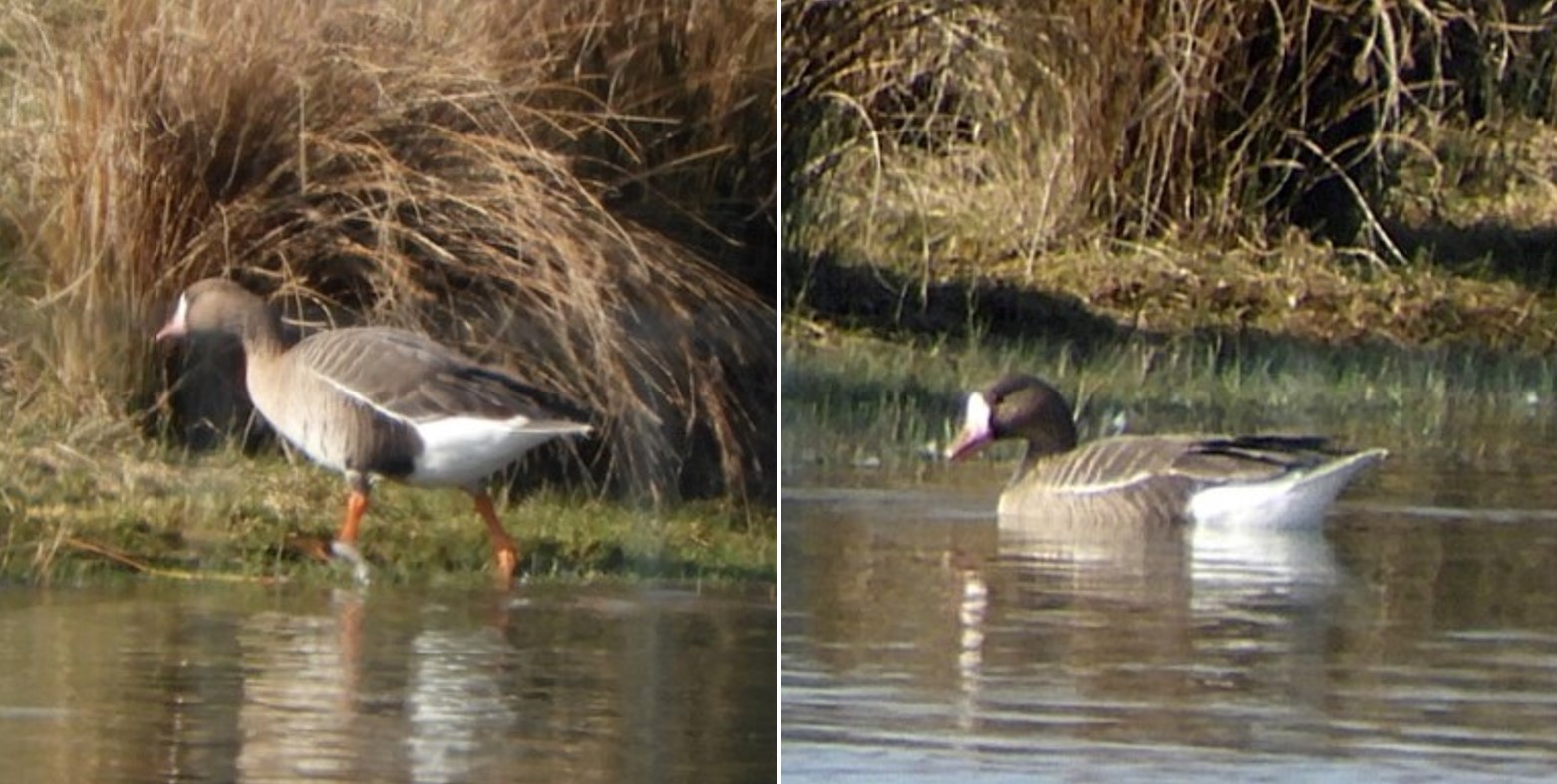






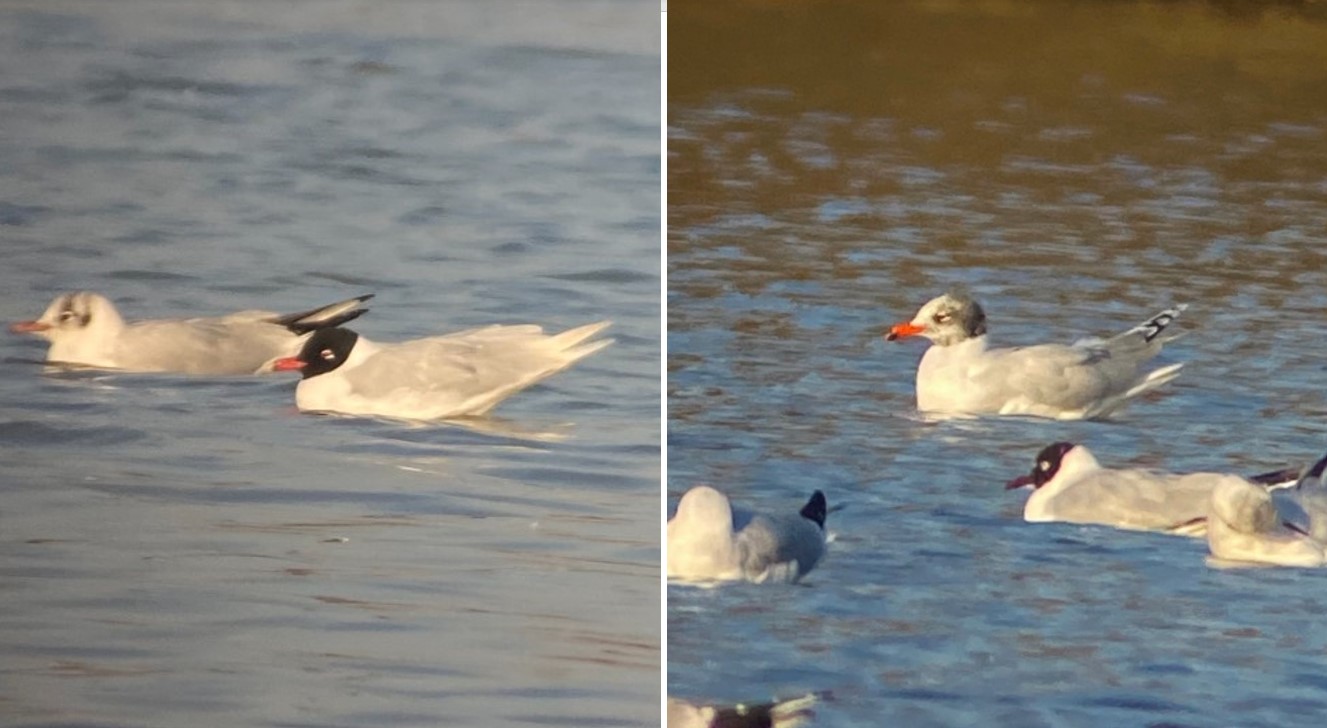
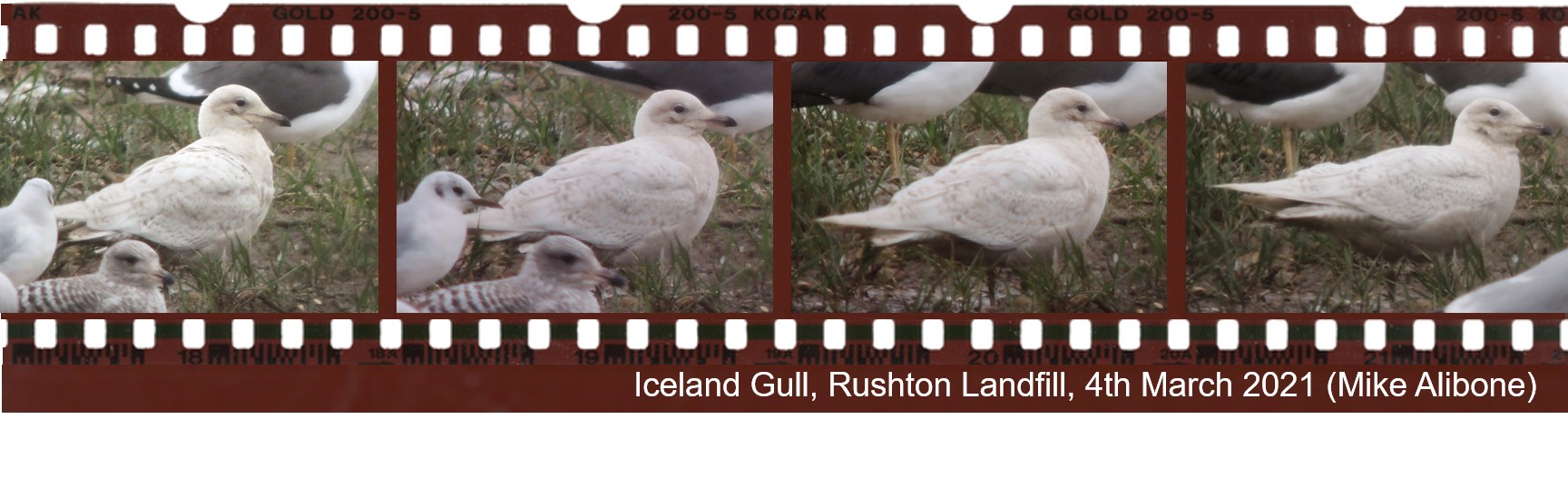 Under the influence of a southerly airstream, the mild weather continued into the early part of the week, bringing with it a waft of Saharan dust which, having entered the atmosphere, resulted in some spectacular sunrises. Along with this came our first summer visitor … and another eagle.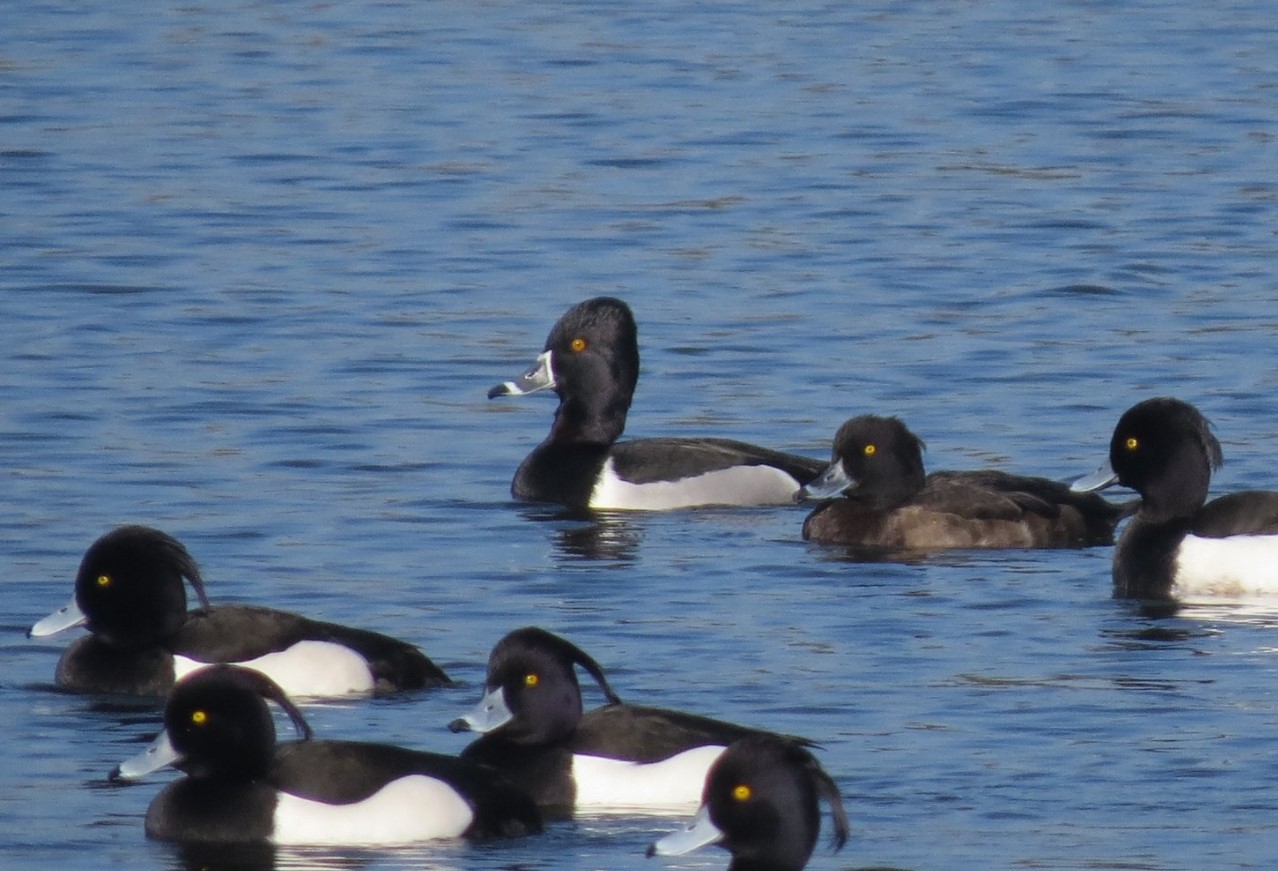

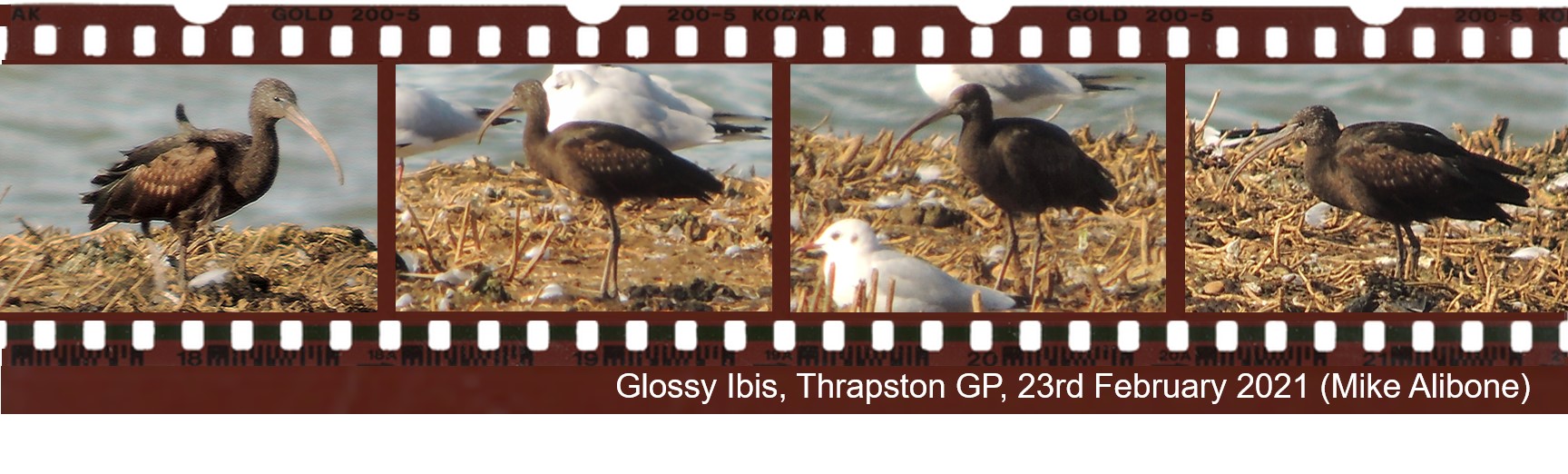 A south to south-westerly airstream ensured temperatures remained above average throughout the period. This week the spotlight remained firmly on Thrapston.
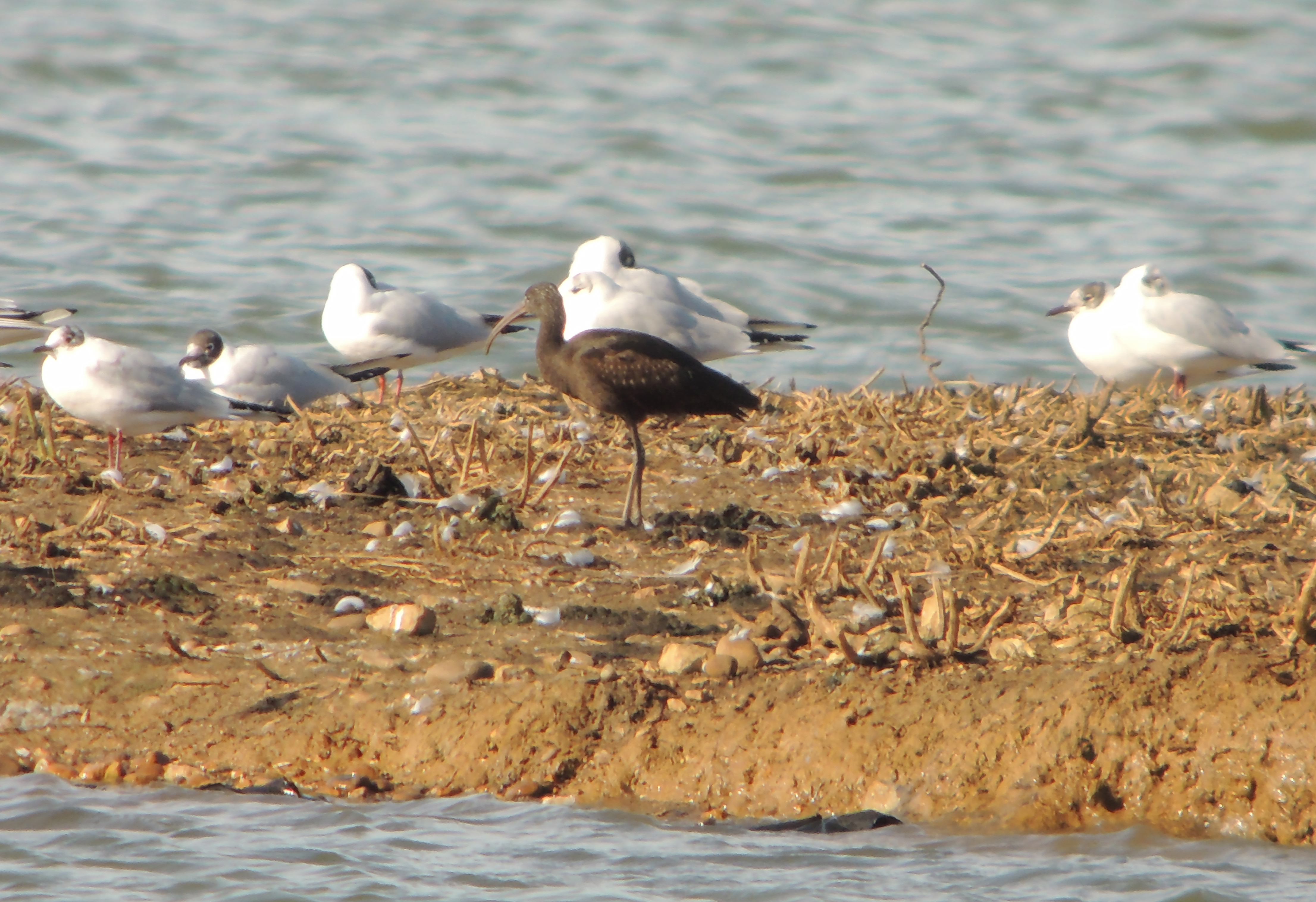
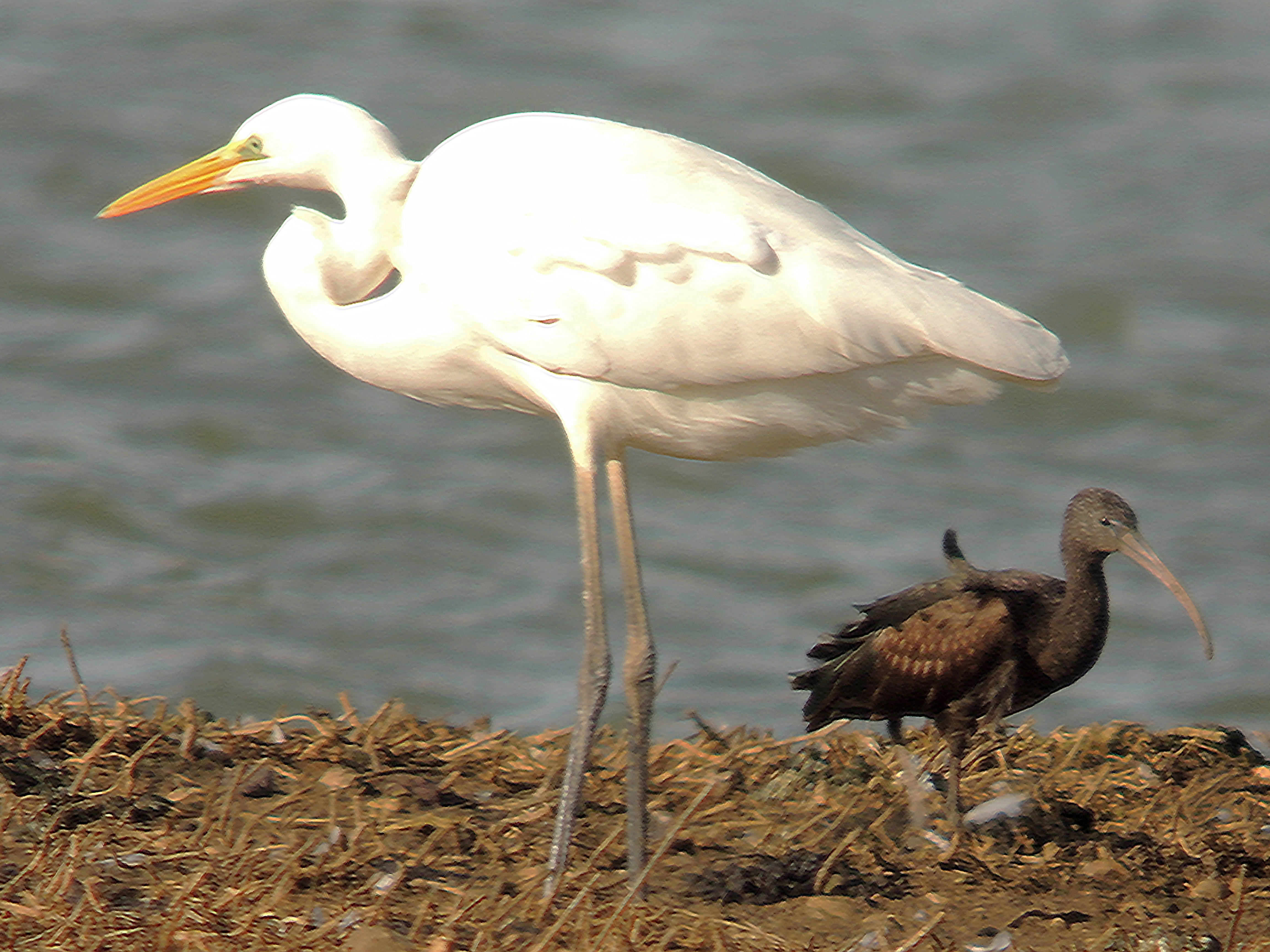
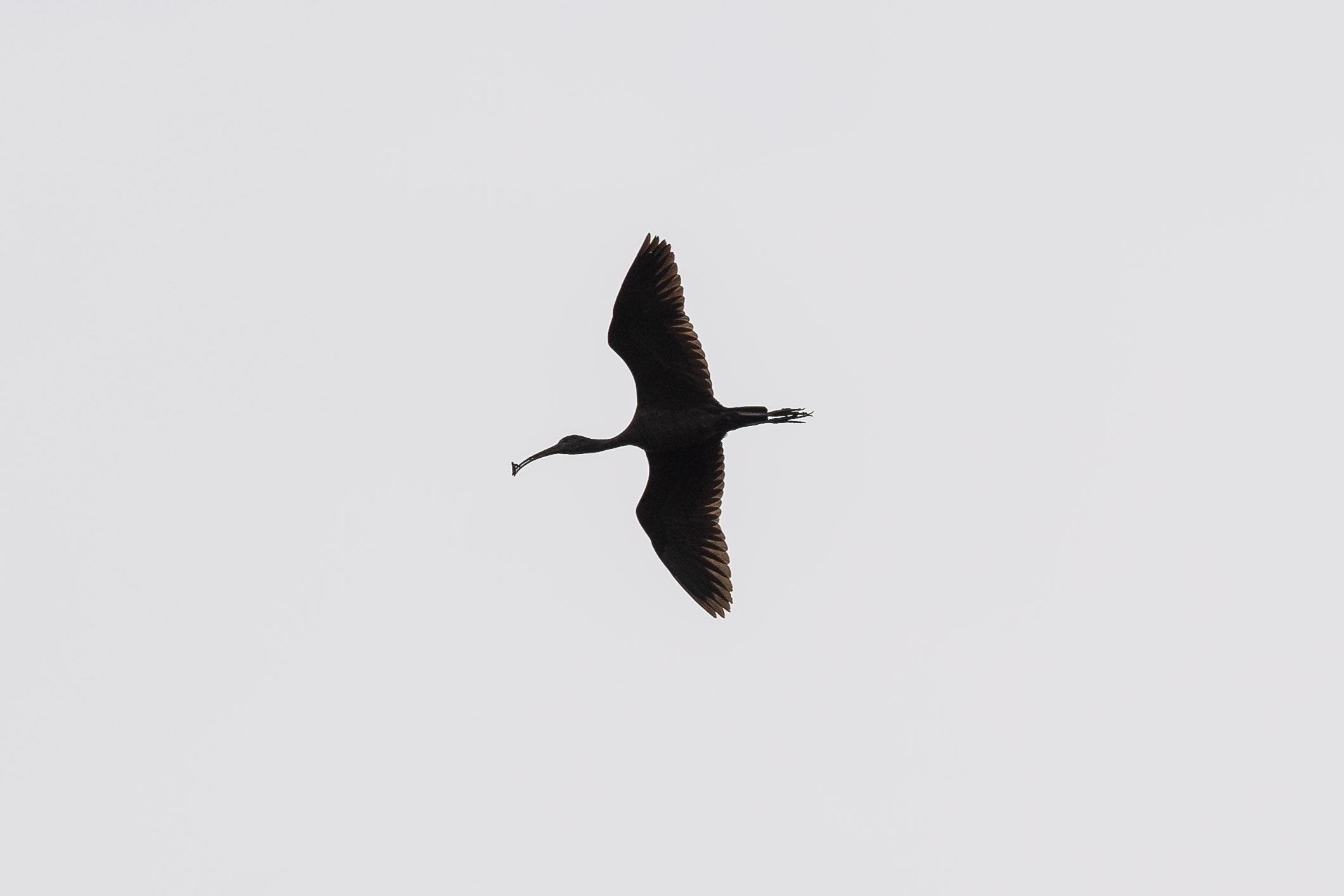
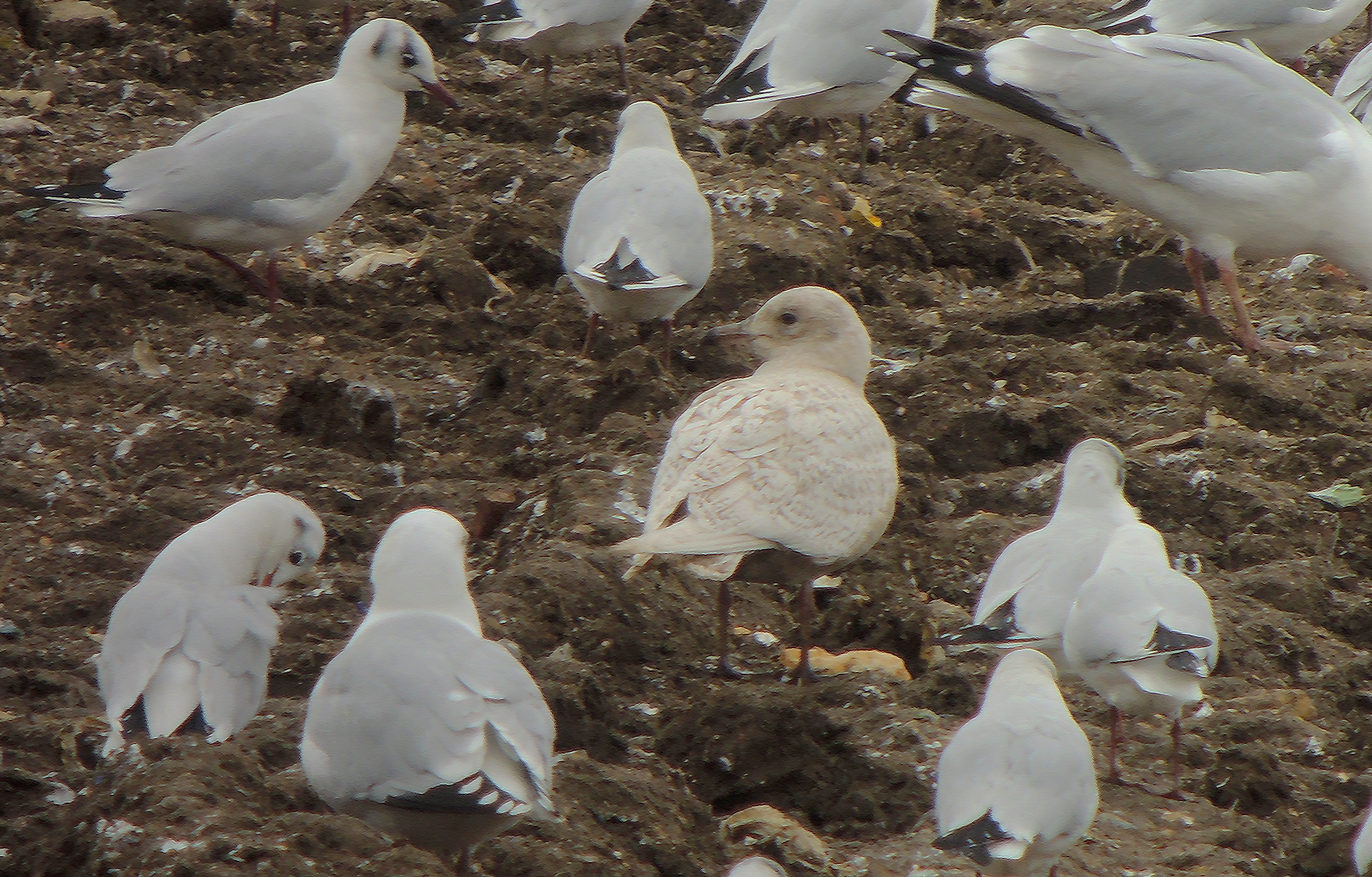
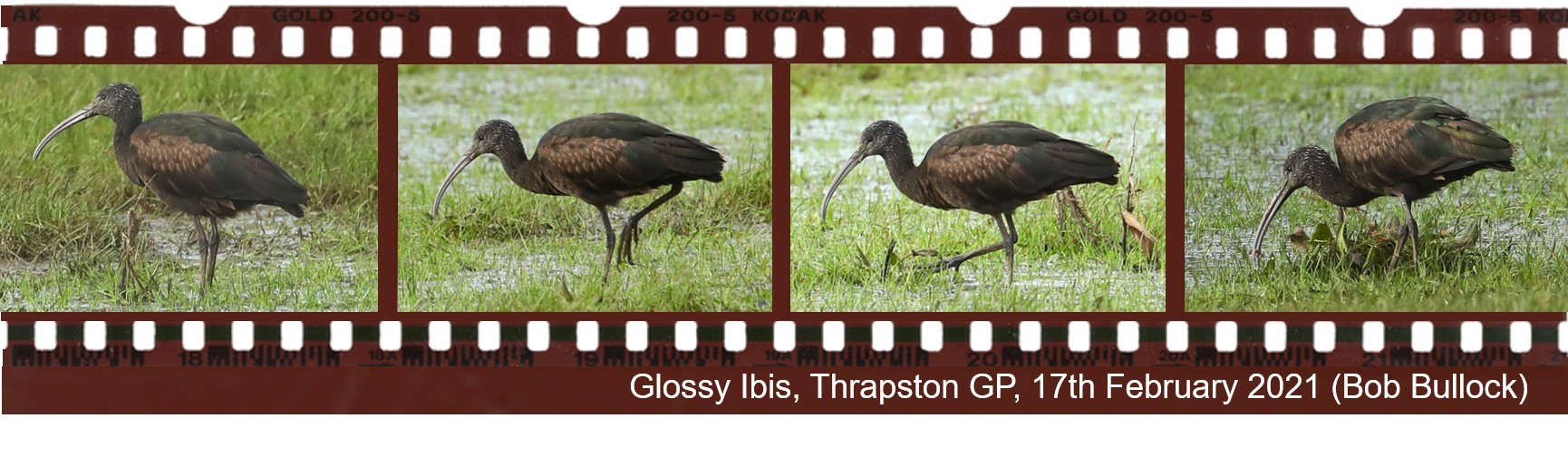 This week, the meteorological pendulum swung in the opposite direction and almost at the flick of a switch, temperatures soared from well below, to significantly above, average. South-westerlies were back and the ice melted as one celebrity bird ended the long wait for many local birders to catch up with it in the county.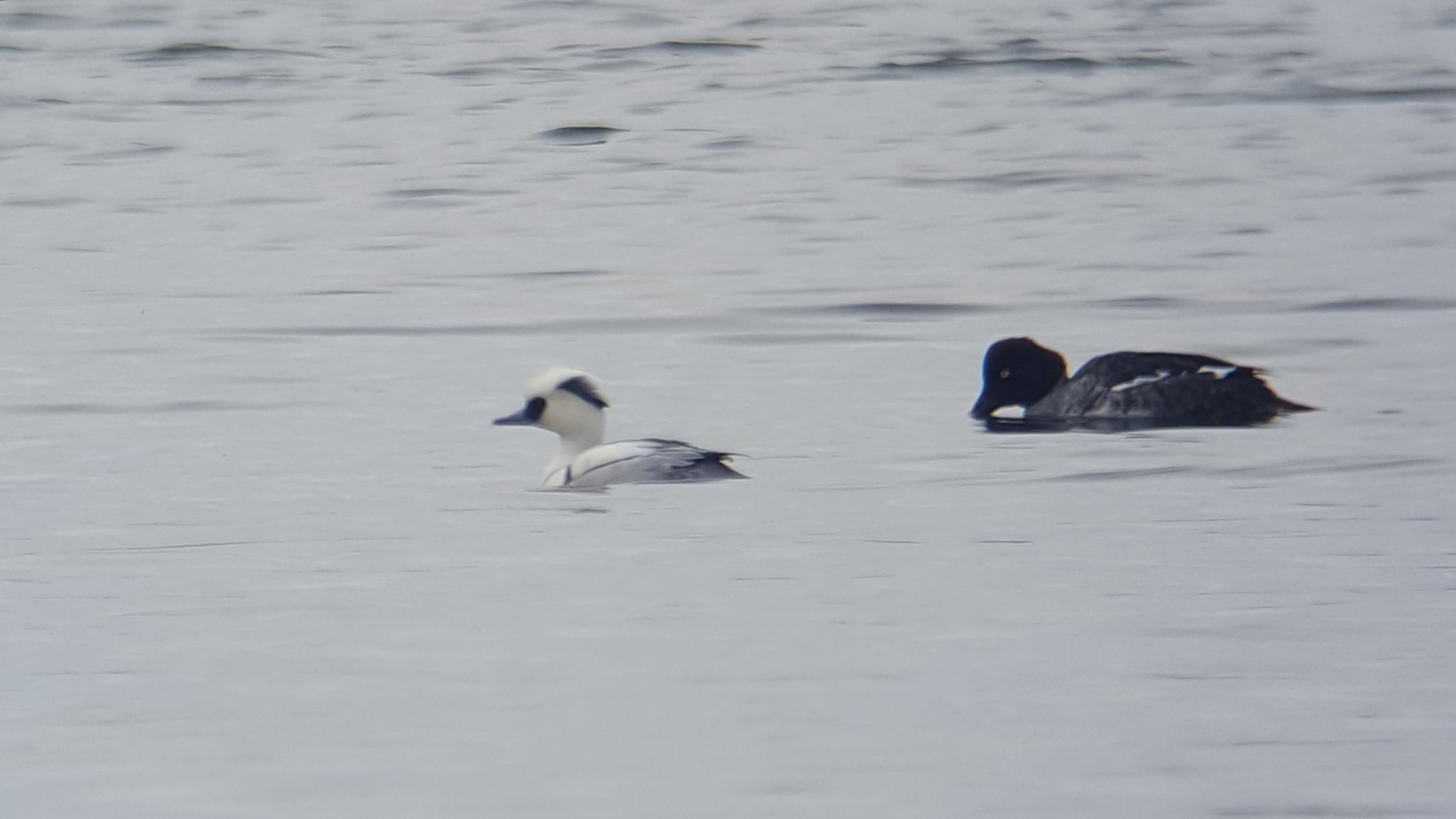
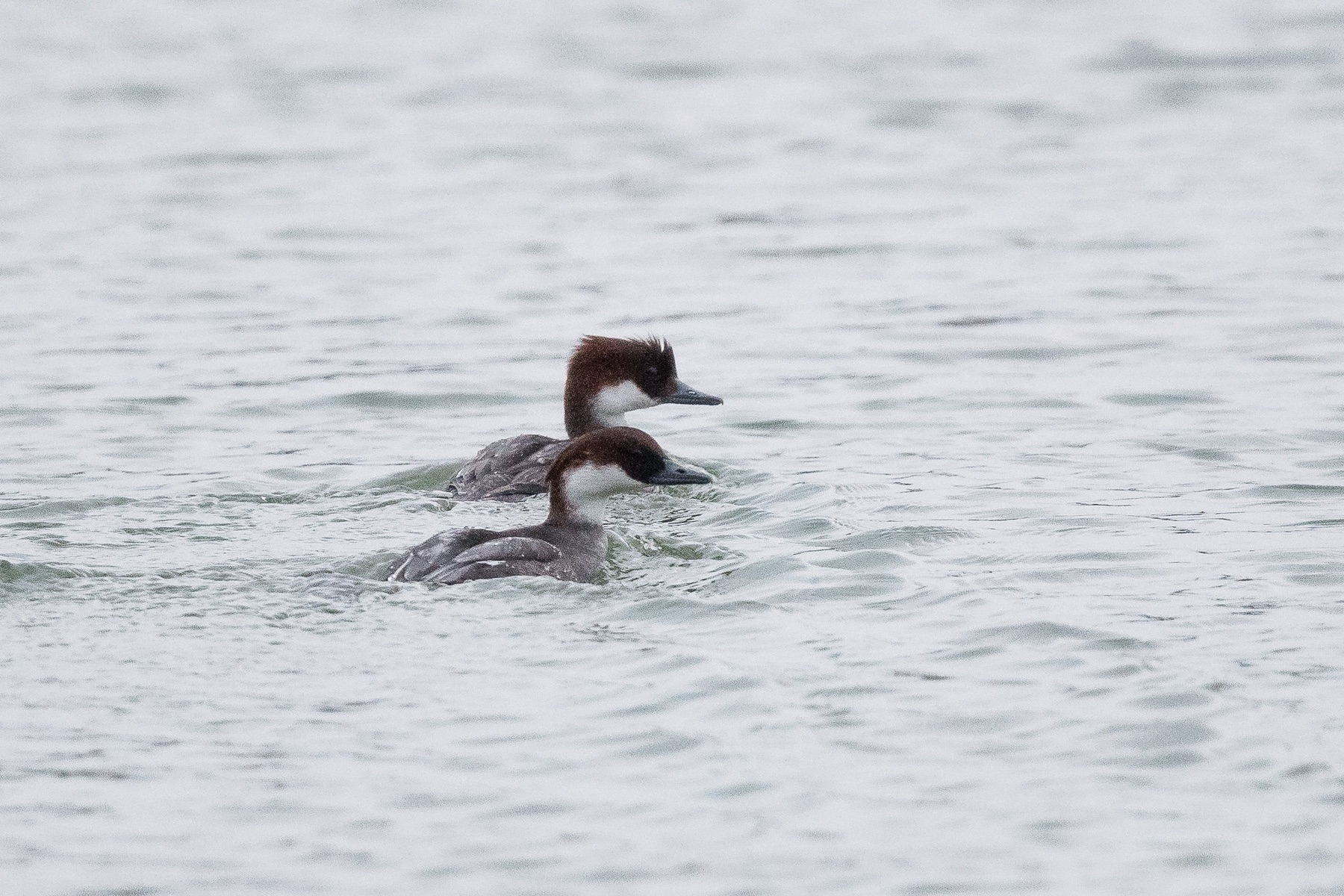
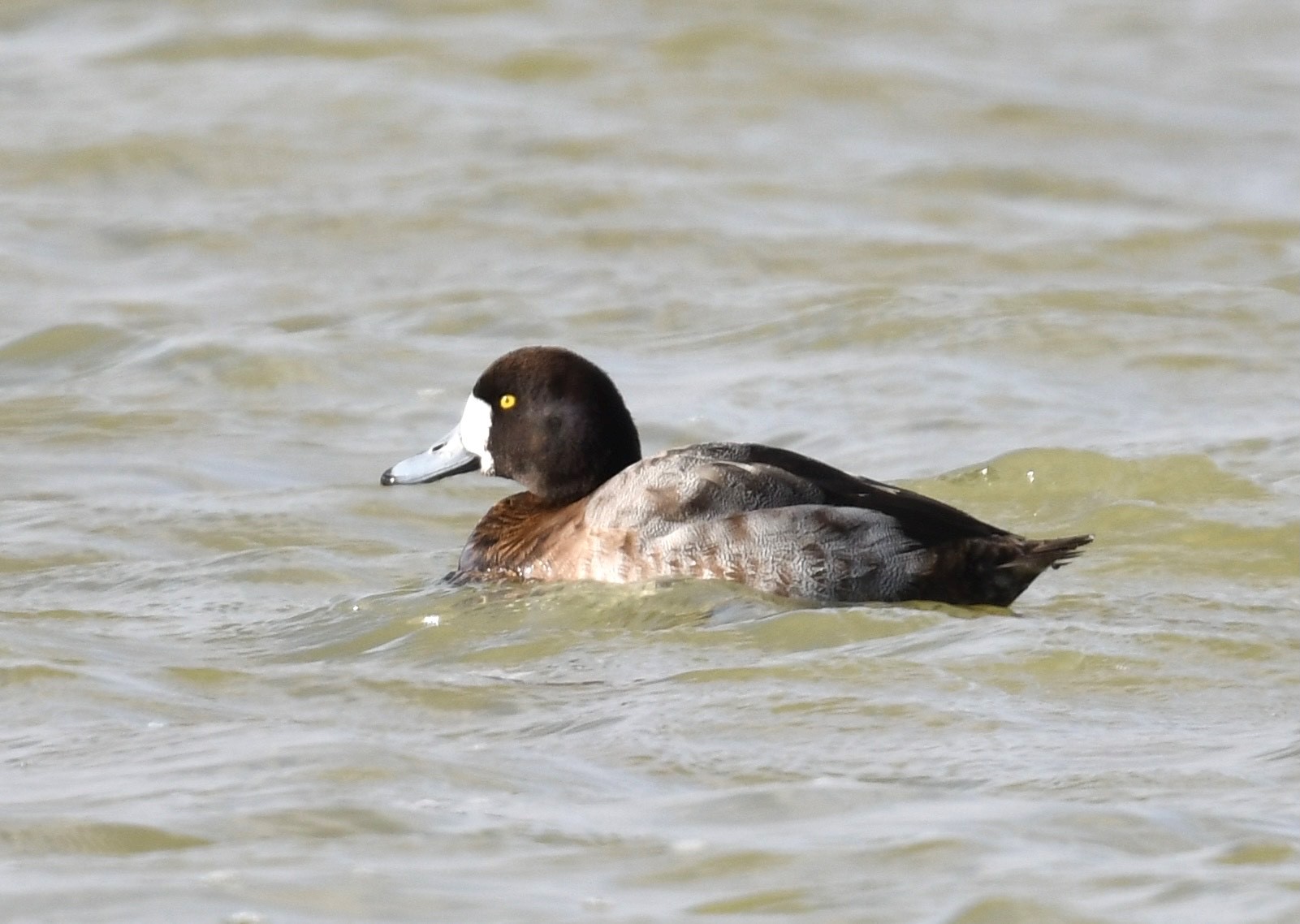
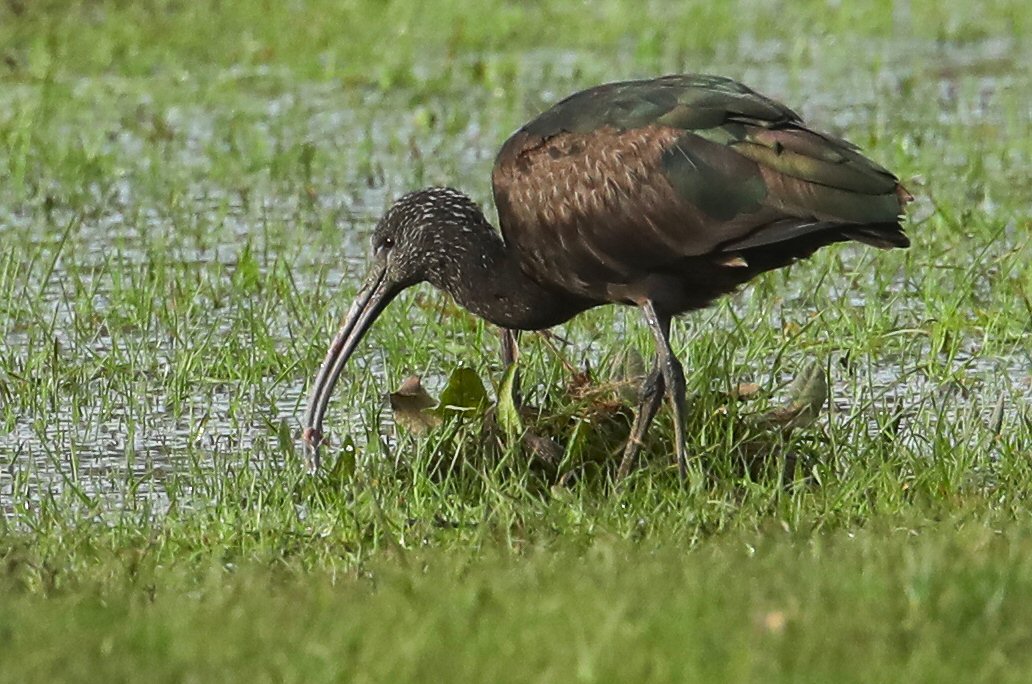
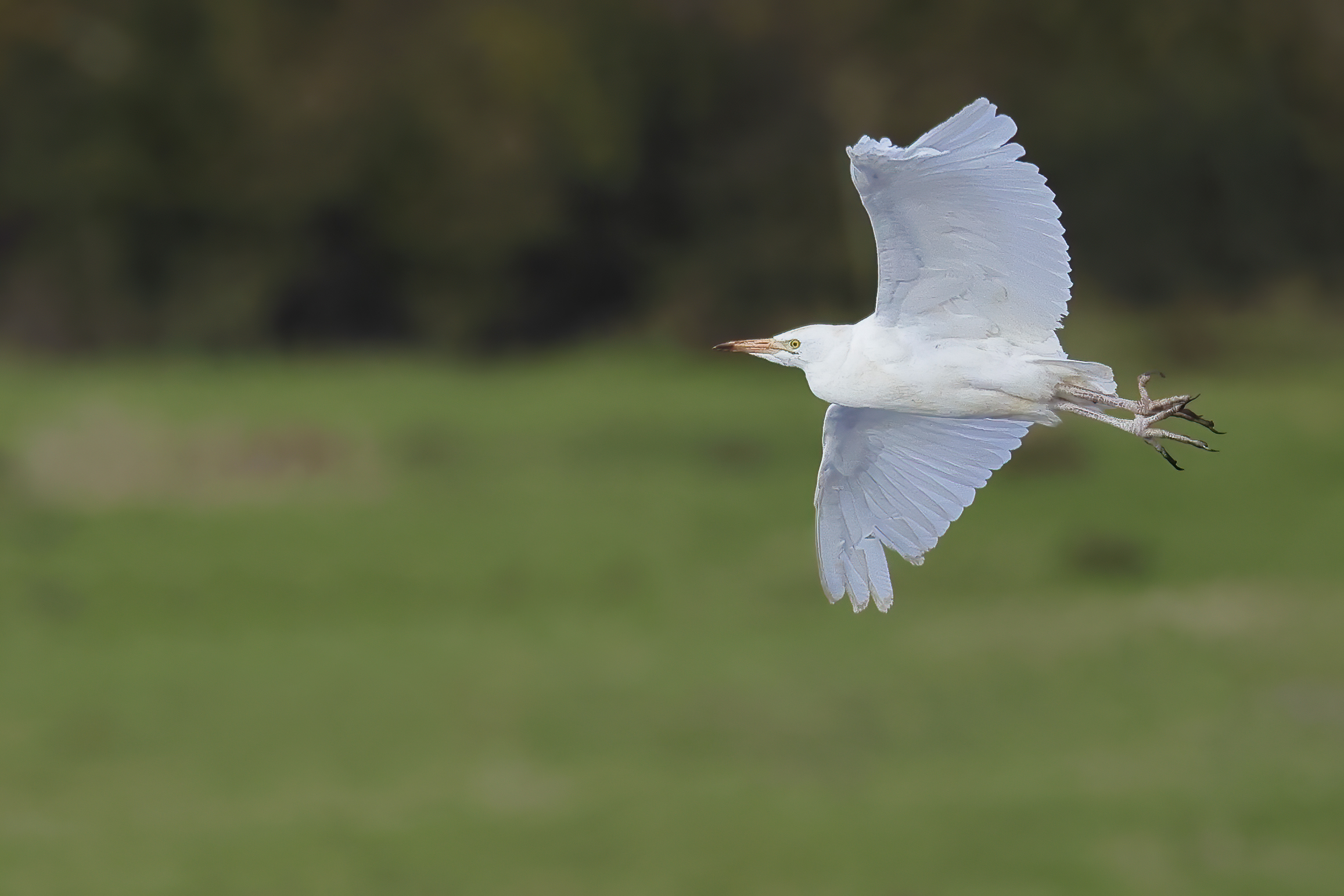
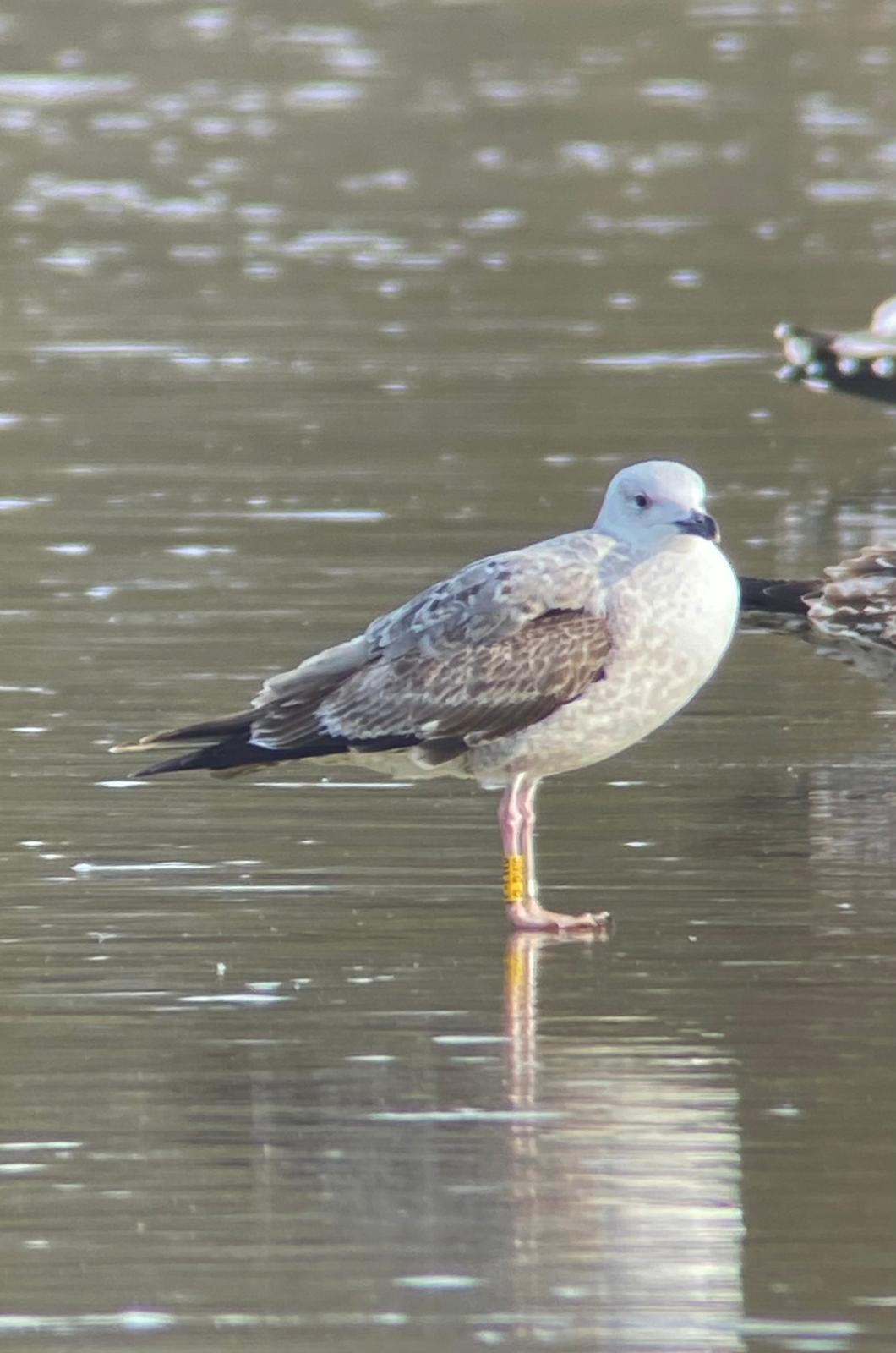
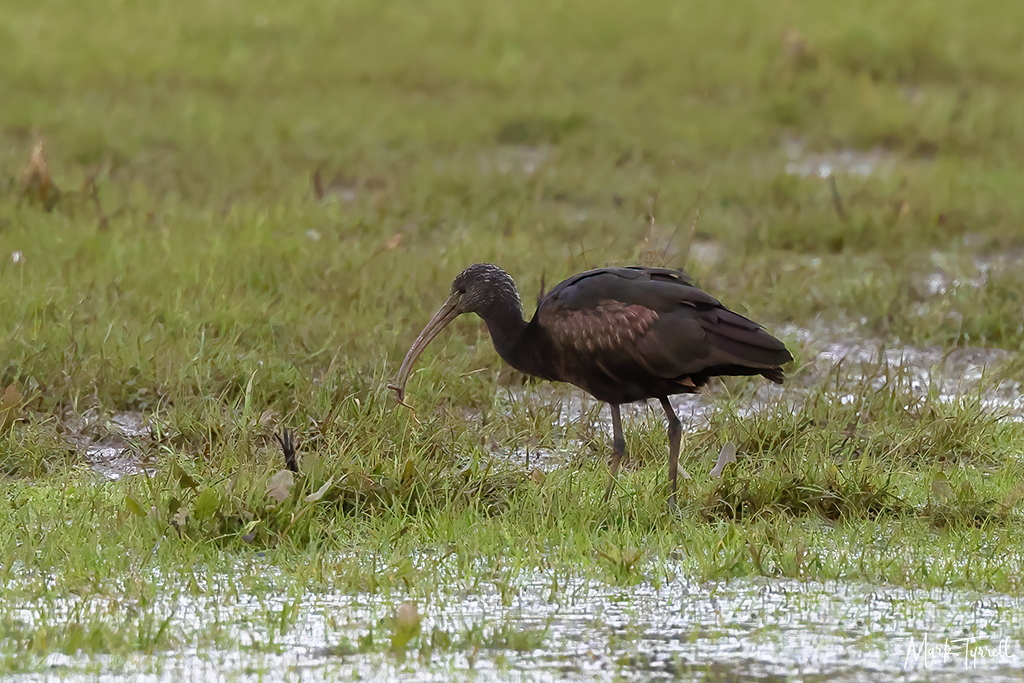
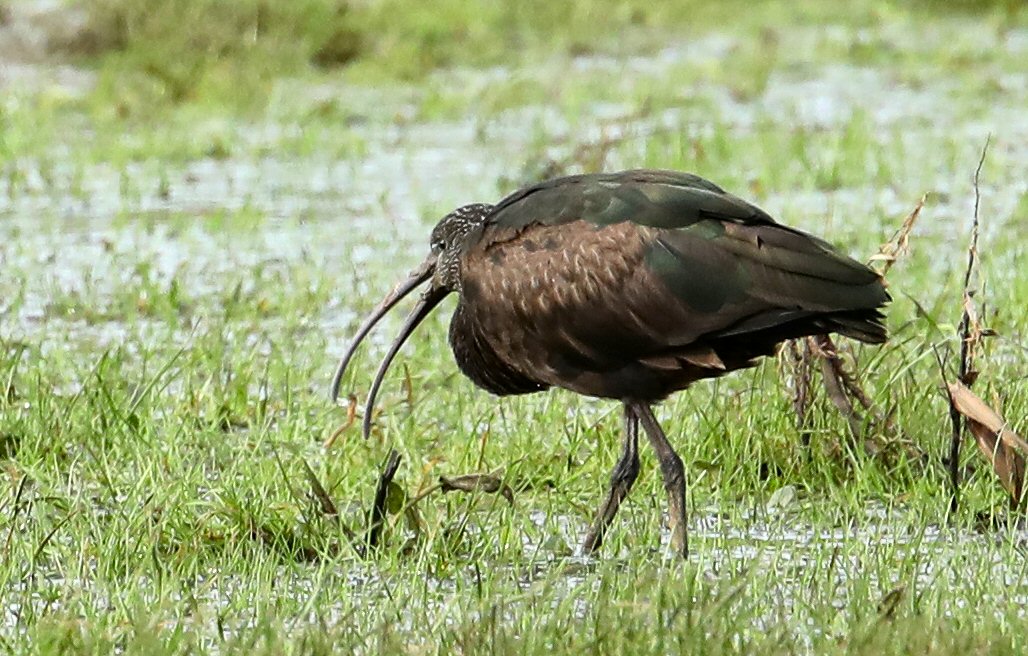
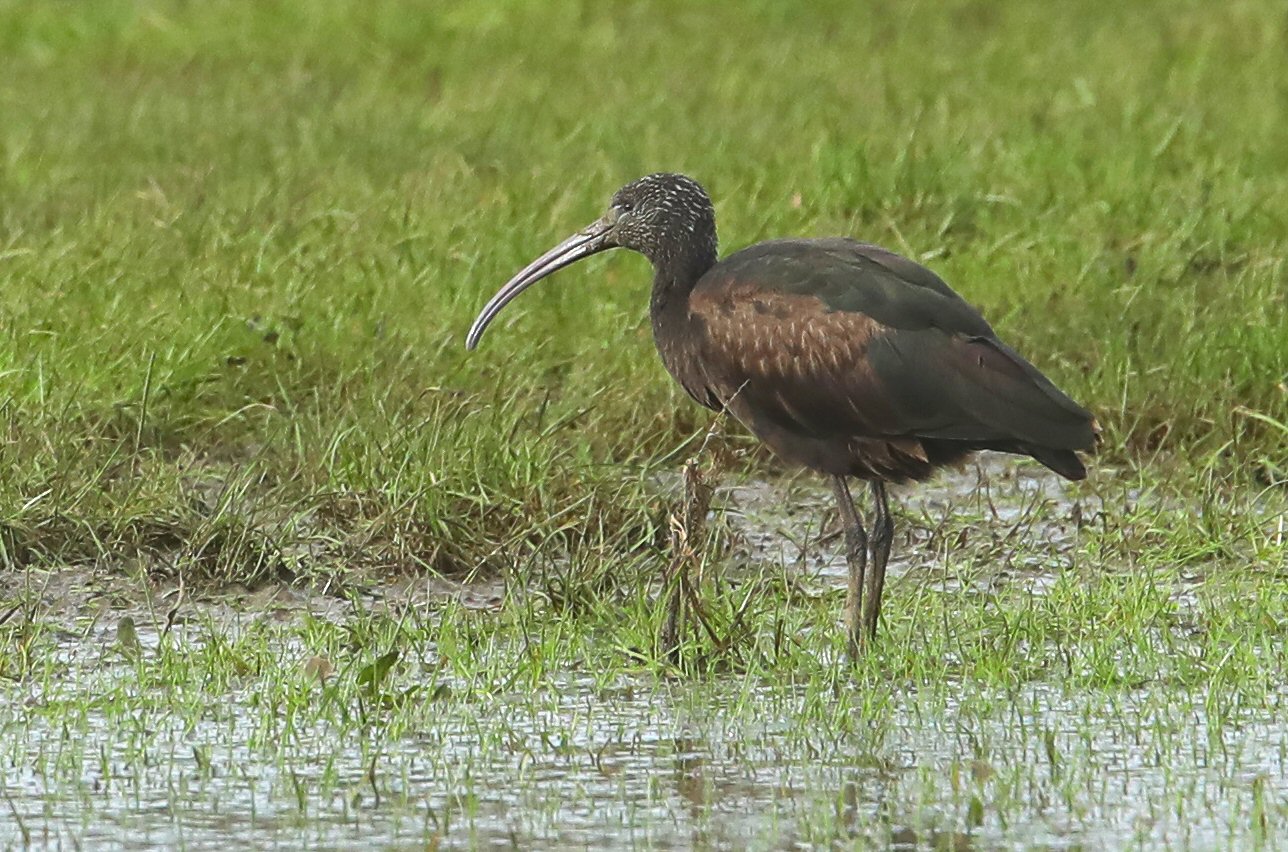
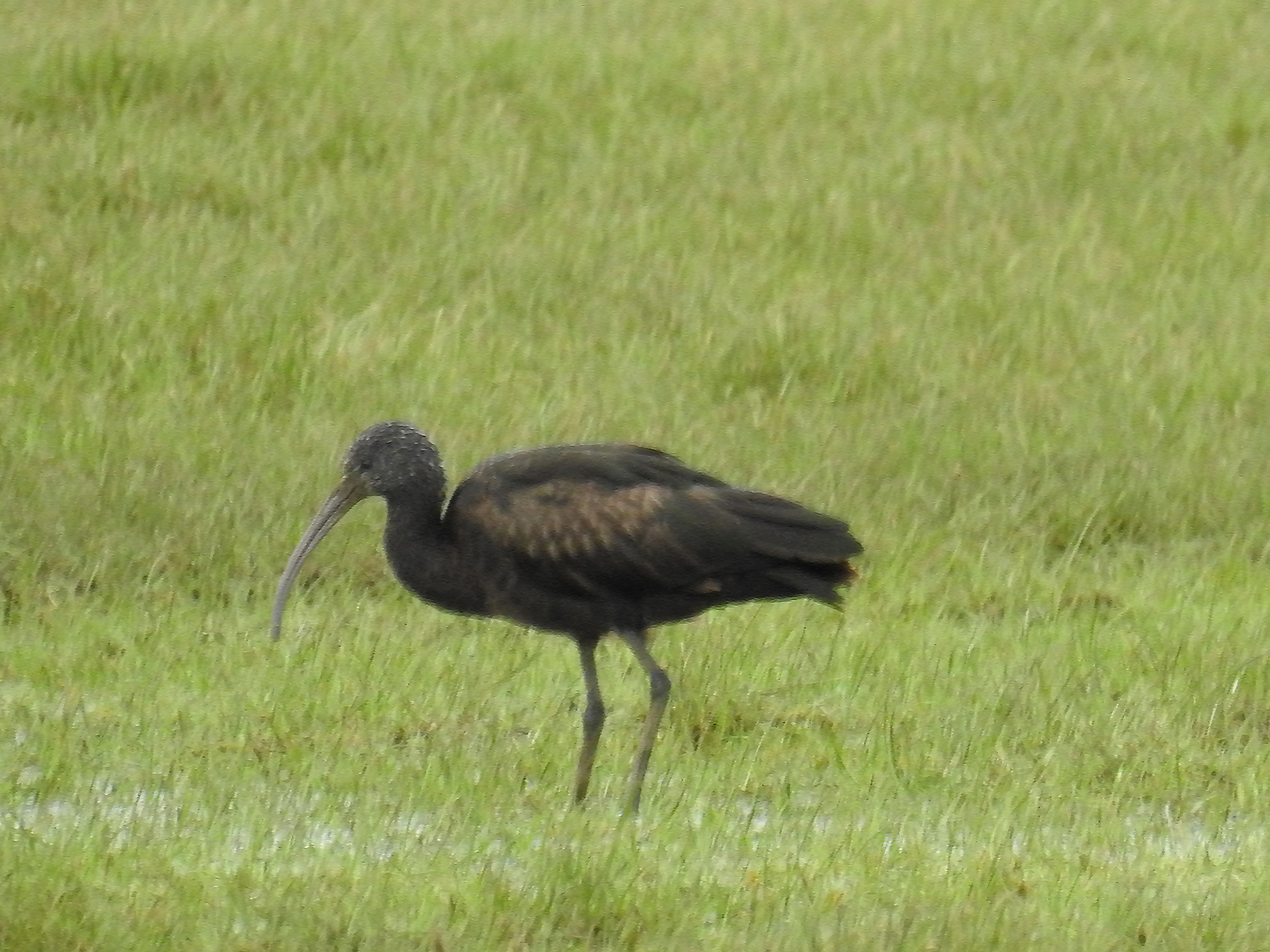
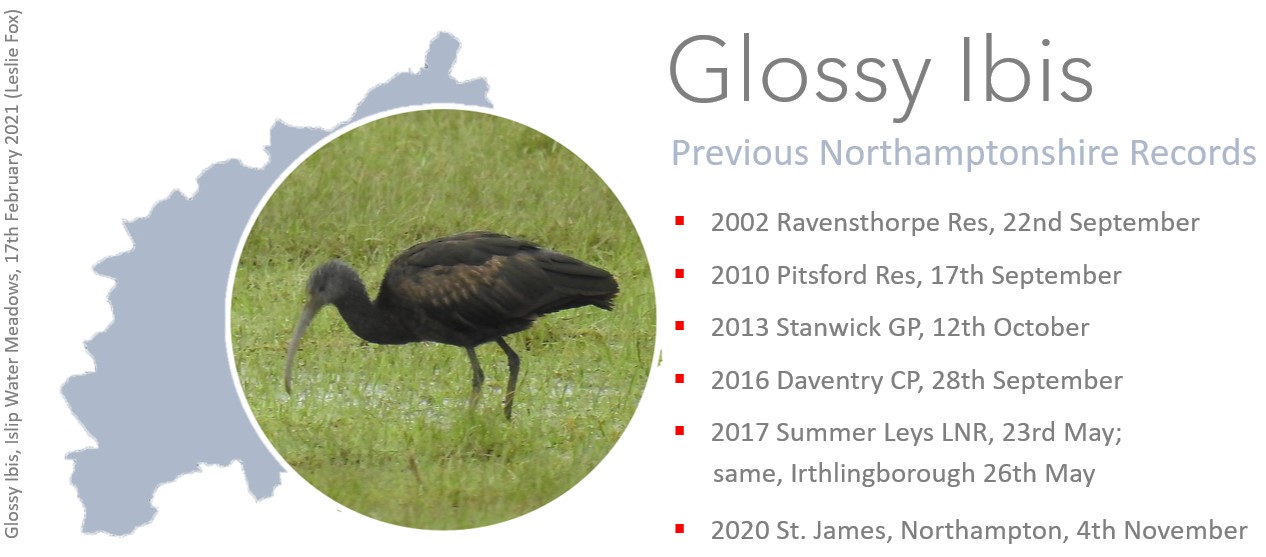
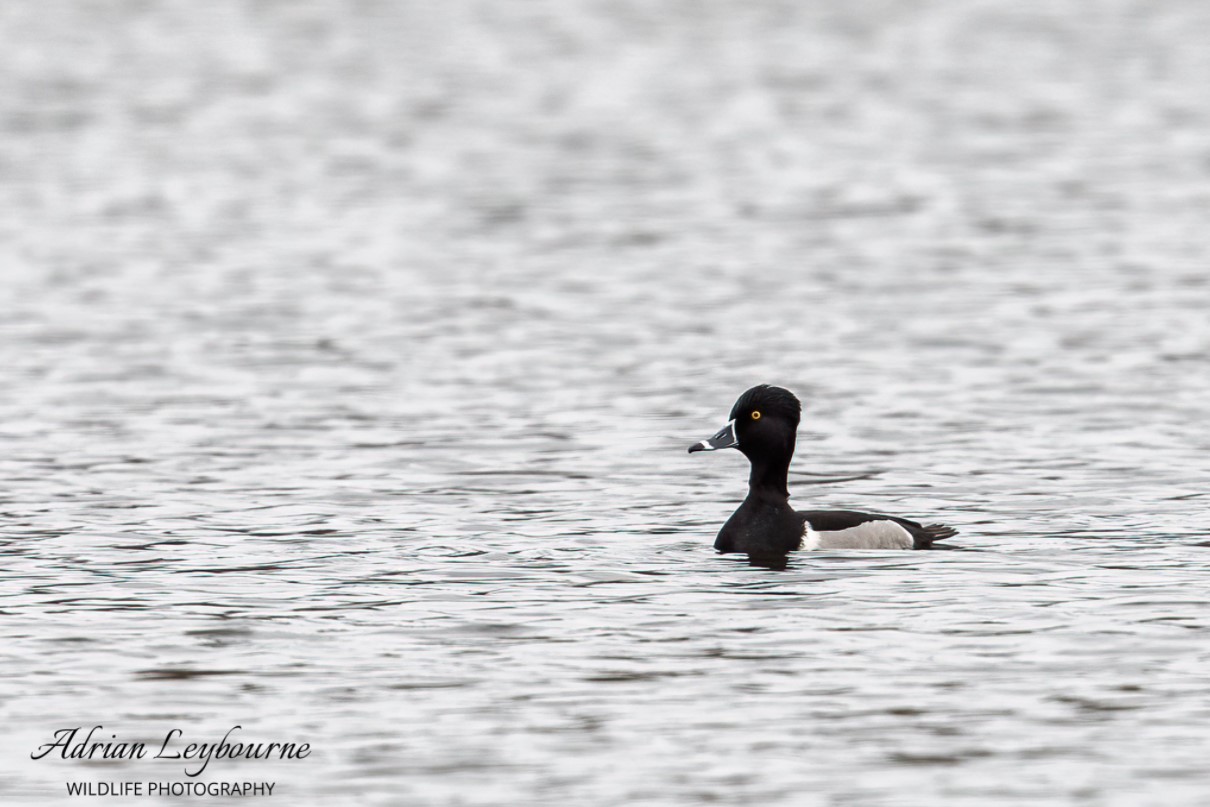
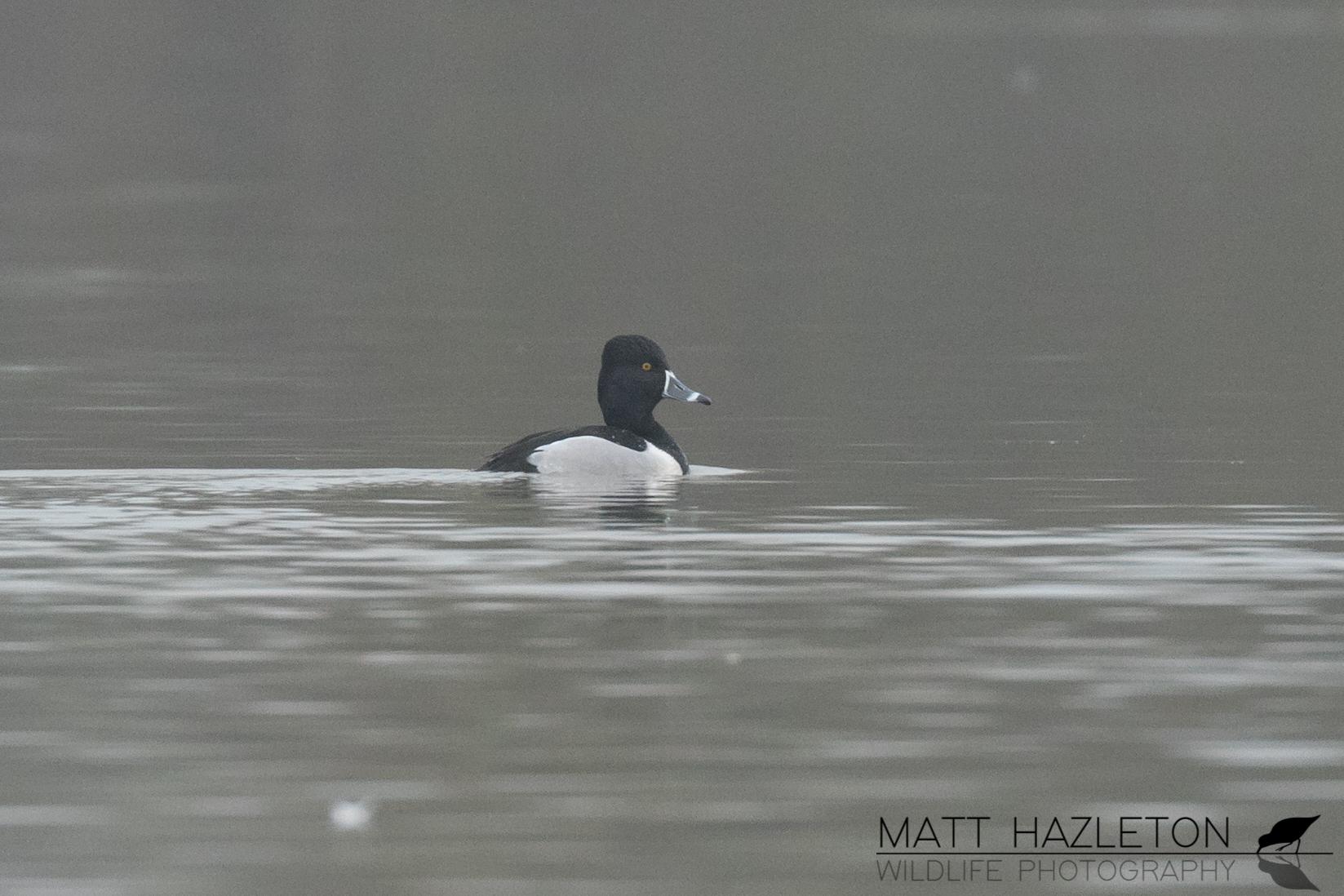
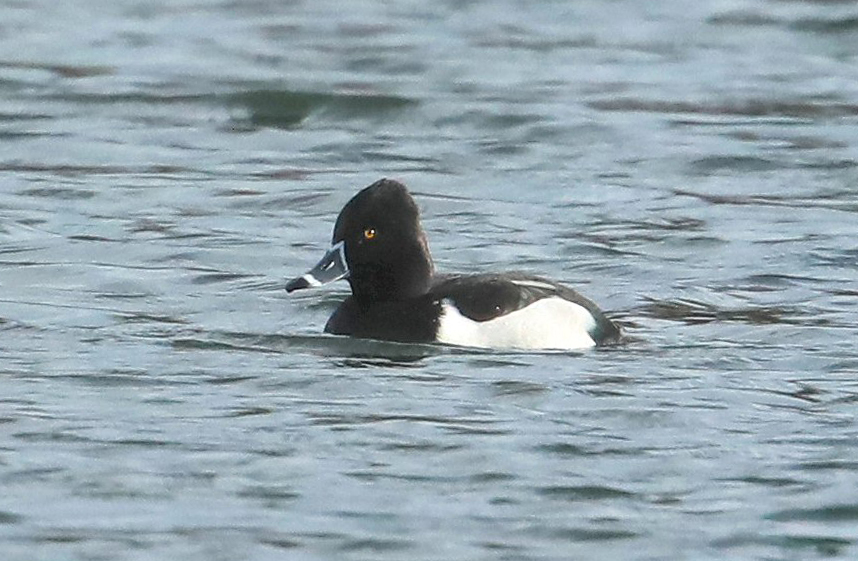
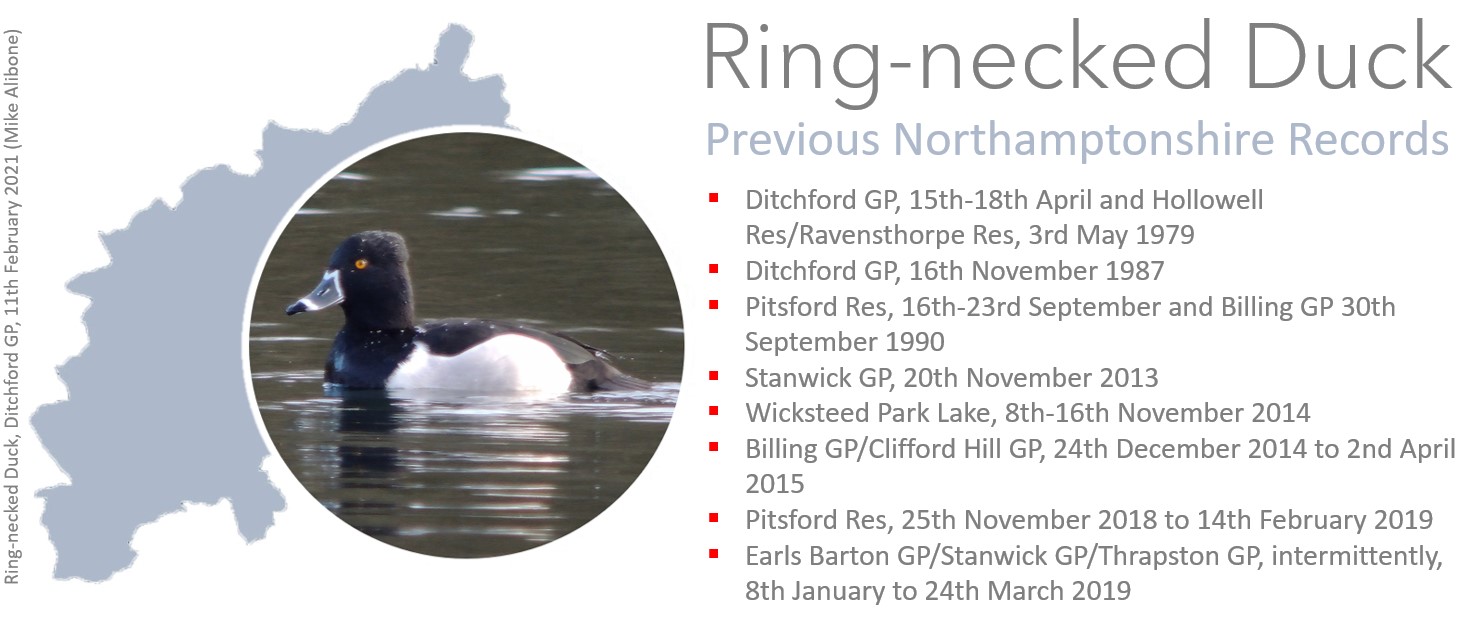
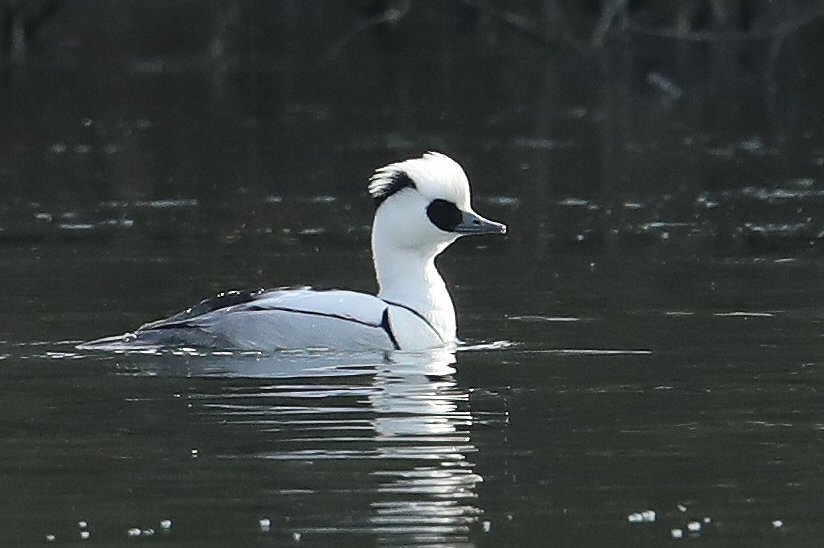
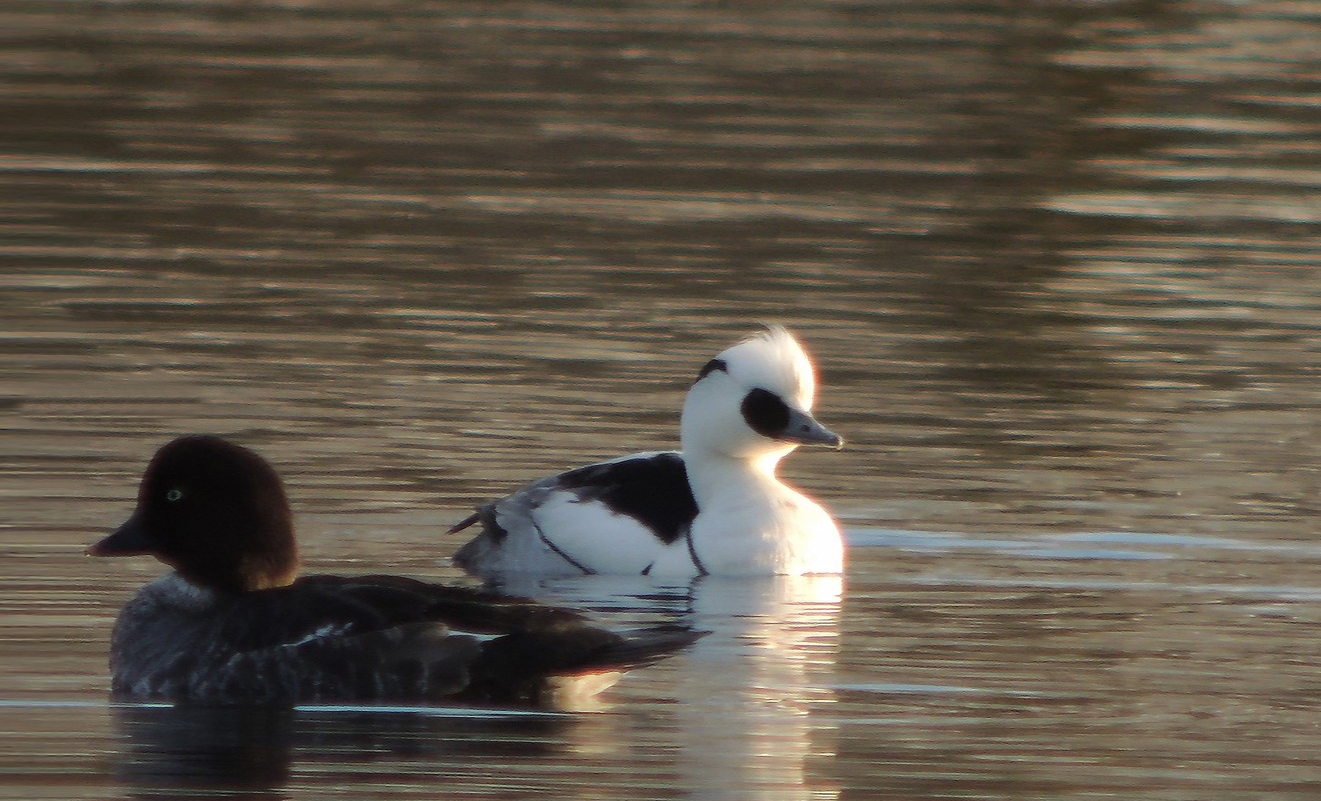
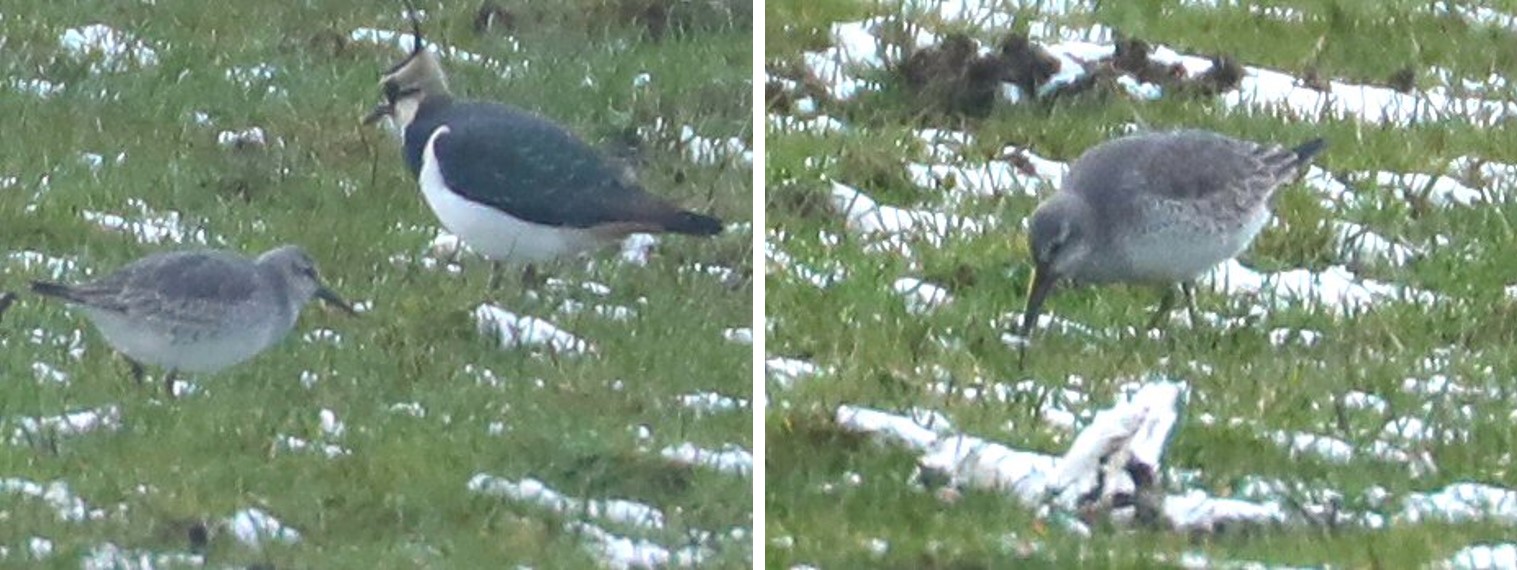
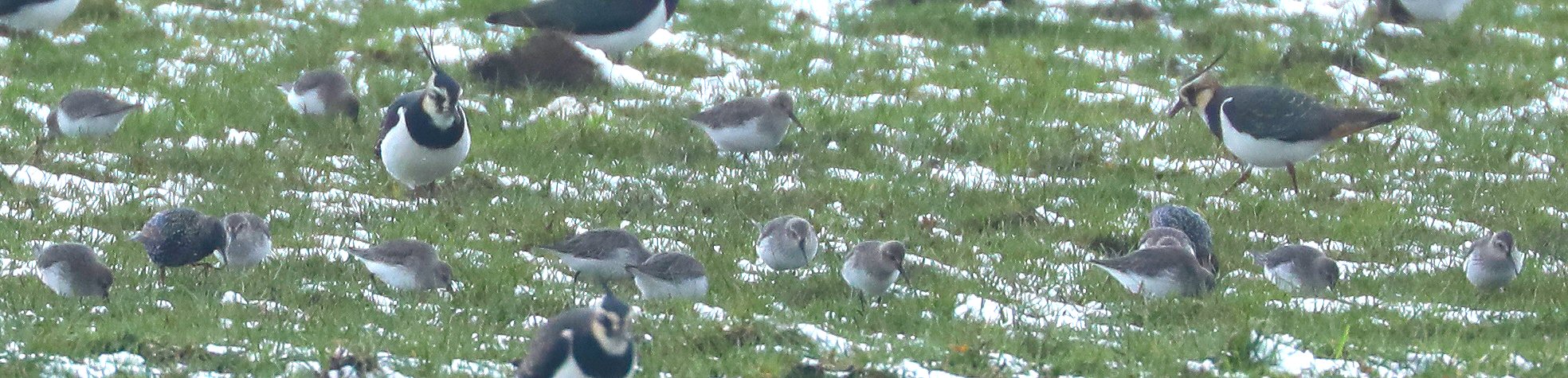
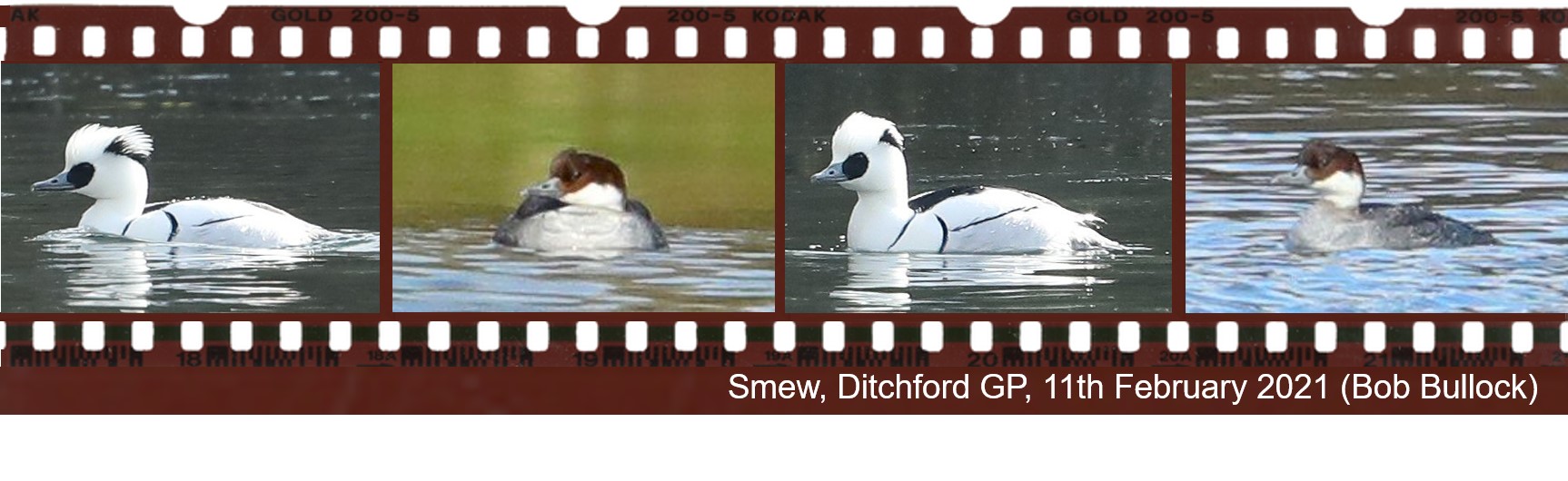 From some way beyond Scandinavia, cold Arctic air on the back of so-called ‘Storm Darcy’ delivered little more than a sprinkling of snow during a week in which daytime temperatures reached a low of -3°C. Factor in the wind chill and you were down to -8°C. Associated with these conditions there was also a sprinkling of rather unseasonal waders, along with the discovery of the county’s 9th record of Ring-necked Duck. Other ducks were also available …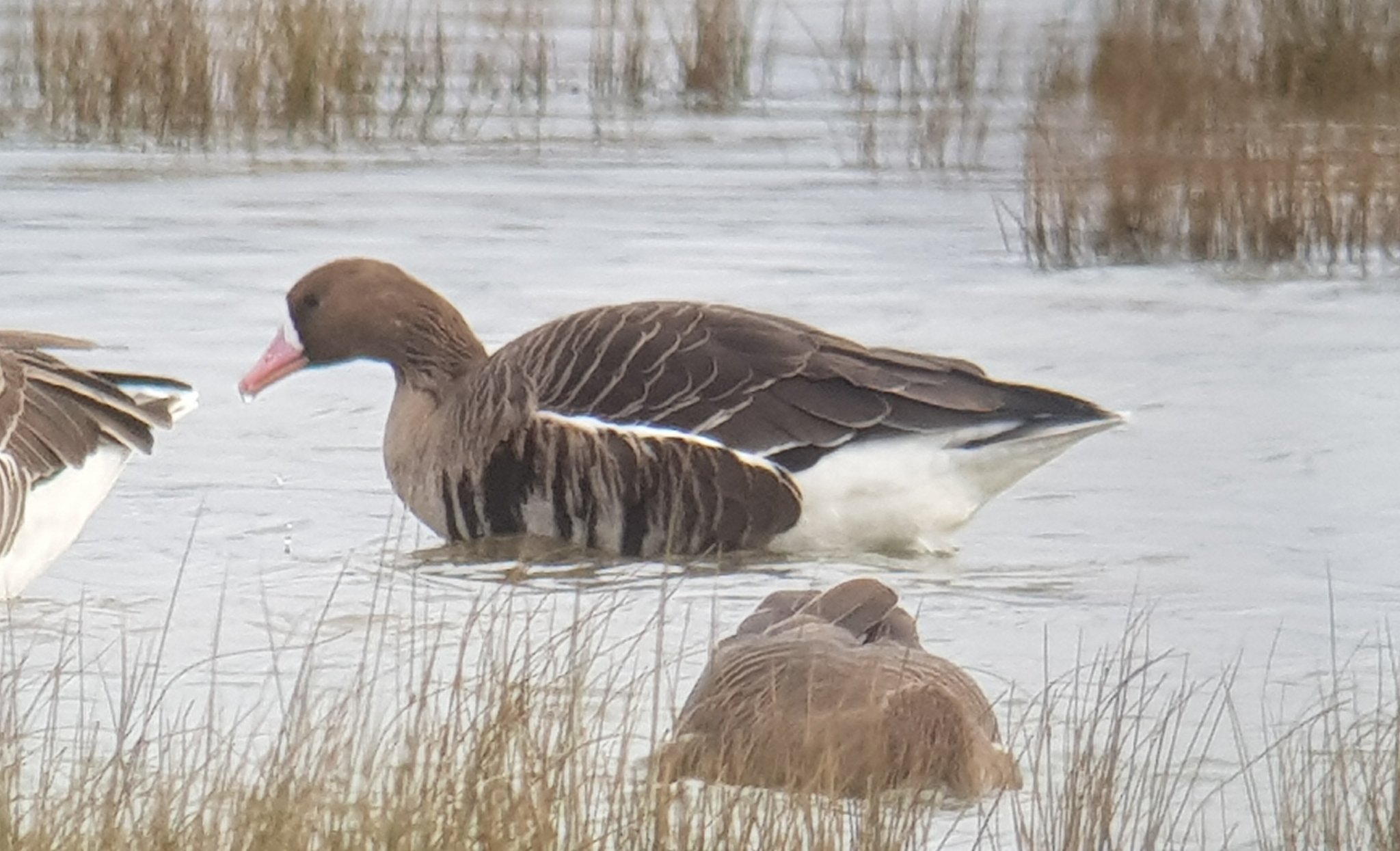
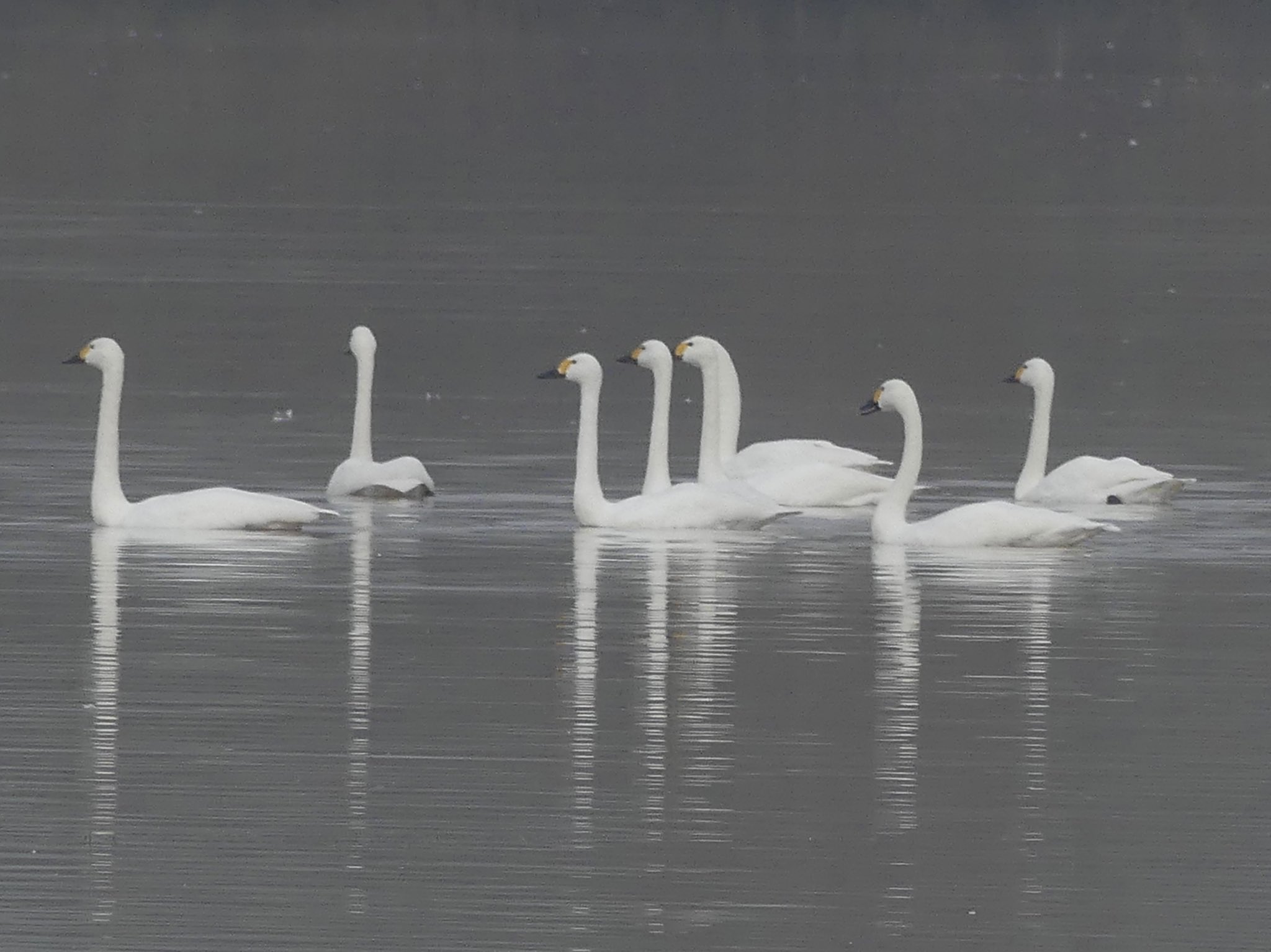
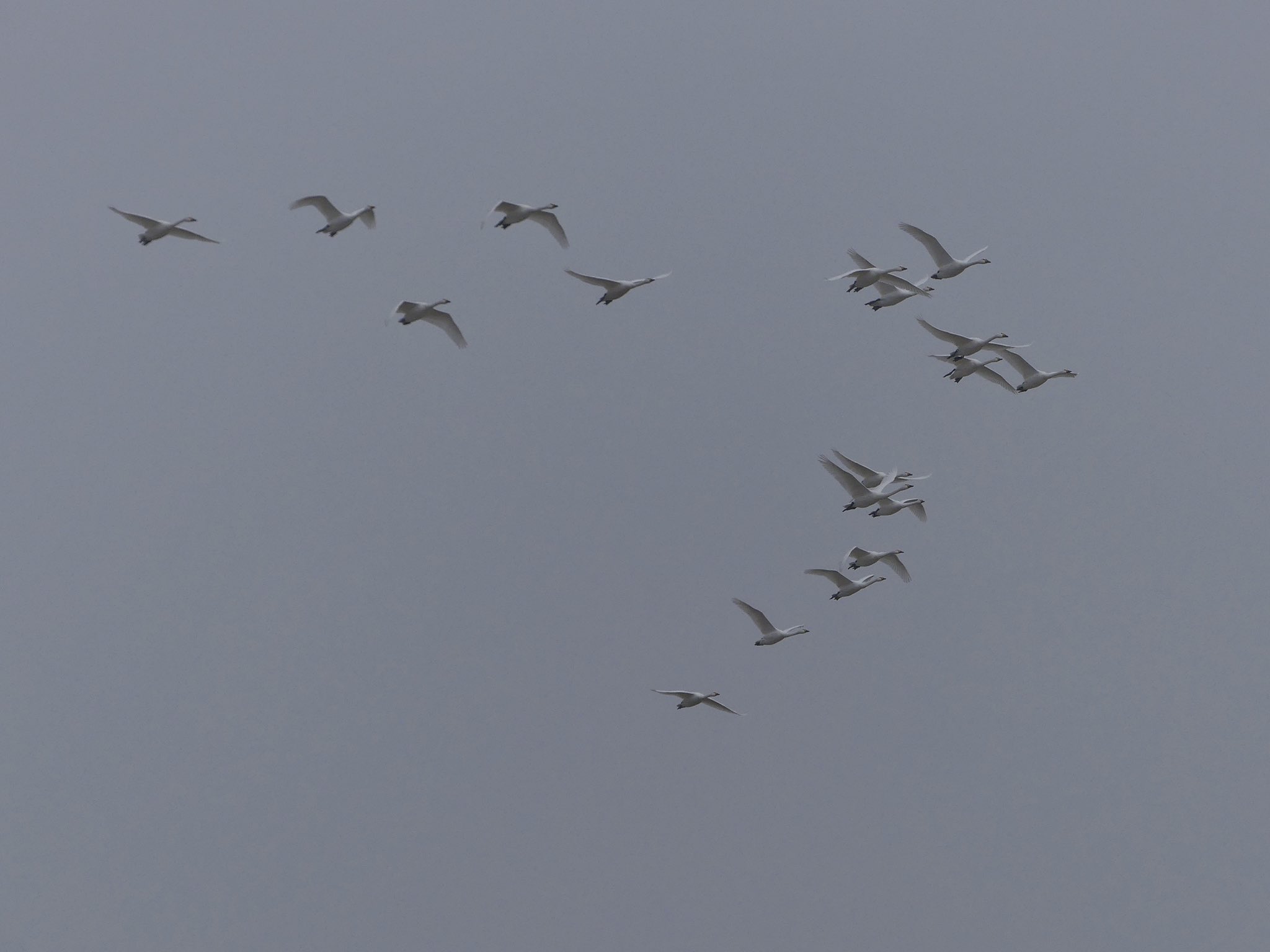
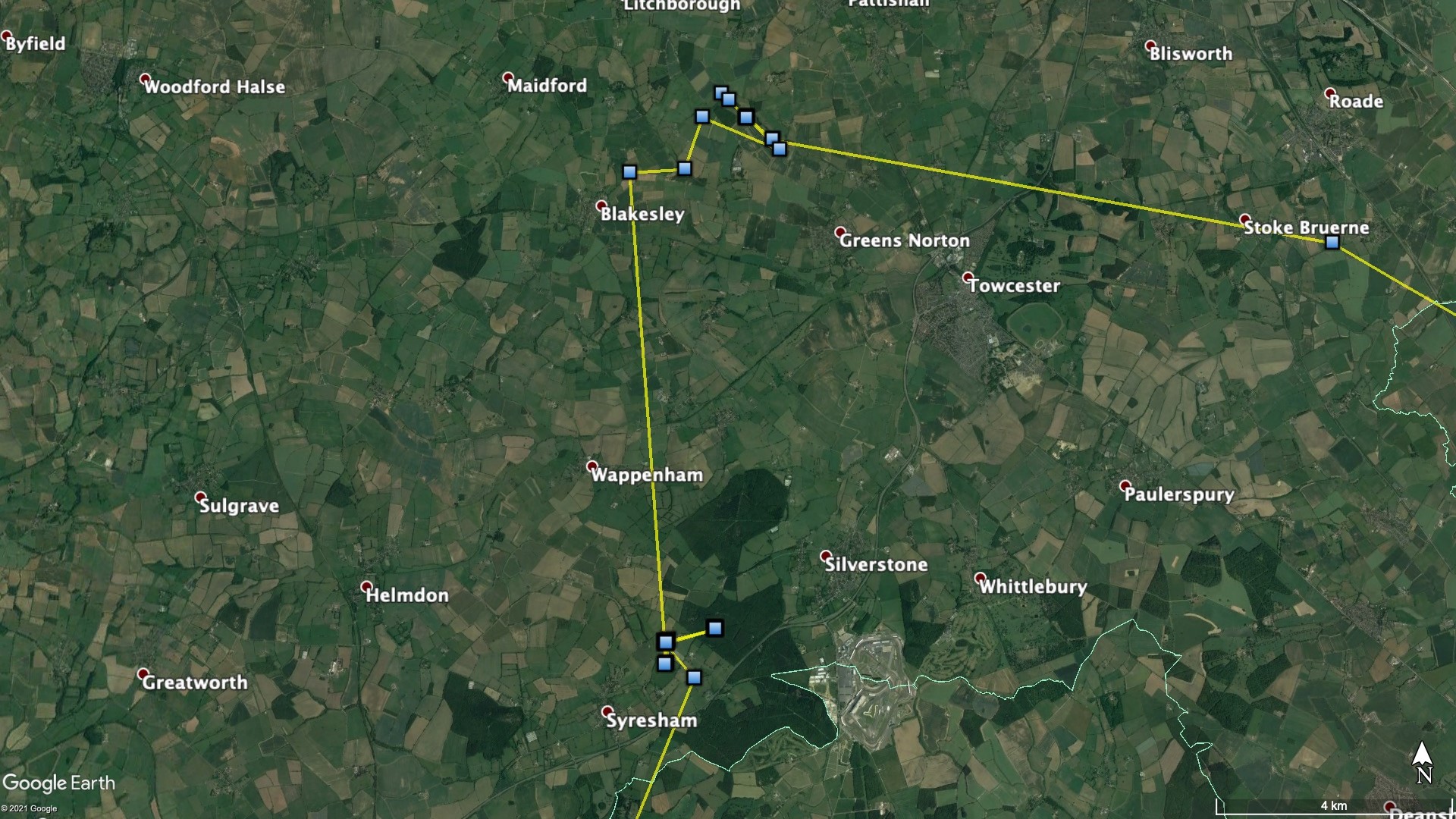
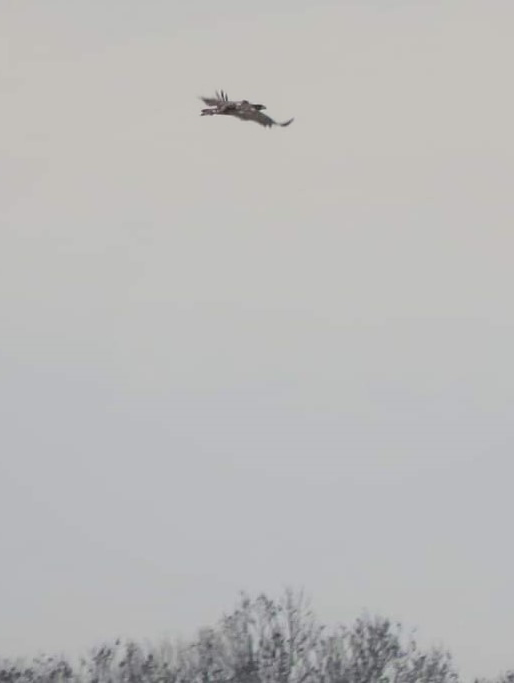
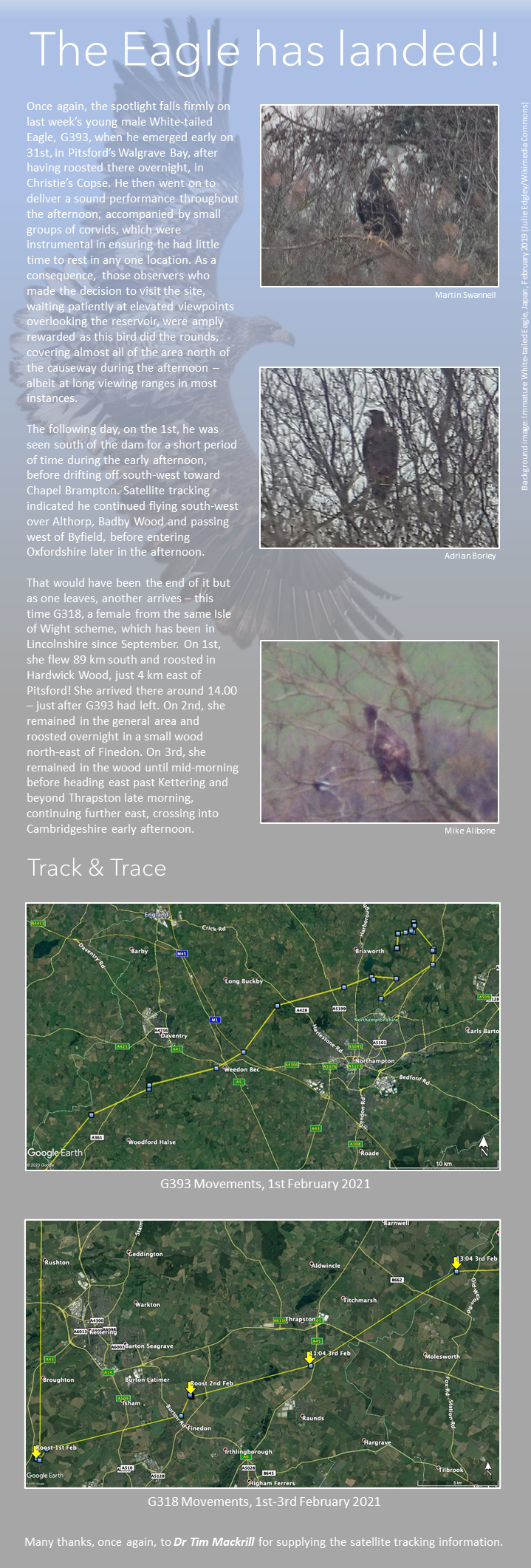
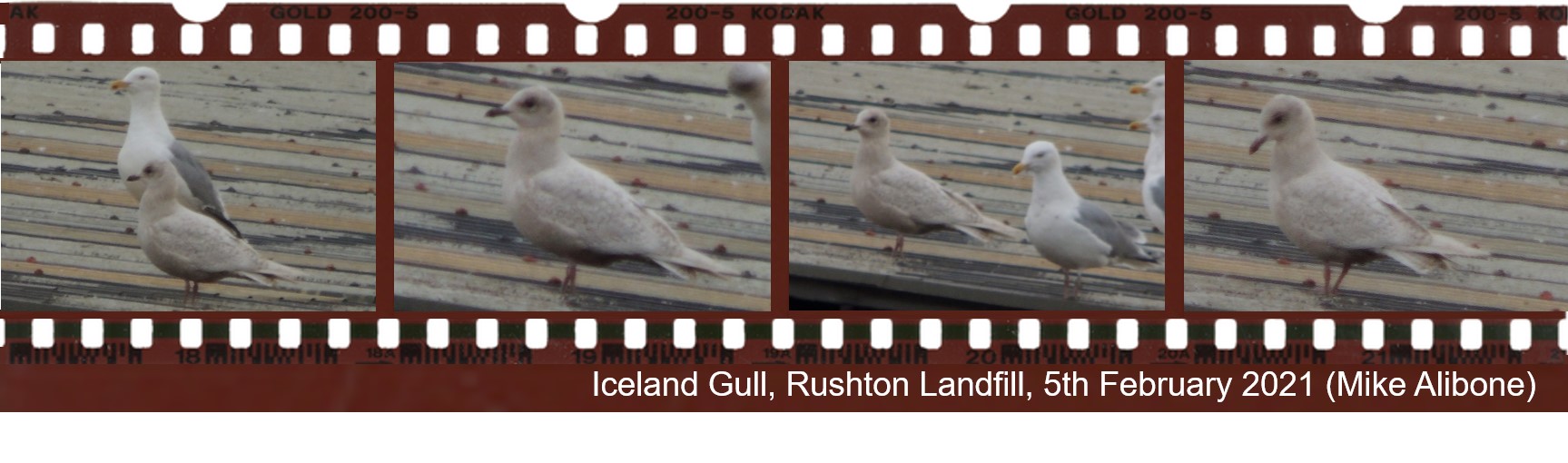 Chilly east to north-easterlies kept temperatures depressed in the first half of the period, after which a mild spell saw a double-figure rise to 11°C, under the influence of a south to south-westerly airstream. The week’s focus was centred firmly on the presence of two White-tailed Eagles, the anticipated easy connectivity with one giving rise to a small, though appreciable, stream of ‘local’ birders to its favoured wetland site.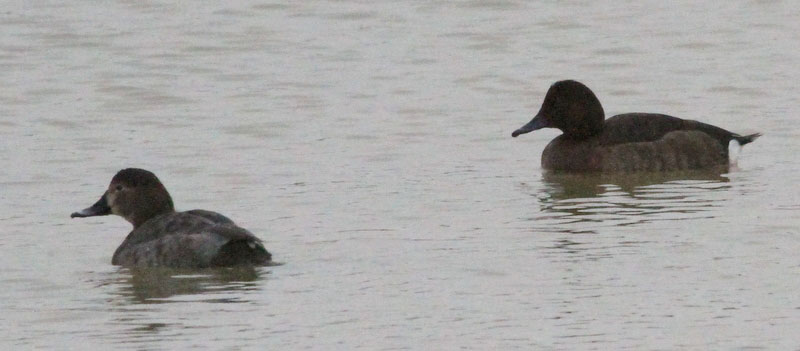
 Northants birds